

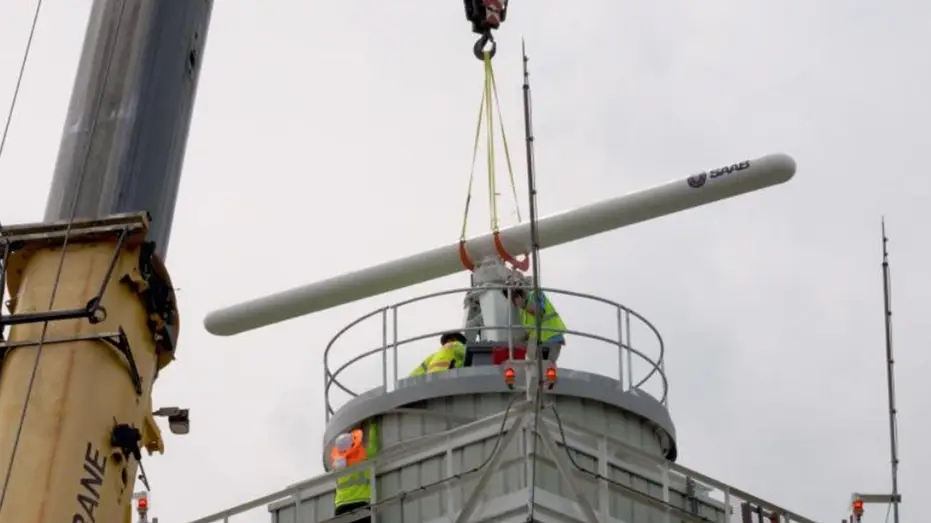
Ronald Reagan Washington National Airport has installed an advanced SMR-4 radar system following a federal investigation into a fatal 2025 midair collision.
Ronald Reagan Washington National Airport has officially integrated a sophisticated new radar system into its air traffic control infrastructure. The deployment of the Surface Movement Radar, designated as SMR-4, represents a significant shift in how ground and low-altitude operations are monitored within the busy Washington, D.C. corridor. This technological enhancement is designed to provide controllers with a comprehensive and high-resolution view of all aircraft and ground vehicles navigating the airport’s runways and taxiways.
The implementation of SMR-4 serves as a critical reinforcement for aviation personnel, particularly during periods of inclement weather or low visibility, which have historically posed challenges for ground movement tracking. mize the margin of error for controllers managing complex traffic patterns. This installation marks Reagan National as the fifth major facility in the United States to adopt this advanced surveillance technology, following closely behind similar upgrades at Newark Liberty International Airport.
Transportation officials have characterized this move as a vital step in modernizing the national air traffic control network. The initiative is part of a broader, accelerated strategy to enhance safety protocols across major aviation hubs, prioritizing the rapid delivery of state-of-the-art tools to personnel tasked with safeguarding the traveling public.
The decision to overhaul the airport's monitoring capabilities follows the tragic events of January 29, 2025, when a midair collision resulted in the loss of 67 lives. The incident involved an American Eagle regional jet and a military helicopter, leading to a comprehensive federal investigation that eventually concluded the government held liability for the disaster. The scale of the tragedy prompted an immediate reevaluation of safety oversight and risk management practices within the region's highly congested airspace.
A subsequent report released nd systemic failures that contributed to the catastrophe. Investigators identified long-standing safety gaps in the design of the airspace over the nation’s capital, noting that the conditions necessary for such a collision had been developing for a considerable period. The NTSB findings emphasized that the crash was not an isolated anomaly but rather the result of cumulative oversights in procedural management and regulatory surveillance.
The NTSB chairwoman noted that the investigation was a complex and extensive effort to uncover the root causes of the collision. nstruct the safety framework to prevent similar incidents from occurring in the future, ensuring that the lessons learned from the 2025 disaster are permanently embedded into operational protocols.
Beyond the immediate installation of the SMR-4 radar system, the Department of Transportation has committed to a substantial financial investment in Reagan National Airport. Over the next three years, approximately $30.5 million will be directed toward various safety and technology upgrades. This funding is intended to address the persistent infrastructure needs identified during the post-accident review process, ensuring that the facility remains equipped to handle the high volume of traffic characteristic of a major metropolitan airport.
The broader investment strategy focuses on modernizing existing systems to improve situational awareness and communication efficiency. As the aviation industry continues to evolve, the integration of digital tools and automated monitoring is becoming increasingly essential to maintaining high safety standards. These upgrades are intended to create a more resilient operating environment that can adapt to changing weather conditions and fluctuating flight schedules.
Ultimately, these developments serve as a direct response to the public and regulatory pressure to rectify the systemic issues that led to the 2025 tragedy. rities are signaling a commitment to a more rigorous approach to airspace management. The goal is to ensure that the advancements made at Reagan National provide a lasting legacy of safety for the thousands of passengers who rely on the airport daily.