A synthesis of political accountability in Colombia and the ongoing challenges of international governance, paired with updates on critical space infrastructure.
The concentration of influence—whether within the halls of international diplomacy or the private offices of government officials—remains a central tension in modern governance. While global institutions struggle with structural inequities that grant outsized control to a select few, domestic political systems are simultaneously grappling with the personal misuse of state authority. These disparate arenas, from the United Nations Security Council to the Colombian cabinet, demonstrate that institutional integrity relies heavily on the ethical conduct of the individuals wielding power, rather than just the frameworks that define their roles.
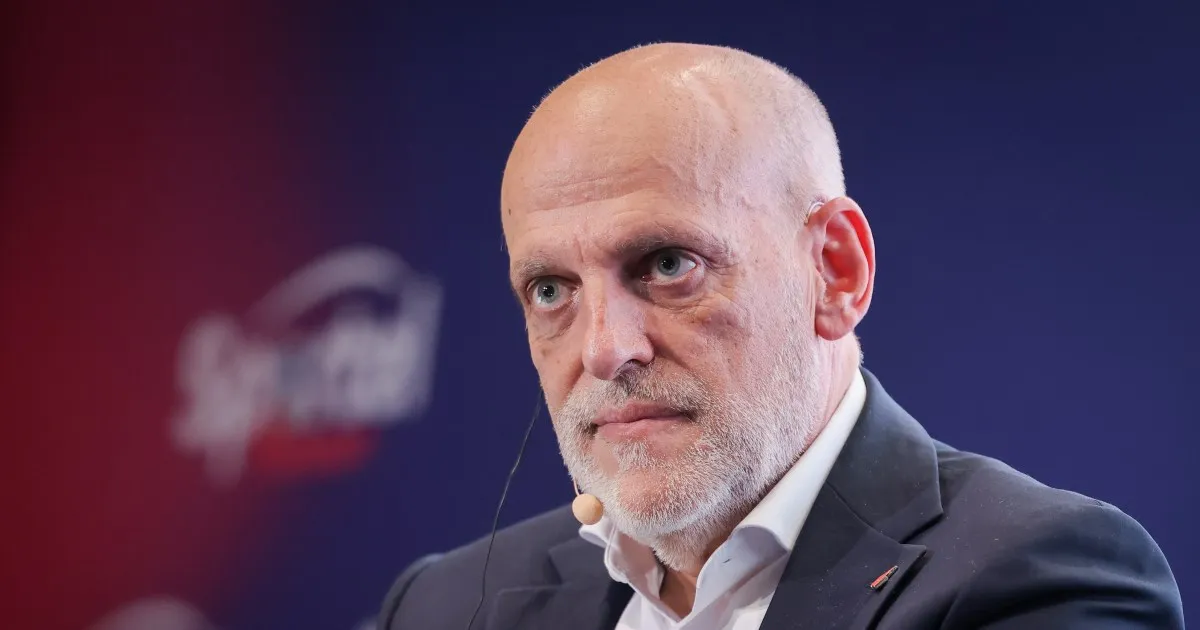
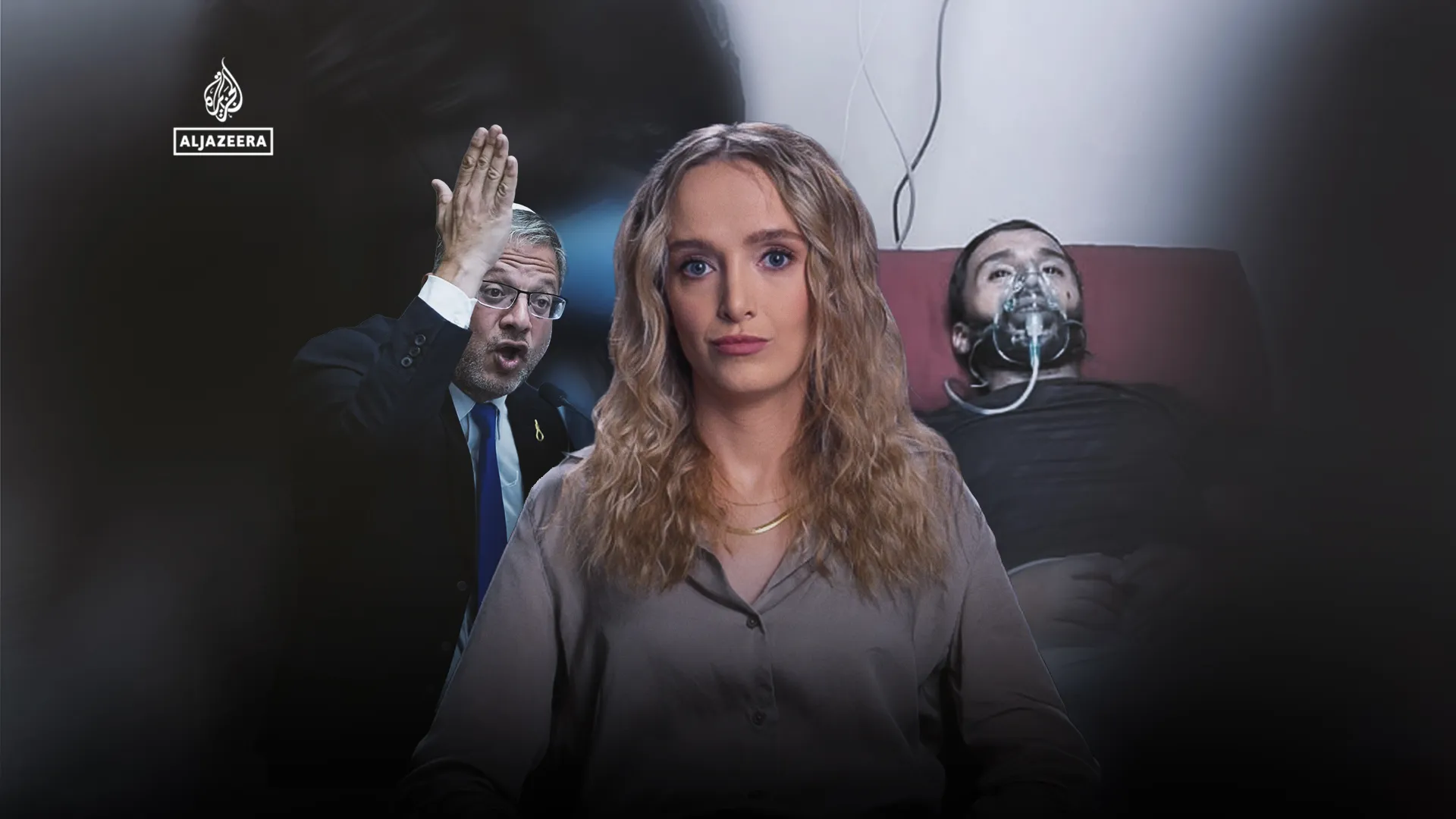
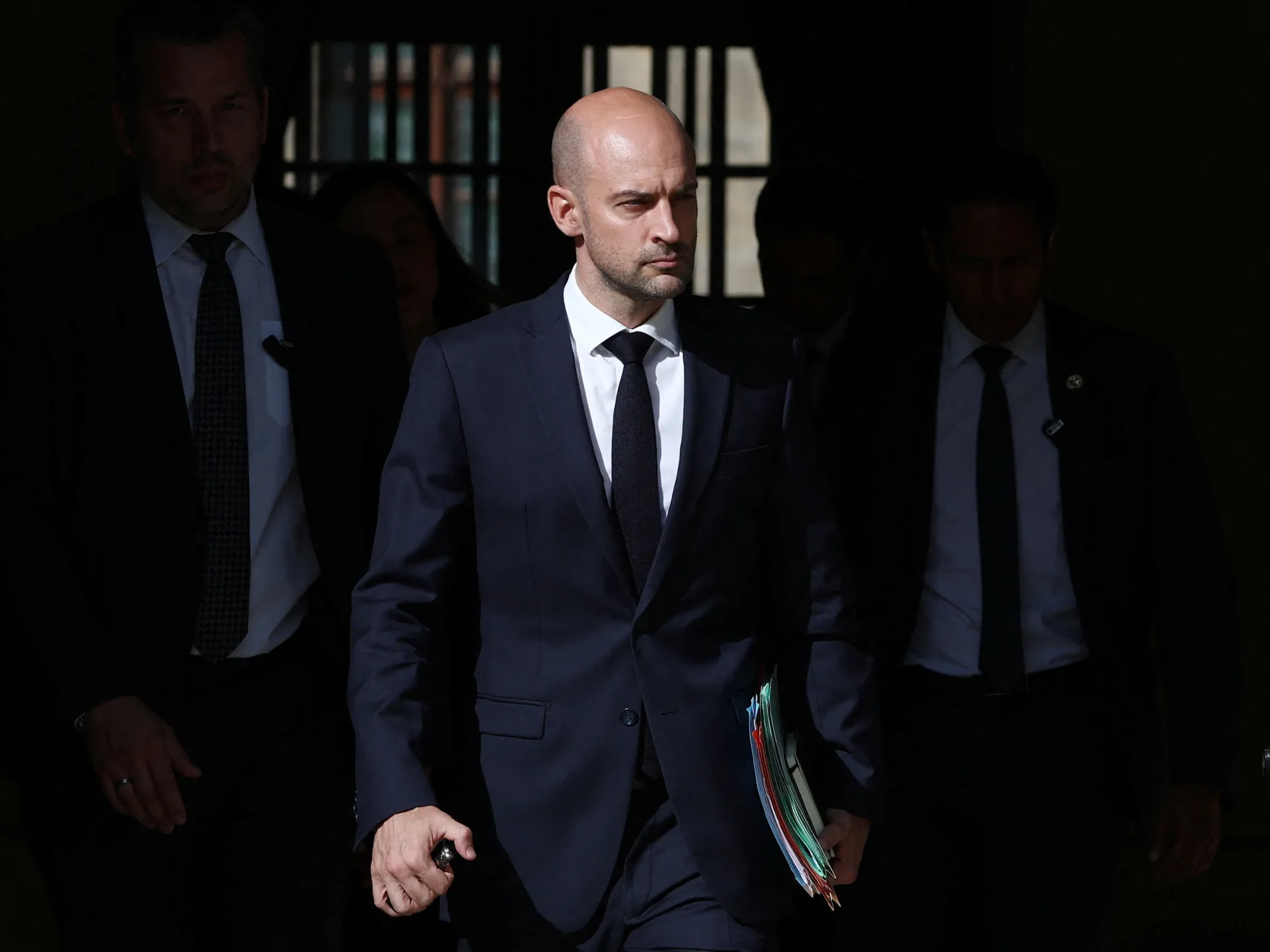
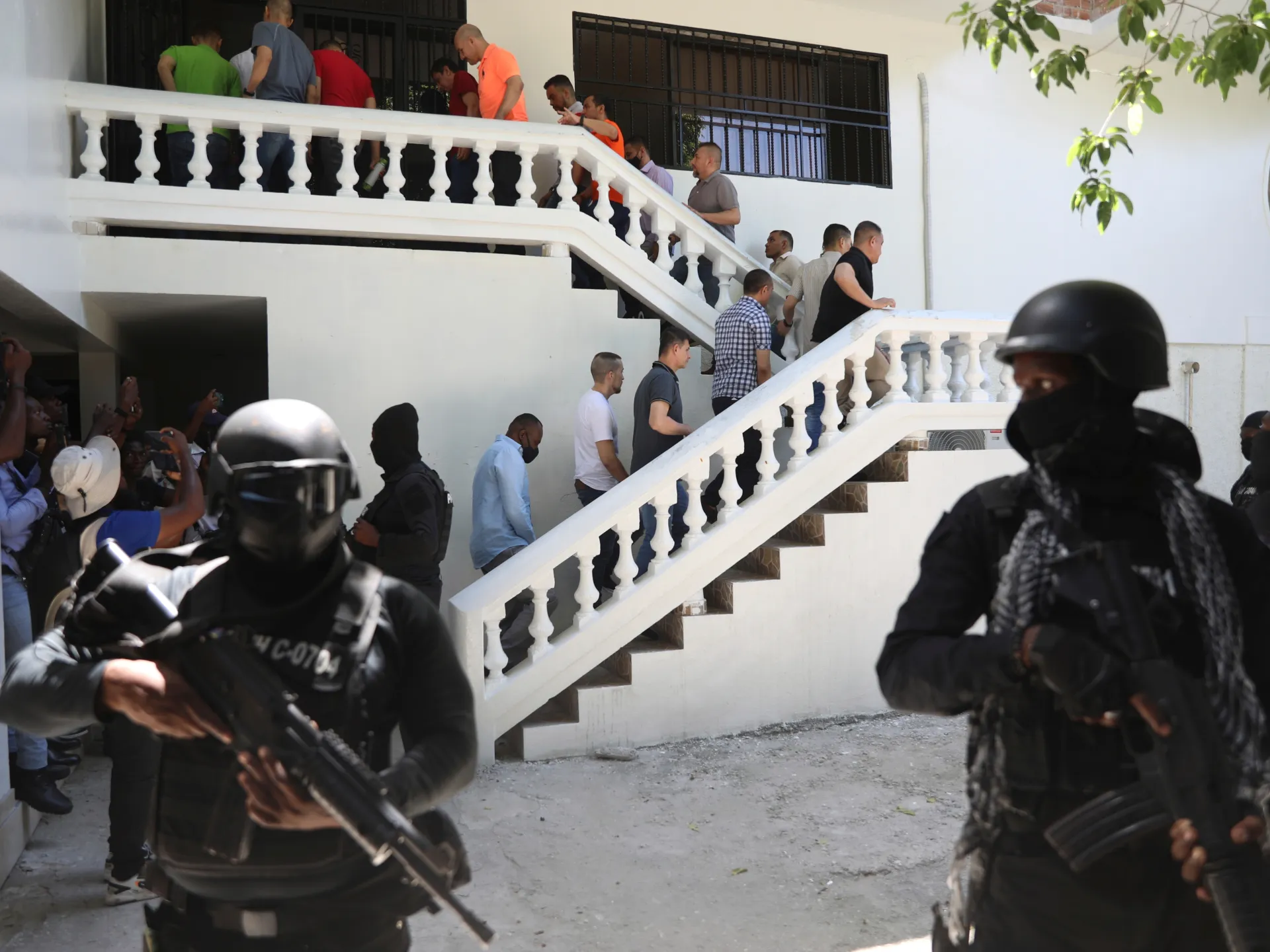
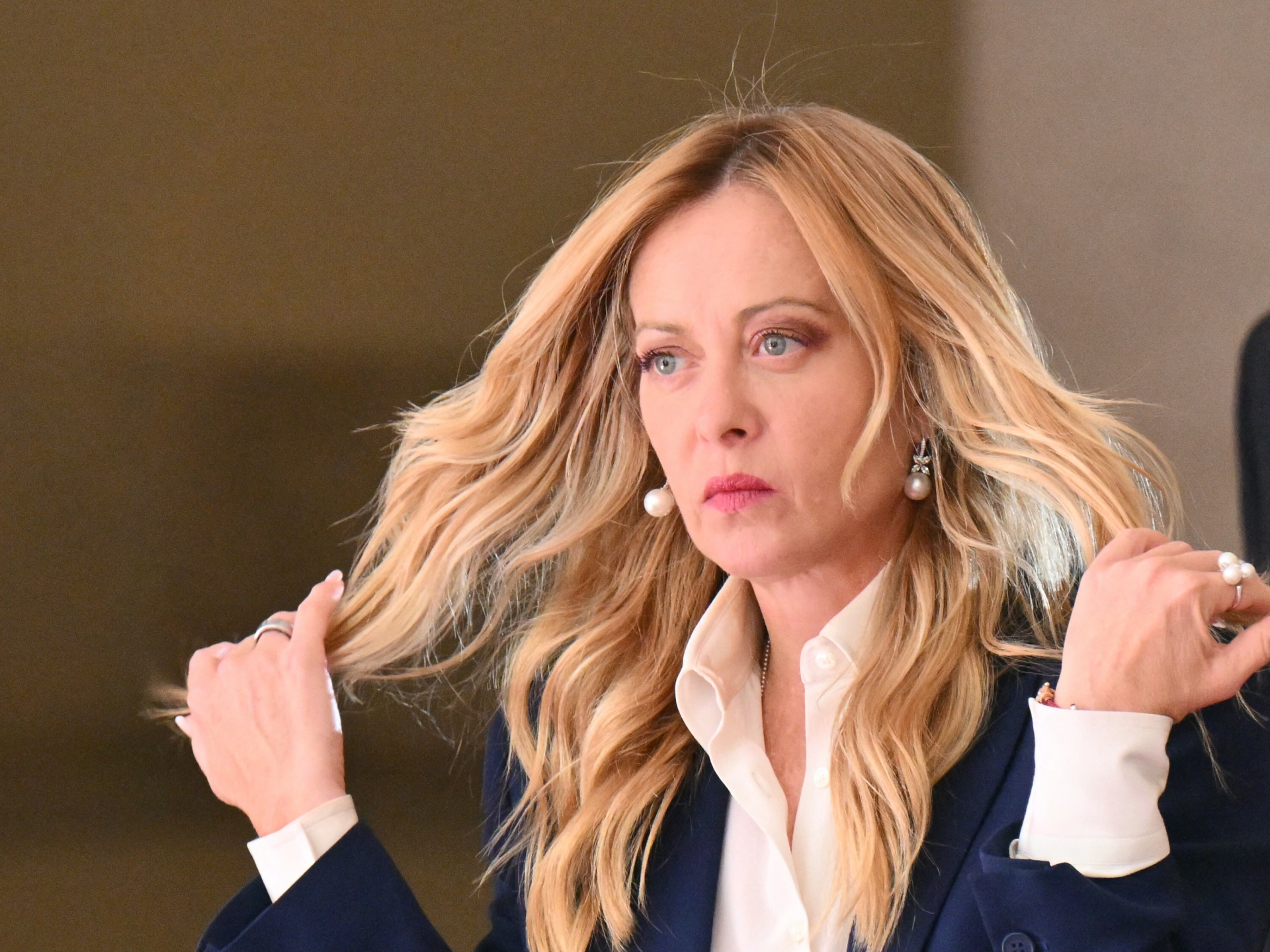
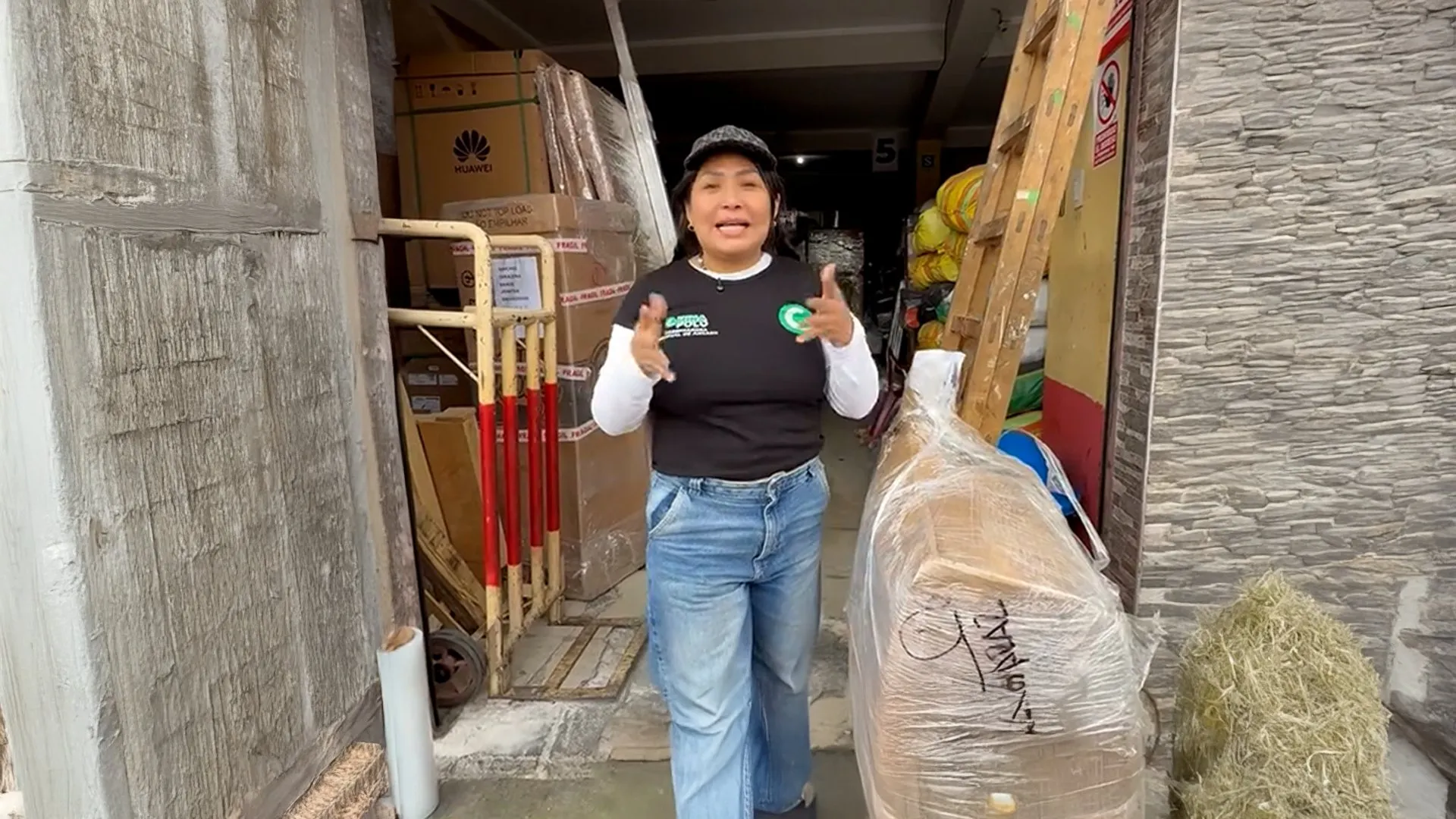
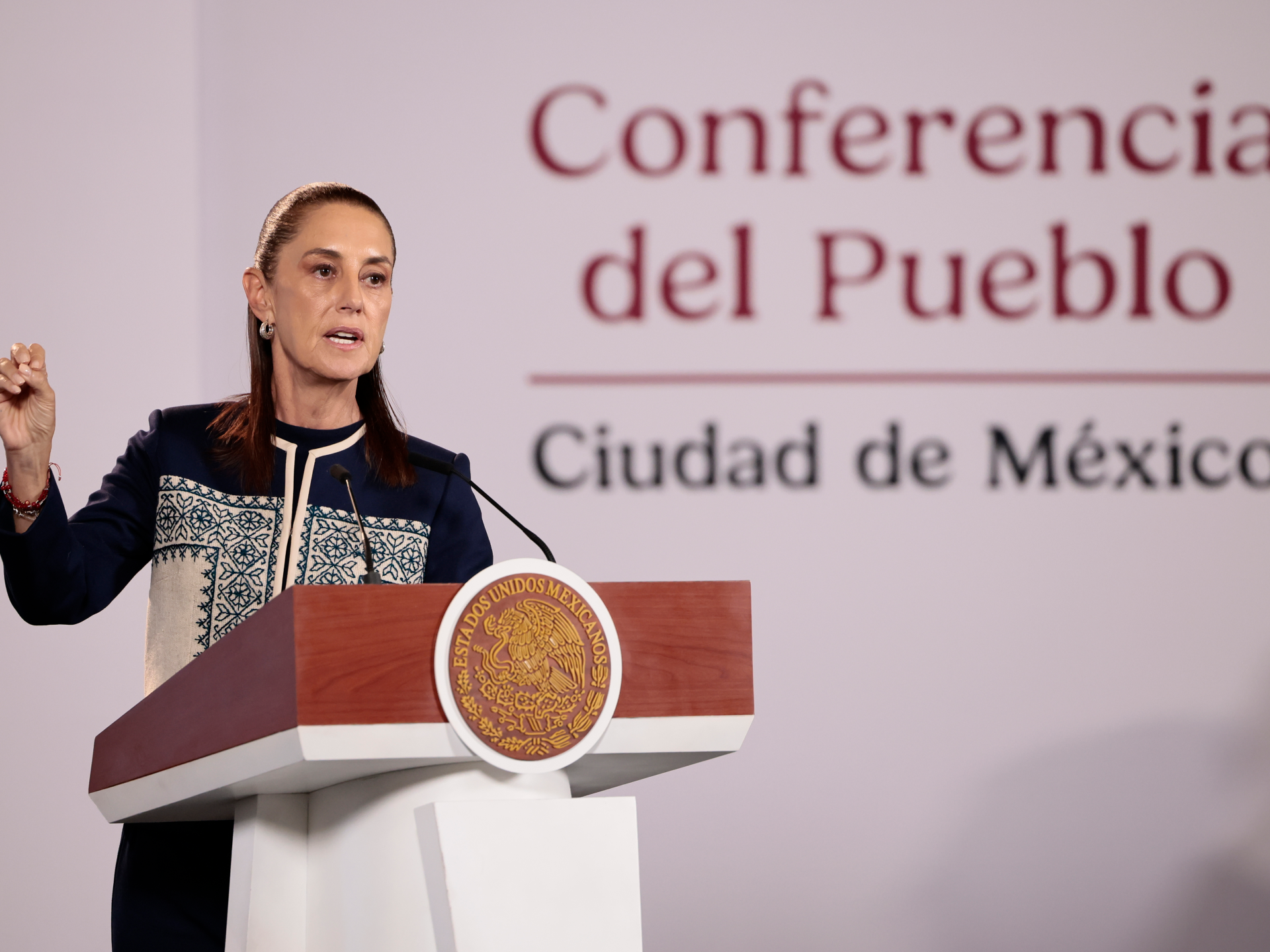
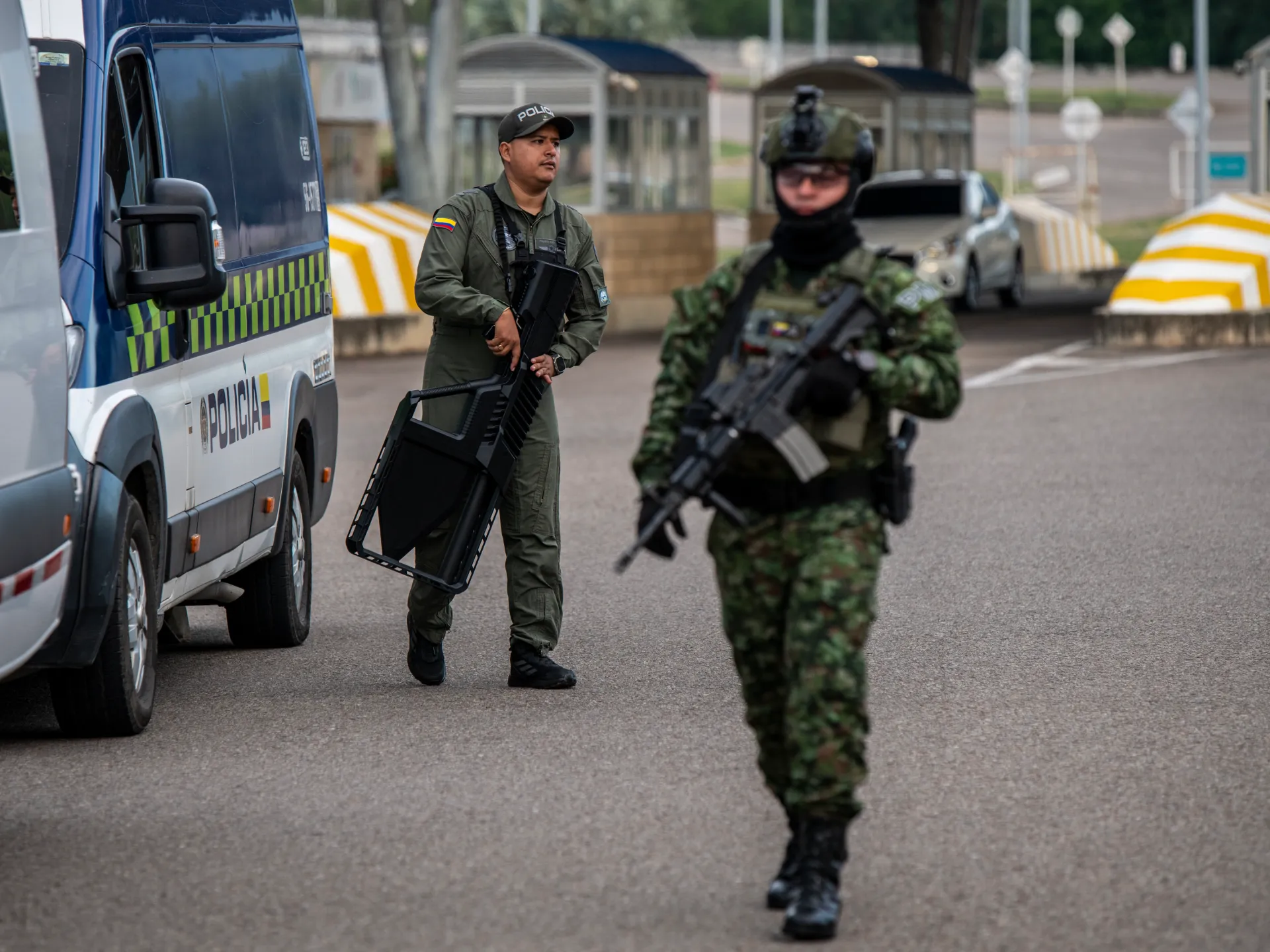
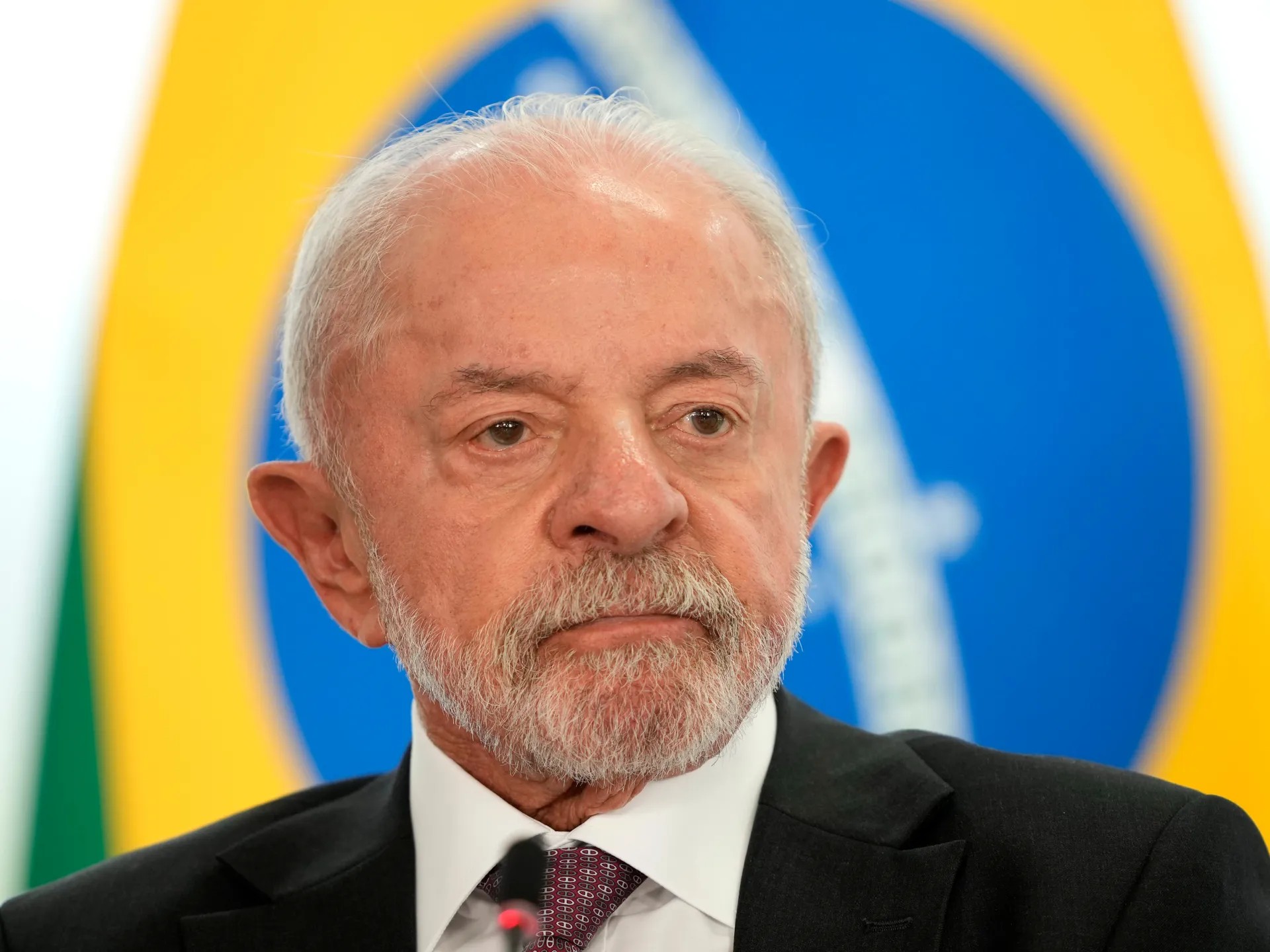
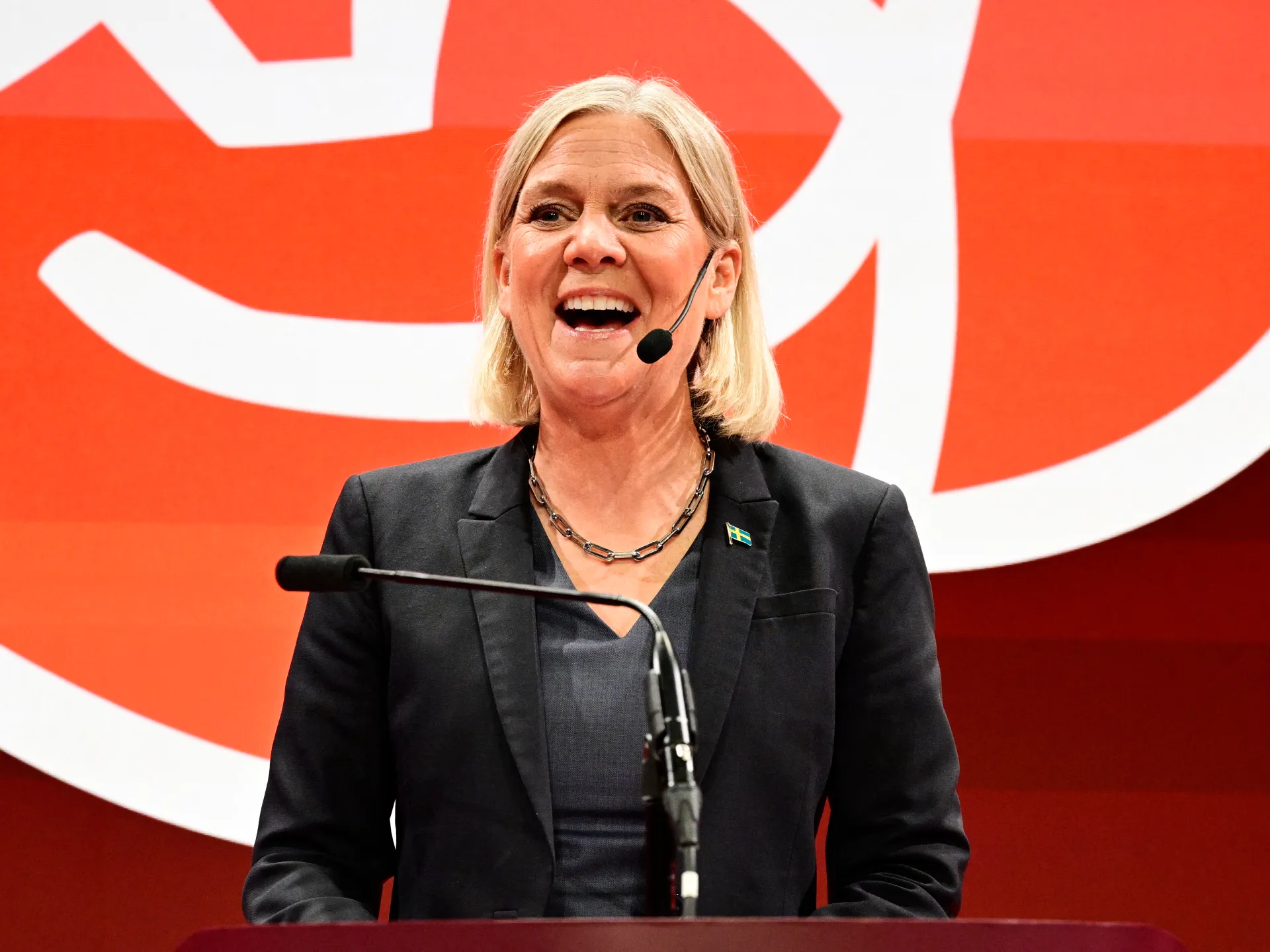
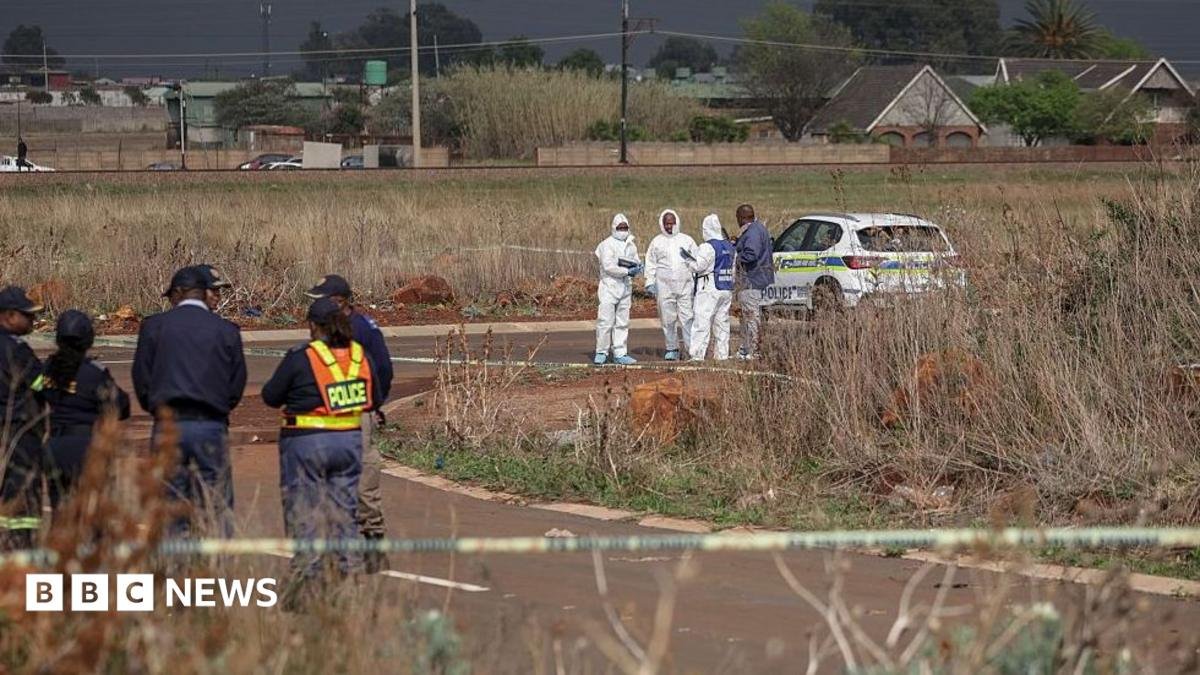
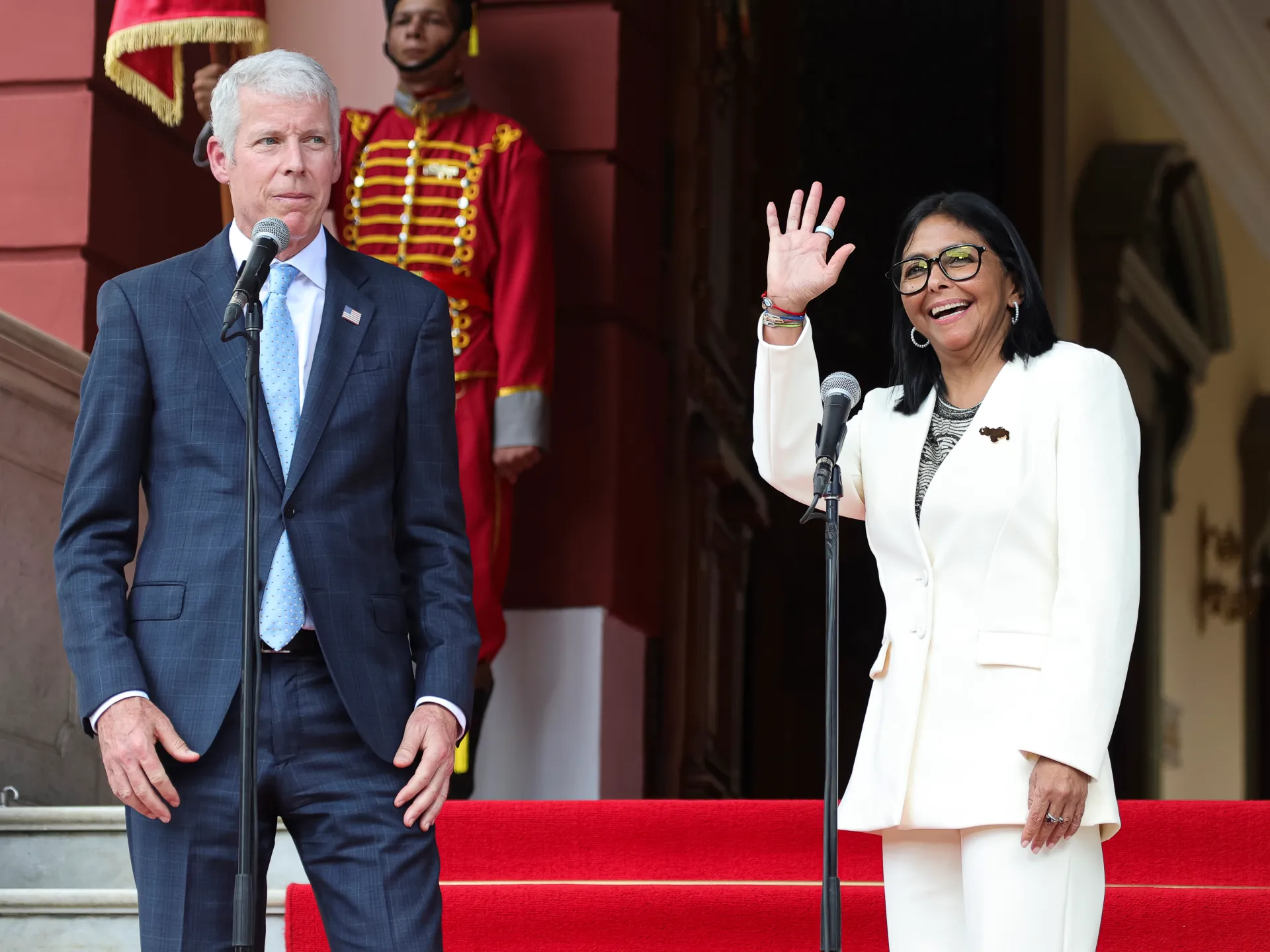
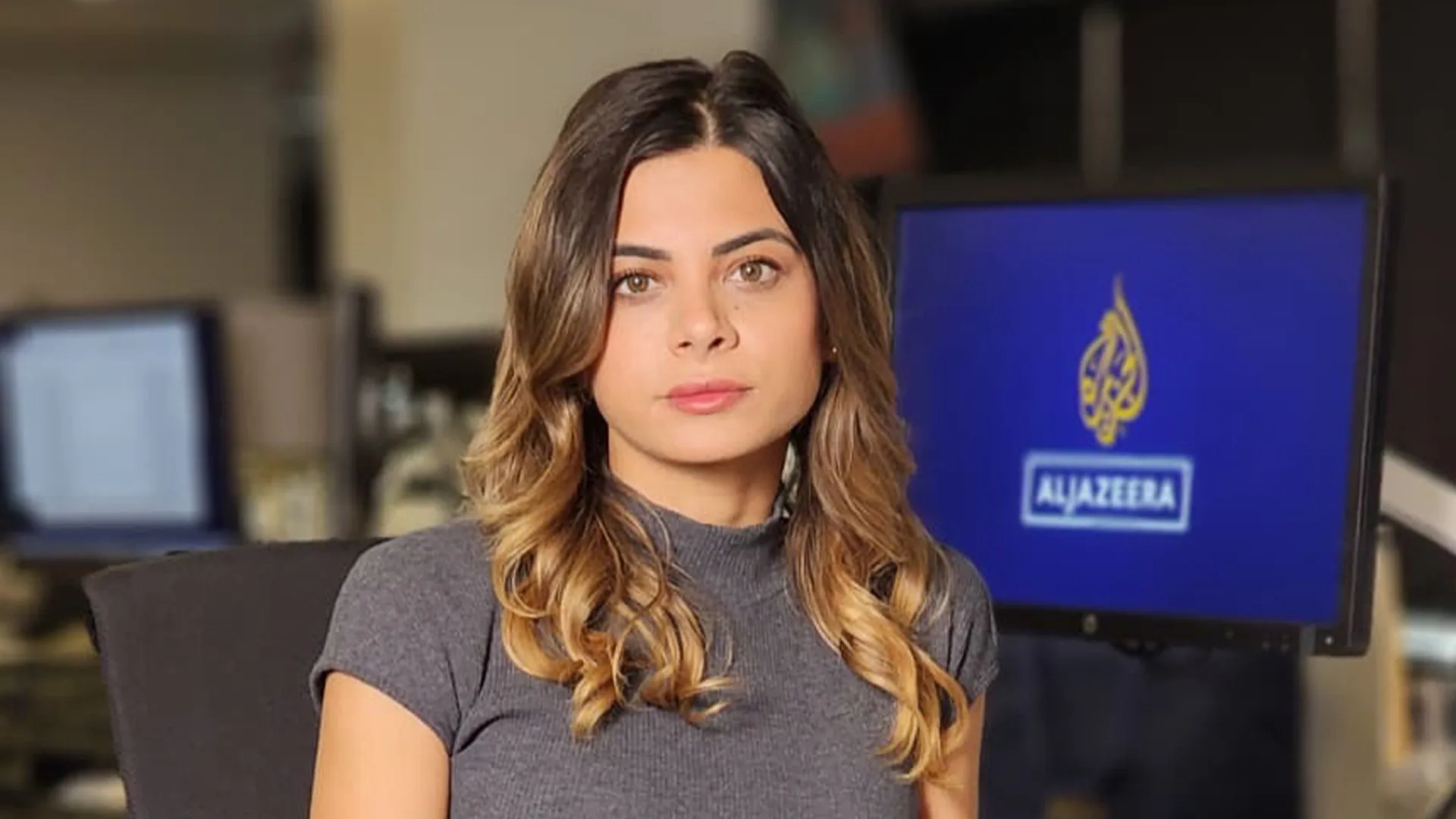
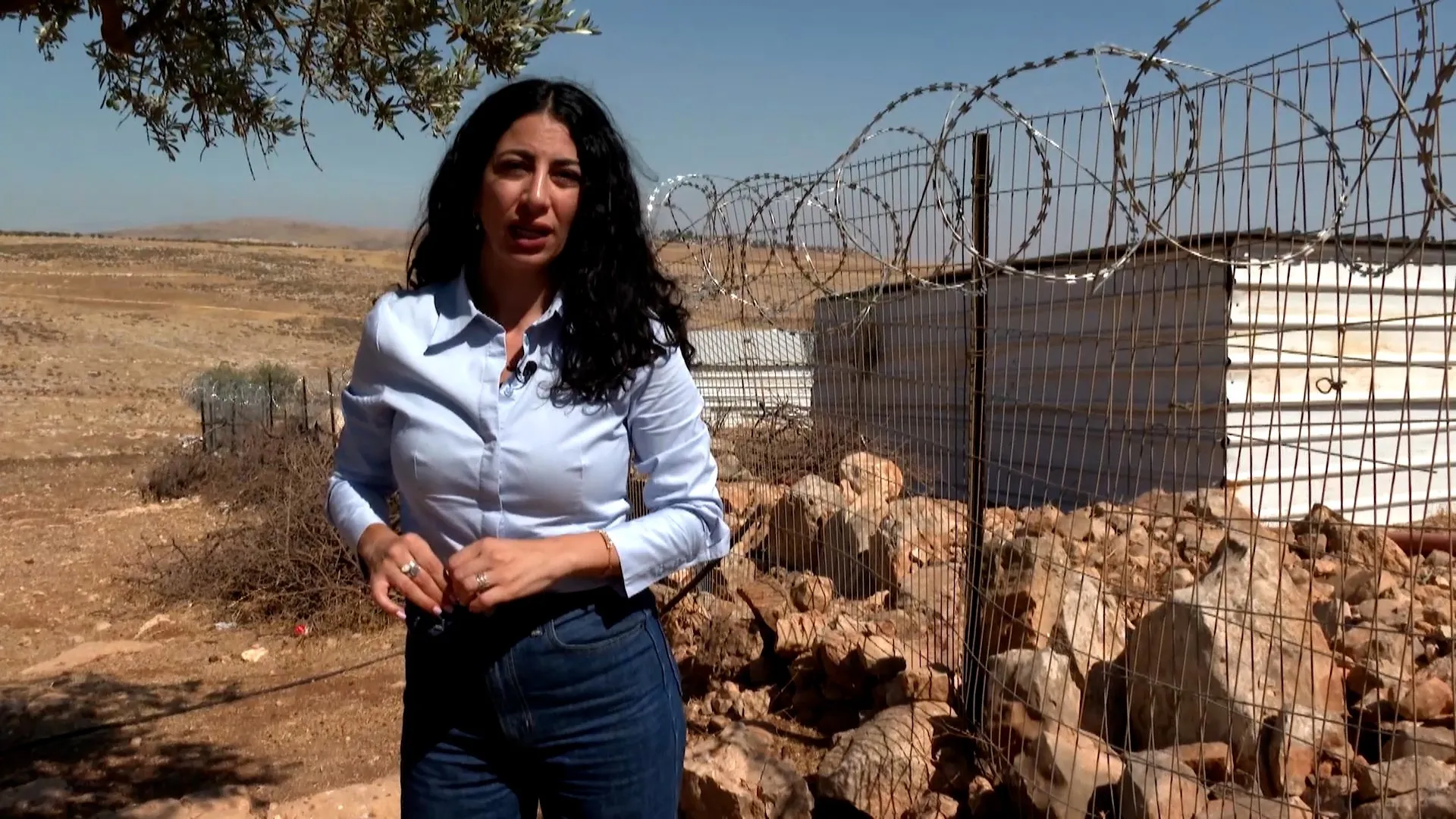
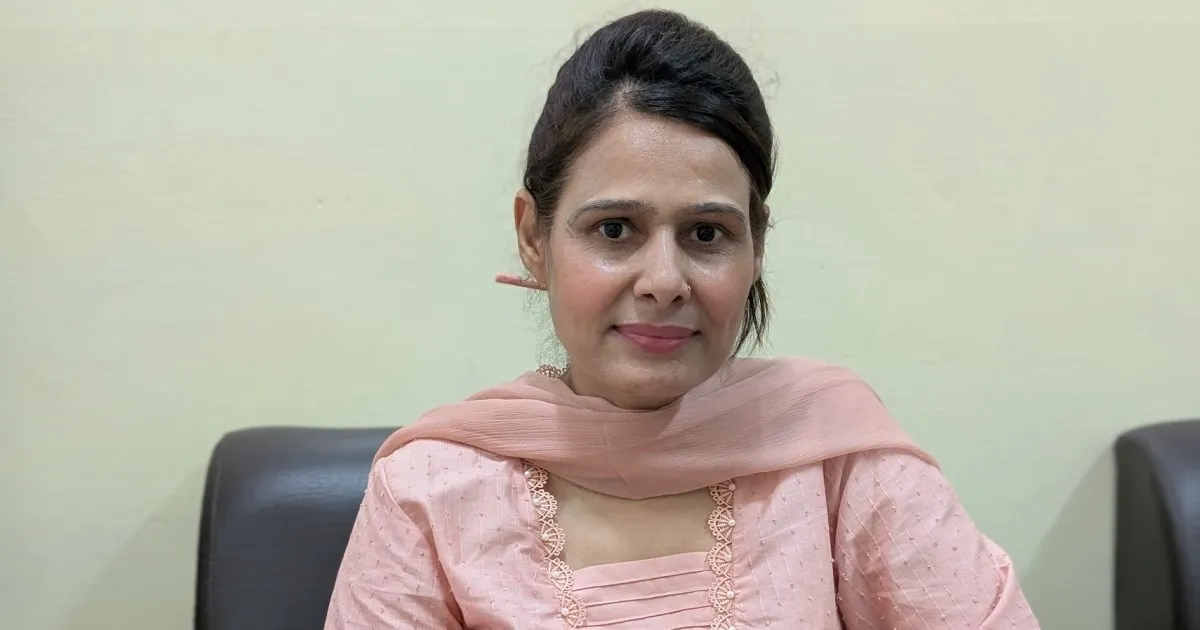
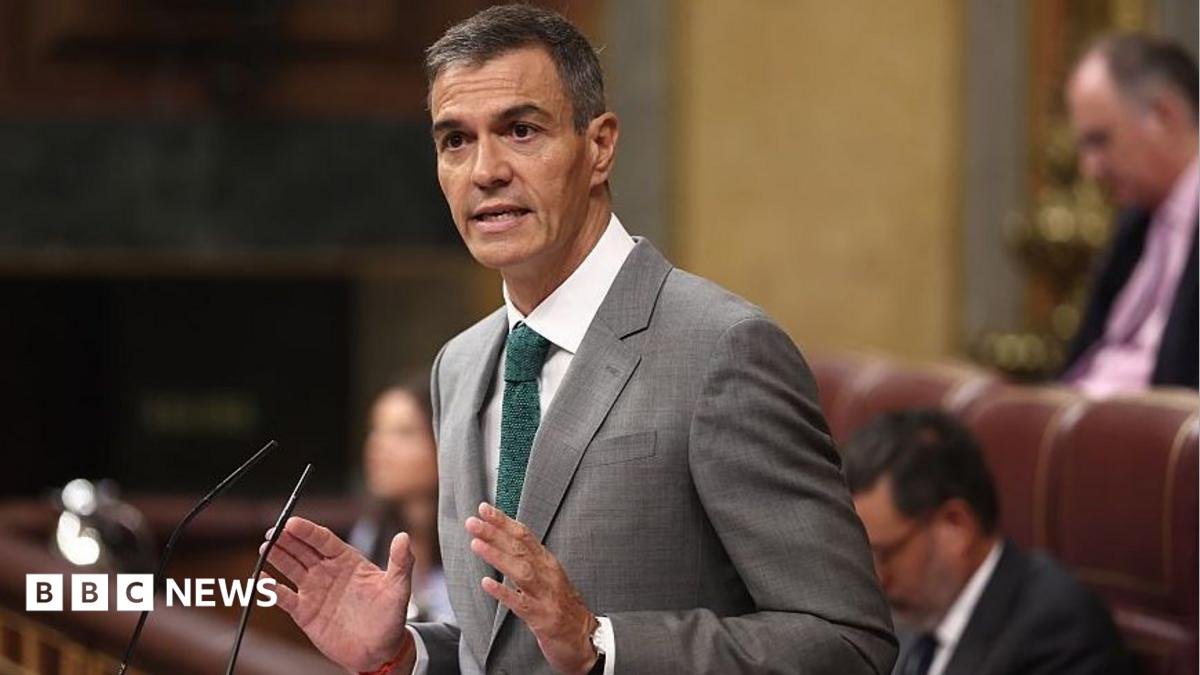
Former Colombian foreign minister Laura Sarabia is currently facing formal allegations of abuse of power linked to a 2023 controversy involving a polygraph examination. Prosecutors contend that Sarabia, while serving as chief of staff to former President Gustavo Petro, improperly directed law enforcement to interrogate her nanny, Marelbys Meza, regarding missing cash from her residence. The incident, which occurred in a facility near the presidential palace, has been described
Sarabia, who has held several high-level positions including ambassador to the United Kingdom, has consistently denied any wrongdoing. The legal proceedings suggest an improper application of state resources for a private matter, an accusation Sarabia has rejected during judicial hearings. The case remains a significant point of contention in Colombian politics, highlighting the friction between personal security concerns for government officials and the legal limitations of their authority.
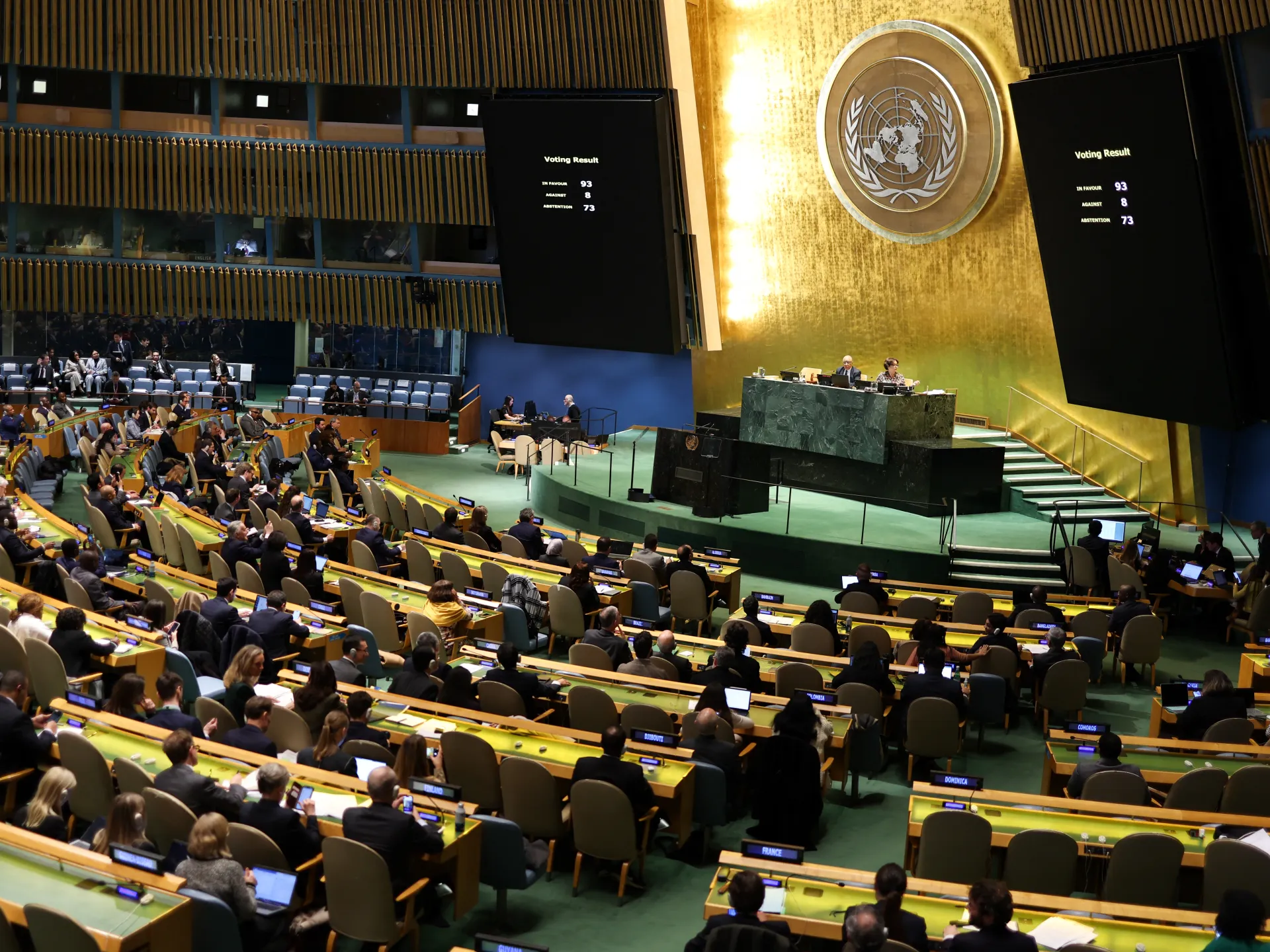
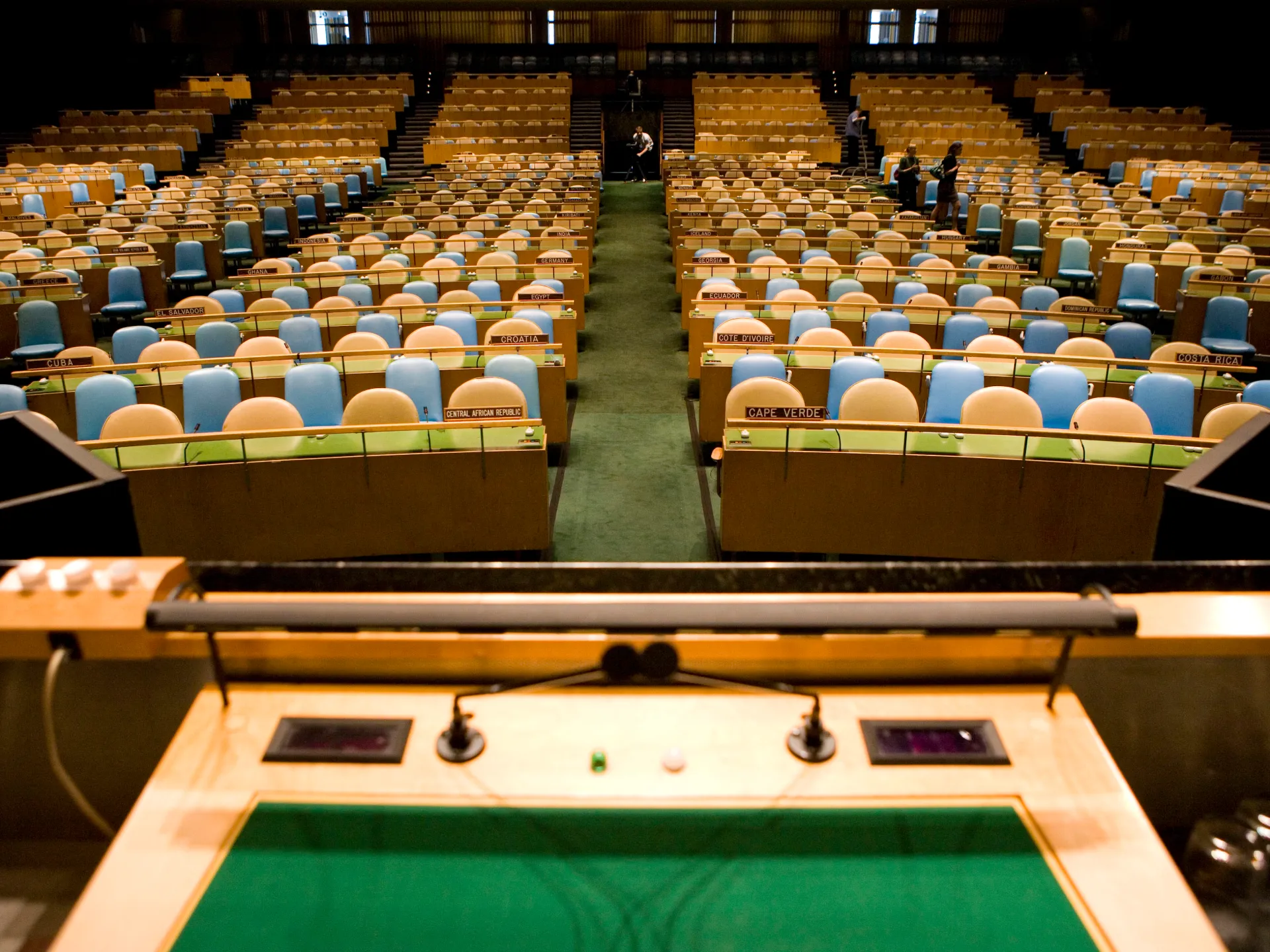
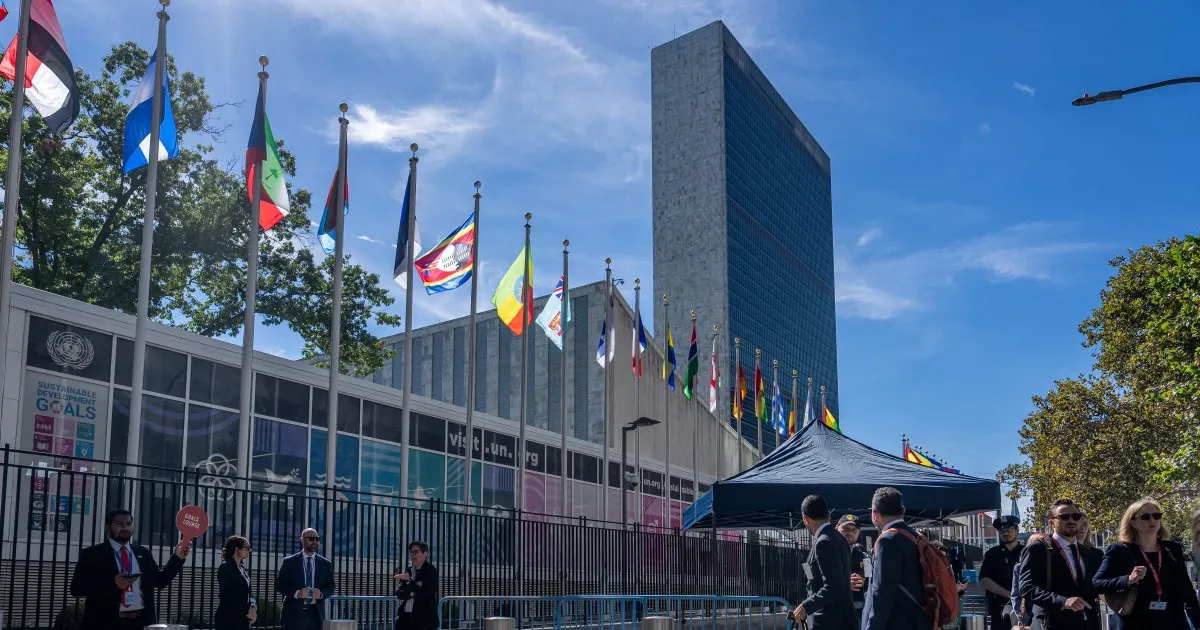
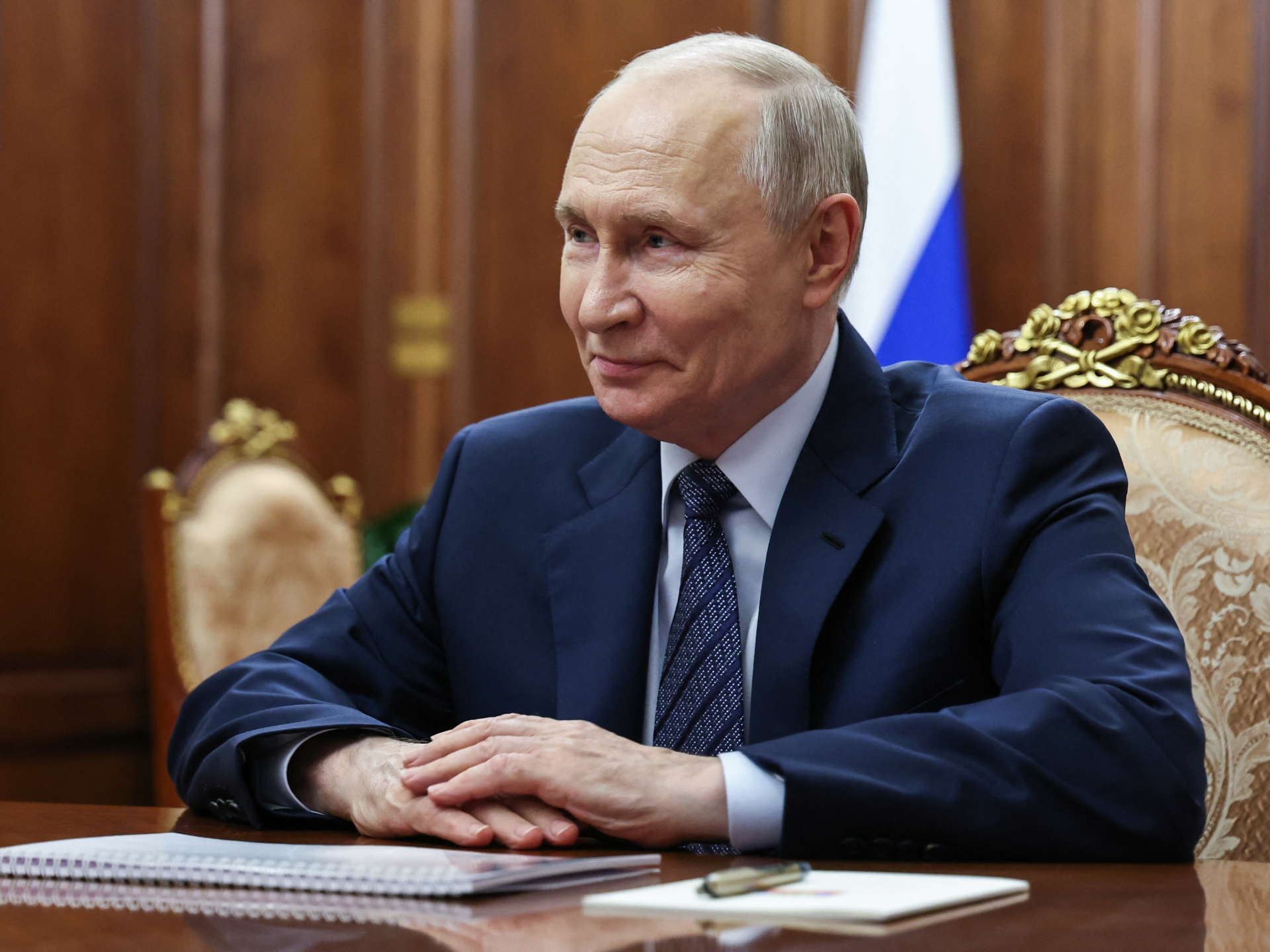
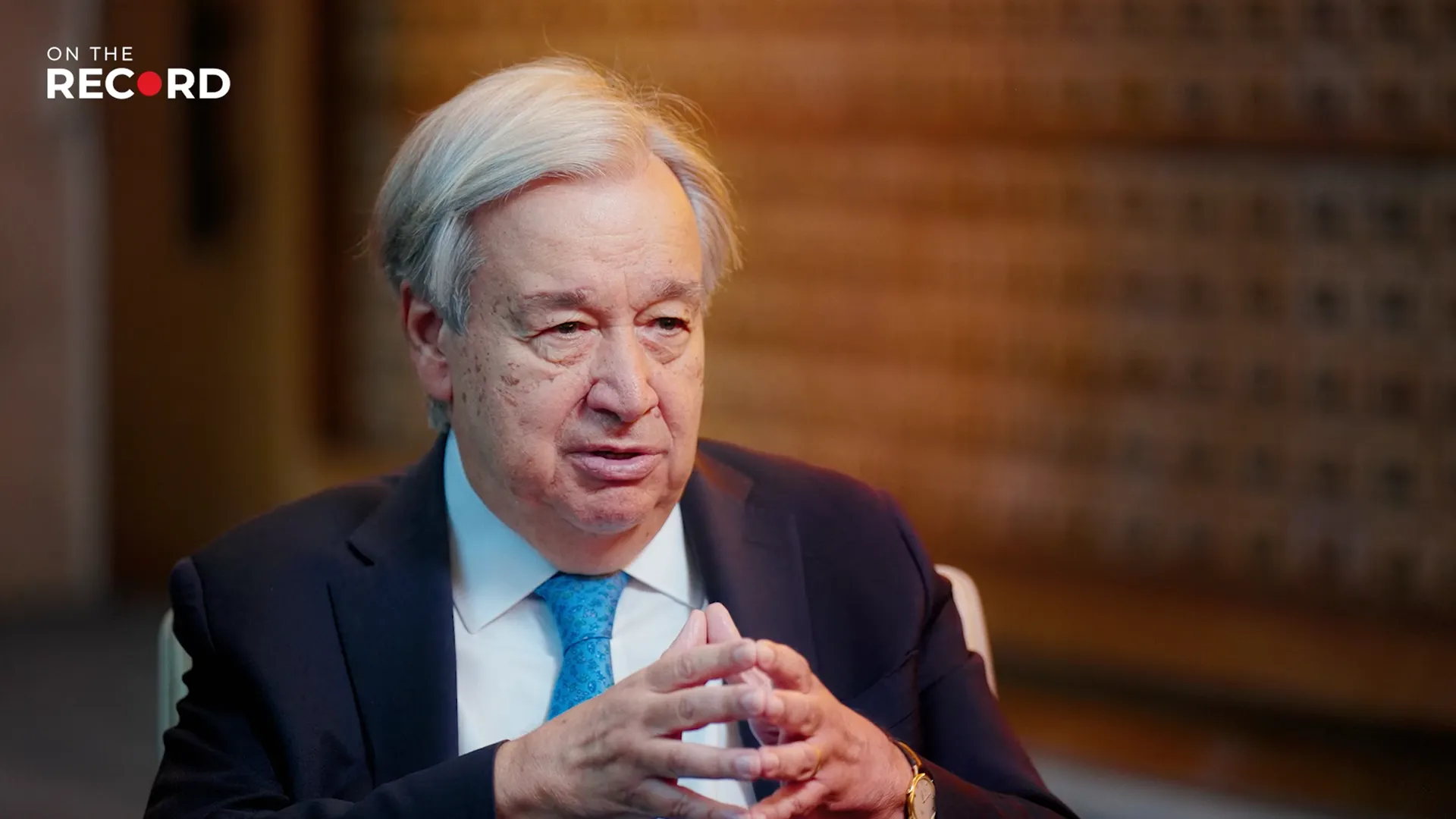
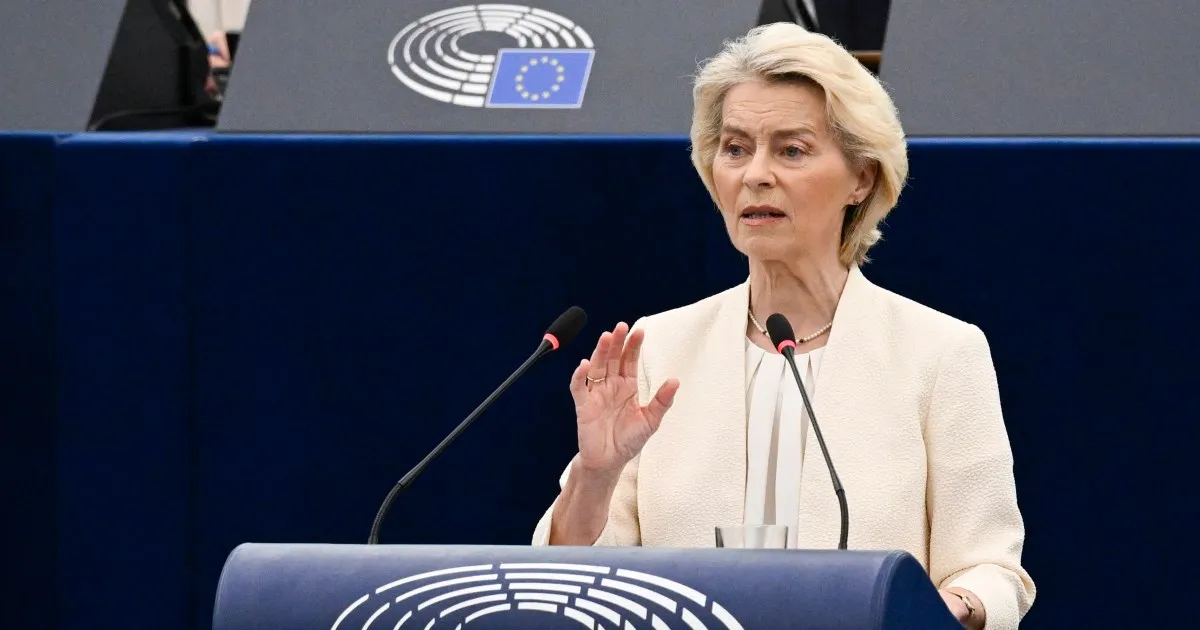
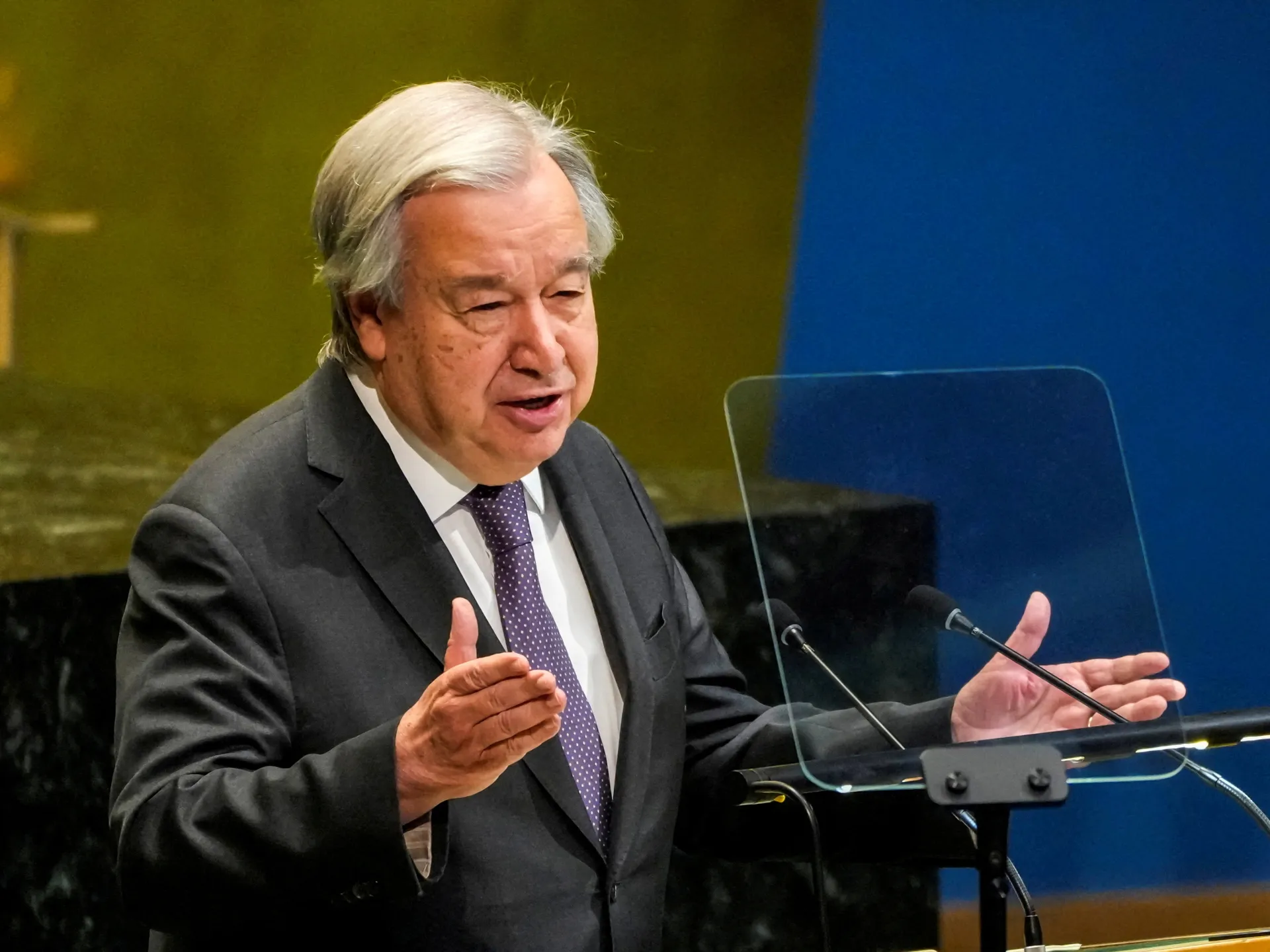
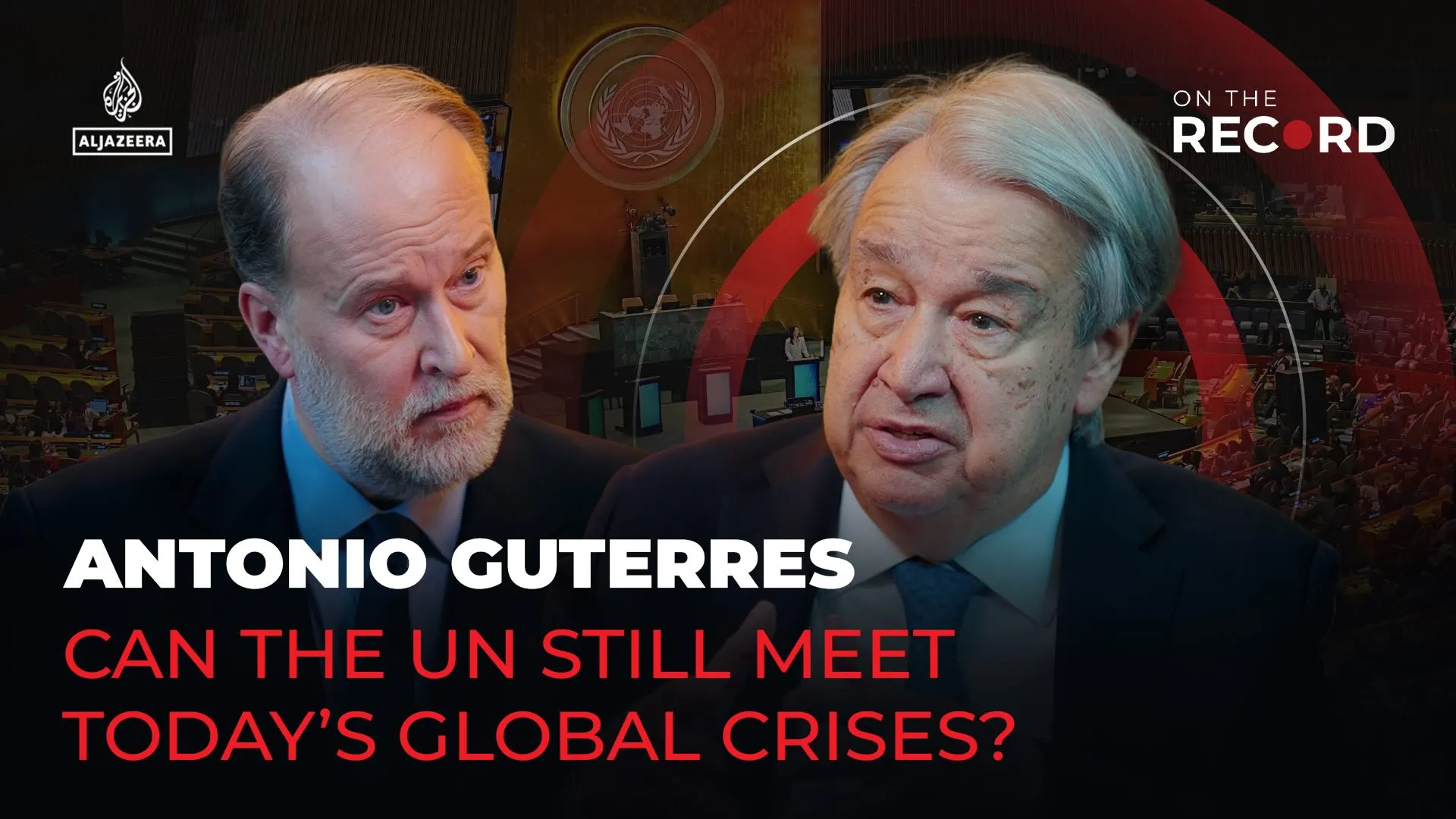
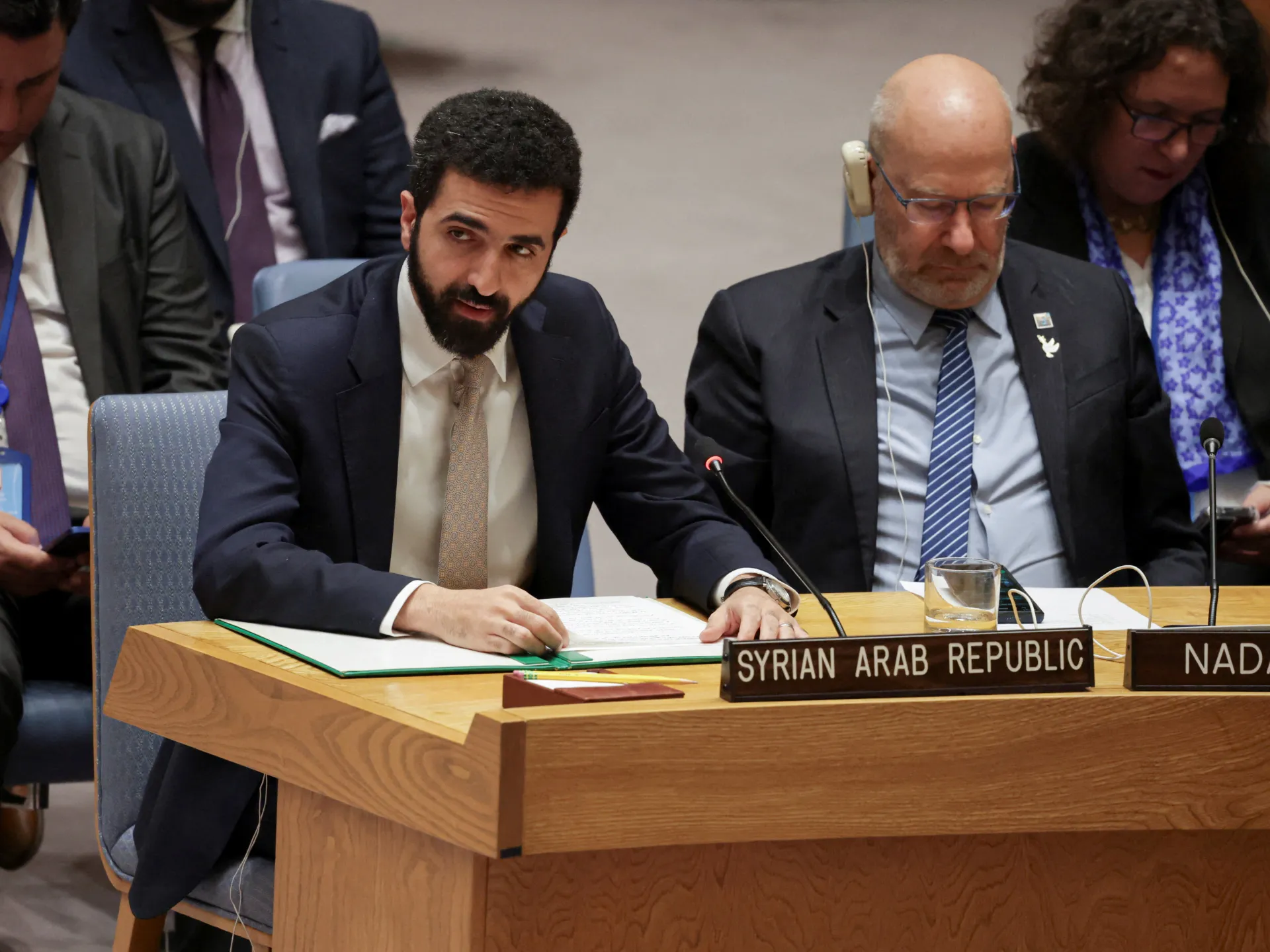
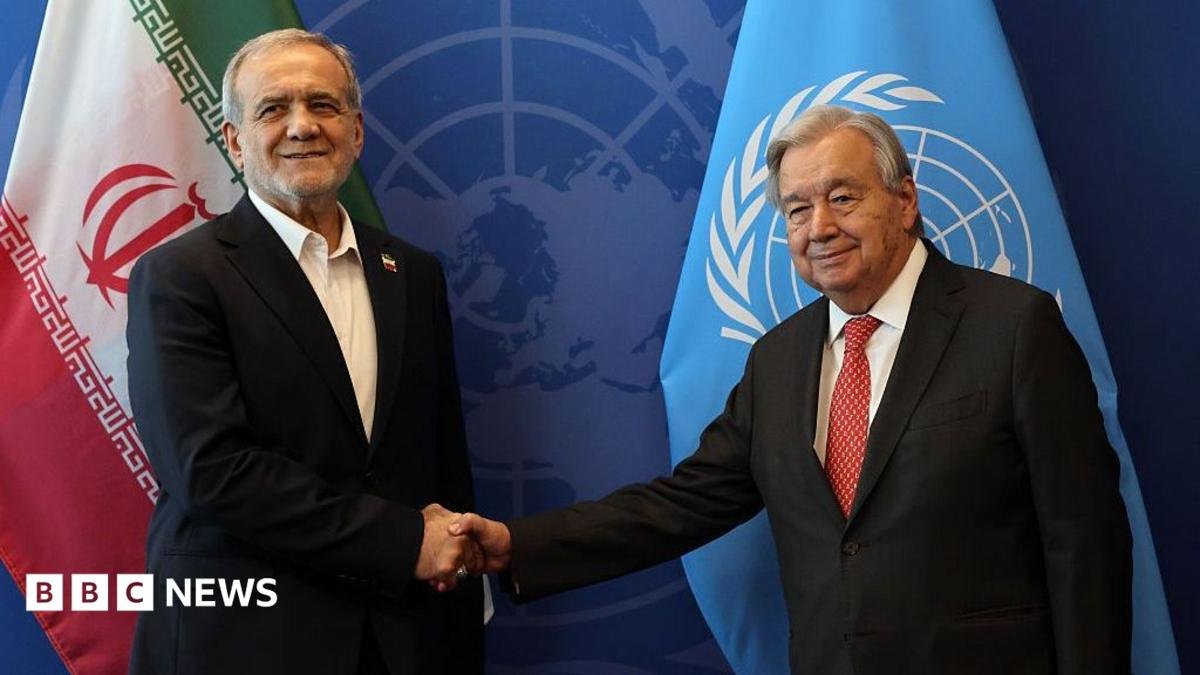
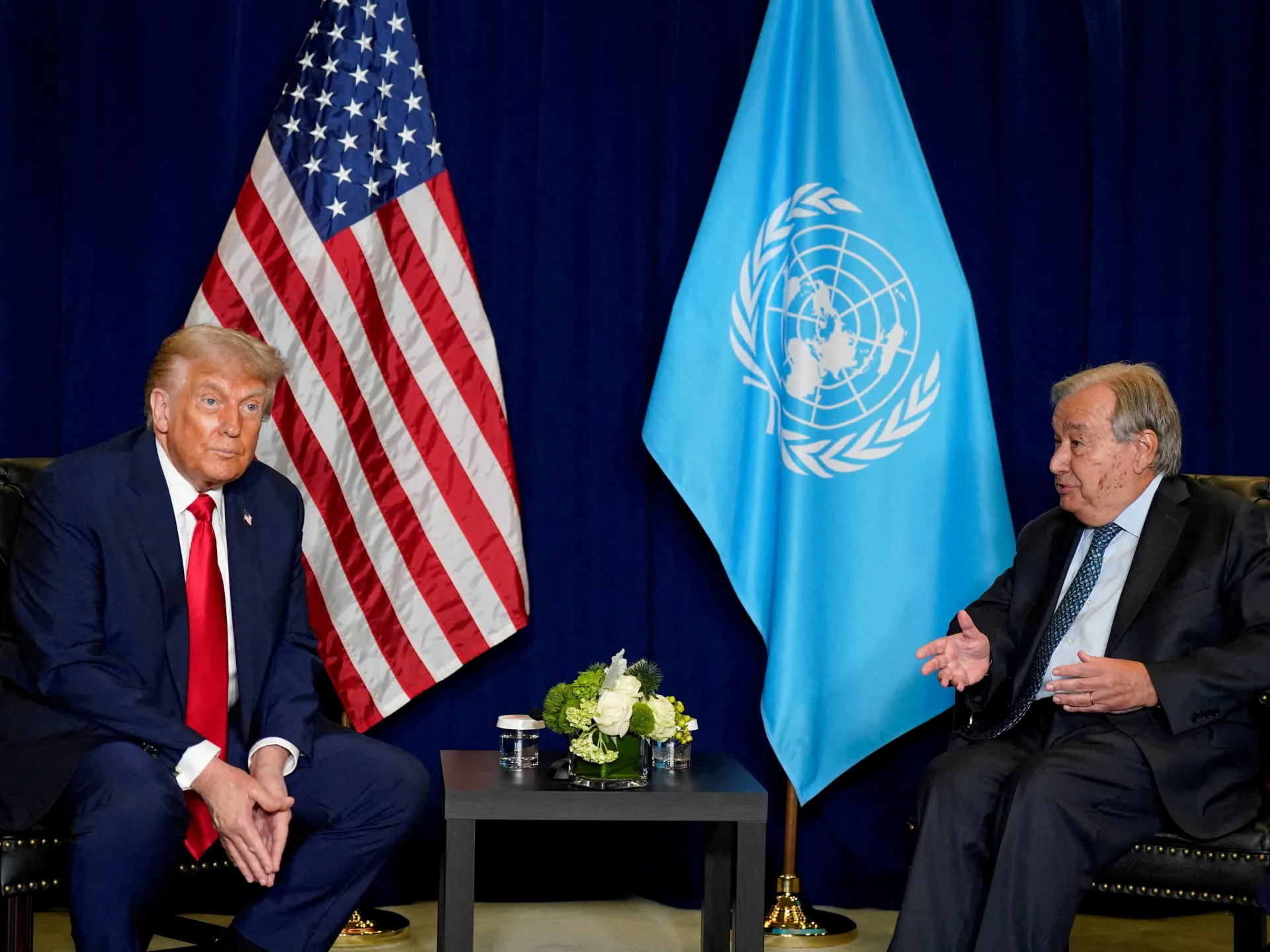
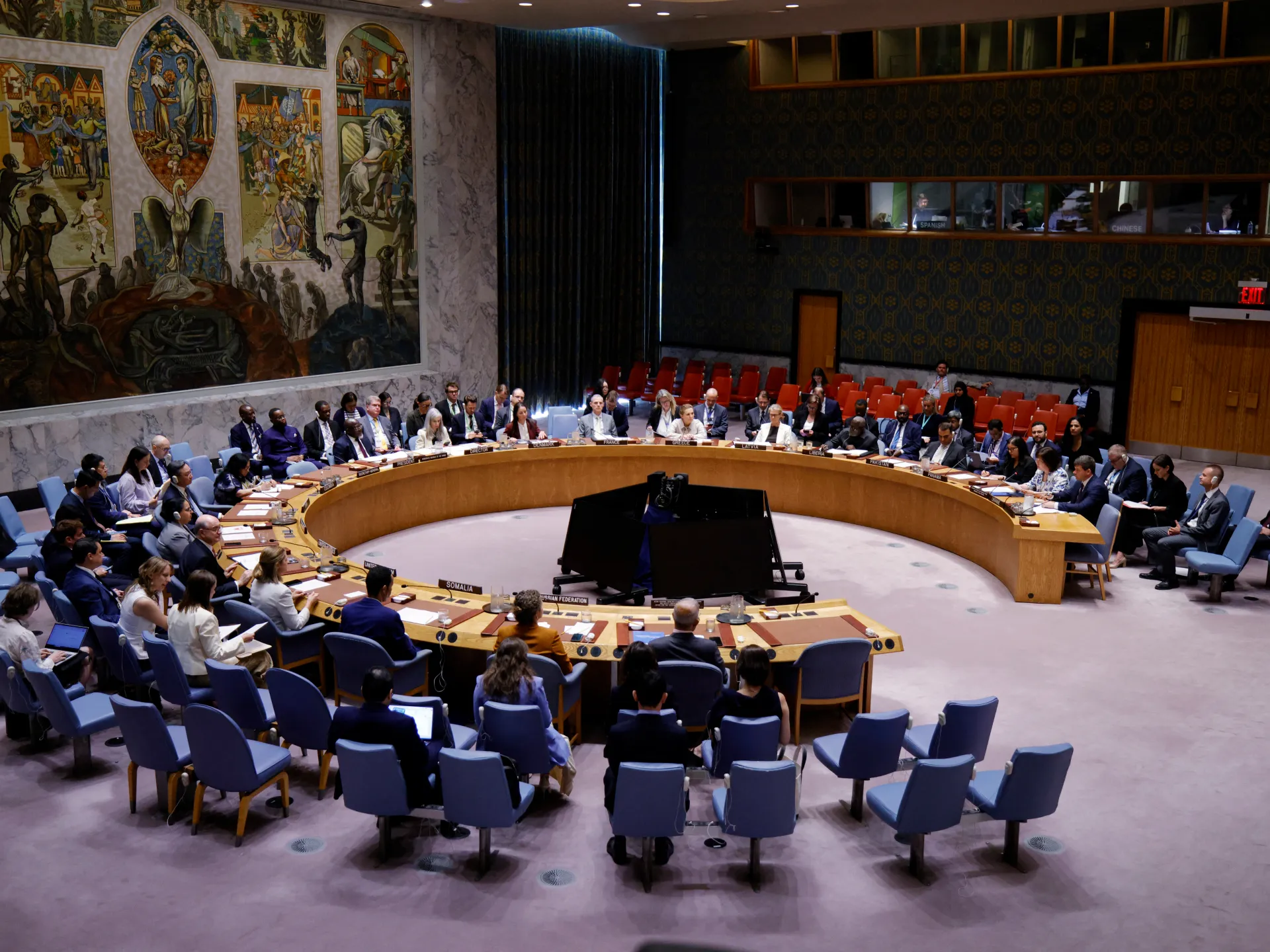
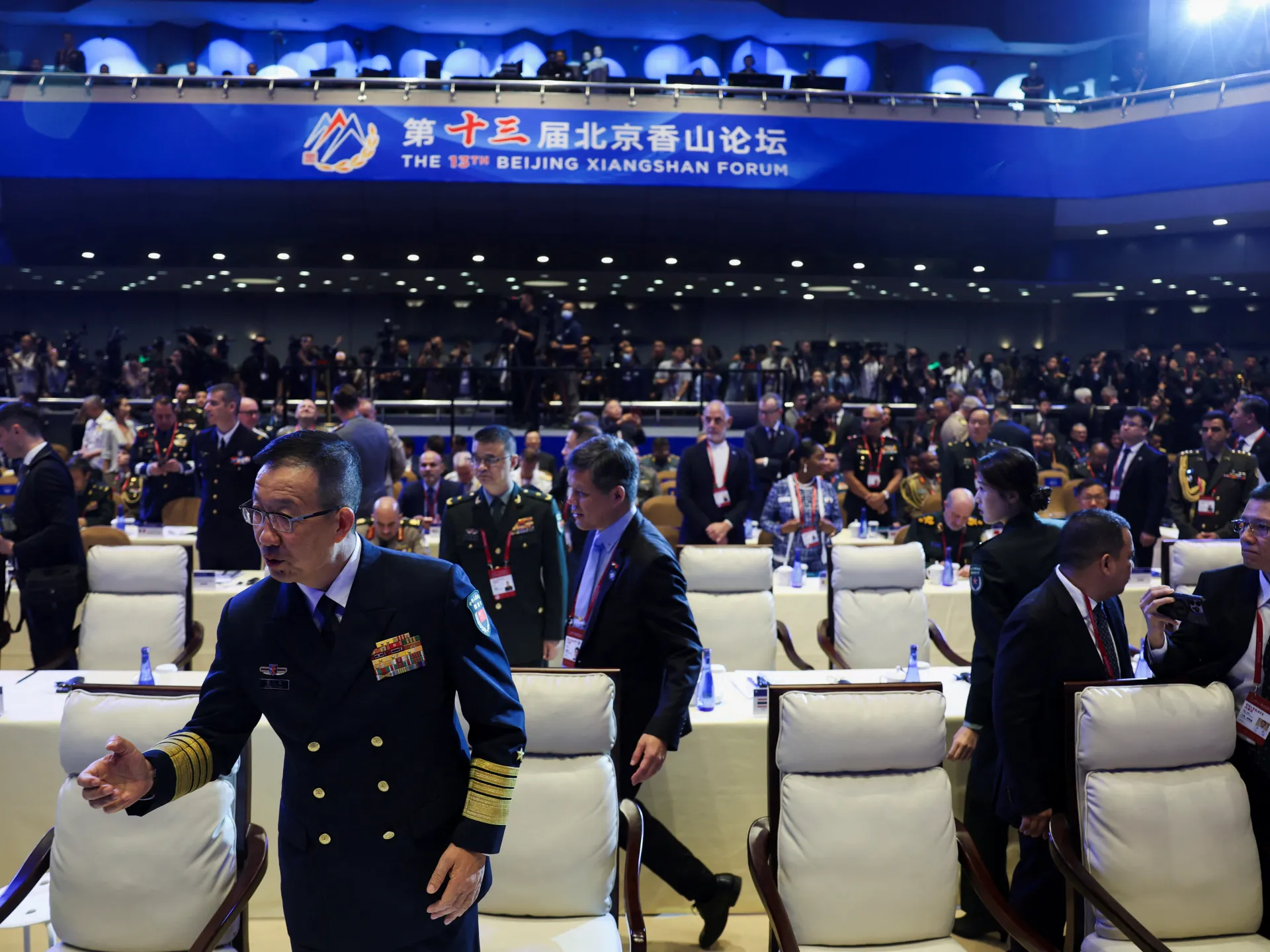
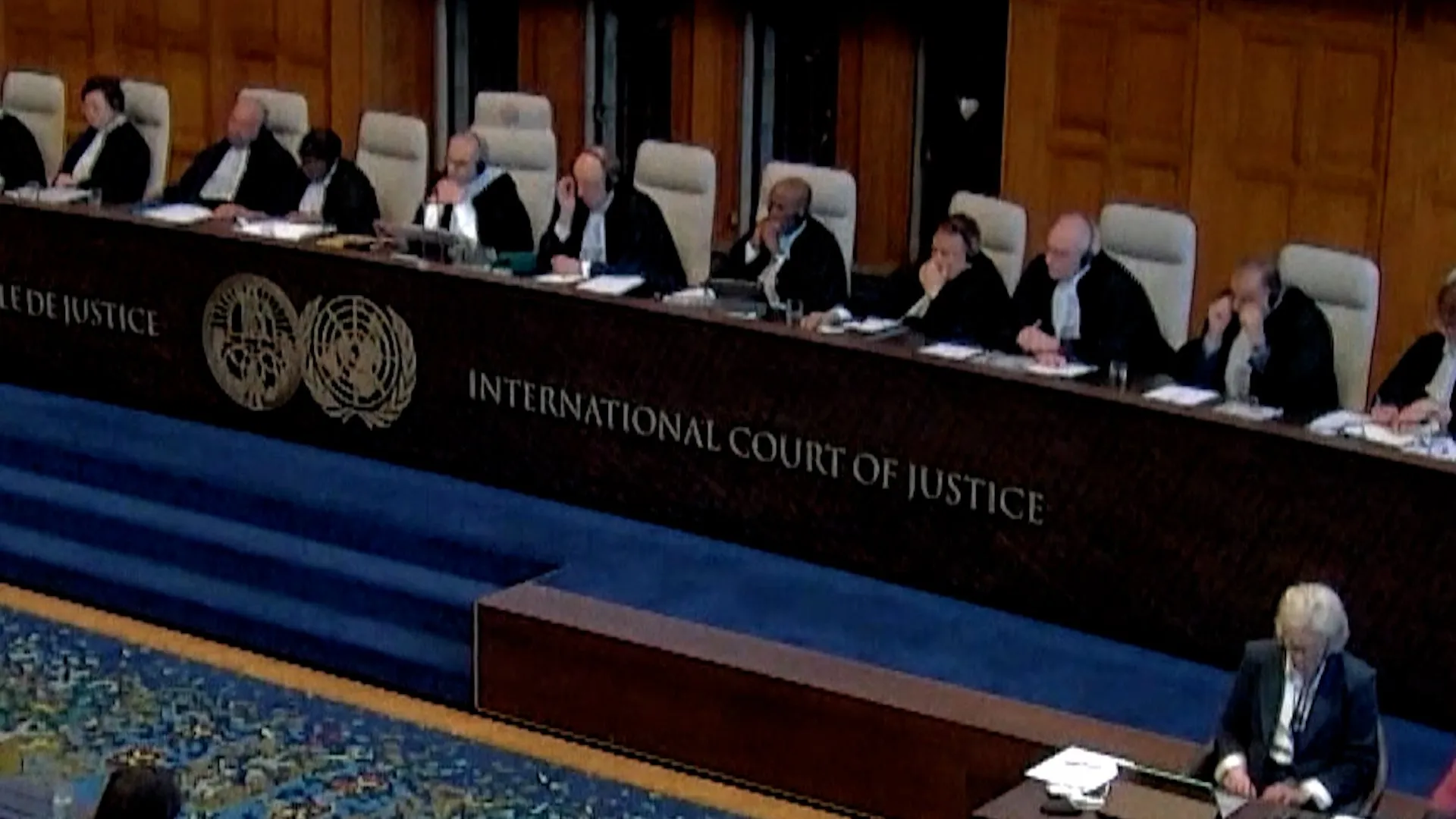
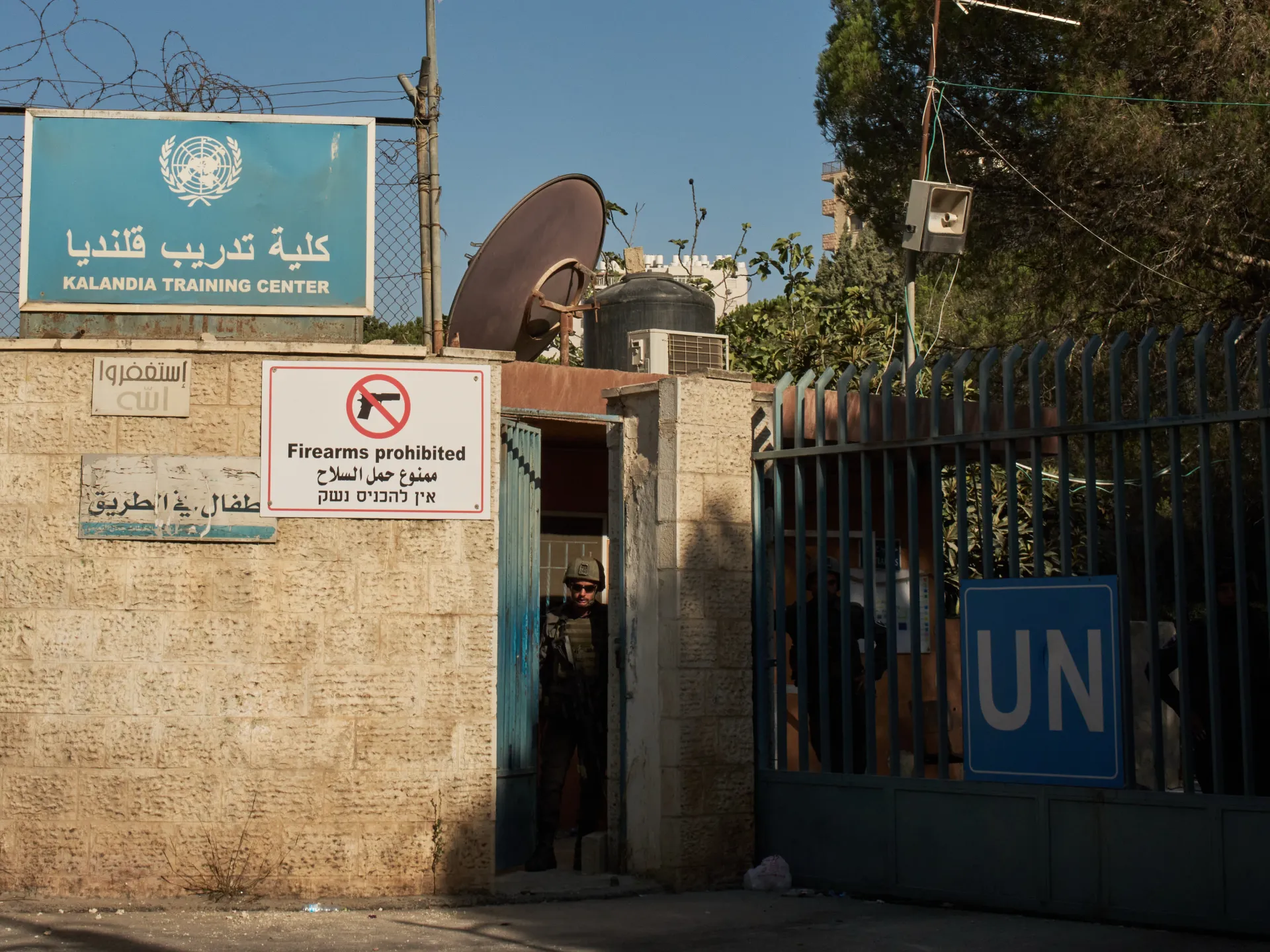
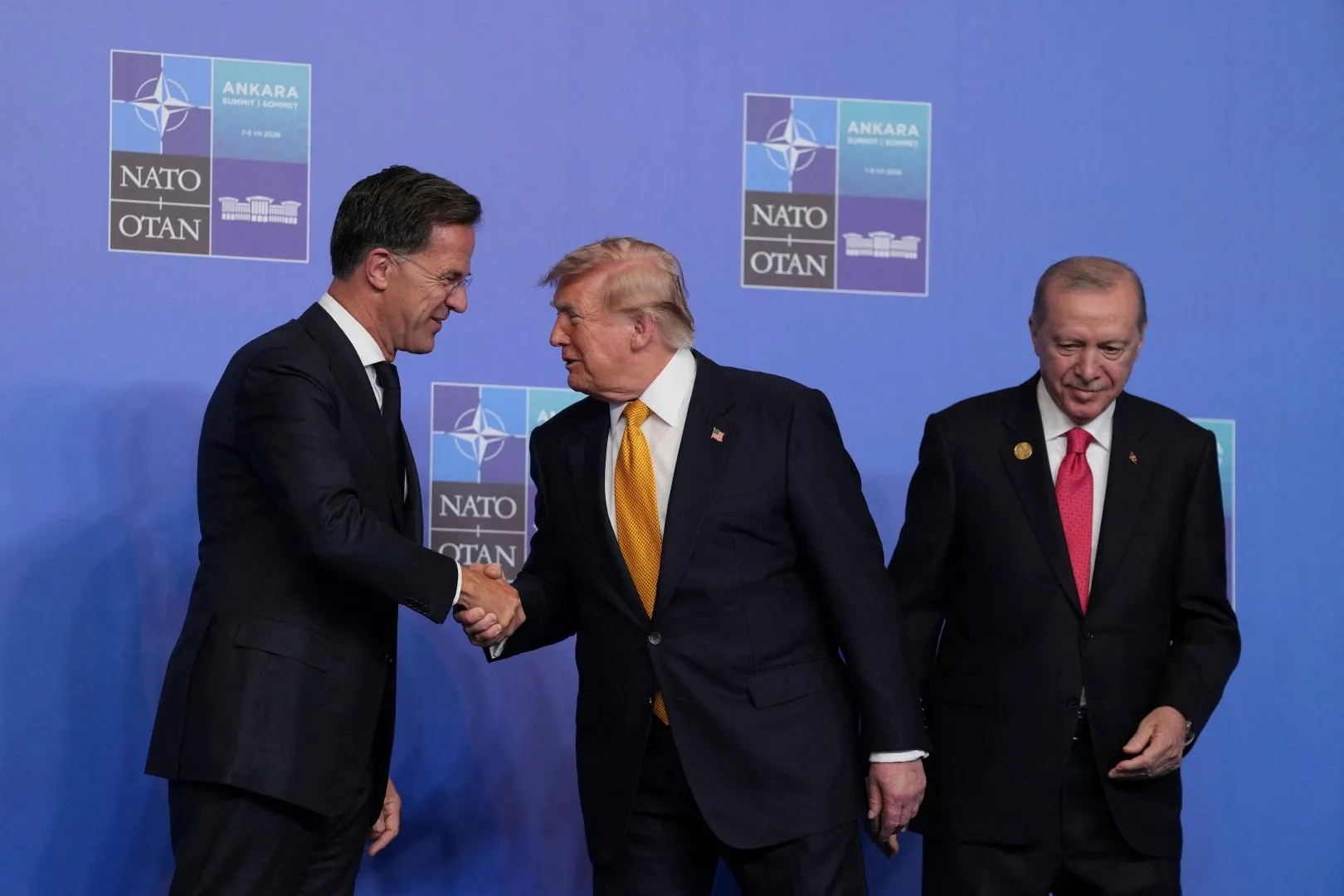
While domestic legal systems focus on the conduct of individuals, the global landscape remains constrained es to operate under a framework where five permanent members hold veto power, a mechanism that critics argue prevents the body from effectively addressing global crises. This structural imbalance ensures that a minority of nations can effectively override the consensus of the broader international community, influencing the scope and efficacy of UN operations.
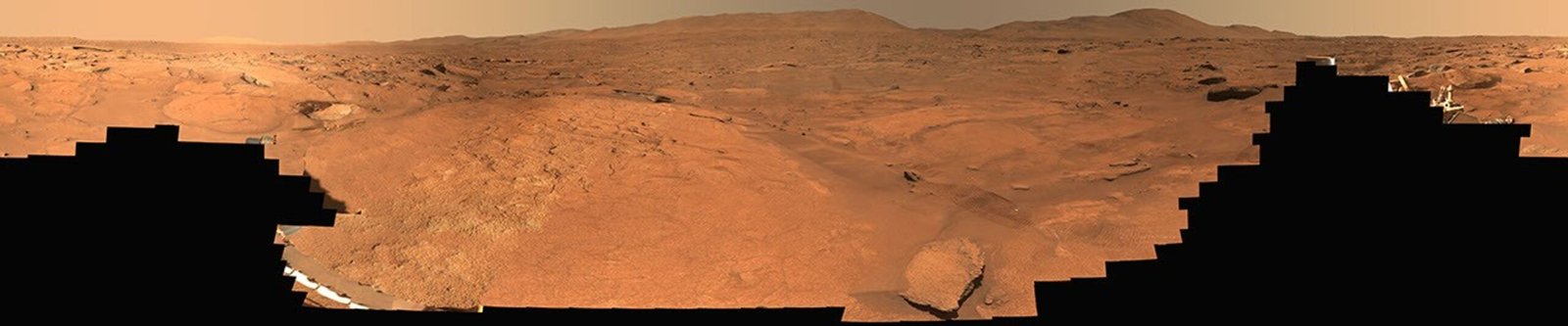
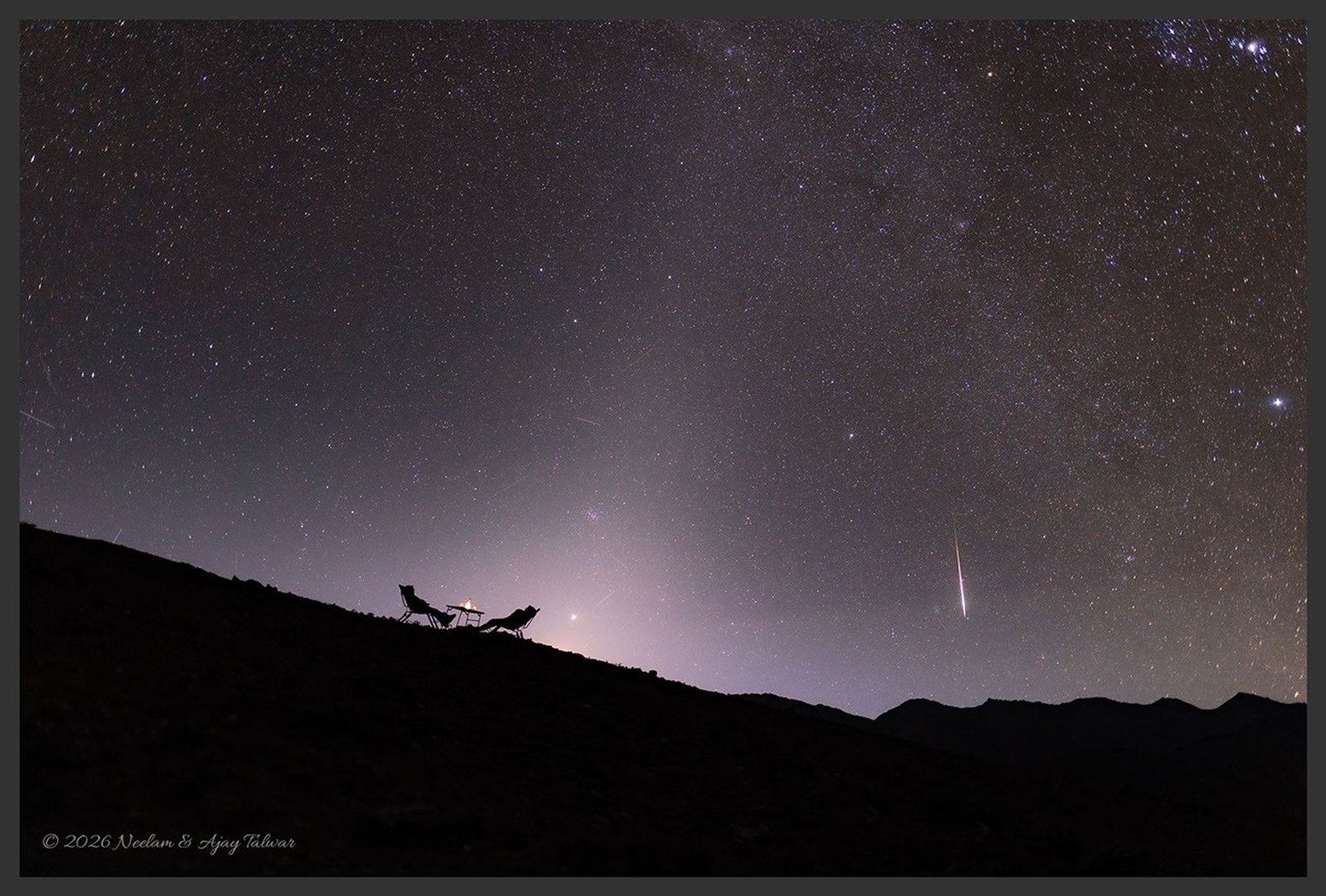
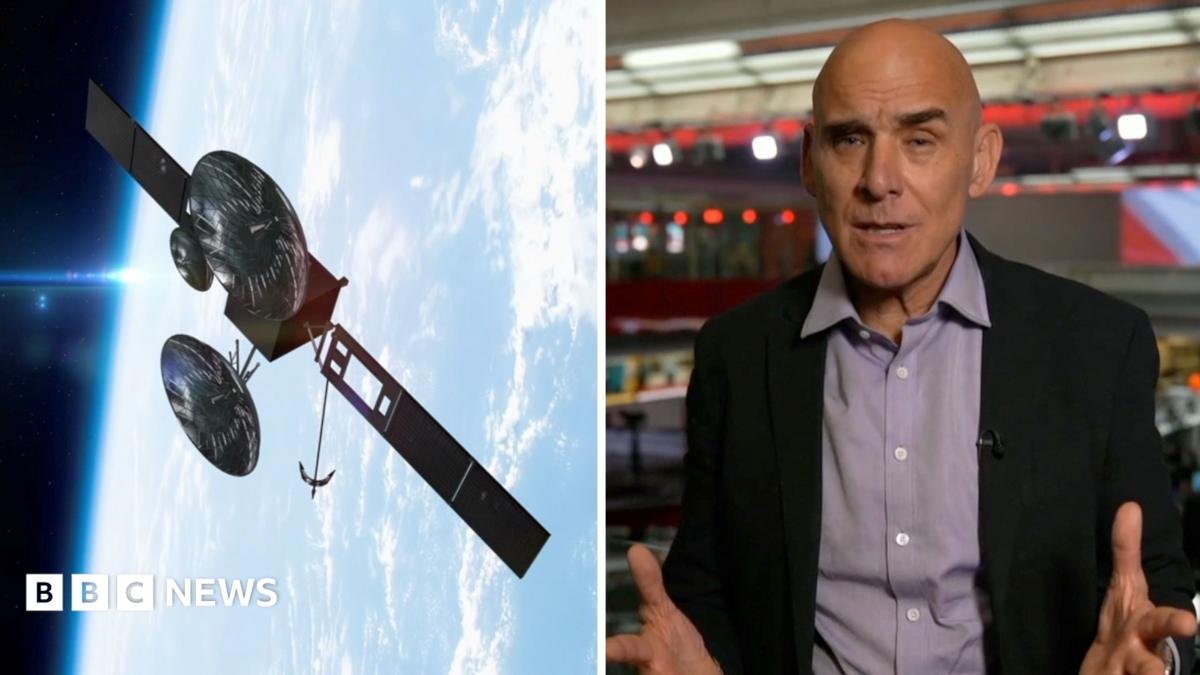
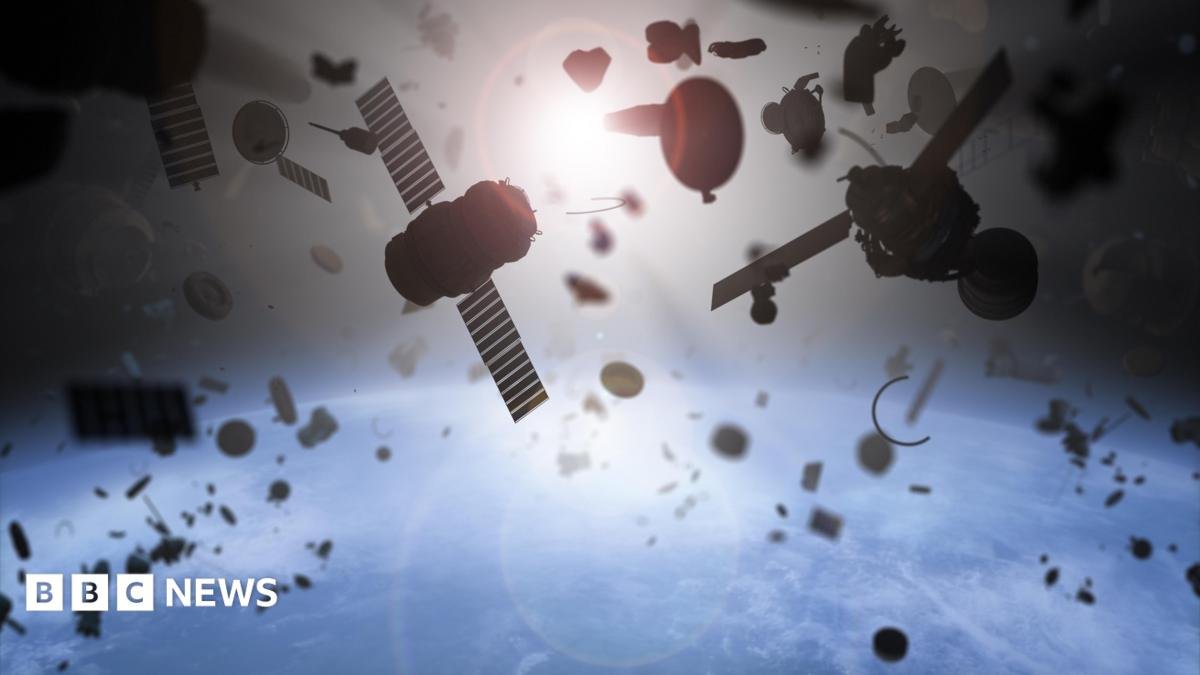
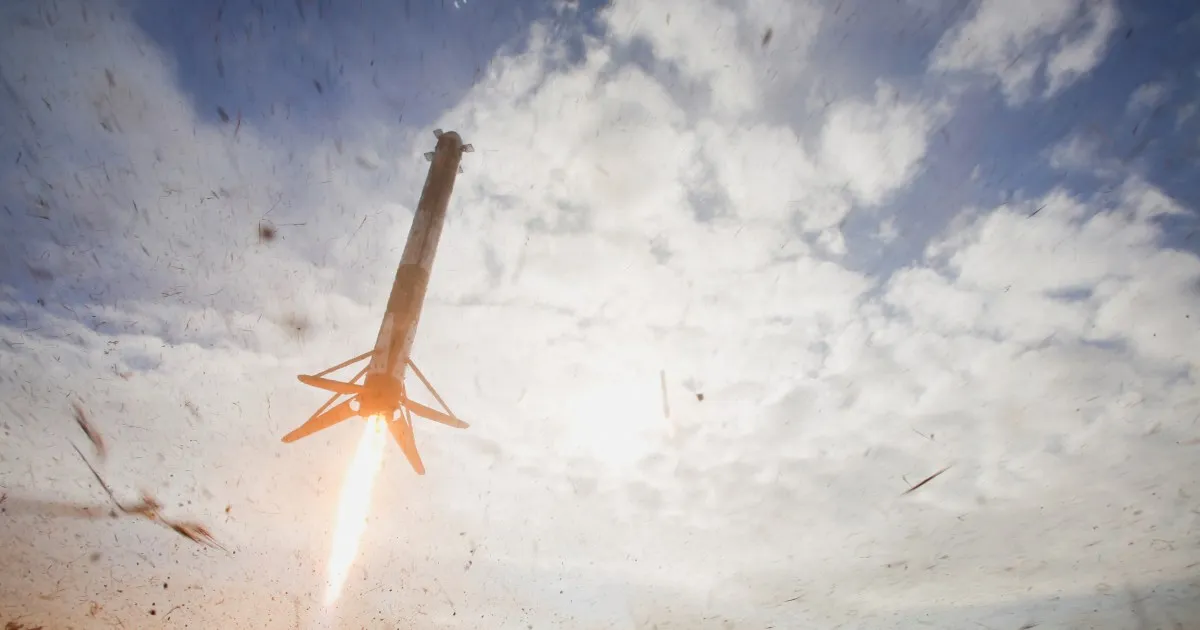
Simultaneously, the pursuit of scientific and technical advancement continues to rely on private-public partnerships. NASA is currently coordinating with SpaceX for its 35th commercial resupply mission, scheduled for launch from Cape Canaveral no earlier than October. This mission is critical for the maintenance of the International Space Station, as it will deliver the final set of International Space Station Roll-Out Solar Arrays (IROSA). These components are vital for the station's ongoing power augmentation and its eventual, safe deorbiting process.
The legal trajectory for Sarabia will likely hinge on the interpretation of whether her directives to police constituted a legitimate use of protective security or a criminal abuse of office. Given the high-profile nature of her previous roles, the outcome of these proceedings will serve as a bellwether for judicial independence in Colombia. Meanwhile, the upcoming SpaceX launch underscores the dependency of international scientific endeavors on private aerospace logistics. As the IROSA arrays are installed, the focus will shift from cargo delivery to the physical stabilization of the space station, marking a definitive step in the facility's long-term operational planning.