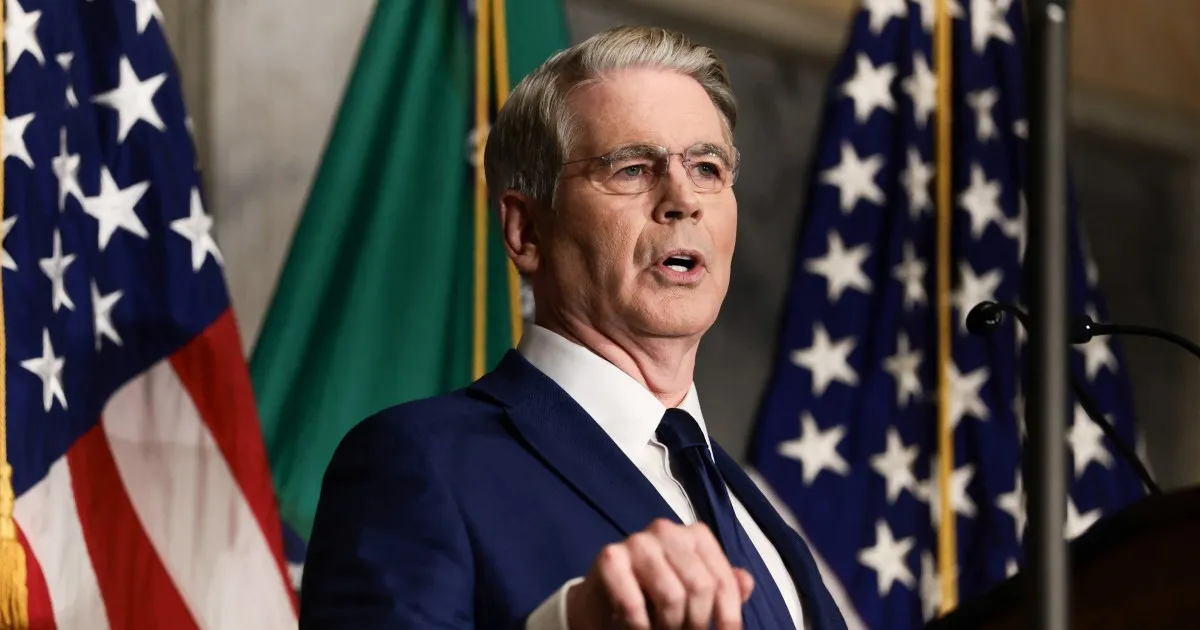
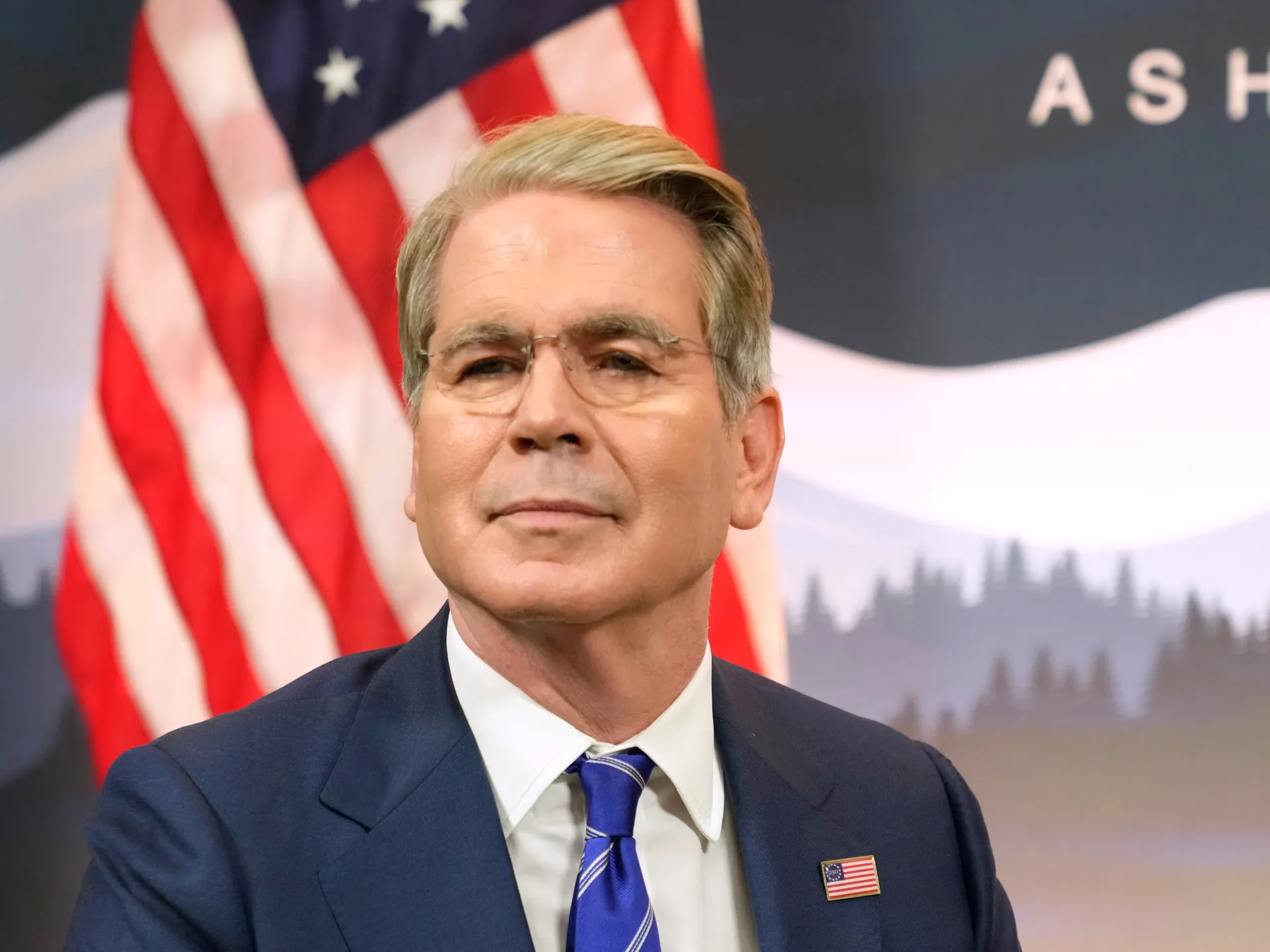
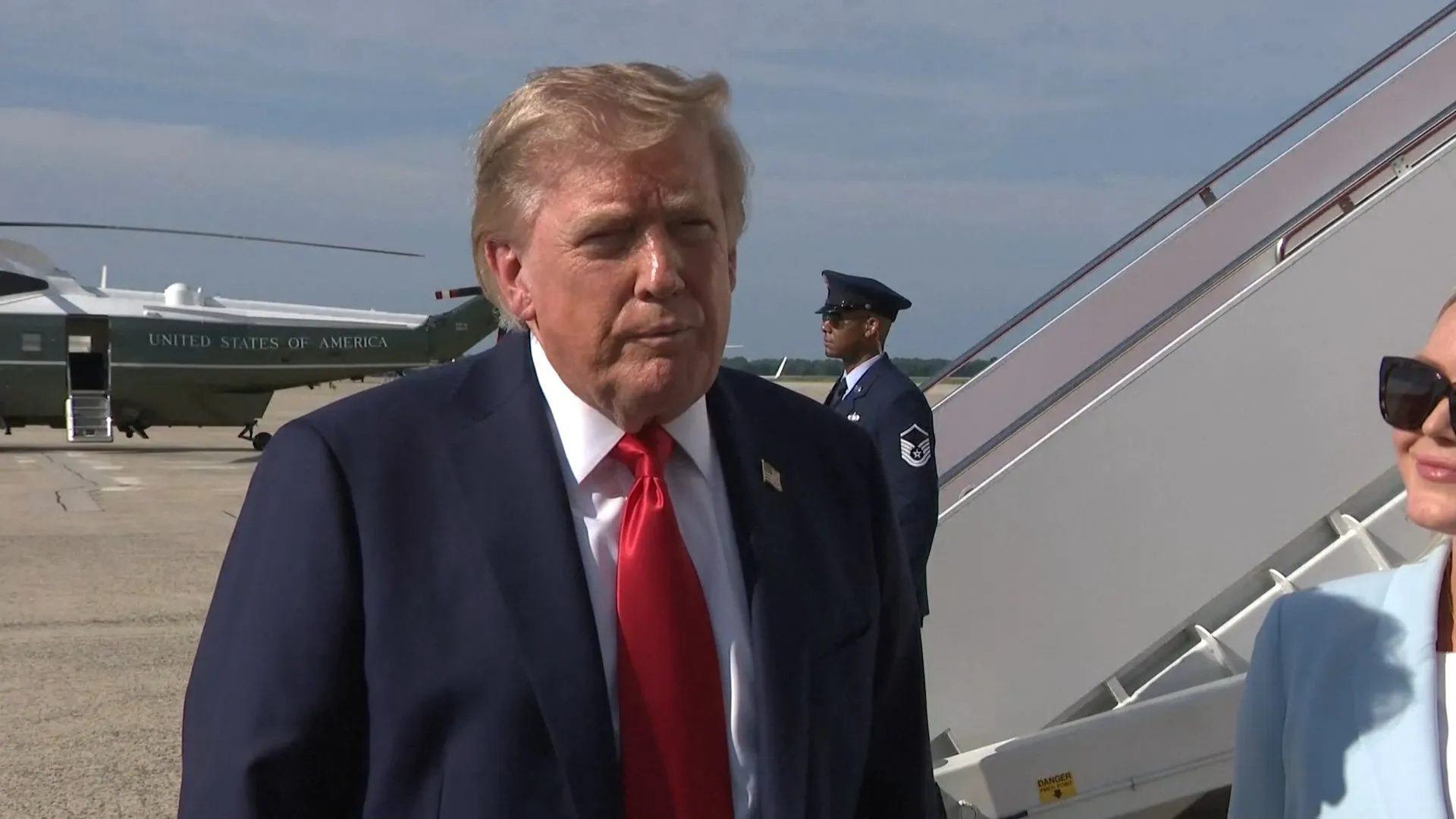
Former US Special Envoy Jared Kushner suggests that a botched Israeli operation in Qatar severely damaged the nation's international standing, creating a unique window for US-led negotiations.
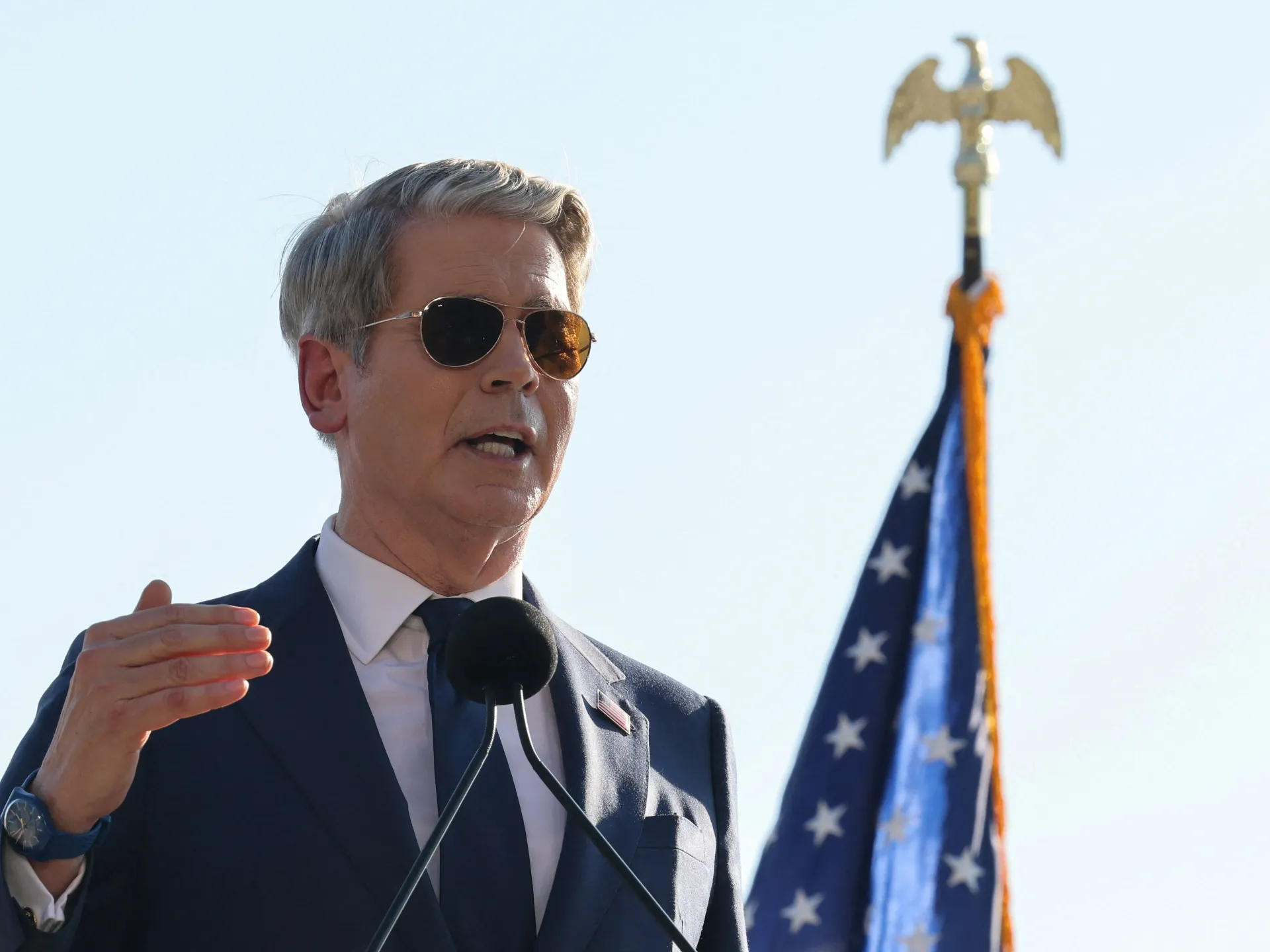
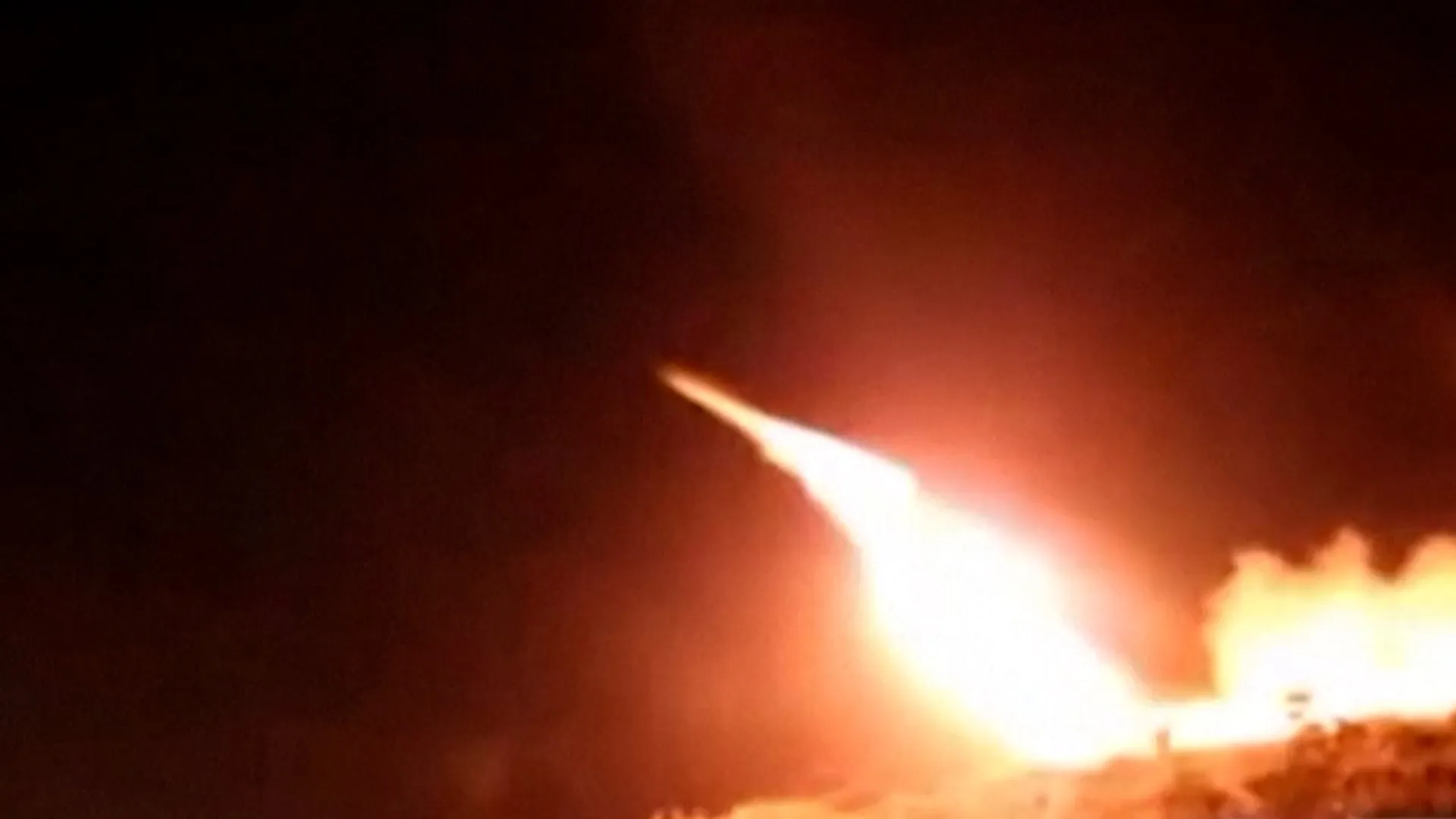
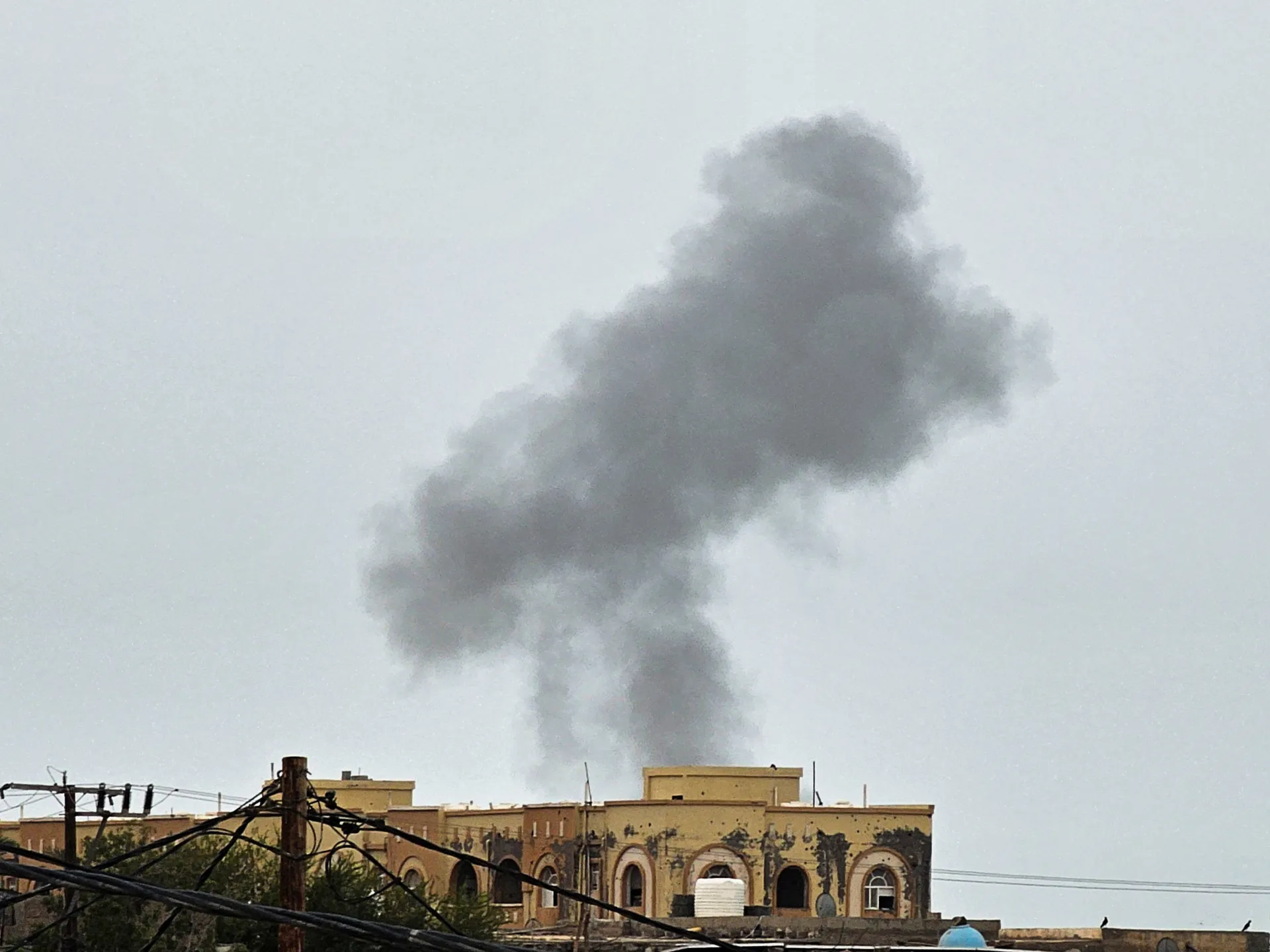
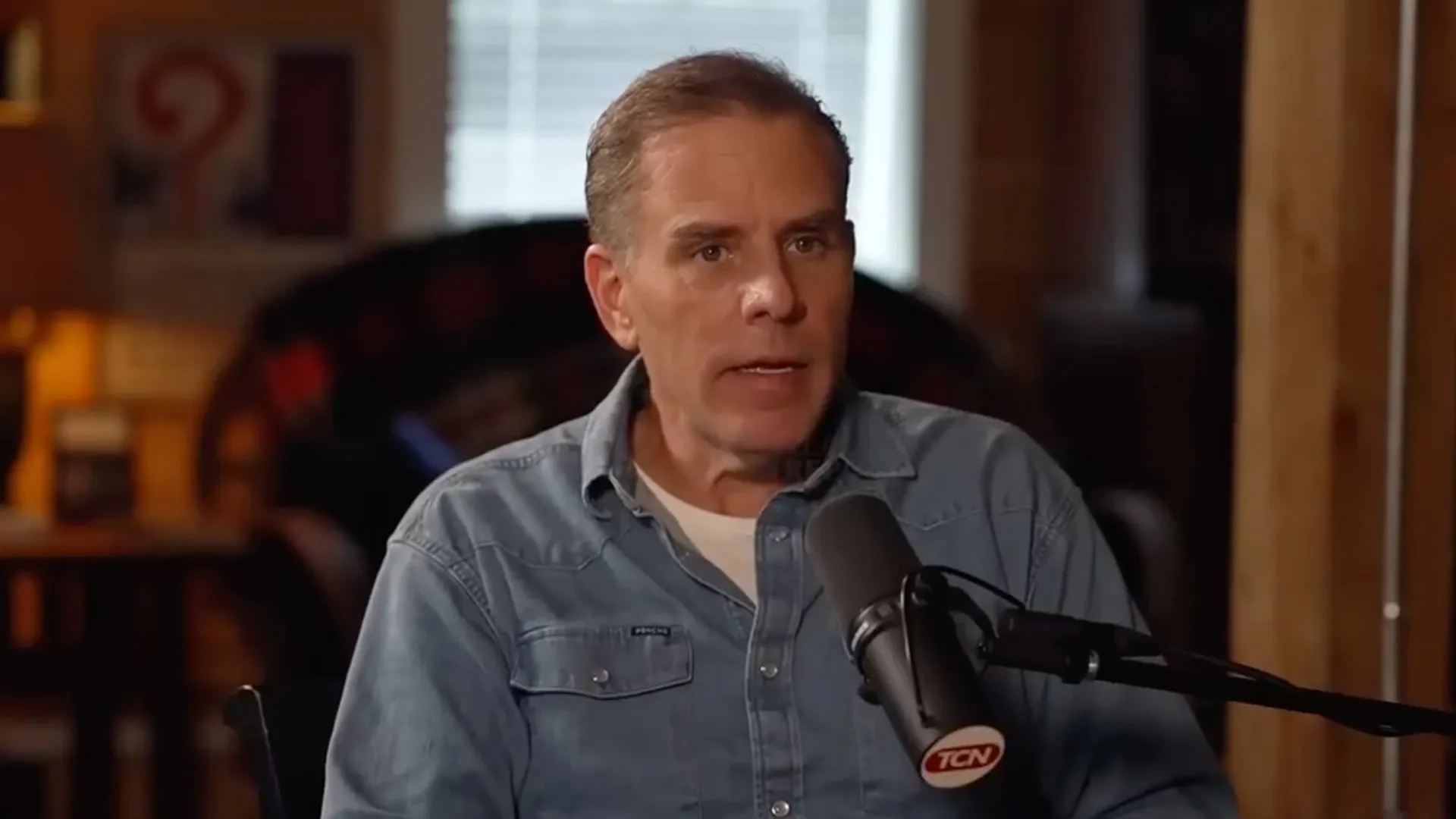
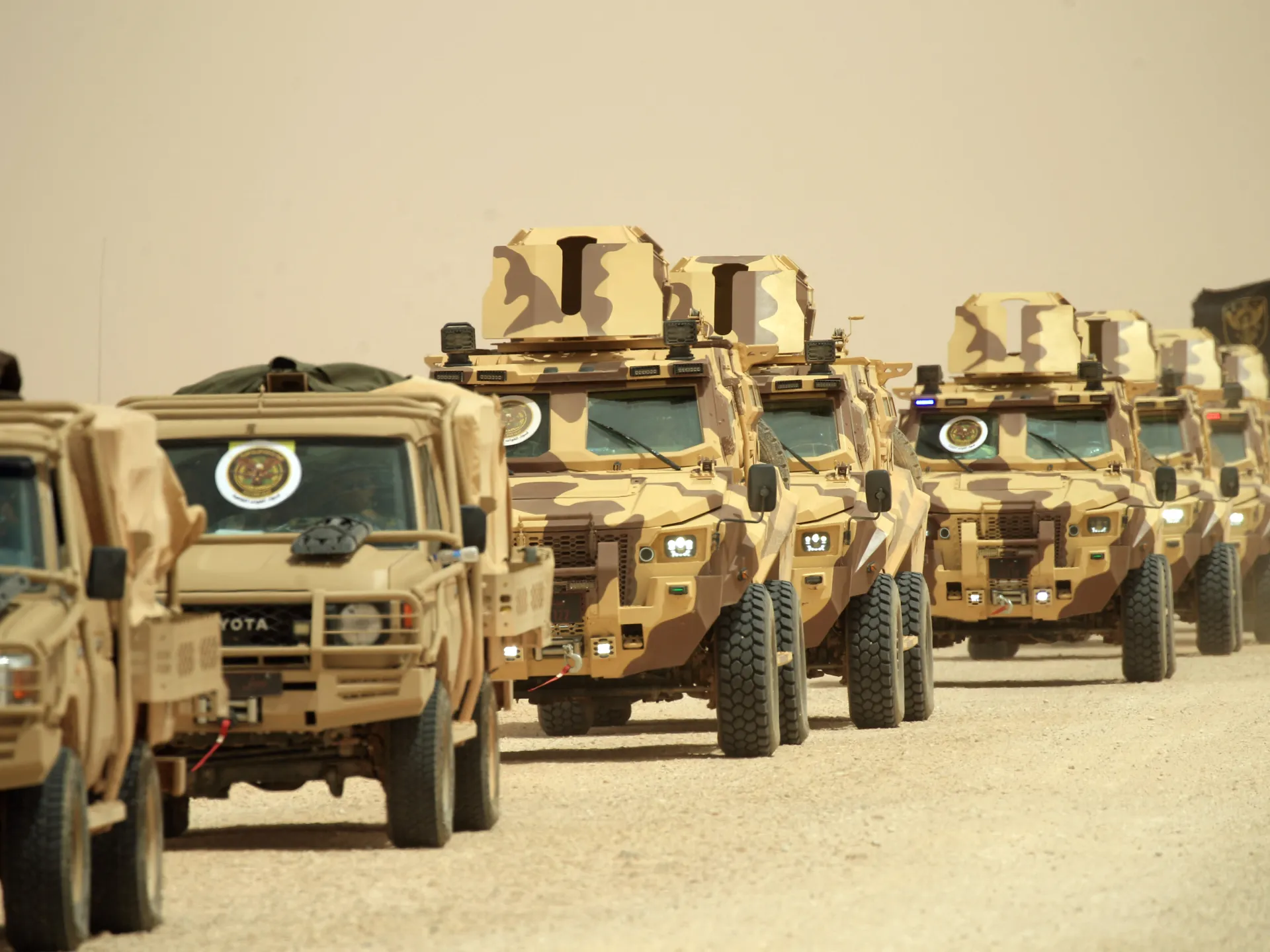
In recent remarks regarding the ongoing volatility in the Middle East, former United States Special Envoy Jared Kushner characterized a failed Israeli military operation in Doha as a significant turning point for the nation's geopolitical standing. The operation, which reportedly targeted Hamas leadership within the Qatari capital, has been described read international condemnation.
Kushner’s assessment highlights the fragility of regional alliances and the potential for tactical military decisions to have cascading diplomatic consequences. Israel inadvertently alienated key international partners, according to the former envoy. This perceived breach of diplomatic decorum and the operational failure that followed have served to shift the narrative surrounding the conflict, placing the Israeli government on the defensive regarding its regional security policies.
The aftermath of the Doha incident led to what Kushner describes as a period of profound global isolation for Israel. This isolation was not merely a matter of public rhetoric but translated into a cooling of relations with nations that had previously maintained a delicate balance in their diplomatic engagements. The incident provided a focal point for international outrage, allowing critics of the Israeli military campaign to consolidate their opposition on a global scale.
This isolation has complicated the traditional framework of diplomatic support that Israel has relied upon during periods of heightened military activity. As traditional allies expressed concerns over the nature and location of the strike, the government in Jerusalem found its room for maneuver significantly restricted. The diplomatic fallout illustrates the inherent risks involved when military objectives are pursued in environments that are essential for maintaining international mediation channels and humanitarian communication lines.
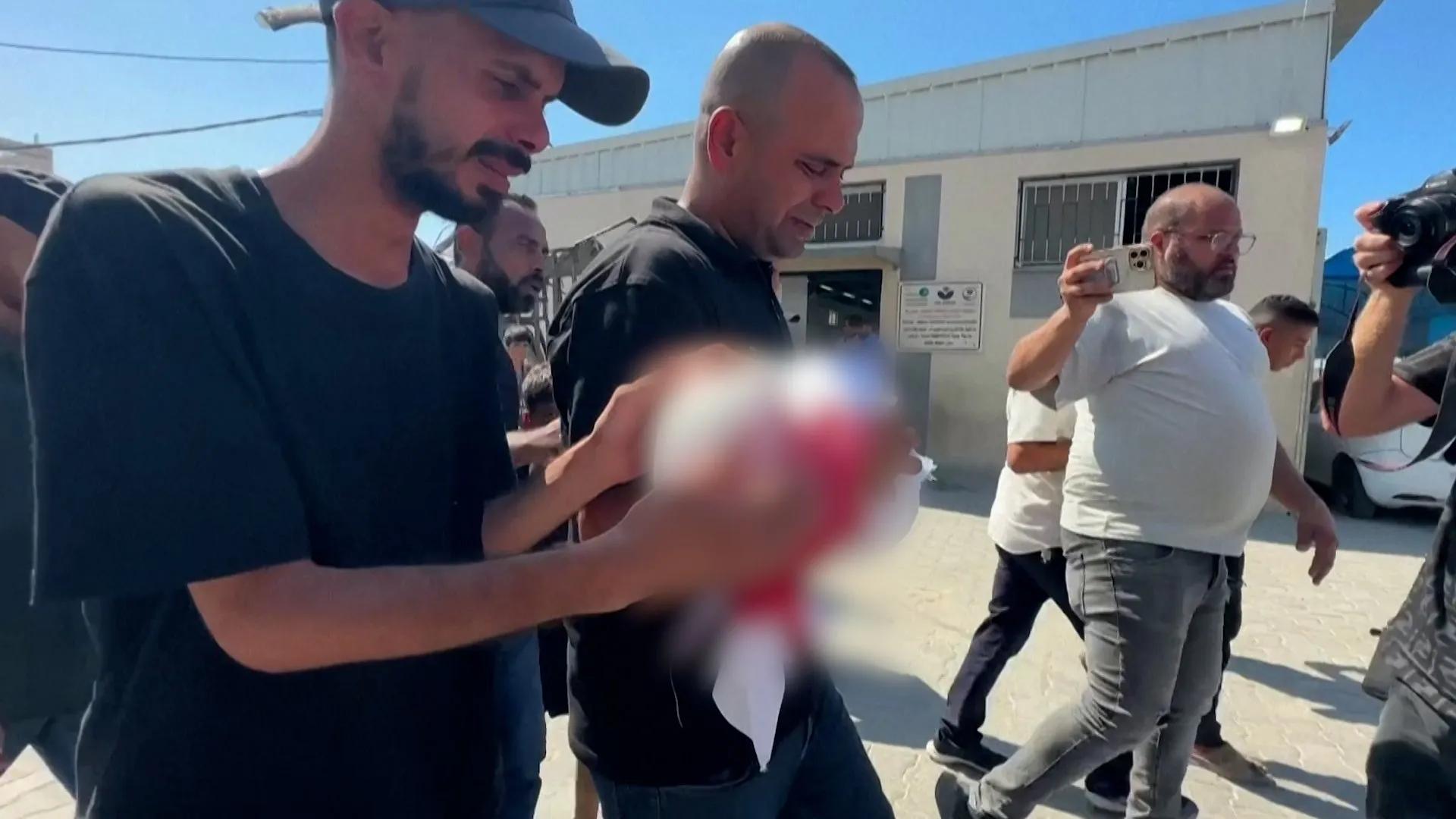
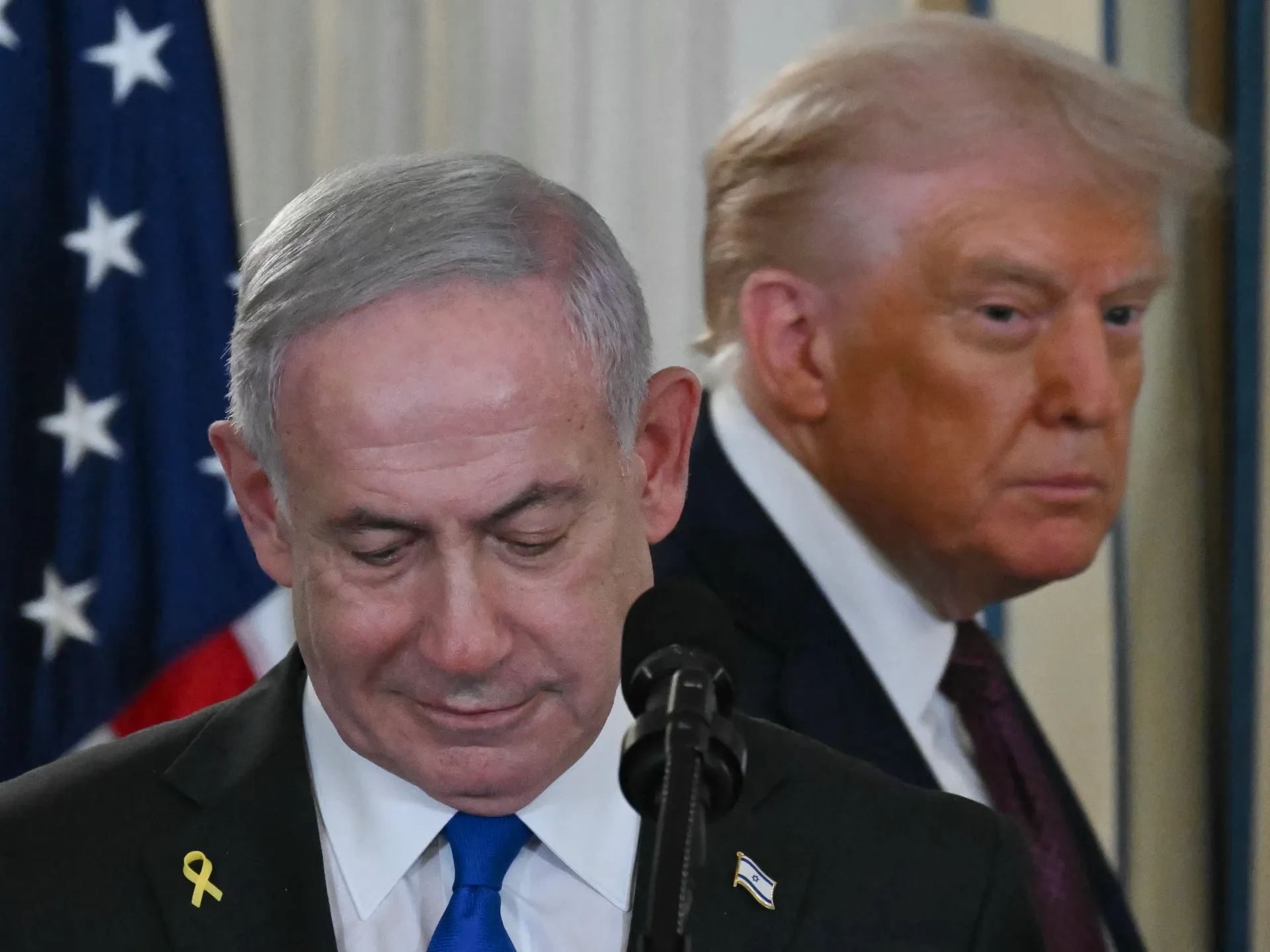
Despite the negative connotations of the event, Kushner pointed to a secondary effect that American mediators were able to exploit. The surge in international condemnation following the failed operation created a unique pressure point that US negotiators utilized to push for a more comprehensive deal regarding the situation in Gaza. as able to pivot toward a more structured negotiation process.
This strategy reflects a broader approach to conflict resolution where diplomatic leverage is gained through the management of international perception. Kushner’s comments suggest that while the operation itself was a failure from a security standpoint, the resulting environment of isolation allowed for a recalibration of the peace process. It underscores the extent to which international consensus and diplomatic pressure remain critical tools in the American arsenal for influencing the behavior of regional actors during active conflicts.
The episode serves as a case study in the complexities of Middle Eastern diplomacy, where the lines between military action and diplomatic negotiation are often blurred. The reliance on mediators like Qatar, which often hosts diverse political factions, necessitates a high degree of caution that was seemingly absent in the Doha operation. Kushner’s critique emphasizes that the success of any military endeavor must be weighed against the potential for undermining the very diplomatic structures required to achieve long-term stability.
As the international community continues to monitor the developments in the region, the lessons from the Doha incident remain relevant. The balance between maintaining a robust security posture and preserving essential diplomatic channels is a recurring challenge for all parties involved. Kushner’s analysis provides a clear perspective on how tactical failures can inadvertently force a shift in strategic priorities, ultimately shaping the trajectory of peace negotiations in the Gaza Strip and beyond.