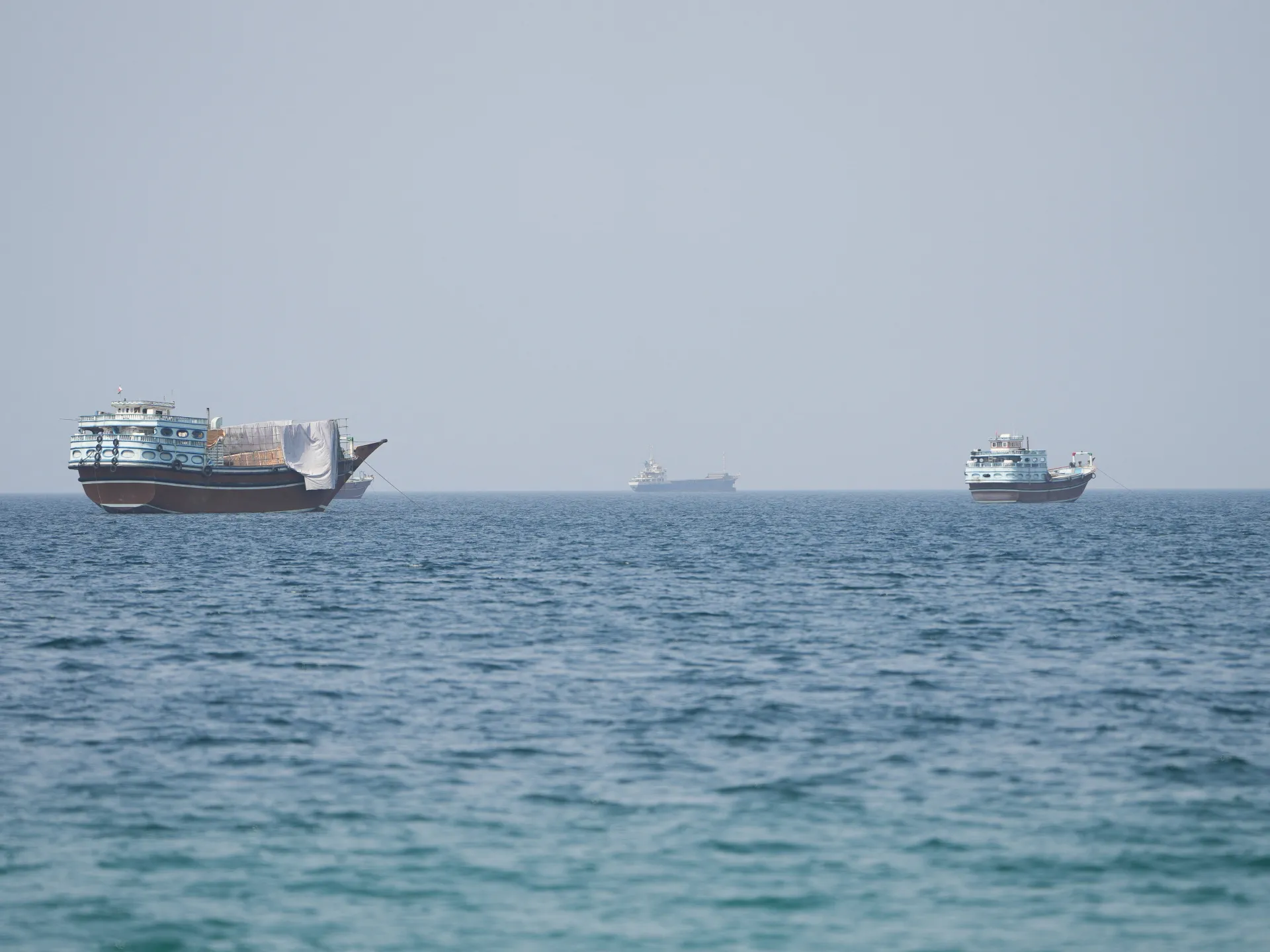
Argentina is launching new legal challenges against international oil firms operating in the Falkland Islands, escalating the long-standing sovereignty dispute.
The Argentine government has confirmed it is launching a fresh wave of legal complaints targeting international corporations involved in oil exploration near the Falkland Islands. During a recent press briefing, government spokesperson Adrian Ravier indicated that the administration is broadening its strategy to penalize businesses currently operating within the British overseas territory. While specific company names were not immediately disclosed in the announcement, the move signals a calculated effort to increase economic pressure on those involved in the region's hydrocarbon sector.
This initiative follows specific actions taken against prominent firms, including Israel-based Navitas Petroleum and the British company Rockhopper Exploration. Reports from Argentine media outlets suggest that federal prosecutors have requested formal investigations into the executives and shareholders of these entities. Furthermore, the government has initiated a criminal complaint against Navitas Petroleum specifically regarding its involvement in the Sea Lion project, a significant oil field located in the North Falkland basin. Legal action has also been directed toward the Canadian company Eco Atlantic, which holds exploration licenses adjacent to the Sea Lion field.
The legal basis for these actions relies on a 2011 Argentine law designed to restrict unauthorized resource exploitation on what the nation defines as its continental shelf. Under this legislation, companies found to be operating without explicit authorization from Buenos Aires could face severe penalties. These potential consequences include up to 20 years of disqualification from conducting business within Argentina and prison sentences of up to 15 years for individual executives. The current administration is leveraging these statutes to challenge the validity of licenses issued
Despite the severity of these legal threats, the targeted companies have maintained a stance of continuity. Both Navitas Petroleum and Rockhopper Exploration have previously asserted that their operations are supported Islands. These firms have indicated that they remain committed to their development projects, suggesting that they do not anticipate the current political and legal maneuvering from Buenos Aires to successfully halt their long-term infrastructure and extraction plans.
The dispute over the South Atlantic archipelago remains a deeply sensitive issue, rooted in the historical conflict of 1982. The current administration in Argentina has framed the struggle for control as a matter of national identity and sovereignty. Recently, the landscape of this long-standing stalemate has become more complex due to shifting international perspectives. Comments from the United States regarding a potential reconsideration of support for British sovereignty have added a new layer of uncertainty to a conflict that has remained largely frozen for decades.
In response to the mounting pressure, the United Kingdom government has issued formal guidance intended to reassure investors and businesses operating in the territory. The British position remains firm: the Falkland Islands government holds the sole right to regulate its own economy and develop its natural resources. London has explicitly stated that it does not recognize any legal basis for Argentine courts to exercise jurisdiction over companies participating in legitimate economic activity in the islands, nor does it believe that international courts would enforce such domestic Argentine measures against global firms.
As the legal battle intensifies, the primary concern for the energy sector is the potential for broader economic tensions. Analysts suggest that if the Argentine government expands its strategy beyond the energy sector to target other industries essential to the islands' economy, the friction between London and Buenos Aires could escalate significantly. The 1982 conflict, which resulted in the loss of hundreds of lives, remains a somber backdrop to these modern diplomatic and legal challenges, influencing the rhetoric used
Moving forward, the situation presents a test of international law and corporate resilience. While the Argentine government views these legal complaints as a necessary tool to assert its territorial claims, the UK remains committed to protecting the economic autonomy of the Falkland Islanders. As companies navigate this complex environment, the focus remains on whether these legal threats will remain largely symbolic or if they will lead to tangible disruptions for the projects currently in development across the North Falkland basin.