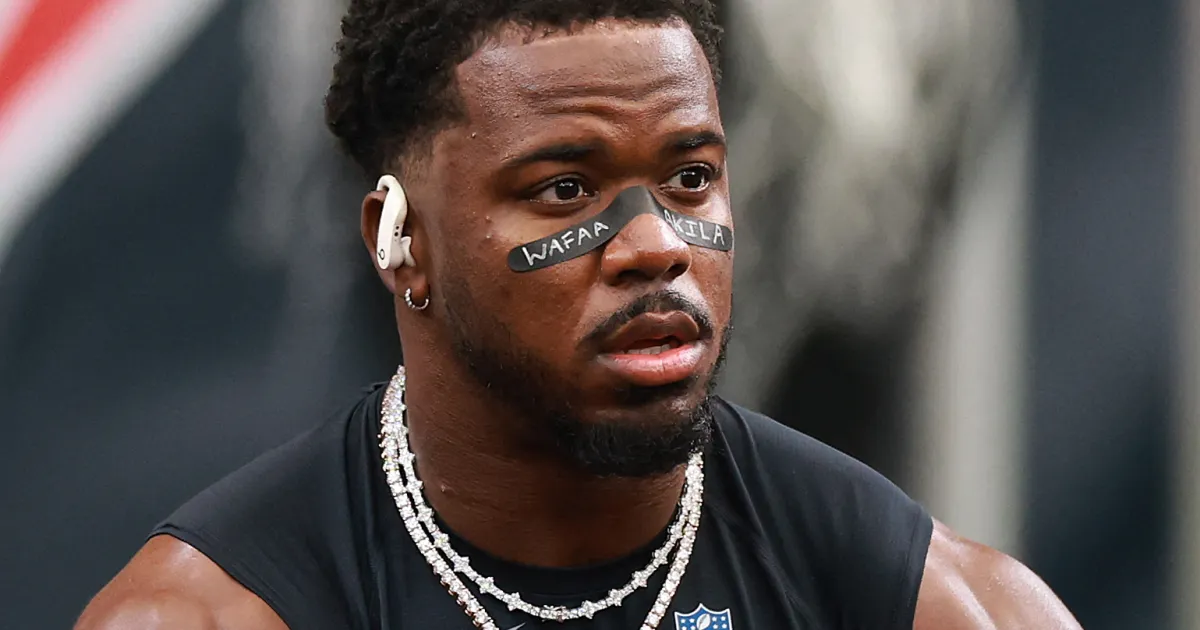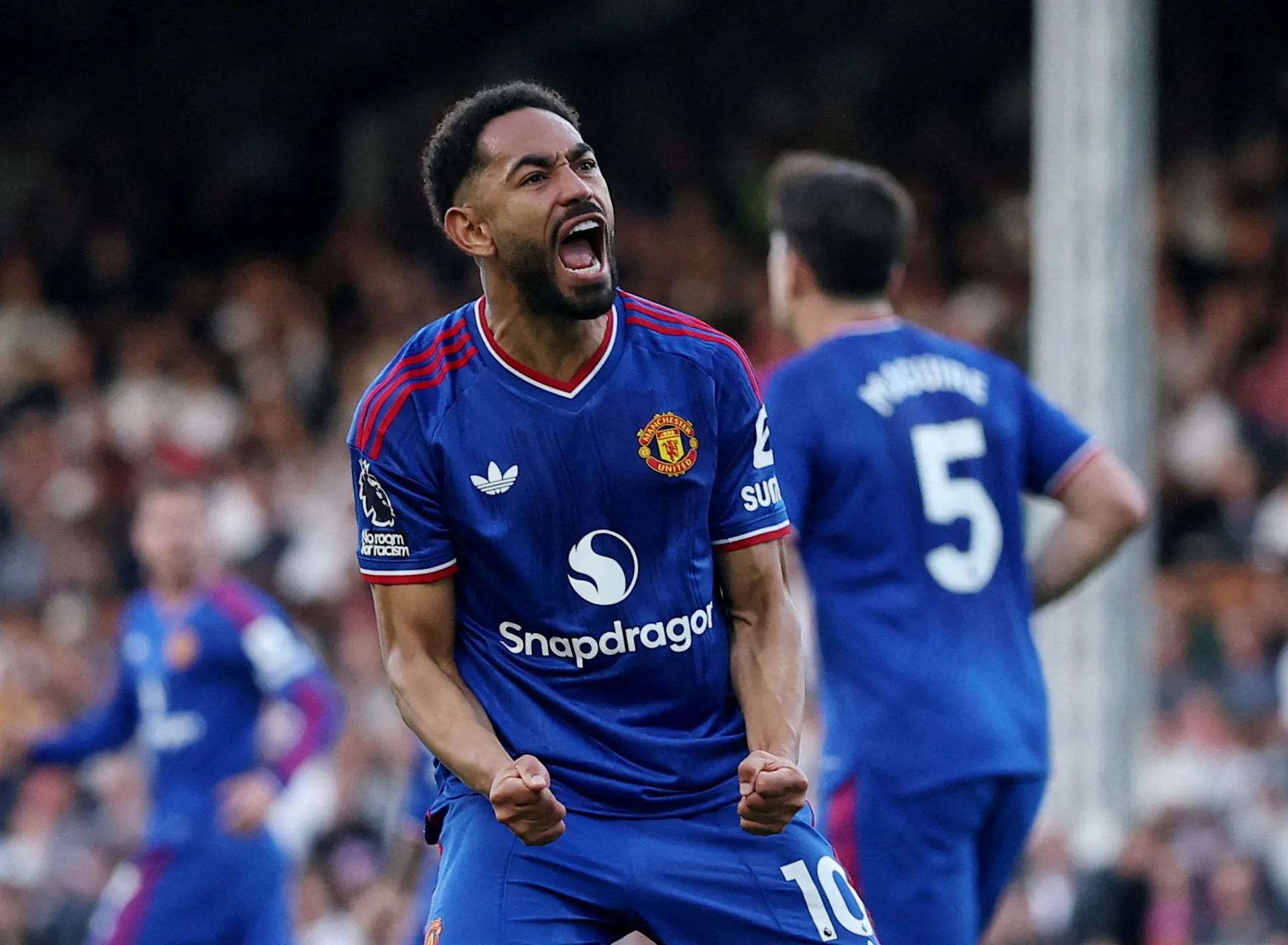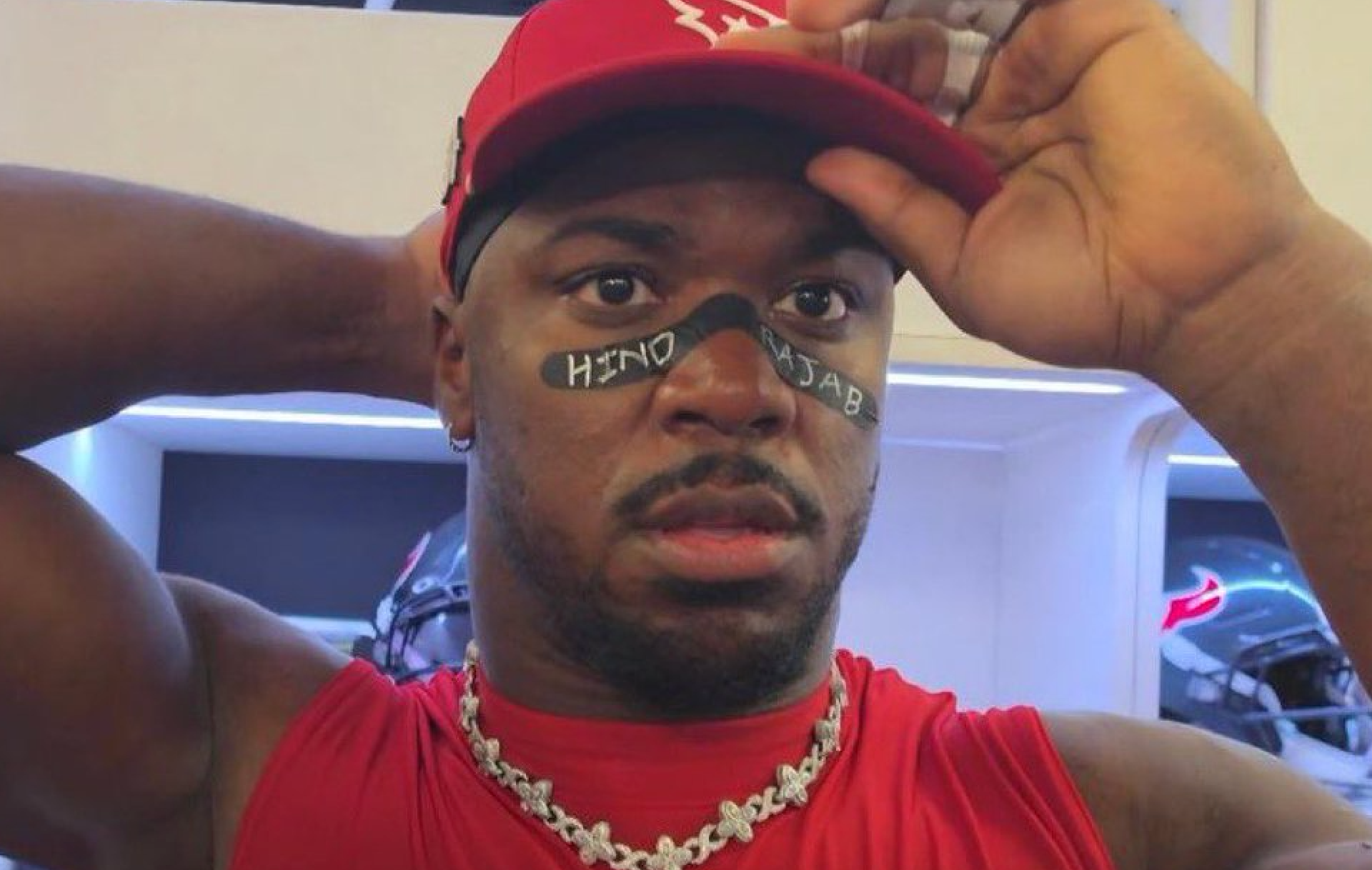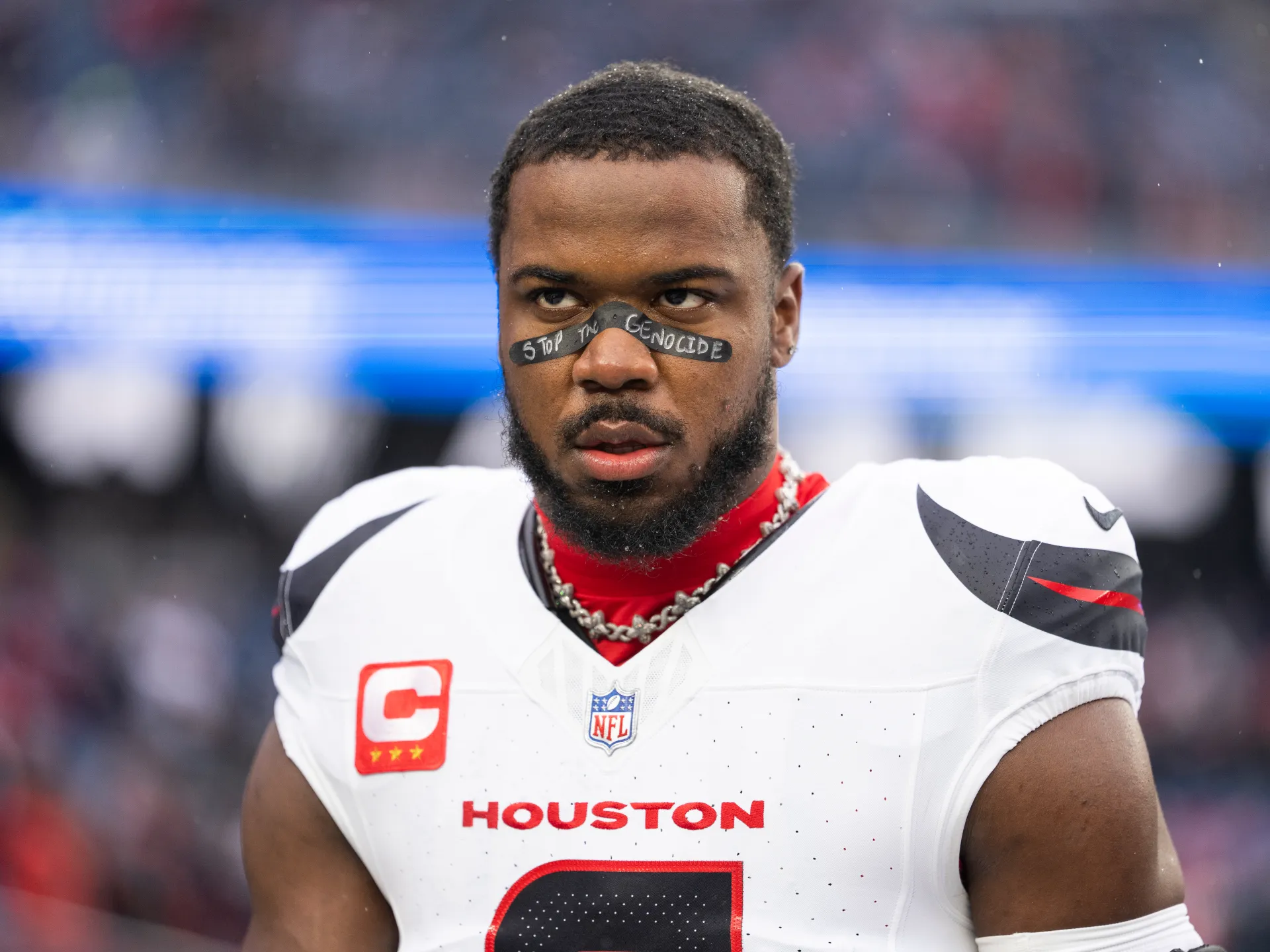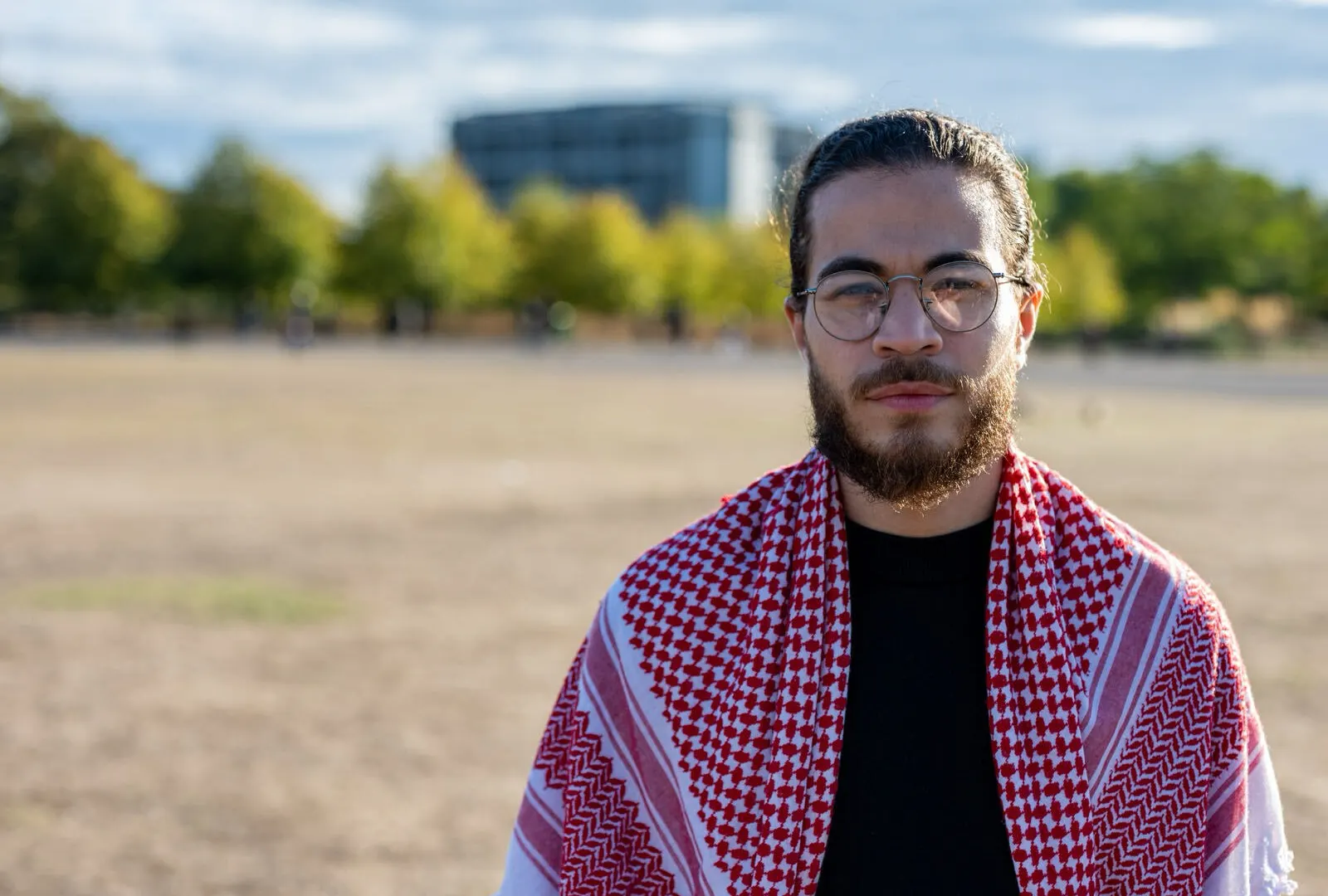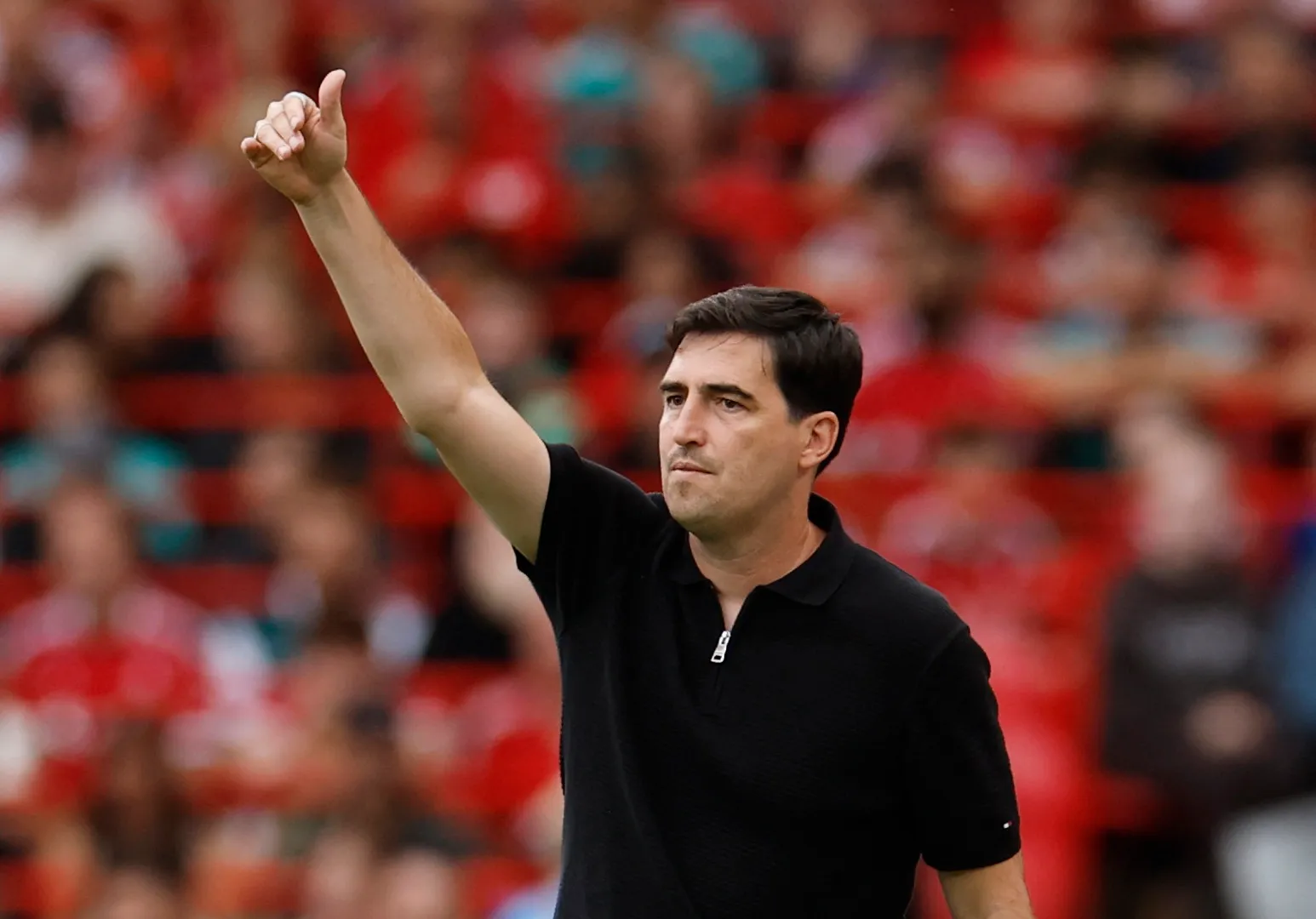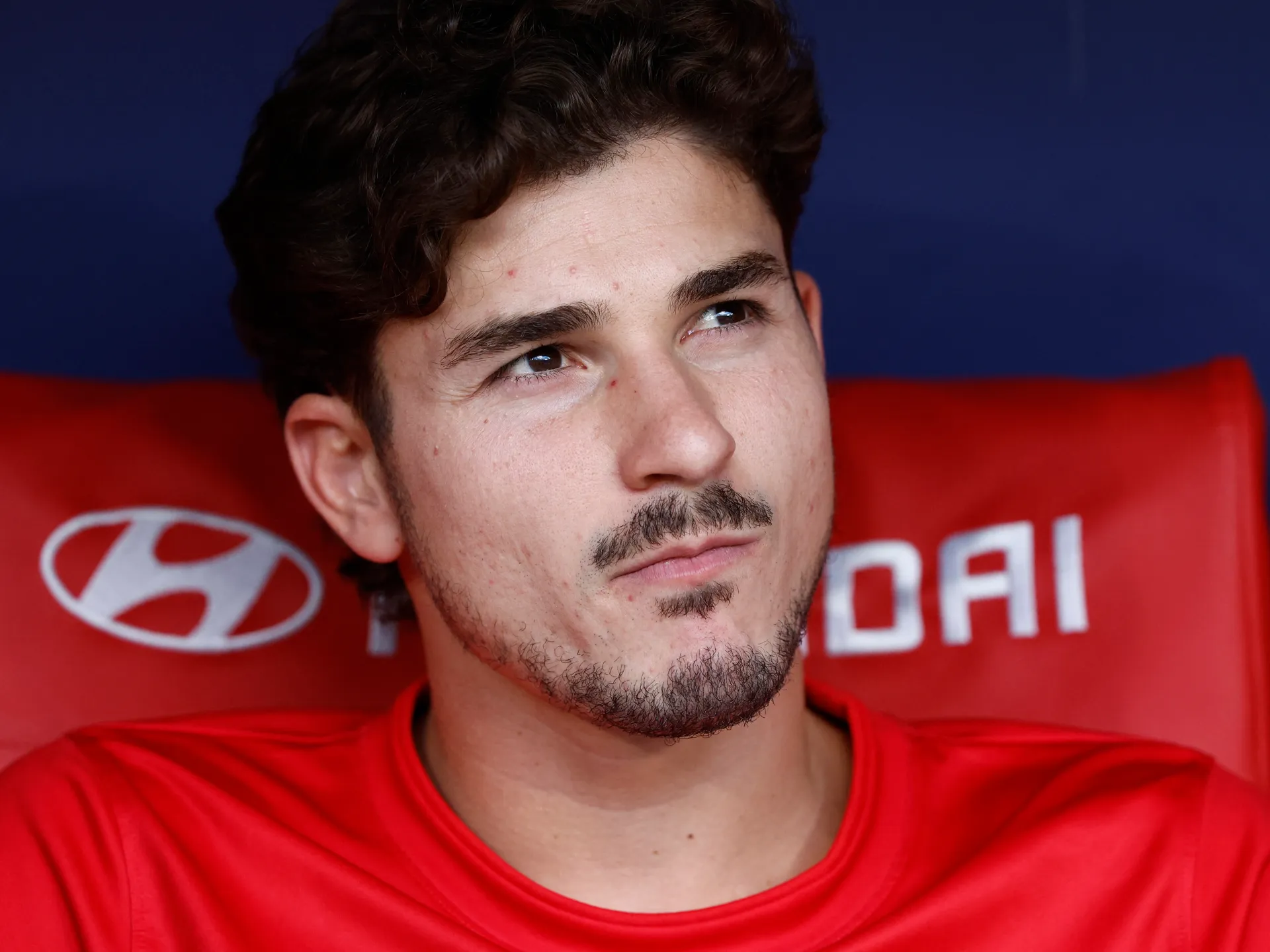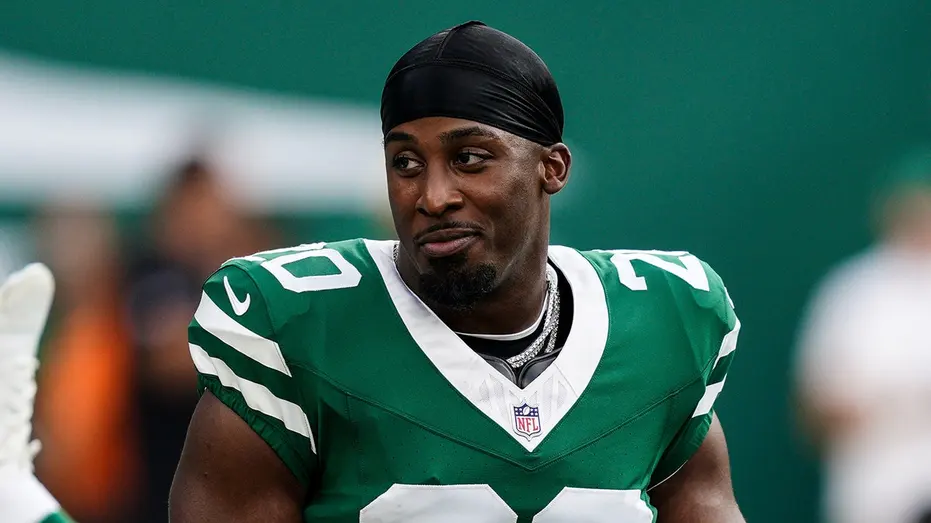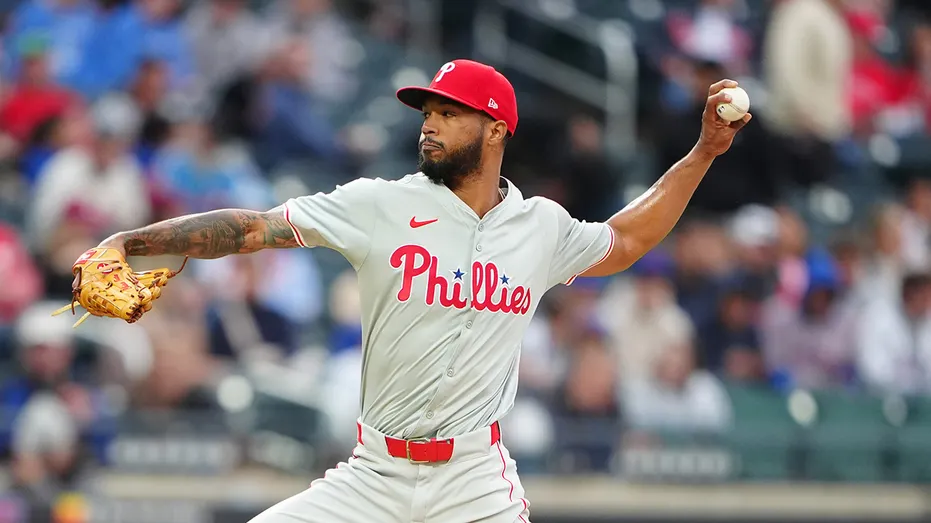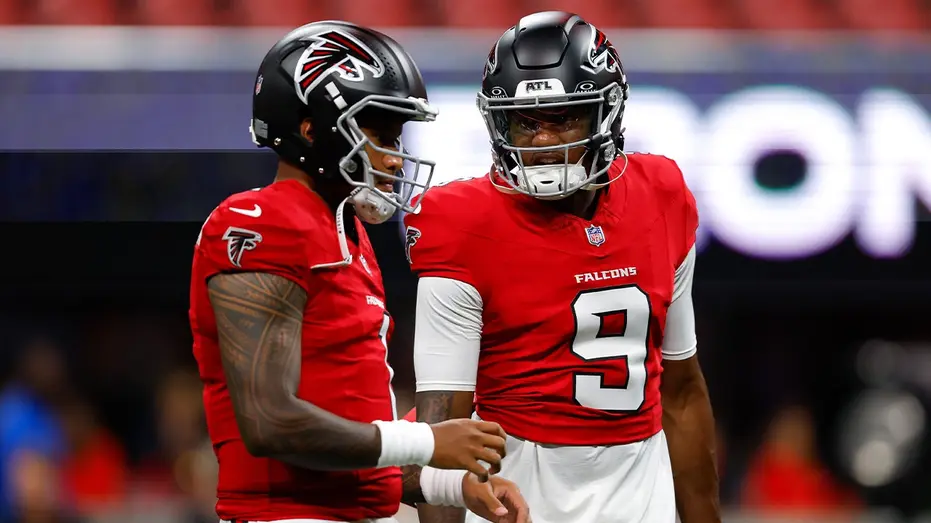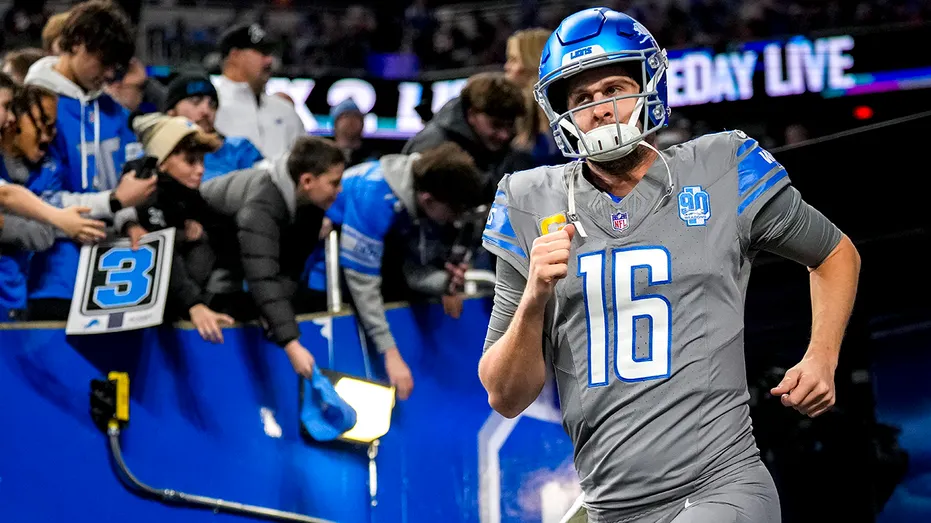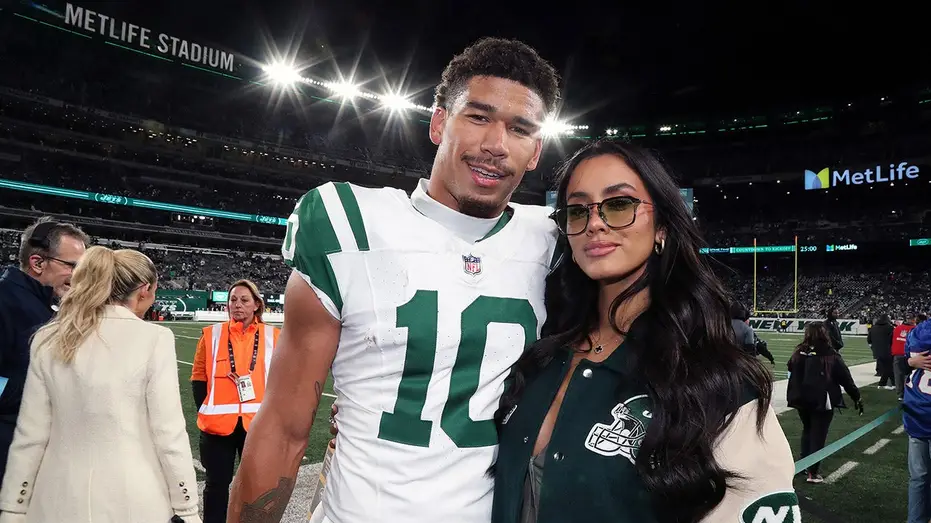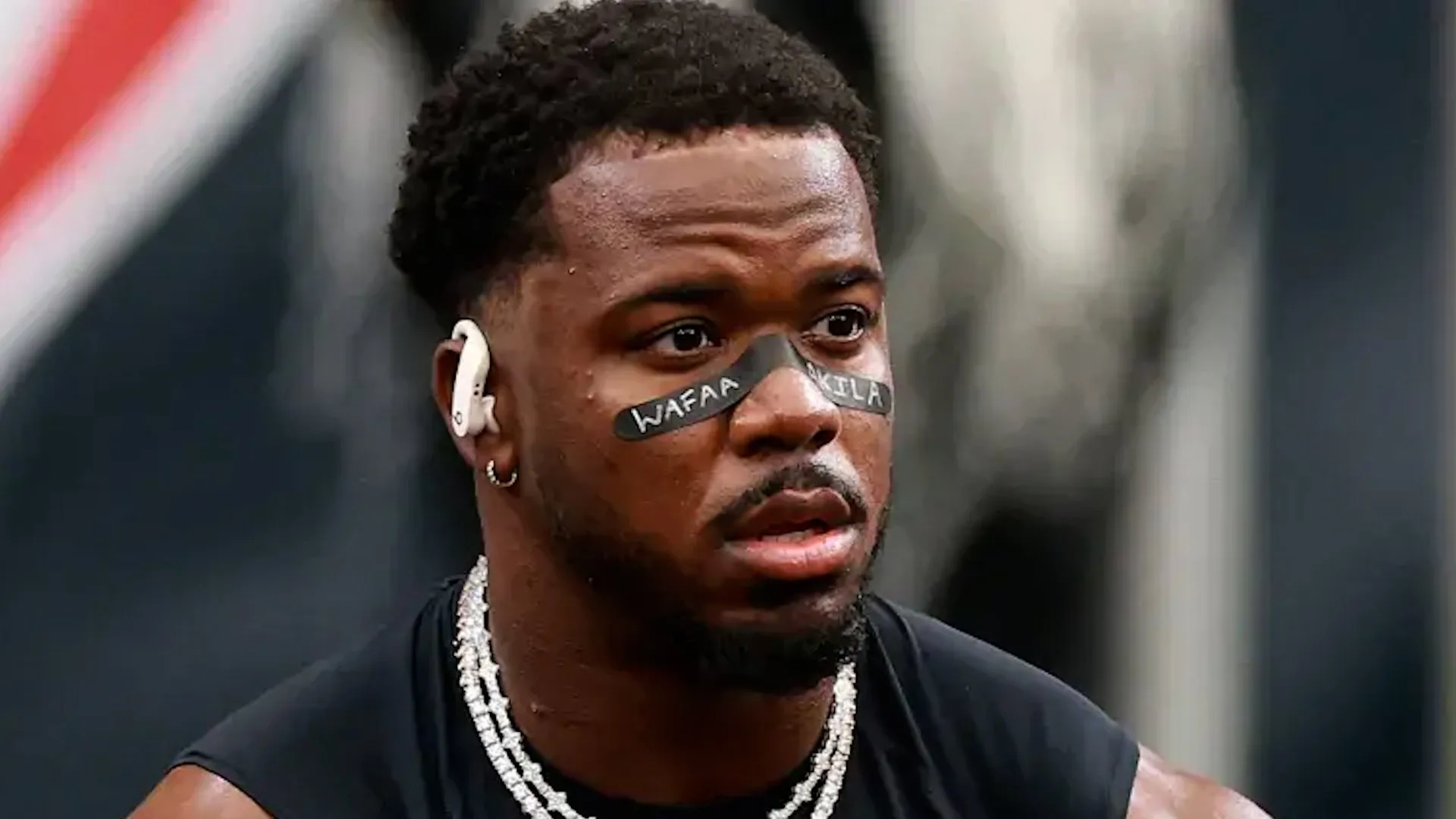
Houston Texans linebacker Azeez Al-Shaair continues to display names of Palestinian children on his game-day gear, testing the limits of NFL uniform policy.
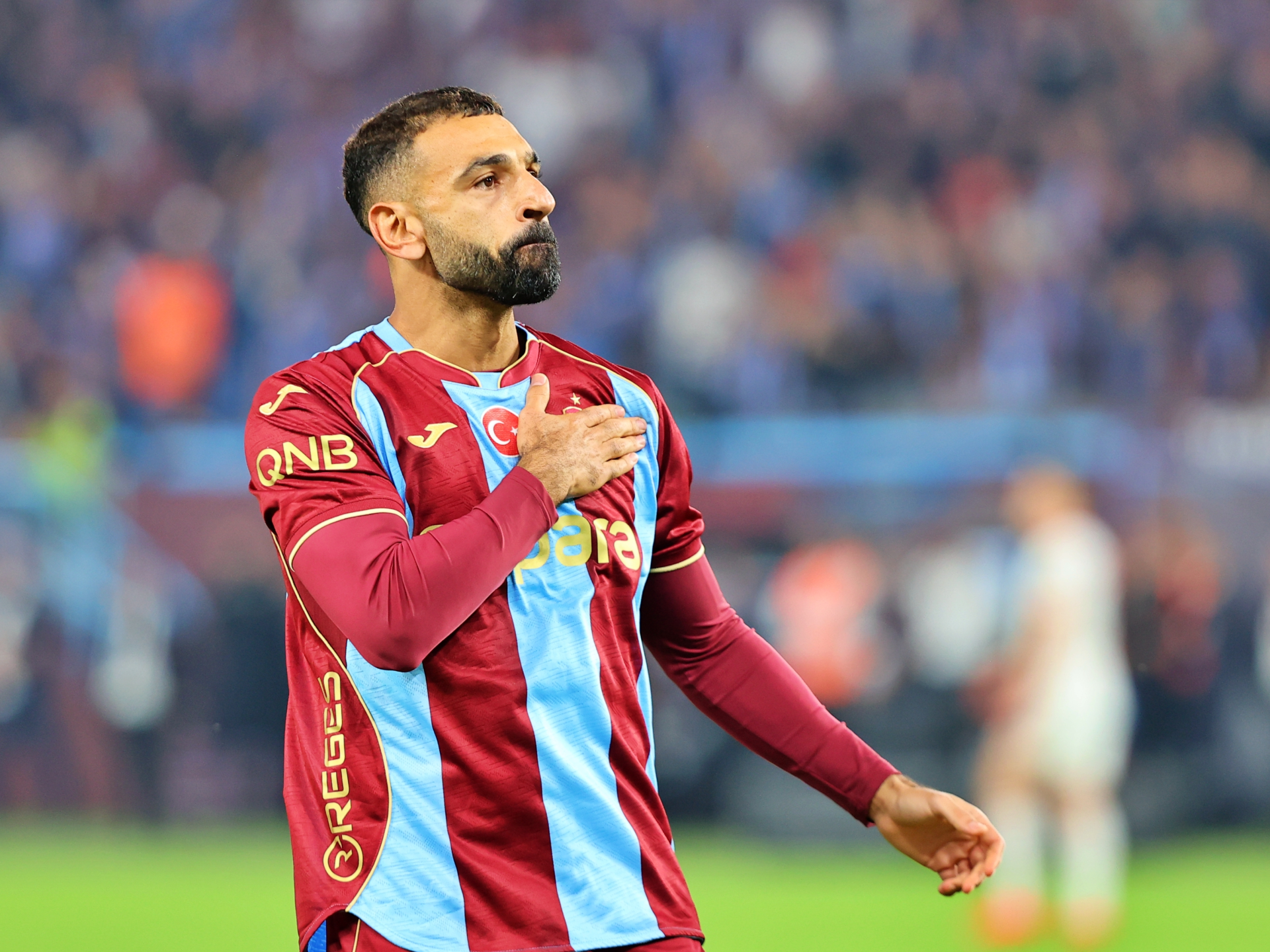
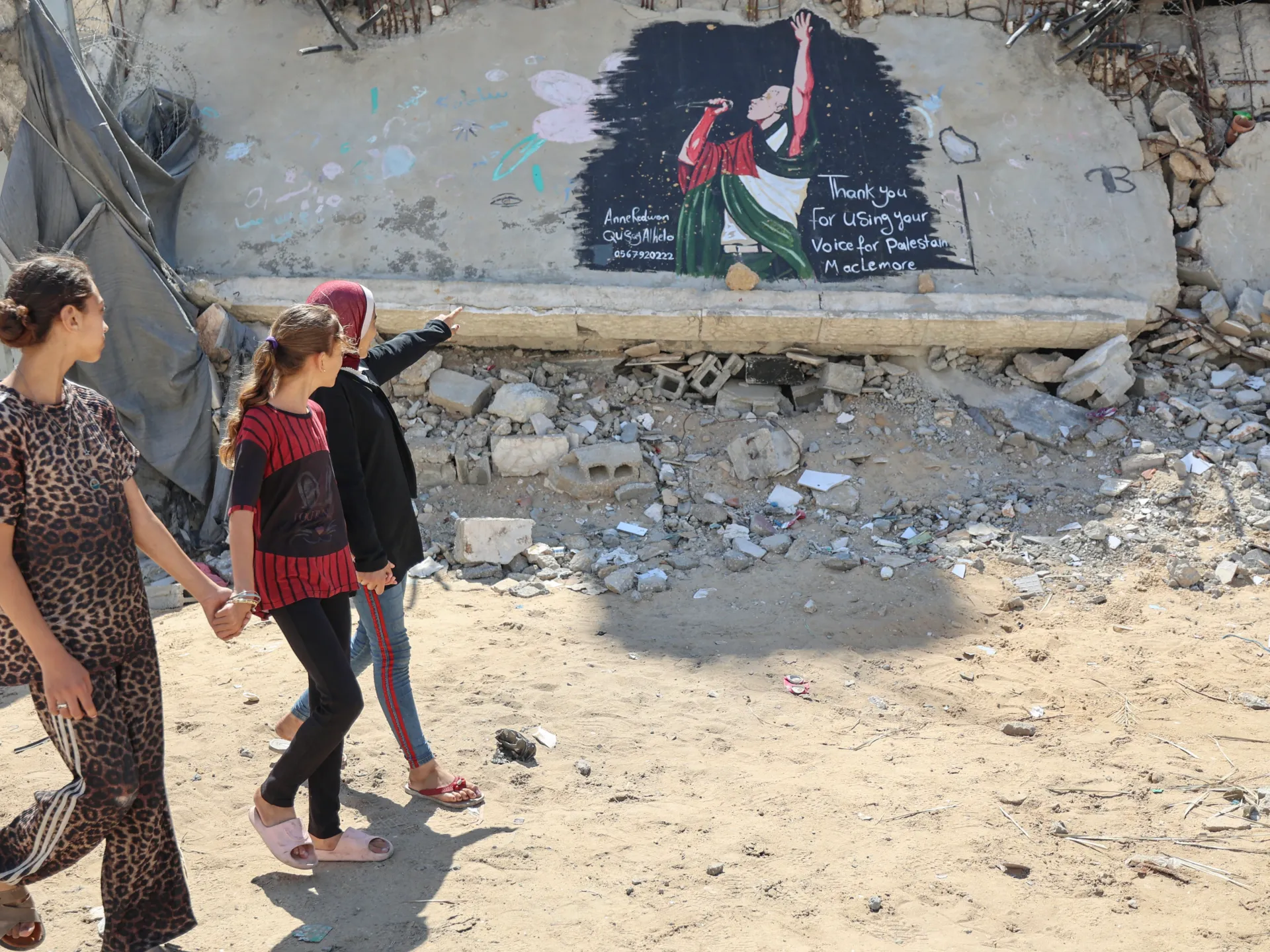
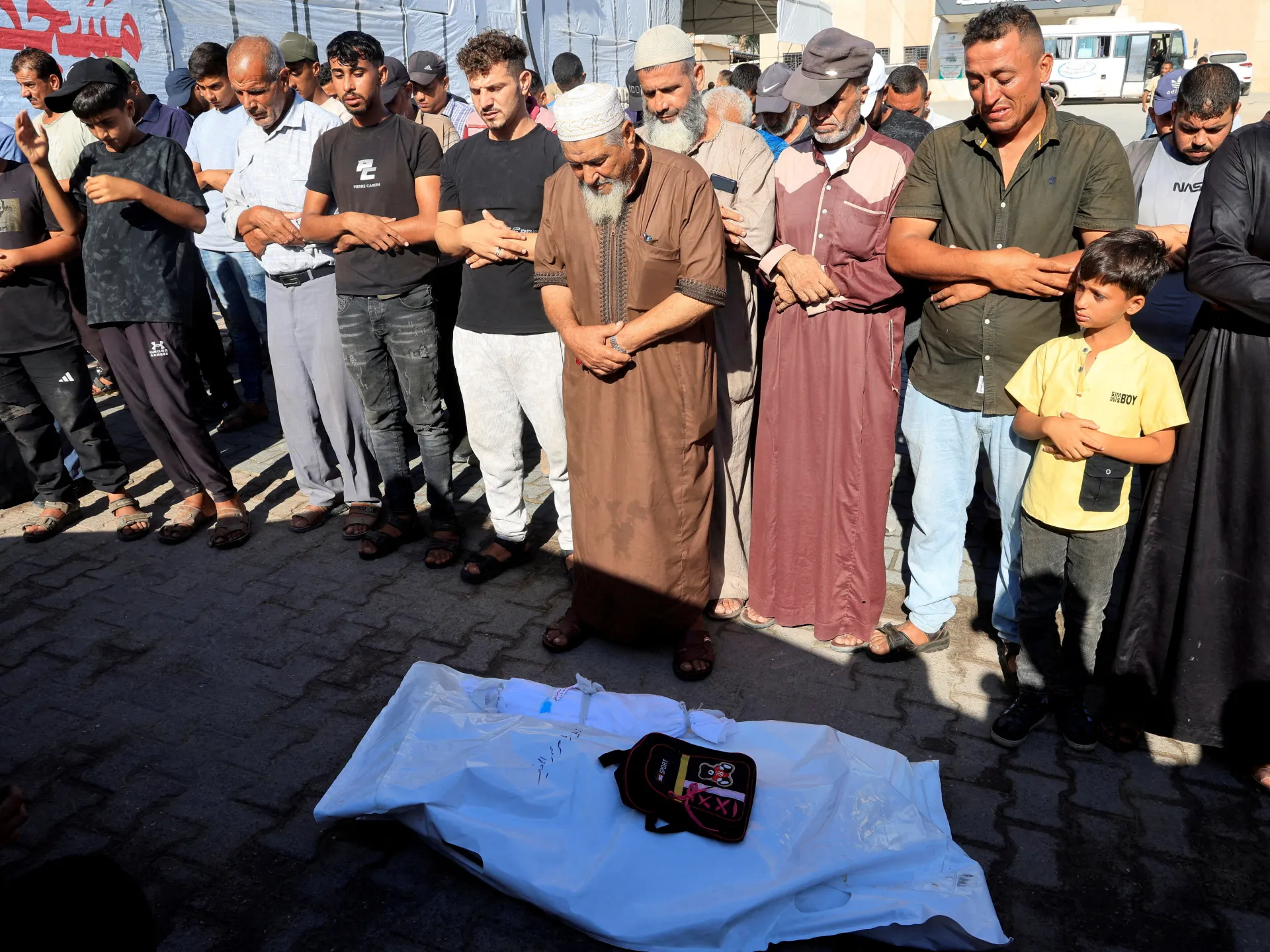
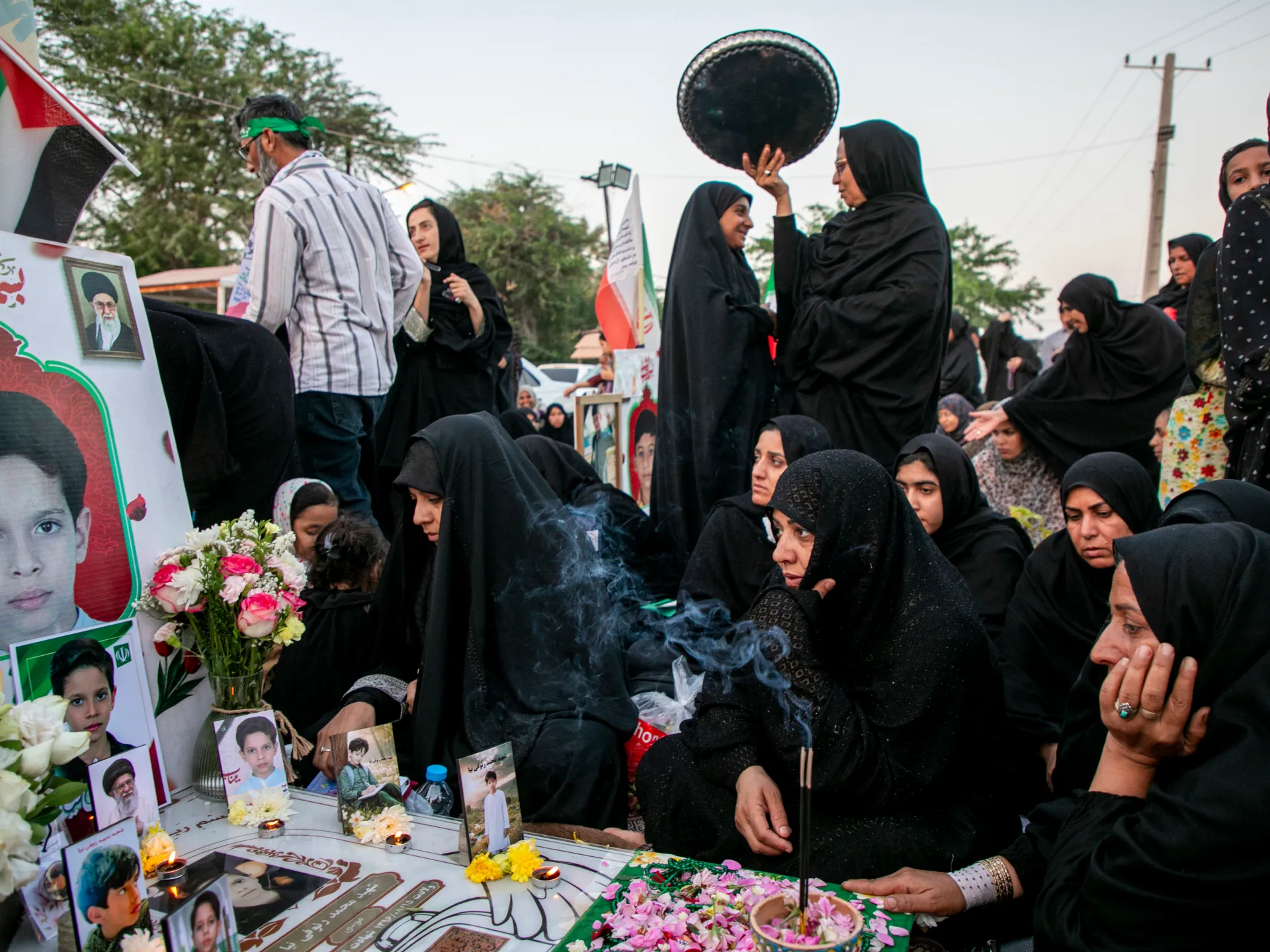
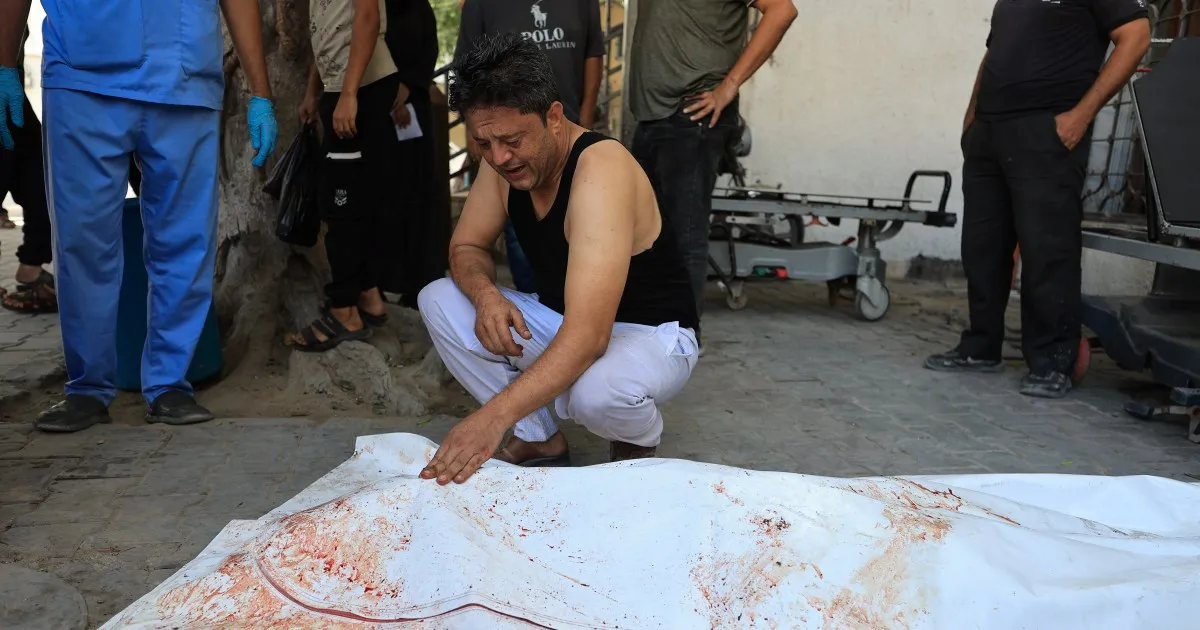
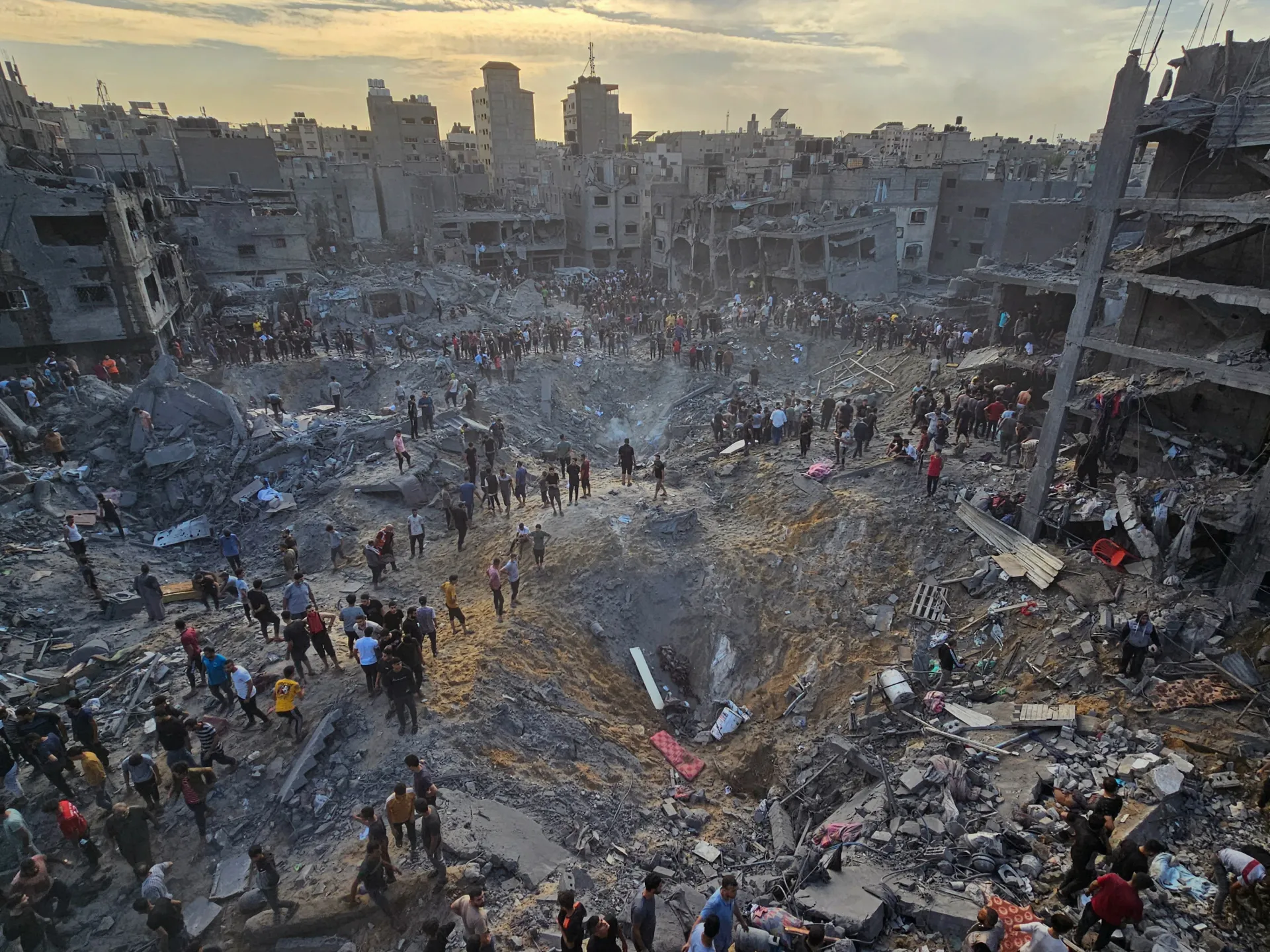
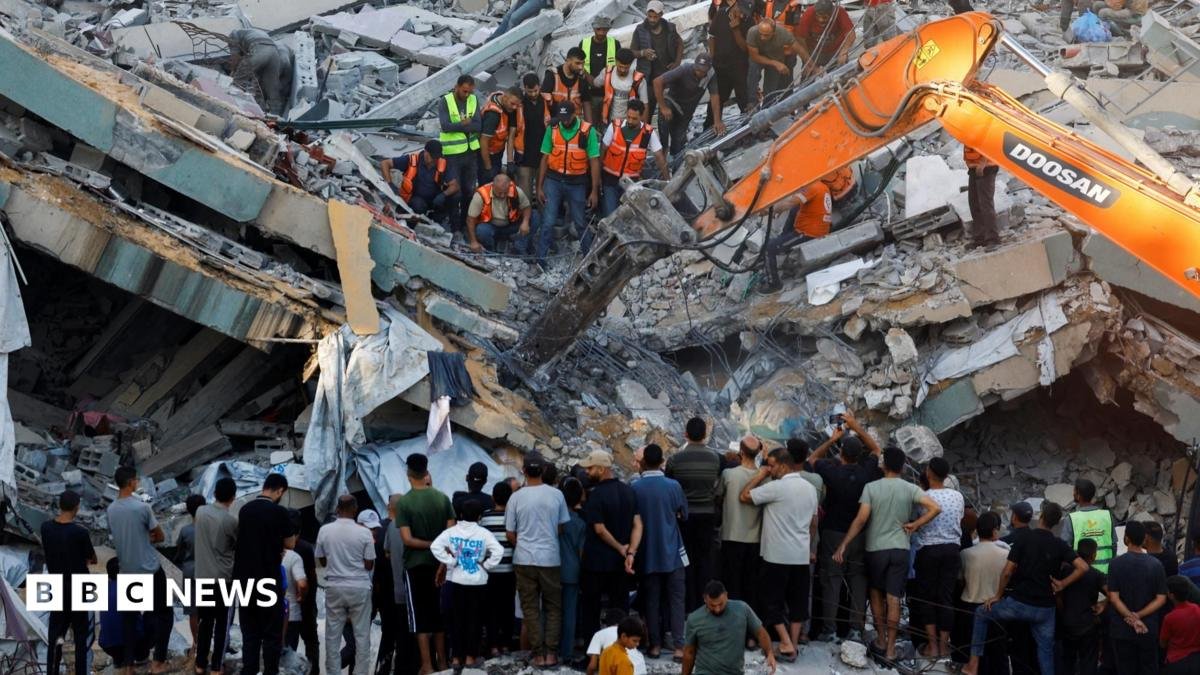
Houston Texans linebacker Azeez Al-Shaair has utilized his platform in the National Football League to draw renewed attention to civilian casualties in the Gaza Strip. During a recent game, Al-Shaair displayed the name of a Palestinian child killed during the ongoing conflict on his eye black, a move that directly follows his decision last week to honor Hind Rajab in the same manner.
This ongoing demonstration highlights a growing intersection between professional athletes and high-profile geopolitical advocacy. Despite the threat of financial penalties from league officials—who previously fined the player for his tribute to Rajab—Al-Shaair has demonstrated a consistent commitment to highlighting the human cost of the regional conflict. The player’s choice to use his uniform as a vehicle for public messaging serves as a stark reminder of the personal risks players navigate when stepping outside the boundaries of traditional athletics.
The actions taken e their social responsibility. In an era of hyper-connected social media discourse, the field of play has become a contested space for political expression. For the NFL, this presents a significant challenge in balancing its neutral-brand mandates with the evolving expectations of players who view their personal values as inextricably linked to their professional identity.
Furthermore, the repeated nature of these tributes signals that for some athletes, the prospect of league-imposed fines acts as a negligible deterrent compared to the perceived urgency of their message. This creates a precedent where disciplinary actions s a deliberate attempt to stifle player-led humanitarian advocacy, potentially fueling further friction between the athlete union and league administration.
Al-Shaair’s decision to continue his public memorialization comes amid a backdrop of intense scrutiny regarding how the NFL regulates on-field messaging. While the league maintains strict policies concerning uniform consistency and the display of non-approved insignia, players have increasingly sought ways to bypass these regulations through subtle, personalized gear modifications.
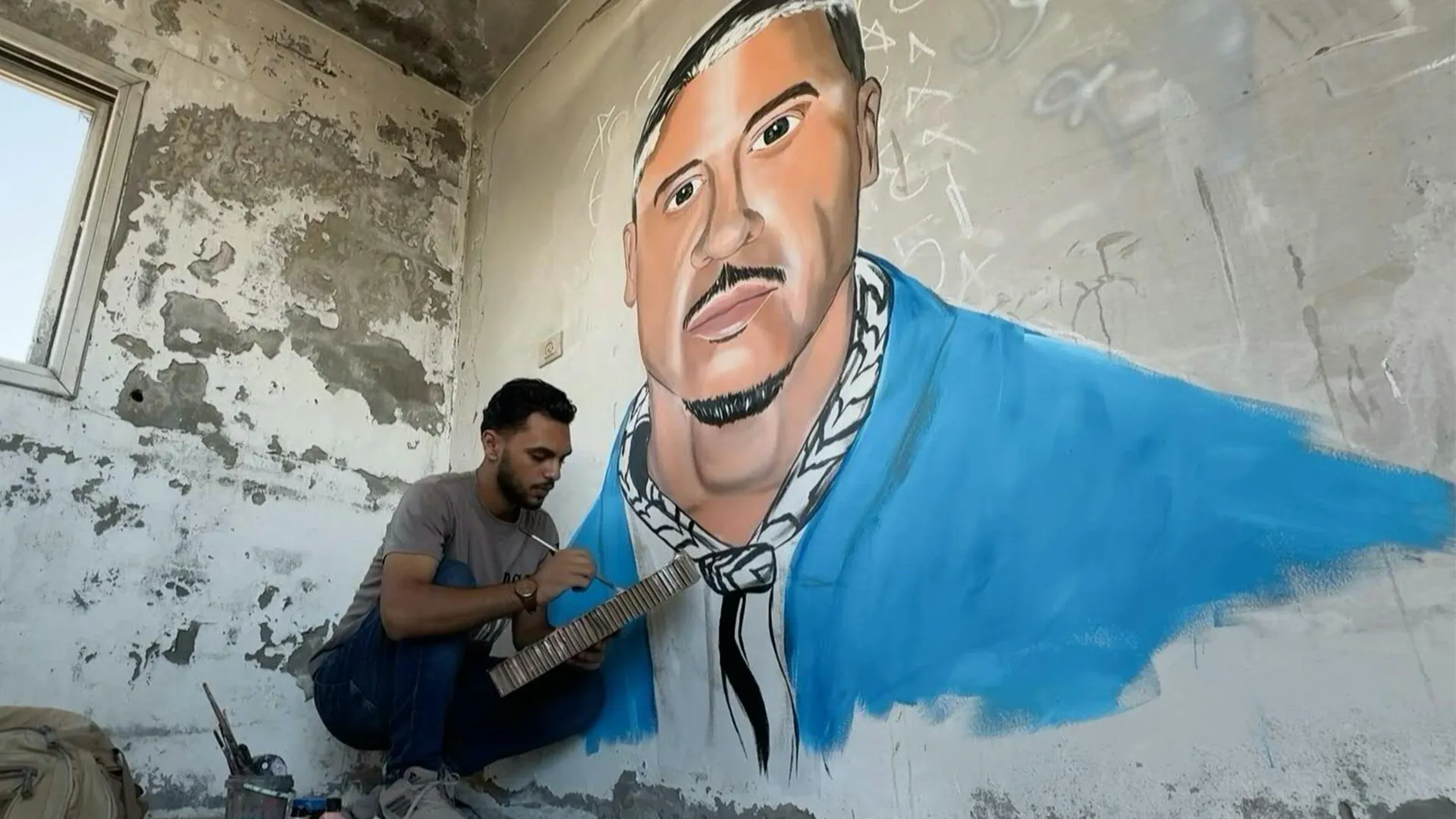
The specific focus on child casualties in Gaza, as evidenced plex and polarizing conflict. s, Al-Shaair employs a strategy that shifts the conversation toward humanitarian narratives rather than macro-political debate, challenging observers to engage with the reality of individual loss.
It is highly probable that the NFL will move to address this recurring behavior through a formal review of its current policy enforcement. If the league chooses to issue a second, perhaps more severe, fine to Al-Shaair, it may inadvertently increase the media visibility of the very cause the player is attempting to highlight. Conversely, if the league opts for a more lenient approach or chooses to ignore the subsequent violations, it risks criticism from fans and stakeholders who demand strict adherence to league bylaws.
The situation also poses a long-term question for the NFL Players Association regarding the protection of freedom of expression for its members. As players become increasingly vocal on international issues, the union may be forced to negotiate more flexible policies for personal expression, transforming the current disciplinary cycle into a matter of labor negotiations rather than simple rule enforcement.