

As the U.S. prepares to launch a new round of aggressive economic sanctions, Iran is bracing for severe financial pressure while signaling a defiant military response.
The United States is preparing to implement a significant new wave of economic measures aimed at the Iranian government. Treasury Secretary Scott Bessent is anticipated to unveil these sanctions, which are described as being designed to exert maximum pressure on the Iranian economy. This move follows warnings from President Donald Trump, who has characterized the upcoming actions as an "economic D-Day," signaling a potential attempt to dismantle the current financial framework supporting the Iranian state.
These prospective measures are expected to be remarkably broad in scope, potentially targeting a wide array of sectors. Analysts suggest that banks, oil refiners, shipping registries, and various international intermediaries could fall under the purview of secondary sanctions. Tehran from the global financial system, effectively creating a blockade that goes beyond traditional diplomatic or trade-related pressures.
Iran is no stranger to international economic restrictions, having operated under various forms of "maximum pressure" campaigns for years. Following the unilateral U.S. withdrawal from the nuclear agreement three years ago, Tehran has been forced to develop sophisticated methods to sustain its economy. This includes utilizing a "shadow fleet" of oil tankers, engaging in ship-to-ship transfers, and establishing shell companies to maintain essential revenue streams despite global scrutiny.
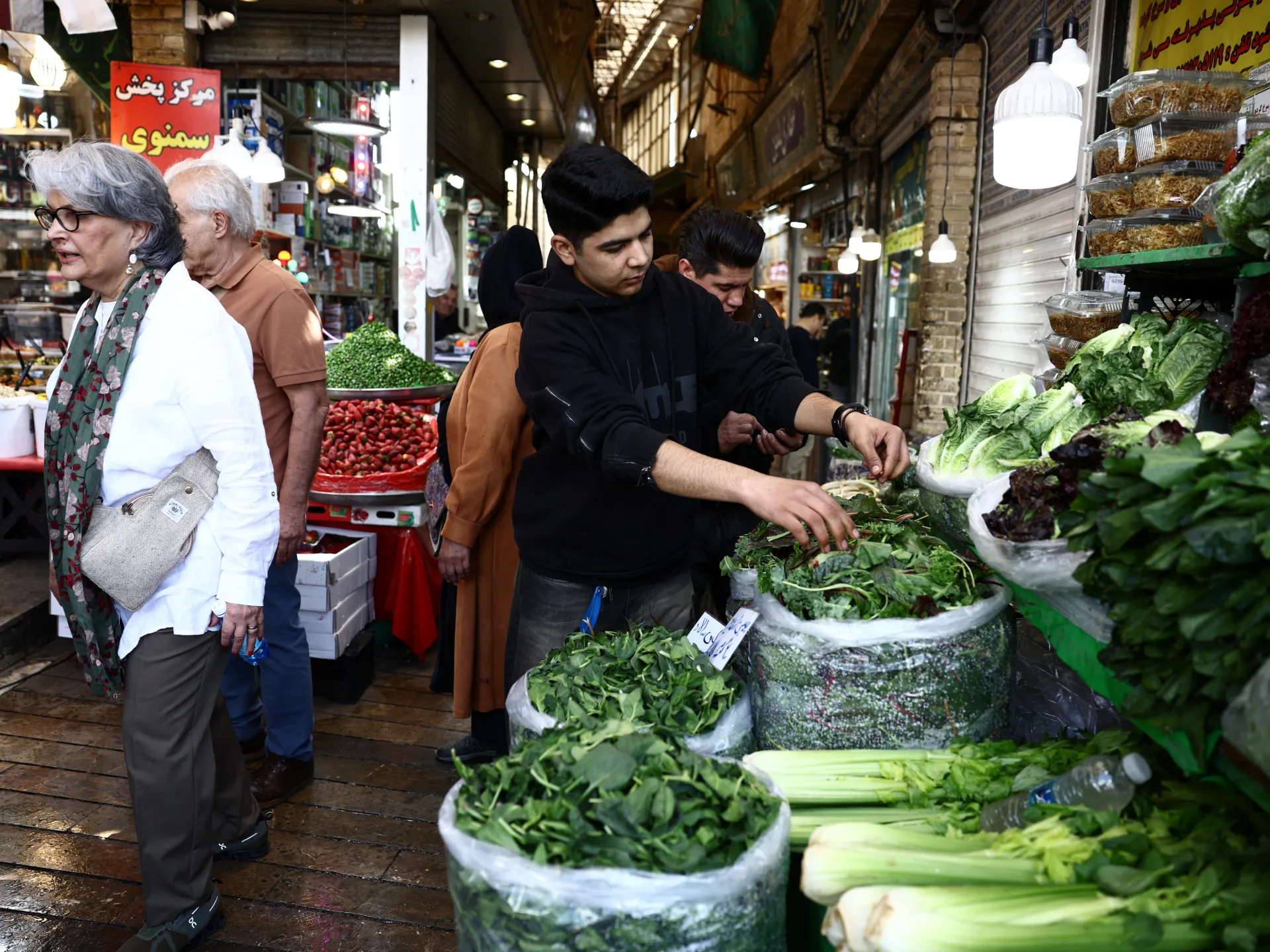
Despite these efforts to circumvent restrictions, the domestic impact has been profound. The Iranian rial recently plummeted to an all-time low, reaching 2.03 million rials against the U.S. dollar in the open market. This devaluation has significantly eroded the purchasing power of the average citizen, leading to widespread economic hardship. Furthermore, the country faces persistent infrastructure challenges, including regular power blackouts and the implementation of strict austerity measures designed to manage the dwindling national resources.
In response to the looming threat of further isolation, Iranian military leadership has adopted a defiant stance. High-ranking officials within the Supreme National Security Council and the Islamic Revolutionary Guard Corps have warned that any nation participating in the new U.S. economic measures will be viewed as an adversary. There have been explicit threats to halt all oil exports from the Persian Gulf if the economic pressure continues, highlighting the strategic importance of the Strait of Hormuz in this unfolding conflict.
Army commanders have underscored a willingness to engage in a prolonged confrontation, suggesting that the nation is prepared to endure significant challenges over many generations. While some political figures advocate for a diplomatic path from a position of strength, the prevailing rhetoric remains focused on using the "language of force" to deter further U.S. intervention. This tension has been further exacerbated impacted dozens of commercial vessels.
Iran’s survival strategy relies heavily on its ability to trade with regional partners and major global players like China. While China continues to be a primary consumer of Iranian oil, providing a necessary lifeline for Tehran, Beijing is also constrained remain cautious, often avoiding transactions that could jeopardize their access to the U.S.-dominated global banking system, leaving only smaller, less exposed firms to handle Iranian trade.
Beyond China, Tehran has looked to strengthen overland trade routes through Iraq, Turkiye, Pakistan, and Central Asian states. While these routes offer some diversification, they lack the economic volume necessary to fully offset the massive losses in oil revenue. As secondary sanctions become increasingly credible and costly, regional partners may find it difficult to maintain their trade relationships with Iran, further narrowing the options available to the government in Tehran as it navigates this period of heightened economic instability.