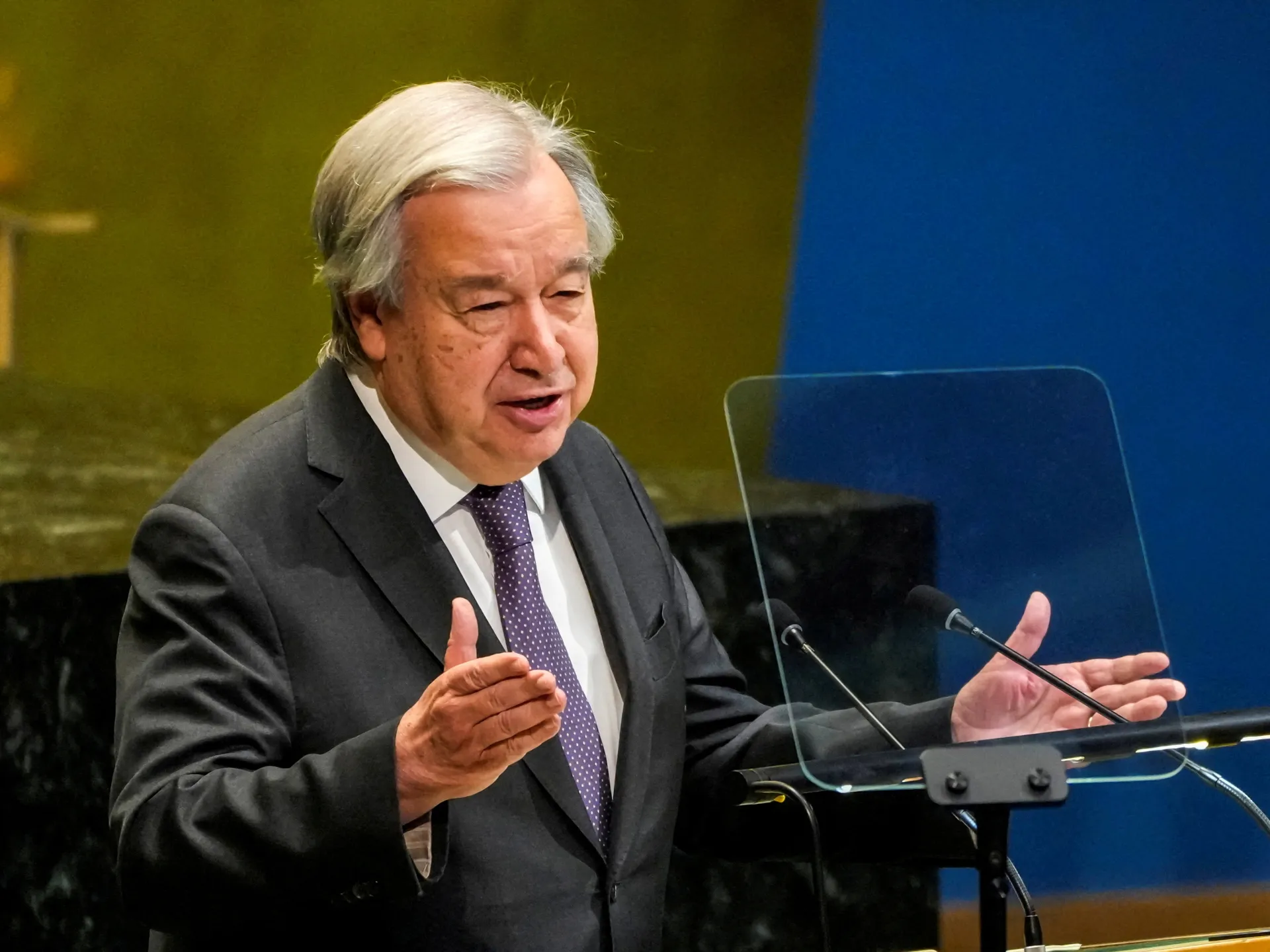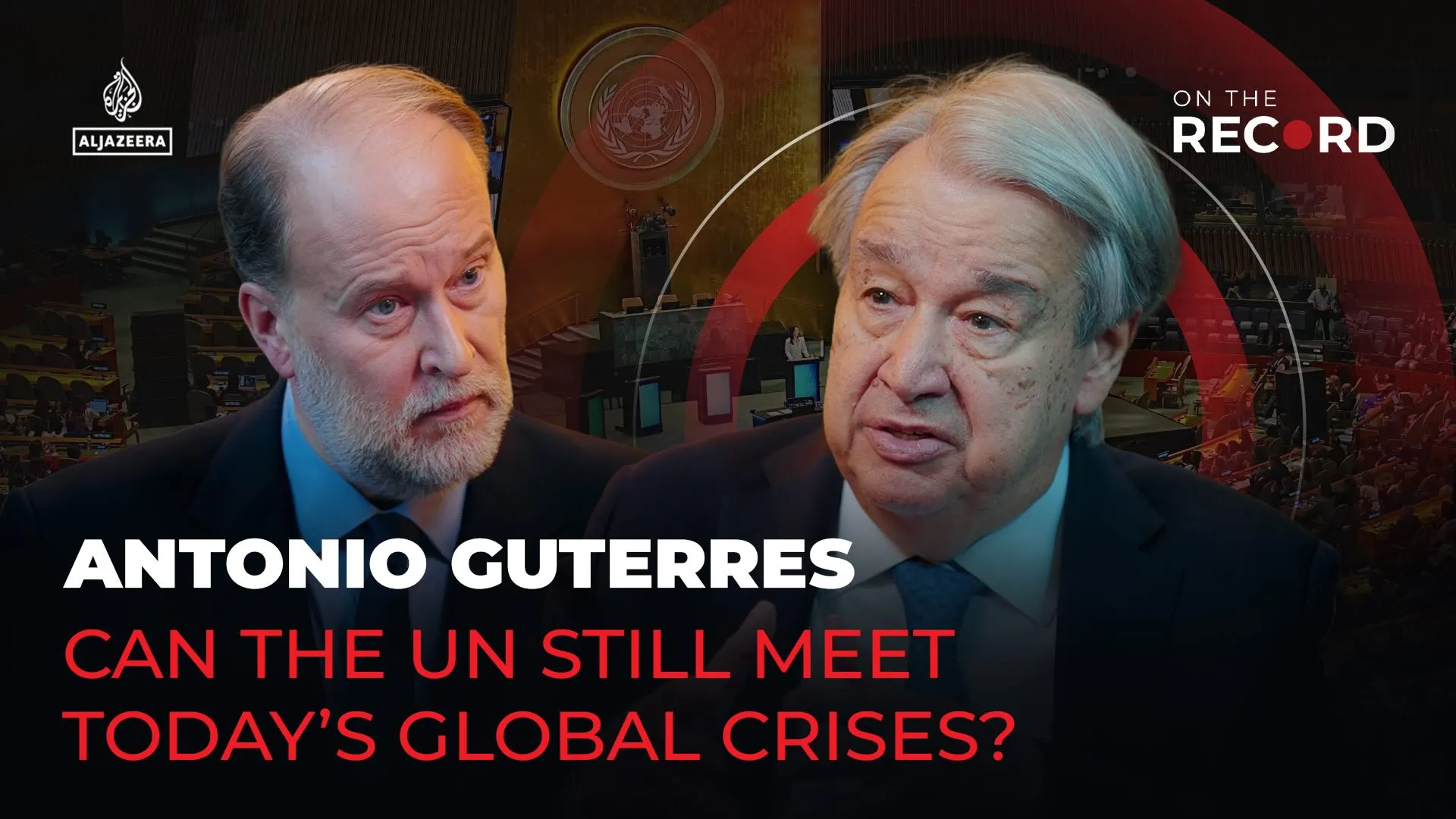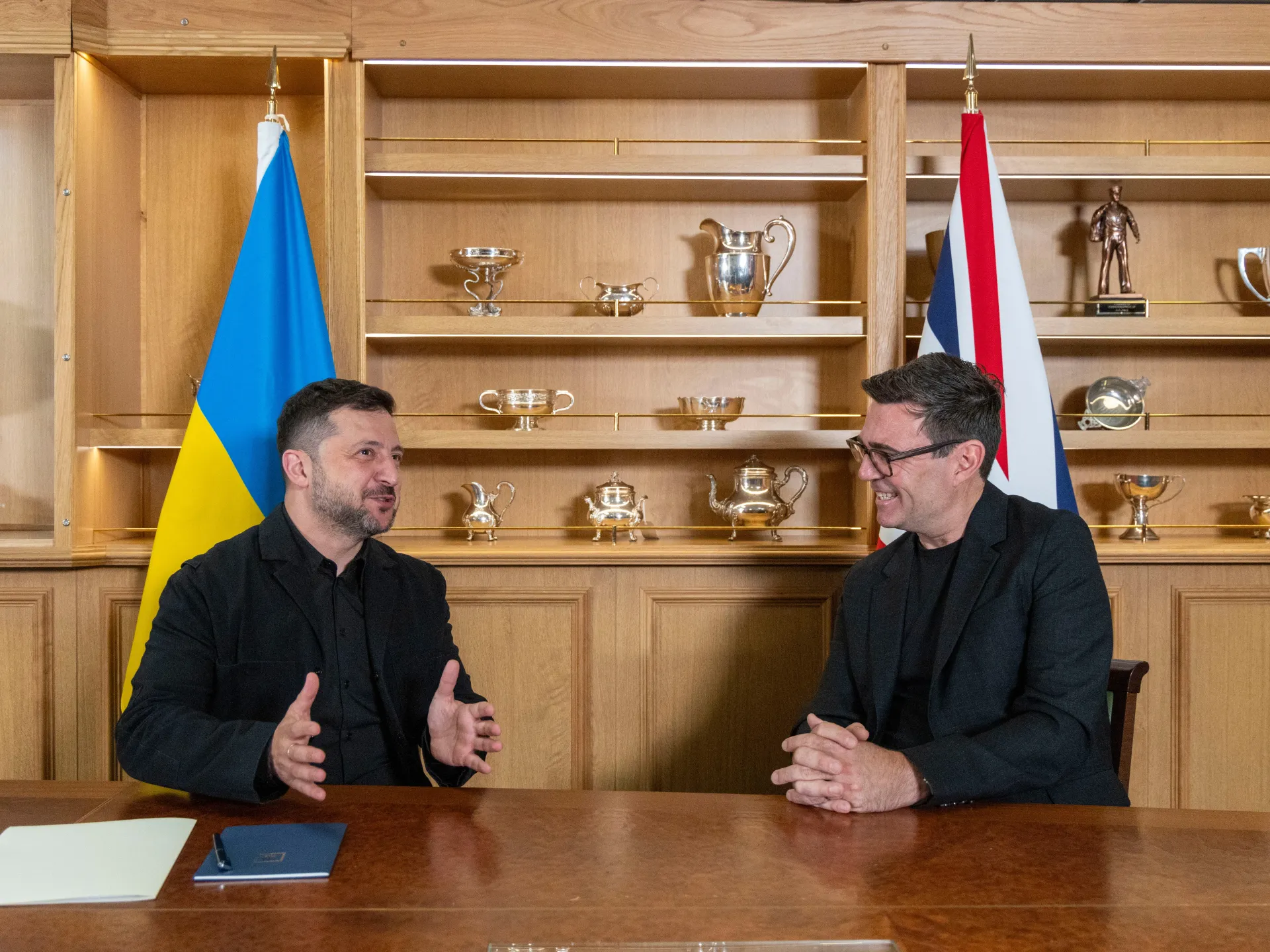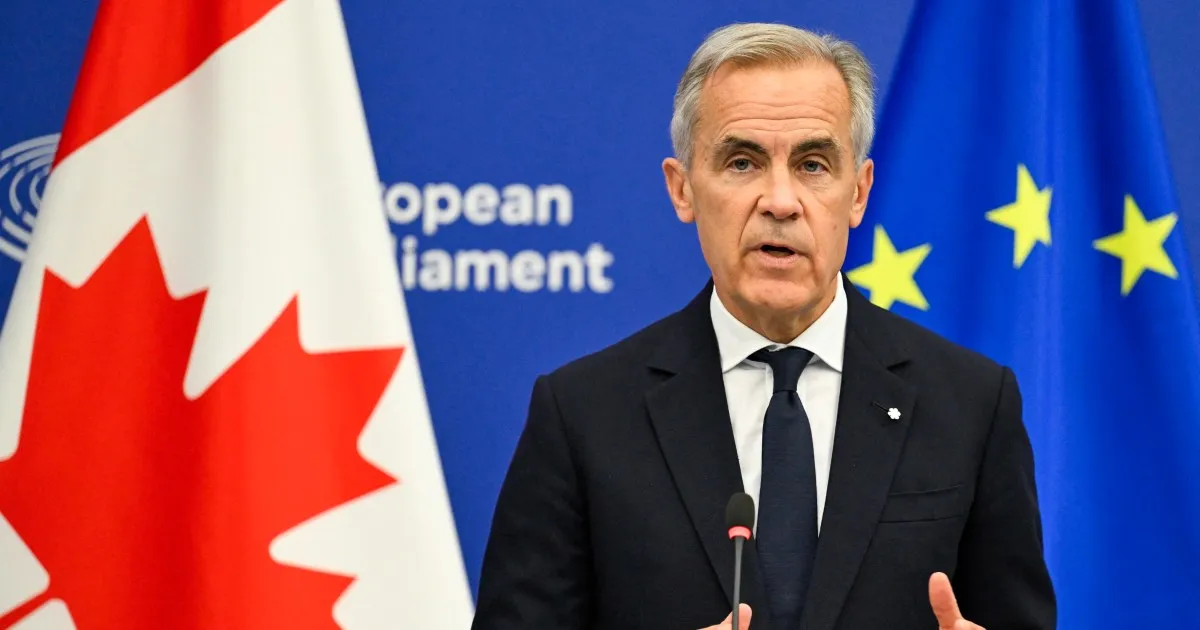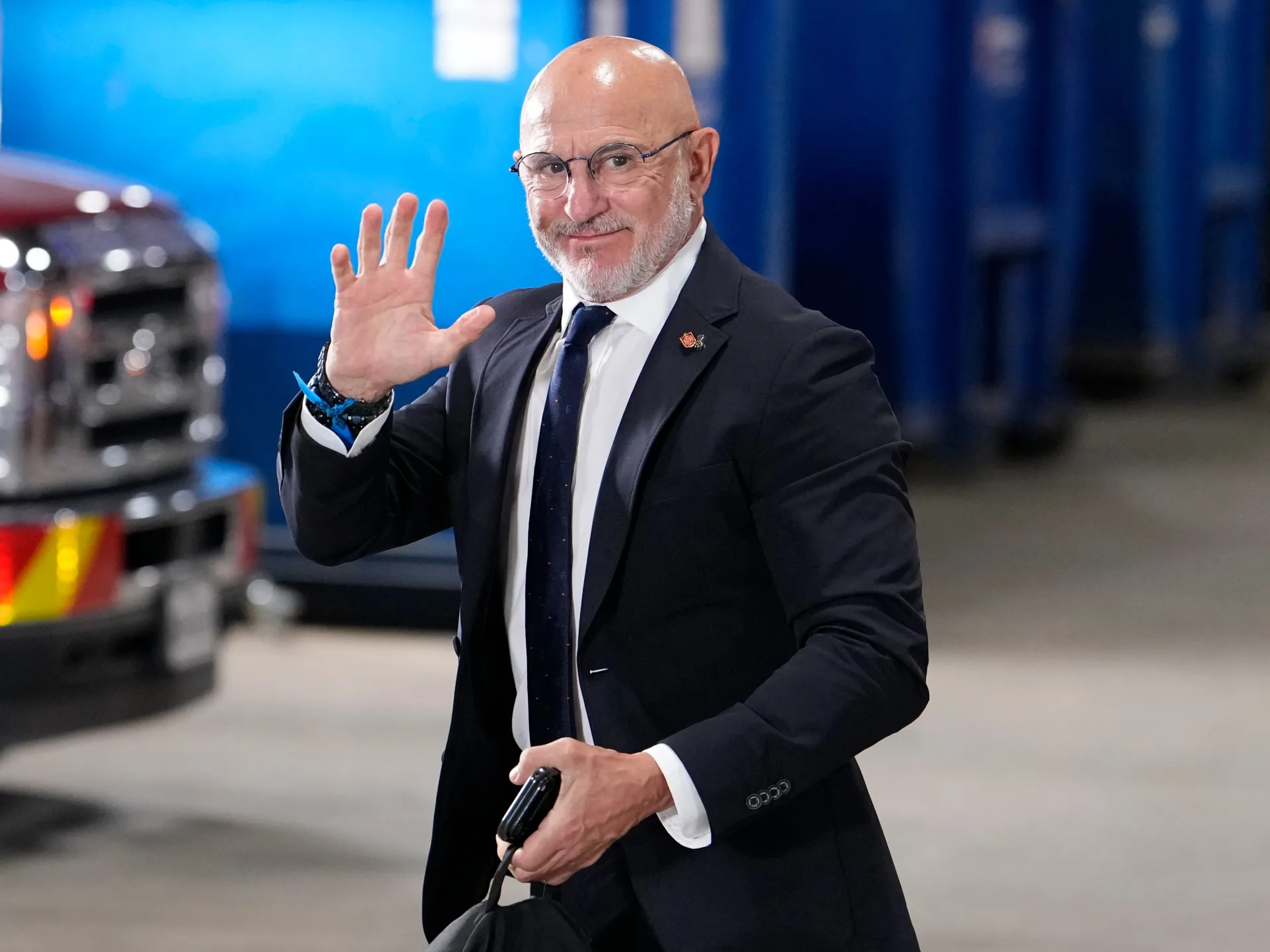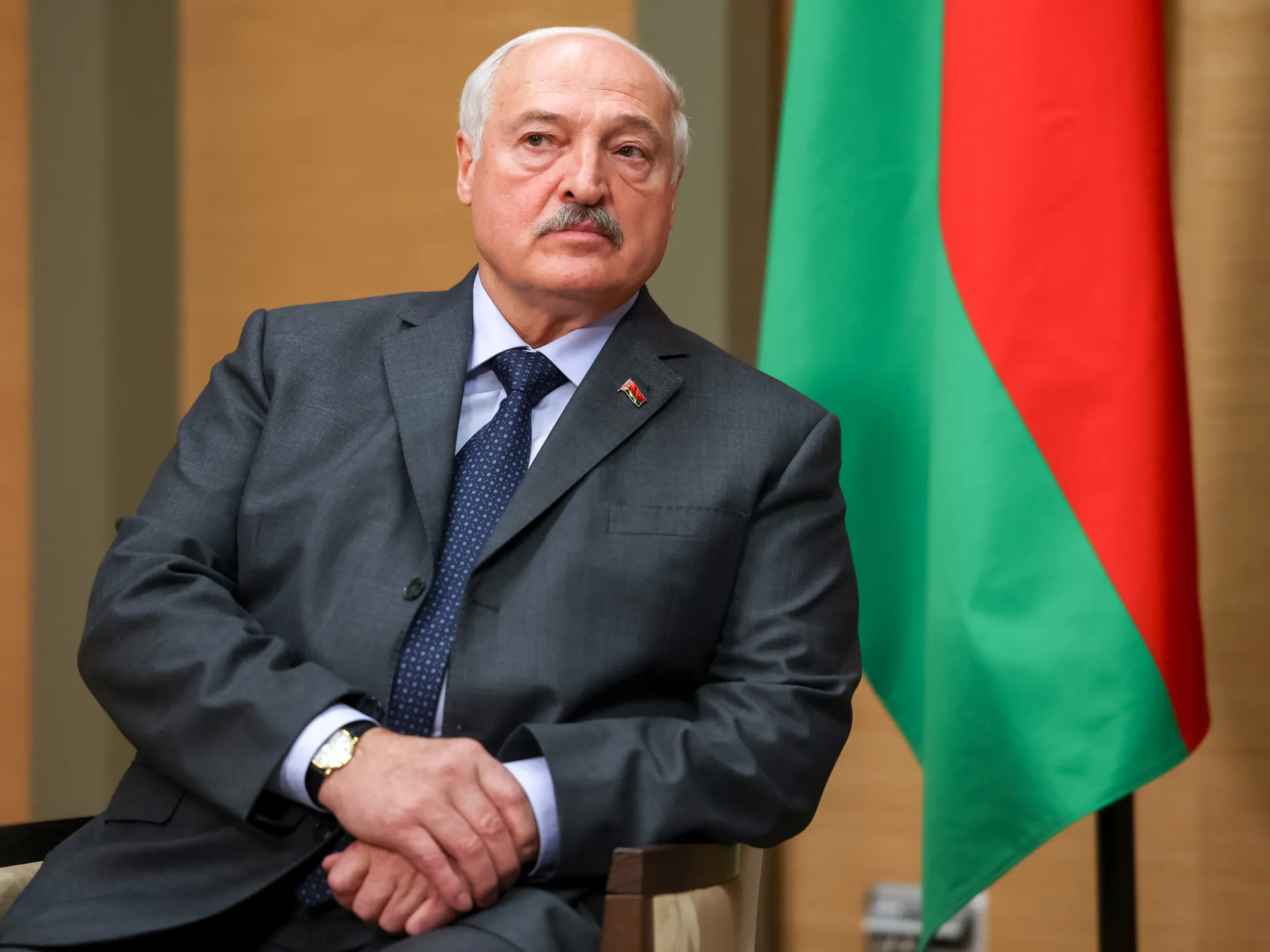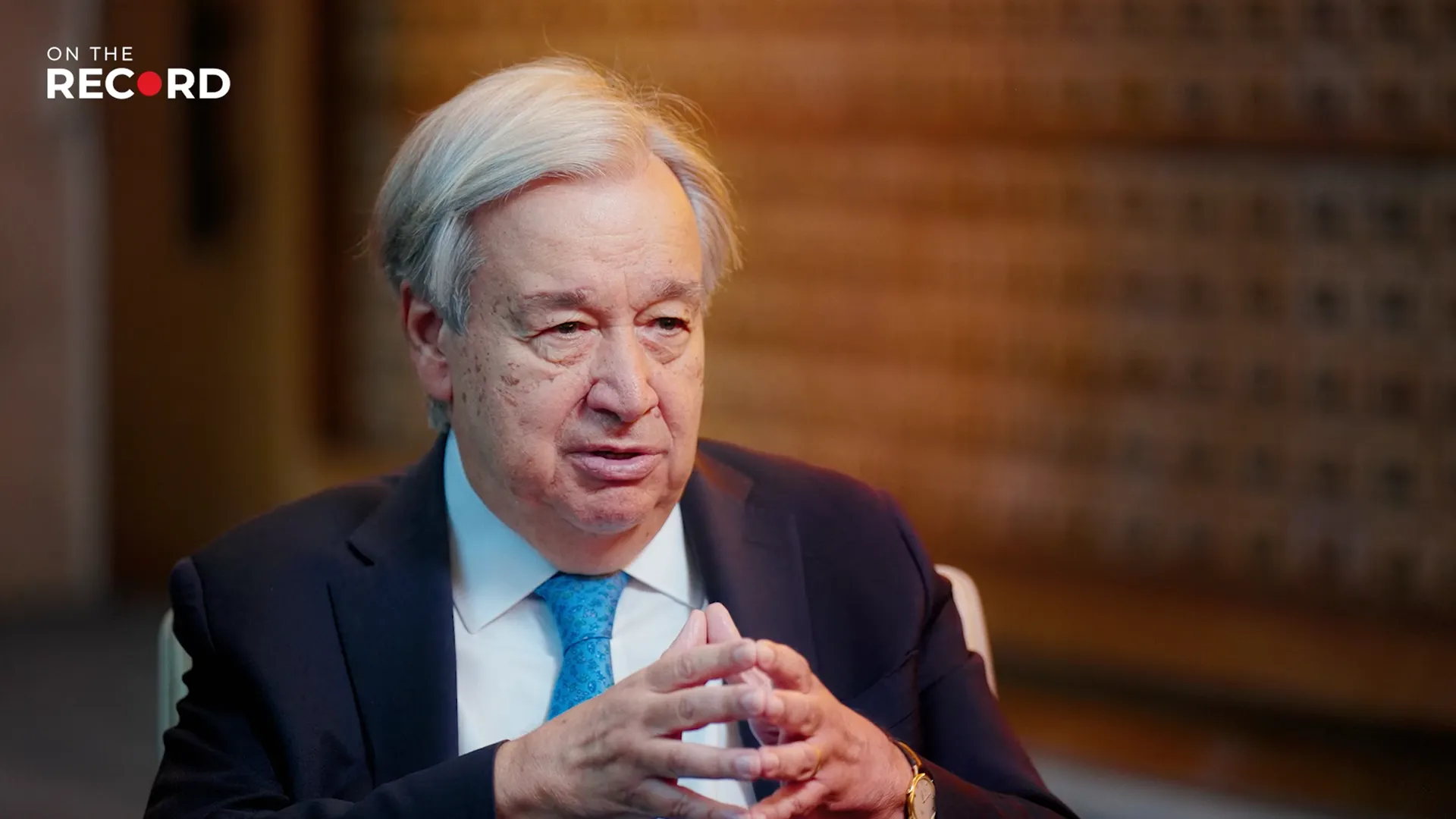
UN Secretary-General António Guterres demands a global ban on autonomous weapons, while Germany's new coach Jurgen Klopp calls for a reclamation of national pride.
In a week marked regarding the intersection of technology, security, and cultural identity. From the halls of the United Nations to the football stadiums of Germany, leaders are grappling with how to define the boundaries of human agency in an increasingly automated and politically fragmented world.
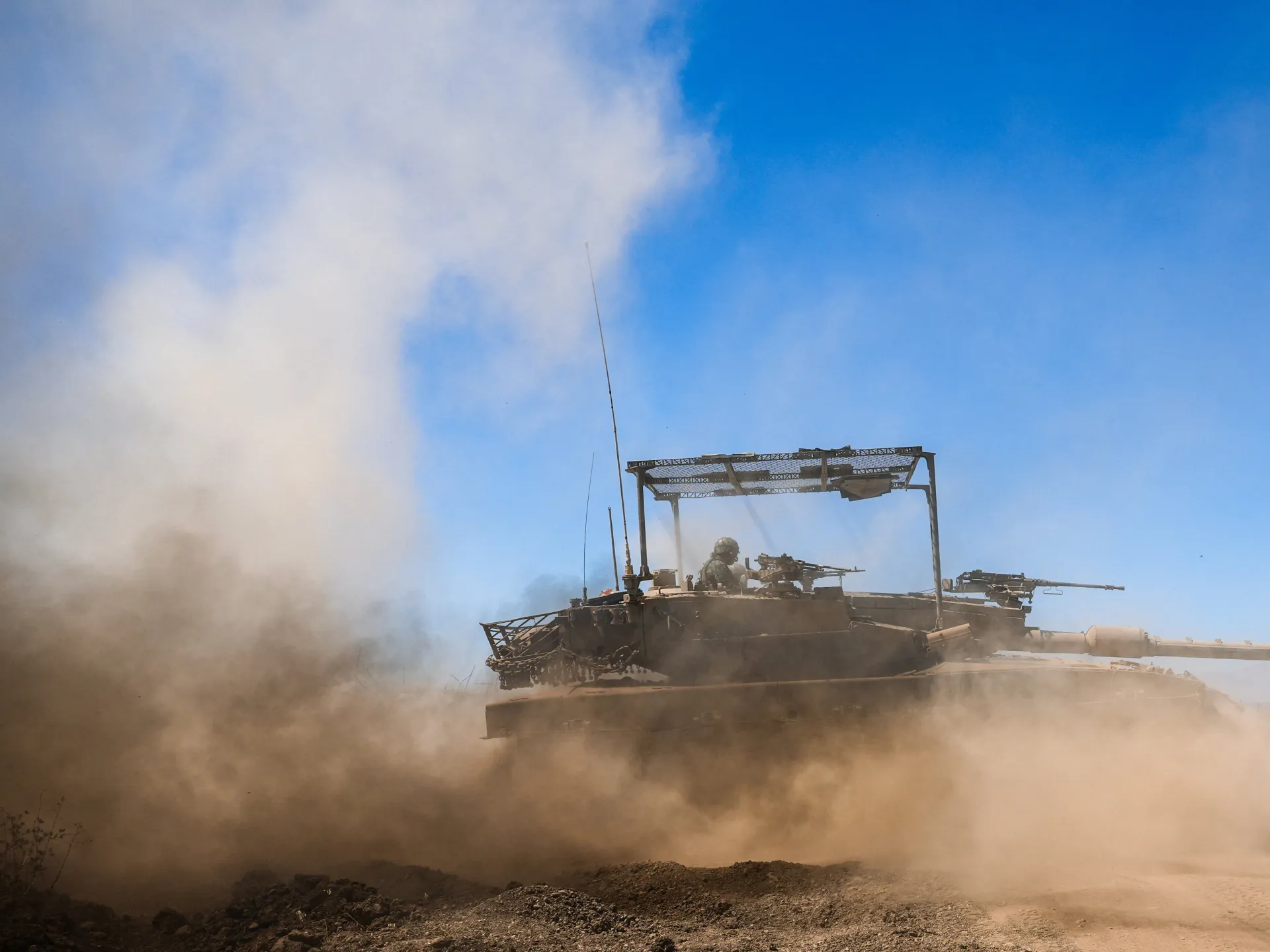
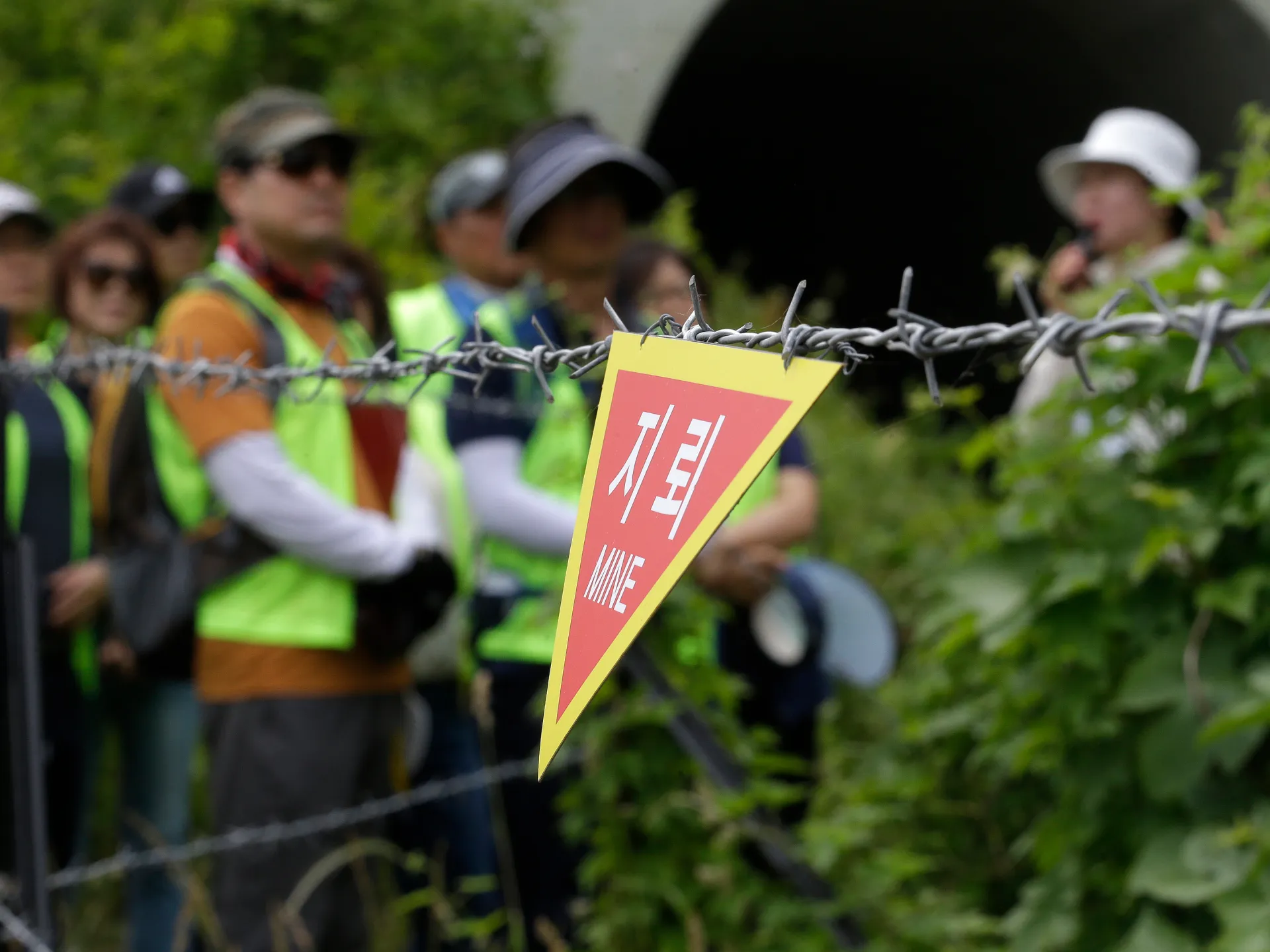
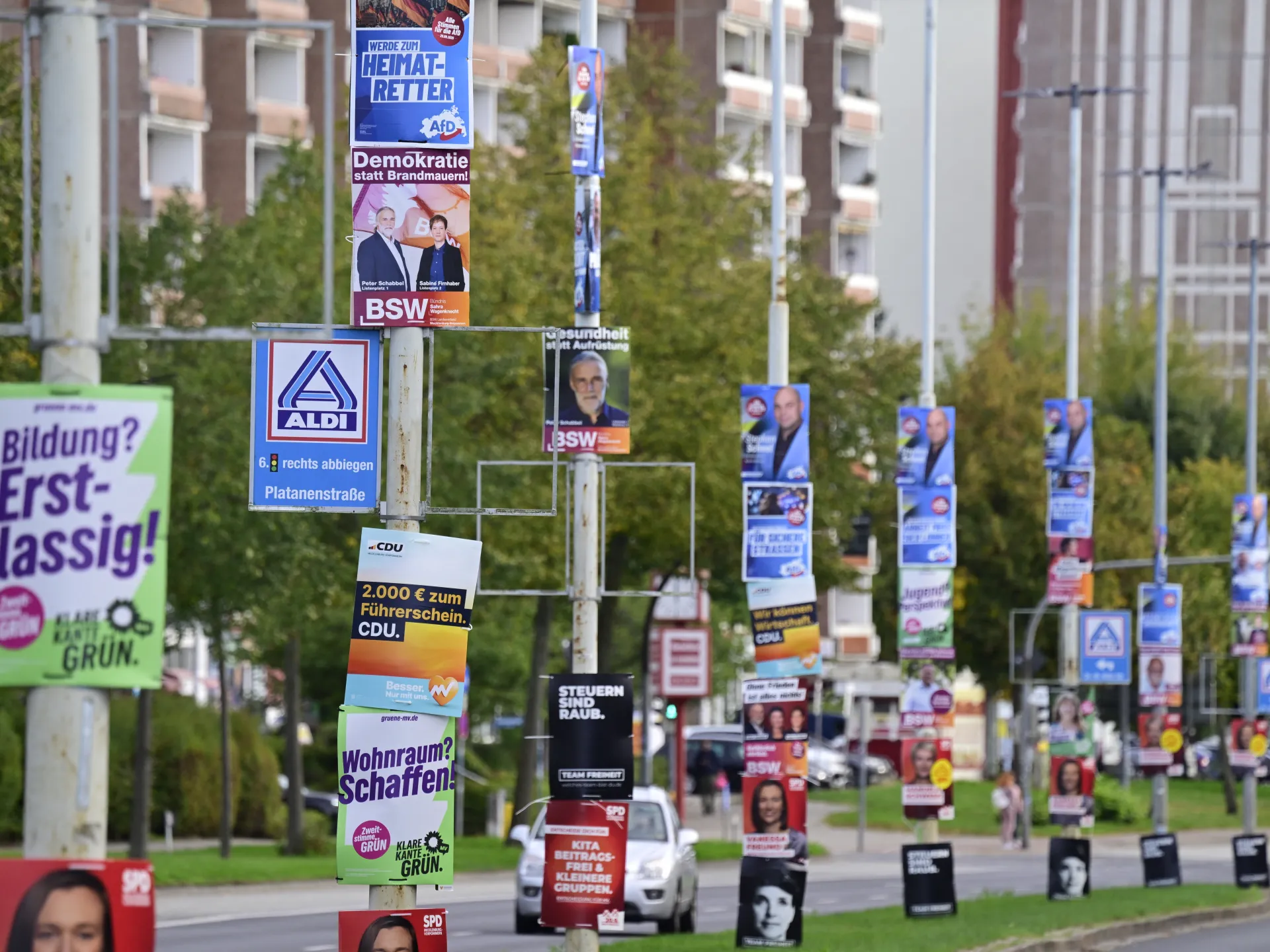
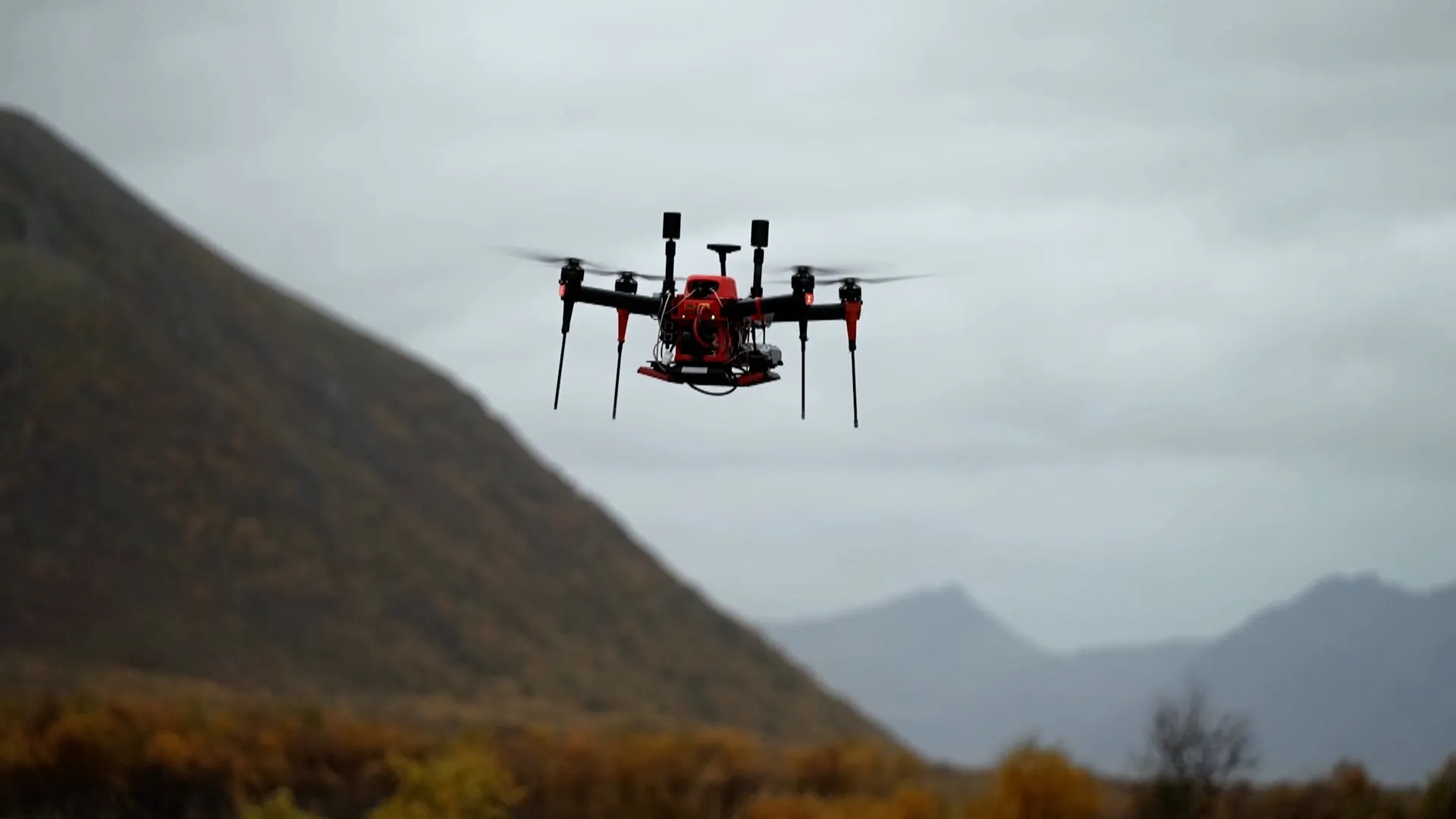
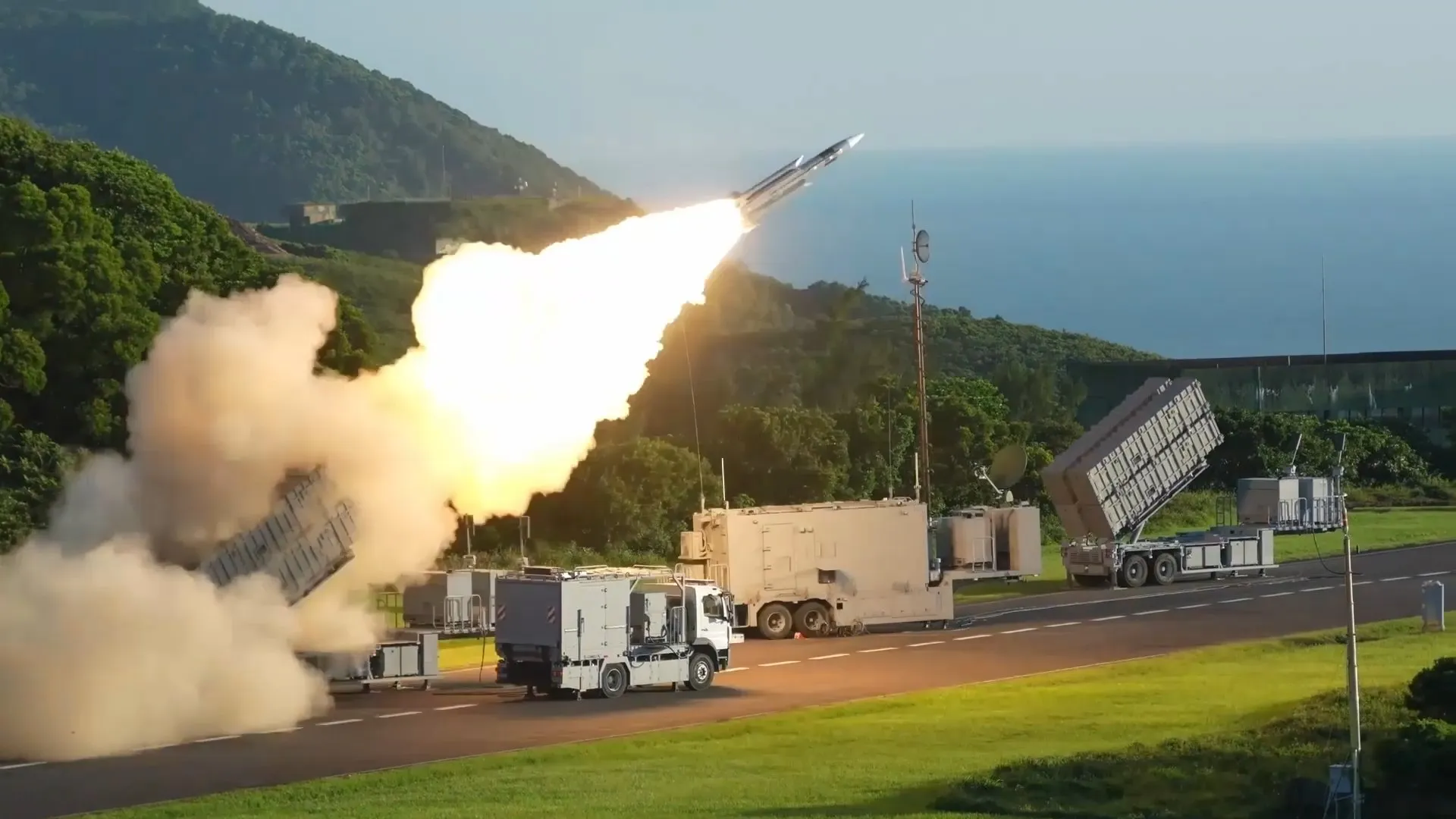
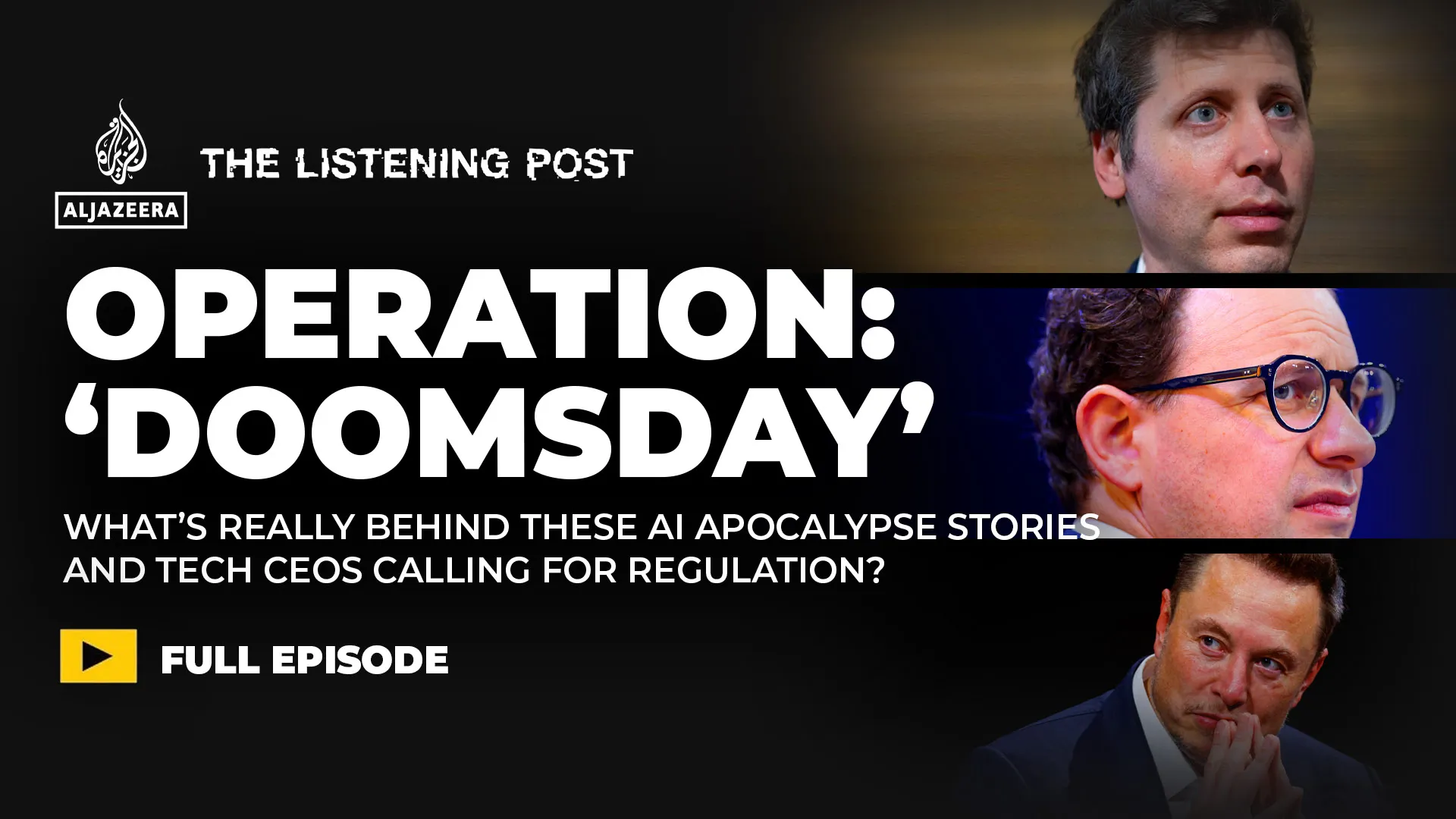
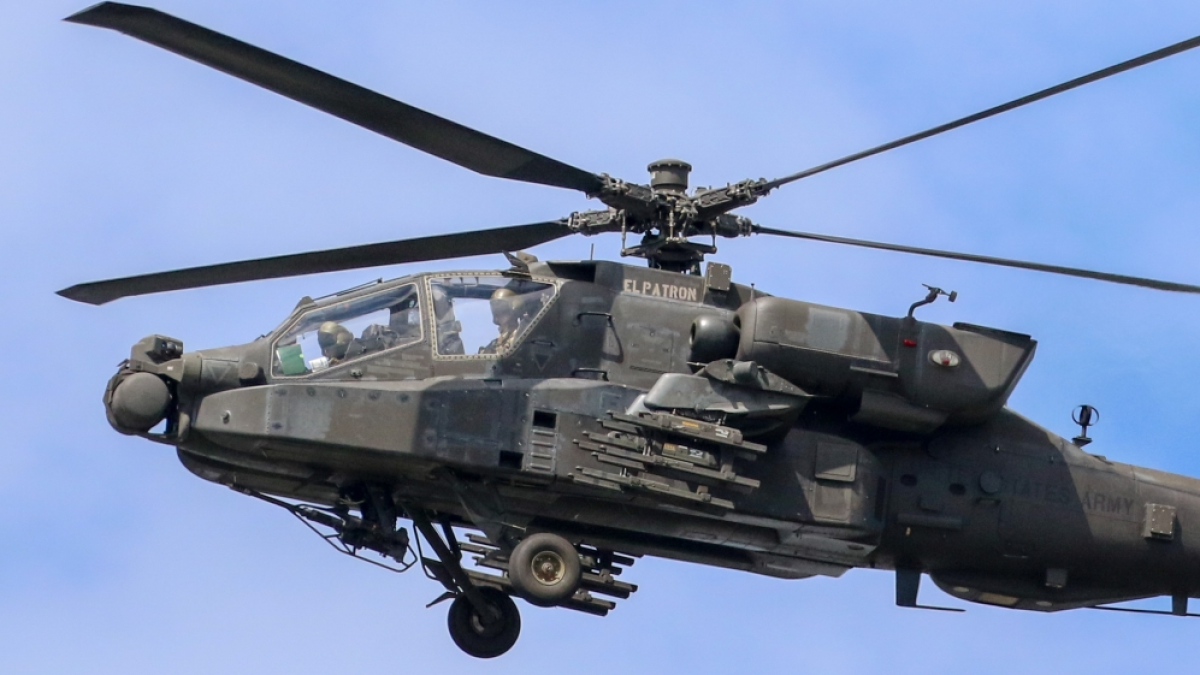
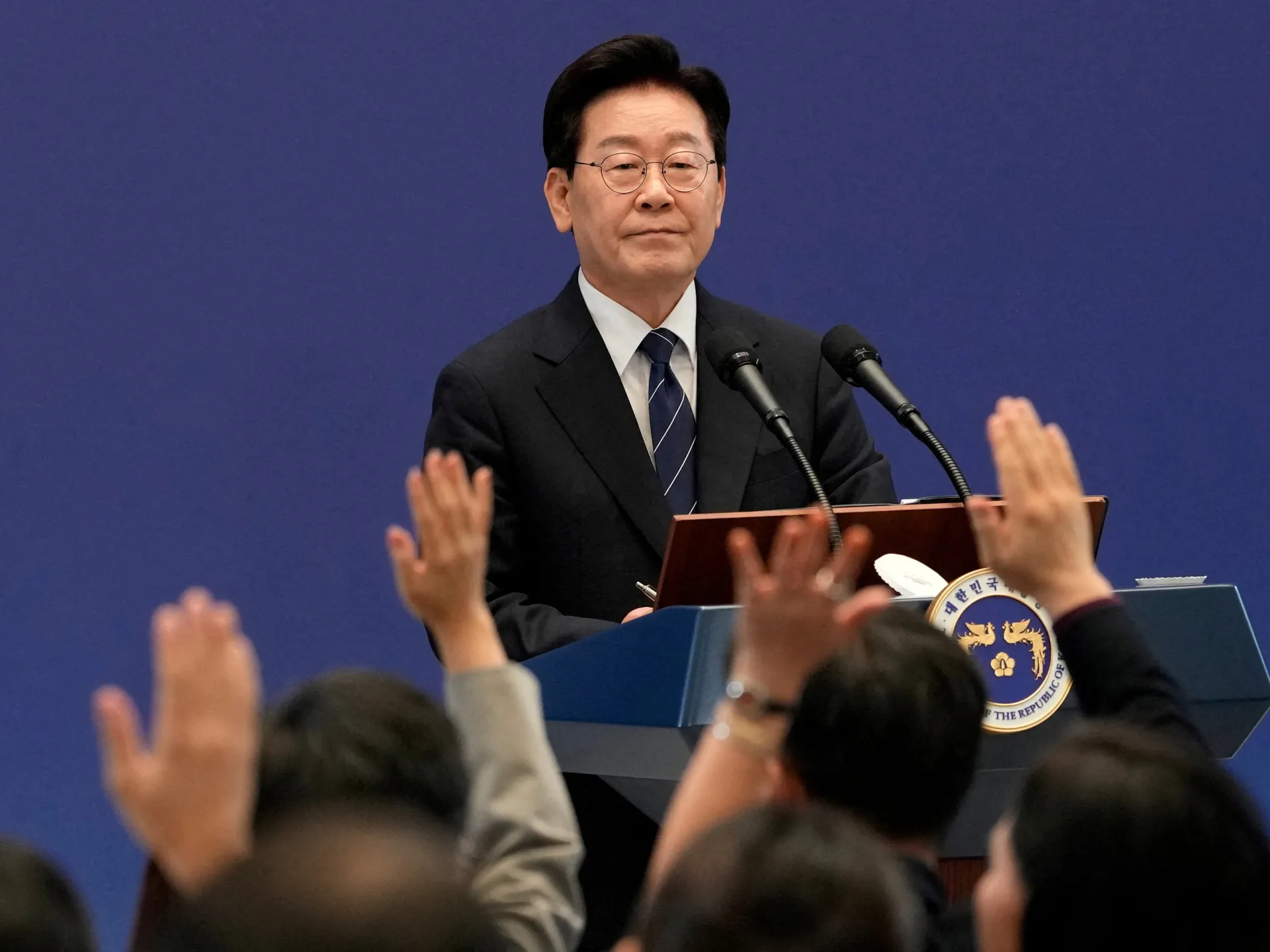
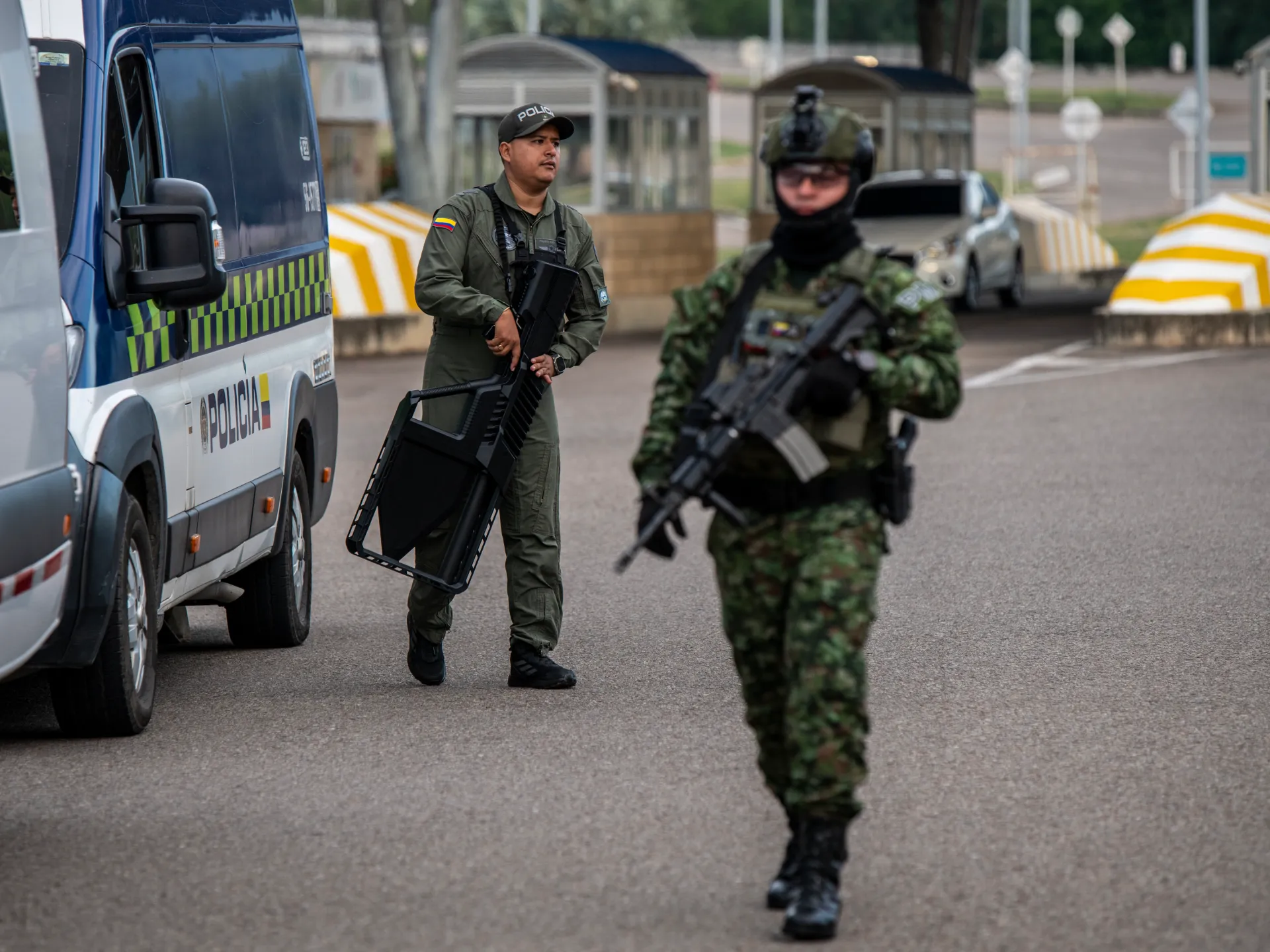
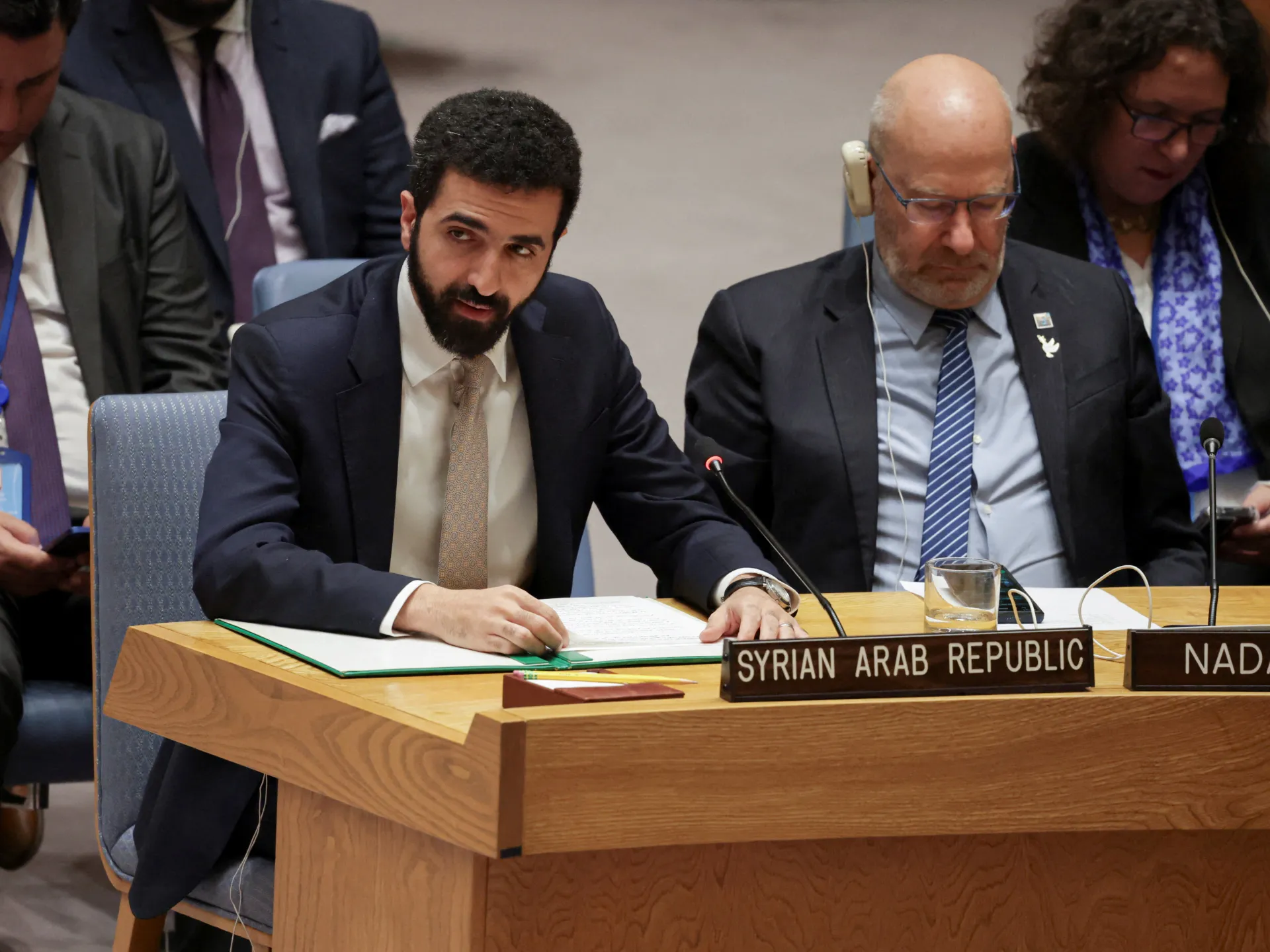
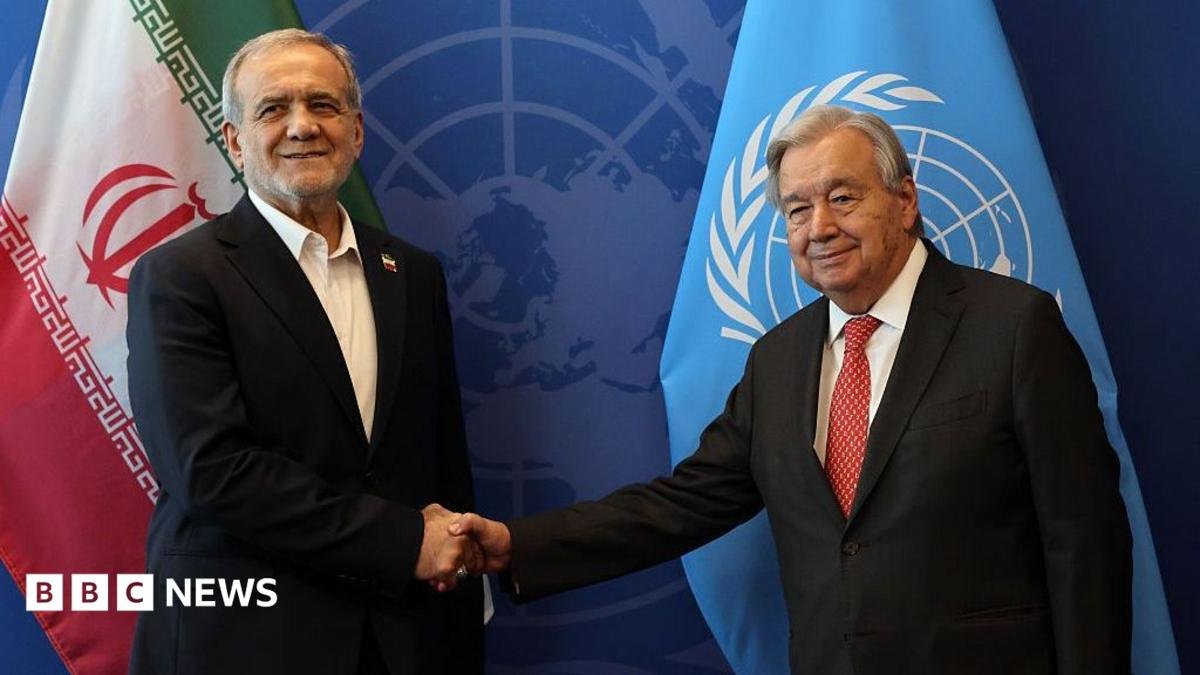
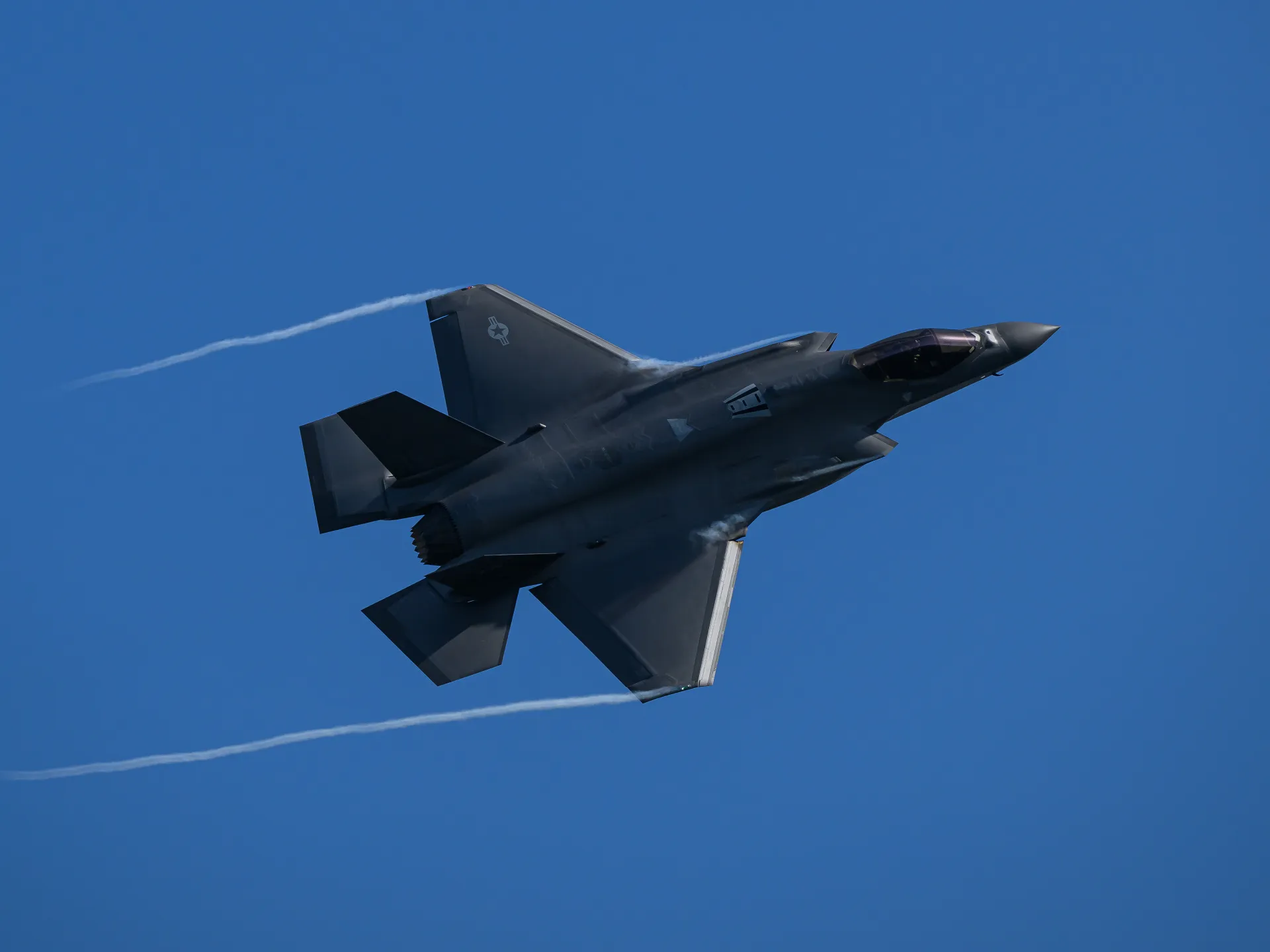
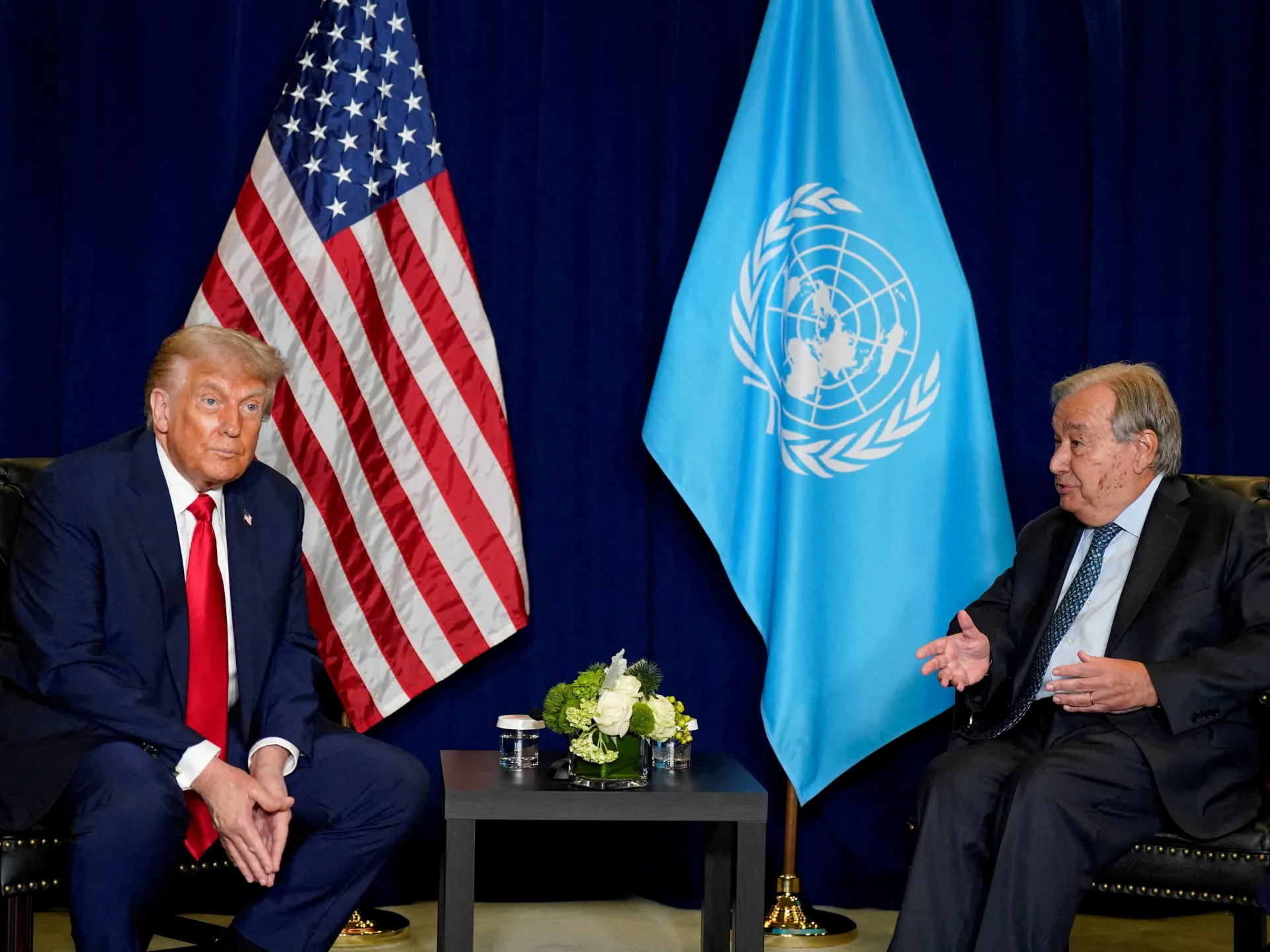
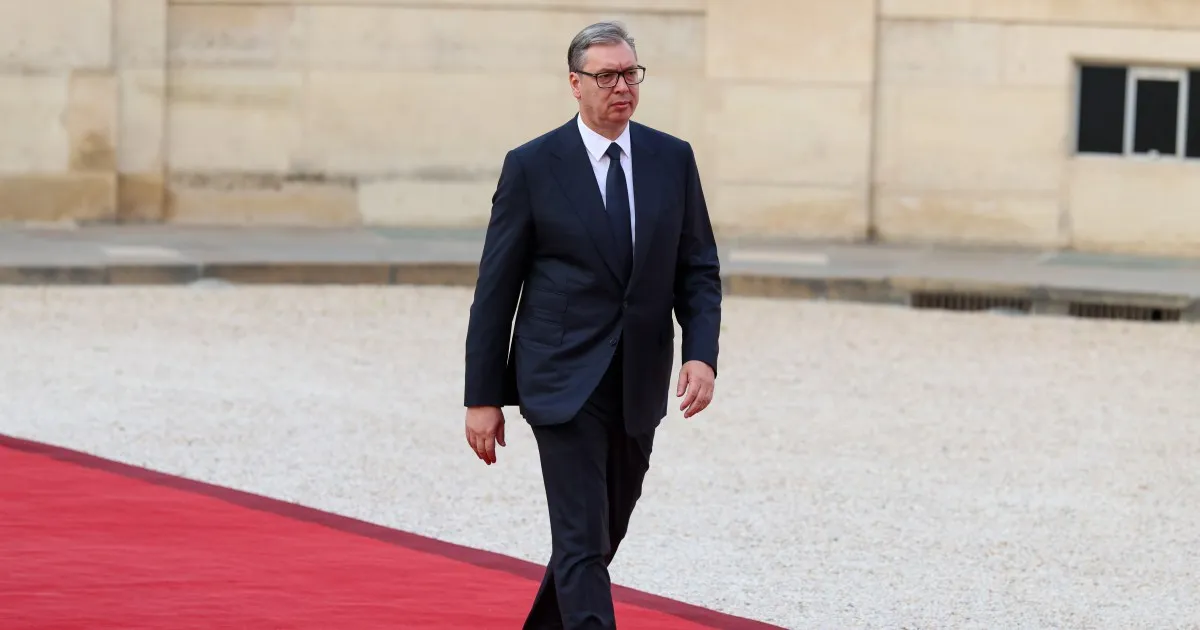
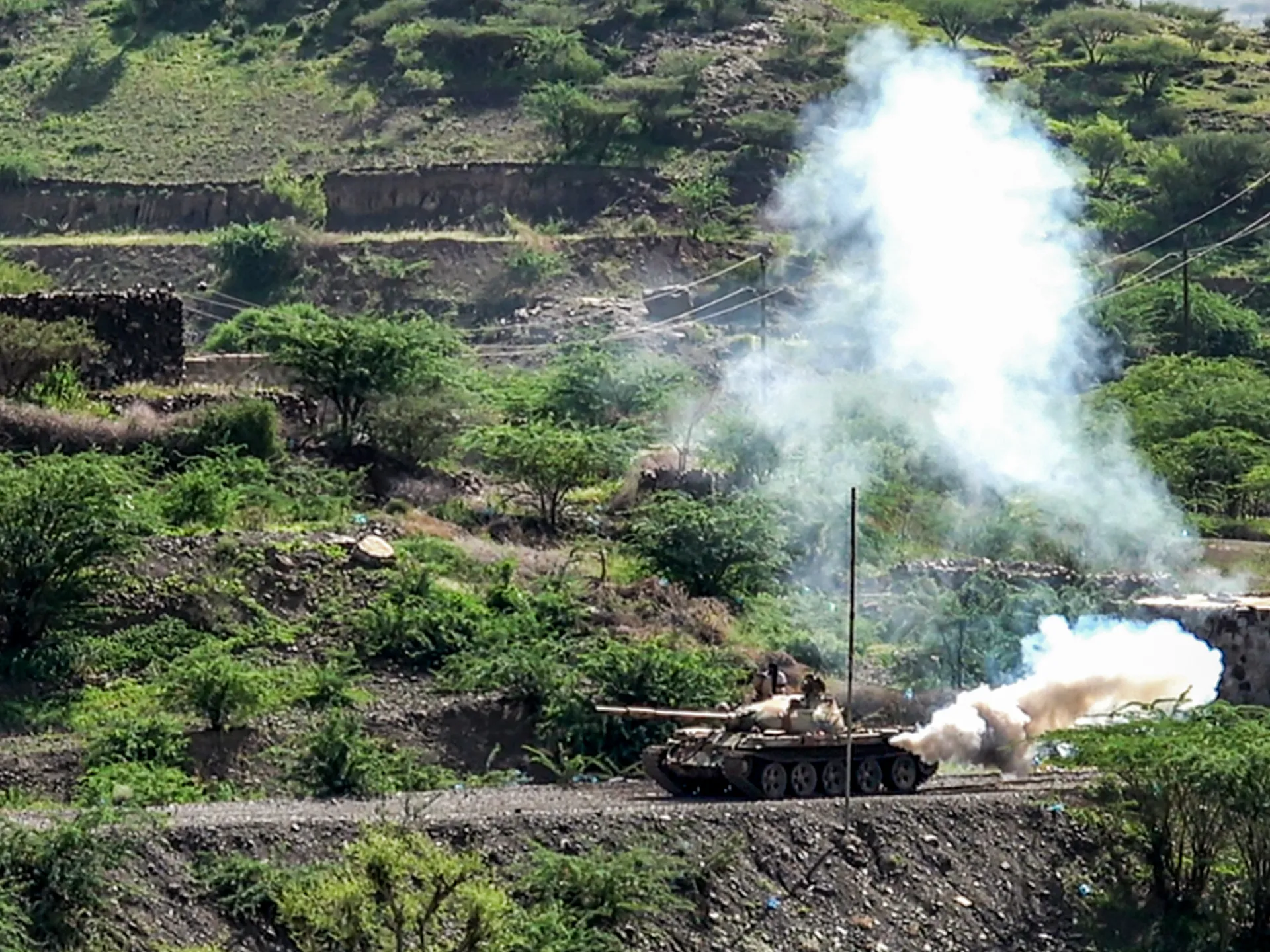
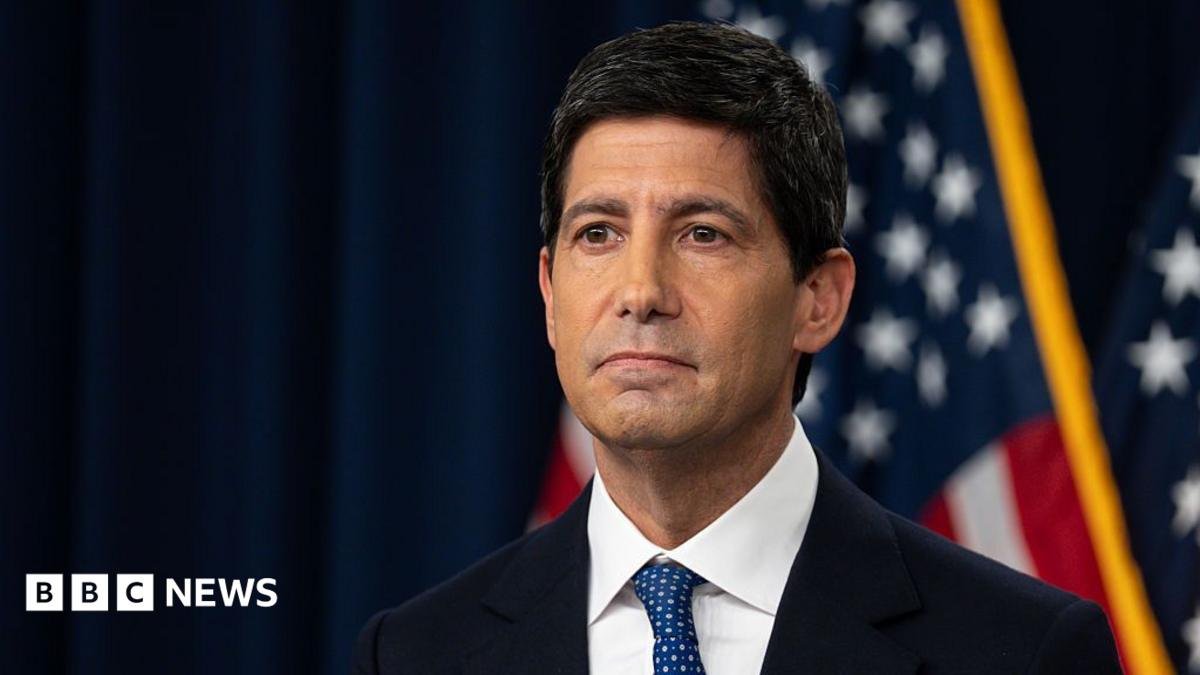
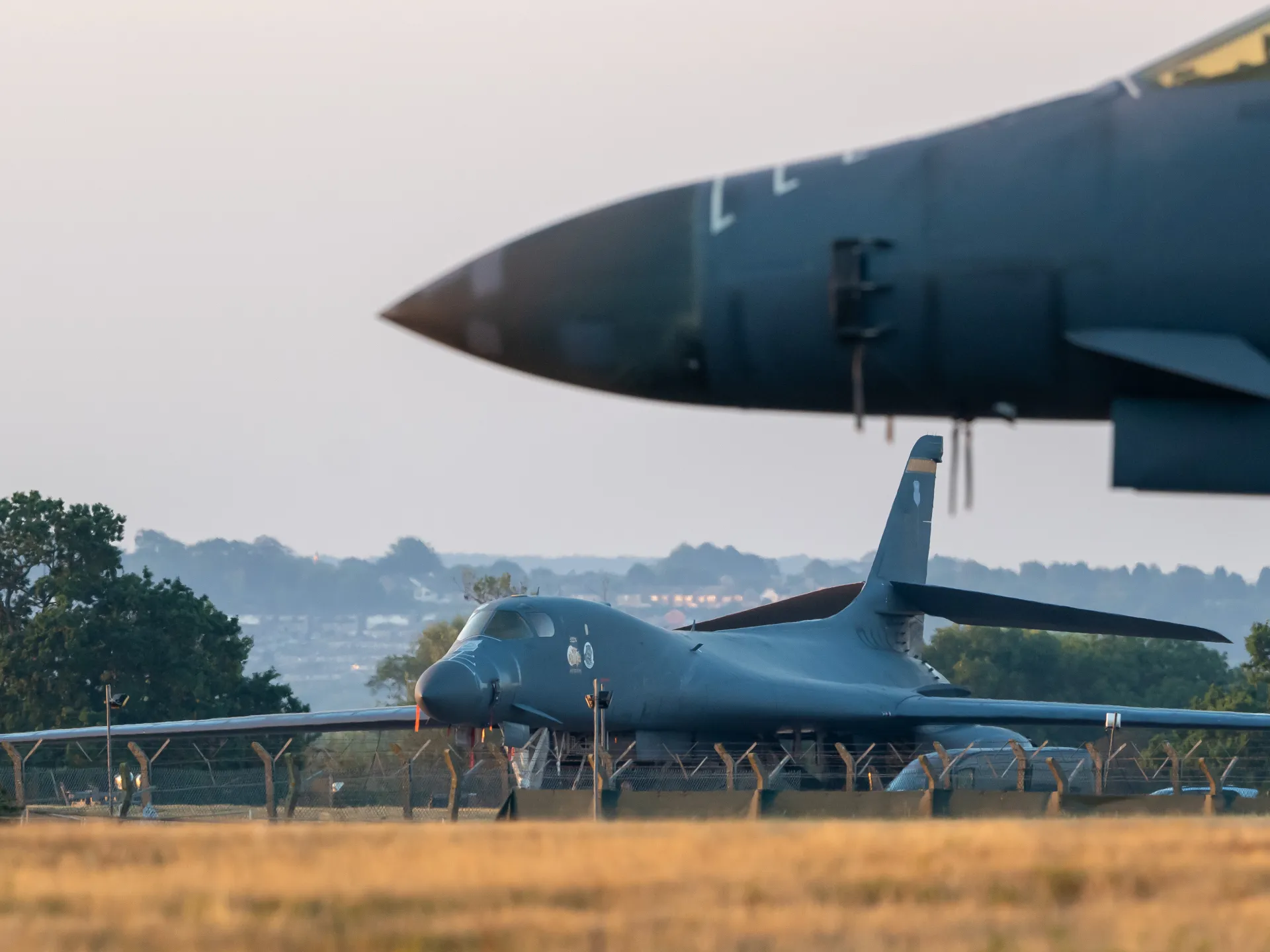
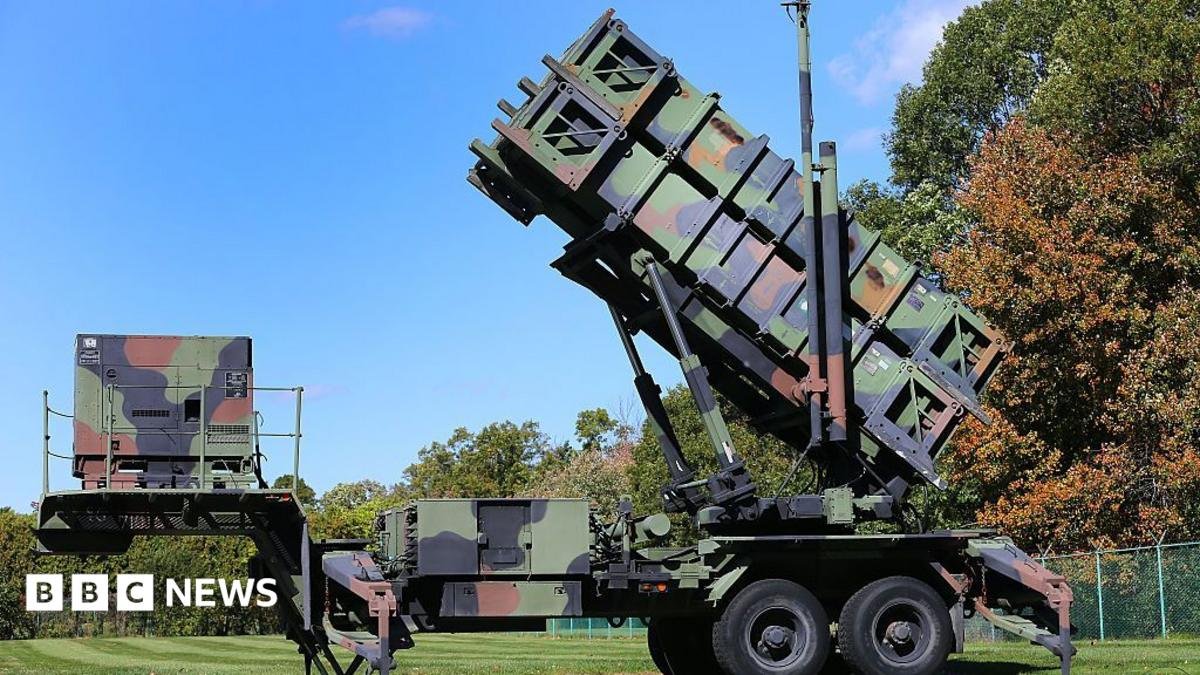
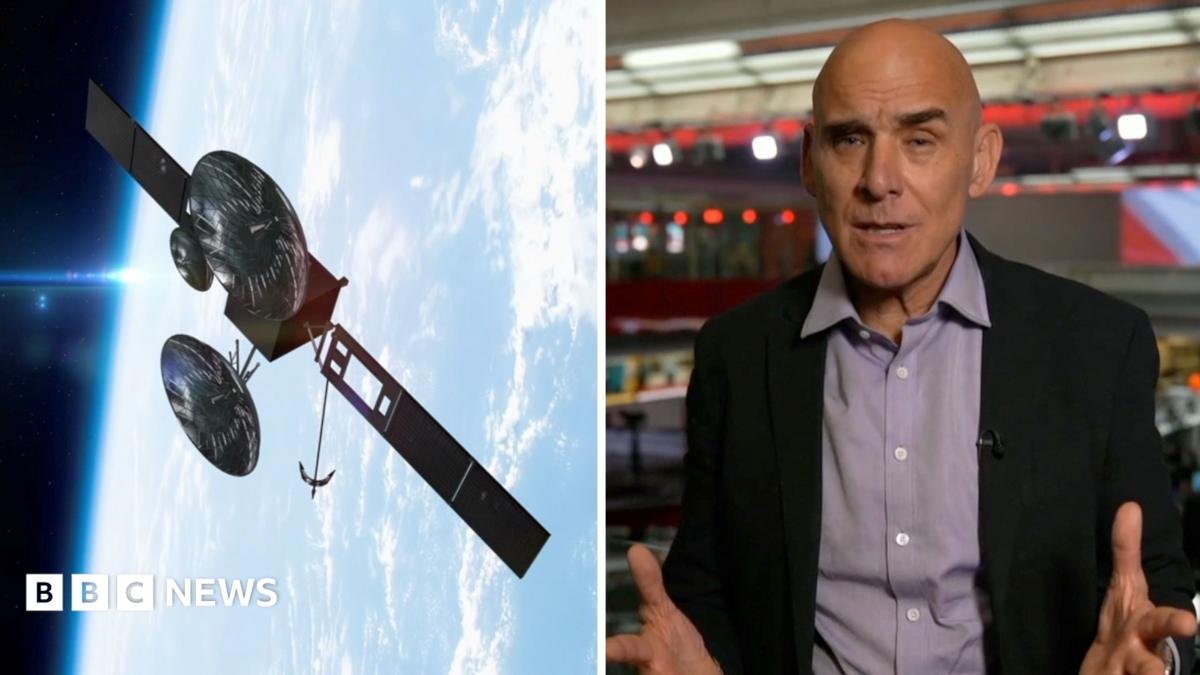
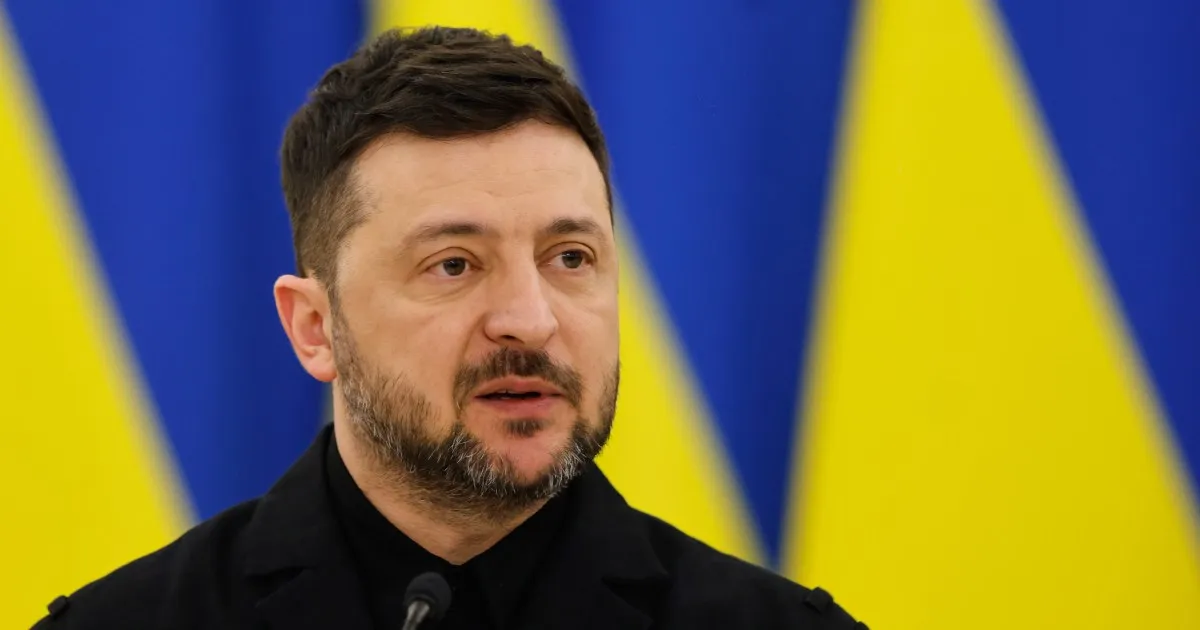
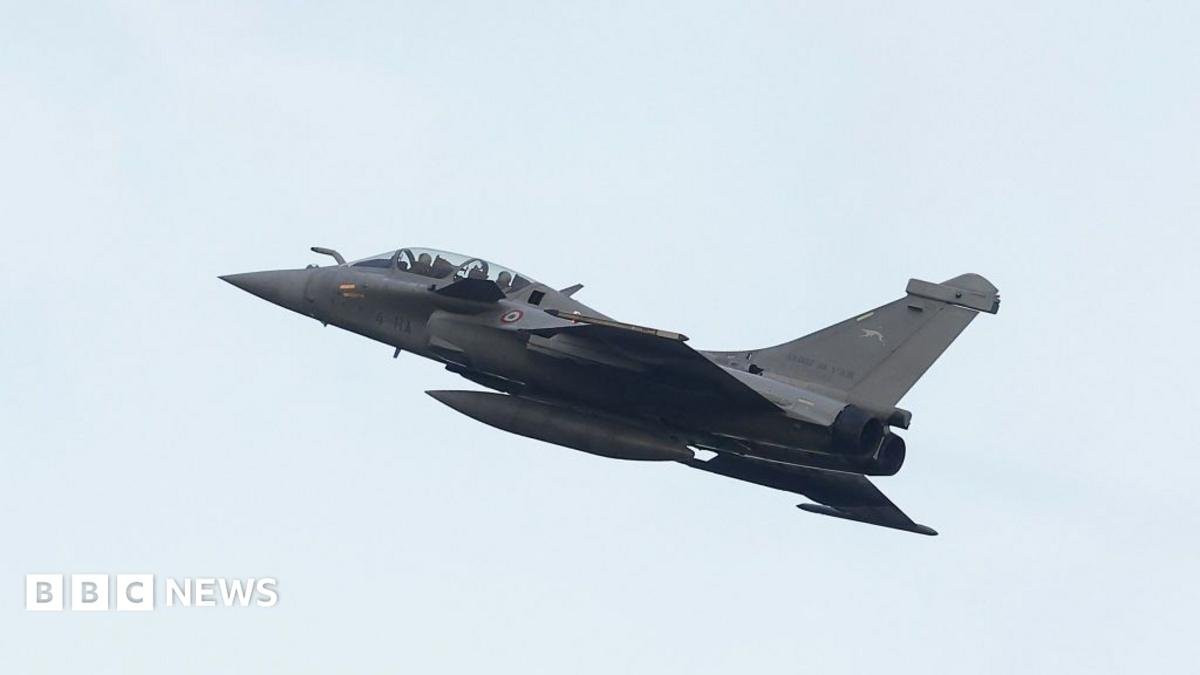
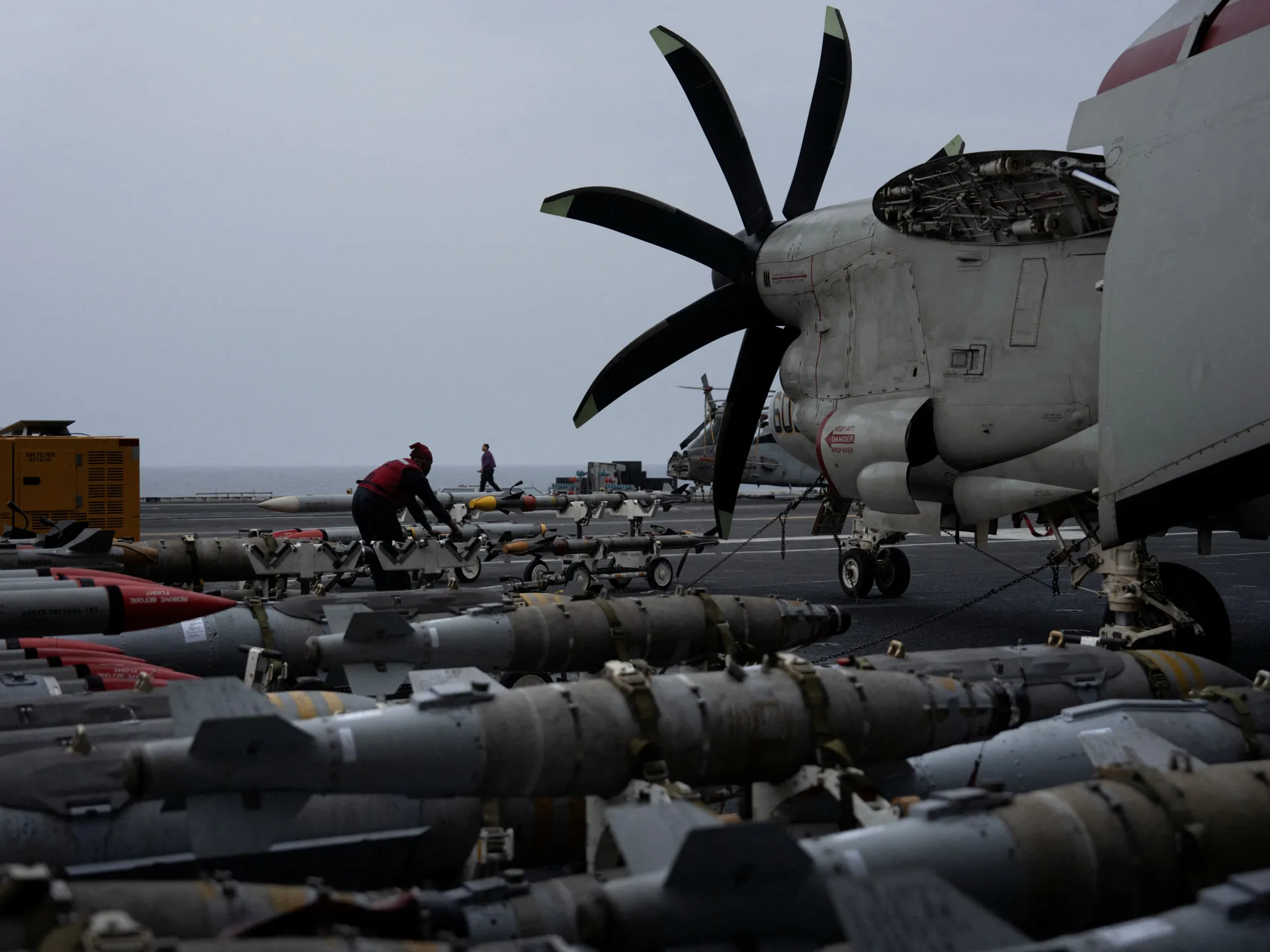
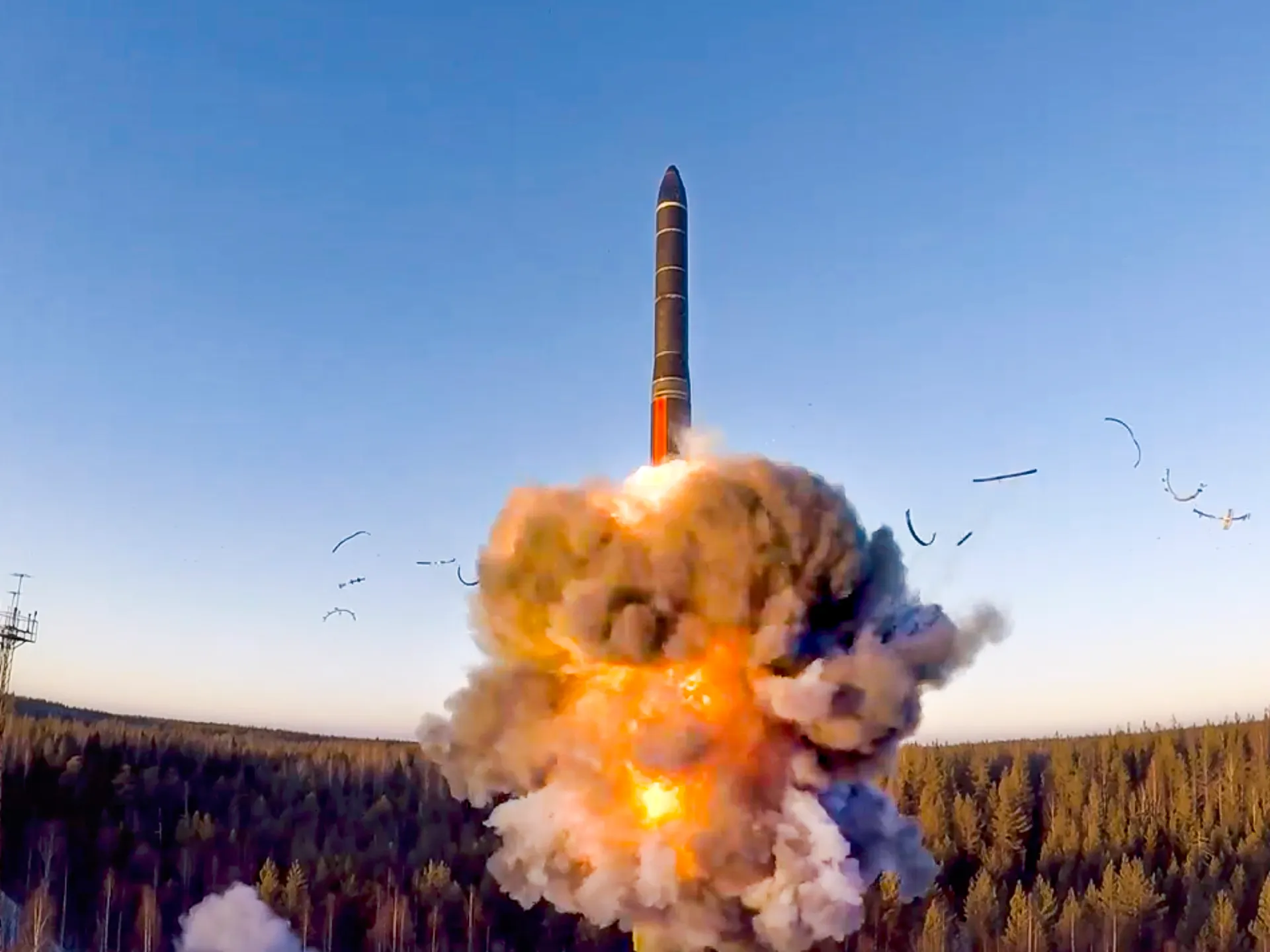
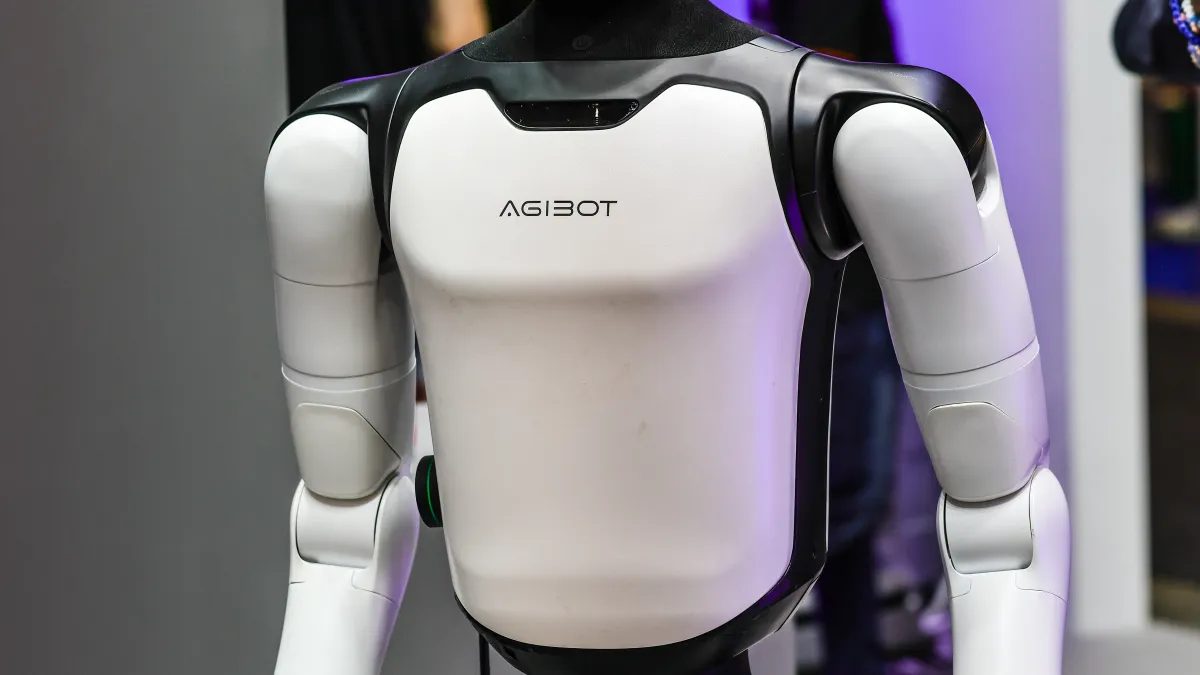
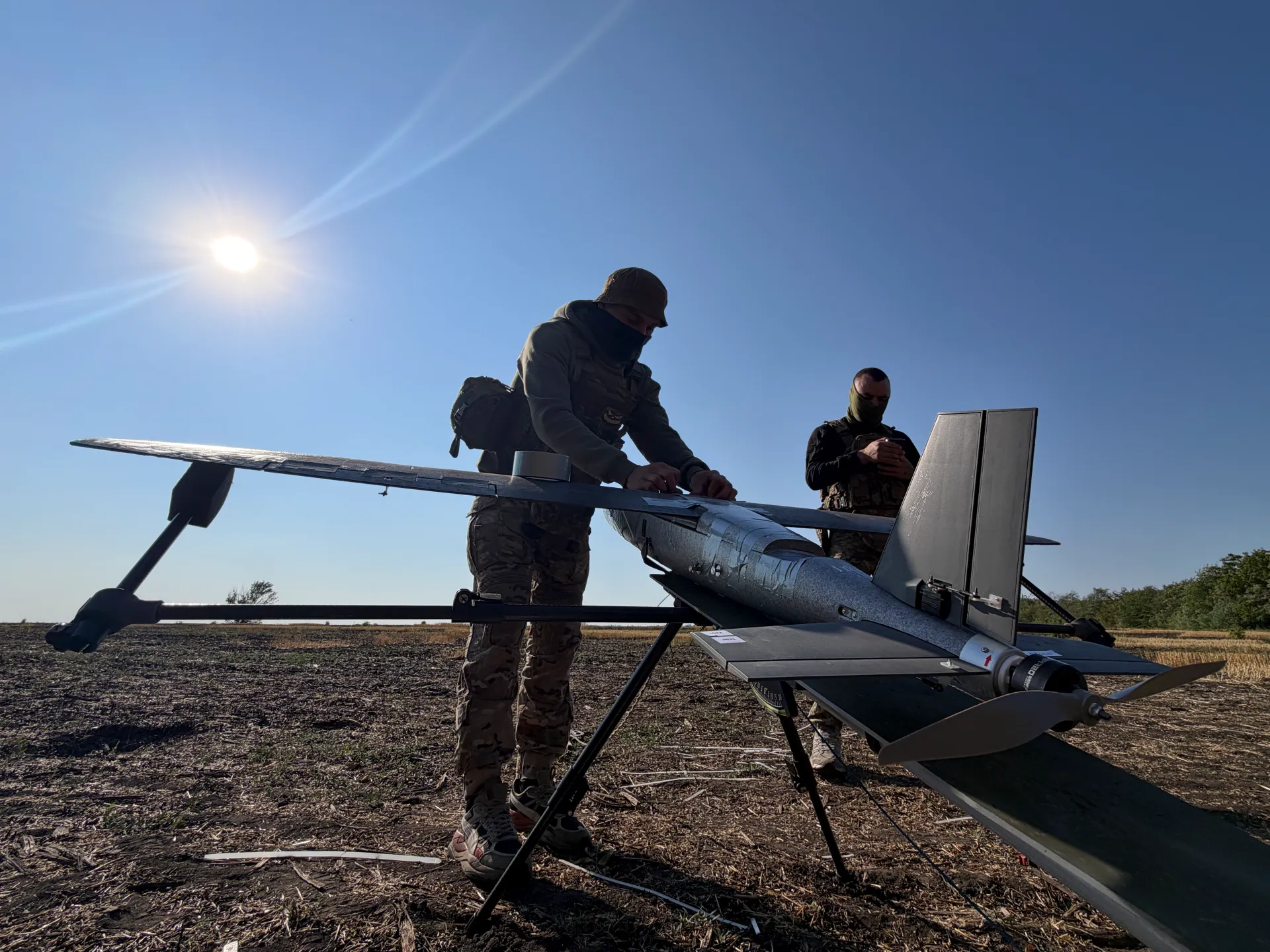
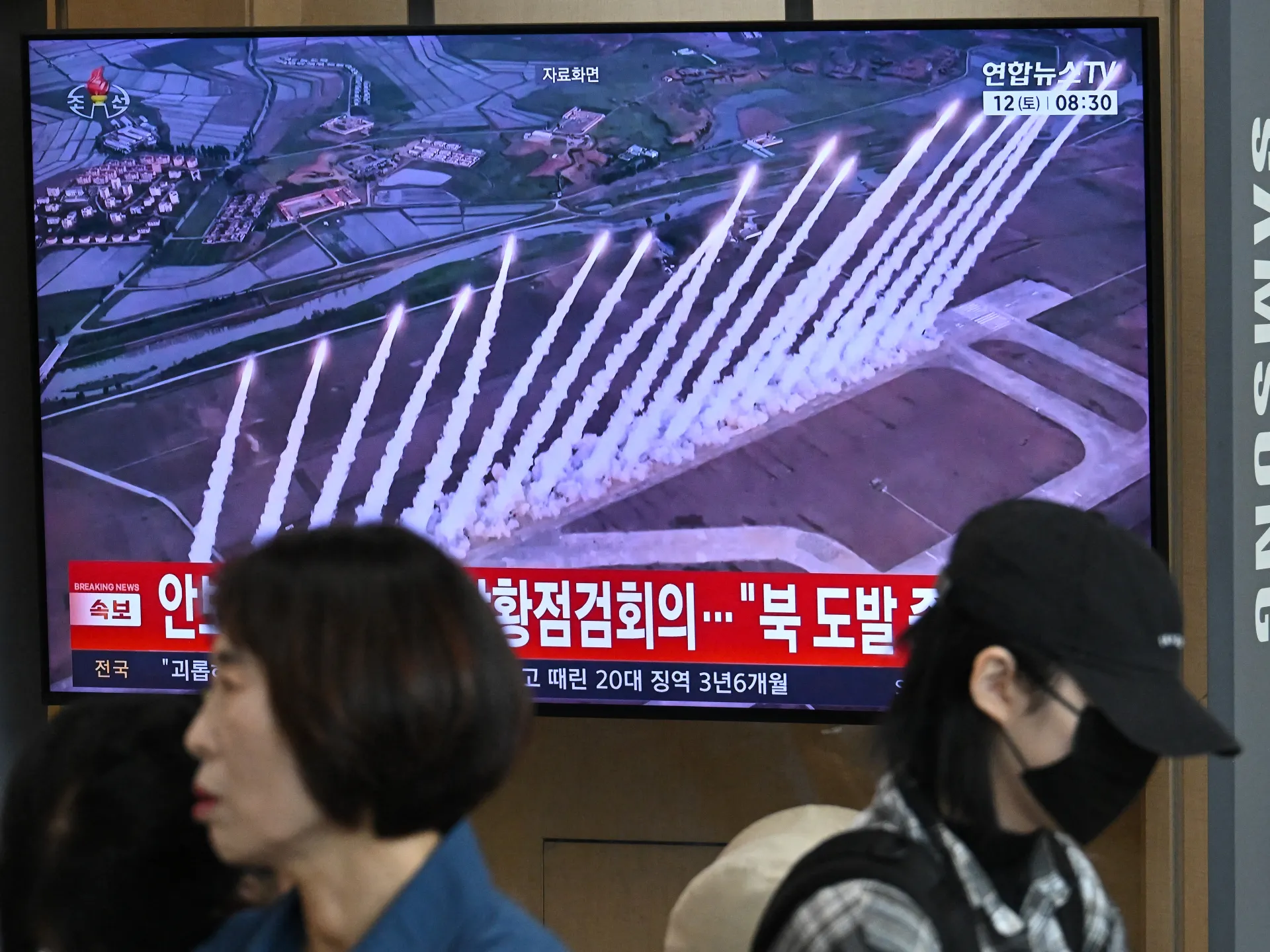
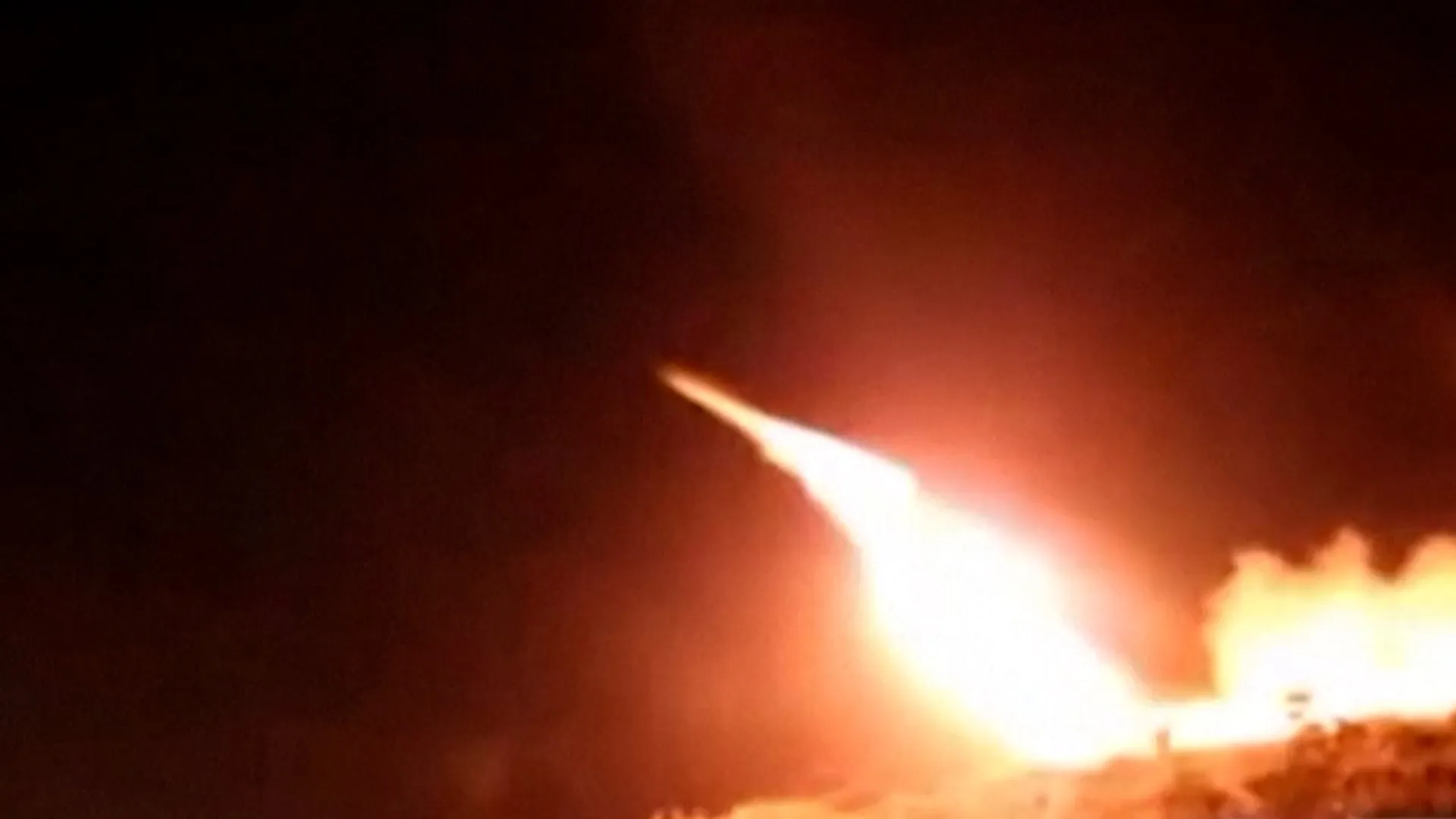
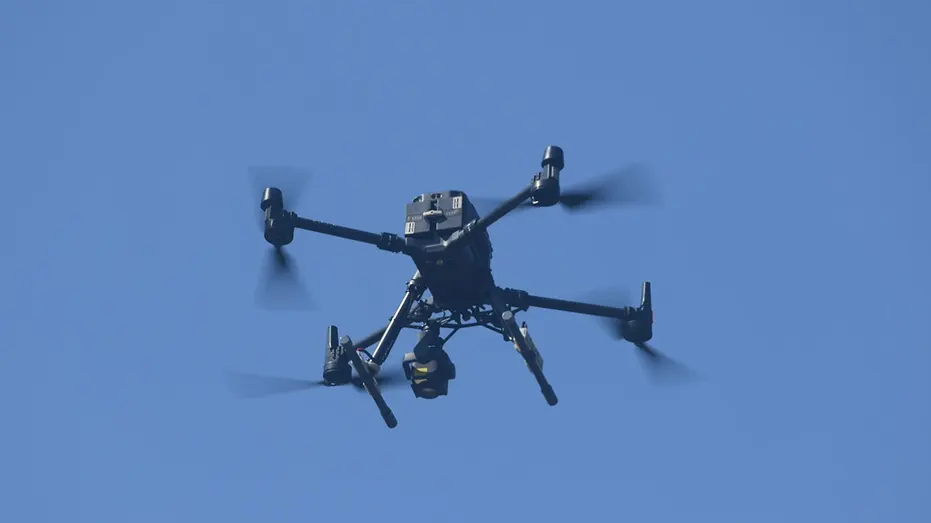
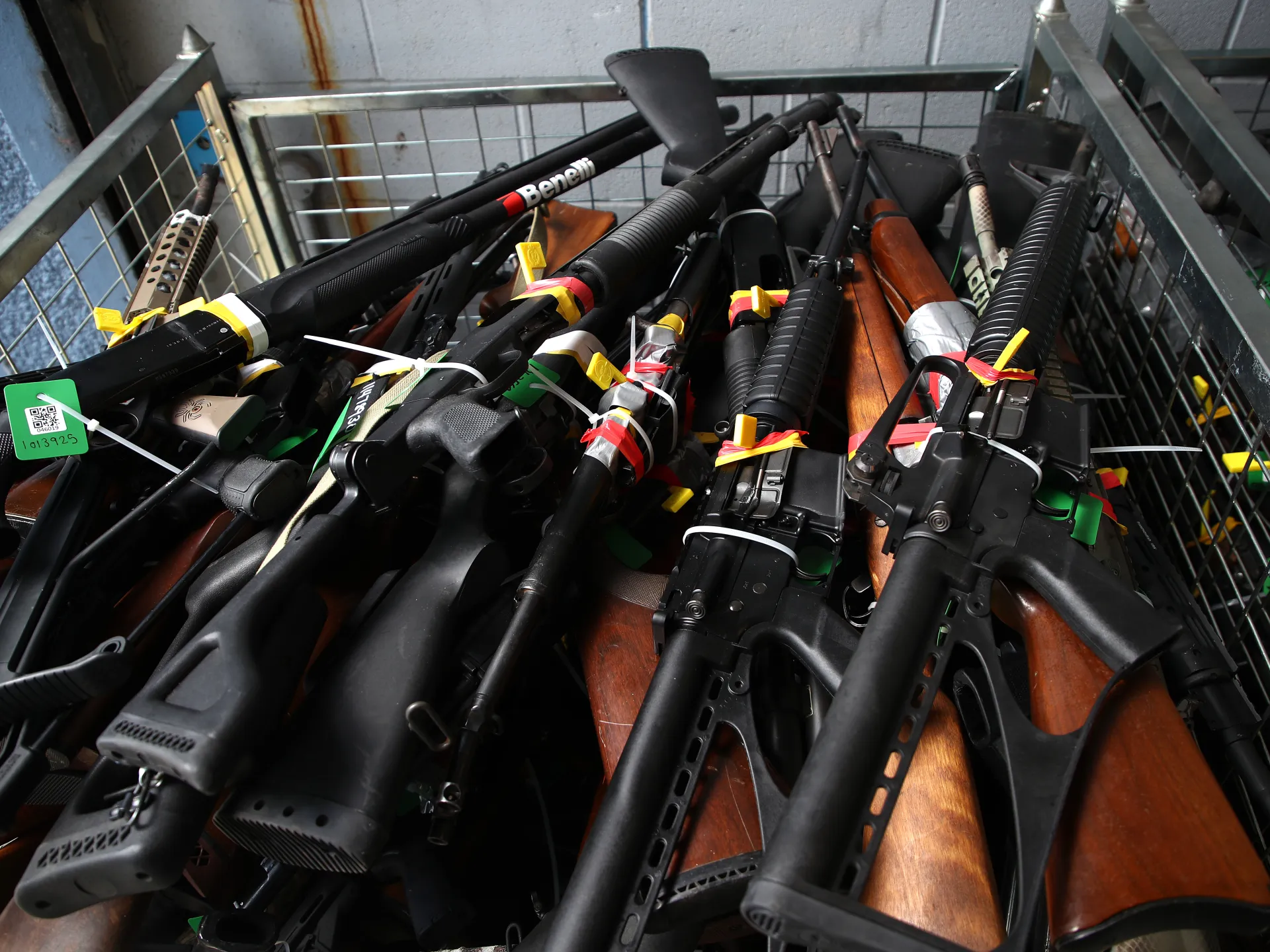
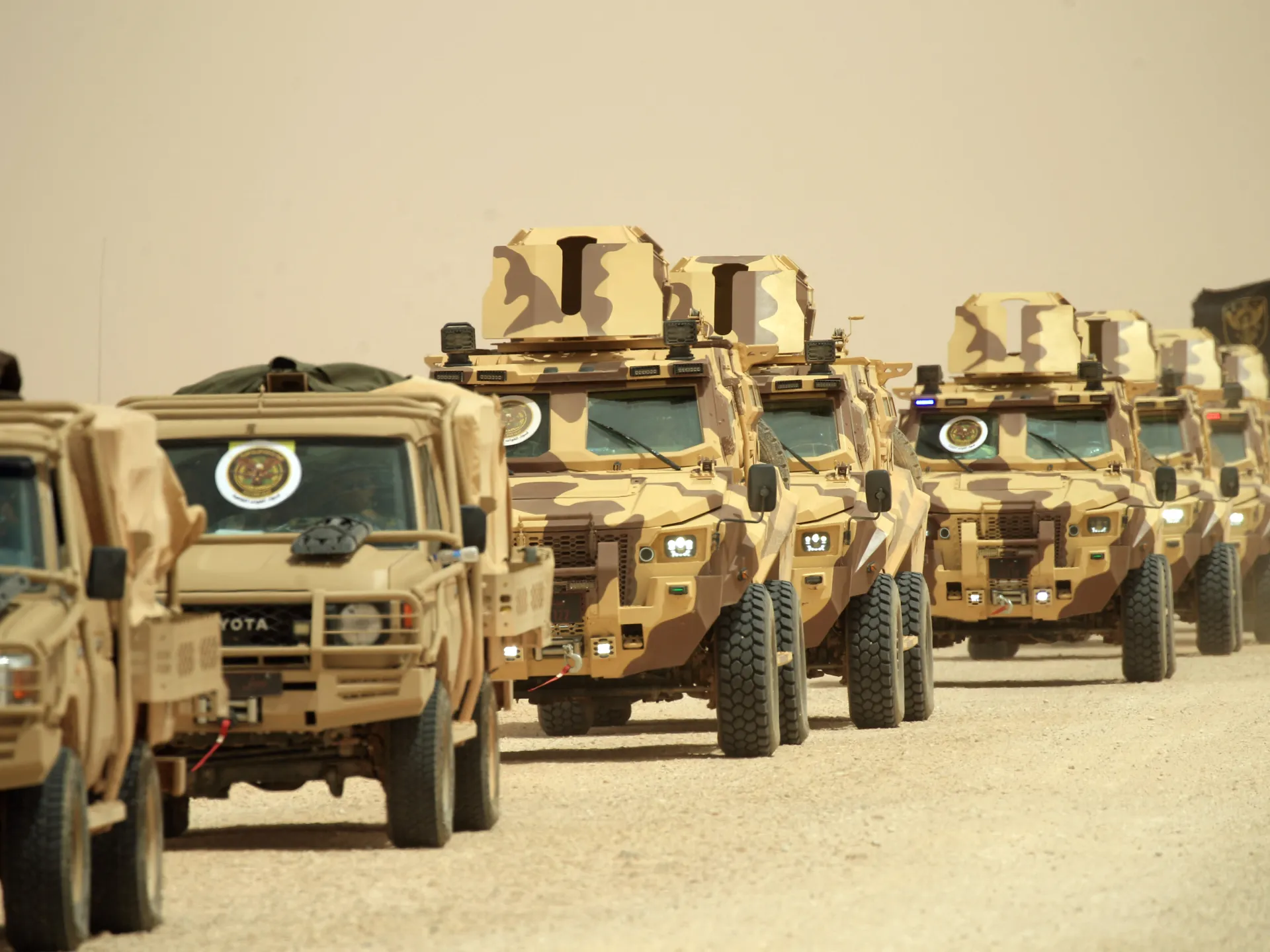
United Nations Secretary-General António Guterres has issued a stark warning regarding the proliferation of autonomous weapons systems, commonly referred to as "killer robots." As these technologies advance, the UN chief is advocating for a preemptive international ban on systems that would allow machines to make lethal decisions without human intervention. This call for regulation has gained traction, with bodies like the Red Cross joining the chorus of concern regarding the ethical implications of delegating life-and-death choices to algorithms. Meanwhile, in Germany, the national team’s new coach, Jurgen Klopp, has turned his attention to the social fabric of his nation, urging citizens to reclaim "positive patriotism" following a surge in support for the far-right Alternative for Germany (AfD) party.
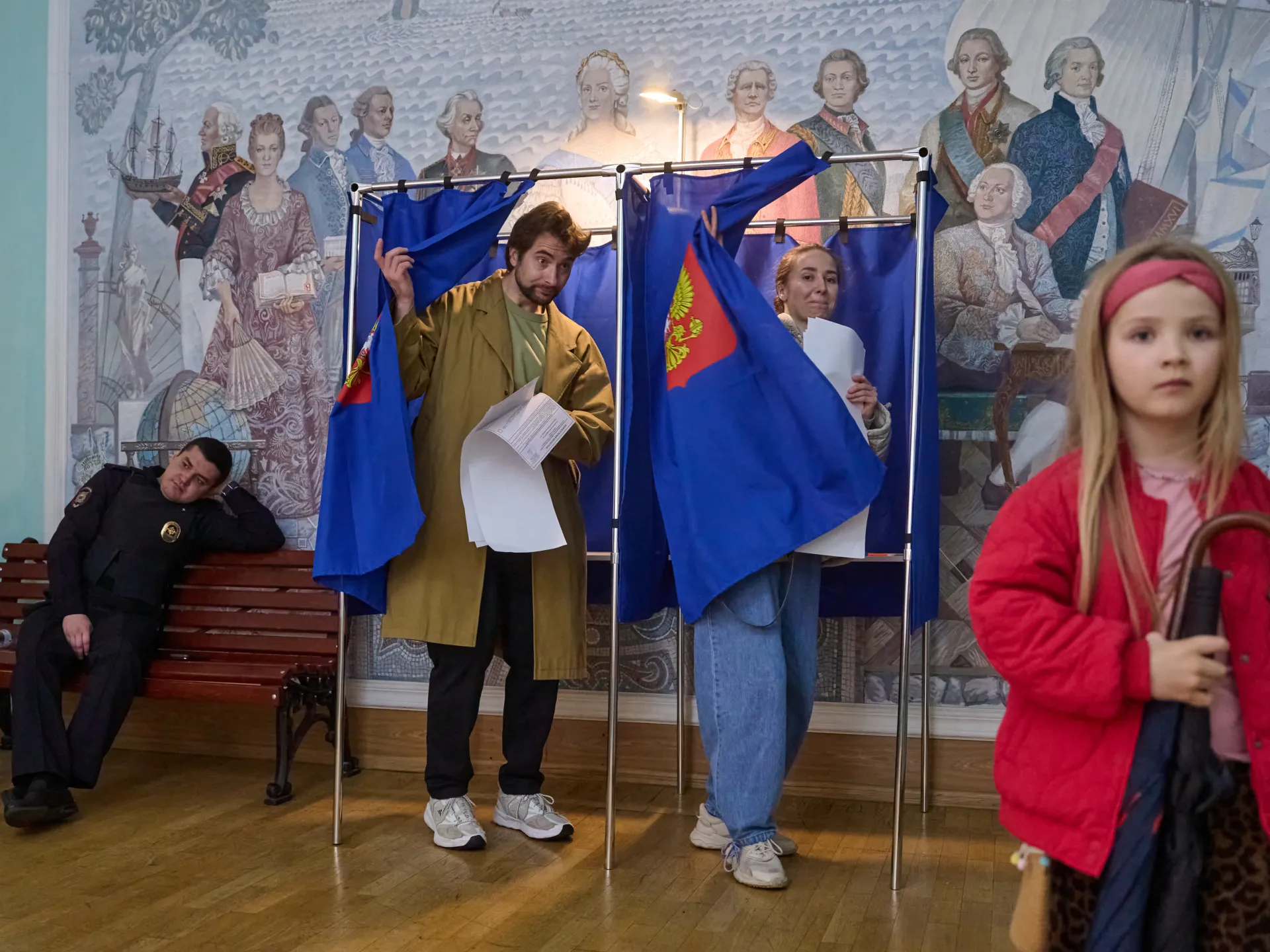
The convergence of these two developments highlights a modern anxiety: the erosion of human control. Whether it is the fear of losing moral accountability in warfare through AI or the fear of losing national identity to extremist political rhetoric, the common thread is a perceived lack of agency. For Guterres, the stakes are existential, as autonomous weapons risk lowering the threshold for conflict and creating an unaccountable cycle of violence. In the German context, the stakes are equally profound for democratic stability; the rise of the AfD, which secured 43.8% of the vote in Saxony-Anhalt, signals a deep-seated dissatisfaction that threatens to redefine the country’s post-war identity. Both issues suggest that the coming decade will be defined at have begun to operate beyond traditional safeguards.
The push for a global prohibition on autonomous weapons centers on the principle of human-in-the-loop accountability. Critics of such technology argue that algorithms, regardless of their sophistication, lack the capacity for empathy or the nuance required to adhere to international humanitarian law. he world could enter an era where wars are fought with cold, mathematical precision, devoid of the moral hesitation that has historically acted as a final check against atrocities.
While the UN’s call for a ban is gaining international momentum, the path forward remains complex. Military powers are wary of unilateral disarmament in the face of rapid technological development s a pressing diplomatic challenge that requires immediate consensus before the technology reaches a level of proliferation that makes verification and control effectively impossible.
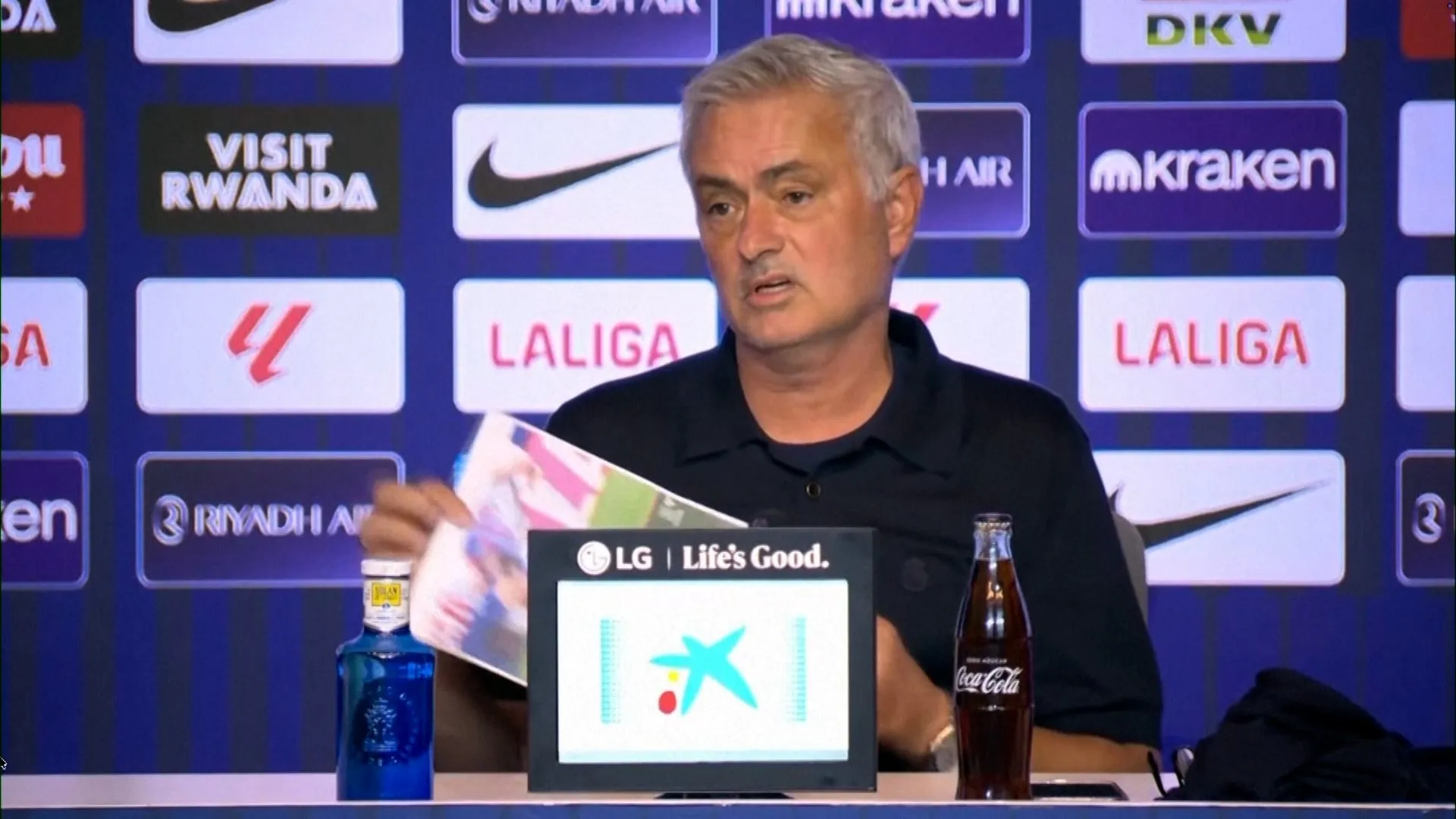
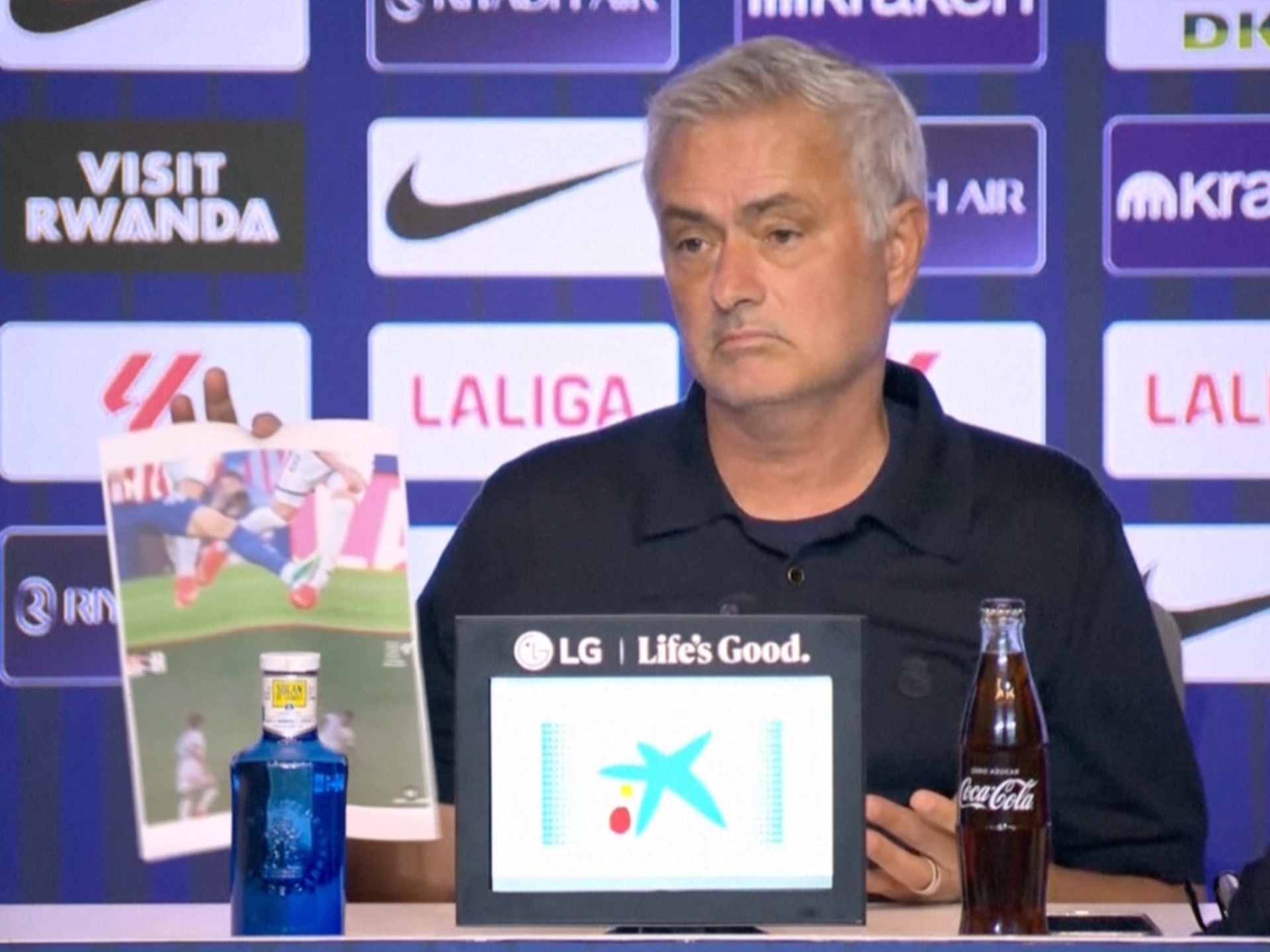
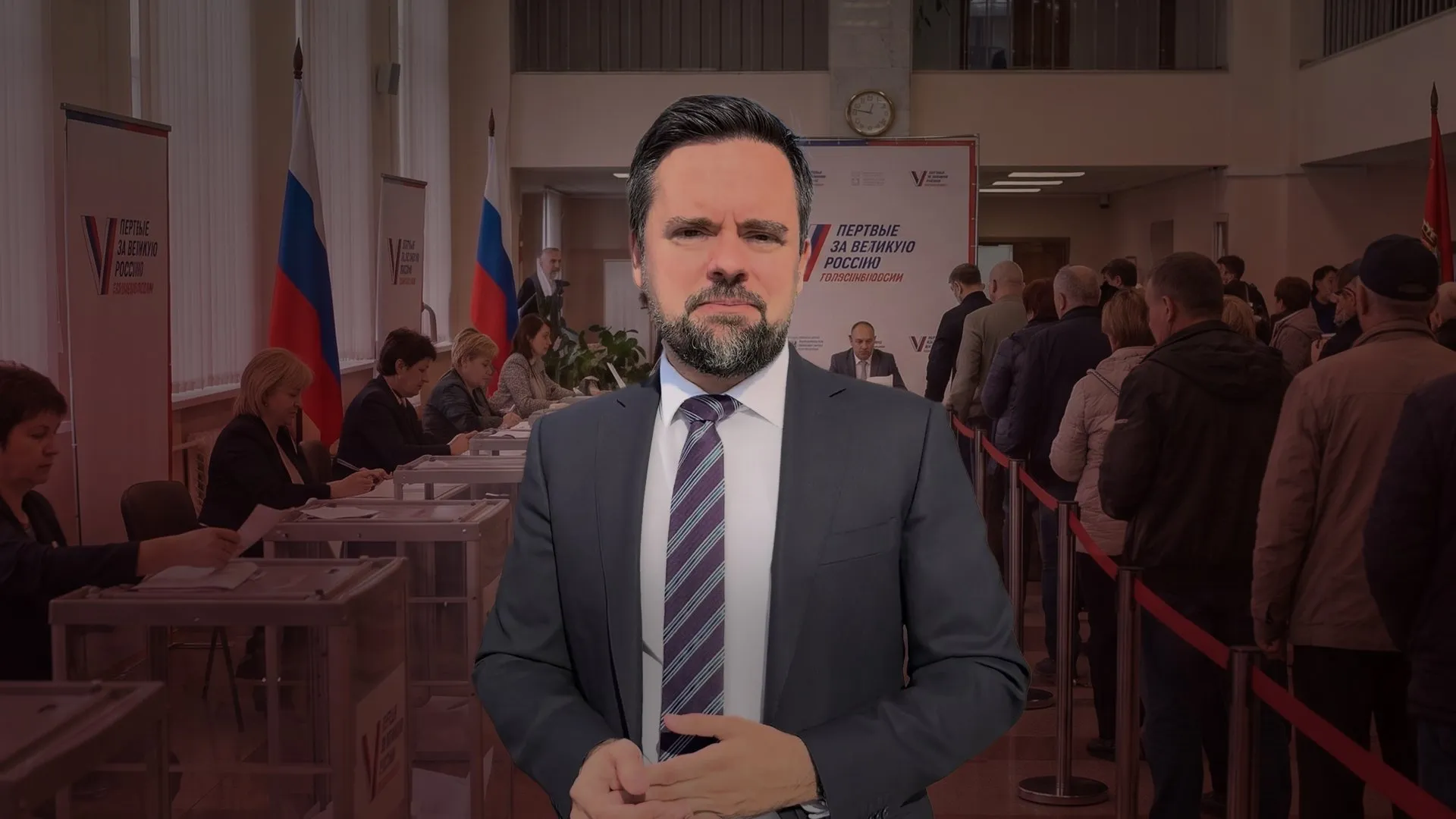
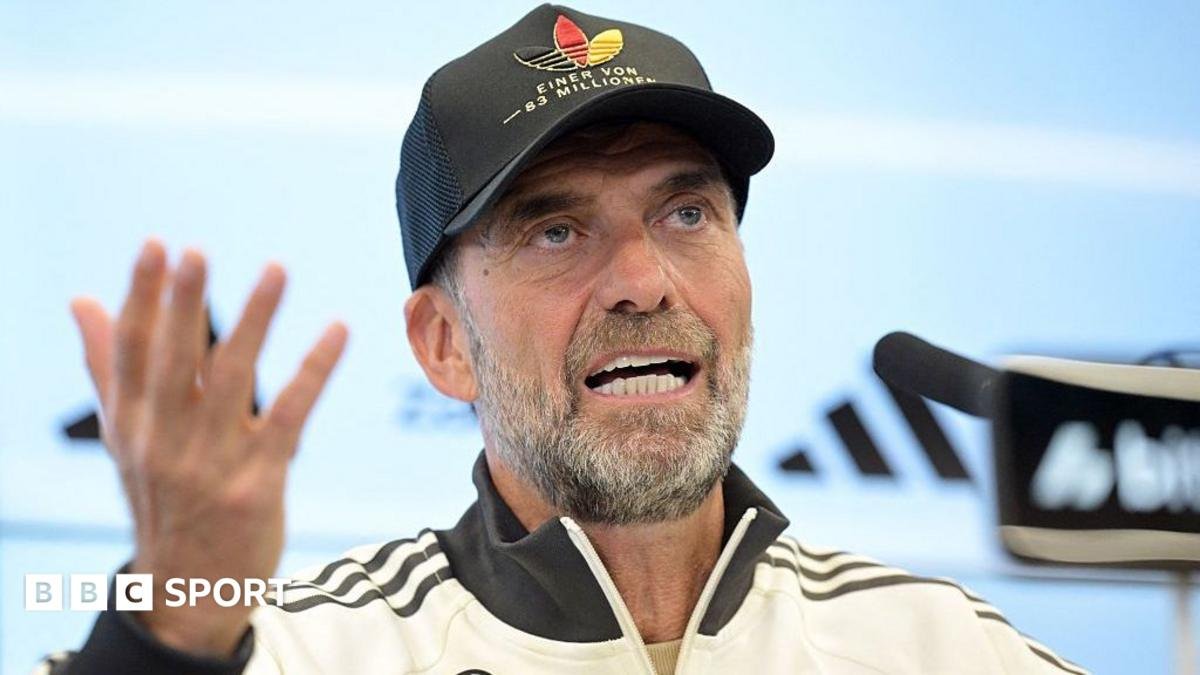
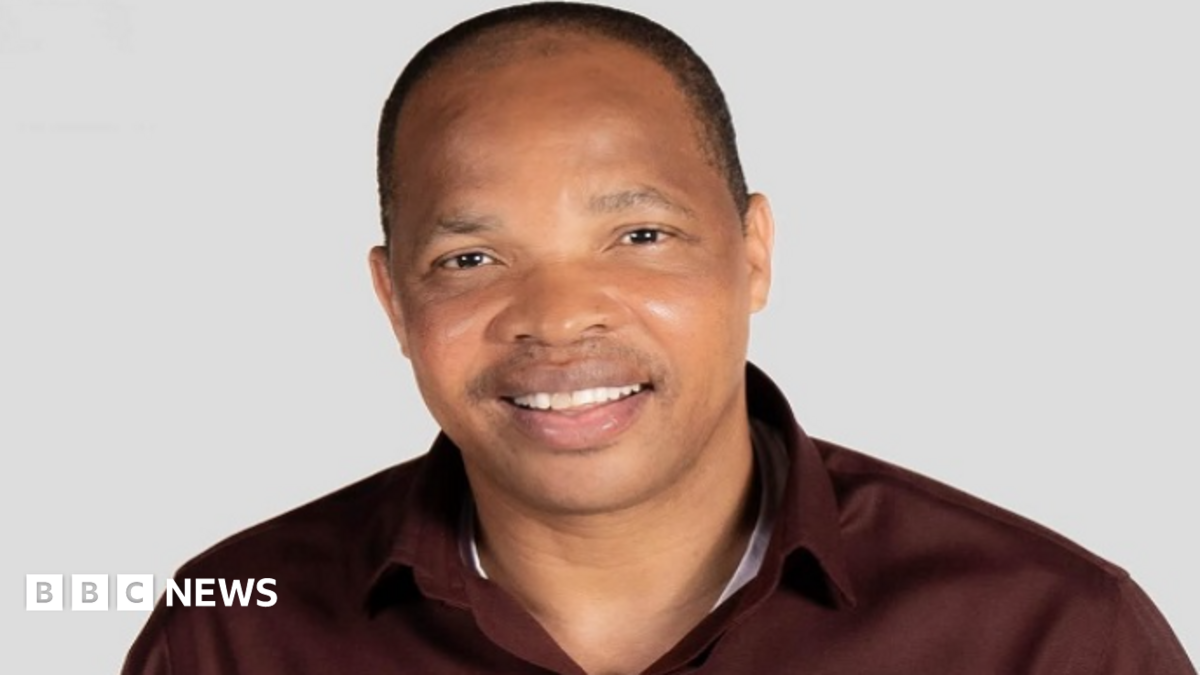
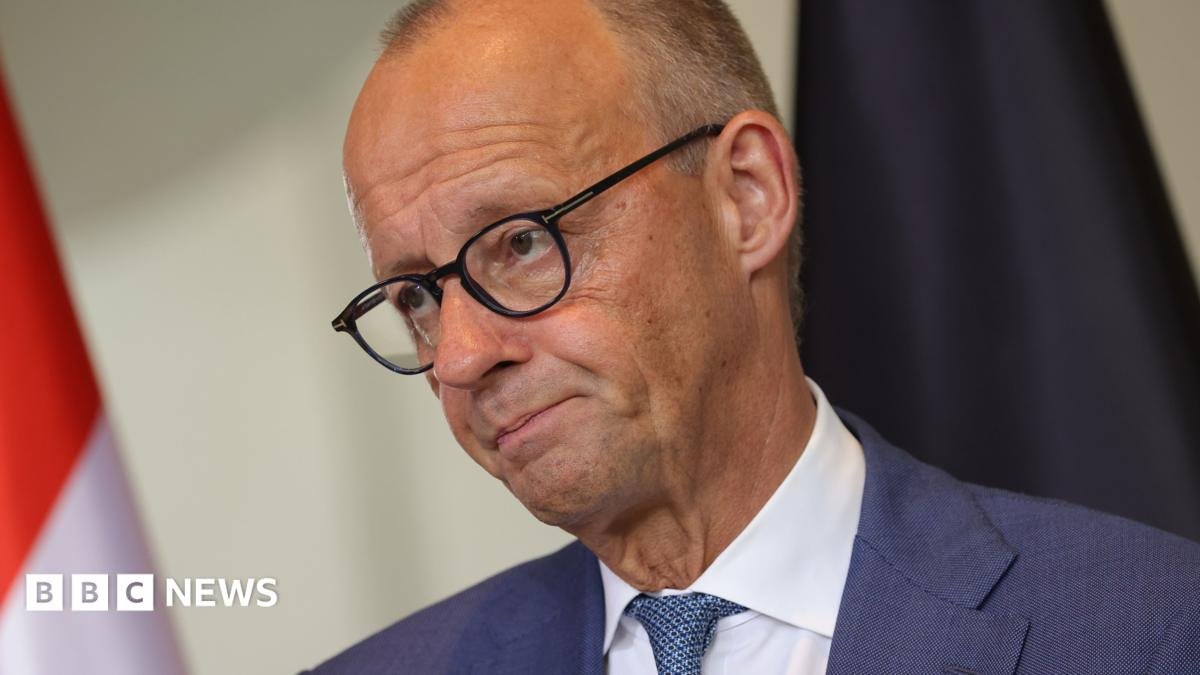
Jurgen Klopp’s transition from the Premier League to the German national team has brought a fresh, albeit vocal, approach to the role of a national coach. During his first squad announcement, Klopp addressed the recent electoral success of the AfD, which has left many in the country questioning the state of national discourse. Seeking to distance himself from the toxic rhetoric often associated with nationalism, Klopp advocated for a "positive patriotism" that embraces diversity and inclusivity.
The announcement of his 44-man squad, which features 16 uncapped players, serves as a backdrop to this broader cultural conversation. Klopp emphasized that while he is not a political expert, the platform provided alent and looking toward upcoming Nations League fixtures, Klopp aims to use the sport as a vehicle for national unity, explicitly warning against allowing the country’s flag and identity to be captured
In the diplomatic arena, the UN will likely face significant hurdles in turning the Secretary-General’s call into a binding treaty. Major military powers will likely demand that any ban include precise definitions of what constitutes "autonomous" versus "automated" systems, a technical distinction that could stall negotiations for years. In Germany, the focus will shift to whether sports figures like Klopp can effectively influence the national mood. As the German national team prepares for matches against the Netherlands and Greece, the intersection of football and national politics will be closely watched, particularly as Berlin and Mecklenburg-Western Pomerania head to the polls. The success of these initiatives—one legal and one cultural—will depend on whether they can provide a compelling alternative to the growing influence of automated warfare and populist political movements.