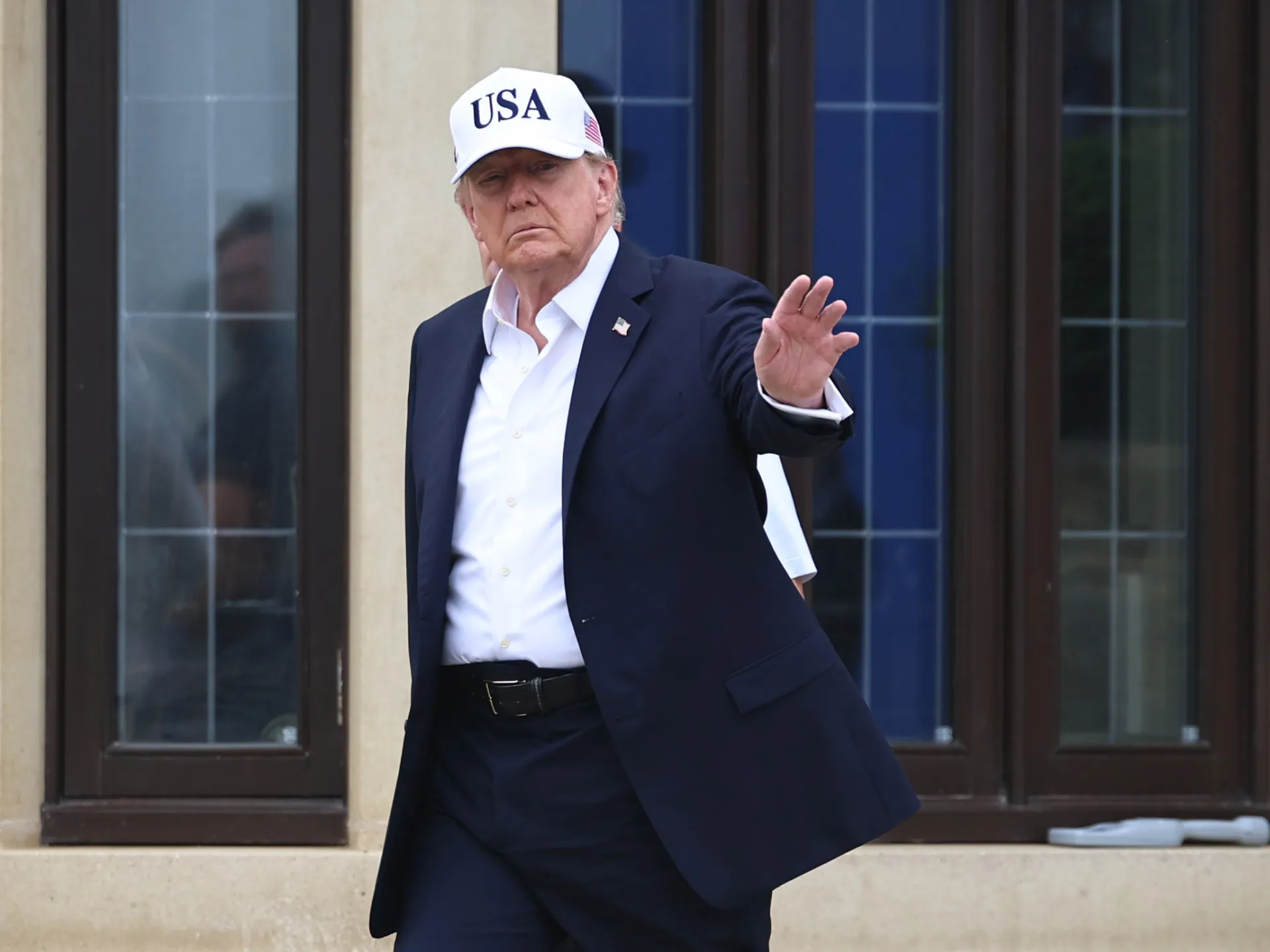
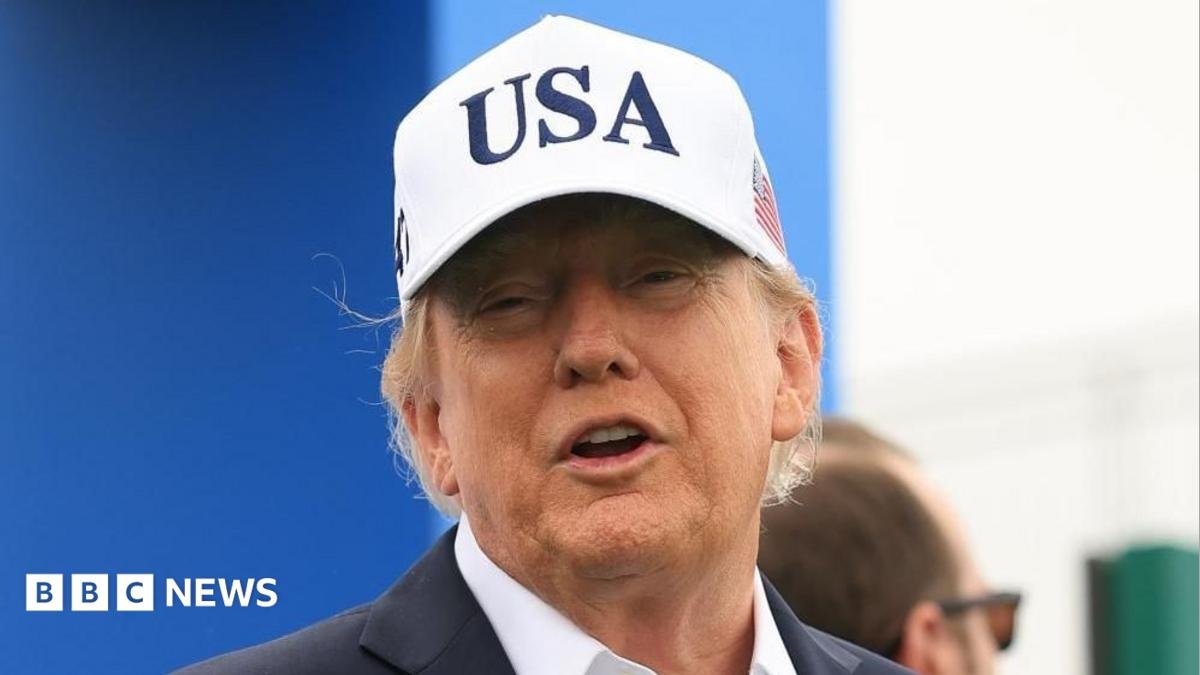
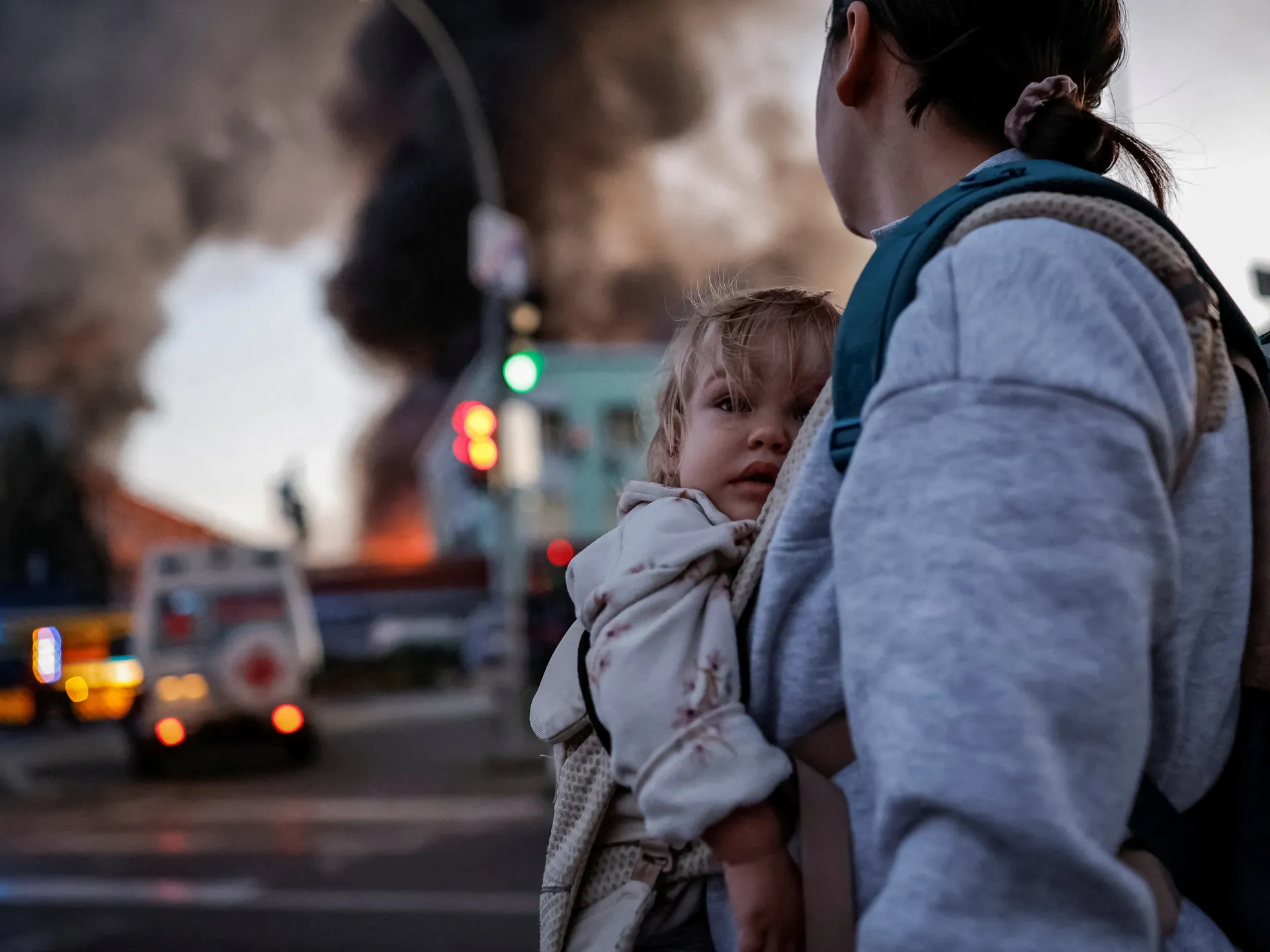
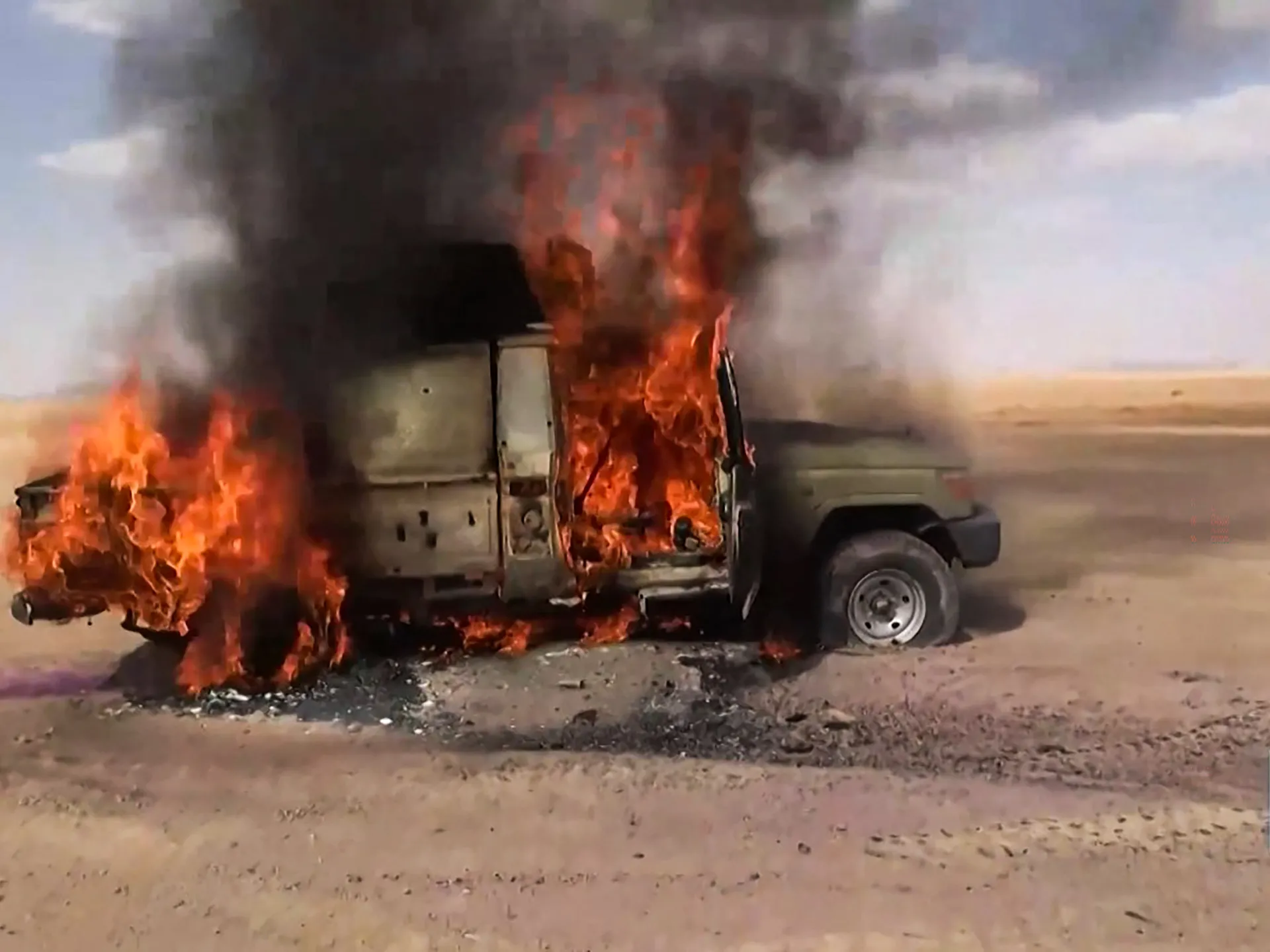
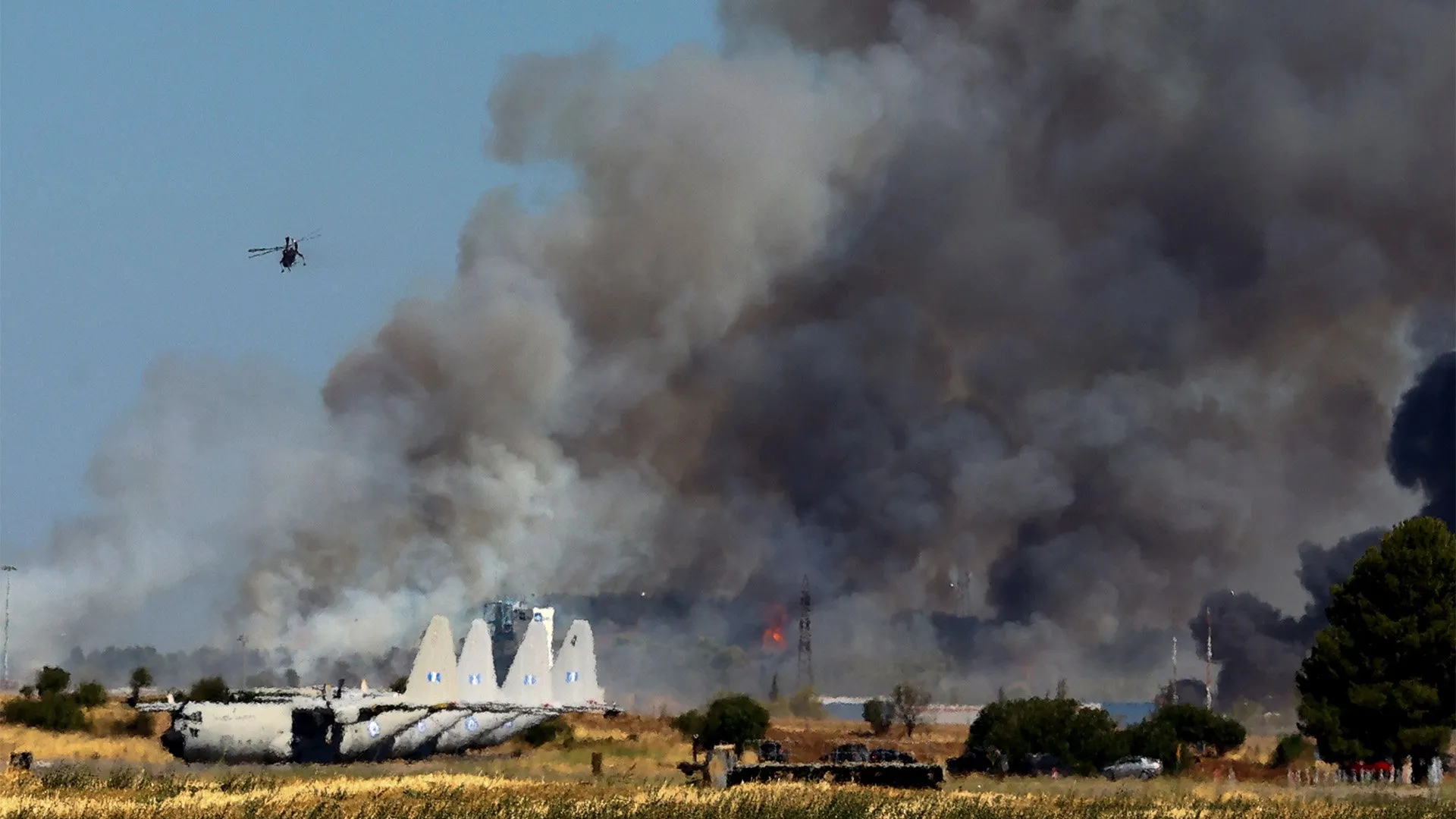
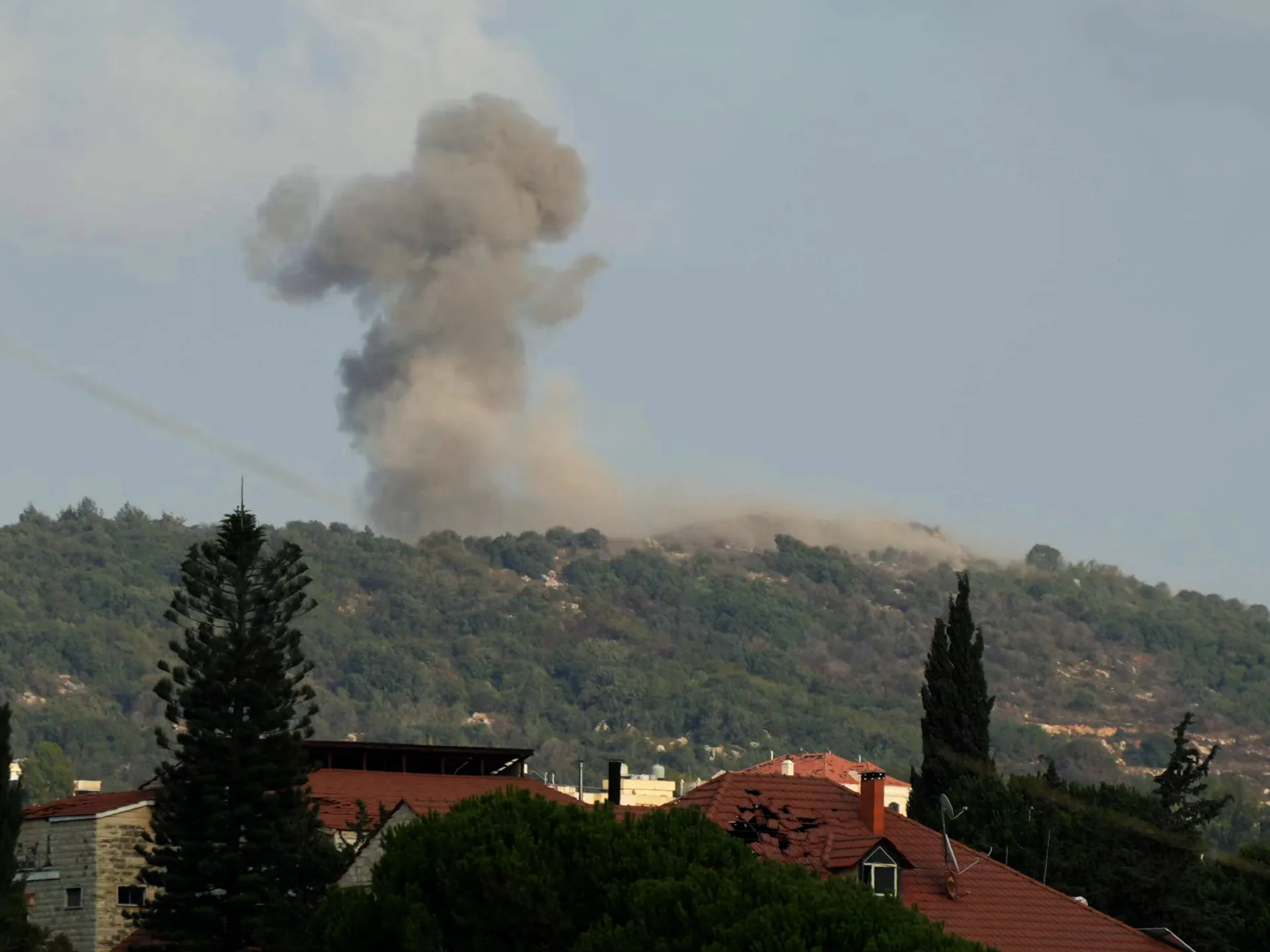
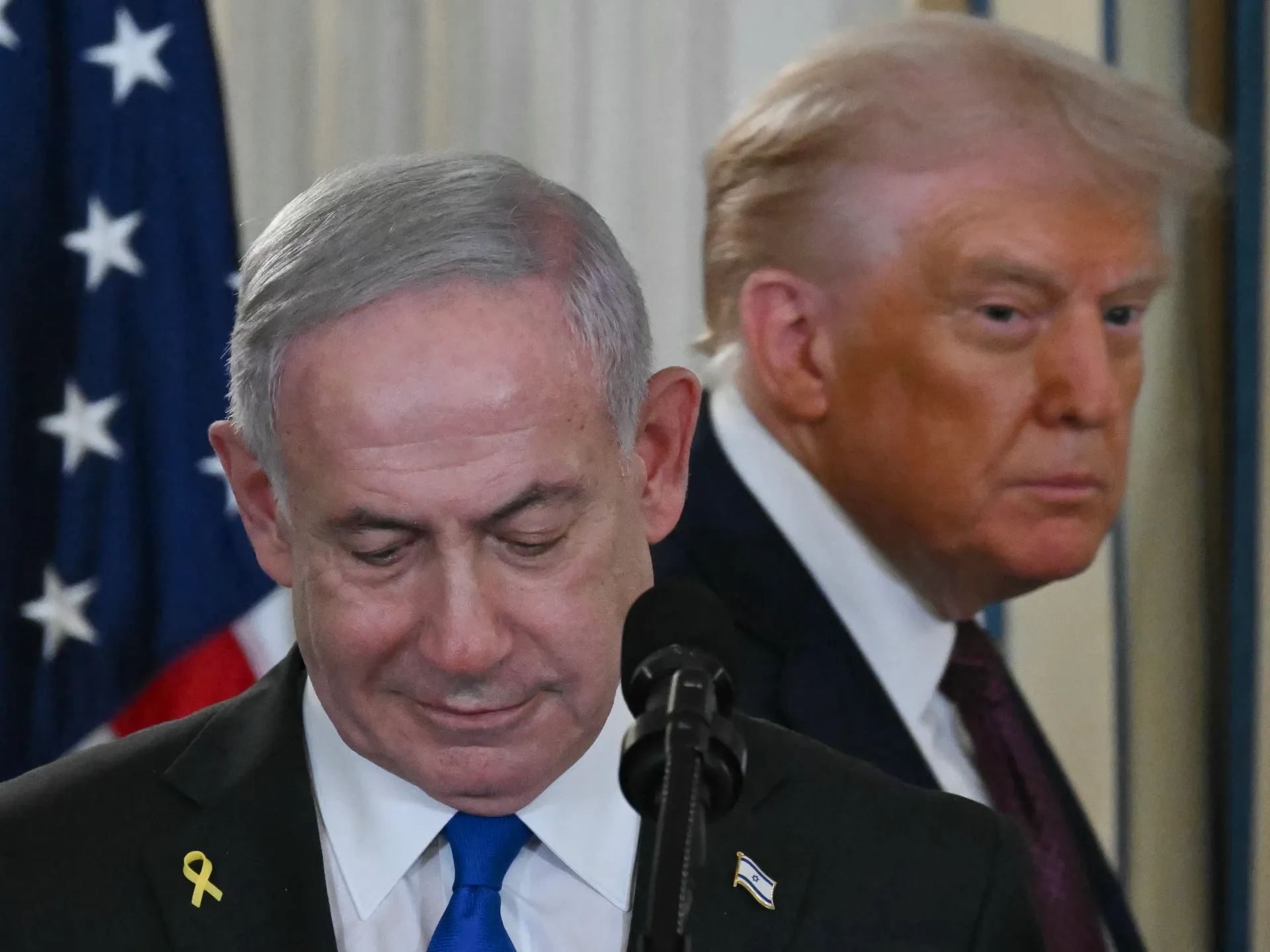
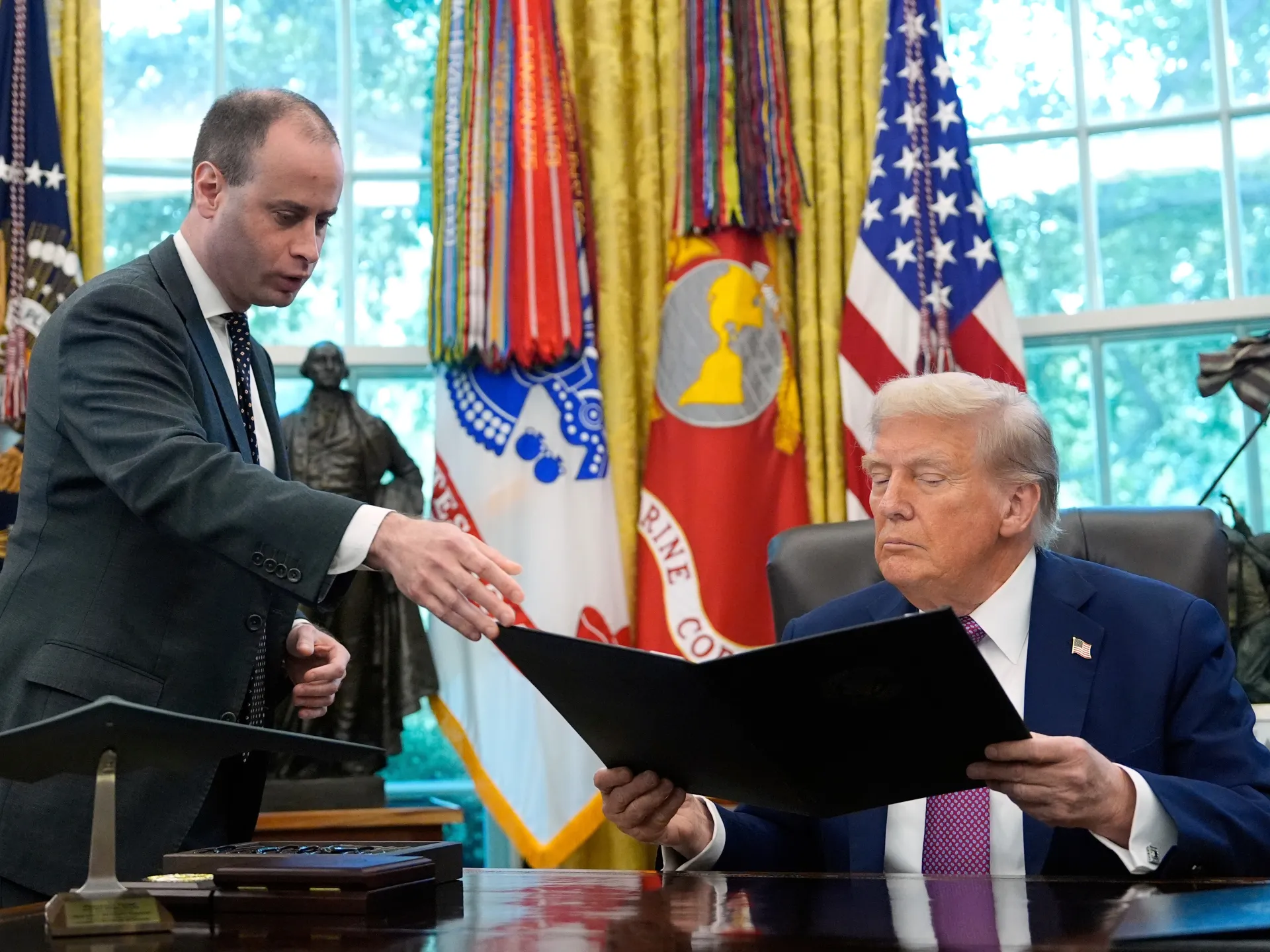
President Trump has vowed a strong response following an Iranian missile attack on a US-hosted base in Jordan, signaling a major escalation in the seven-month conflict.
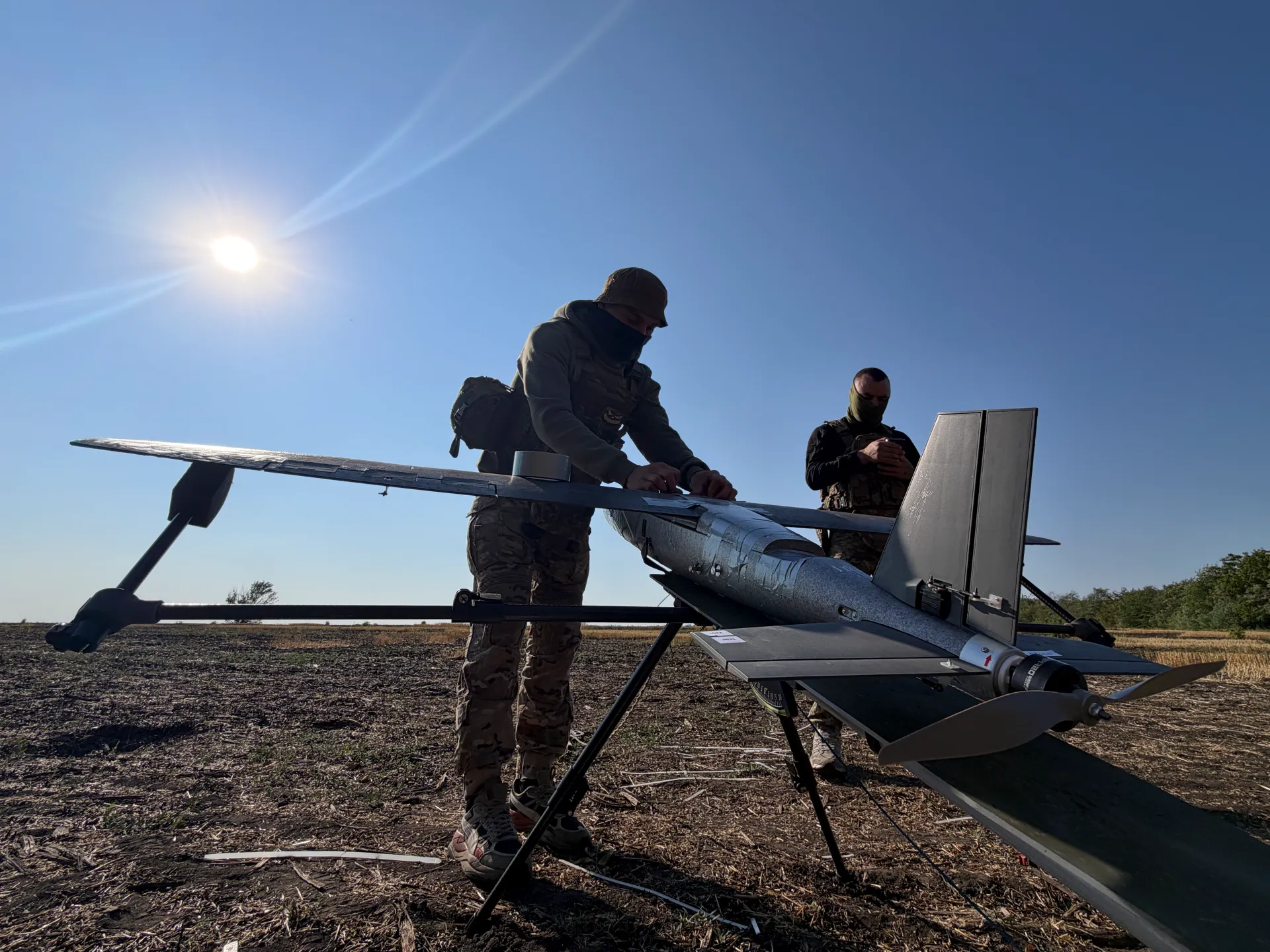
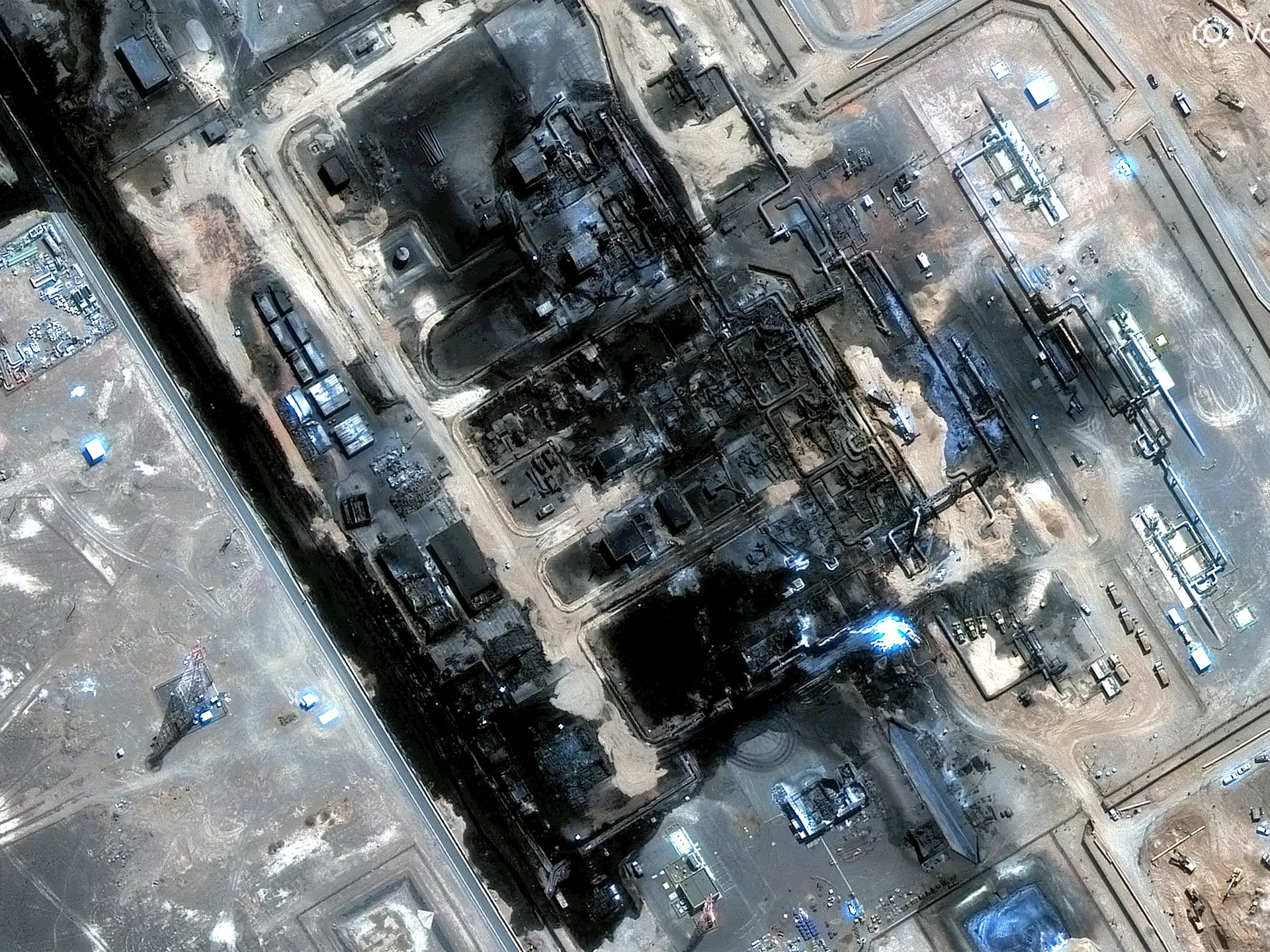
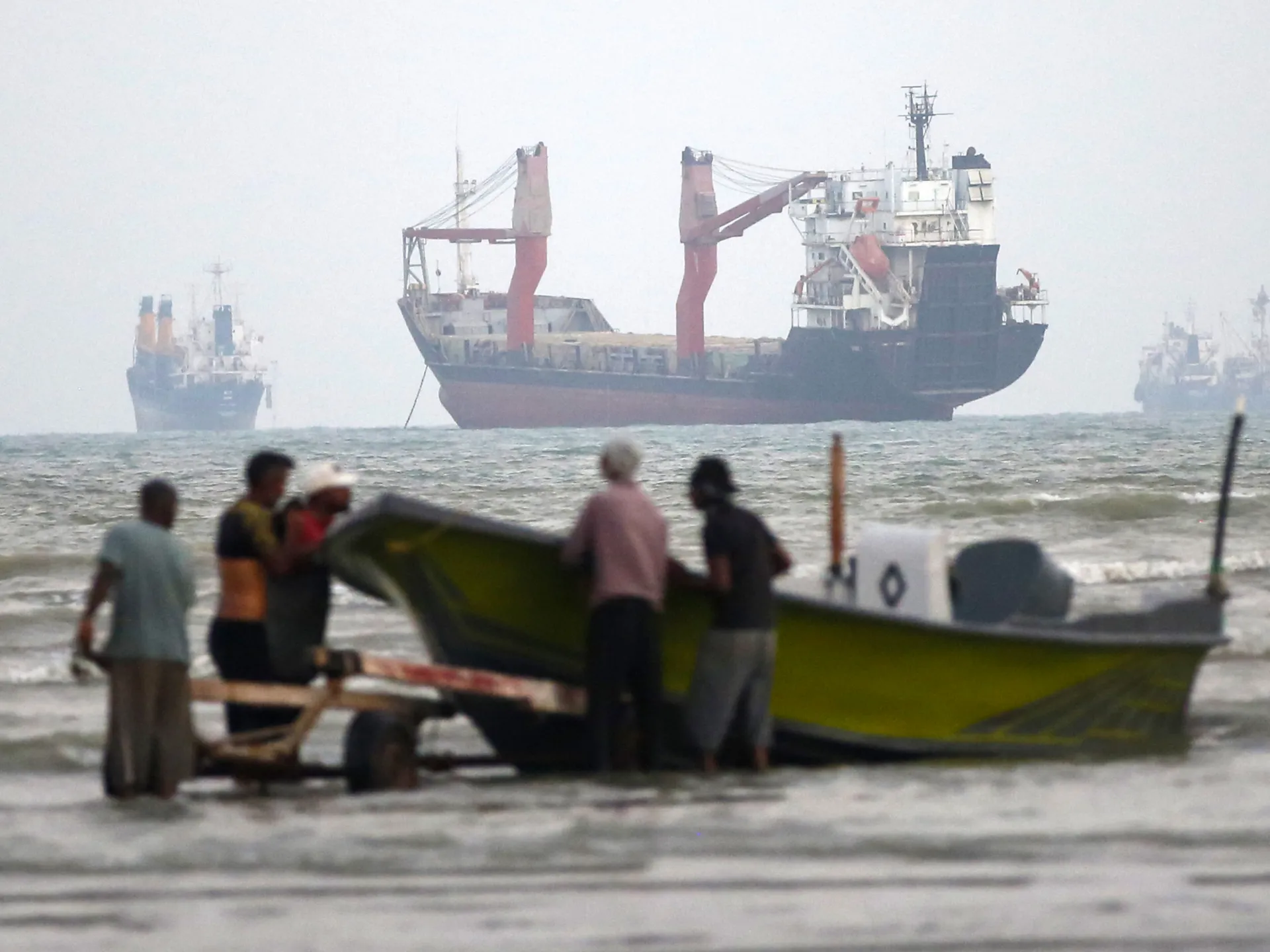
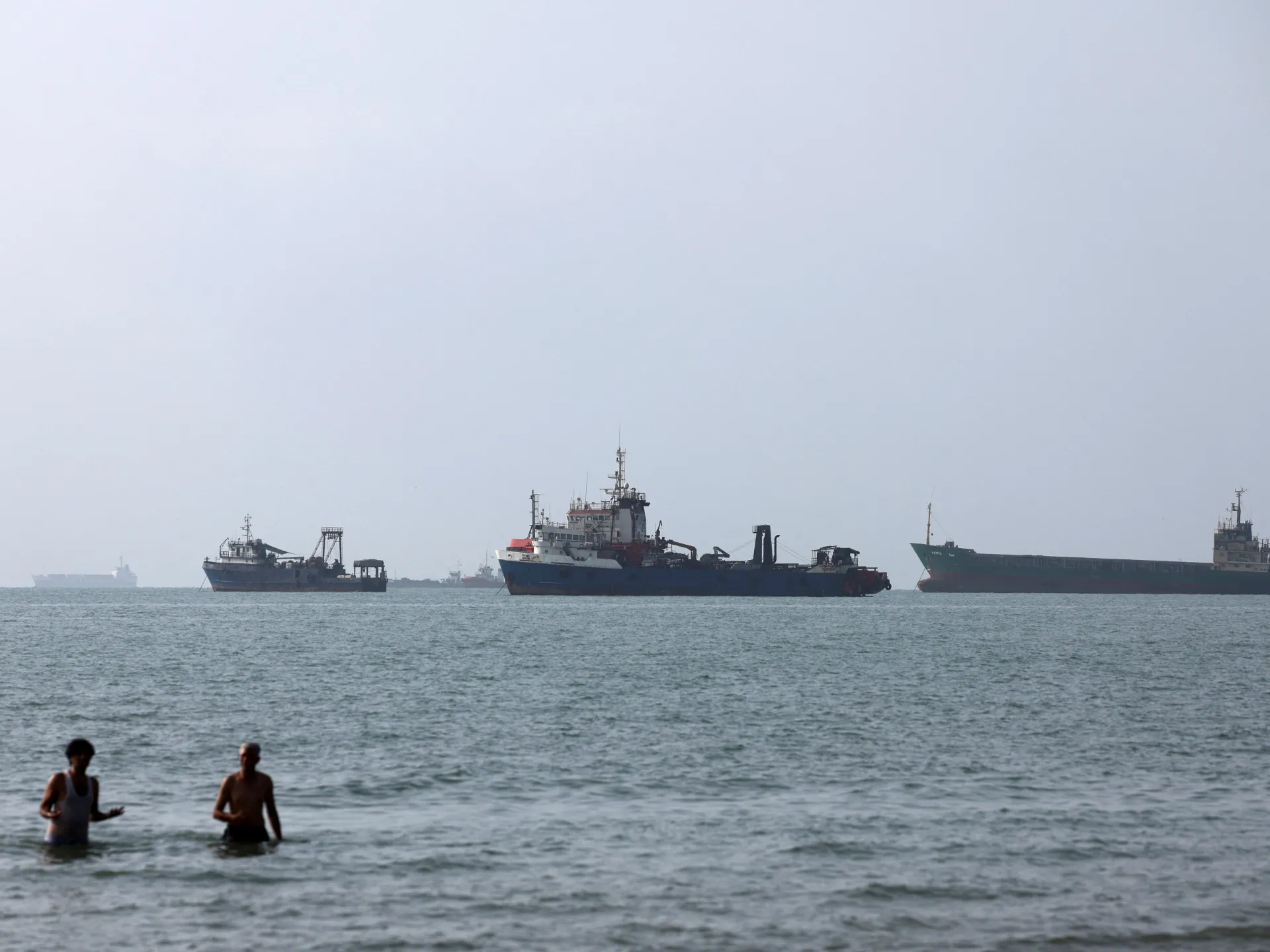
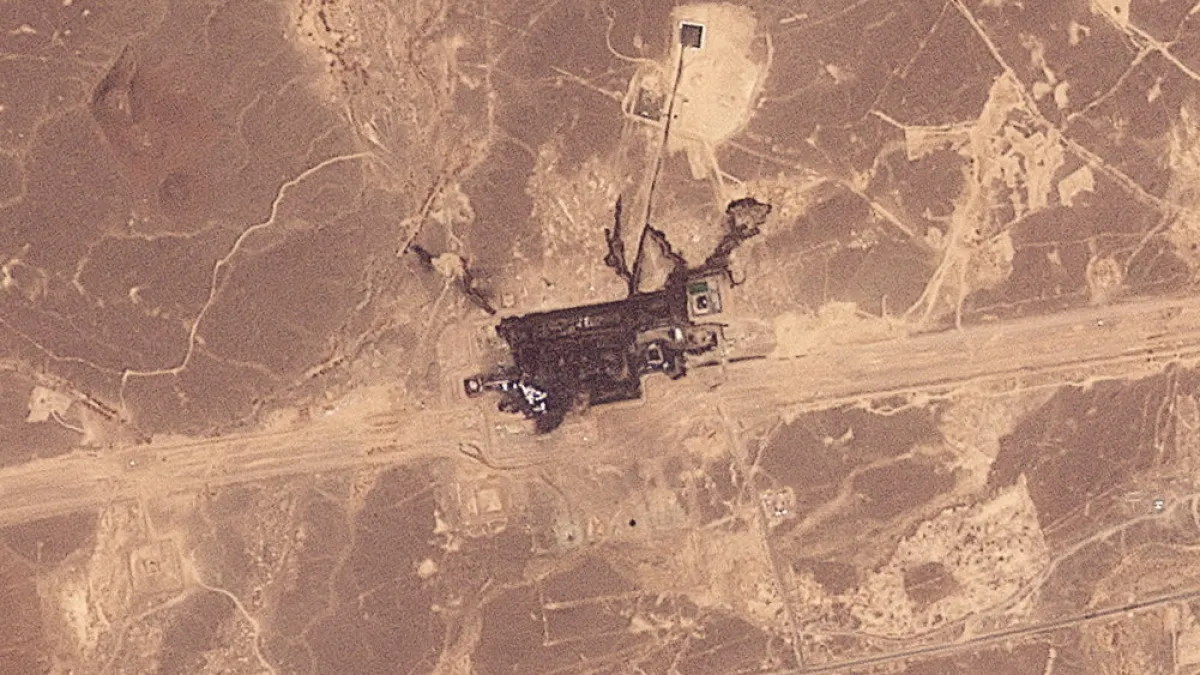
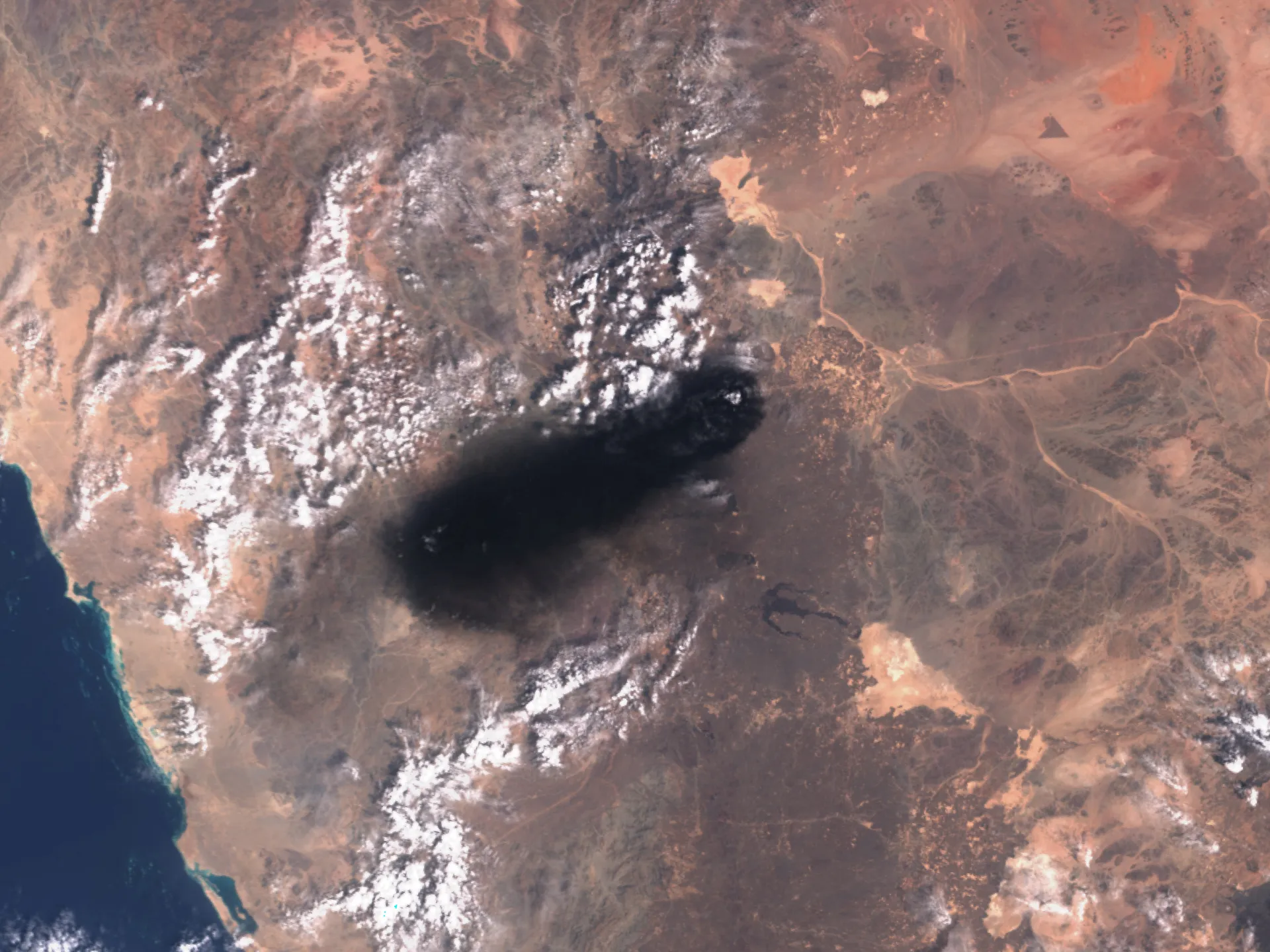
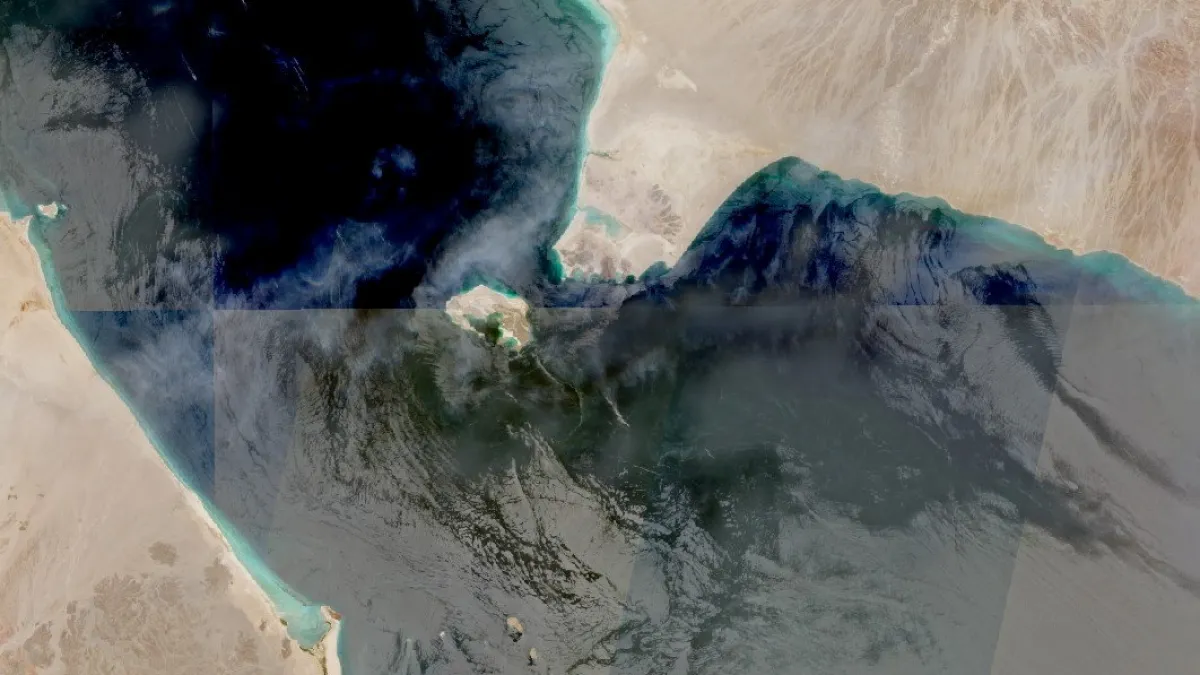
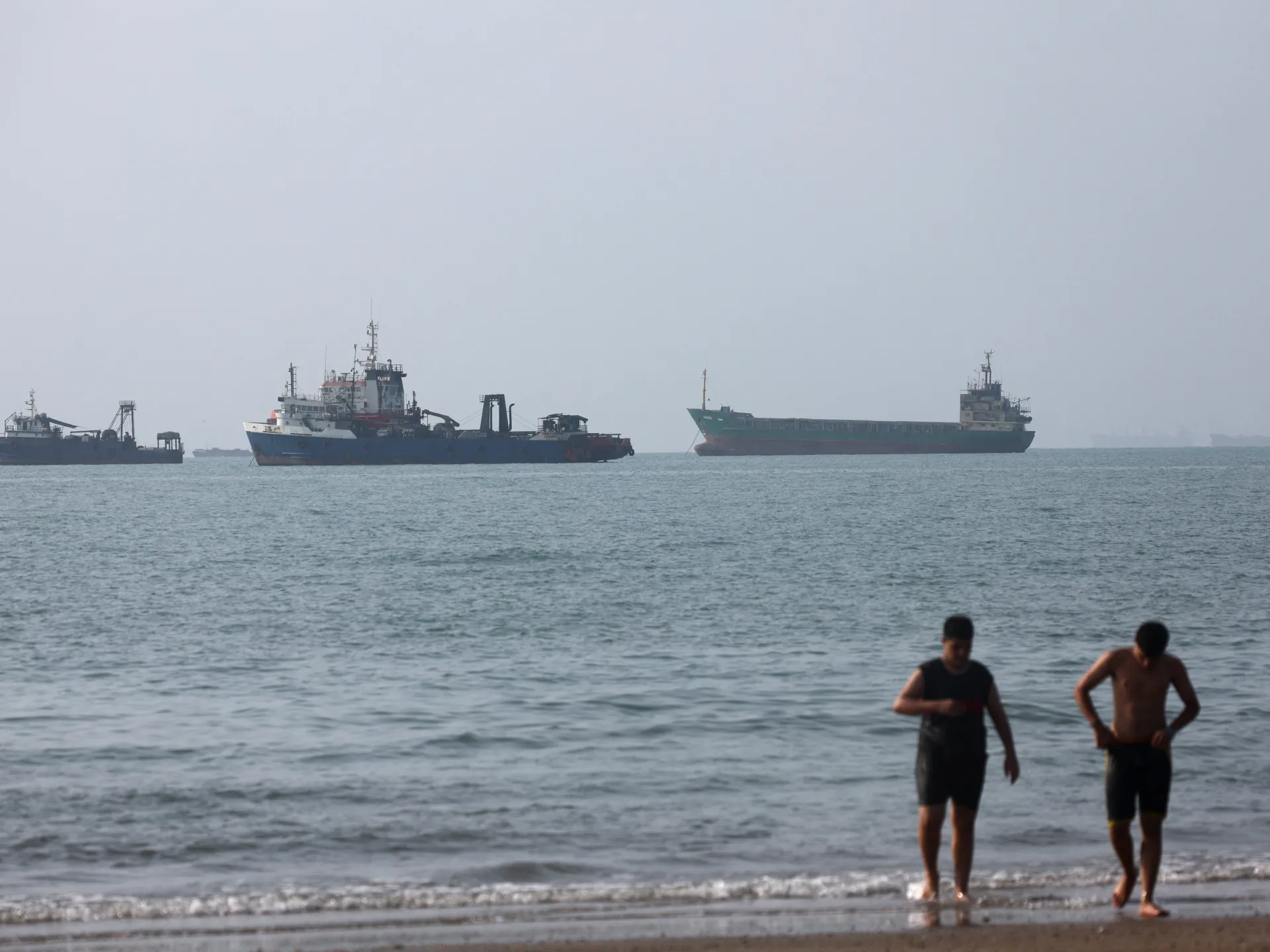
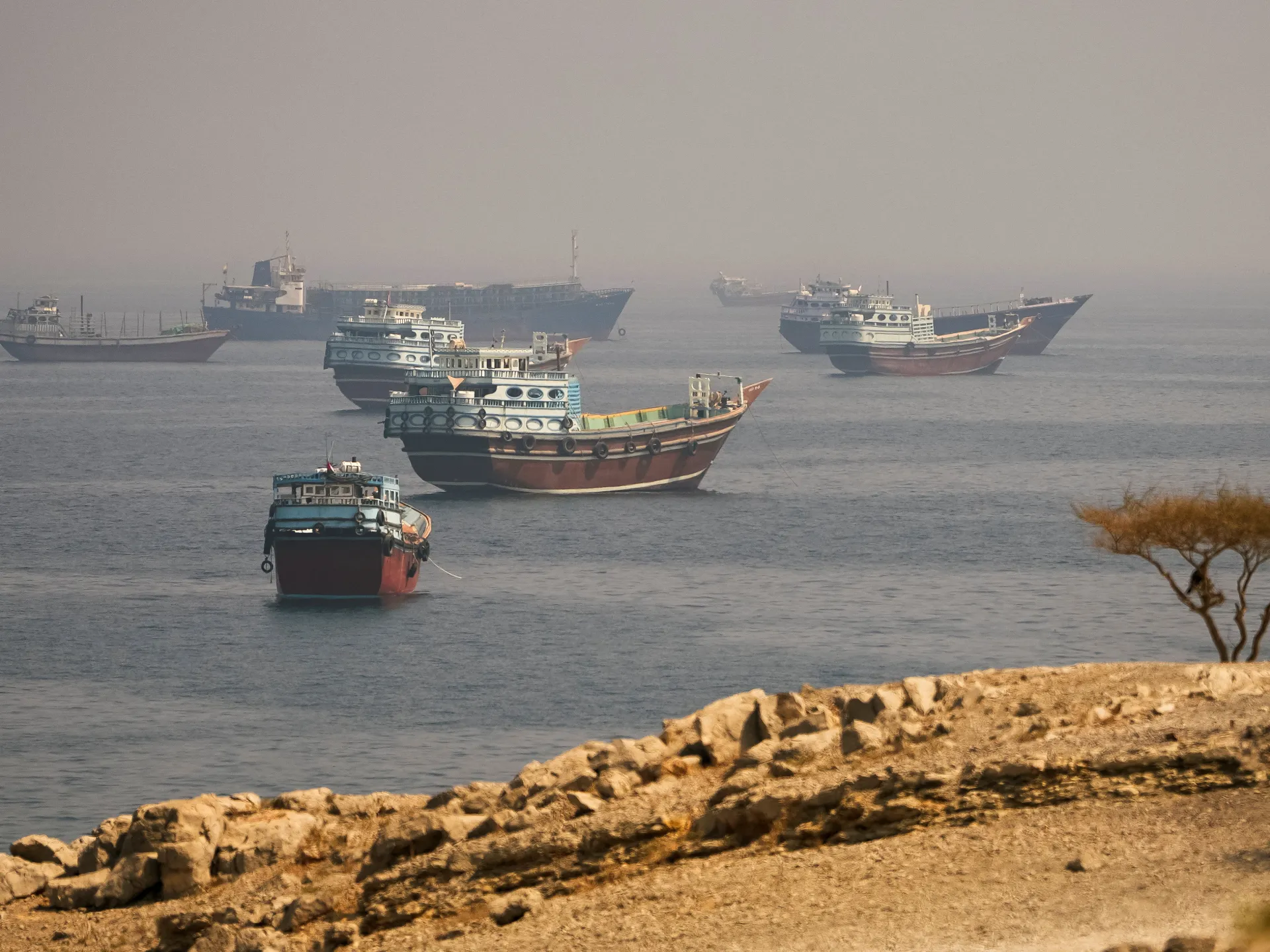
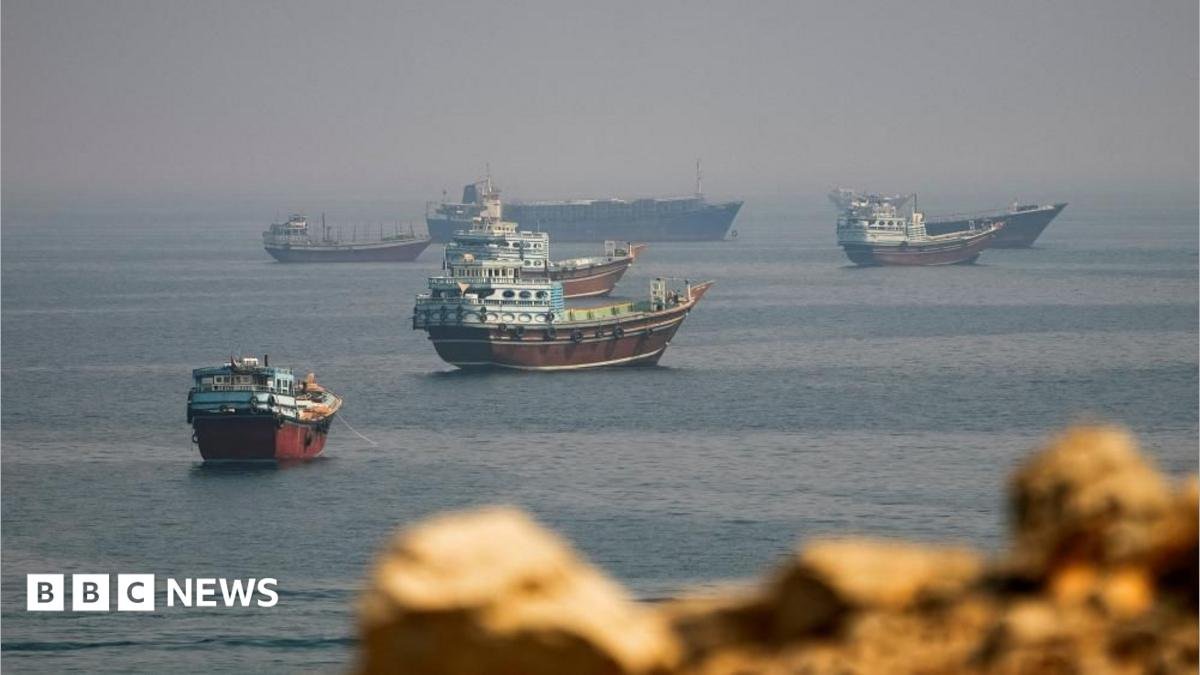
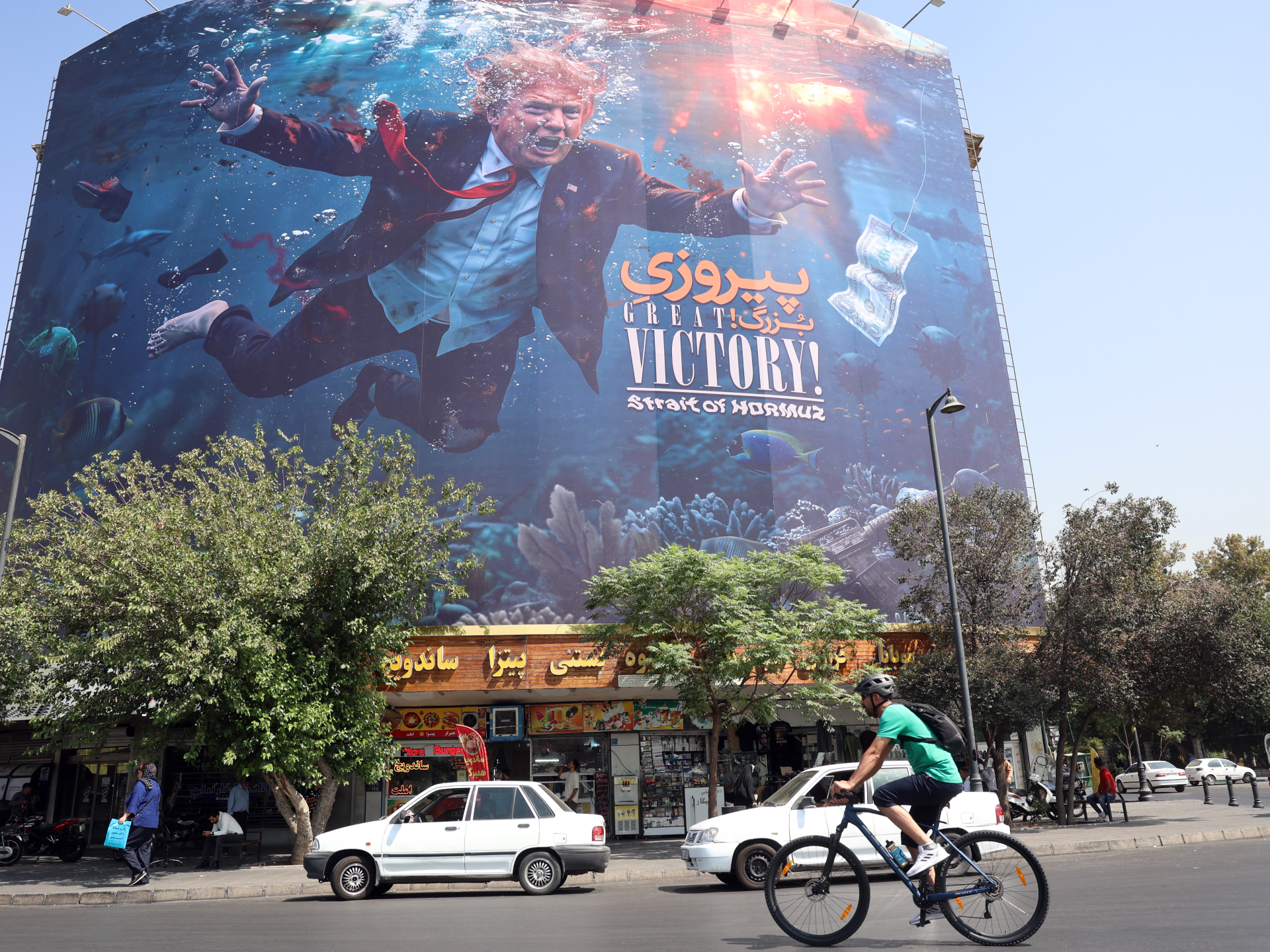
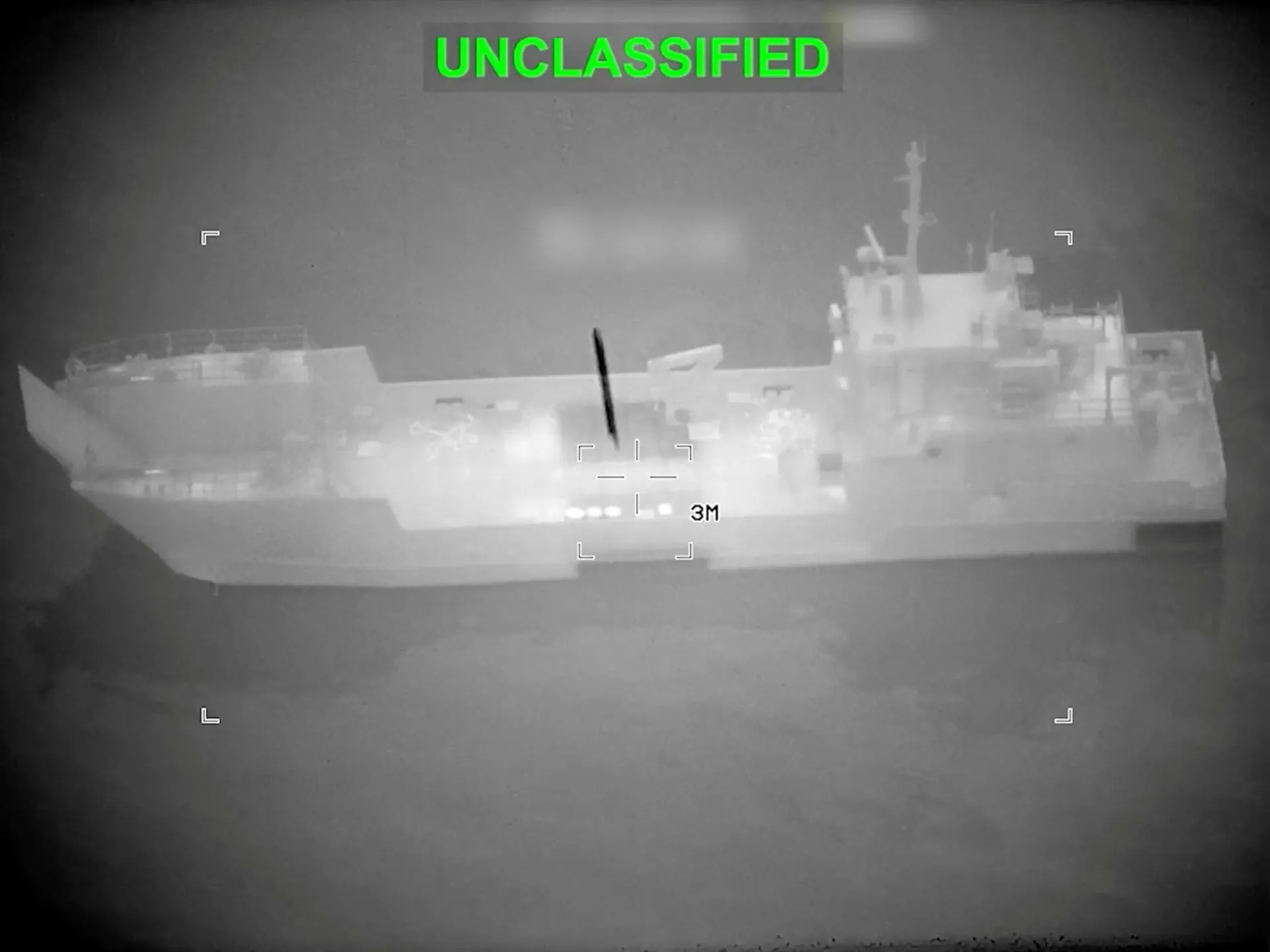
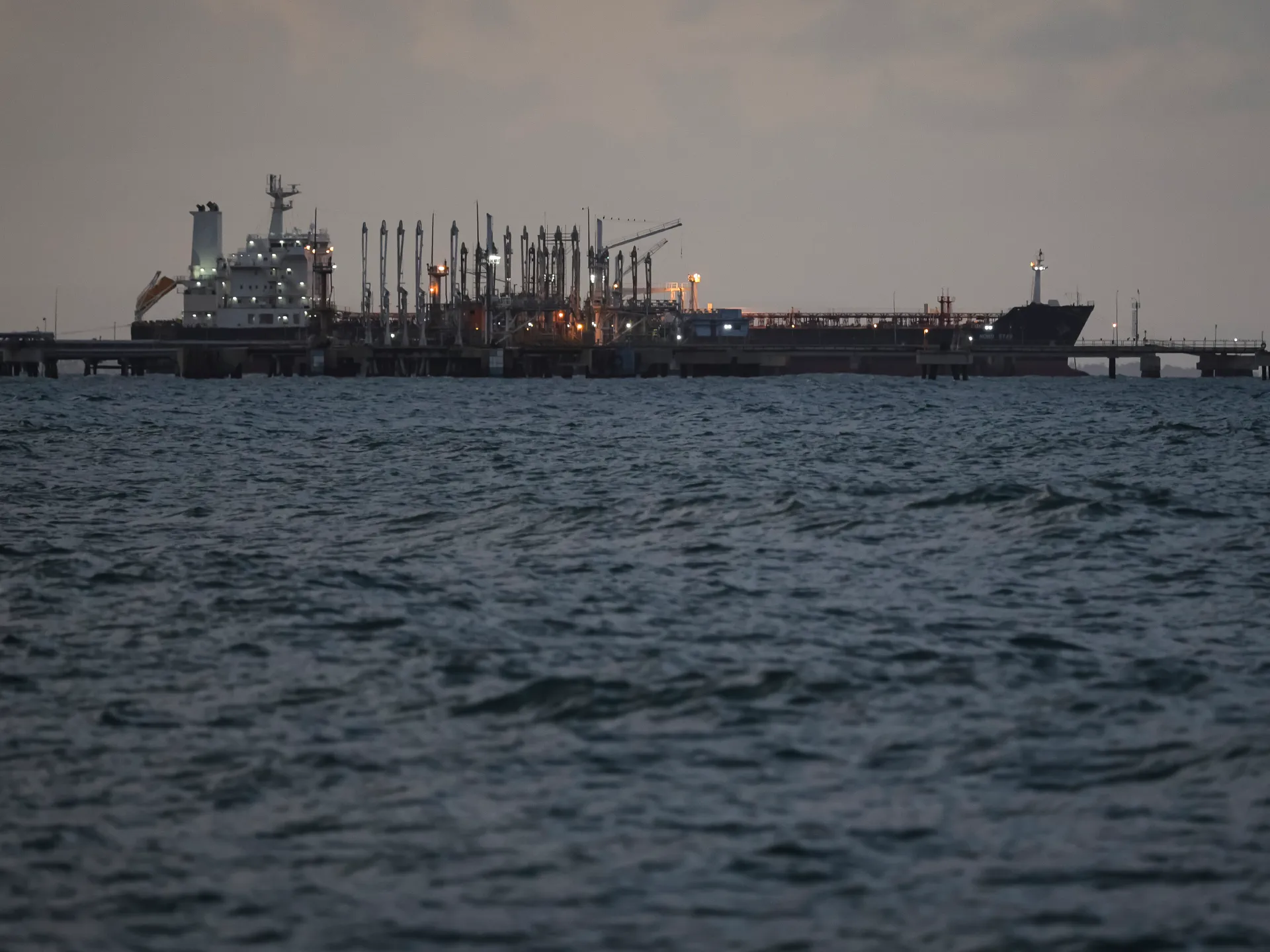
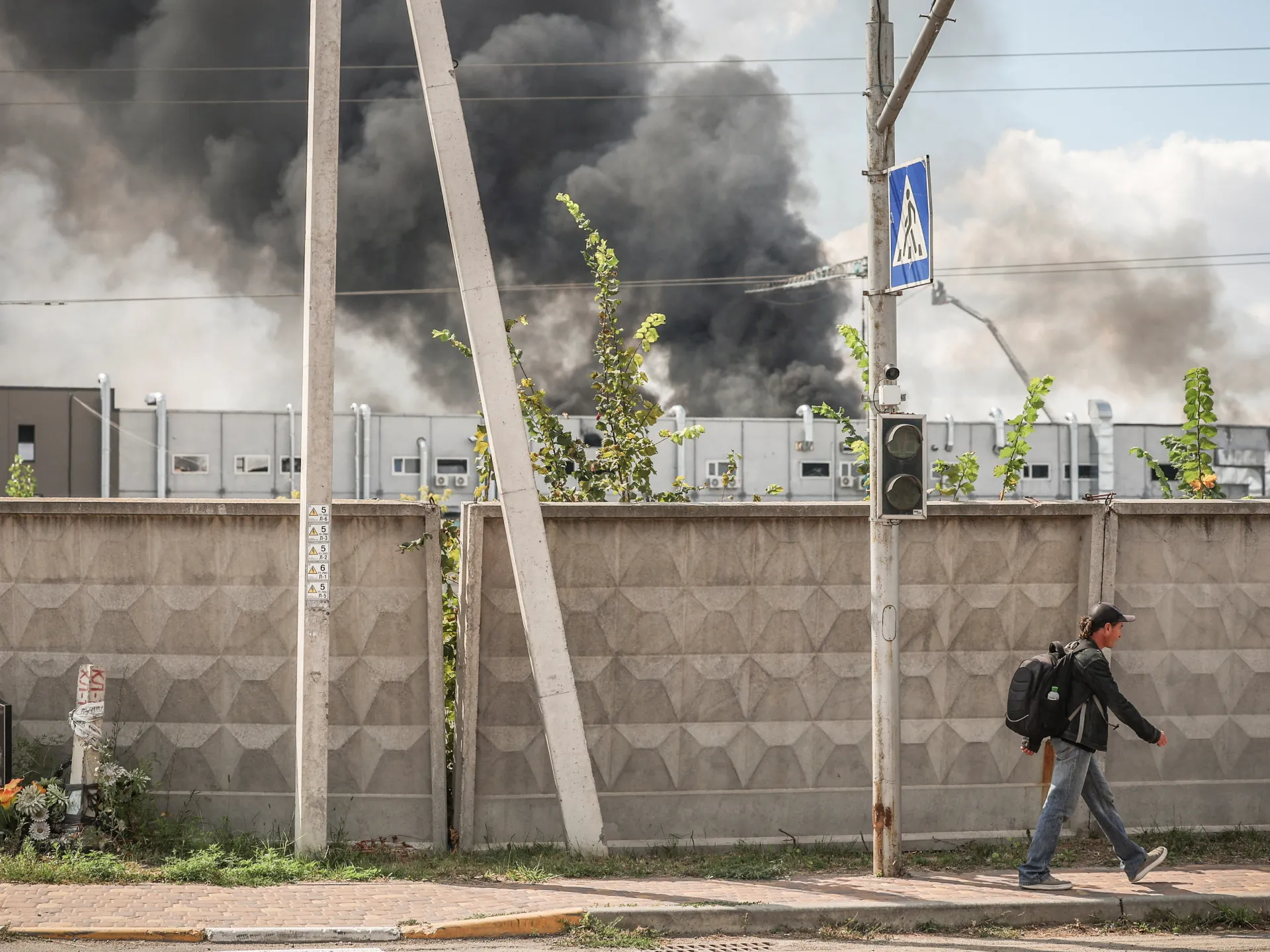
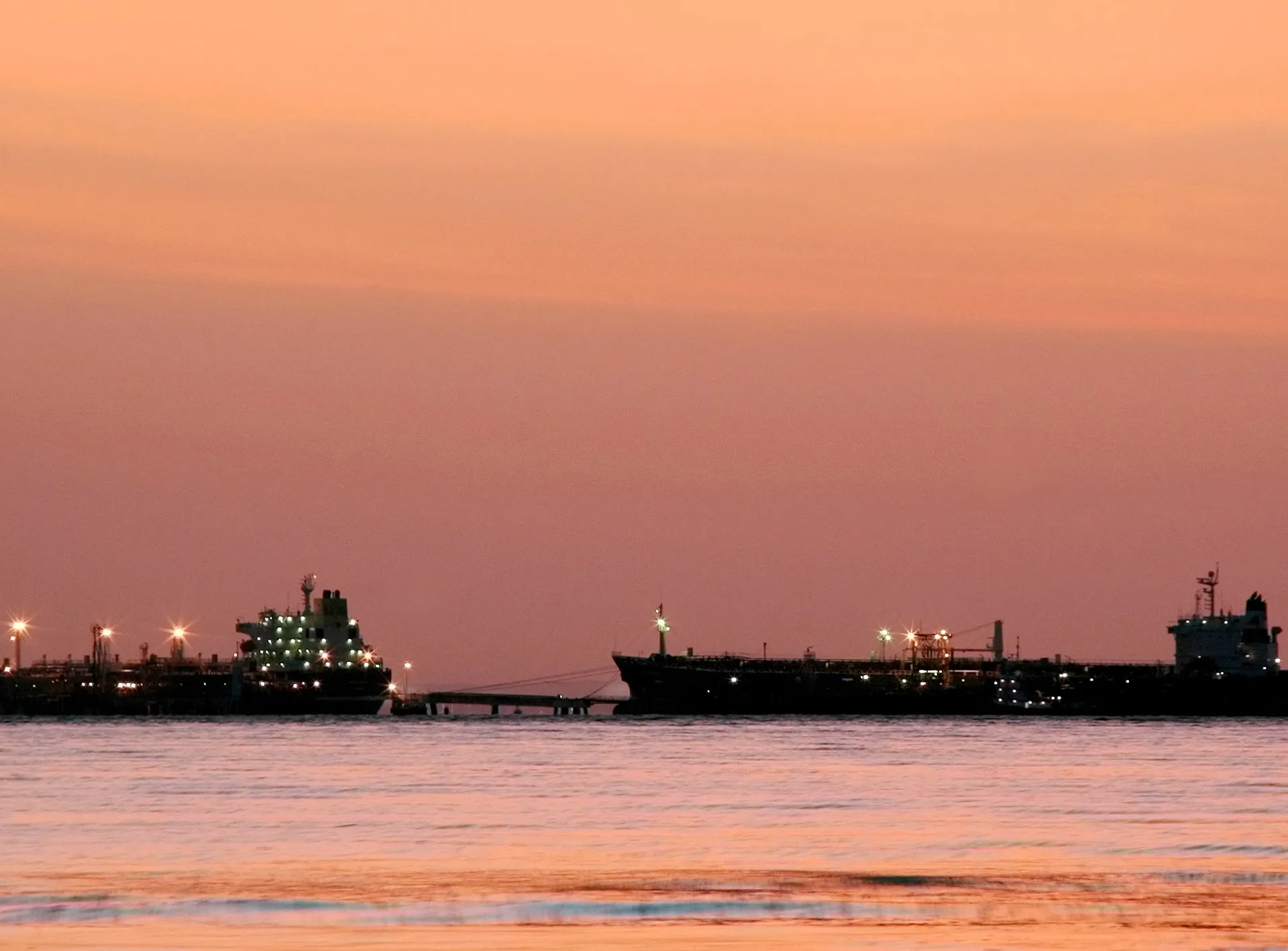
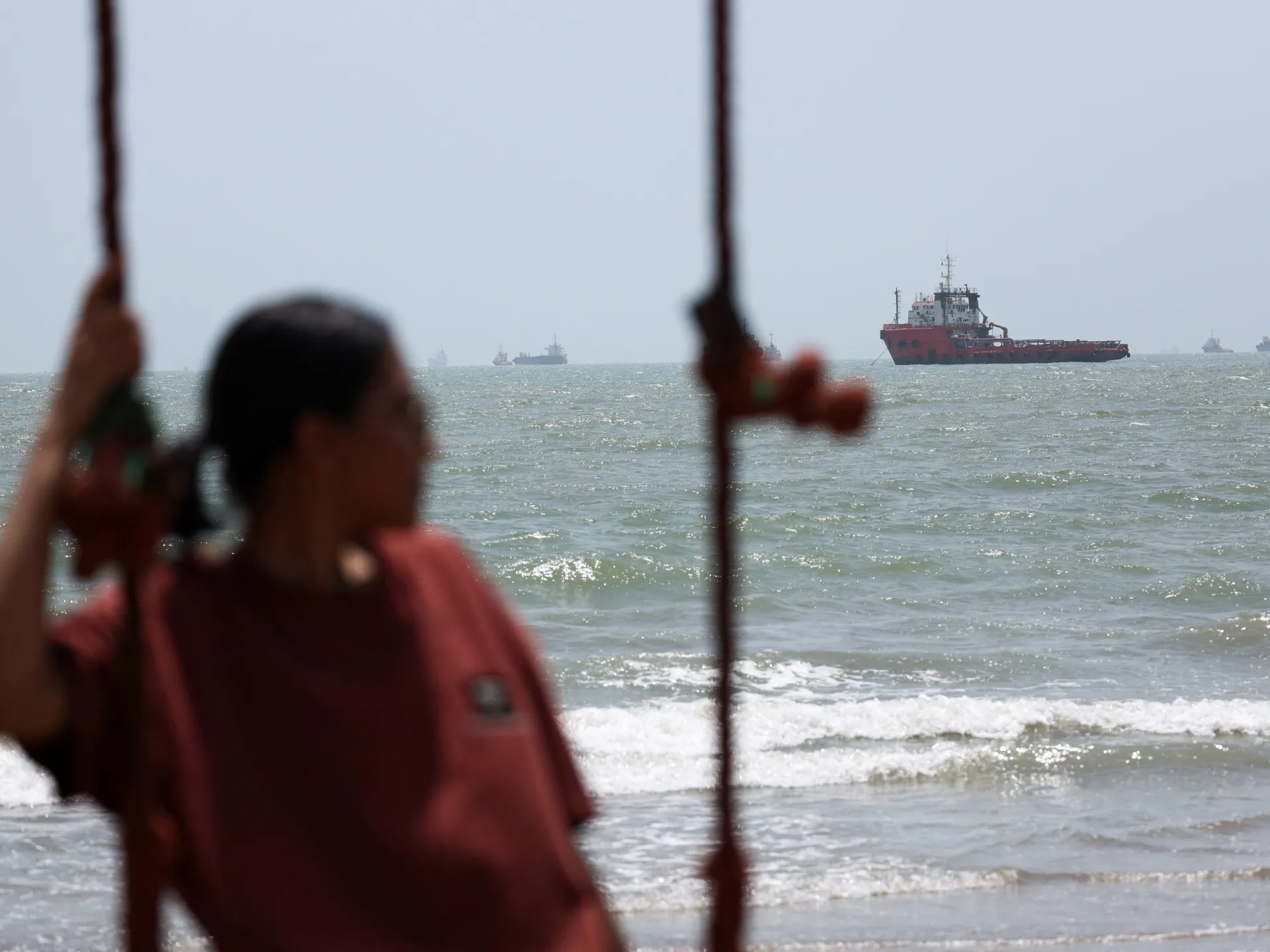
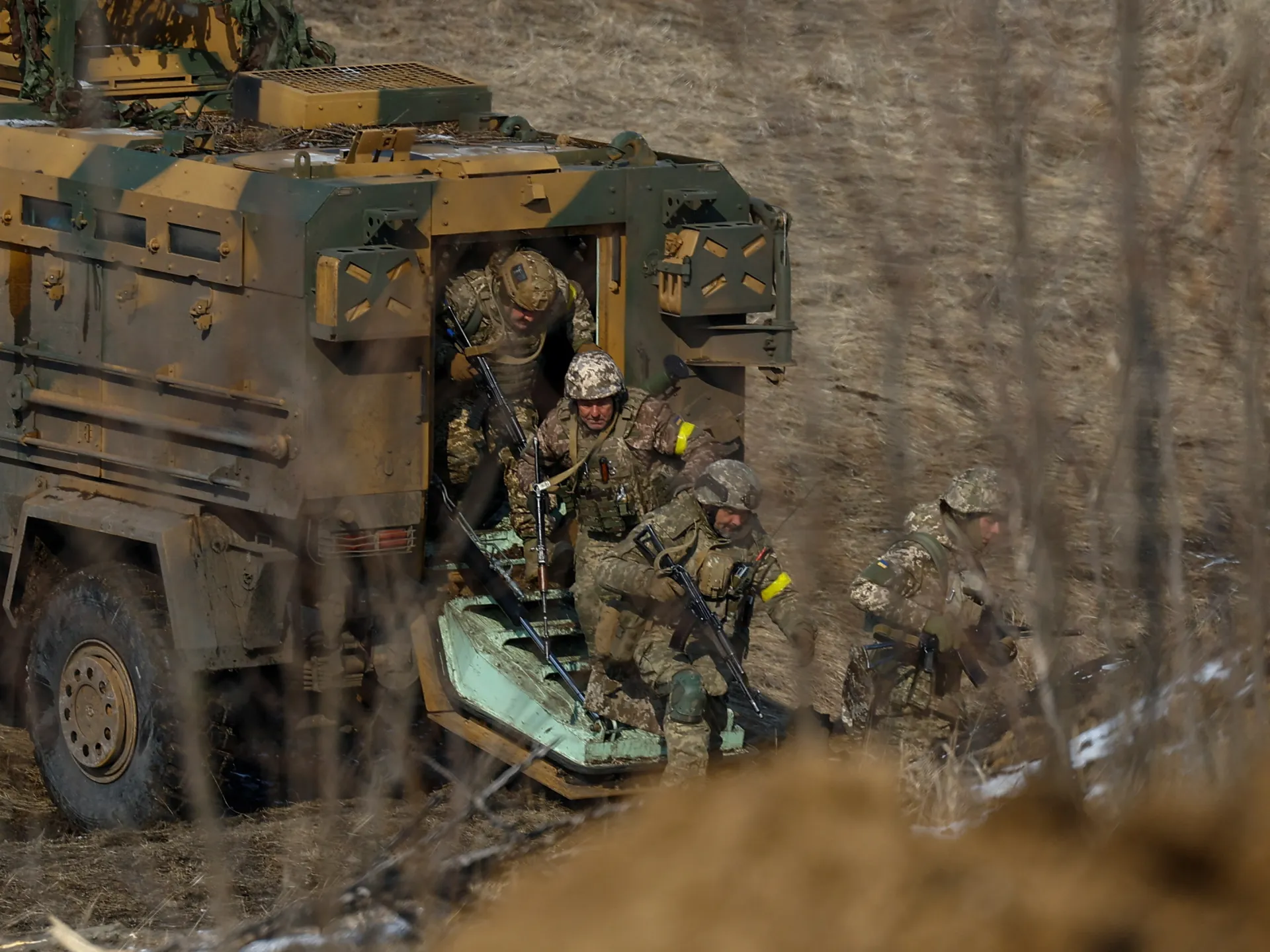
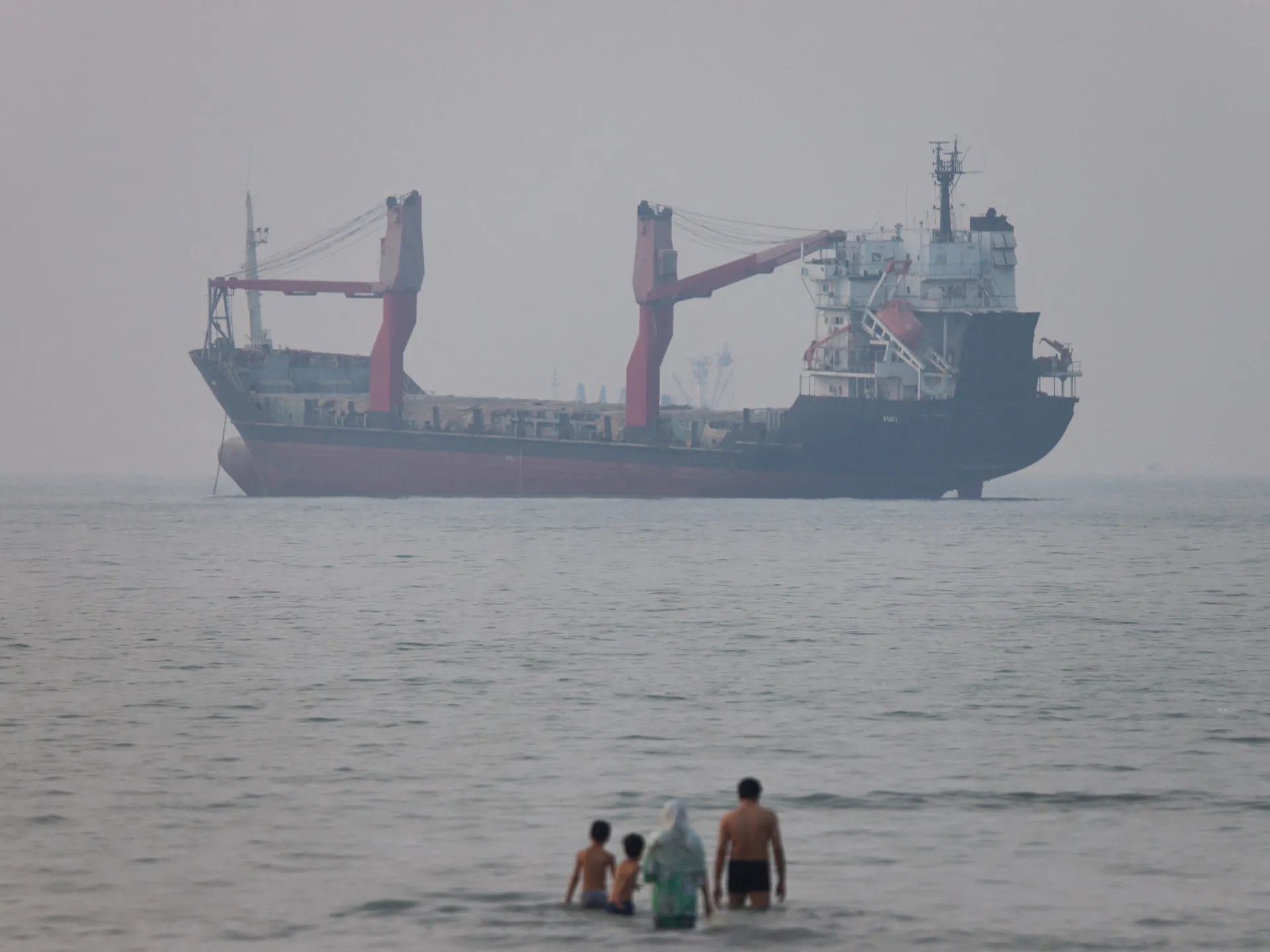
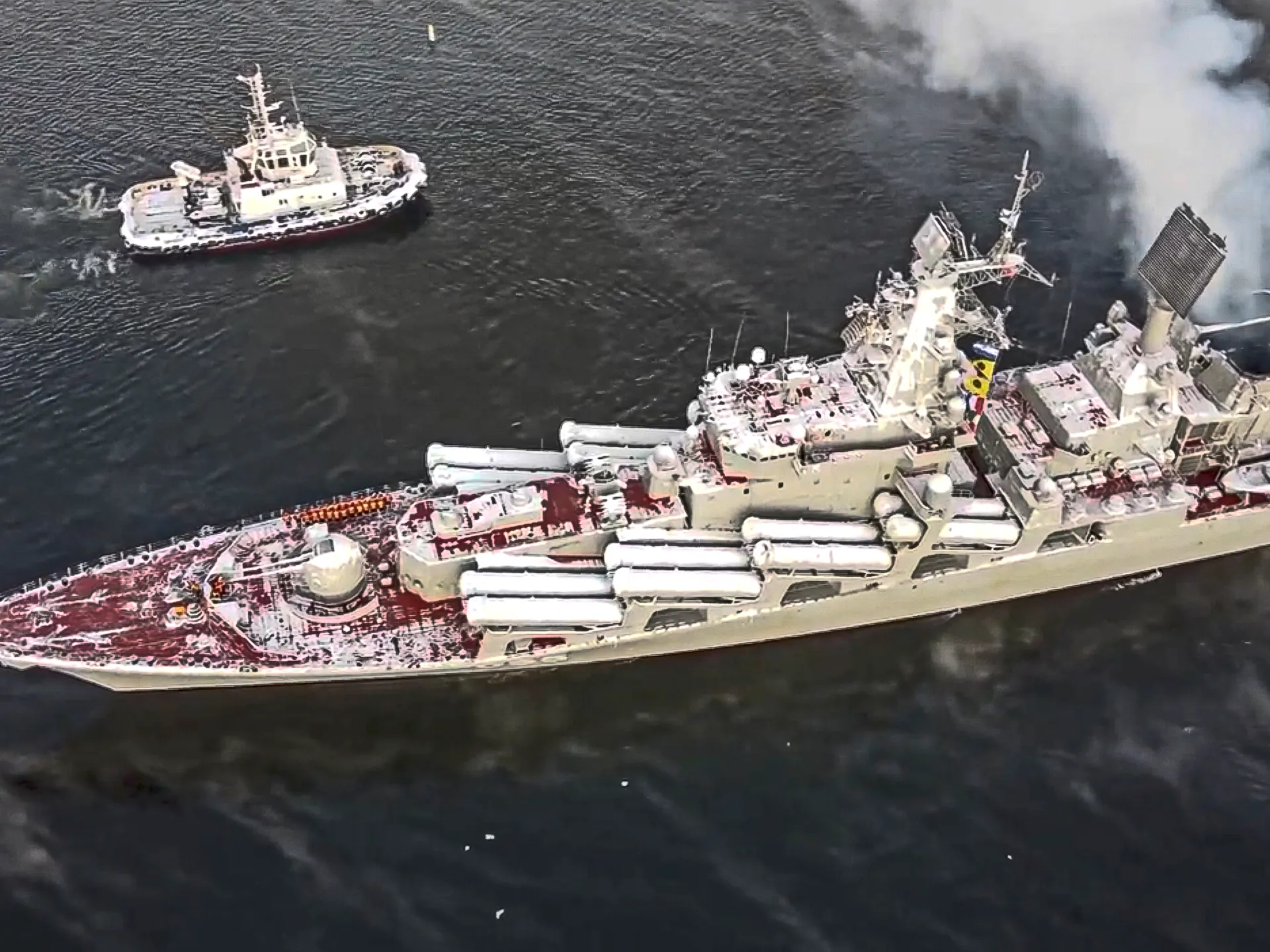
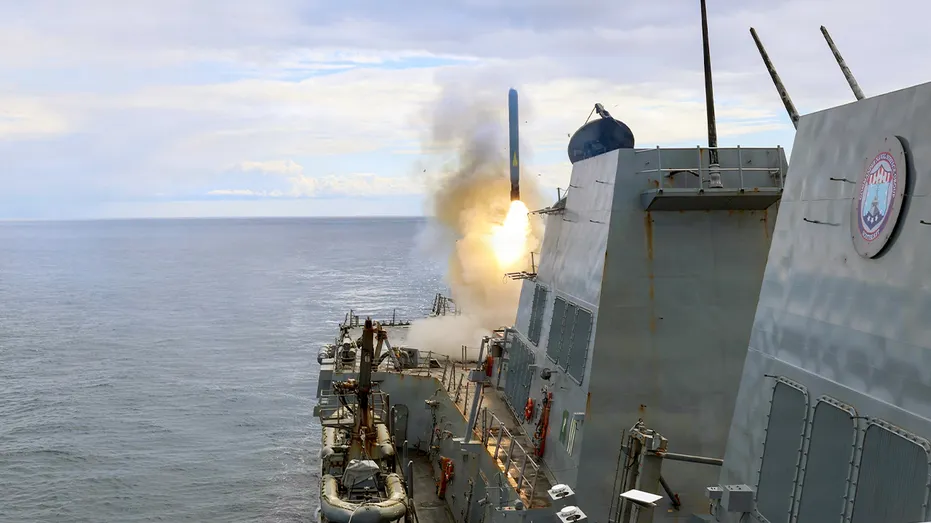
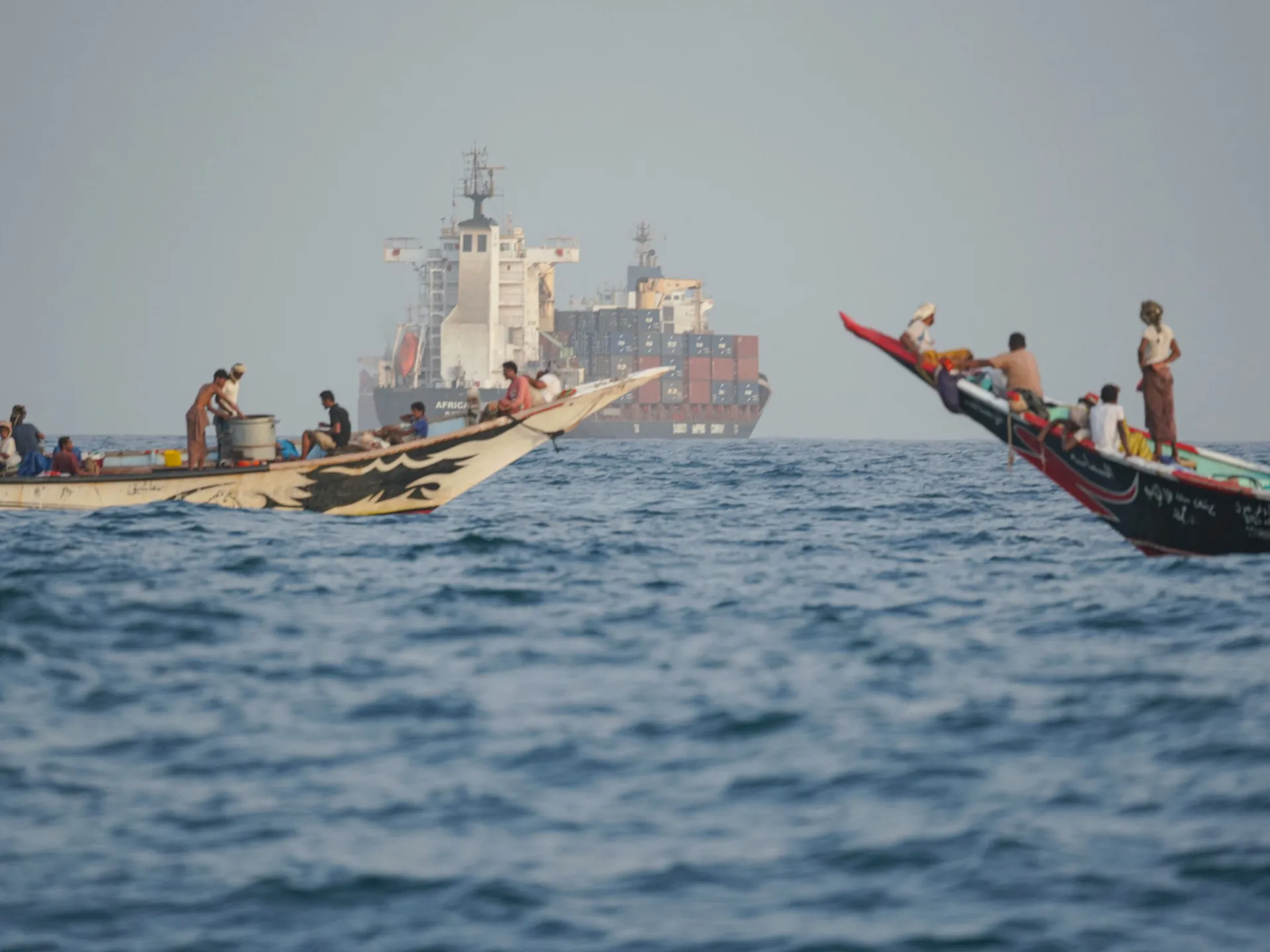
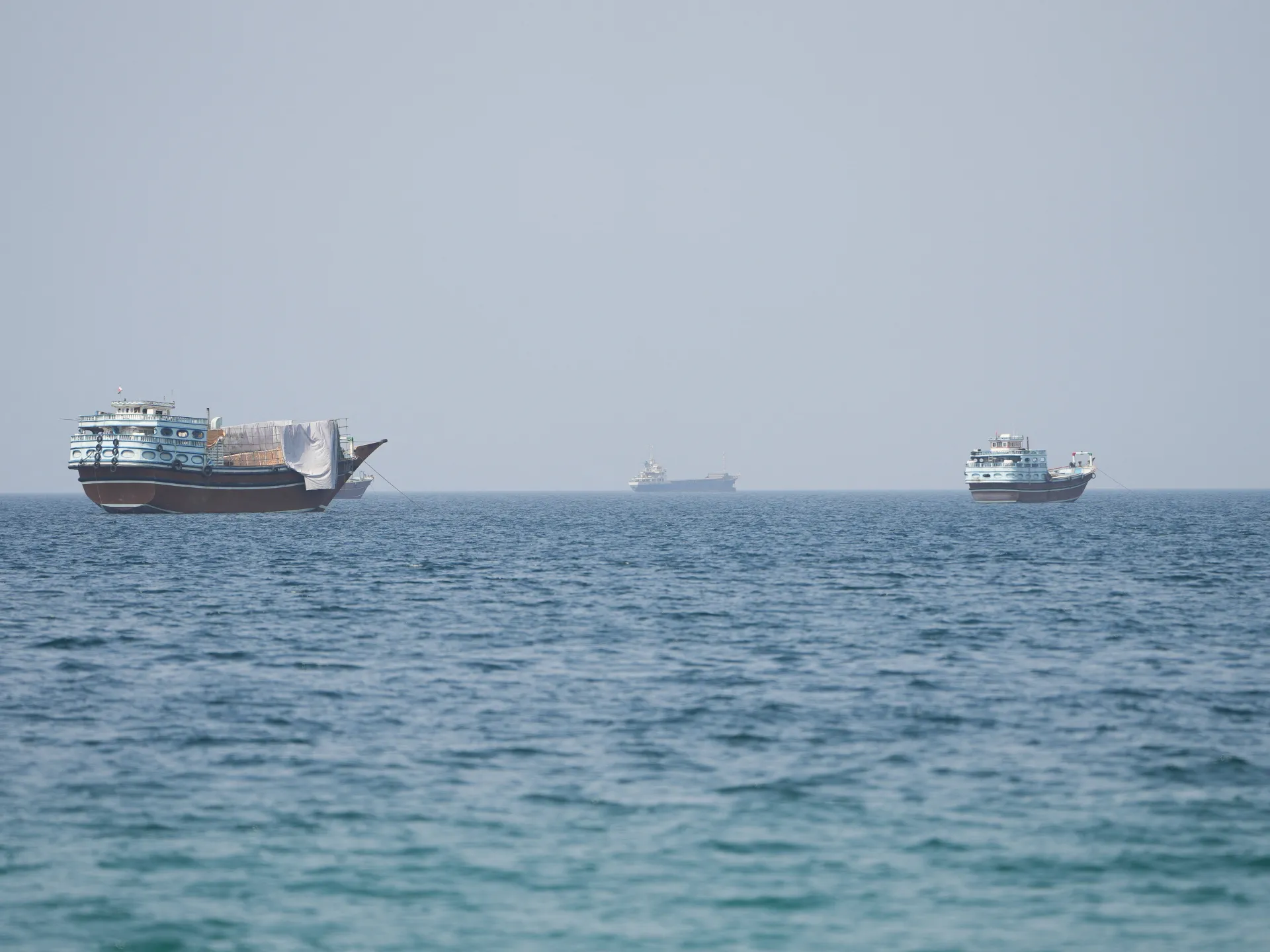
The protracted conflict between the United States and Iran has reached a volatile new phase as hostilities intensified late this weekend. Following a period of relative calm that began in July, military engagement resumed on Sunday when American forces conducted a targeted strike against Larak Island. The operation was launched in response to intelligence suggesting that Iranian forces were preparing to deploy naval mines intended to disrupt transit through the critical Strait of Hormuz.
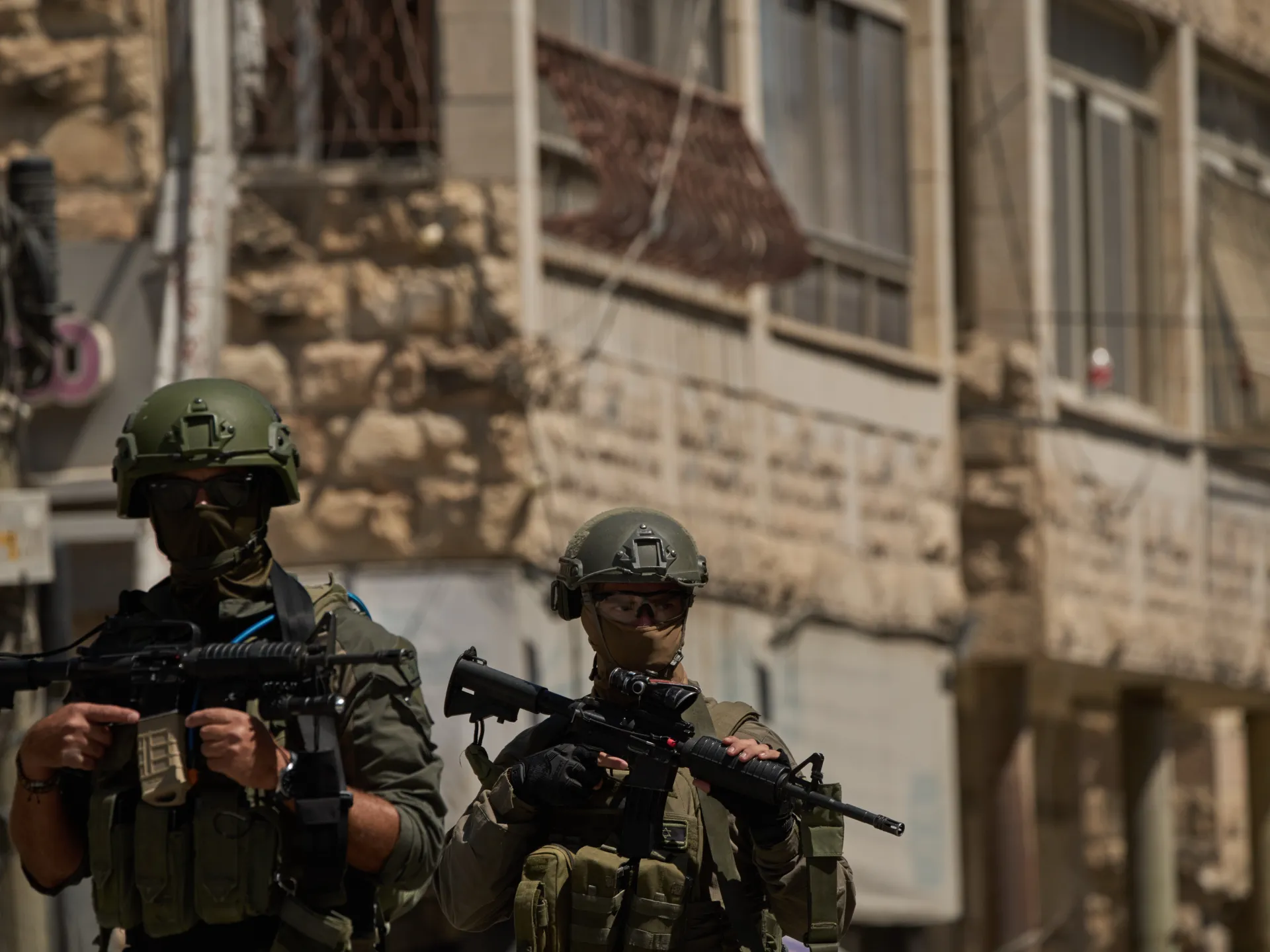
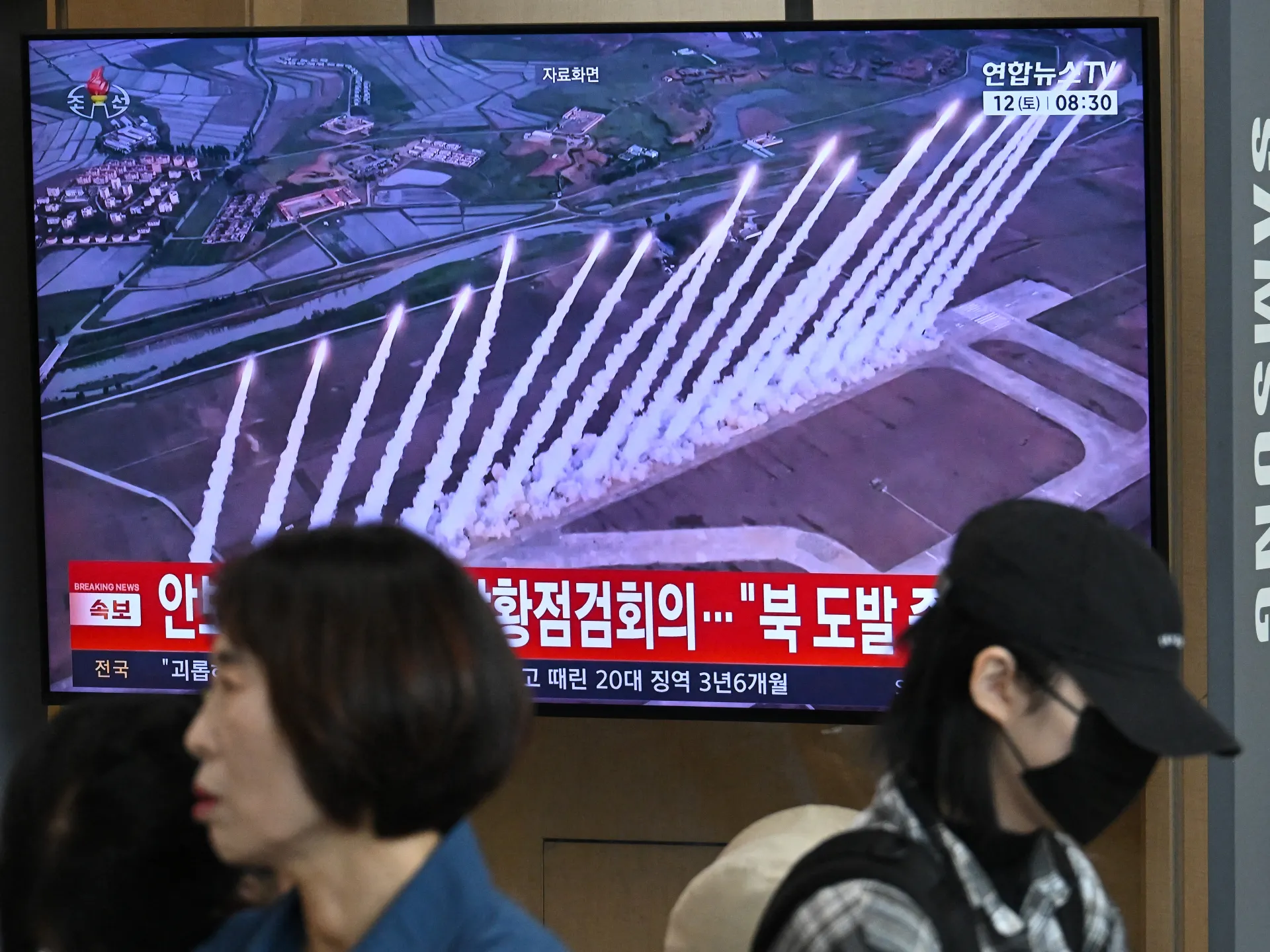
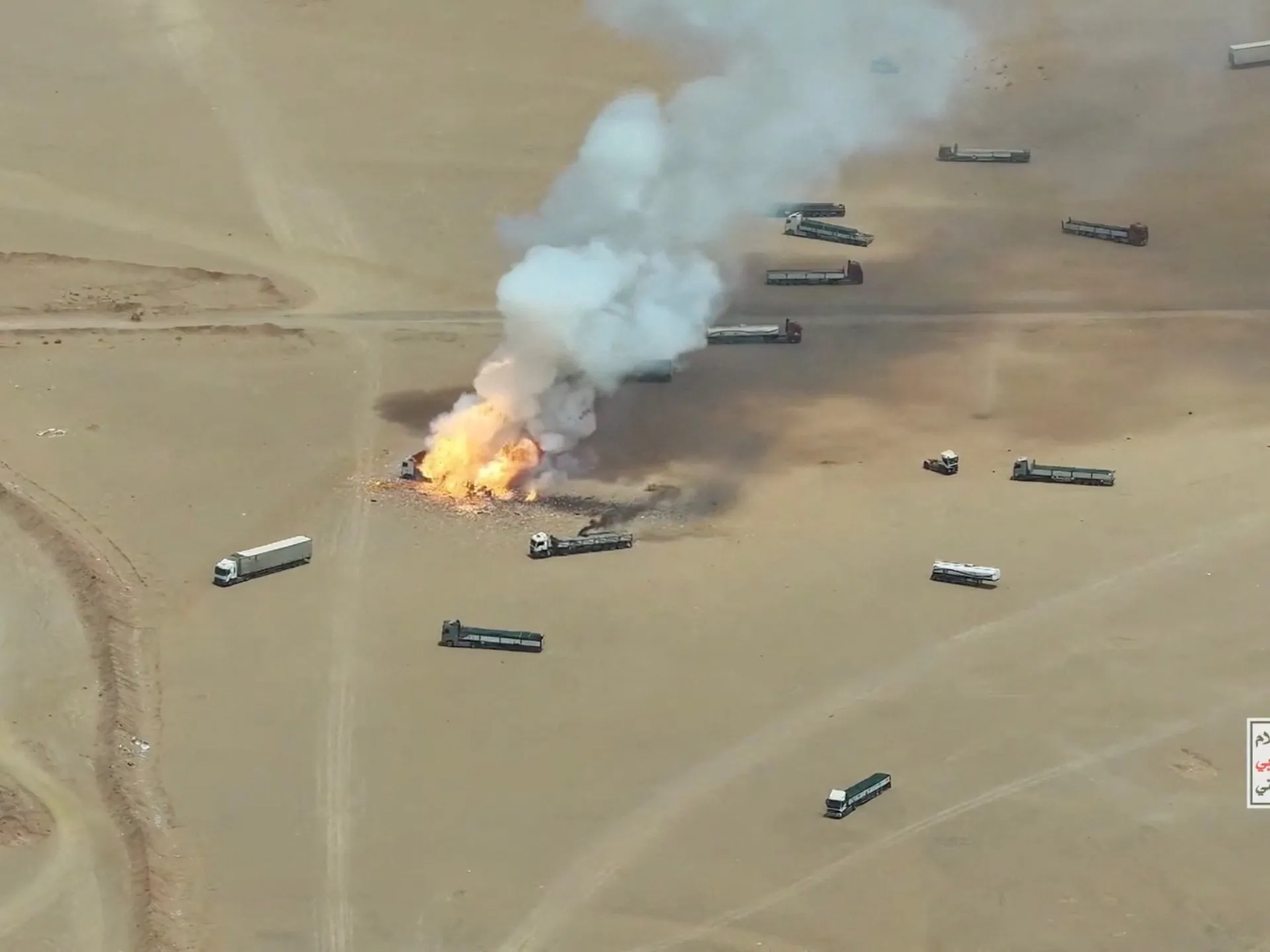
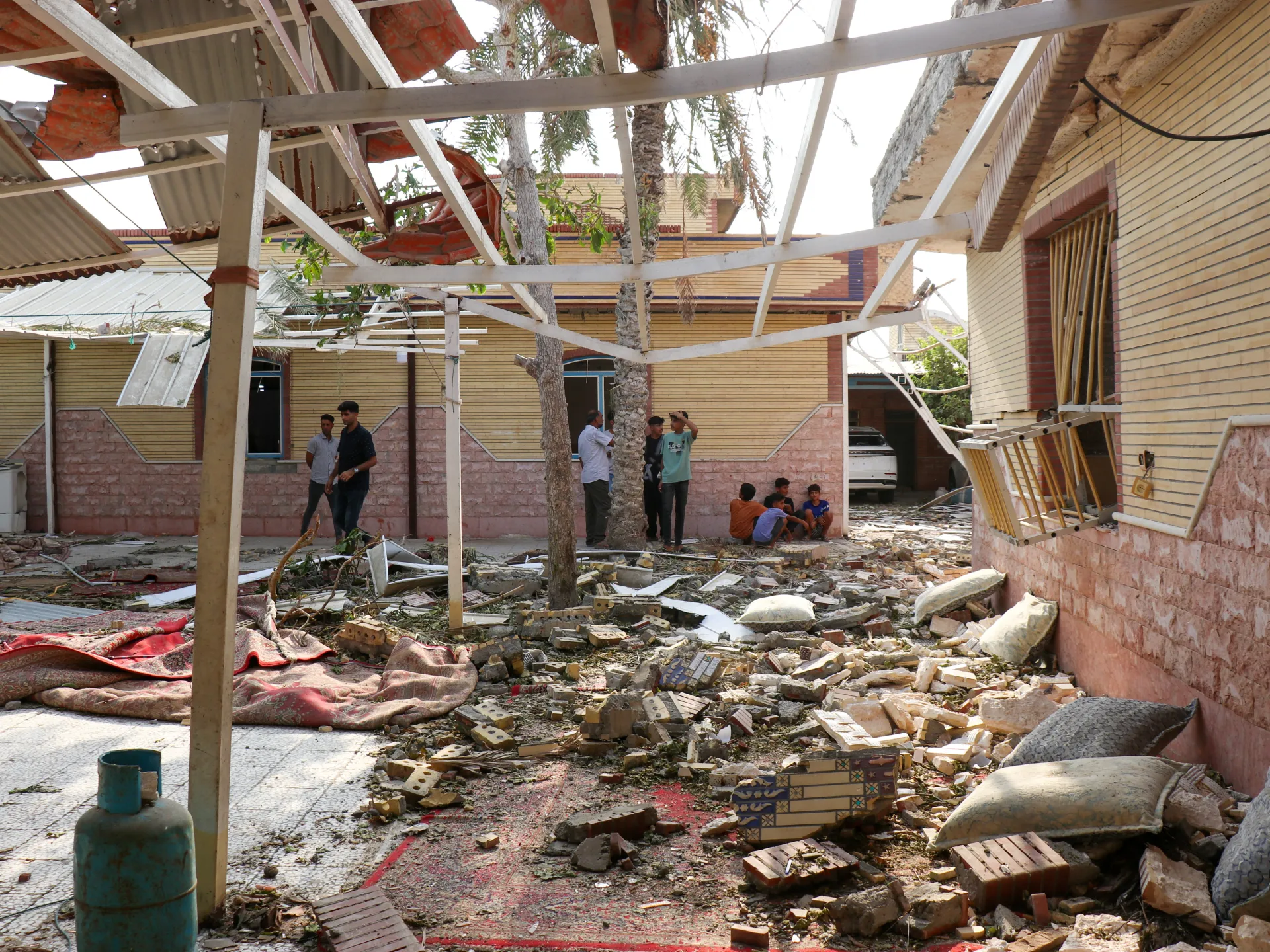
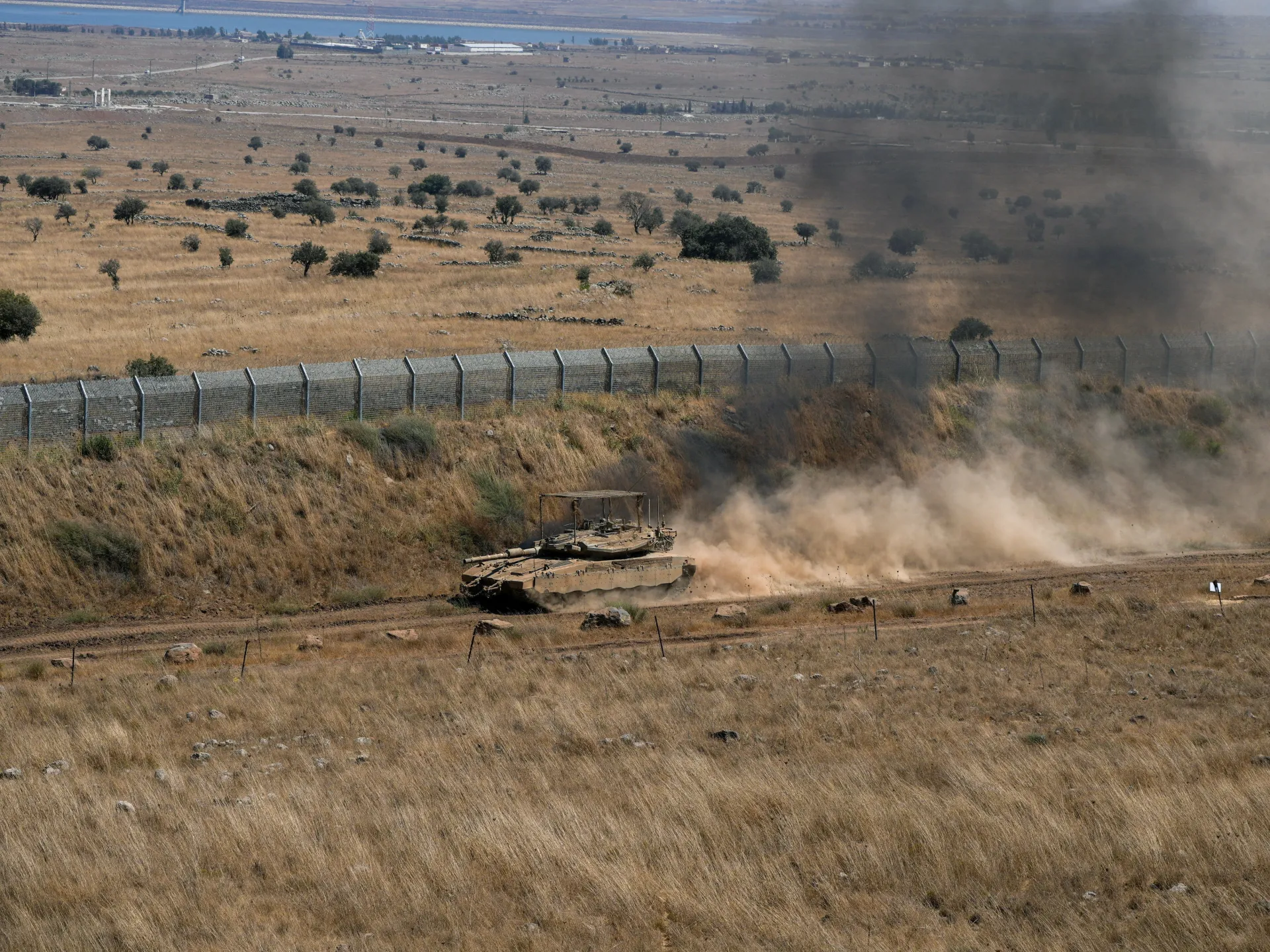
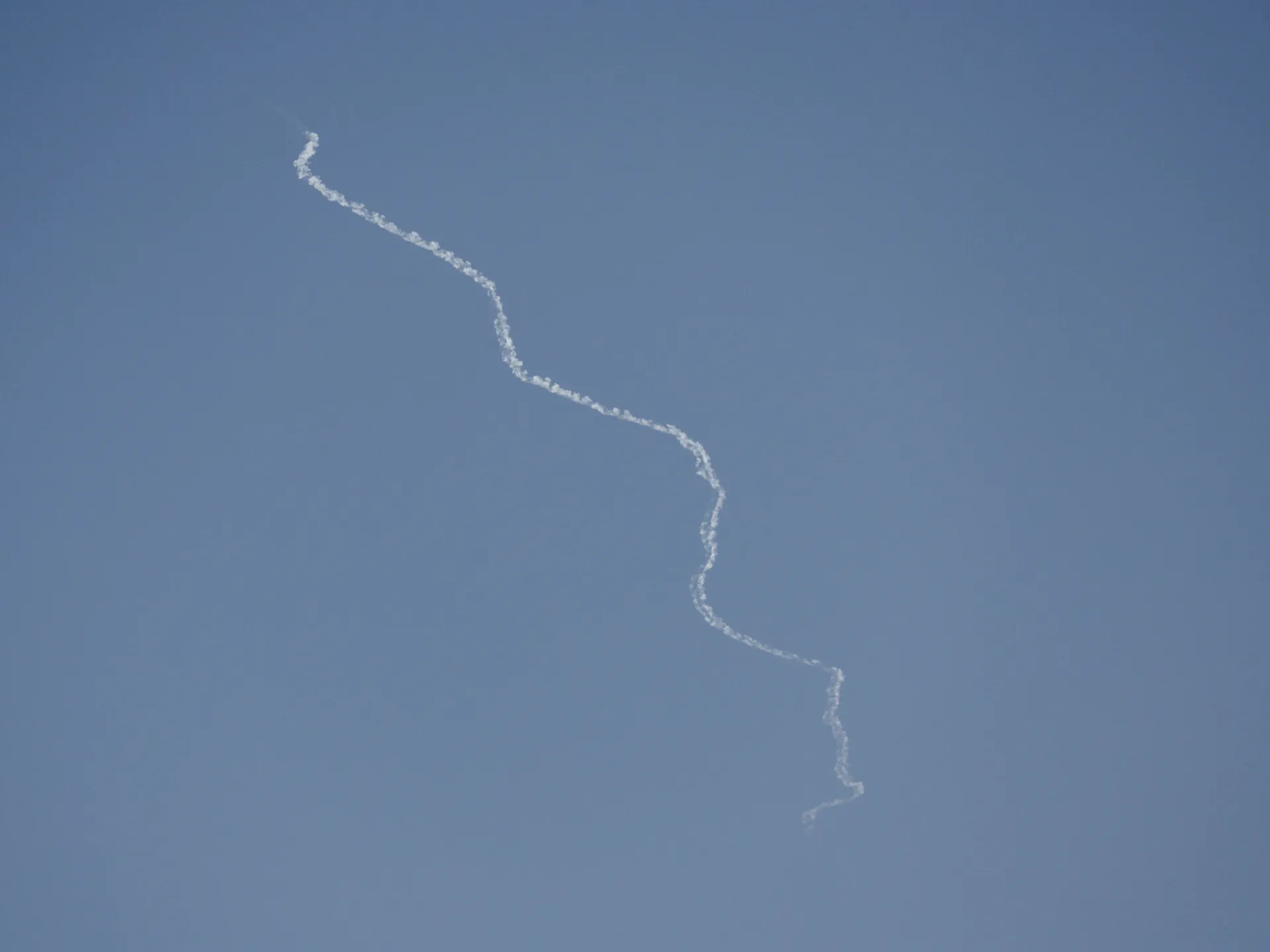
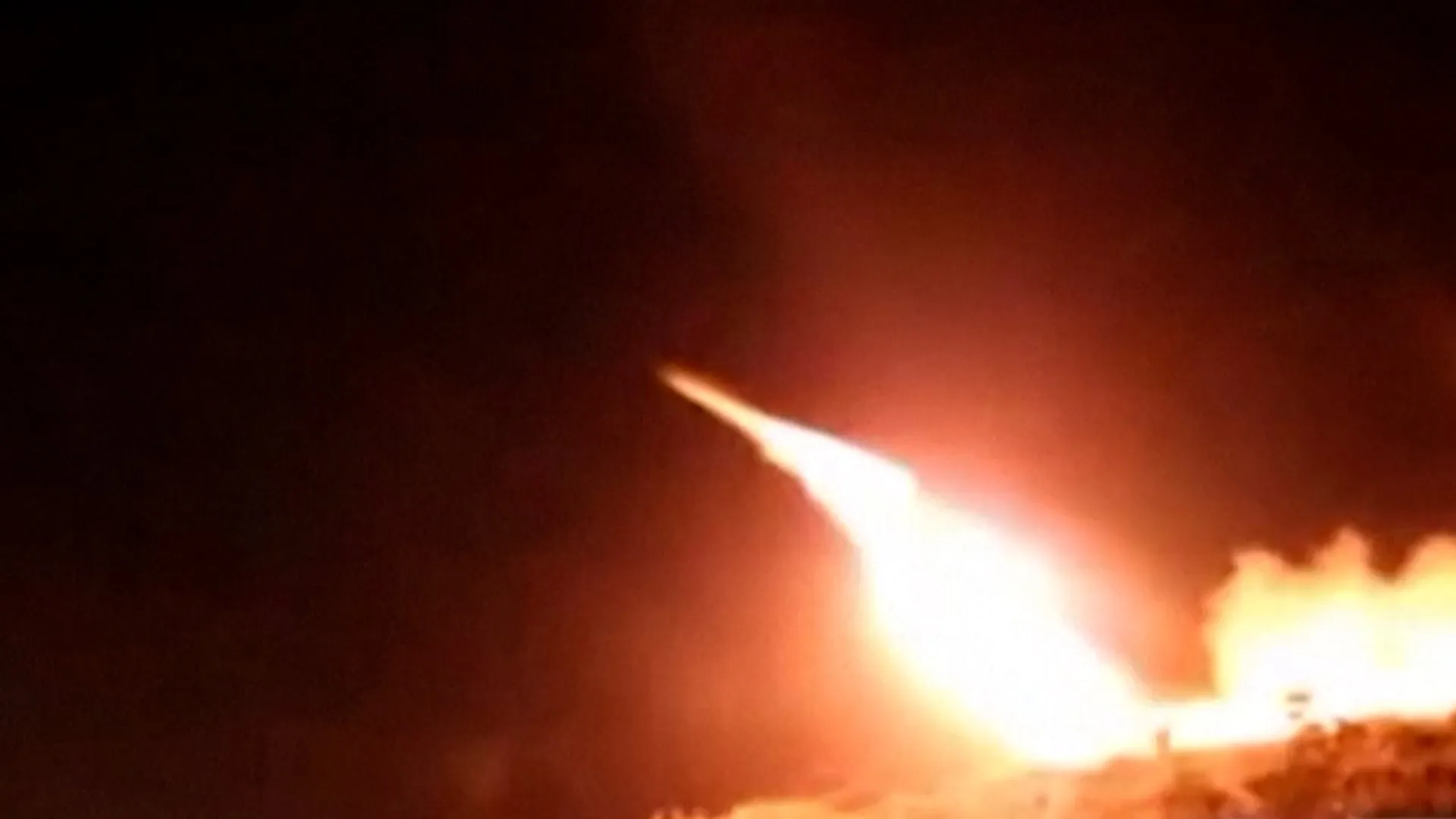
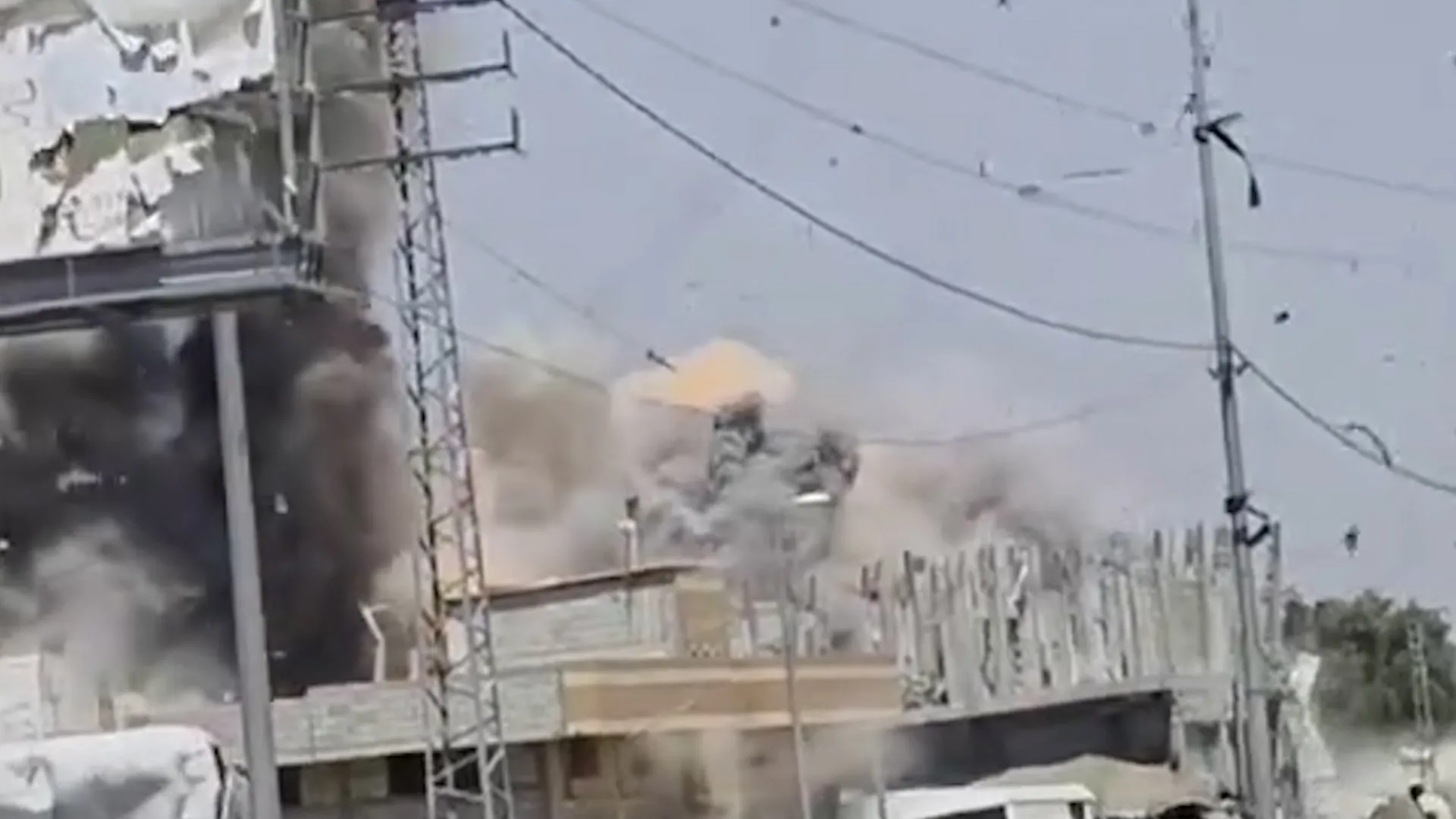
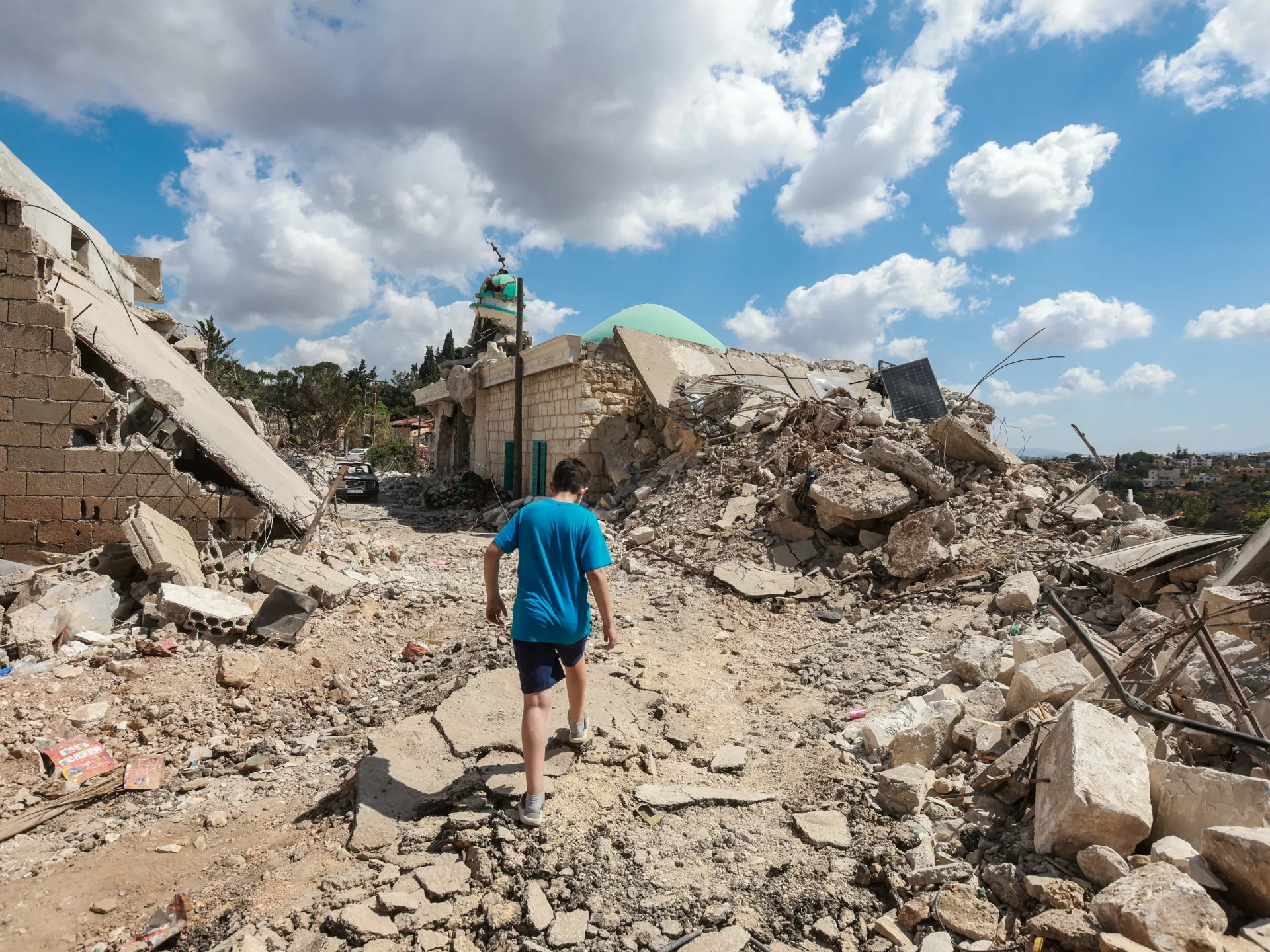
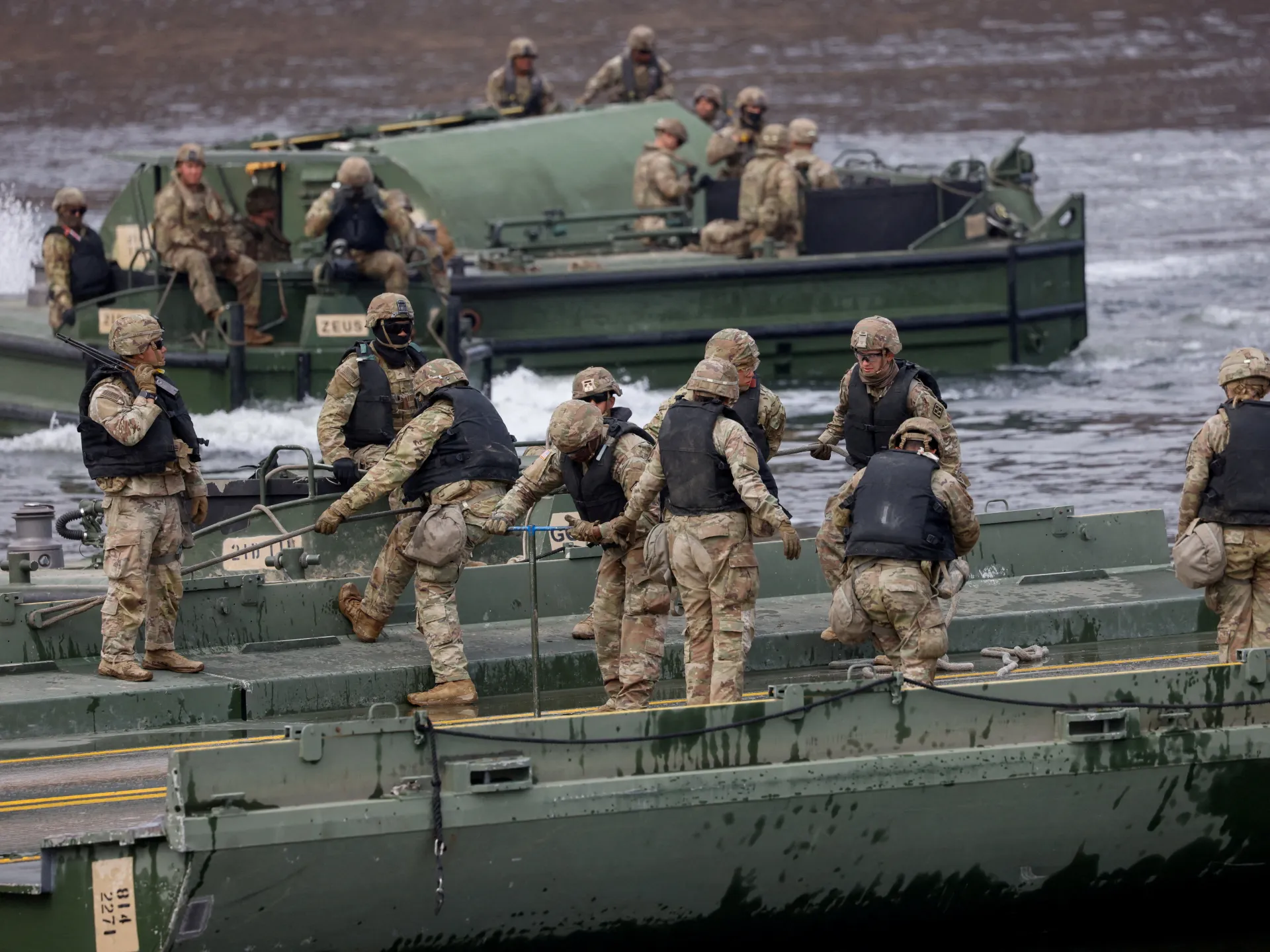
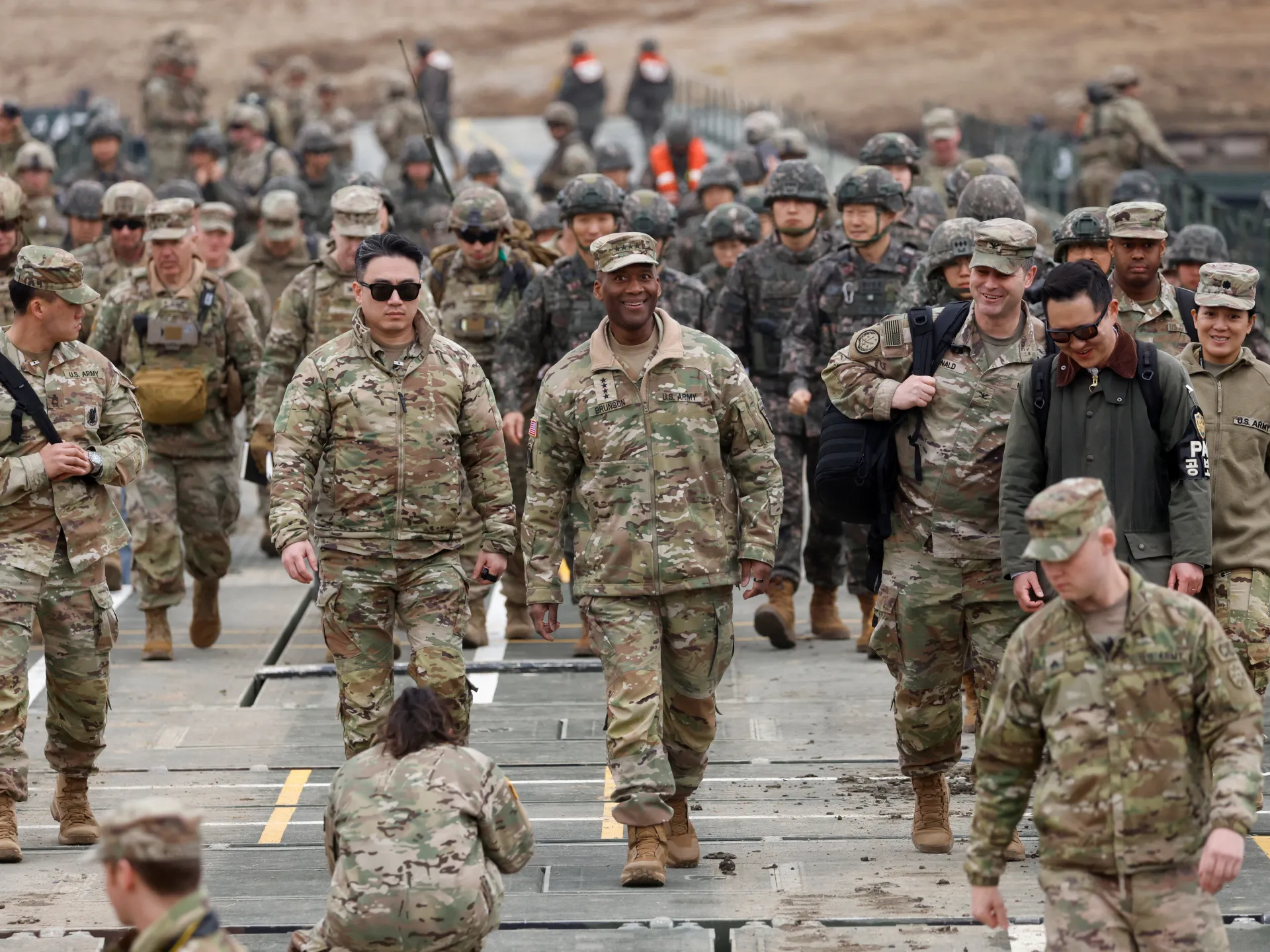
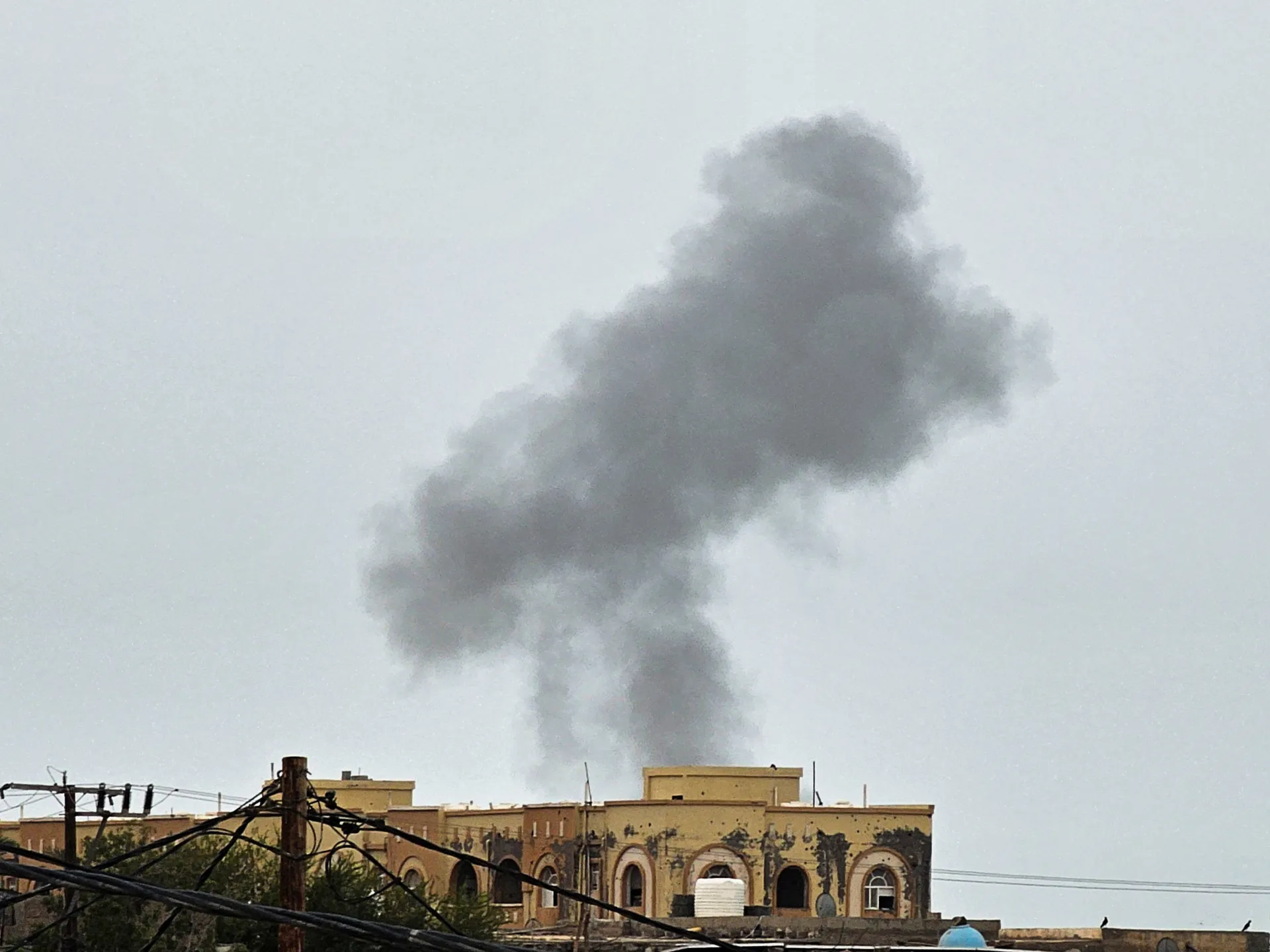
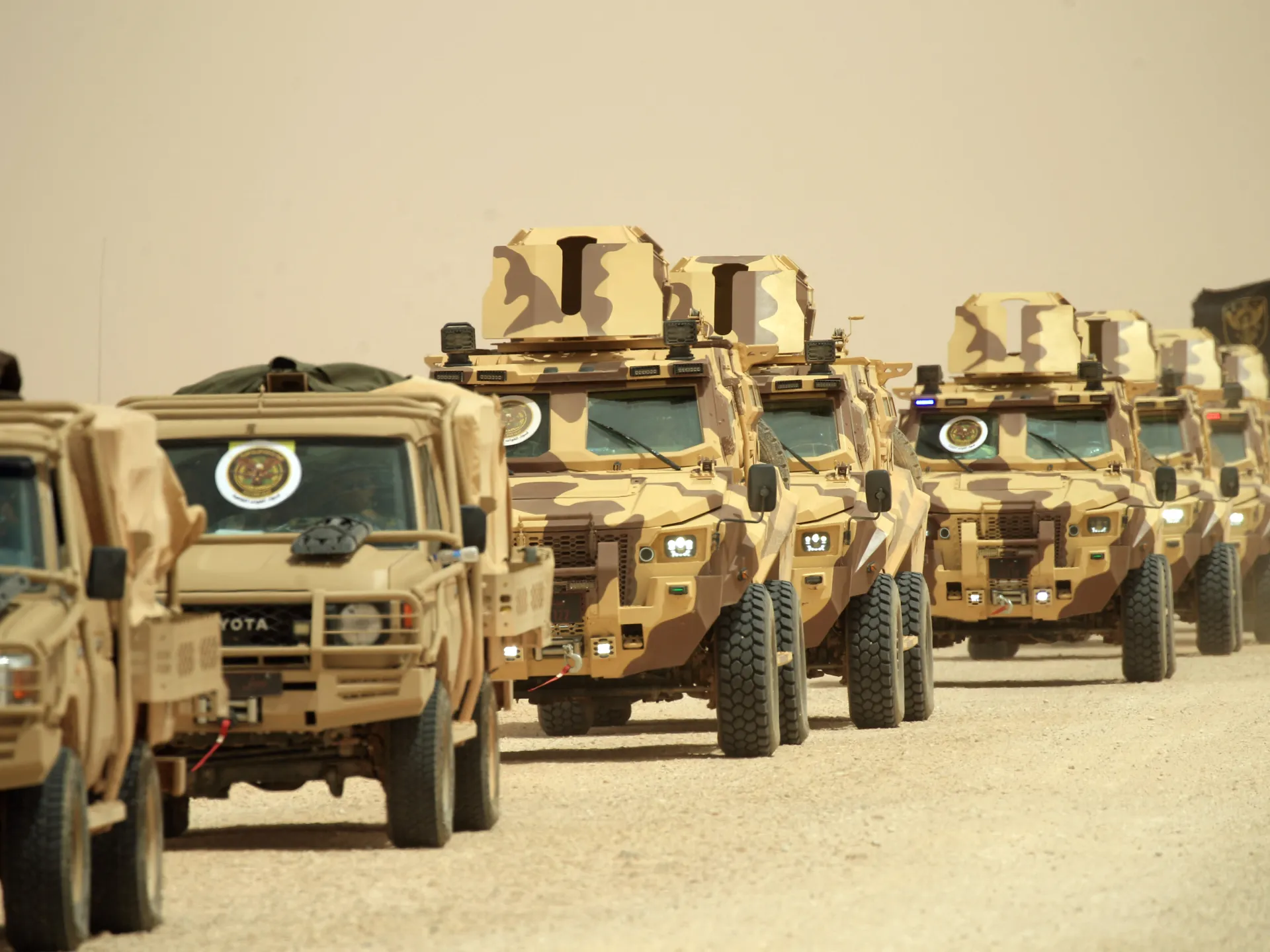
In a direct counter-maneuver, Iran launched a missile strike against a military installation in Jordan that hosts American personnel. This development marks a significant escalation, demonstrating that despite previous claims of shifting toward economic pressure, the military landscape remains highly unstable. The Biden-era transition to sanctions and diplomatic containment appears to have been bypassed
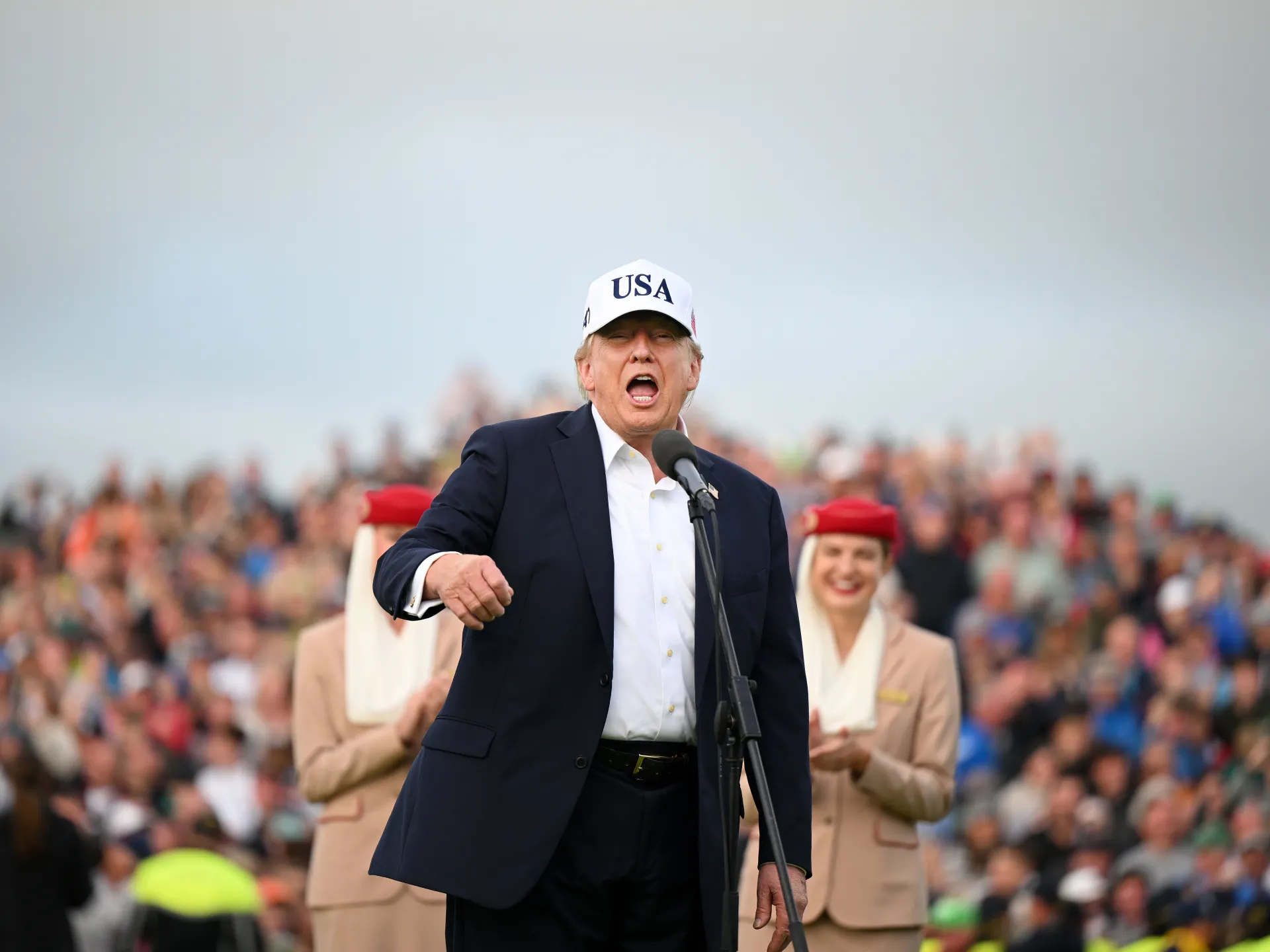
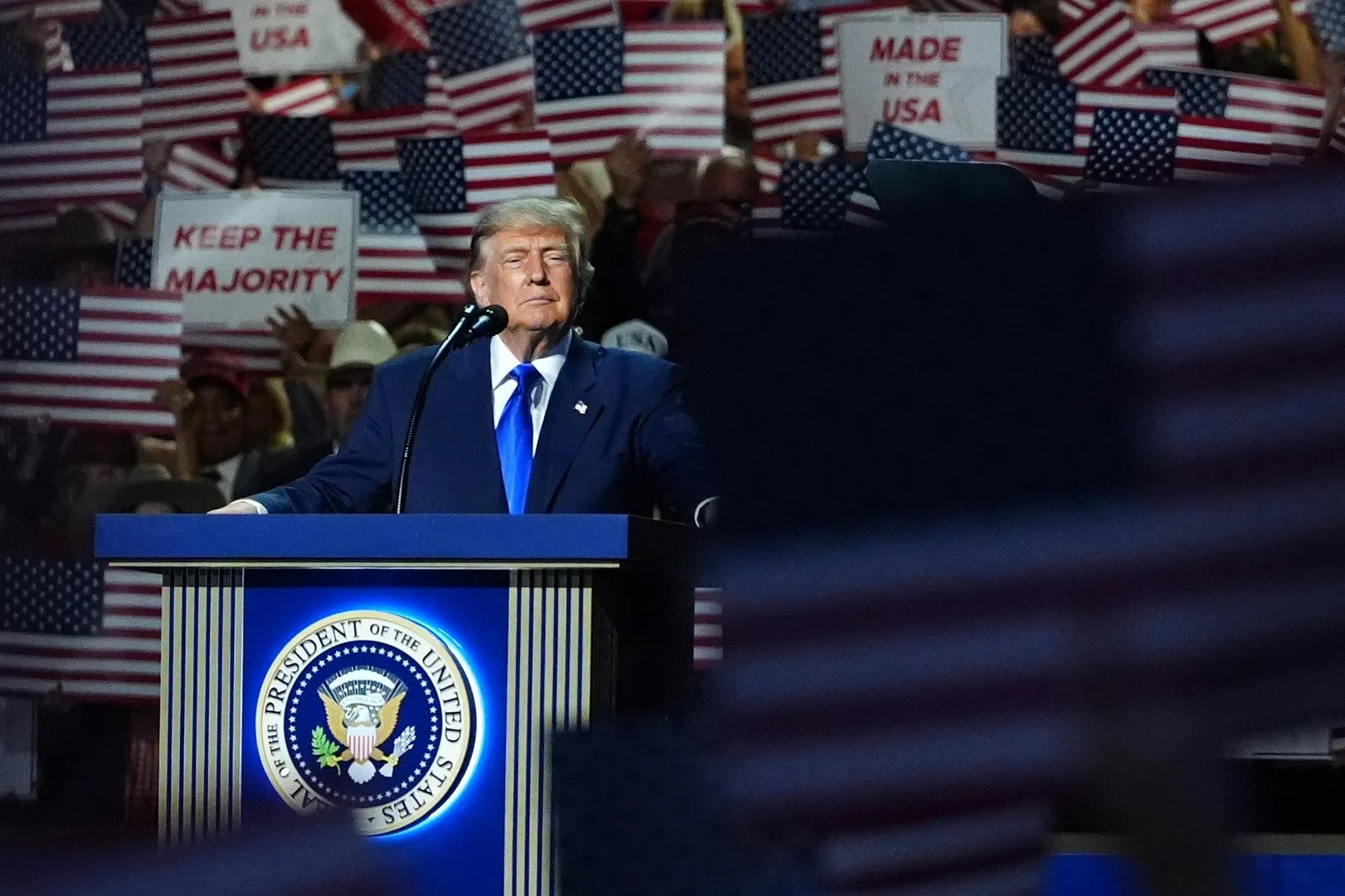
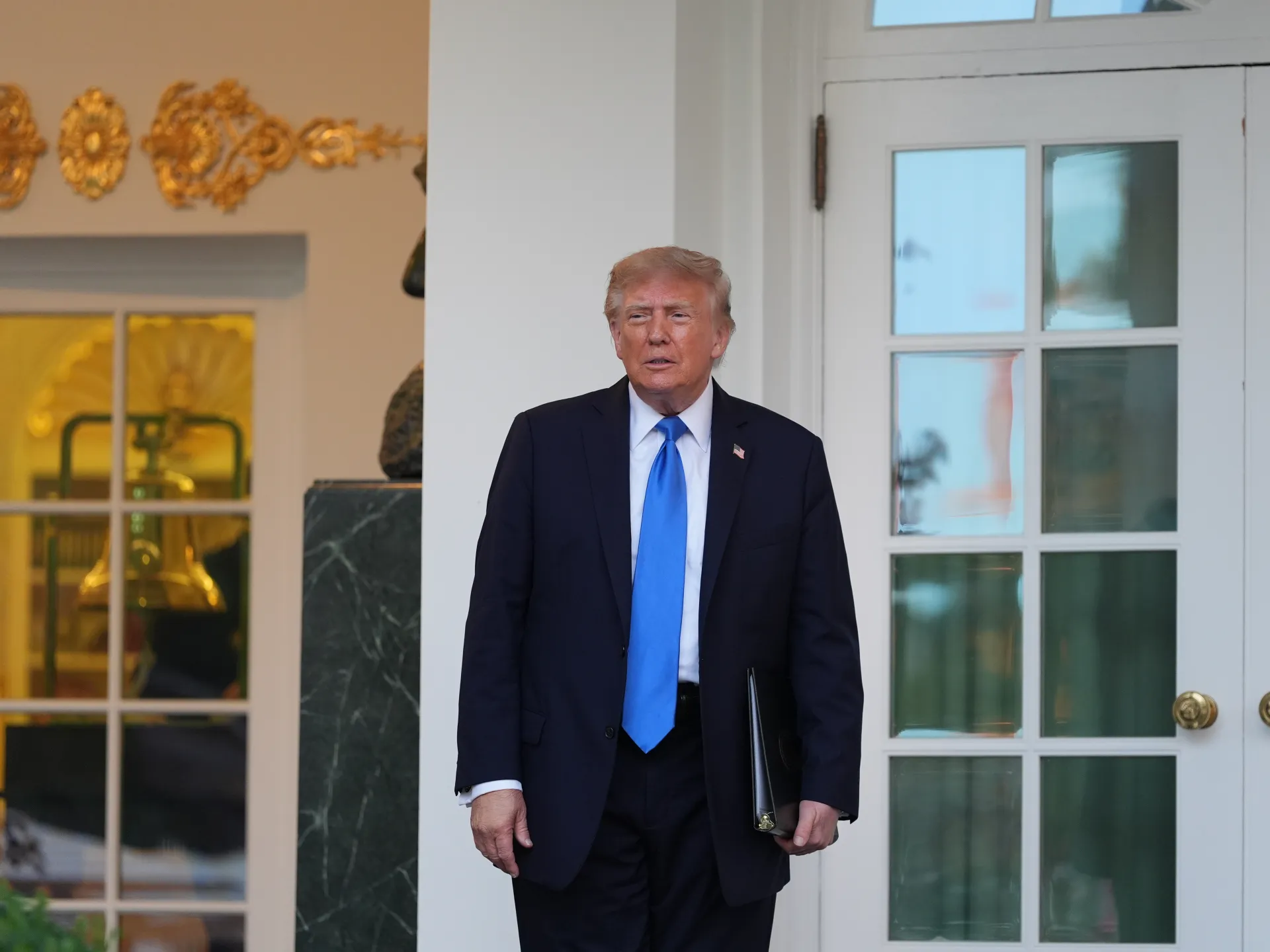
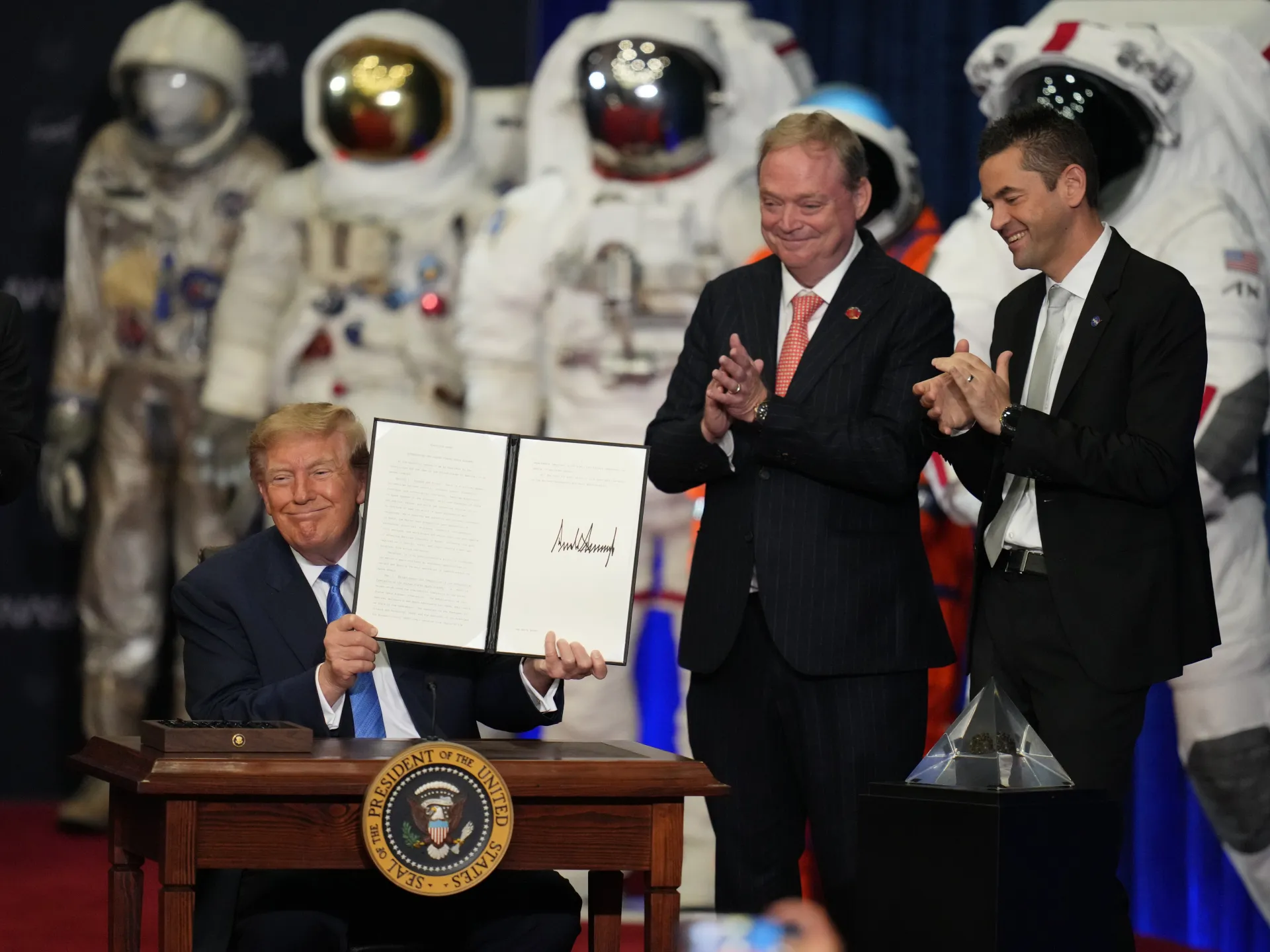
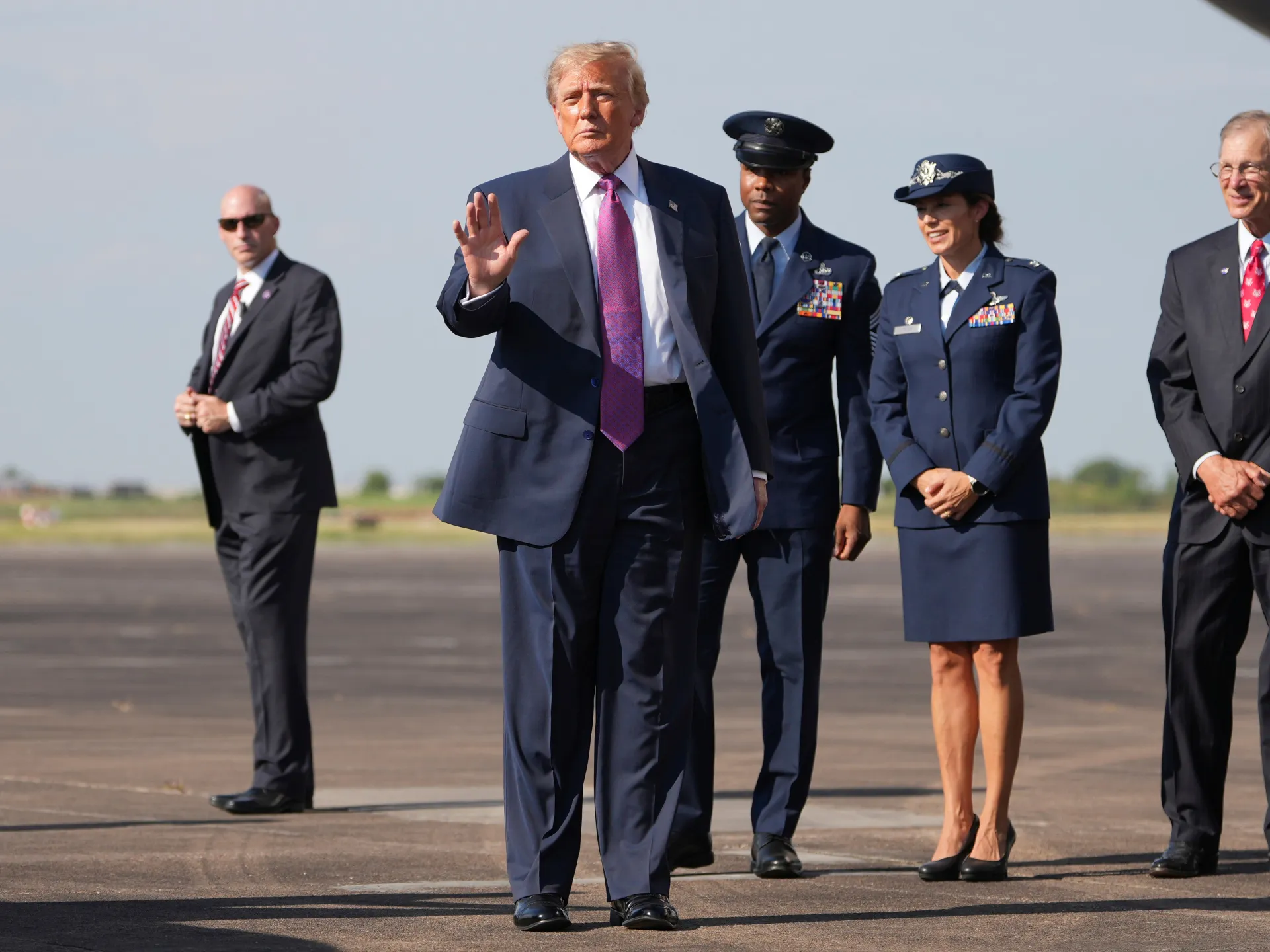
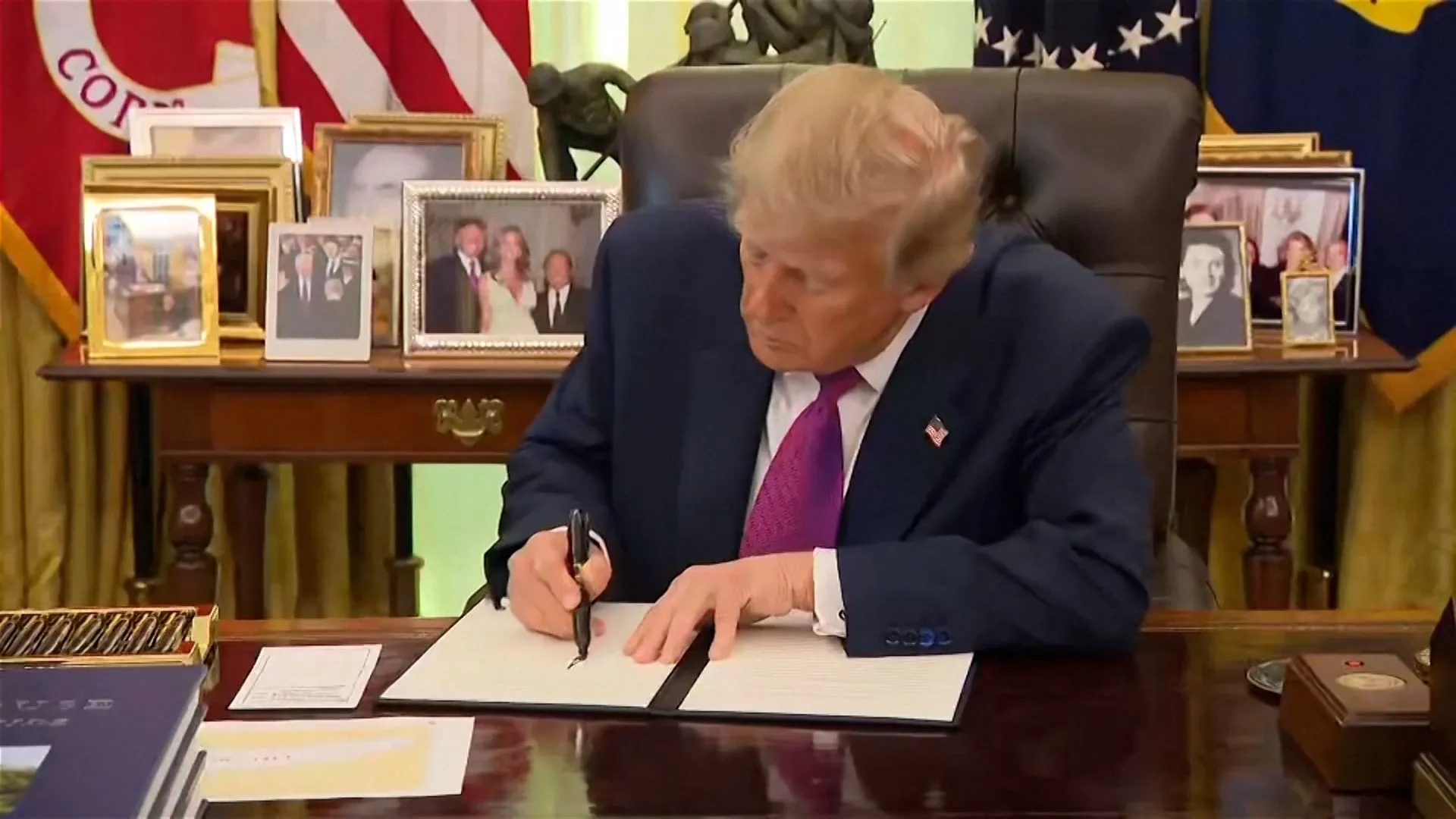
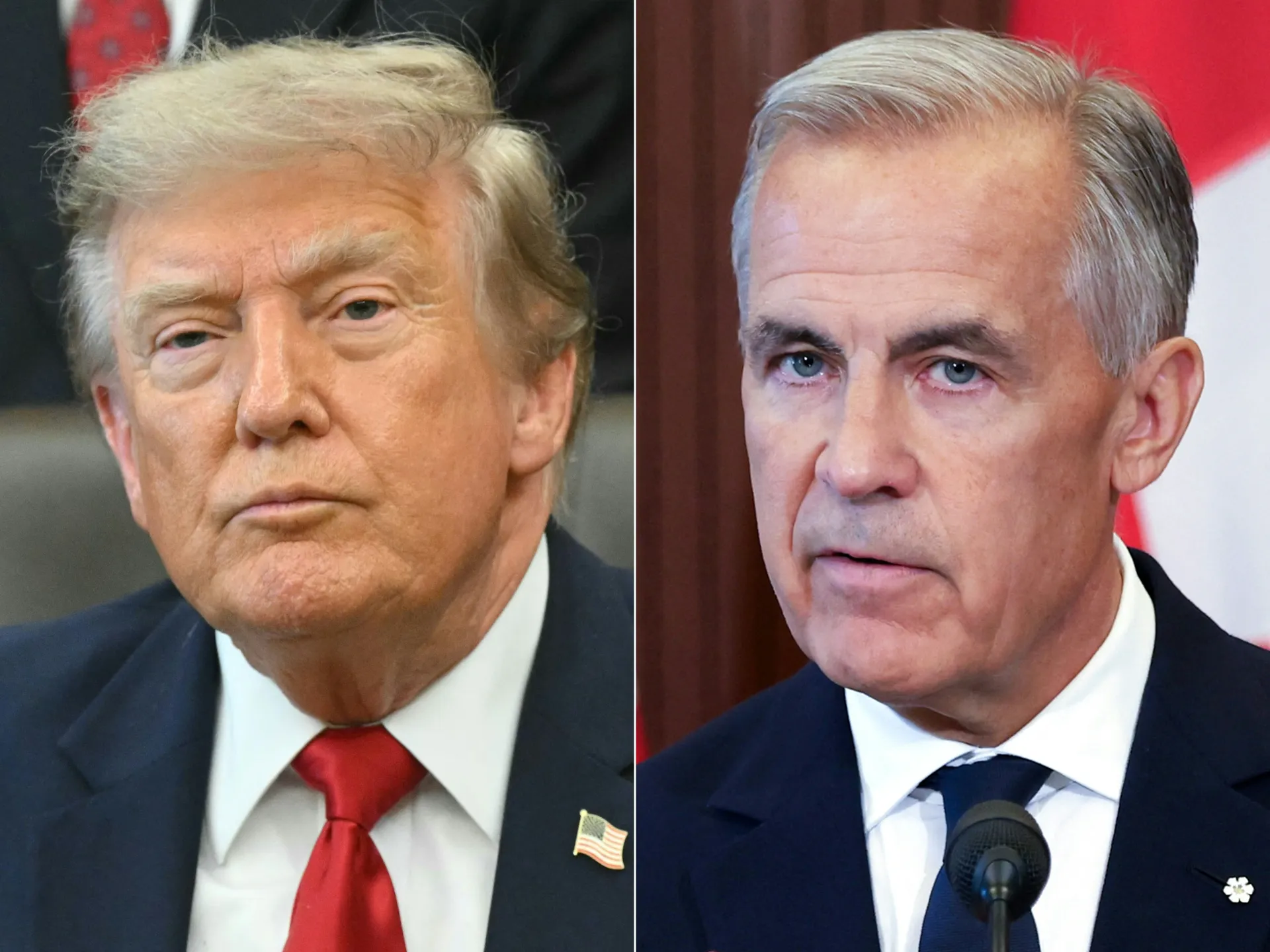
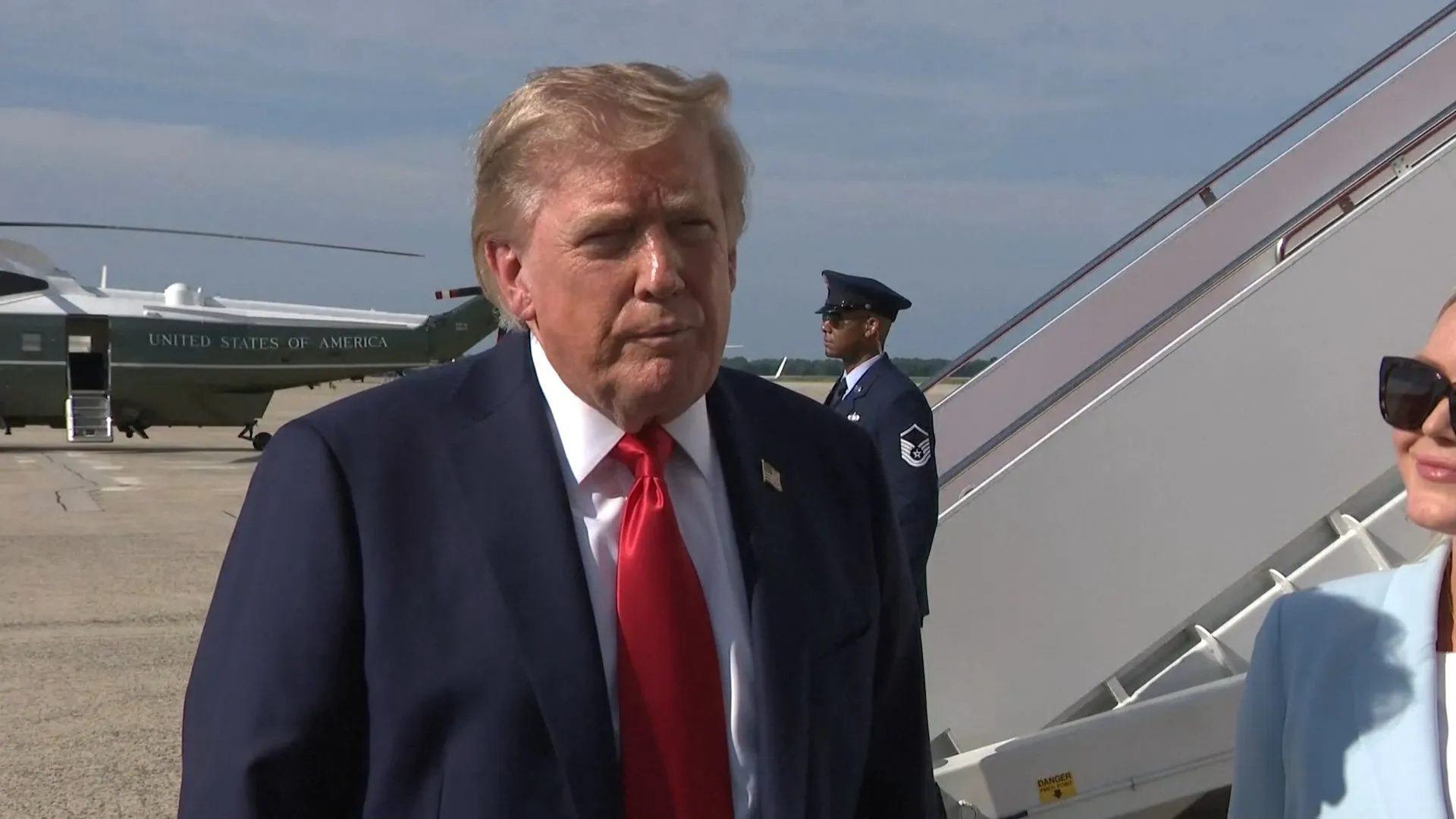
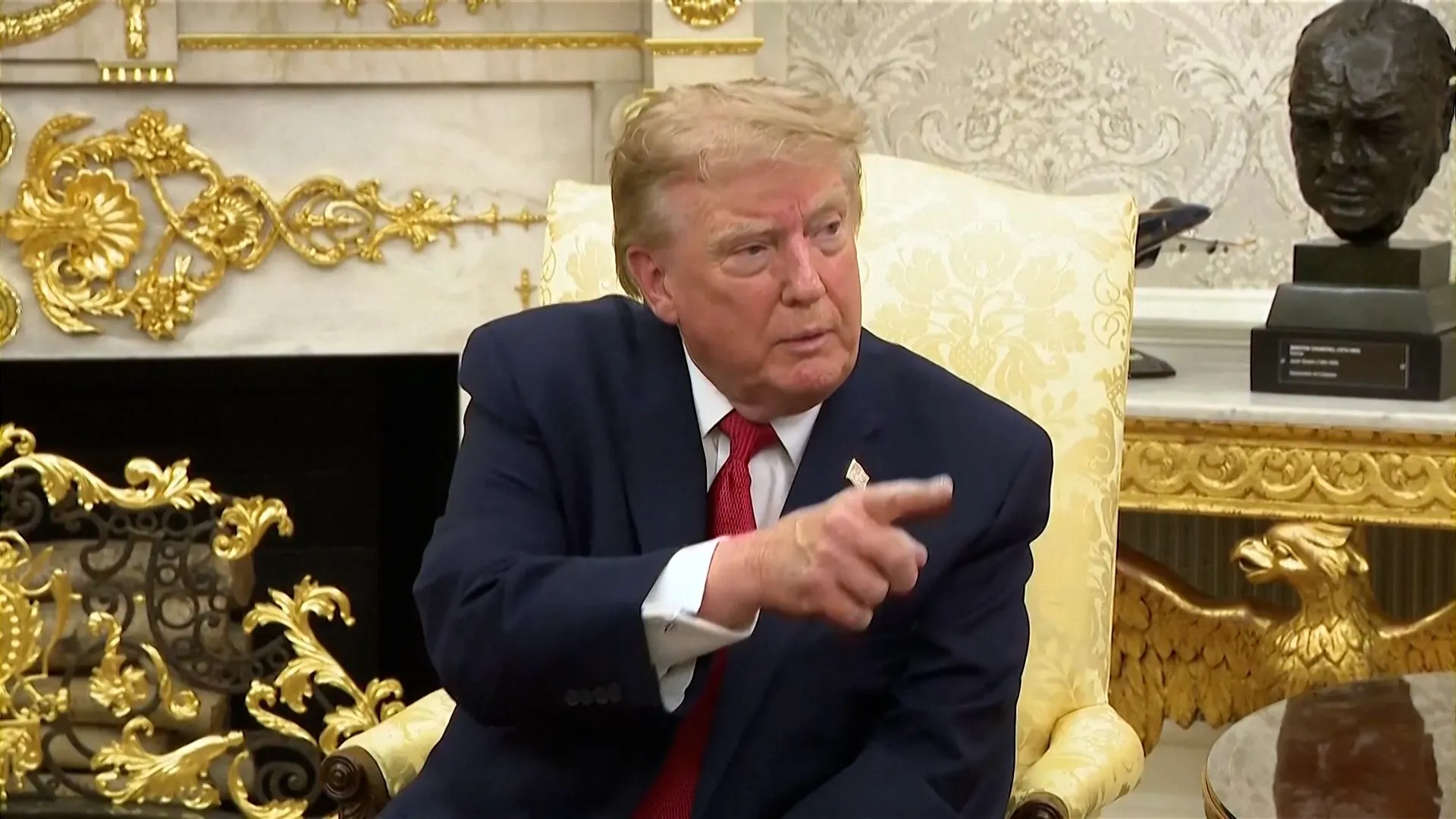
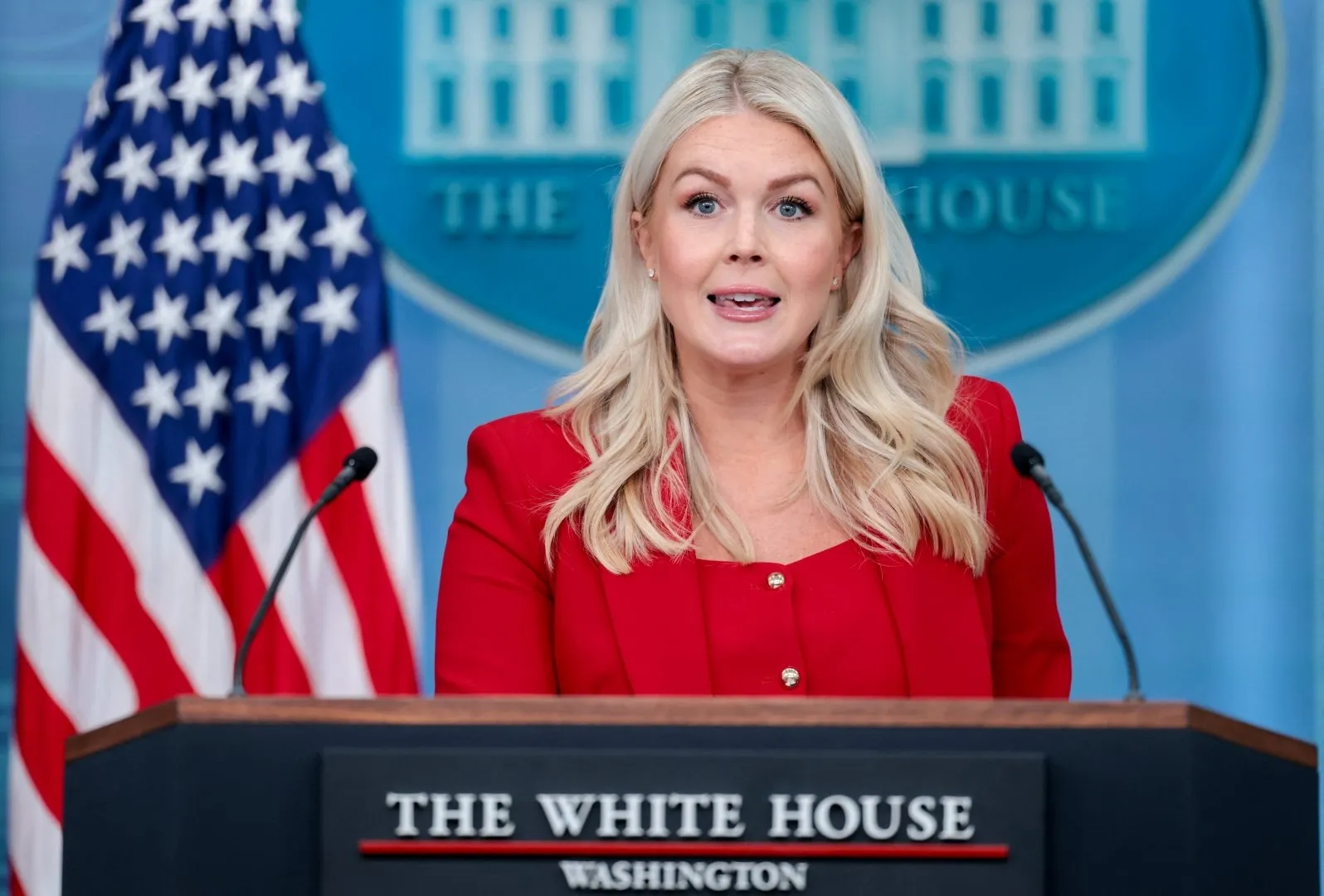
Following the exchange of fire, President Donald Trump issued a series of strong public statements characterizing the Iranian government as a failing entity. In a social media post, the President claimed the nation is effectively non-functional, citing severe economic instability characterized ilitary capabilities, including its naval and aerial forces, have been neutralized
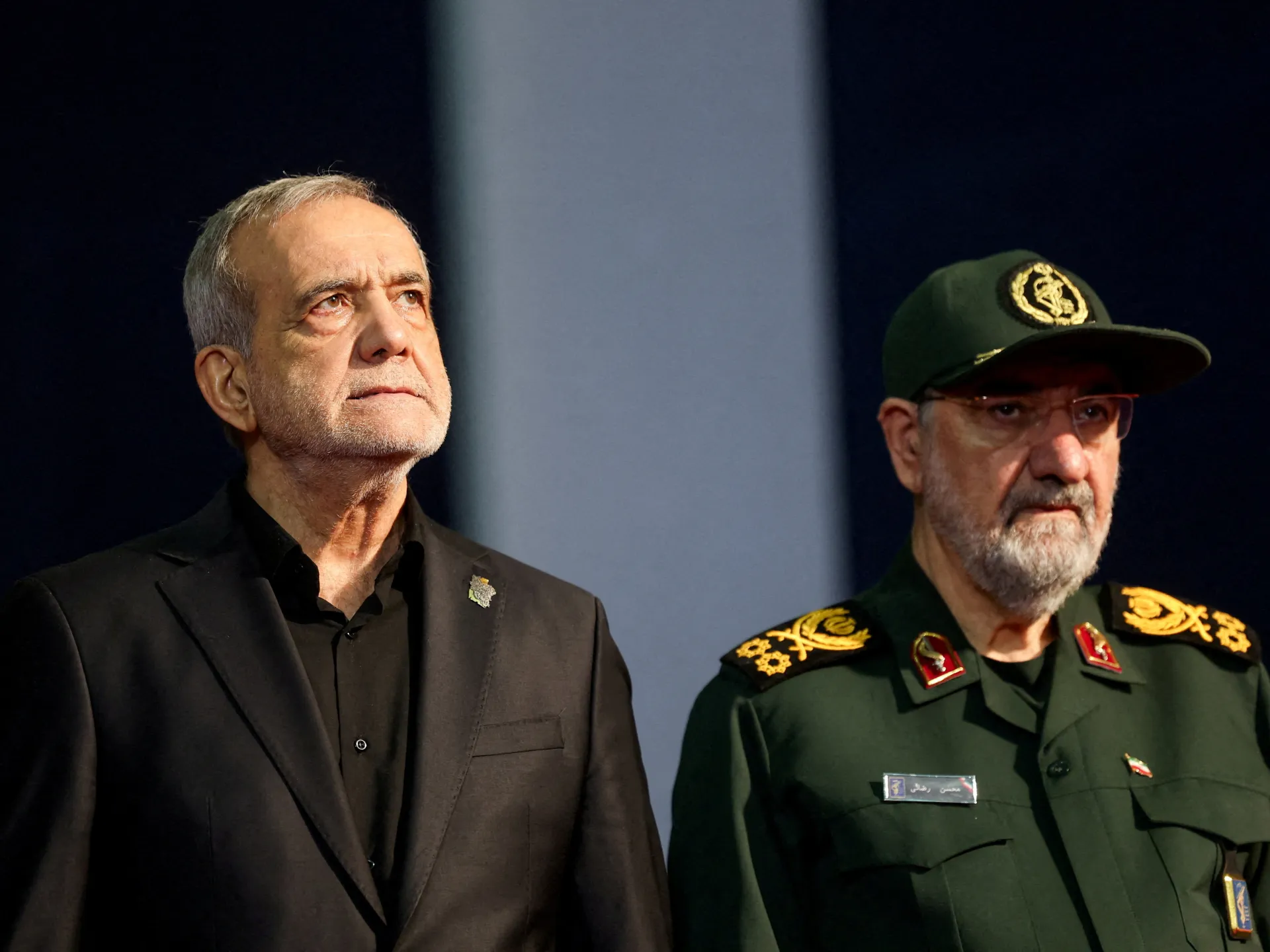
Despite these declarations, international observers note that the Iranian leadership remains firmly in power. The Islamic Revolutionary Guard Corps (IRGC) continues to manage the state's military strategy, showing no signs of the internal collapse that the administration has repeatedly predicted. This disconnect between the President’s rhetoric and the reality on the ground highlights the complex nature of the war, which is now entering its seventh month with no clear diplomatic resolution on the horizon.
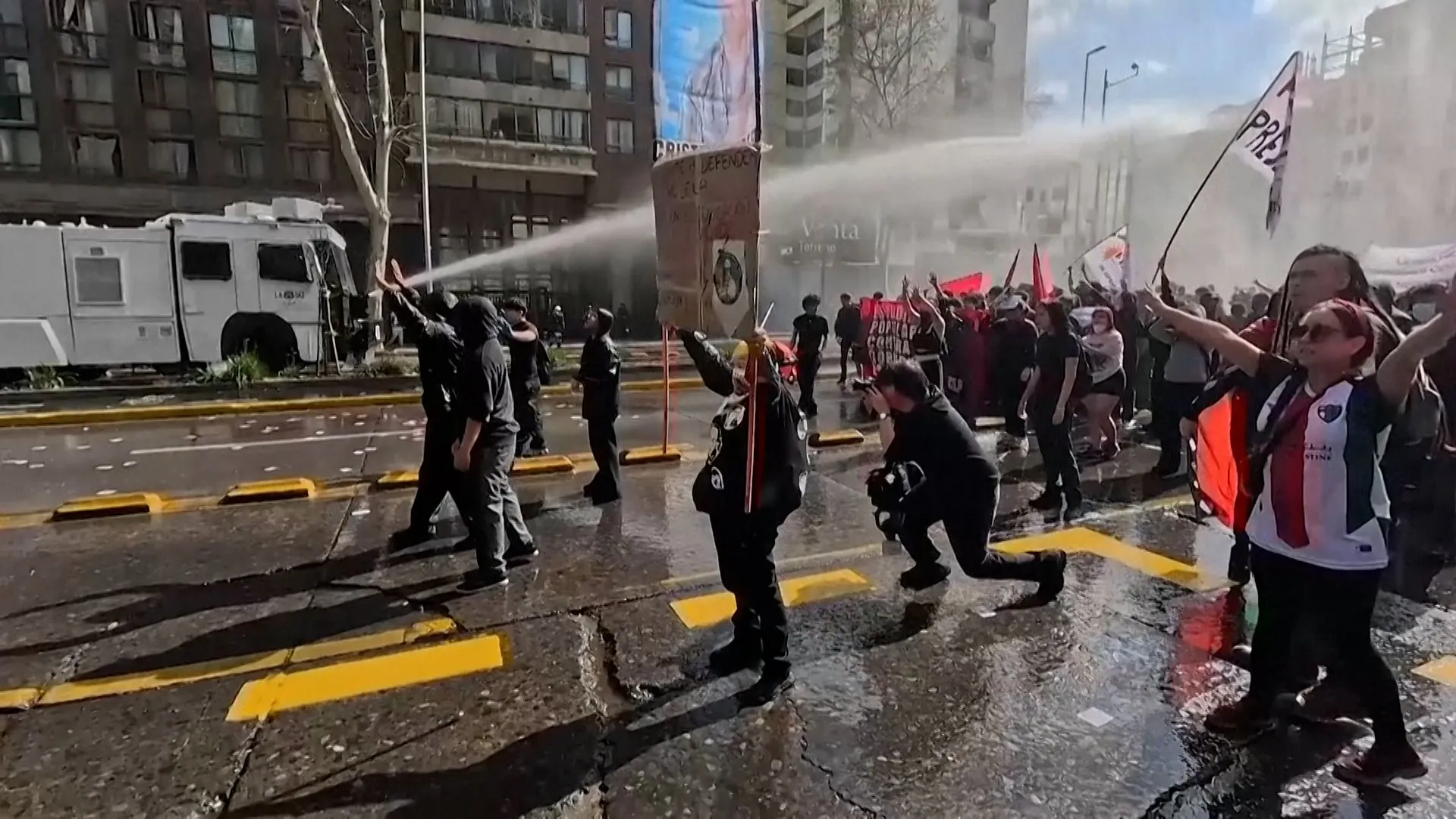
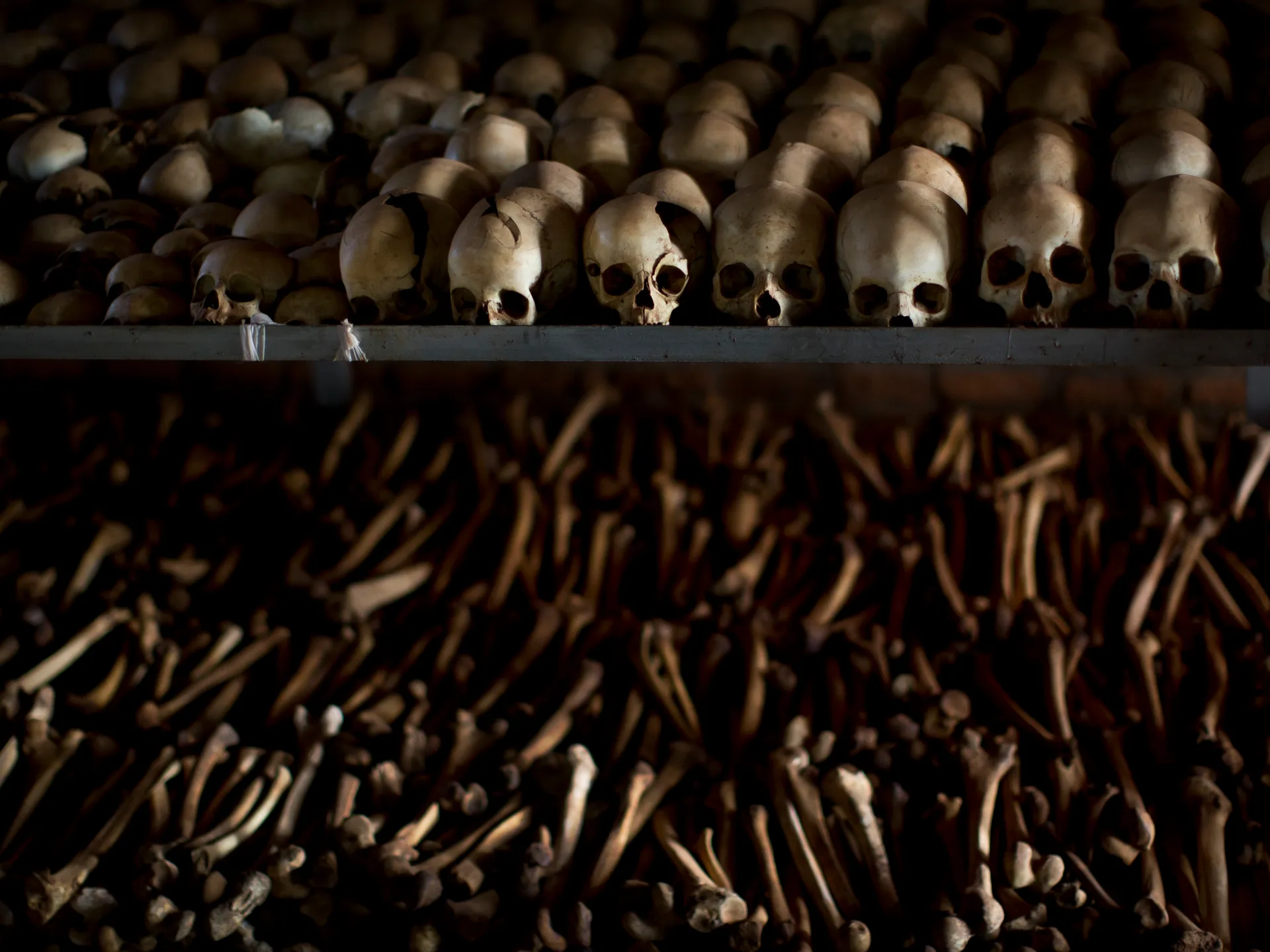
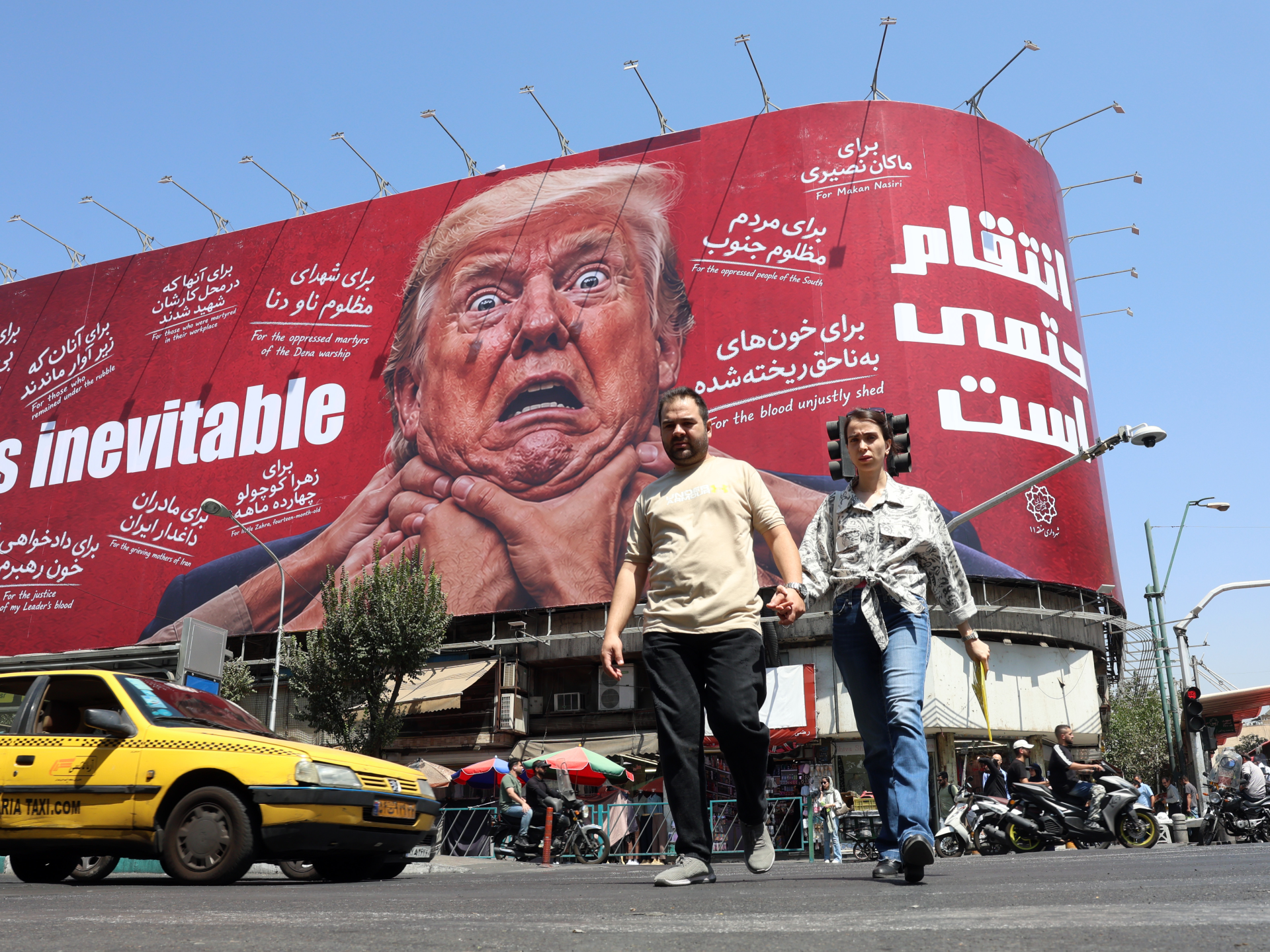
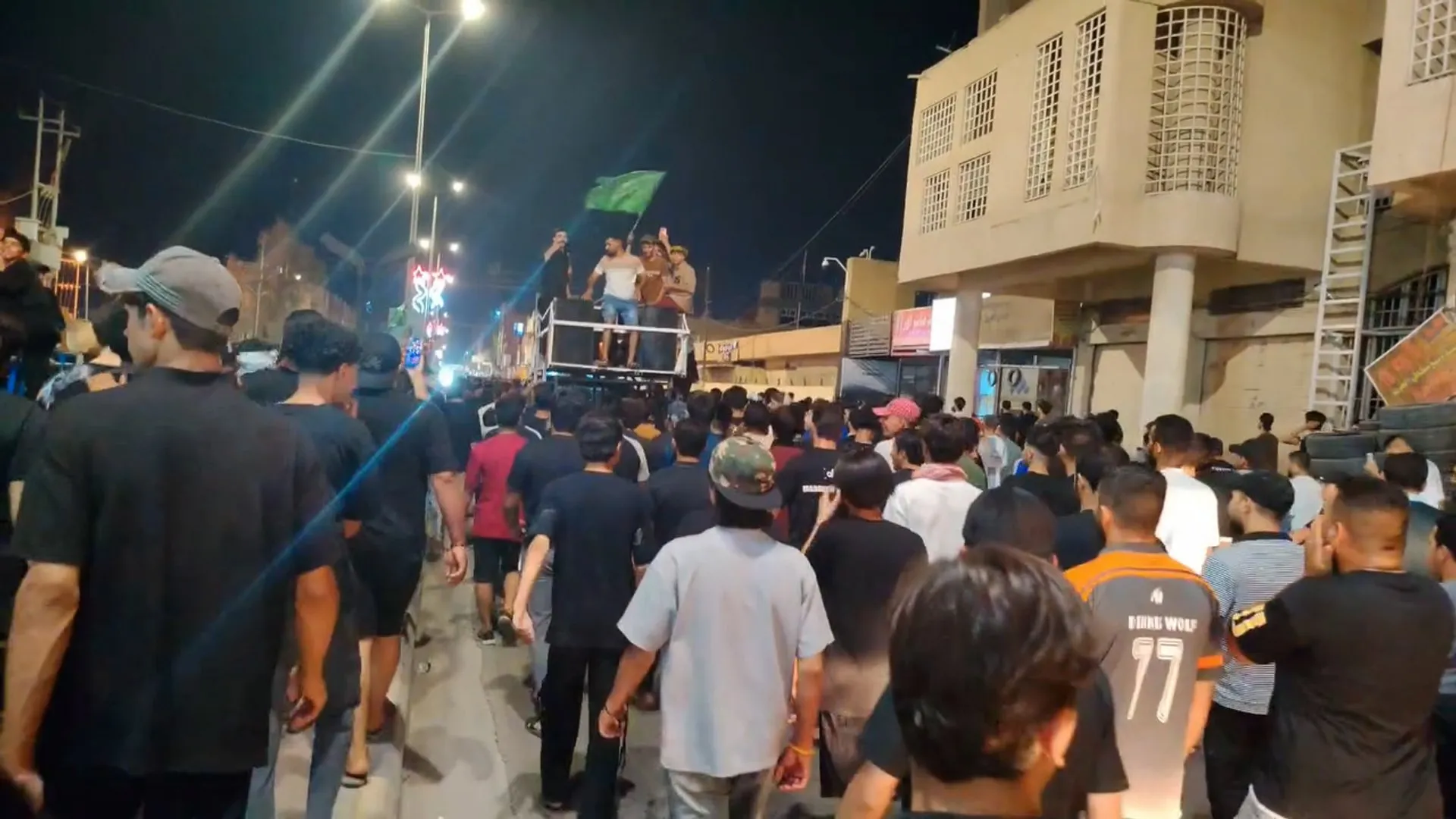
A significant portion of the current discourse involves competing claims regarding war crimes and human rights abuses. President Trump has accused the Iranian leadership of orchestrating a violent crackdown on domestic protesters, alleging that the death toll has reached 100,000 individuals. He has called for the regime’s leaders to be held accountable for these actions, labeling the state’s response to internal dissent as crimes against humanity.
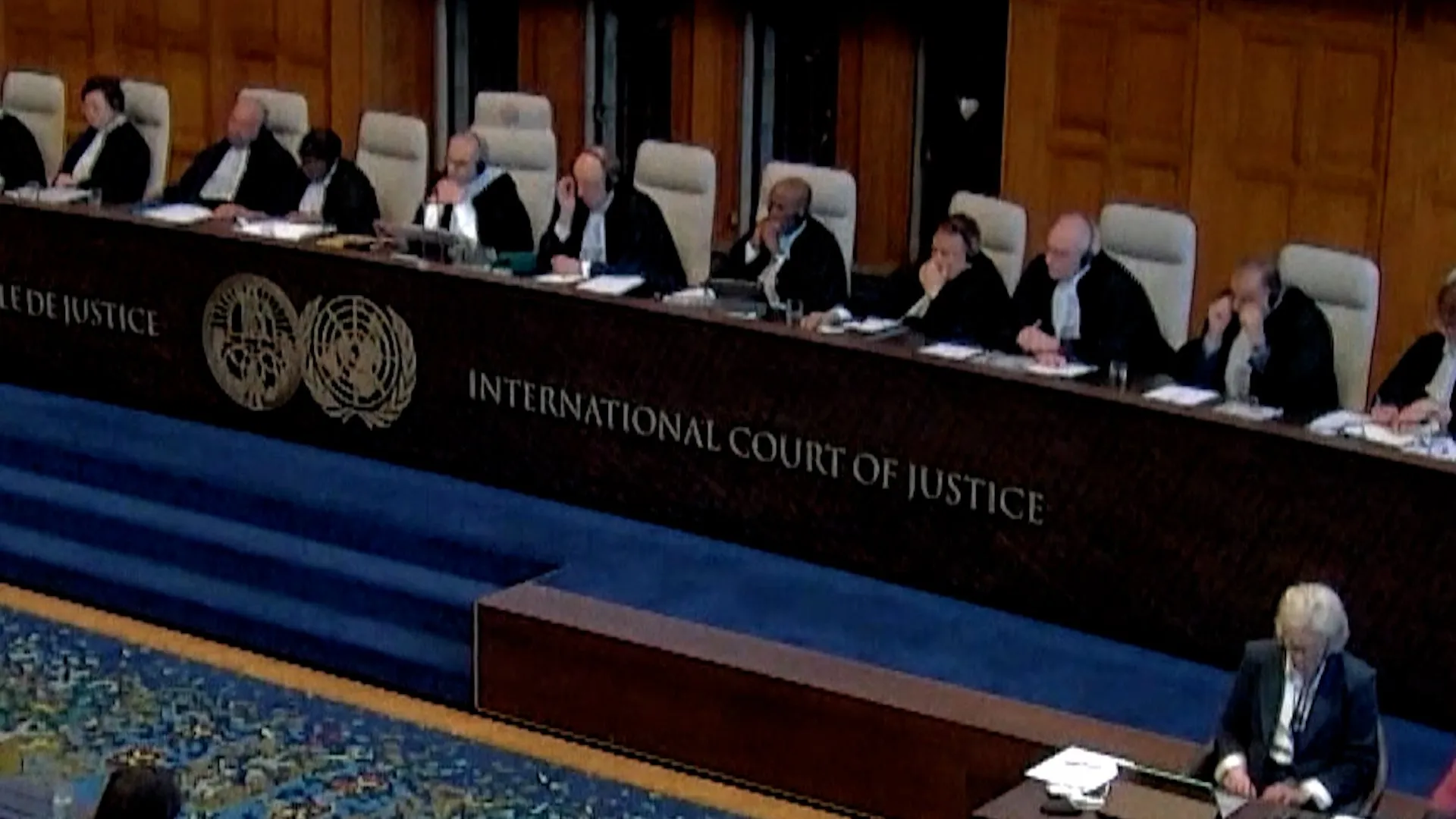
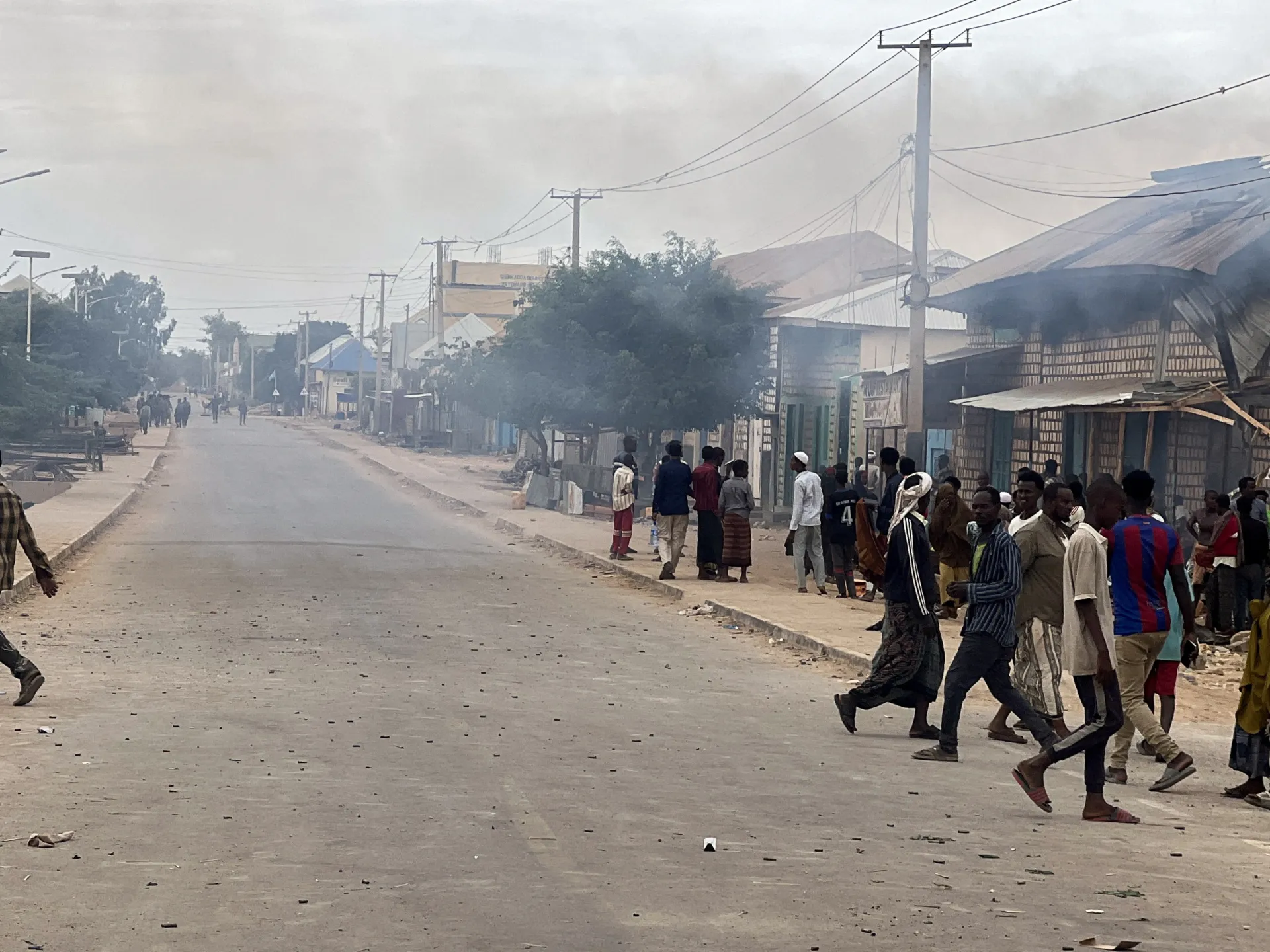
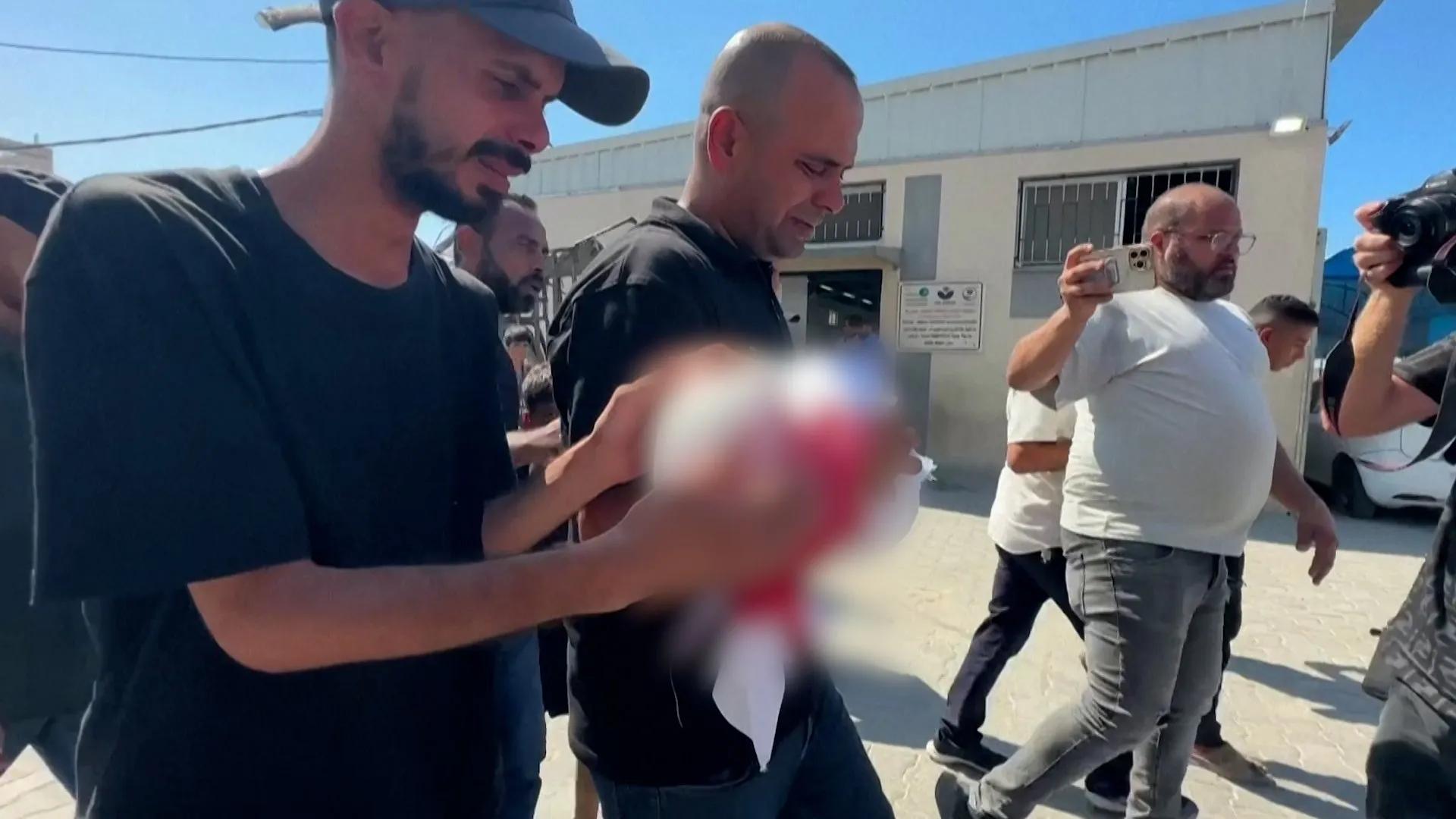
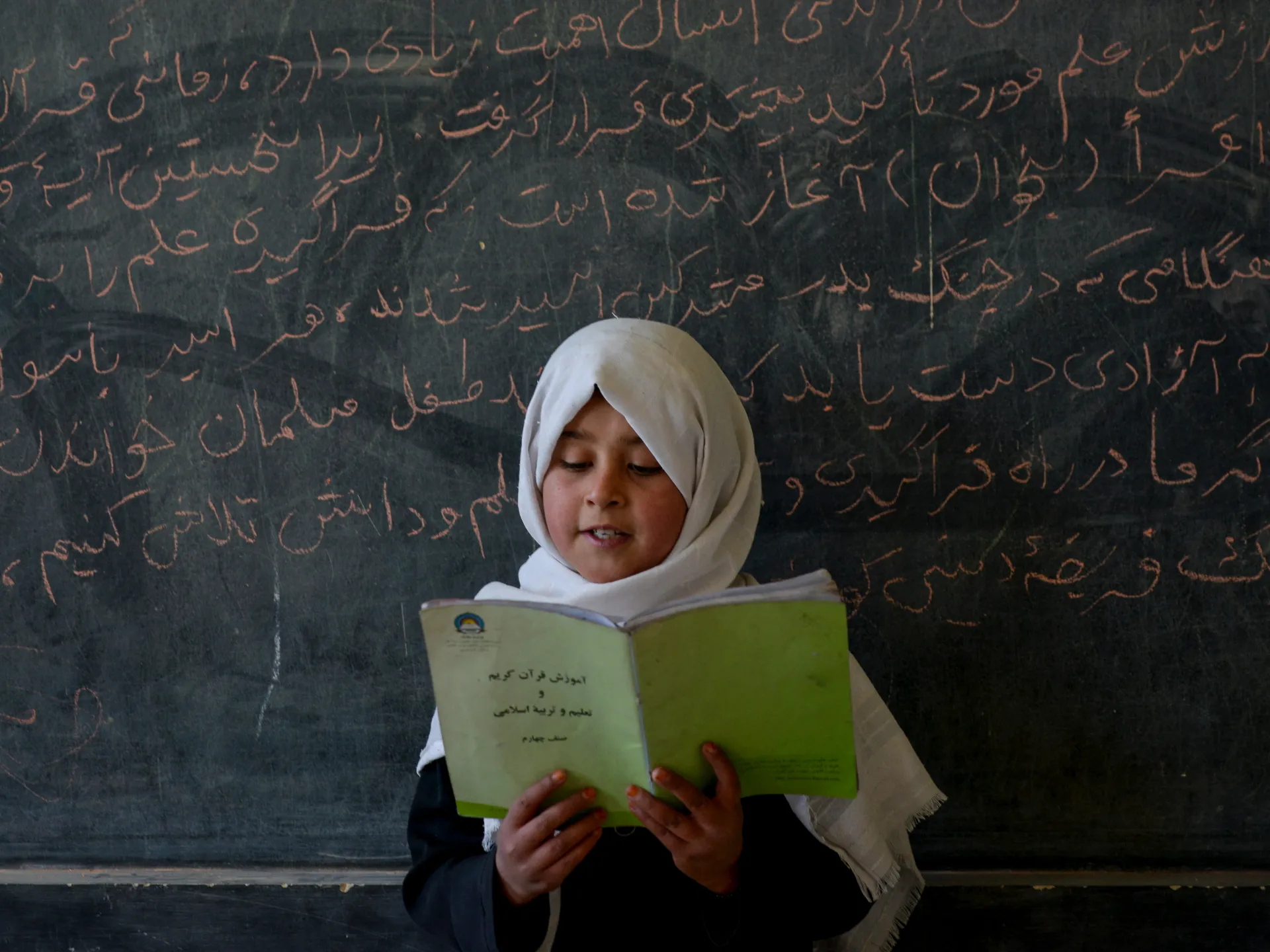
In contrast, Iranian authorities have provided significantly lower casualty figures, attributing the deaths to clashes with anti-government elements they allege are backed United States, pointing to the destruction of civilian infrastructure, including a school in Minab during the early stages of the conflict. The legal complexity of these claims is compounded nternational Criminal Court, which has faced sanctions from Washington following its involvement in investigations concerning the broader regional conflict.
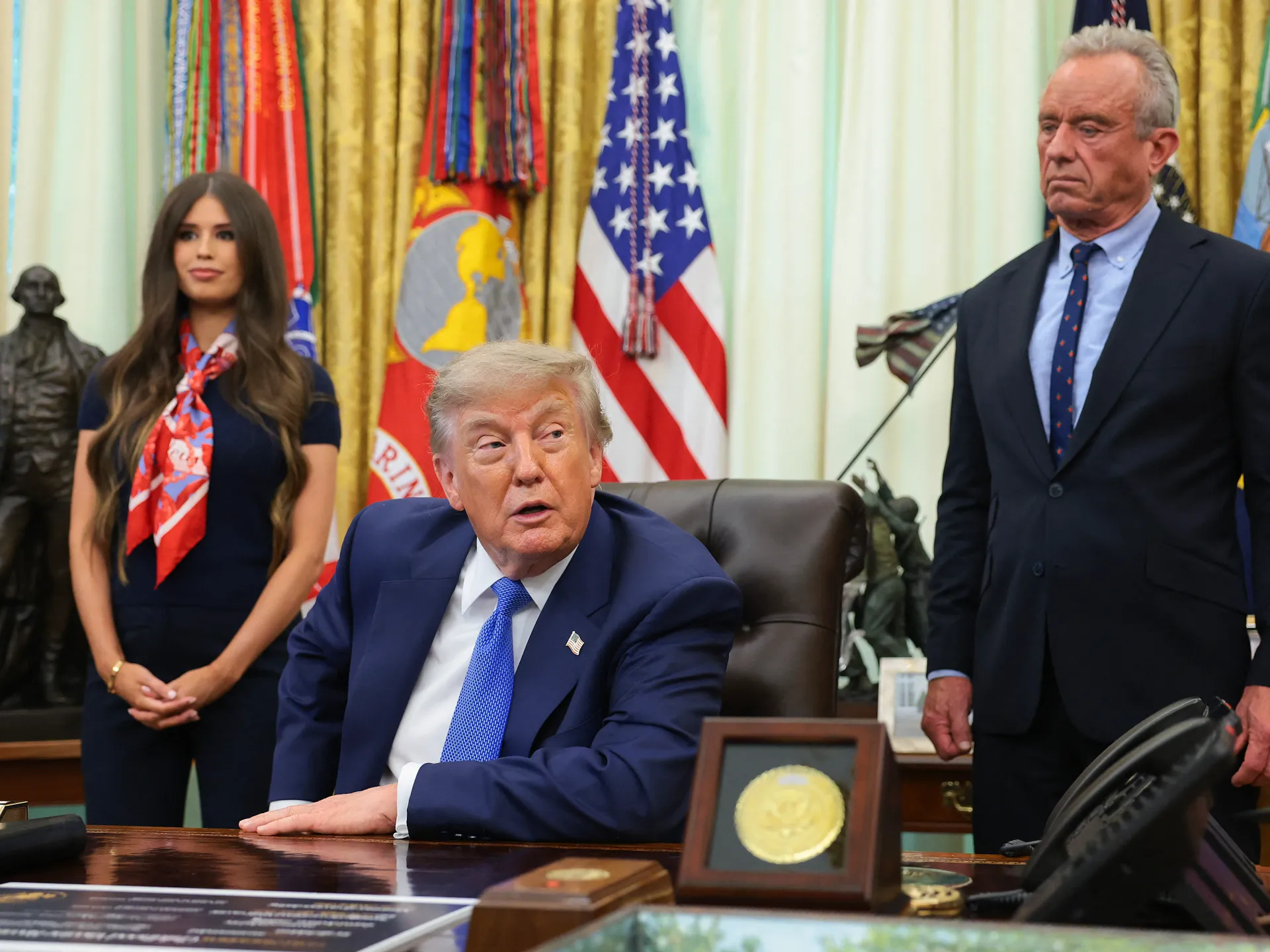
The immediate outlook for the region remains grim as both nations signal a commitment to further engagement. President Trump has stated clearly that the United States intends to respond to the attack in Jordan, promising to strike back with significant force. This vow of retaliation suggests that the cycle of violence is likely to continue in the near term, as neither side appears willing to retreat from their current strategic positions.
While the administration previously indicated a desire to prioritize economic sanctions over direct military action, the latest skirmishes have effectively sidelined such diplomatic goals. Without a formal framework for a ceasefire or a long-term peace agreement, the Strait of Hormuz and surrounding military bases remain focal points of a dangerous game of escalation that threatens the stability of the entire region.