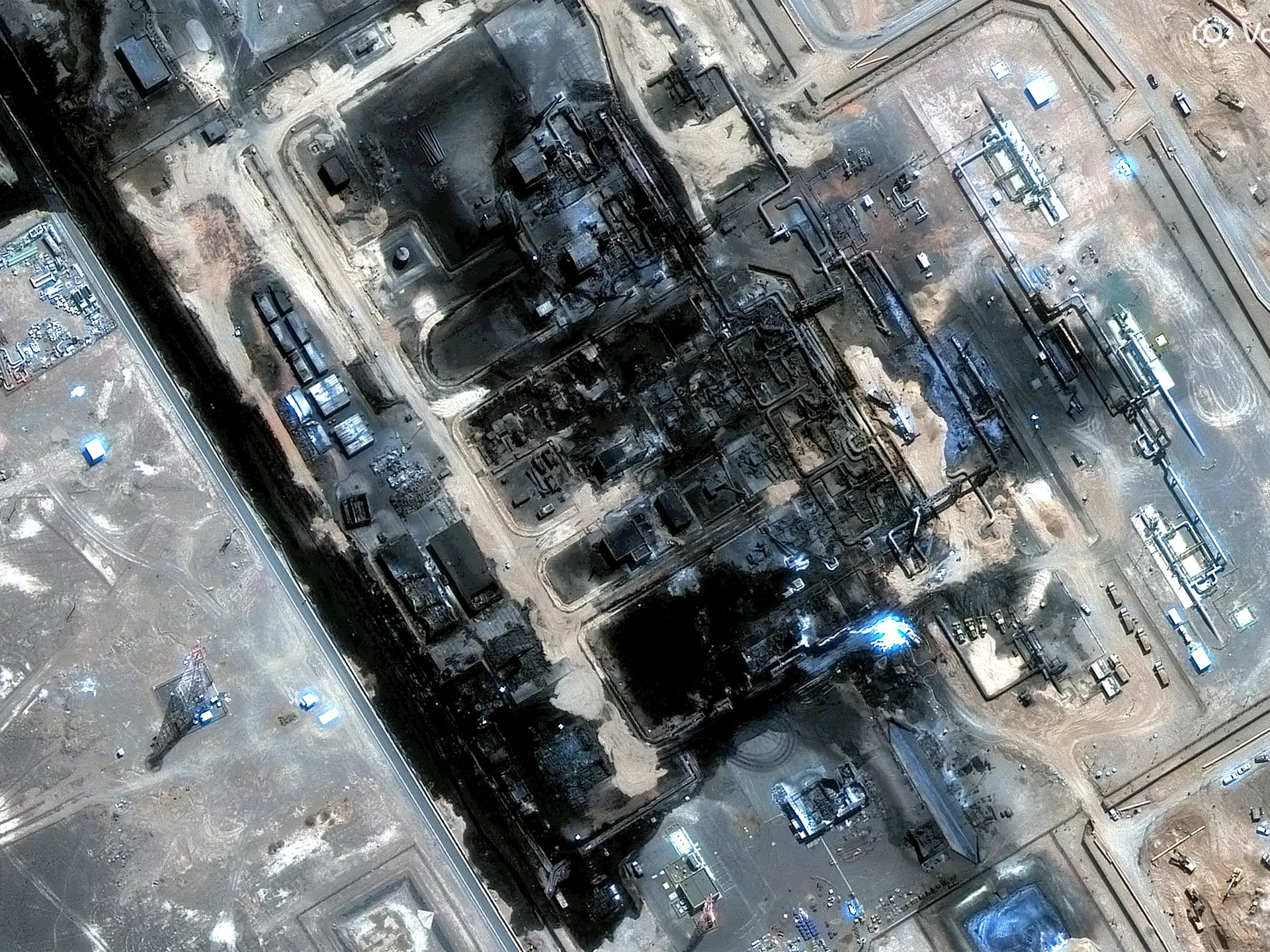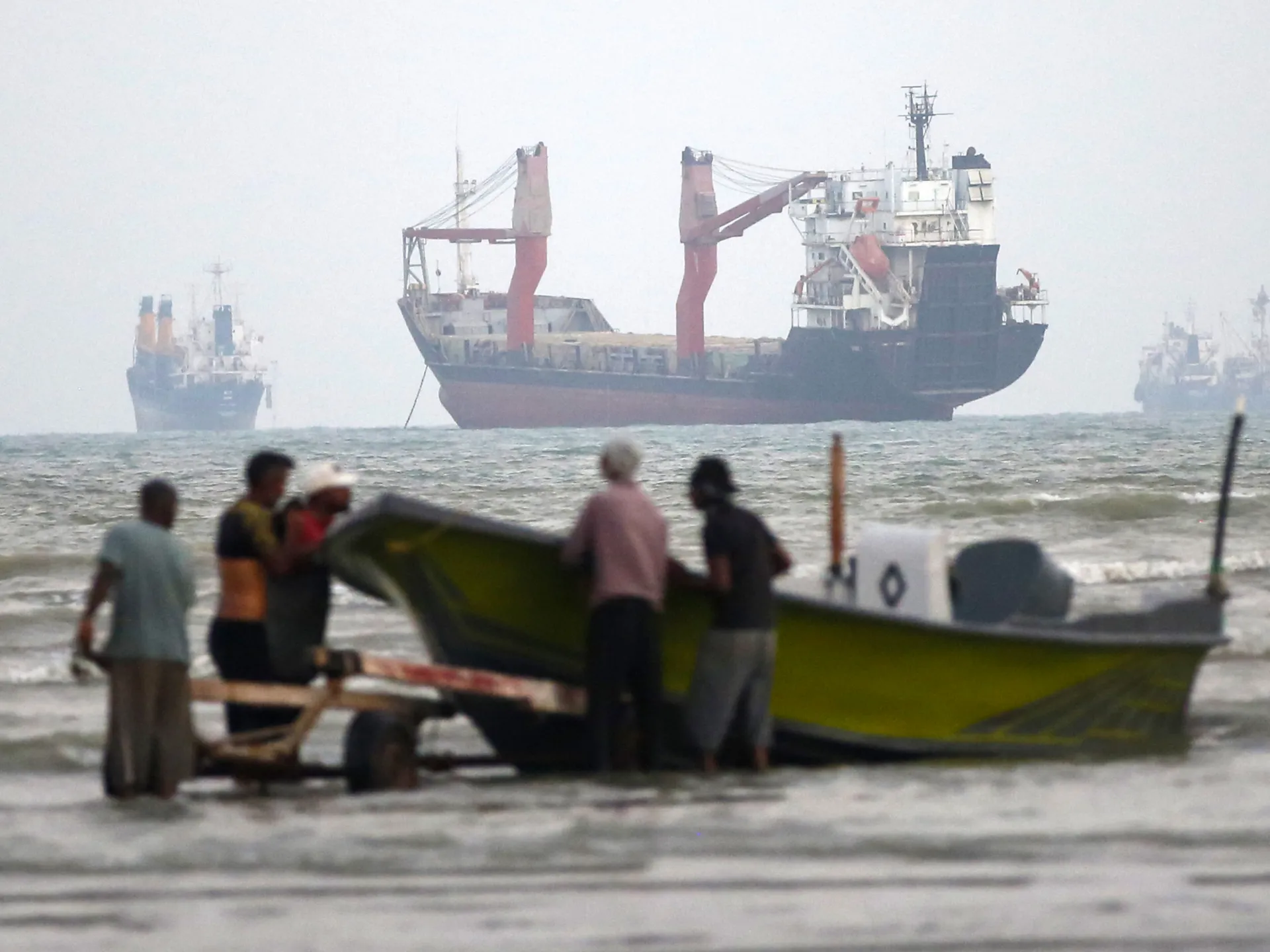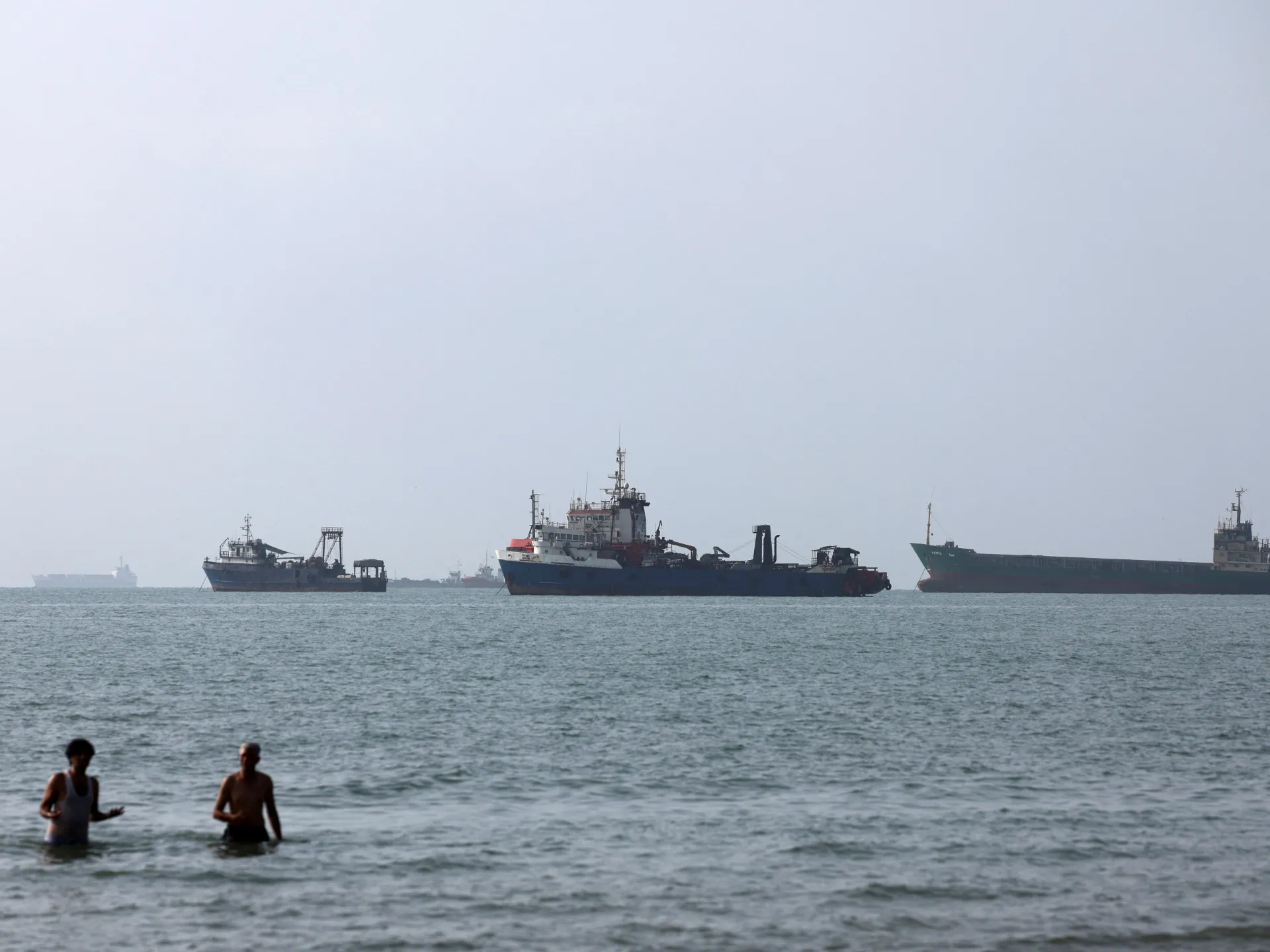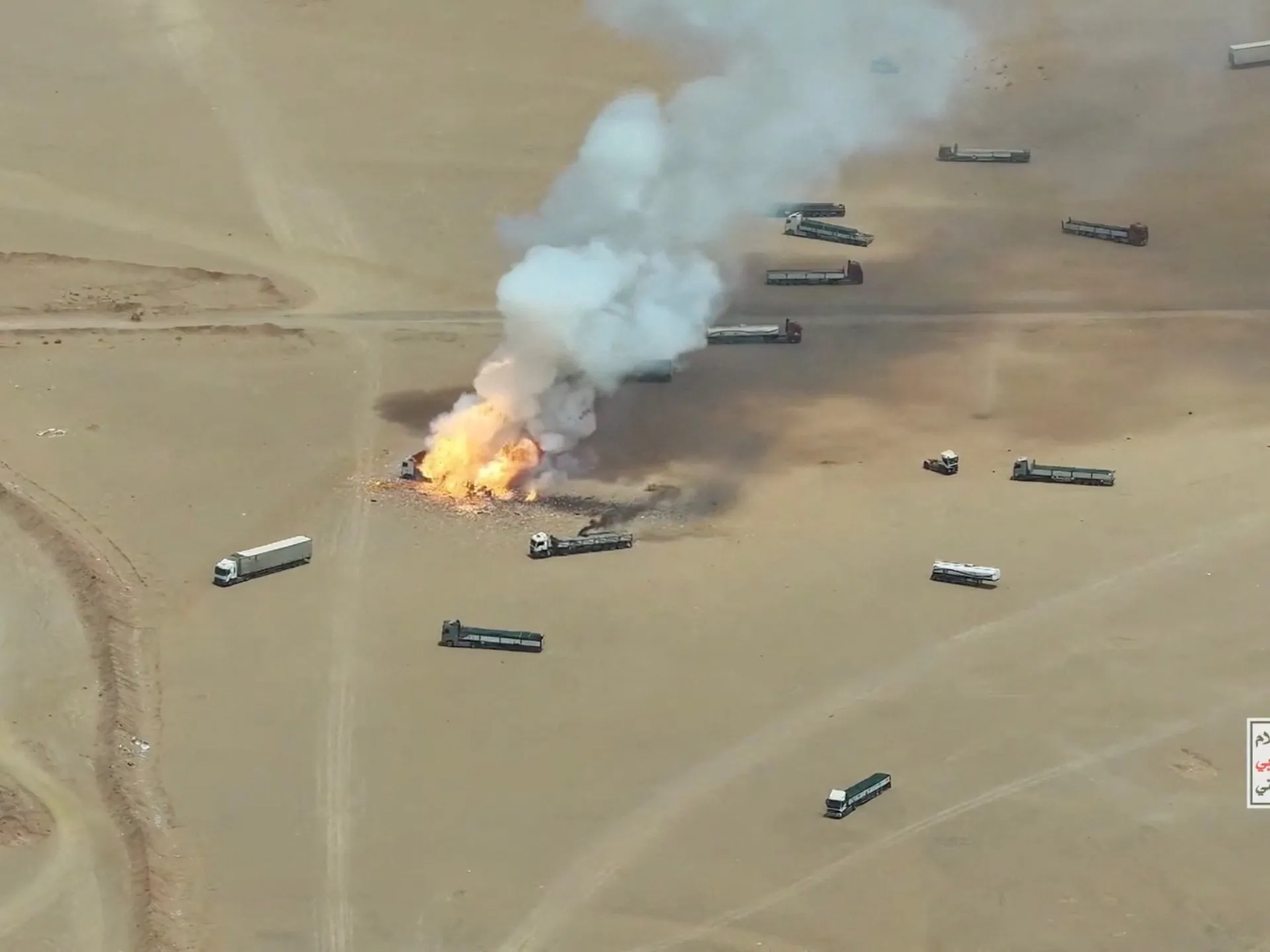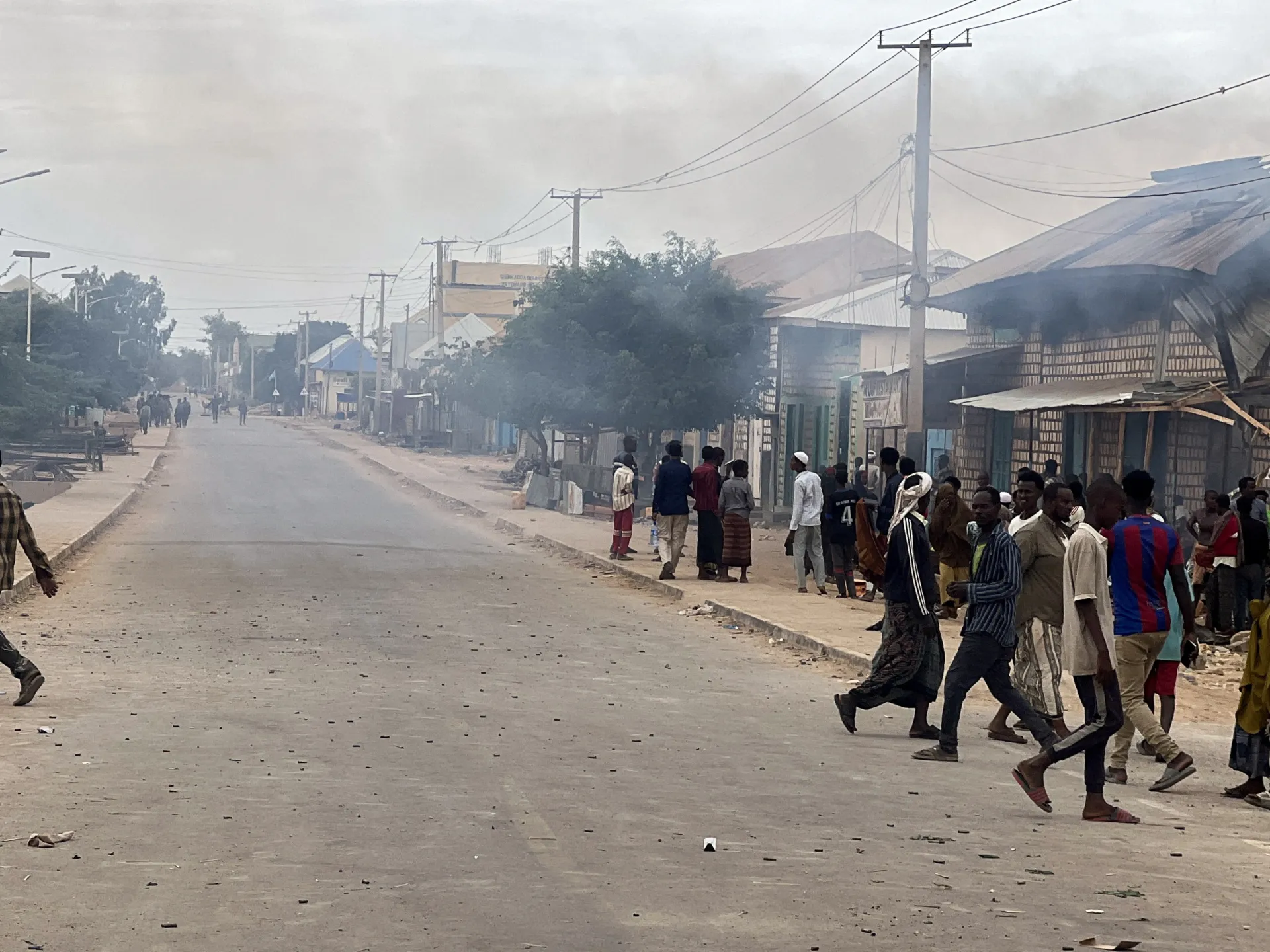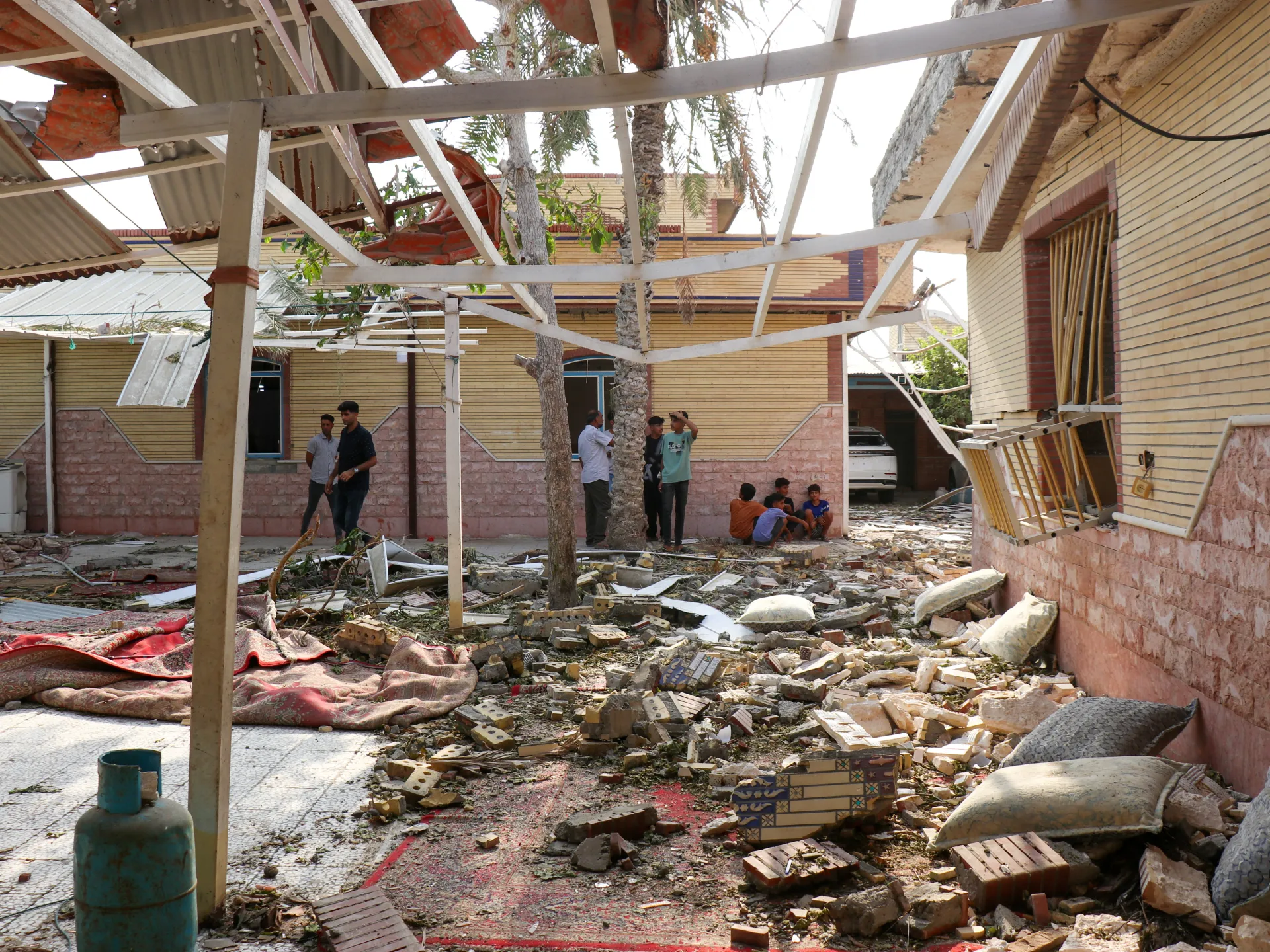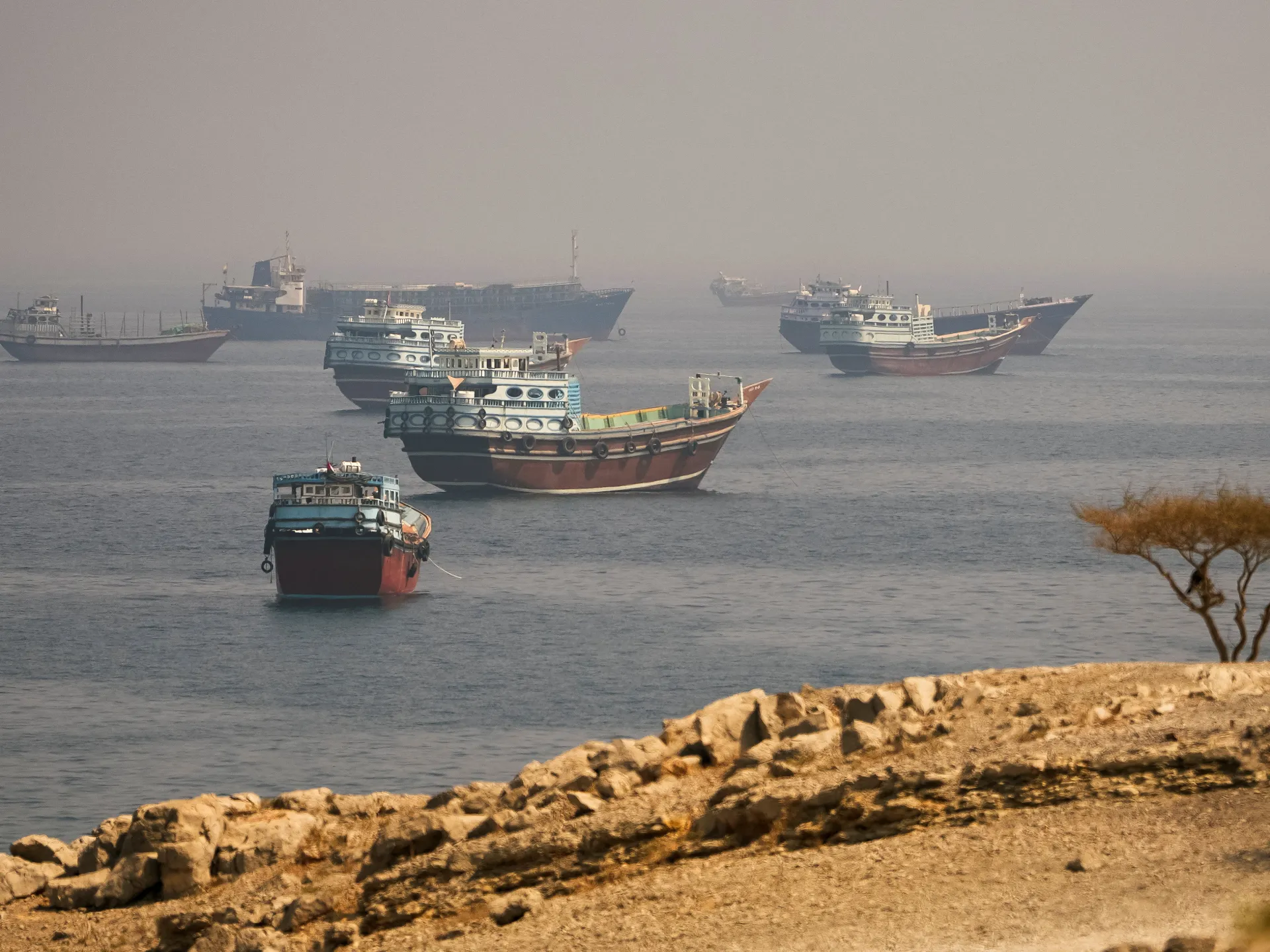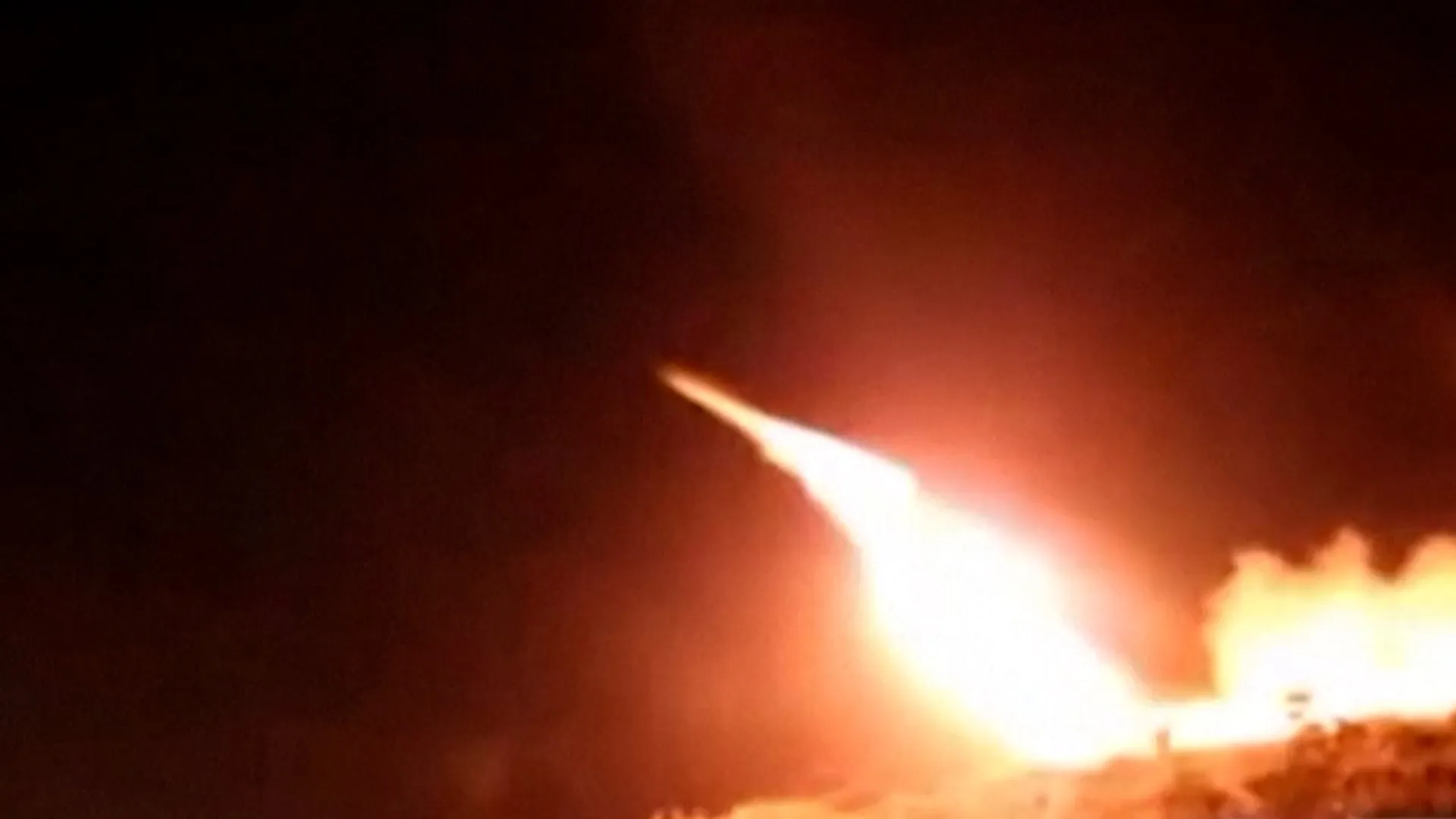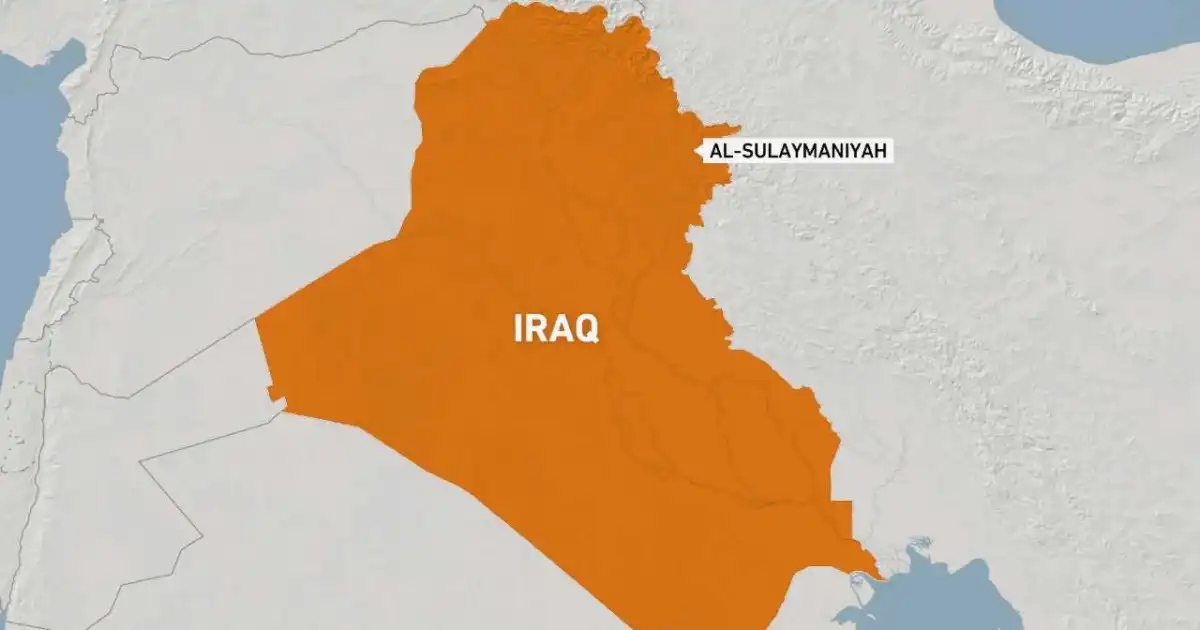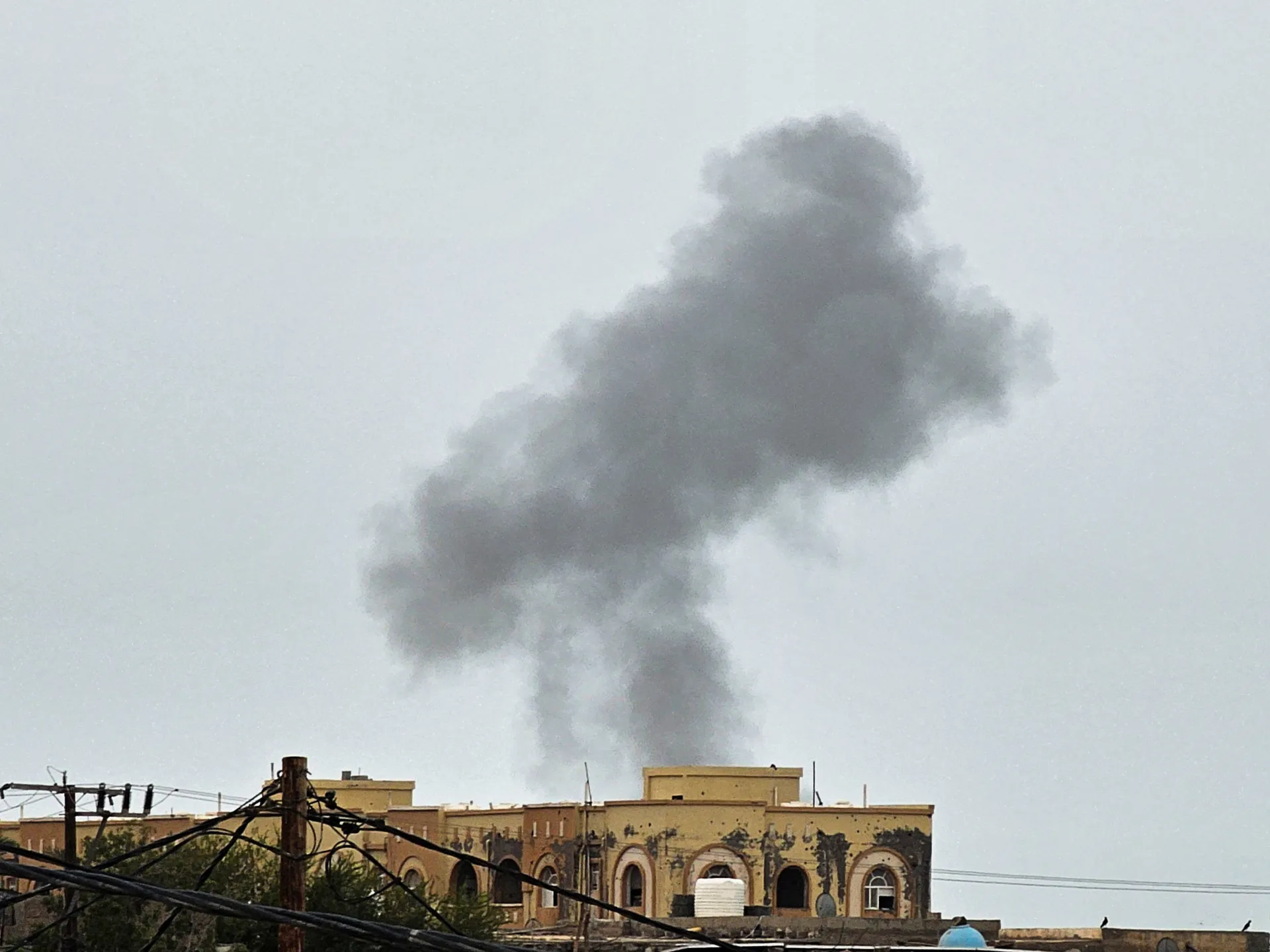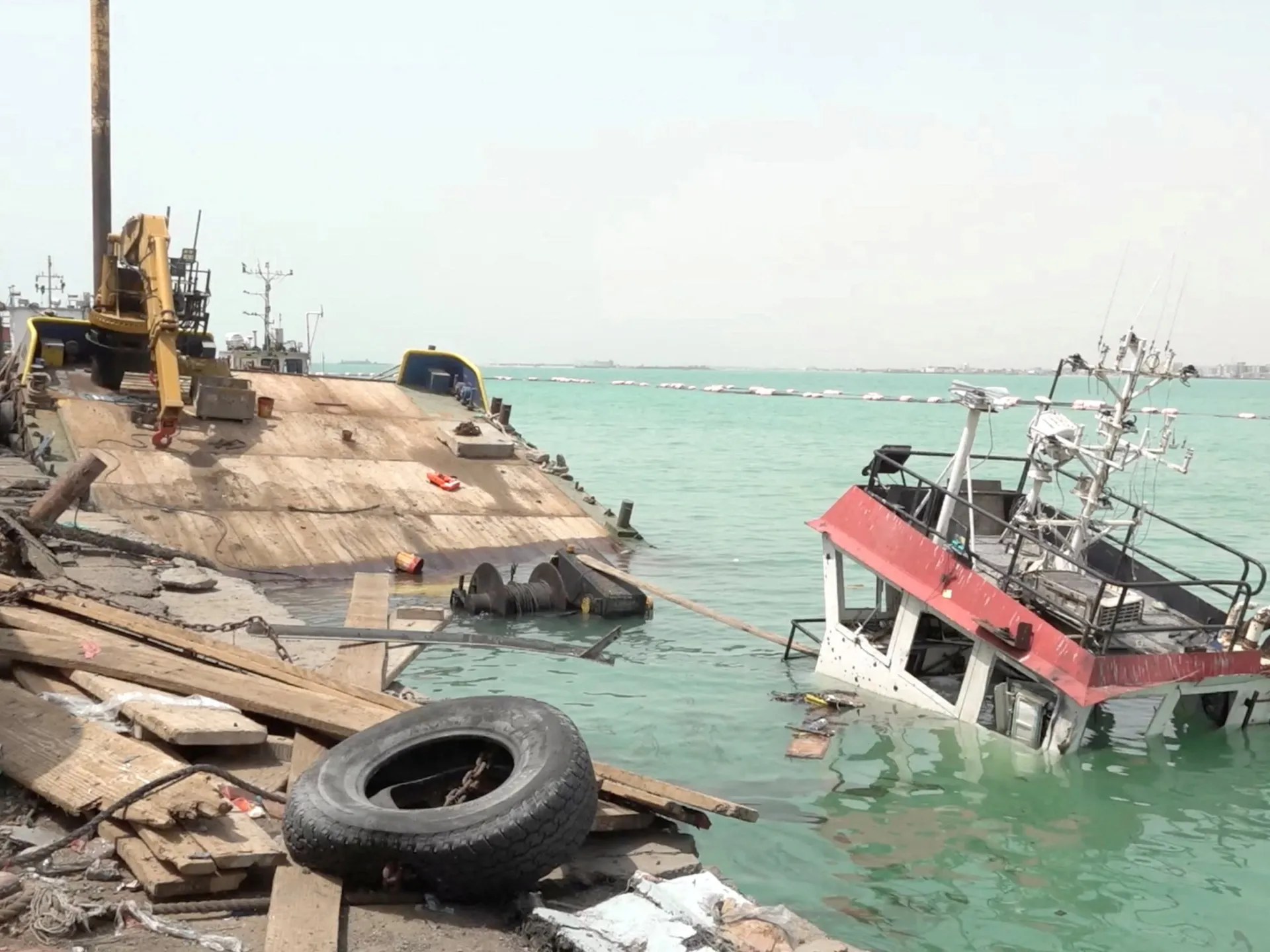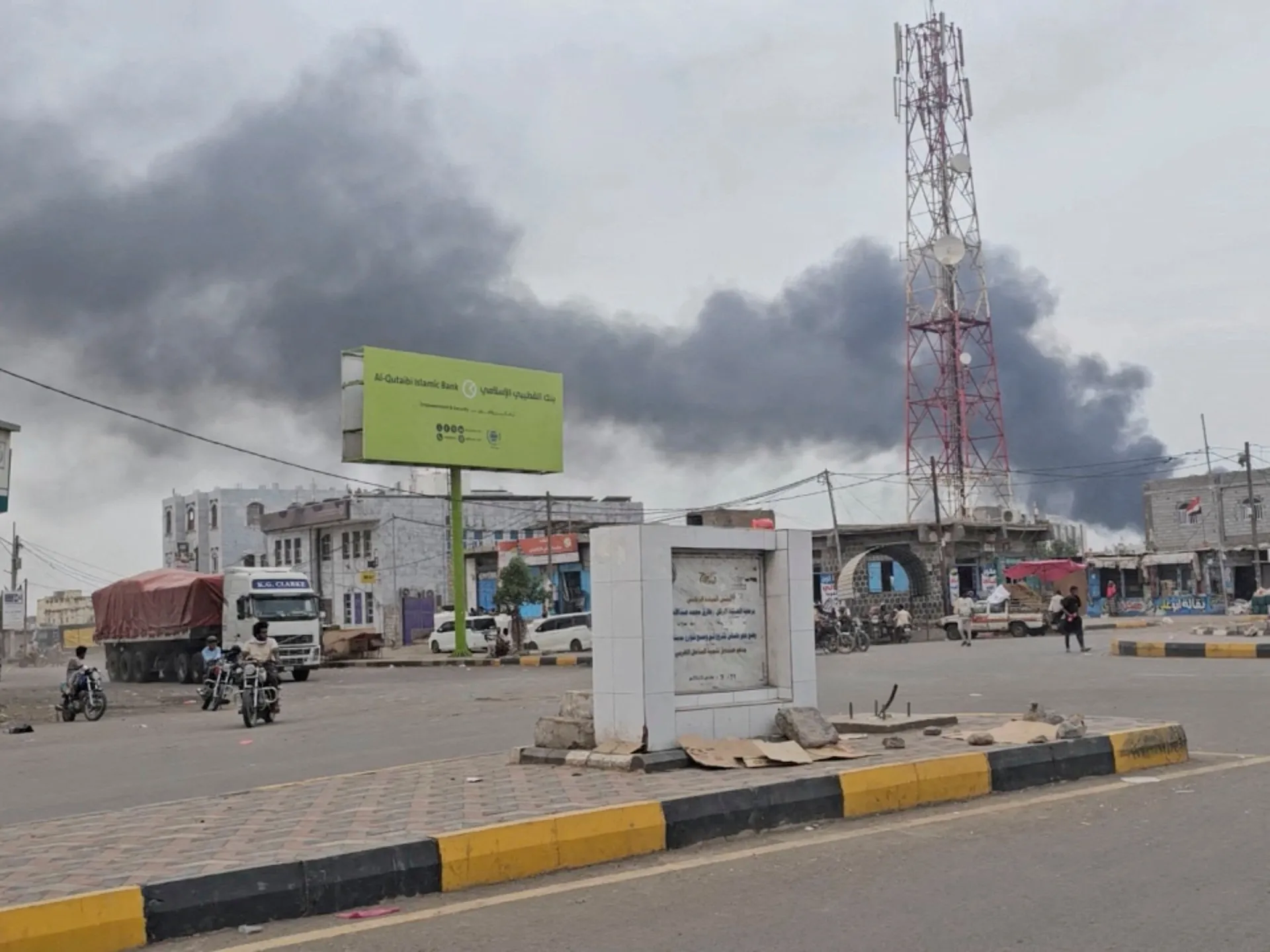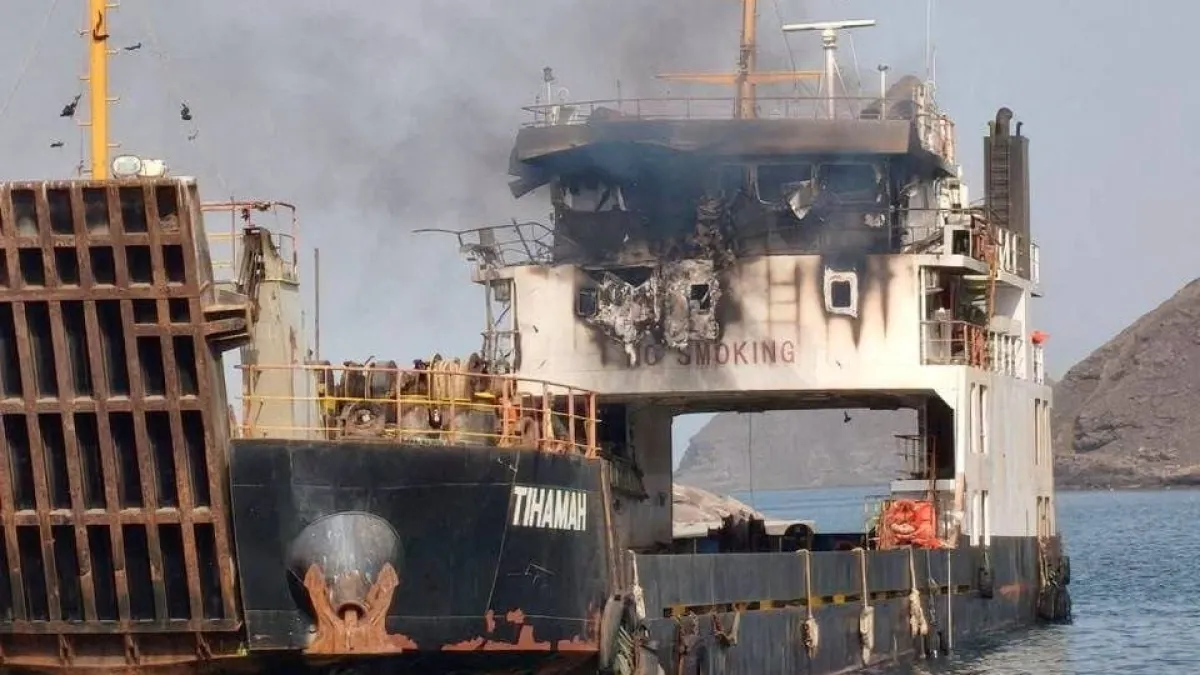
Heightened control of the Yemeni coastline by Houthi forces has sparked an urgent debate regarding the potential for U.S. military intervention in the Red Sea.
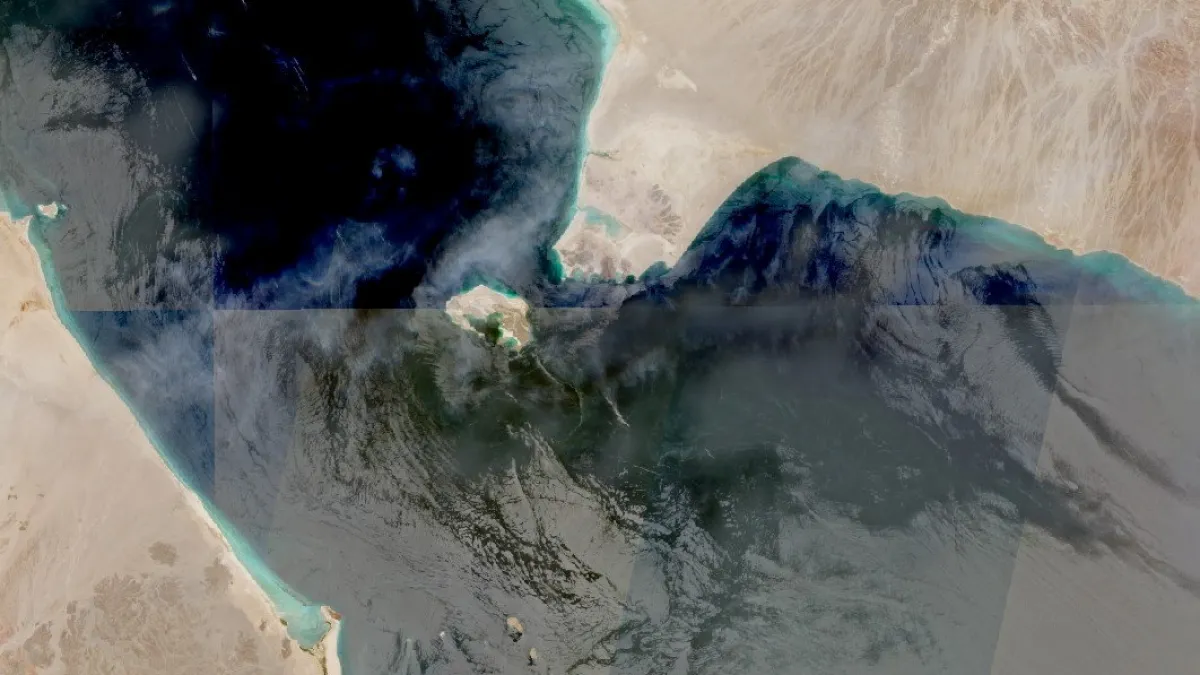
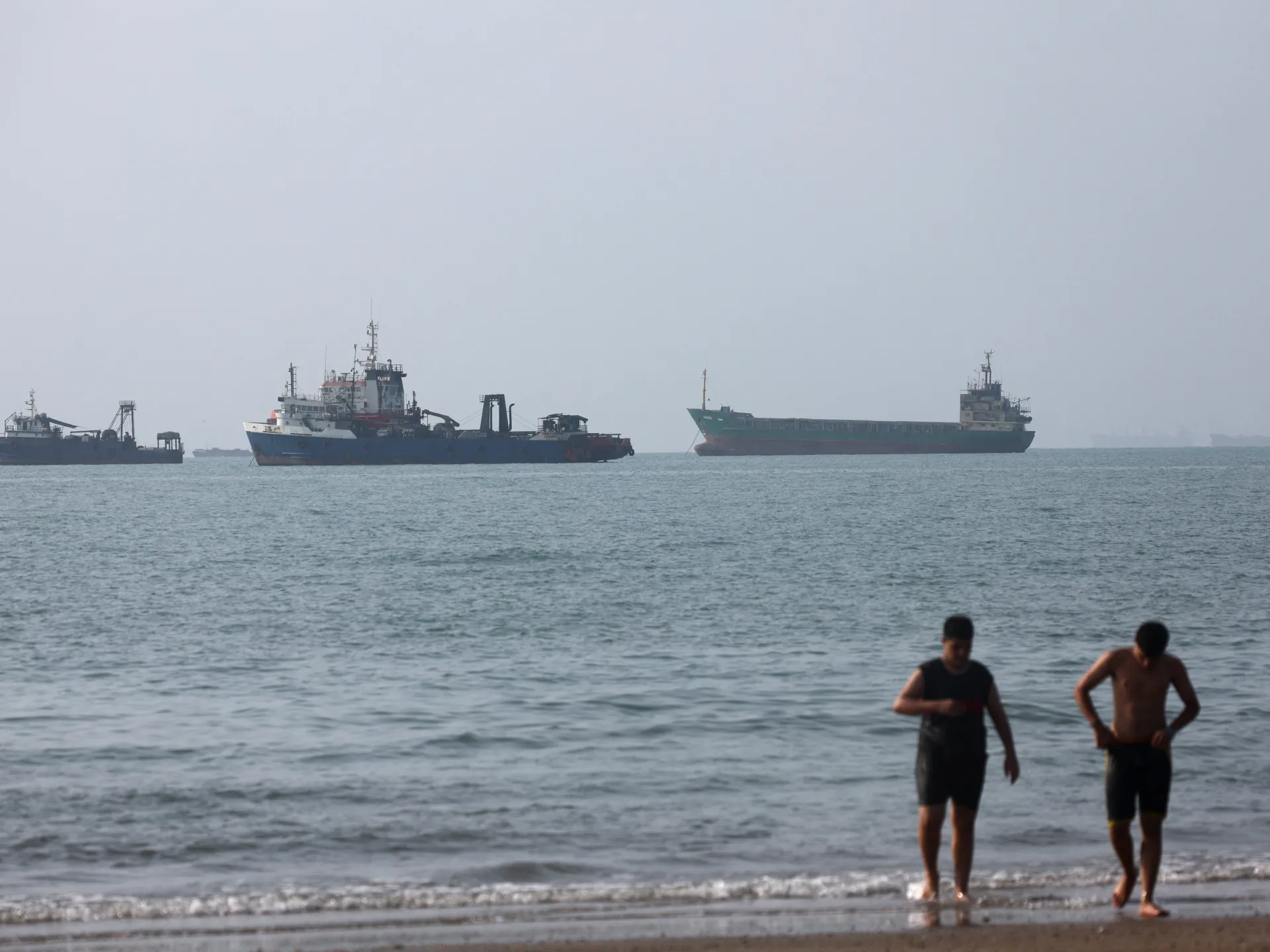
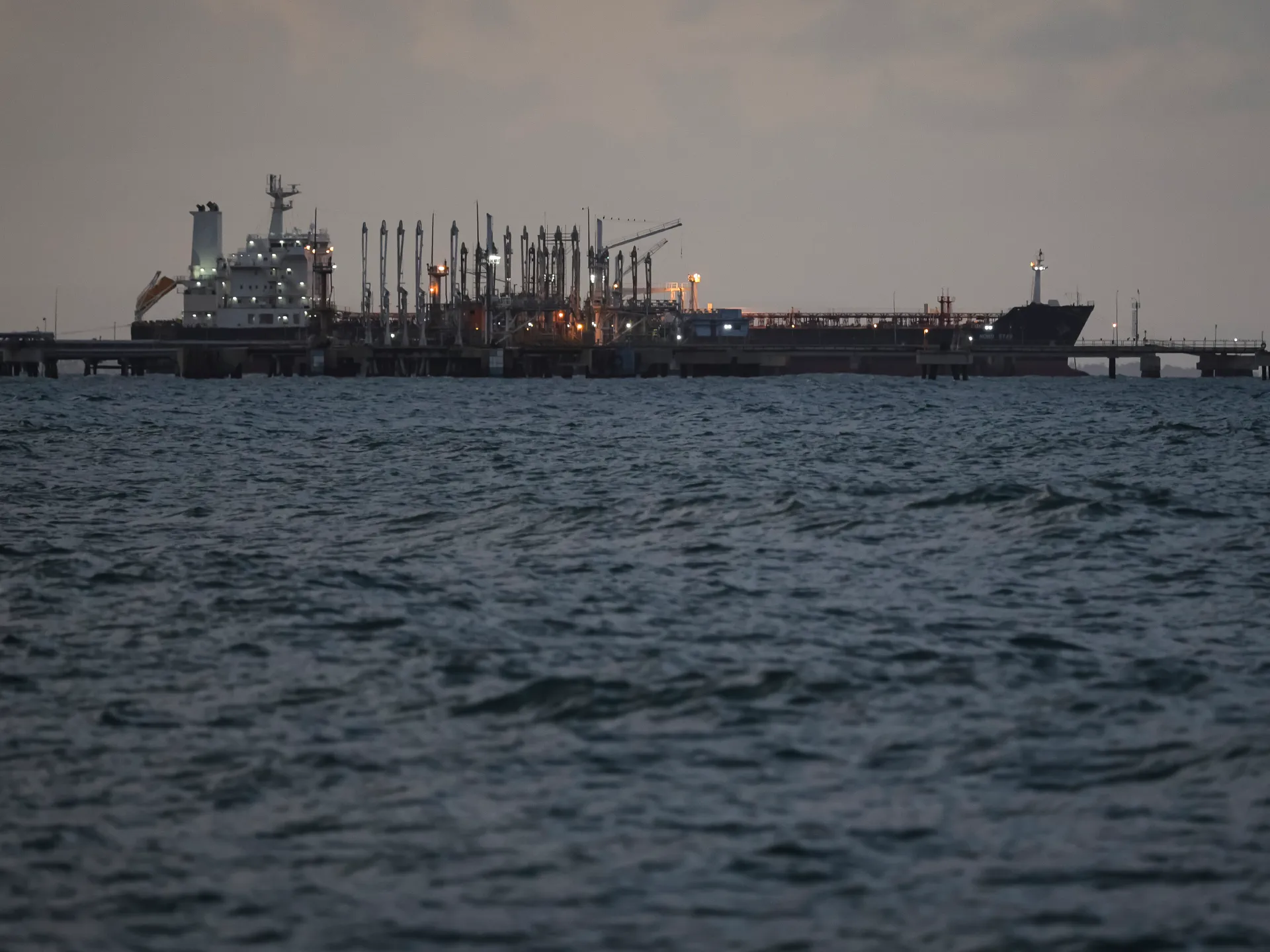
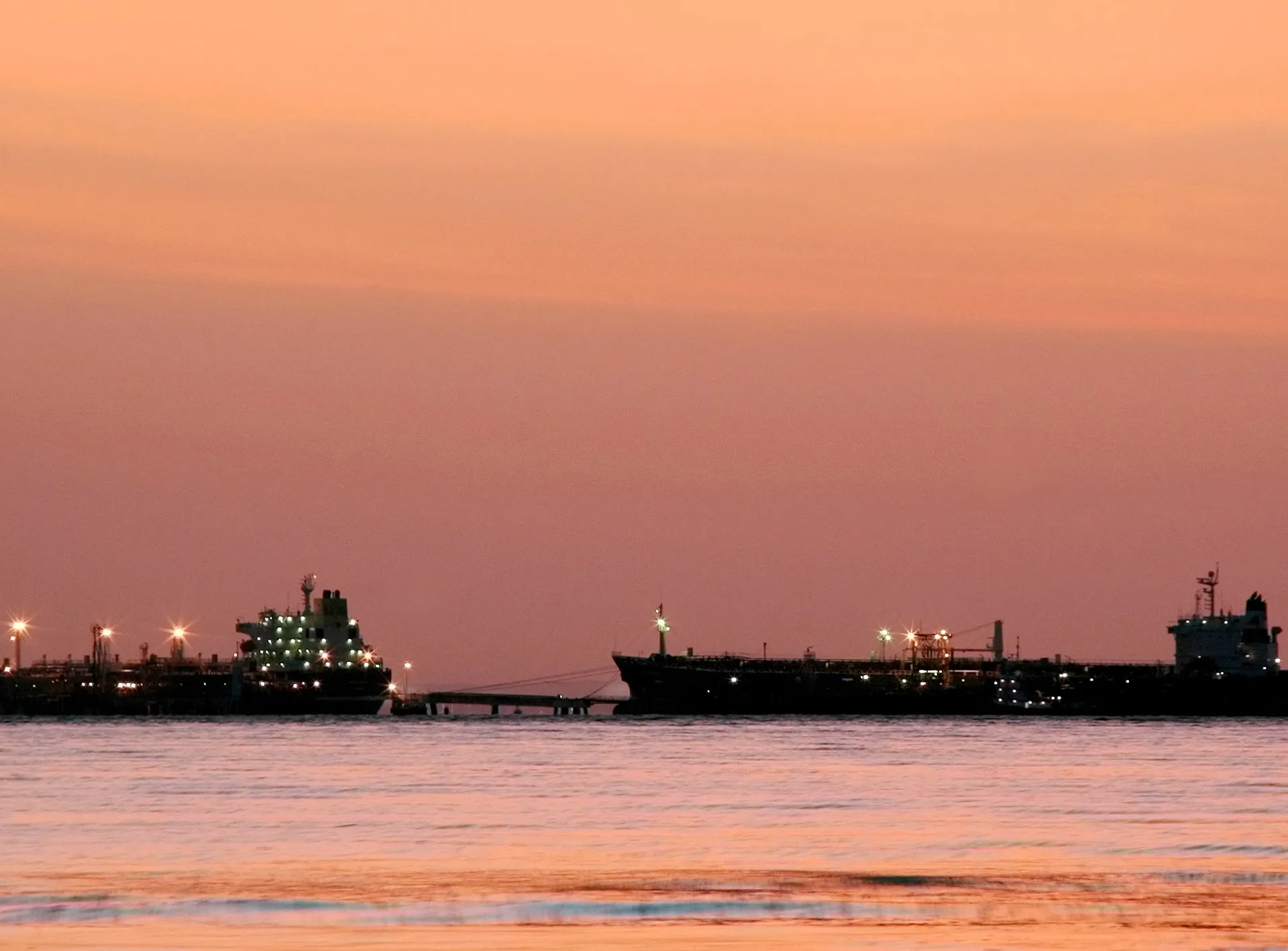
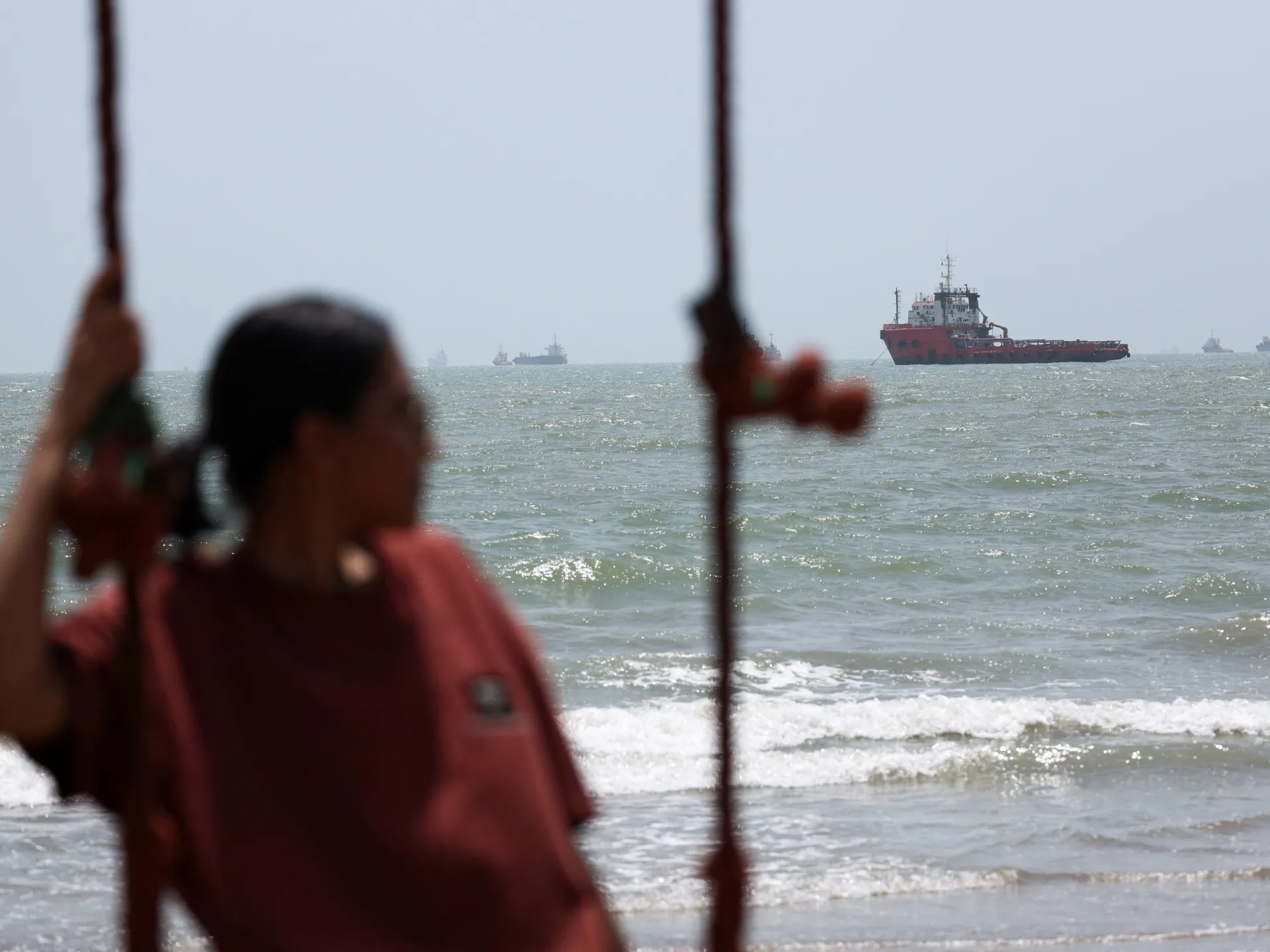
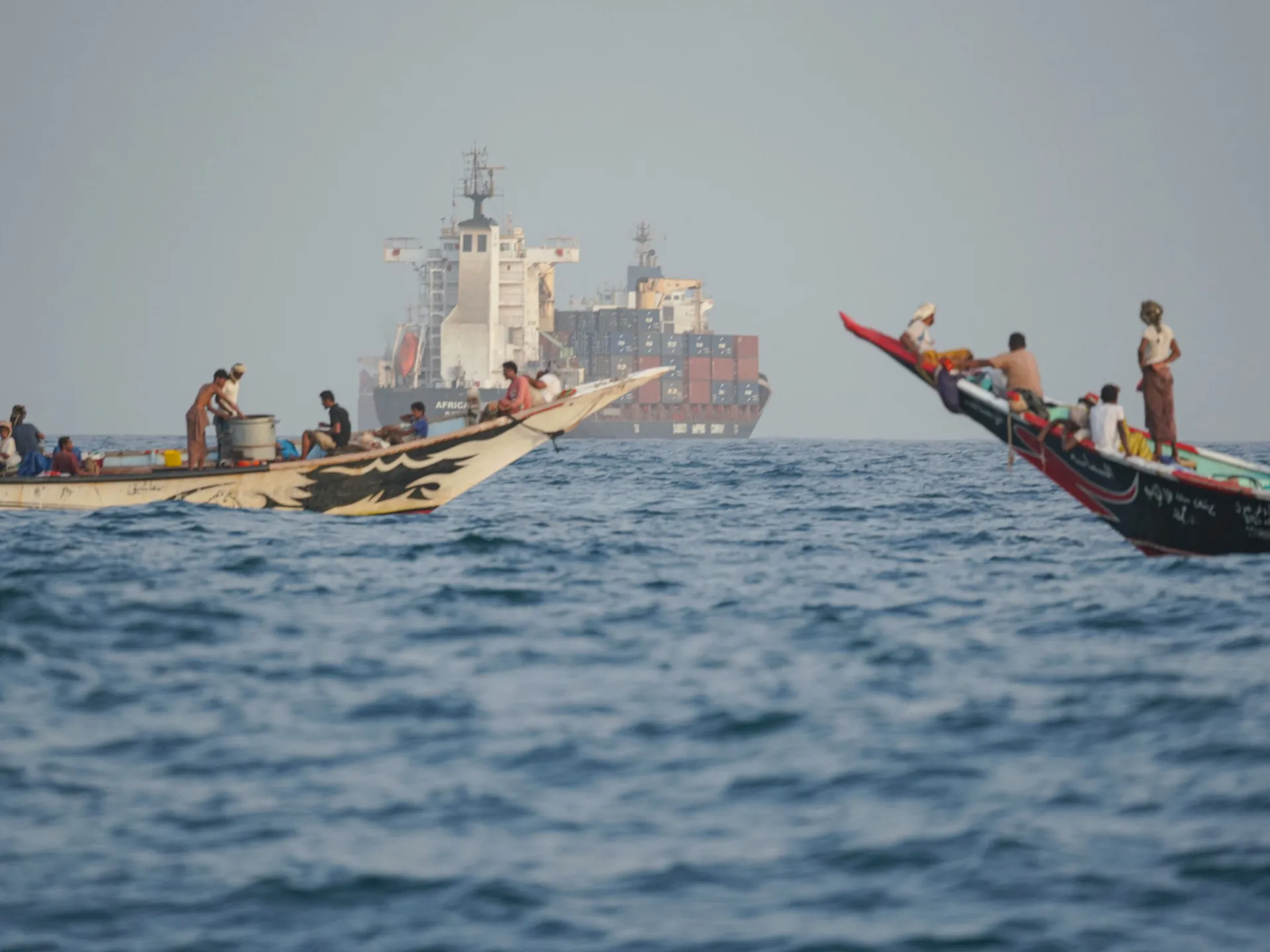
The geopolitical landscape surrounding the Red Sea has undergone a significant transformation following the recent seizure of Yemen’s coastline in one of the world’s most vital maritime corridors, leading to heightened anxiety among international observers and global powers. The strategic importance of the Red Sea cannot be overstated, as it serves as a critical artery for global commerce, energy shipments, and naval transit between the Indian Ocean and the Mediterranean via the Suez Canal.
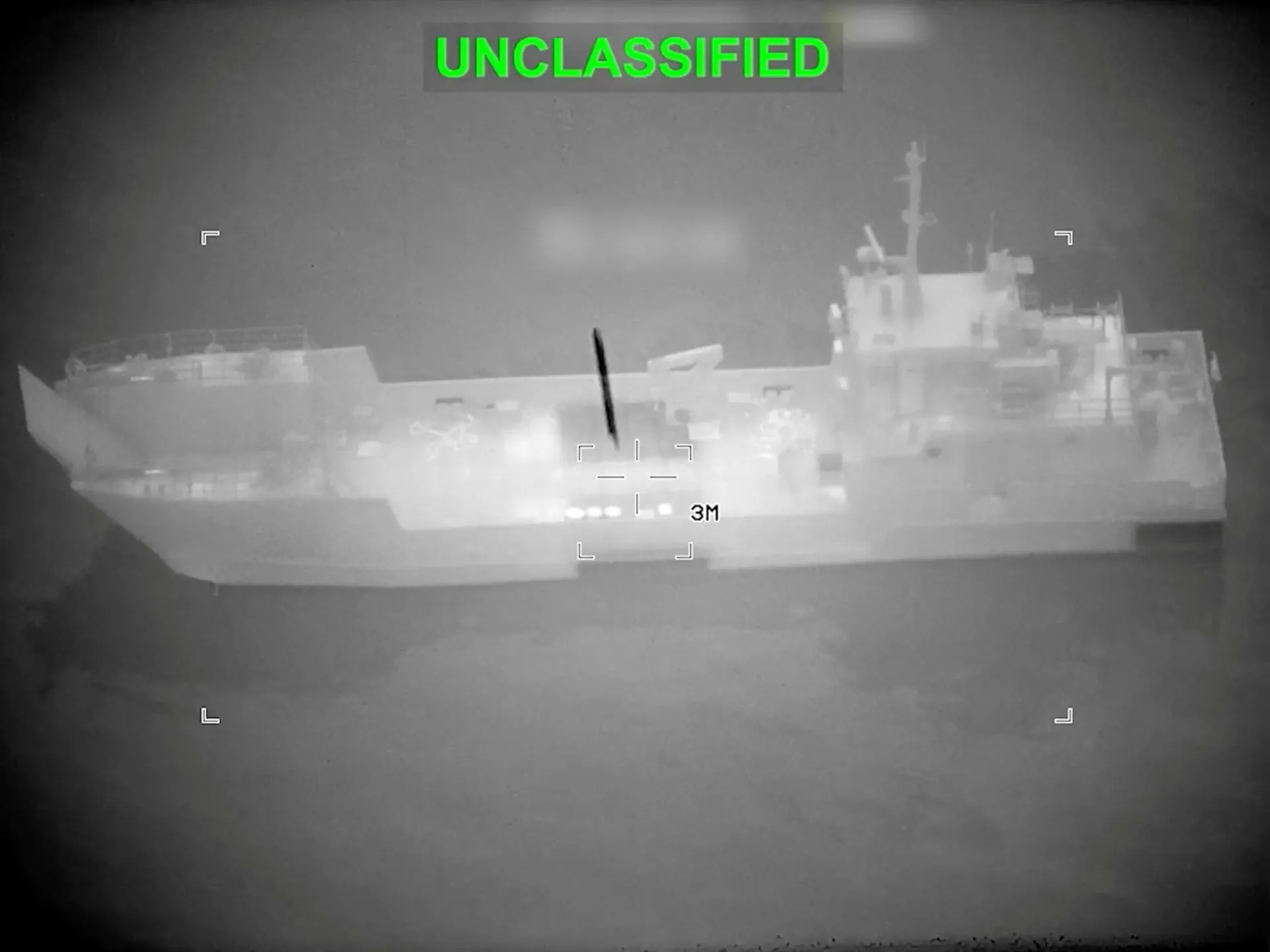
As Houthi forces consolidate their position along these critical shores, the potential for disruption to international shipping lanes has grown exponentially. The presence of a non-state actor with the capability to influence or block this narrow maritime passage presents a unique challenge to regional stability. Consequently, the United States is now evaluating the long-term implications of this territorial gain and whether current diplomatic channels are sufficient to maintain the freedom of navigation that the global economy depends upon.
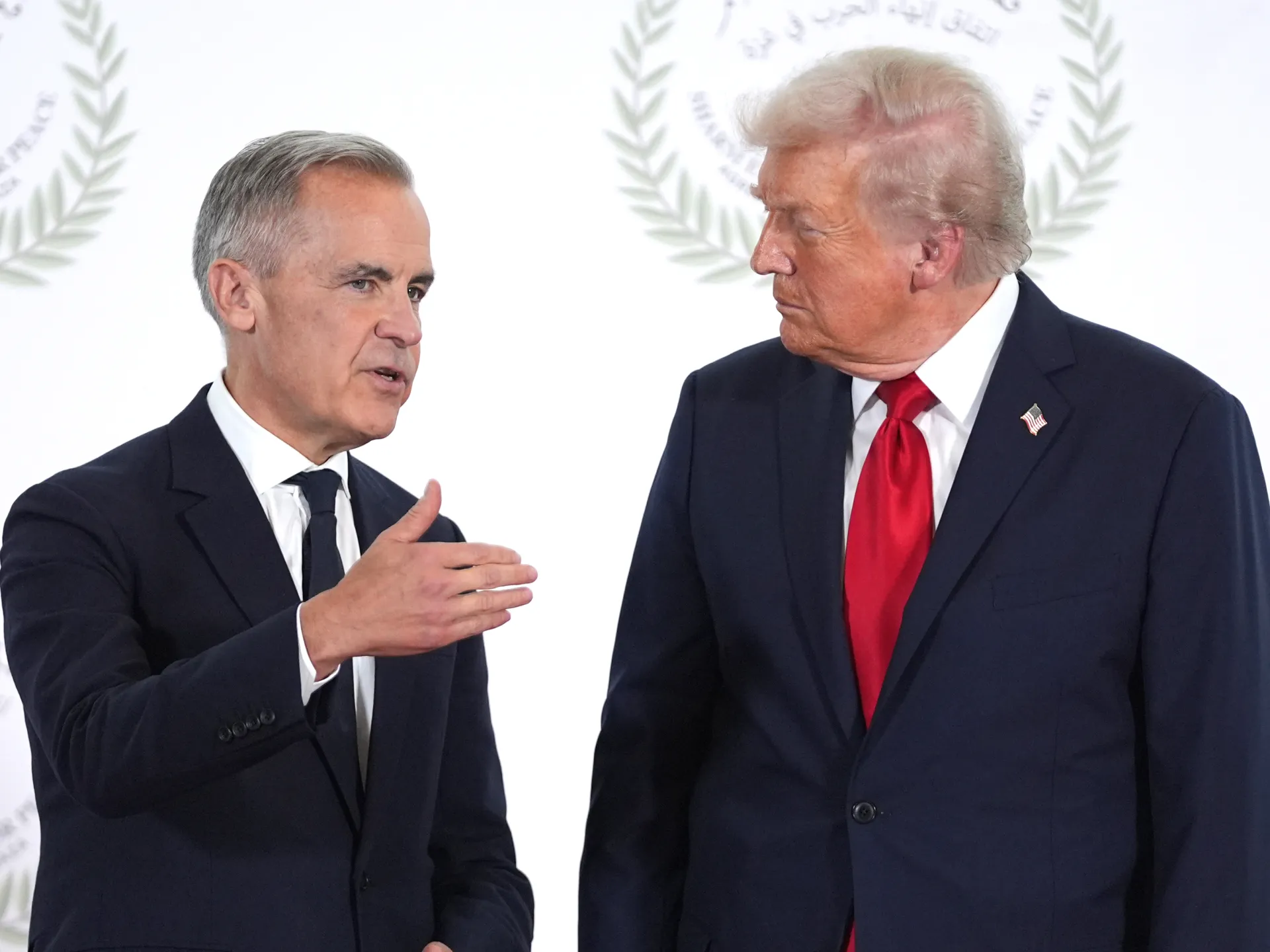
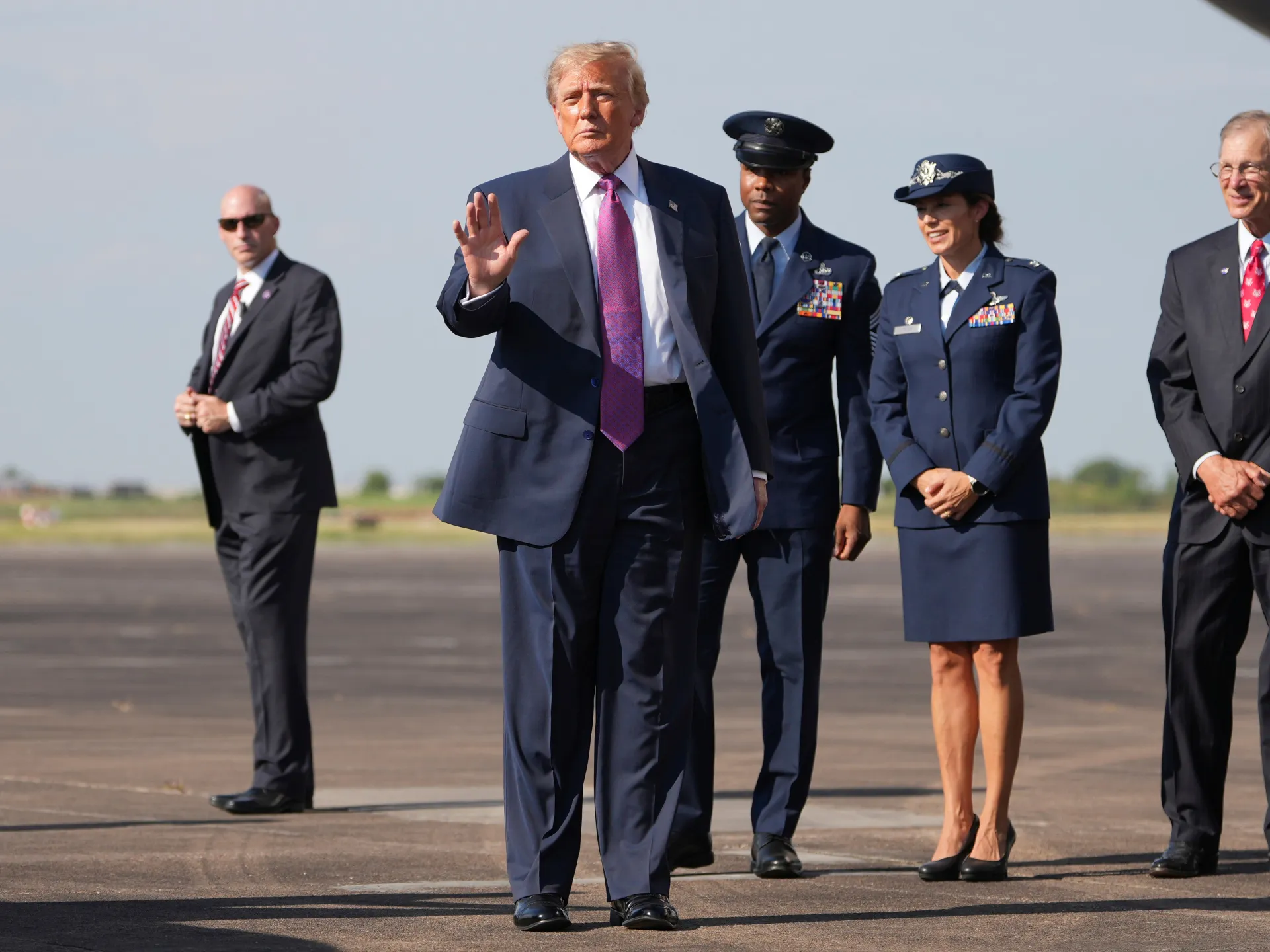
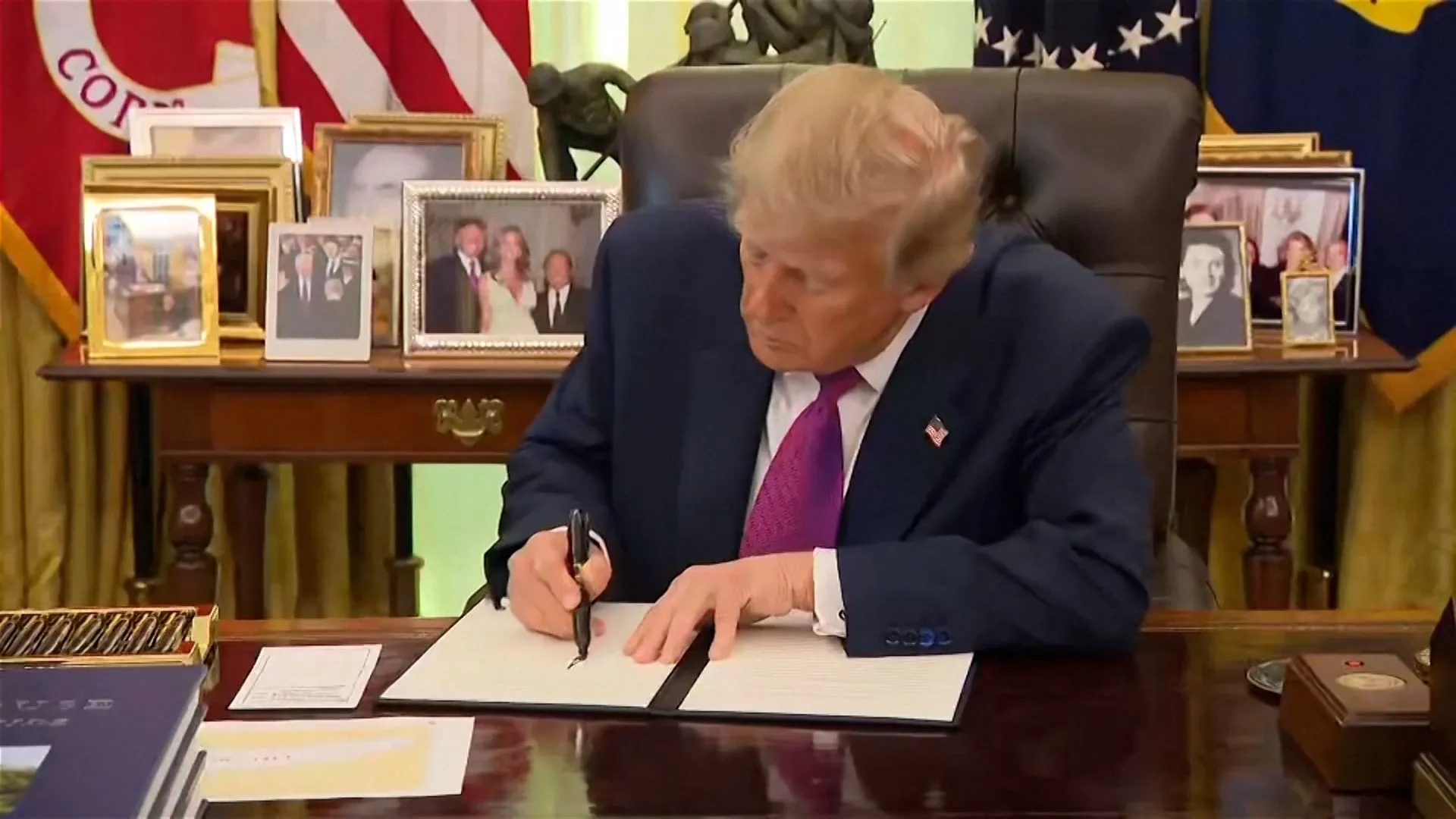
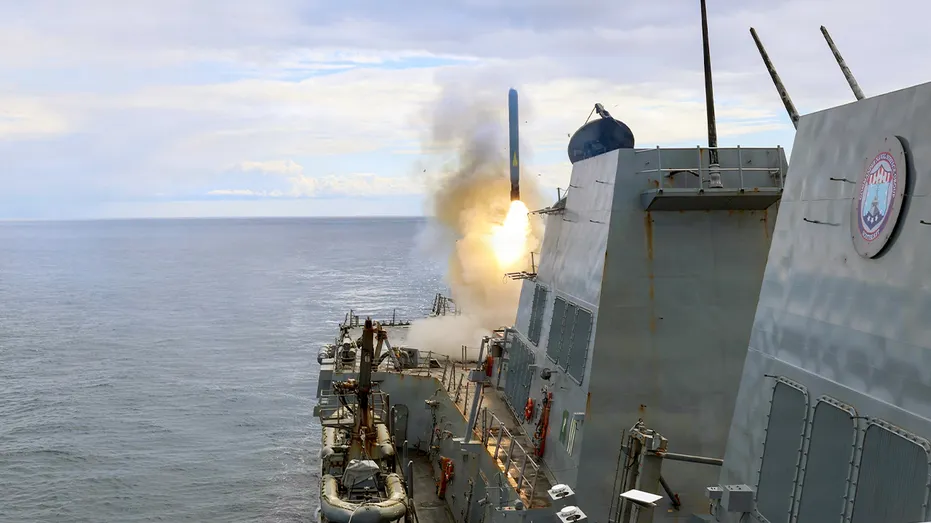
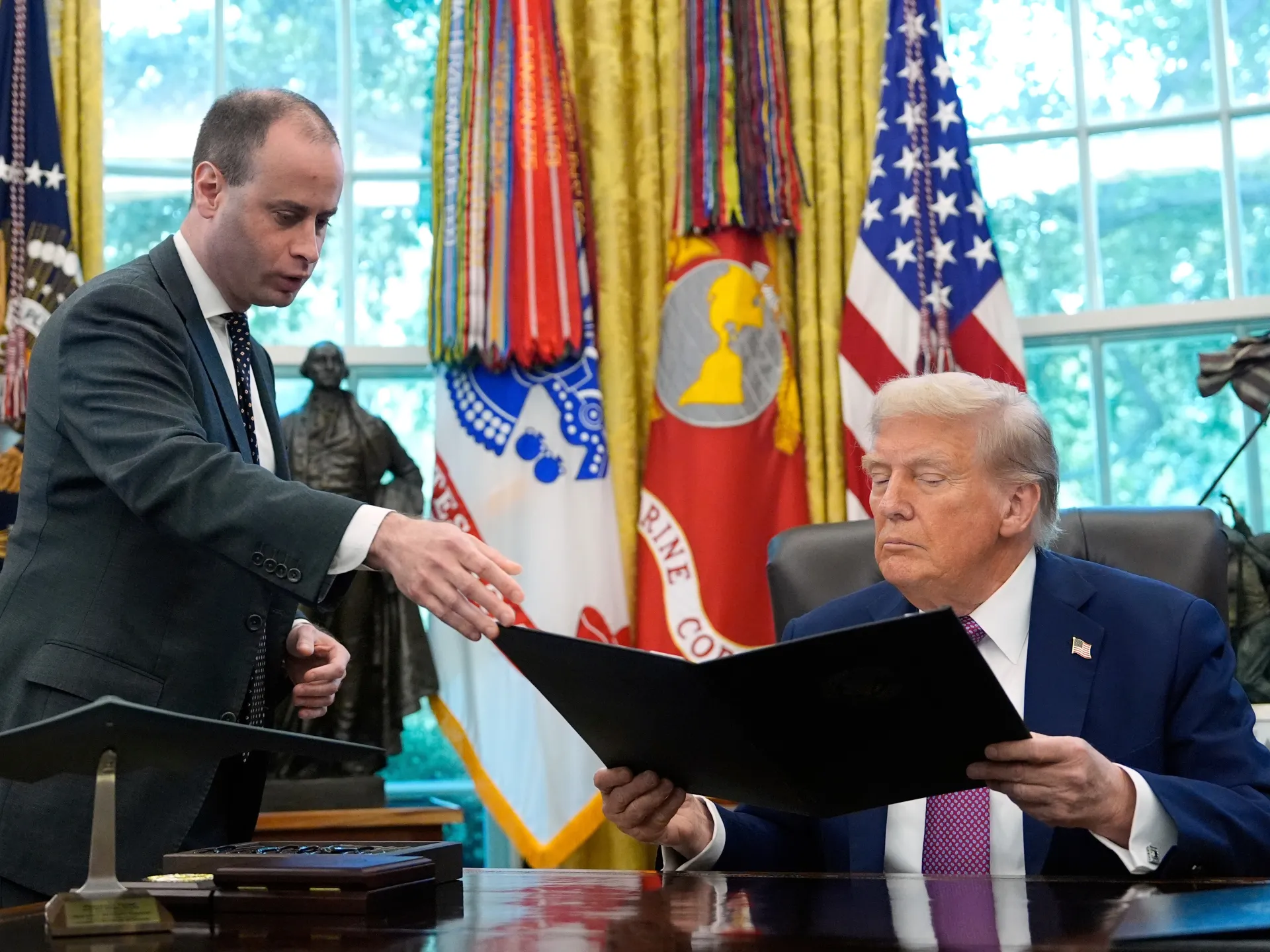
While the White House has maintained a policy of restraint, opting to decline requests for direct military strikes at this stage, the pressure for a more robust response is mounting. Former intelligence officials have highlighted that the United States may eventually find itself in a position where intervention is not merely an option, but a necessity to protect its interests and those of its regional allies. The core of this debate rests on the balance between preventing further escalation and ensuring that the security of international waters remains uncompromised.
Proponents of a more active stance argue that inaction could signal weakness, potentially emboldening further aggression that could threaten the flow of oil and consumer goods. Conversely, critics of military involvement warn that direct engagement in Yemen could trigger a broader, more protracted conflict that would be difficult to contain. This tug-of-war between diplomatic caution and the necessity of force remains the defining feature of the current U.S. approach to the Red Sea crisis.
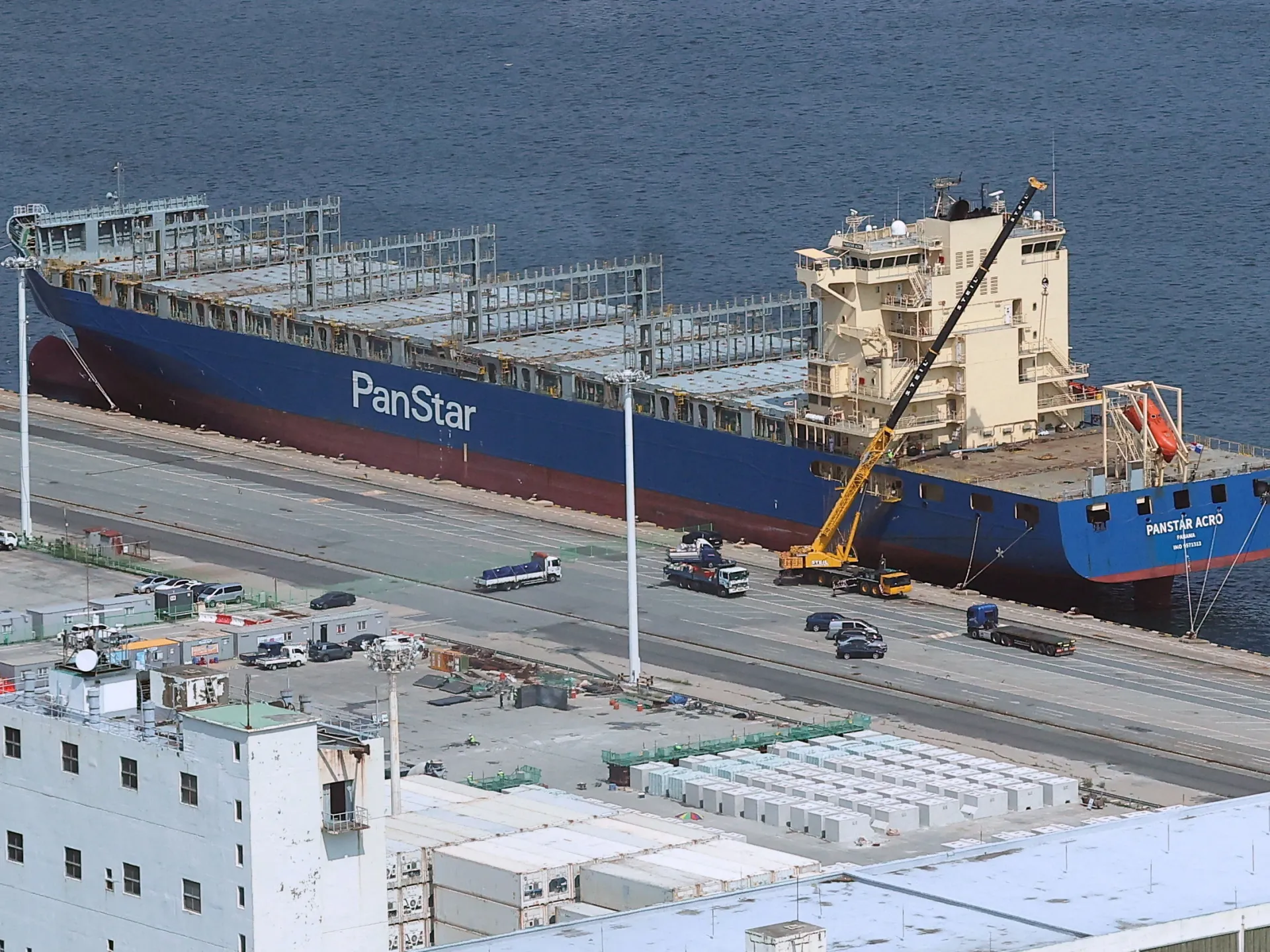
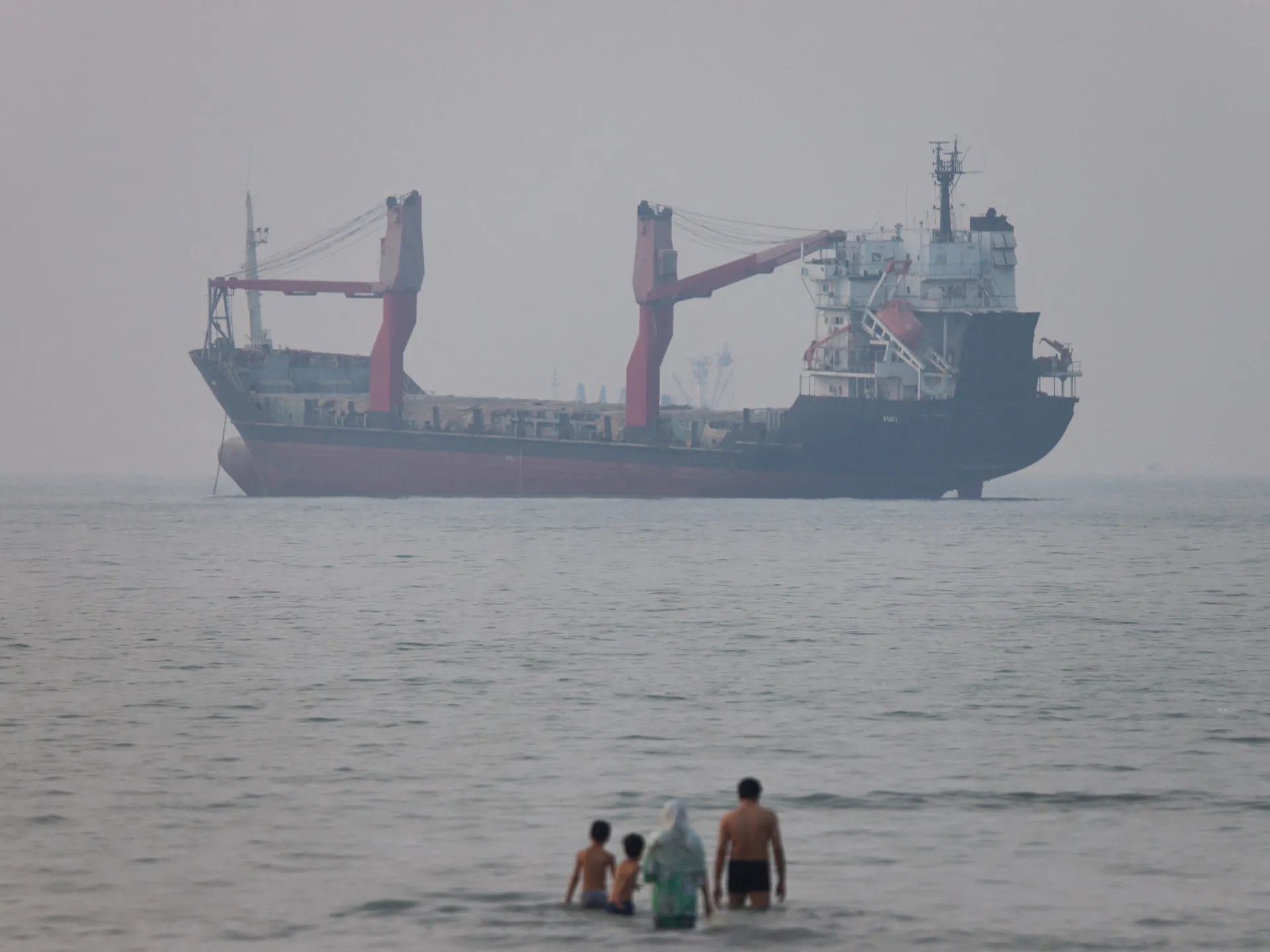
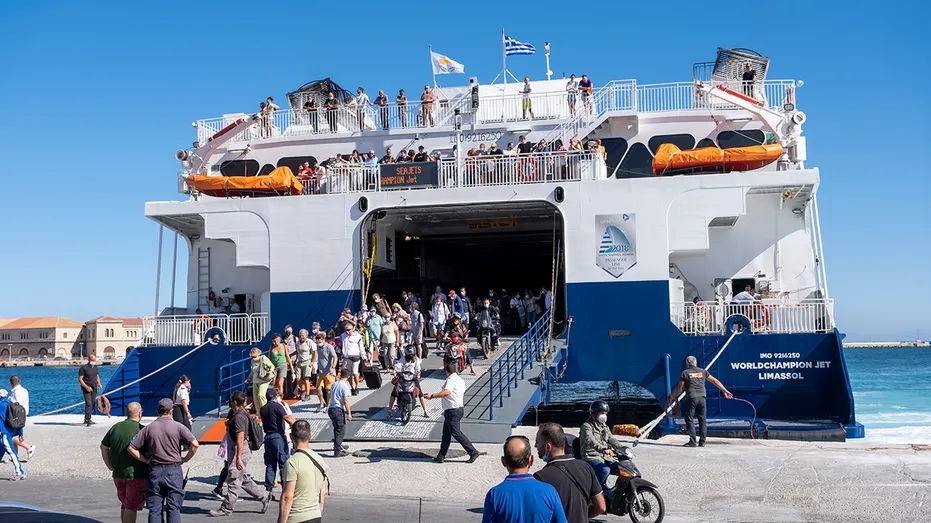
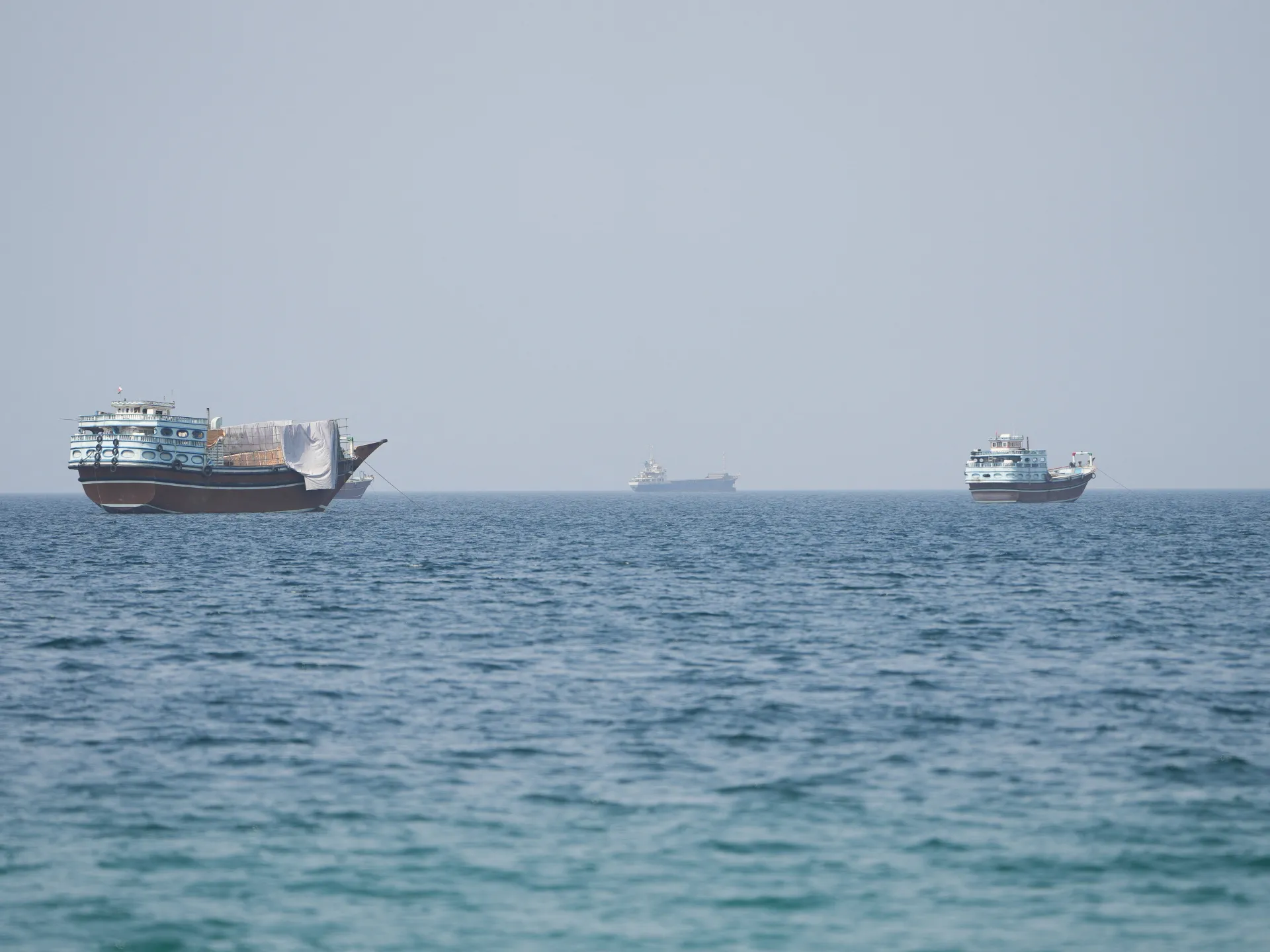
The vulnerability of the Red Sea has broader implications for international markets that extend far beyond the immediate region. Any sustained disruption in this area typically leads to increased insurance premiums for shipping companies, delays in supply chains, and volatility in global energy prices. As the situation remains fluid, shipping conglomerates are closely monitoring the security environment to determine whether to reroute vessels or continue transiting through what is becoming an increasingly contested zone.
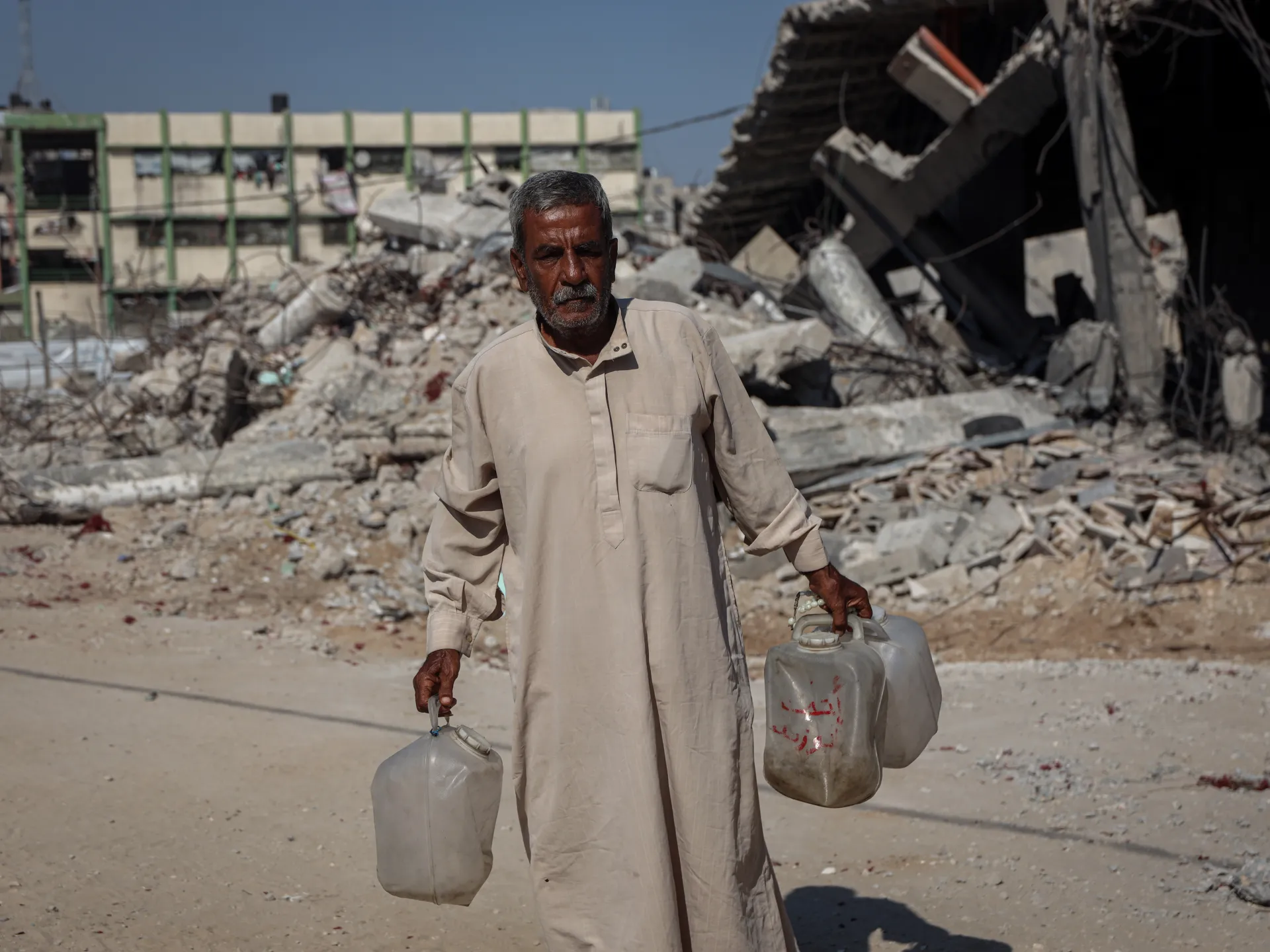
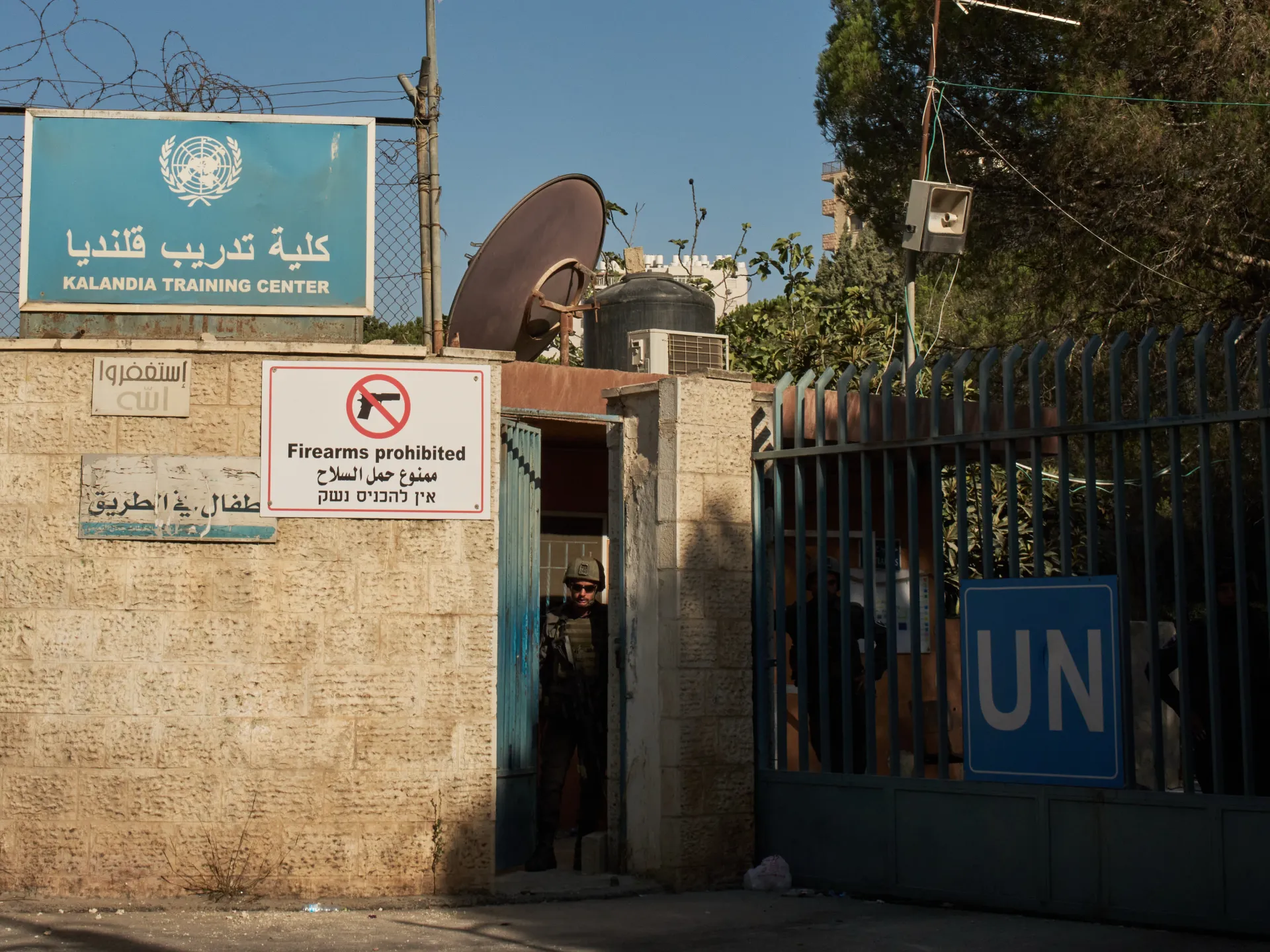
Furthermore, the humanitarian situation in Yemen, coupled with the ongoing regional instability, complicates any potential military calculus. The United States must navigate a complex web of alliances and local hostilities, ensuring that any actions taken do not exacerbate the existing crises within the country. The international community is watching closely to see how the U.S. balances its role as a global security guarantor against the risks of becoming deeply entrenched in another Middle Eastern conflict.
Looking ahead, the path toward restoring security in the Red Sea remains uncertain. Diplomatic efforts often require significant time to bear fruit, and in the interim, the physical reality on the ground continues to shift. Whether through increased naval patrols, international coalitions, or direct diplomatic pressure, the U.S. is expected to continue its search for a strategy that addresses the Houthi presence without triggering a wider war.
Ultimately, the decision-making process within the Biden administration will likely be dictated te, the threshold for intervention may be lowered, regardless of the initial preference for a non-military solution. The coming months will be critical in determining whether the region can return to a state of predictable maritime transit or if the Red Sea will remain a volatile flashpoint for the foreseeable future.