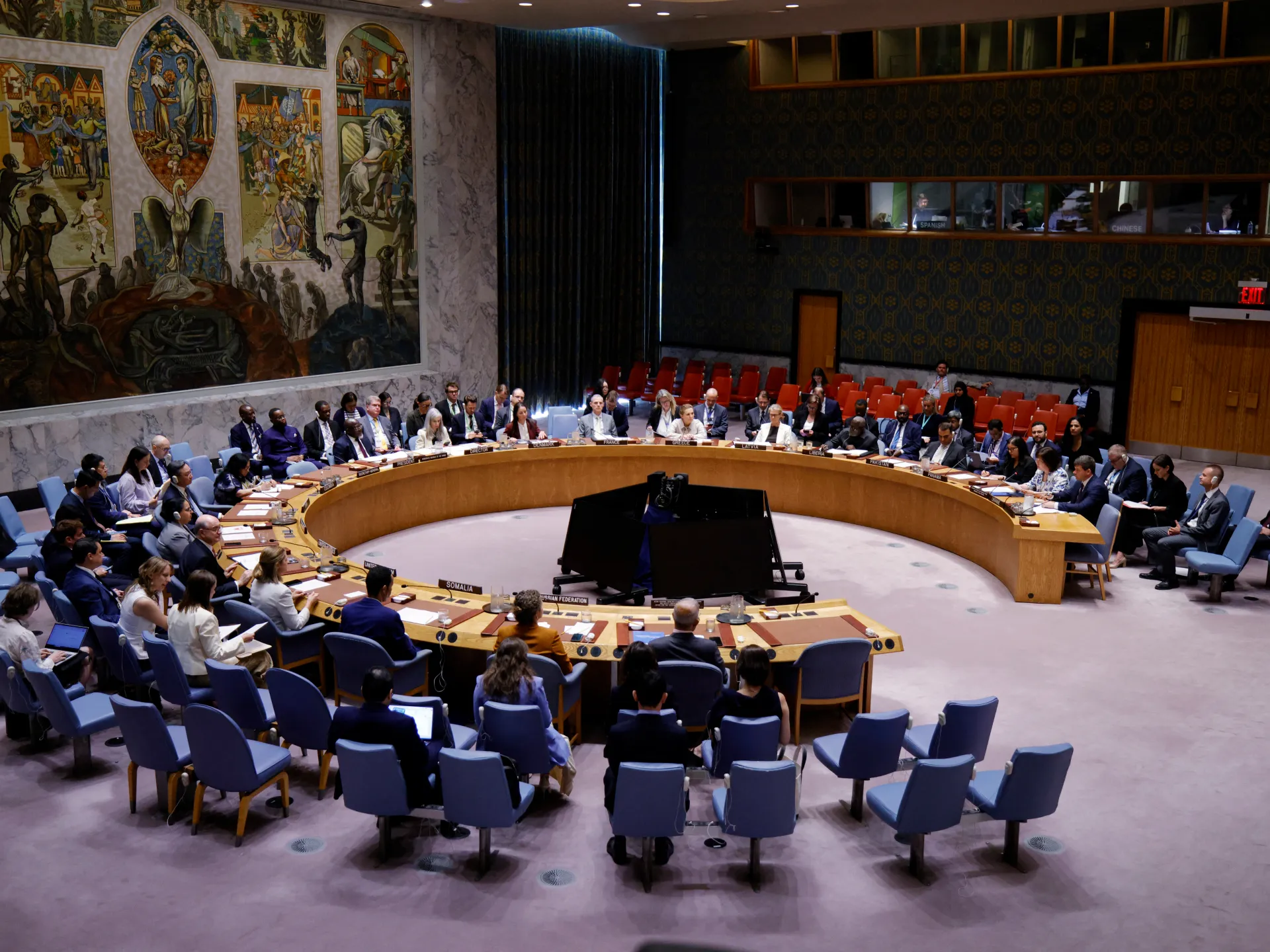
As world leaders gather in New York to discuss the future of Syria, a parallel push in the U.S. space sector underscores the broader global competition for resources and talent.
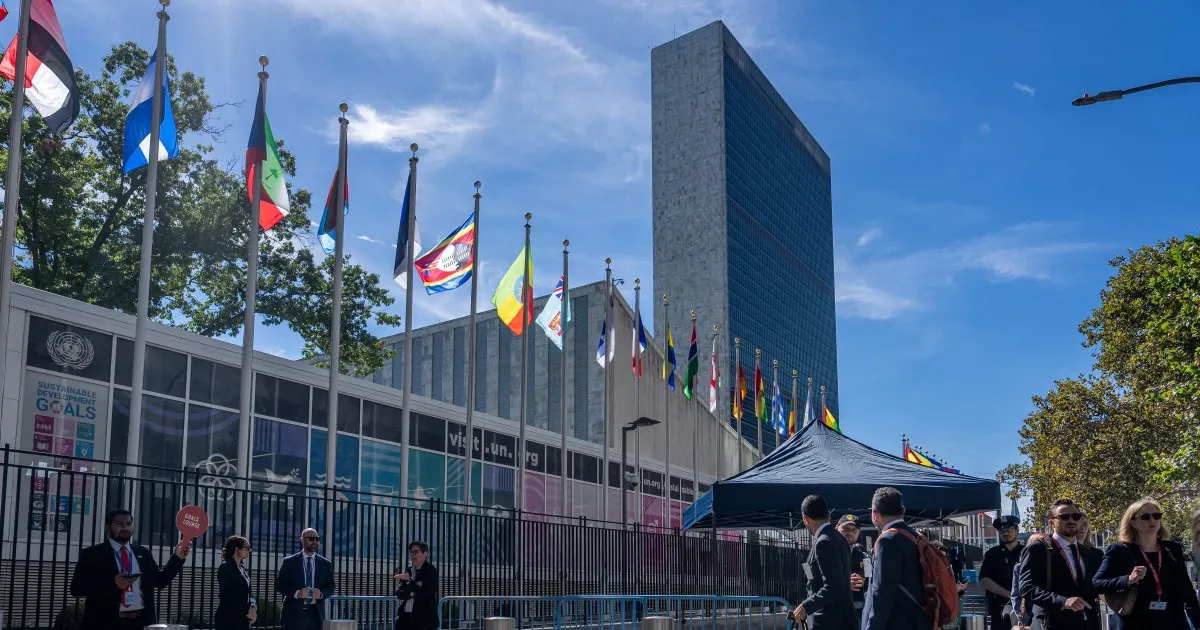
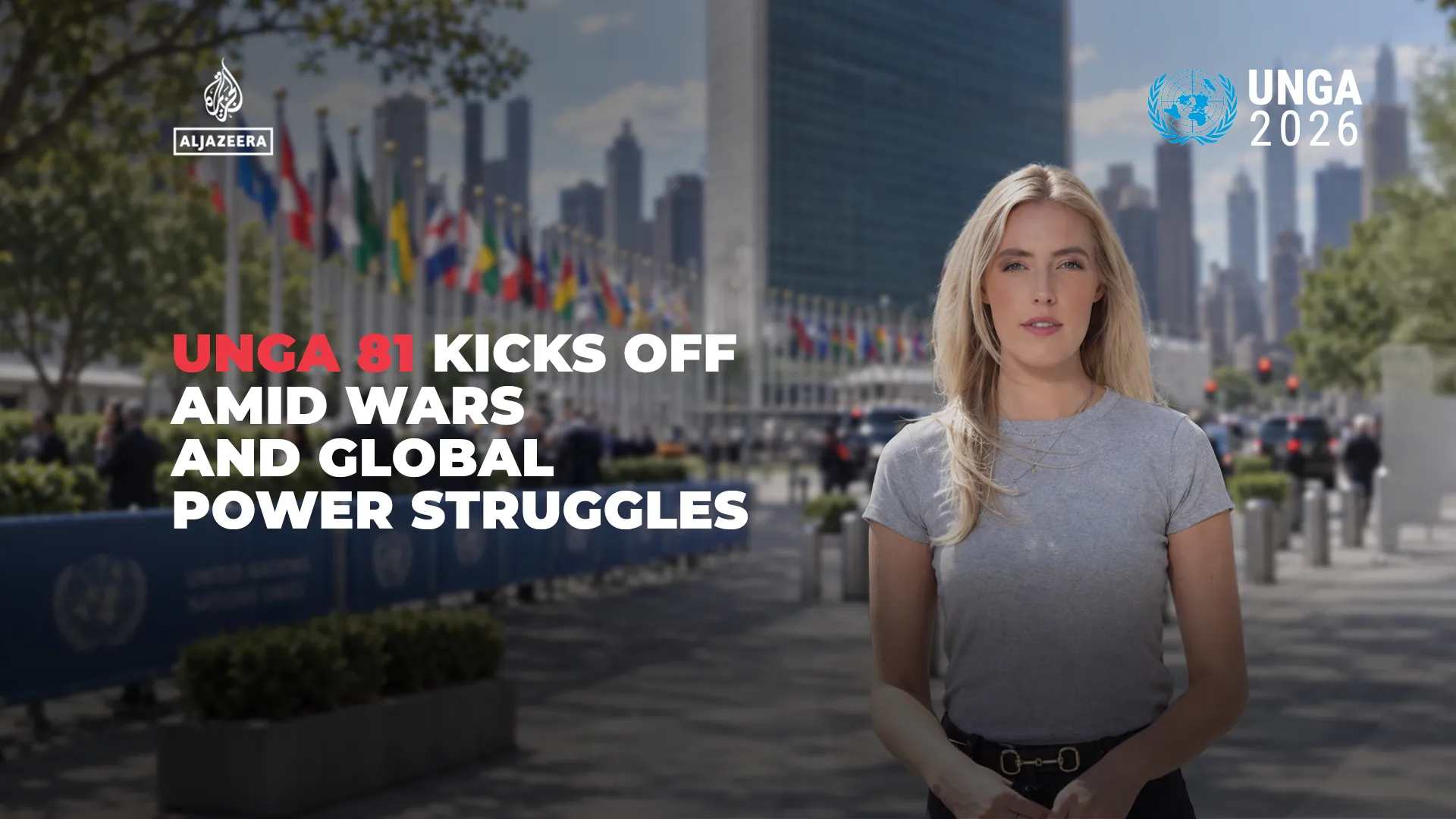
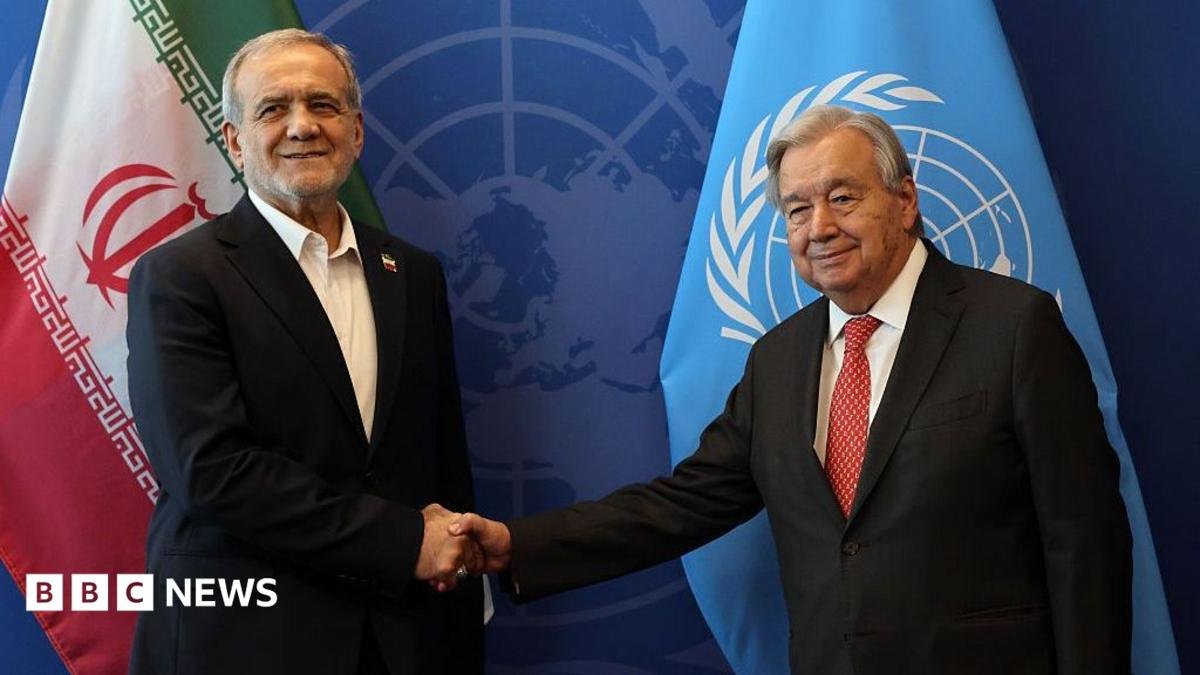
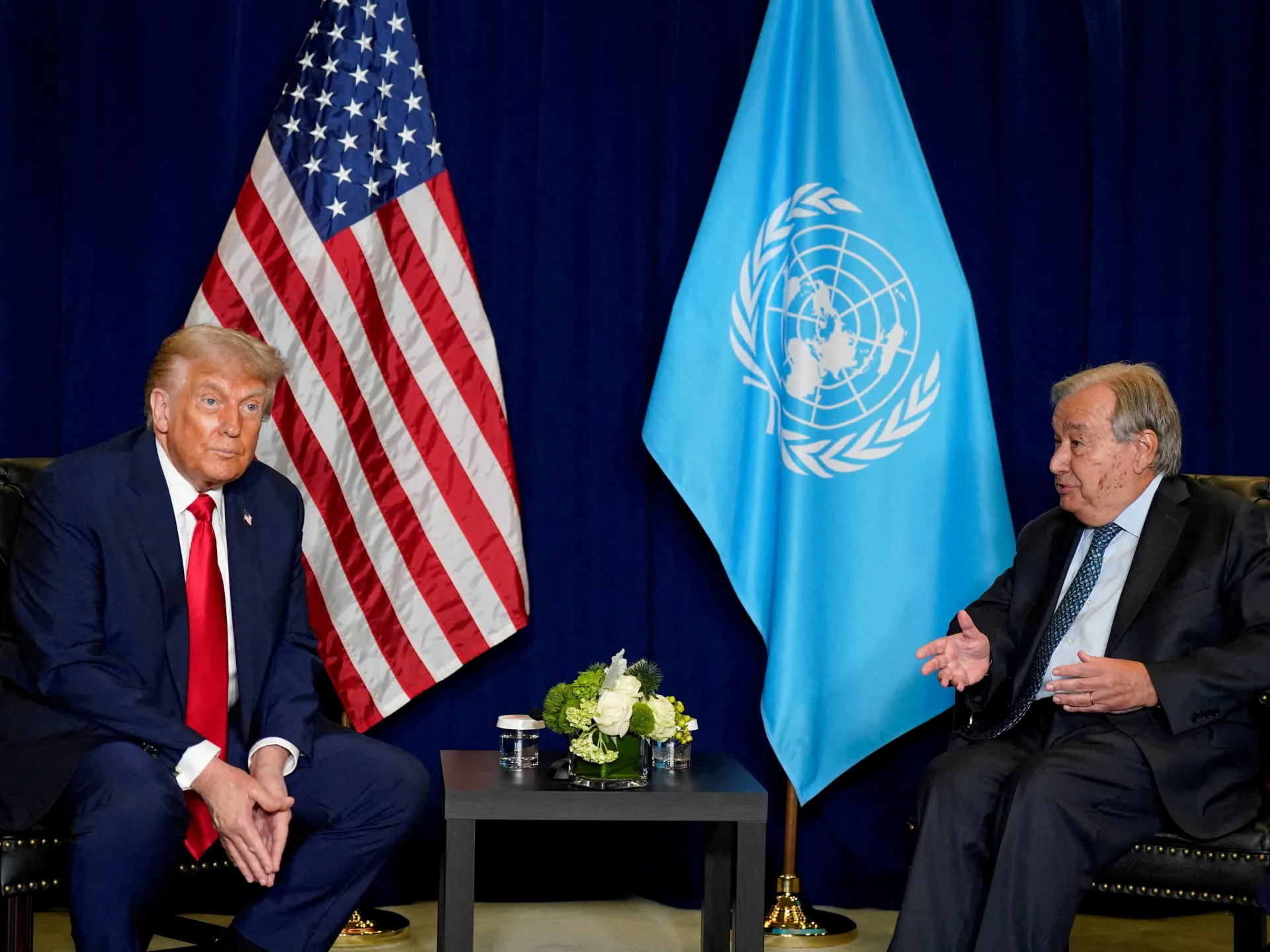
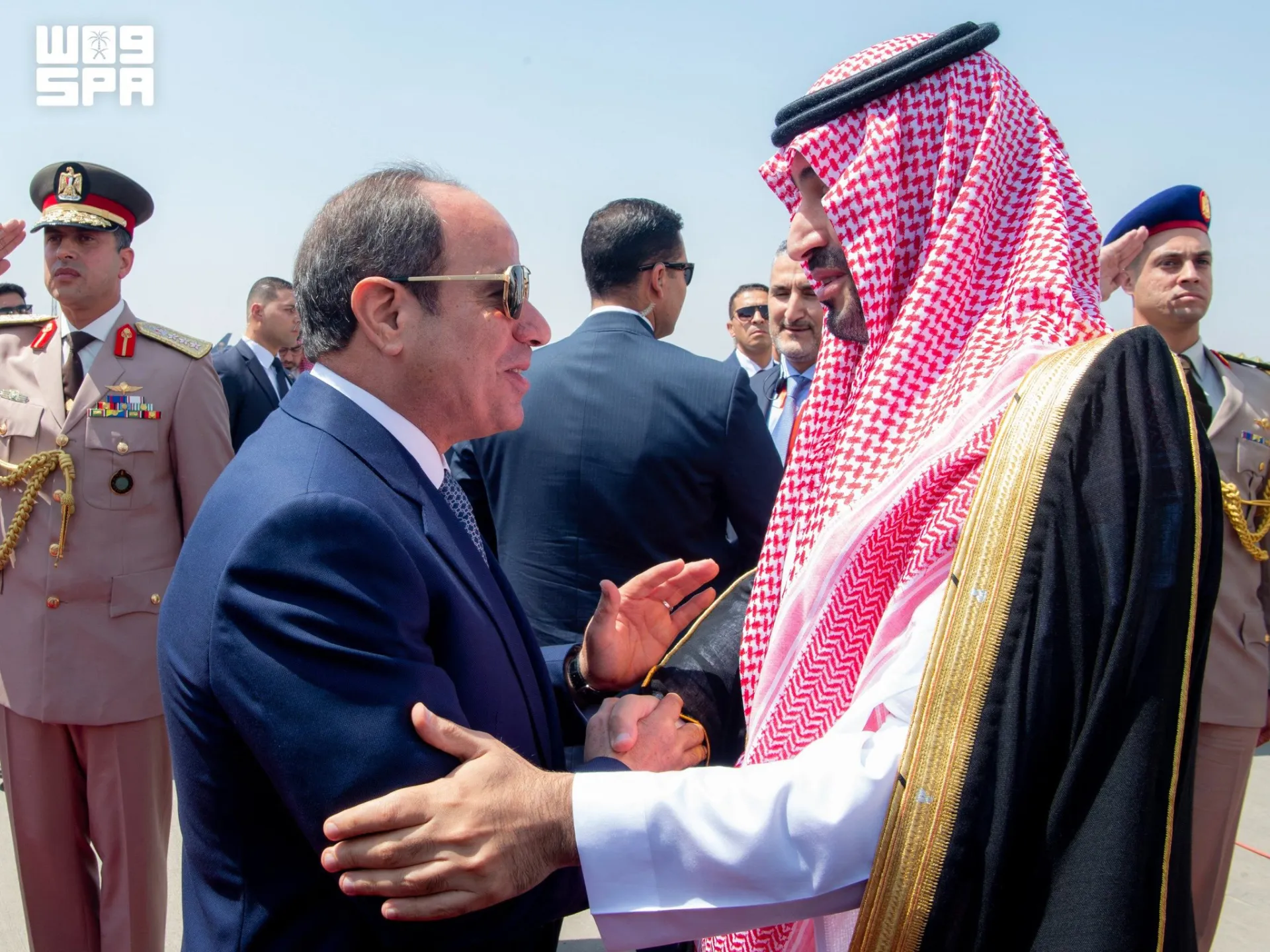
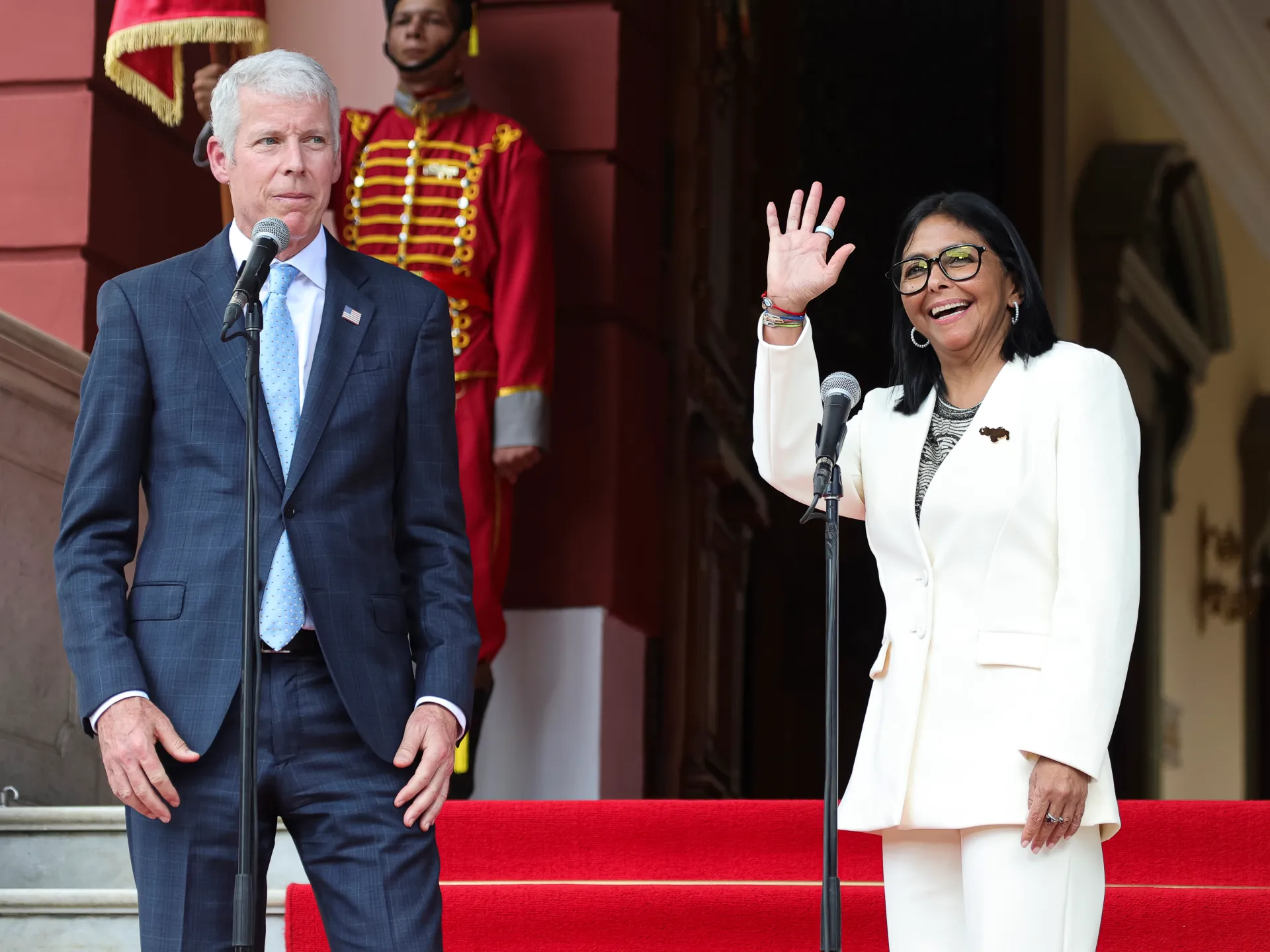
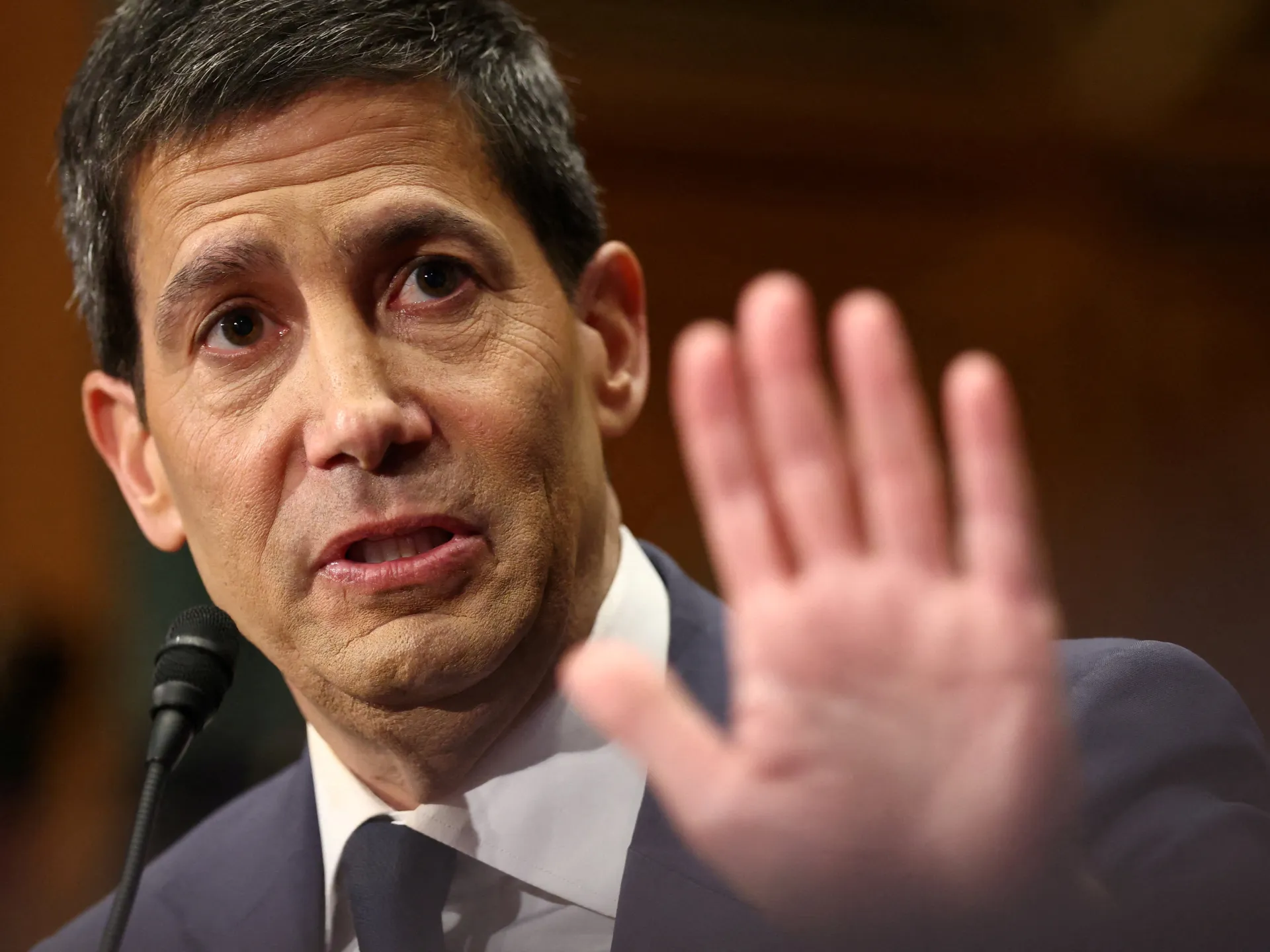
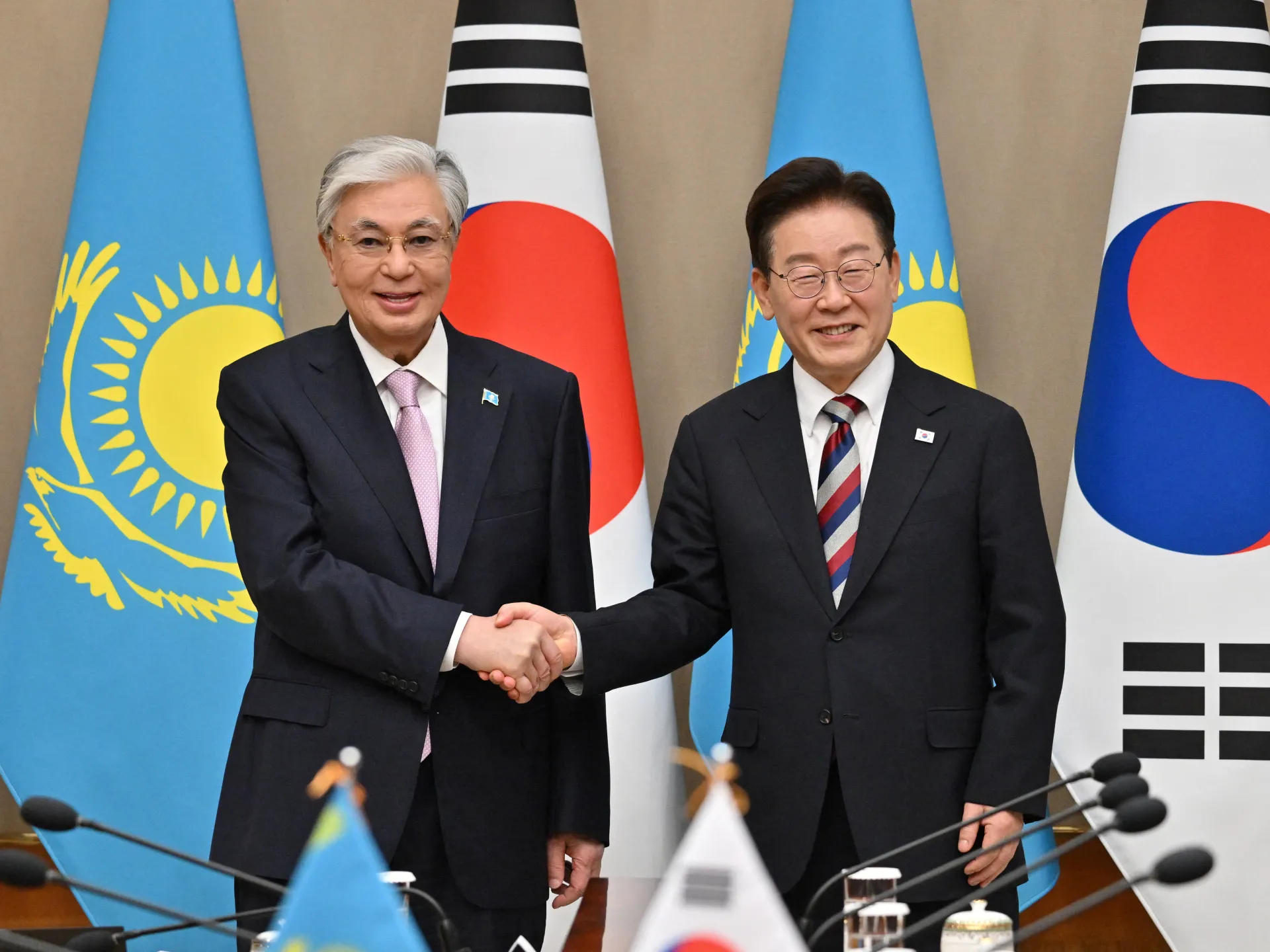
As the international community converges on the United Nations General Assembly in New York this week, the spotlight has shifted toward a high-stakes proposal from Syrian President Ahmed al-Sharaa. His anticipated presentation of a "new Syria" agenda stands in stark contrast to the quiet, methodical progress occurring millions of miles away on the Martian surface, where the Perseverance rover continues to transmit data from the "Turquoise Bay" region. While these events occupy vastly different domains—one steeped in the volatile complexities of human governance and the other in the silent expansion of scientific knowledge—they underscore a week defined n human capability.
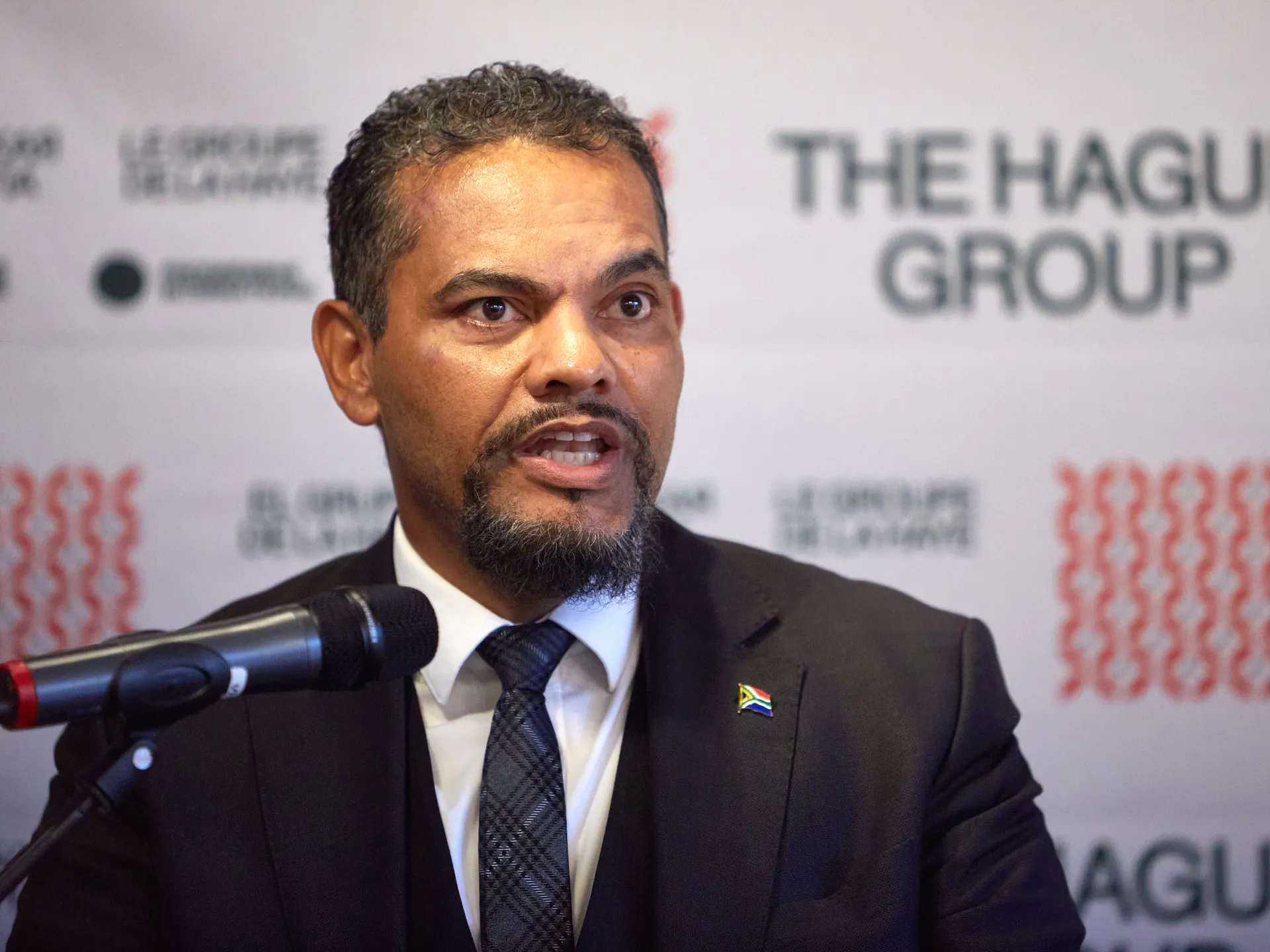
For the citizens of Syria, the rhetoric surrounding a "new" national vision is being met with a blend of skepticism and urgent demand. Reports from Al Jazeera and DW suggest that the gap between international diplomatic overtures and the realities on the ground in Damascus remains significant. While the administration prepares to project an image of reform to the global stage, the populace continues to prioritize fundamental necessities: safety, the restoration of justice, and the stabilization of an economy that has been ravaged enge for leadership in conflict-affected states to reconcile international optics with domestic legitimacy.
The juxtaposition of space-age scientific achievement and the struggle for national stability offers a unique lens through which to view current global priorities. When nations invest heavily in the future of the aerospace workforce, as evidenced the long-term sustainability of their domestic economies. Conversely, in regions currently experiencing intense socio-political pressure, such as Syria, the ability of a government to pivot from survival to sustainable development remains the primary obstacle to progress. This week's news cycle reveals that global influence is increasingly split between those who can command the narrative at the UN and those who possess the material and economic infrastructure to define the next generation of human innovation.
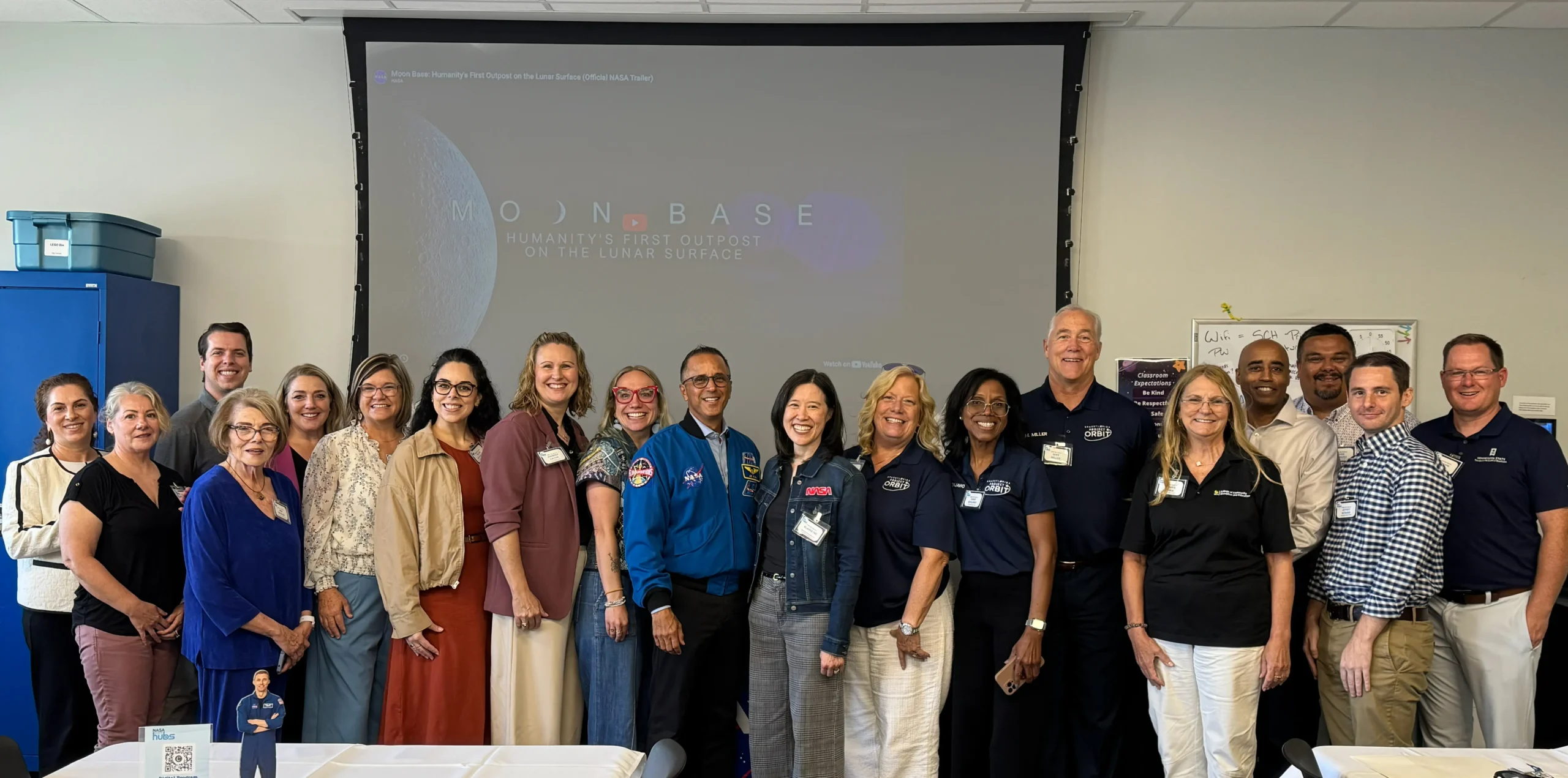
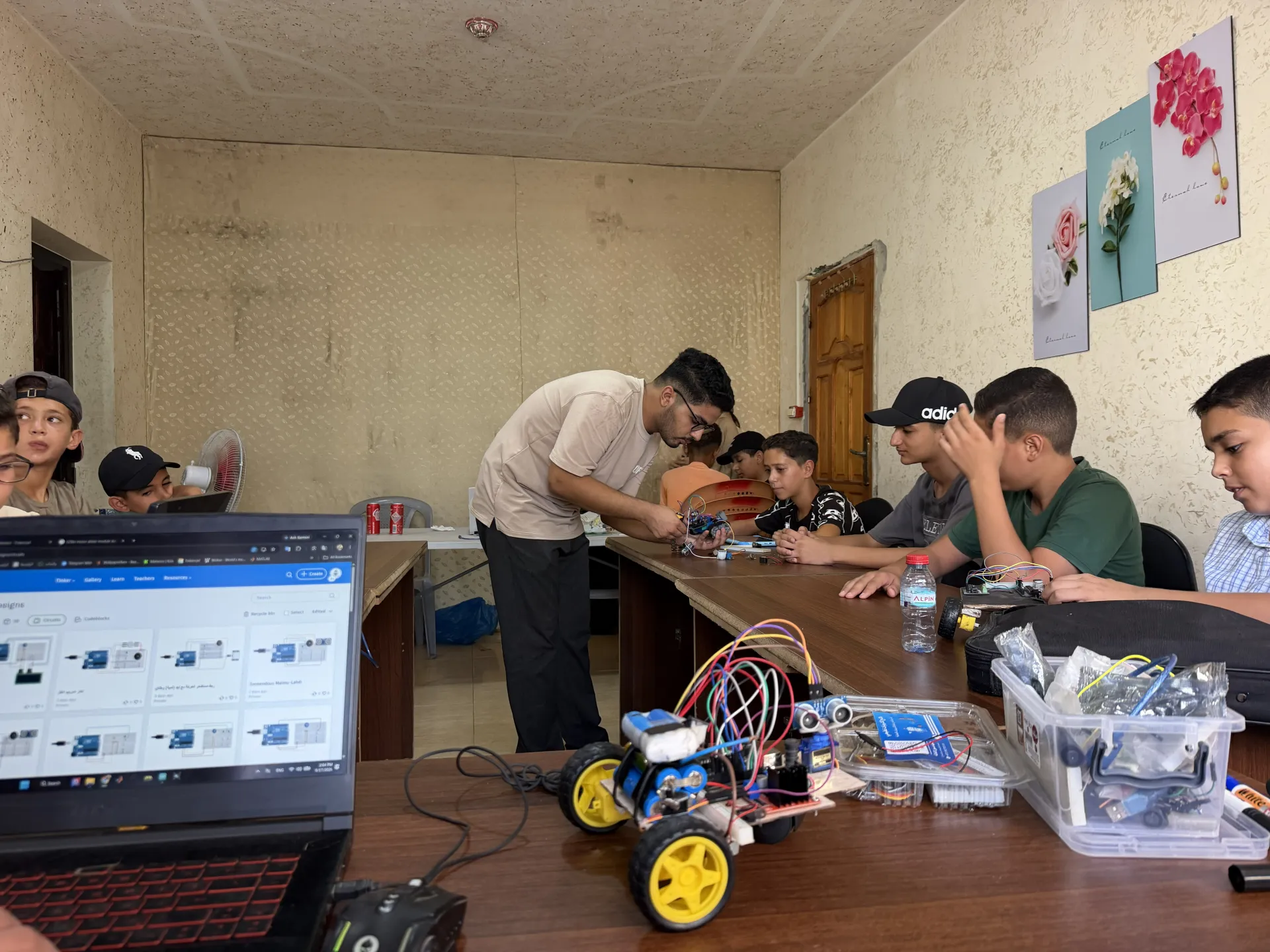
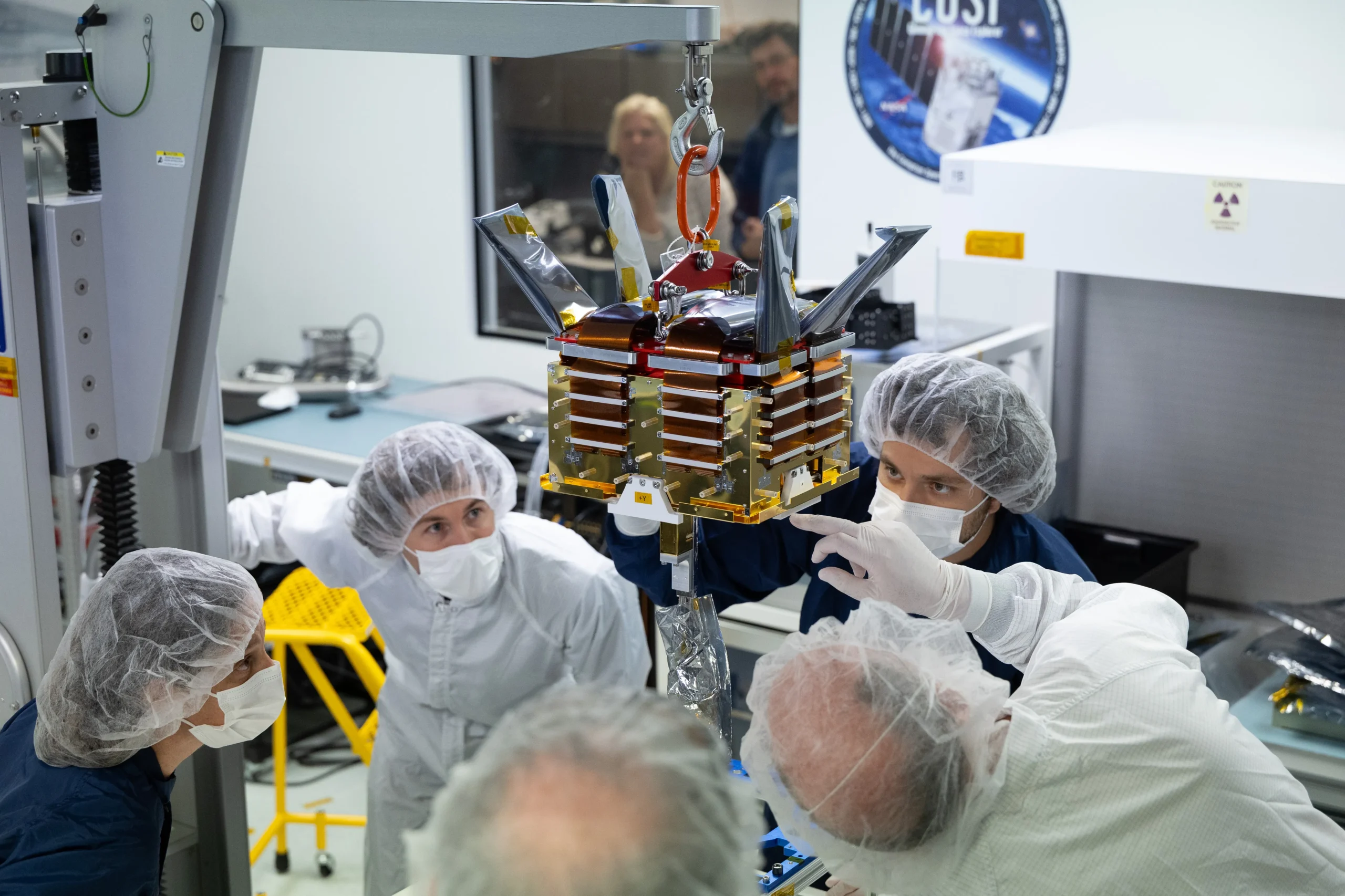
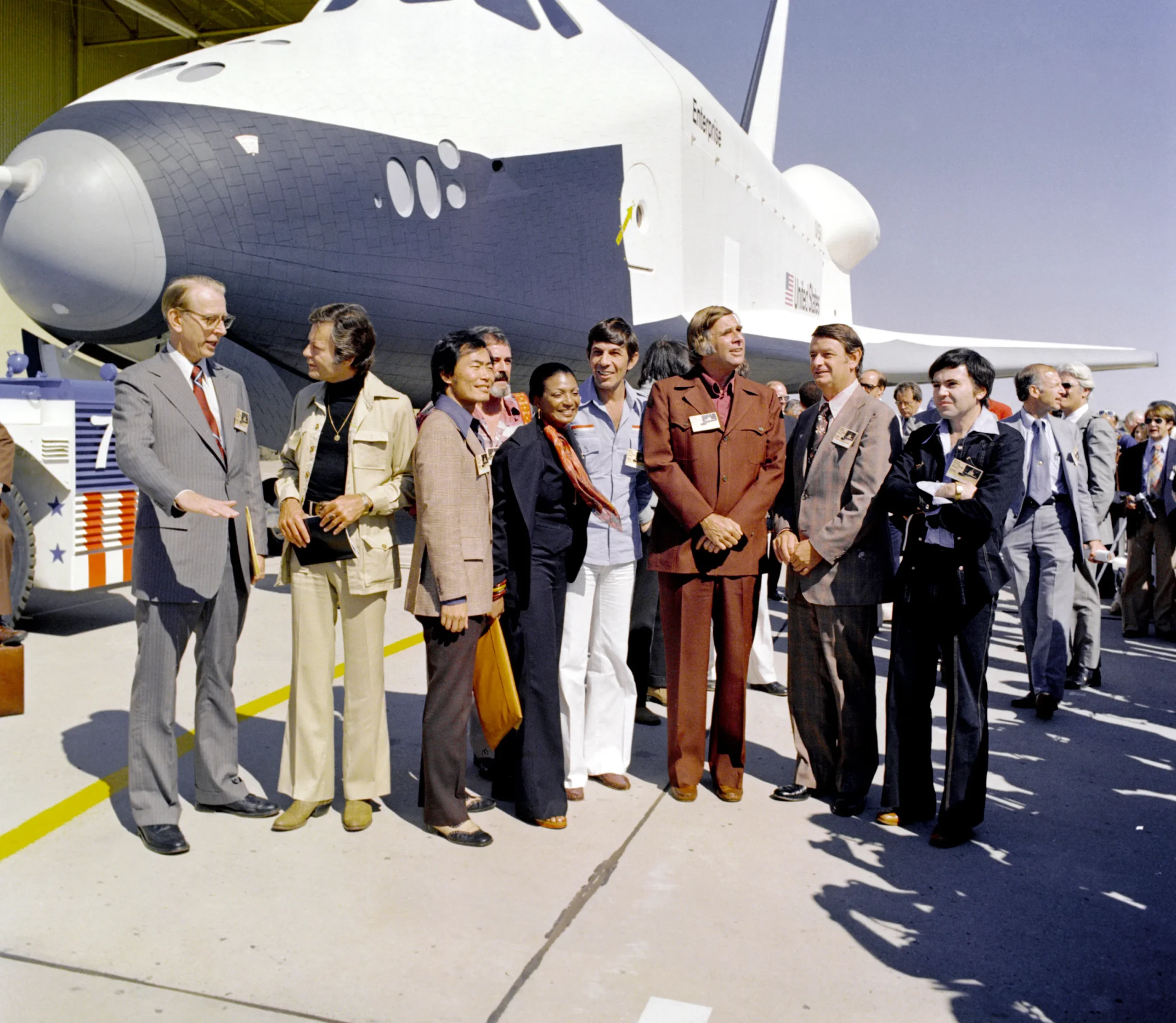
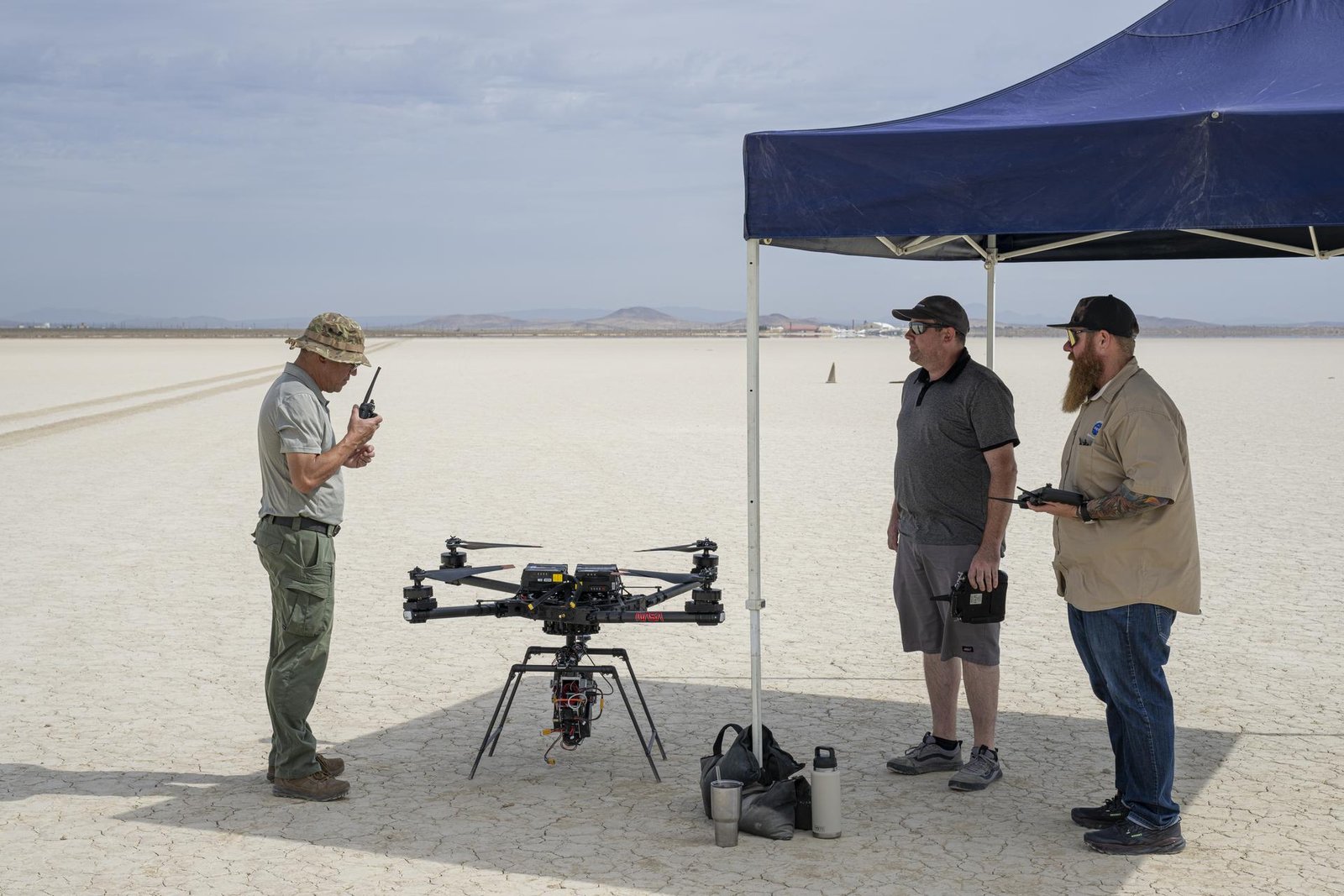
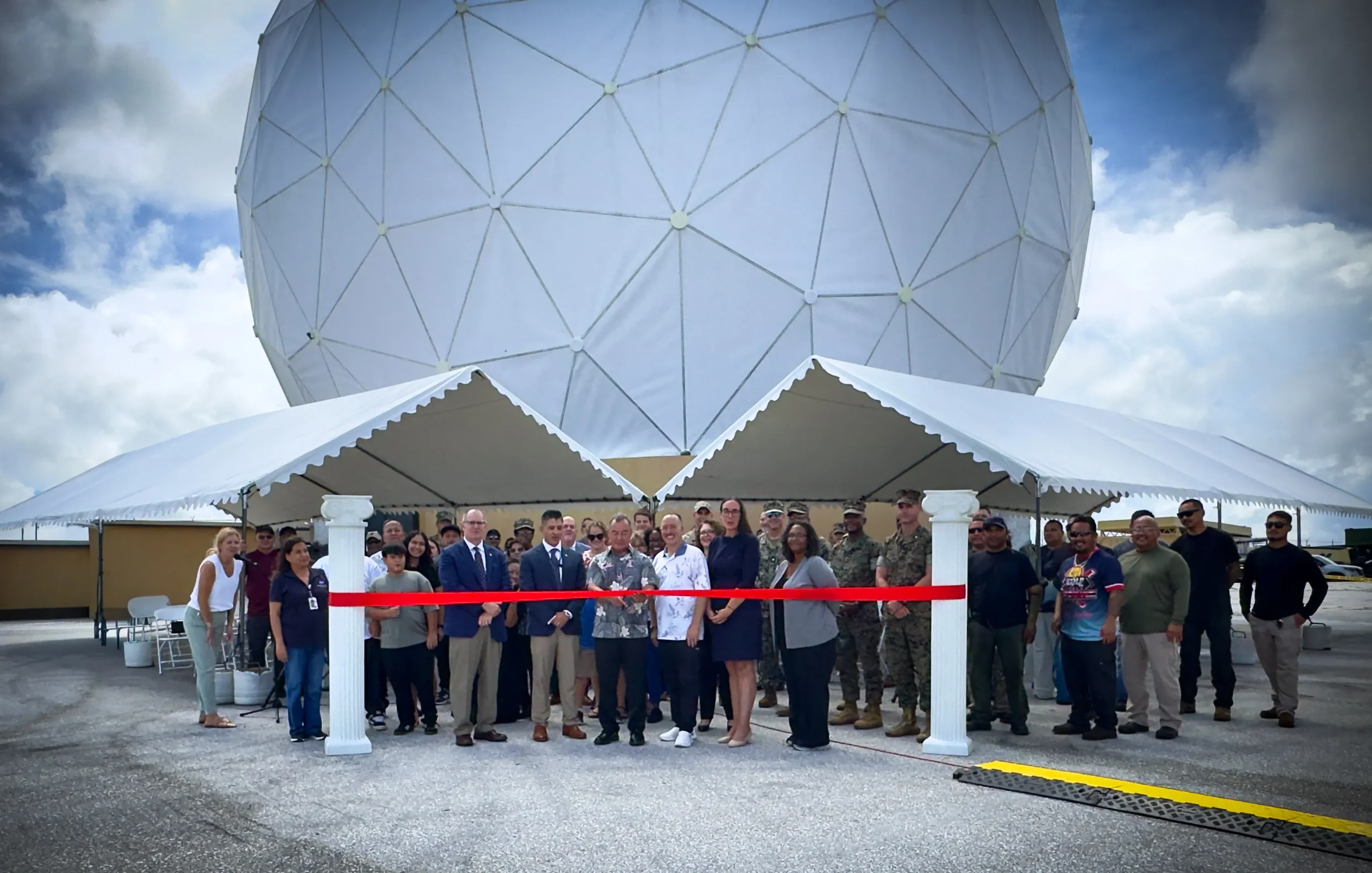
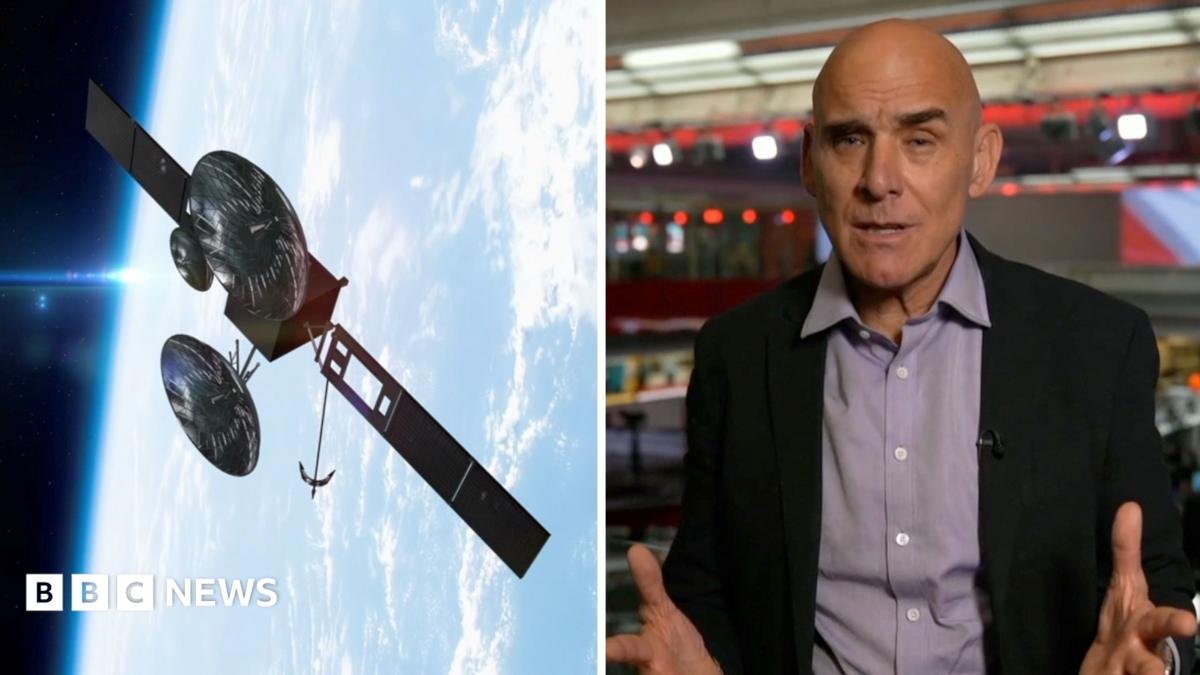
While diplomatic efforts intensify in Manhattan, a quiet revolution in human capital is unfolding across the United States. NASA officially launched its State Hubs for Skilled Technical Workforce initiative on September 15, 2026, at Space Center Houston. The program, which selects project leaders from seven states—California, Colorado, Florida, Georgia, Minnesota, Texas, and Utah—is designed to bridge the gap between academic education and the practical requirements of the rapidly accelerating space economy.
The agency’s leadership, including Associate Administrator for STEM Engagement Elaine Ho, has identified a critical bottleneck: the misalignment between educational output and the technical hiring trends within the aerospace sector. ment entities, and the aerospace industry, NASA intends to overcome common misconceptions regarding manufacturing and technical careers. This initiative is not merely about job creation; it is a strategic effort to ensure that the United States maintains a competitive edge in space exploration while simultaneously cultivating a pipeline of career-ready workers capable of sustaining long-term missions.
In the coming months, the trajectory of the Syrian "new Syria" proposal will be tested titudes and address the core economic and safety grievances of its people, the gap between the government and its citizens is likely to widen. Analysts suggest that the international community will be watching closely to see if the rhetoric presented at the UN is followed tive detachment.
Simultaneously, the NASA State Hubs program will transition from the planning phase to active implementation. As these seven hubs begin delivering specific programming and tools to students, the success of the initiative will depend on how effectively they scale these efforts. If the program proves successful in reducing the hiring friction between industry needs and workforce skills, it is likely that the model will be expanded to additional states, cementing a new paradigm for how federal agencies engage with regional technical education to power the national economy.