A persistent siege in the West Bank village of Qusra highlights an intensifying pattern of settler violence and military displacement, while humanitarian conditions in Gaza continue to deteriorate.
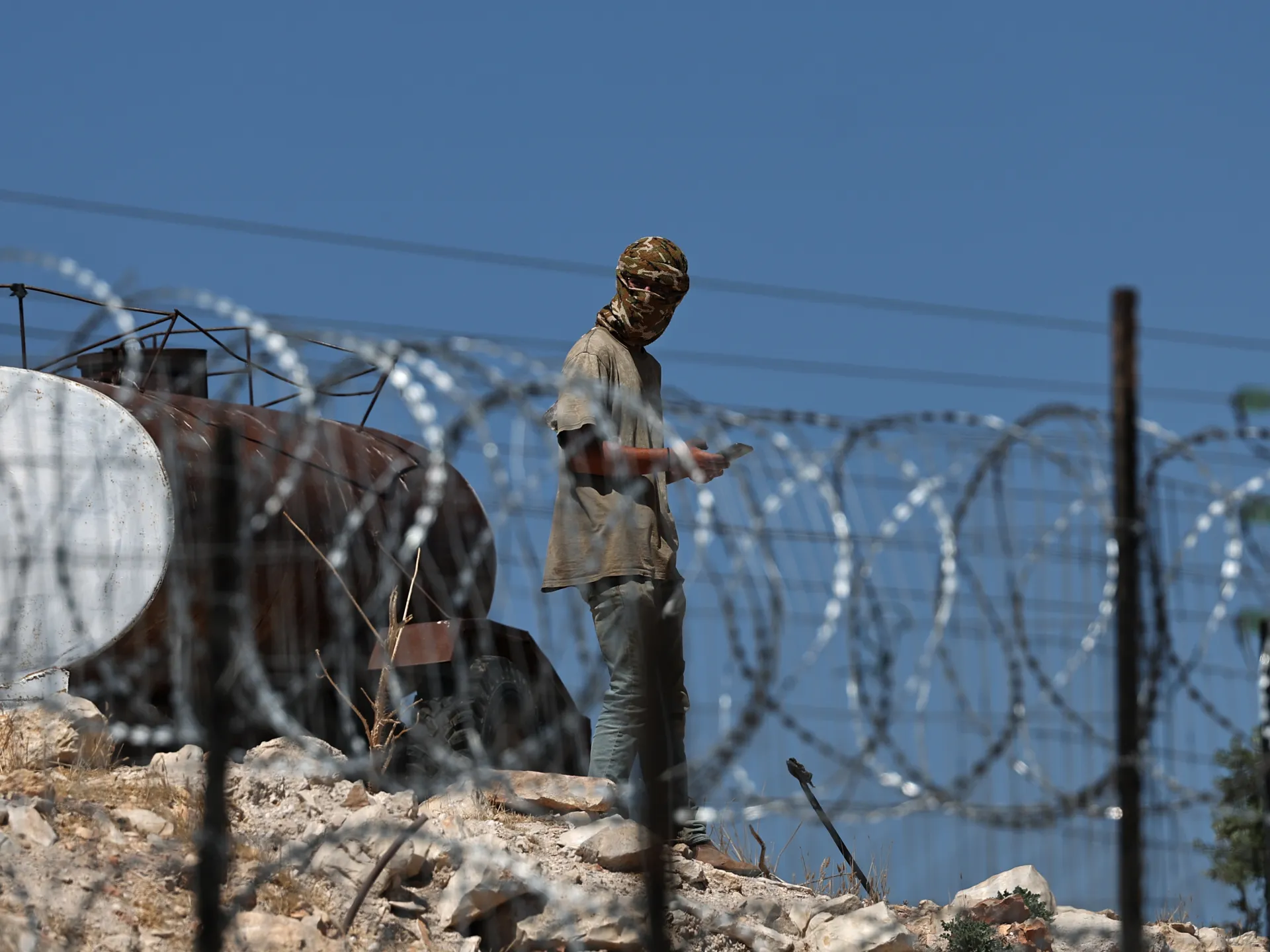
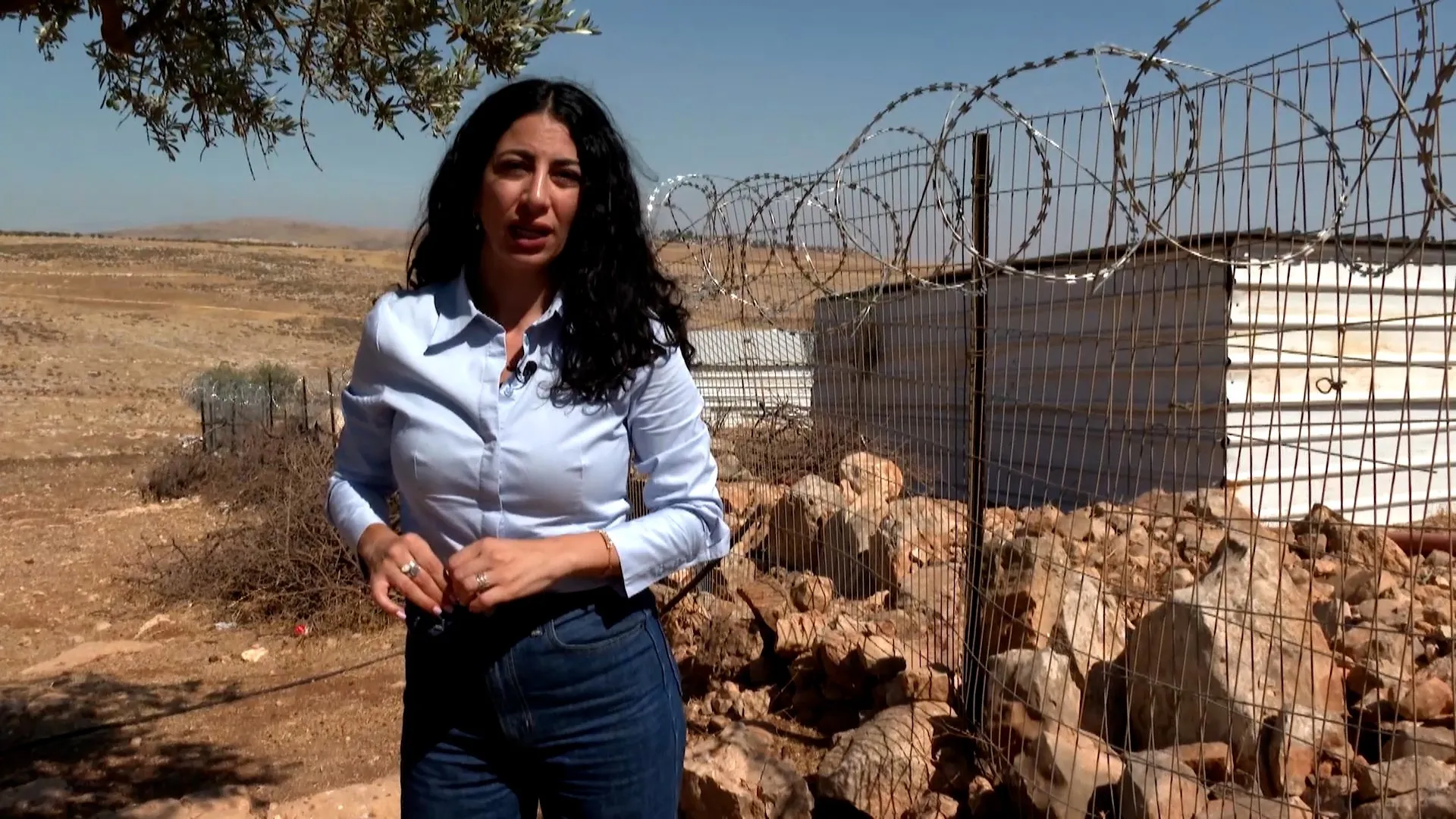
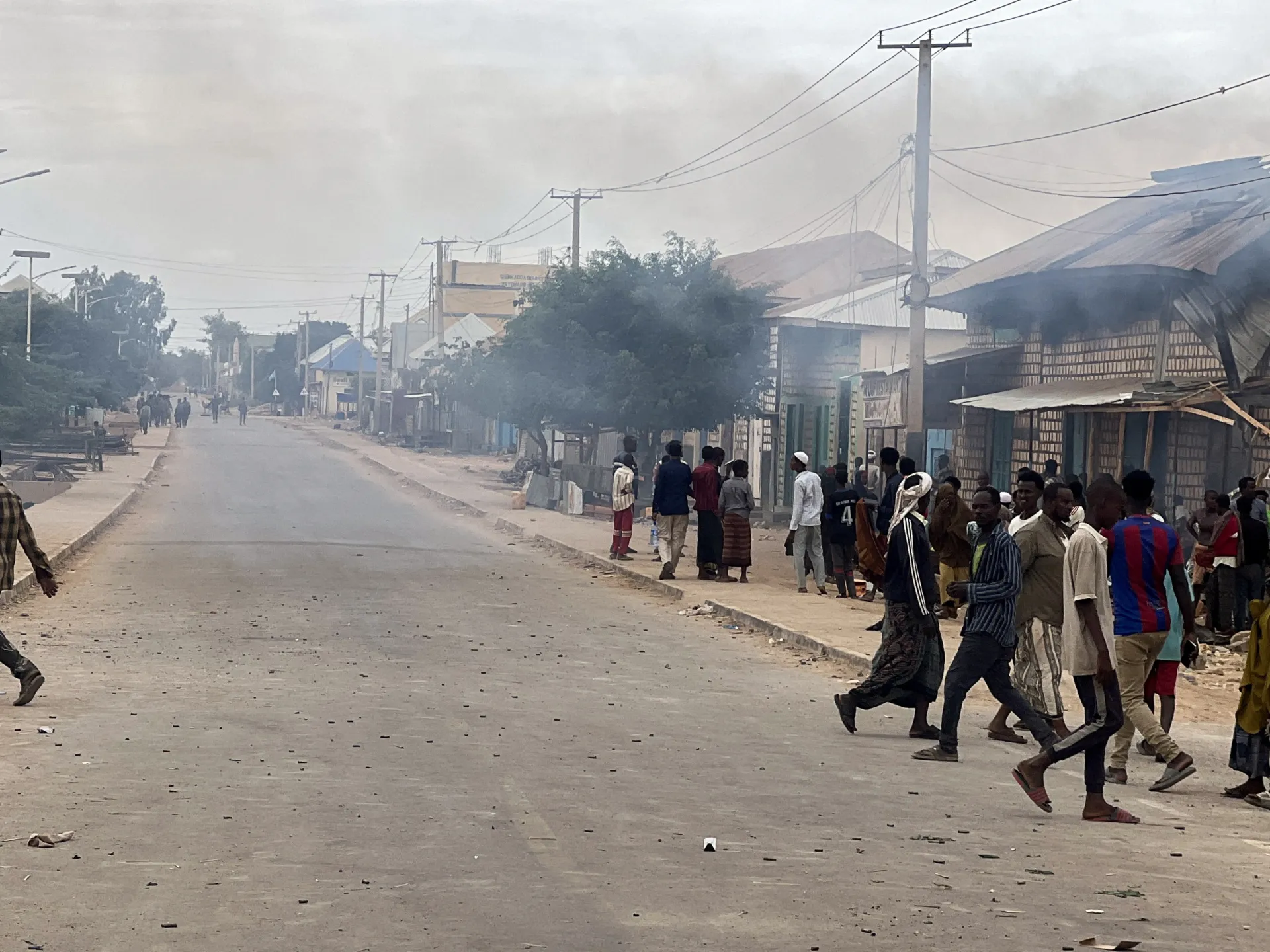
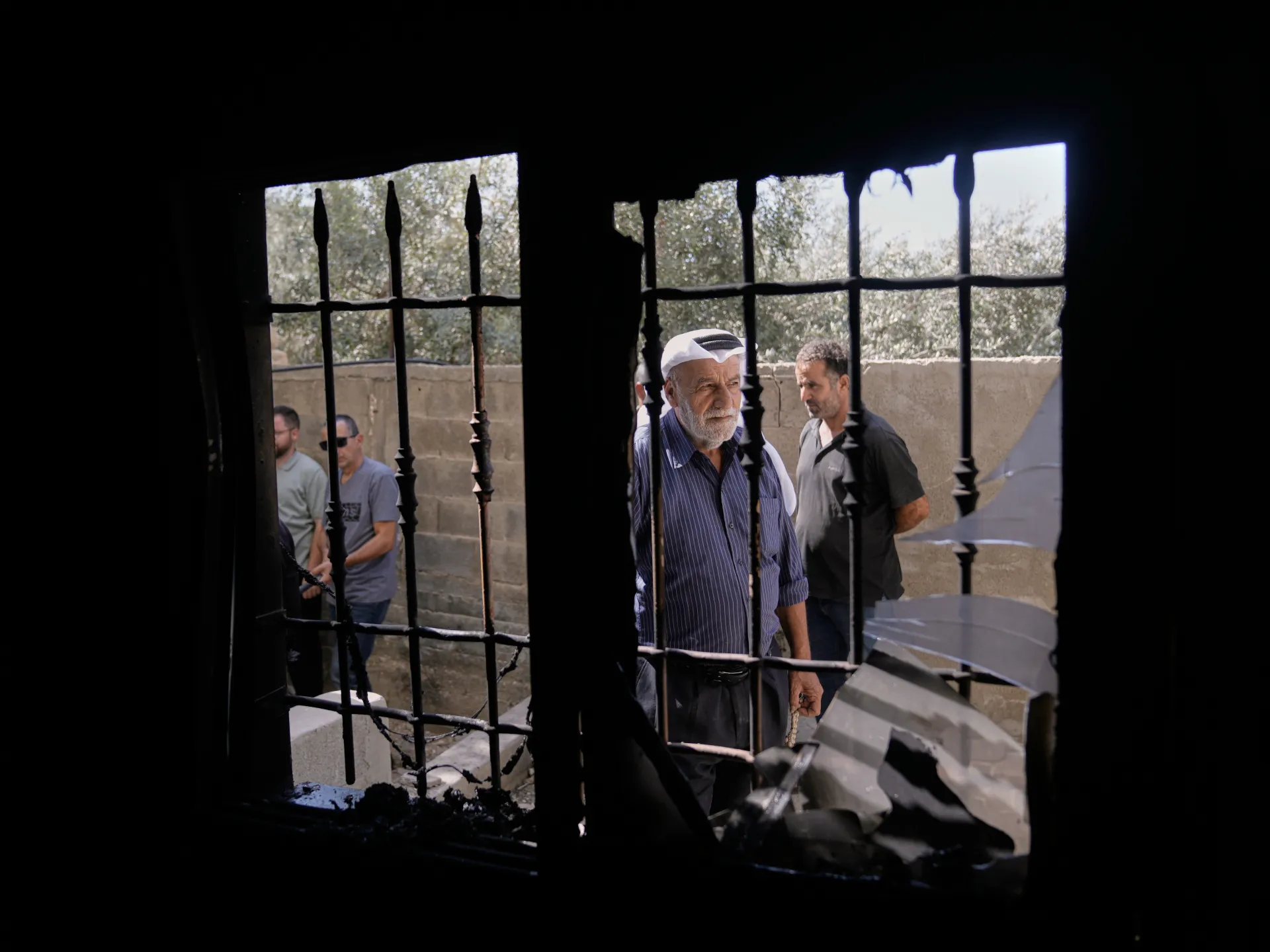
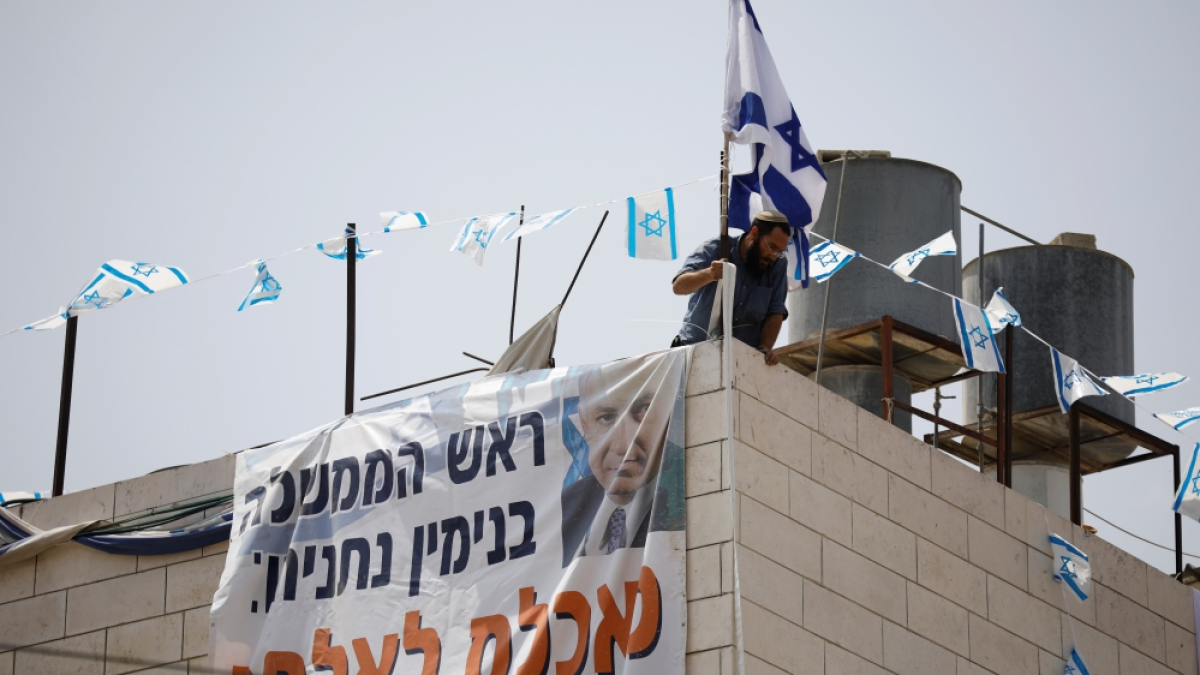
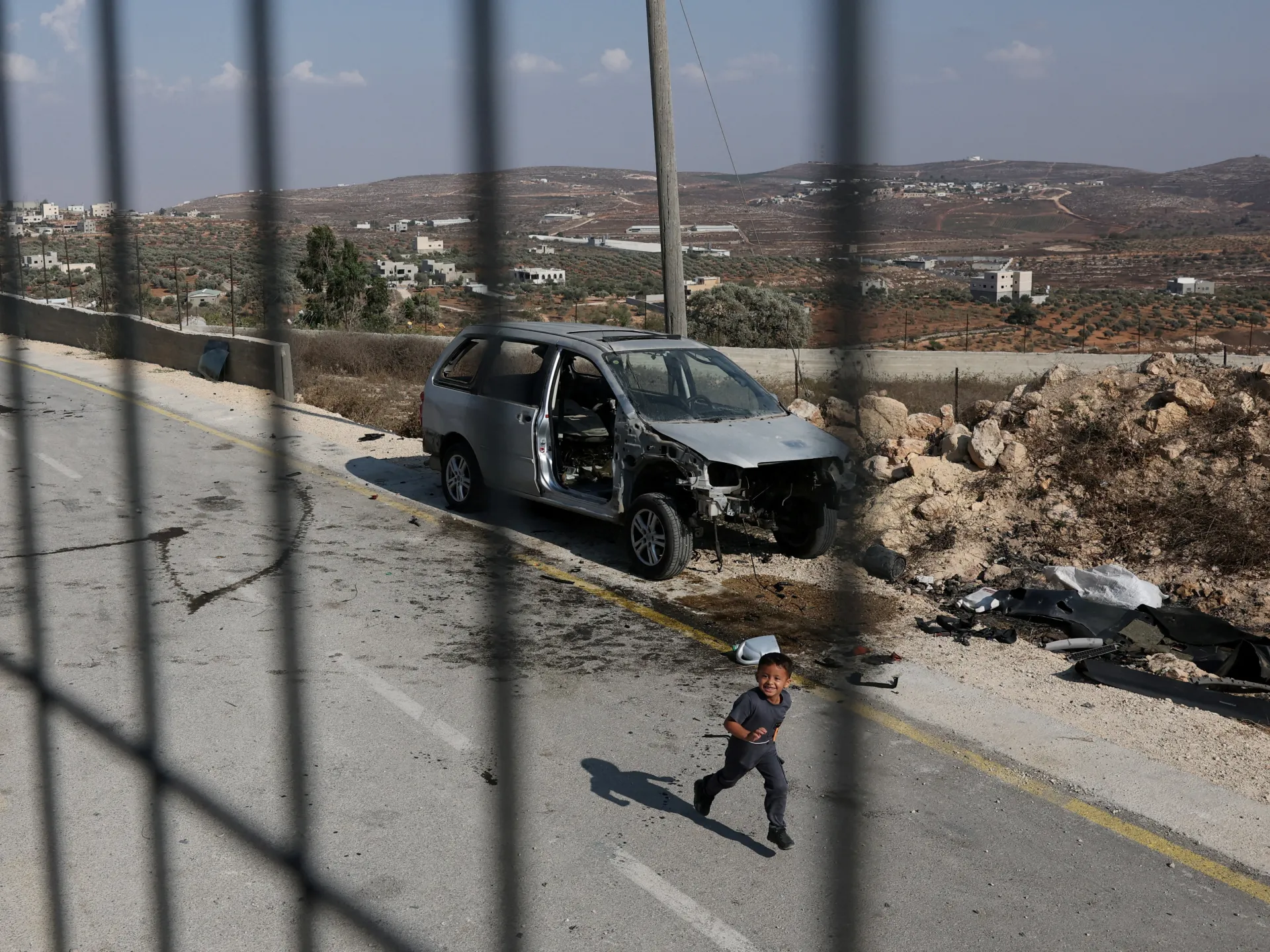
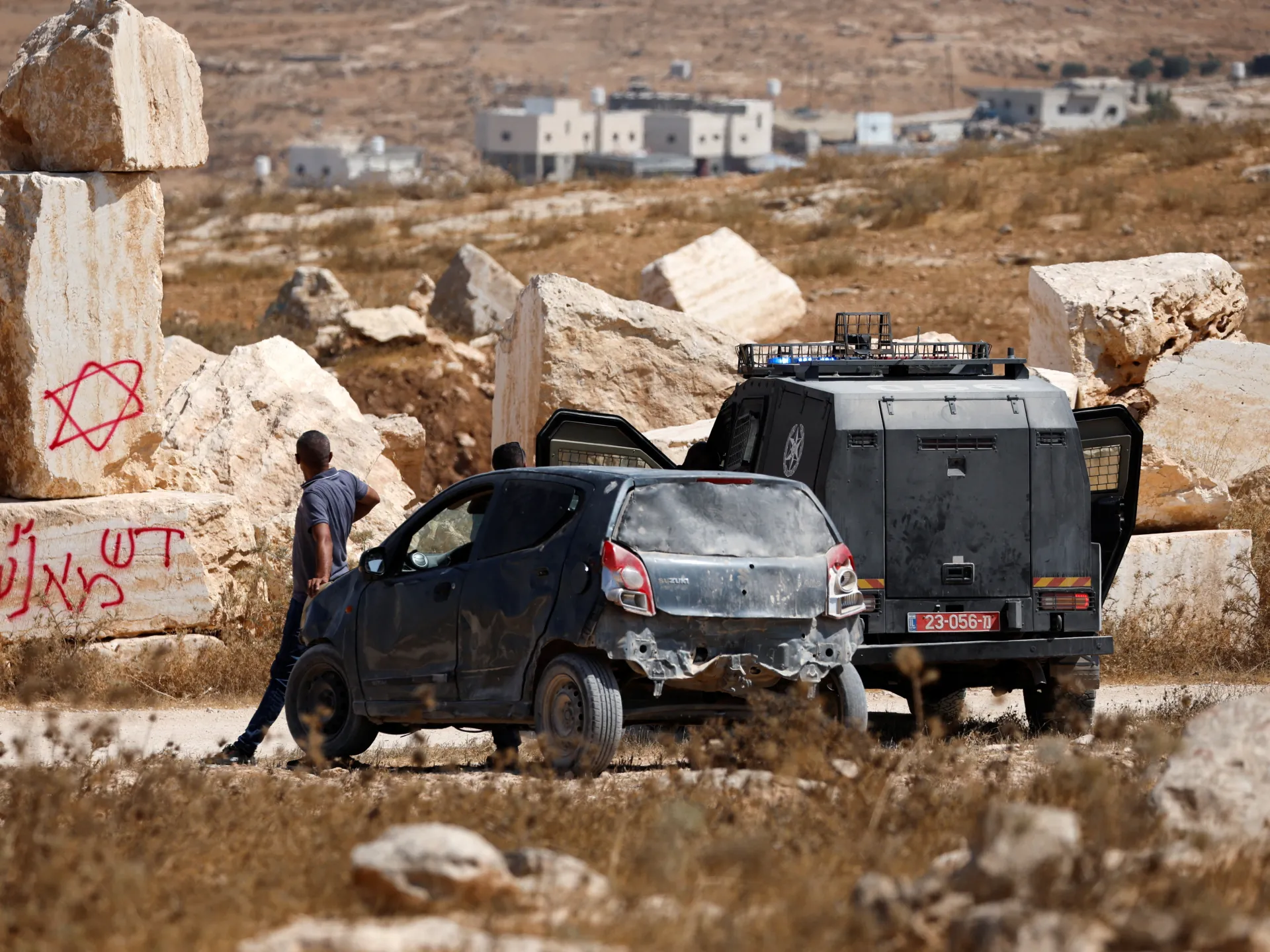
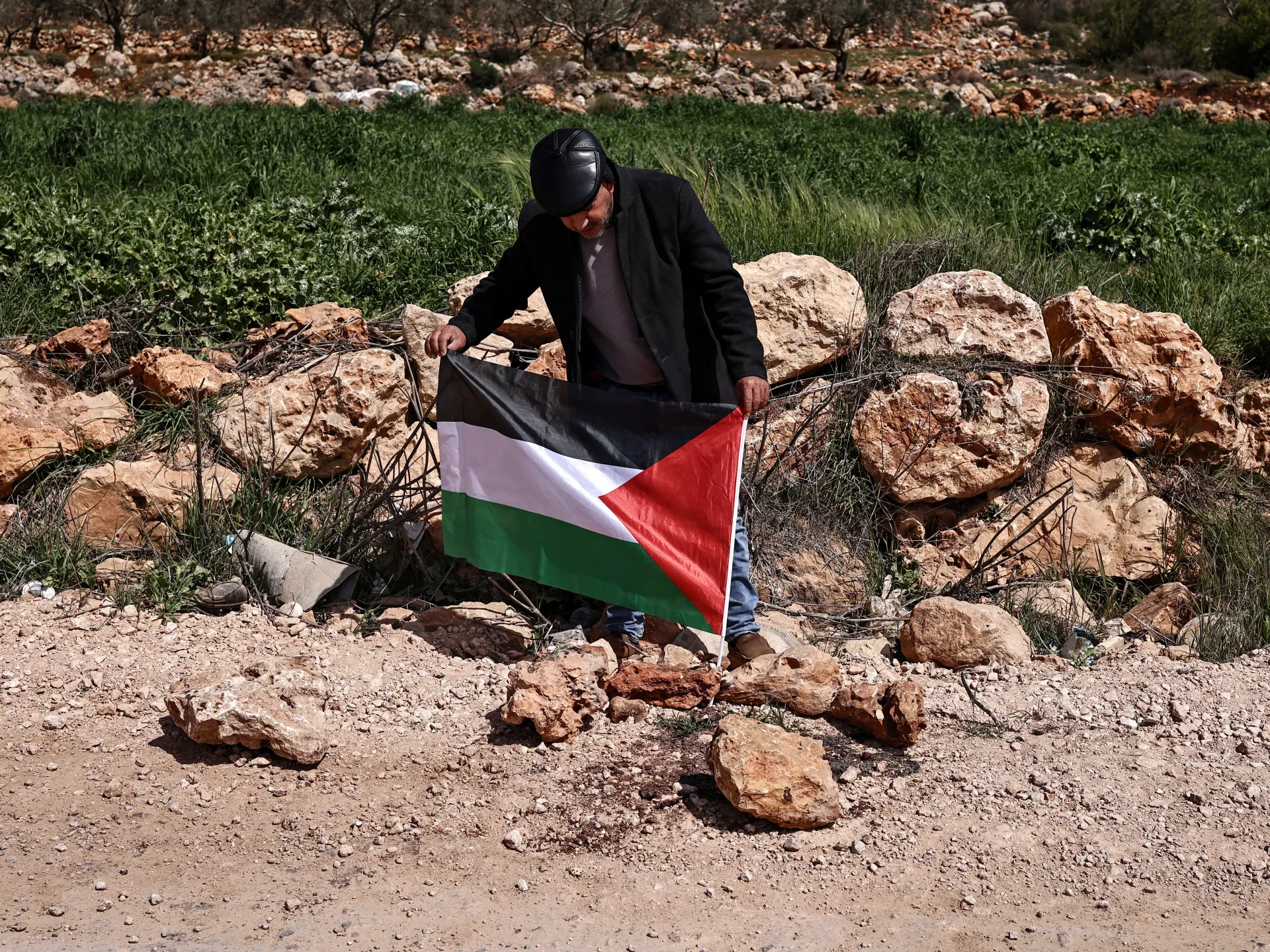
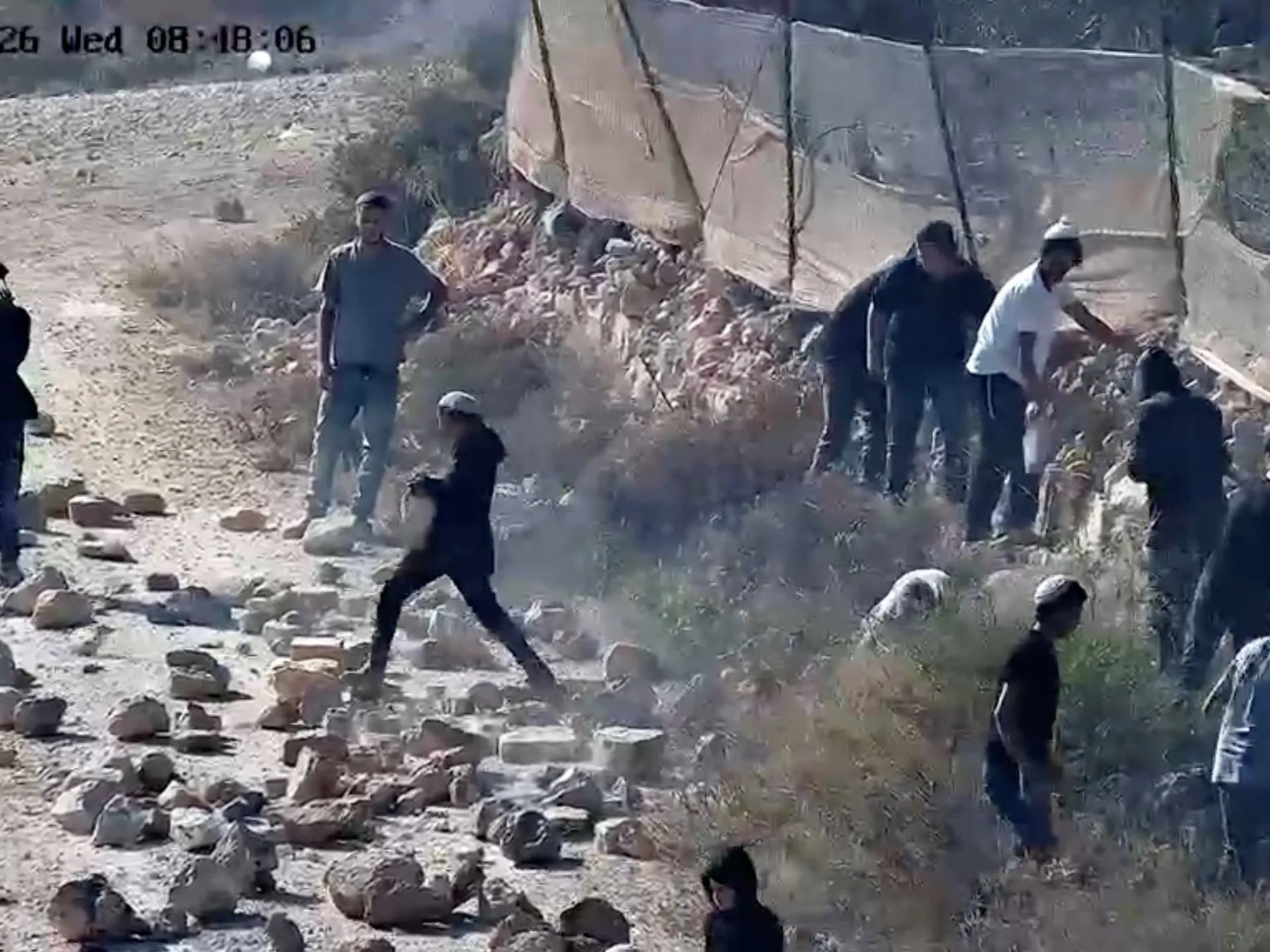
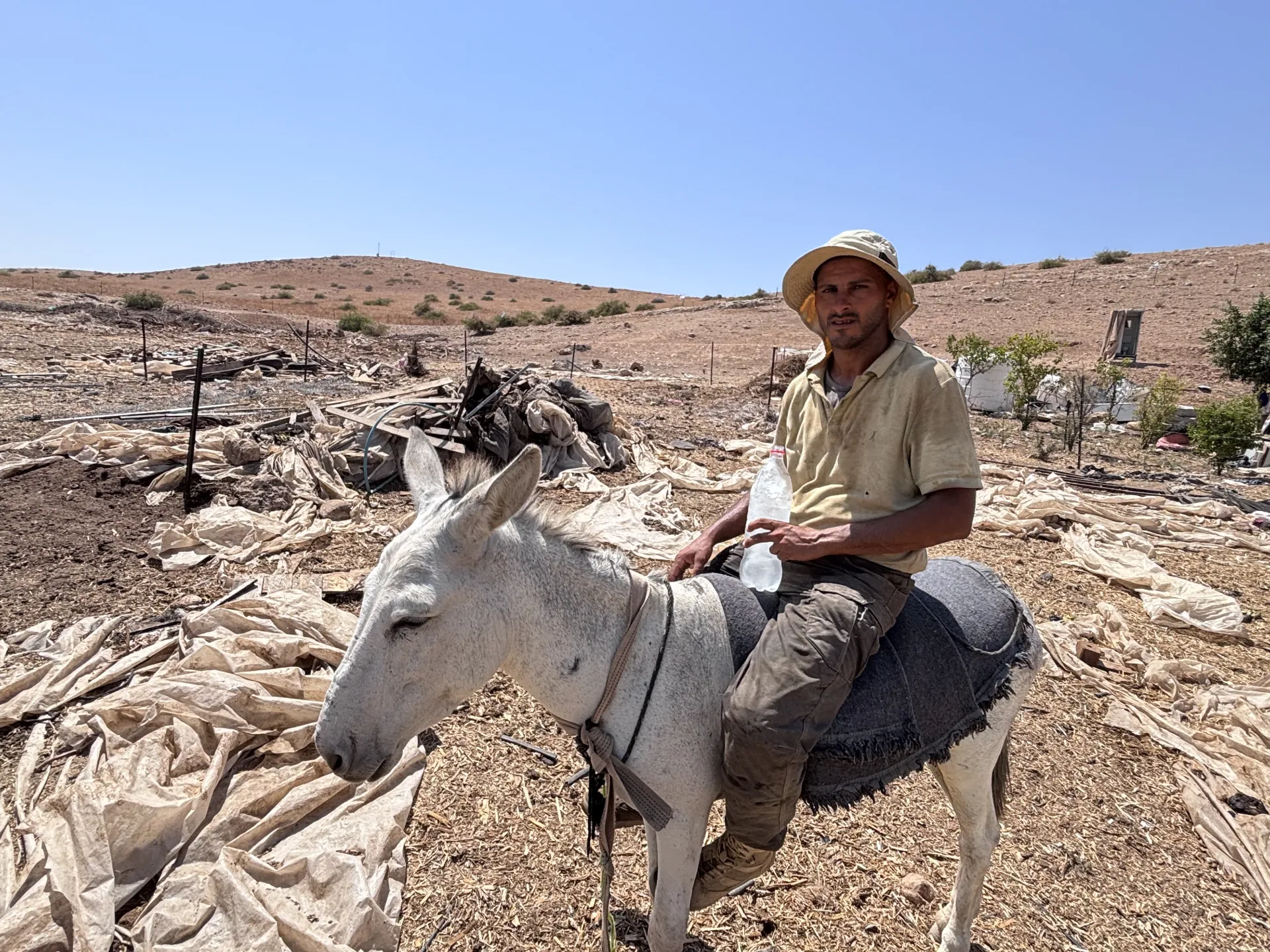
For more than a week, three Palestinian families in the village of Qusra, located south of Nablus, have remained trapped inside their homes. The situation has been characterized as a systematic siege, with Israeli settlers effectively cutting off access to essential supplies, electricity, and emergency services. This tactic, which mirrors previous displacement efforts in the region, has drawn significant international scrutiny, partly because one of the affected households includes a Palestinian-American citizen.
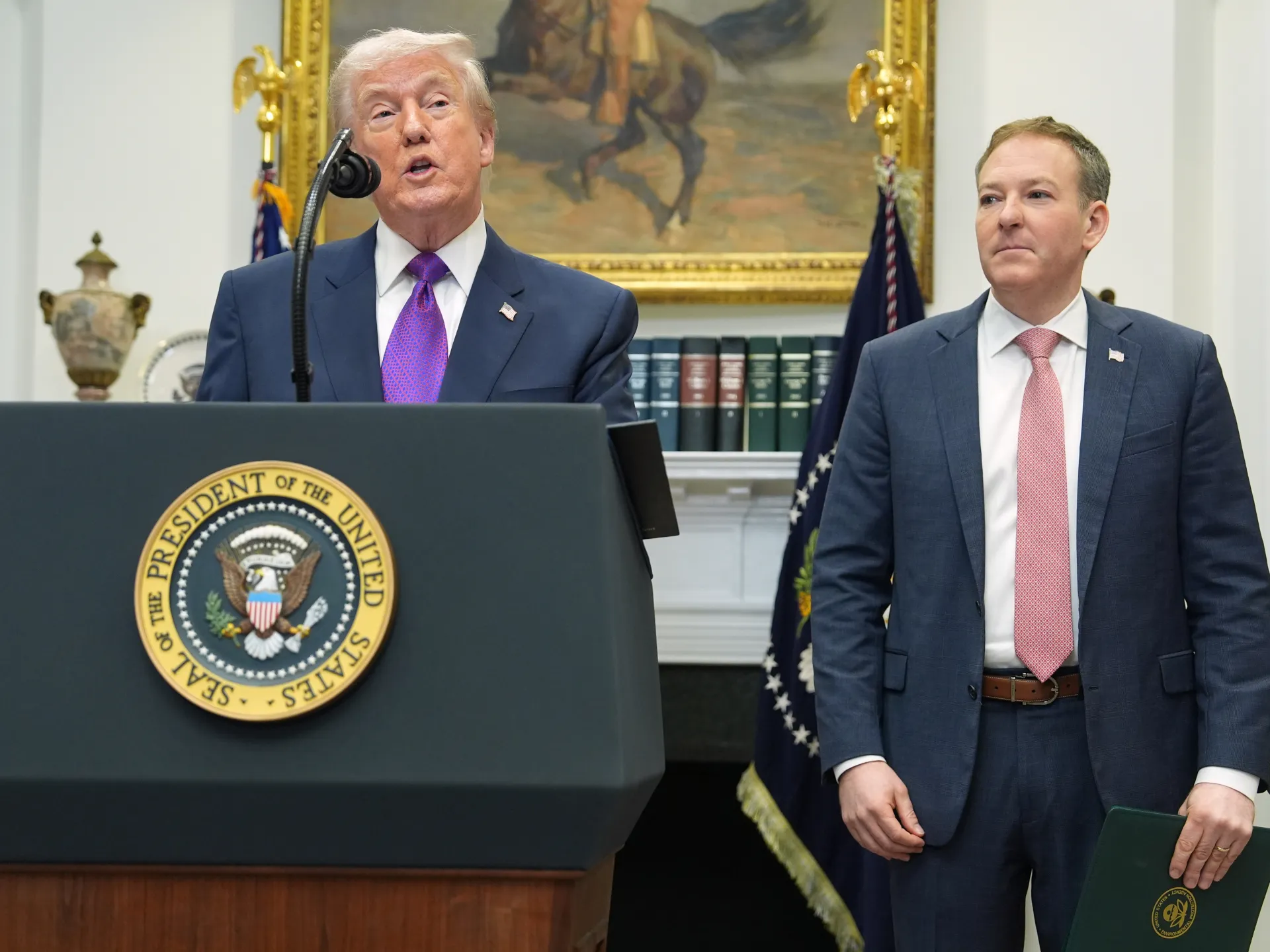
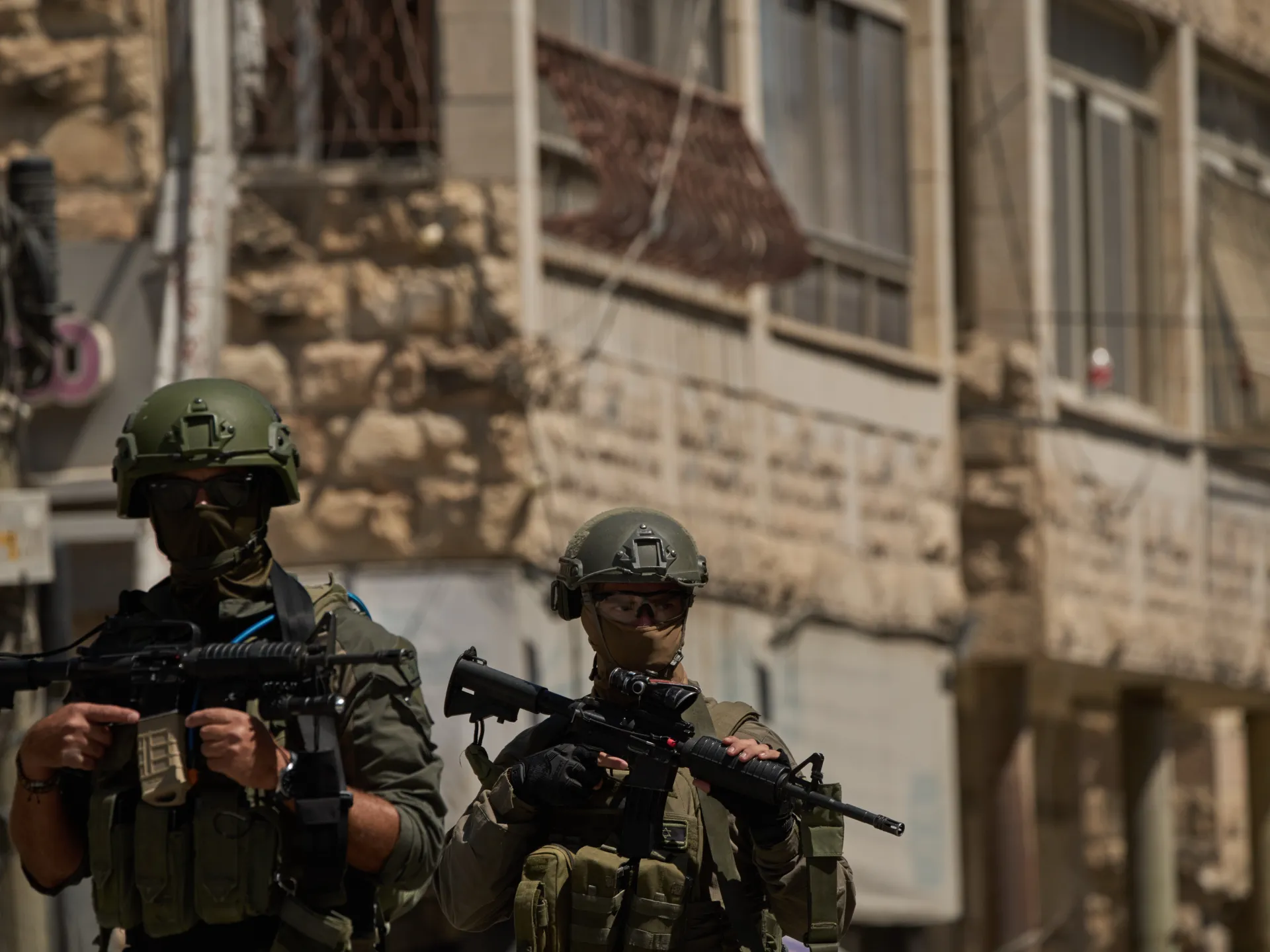
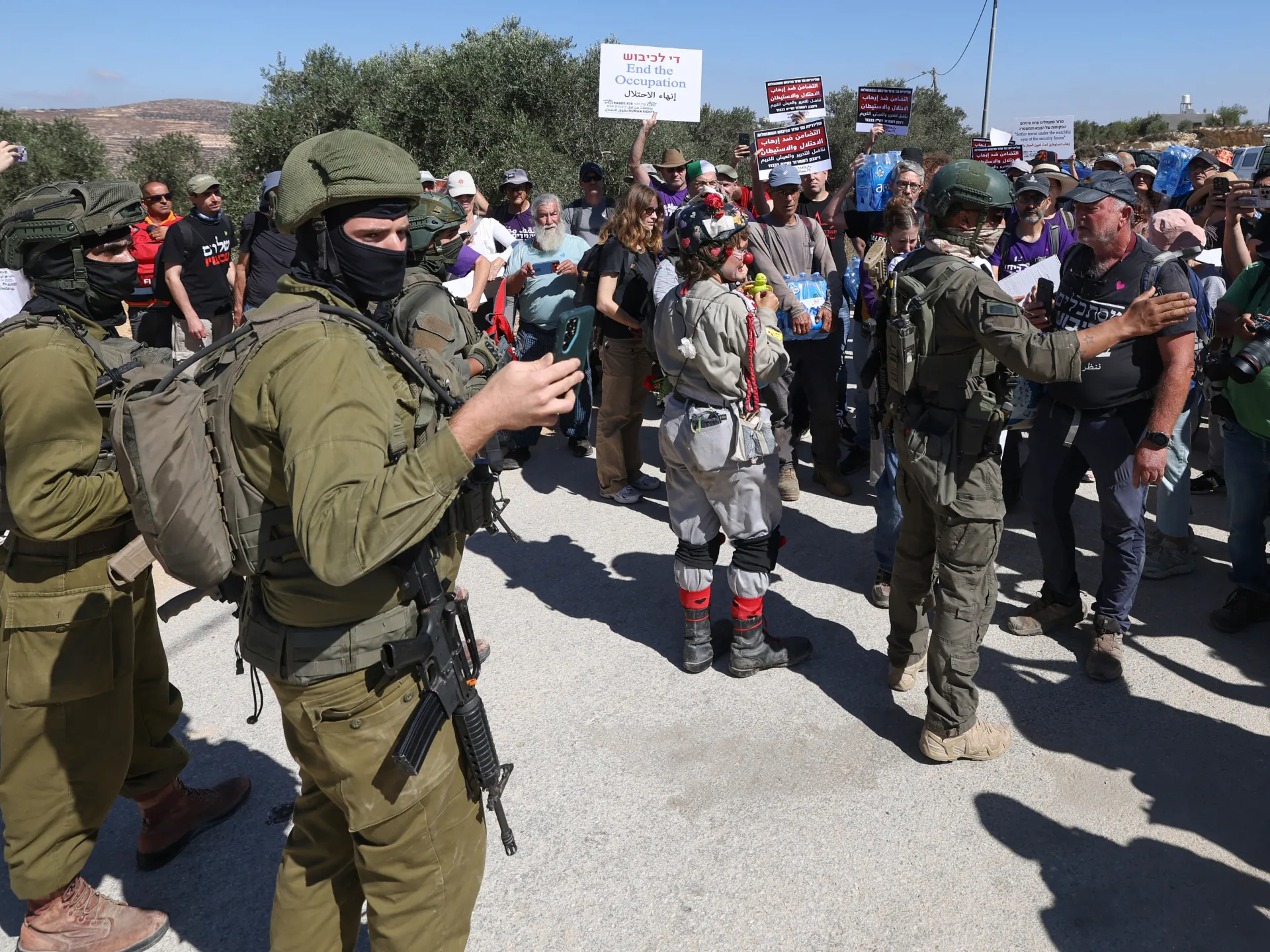
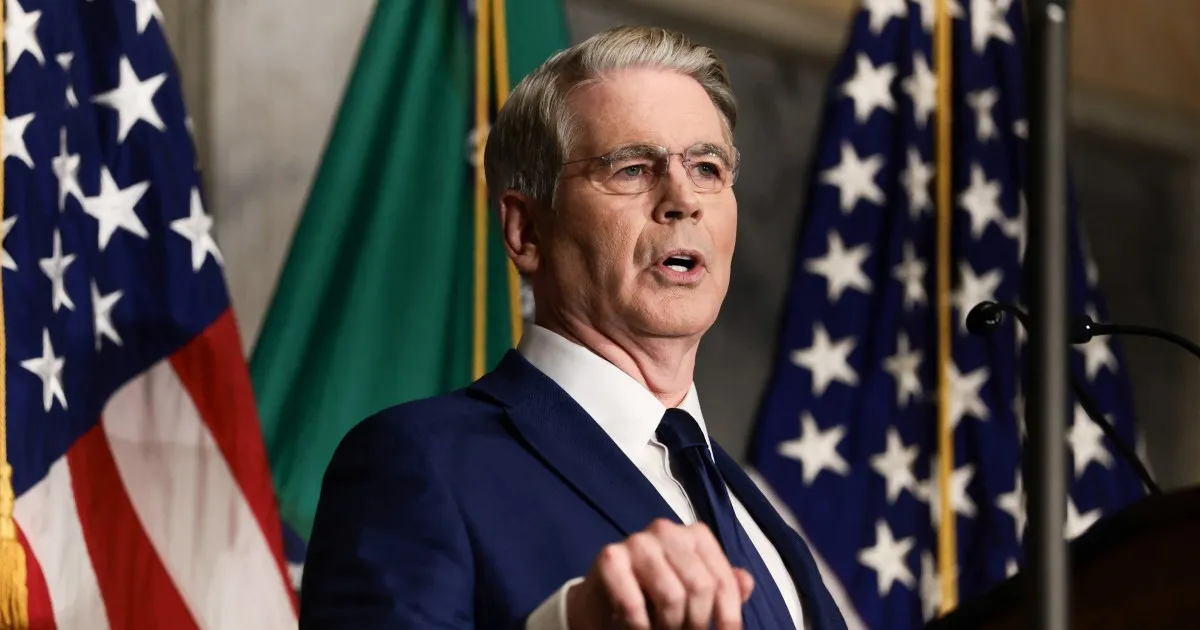
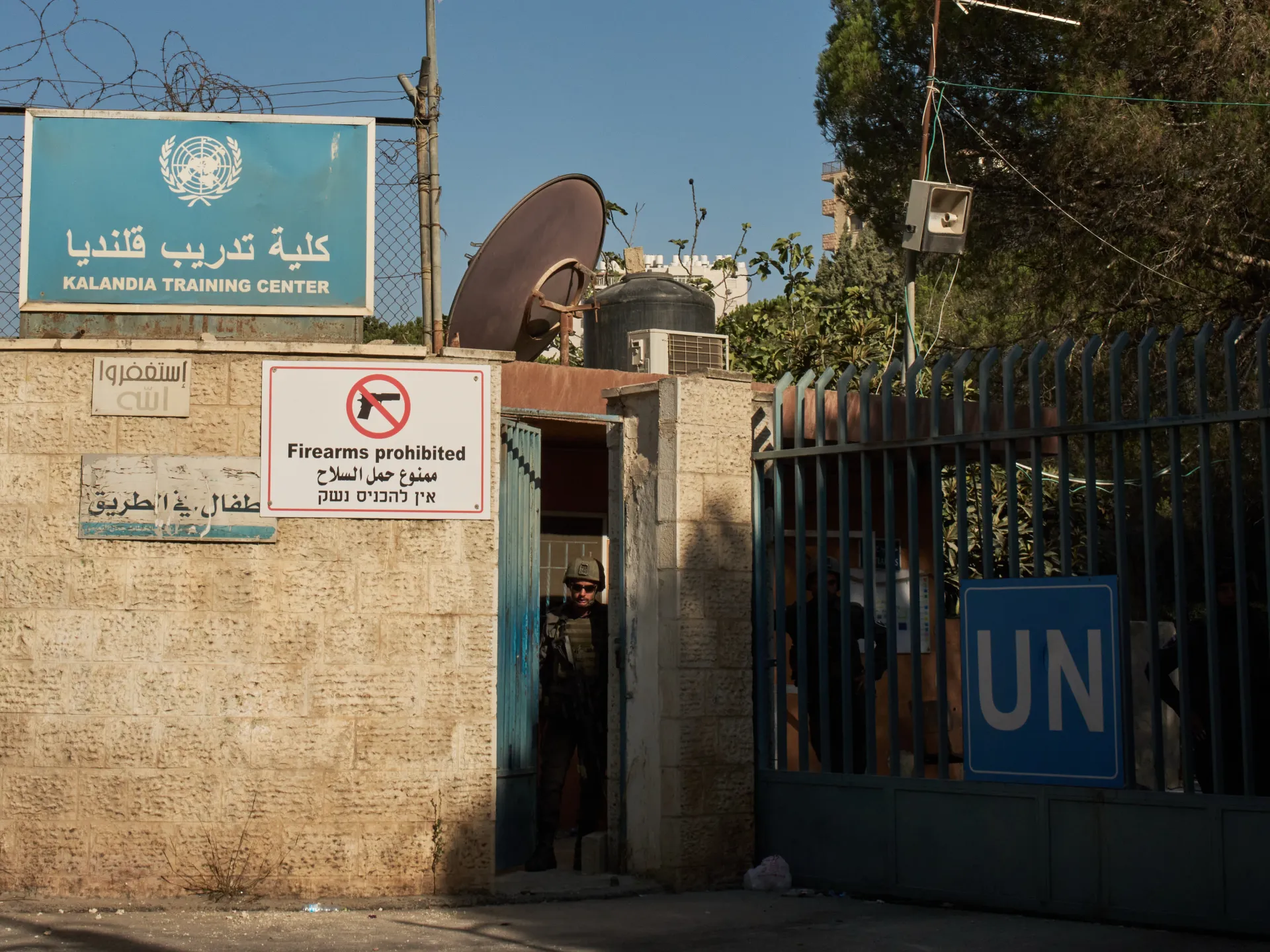
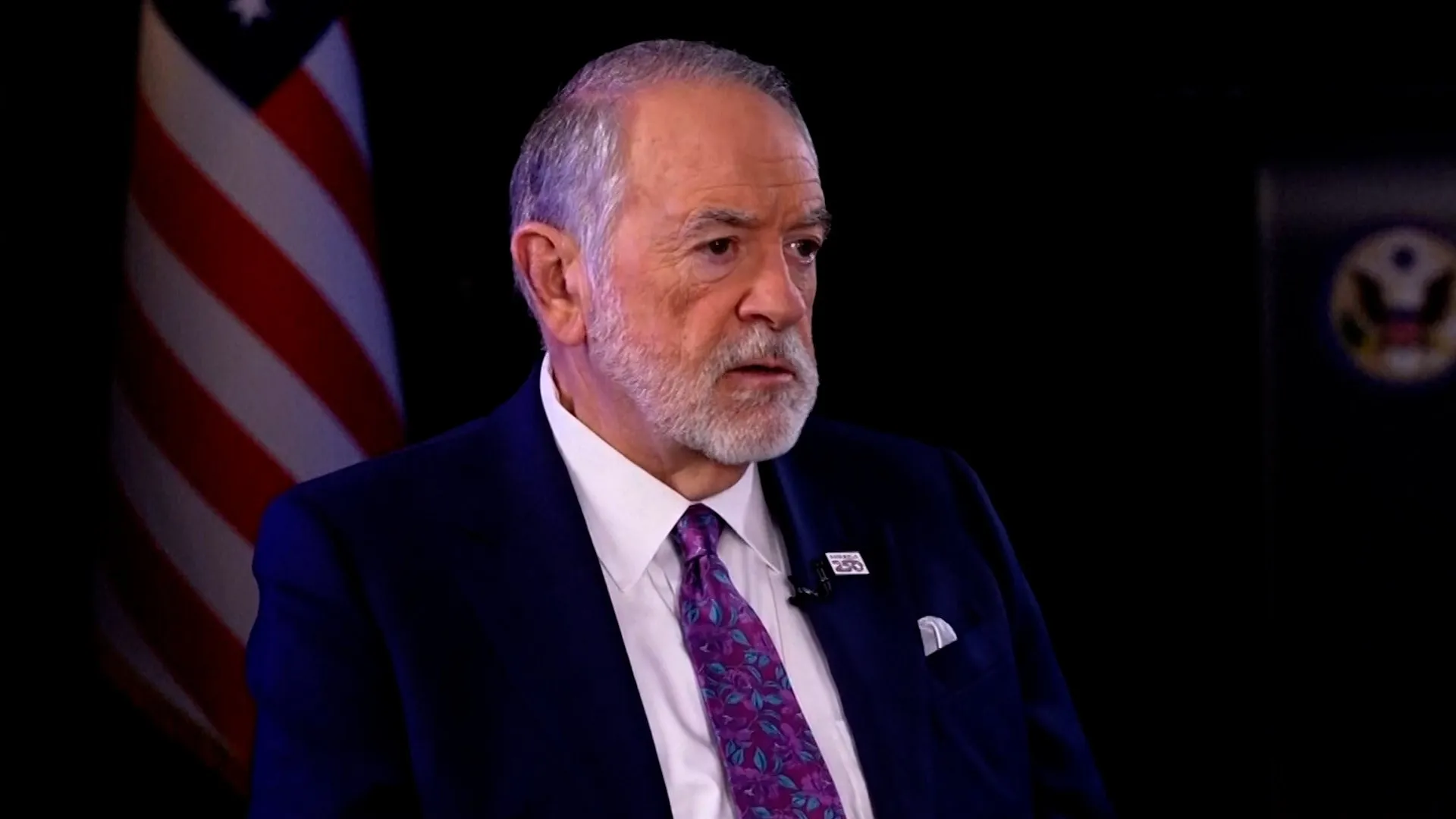
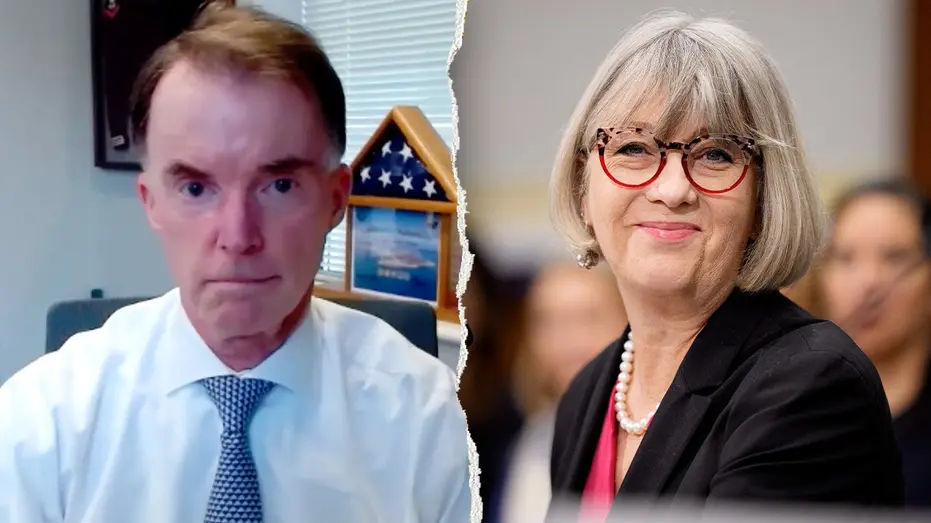
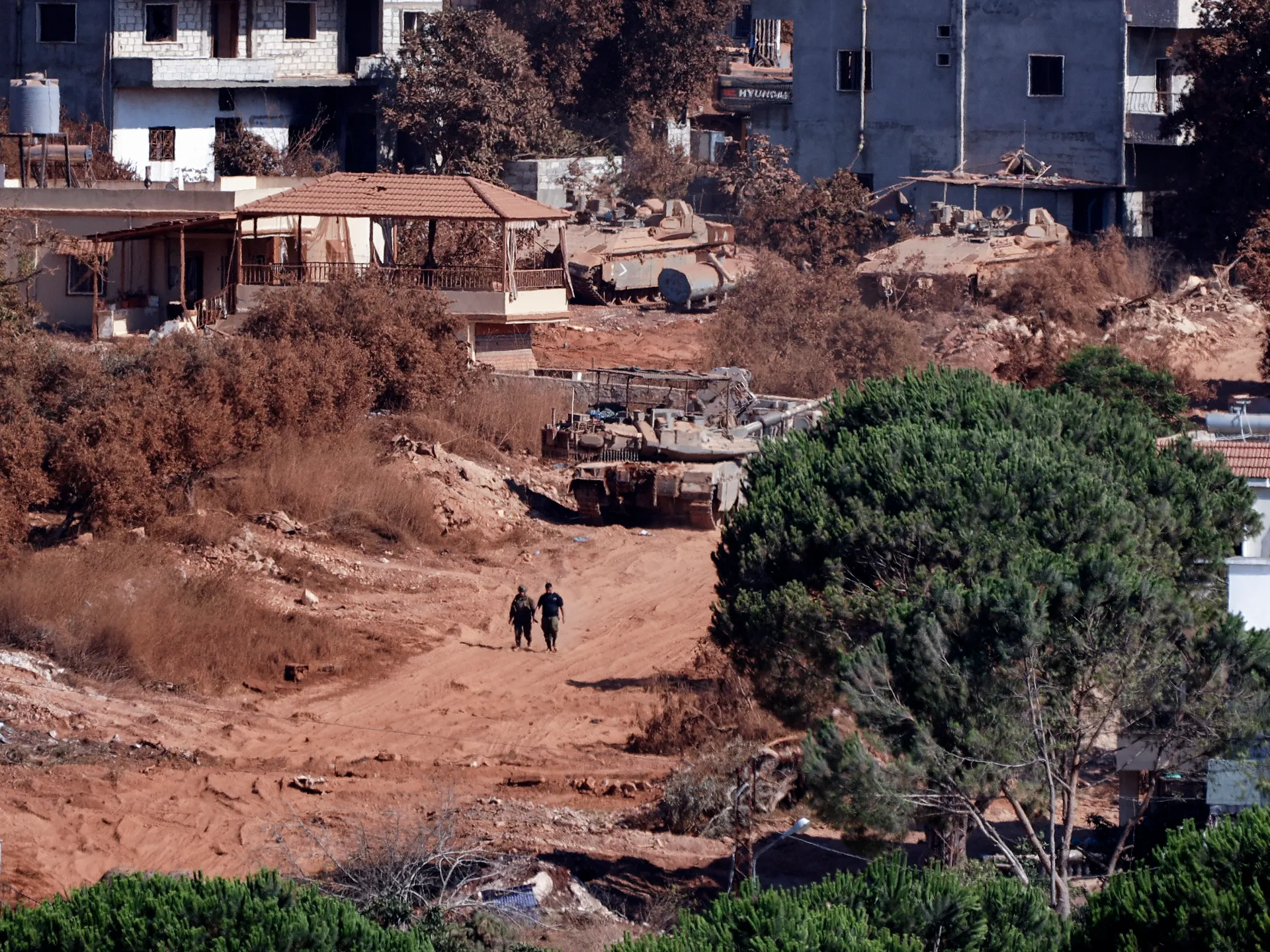
The response from the global community has been swift, with condemnations arriving from the United Nations, France, Spain, and the United Kingdom. Notably, even within the US diplomatic sphere, there has been a rare public fracture regarding the handling of these incidents. US Ambassador Mike Huckabee, typically a vocal supporter of Israeli settlements, publicly labeled the besieging settlers as terrorists. Despite this pressure, the situation on the ground remains dire as military forces have moved to convert sixteen homes in the town into barracks, citing a need for protection while simultaneously restricting the movement of the residents.
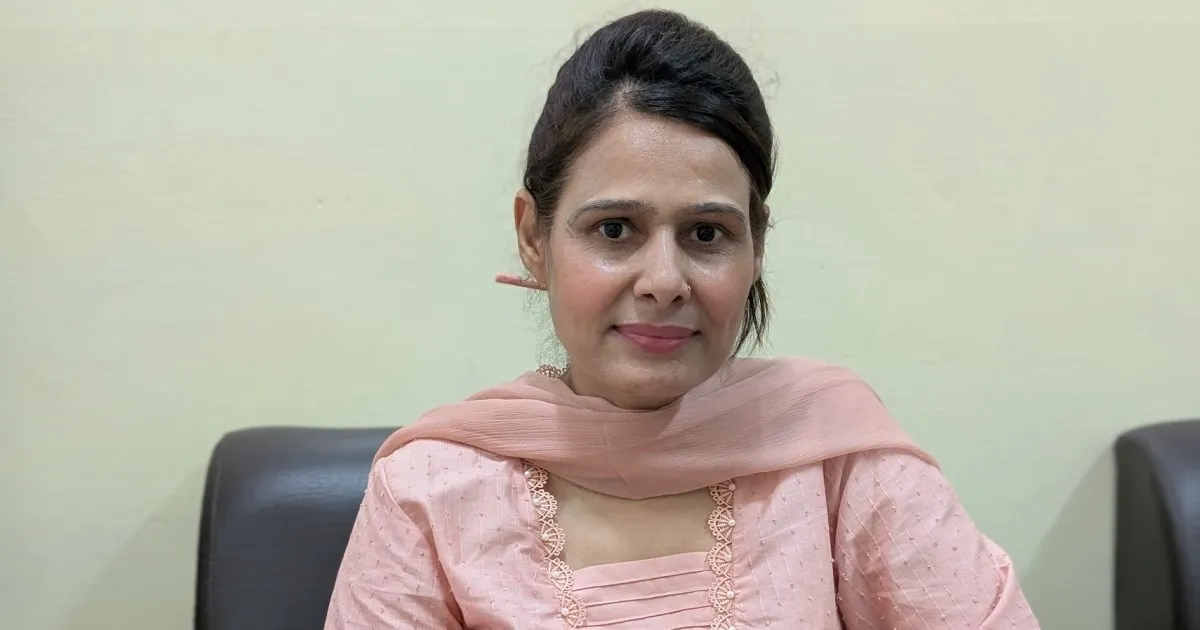
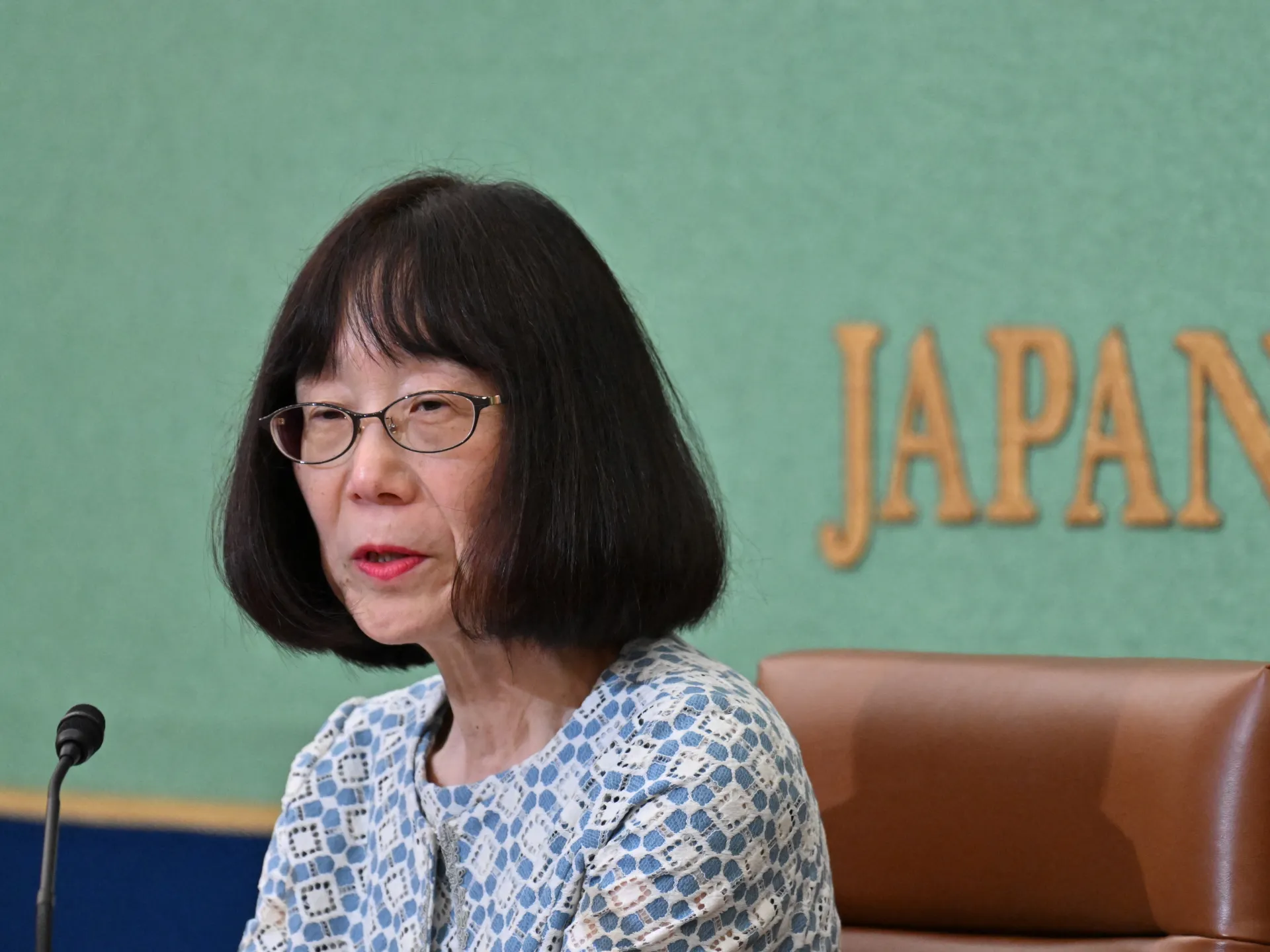
Human rights organizations have described these events as part of an accelerating strategy of settler violence that is enabled and supported ed the events in Qusra as the apex of a long-standing culture of impunity. She noted that rather than intervening to protect the Palestinian families, Israeli officials appear to be acting in concert with the settlers, effectively facilitating the removal of residents from their land.
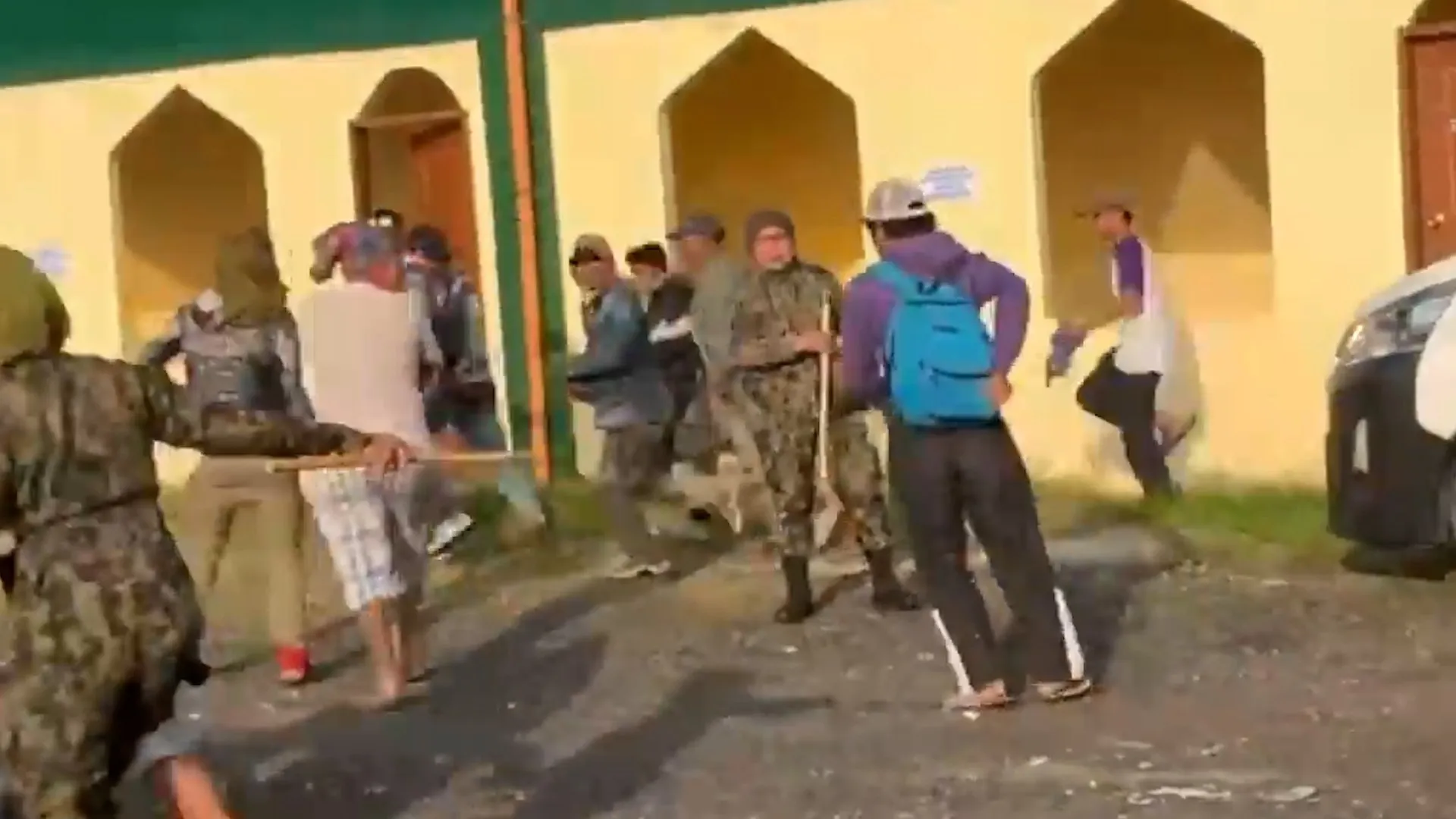
The pattern of siege and displacement is not confined to areas under full Israeli security control. Recent incidents in Beit Imrin, a village nominally under Palestinian civil and security jurisdiction, highlight a shift in how these tactics are being deployed. Settlers held a home under siege for several hours, preventing ambulances from reaching injured or distressed residents. In a move that underscored the complicity of state actors, Israeli forces eventually raided the house, arrested all nine occupants, and confiscated the keys from the Palestine Red Crescent responders.
This development signals a troubling evolution in the occupation's legal and physical architecture. Historically, dispossession has been concentrated in Area C, where Israeli control is absolute. However, the recent expansion into areas under nominal Palestinian authority suggests that settlers are pushing beyond traditional boundaries. create a pretext for military intervention. Often, soldiers arrive not to dismantle the illegal outposts, but to remove the Palestinian families under the guise of security or protection.
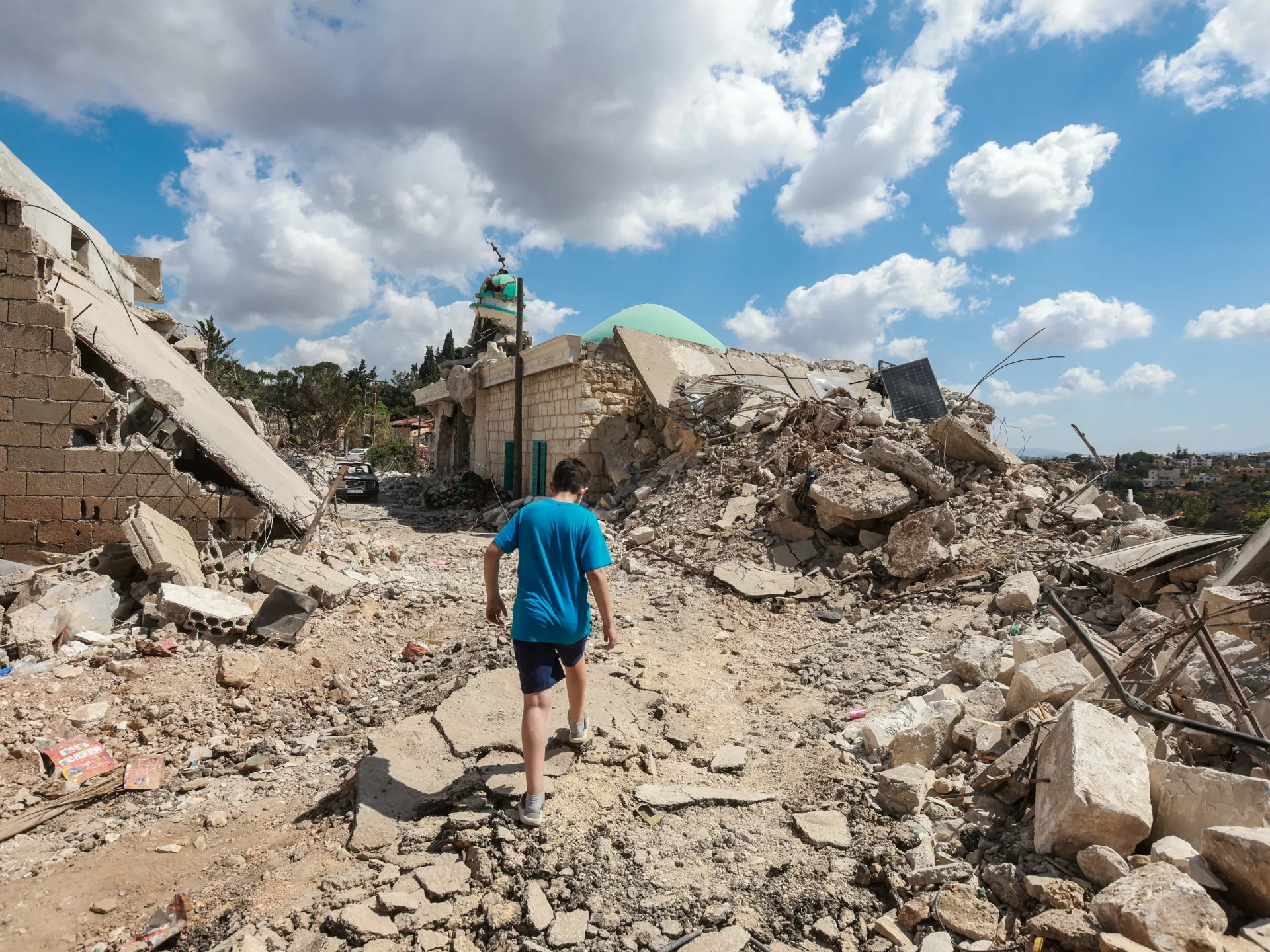
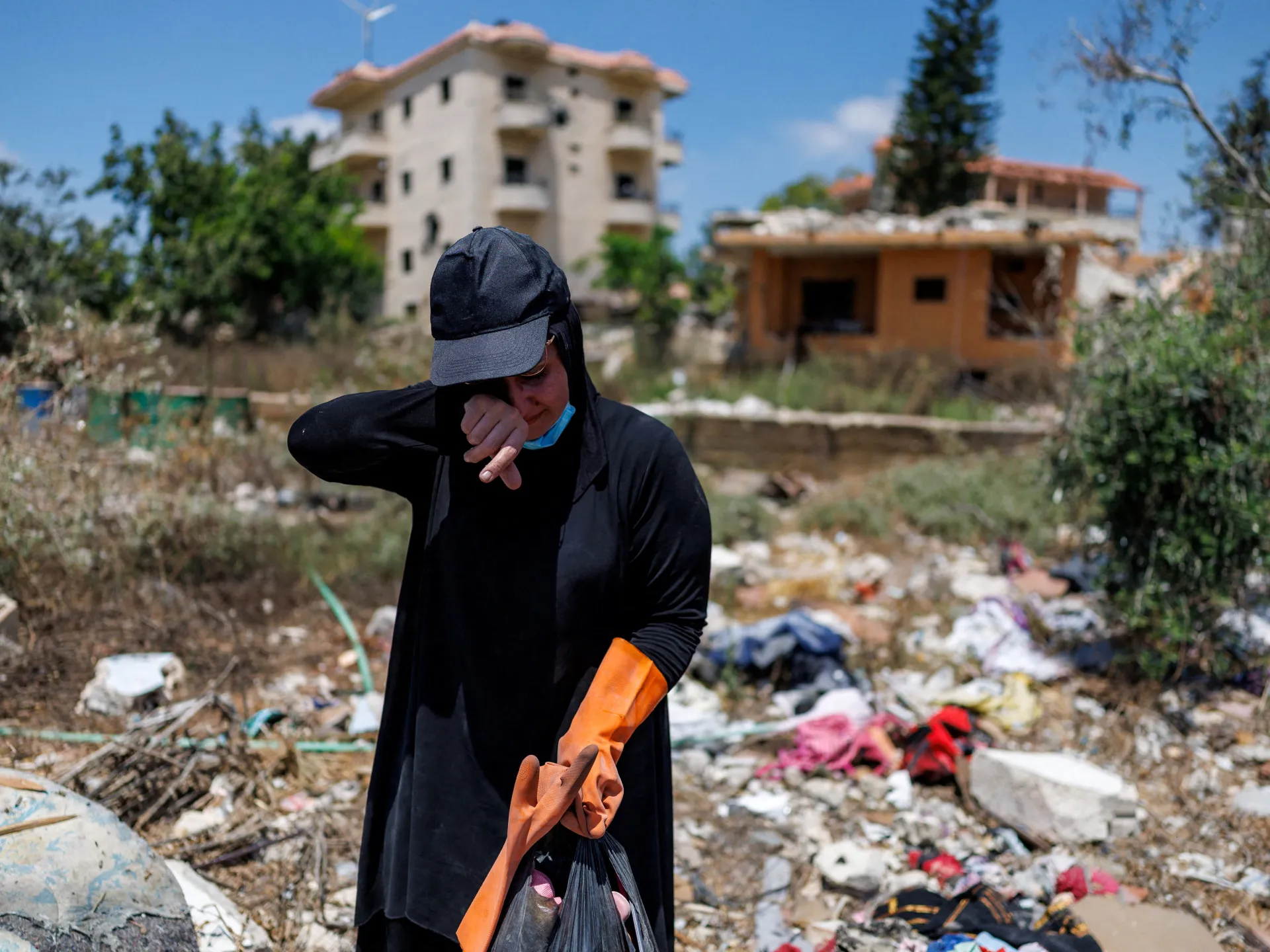
The scale of this displacement is supported dozens of structures were leveled in July alone, covering various locations from Qalandiya to East Jerusalem. These actions, combined with the forced demolition of private farms, contribute to a broader environment where Palestinian presence is systematically challenged, regardless of the specific legal status of the land.
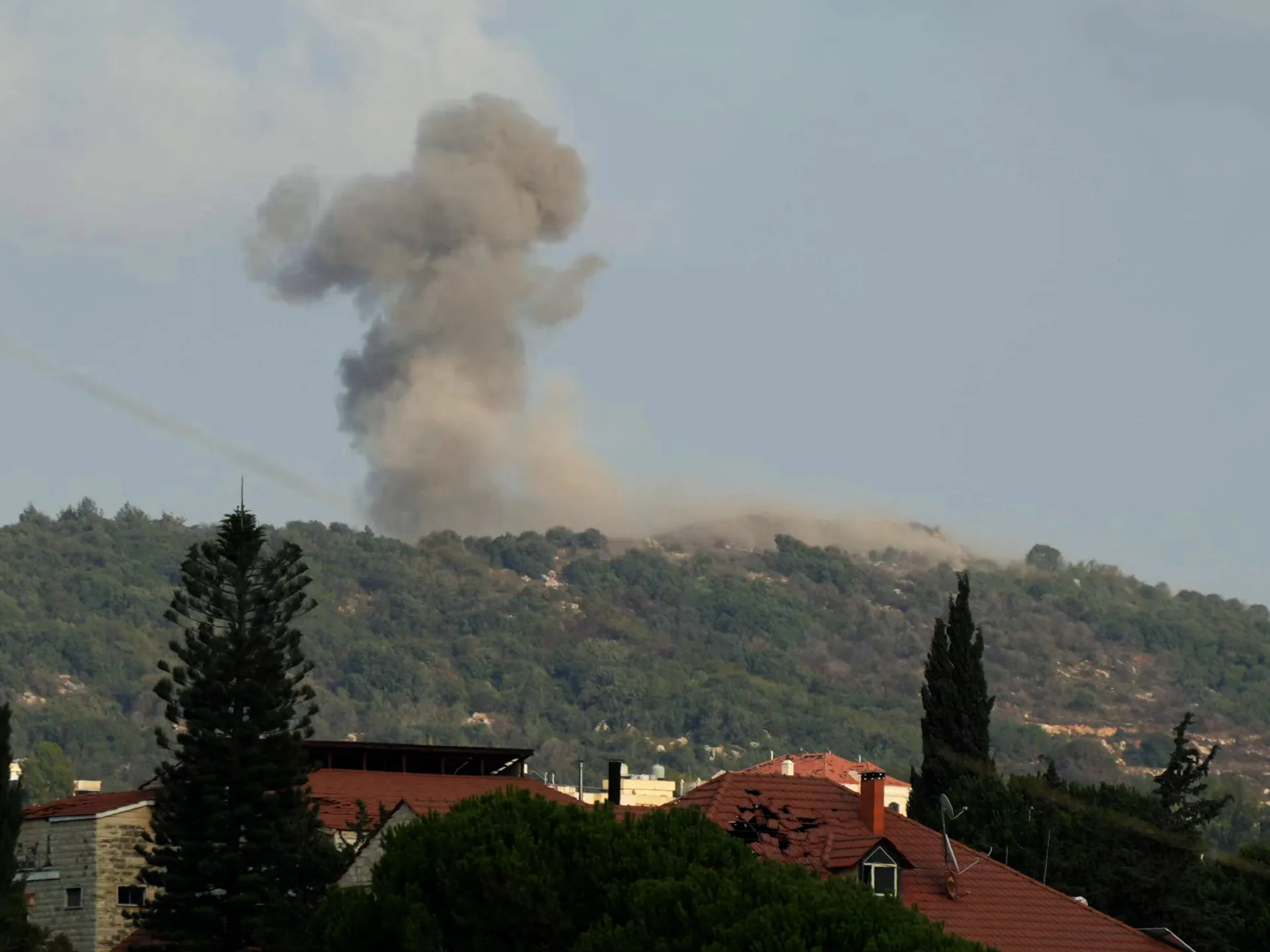
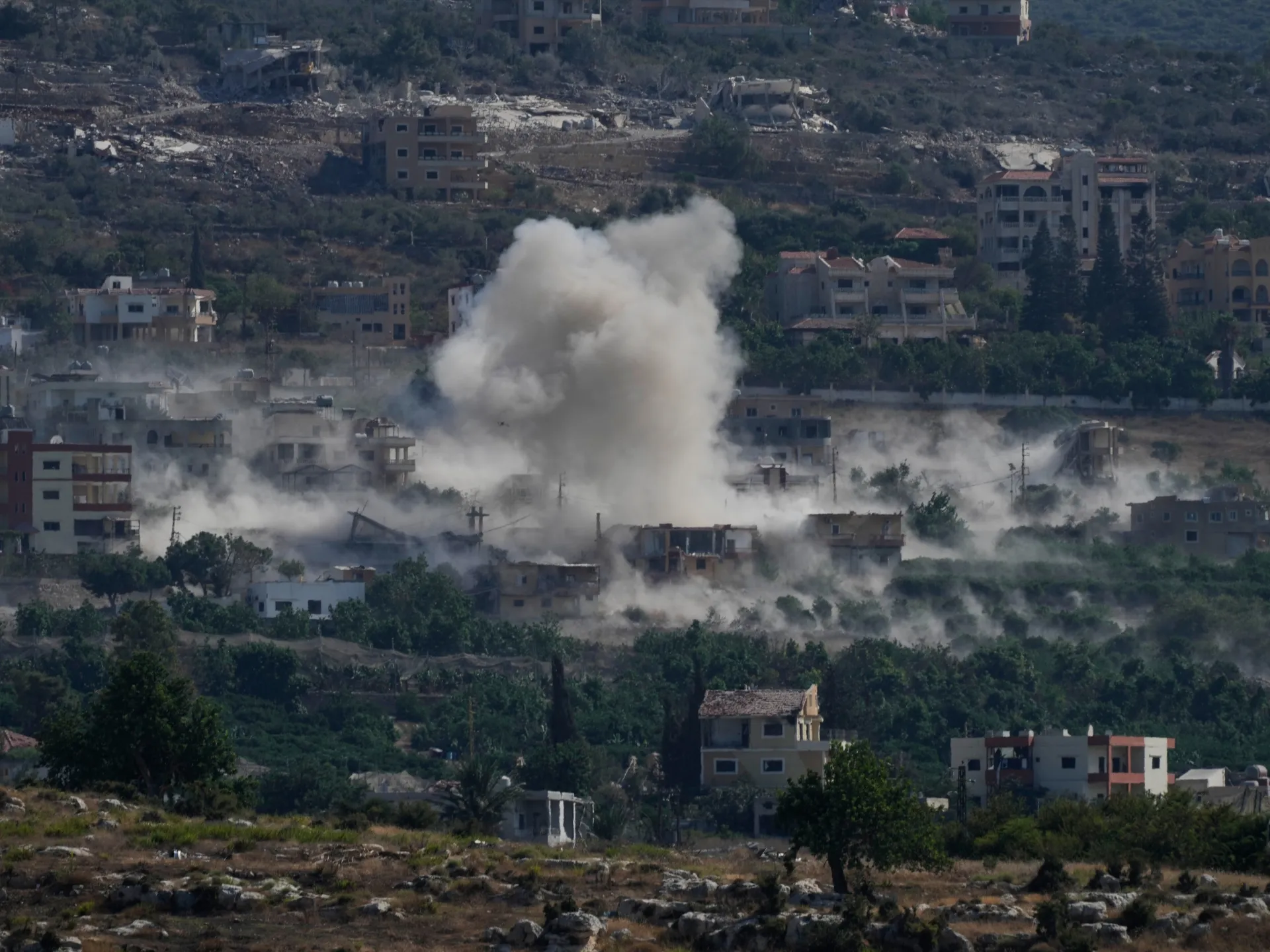
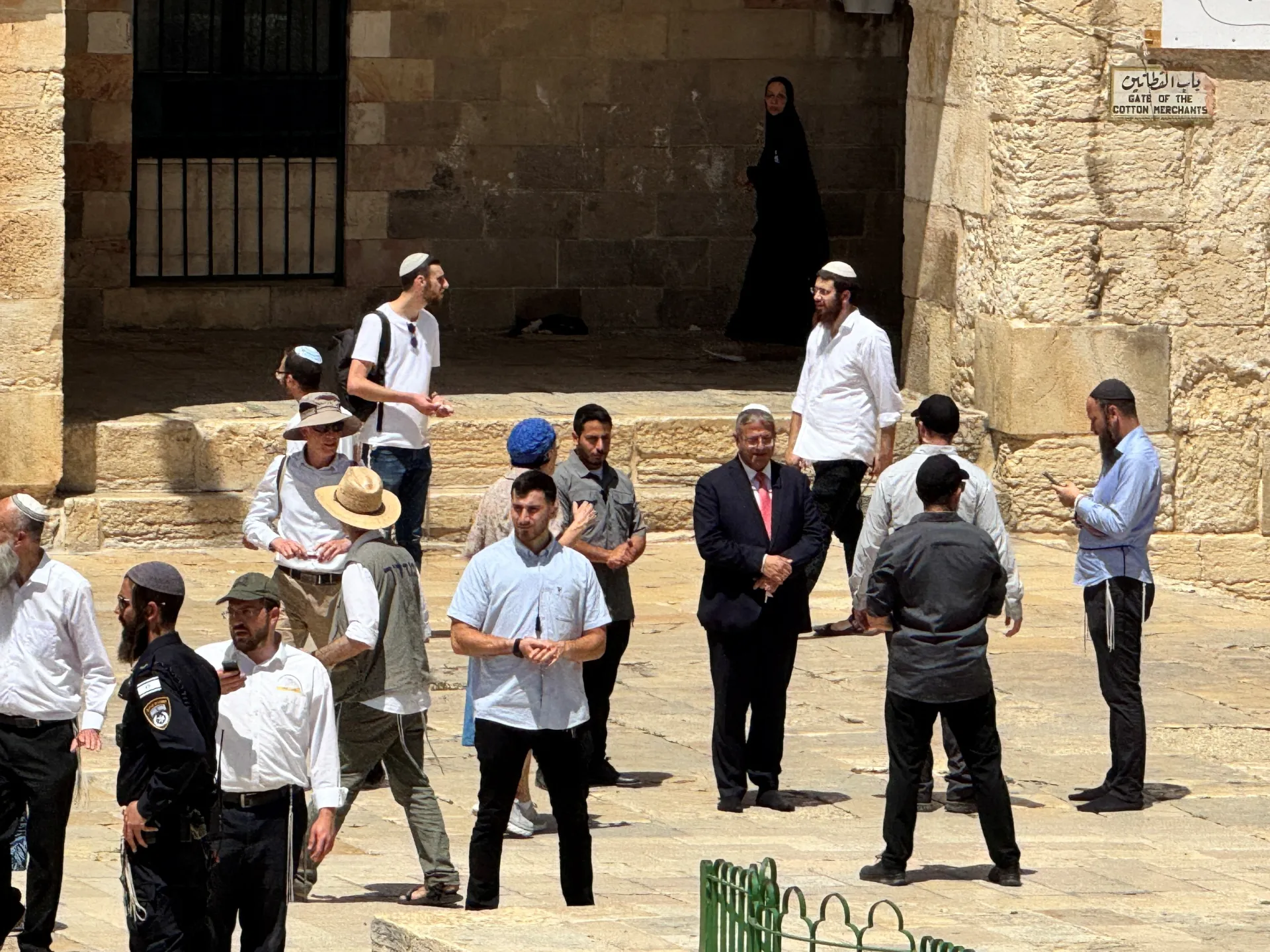
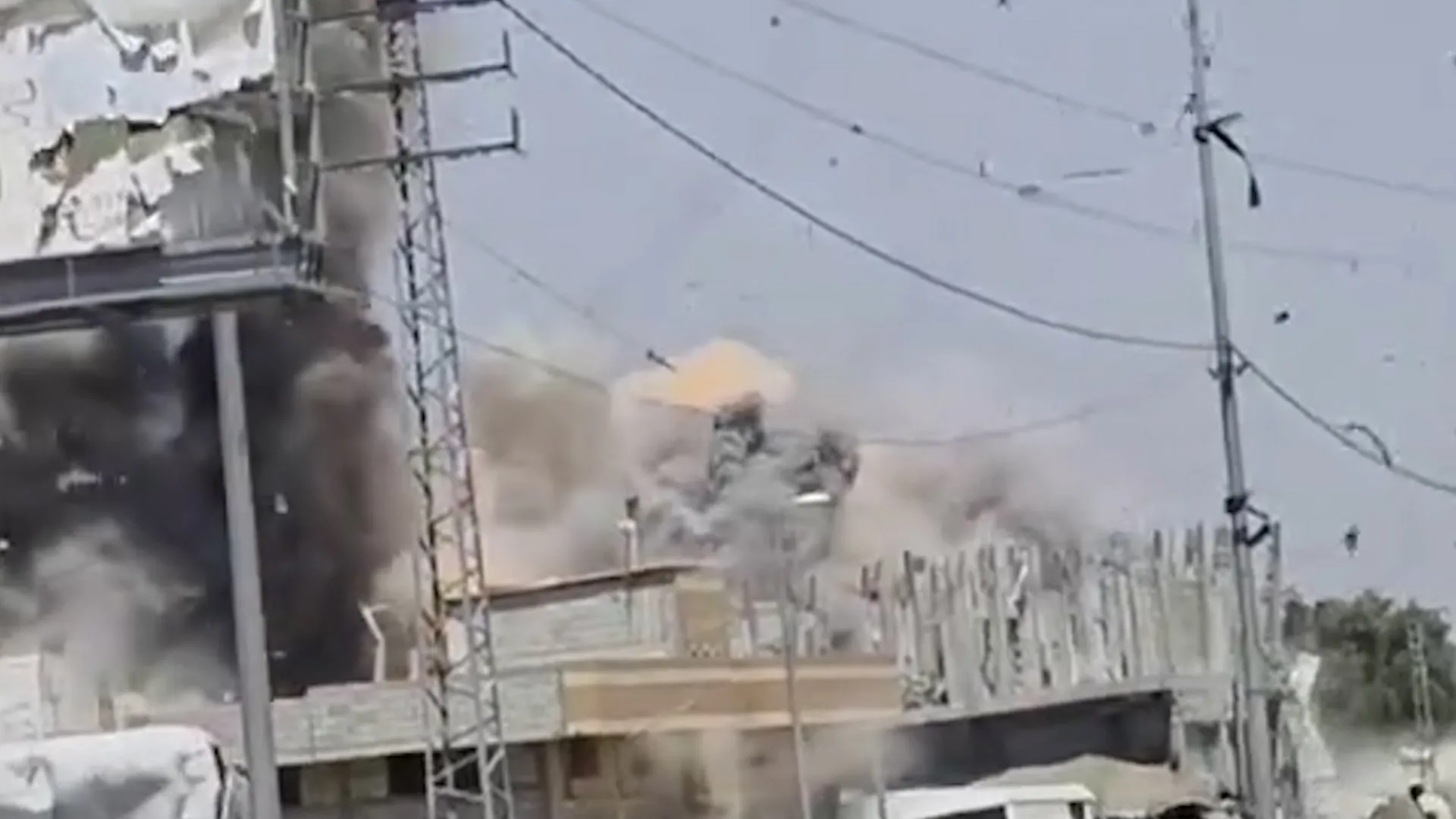
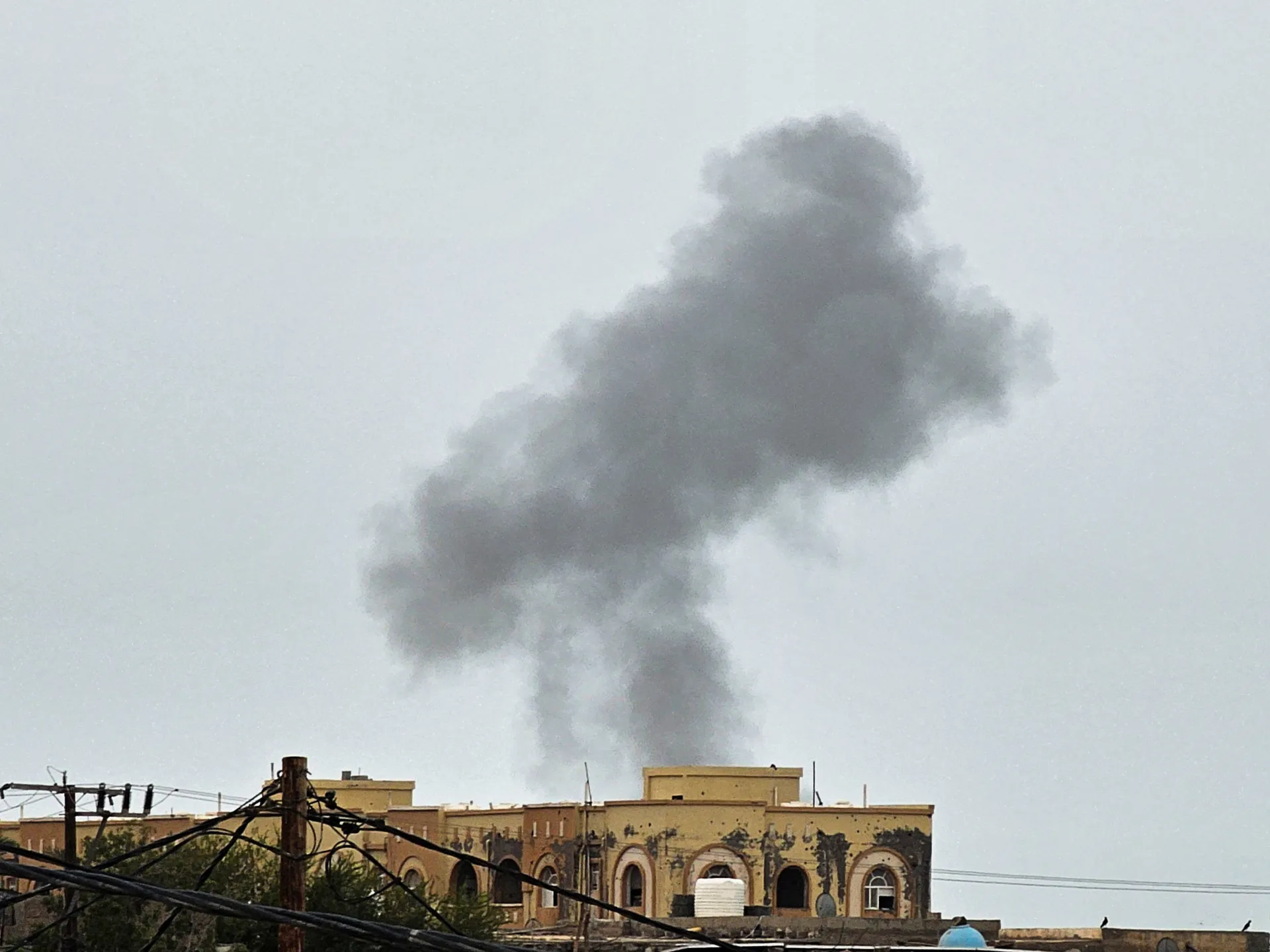
Parallel to the turmoil in the West Bank, the situation in Gaza remains defined ments over the terms of disarmament and the withdrawal of military forces continue to stall progress toward a sustainable ceasefire. Far-right elements within the Israeli government have publicly advocated for increased violence, creating a volatile atmosphere that contradicts ongoing international efforts to de-escalate the conflict.
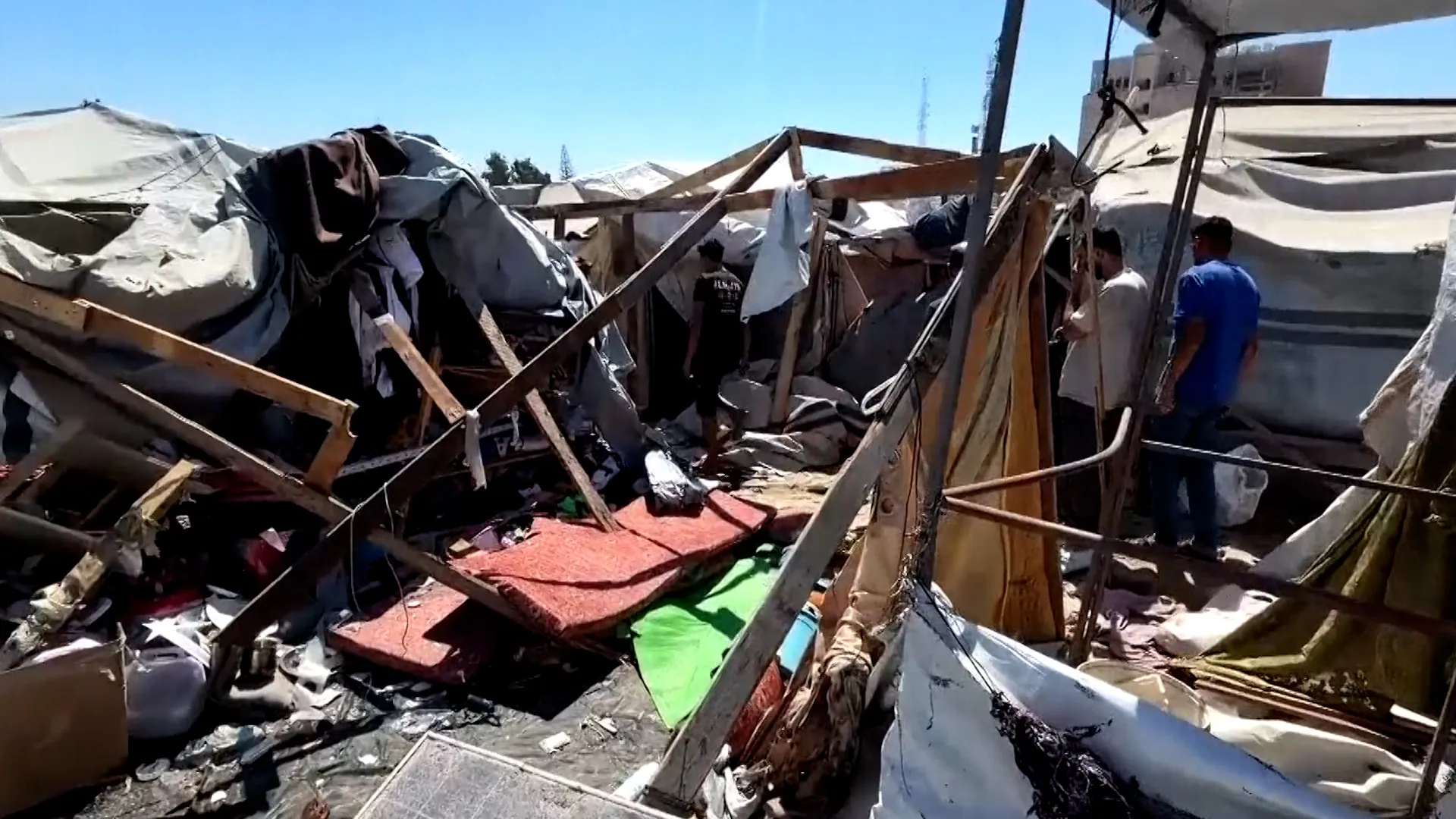
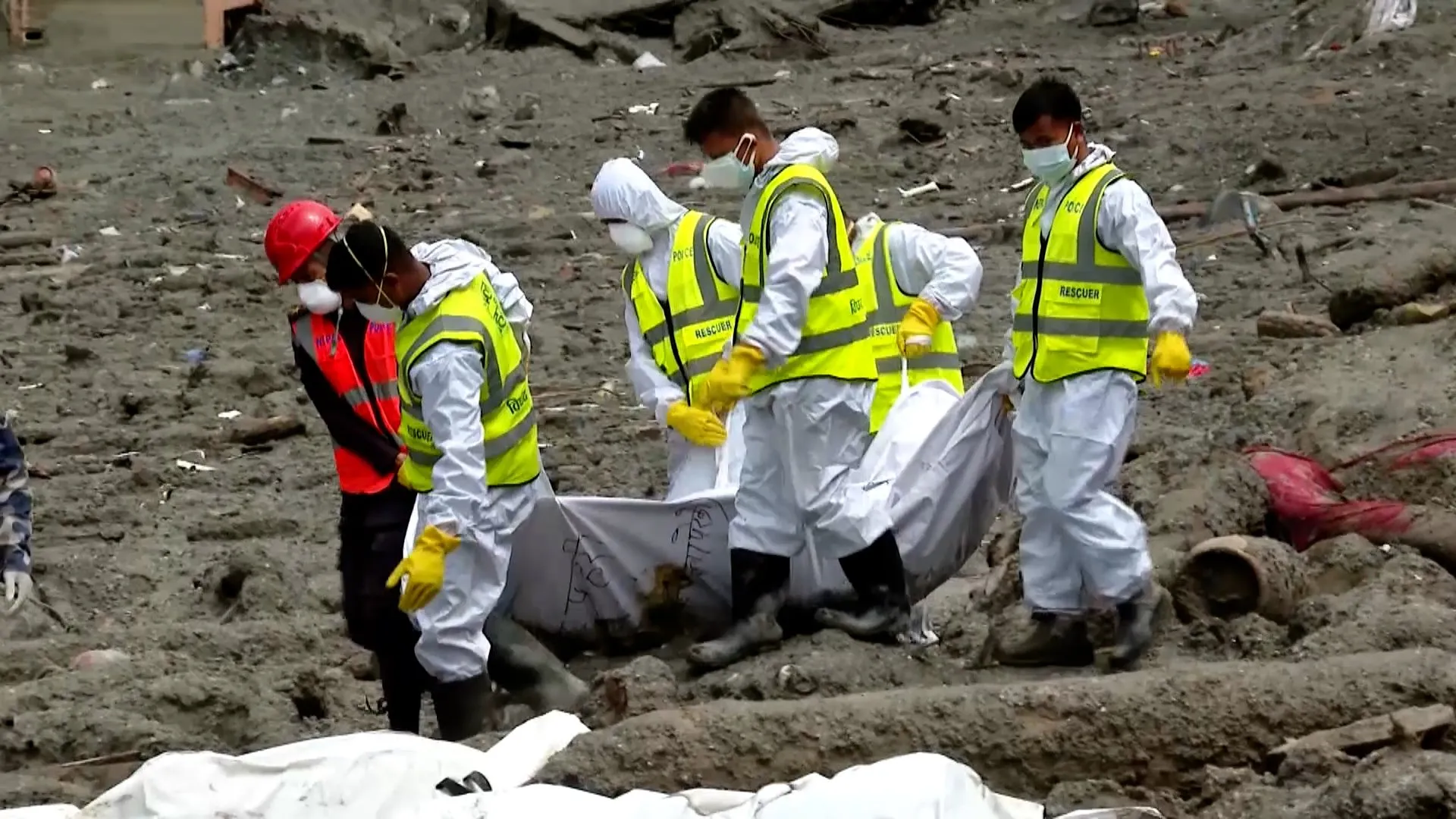
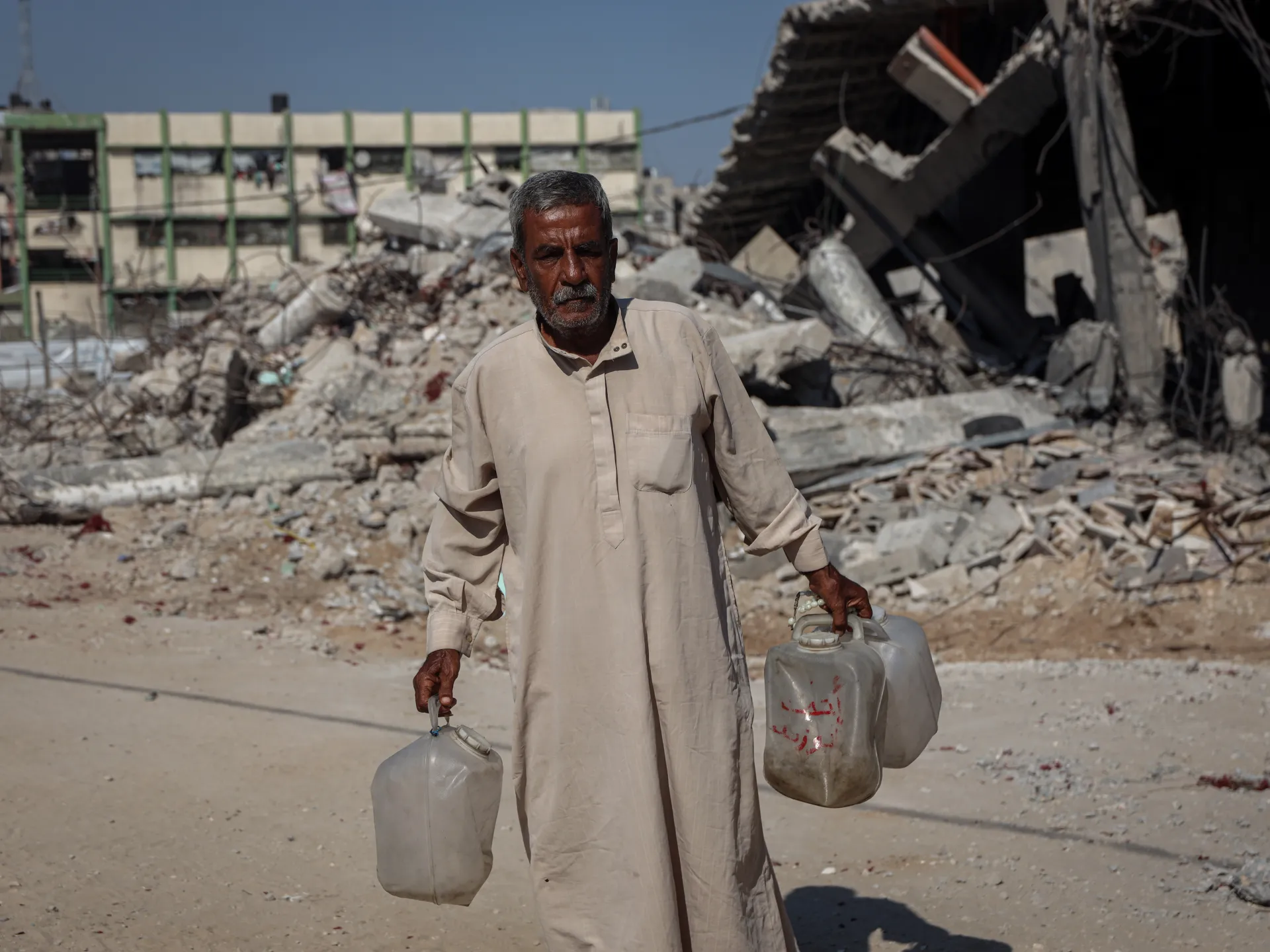
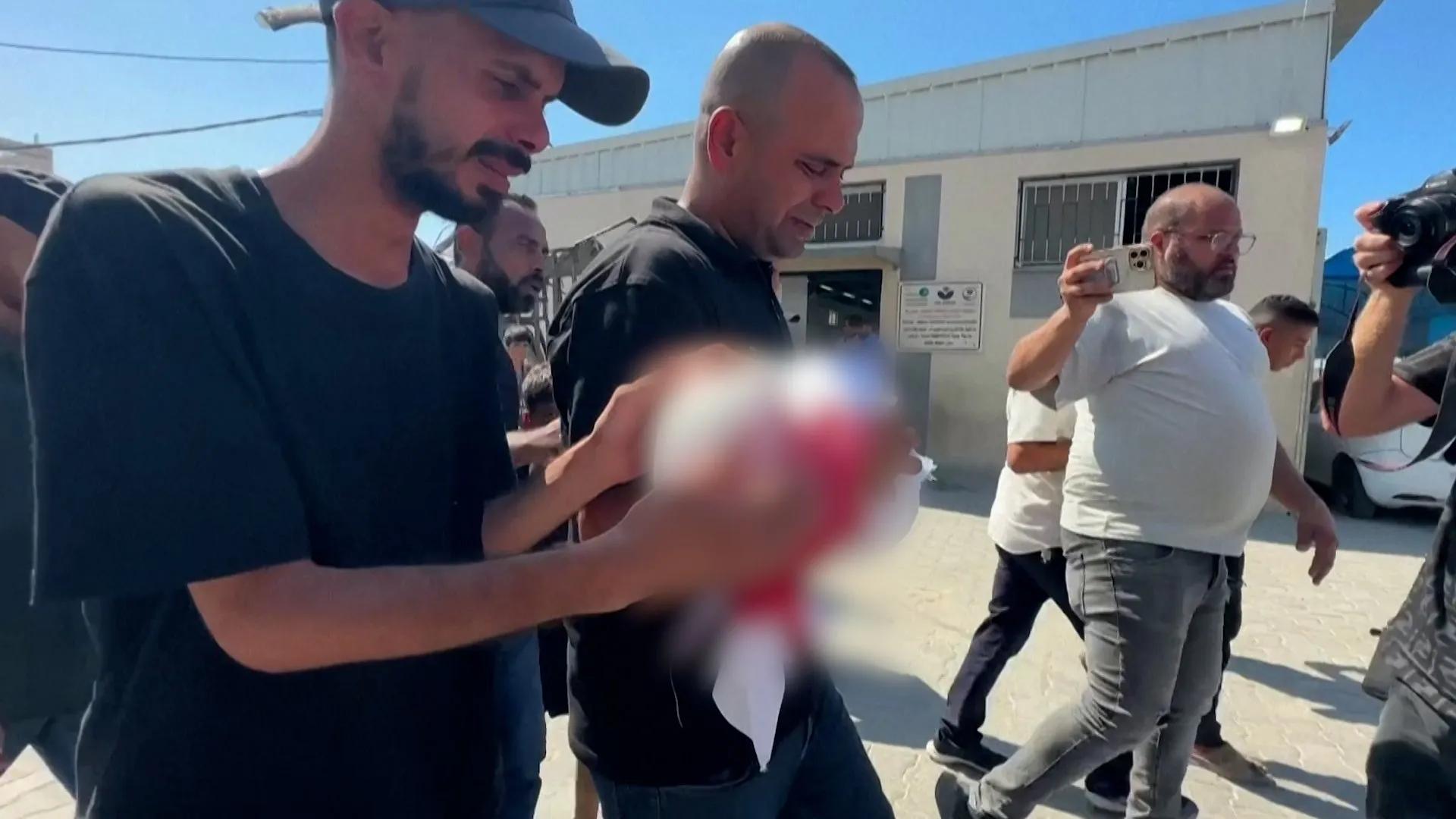
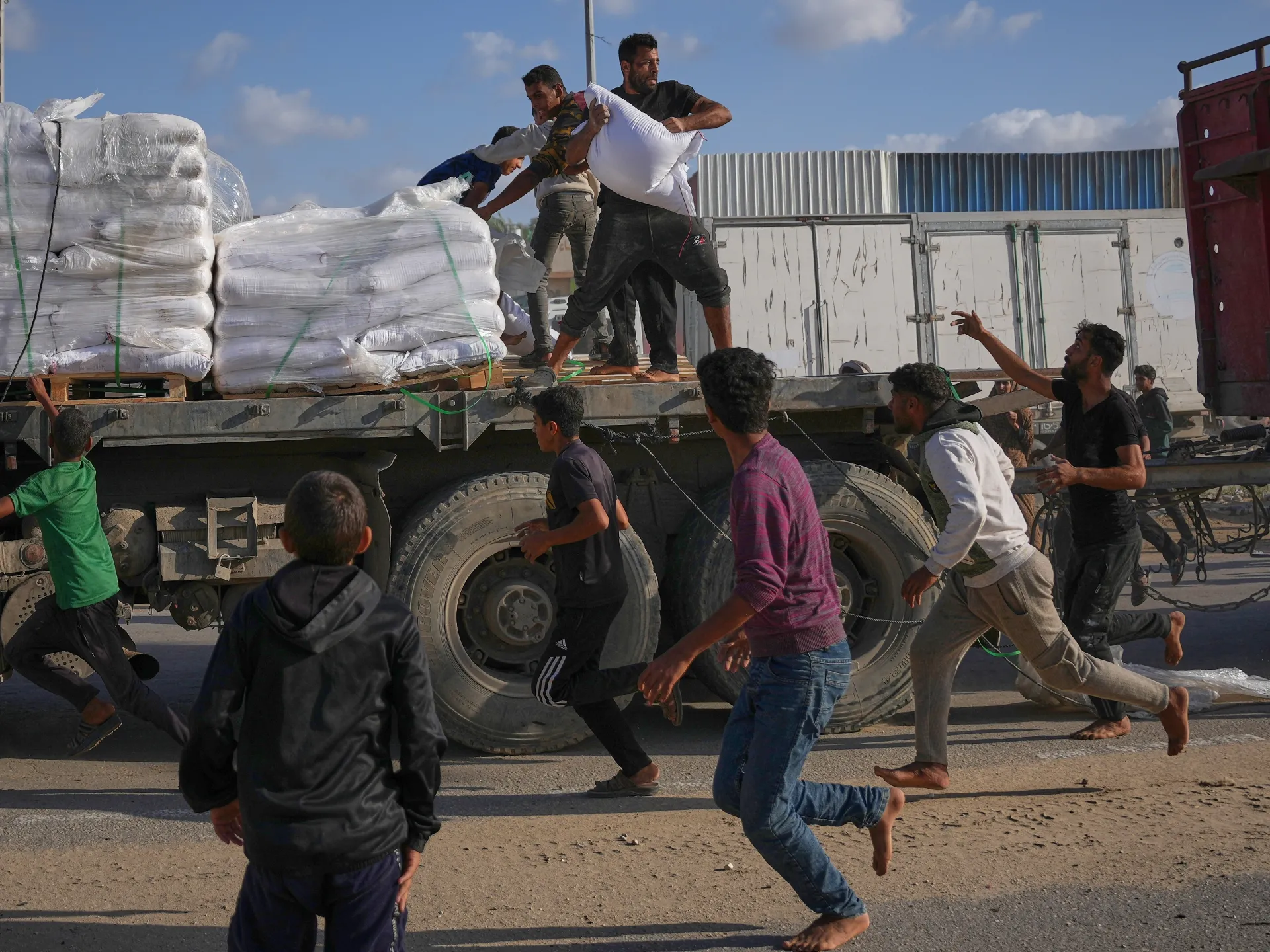
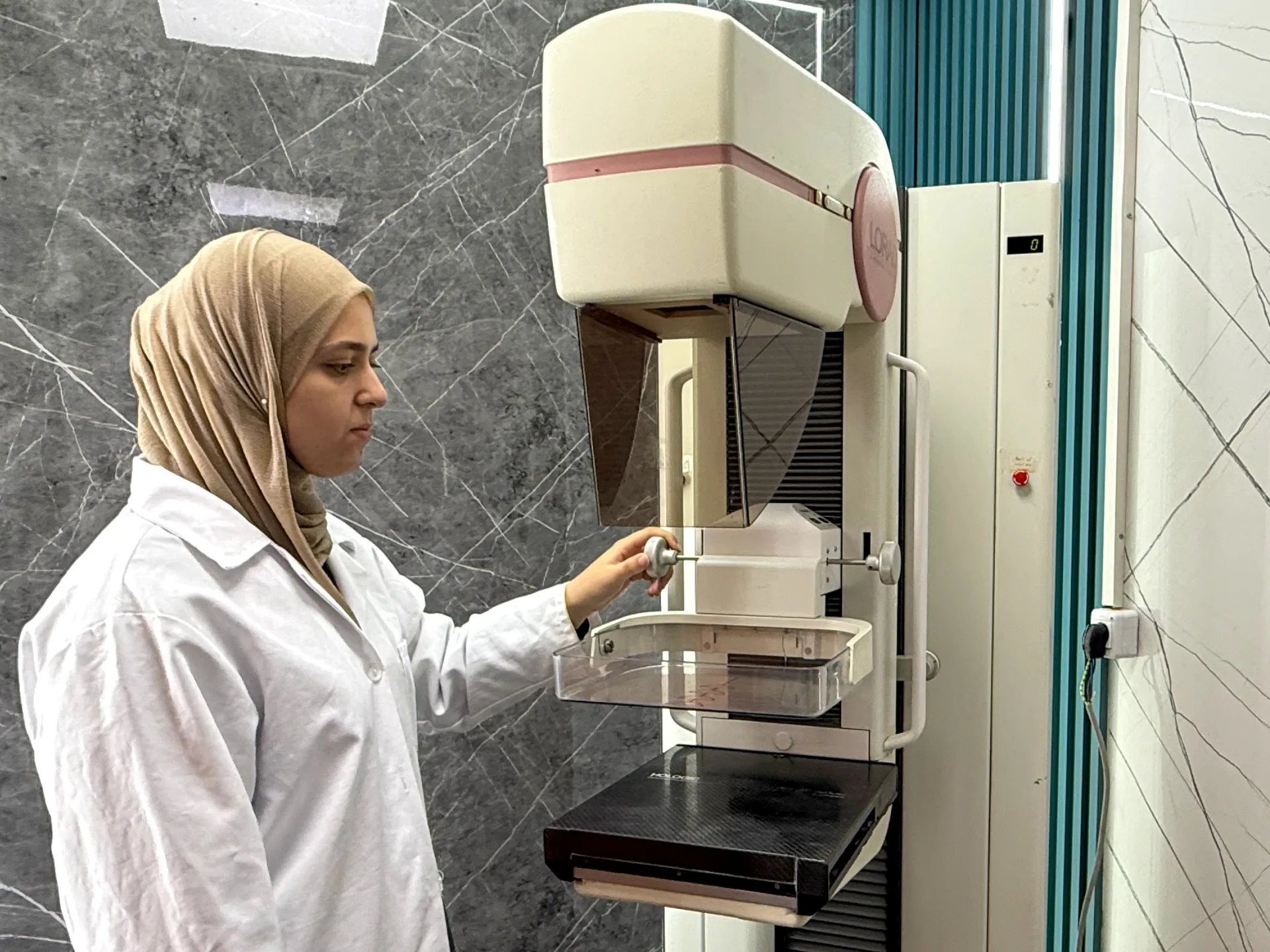
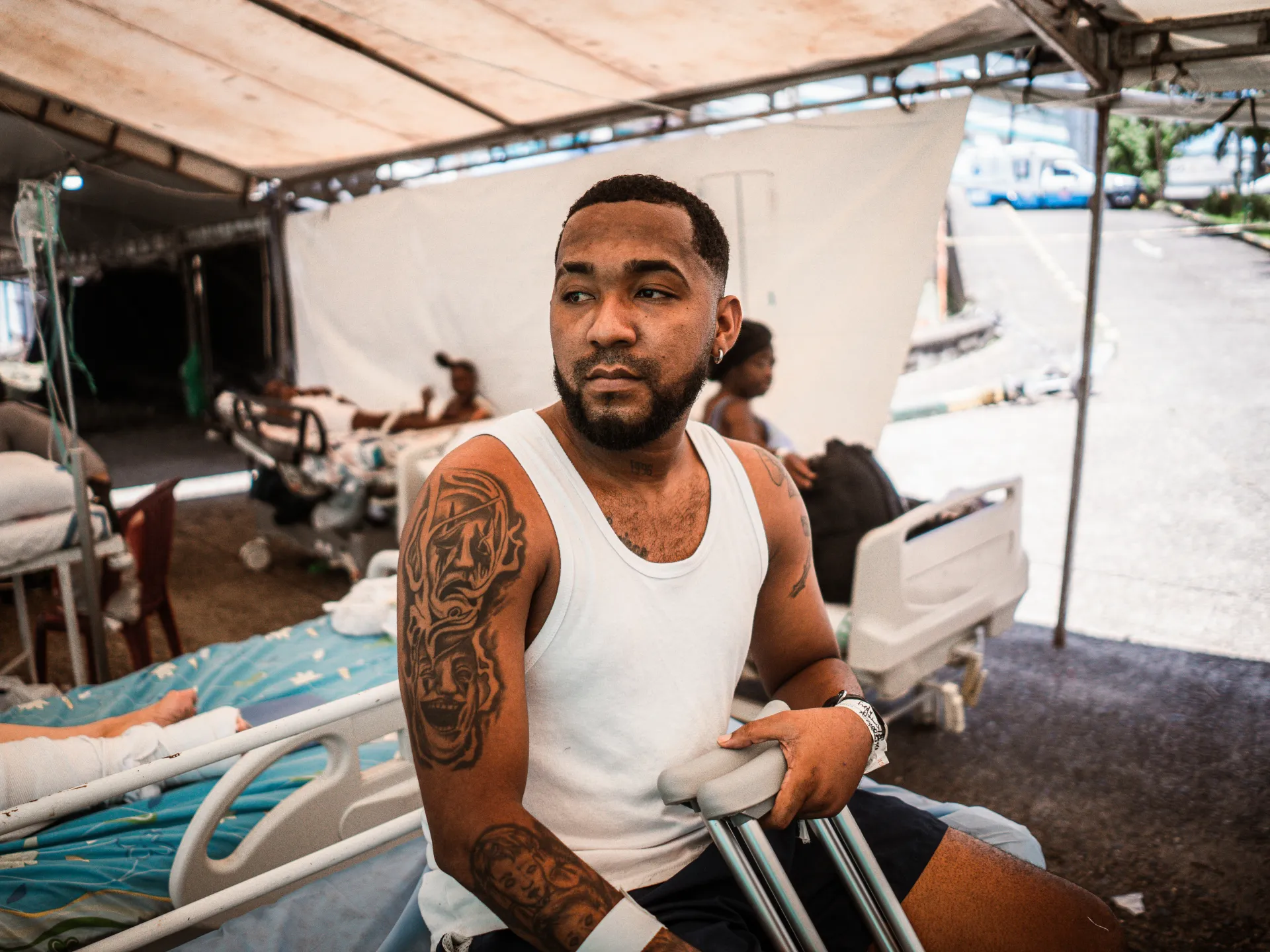
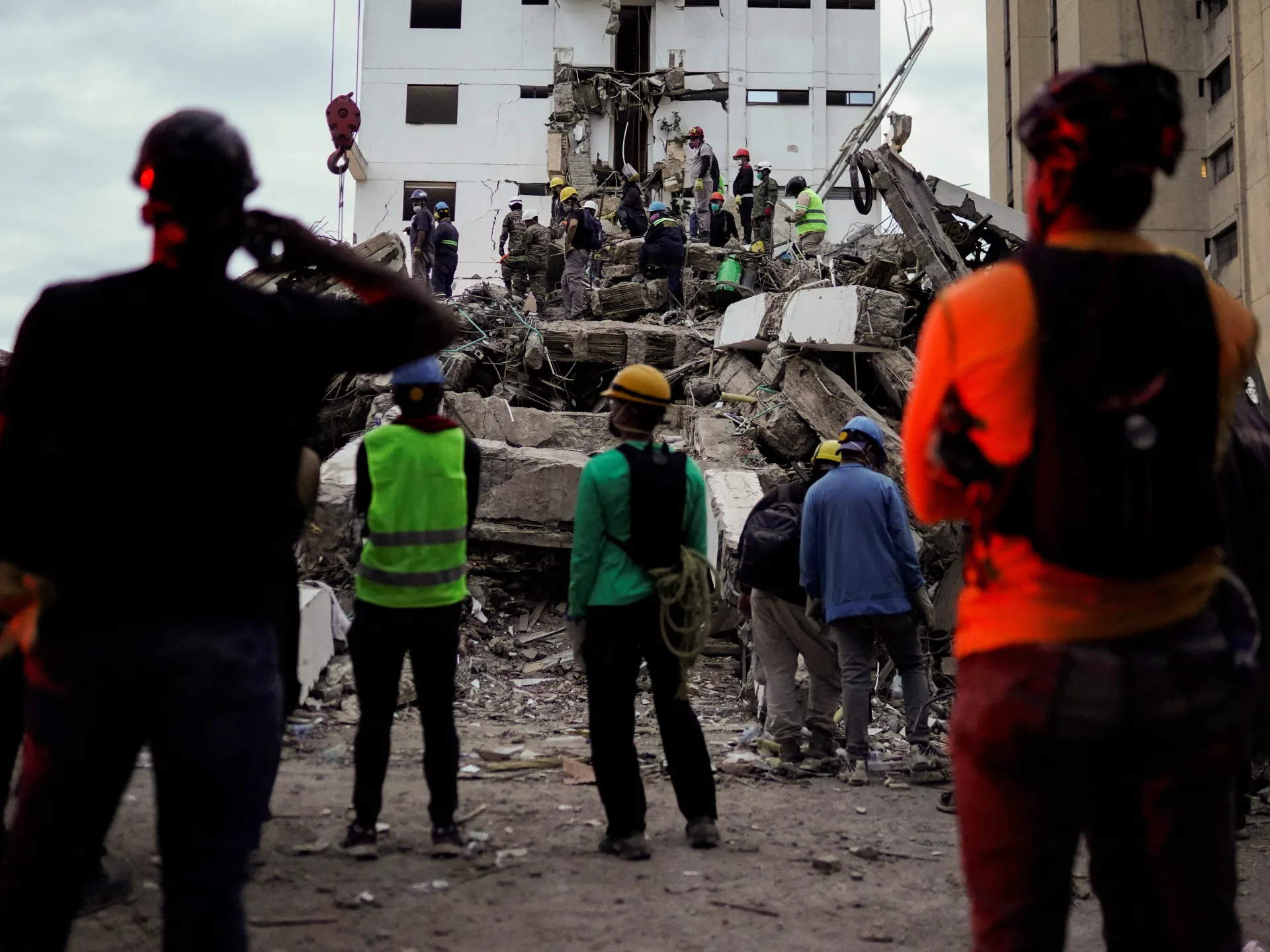
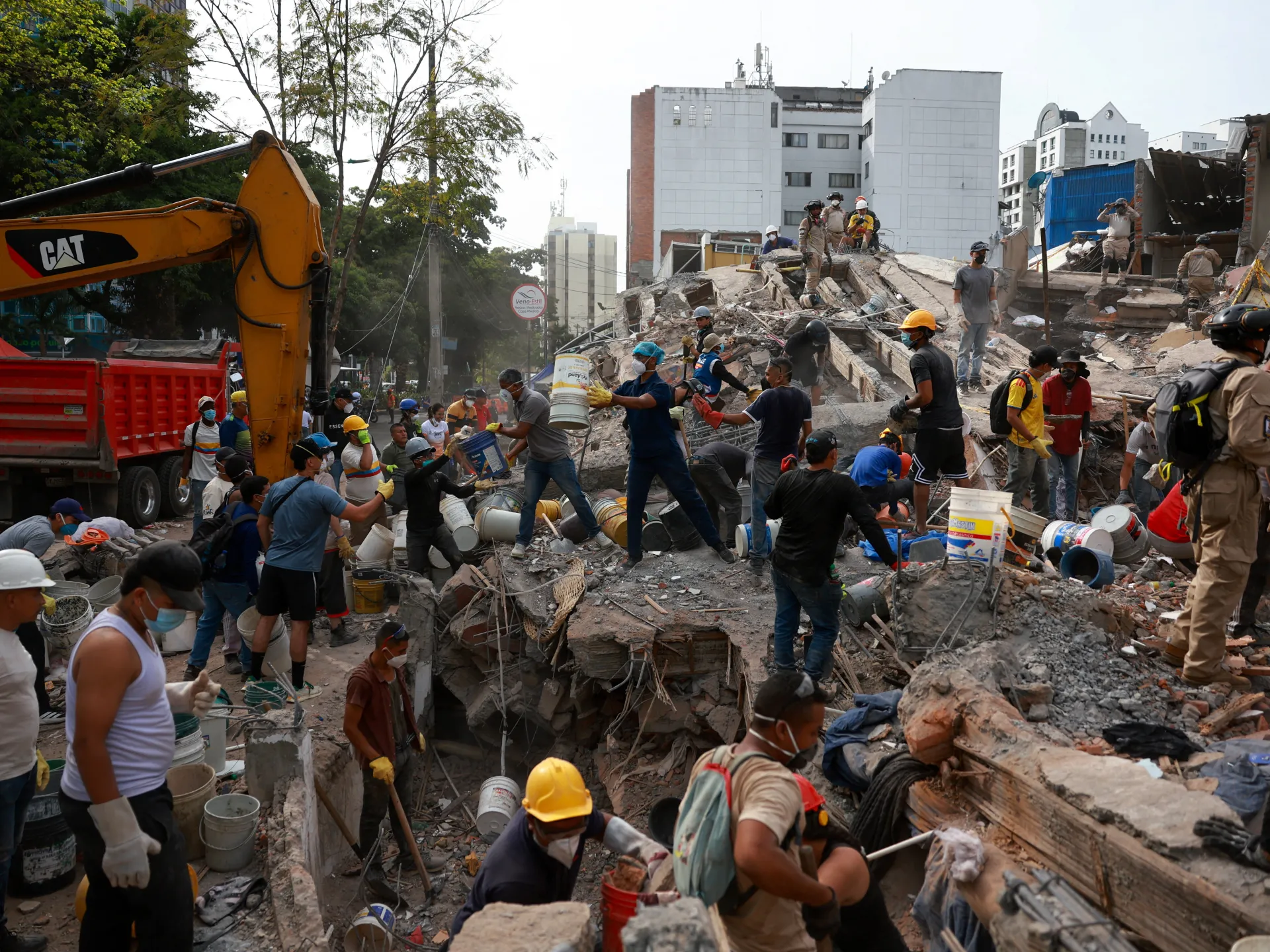
The humanitarian toll continues to mount as essential infrastructure remains decimated. Recent reports indicate that the majority of oxygen-generating stations in the Strip are no longer functional, with no access to necessary spare parts. Furthermore, the destruction of specialized medical facilities has led to a sharp rise in mortality rates among vulnerable populations, particularly cancer patients. Rescuers continue to recover bodies from the rubble, reflecting the ongoing loss of life in a territory where basic survival resources remain severely restricted.
Additionally, the removal of millions of tonnes of rubble and the destruction of evidence potentially relevant to international legal investigations. As the region navigates this period of extreme tension, the combination of restricted aid, ongoing military strikes, and the internal political struggles within the Israeli cabinet leaves the prospect of a lasting peace increasingly fragile.