As Russia solidifies its wartime legislative control, Western political parties face increasing internal turbulence driven by populist surges and ideological divisions.
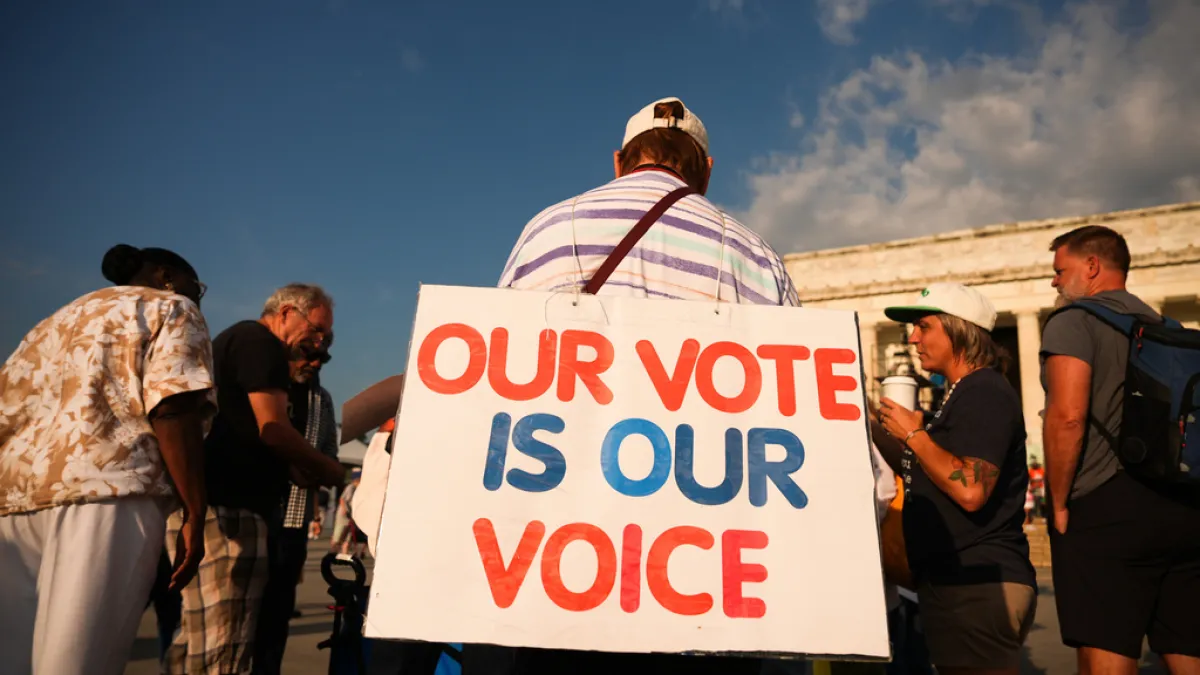
The convergence of political developments in Russia, Germany, and the United States reveals a global trend toward ideological hardening and internal institutional stress. While the Kremlin uses a manufactured electoral supermajority to cement its wartime mandate, Western democracies are navigating a different crisis: the erosion of consensus within traditional power structures. Whether it is the rise of the AfD in Germany challenging the conservative establishment or the ideological tug-of-war within the U.S. Democratic Party, the common thread is a deepening disconnect between established political elites and shifting voter priorities.
For observers, these events suggest that the center of the political spectrum is thinning. In Russia, that space has been effectively eliminated o populist insurgencies—whether they arise from the nationalist right or the democratic socialist left—creating a period of profound uncertainty for long-term policy continuity.
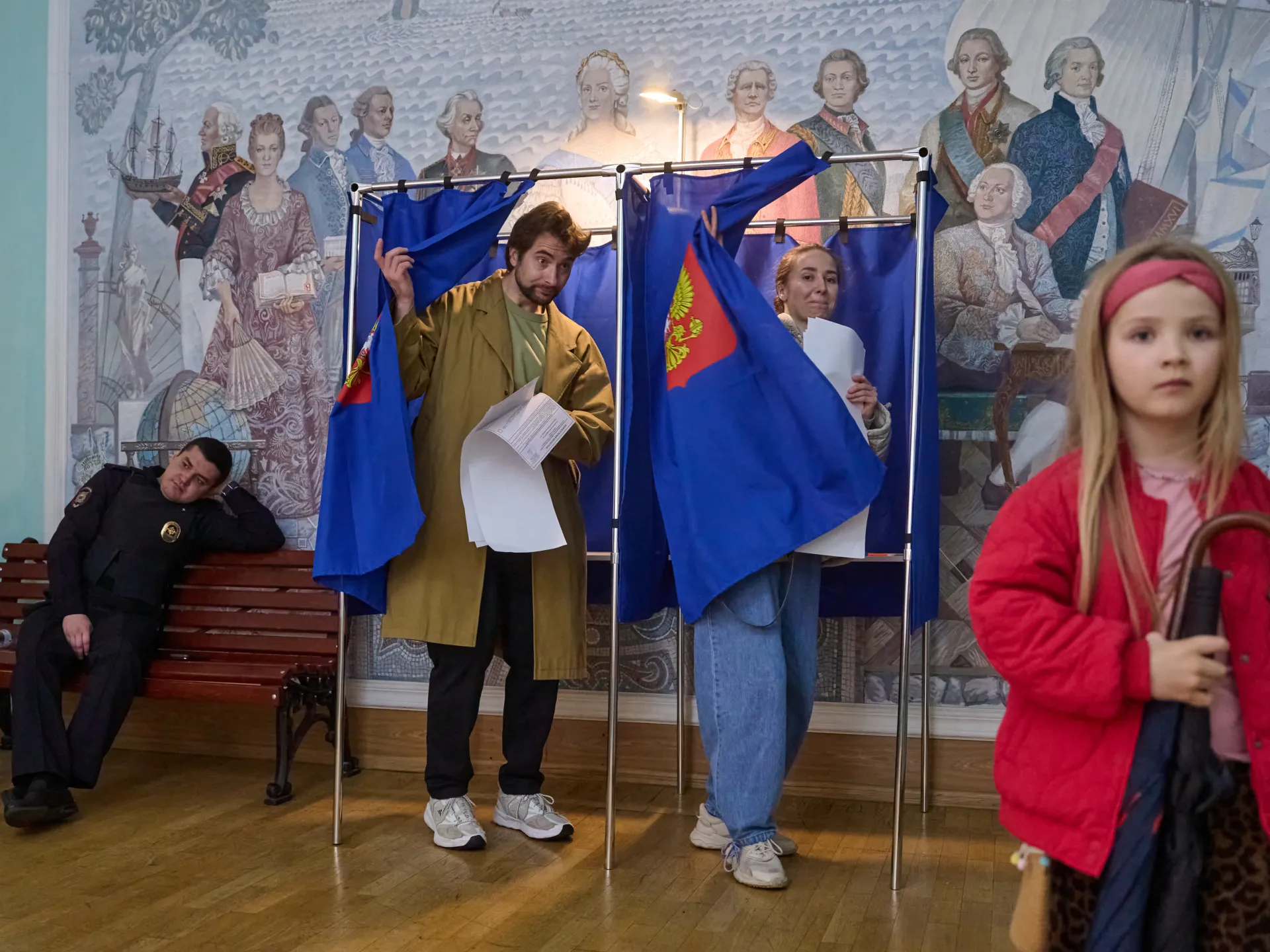
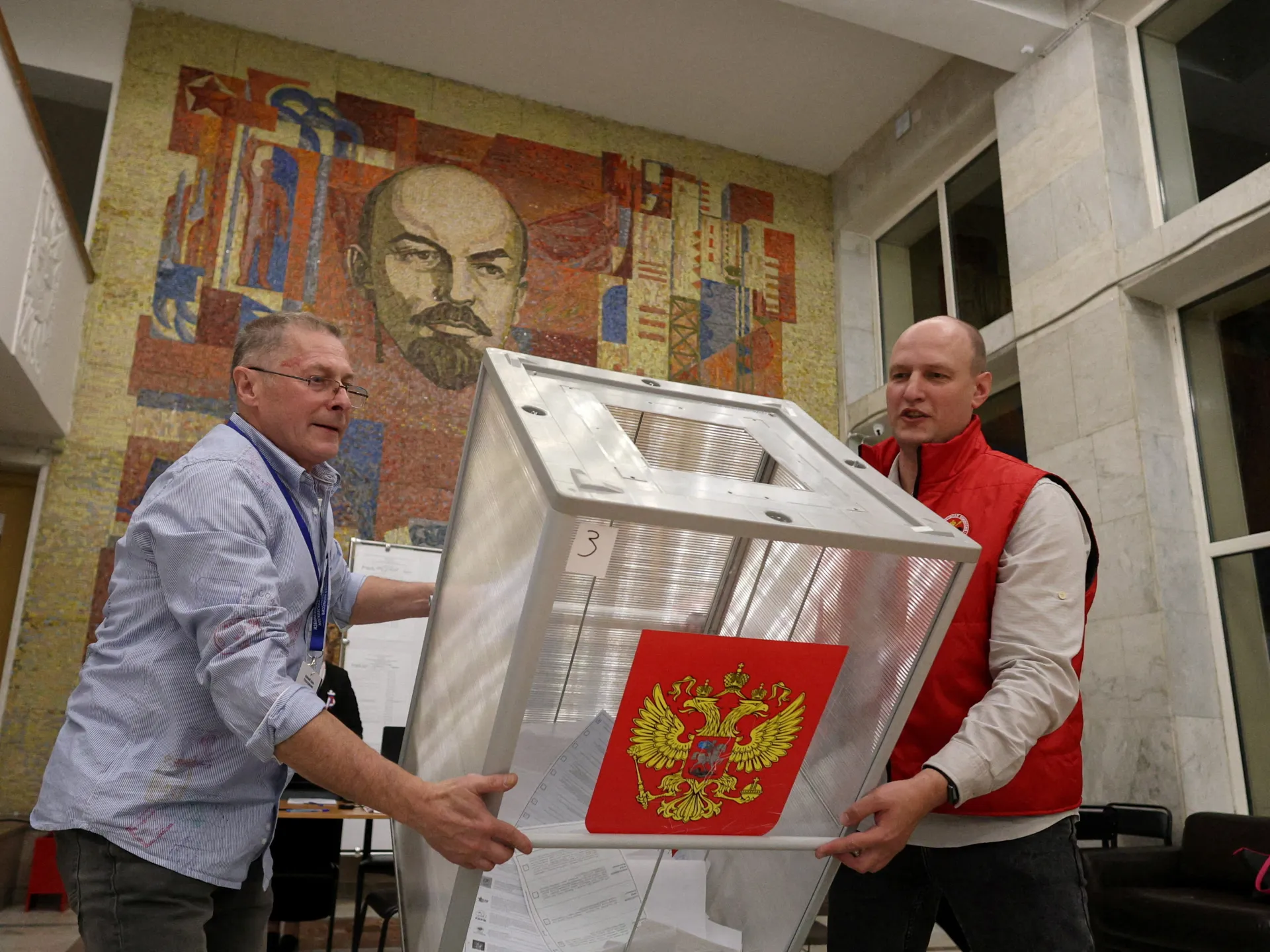
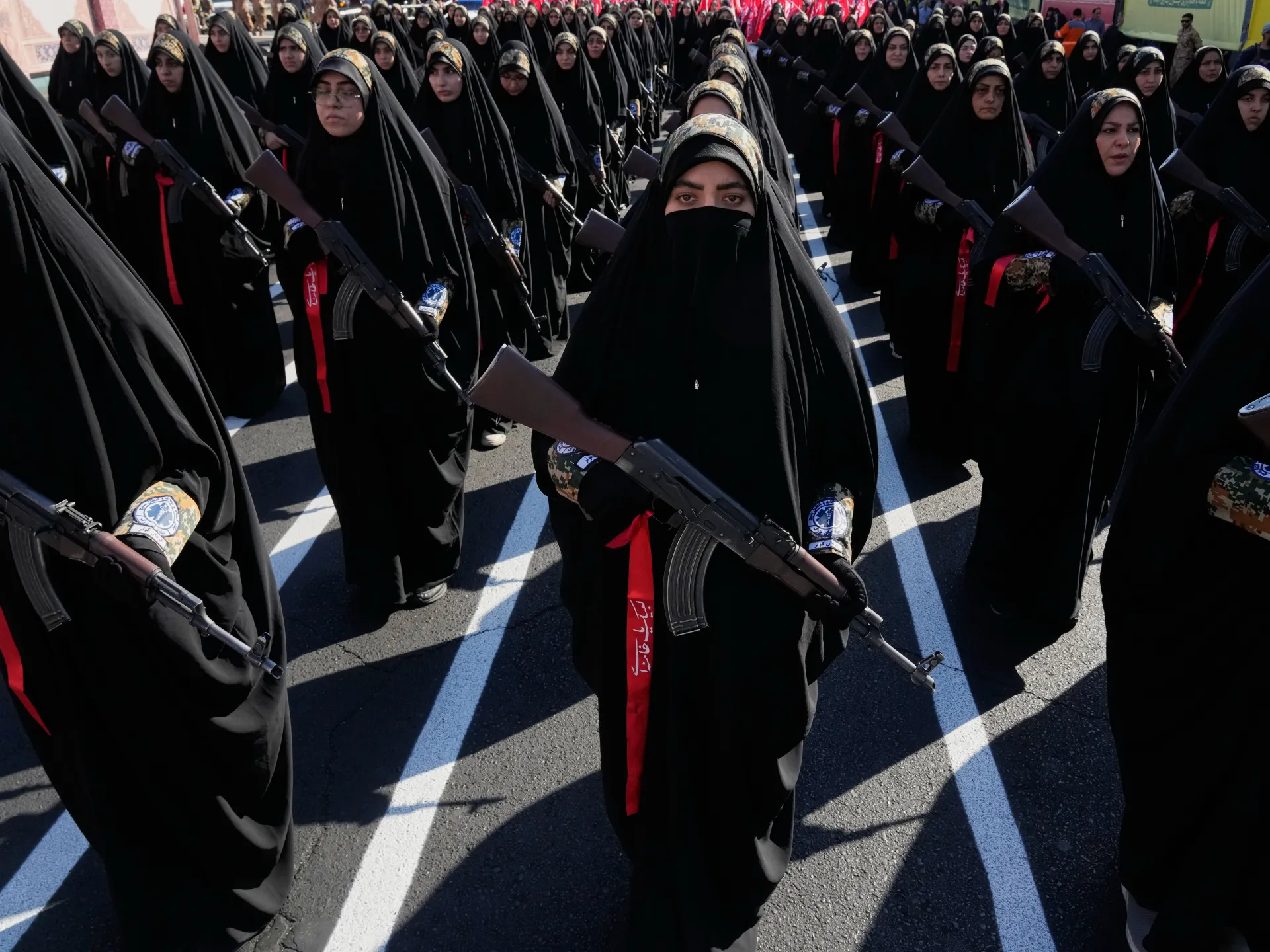
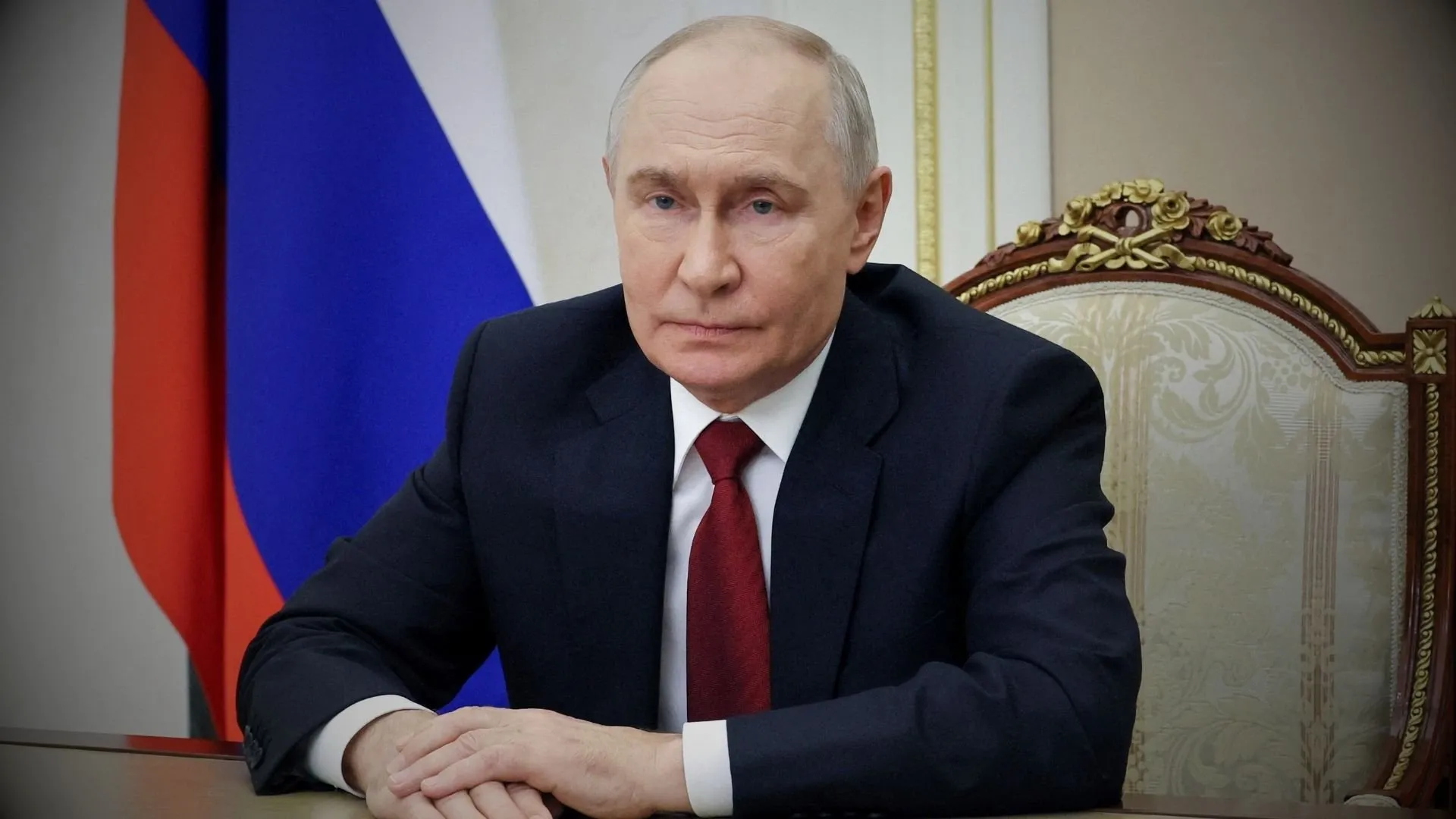
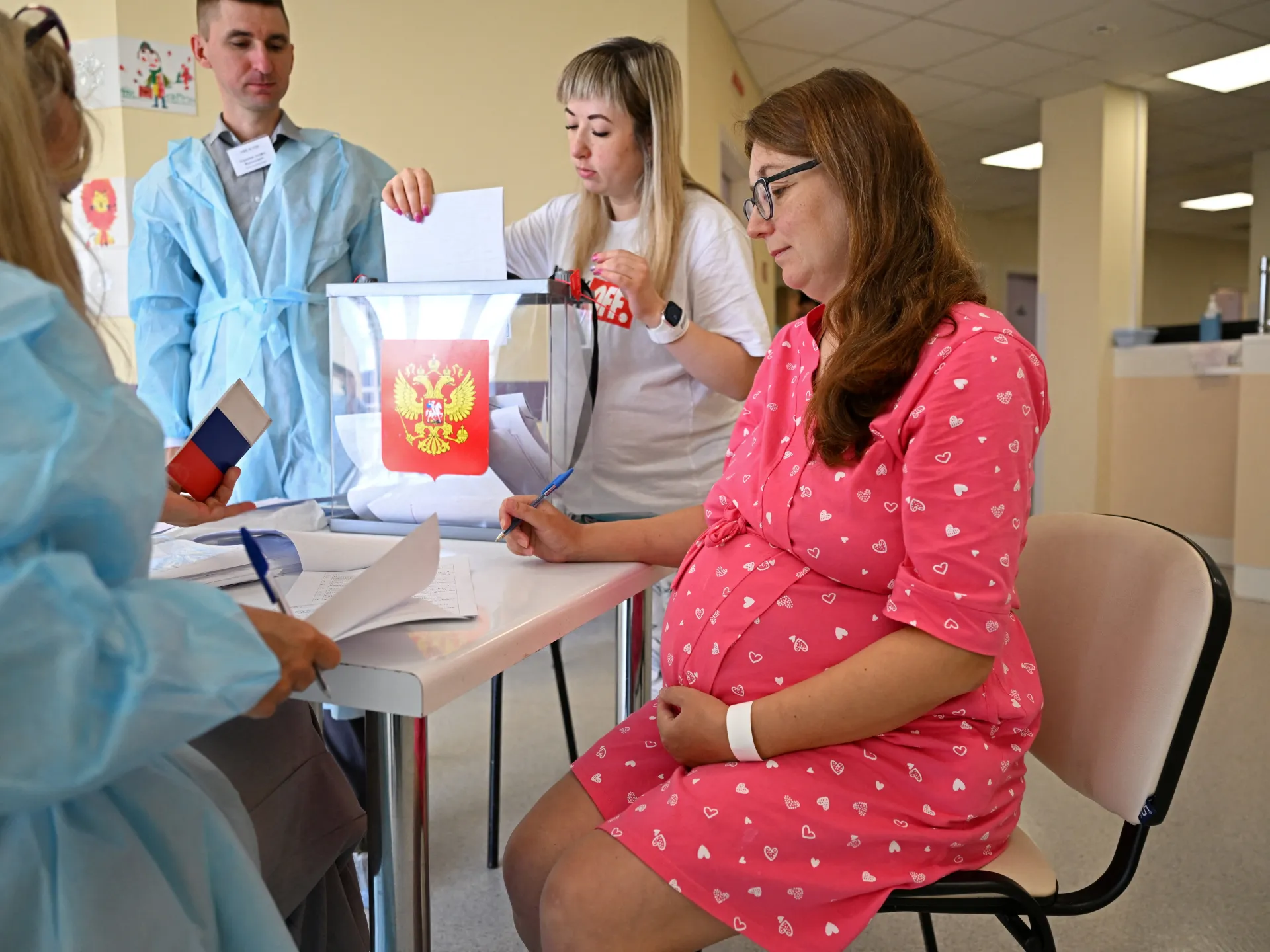
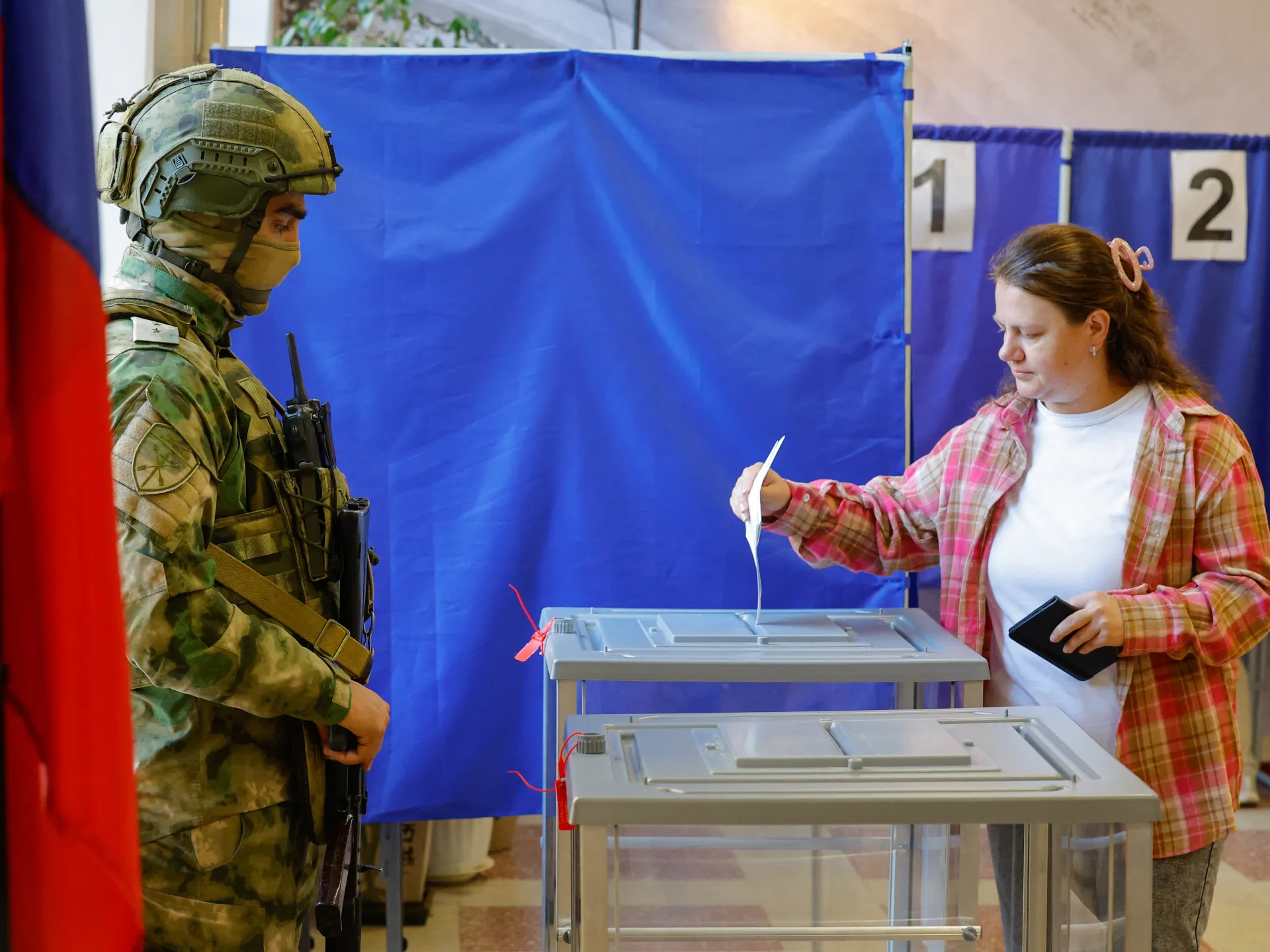
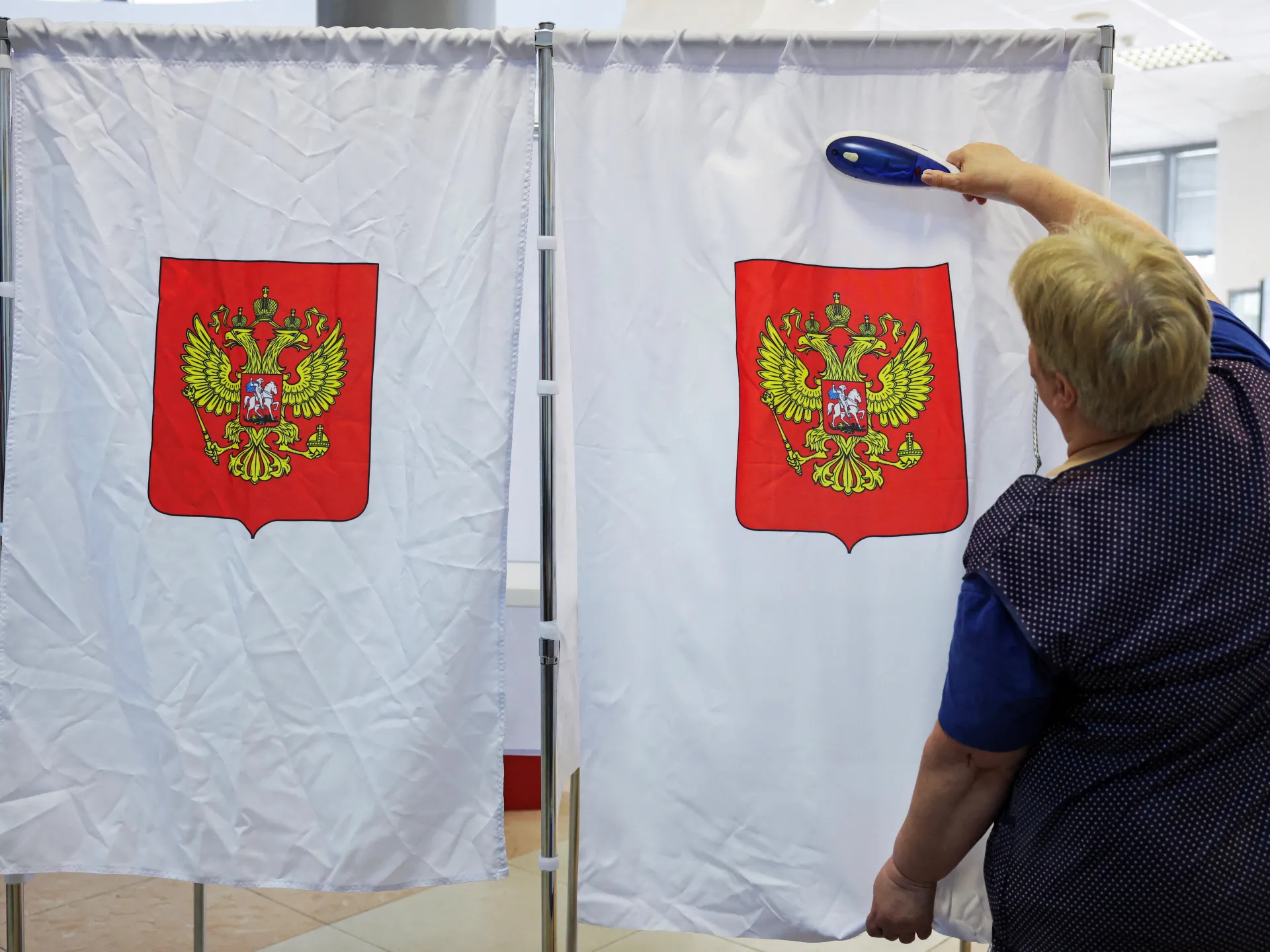
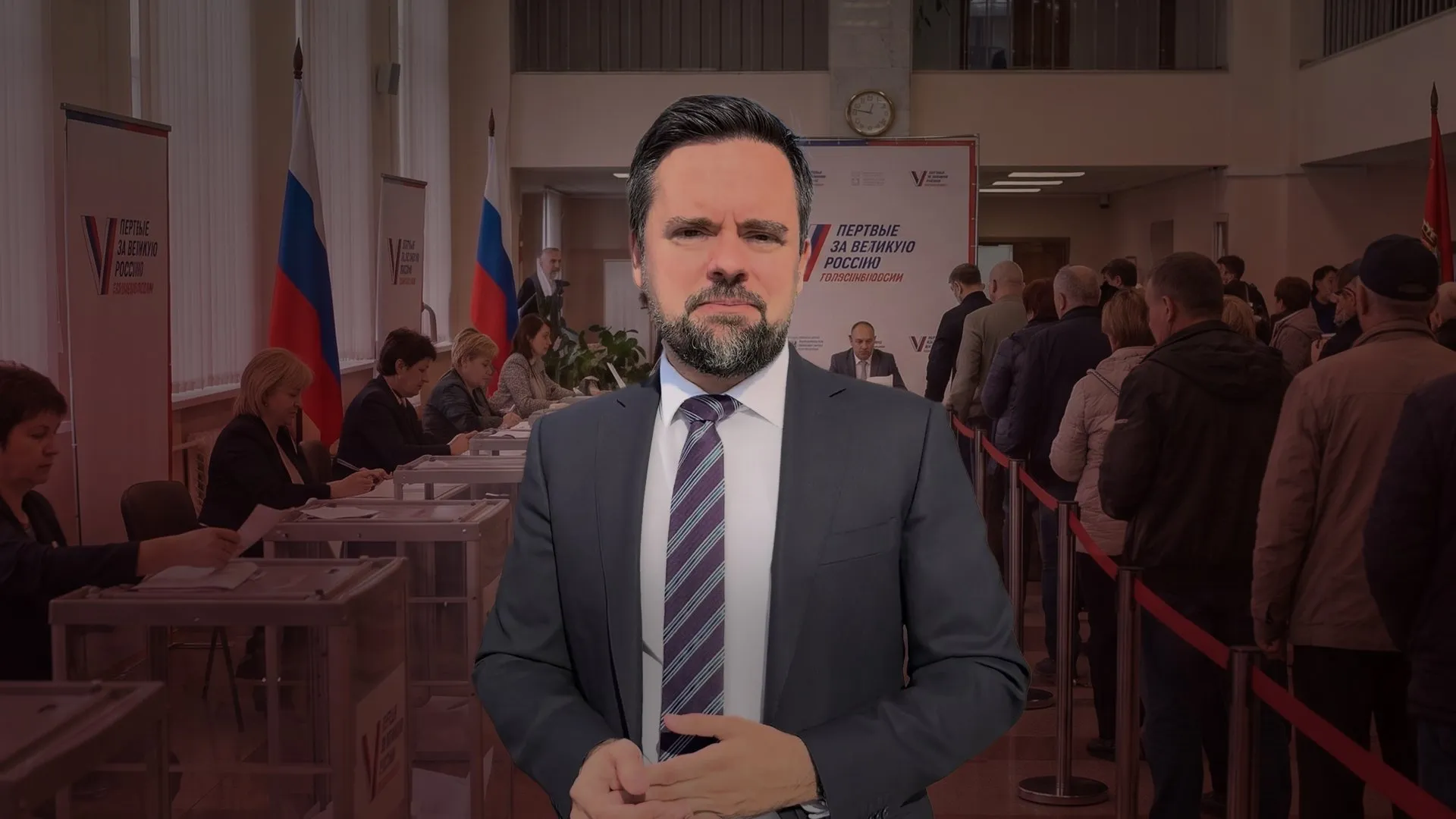
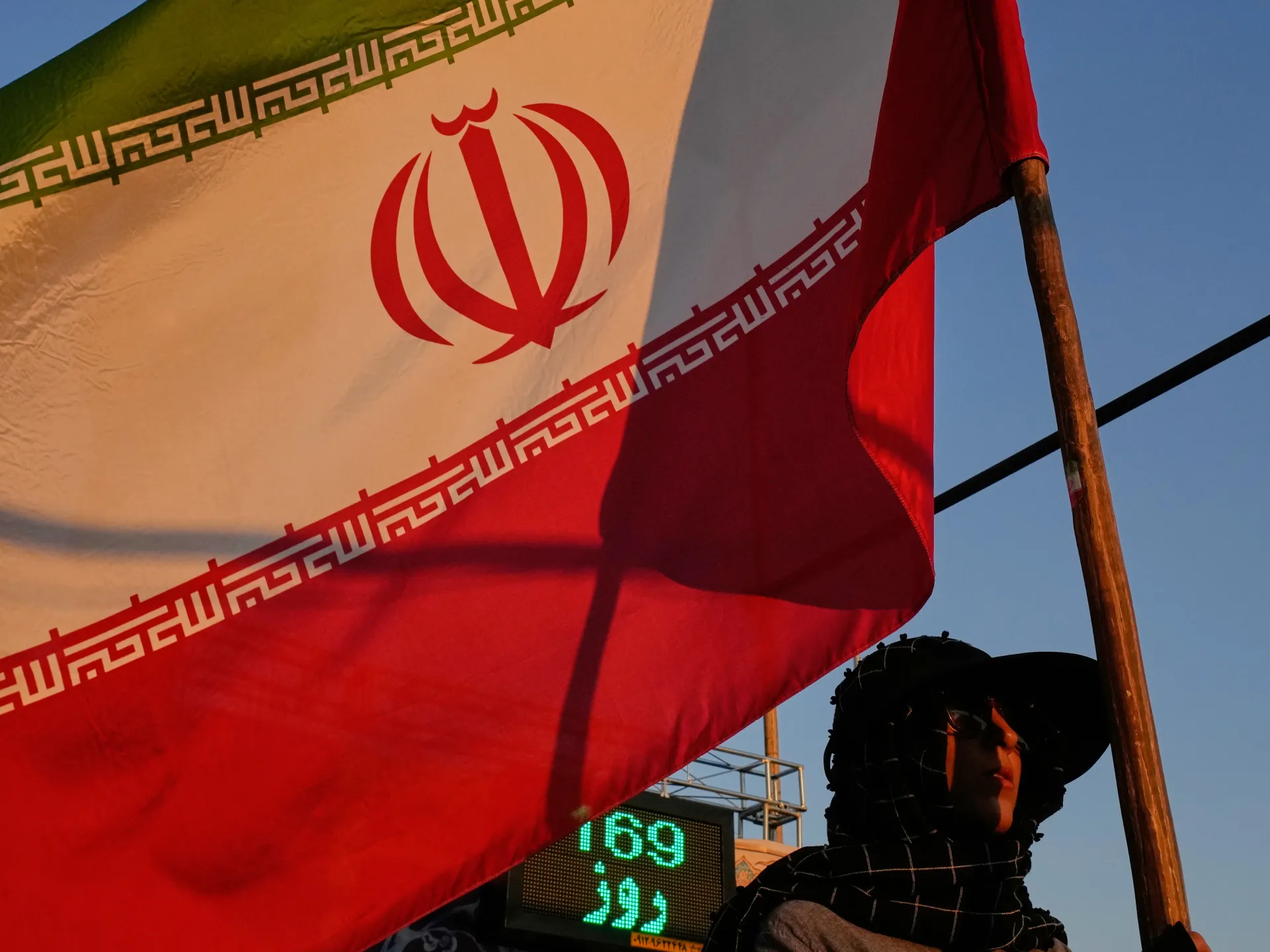
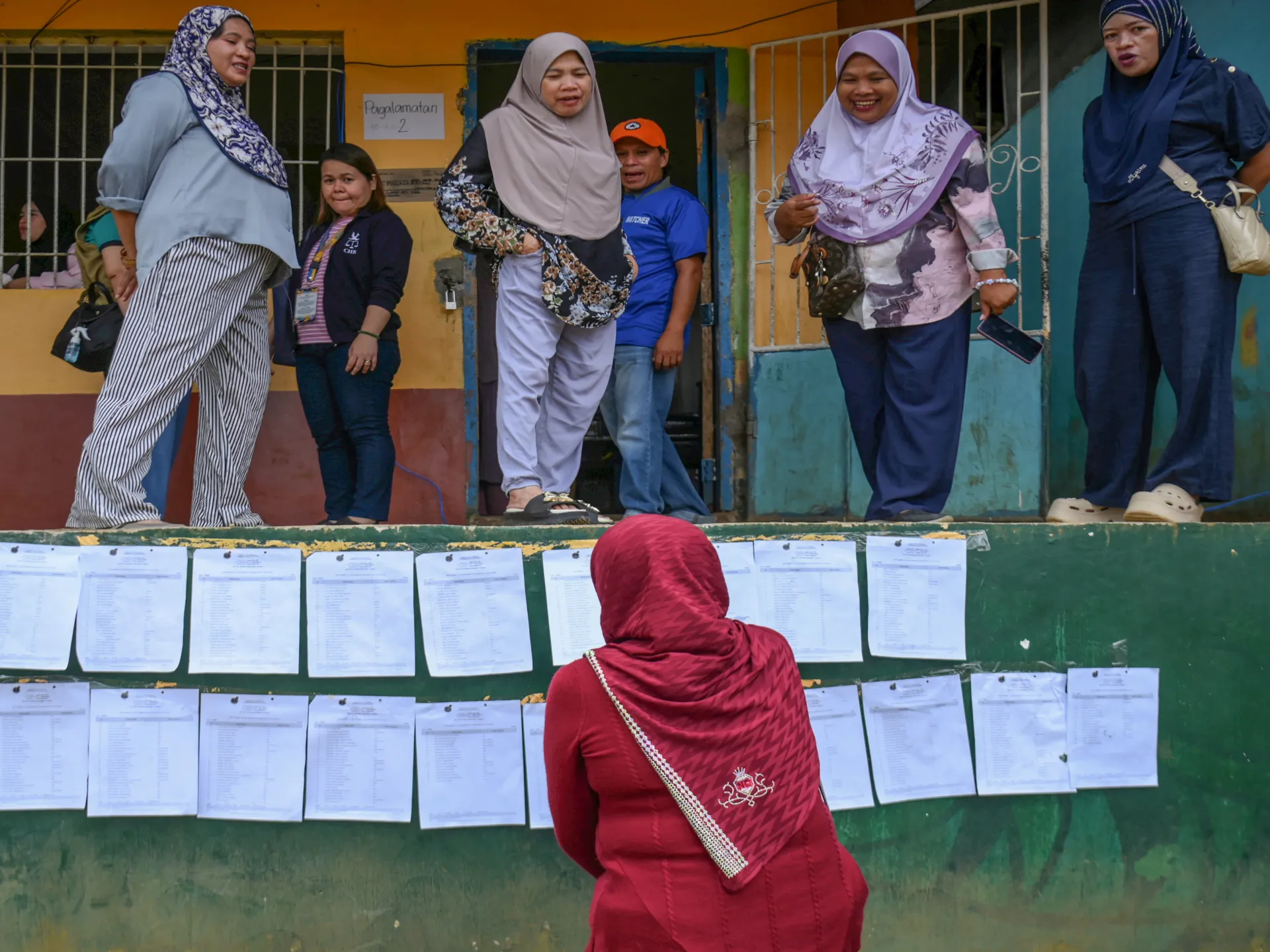
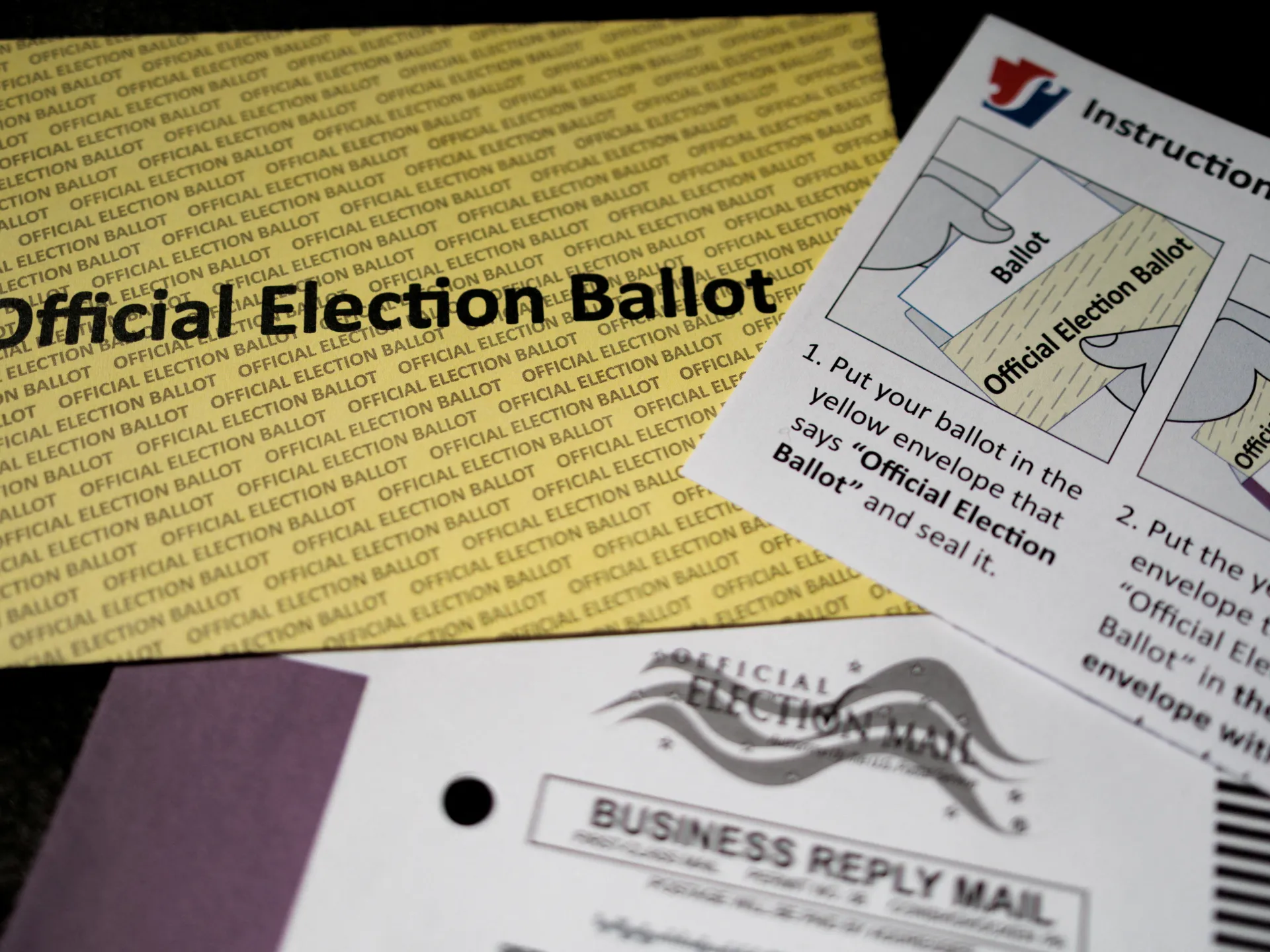
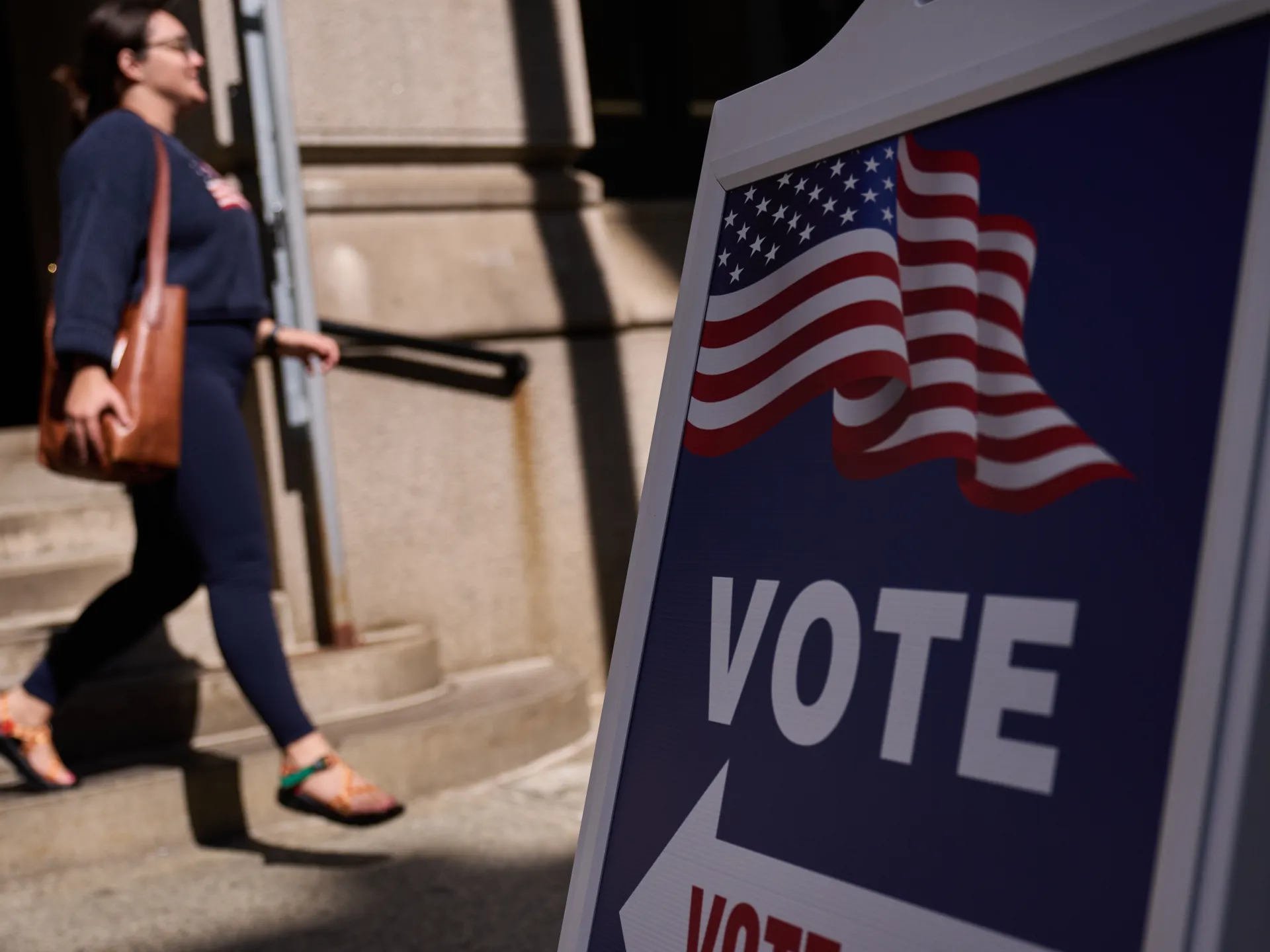
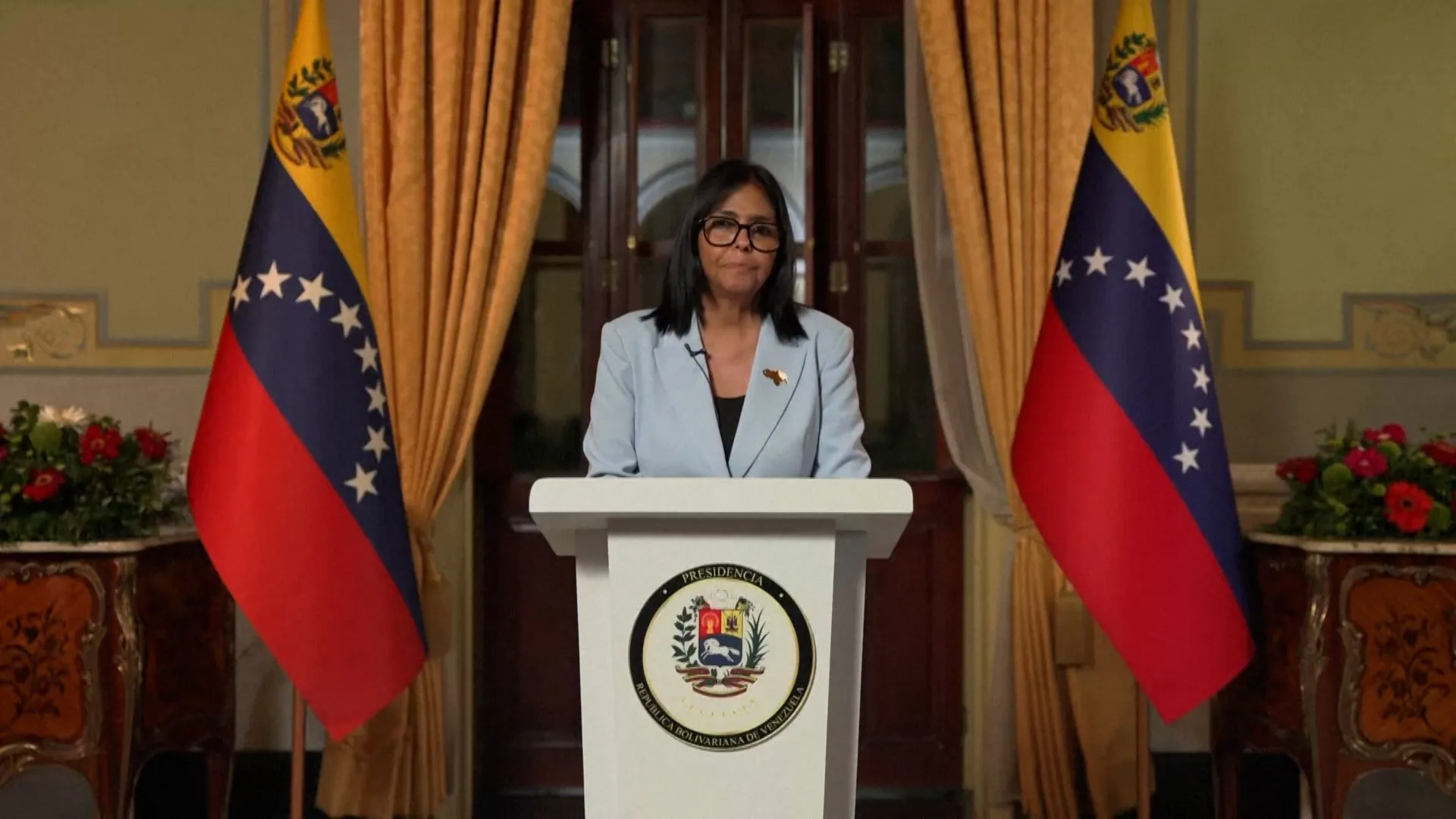
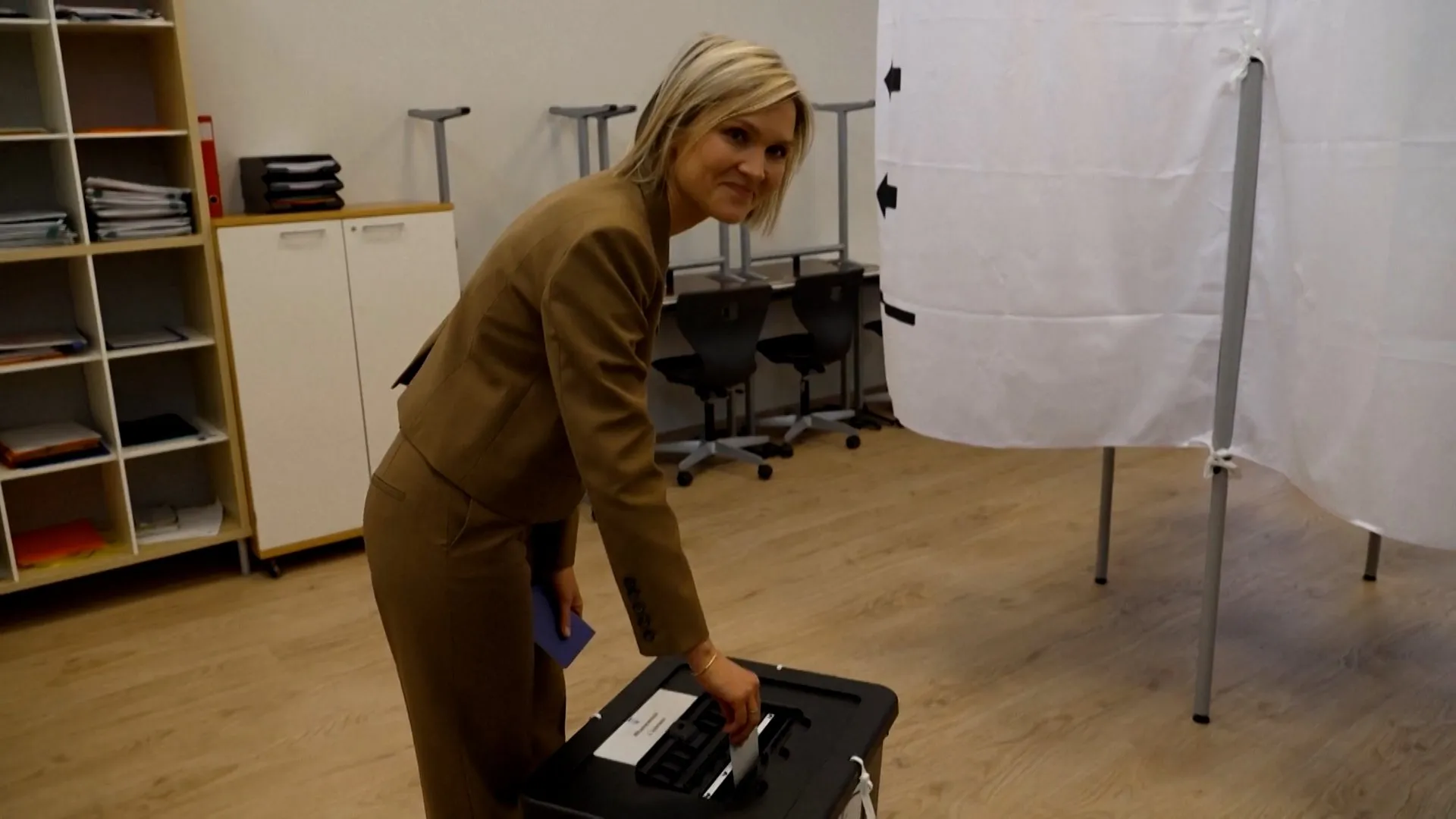
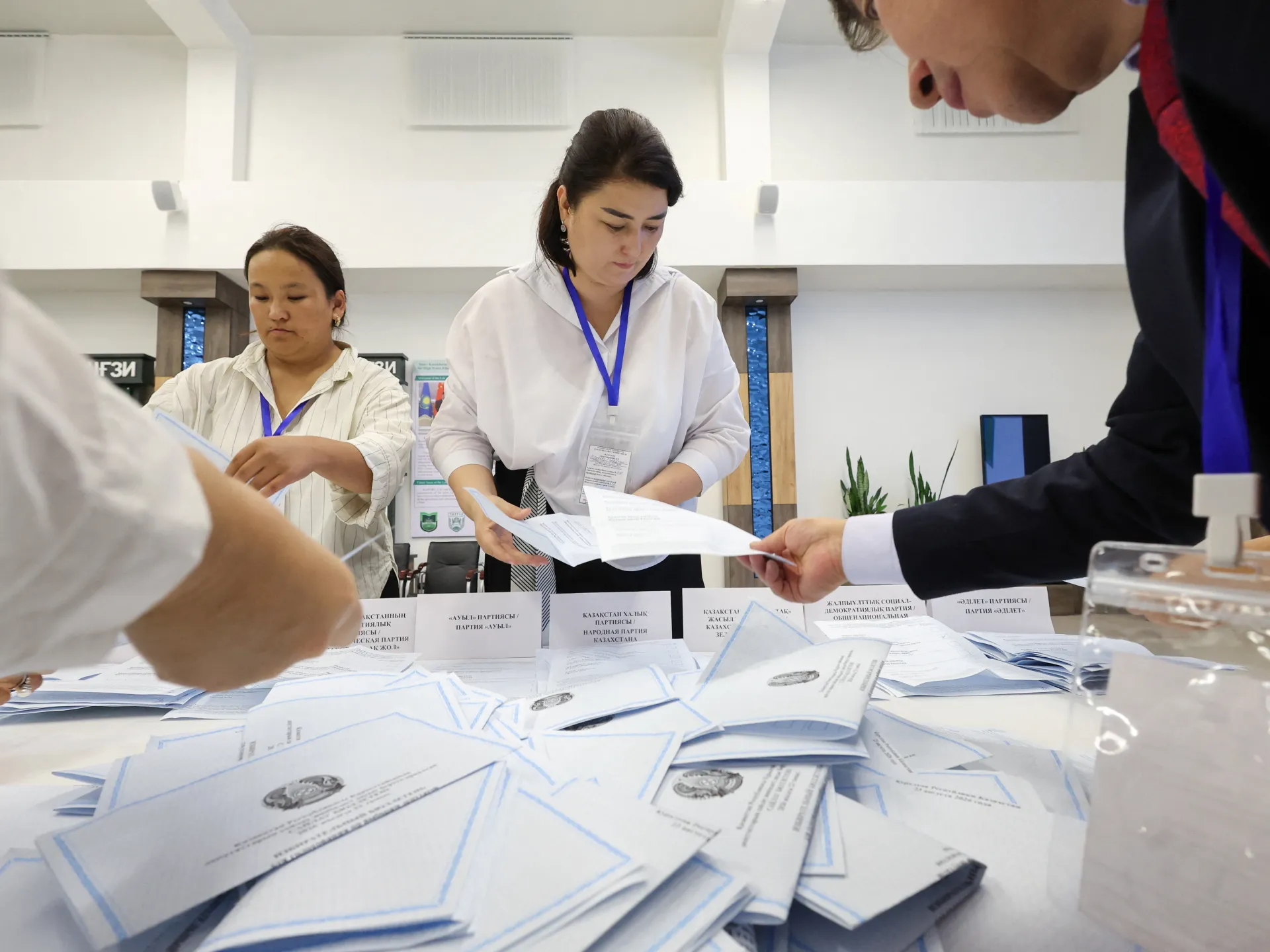
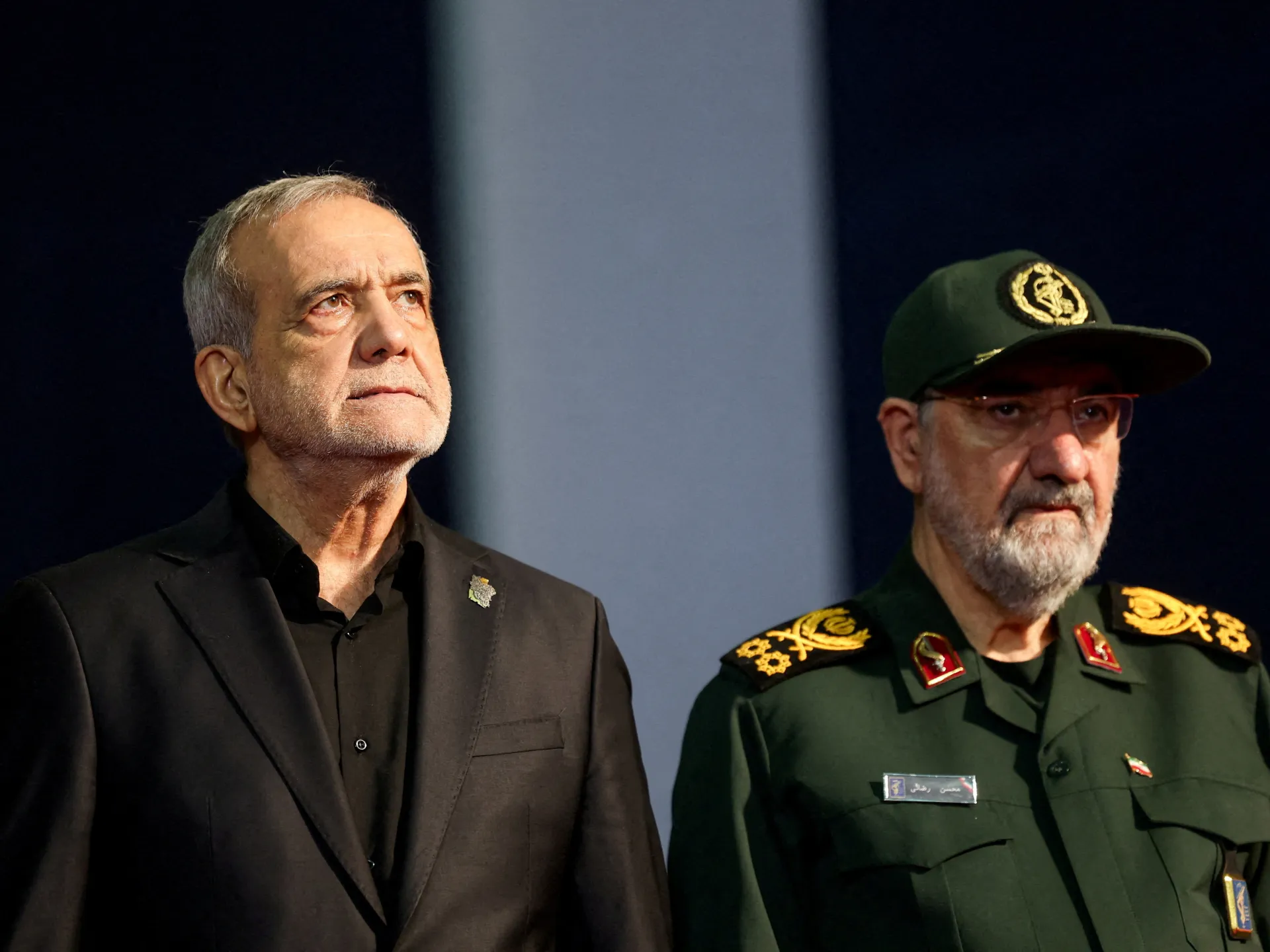
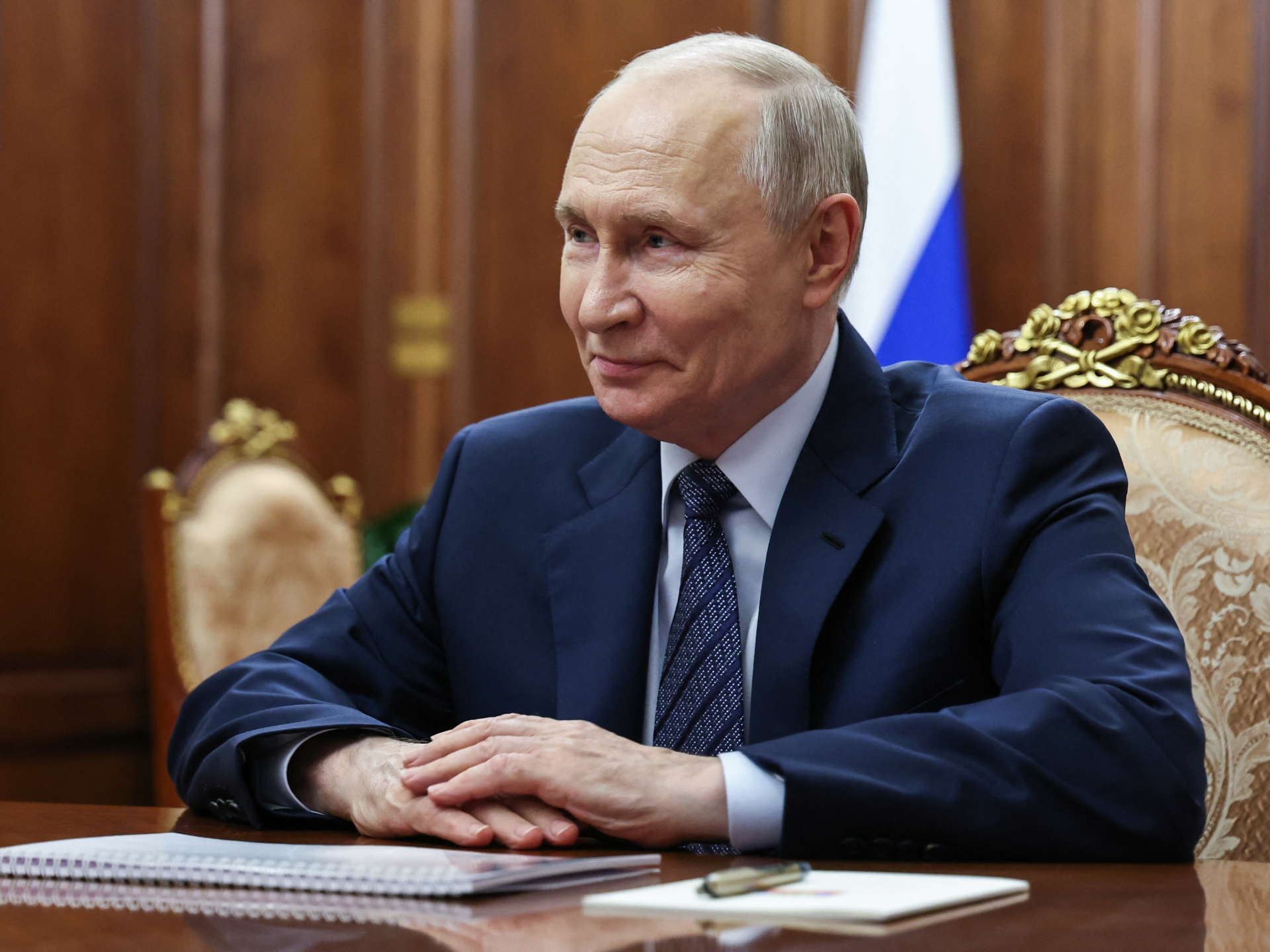
Russia’s legislative landscape has been fundamentally reshaped following a three-day parliamentary vote that saw President Vladimir Putin’s United Russia party secure a record supermajority. With over 58 percent of the vote, the party is projected to control more than three-quarters of the State Duma seats. The election, the first since the 2022 invasion of Ukraine, included voting within illegally annexed Ukrainian regions, a move intended to bolster the Kremlin’s narrative of internal unity.
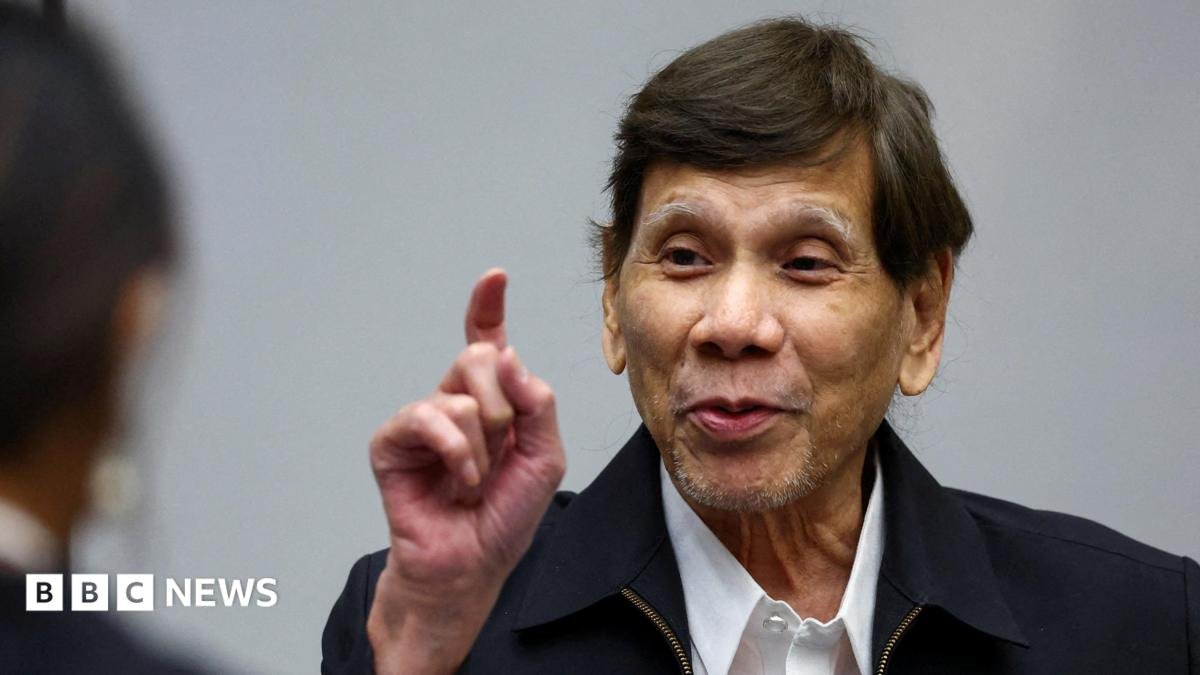
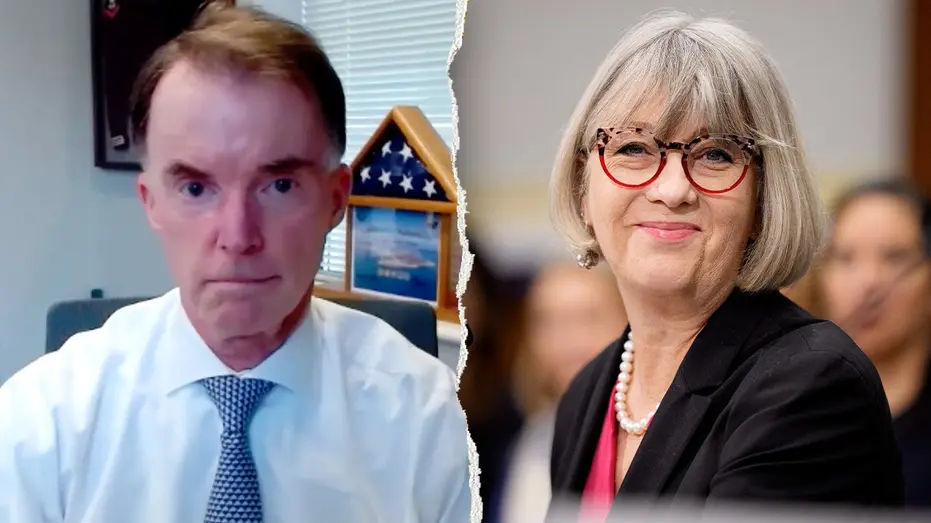
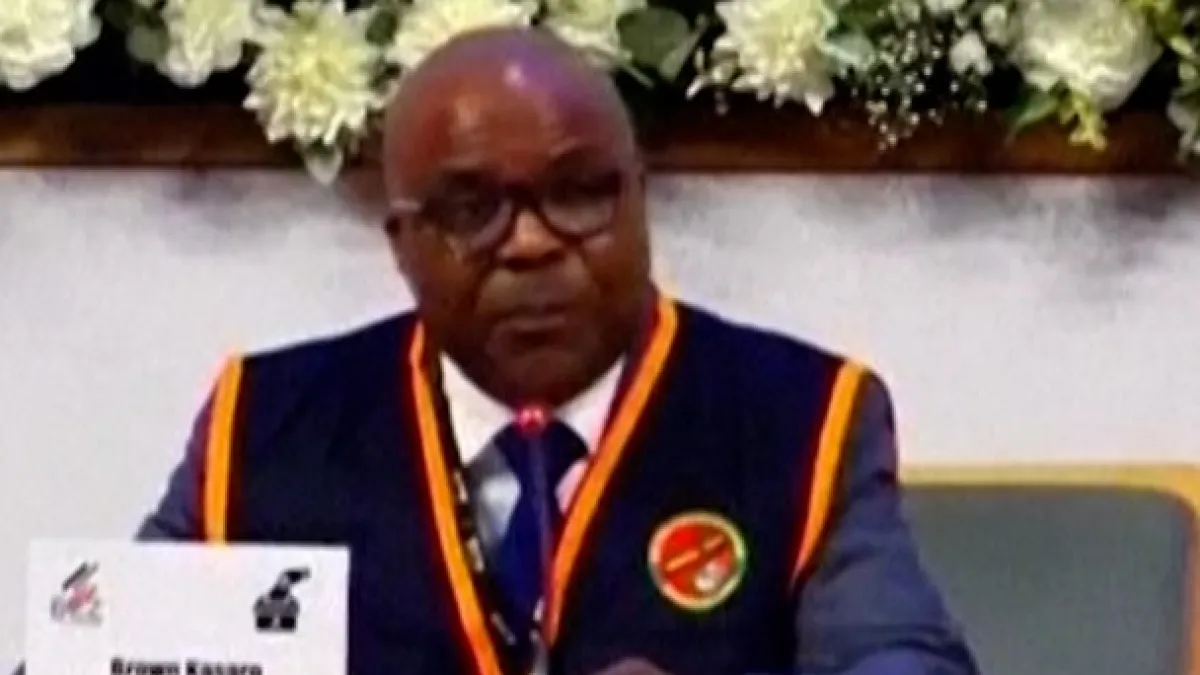
The electoral process proceeded with minimal interference from genuine opposition. The Central Electoral Commission, led party, which represents the only registered anti-war platform, was excluded from the national ballot. While Yabloko managed to secure a minor foothold in the Novgorod regional legislature, their absence from the national stage underscores the tightly controlled environment. Observers from the Organization for Security and Cooperation in Europe (OSCE) were notably absent, having been excluded of Russia’s international commitments.
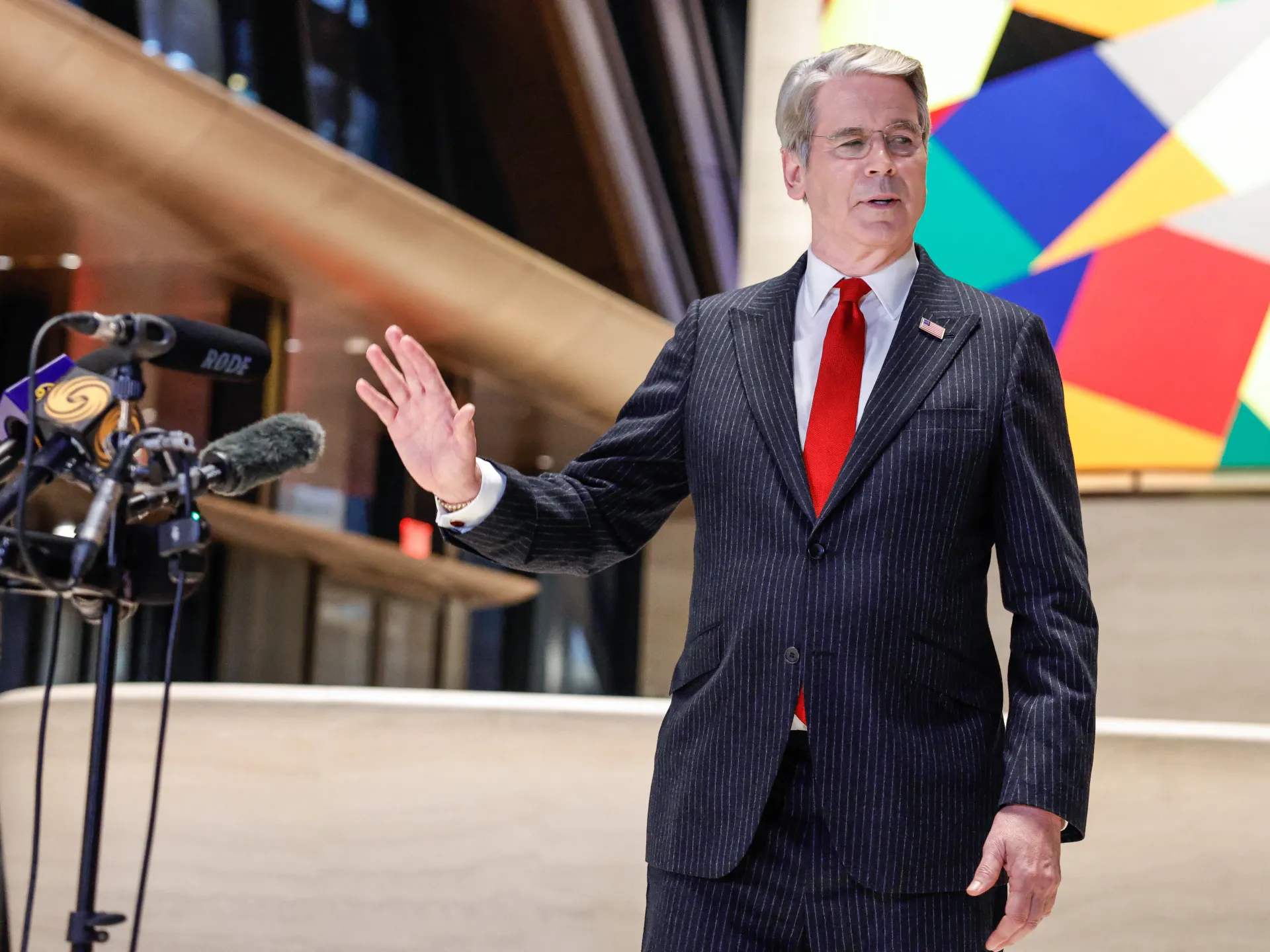
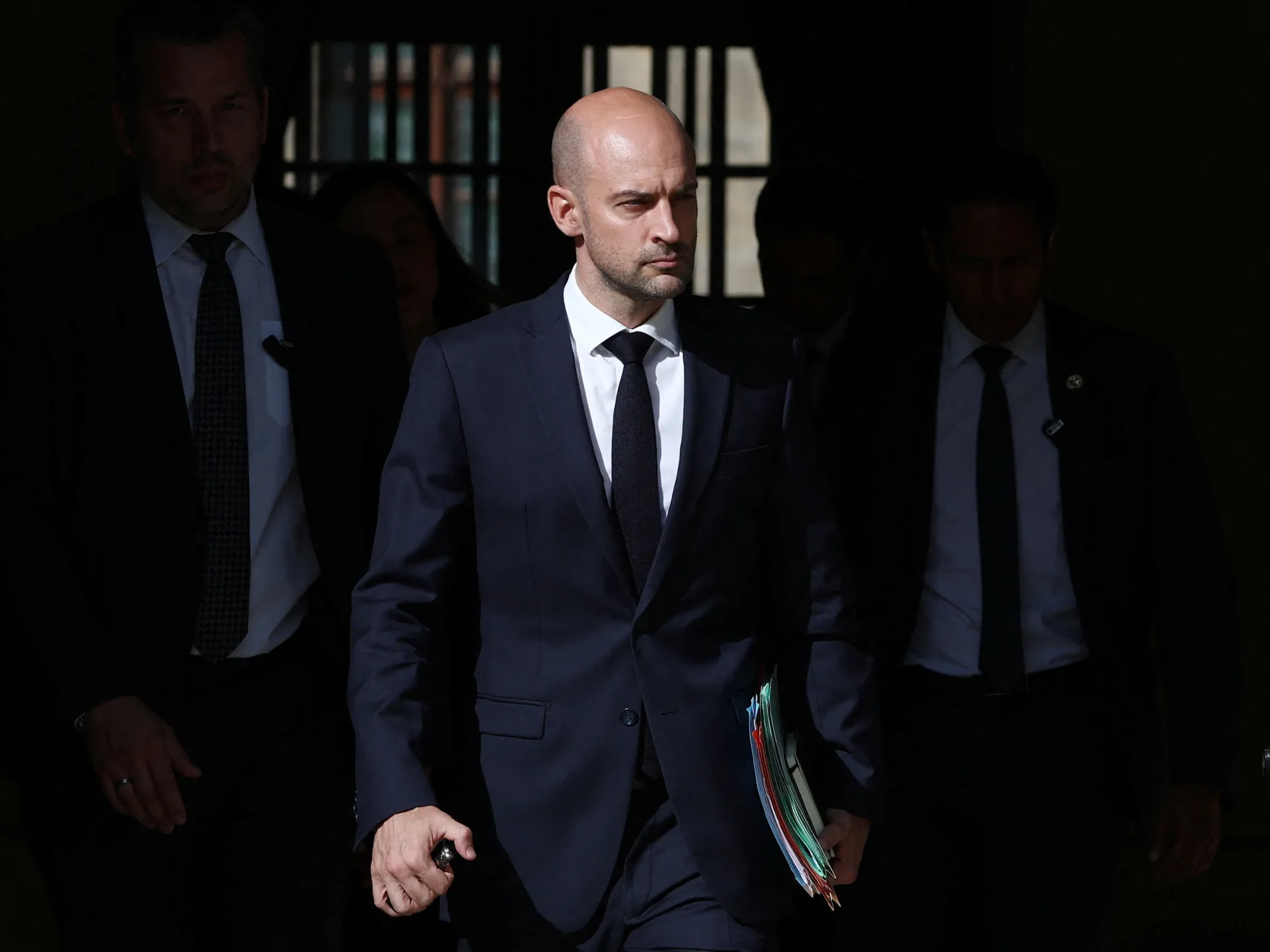
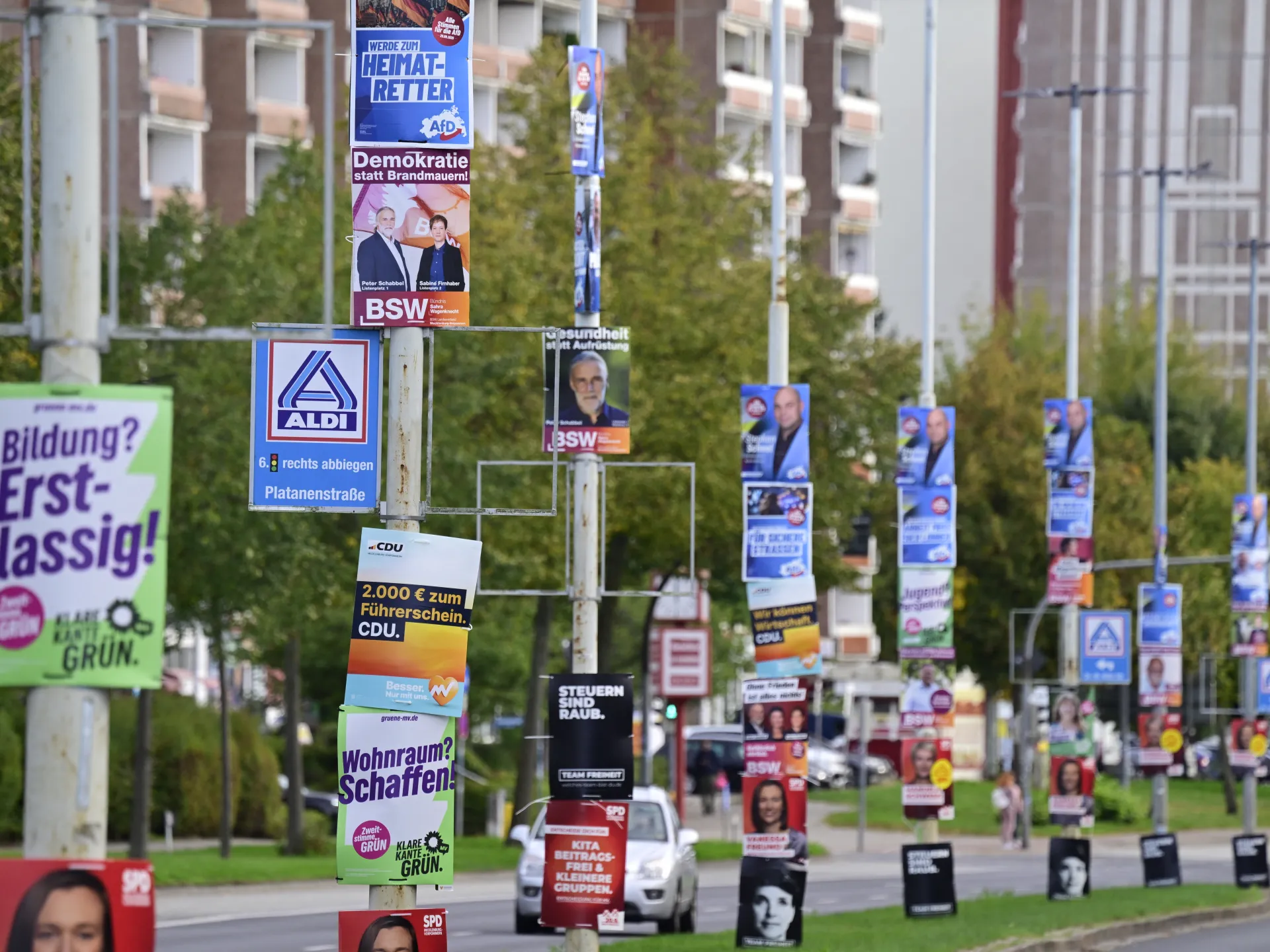
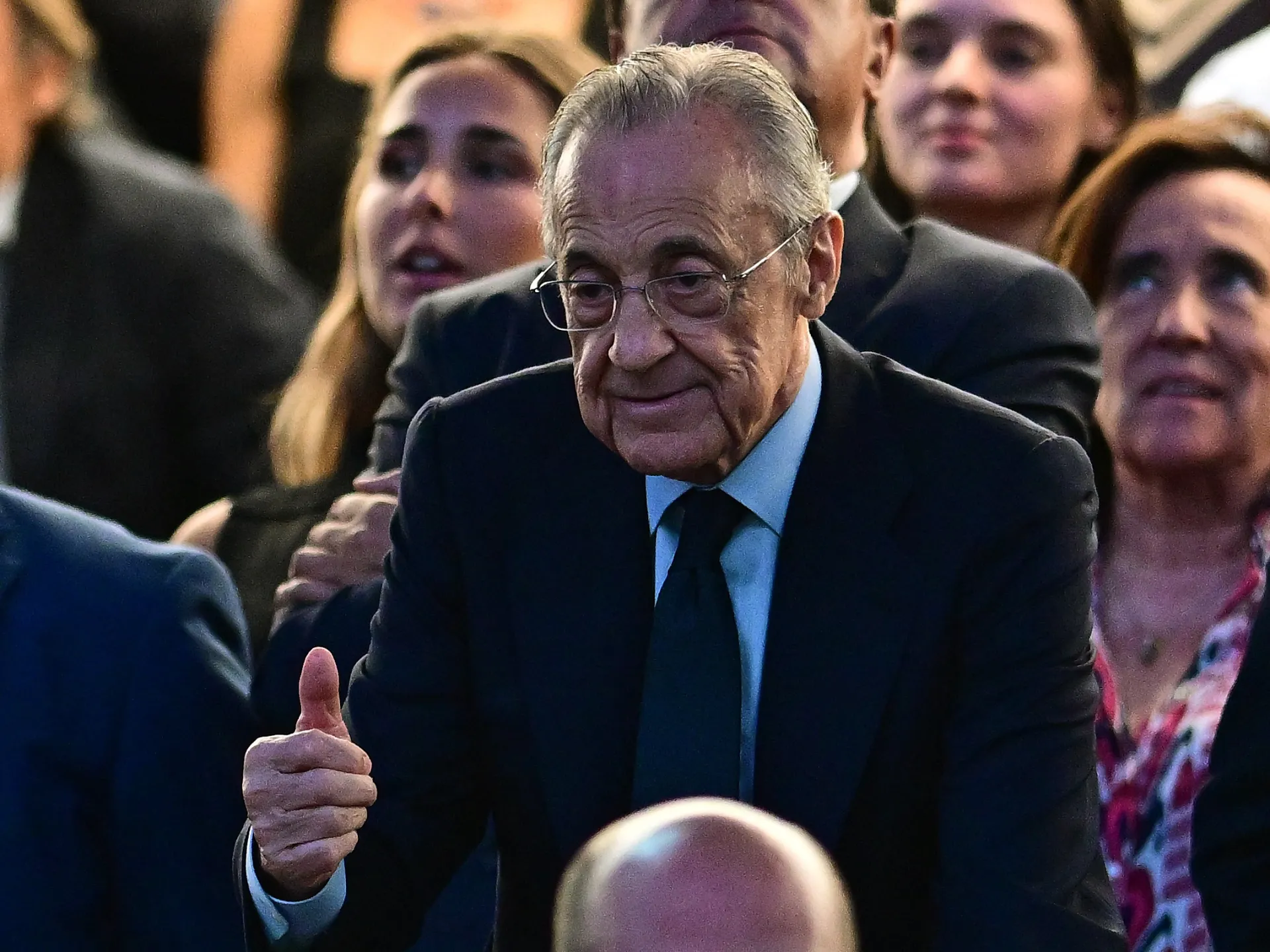
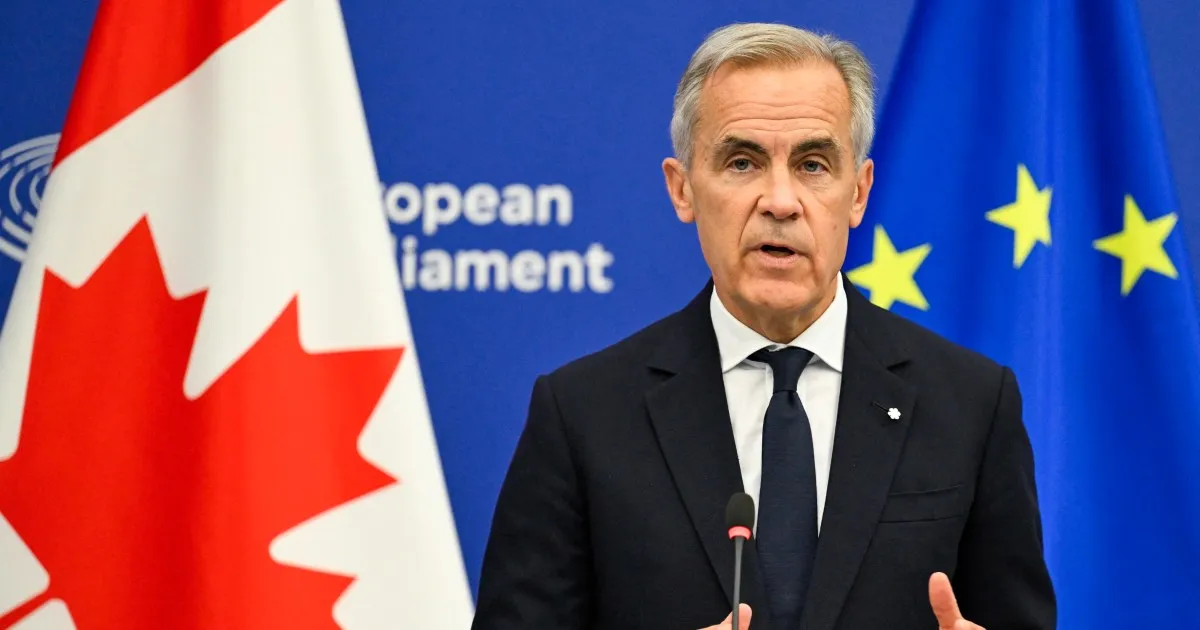
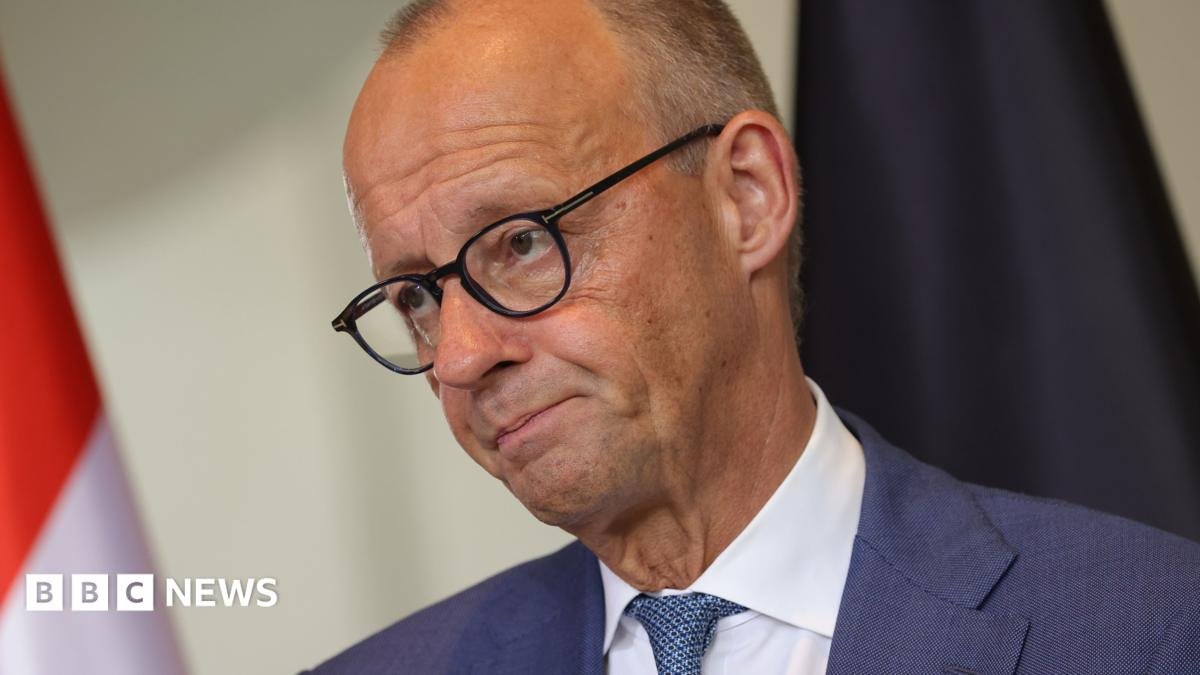
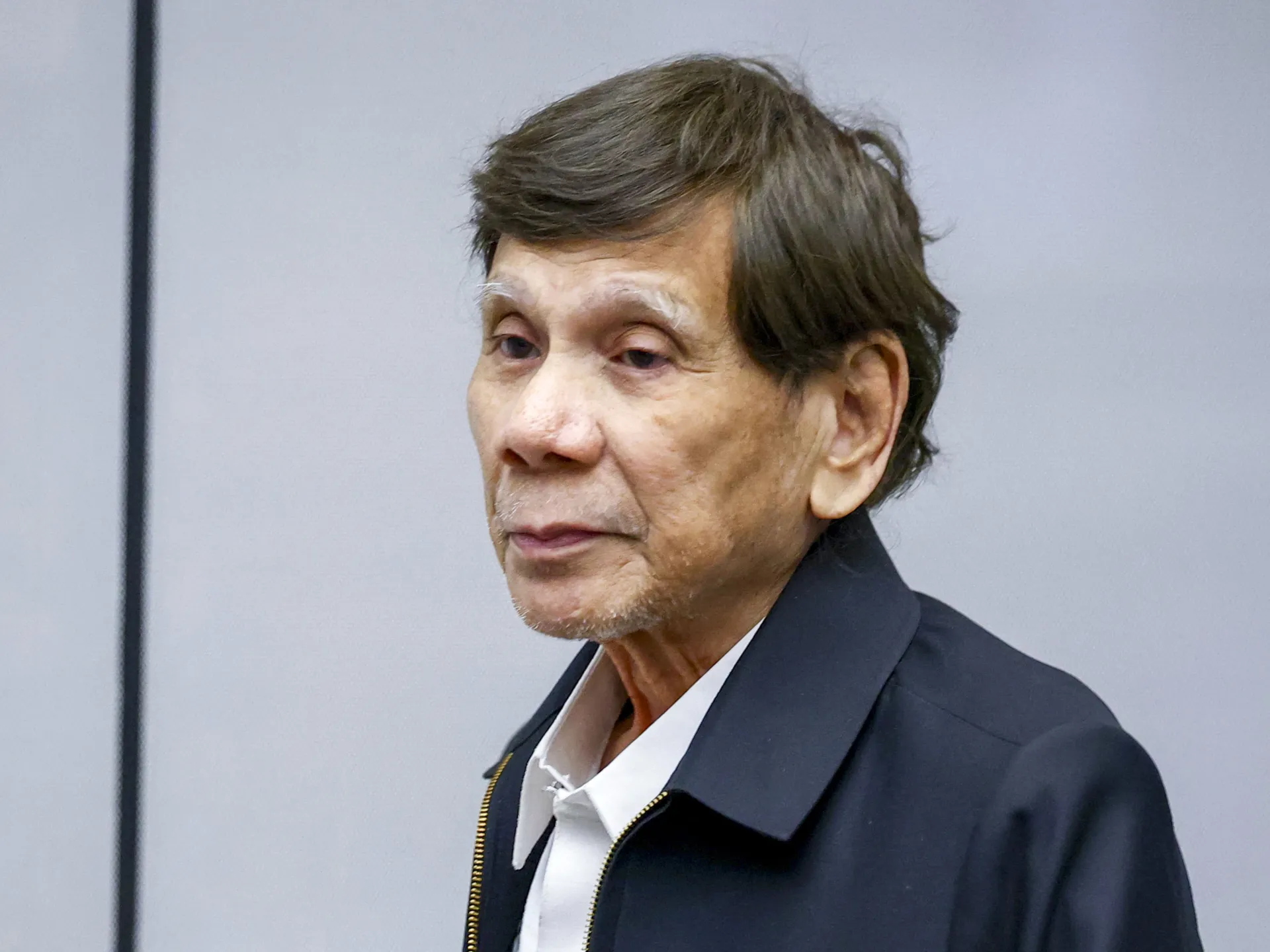
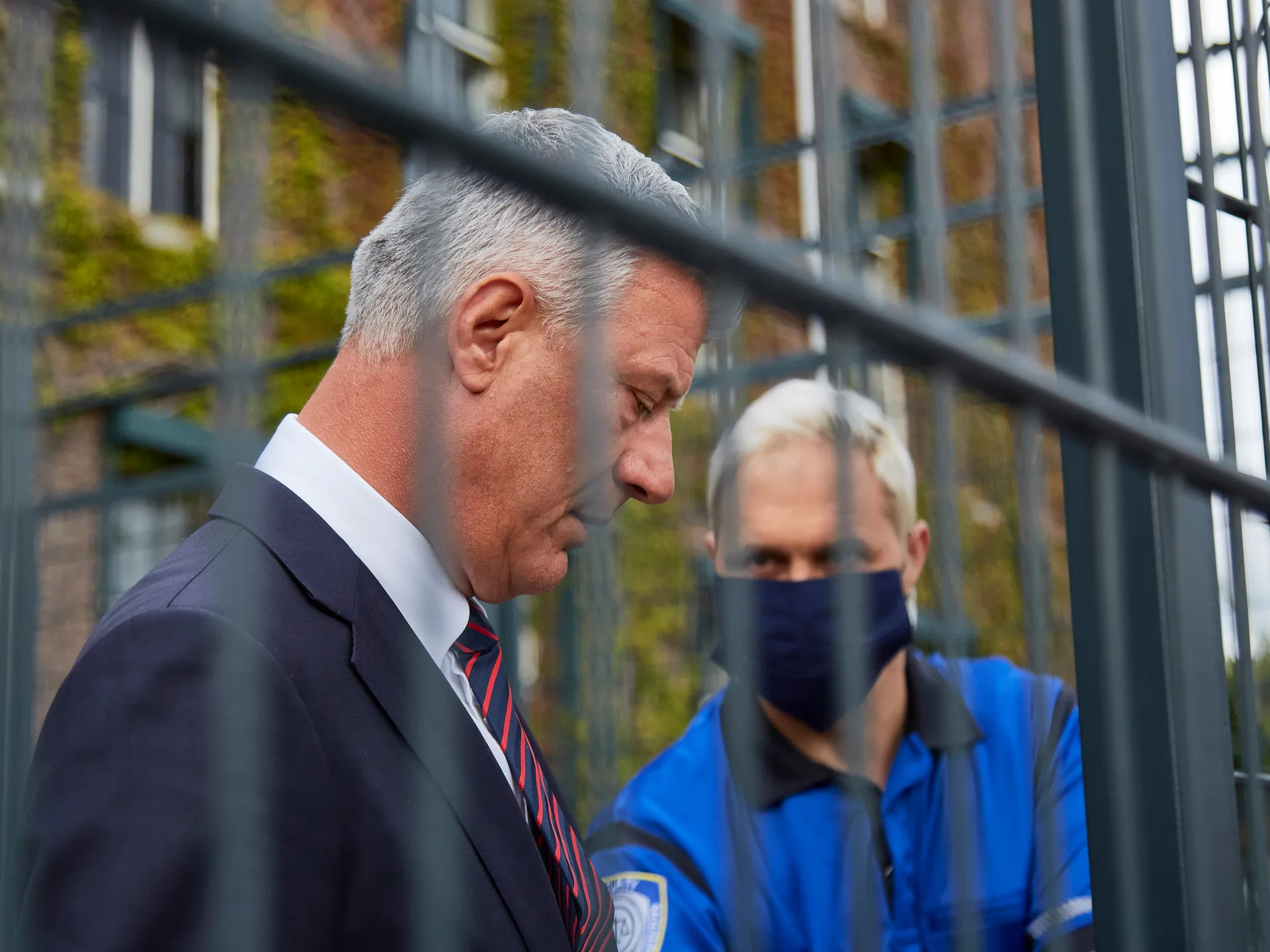
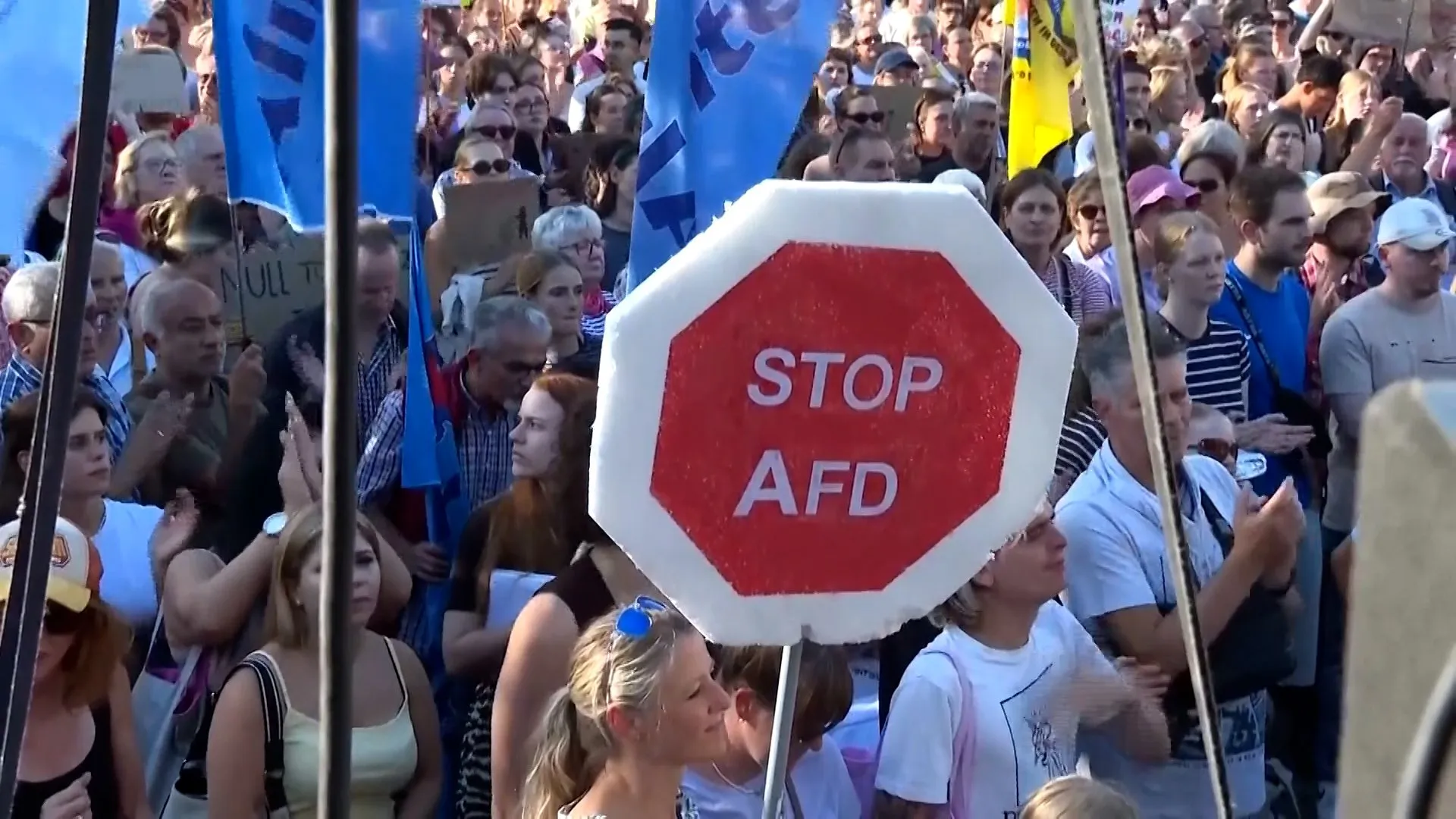
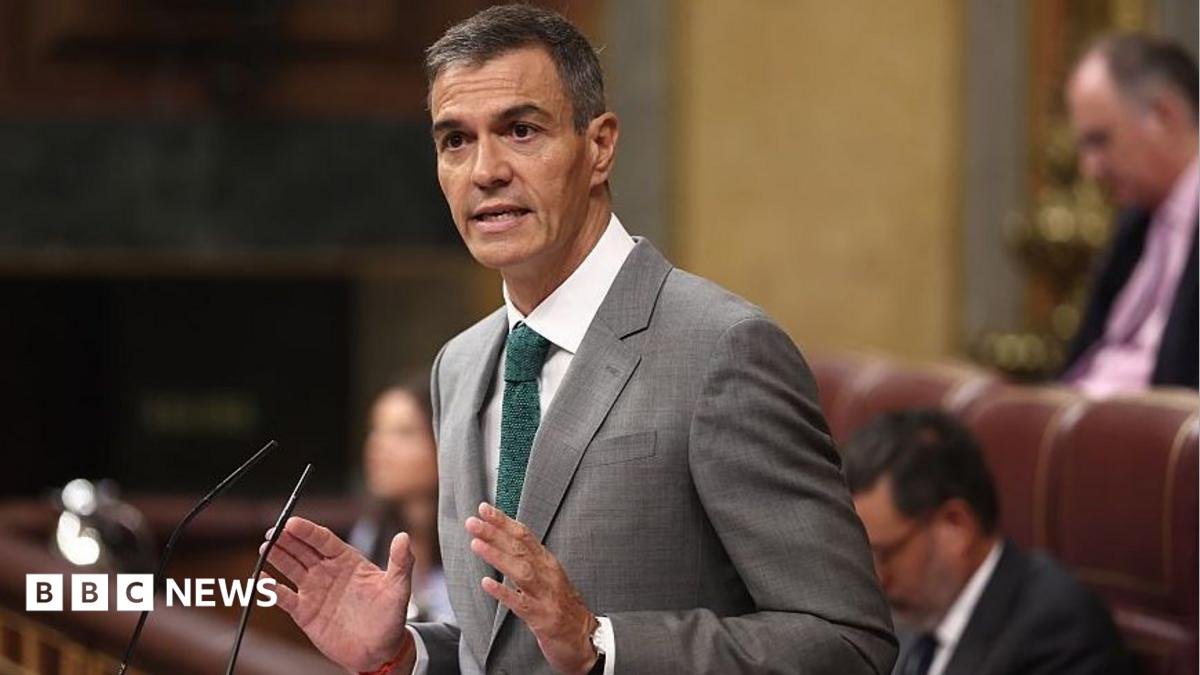
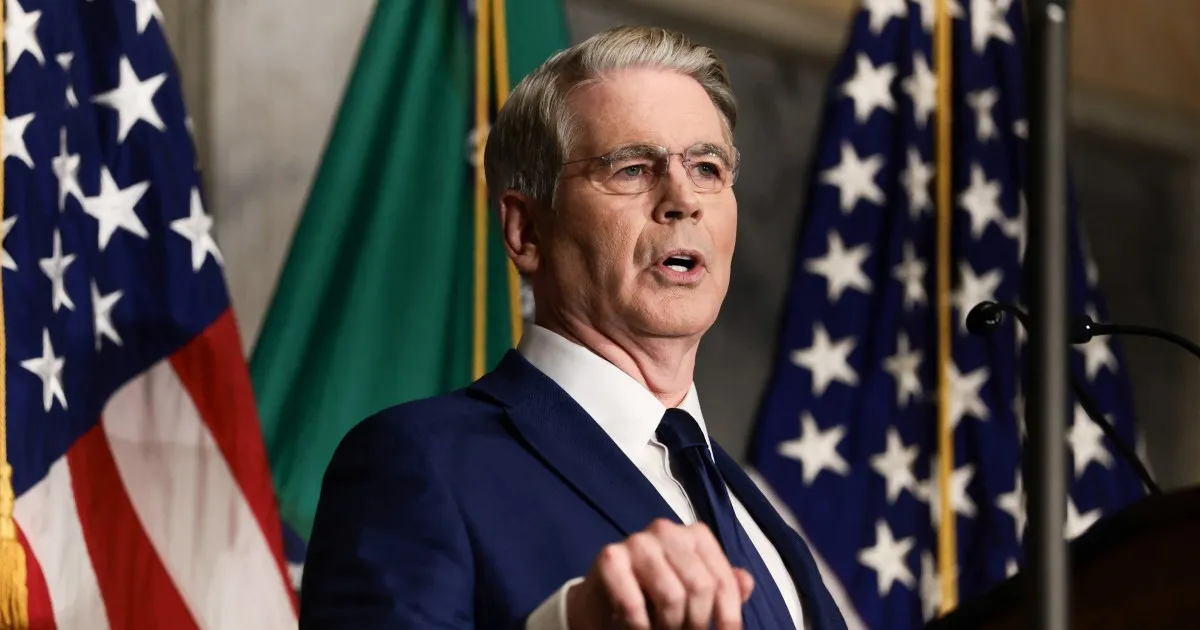
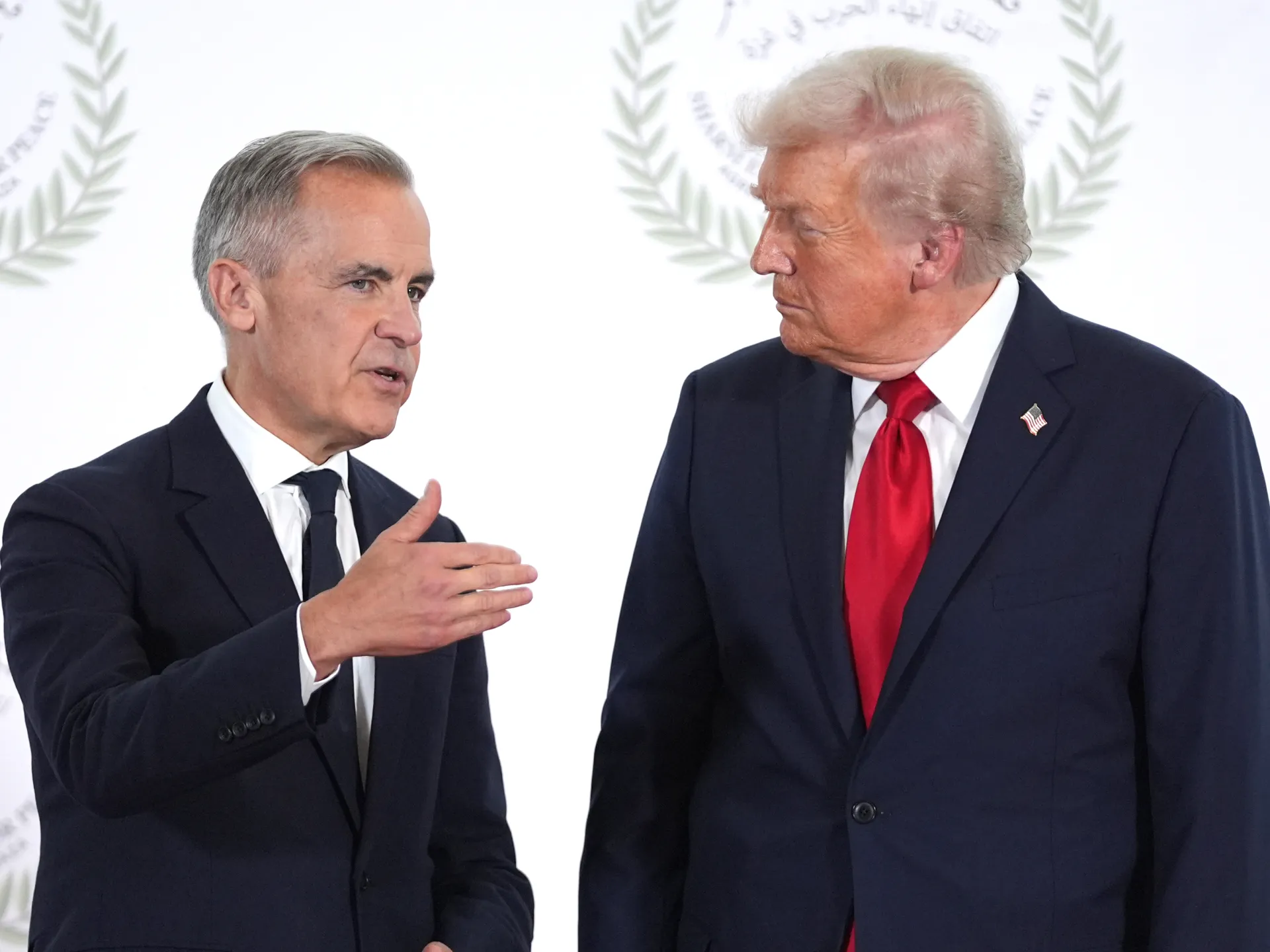
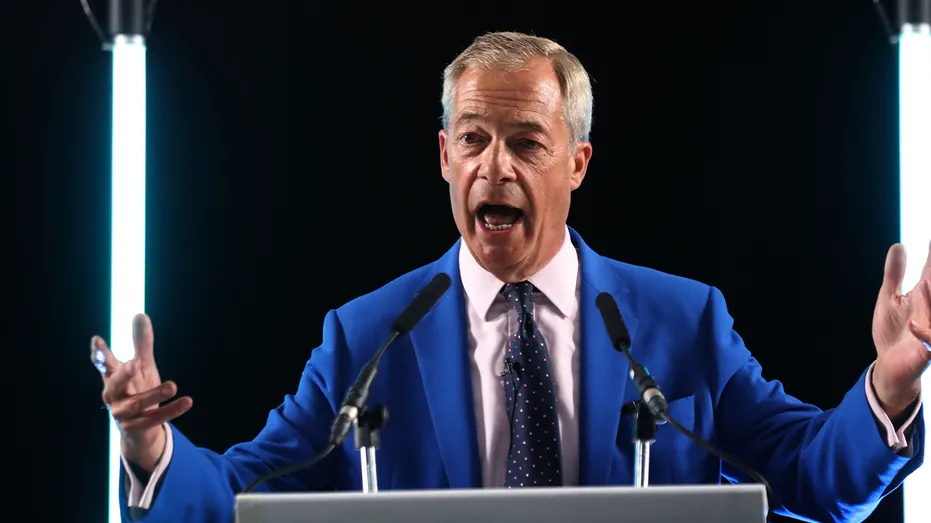
In Germany, Chancellor Friedrich Merz is battling for his political survival as his Christian Democratic Union (CDU) faces an existential threat from the far-right Alternative for Germany (AfD). The chancellor’s recent electoral performance, particularly the CDU’s sharp decline to 17.2 percent in Saxony-Anhalt, has sparked internal speculation about a potential leadership change. Despite a 14 percent approval rating according to recent polling, eight CDU state premiers have rallied to support Merz, arguing that the party requires stability rather than internal power struggles.
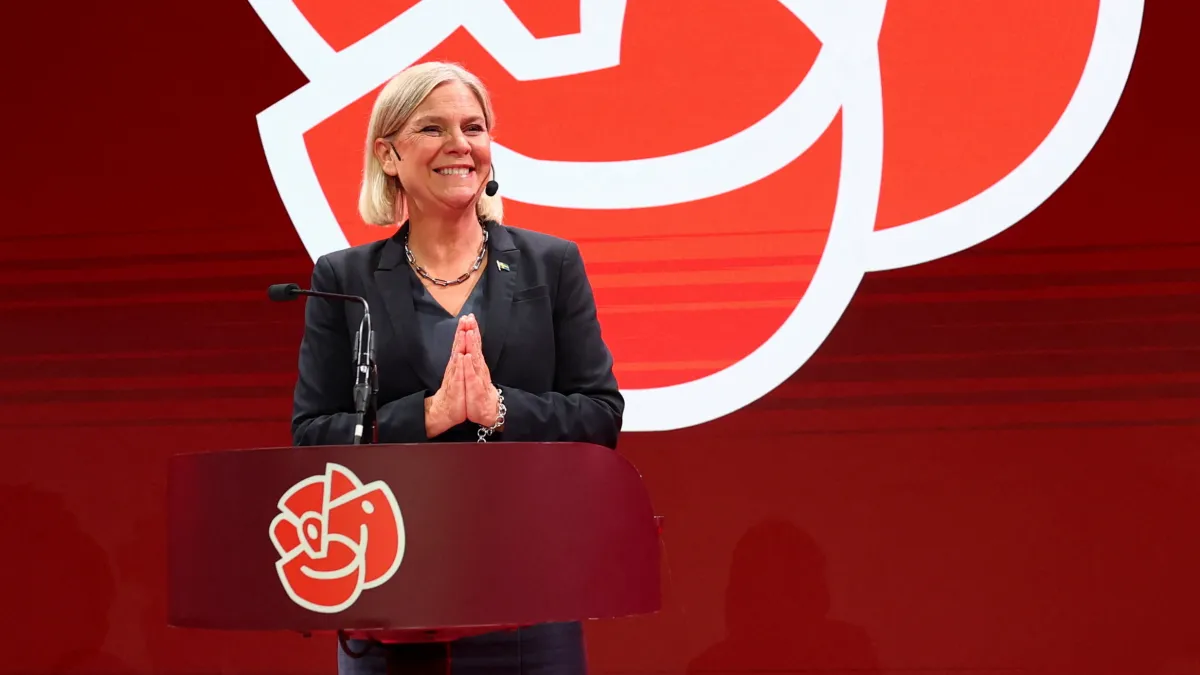
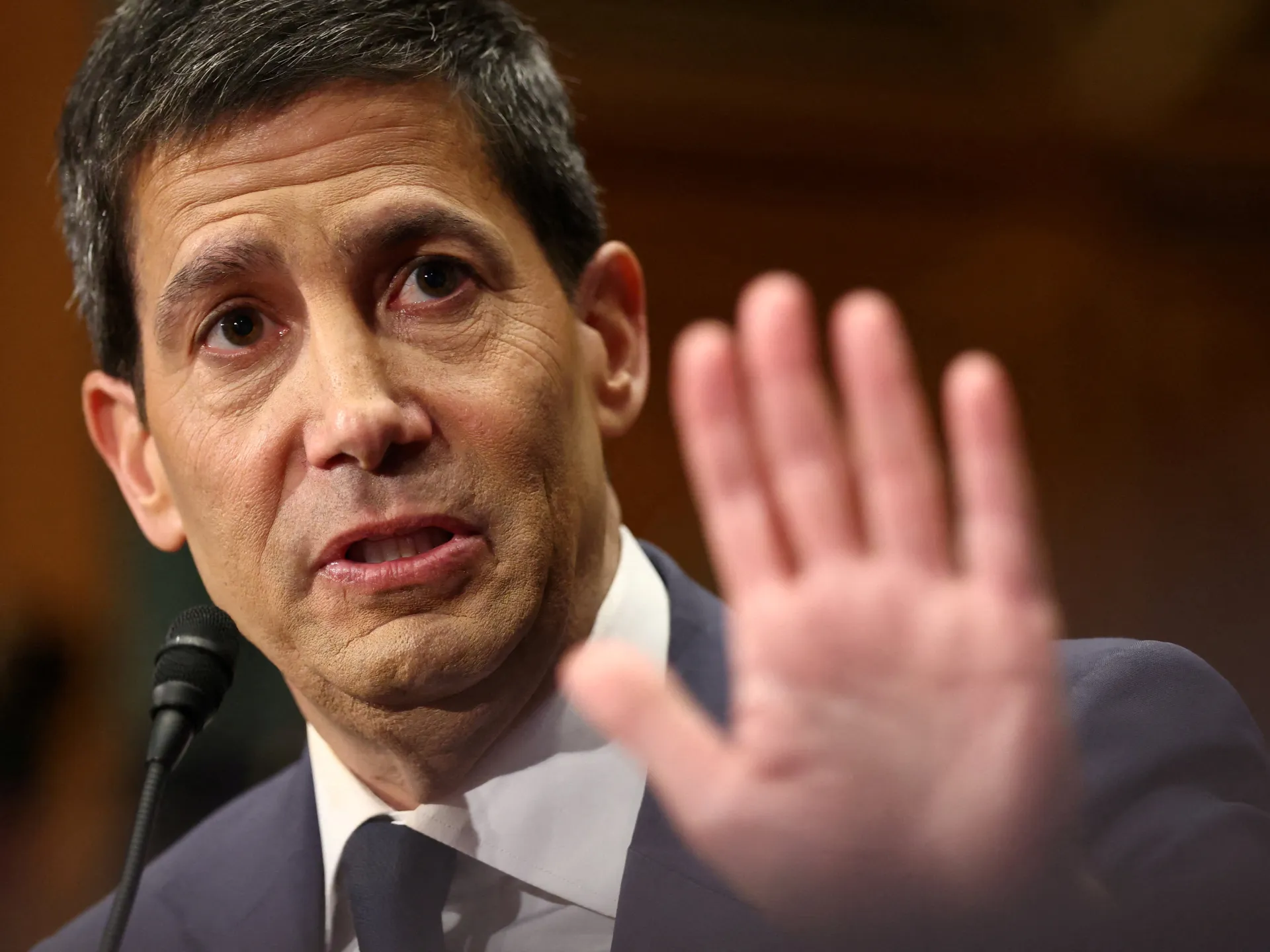
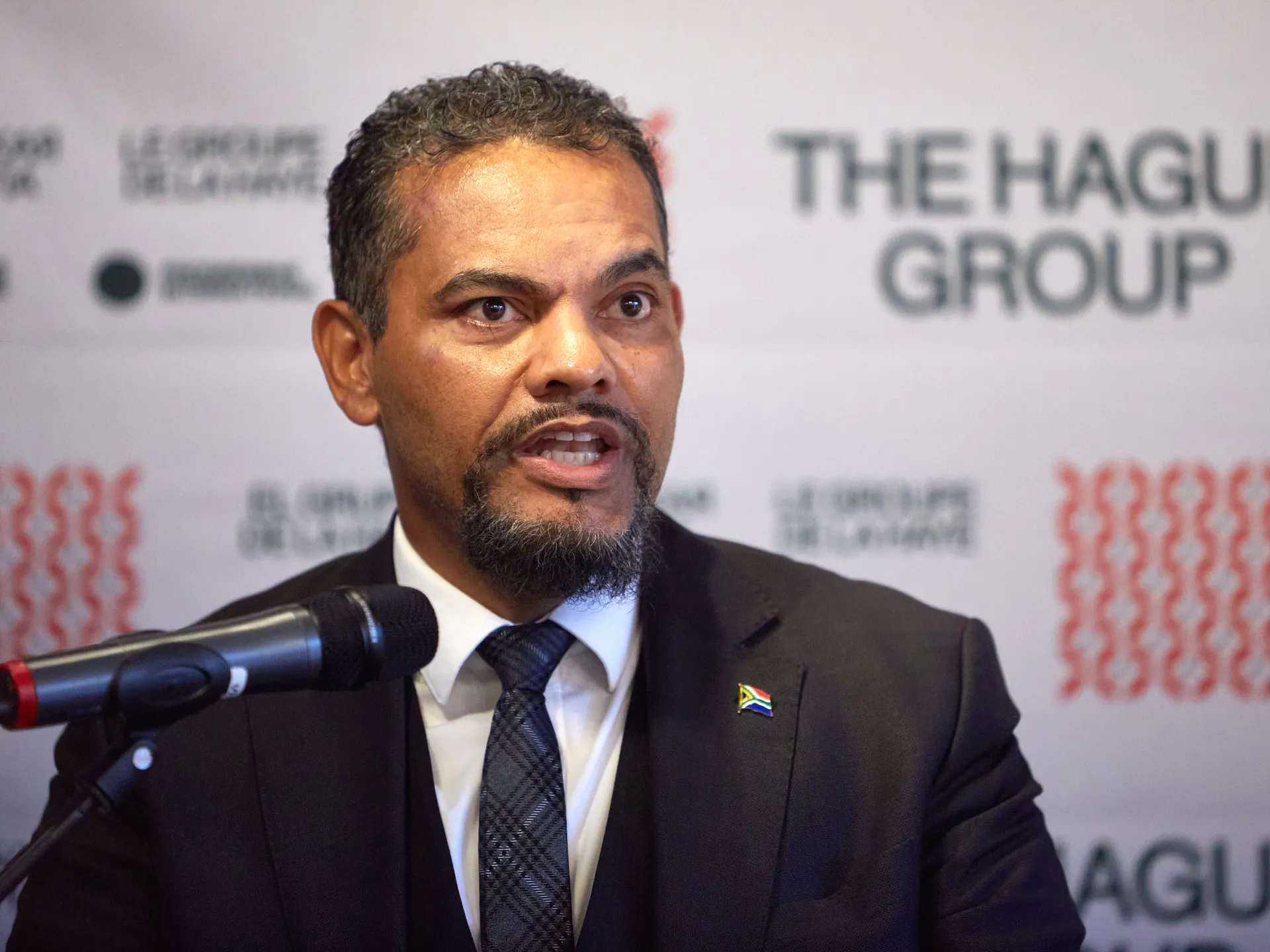
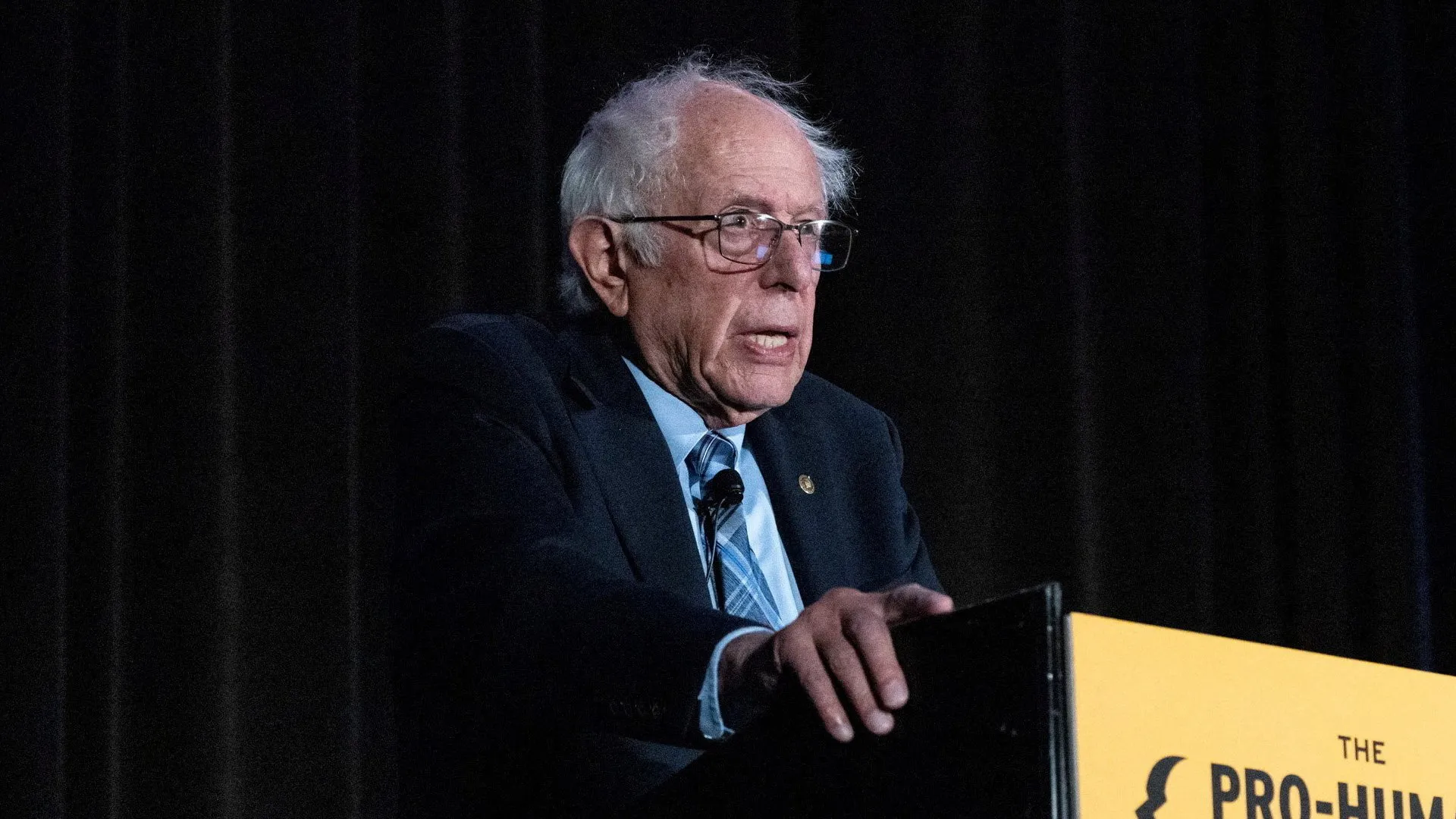
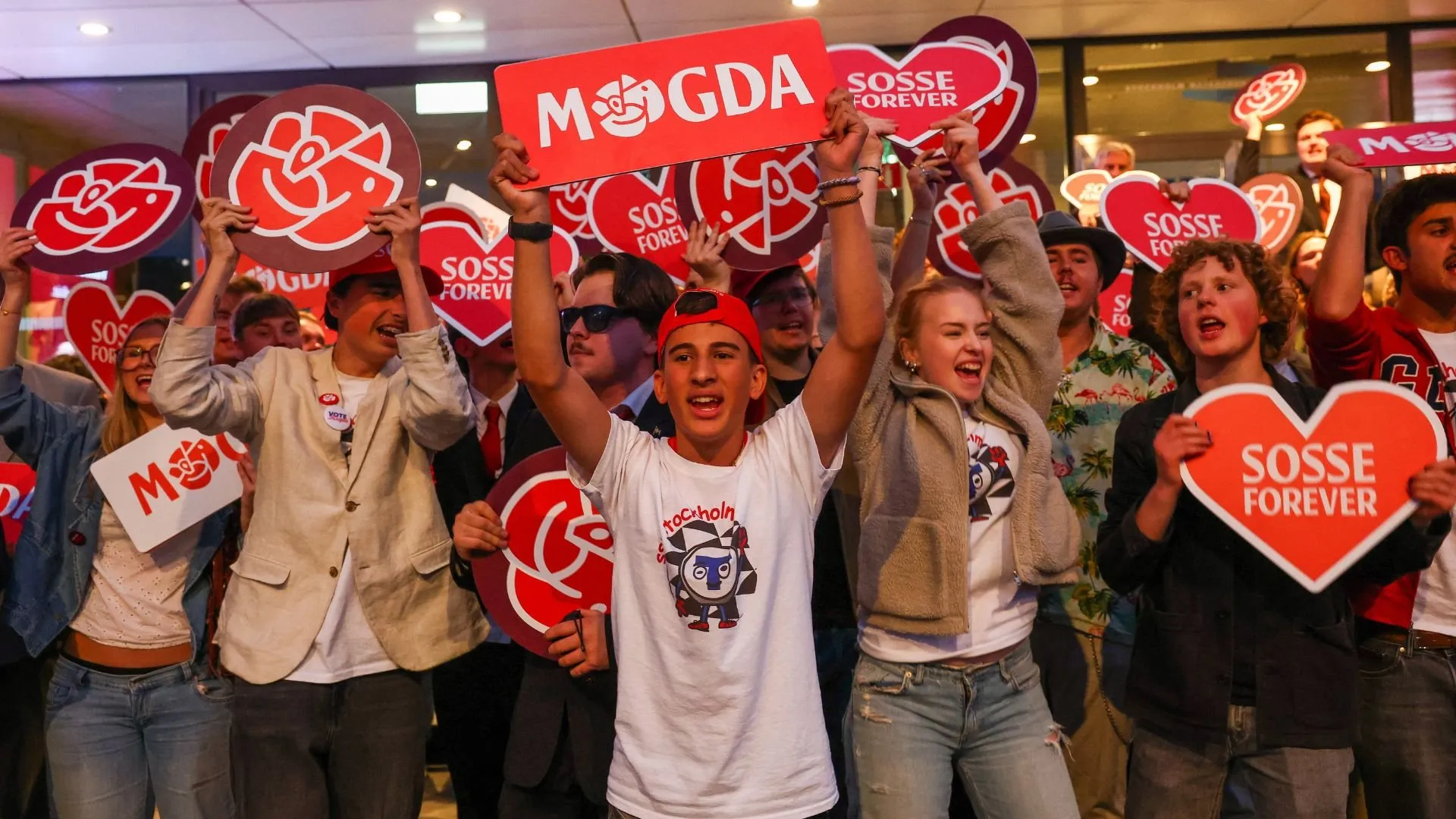
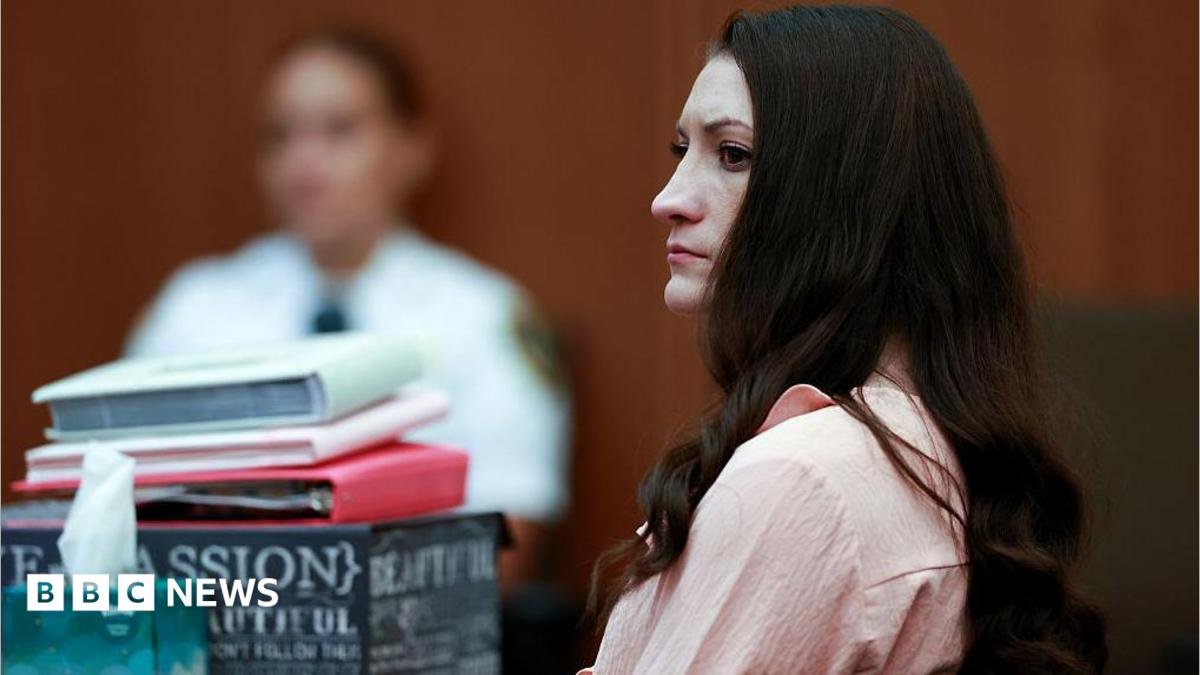
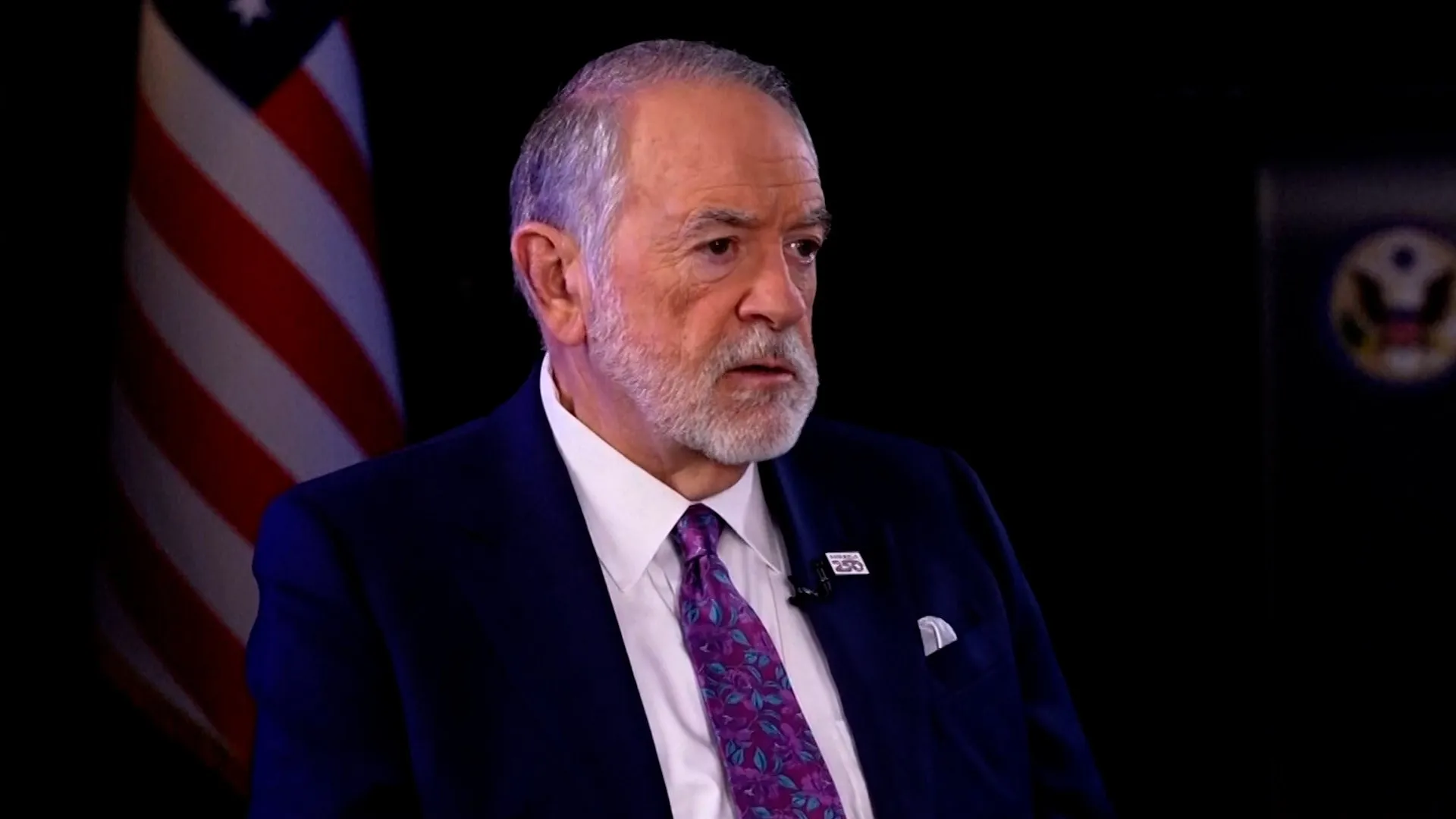
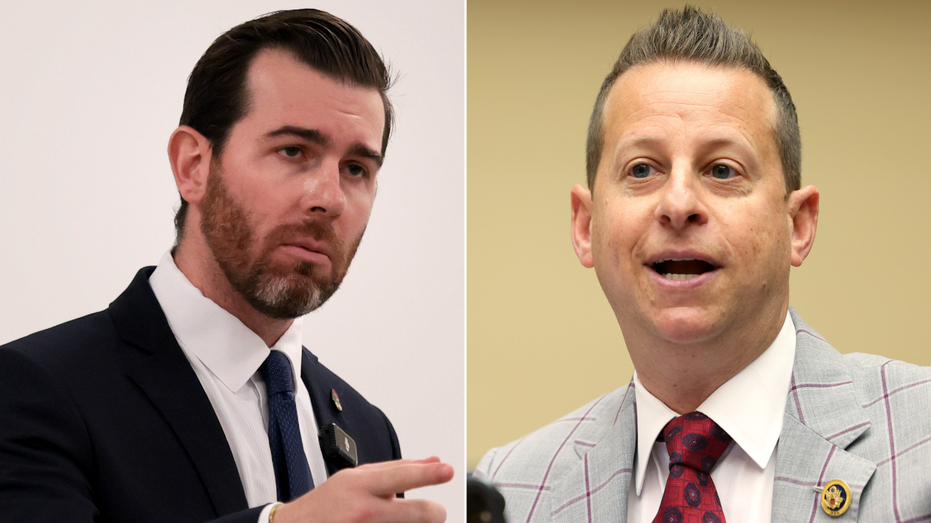
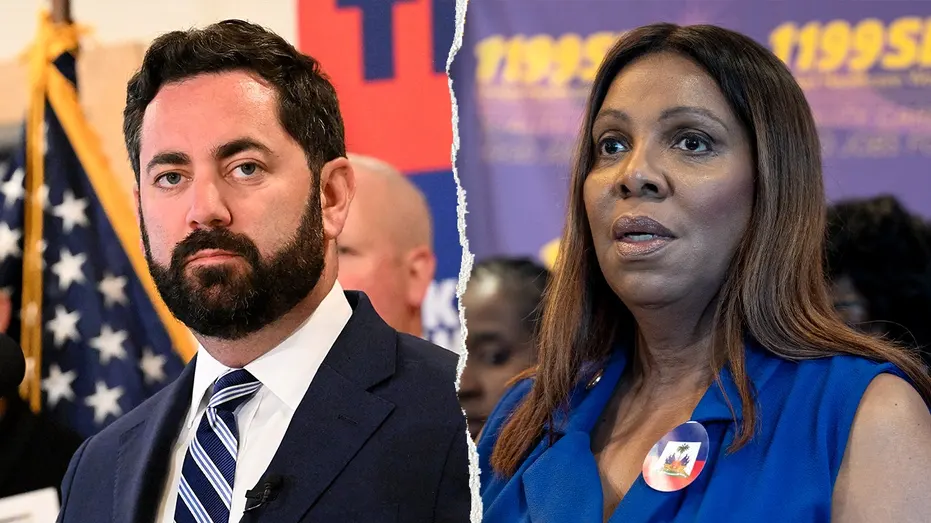
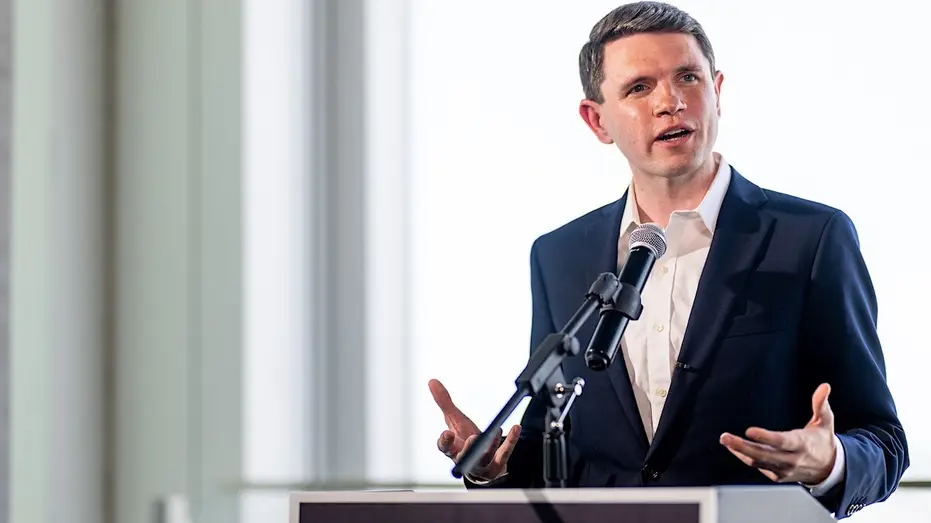
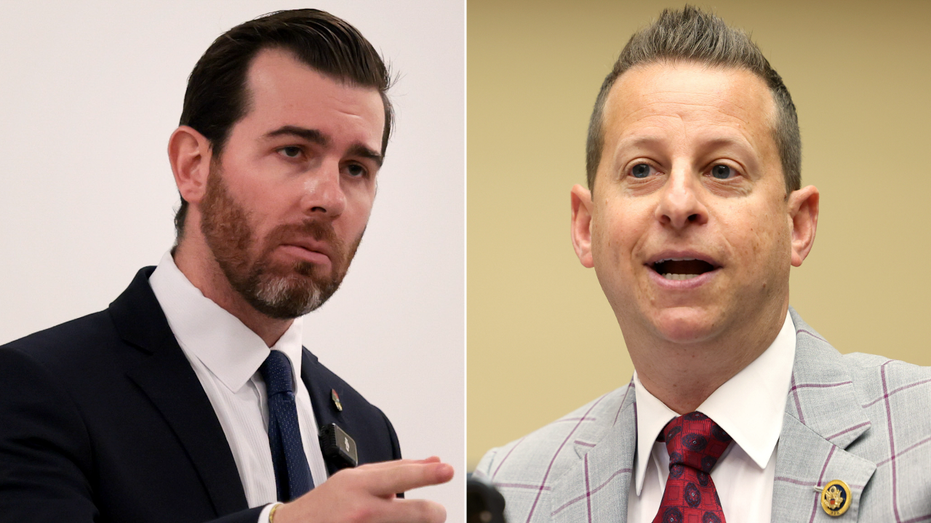
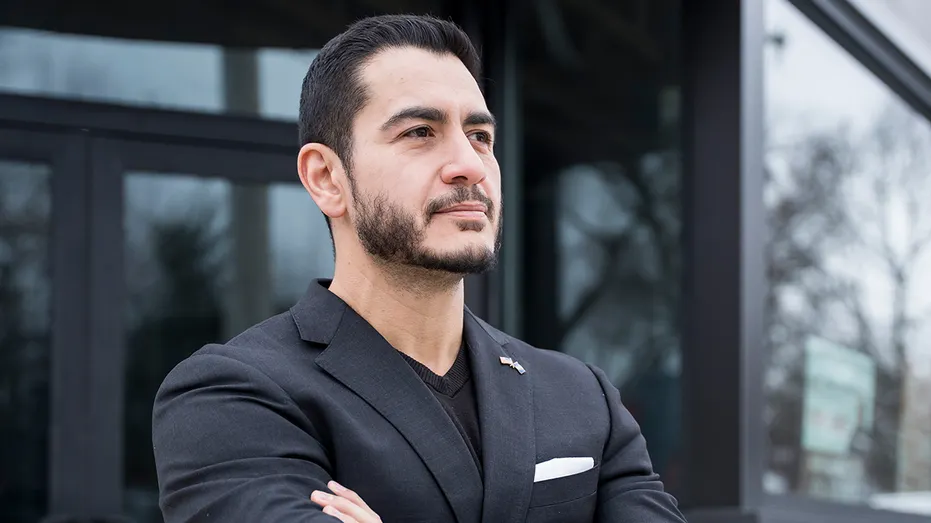
Across the Atlantic, the U.S. Democratic Party is experiencing its own internal friction. In Florida’s 25th Congressional District, the primary race has become a proxy battle for the party's future. Socialist candidate Oliver Larkin, endorsed Representative Jared Moskowitz. Longtime Democratic strategist James Carville has publicly dismissed Larkin and his supporters, characterizing the movement as a "pack of fools." The clash reflects a broader ideological tension, as the party balances the influence of establishment figures like Moskowitz—who enjoys DCCC and AIPAC backing—against a younger, more progressive wing seeking to steer the party toward a more radical economic platform.
In Russia, the supermajority effectively provides the Kremlin with a blank check for its ongoing military operations, though it remains to be seen if the government can manage the economic strain of a prolonged war. The lack of institutional opposition suggests policy will remain fixed, regardless of public exhaustion with the conflict.
For the CDU in Germany, the upcoming state elections will serve as the final barometer for Merz’s leadership. Should the party continue to bleed support to the AfD, the pressure for a change at the top will likely become insurmountable, potentially forcing a snap change in the chancellery. Meanwhile, in the United States, the outcome of the Florida primary will indicate whether the Democratic base is shifting toward the socialist platform or remains firmly attached to traditional, moderate leadership as the 2026 midterm cycle heats up.