As Saudi Arabia prepares a significant military response to Houthi attacks, global tensions are further strained by the closure of the Strait of Hormuz and royal transitions in Europe.
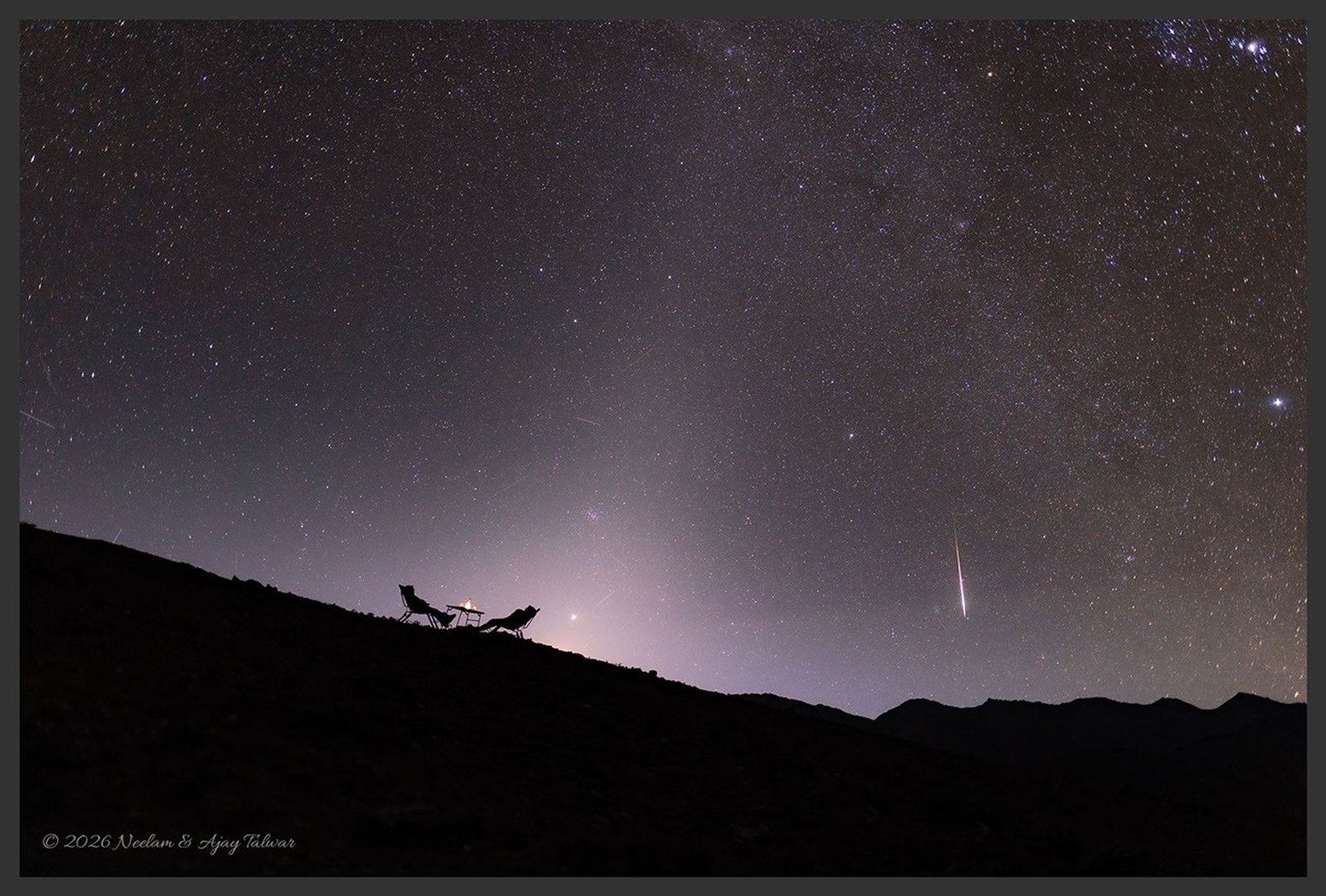
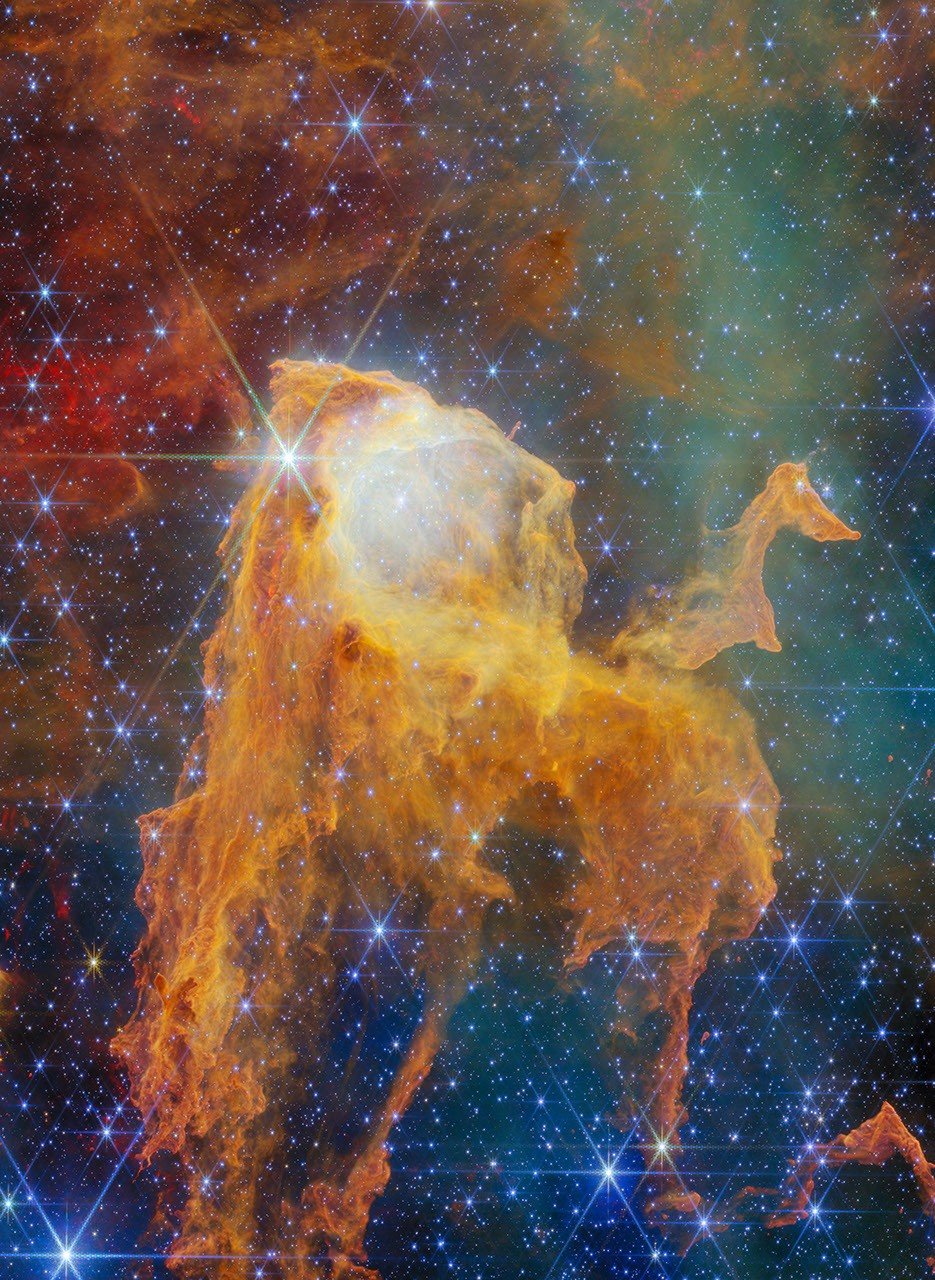
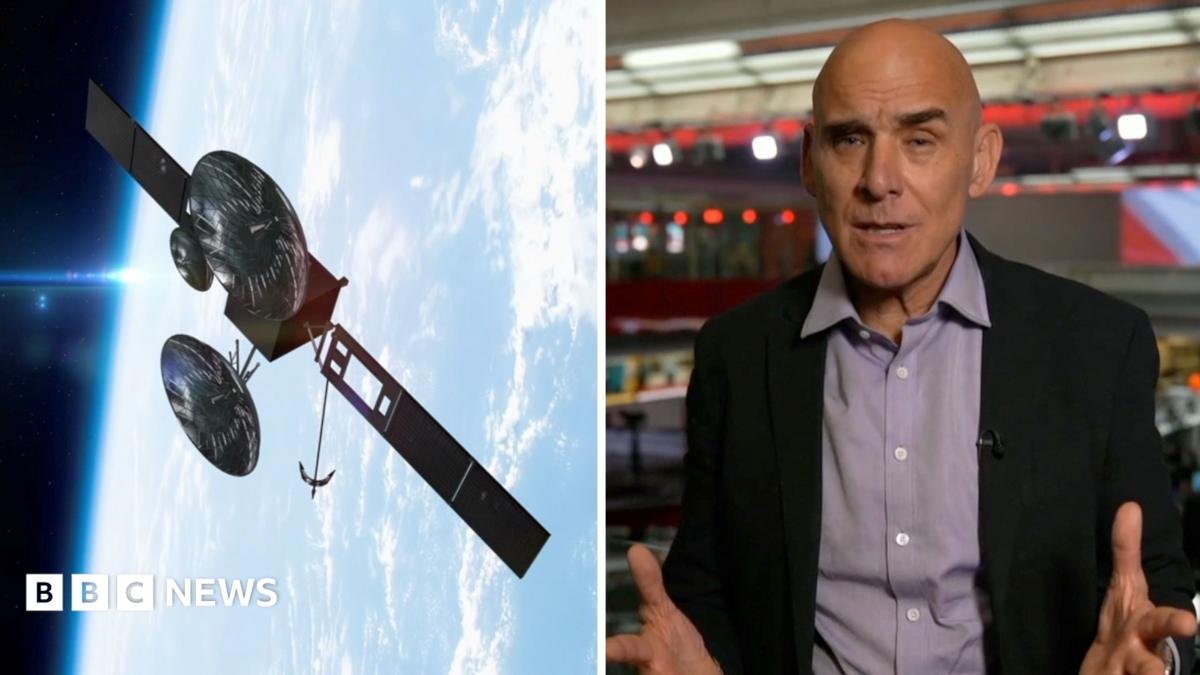
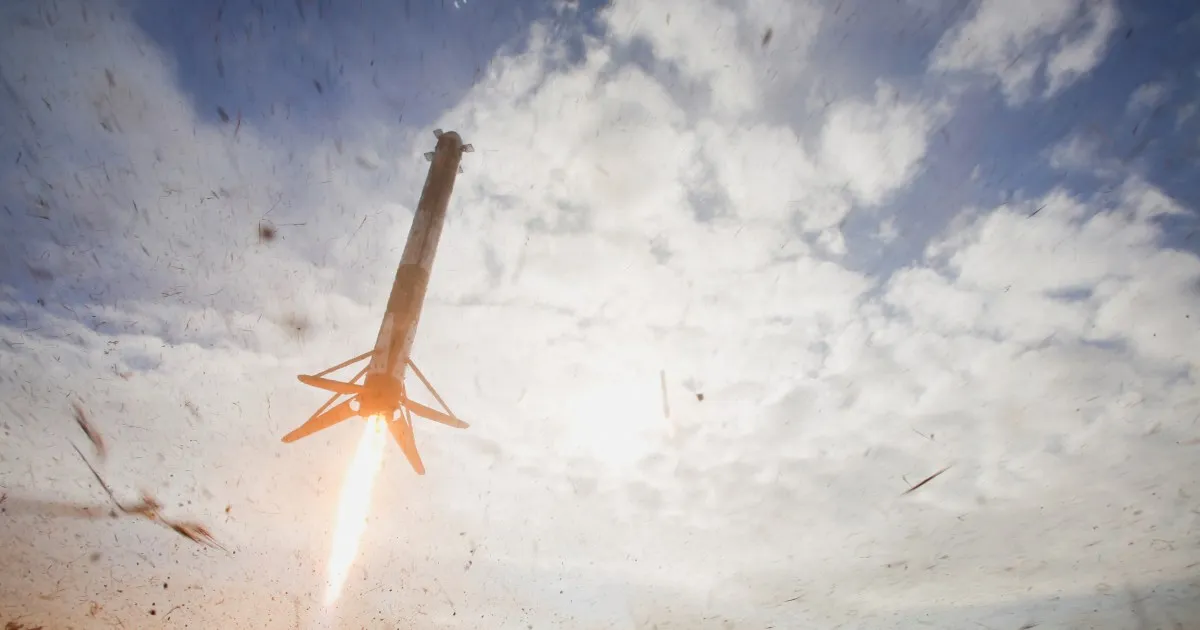
The convergence of regional instability in the Middle East and the shifting sands of European monarchical succession presents a volatile global landscape as the third quarter of 2026 concludes. While space exploration continues to offer a perspective of cosmic scale, the immediate threats to global supply chains—specifically the closure of the Strait of Hormuz and the escalation of hostilities in the Arabian Peninsula—signal an era of renewed fragility. The ability of traditional diplomatic channels to mitigate these crises is being tested major powers, including the United Kingdom and Saudi Arabia, approach their strategic interests.
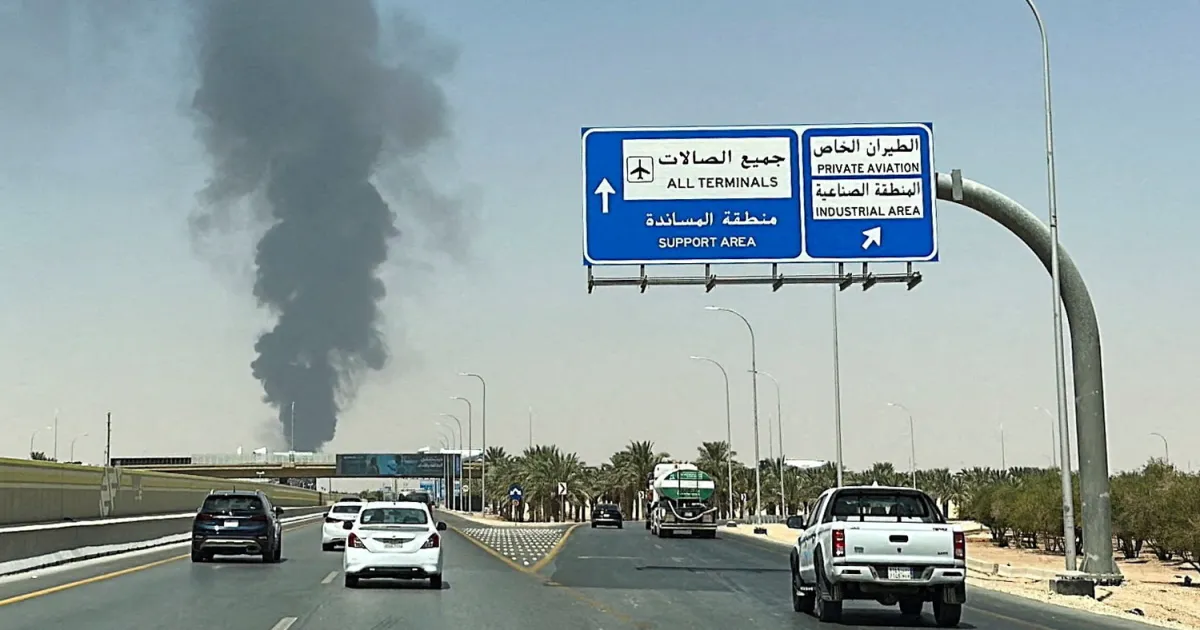
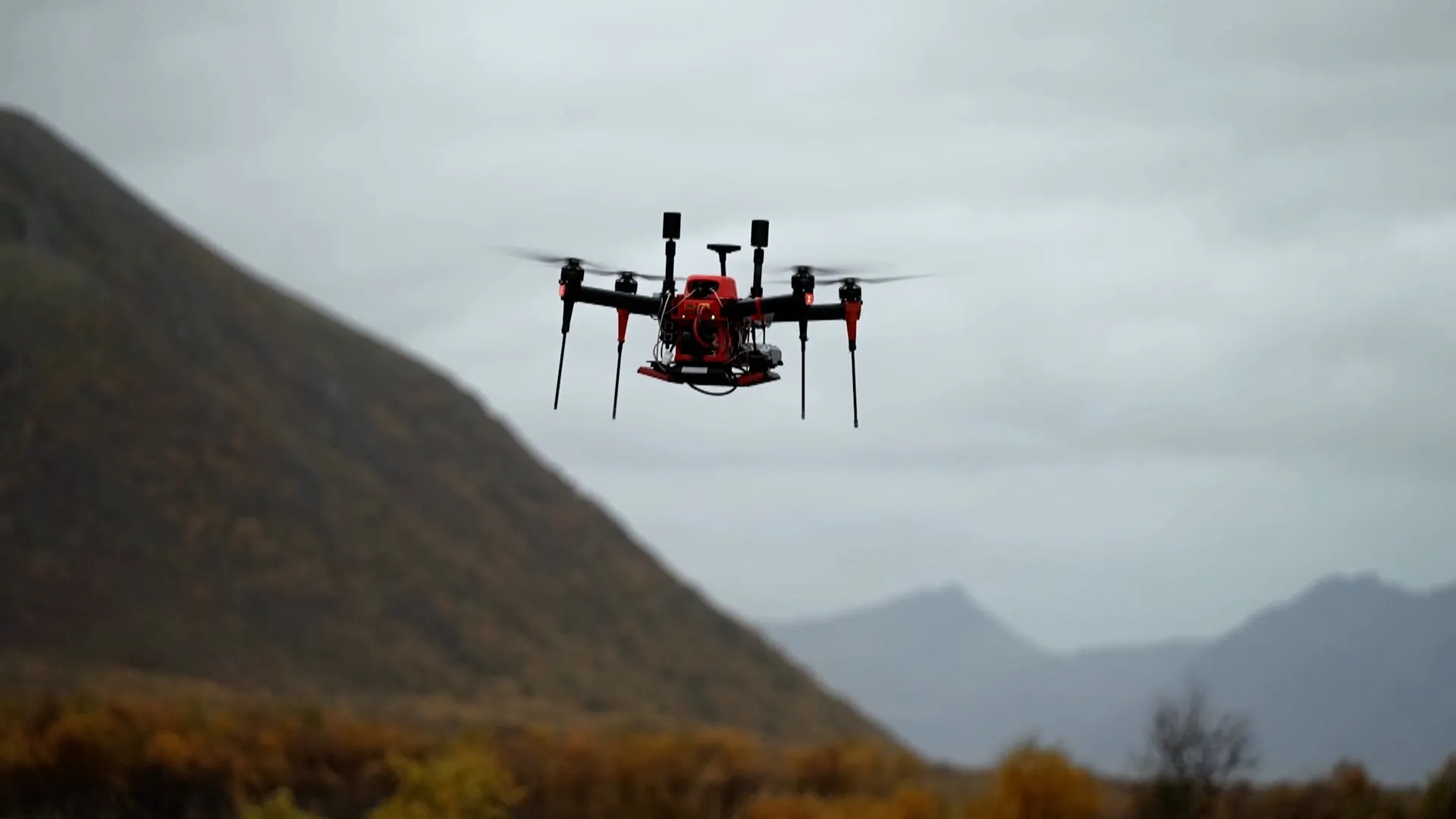
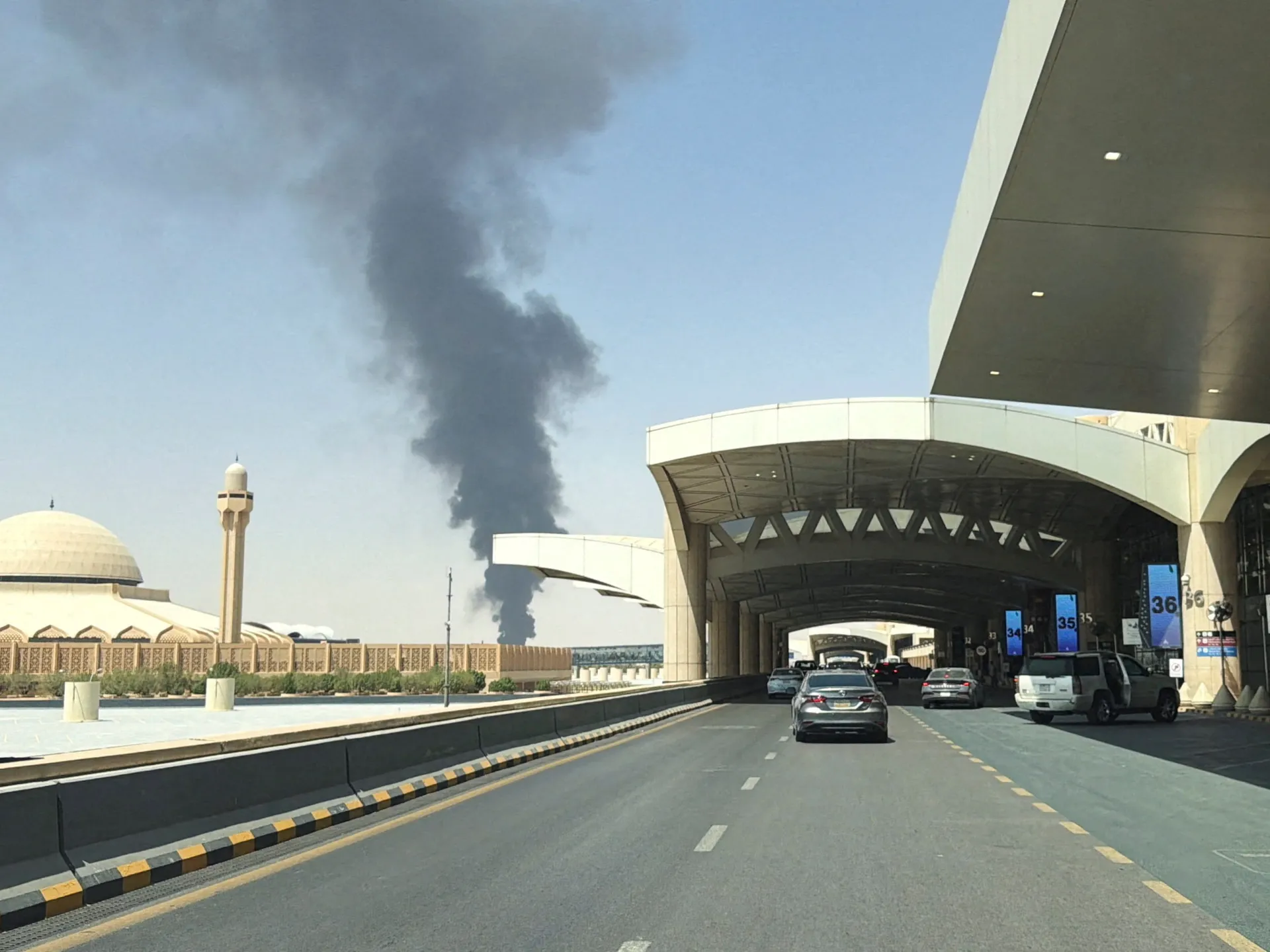
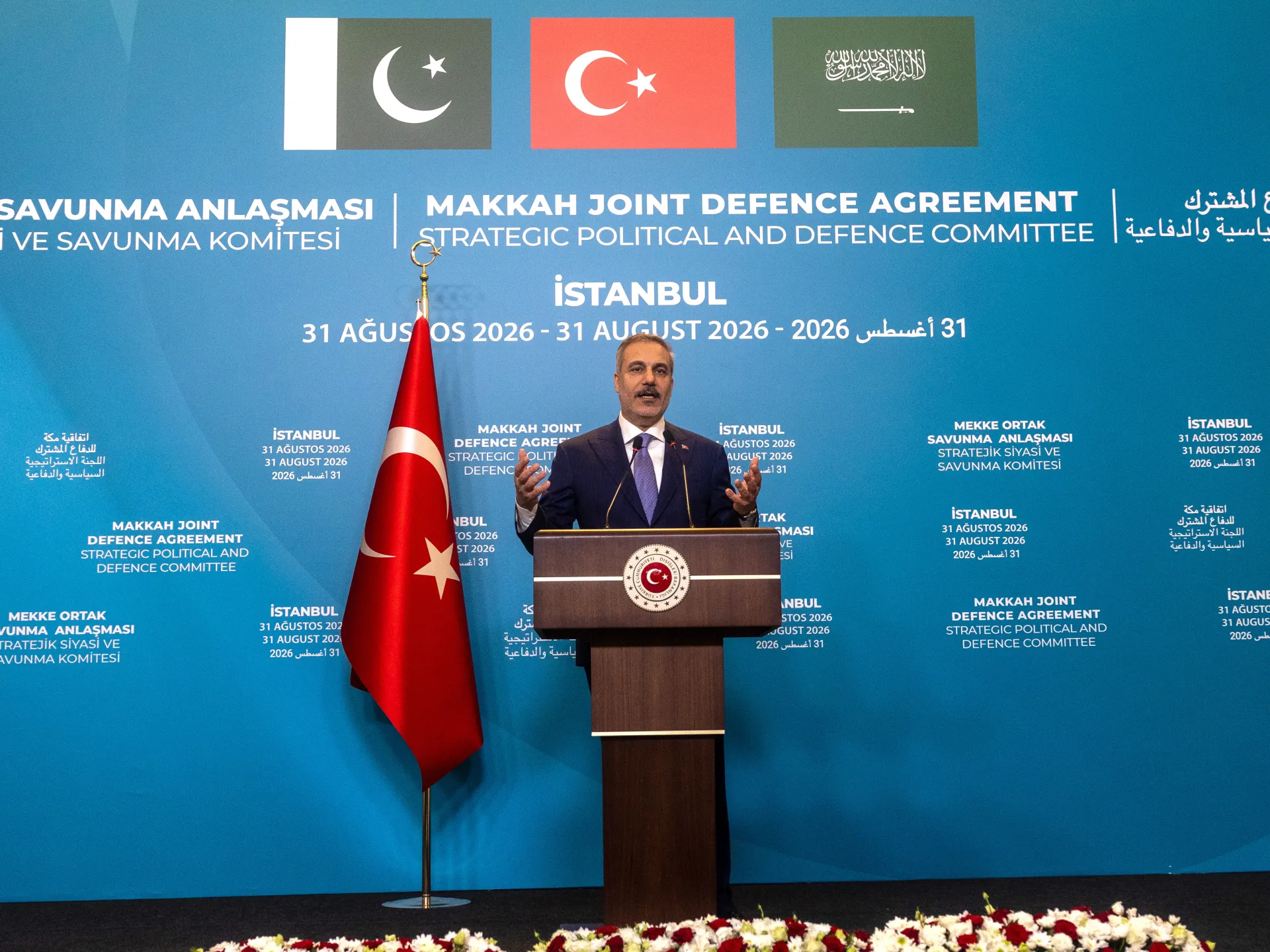
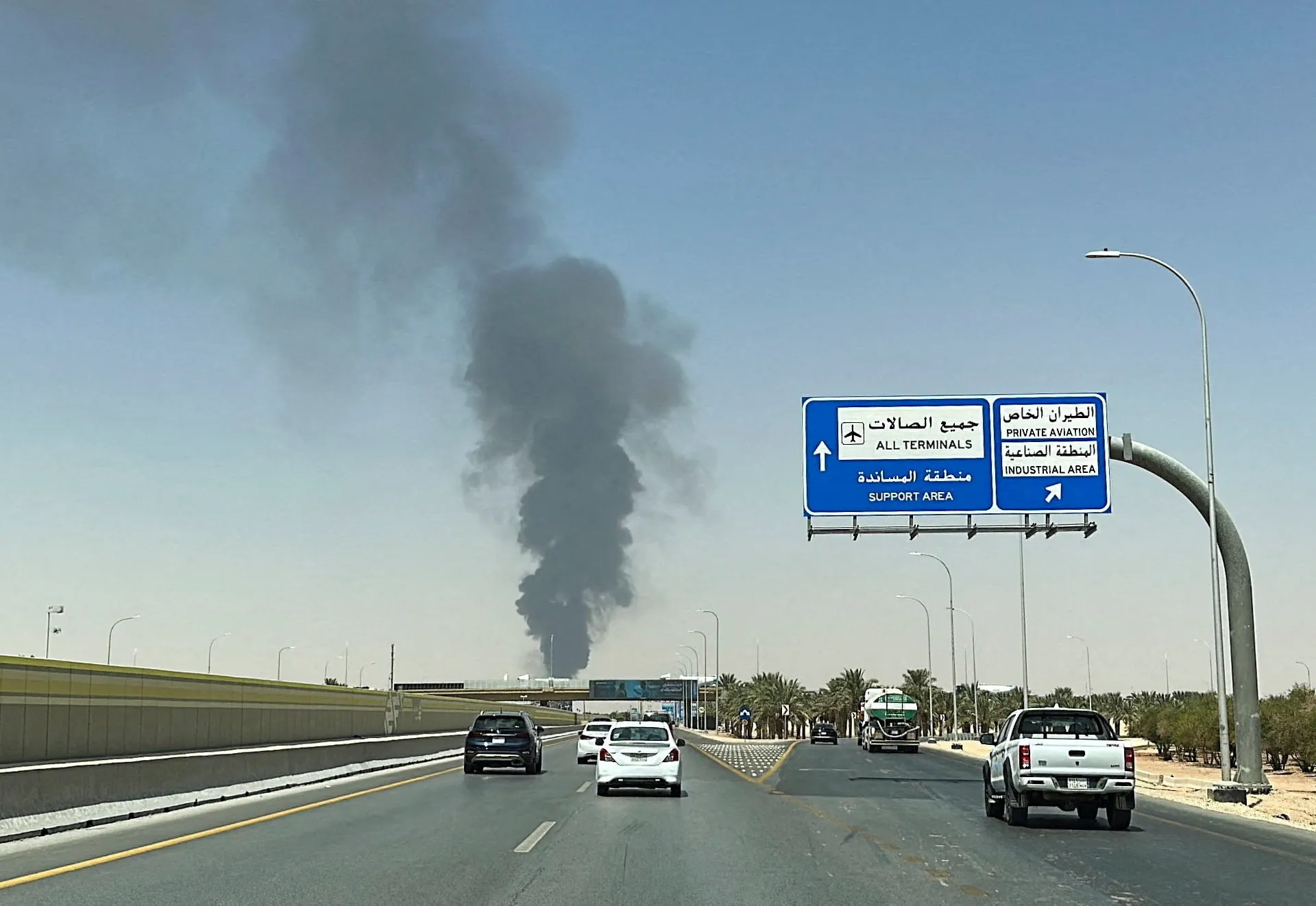
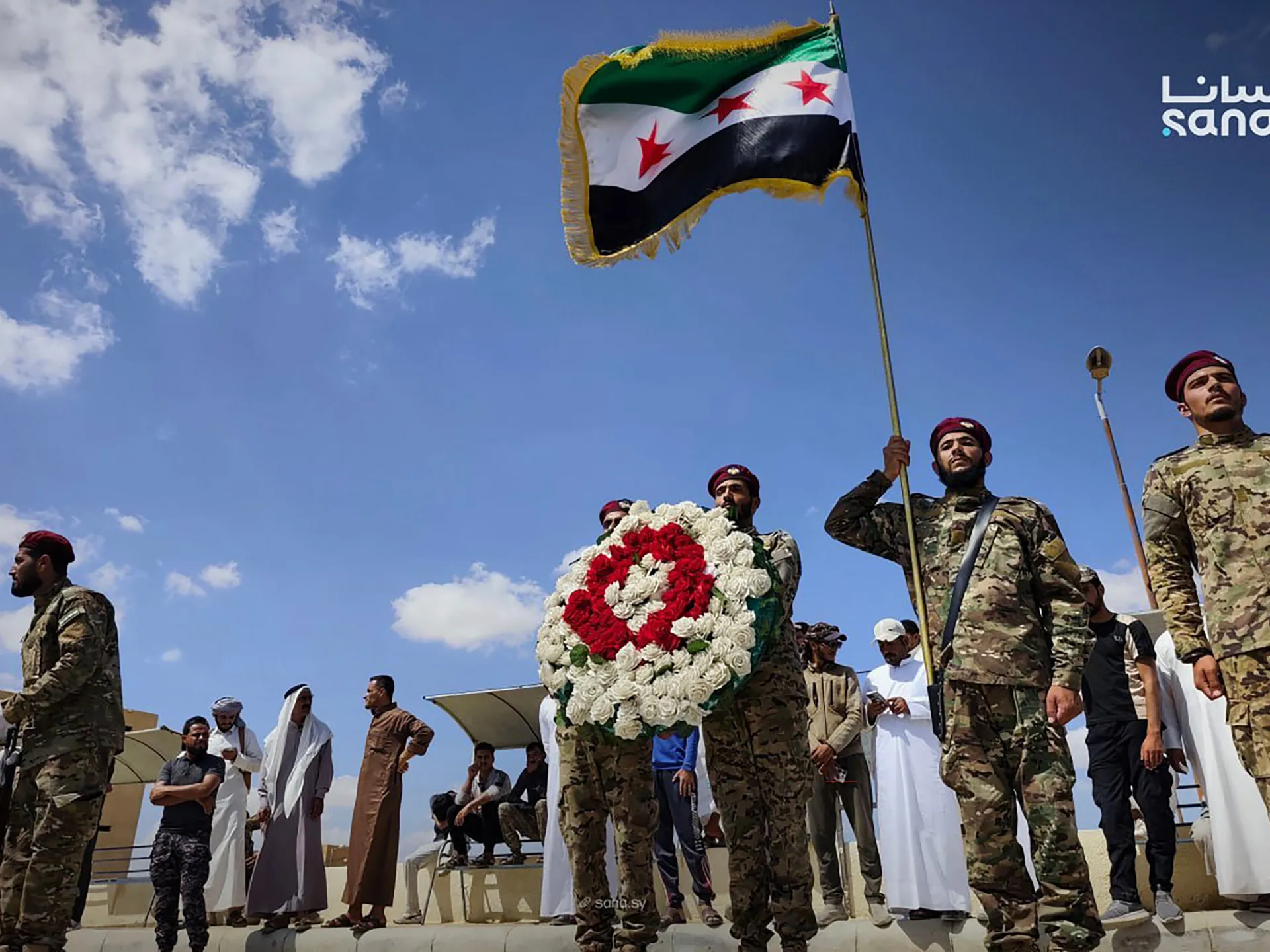
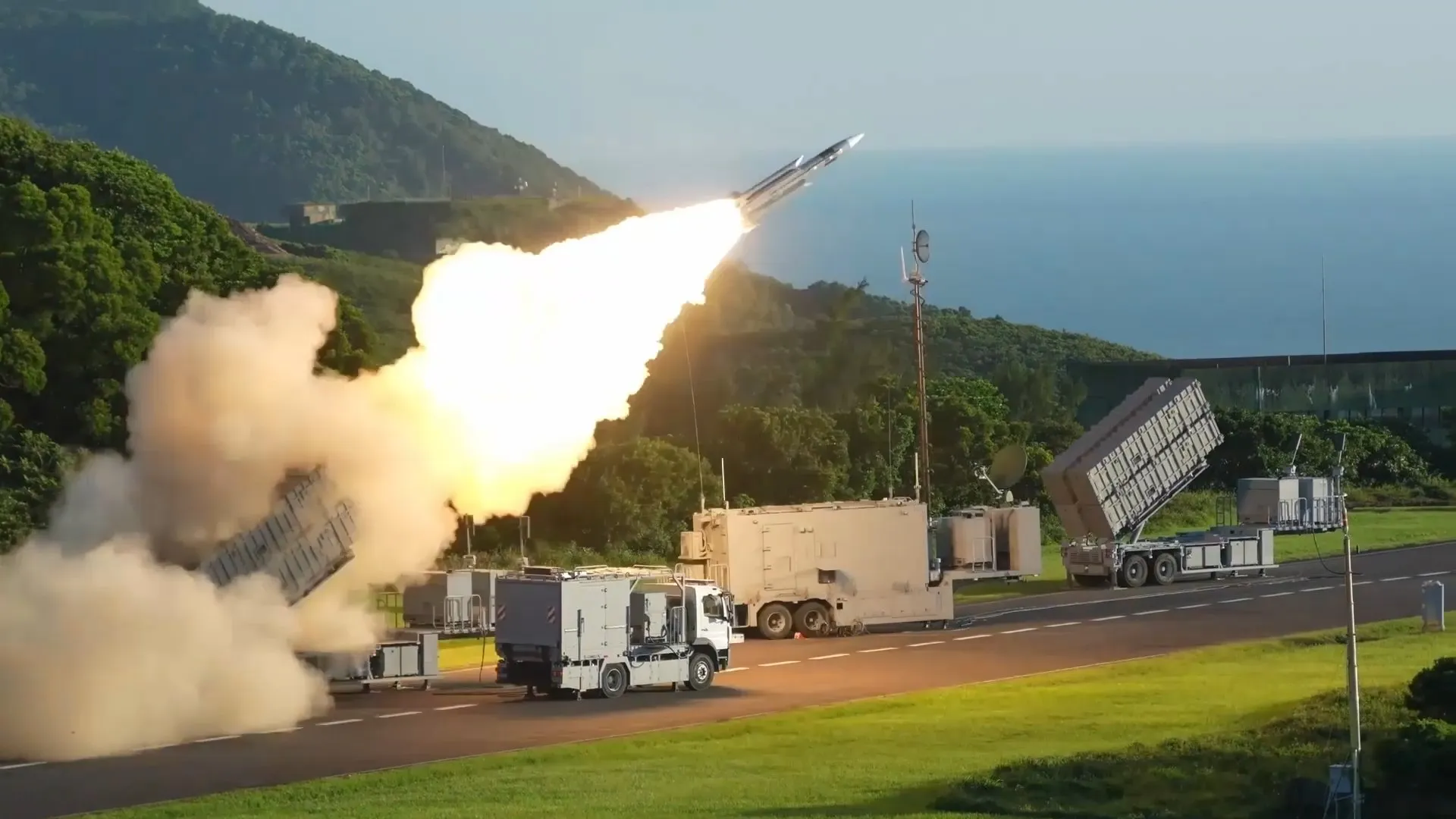
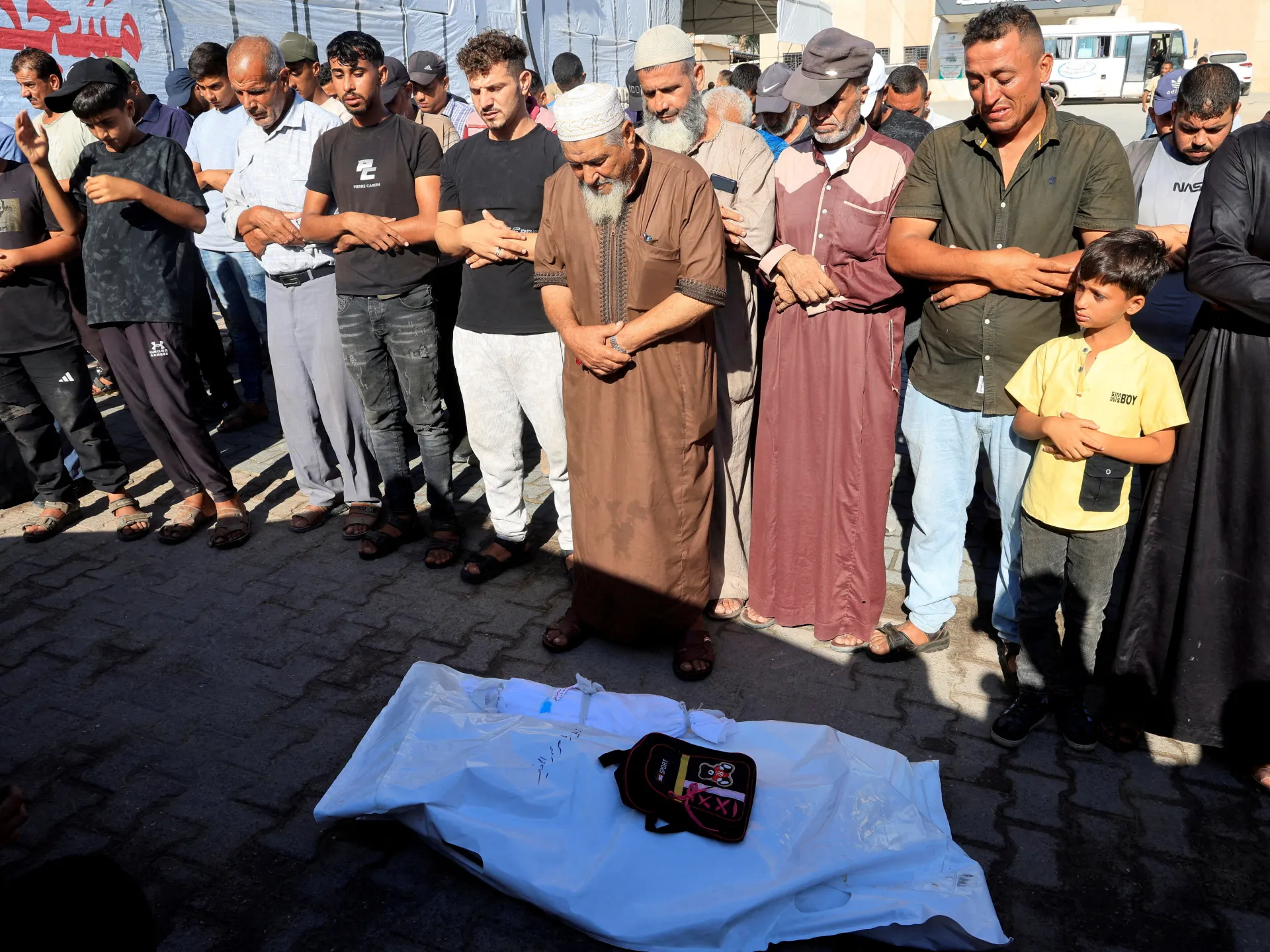
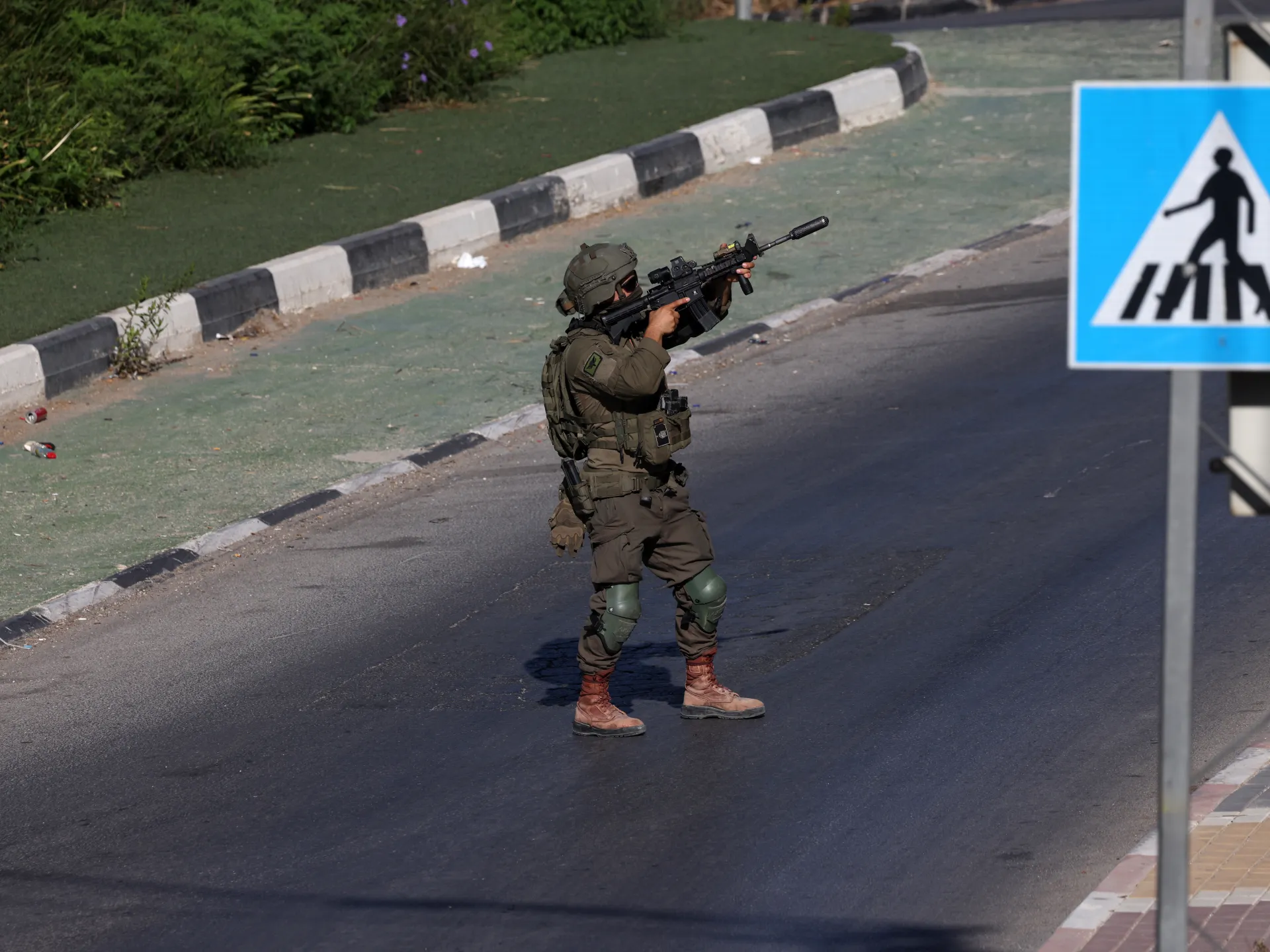
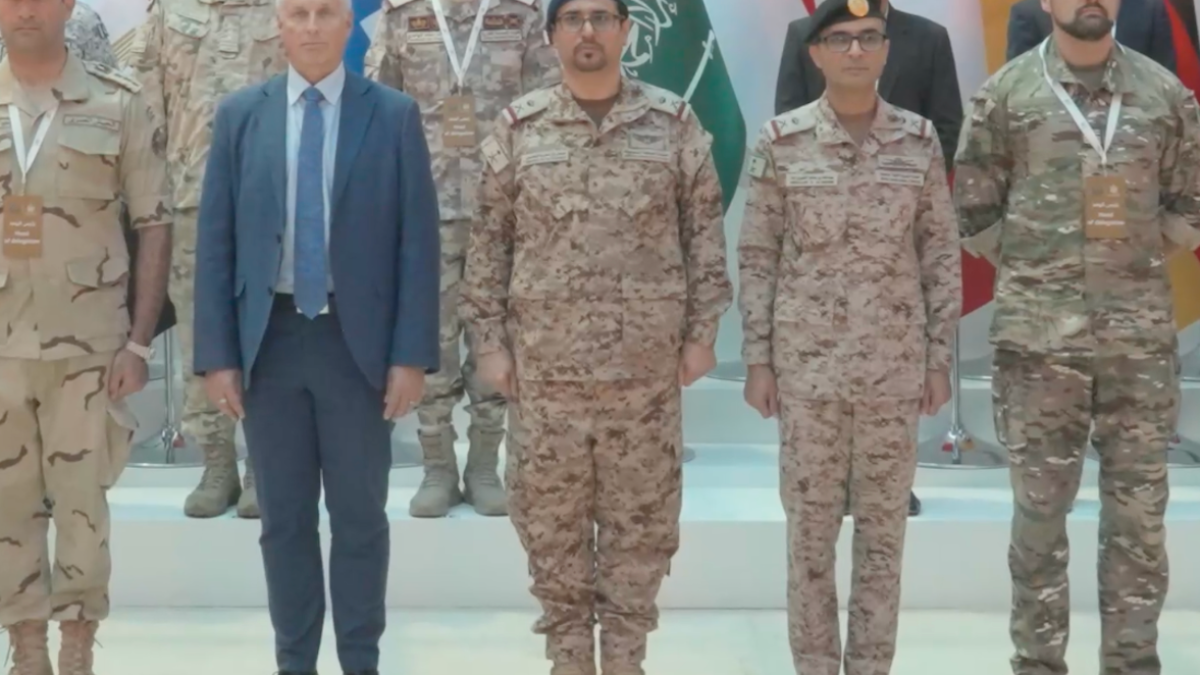
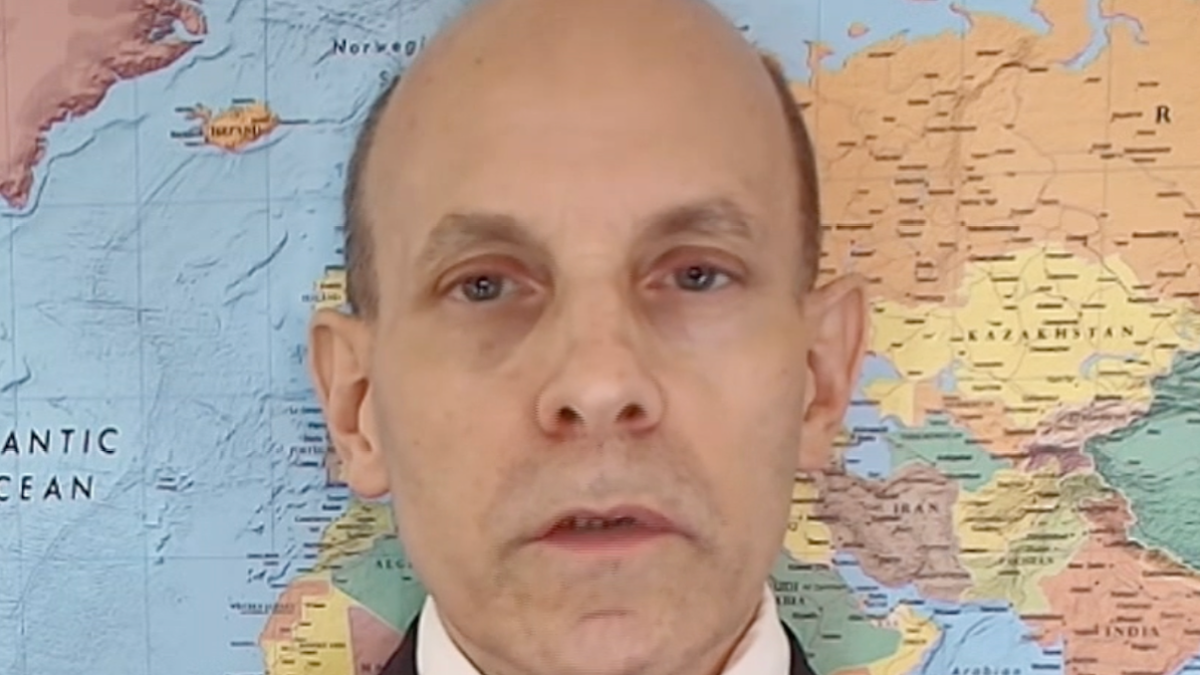
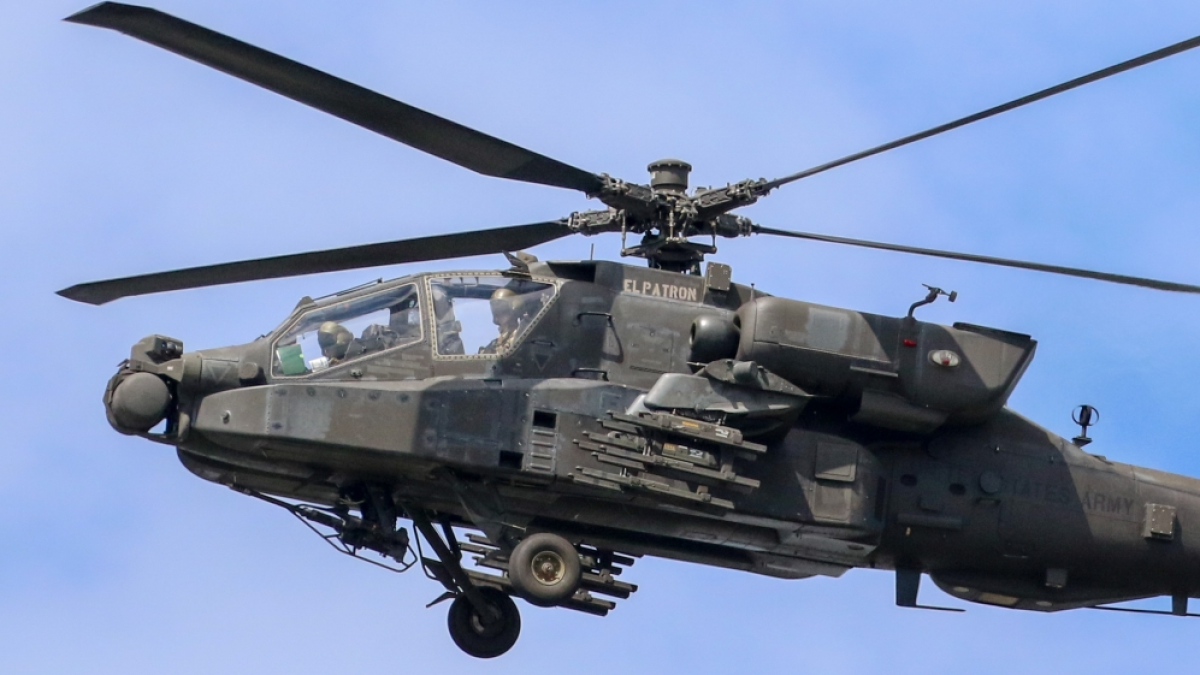
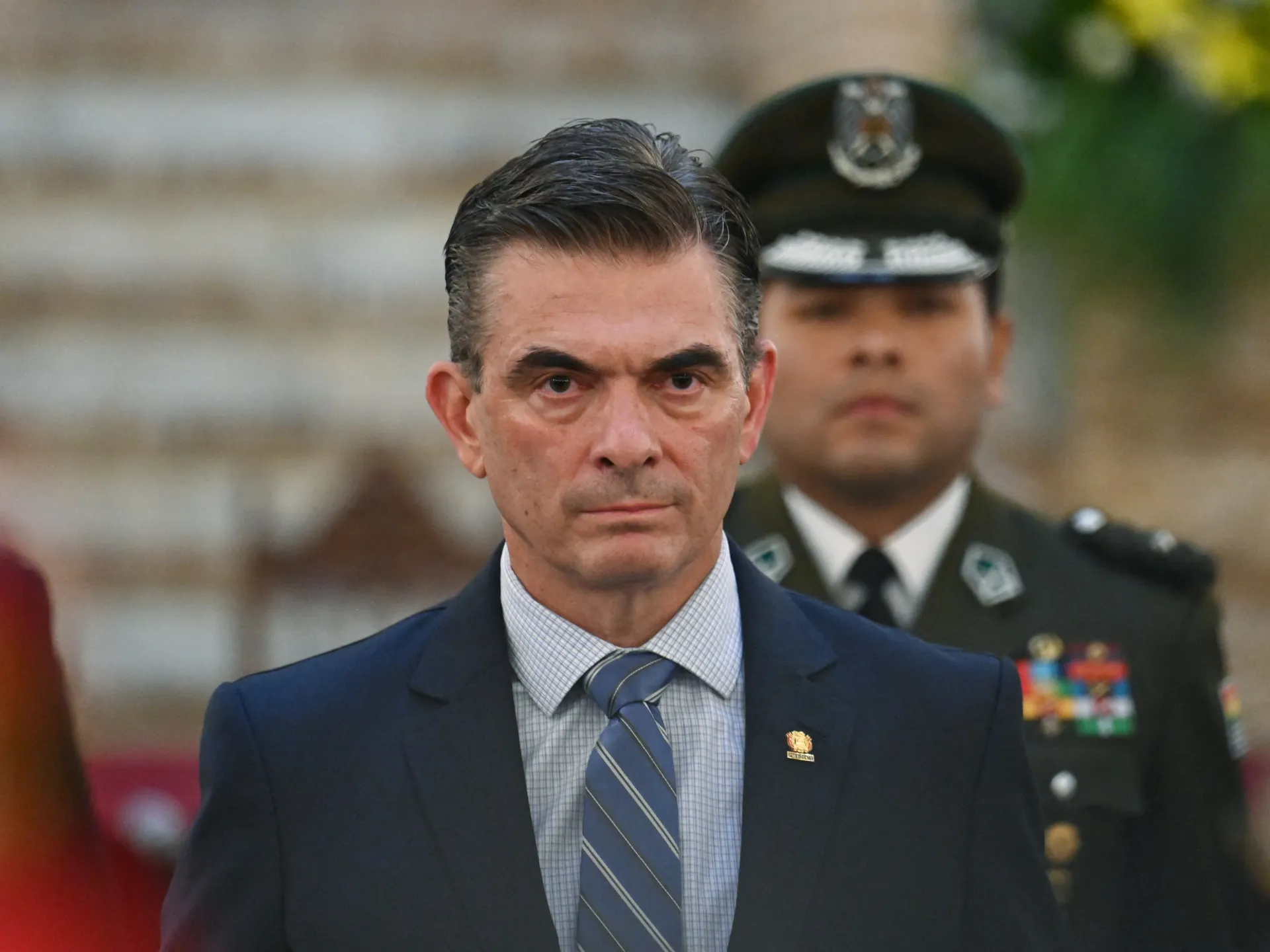
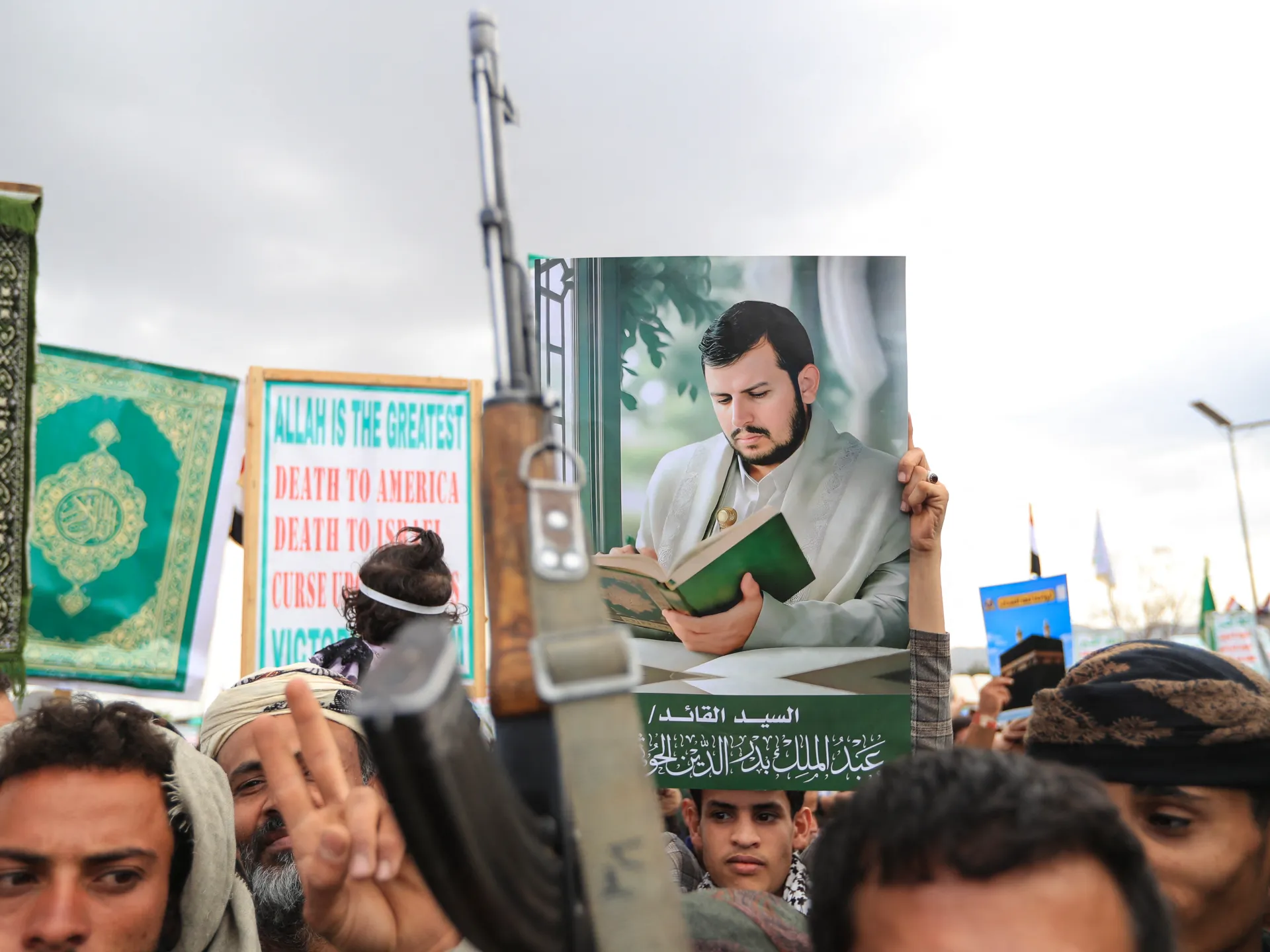
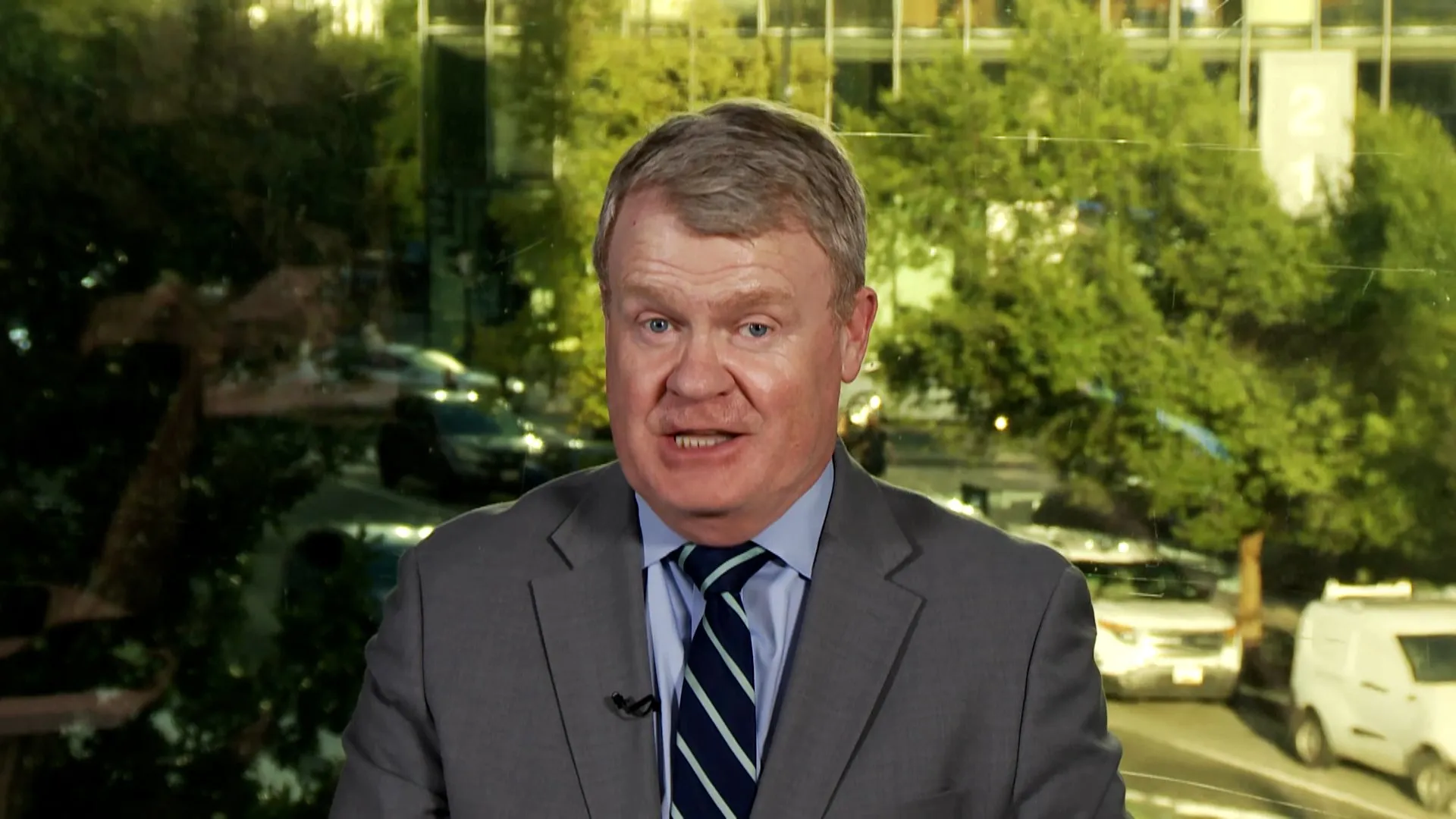
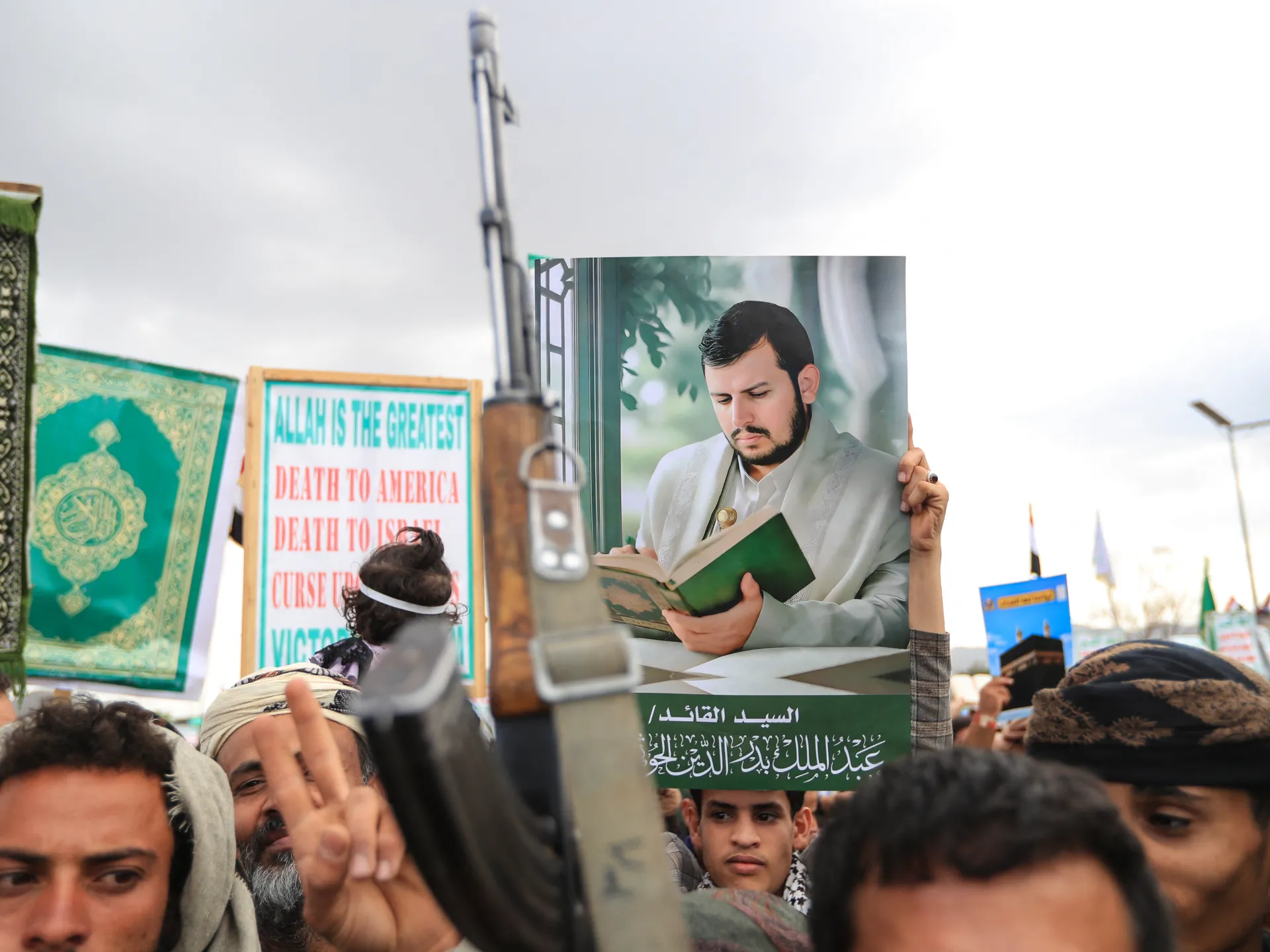
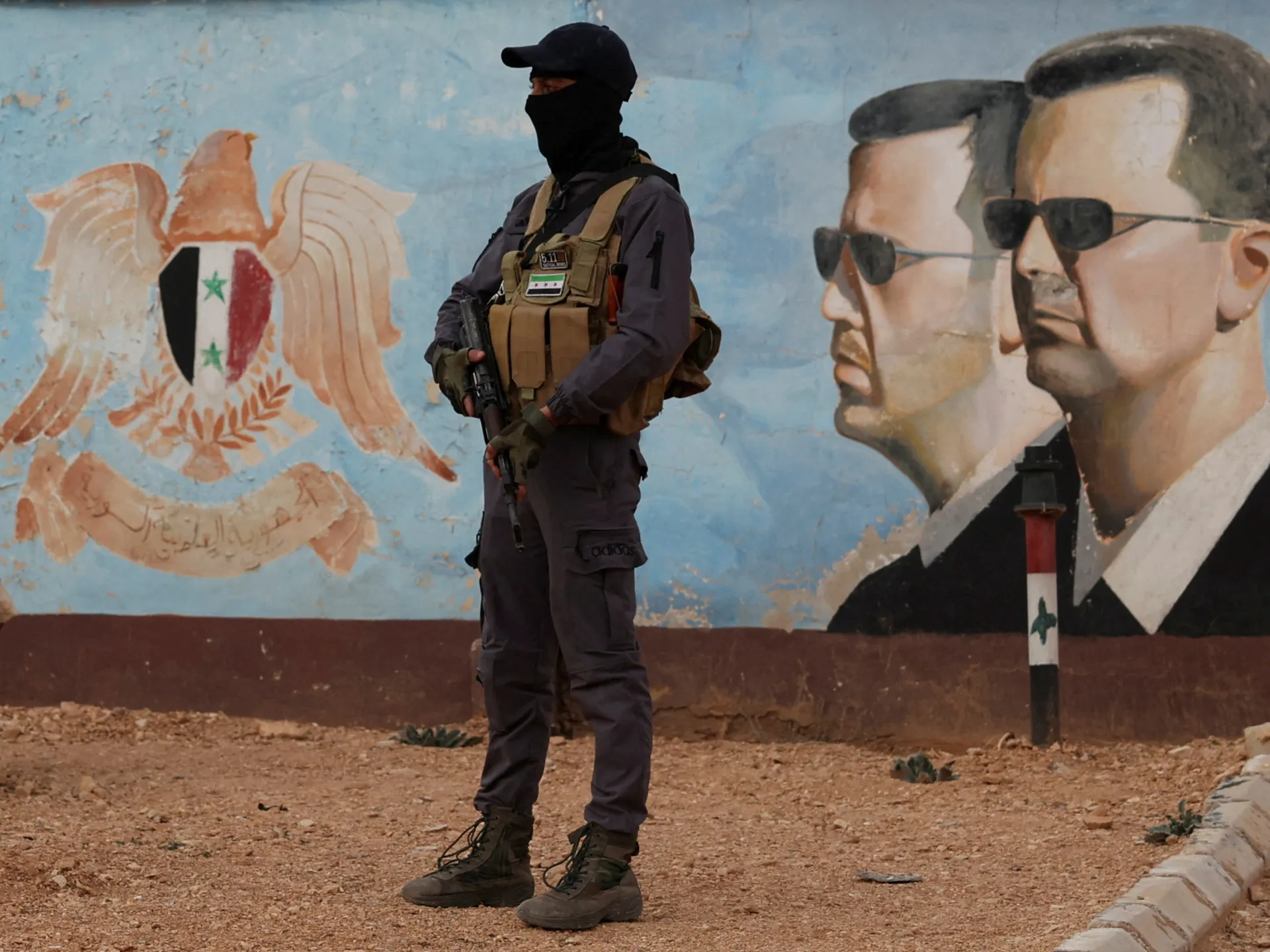
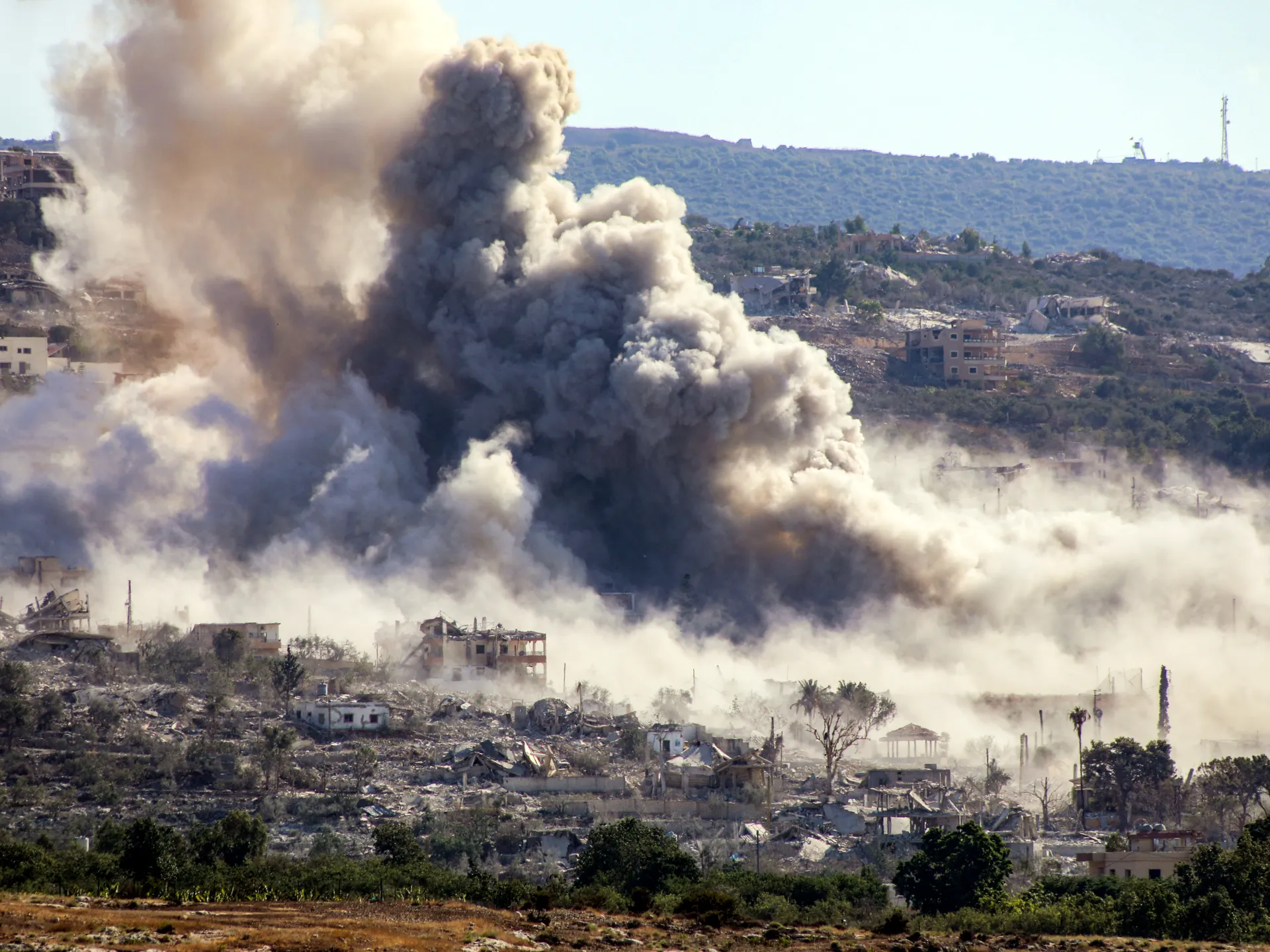
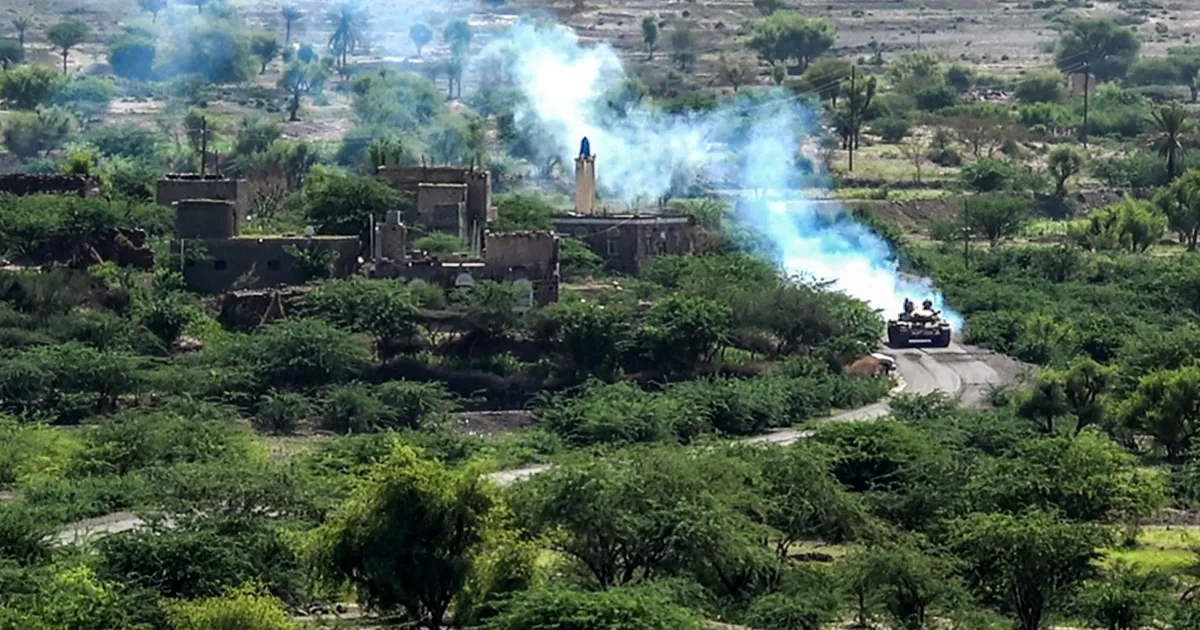
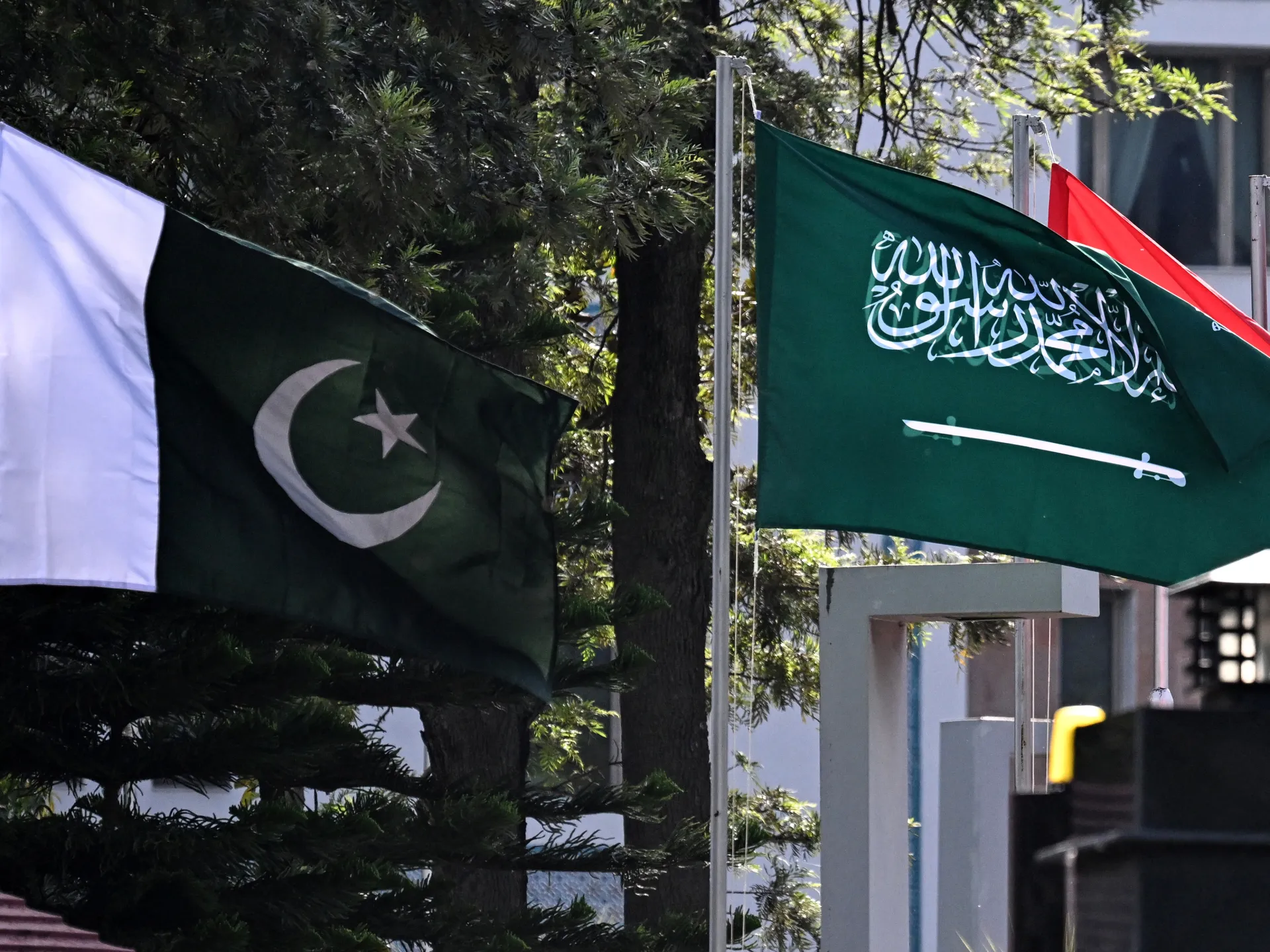
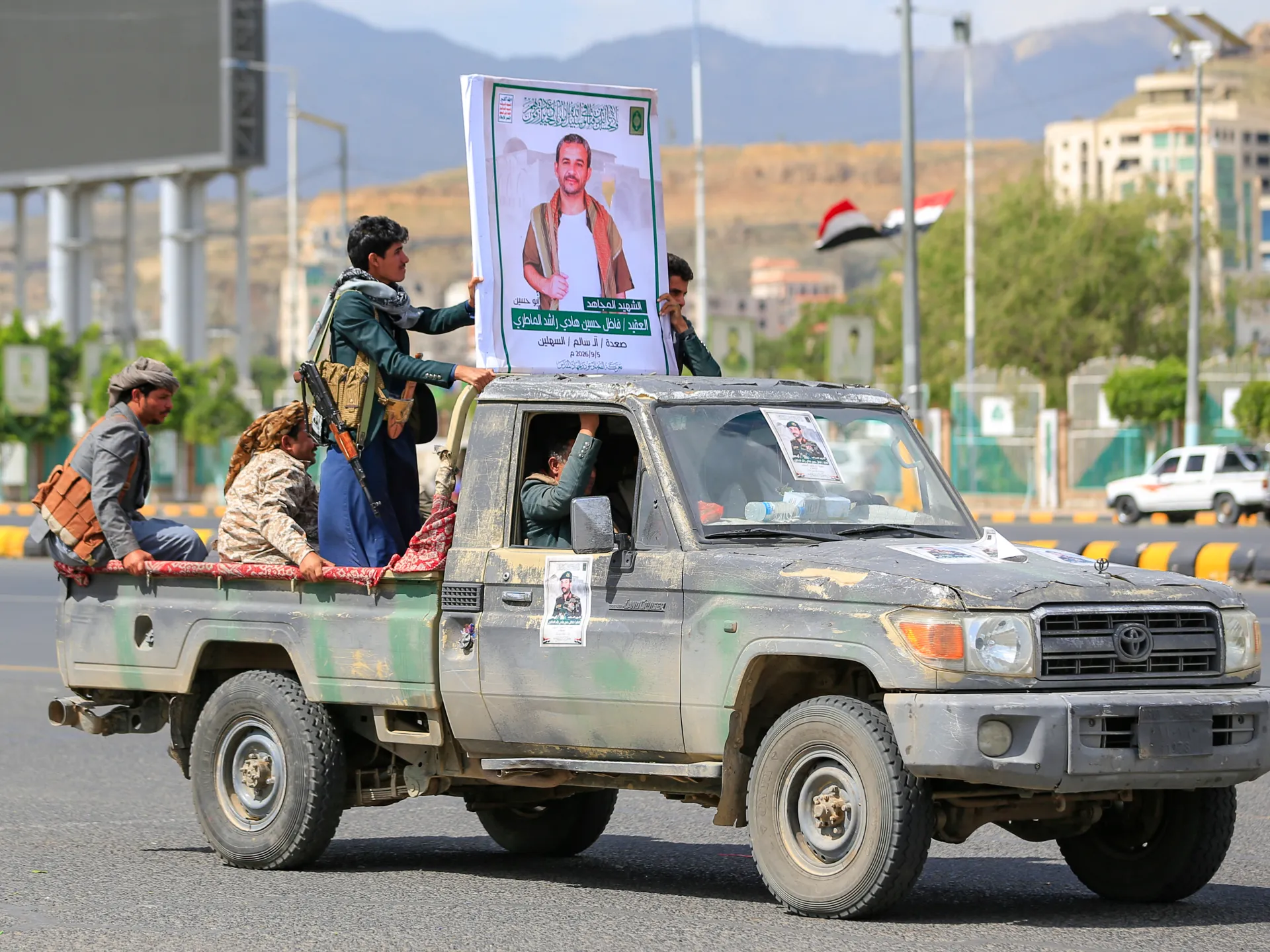
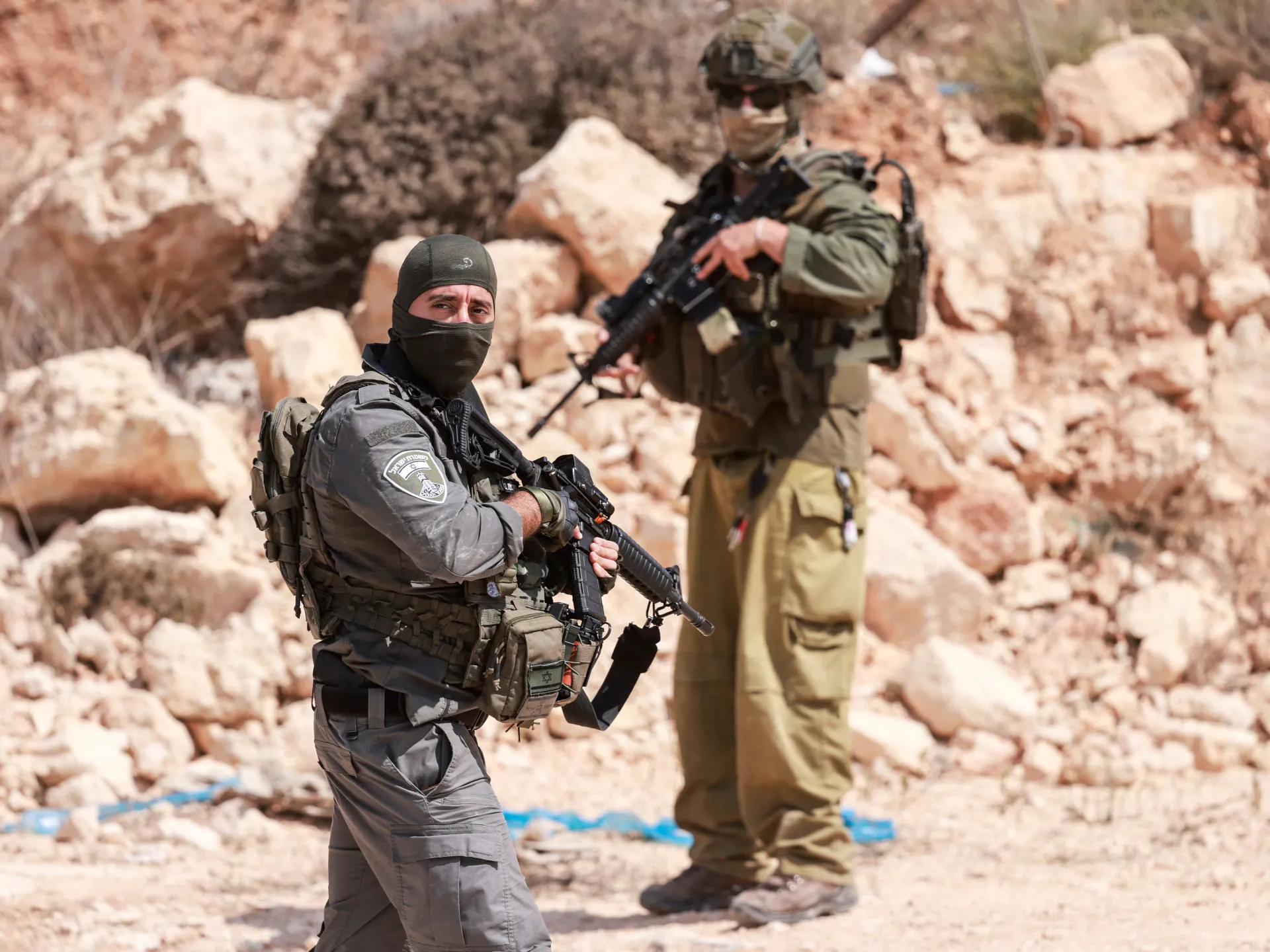
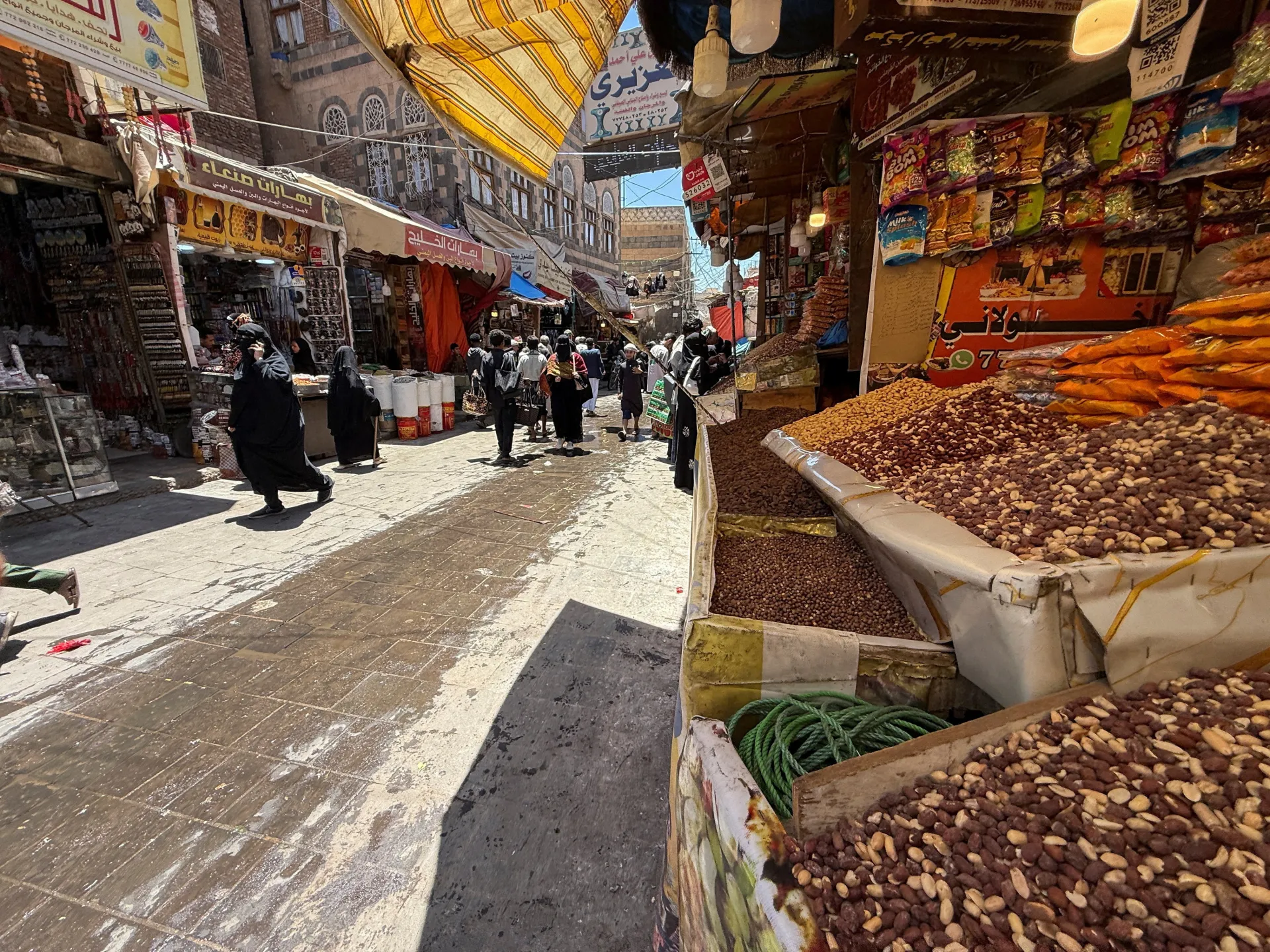
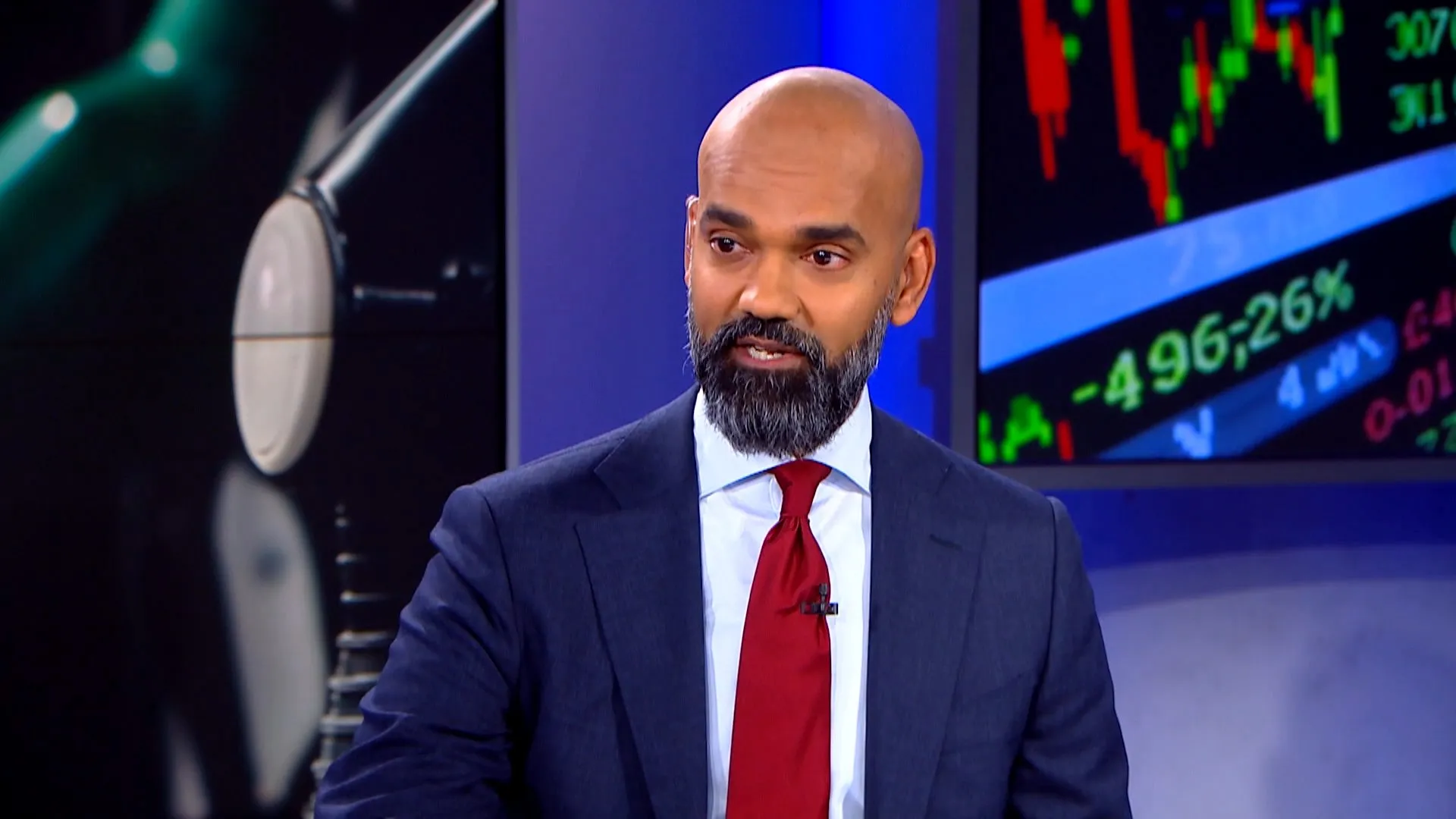
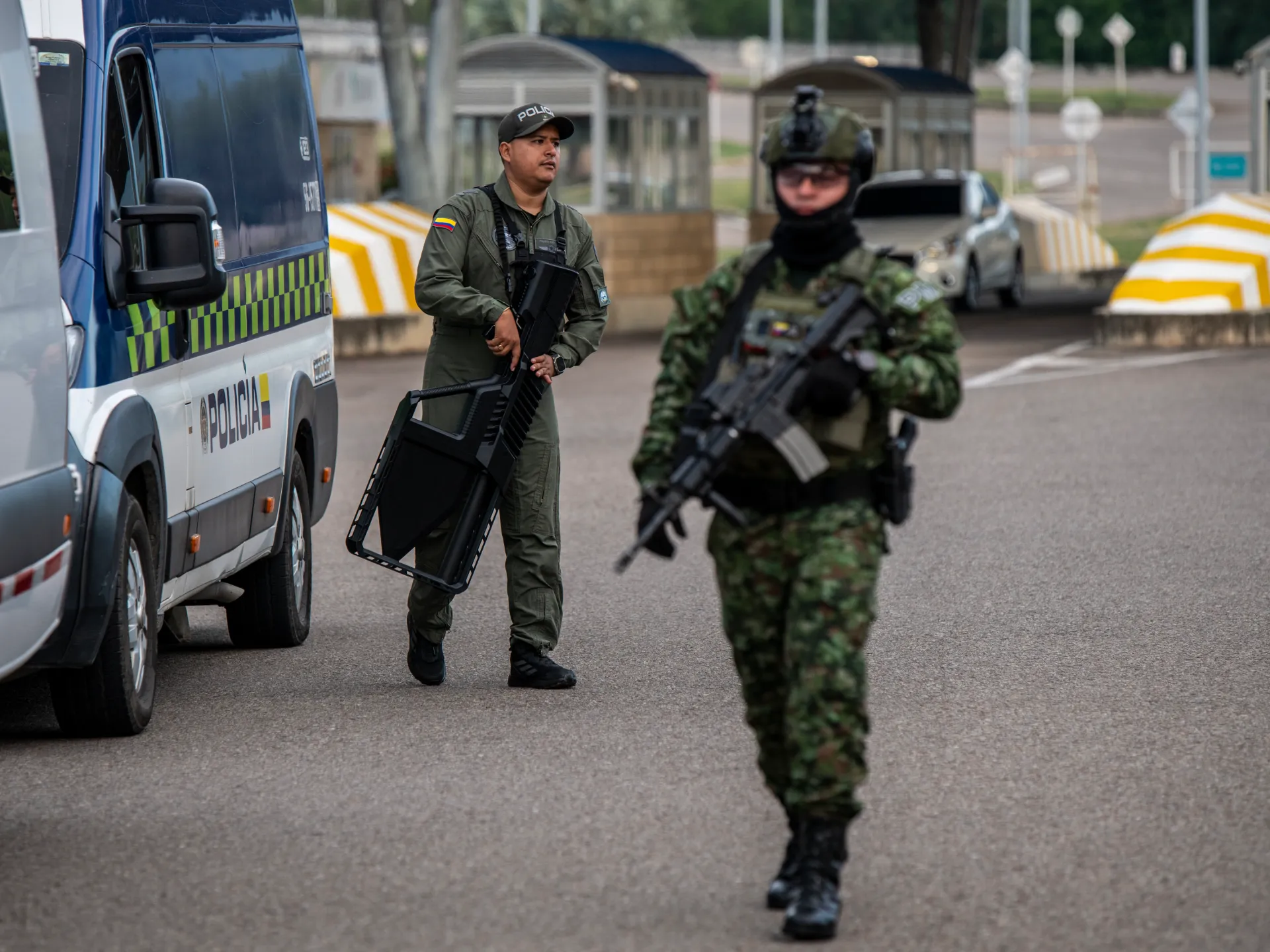
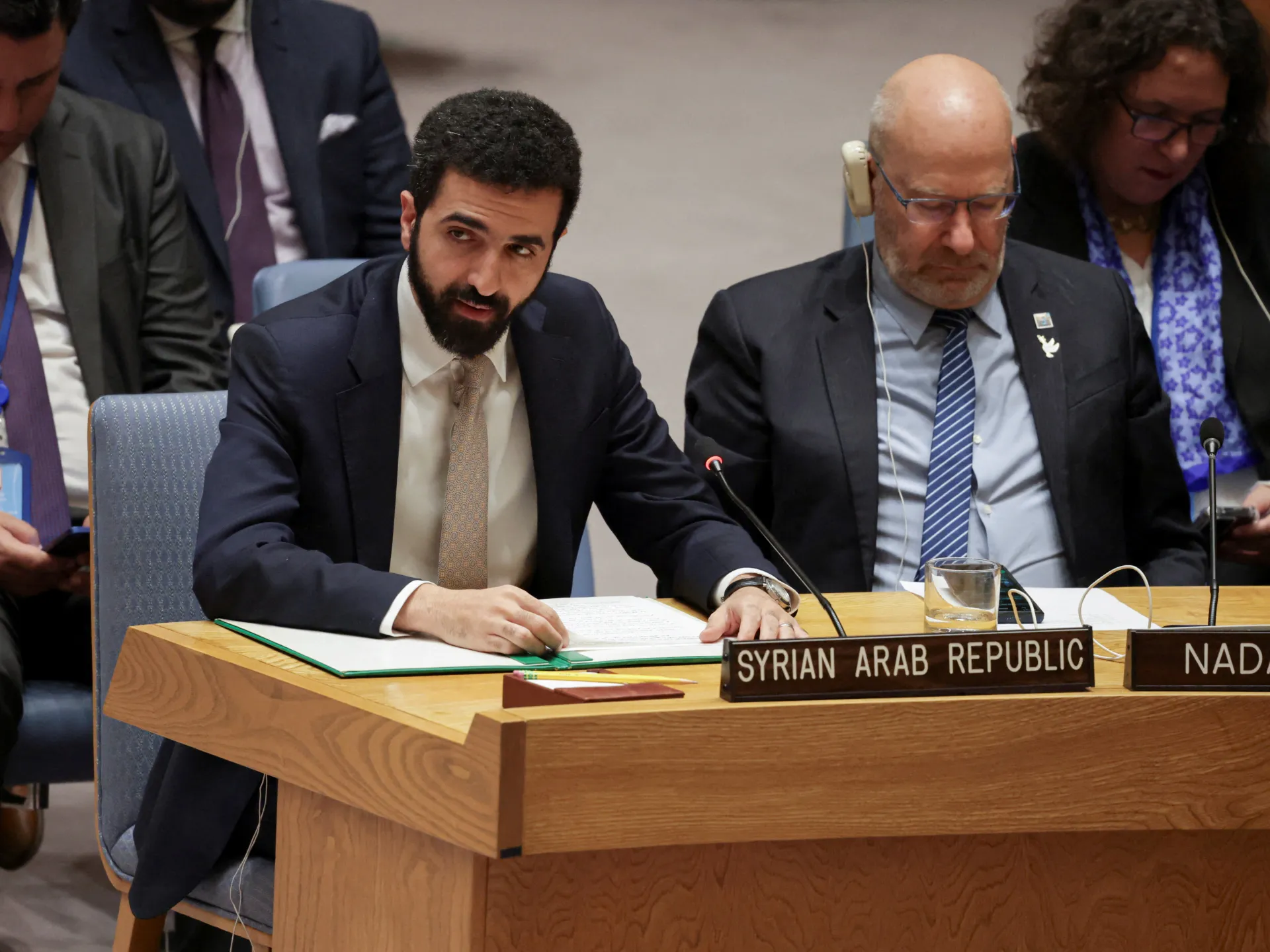
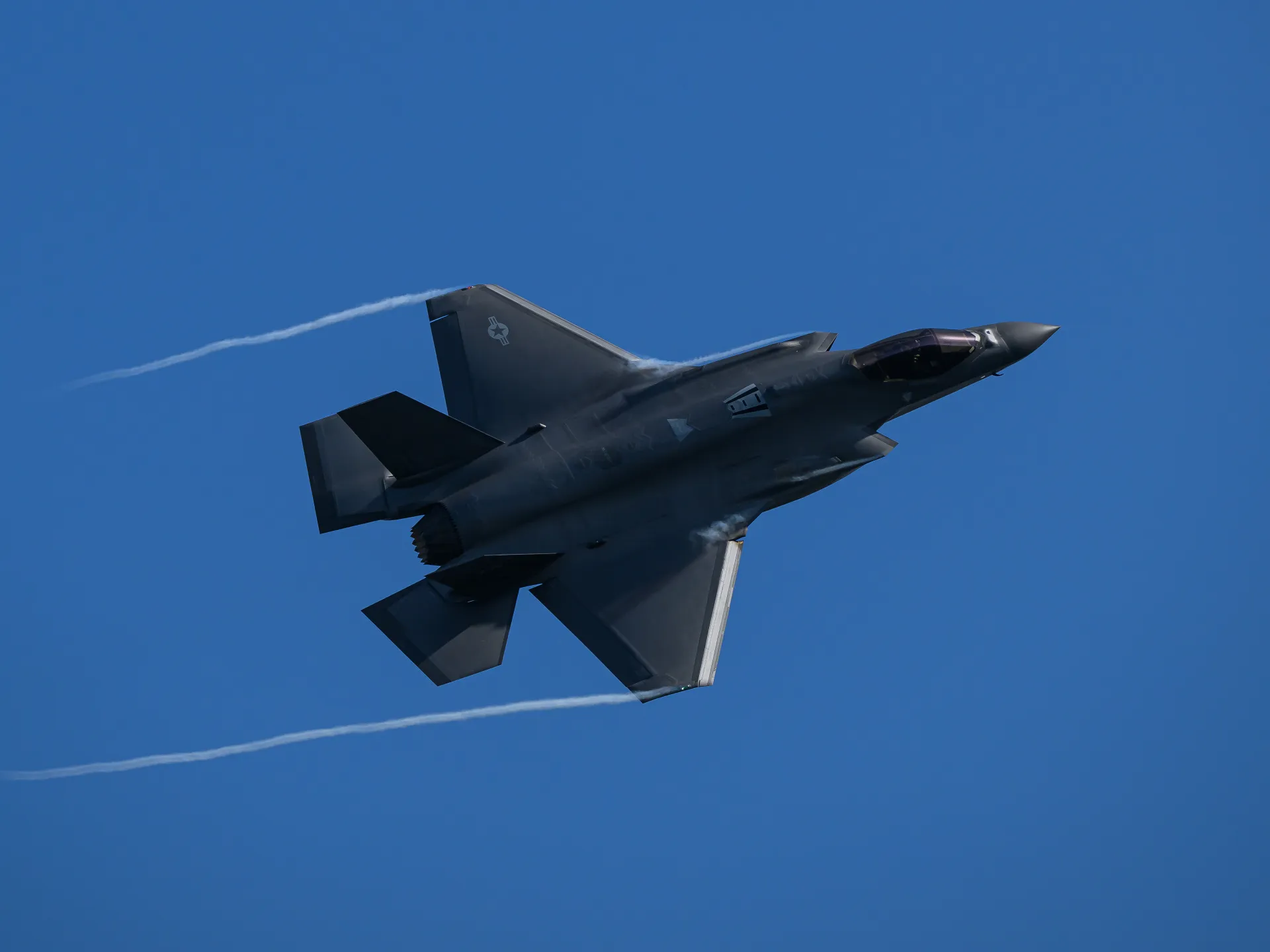
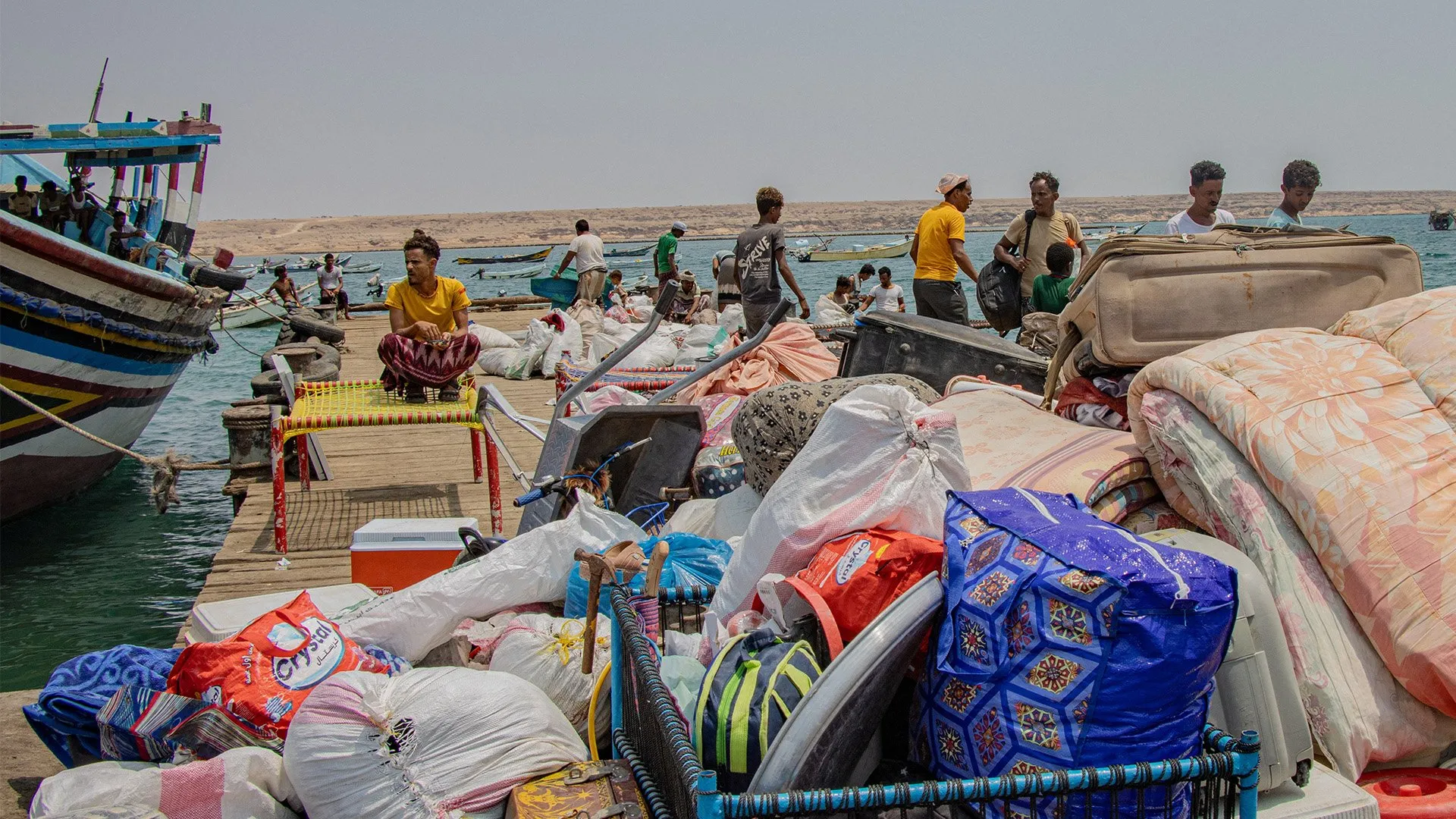
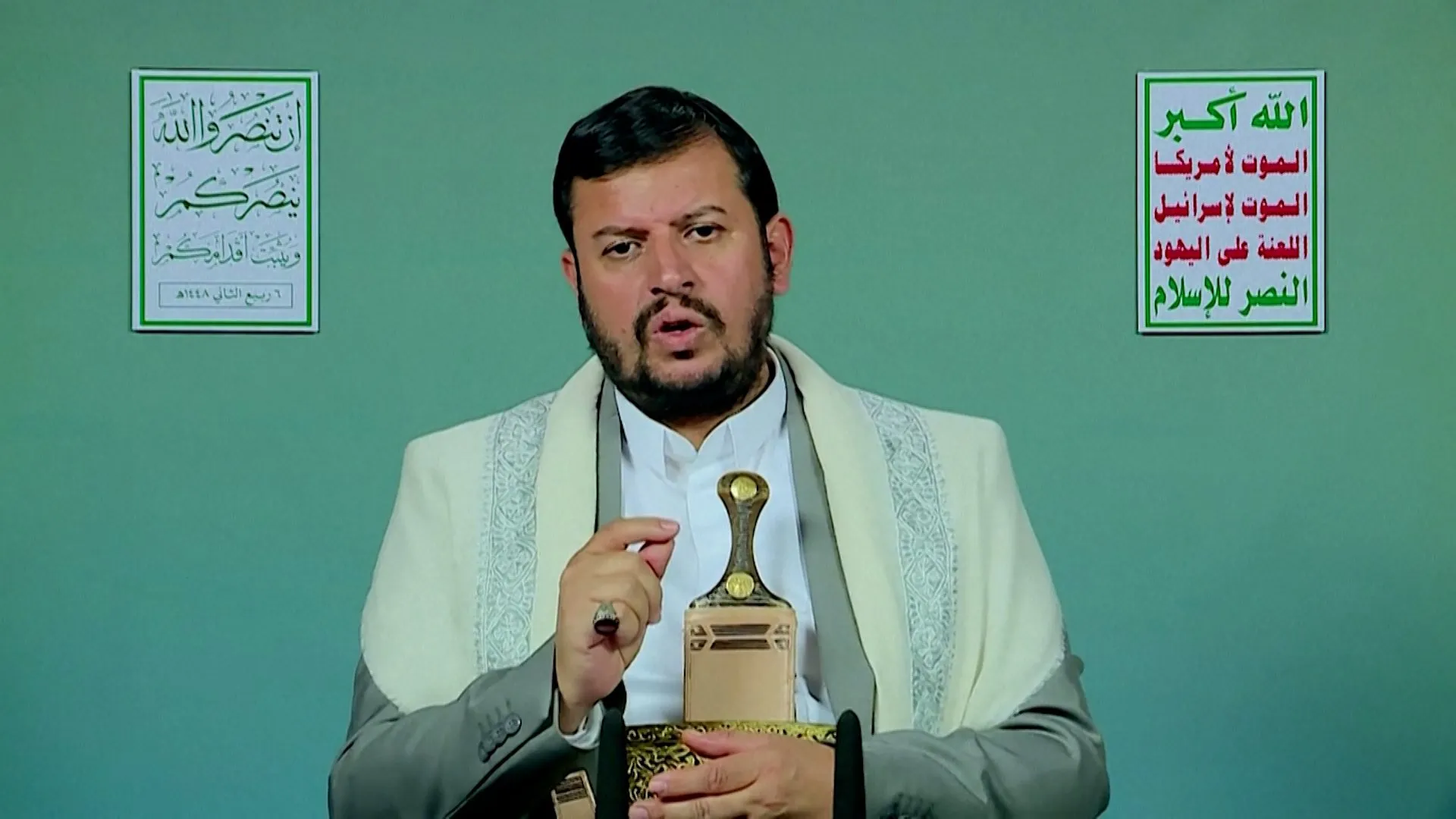
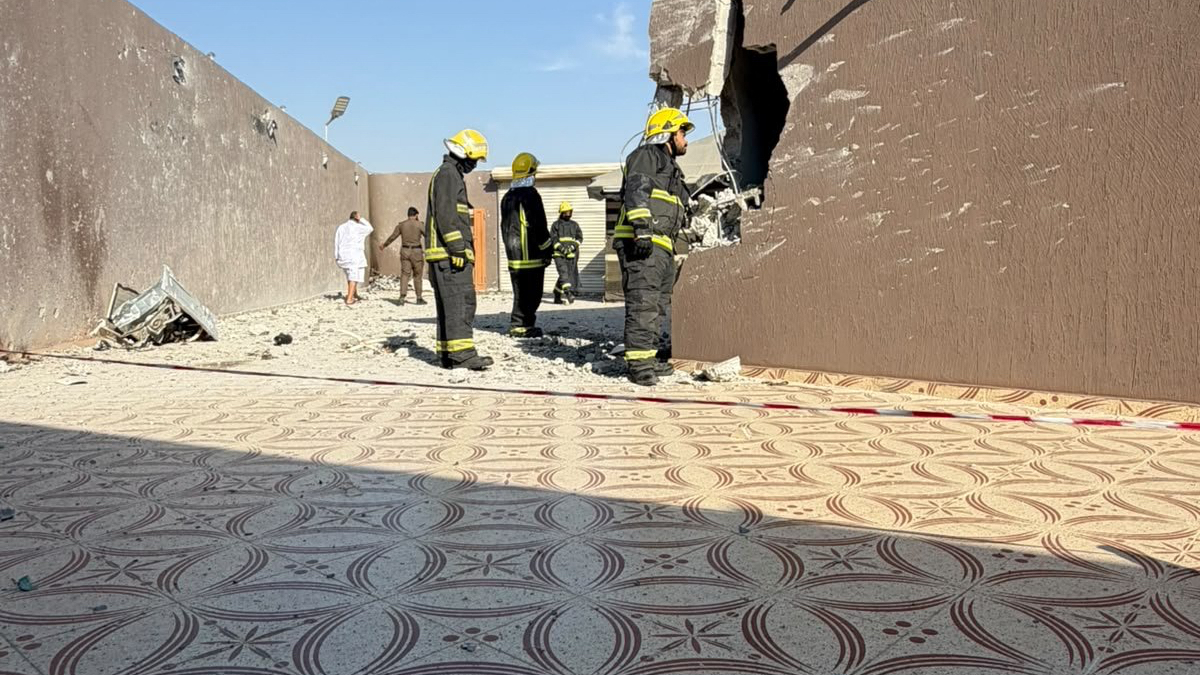
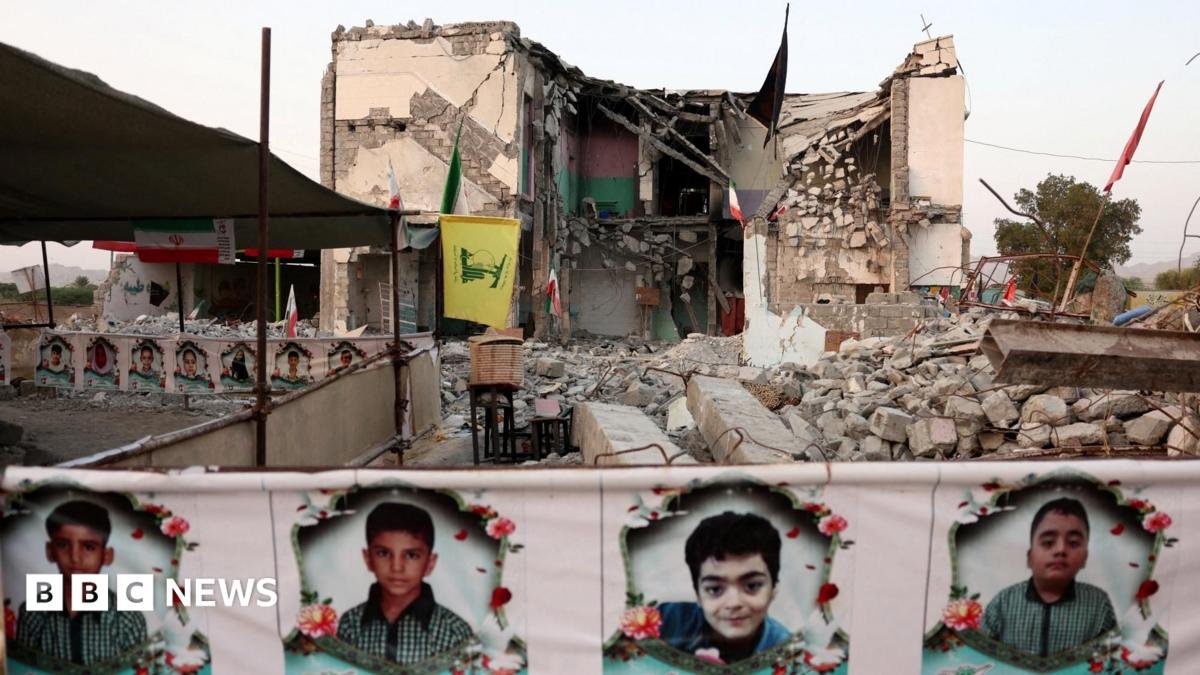
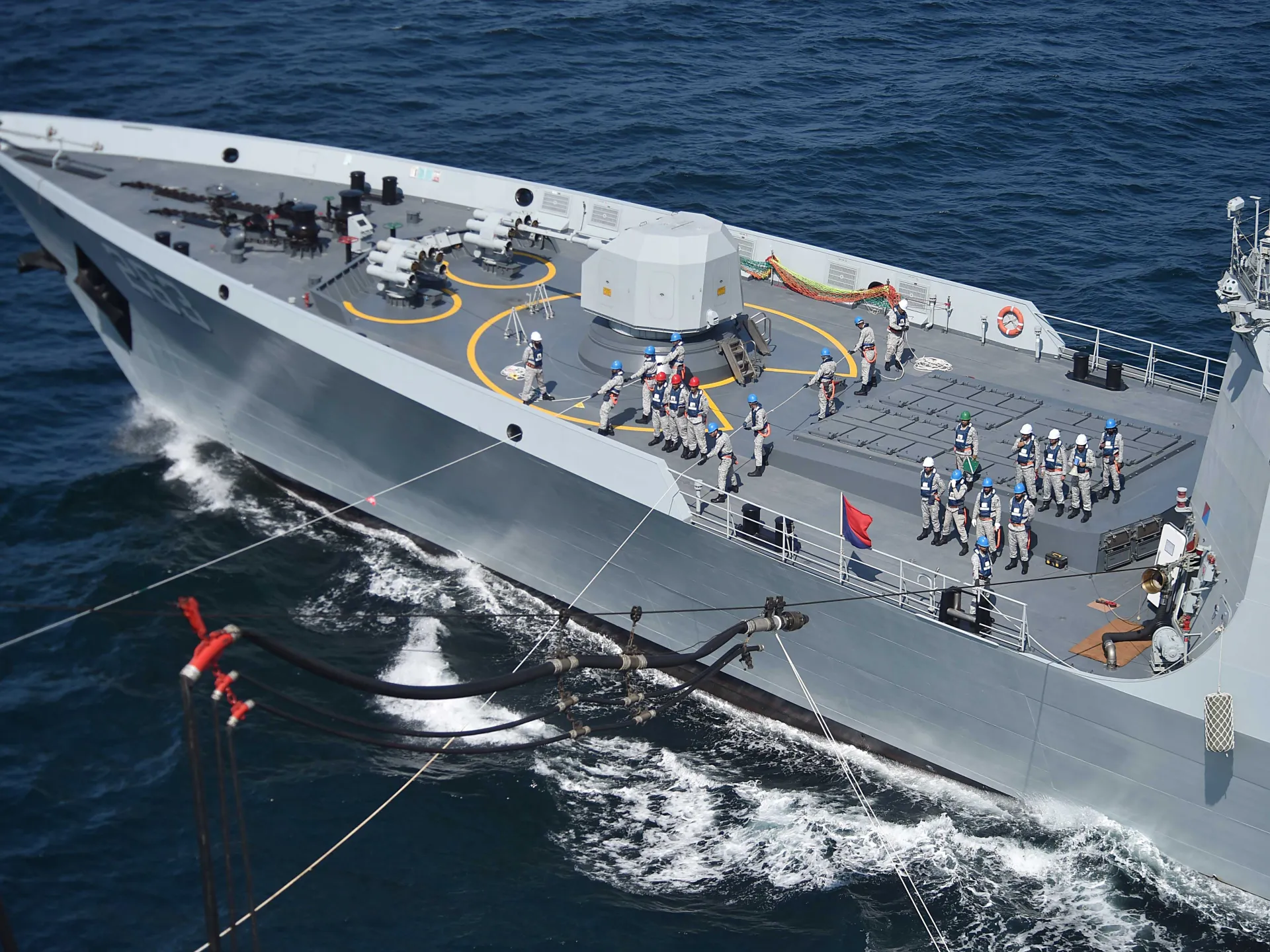
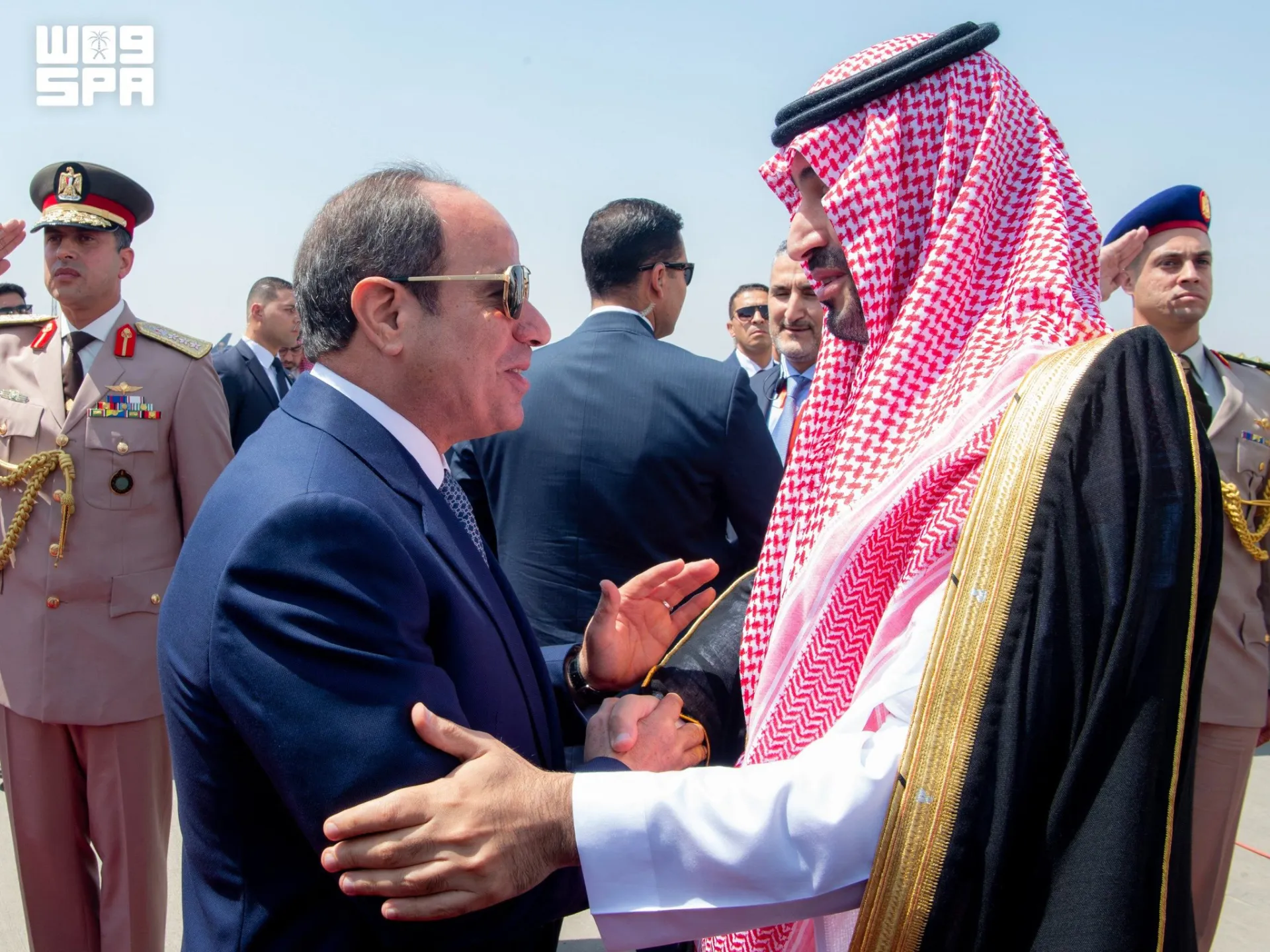
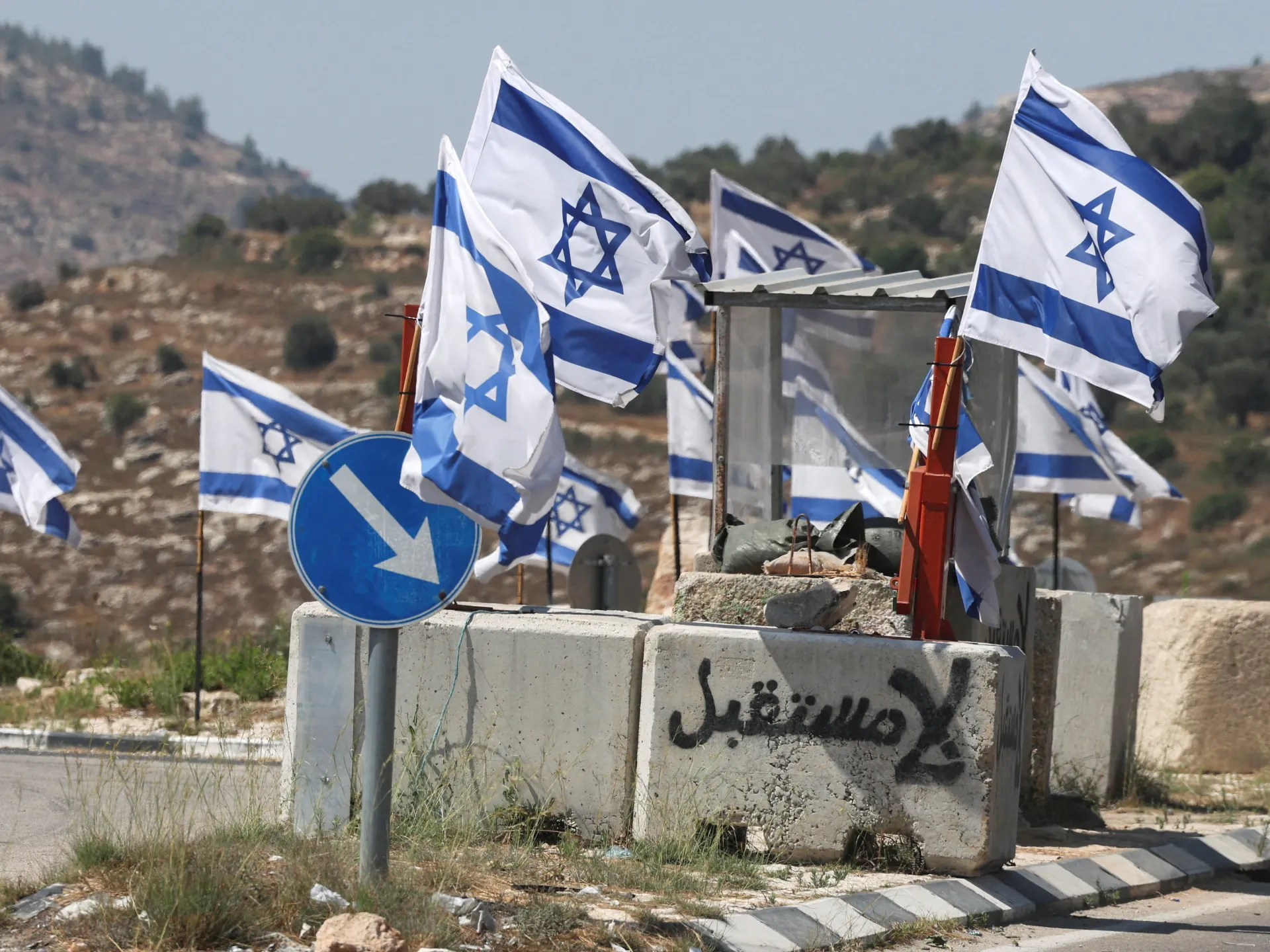
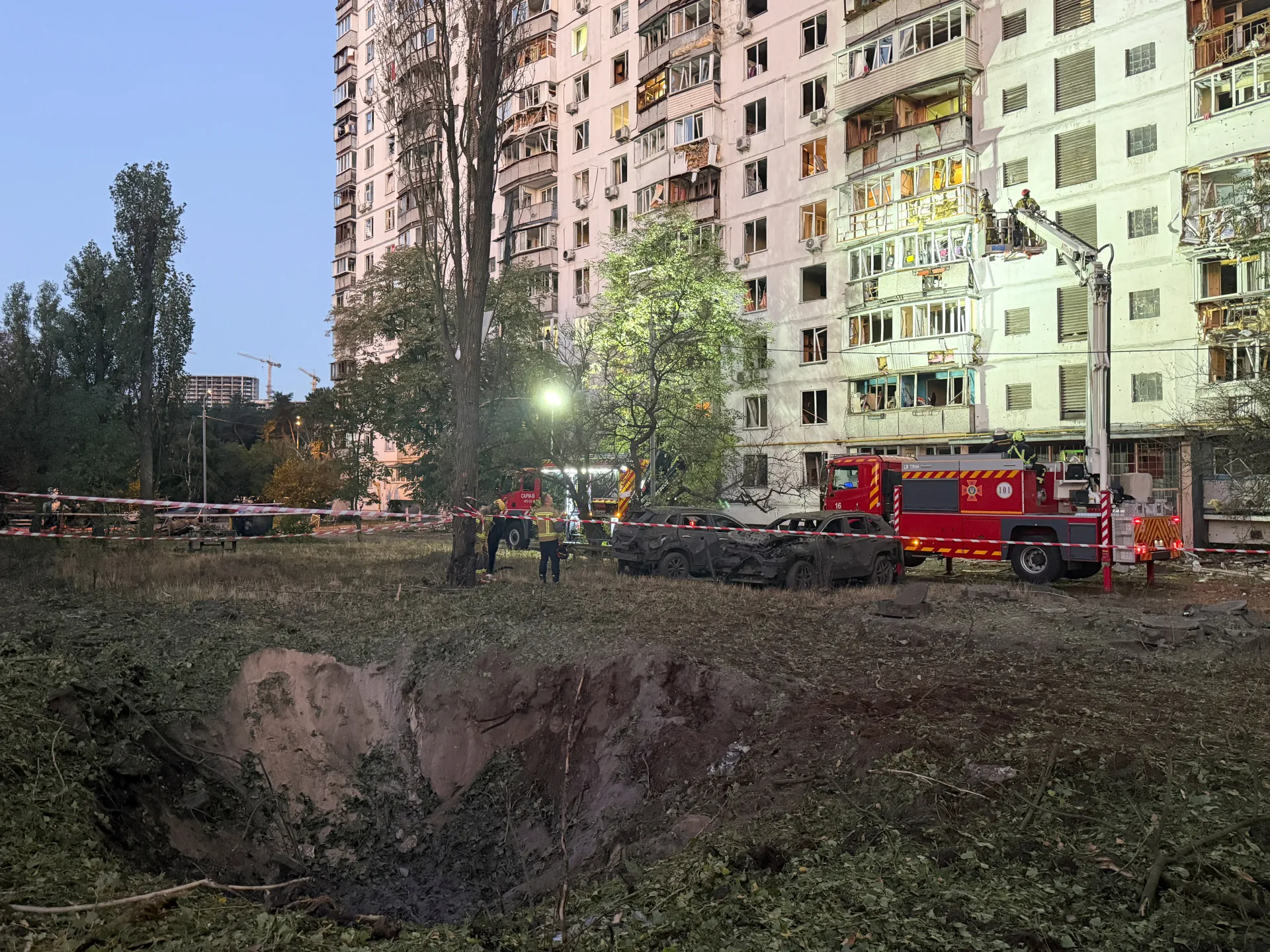
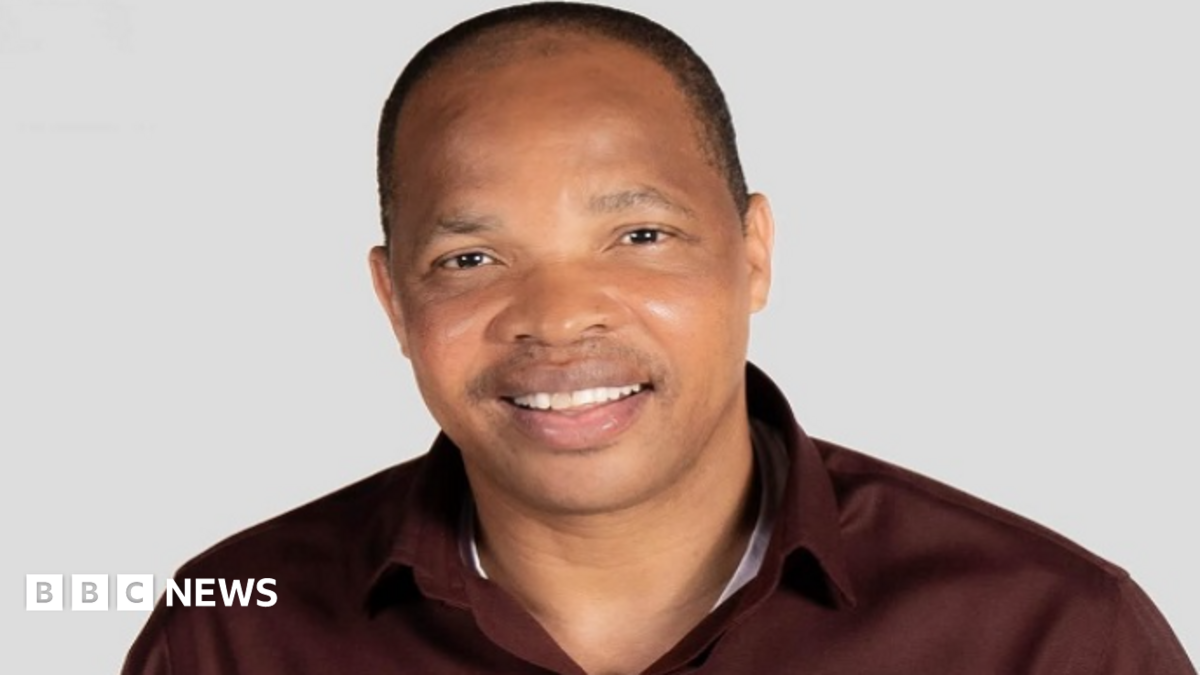
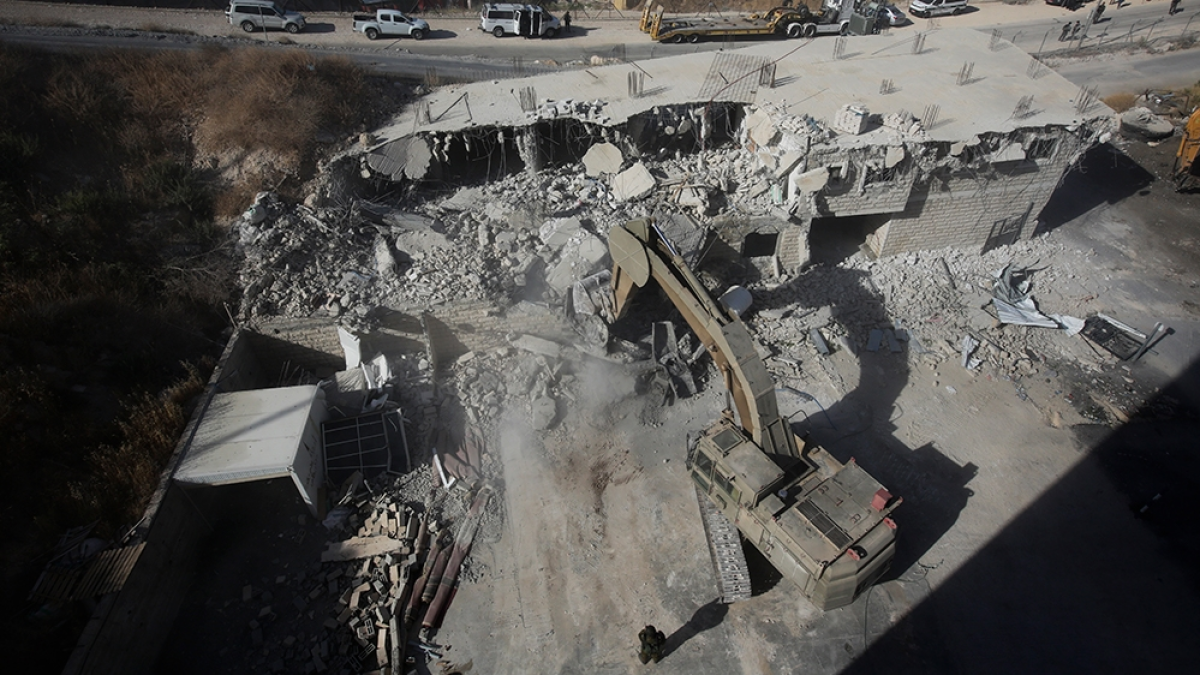
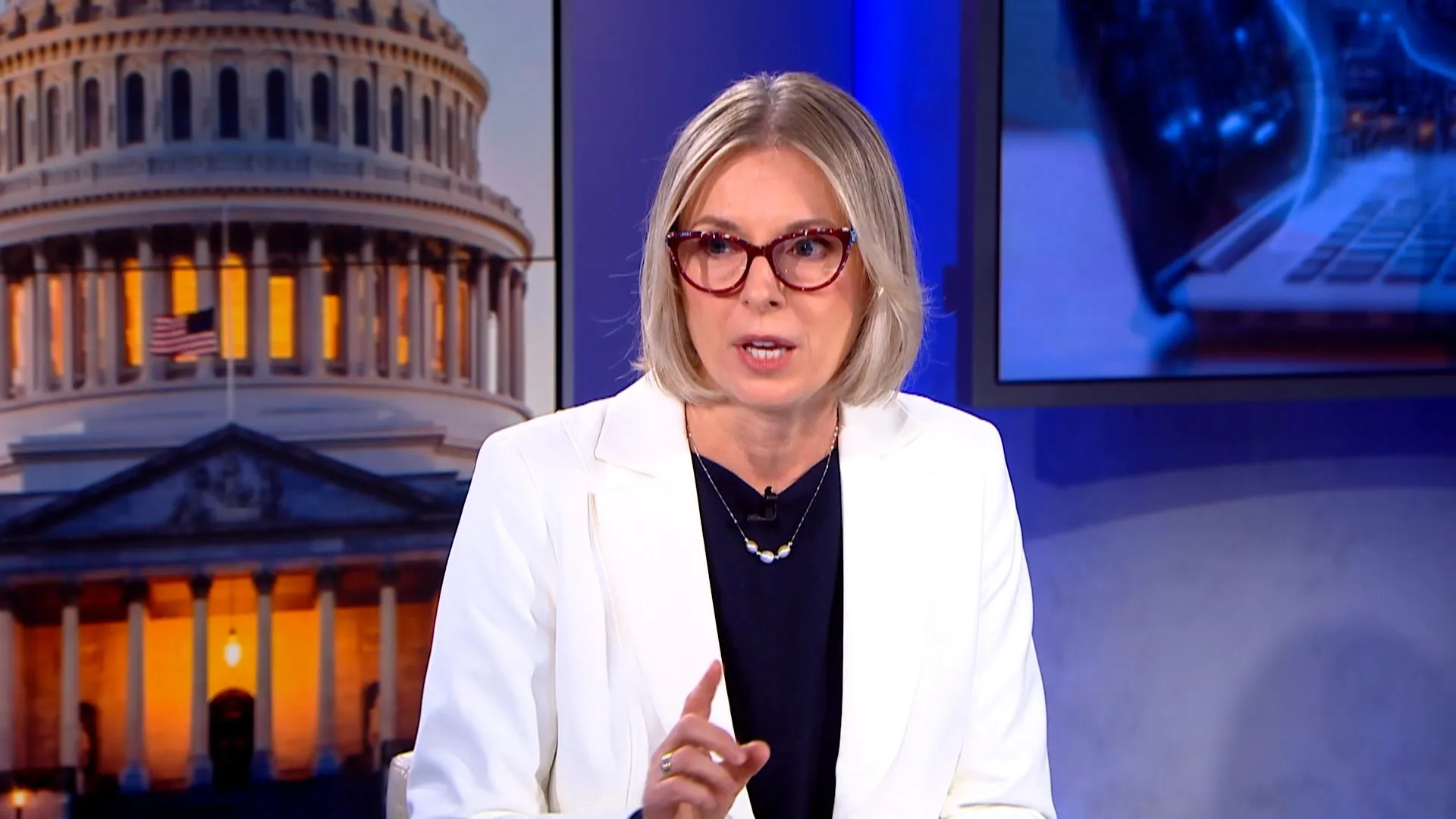
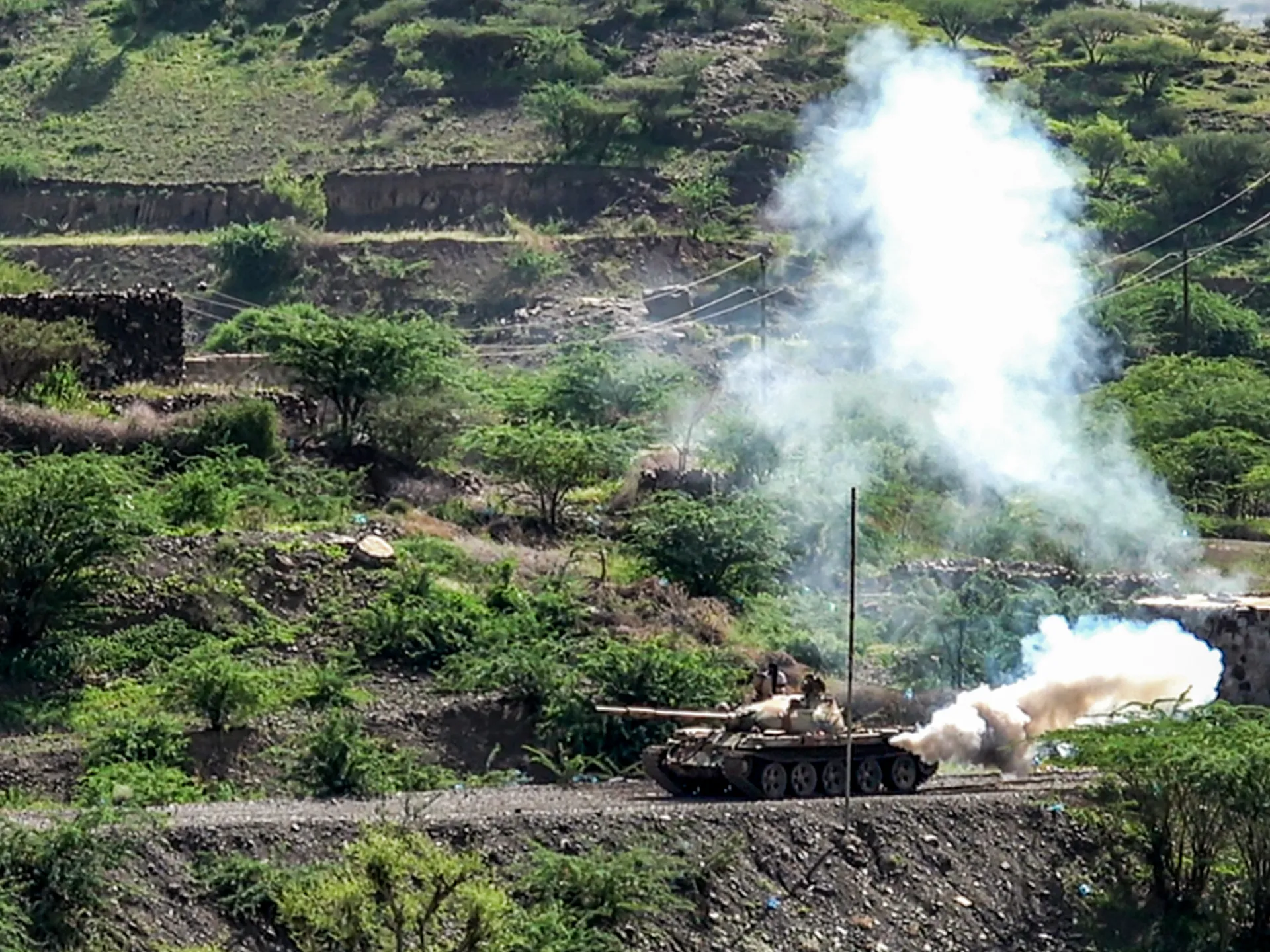
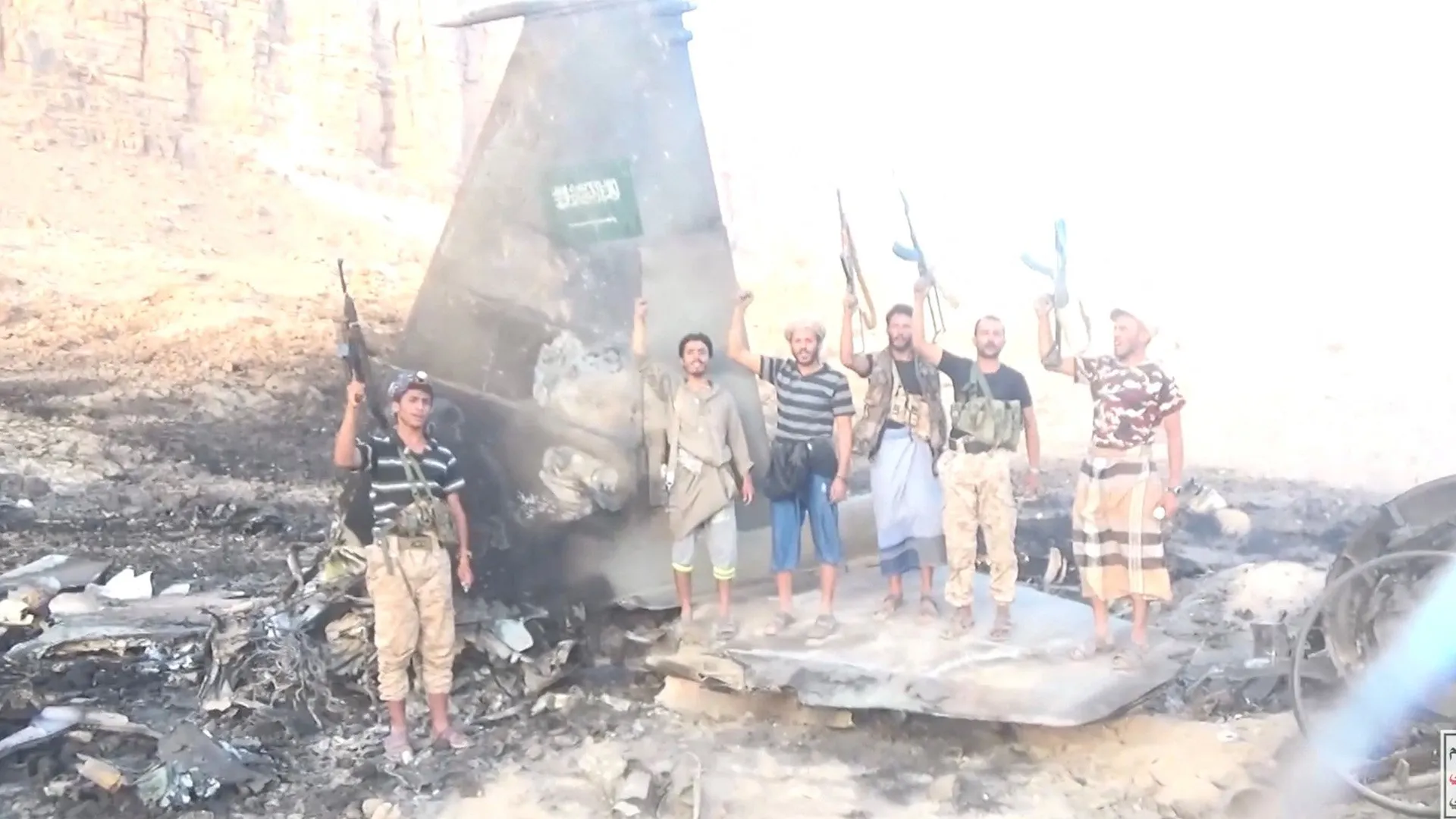
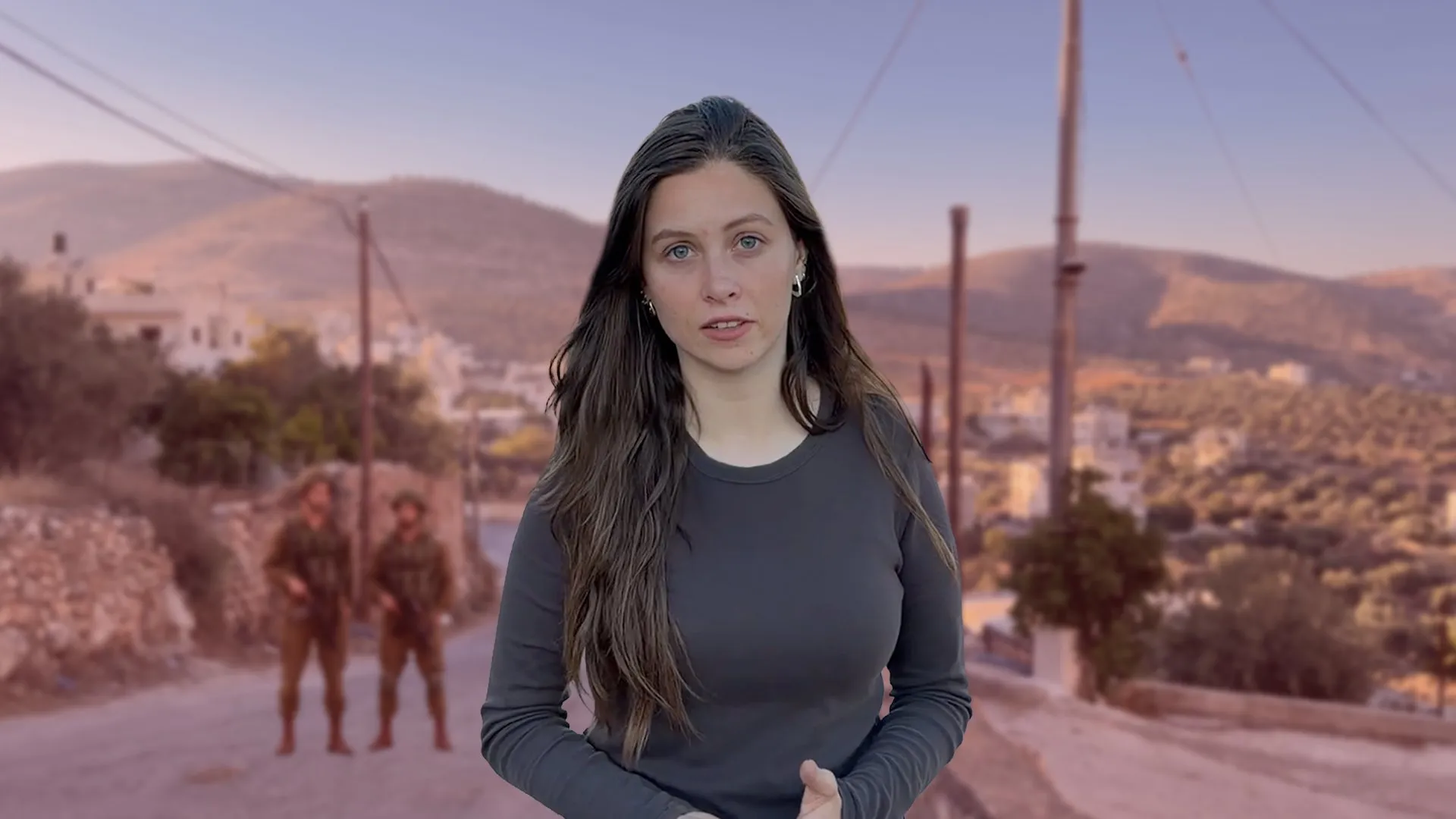
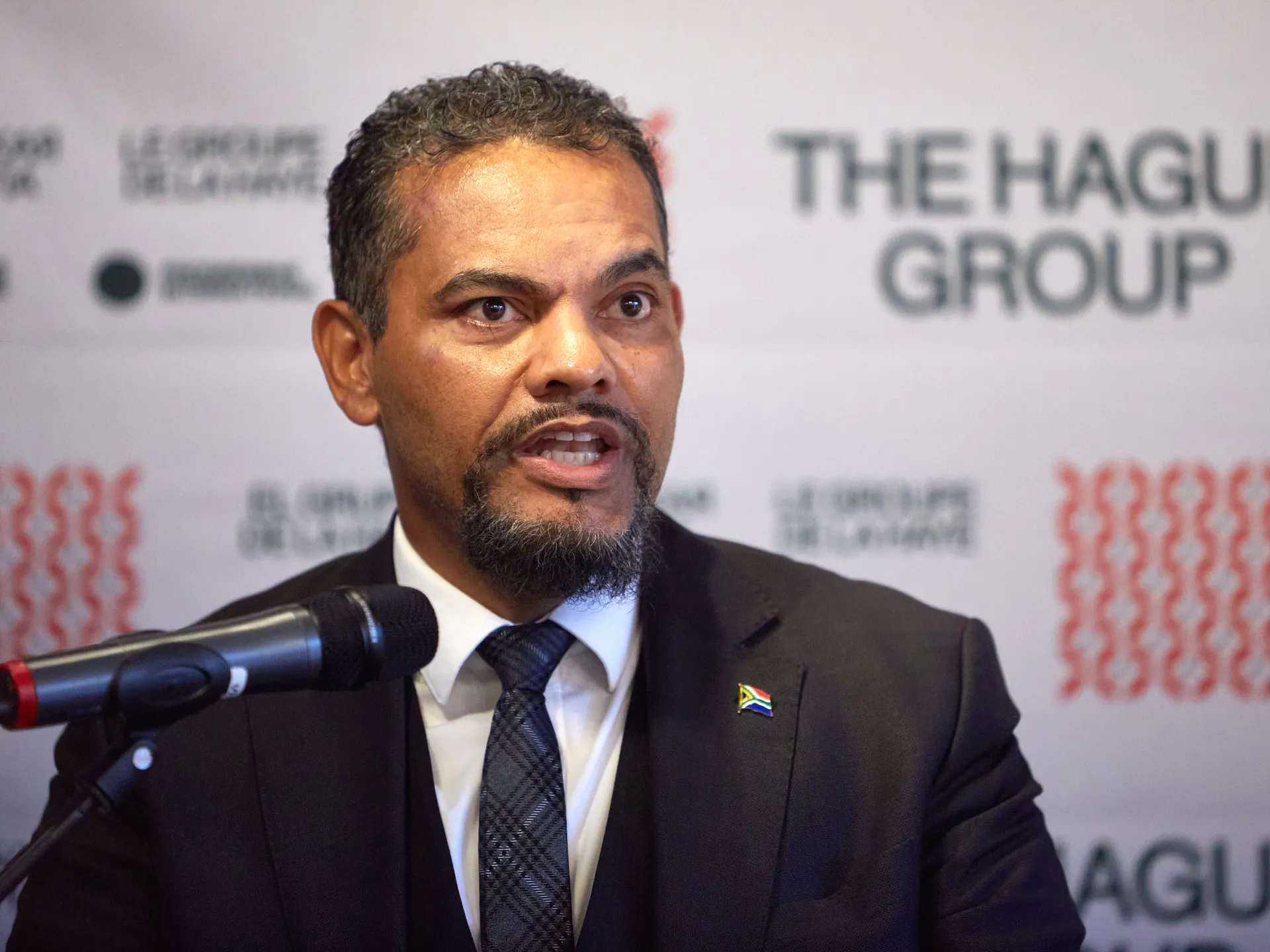
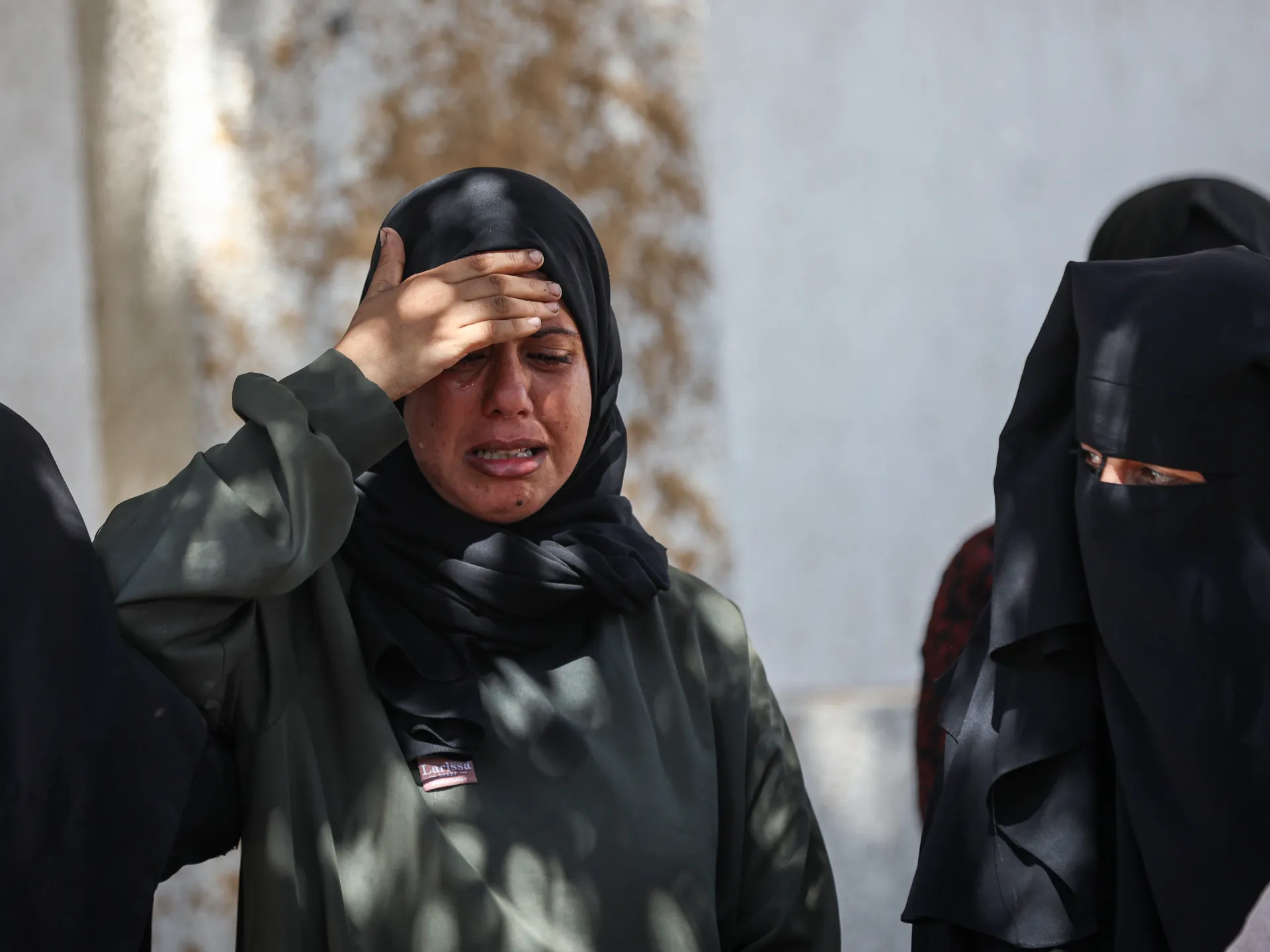
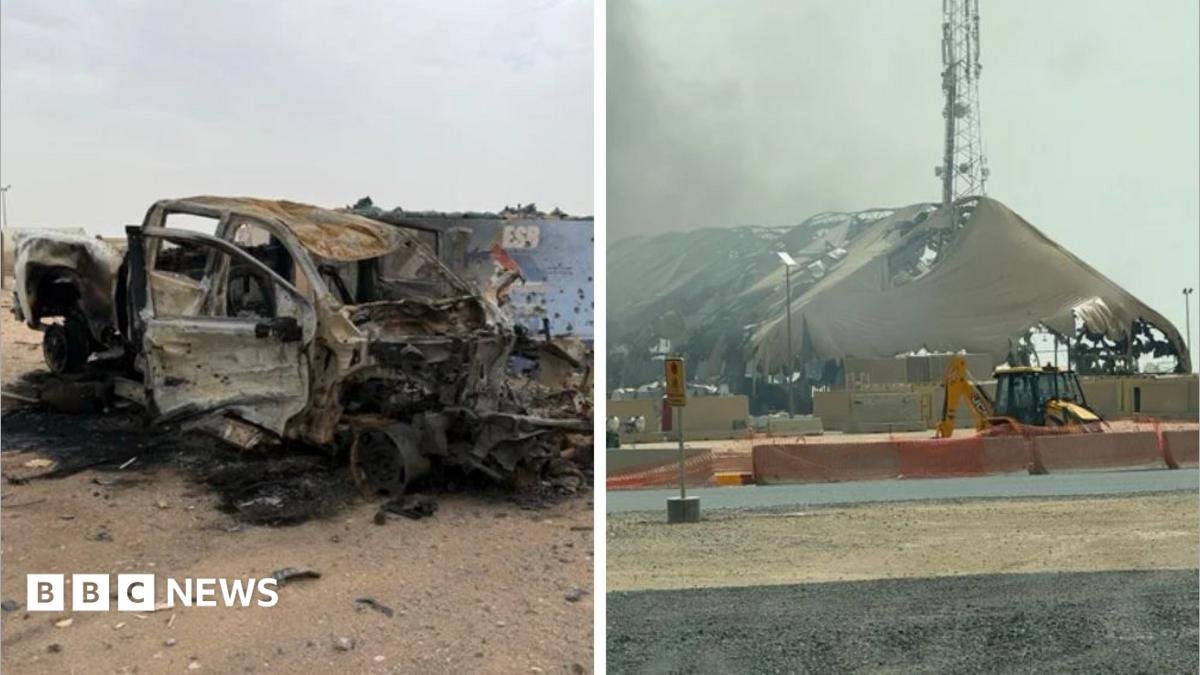
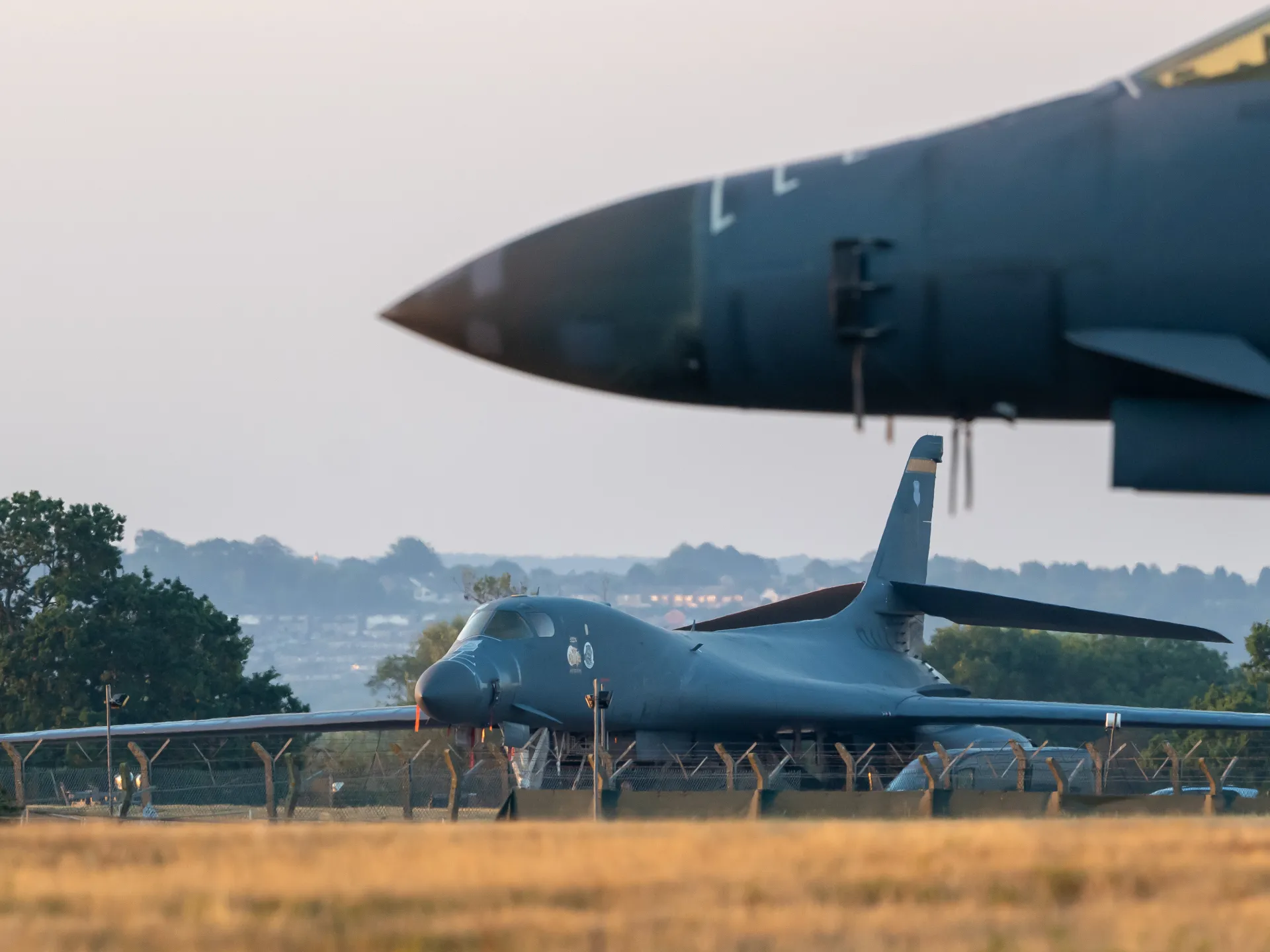
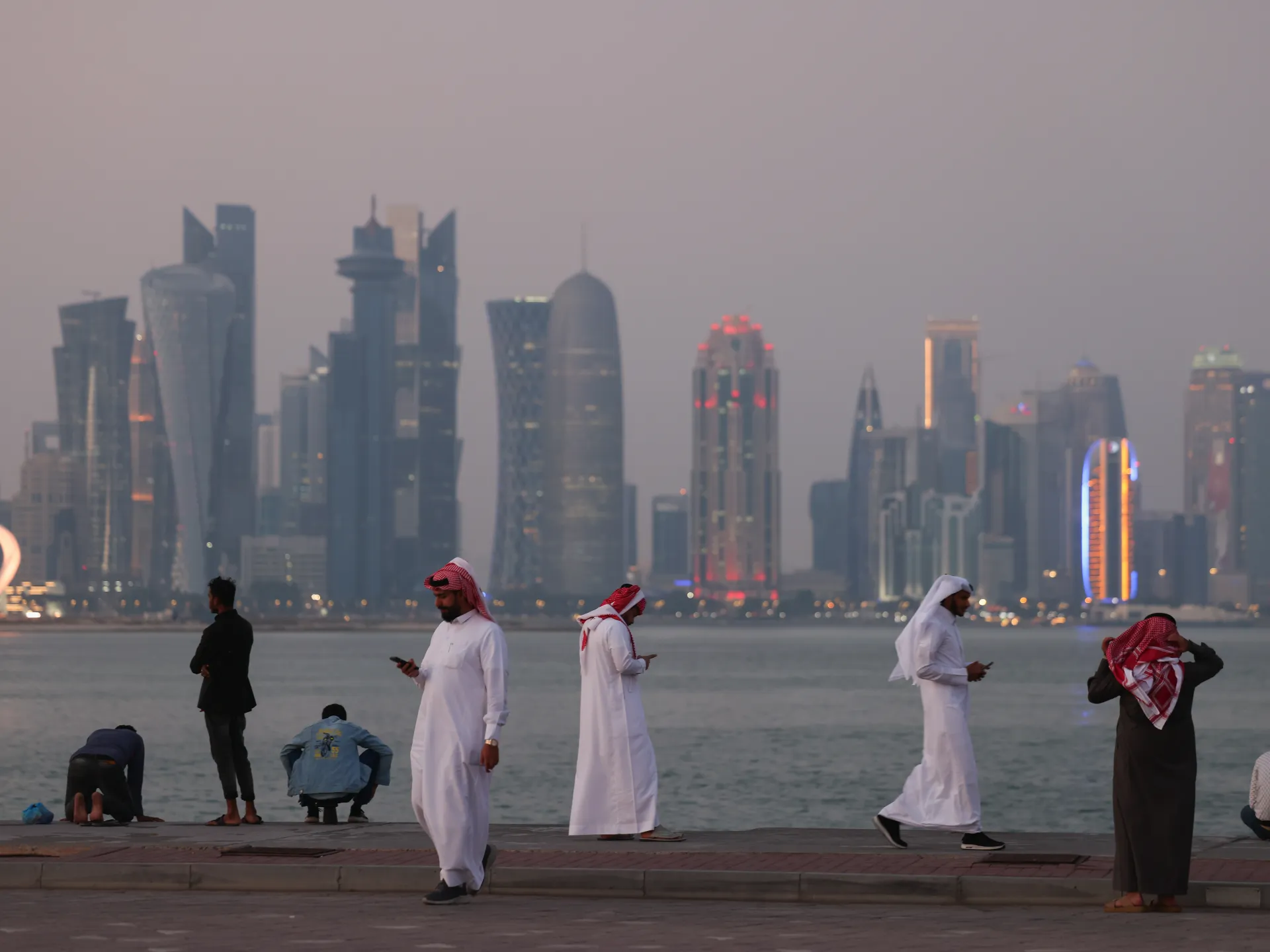
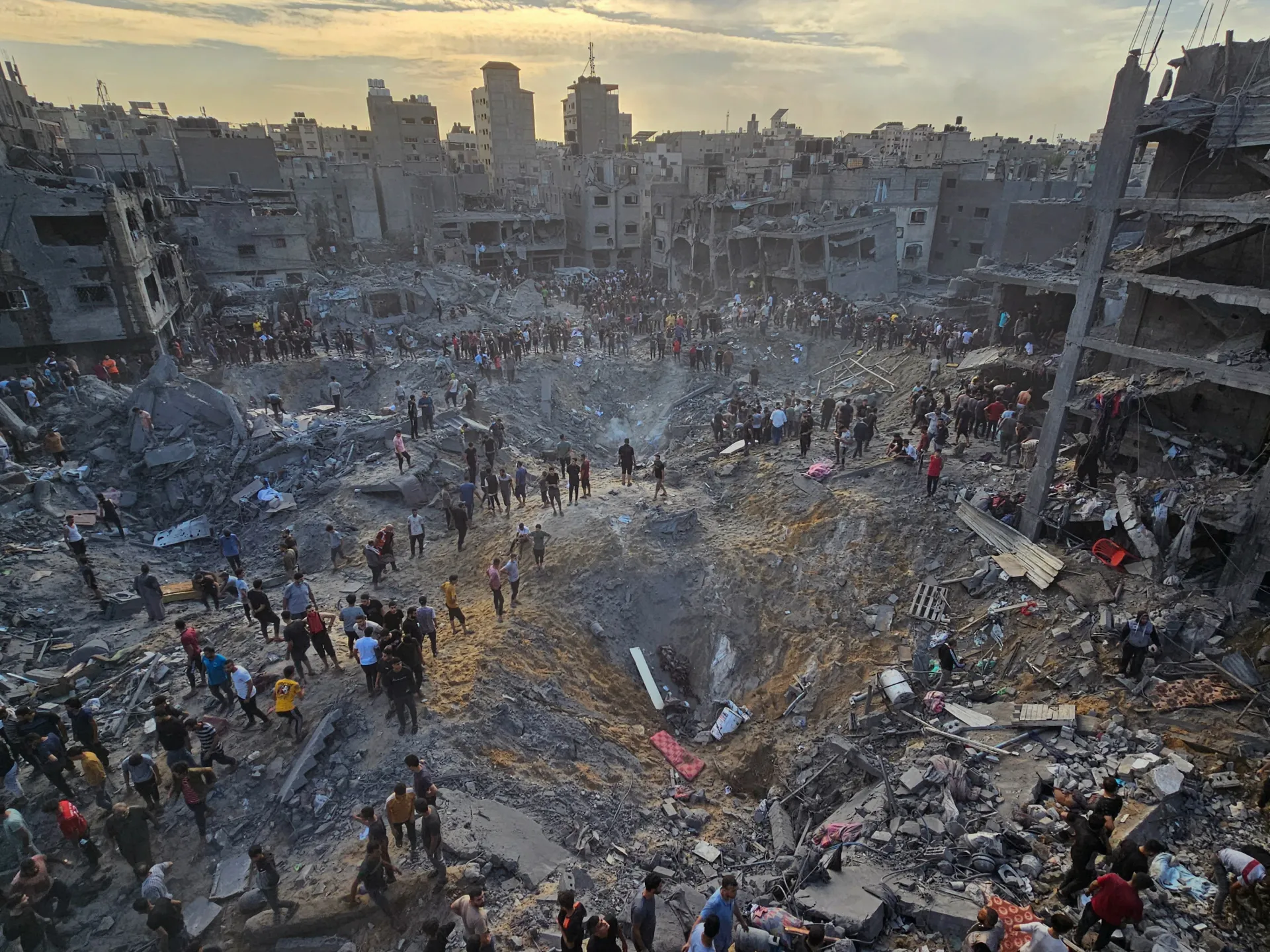
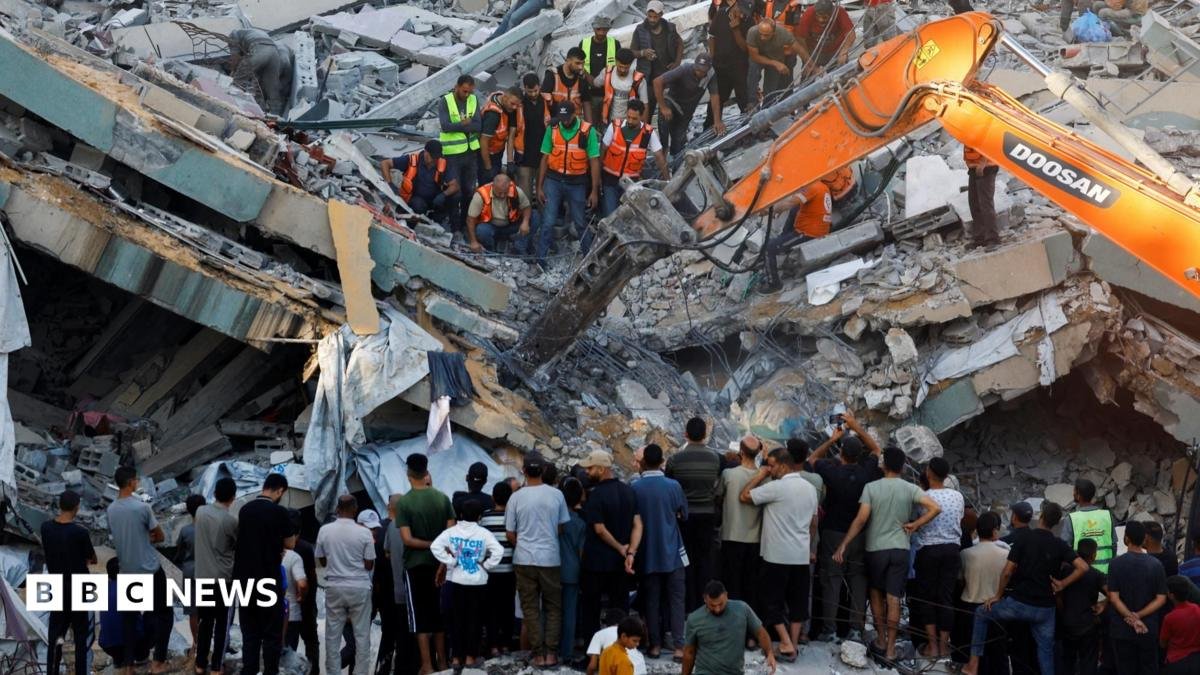
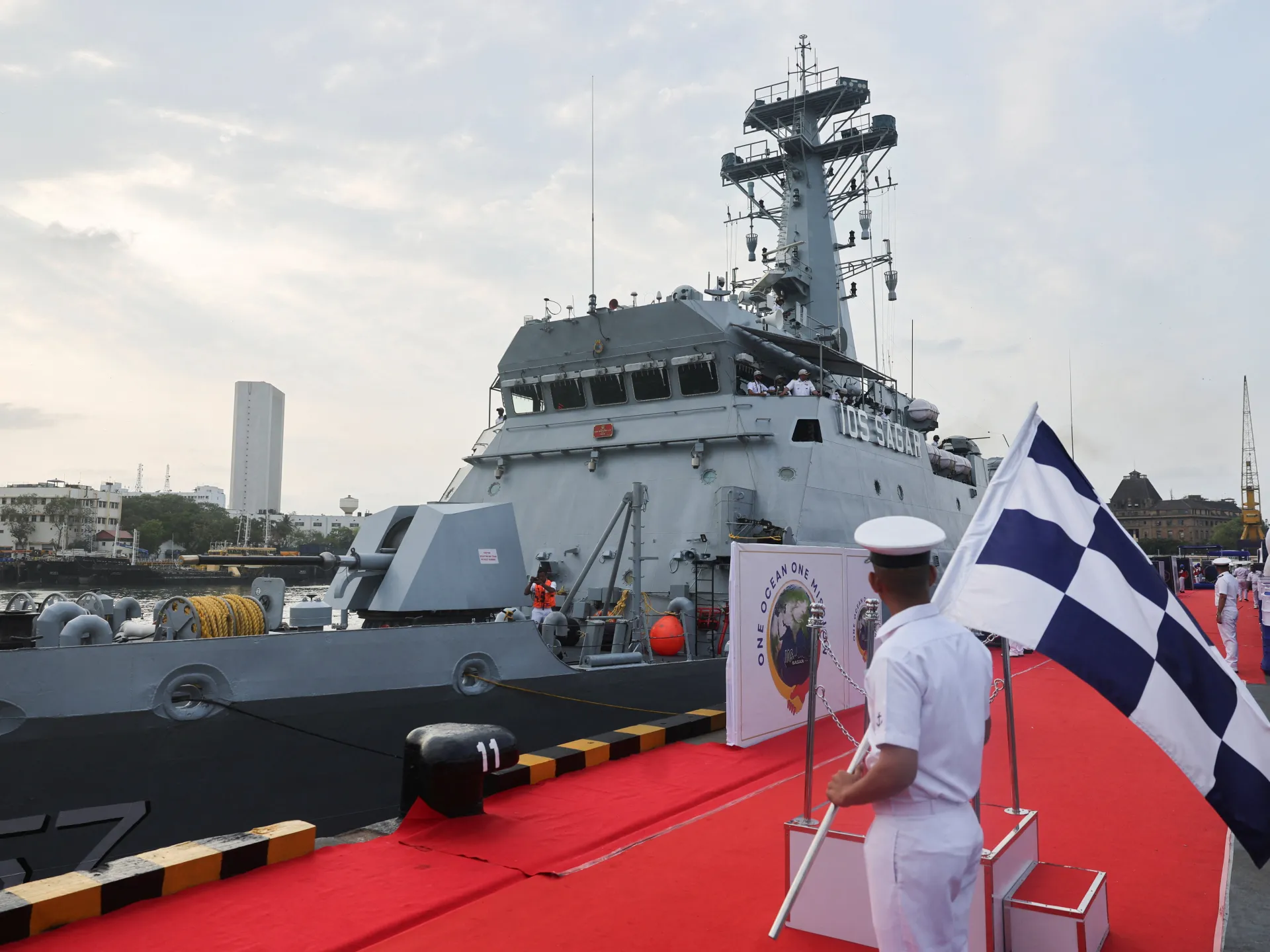
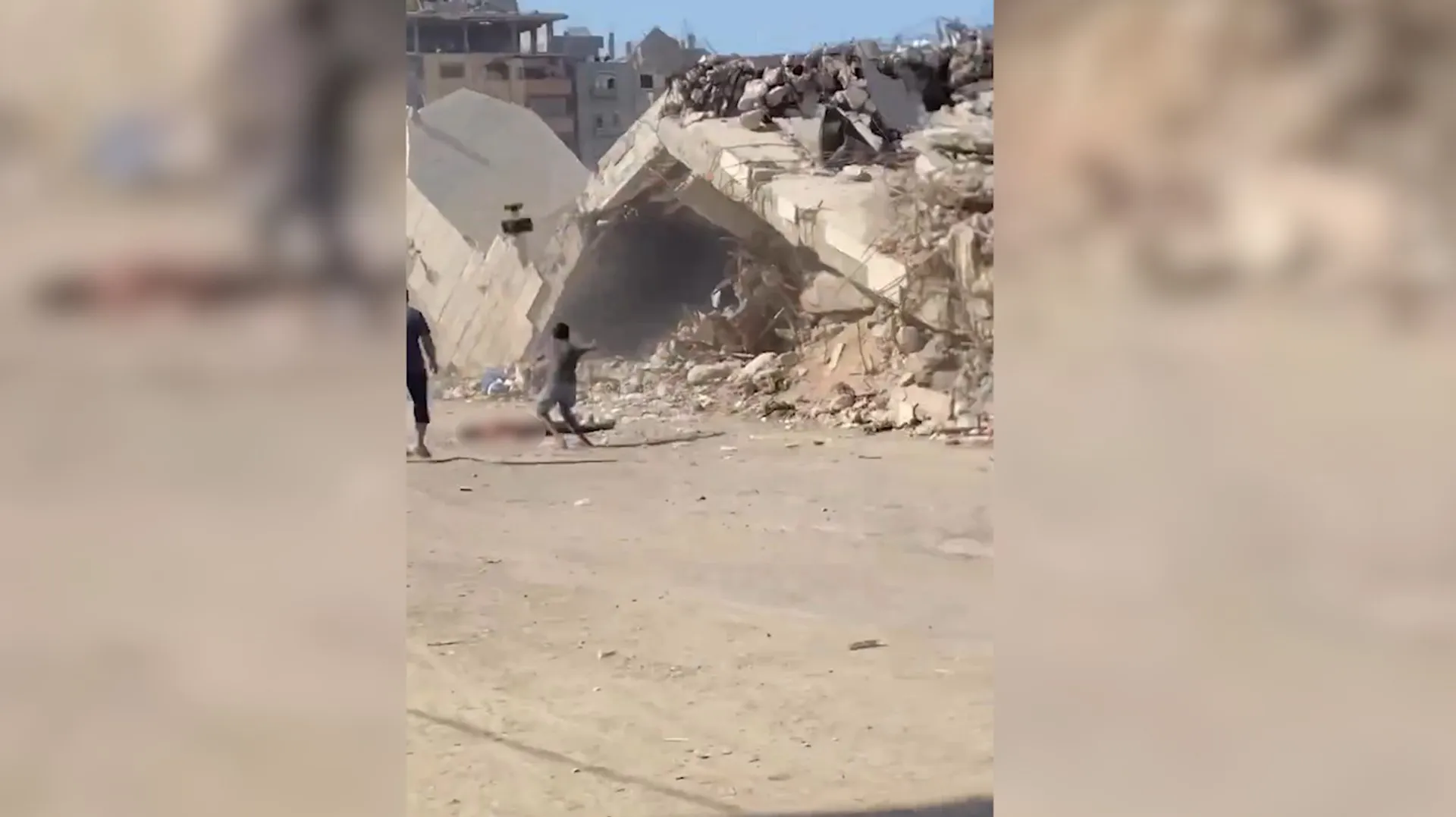
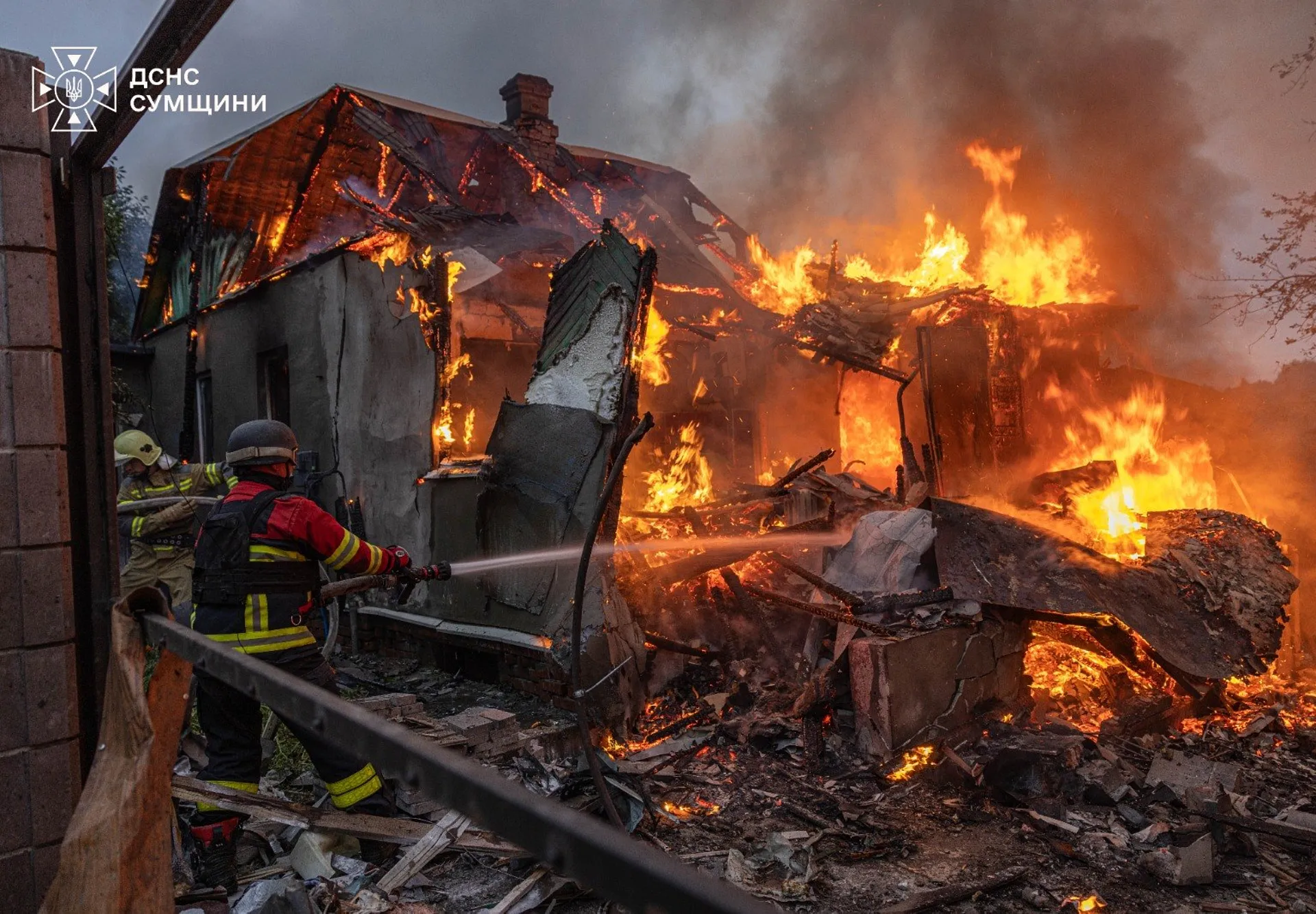
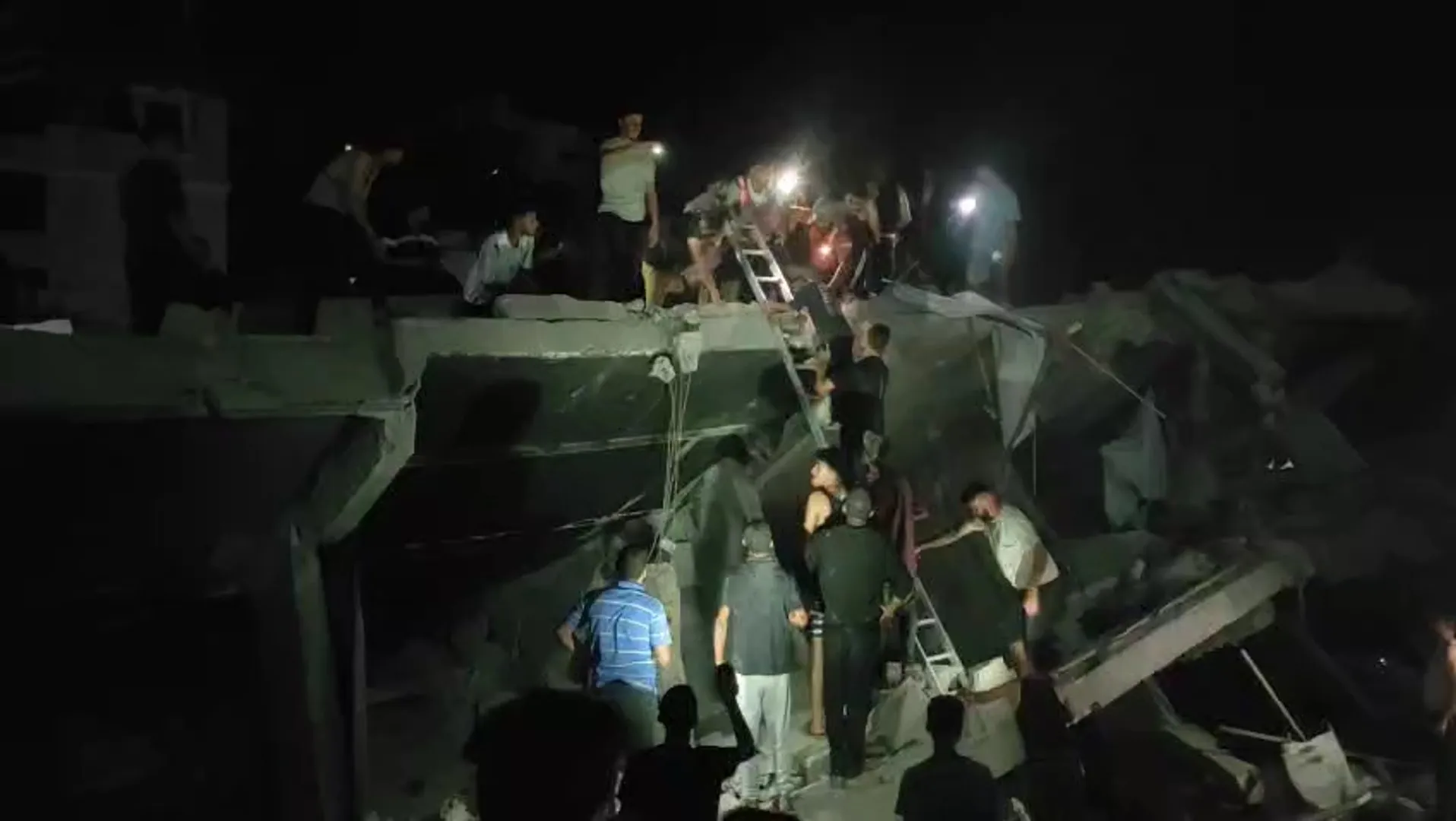
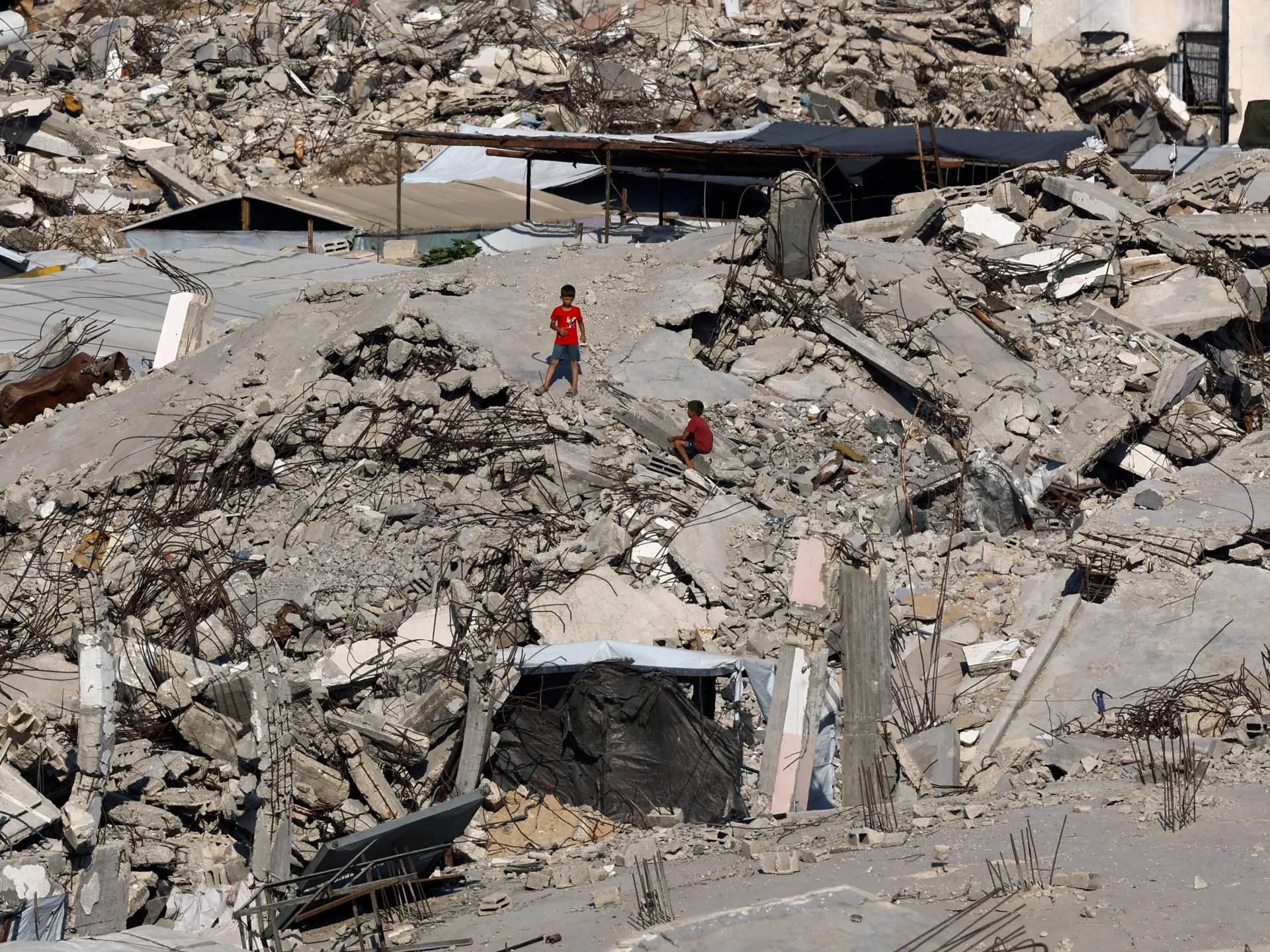
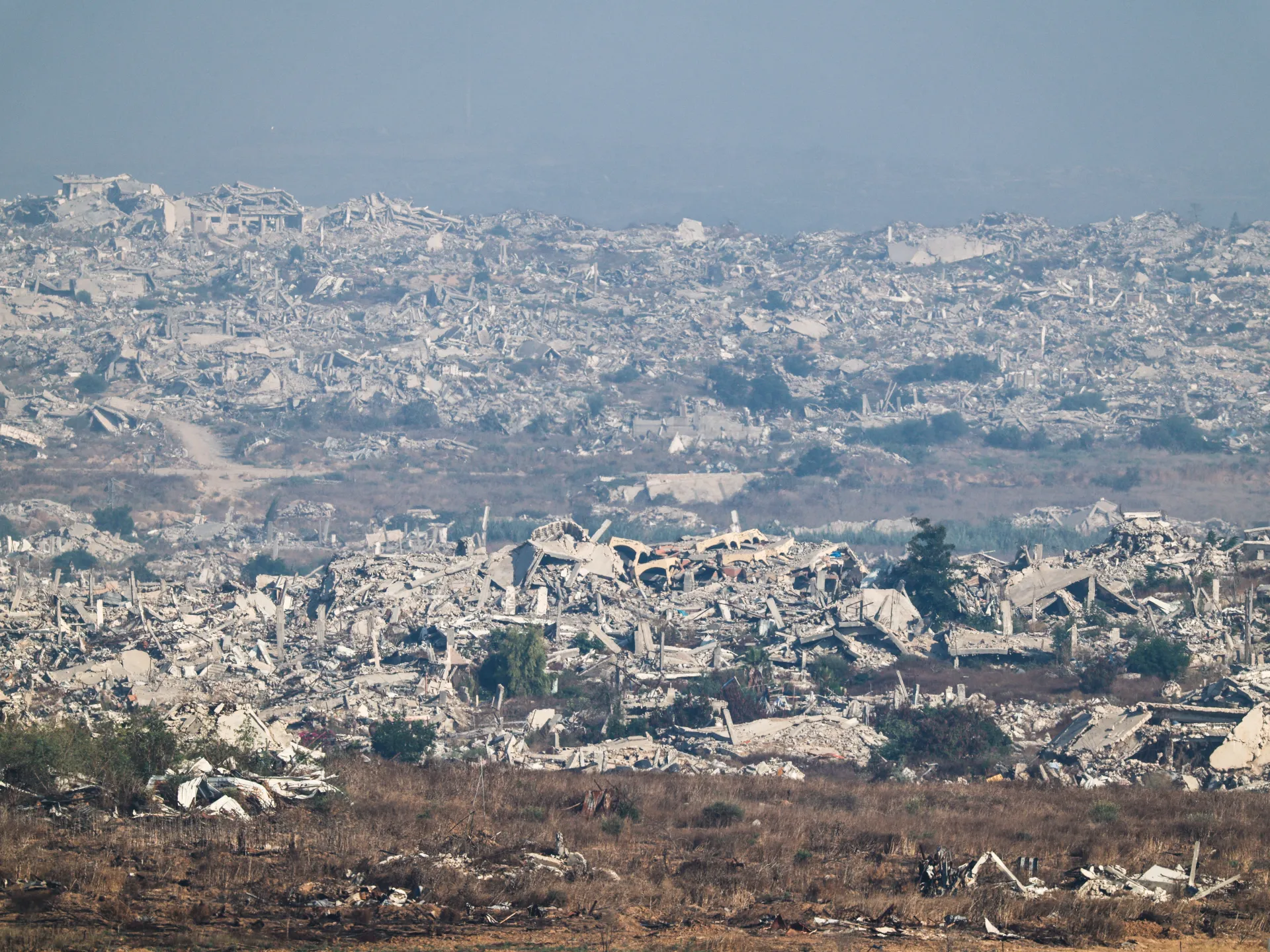
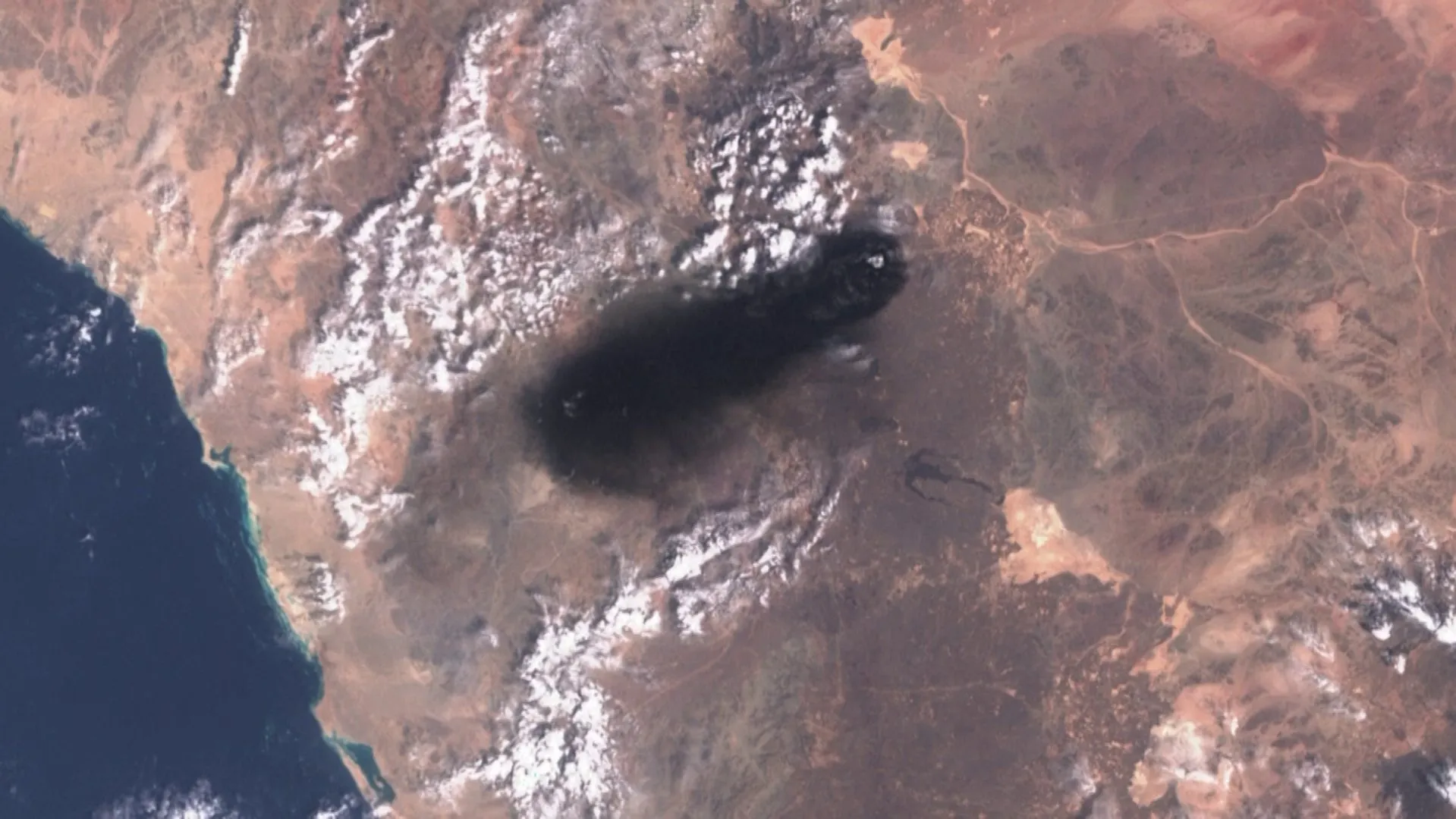
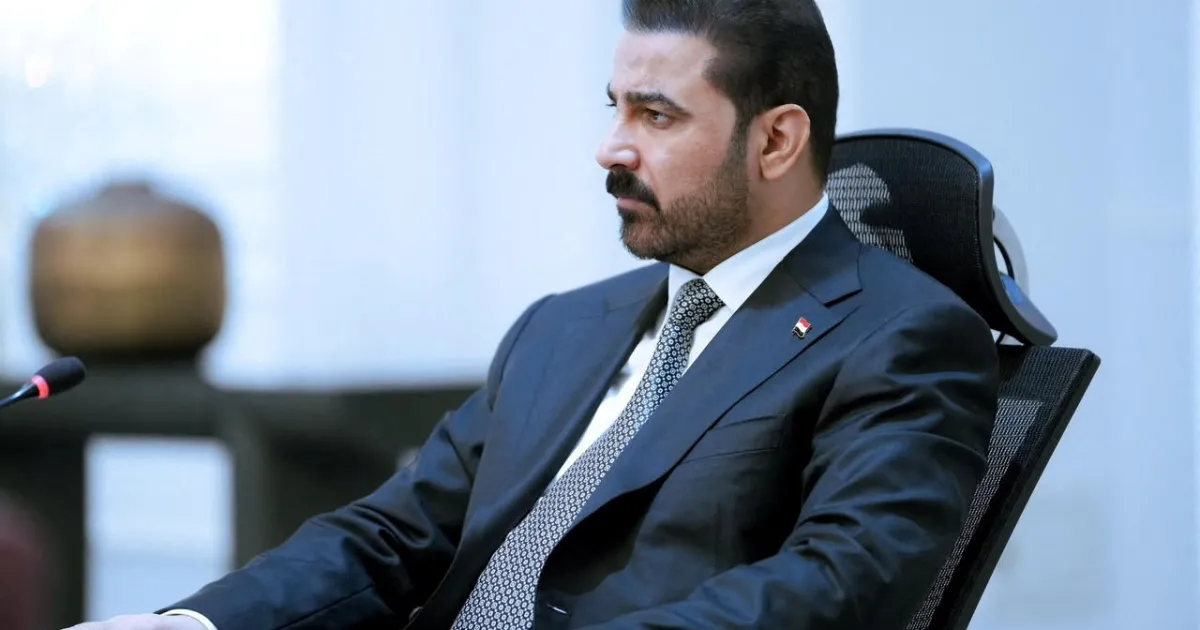
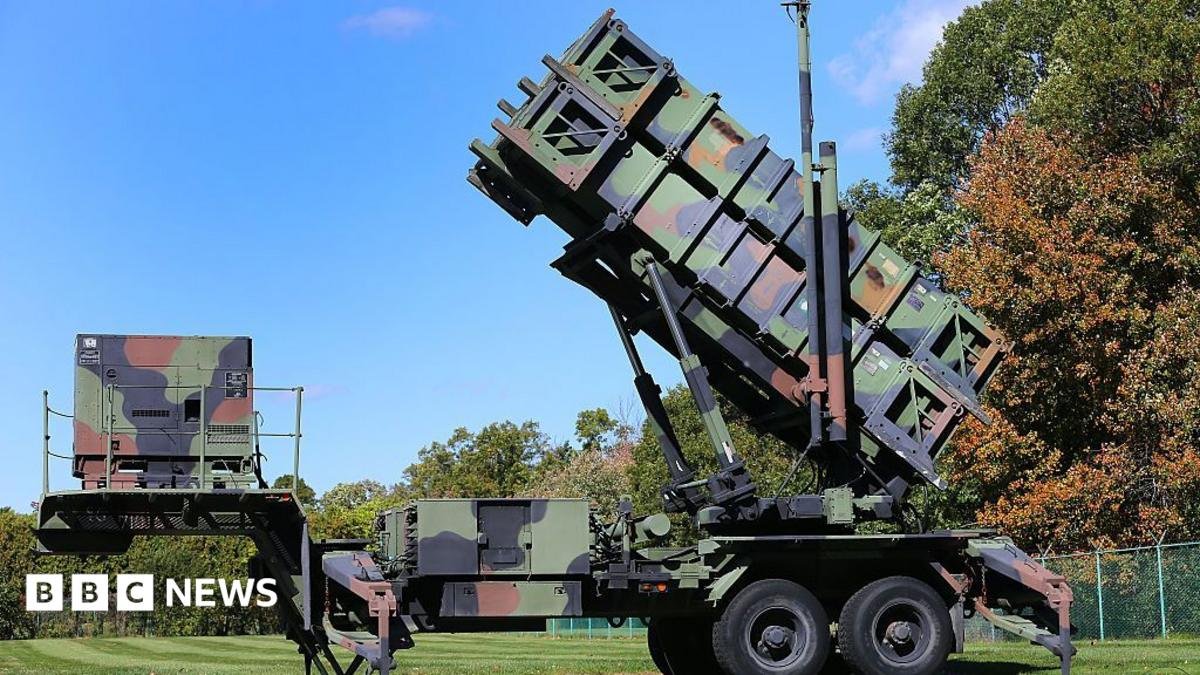
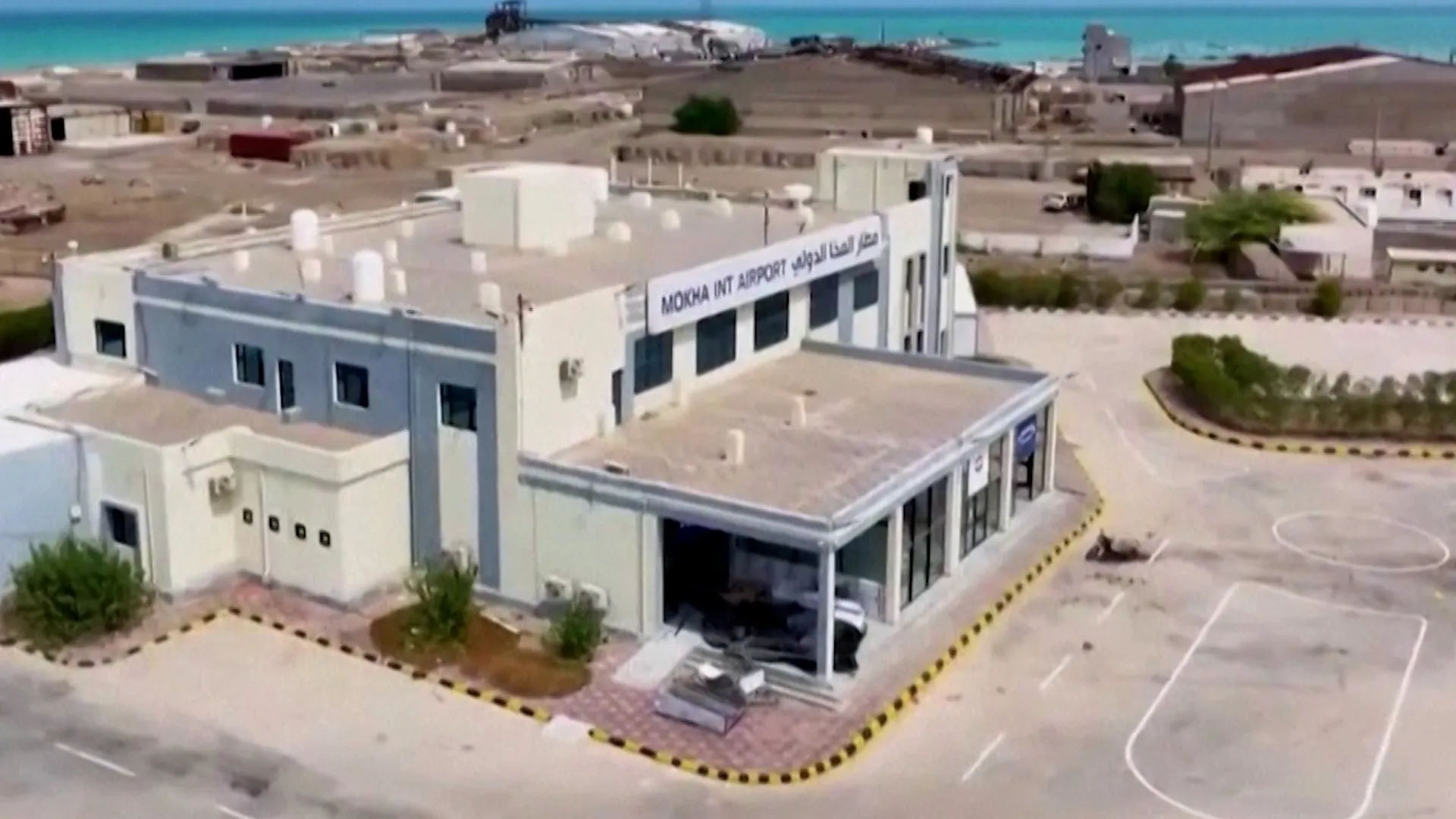
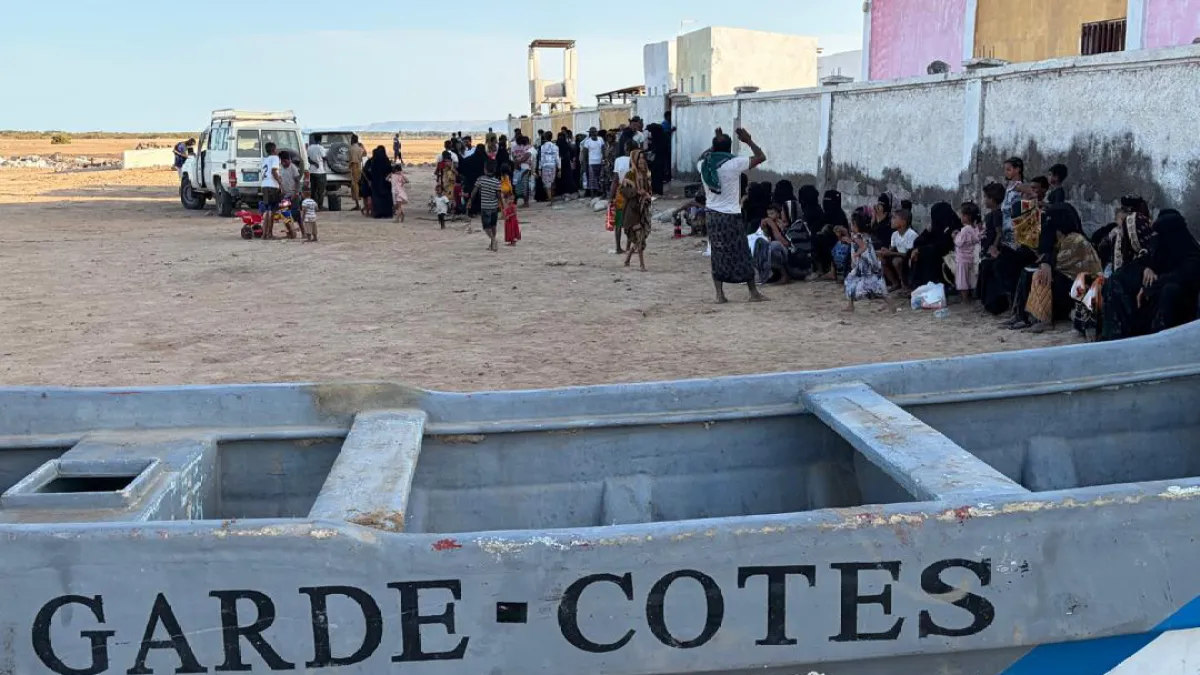
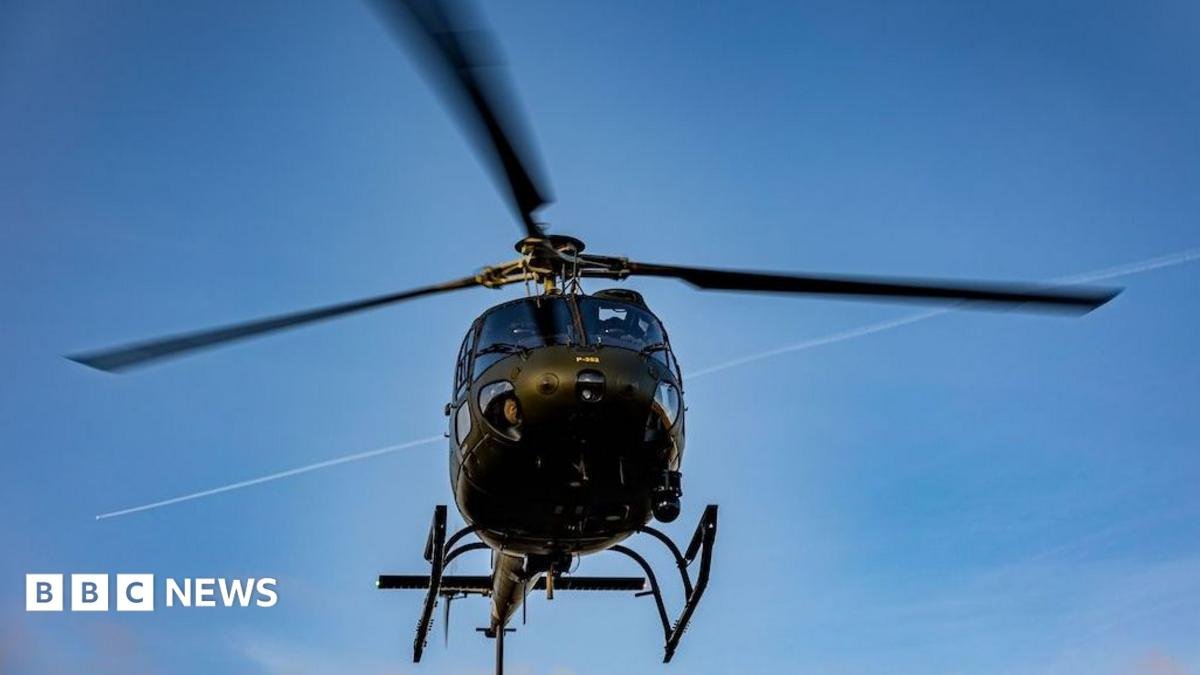
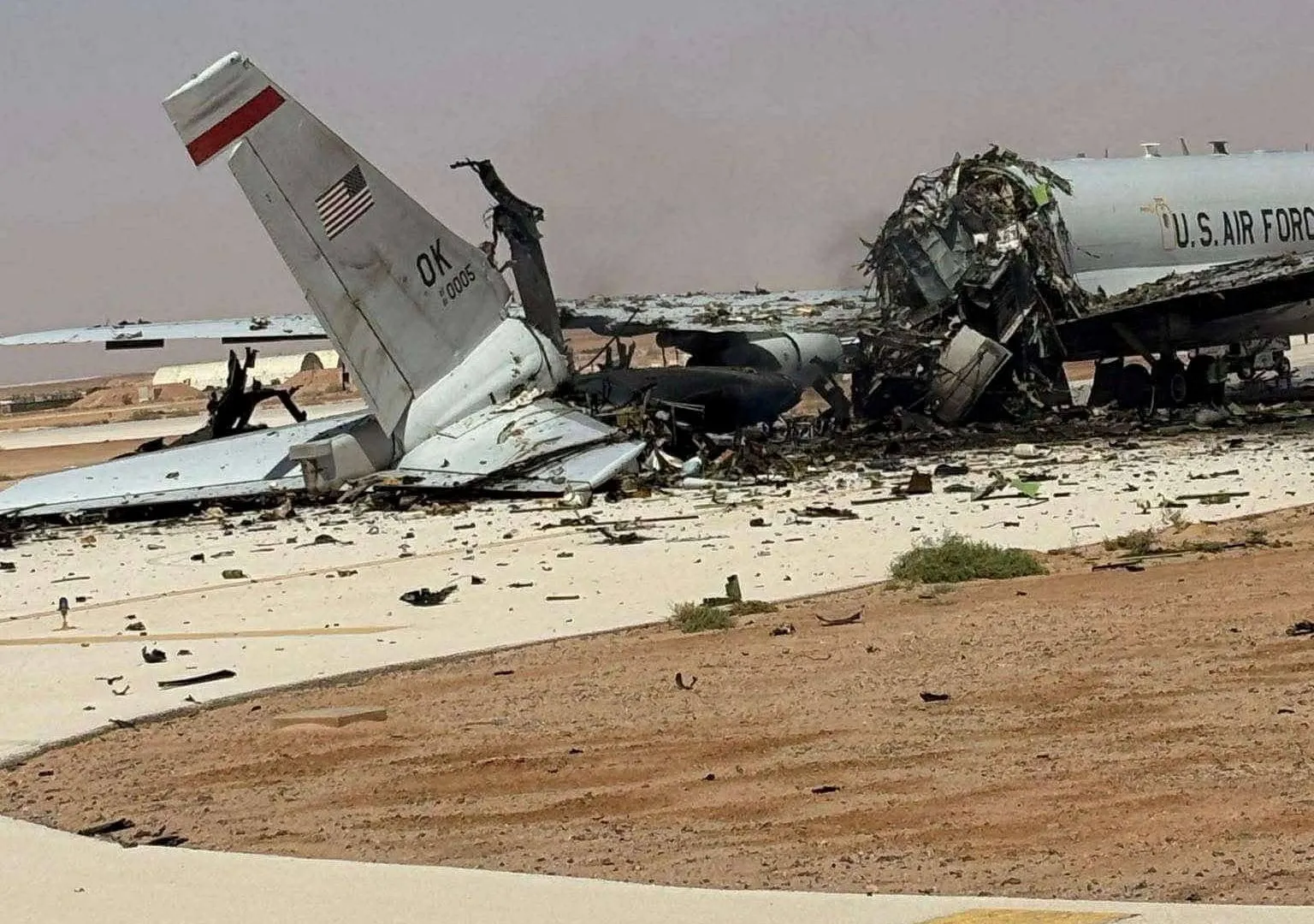
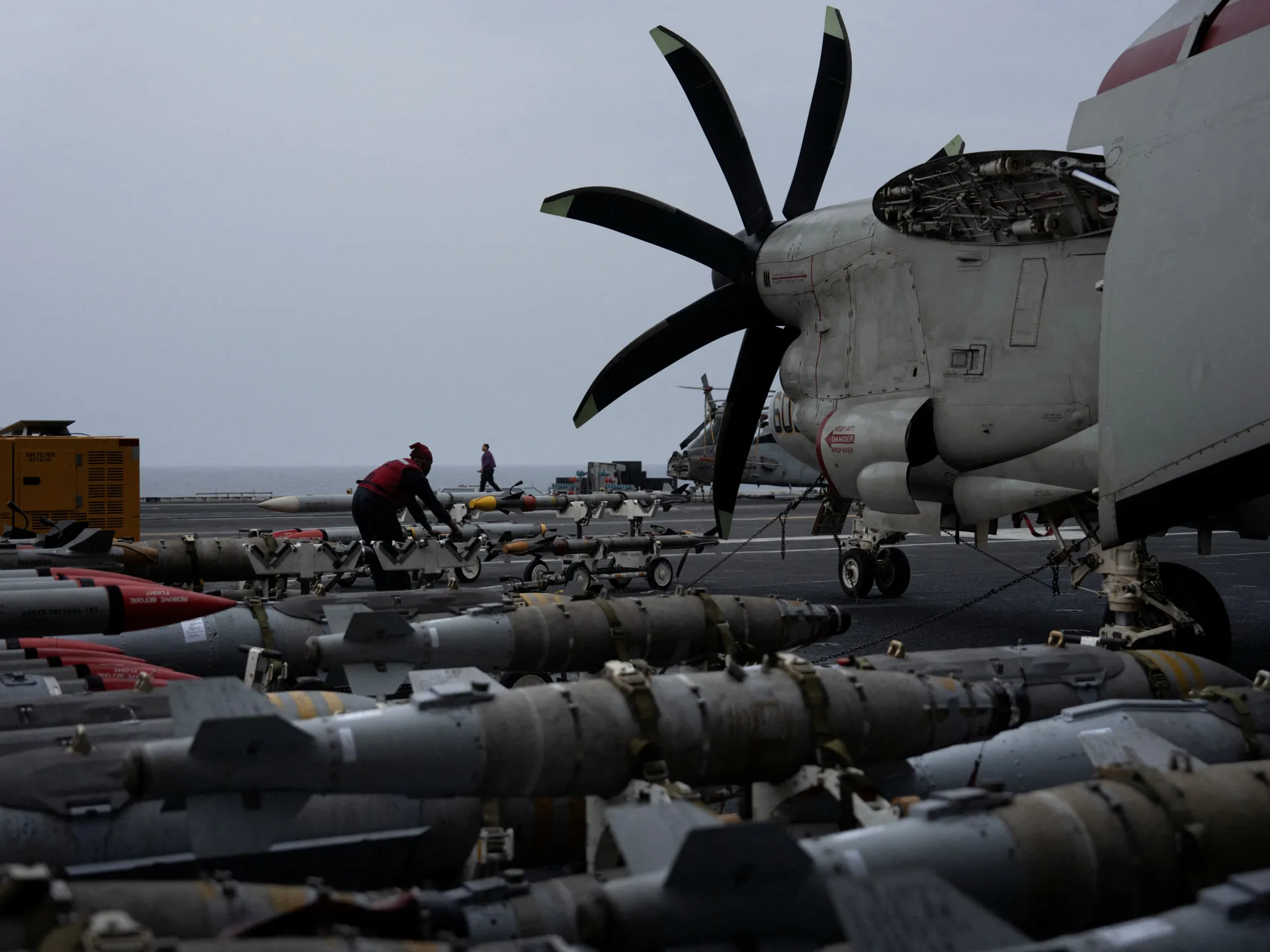
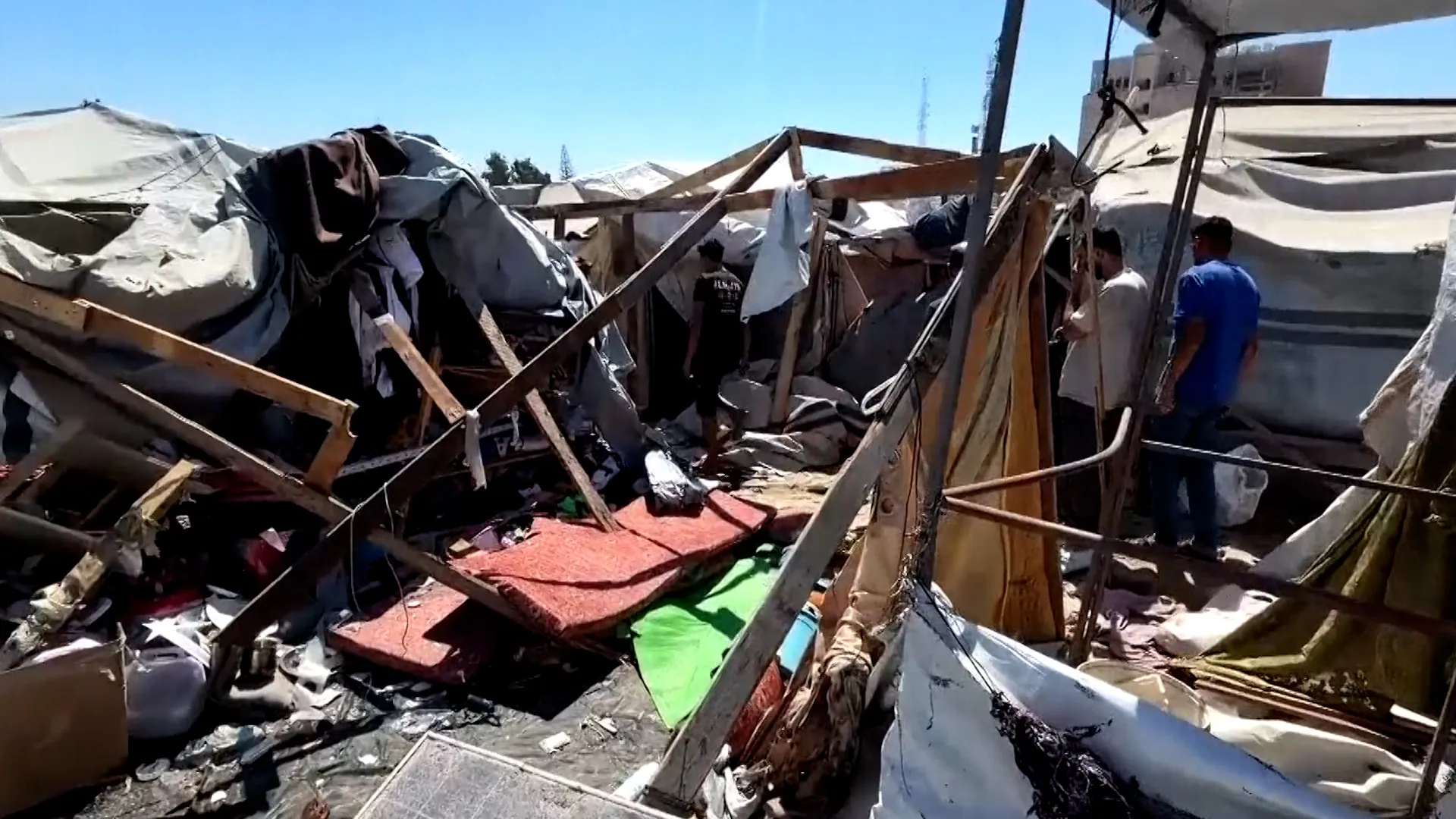
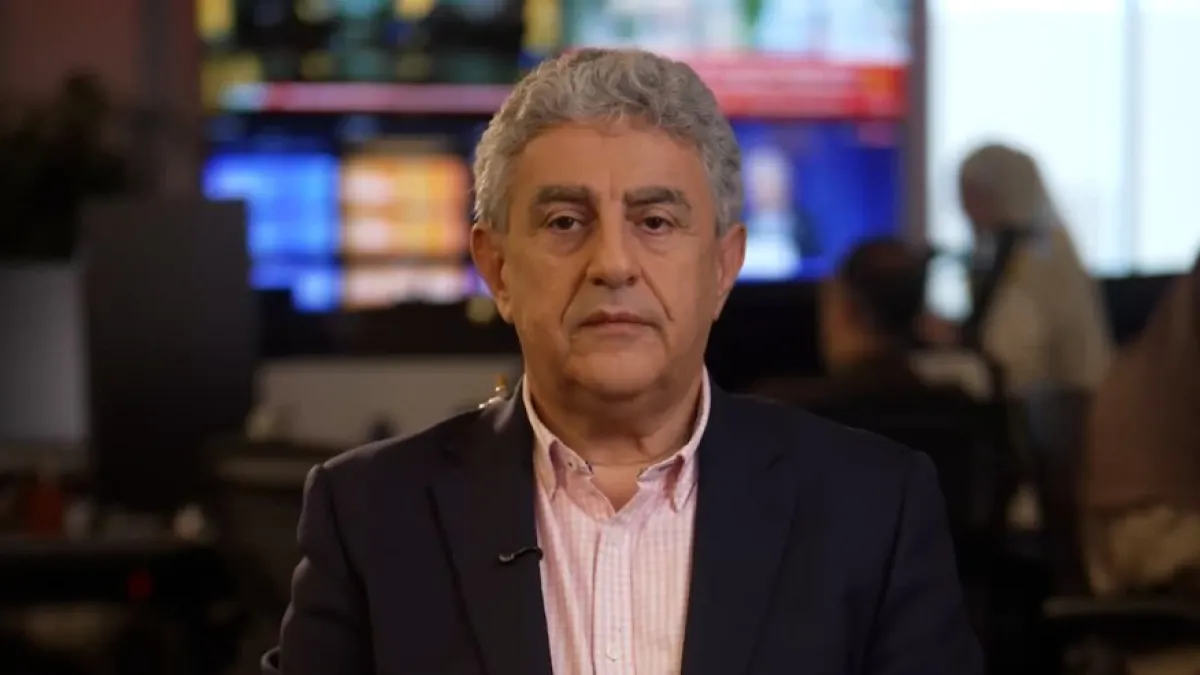
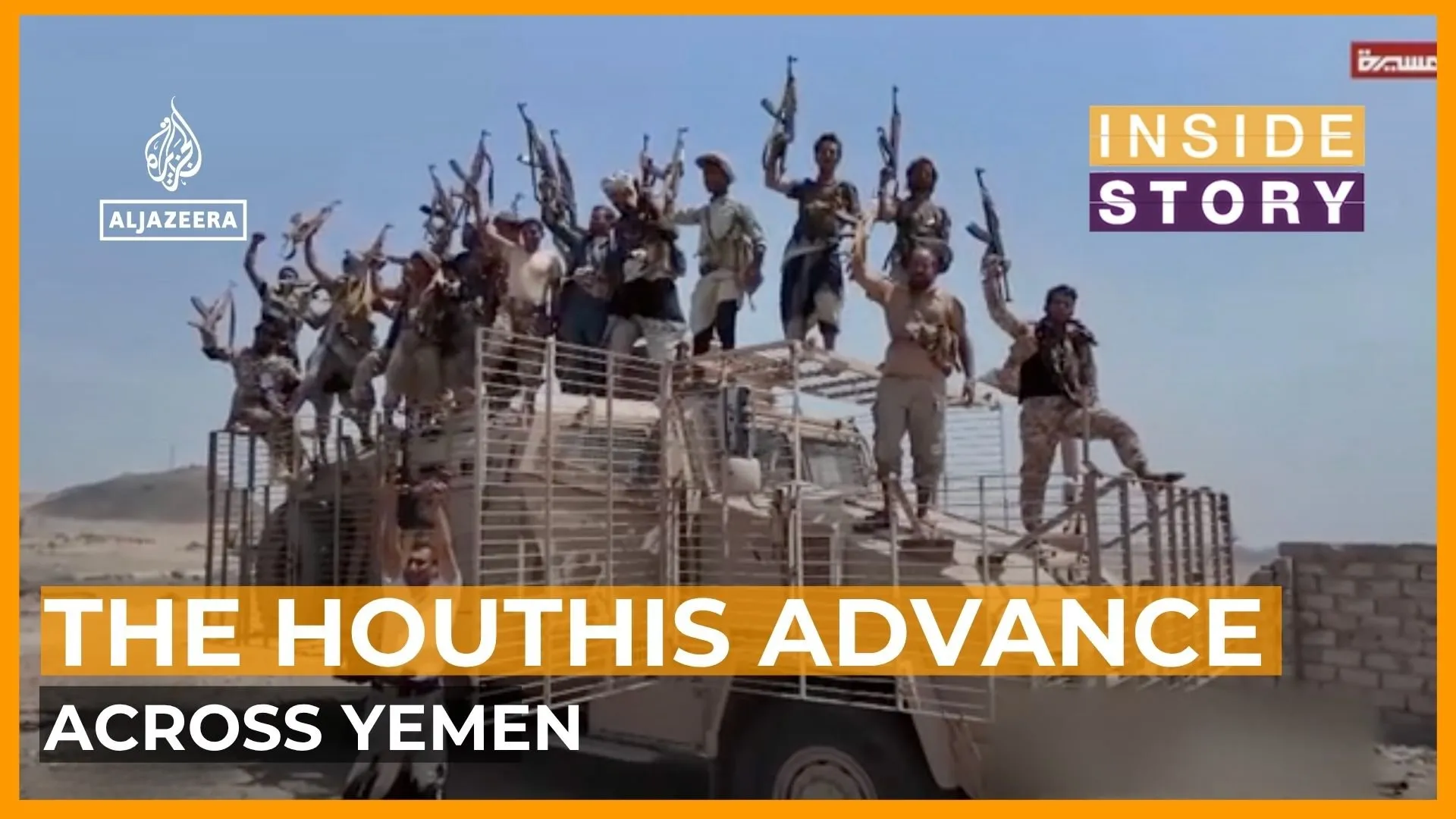
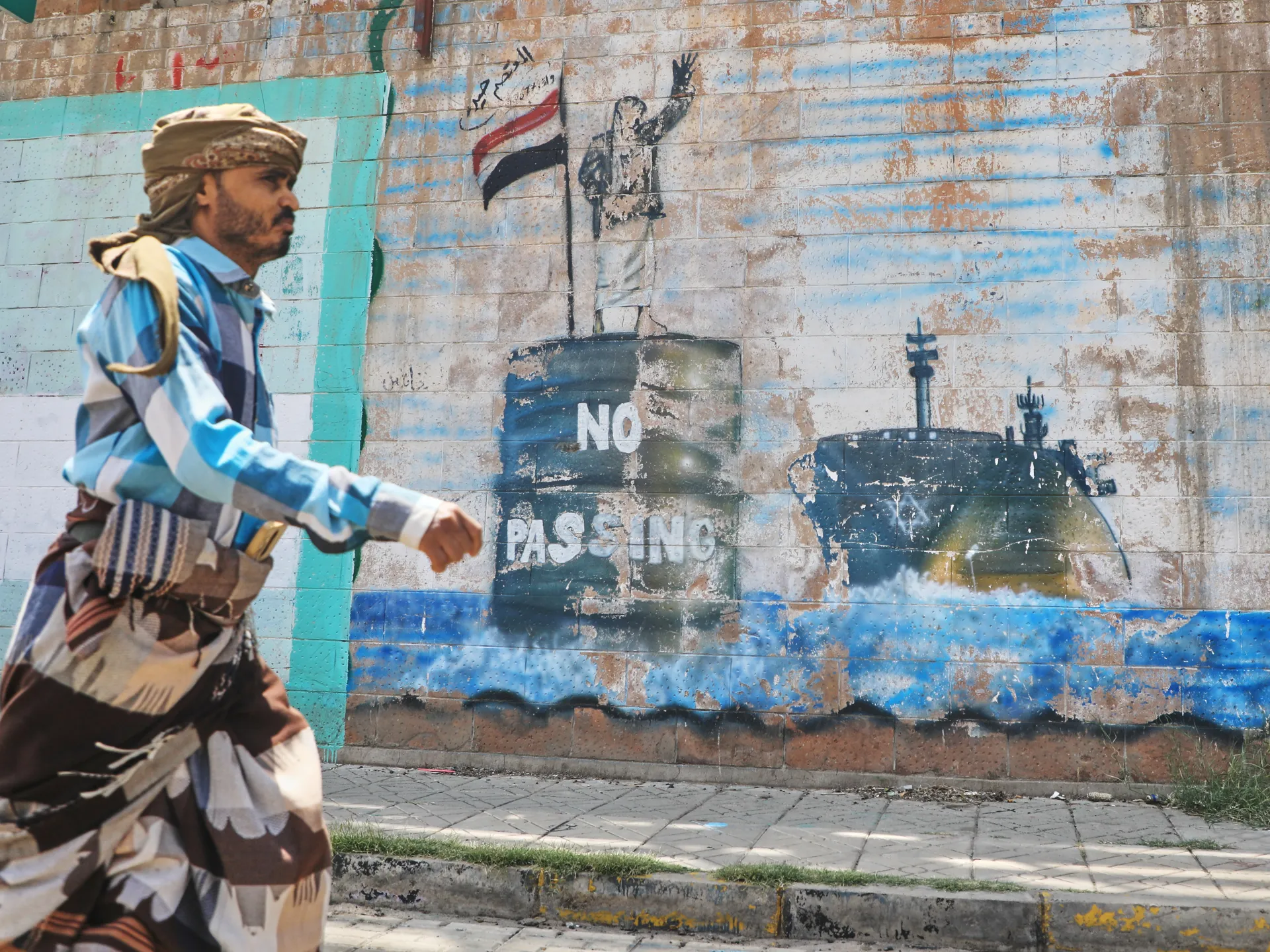
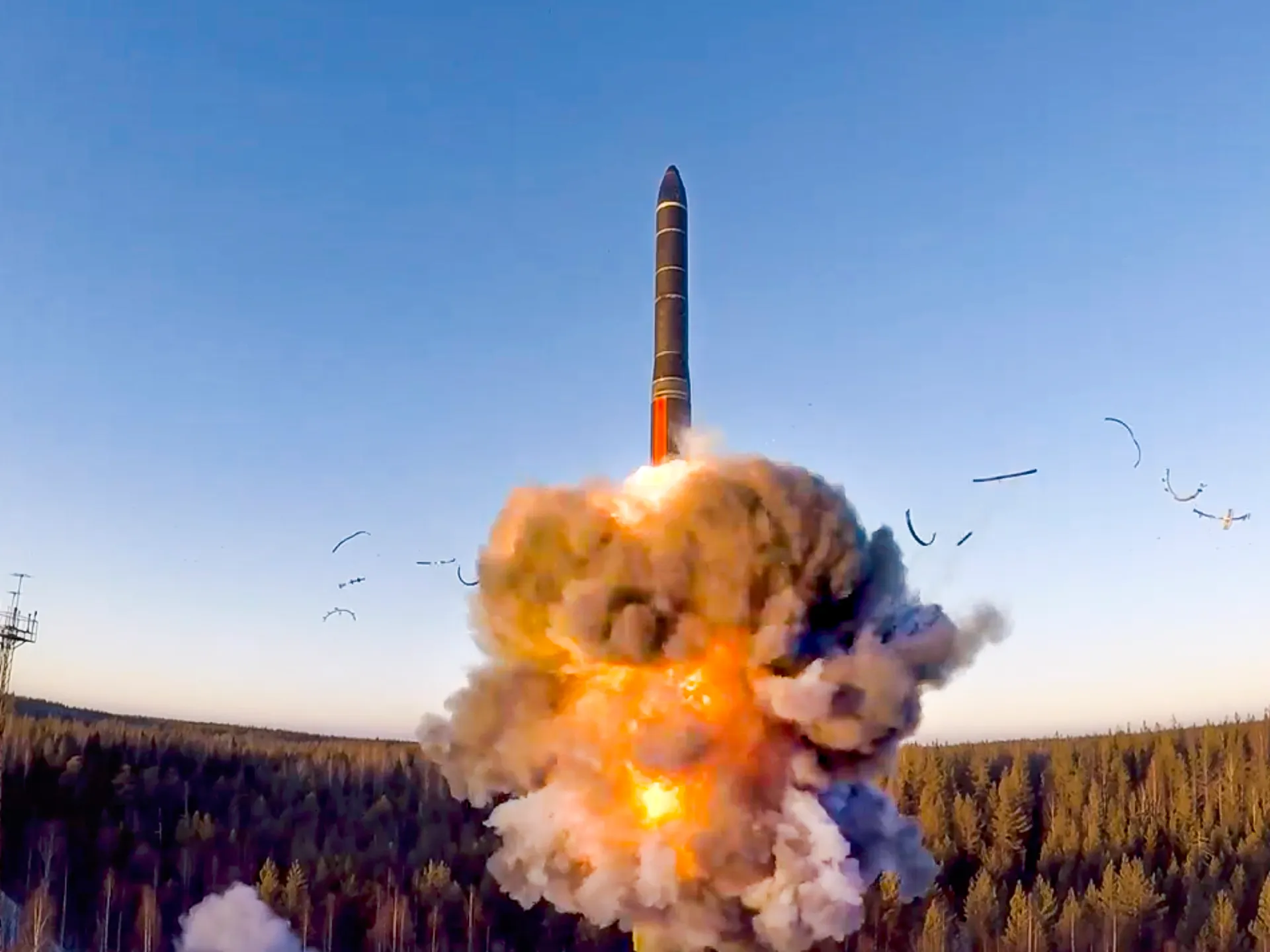
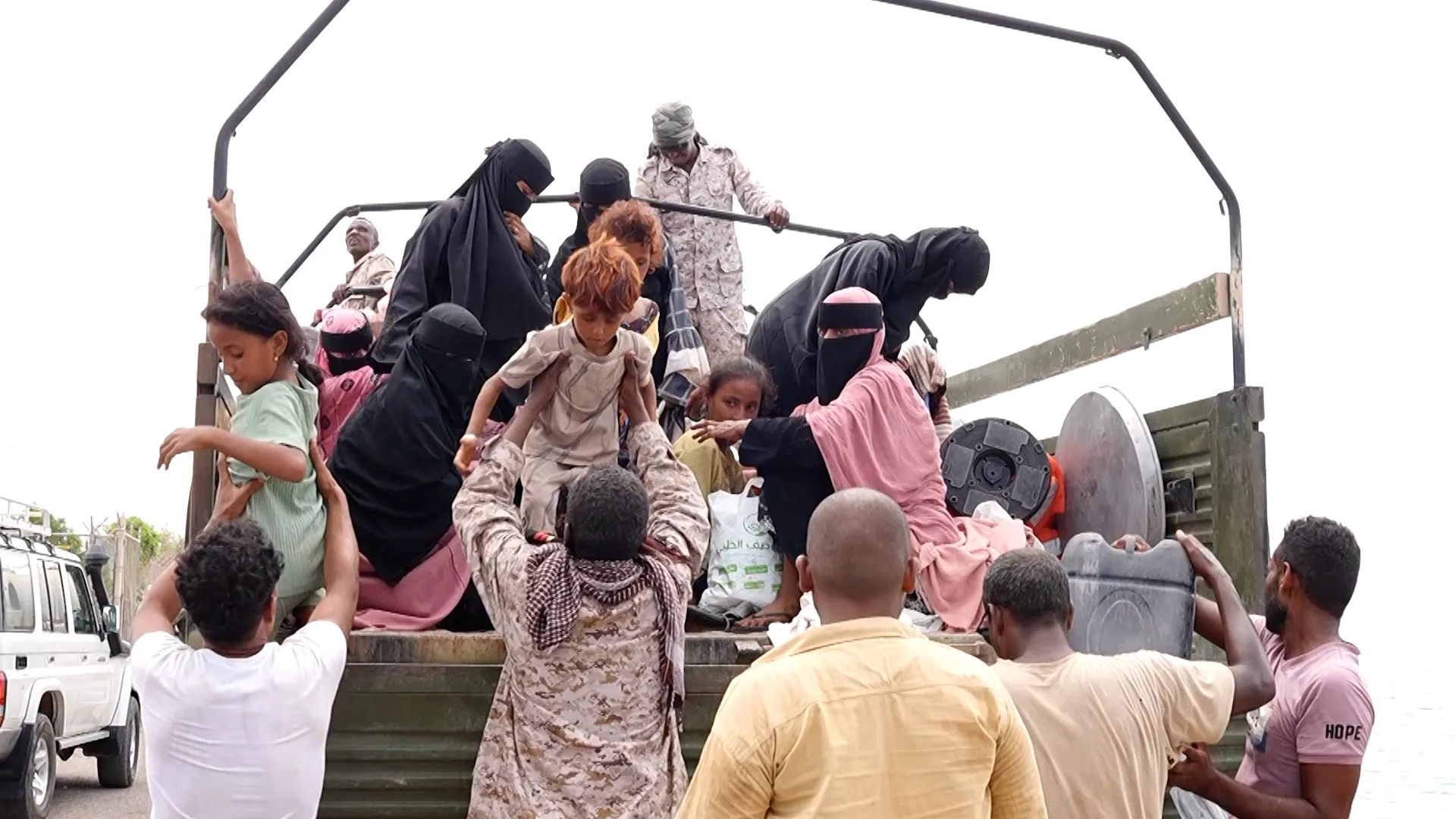
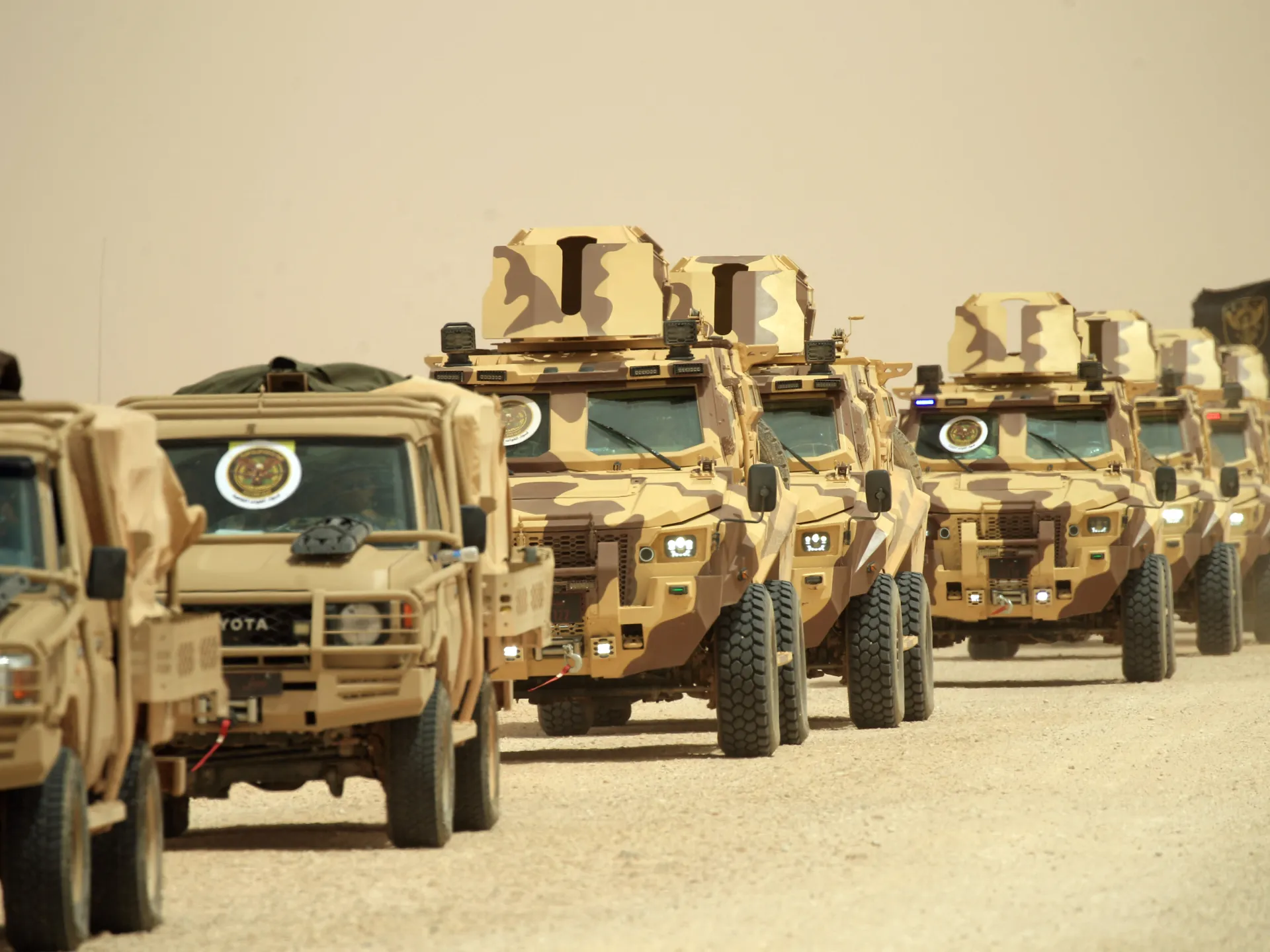
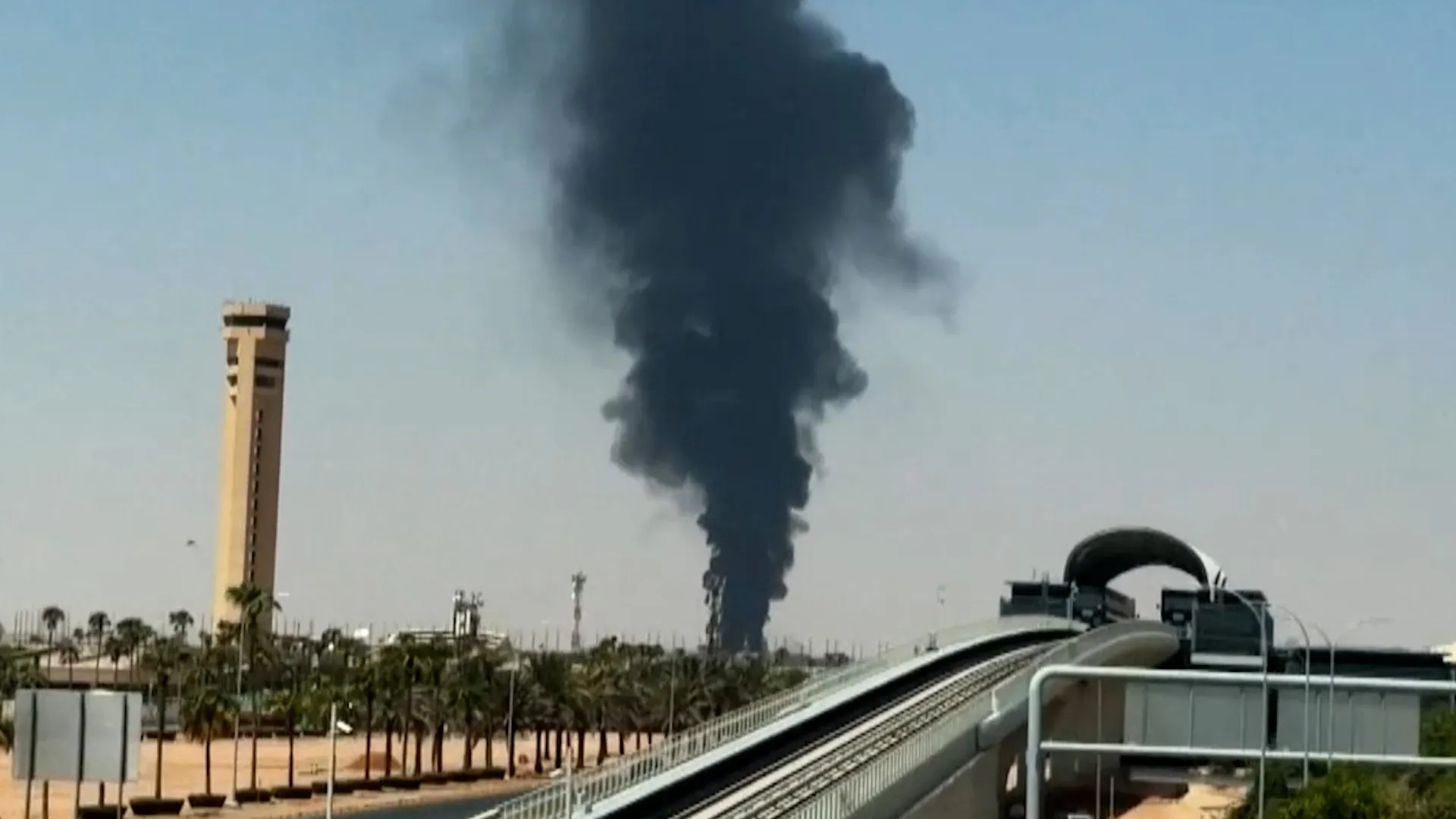
The geopolitical climate in the Middle East has reached a critical inflection point, as Saudi Arabia prepares a "sizeable" military response to ongoing Houthi aggression originating from Yemen. Nawaf Obaid, a Senior Research Fellow at King’s College London, indicated that Riyadh is coordinating with regional coalition partners to mount a massive counter-offensive. This military buildup occurs against the backdrop of heightened warnings from the U.S. State Department, which has advised American citizens to "seriously reconsider" all travel to the Middle East due to the surge in Houthi hostilities directed at Saudi territory.
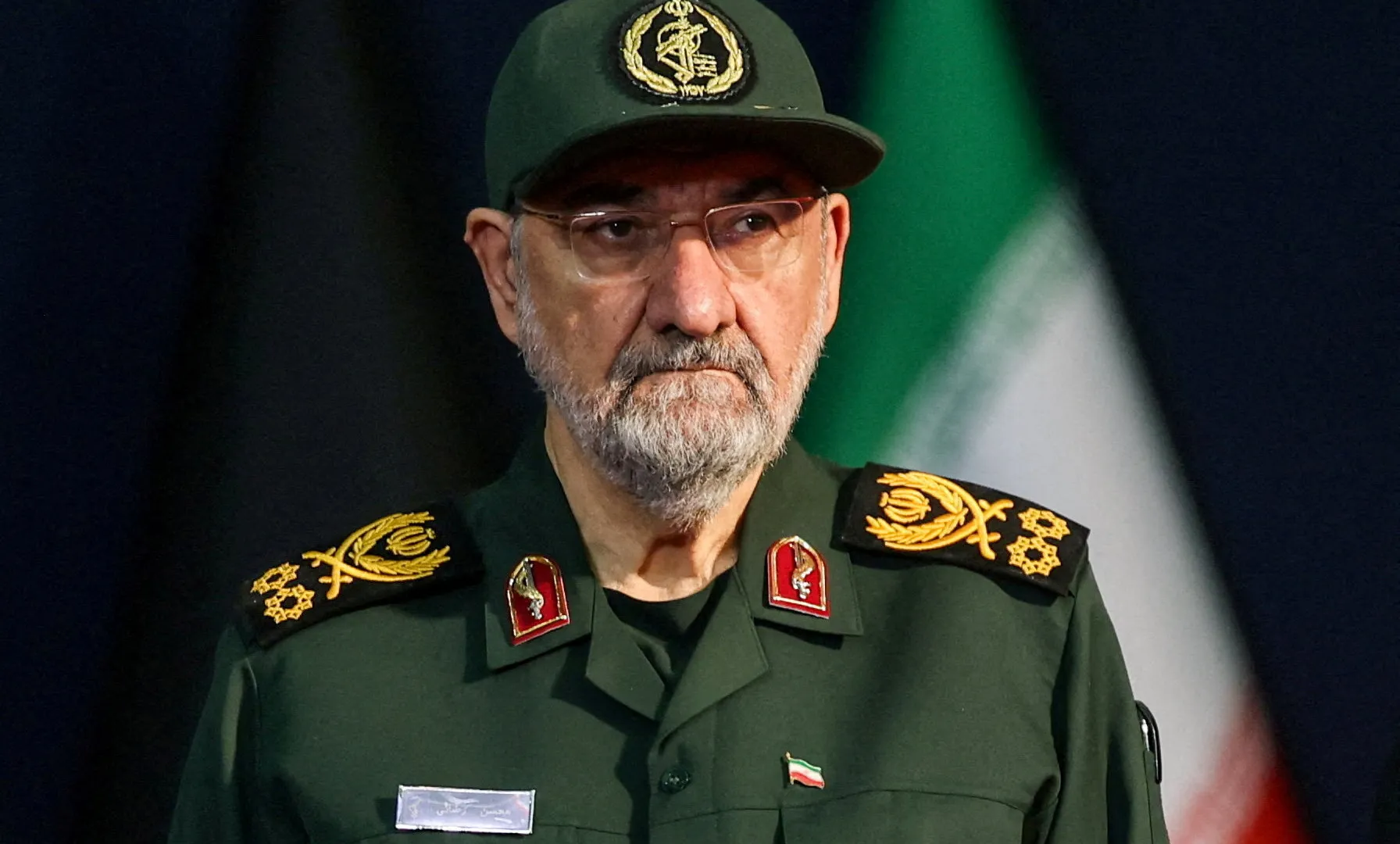
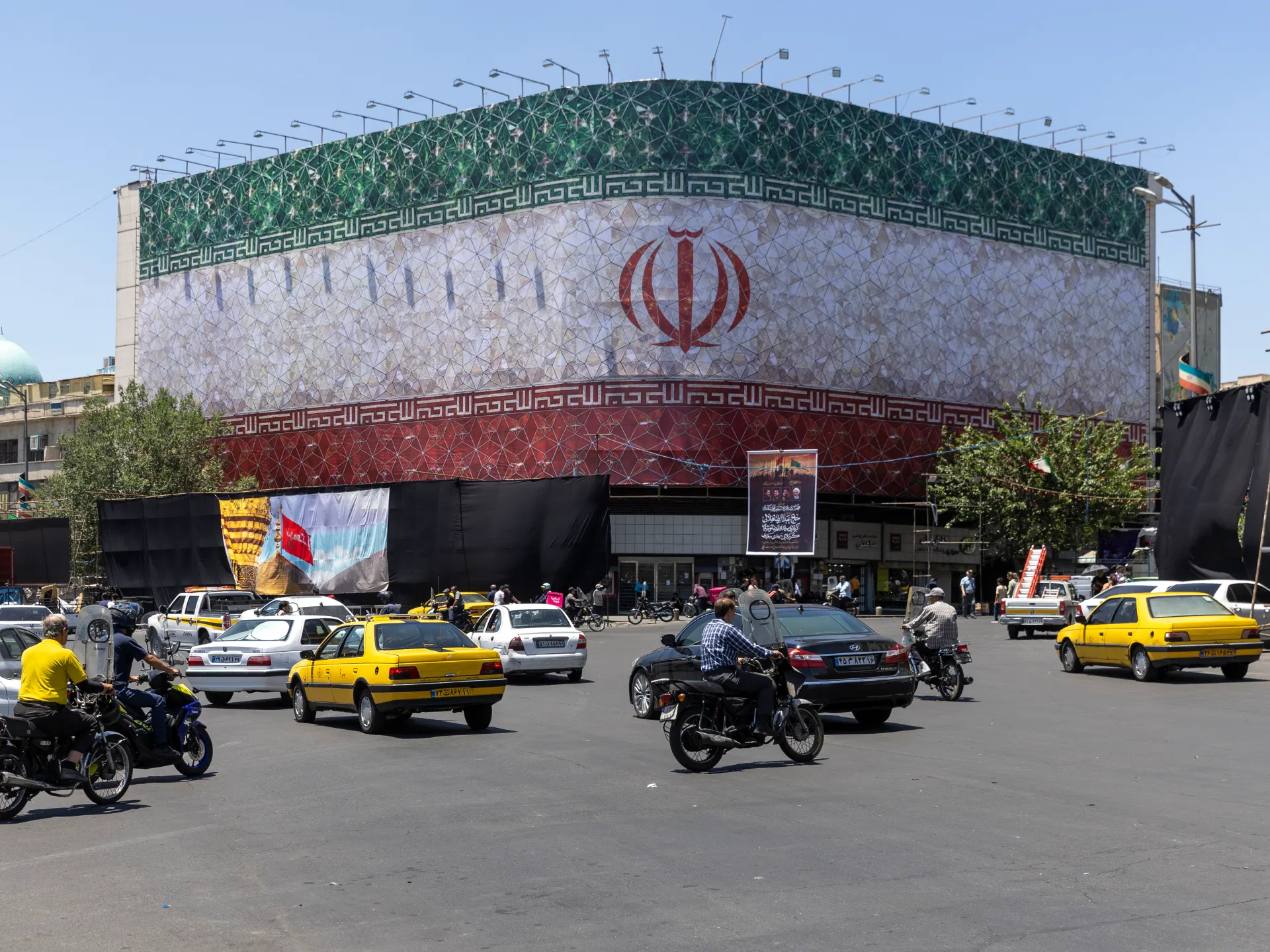
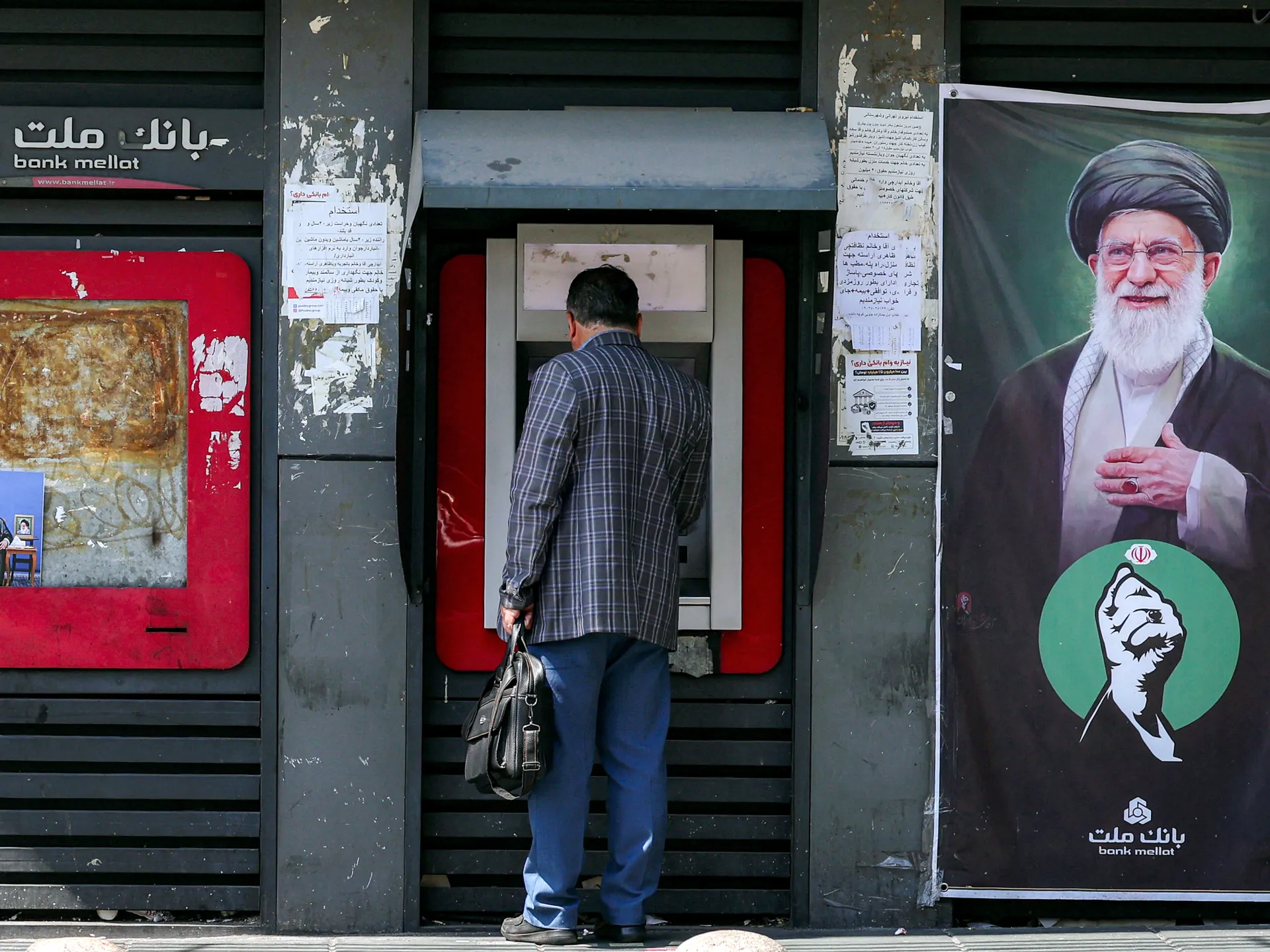
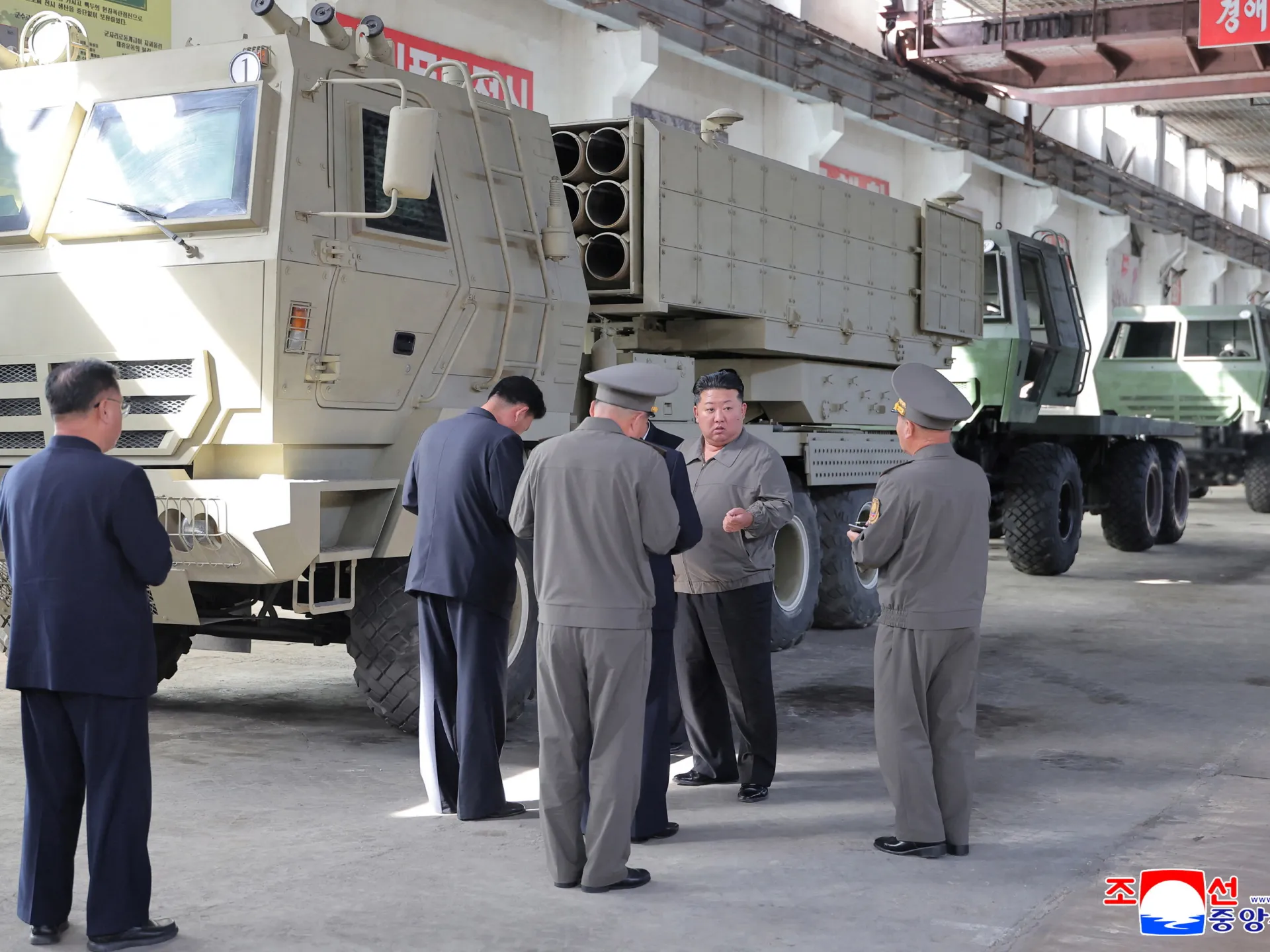
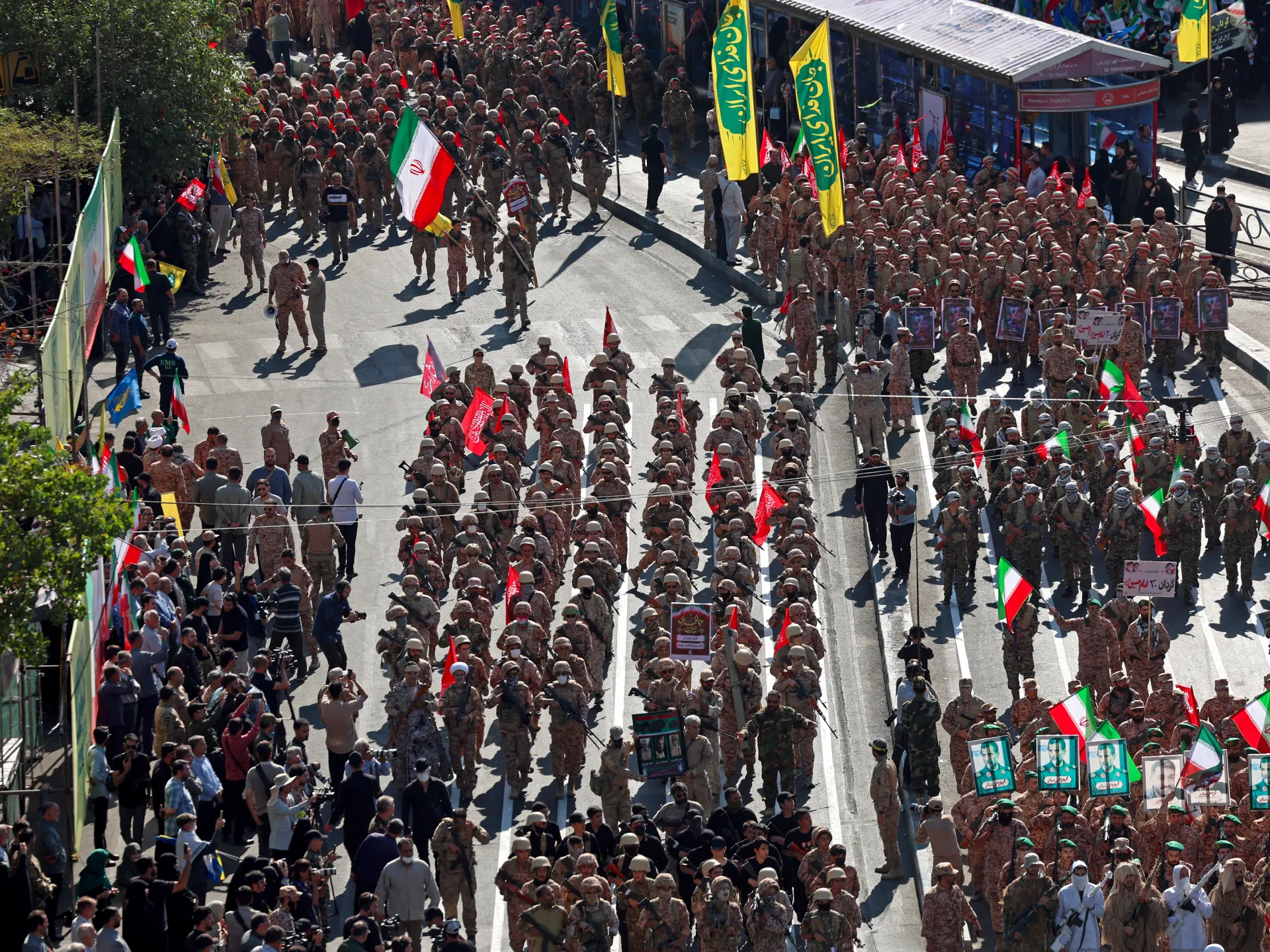
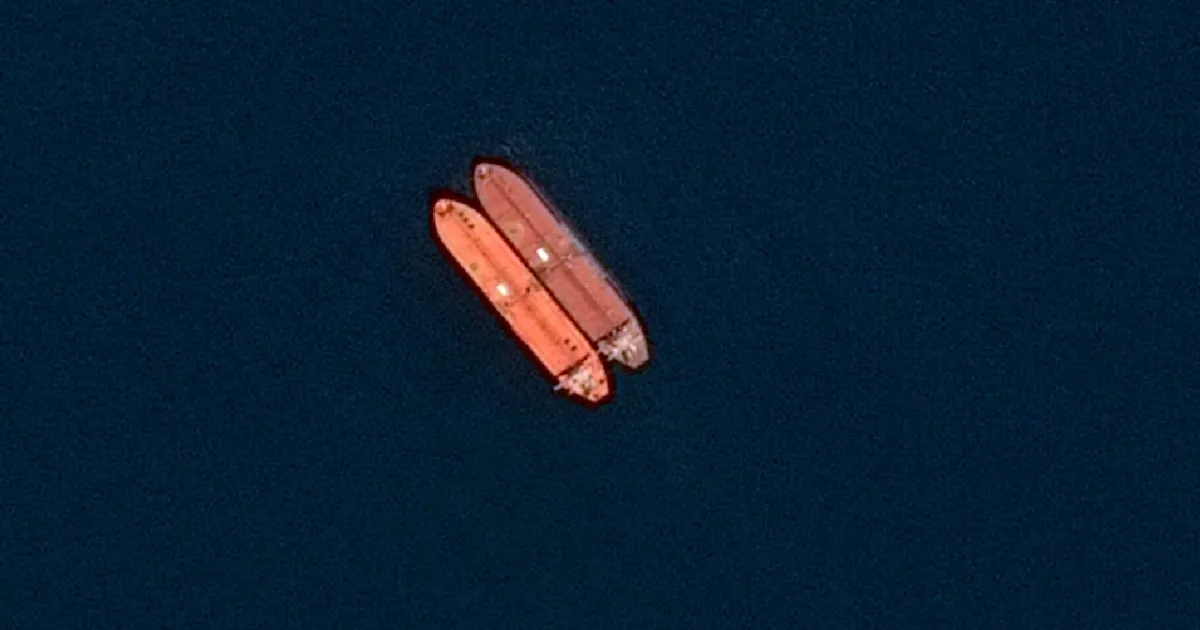
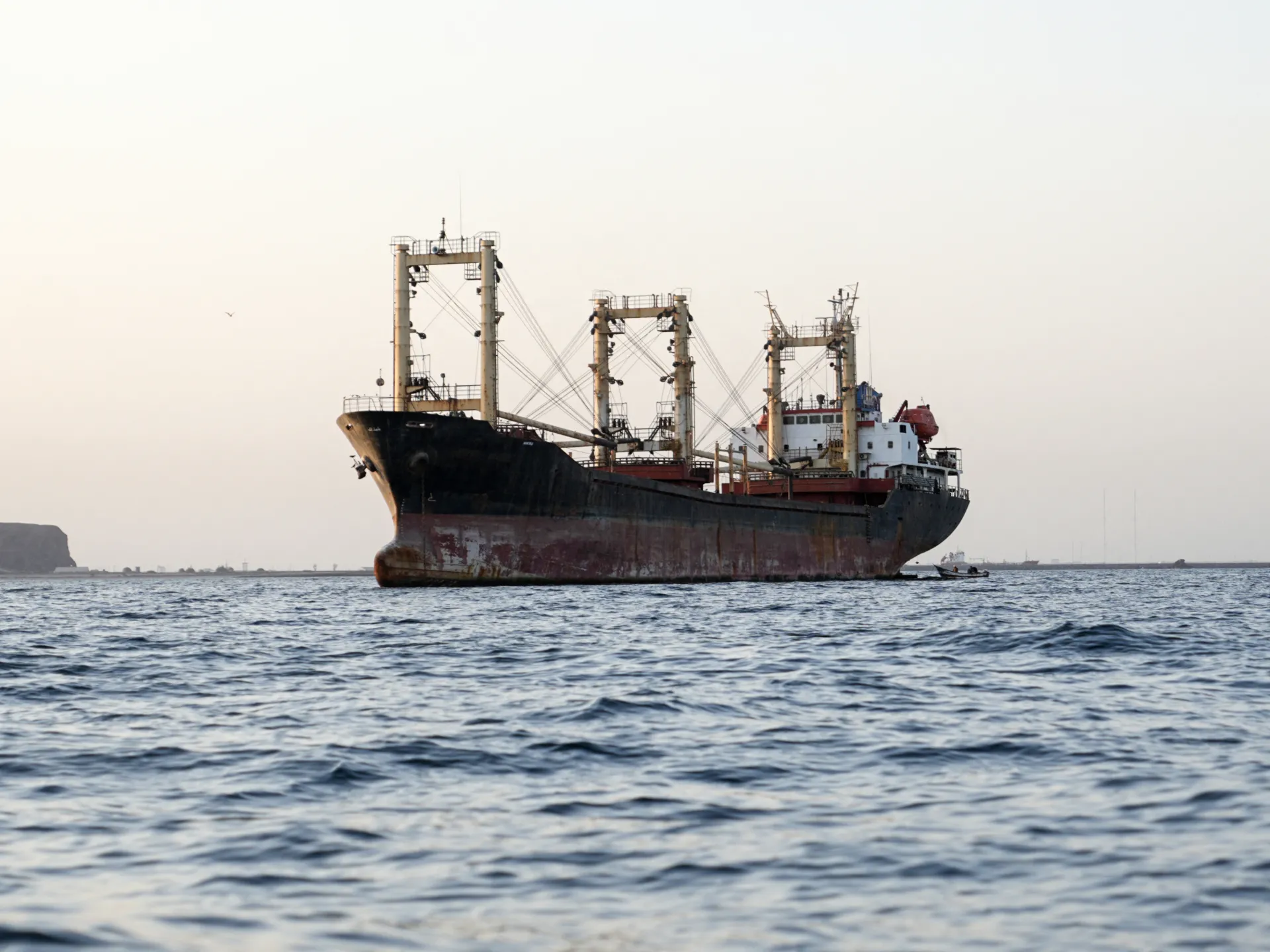
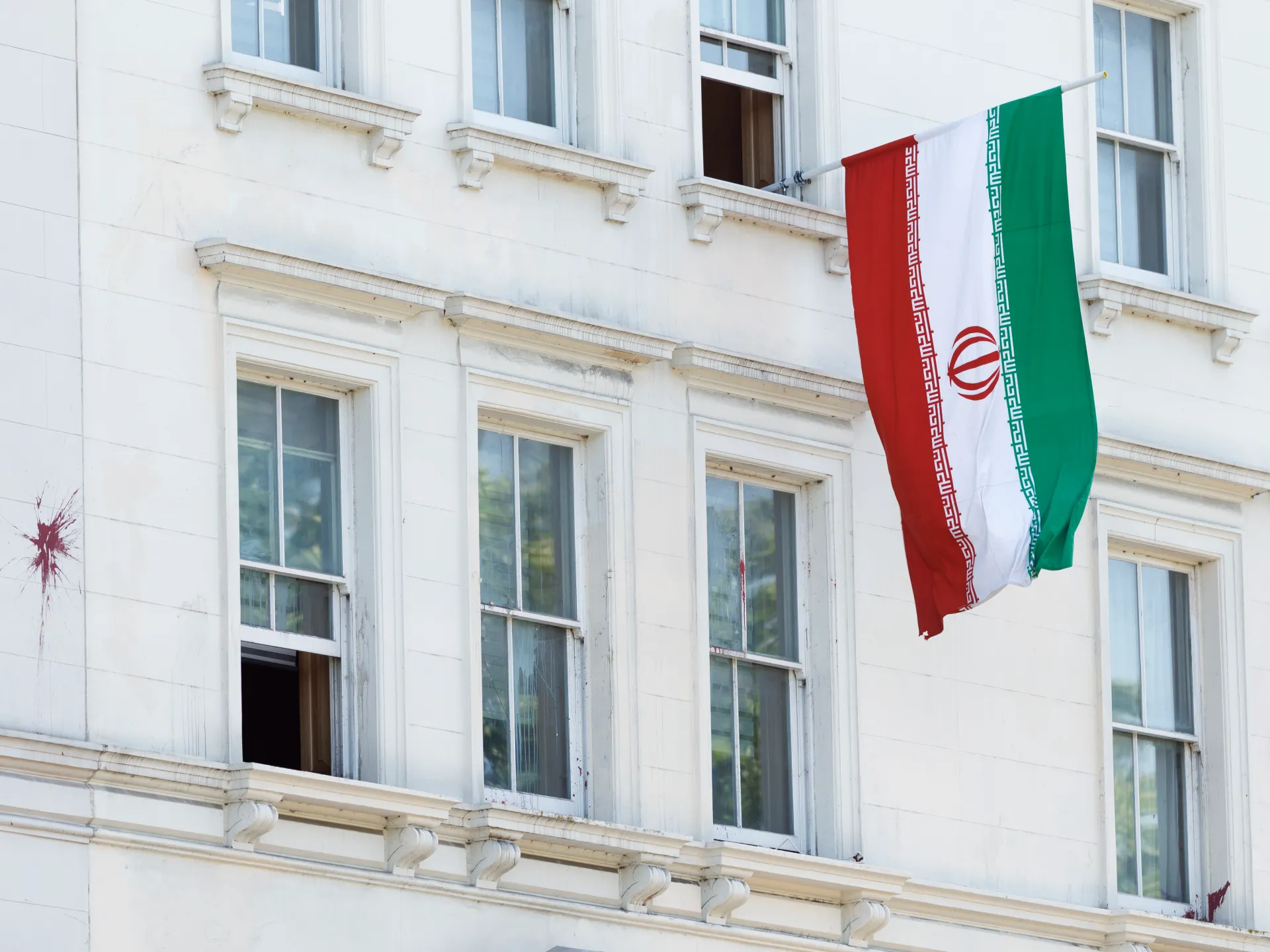
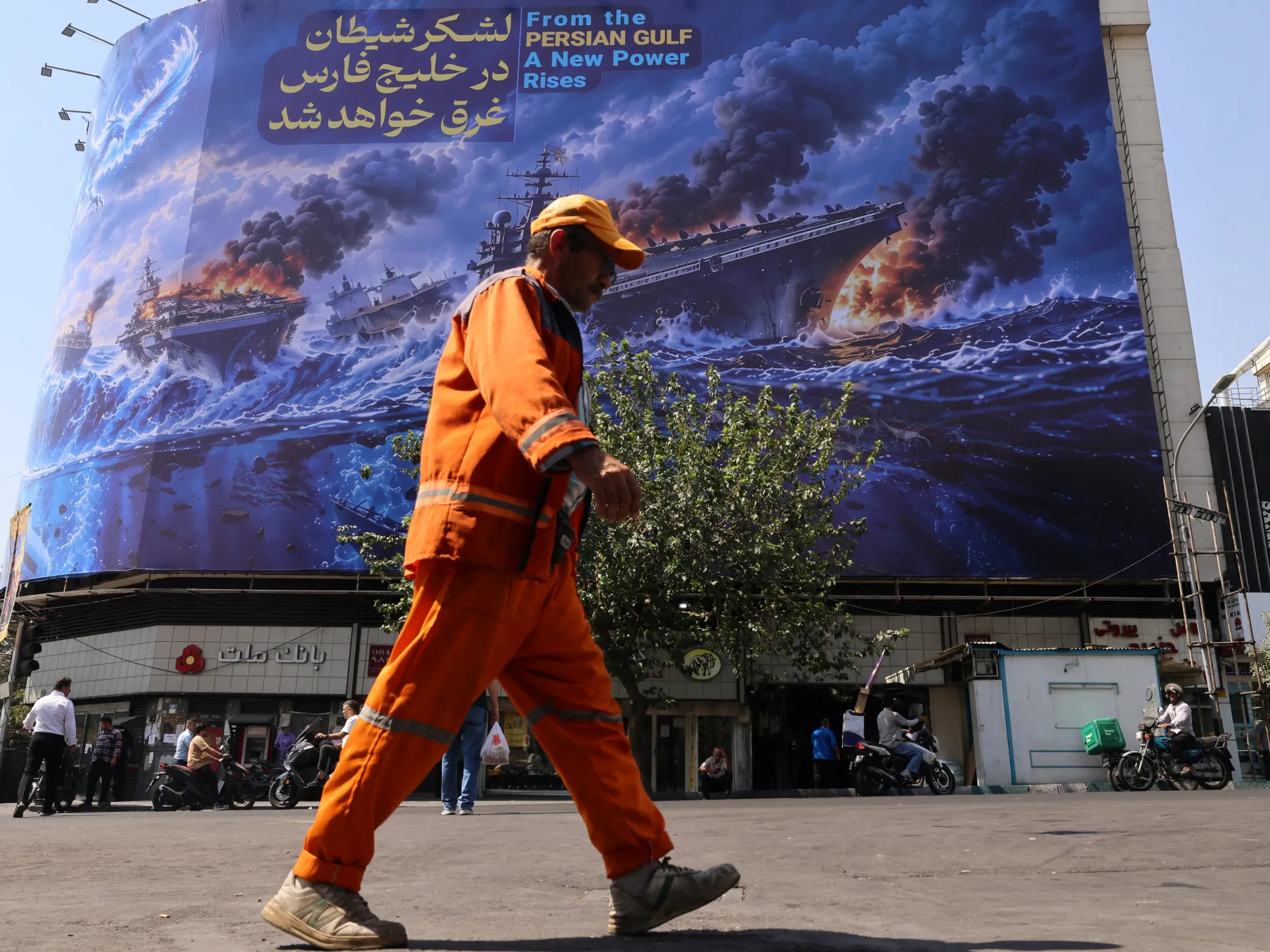
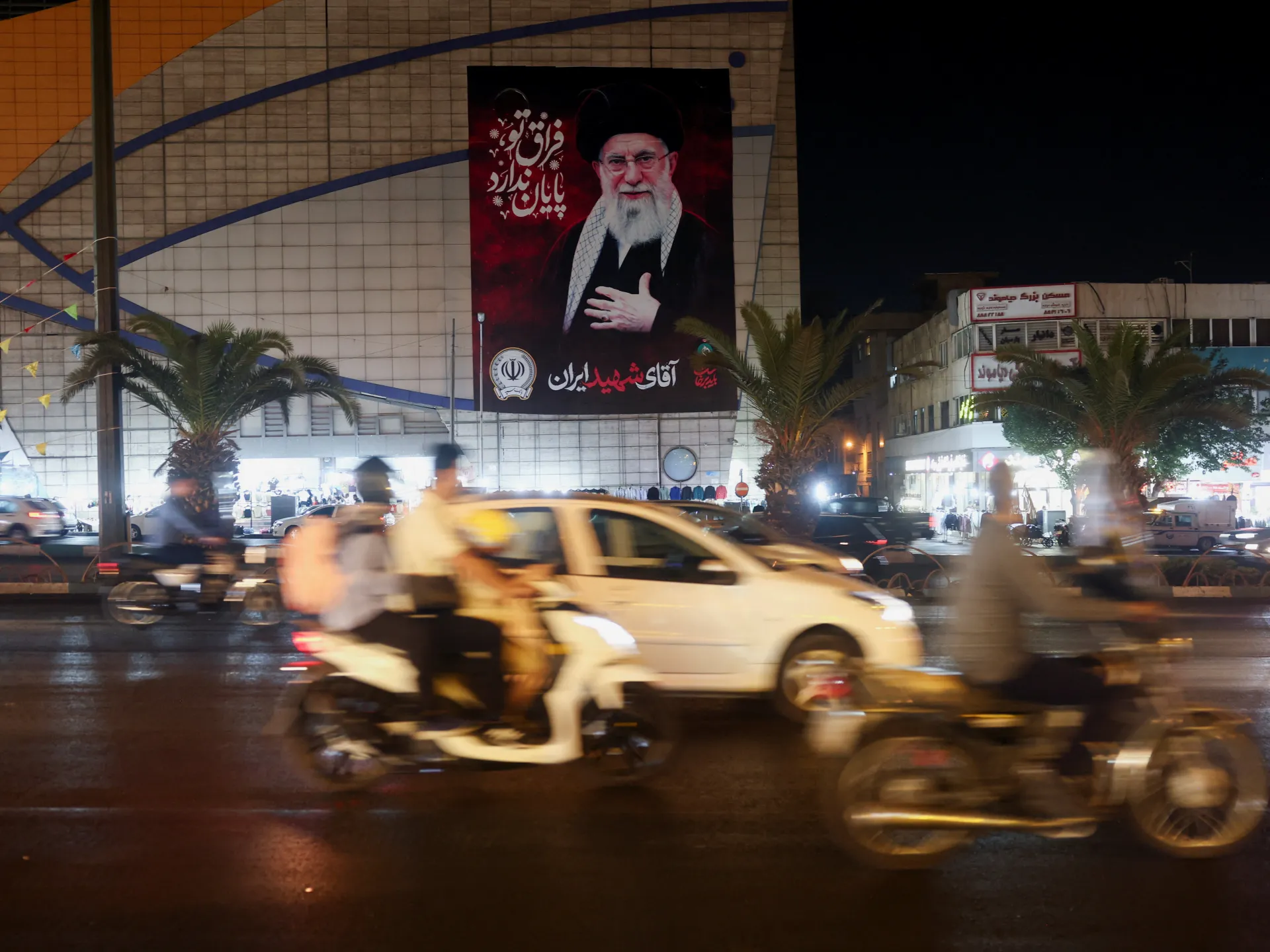
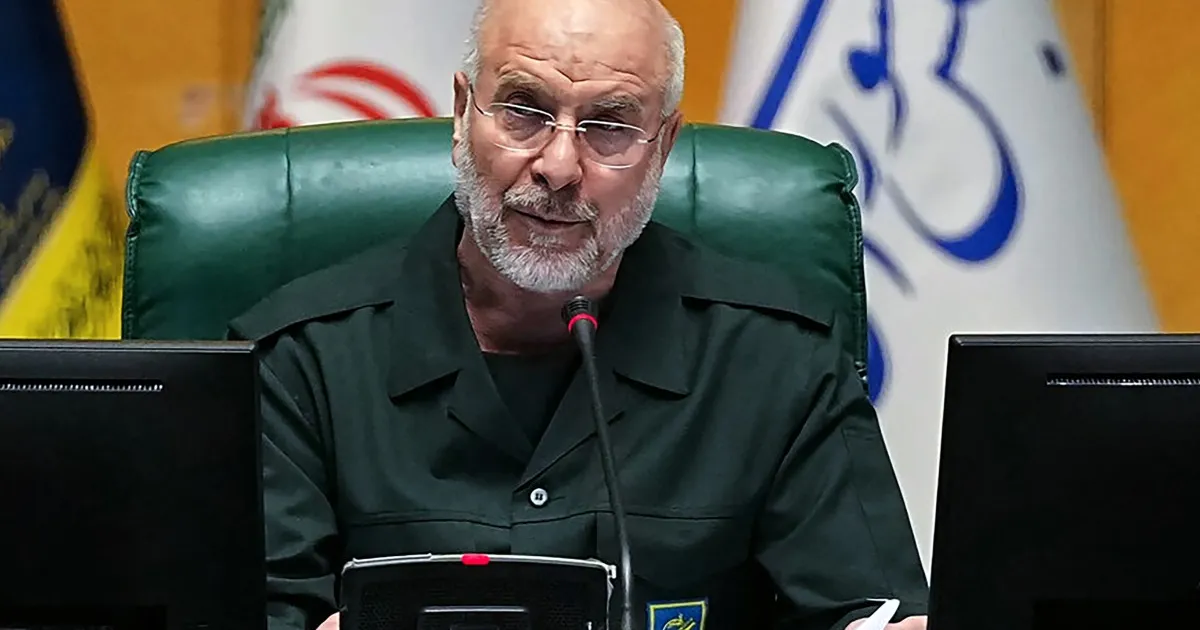
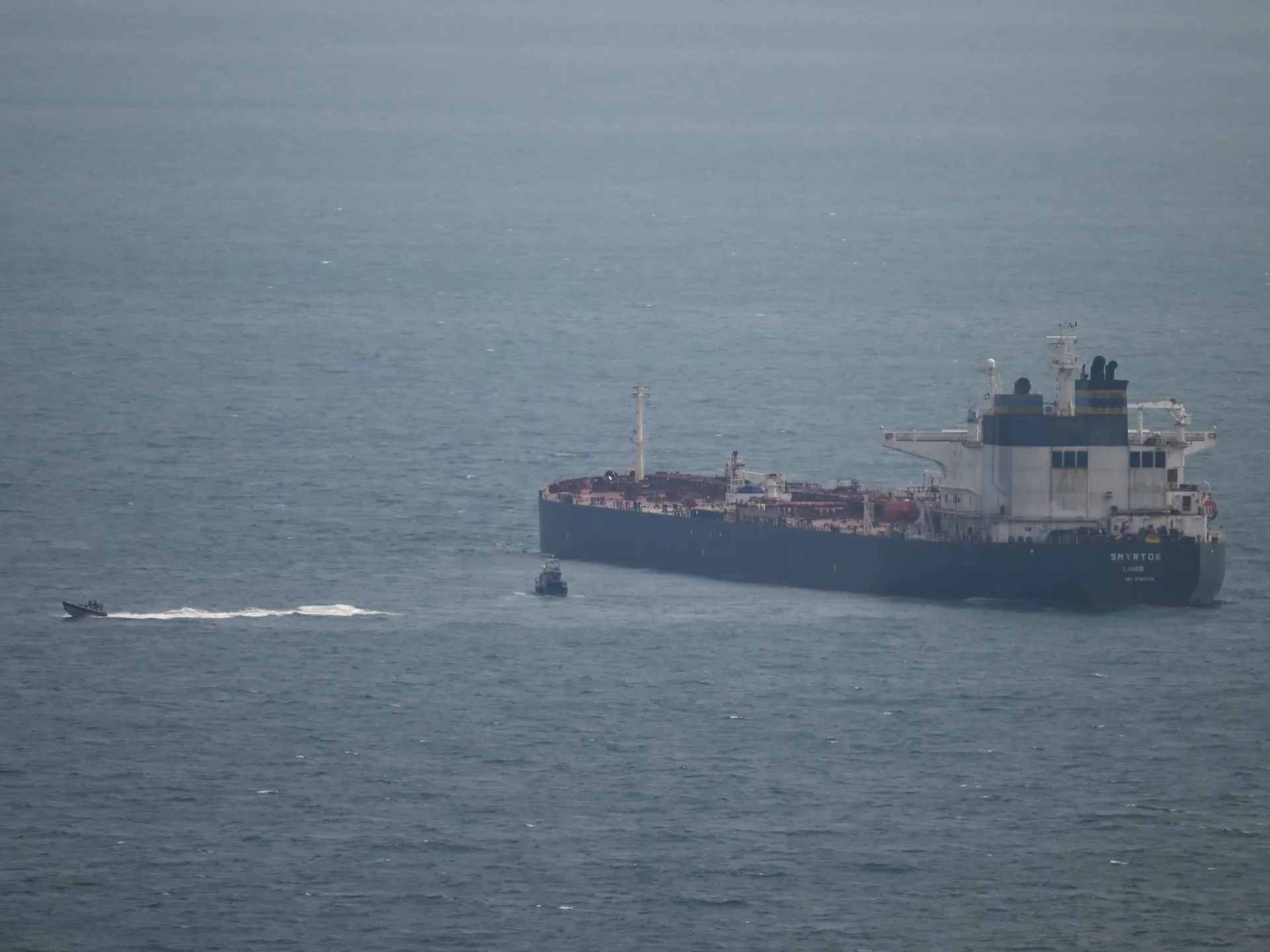
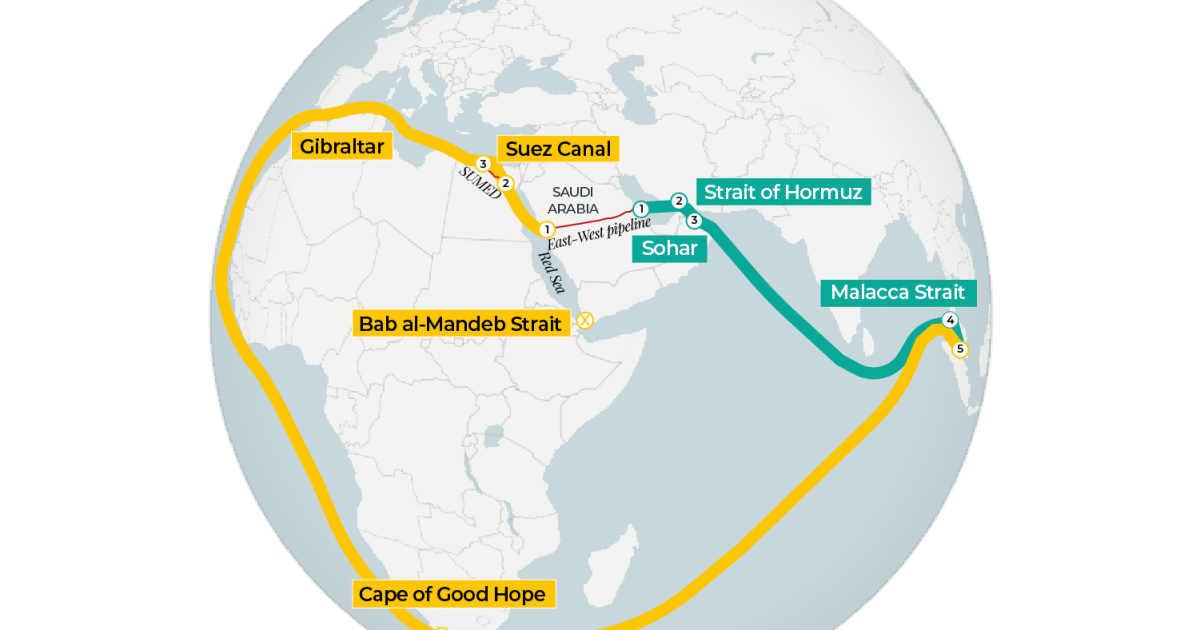
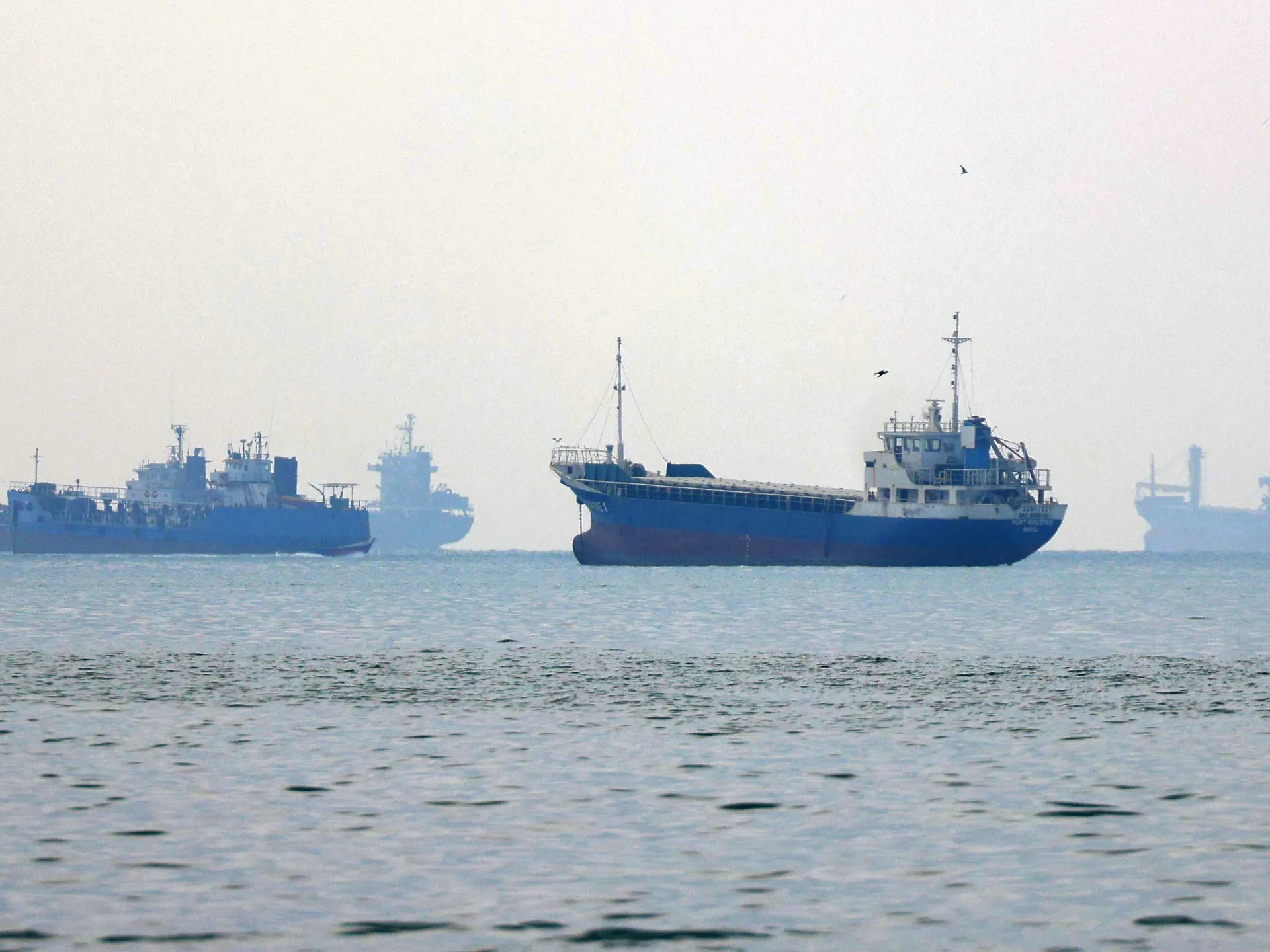
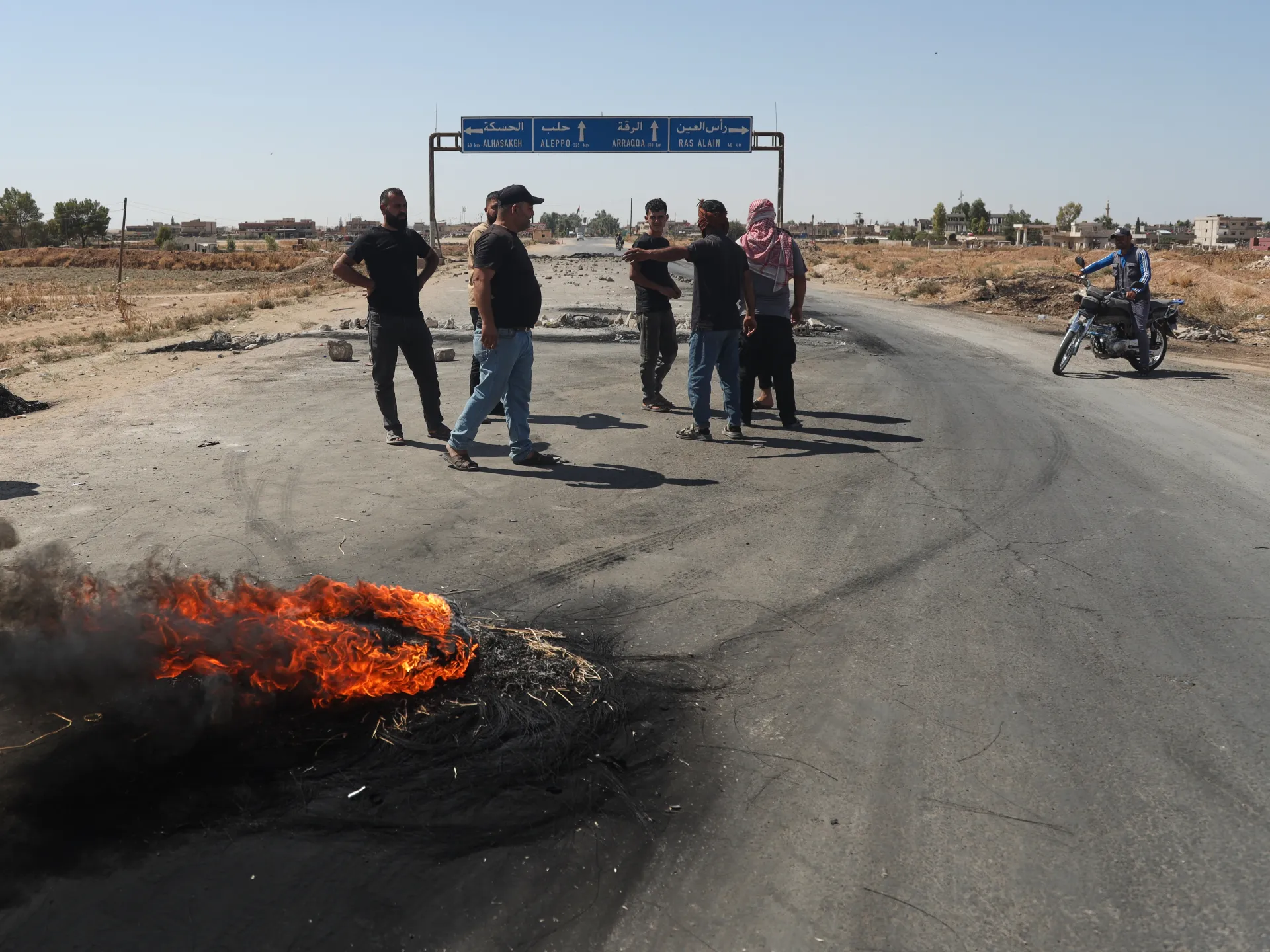
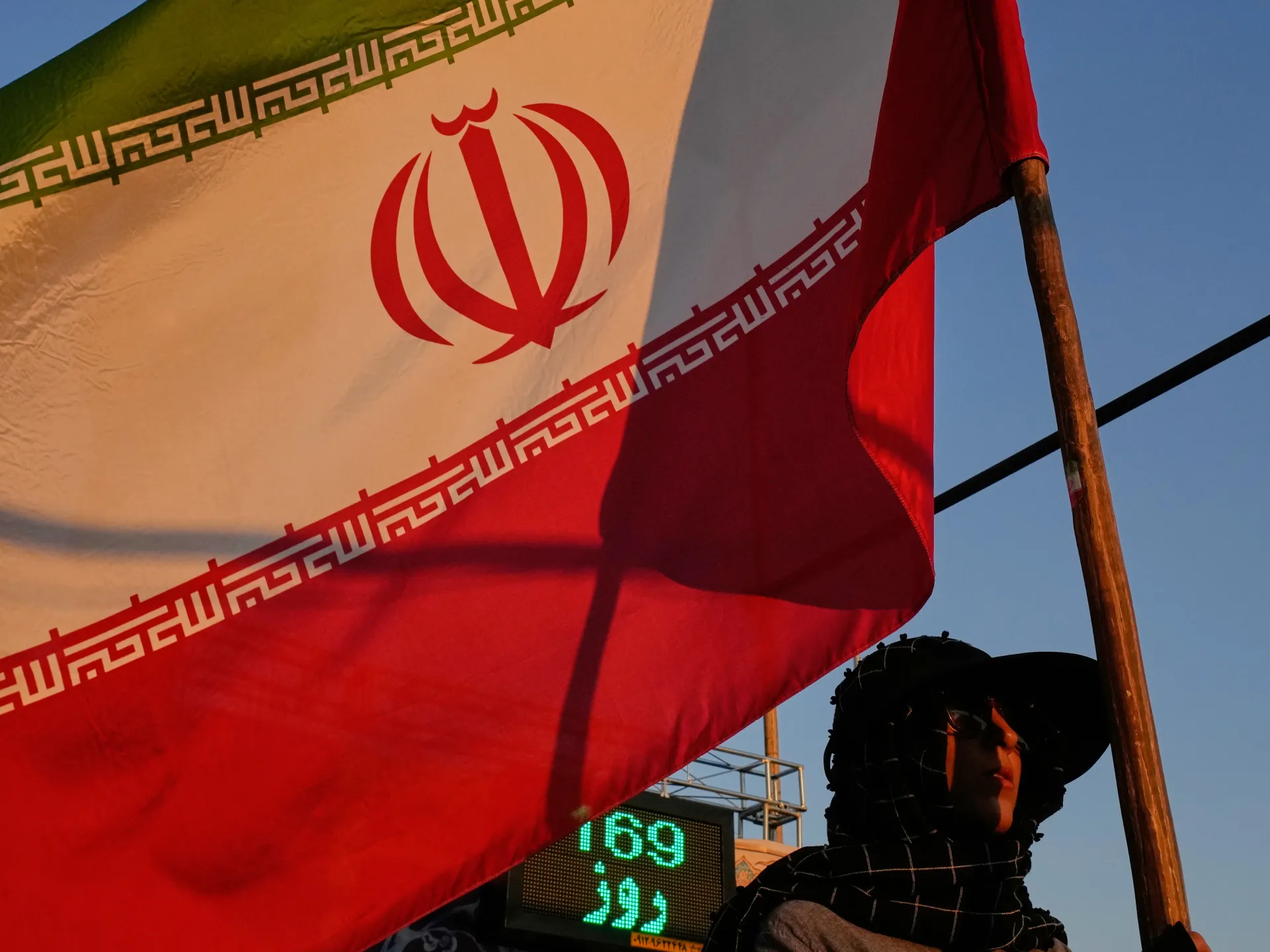
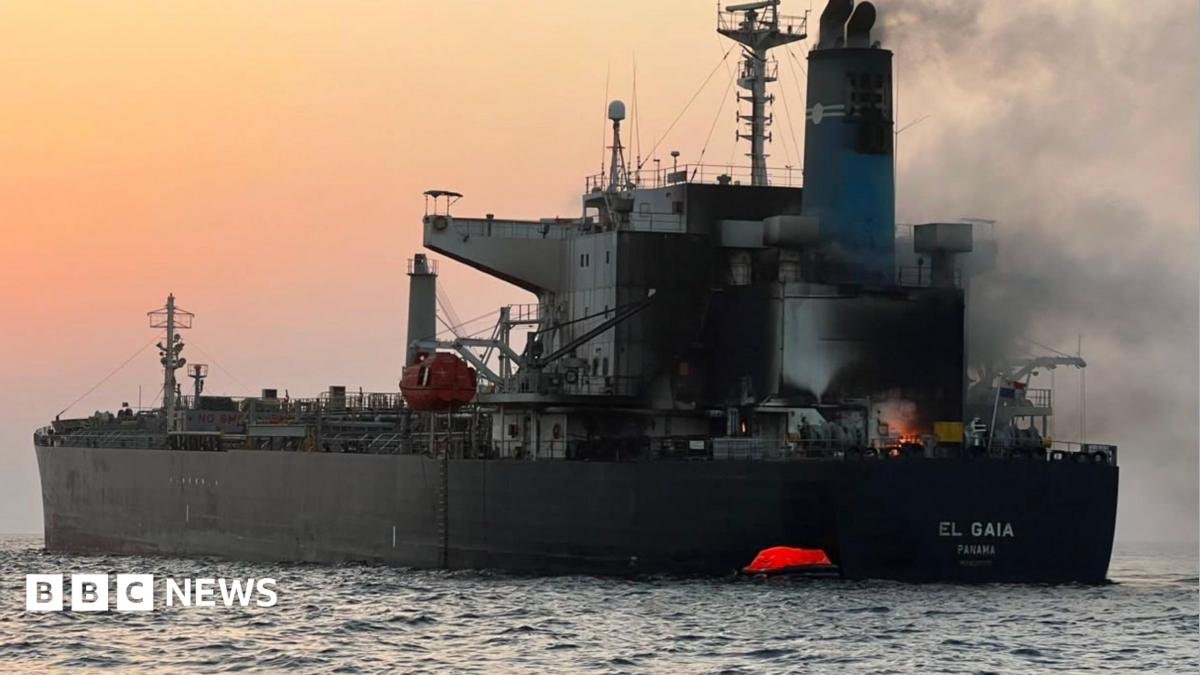
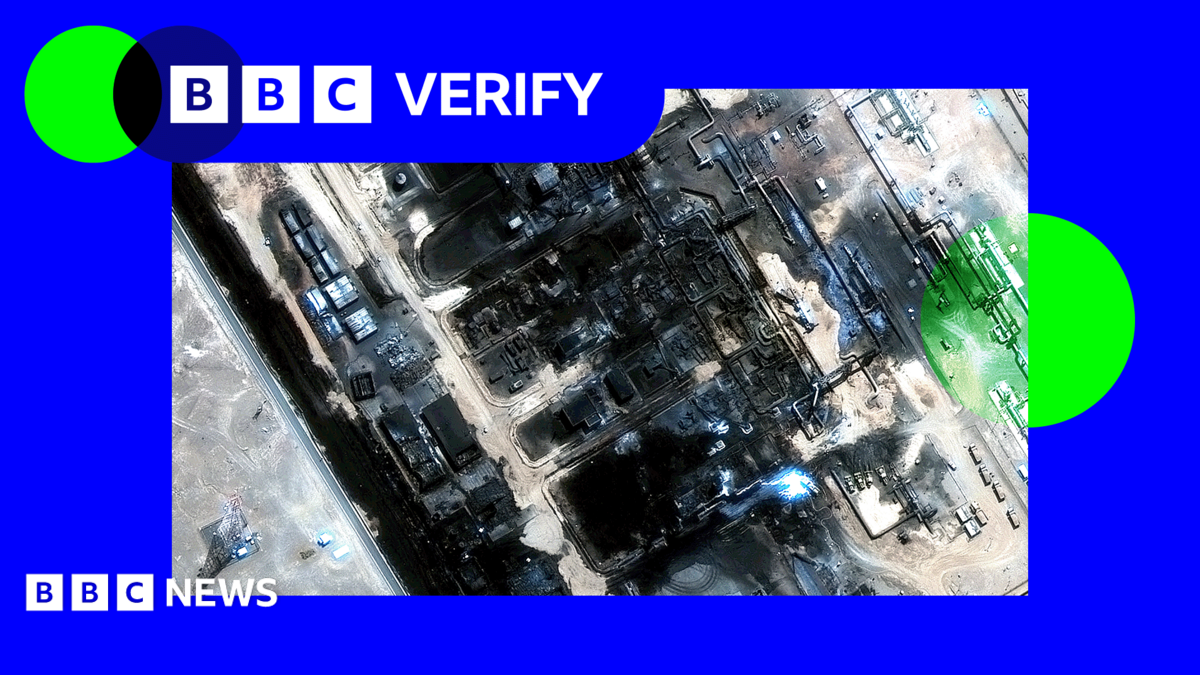
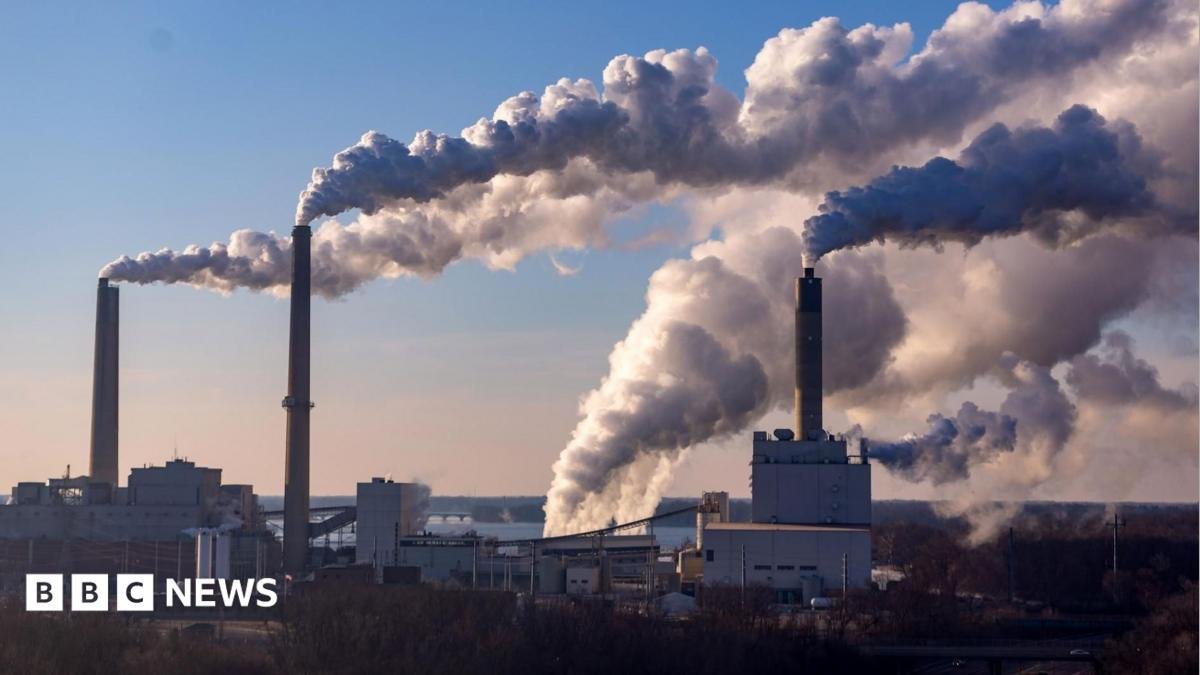
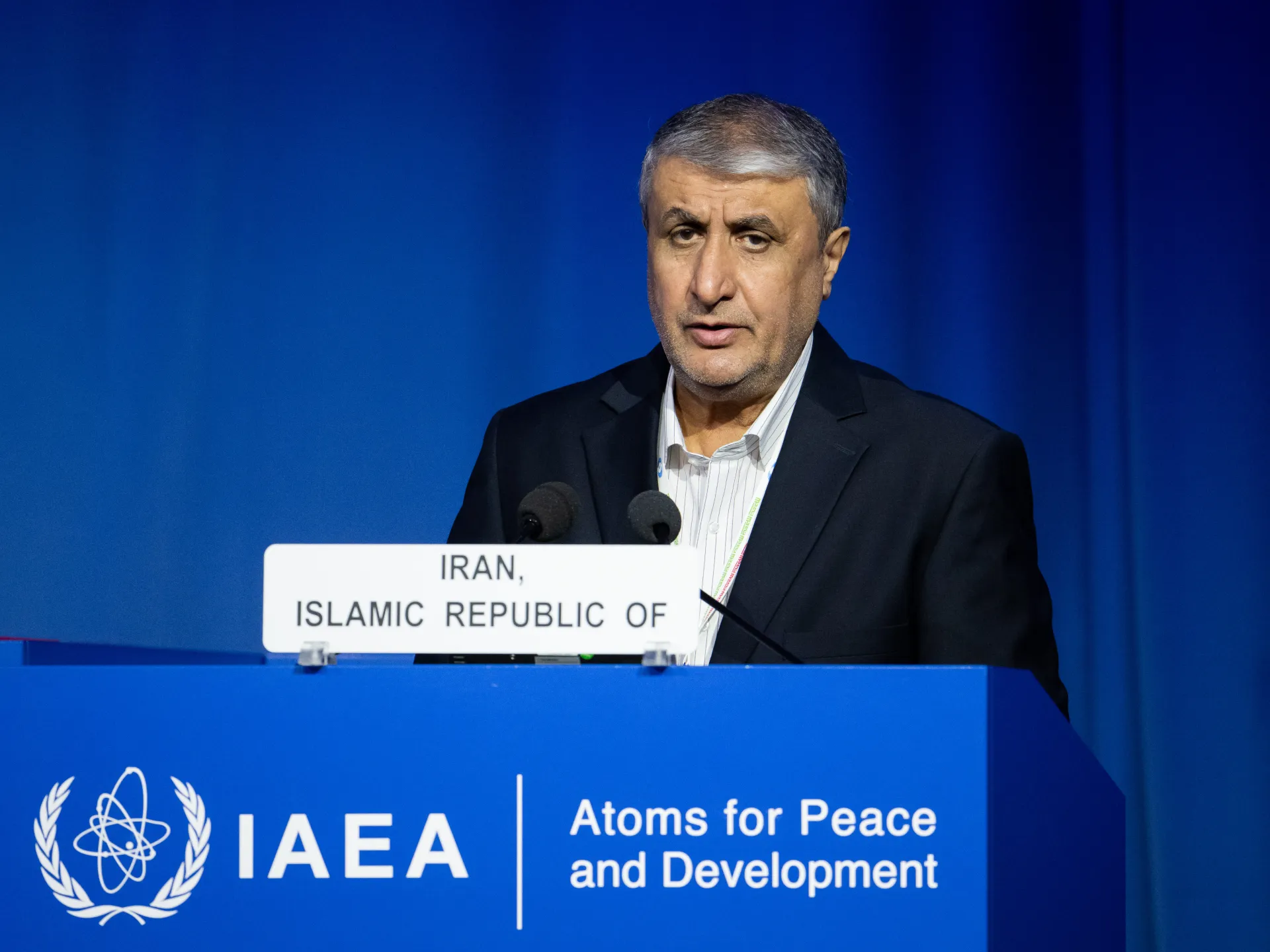
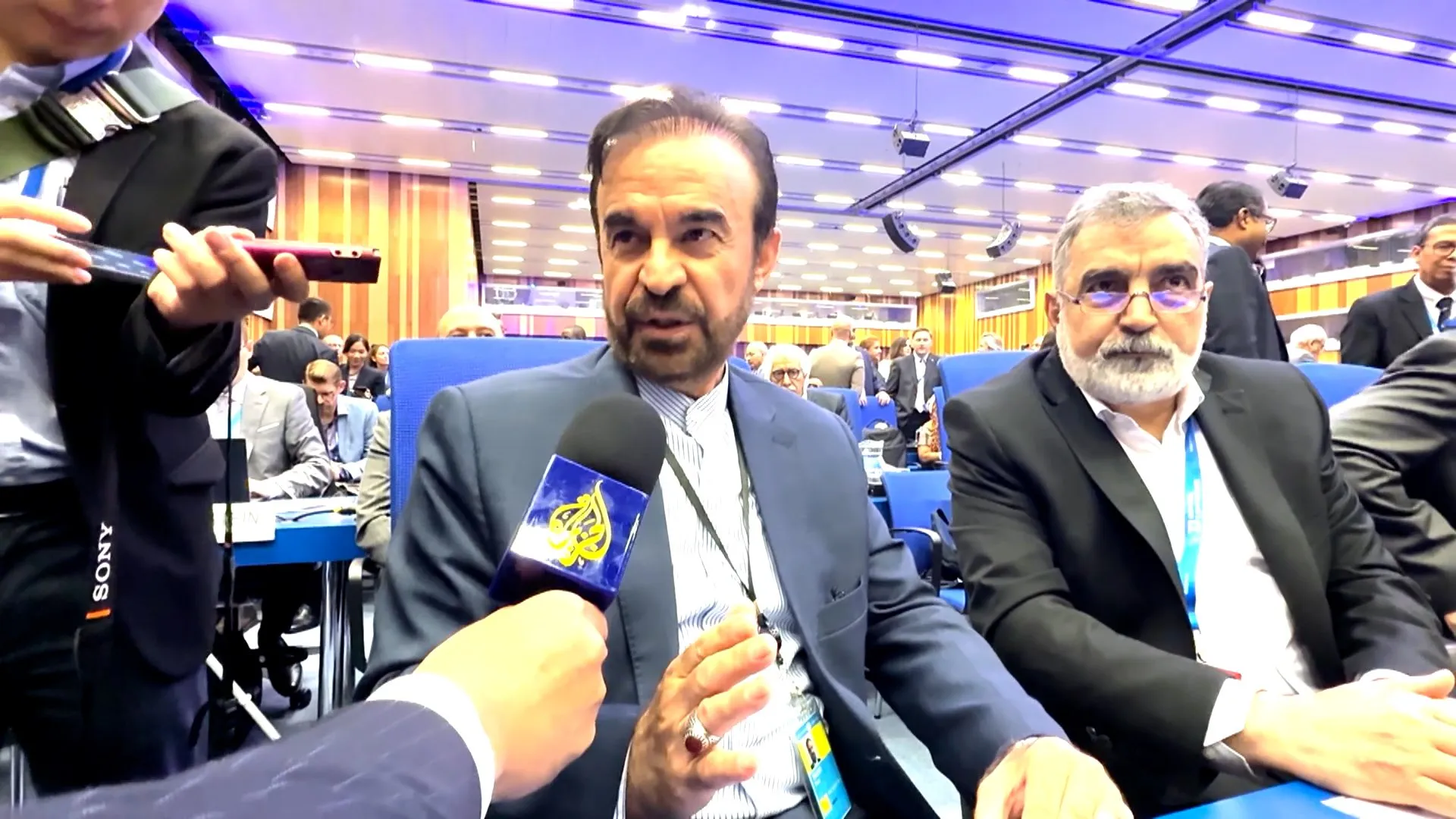
Further complicating the regional security outlook, the Iranian government has effectively shuttered the Strait of Hormuz. According to Iranian official Ghalibaf, the strategic chokepoint will remain closed until specific, as-yet-unmet conditions set s and maritime commerce, leaving Saudi Arabia with increasingly limited diplomatic and military options as it navigates these mounting threats from Iran and its regional proxies.
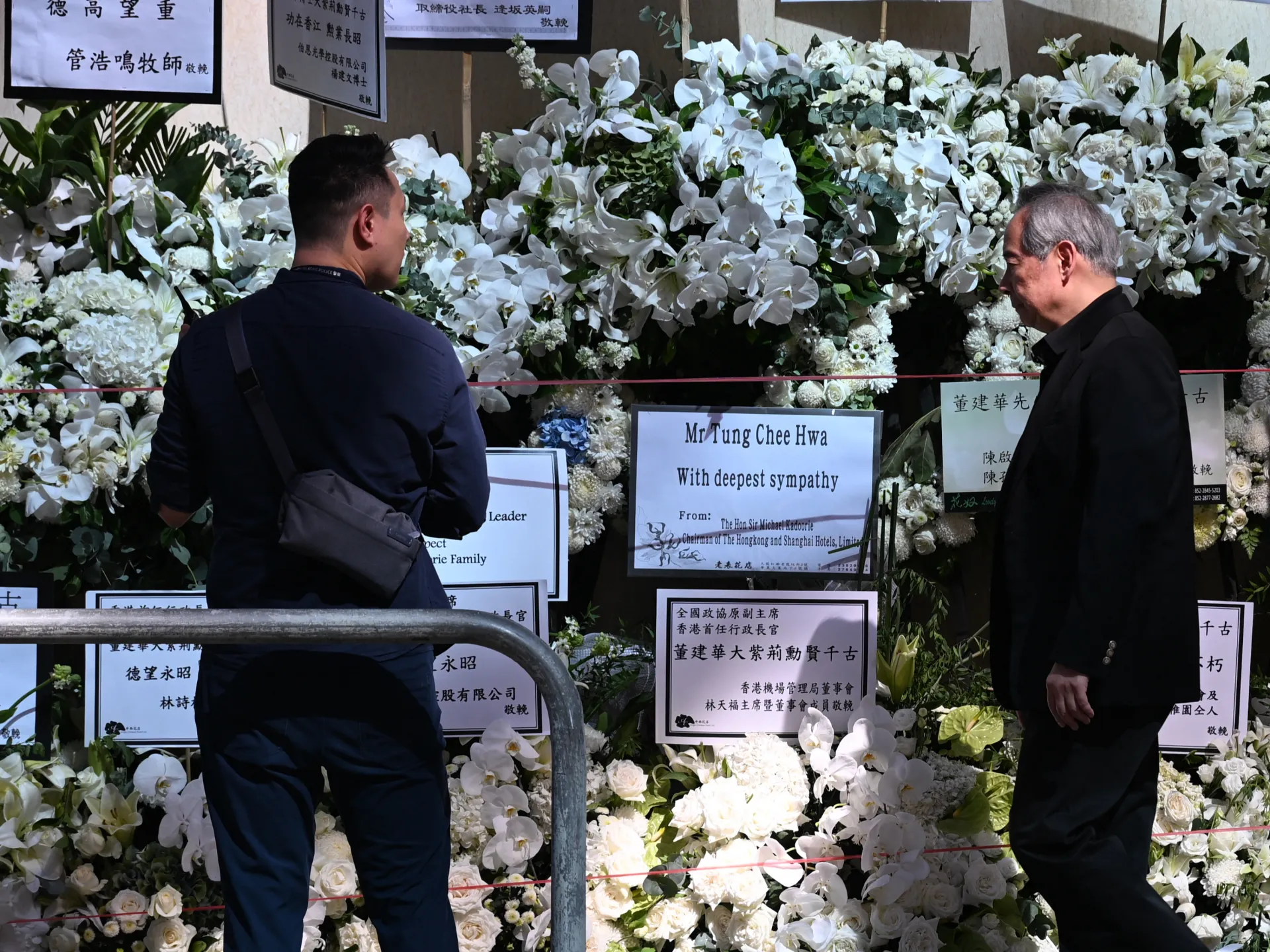
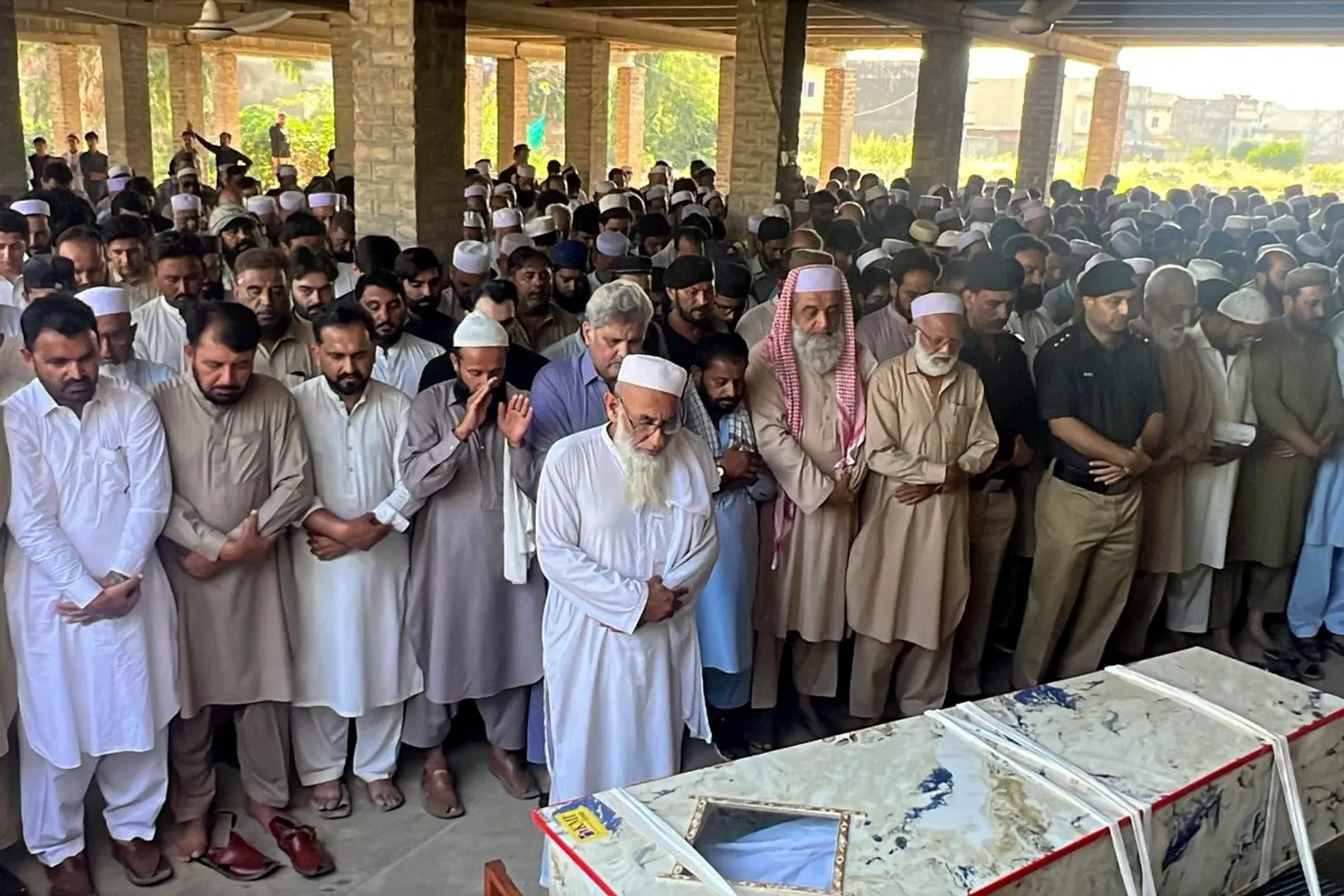
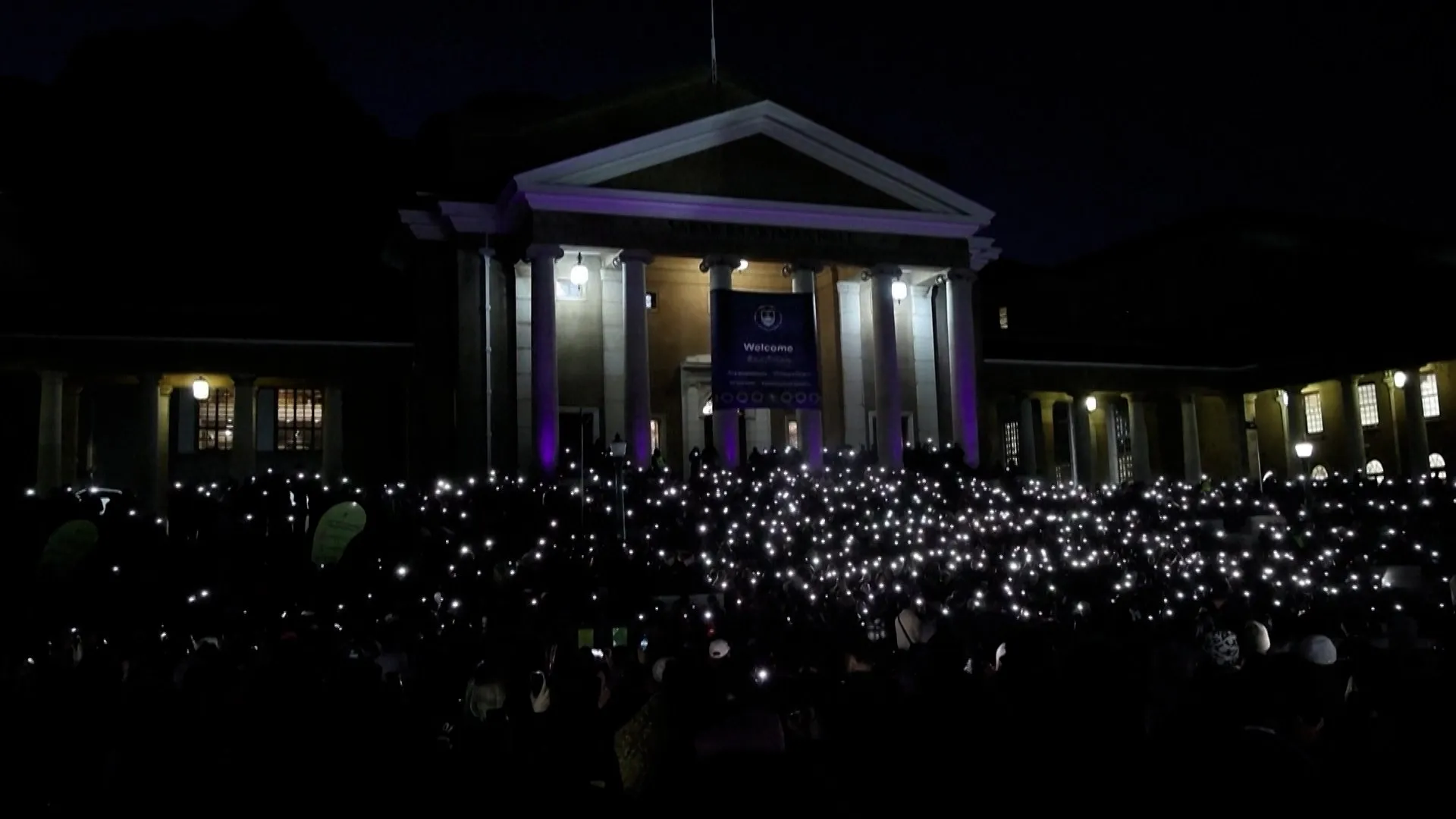
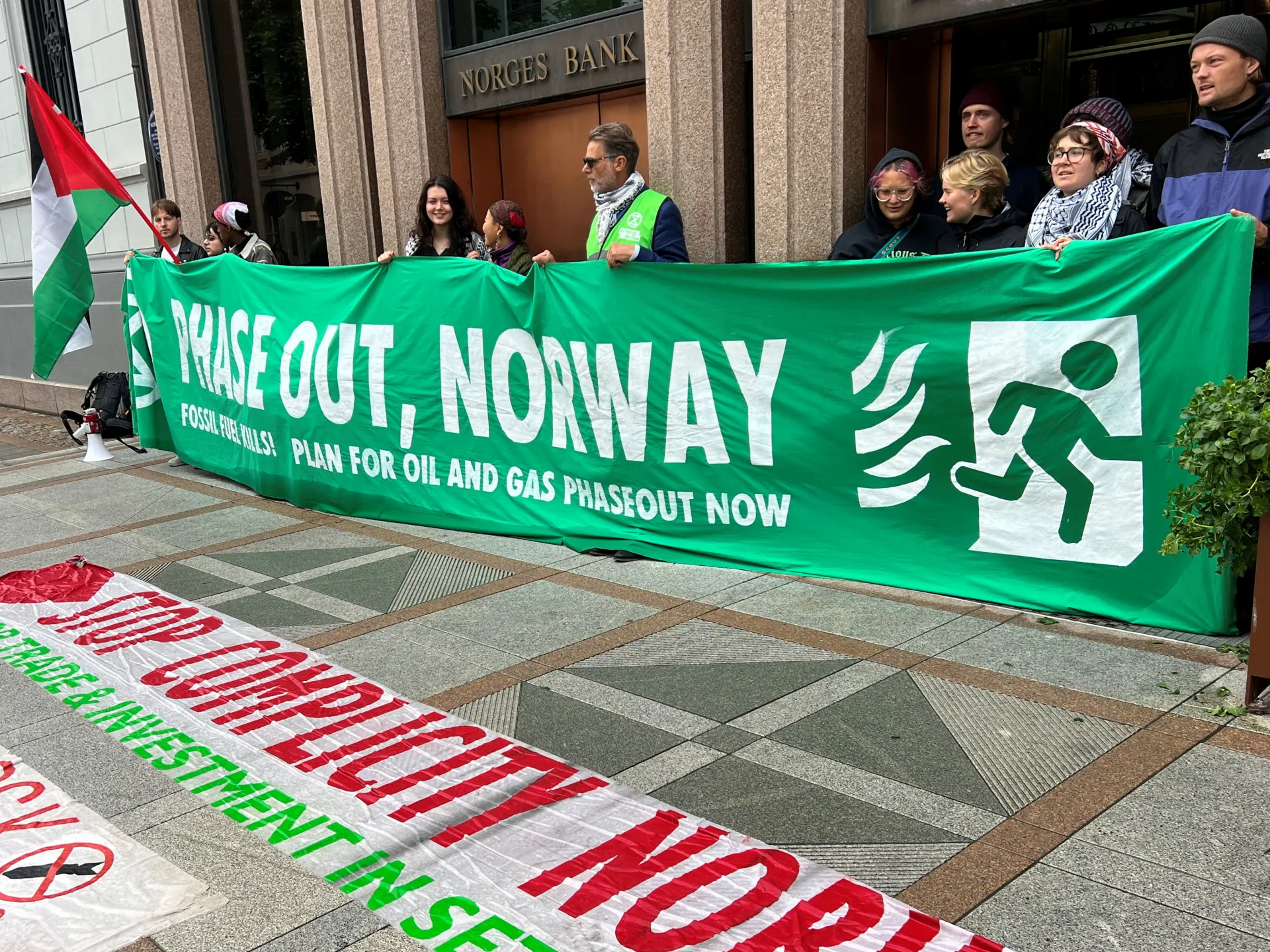
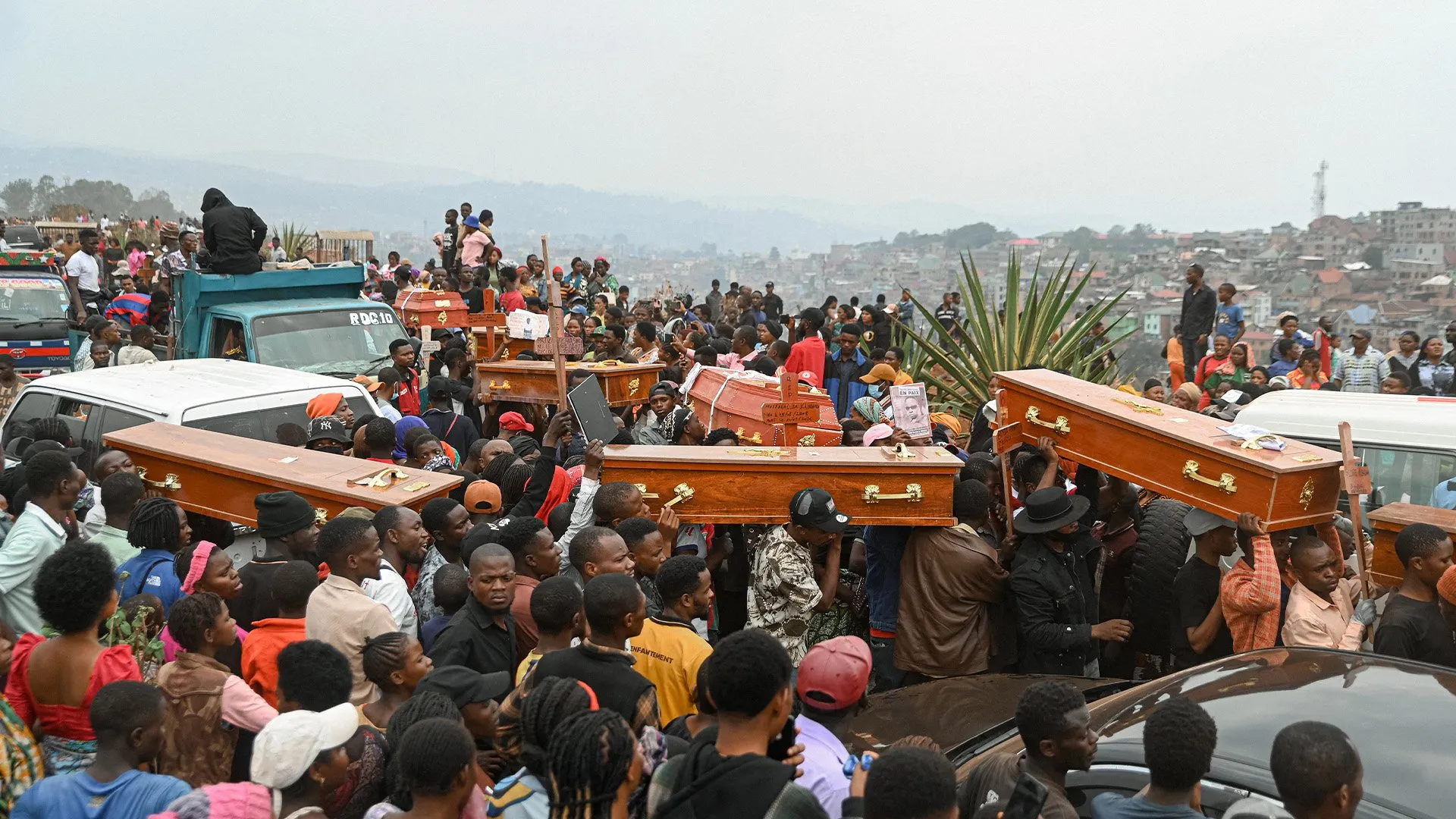
While the Middle East grapples with security crises, the Norwegian monarchy faces a period of profound mourning and internal challenge. Following the death of the 89-year-old King Harald V last month, the nation is preparing to lay its long-serving monarch to rest in Oslo. Prince William is scheduled to attend the funeral on behalf of King Charles, marking a significant act of diplomatic representation. This adheres to the long-standing tradition wherein the British monarch typically avoids funerals of foreign heads of state.
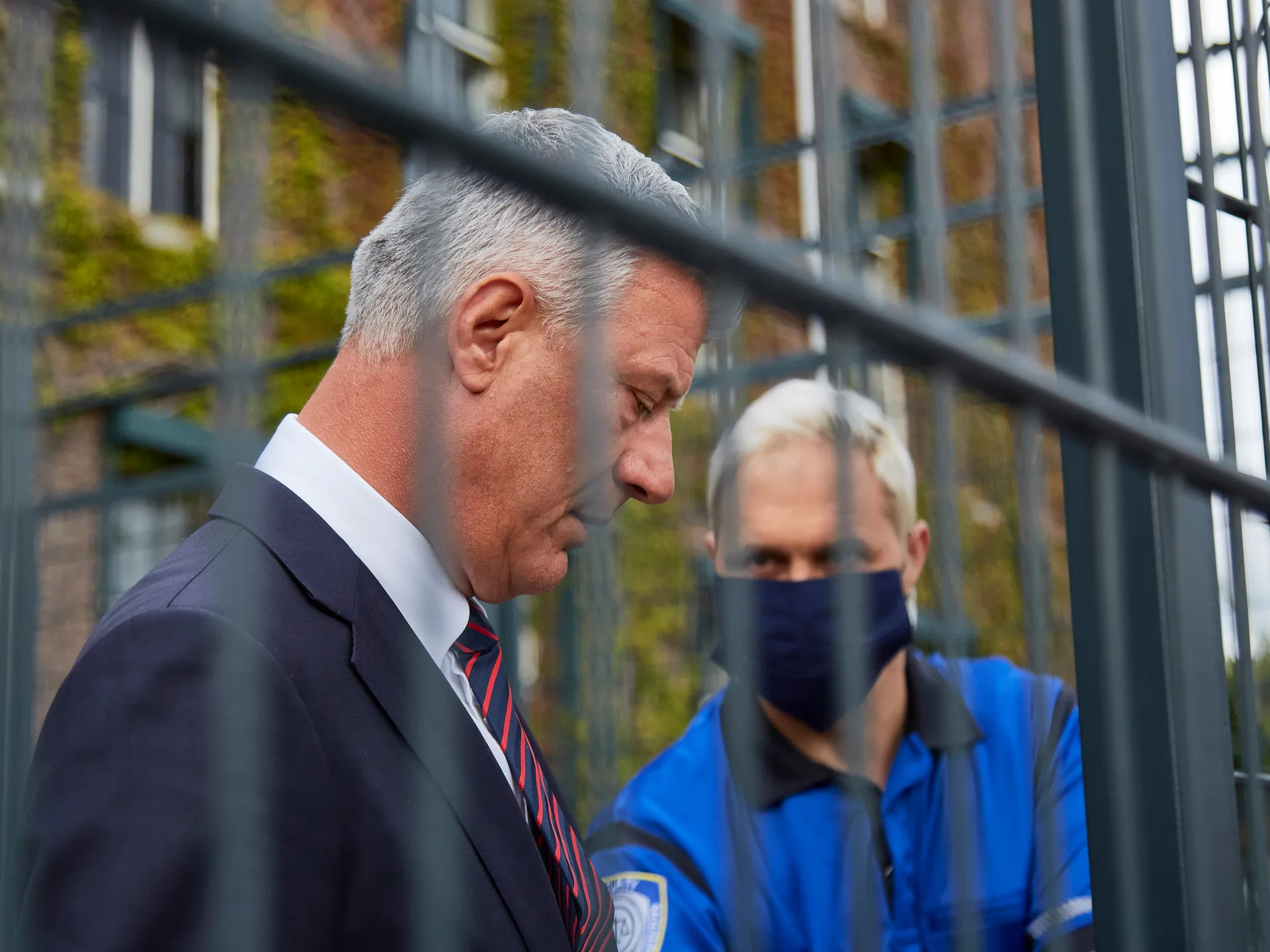
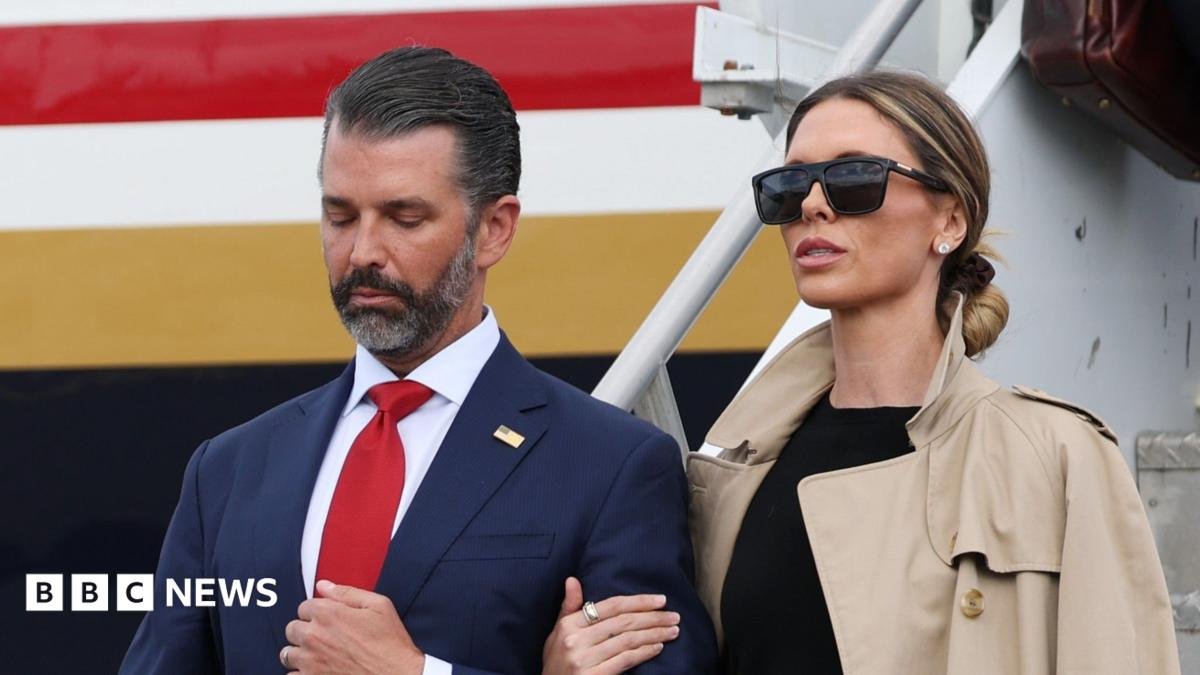
King Haakon VIII, the new monarch, faces a daunting start to his reign, compounded g Marius Borg Høiby, the son of Queen Mette-Marit, who was convicted of rape in June and is currently pursuing an appeal. Additionally, the Queen herself has faced public scrutiny and issued apologies regarding her past association with convicted sex offender Jeffrey Epstein. Despite these controversies, thousands of citizens have participated in the lying-in-state at the Royal Palace Chapel, reflecting King Harald’s legacy as a modernizer and a unifying "people’s king."
The immediate outlook remains fraught with uncertainty. In the Middle East, the reopening of the Strait of Hormuz will depend entirely on the outcome of backchannel negotiations between Iran and international powers; failure to reach an accord could lead to a severe global energy price shock. Simultaneously, the Saudi-led response to Houthi forces risks escalating into a wider regional conflict that could further draw in neighboring states. In Norway, the coronation of King Haakon VIII will serve as a pivotal moment for the monarchy's stability. Whether the new King can move past the scandals of the last year and regain the unifying stature held