As NASA highlights upcoming student outreach and galactic discoveries, civilian populations in South Africa and Russia face mounting crises involving local violence and the search for missing persons.
In an increasingly interconnected world, the spectrum of human concern spans from the cosmic mysteries of the universe to the immediate, visceral pain of lost loved ones. While NASA continues to push the boundaries of scientific discovery, demonstrating the resilience of international collaborative efforts in low Earth orbit, other regions of the globe are grappling with the harrowing human cost of conflict and systemic violence. These parallel developments reflect a humanity stretched between the pursuit of knowledge and the struggle to protect life within fractured political and social landscapes.
The juxtaposition of space exploration and humanitarian crisis underscores a critical reality: scientific advancement often continues apace even as terrestrial systems fail to provide basic safety to their citizens. Whether through the lens of a telescope or the lens of a grieving family member, the need for transparency, communication, and accountability remains the constant, binding factor in every corner of the world.
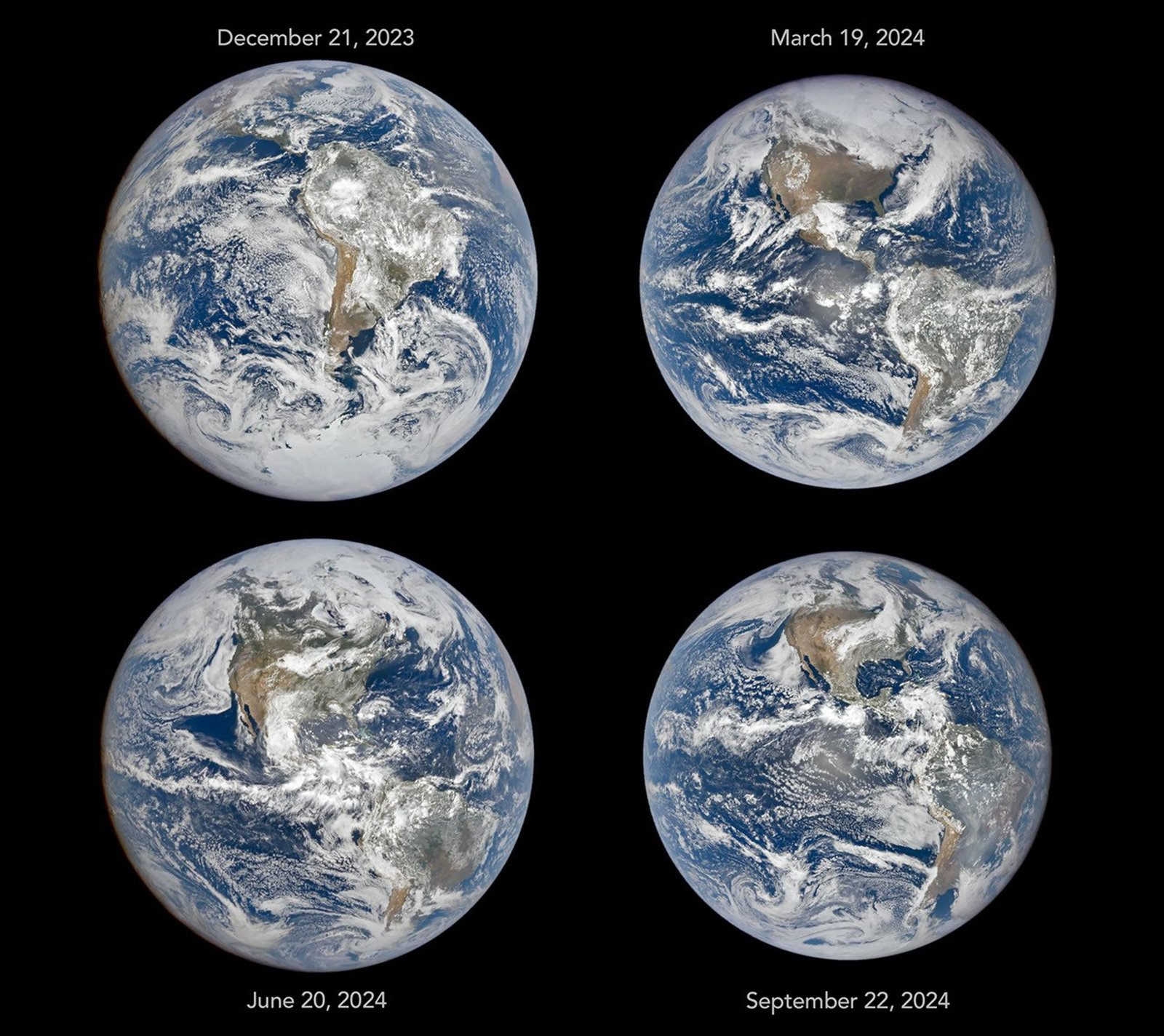
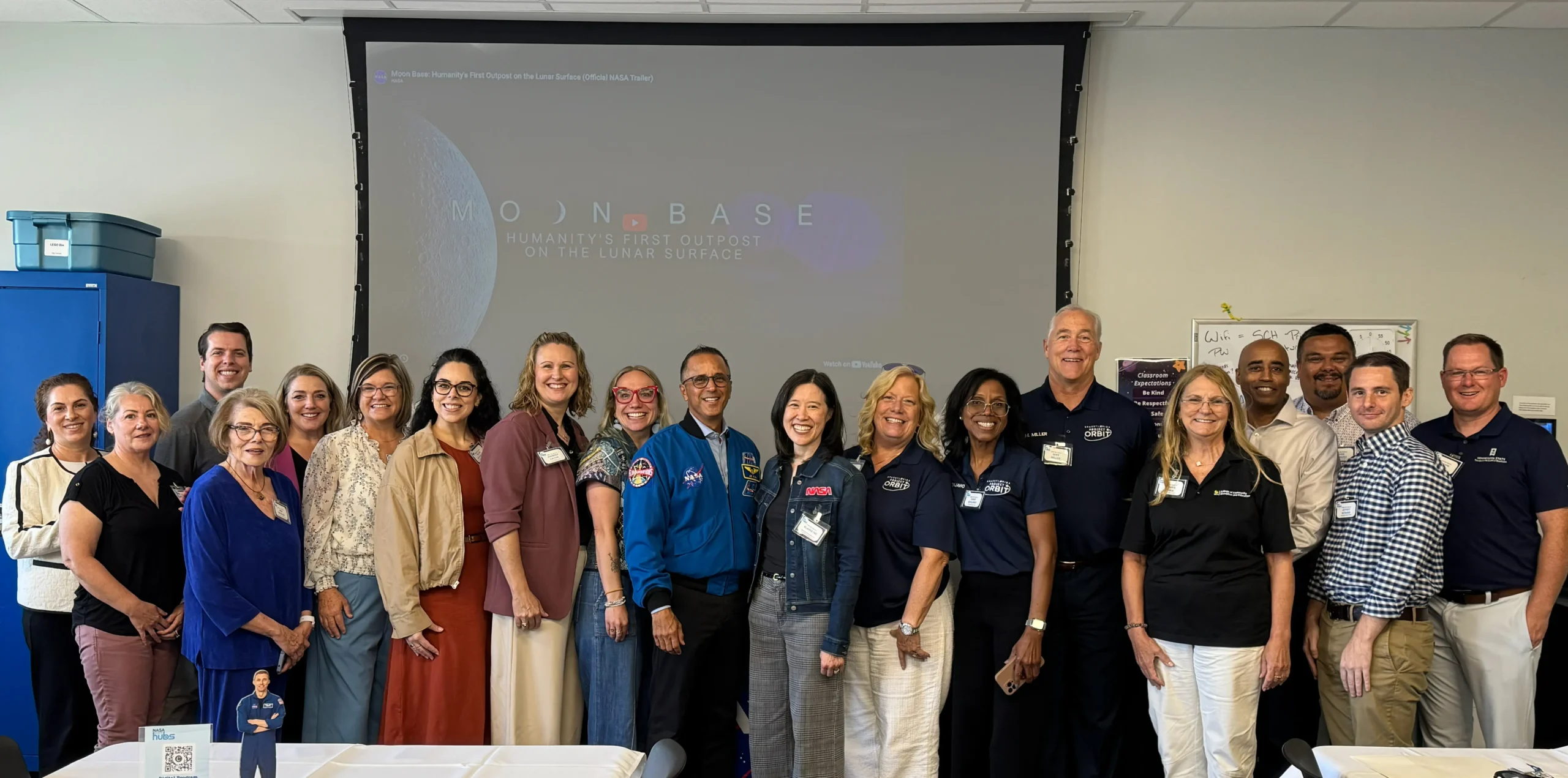
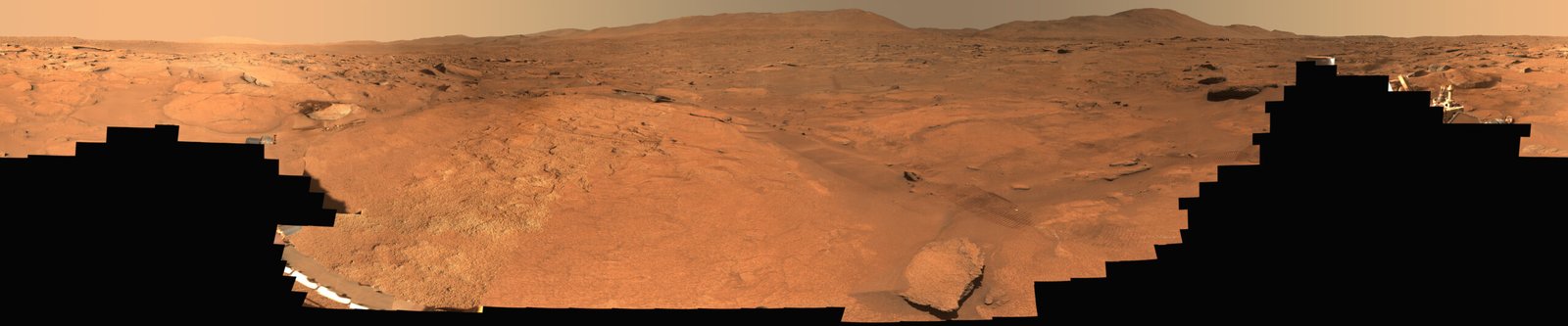
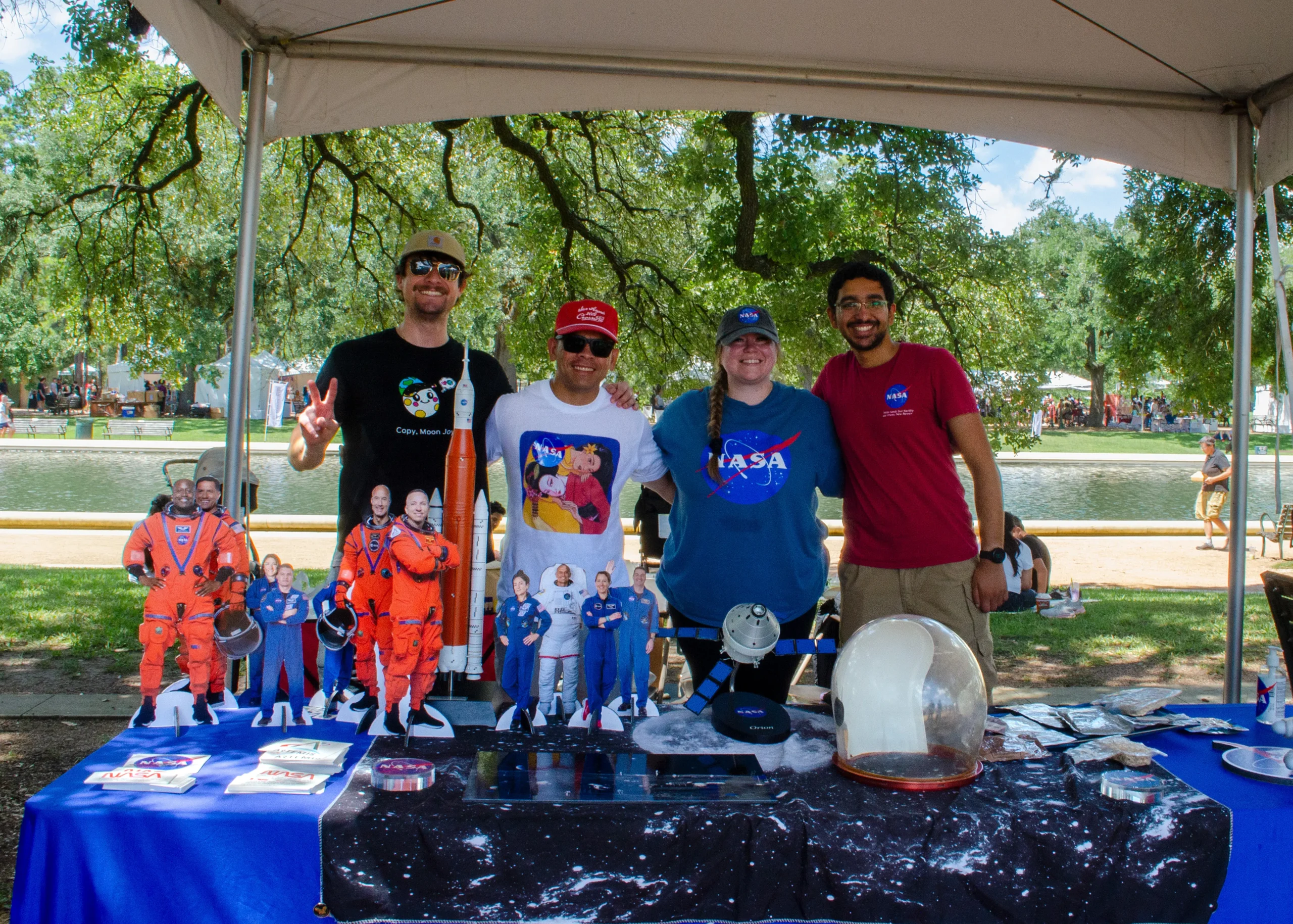
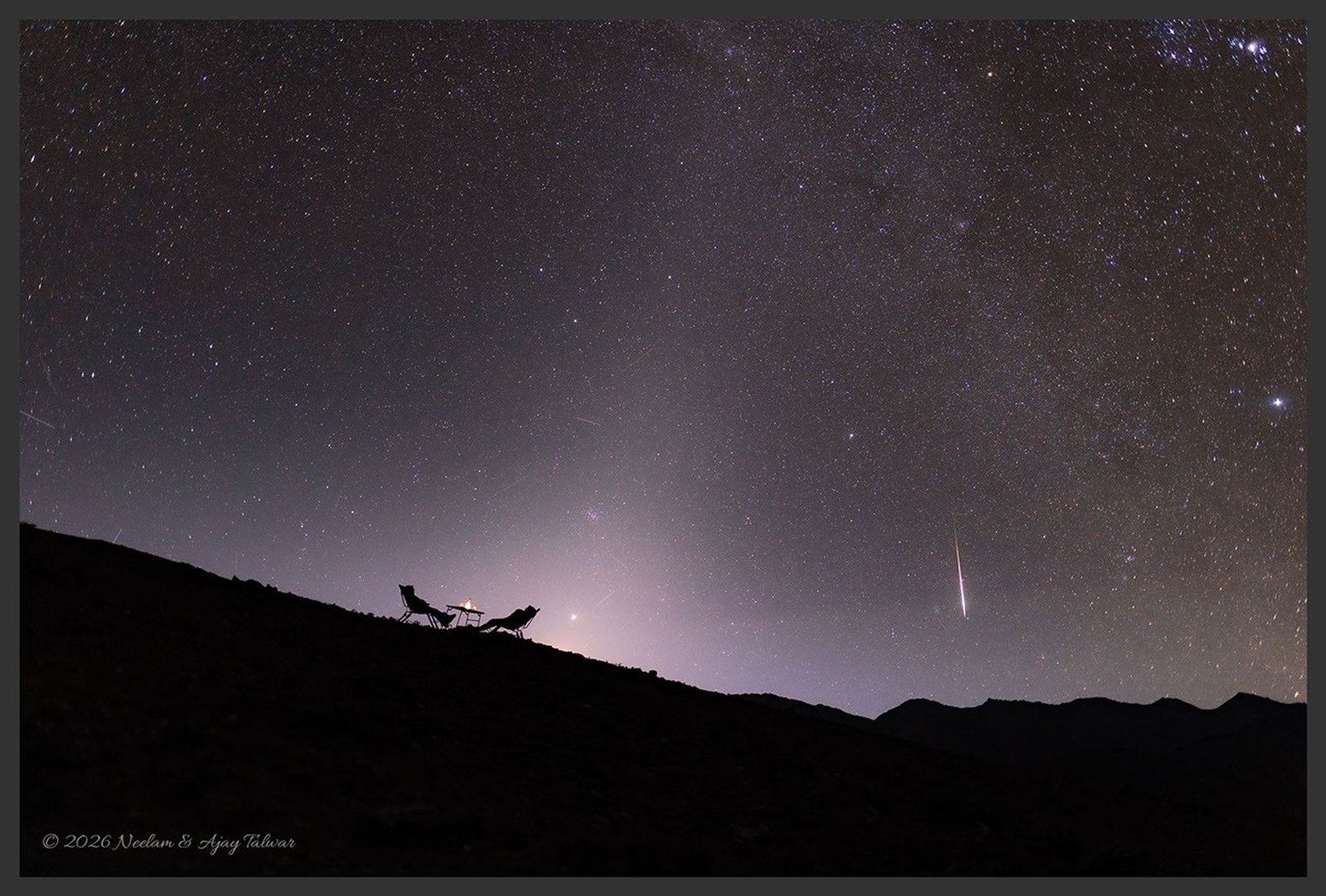
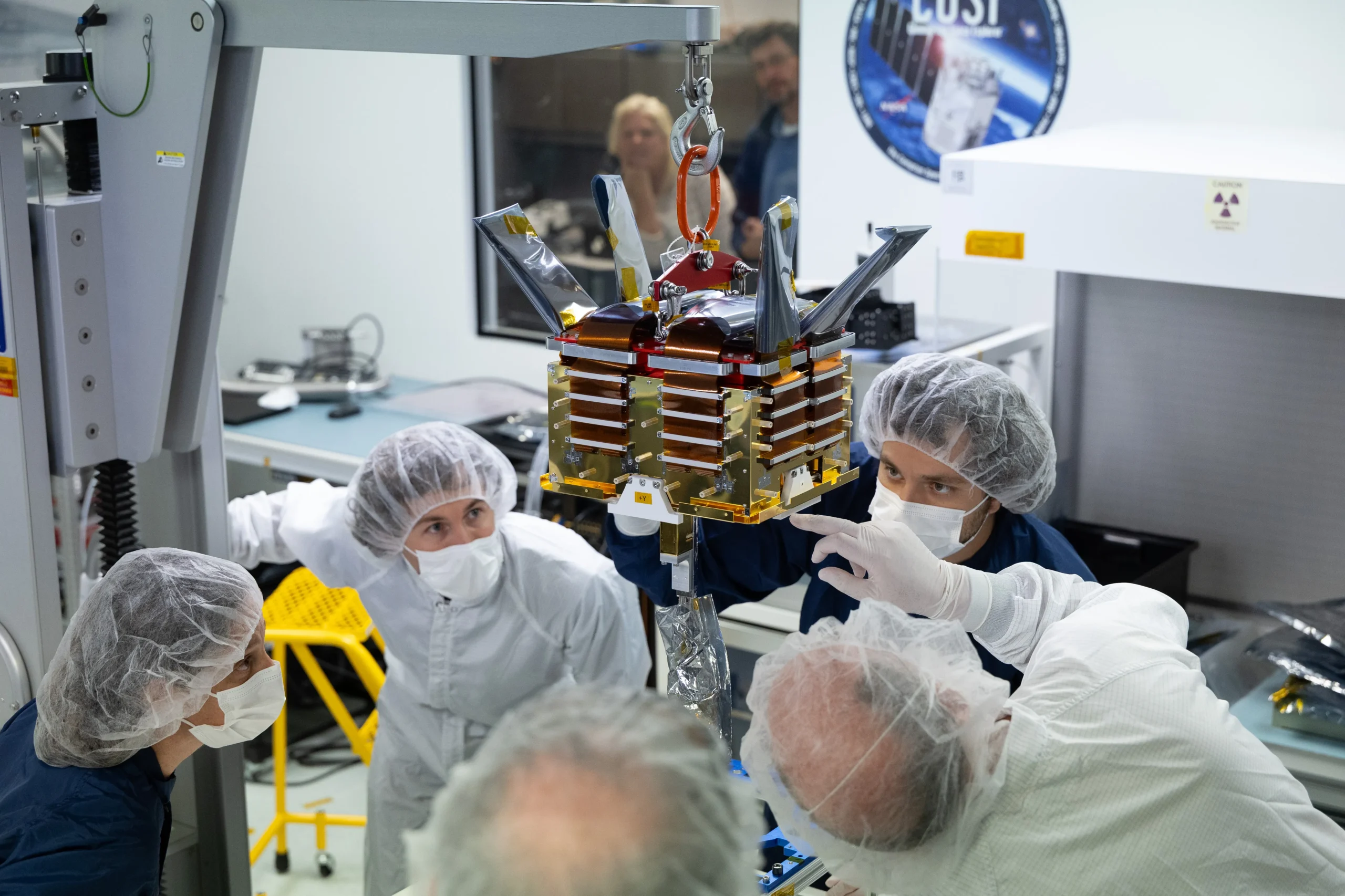
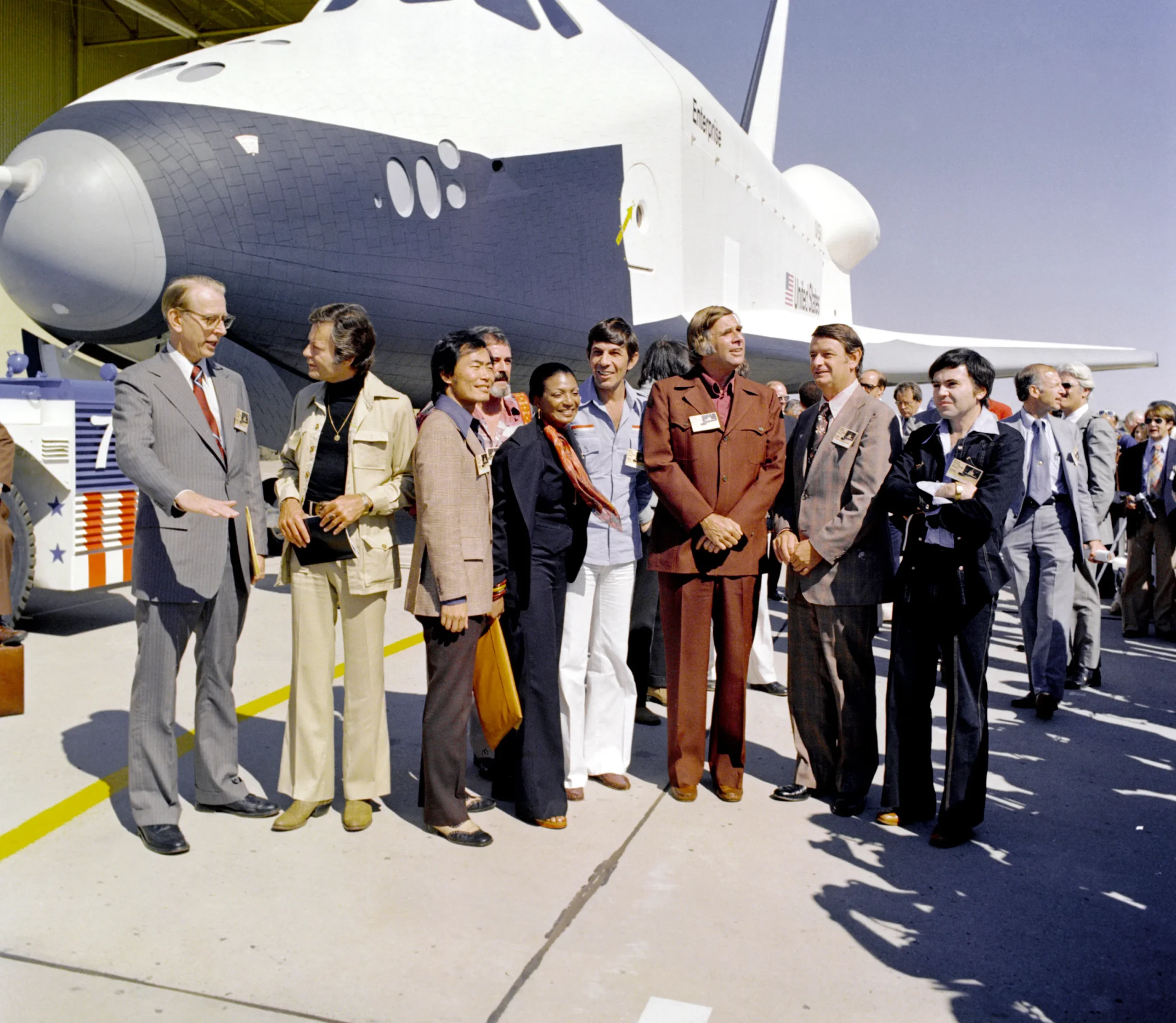
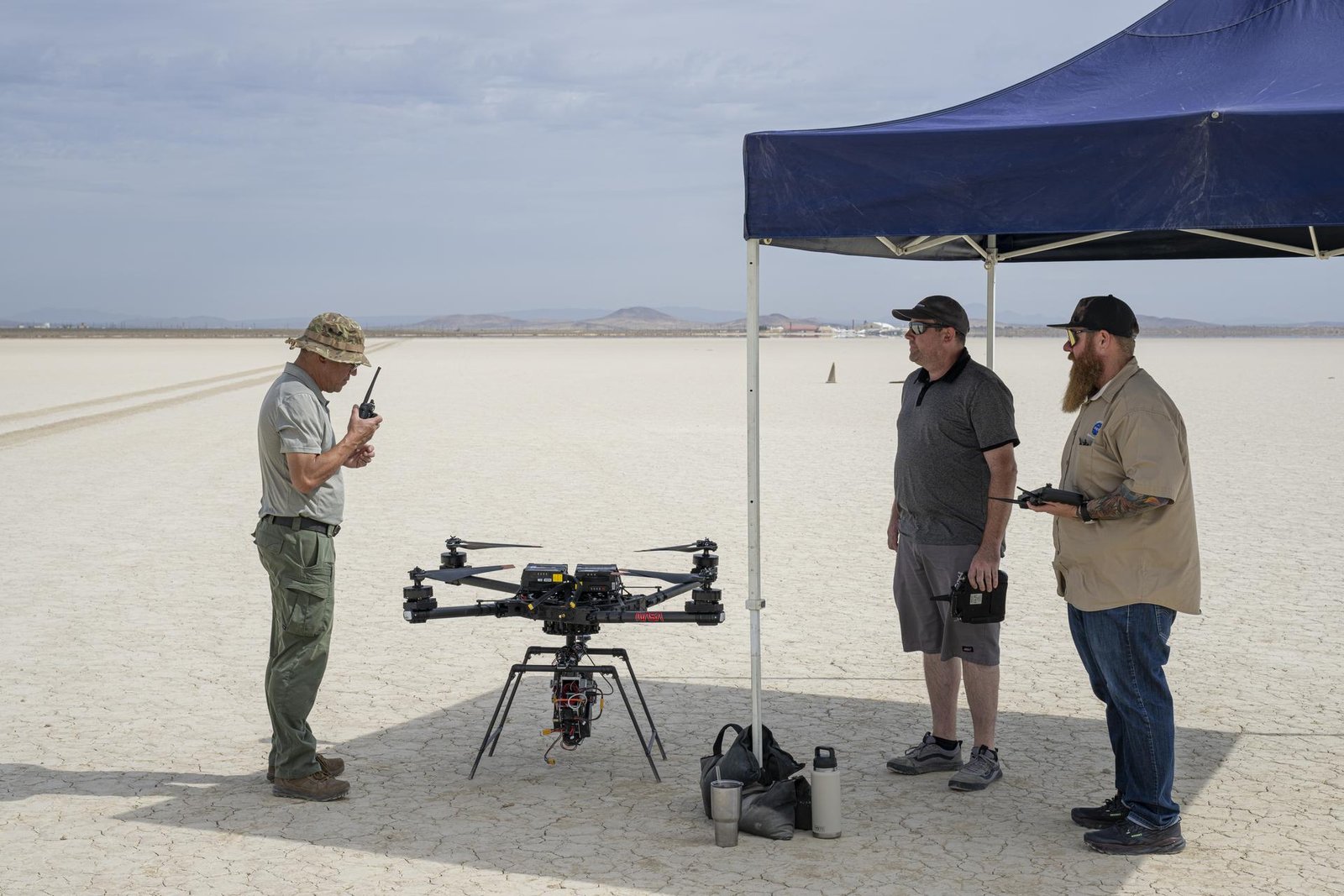
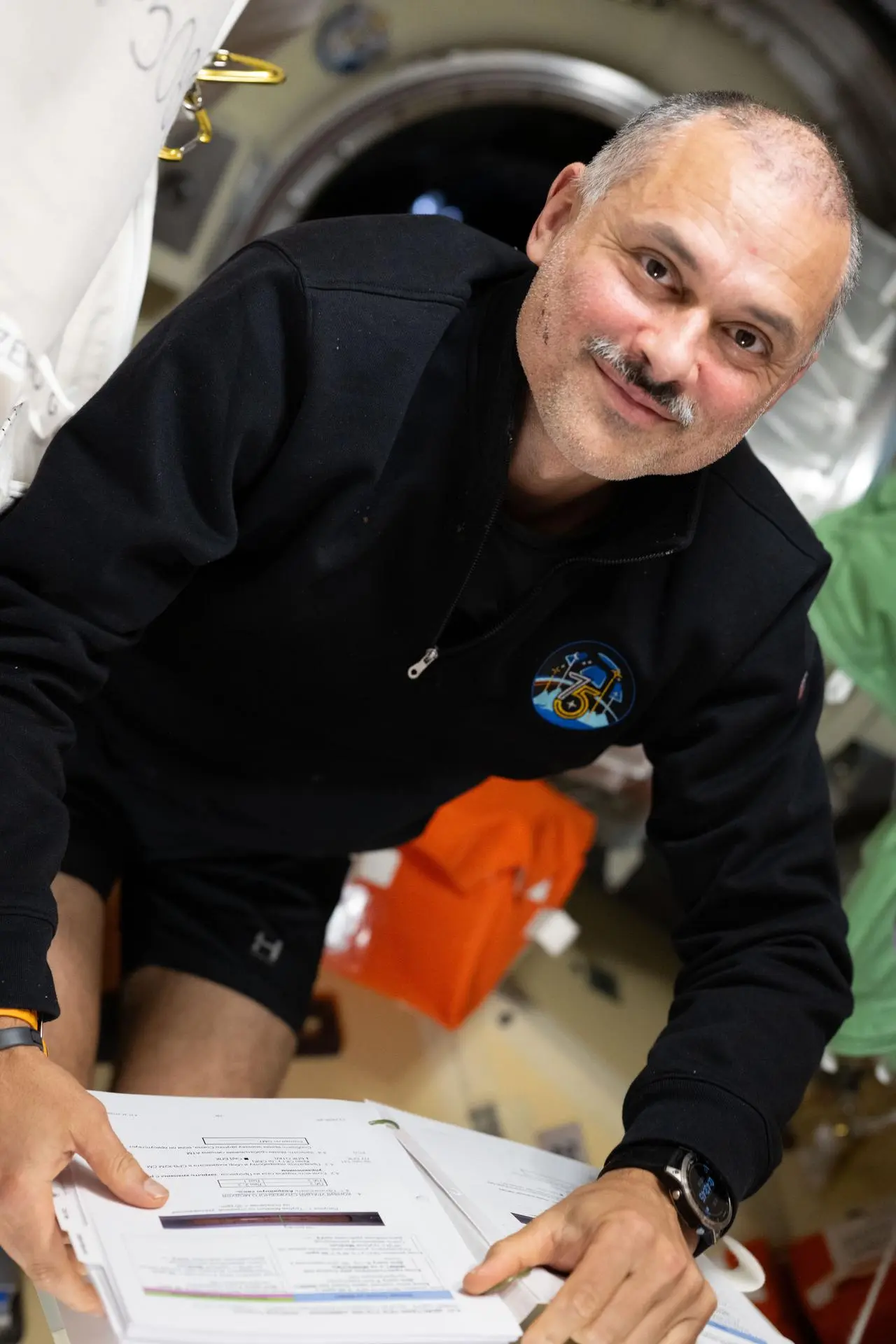
NASA remains active on multiple fronts, balancing long-duration missions on the International Space Station (ISS) with the study of deep-space phenomena. Recently, the agency announced a live Earth-to-space broadcast featuring astronaut Anil Menon, who will answer prerecorded questions from students in New Hampshire. This initiative aims to foster interest in STEM careers while highlighting the continuous scientific operations conducted aboard the ISS, which has served as a permanent research outpost for over 25 years.
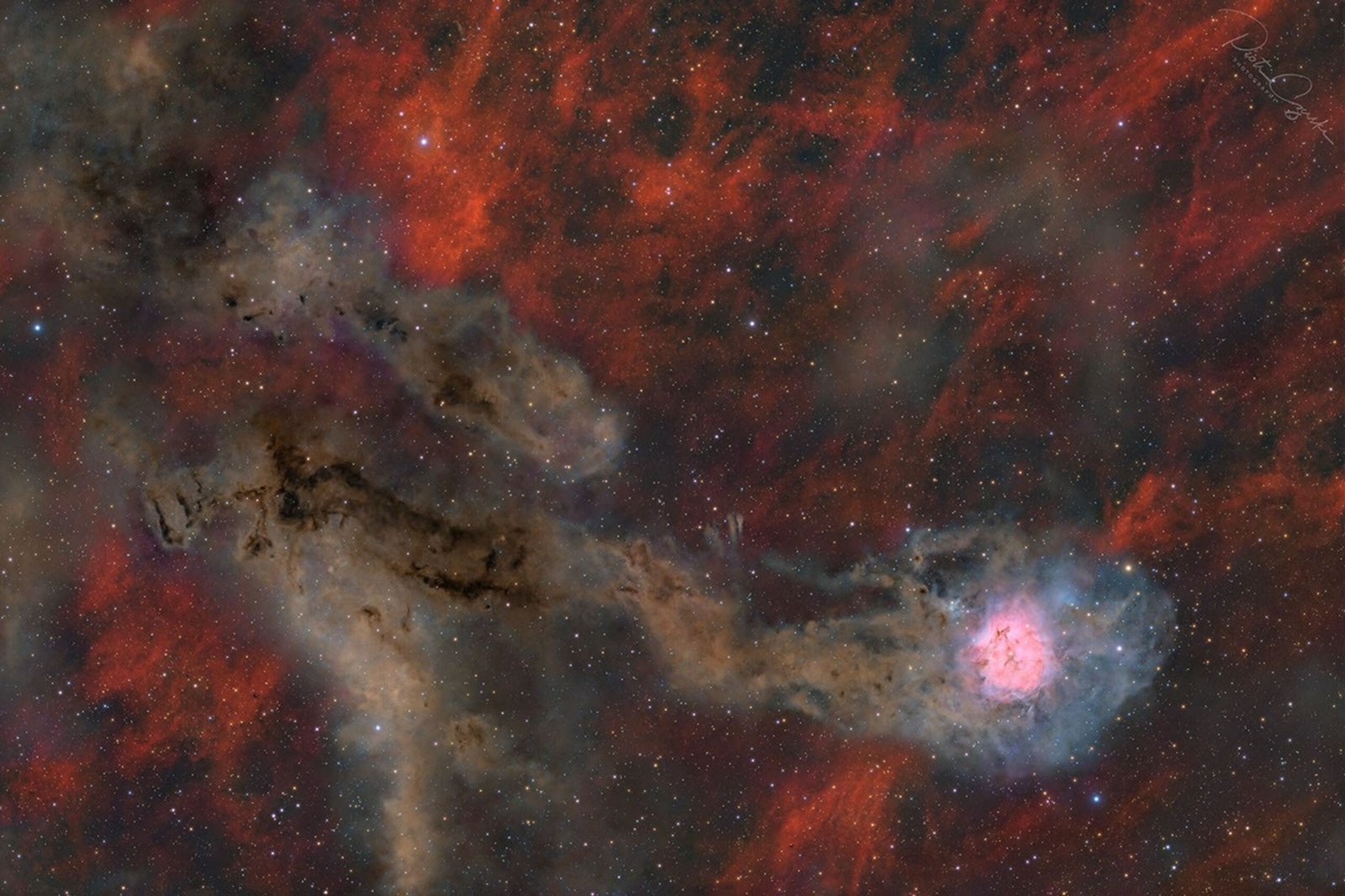
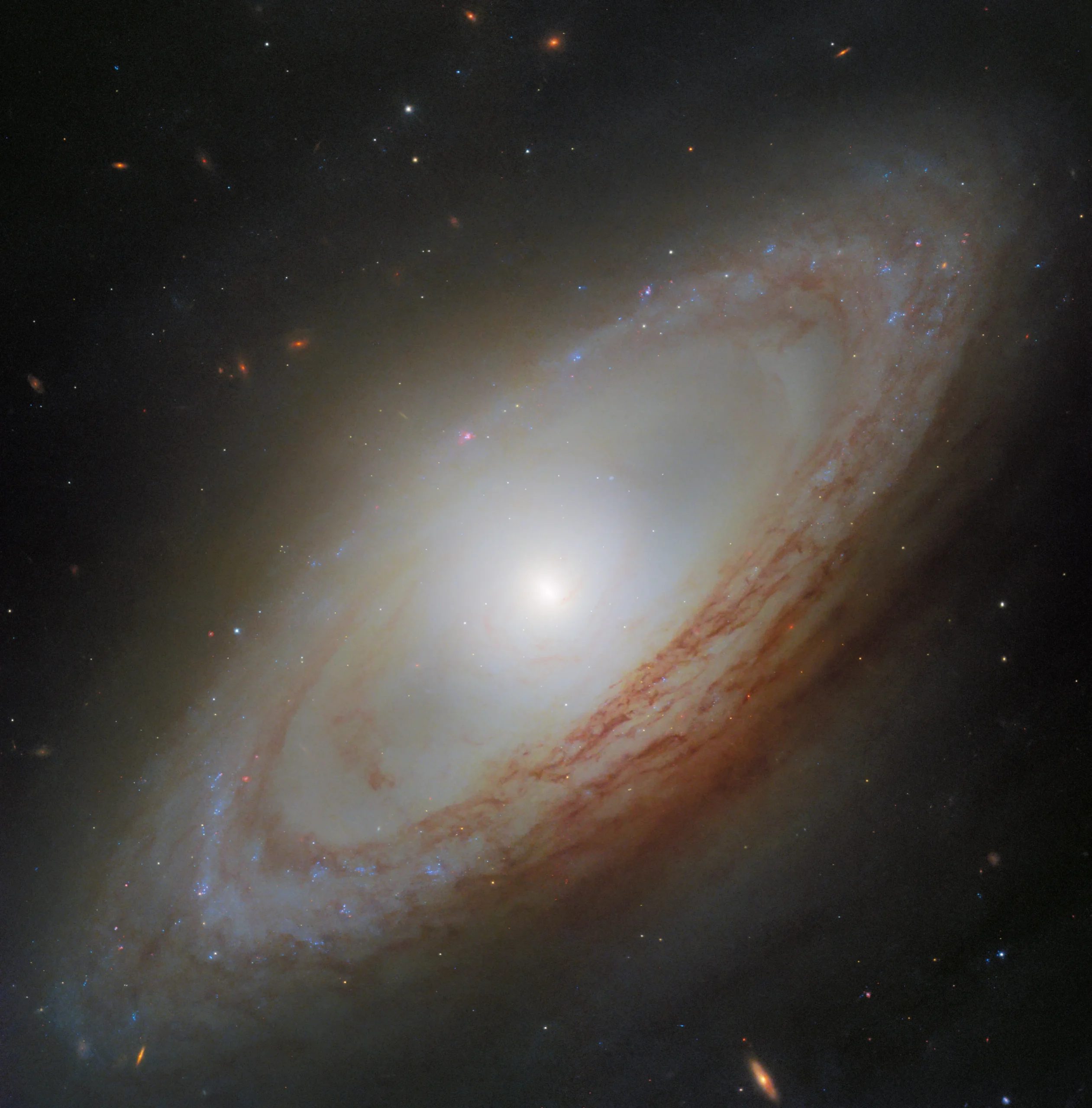
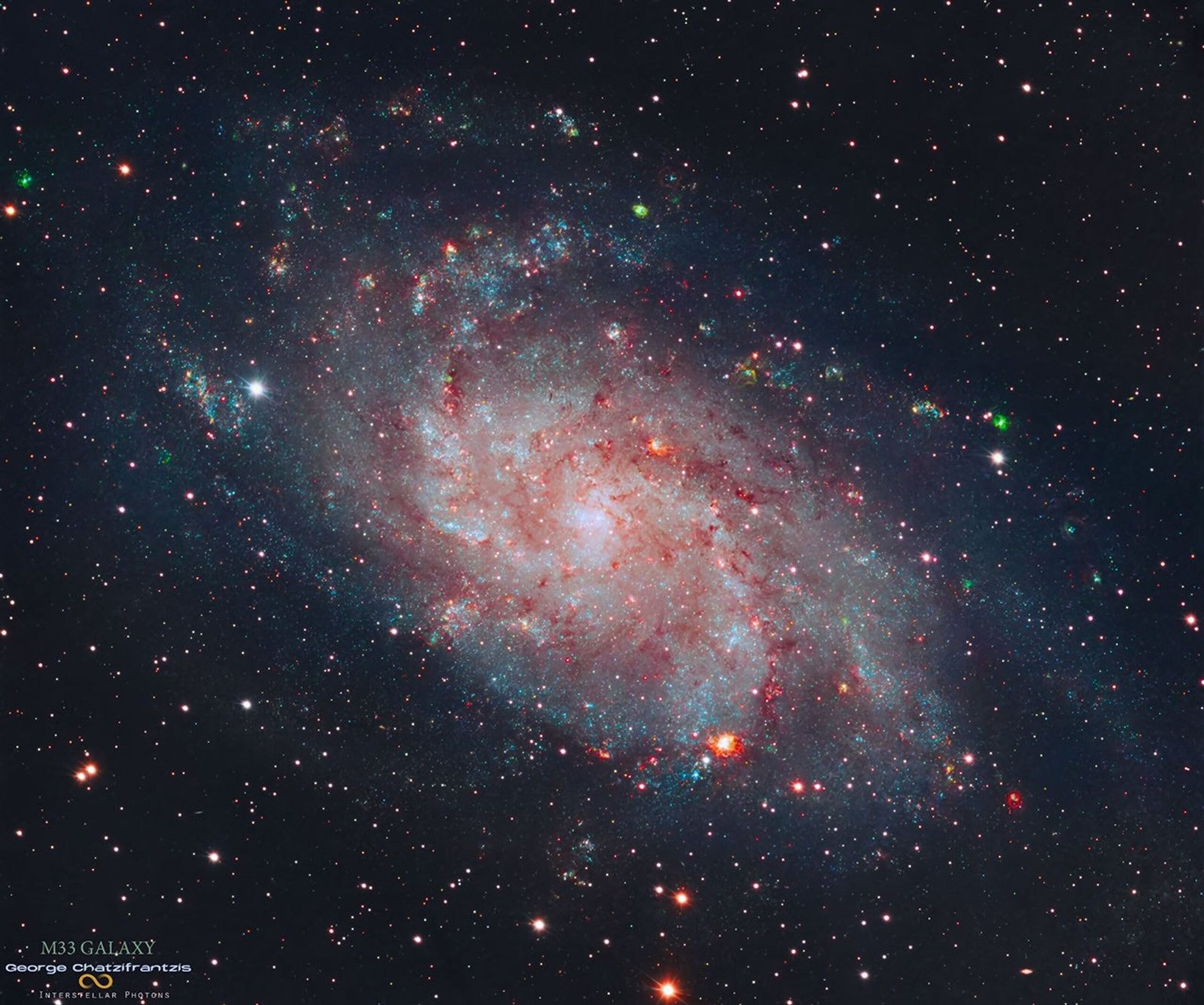
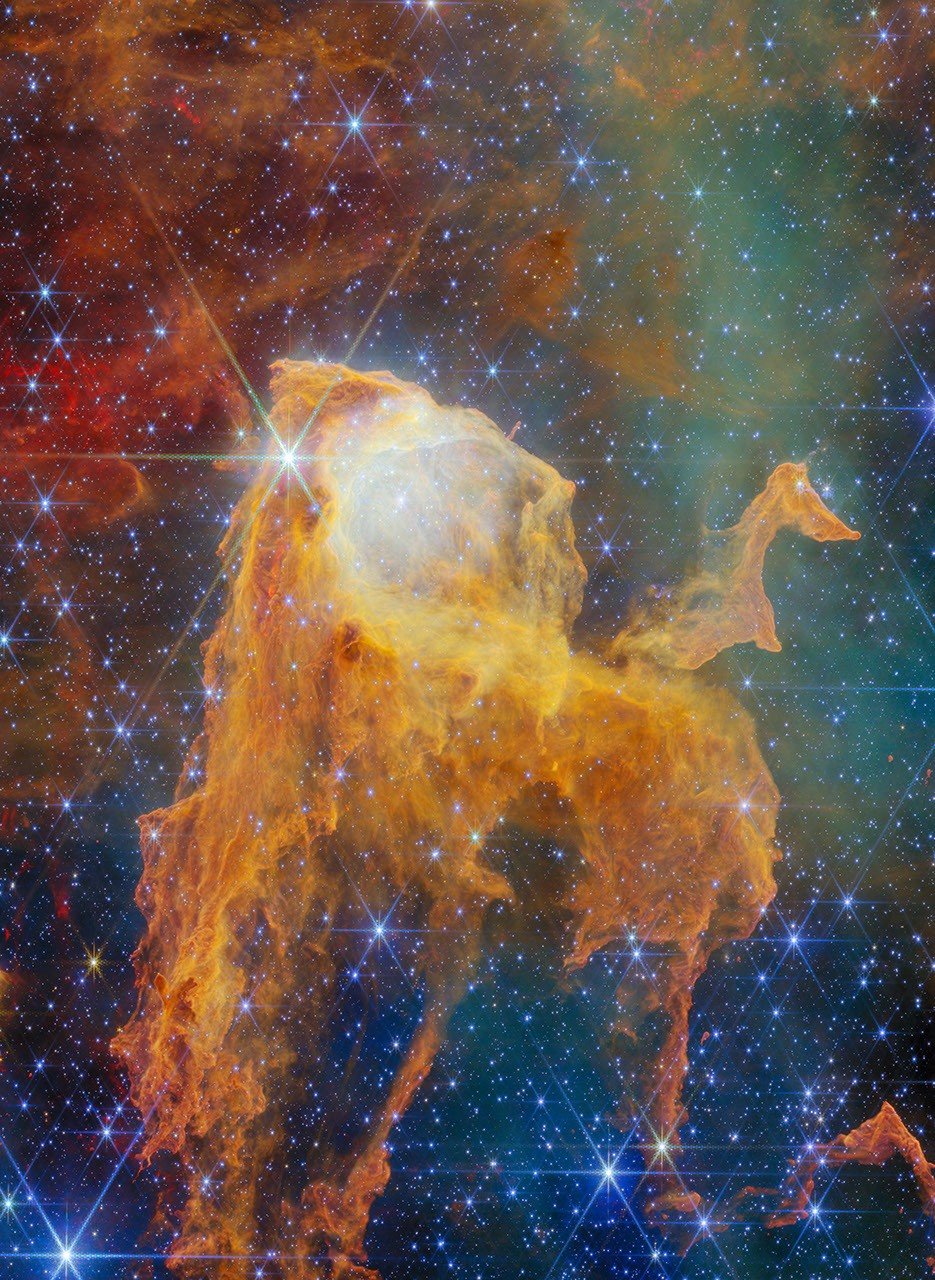
Simultaneously, the Hubble Space Telescope has provided astronomers with a complex look at NGC 4698, a spiral galaxy located 55 million light-years away in the Virgo Cluster. Unlike typical spiral galaxies where arms wind toward the center, NGC 4698 exhibits a peculiar structure where its bulge extends at a right angle to the disk. Scientists hypothesize that this “out-of-sync” orientation may be the result of a past galactic merger, as suggested ile and dynamic nature of the cosmos, even within seemingly serene galactic structures.
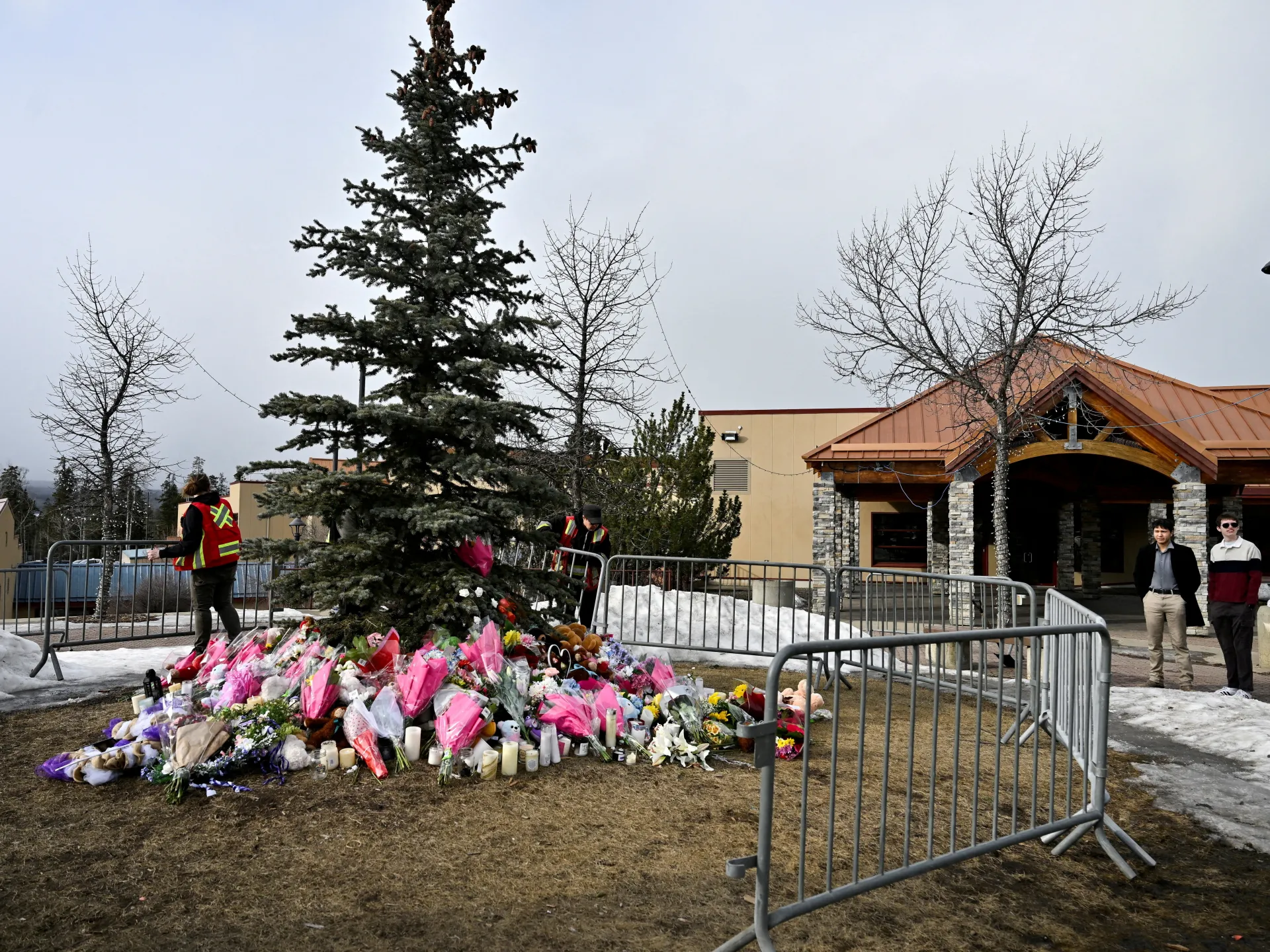
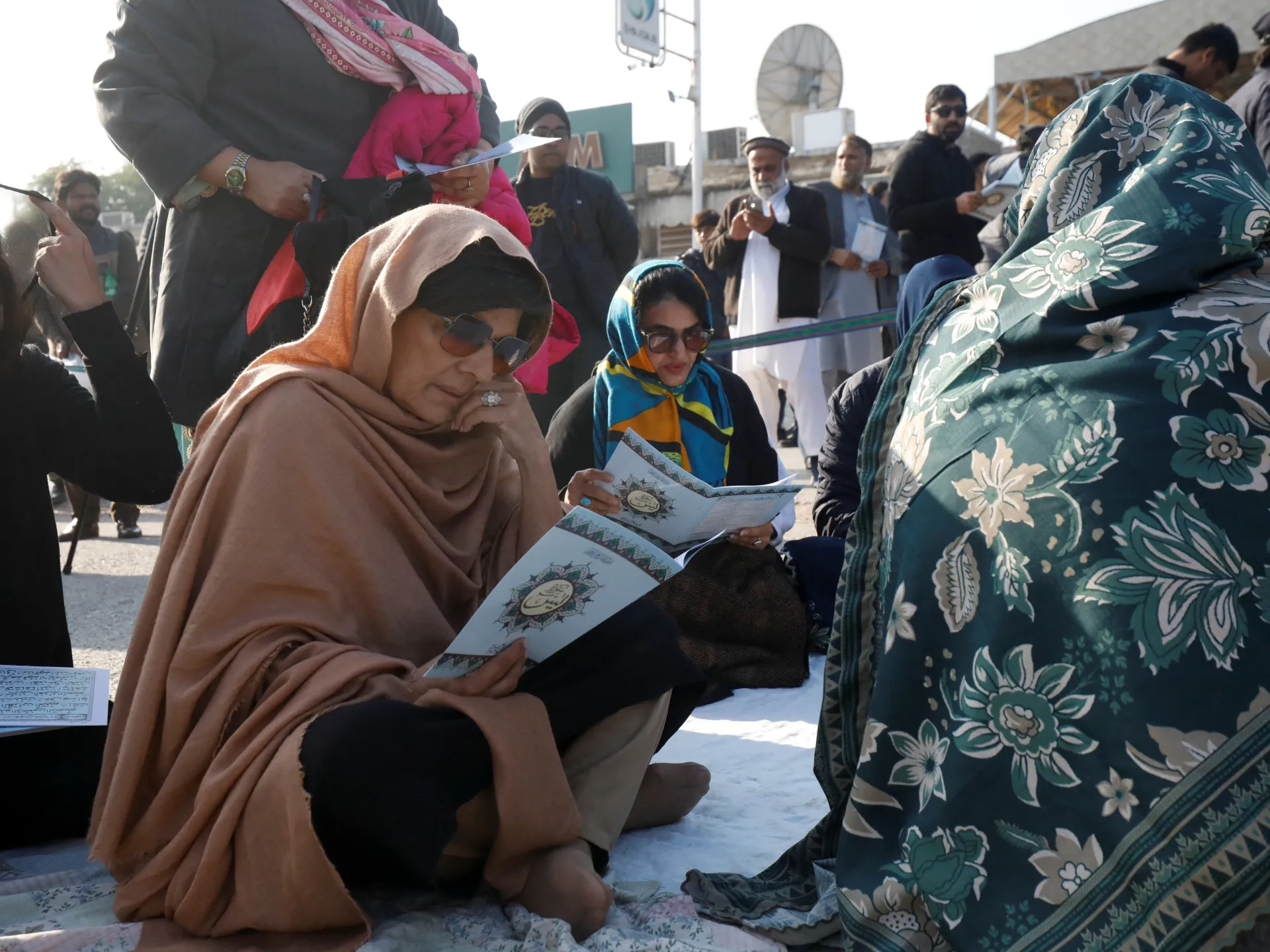
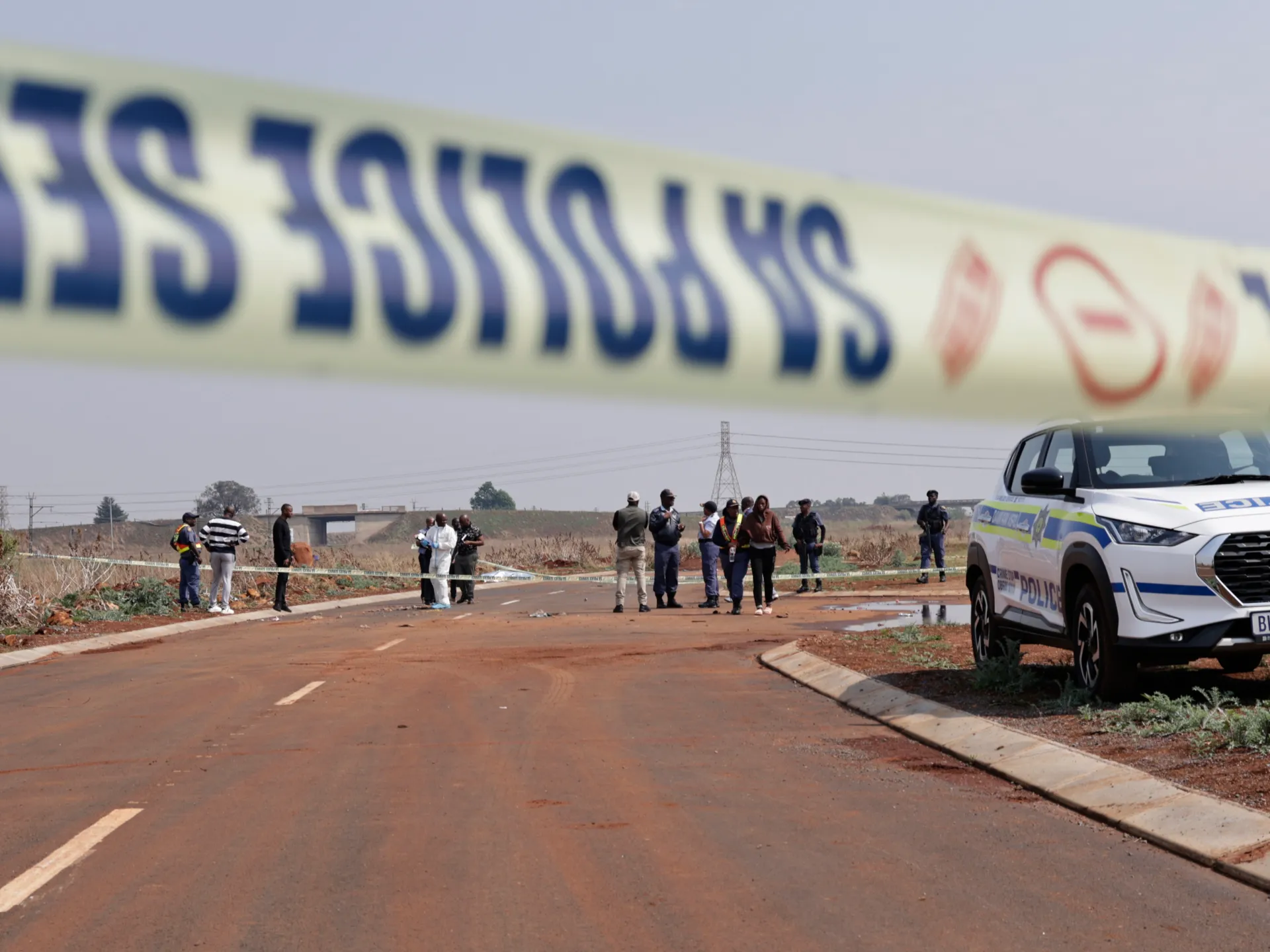
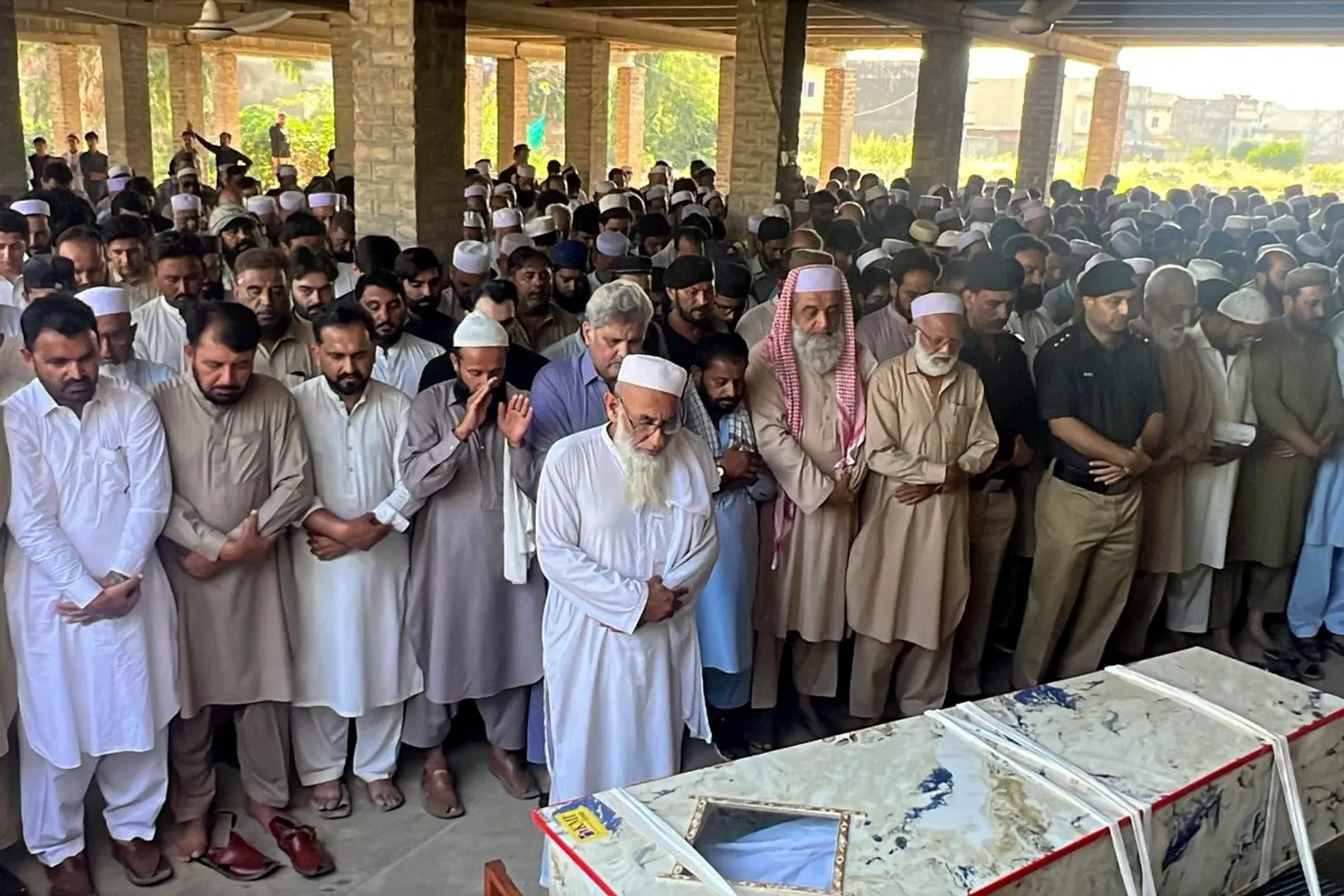
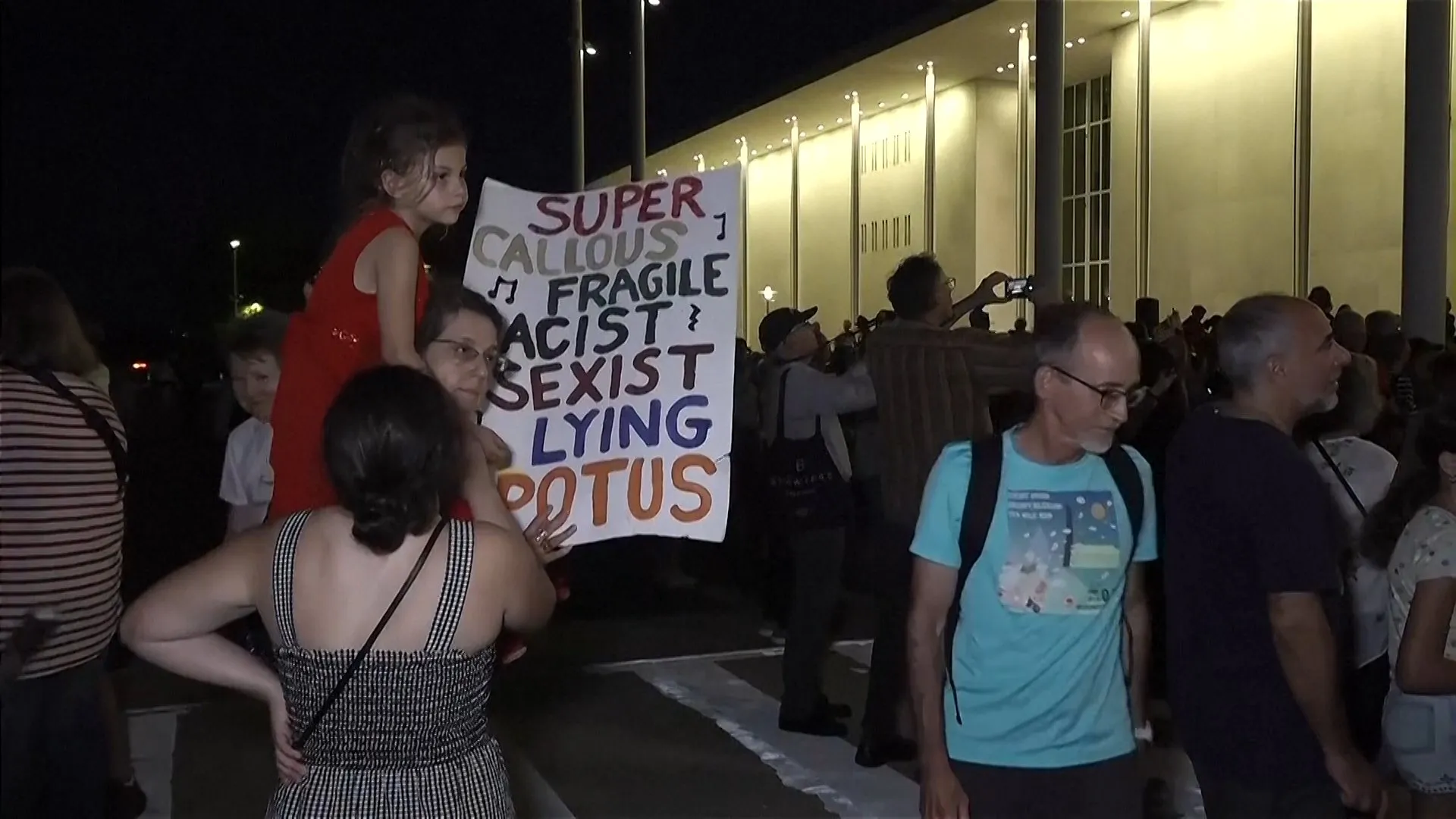
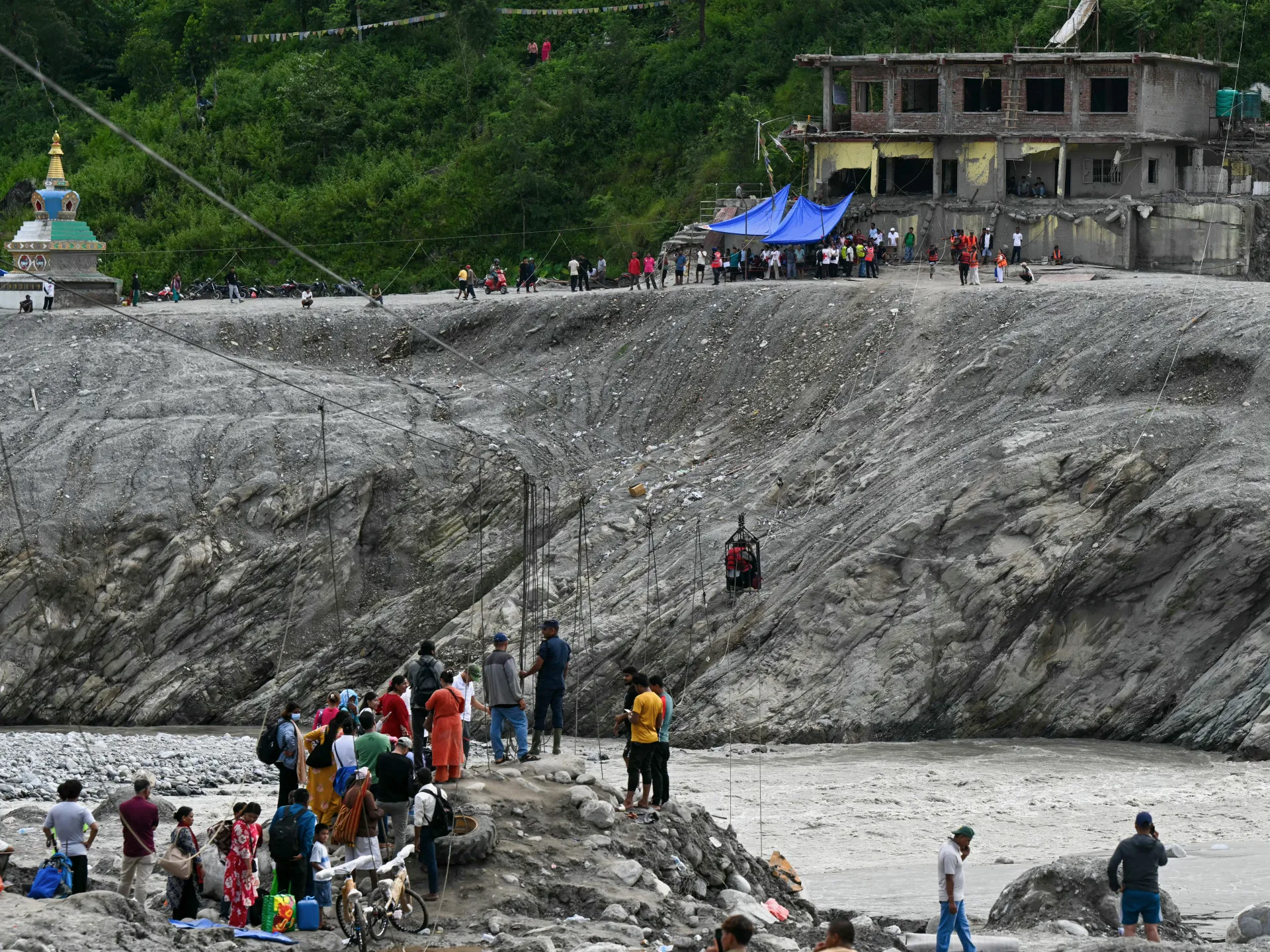
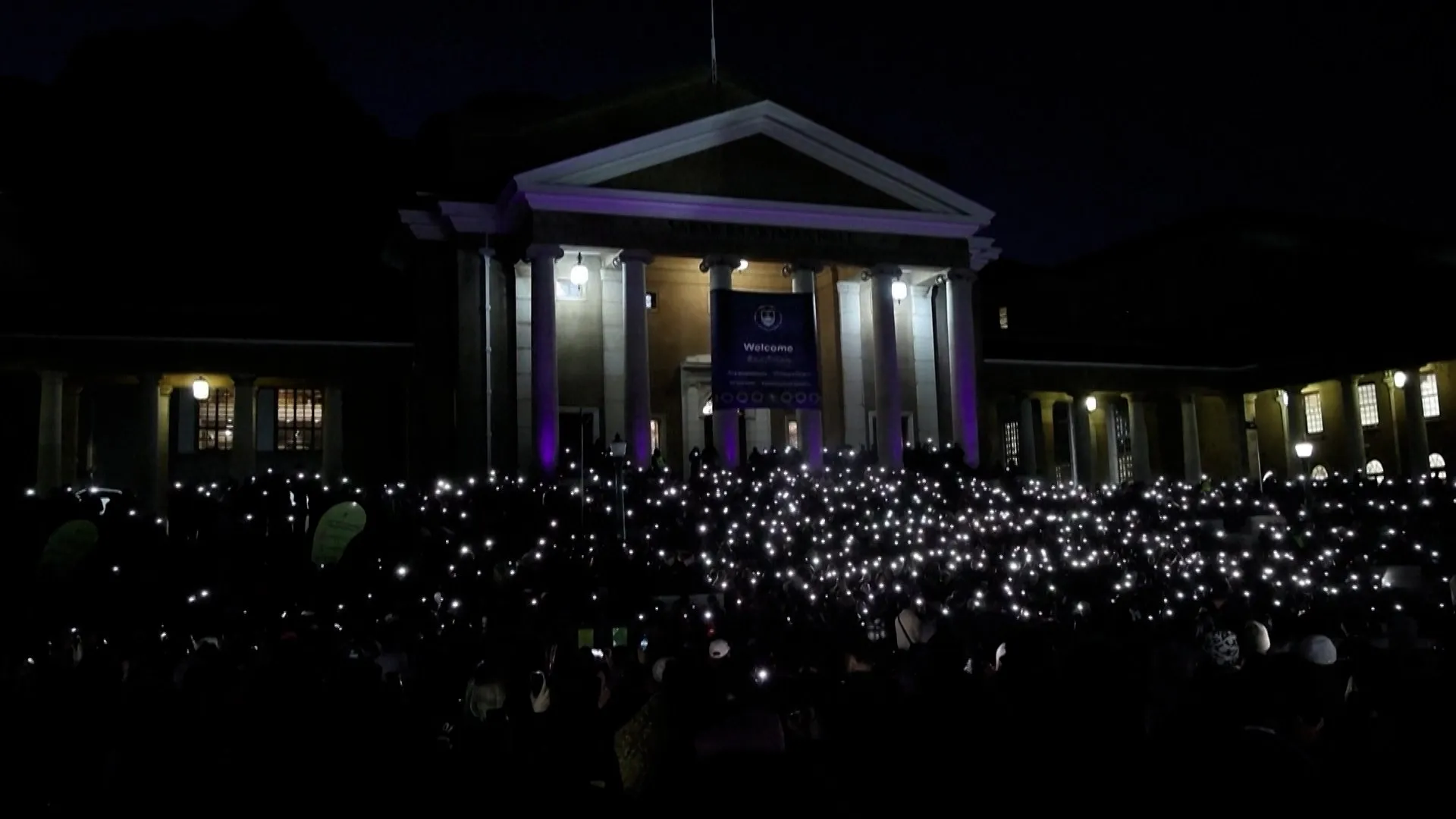
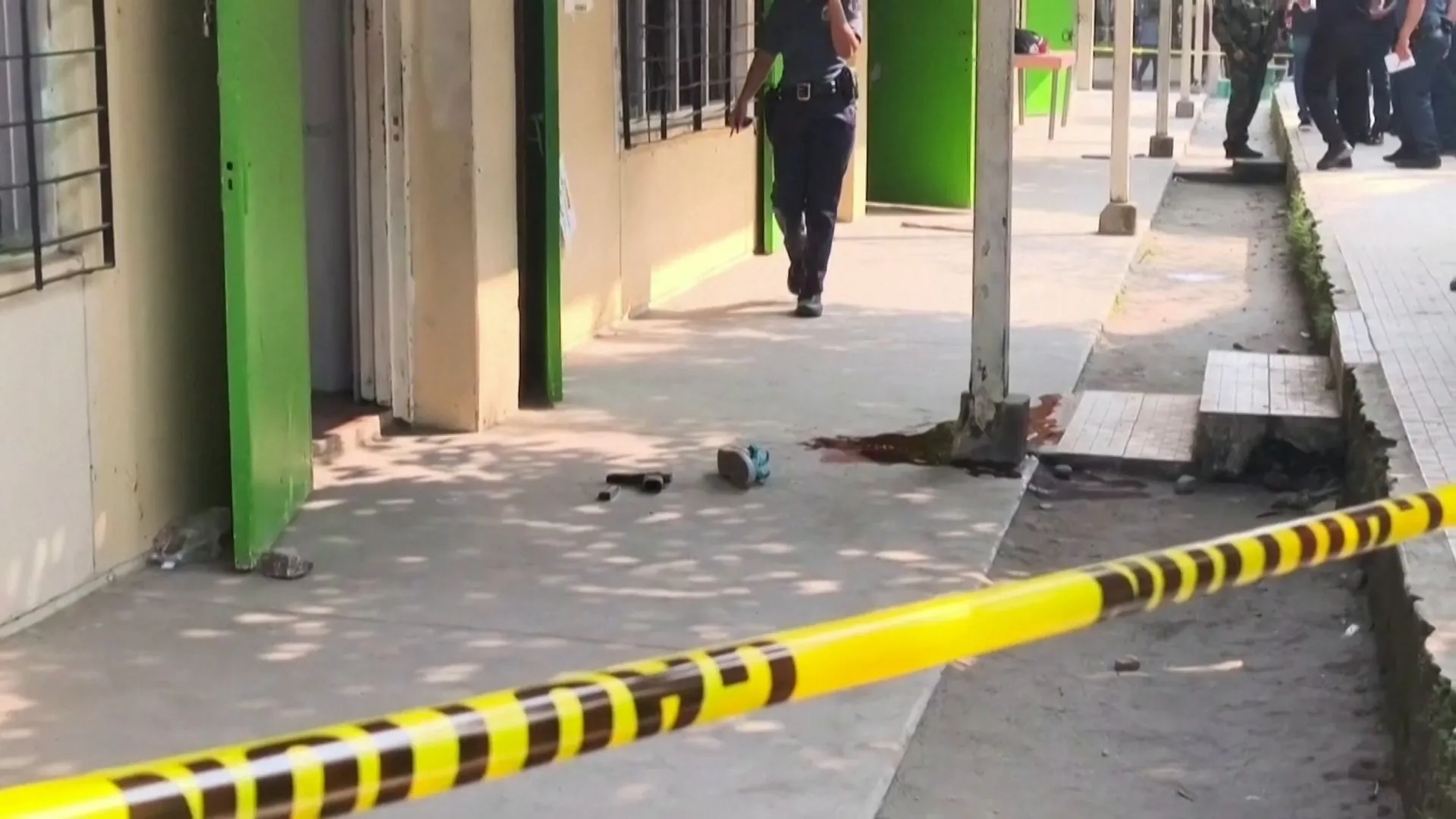
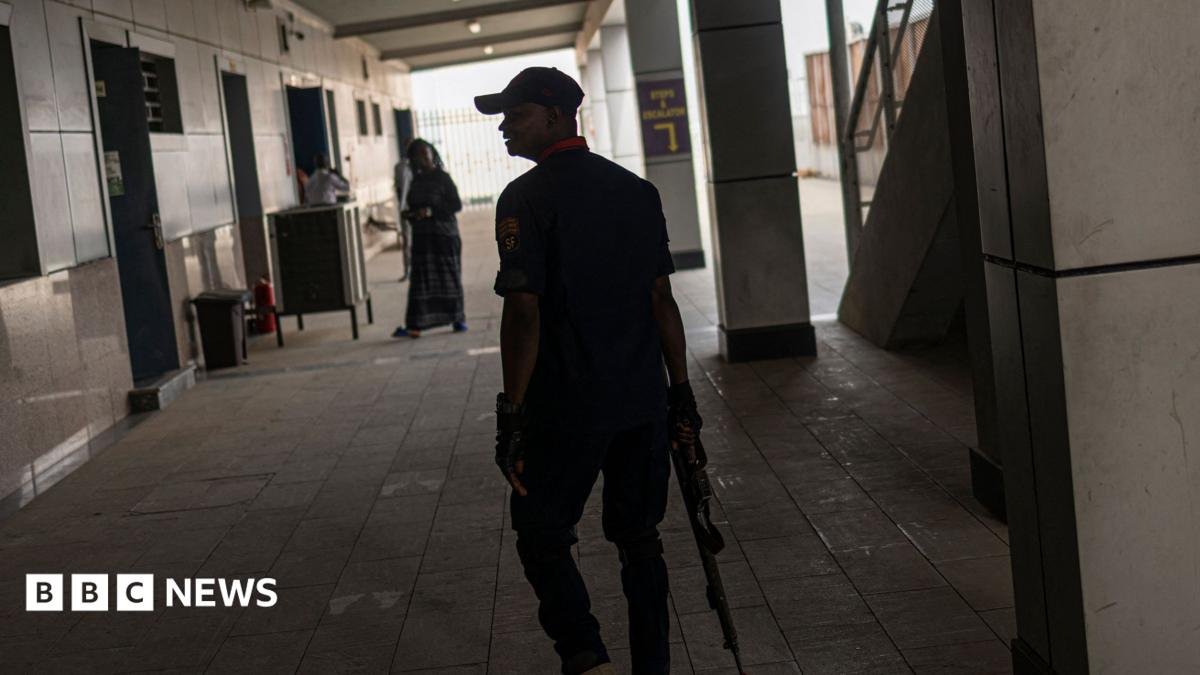
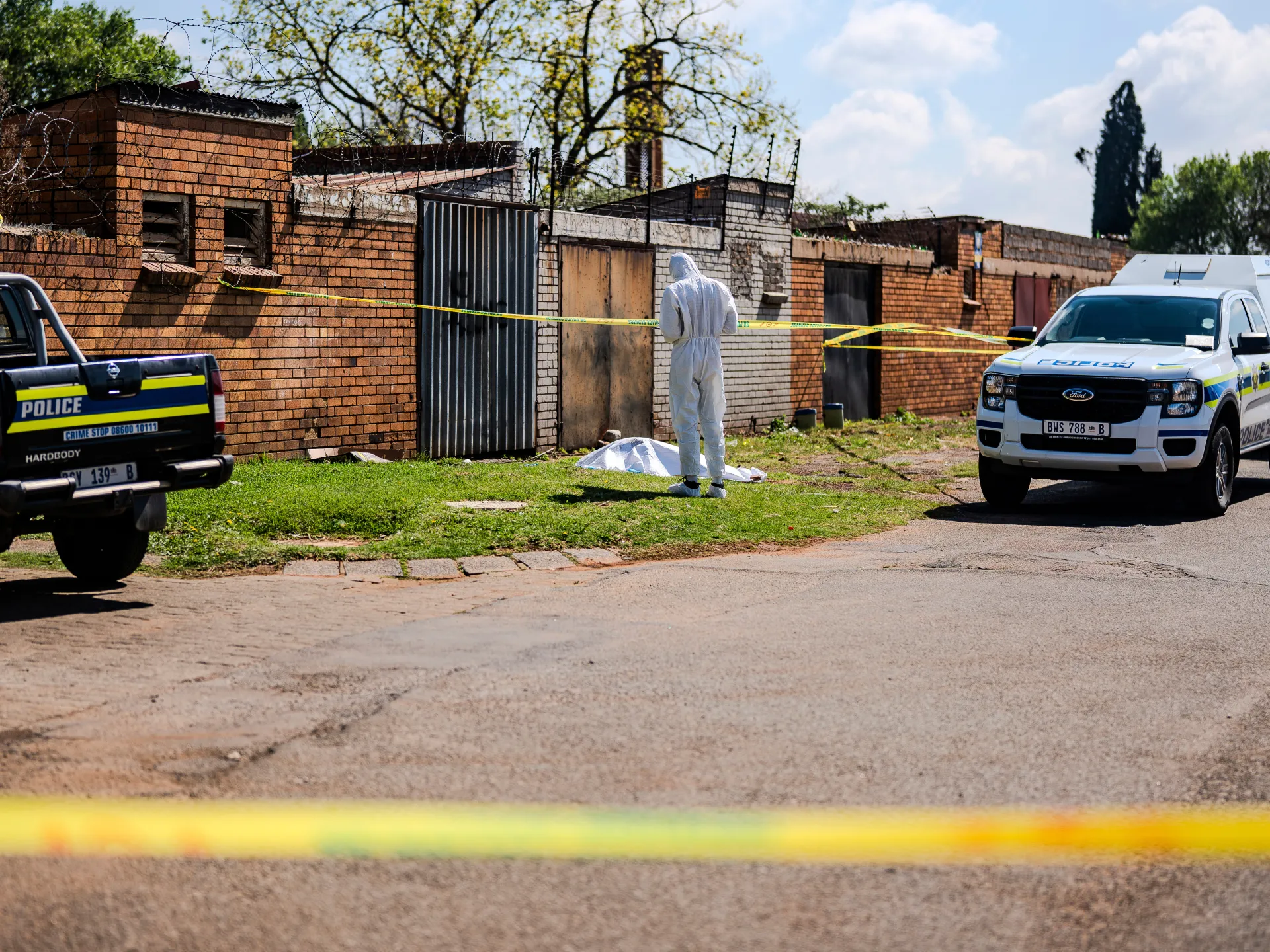
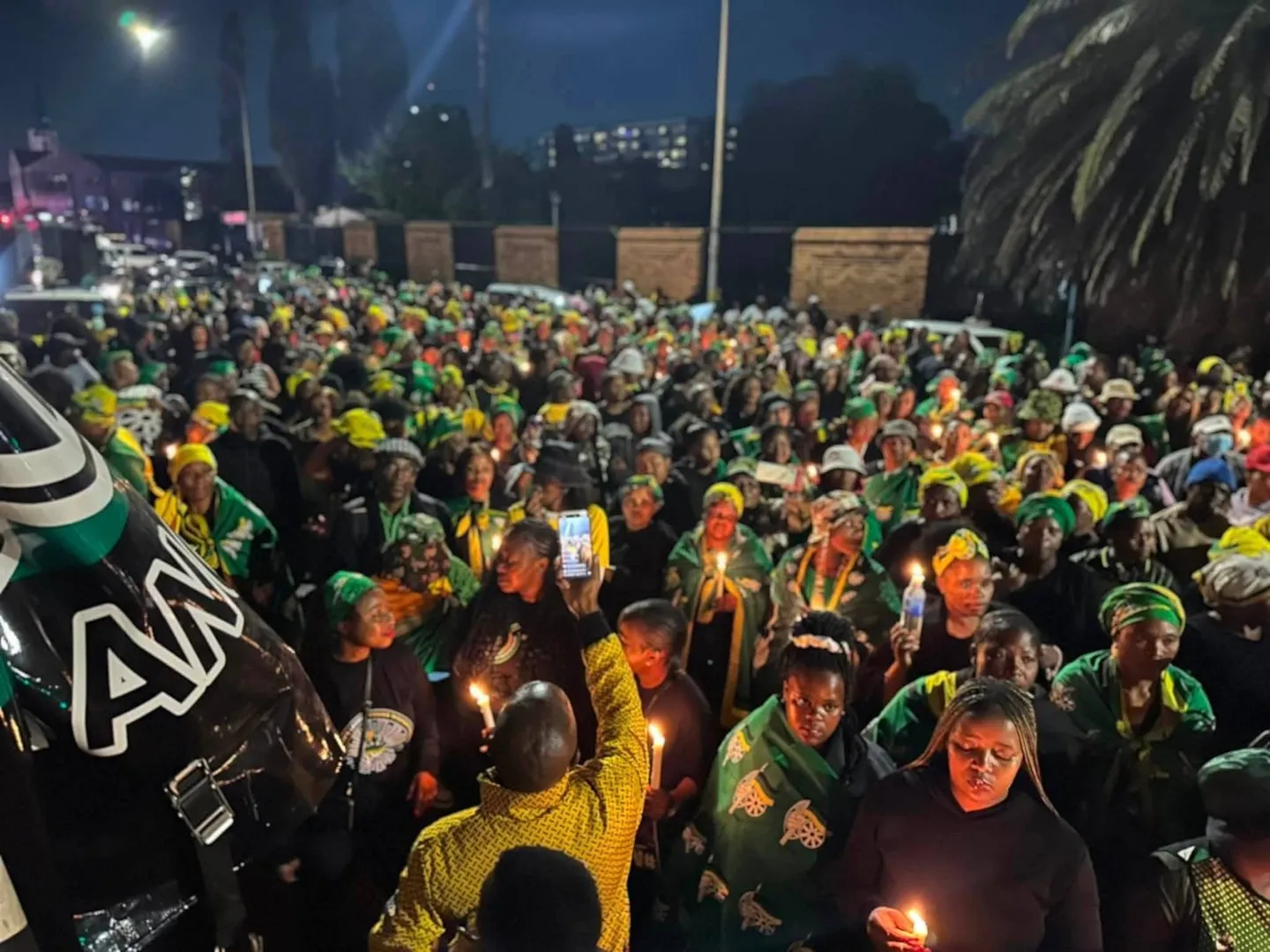
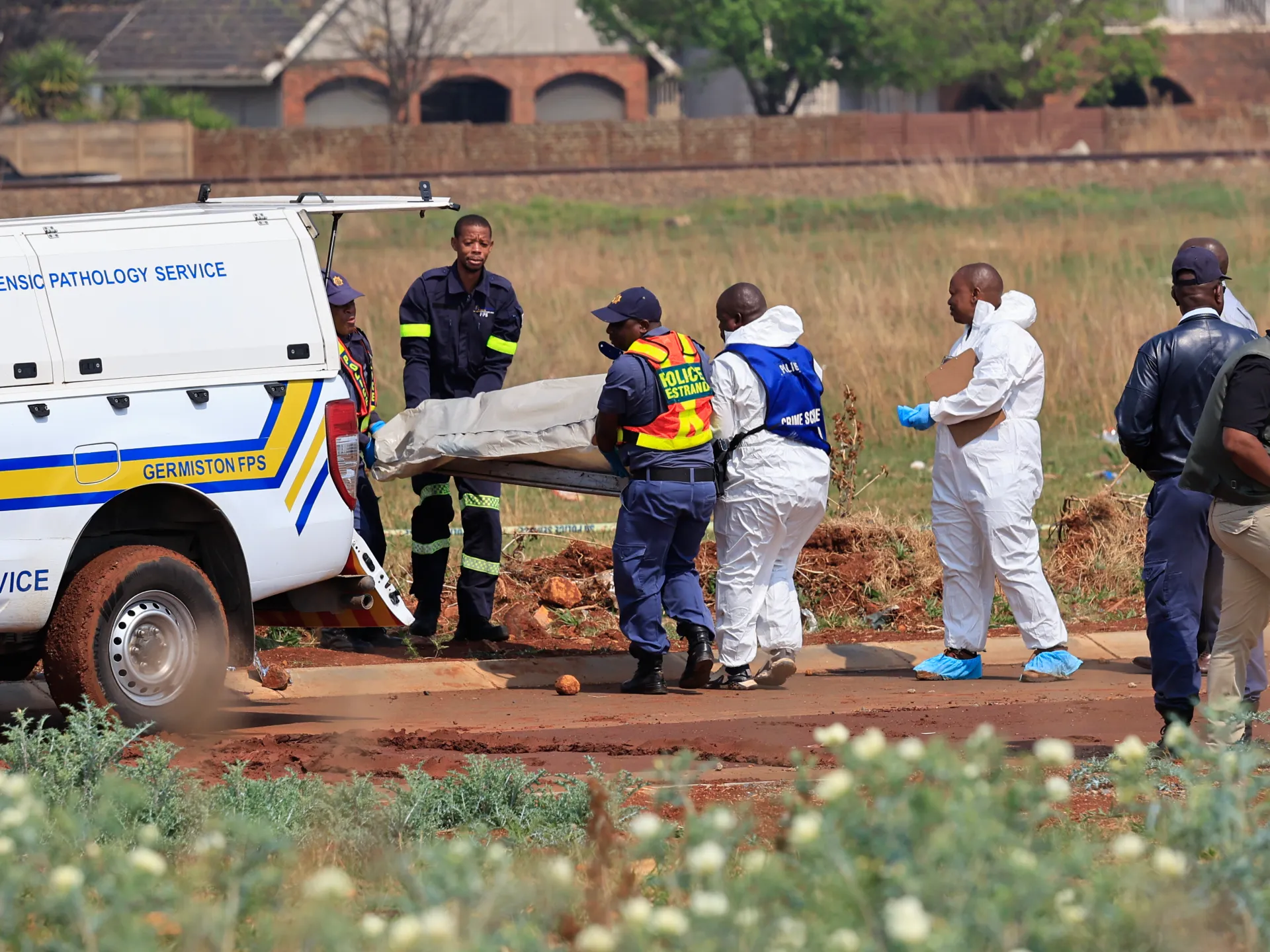
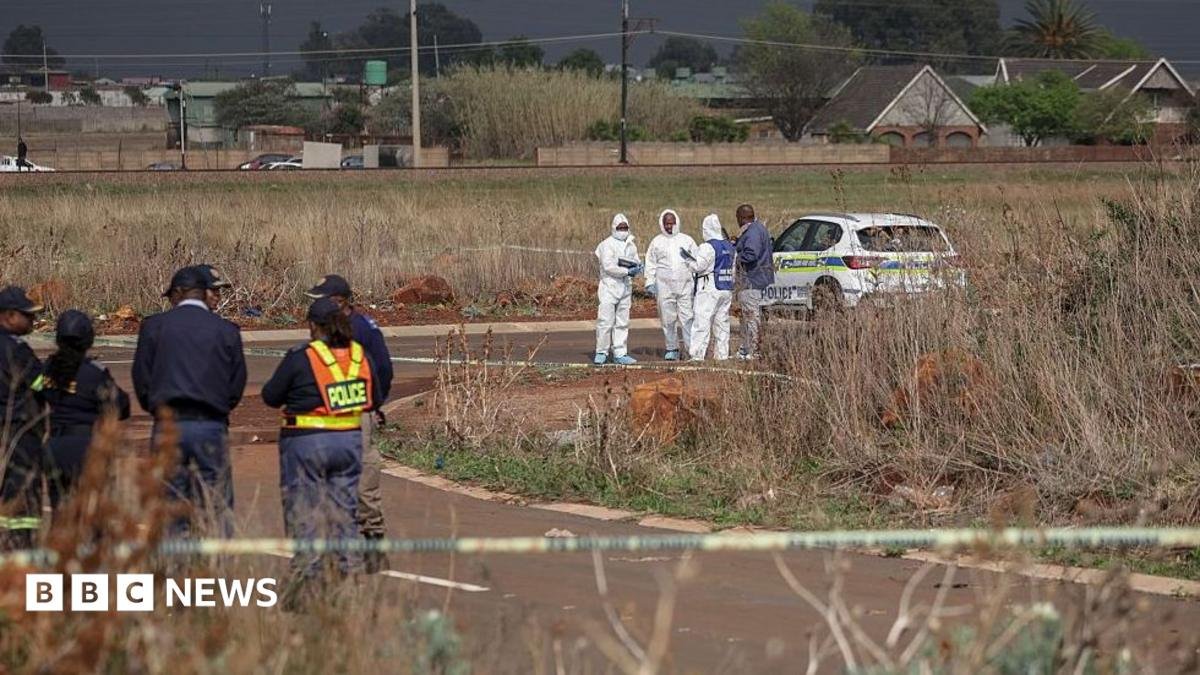
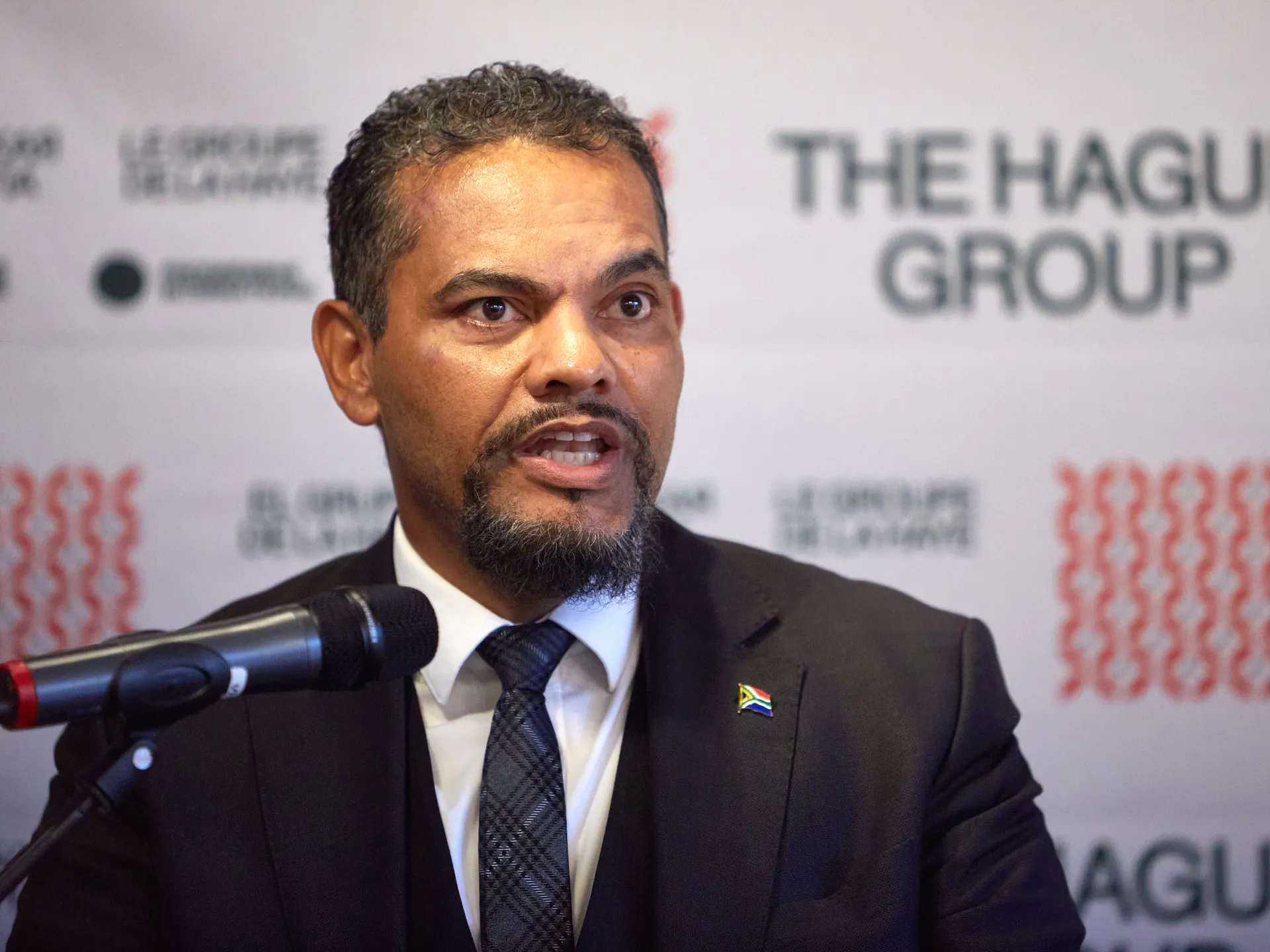
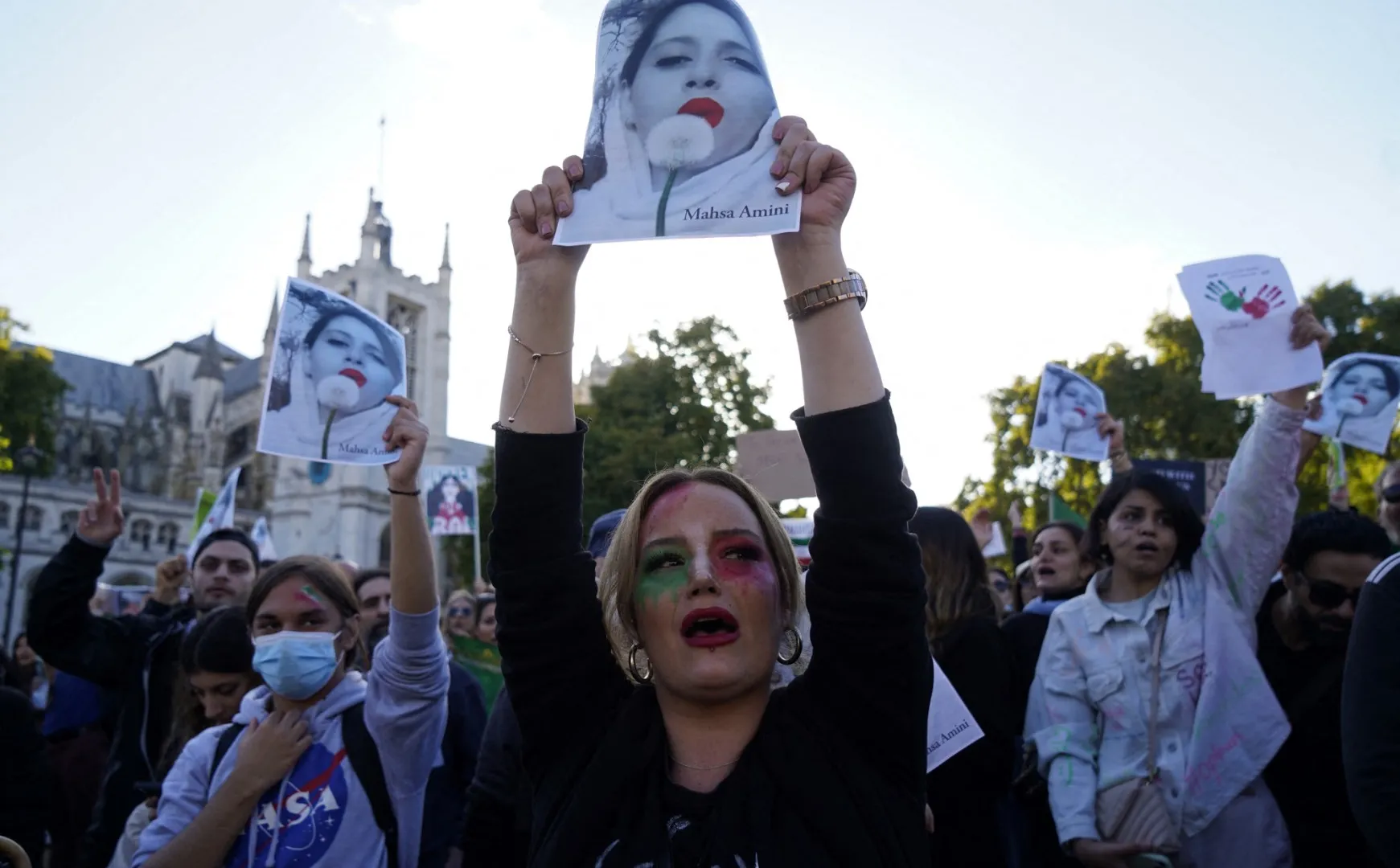
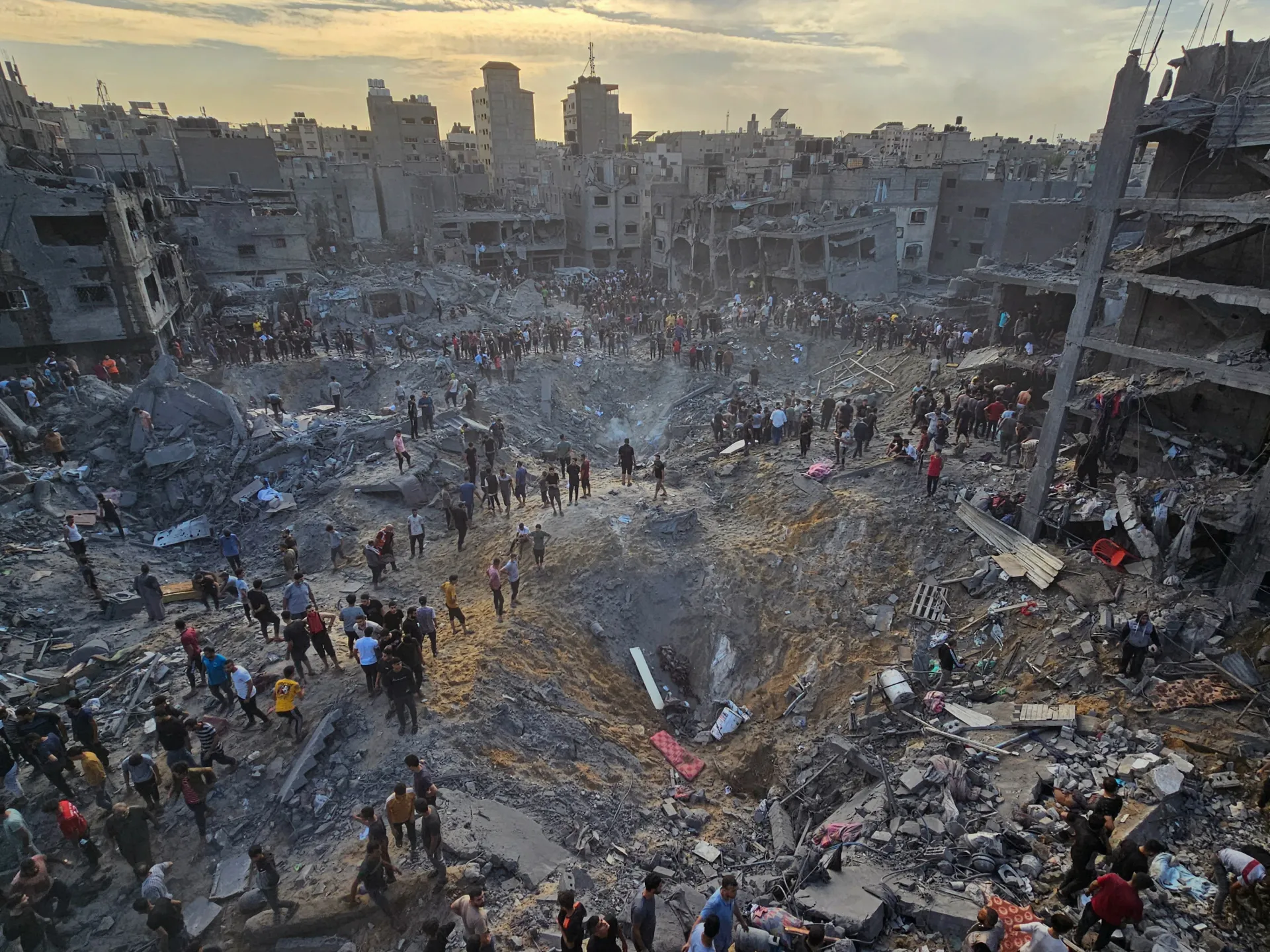
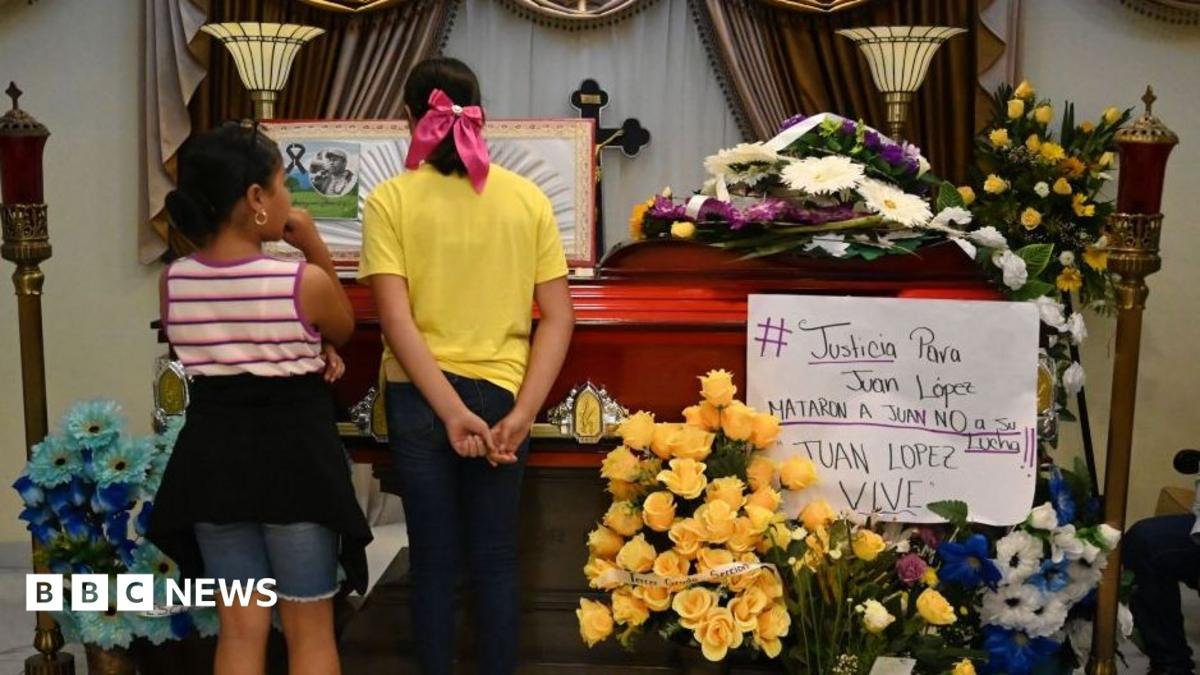
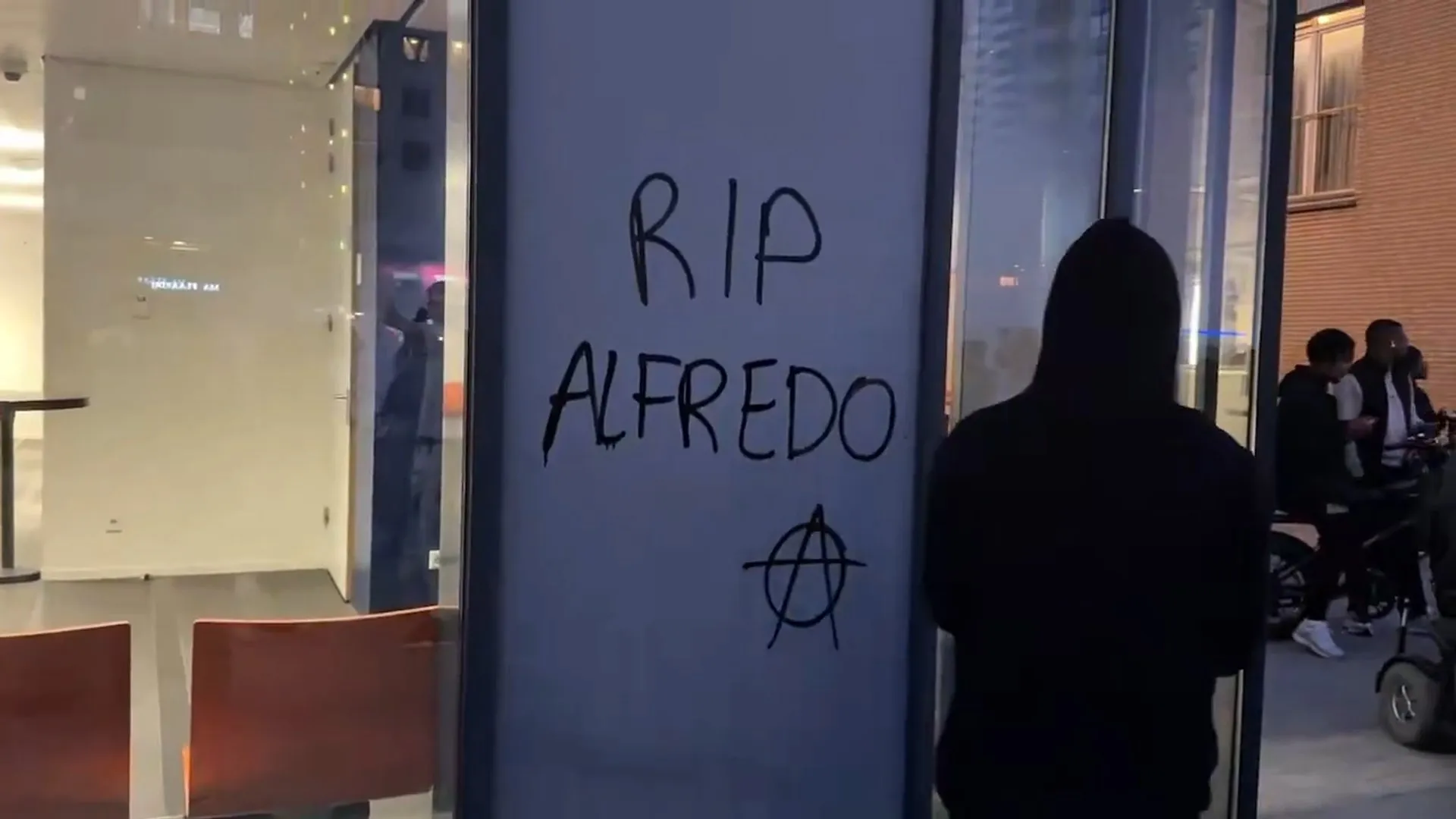
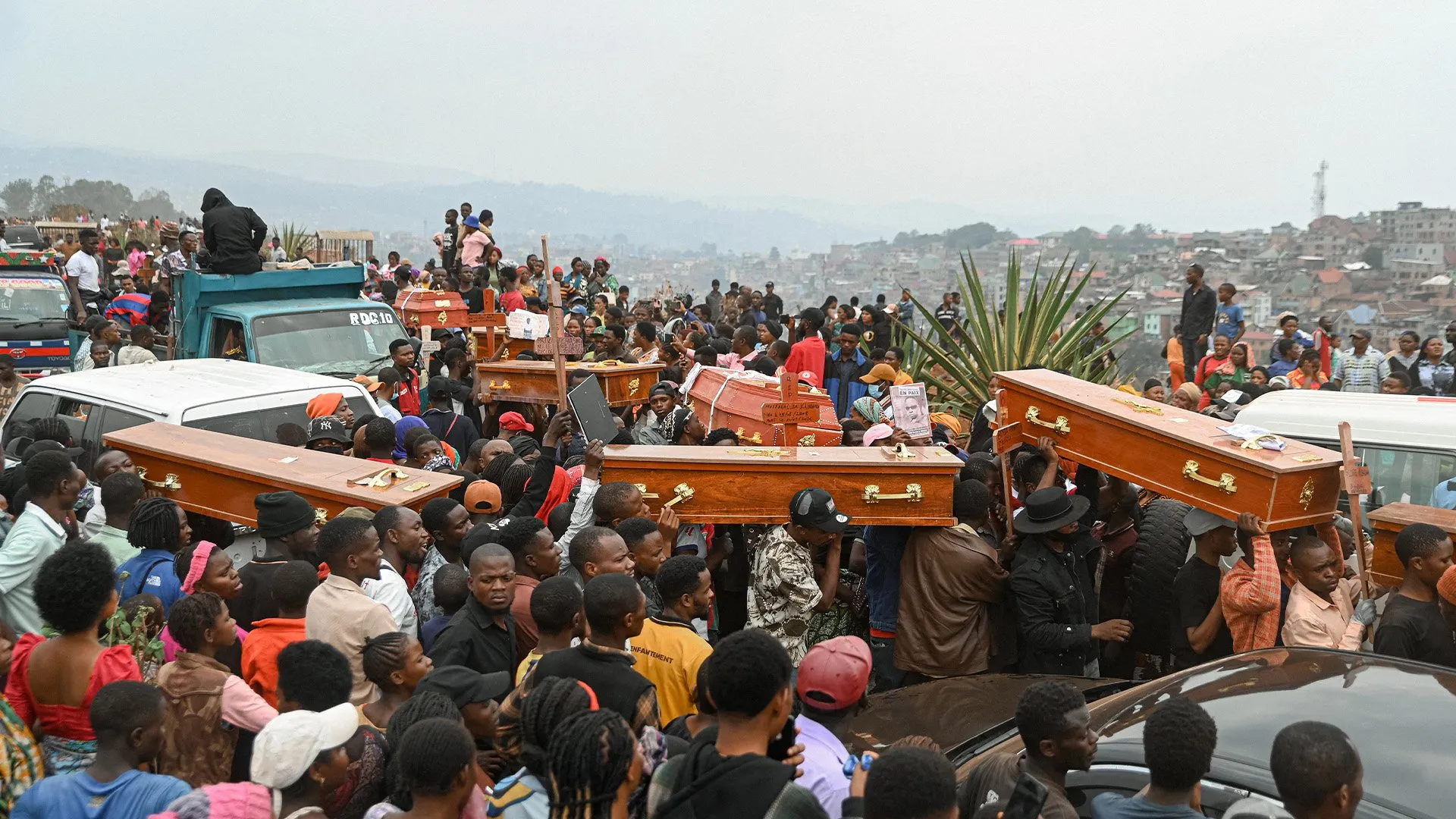
While space agencies look upward, communities in South Africa and Russia are confronting urgent crises involving the safety and status of civilians. In South Africa, the Ekurhuleni region is reeling following the discovery of nine women’s bodies in a two-month span. The rising femicide toll has sparked widespread public anger, leading to vigils, such as the one held at the University of Cape Town, where citizens demanded government action and accountability for the systemic violence plaguing the nation.
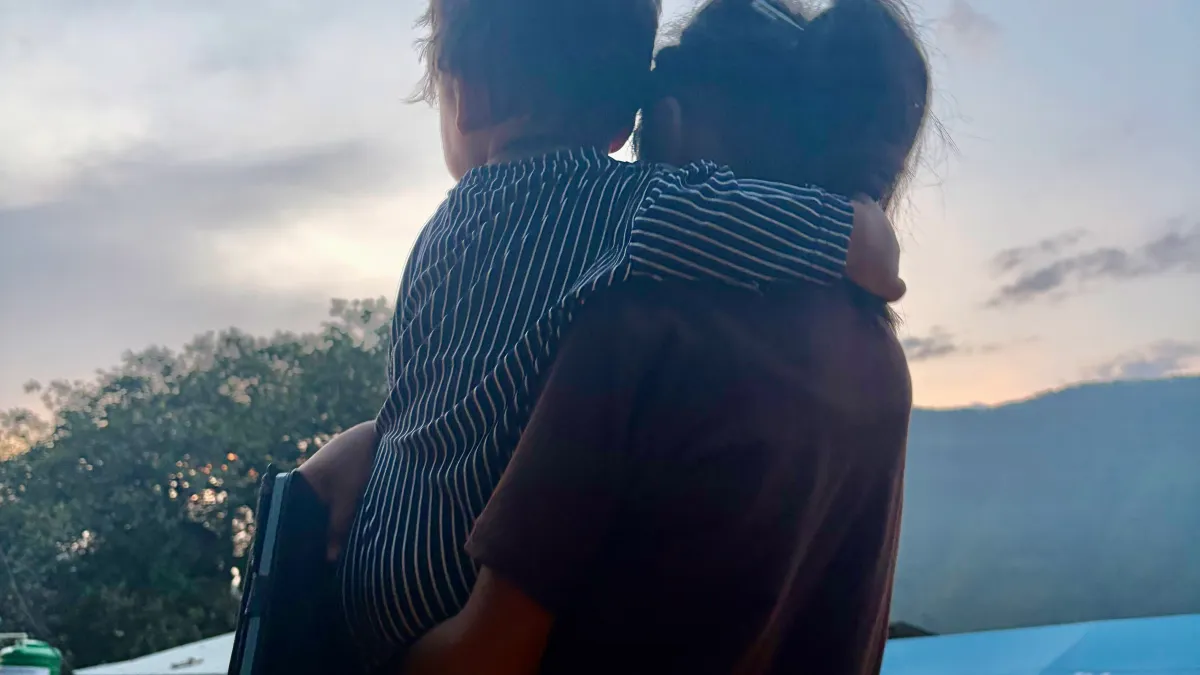
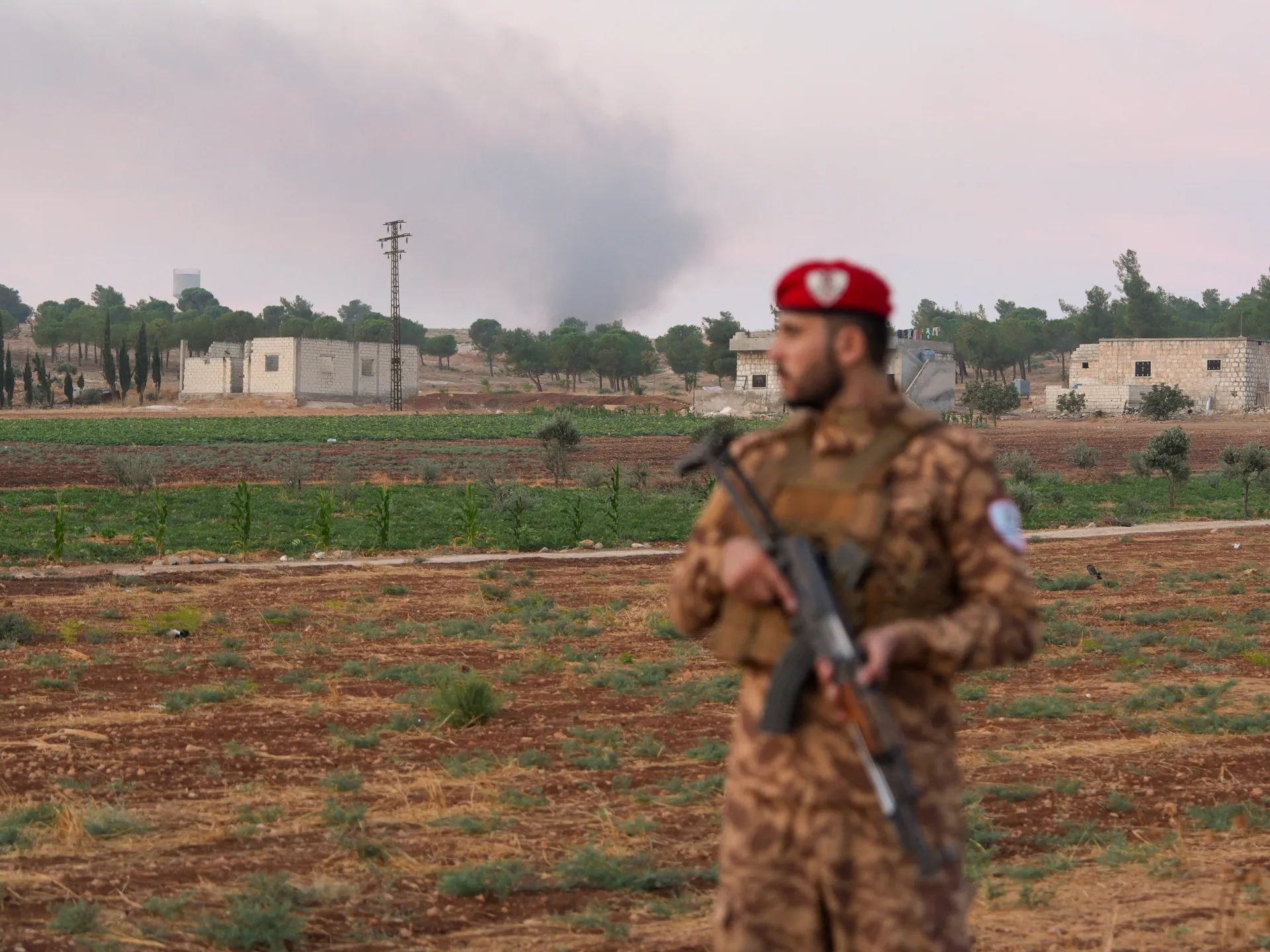
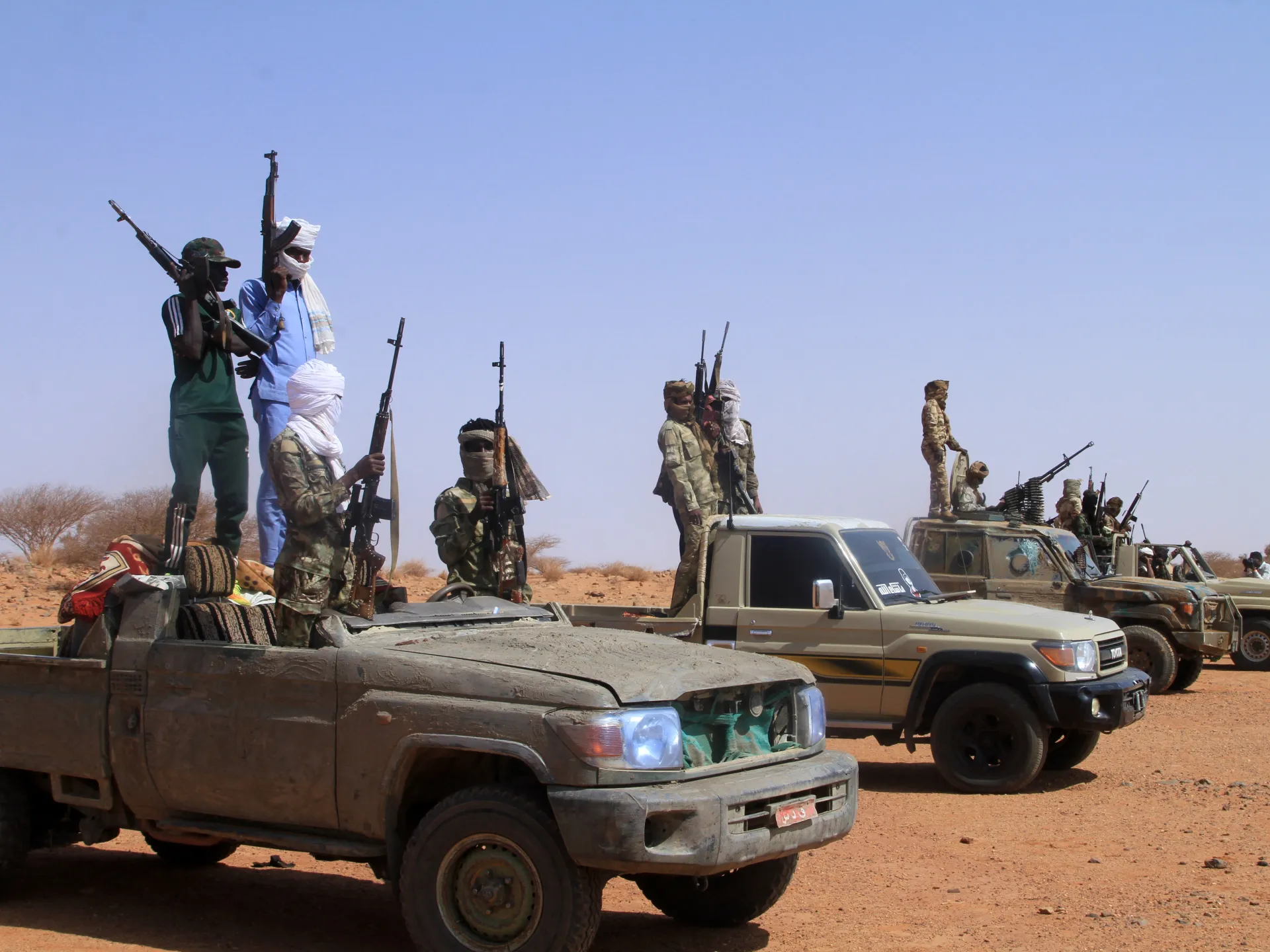
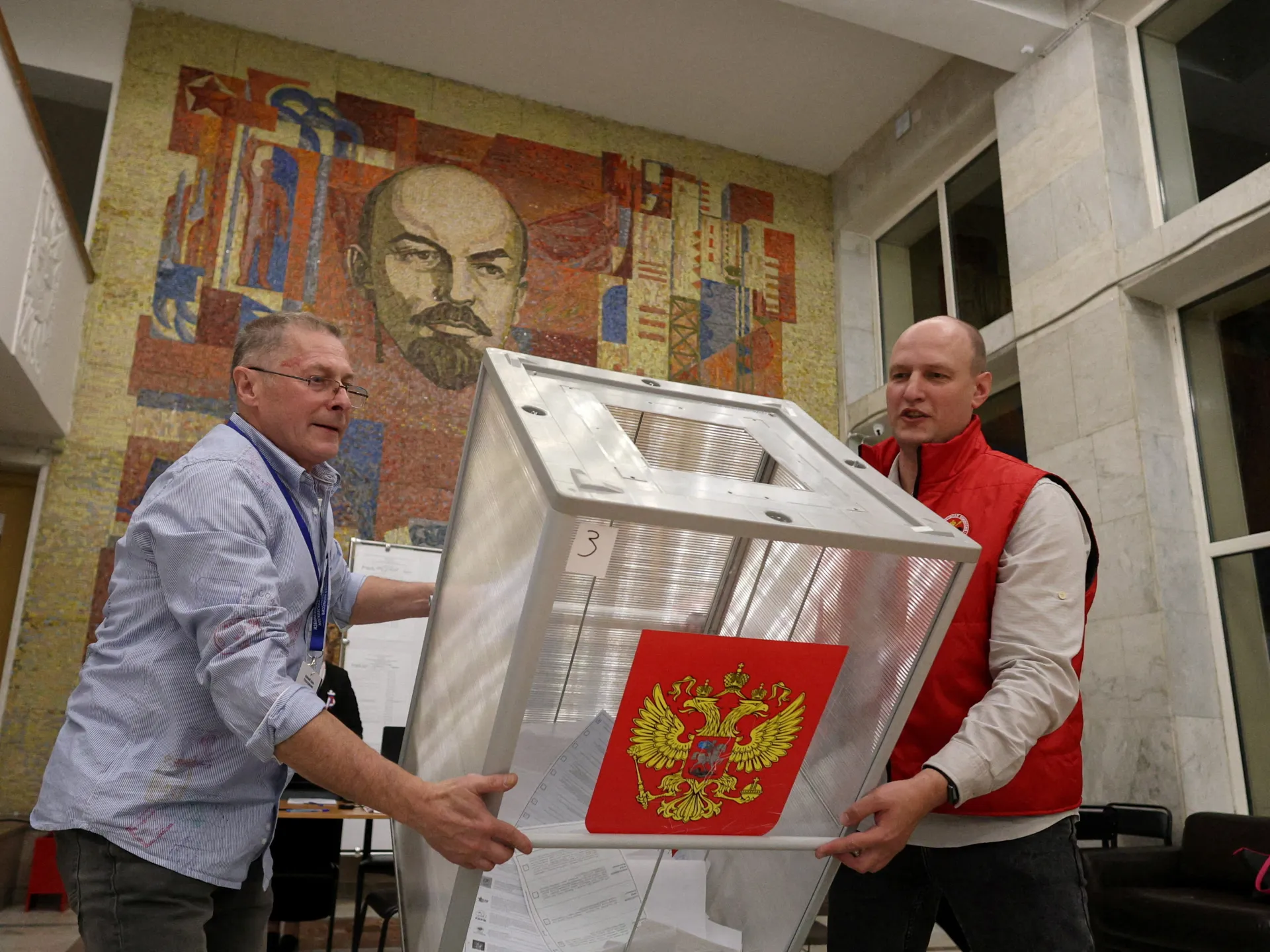
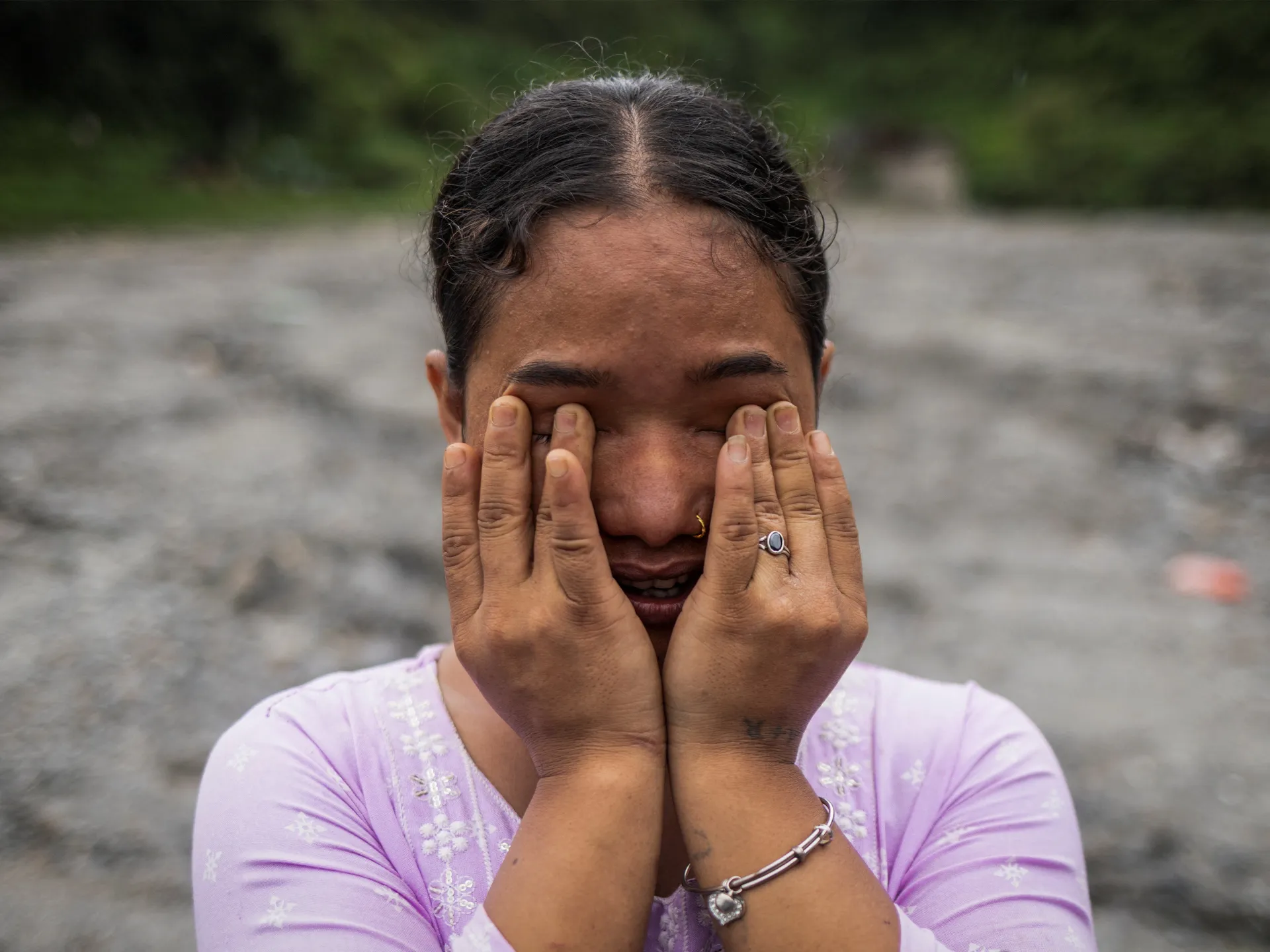
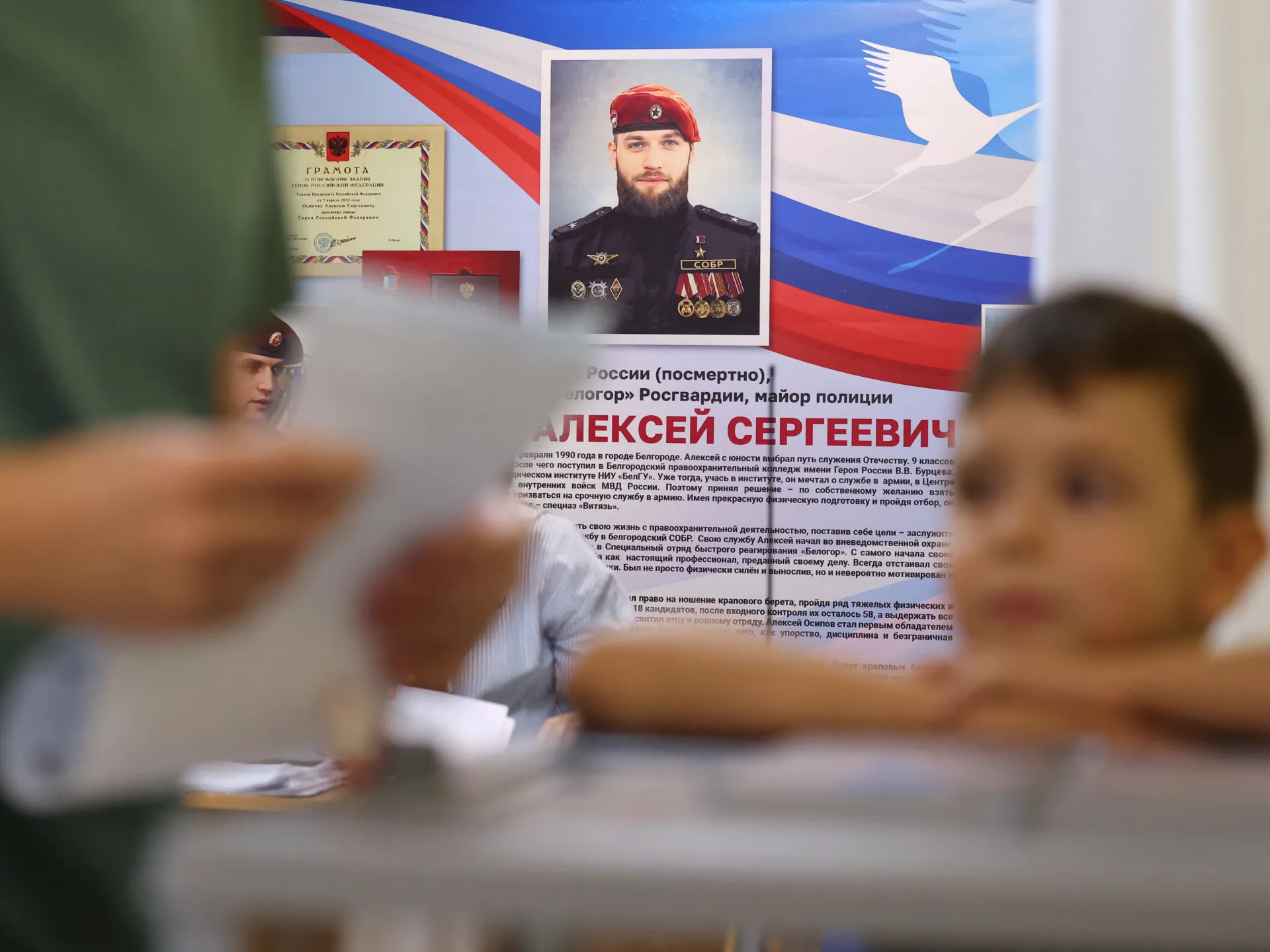
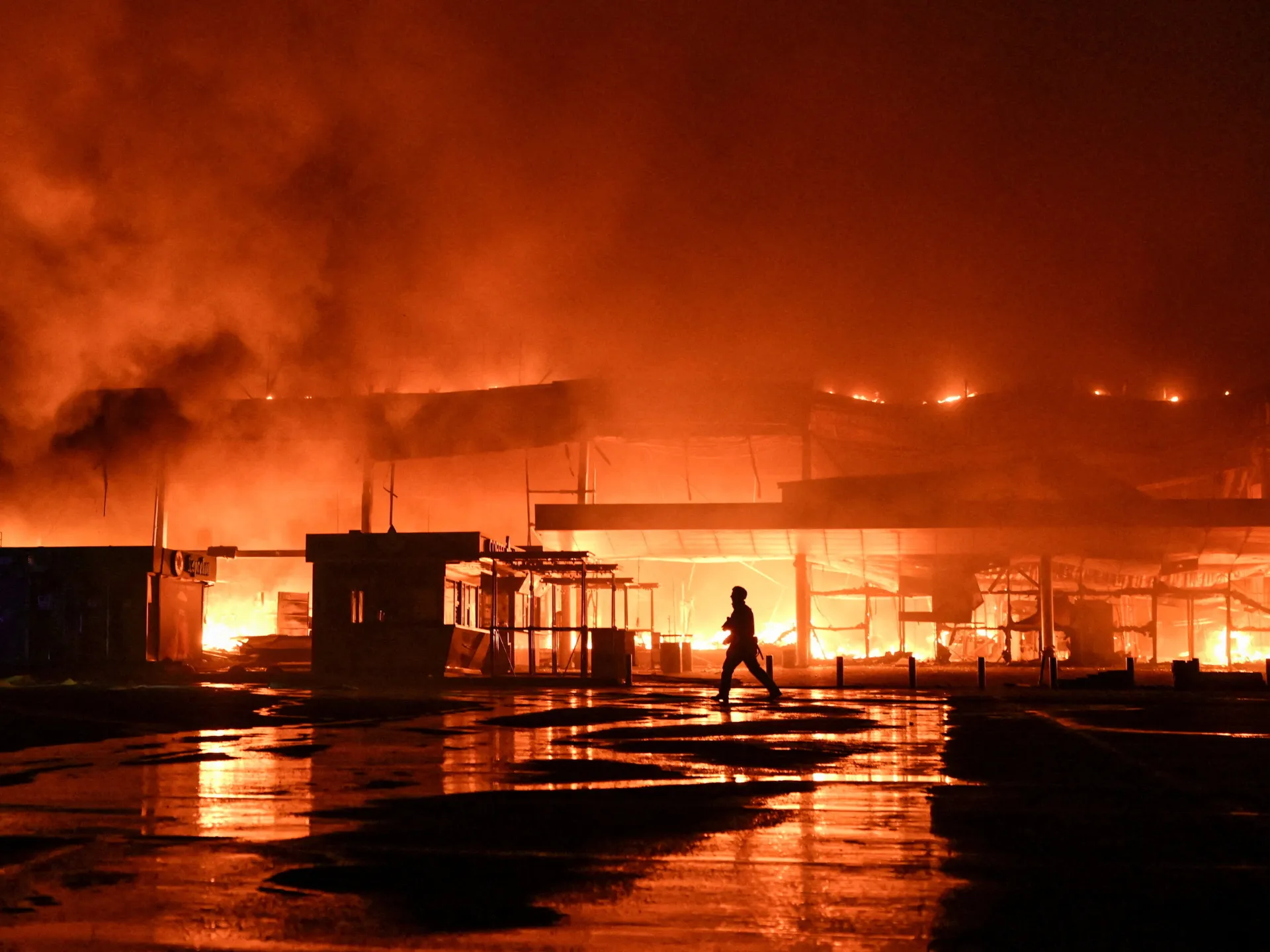
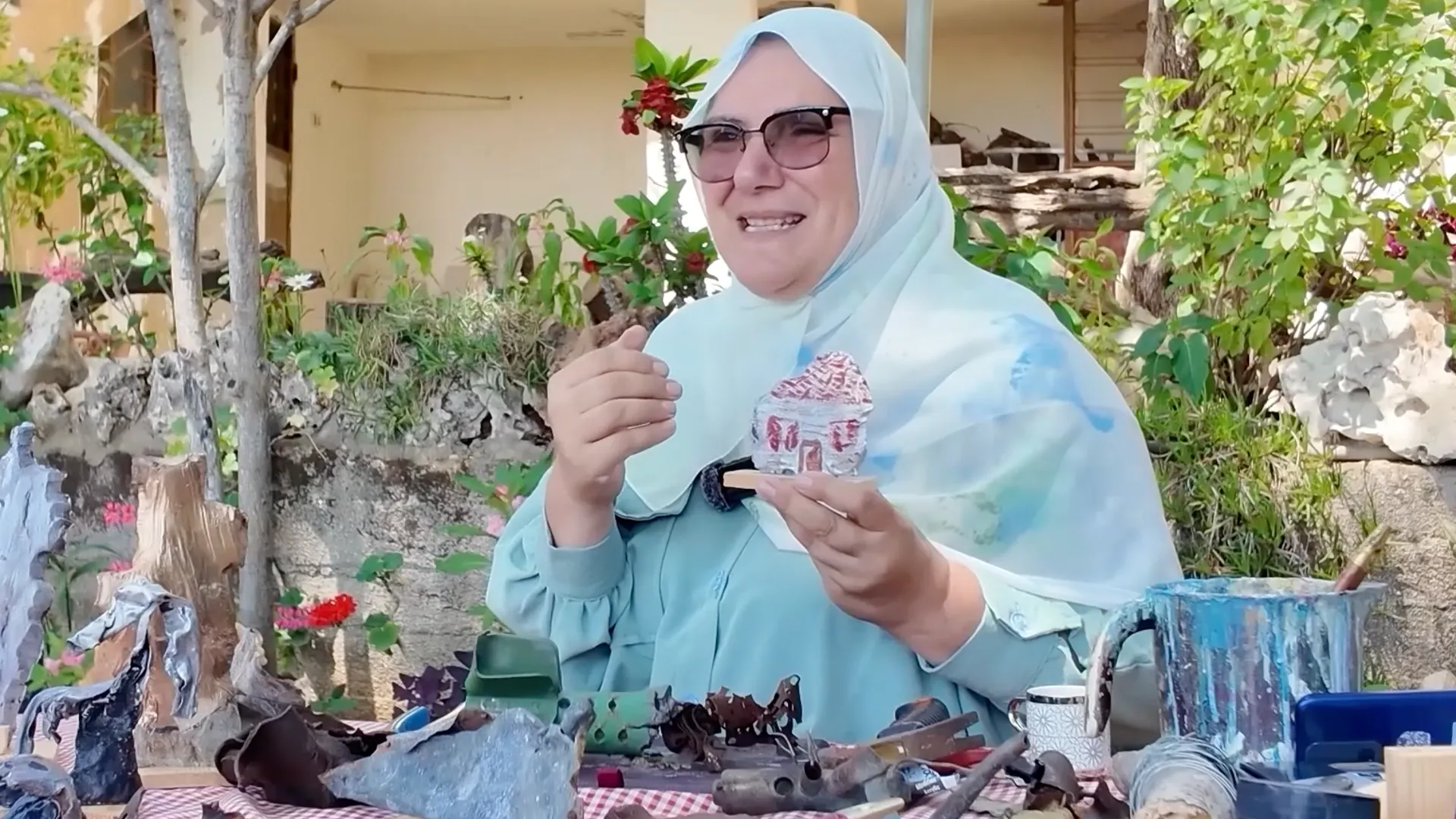
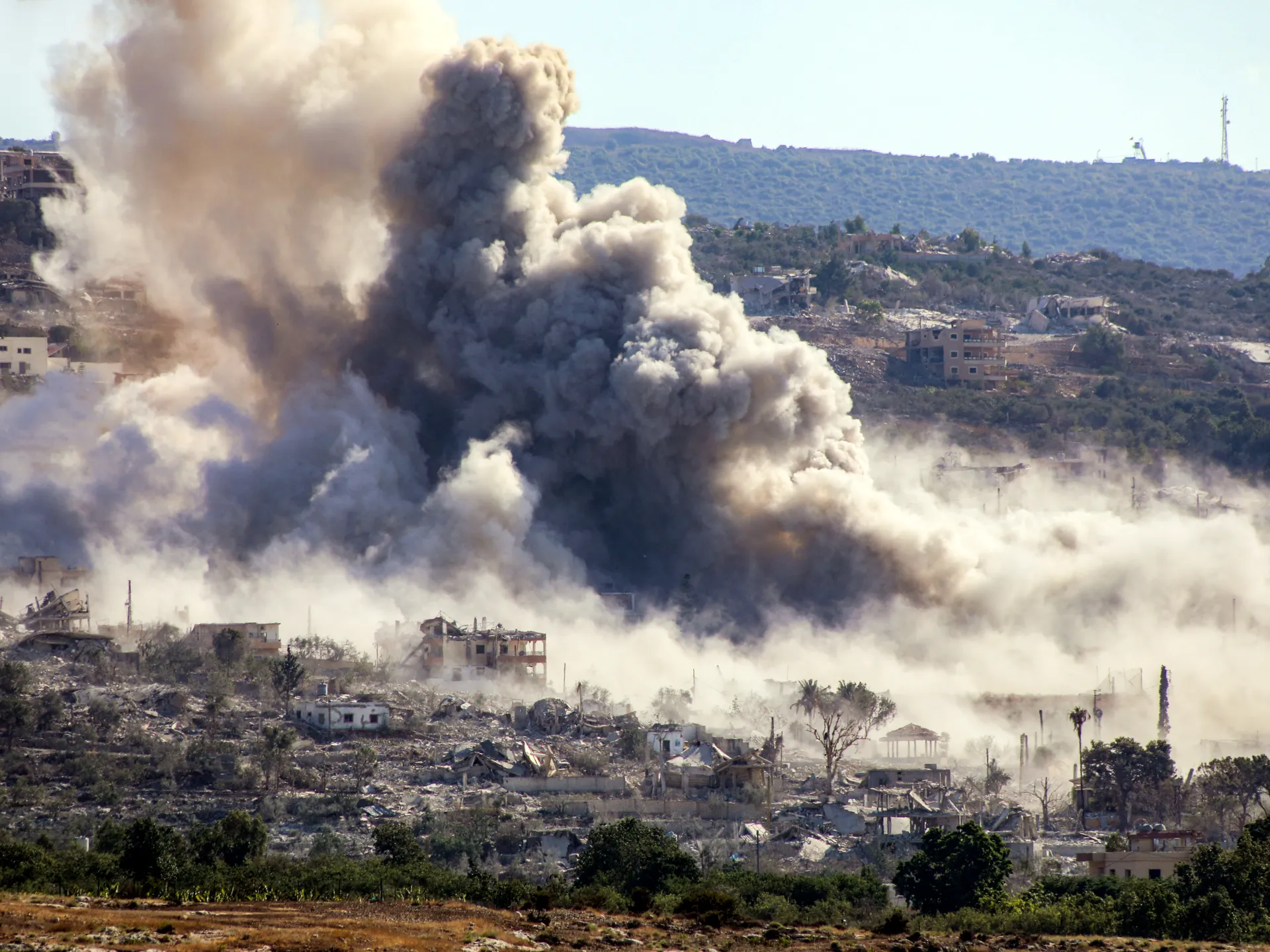
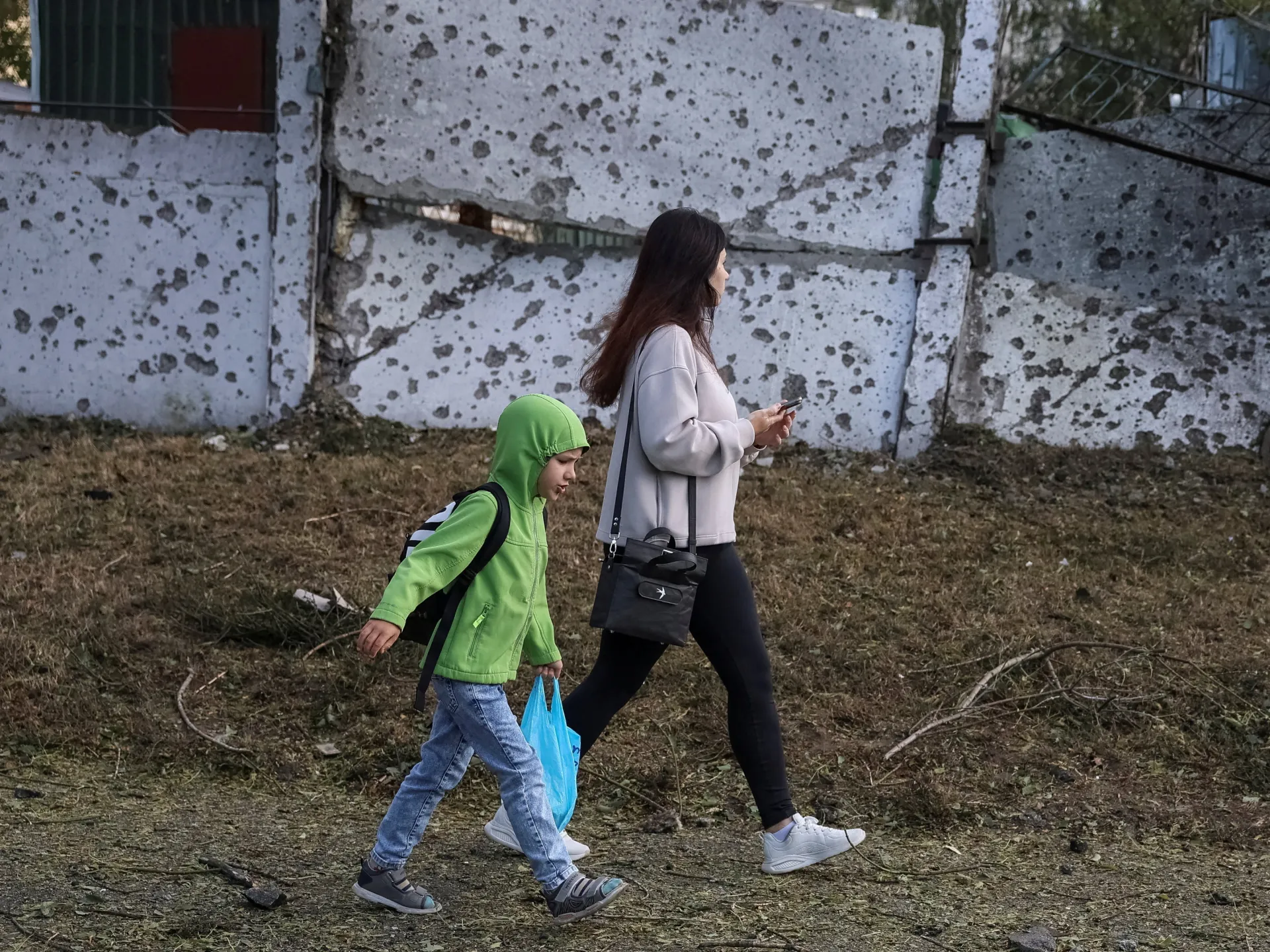
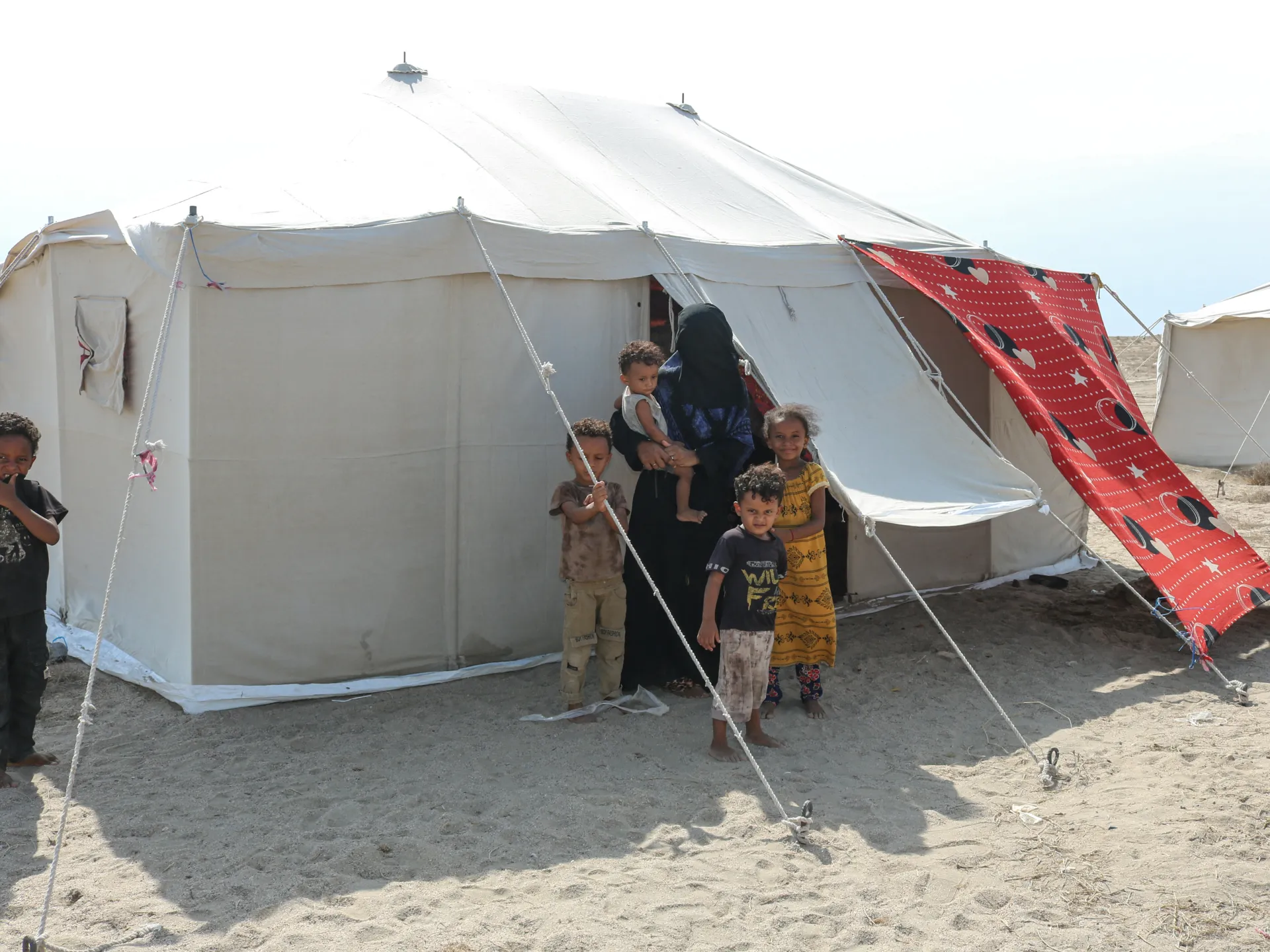
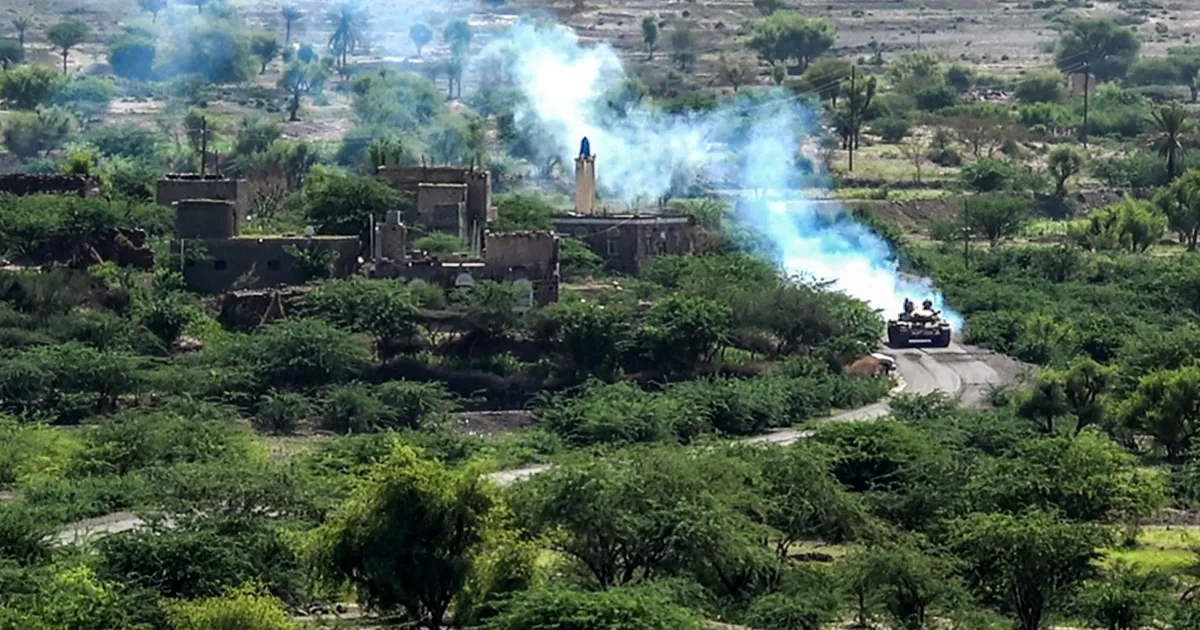
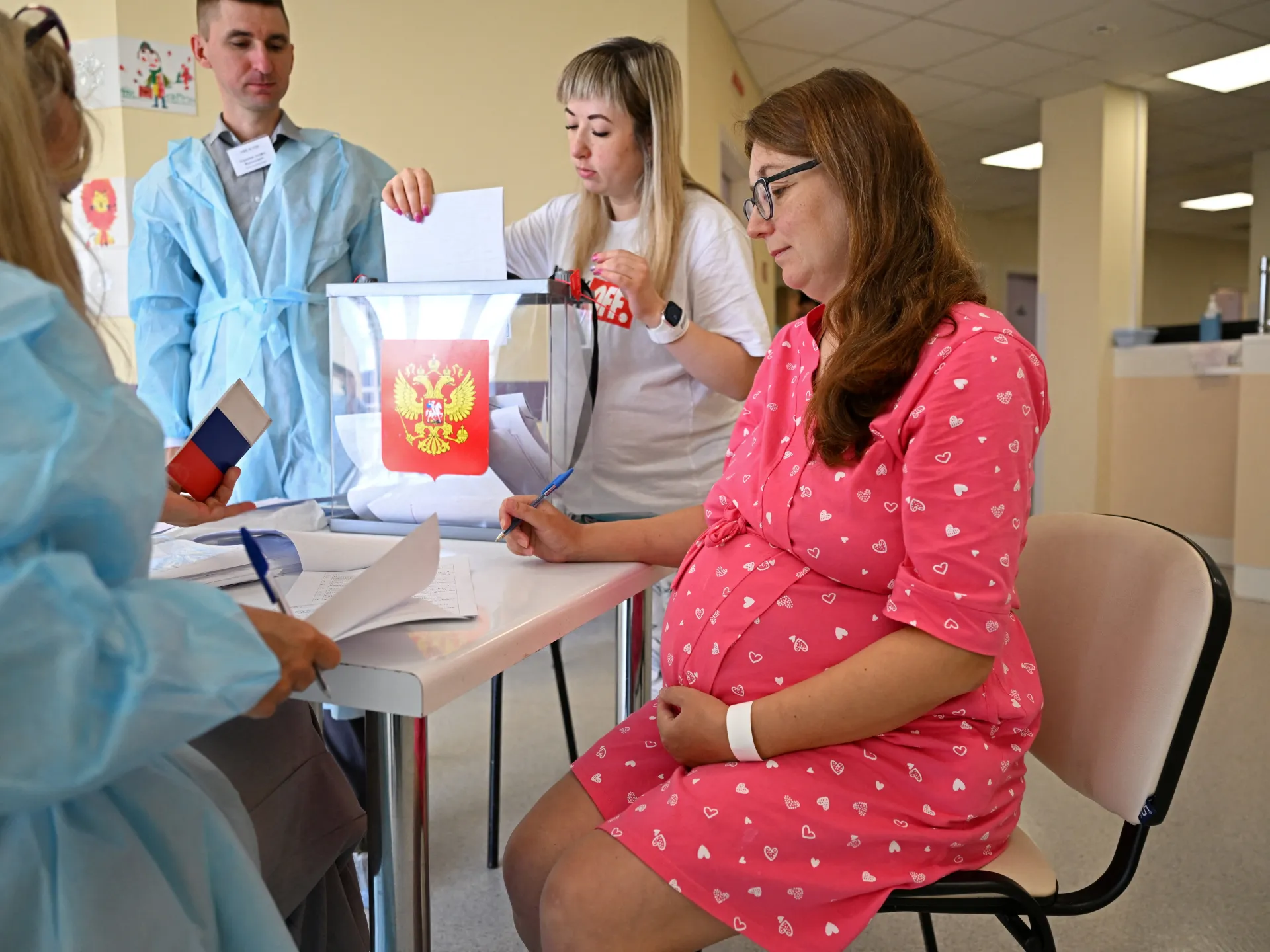
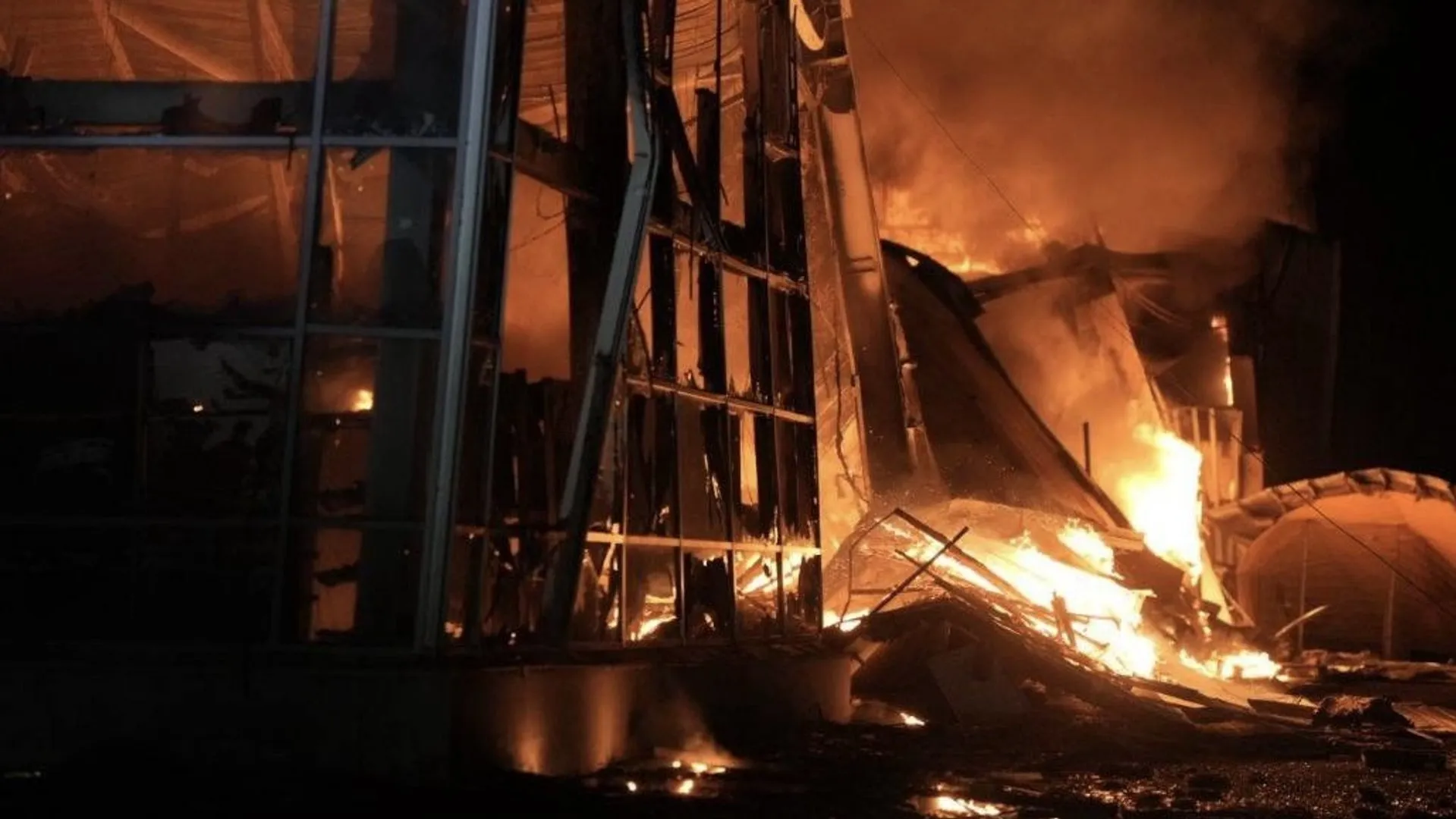
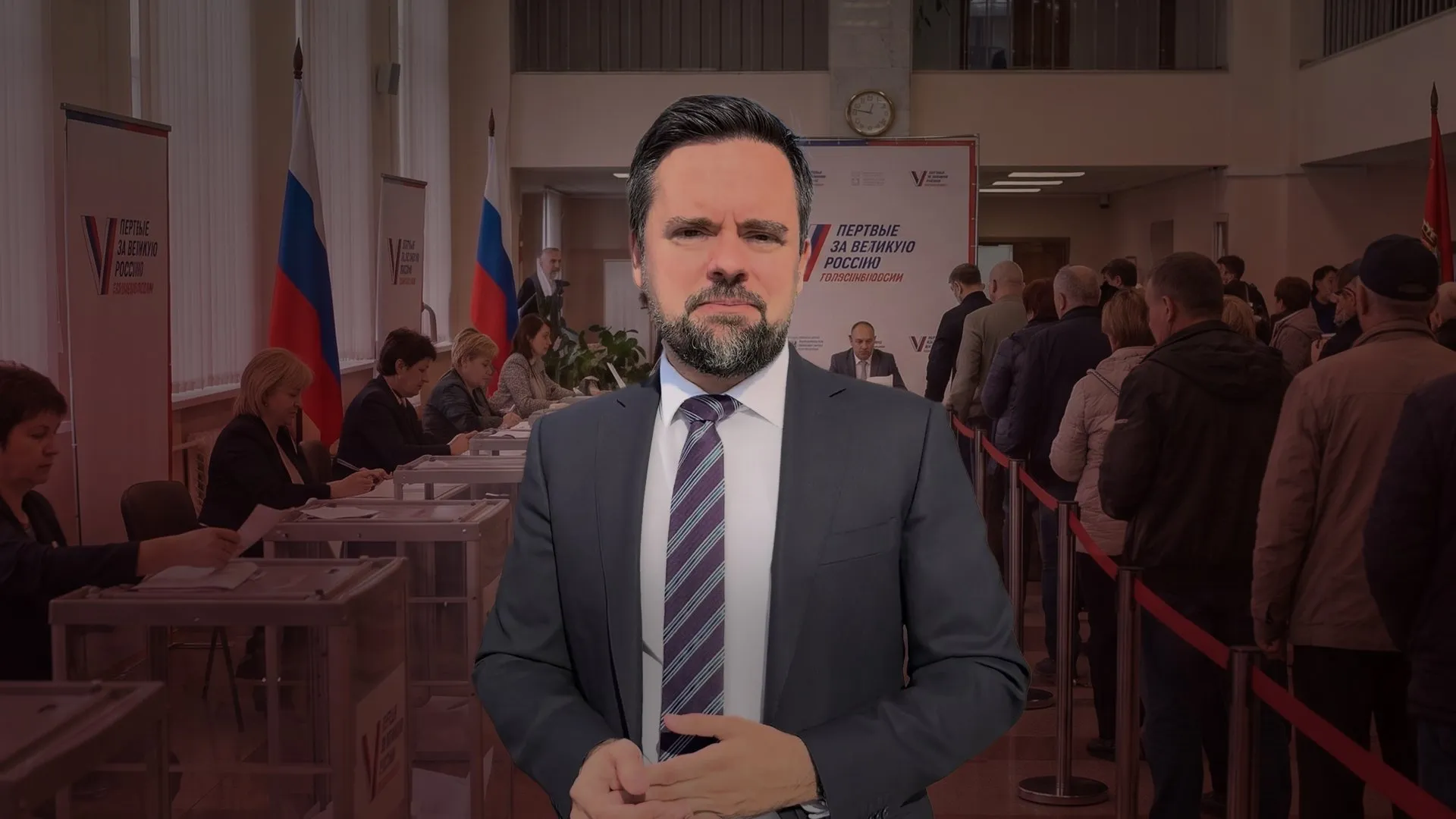
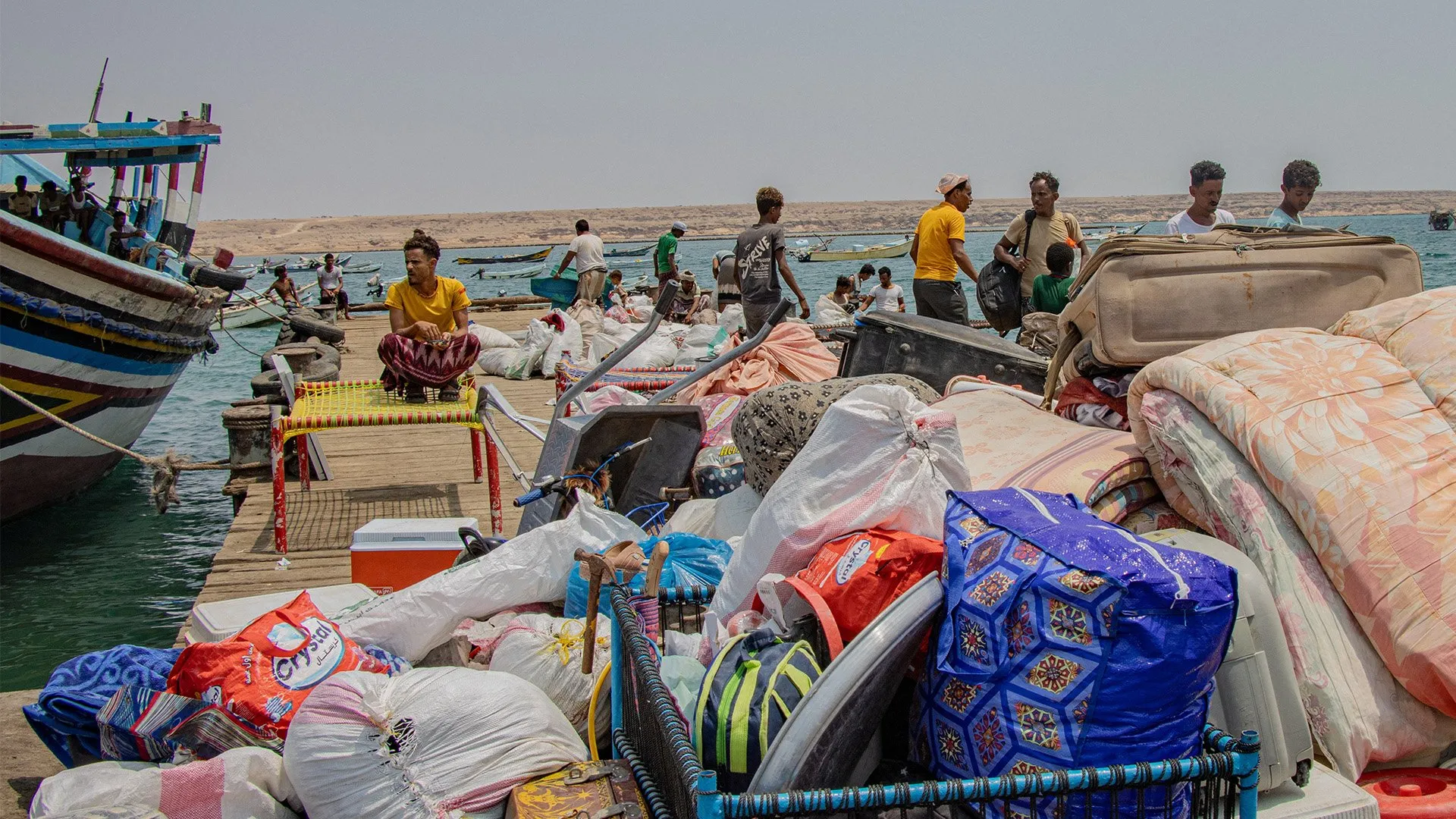
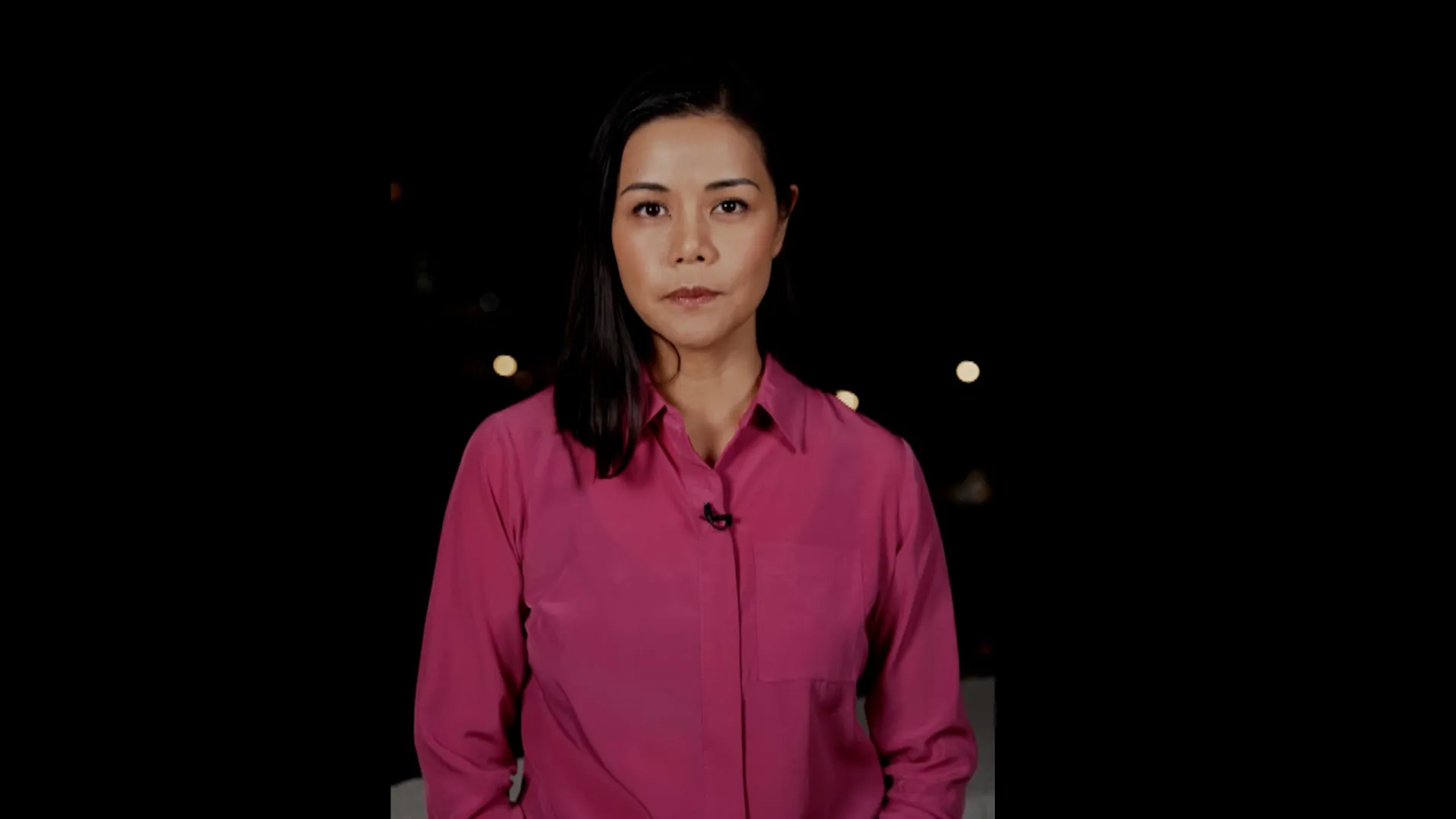
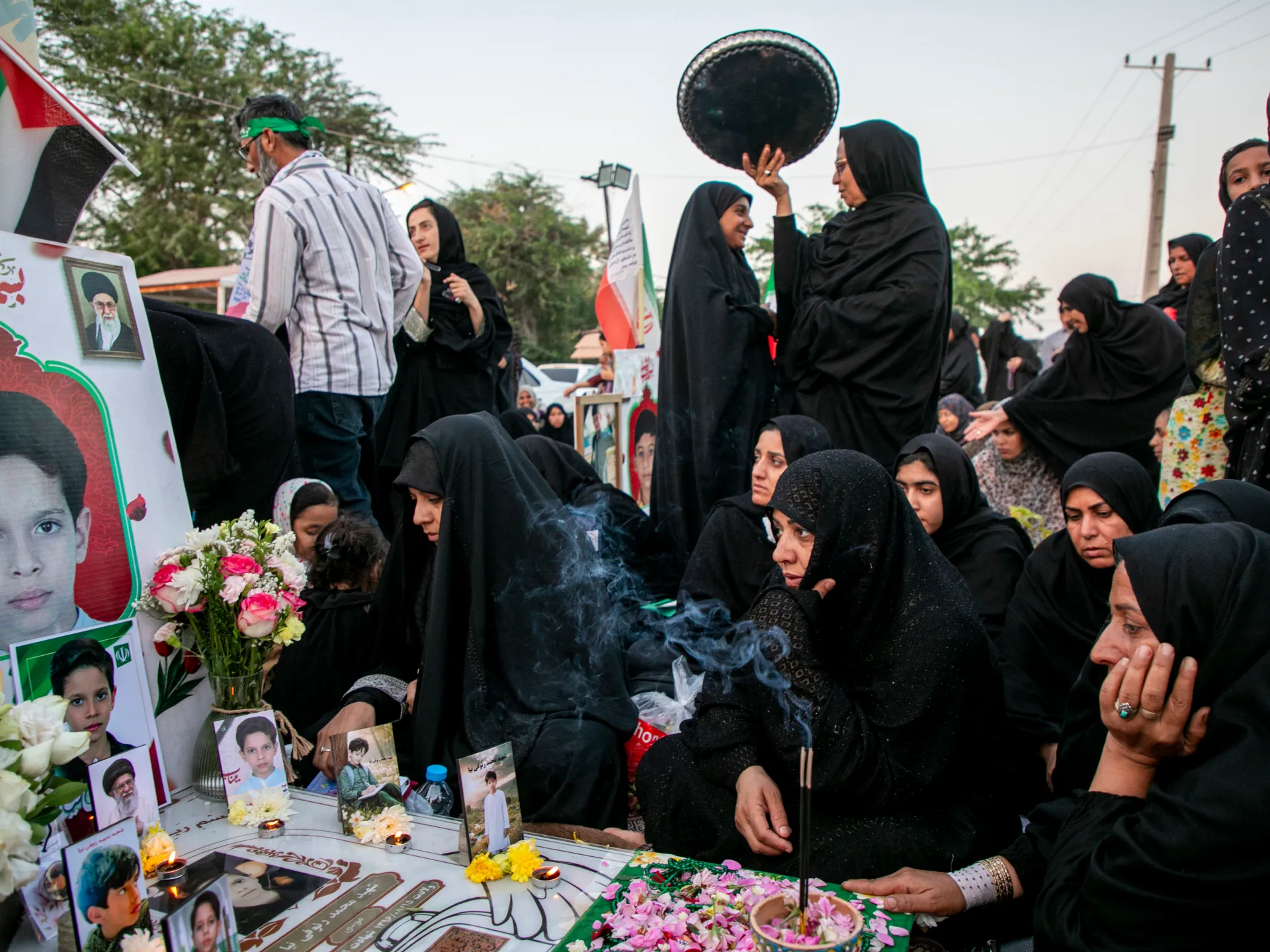
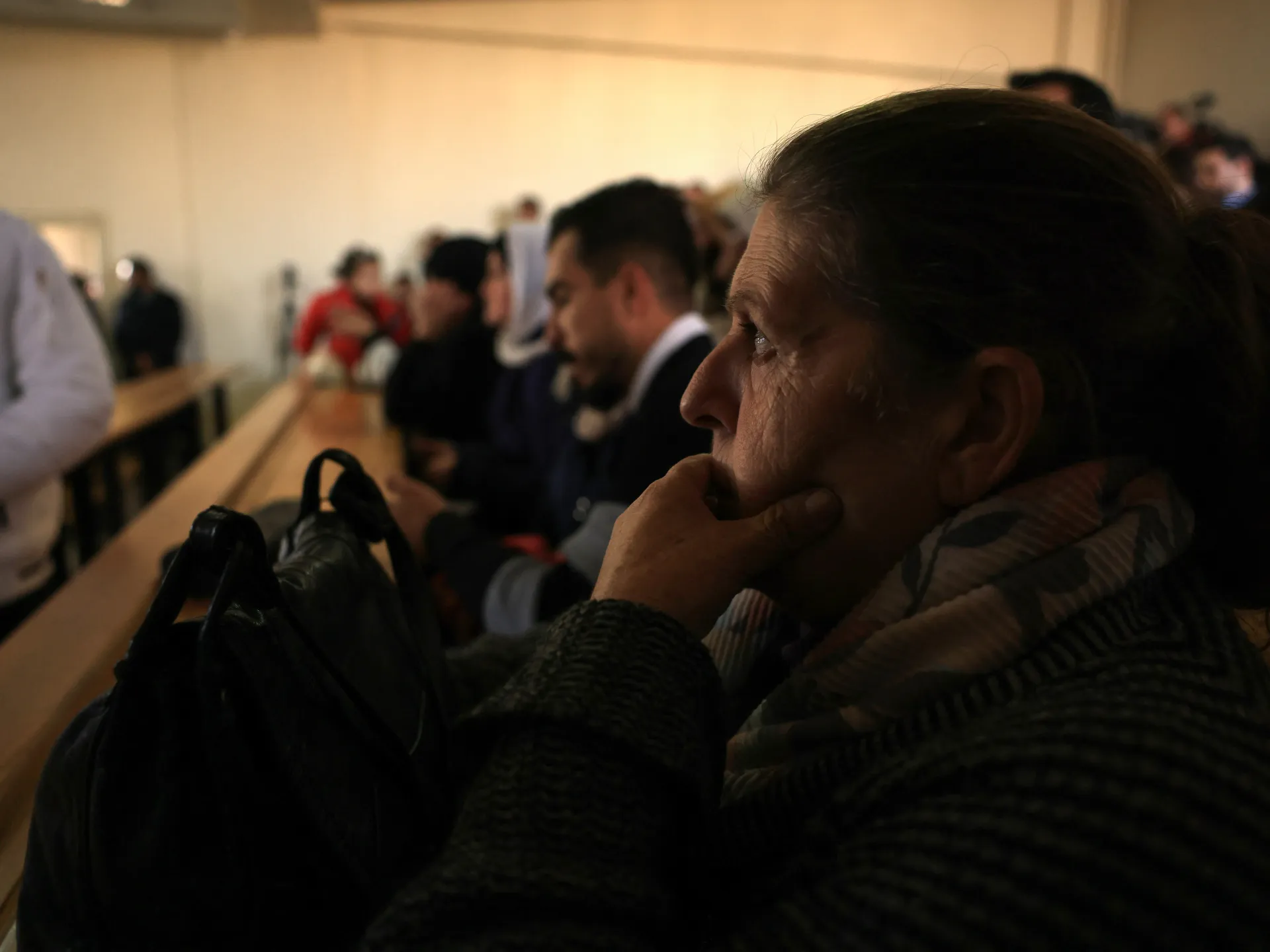
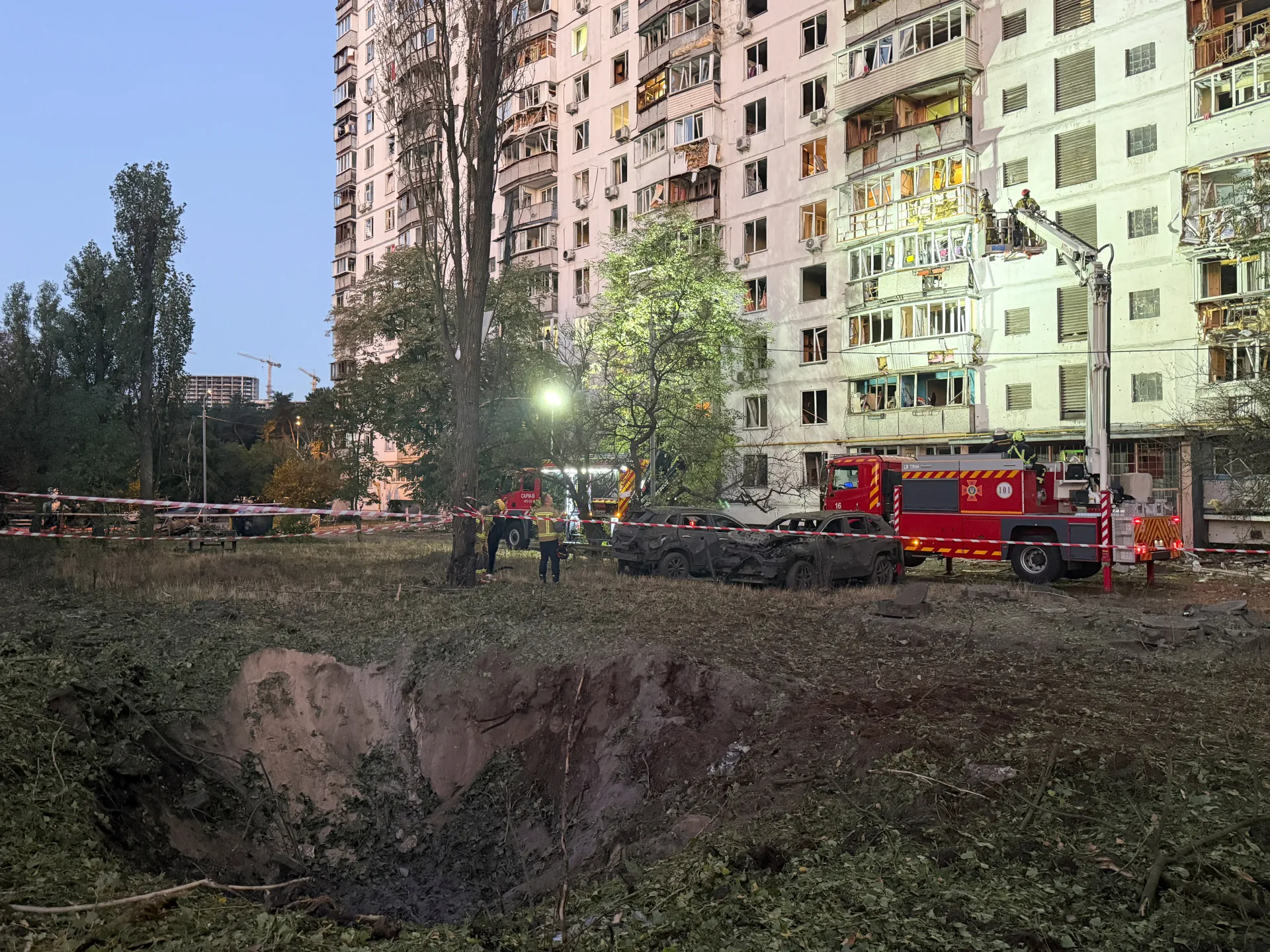
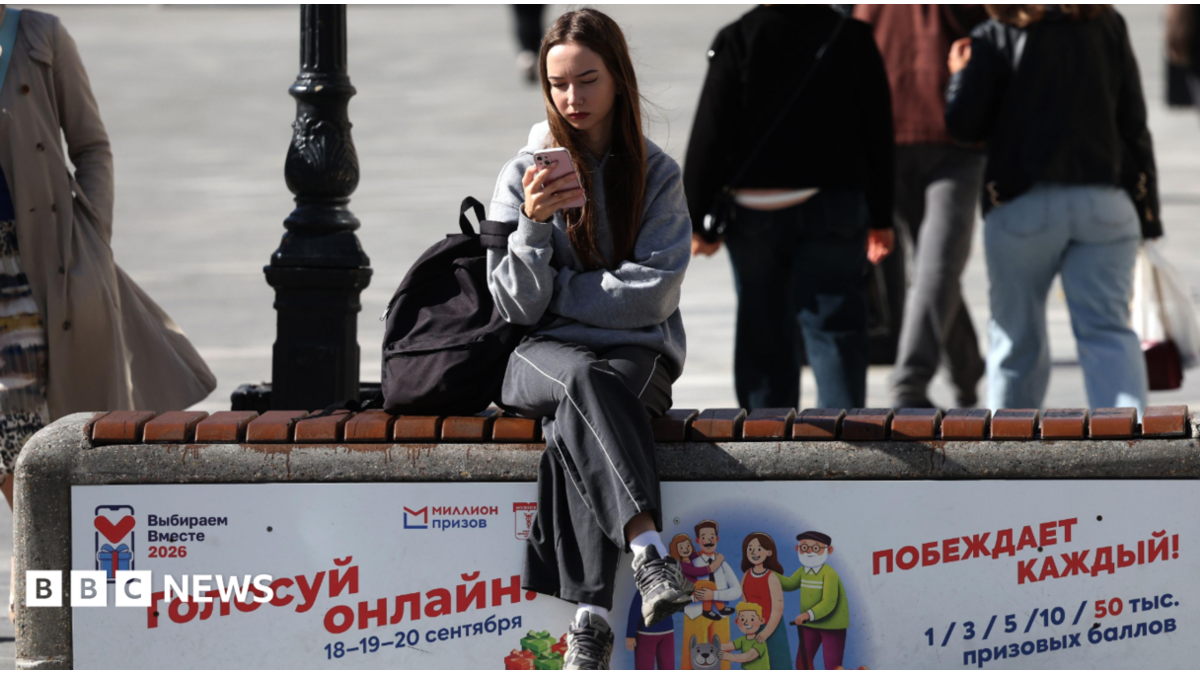
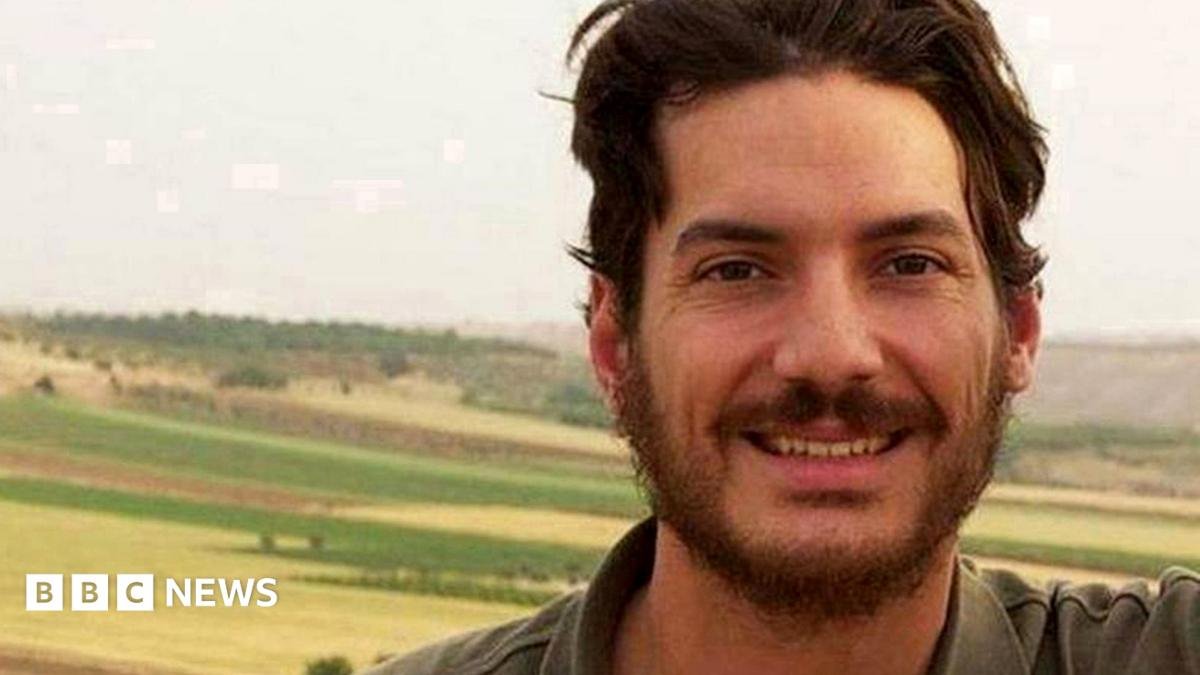
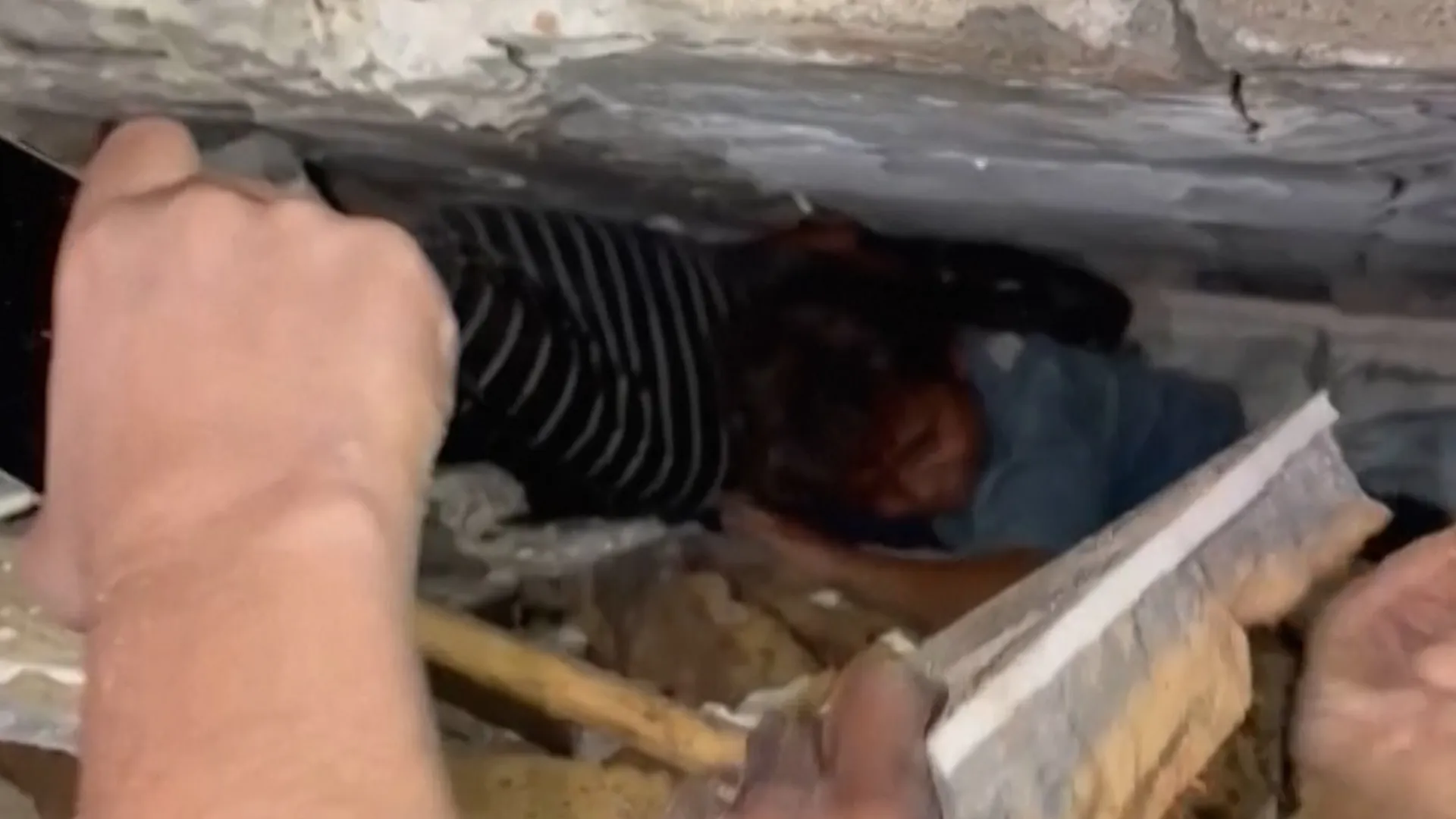
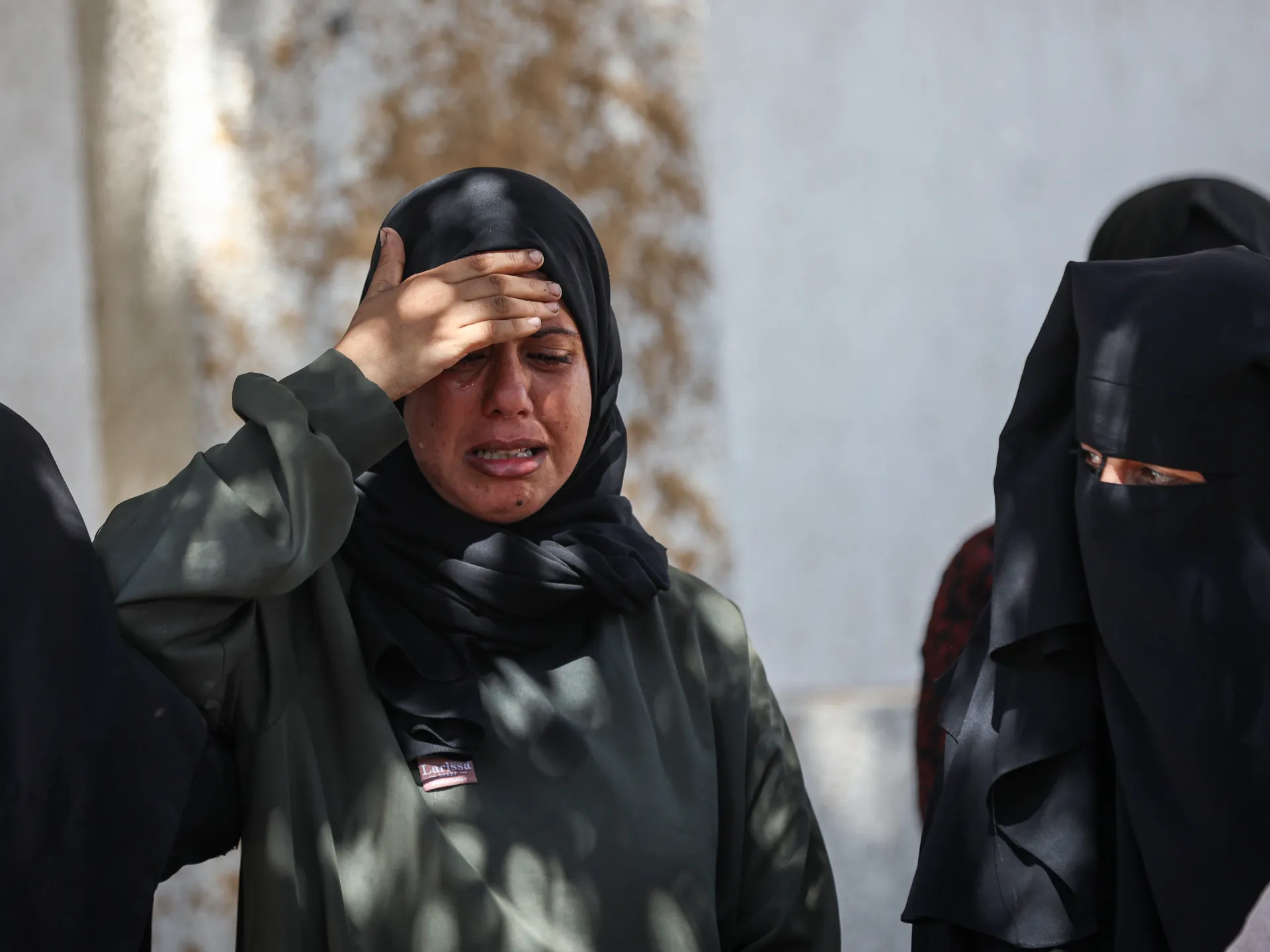
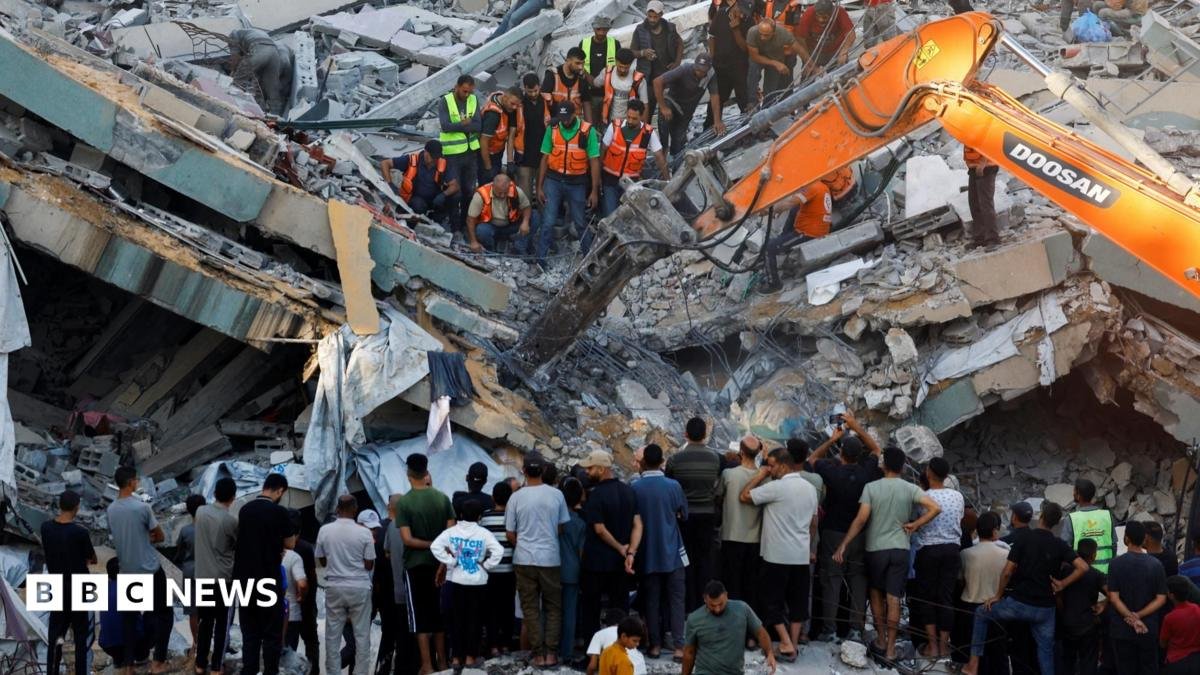
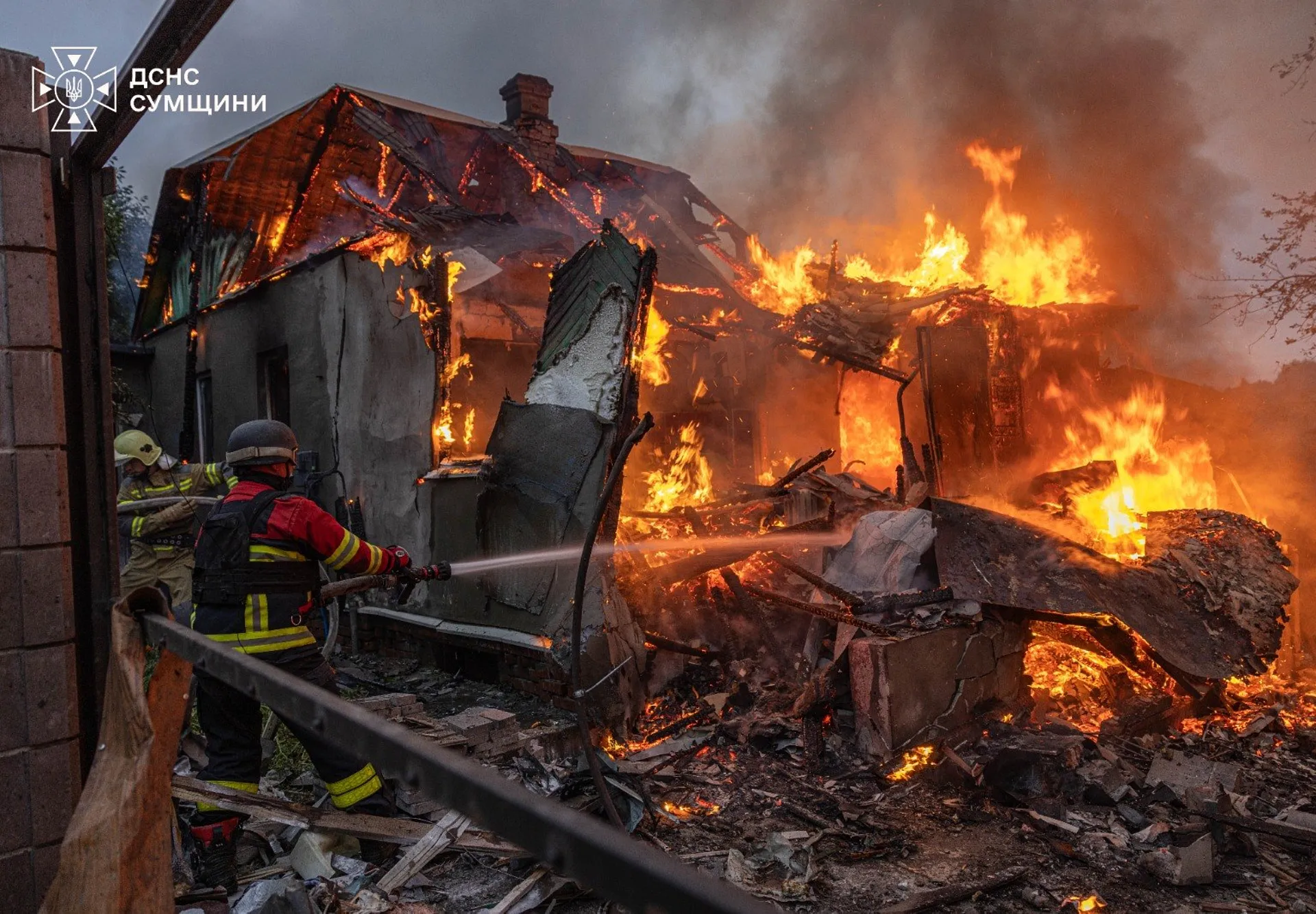
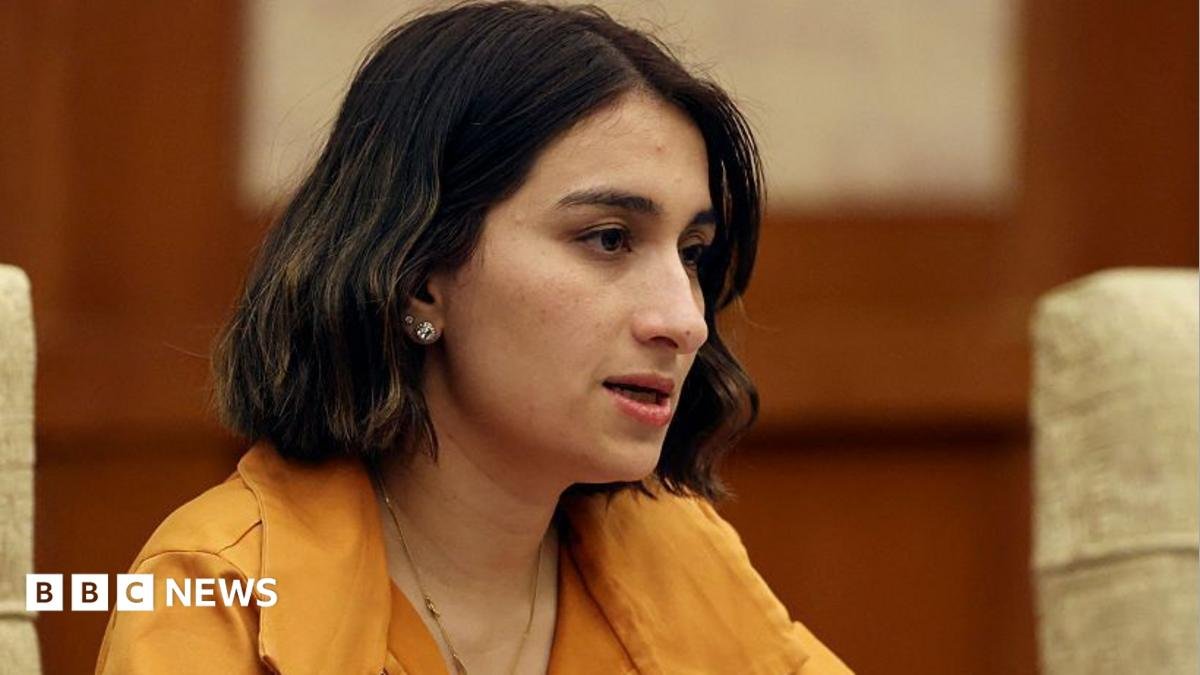
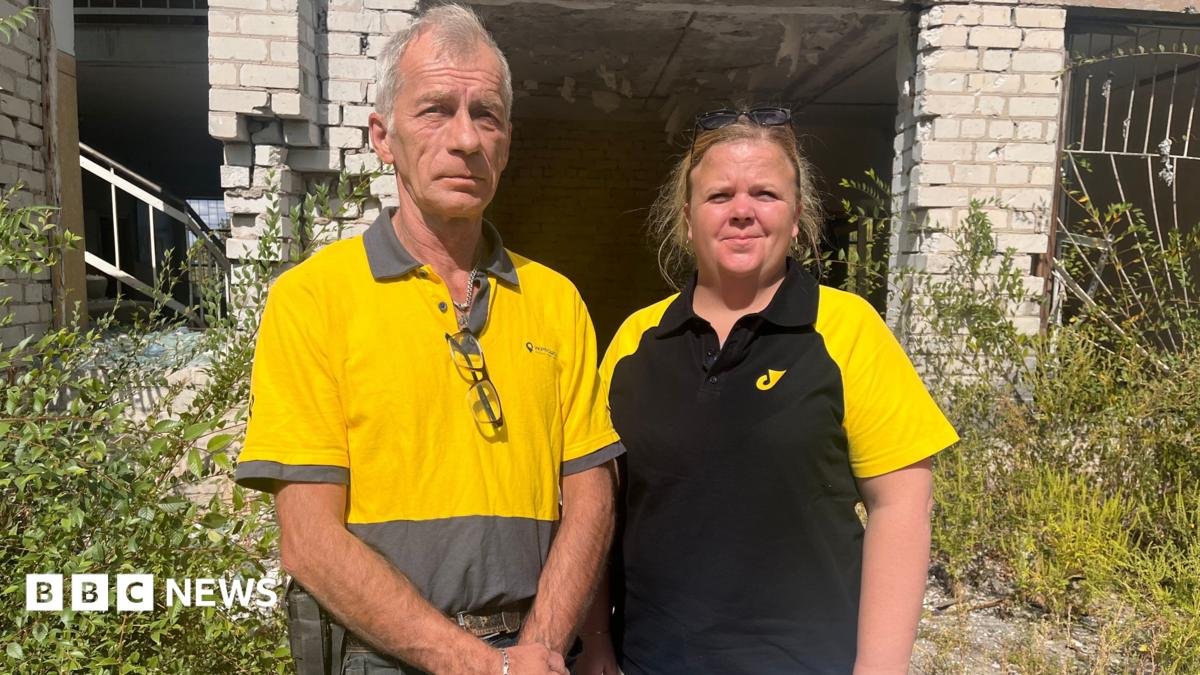
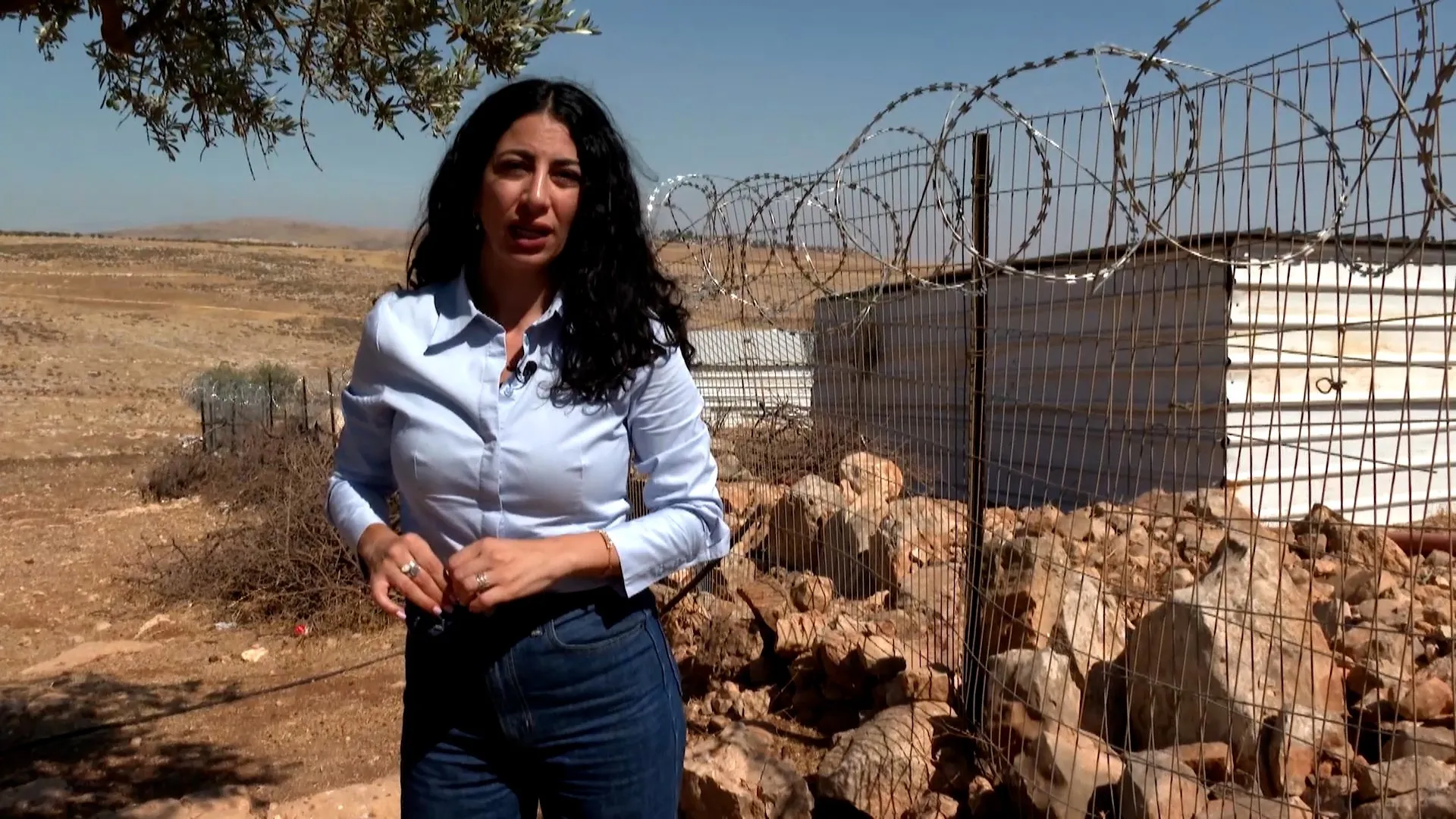
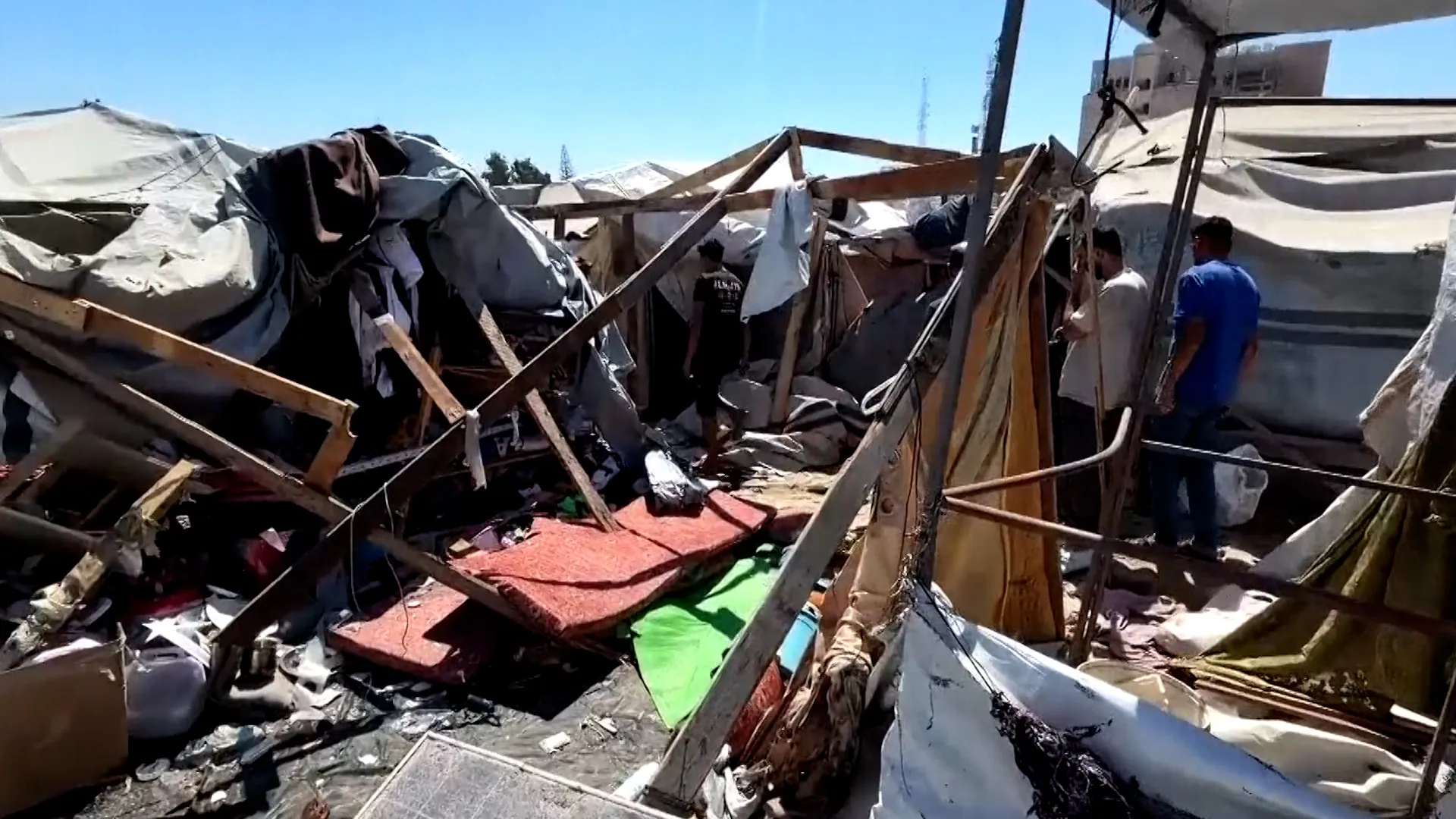
In Russia, the situation remains fraught for families of residents missing in the Kursk region following the Ukrainian incursion that began in August 2024. While local authorities officially estimate that over 300 individuals are missing, unofficial lists compiled ent named Lyubov have expressed deep resentment toward the Russian state, citing failed communication, the impact of state-run media narratives that downplayed the severity of the incursion, and the lack of humanitarian corridors to evacuate those trapped in conflict zones.
For the families in the Kursk region, the path forward appears stalled crisis persists without organized evacuation corridors, civilian-led efforts to map the fates of the missing are likely to continue as the primary source of information, though their impact on official government policy remains minimal. Similarly, in South Africa, the demand for justice regarding the femicide crisis will likely hinge on the government's response to public protests and the efficacy of police investigations into the recent surge of deaths.
Conversely, NASA’s operations indicate a steady trajectory of long-term planning. The agency’s focus on the Artemis program and continued use of SpaceX for crewed flights suggests that while global social and geopolitical climates remain volatile, the institutional commitment to extraterrestrial research remains isolated from terrestrial instability, ensuring that the next generation of space exploration—and the student outreach programs that support it—will likely continue unabated.