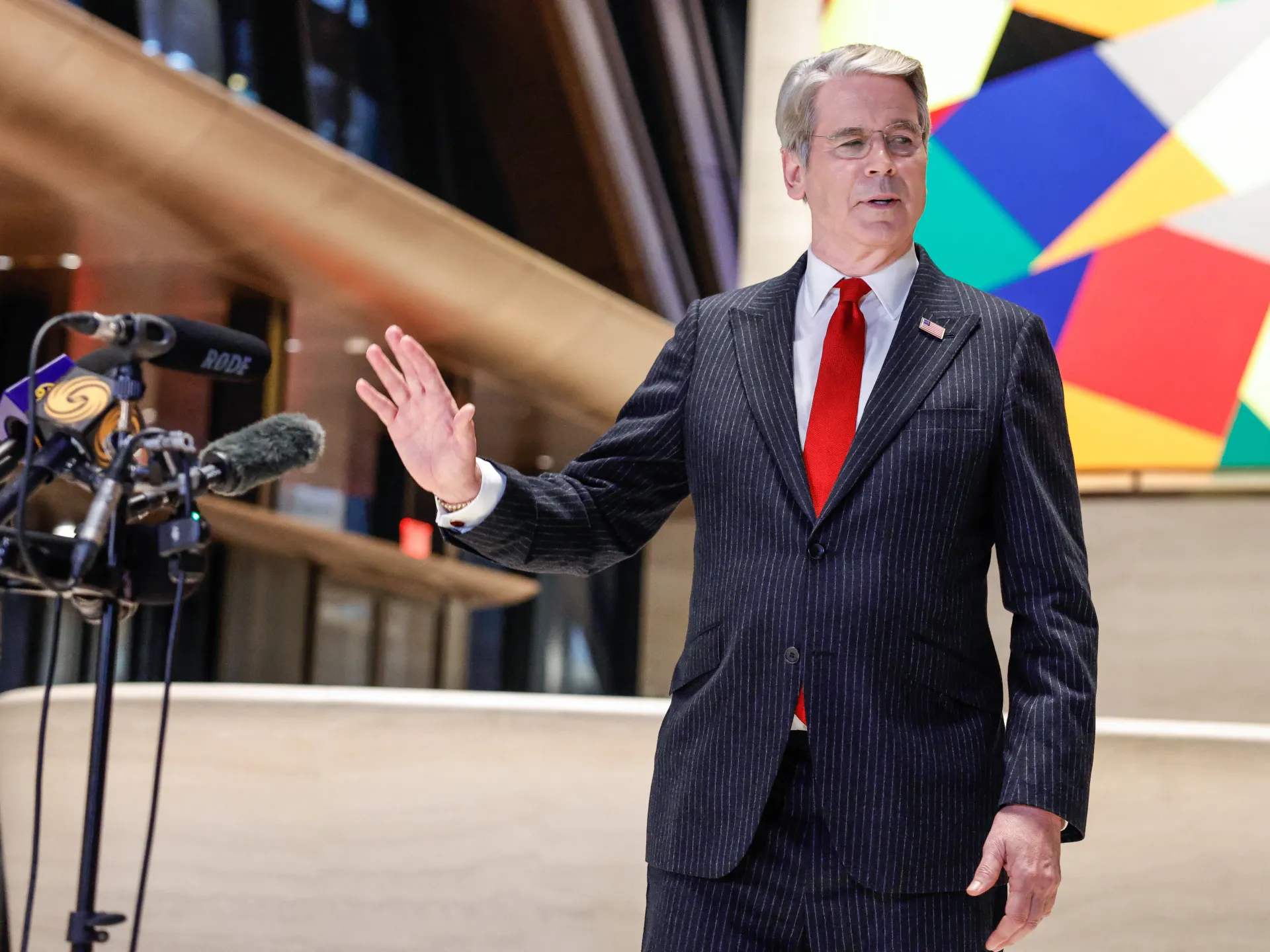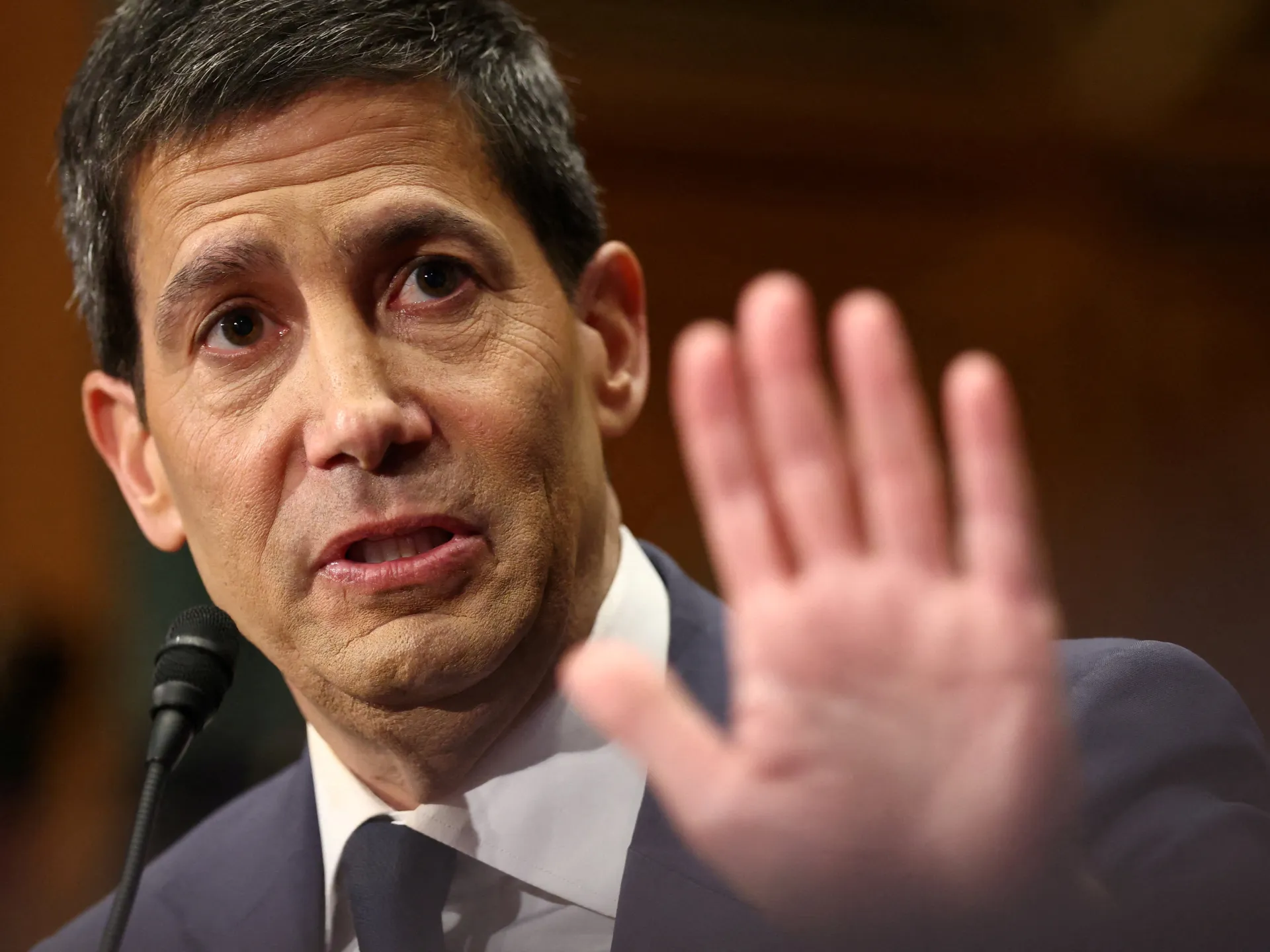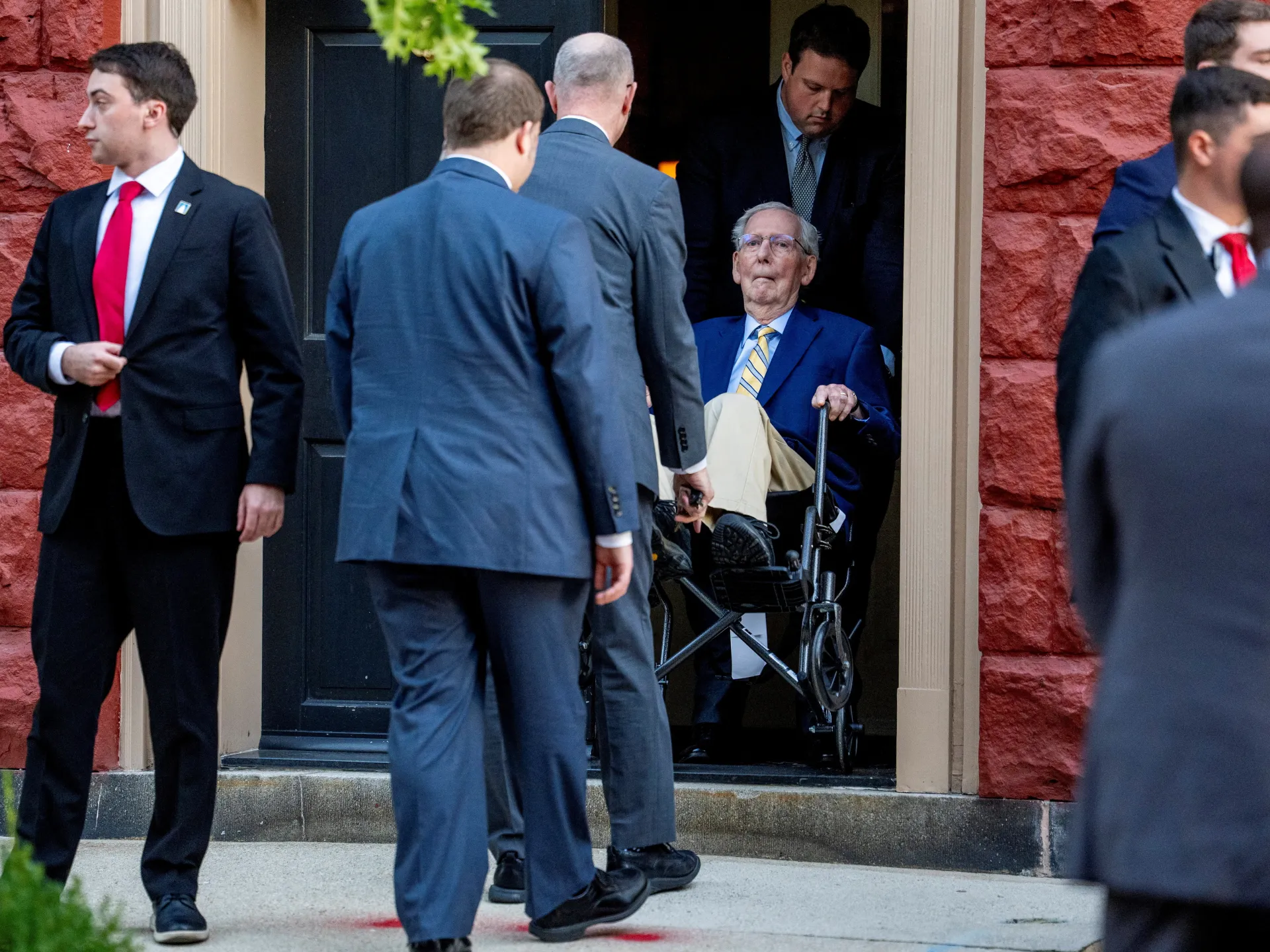
Israel’s Ambassador to the U.S. is facing a family tragedy after his son was critically injured in a West Bank car-ramming attack.
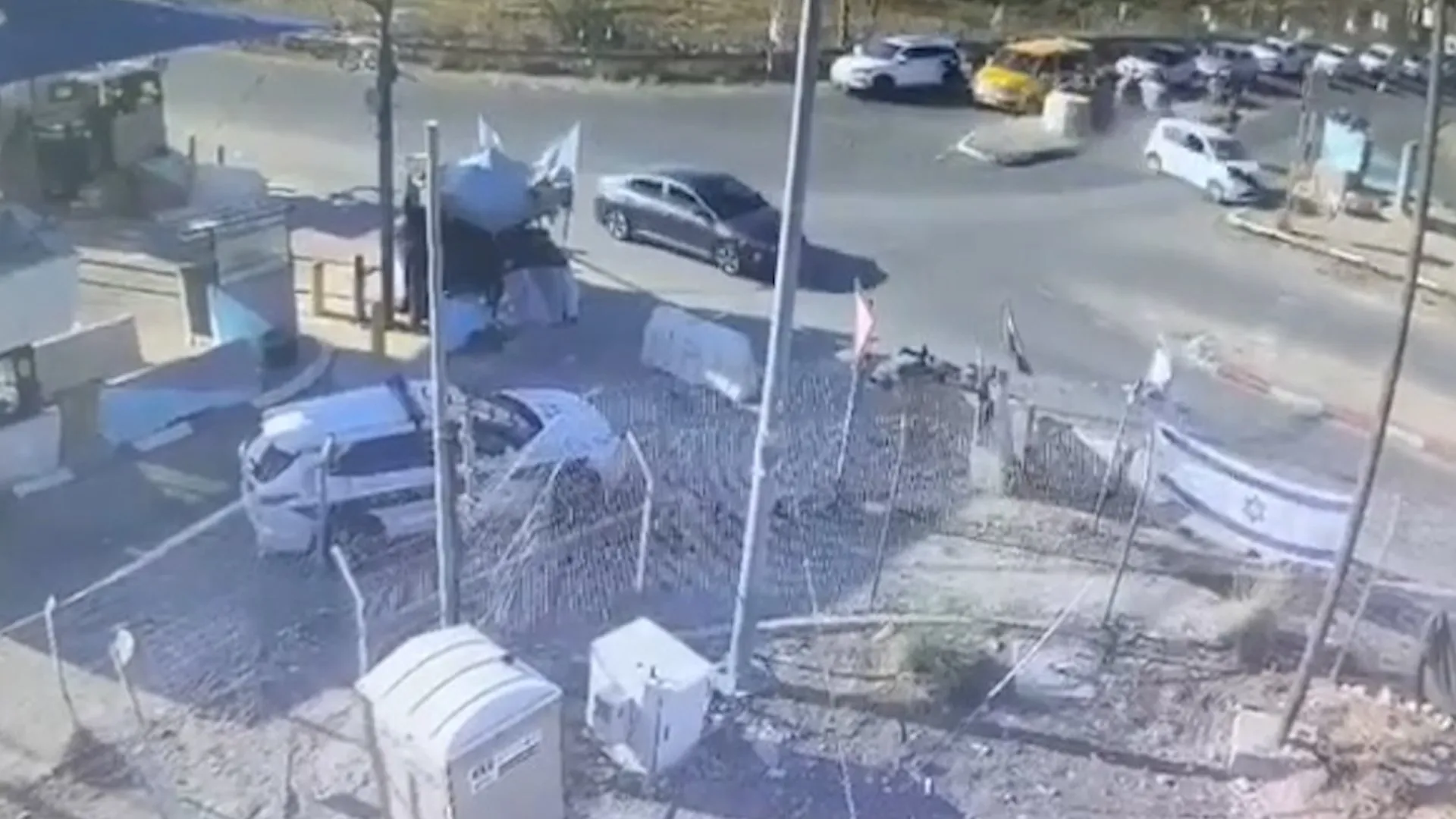
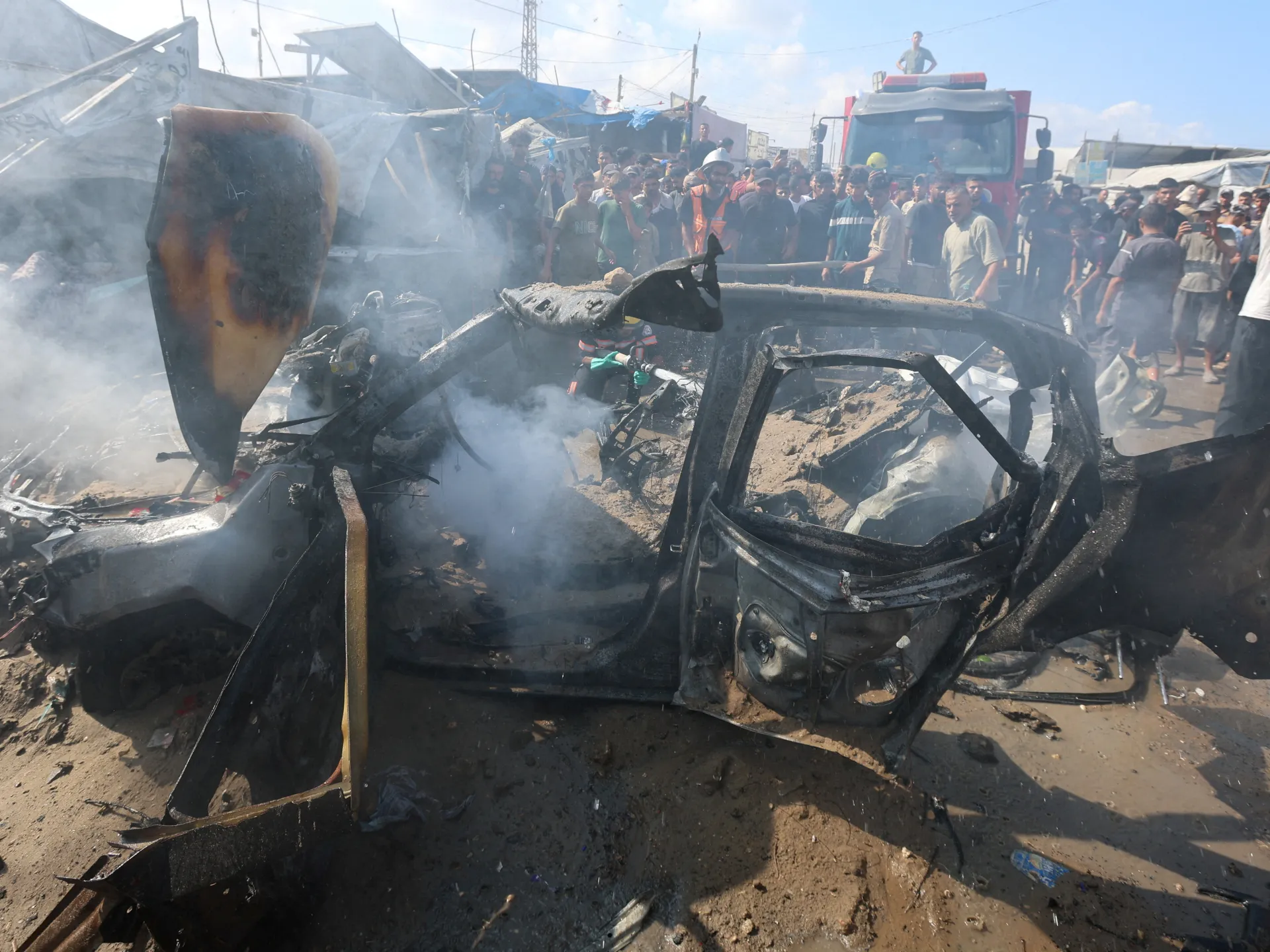
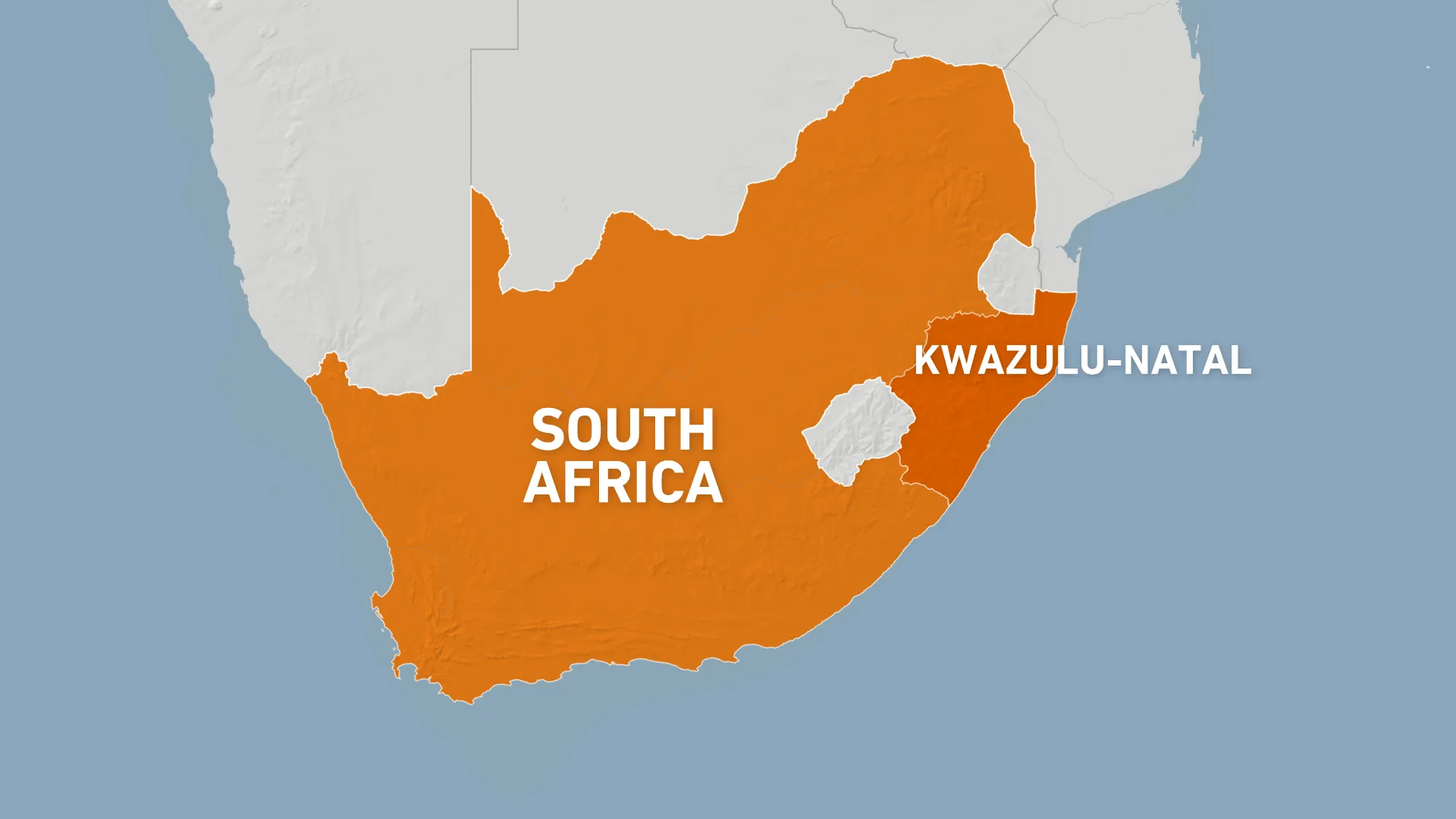
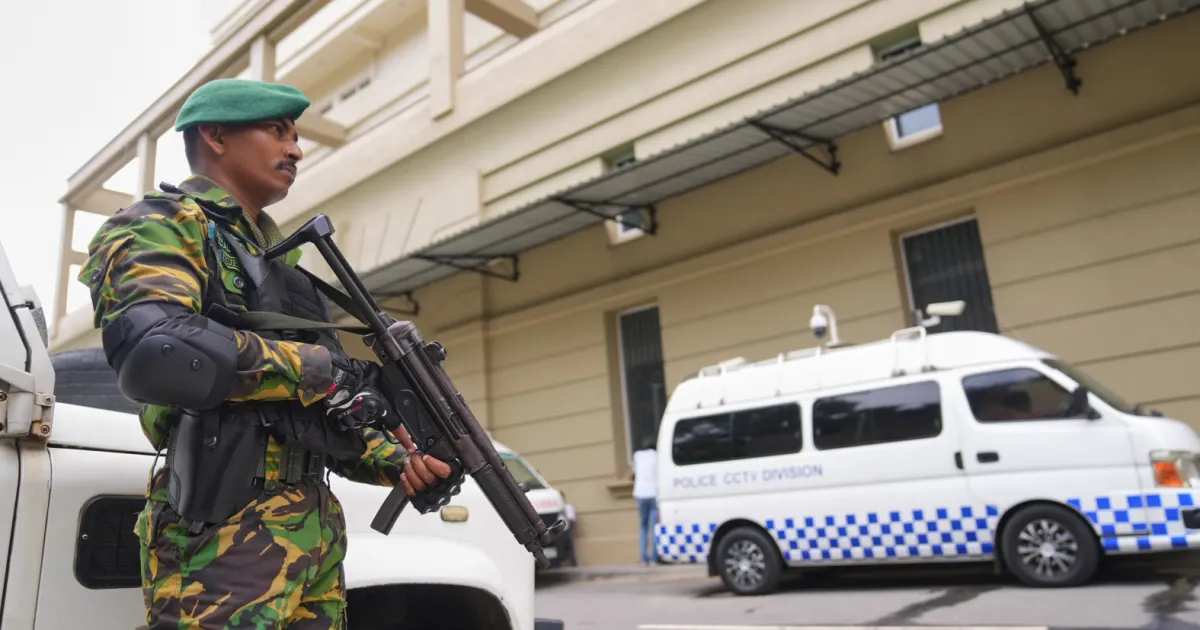
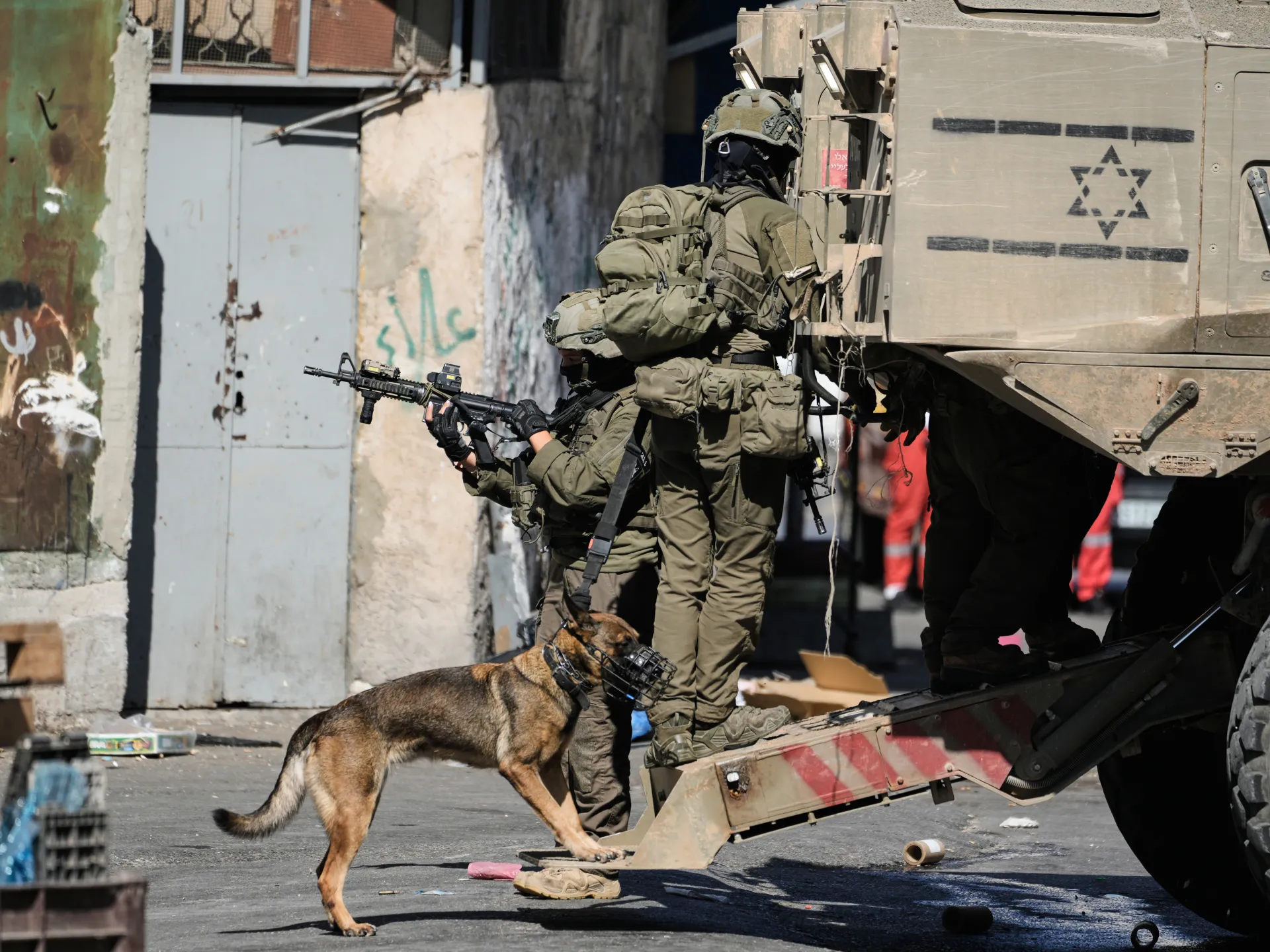
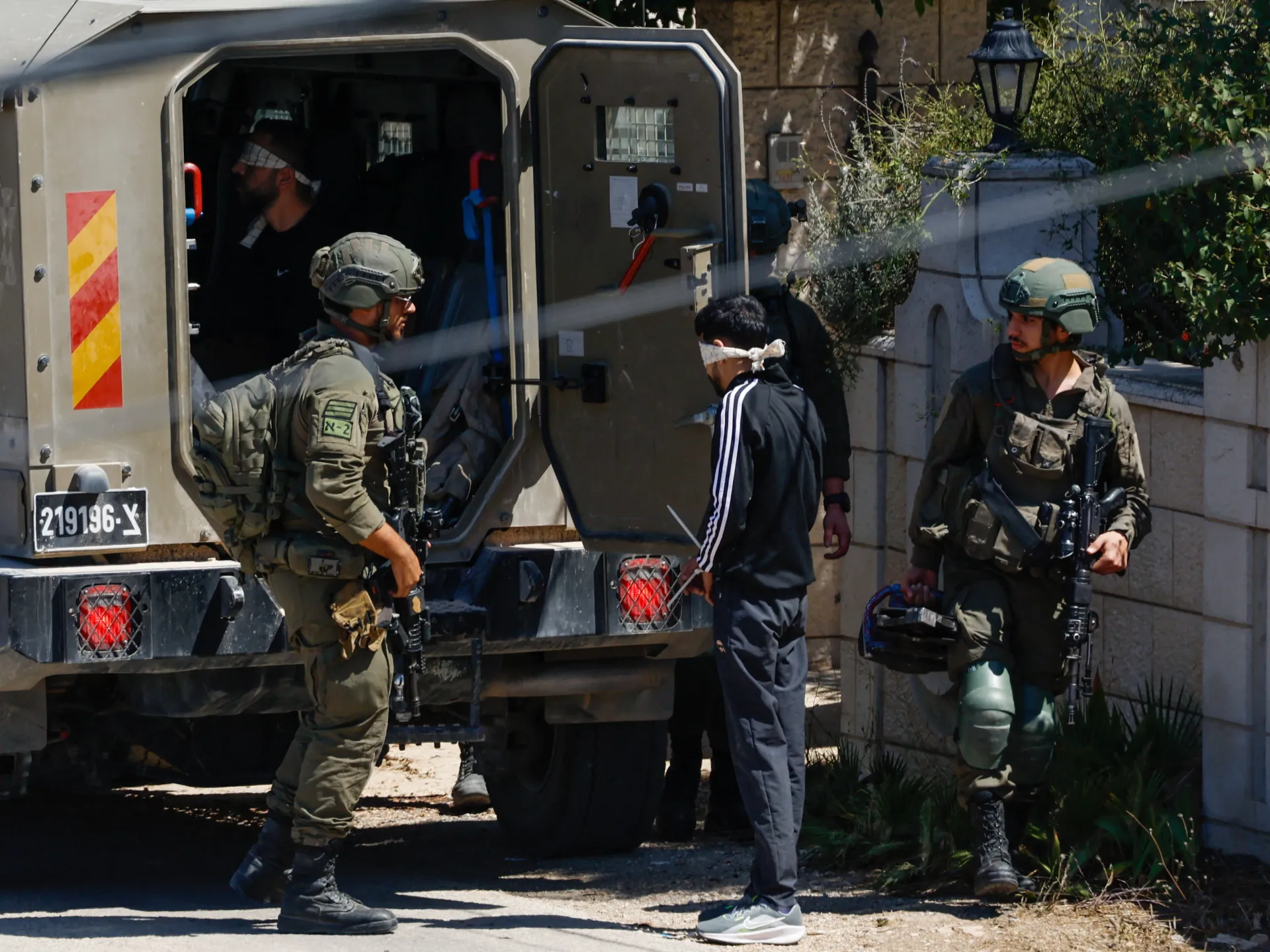
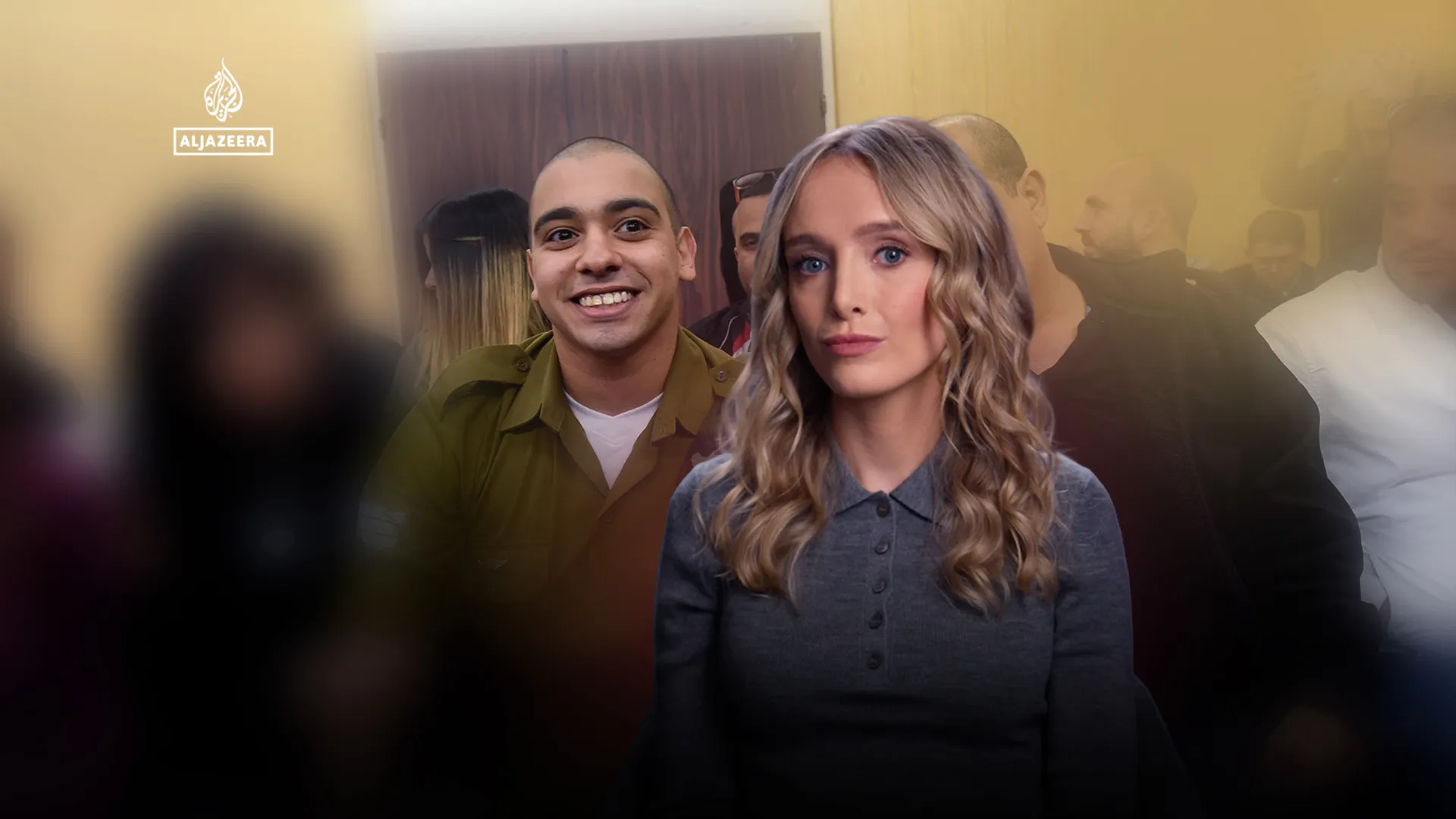
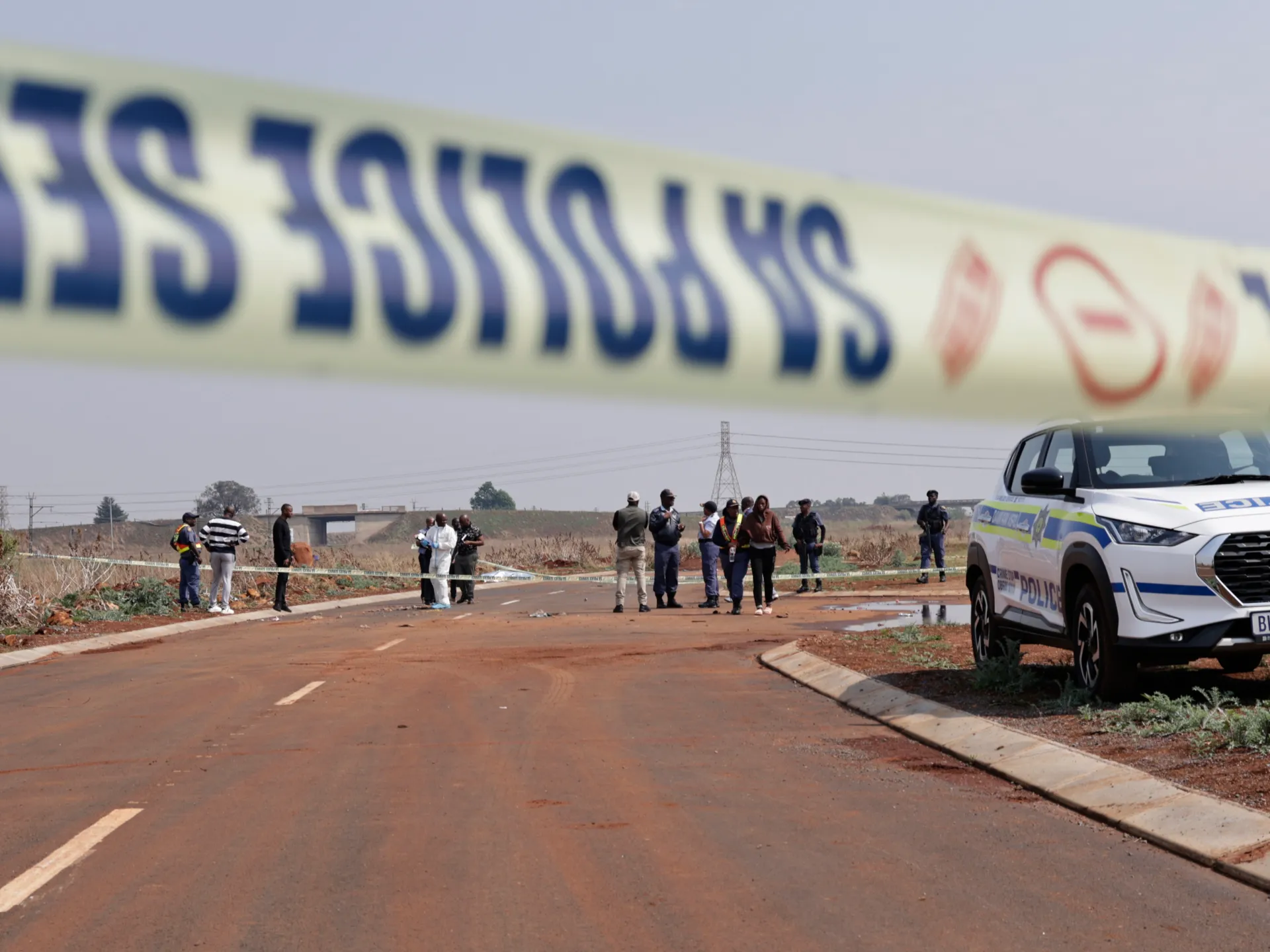
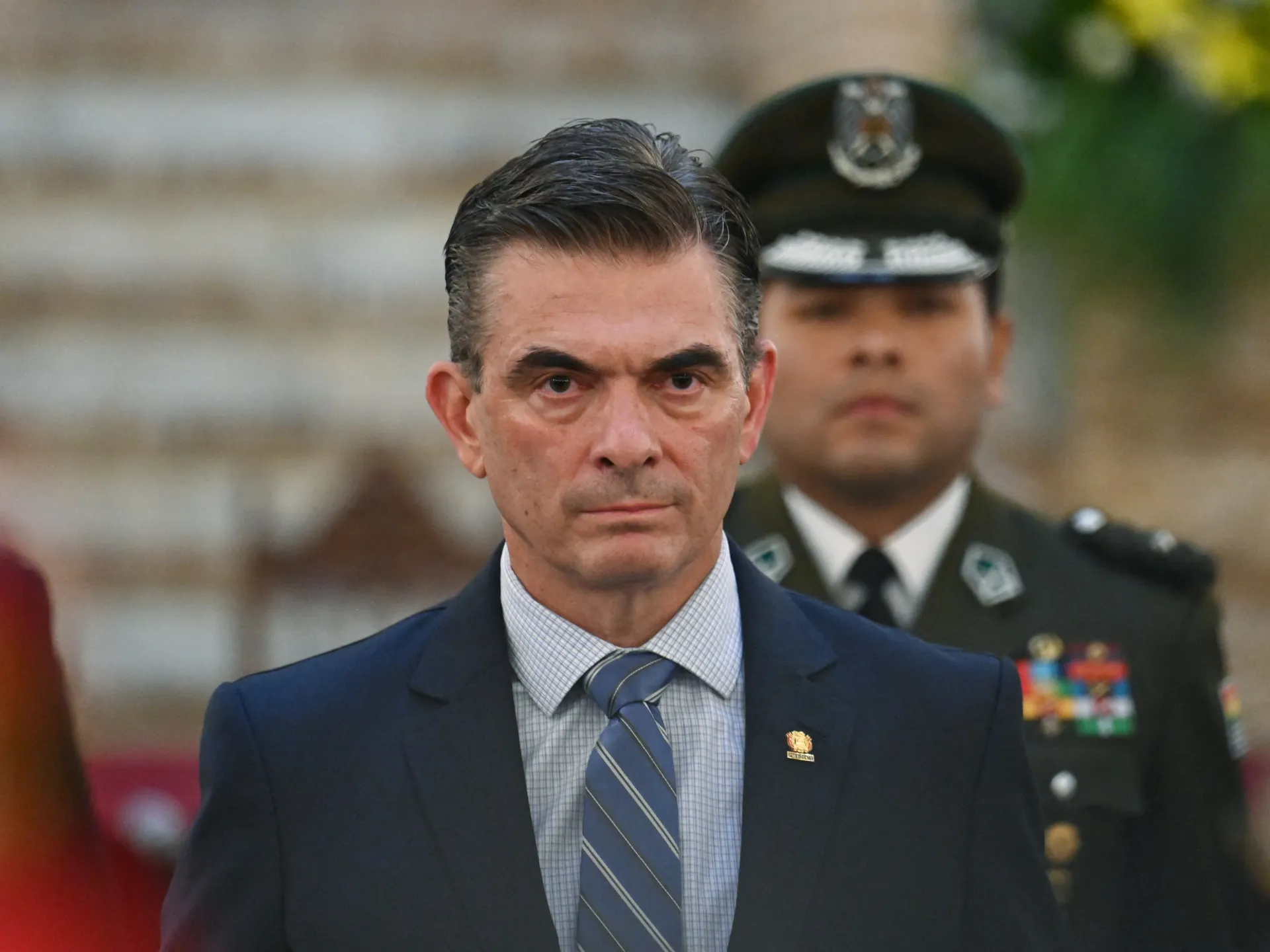
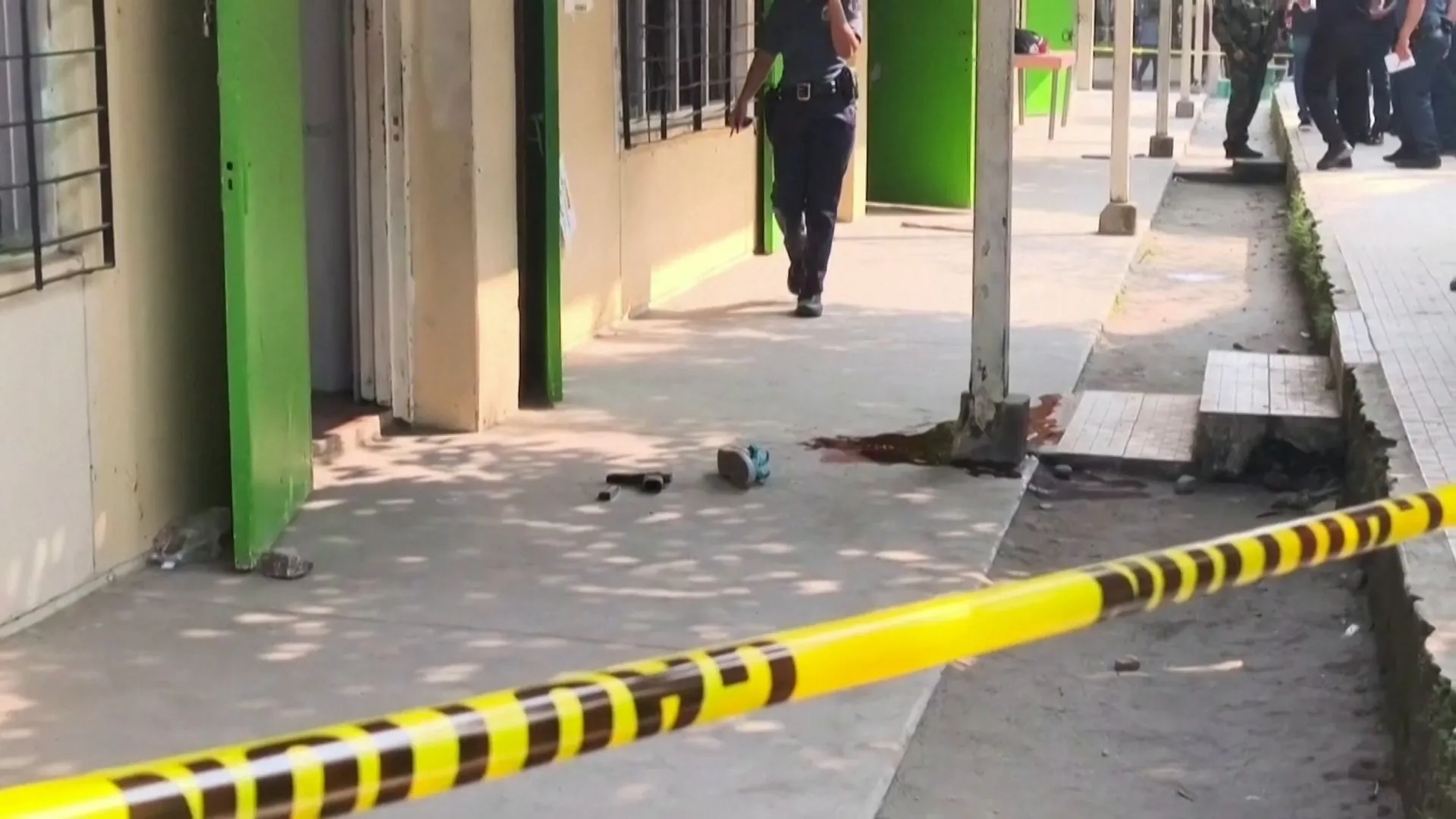
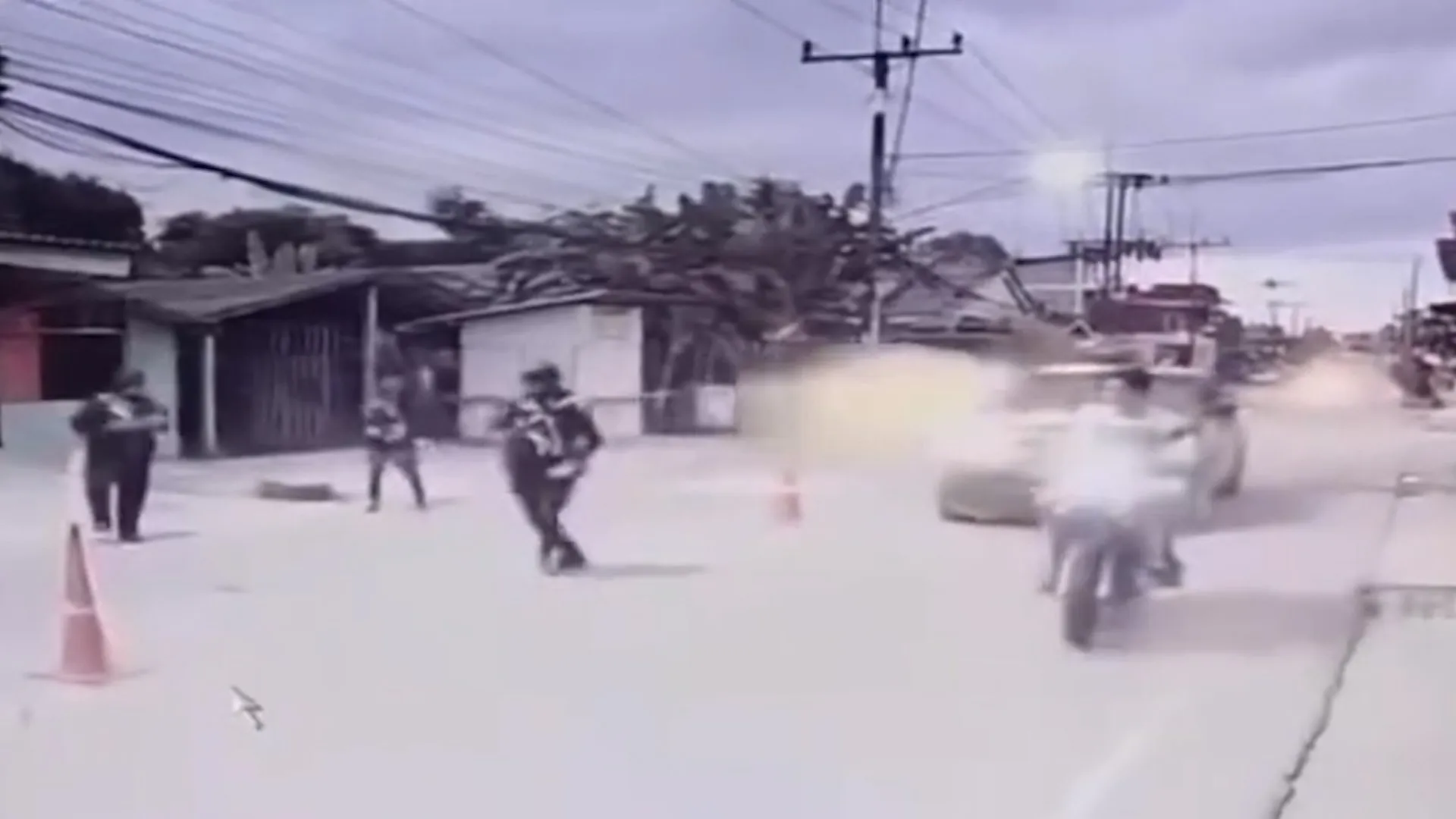
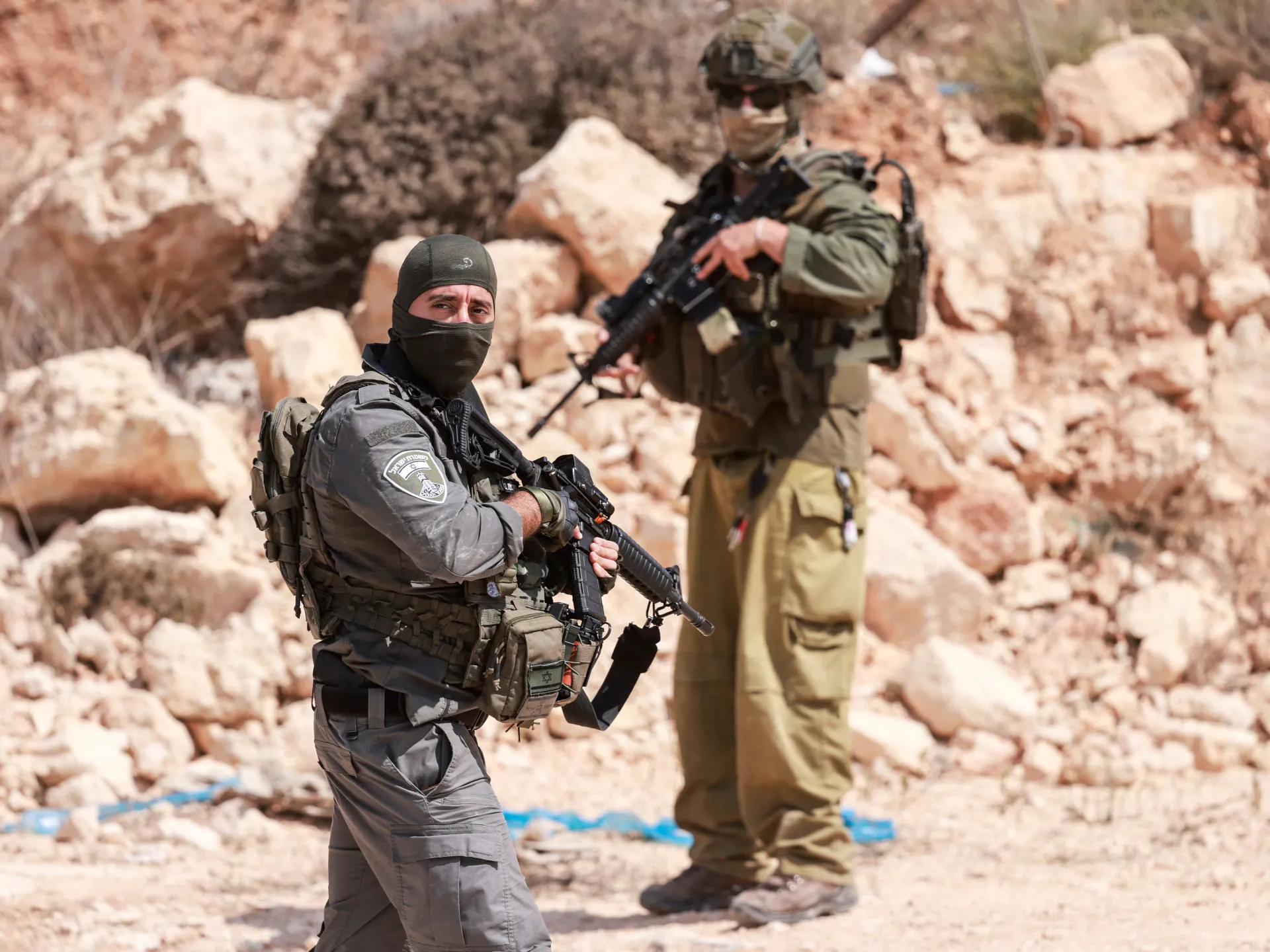
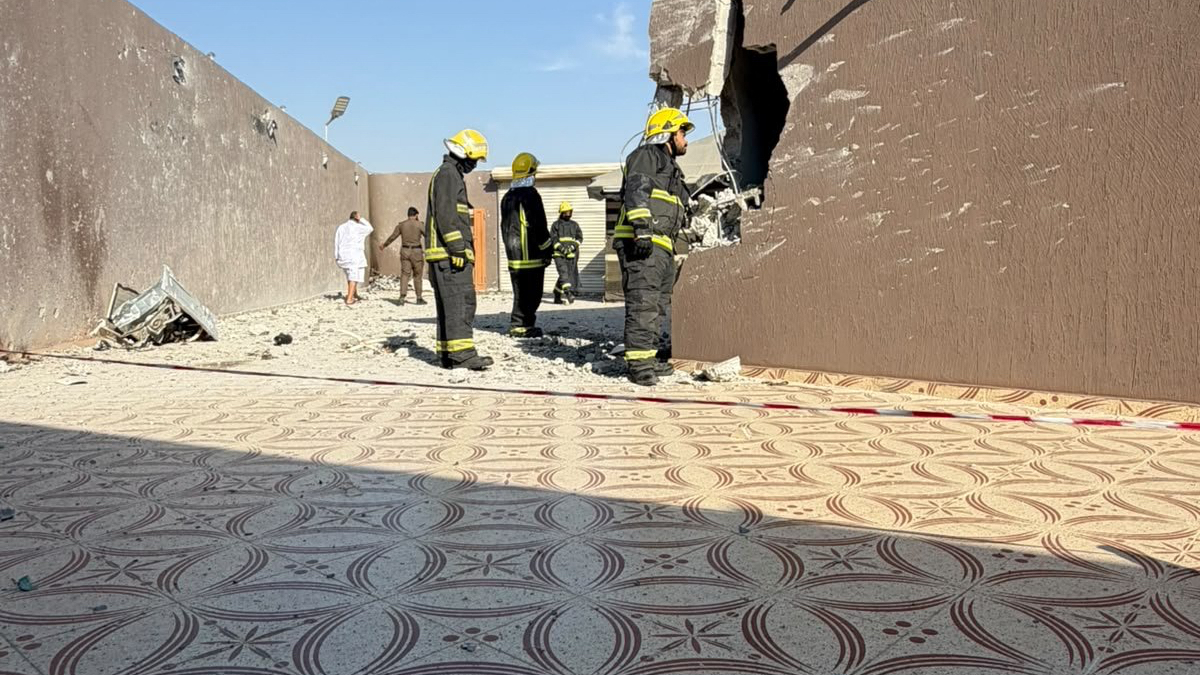
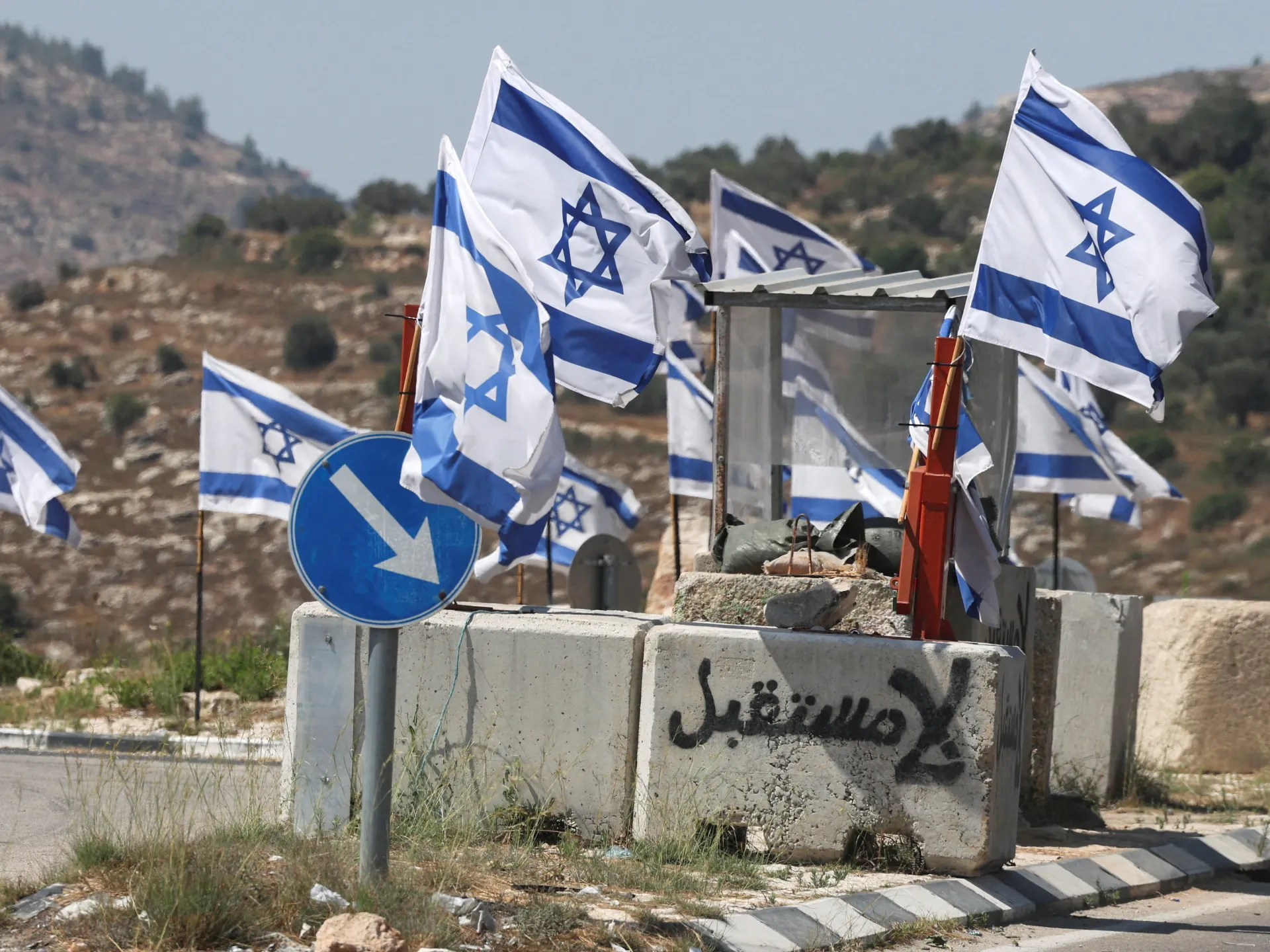
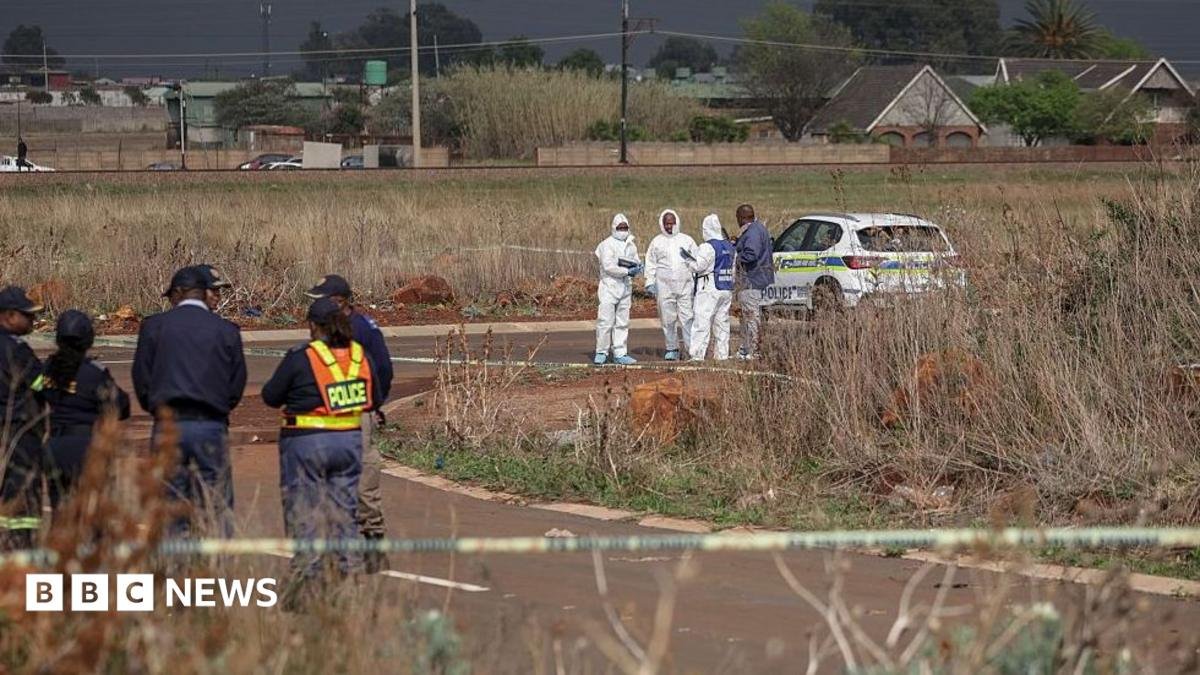
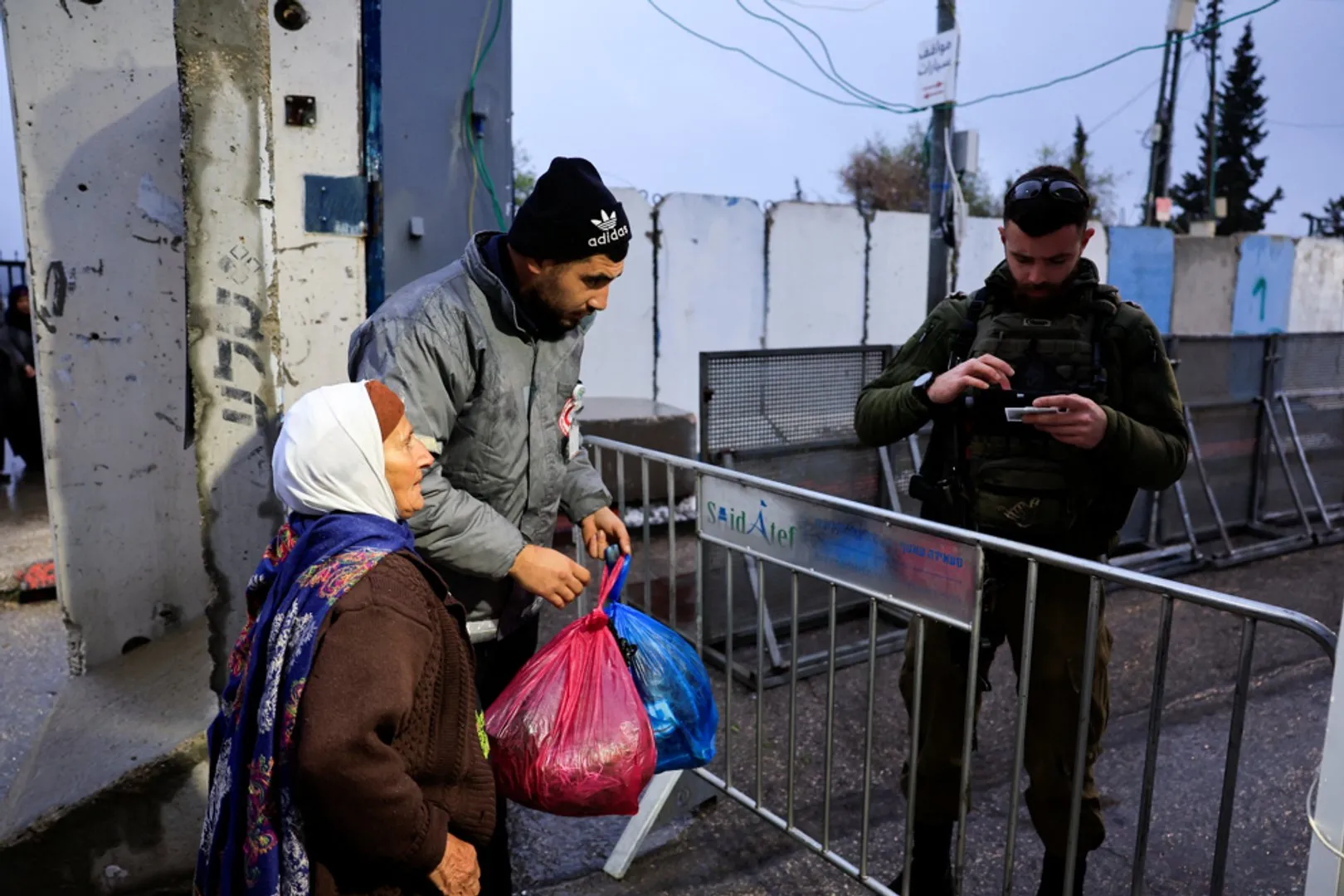
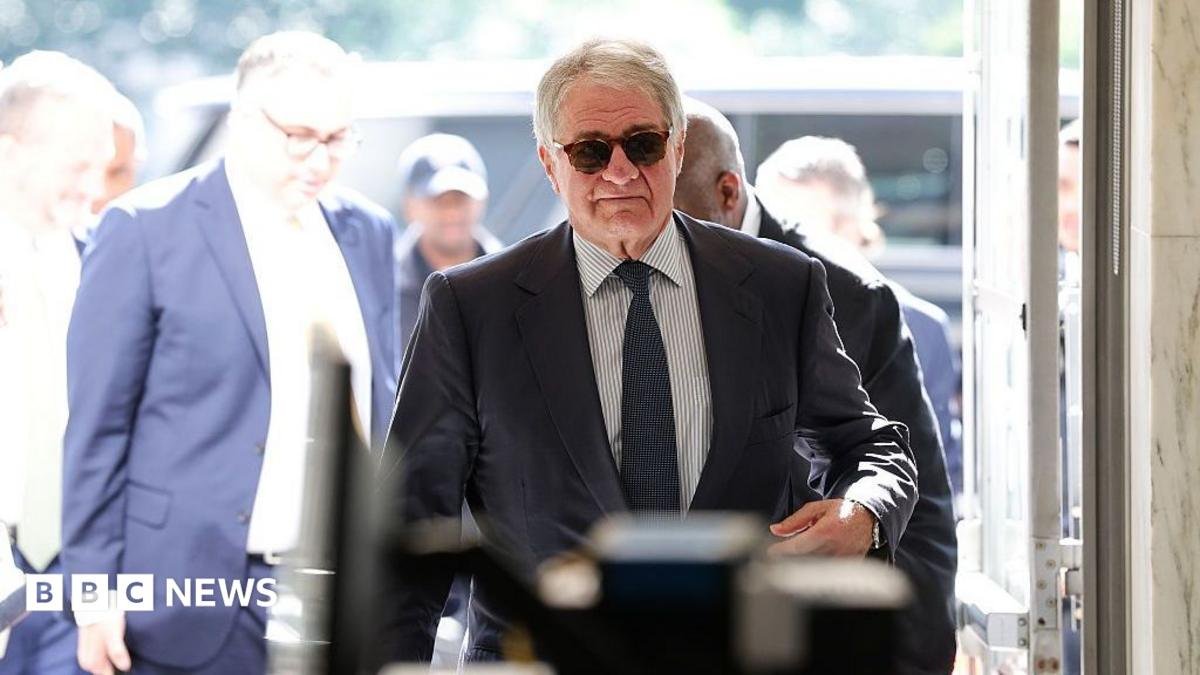
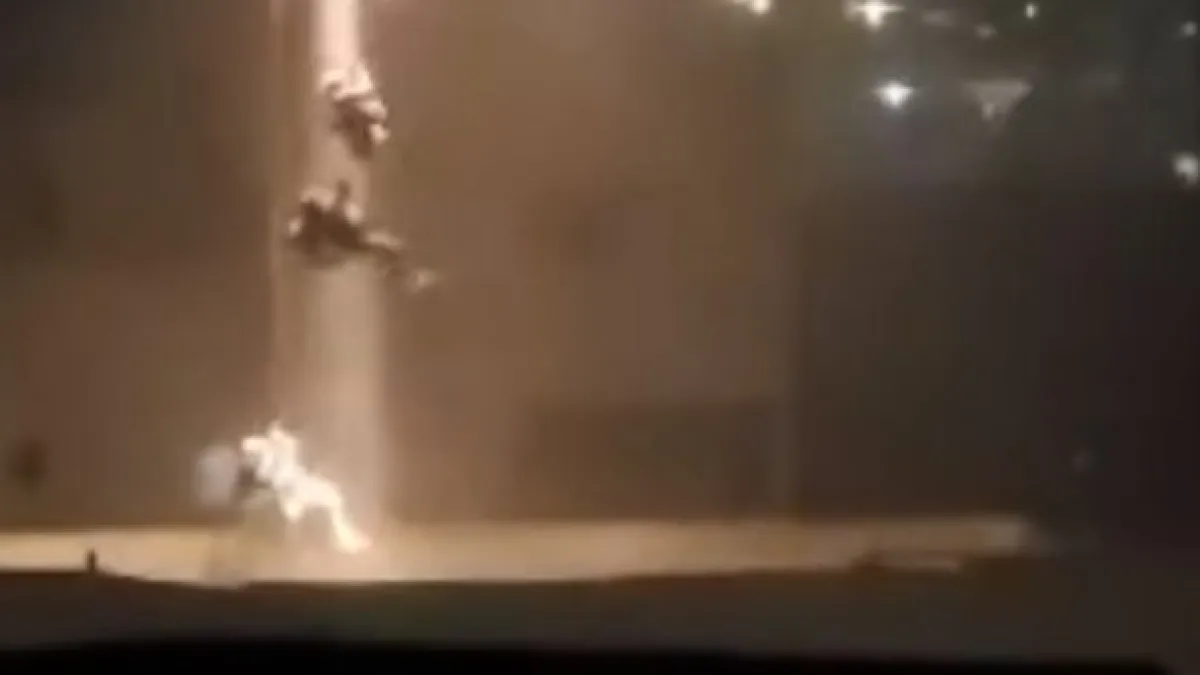
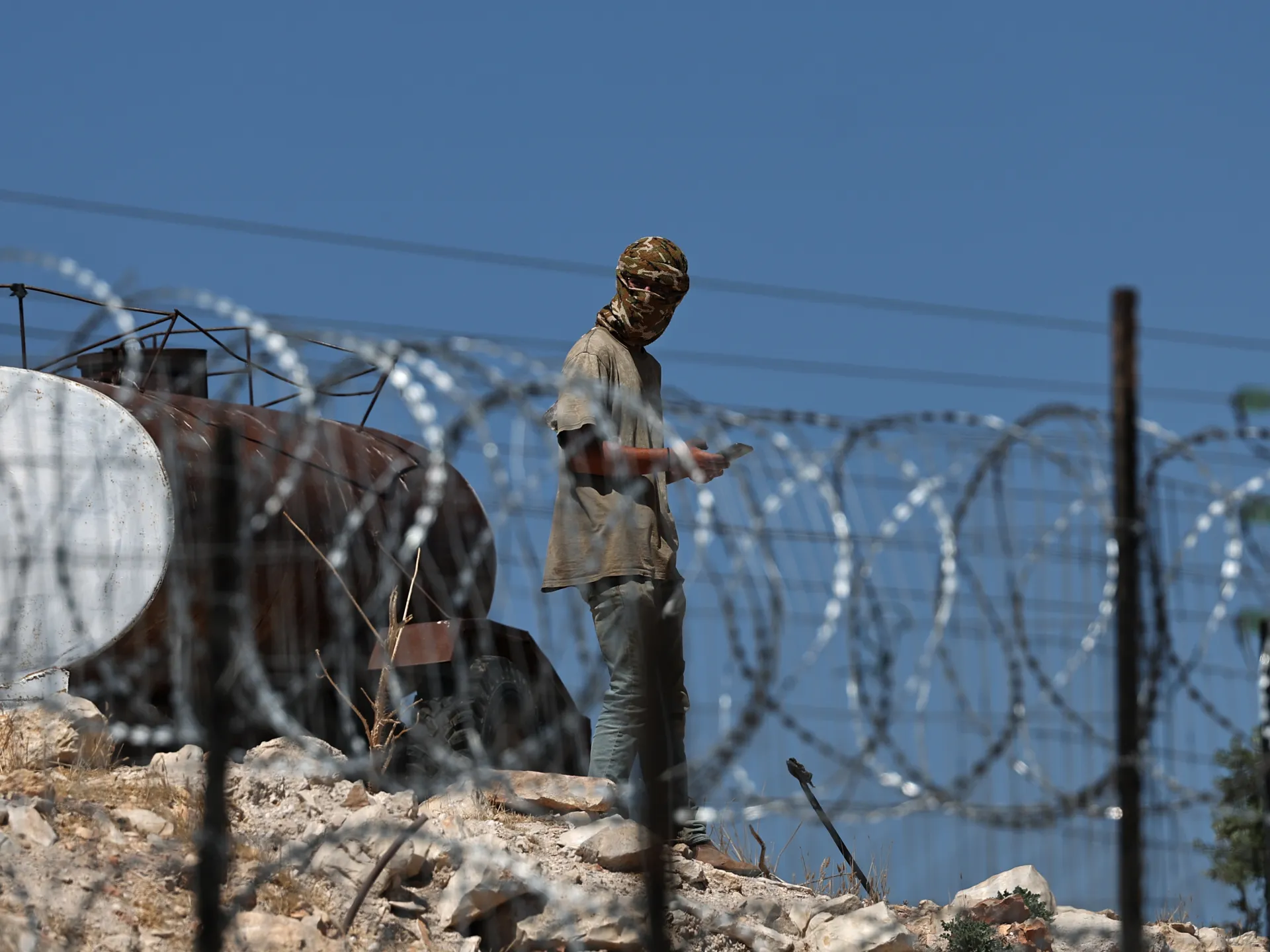
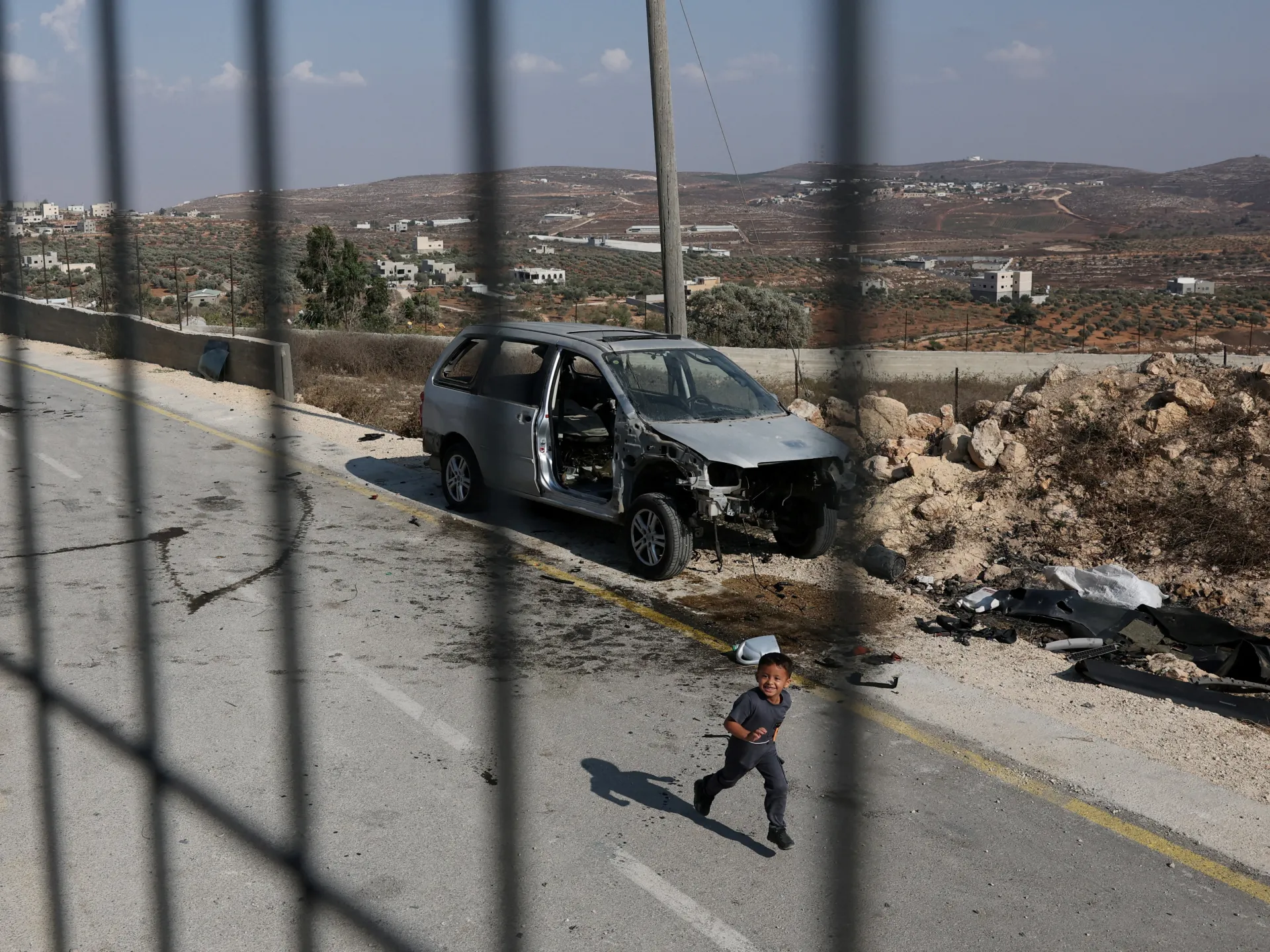
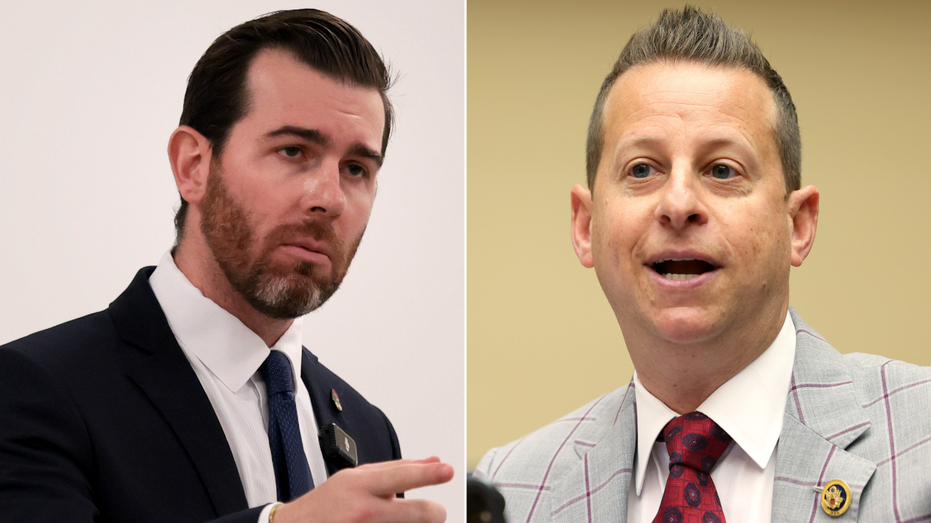
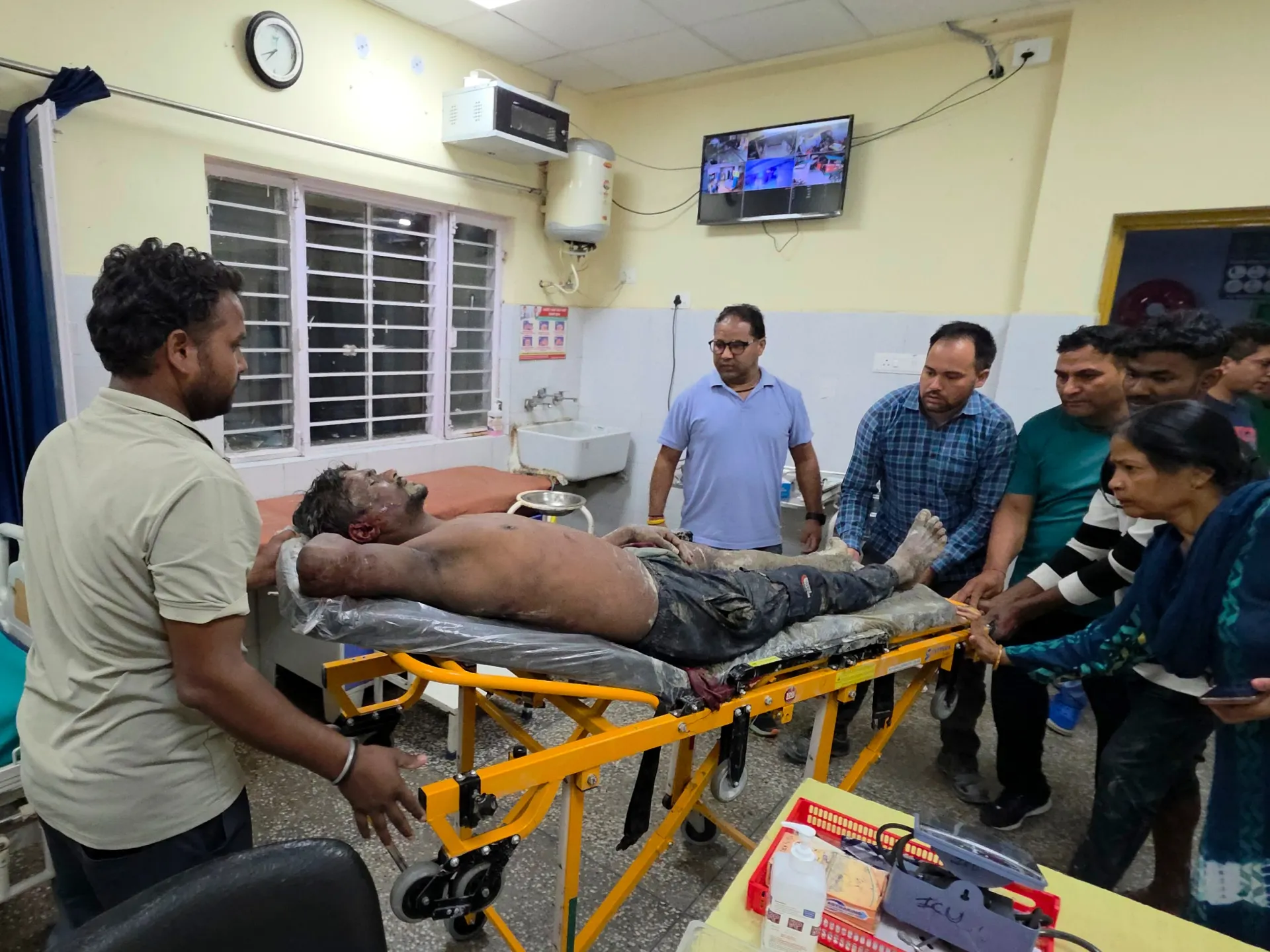
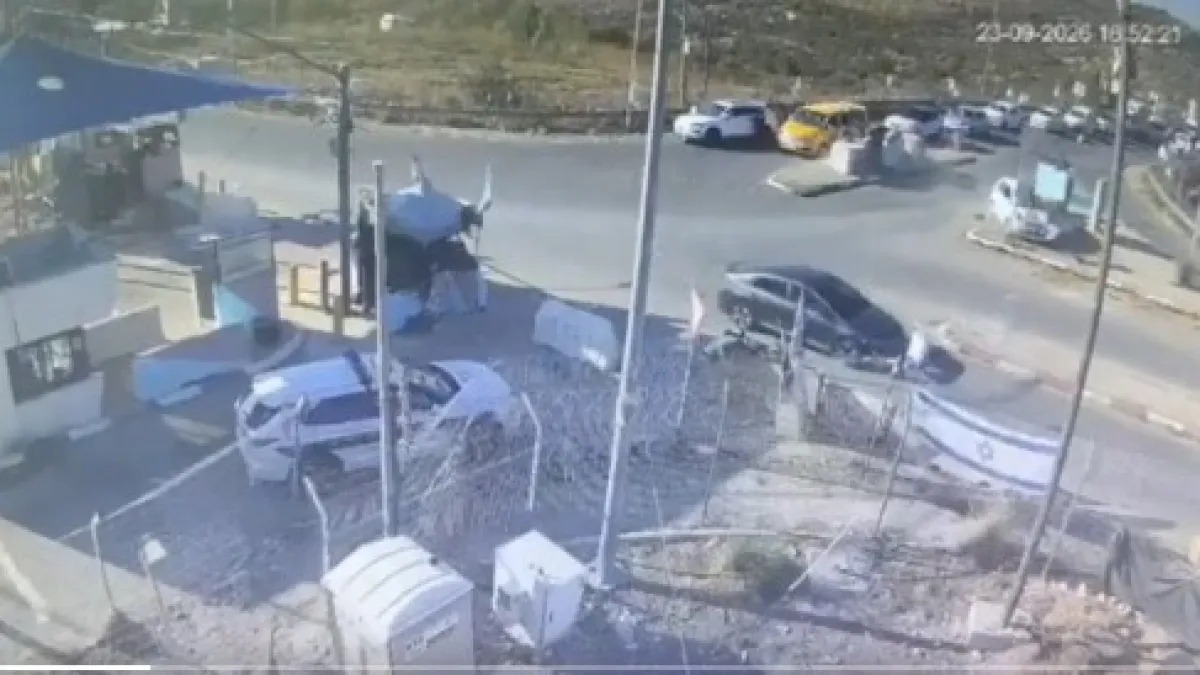
A volatile security climate in the occupied West Bank reached a deeply personal inflection point this week as Neria Dov ben Chana, the son of Israel’s Ambassador to the United States Yechiel Leiter, was critically wounded in a vehicle-ramming incident. The attack, which took place at a checkpoint near the Beit Horon settlement, has triggered a wave of high-level diplomatic concern and underscored the persistent danger faced
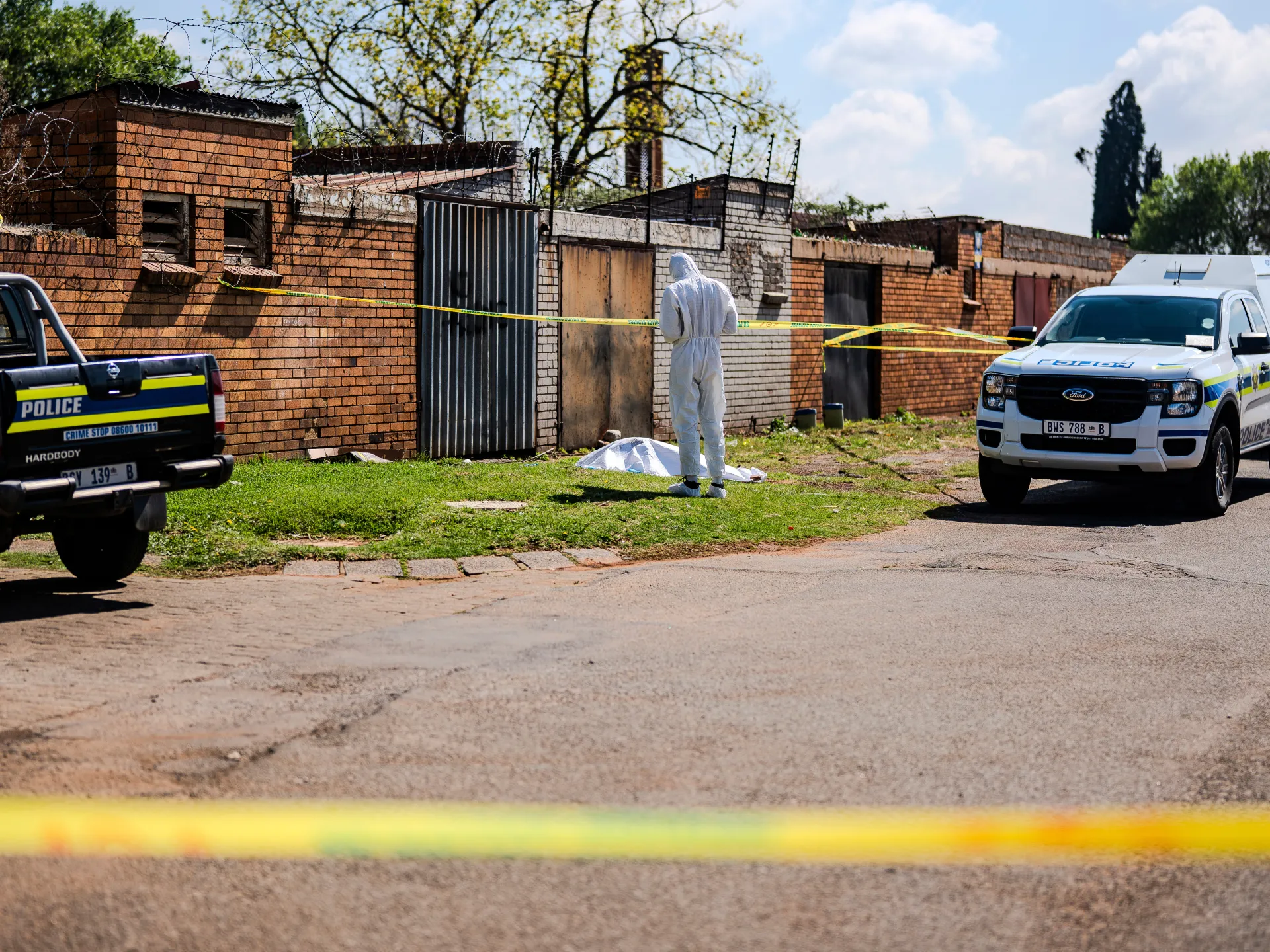
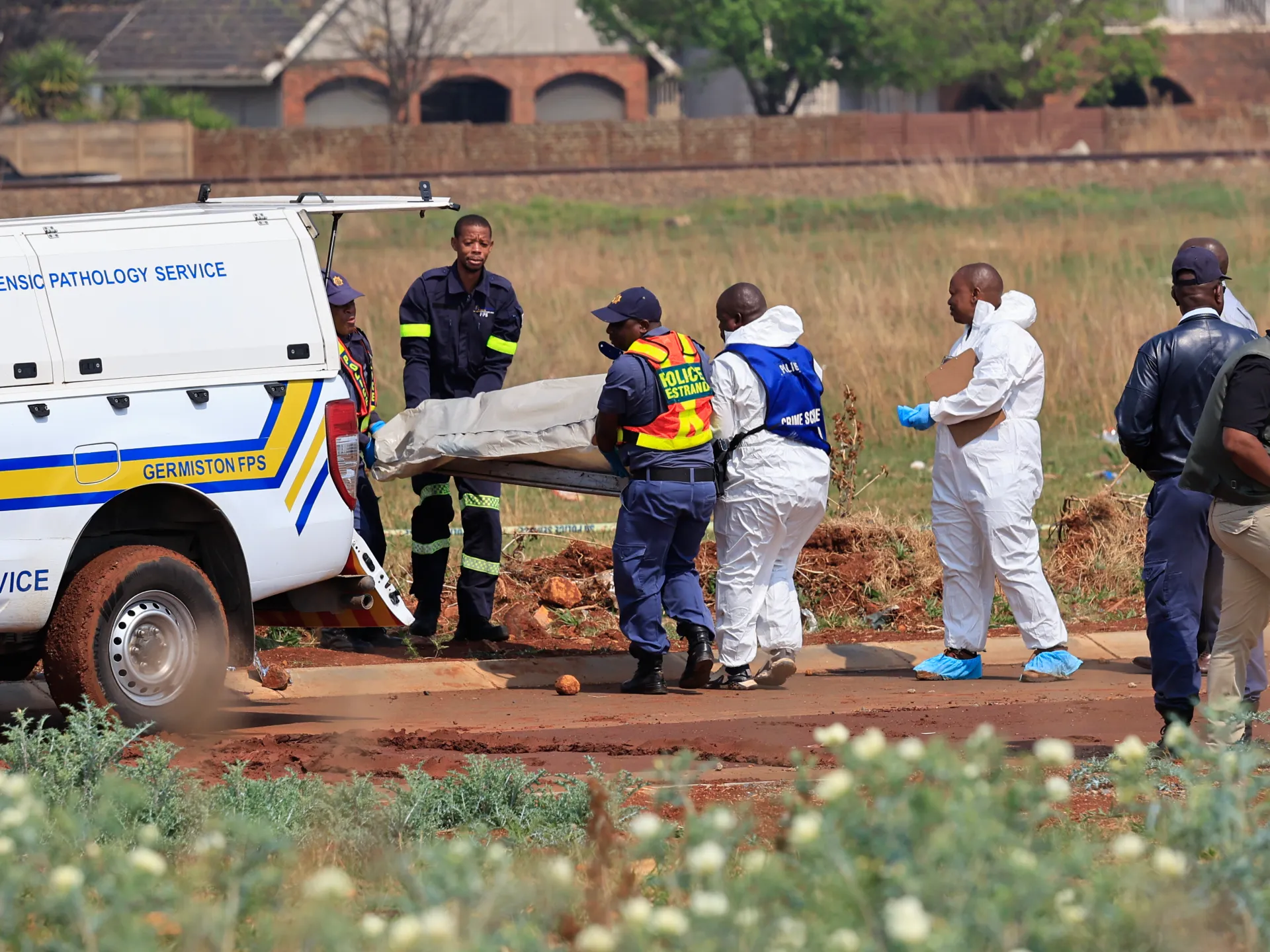
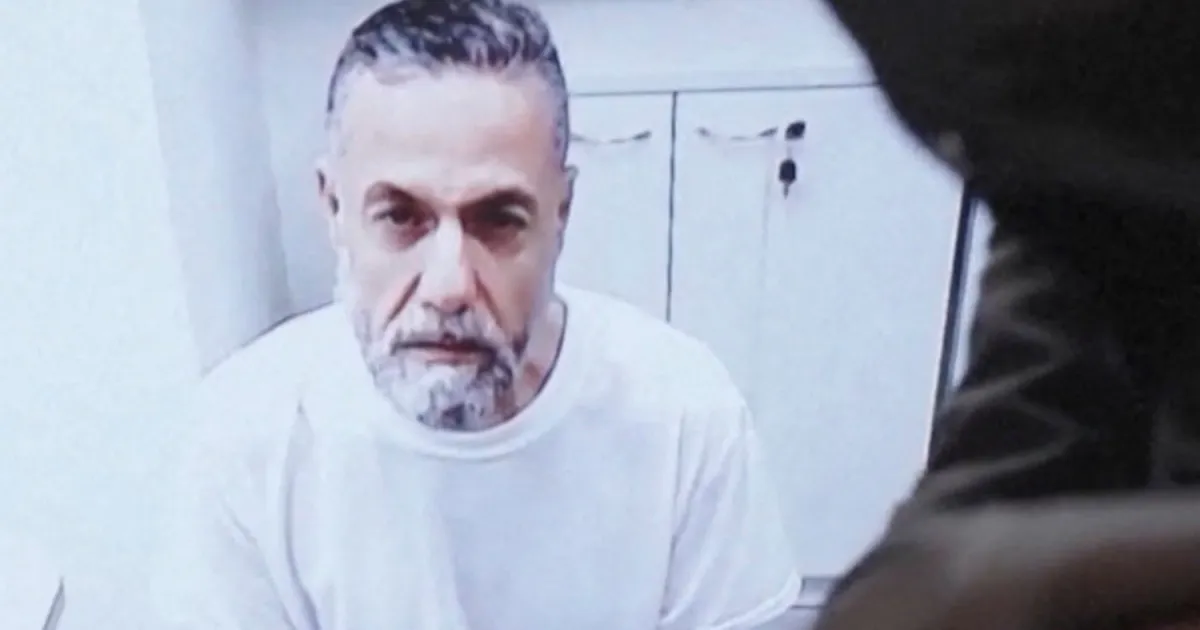
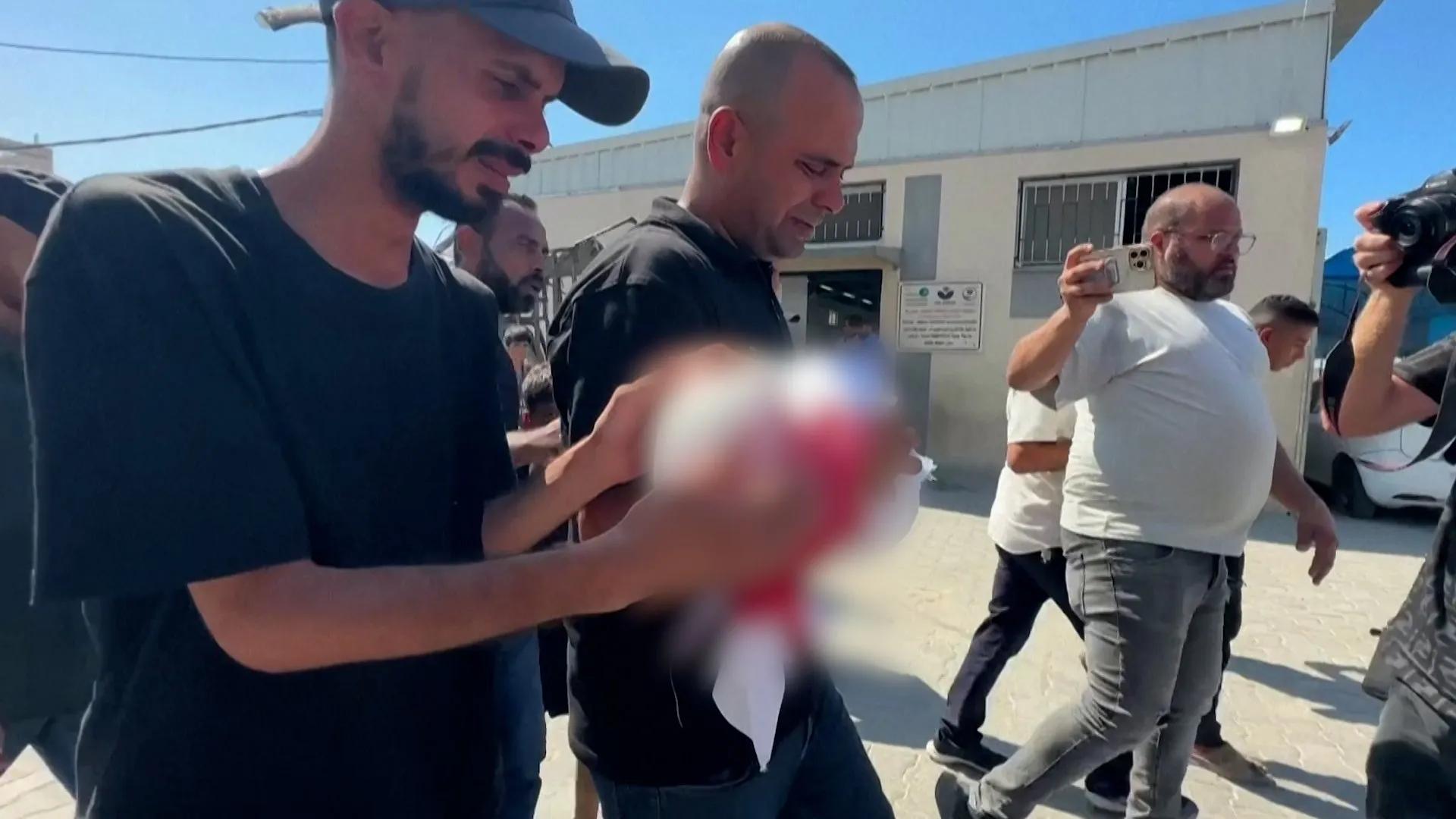
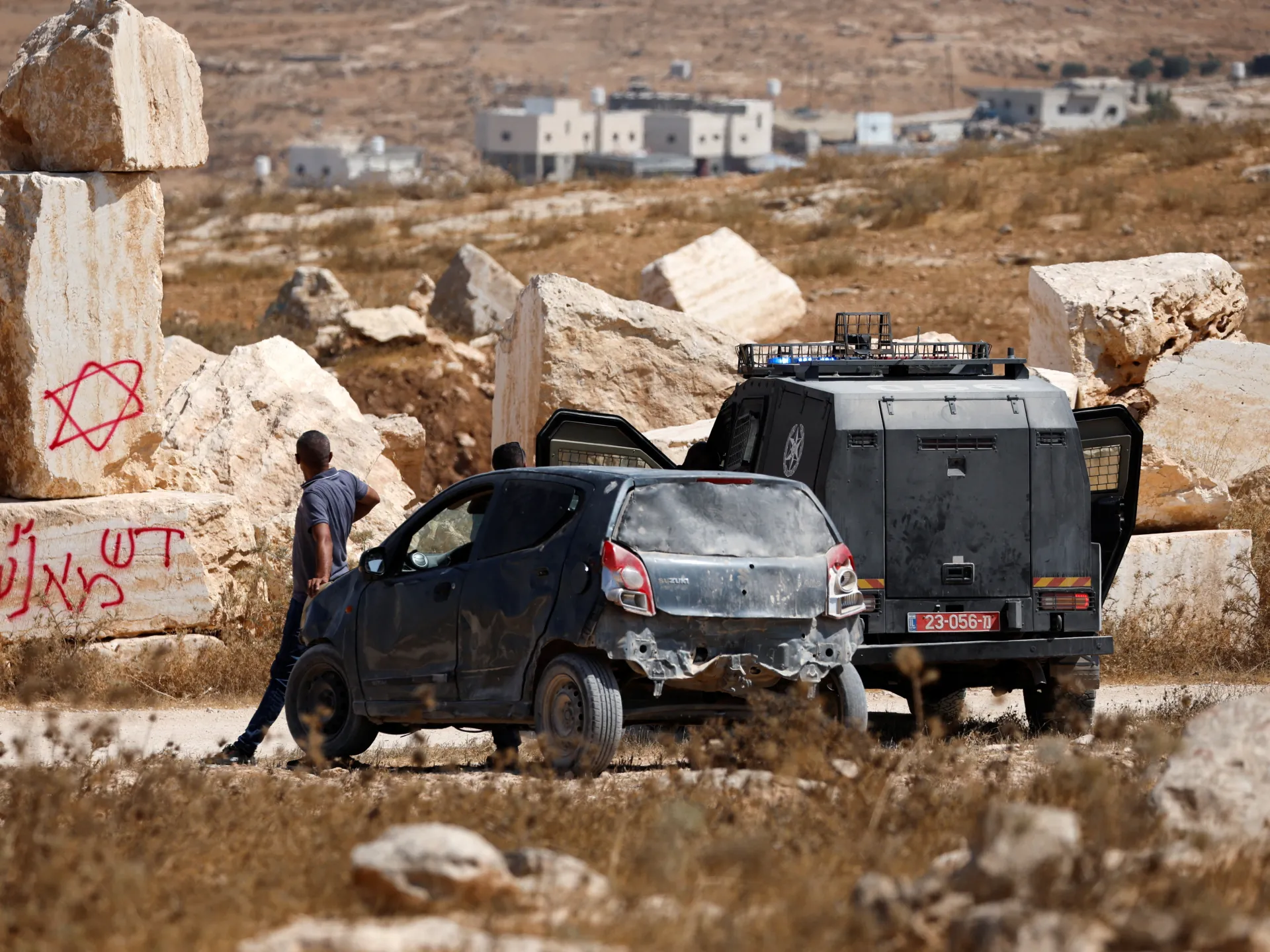
While Israeli emergency services confirmed that the soldier was transported to a medical facility in serious condition, the assailant—identified —was shot and killed at the scene. This incident adds to an already harrowing period for the Leiter family, who lost another son, 39-year-old Moshe Yedidya, during military operations in Gaza in November 2023.
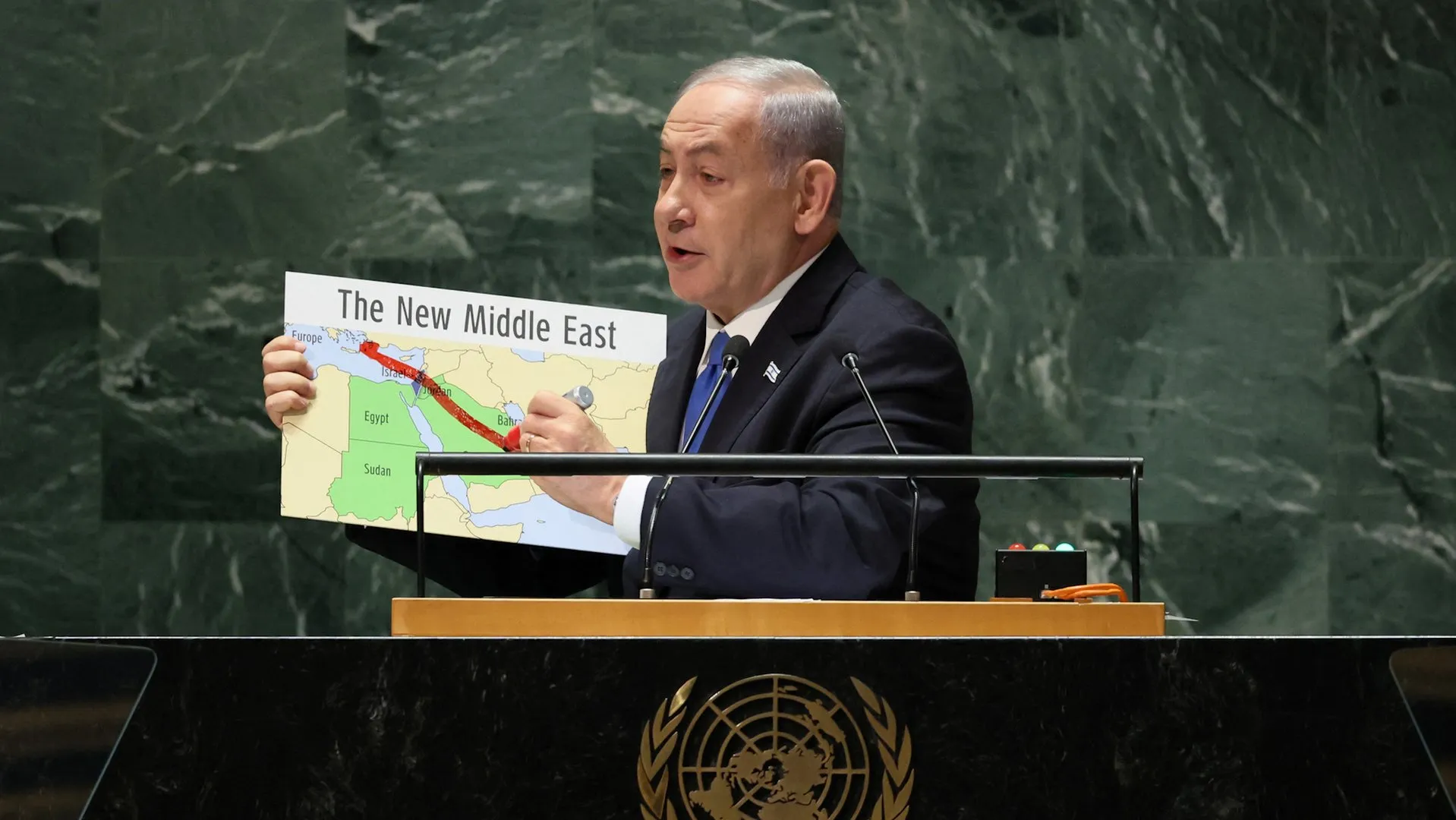
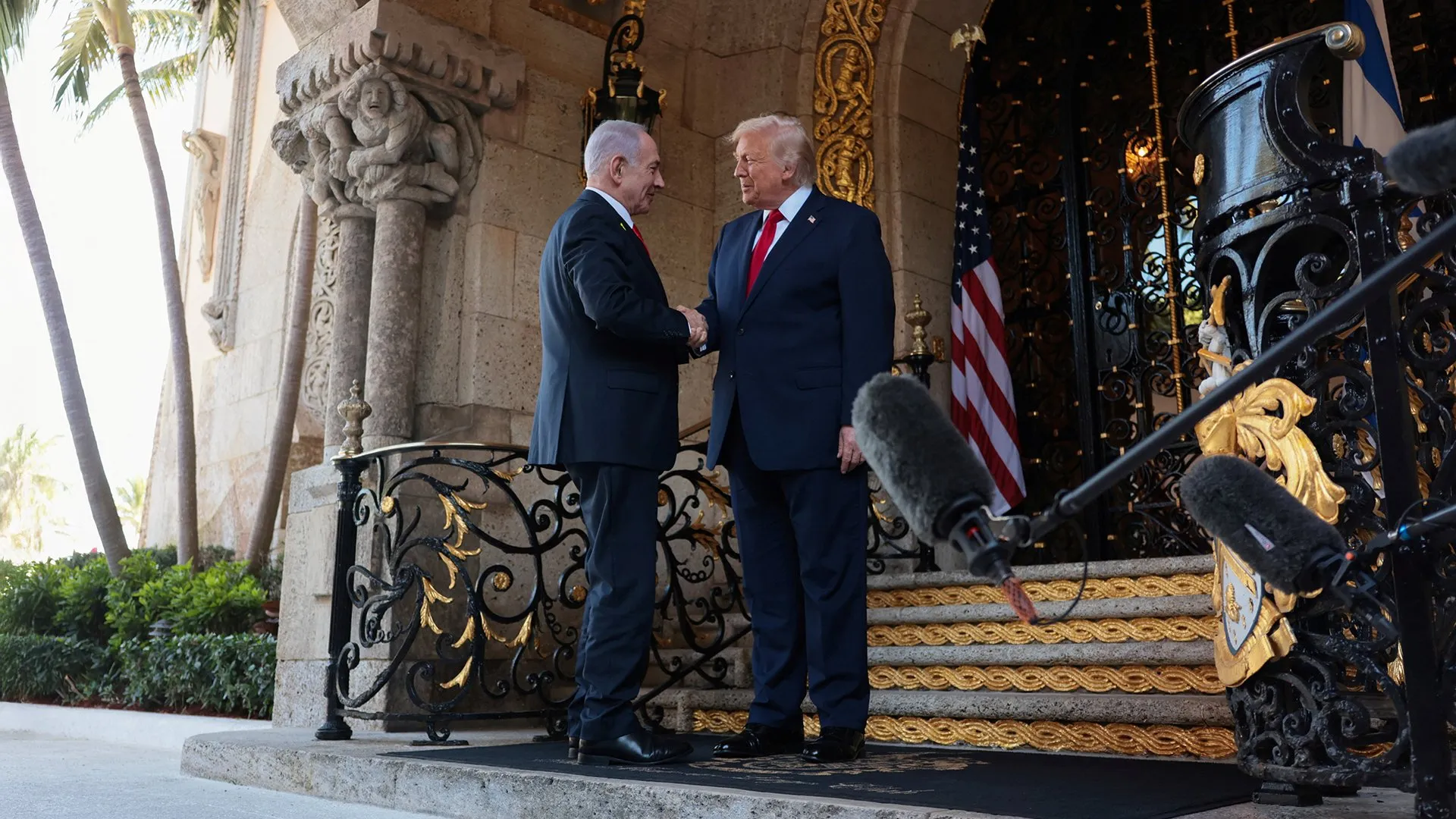
This incident transcends a singular tactical strike; it serves as a stark barometer for the deteriorating security landscape in the West Bank. The involvement of a high-profile diplomatic family highlights the extent to which the conflict has permeated all levels of Israeli society. As political leadership in Israel prepares for complex international dialogues, including upcoming high-level meetings between Prime Minister Benjamin Netanyahu and U.S. political figures, the security of personnel and their families in occupied territories remains a primary, yet increasingly elusive, objective. The intersection of personal tragedy and geopolitical maneuverings creates a precarious environment where localized incidents can rapidly complicate diplomatic efforts at the highest level.
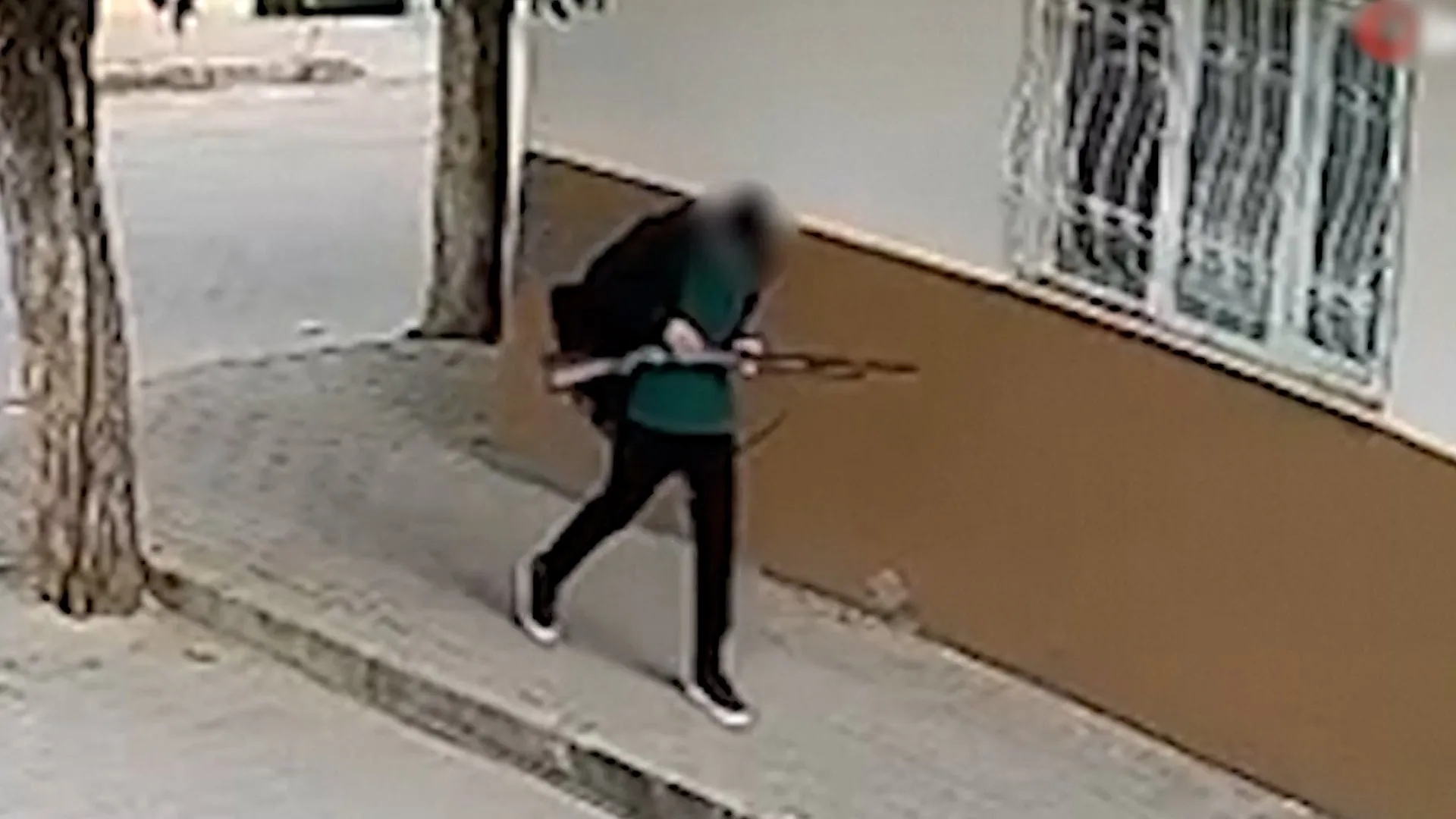
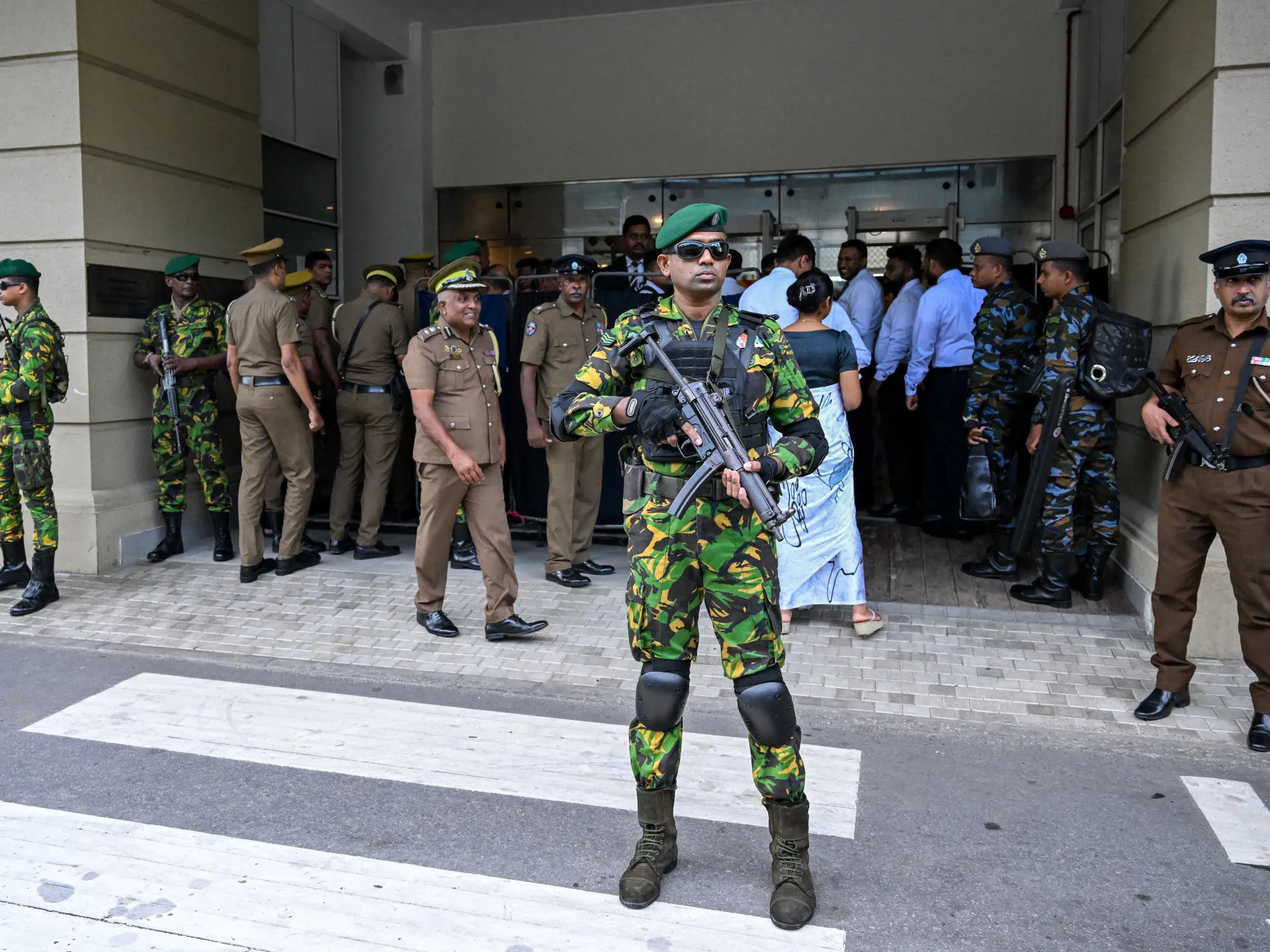
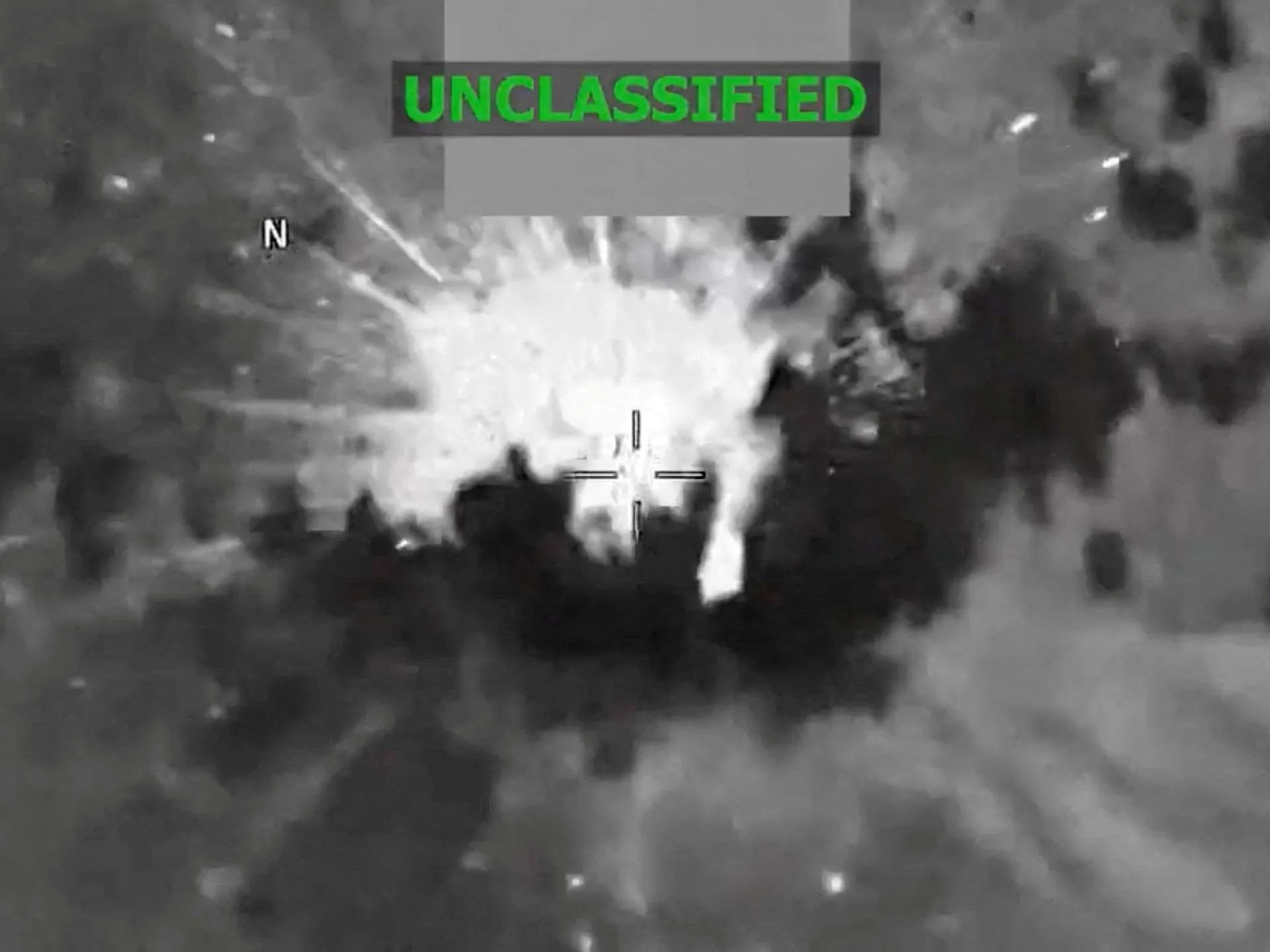
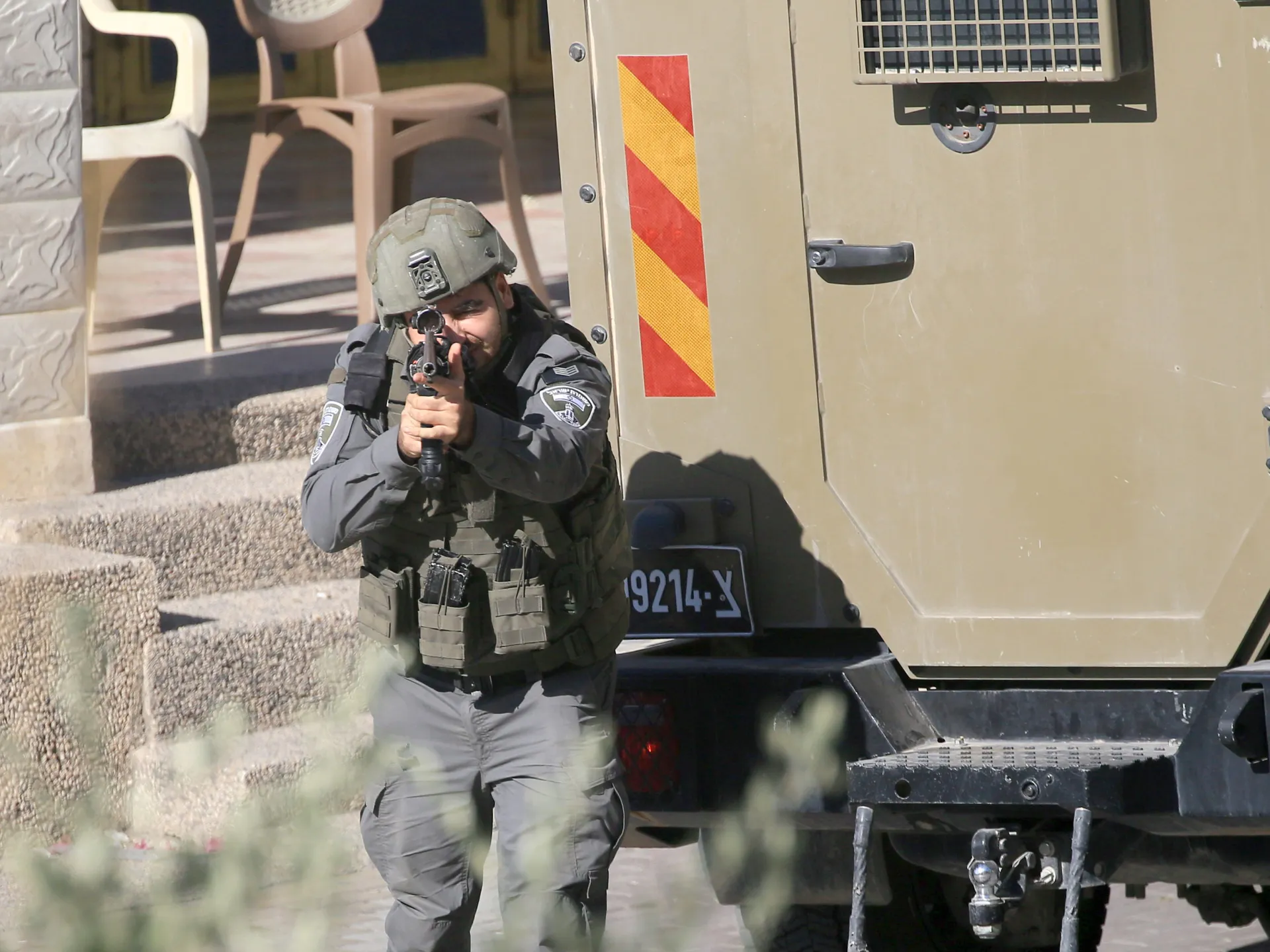
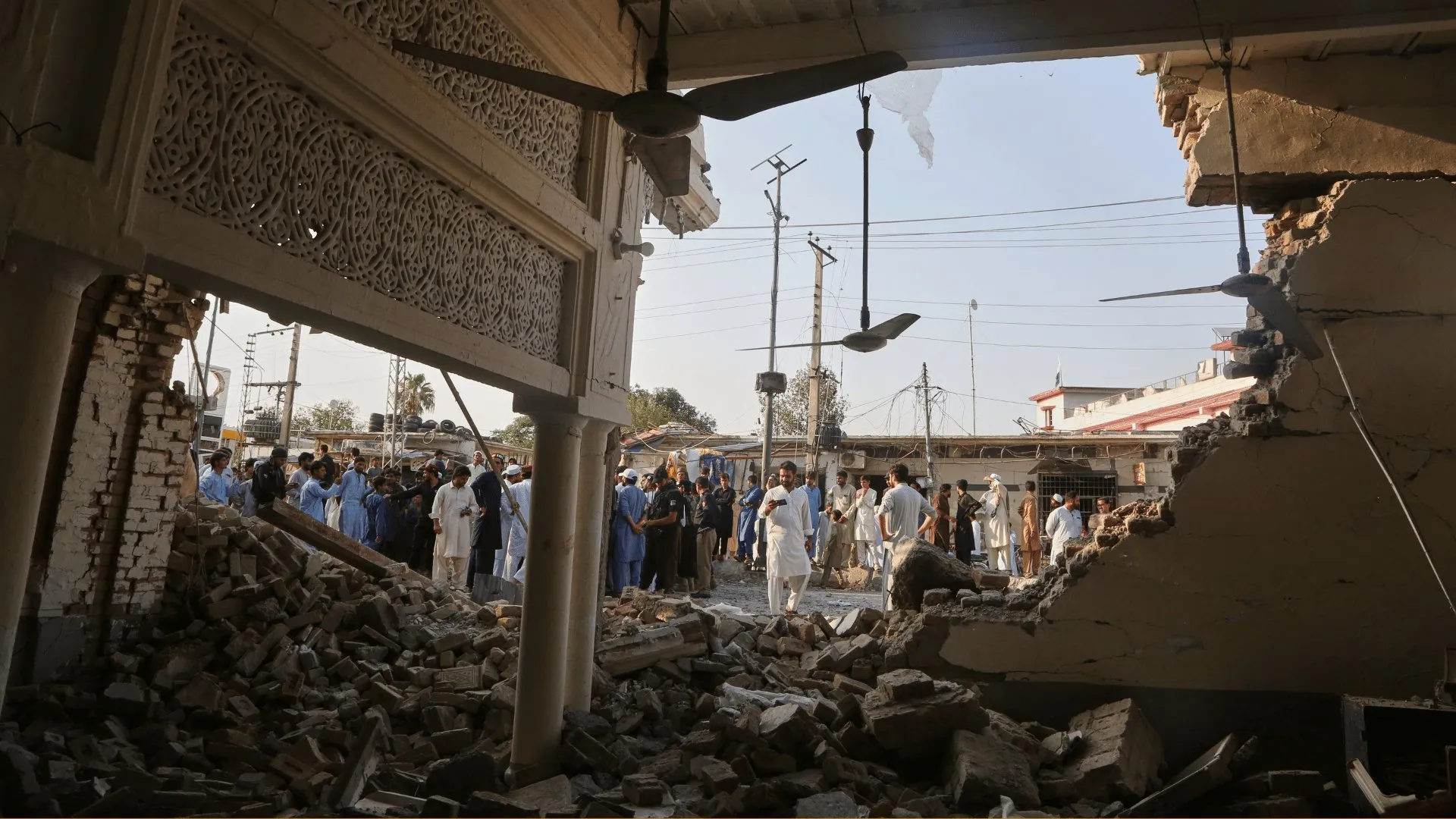
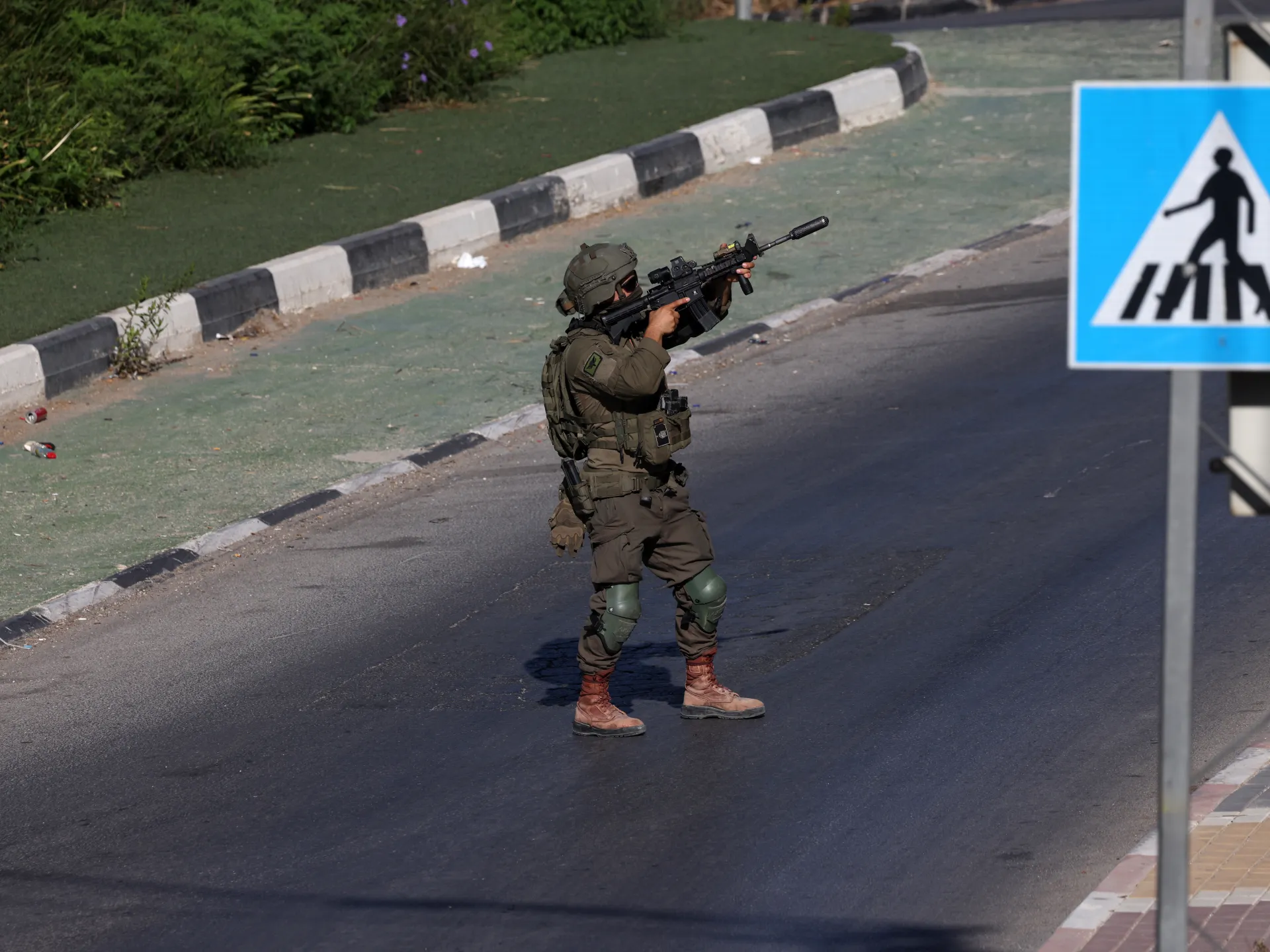
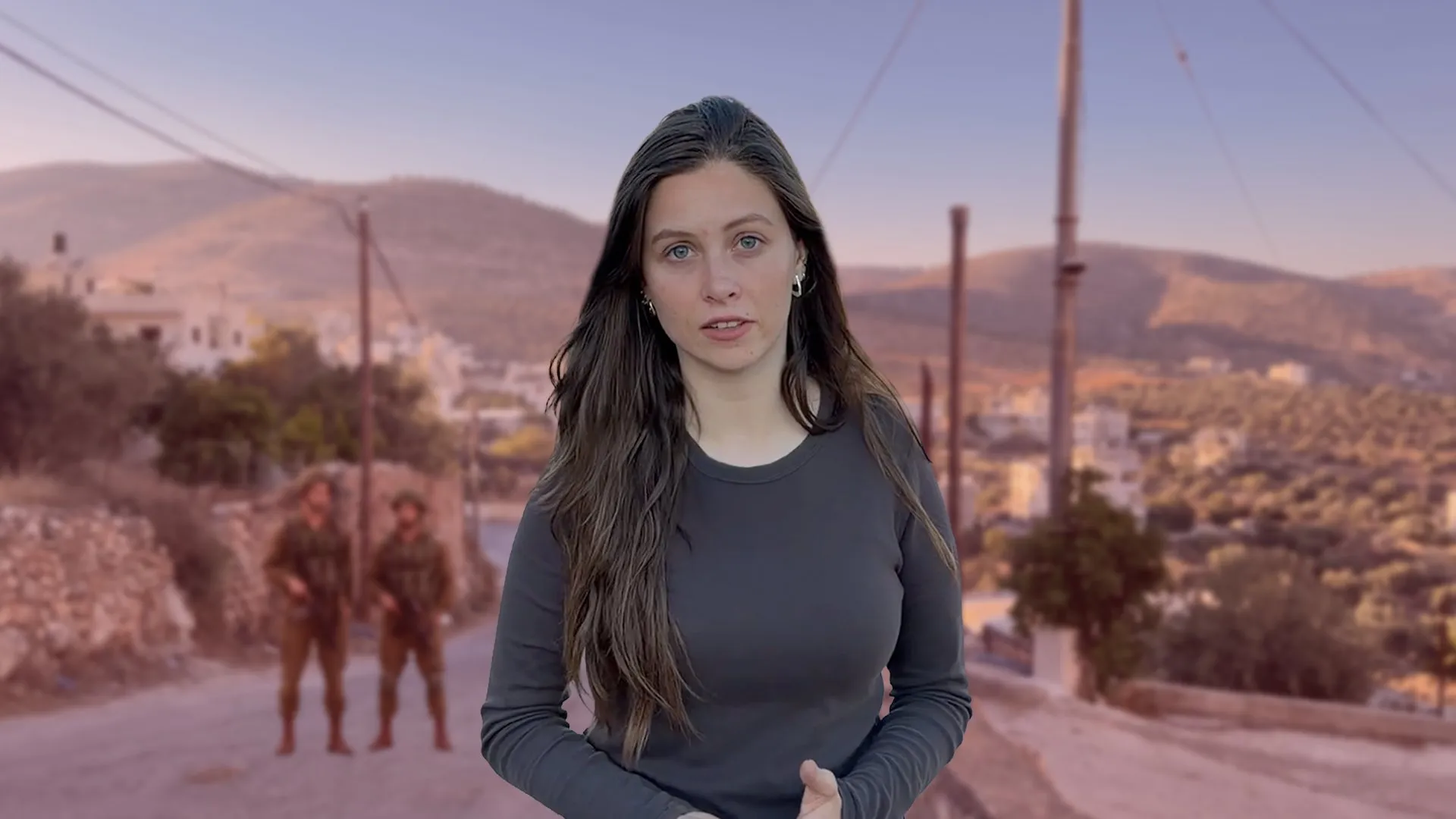
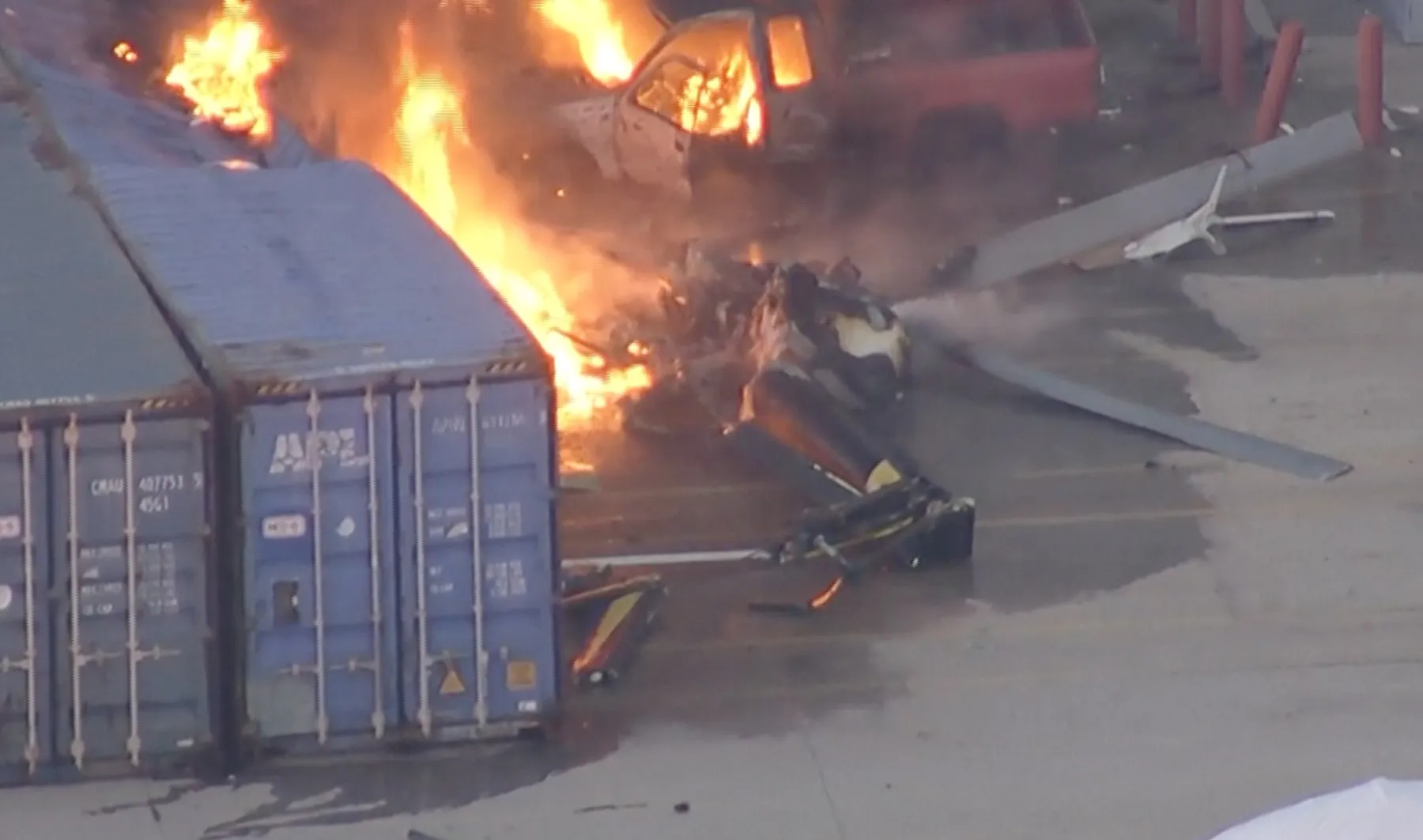
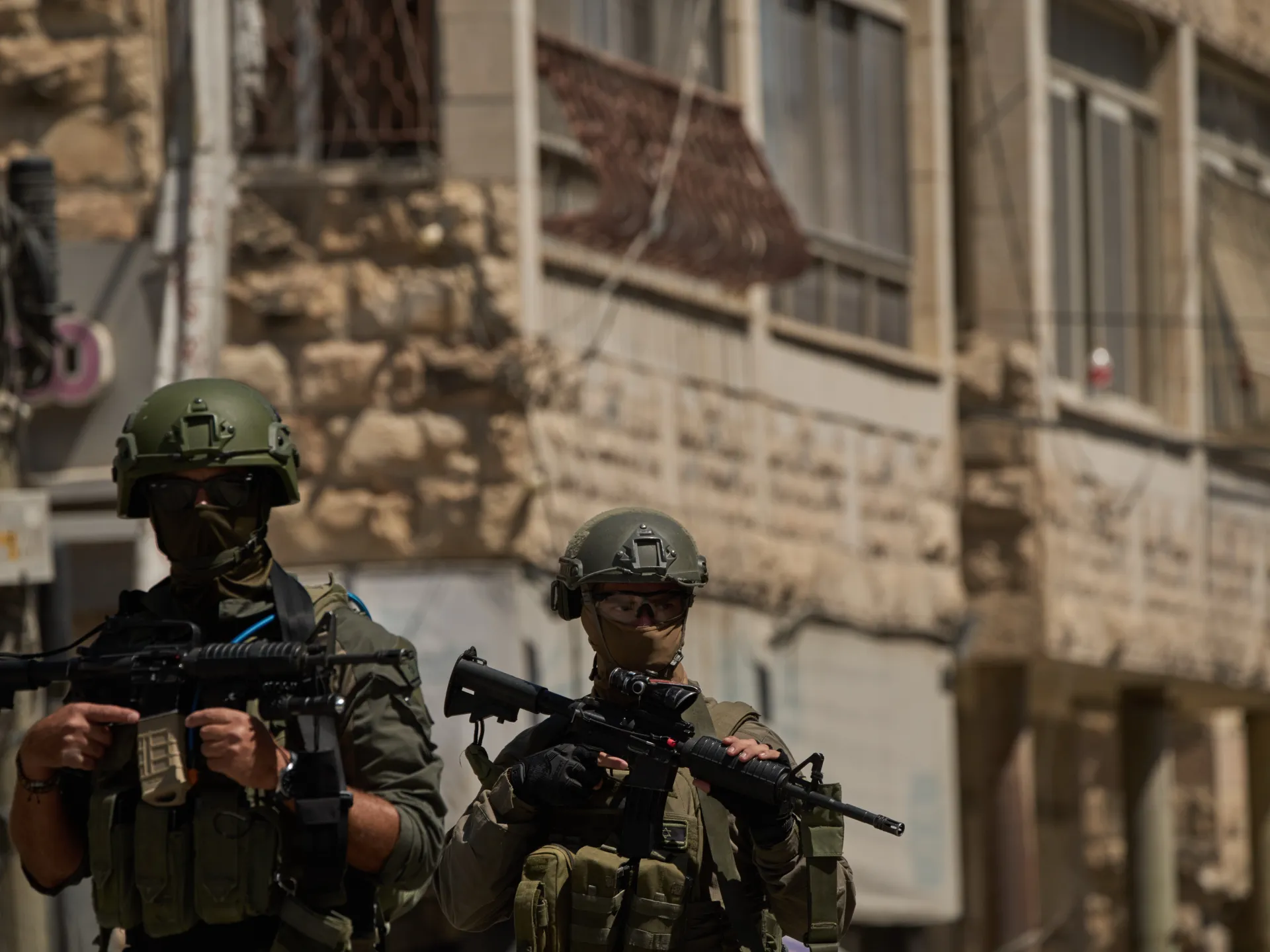
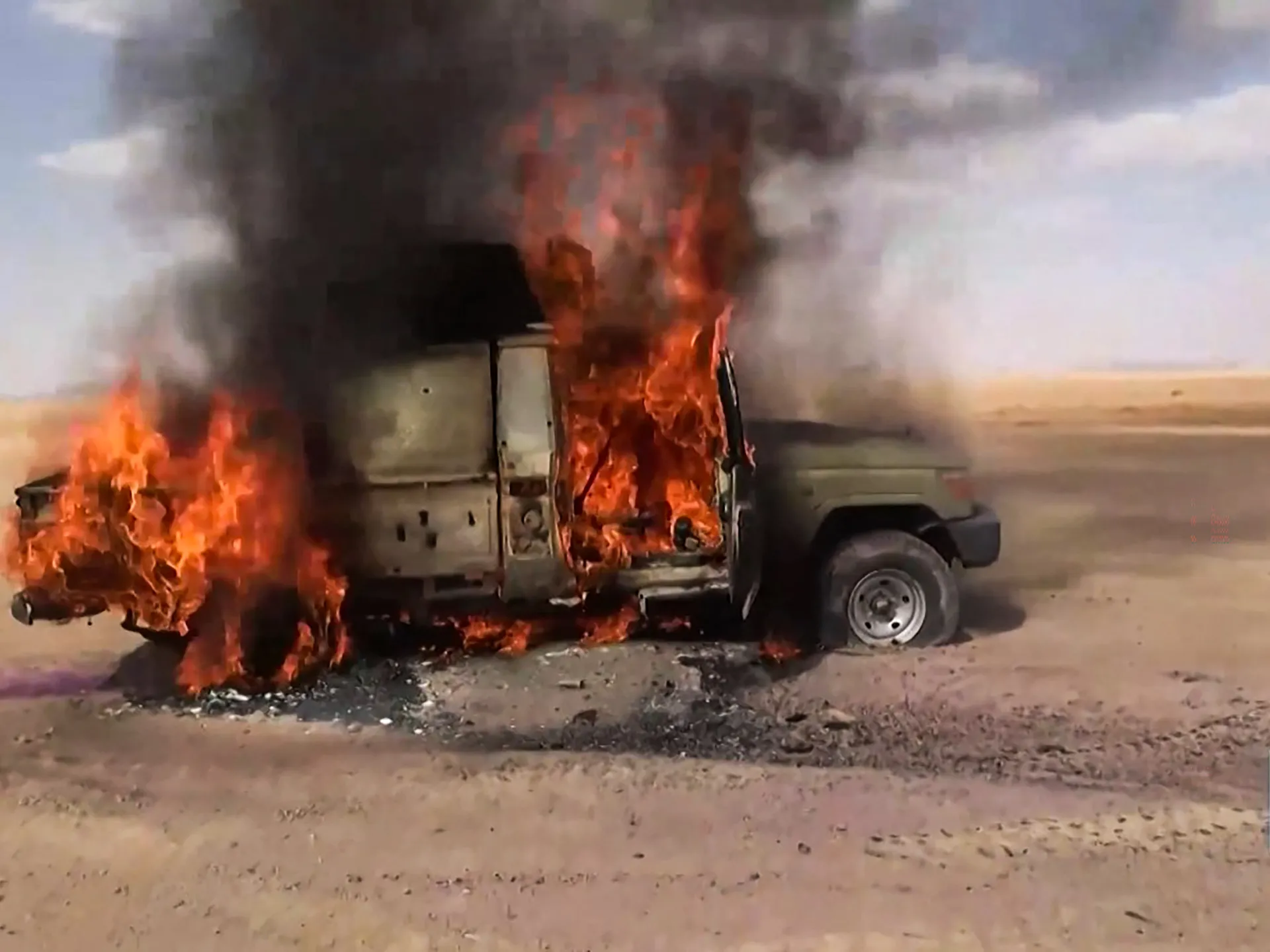
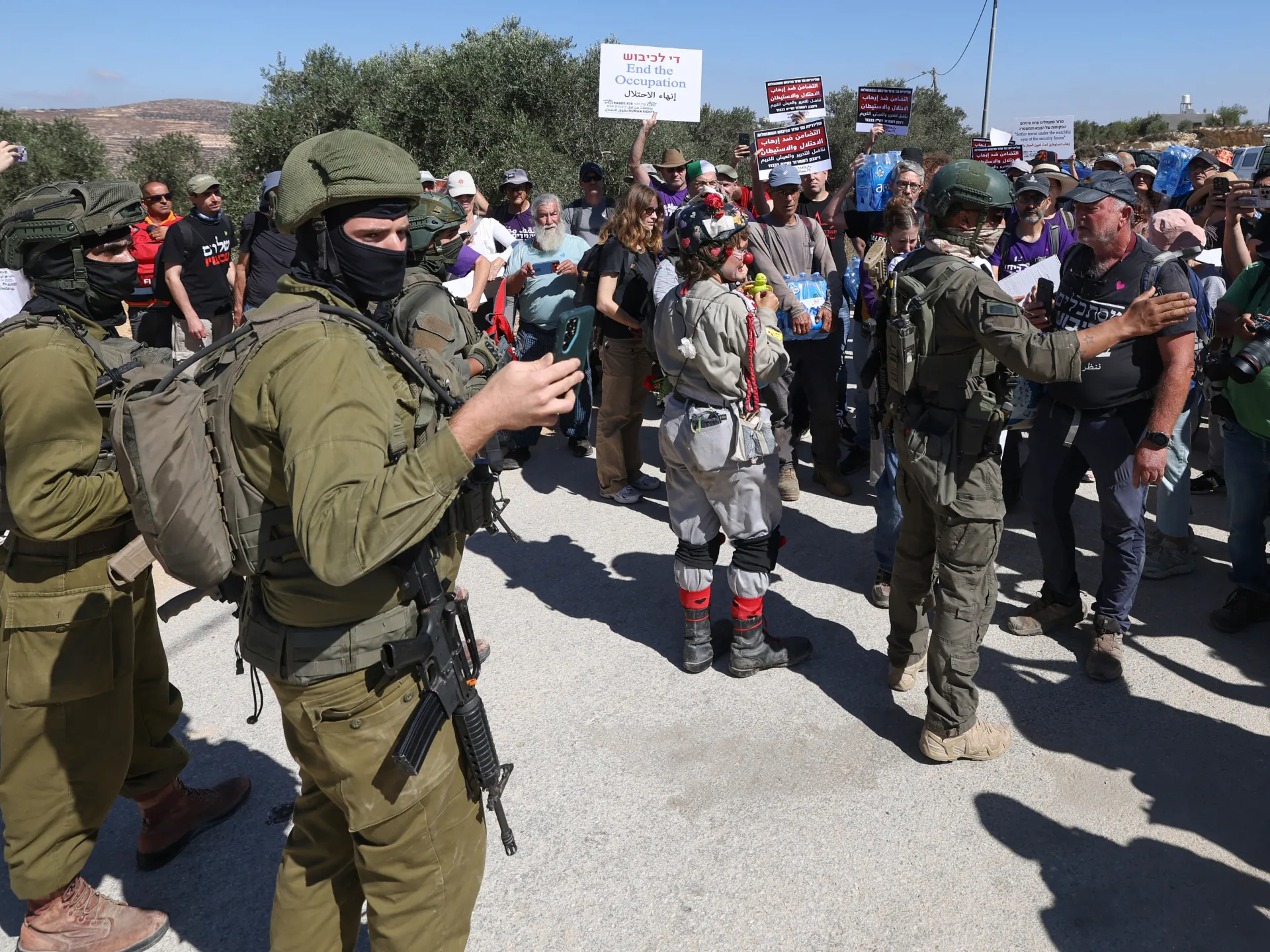
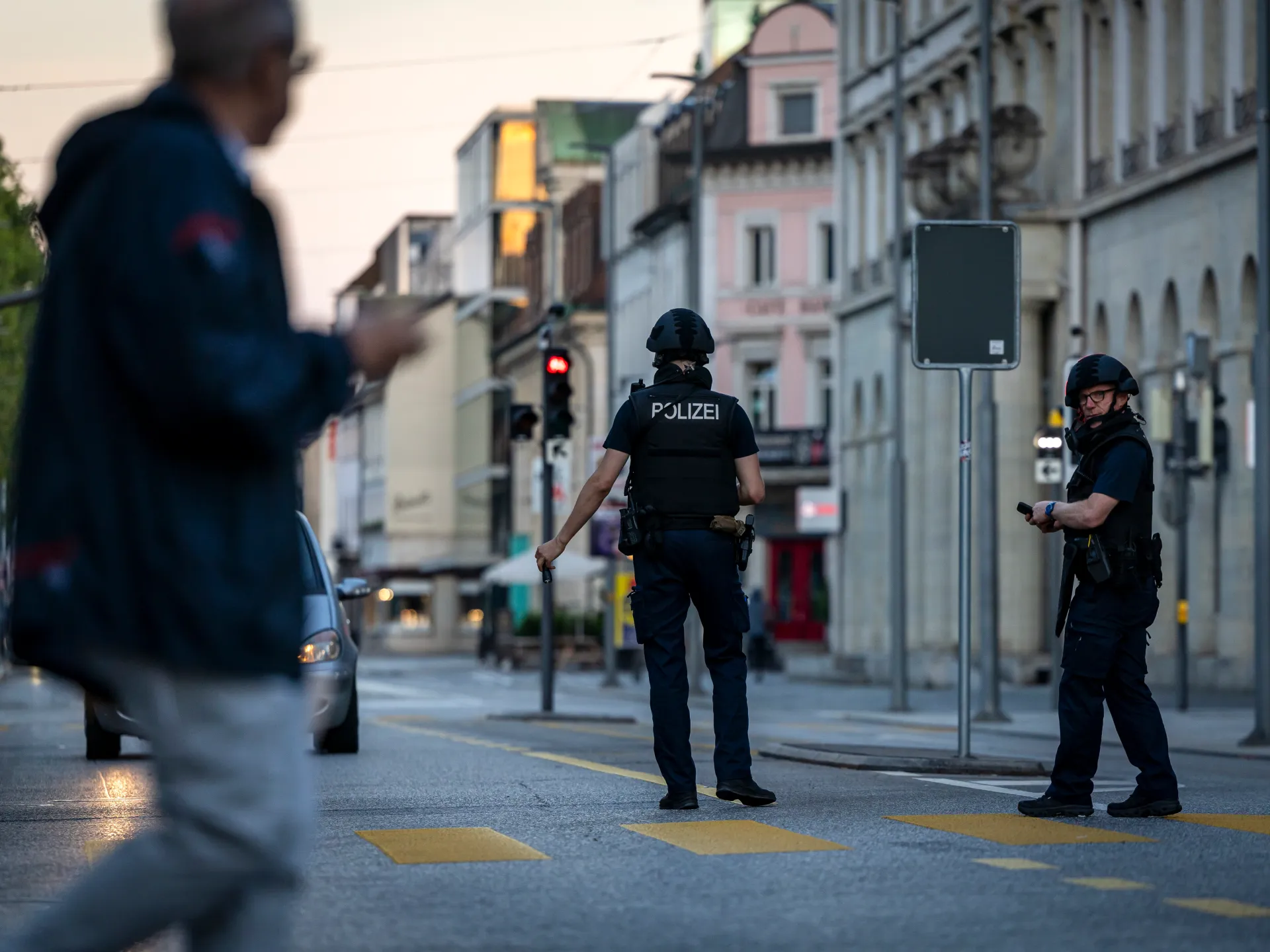
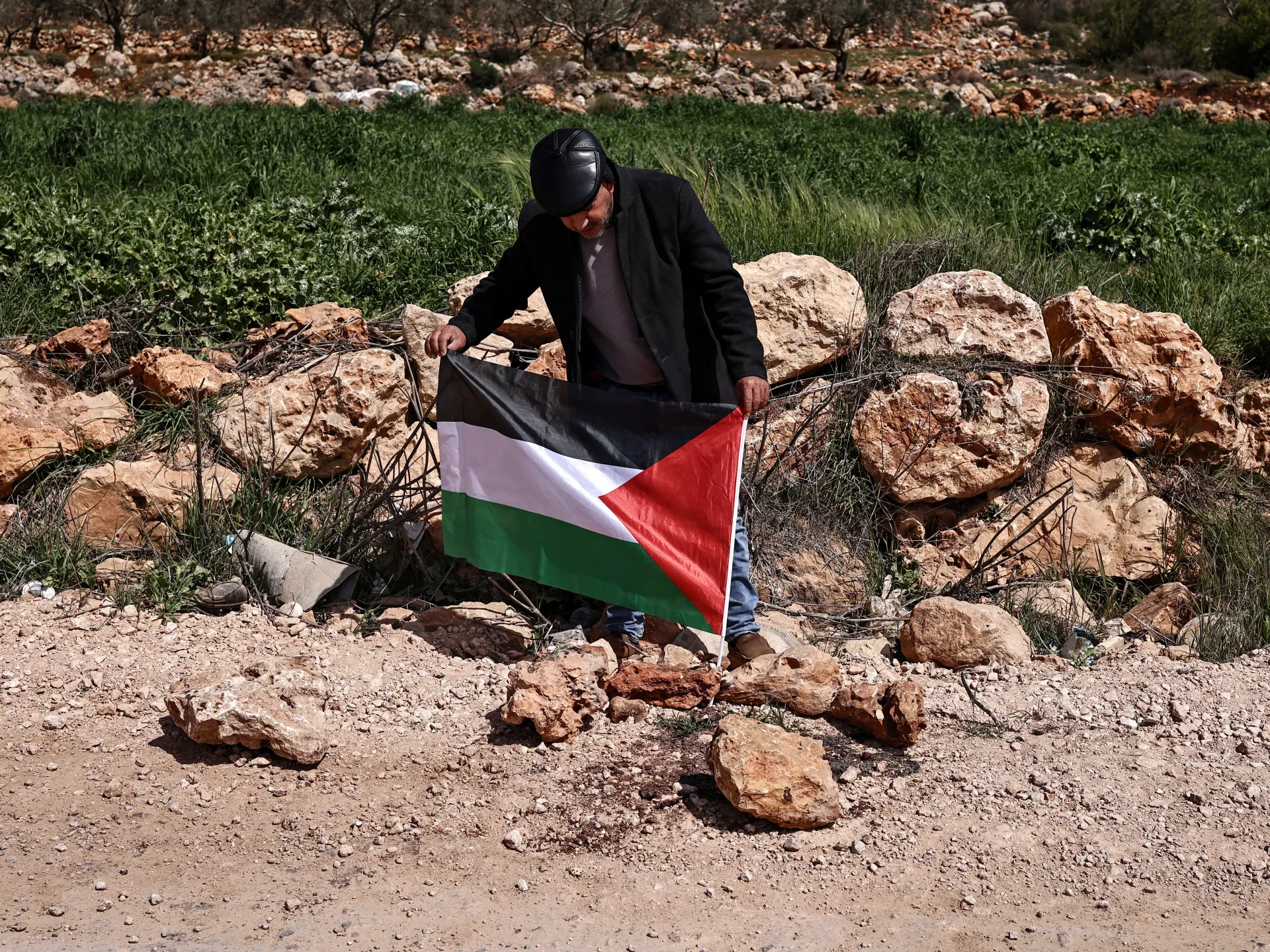
The incident at the Beit Horon intersection occurred as tensions across the Palestinian territories remain at a fever pitch. Israeli police reports suggest the vehicle was intentionally directed at forces stationed at the checkpoint, prompting an immediate and lethal response. The death of Mahmoud Suleiman brings further scrutiny to the military's protocols regarding checkpoint security and the growing frequency of such encounters.
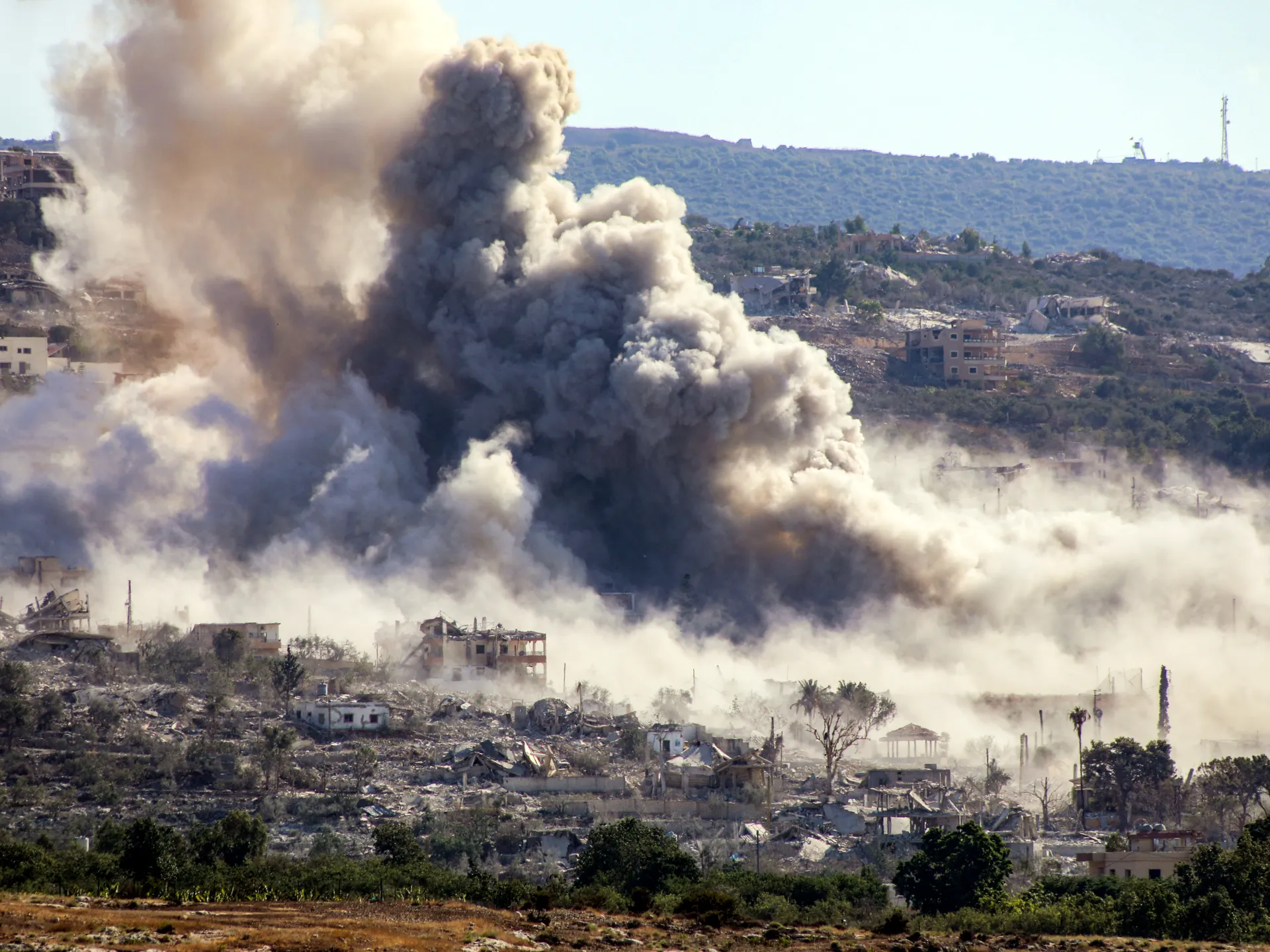
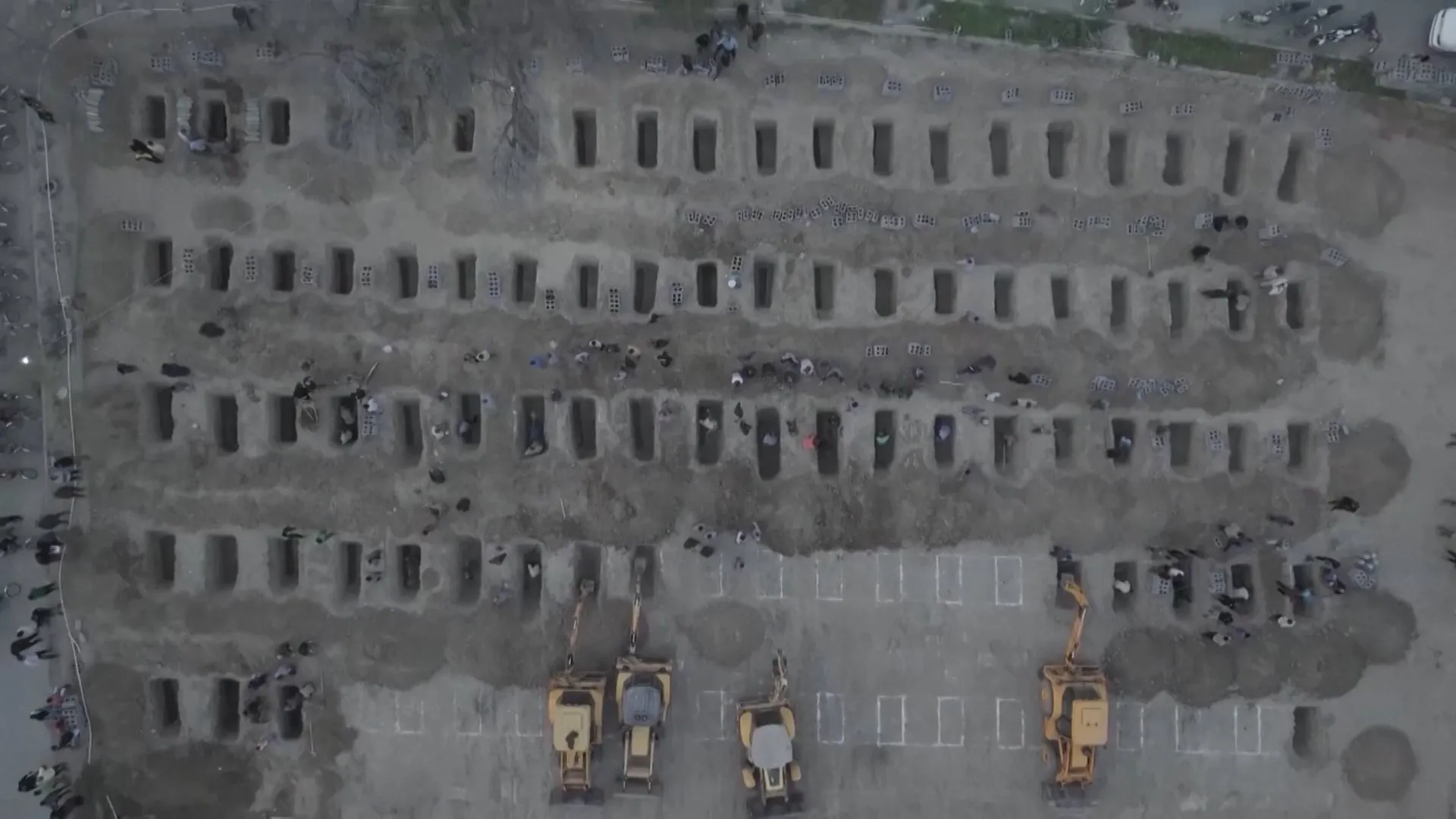
While Israeli officials characterize the event as a "heinous terrorist attack," the context surrounding such violence remains deeply contested. Reports indicate that the Palestinian Health Ministry has confirmed the death of the assailant but noted that Israeli authorities have withheld his remains, a common practice that often fuels local resentment and protests. The wider regional situation continues to be characterized rpassed 66,000, compounding the sense of a region spiraling toward further instability.
The immediate aftermath will likely see a hardening of security posture at checkpoints throughout the West Bank. For the Israeli diplomatic corps, the attack creates a somber backdrop for upcoming international engagements. Analysts suggest that the Israeli government may utilize the incident to justify more stringent security measures, potentially leading to increased friction with local Palestinian populations. Conversely, international observers are expected to monitor whether these recurring violent encounters will force a shift in the current diplomatic approach to the West Bank, or if the status quo of high-frequency, localized violence will persist as a central obstacle to any prospective peace process.