As Khartoum lifts its emergency curfew, the city faces a fragile return to normalcy while the rest of the nation struggles with a severe, man-made famine.
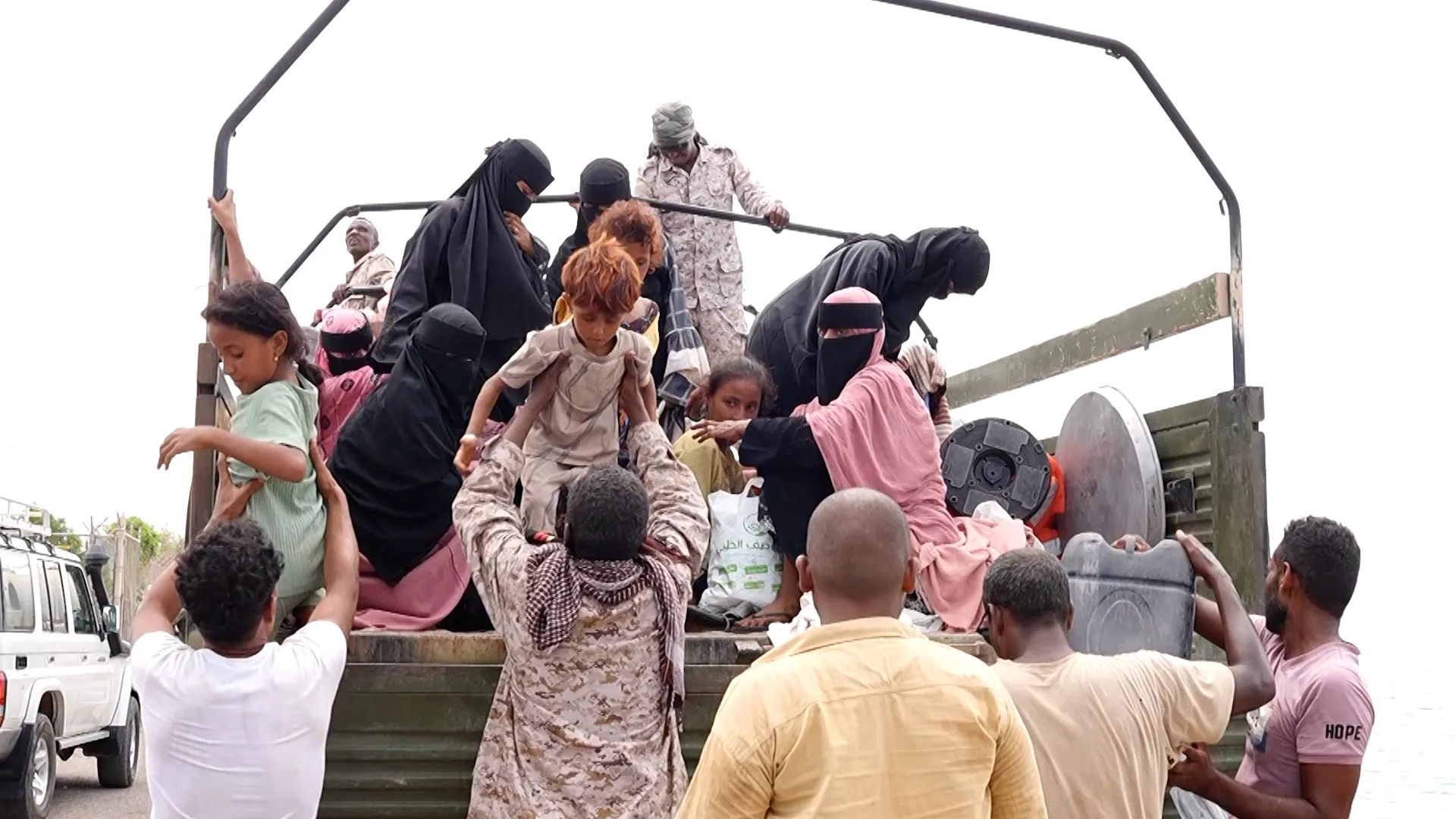
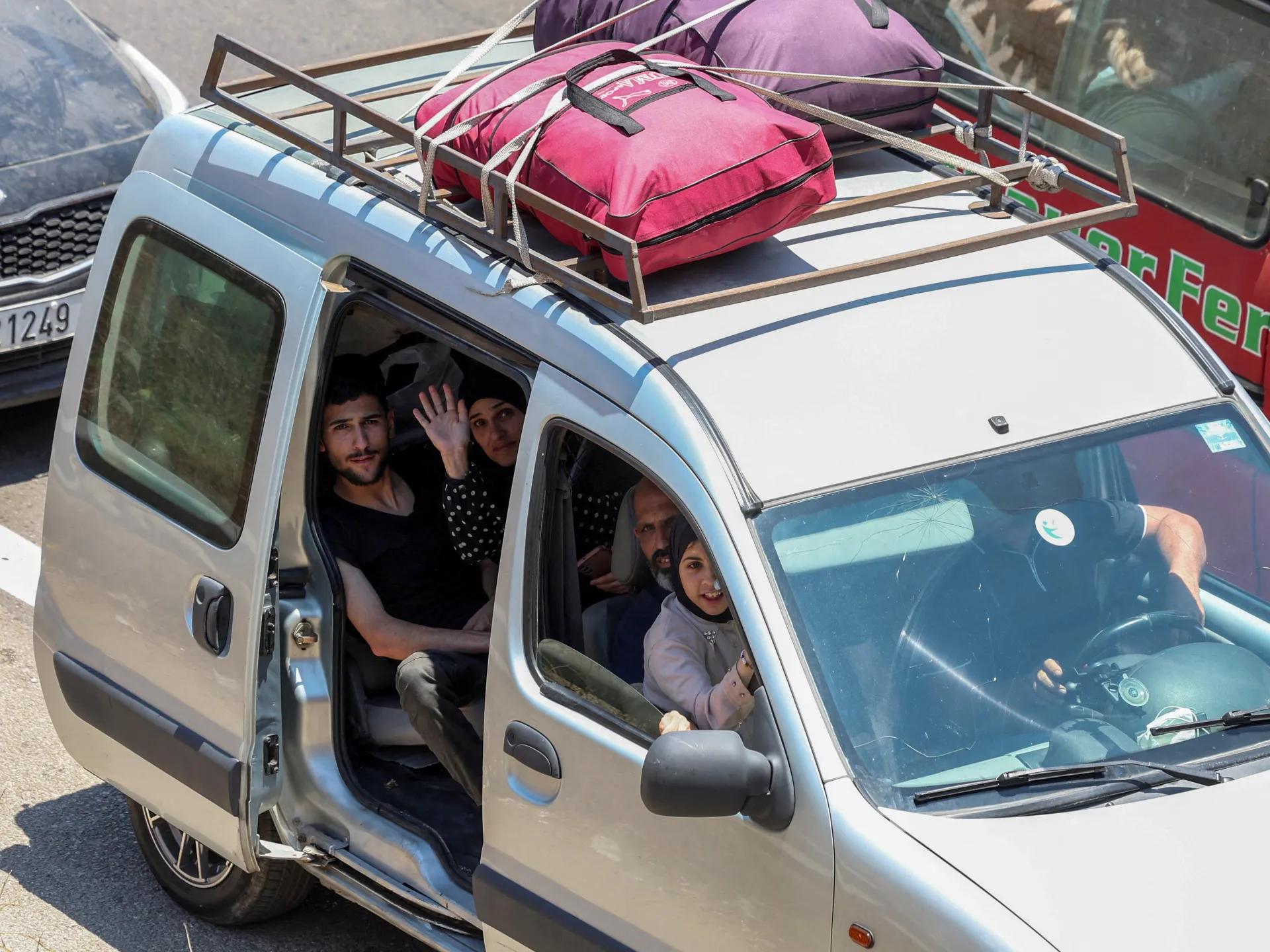
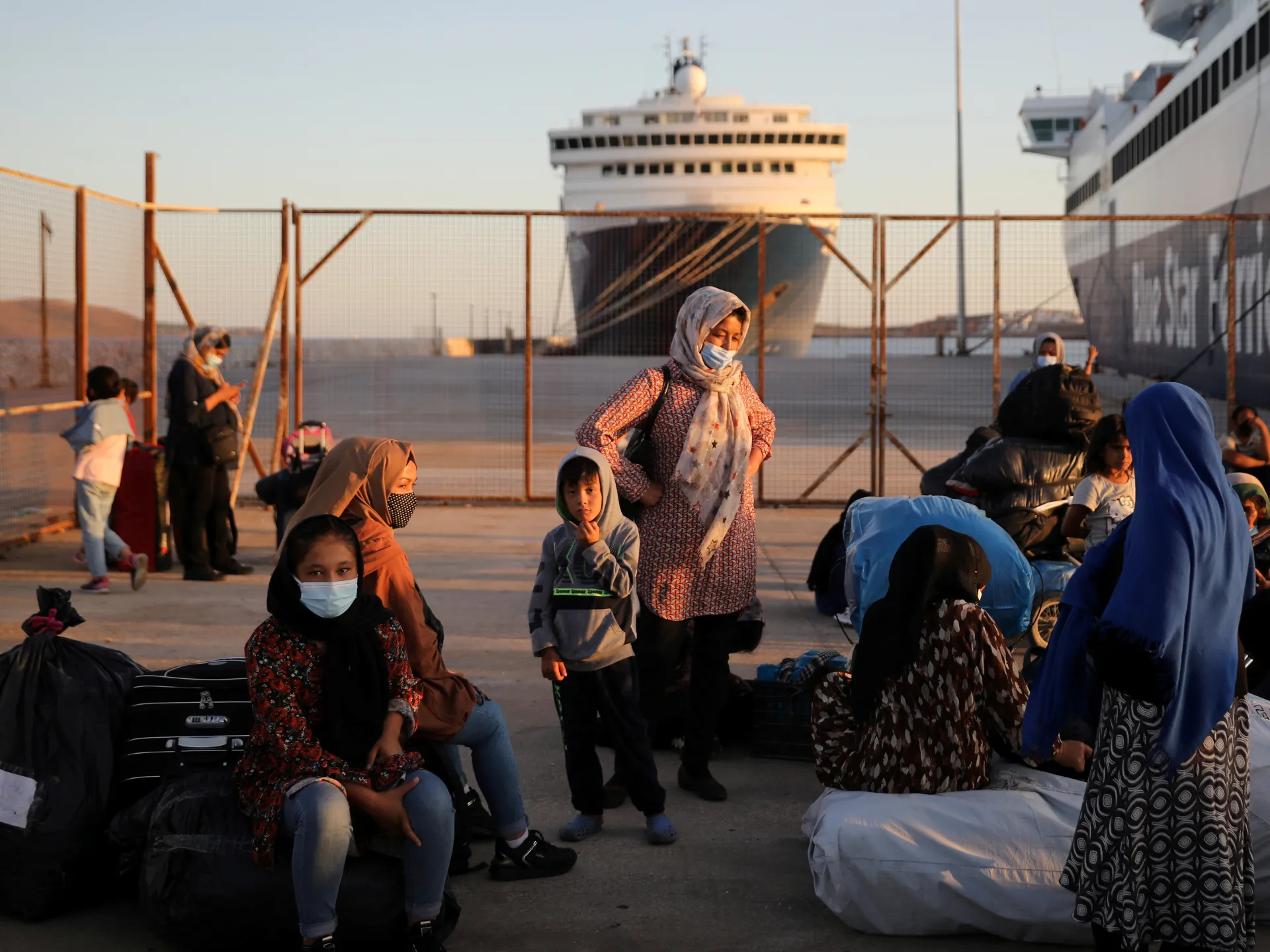
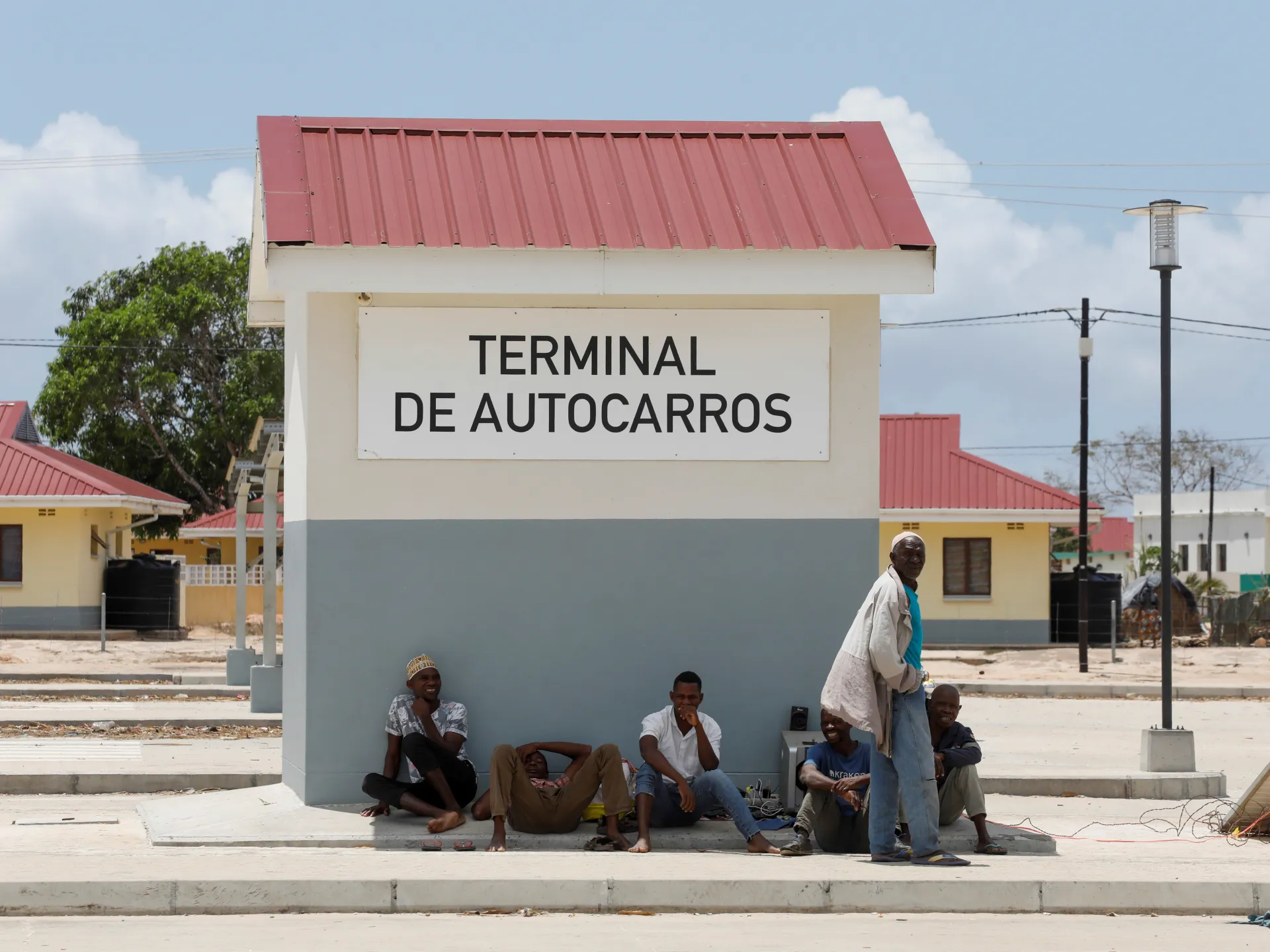
As the Sudanese military government lifts a longstanding curfew and state of emergency in Khartoum, the capital city is witnessing a cautious, precarious return of its displaced population. While the formal end to these wartime restrictions signals a government push to normalize civic life, the reality for those returning to the capital remains starkly fractured, defined ood crisis that historians warn carries the echoes of the country's most lethal historical catastrophes.
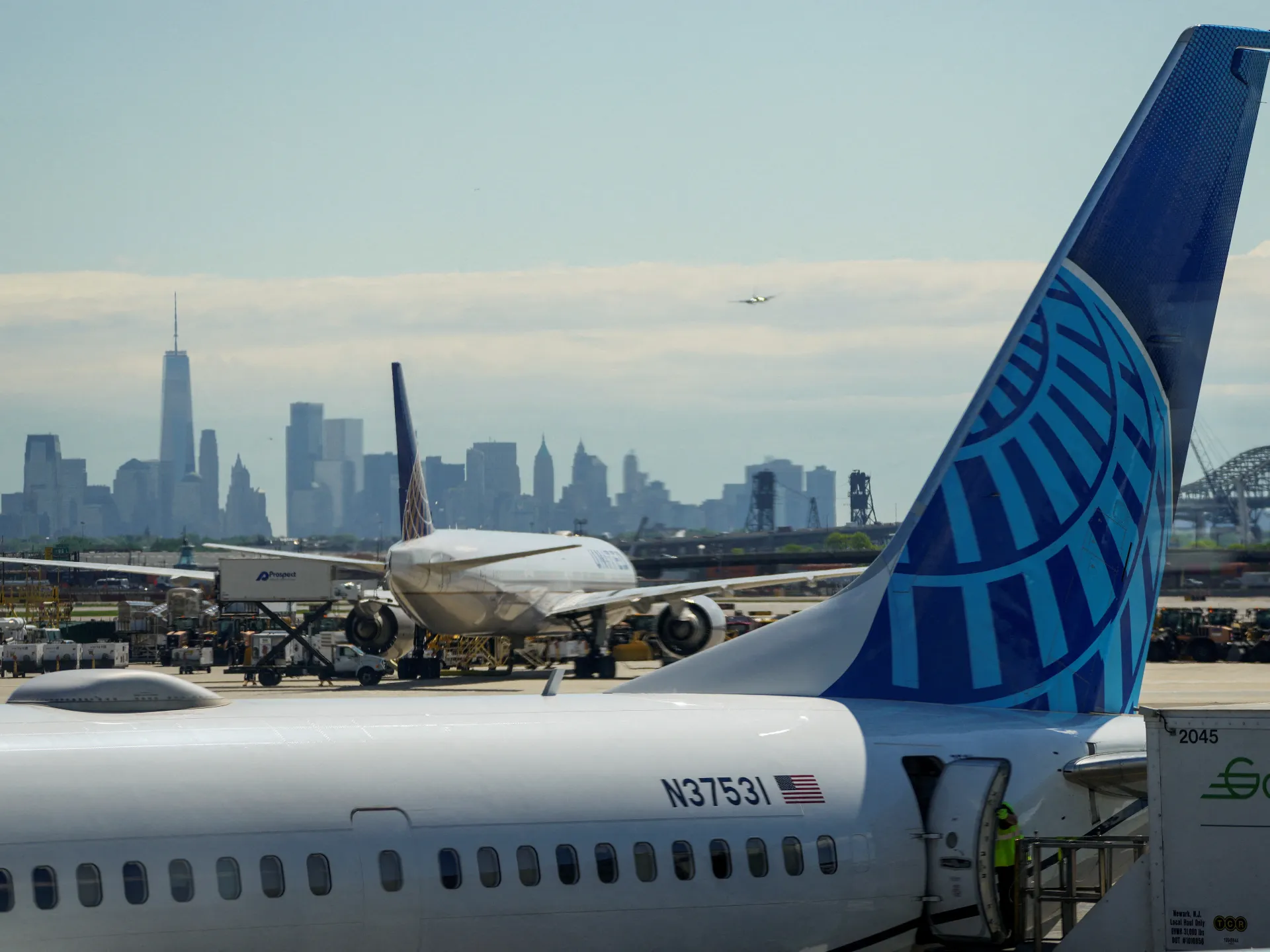
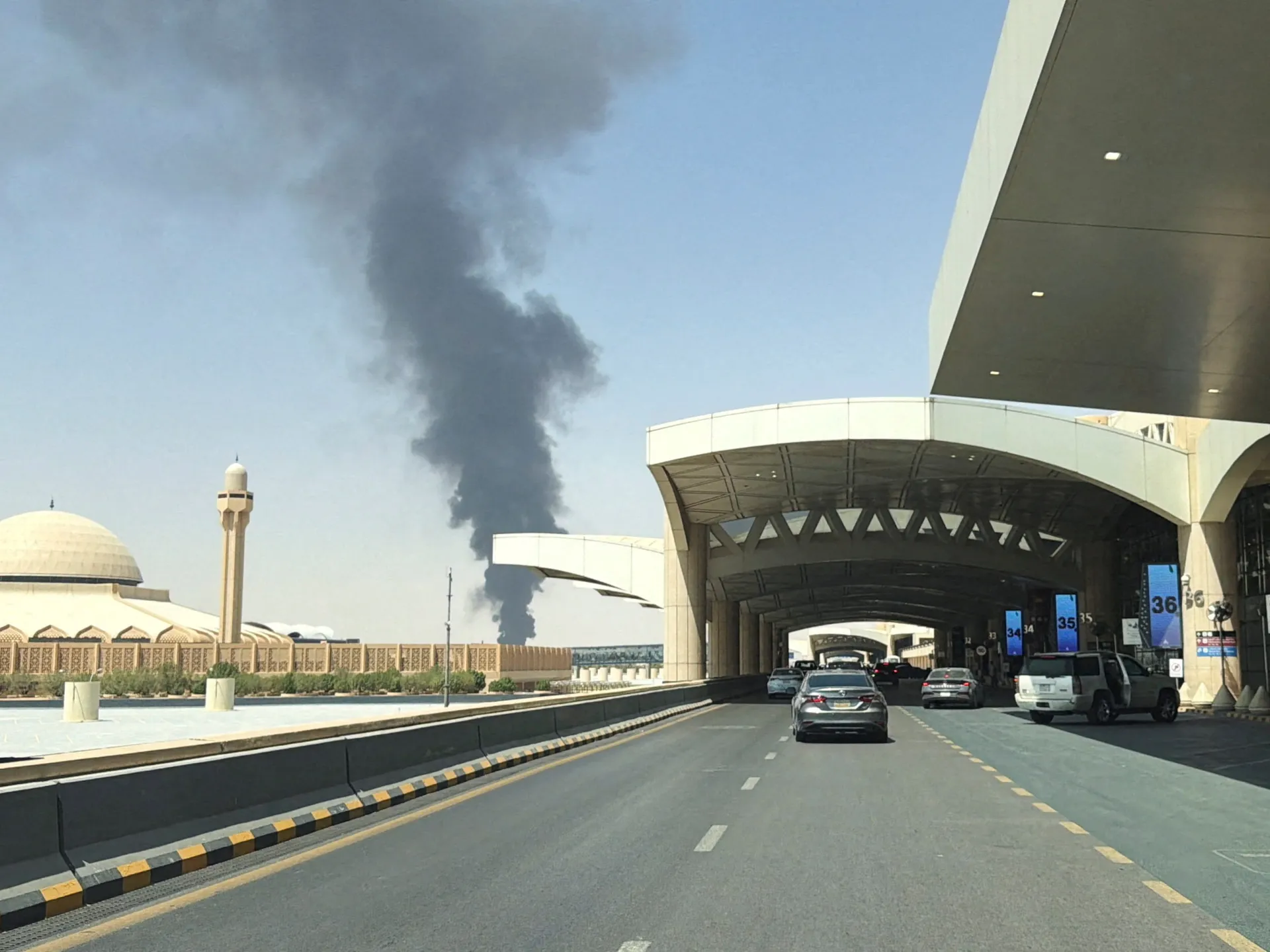
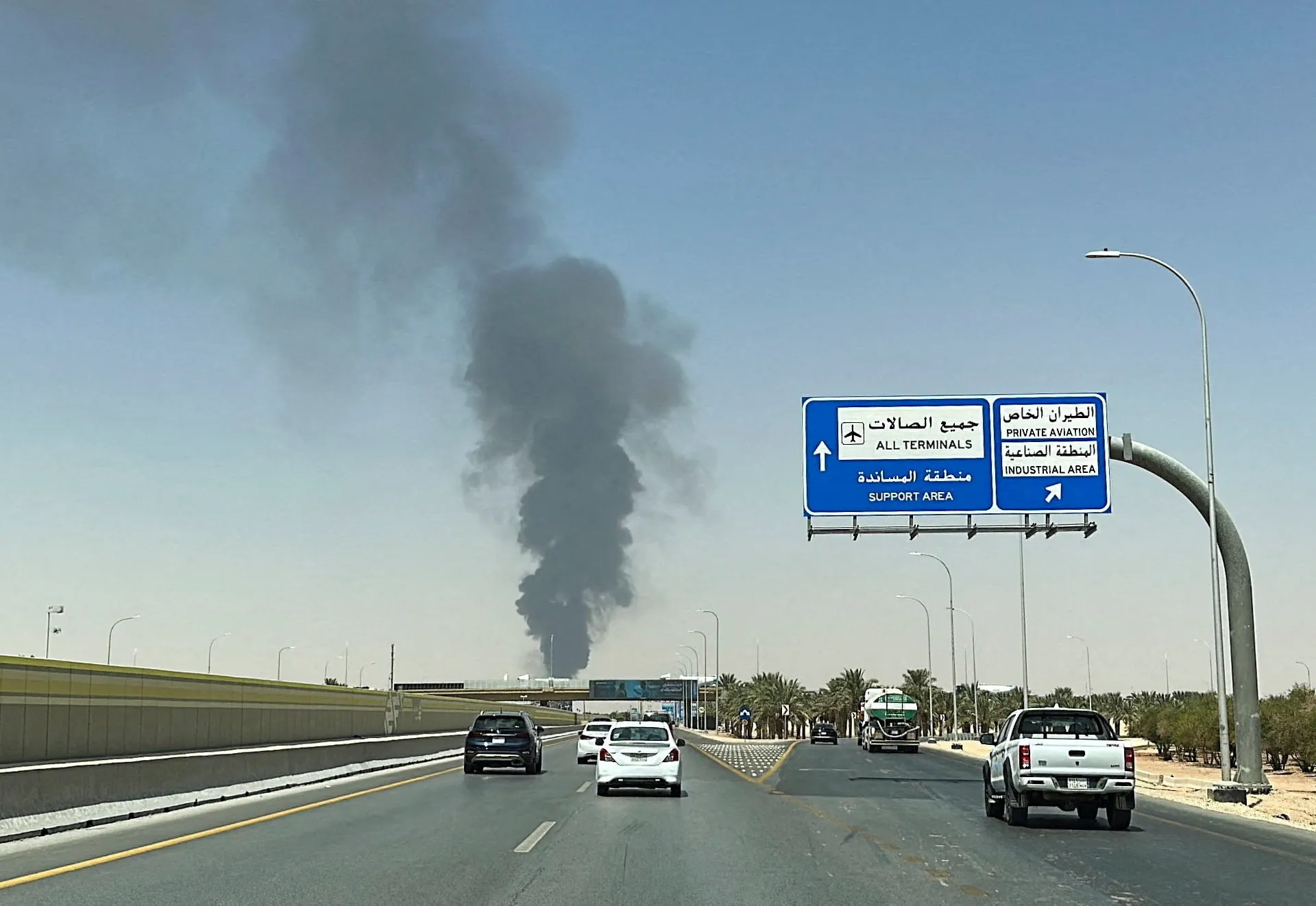
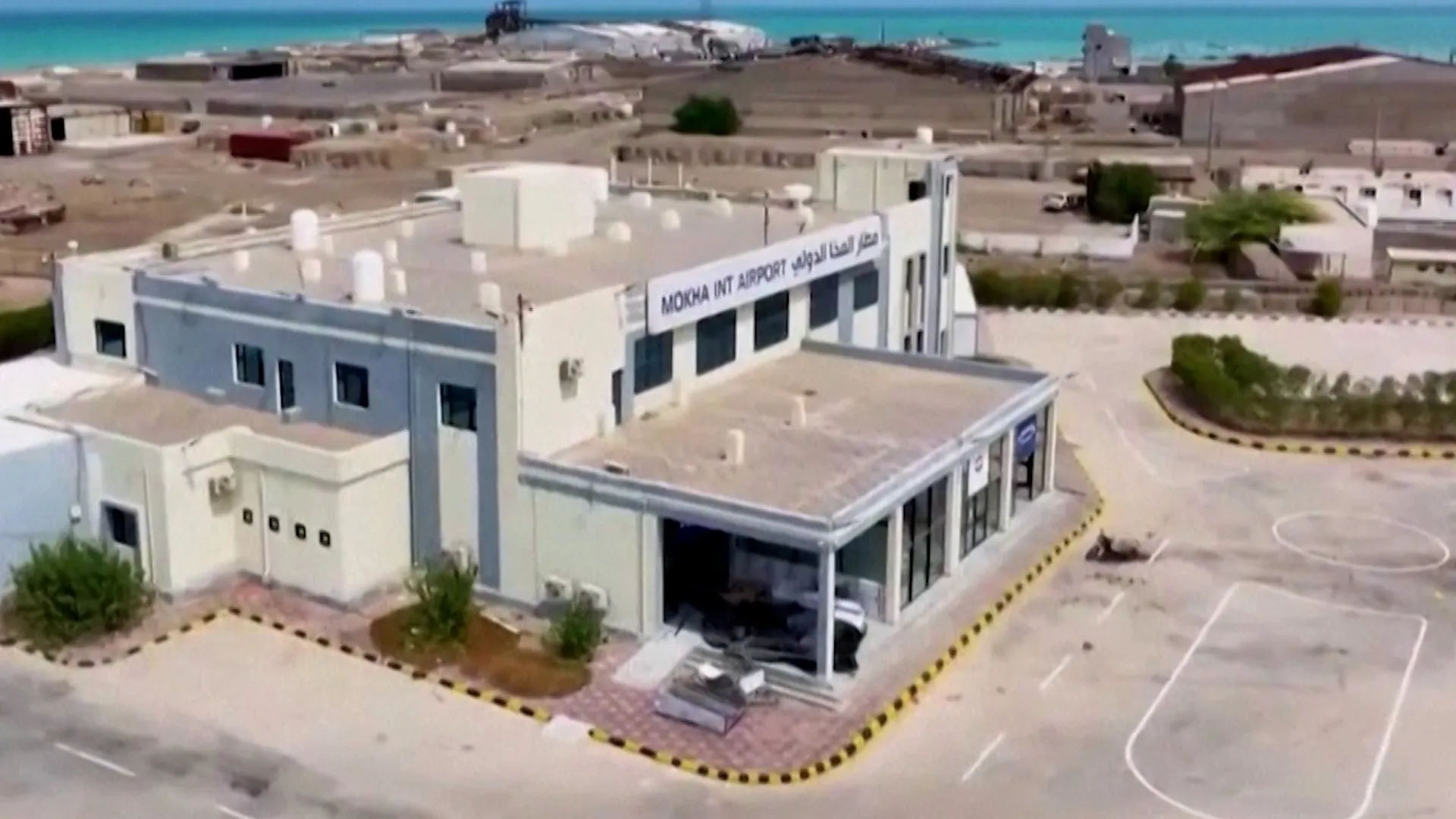
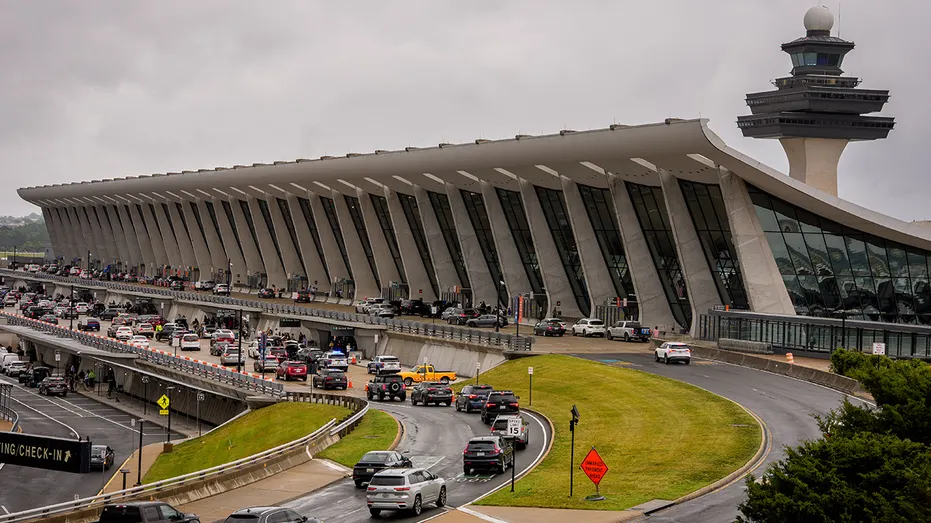
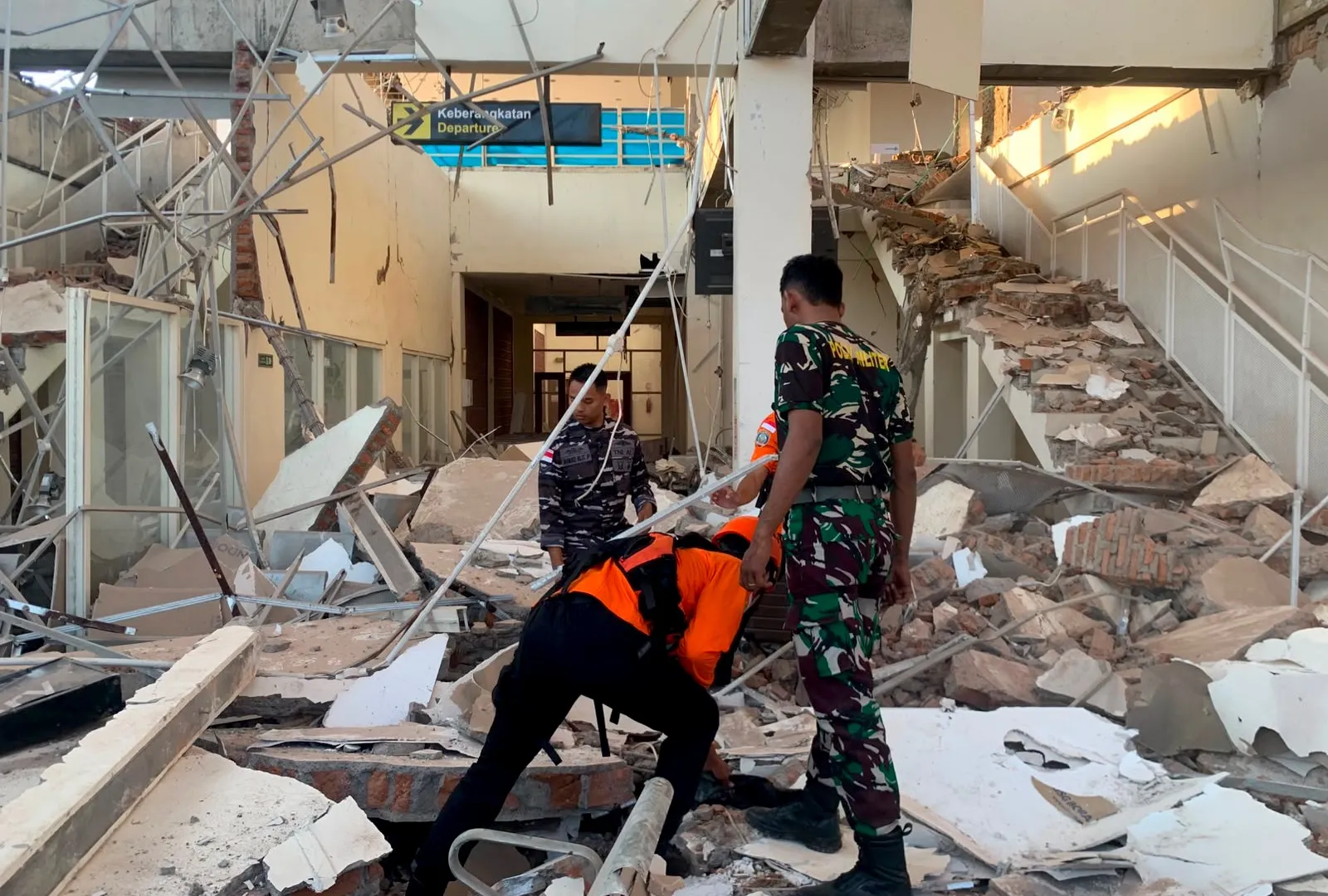
While millions of residents have begun the process of reclamation, the optimism surrounding the reopening of Khartoum’s main airport and the return of businesses is tempered ttempting to stabilize while the broader nation teeters on the edge of a man-made famine—presents an unprecedented challenge for a country now in its fourth year of civil conflict.
The stabilization of Khartoum is less a sign of conflict resolution and more a demonstration of the extreme compartmentalization required to survive a protracted, multifaceted civil war. d international readiness; however, the state’s inability to restore basic electricity—stymied does not equate to the restoration of governance. The disparity between the capital’s slow revival and the famine conditions in rural provinces highlights how the conflict has evolved from a struggle for political dominance into a war of attrition where basic survival is now the primary metric of the crisis.
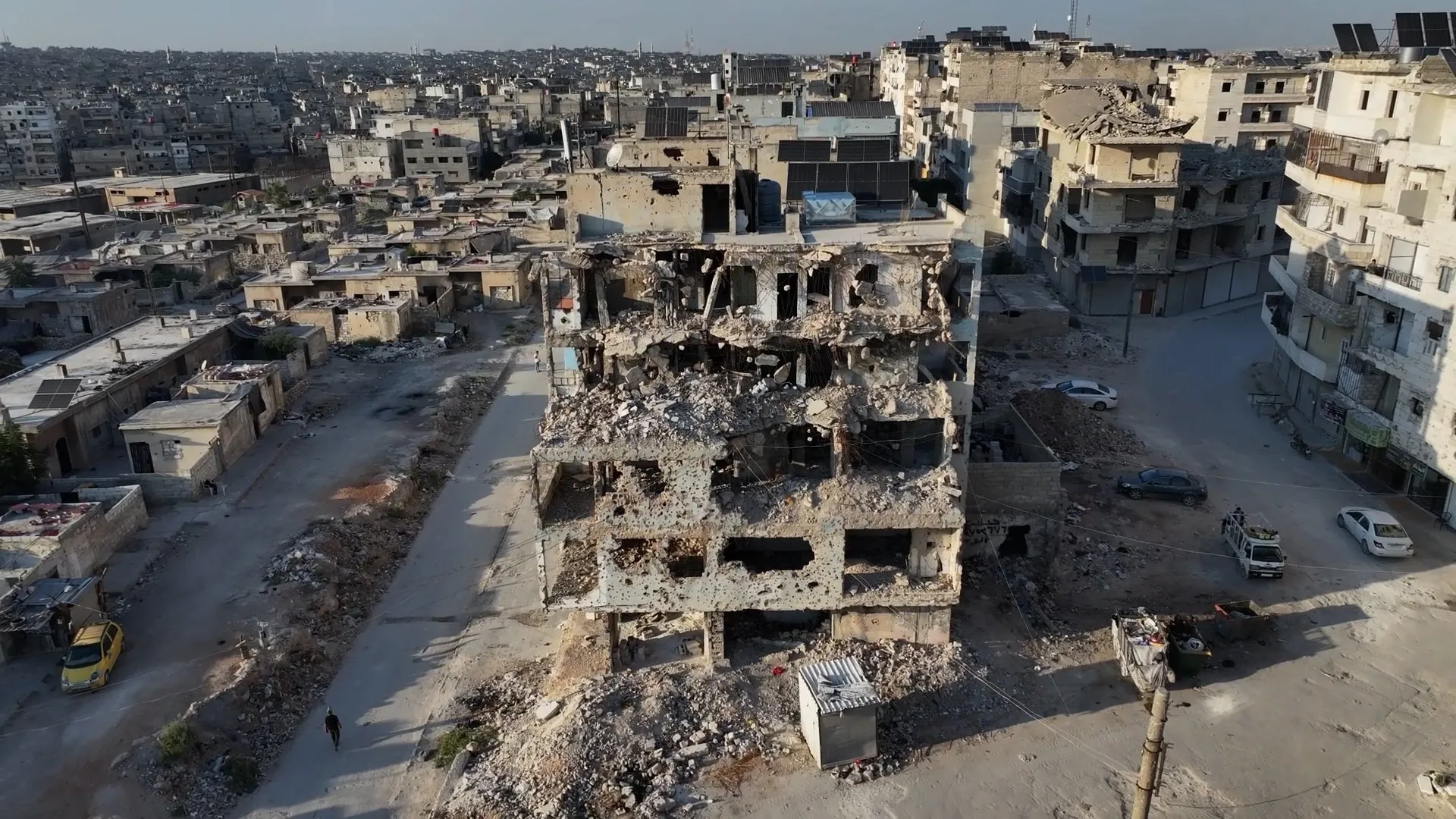
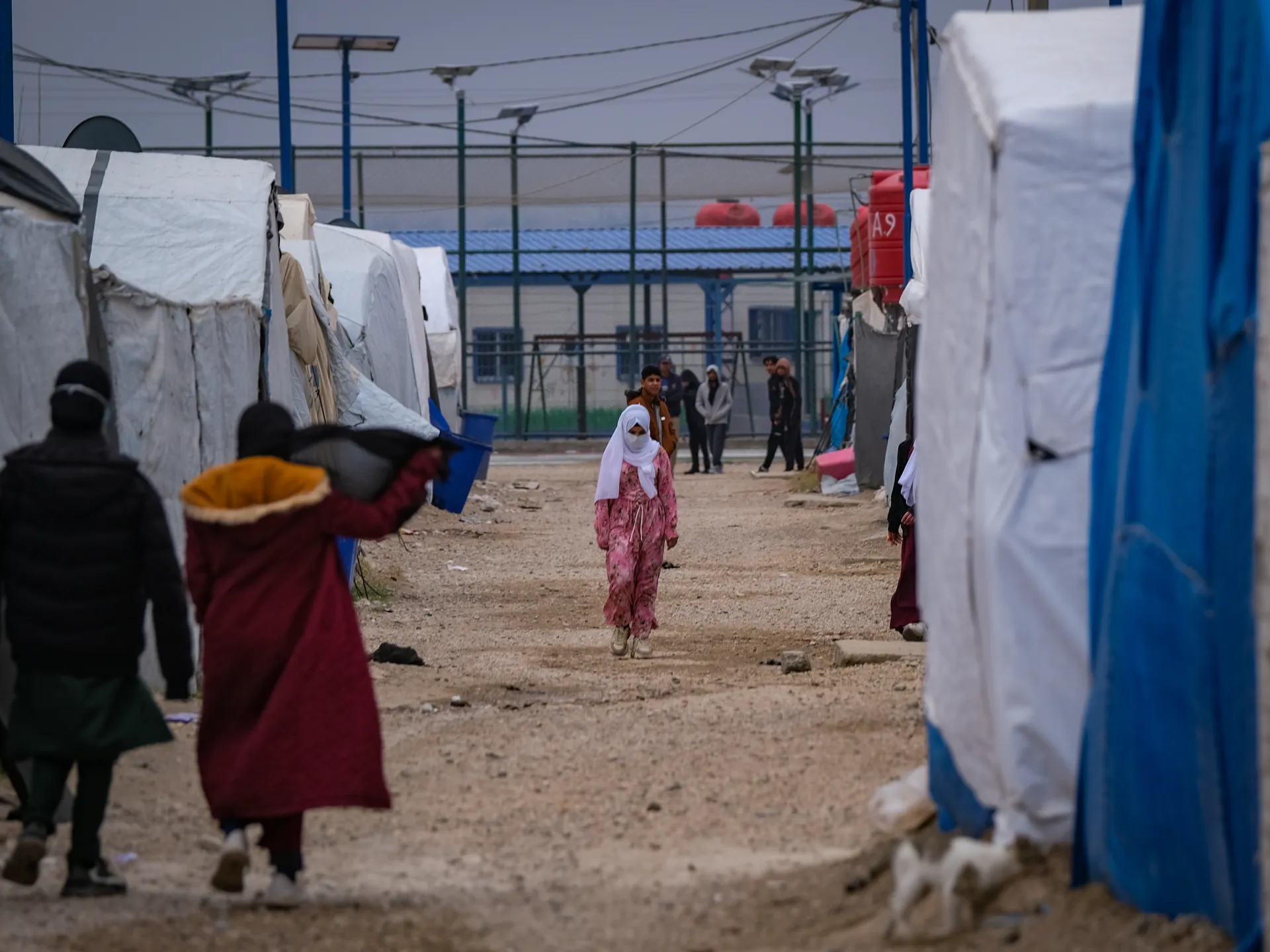
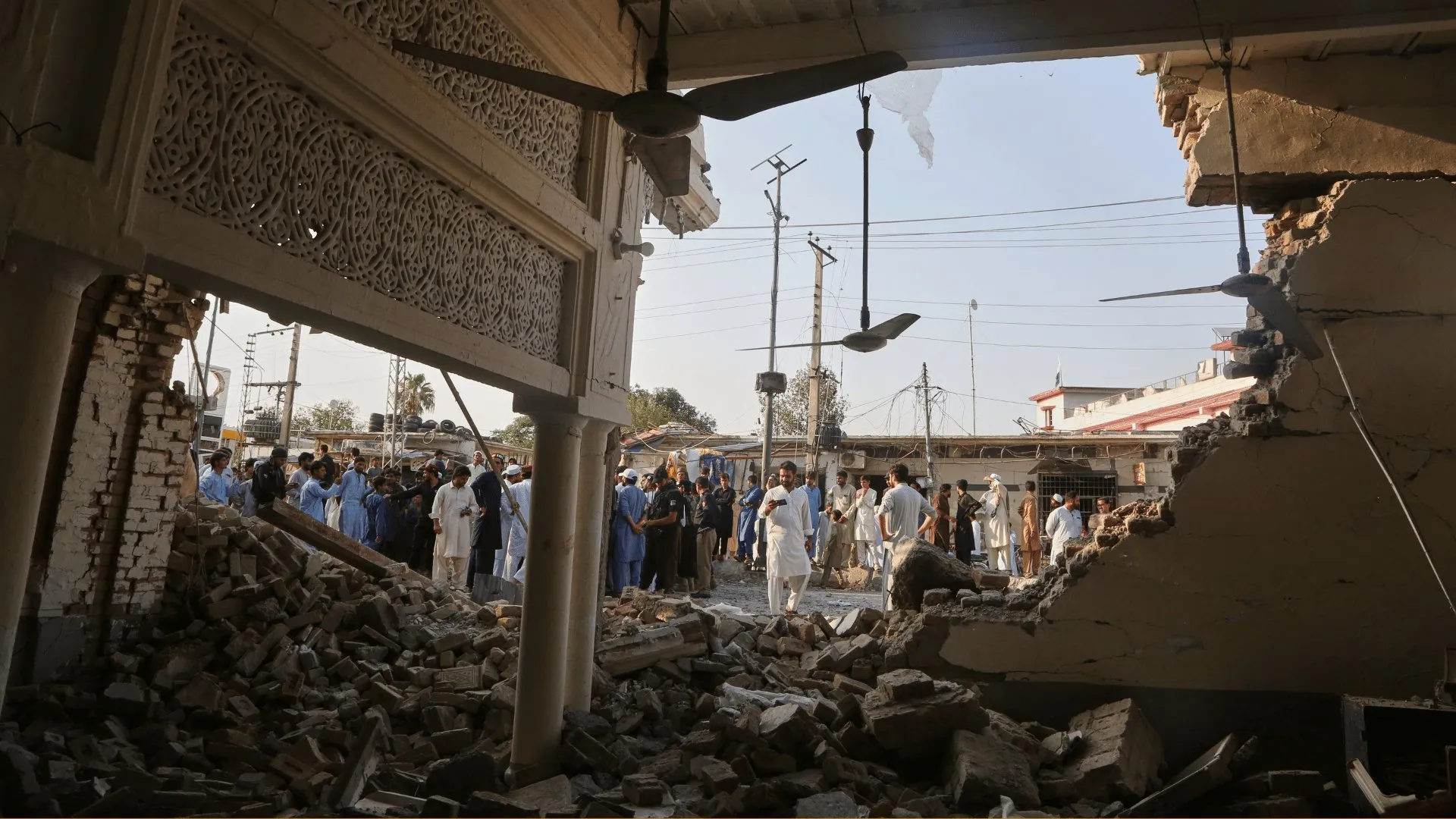
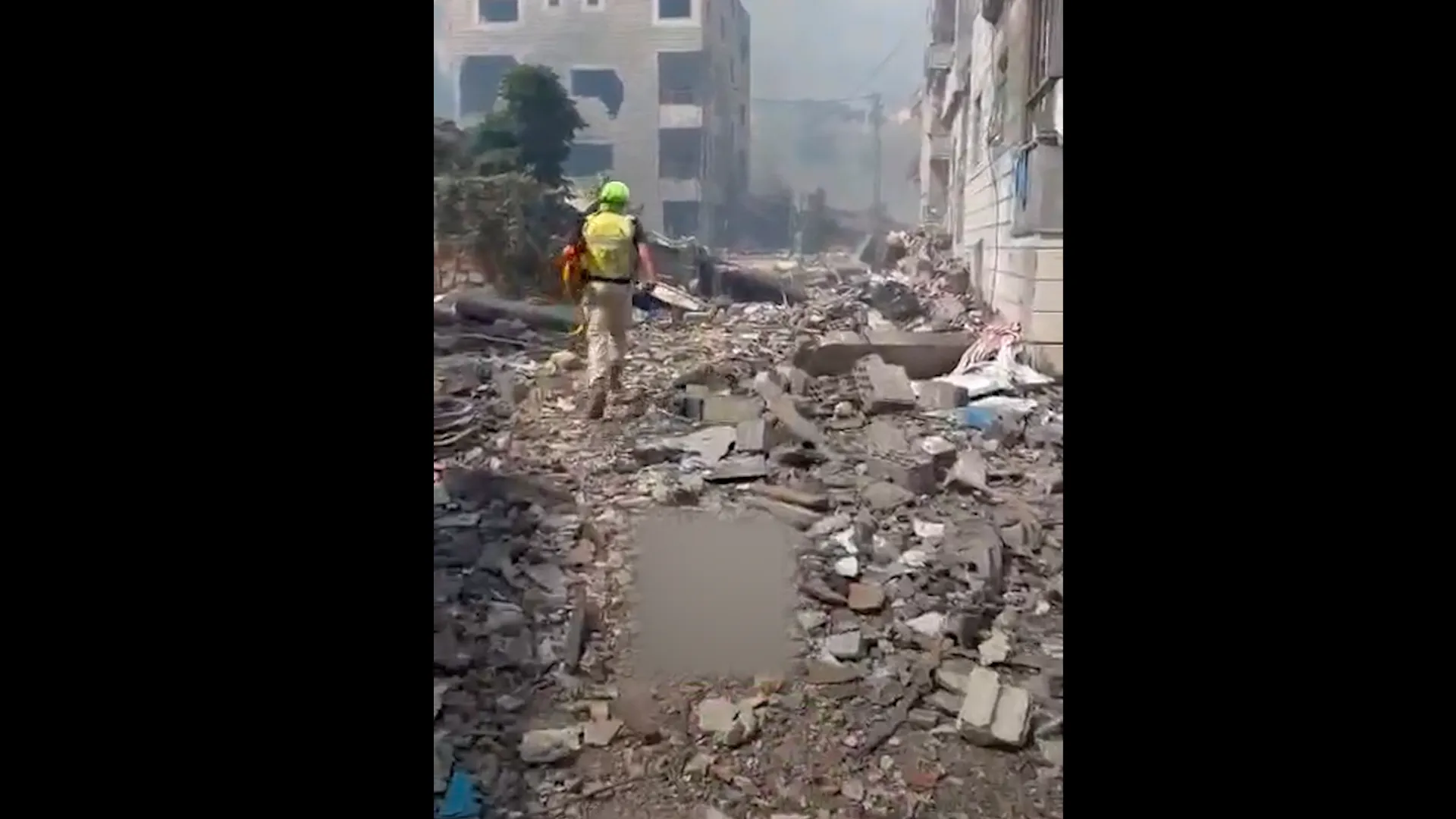
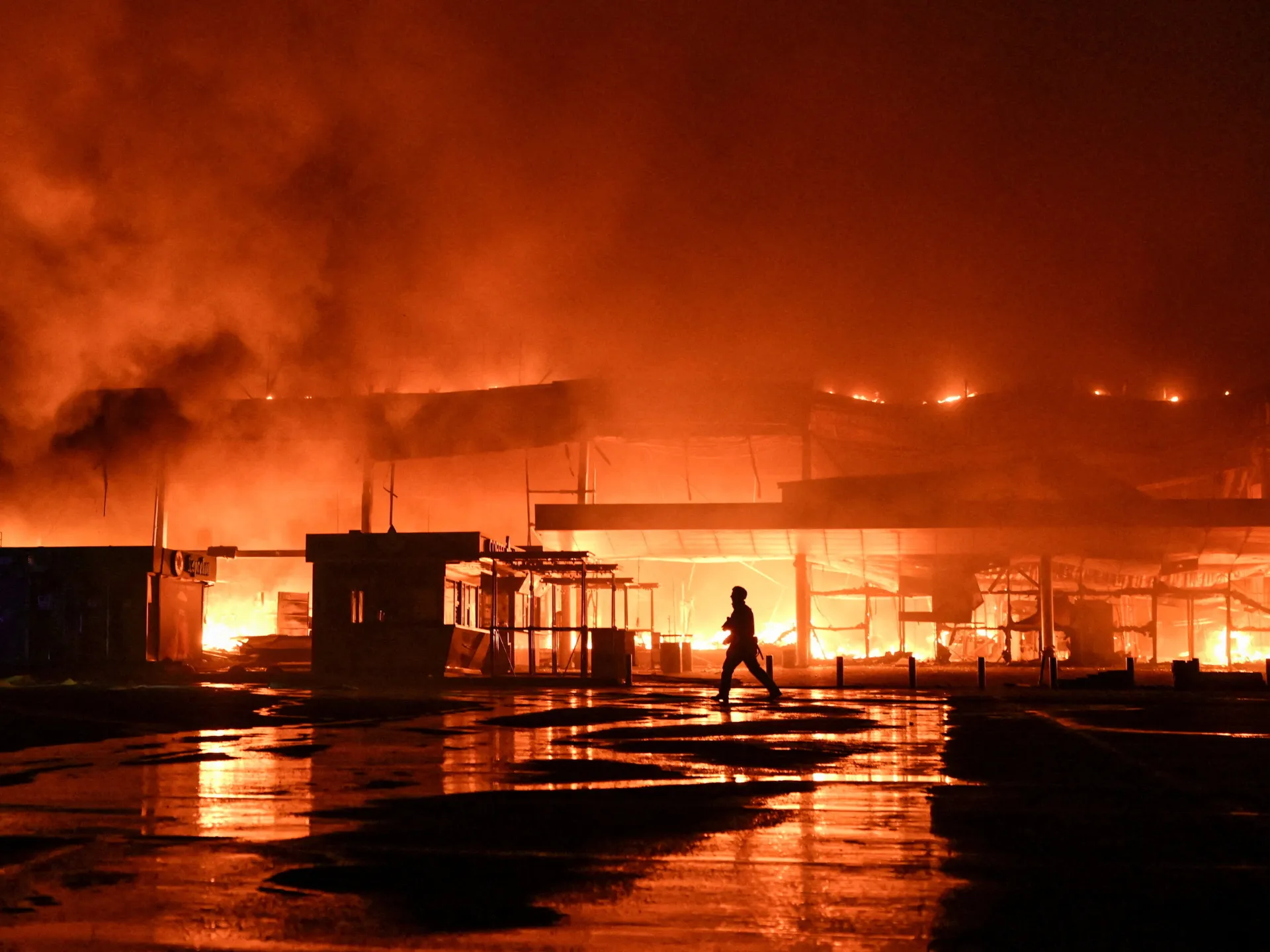
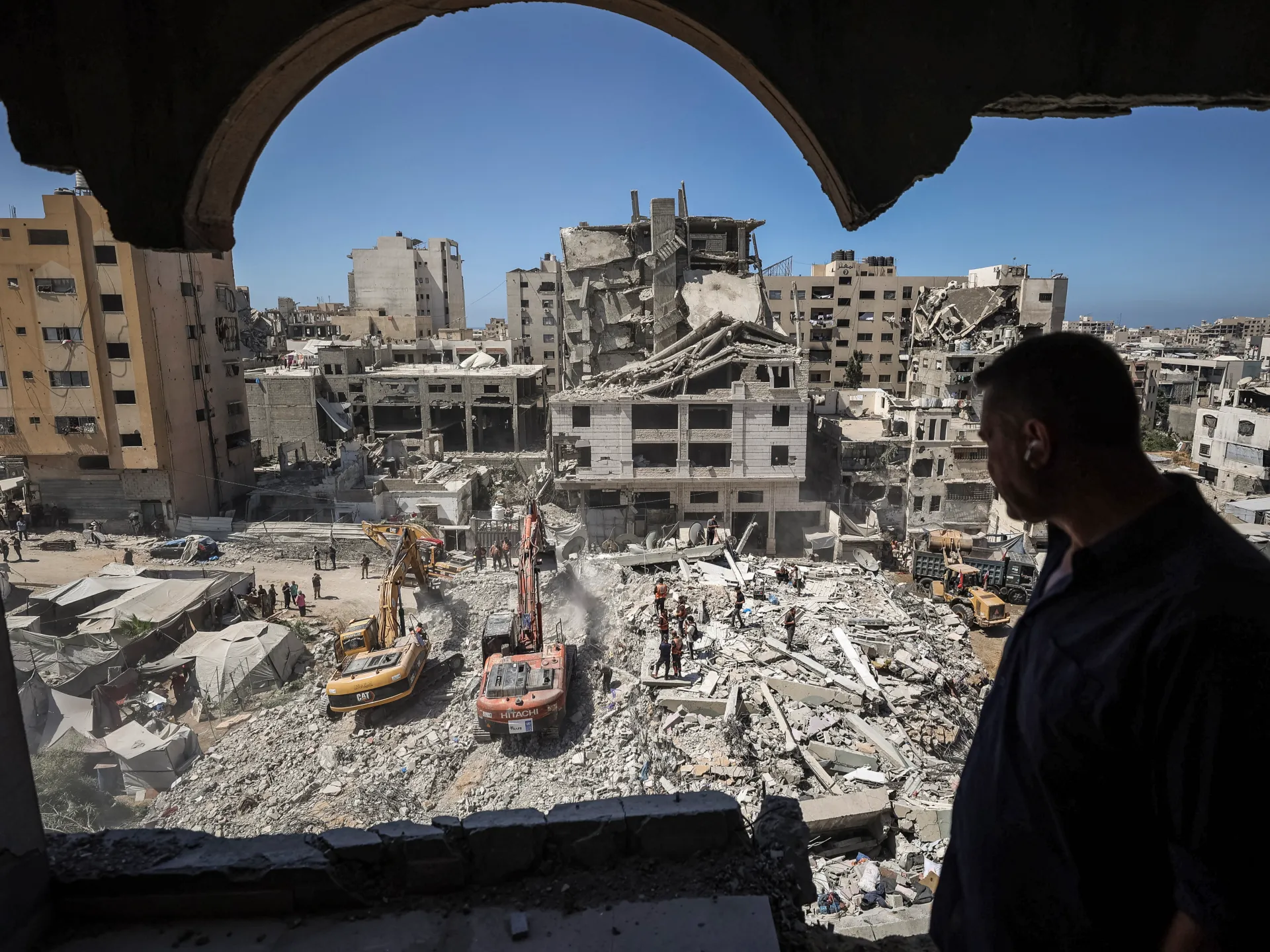
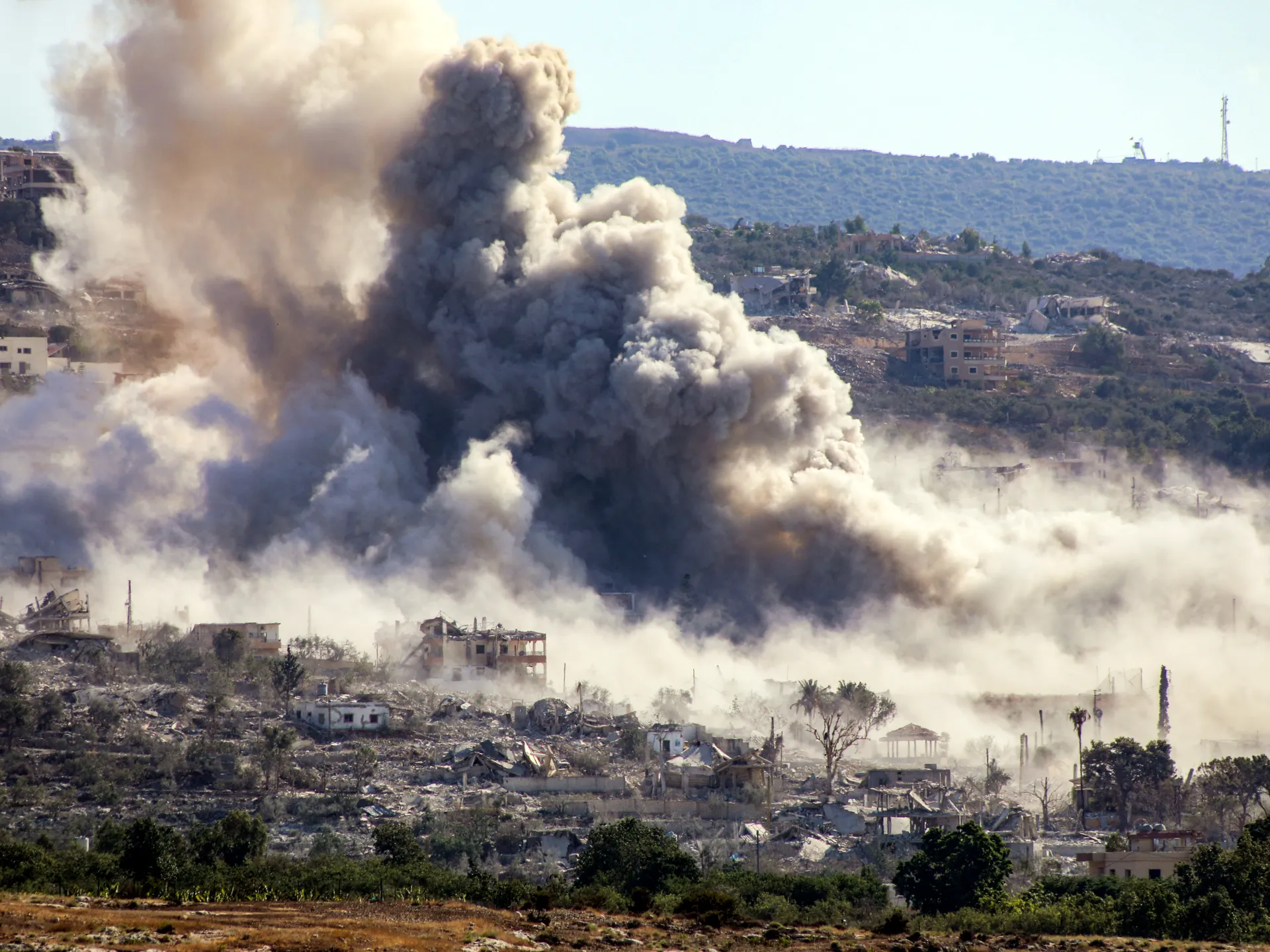
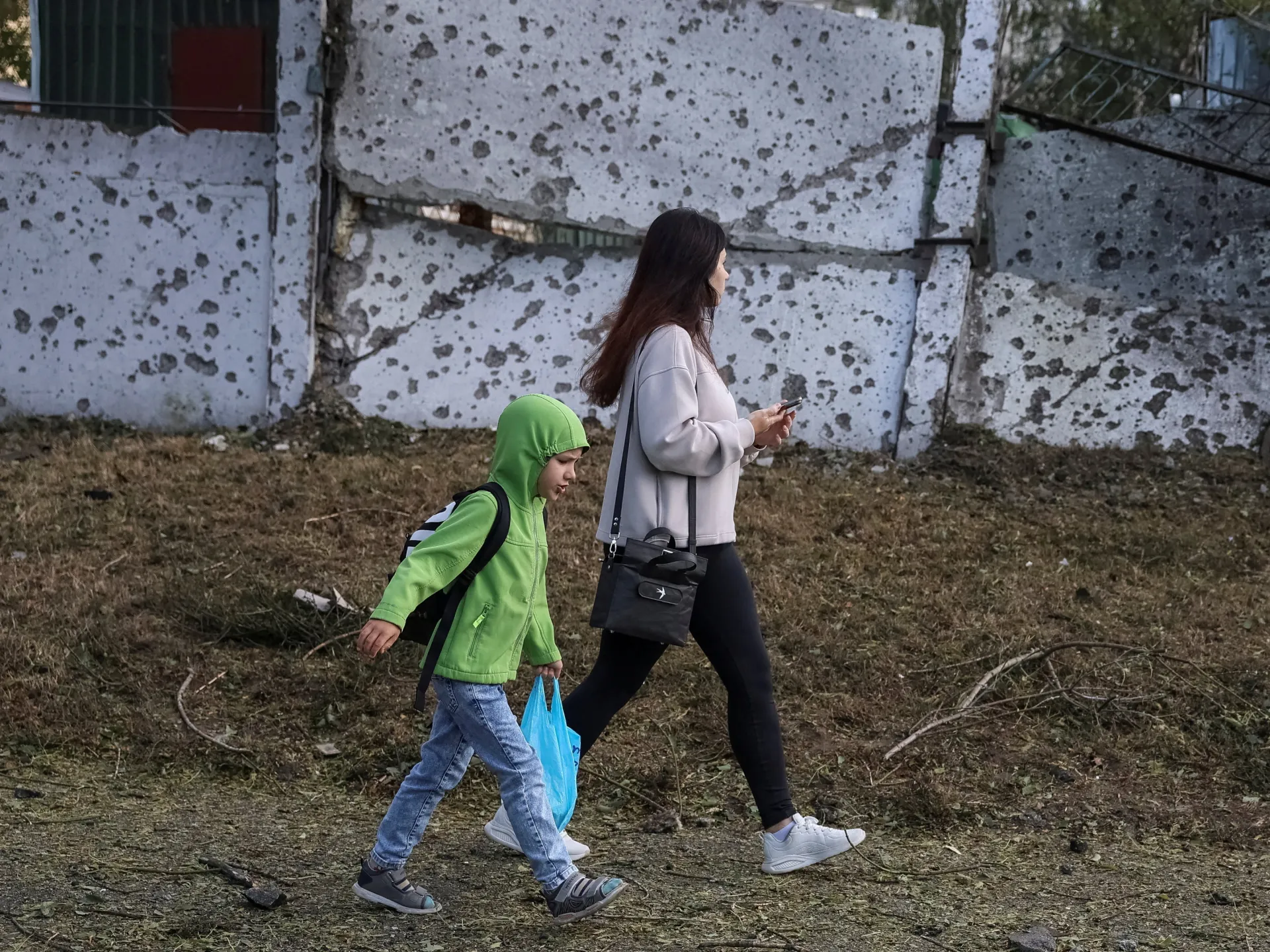
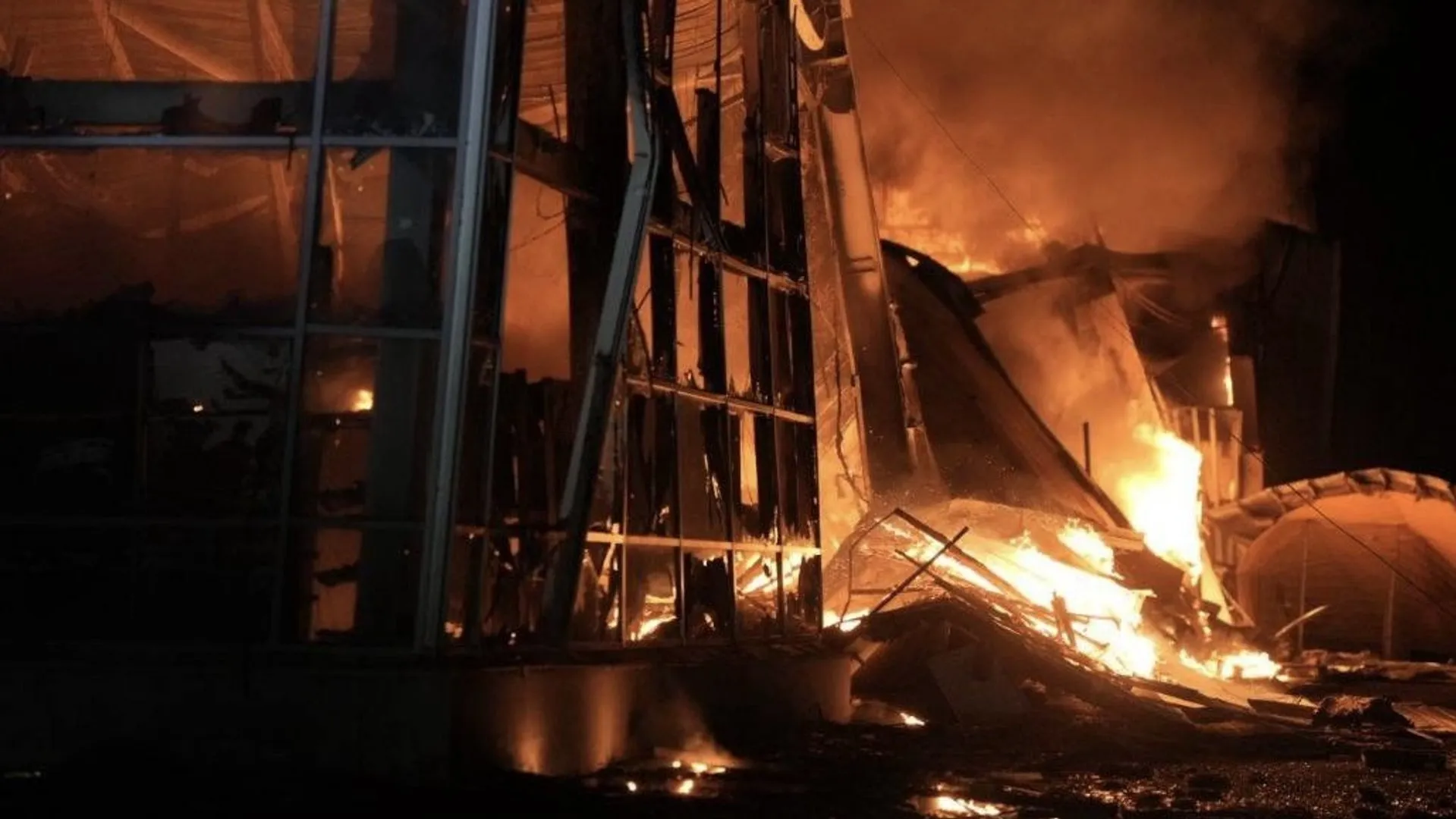
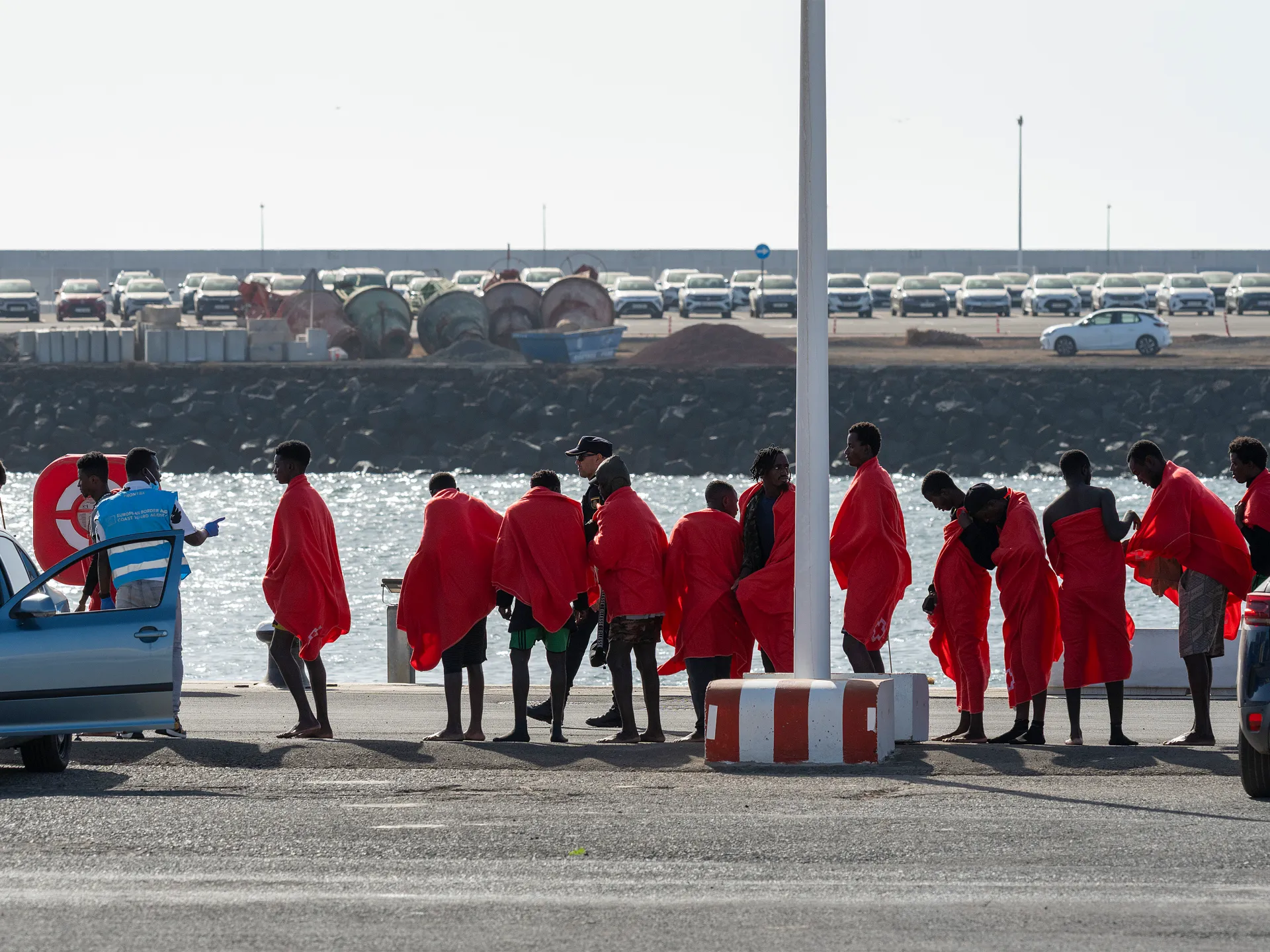
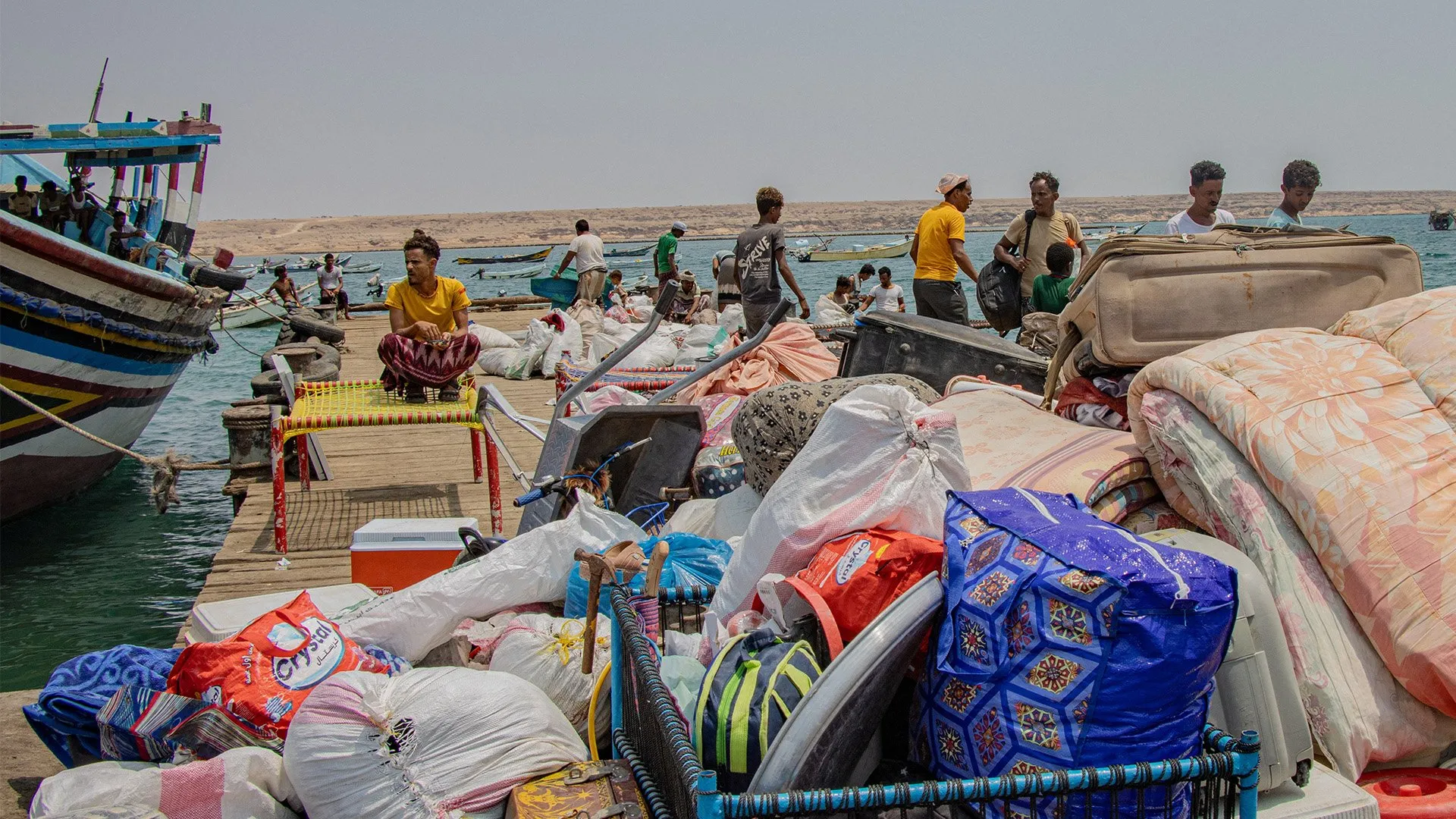
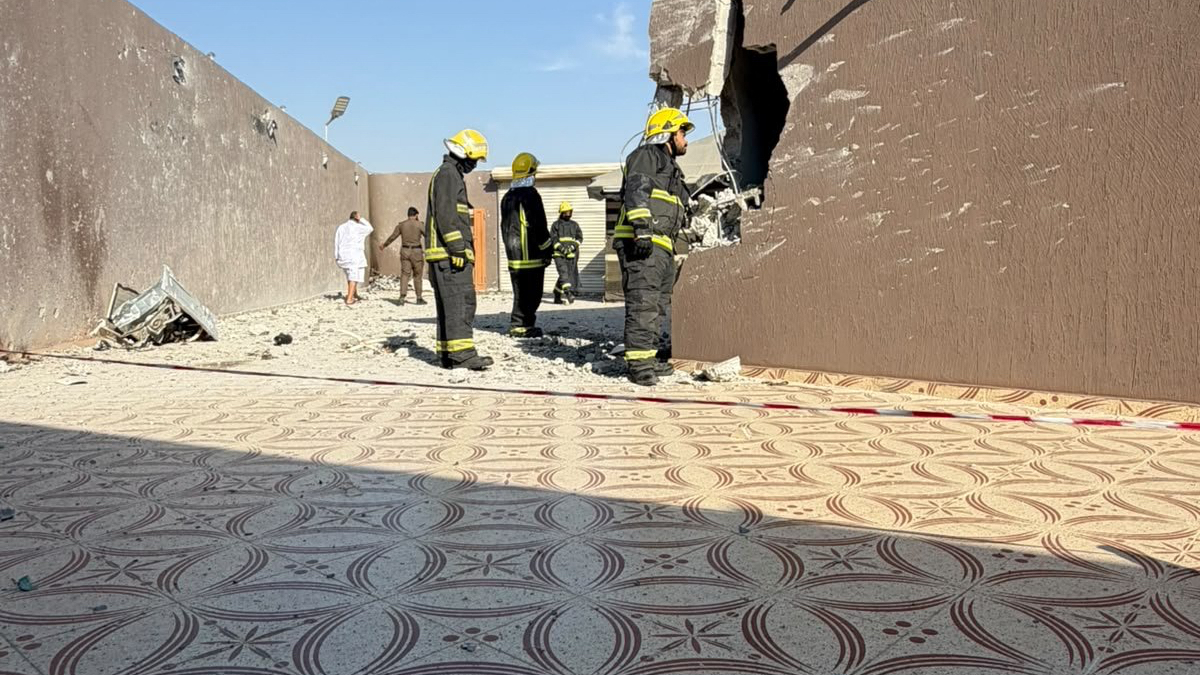
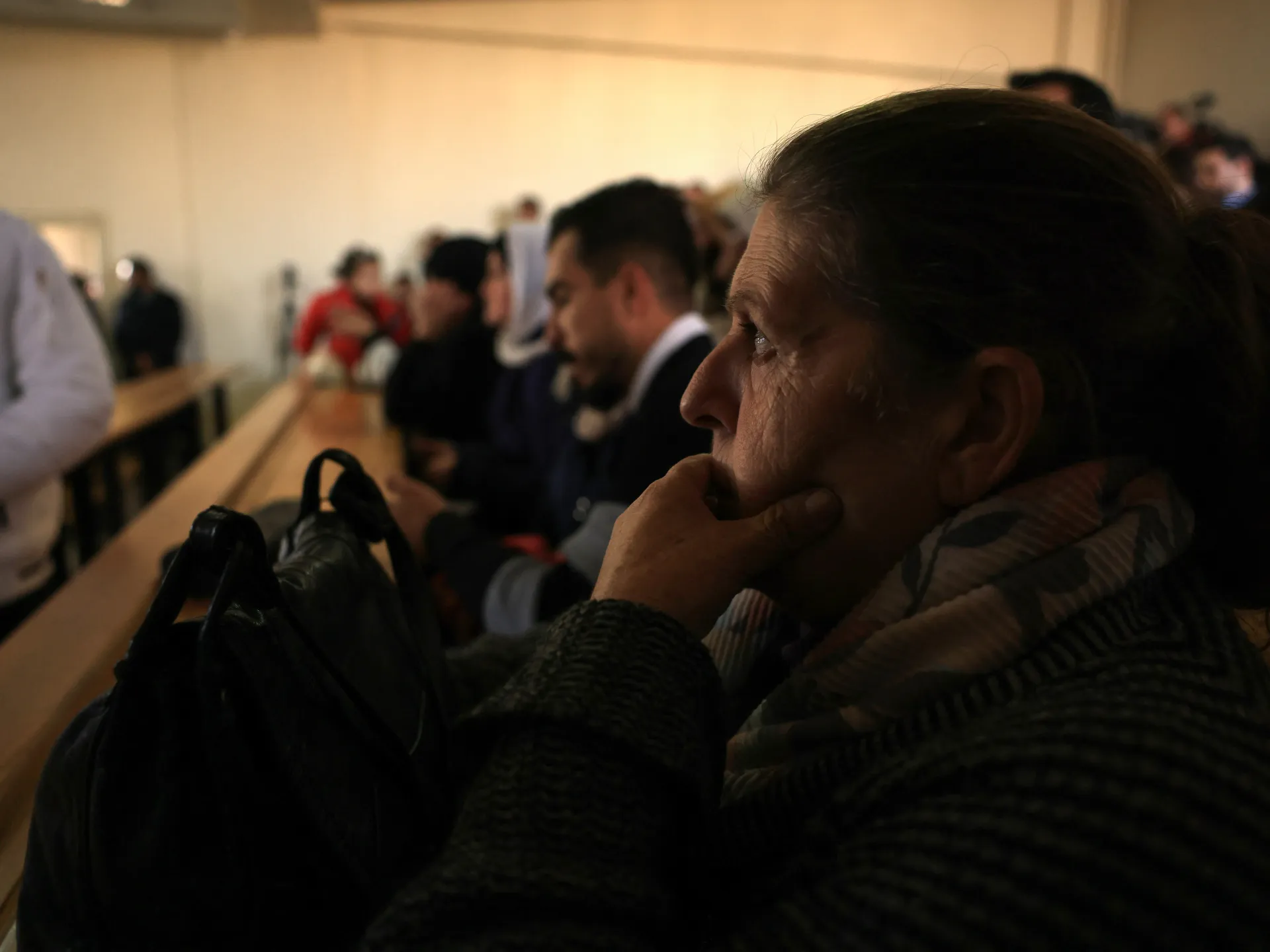
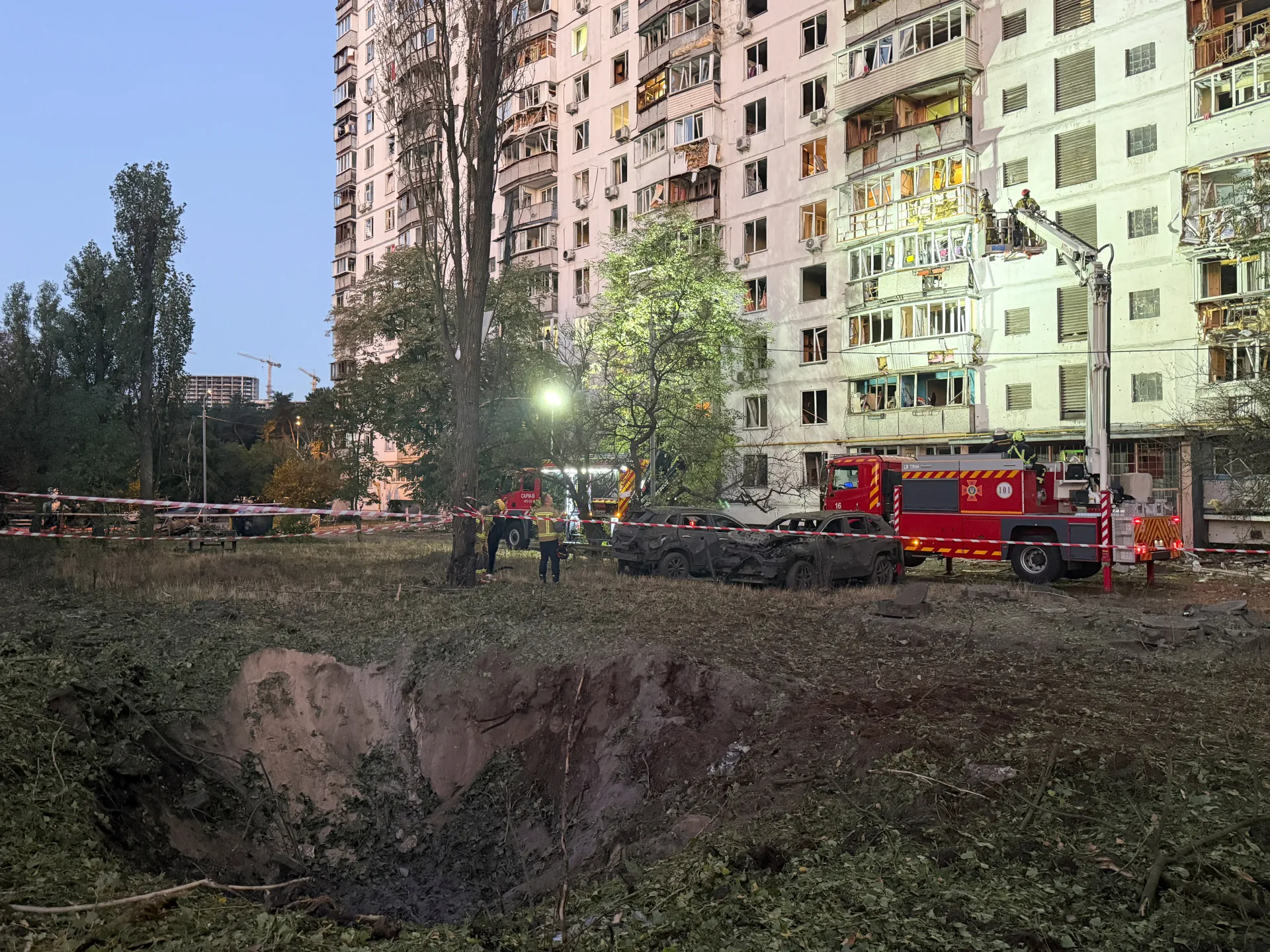
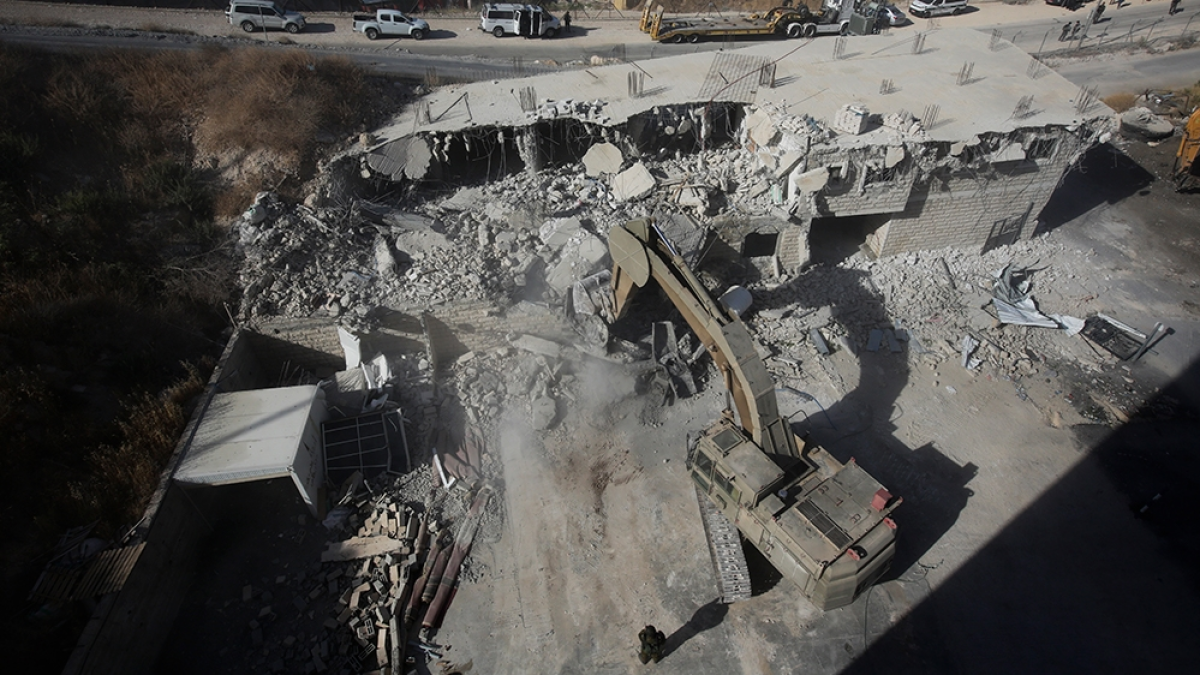
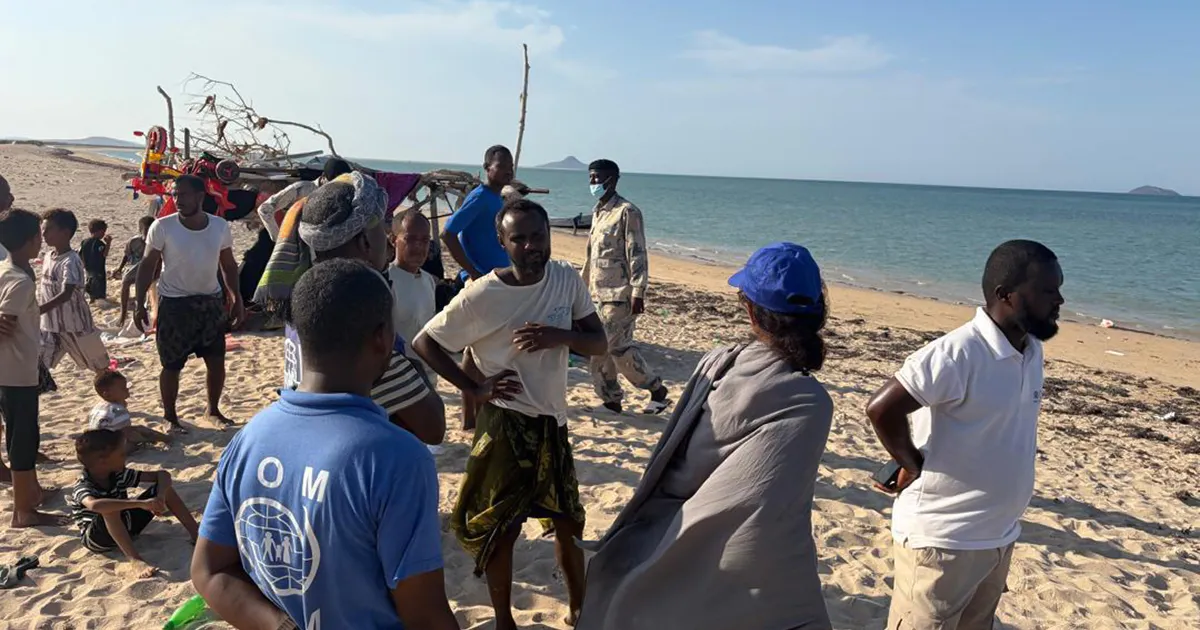
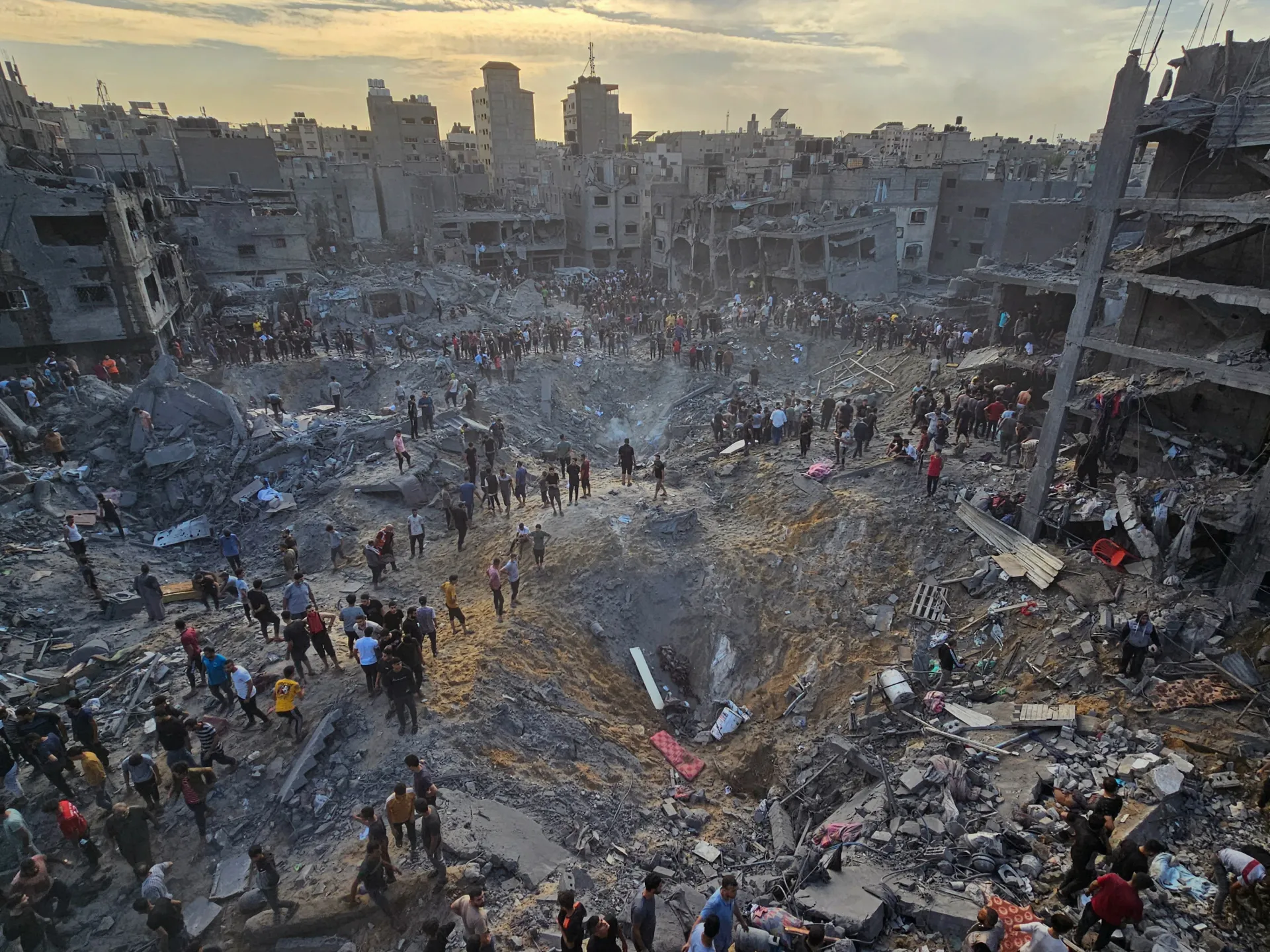
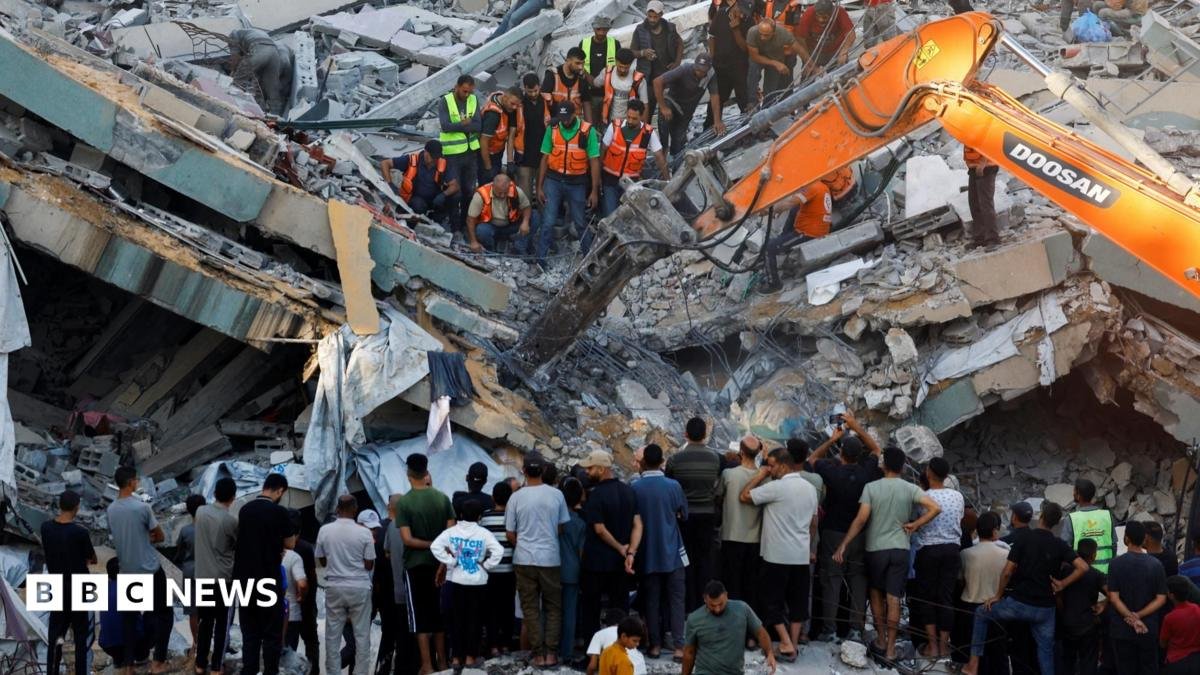
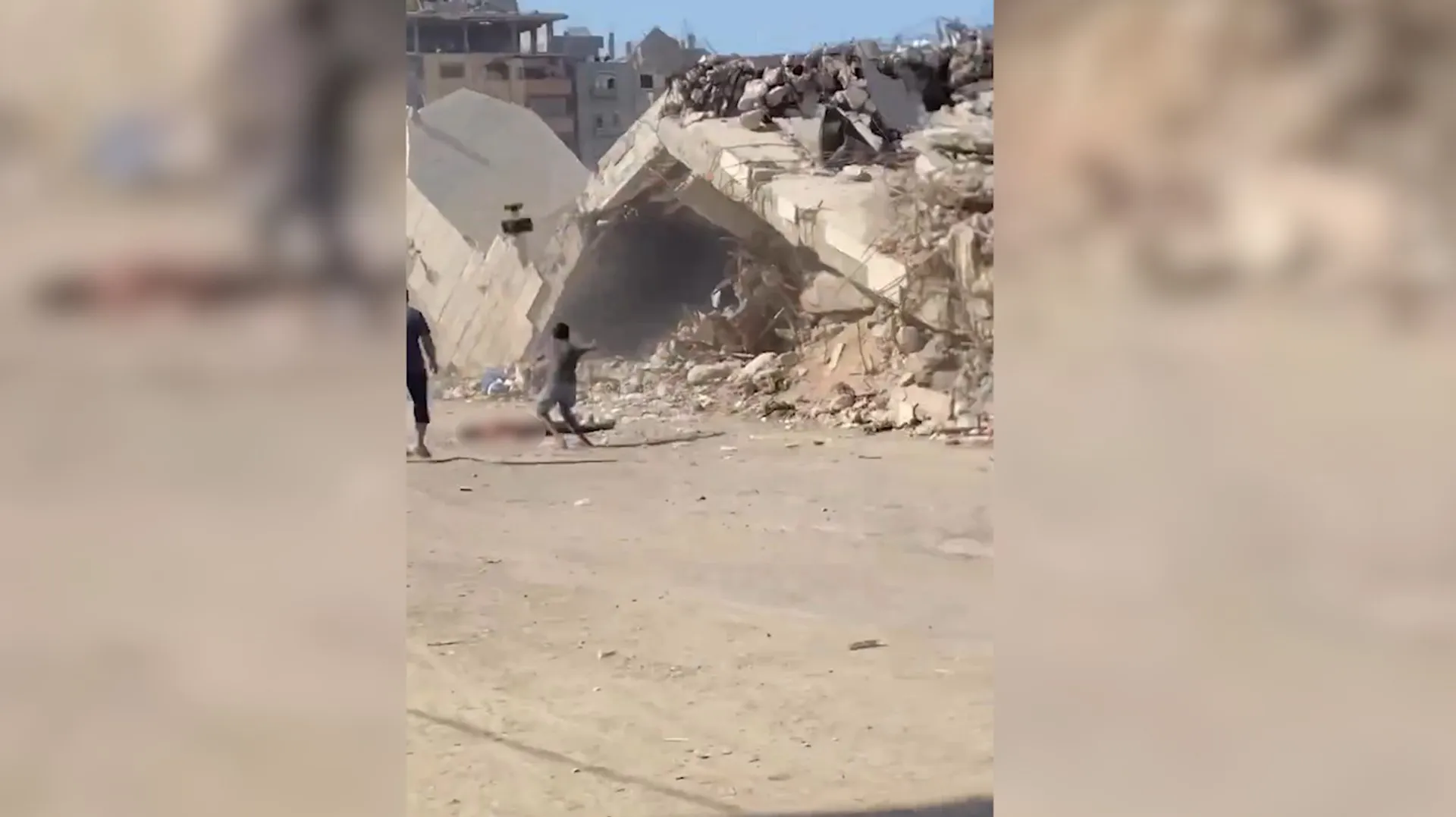
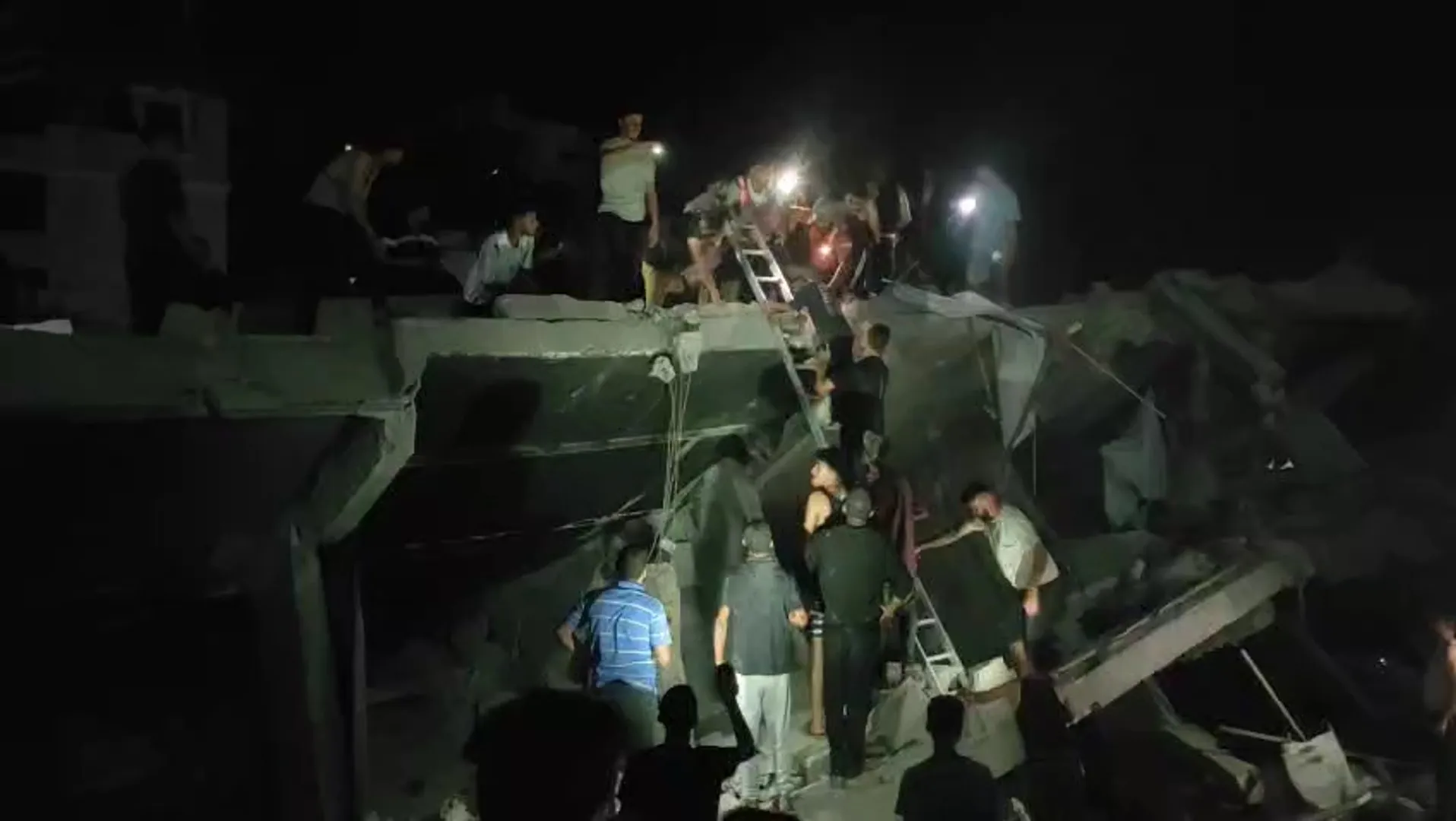
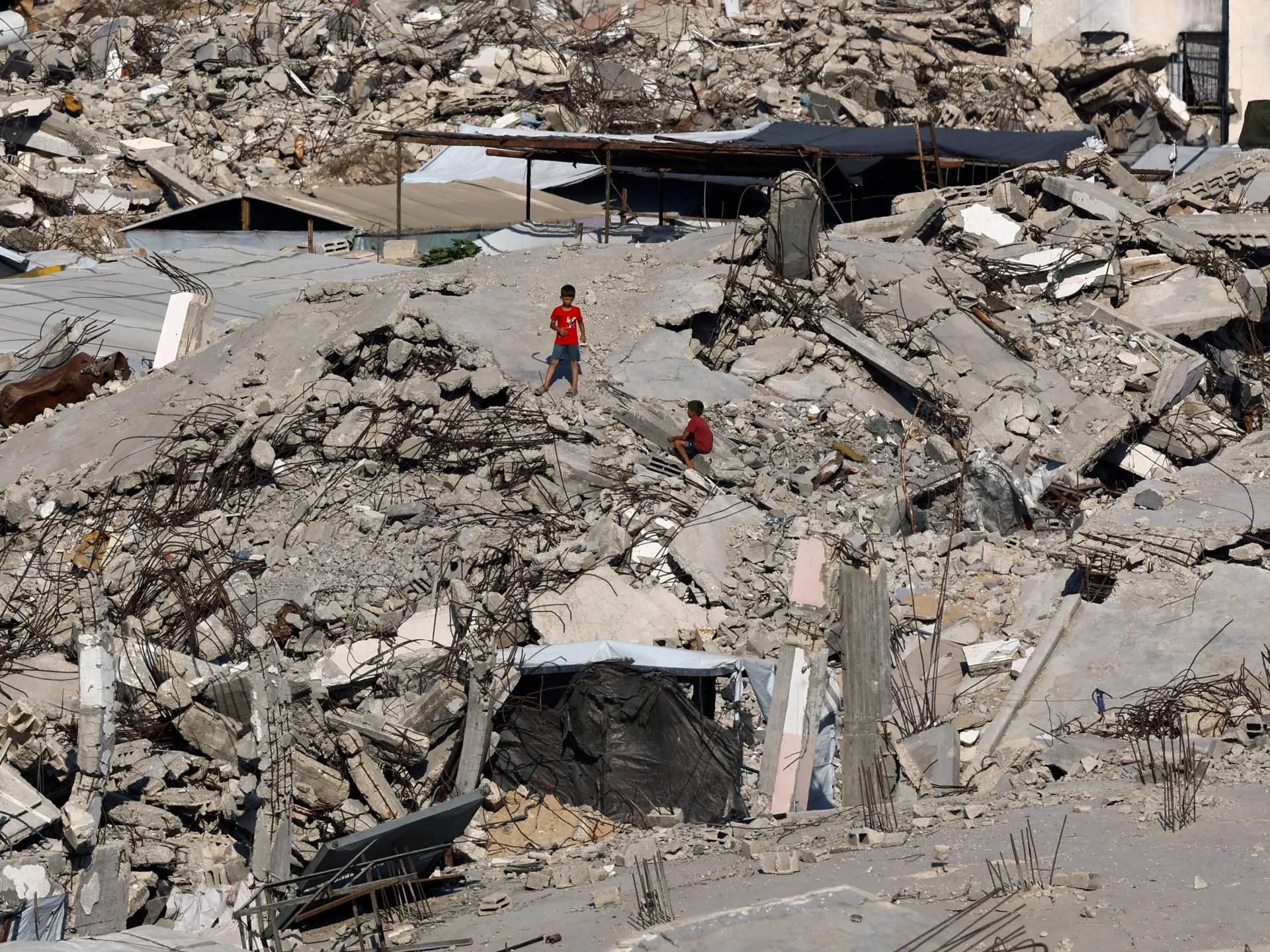
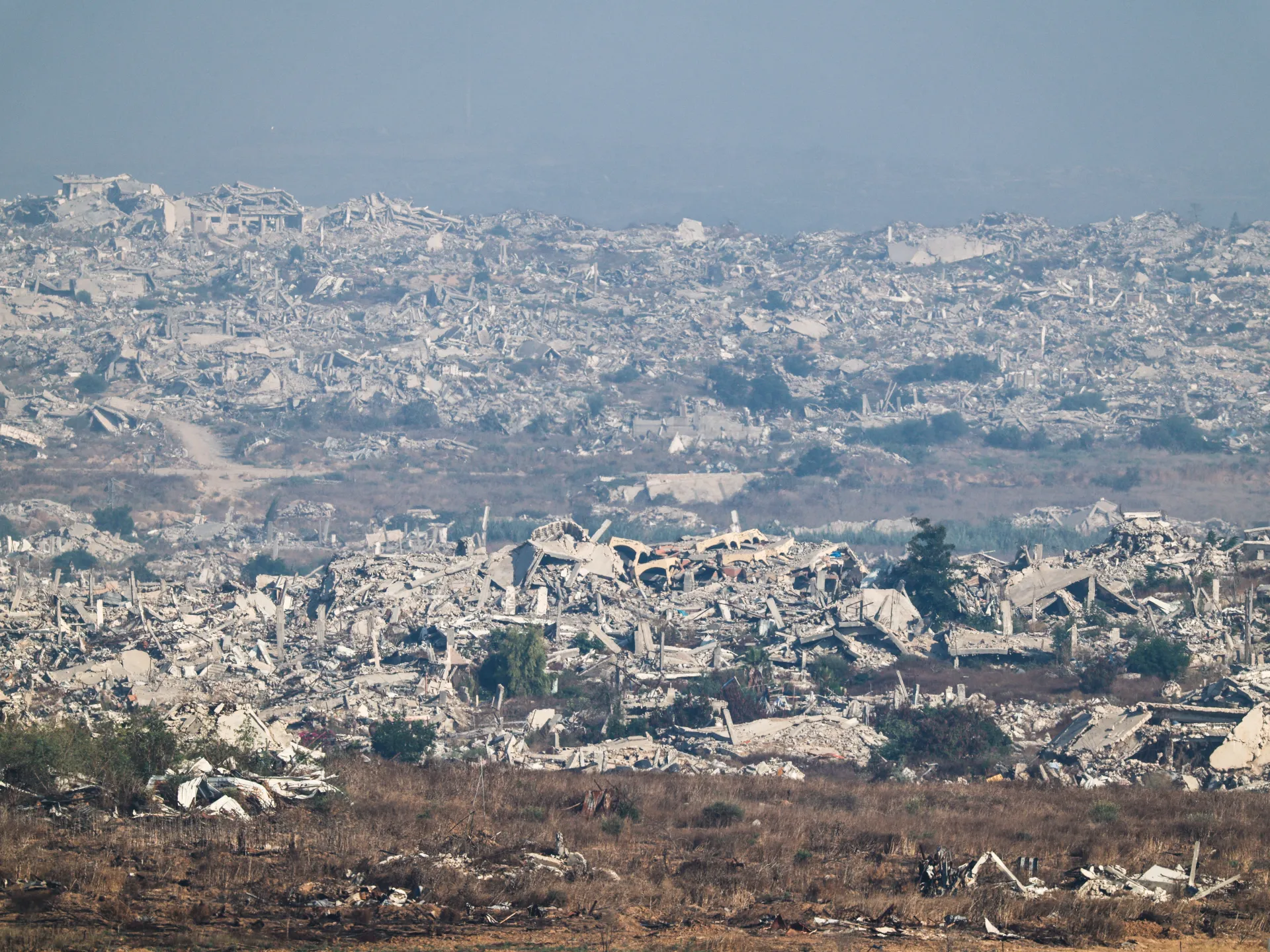
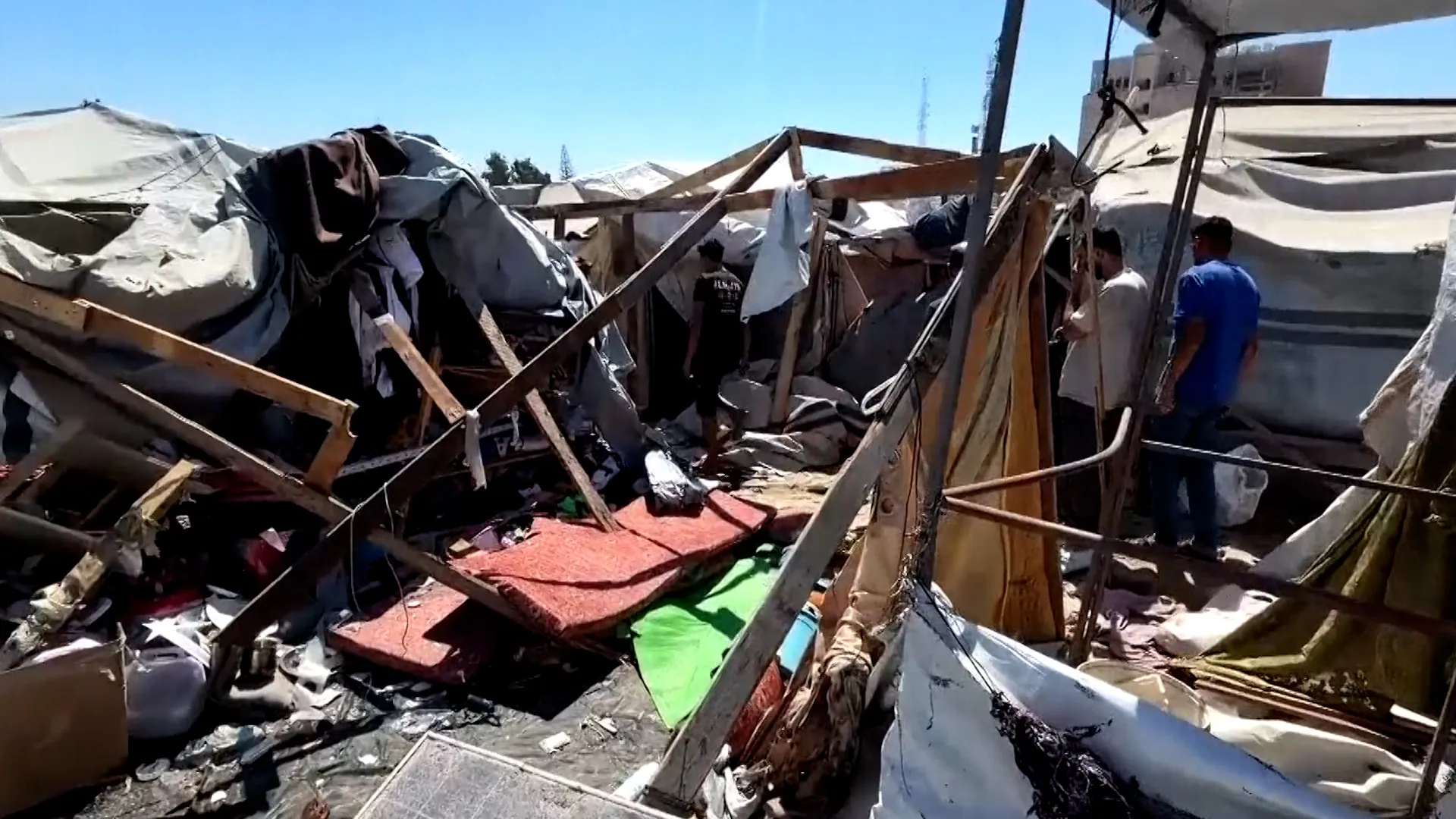
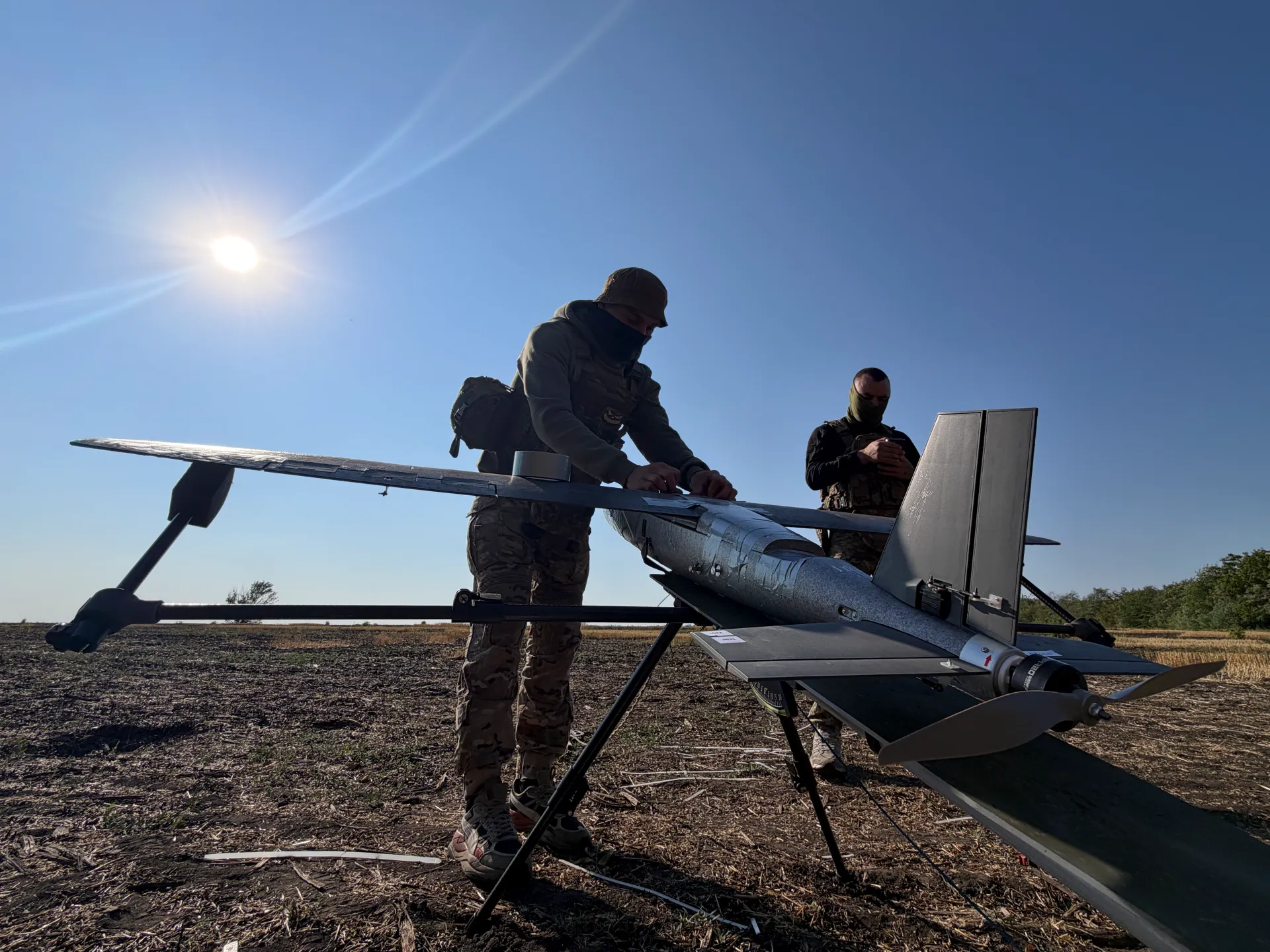
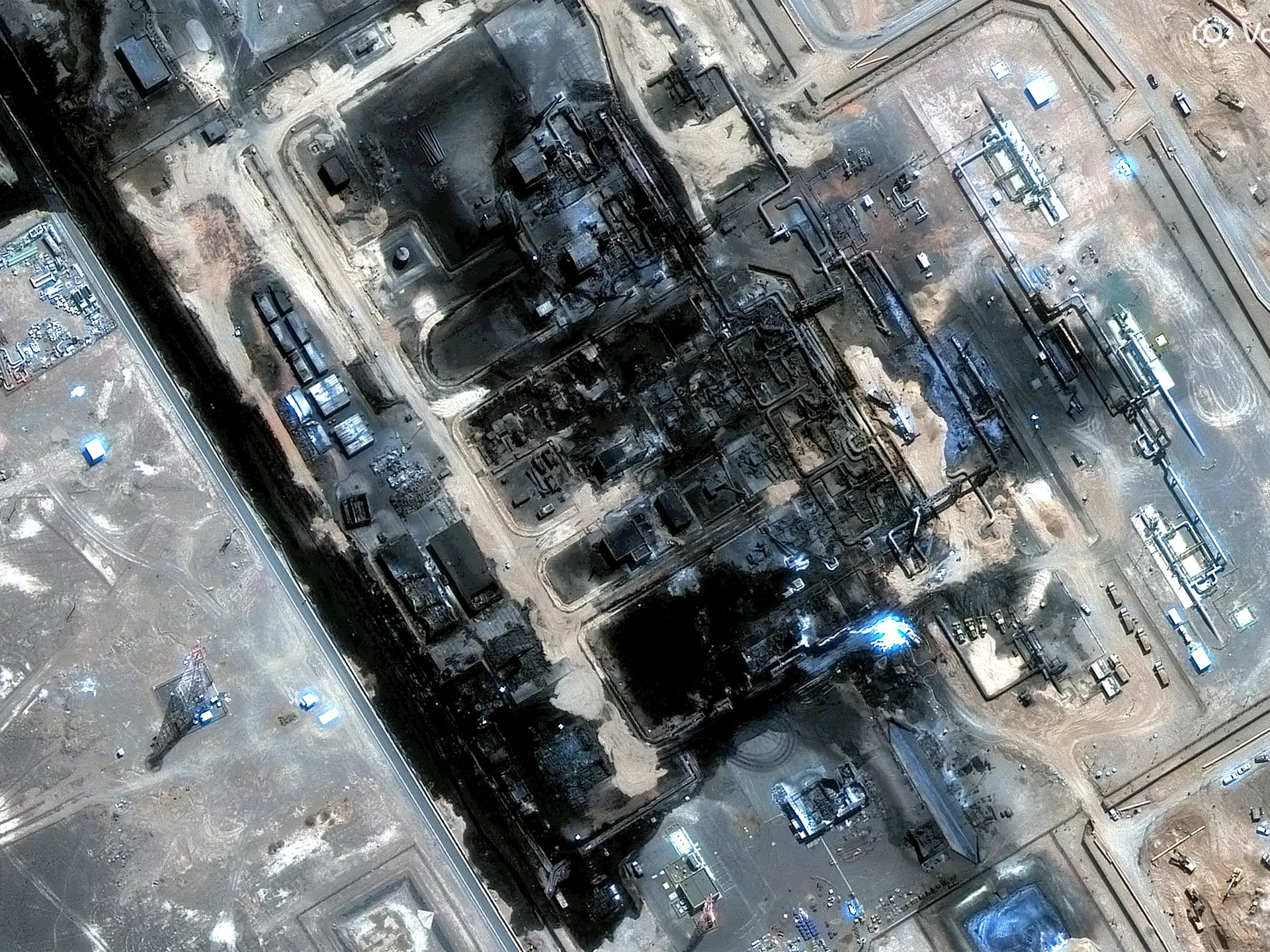
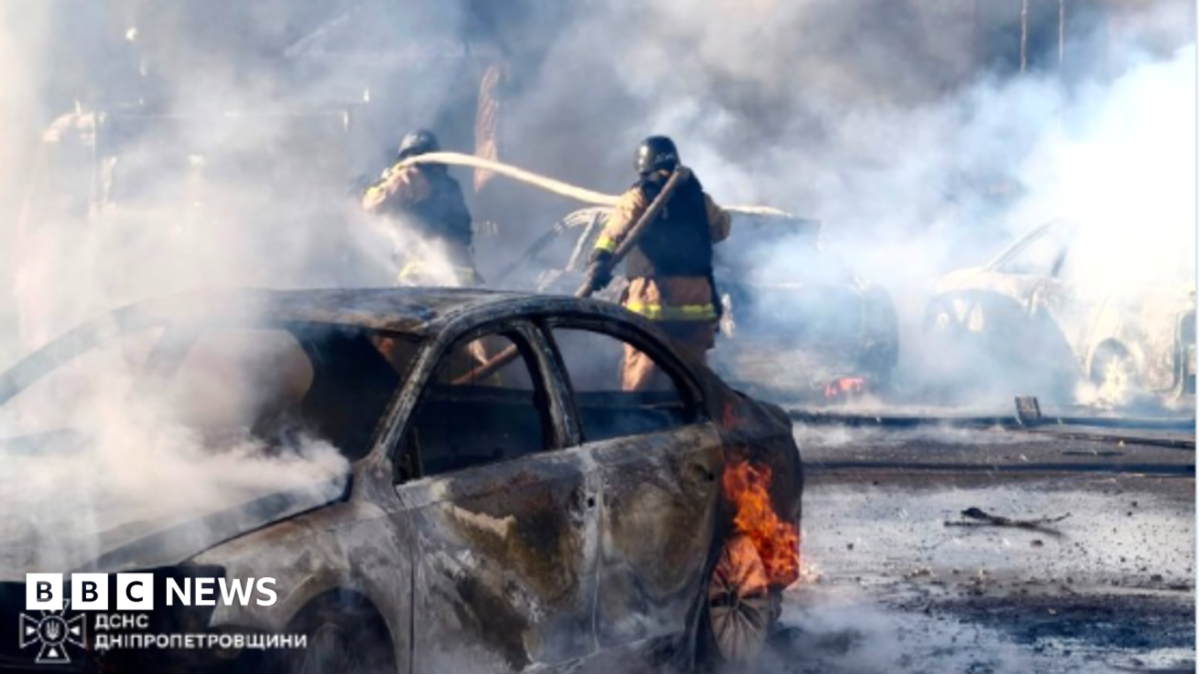
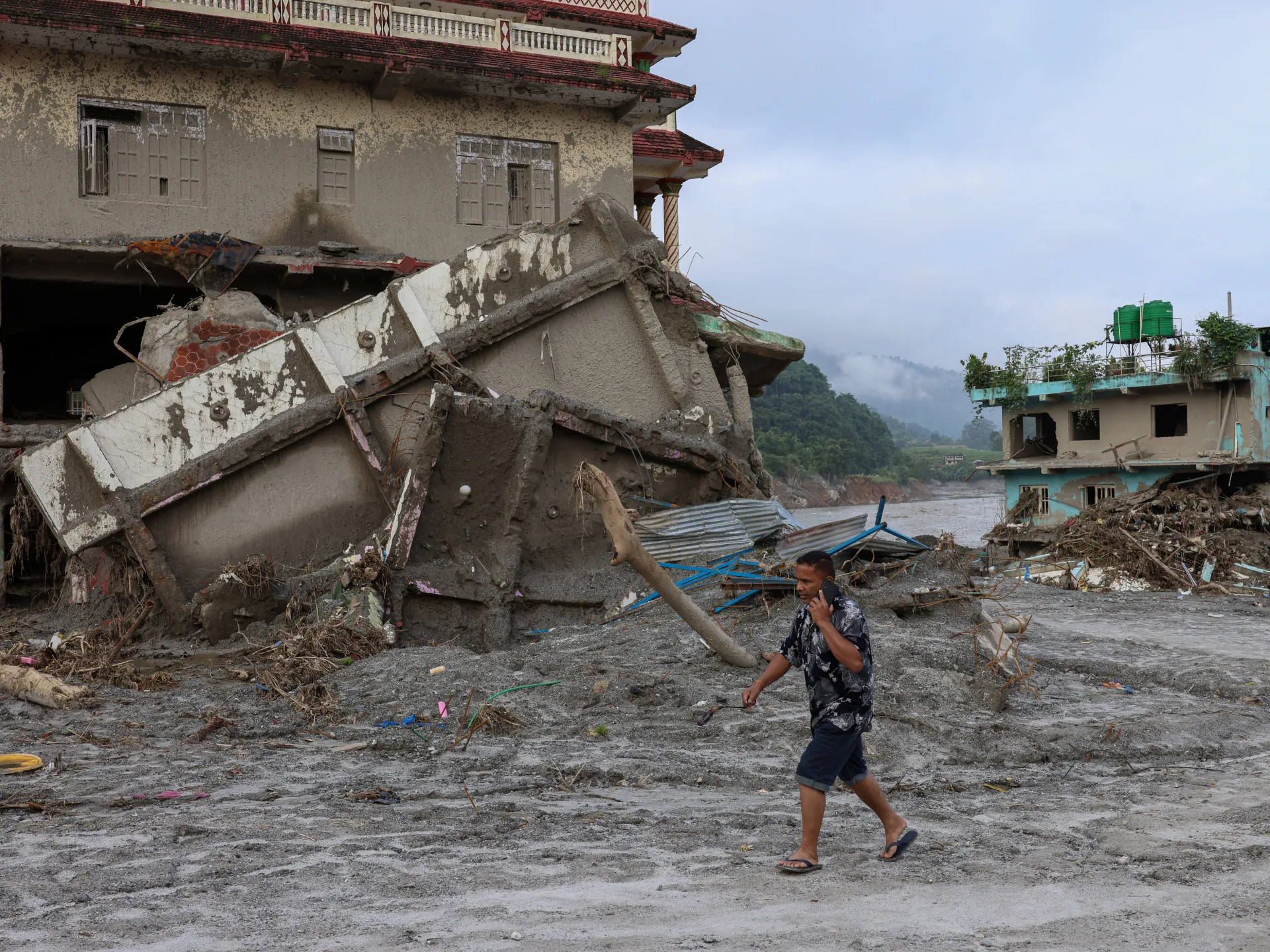
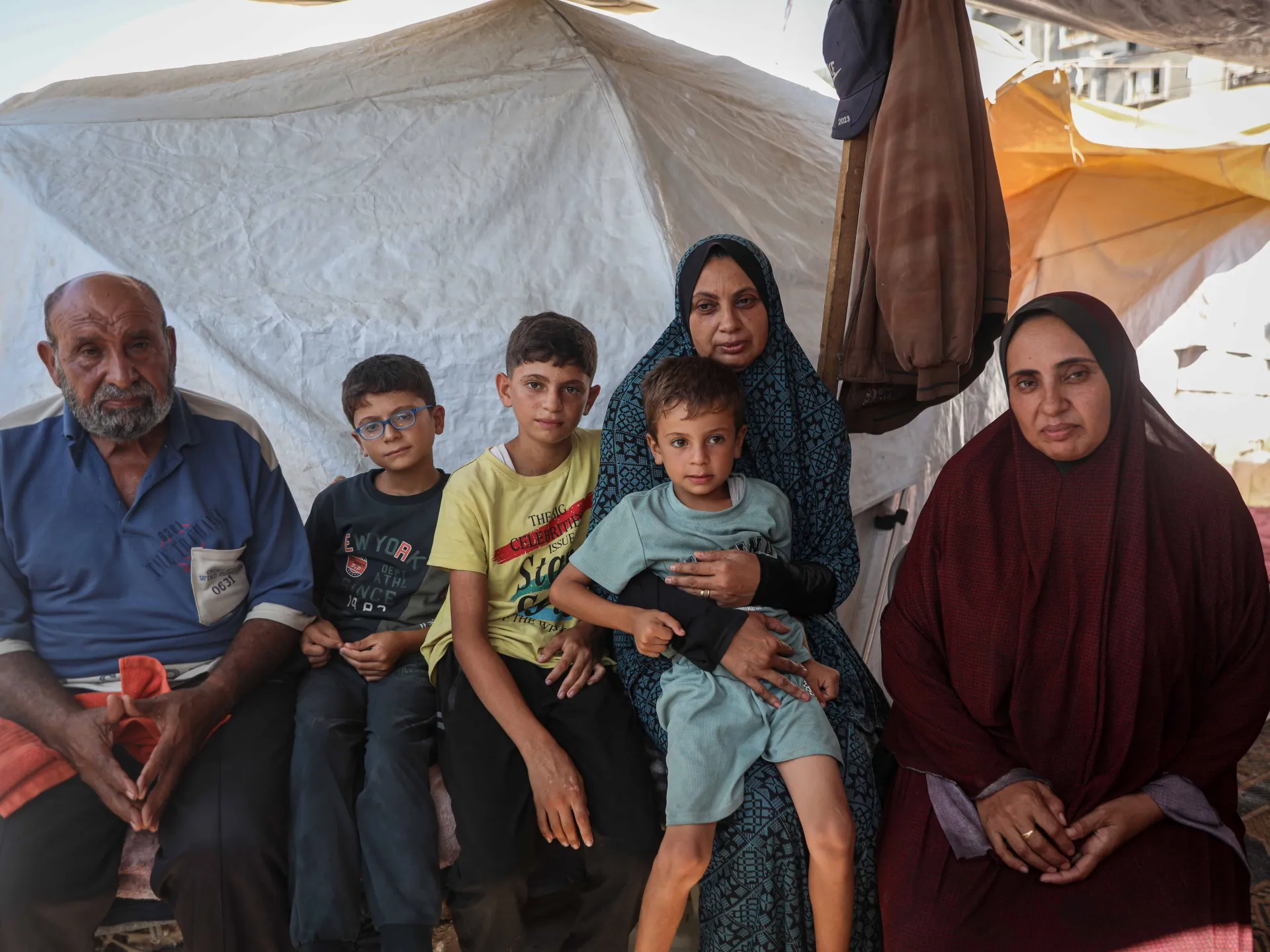
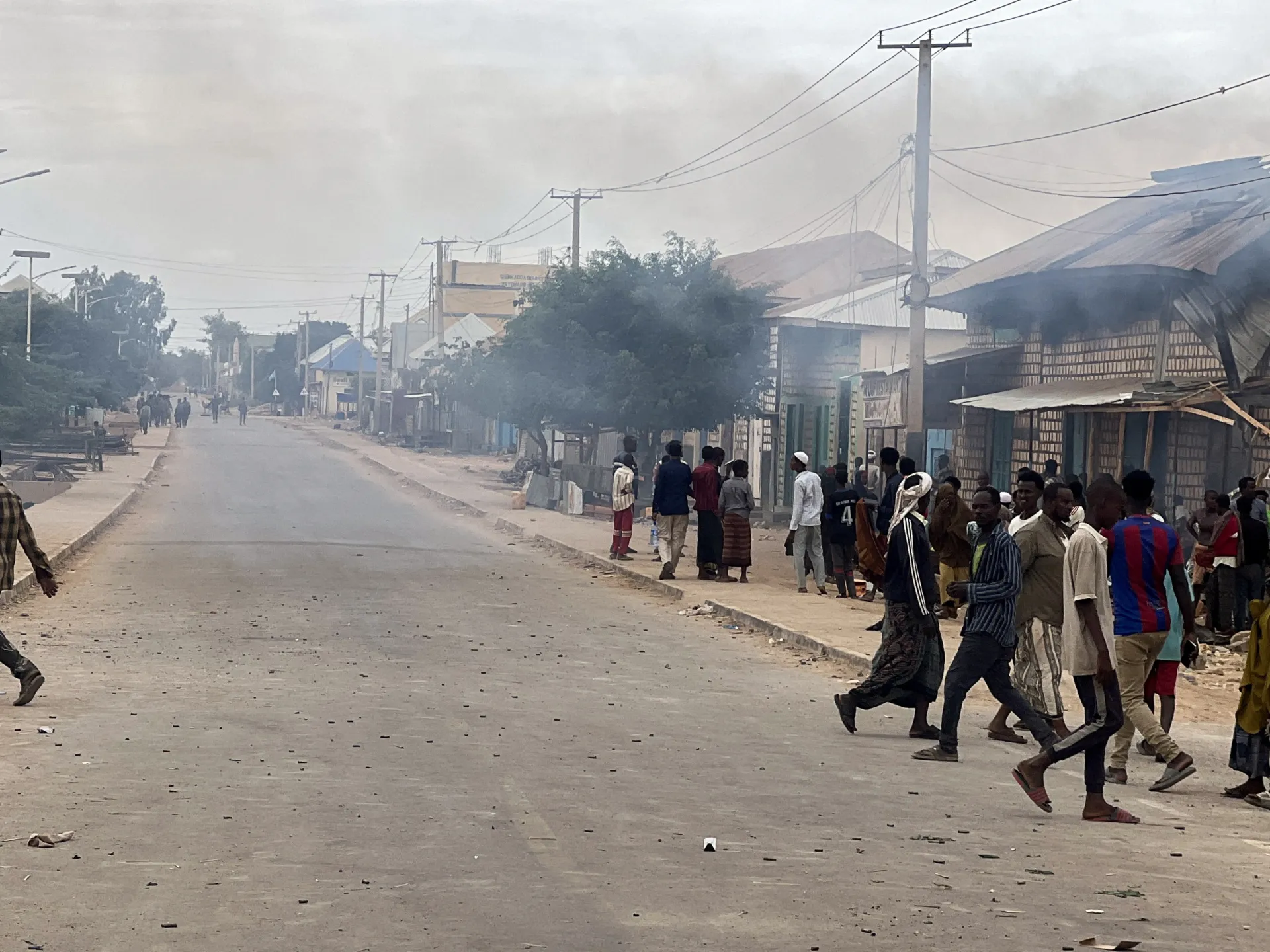
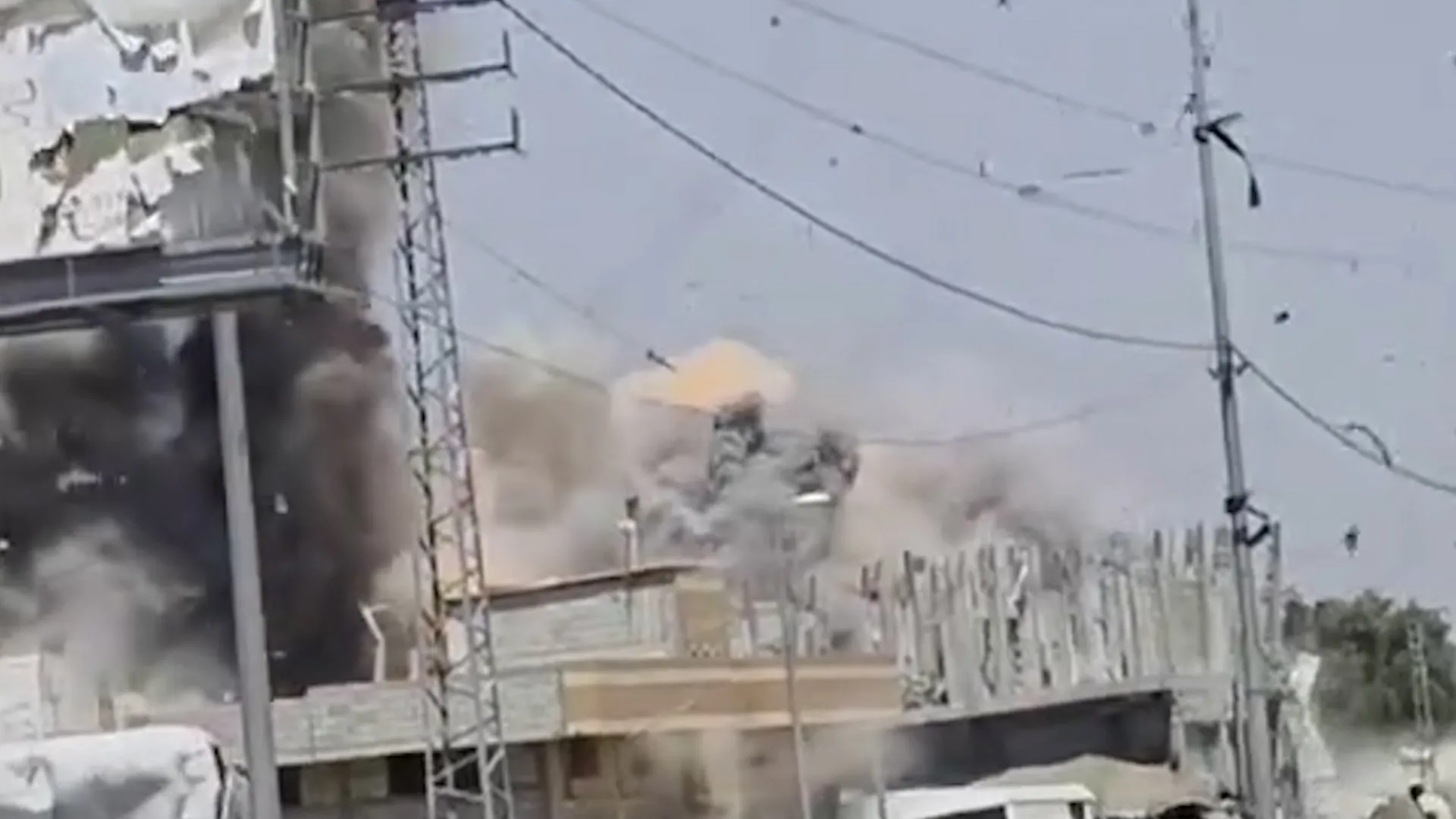
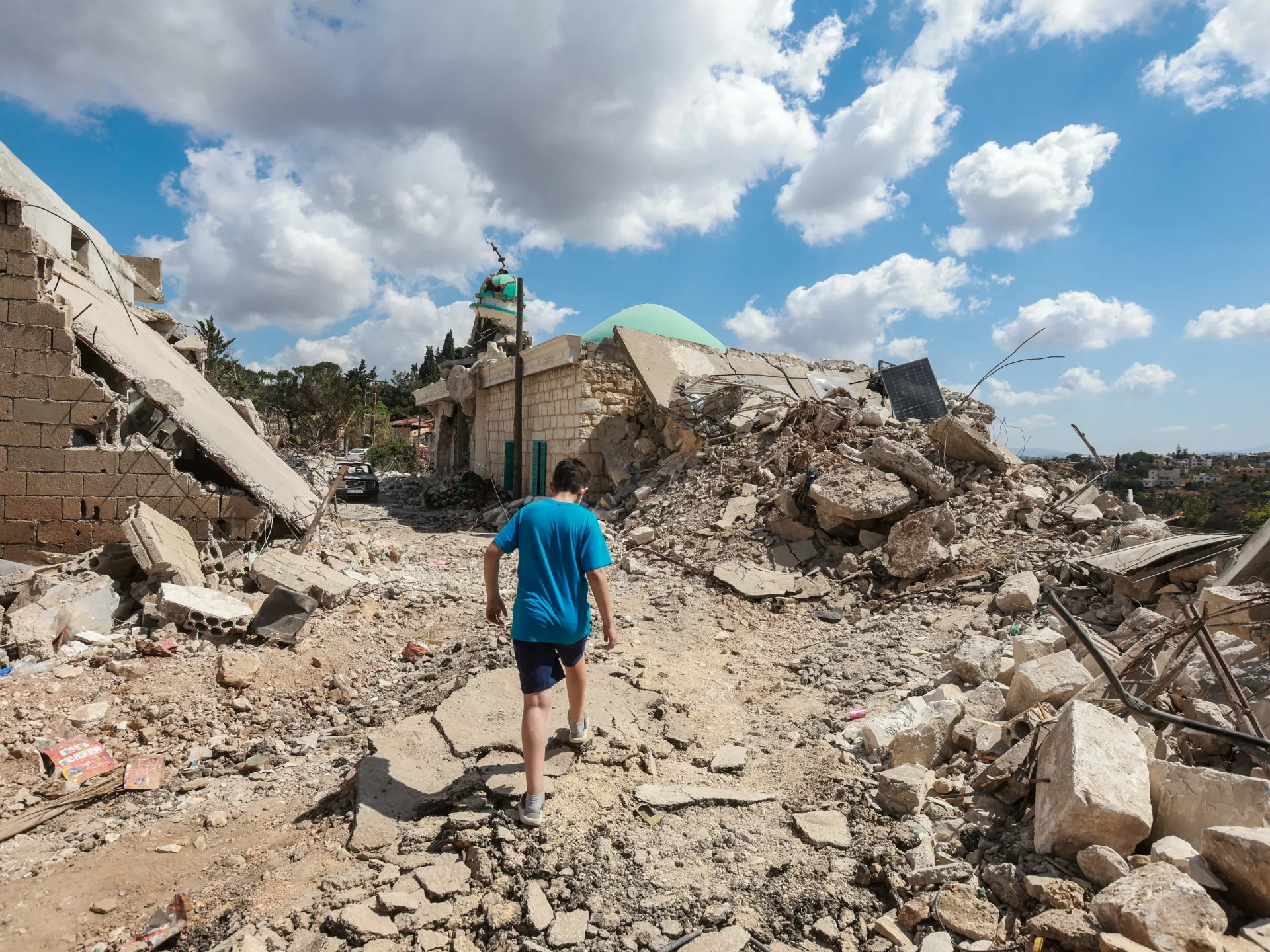
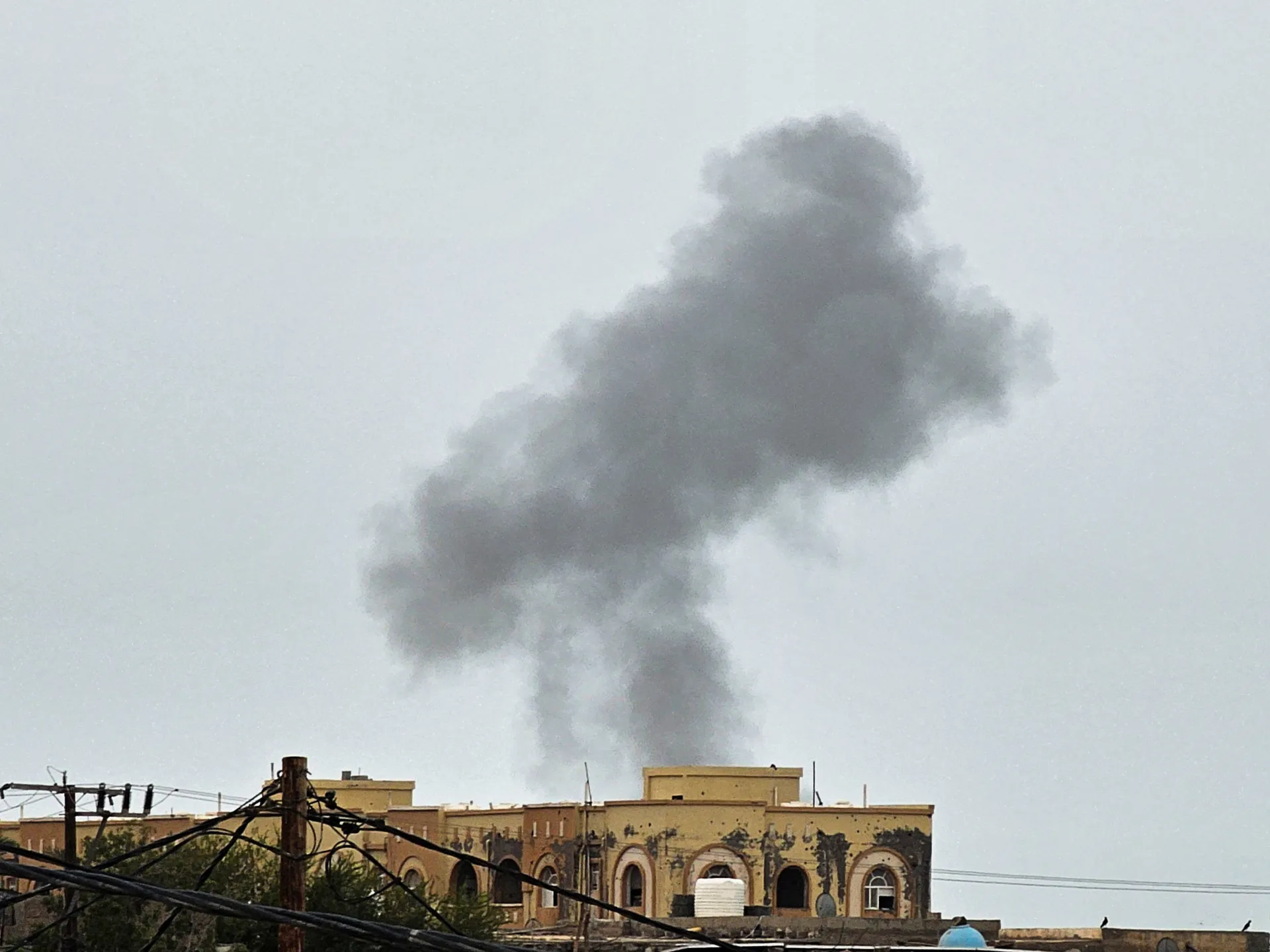
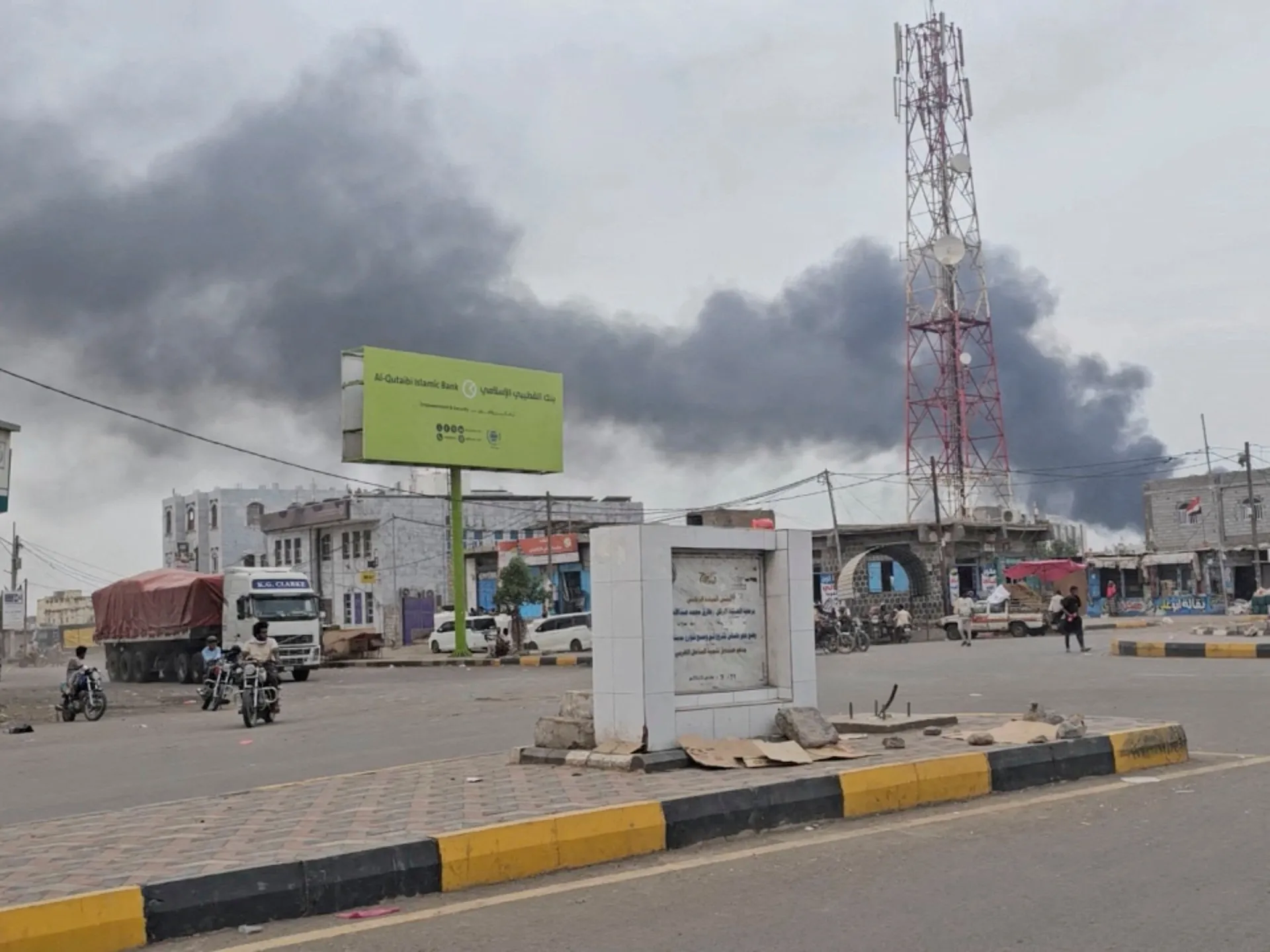
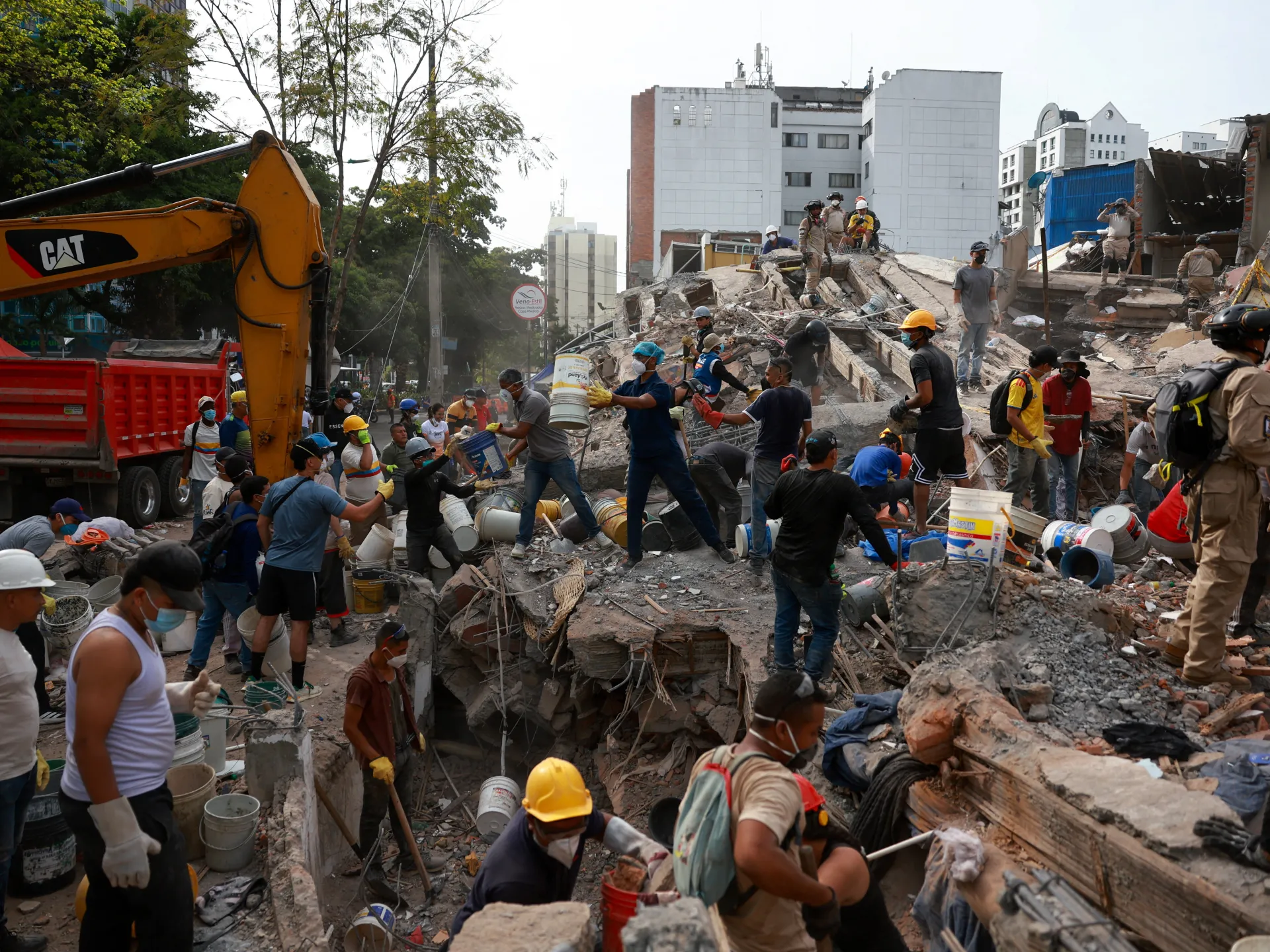
The International Organization for Migration reports that approximately two million people have returned to Khartoum since the Sudanese army secured the capital in March 2025. Despite this movement, the city they have returned to is largely a shell of its former self. Residents face a landscape scarred Khartoum state spokesperson Altayeb Saadeldin, have explicitly blamed the ongoing power blackouts on drone attacks and the systemic theft of infrastructure components, such as copper wiring and fuel. Conversely, sources within the Rapid Support Forces (RSF) have dismissed these claims as military propaganda.
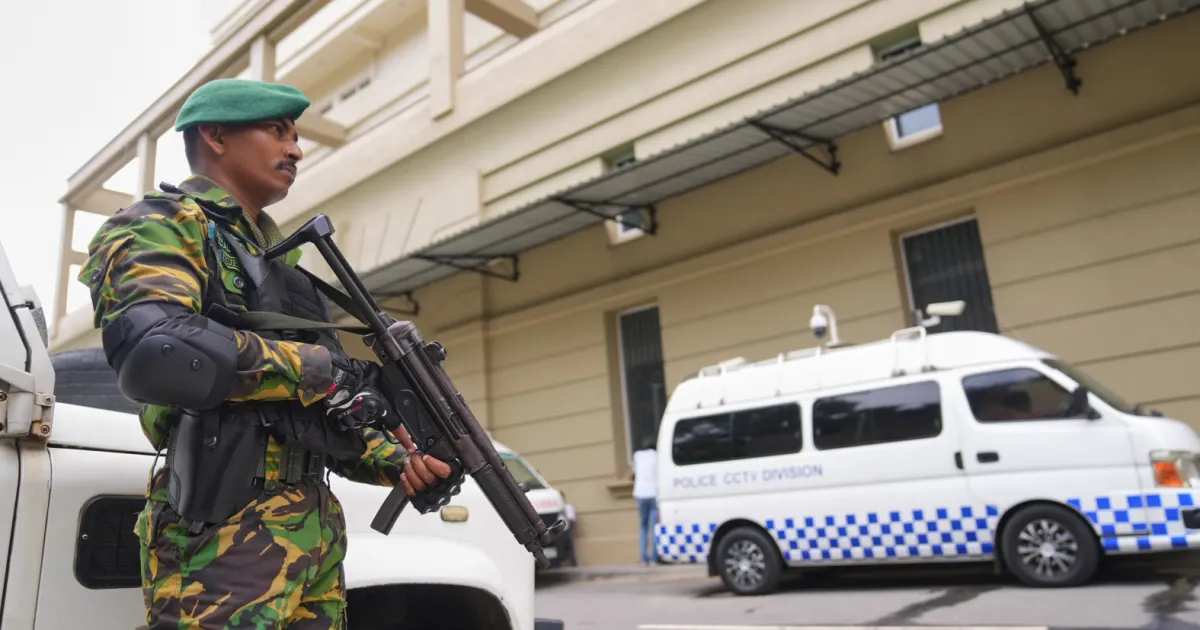
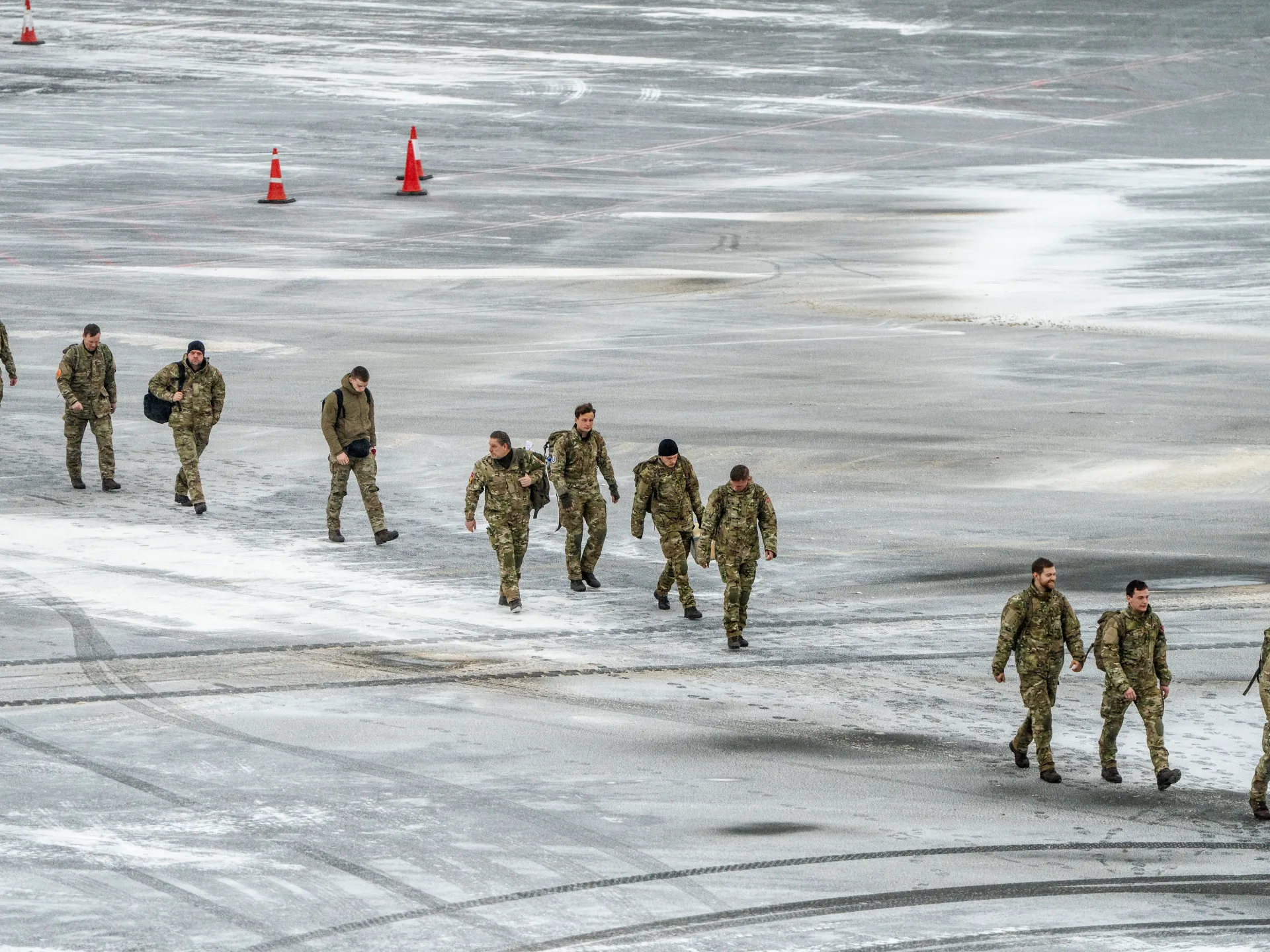
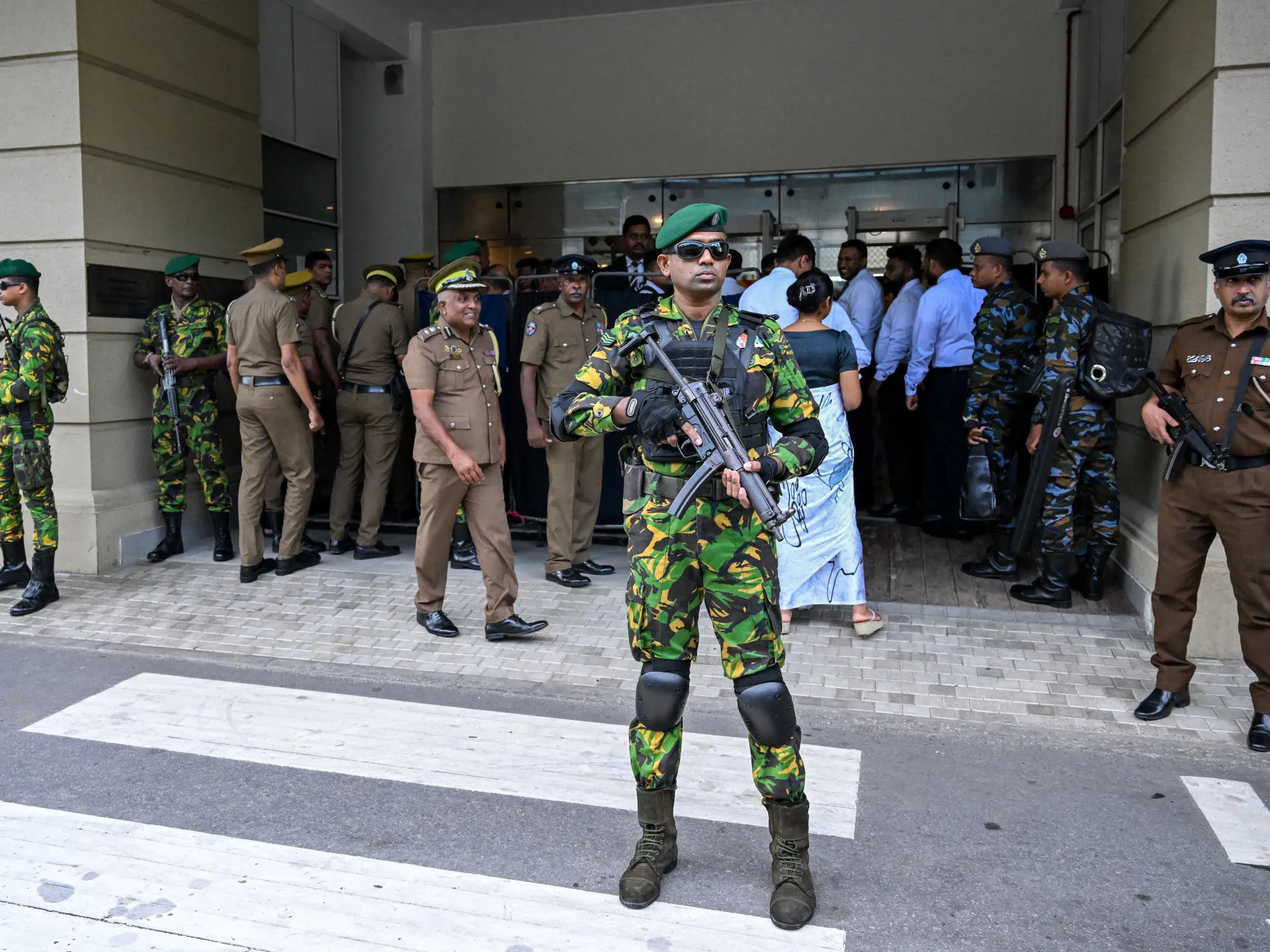
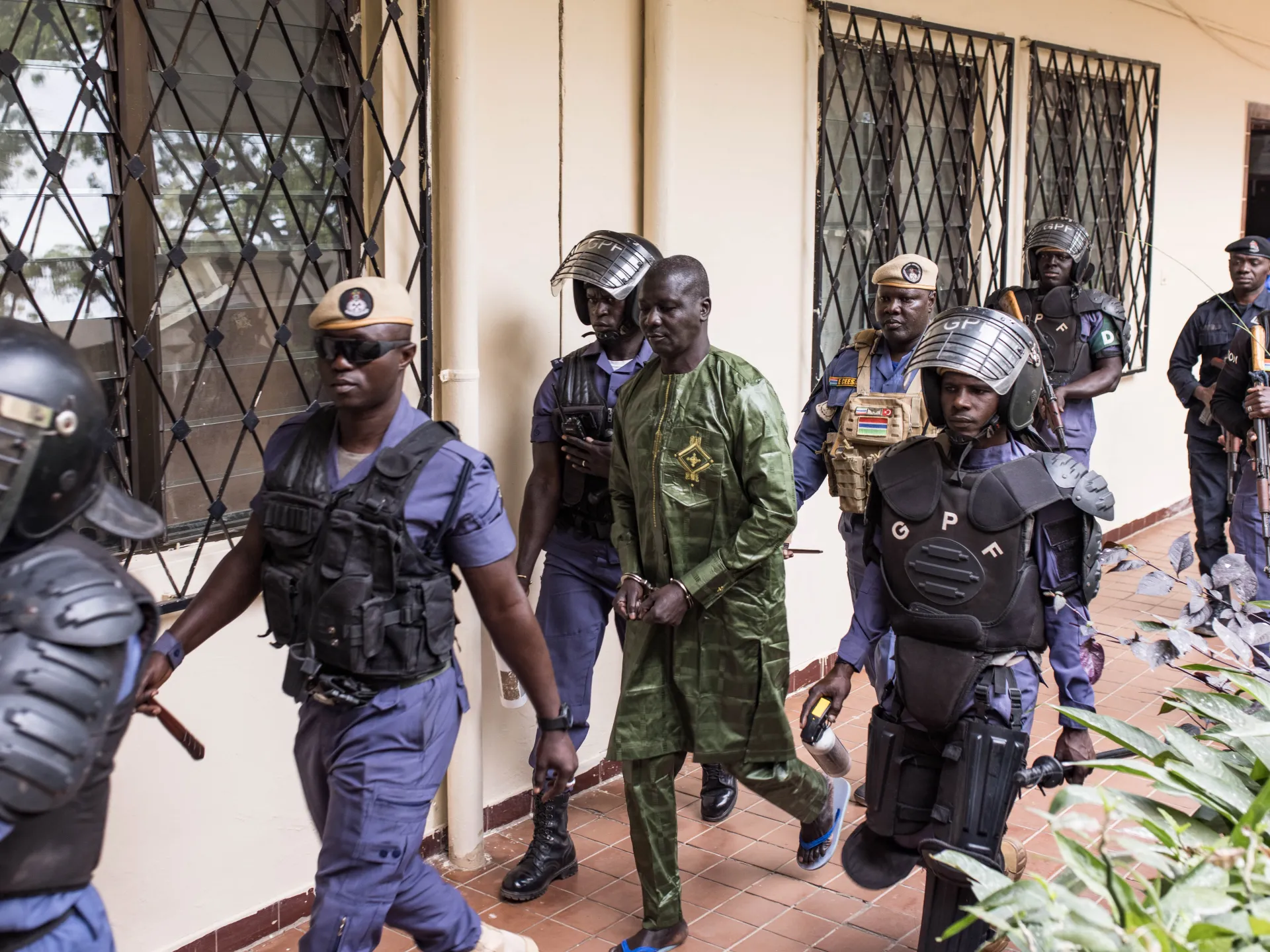
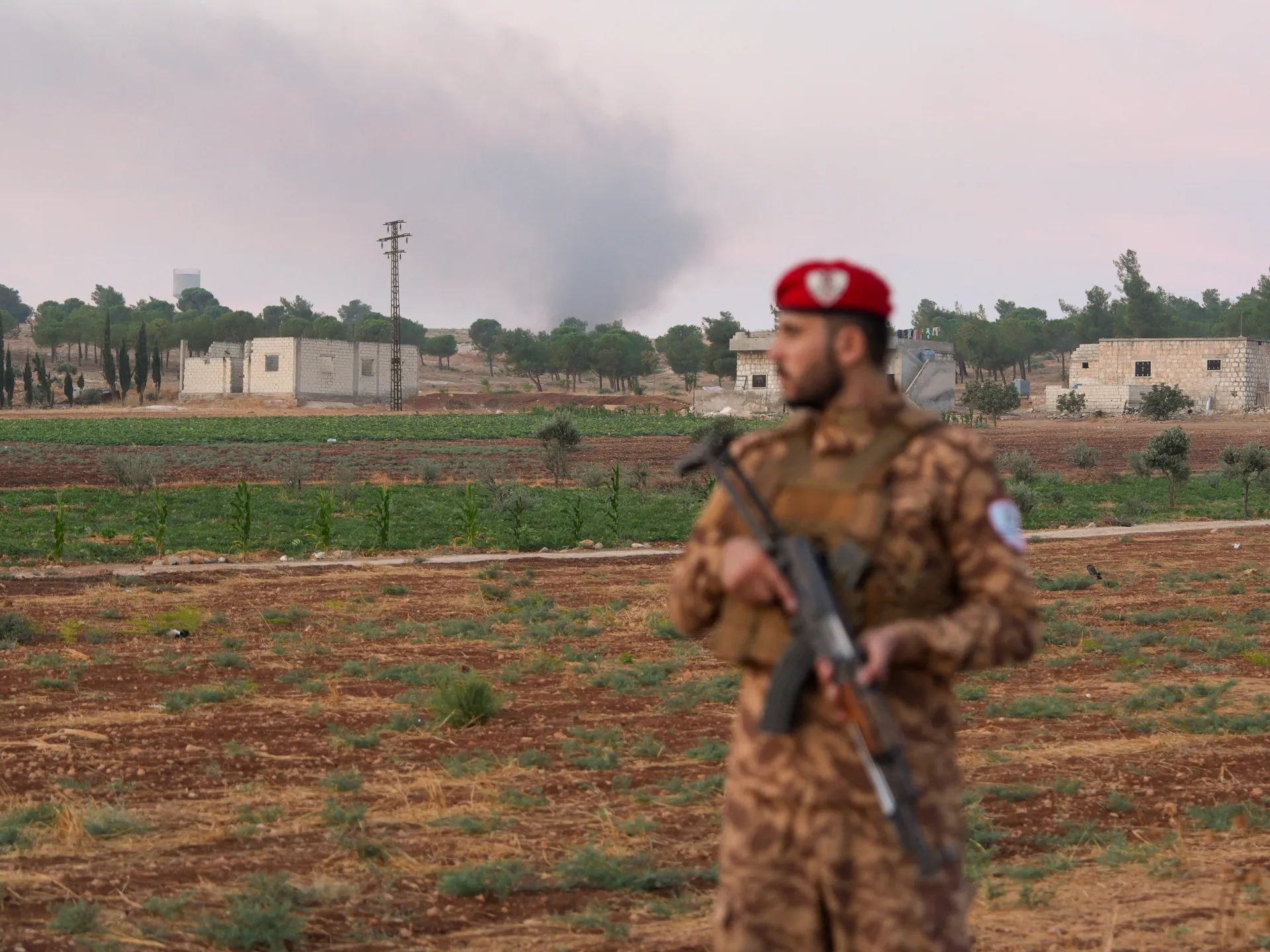
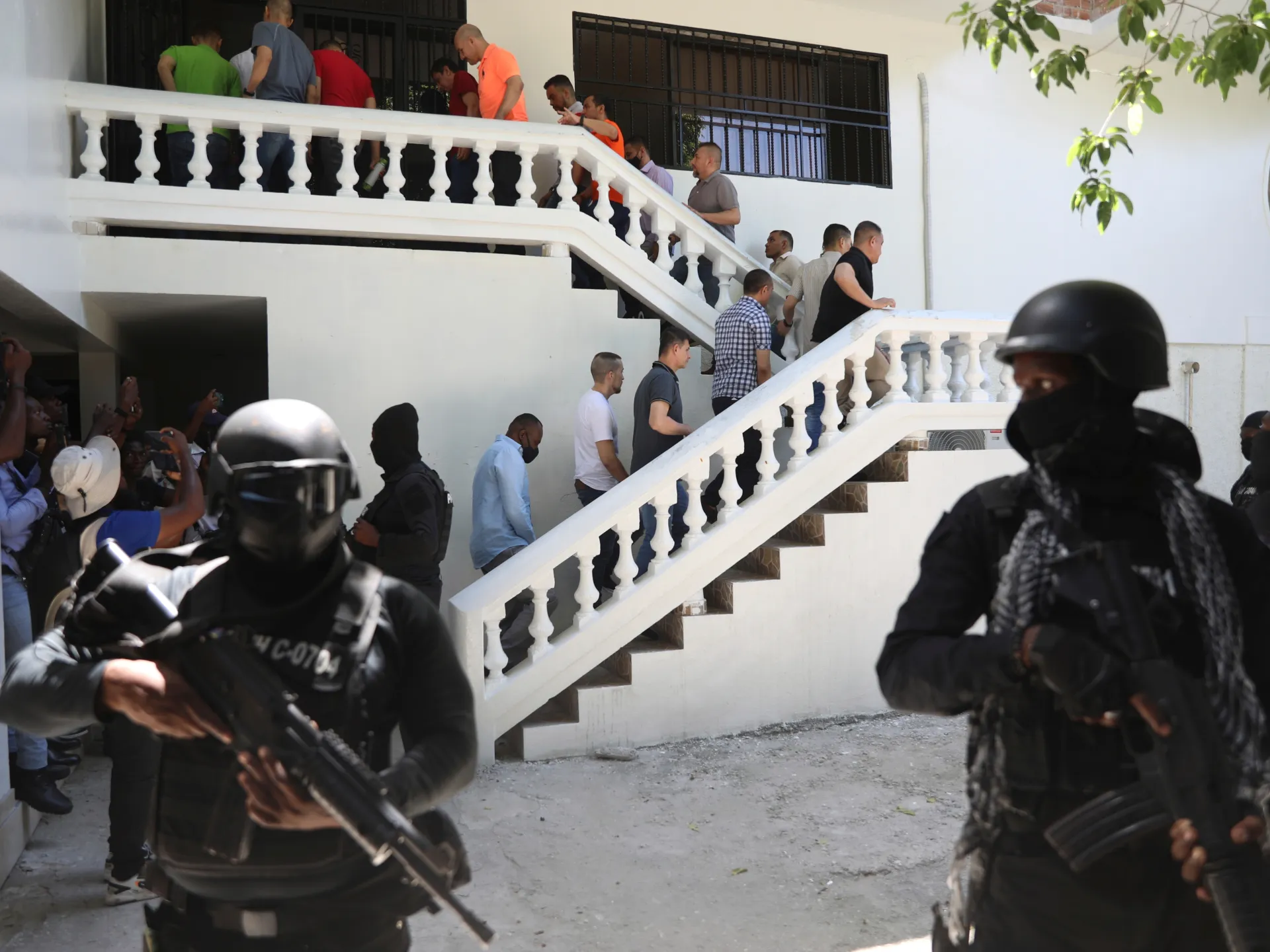
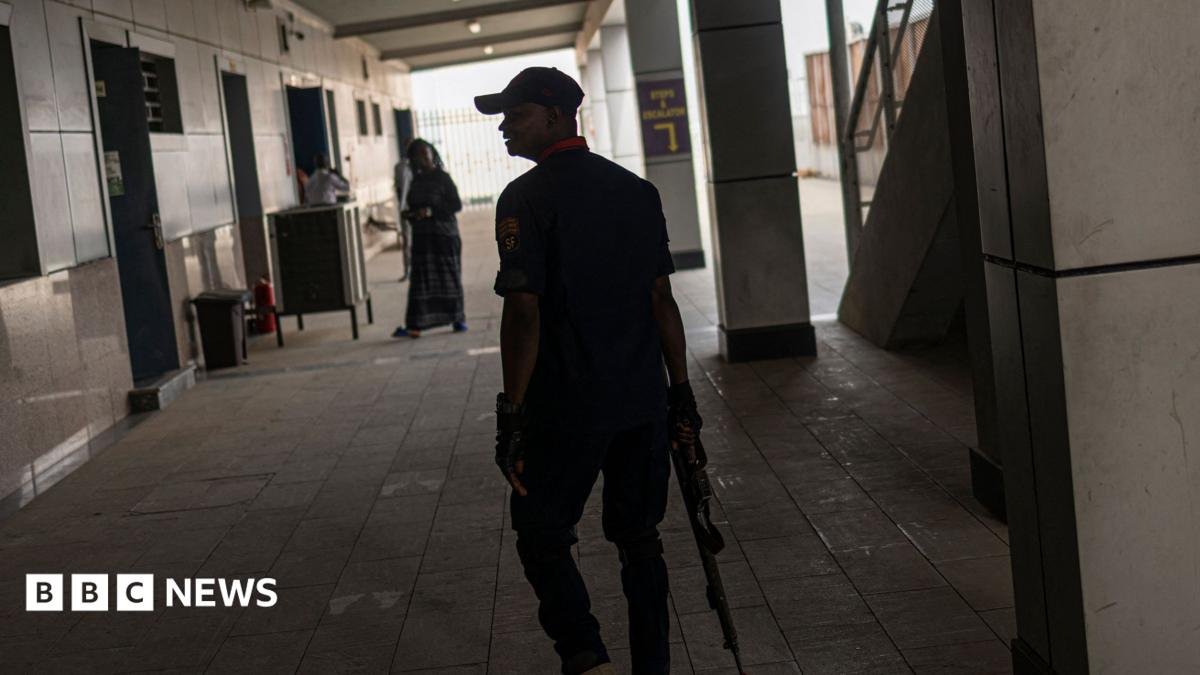
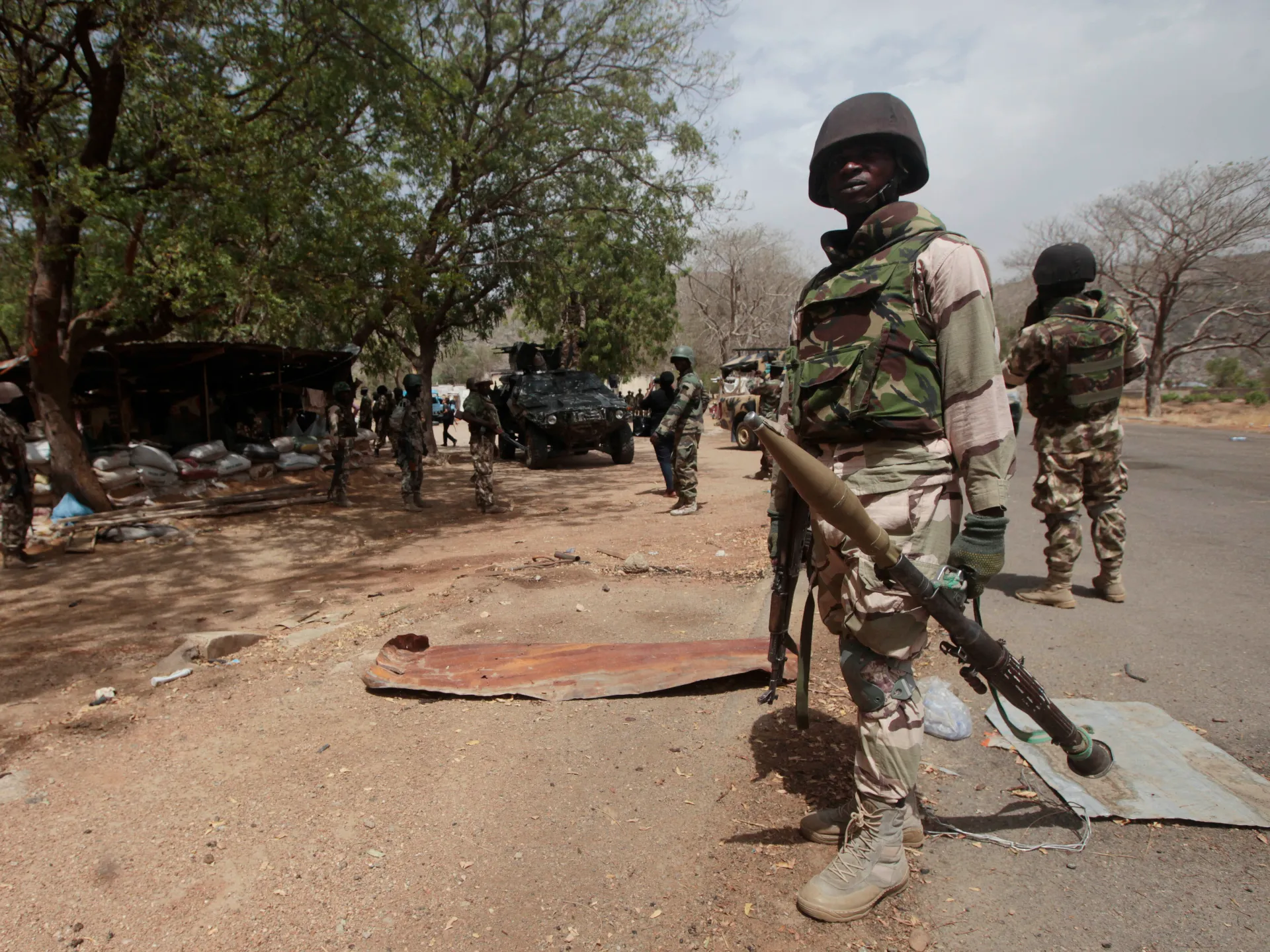
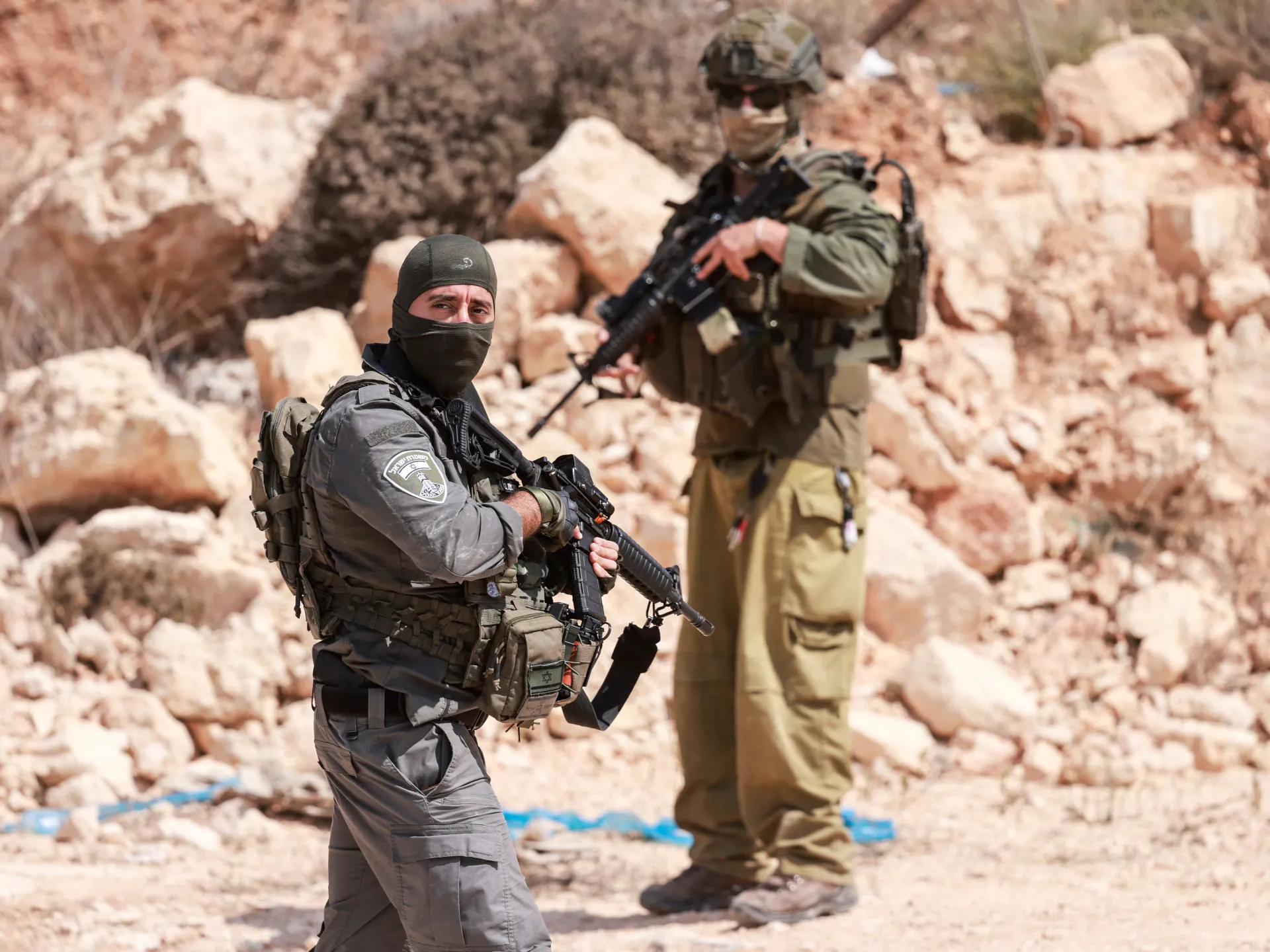
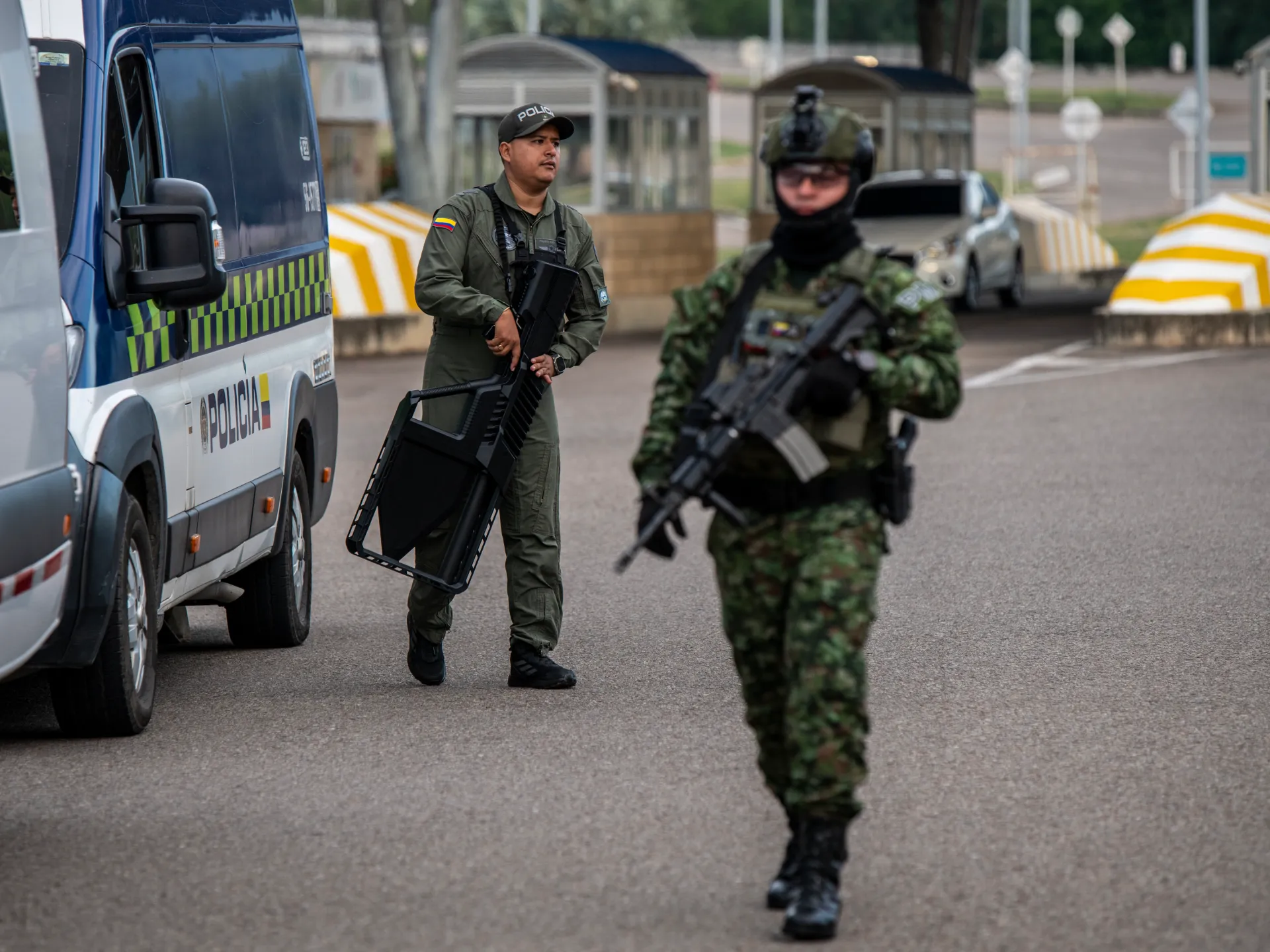
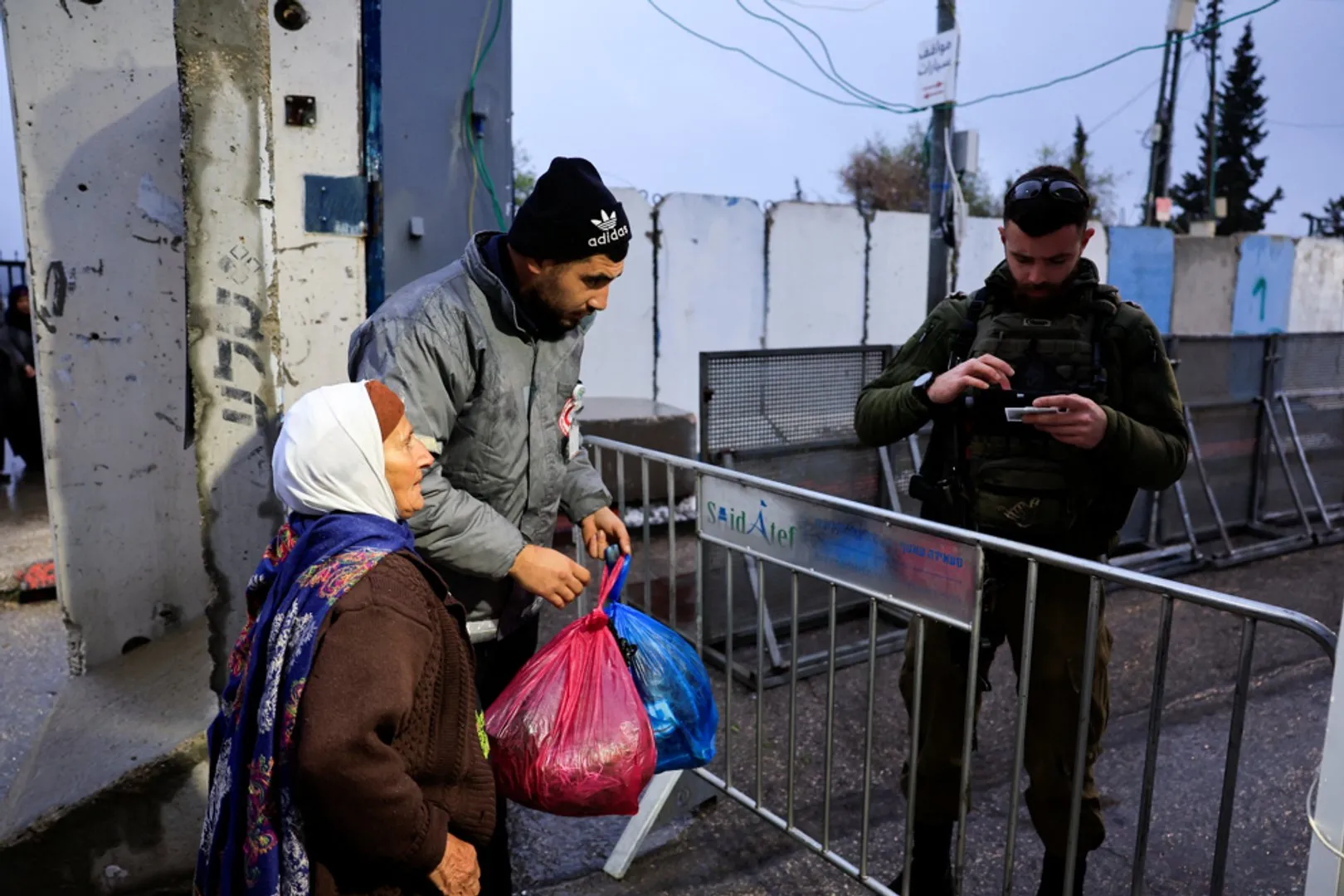
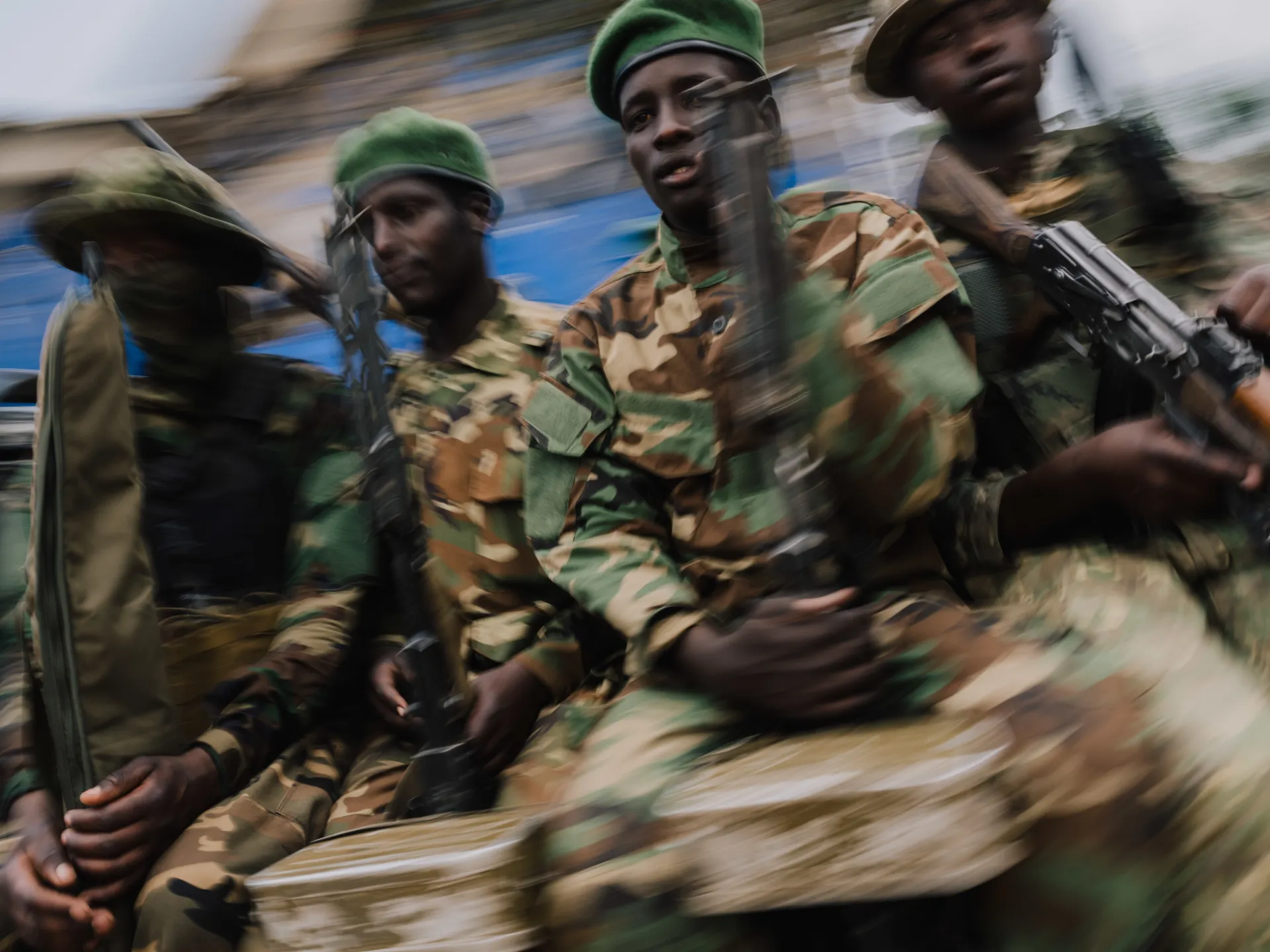
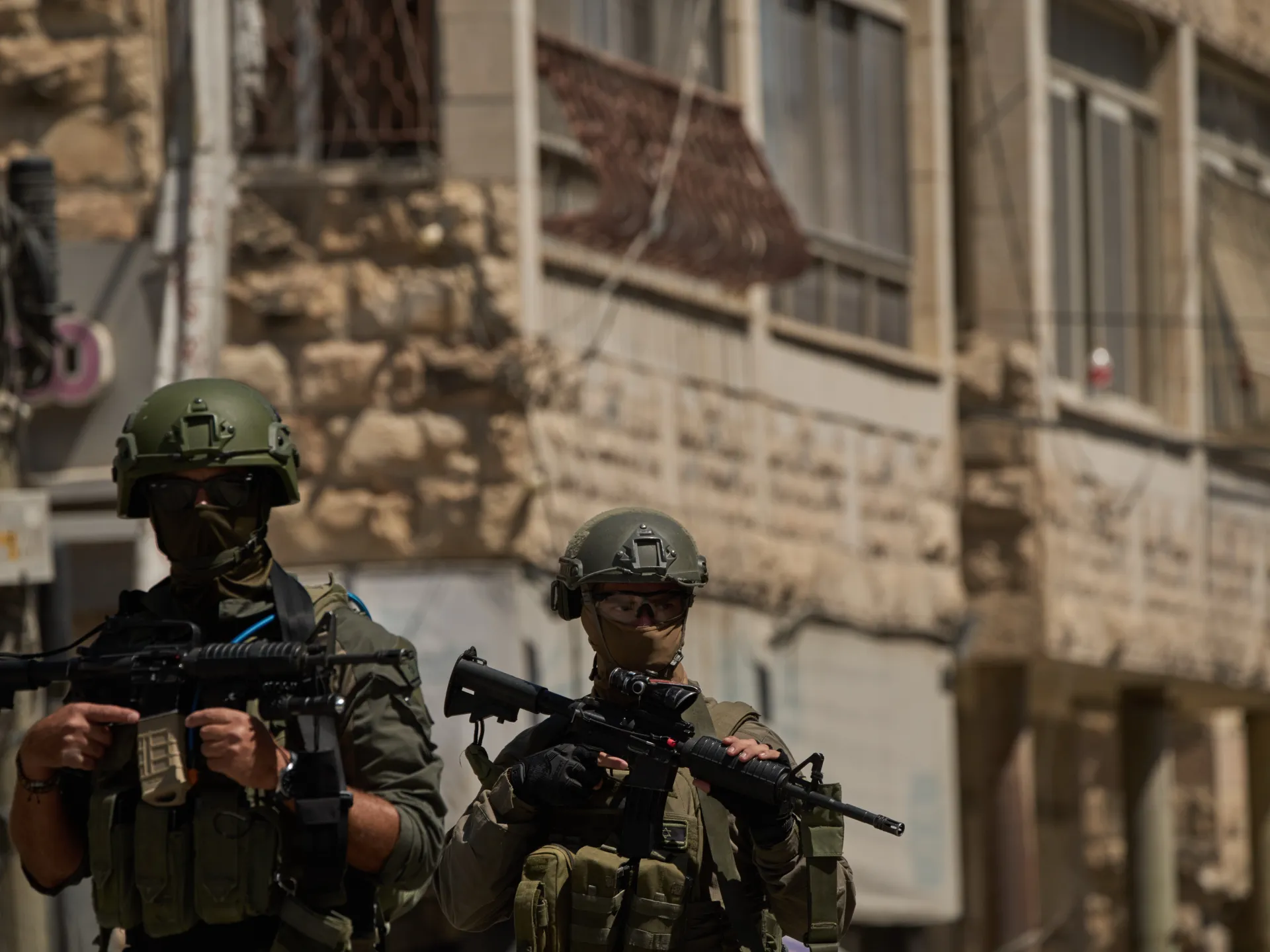
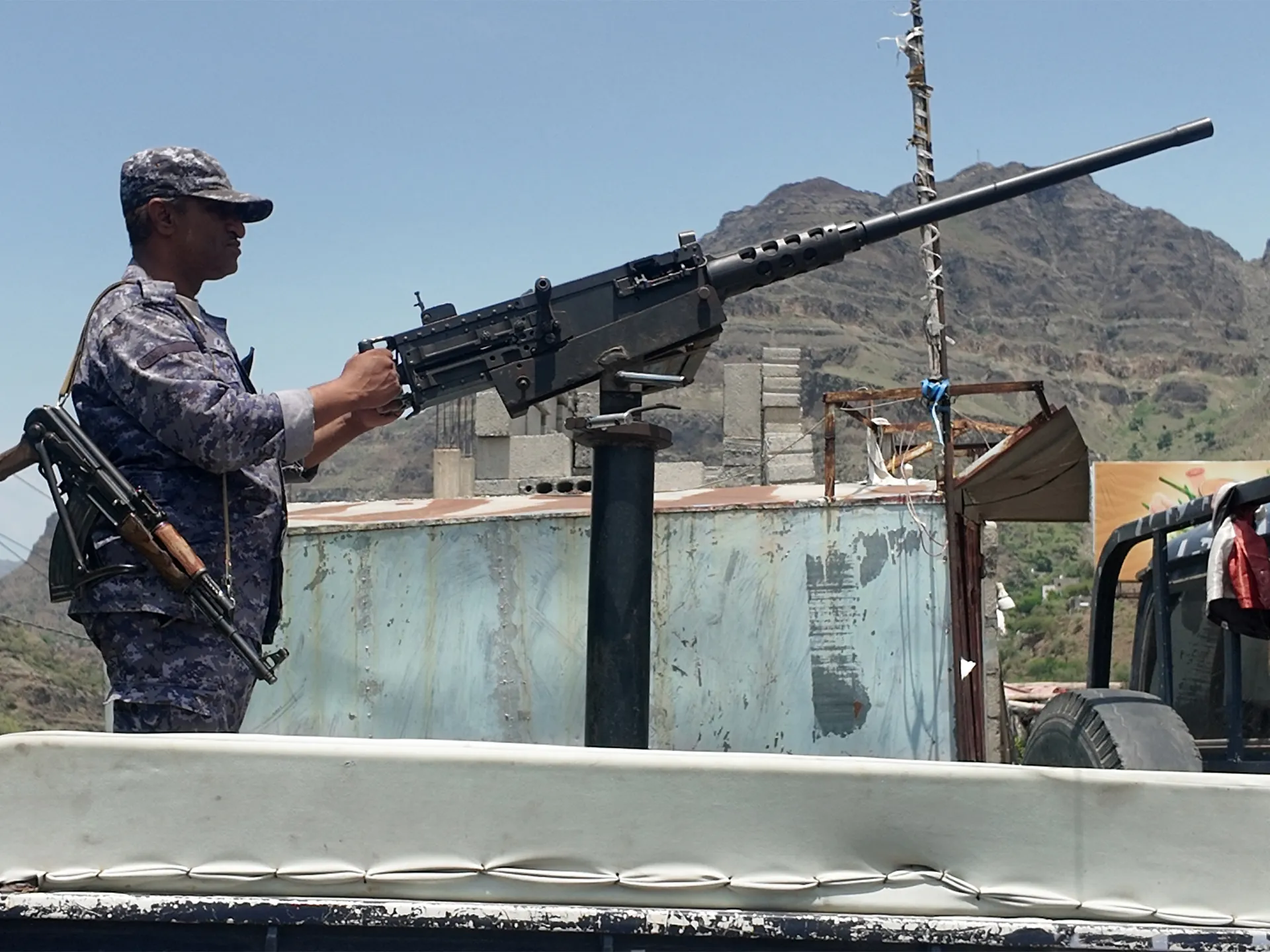
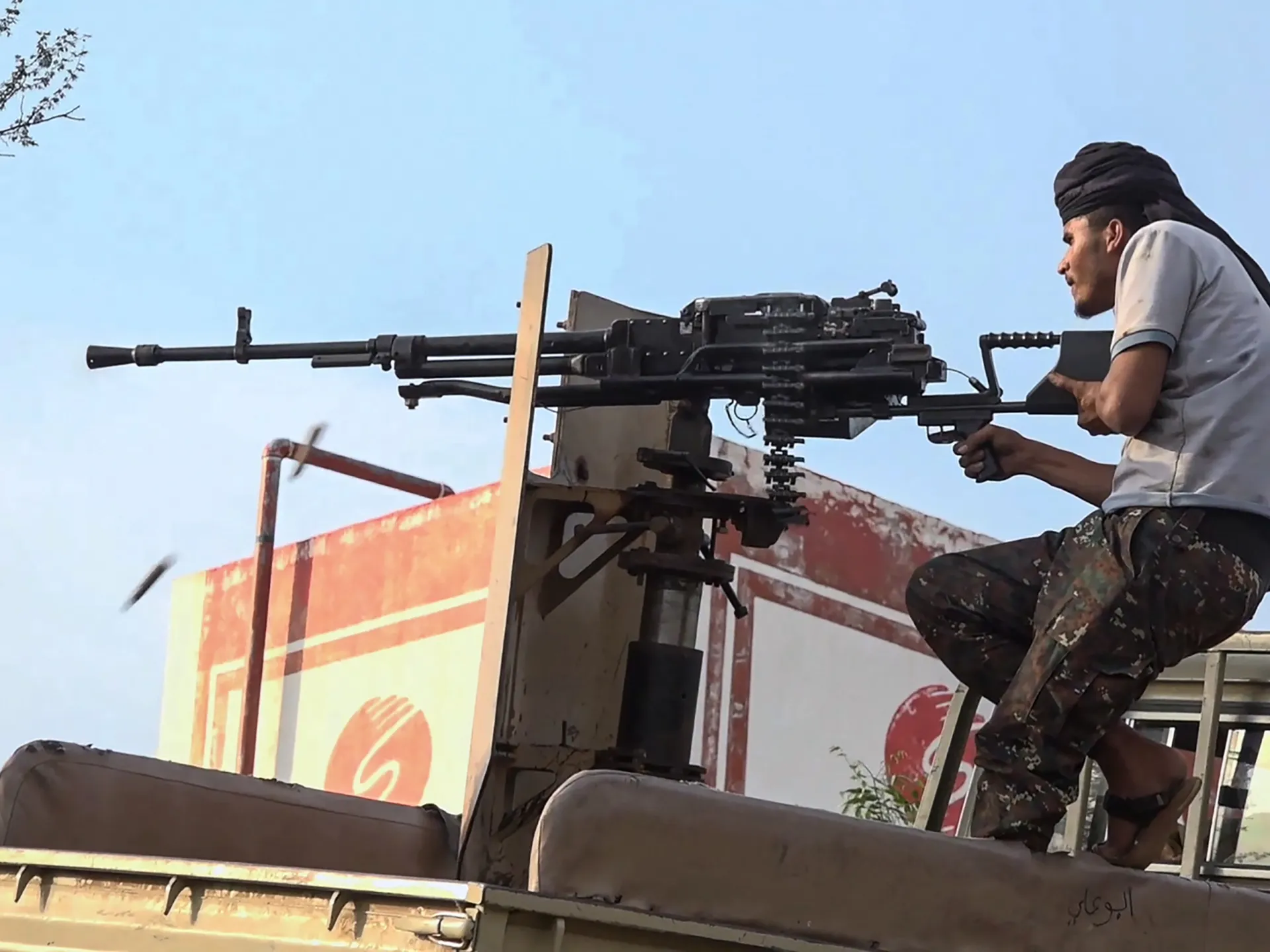
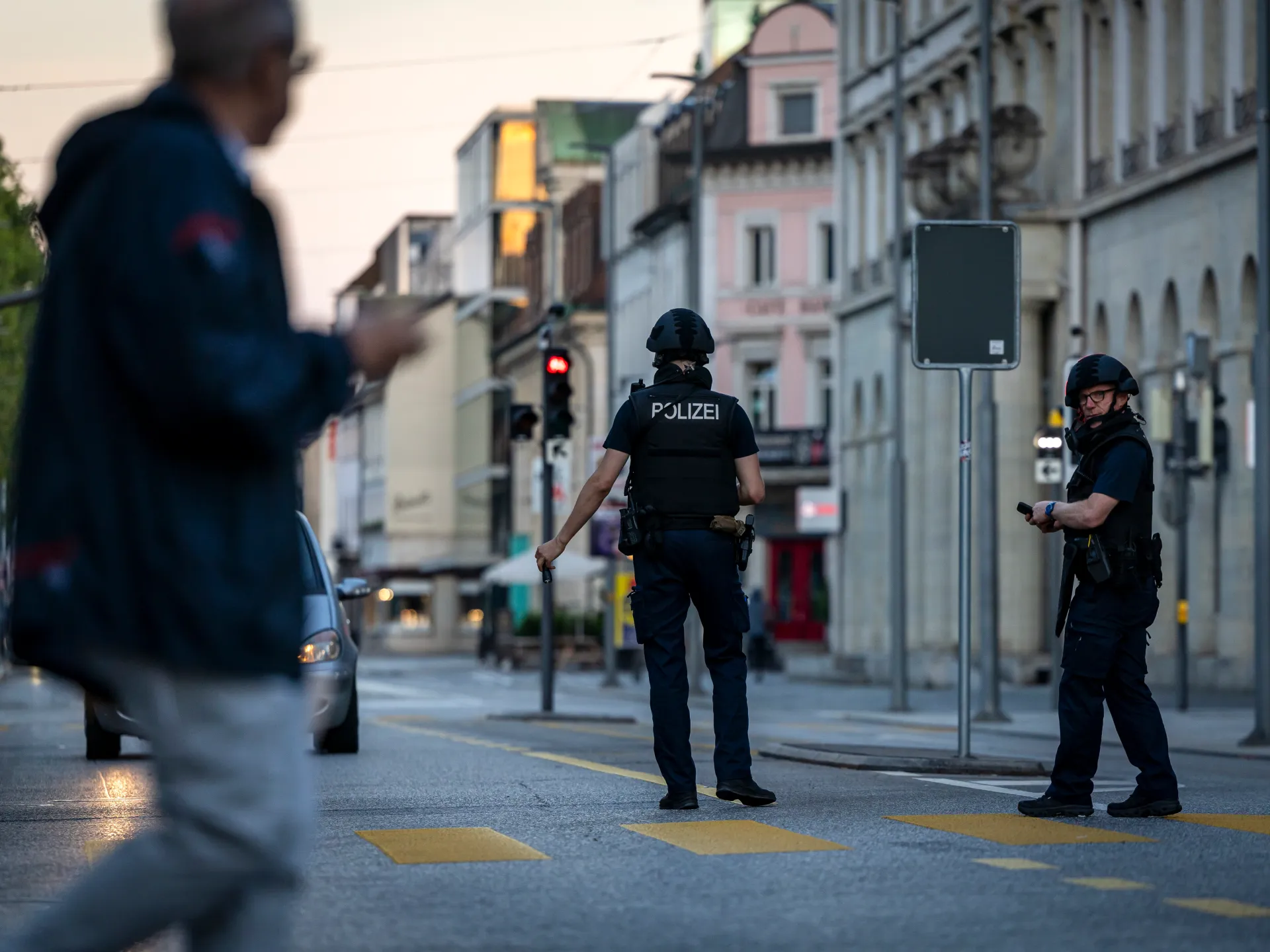
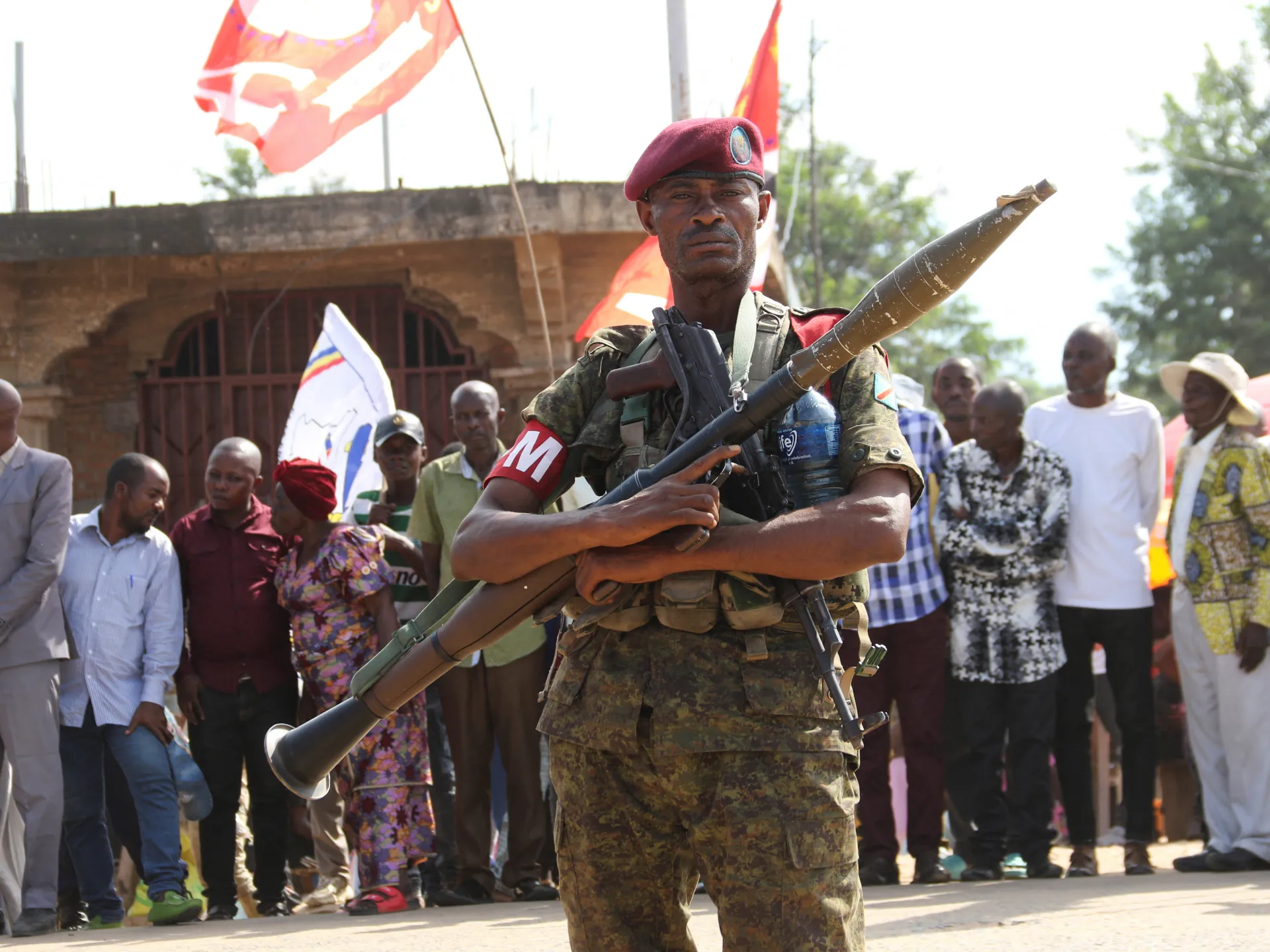
While the state of emergency has been lifted, the military remains hyper-vigilant. Security patrols continue to operate throughout the greater Khartoum area, conducting sweeps for individuals they characterize as RSF sleeper cells or undocumented migrants. The mandate for residents to carry identification at all times serves as a reminder that the transition from a militarized zone to a civilian hub remains highly regulated and monitored.
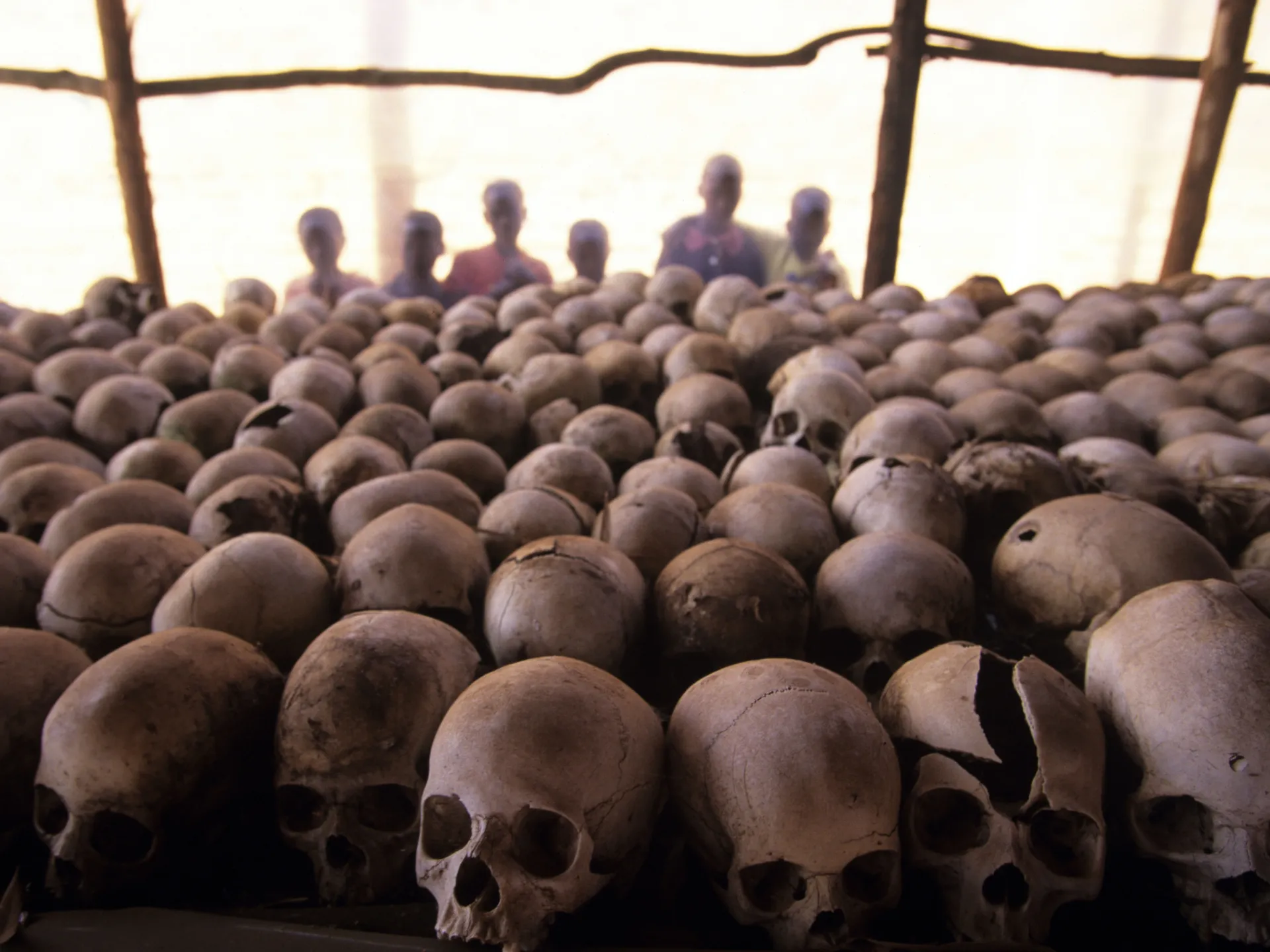
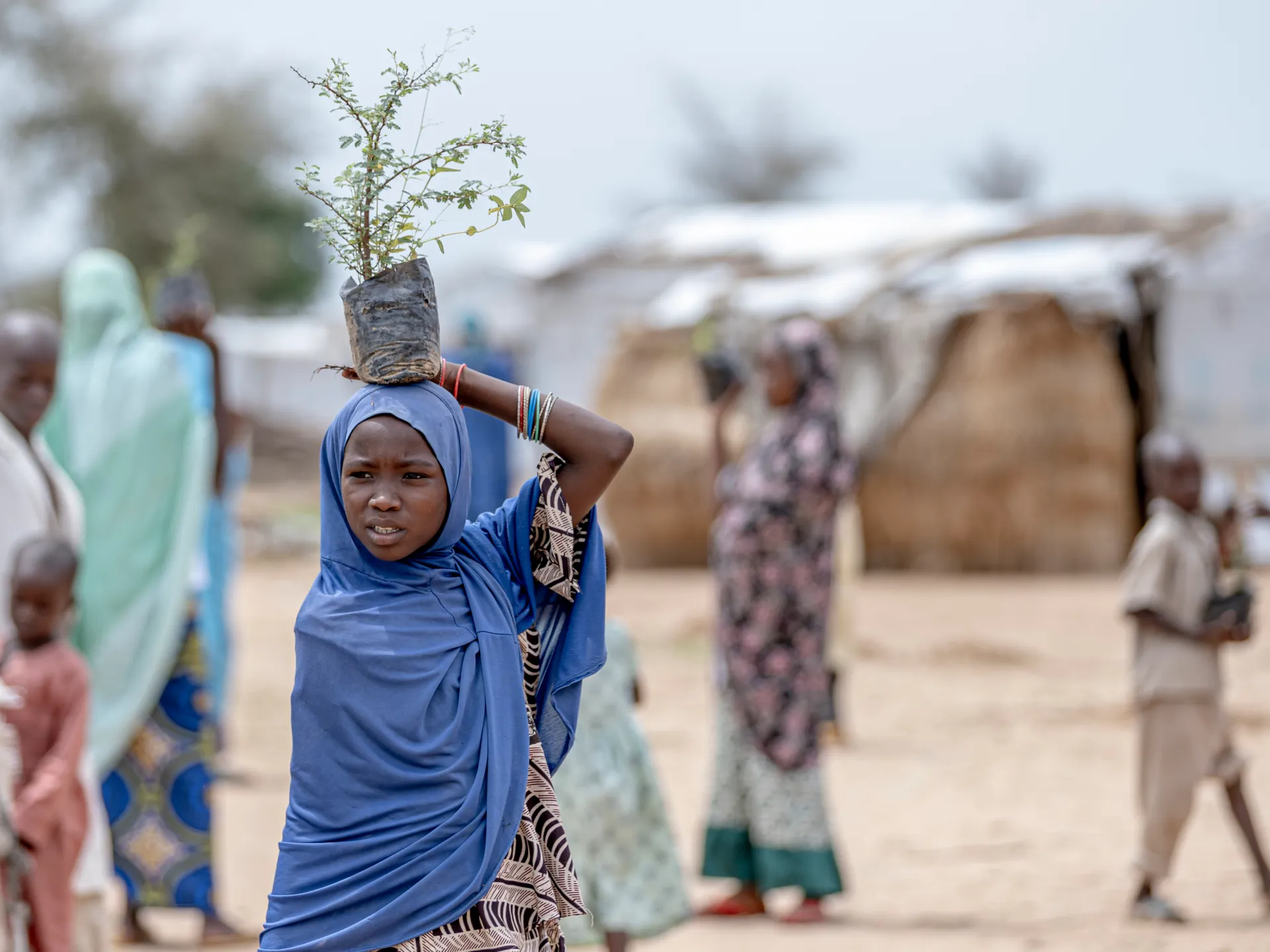
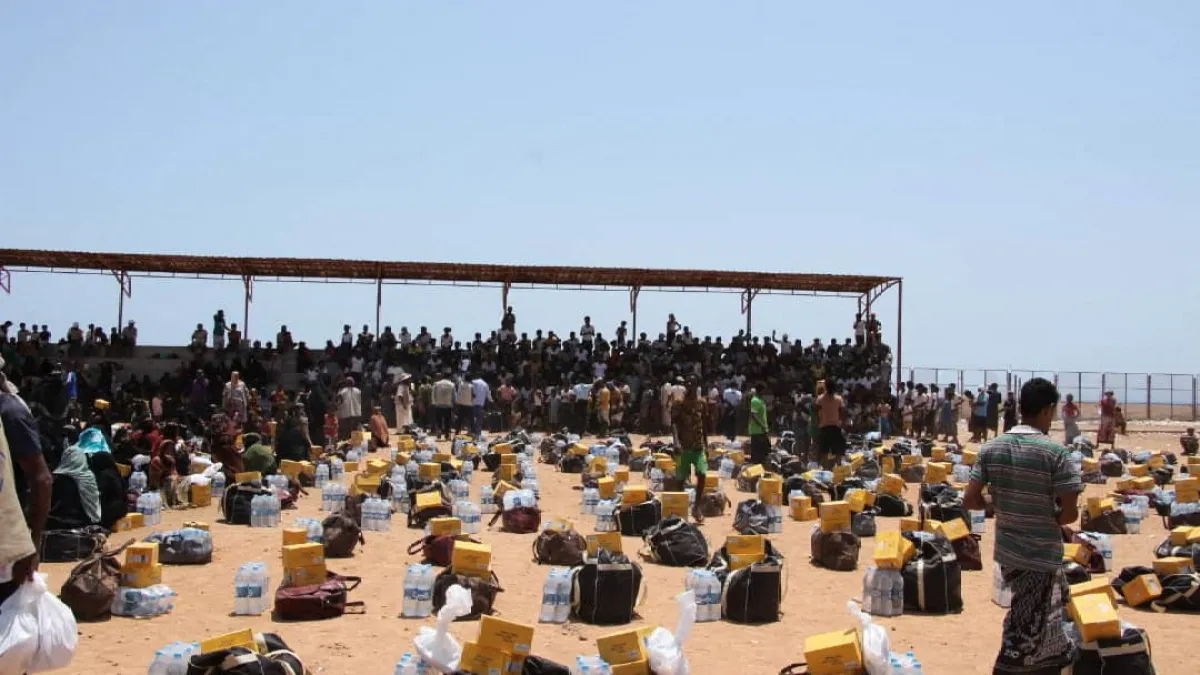
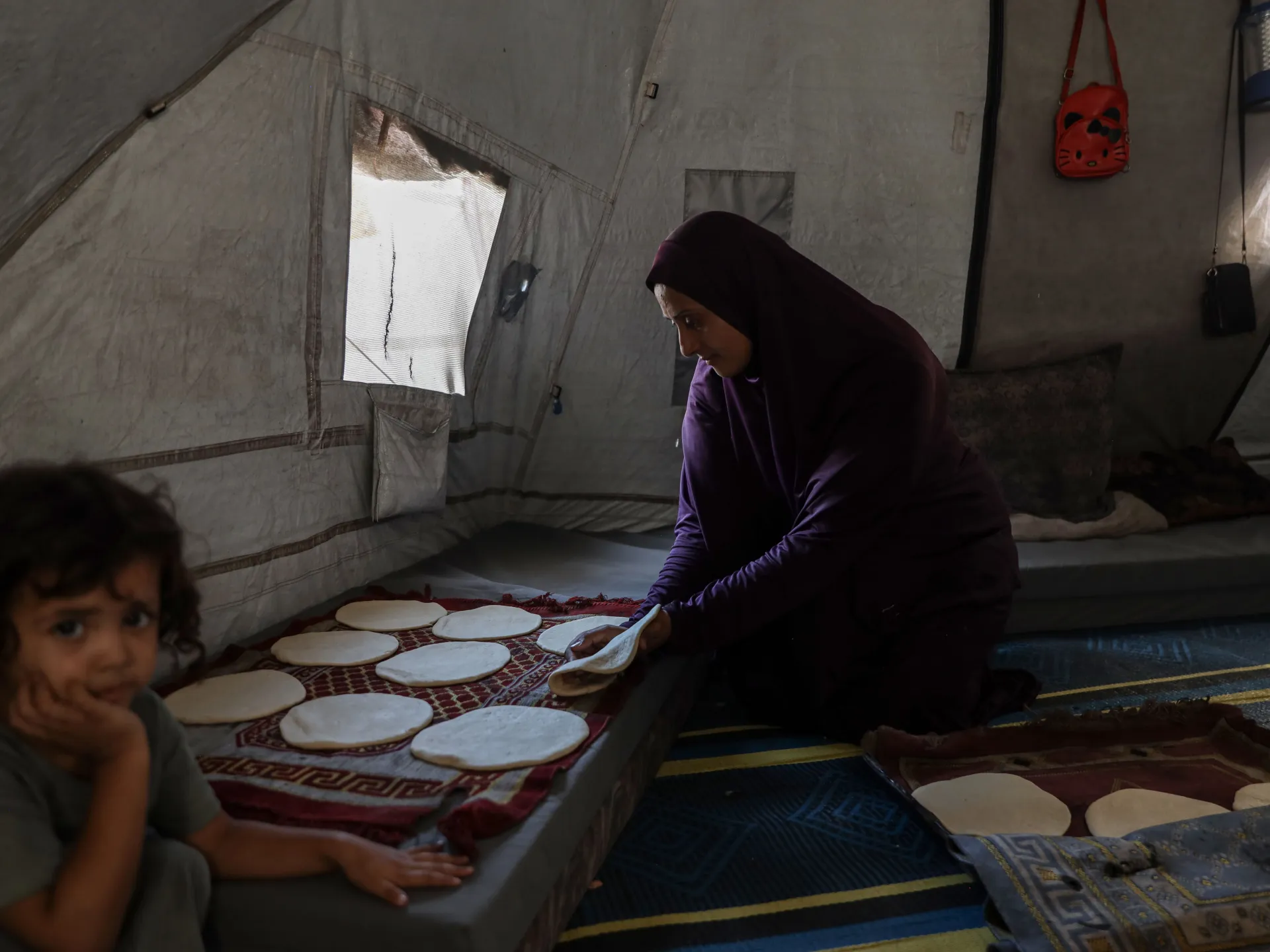
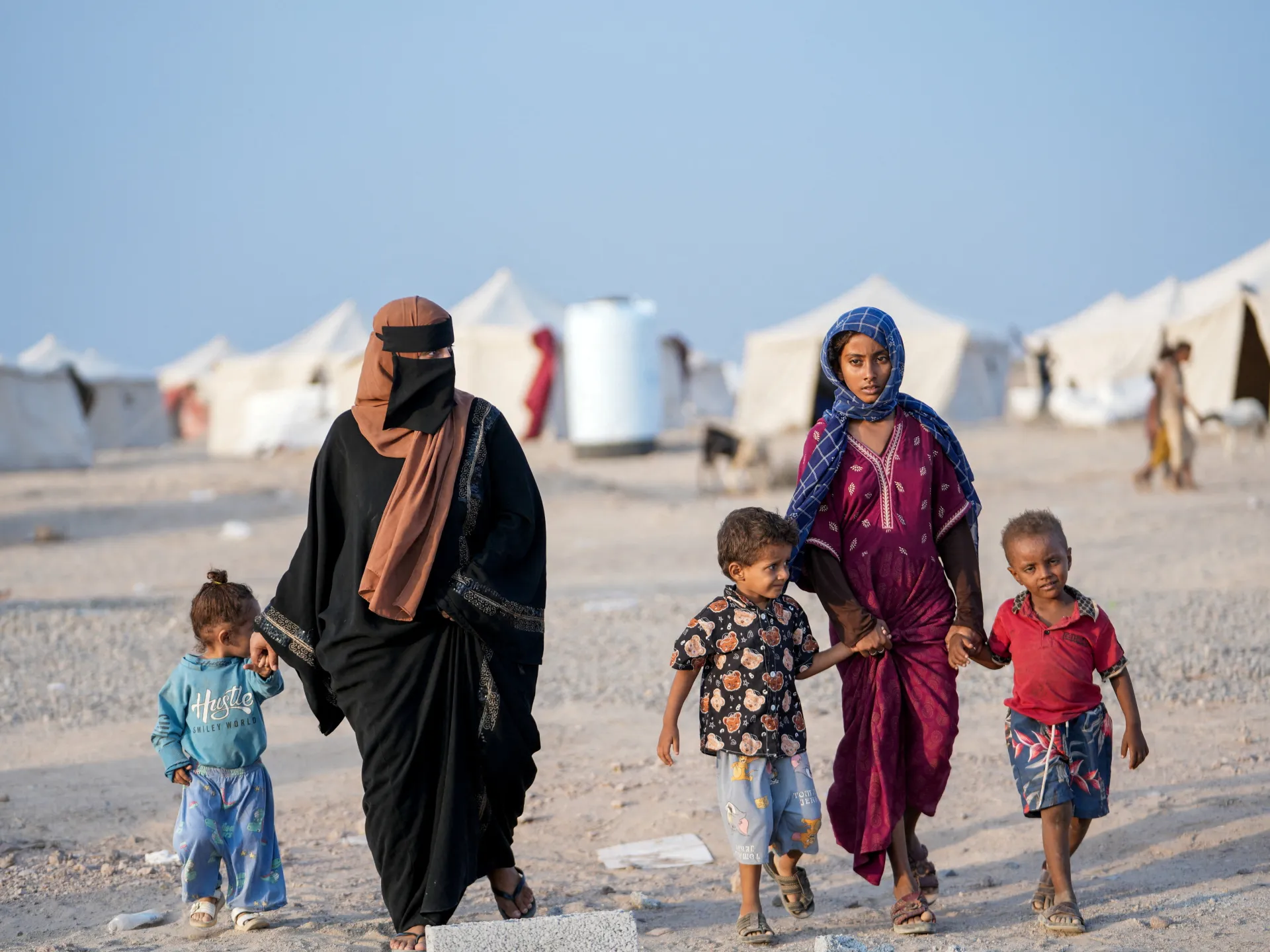
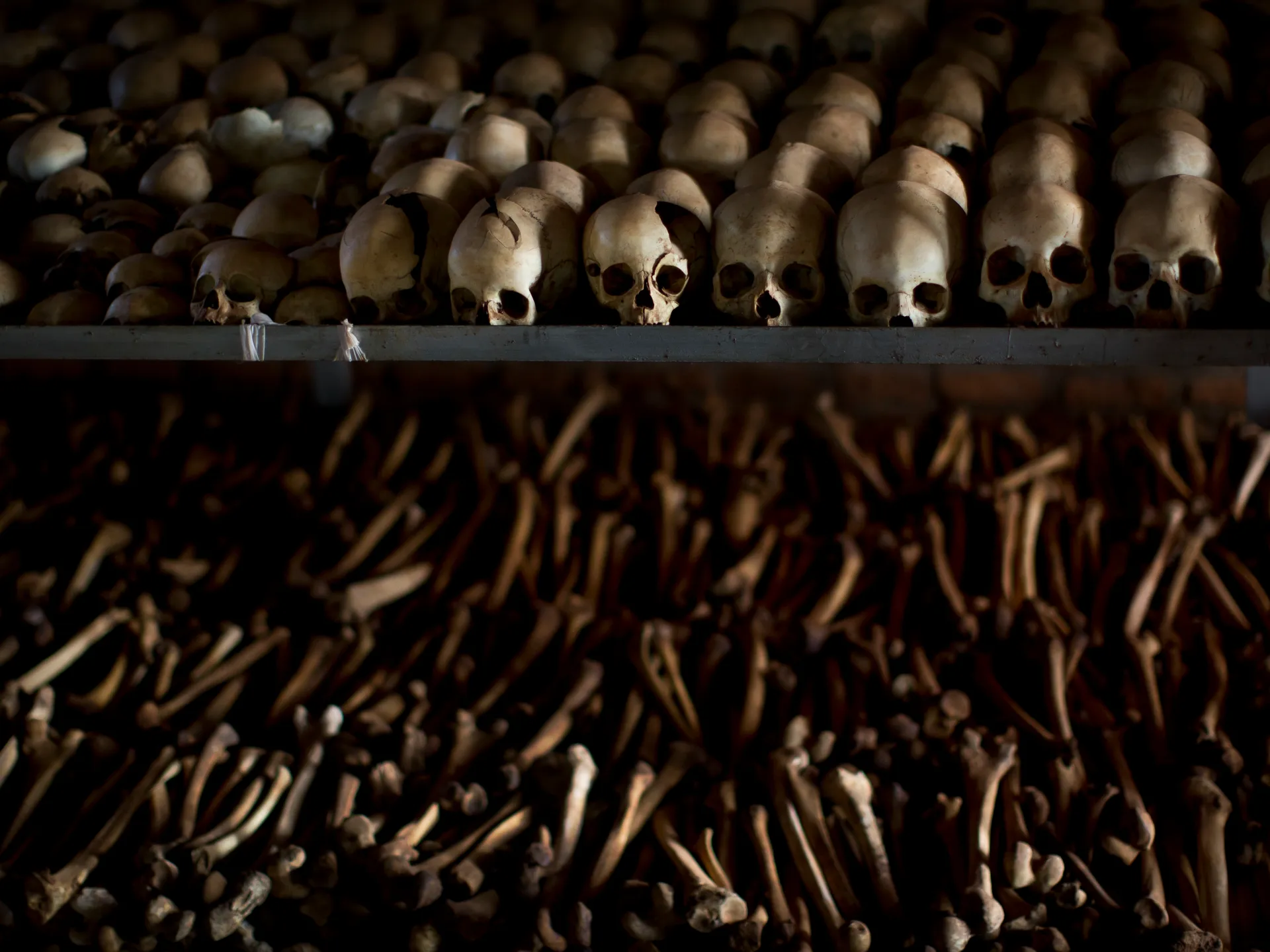
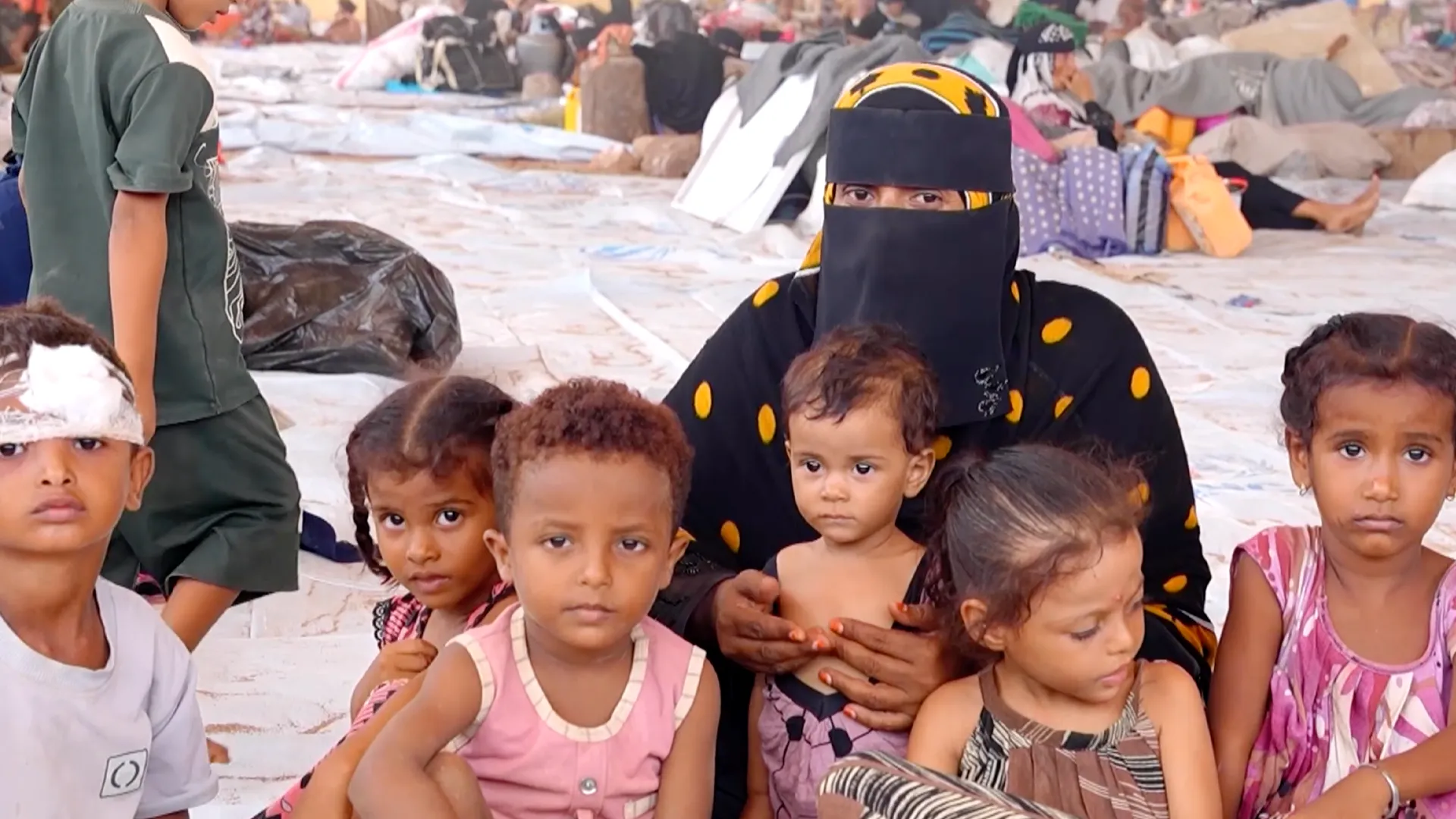
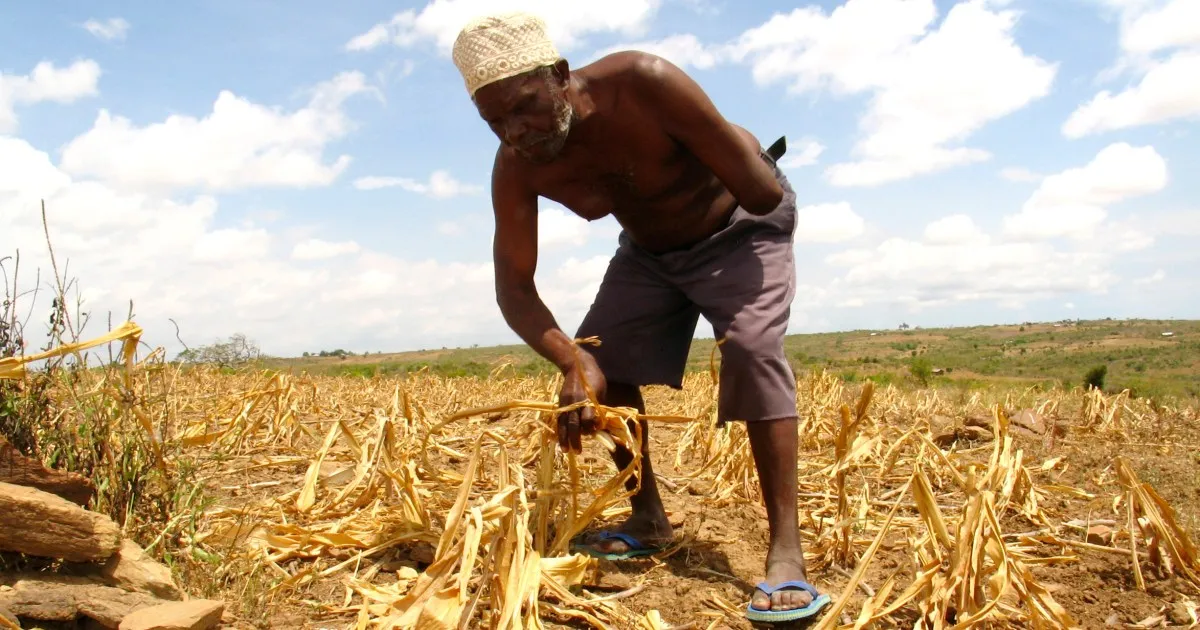
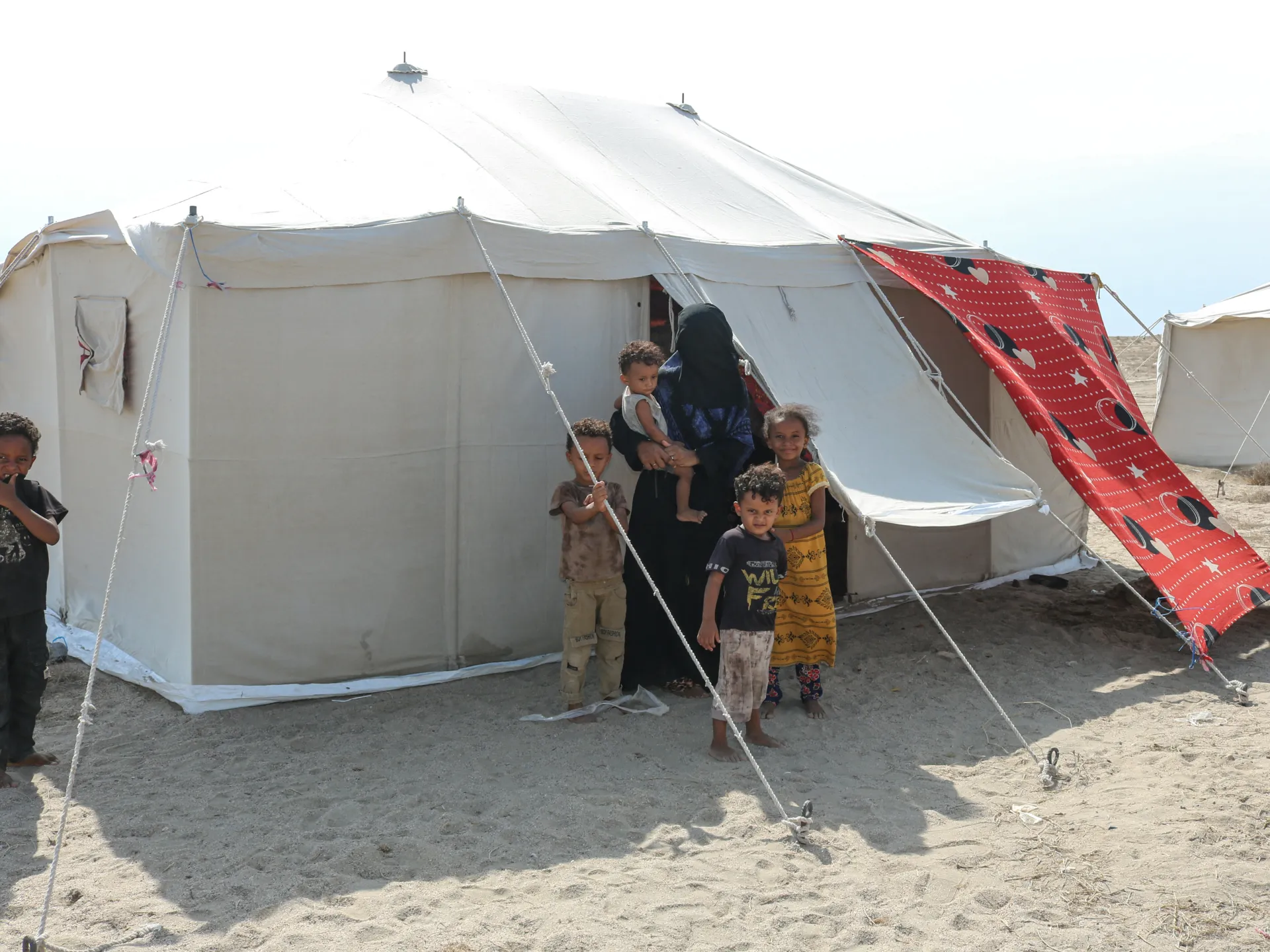
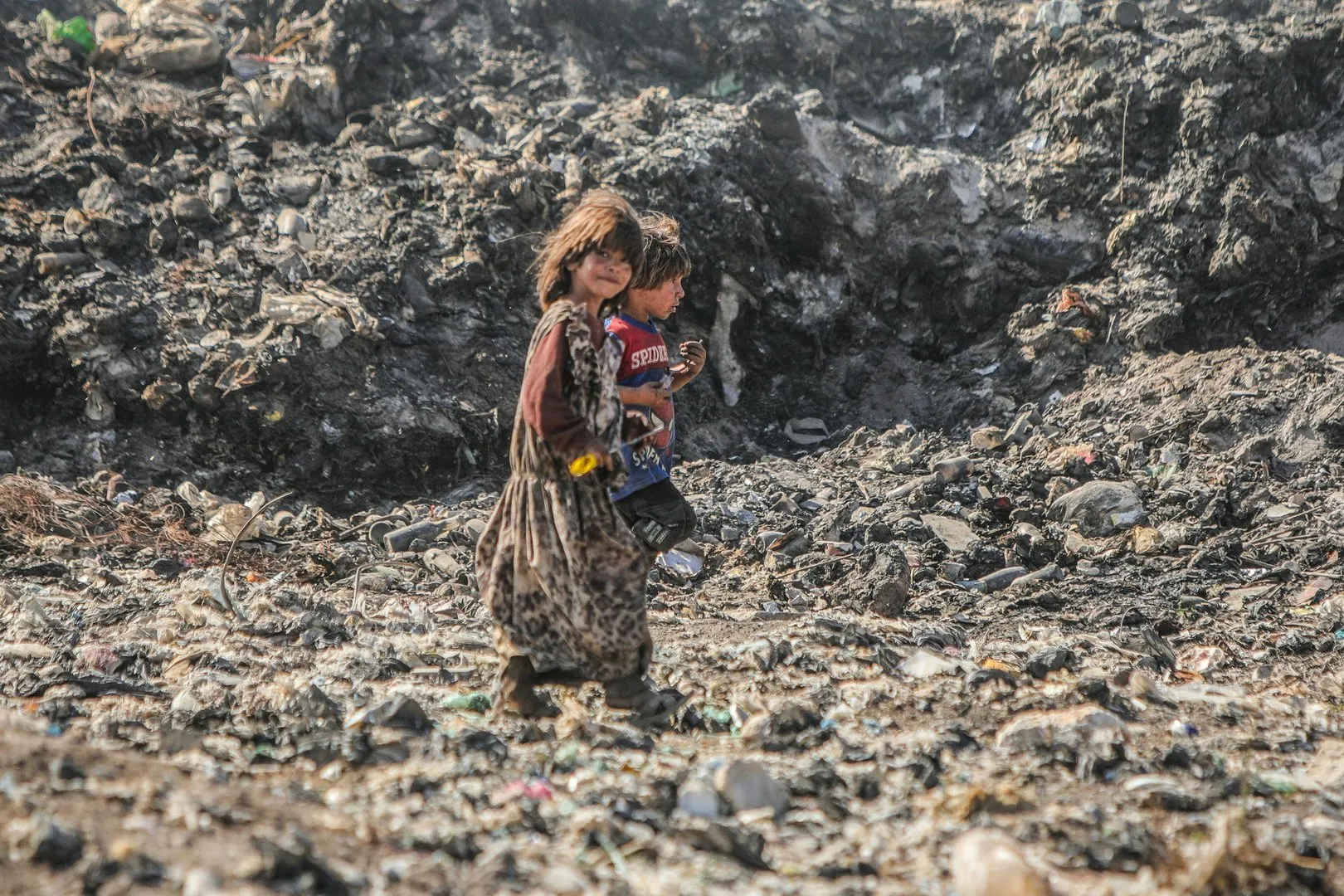
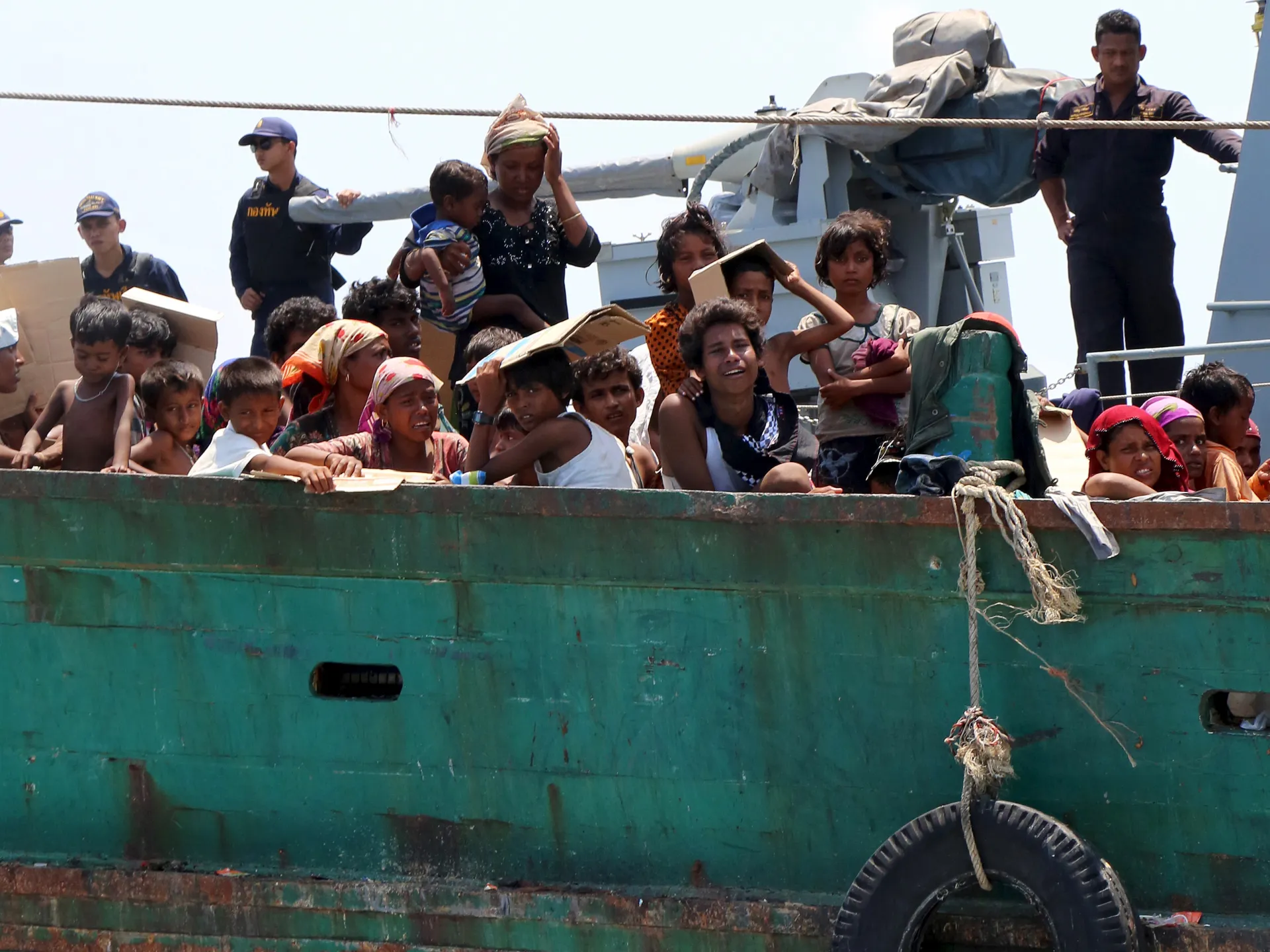
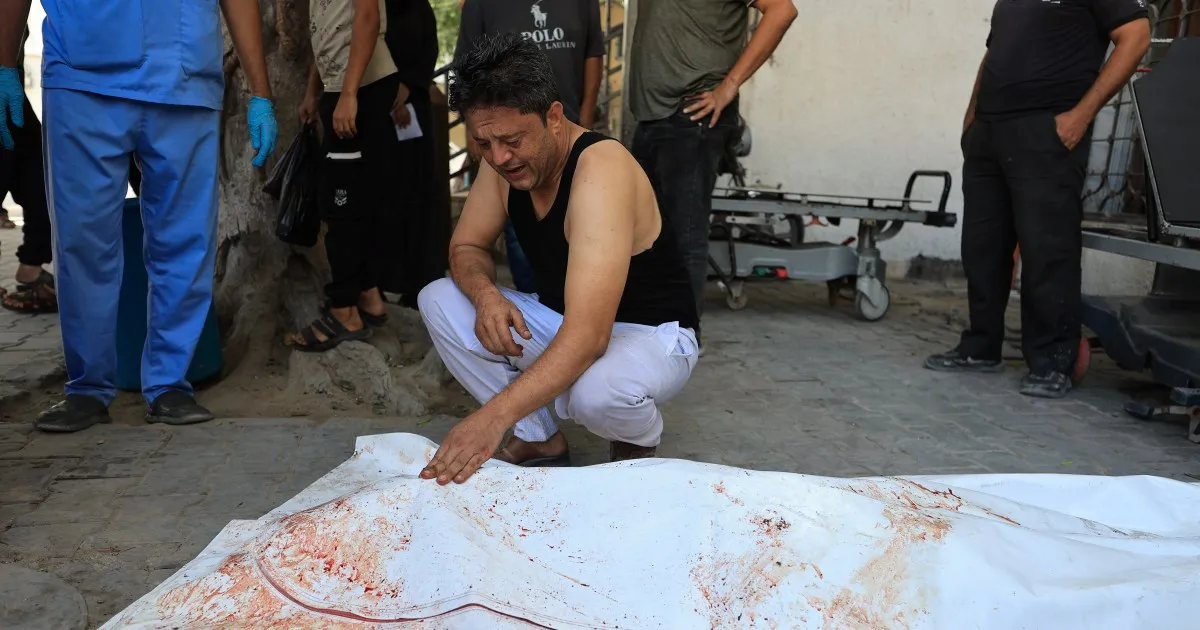
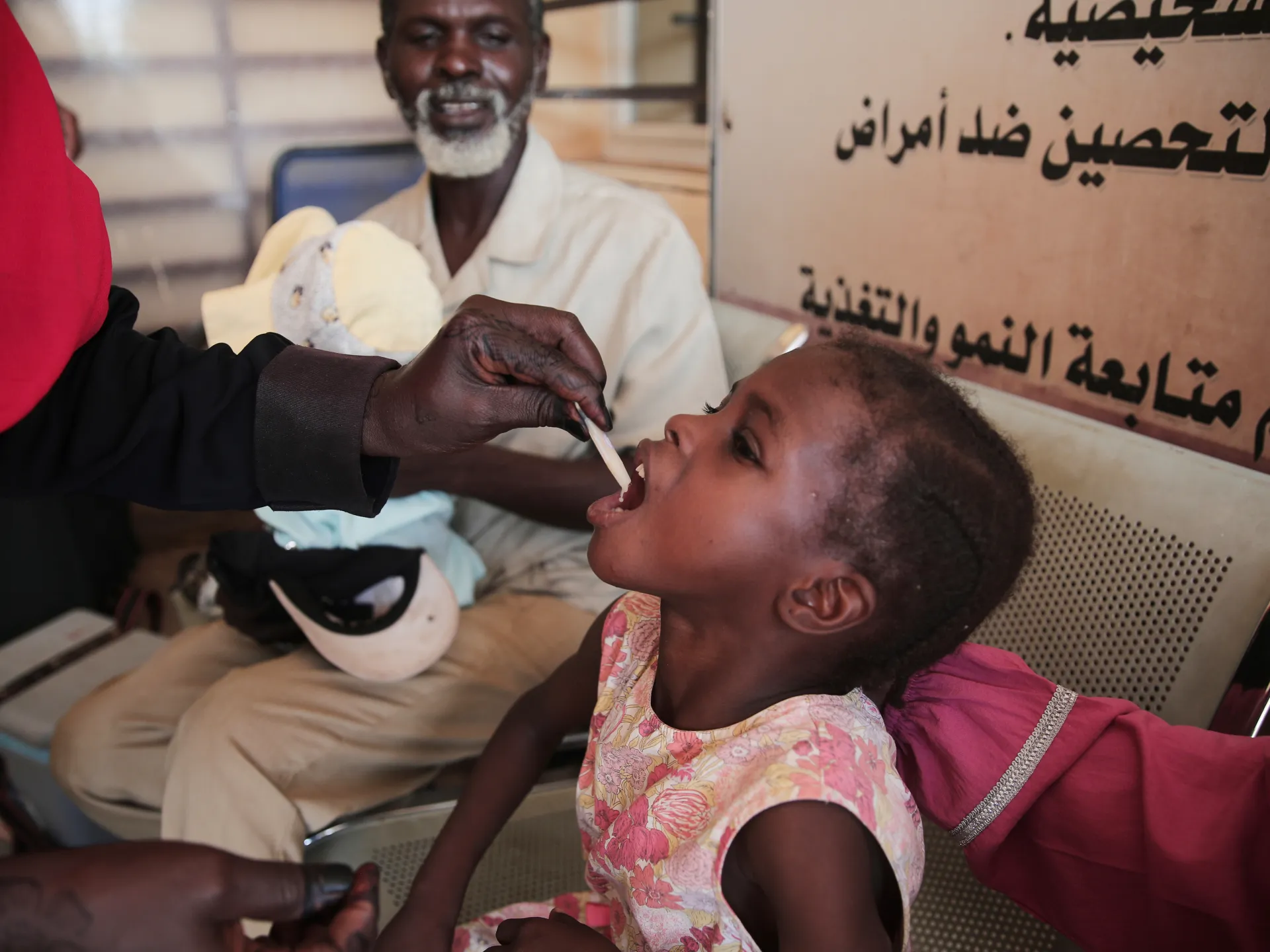
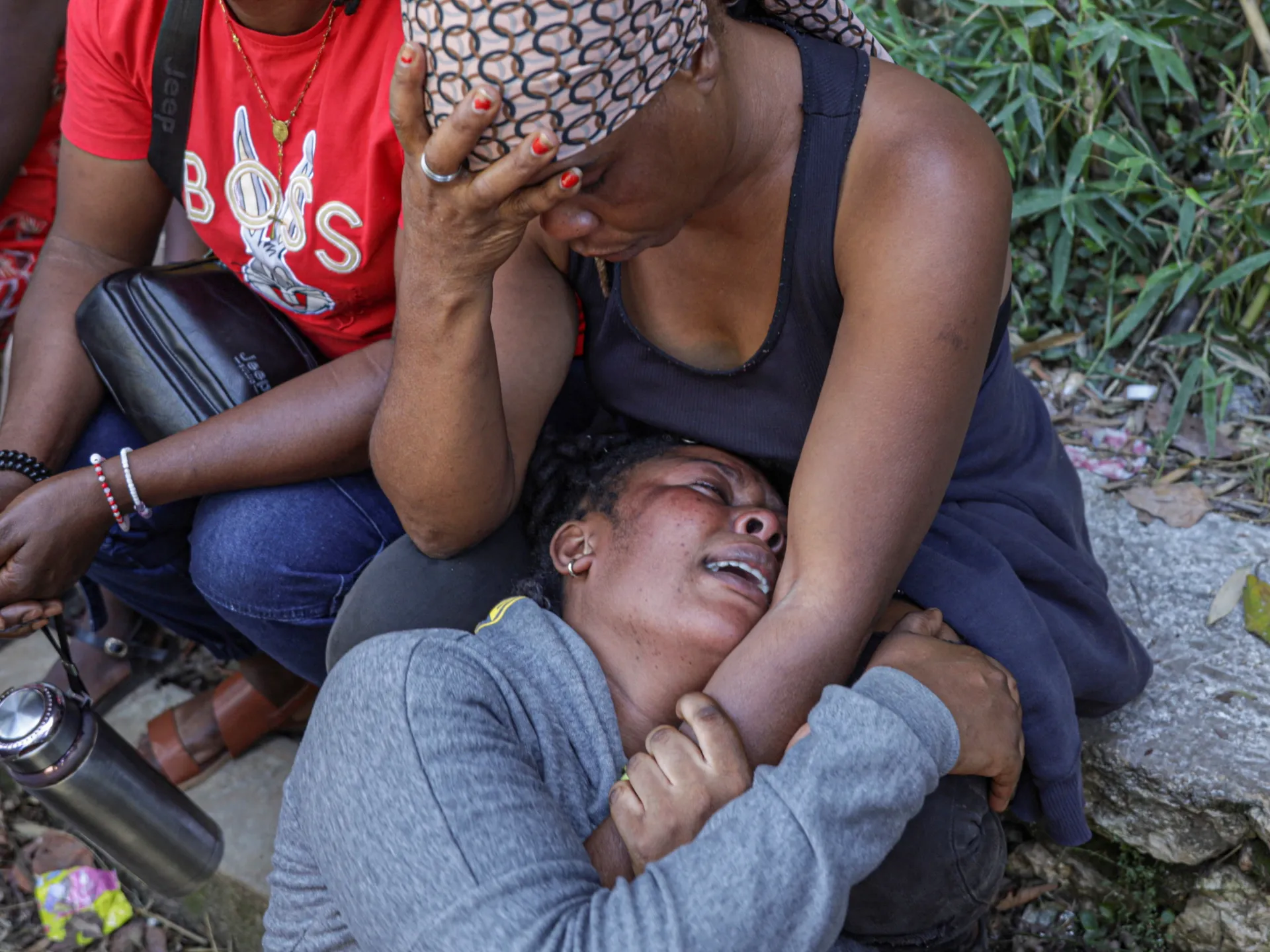
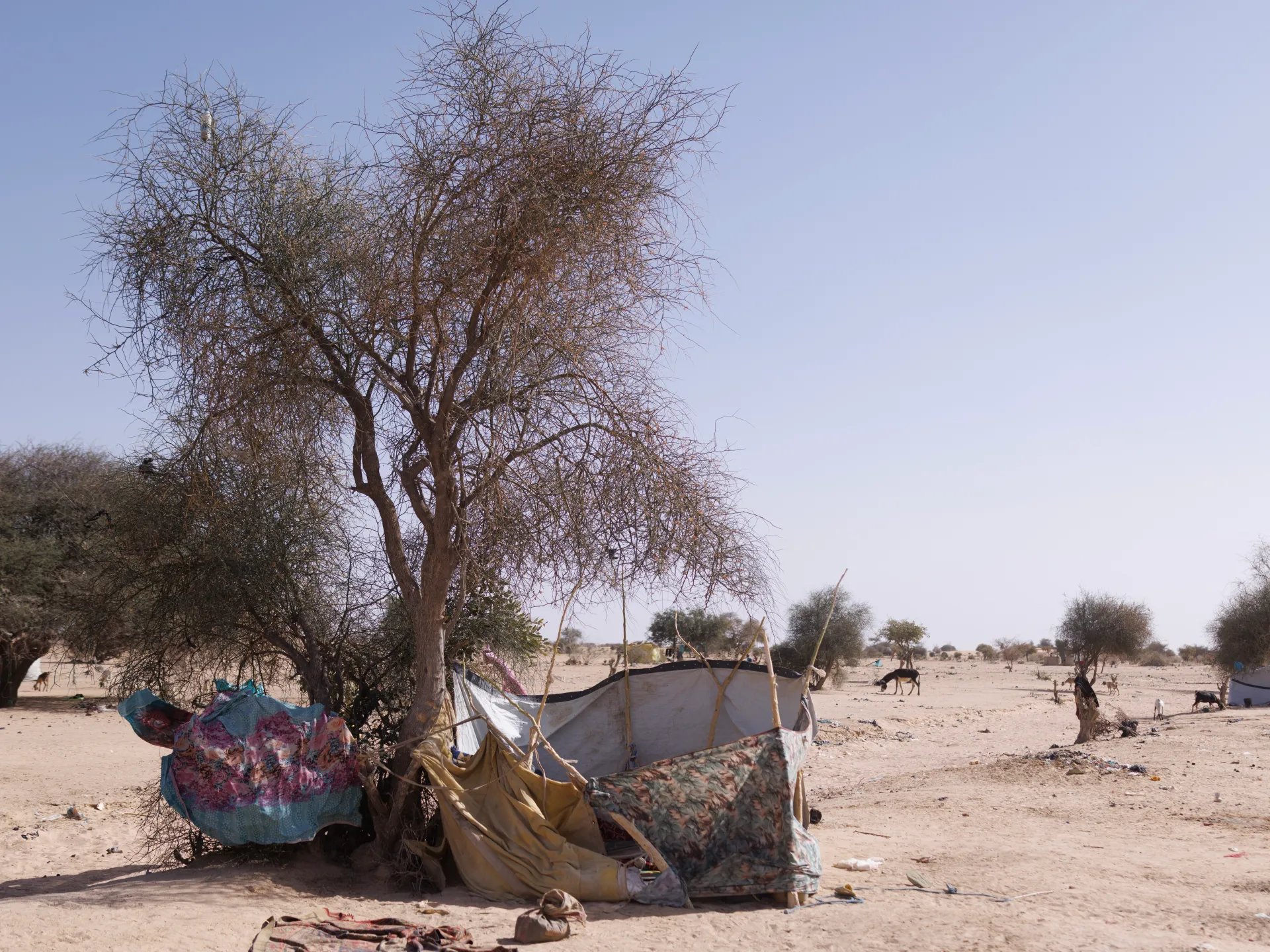
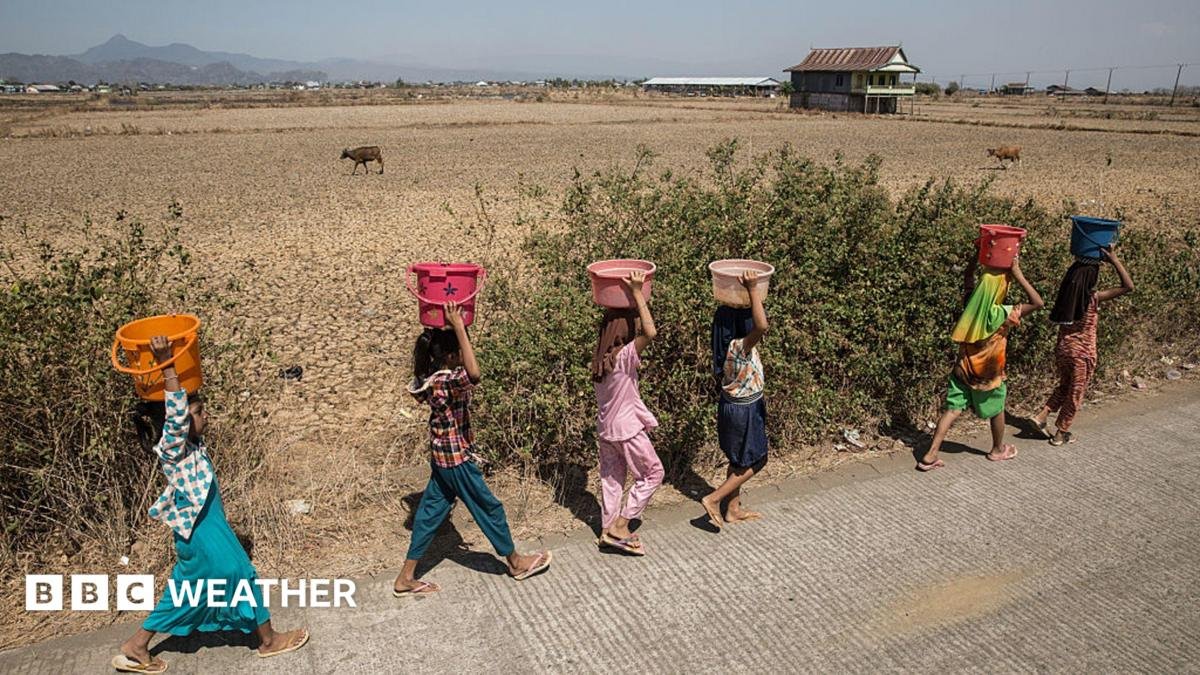
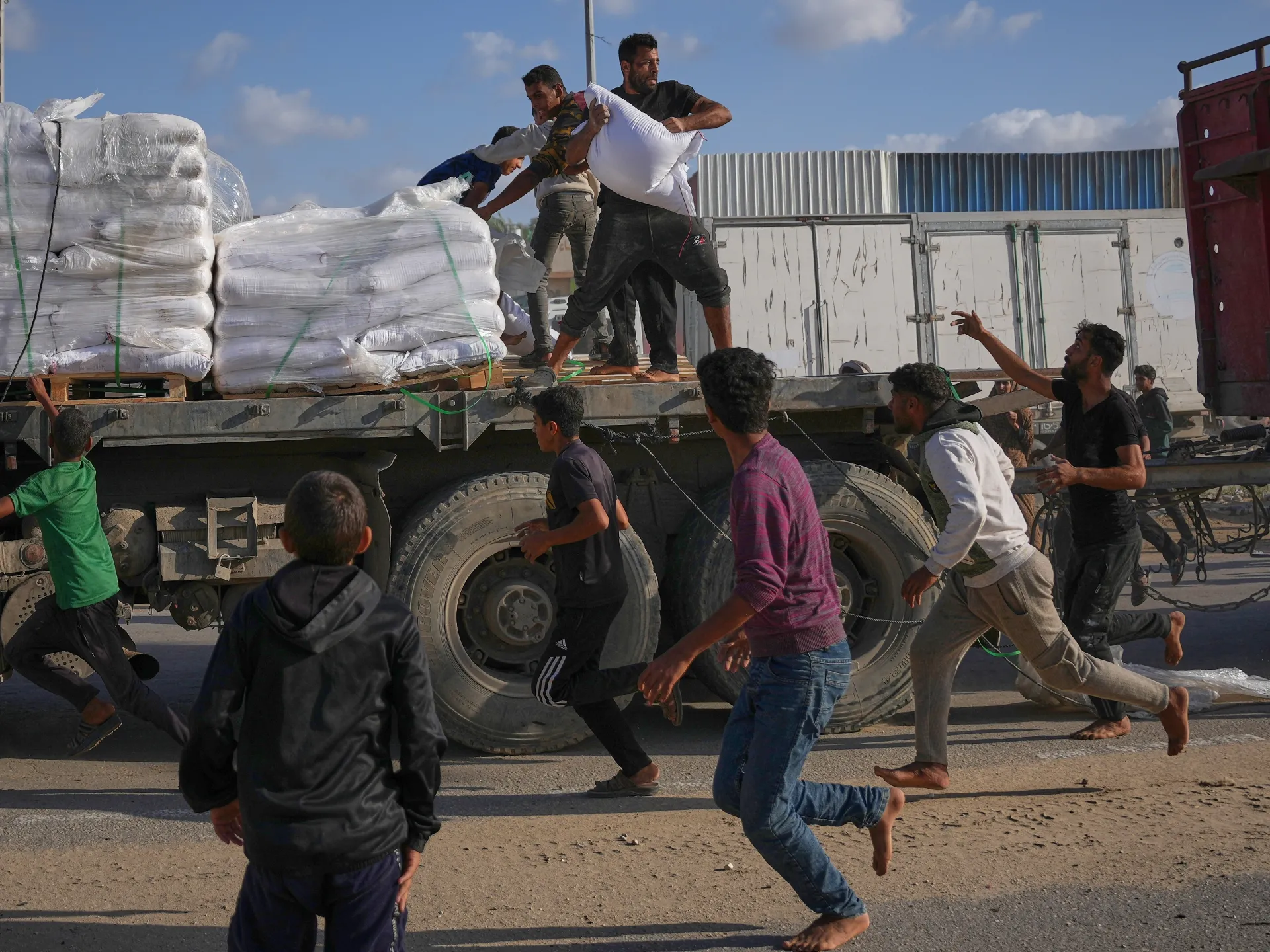
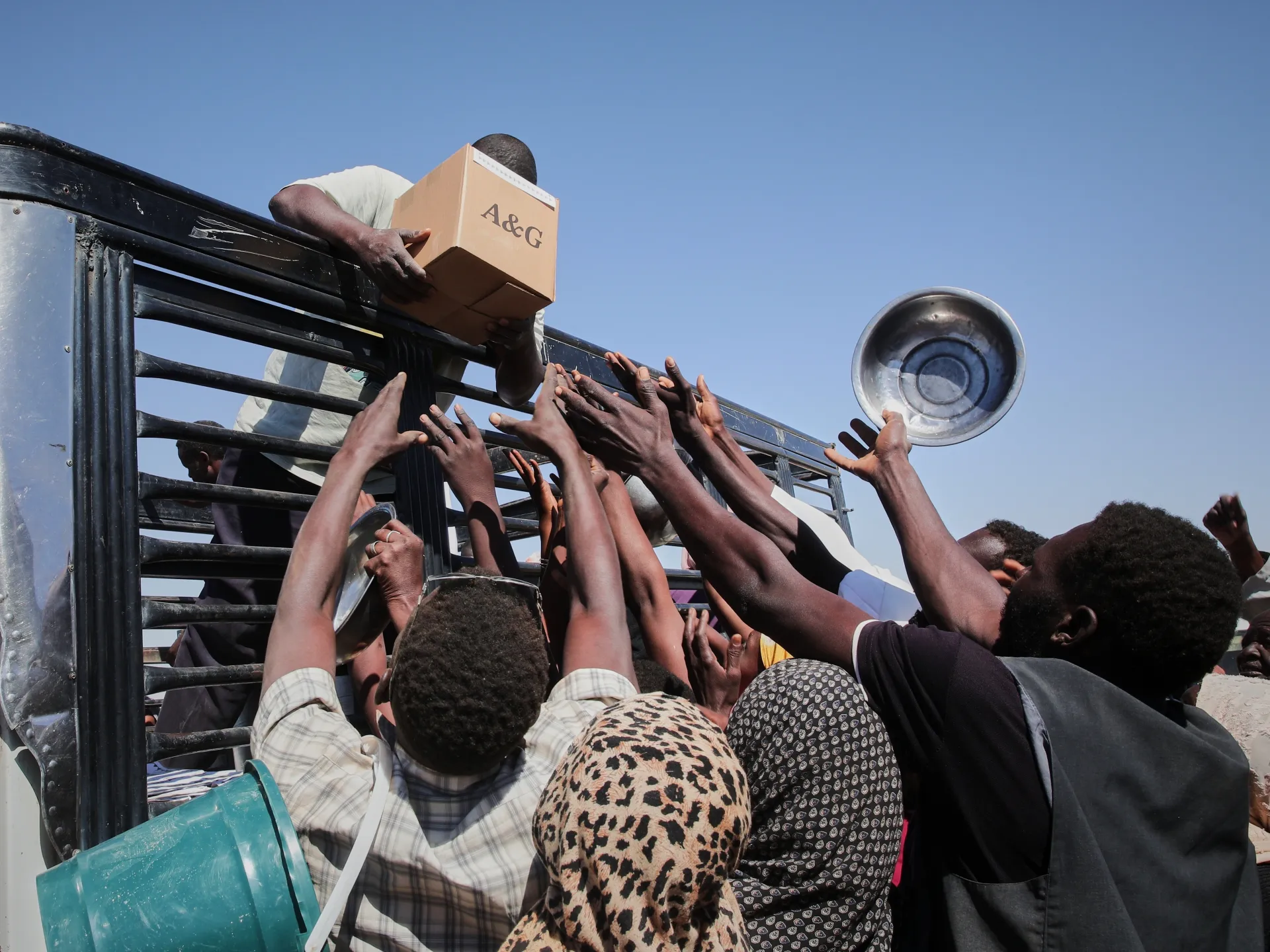
Beyond the urban centers, Sudan is navigating a humanitarian disaster that researchers argue is distinct from the region’s historical cycles of drought. While the country has suffered through food crises in 1684, 1888, and 1984, historians note that current conditions are fundamentally man-made. The disruption of agricultural supply chains, the forced displacement of farming communities, and the inability to move humanitarian aid have created a famine that transcends regional boundaries. Experts emphasize that while past famines were often localized, the present crisis is a national phenomenon that threatens the collective memory and future stability of the Sudanese people.
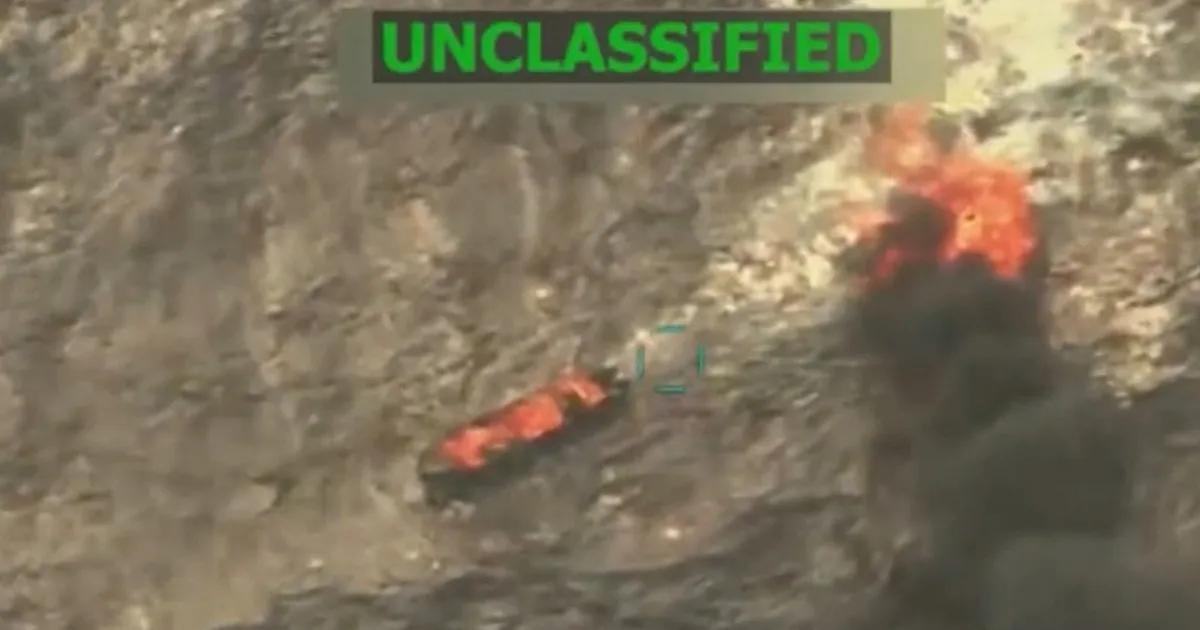
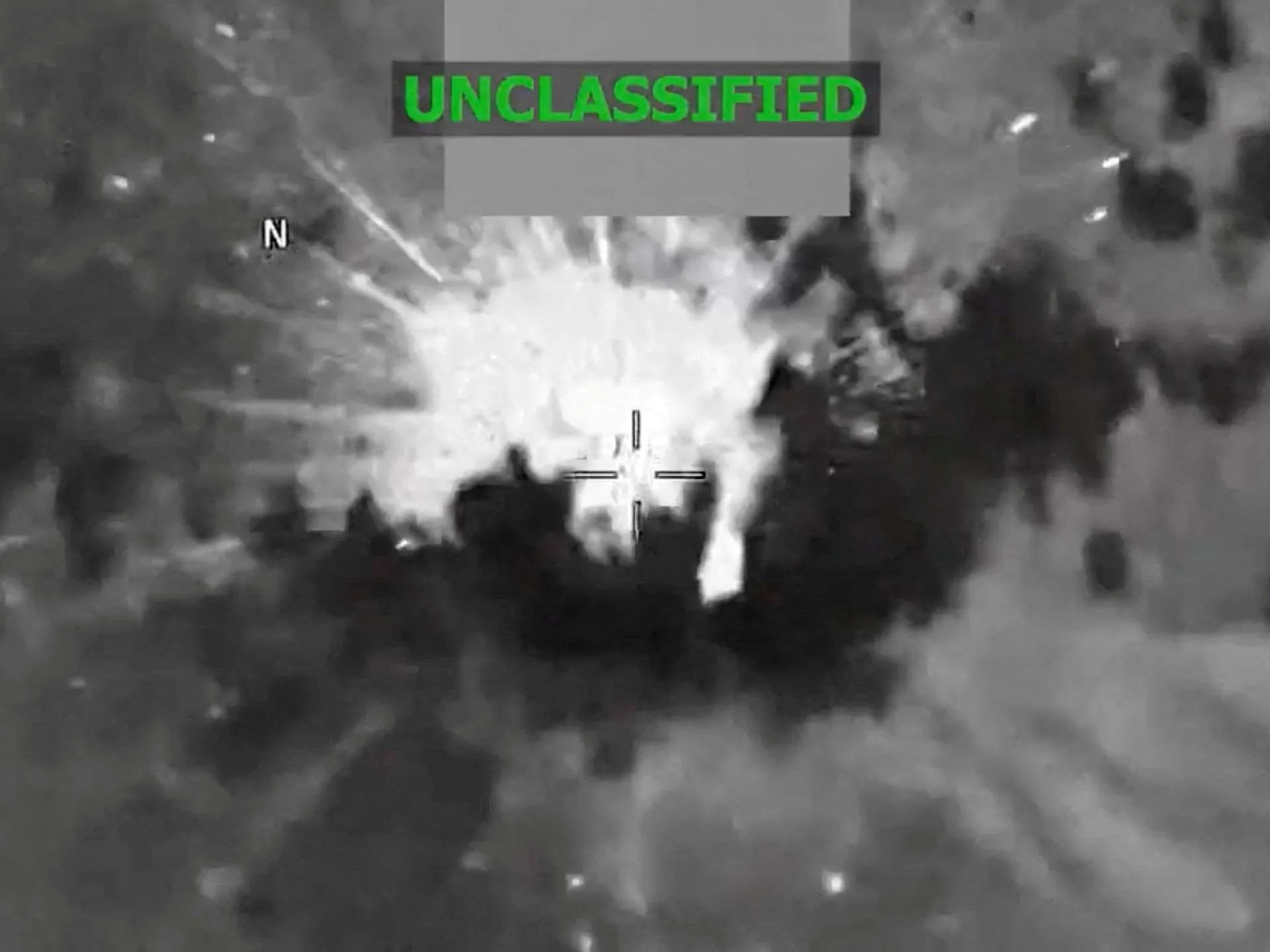
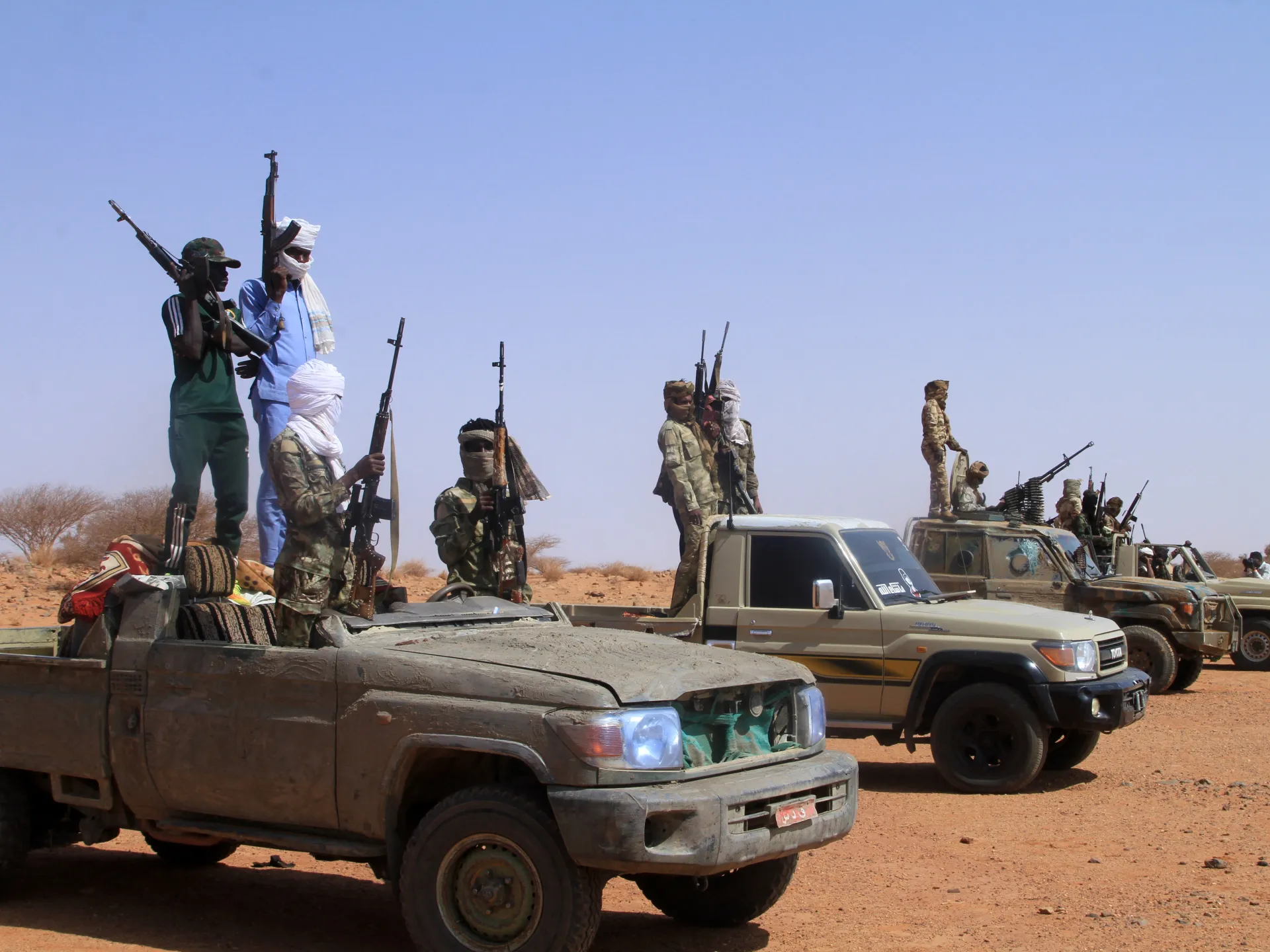
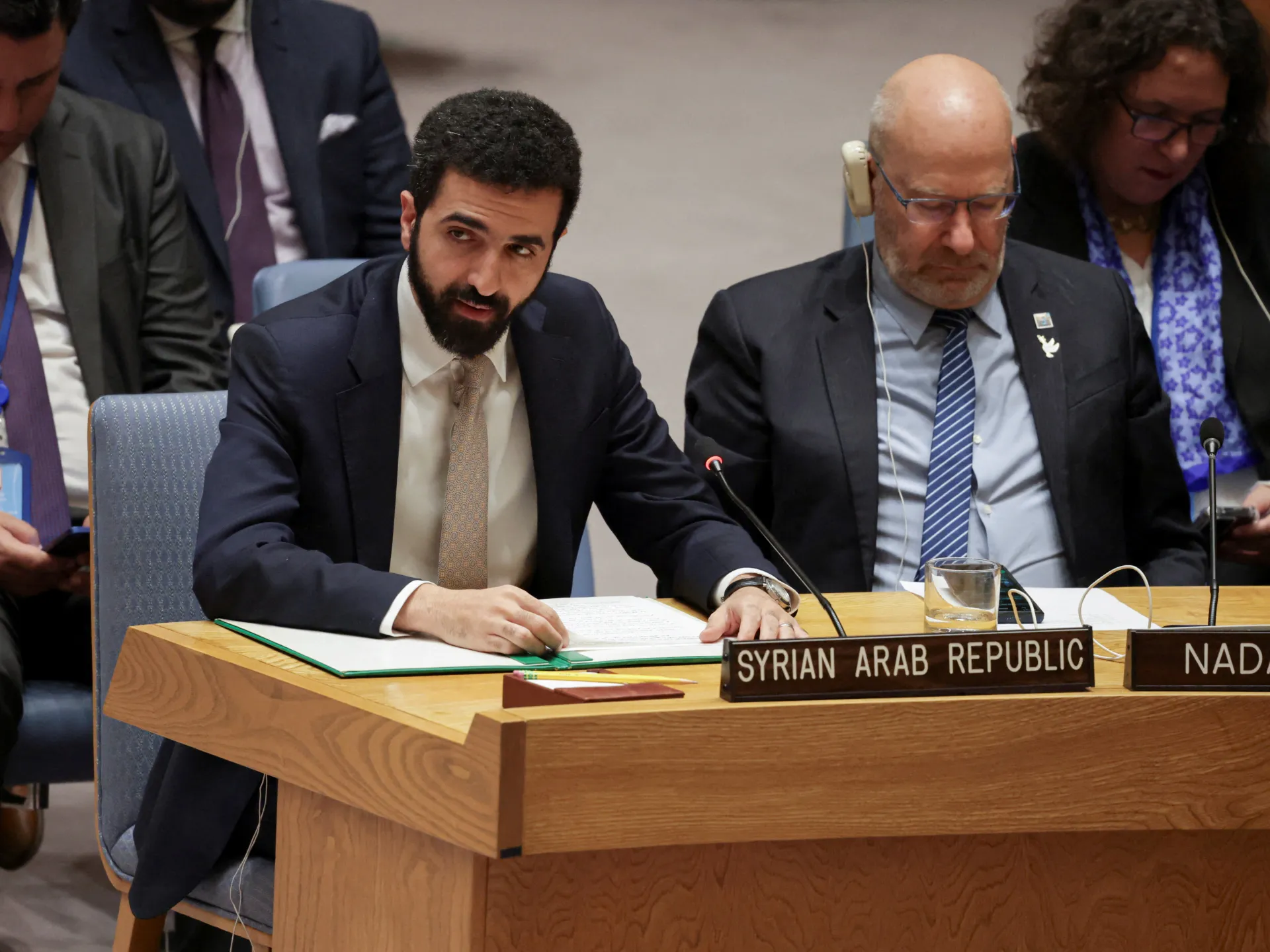
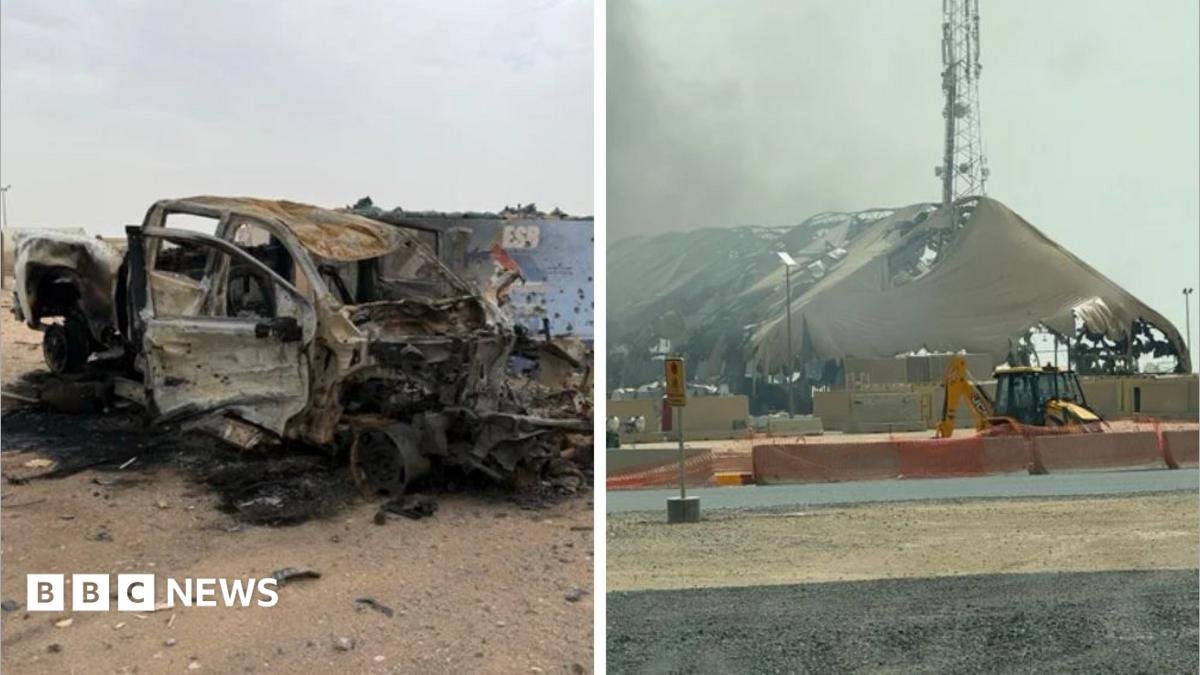
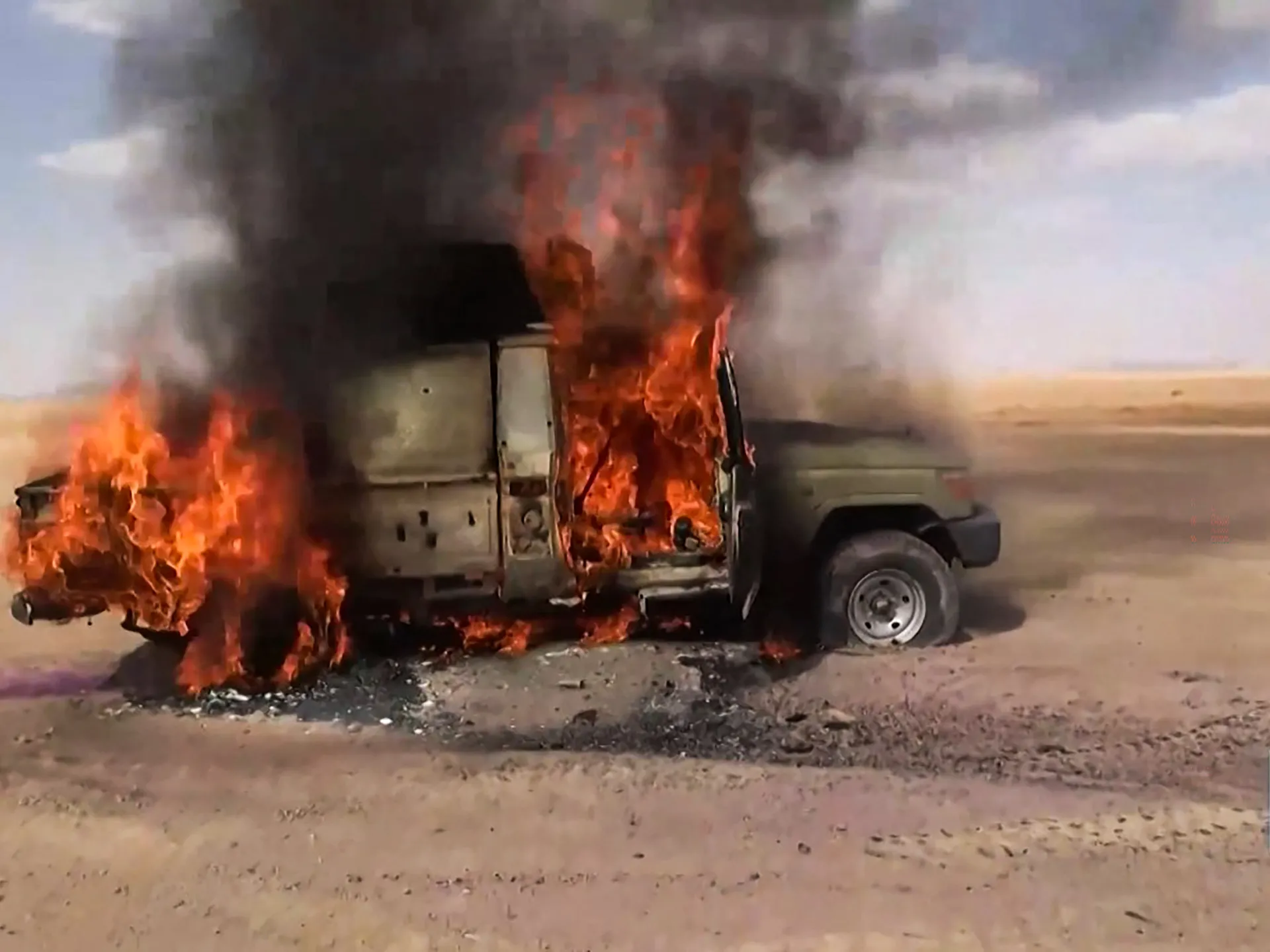
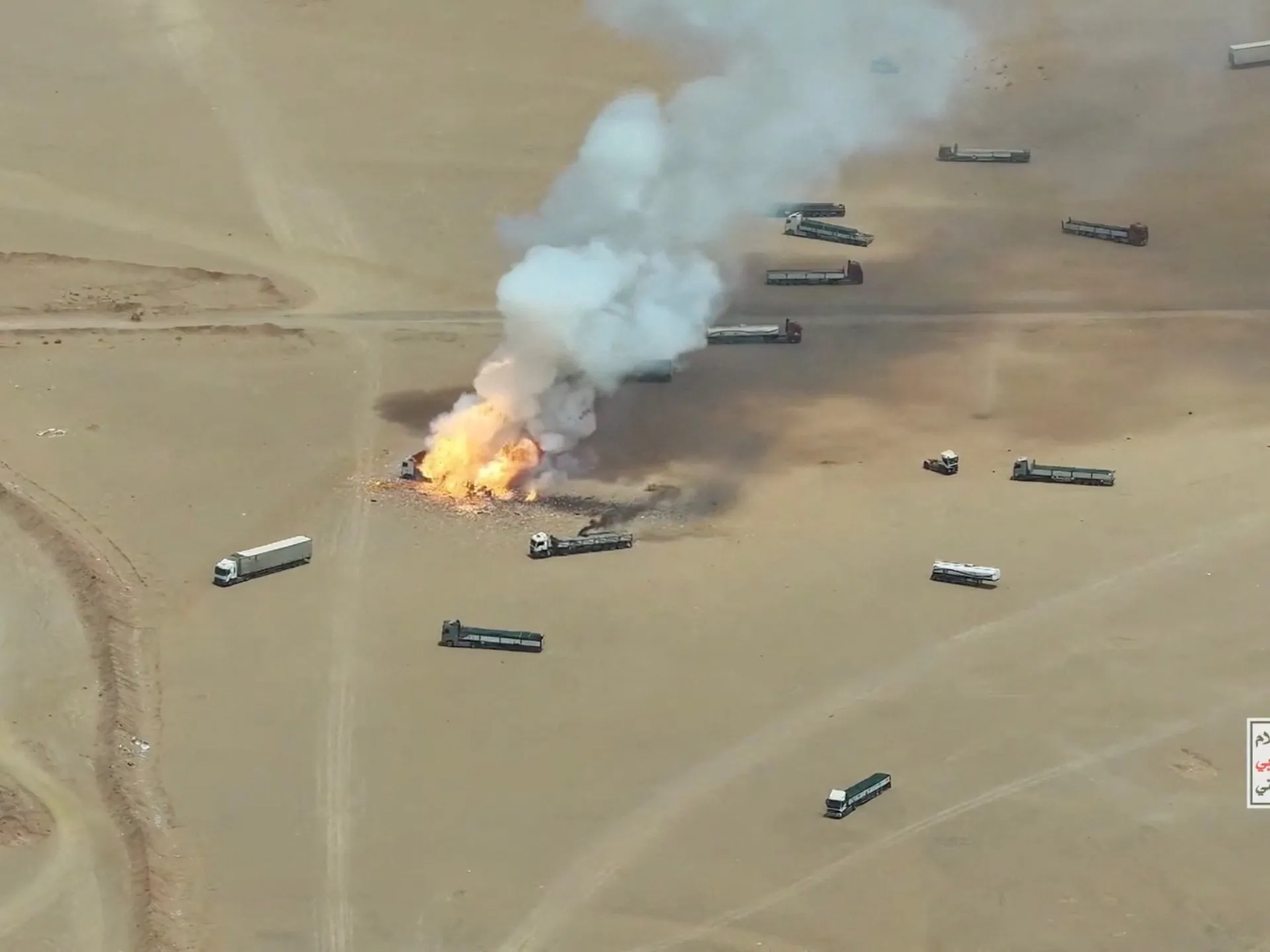
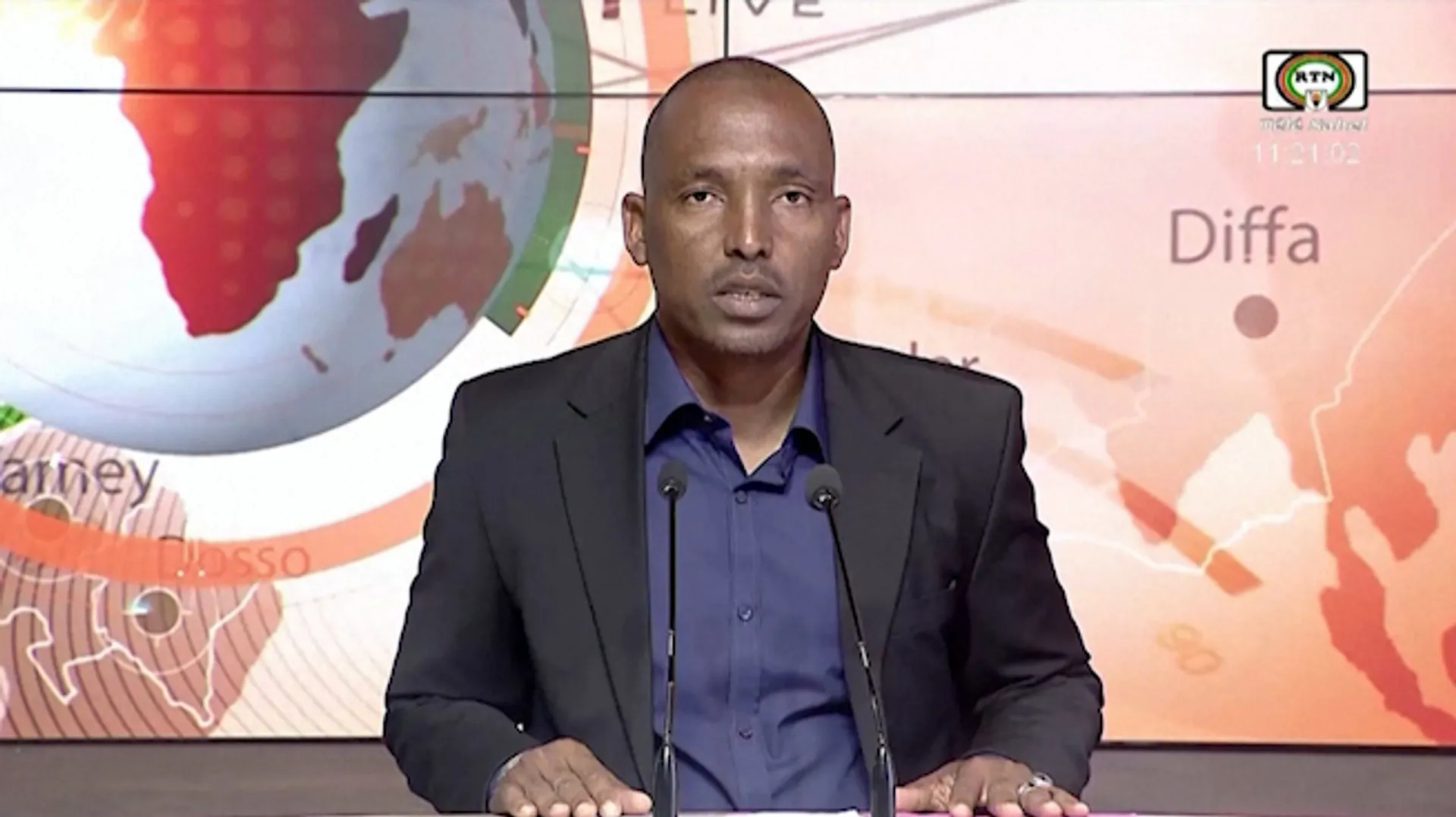
Compounding these domestic issues is the increasing regionalization of the conflict. Tensions have flared with neighboring Chad, which recently accused the Sudanese army of an airstrike against a military convoy 100 kilometers inside Chadian territory. While the Sudanese foreign ministry has rejected these allegations and called for a formal investigation, the incident has prompted Chad to place its border forces on maximum alert, suggesting that the instability within Sudan is no longer contained within its own borders.
The success of the government’s recovery efforts in Khartoum will likely depend on its ability to secure foreign investment and restore basic electricity, which remains a primary barrier to economic viability. Without infrastructure stability, the return of embassies and private enterprise will likely remain limited. Furthermore, the diplomatic friction with Chad suggests that the Sudanese military may face further regional isolation if border skirmishes continue. Domestically, the government must reconcile its attempt at normalcy in the capital with the reality of the rural famine; failure to address the food crisis could lead to renewed internal displacement and social unrest that would undermine any gains made in the capital’s security environment.