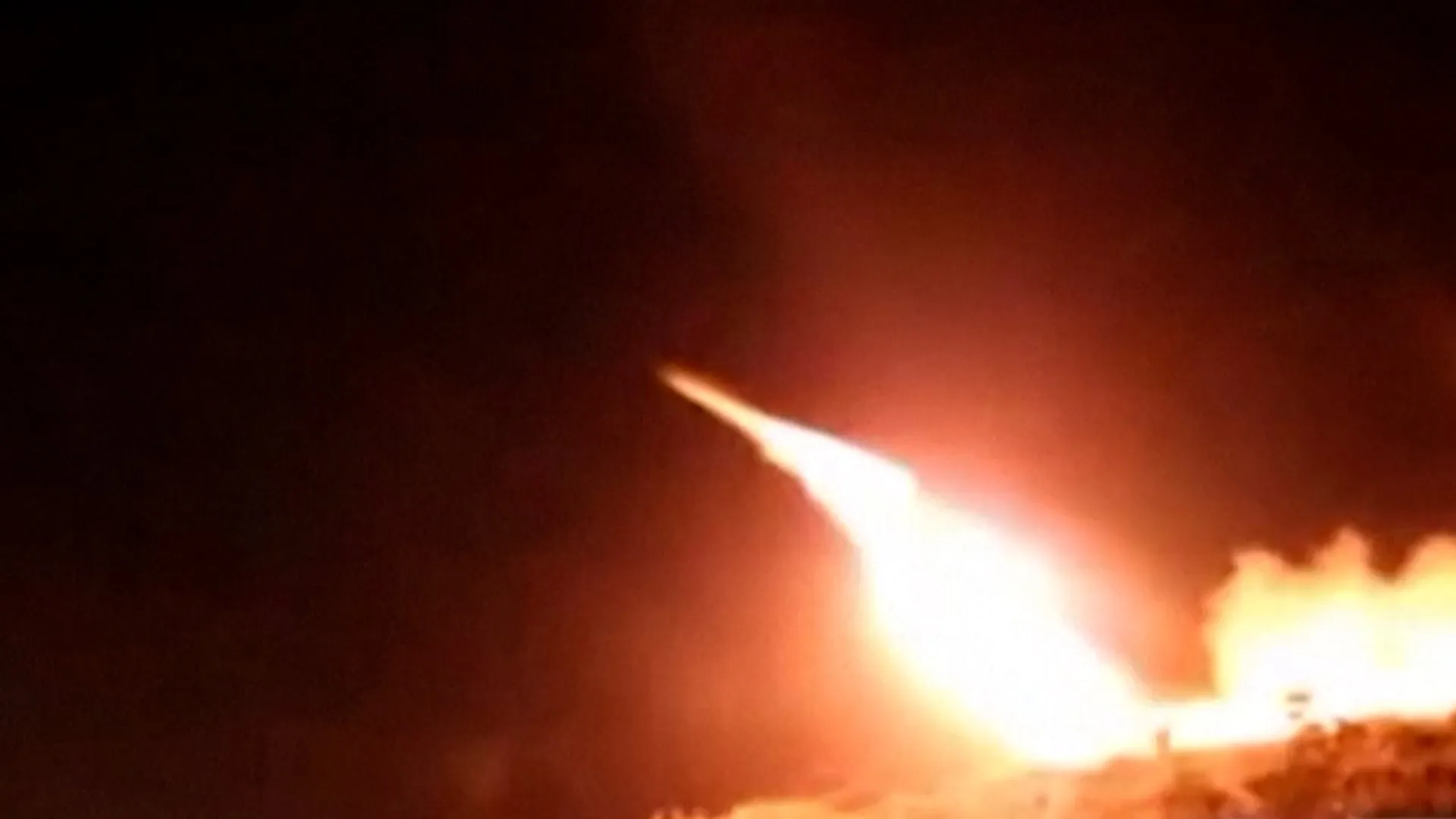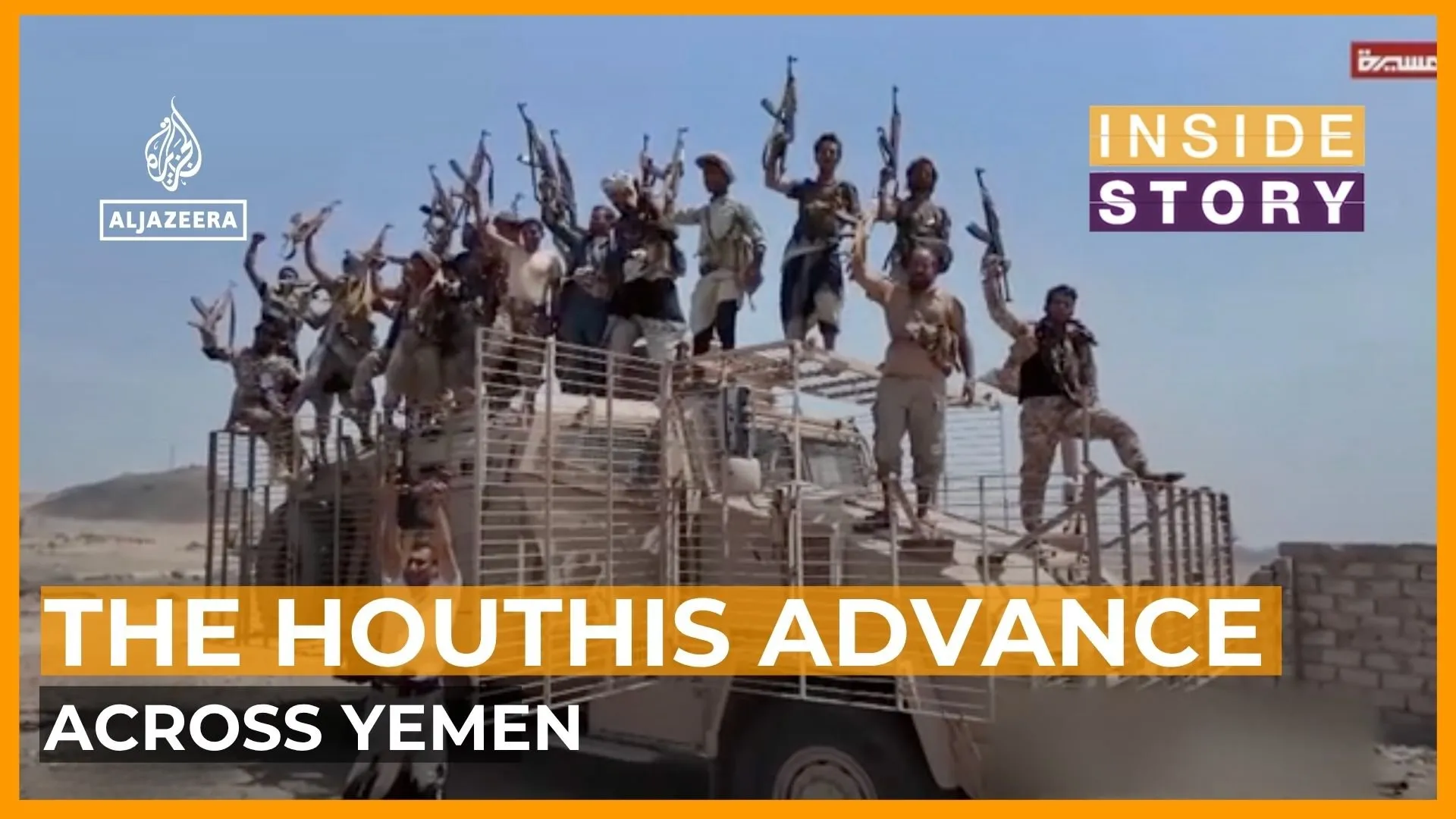
The resurgence of conflict in Yemen and the Houthi movement's expansion into the Red Sea threaten to destabilize vital global shipping lanes and reignite a full-scale civil war.
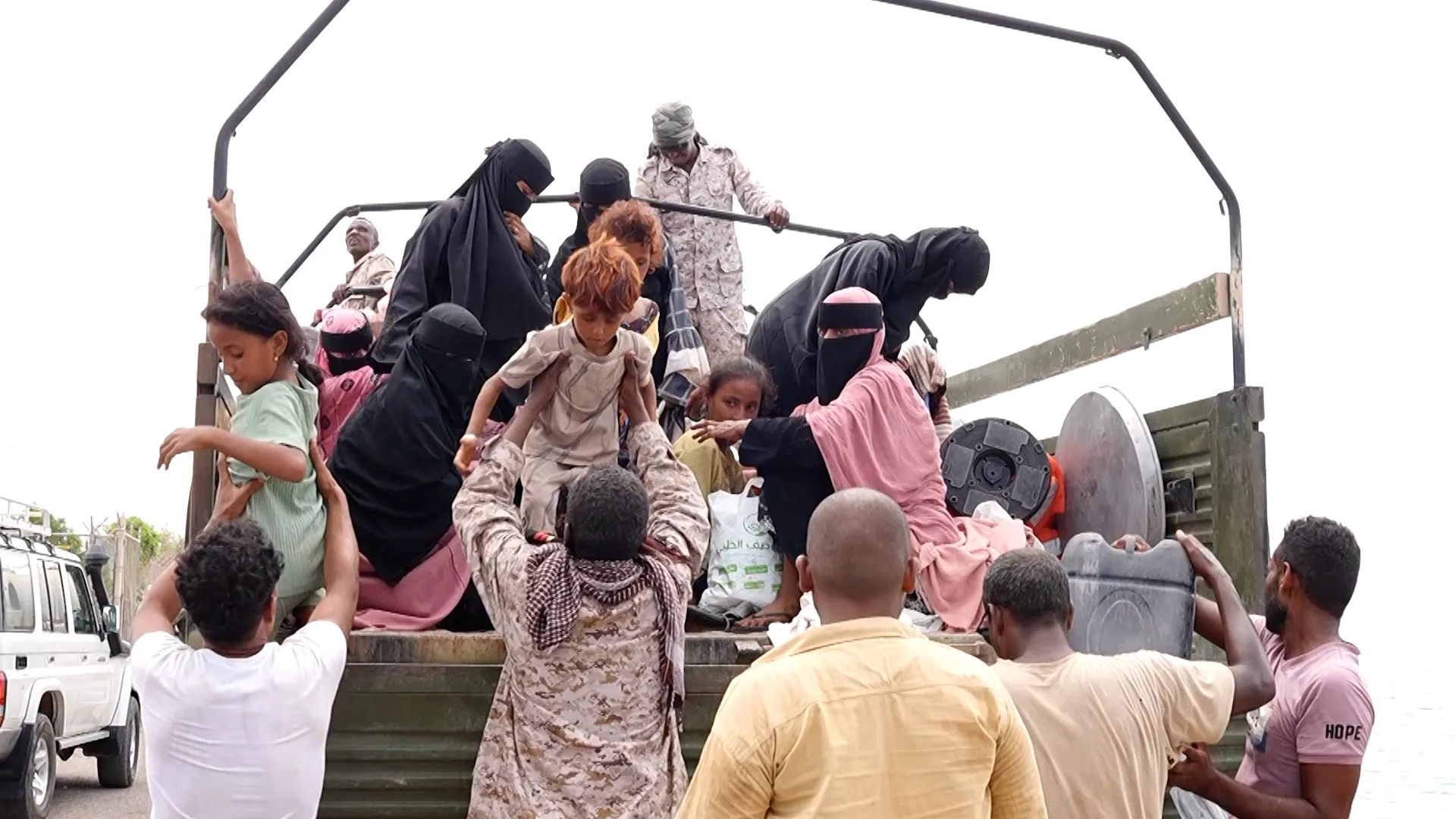
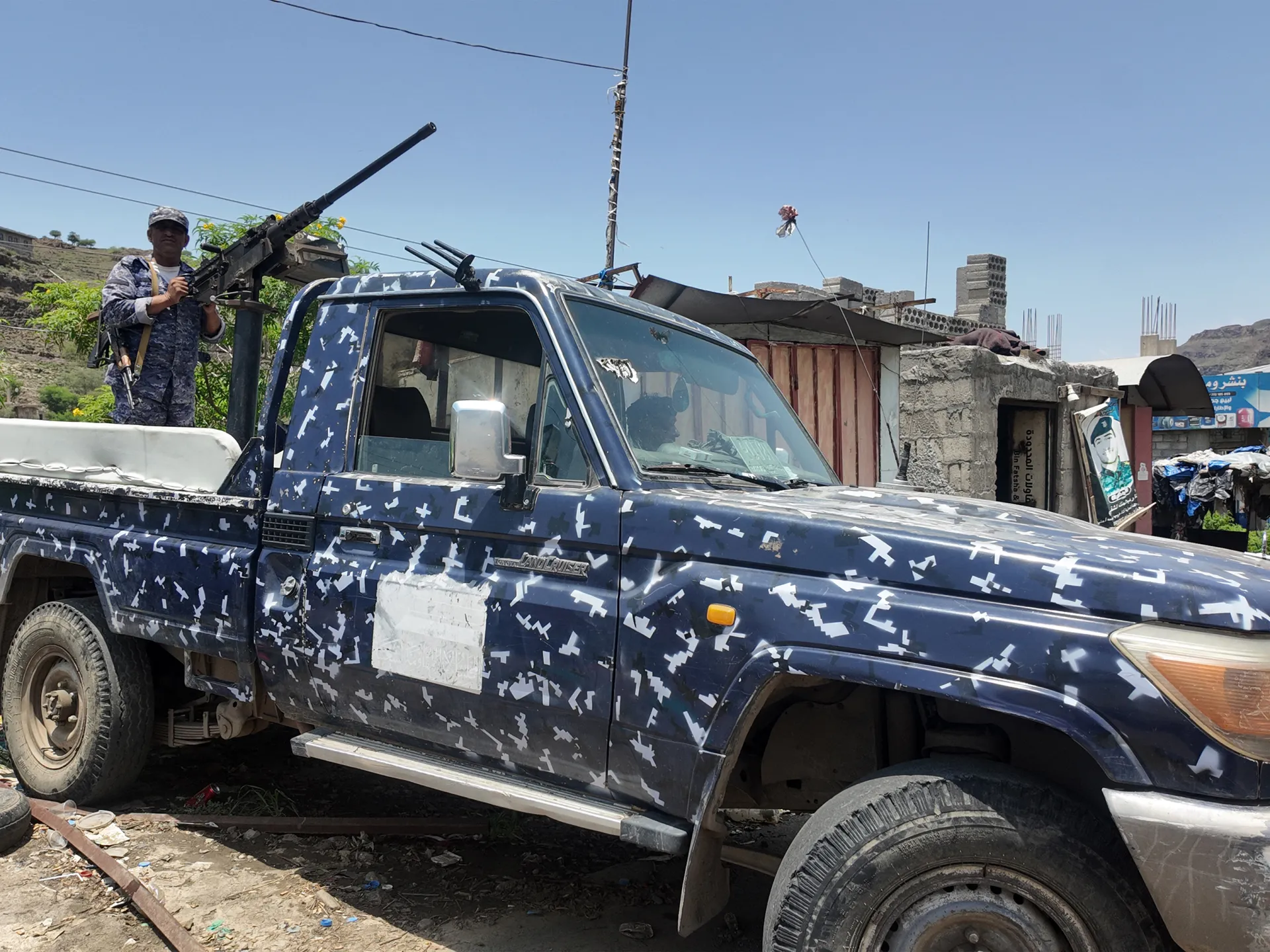
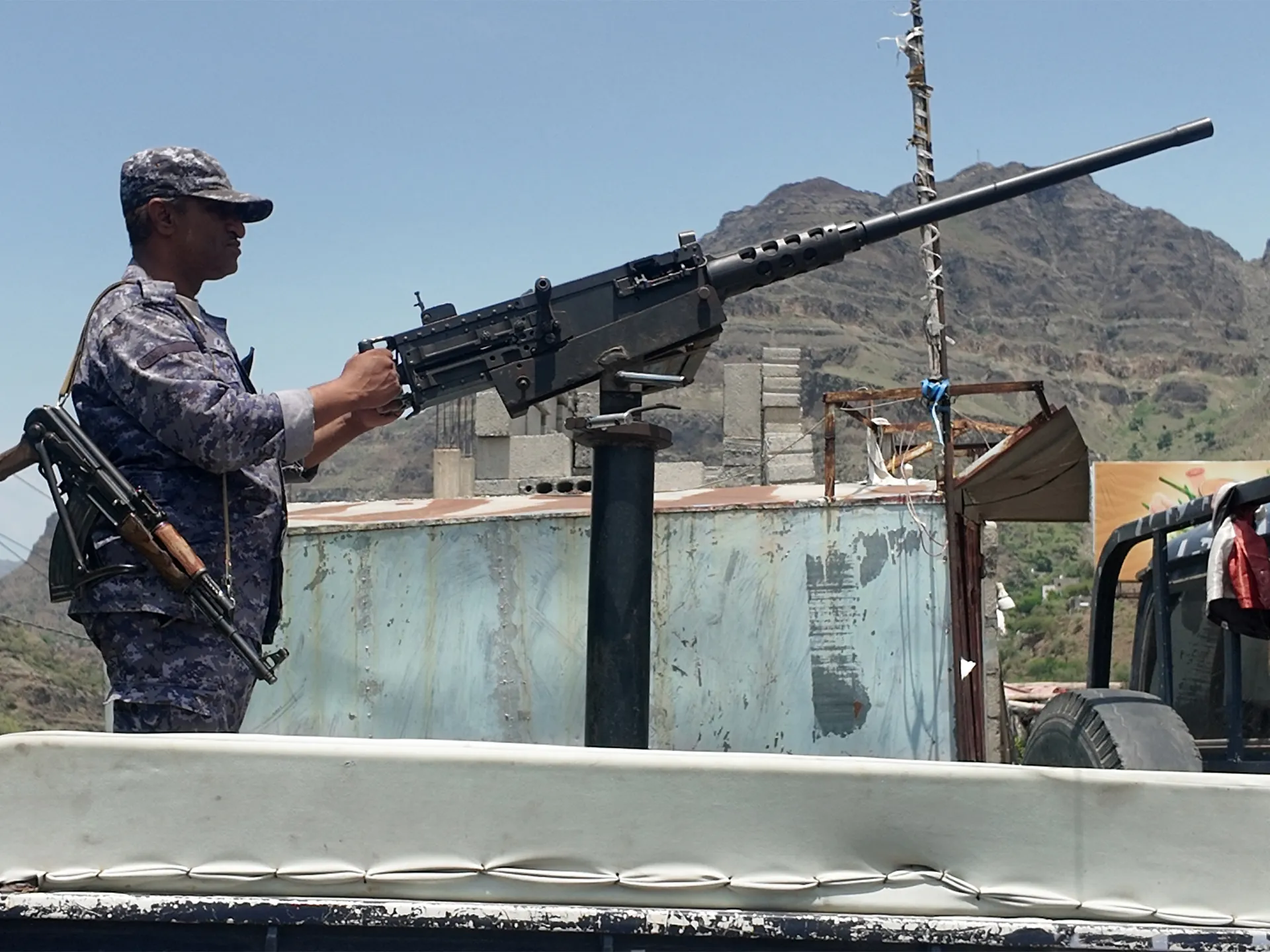
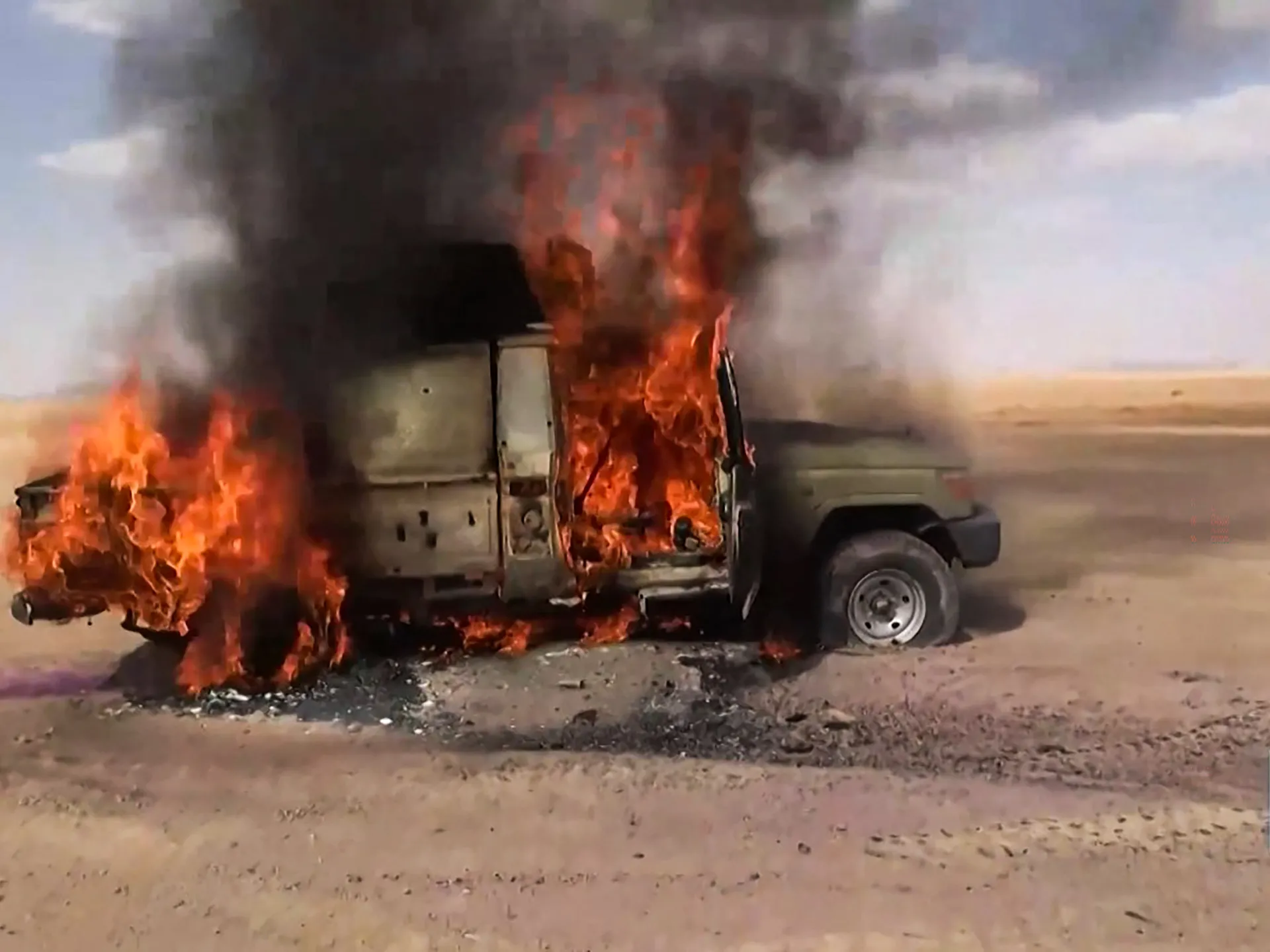
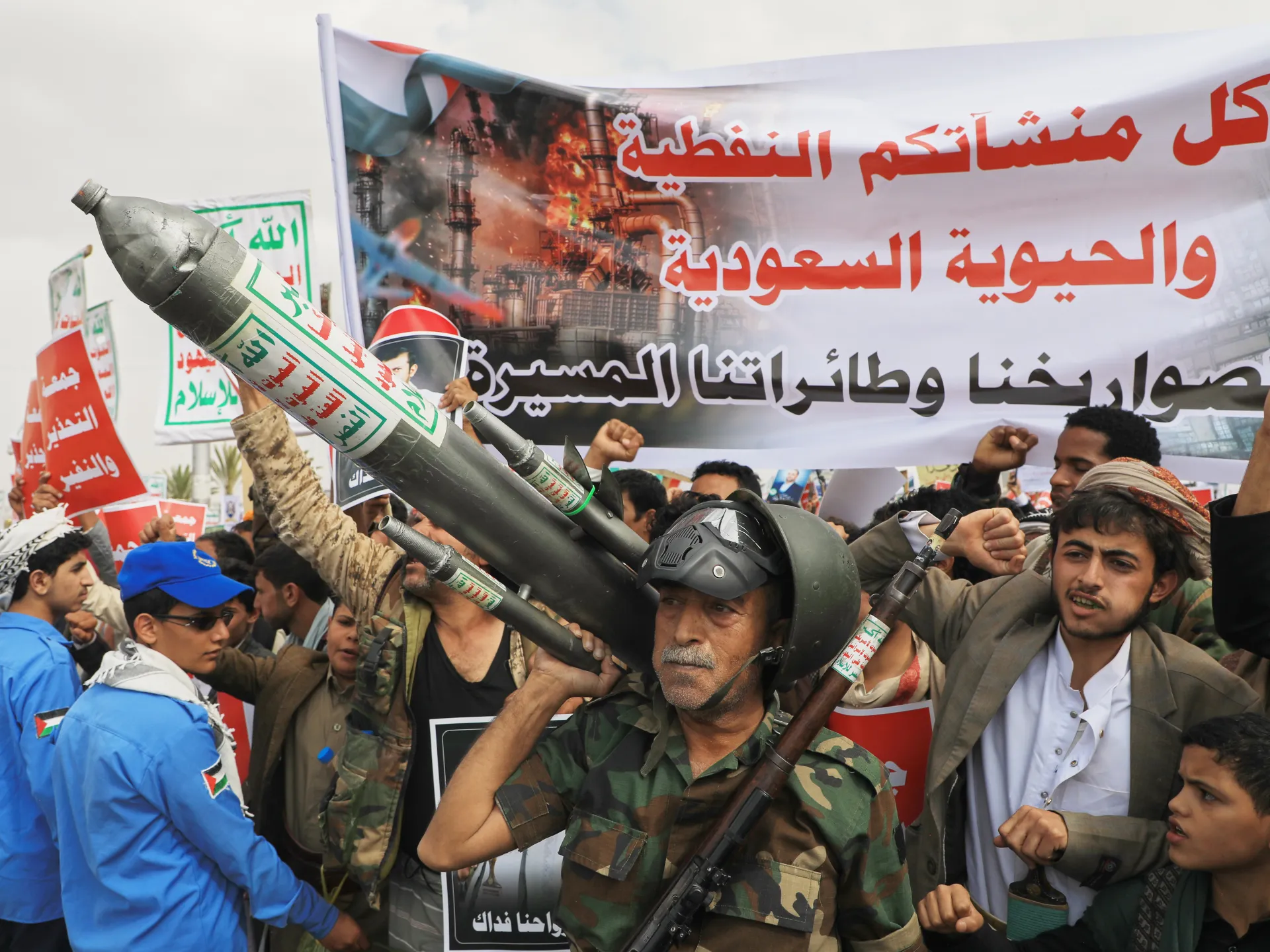
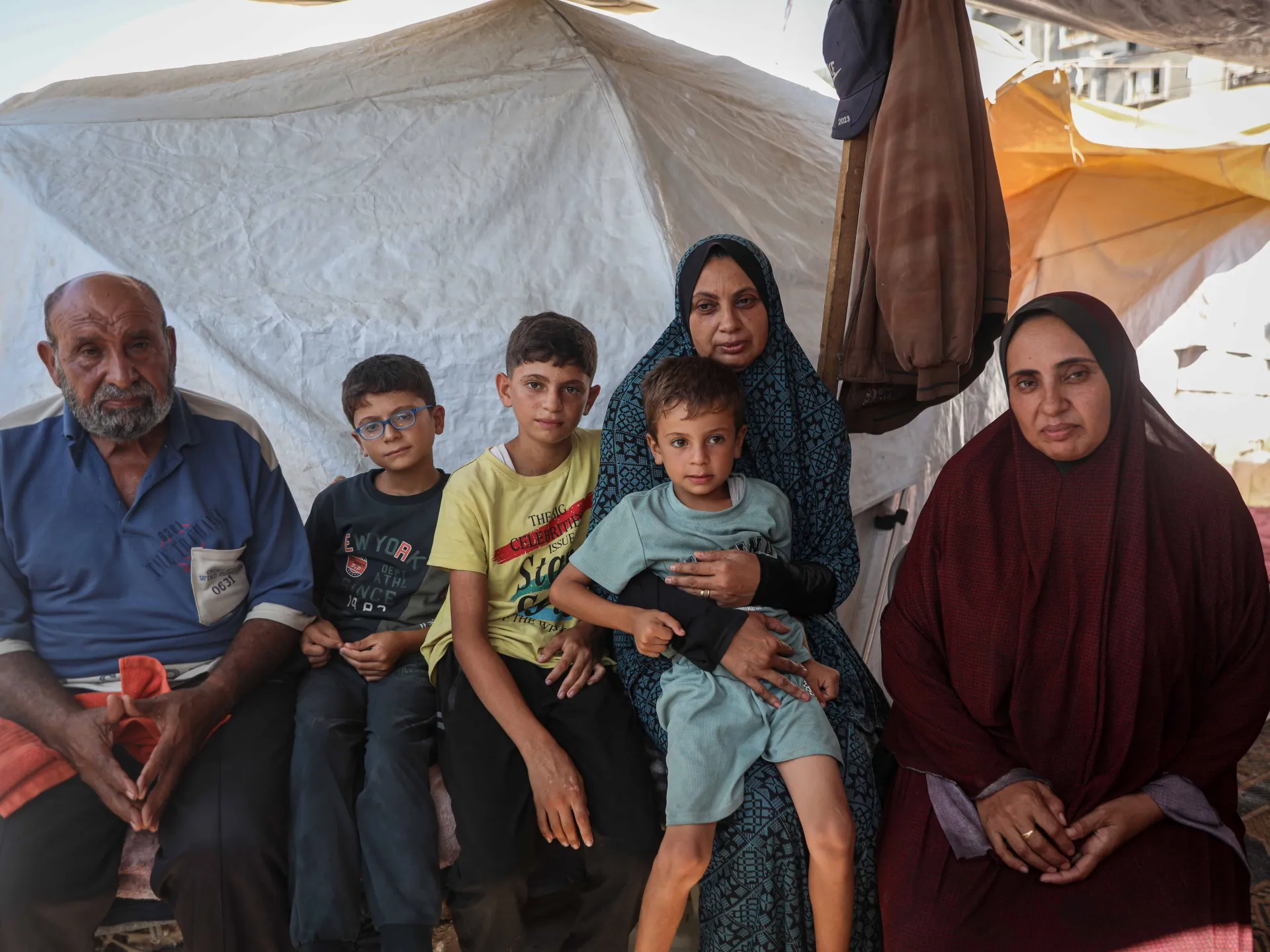
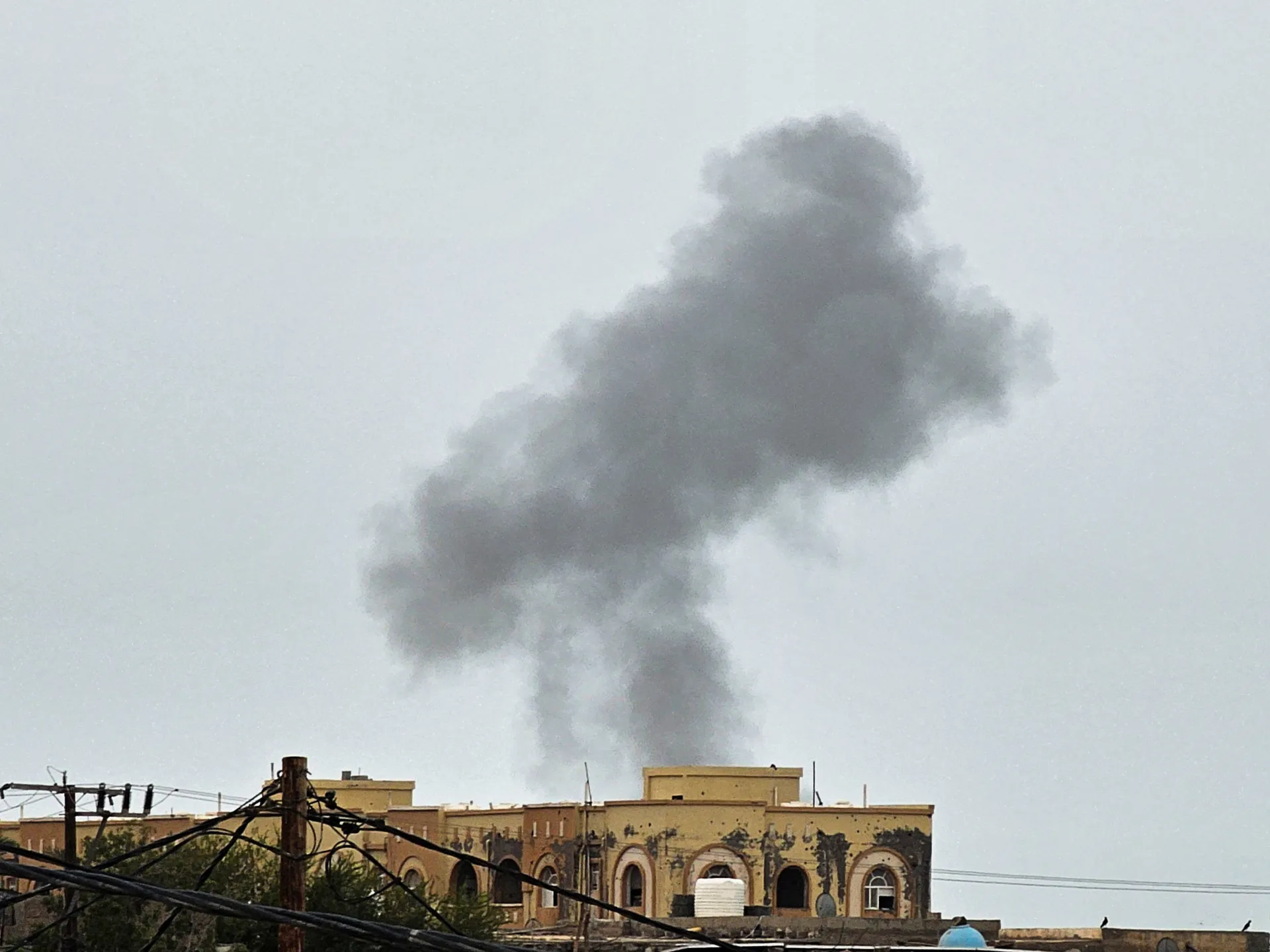
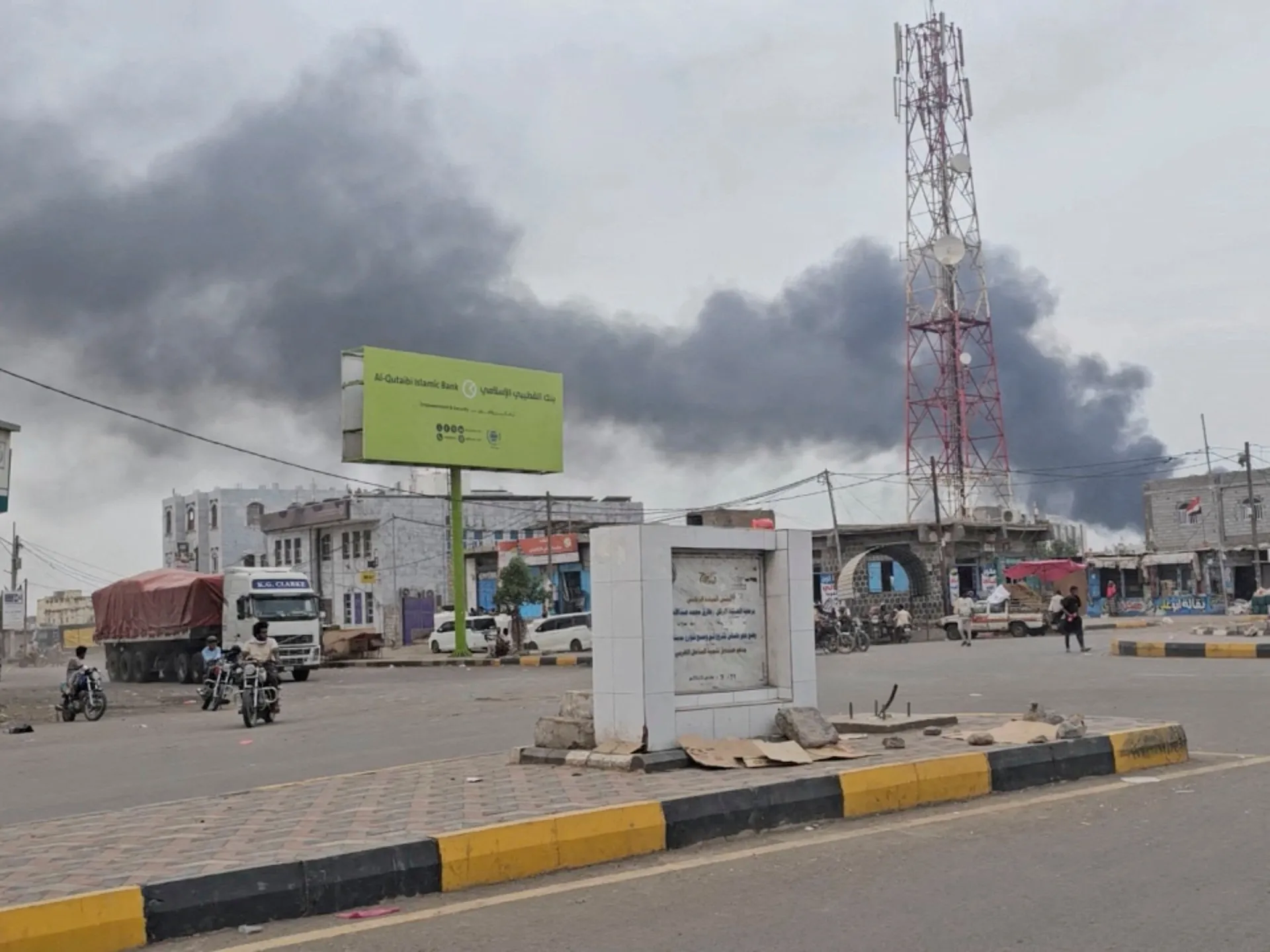
The long-standing conflict in Yemen has entered a perilous new phase, threatening to dismantle the fragile calm that has persisted since 2022. For over a decade, the nation has been gripped population in a state of humanitarian crisis. The recent breakdown of the relative stability observed over the past few years suggests that the country may be spiraling back into intense, large-scale hostilities.
As internal factions reorganize and external pressures mount, the prospect of a renewed civil war looms larger than ever. The cessation of major combat operations, which previously provided a semblance of peace, appears increasingly ineffective against the current surge in militant activity. Observers are concerned that the lack of a permanent political resolution has created a power vacuum that various actors are now moving to exploit.
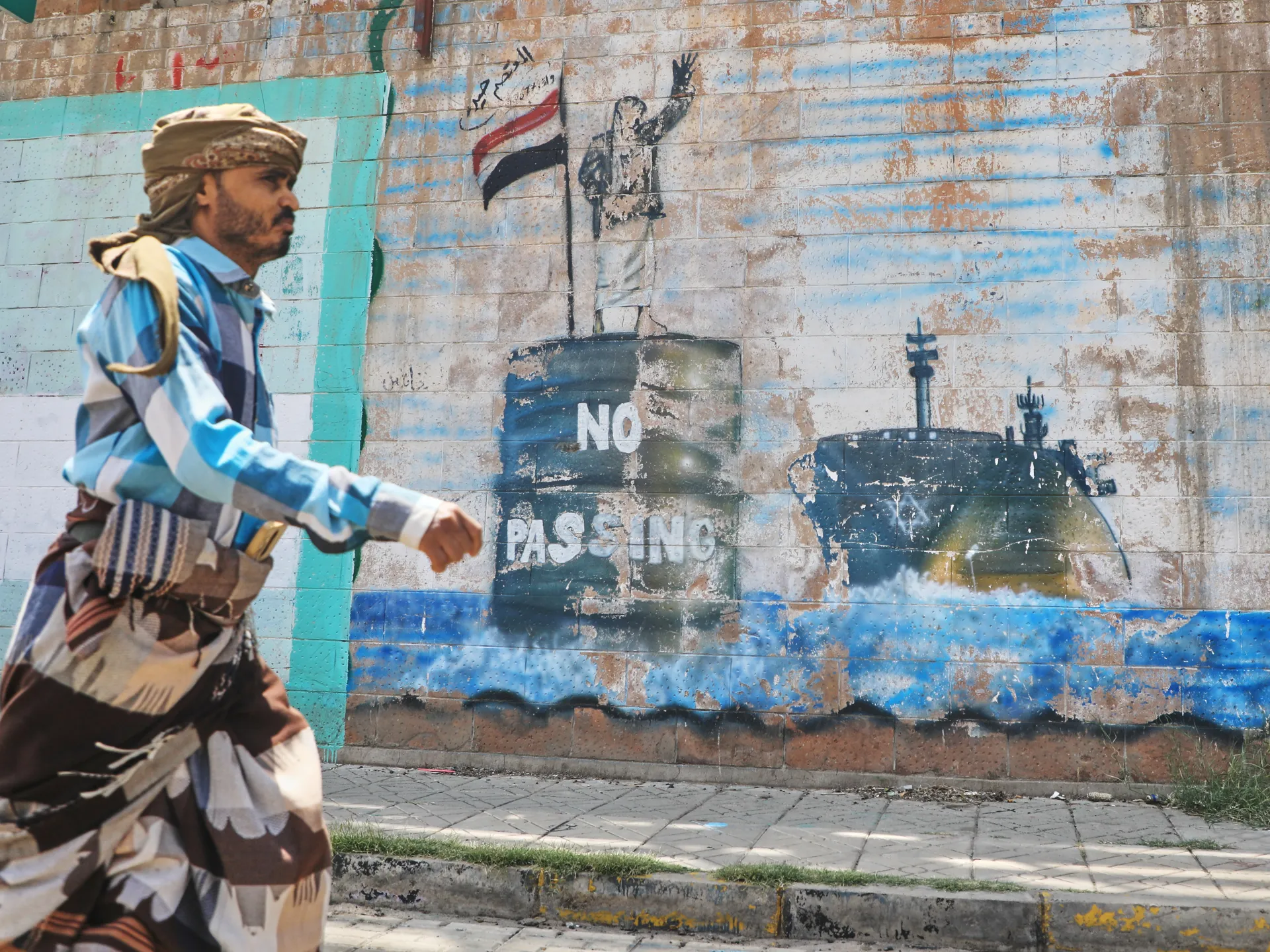
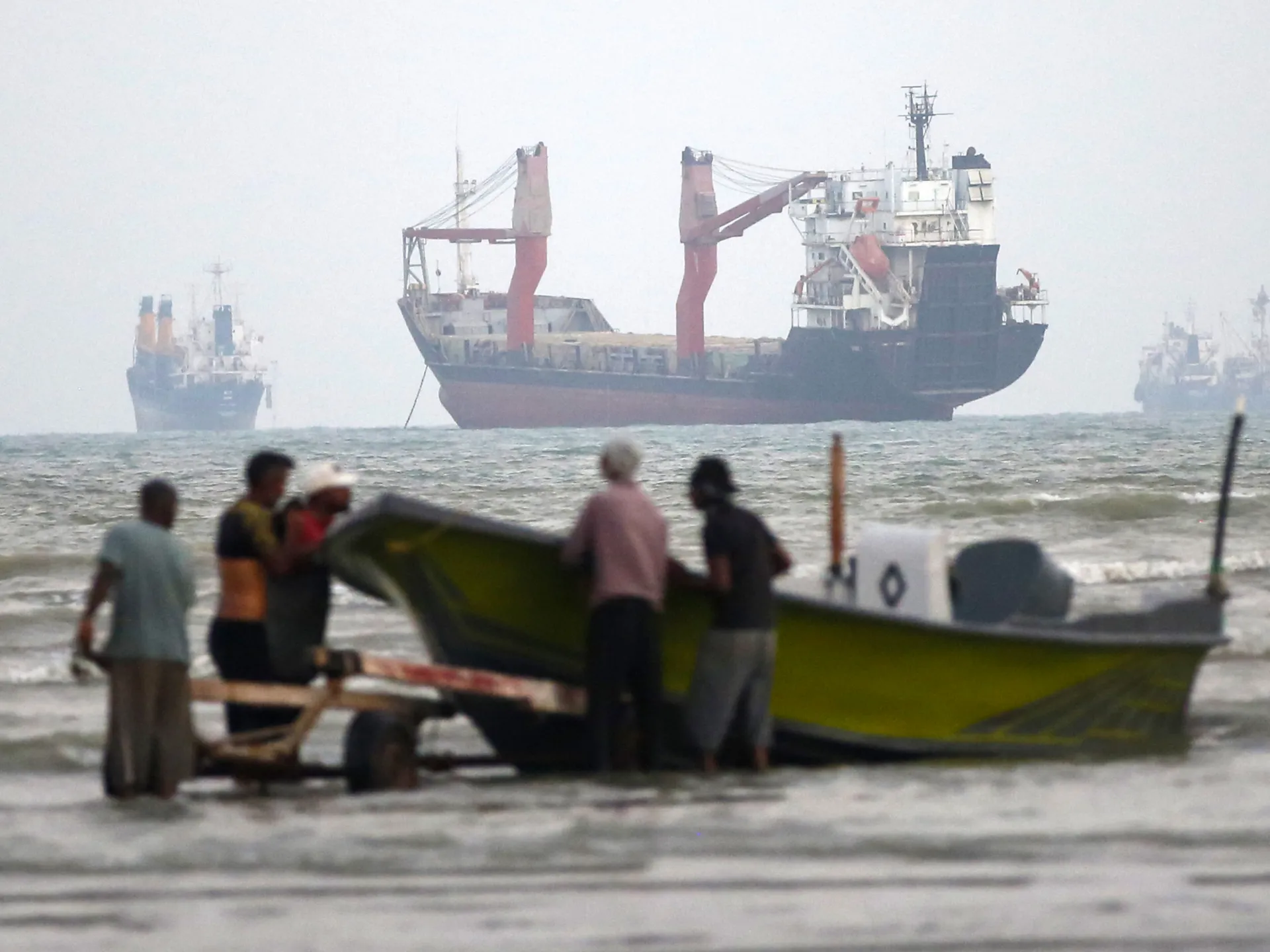
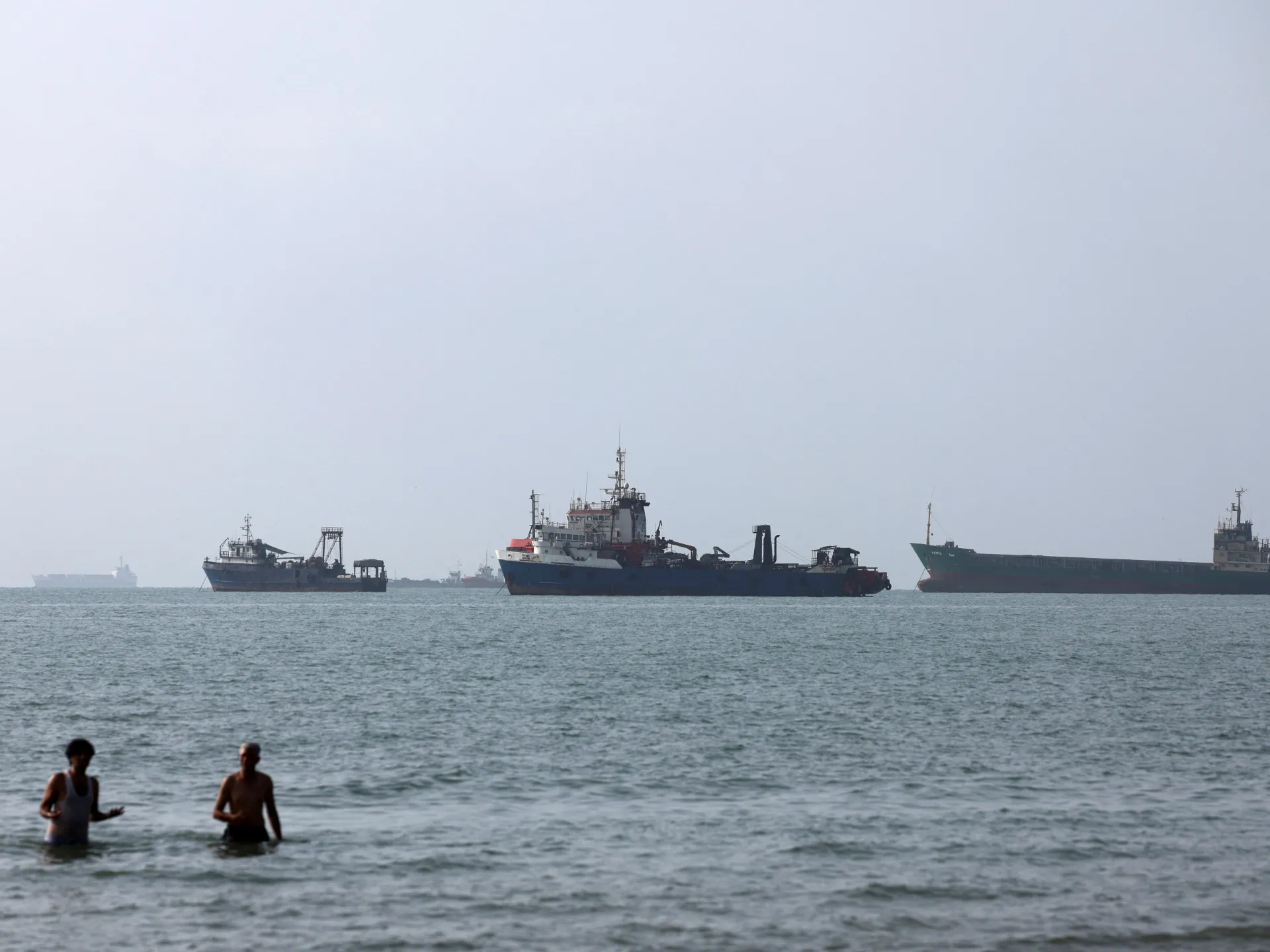
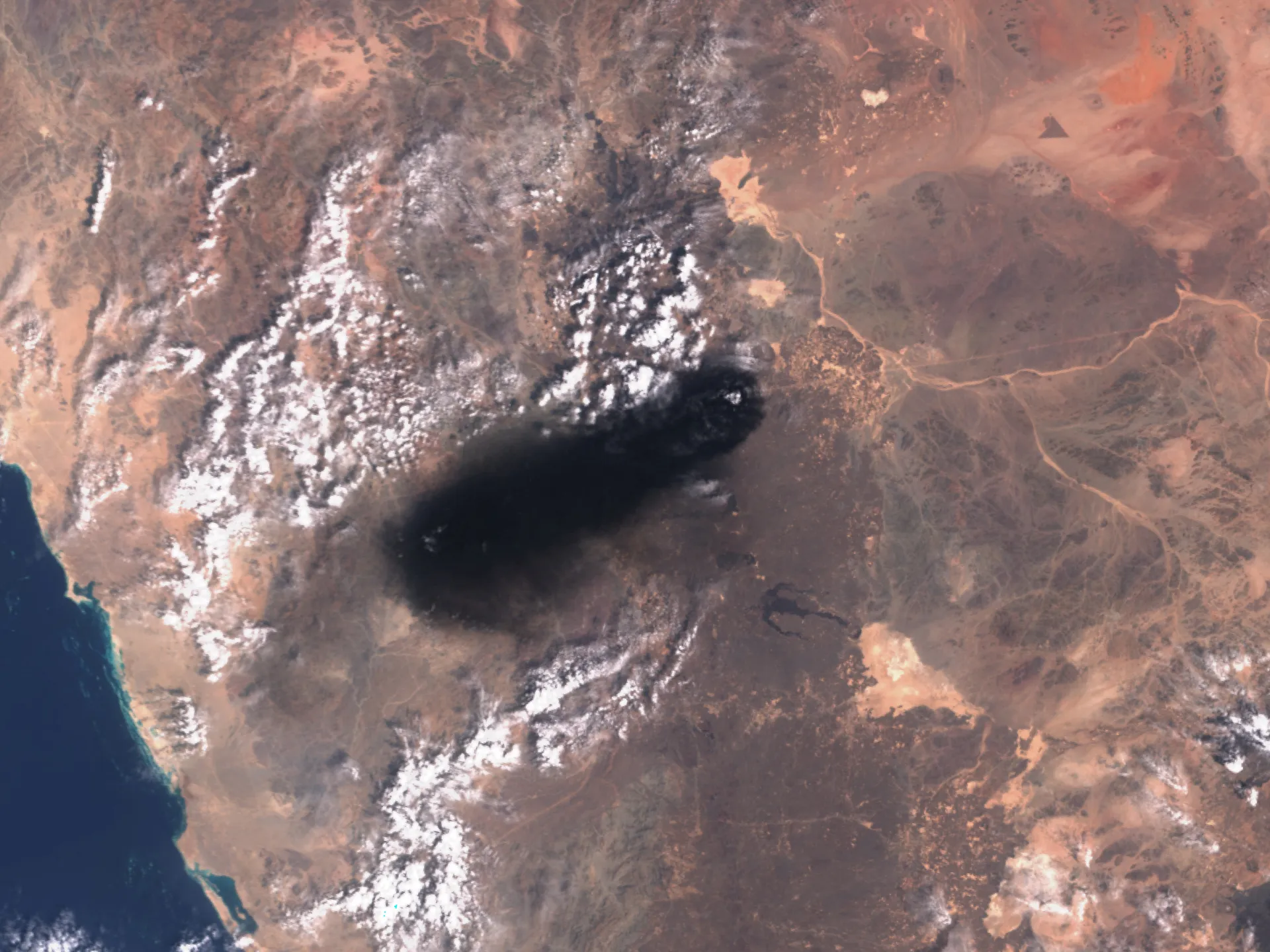
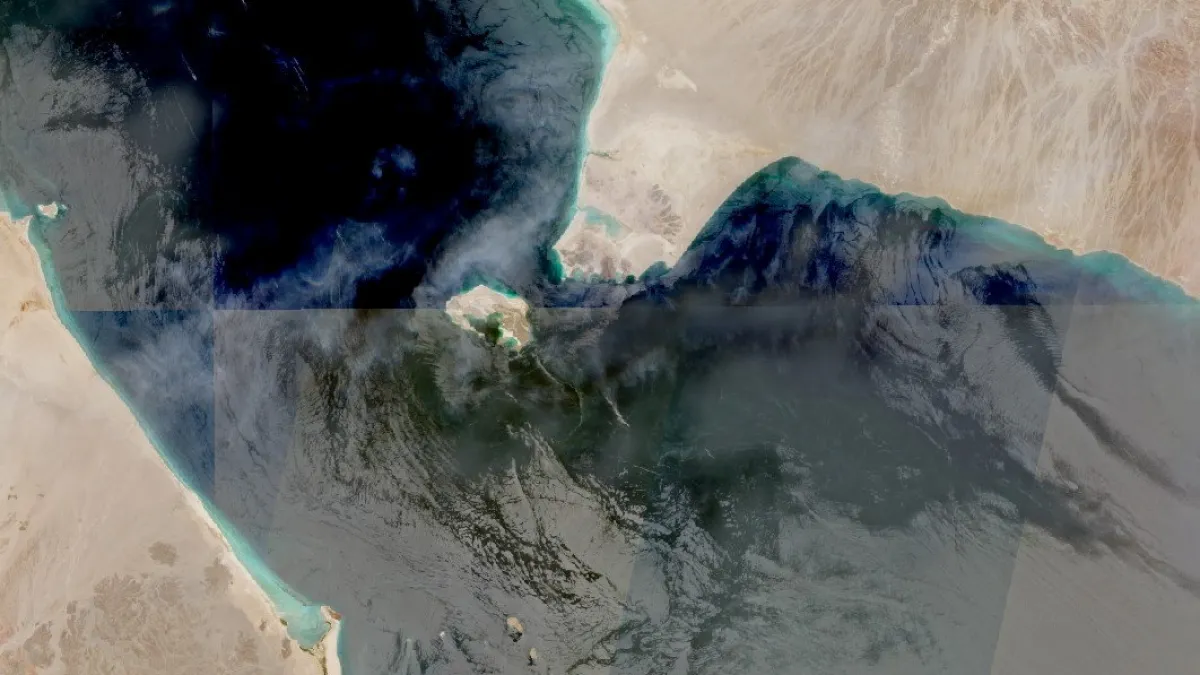
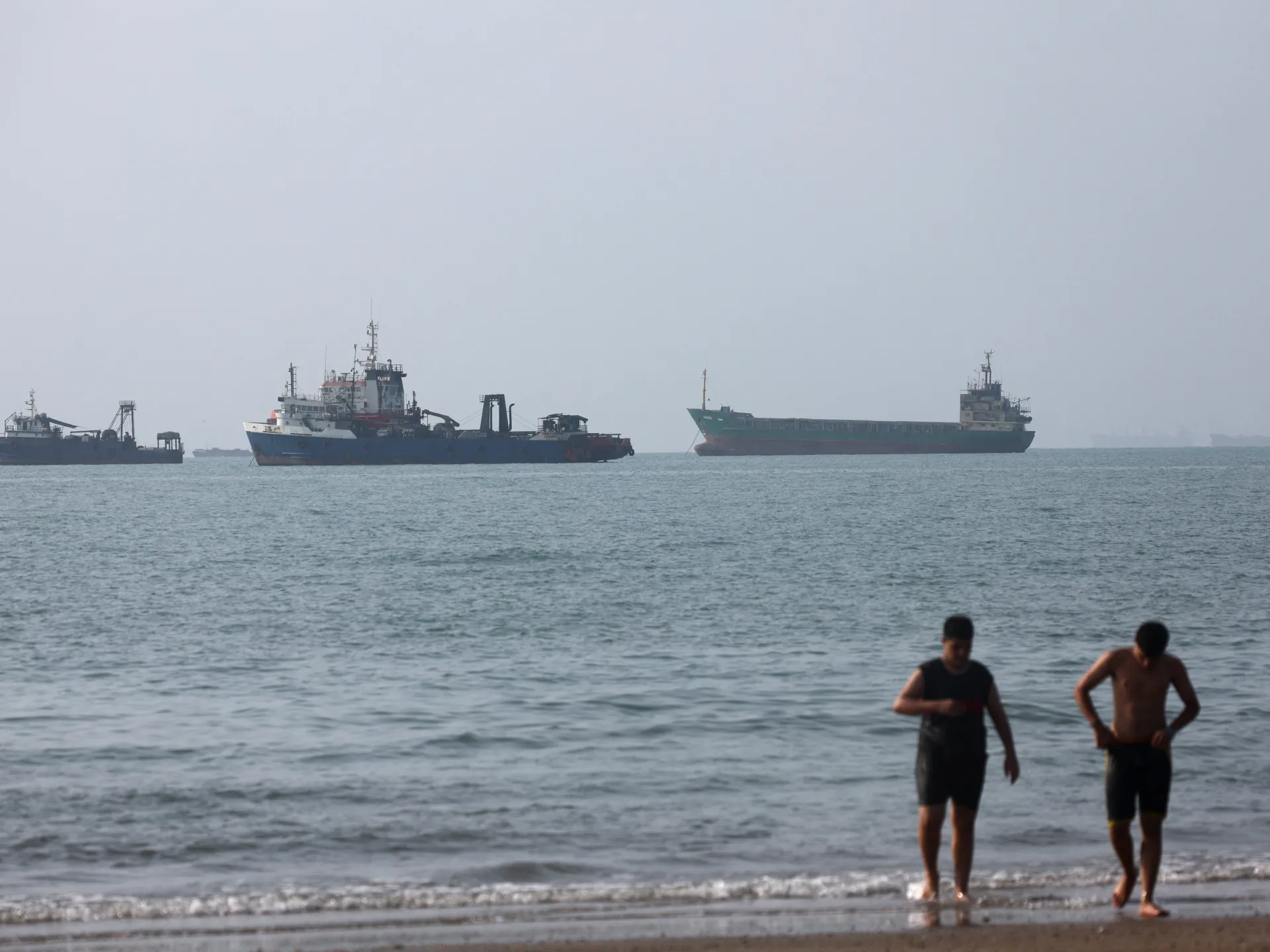
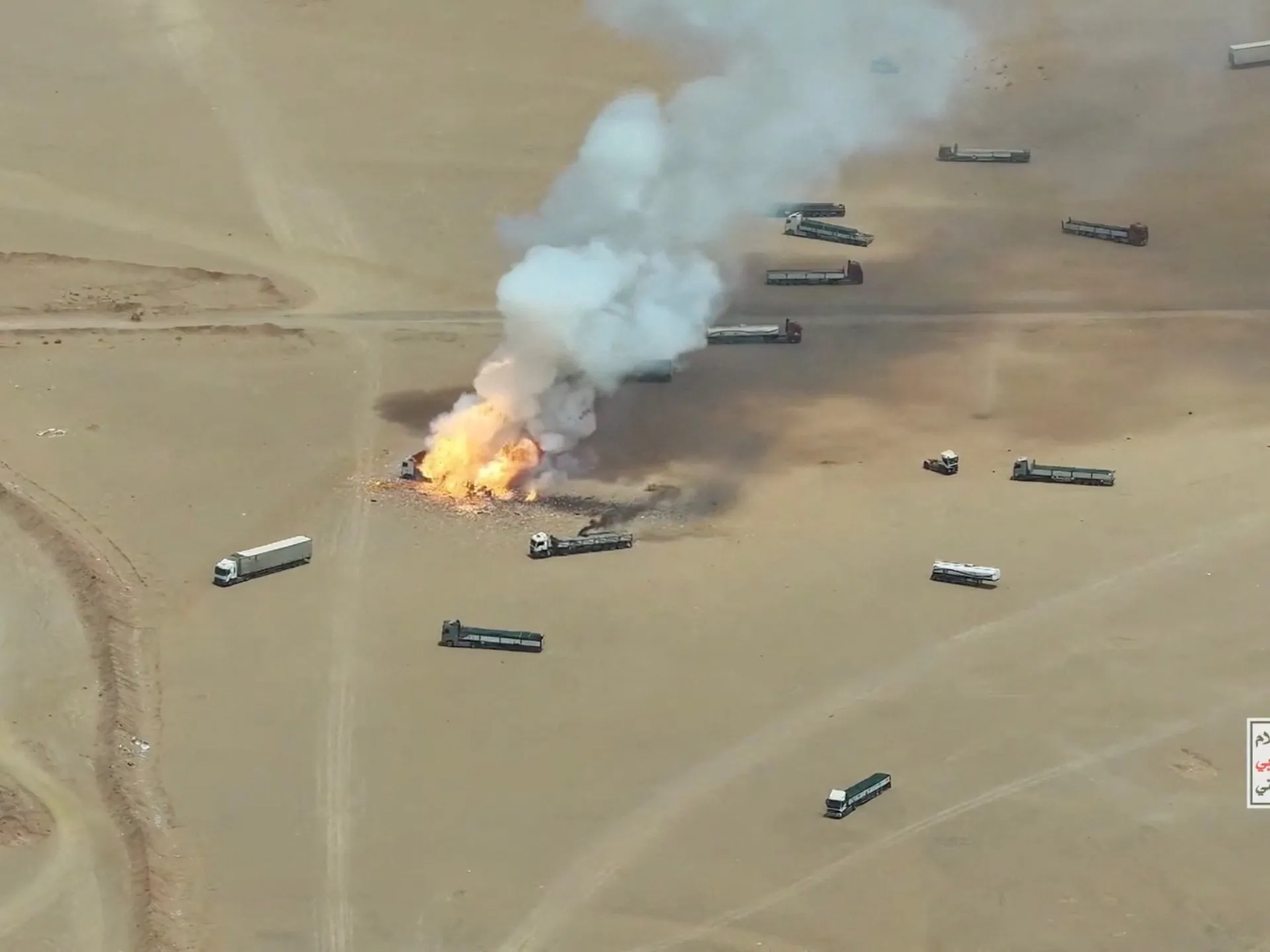
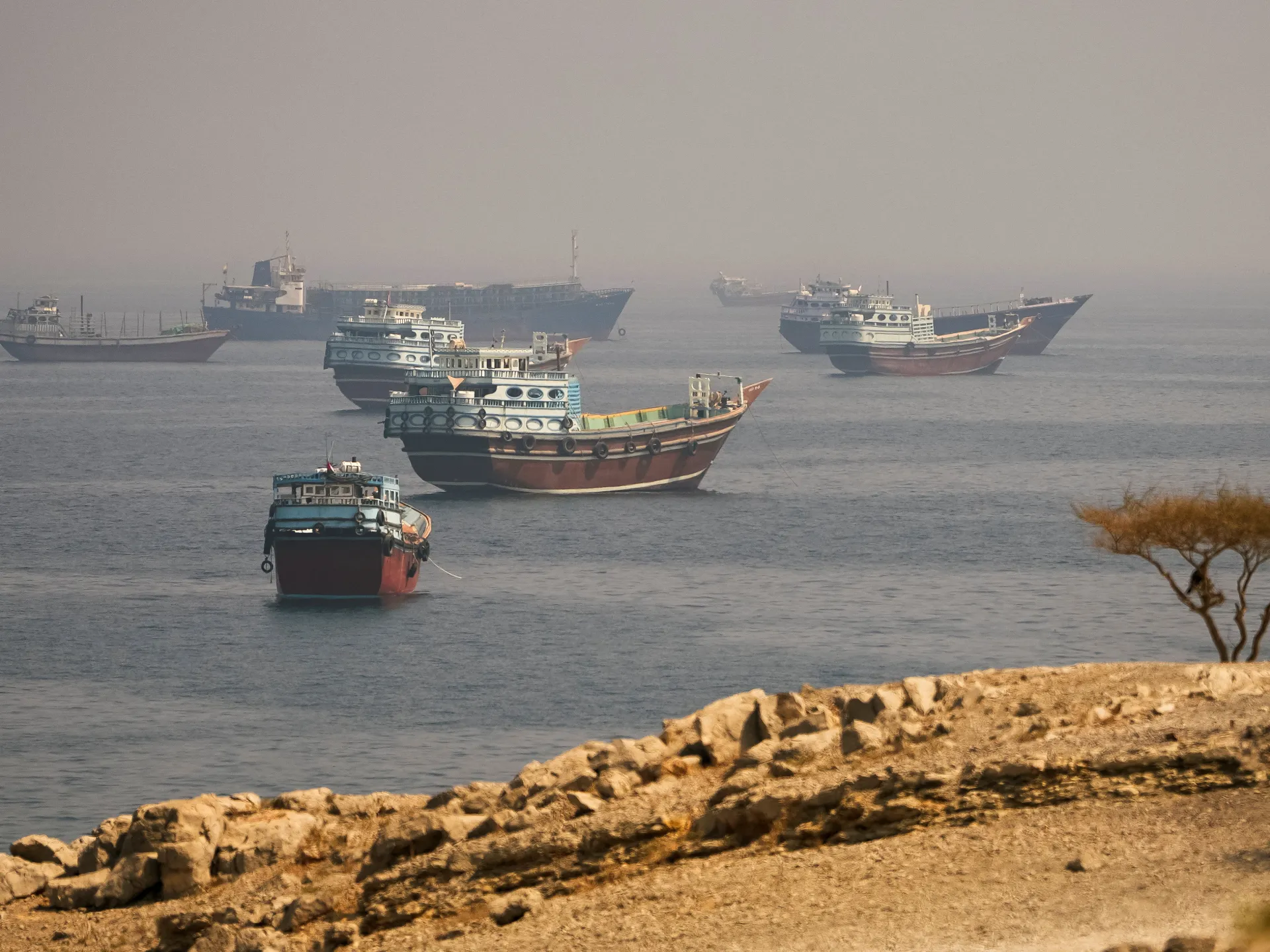
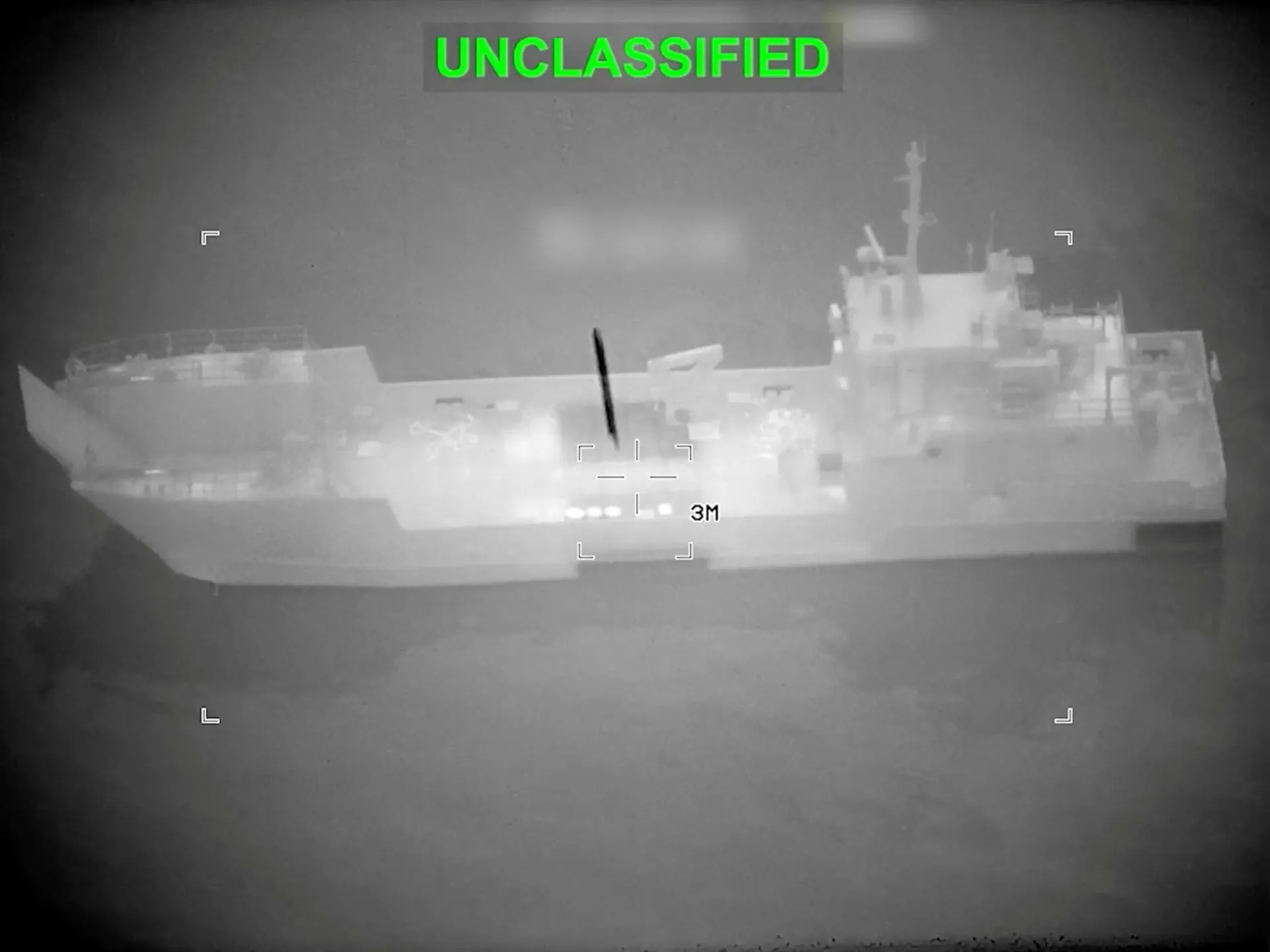
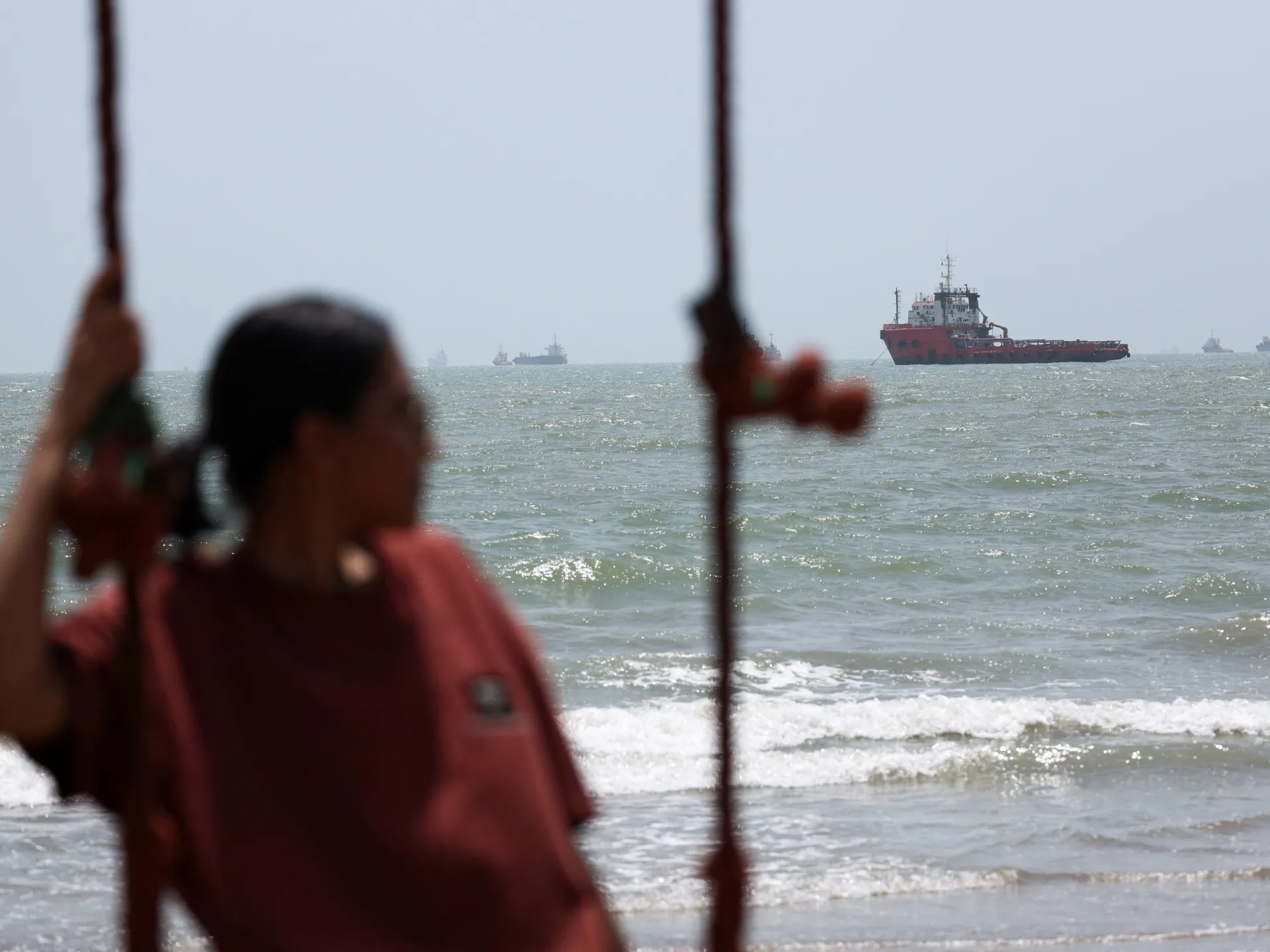
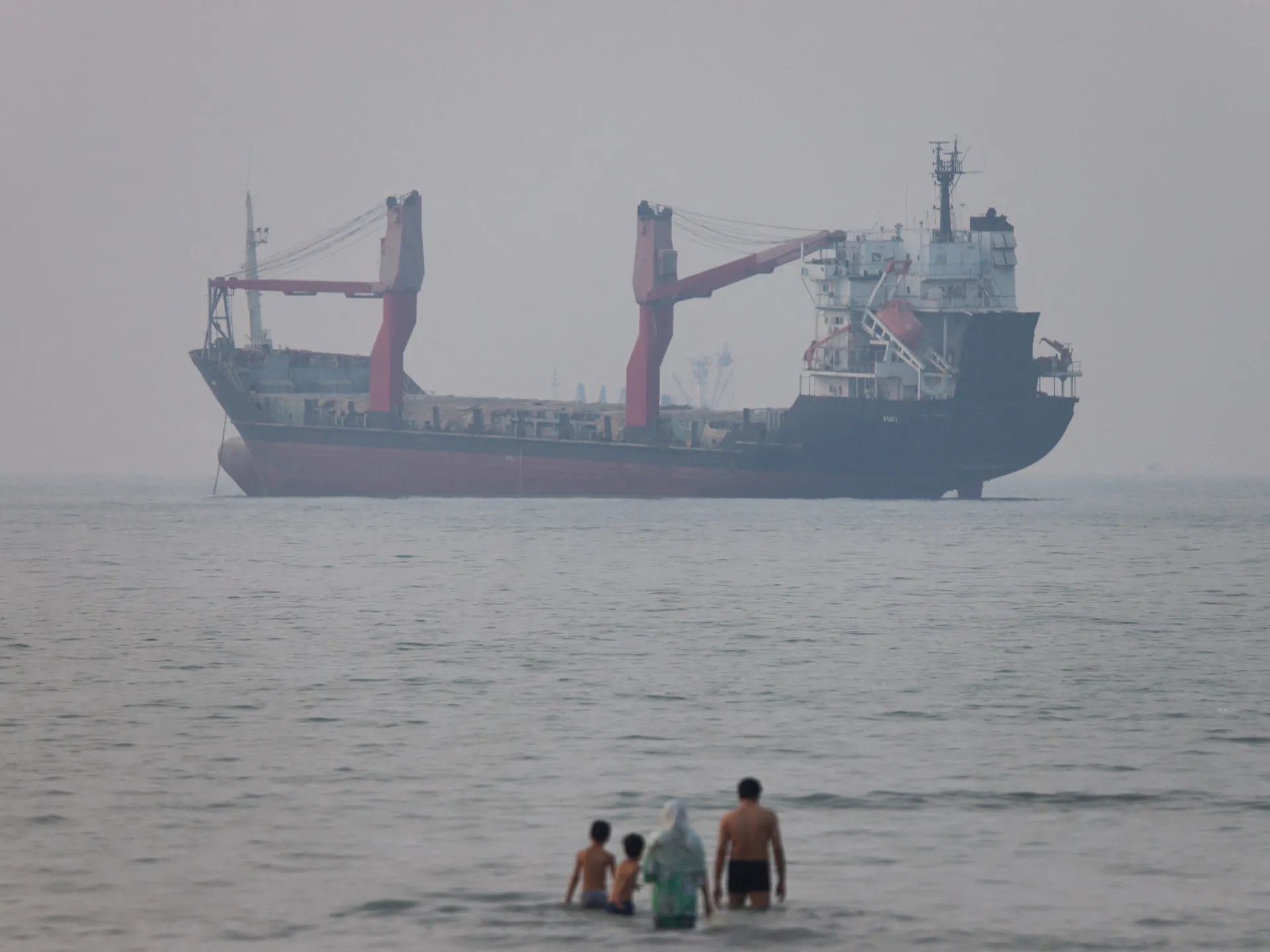
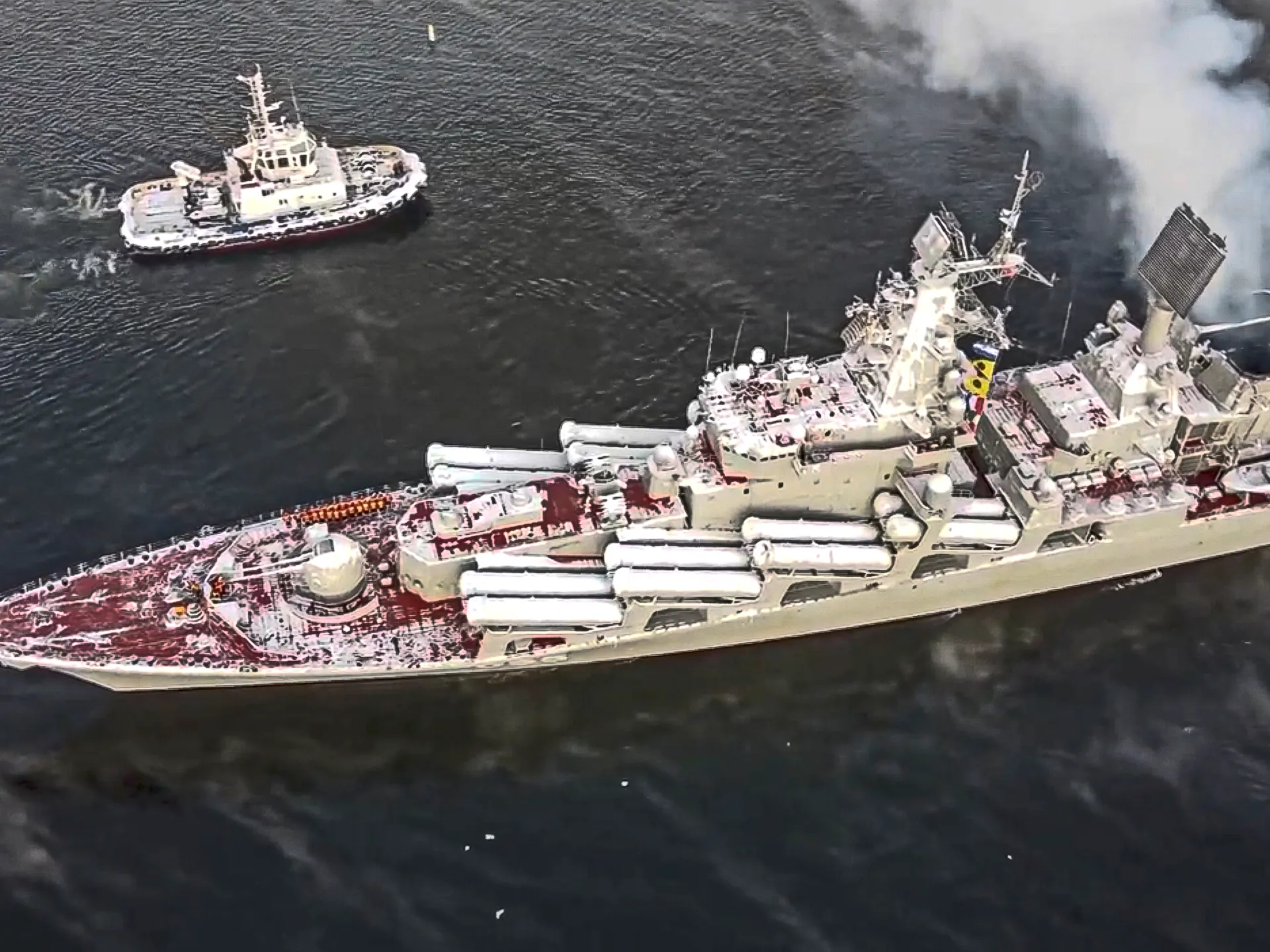
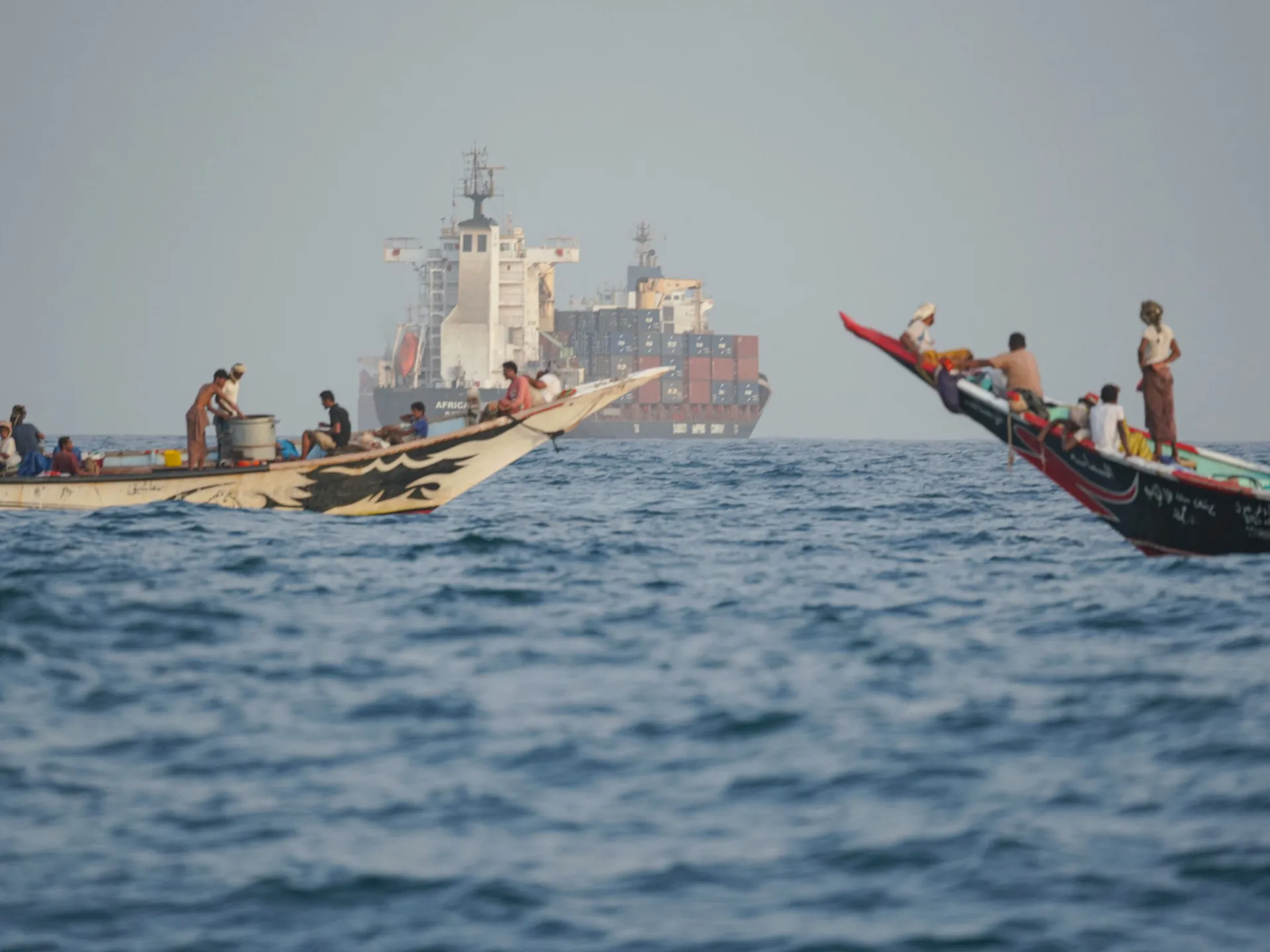
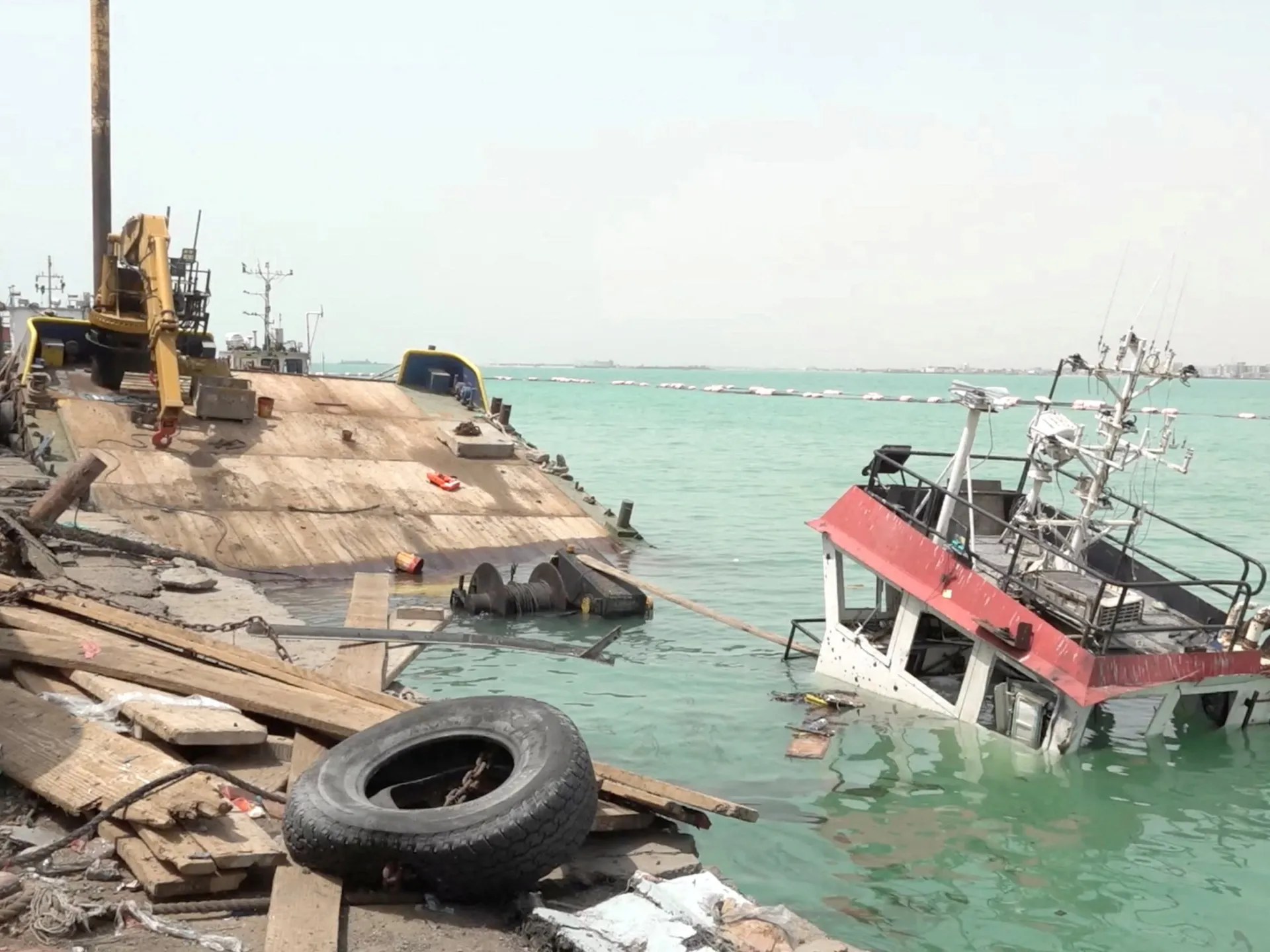
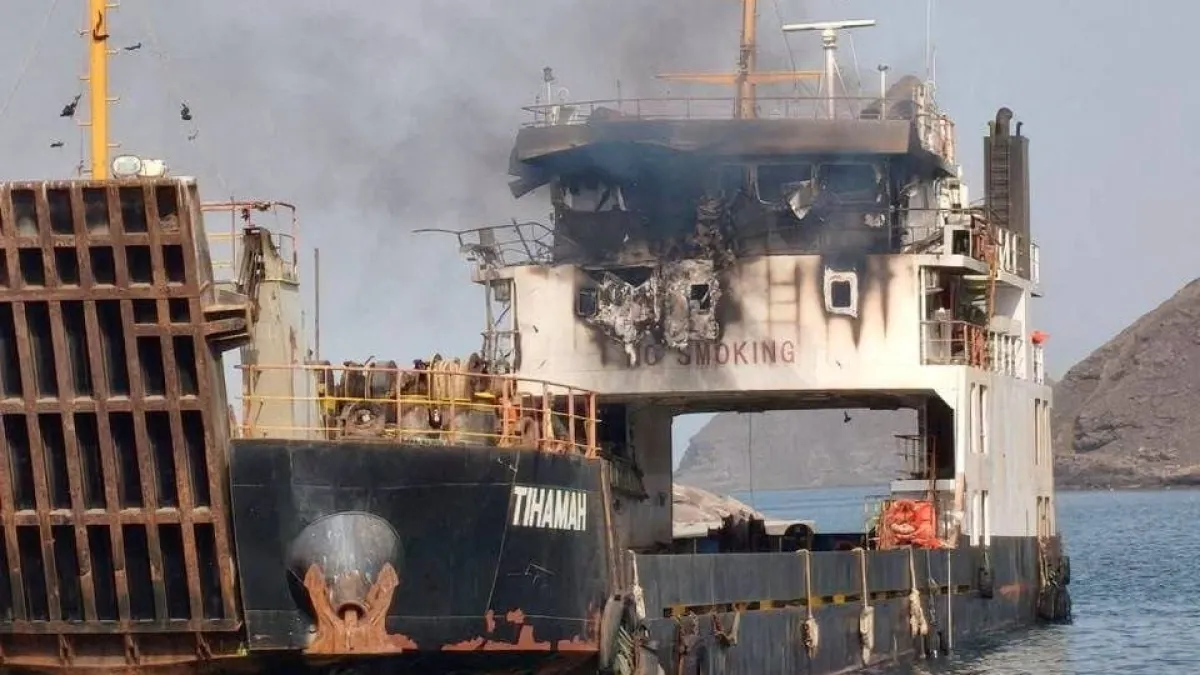
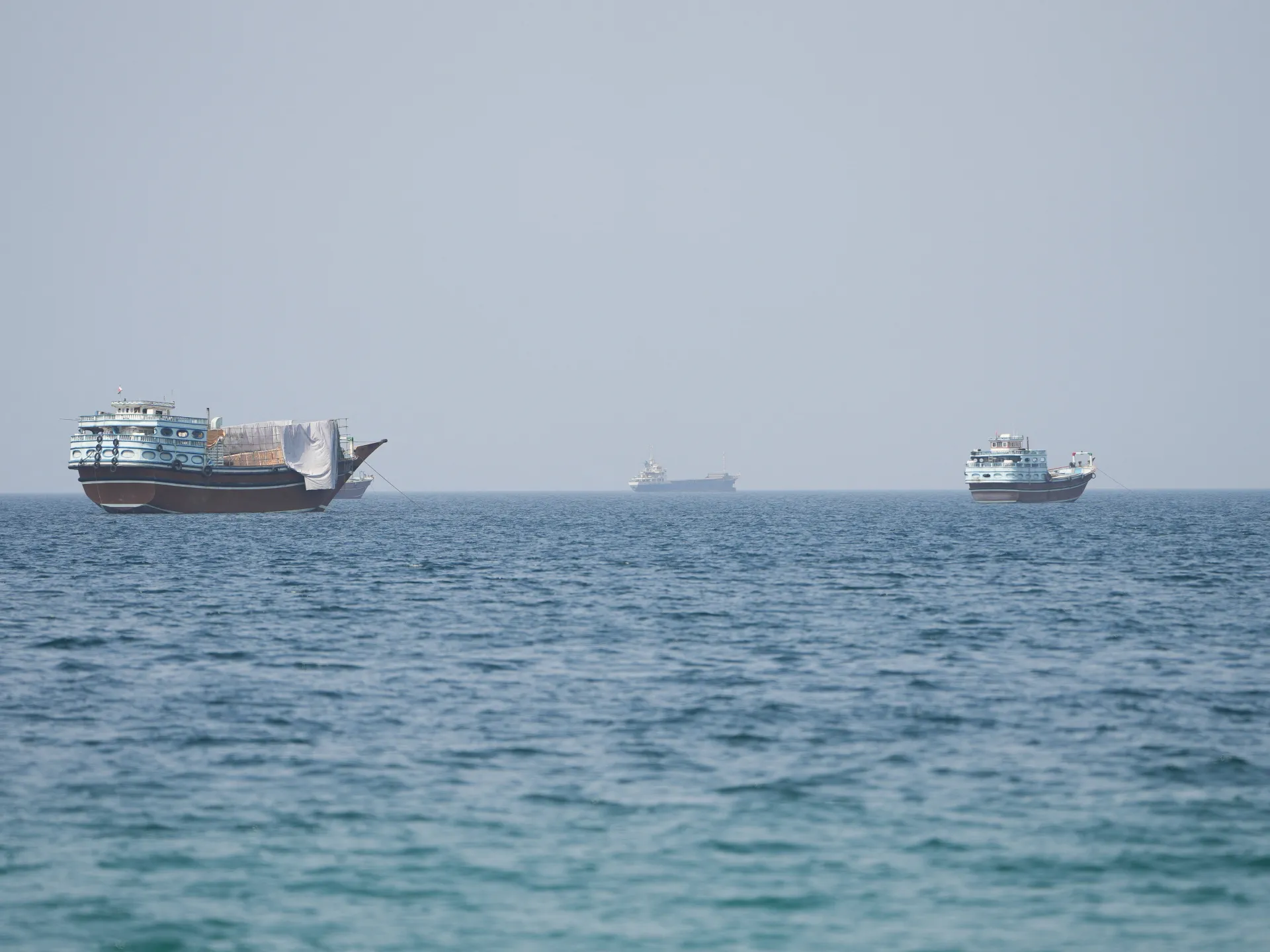
A significant development in the ongoing instability is the Houthi movement's intensified control over islands within the Red Sea. This geographic expansion is not merely a local tactical maneuver but a strategic move that grants the group influence over one of the world's most critical maritime shipping corridors. icantly altered the security landscape of the entire region.
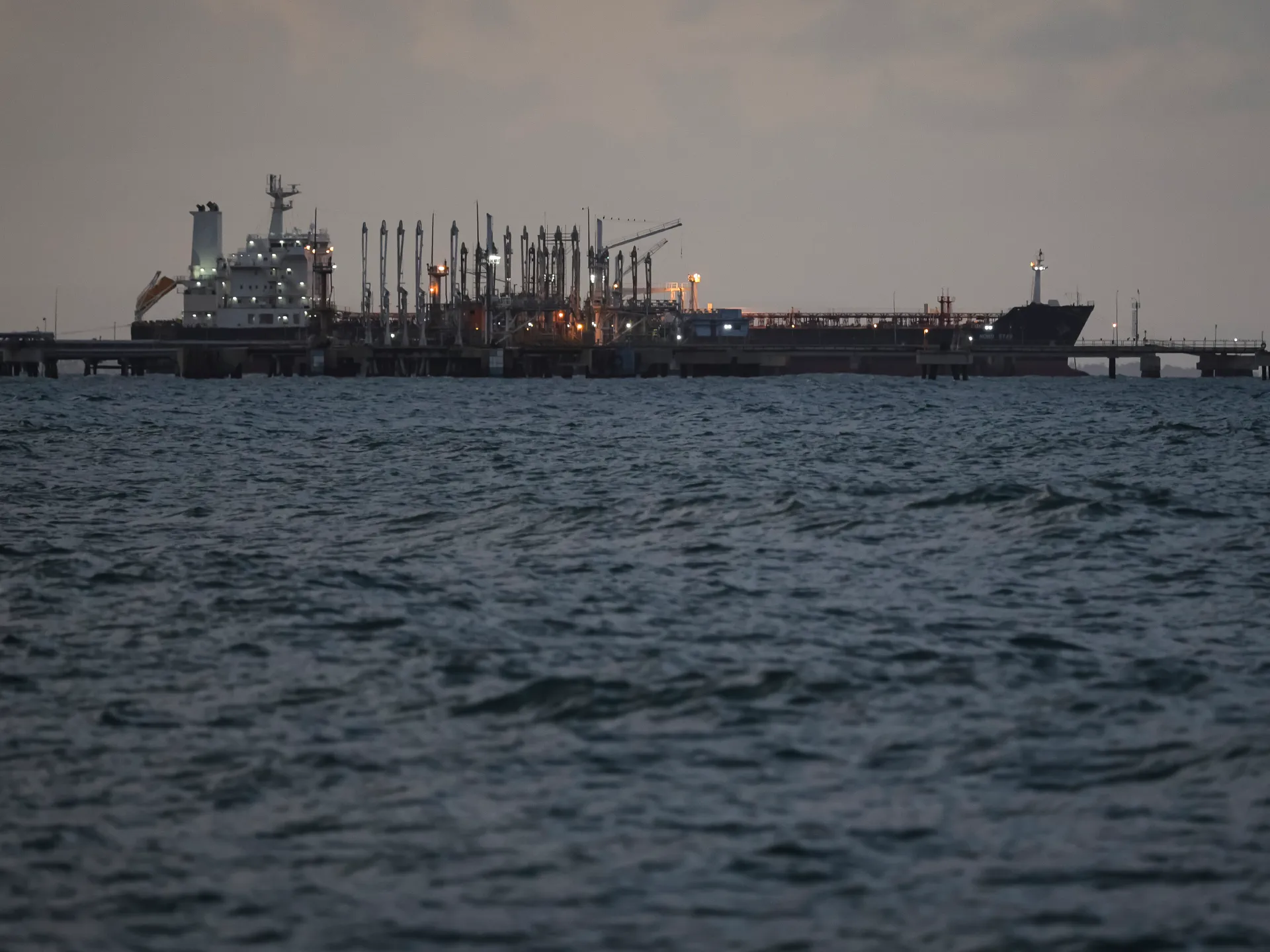
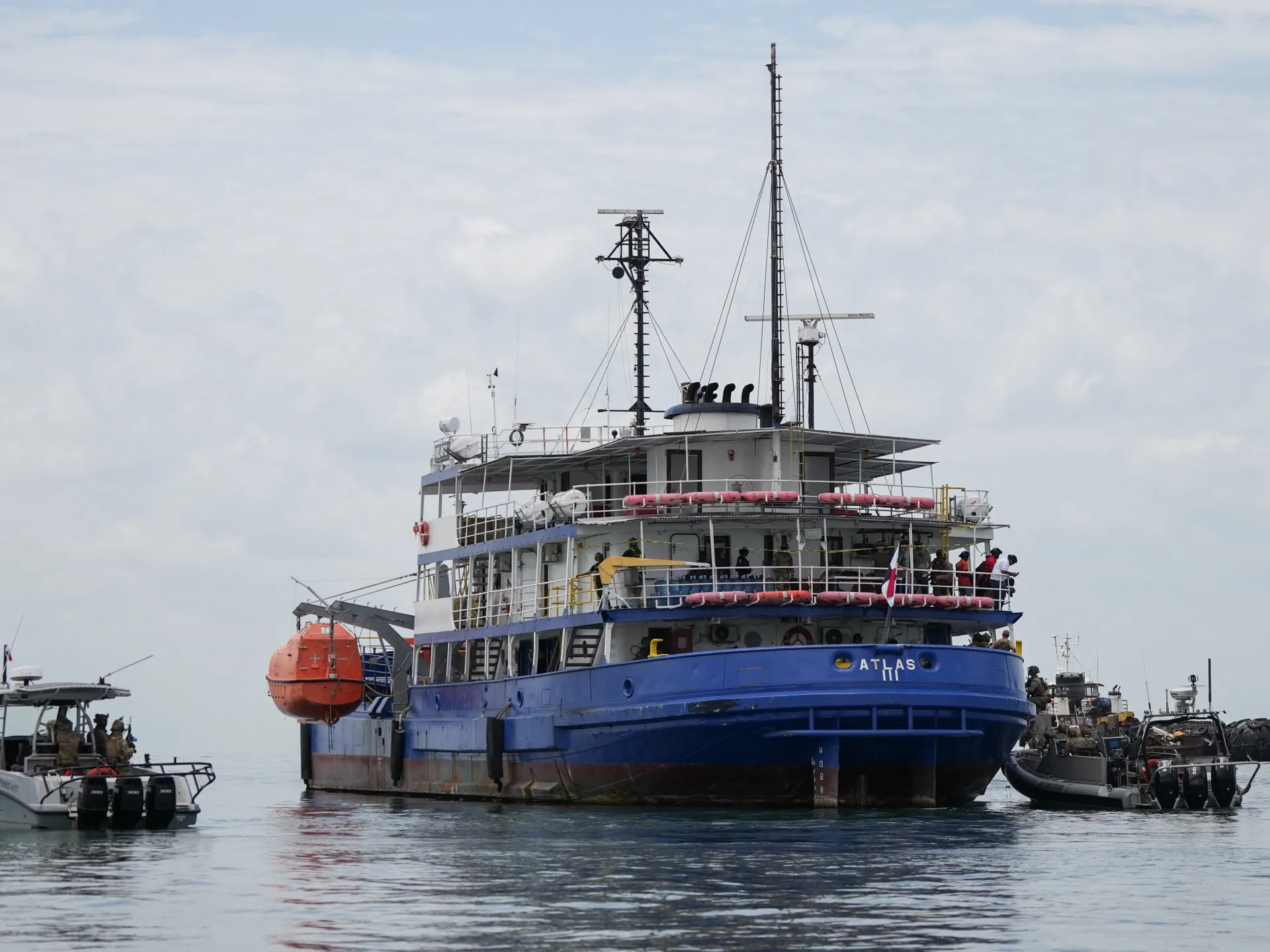
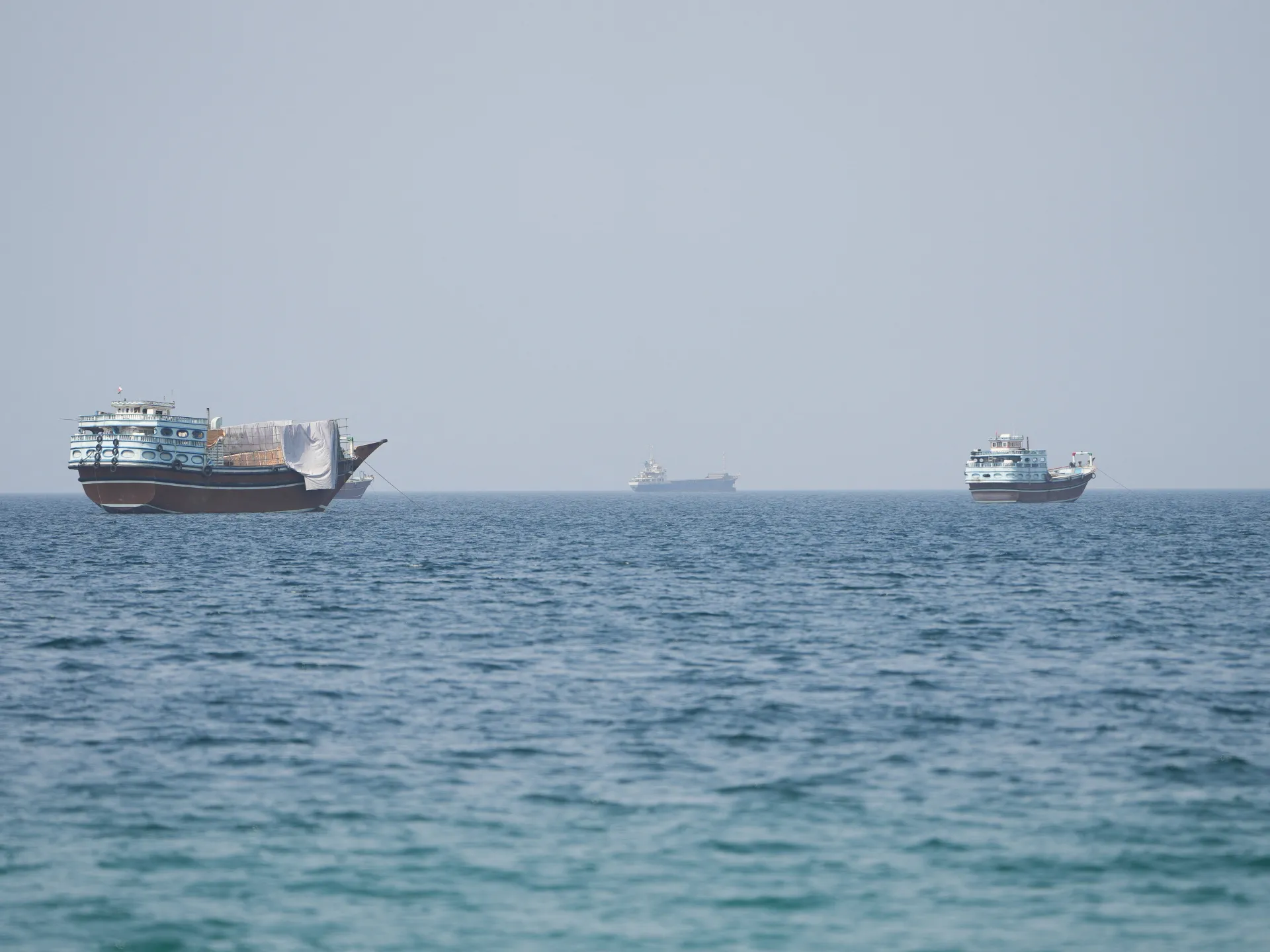
The ability to disrupt global trade routes provides the group with substantial leverage in both regional and international negotiations. This maneuver has caused alarm among global powers, as the flow of commerce through these waters is essential for international energy markets and supply chains. With the added context of recent maritime disruptions near the Strait of Hormuz, the control of these Red Sea islands represents a broader challenge to regional maritime security and the freedom of navigation.
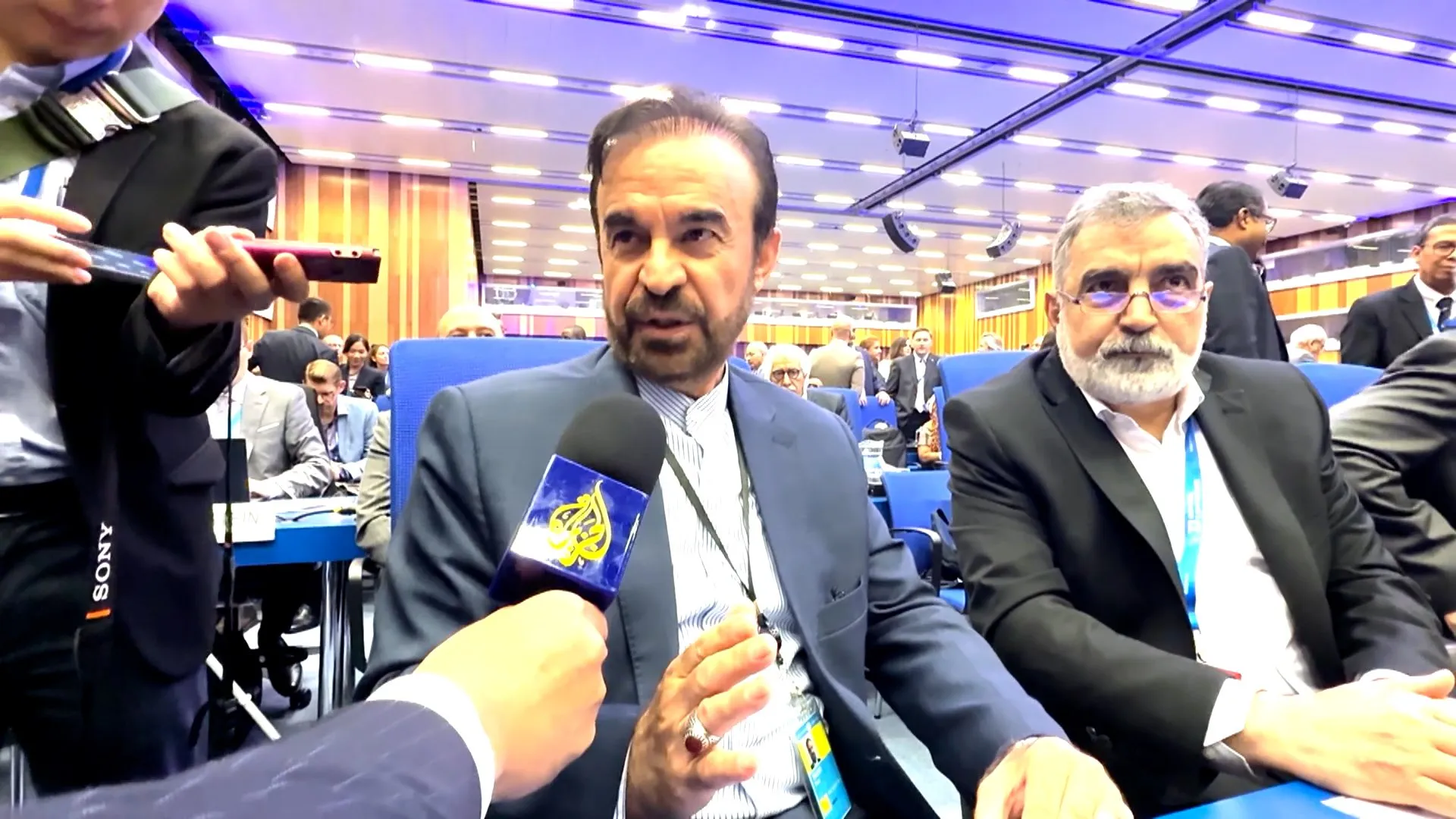
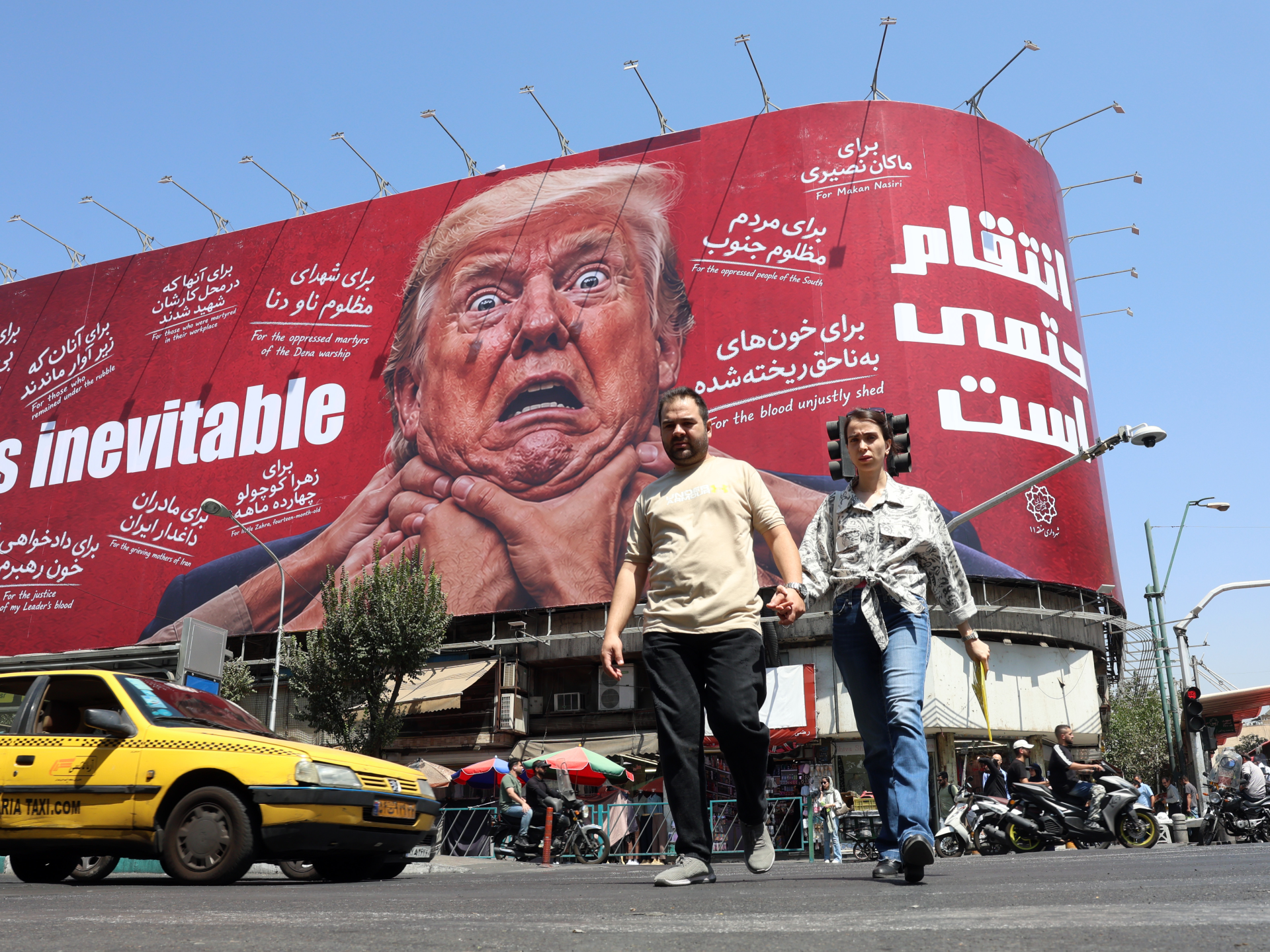
The escalation in Yemen cannot be viewed in isolation, as it is deeply intertwined with broader regional tensions. The ongoing conflict involving Iran has already cast a long shadow over maritime security, and the resurgence of active warfare in Yemen threatens to exacerbate these existing frictions. Experts are closely monitoring how these localized power shifts might force other regional stakeholders to adjust their diplomatic and military strategies.
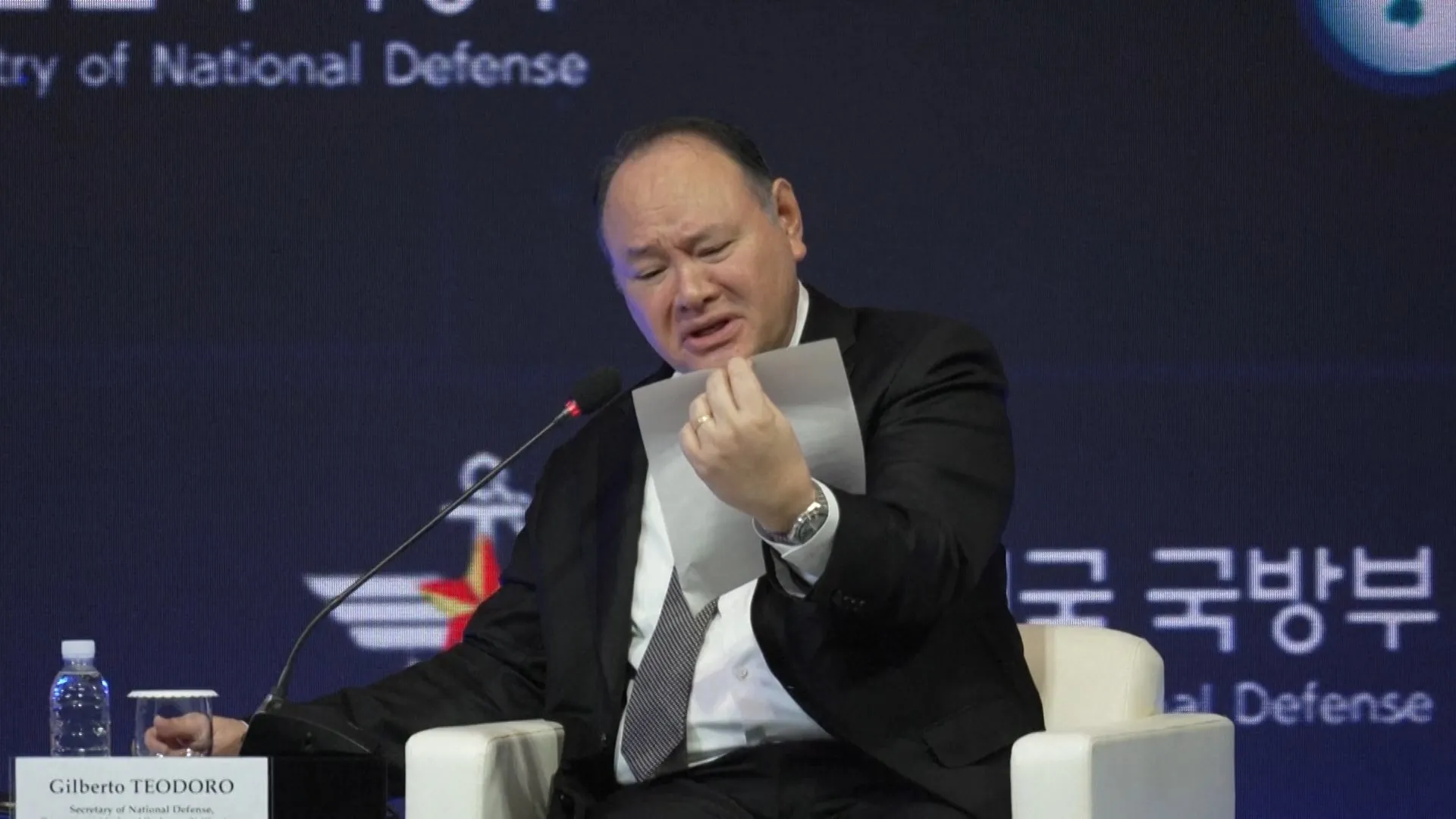
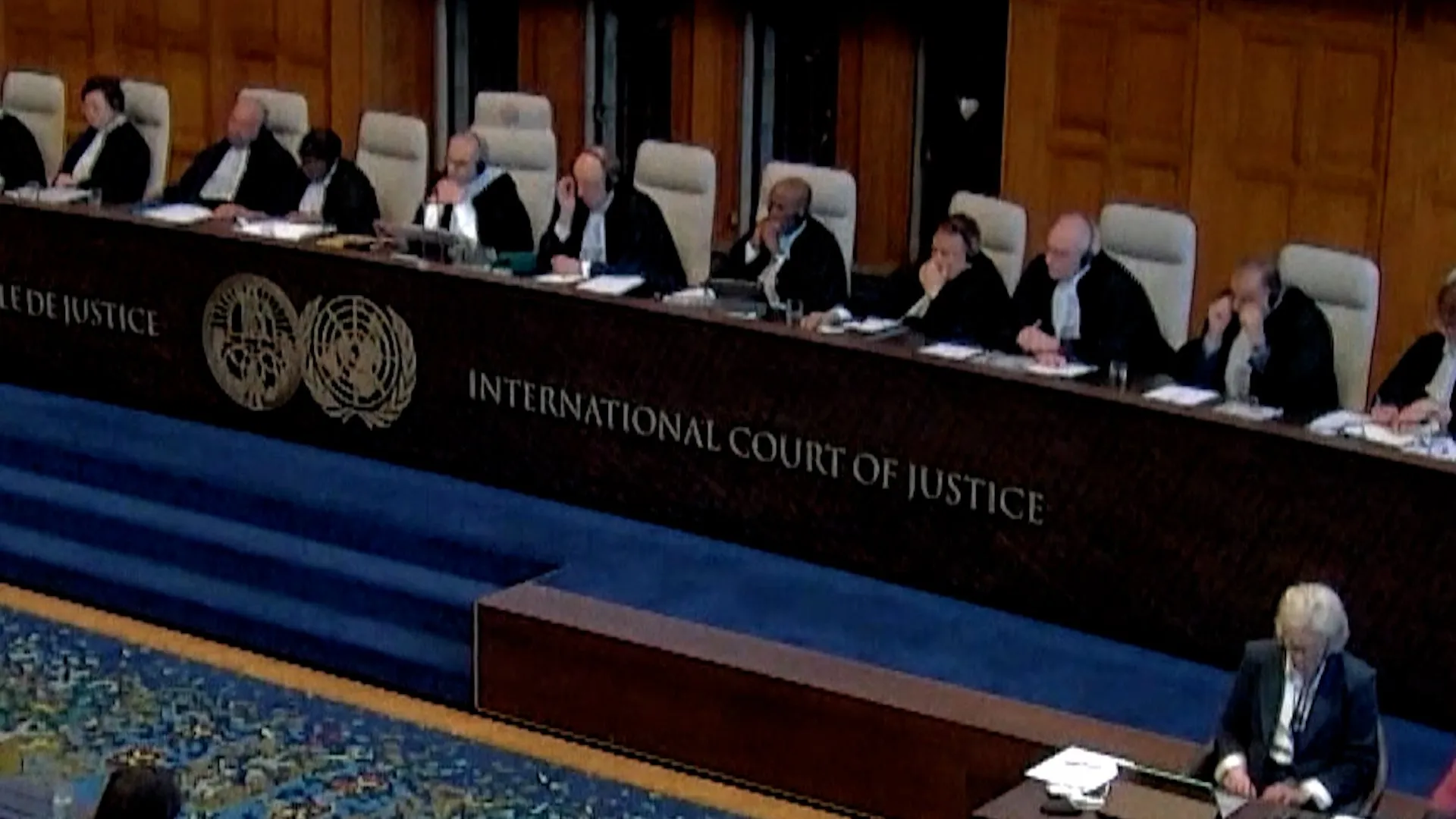
The involvement of various international analysts highlights the complexity of the situation. Security experts suggest that the current trajectory necessitates a reevaluation of international policy regarding the Horn of Africa and the Arabian Peninsula. Because the region is already burdened ing a catastrophic humanitarian fallout that could extend far beyond Yemen’s borders.
Determining what might halt the current Houthi advance remains a central question for global security analysts. While diplomatic channels remain open, the shift toward military consolidation suggests that the incentives for peace are currently being outweighed effort to enforce maritime security and facilitate a return to the negotiating table, the path to a sustainable resolution appears increasingly narrow.
The international community faces a difficult balancing act. Addressing the immediate threat to shipping lanes requires a robust security presence, yet such actions must be carefully calibrated to avoid deepening the underlying civil conflict. As the situation evolves, the coordination between regional powers and international bodies will be vital in preventing the complete collapse of the remaining diplomatic frameworks that once held the peace together.