As the U.S. marks the 25th anniversary of the 9/11 attacks, Morocco prepares for parliamentary elections amidst a shifting landscape of political trust.
As the month of September 2026 unfolds, the international community is navigating a complex landscape defined the United States, the quarter-century mark since the September 11 attacks serves as a profound moment of national introspection, forcing a reconciliation between the legacy of the 'war on terror' and contemporary geopolitical objectives. The rhetoric surrounding this anniversary suggests that the trauma of 2001 remains a foundational element of American foreign policy and internal security doctrine, as leaders tie past sacrifices to current diplomatic and military tensions in the Middle East.
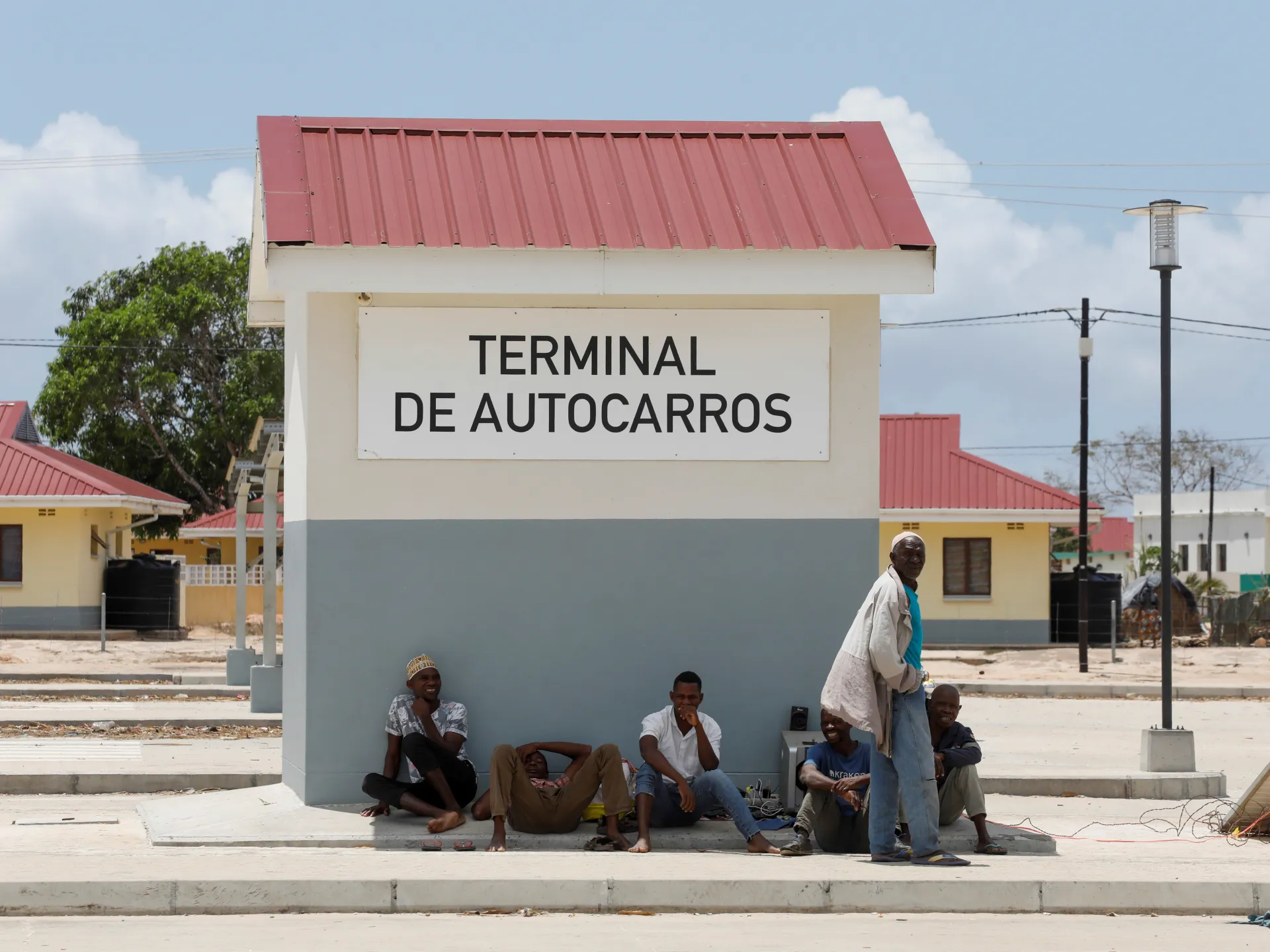
Simultaneously, in North Africa, Morocco’s electoral cycle offers a distinct window into the challenges of governance in a constitutional monarchy. While the United States grapples with the solidification of historical narrative, Morocco faces the volatility of modern civic engagement. The divergence between the age of the electorate and the traditional political apparatus highlights a systemic friction: the desire for meaningful, youth-driven reform versus the rigid structural constraints of the 2011 constitution. Analyzing these two disparate developments provides a broader understanding of how nations balance long-term institutional memory with the urgent, evolving demands of their respective populations.
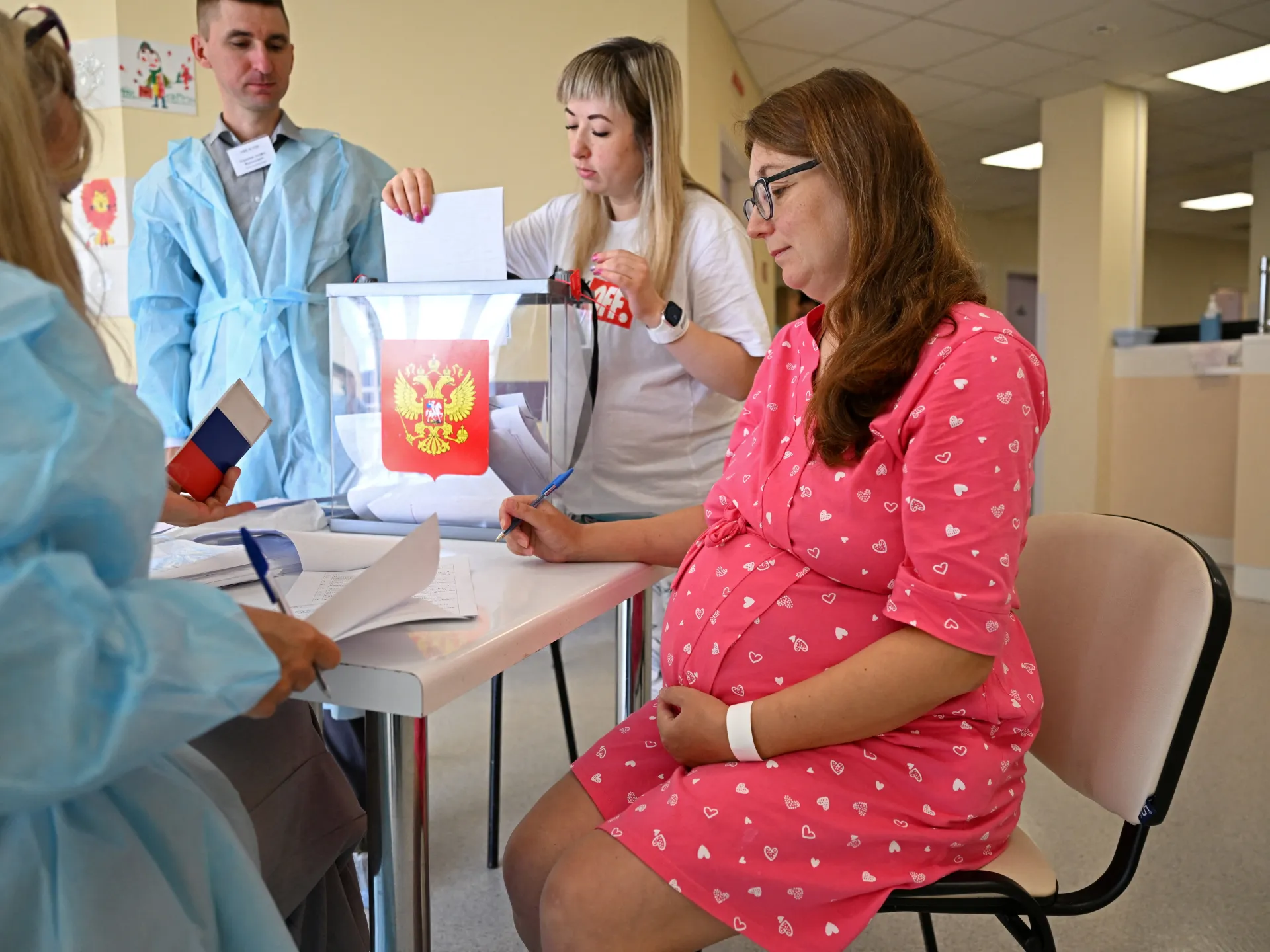
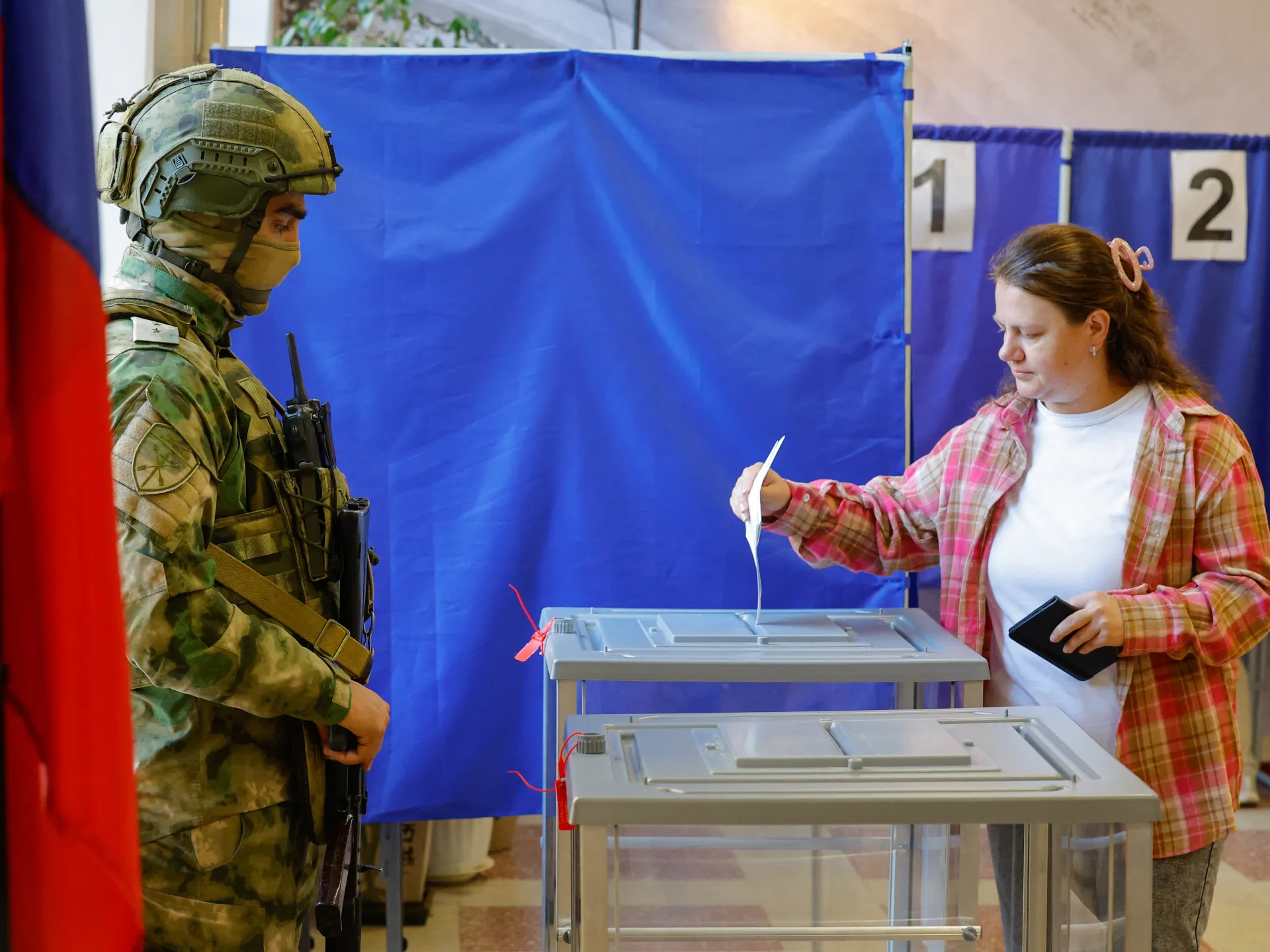
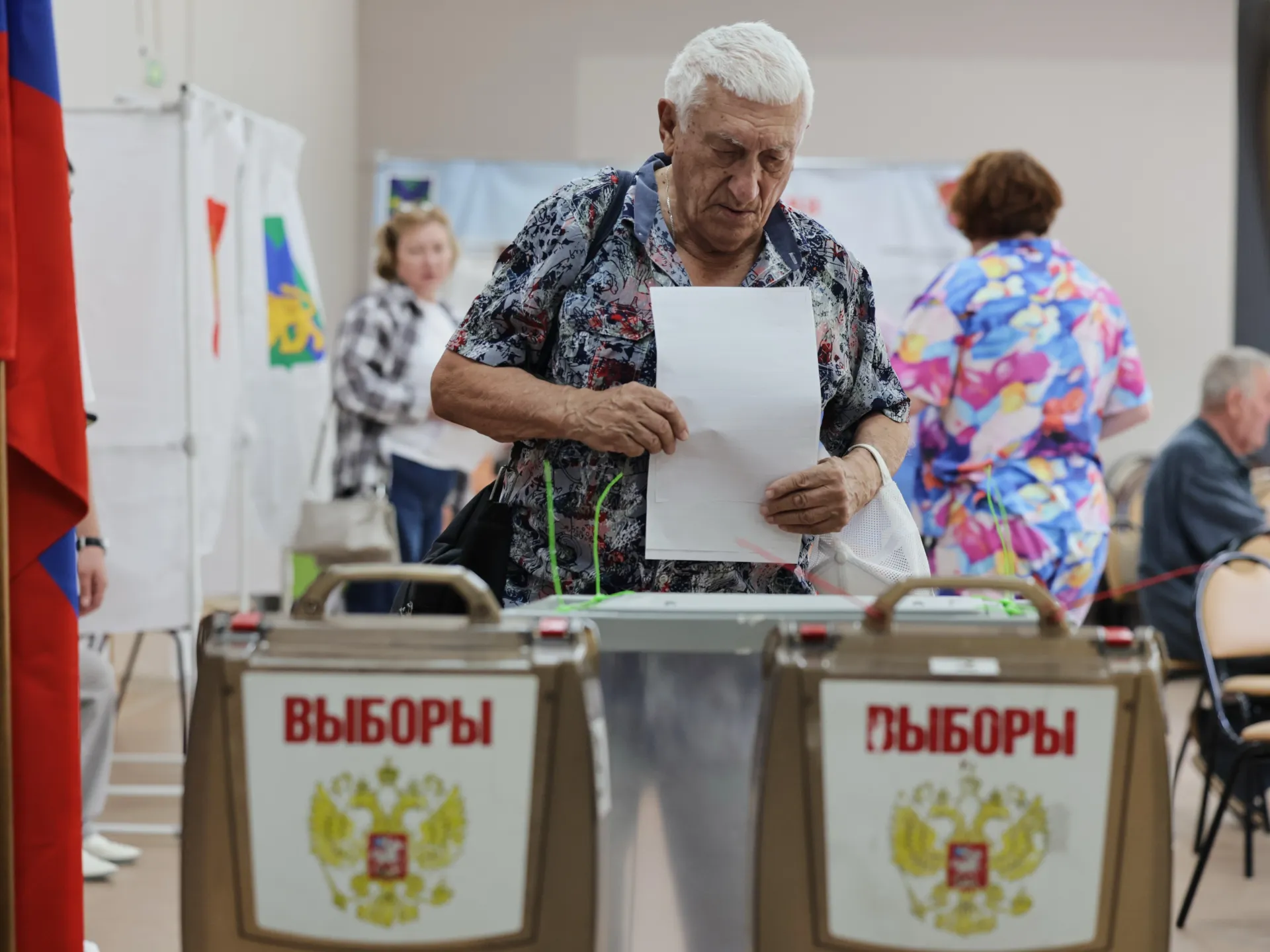
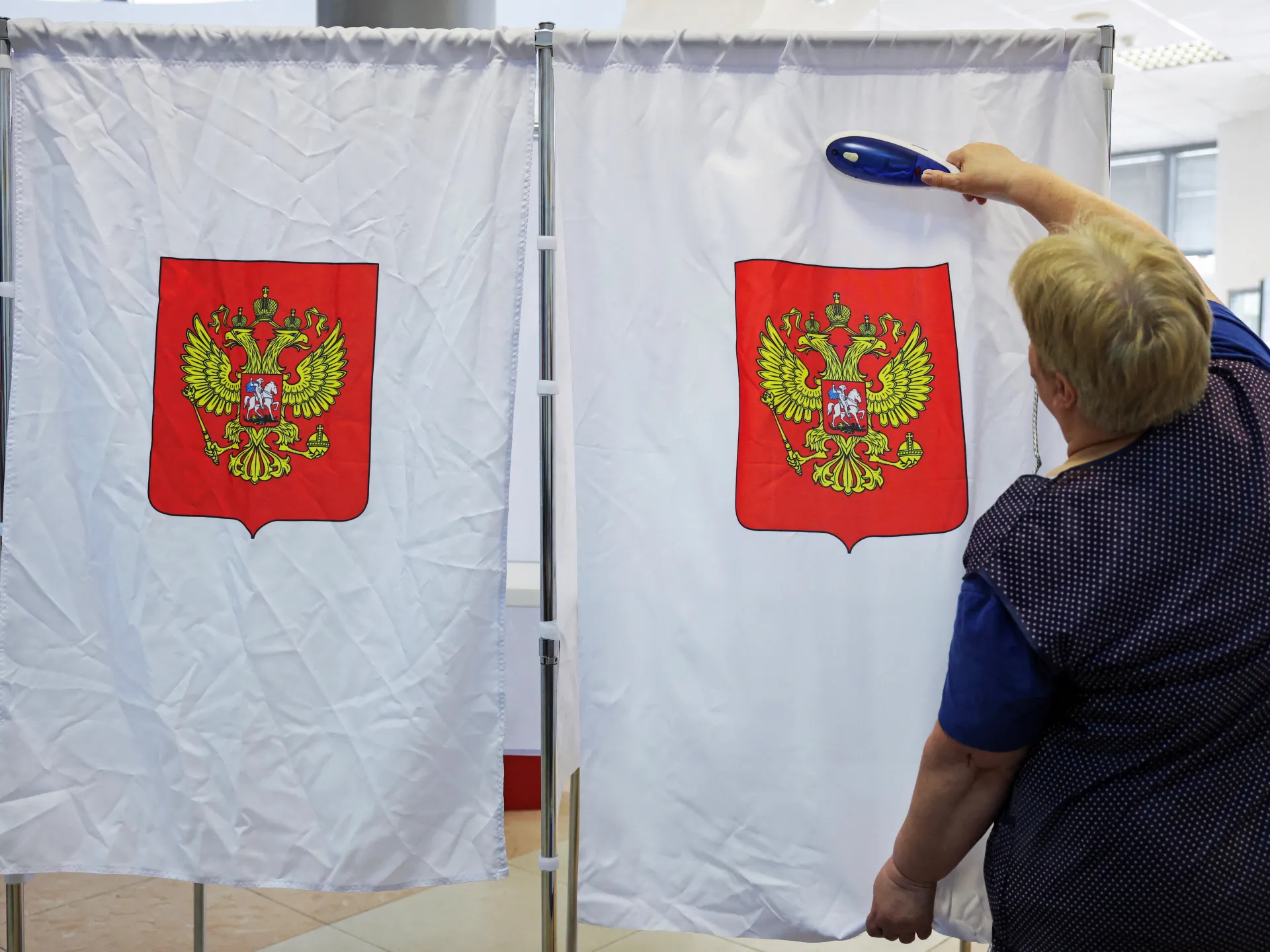
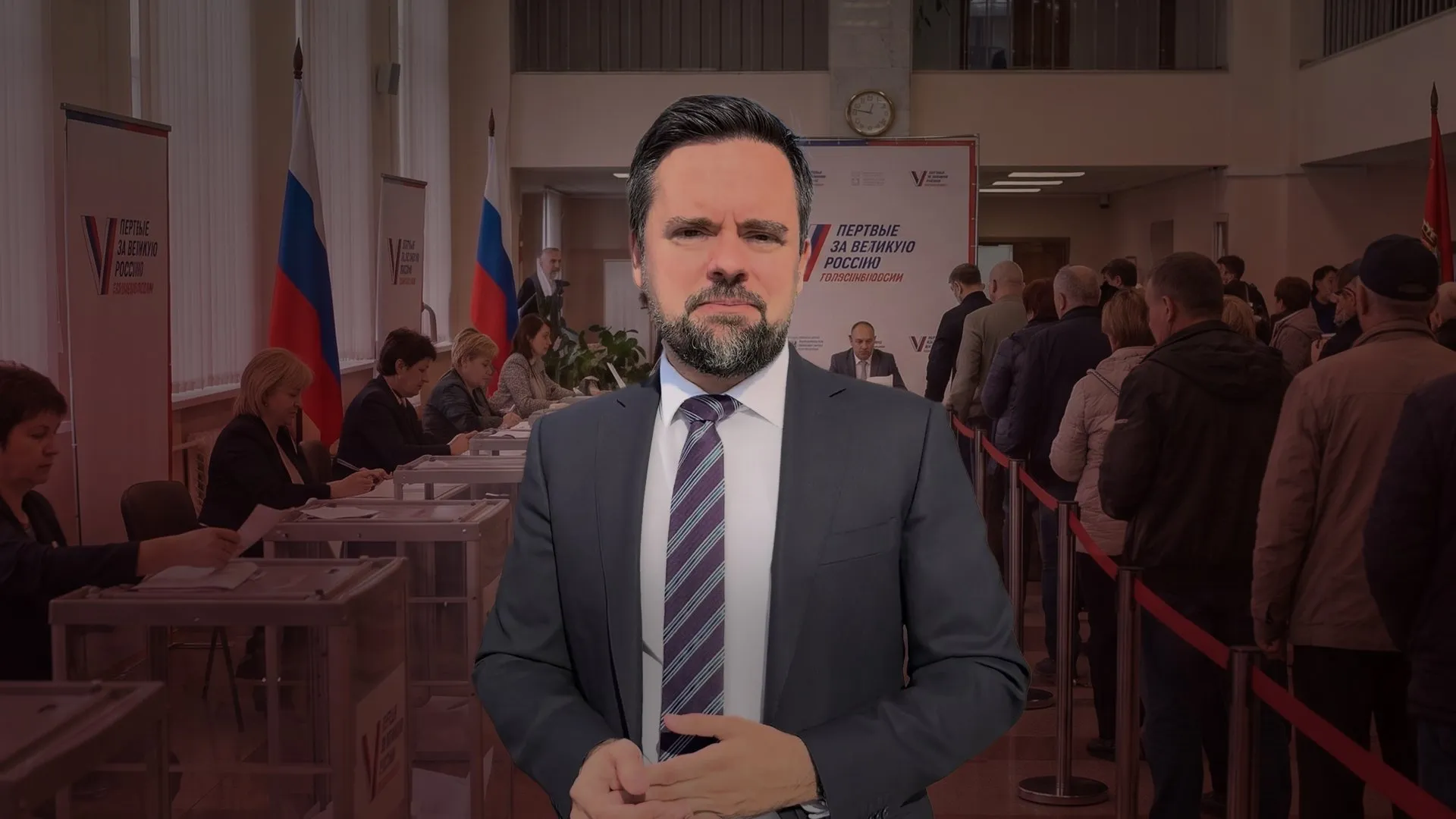
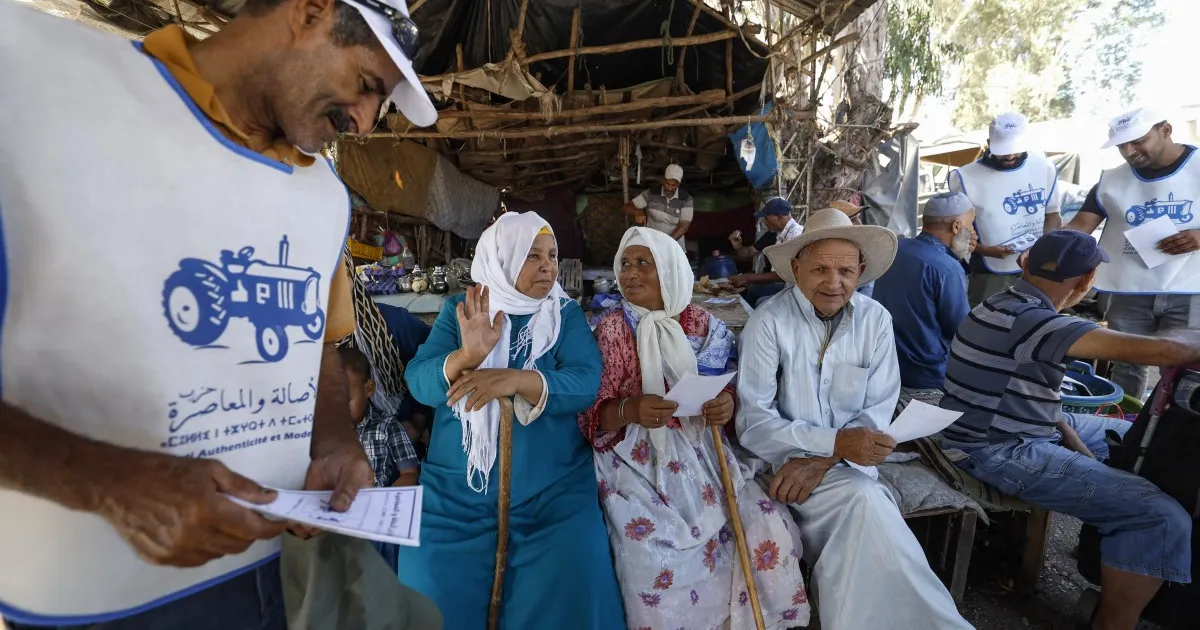
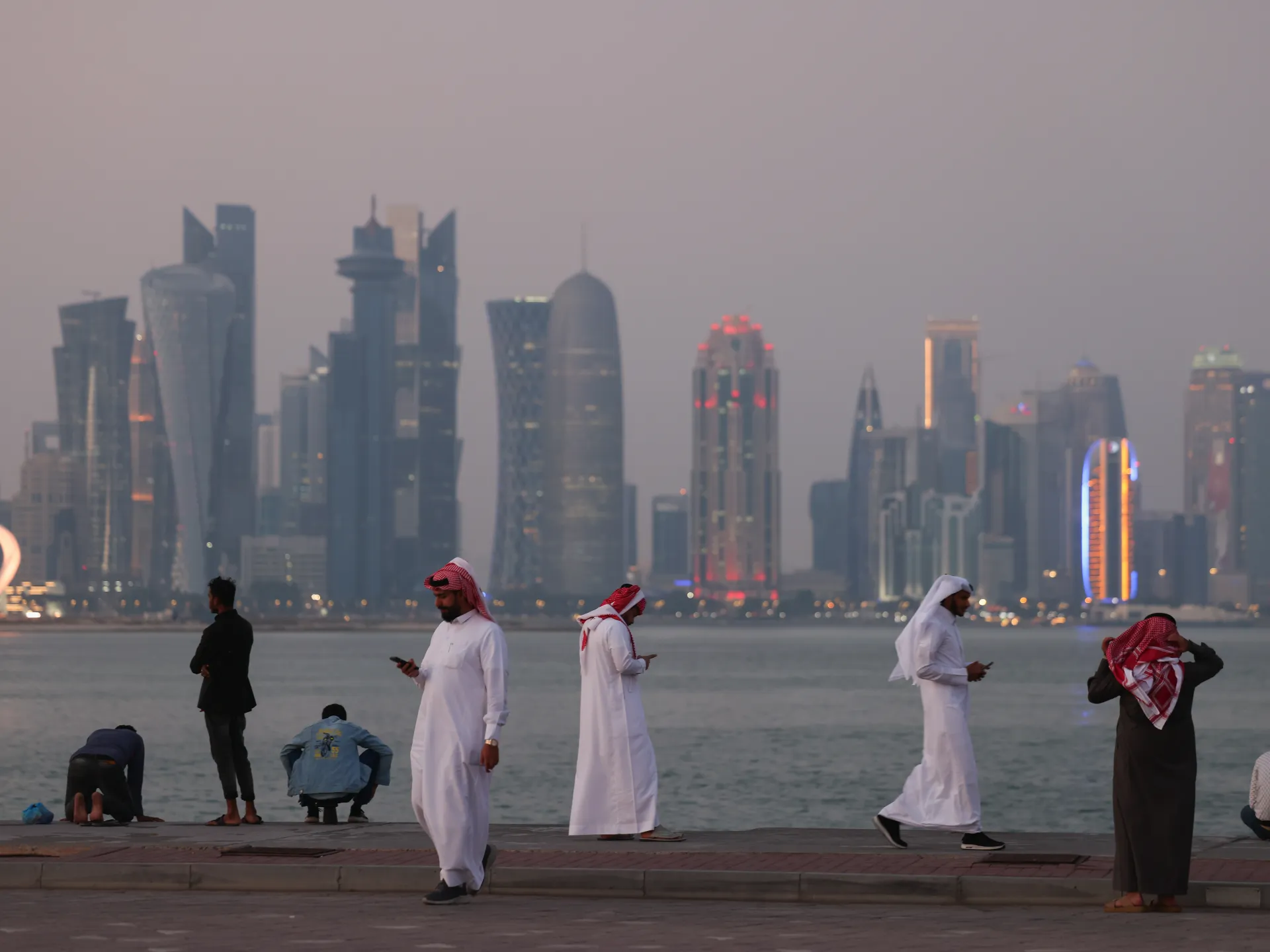
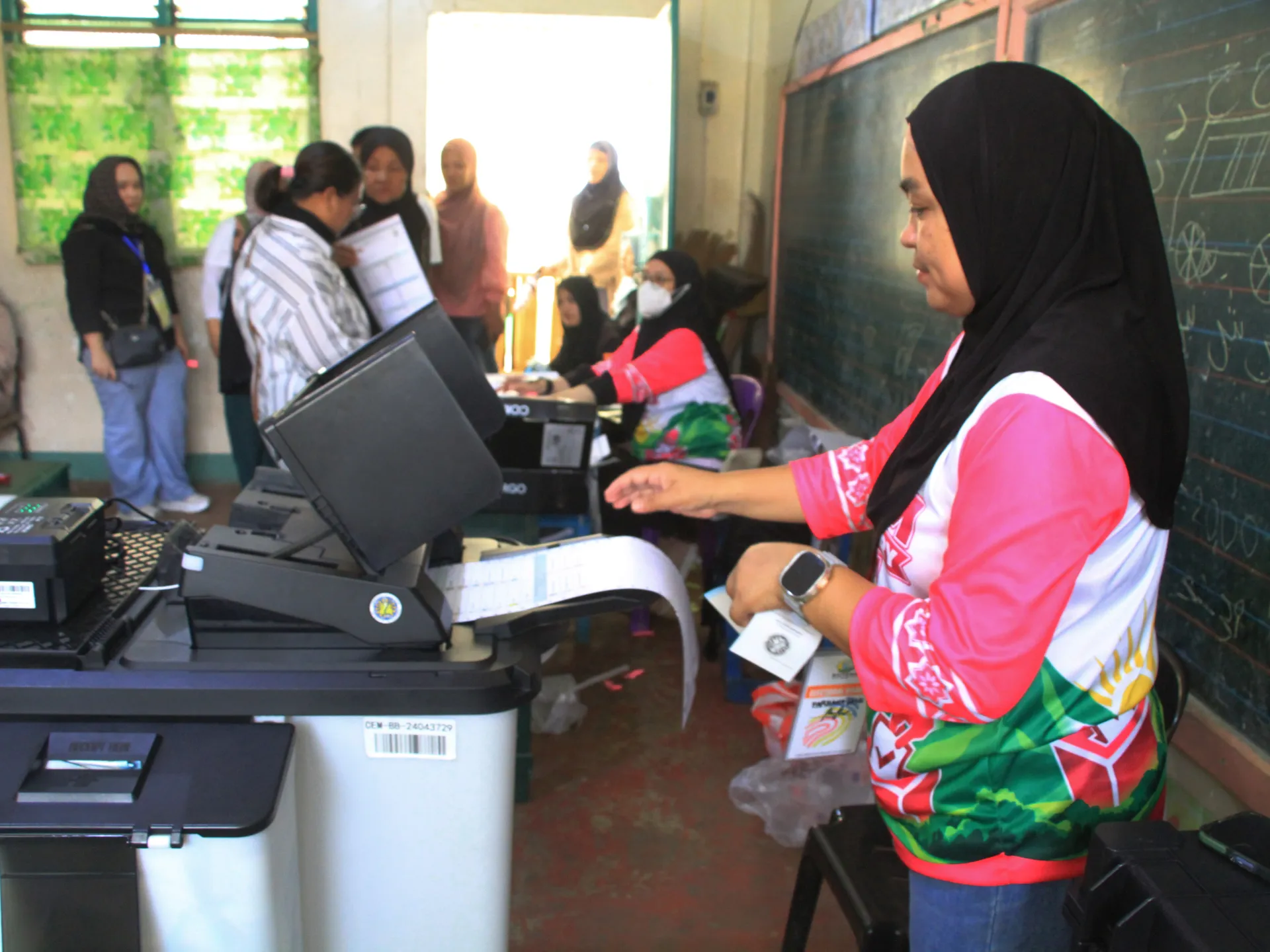
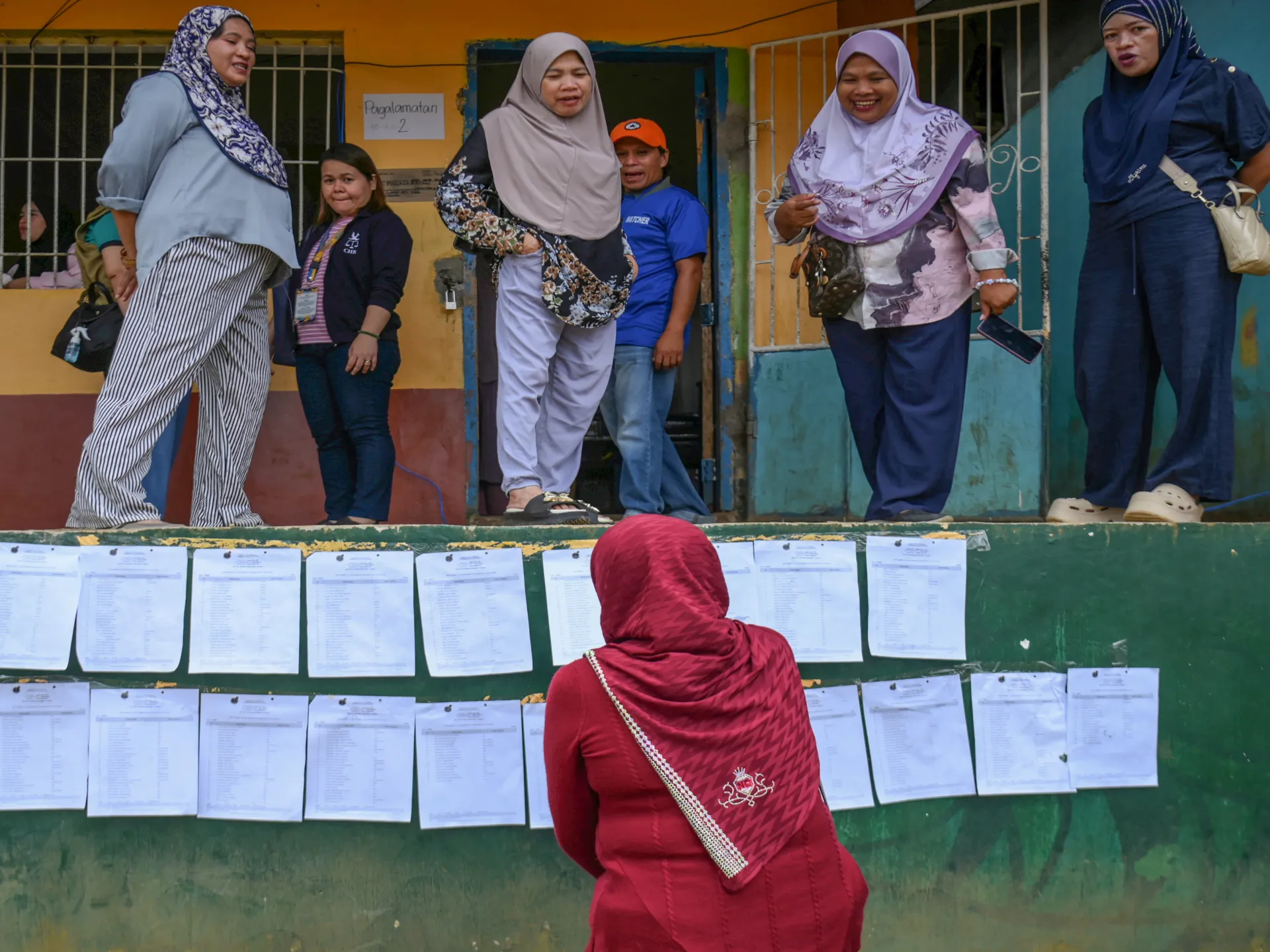
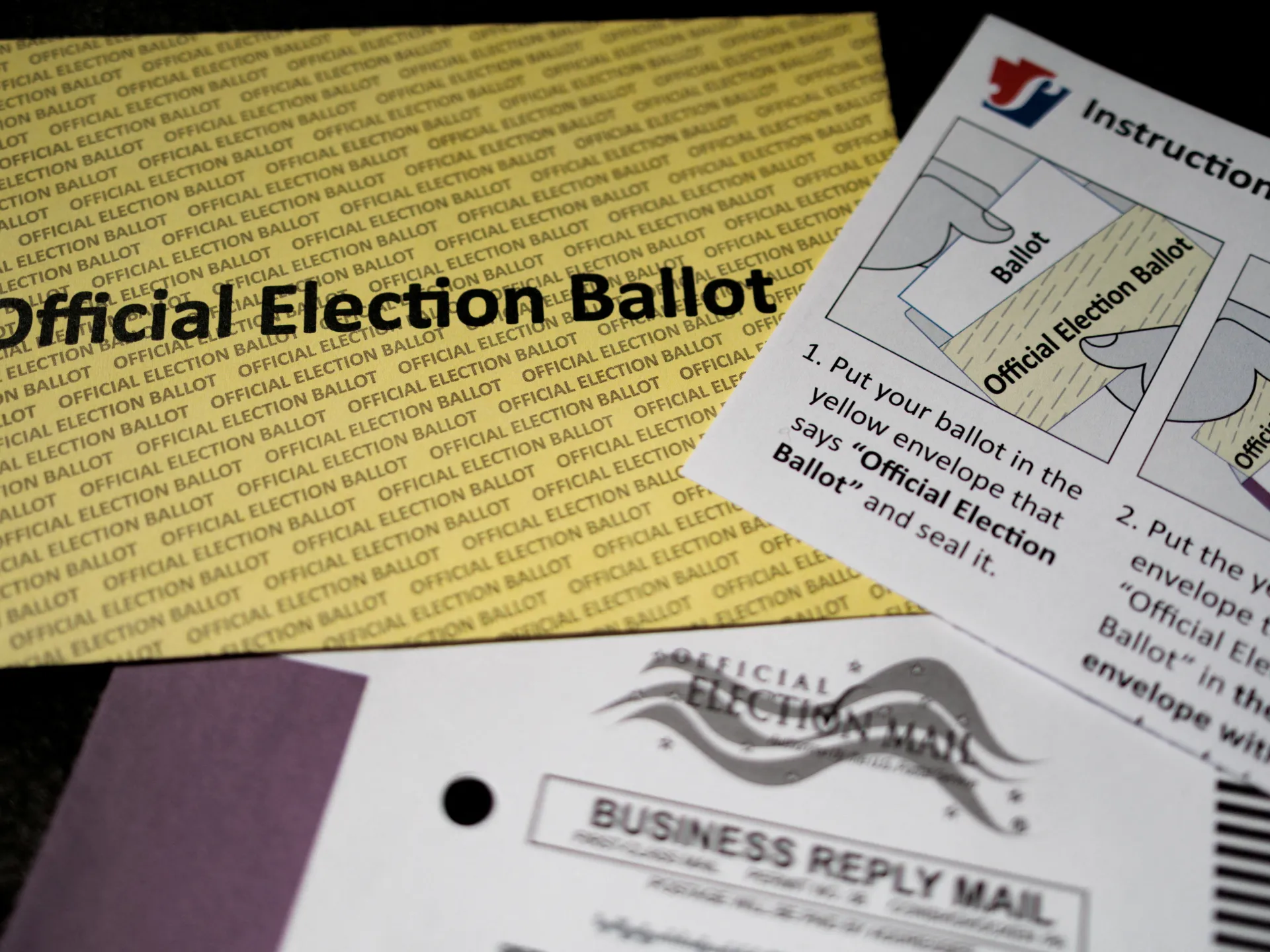
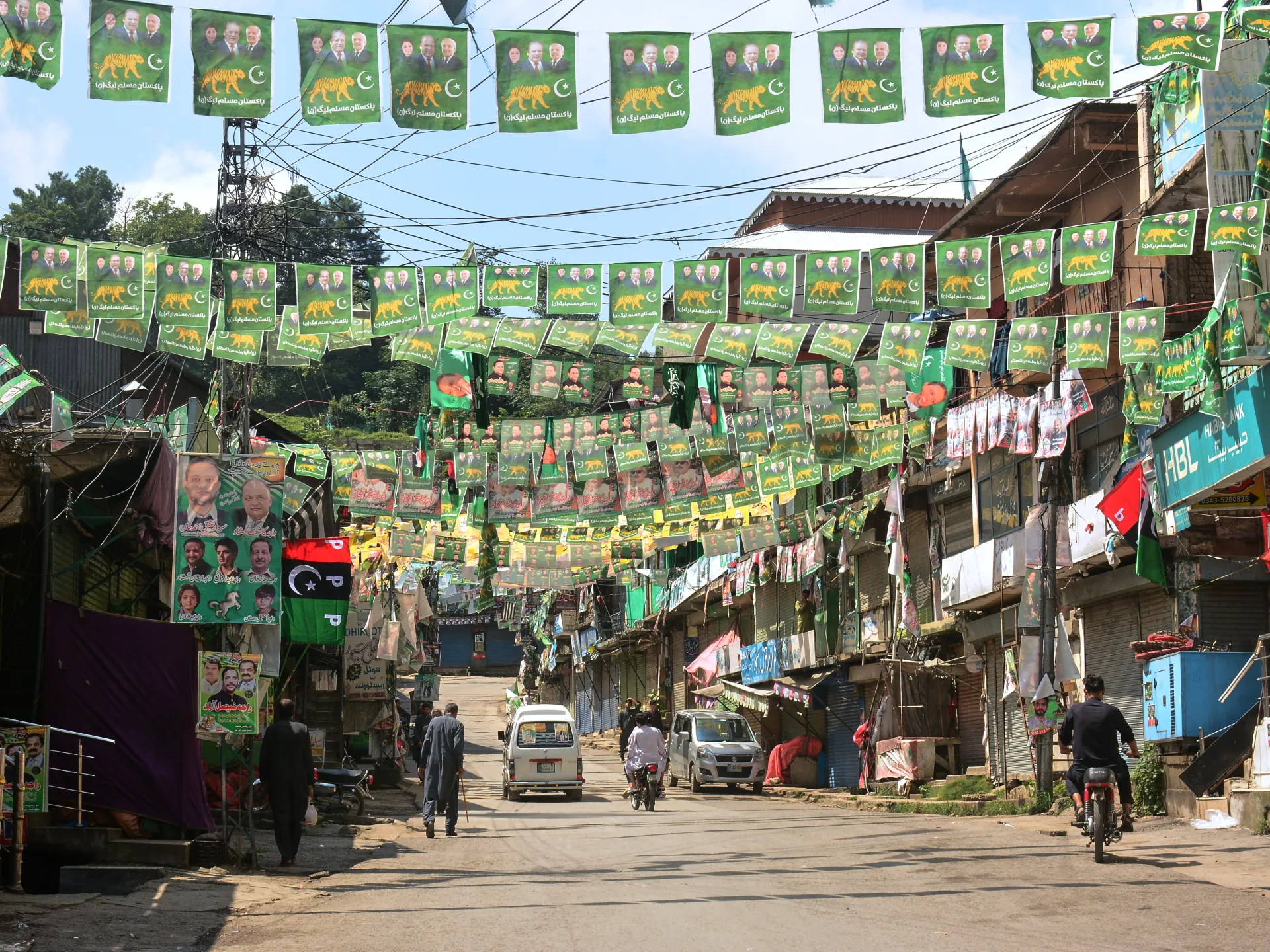
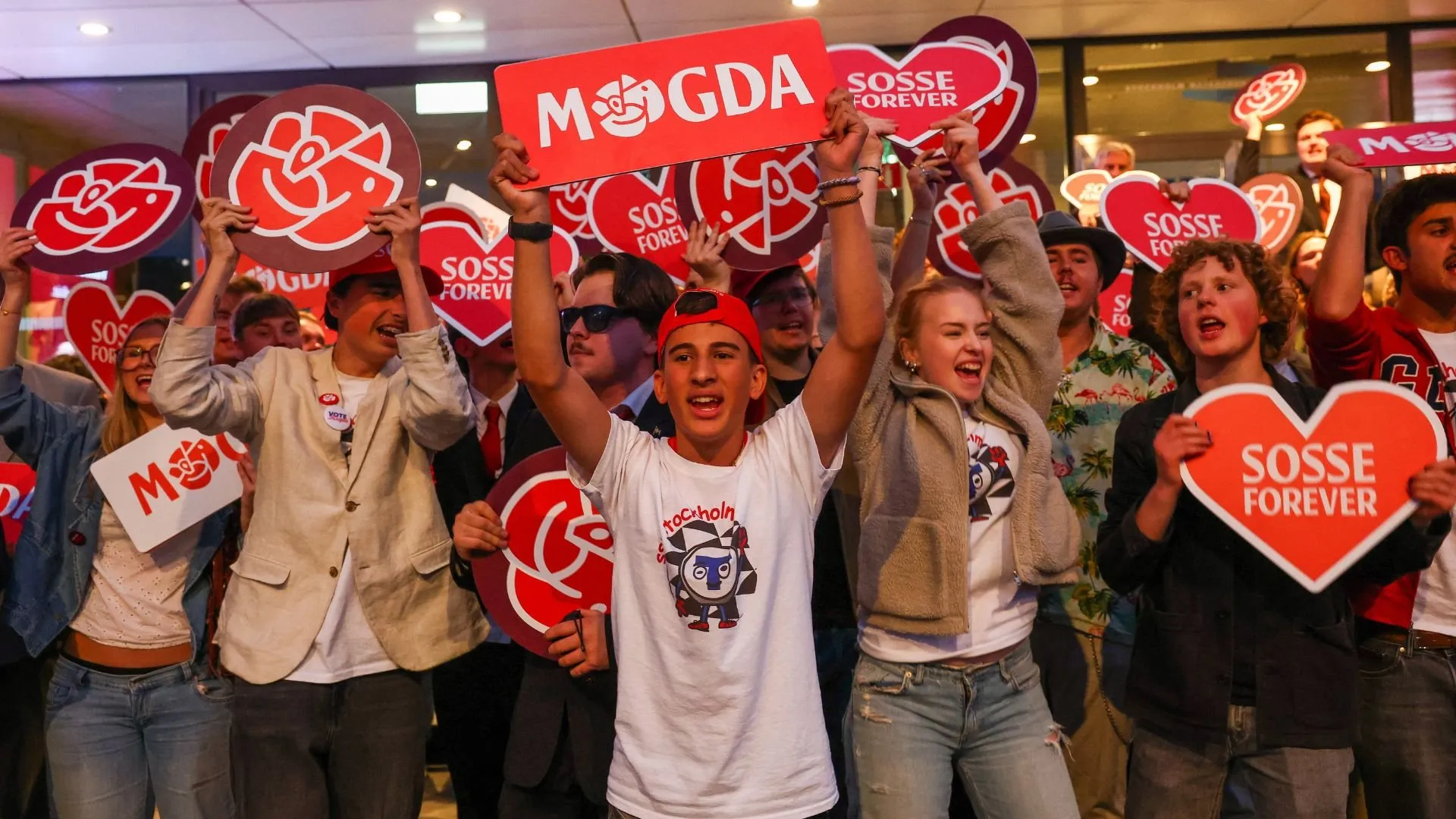
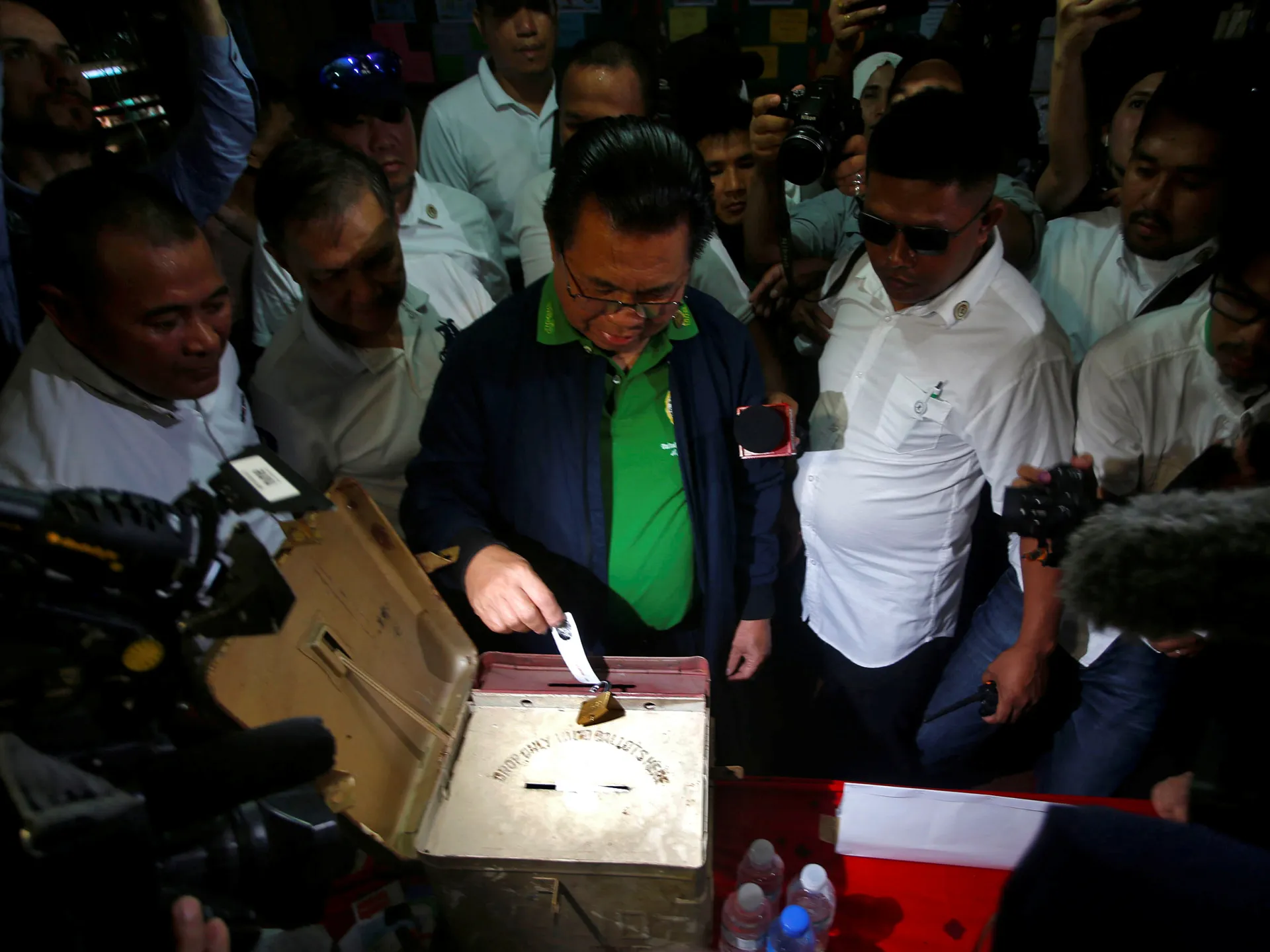
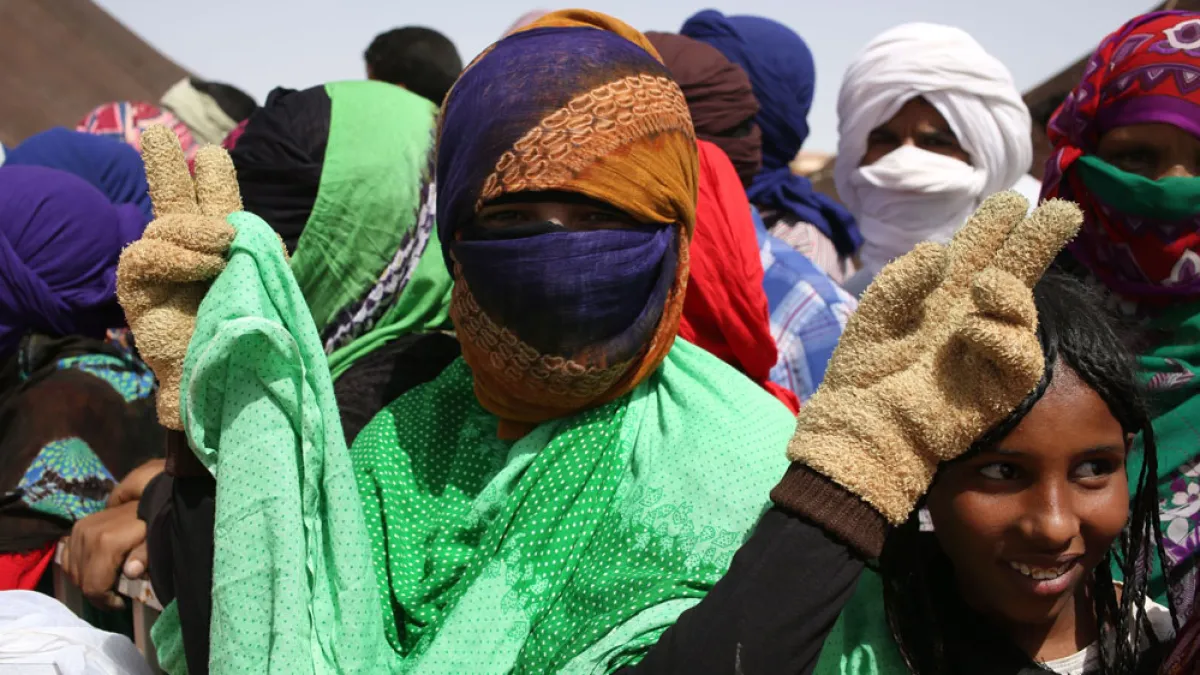
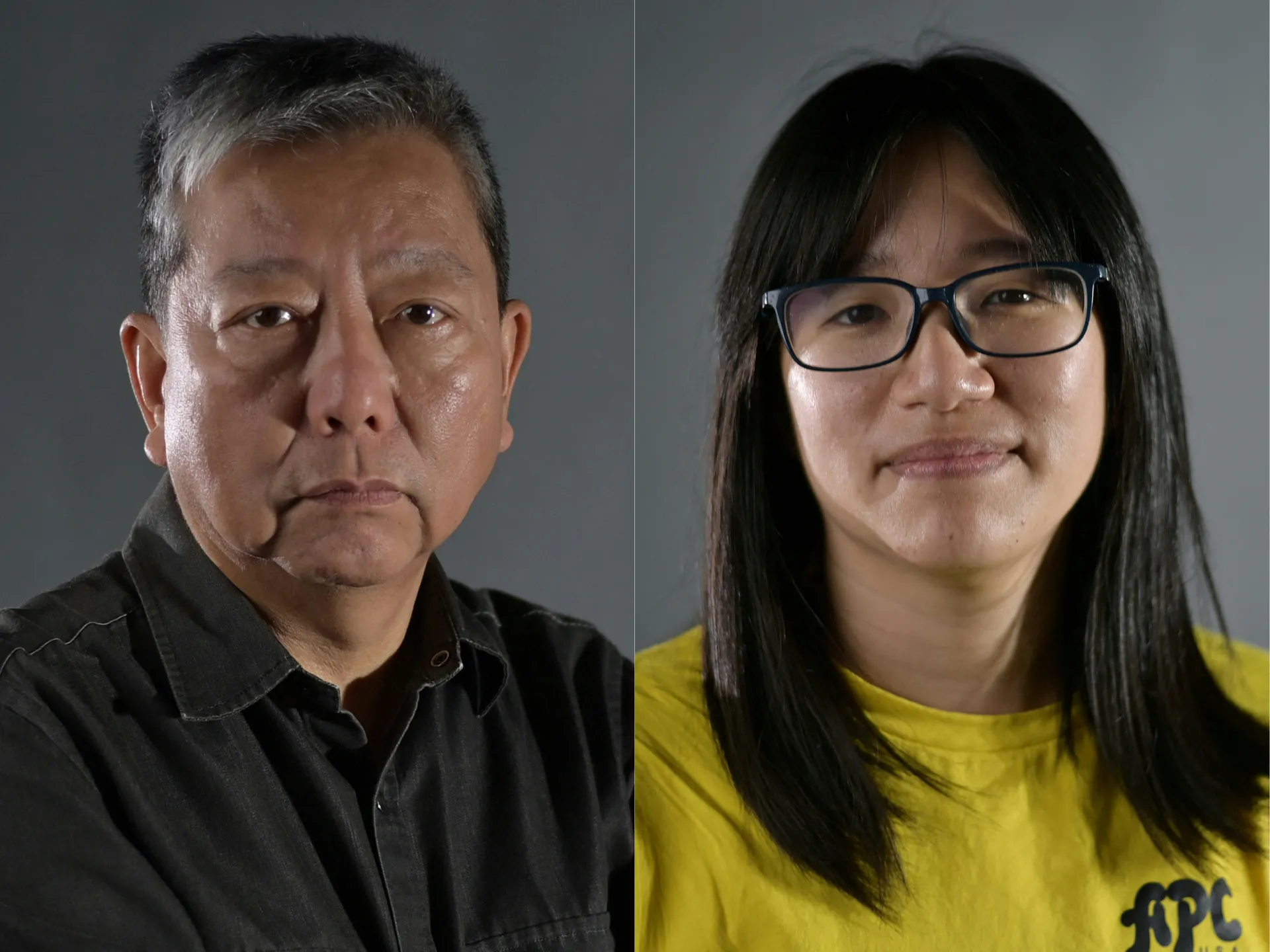
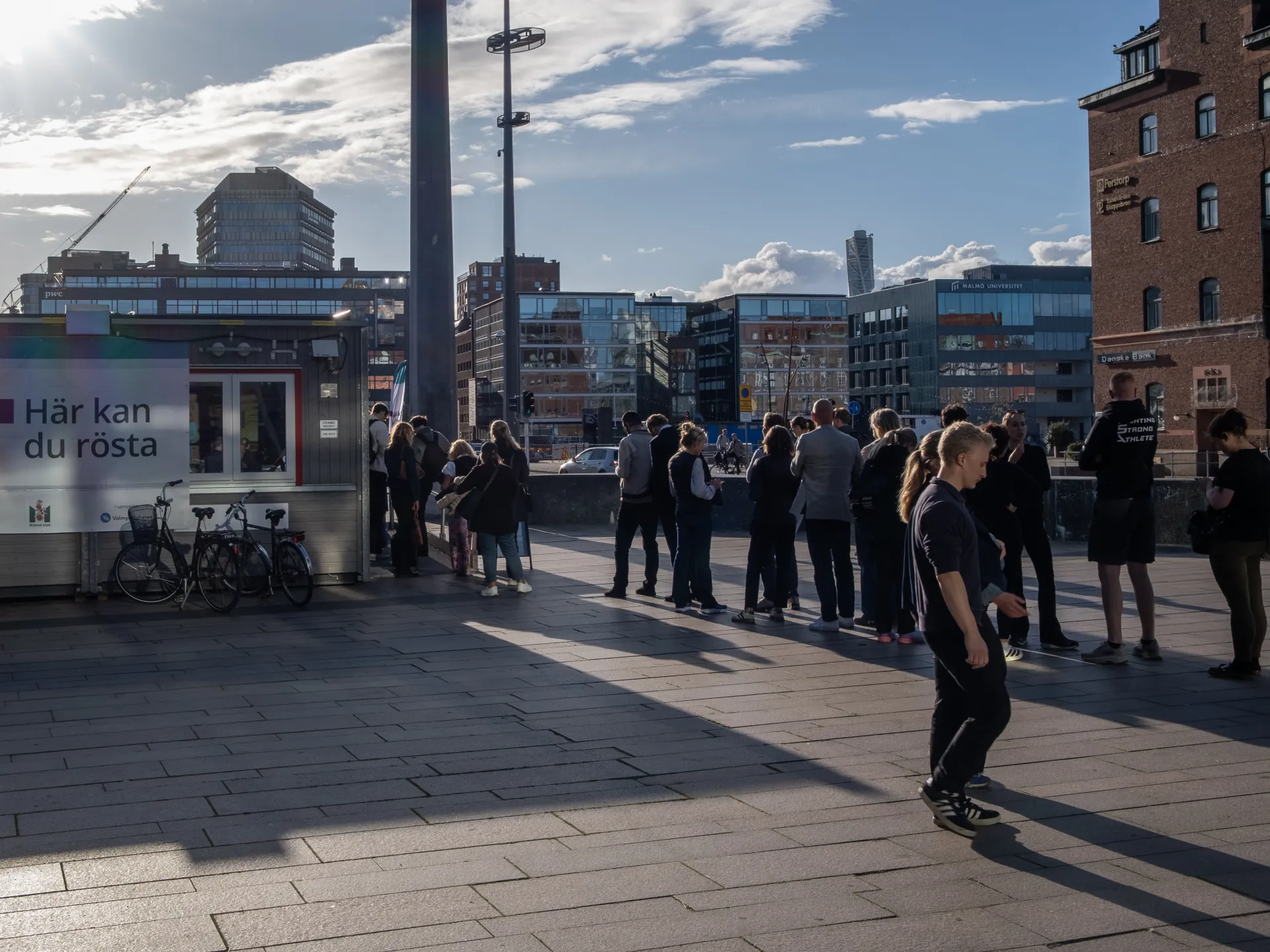
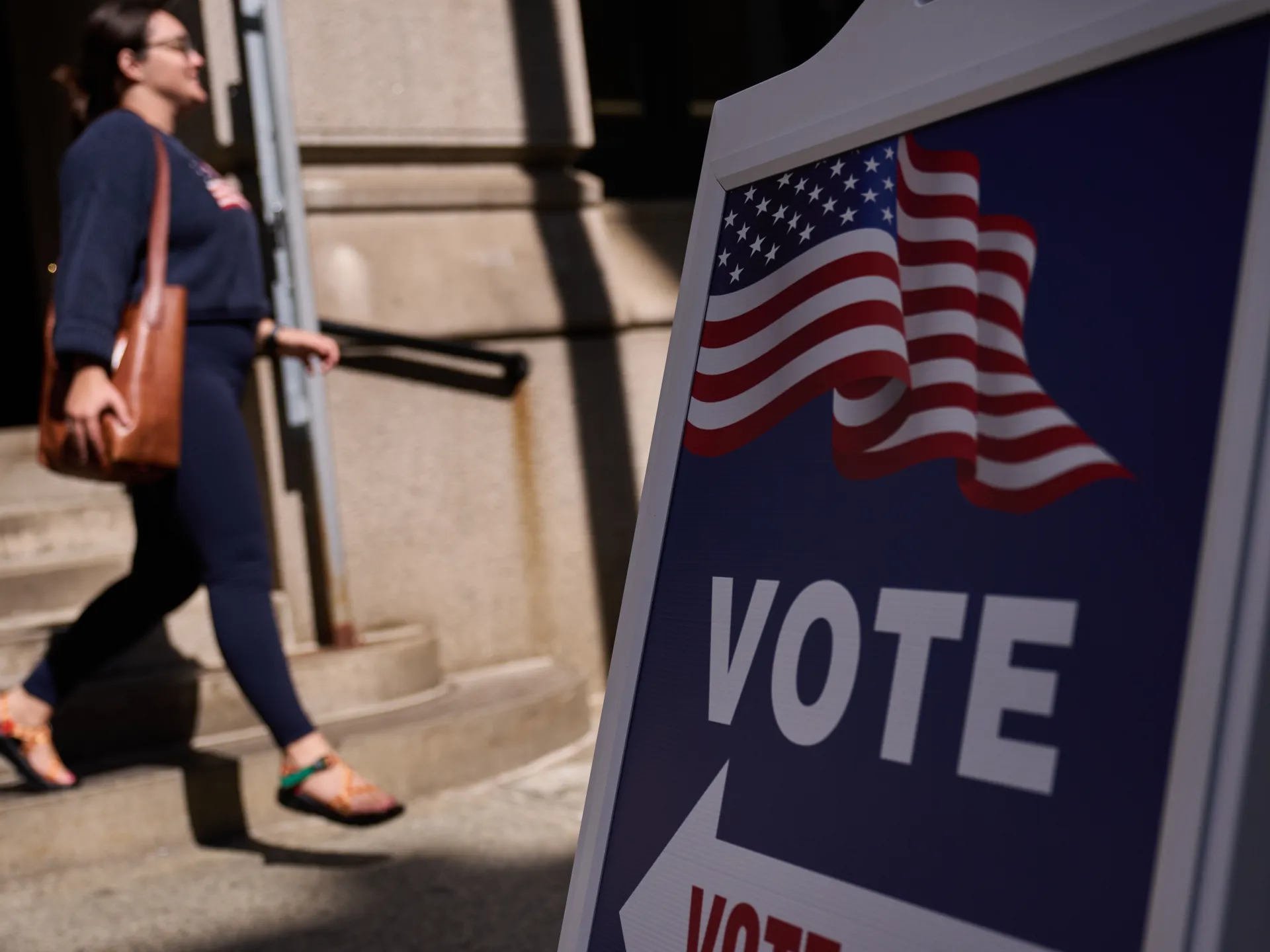
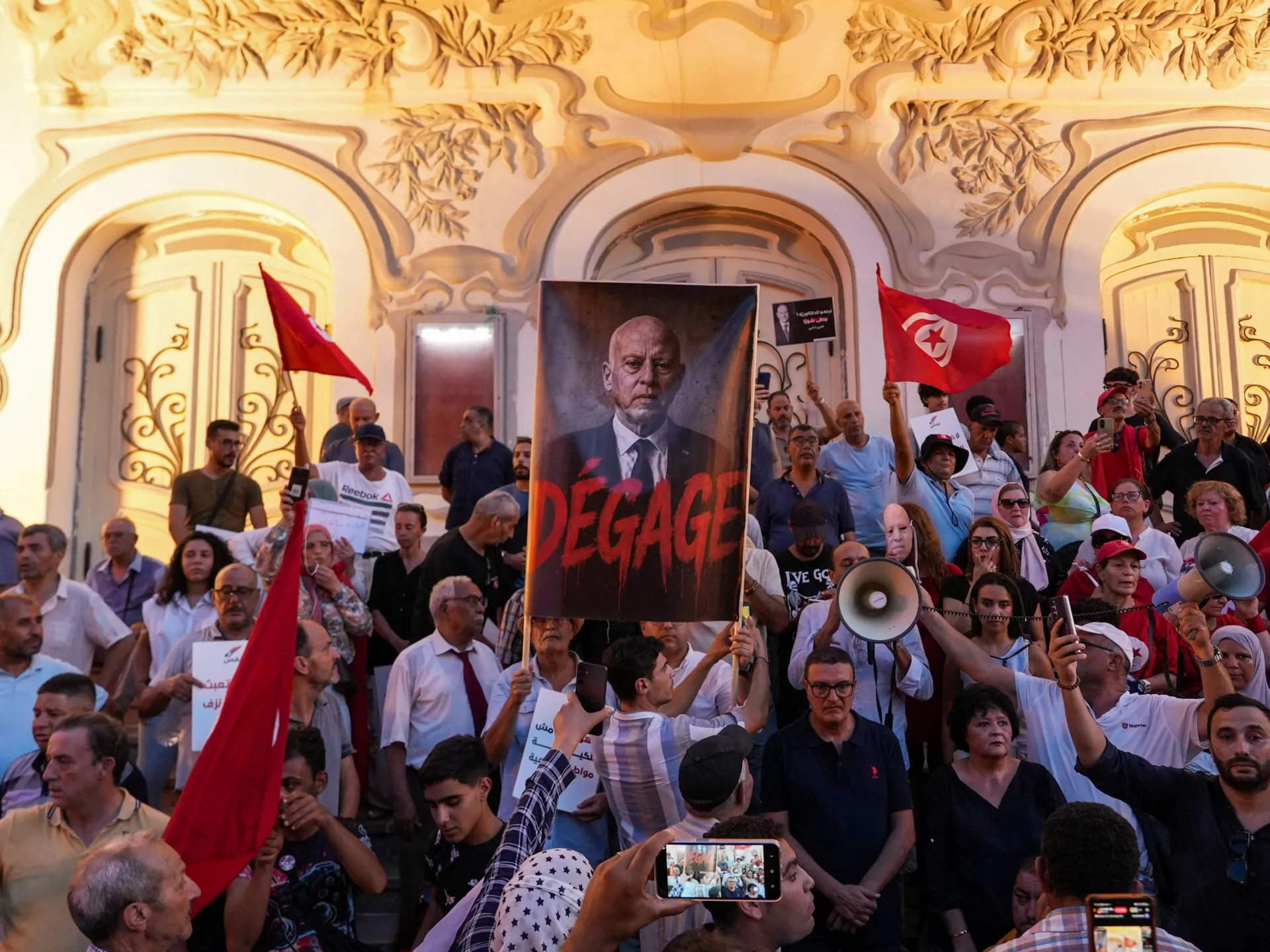
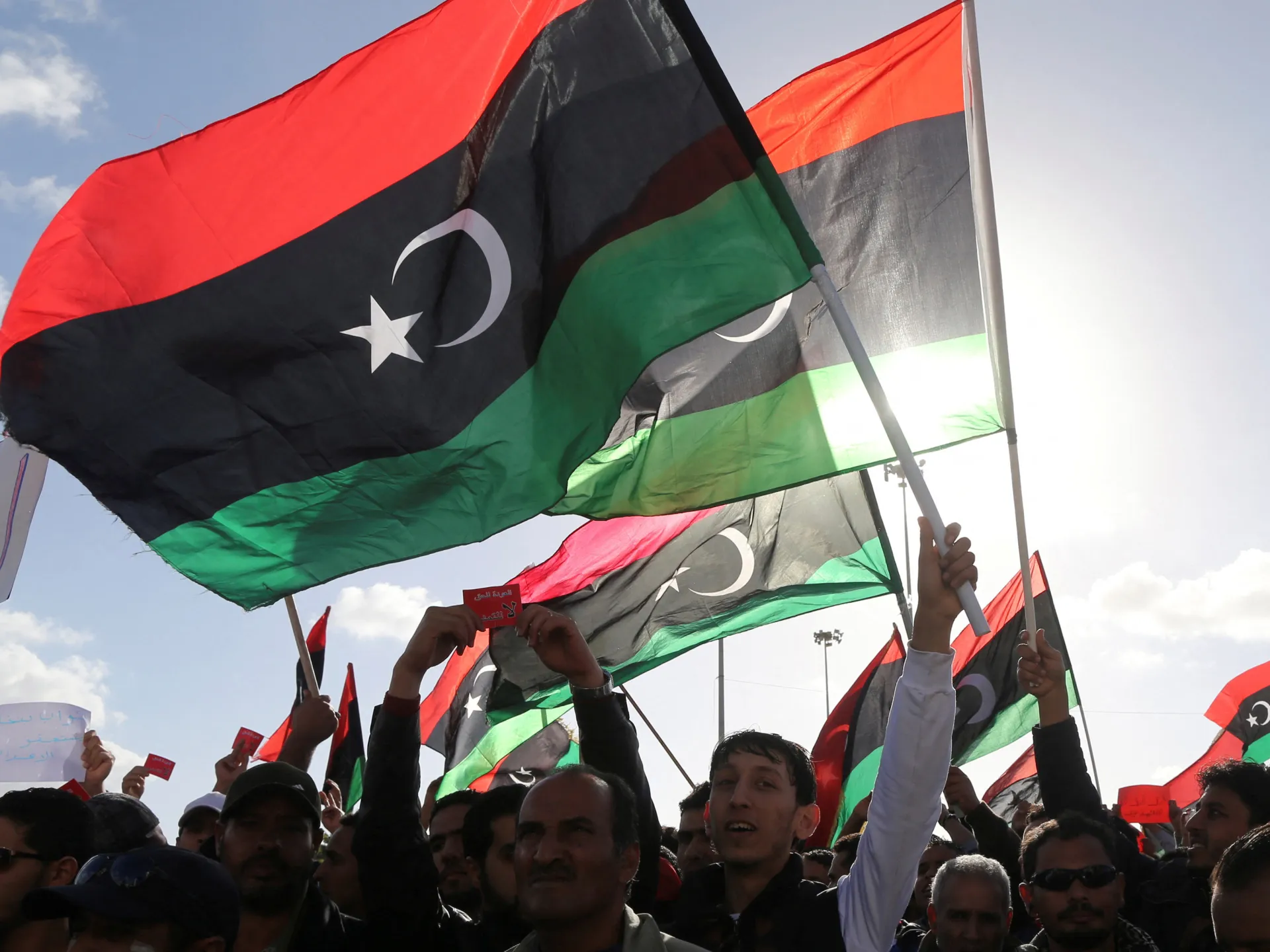
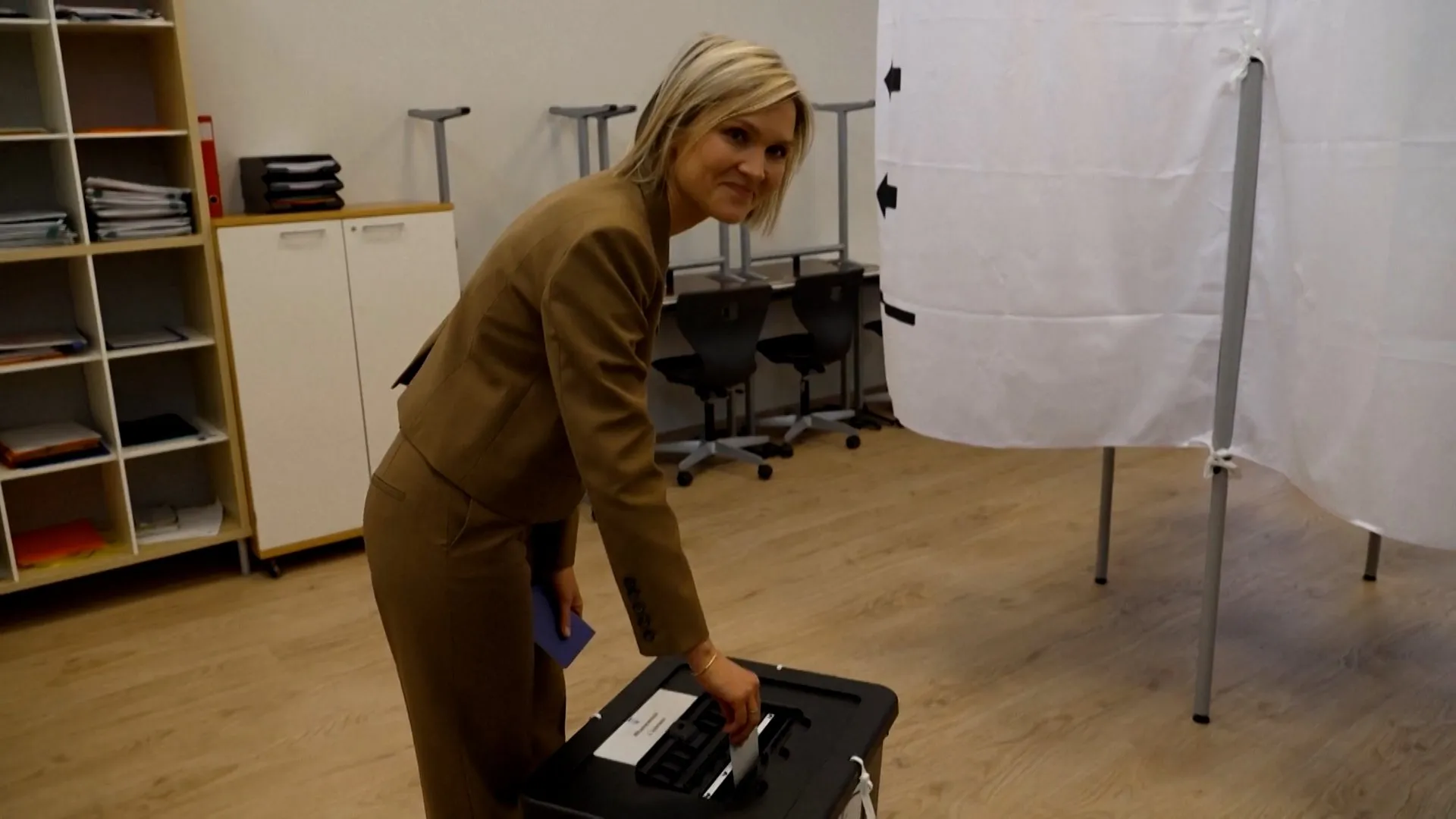
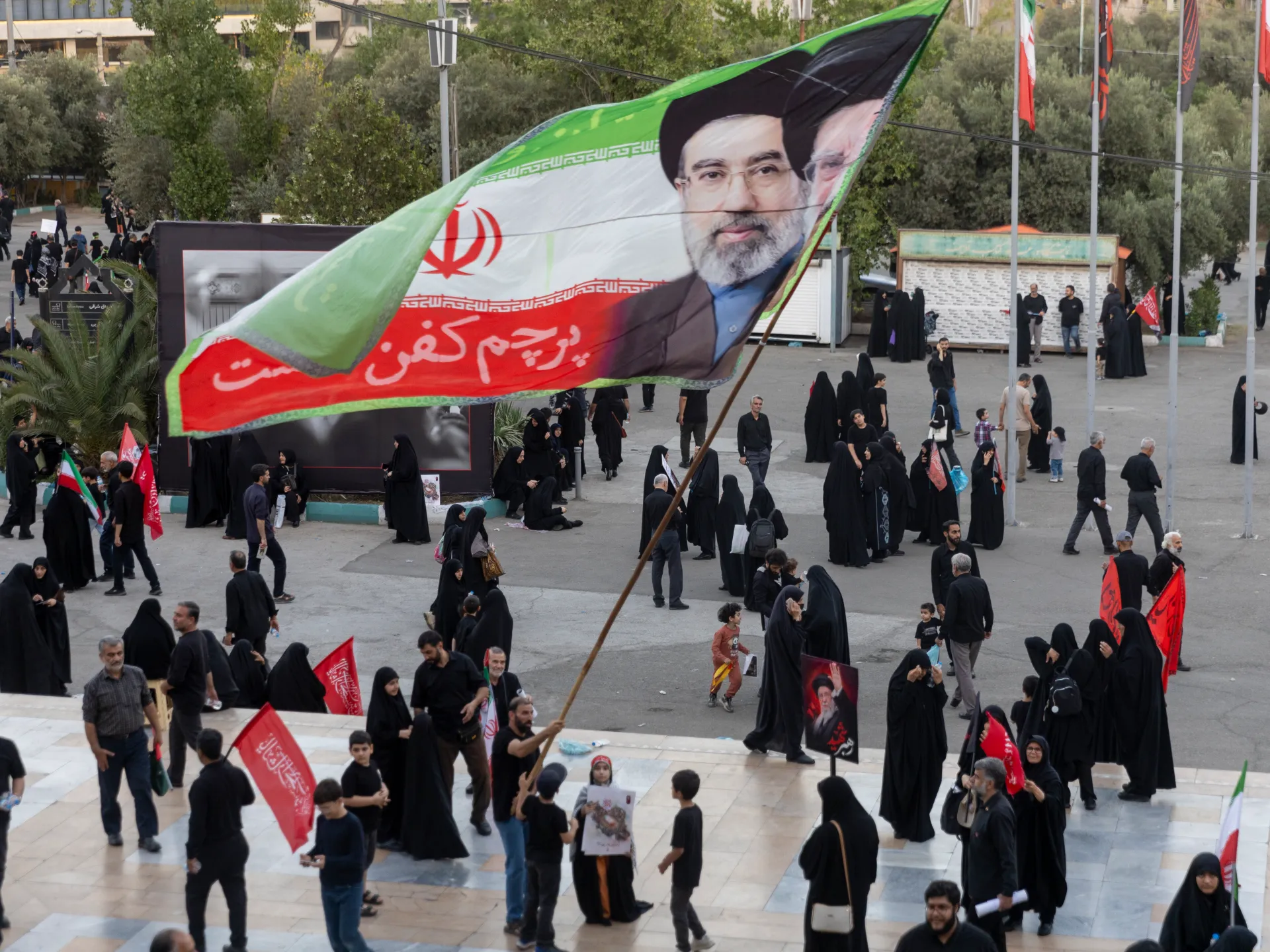
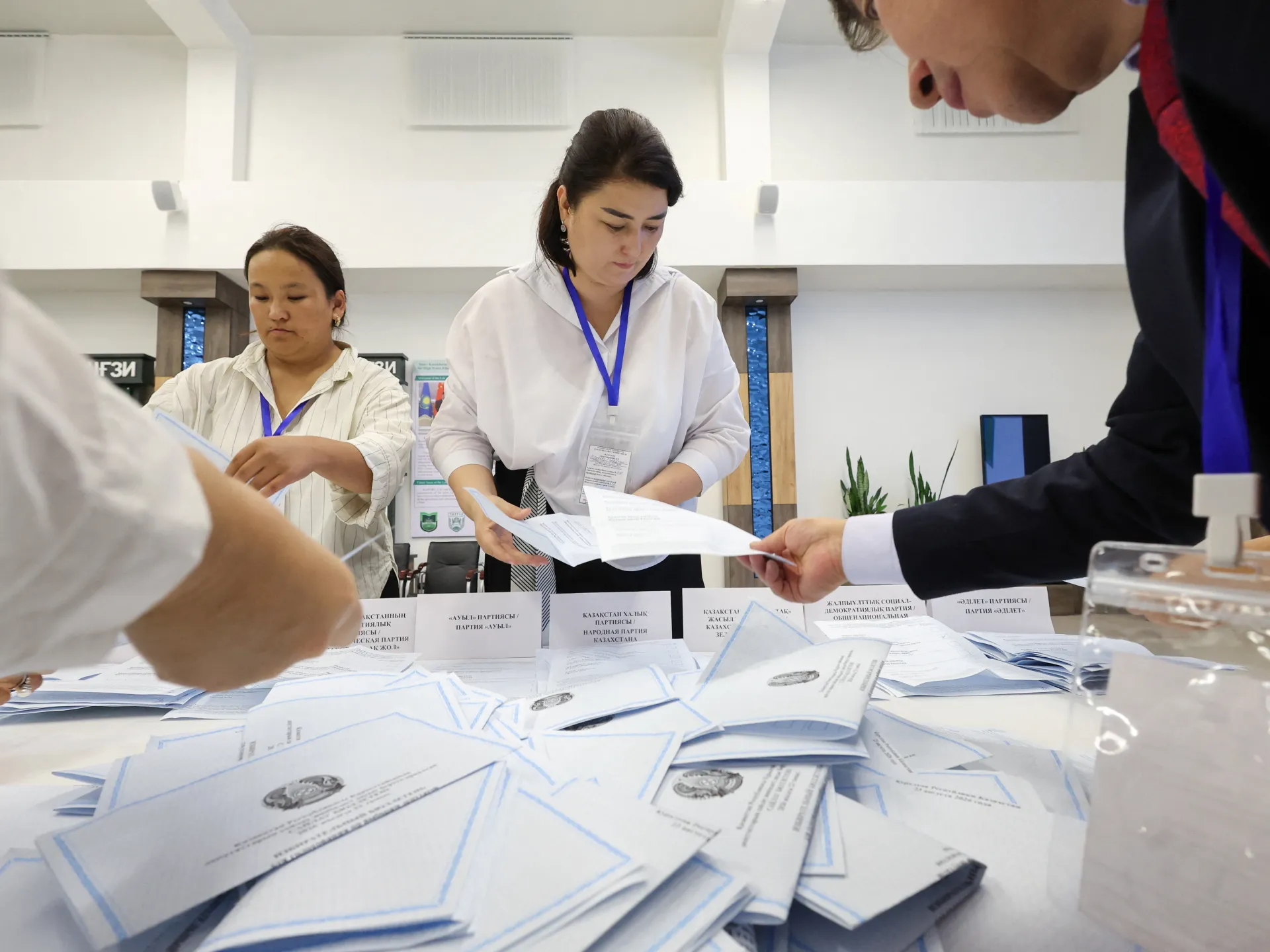
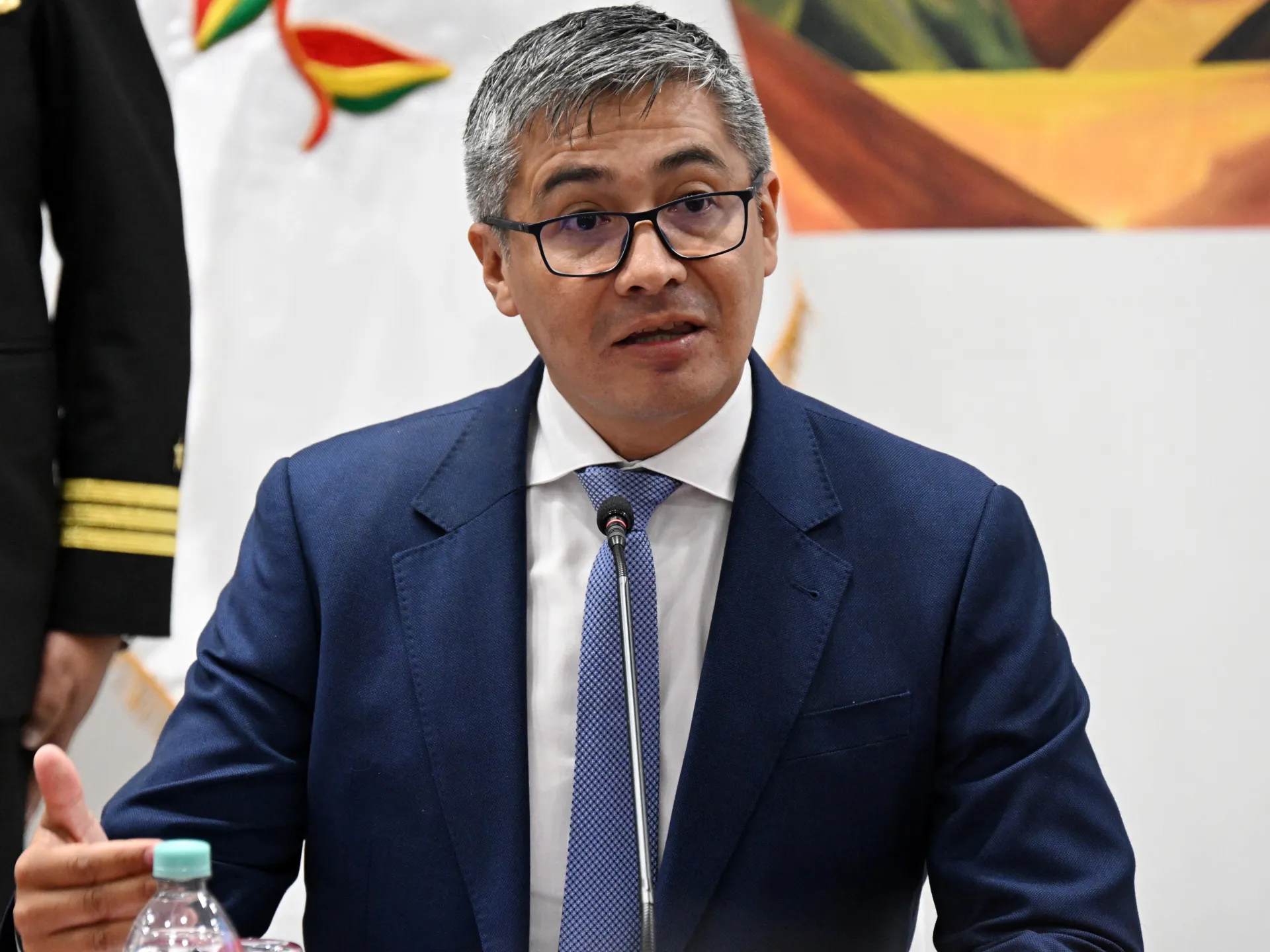
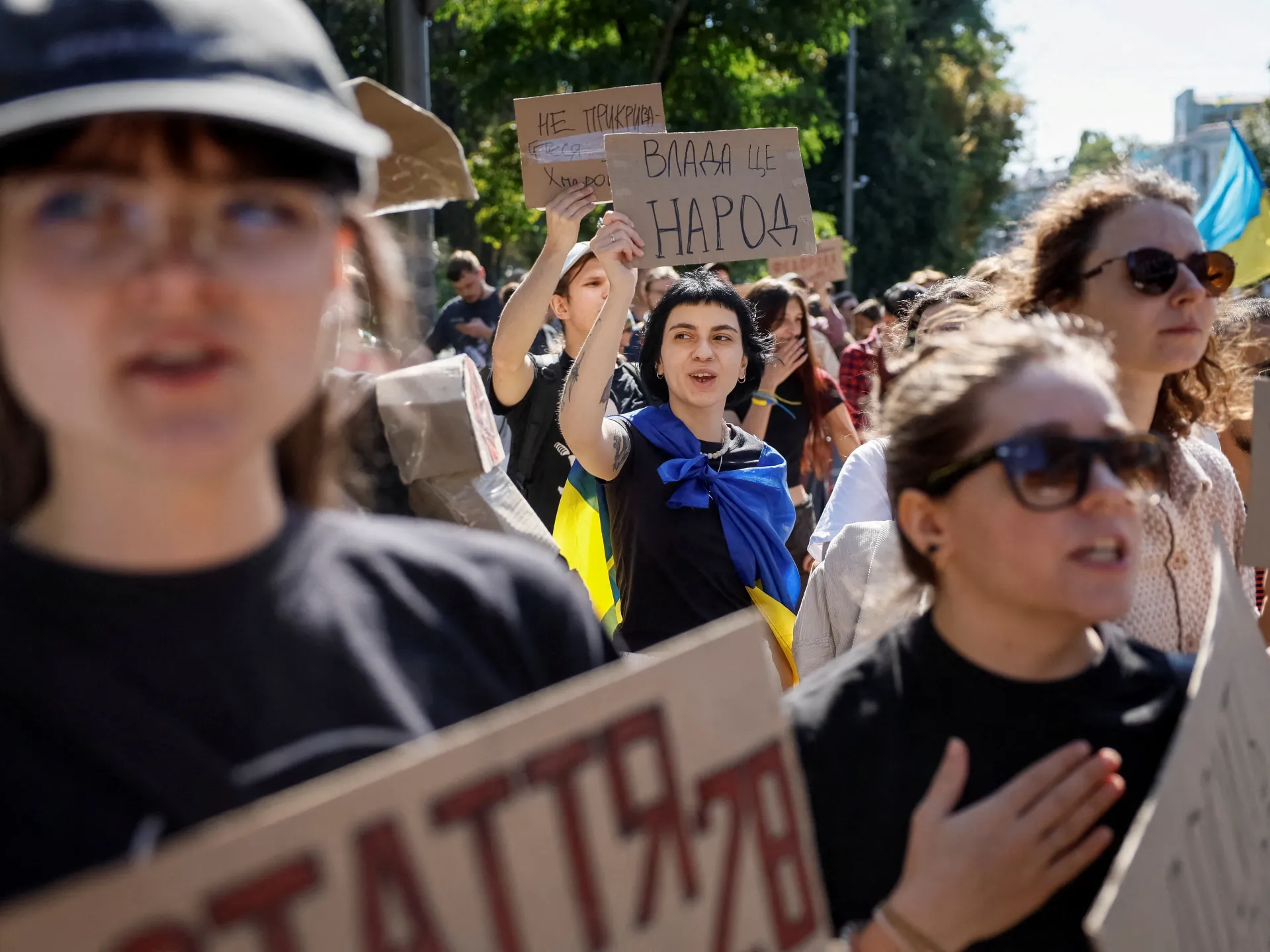
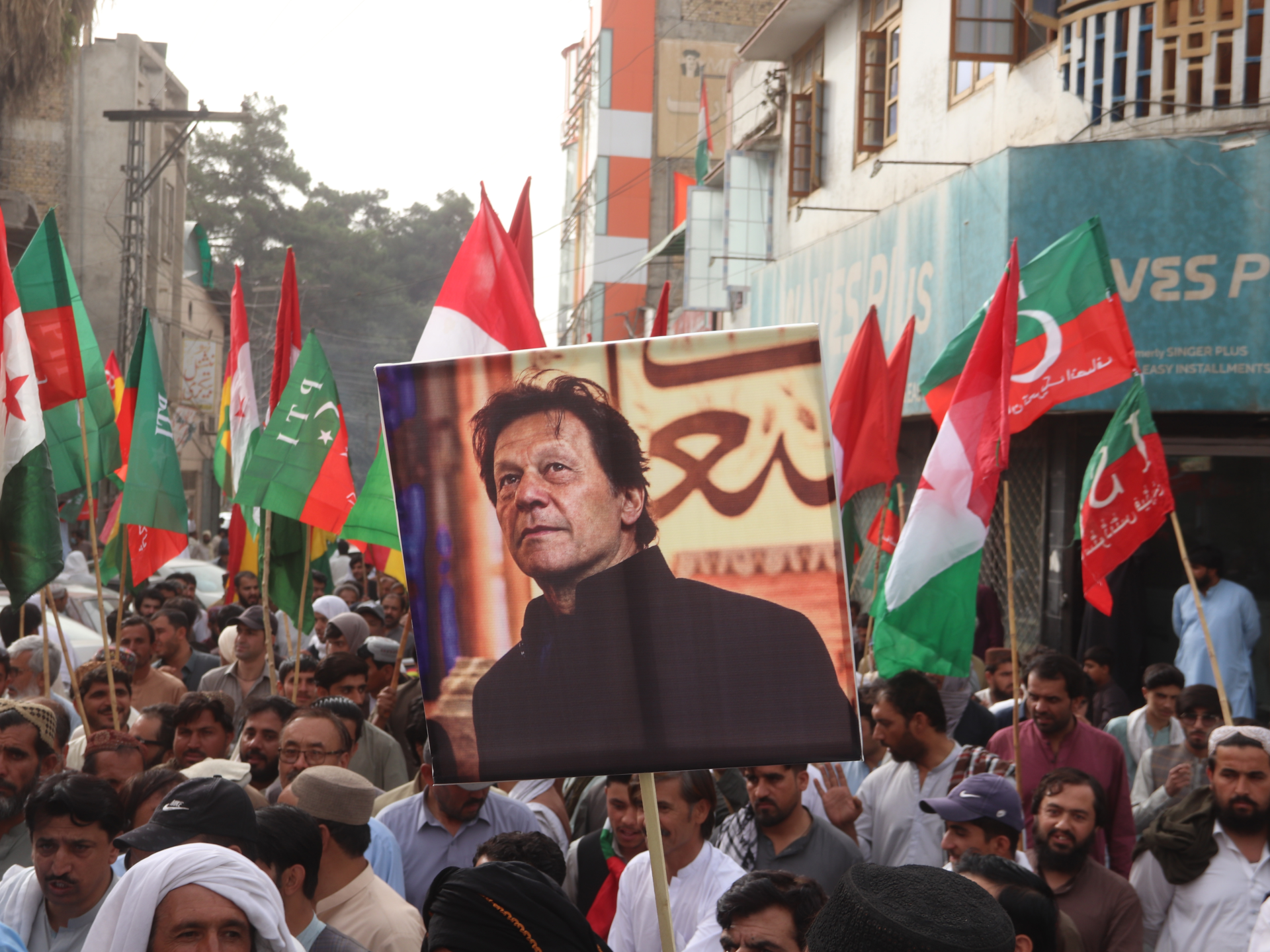
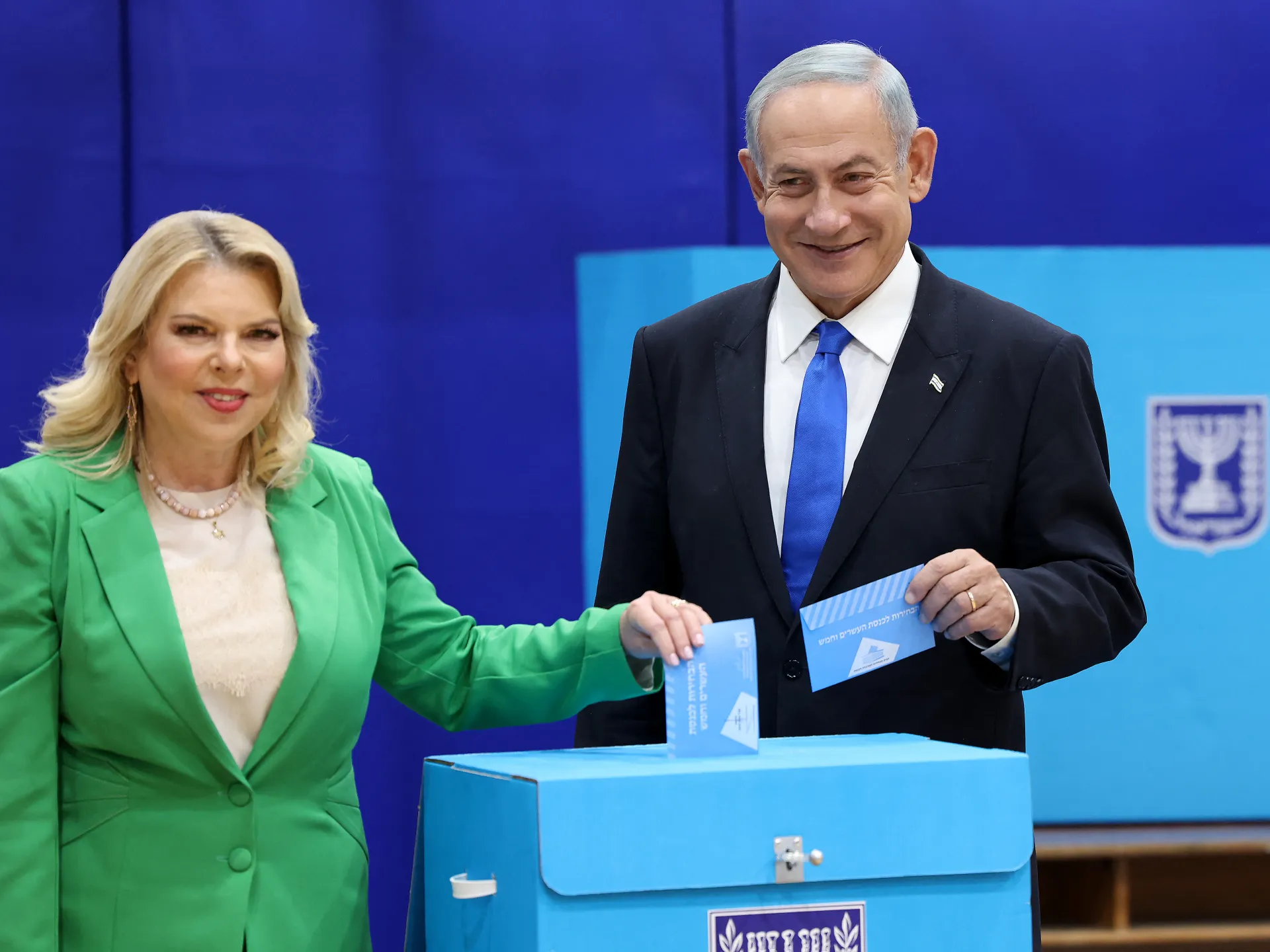
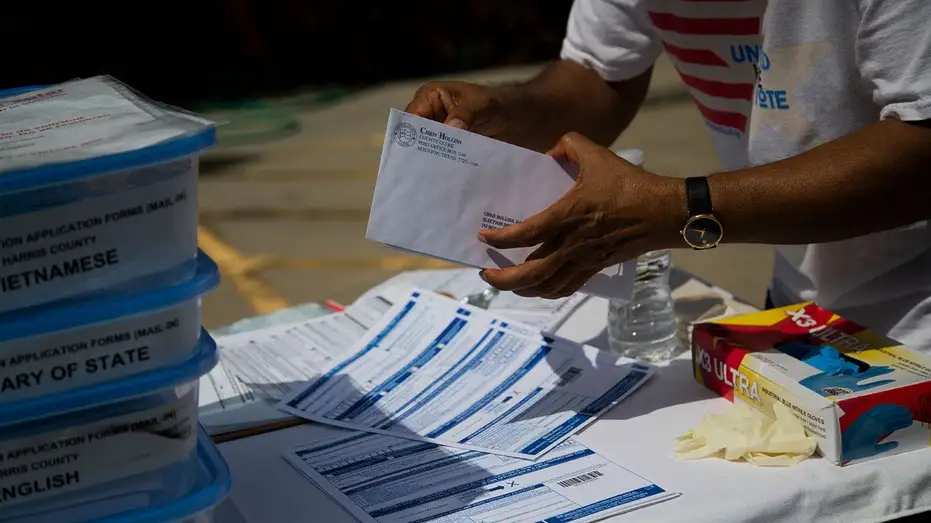
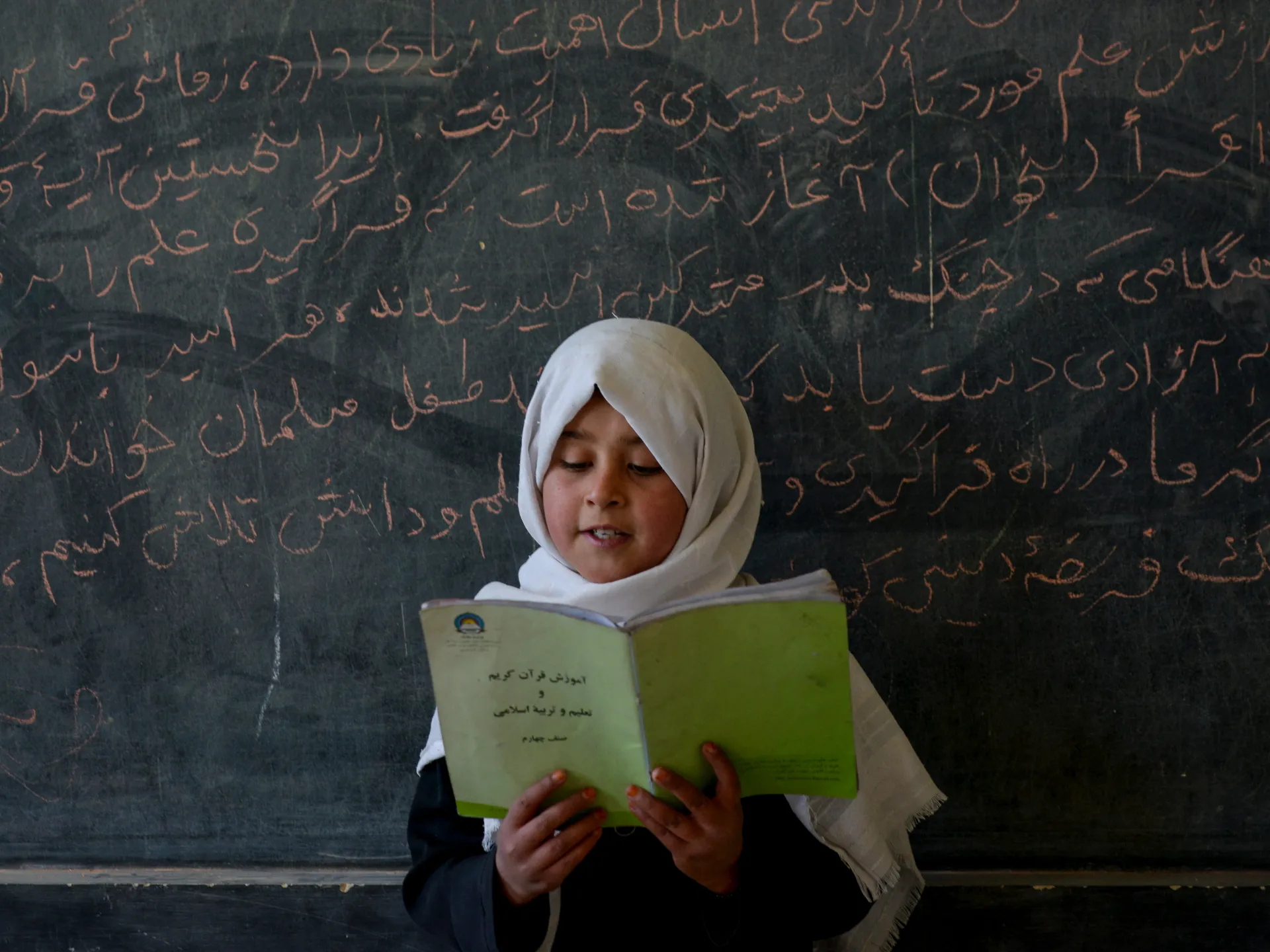
In Rabat, the political atmosphere is currently dominated inct political parties vying for control of the 395 seats within the House of Representatives, the stakes for the next government are high. However, the true measure of success for this election may not be found in the seat count alone, but in the engagement metrics of a younger generation that has expressed deep-seated skepticism toward traditional political pathways.
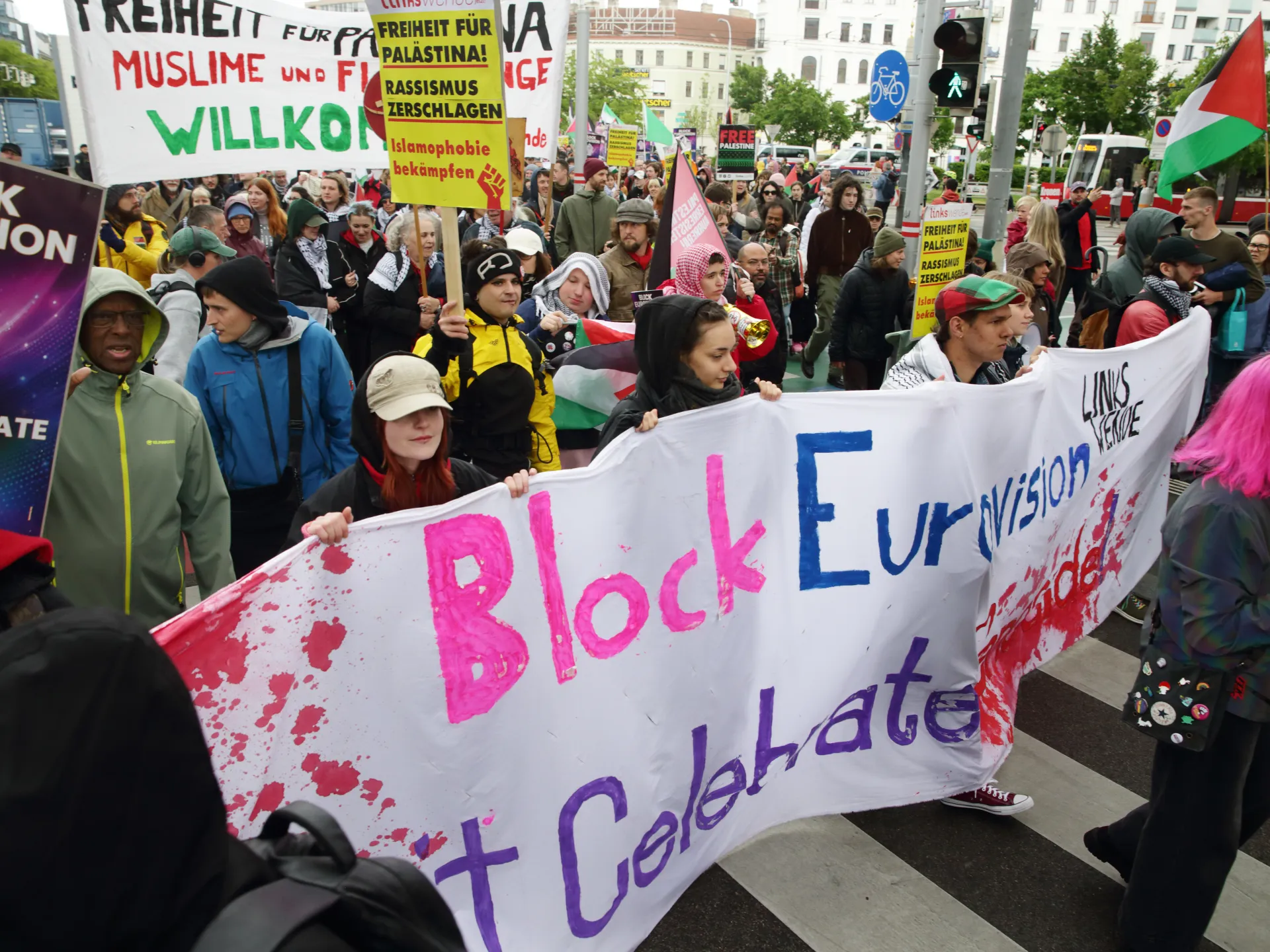
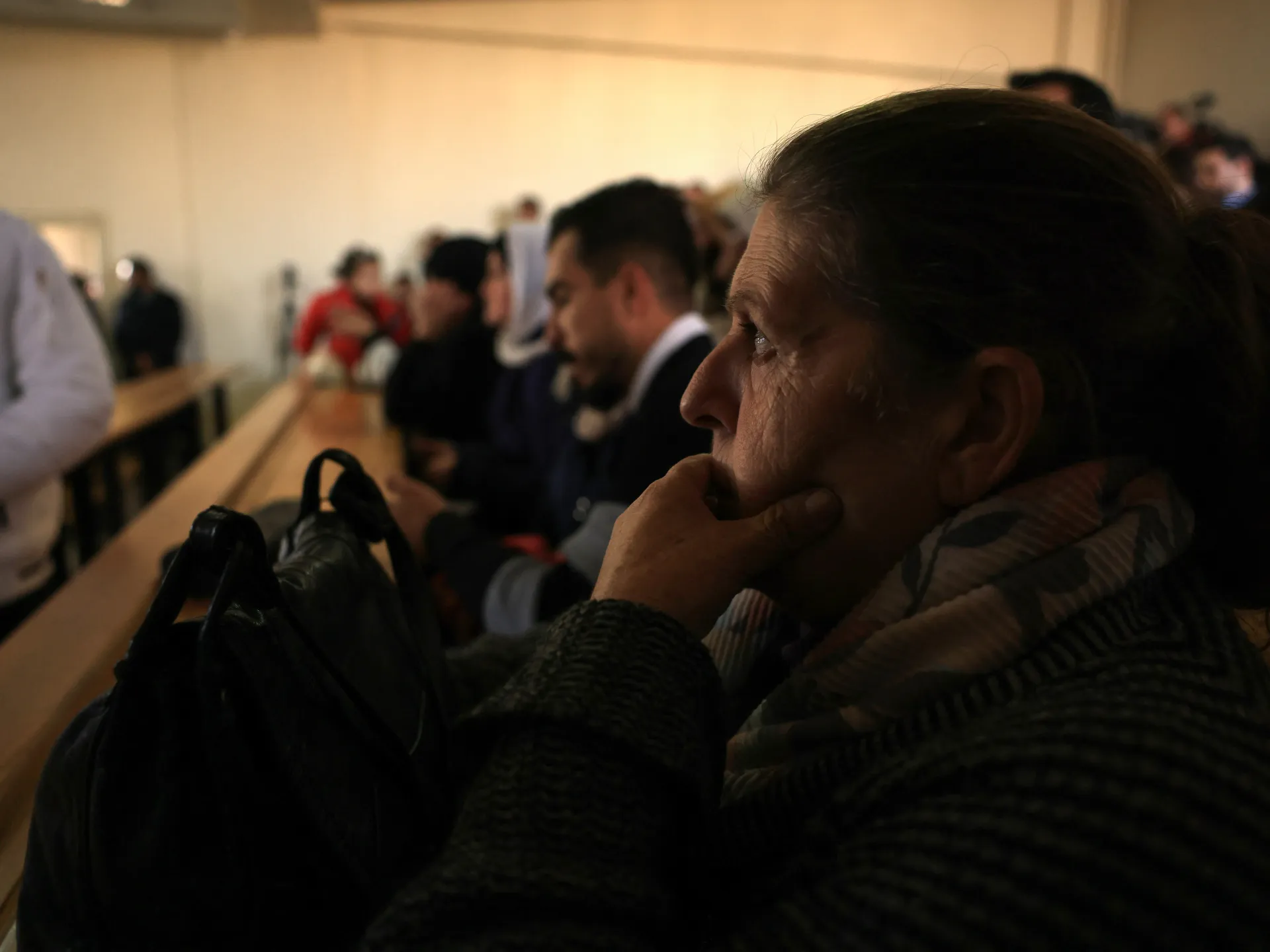
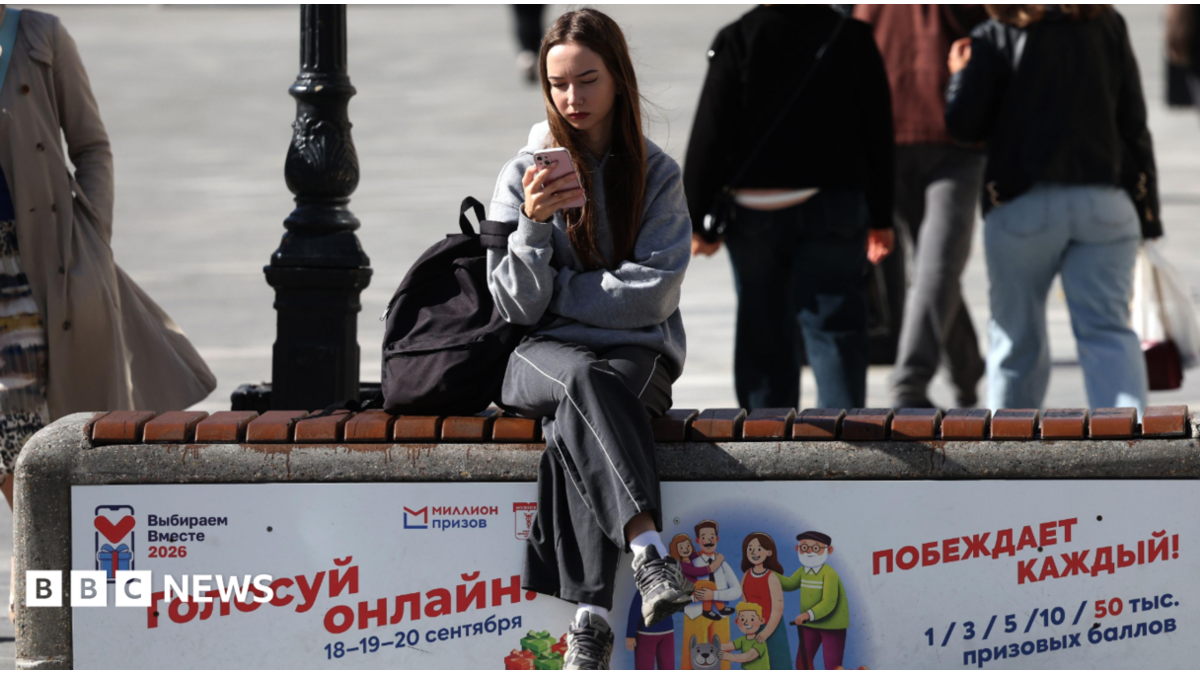
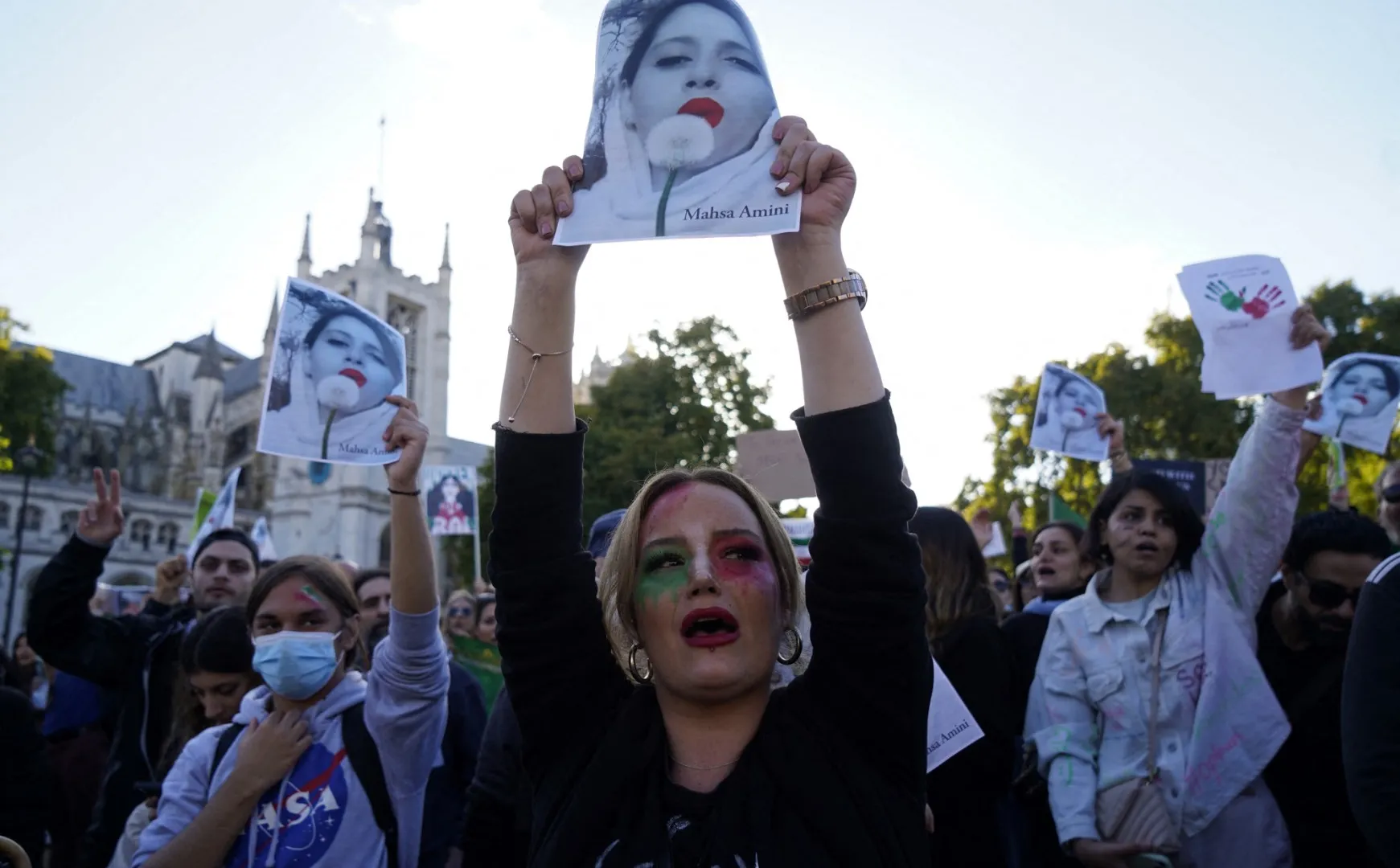
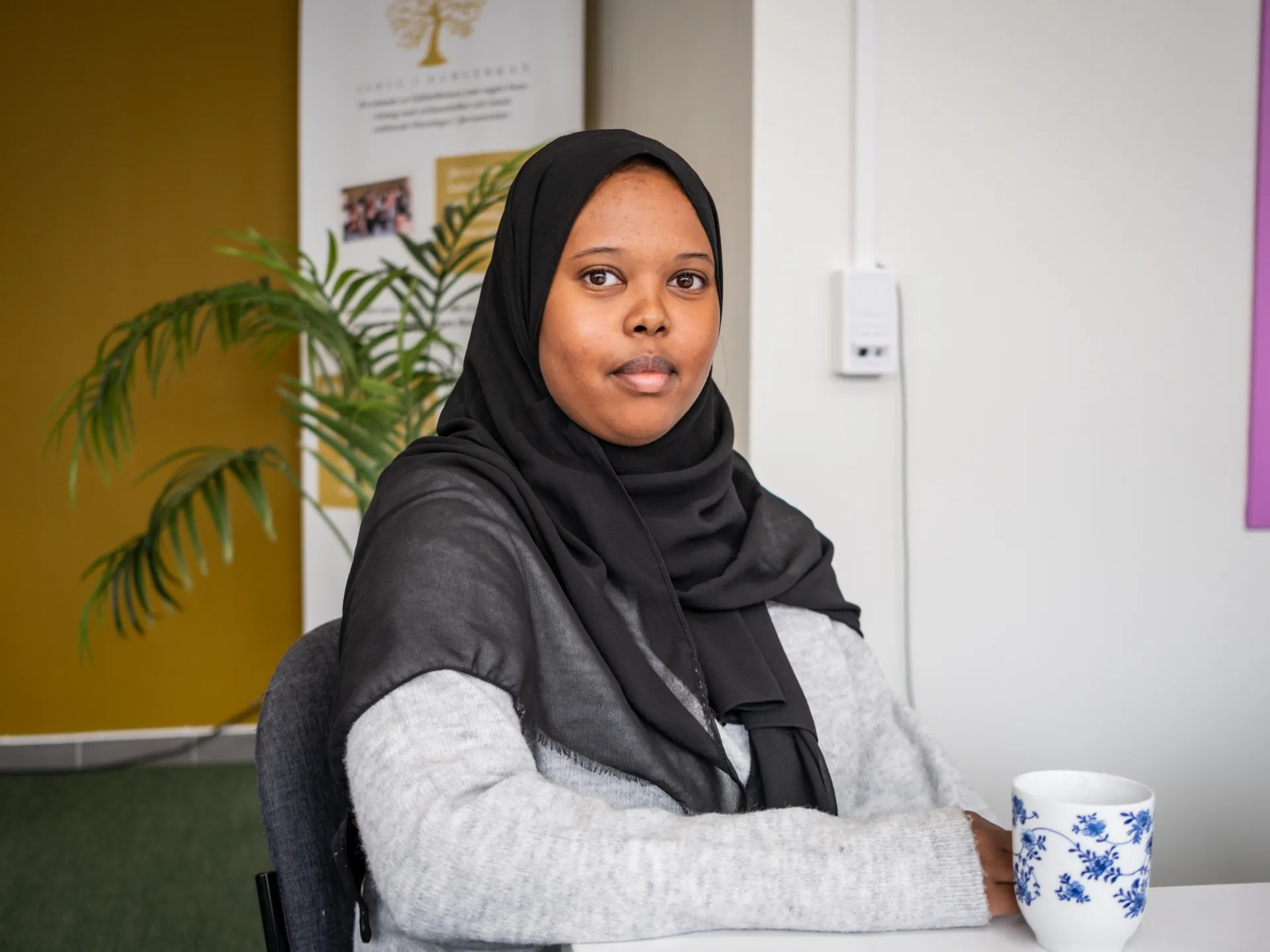
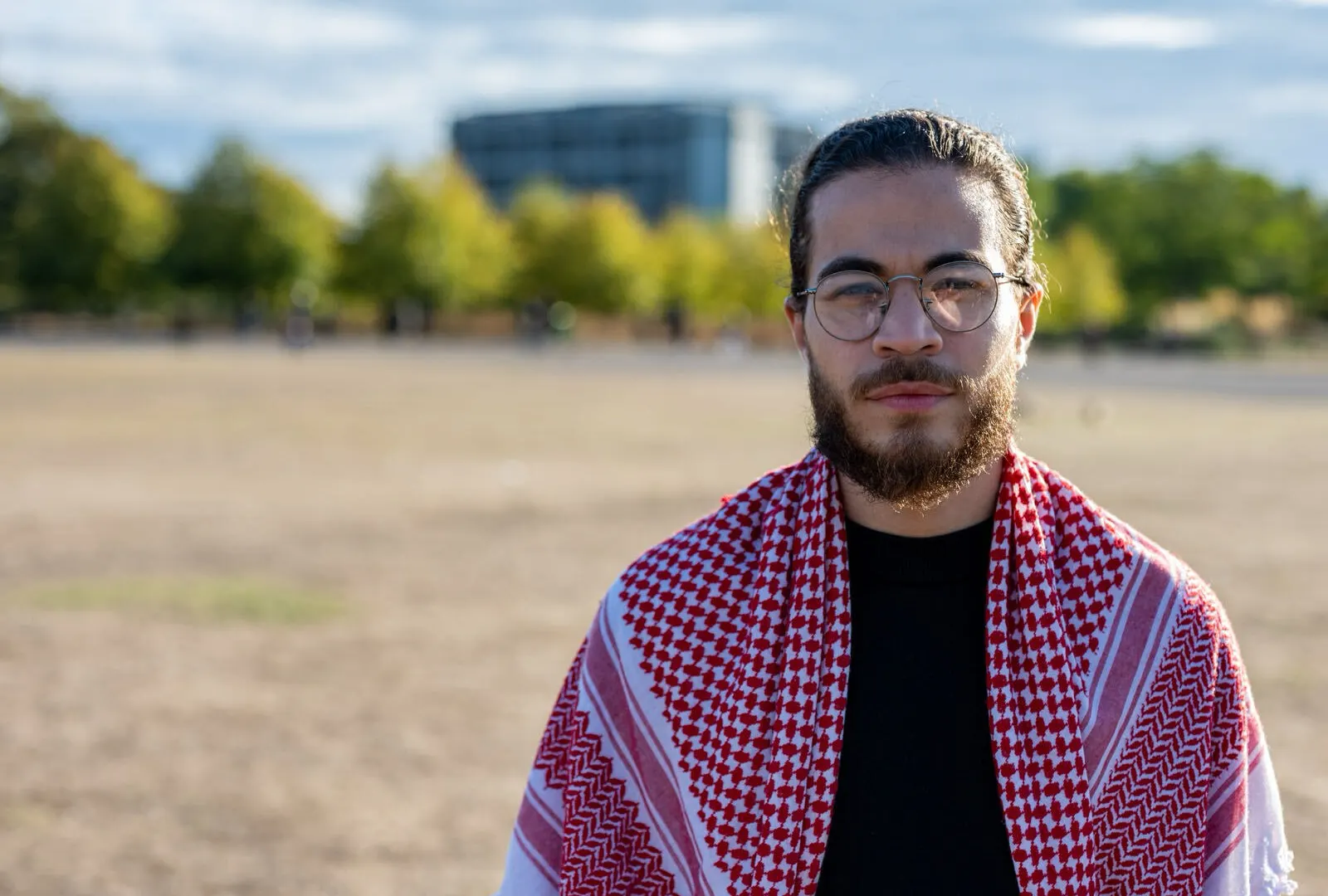
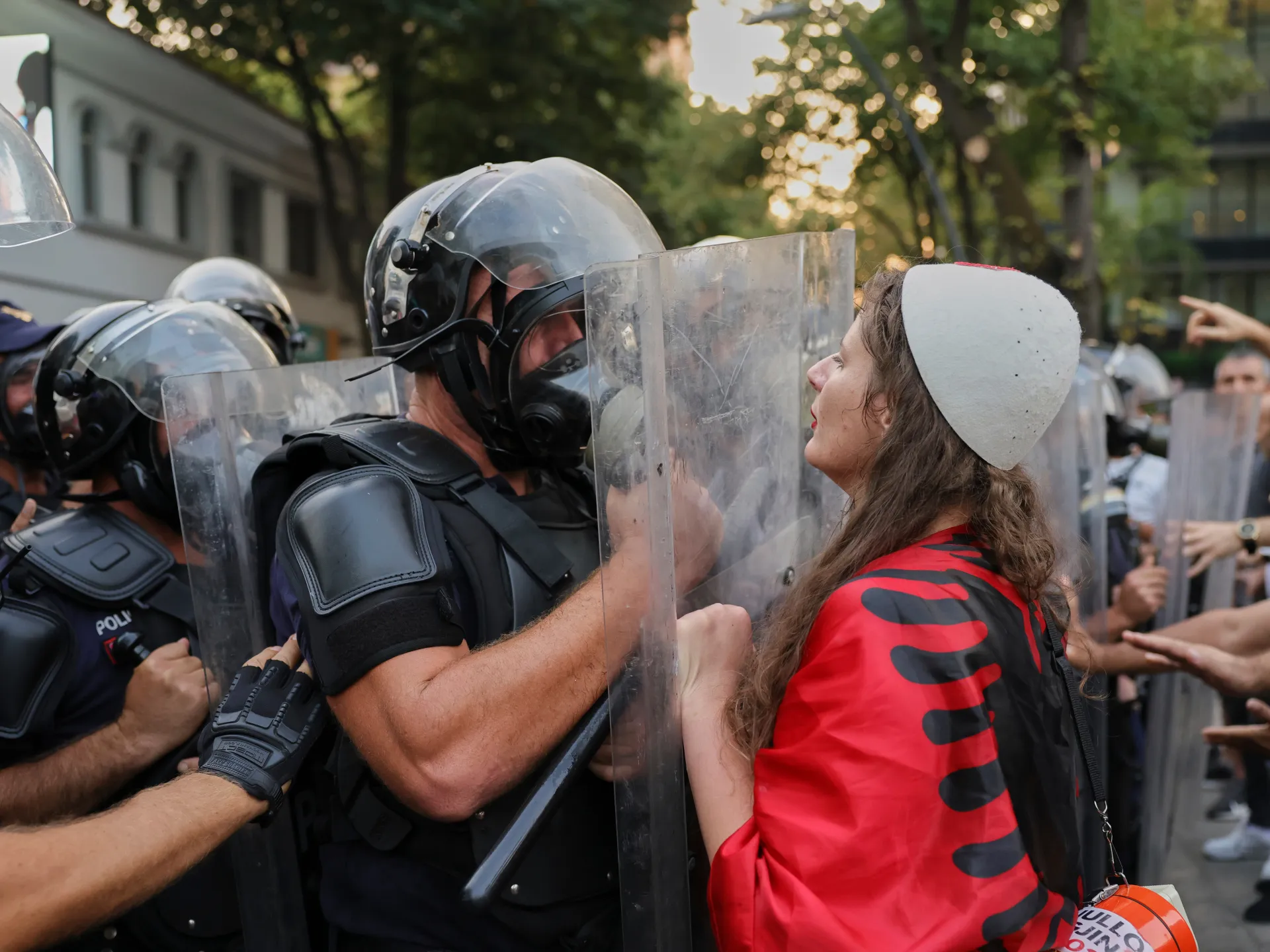
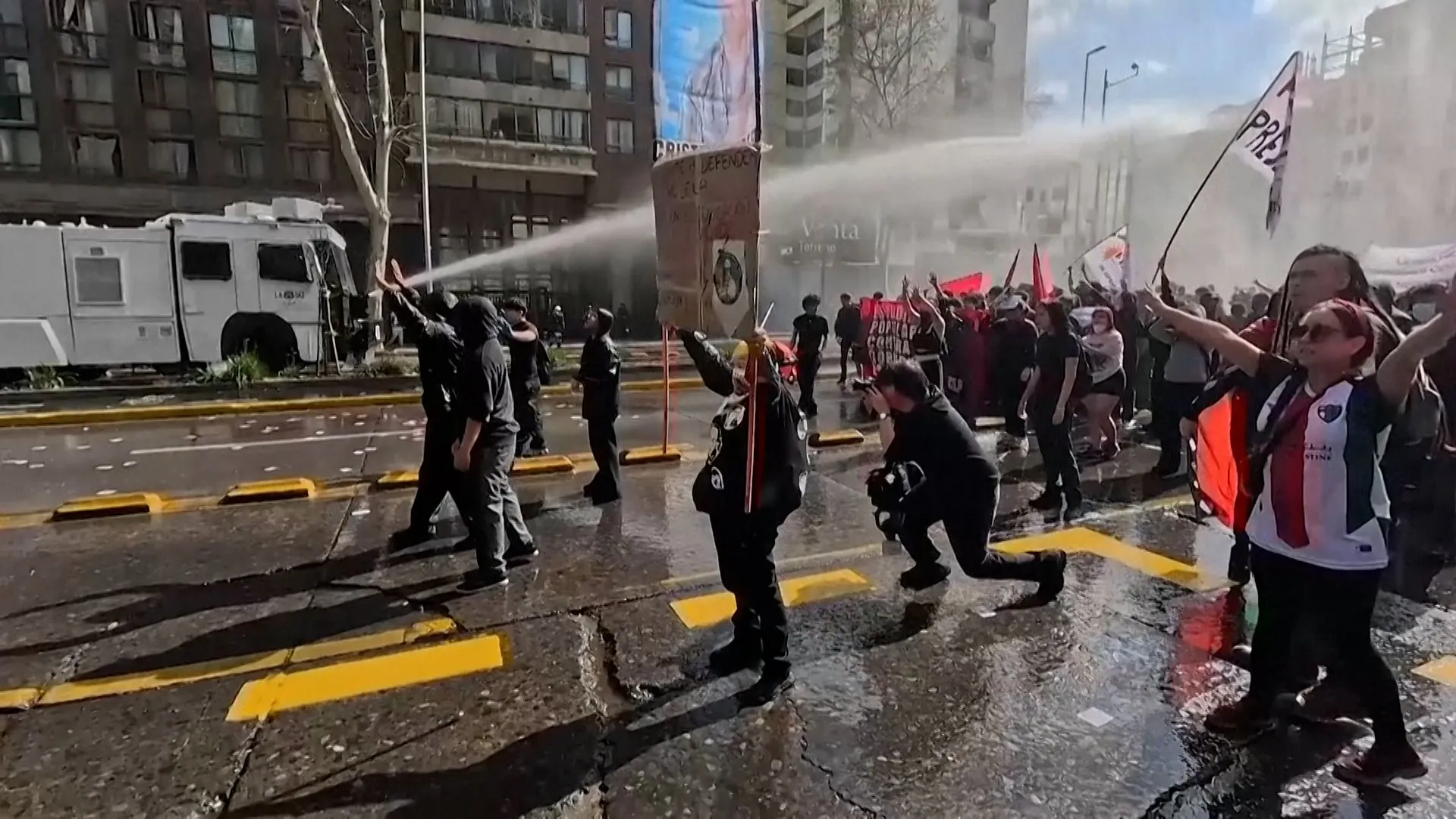
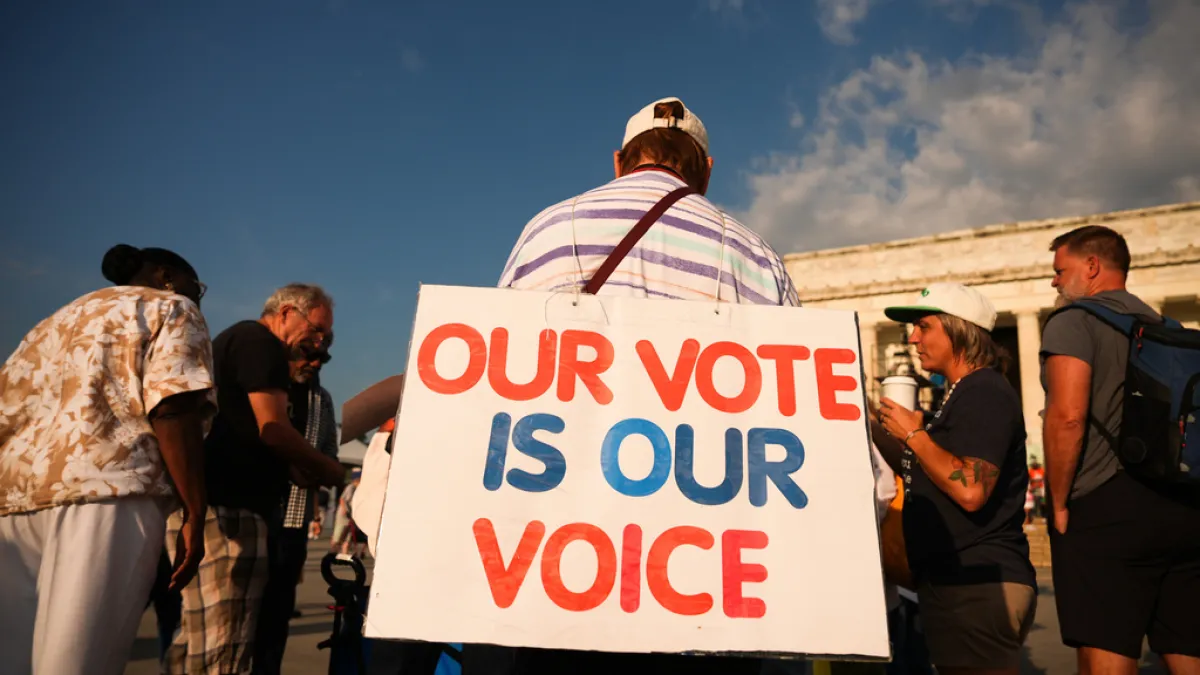
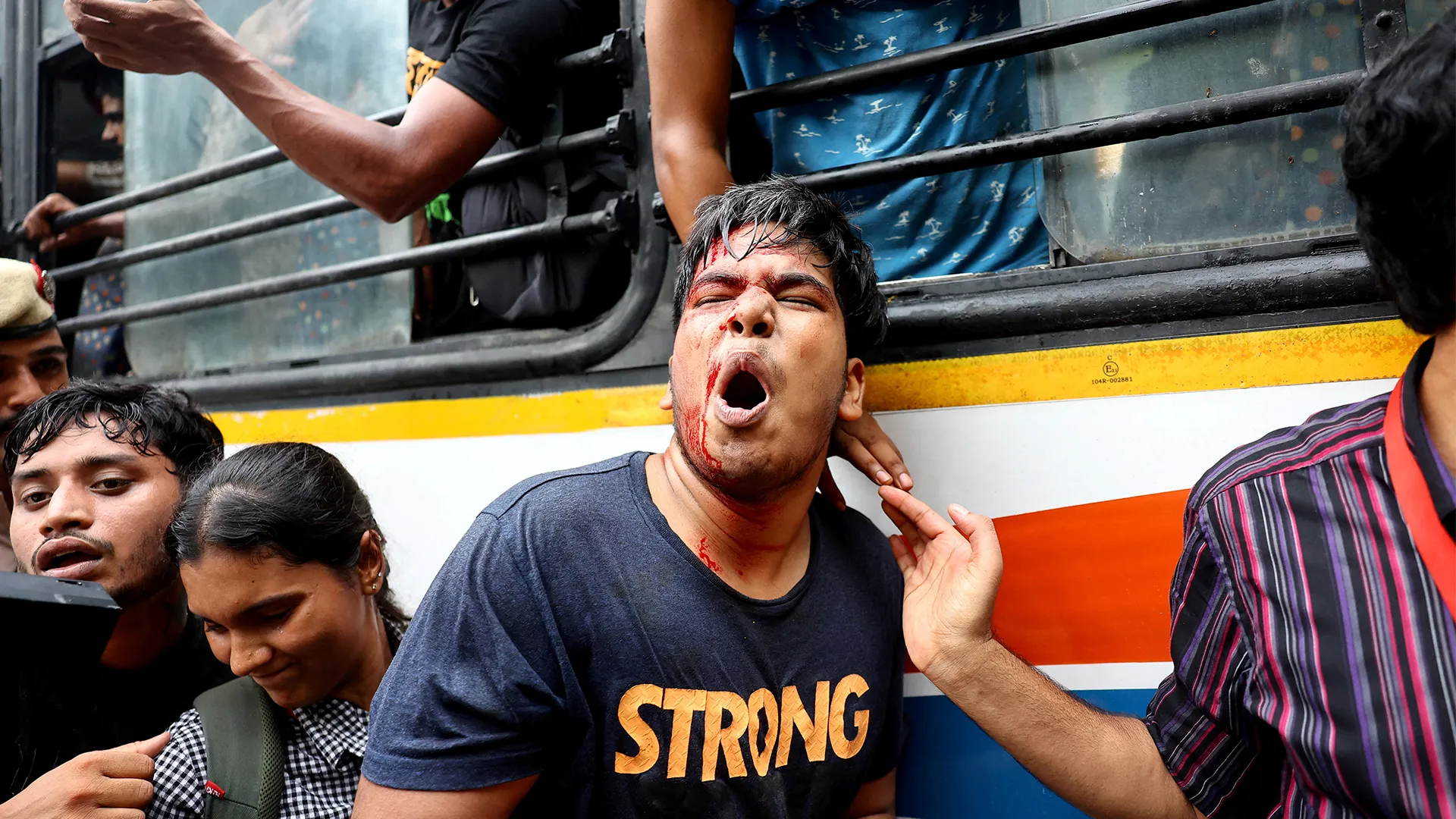
Data from the Afrobarometer survey underscores this disconnect, noting that only about one-third of Moroccans between the ages of 18 and 35 hold a favorable view of the current parliamentary system. Despite this apathy toward formal electoral processes, youth participation in social media advocacy and public demonstrations remains robust. This creates a paradox where the citizenry is hyper-engaged with the issues but increasingly detached from the mechanism of the ballot box. Because the constitutional framework mandates that the king retains a central institutional role while appointing the head of government from the winning party, many voters are left questioning the ultimate efficacy of their participation in a system that balances democratic processes with executive monarchical power.
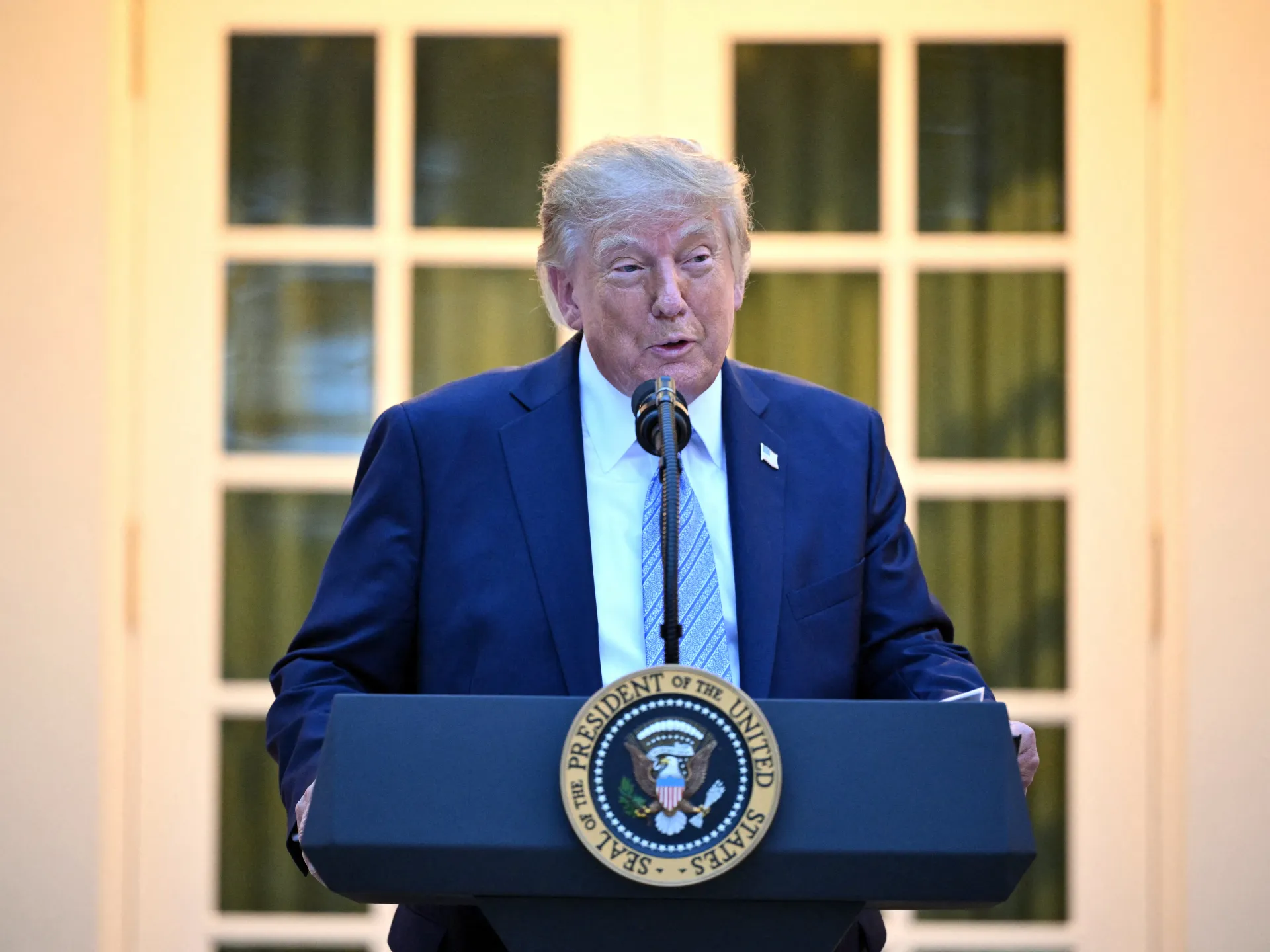
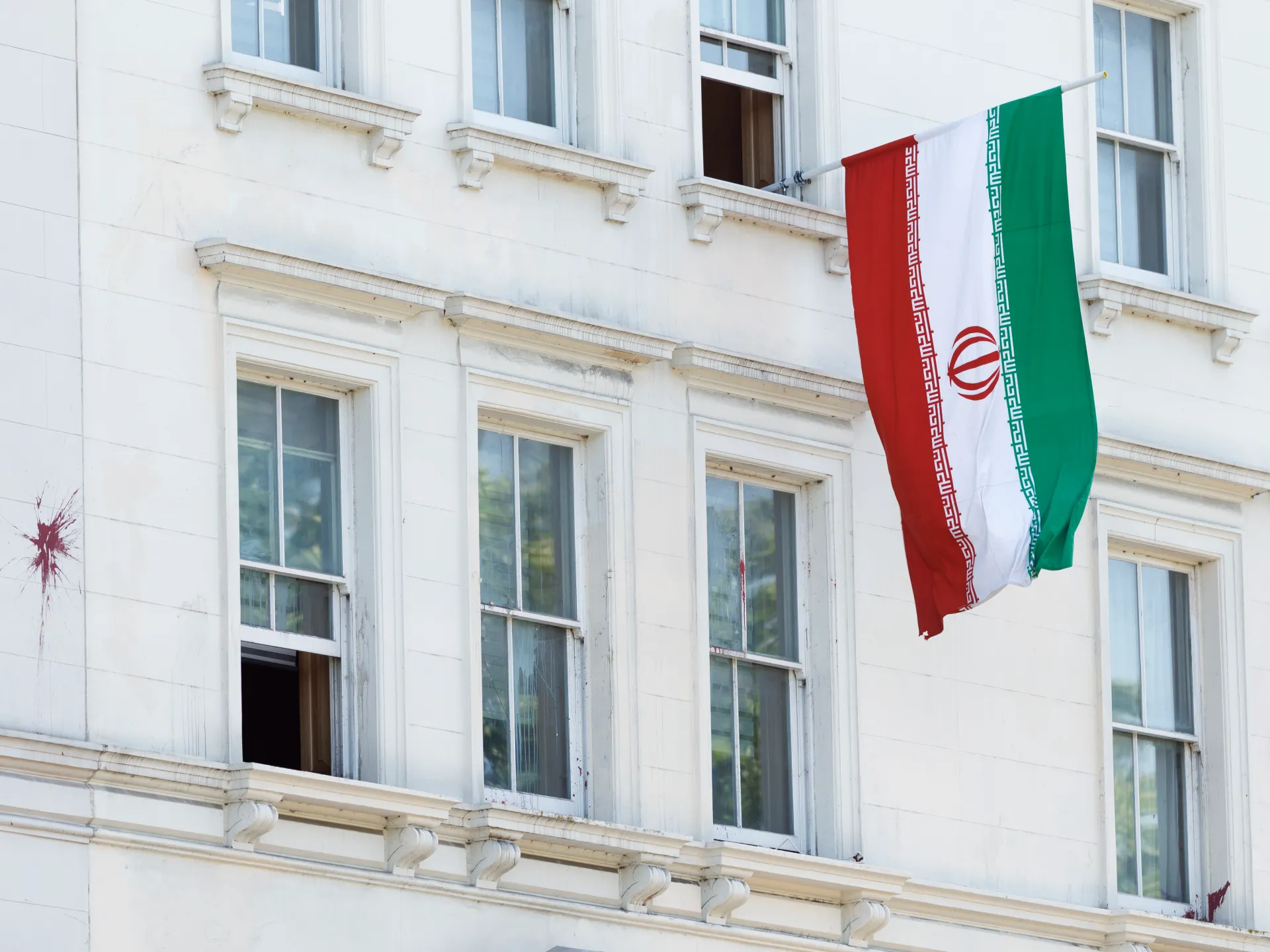
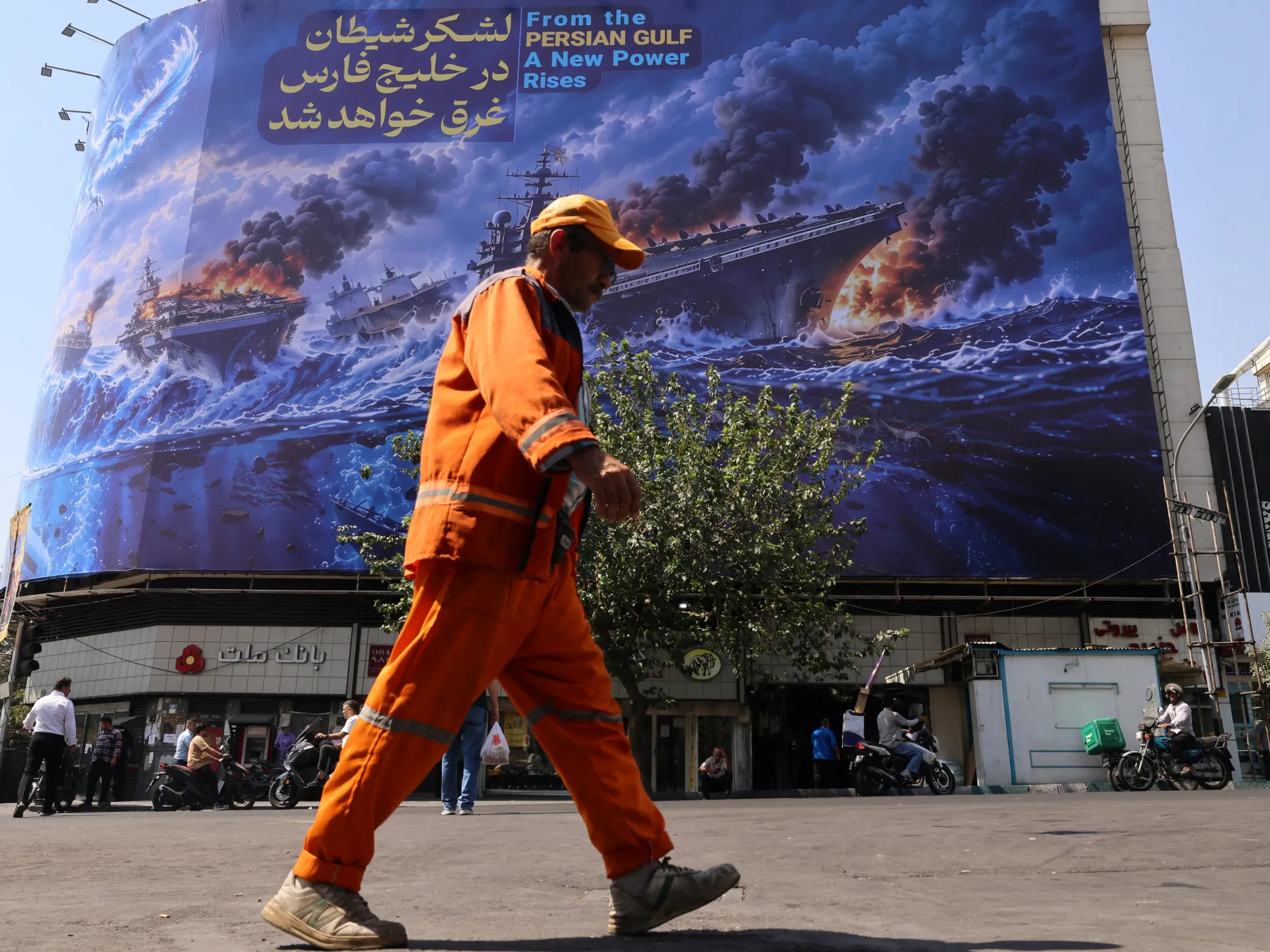
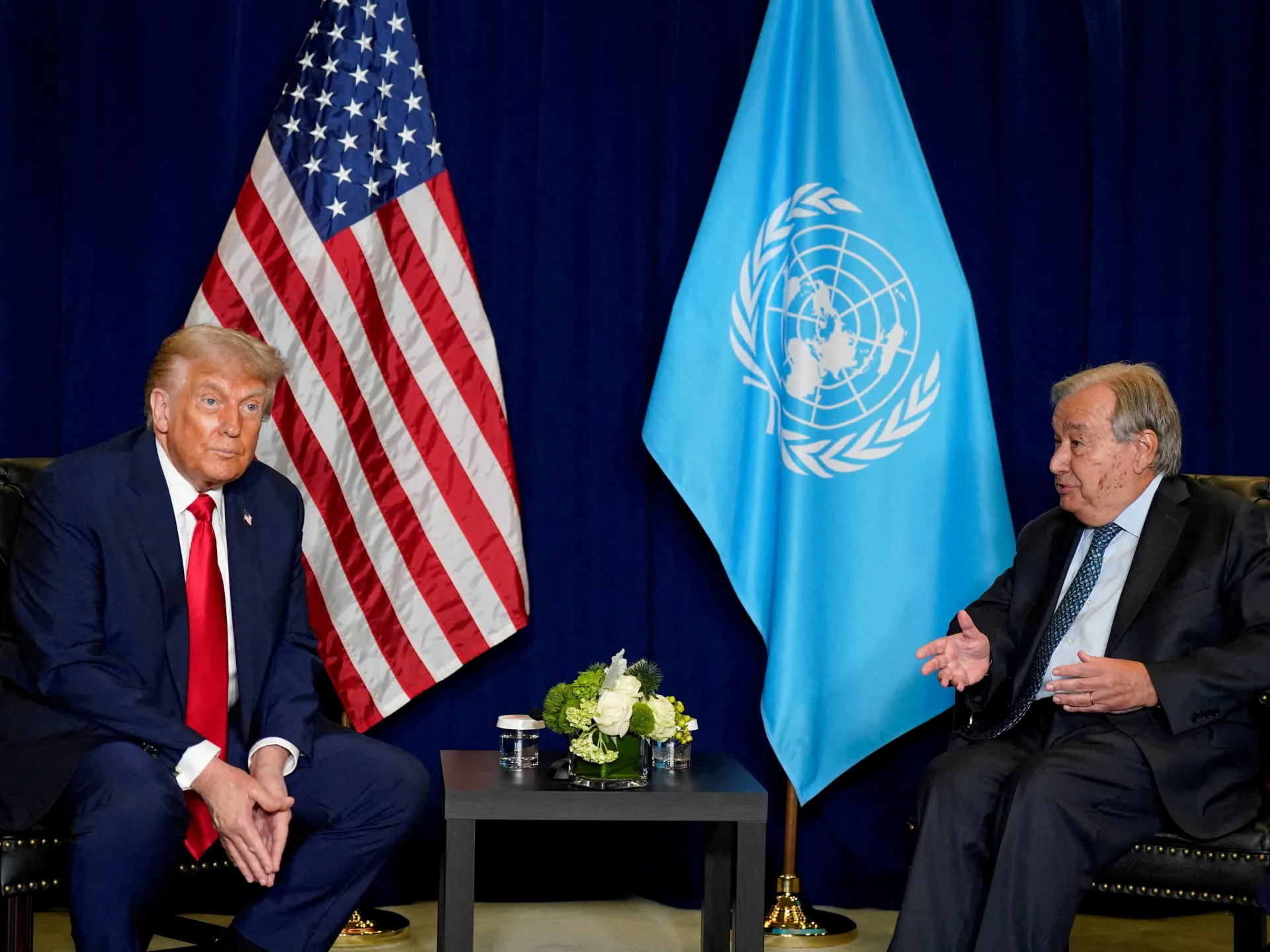
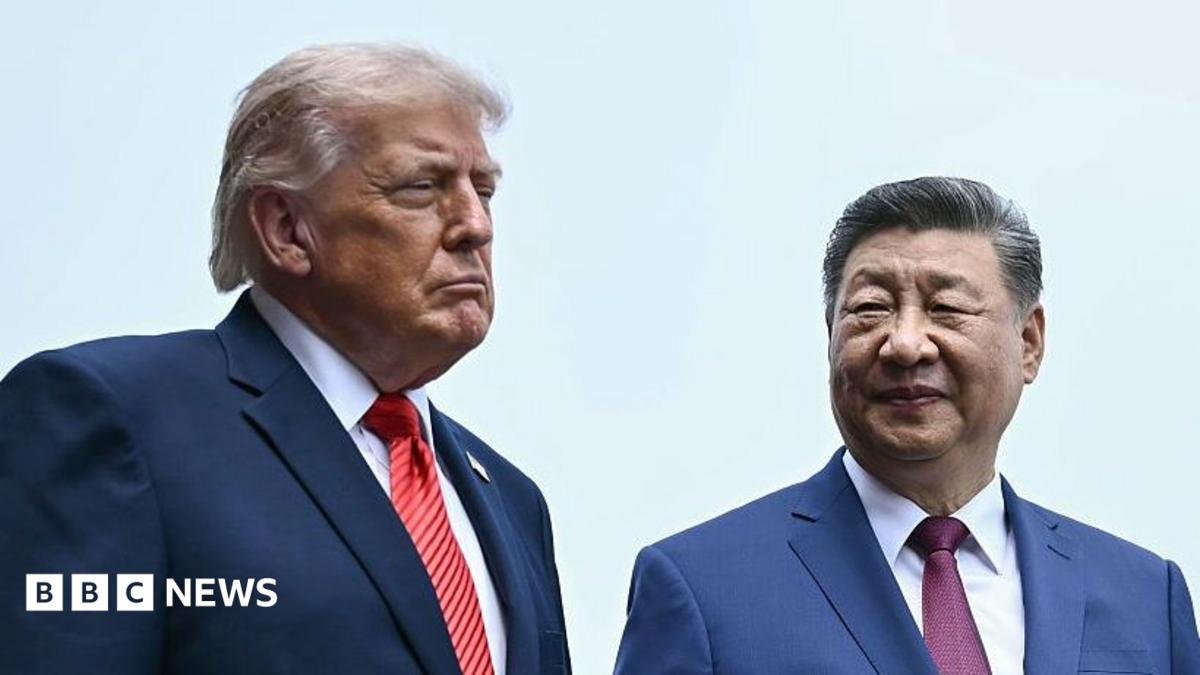
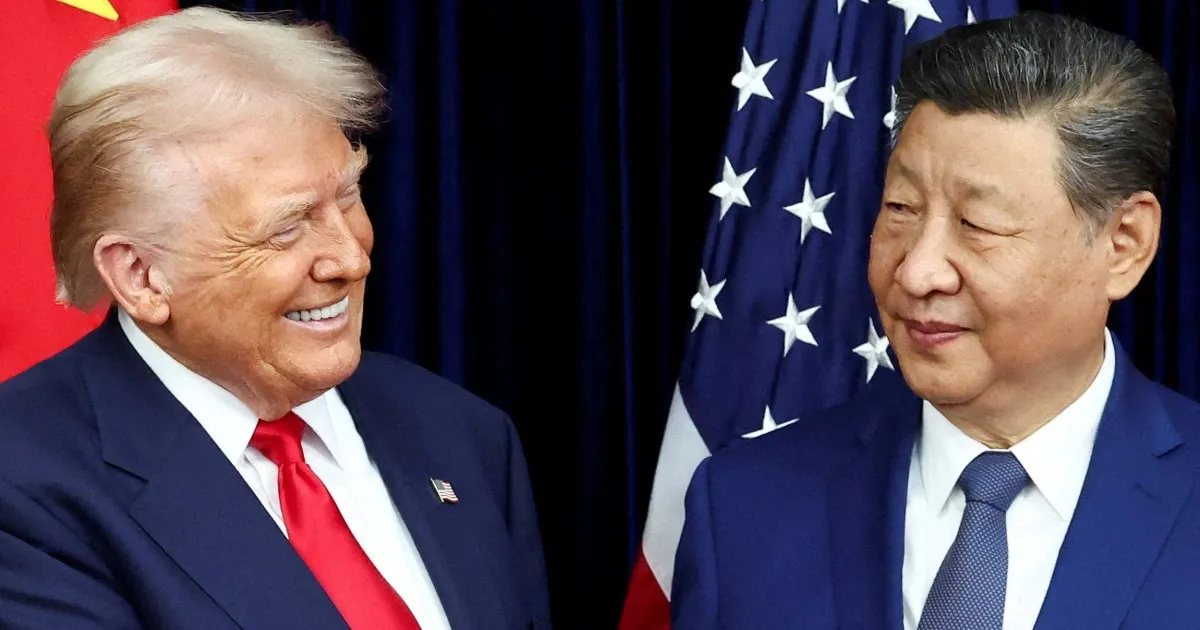
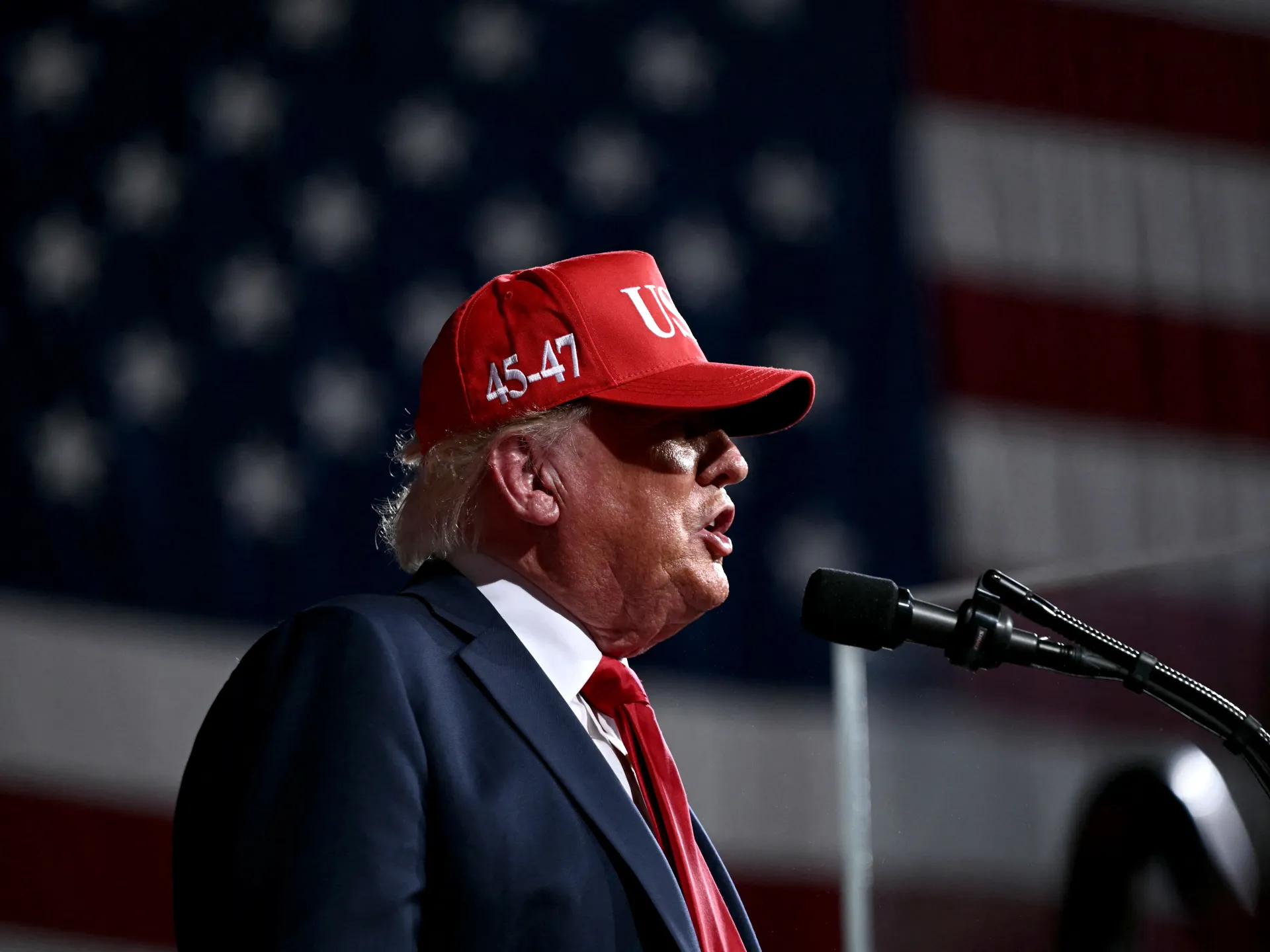
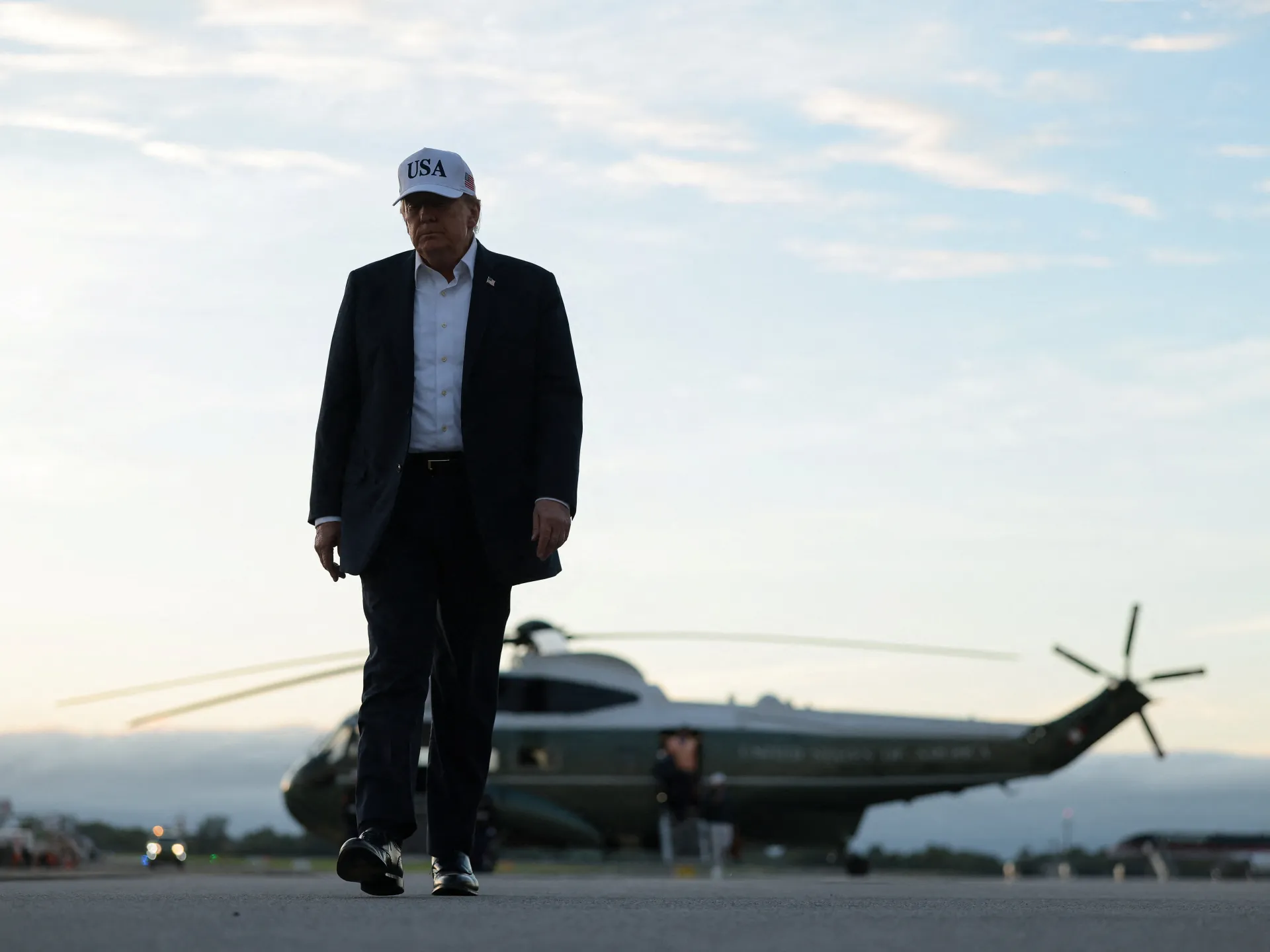
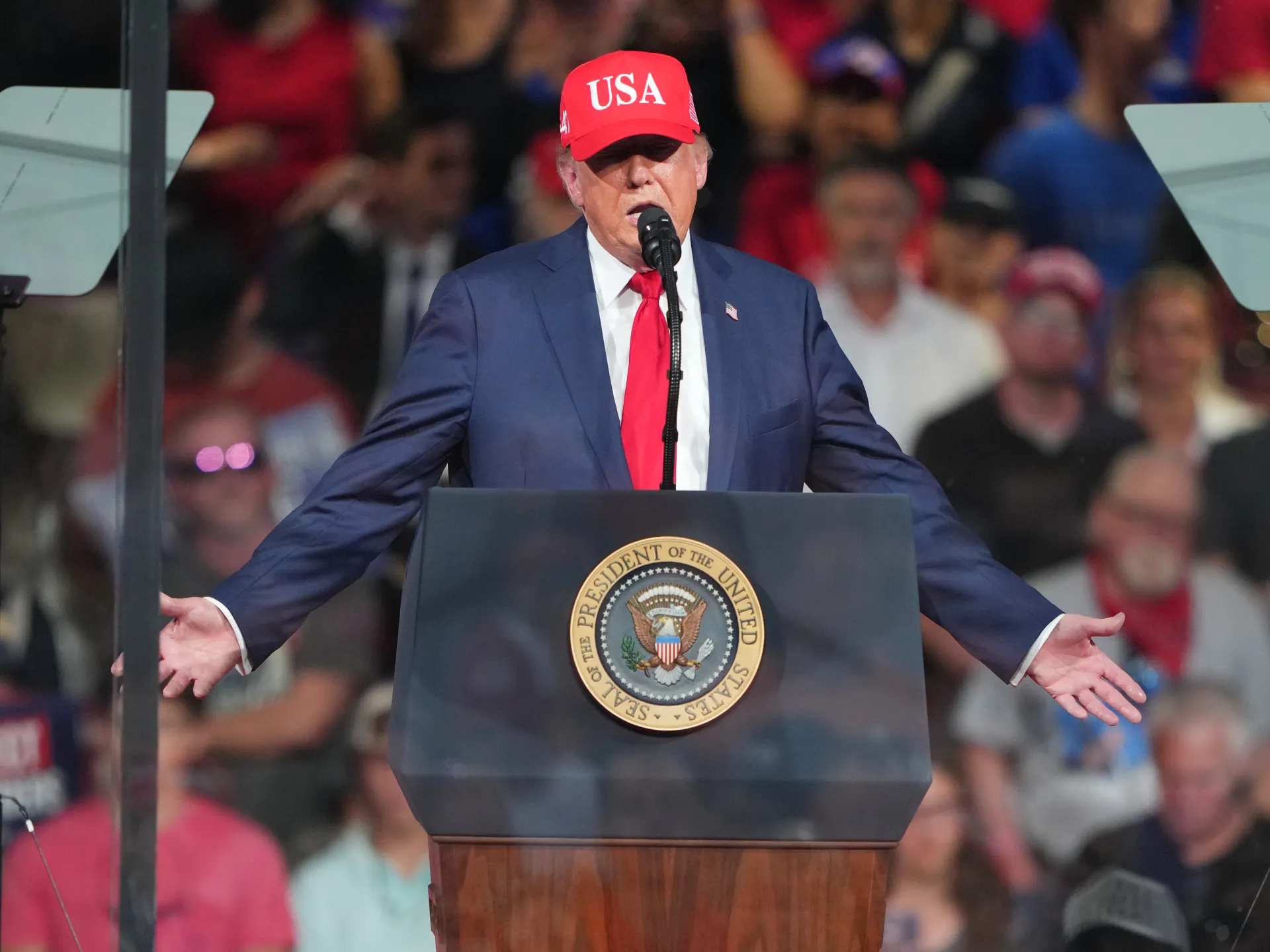
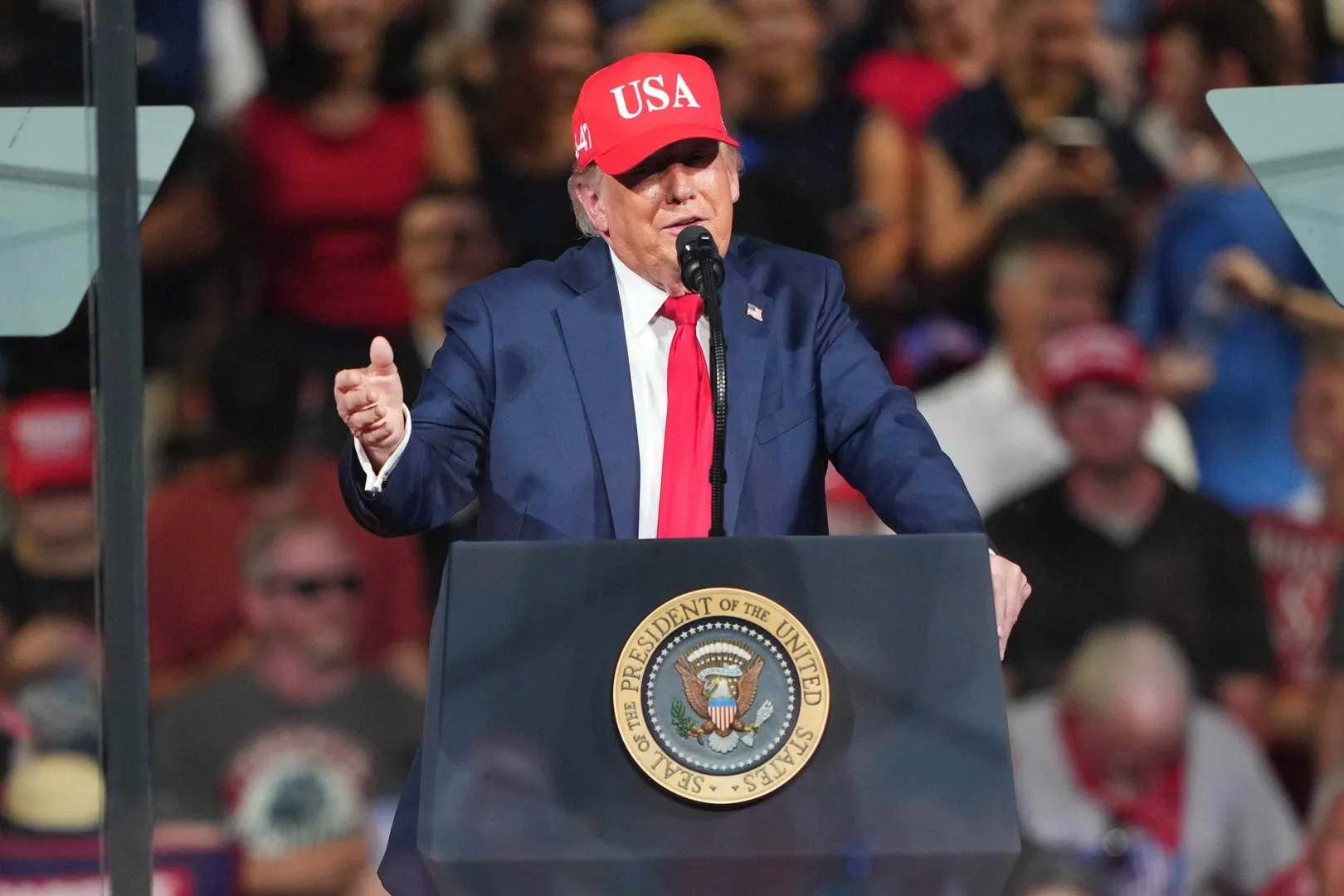
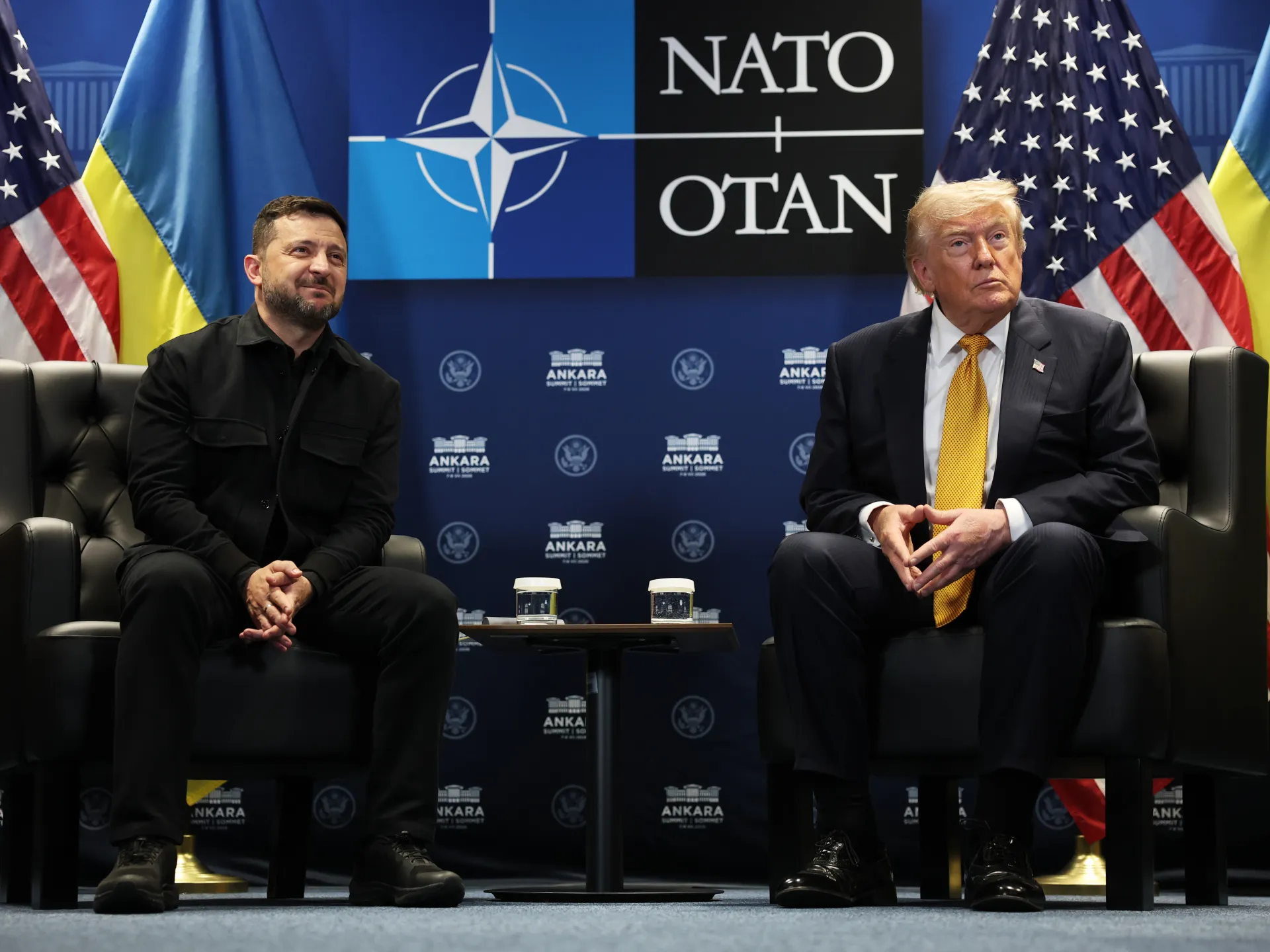
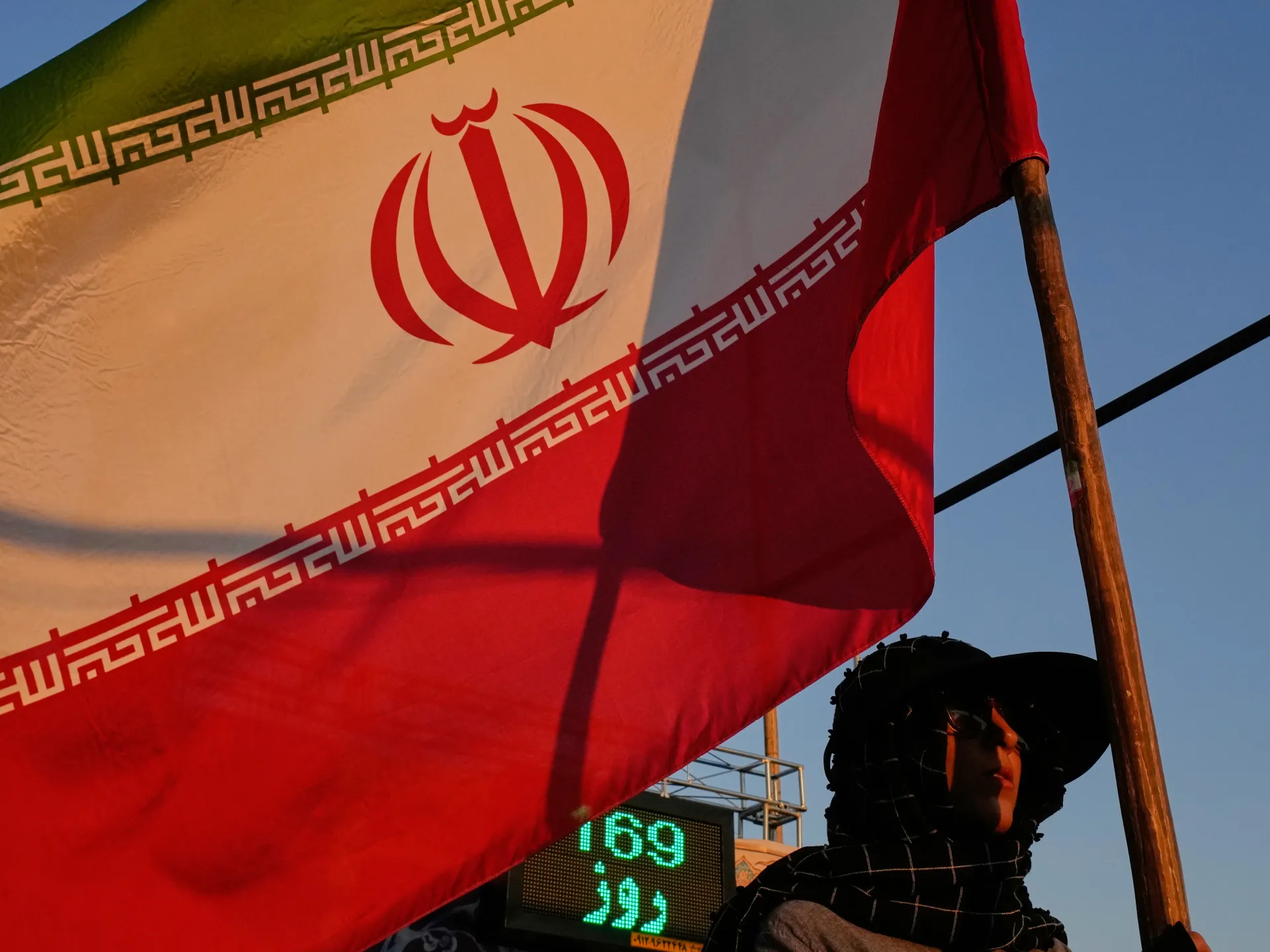
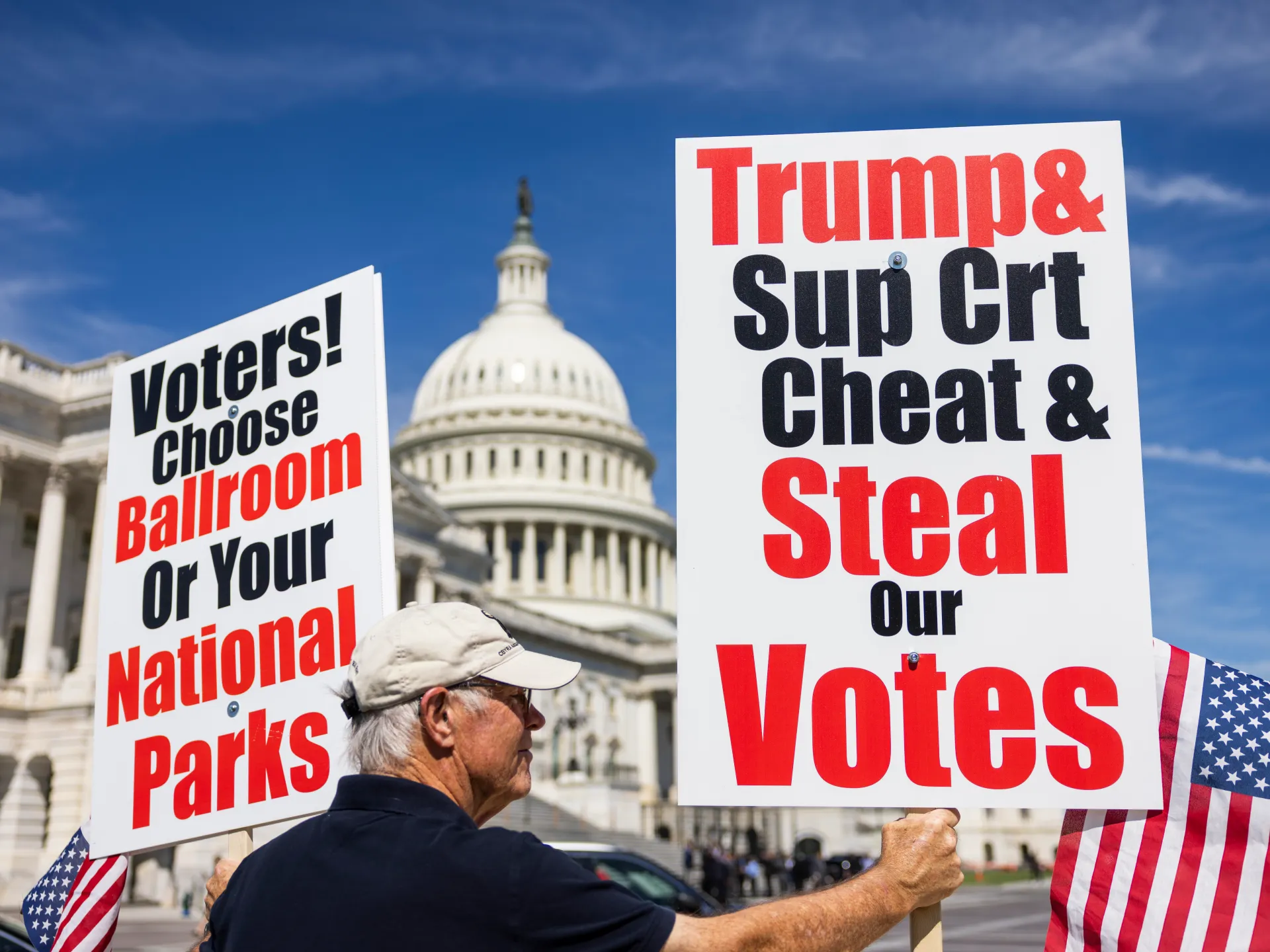
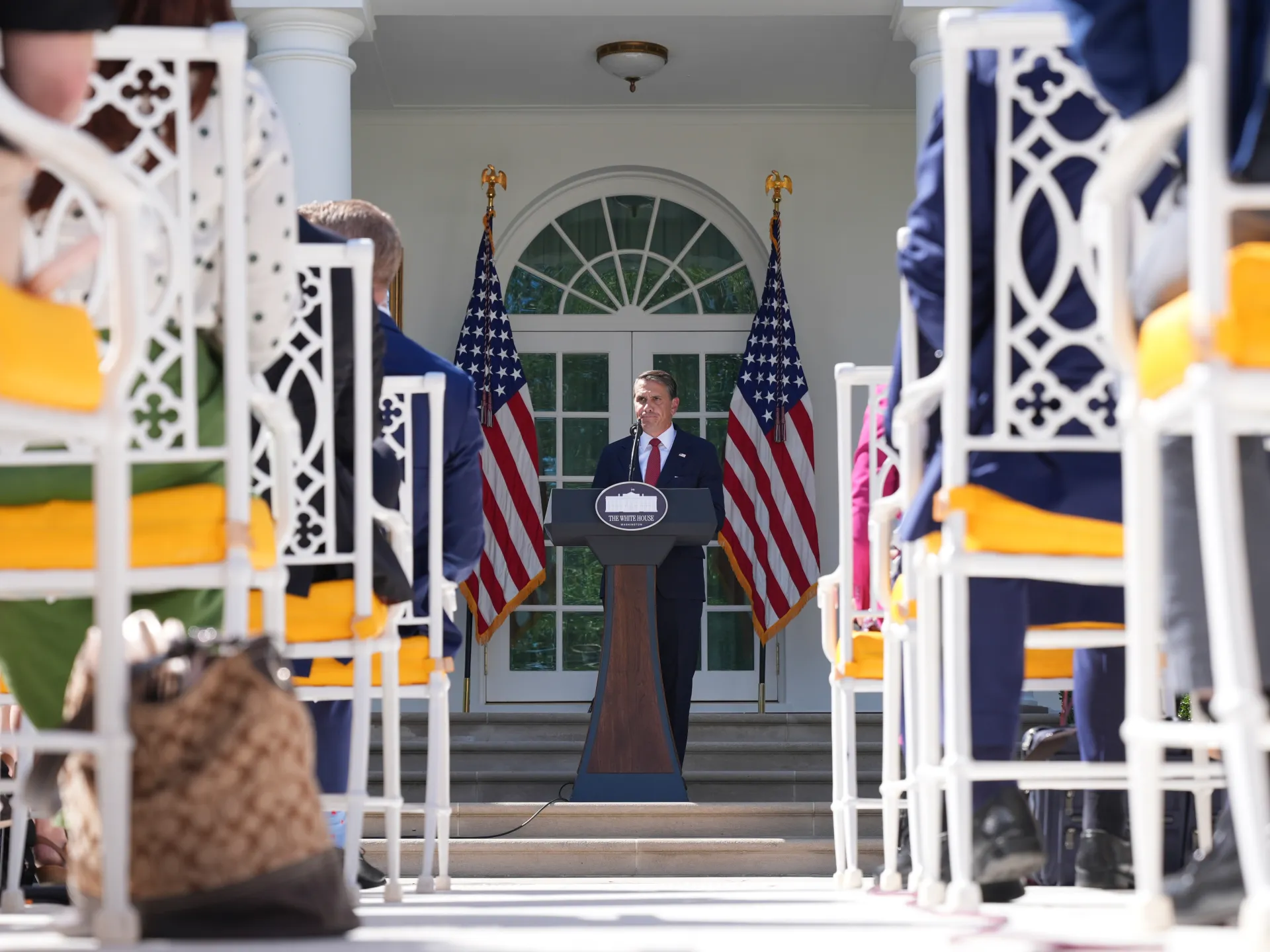
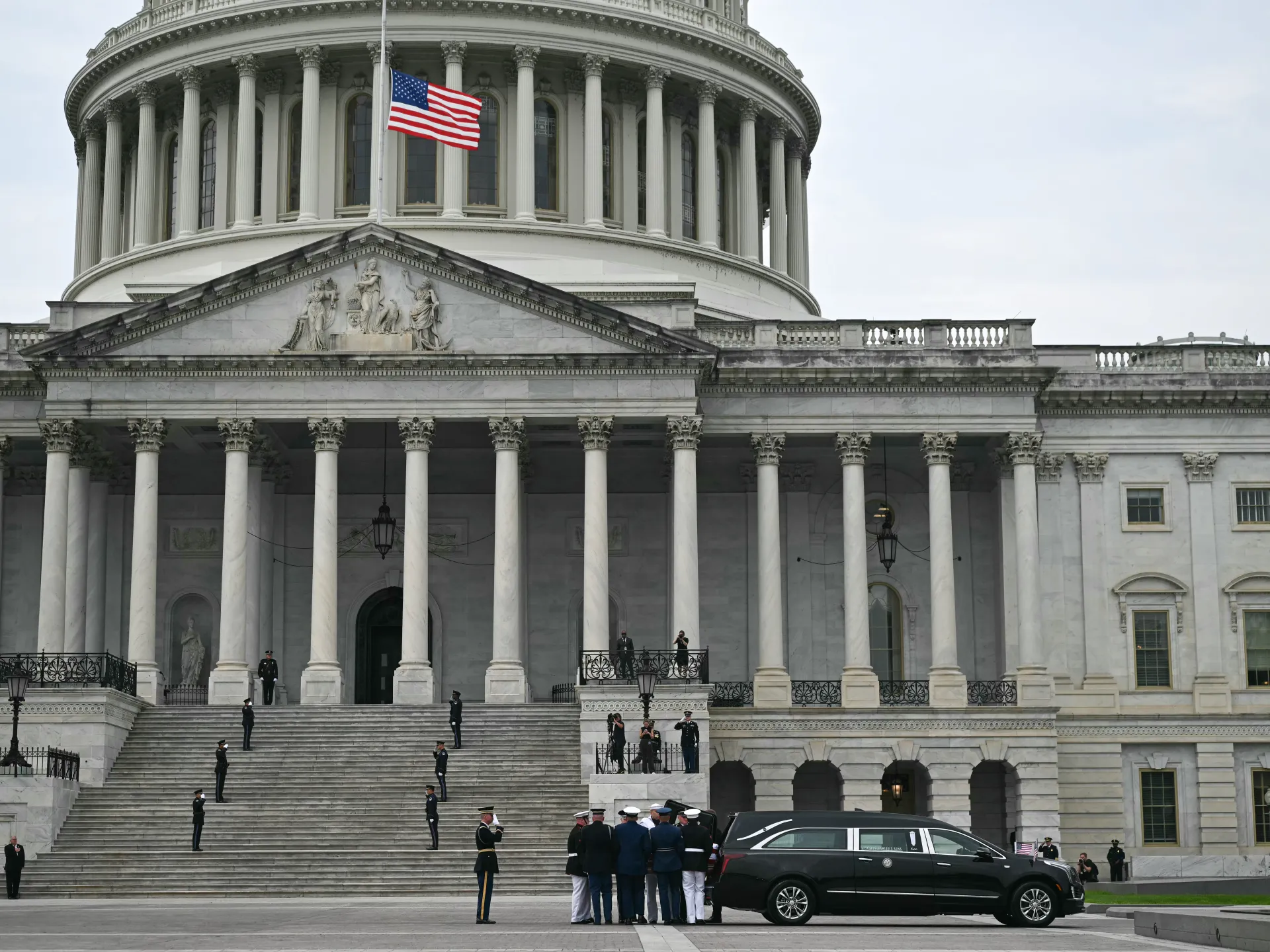
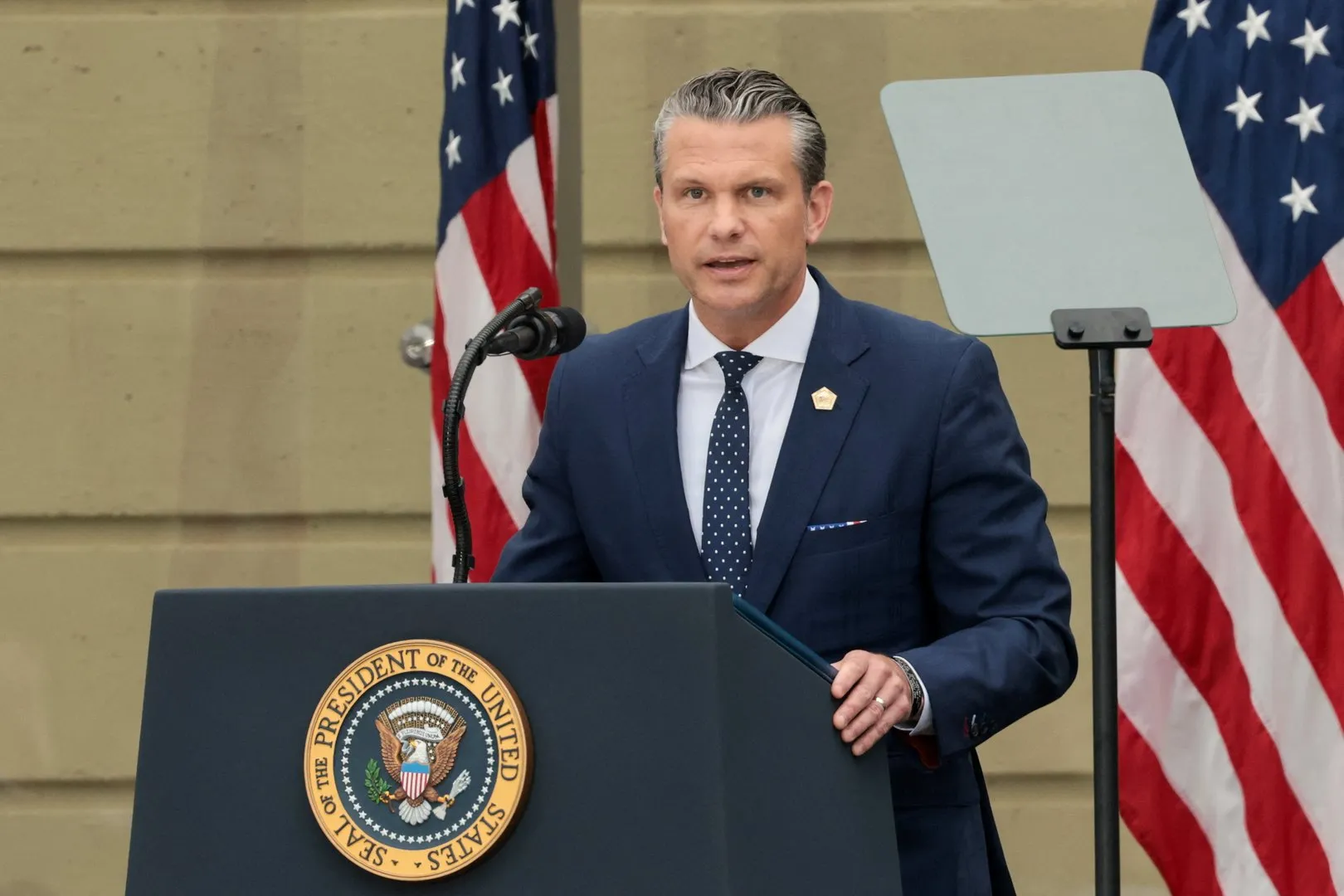
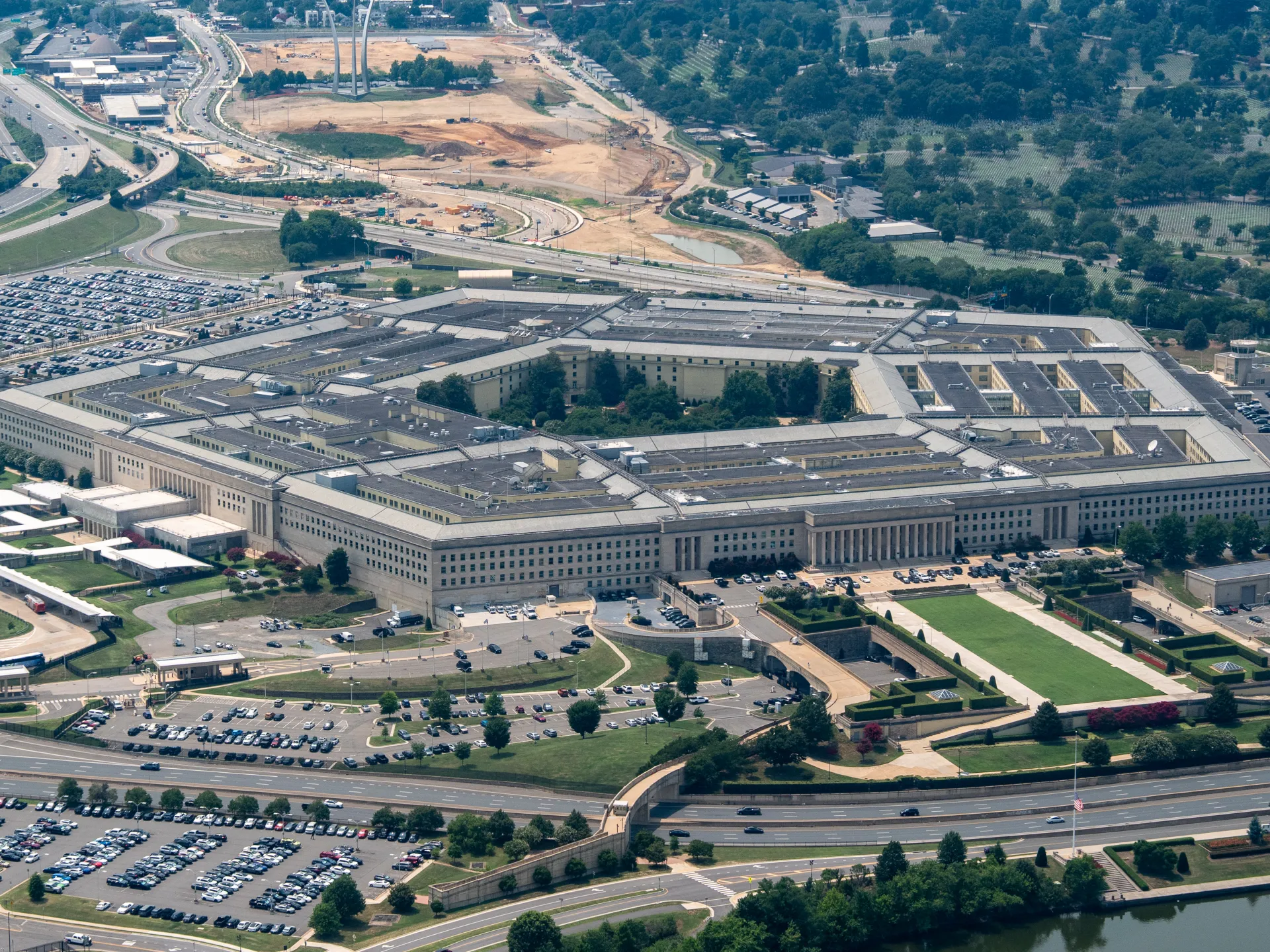
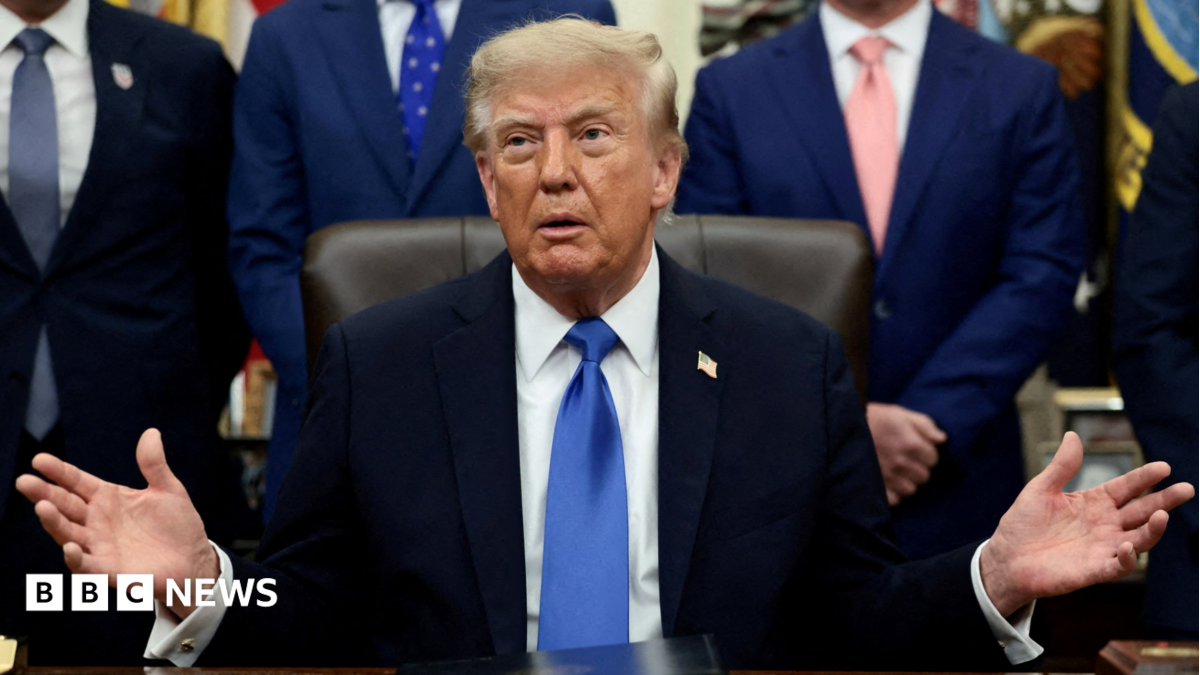
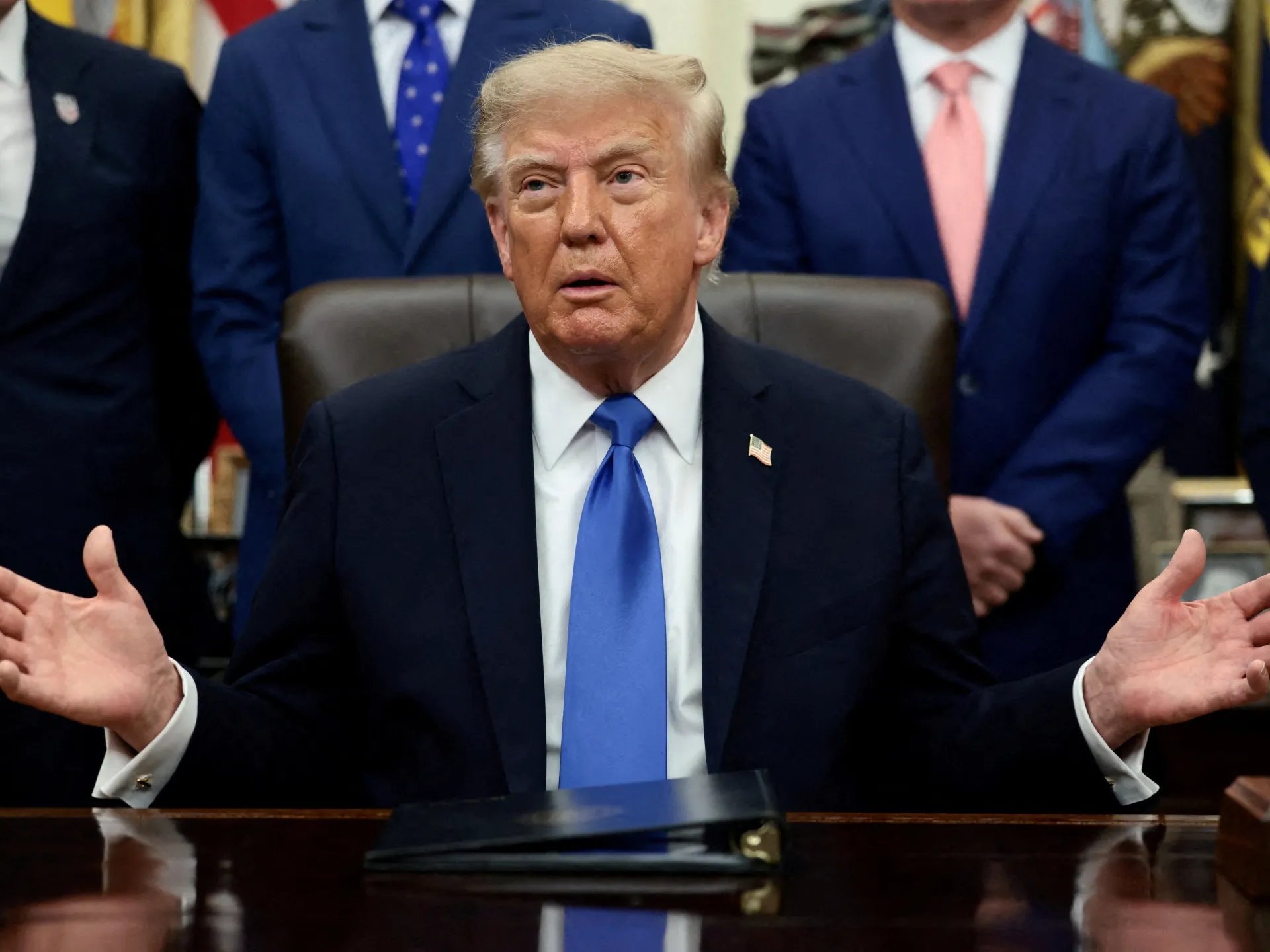
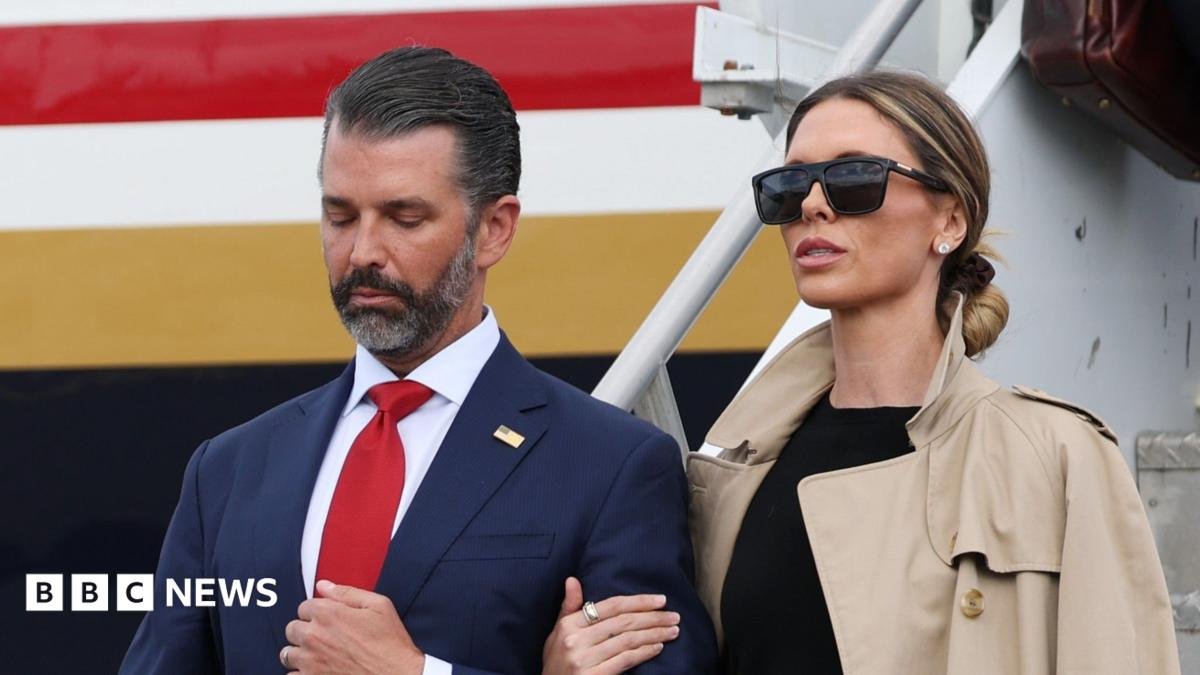
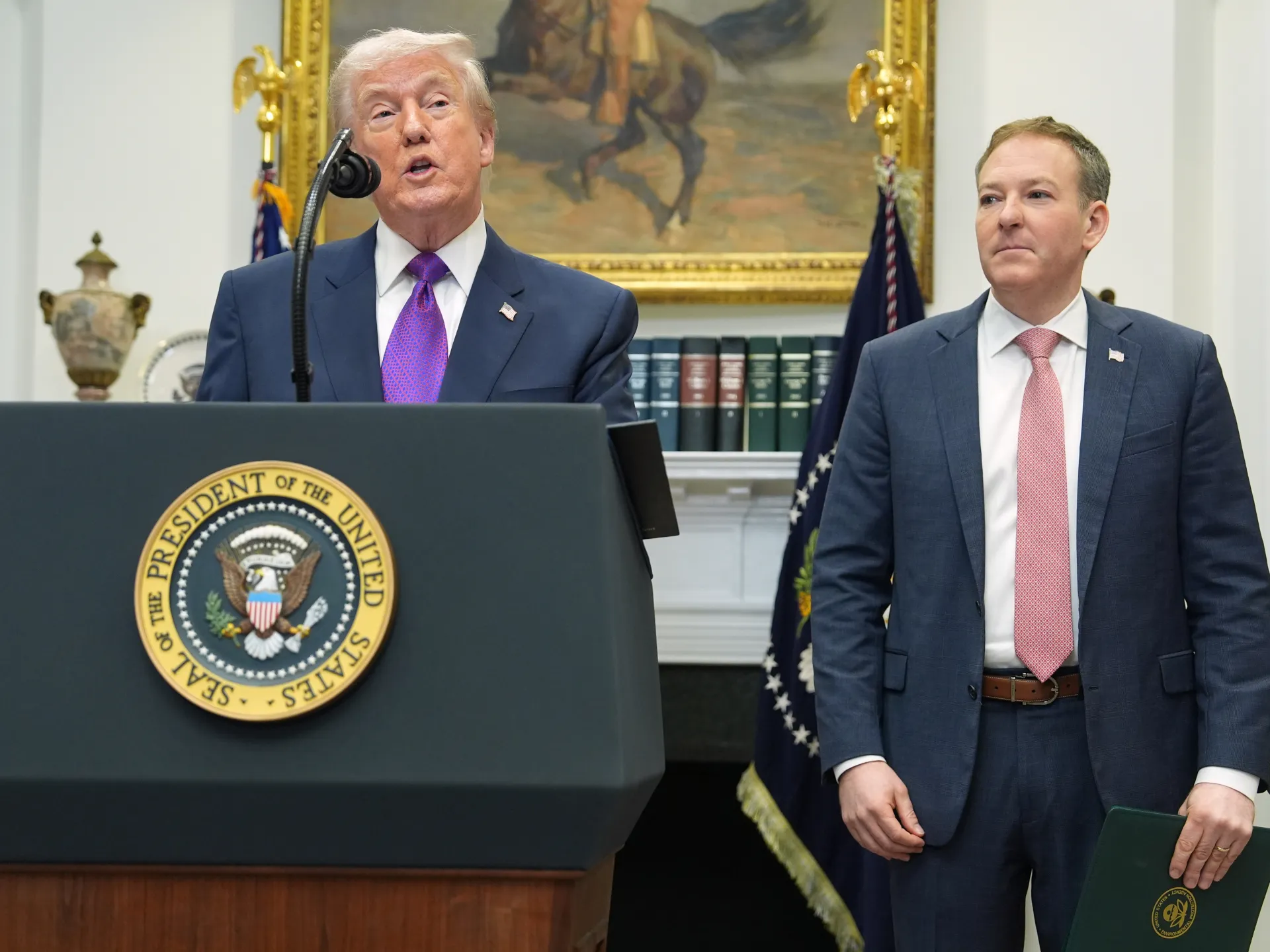
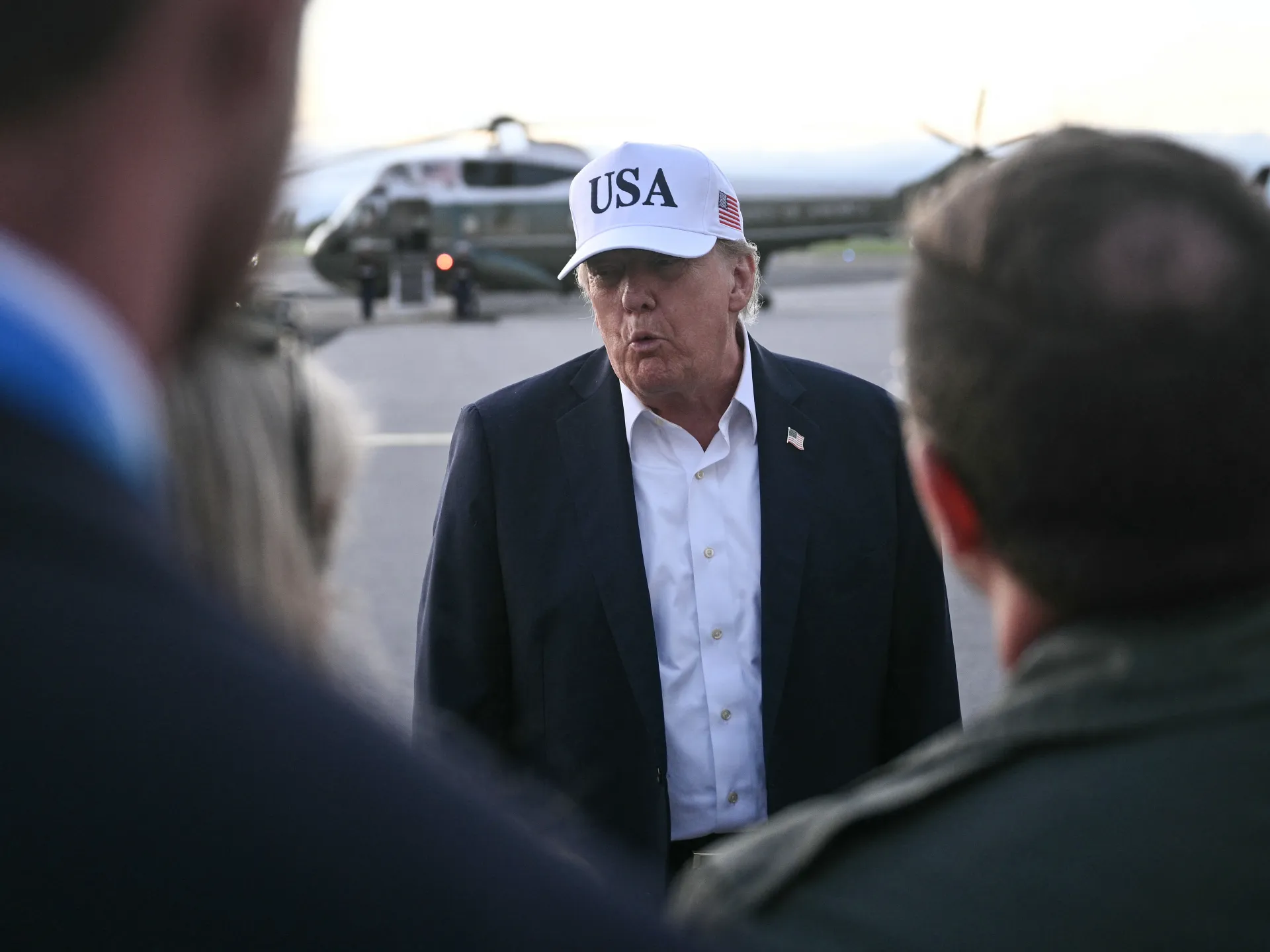
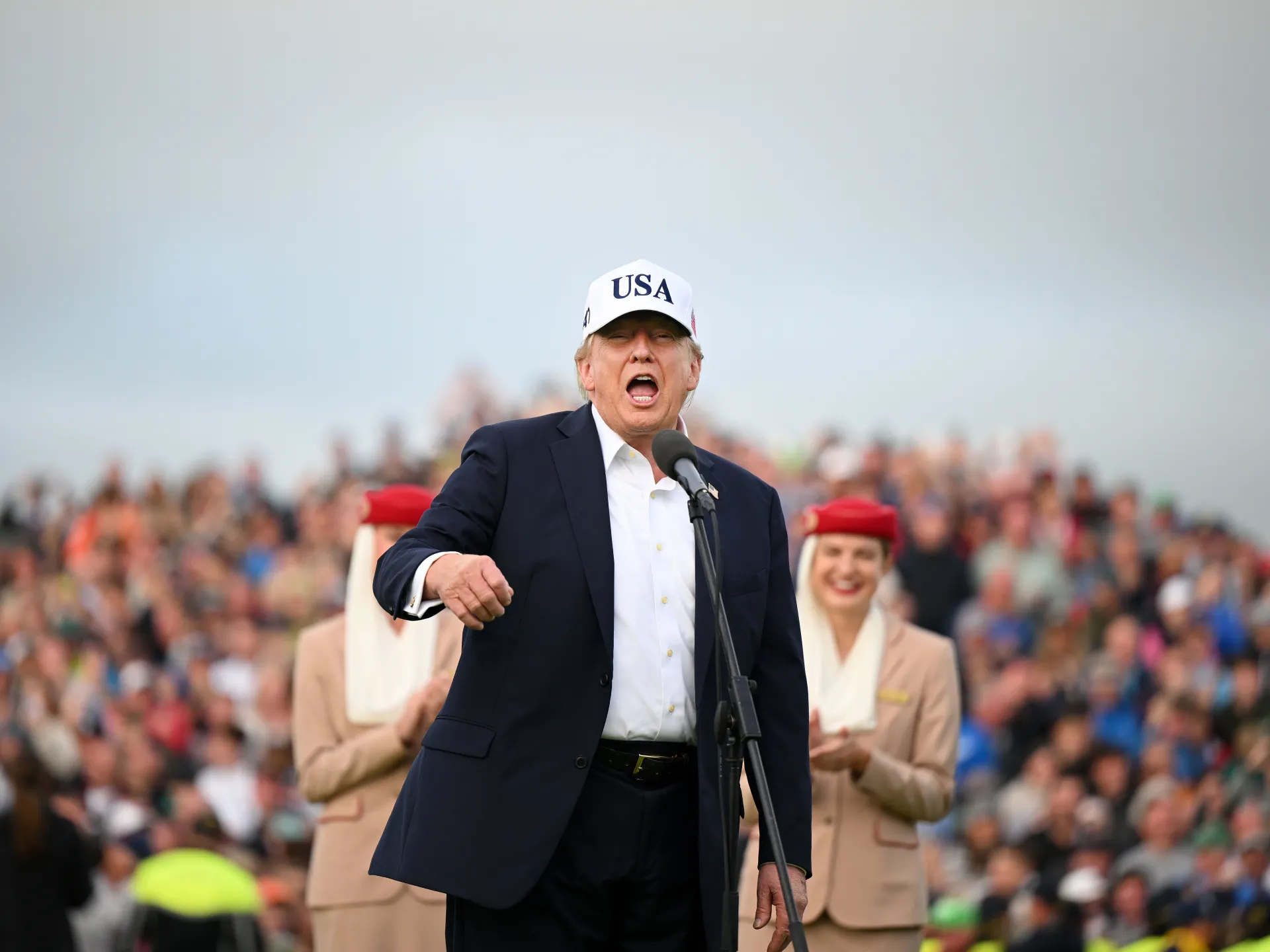
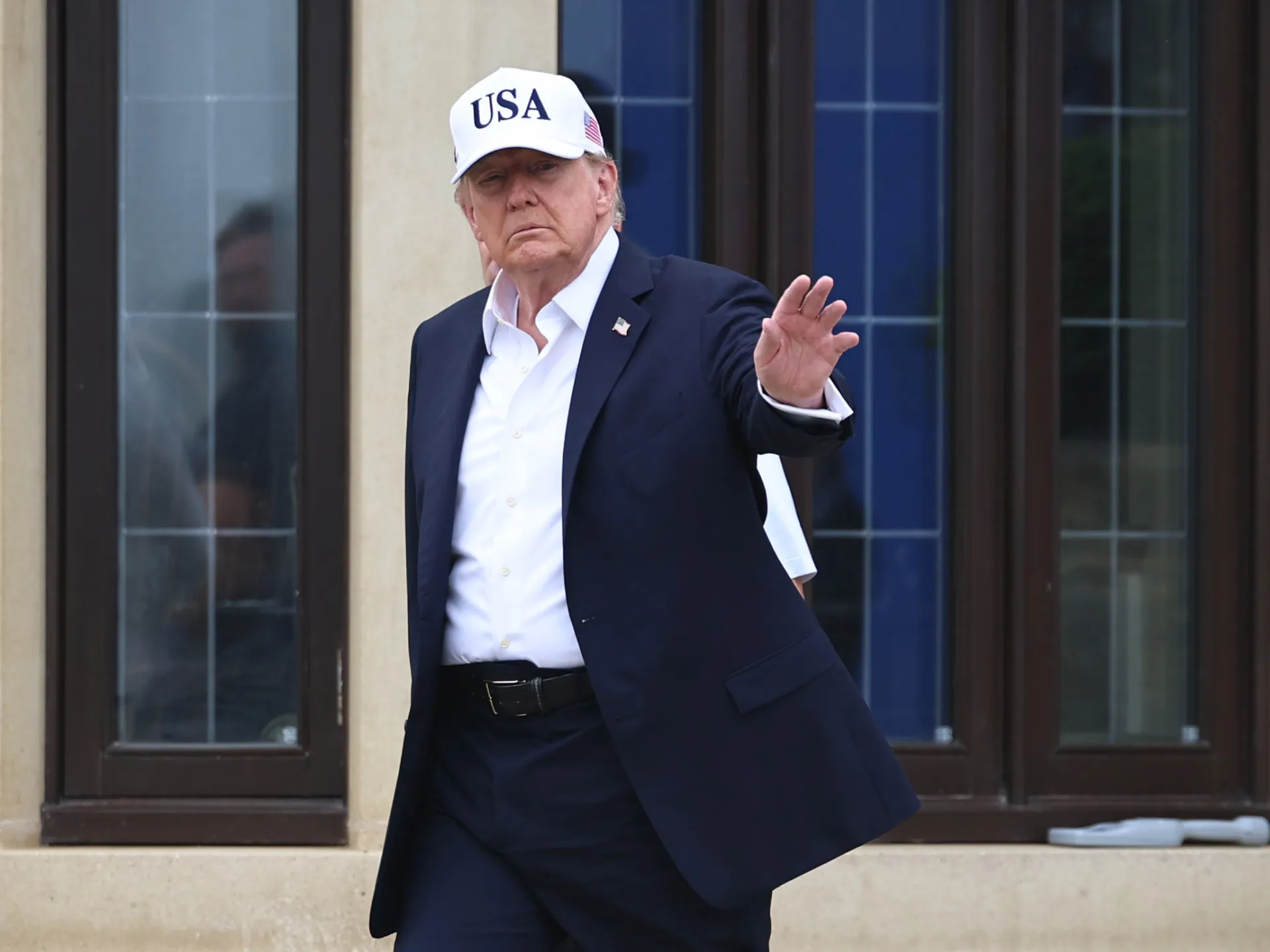
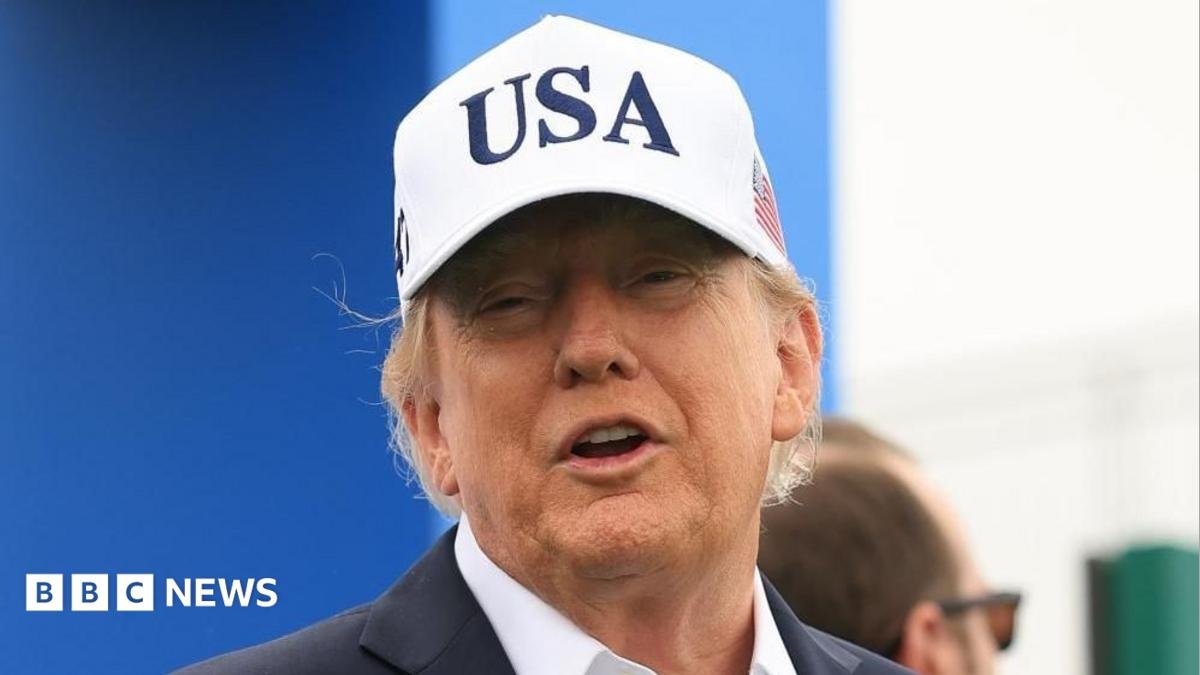
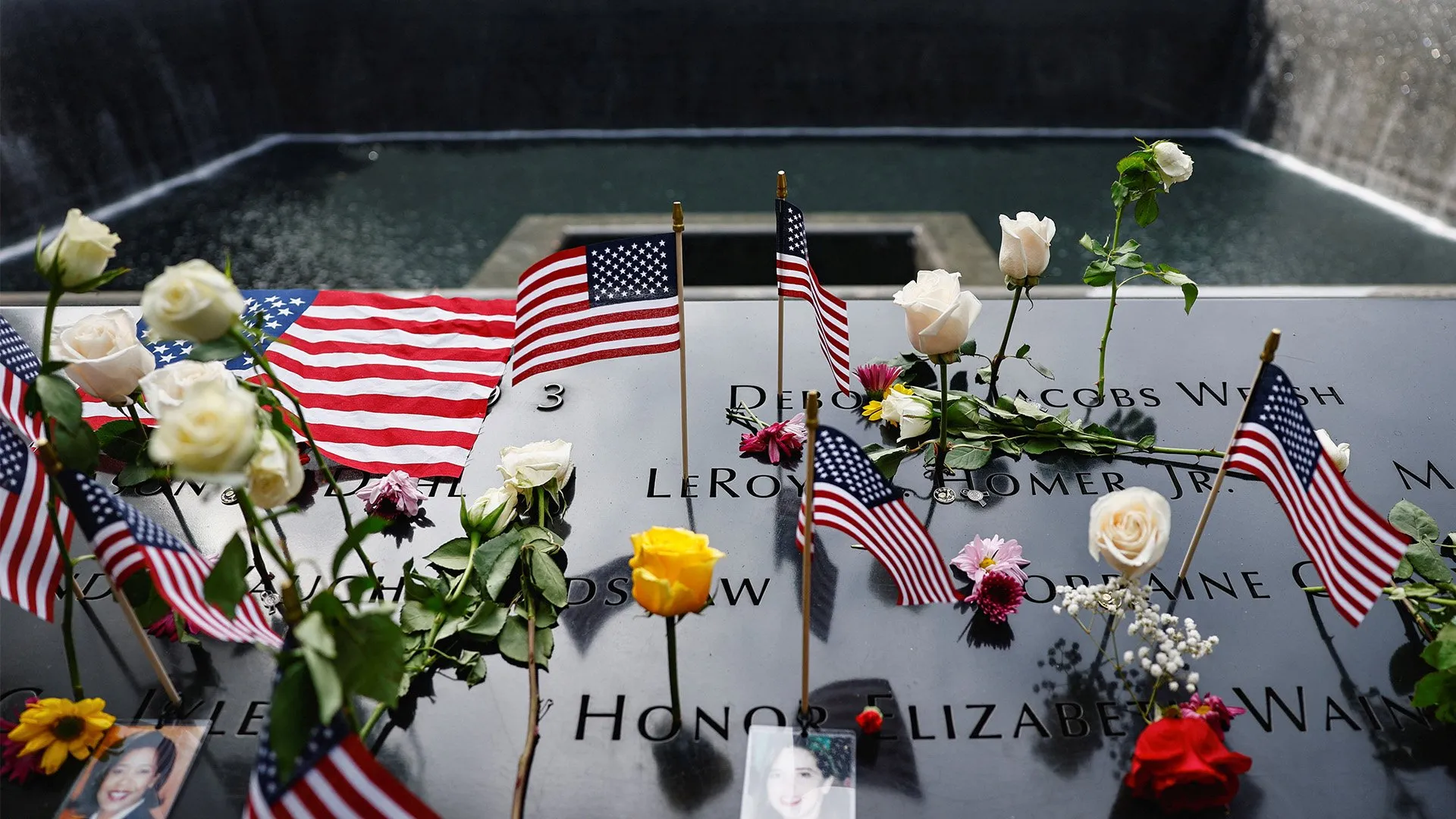
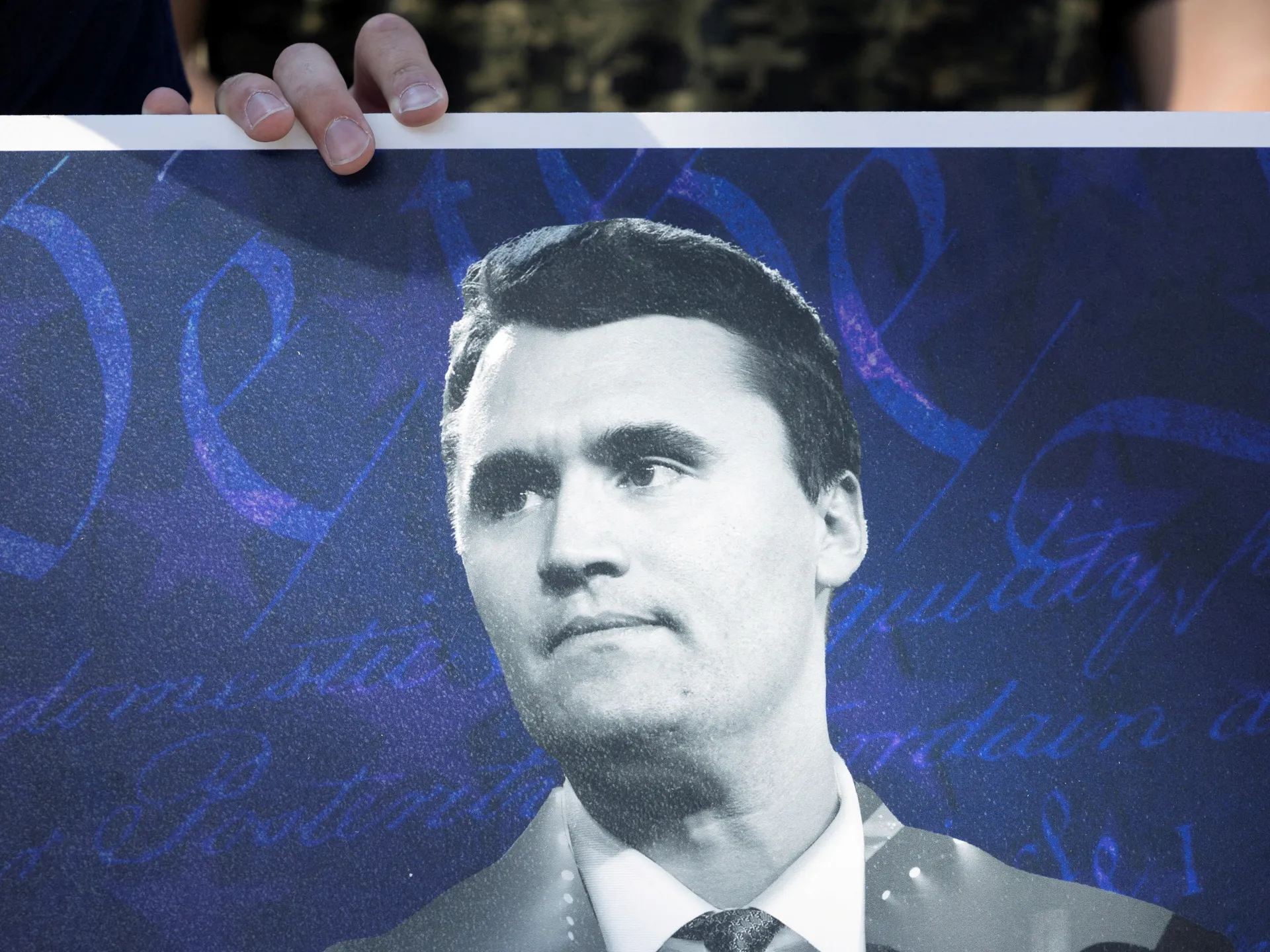
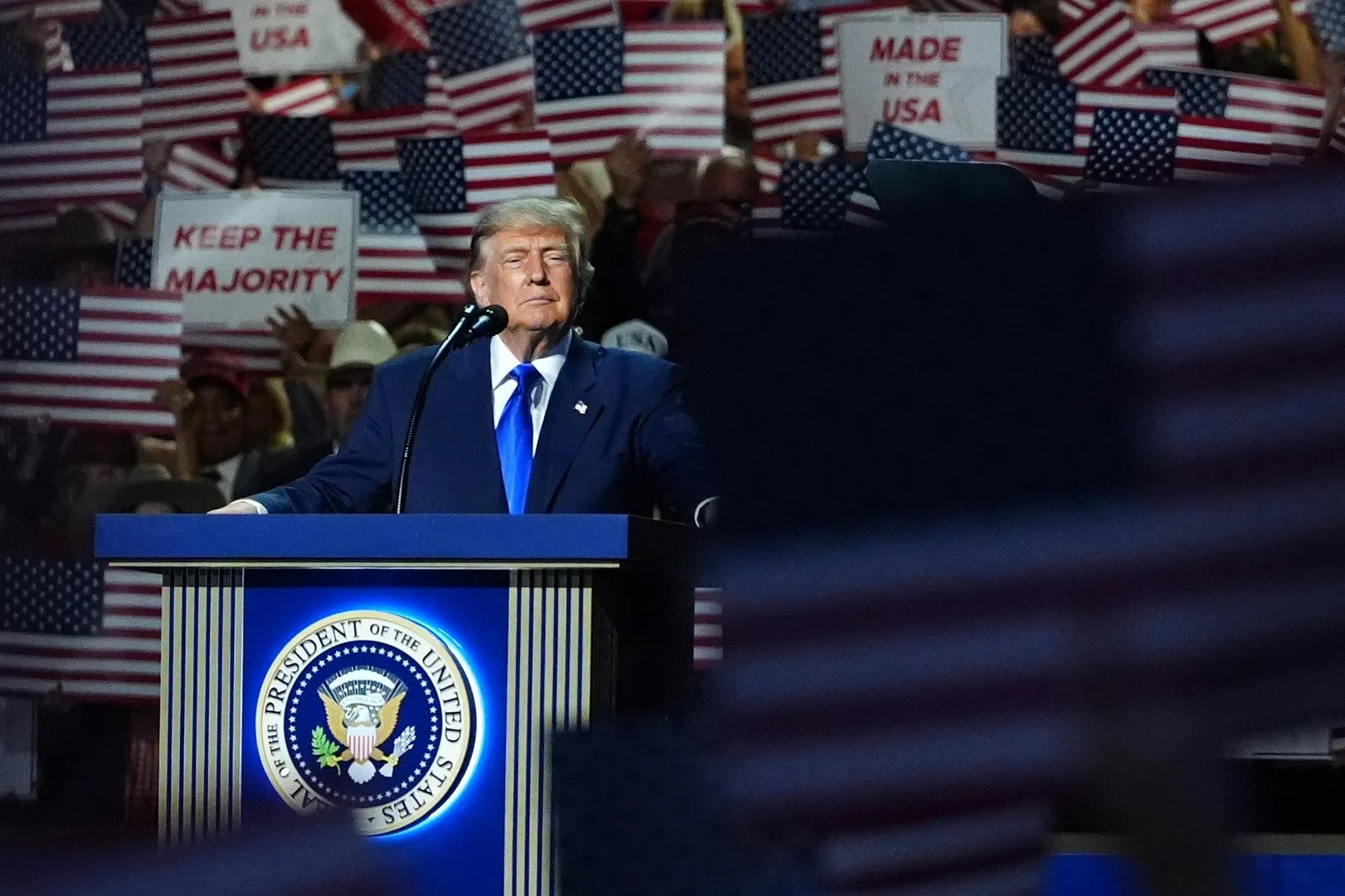
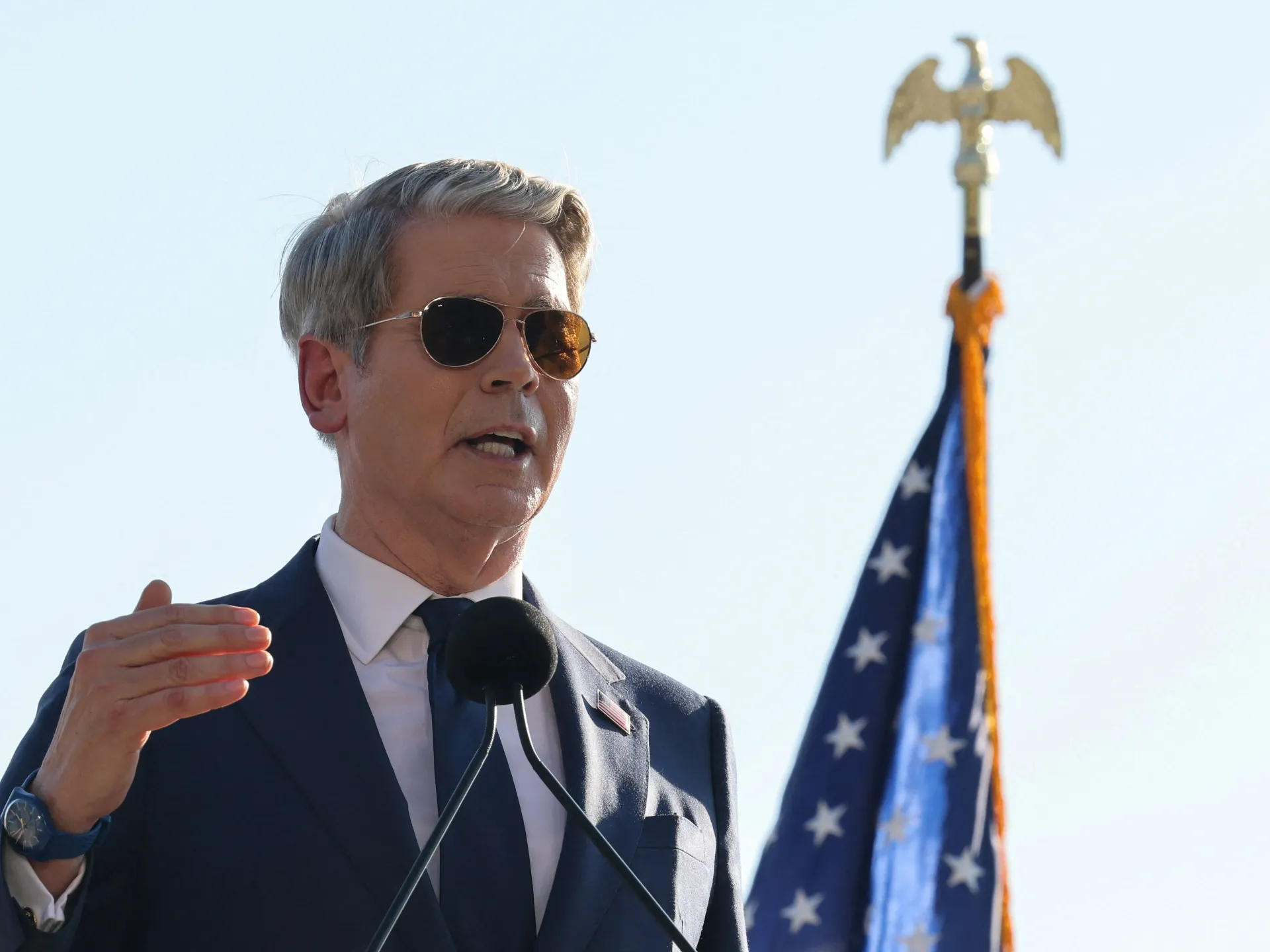
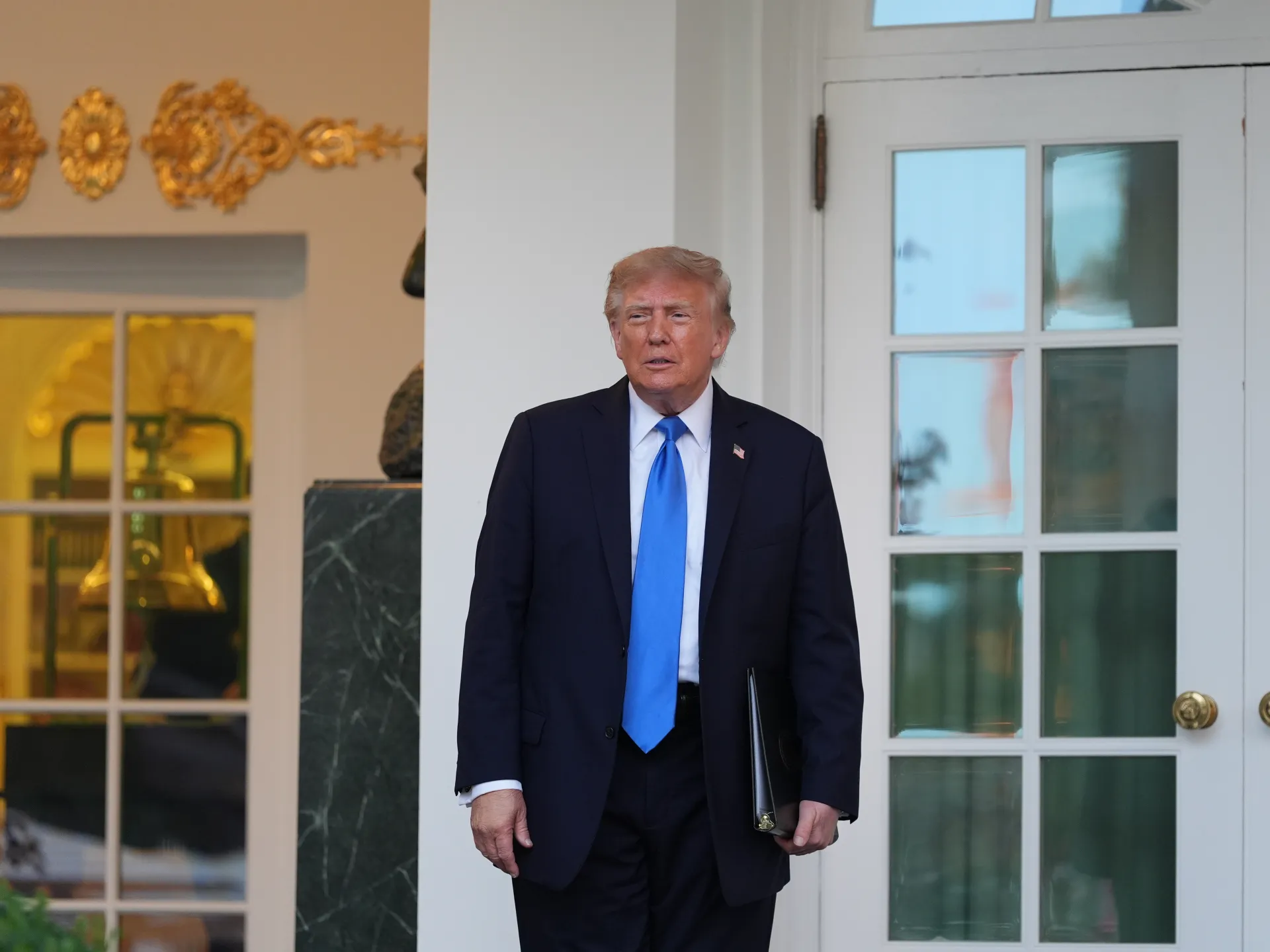
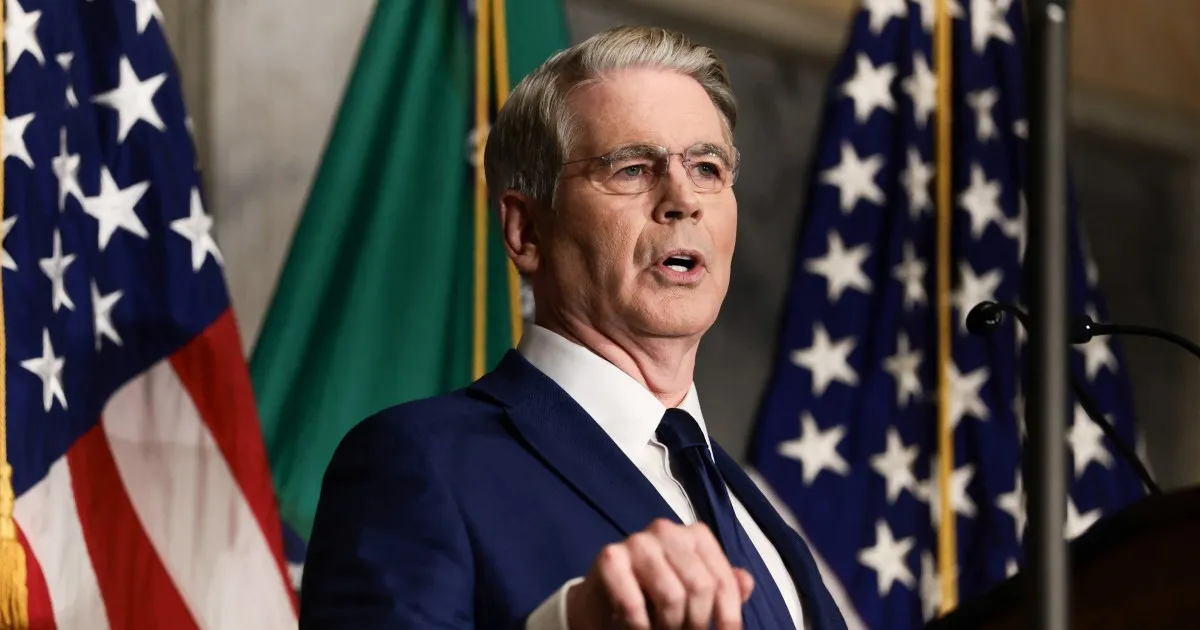
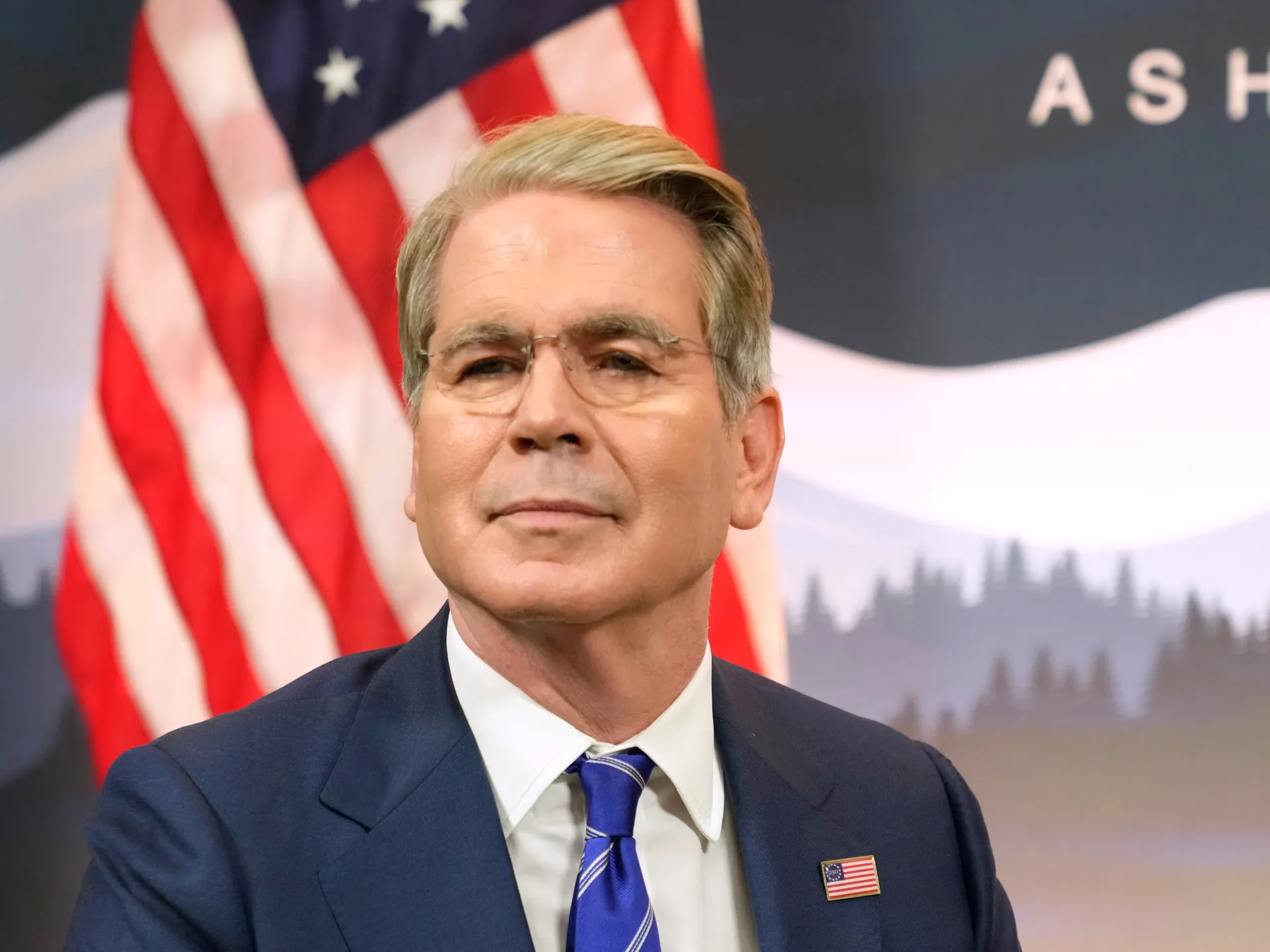
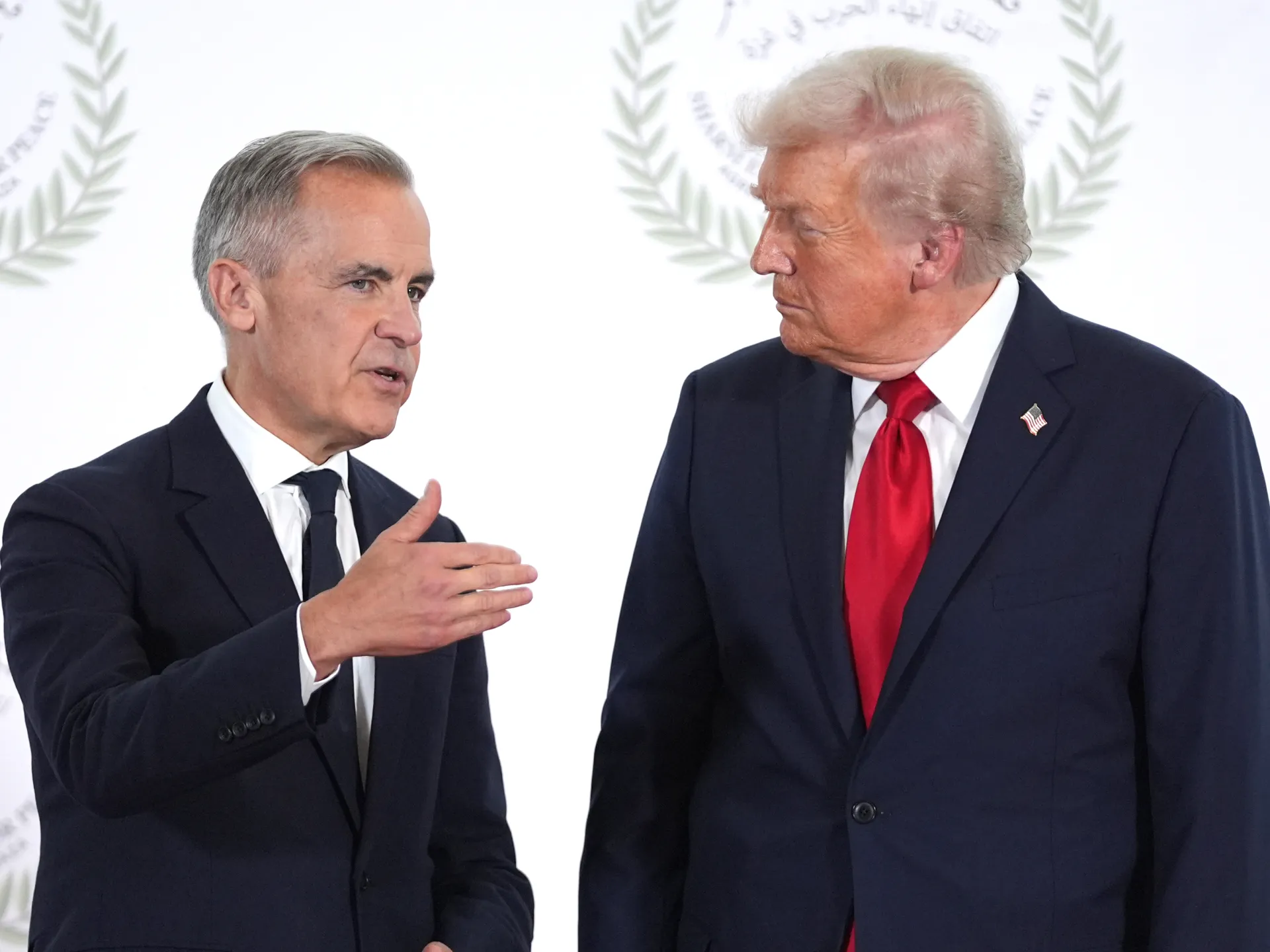
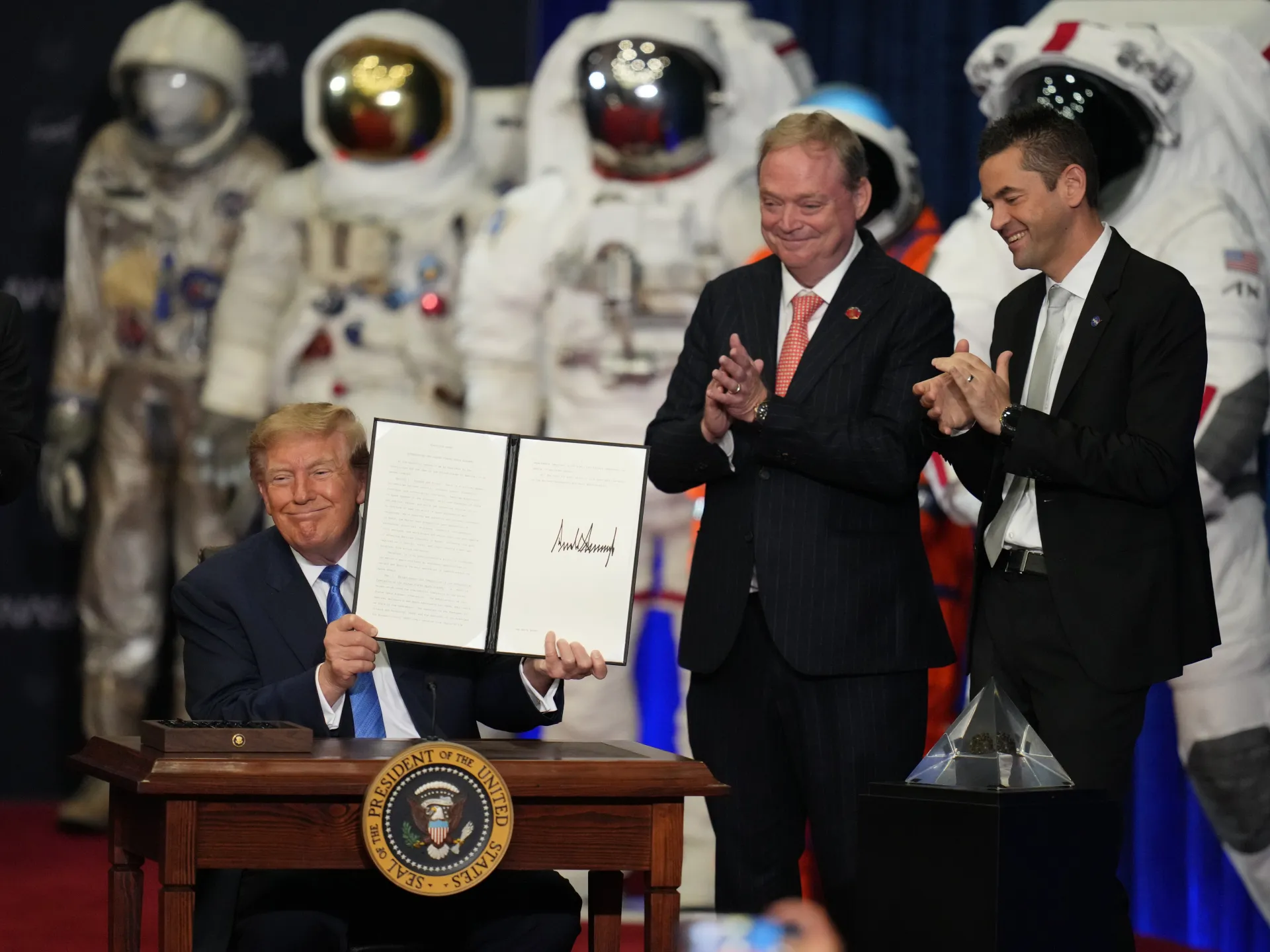
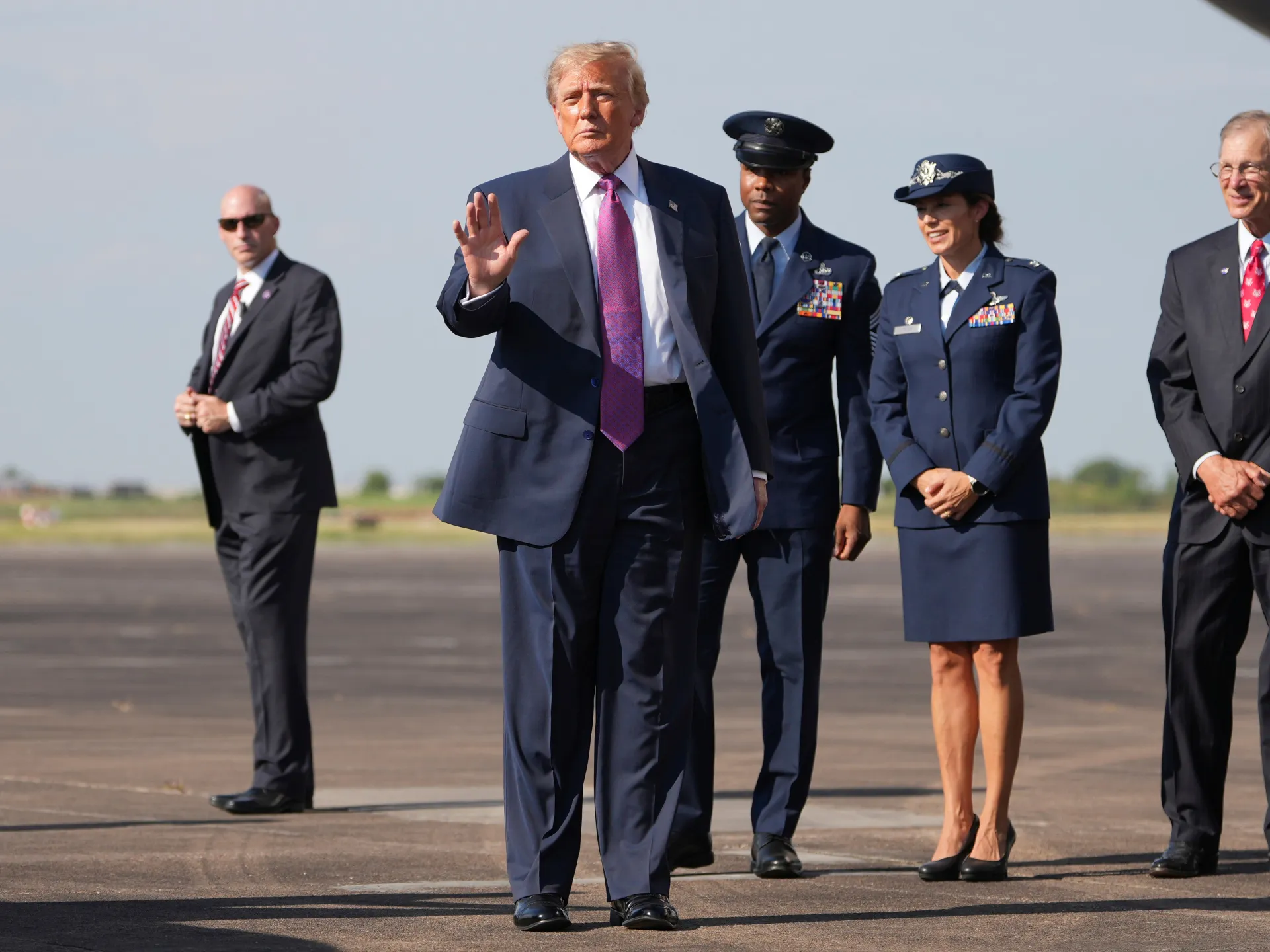
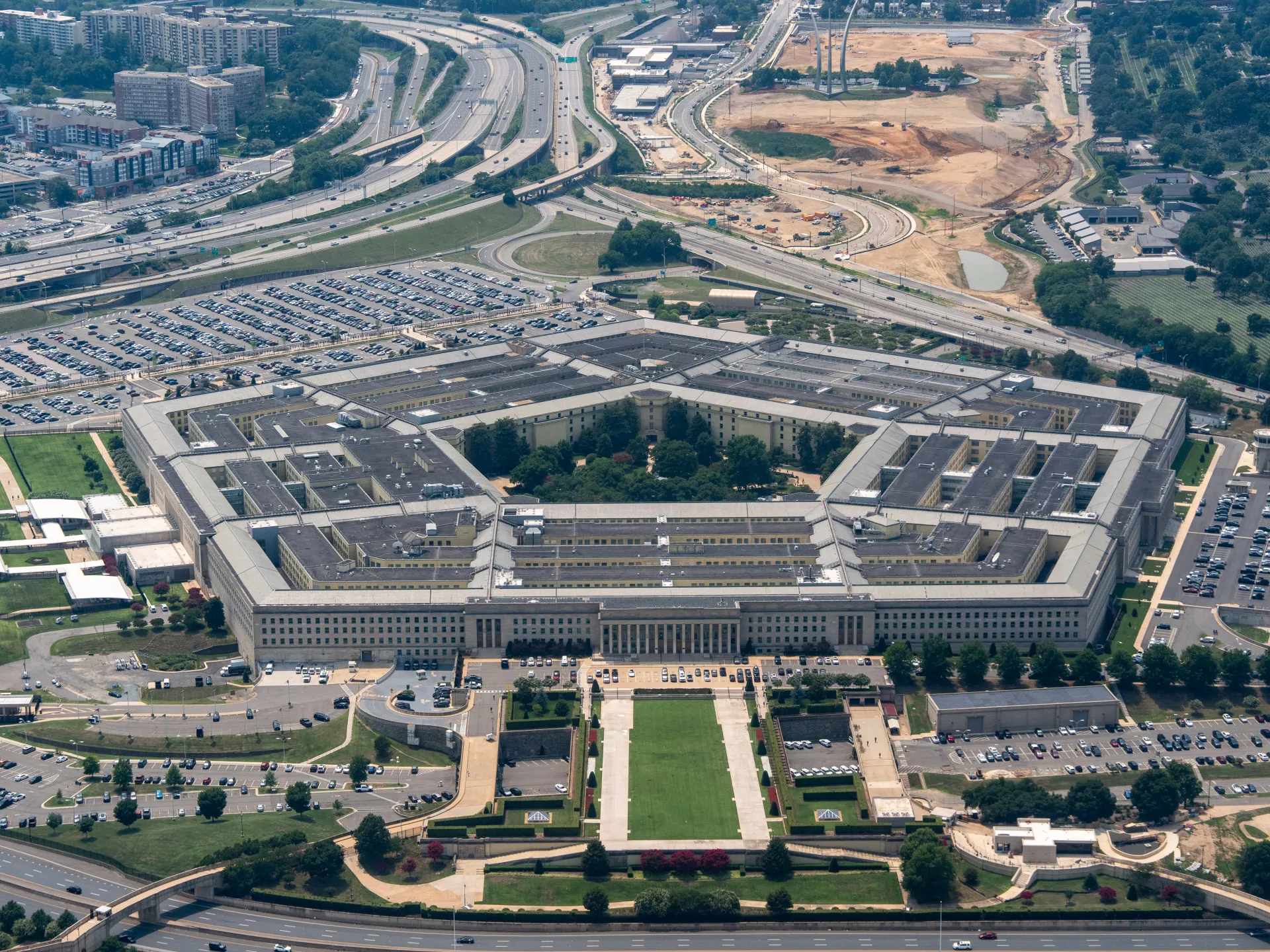
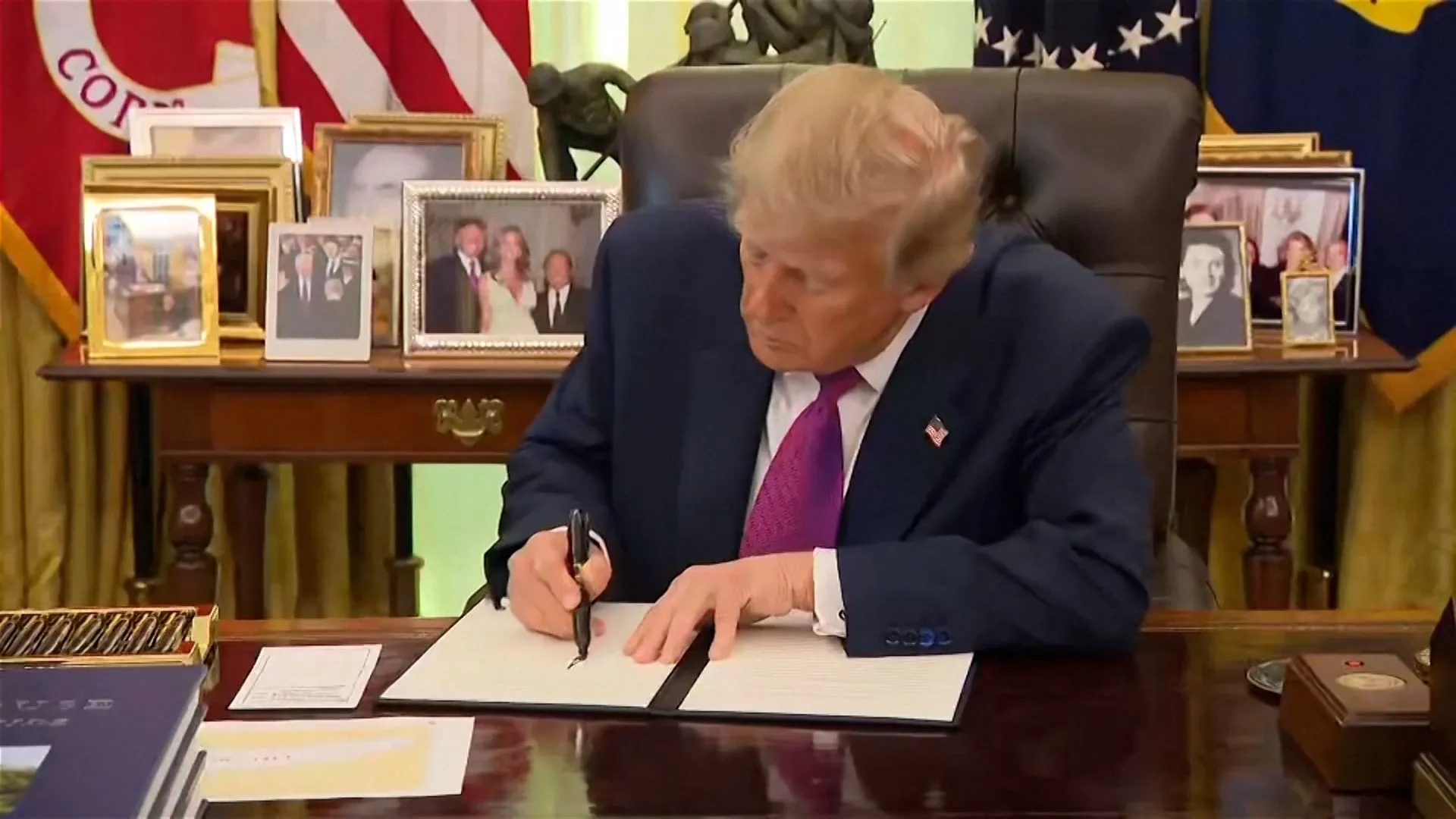
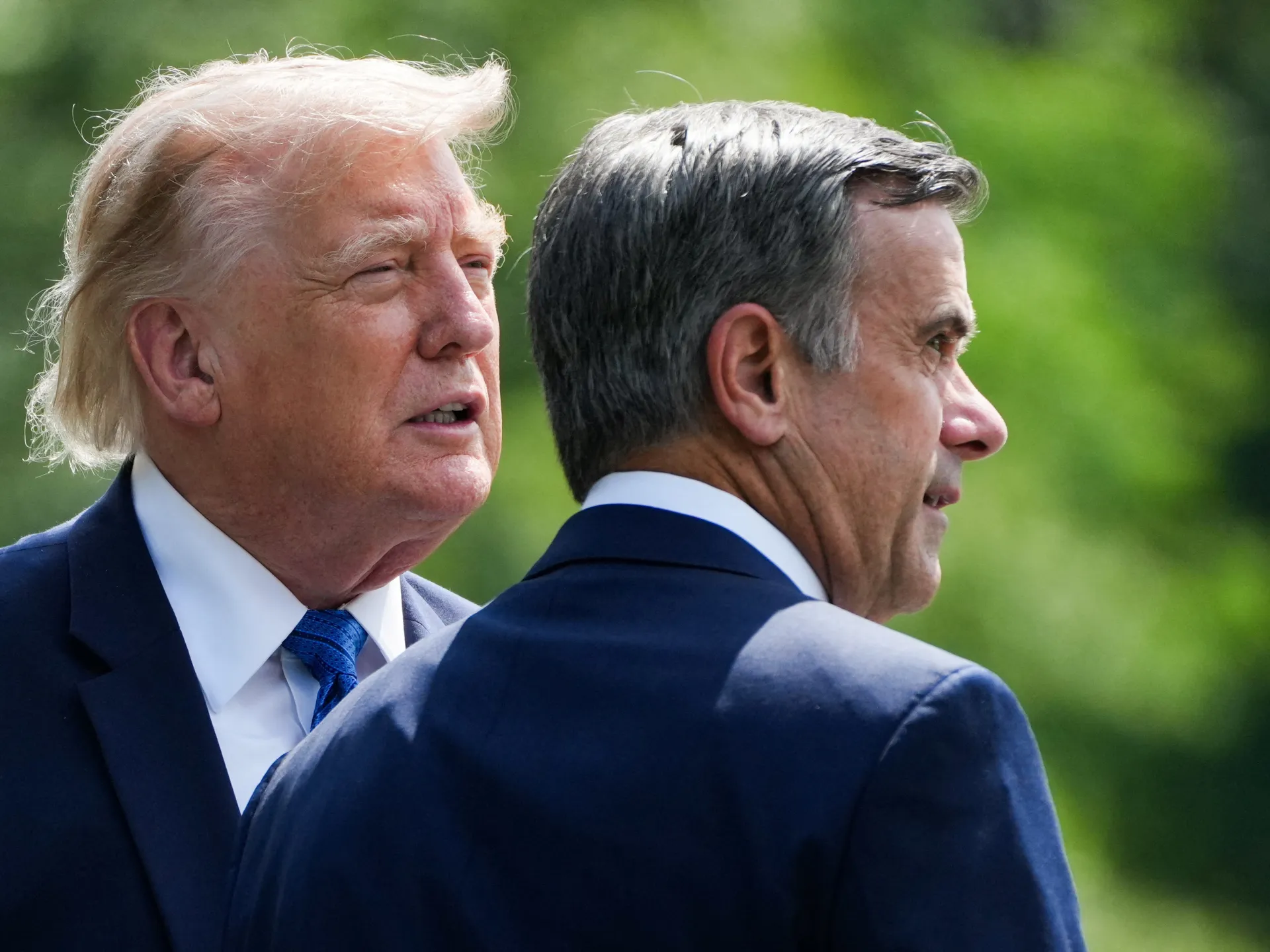
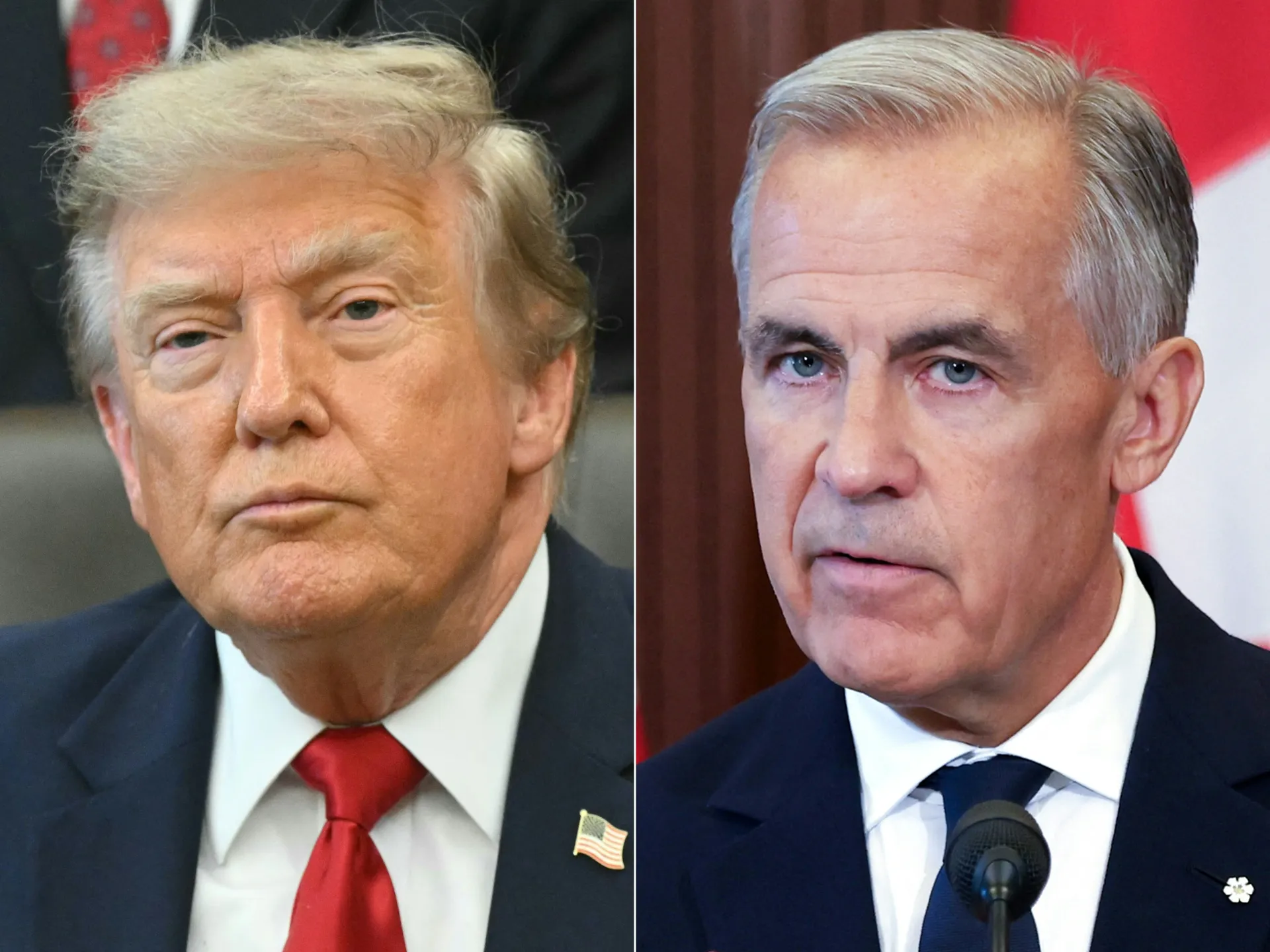
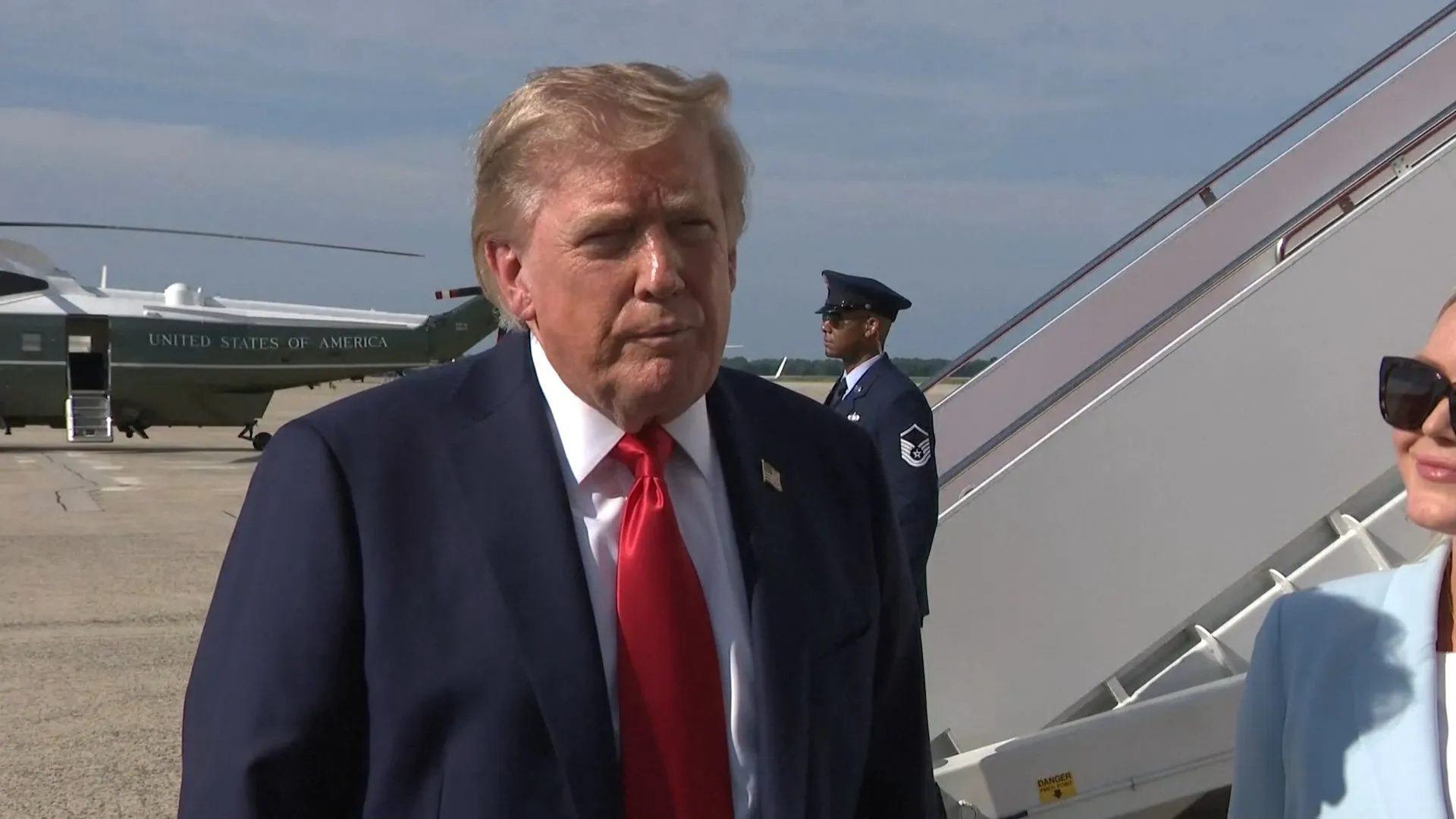
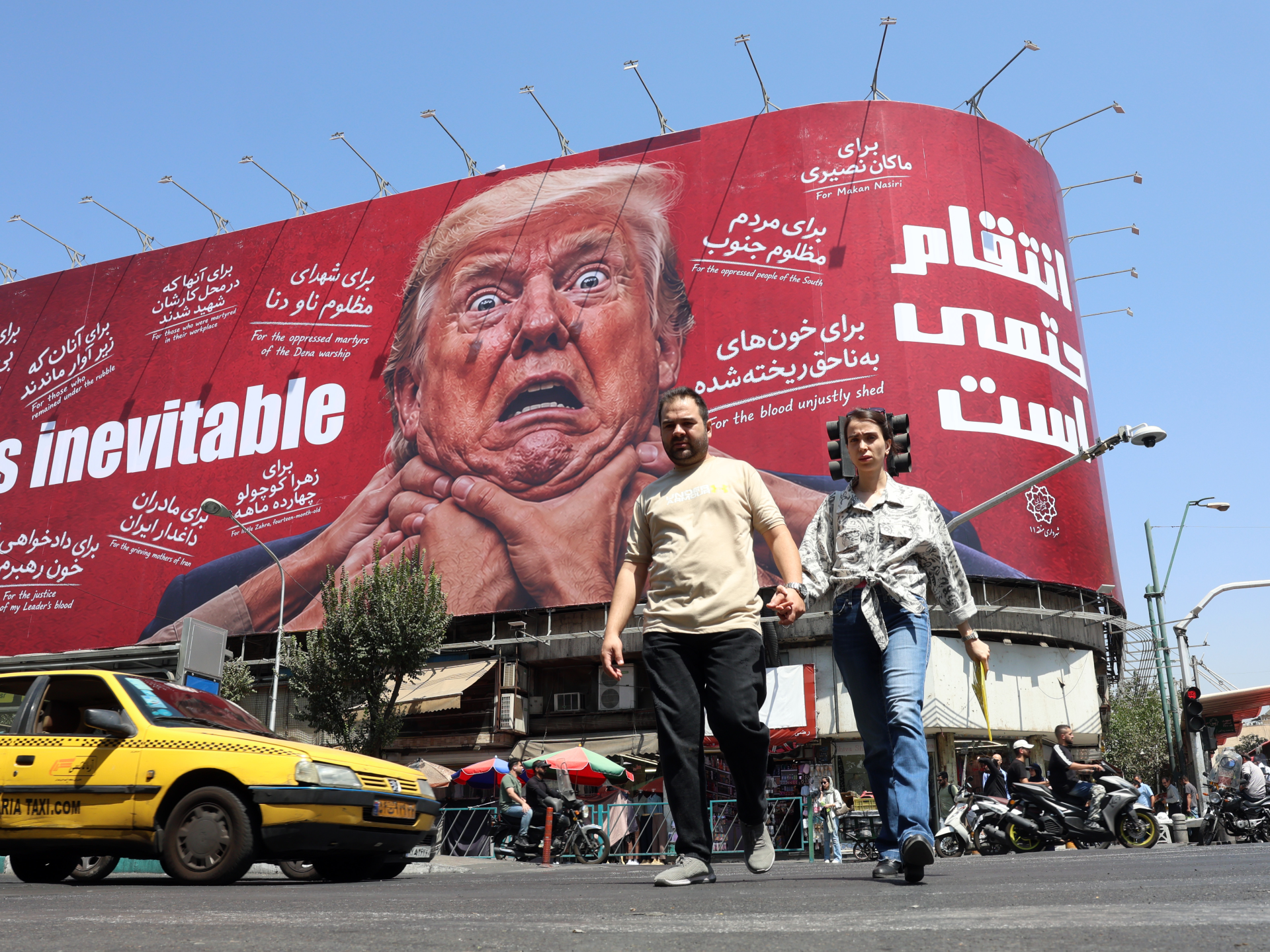
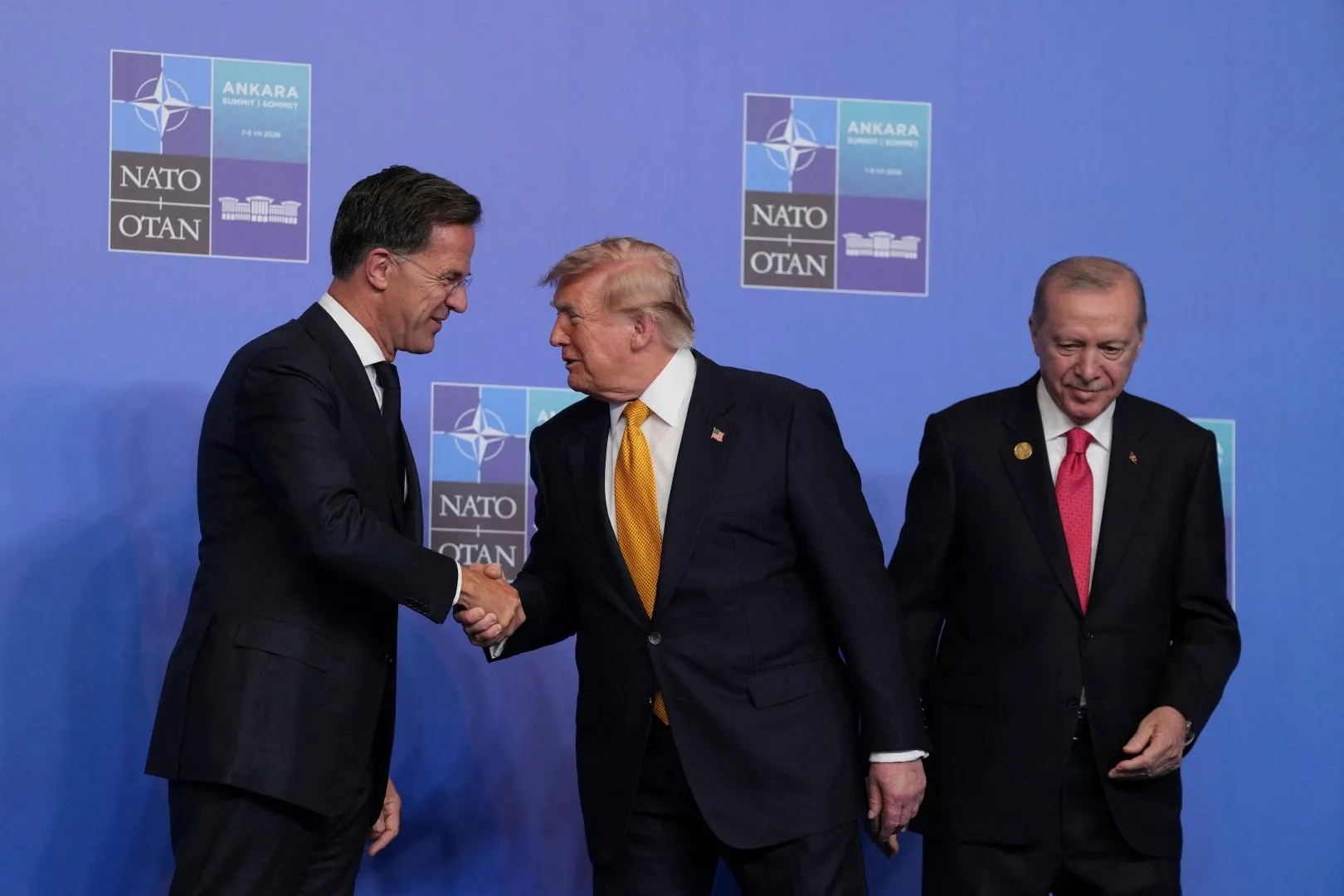
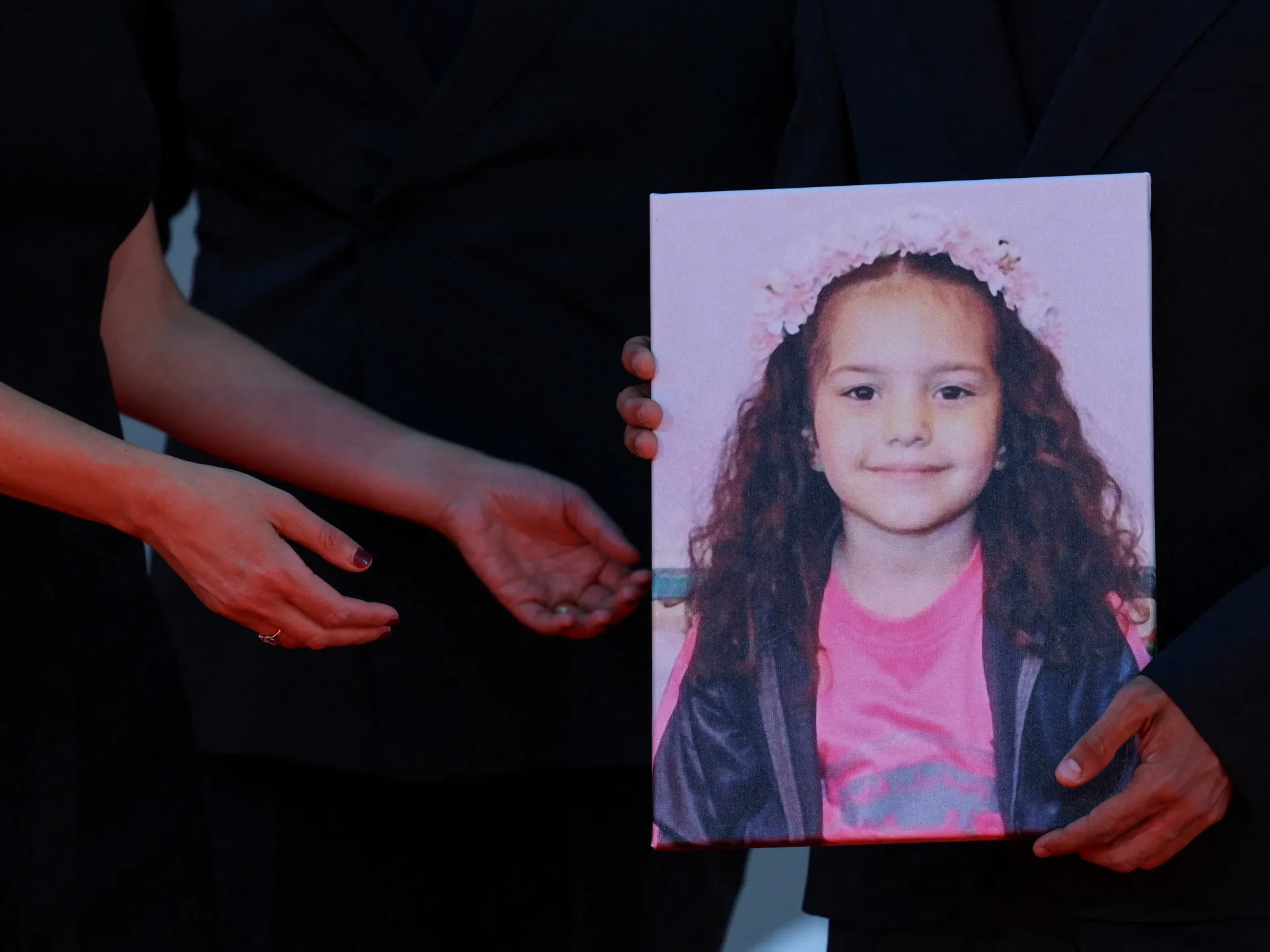
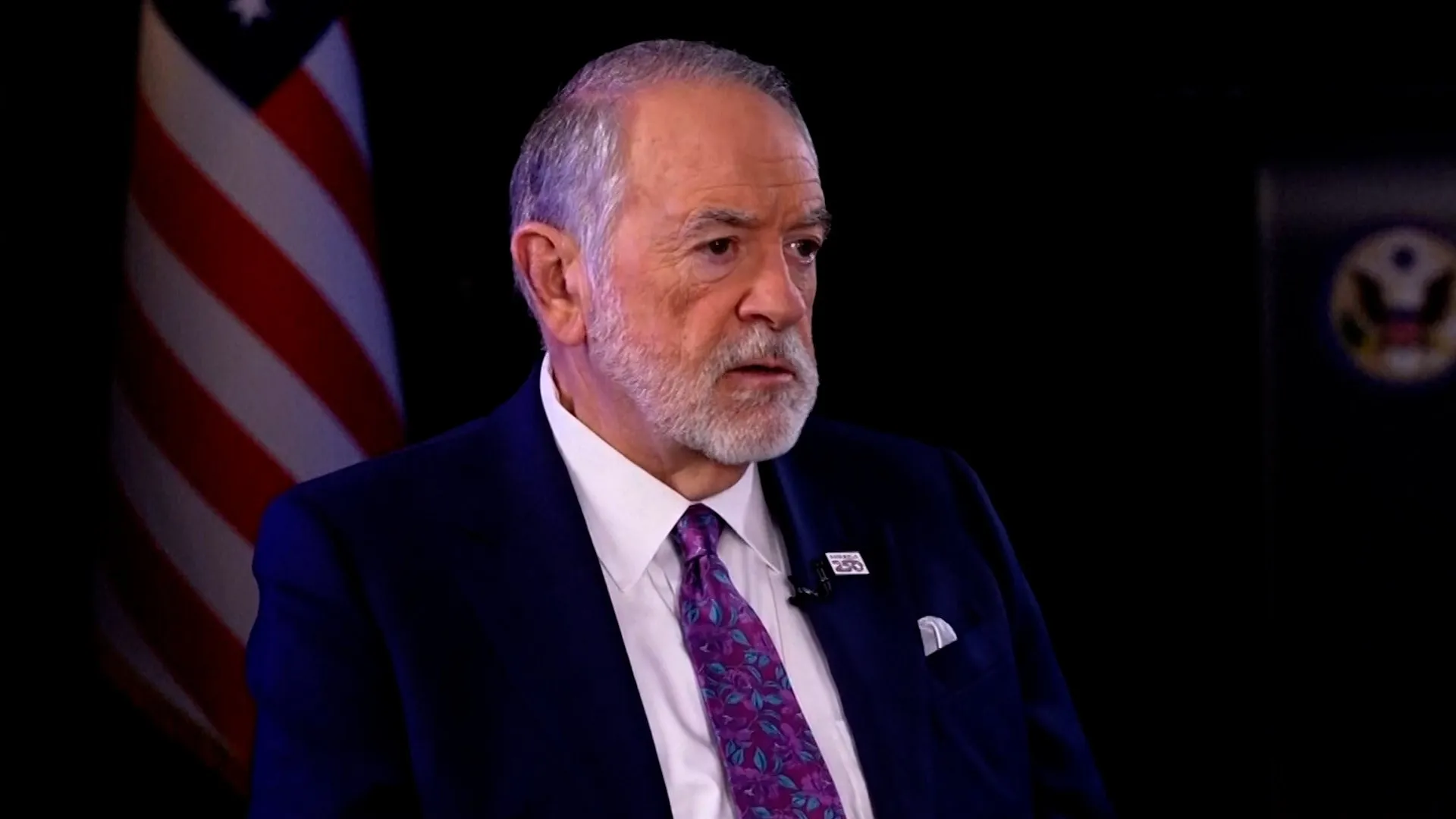
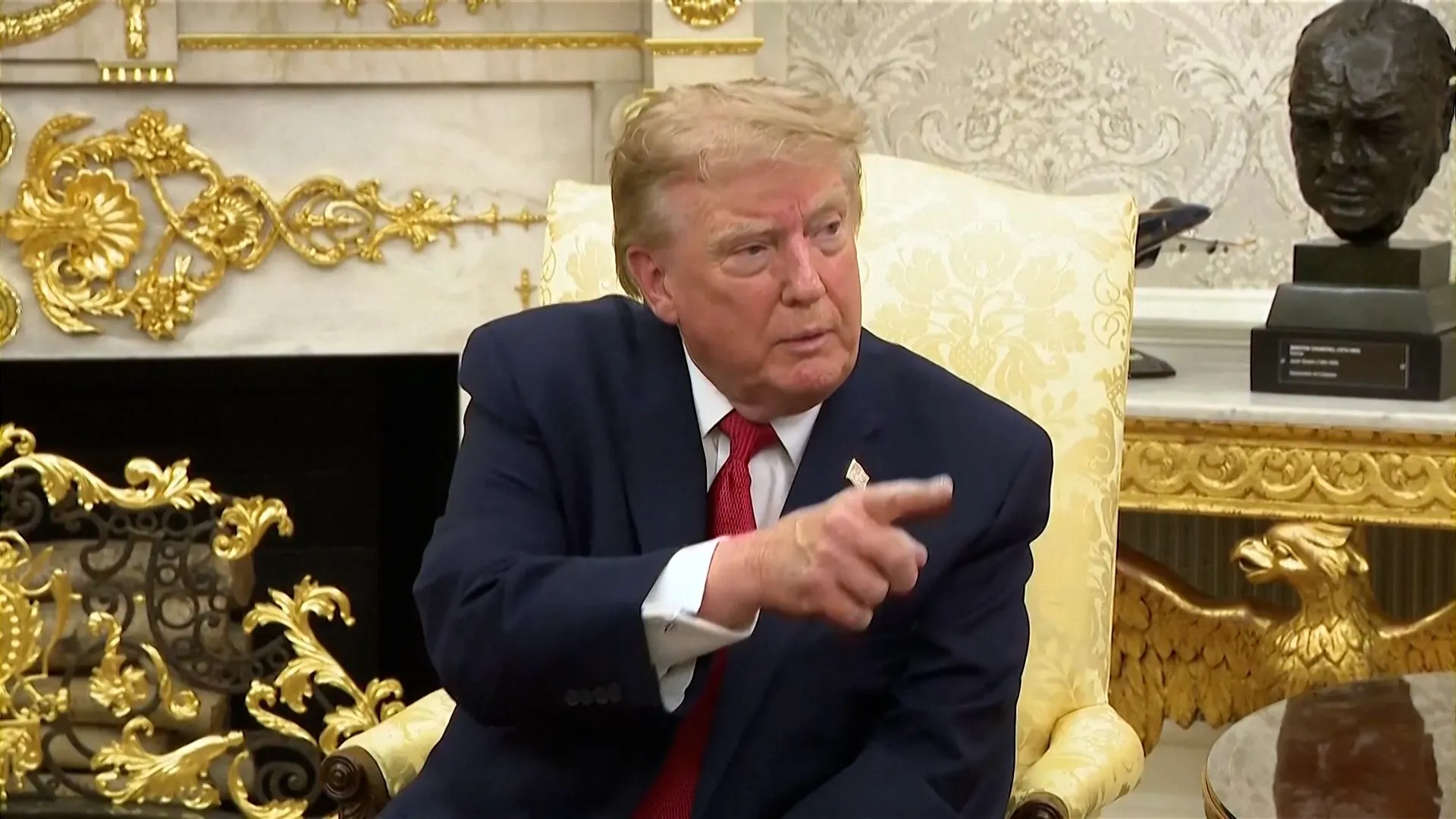
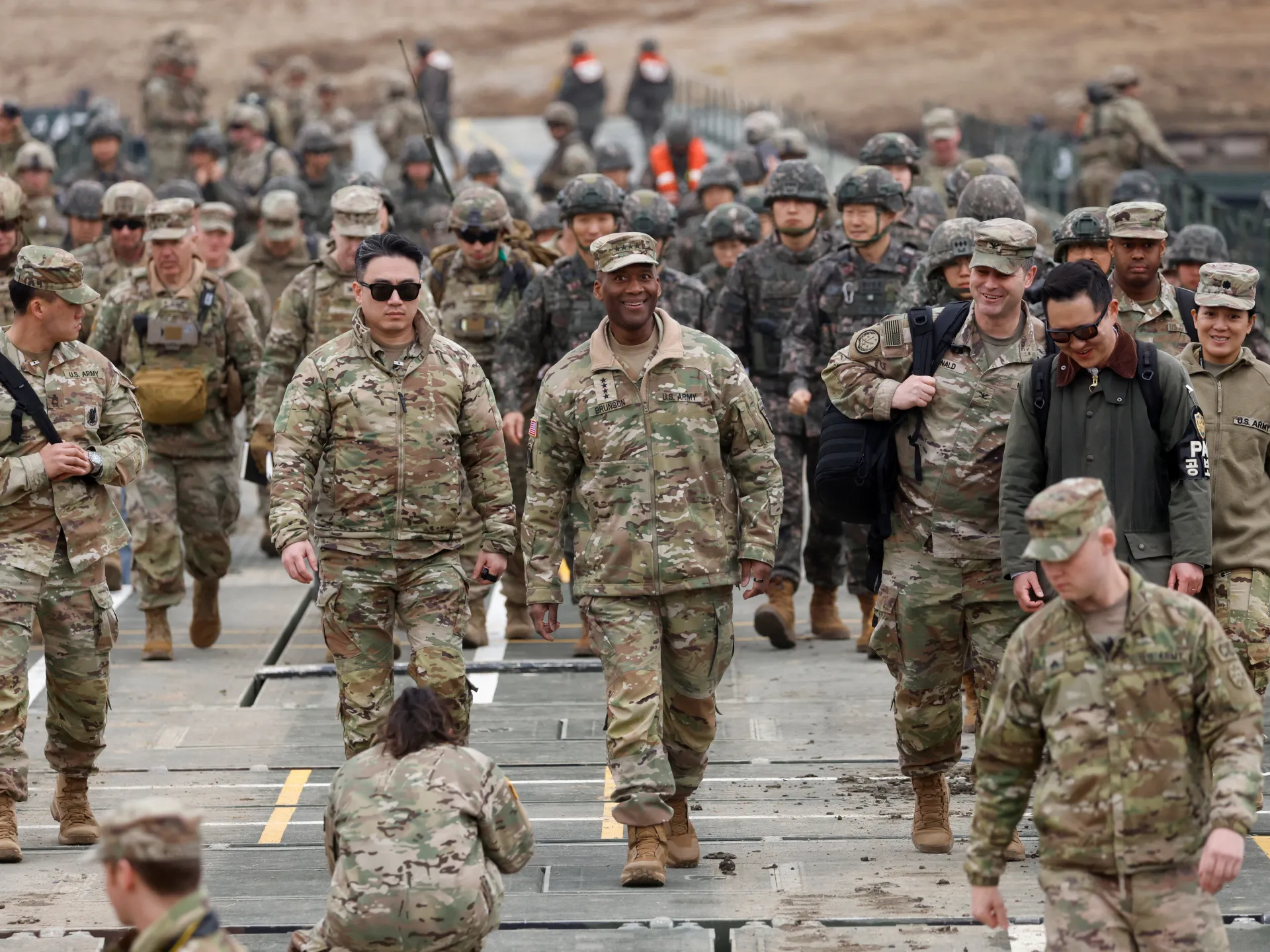
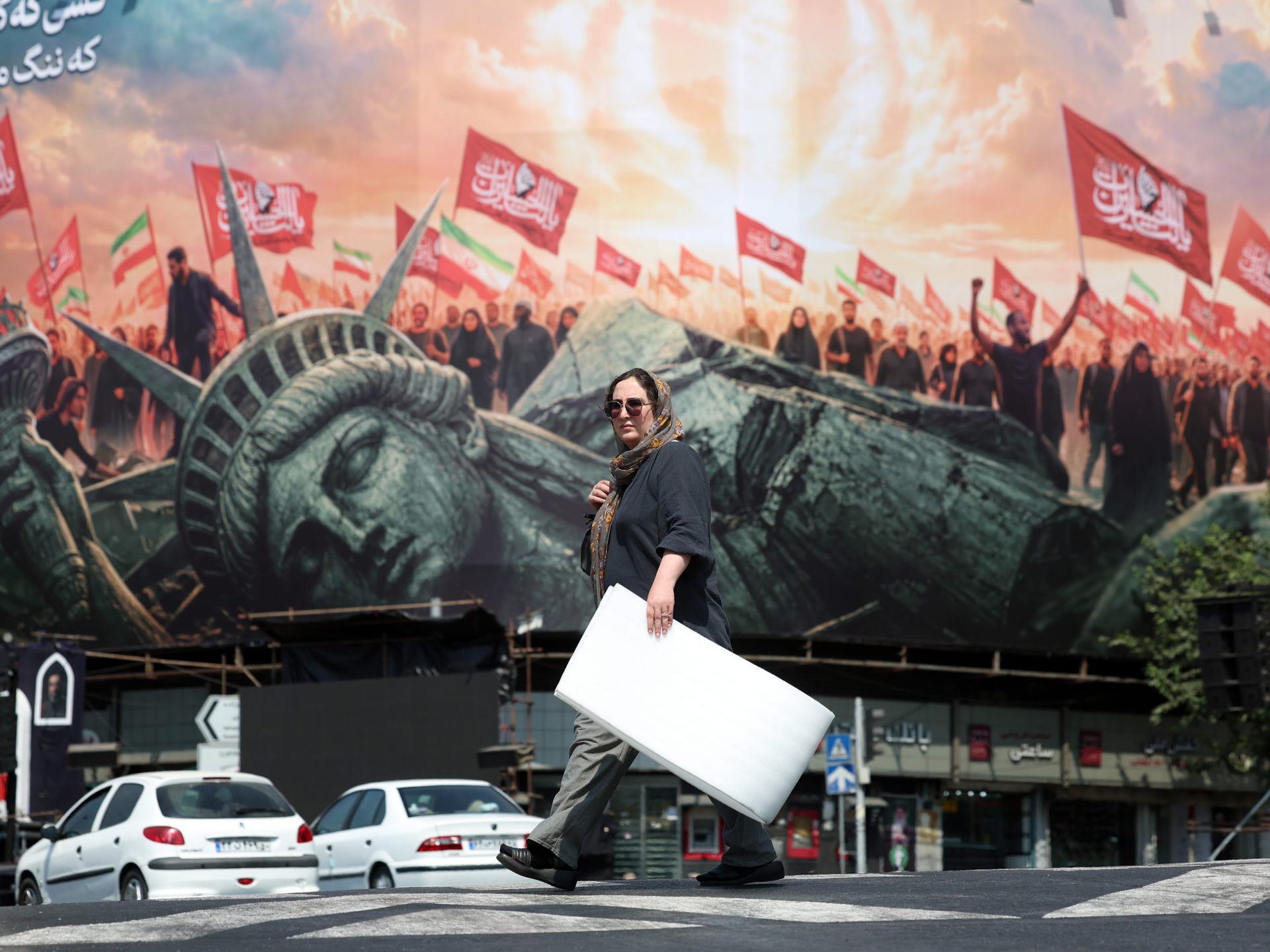
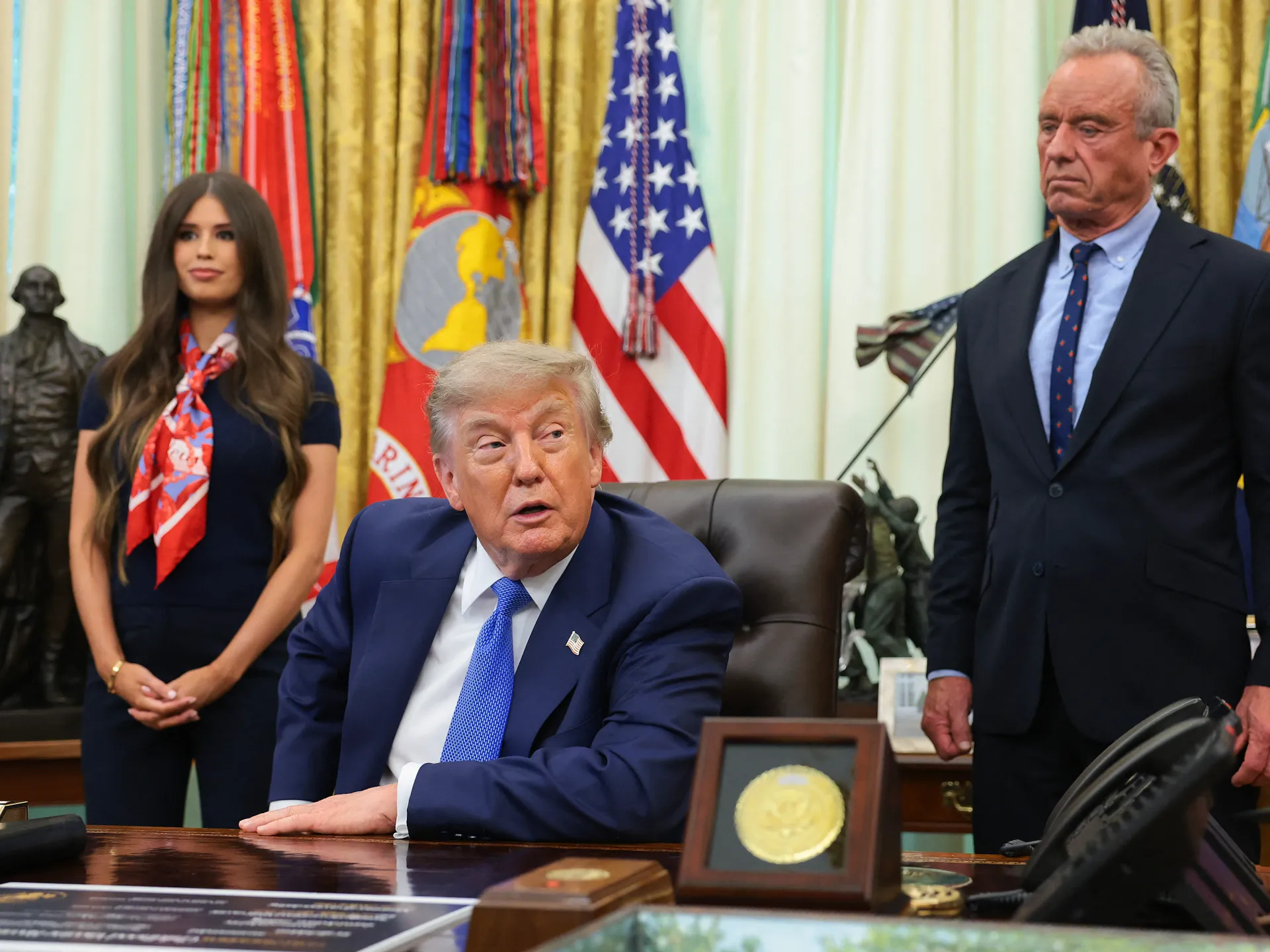
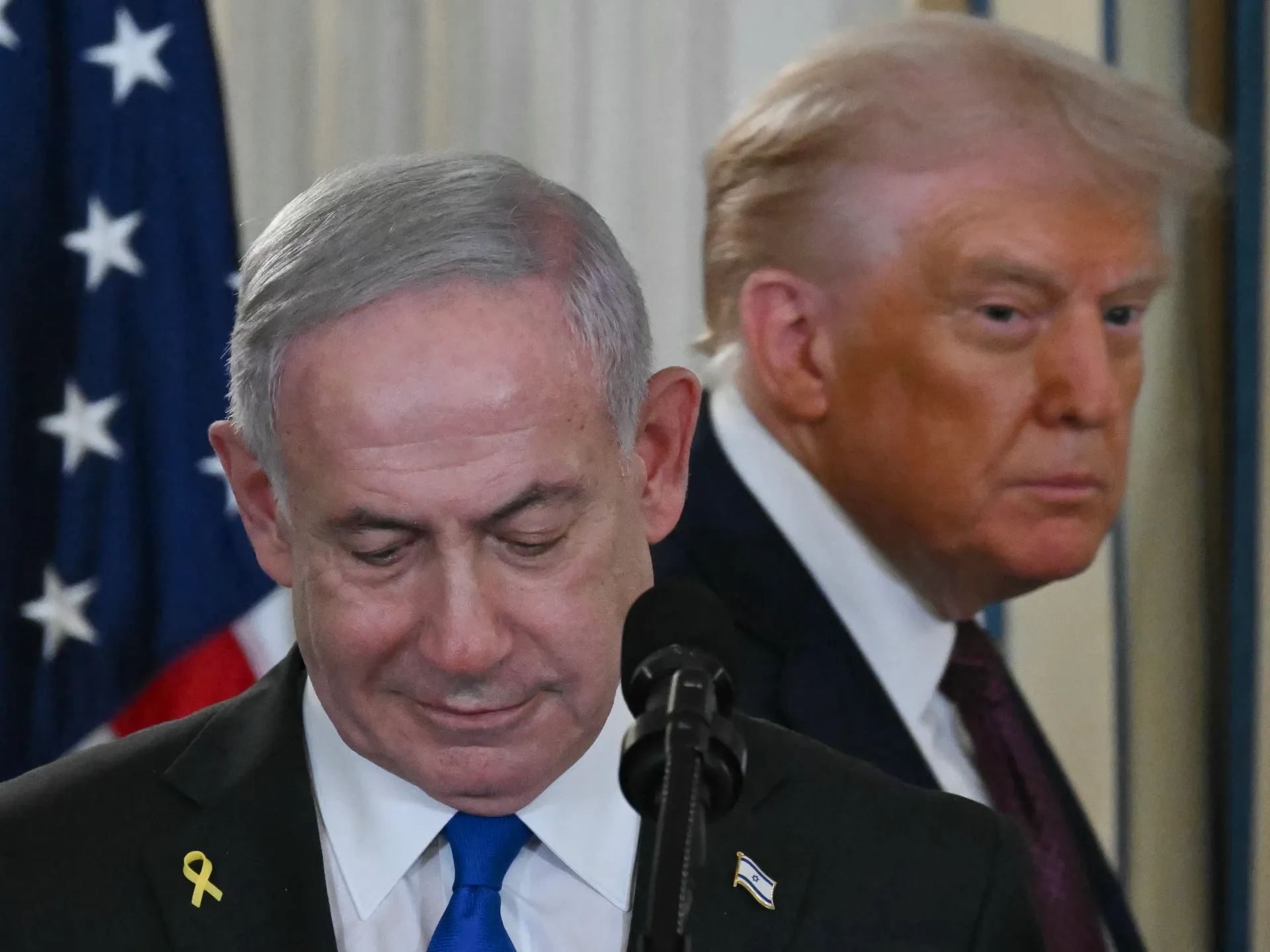
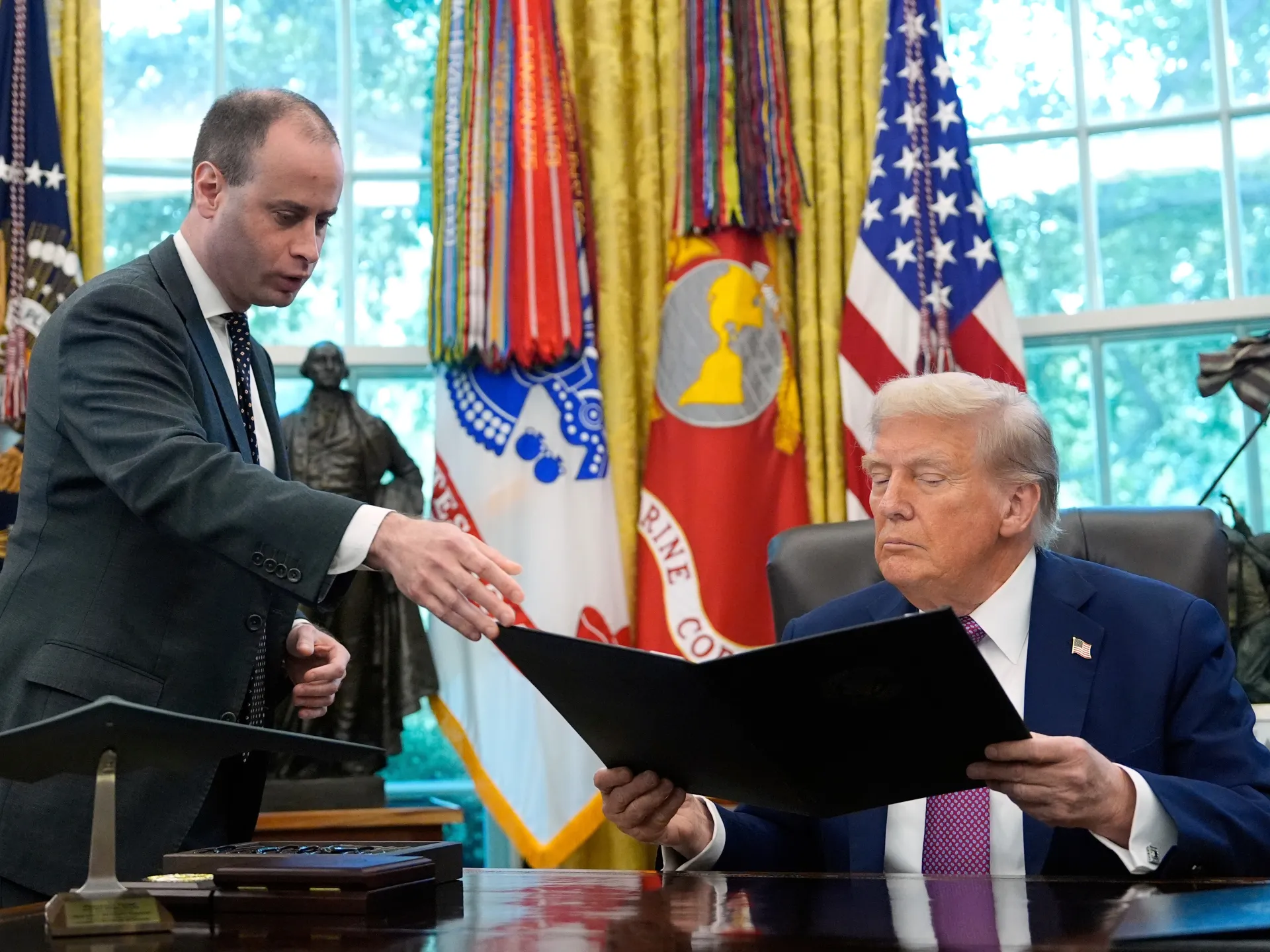
Across the Atlantic, the United States commemorated the 25th anniversary of the 9/11 attacks with a series of somber events that bridged the gap between different political eras. In New York, the presence of all four living former presidents—Joe Biden, Barack Obama, George W. Bush, and Bill Clinton—alongside Vice President JD Vance, highlighted the gravity of the occasion. Meanwhile, at the Pentagon, President Donald Trump framed the anniversary not merely as an act of remembrance, but as a continuity of national mission. His remarks explicitly connected the original fight against terrorism to the current administration's confrontational stance toward Iran, signaling that the strategic imperatives born in 2001 remain central to the current executive agenda.
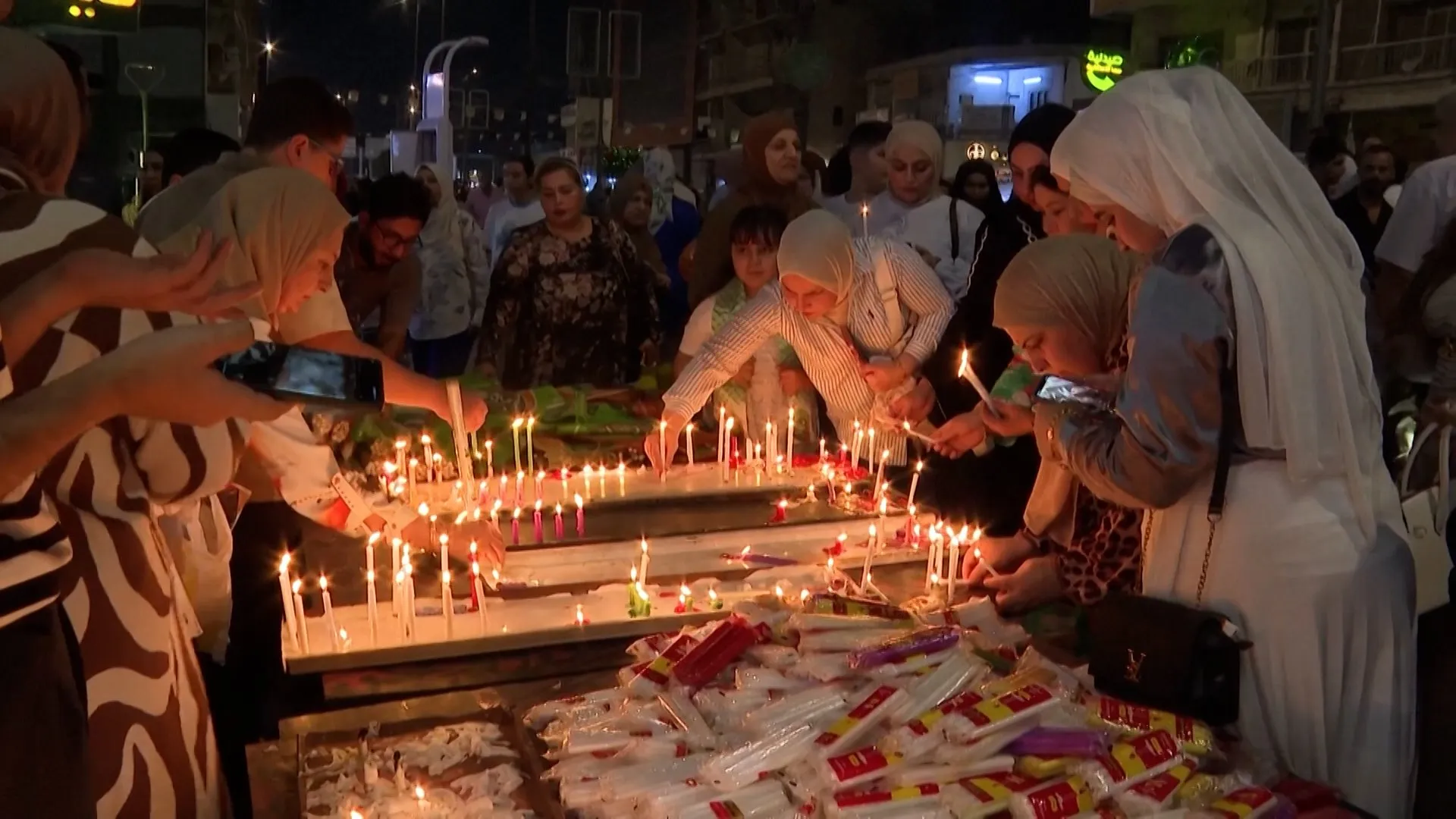
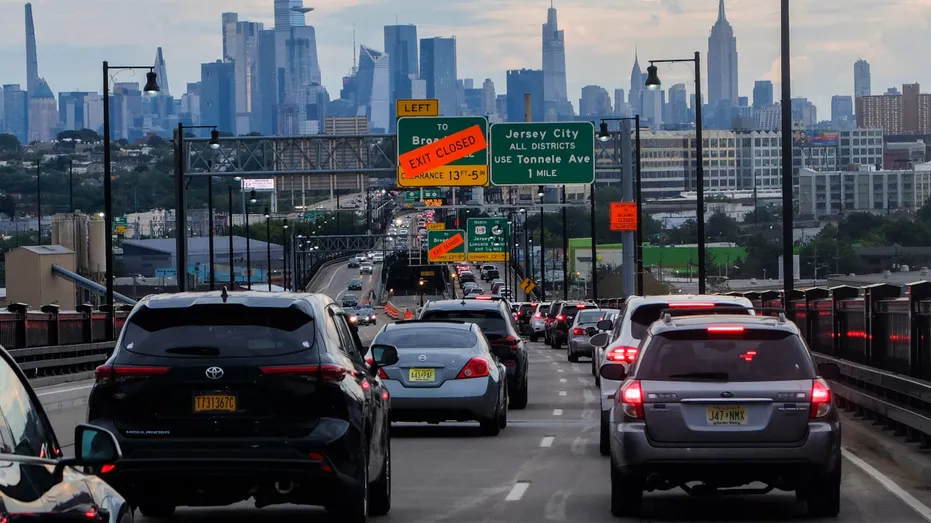
The commemorations were marked hattan skyline rief, they also highlighted how the memory of 9/11 has been institutionalized. As the generation that experienced the attacks as adults gives way to the digital-native 'Gen Z' who learned of the events through history and digital archives, the meaning of the day is undergoing a transition from a lived, immediate trauma to a foundational national mythos.
Looking ahead, the political outcomes in both regions will likely shape the domestic stability of the remainder of 2026. In Morocco, the low registration rate among the 18–24 demographic—comprising only 4 percent of the electoral roll—suggests that the incoming government will face an immediate crisis of legitimacy if they cannot effectively address the socio-economic concerns of the youth. Whether the new parliament can bridge the trust gap will be the defining metric of the next legislative term.
In the United States, the anniversary events serve as a barometer for how foreign policy will be articulated moving forward. signaled a continuation of hawkish foreign policy stances. Analysts will be watching closely to see if this rhetorical link to 2001 continues to garner broad bipartisan support or if the generational shift in the American electorate will lead to a more skeptical view of these interventionist justifications in the years to come.