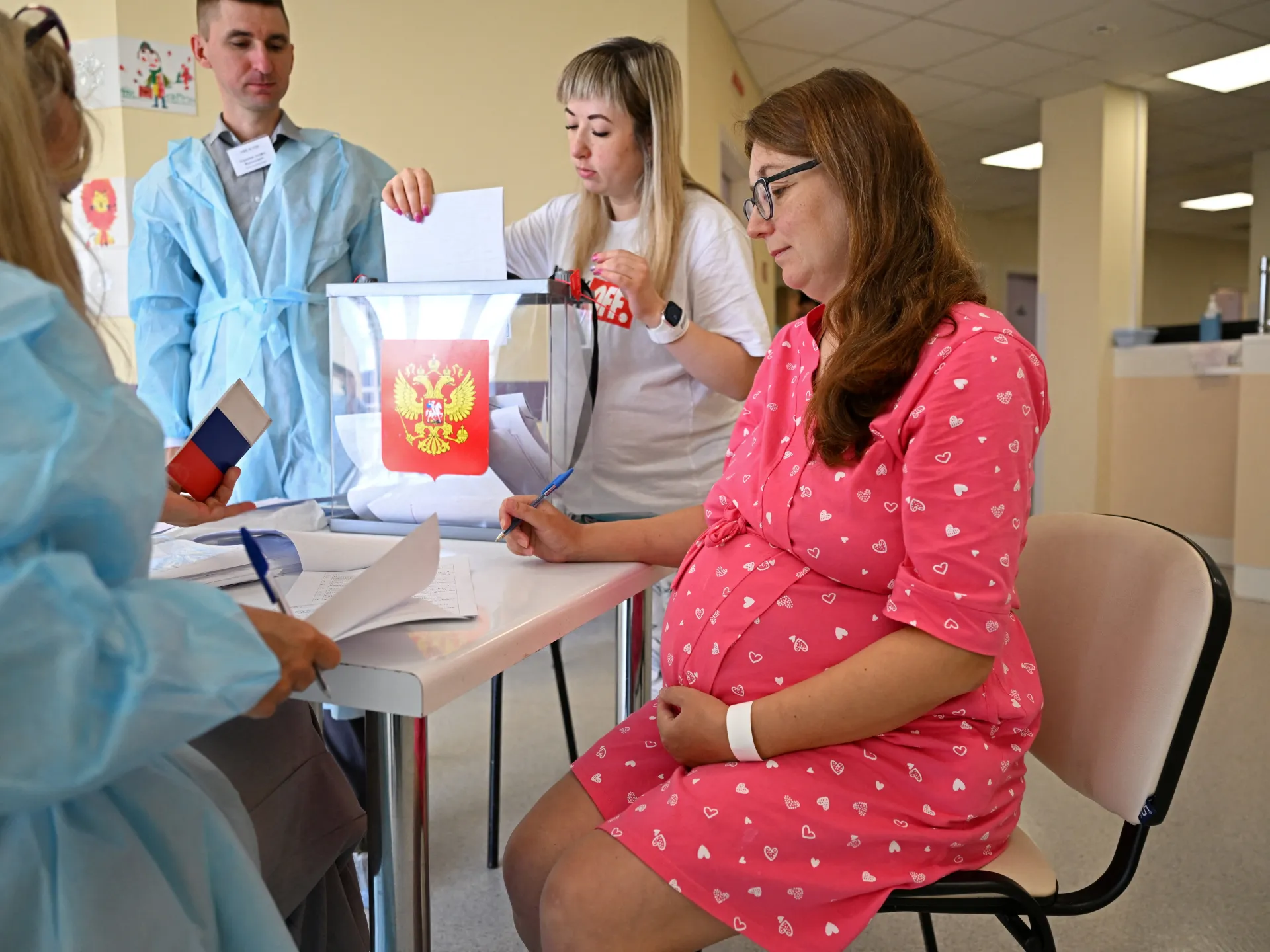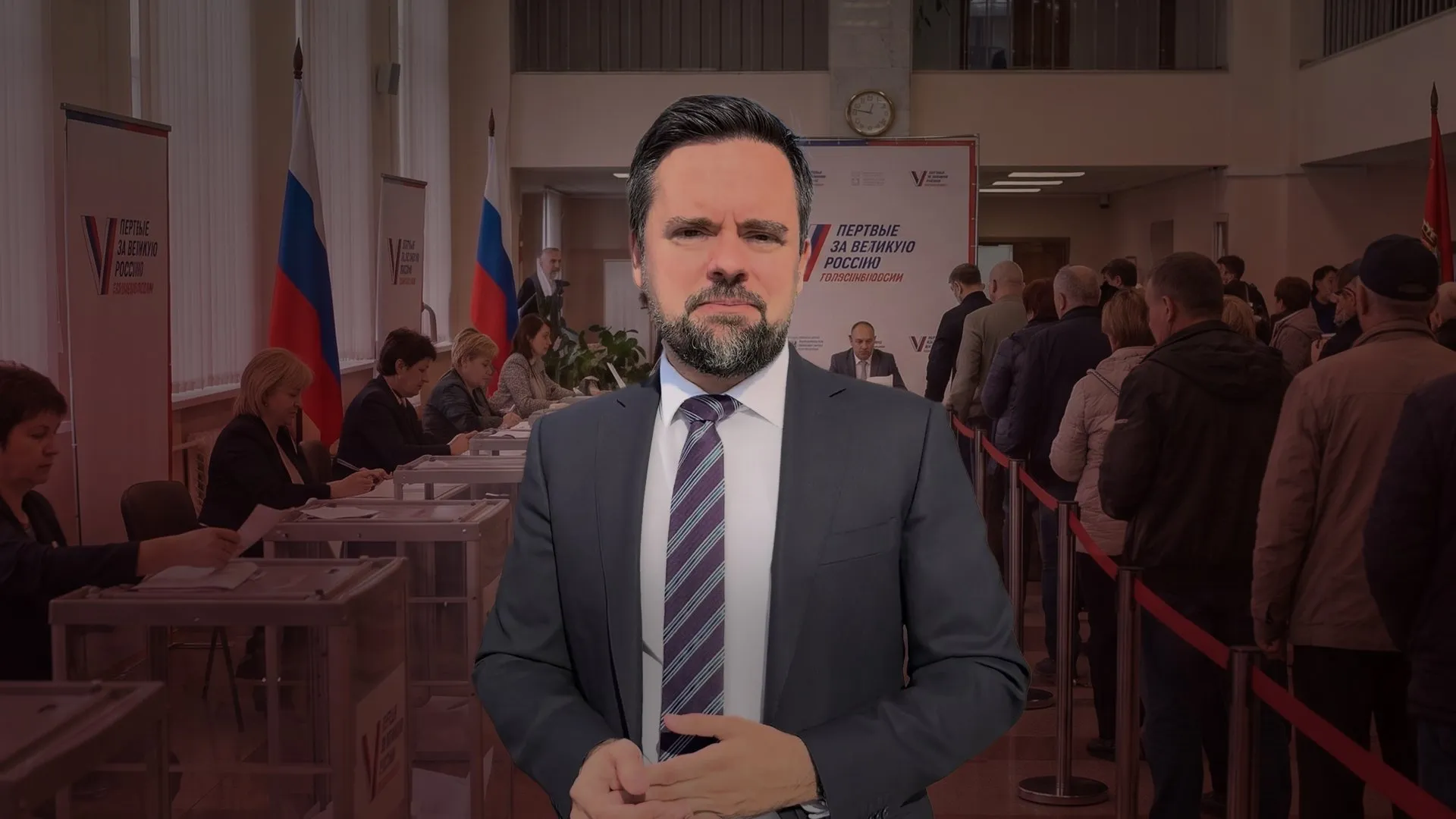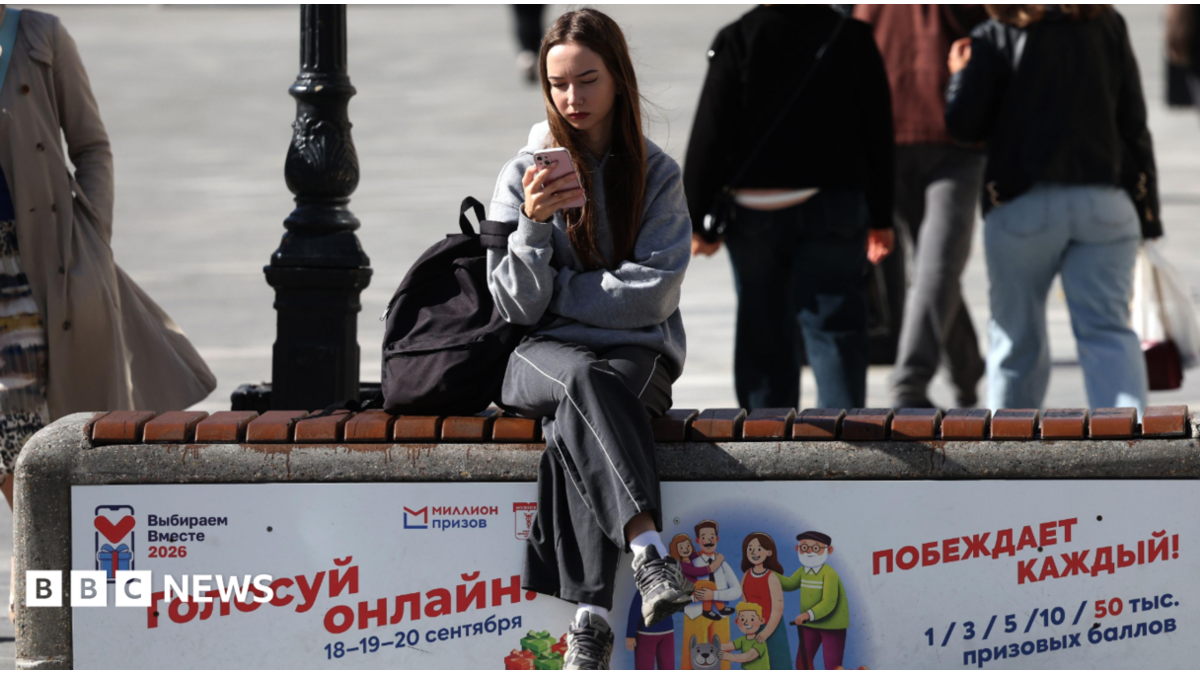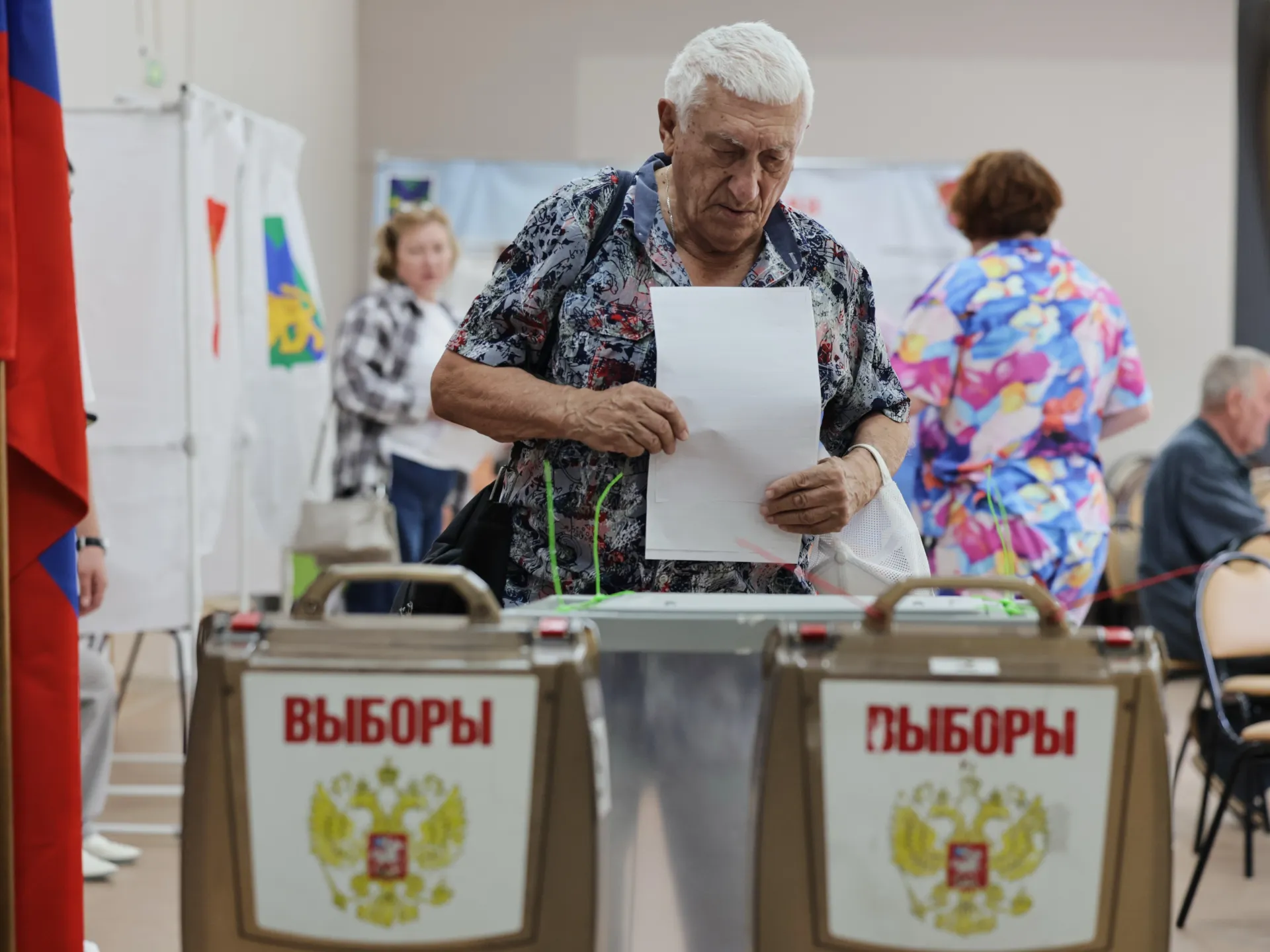
As the Kremlin tightens its grip on the electoral process, it has moved to eliminate even the 'managed opposition' to prevent any public display of dissent.
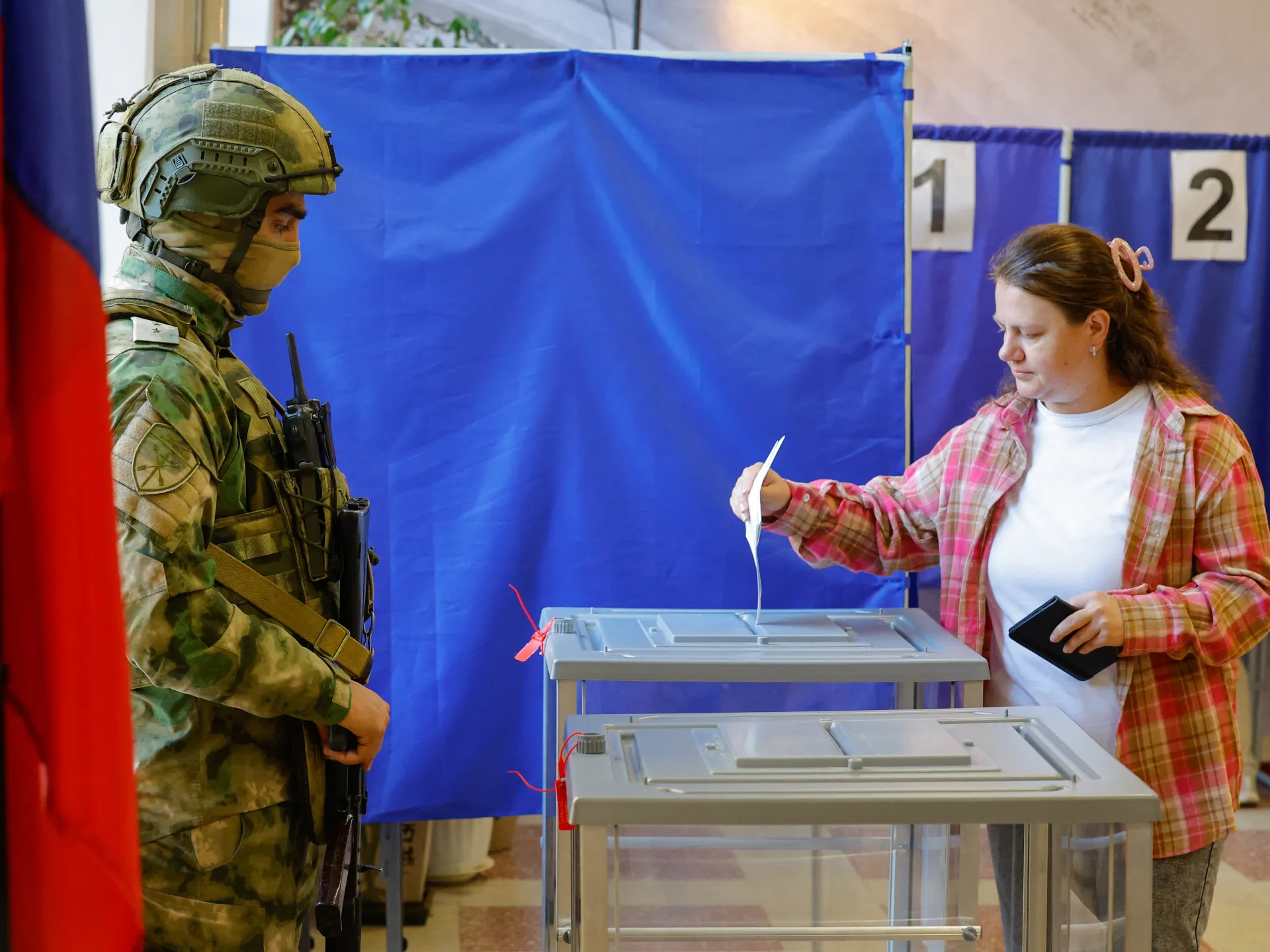
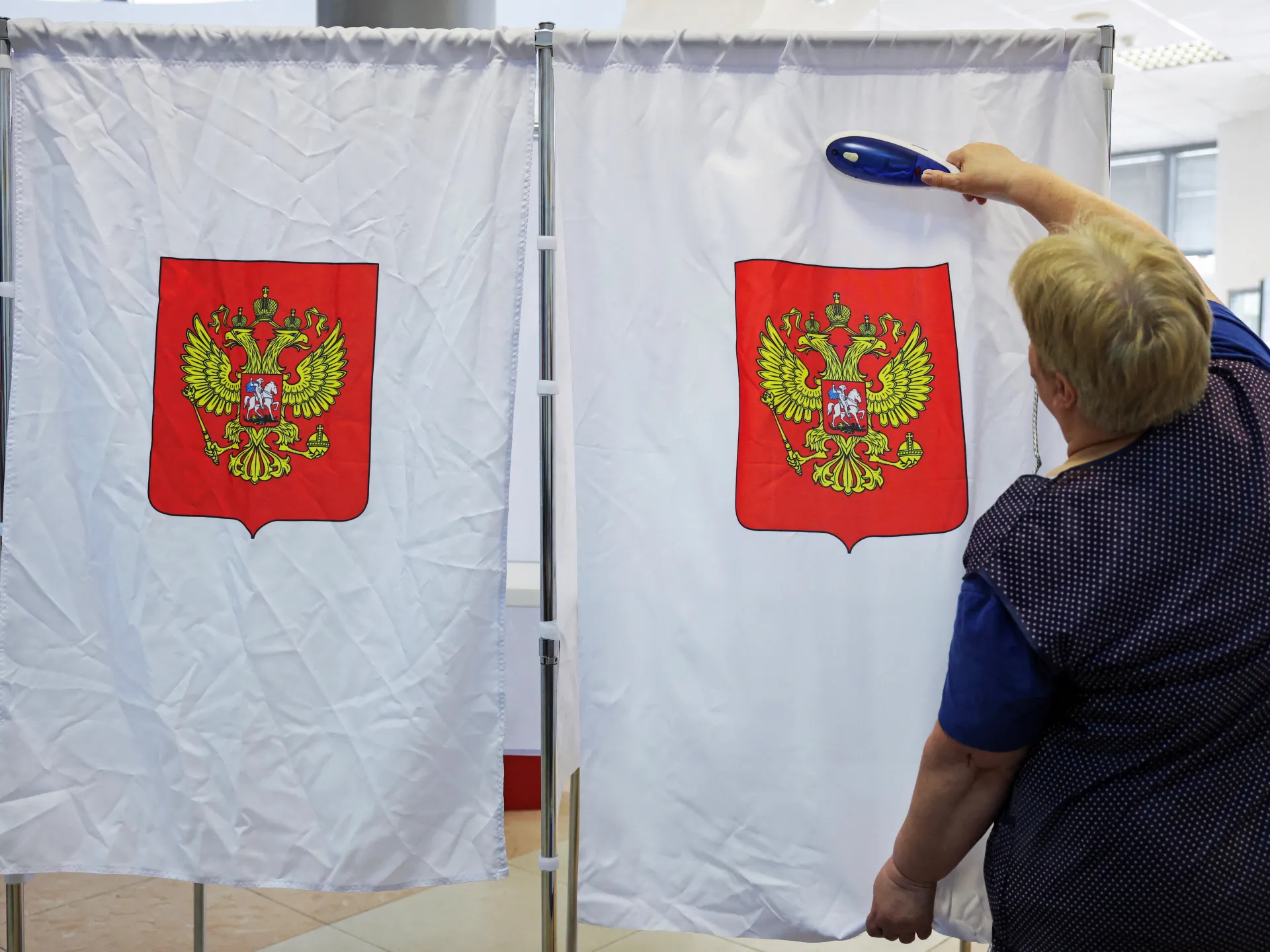
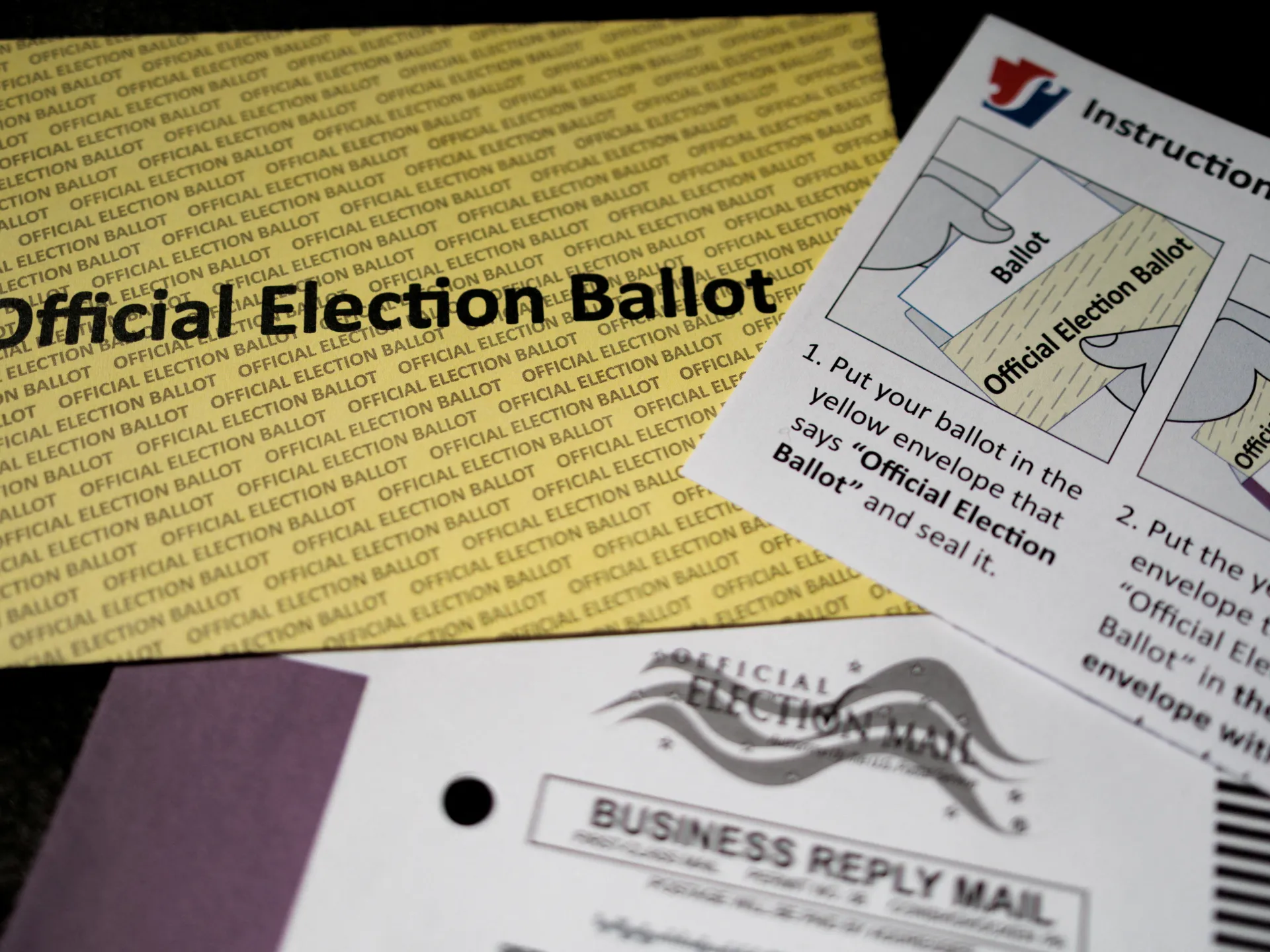
In the lead-up to the most recent Duma elections, the Kremlin embarked on an aggressive campaign of what is colloquially referred to as “ballot sterilization.” This process is designed to eliminate any potential variables that might serve as a focal point for public dissatisfaction. that traditionally operate within the Kremlin’s approved boundaries—the state has effectively neutralized the possibility of a protest vote against the ruling United Russia party.
The strategy involves more than just administrative hurdles; it is a comprehensive effort to ensure that the electoral outcome projects an image of unwavering national unity. ime sentiment, the authorities are ensuring that the ballot box cannot be used as a barometer for real-world frustration regarding the ongoing war in Ukraine or domestic economic hardships.
The case of the Yabloko party provides a clear illustration of the Kremlin’s shifting threshold for tolerance. Previously, Yabloko was permitted to participate in elections, often serving as a minor, non-threatening entity that rarely crossed the five-percent threshold required to enter the legislature. However, the political environment changed when the party’s anti-war stance began to resonate with an increasingly disillusioned public. Searches for the party on major domestic platforms surged, significantly outpacing interest in the ruling party.
This sudden, uncoordinated explosion of interest, bolstered ’s political managers. Recognizing that even a small, officially sanctioned party could become a lightning rod for broader dissent, the state moved to revoke its registration. This decision reveals a fundamental shift: the Kremlin no longer views the existence of a small, managed opposition as a useful tool to demonstrate the “freedom” of its elections, but rather as an unacceptable liability that could quantify the true extent of anti-war sentiment.
The Communist Party of the Russian Federation (CPRF) represents a different, yet equally scrutinized, facet of the Kremlin’s management strategy. While the party generally aligns with United Russia on major legislative bills, its regional branches and charismatic individual members have occasionally vocalized concerns regarding the war's negative impacts. To prevent these localized criticisms from coalescing into a broader movement, the state has imposed strict limitations on campaign activities and disqualified popular members under various pretexts, such as the alleged display of extremist symbols.
These actions demonstrate that the Kremlin is no longer satisfied with mere legislative dominance; it is striving for the total absence of friction. oid the logistical nightmare of having to manipulate results on a massive scale. If an opposition party were to secure a double-digit of the vote, the discrepancy between the actual count and the fabricated outcome would be impossible to hide, potentially sparking public protests and undermining the narrative of universal support for the leadership.
The current crackdown is a strategic move to ensure that the post-election period is free from the threat of organized dissent. e exclusion of independent observers—the state apparatus is securing a mandate that it can use to justify further repression. Once the vote is concluded, the government expects to have a freer hand in implementing unpopular measures, including potential austerity policies or increased internet censorship.
Ultimately, the objective of the Kremlin’s political managers is to maintain the status quo at any cost. vironment where the state can continue its current trajectory without the interference of public opinion. This level of control is deemed necessary to sustain the war in Ukraine and ensure that the leadership maintains its grip on power regardless of the growing anxiety and pessimism reported across the country’s more impoverished regions.