

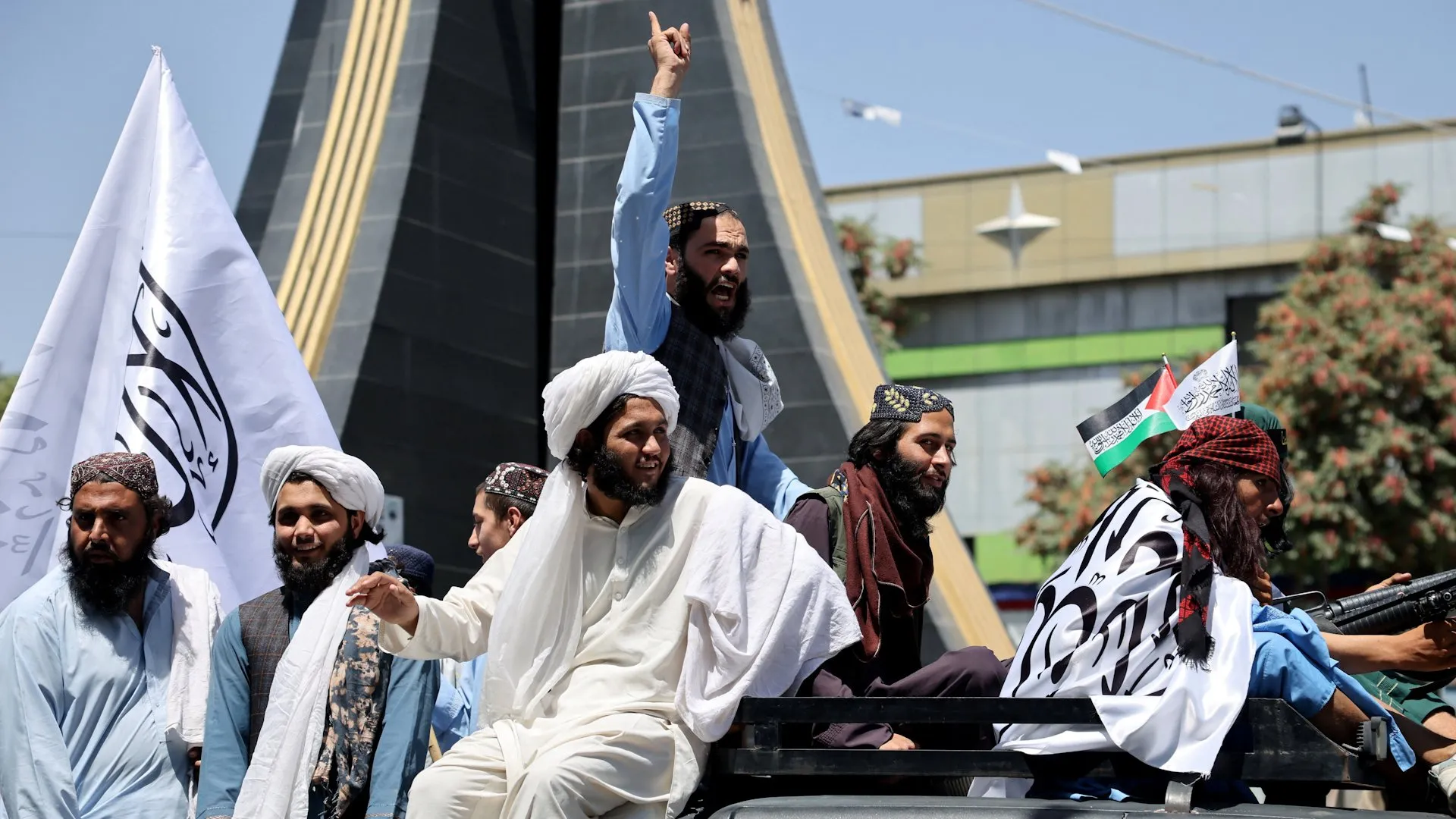
As Afghanistan observes five years of Taliban rule, the nation faces severe humanitarian challenges and the continued exclusion of women from public life.
August 2026 marks exactly five years since the Taliban reclaimed control of Afghanistan, a pivotal shift that fundamentally altered the nation's political trajectory. As the movement observes this anniversary, the capital city of Kabul has seen gatherings commemorating the transition of power. These events, however, reflect the stark reality of a nation that remains deeply fractured, both internally and in its relationship with the global community.
While supporters of the administration mark the day with public displays, the atmosphere across the country remains tense. The absence of women from these official ceremonies is a glaring indicator of the current social landscape. Over the past five years, the governing authorities have systematically dismantled the previous frameworks for civic engagement, resulting in a society where public life is increasingly restricted.
Beyond the political rhetoric, the daily reality for millions of Afghans is defined economic instability, which has left a significant portion of the population struggling to secure basic necessities. International aid organizations continue to warn that the lack of resources, combined with systemic economic failures, has pushed the country to the brink of collapse.
The international community’s response has been hampered atic stage. This isolation has made it increasingly difficult to channel essential funds into the public health and education sectors. As a result, the average Afghan citizen faces a future defined s that were once supported
Perhaps the most significant development over the last five years has been the rigorous enforcement of policies that exclude women from the public sphere. Women have been progressively barred from higher education, most employment sectors, and various public spaces. This deliberate policy has not only marginalized half of the population but has also severely impacted the nation’s long-term development prospects.
International observers and human rights advocates frequently highlight these restrictions as a primary obstacle to any potential diplomatic normalization. The exclusion of women is not merely a social issue but a structural one, preventing the country from utilizing its full human potential. As the Taliban enters its sixth year of governance, the plight of Afghan women remains the most visible and contentious aspect of their rule.
Afghanistan currently finds itself in a state of profound diplomatic solitude. No major world government has officially granted formal recognition to the Taliban administration, citing human rights concerns and the lack of inclusive governance as primary deterrents. This status has effectively locked the country out of global financial institutions, further exacerbating the domestic economic misery.
Looking ahead, the path toward stability remains elusive. The current administration shows little sign of softening its hardline domestic policies, which in turn ensures that international sanctions and aid restrictions remain in place. For the people of Afghanistan, the five-year anniversary serves as a somber reminder of a protracted crisis that shows few signs of resolution, leaving the nation caught between internal ideological rigidity and external geopolitical alienation.