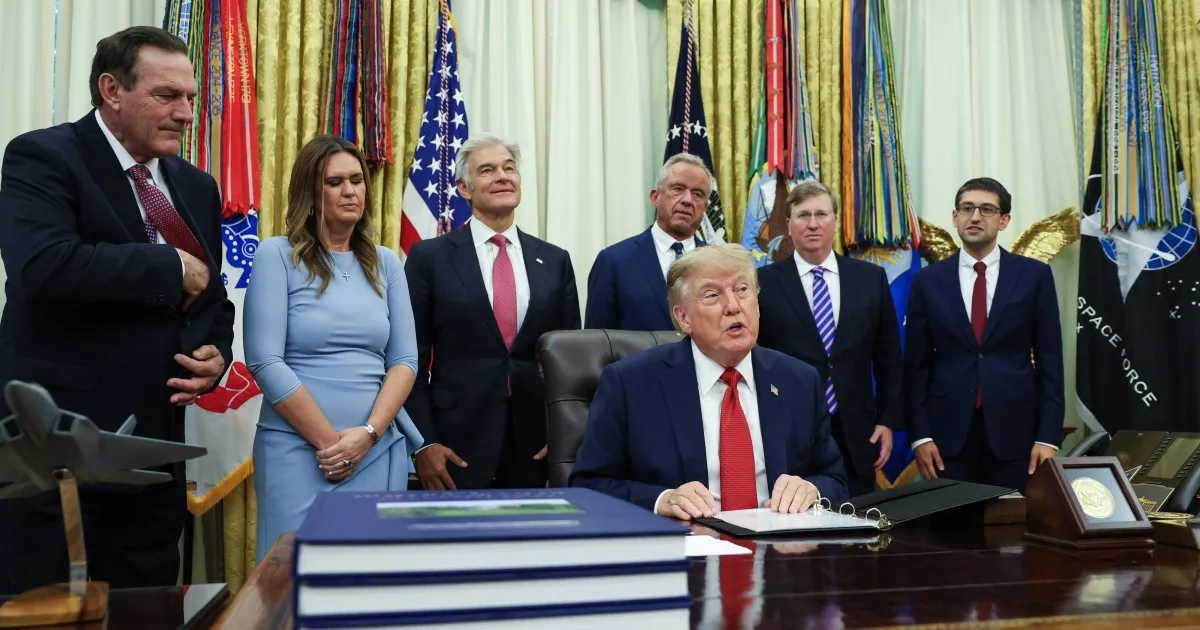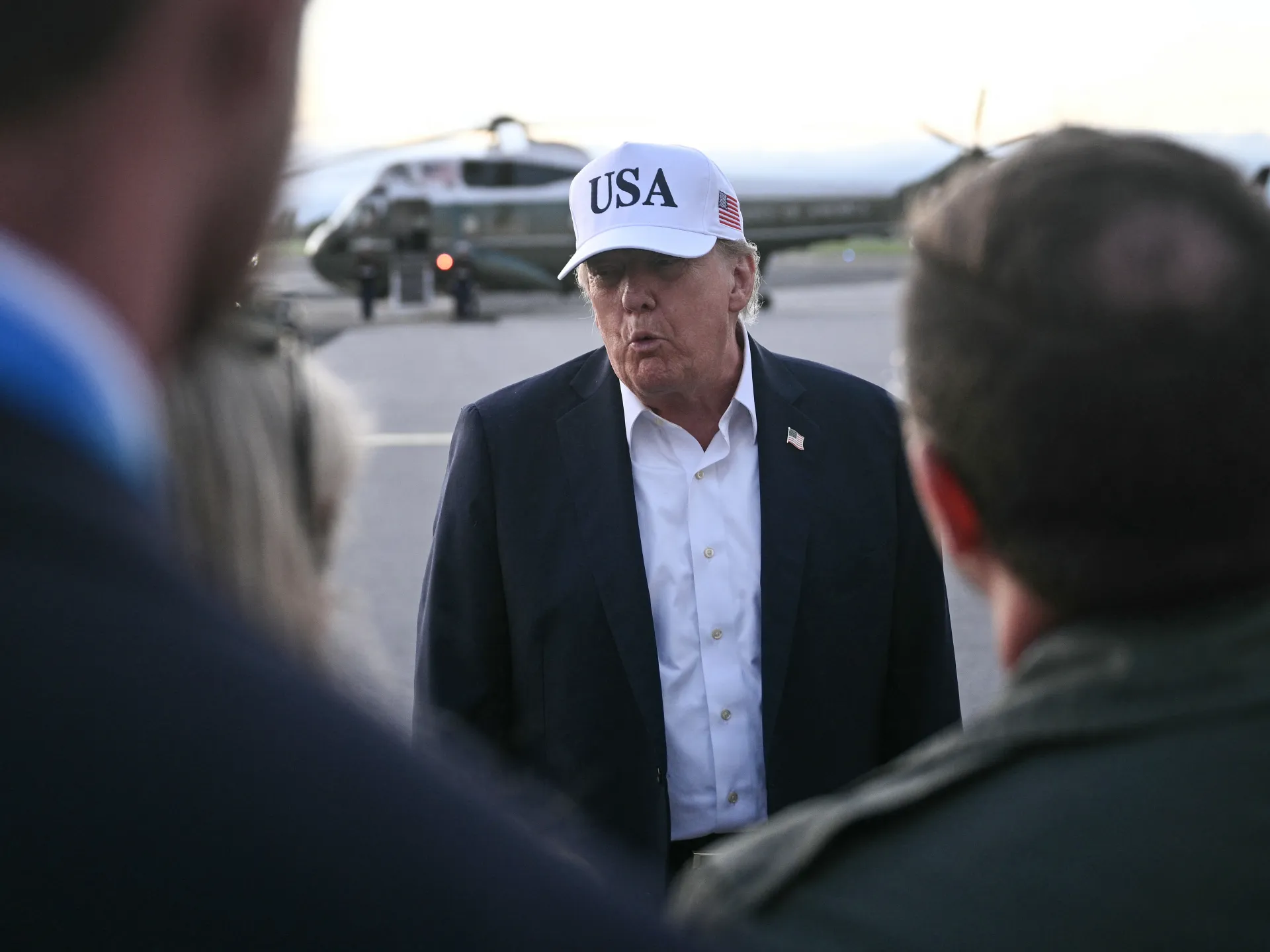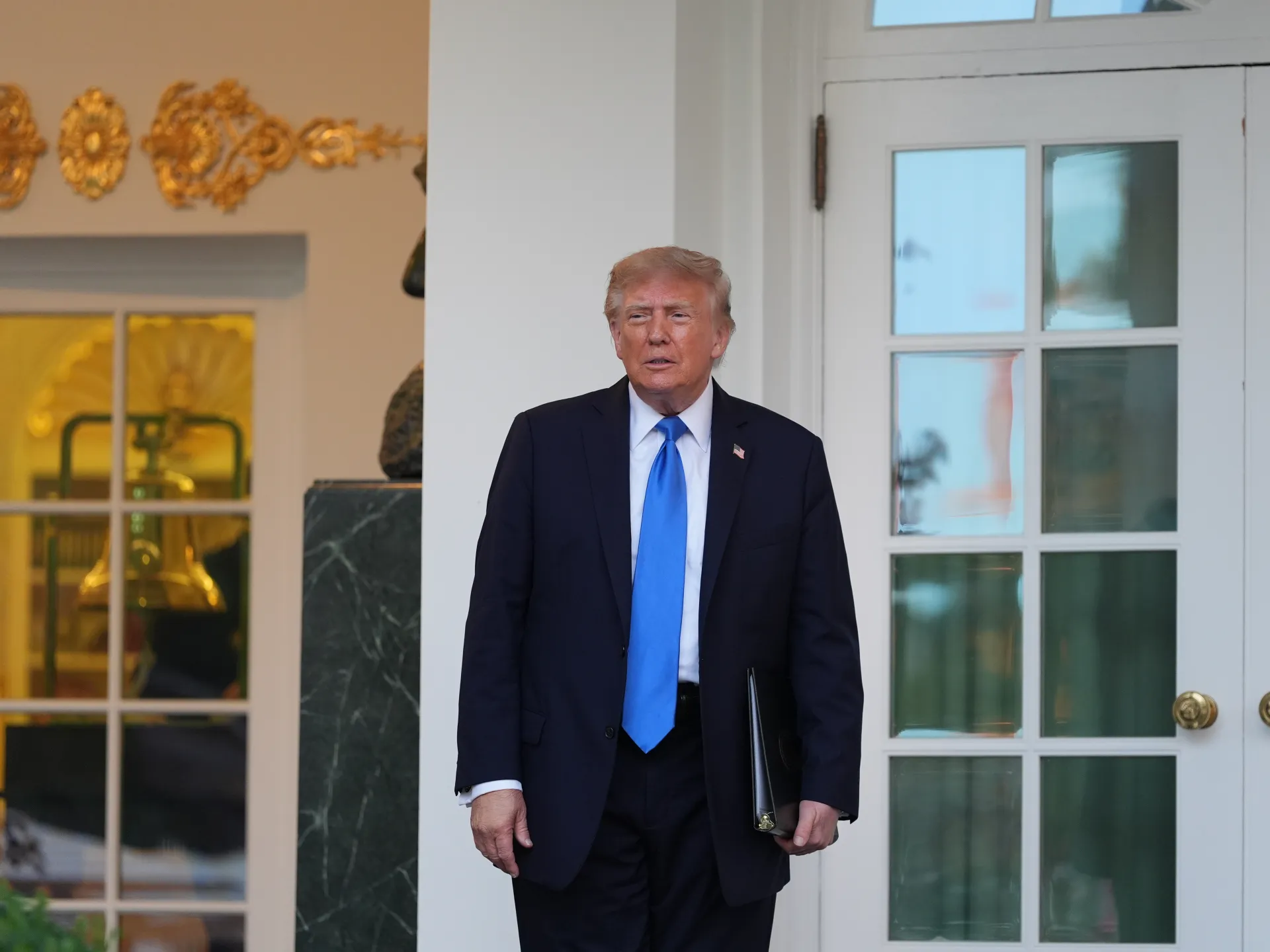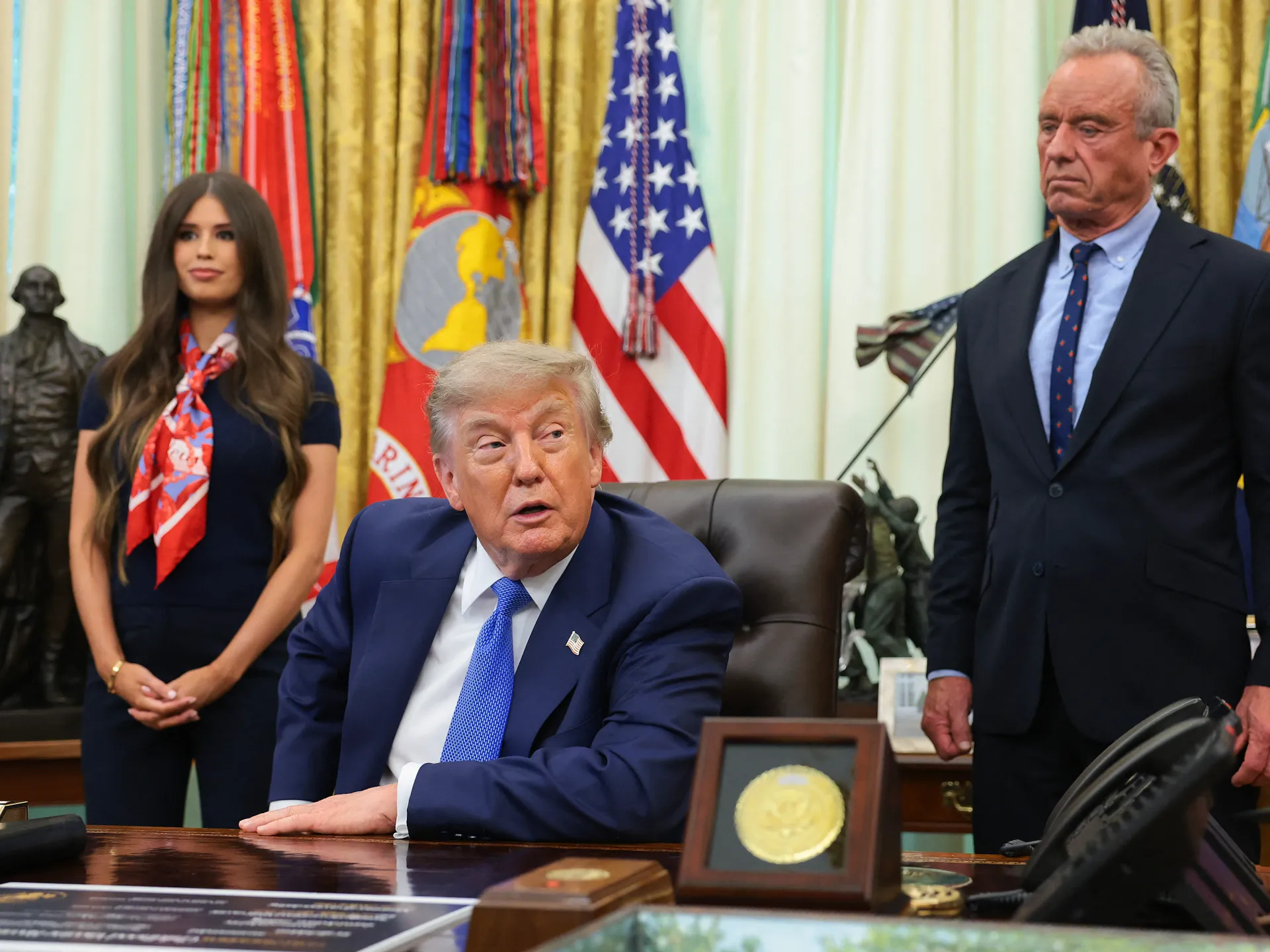
White House security officials have officially revoked the credentials of three major news organizations, barring their reporters from the federal complex.
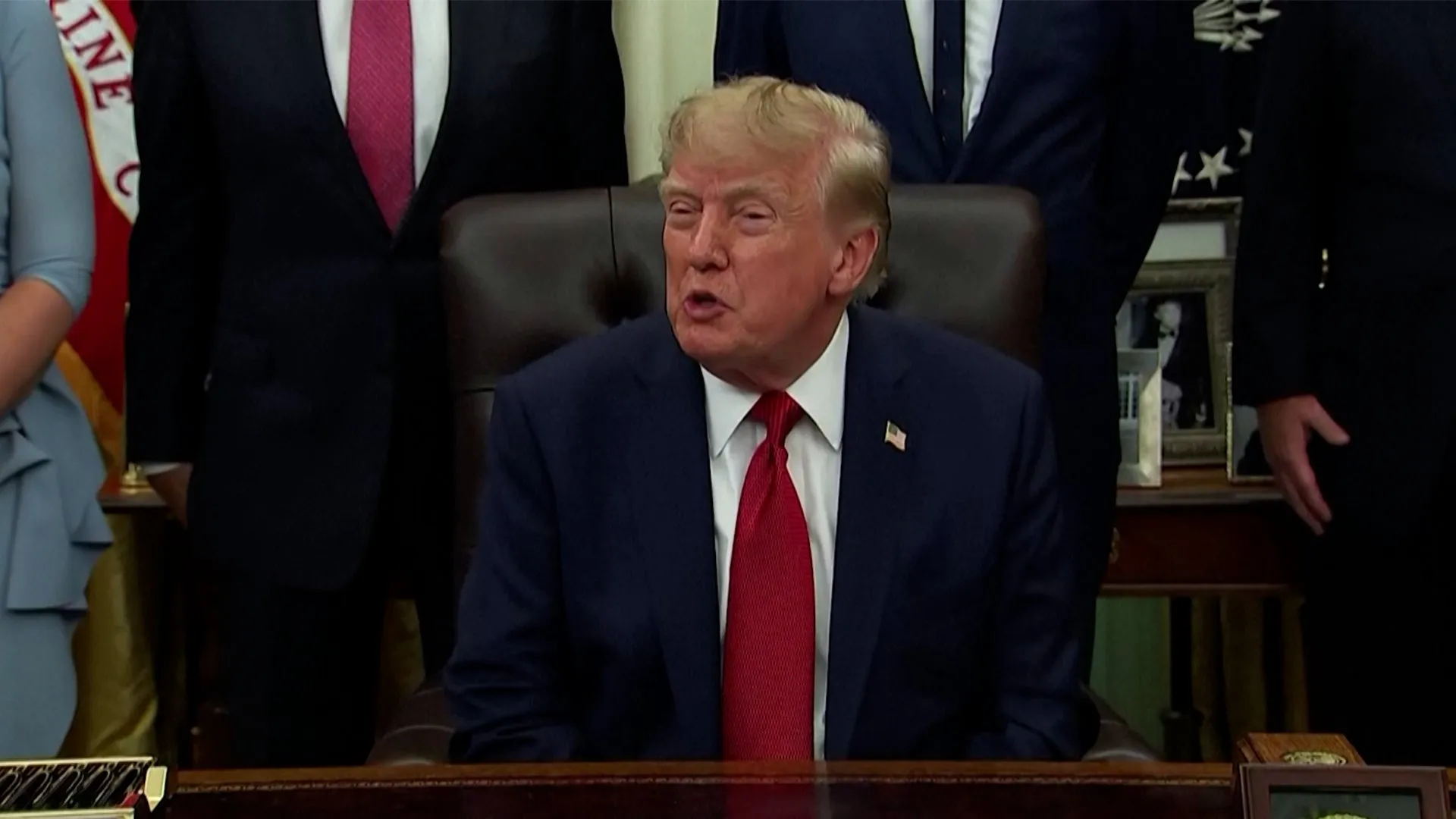
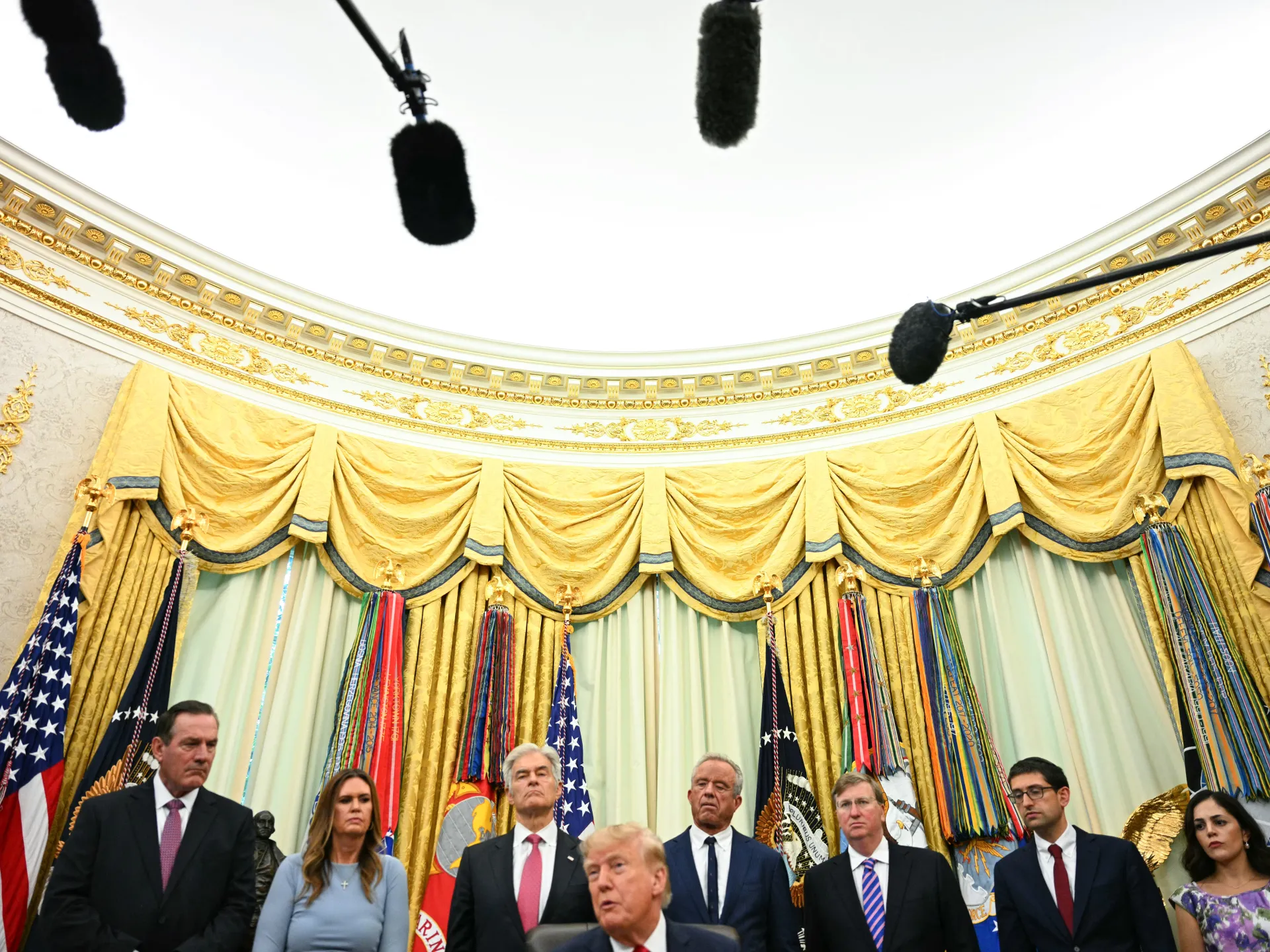
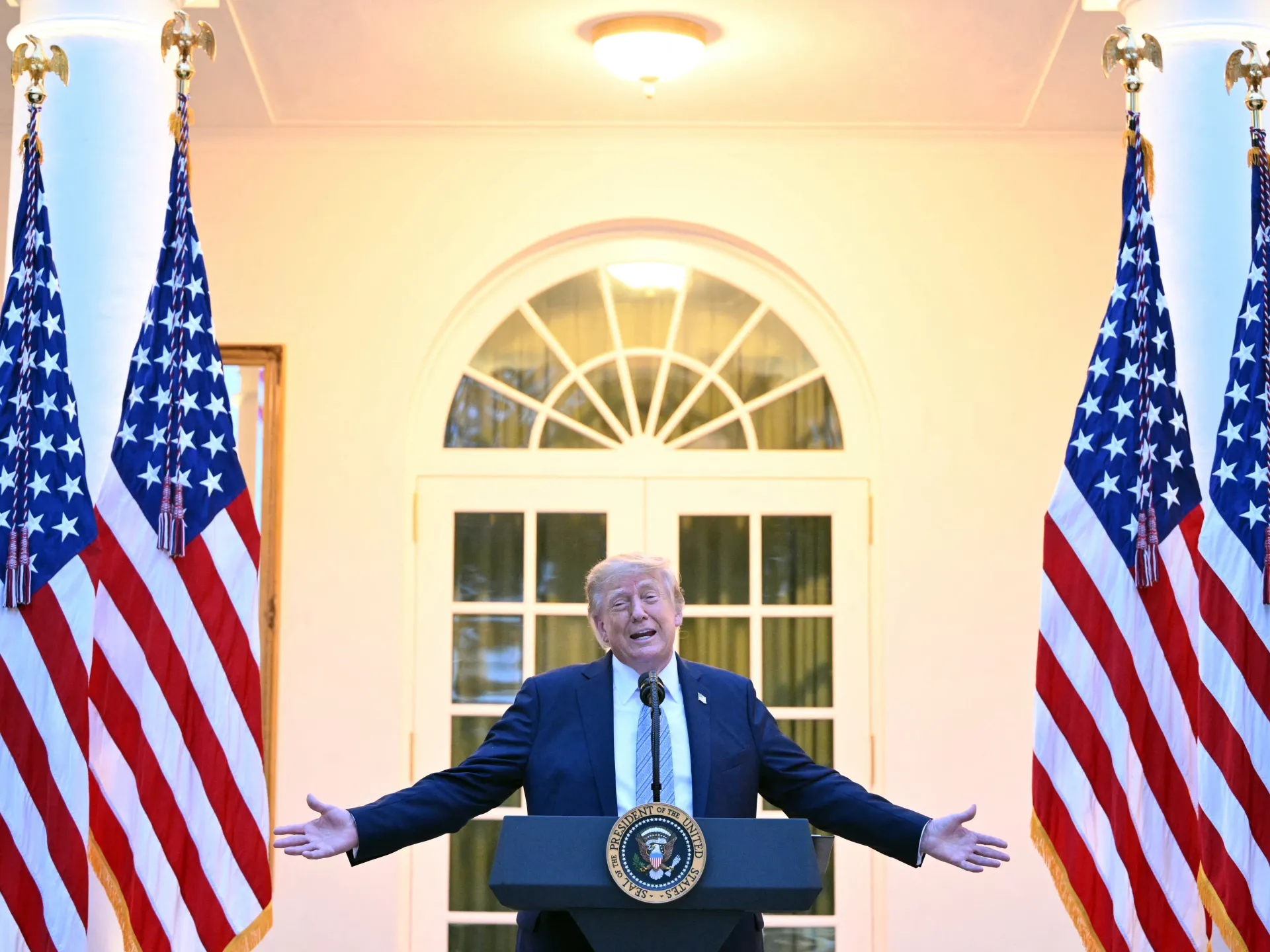
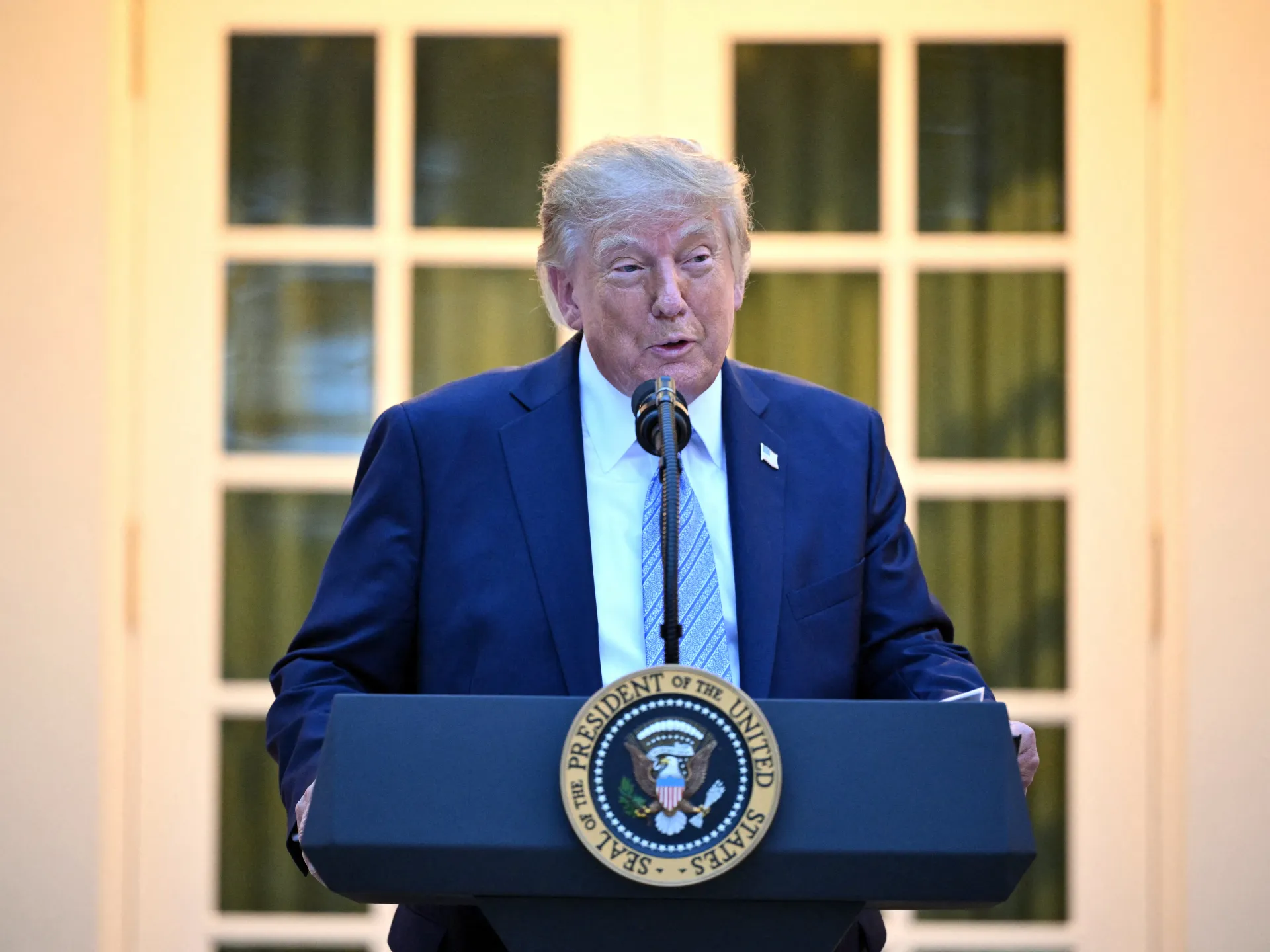
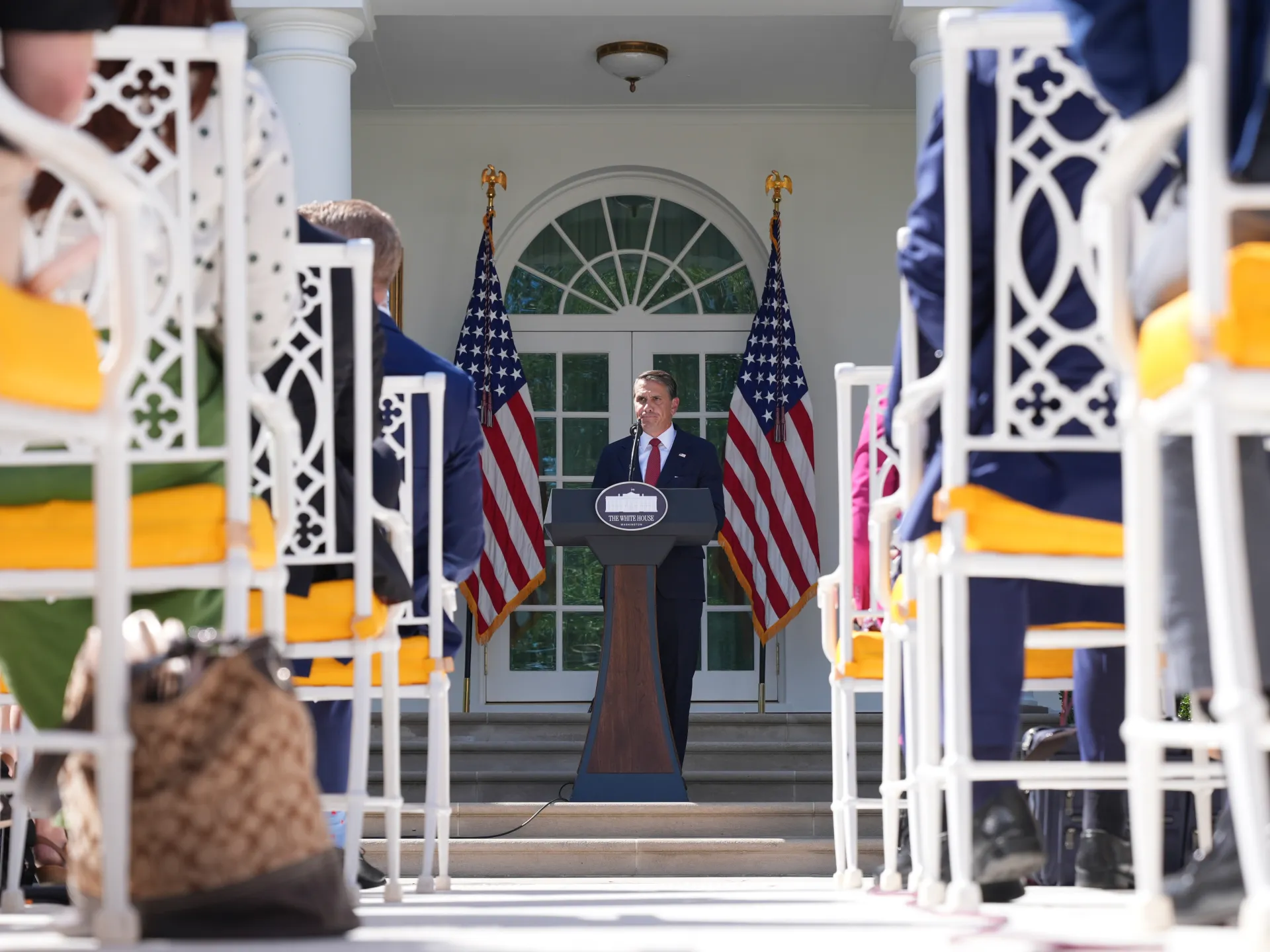
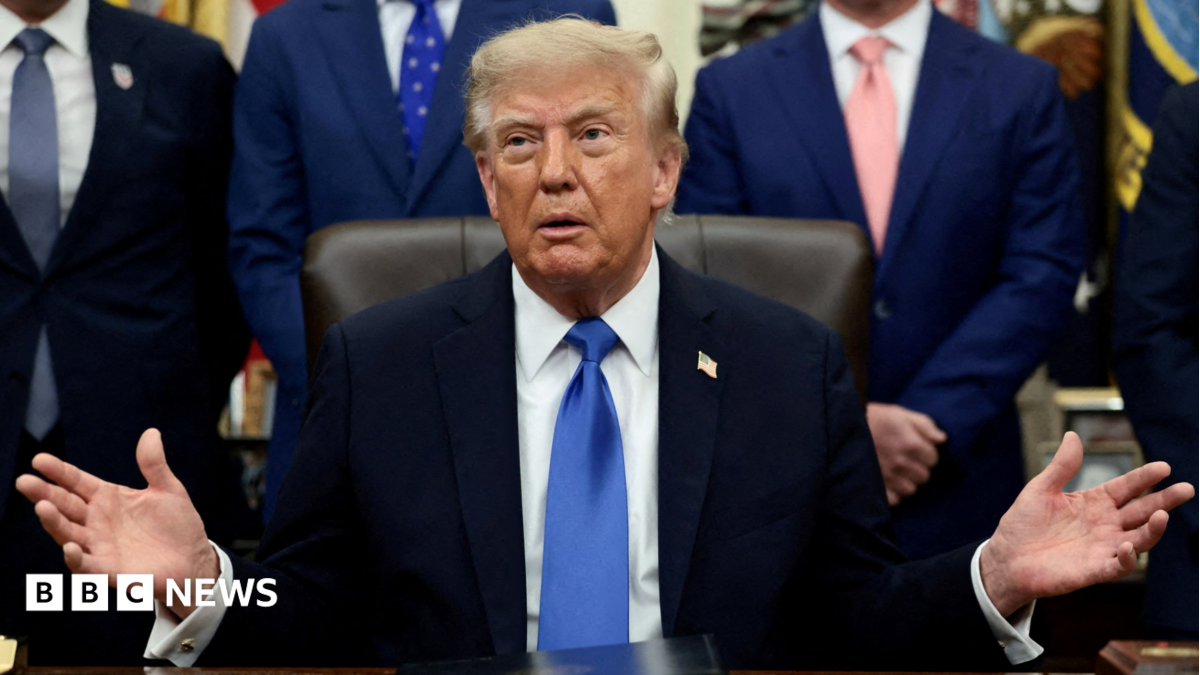
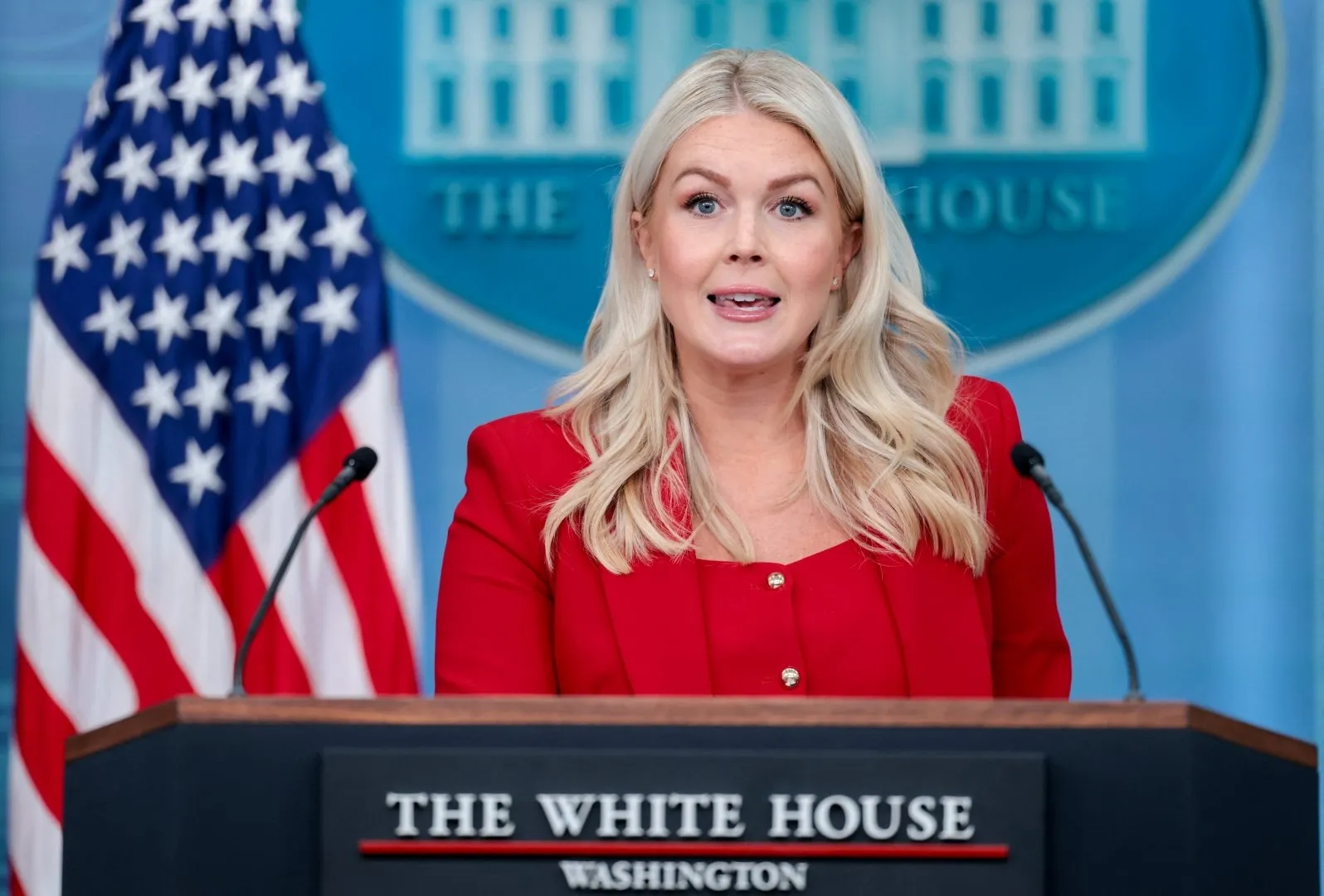
The landscape of executive branch transparency underwent a significant shift this weekend as the White House moved to enforce a ban on journalists representing CNN, MS NOW, and Politico. The directive, which took effect immediately, resulted in the physical removal and deactivation of security credentials for personnel attempting to access the complex on Saturday, signaling a deepening rift between the administration and specific segments of the press corps.
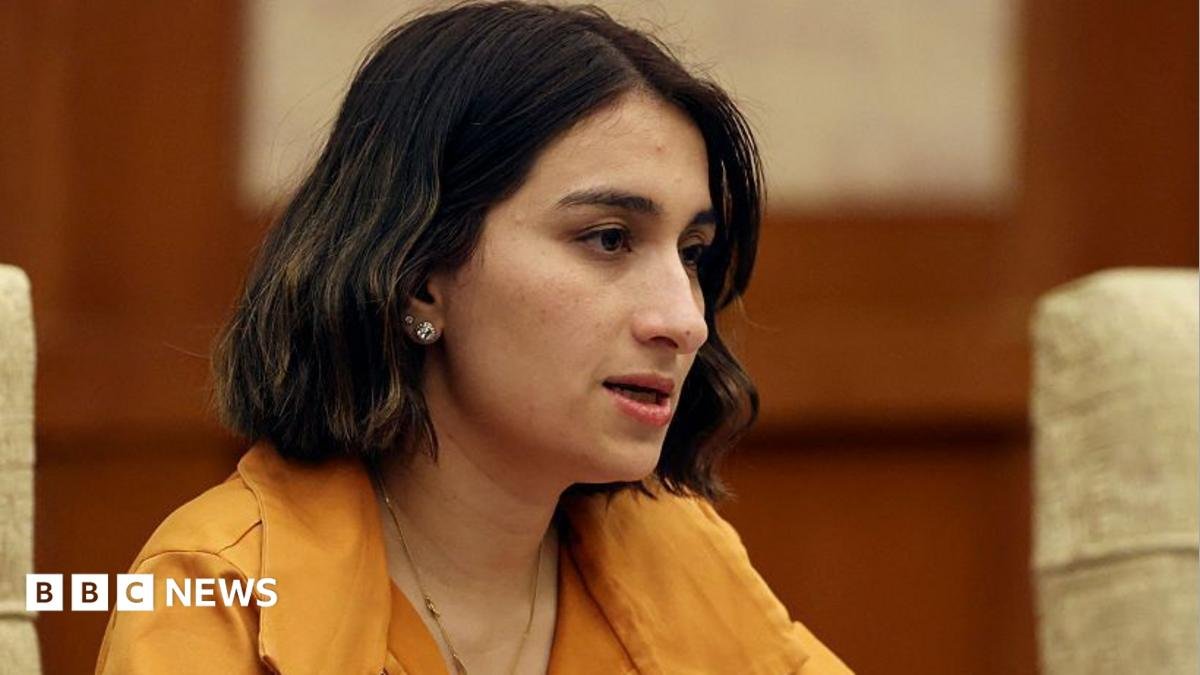
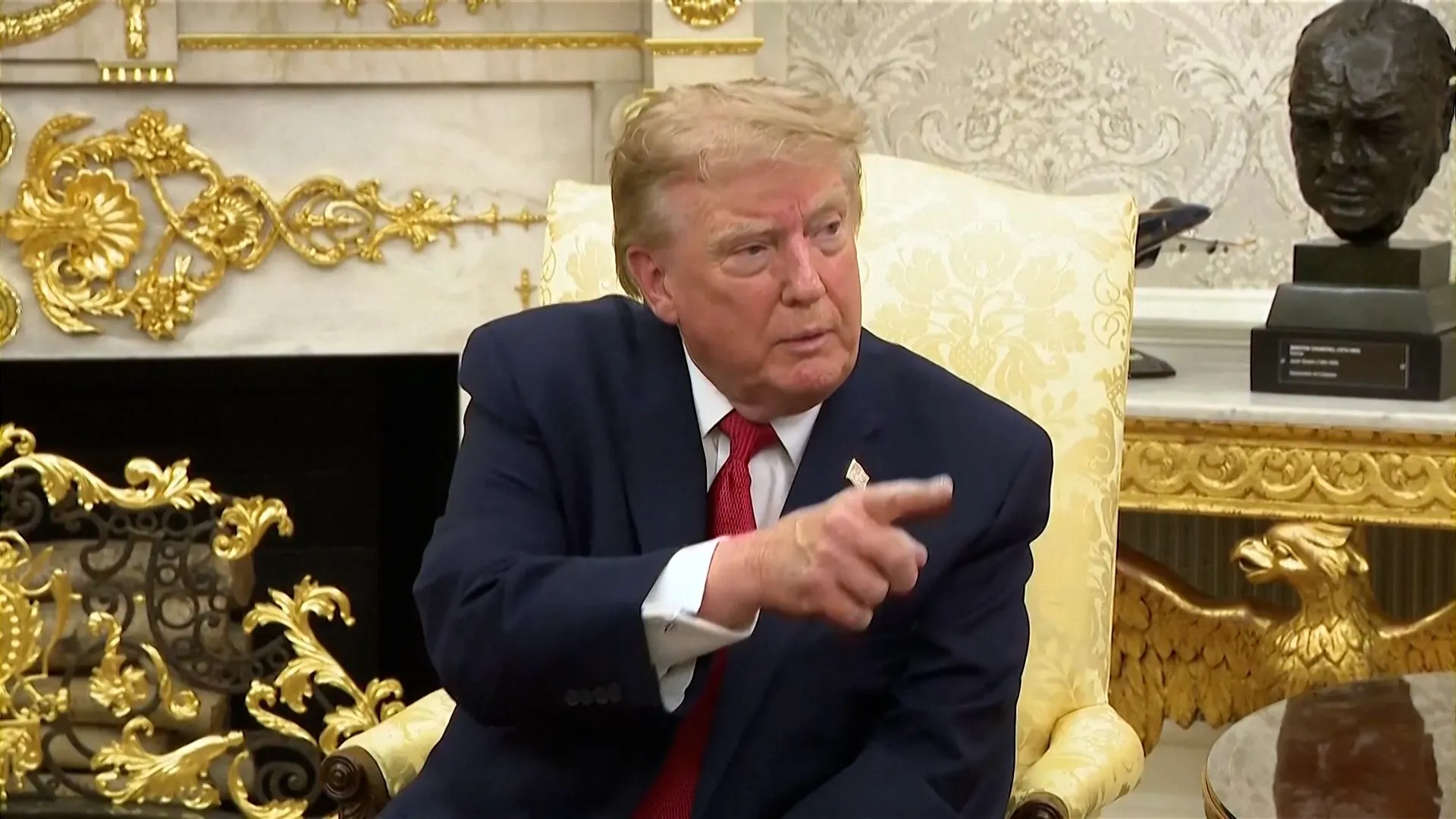
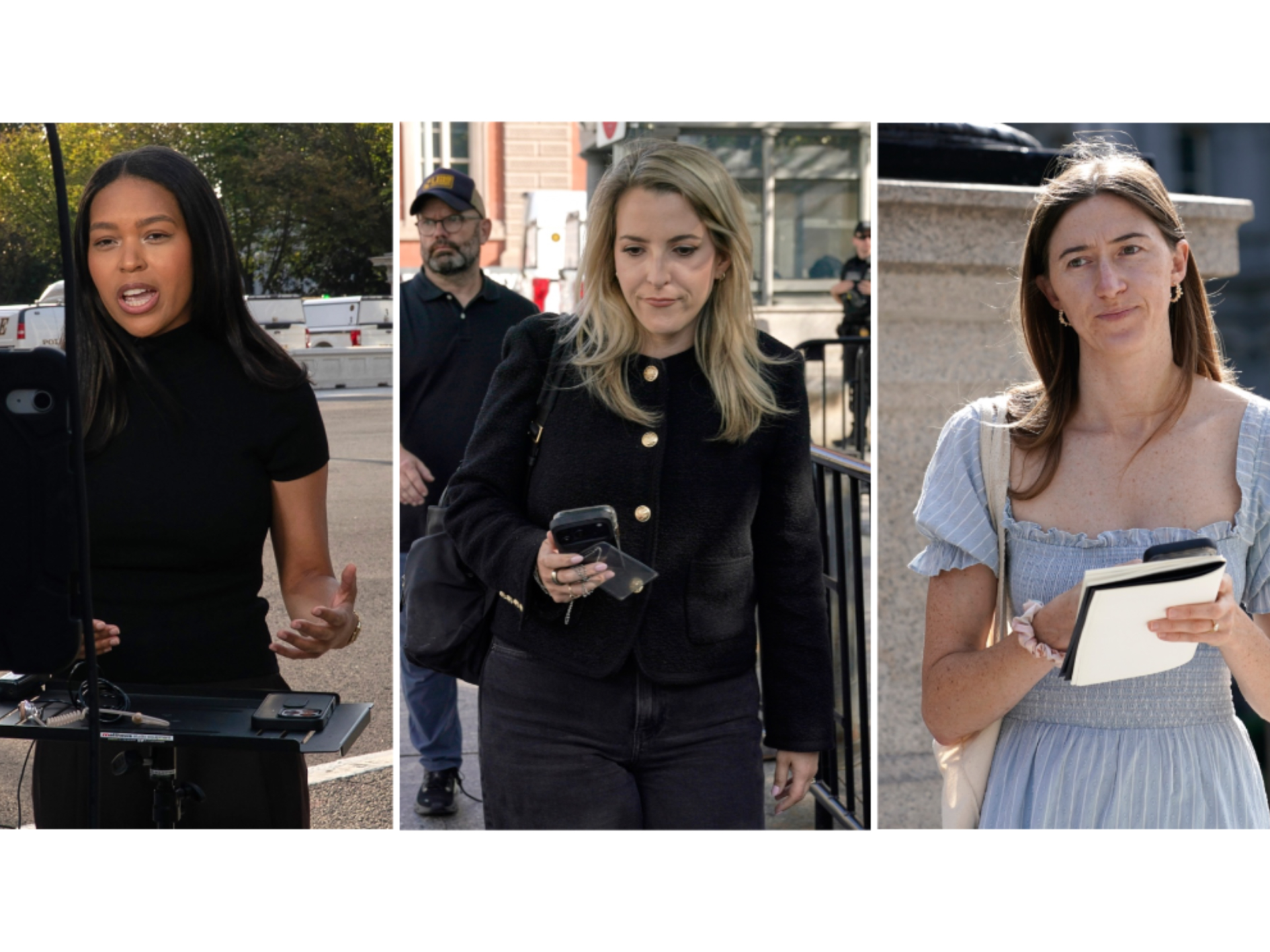
Affected correspondents, including Betsy Klein of CNN and Akayla Gardner of MS NOW, reported being turned away ically disabled. Politico issued a formal statement verifying that one of its reporters, Cheyenne Haslett, was denied entry and had her credentials confiscated claration on Friday, in which he accused these organizations of spreading “fake news” and indicated that additional outlets could face similar restrictions in the coming weeks.
The revocation of these credentials marks a critical inflection point for the First Amendment and the logistical reality of the Washington press corps. While administrations have historically grappled with media outlets, the formal deactivation of access passes moves beyond simple verbal hostility into the realm of administrative exclusion. This action challenges the long-standing precedent of the White House press facilities as a neutral ground for professional inquiry, regardless of the president’s personal sentiment toward a reporter's employer. ct to executive approval, the administration is effectively testing the boundaries of judicial oversight regarding the role of independent observers in government institutions.
The enforcement of the ban has been swift and uniform across the targeted organizations. According to accounts from those on the ground, security officers informed reporters that the decision to disable their passes was made at a level higher than the immediate detail, underscoring the top-down nature of the directive. In response, affected news organizations have signaled their intention to challenge these measures, framing the conflict as an existential matter of constitutional rights rather than merely a logistical dispute.
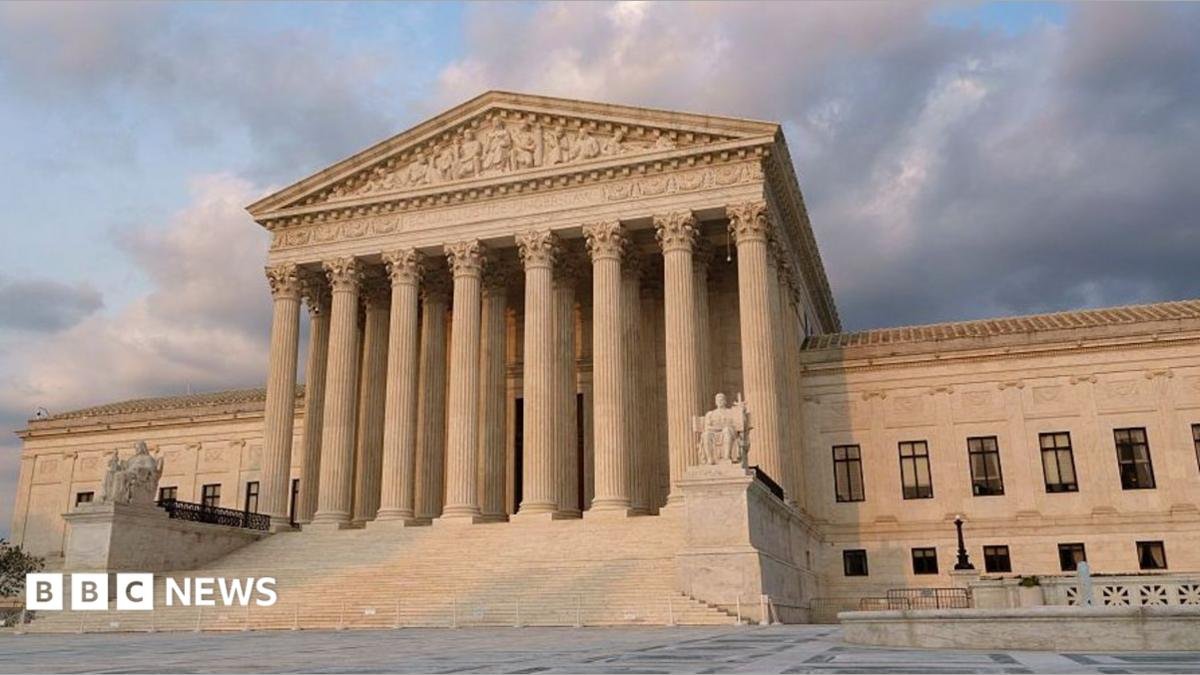
The White House Correspondents’ Association issued a sharp rebuke following the incidents, emphasizing that the protections afforded to the press do not fluctuate based on a president’s ideological approval of a news outlet’s coverage. While the administration points to its authority to regulate access to federal property, legal analysts suggest that the administration may face significant headwinds in court, specifically regarding the standards set Sherrill v. Knight. That ruling established that once press facilities are created, arbitrary or discriminatory access denials are constitutionally suspect.
The situation is likely to escalate into a protracted legal battle. Given the explicit defiance from the media organizations involved, court filings seeking an emergency injunction to restore access are expected in the immediate future. The administration’s past history of similar, albeit more localized, restrictions suggests that they will rely on arguments of executive discretion to maintain the ban. However, should the courts lean toward the precedent set in Sherrill v. Knight, the administration may be forced to choose between restoring access or facing a significant judicial rebuke that could limit their ability to manage the press corps for the remainder of their term. Furthermore, the threat that additional outlets may be targeted suggests that this is not an isolated event but a coordinated strategy that will further polarize the relationship between the White House and the Washington press pool.