Toxic smoke from Indonesian forest fires has pushed air quality to dangerous levels in Malaysia, triggering a public health crisis and widespread closures.
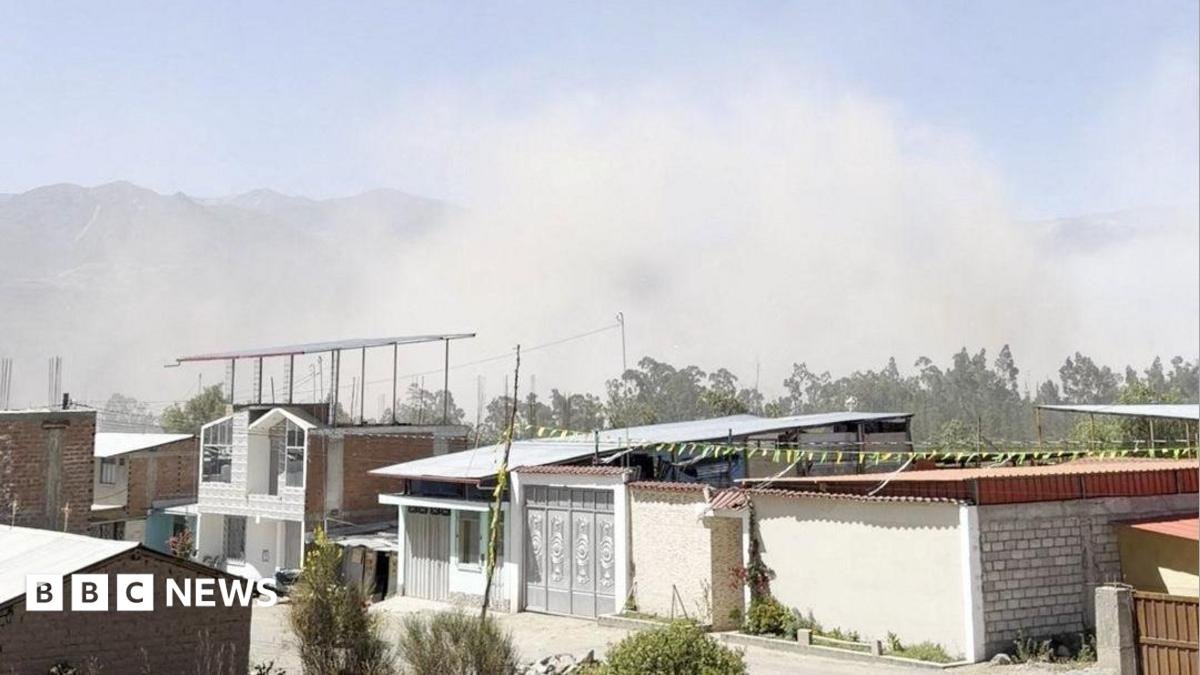
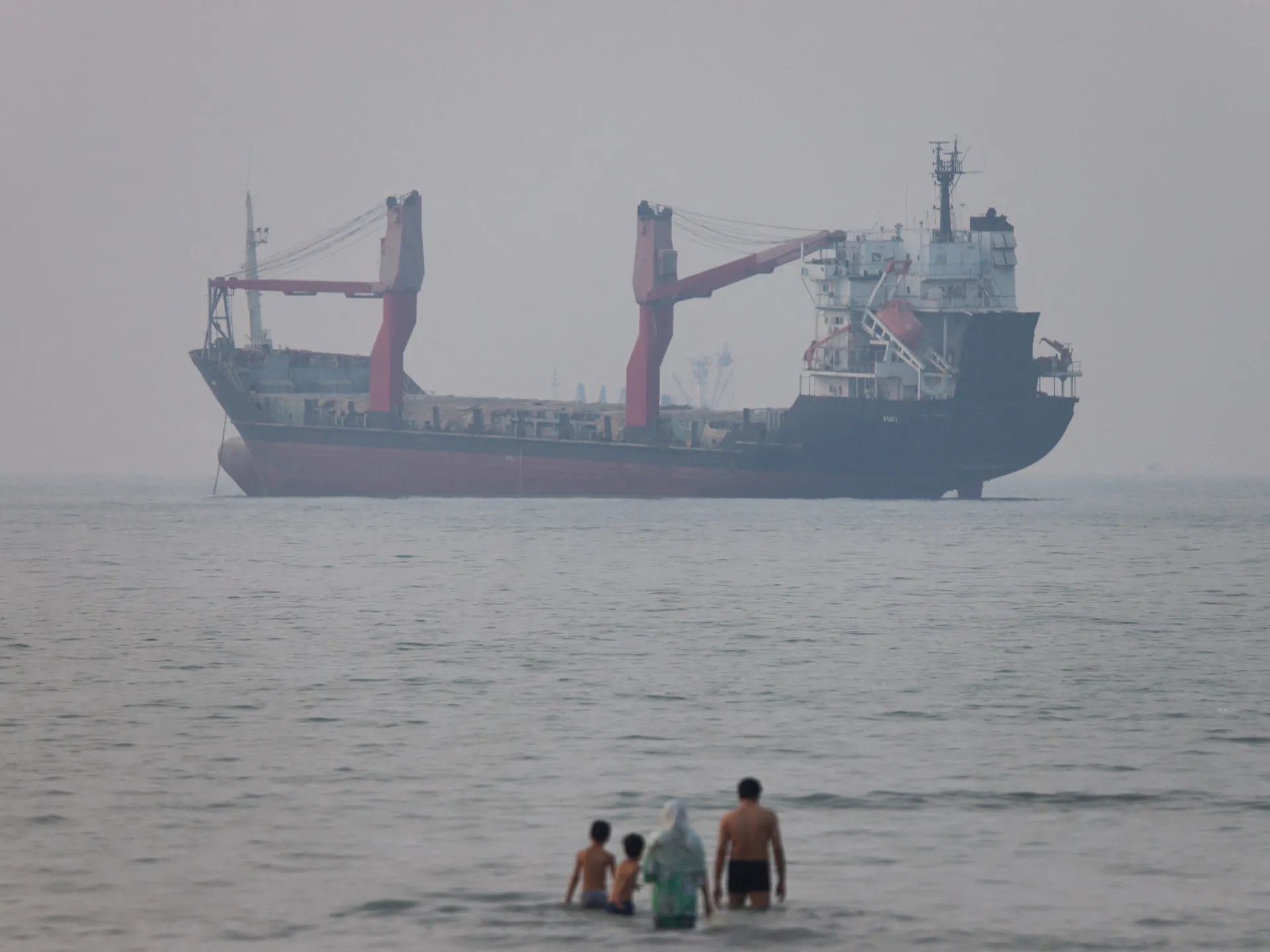
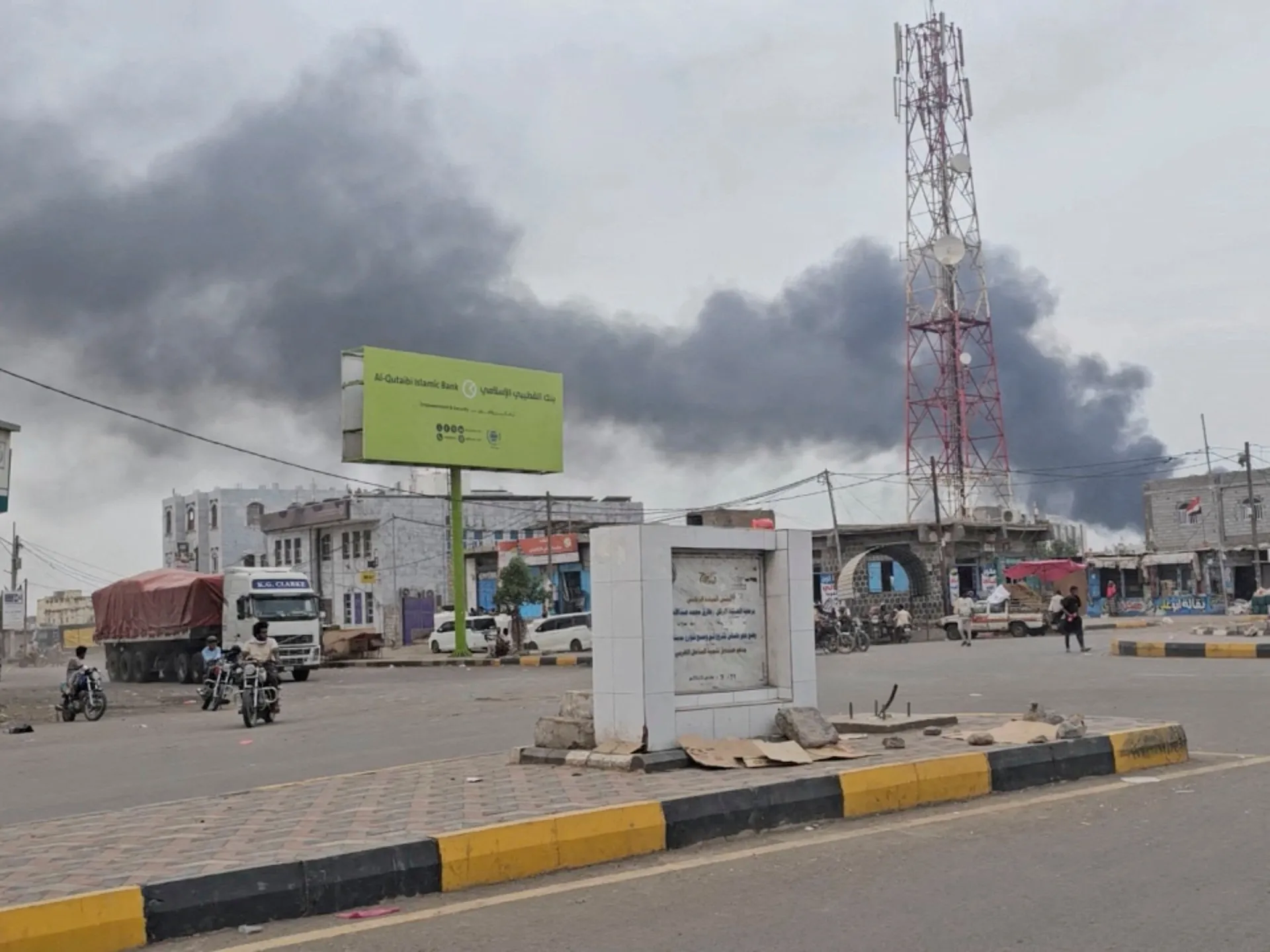
A thick, hazardous shroud of smoke originating from forest and peatland fires in Indonesia has blanketed the region, creating a public health emergency across Malaysian Borneo and parts of the Malay Peninsula. The toxic haze, which has been persistent throughout August, has resulted in a dramatic surge in respiratory issues and eye-related illnesses. Local medical facilities report that asthma cases have skyrocketed, while many residents are struggling to cope with air quality levels that have far surpassed safety thresholds, reaching hazardous ratings on the local Air Pollutant Index.
For families living in the hardest-hit areas, such as Kuching and Serian, the situation has become increasingly dire. Many parents have been forced to make repeated visits to emergency rooms for children suffering from severe breathing difficulties. The constant presence of smoke, which residents describe as an inescapable, thick white haze, has drastically reduced visibility and forced households to remain indoors with air purifiers running around the clock. Despite these precautions, many still report symptoms of throat irritation and nasal dryness, highlighting the pervasive nature of the pollutants.
The severity of the smog has necessitated widespread cancellations of public events, including outdoor Independence Day commemorations in Sarawak. Officials have warned that if air quality readings continue to climb toward emergency thresholds, further restrictions on business operations and public movement may be required to protect the population. The economic and social impact is already significant, as the government implements strict guidelines for schools and outdoor activities to mitigate exposure among the most vulnerable citizens.
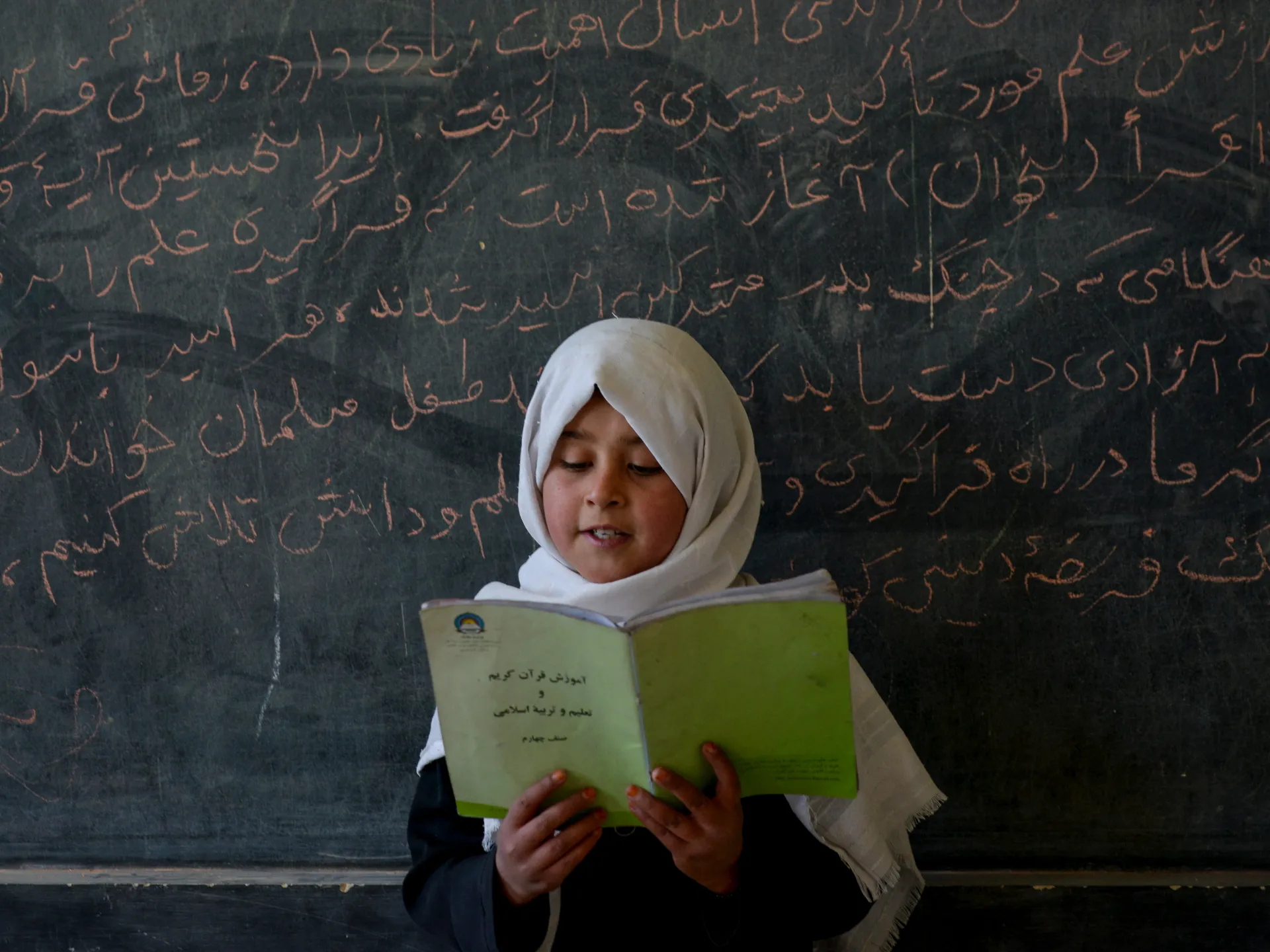
Educational institutions have been particularly hard hit, with hundreds of schools forced to close their doors to prevent students from breathing the toxic air. Thousands of children have been kept home as a precautionary measure, while youth sports organizations have suspended all training sessions and matches. Many athletic academies are now scrambling to find enclosed, filtered spaces to continue operations, though many recognize that until the environmental conditions improve, outdoor activities remain unsafe for participants of all ages.
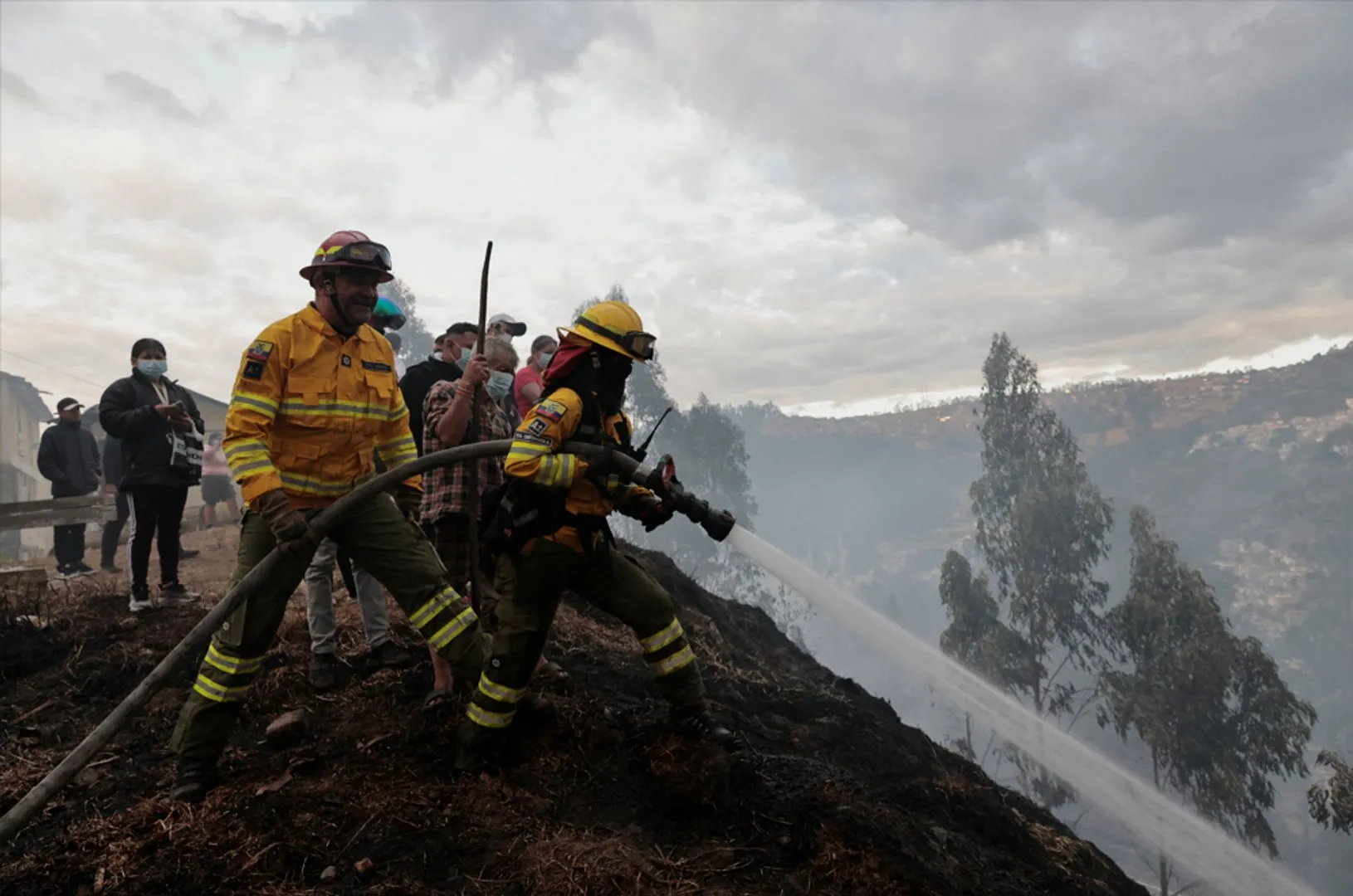
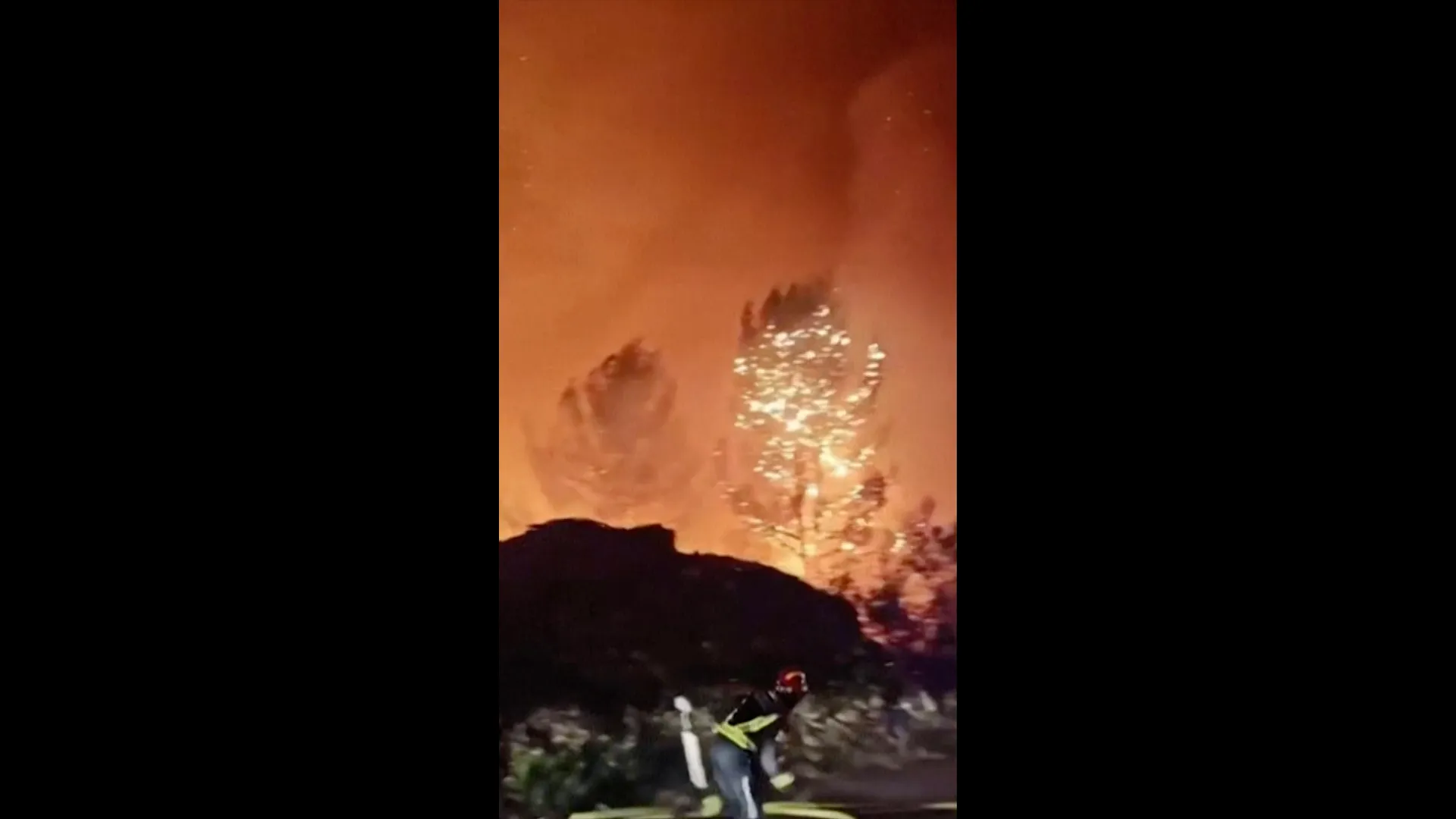
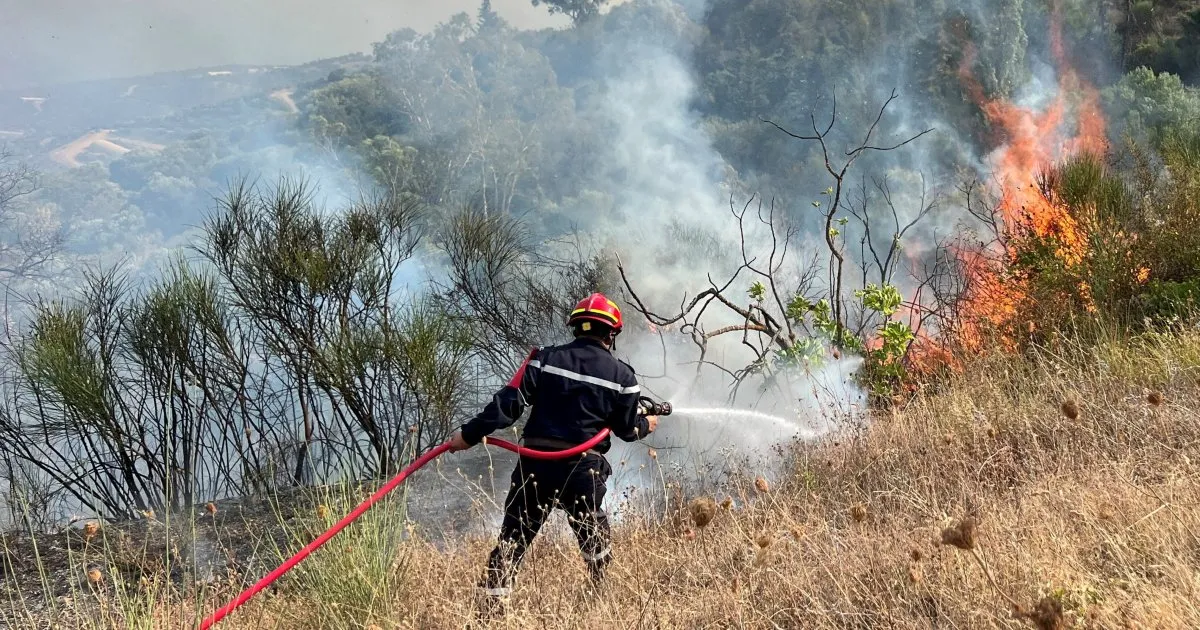
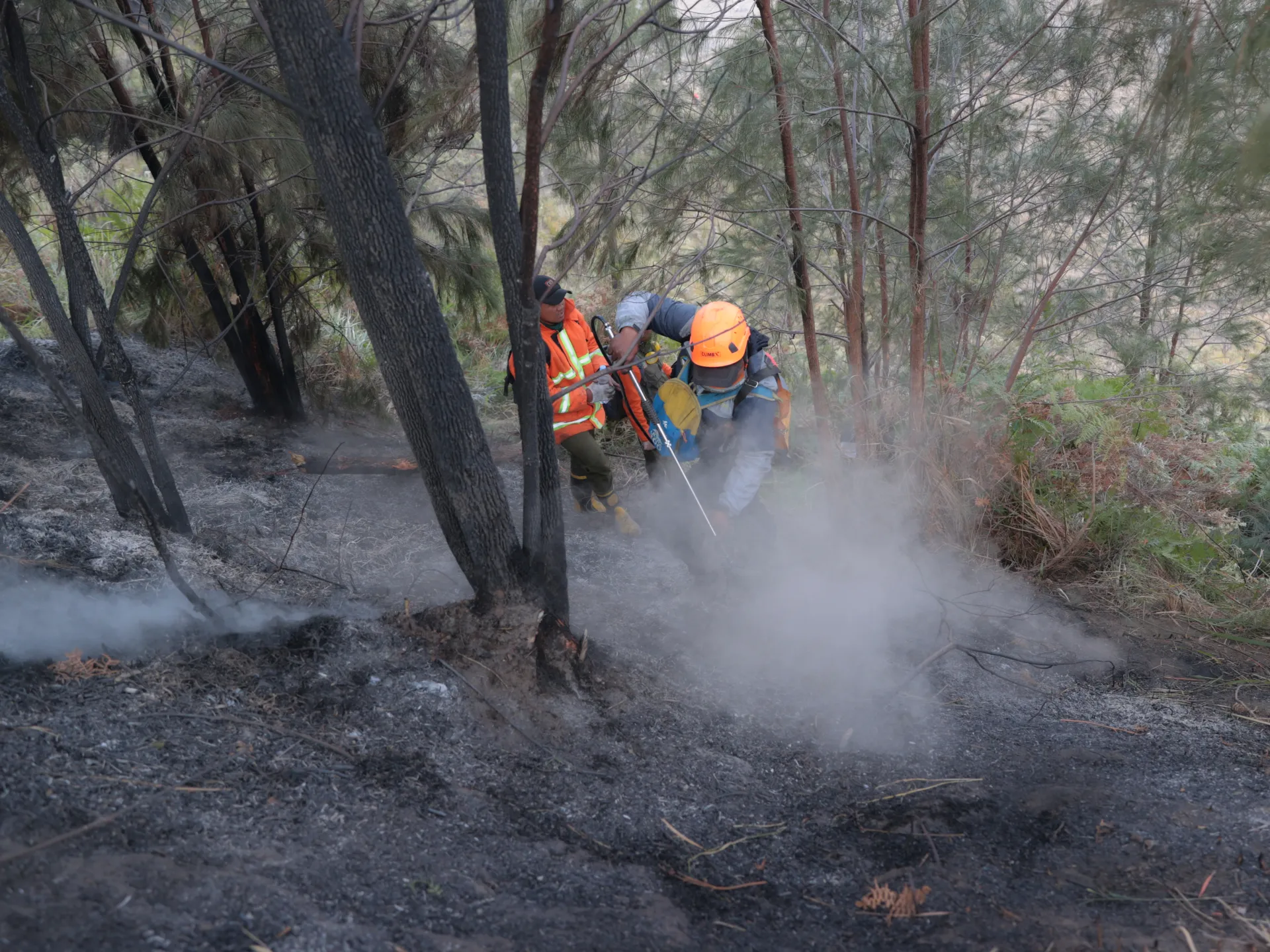
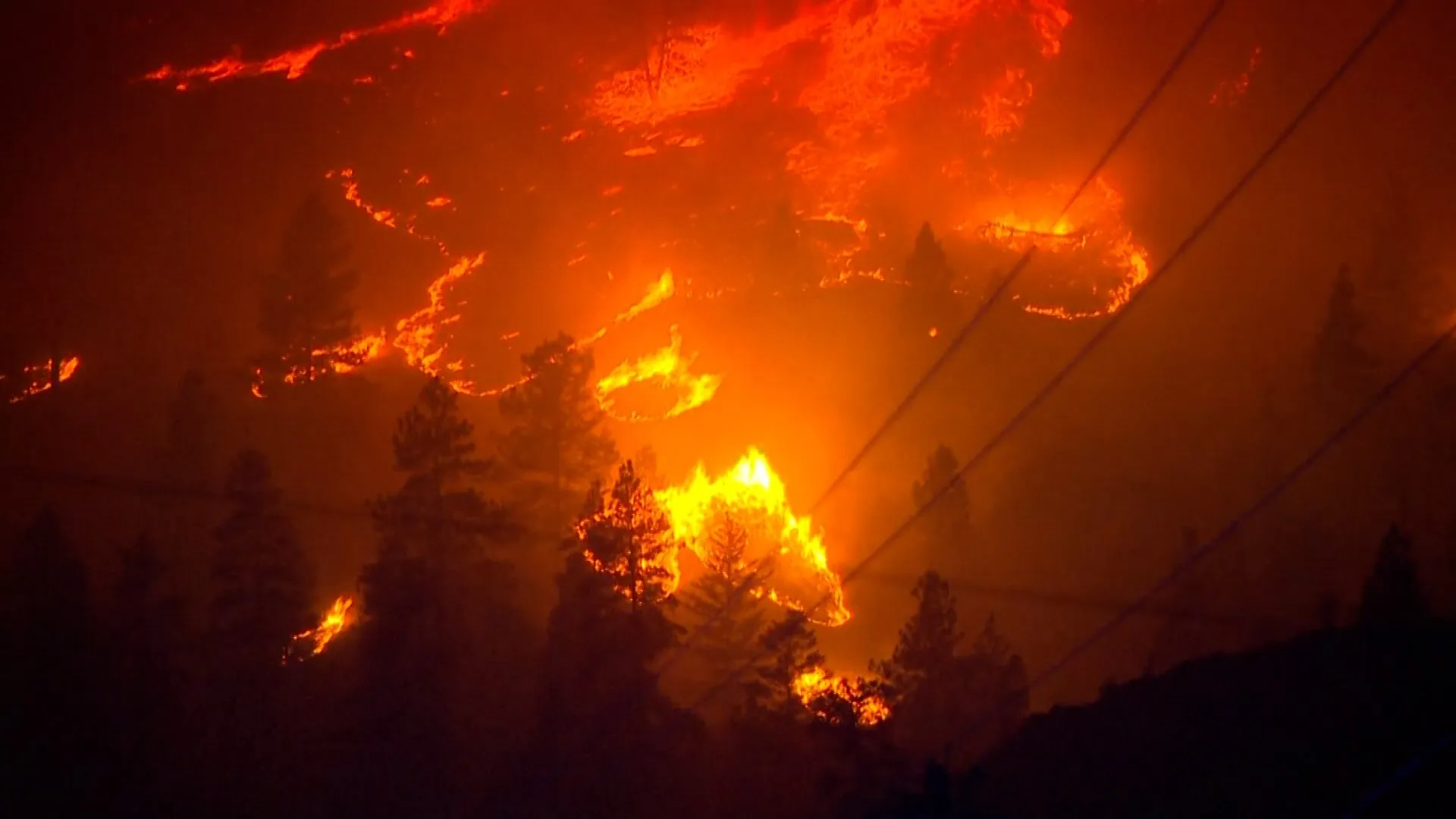
The fires driving this regional crisis are largely attributed to land-clearing activities for palm oil, farming, and paper production. Both large-scale plantation companies and smallholders frequently use fire as a cost-effective, albeit illegal, method to clear carbon-rich peatlands and rainforest. While Indonesian authorities have initiated arrests of dozens of individuals suspected of setting these fires, the sheer scale of the blazes has overwhelmed initial containment efforts, leading to thousands of hectares of land being scorched across Sumatra and Kalimantan.
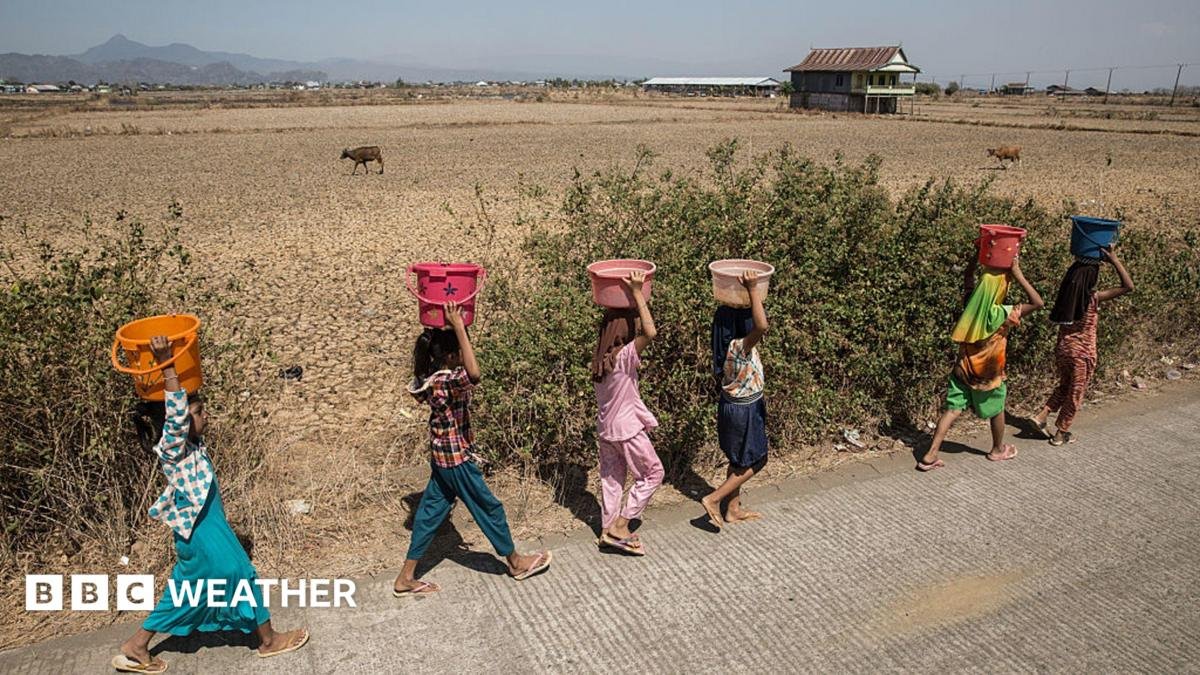
The nature of peatland fires makes them particularly difficult to extinguish, as they can smoulder underground for extended periods, even when surface fires appear to be contained. This phenomenon allows blazes to flare up repeatedly, ensuring that the smoke persists even after initial intervention. Experts note that human efforts to fight these fires are often only temporary solutions, as the region remains critically dry, providing a perfect environment for the fires to continue spreading until the rainy season finally arrives.
Atmospheric scientists have linked the intensity of the current haze to the strengthening of the El Nino weather pattern. This naturally occurring phenomenon has brought hotter, drier conditions to Southeast Asia, significantly exacerbating the susceptibility of the landscape to fire. Researchers warn that this "super" El Nino effect is likely to prolong the fire season well into the autumn months, potentially leading to the most severe transboundary haze event the region has faced in years.
Regional cooperation, including the activation of the highest level of transboundary haze alerts he situation. However, the prevailing consensus among meteorologists and climate specialists is that the crisis will likely continue until significant rainfall returns to the region. Until the monsoon rains can saturate the dried-out peatlands, millions of residents across Malaysia, Singapore, and Indonesia remain caught in a cycle of worsening air quality and heightened health risks.