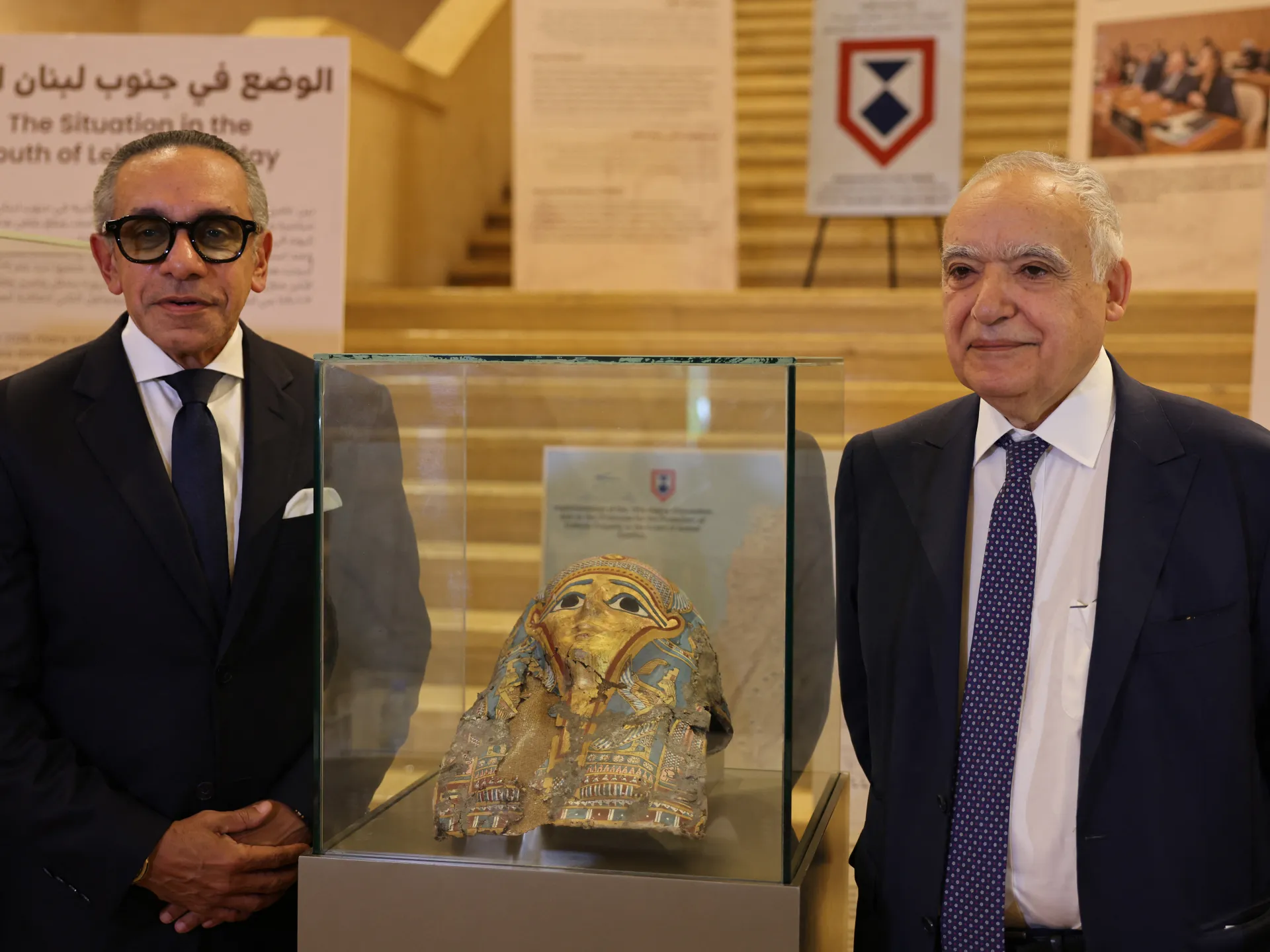
Lebanon has returned 37 ancient Egyptian artifacts to Cairo after a years-long investigation into their illegal smuggling through the Port of Beirut.
In a significant move for international cultural cooperation, Lebanese authorities have officially repatriated 37 historical artifacts to Egypt. The collection, which traces its origins back to the Pharaonic era, was formally handed over during a ceremony held at the National Museum of Beirut. This event marks the culmination of a rigorous verification process that sought to ensure these precious items were returned to their rightful place of origin after being intercepted during an illicit smuggling attempt.
The return of these items underscores a growing global commitment to curbing the illegal trade of antiquities. Lebanese officials emphasized that the process was conducted in strict adherence to international legal frameworks, specifically the 1970 UNESCO Convention on the Means of Prohibiting and Preventing the Illicit Import, Export and Transfer of Ownership of Cultural Property. ng the world’s shared historical heritage from criminal exploitation.
The artifacts were initially seized in 2020 at the Port of Beirut, a major transit point that has occasionally been exploited an, involving coordination between the Lebanese Directorate General of Antiquities, the Egyptian public prosecutor's office, and INTERPOL. The primary goal of this collaboration was to verify the authenticity of the items and confirm their provenance, ensuring they were indeed part of Egypt’s cultural history.
The collection is diverse and offers a glimpse into various facets of ancient Egyptian life and funerary practices. Among the items returned are ornate masks, intricately crafted wooden dolls, and pieces of Coptic textiles that provide insight into later historical periods of Egypt. Furthermore, the cache includes amulets made from glass paste, several medium-sized statues, and two highly detailed wooden coffins adorned with vibrant, colorful designs characteristic of ancient craftsmanship.
The illegal trafficking of cultural property remains a significant challenge for nations with rich archaeological histories. Egypt, in particular, has been a frequent target for smugglers who seek to profit from the country's vast array of buried treasures. The Lebanese Culture Minister highlighted that the successful identification and return of these items serves as a model for how nations can work together to dismantle the networks responsible for the theft of historical assets.
This recent repatriation is part of a broader, ongoing effort d across the globe. Just one month prior to the Beirut ceremony, Egypt successfully secured the return of 48 other artifacts. Additionally, the Egyptian embassy in Bern, Switzerland, recently recovered a rare golden mummy mask, demonstrating that the effort to reclaim stolen history is active across multiple international fronts.
The collaborative effort between Lebanon and Egypt highlights the importance of institutional diligence in protecting archaeological sites and museums. While the black market for antiquities continues to pose a threat, the success of this operation proves that with modern investigative tools and international legal cooperation, stolen items can be recovered. The artifacts are now expected to undergo further study and conservation
As these 37 pieces return to their homeland, they bring with them the promise of further historical discovery. Each artifact, whether a small amulet or a large wooden coffin, acts as a bridge to the past, offering researchers and the public alike a chance to better understand the ancient civilizations of the Nile. The successful conclusion of this case reinforces the necessity of maintaining strict border controls and international vigilance to ensure that cultural history remains accessible and protected for future generations.