As Ed Sheeran’s tour faces a wave of cancellations over political protests, a separate humanitarian crisis unfolds in Nigeria following the deaths of dozens of detainees.
As the entertainment industry grapples with the fallout of political expression on the concert stage, international authorities are simultaneously confronting a grim humanitarian crisis within detention facilities. These disparate events, occurring thousands of miles apart, have reignited debates surrounding the limits of institutional influence and the fundamental rights of those held
In Philadelphia, the music industry faces a fractured landscape following the removal of a high-profile artist from a major tour, while in north-central Nigeria, the deaths of dozens of detainees have prompted urgent investigations and civil unrest. Both situations highlight the escalating friction between established institutional power and the public's increasingly vocal demand for accountability.
These developments underscore a critical shift in how both cultural institutions and state bodies manage public scrutiny. In the United States, the politicization of entertainment venues suggests that artists and performers are becoming central figures in geopolitical discourse, making concert tours flashpoints for activism. Conversely, the tragedy in Nigeria serves as a stark reminder of the fragile state of human rights in detention systems, where accountability often lags behind immediate crises. Collectively, these stories reflect a global trend where private citizens and advocacy groups are leveraging social media and public protests to challenge narratives that were once tightly controlled
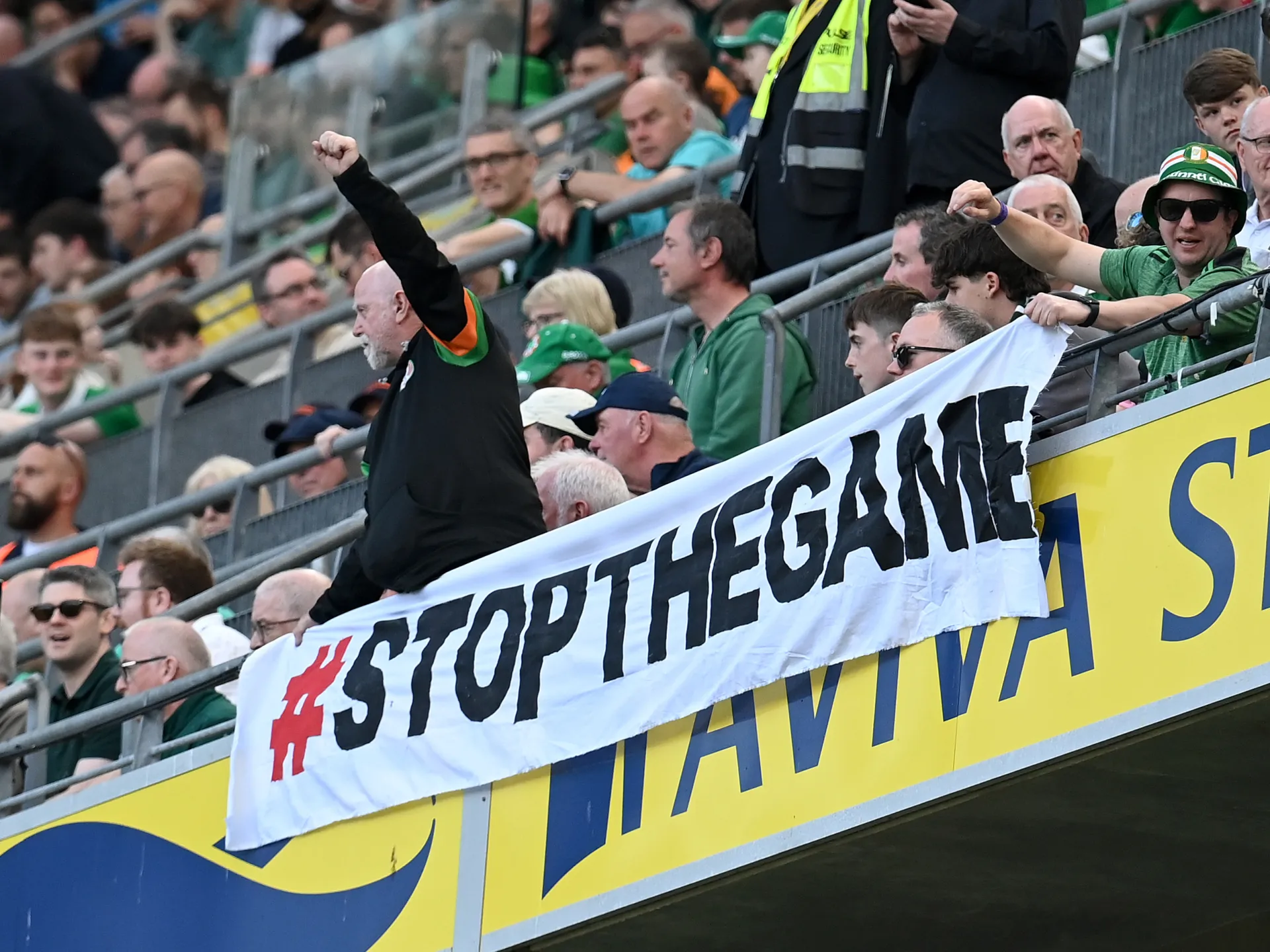
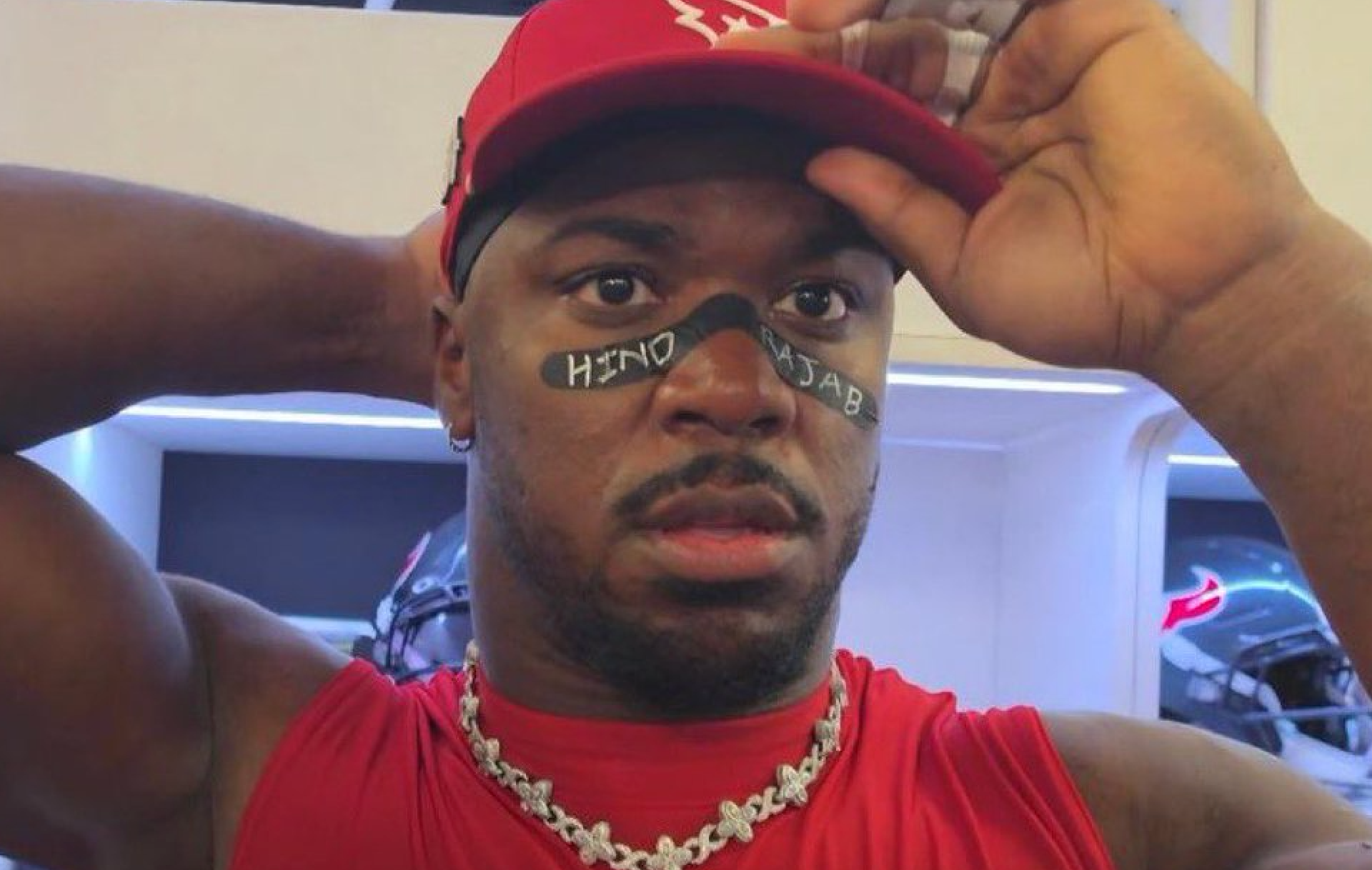
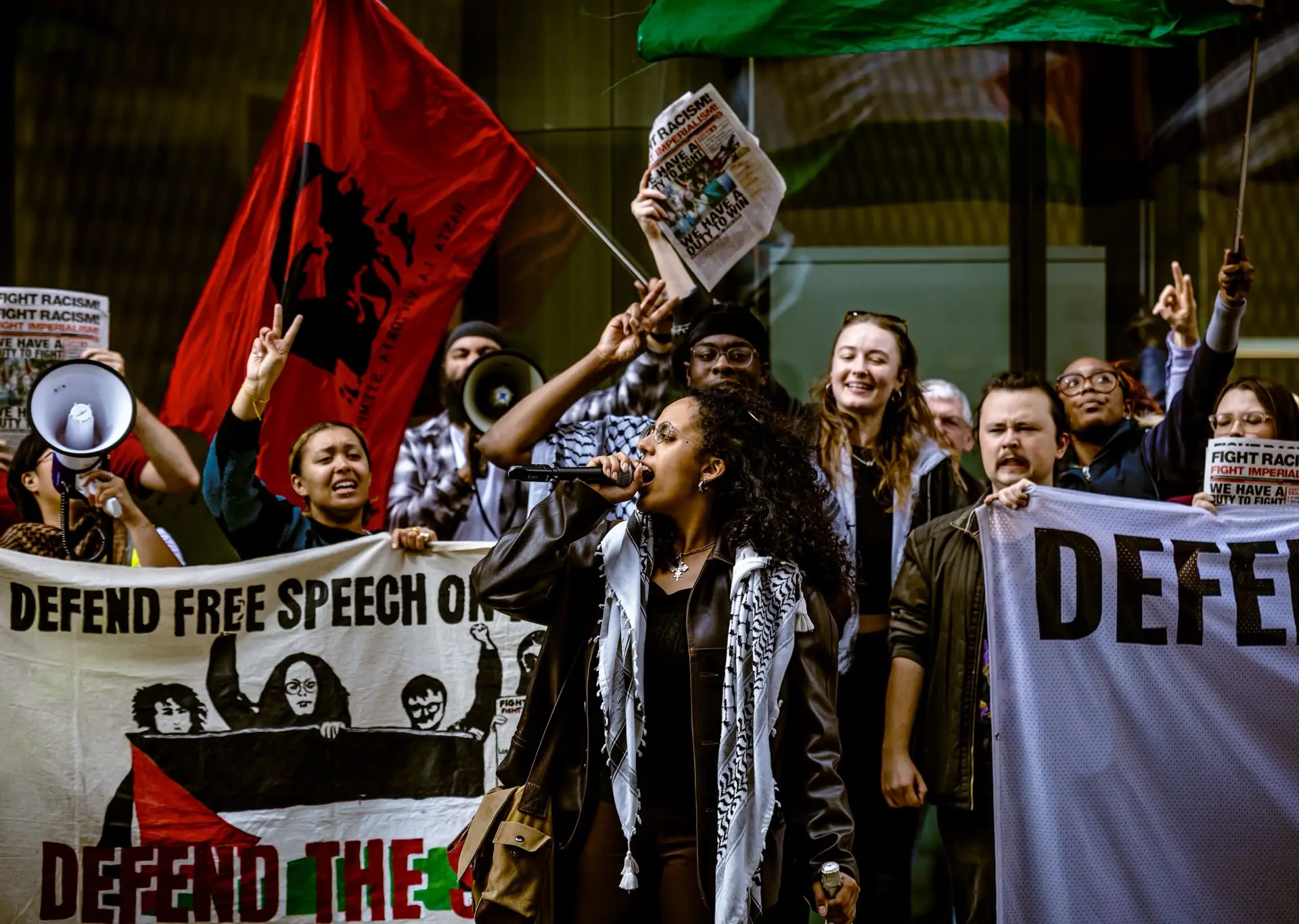
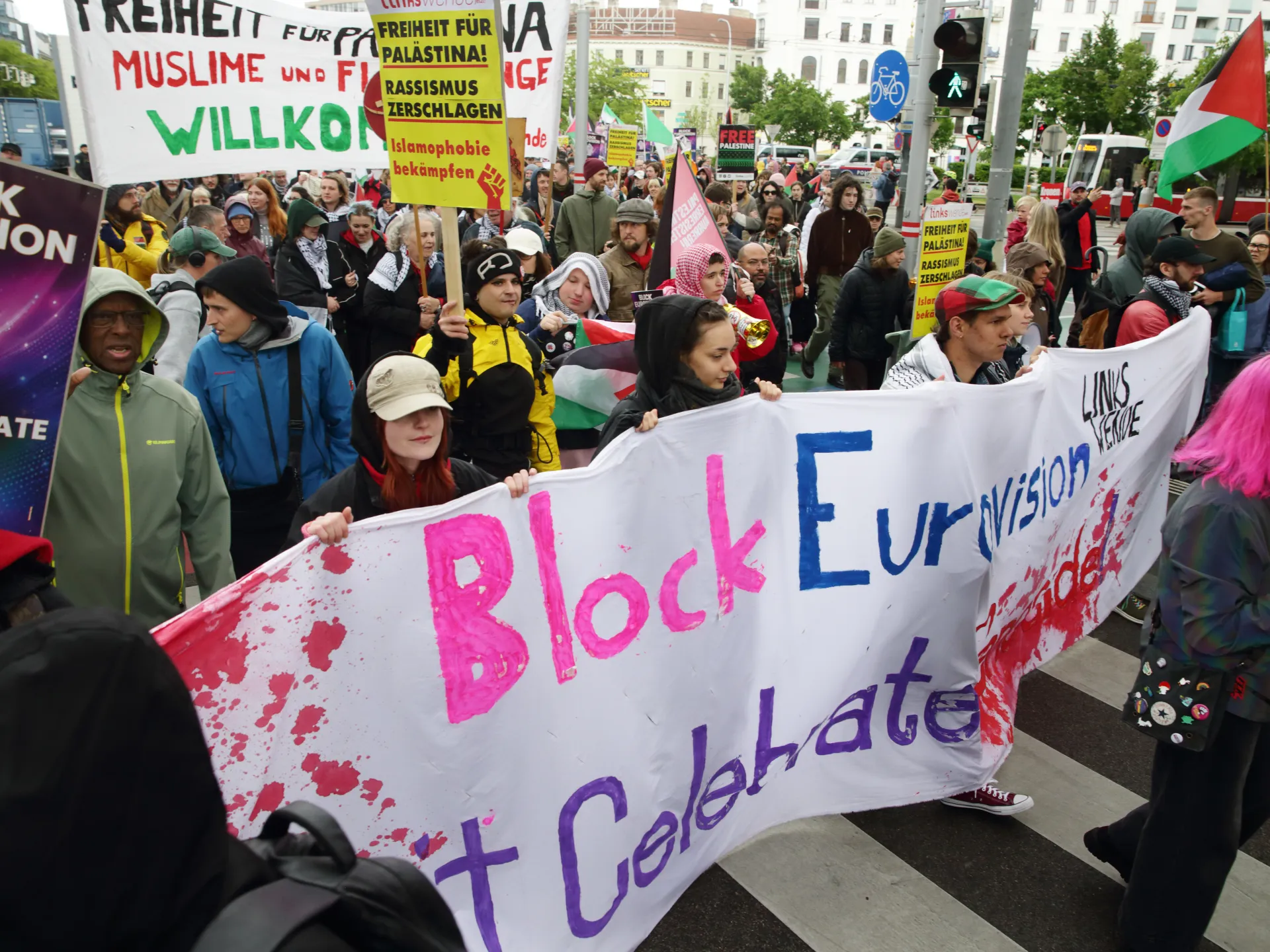
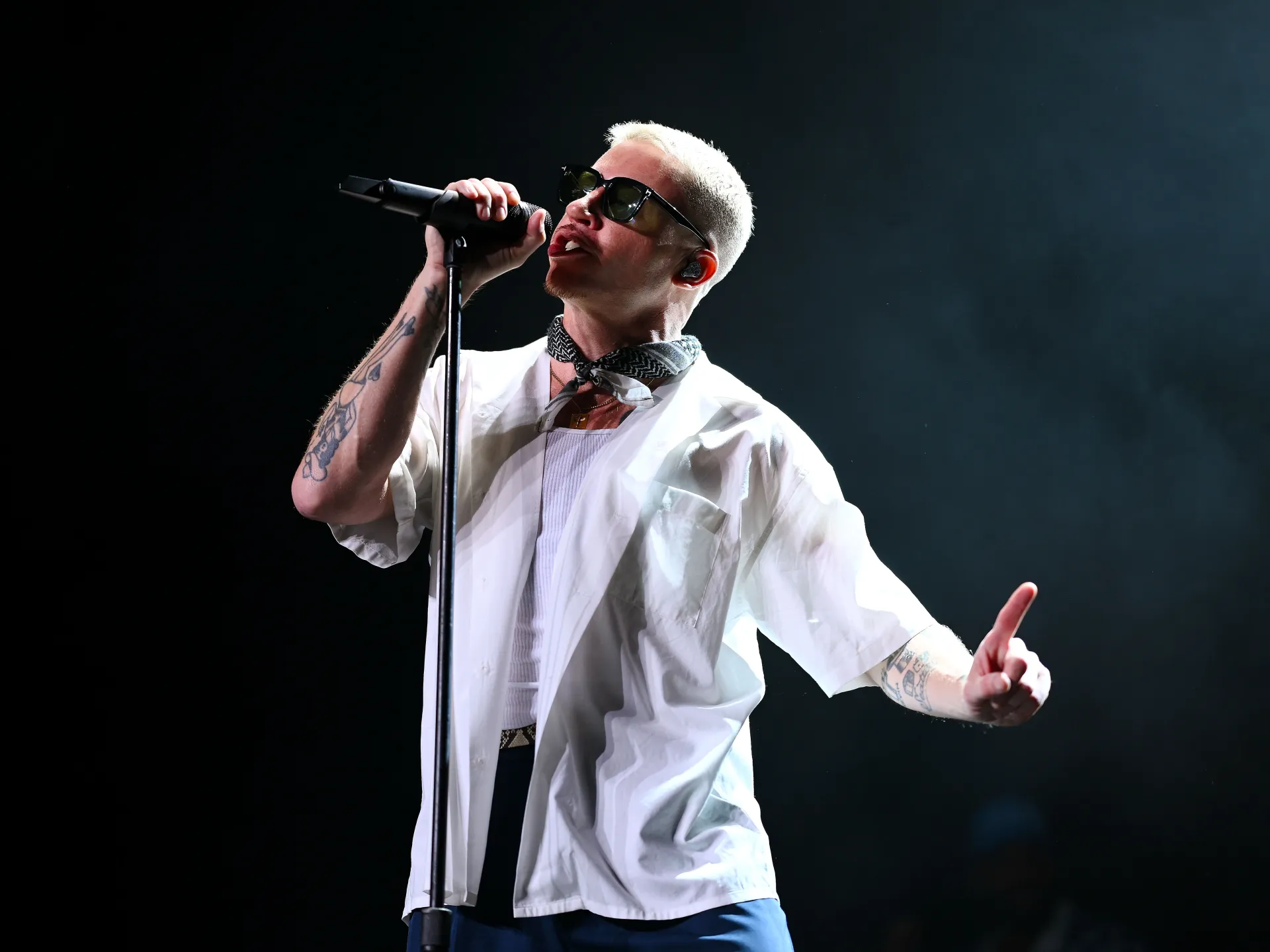
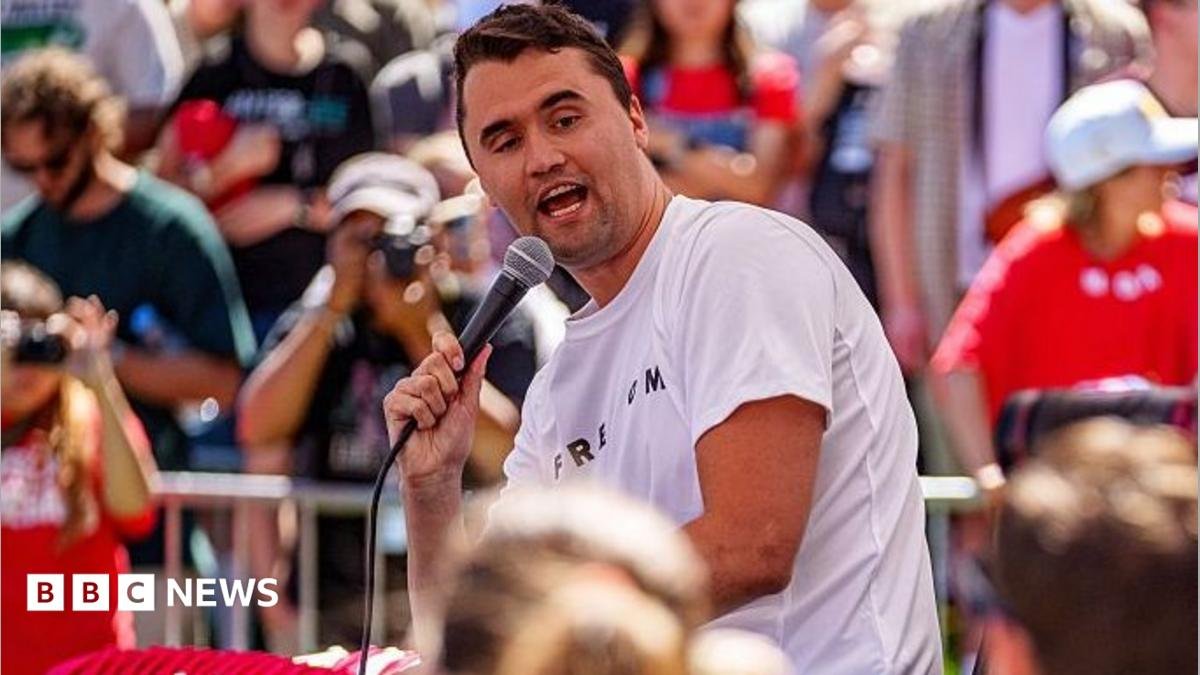
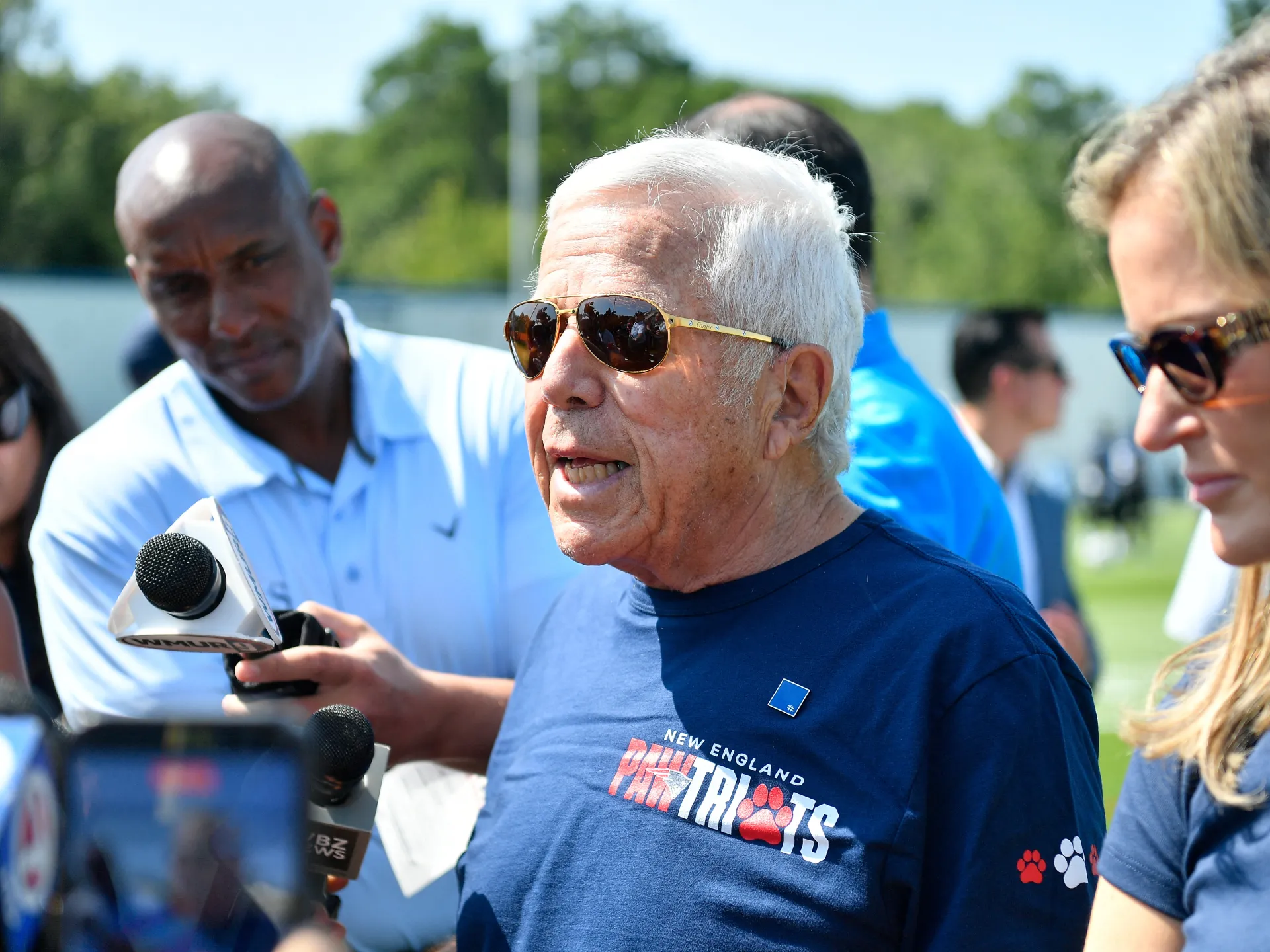
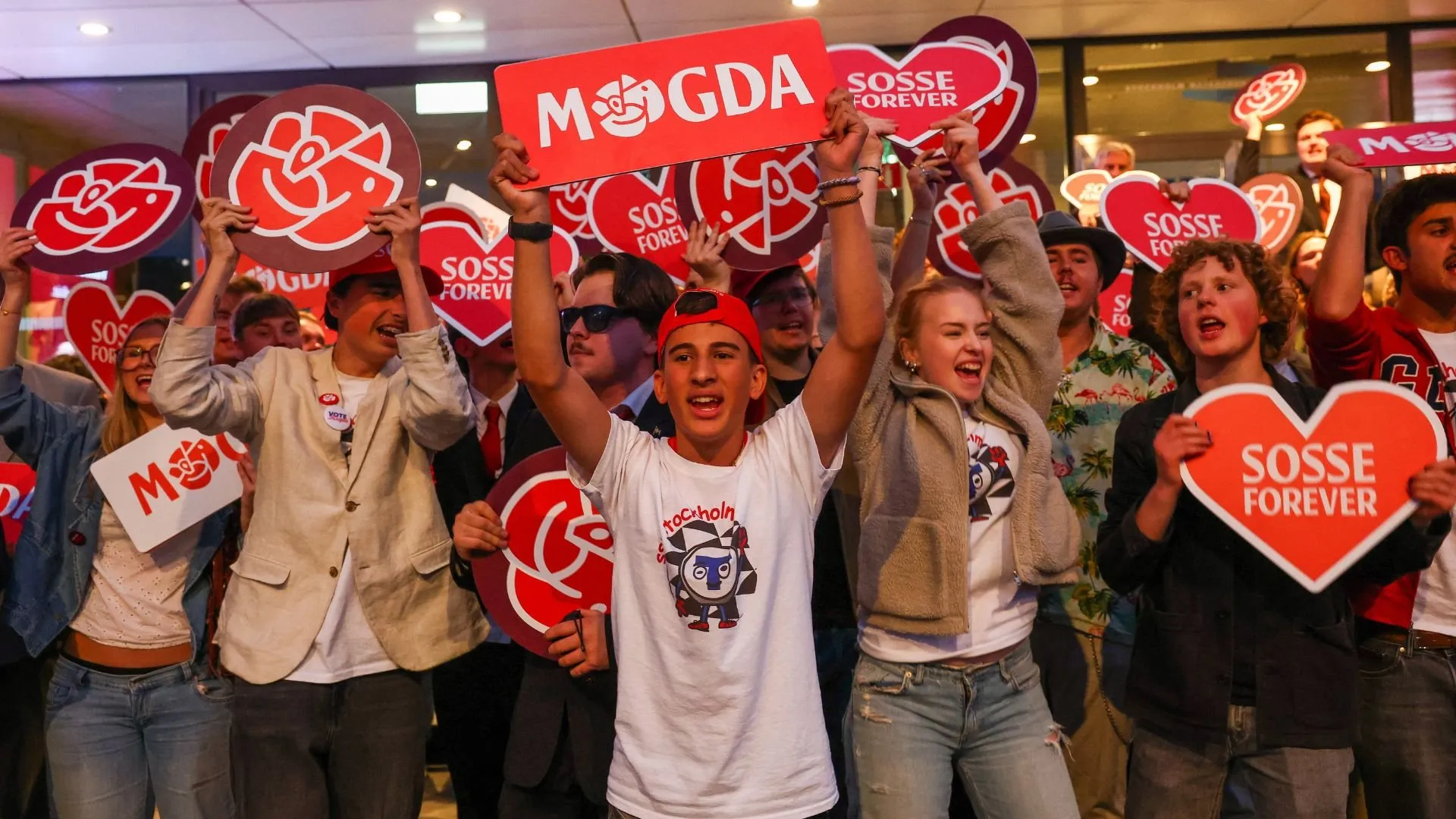
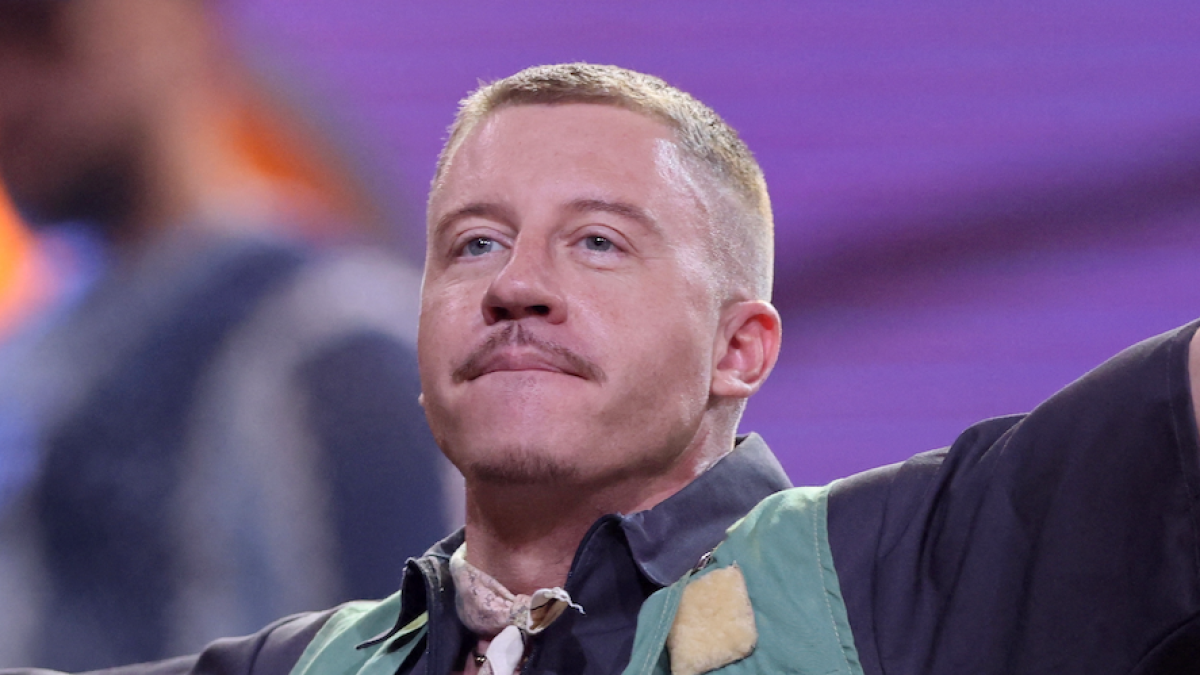
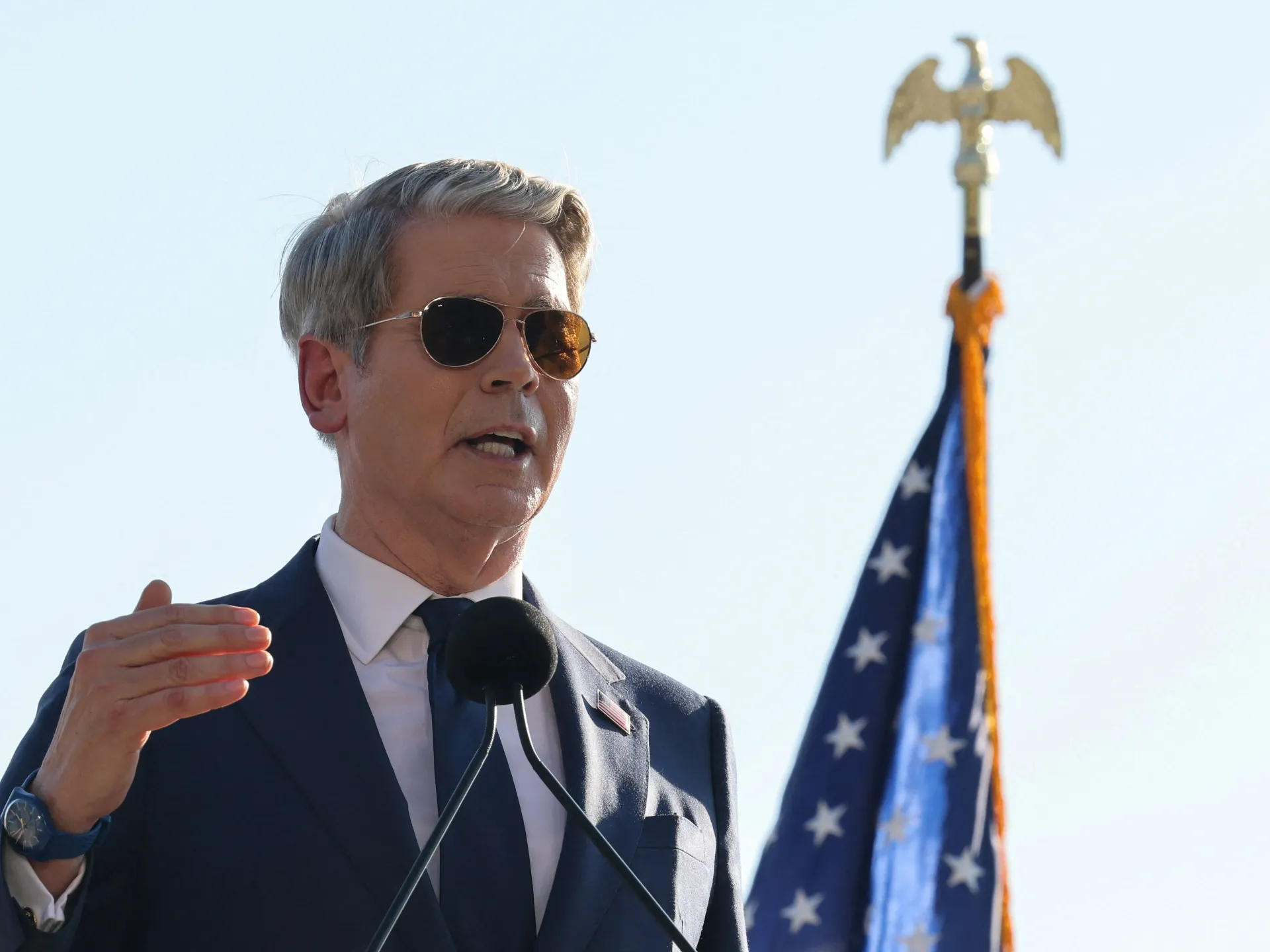
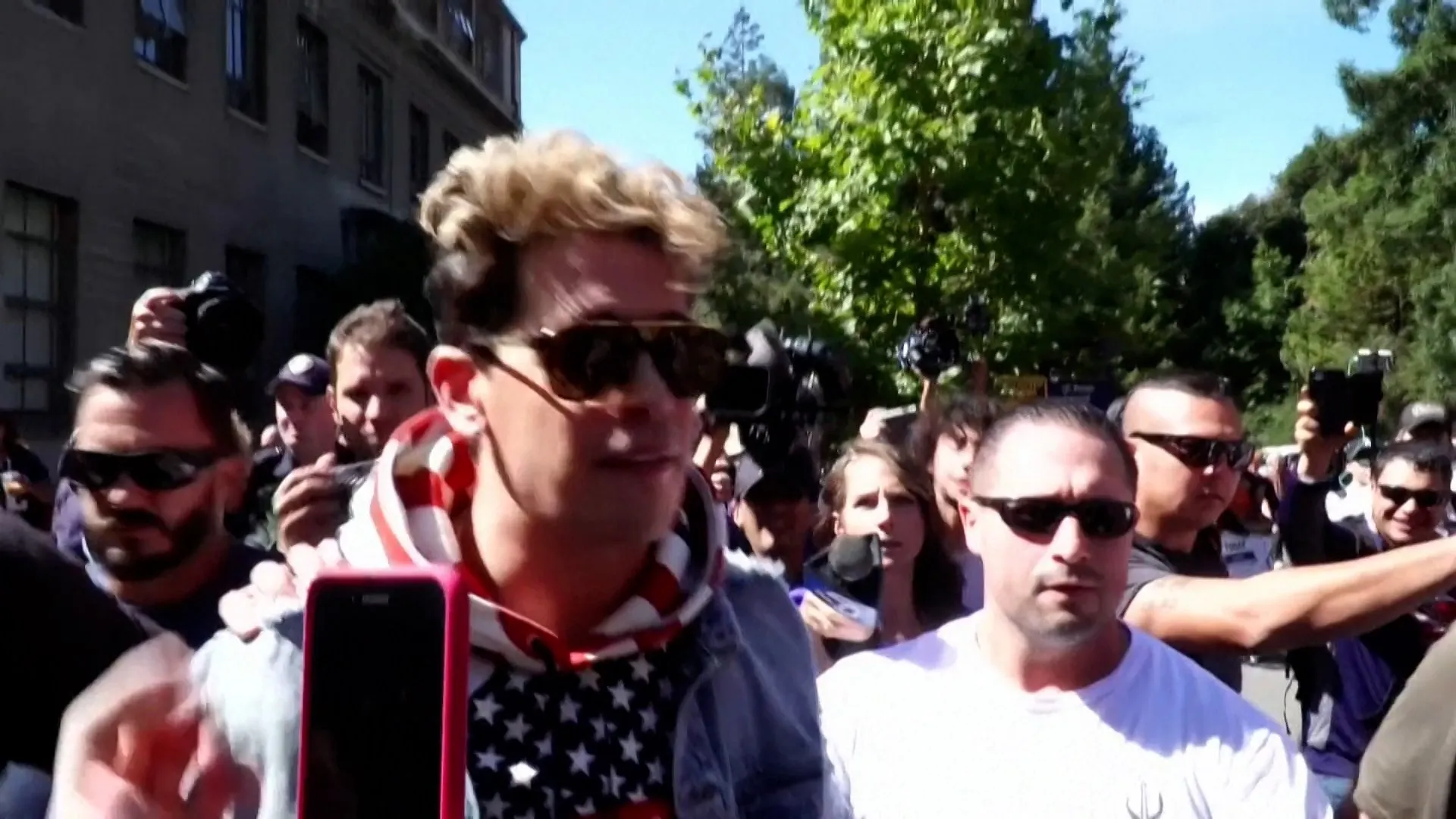
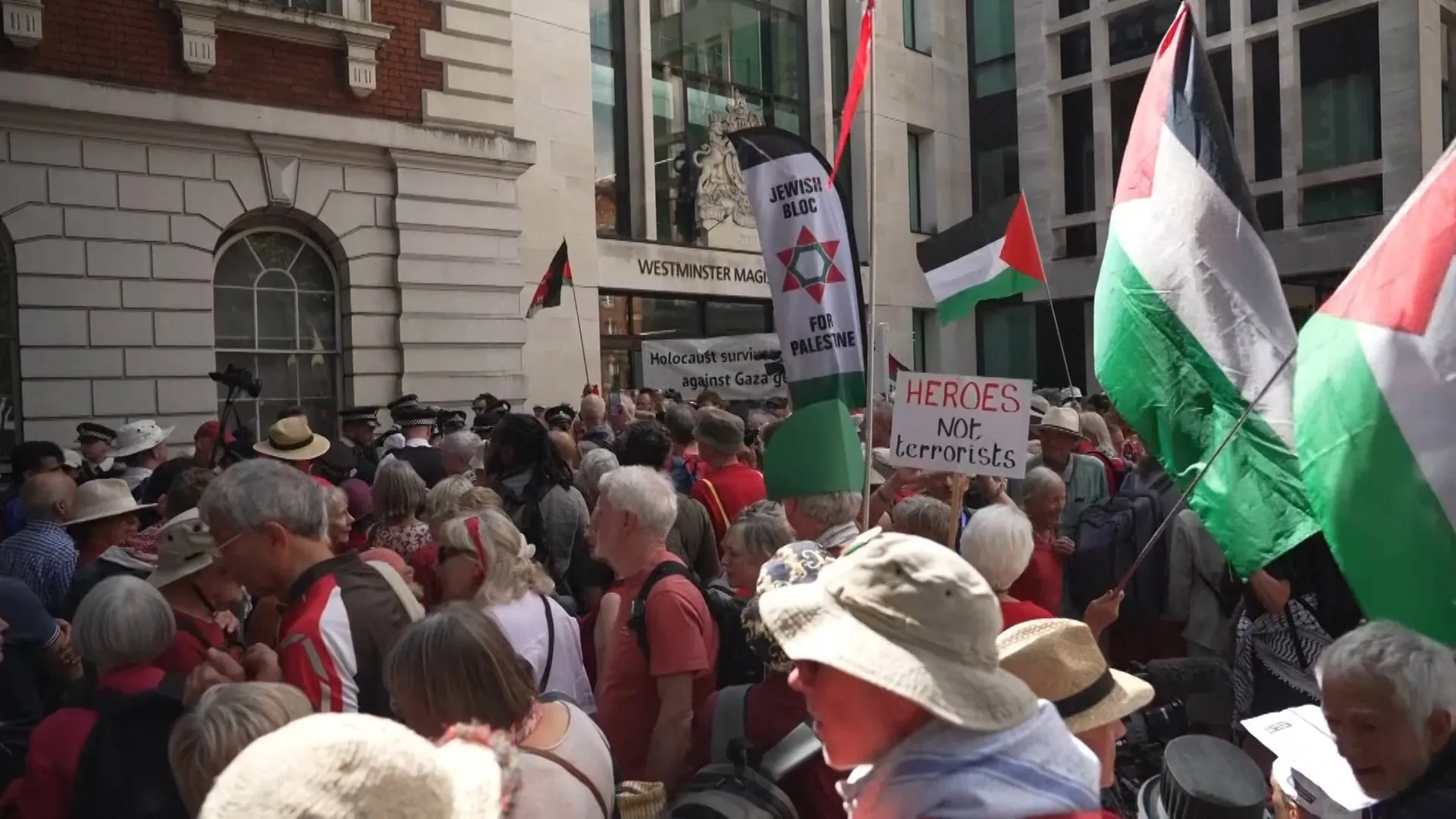
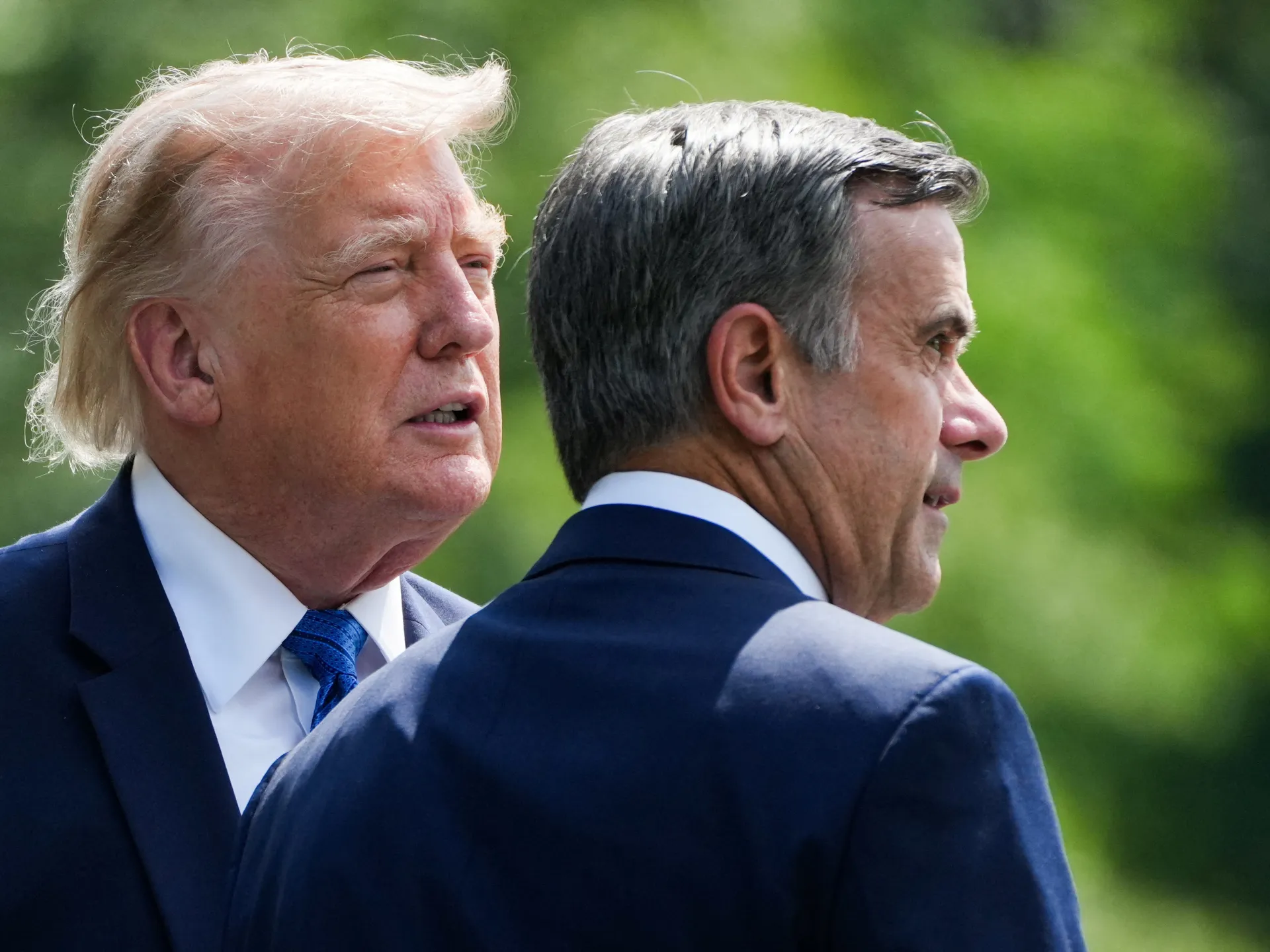
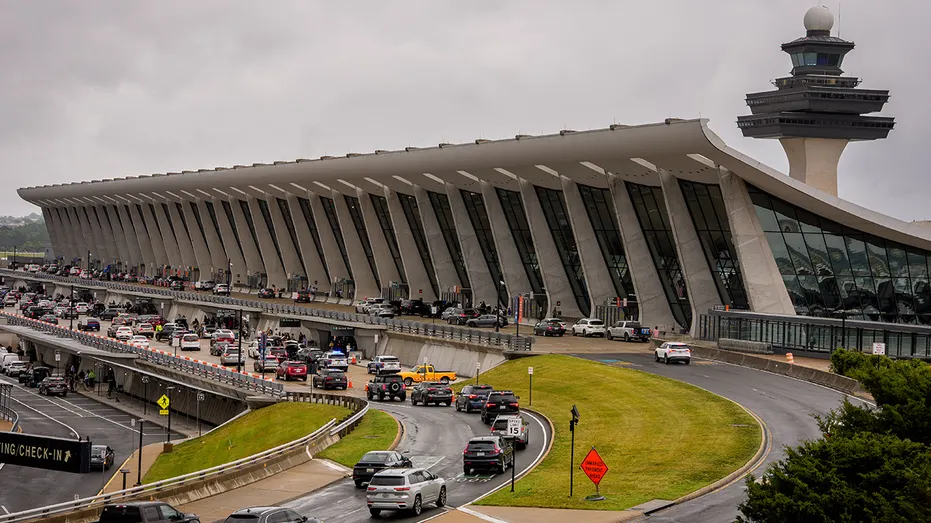
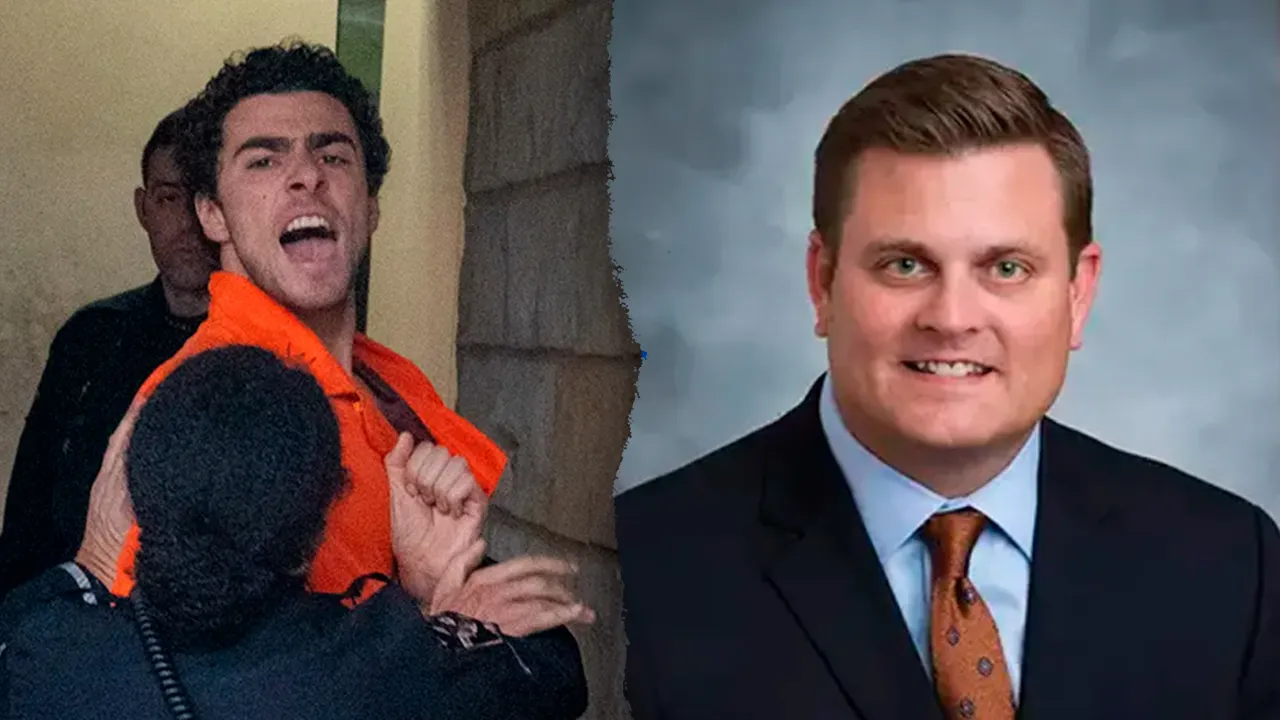
Ed Sheeran’s upcoming performance at Lincoln Financial Field in Philadelphia is set to proceed despite a wave of tour cancellations from supporting acts. The controversy began on September 5, when rapper Macklemore voiced support for Palestine during a concert in New Jersey. Reports indicate that Robert Kraft, a prominent figure whose company owns a stadium on the tour circuit, pressured organizers to remove the rapper. This intervention, which the New York Times notes was followed y the Palestinian Campaign for the Academic and Cultural Boycott of Israel (PACBI).
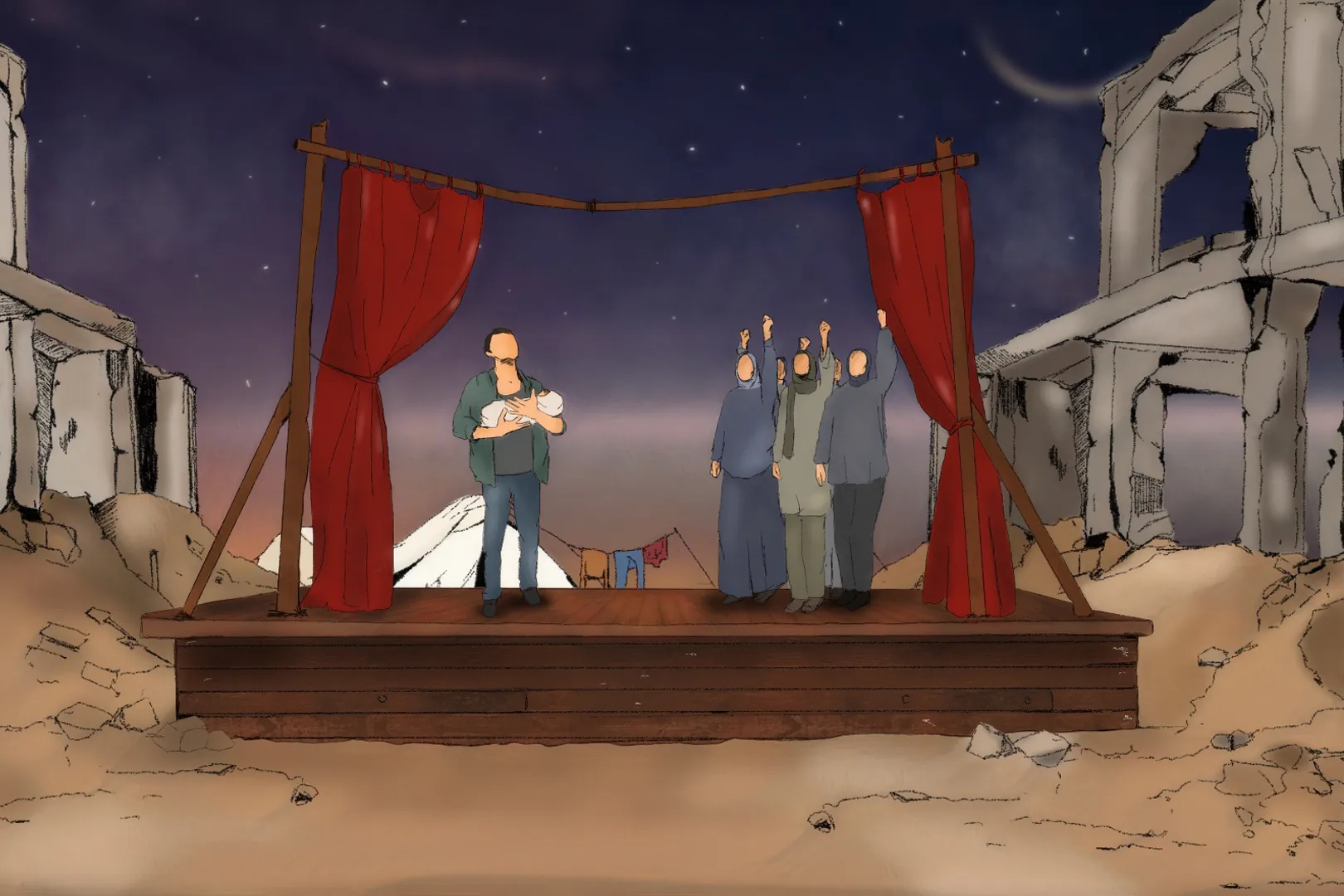
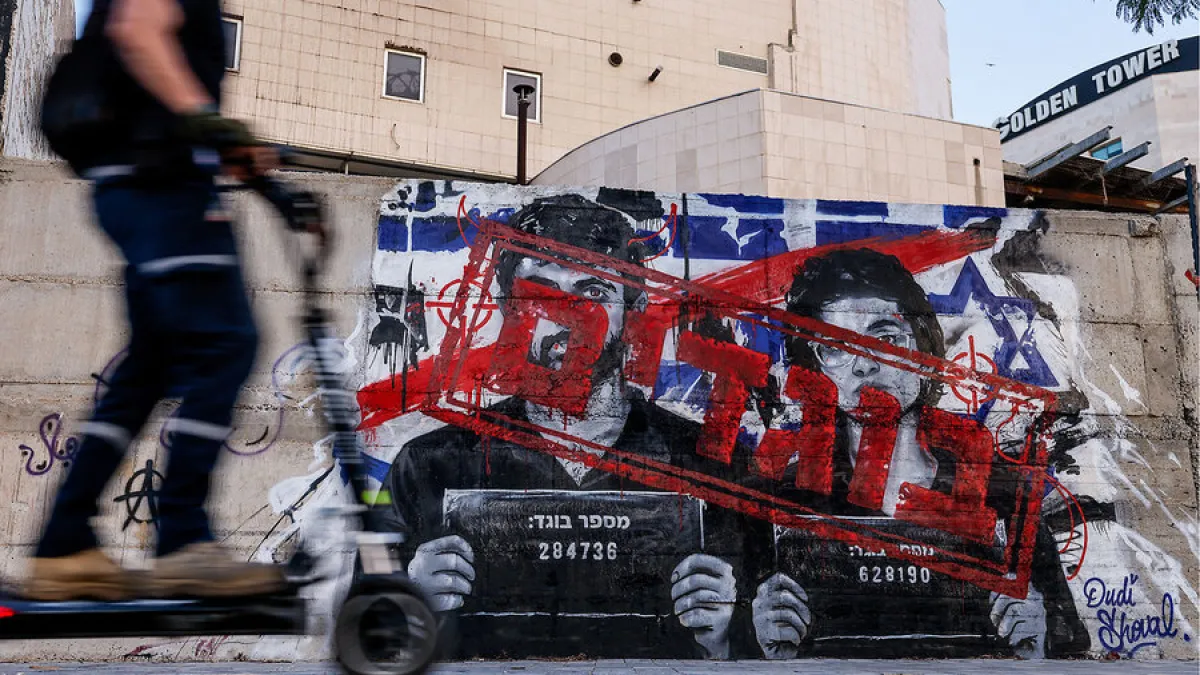
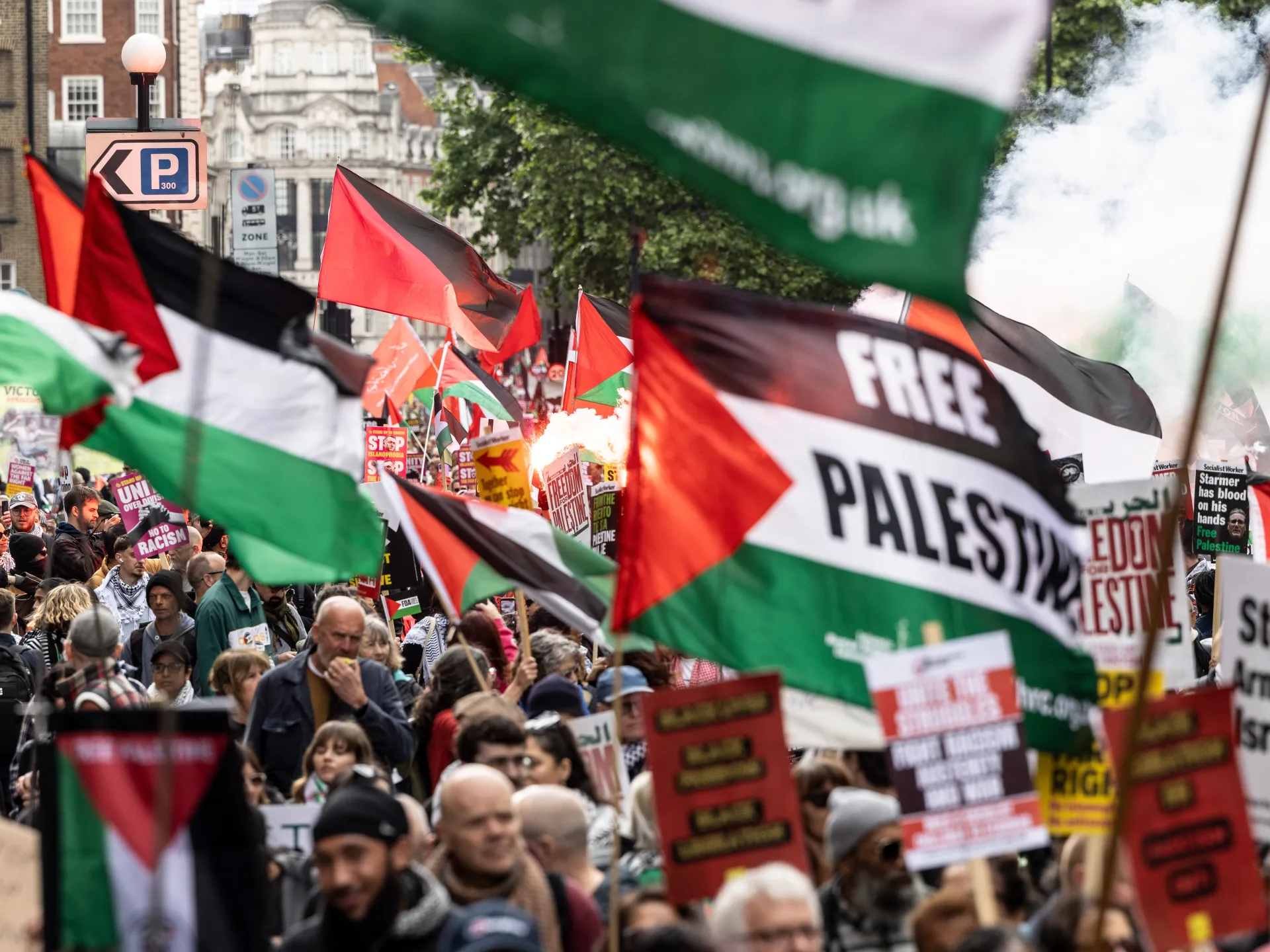
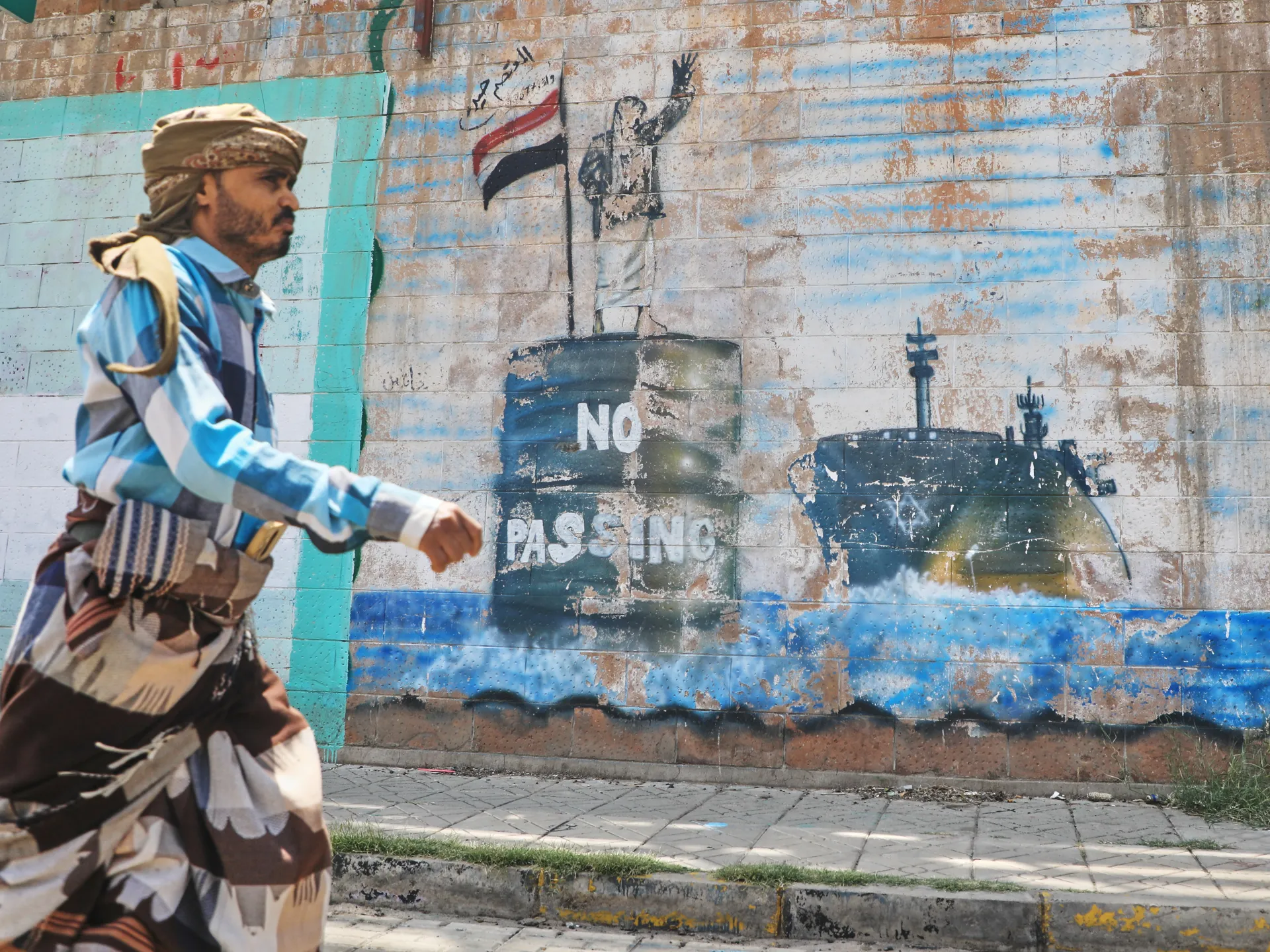
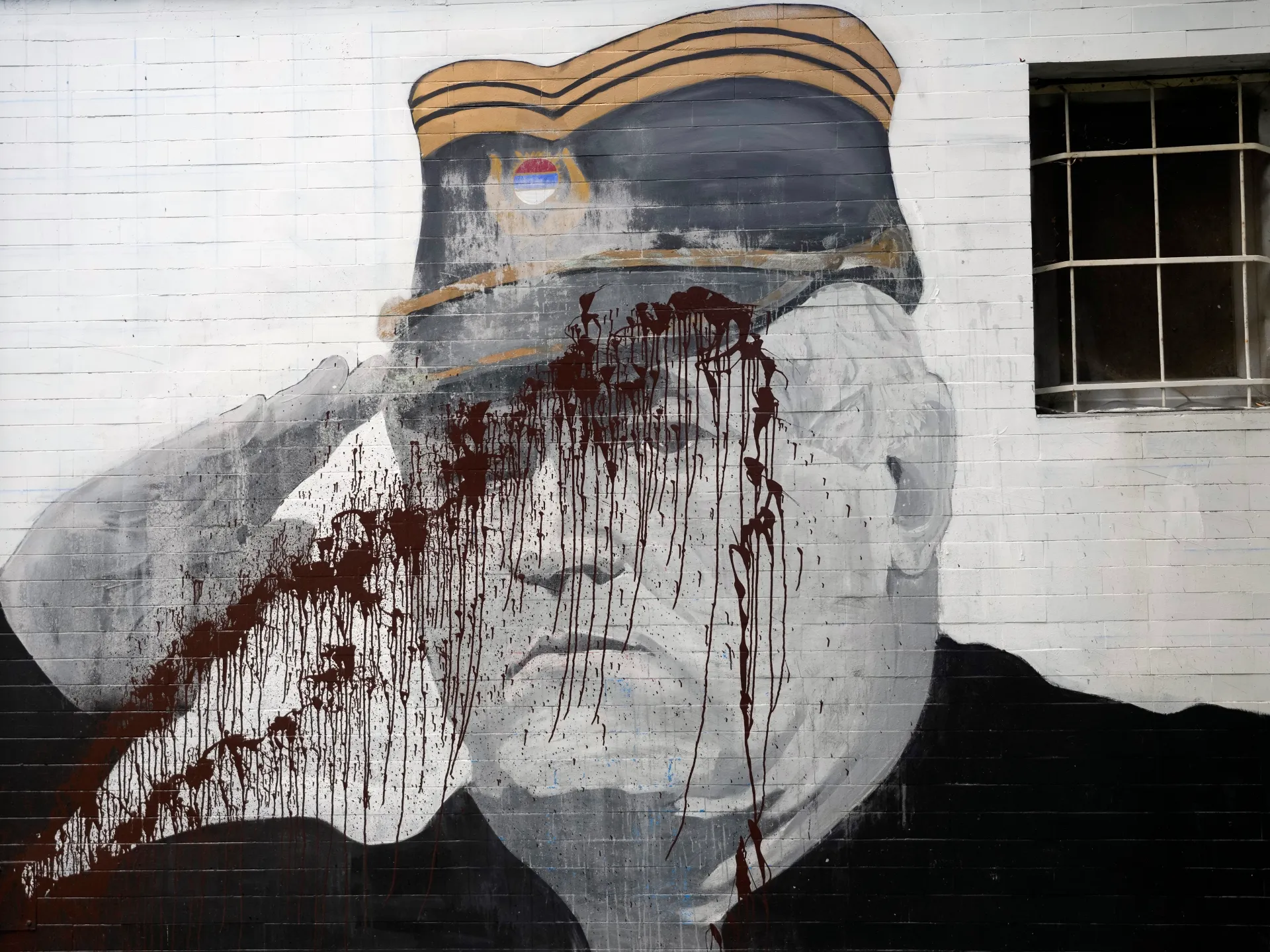
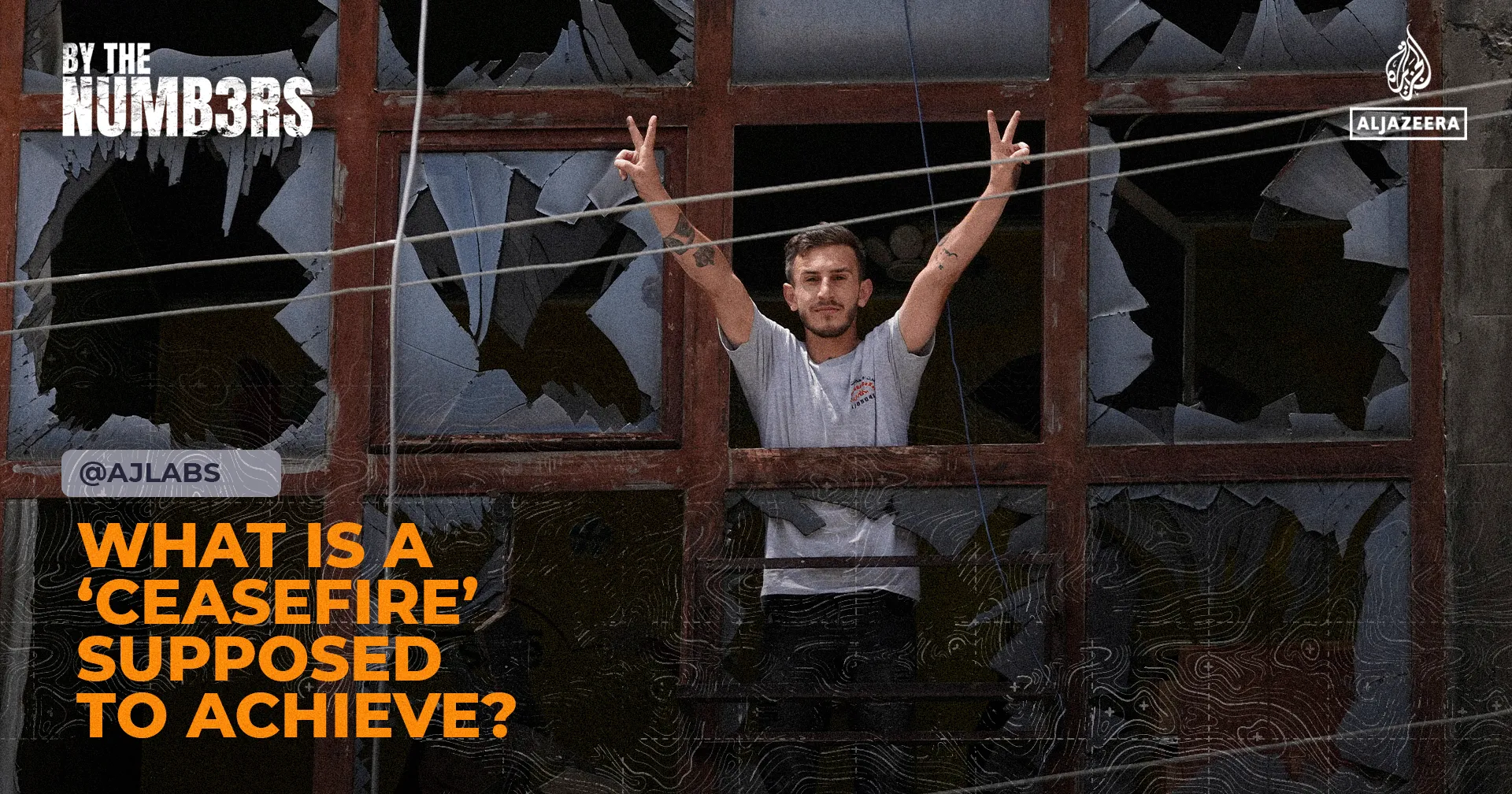
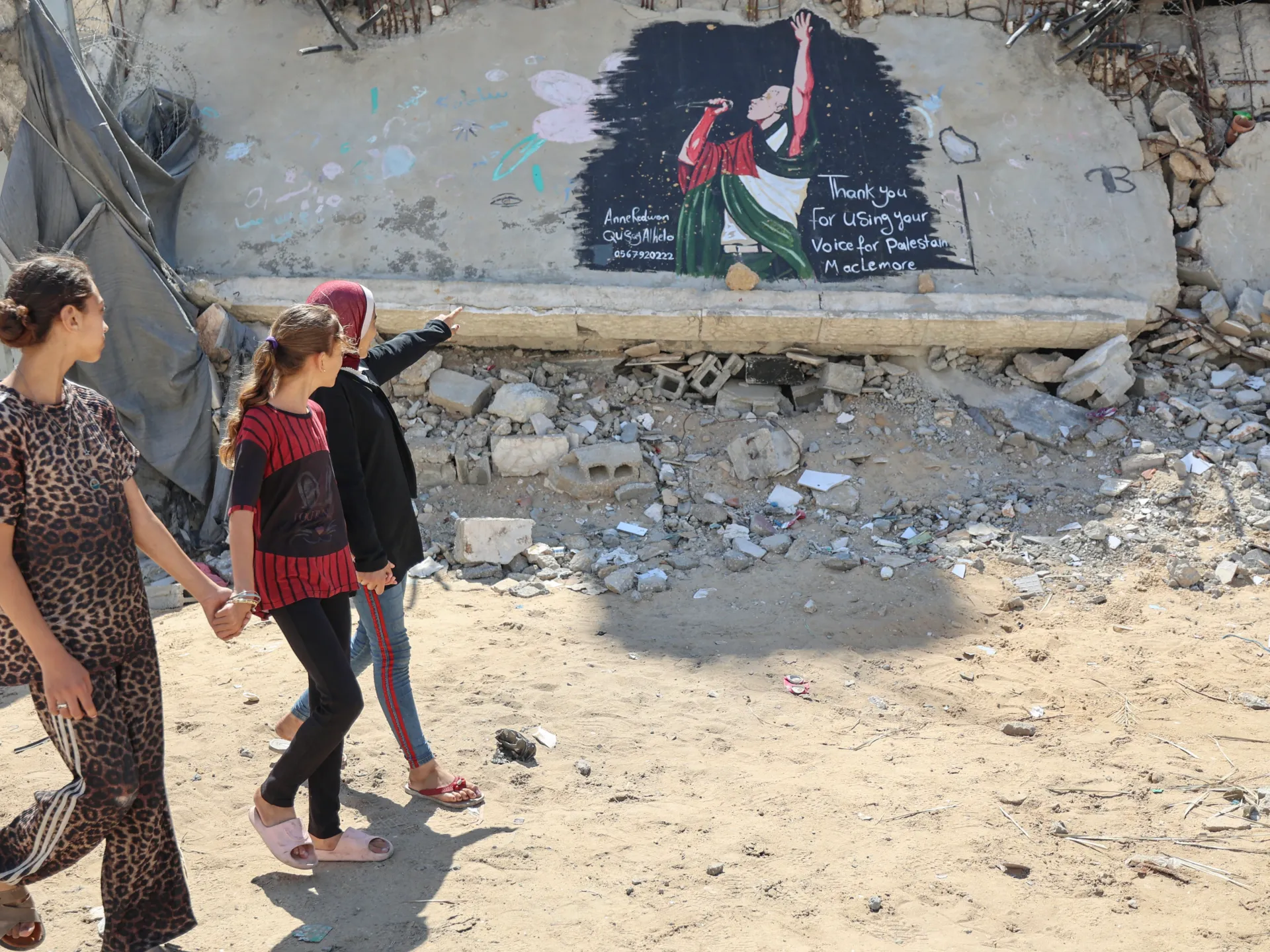
The fallout has been swift, with artists including Finneas, the Danish band Lukas Graham, and Irish singer Aaron Rowe withdrawing from the tour. The tension has spilled over into the physical world, with Palestinian artists in Gaza painting a mural of Macklemore to express solidarity. While Sheeran continues his tour, the incident has highlighted a significant shift in American public sentiment regarding the Israeli-Palestinian conflict, moving away from historically bipartisan support toward a more polarized and active discourse.
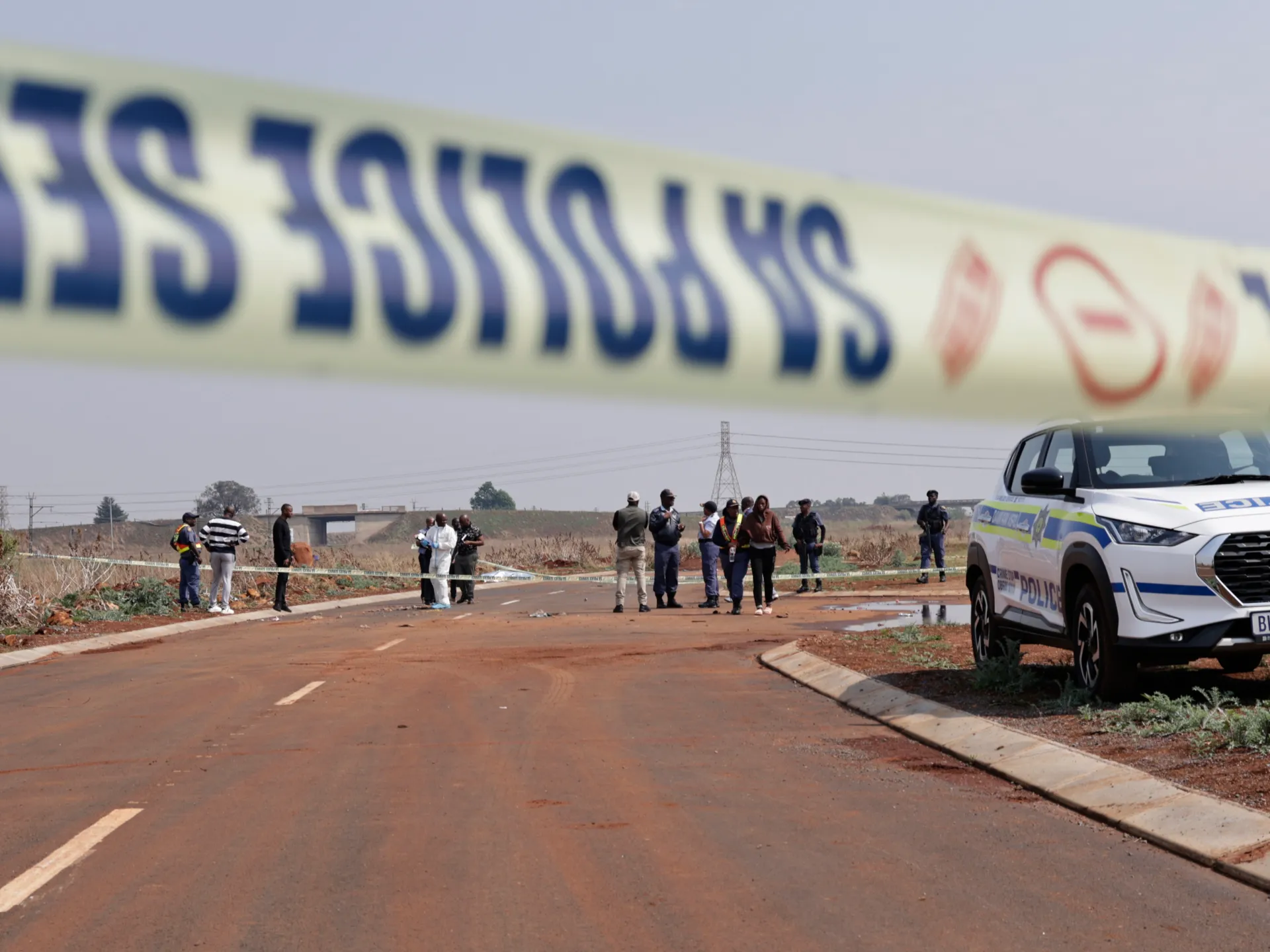
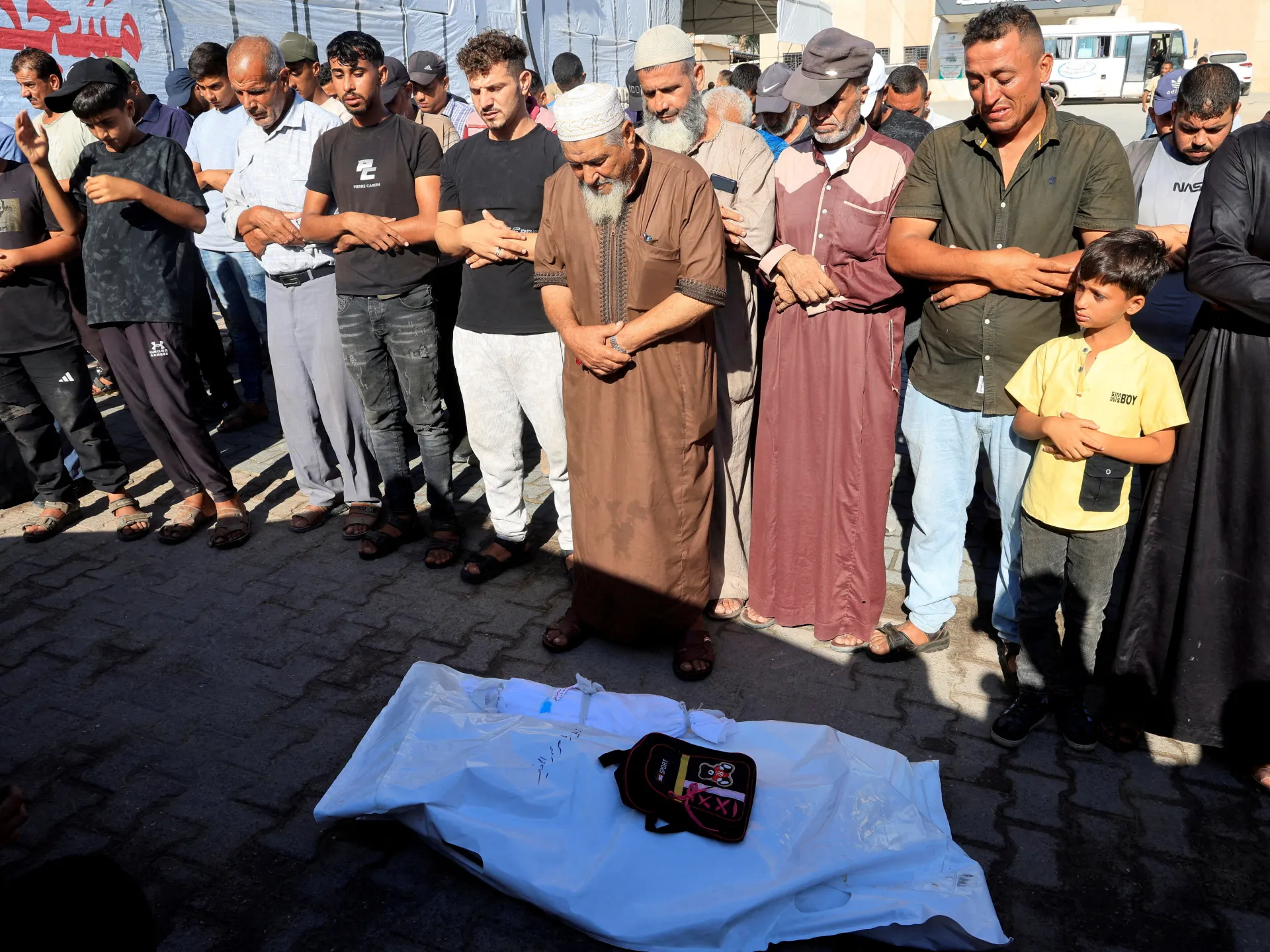
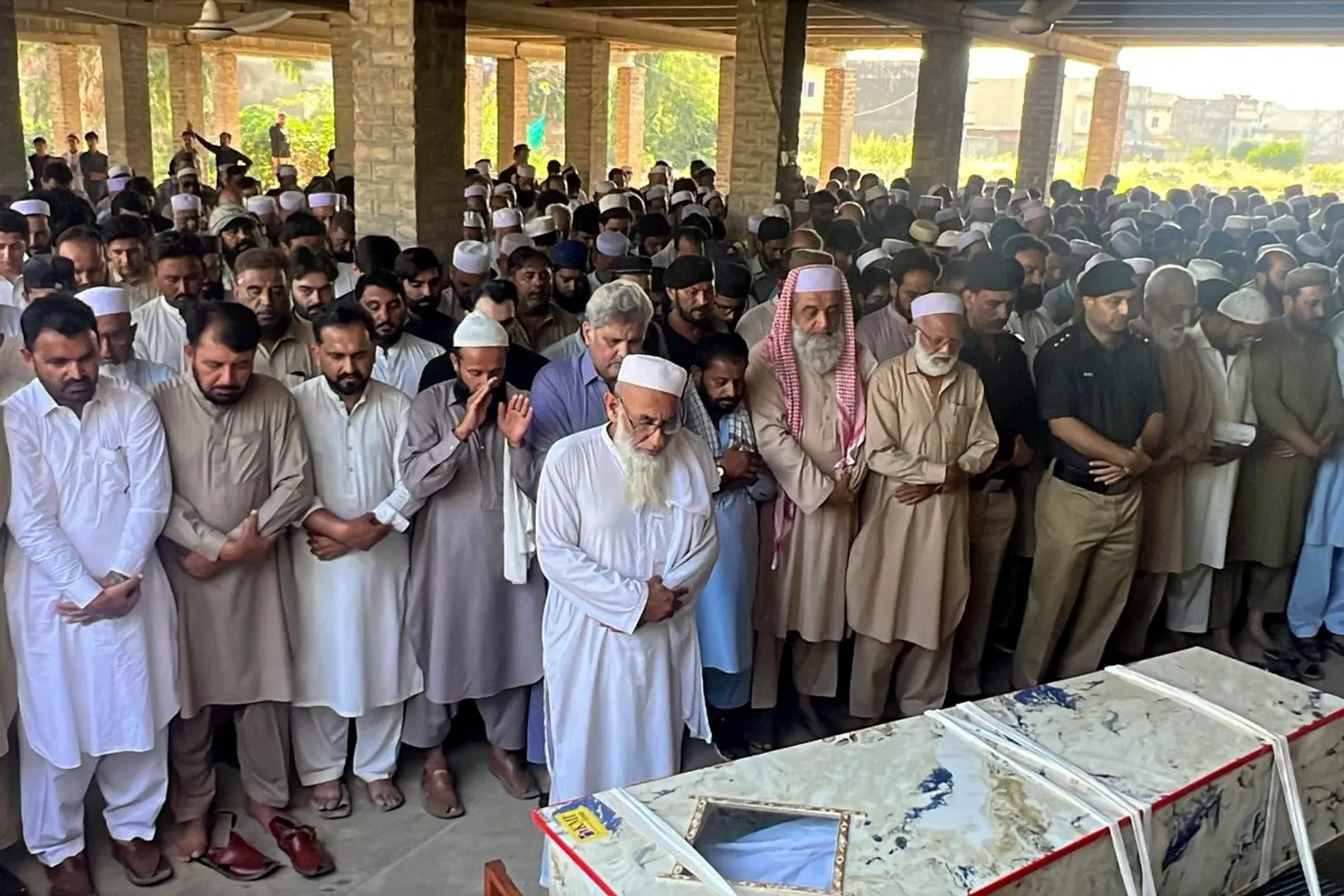
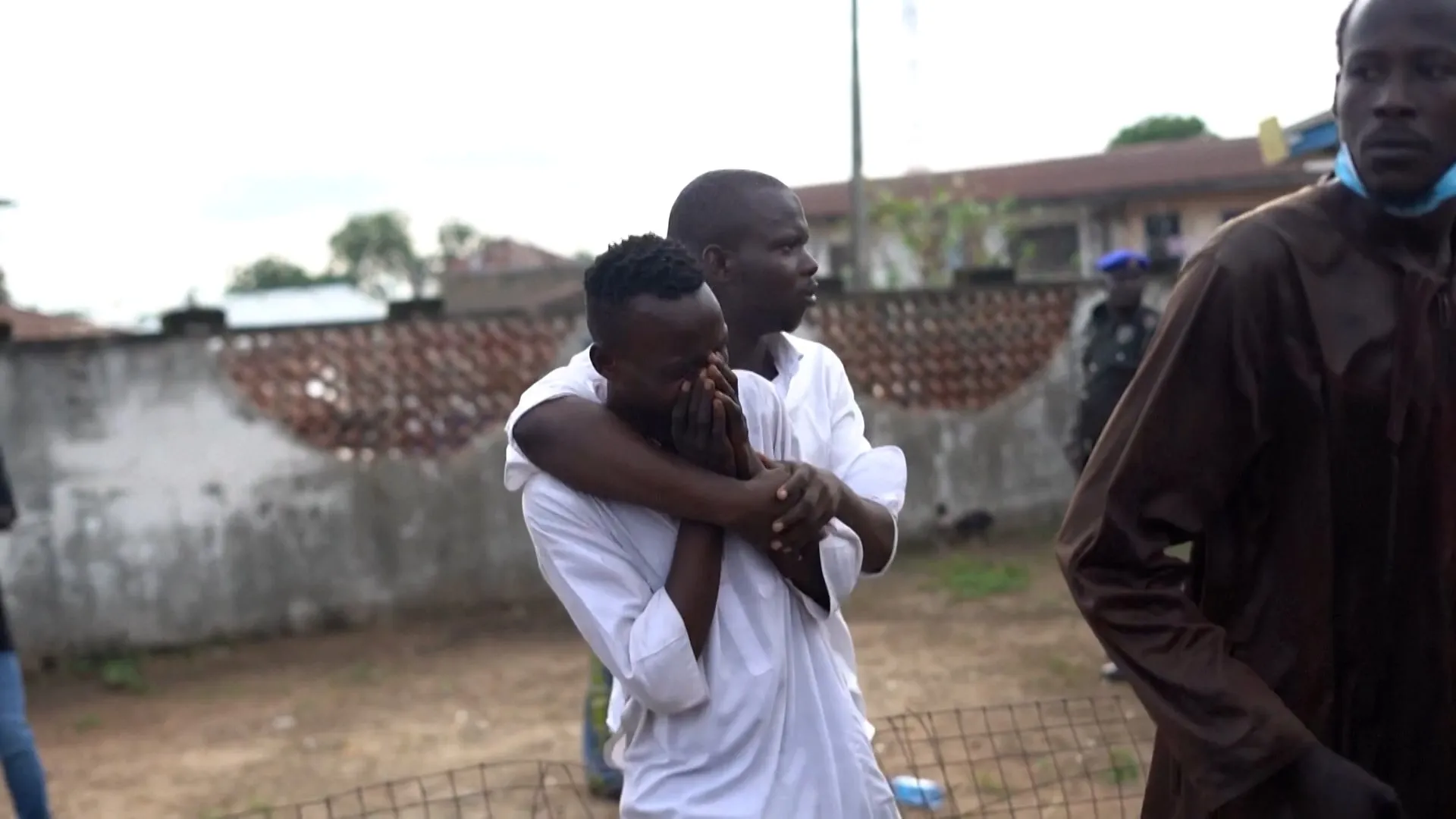
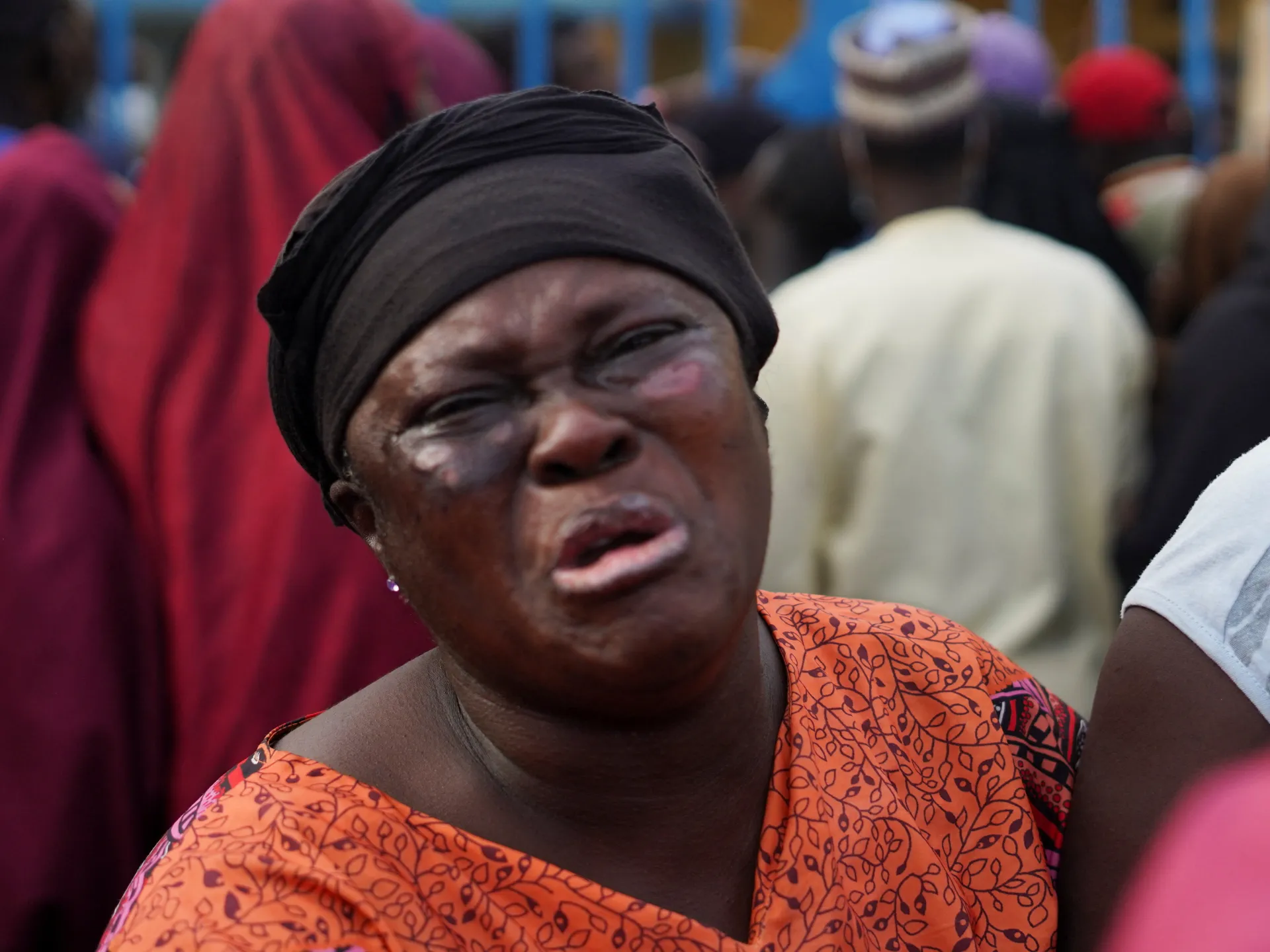
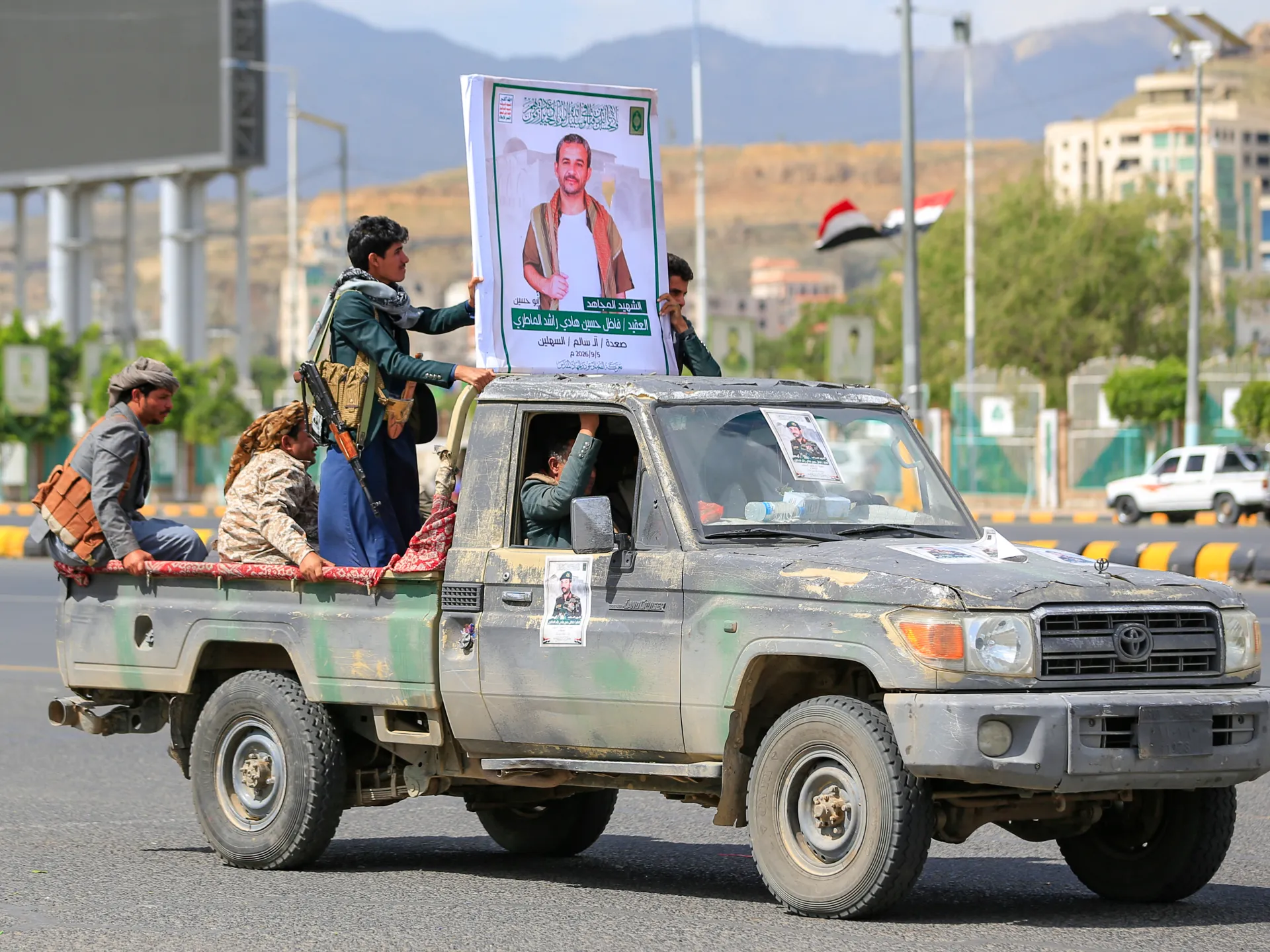
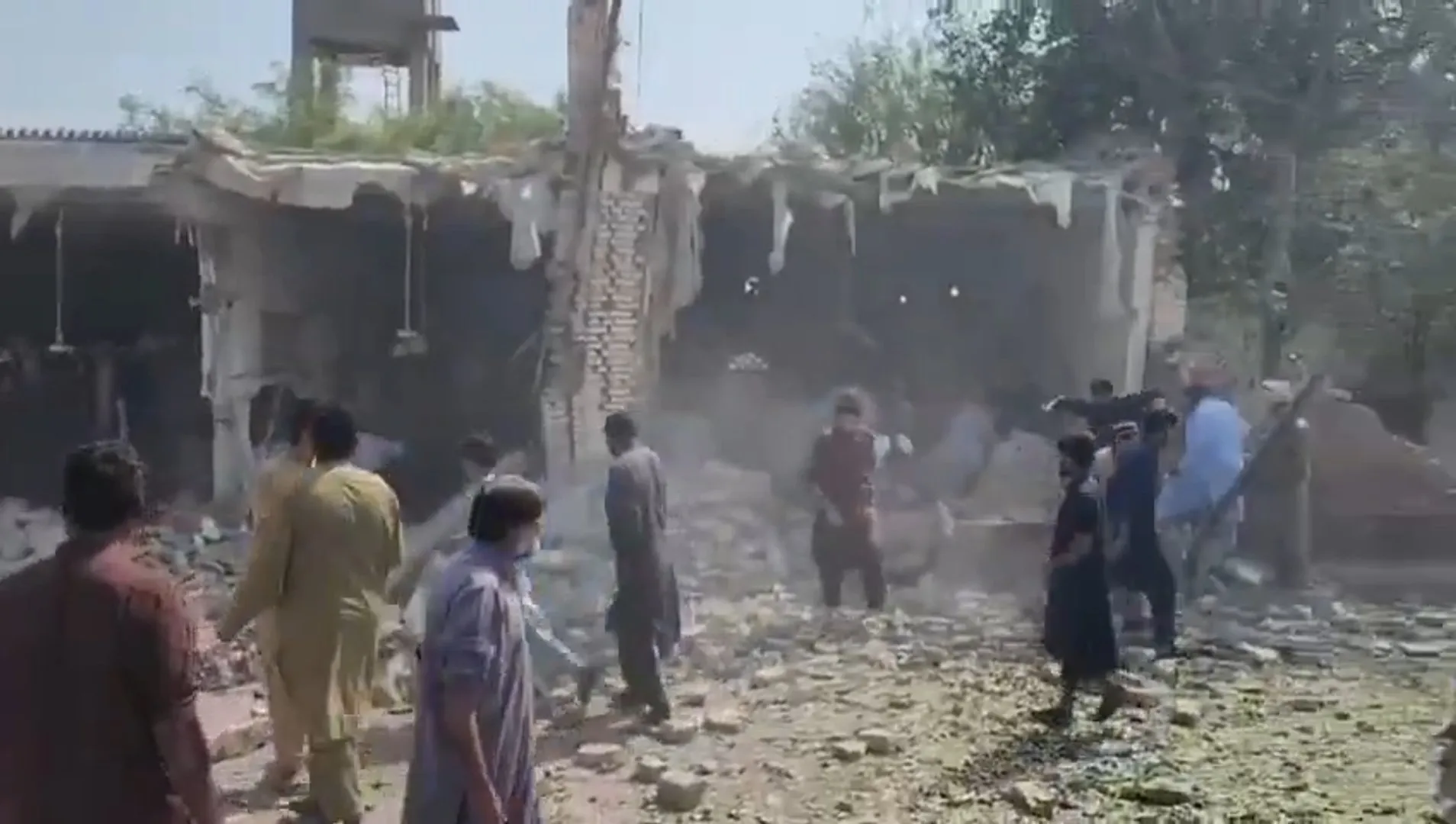
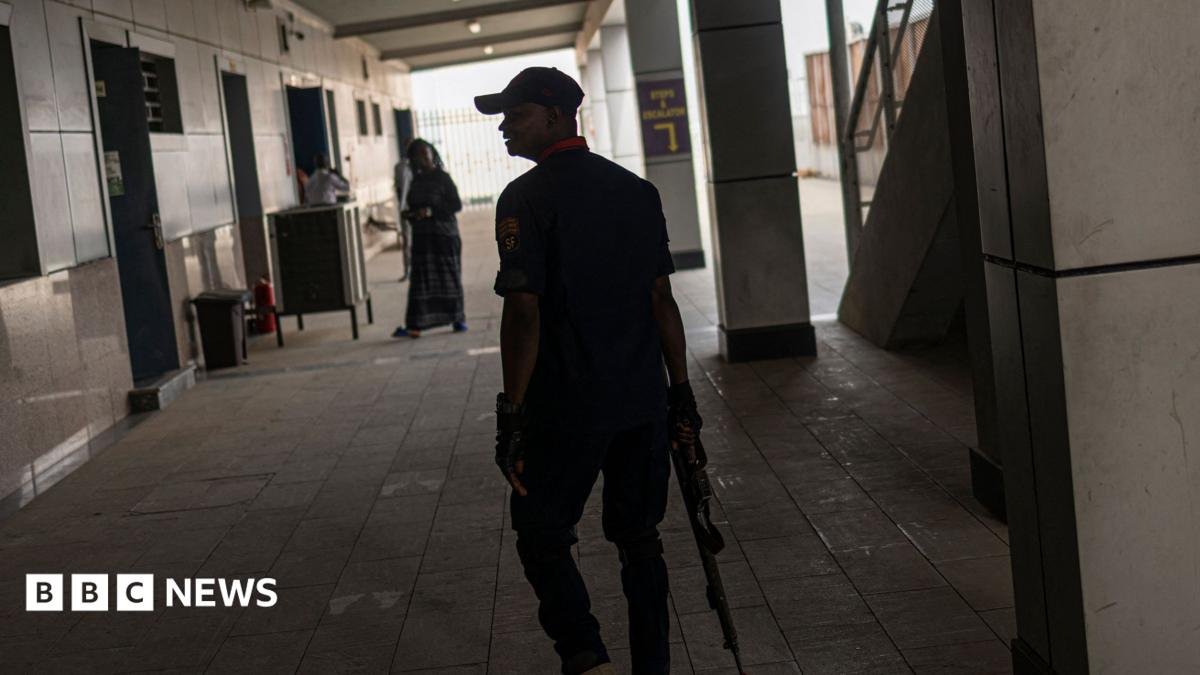
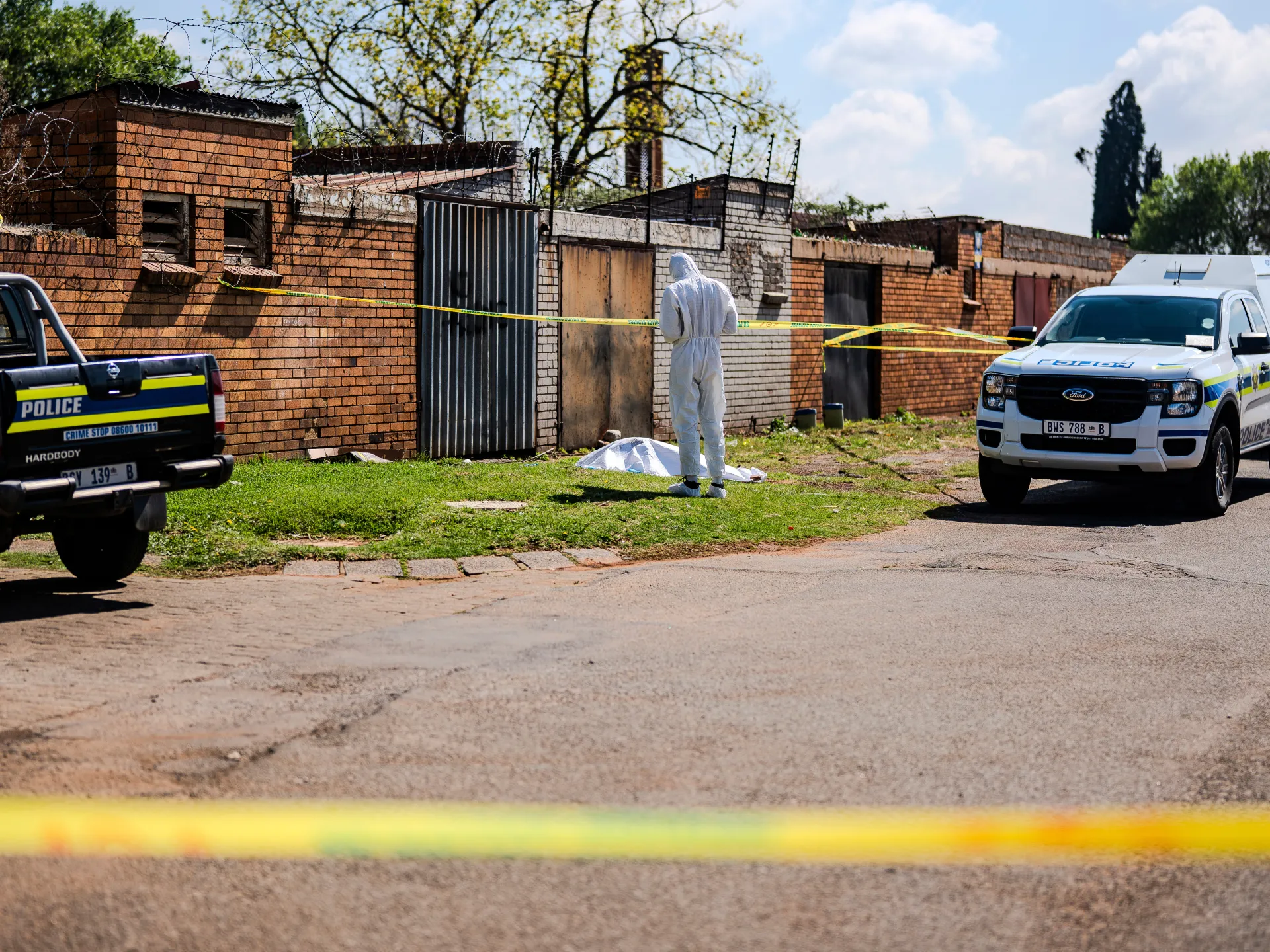
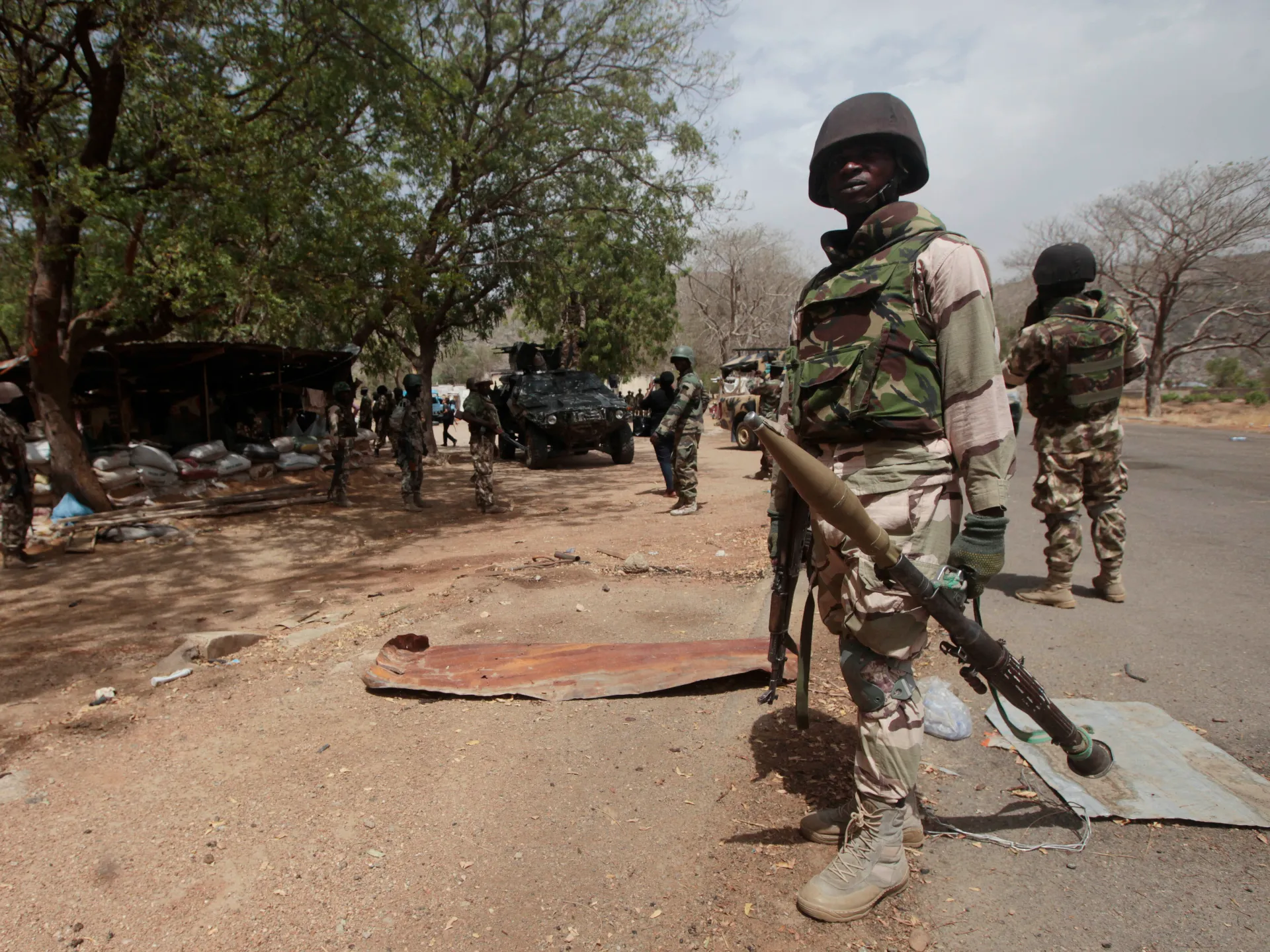
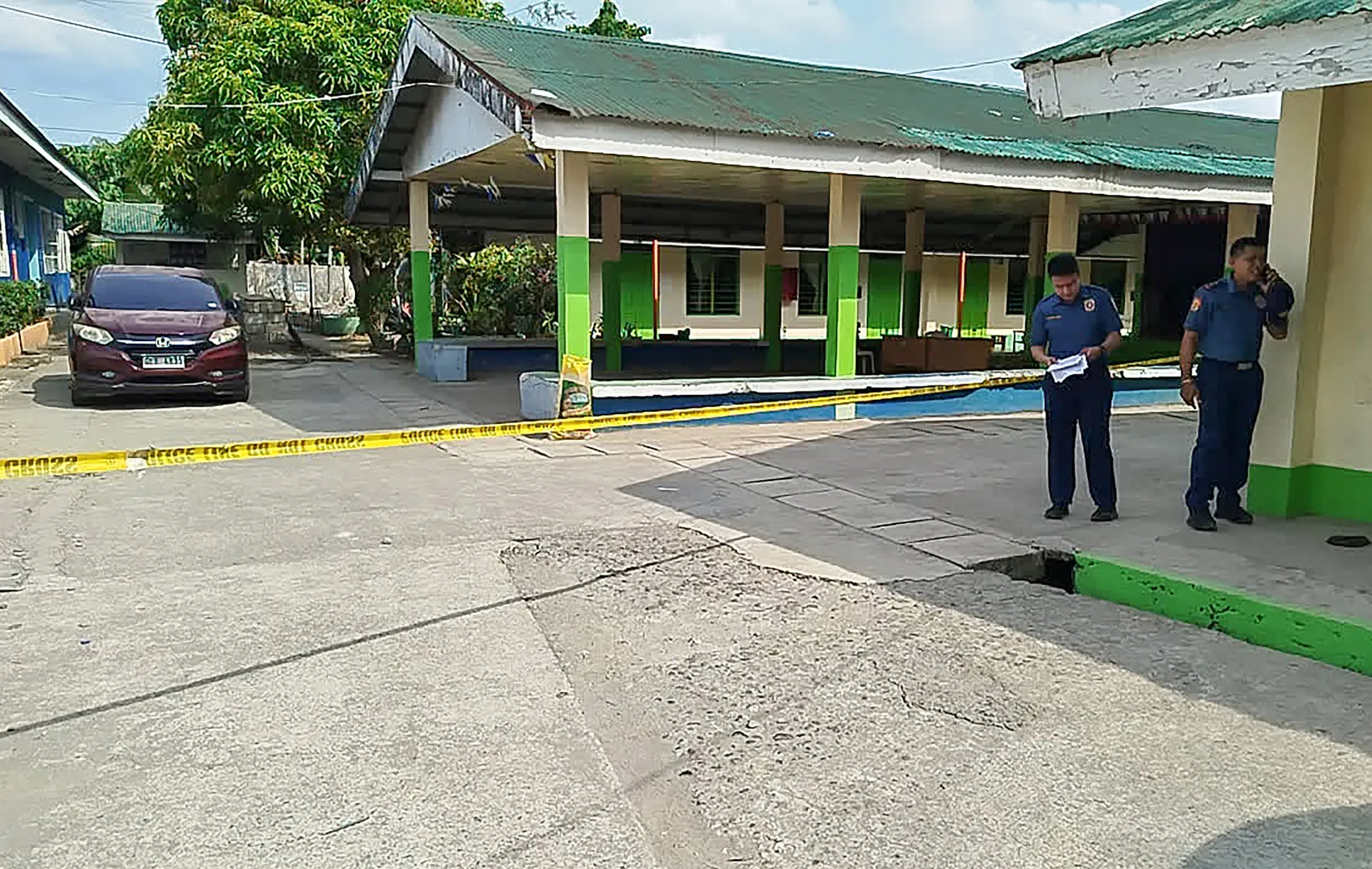
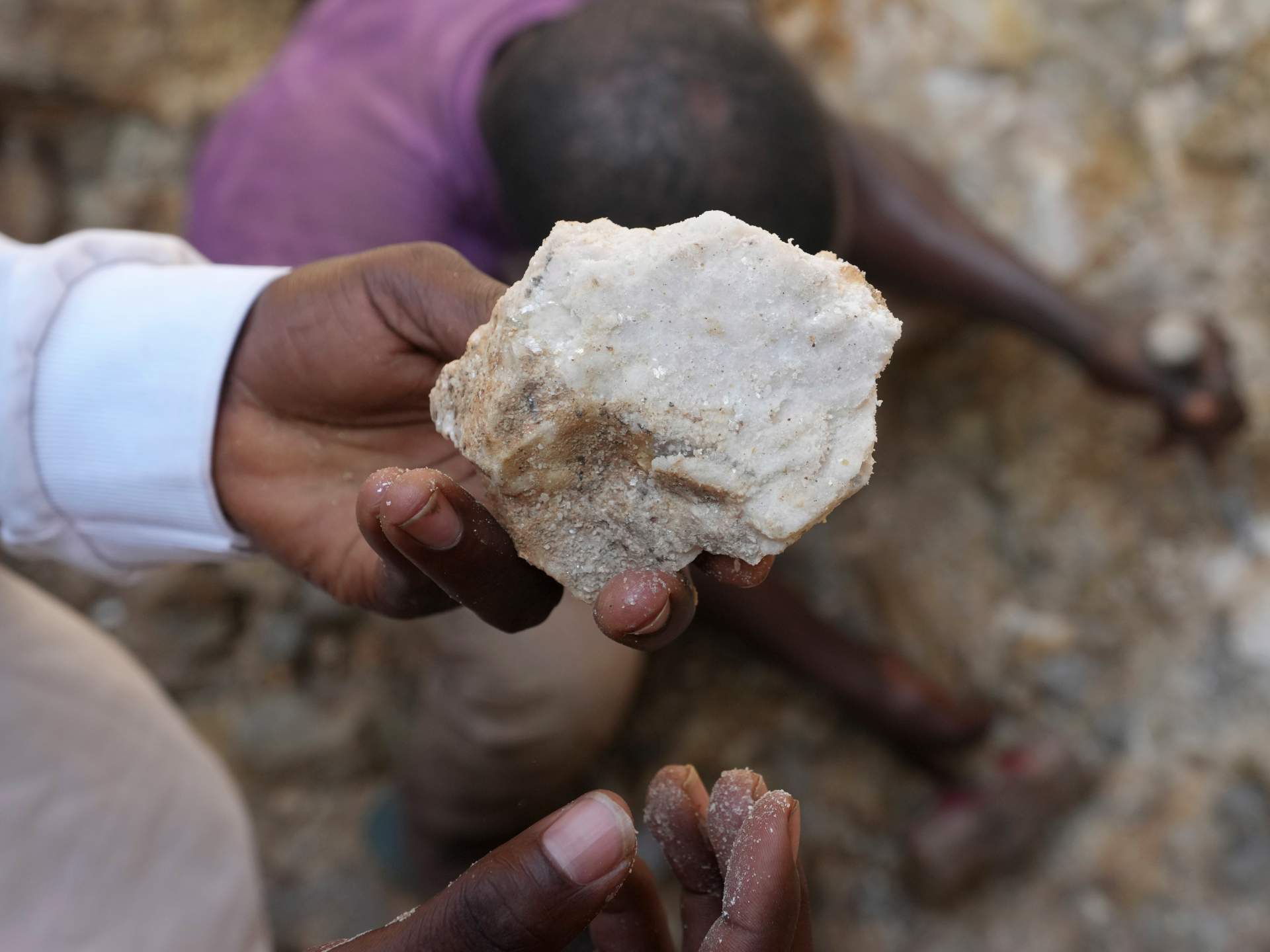
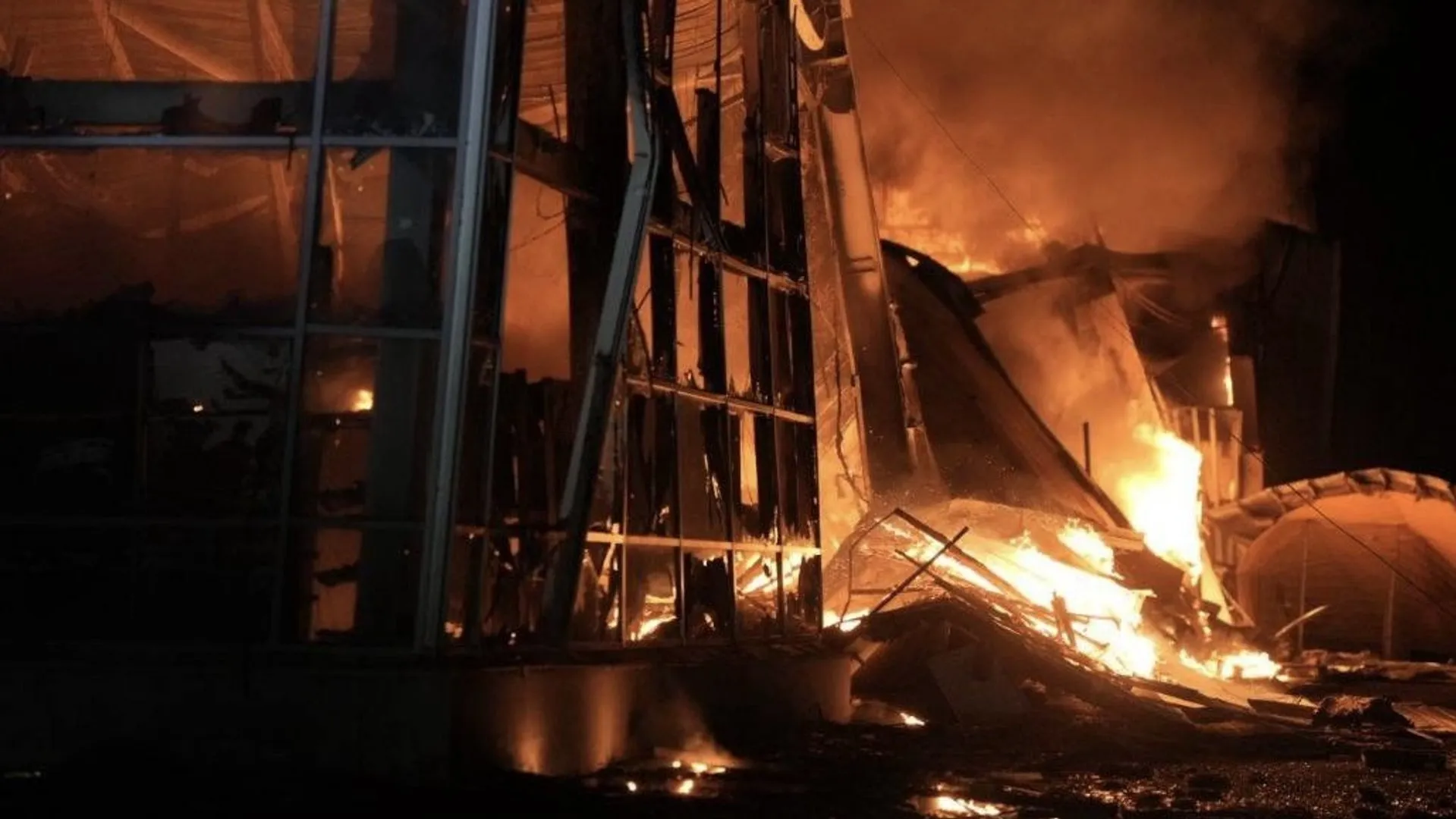
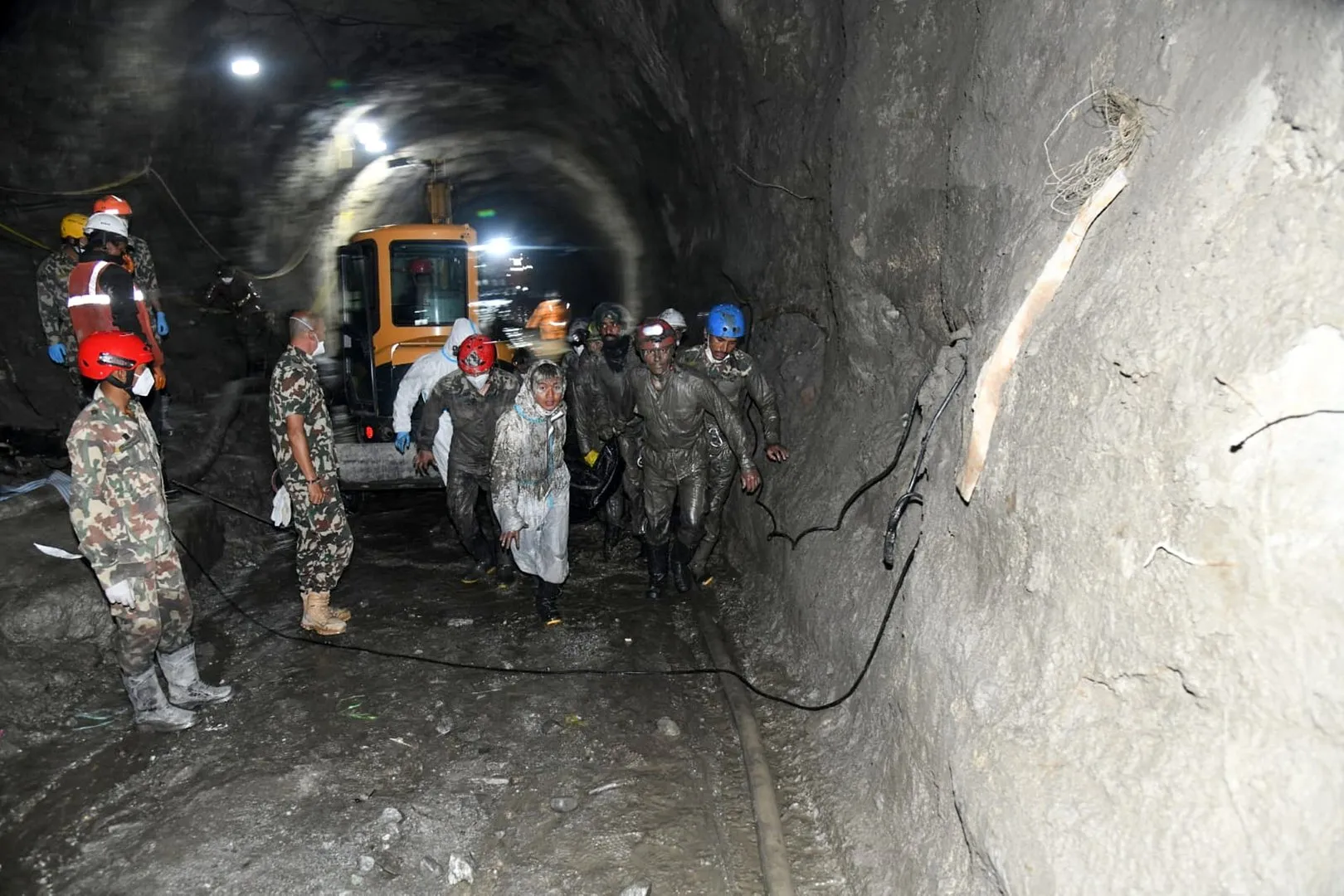
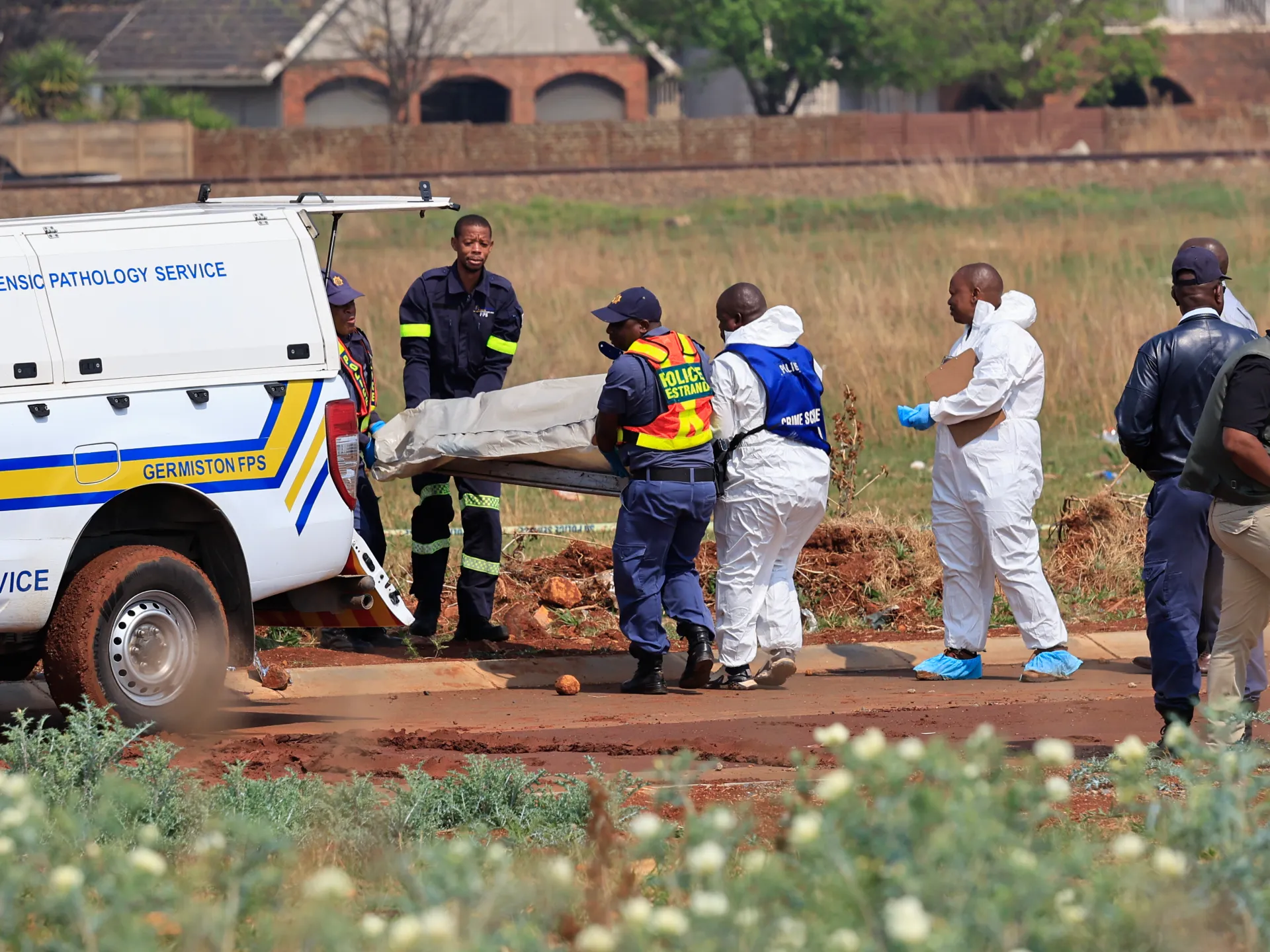
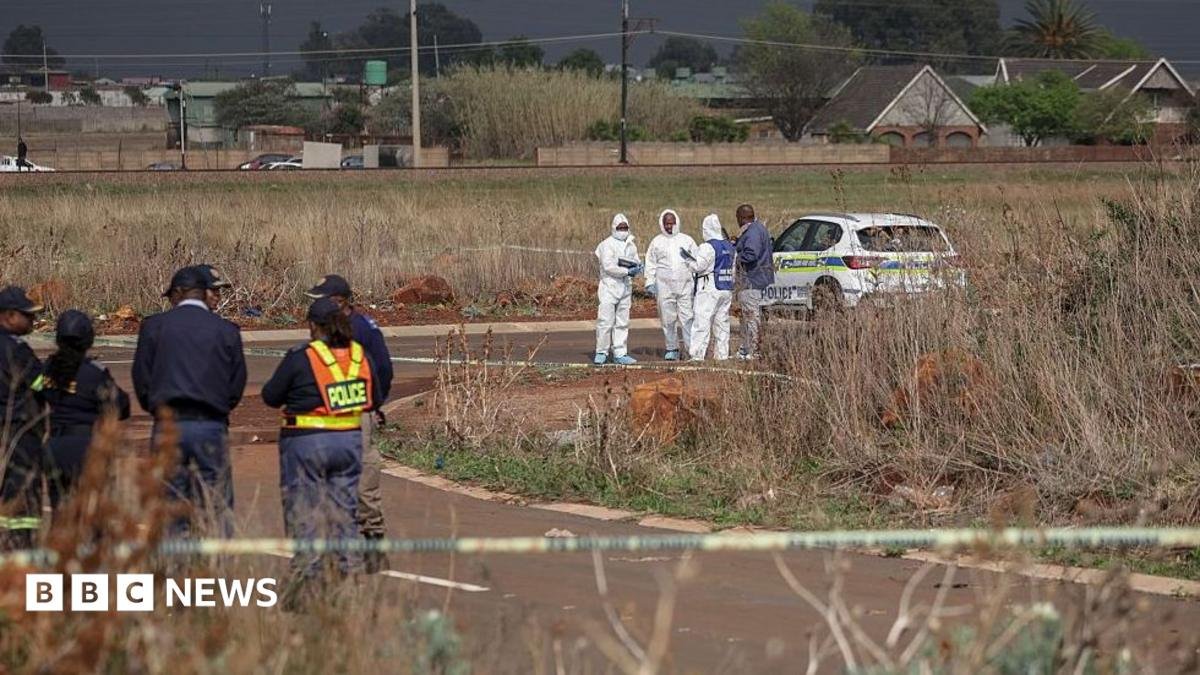
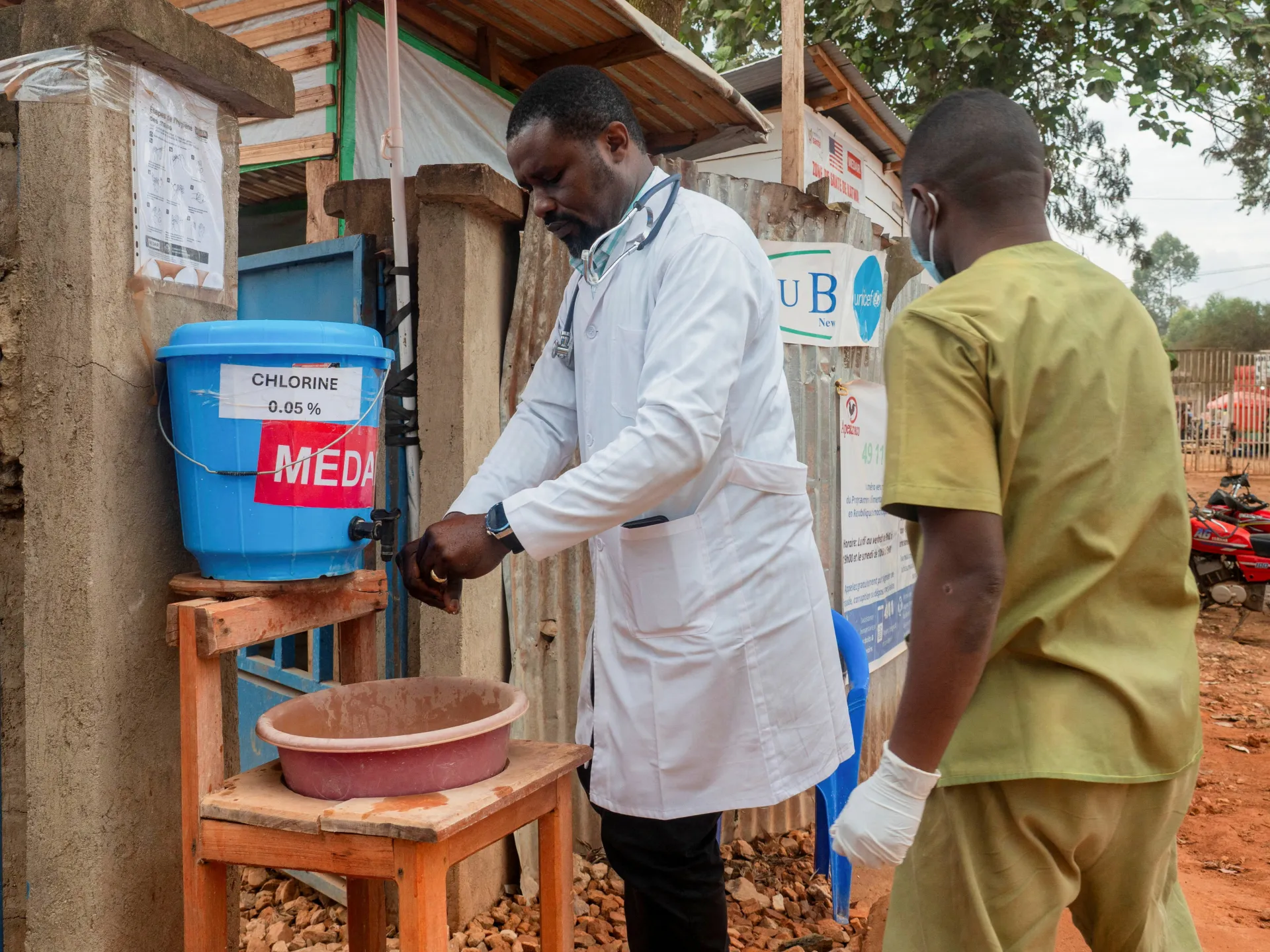
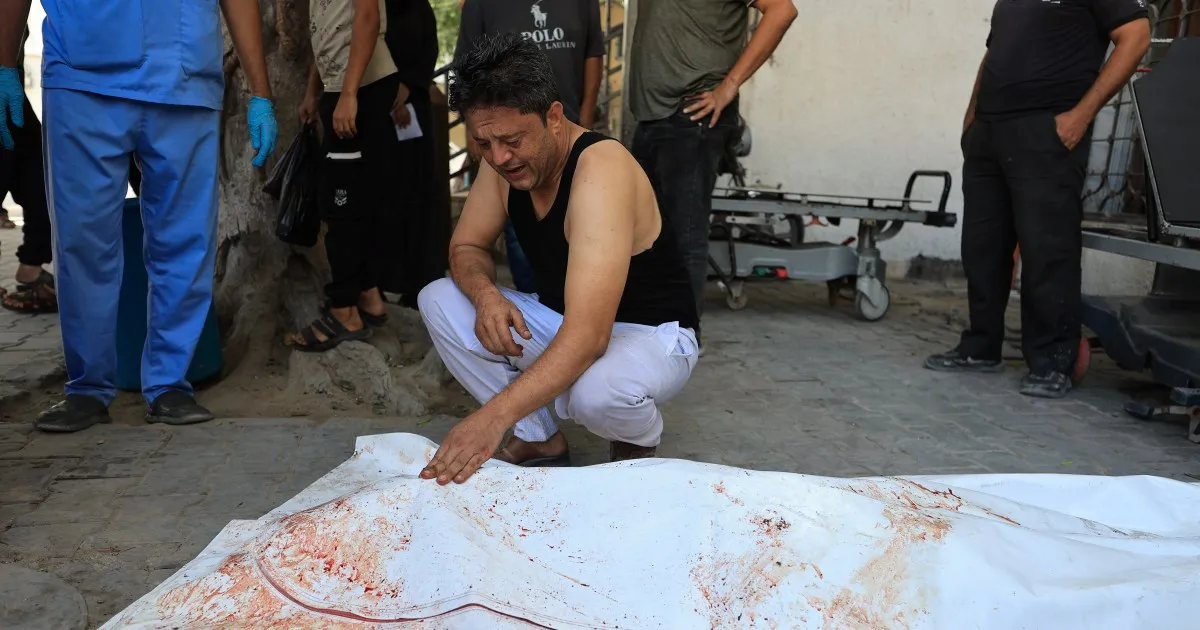
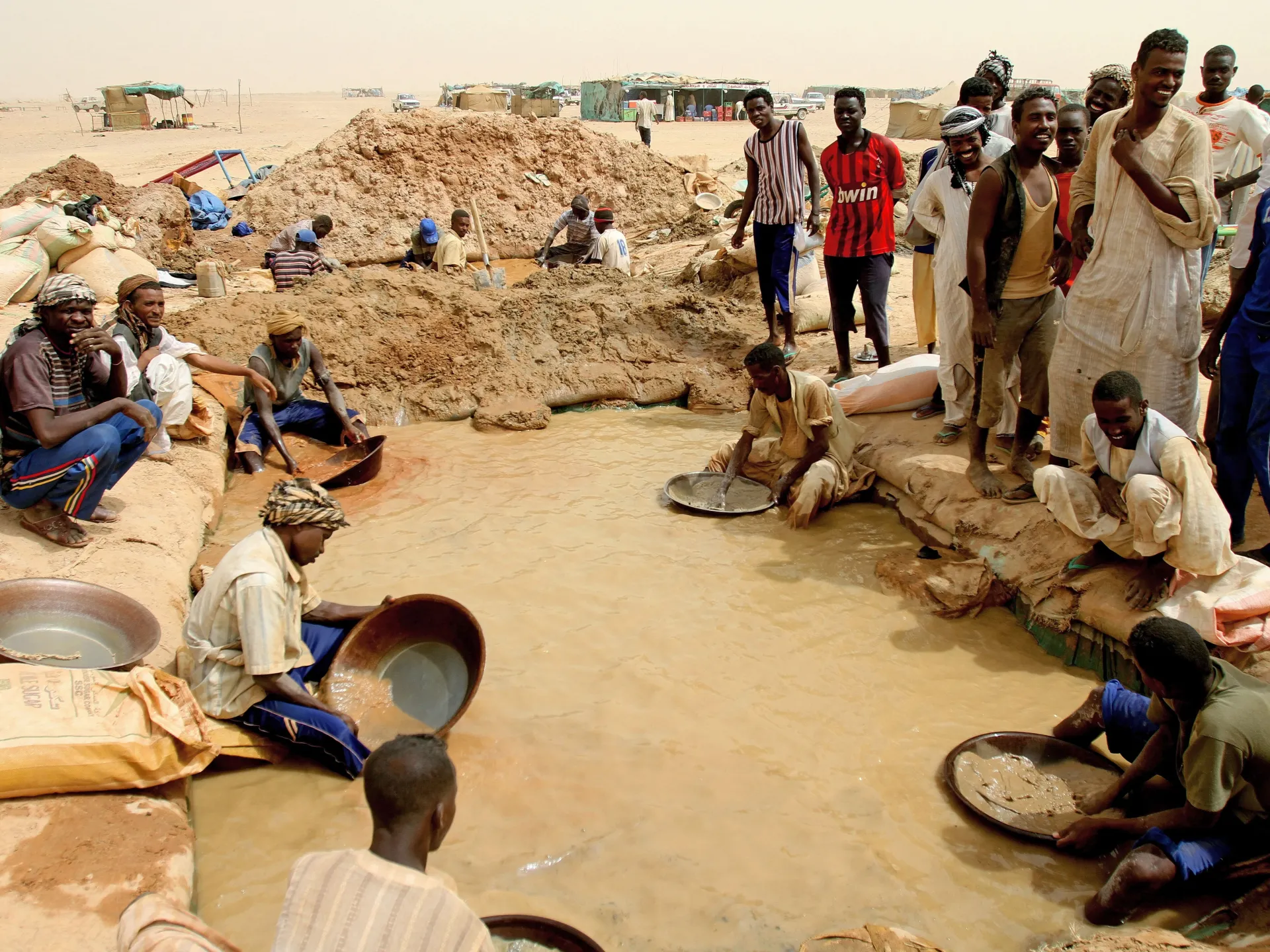
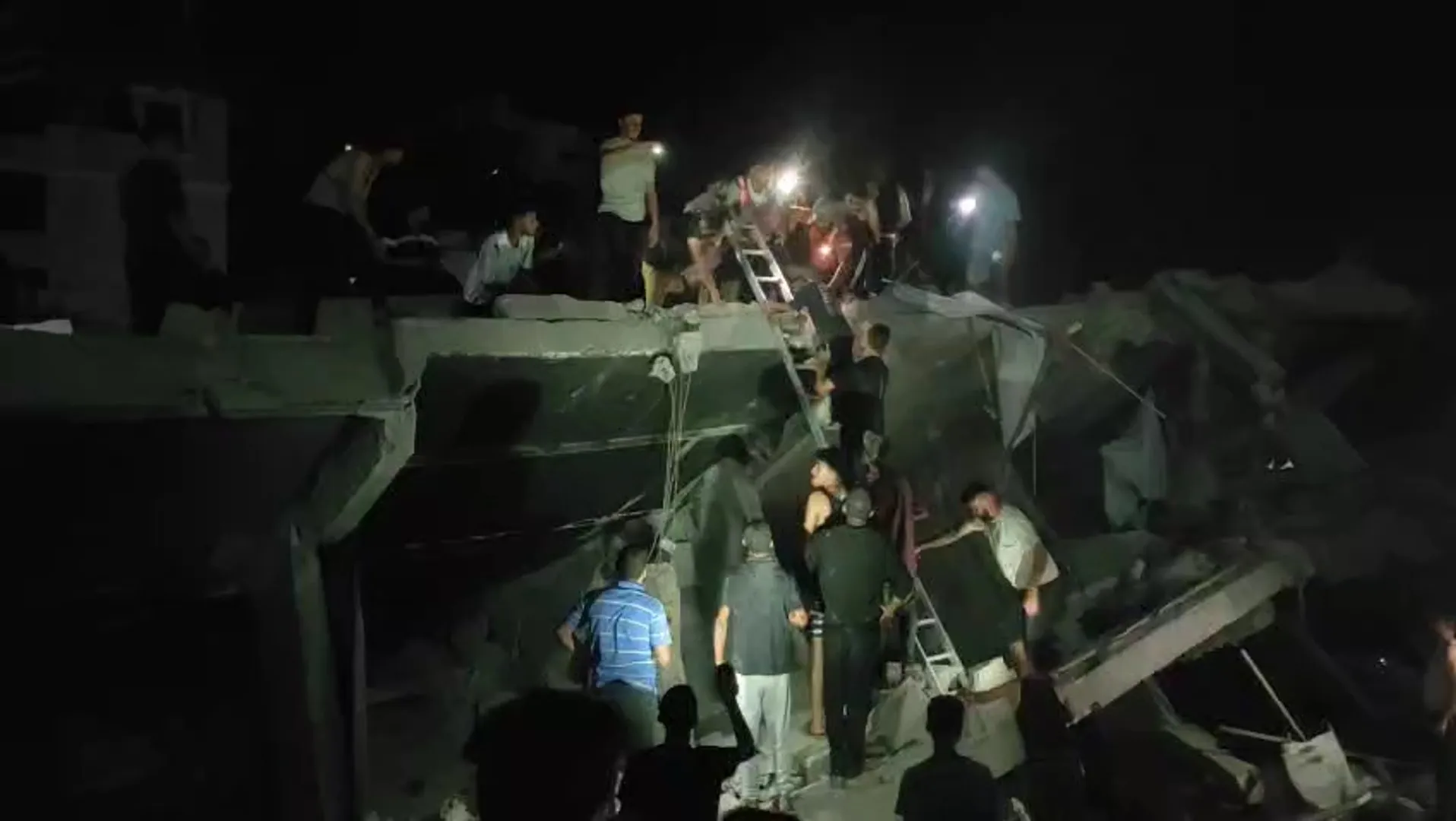
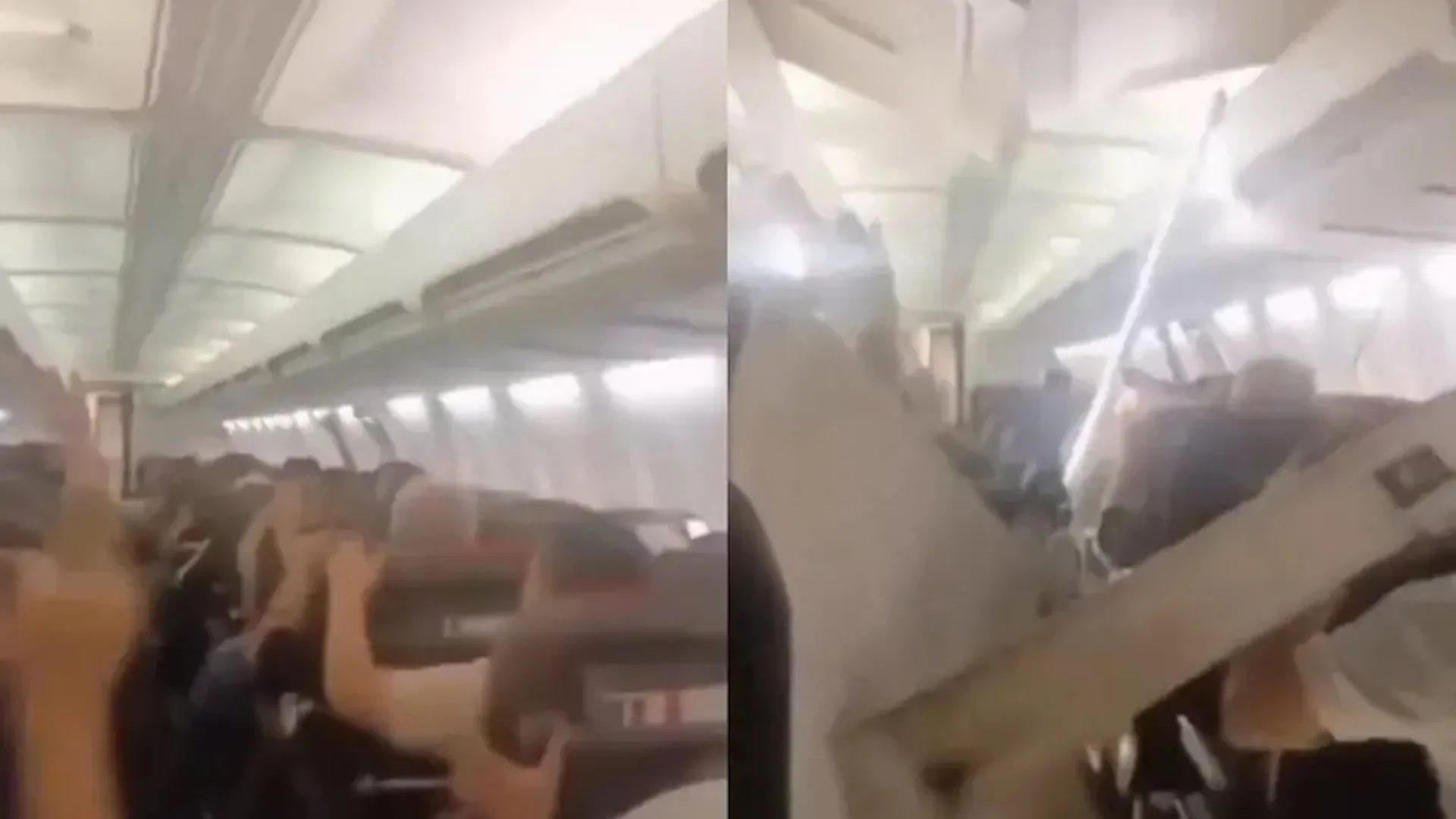
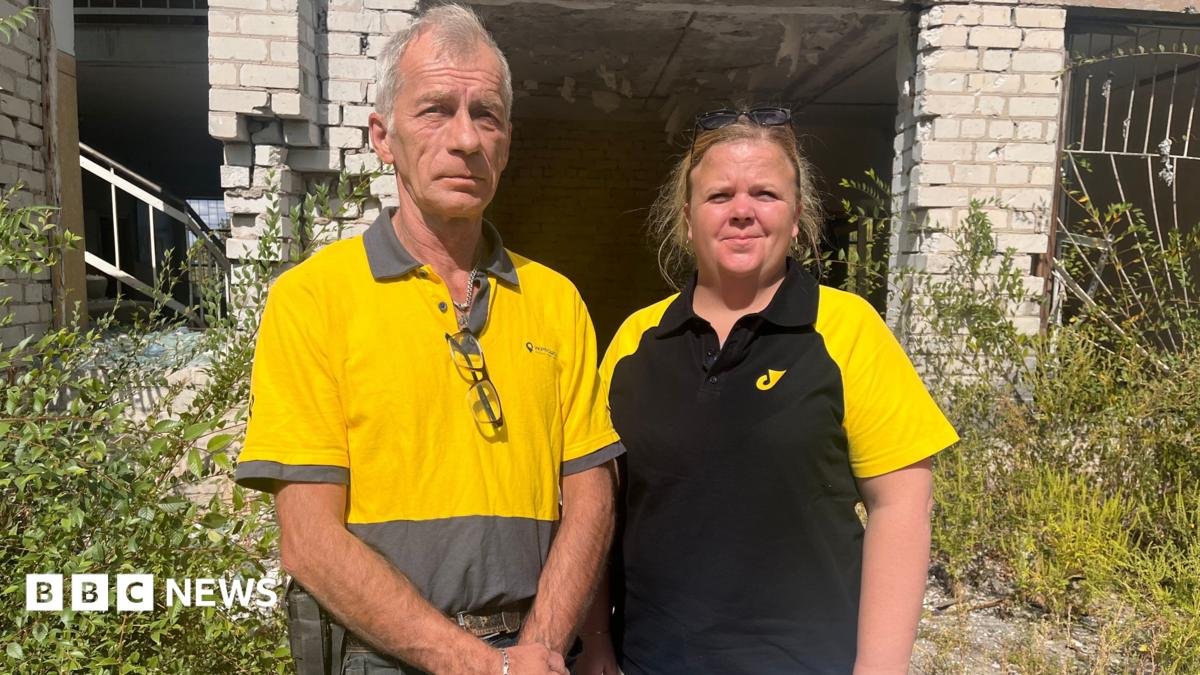
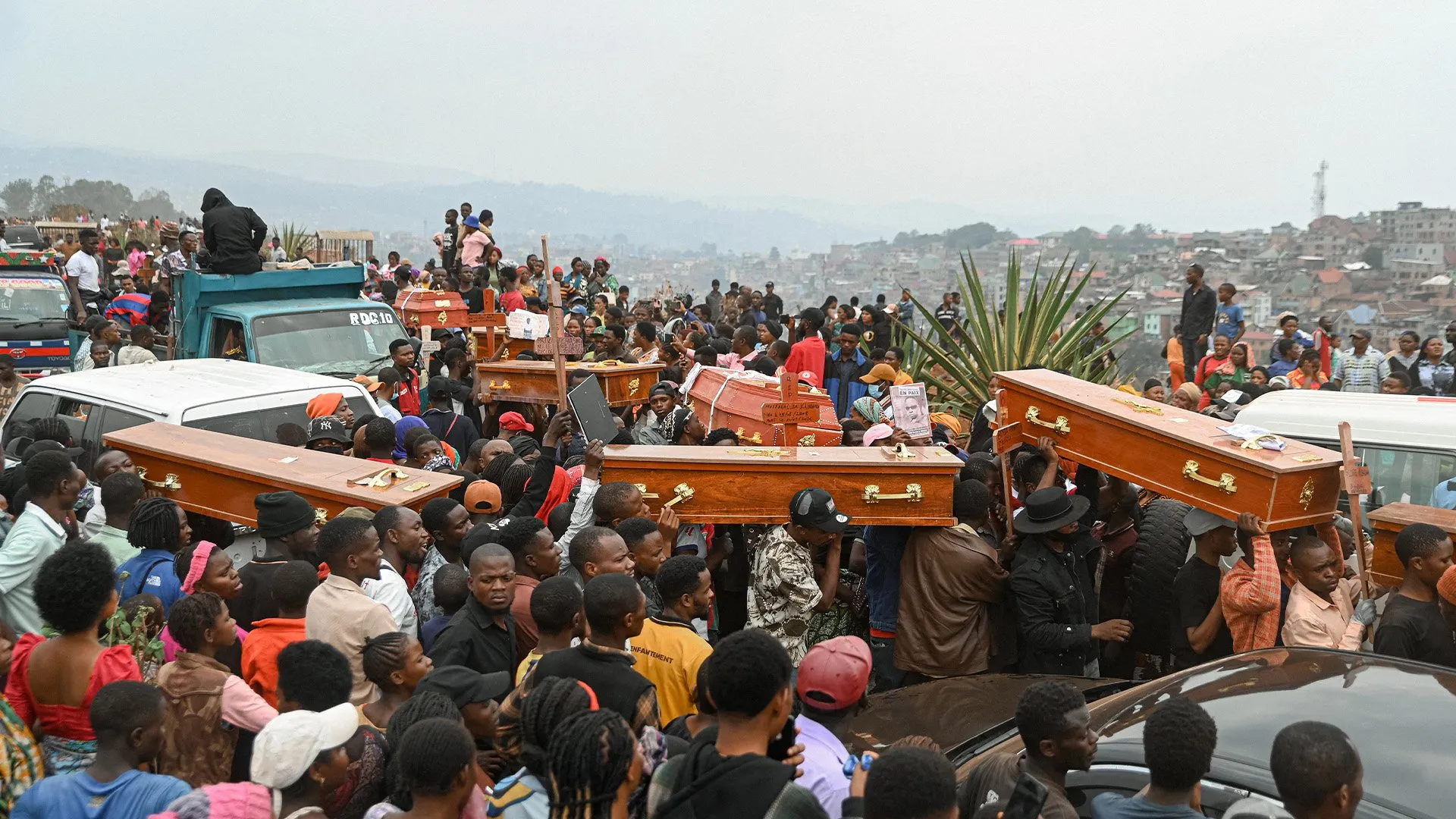
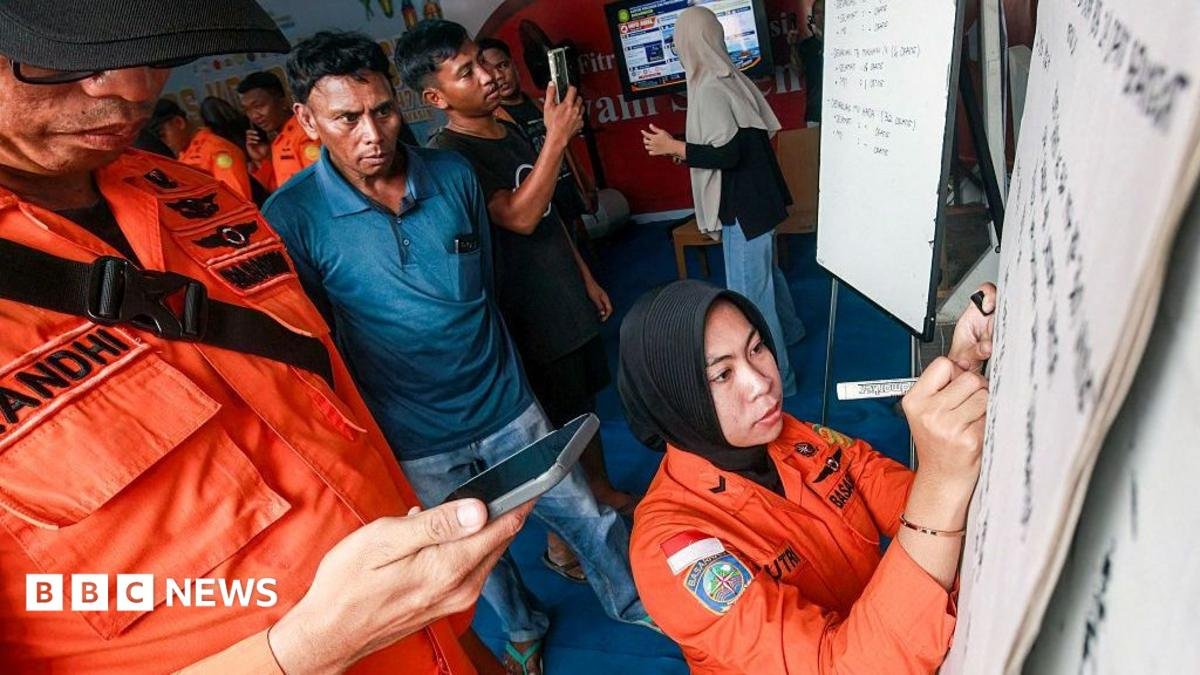
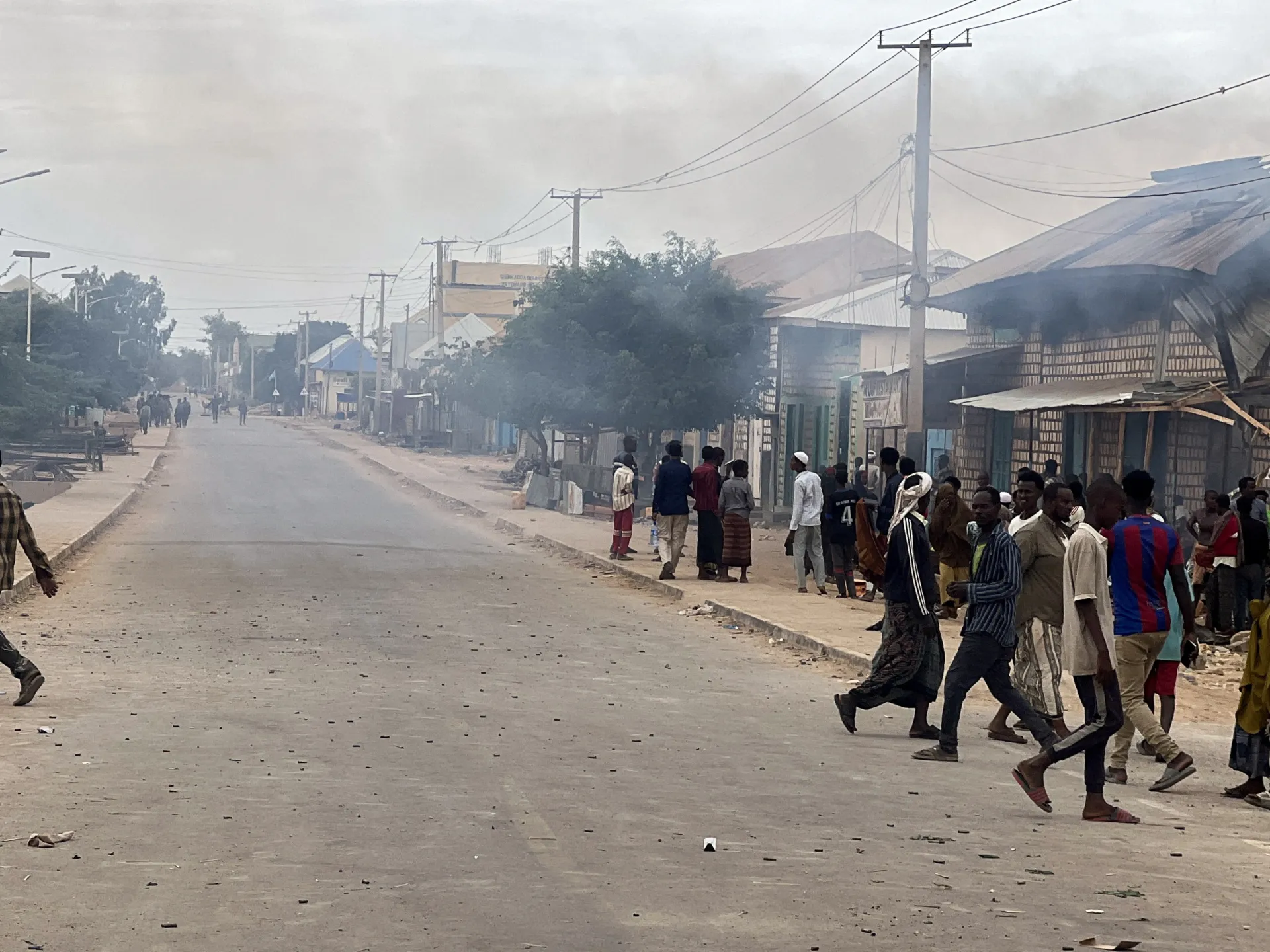
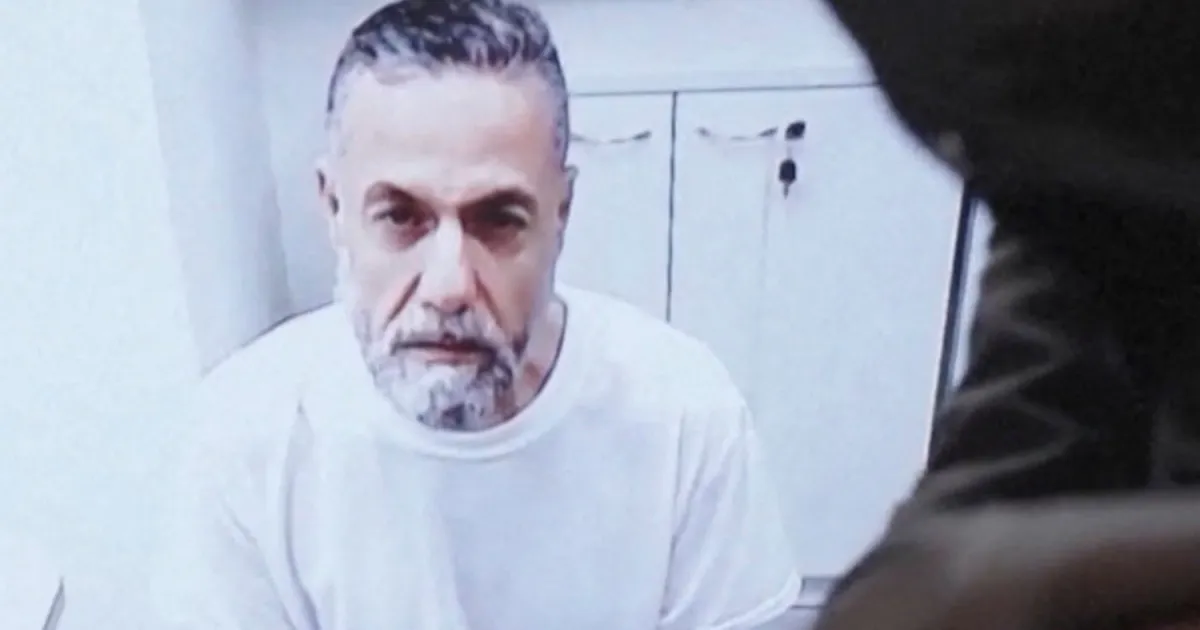
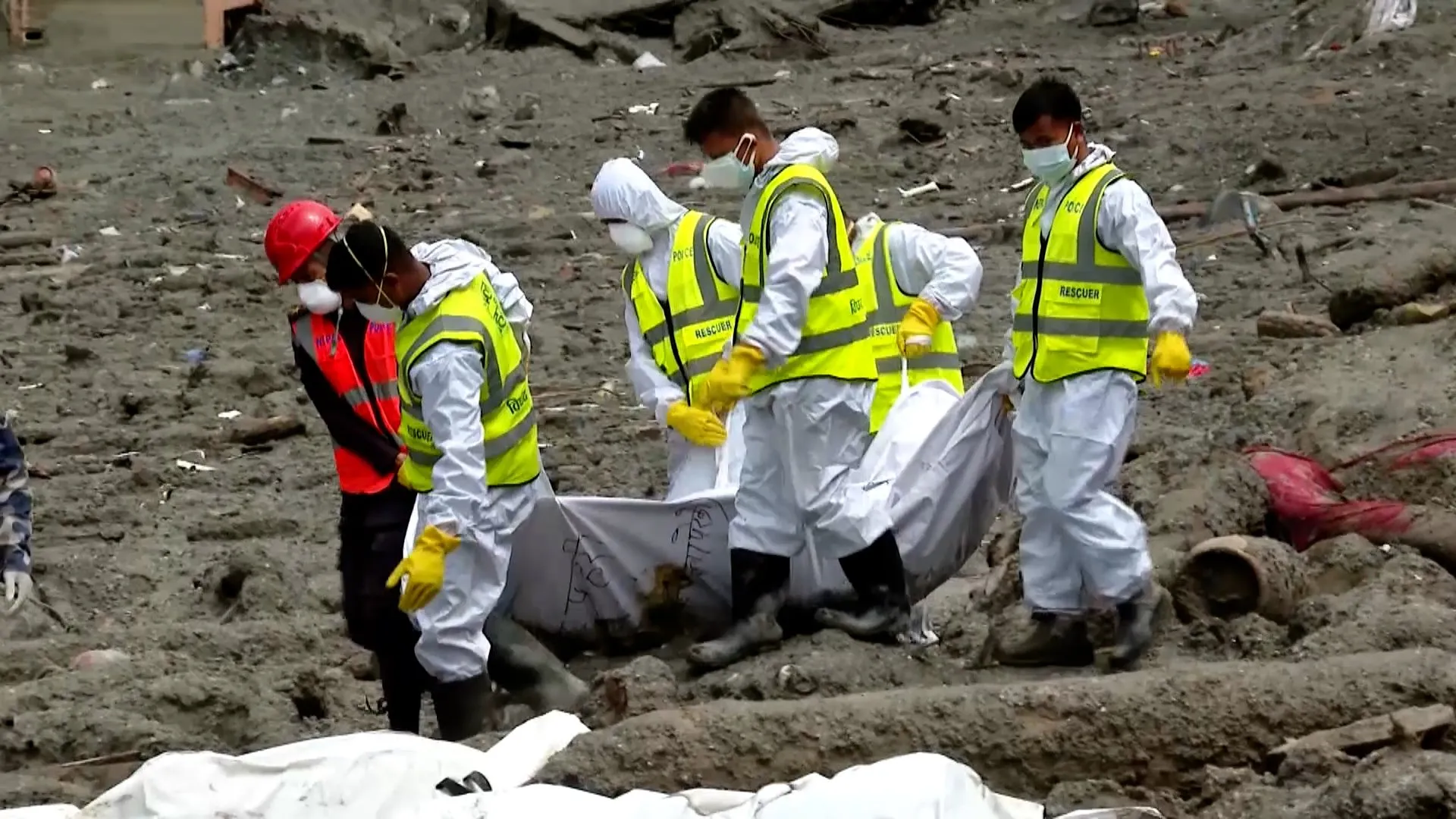
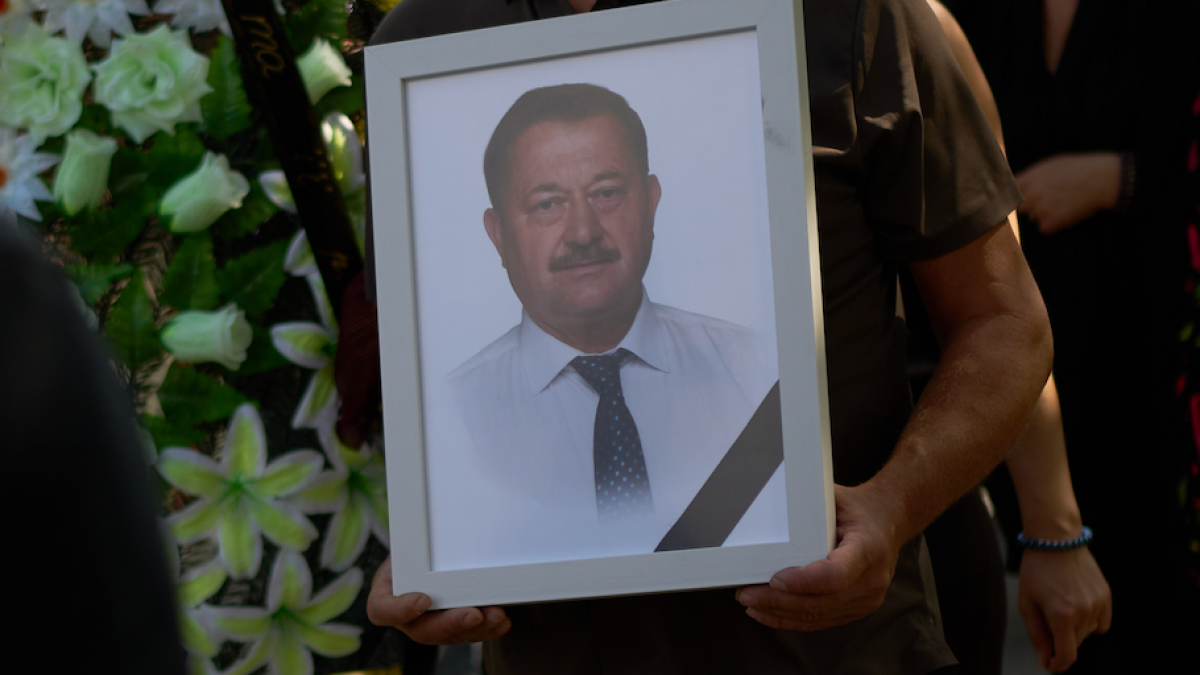
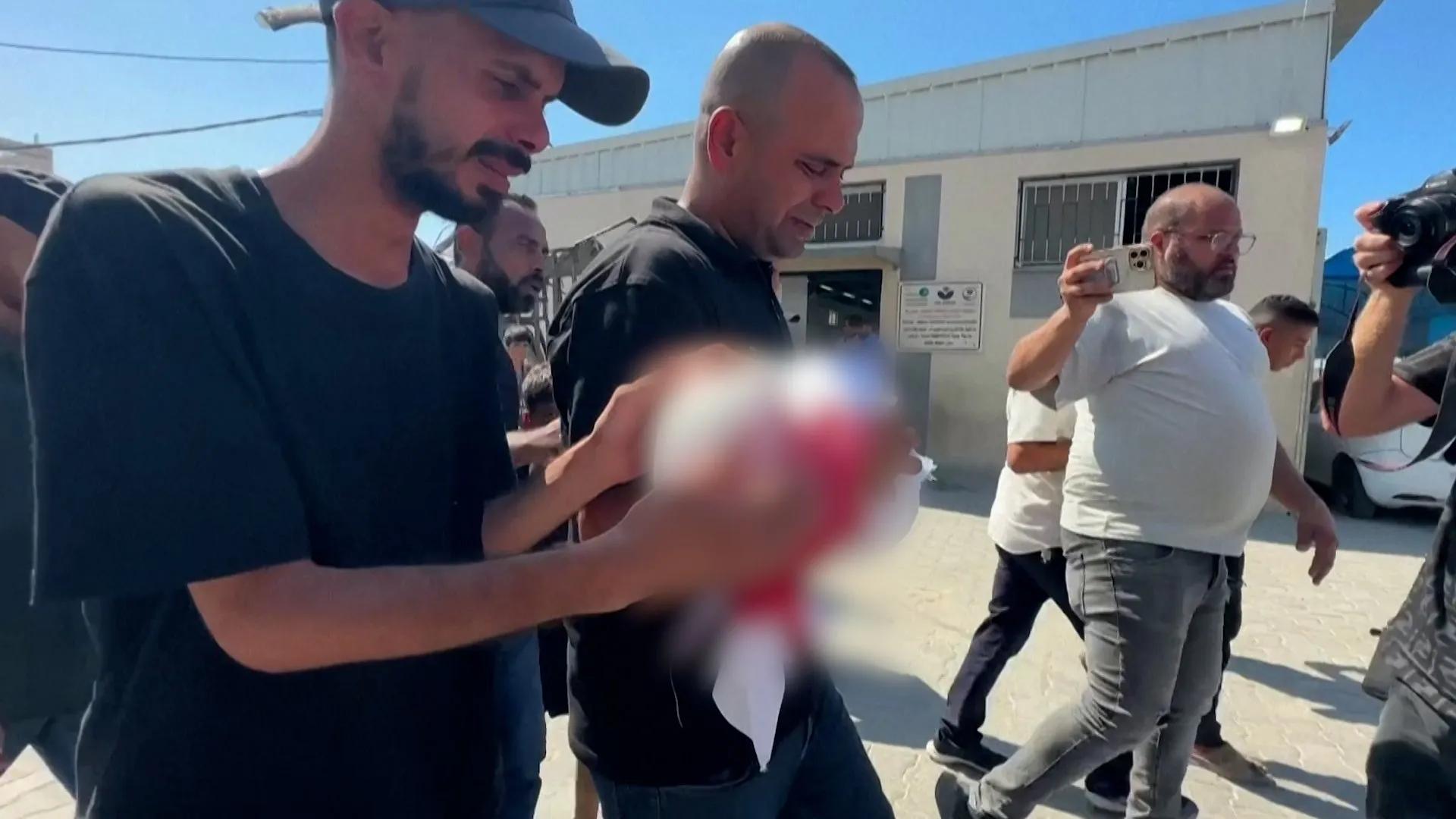
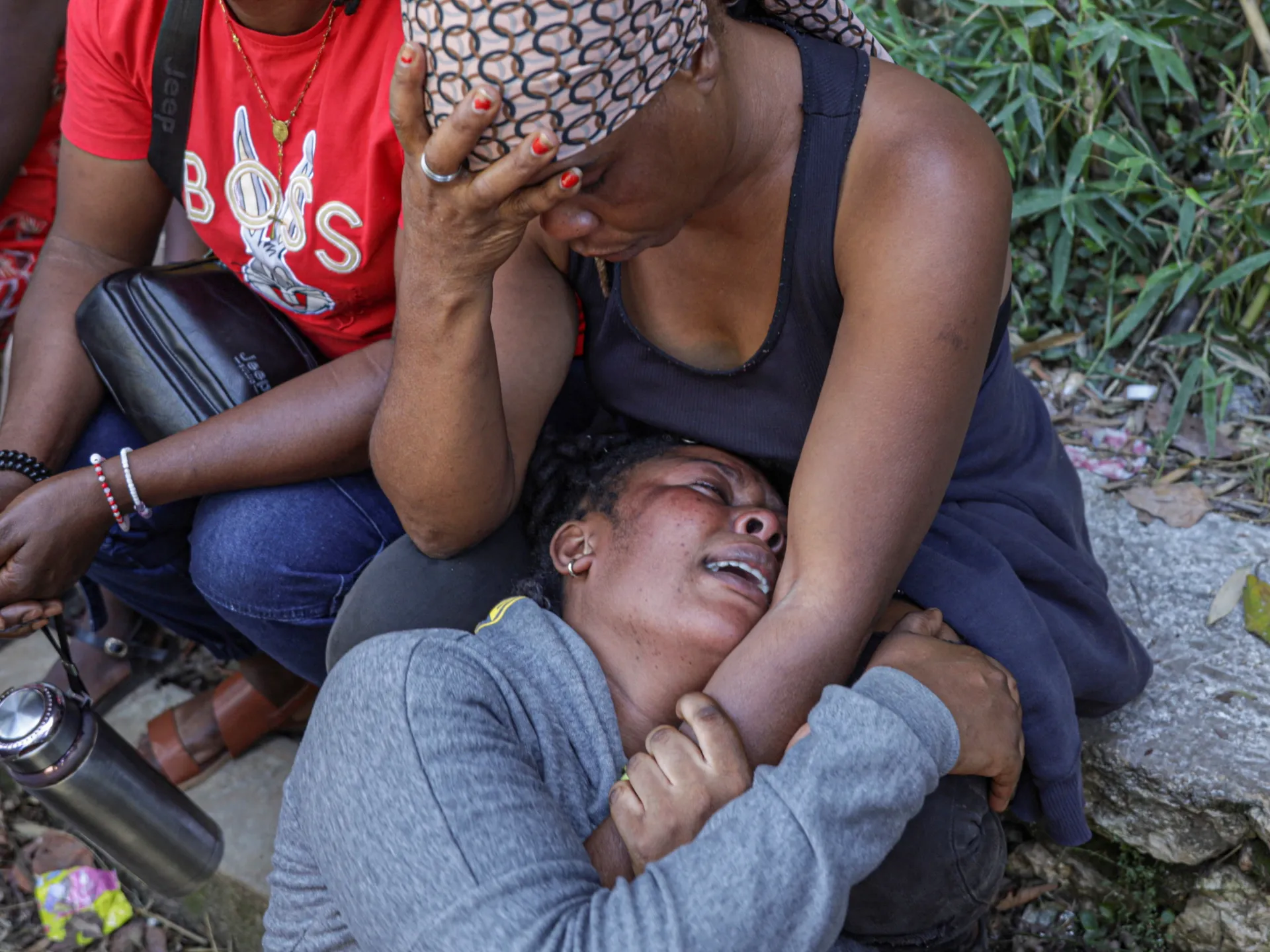
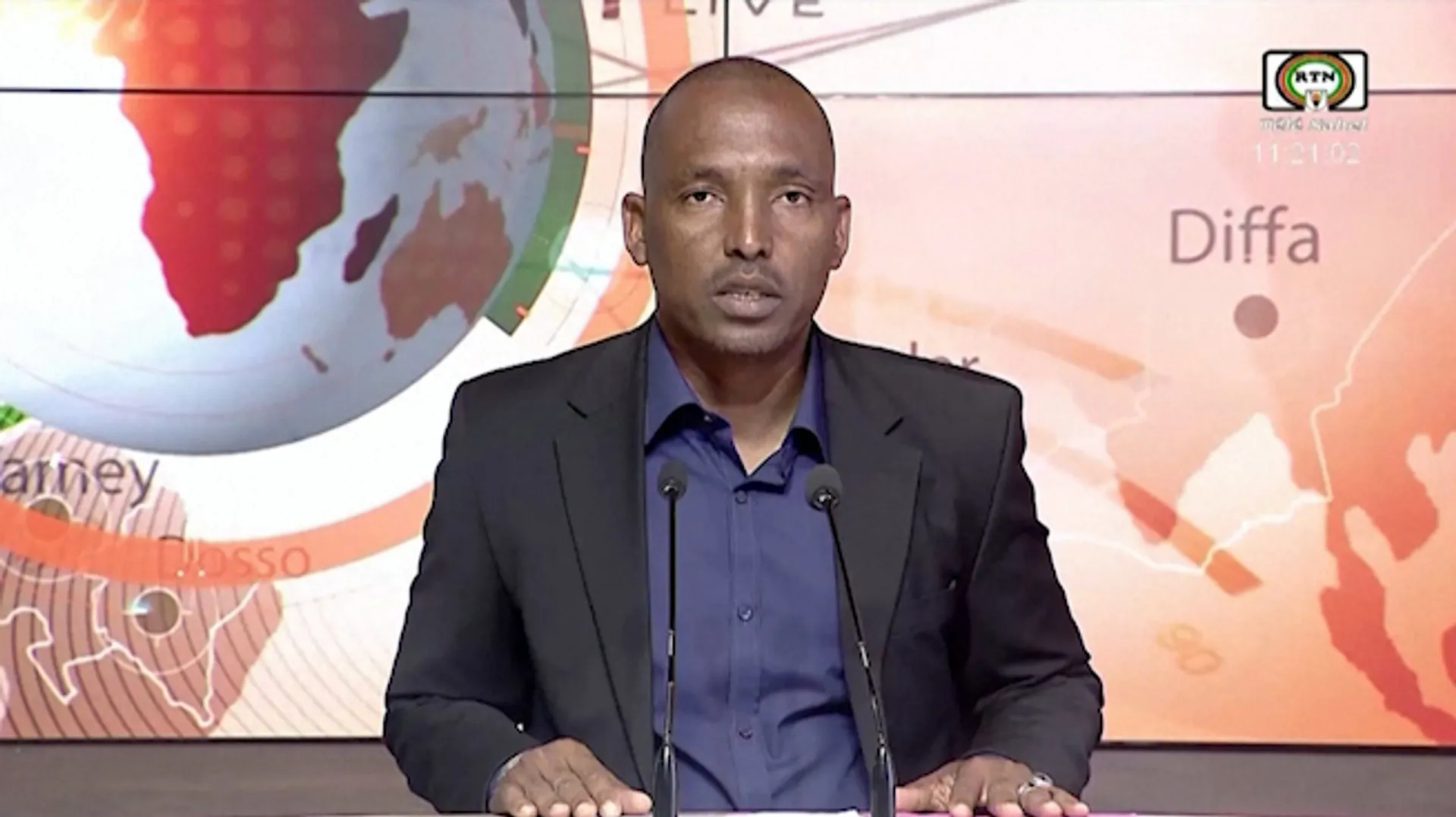
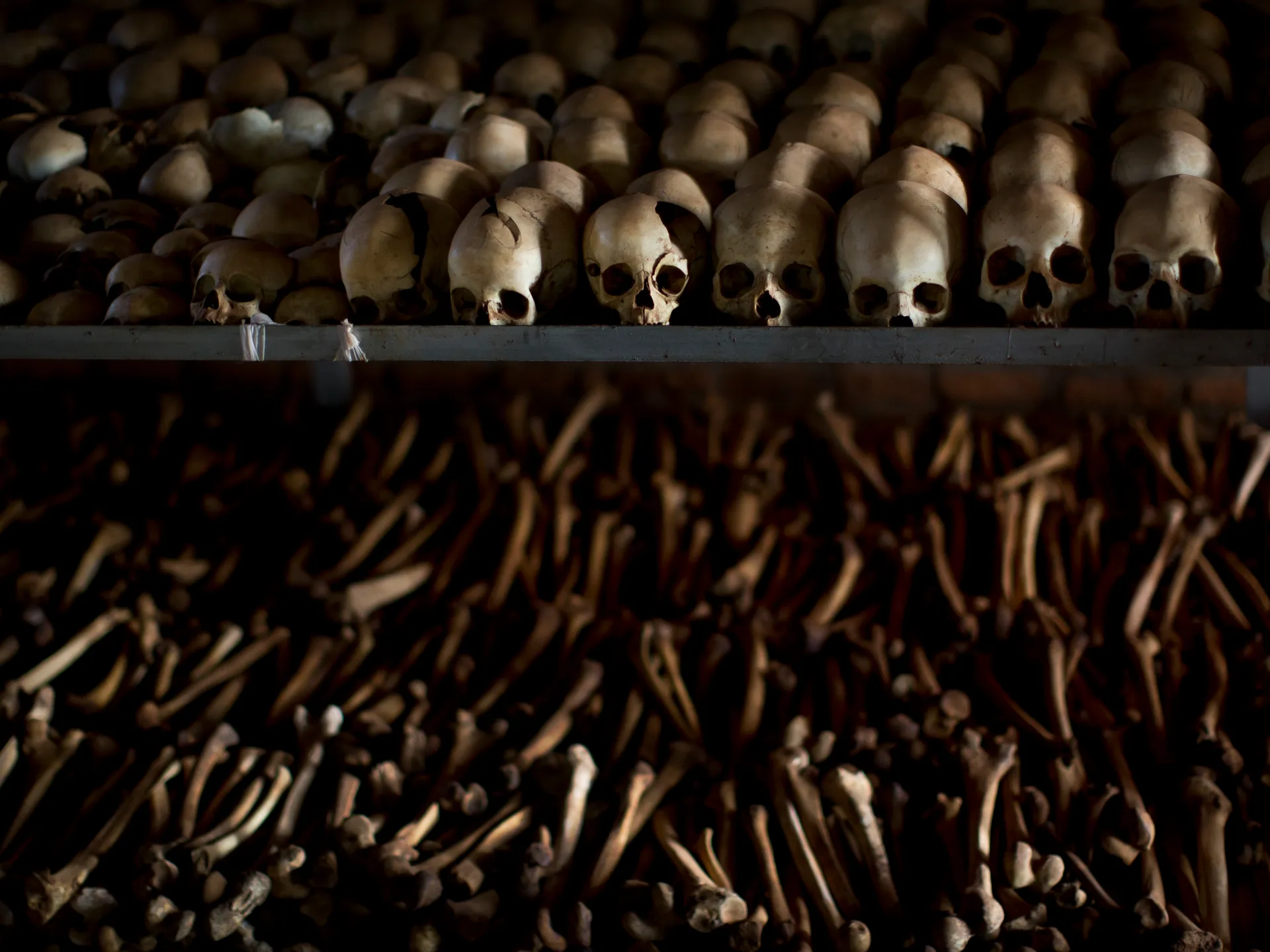
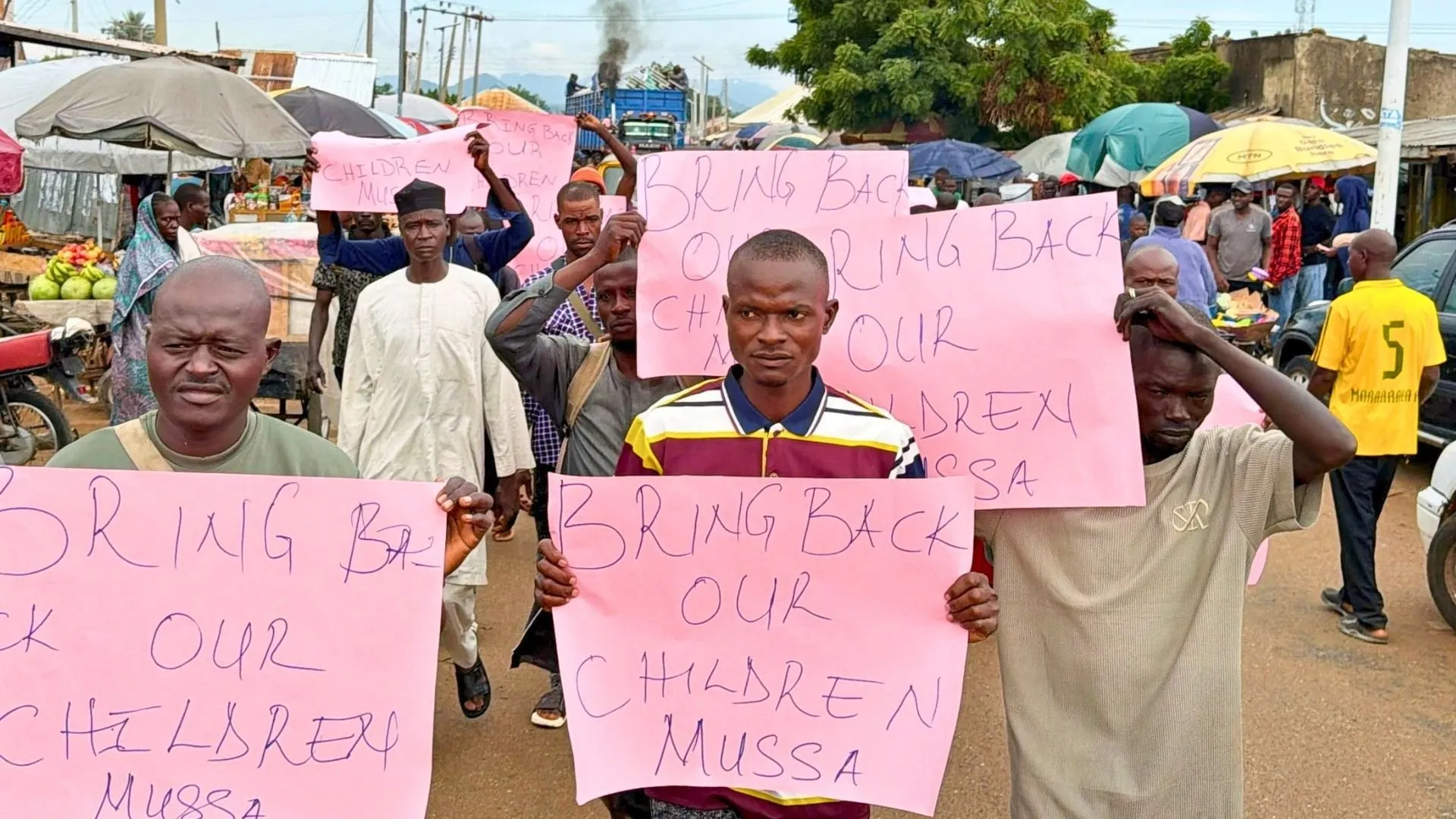
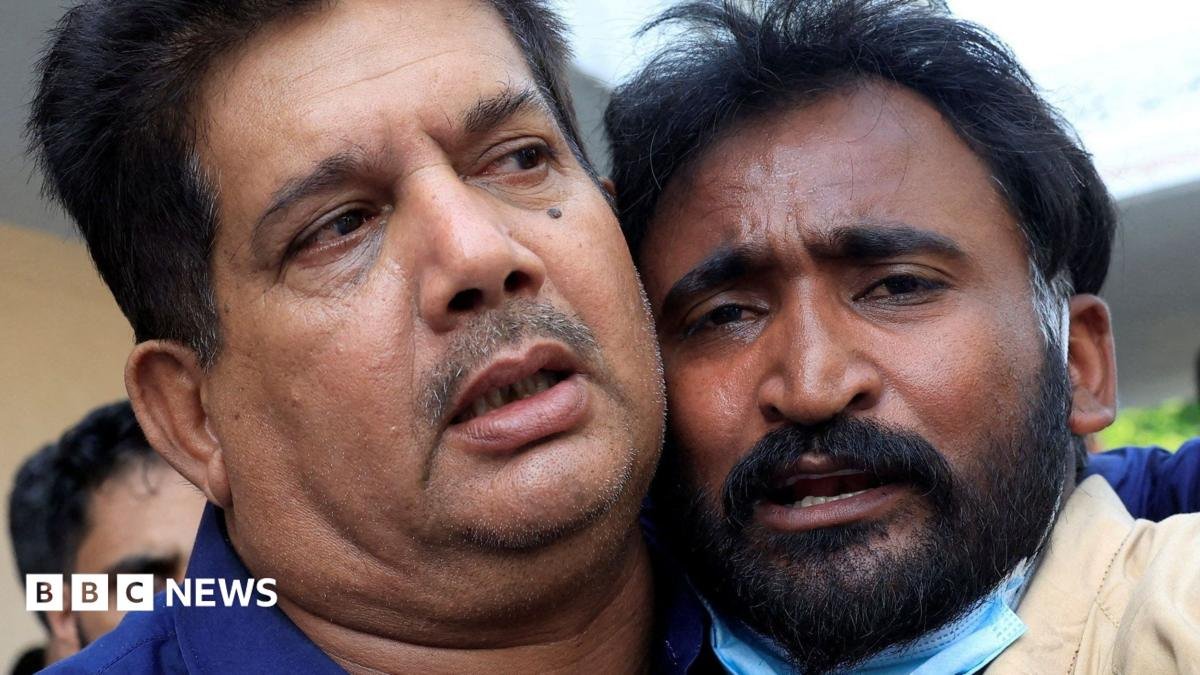
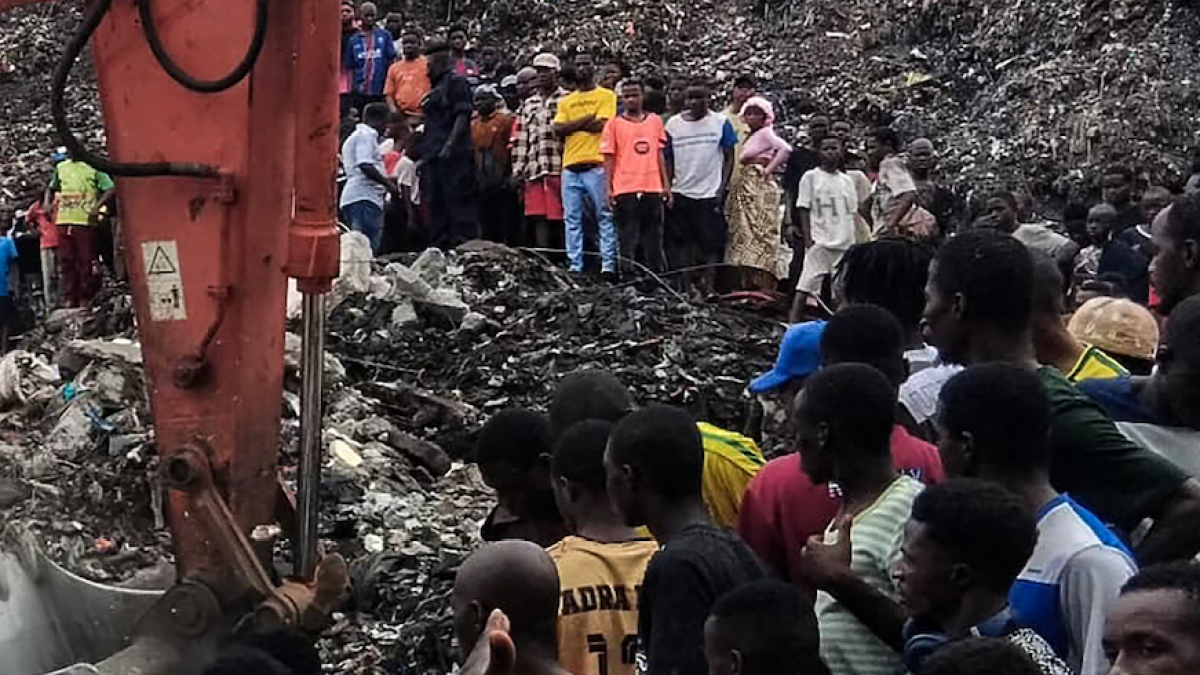
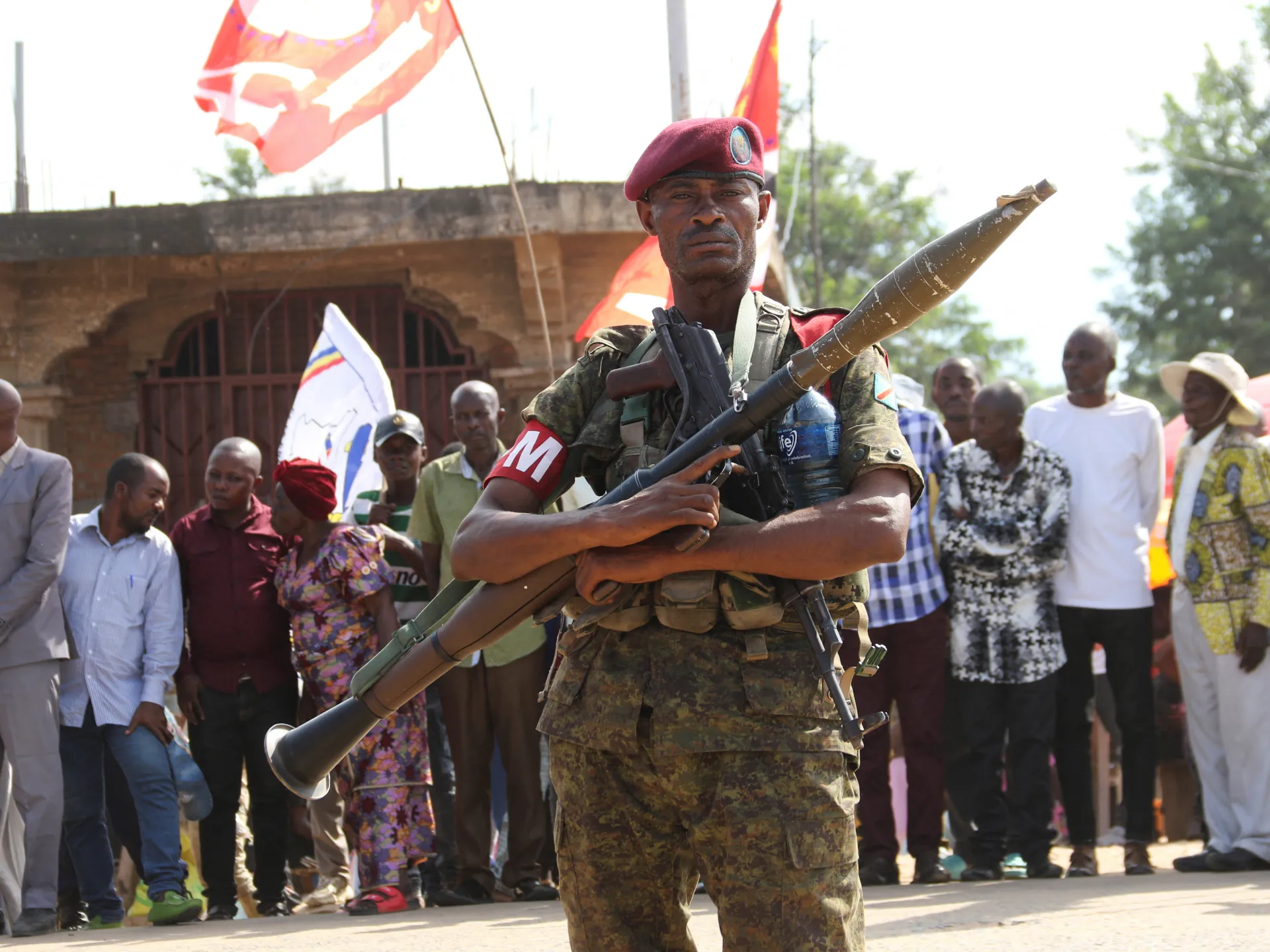
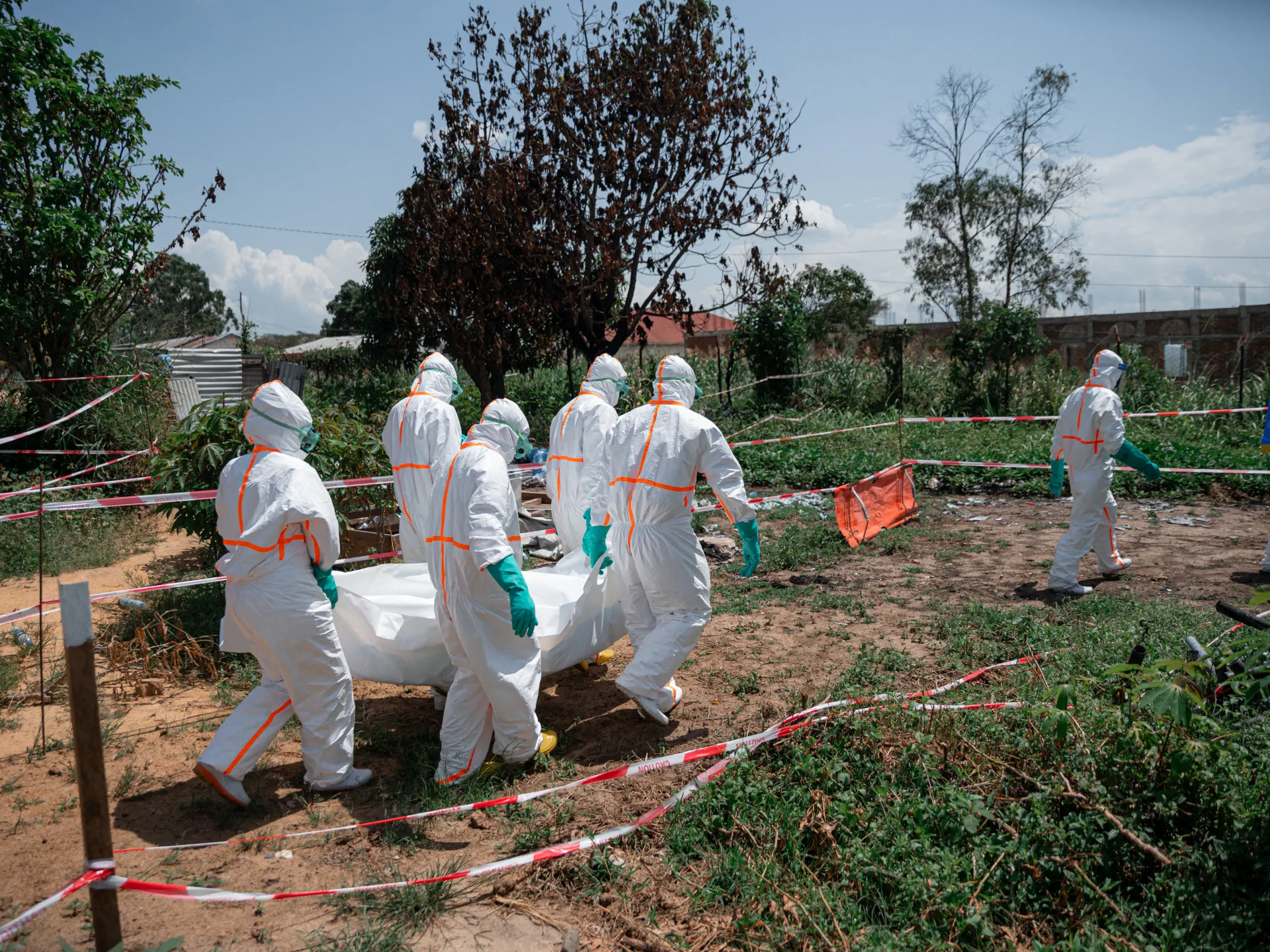
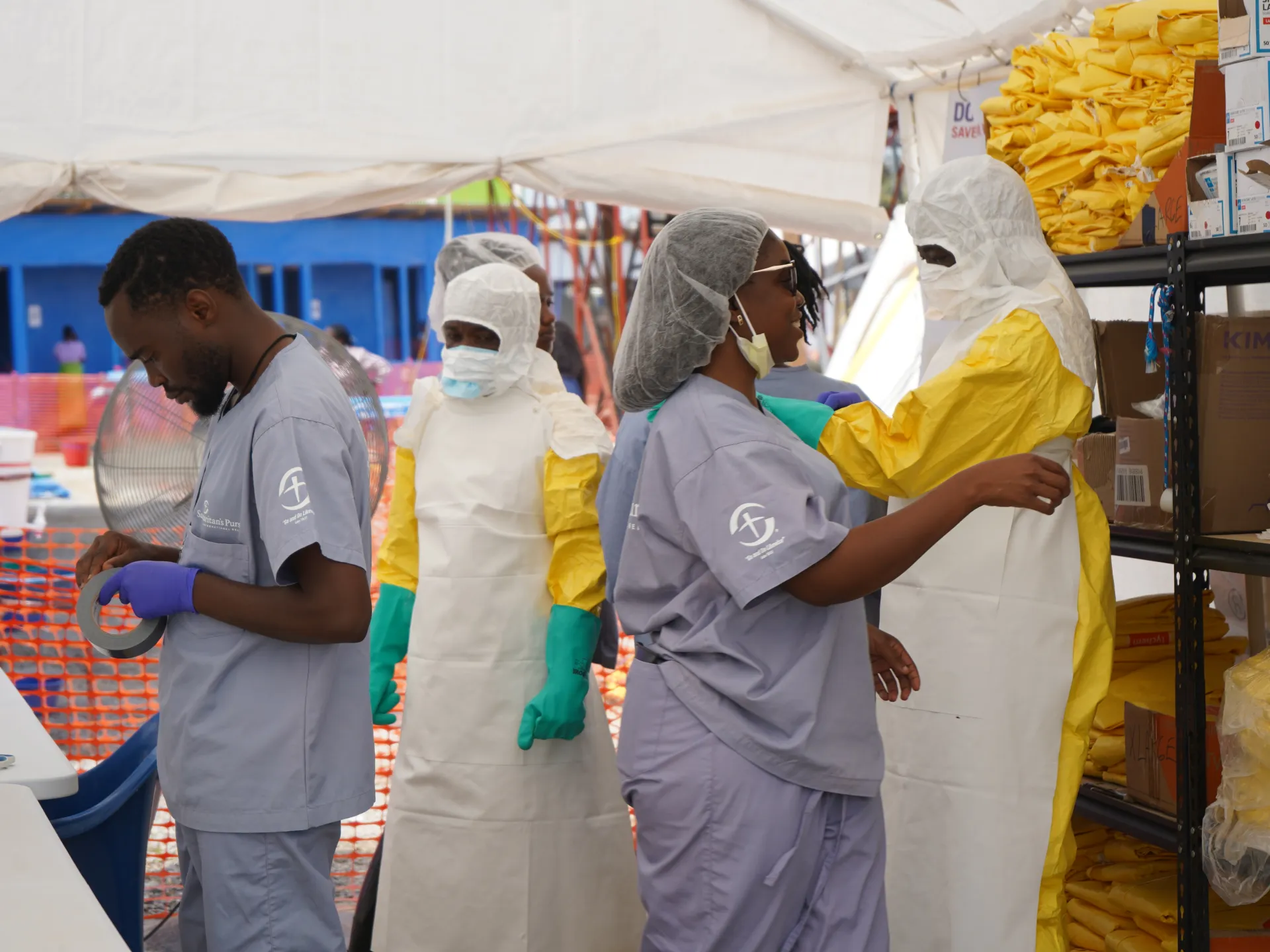
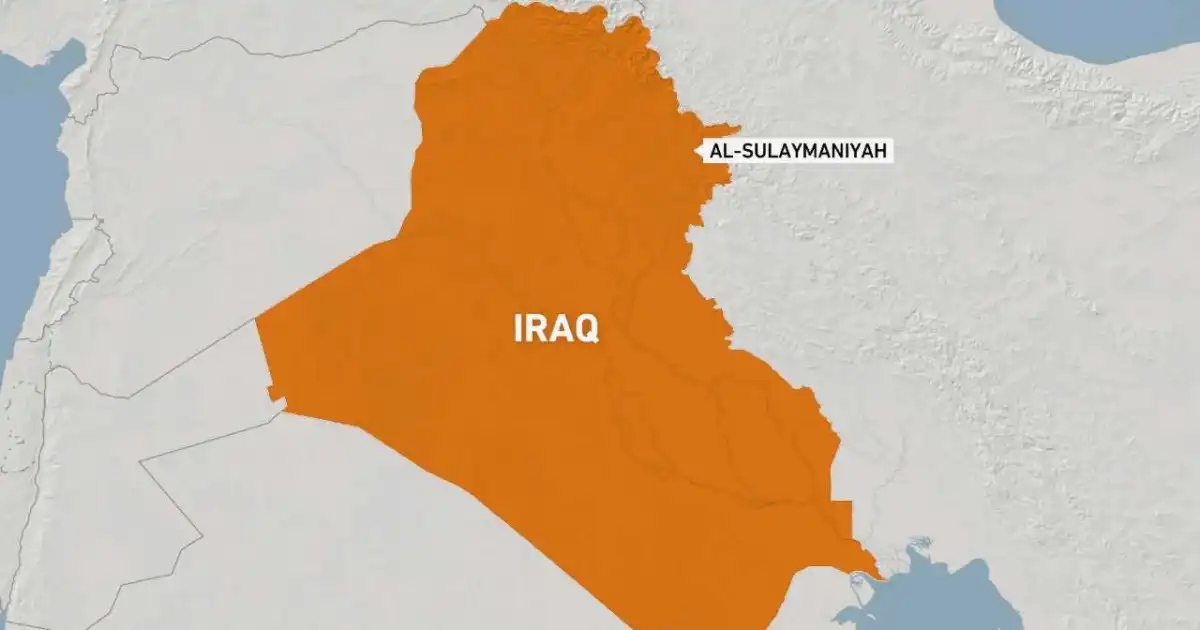
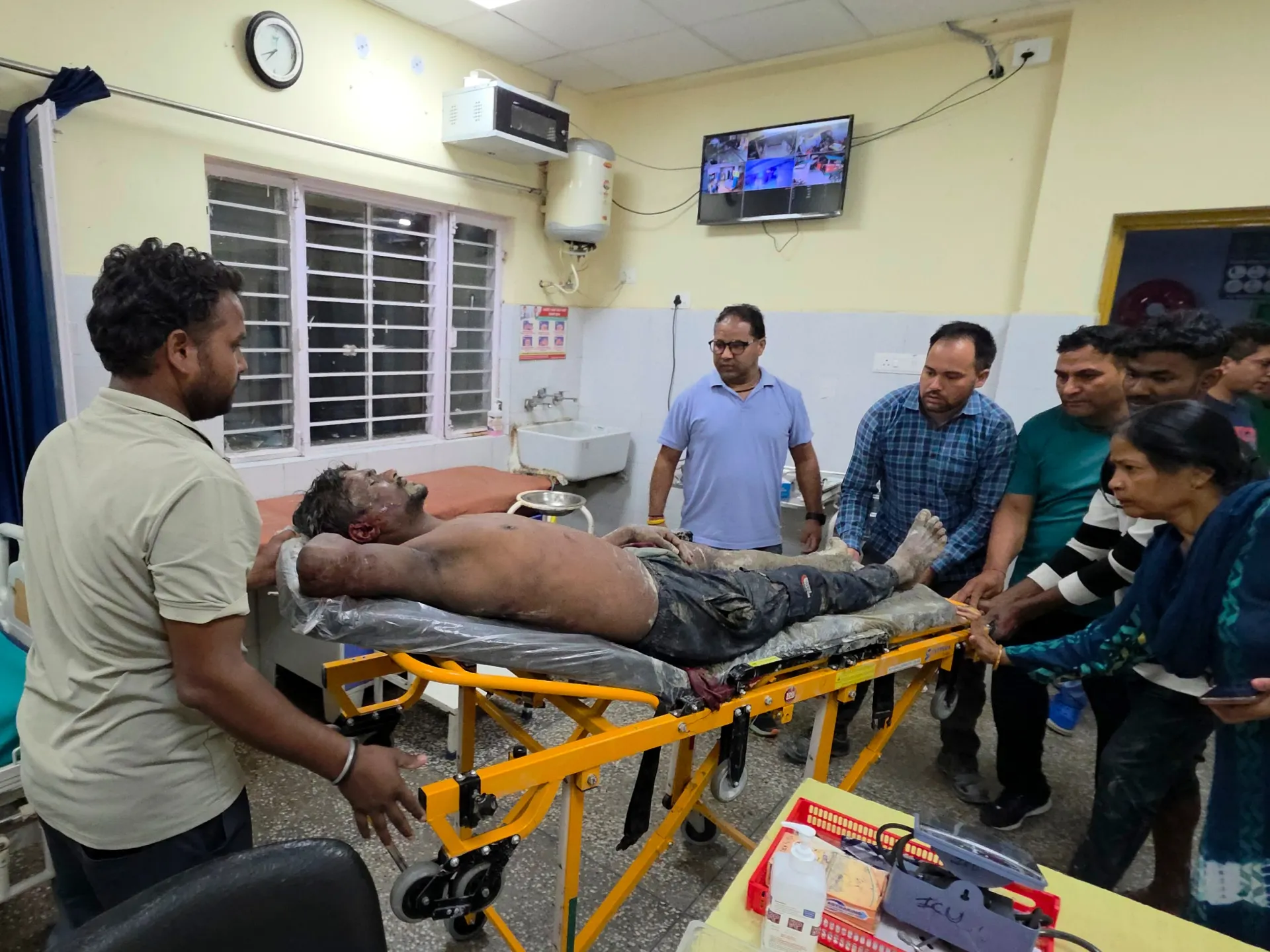
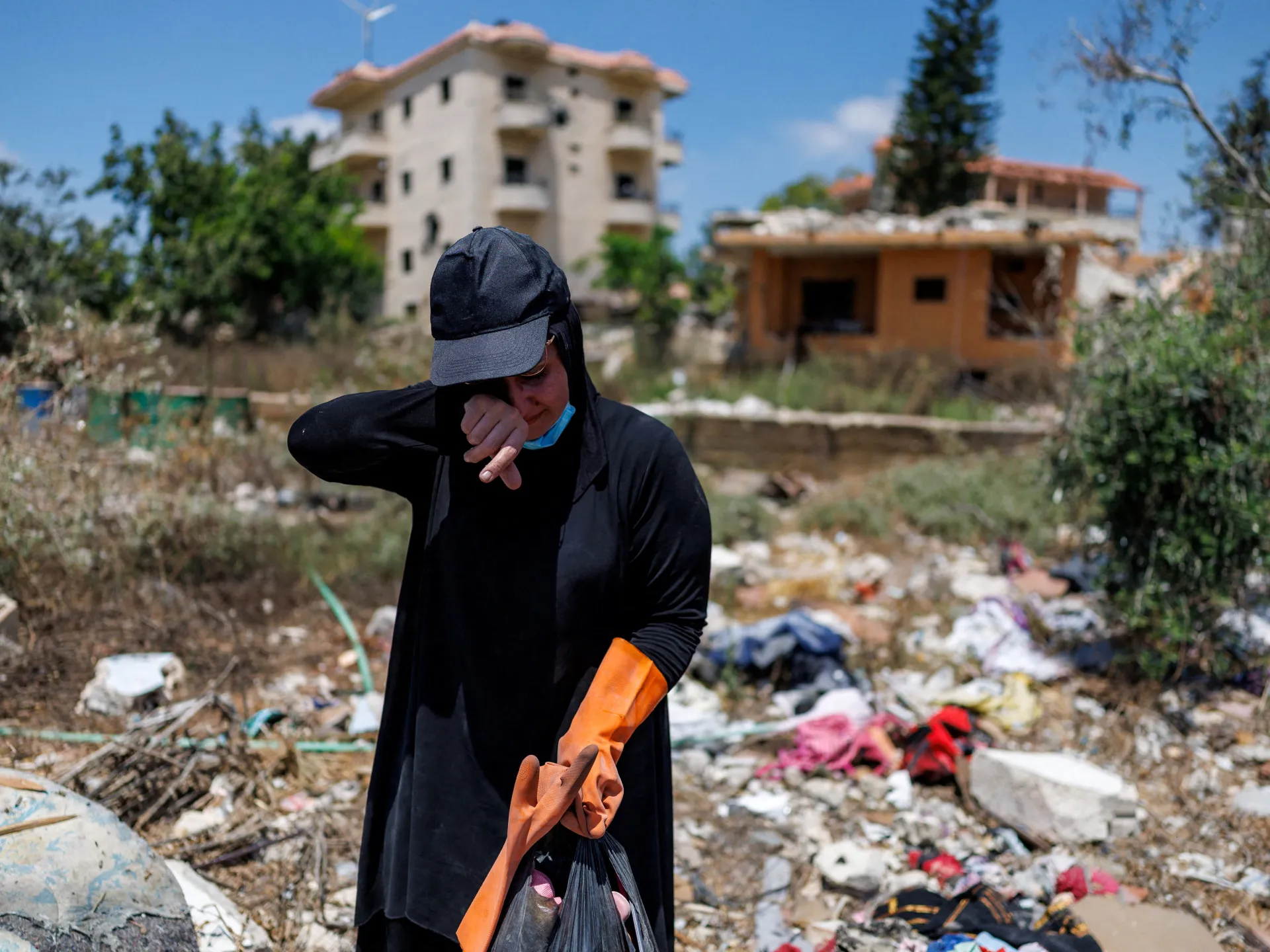
In a separate and more immediate crisis, 37 individuals accused of illegal mining died while in the custody of the Nigerian Security and Civil Defence Corps (NSCDC) in Niger state. The circumstances surrounding the deaths remain a point of contention; the NSCDC has attributed the fatalities to a disease outbreak, whereas an intelligence report cited es.
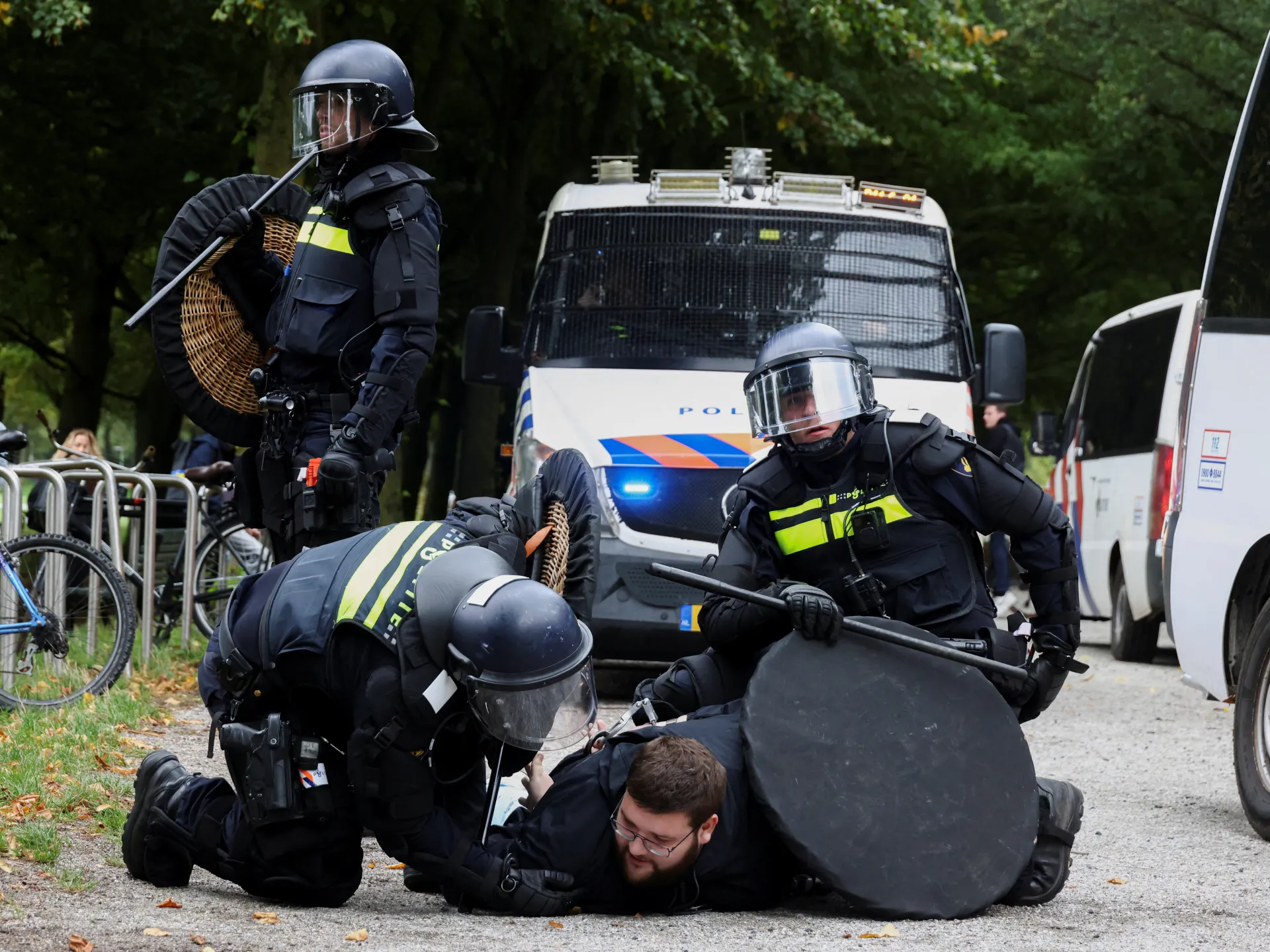
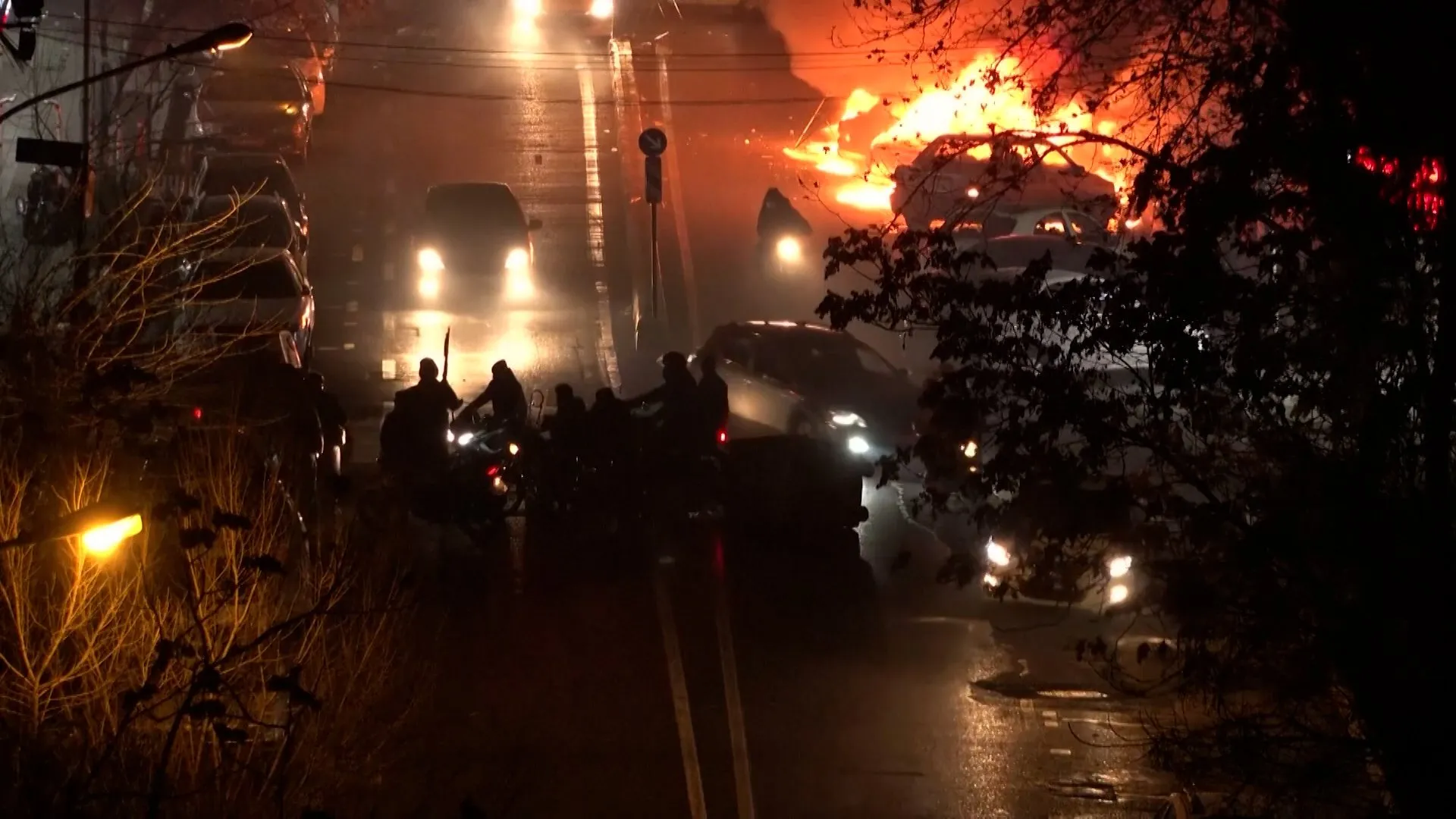
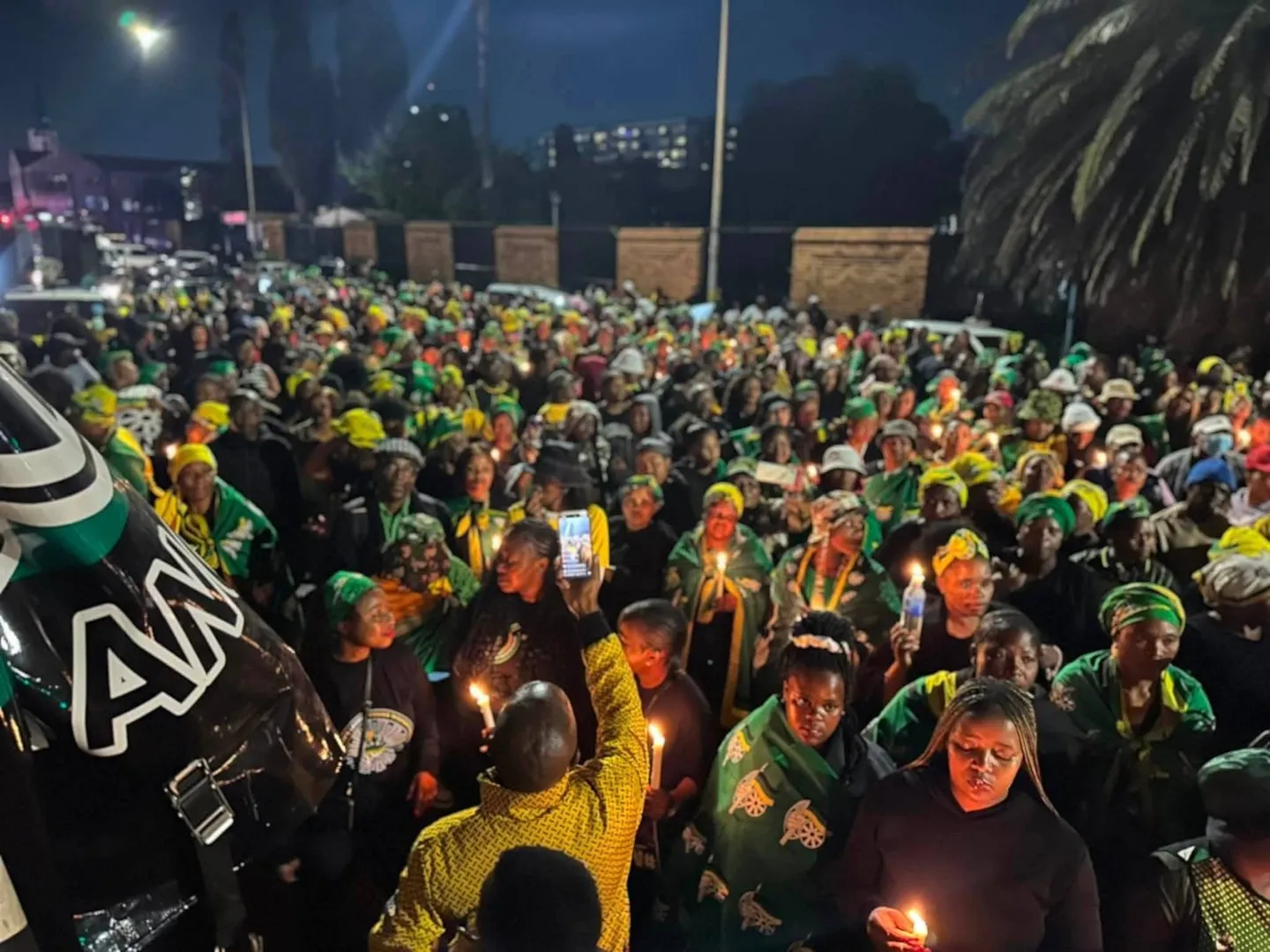
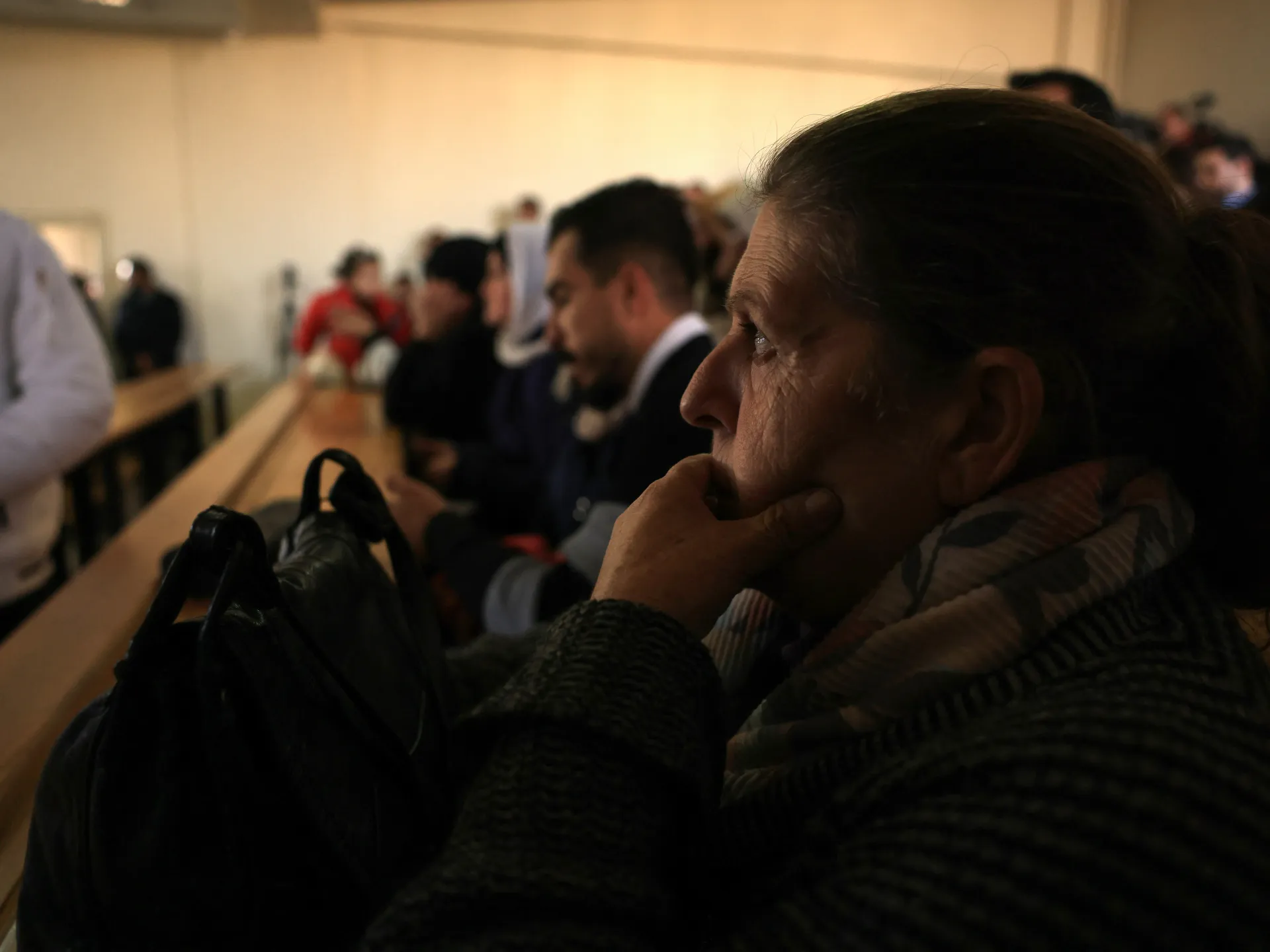
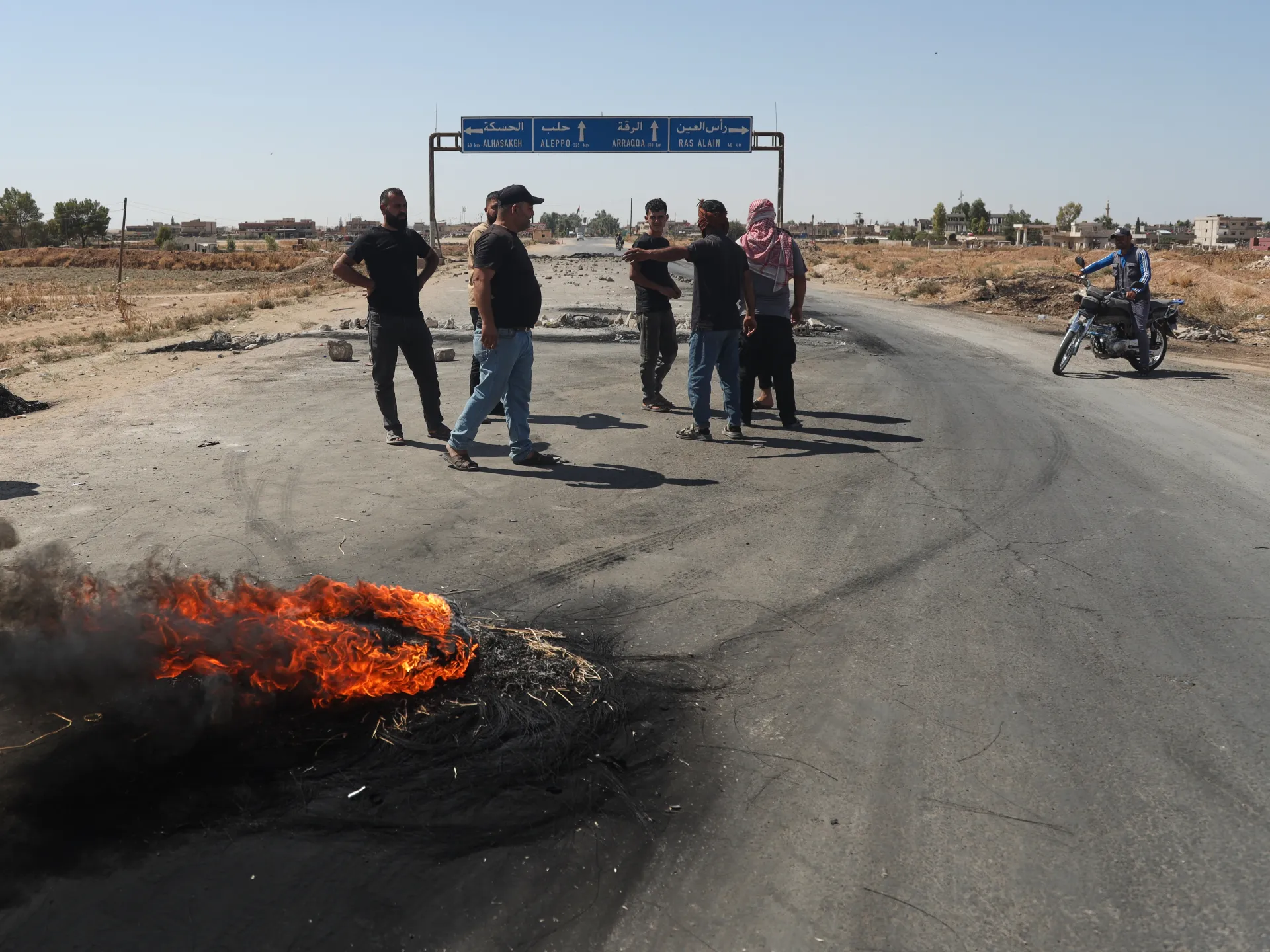
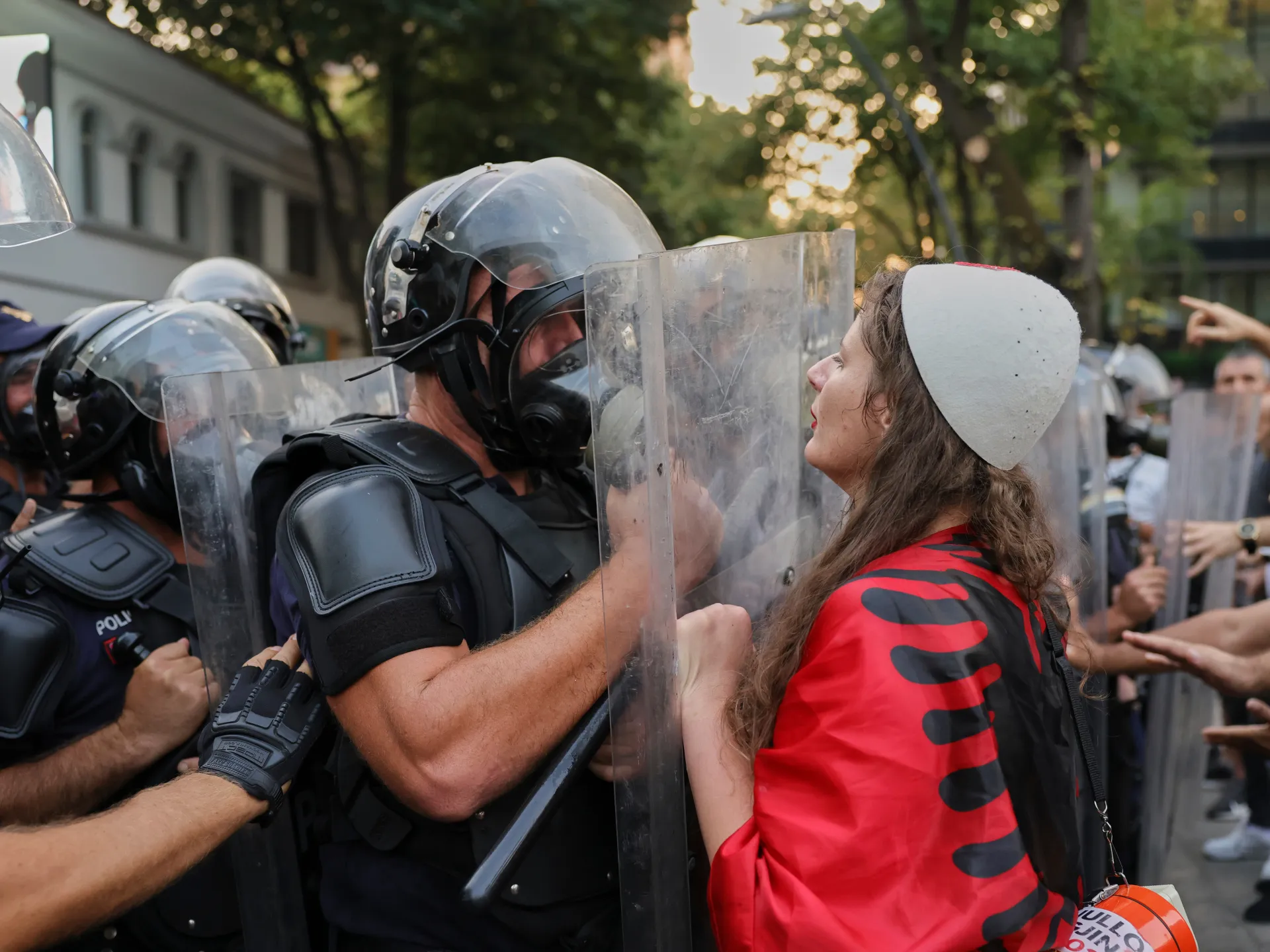
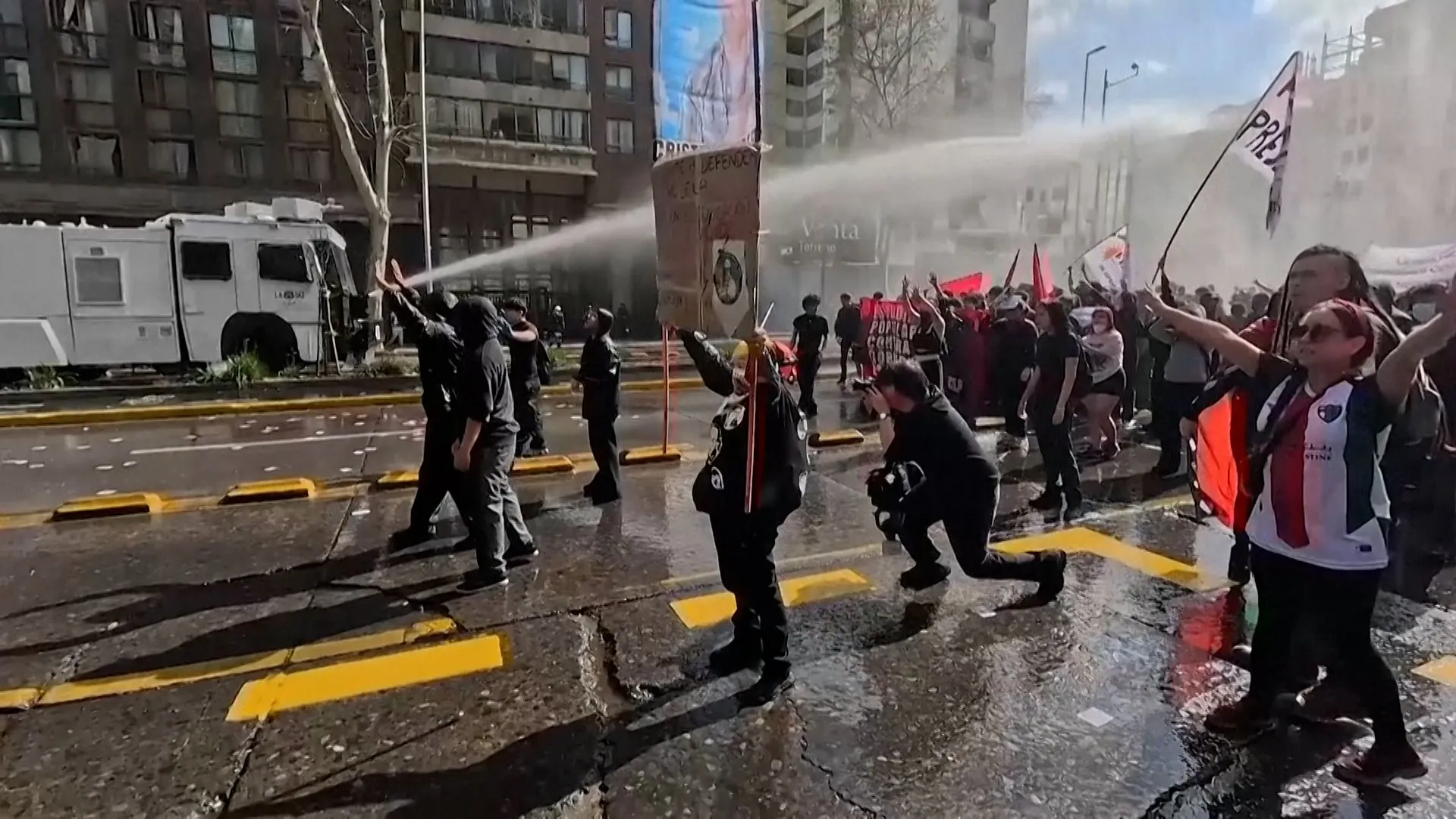
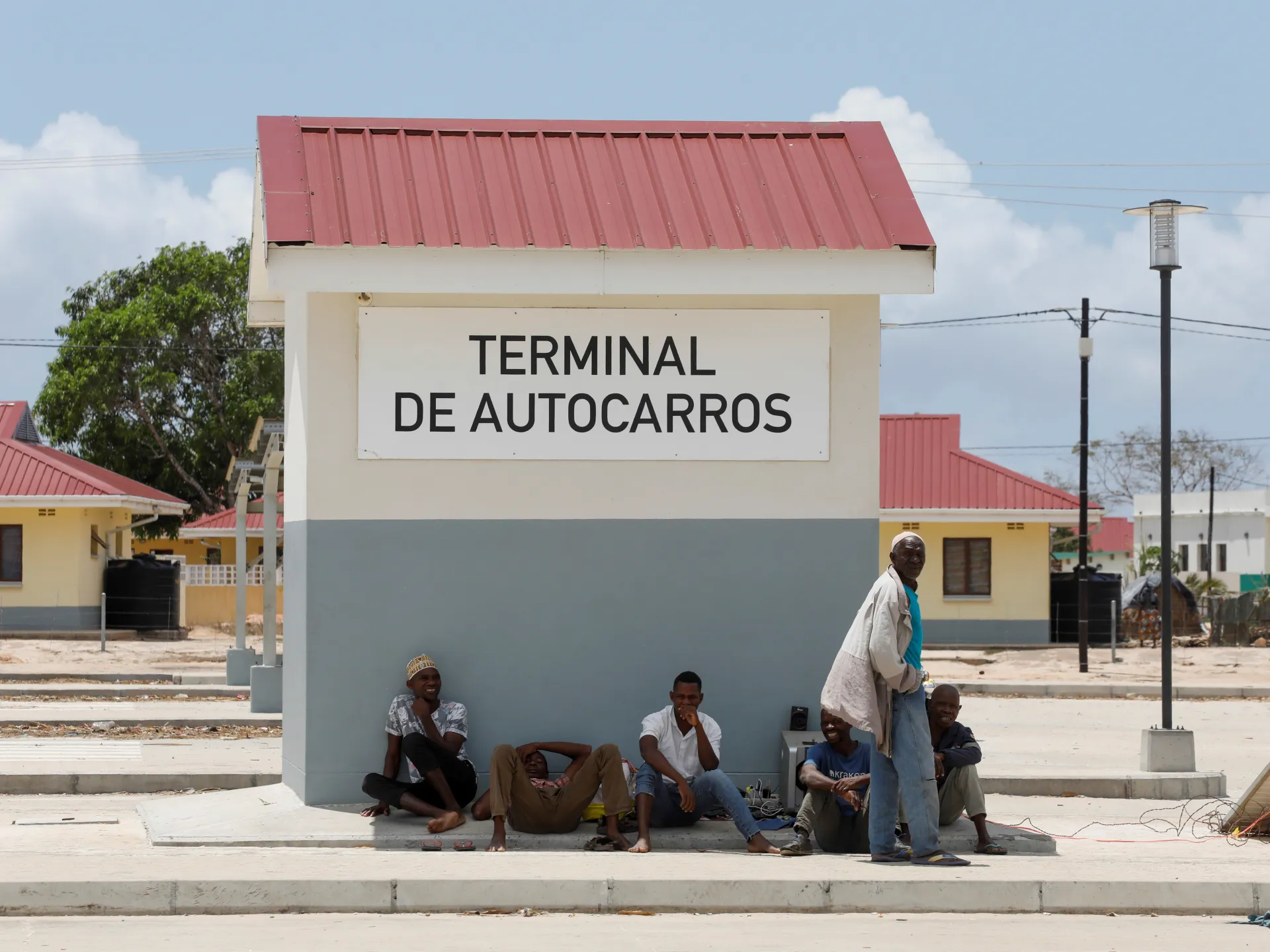
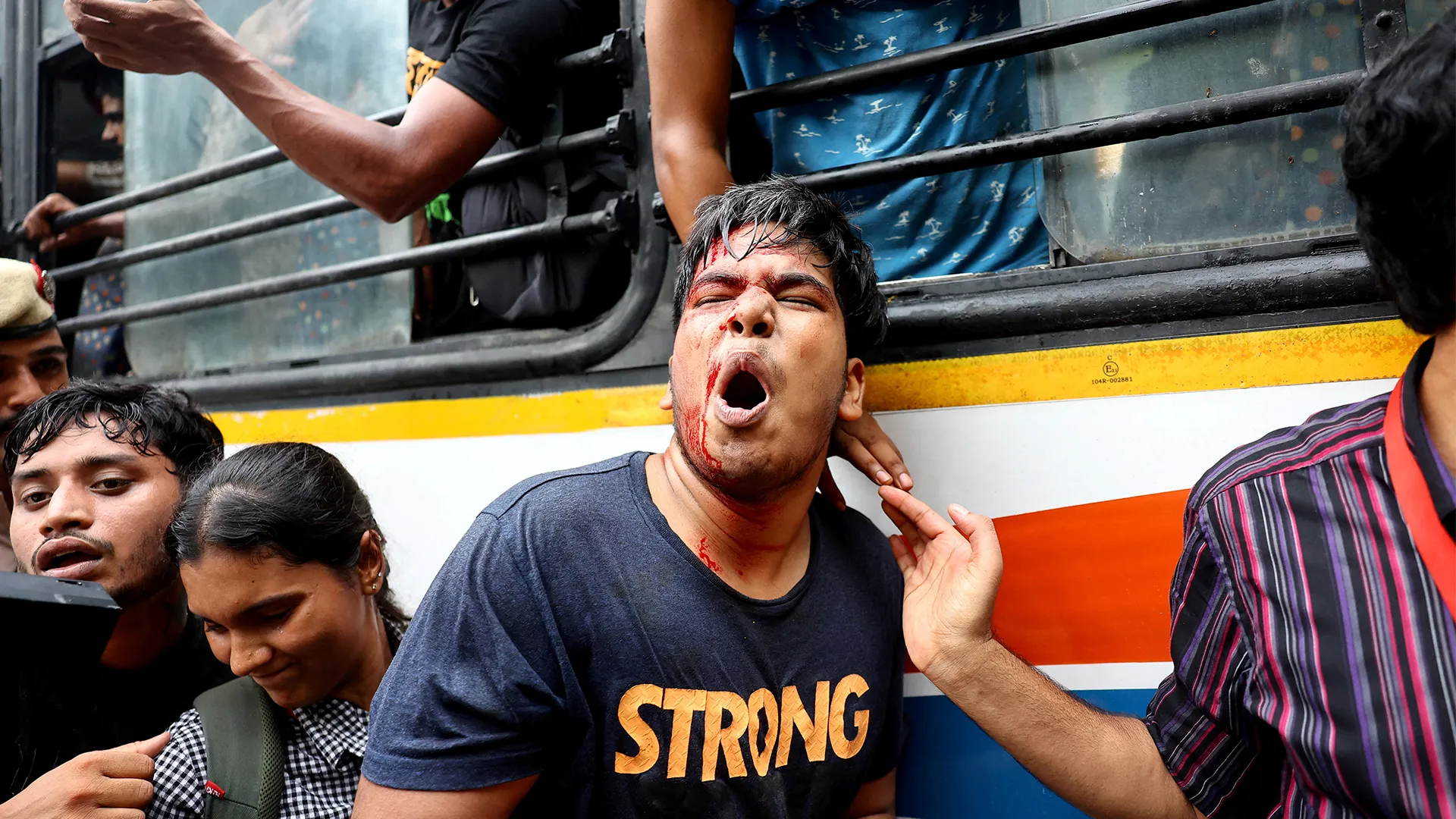
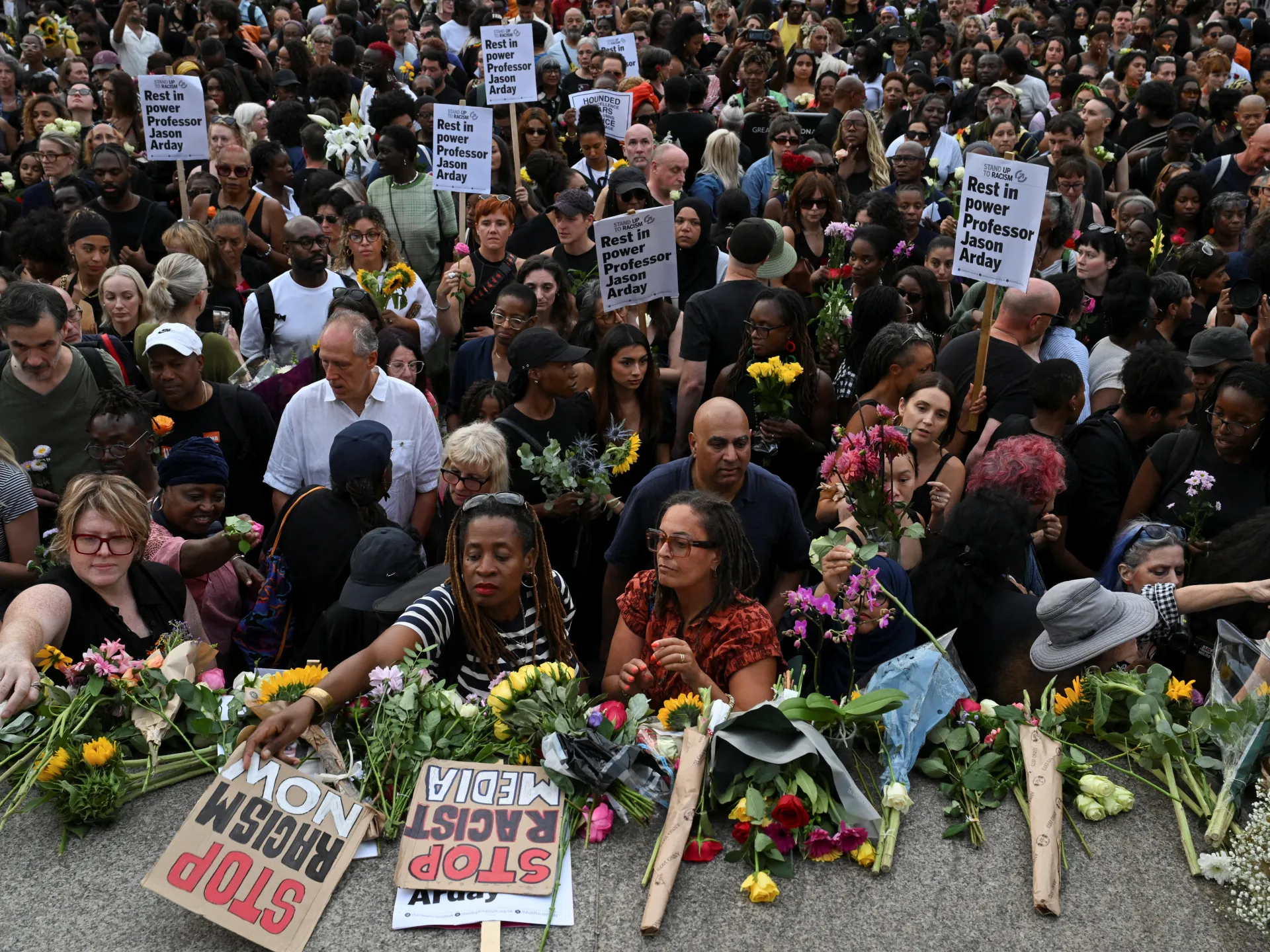
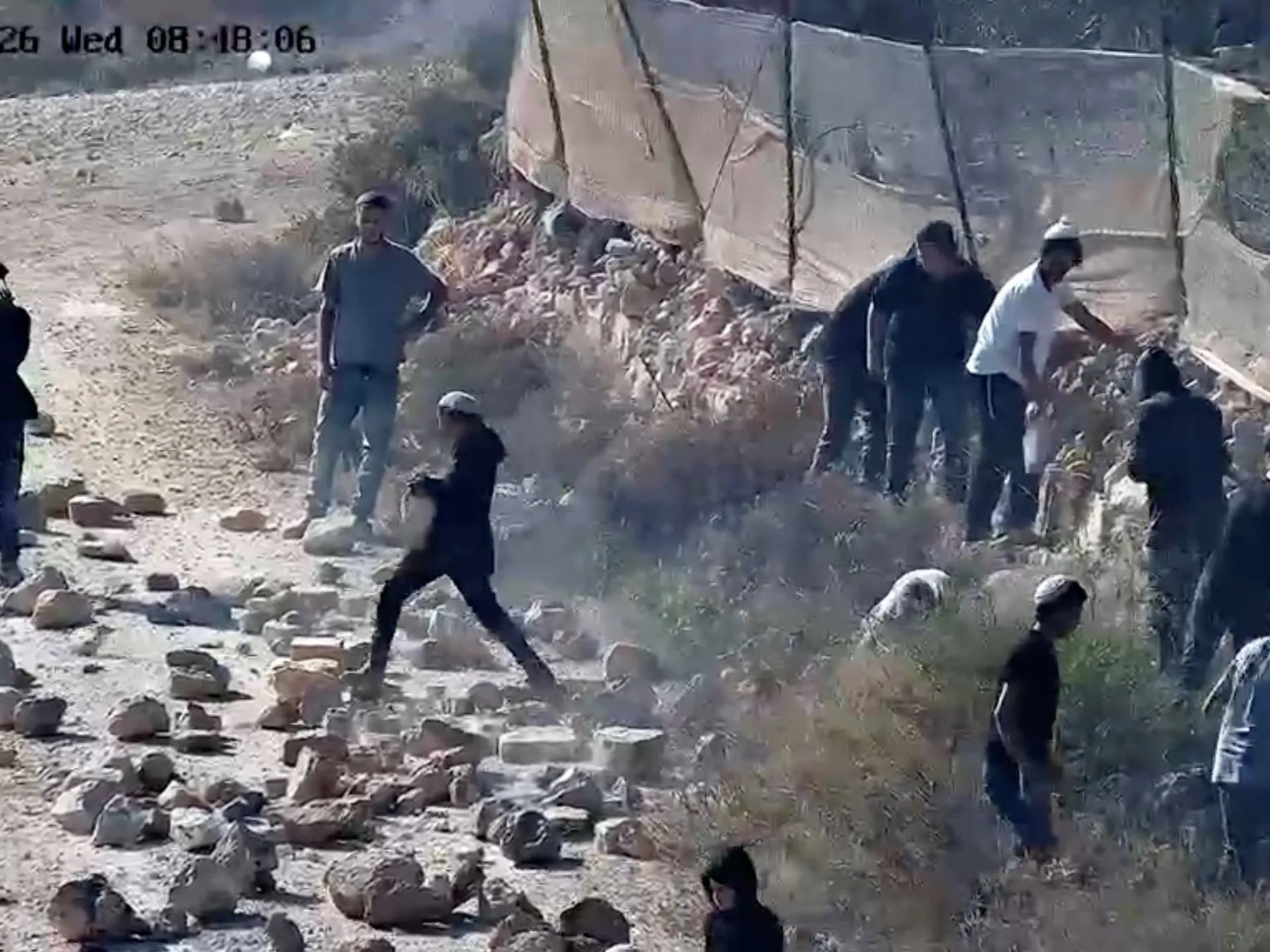
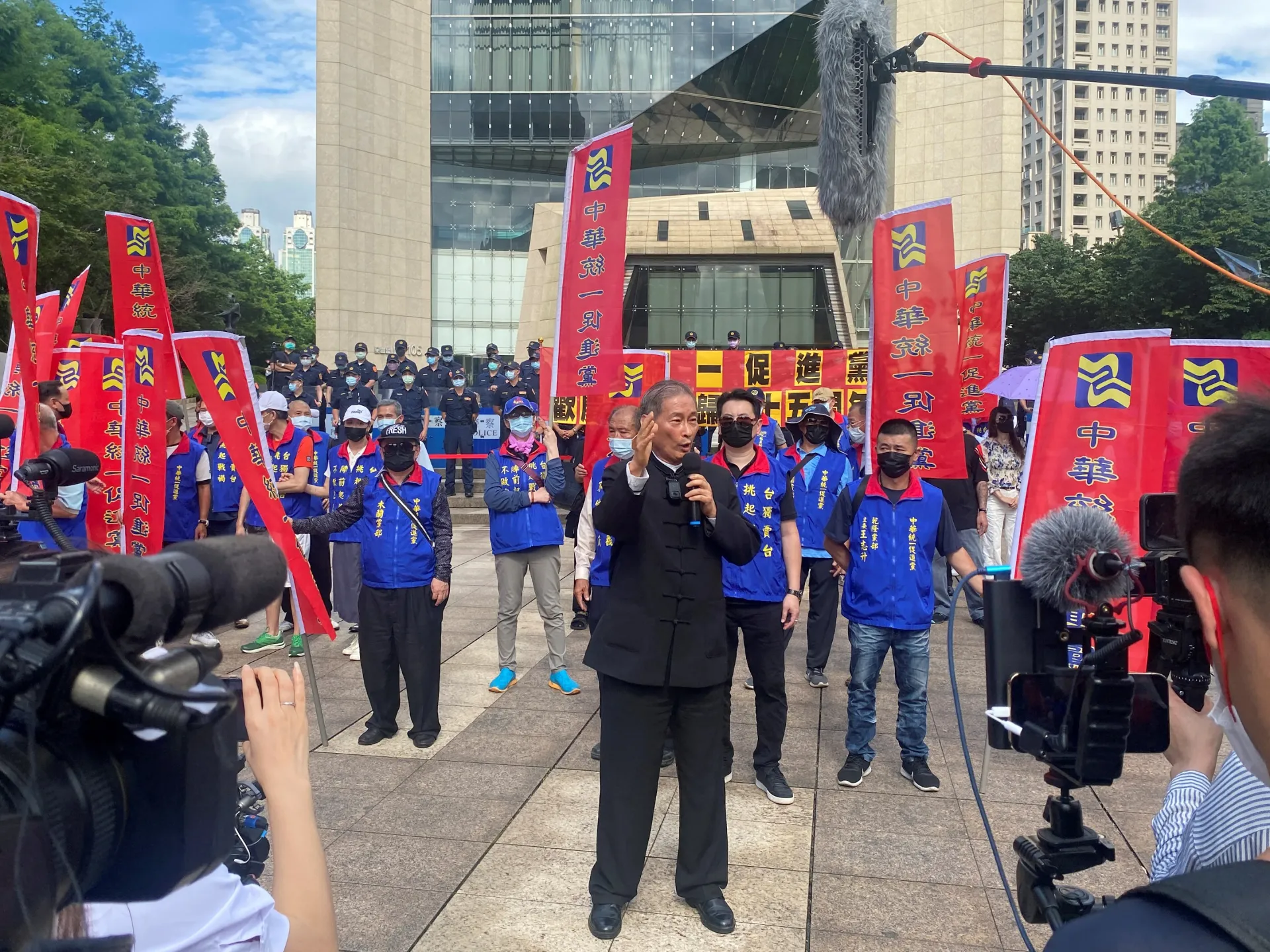
The incident has sparked significant civil disturbances in Minna, the state capital, where protesters targeted public infrastructure and transport buses. Families of the victims have challenged the official accounts provided st days prior. Local police have since initiated an investigation, and a 24-hour curfew has been imposed in an effort to restore order as the bodies of the deceased undergo post-mortem examinations at a local hospital.
For the Sheeran tour, the challenge will be managing the public relations fallout as the tour enters its Latin American leg. The success or failure of the upcoming concert may determine whether the boycott remains a localized issue or expands into a global operational hurdle for the artist. In Nigeria, the focus will likely shift to the findings of the forensic examinations of the victims. If the post-mortem results contradict the NSCDC’s claims of a disease outbreak, the government may face mounting pressure for structural reforms within its detention systems. Both situations suggest that in the coming weeks, the burden of proof will rest heavily on institutions to justify their actions in the face of widespread public skepticism.