New data reveals that 907 aid workers were killed, injured, or kidnapped in 2025, marking a record year for violence against humanitarian personnel.
The year 2025 marked a grim milestone for the humanitarian sector, as data revealed a record-breaking frequency of violent incidents targeting those providing life-saving assistance. According to findings from the Aid Worker Security Database, which meticulously tracks incidents involving humanitarian personnel globally, 907 individuals were killed, injured, or kidnapped throughout the calendar year. This figure highlights a deteriorating security environment for organizations operating in the world’s most volatile regions.
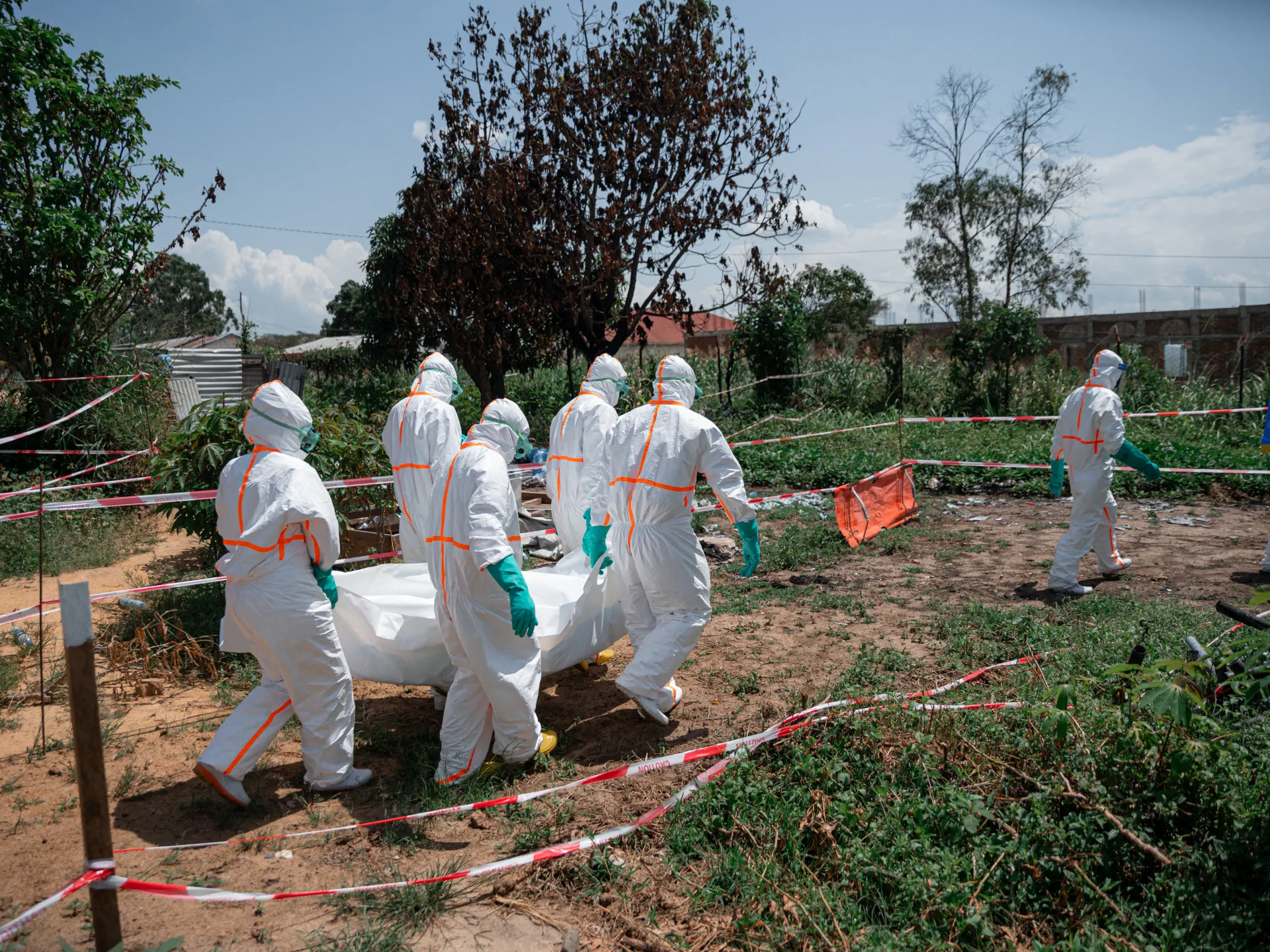
While the total number of casualties remains alarmingly high, there was a marginal decrease in fatalities compared to the previous year. In 2025, 350 aid workers lost their lives, a slight improvement over the record-breaking 387 deaths documented in 2024. Despite this minor reduction in the death toll, the overarching trend points to a systemic failure to protect non-combatants, as the total volume of violent interactions between aid staff and armed entities continues to climb.
United Nations Secretary-General Antonio Guterres addressed the crisis with a stark condemnation, labeling the current level of violence as “appalling.” He emphasized that the act of serving vulnerable populations has transformed into an increasingly perilous profession. Guterres called upon member states to strictly adhere to international humanitarian law and ensure that those responsible for these attacks are held accountable under the rule of law.
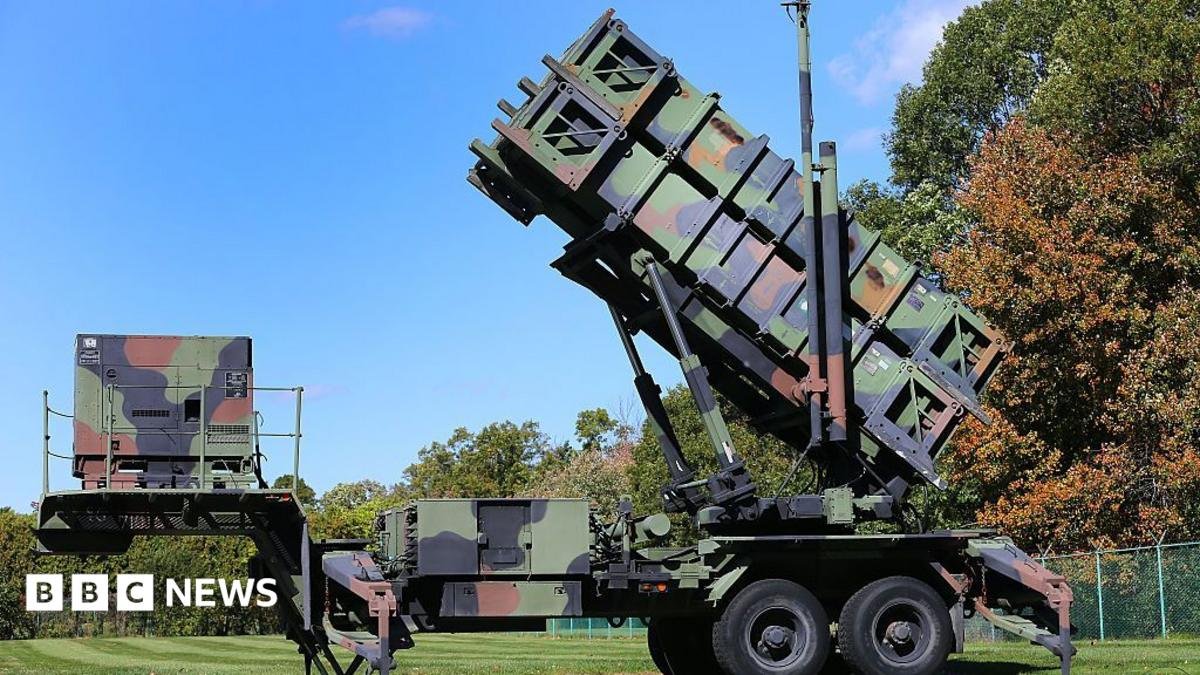
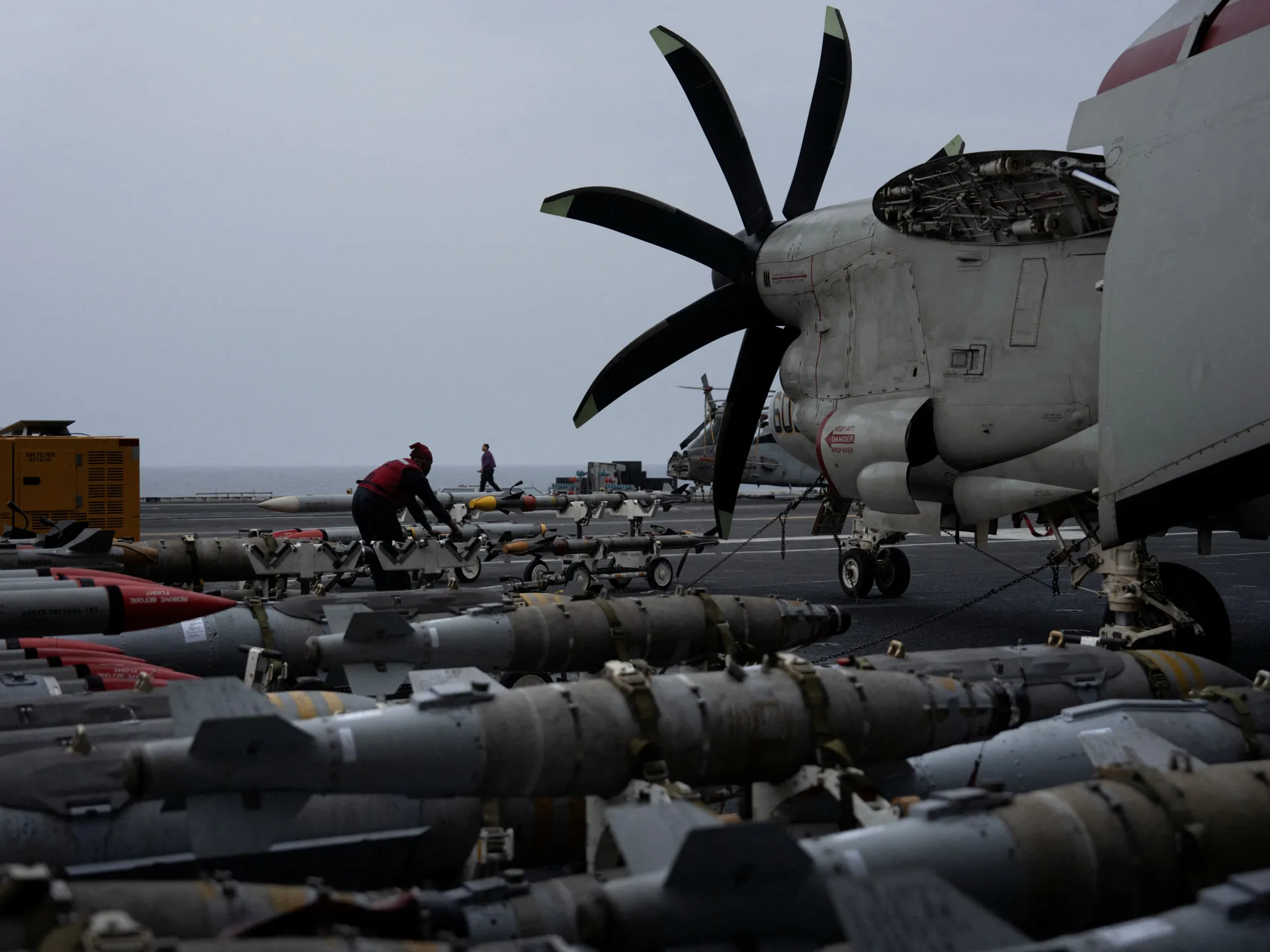
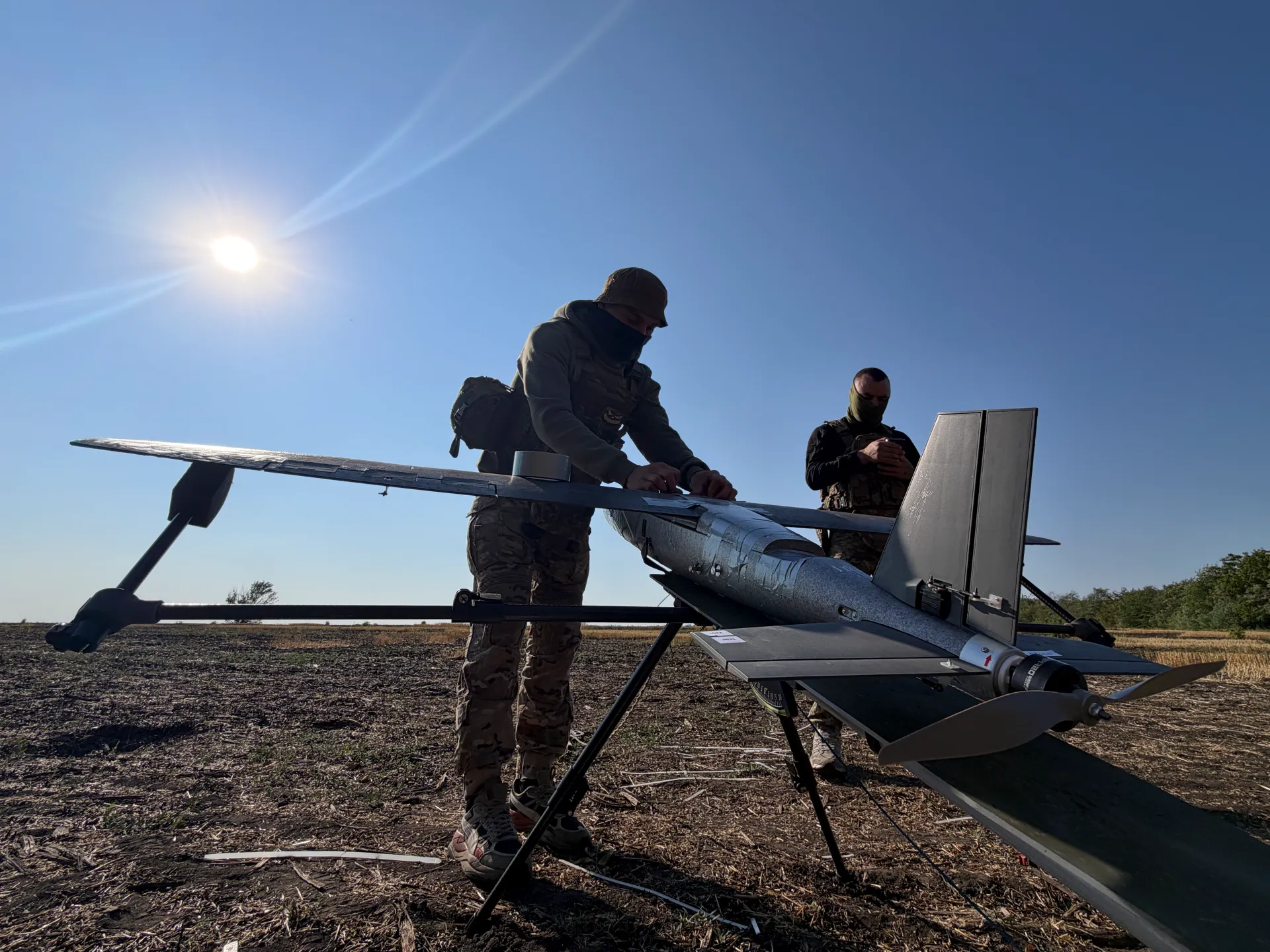
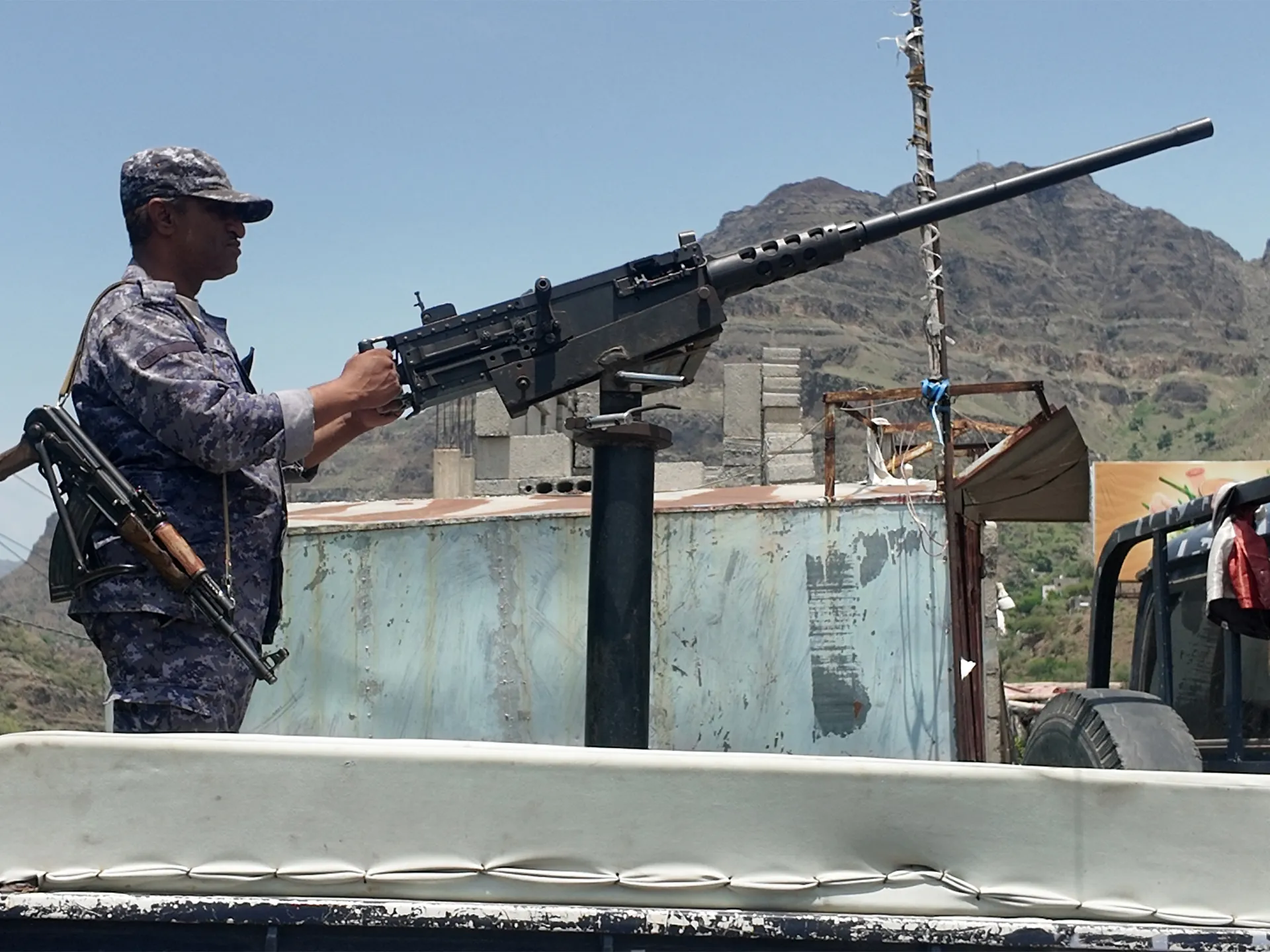
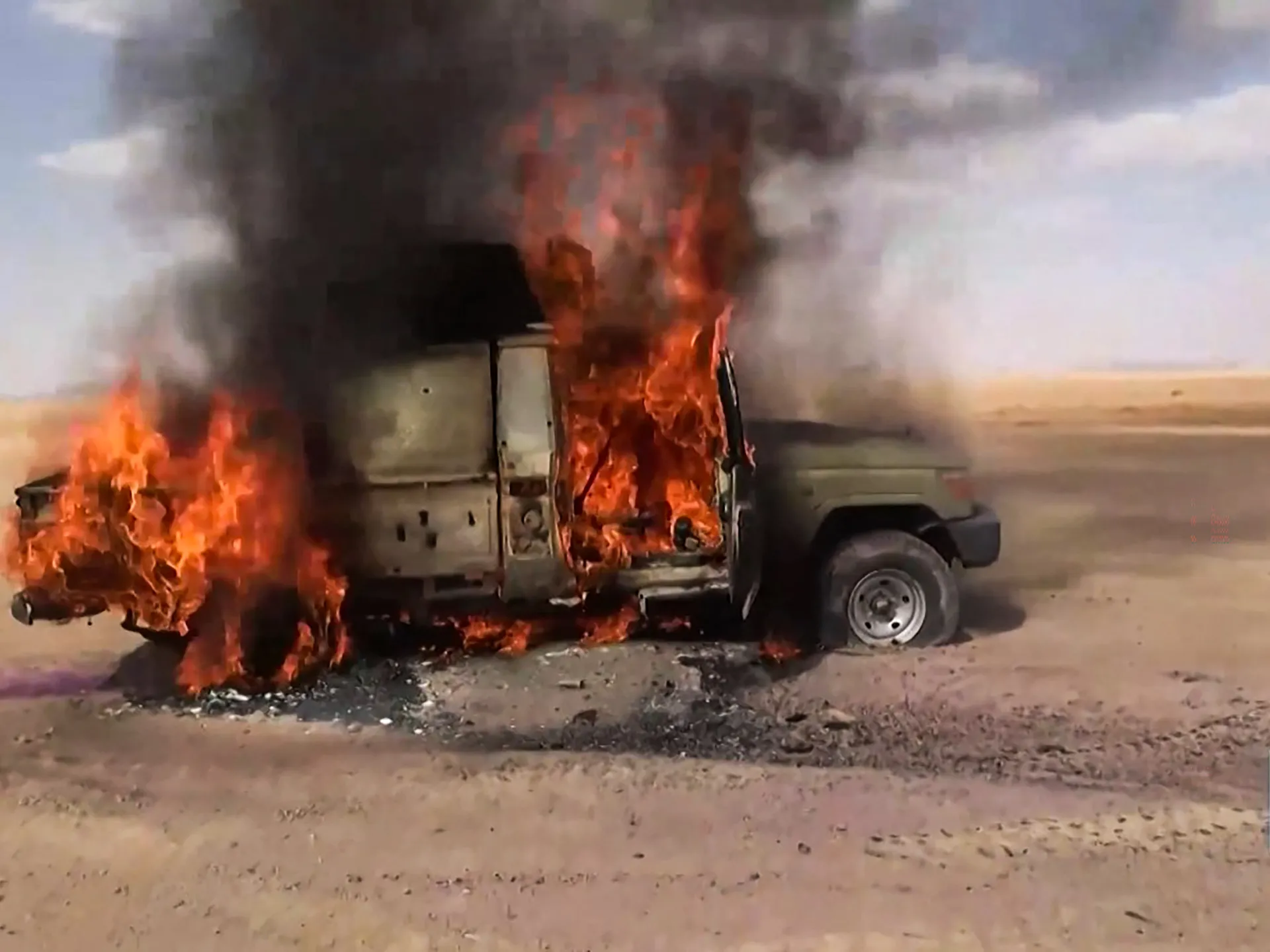
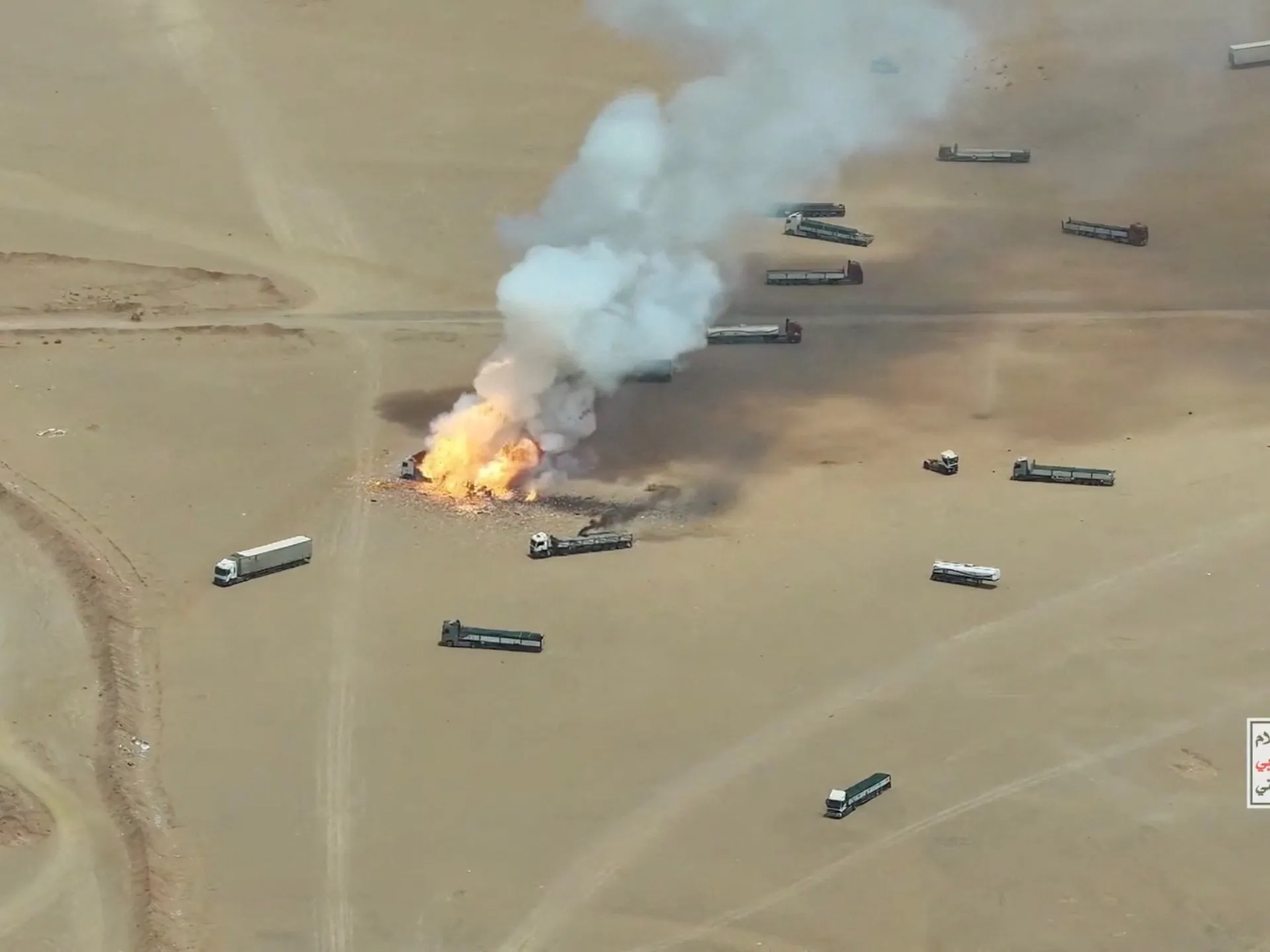
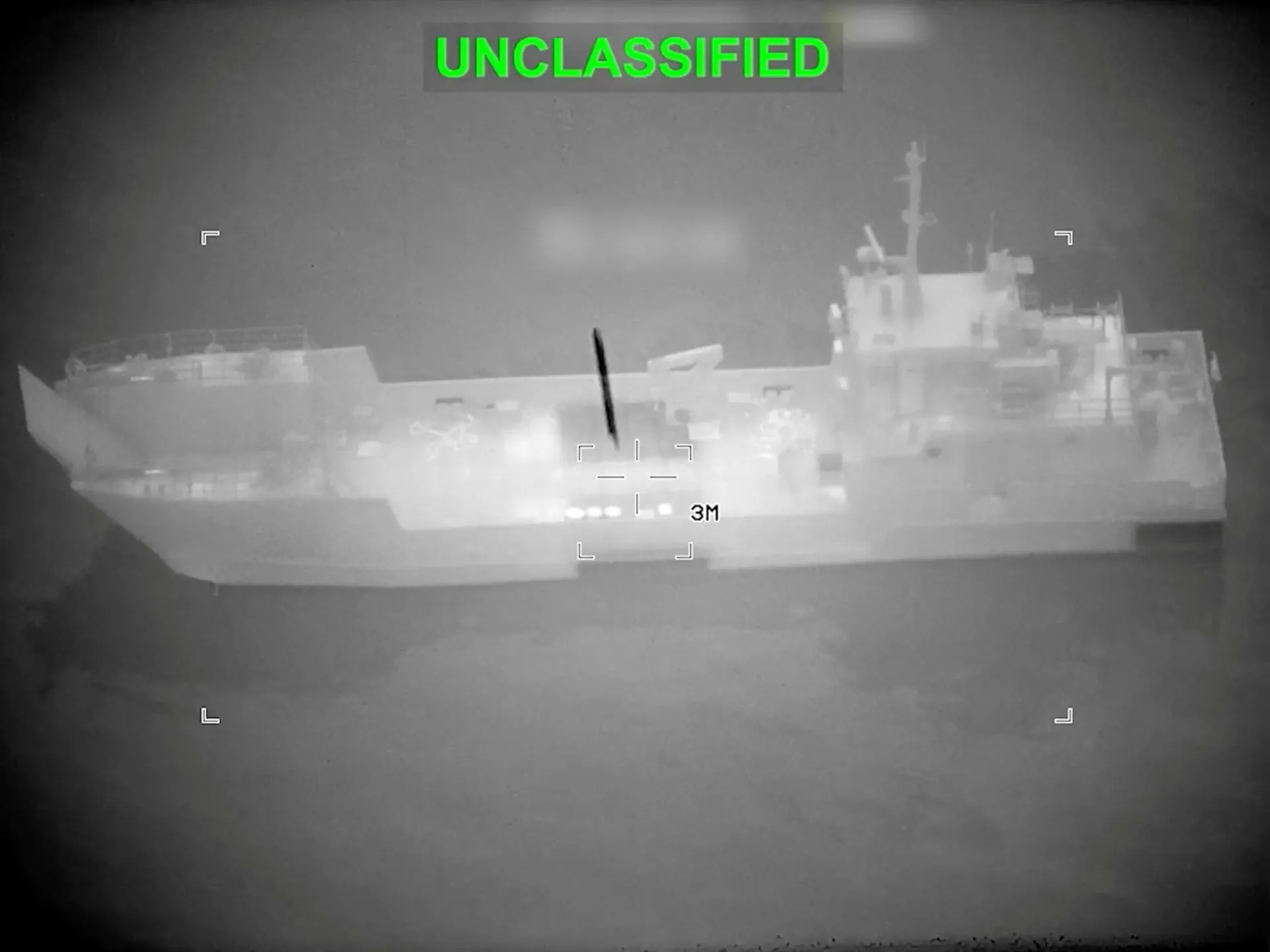
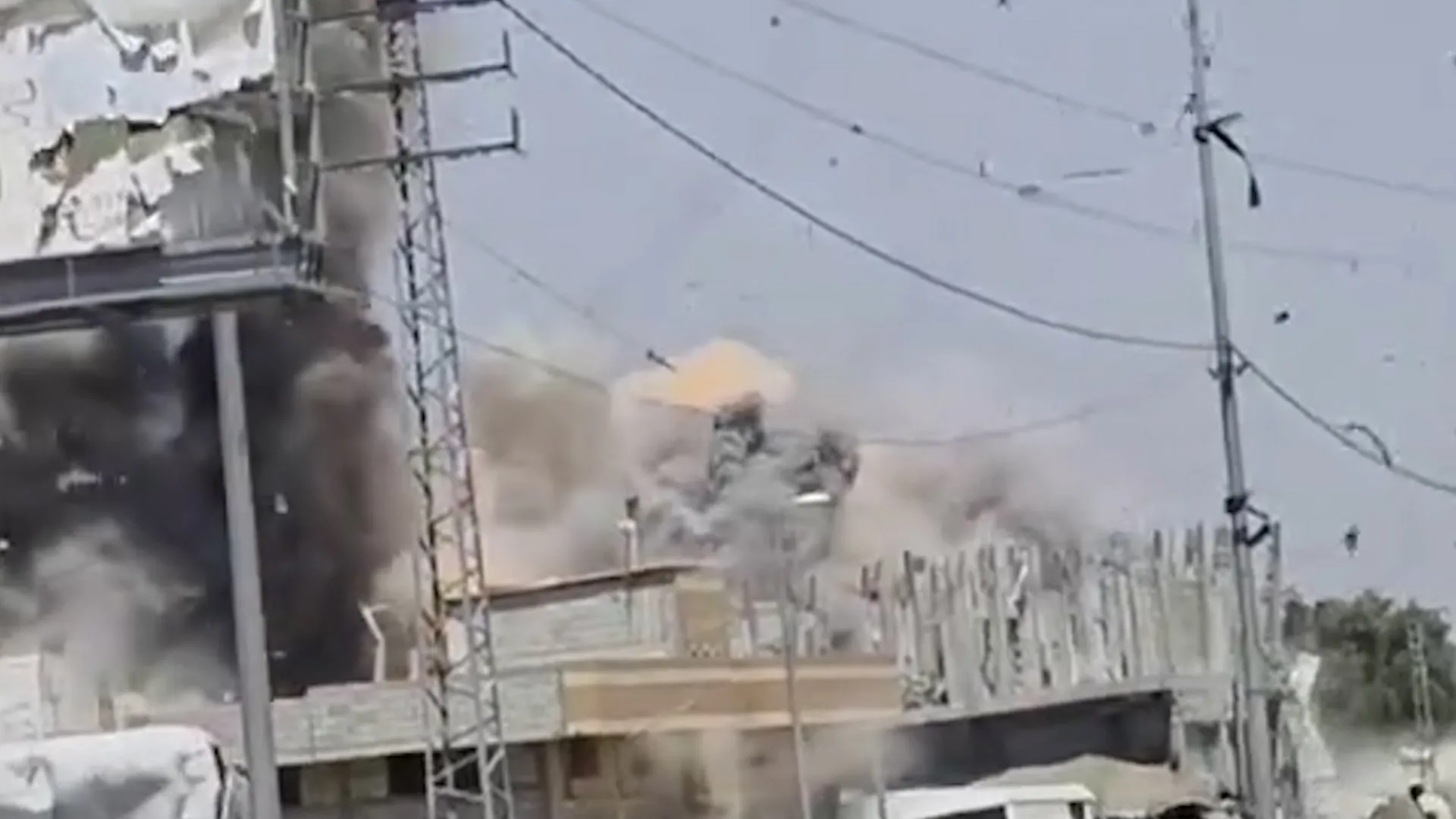
A primary factor contributing to the heightened risk profile for aid workers is the rapid advancement and proliferation of military technology. UN aid chief Tom Fletcher pointed specifically to the accessibility of cheap, highly adaptable armed drones as a major catalyst for the current security crisis. These low-cost aerial systems allow non-state actors and conventional militaries alike to strike with precision, often putting civilian humanitarian convoys directly in the crosshairs.
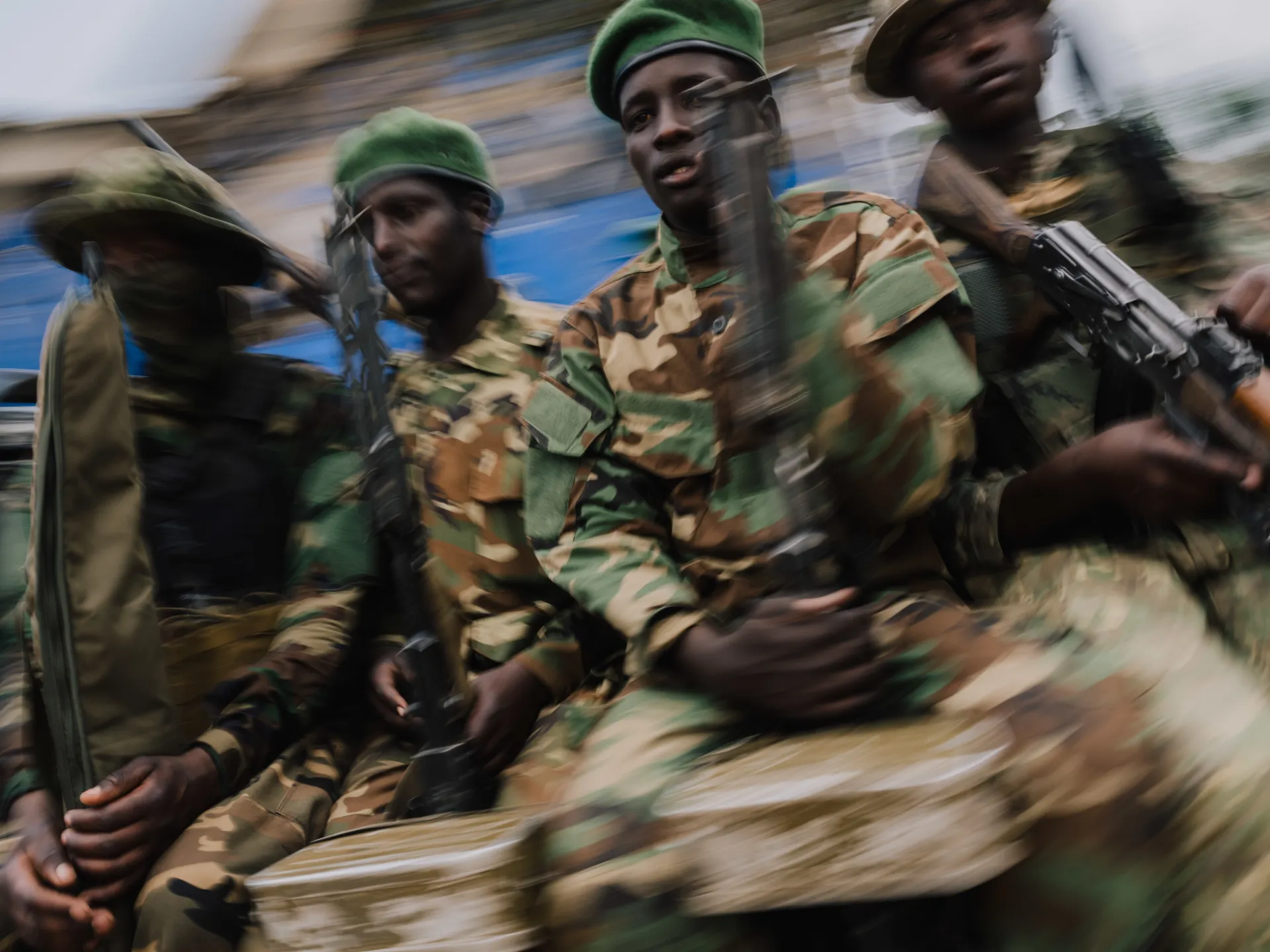
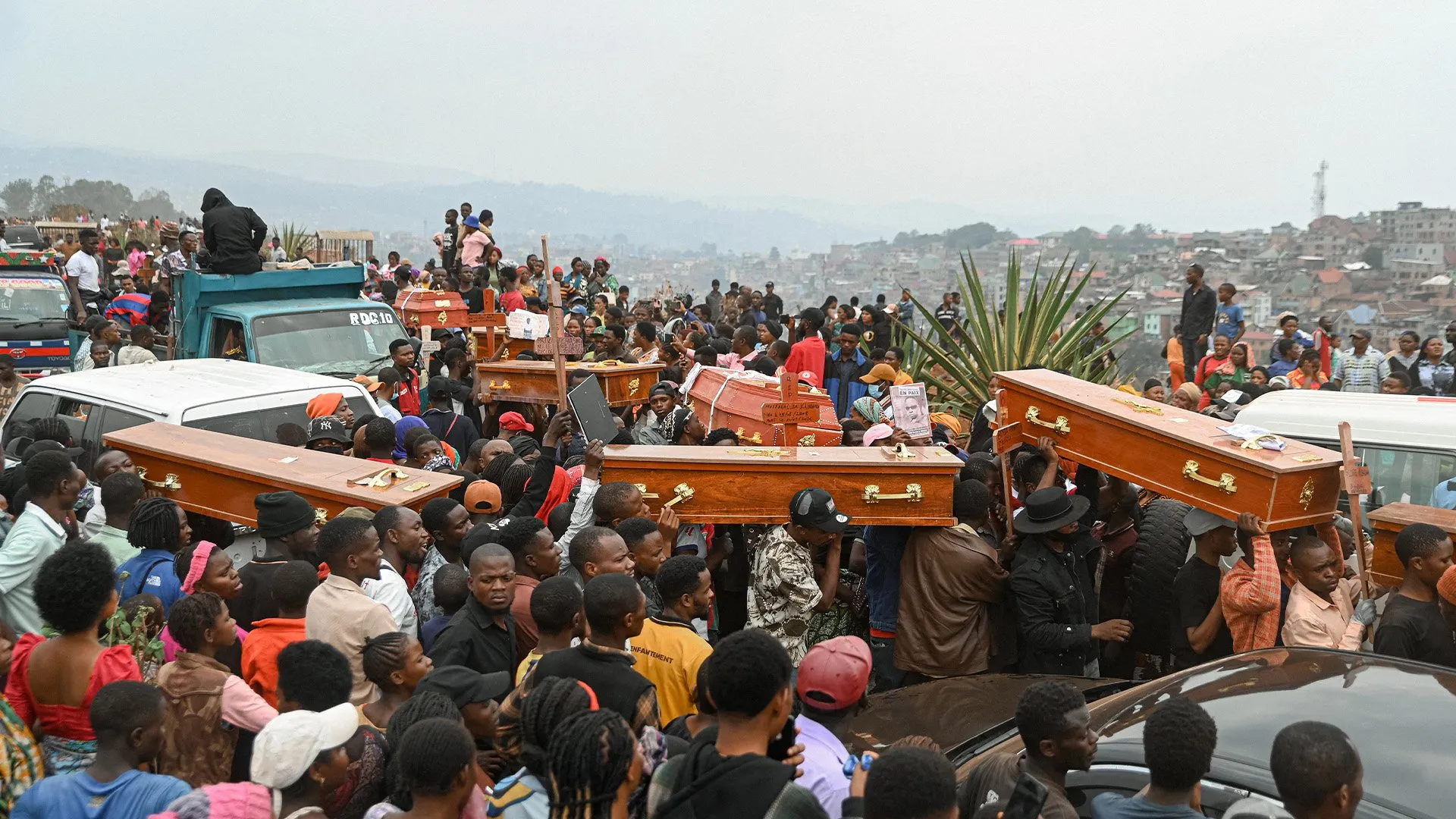
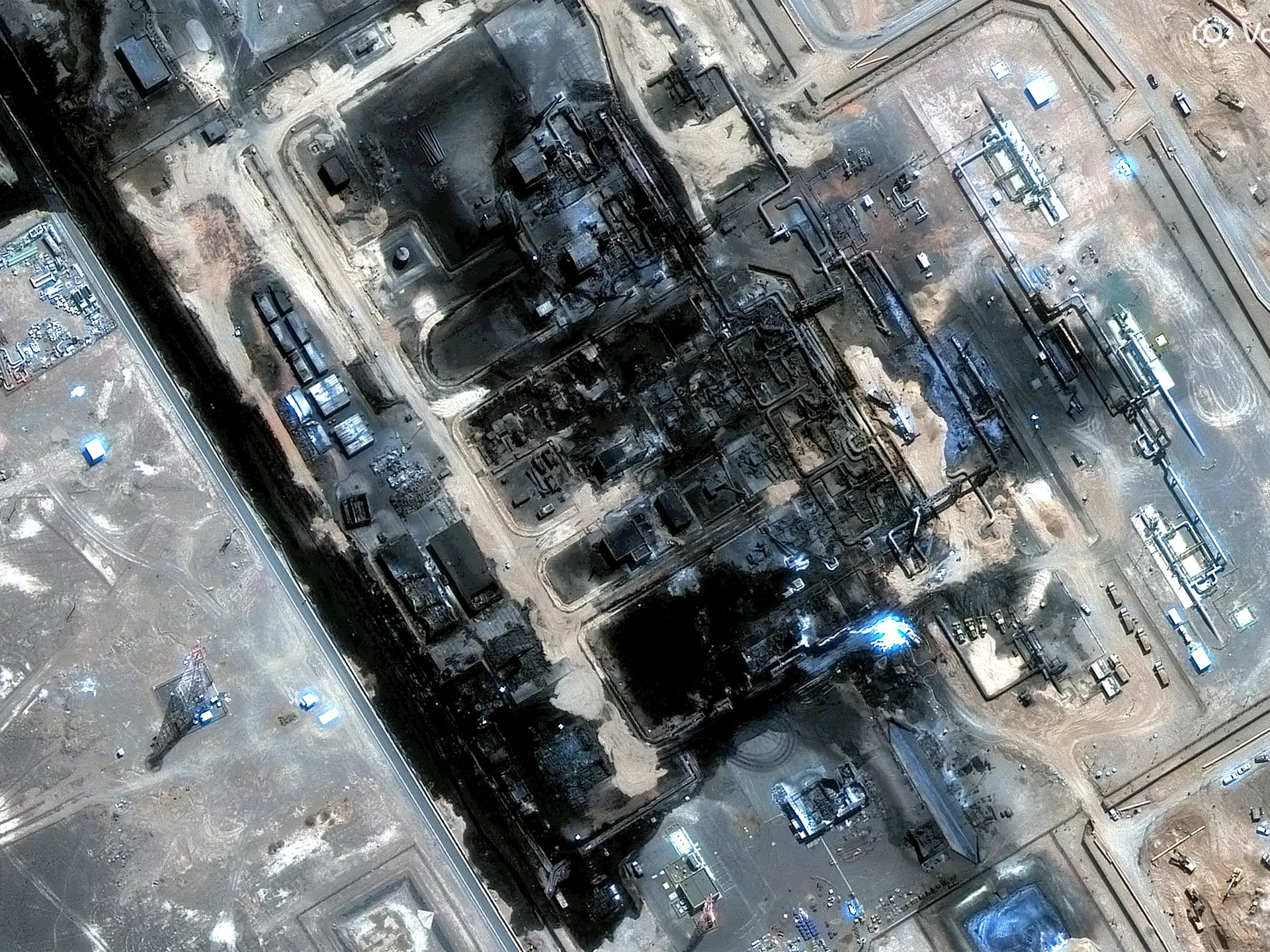
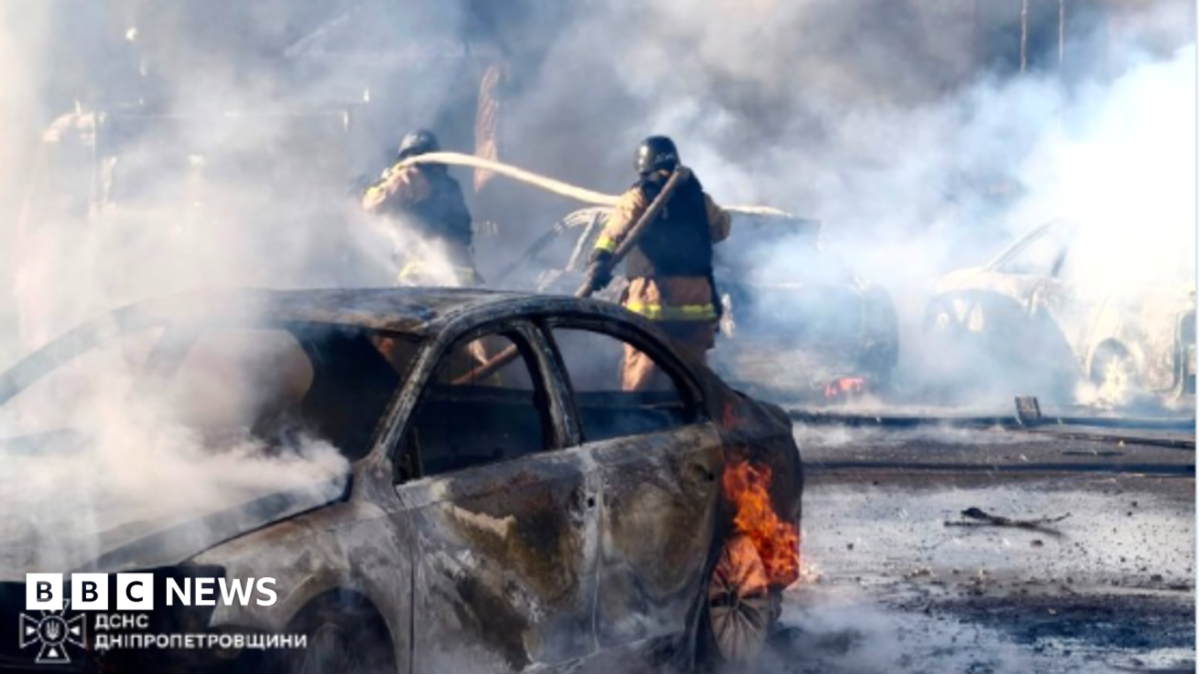
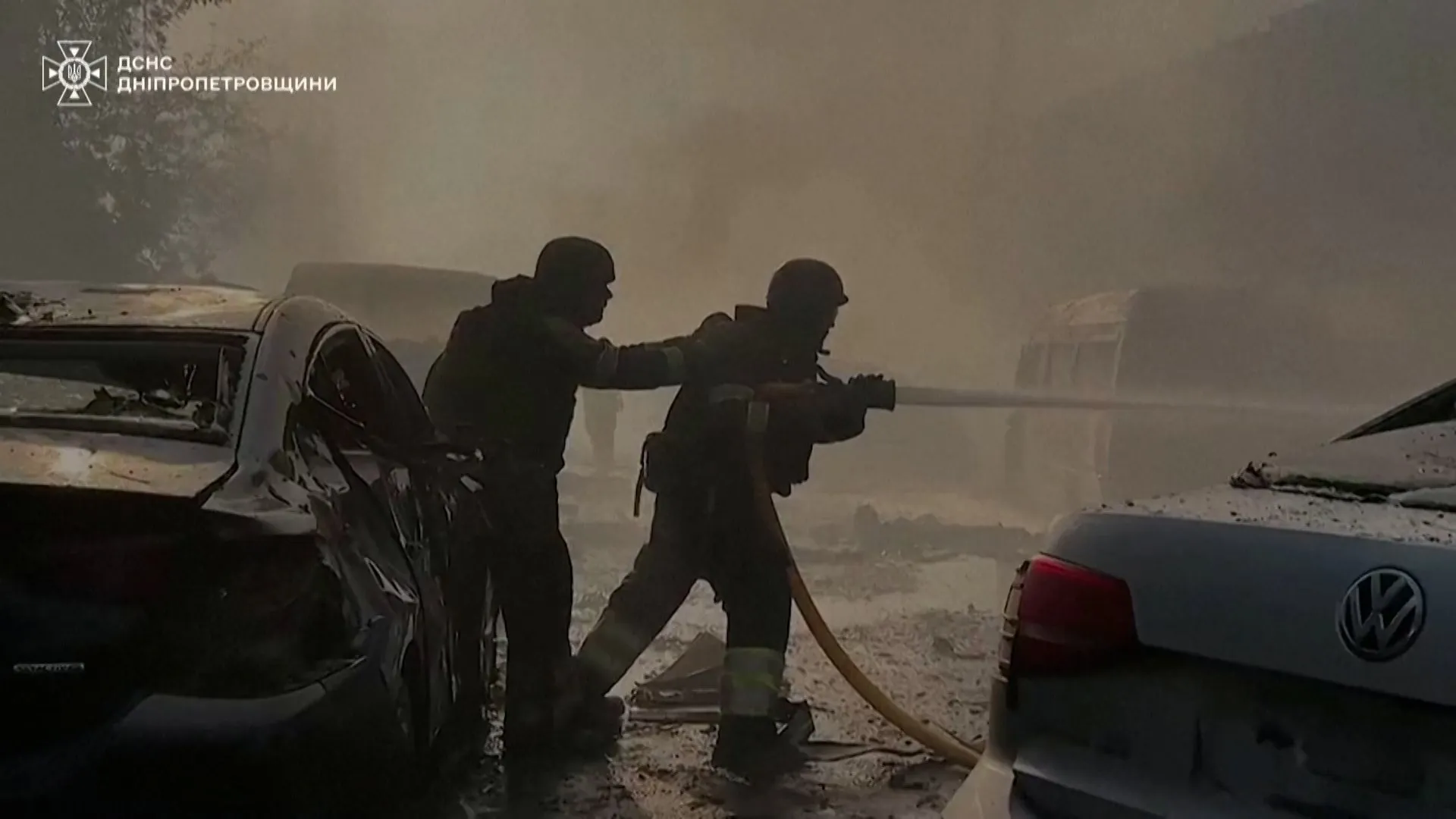
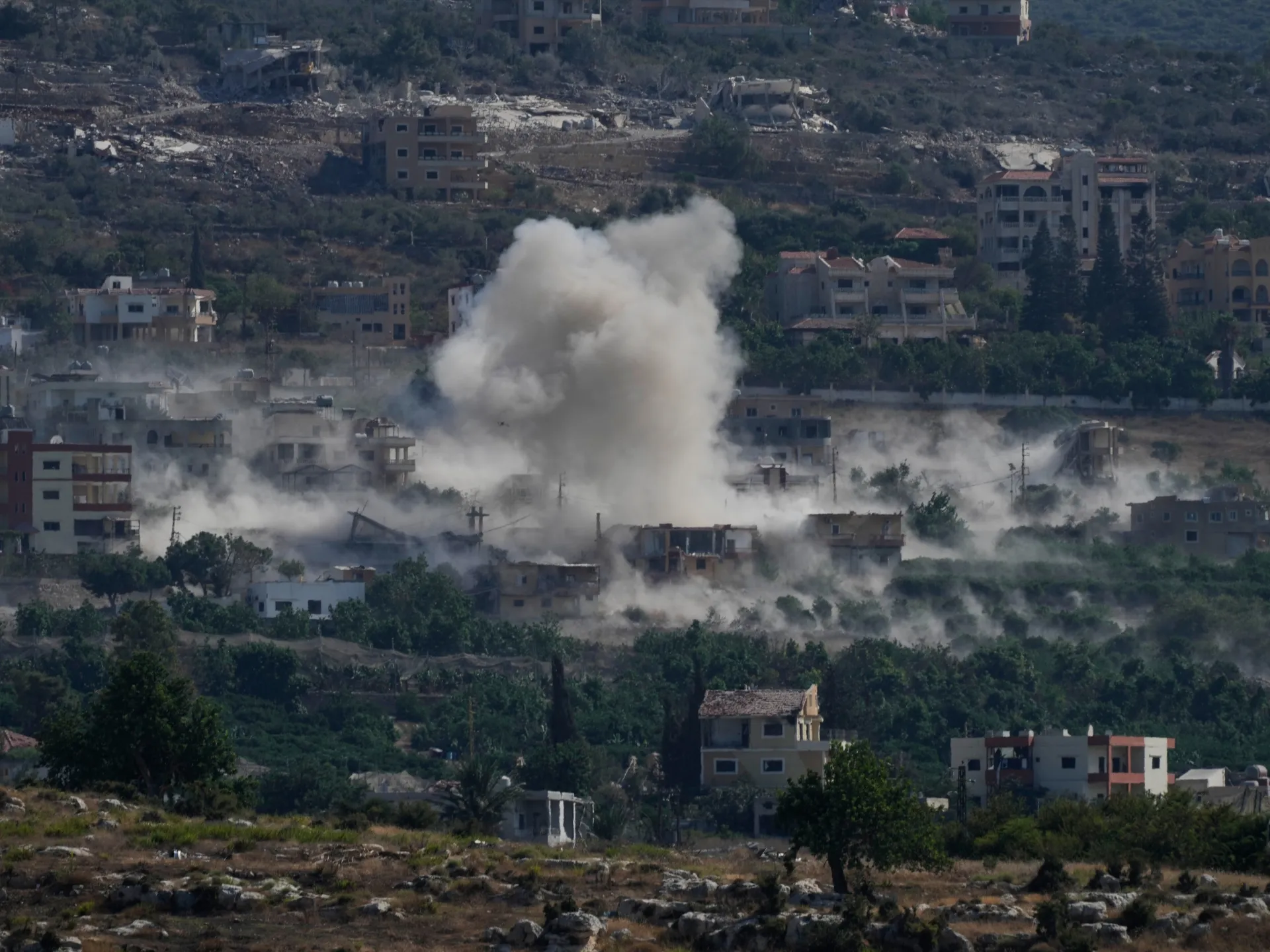
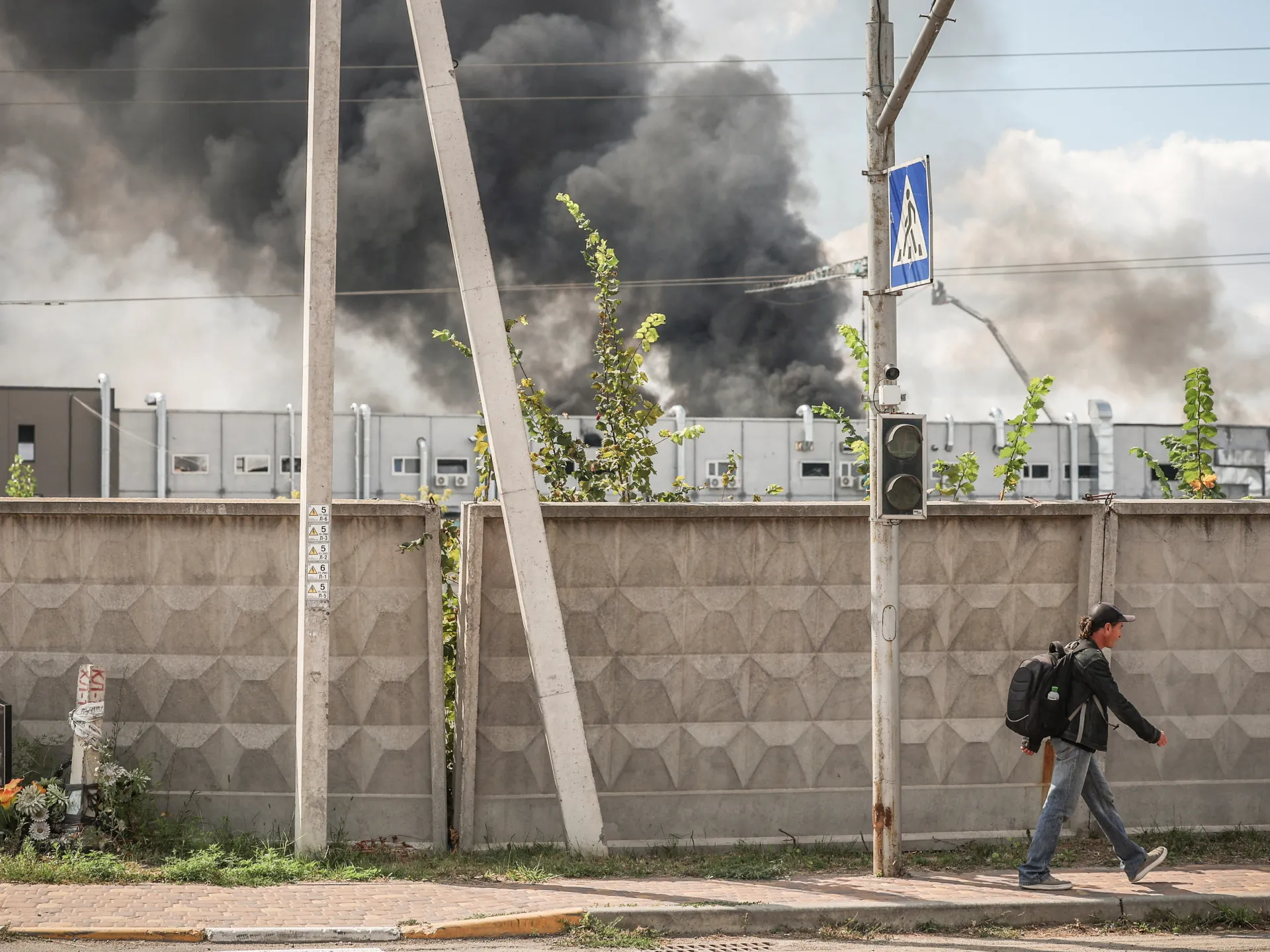
The impact of this technology has been felt across several high-conflict zones. In March, drone strikes in Goma, located in the eastern Democratic Republic of the Congo, resulted in at least three fatalities, including a French national working for an aid organization. Similar patterns of aerial targeting have been observed in Sudan and Ukraine, where aid convoys have been repeatedly struck, hindering the delivery of essential supplies to displaced and starving populations.
Beyond the physical danger posed protected status of humanitarian personnel. As military strategies evolve, the distinction between active combatants and neutral aid workers is being increasingly blurred, leading to a precarious environment where humanitarian corridors are no longer guaranteed zones of safety.
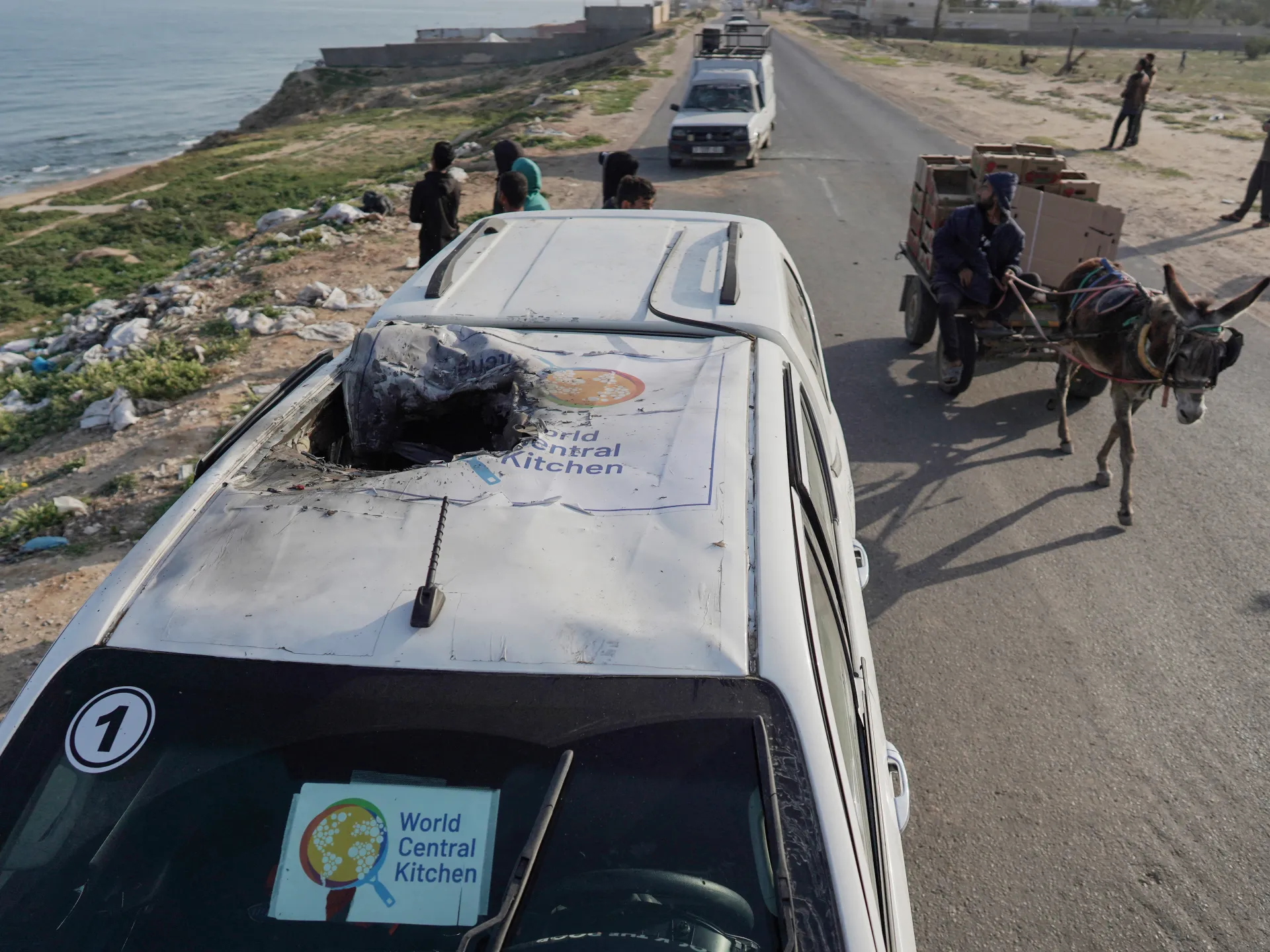
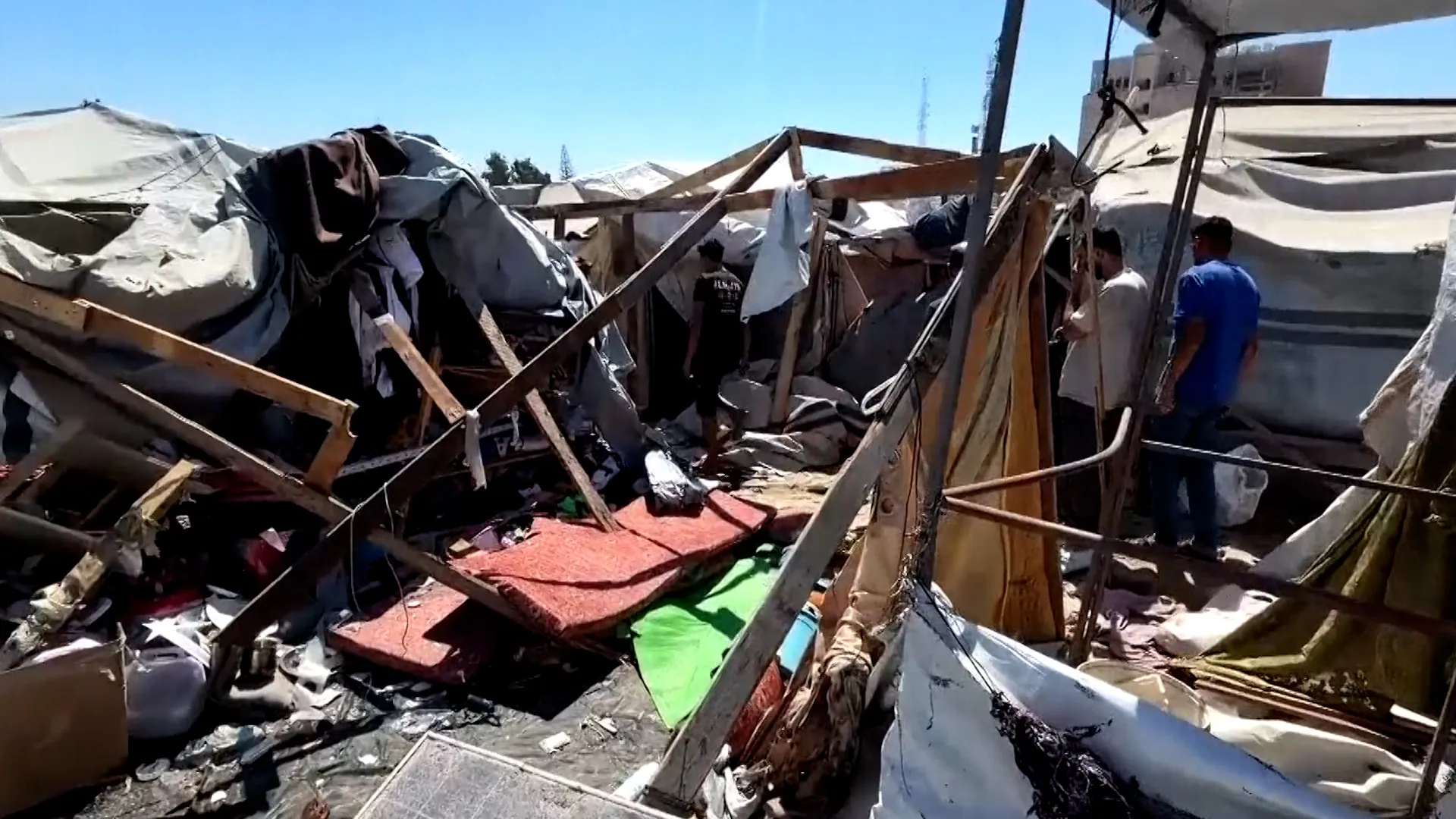
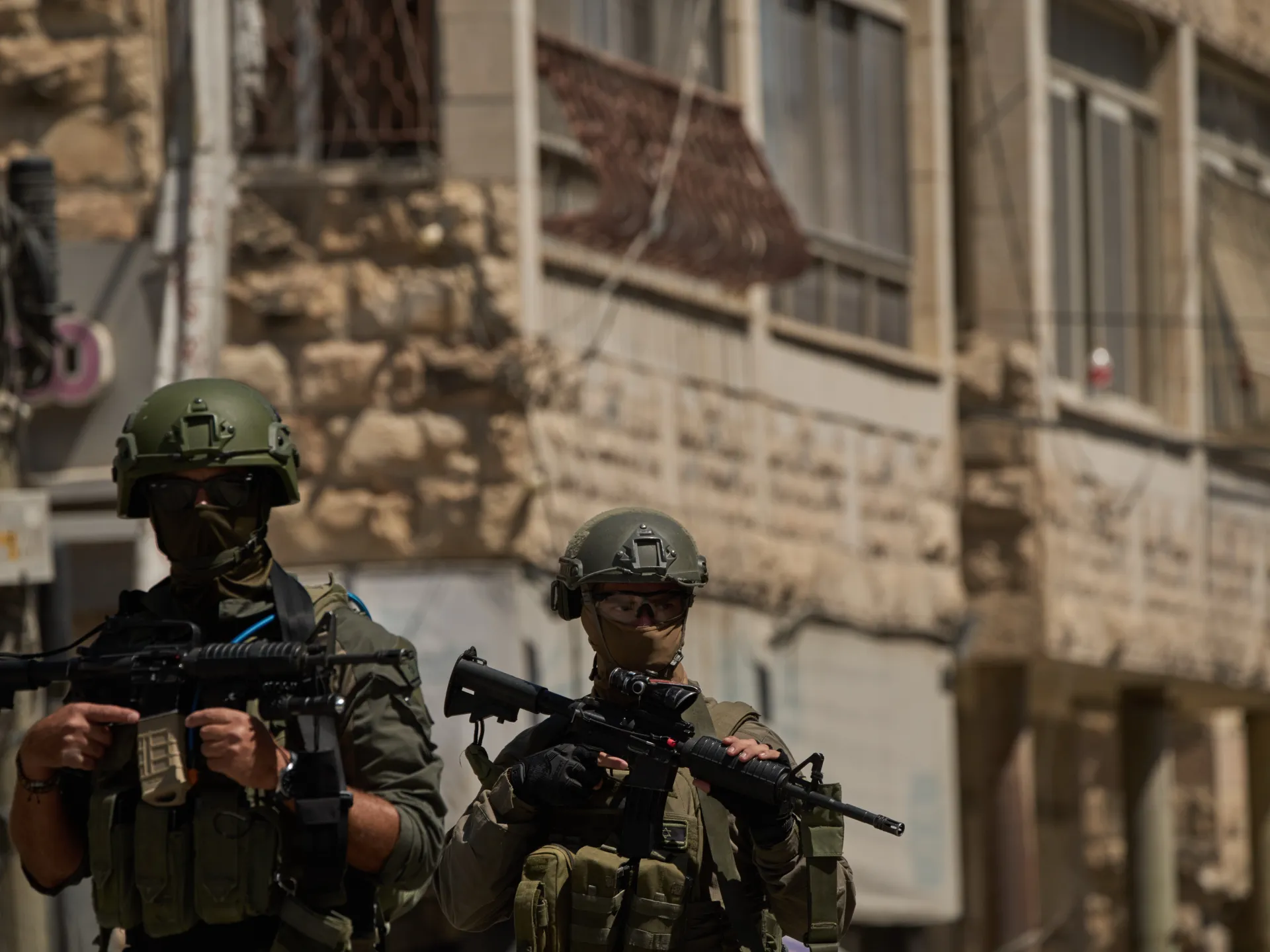
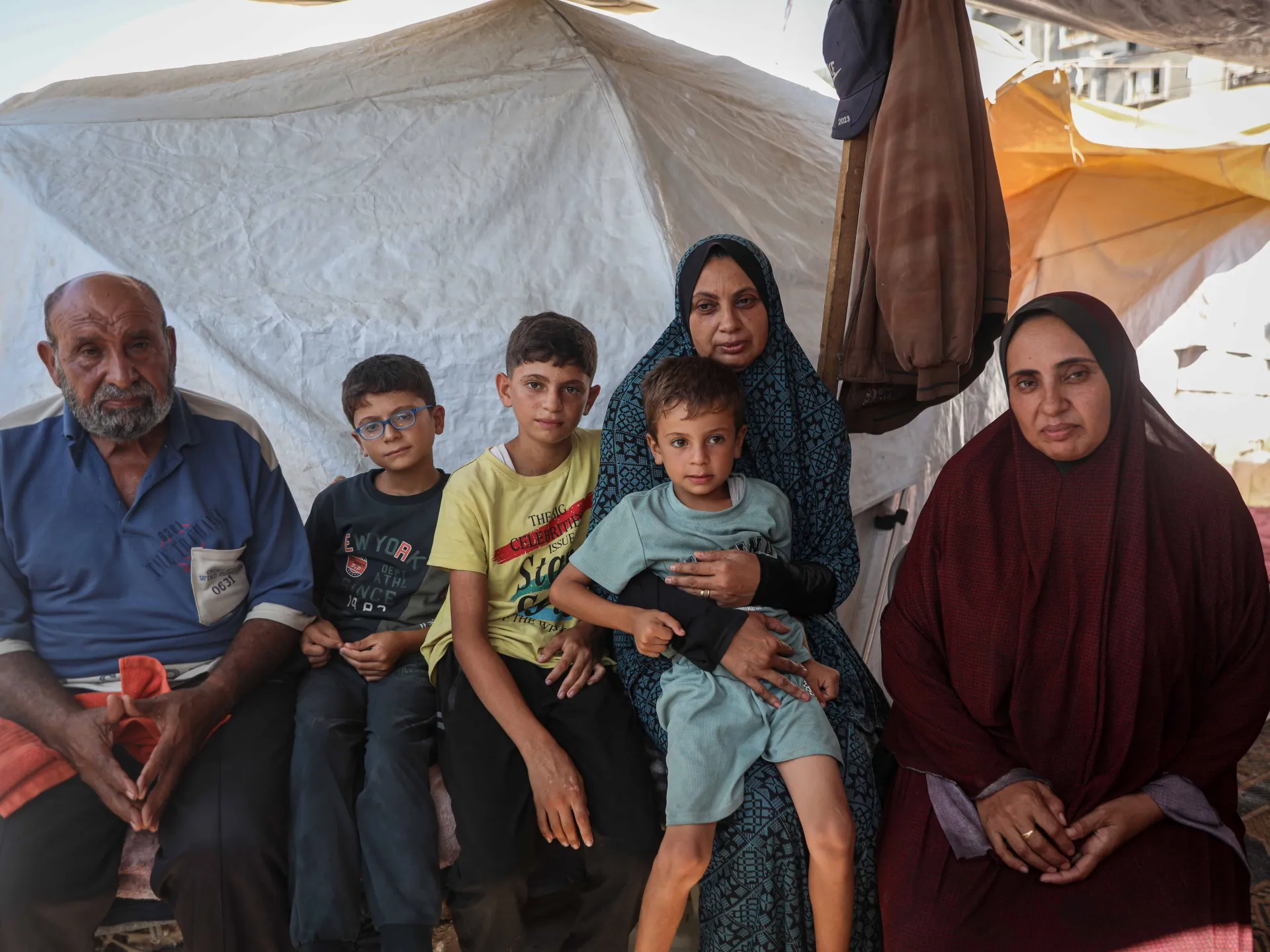
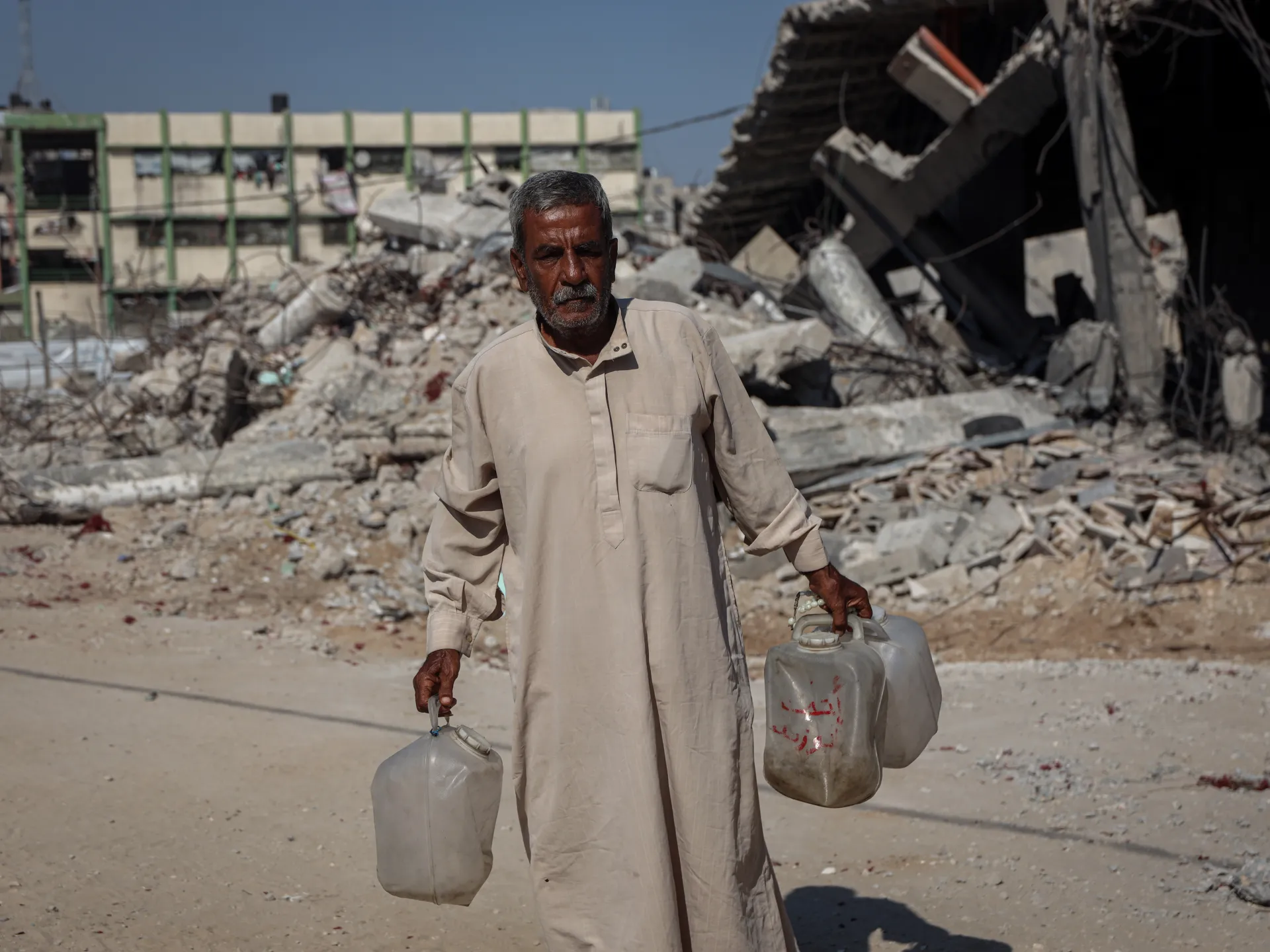
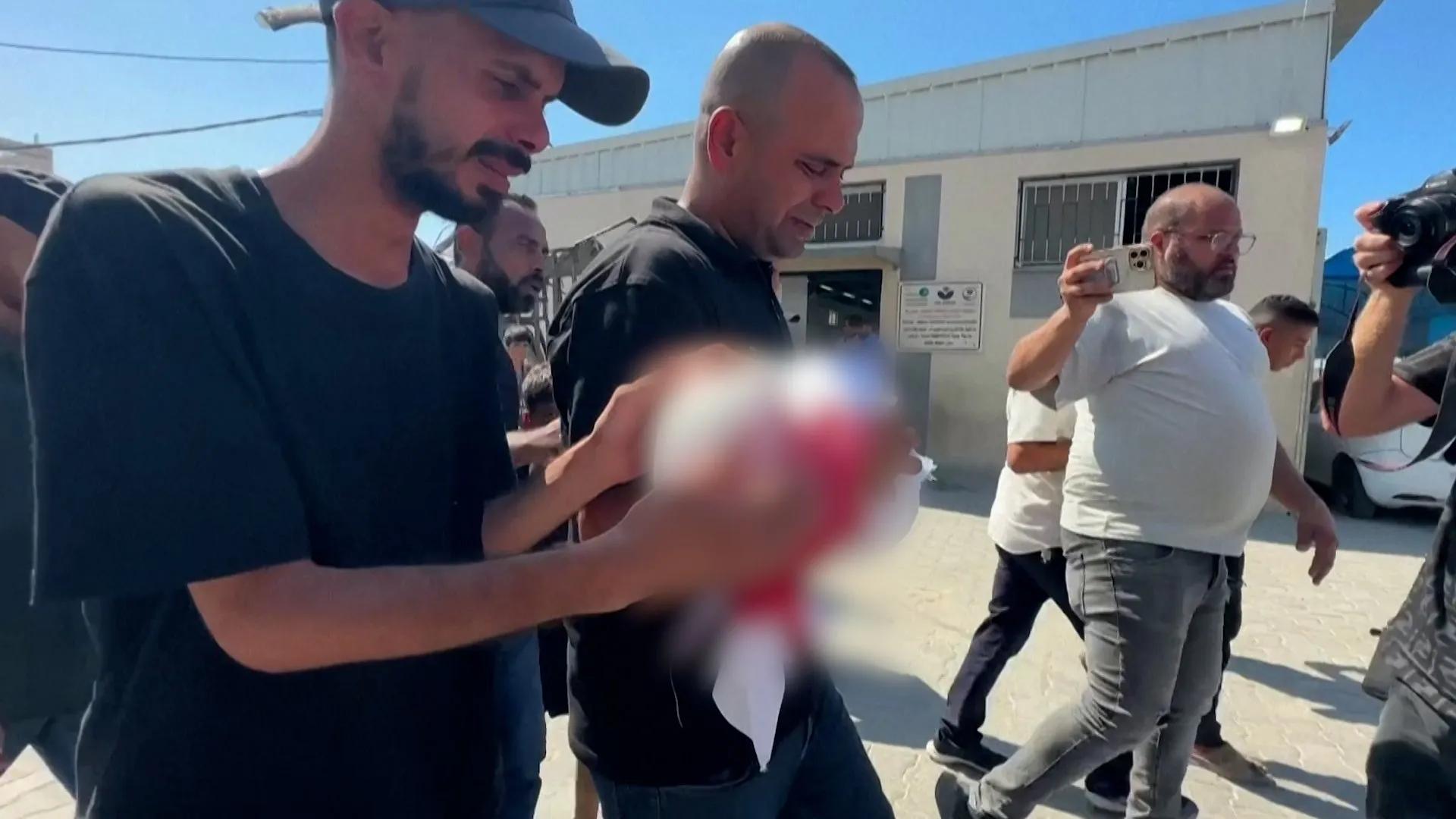
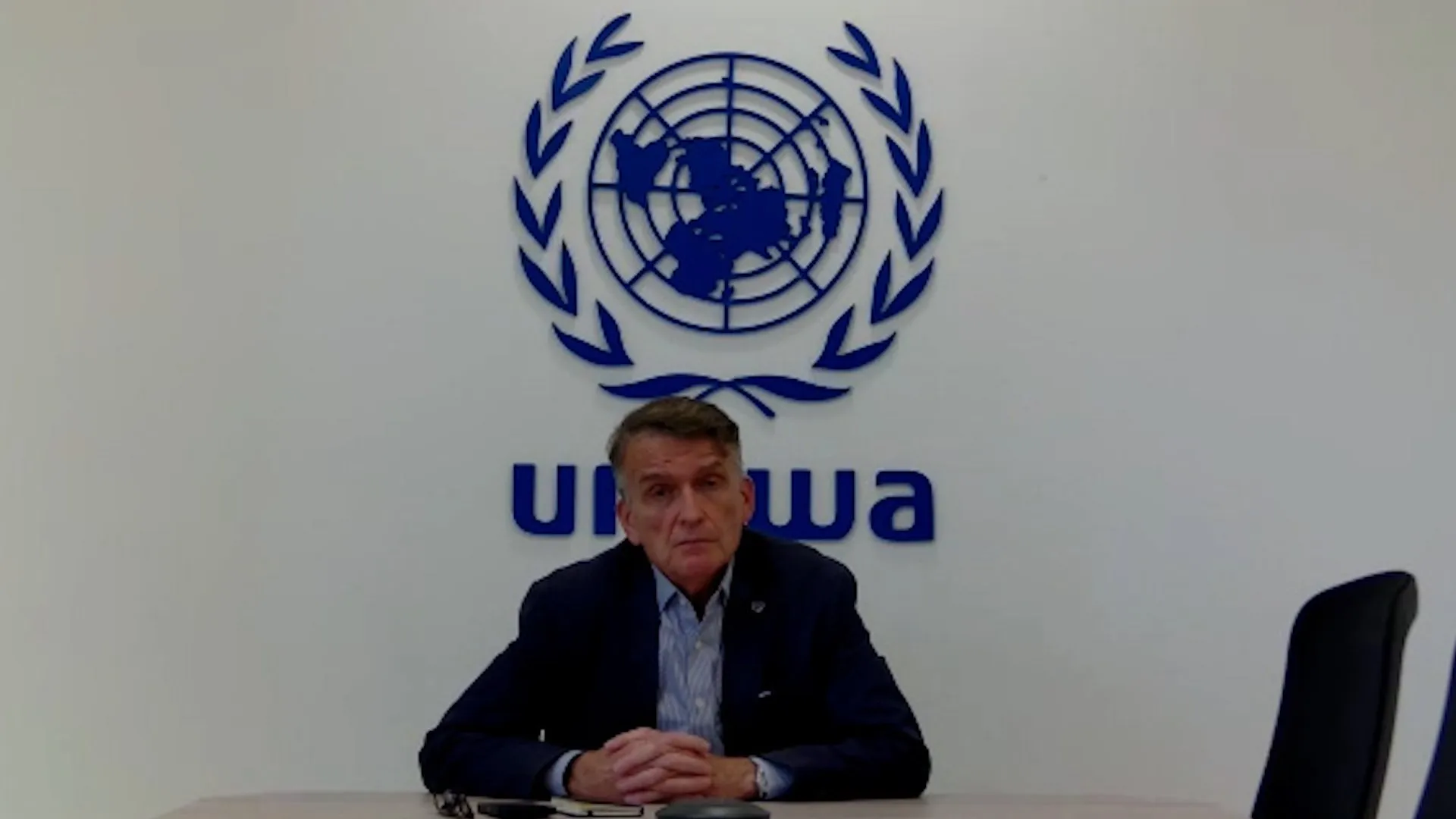
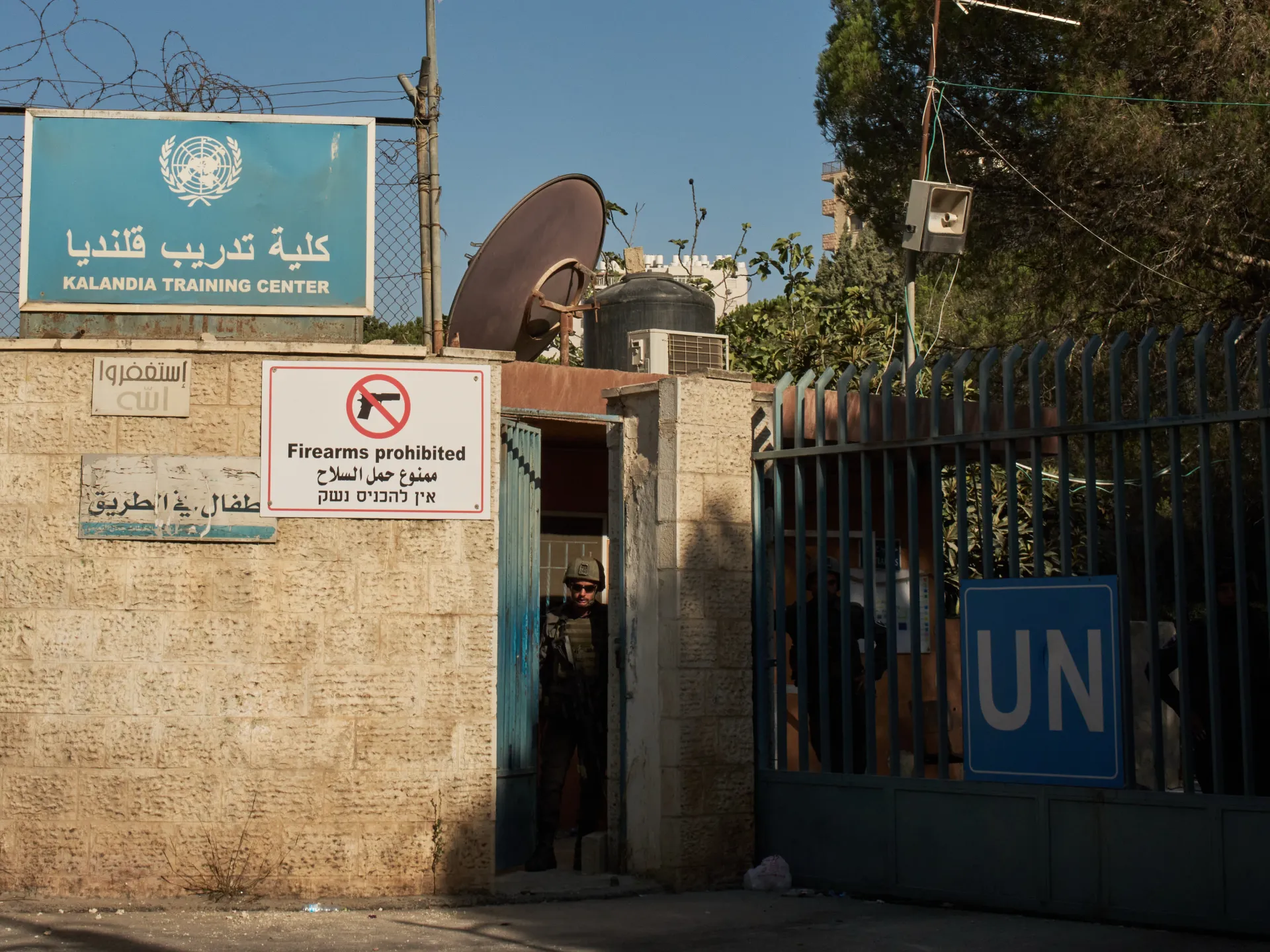
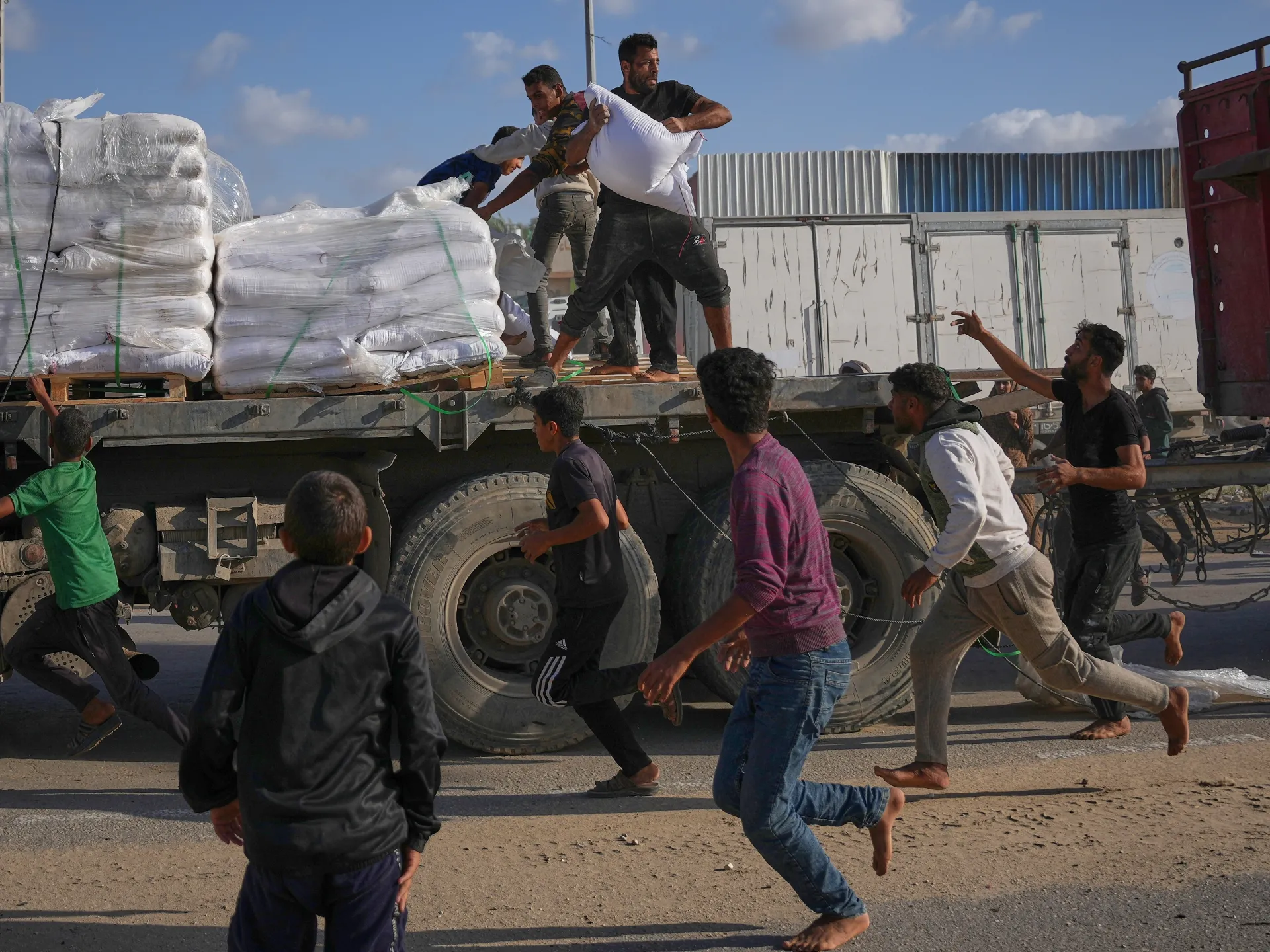
The database identified Gaza as one of the most dangerous regions for aid workers in 2025, reflecting the intense and concentrated nature of the conflict there. The humanitarian community has been vocal about the necessity of safeguarding their staff, with officials from the UN Palestinian refugee agency stressing that aid personnel must never be considered legitimate military targets. There have been ongoing calls for high-level investigations into the deaths of staff members to prevent future occurrences.
Advocacy groups, including Oxfam, have described this trend as a fundamental assault on the concept of humanitarian action. As protection mechanisms fail, there is a growing concern that international organizations may be forced to withdraw from critical areas, leaving millions without access to food, medical care, or shelter. This potential retreat would exacerbate existing crises and create a vacuum of support that could lead to even greater loss of life.
Compounding these security challenges is the tightening of global humanitarian funding. As resources diminish, the vulnerability of aid teams increases. The European Commission has reaffirmed its commitment to donor obligations, noting that every casualty among aid staff is not merely an individual tragedy but a collective failure of the international community to uphold the values of neutrality and protection in times of conflict.