

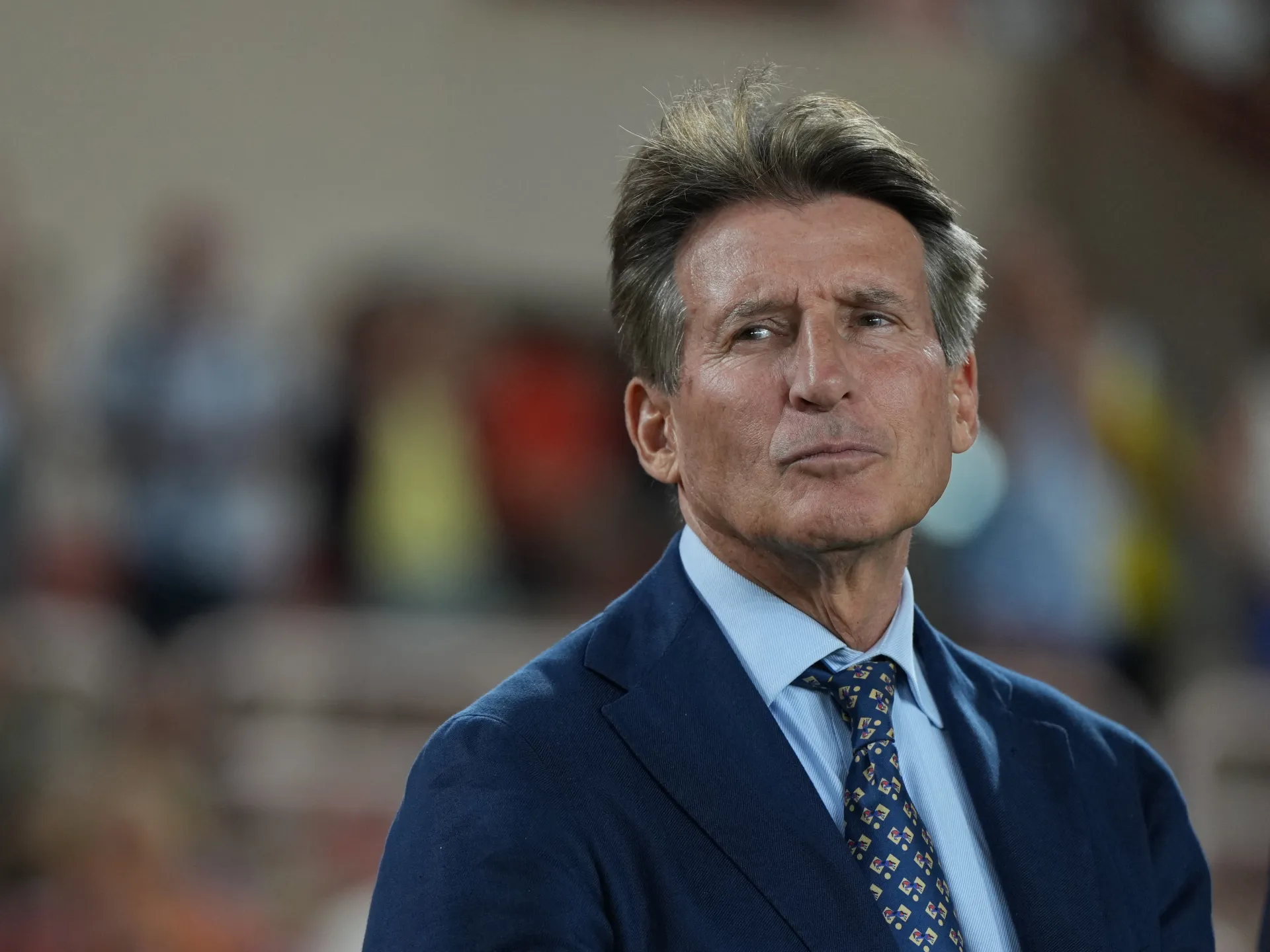
World Athletics president Sebastian Coe warns that maintaining the integrity of major sporting events requires a clear boundary between government cooperation and administrative decision-making.
World Athletics president Sebastian Coe has articulated a clear stance on the integration of political influence within international sporting organizations. During a recent address at the European championships, the former British parliamentarian emphasized that while maintaining strong working relationships with government officials is essential for the logistical delivery of major events, the steering wheel of sporting governance must remain exclusively in the hands of sports administrators.
Drawing on his personal experience leading the 2012 London Olympics, Coe noted that successful event hosting relies heavily on collaboration with various state departments, including defense, treasury, and security agencies. However, he warned that such cooperation should never cross the line into administrative interference. When political figures attempt to influence specific sporting outcomes or disciplinary decisions, the governing body must demonstrate the resilience to decline such input firmly, regardless of the political standing of the individual involved.
The discourse regarding political interference has intensified following recent controversies within FIFA. Specifically, concerns were raised after reports surfaced that high-level political pressure was applied to reverse a disciplinary action involving a red-card suspension during the World Cup. This incident has sparked a broader debate about the independence of international federations when faced with directives from global political leaders.
Coe’s perspective highlights the necessity for sporting organizations to maintain clear boundaries. He suggested that the integrity of a sport is directly tied to the ability of its governing body to make decisions based on established rules rather than external political pressure. For Coe, the capacity of an organization to say no to political overtures is a fundamental requirement for preserving the credibility and fairness of athletic competitions on the world stage.
Beyond political tensions, the landscape of sports funding is undergoing a significant transformation. As traditional revenue streams evolve, many federations are exploring partnerships with private equity firms and sovereign wealth funds to bolster their financial health. While this shift has faced scrutiny in some circles, Coe views the pursuit of external revenue as a pragmatic necessity for the sustainability of modern athletics.
World Athletics, for instance, faces a critical period as several major broadcast and sponsorship agreements are set to expire in 2029. Coe maintains that exploring private equity is not only a viable strategy but a responsible one for federations aiming to secure their future. However, he cautioned that these financial arrangements must be underpinned tionale and execution of such deals align with the long-term interests of the sport.
In addition to governance and financial matters, Coe remains steadfast in his defense of the policies implemented ernational Olympic Committee’s recent guidance suggesting a path for neutral athletes to return, World Athletics has chosen to uphold its existing ban, which was enacted in response to the ongoing conflict in Ukraine. The matter is currently headed to the Court of Arbitration for Sport.
Coe intends to personally defend this position, arguing that it is a matter of maintaining the integrity of competition rather than a political statement based on nationality. He reiterated the importance of the international federation's right to define eligibility criteria, asserting that the primacy of these federations is the foundation upon which fair competition is built. he sport remains insulated from the broader geopolitical pressures that frequently threaten the stability of the international athletic community.