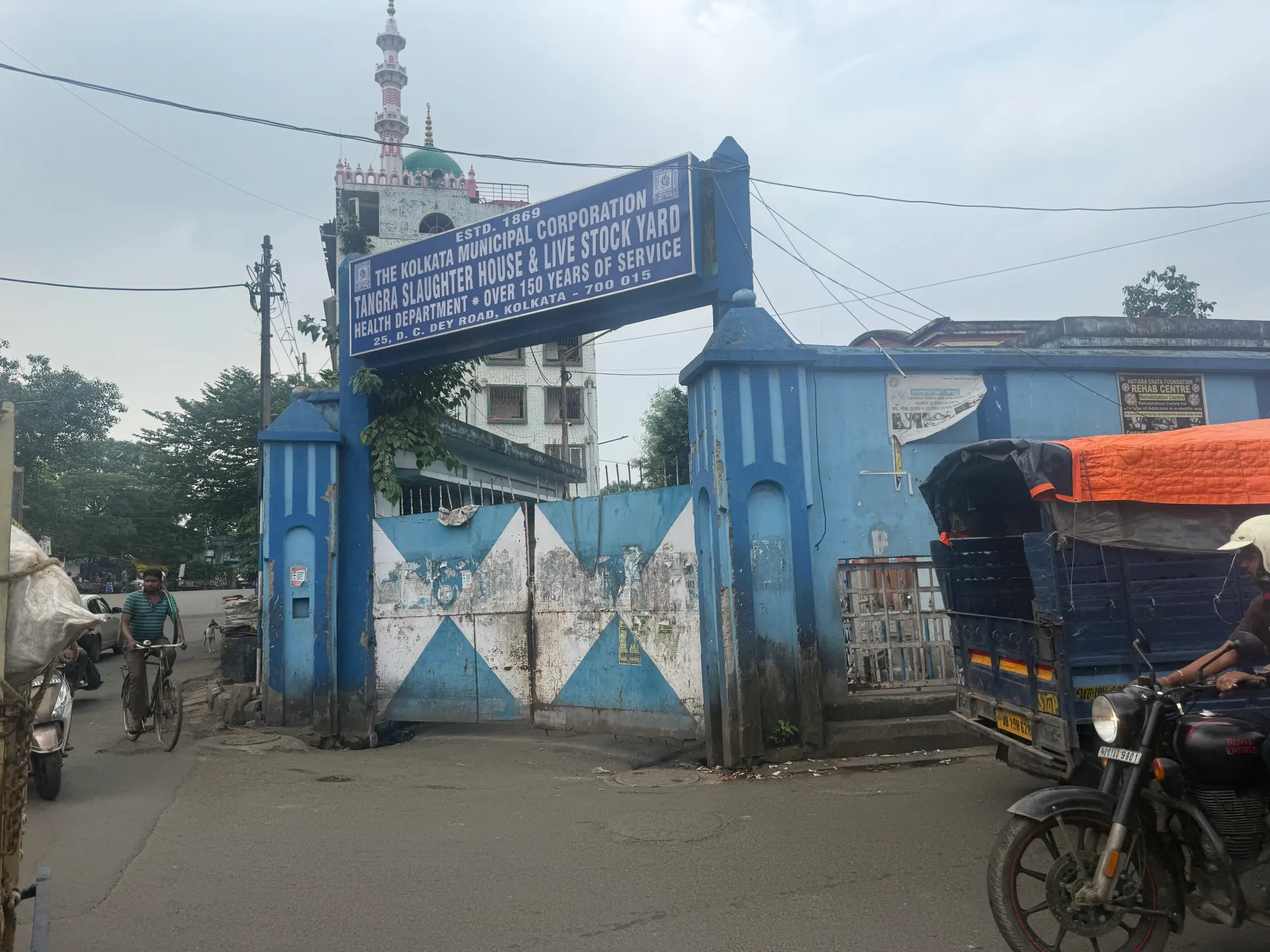
A shift in government policy and stricter enforcement of slaughter regulations have led to a severe shortage of beef in West Bengal, forcing residents and businesses to abandon long-standing dietary habits.
Since the Bharatiya Janata Party (BJP) assumed power in West Bengal following the state legislature elections in May, the region has experienced a profound shift in the governance of bovine slaughterhouses. A government notification issued just days after the electoral transition mandated strict adherence to the West Bengal Animal Slaughter Control Act of 1950. This legal framework requires that any animal slated for slaughter must be certified as being at least 14 years old, unfit for labor, or suffering from incurable conditions. Furthermore, the directive specifies that such activities can only occur within designated municipal facilities, effectively criminalizing the trade in open public spaces.
The impact of this policy was immediate and severe, particularly in Kolkata, where the primary slaughterhouse in the Tangra neighborhood has remained largely dormant. While the facility has not been officially shuttered, it operates in a state of administrative limbo. Local officials have offered little clarity regarding the future of operations, leaving the facility to sit empty while the city’s meat supply chain remains paralyzed. The lack of coordination between municipal authorities and the state’s animal husbandry department has created a bureaucratic deadlock, preventing the renewal of necessary trade licenses and leaving long-standing business owners without a clear path forward.
The disruption in the supply chain has triggered a significant spike in prices, transforming beef from an affordable staple into a luxury item. Before the regulatory crackdown, beef was widely accessible to various communities across the state, serving as a primary protein source for many low-income families, including Muslims, Christians, and various Dalit and Indigenous groups. Market data indicates that prices have nearly doubled, forcing many households to shift their dietary habits toward more expensive alternatives like mutton or less preferred options such as chicken and vegetables.
Small-scale business owners, including restaurant managers and street-side eatery operators, have reported staggering losses, with some establishments seeing revenue declines of up to 40 percent. Iconic institutions that once built their reputations on signature beef dishes have been forced to remove these items from their menus entirely or offer them only sporadically when supplies allow. The economic strain extends beyond the kitchen, as workers in the meat industry face layoffs and uncertainty, struggling to navigate an environment where the simple act of transporting or selling beef has become fraught with risk and social stigma.
Beyond the logistical challenges, there is a growing sense of apprehension among both residents and traders. Many individuals who previously relied on beef as a daily dietary staple now report fear of public scrutiny and potential harassment. This climate has led to the emergence of underground, informal networks where meat is traded in secrecy, often under the cover of darkness, to bypass the restrictive and often intimidating oversight of local authorities. This shift has placed an undue burden on the most vulnerable populations, who are now forced to weigh their nutritional needs against the risk of legal or social repercussions.
As the state government continues to prioritize the enforcement of these restrictions, the long-term viability of the beef trade in West Bengal appears increasingly precarious. Historically, the state maintained a more permissive environment regarding meat consumption compared to other parts of India. However, the current trajectory suggests that the region is aligning more closely with the policies seen in other BJP-governed states, where strict cattle protection laws have effectively marginalized the industry. For many residents, the change represents not just a loss of a food source, but a fundamental alteration of the cultural and culinary identity of the region.