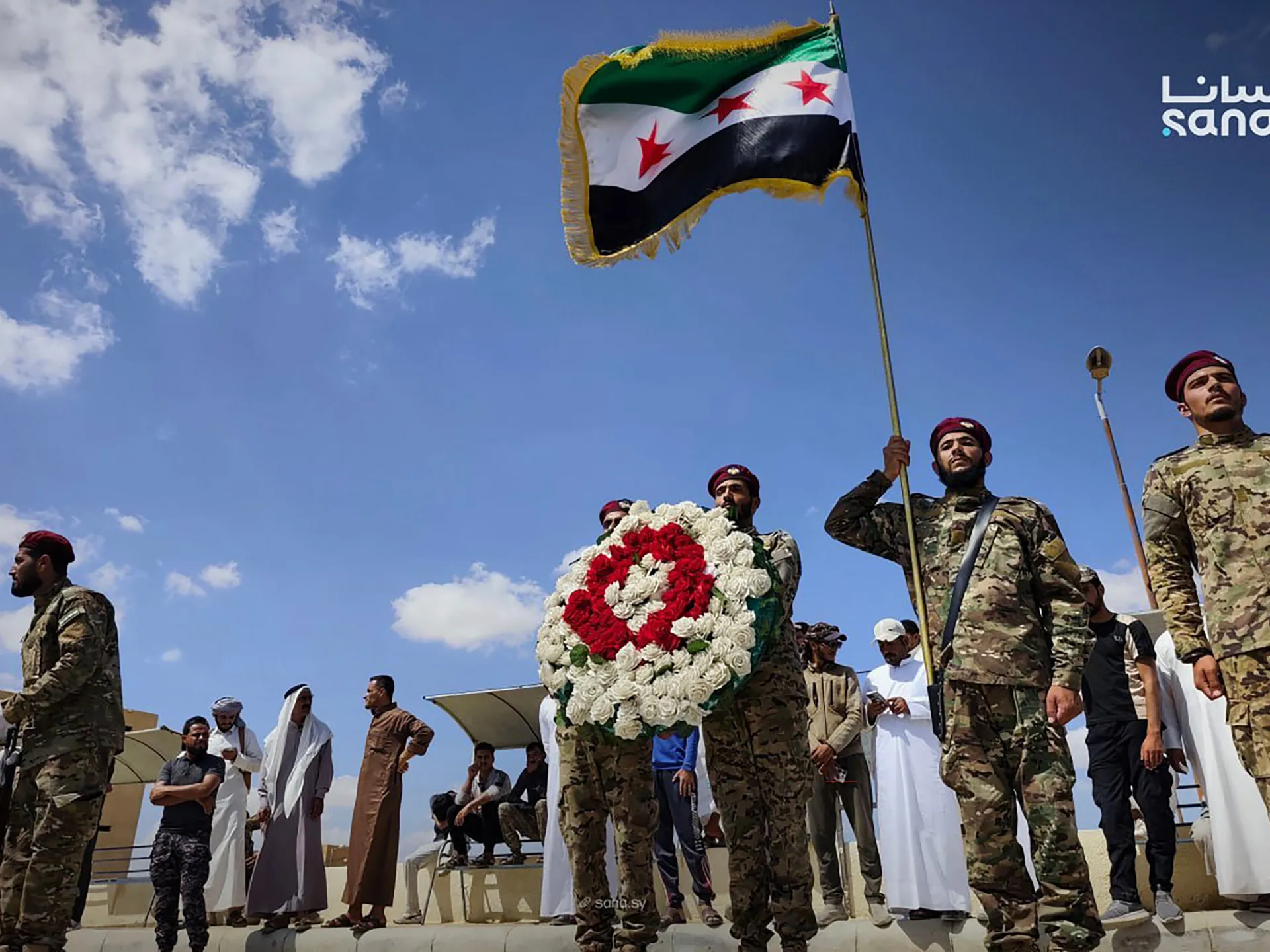
A recent explosion at an army site in Deir Az Zor has claimed 11 lives, highlighting the ongoing dangers of abandoned munitions as the state struggles to consolidate control.
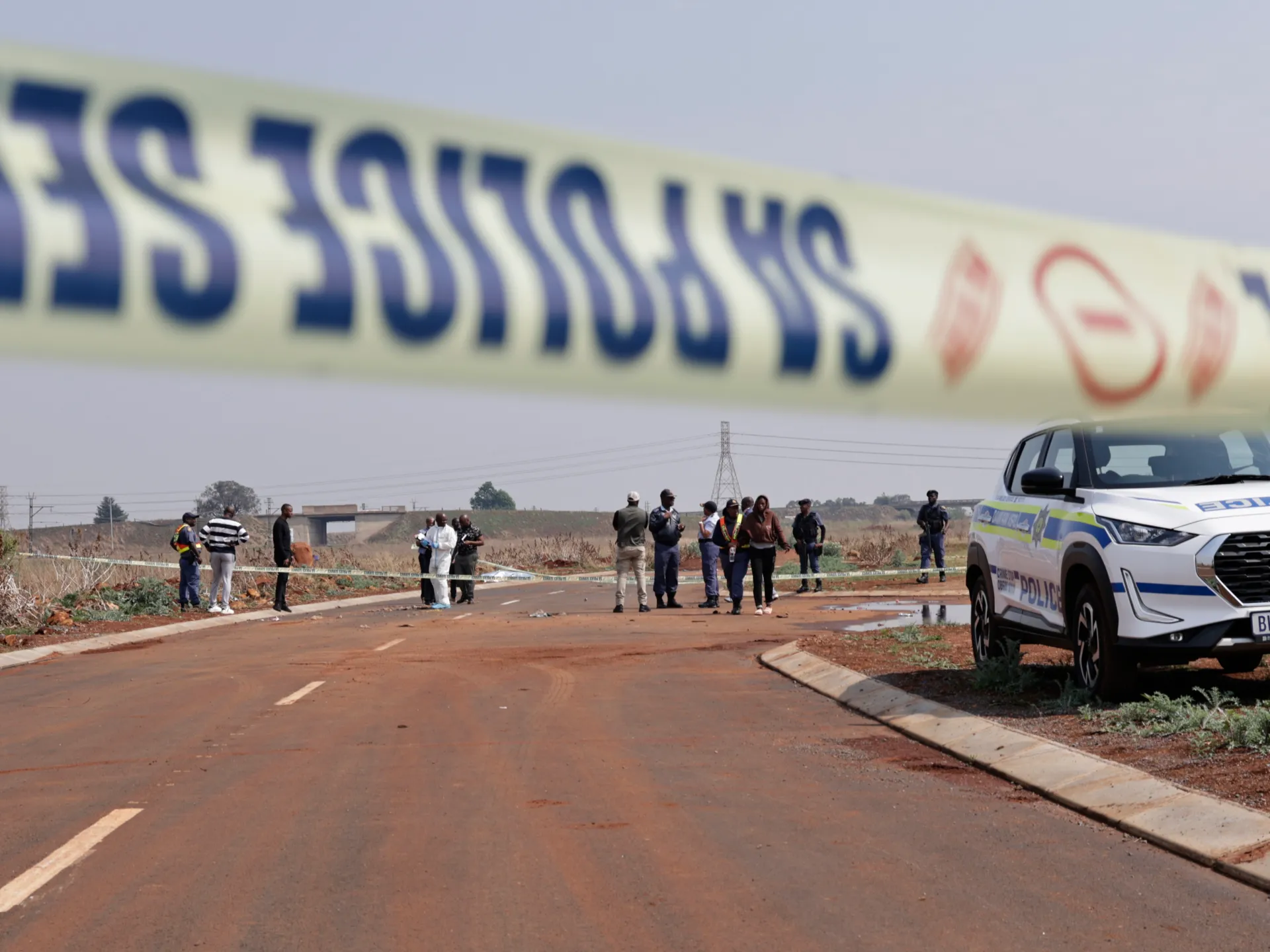
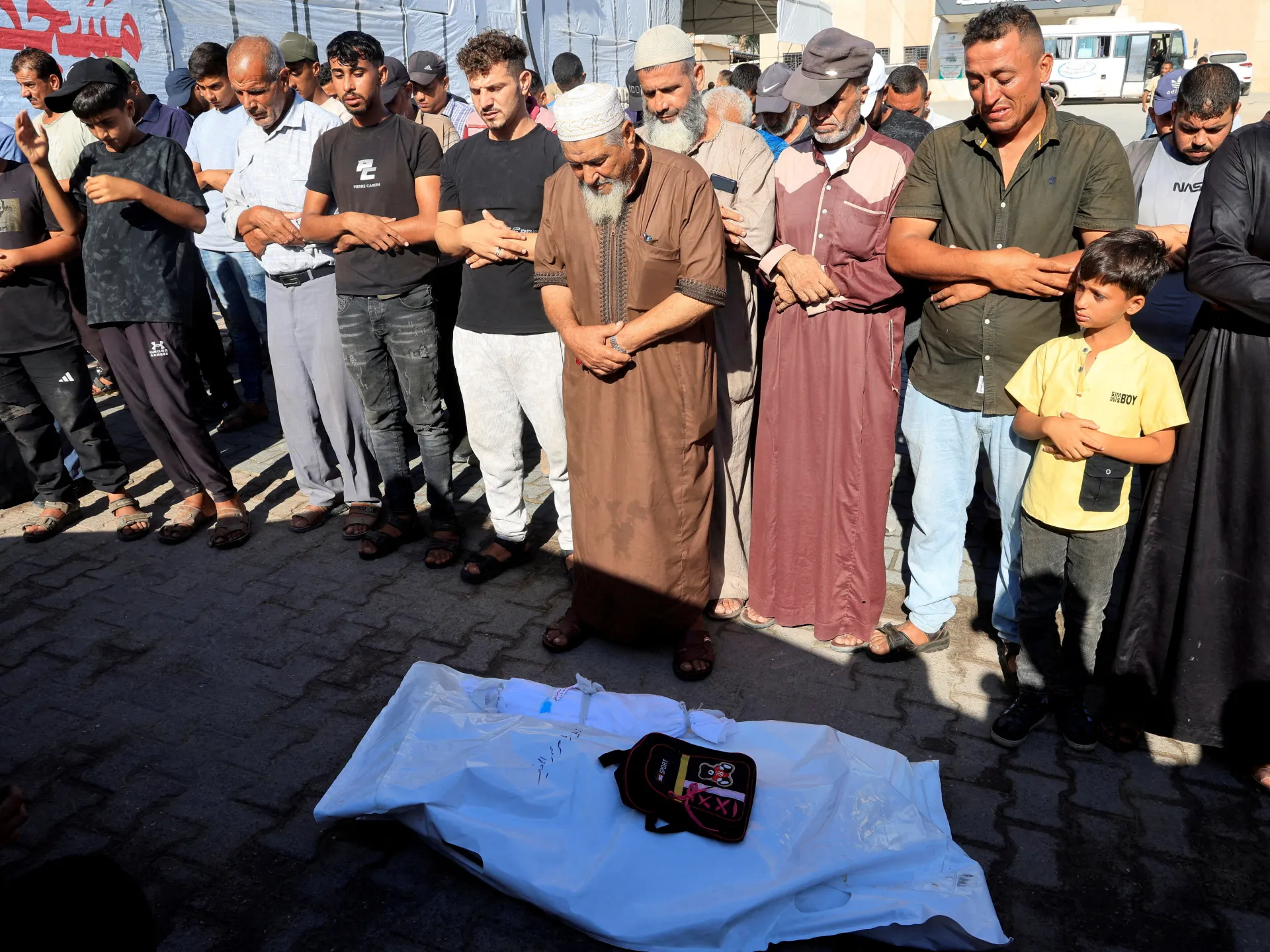
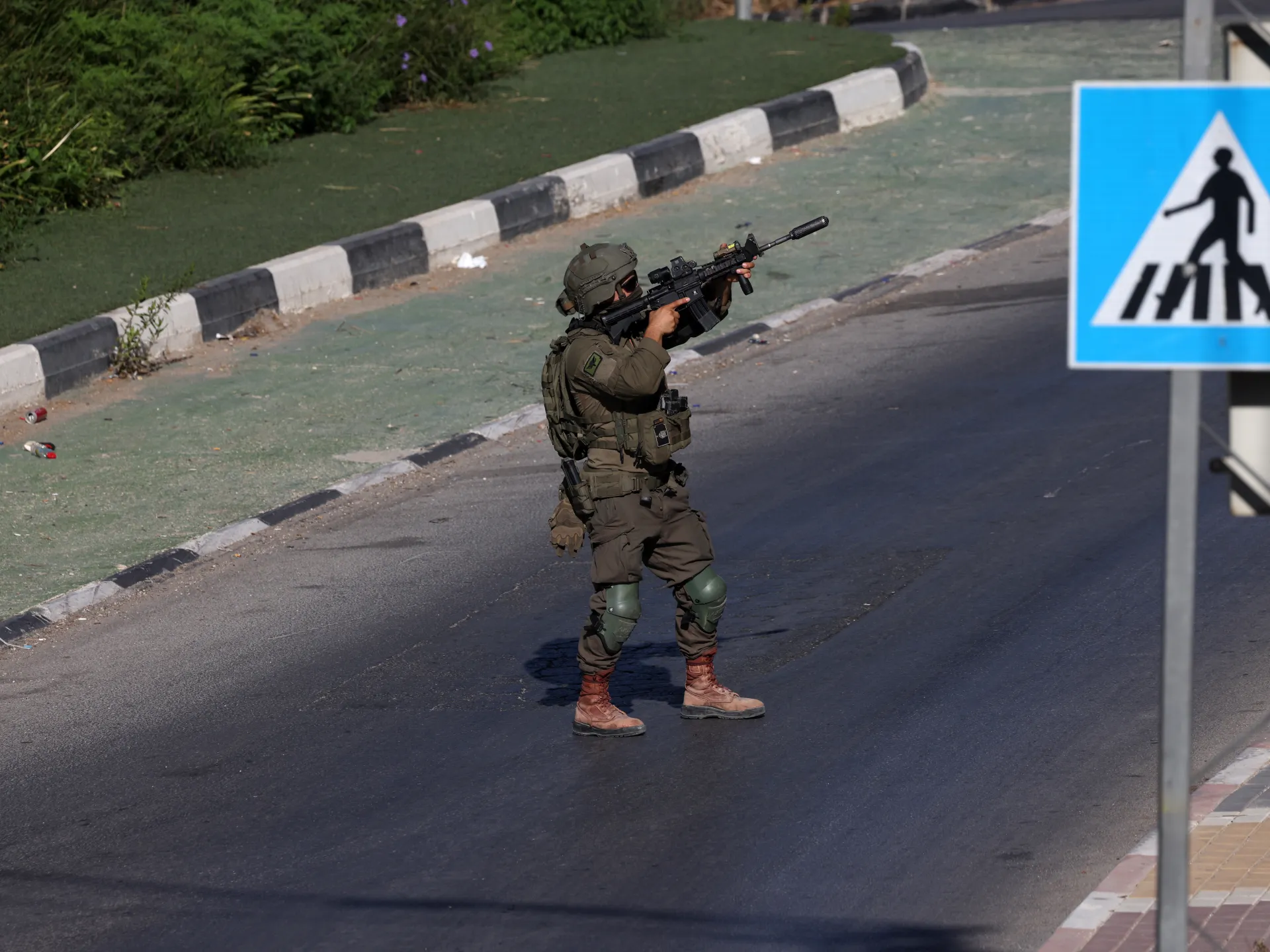
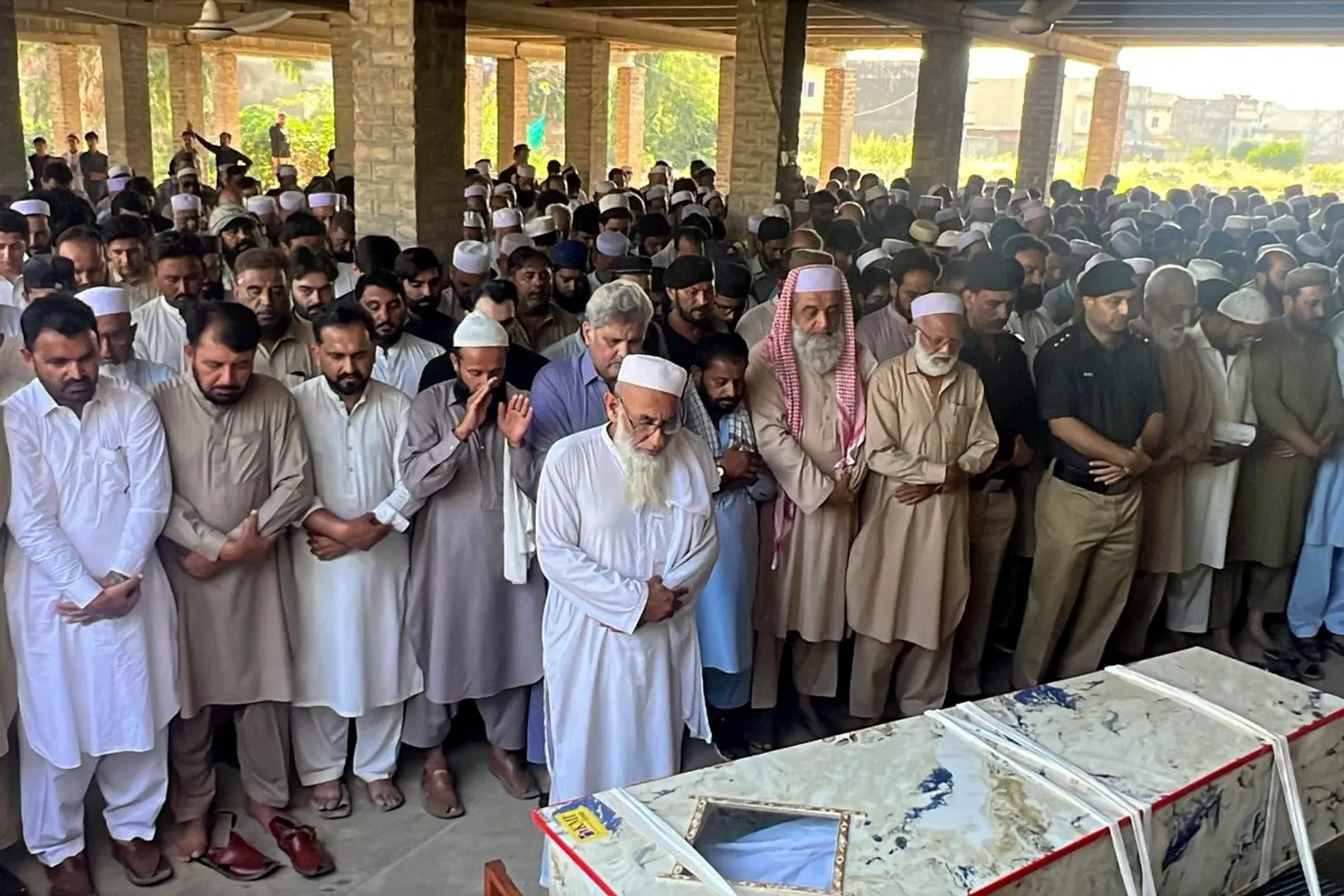
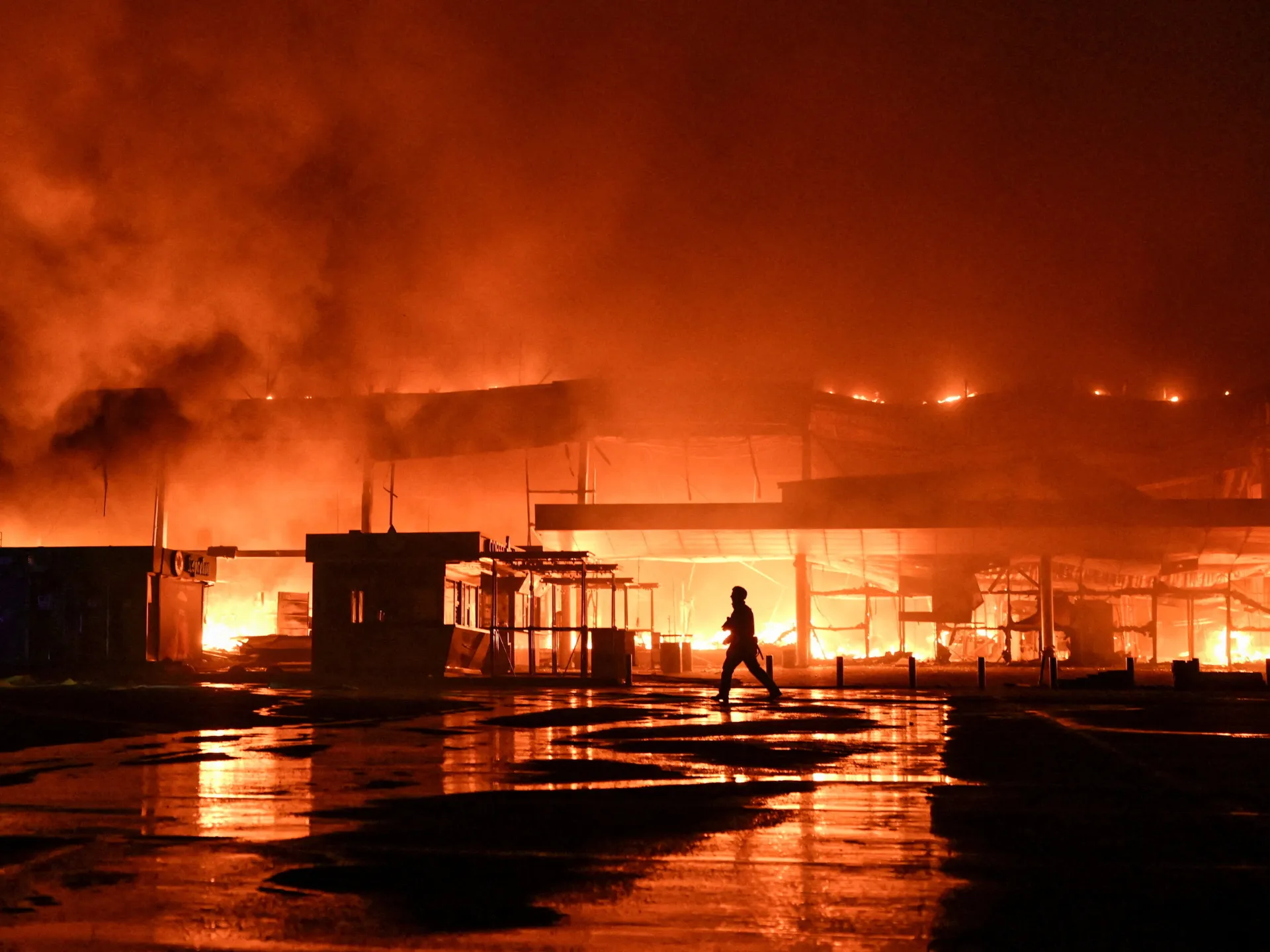
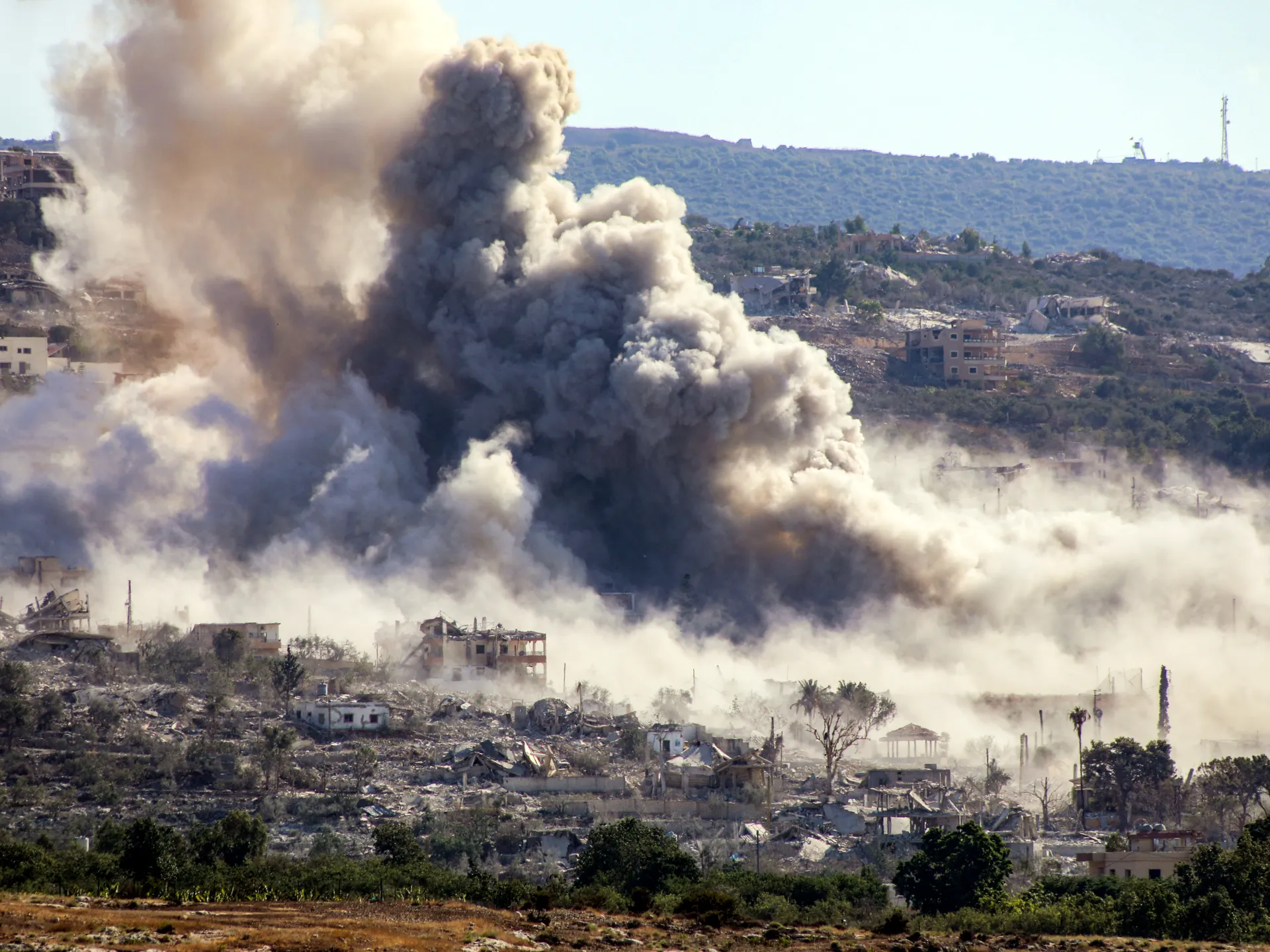
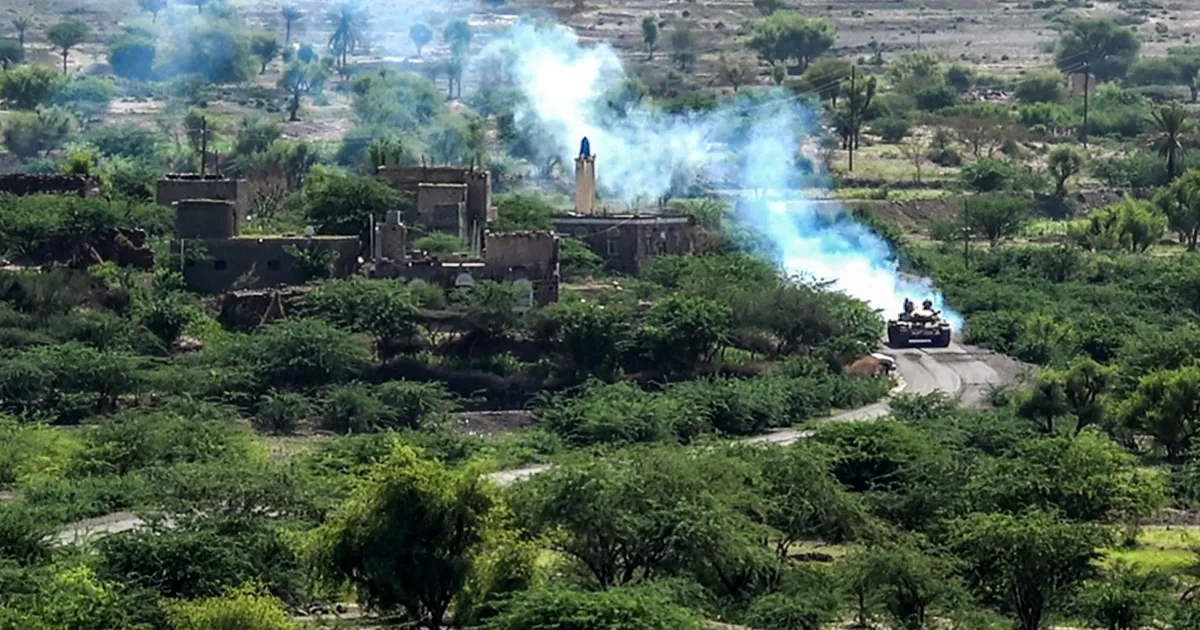
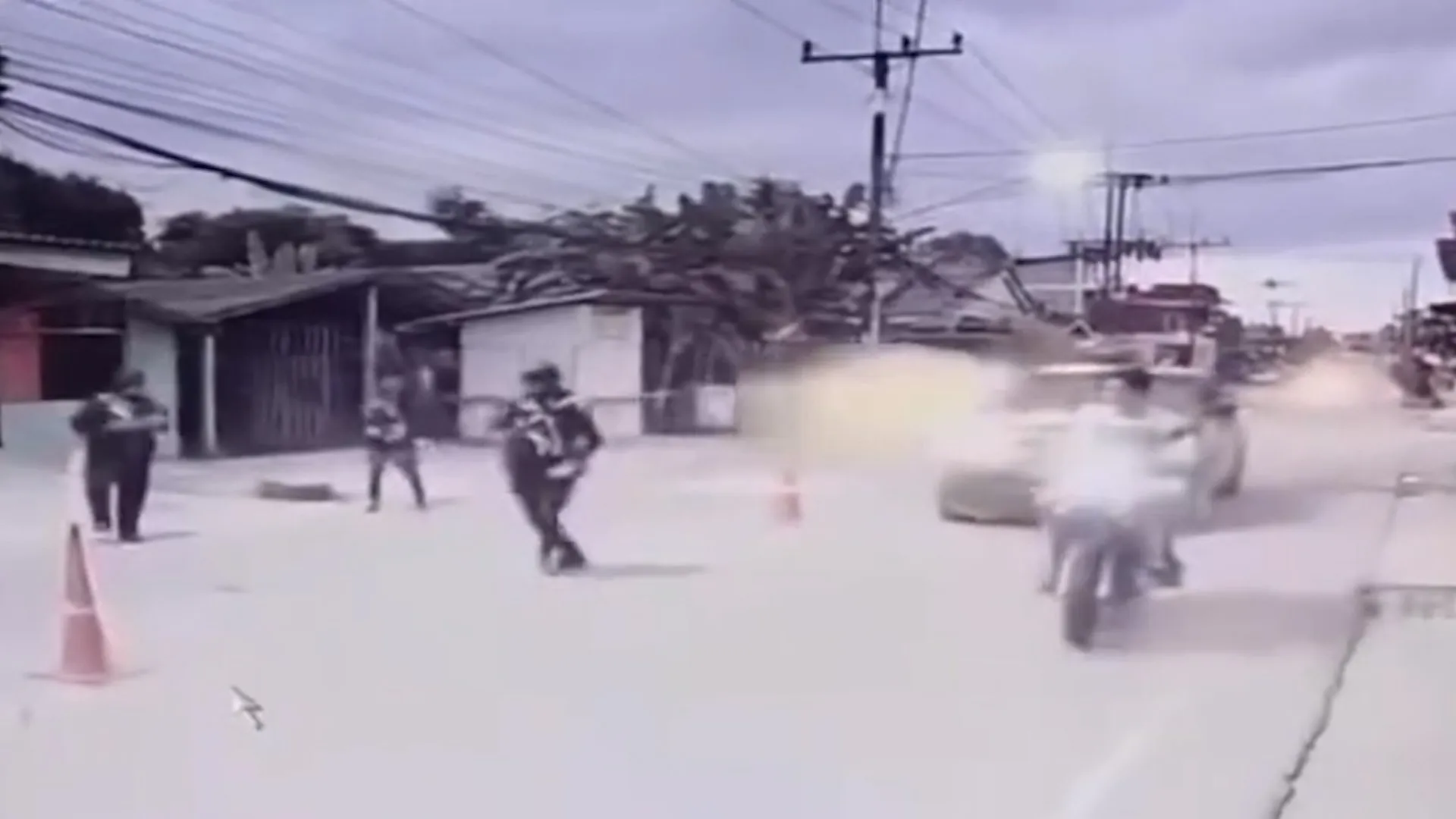
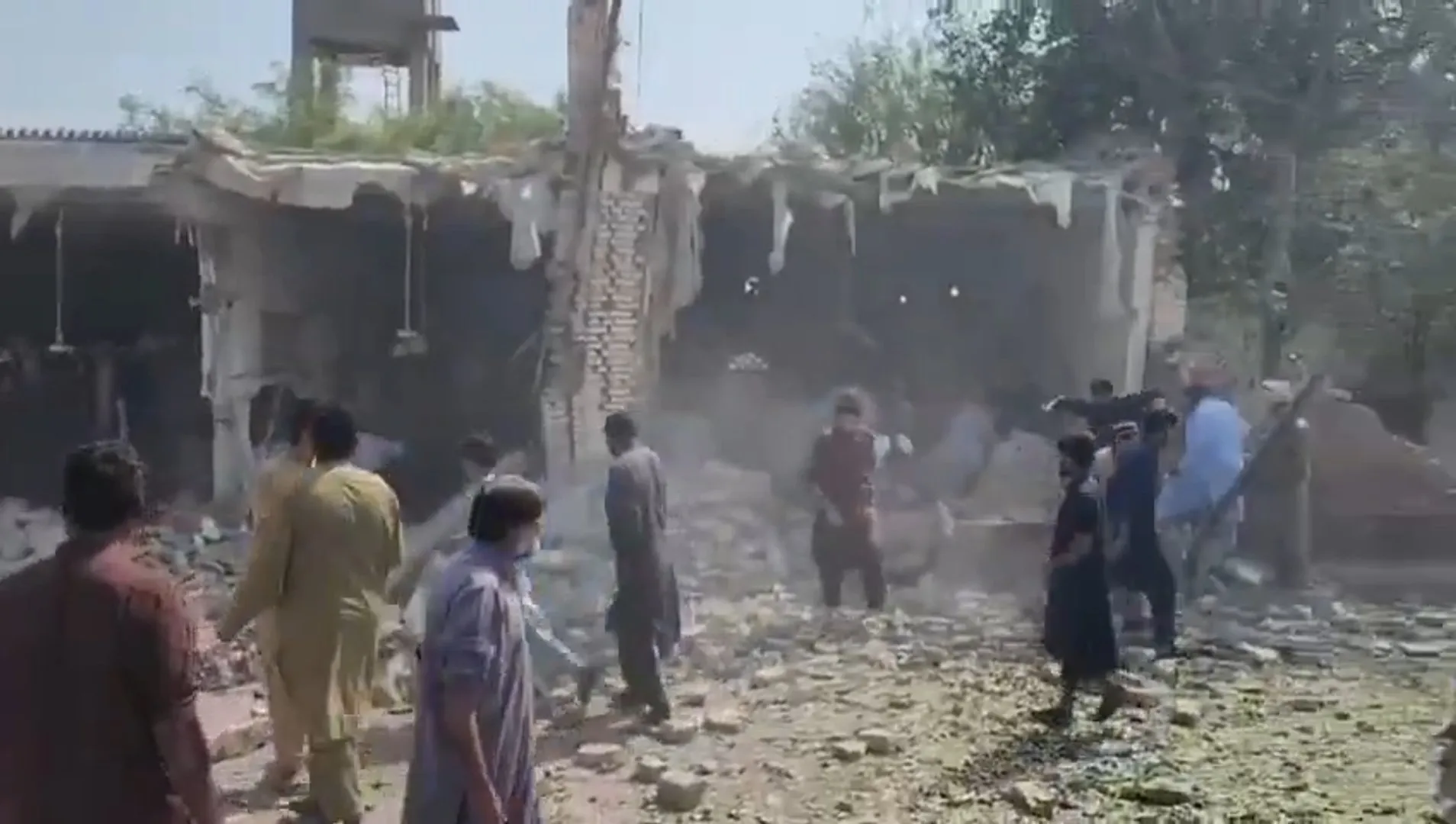
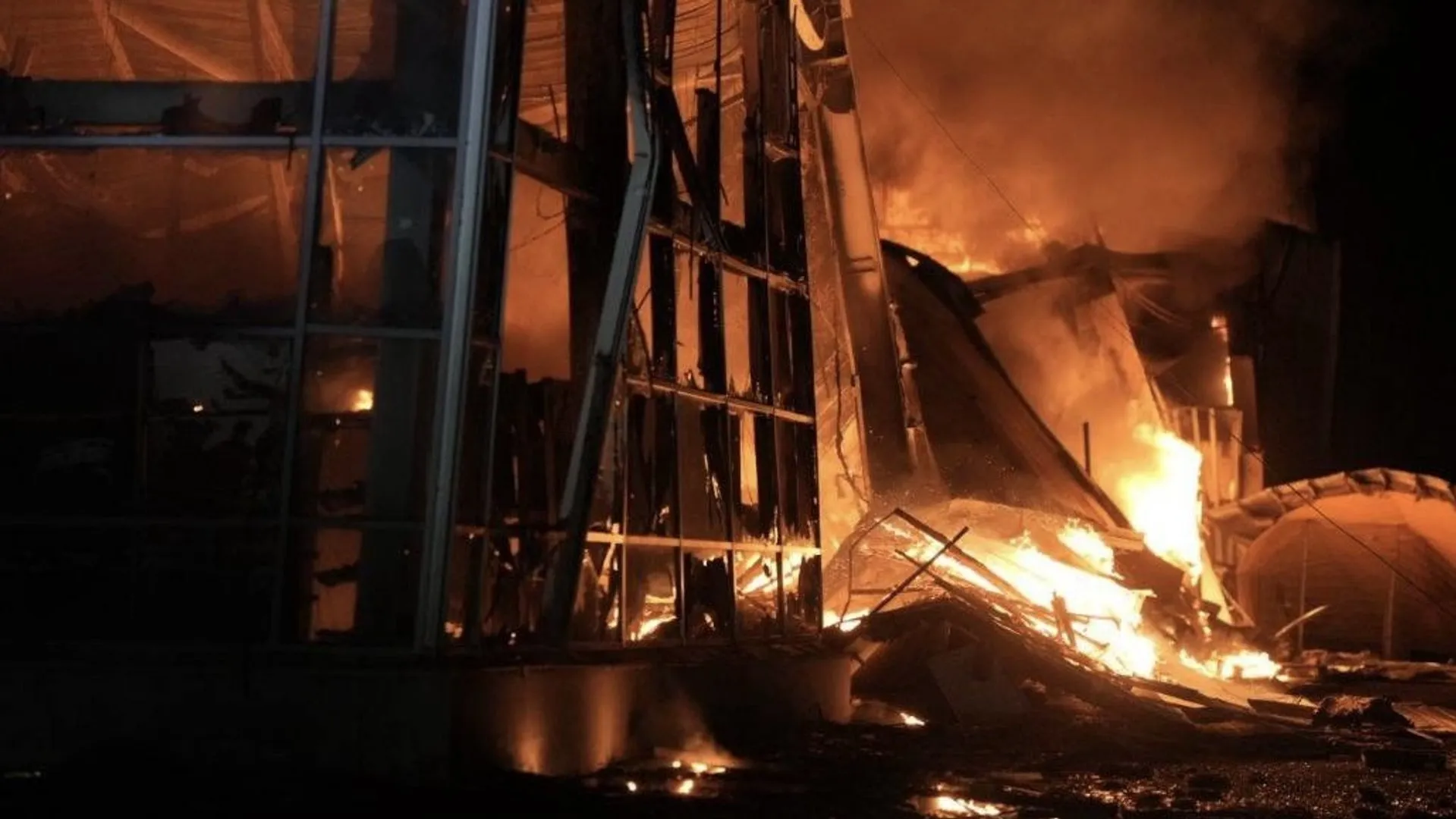
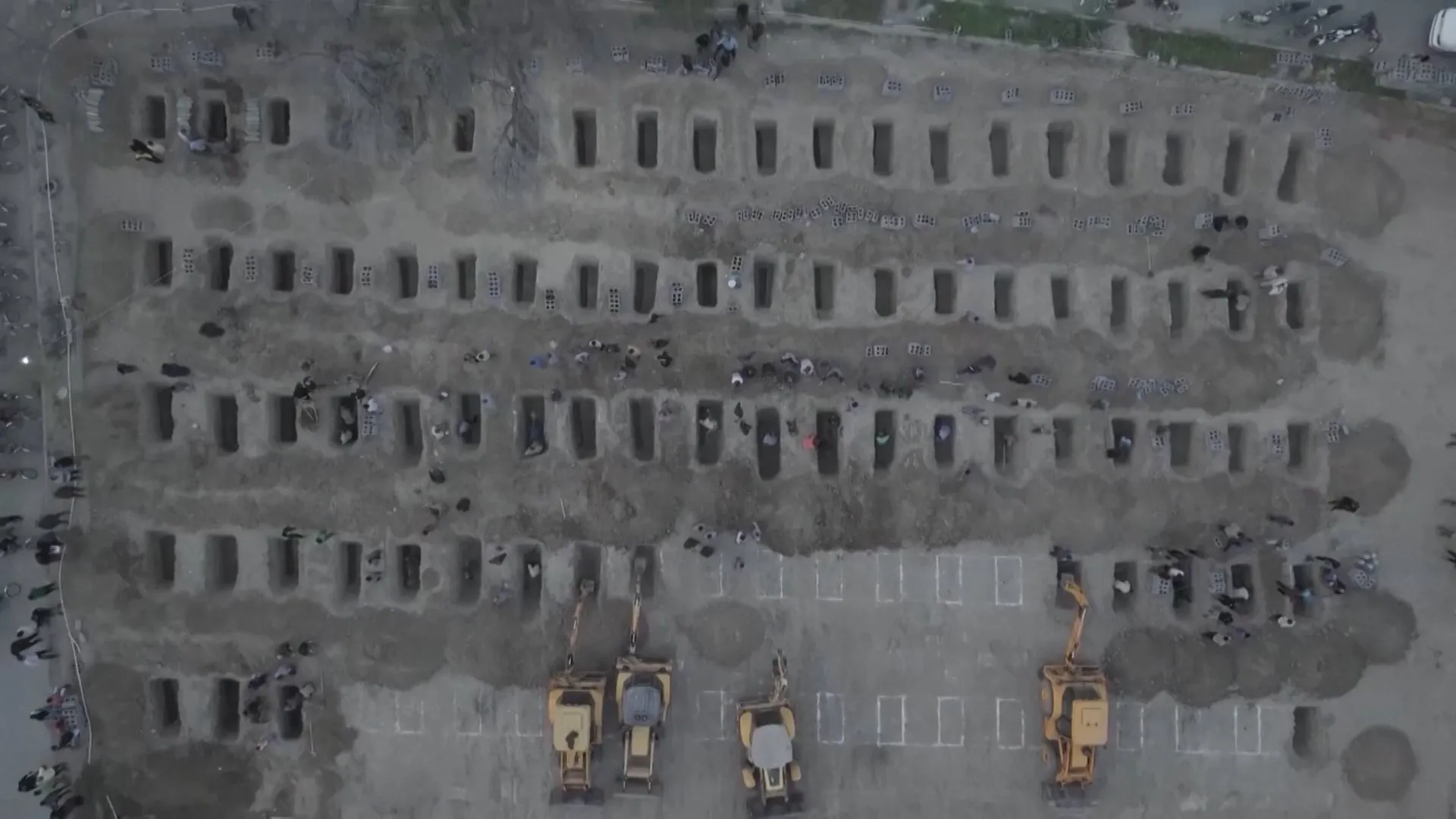
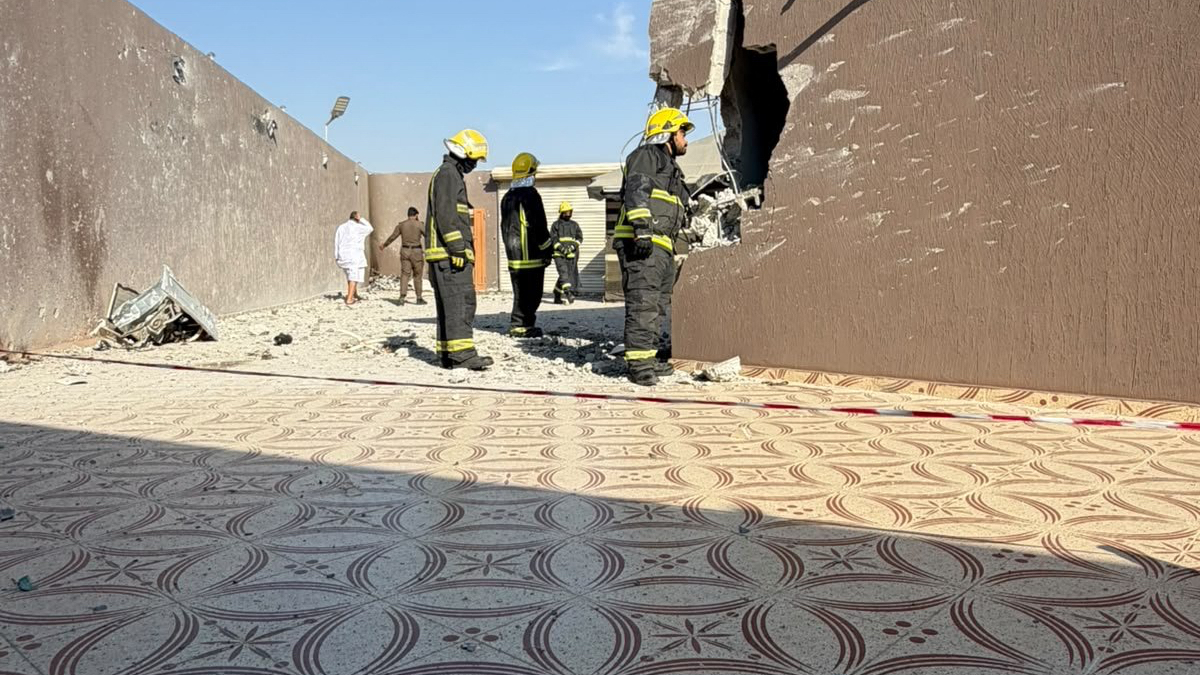
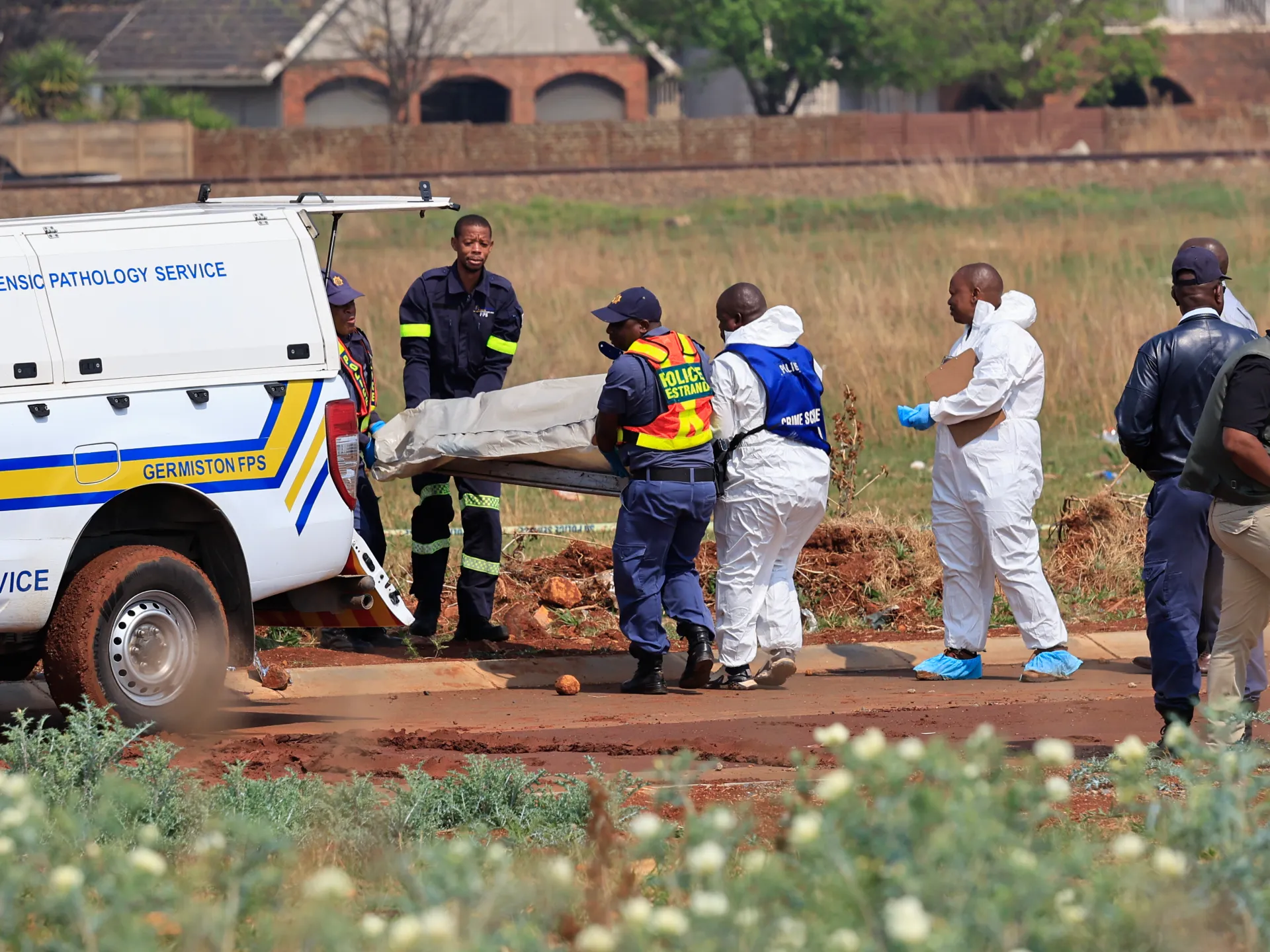
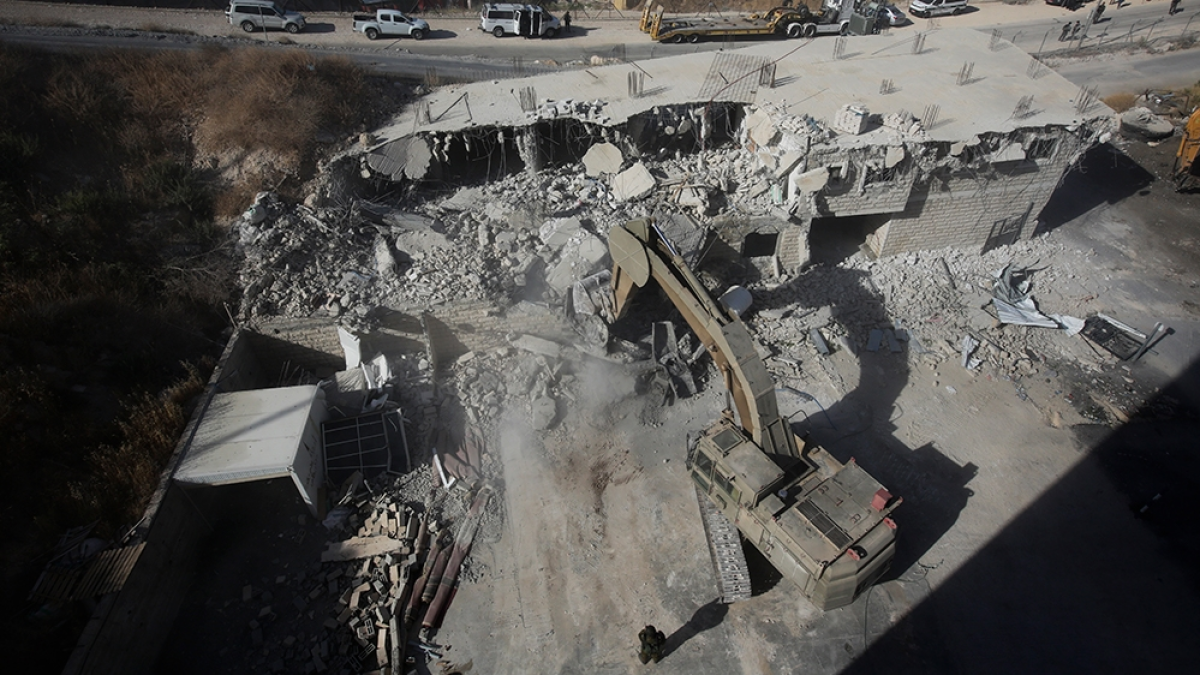
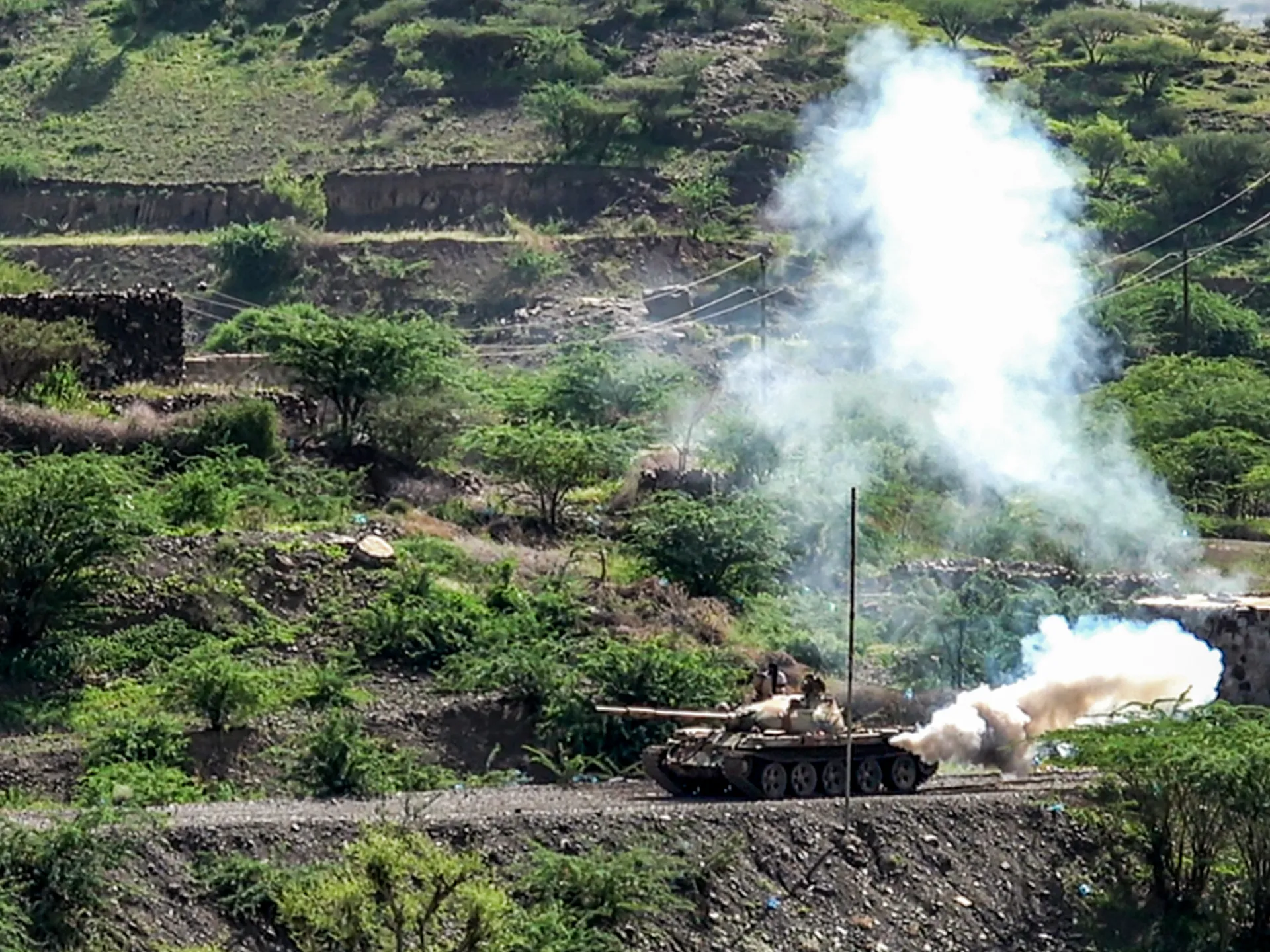
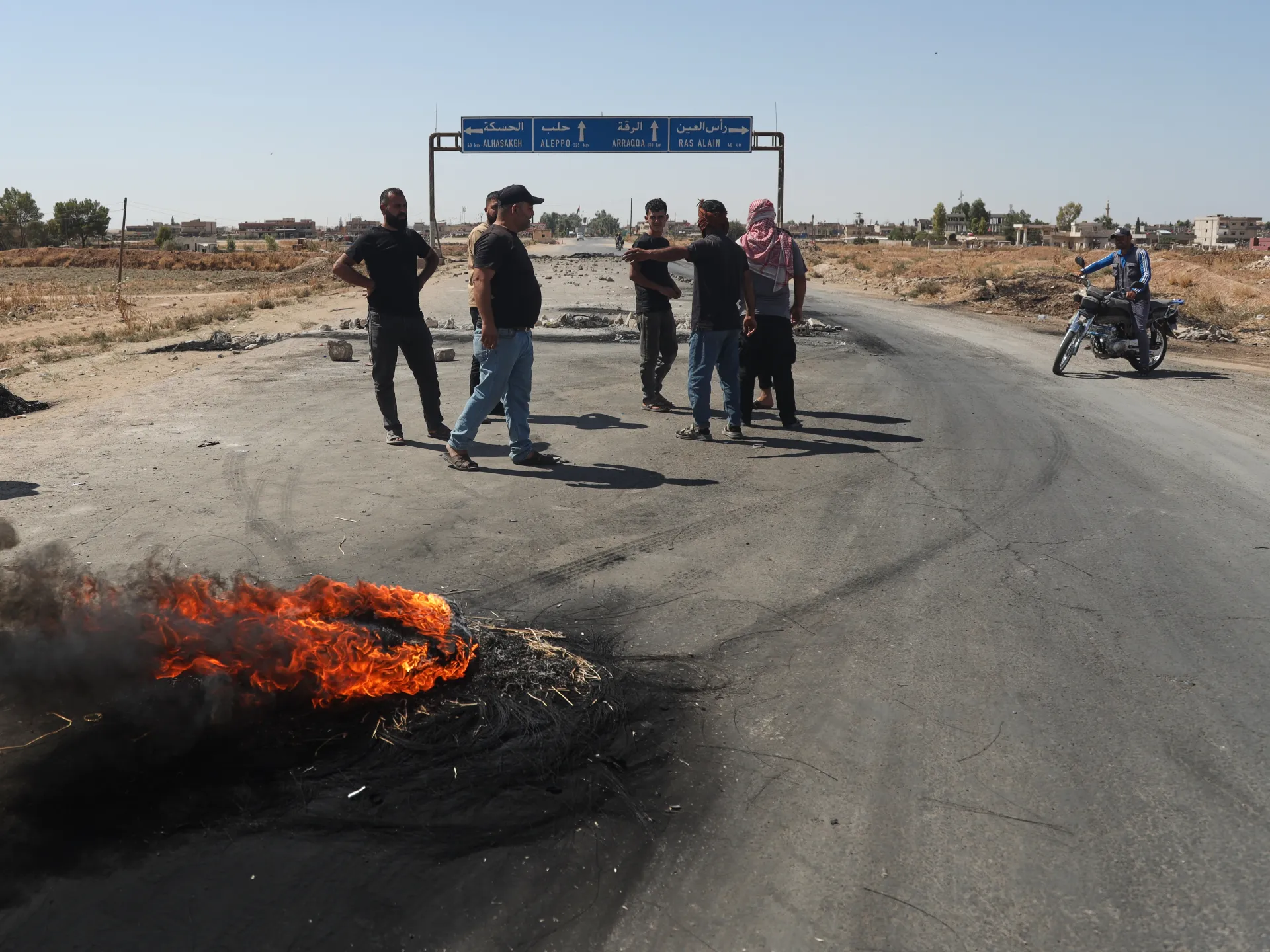
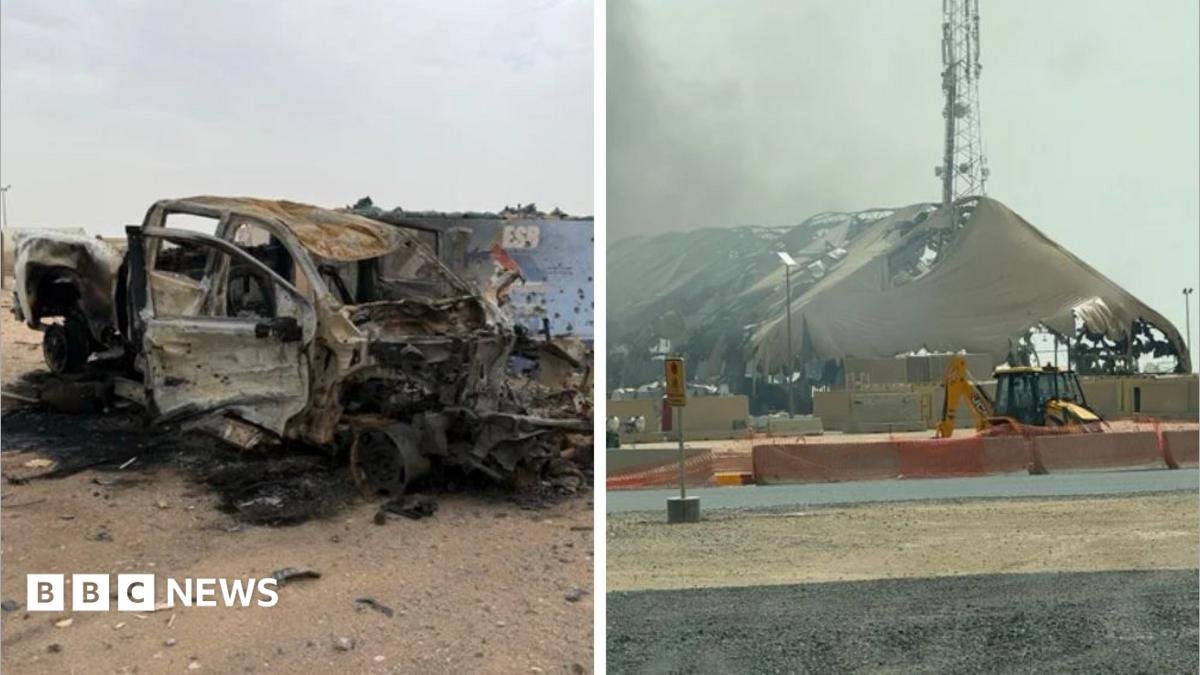
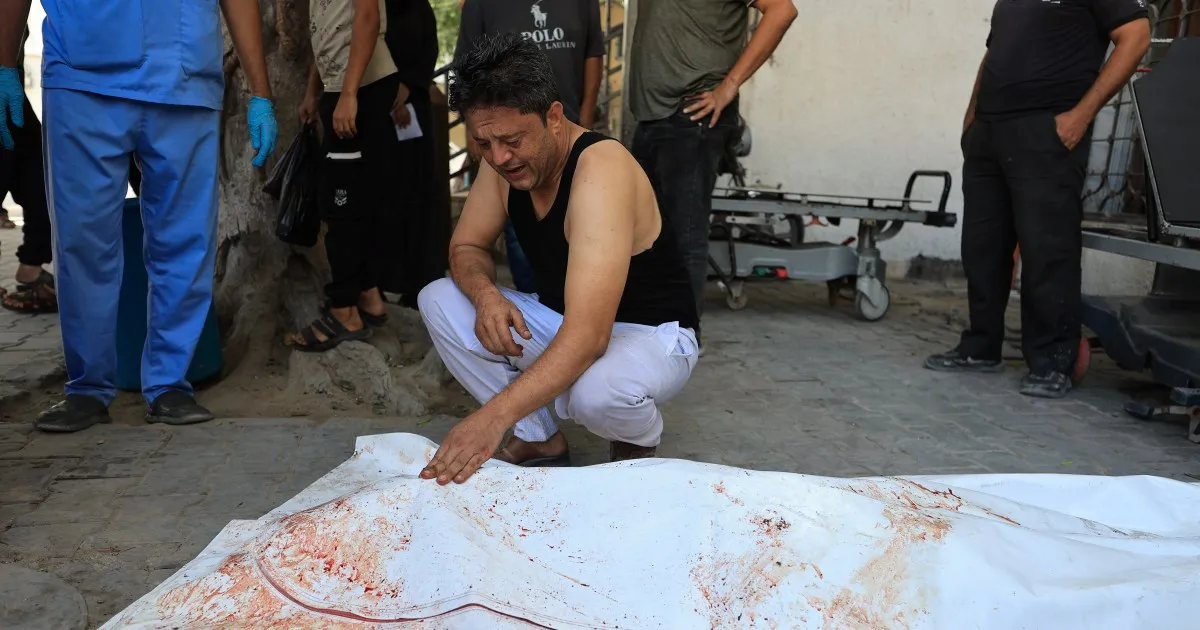
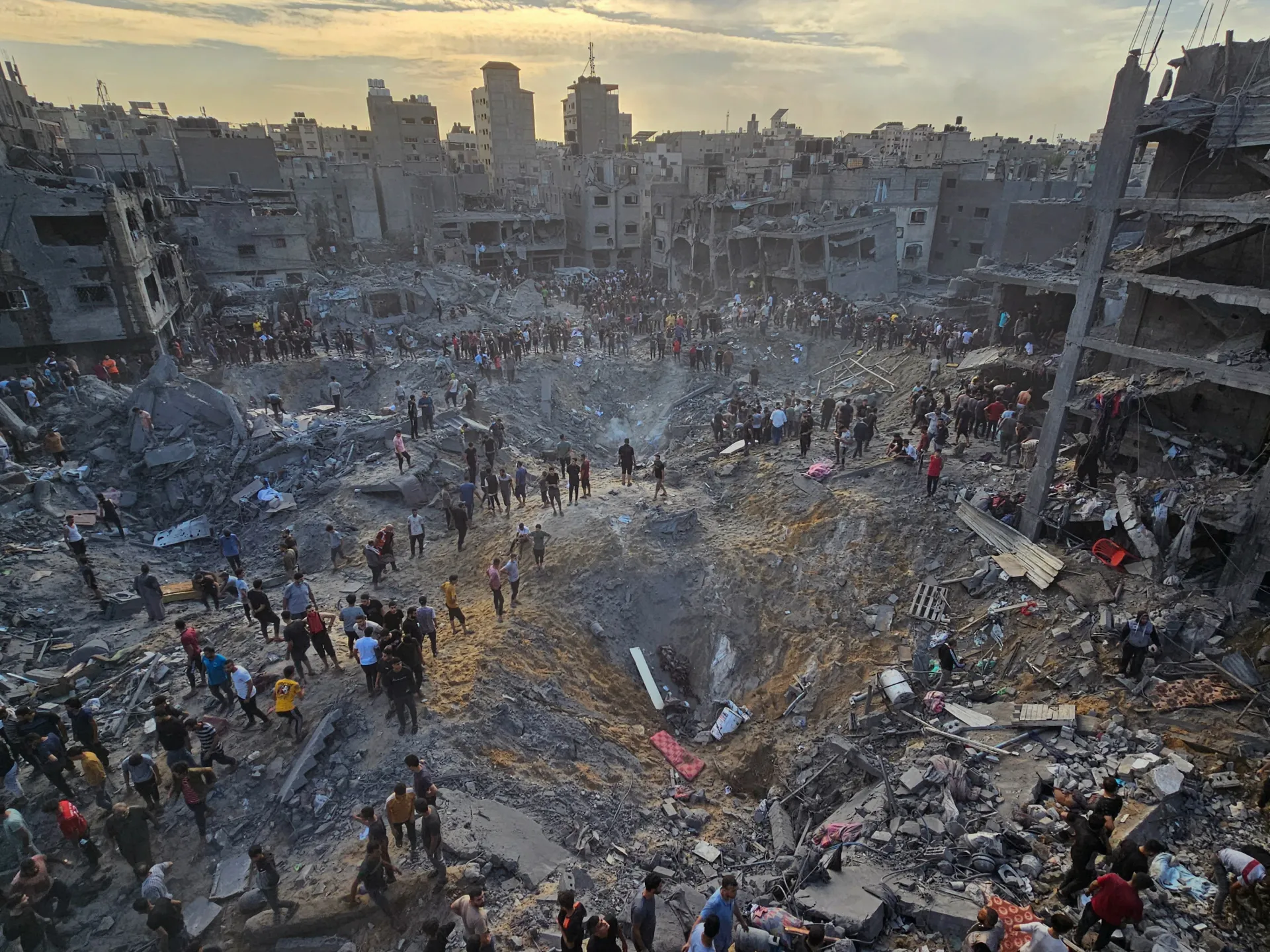
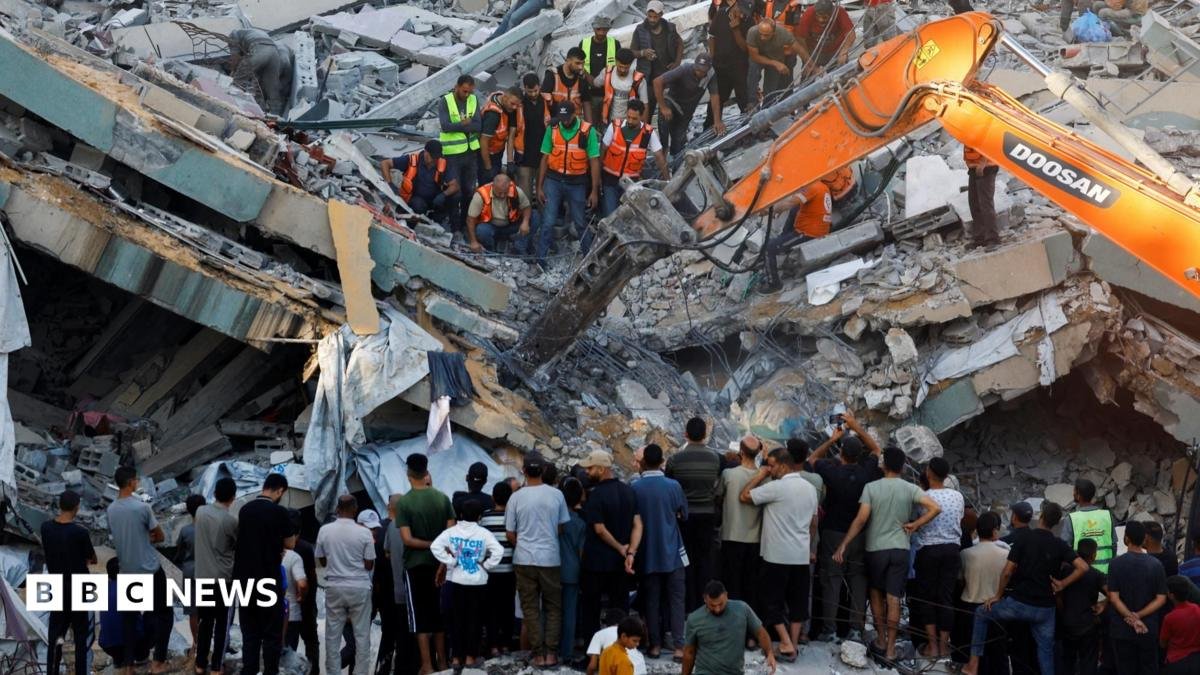
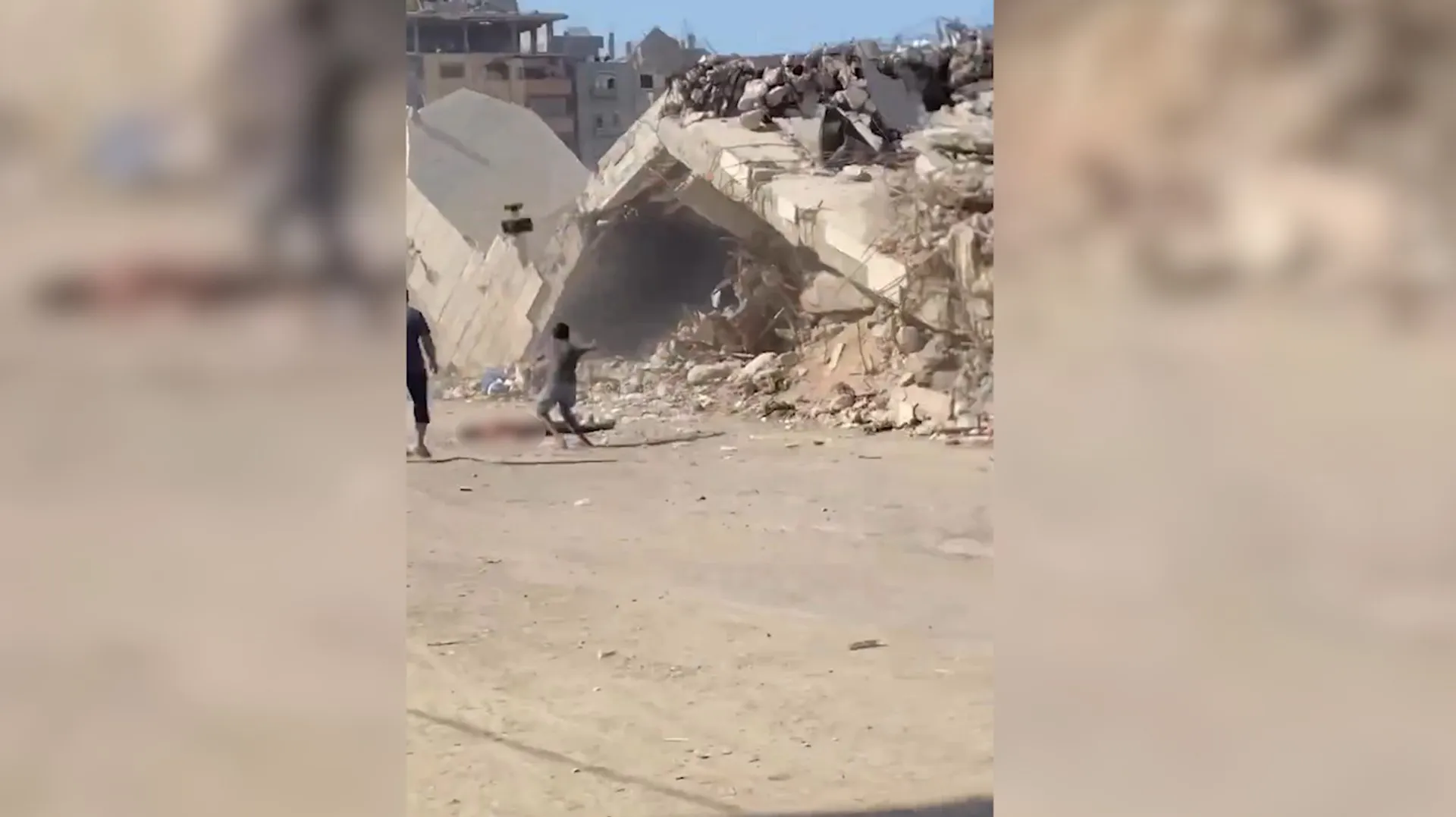
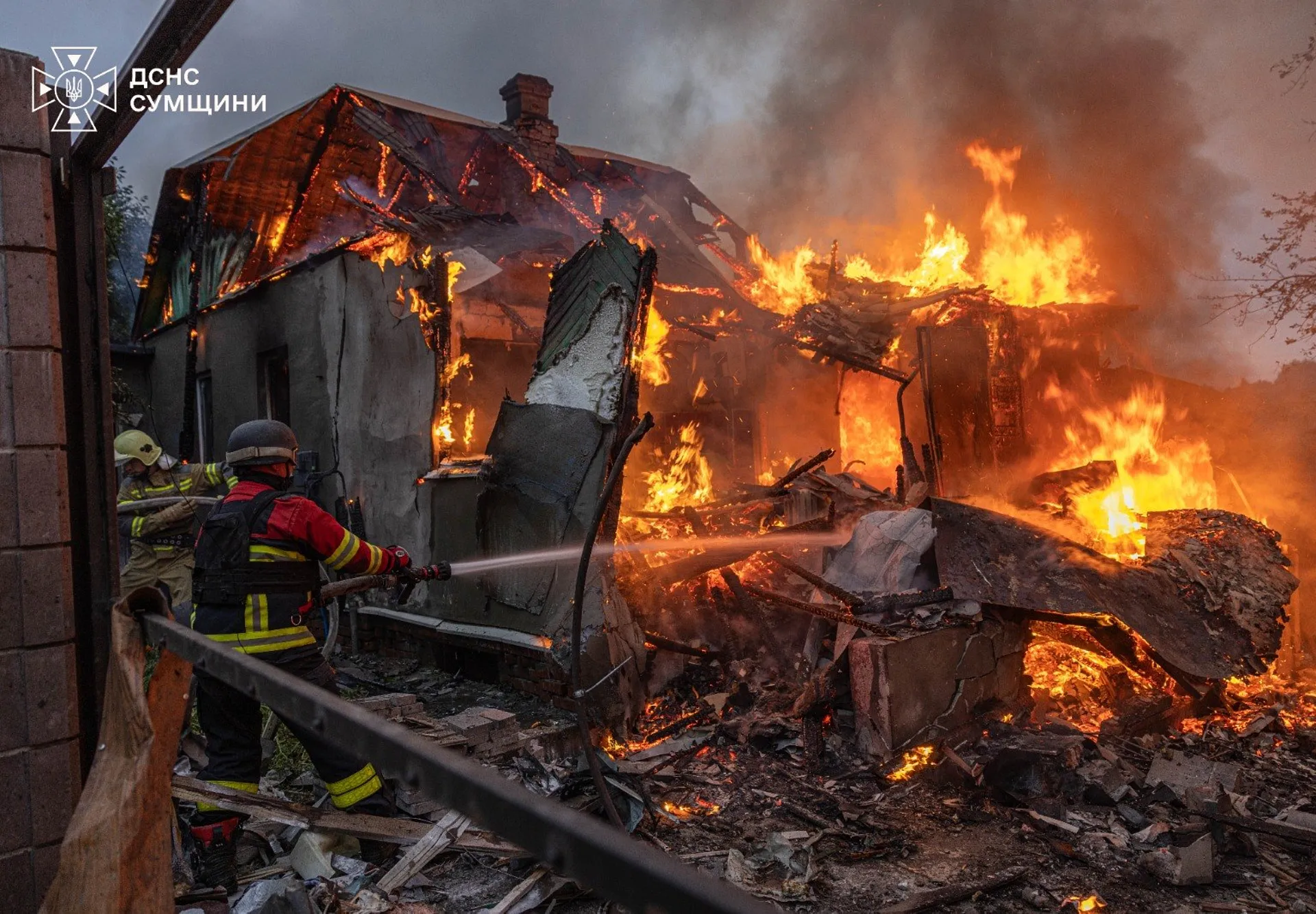
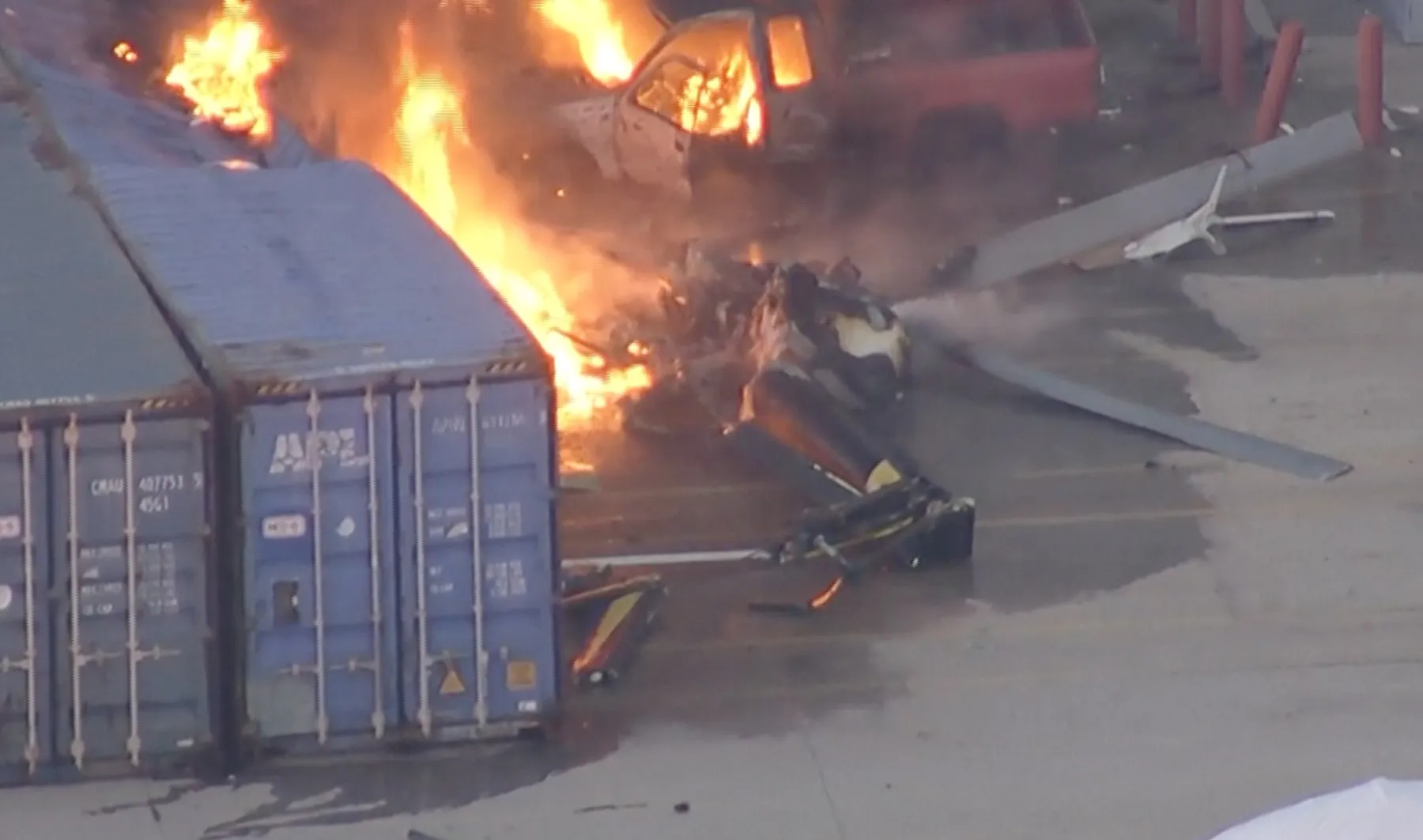
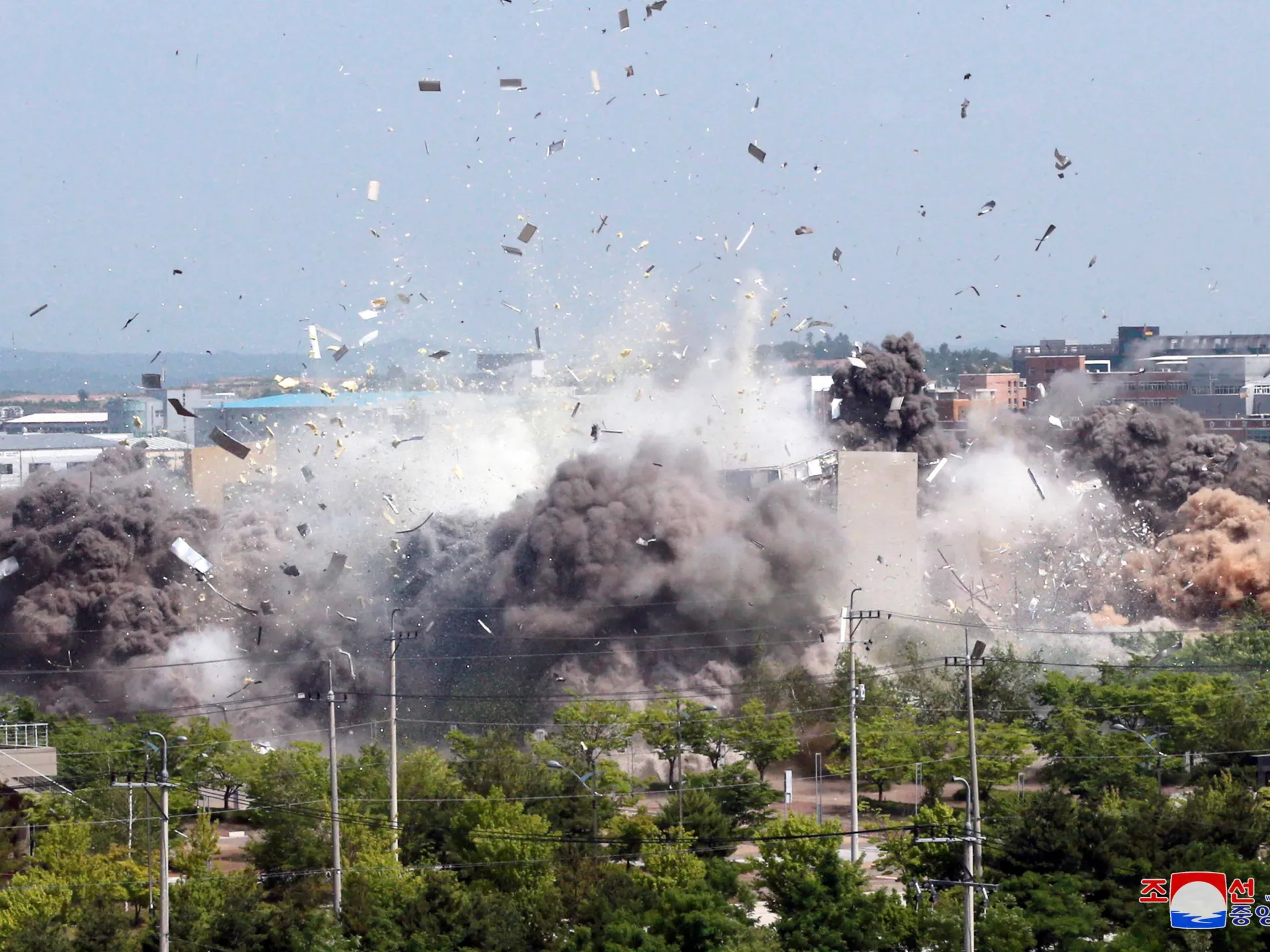
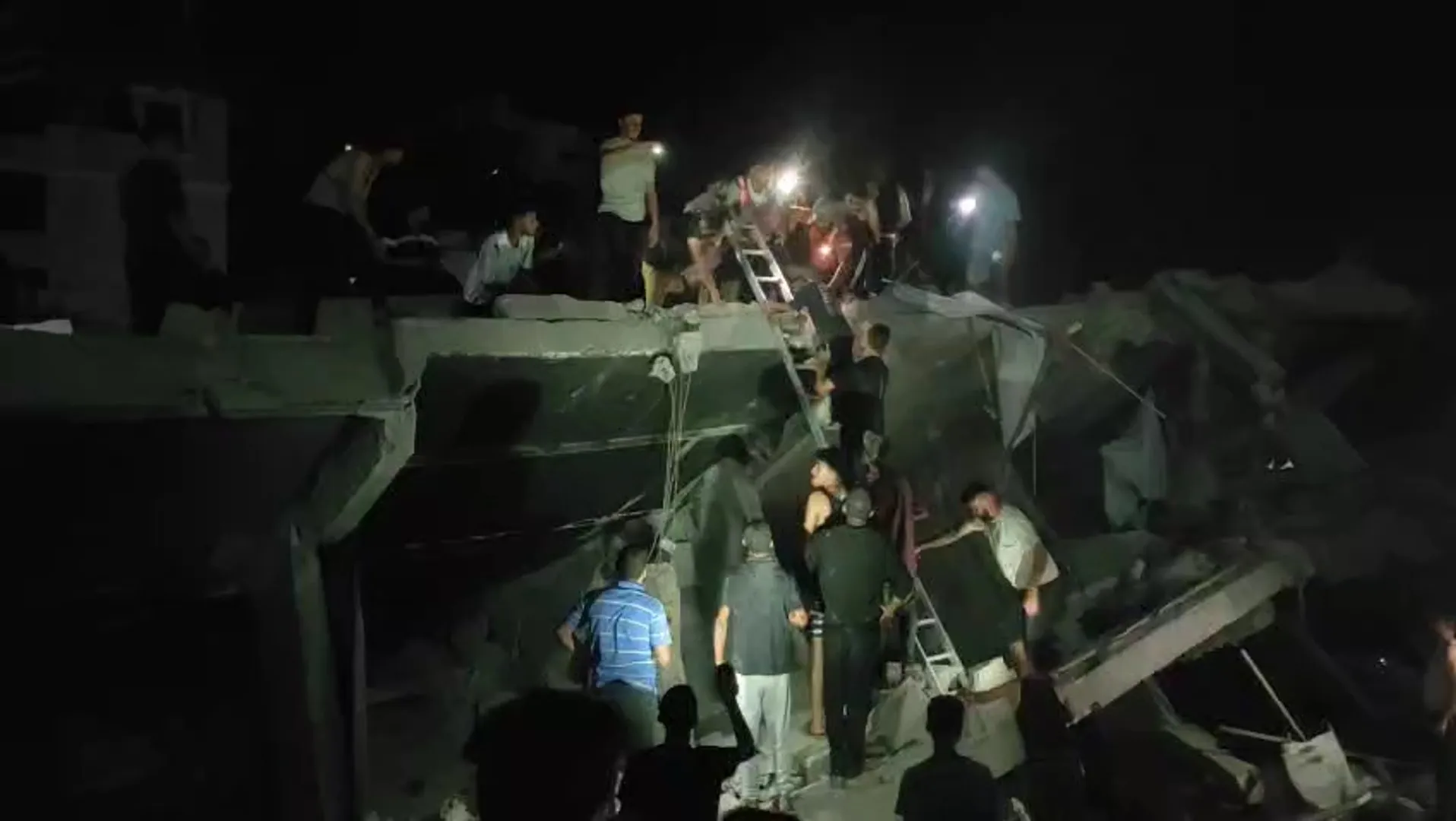
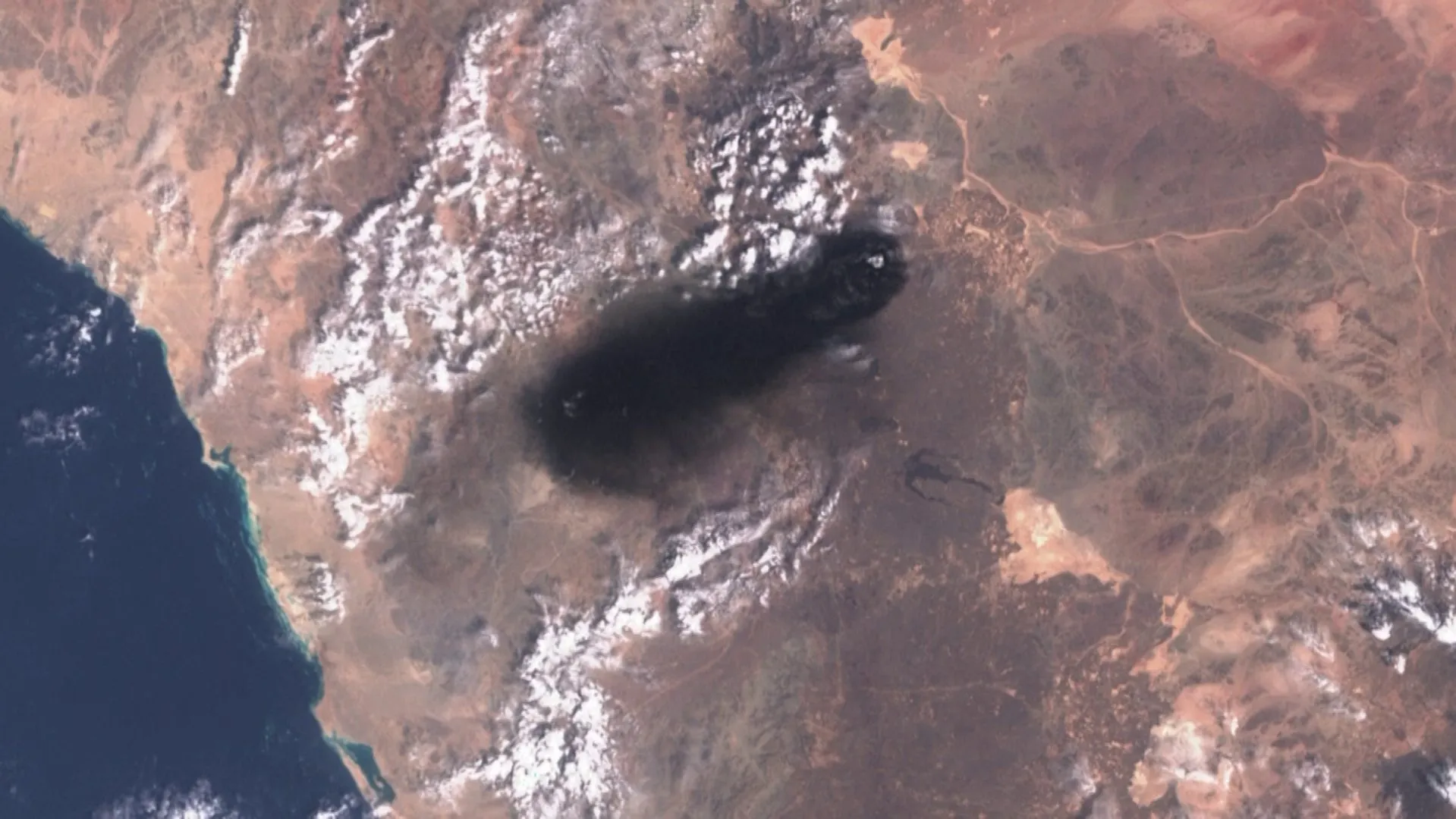
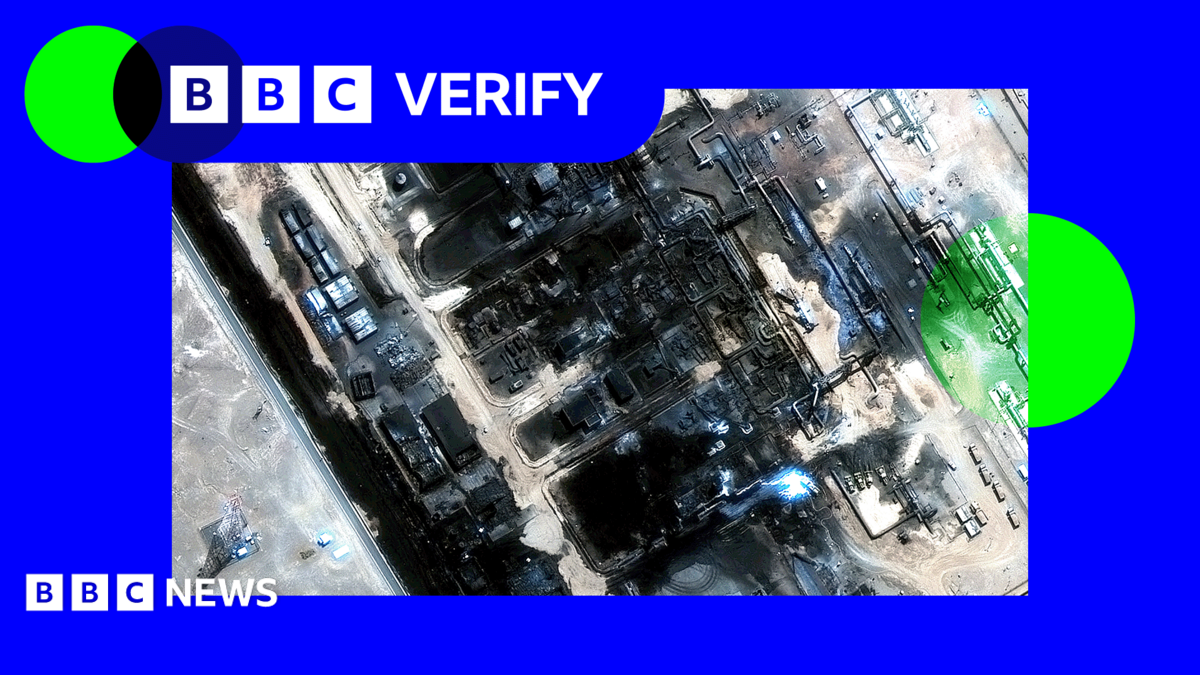
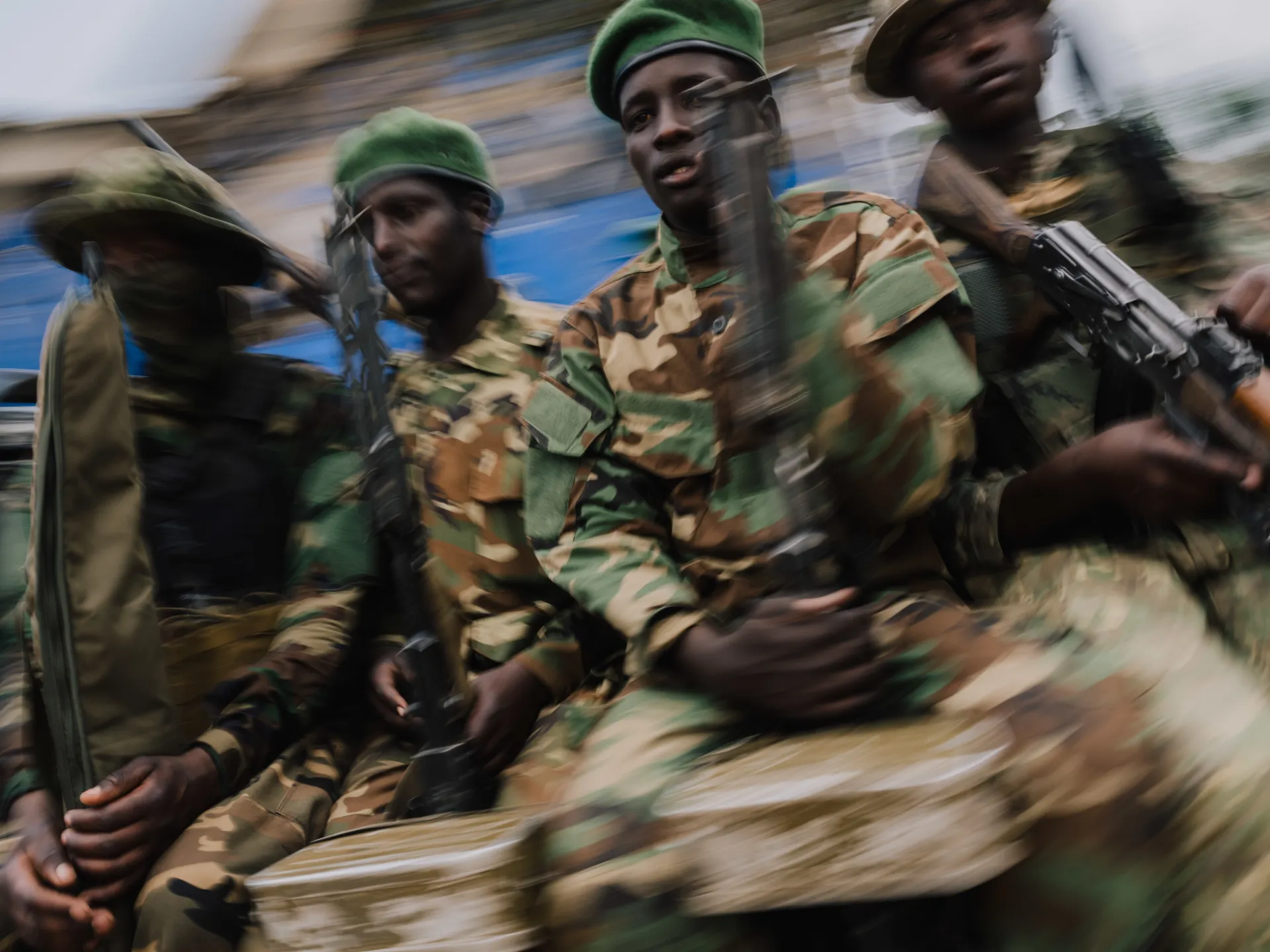
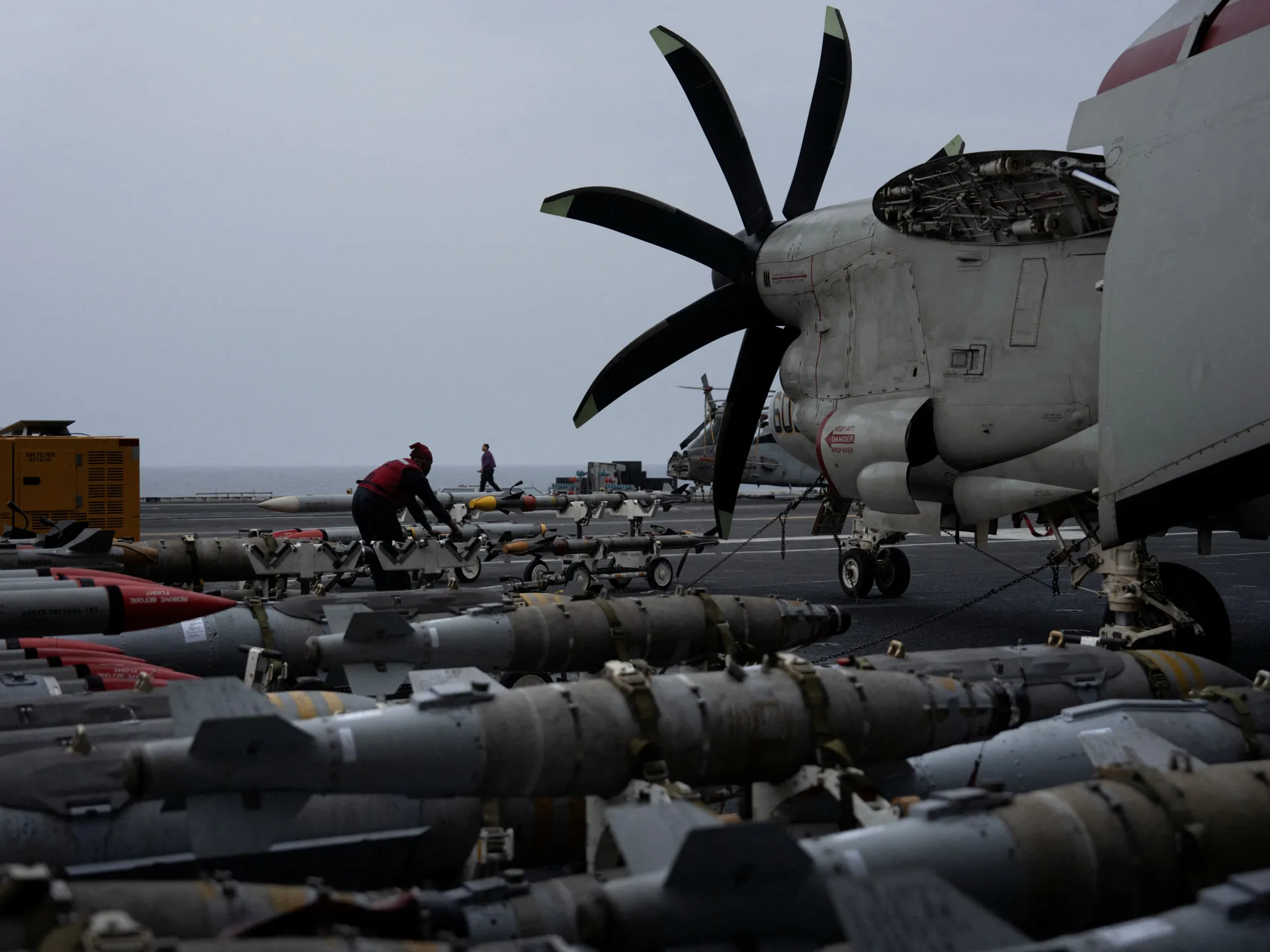
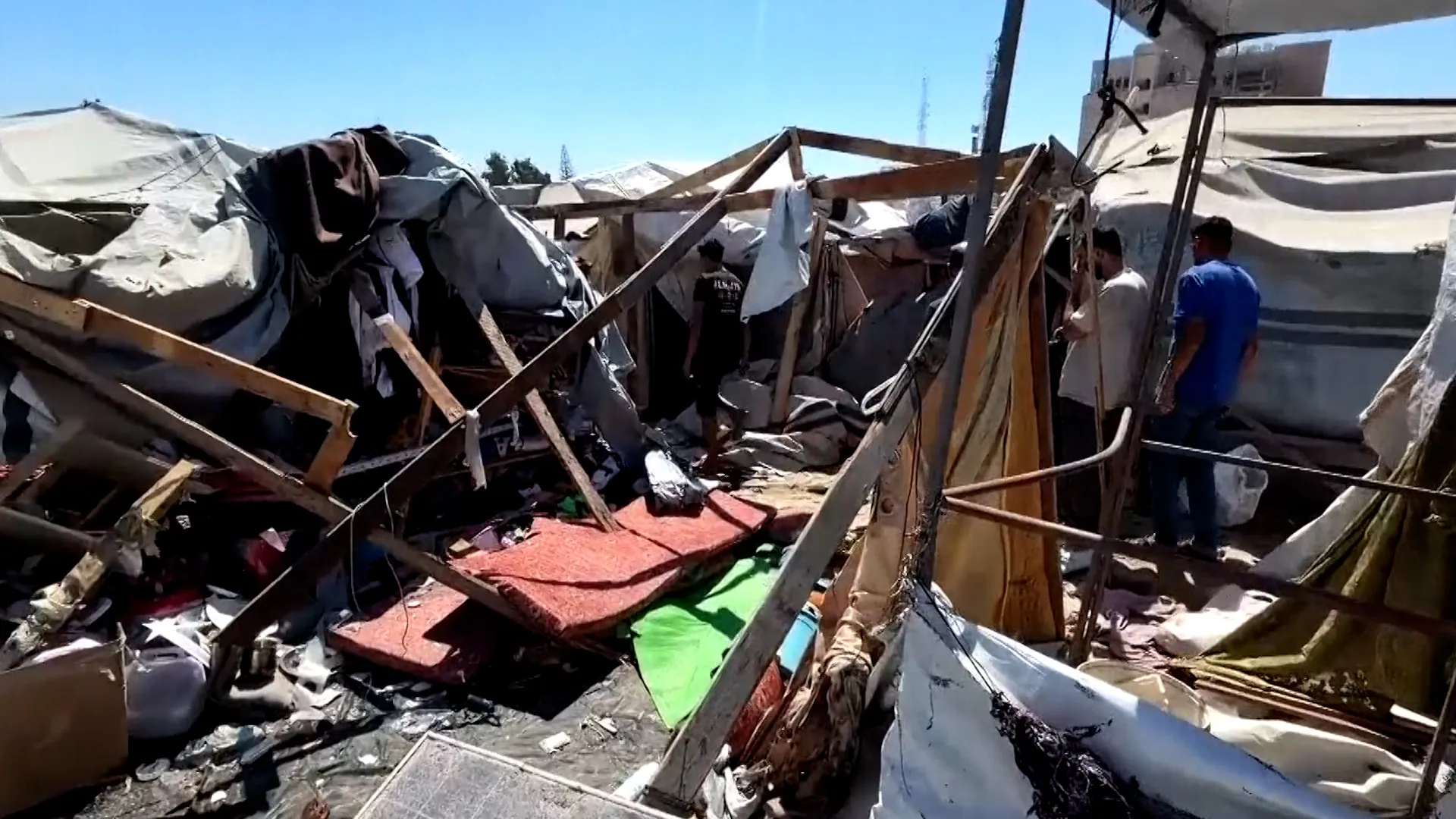
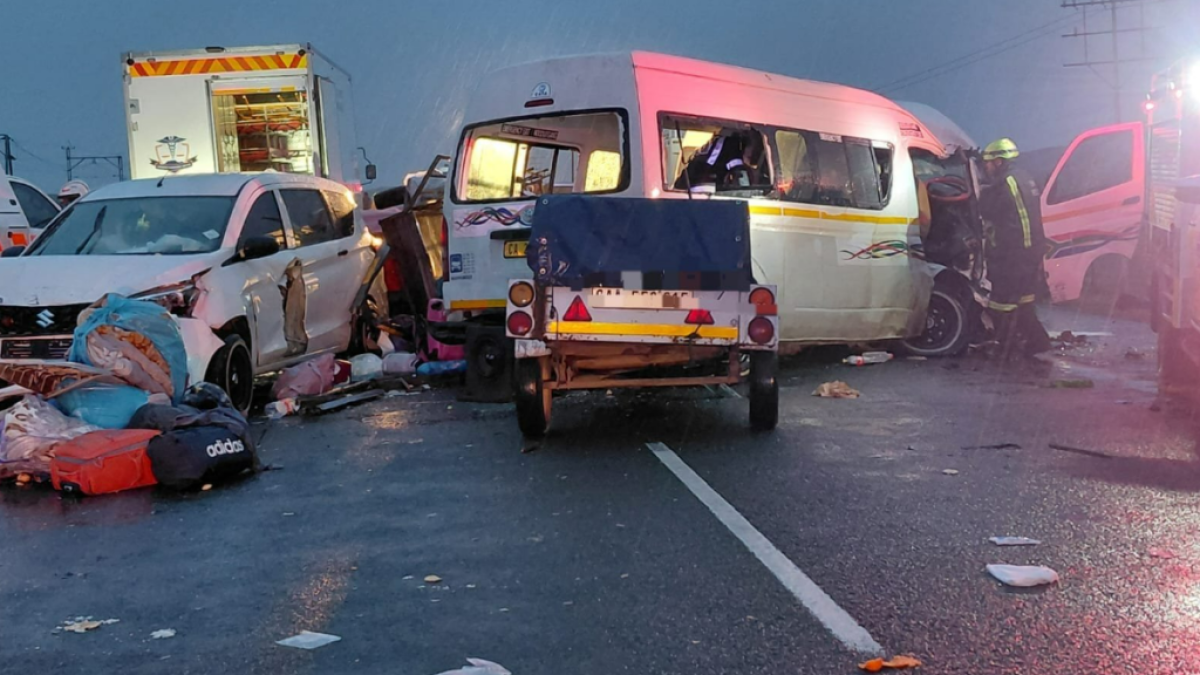
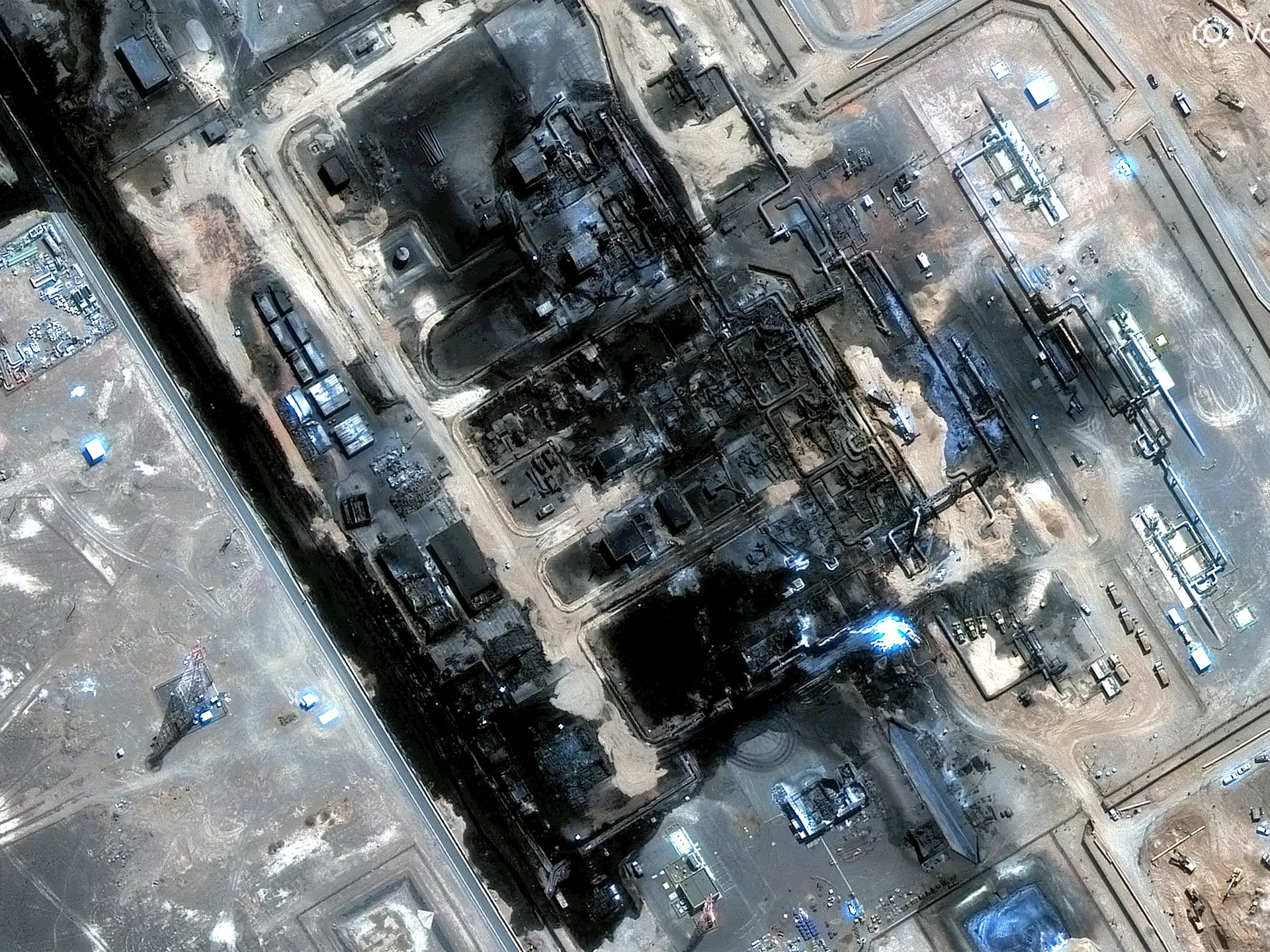
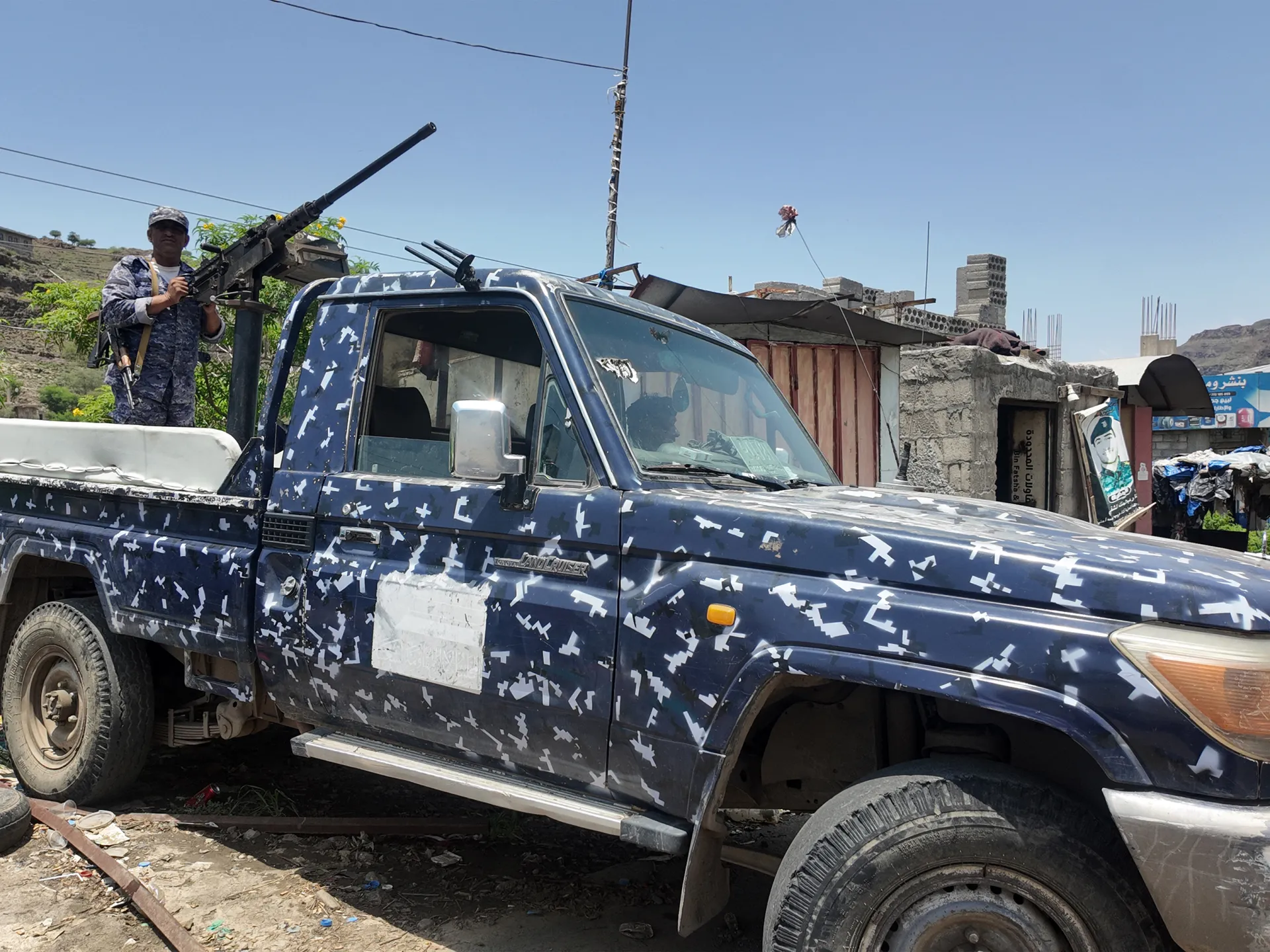
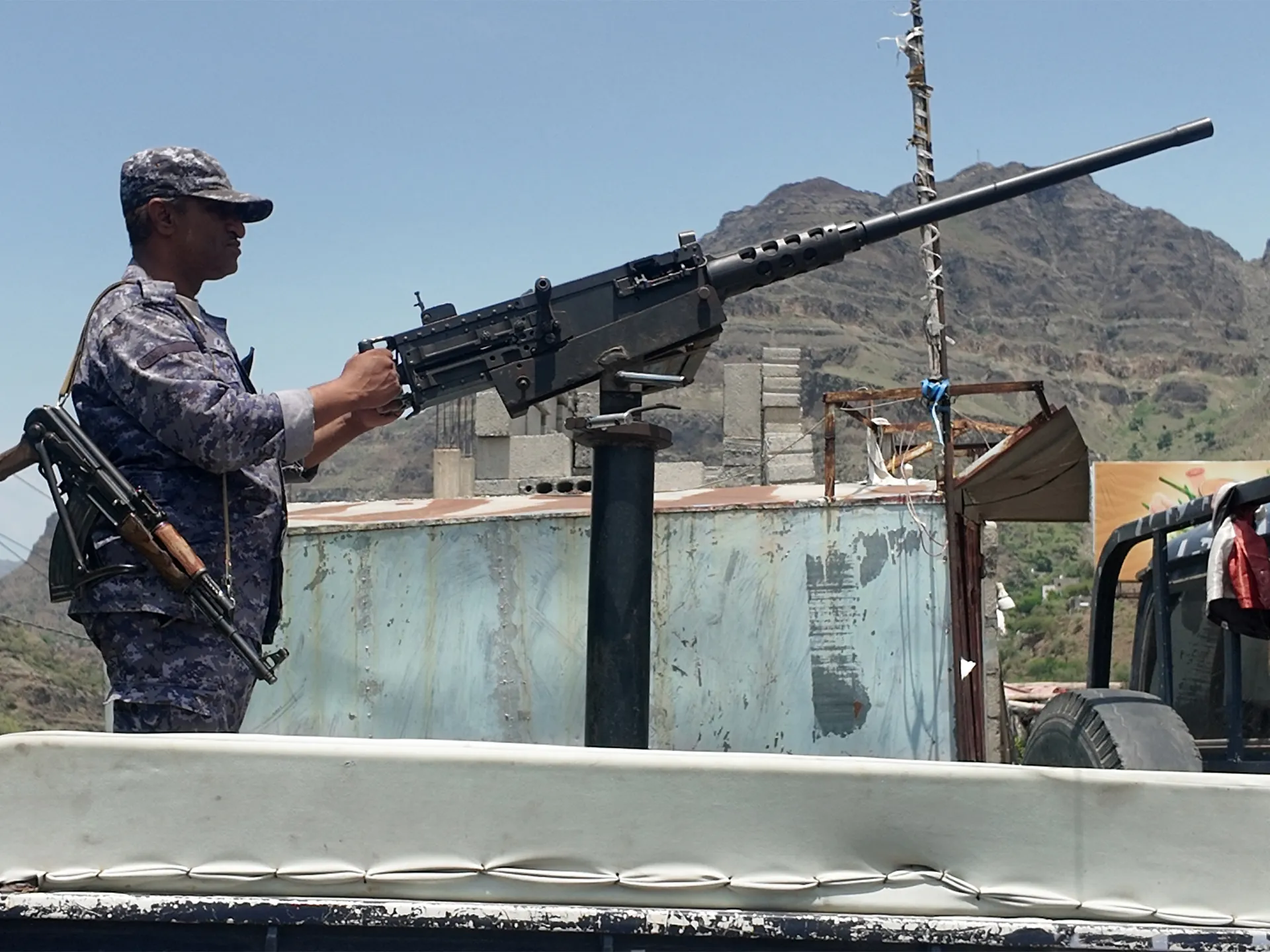
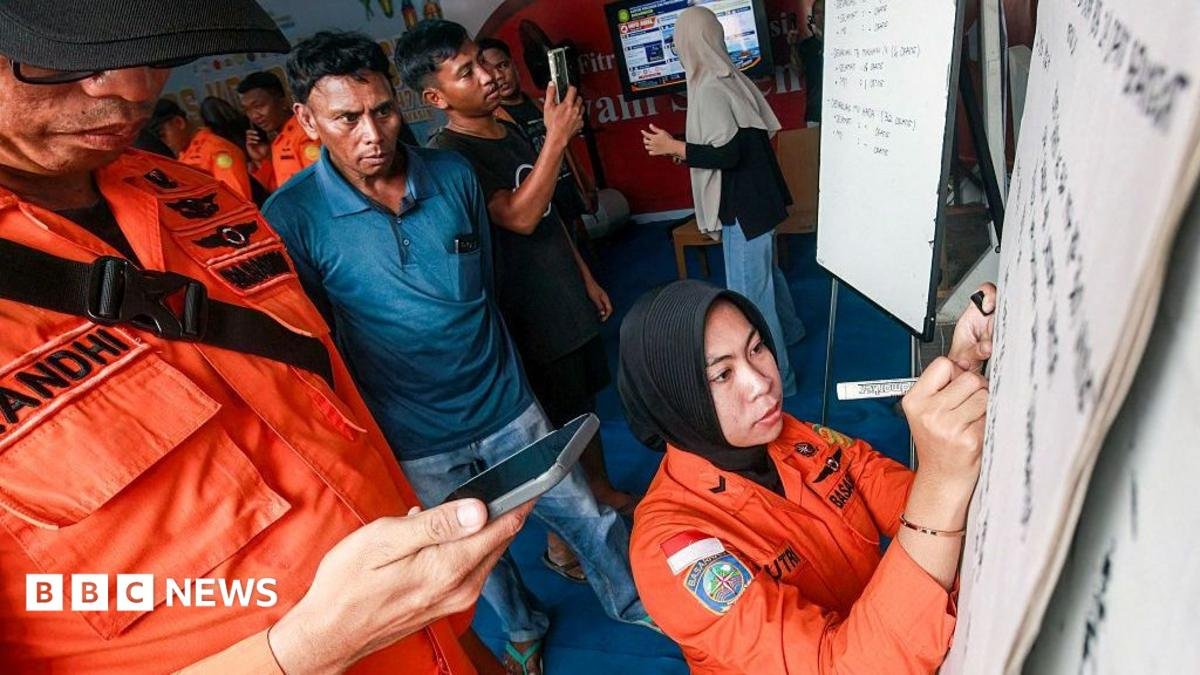
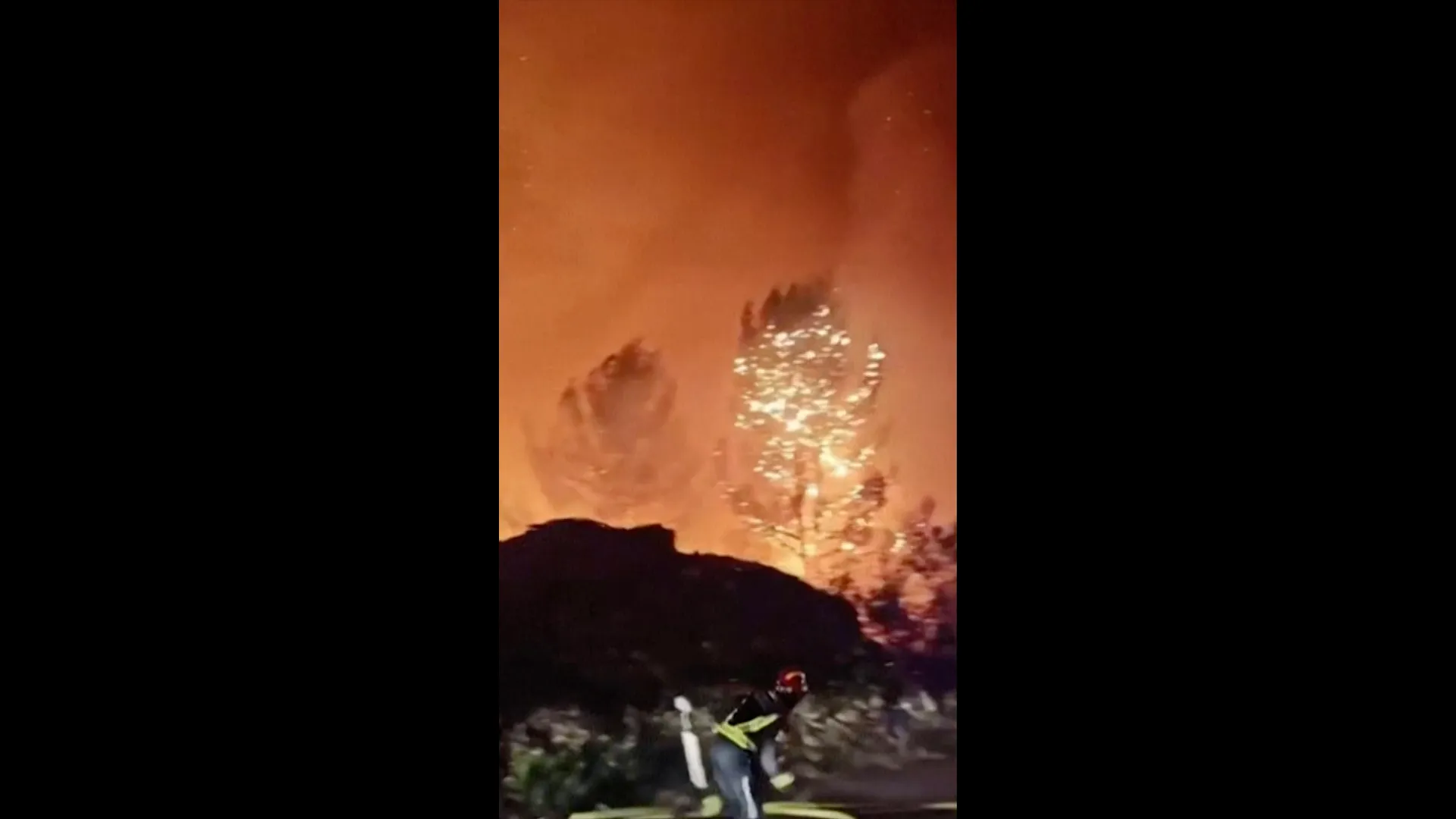
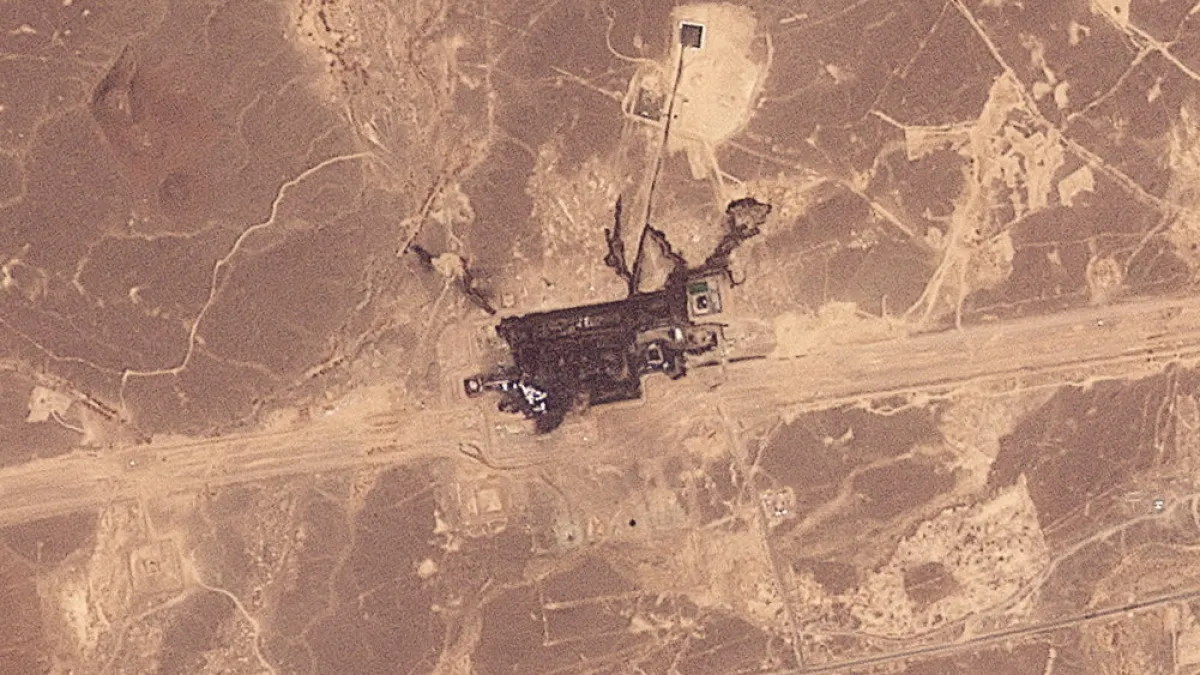
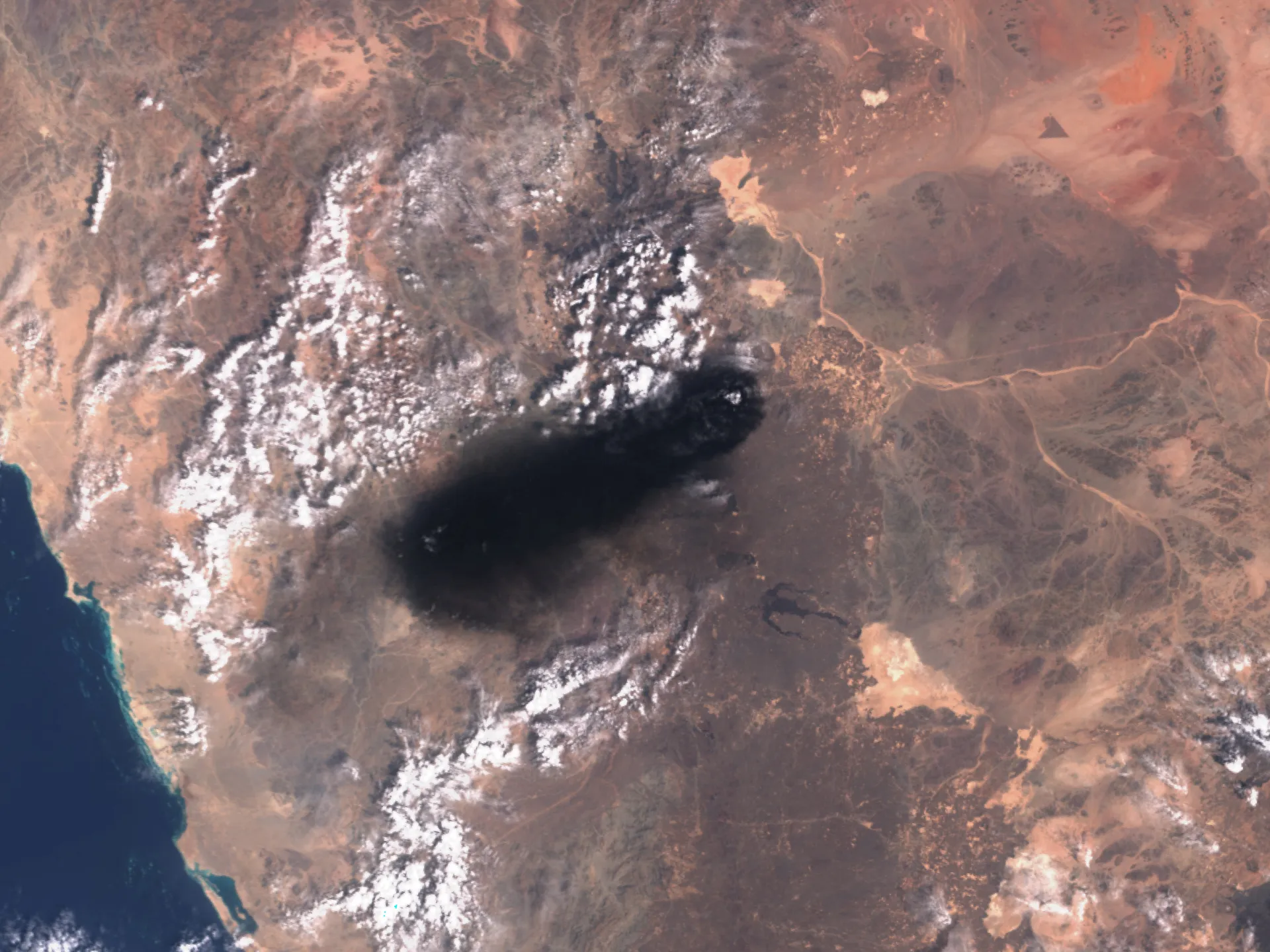
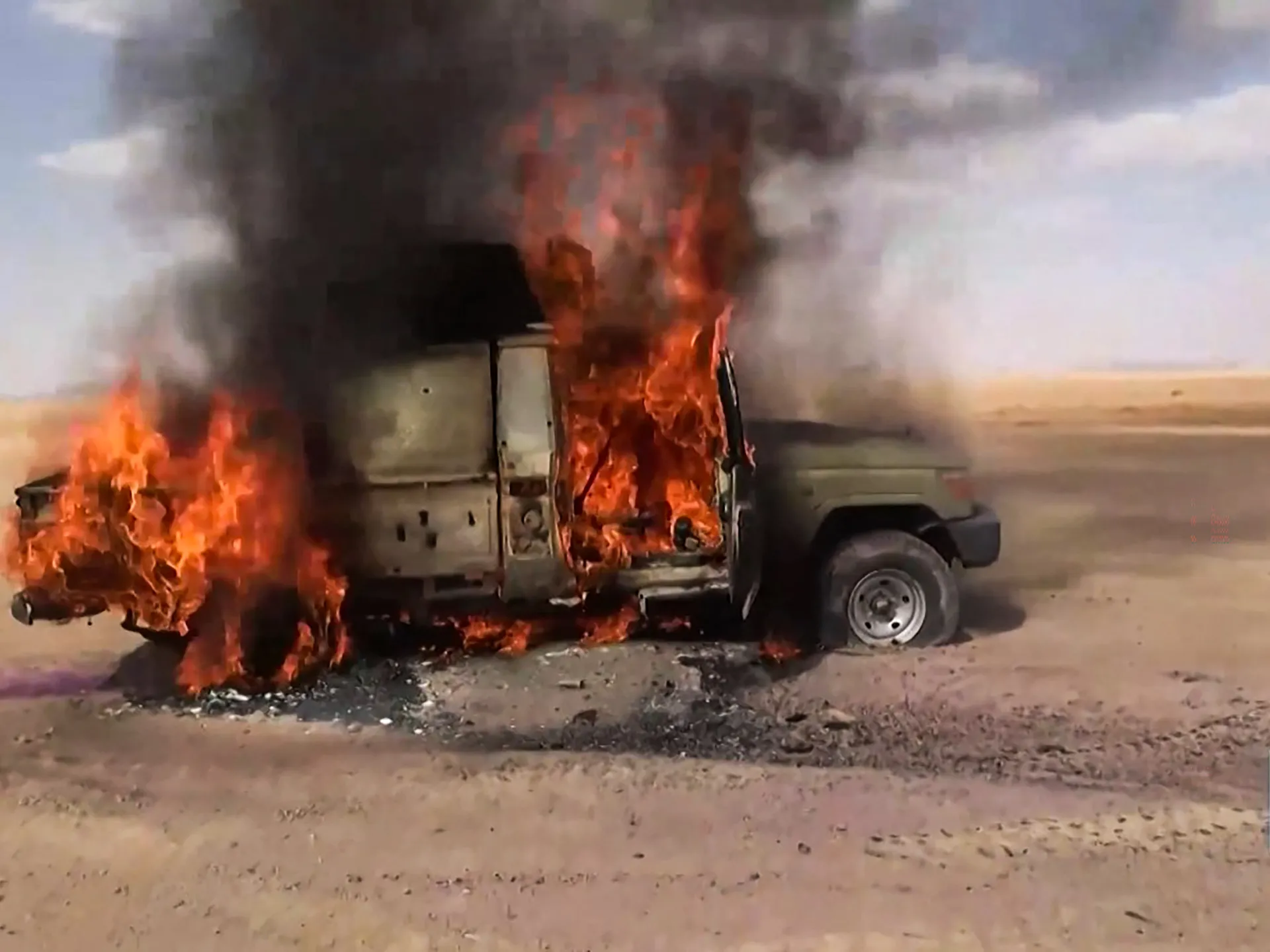
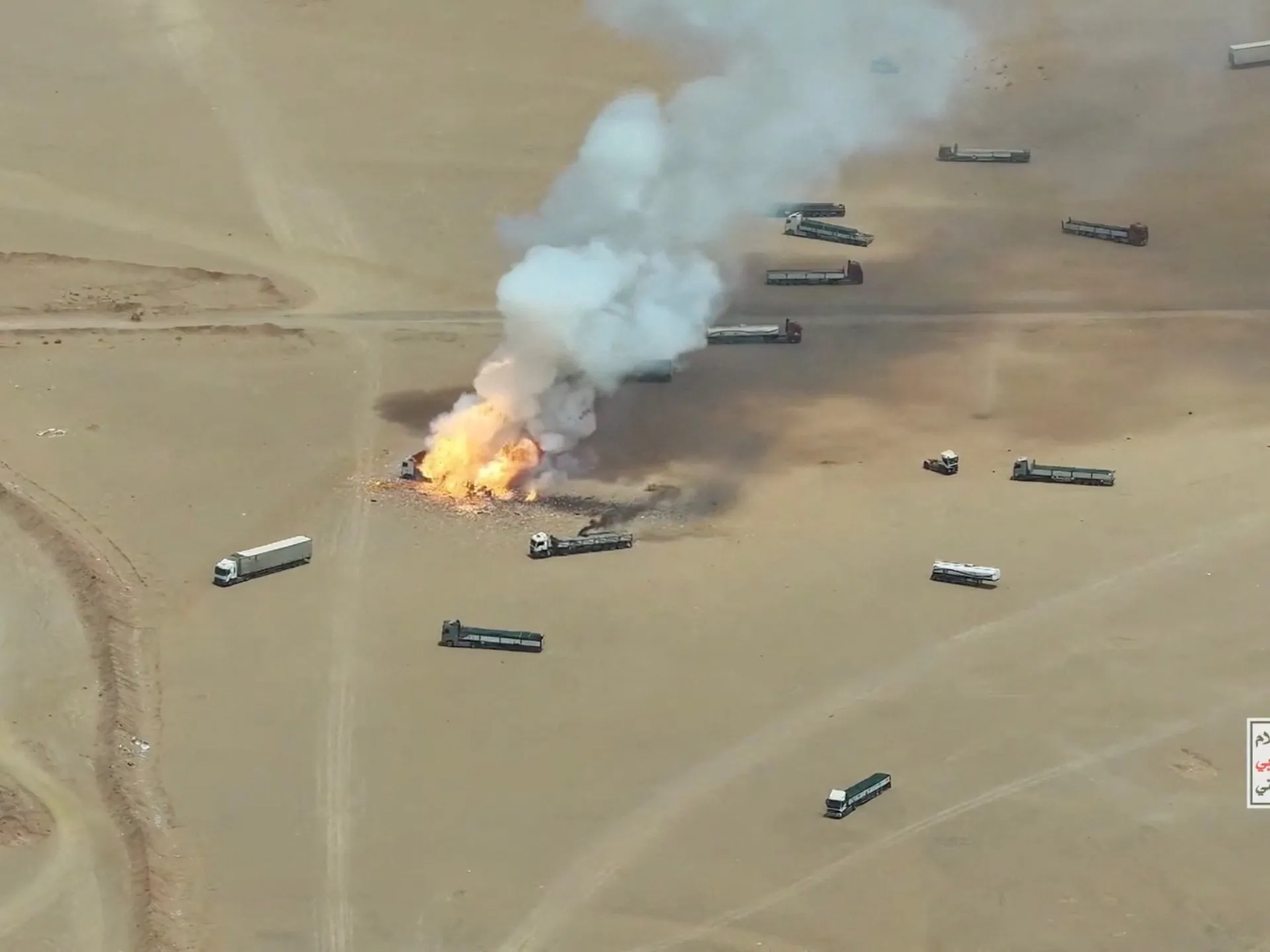
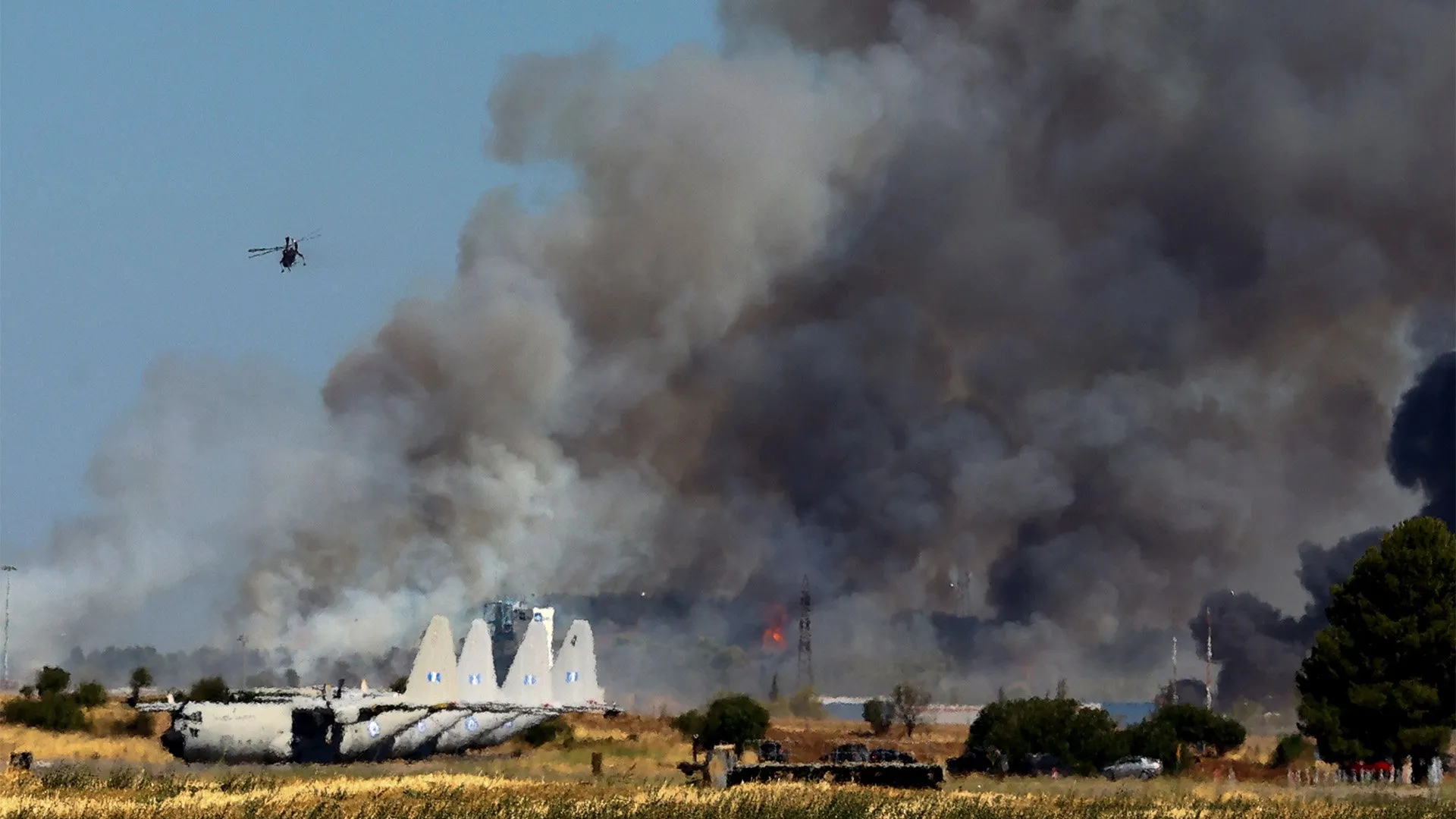
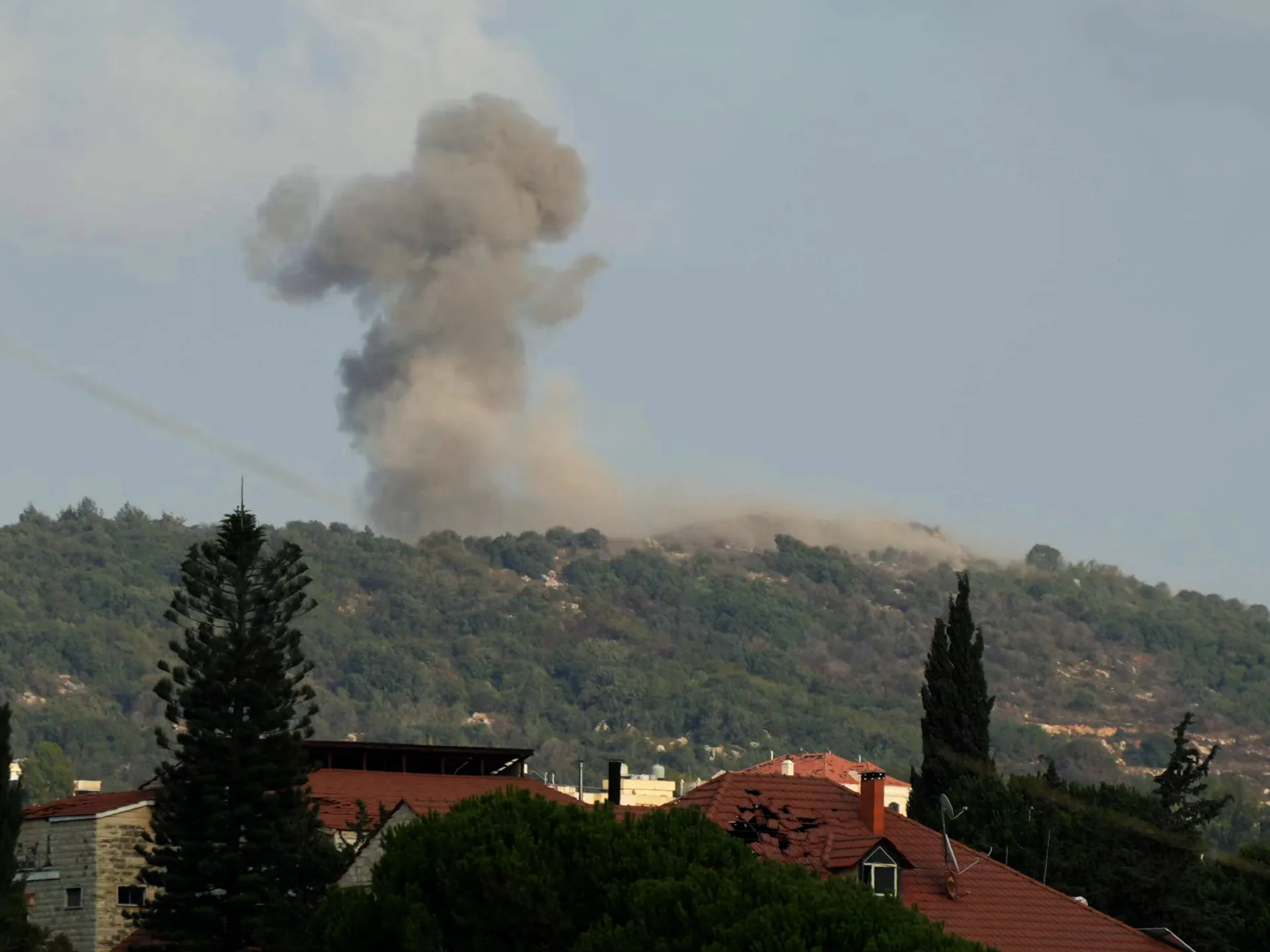
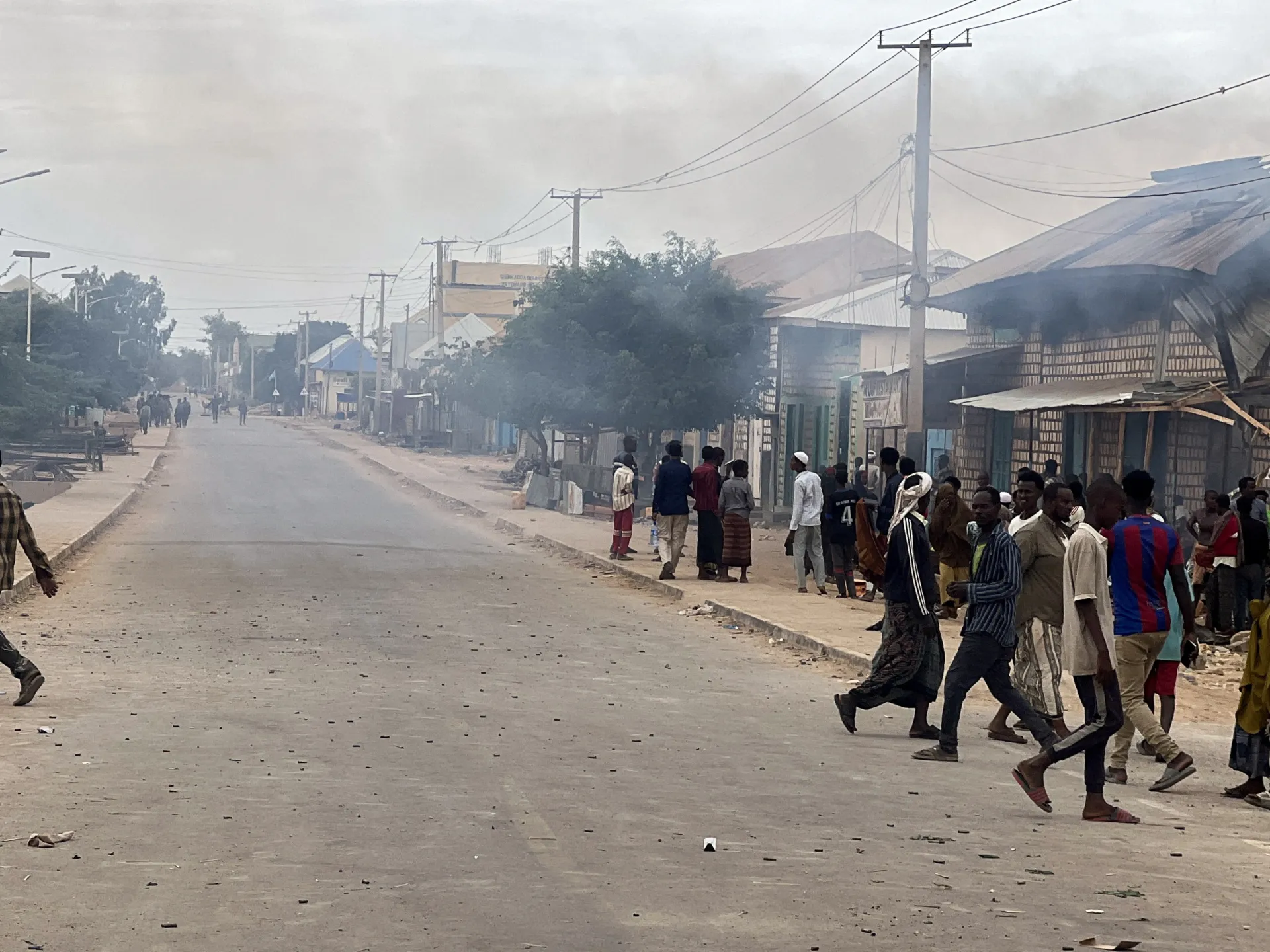
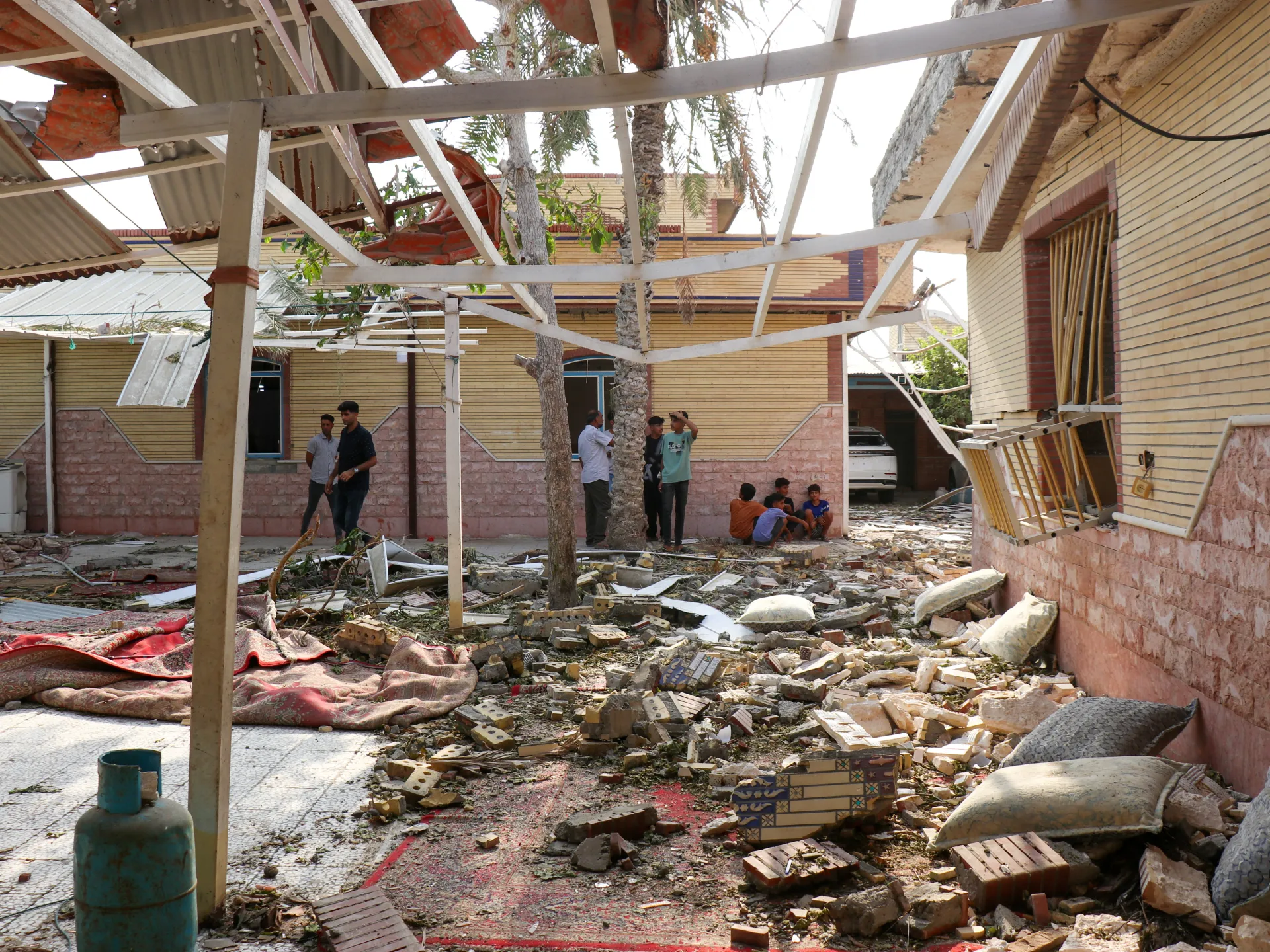
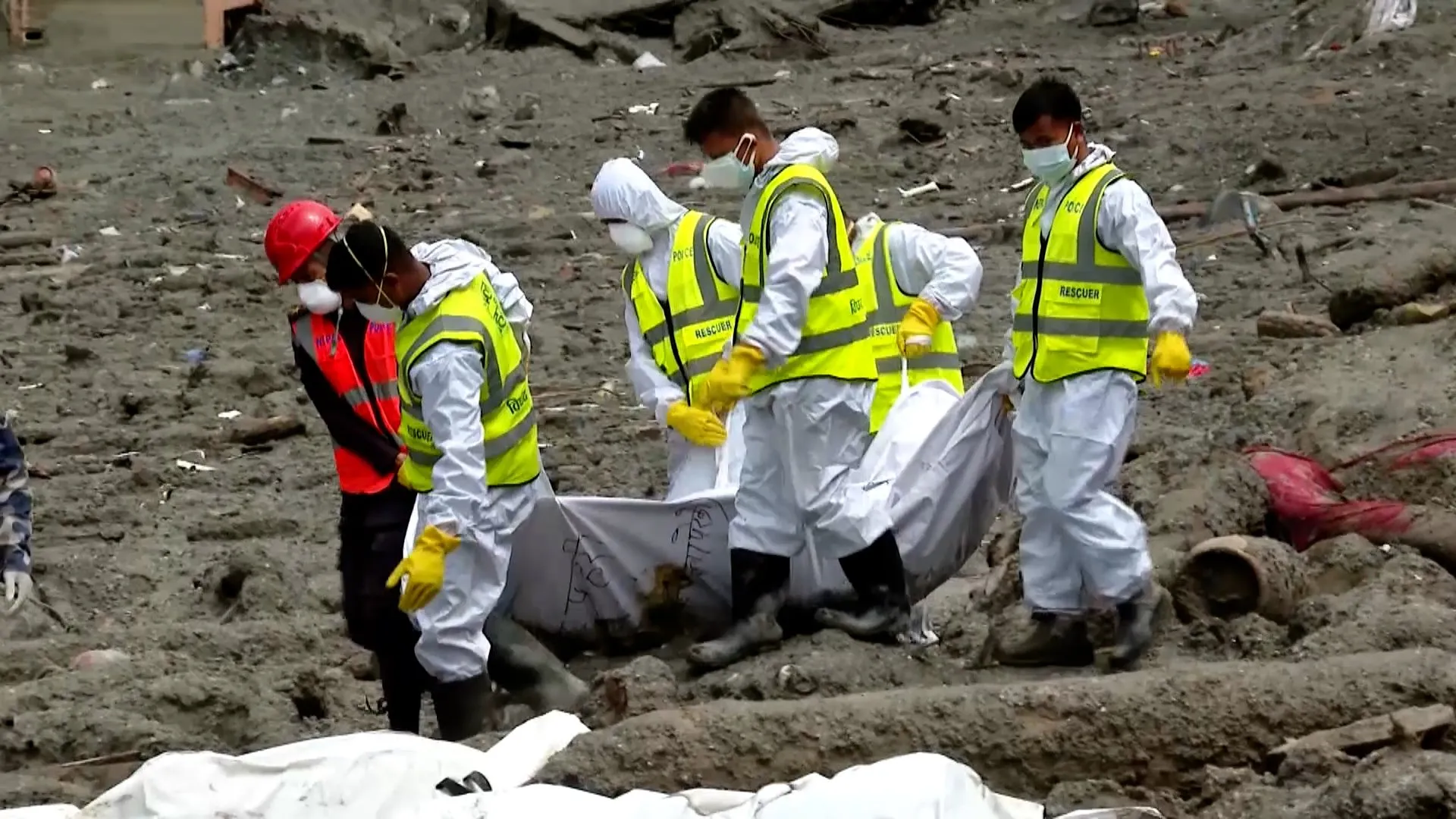
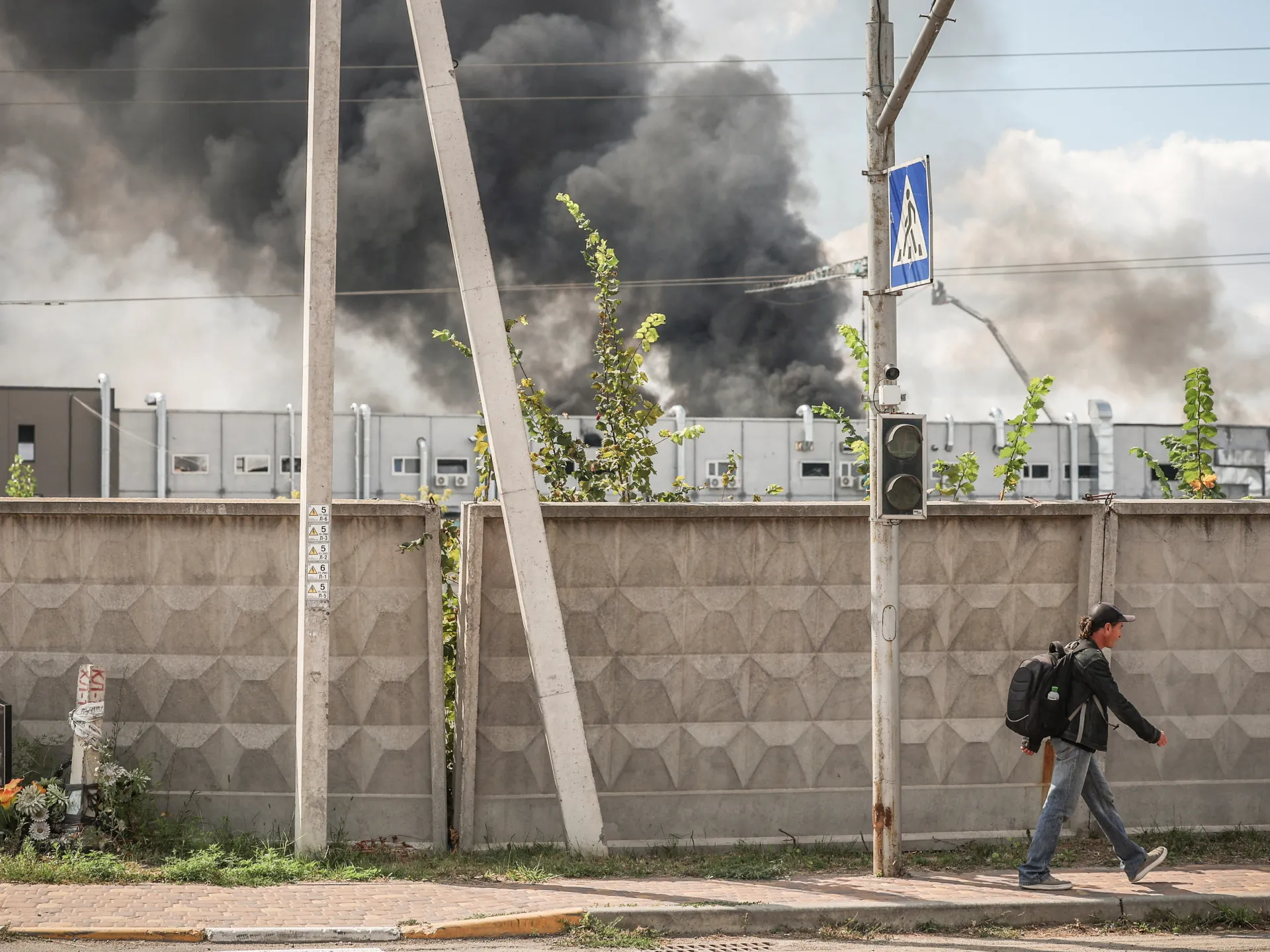
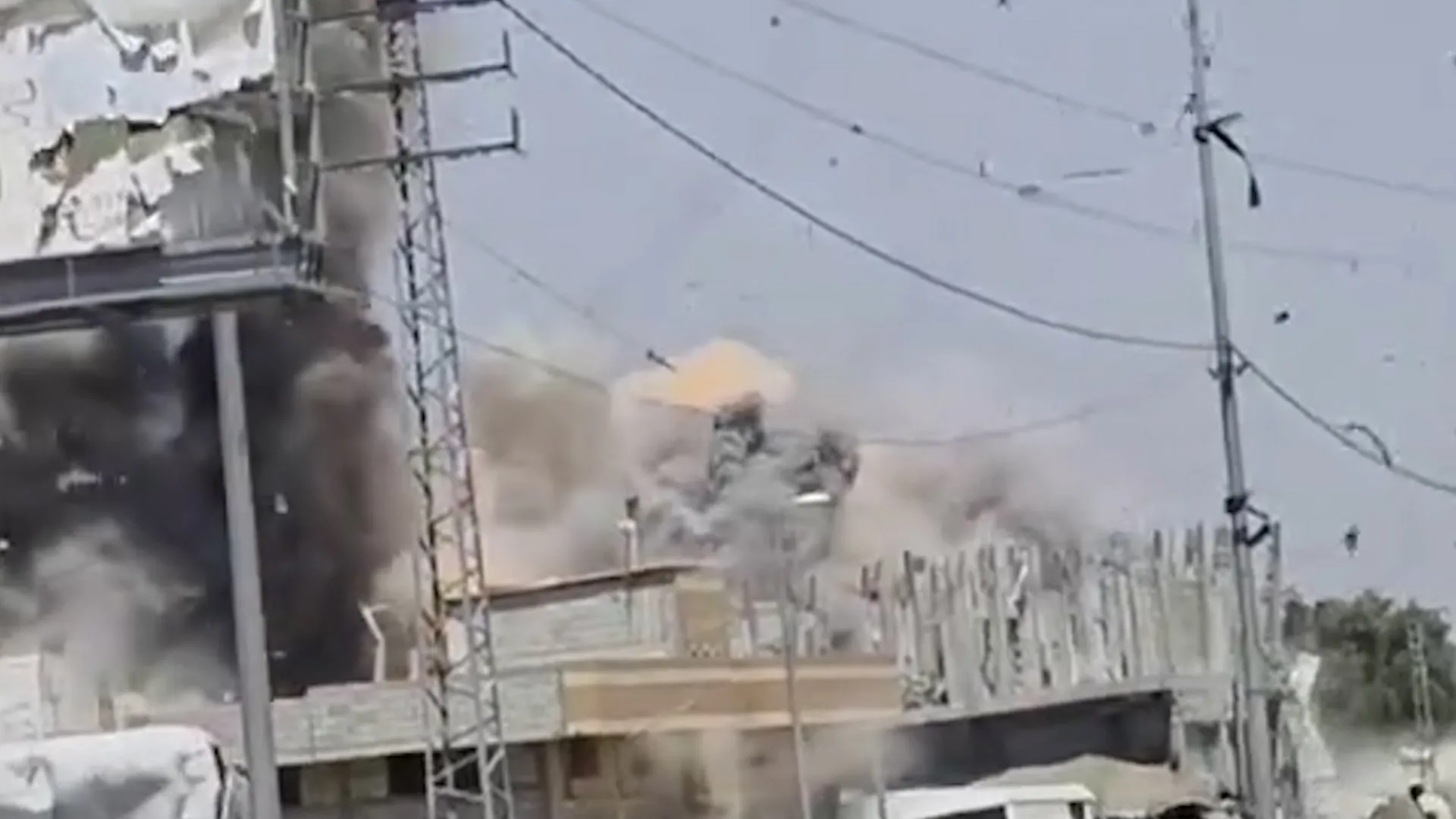
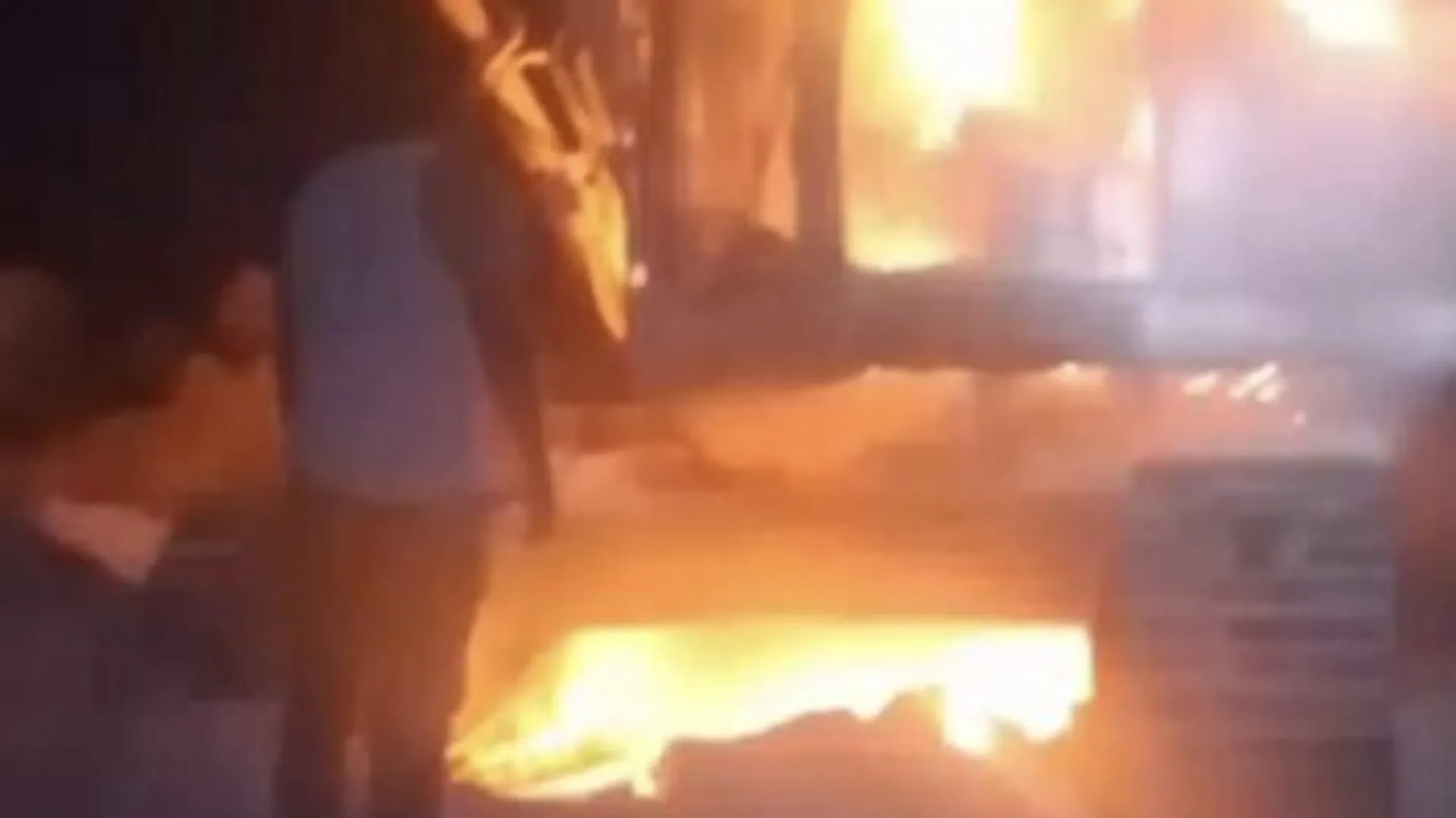
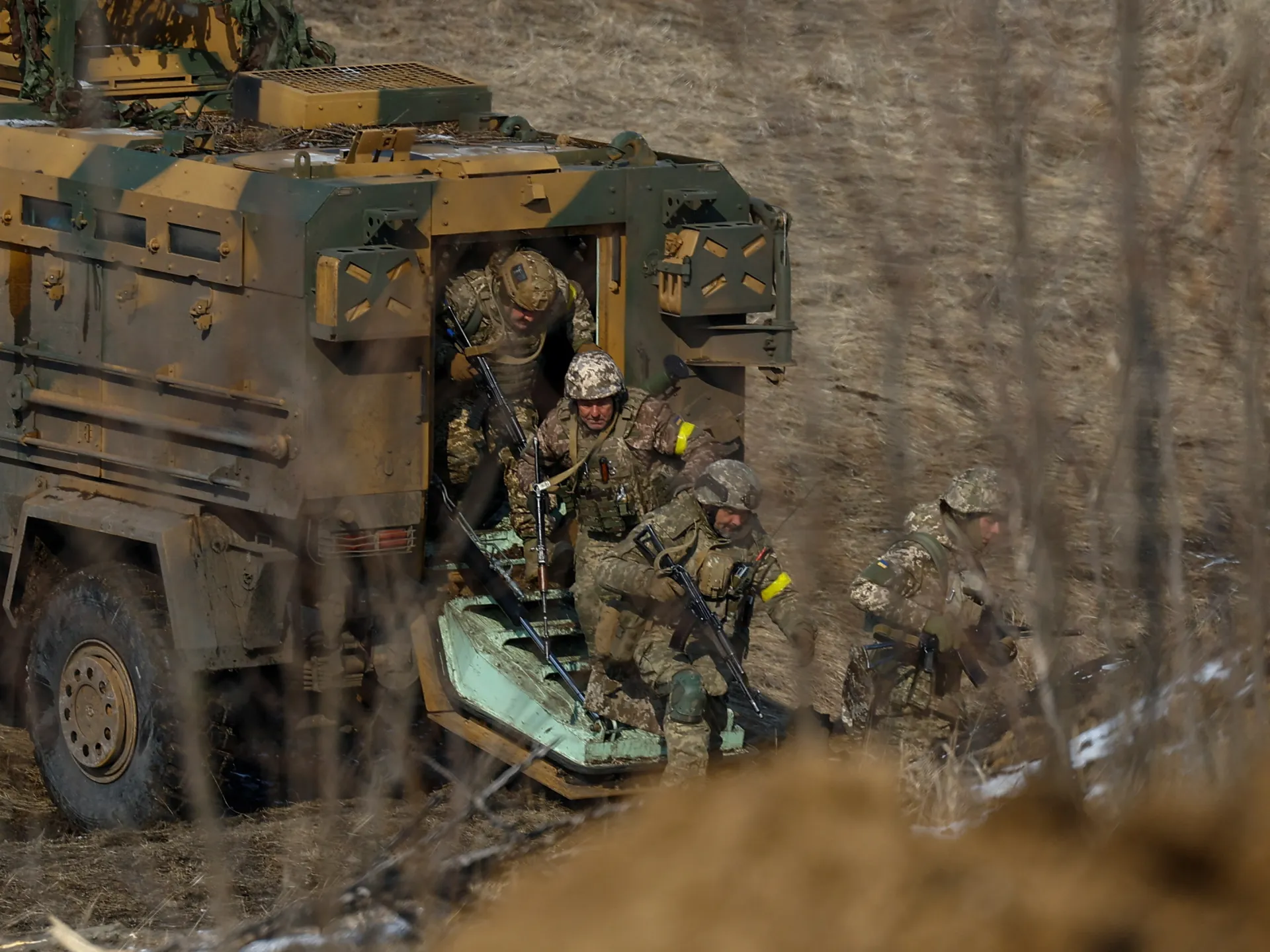
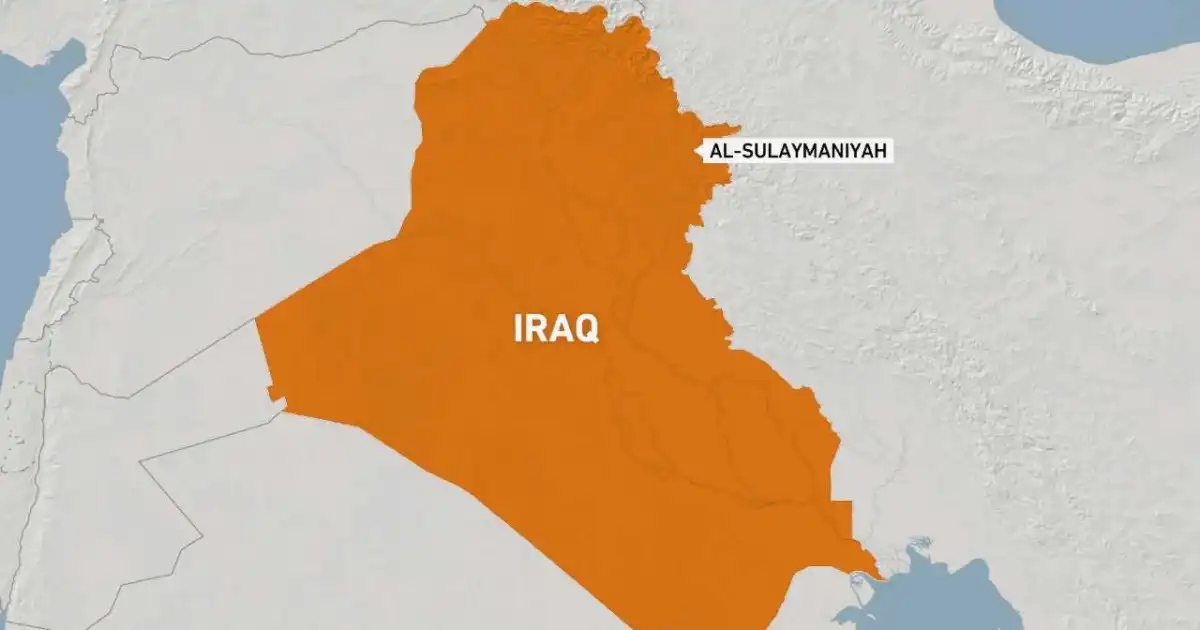
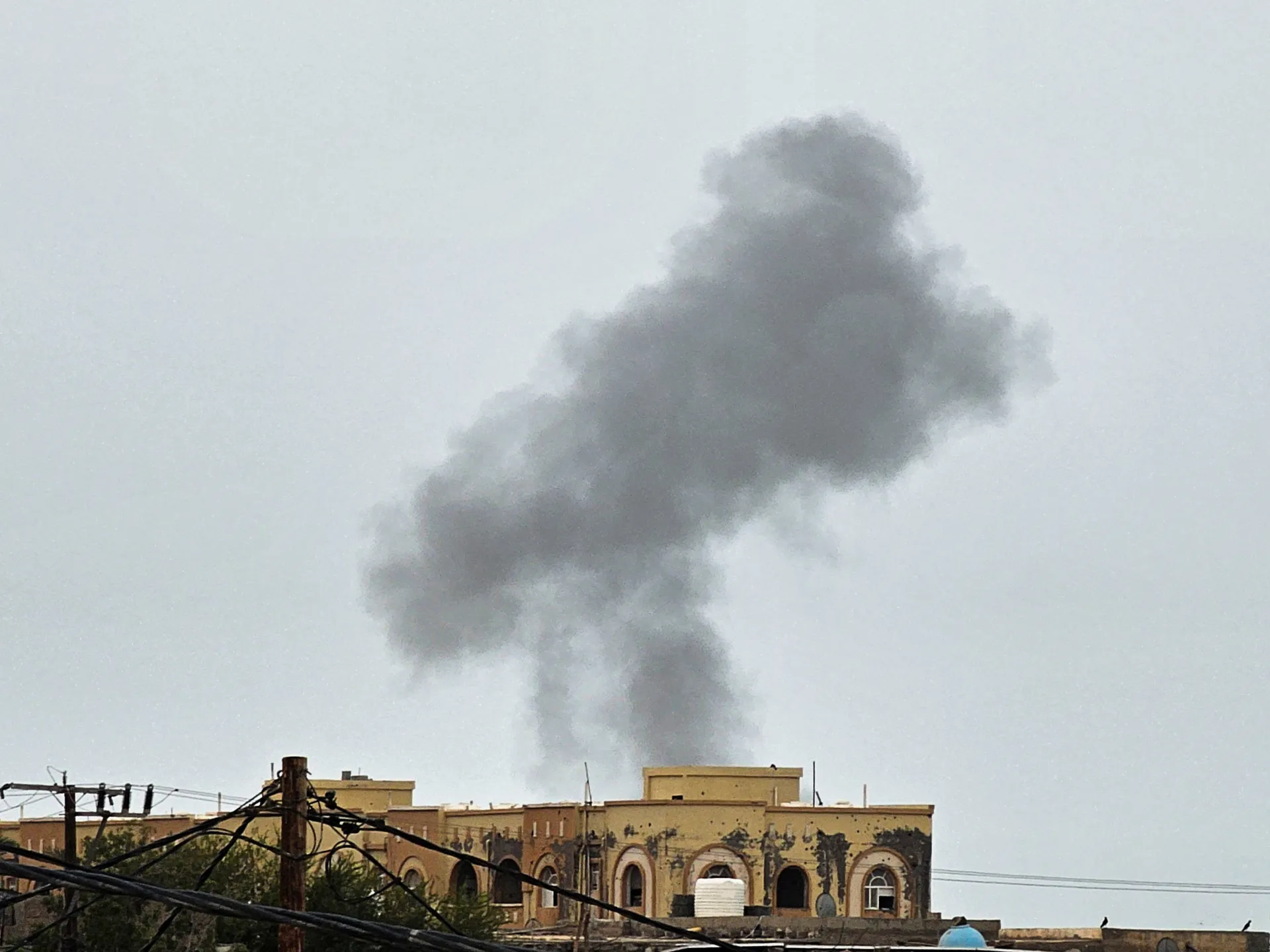
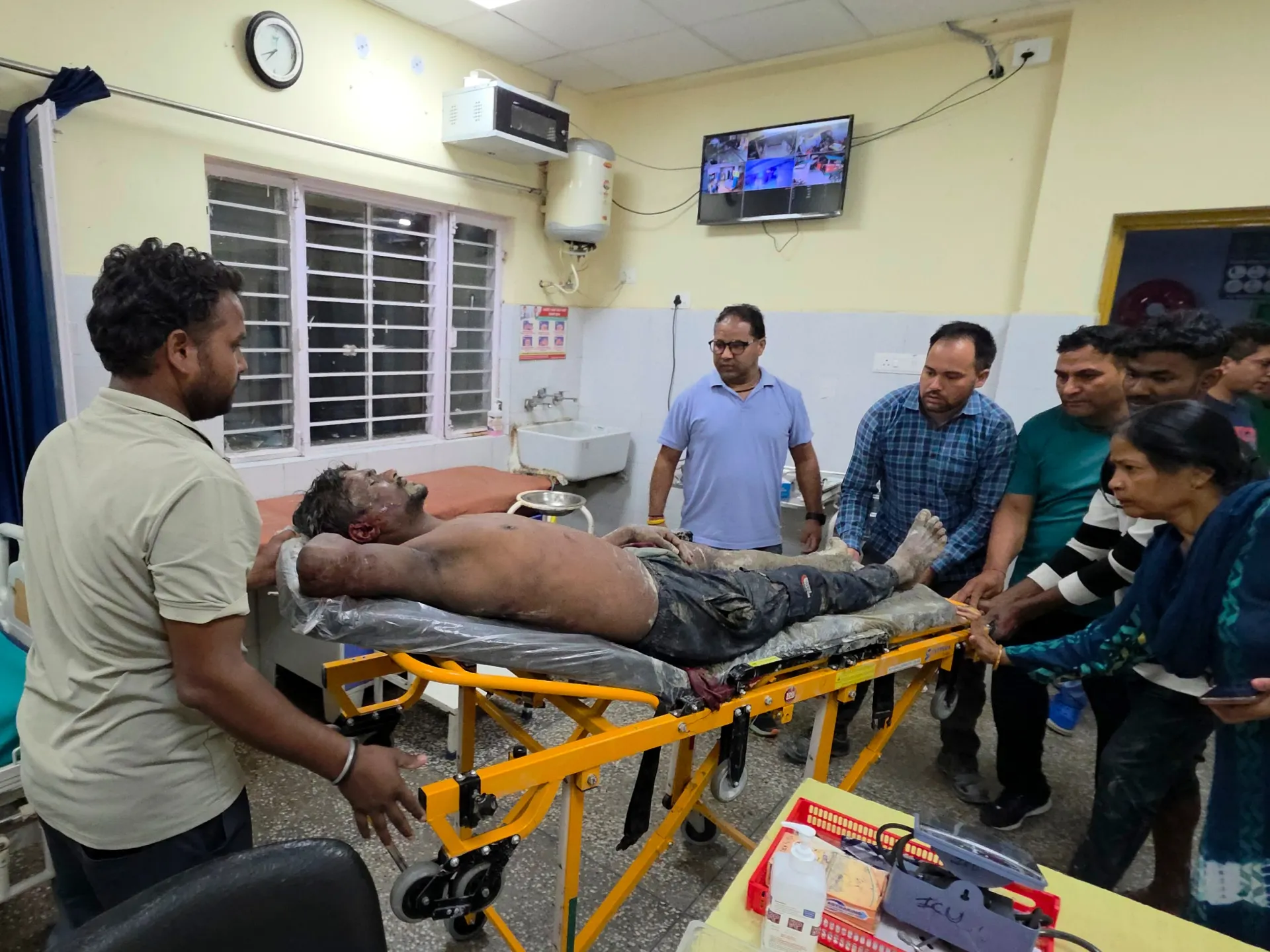
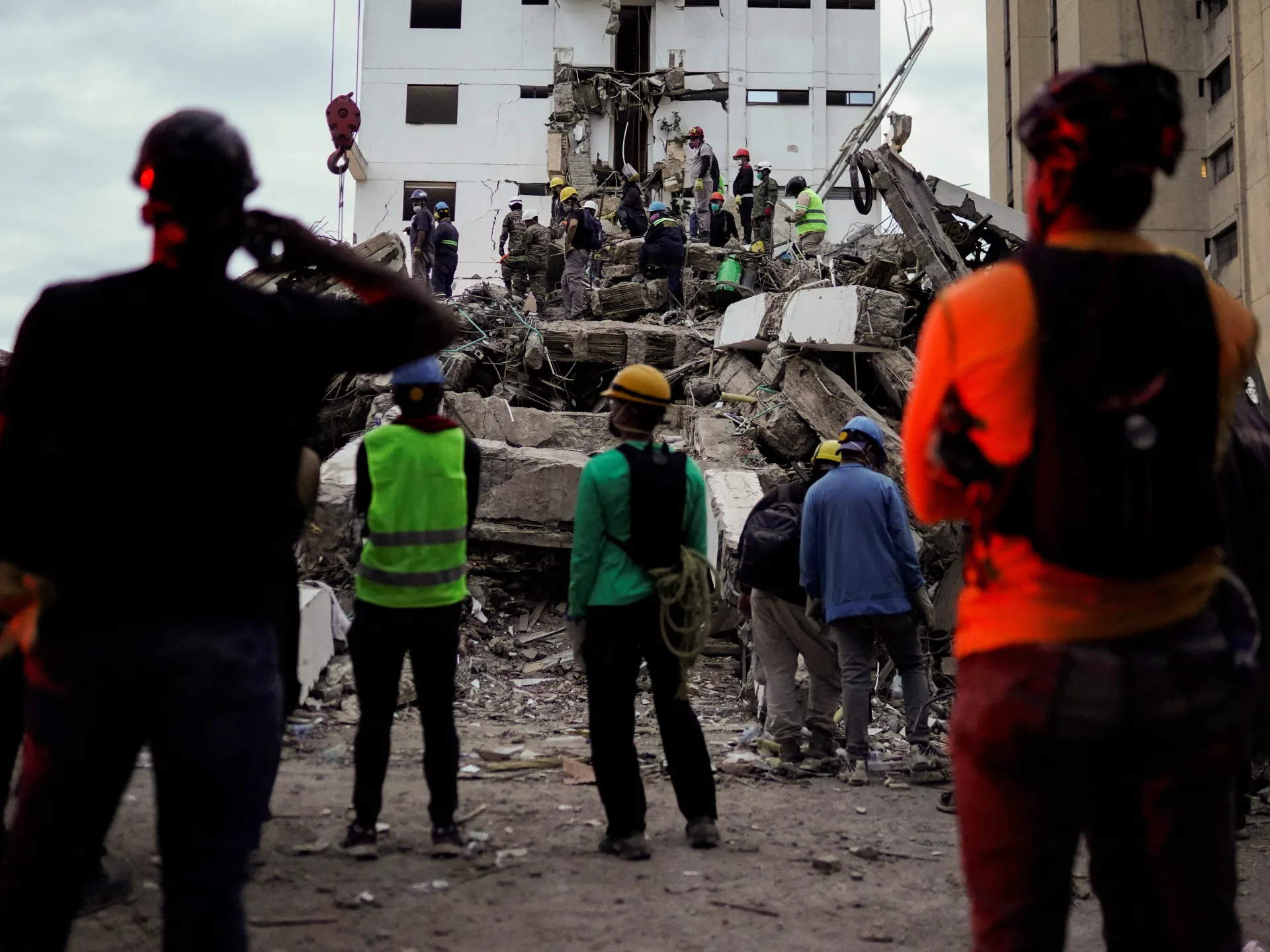
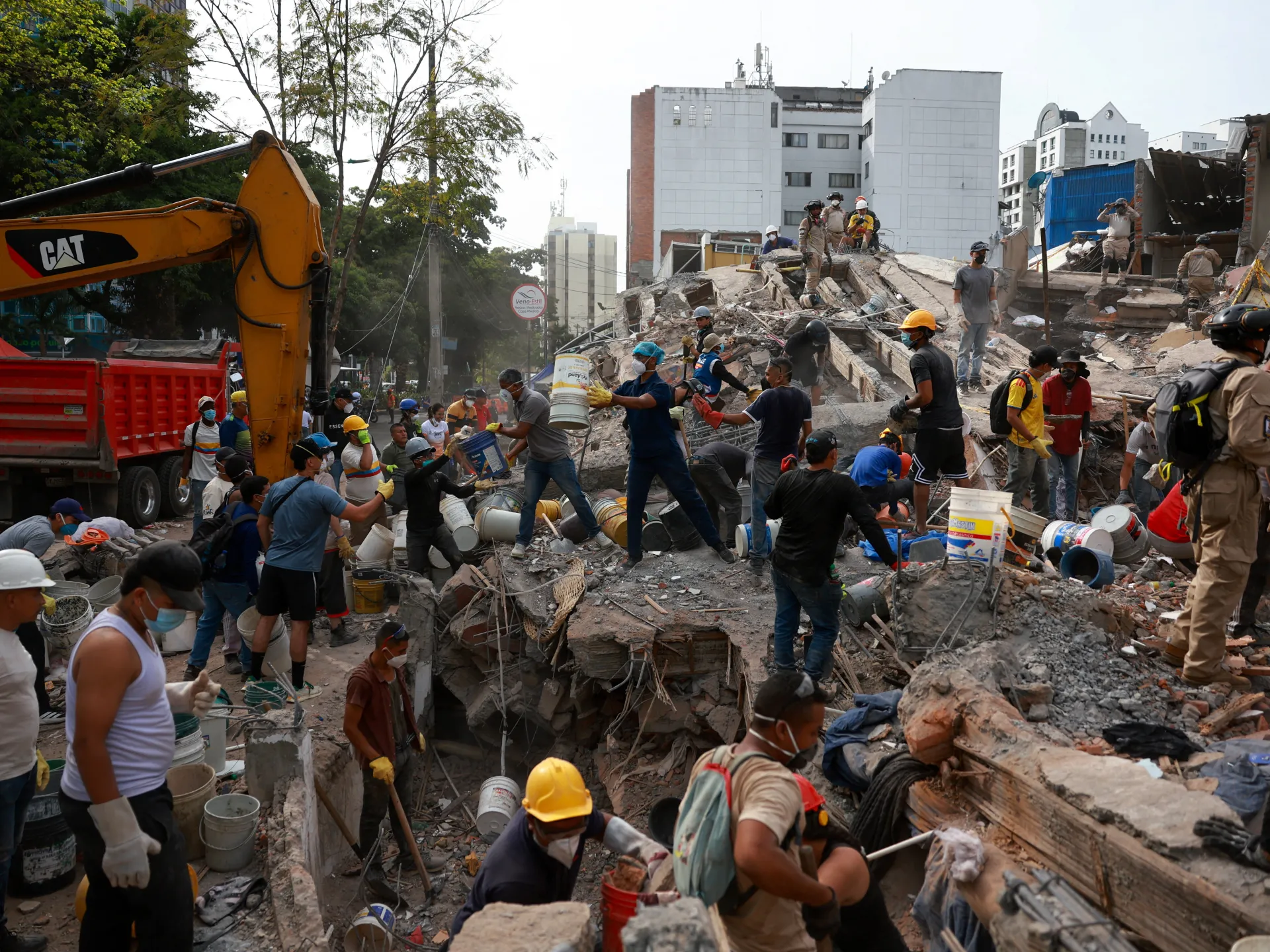
A deadly blast at a military site in the town of Ayyash, Deir Az Zor, has claimed the lives of 11 Syrian soldiers, marking the latest in a series of volatile accidents involving unsecured ordnance across the country. The Syrian Ministry of Defence confirmed the casualties, noting that the incident occurred while personnel were engaged in the transport of heavy ammunition. The provincial government reported an additional nine soldiers were wounded in the explosion, which has prompted an ongoing investigation into the operational failure.
The tragedy in Deir Az Zor is the second major munitions-related disaster to strike Syrian military positions in less than two weeks. Earlier this month, a separate detonation at a depot in Sarmada, Idlib, resulted in 14 deaths and over a dozen injuries, including civilians. As the Syrian state attempts to consolidate its control over territories previously fractured d posed of war in populated areas.
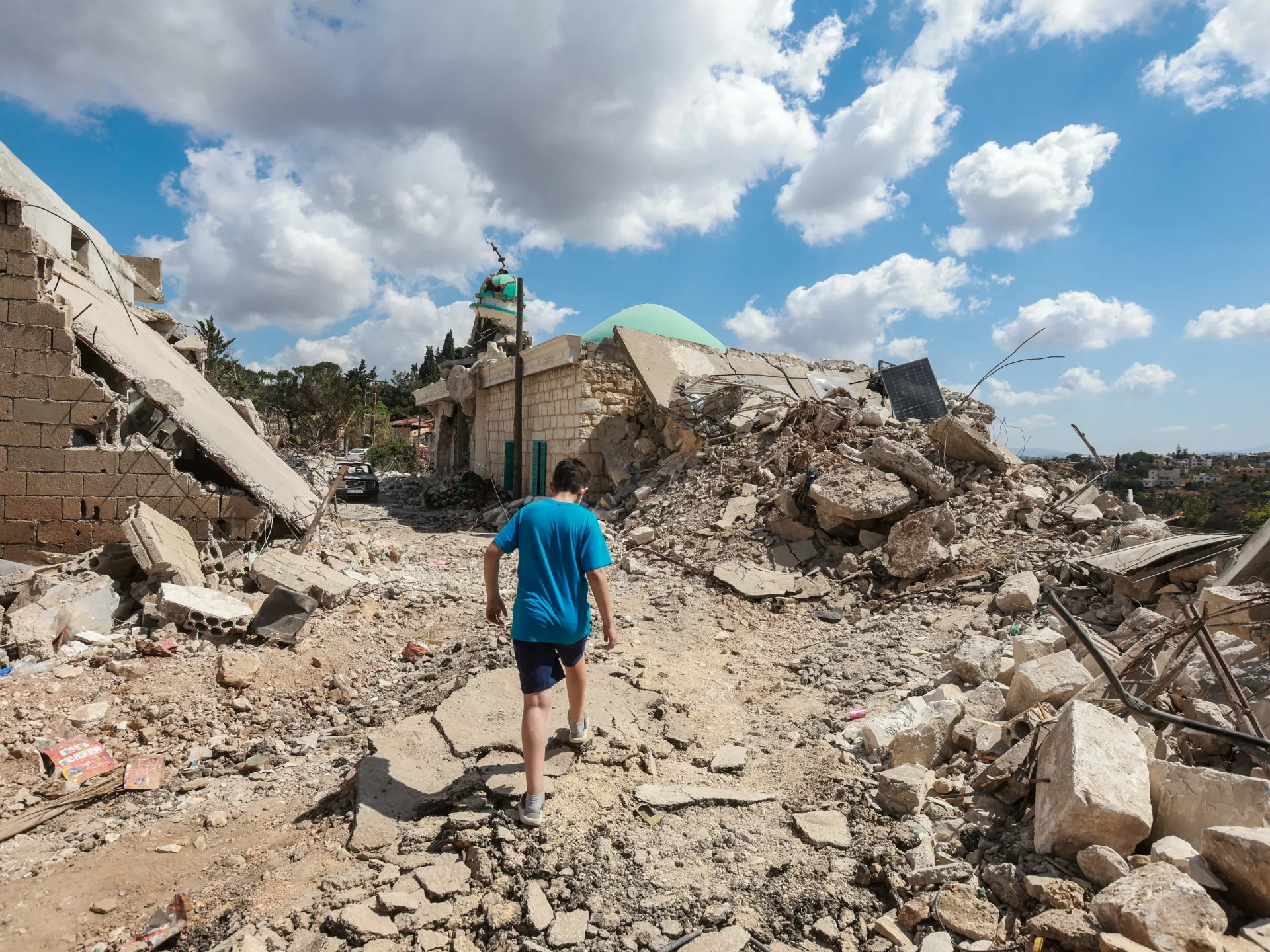
The frequency of these lethal accidents reveals a critical vulnerability in Syria’s post-conflict stabilization efforts. While the government officially maintains that it is working to centralize and secure leftover munitions, the sheer scale of abandoned hardware creates a perennial security crisis. Beyond the immediate loss of life, these incidents disrupt military readiness and threaten civilian populations who often inhabit or traverse zones where dangerous war remnants remain uncatalogued. The persistent nature of these explosions suggests that the state’s logistical capacity to neutralize such hazards remains woefully insufficient, potentially stalling broader recovery efforts in the eastern and northwestern provinces.
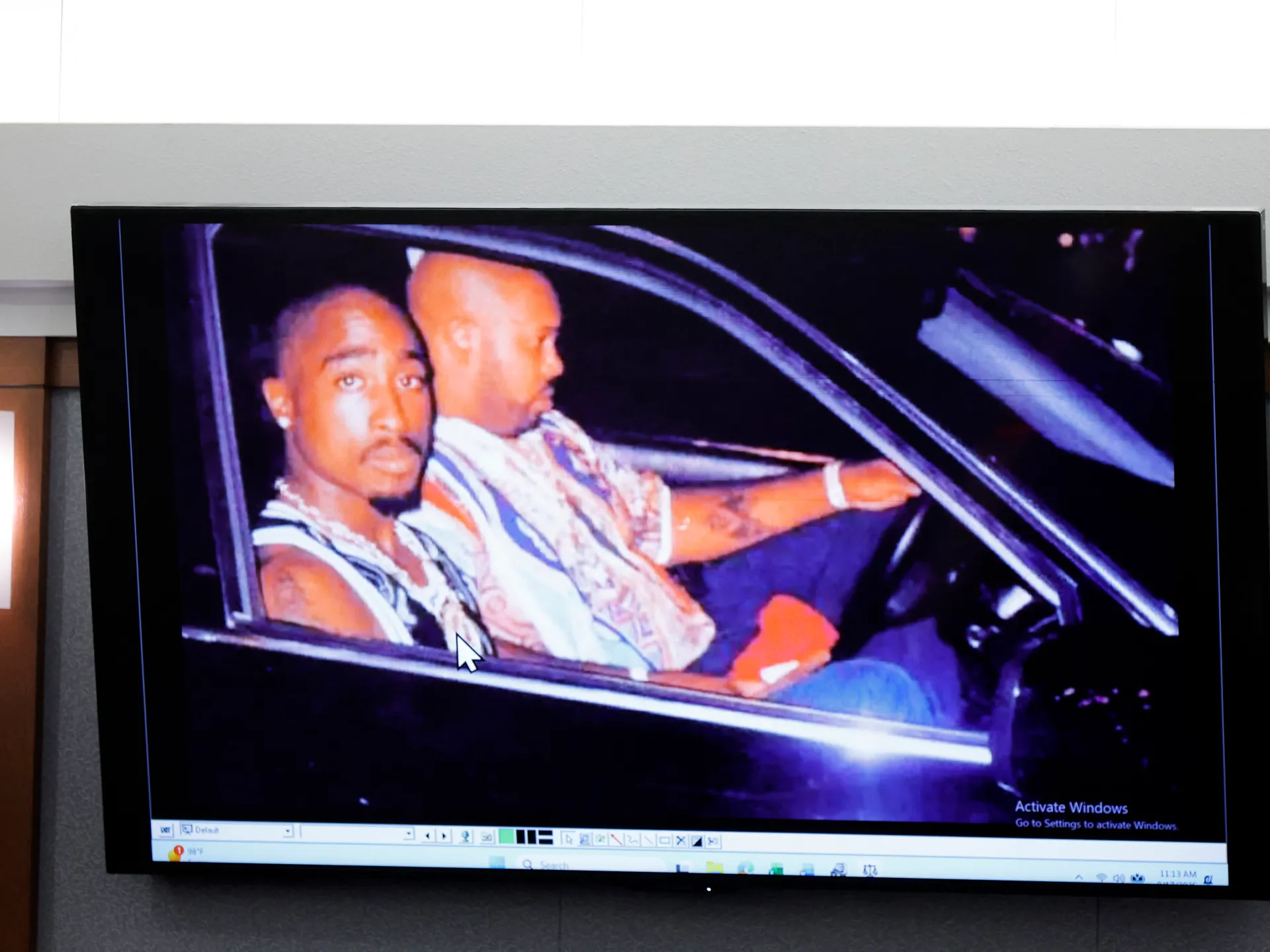
While the state addresses current logistical crises, long-standing questions regarding the Syrian government’s past actions continue to surface. Recent investigative findings have shed new light on the 2012 abduction of American journalist Austin Tice. Contrary to long-held assumptions that Tice’s capture was an opportunistic incident at a chance checkpoint, evidence now points toward a calculated operation. Reports indicate that Tice’s abduction was planned over the course of a month, involving a driver who was allegedly providing intelligence to the National Defence Forces (NDF). Sources close to the investigation suggest that the operation was sanctioned at the highest levels, challenging the regime's long-standing narrative regarding the journalist's fate.
The government's management of weapons depots has faced scrutiny as the death toll from accidental detonations climbs. In Binnish, another site in Idlib province, a separate vehicle-borne ammunition explosion killed five people on September 1. Officials, including the Minister for Emergency Management, have conceded that clearing these sites is a difficult task, particularly because civilians are frequently involved in the unauthorized collection of abandoned munitions. The intersection of civilian activity and dangerous military debris creates a precarious environment that complicates the state's efforts to maintain order and safety in the aftermath of the civil war.
The immediate aftermath of the Deir Az Zor explosion will likely focus on the government's internal review of its ammunition transport and storage protocols. Given the regularity of these events, it is probable that the Ministry of Defence will implement stricter, albeit potentially delayed, oversight of remaining depots. However, as the regime struggles with logistical limitations, the risk of further accidental detonations remains high. Externally, the revelation regarding the systematic planning behind the Tice abduction may reignite international scrutiny of the regime’s historical human rights record, even as the government attempts to assert regional stability.