Massive drone strikes on Moscow and a deadly suicide bombing in Pakistan mark a violent turn in two distinct but equally intense regional conflicts.
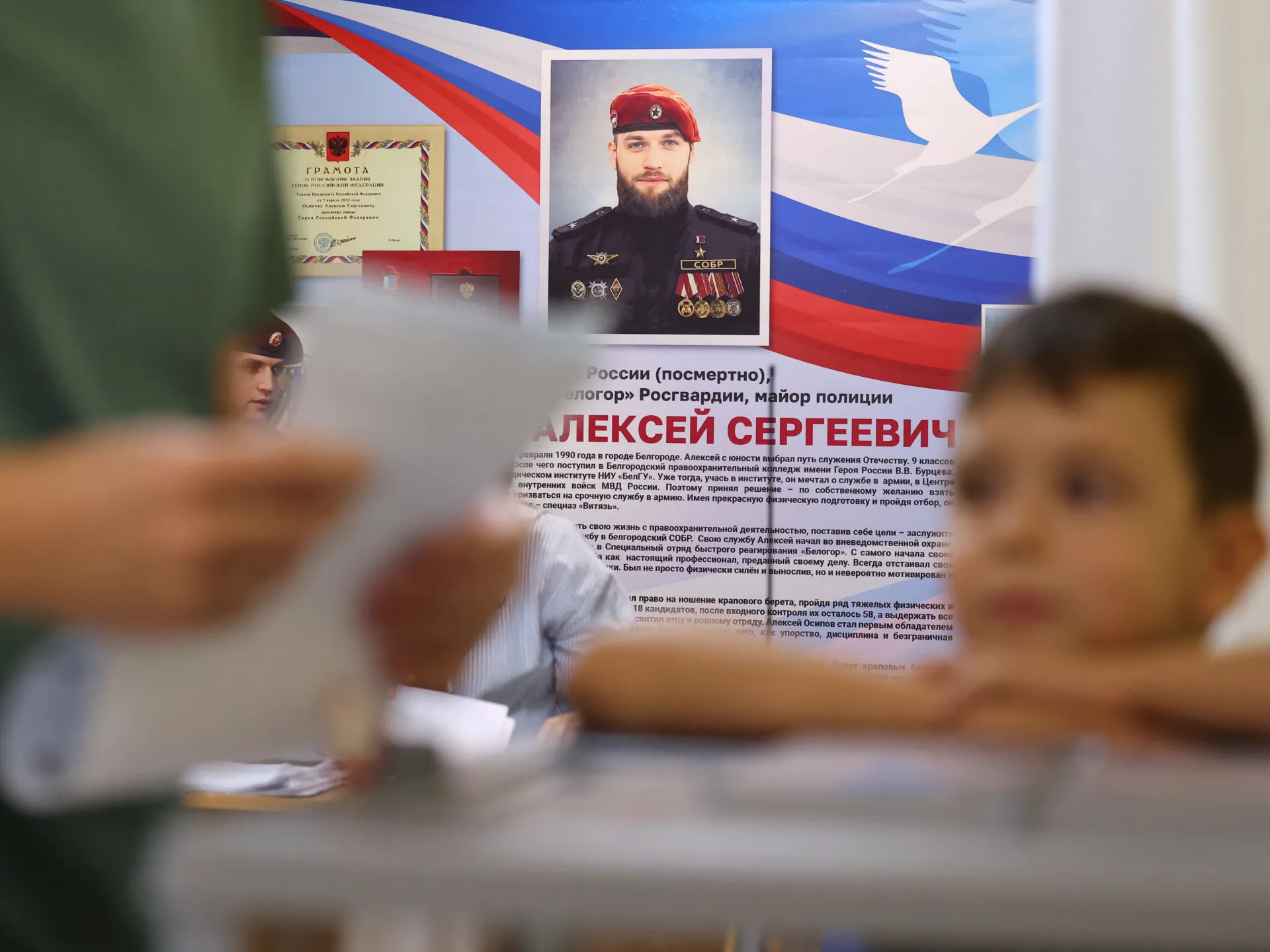
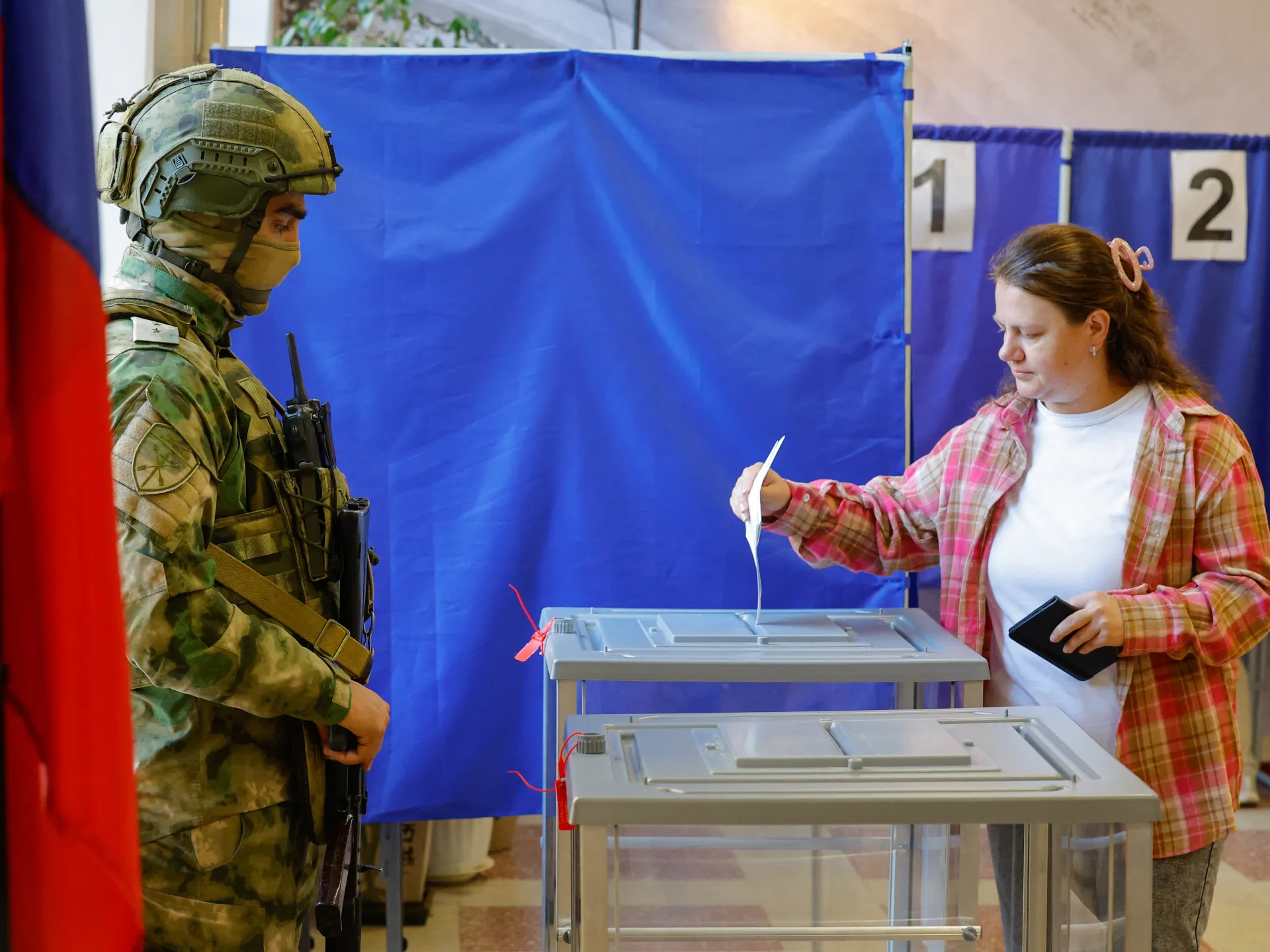
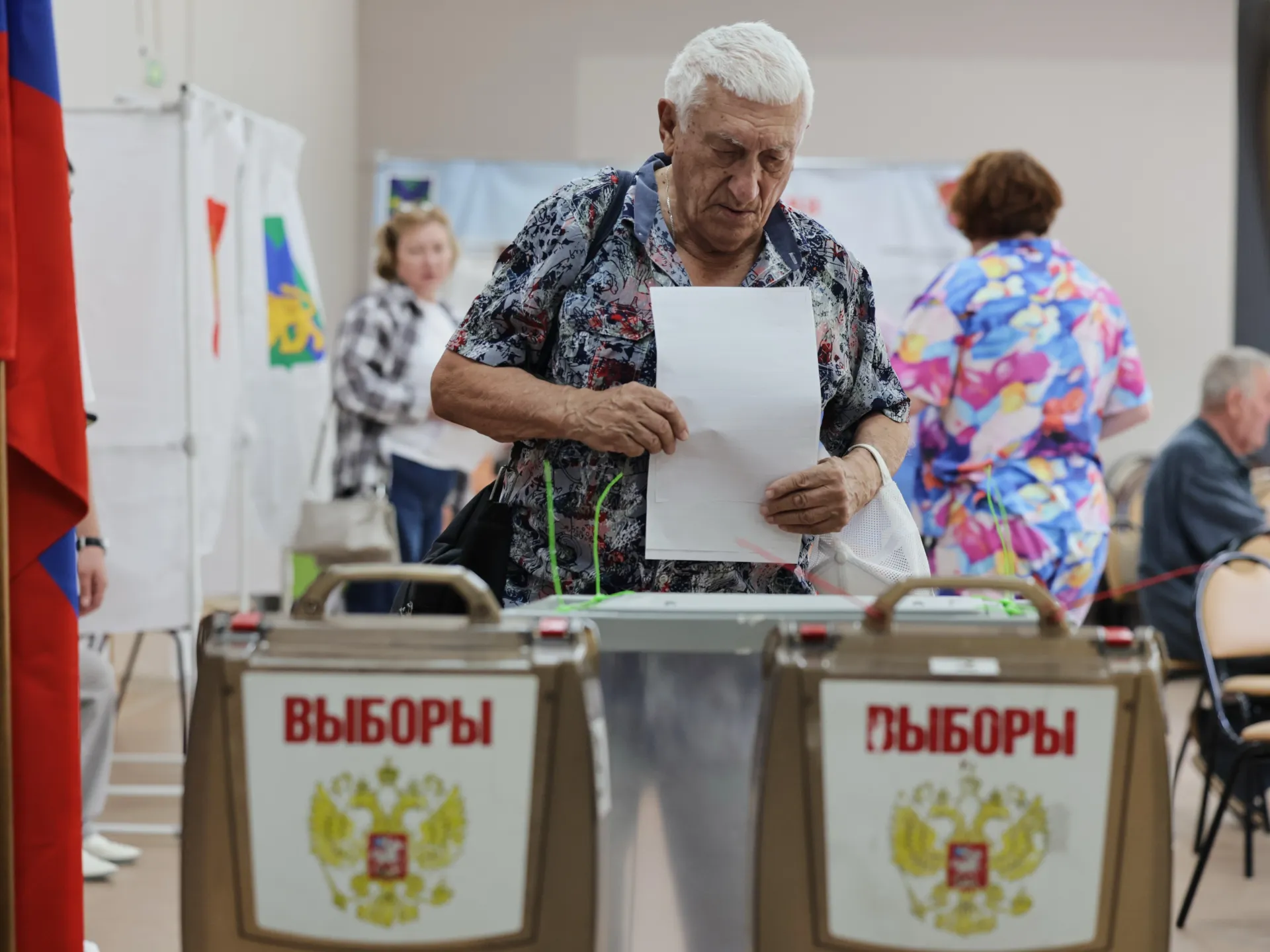
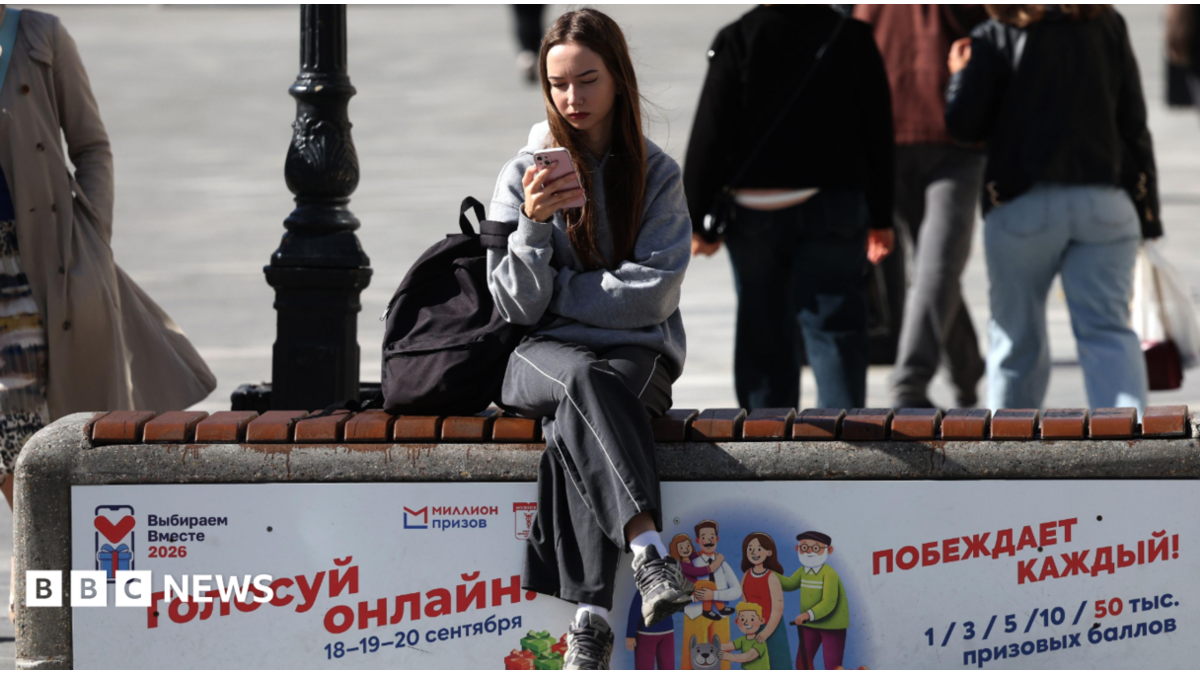
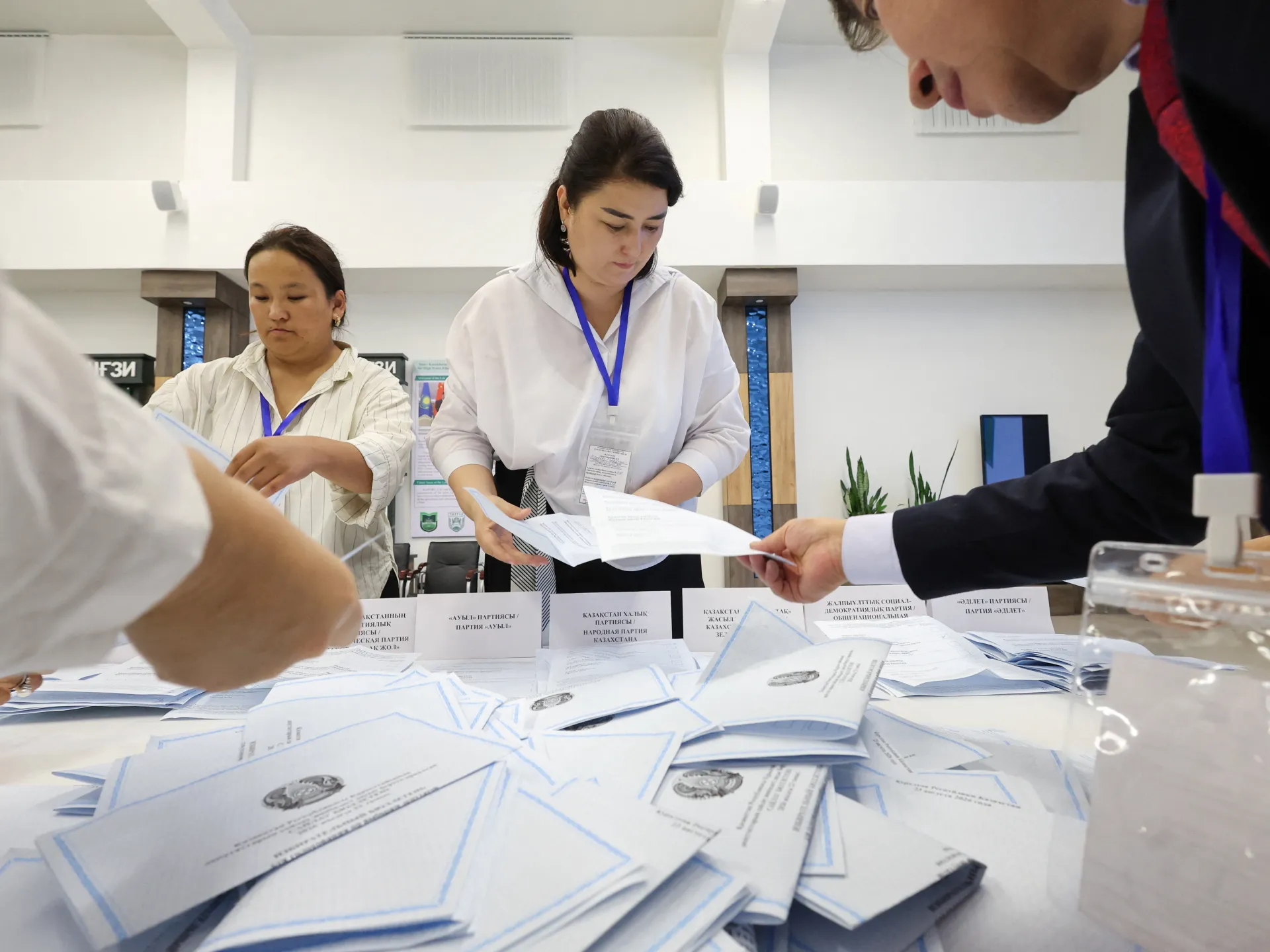
A volatile combination of regional conflicts and domestic instability has left both Russia and Pakistan reeling following separate, high-casualty incidents this week. In Moscow, the final day of parliamentary elections was punctuated a coordinated suicide bombing at a police compound mosque resulted in double-digit fatalities, underscoring the persistent threat of militant insurgency in the region.
These events, occurring thousands of miles apart, serve as stark reminders of the shifting frontlines in both conventional warfare and internal counter-terrorism efforts. As Moscow attempts to project strength during a tightly controlled election cycle, Kyiv’s intensified drone campaign against Russian energy infrastructure continues to strike at the Kremlin’s economic foundations. Simultaneously, the tragedy in Kohat highlights the precarious state of law enforcement in Pakistan, where regional security forces remain primary targets for groups like the Tehrik-e-Taliban Pakistan (TTP).
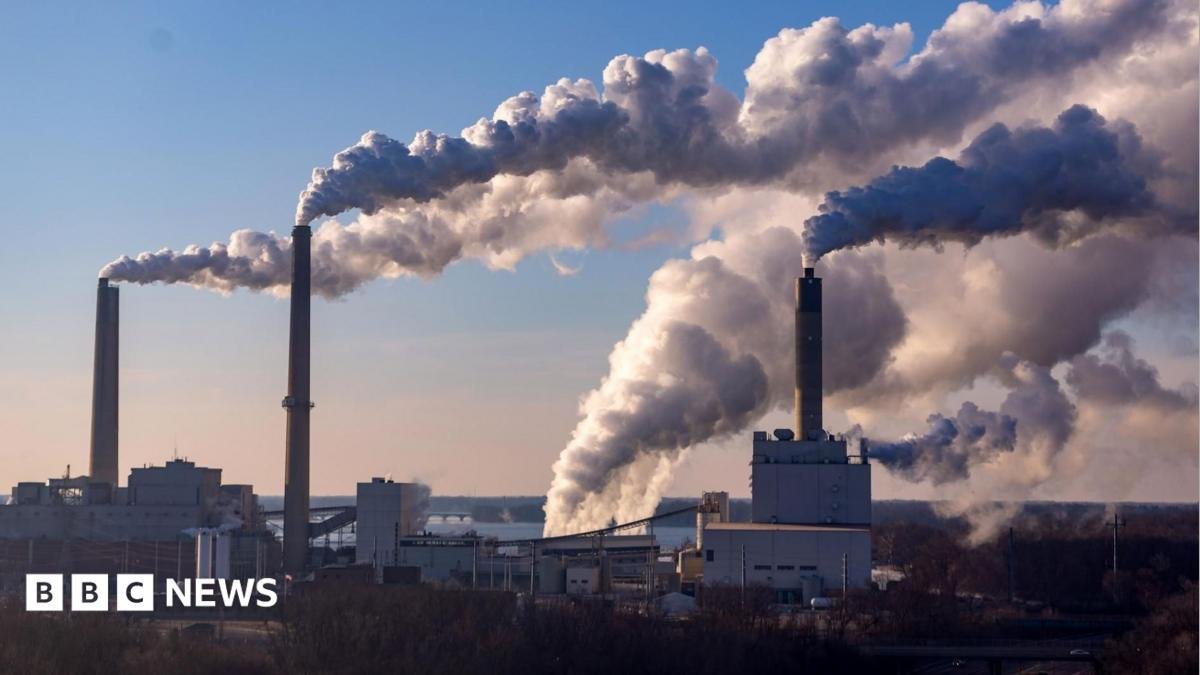
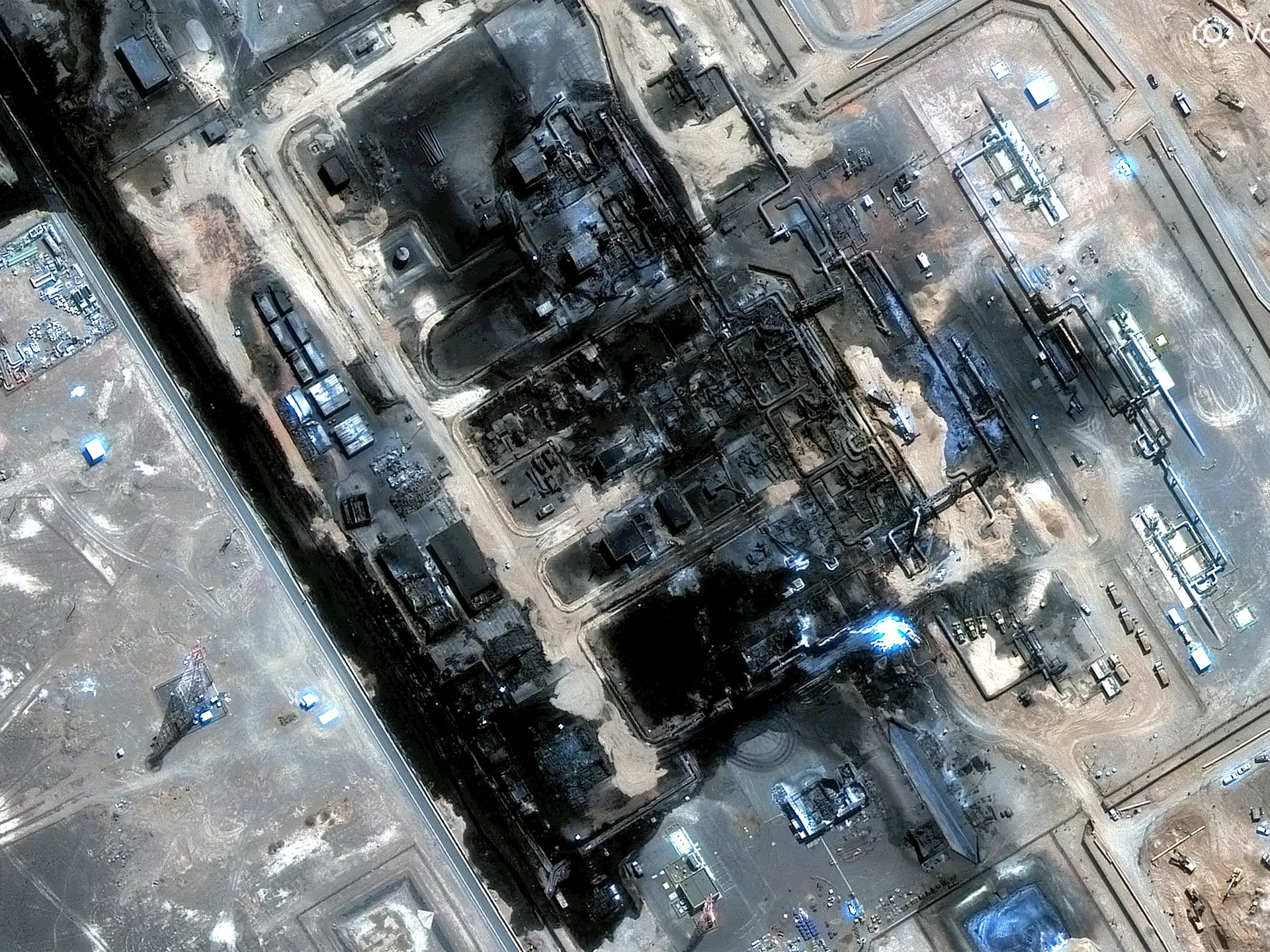
The simultaneous escalation of these disparate conflicts suggests a period of heightened strategic vulnerability for both the Russian state and the Pakistani government. For Moscow, the ability of Ukrainian forces to penetrate deep into the capital region during a major political event tests the efficacy of its air defense narrative and its ability to shield civilian centers from the realities of the ongoing war. The damage to energy infrastructure, a recurring target, indicates that Kyiv is prioritizing long-term economic attrition over short-term territorial gains.
In Pakistan, the attack on a mosque within a police compound reflects a sophisticated level of tactical coordination ure—militant groups are not only maximizing psychological terror but also signaling the failure of state security apparatuses to protect their own personnel. The resulting loss of life, including police officers and civilians, threatens to destabilize local governance and complicates ongoing efforts to secure border regions against cross-border infiltration from neighboring Afghanistan.
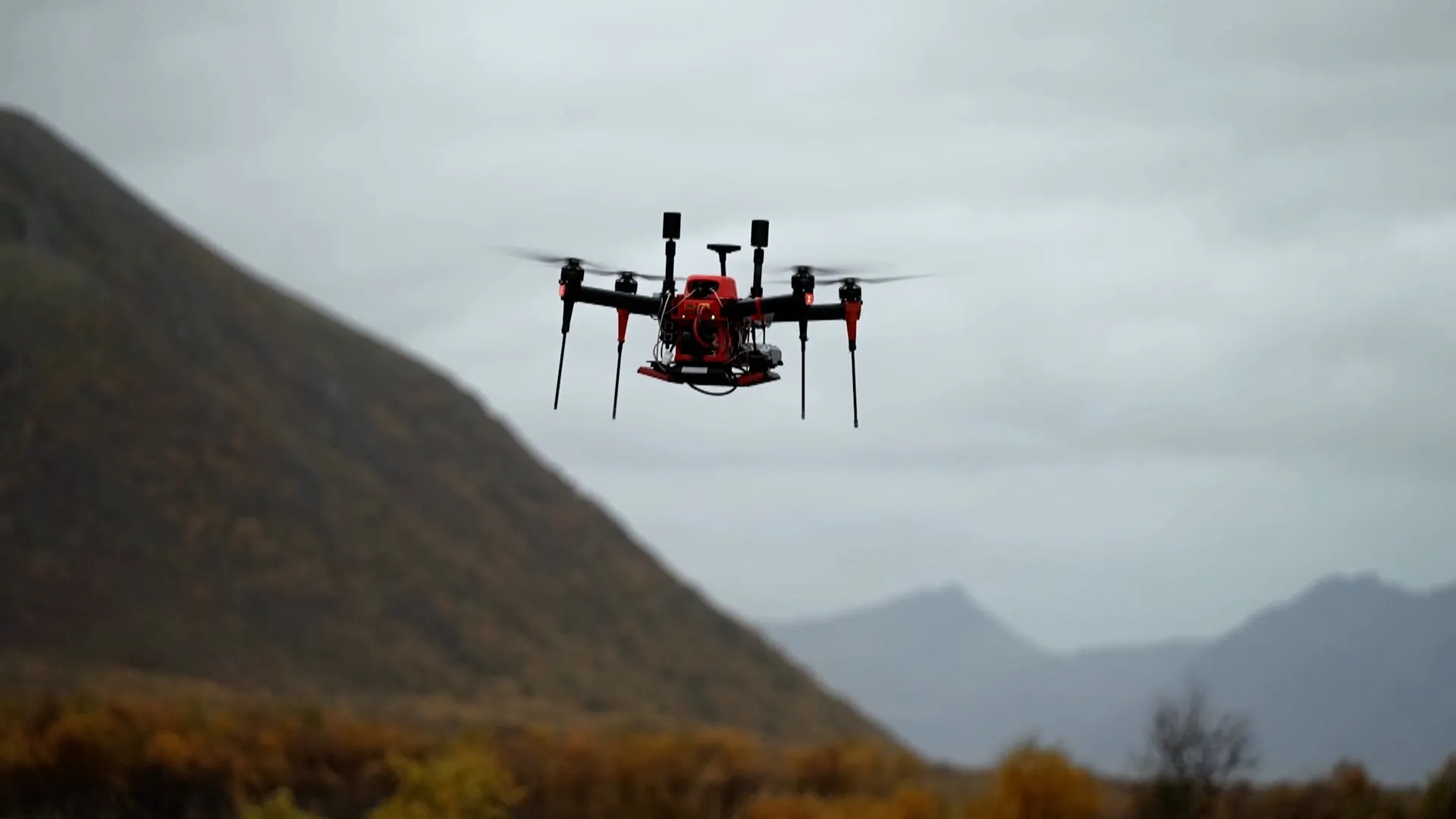
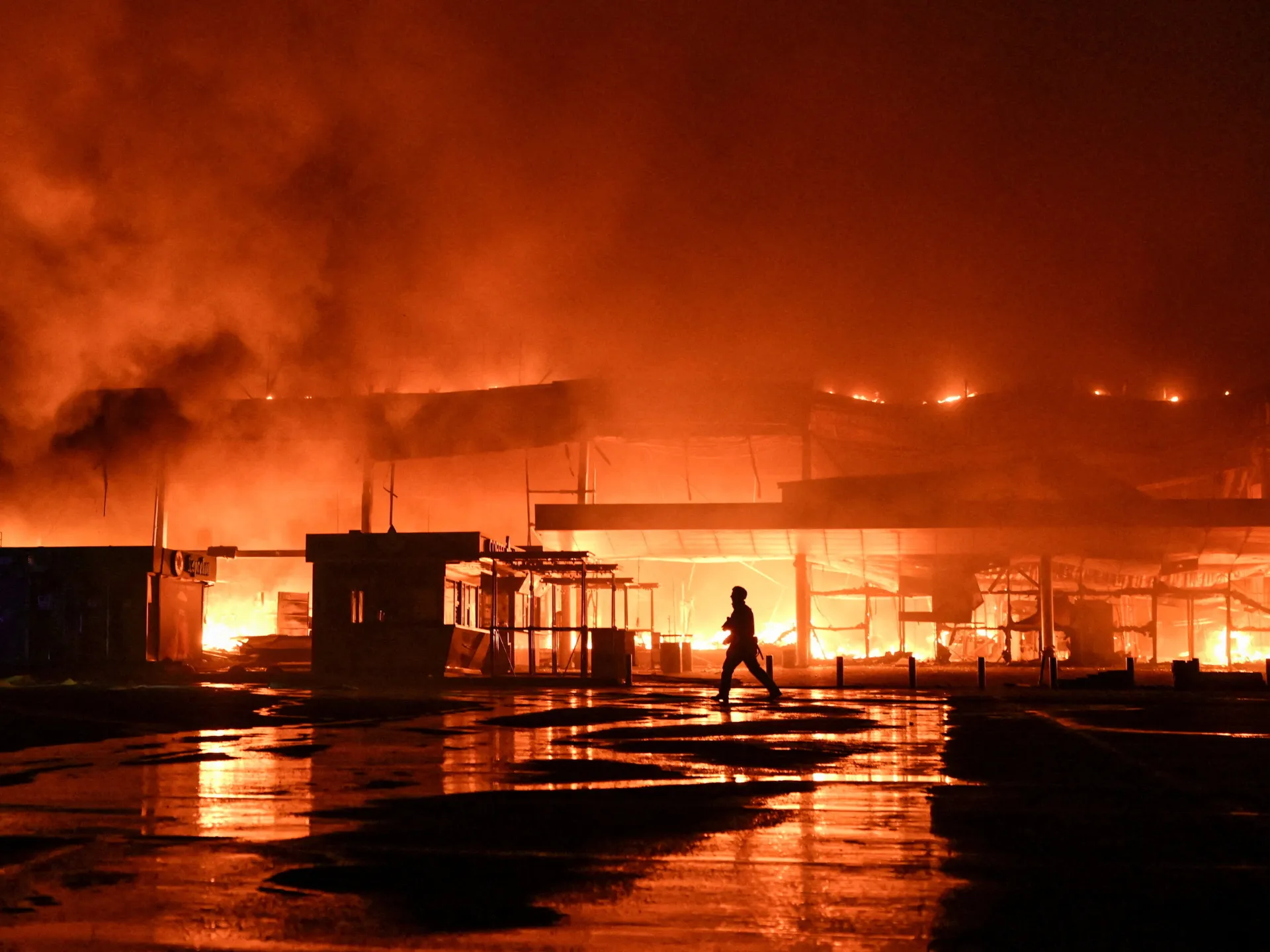
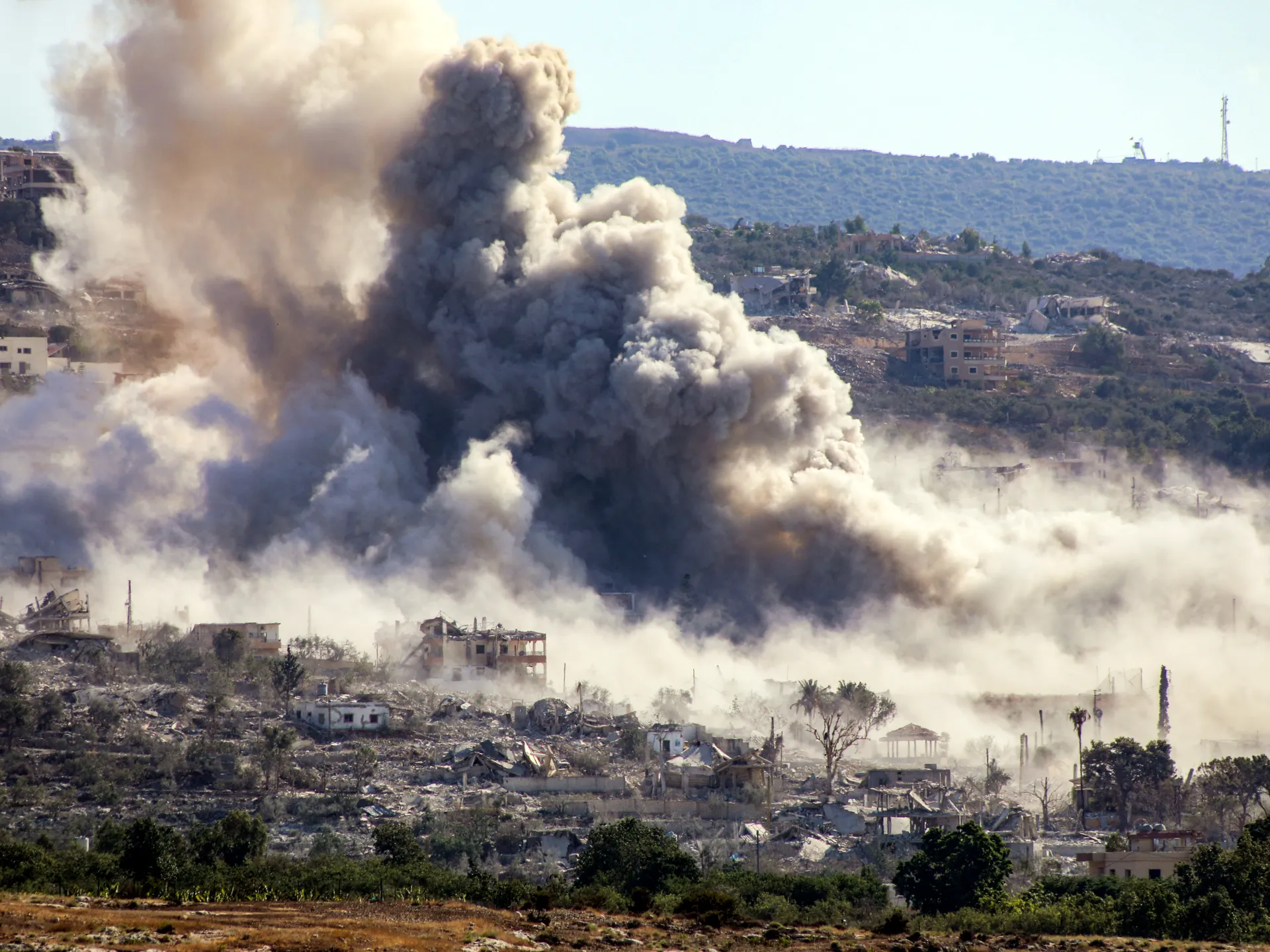
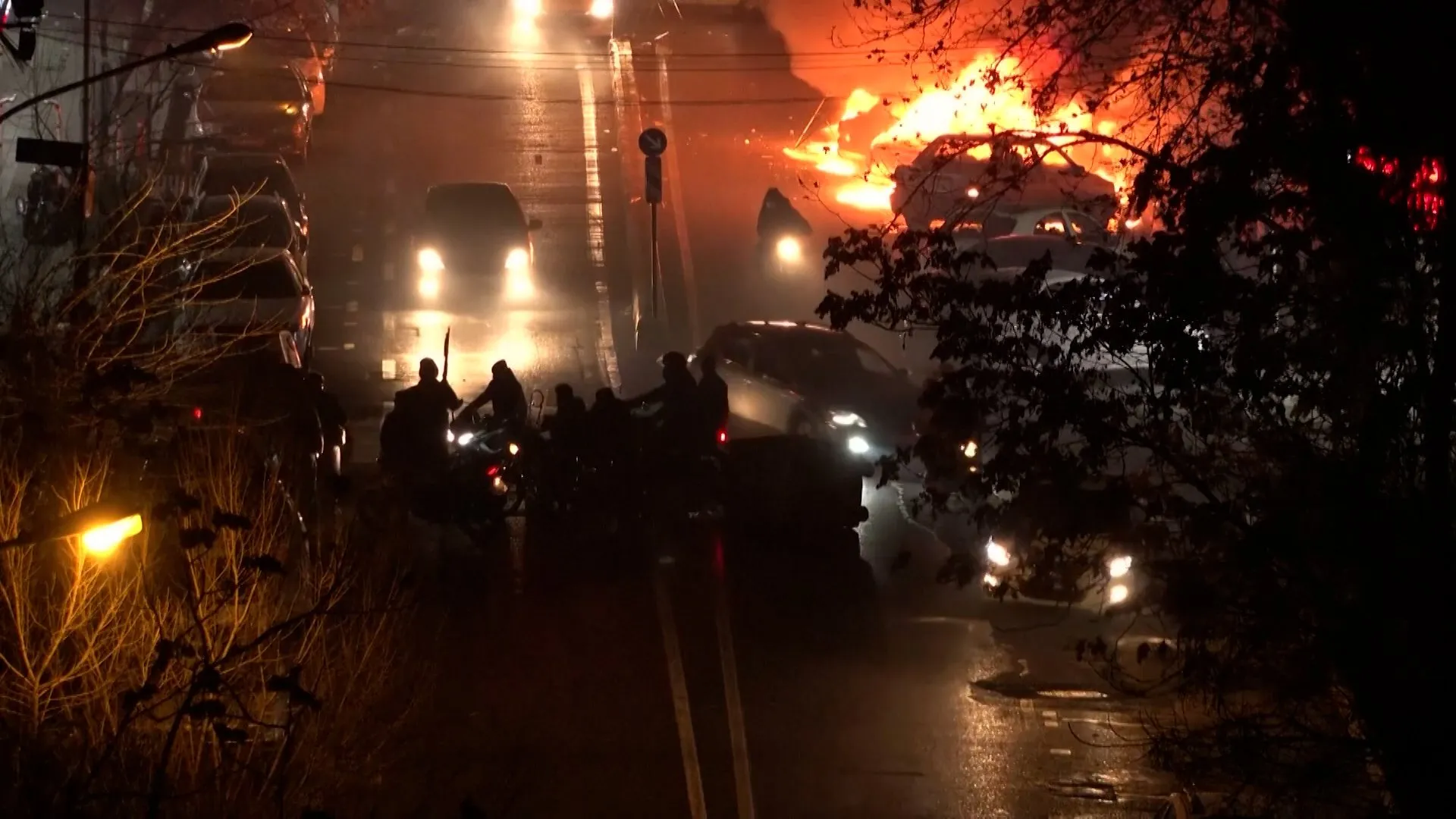
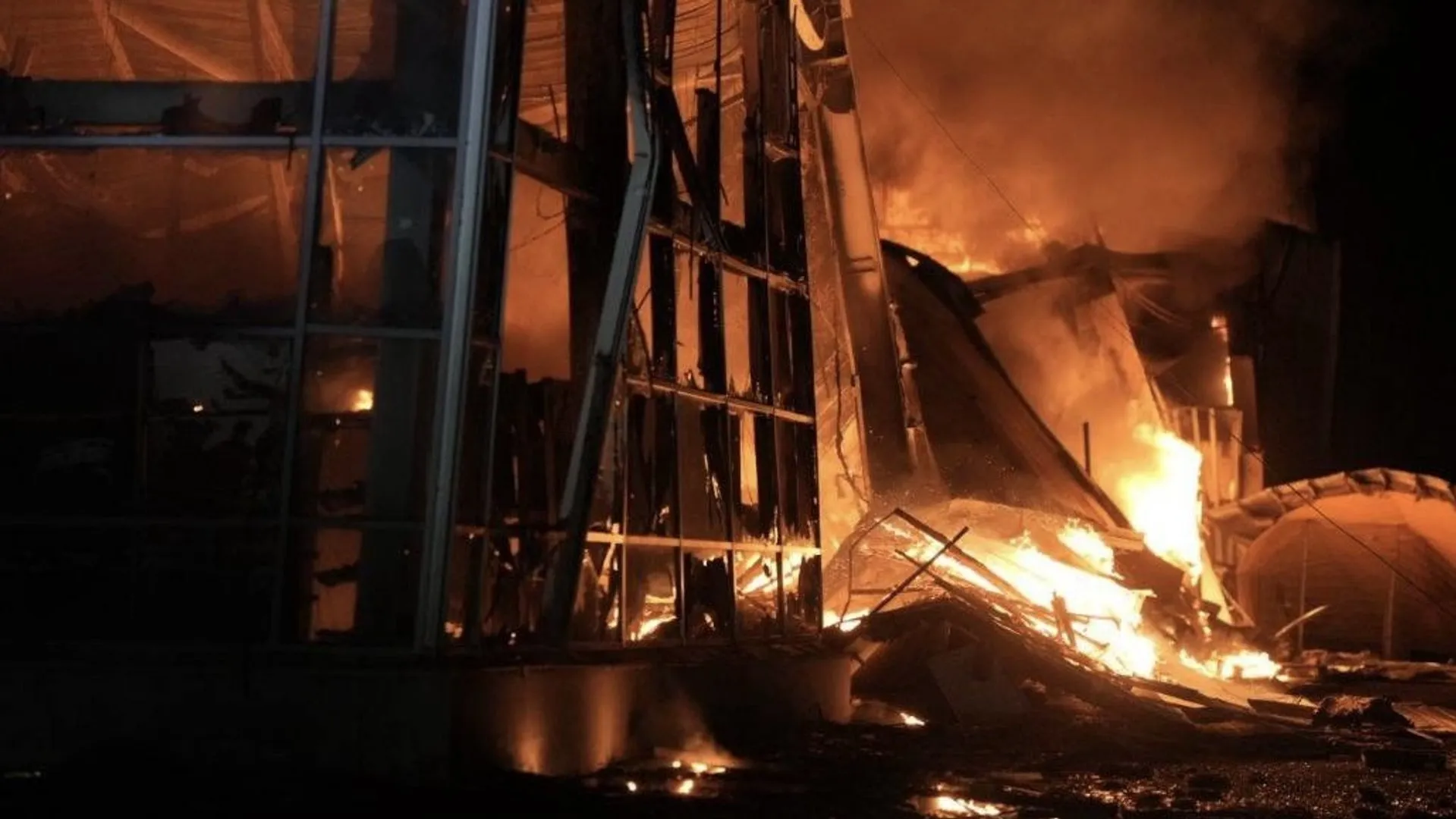
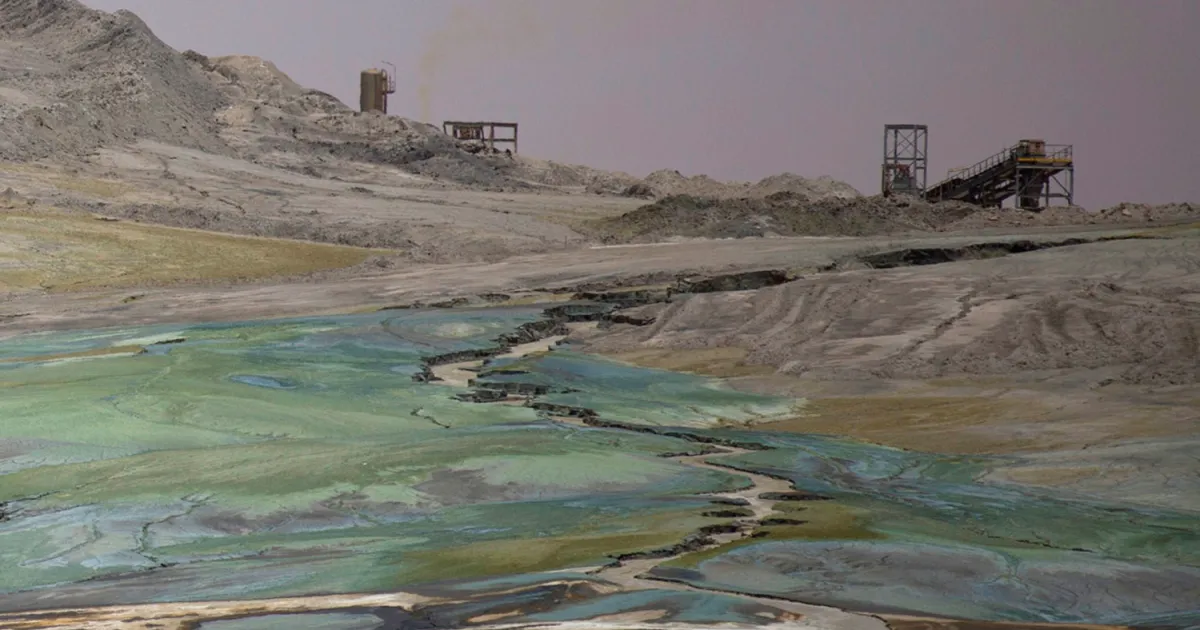
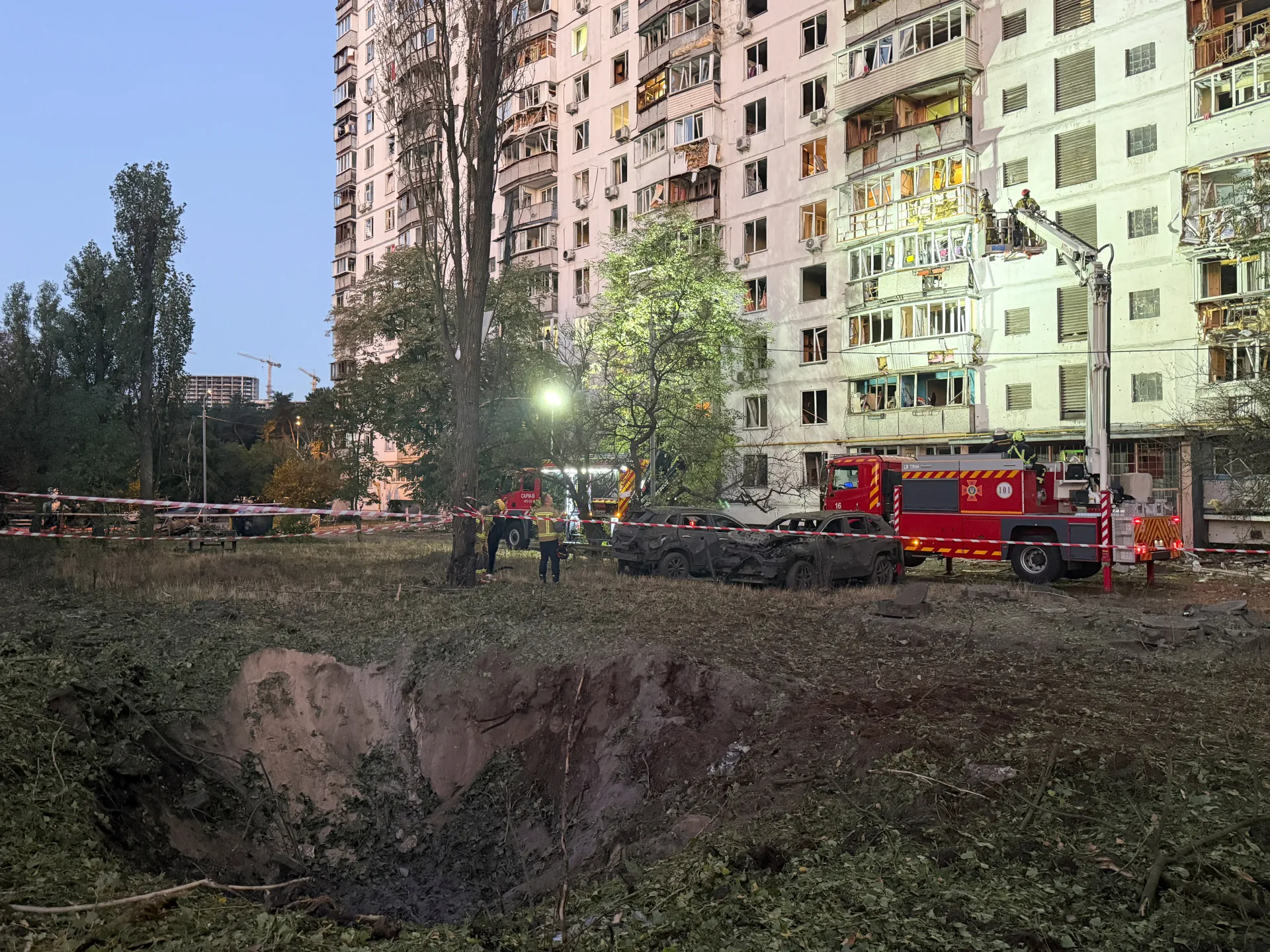
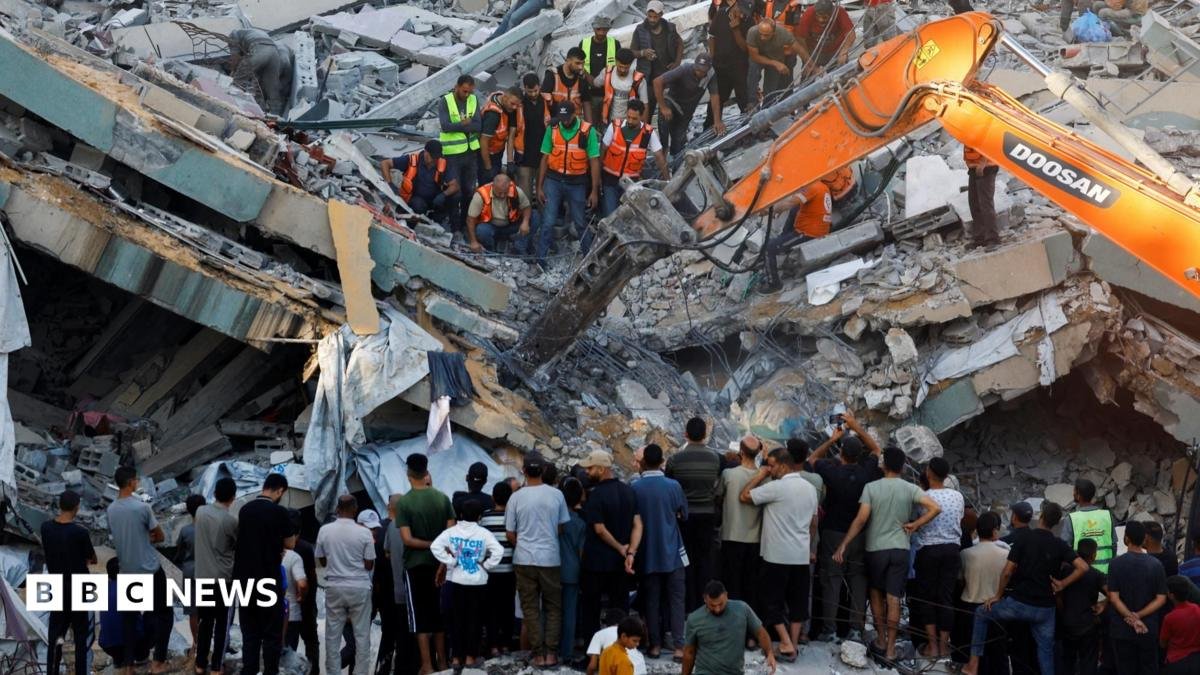
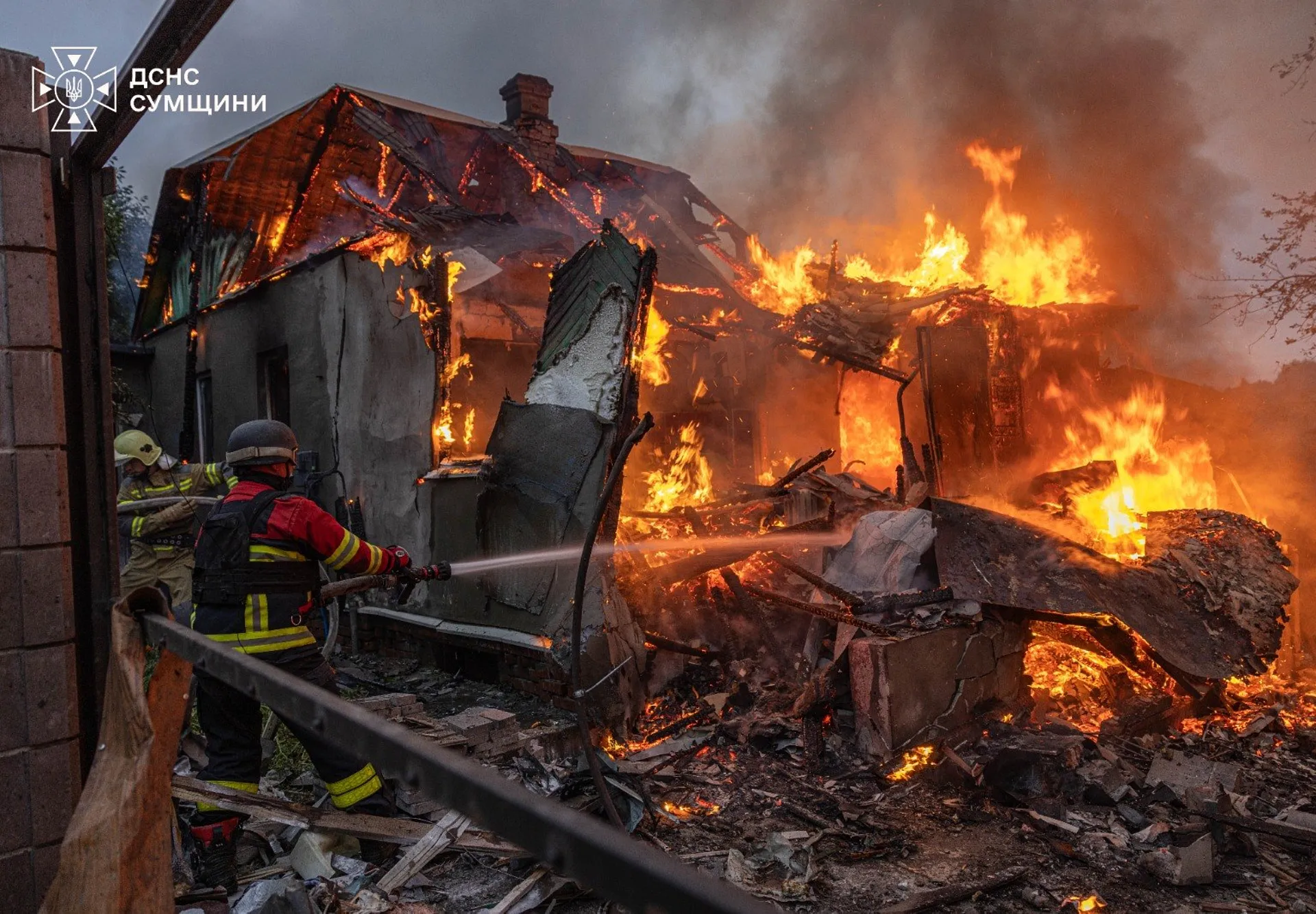
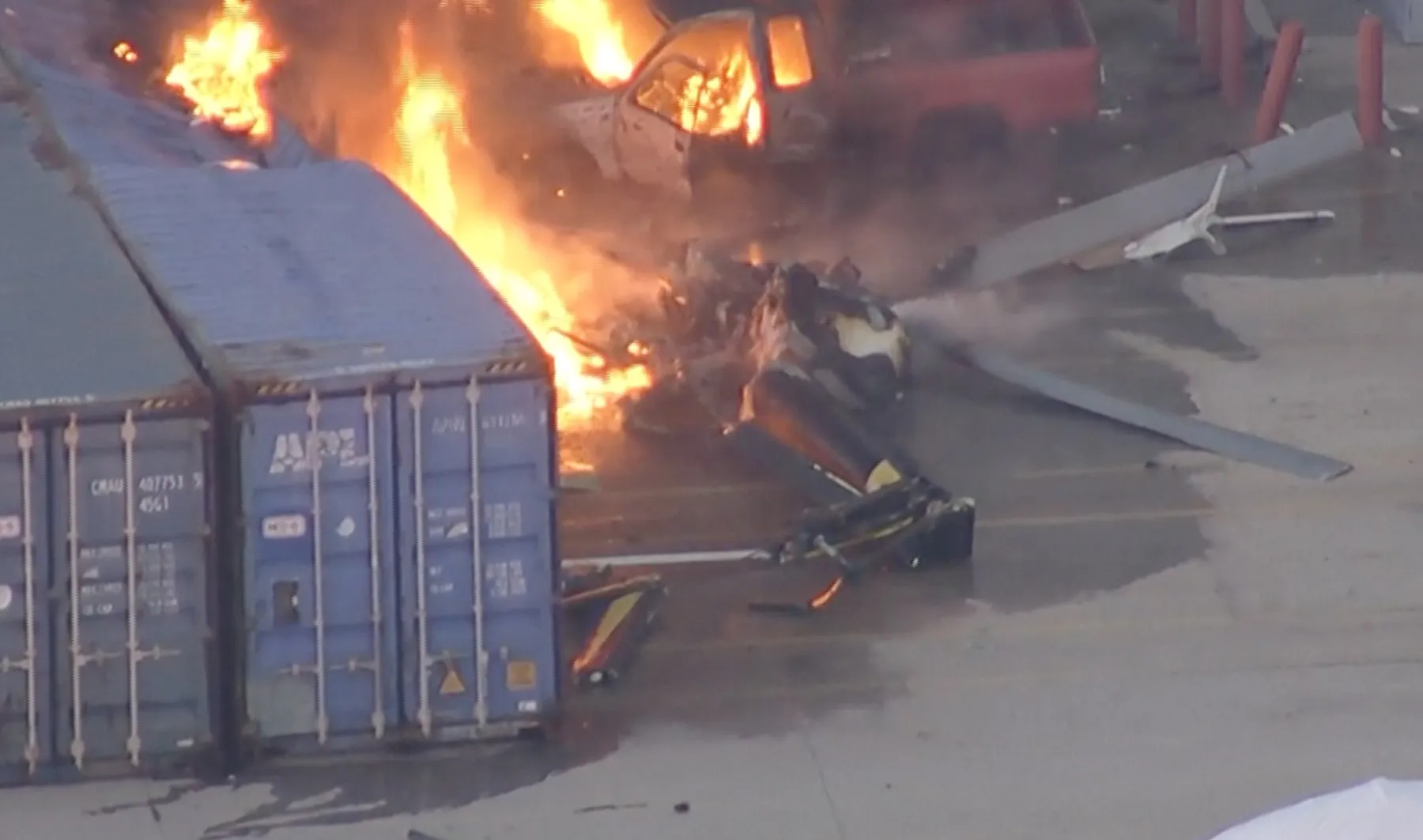
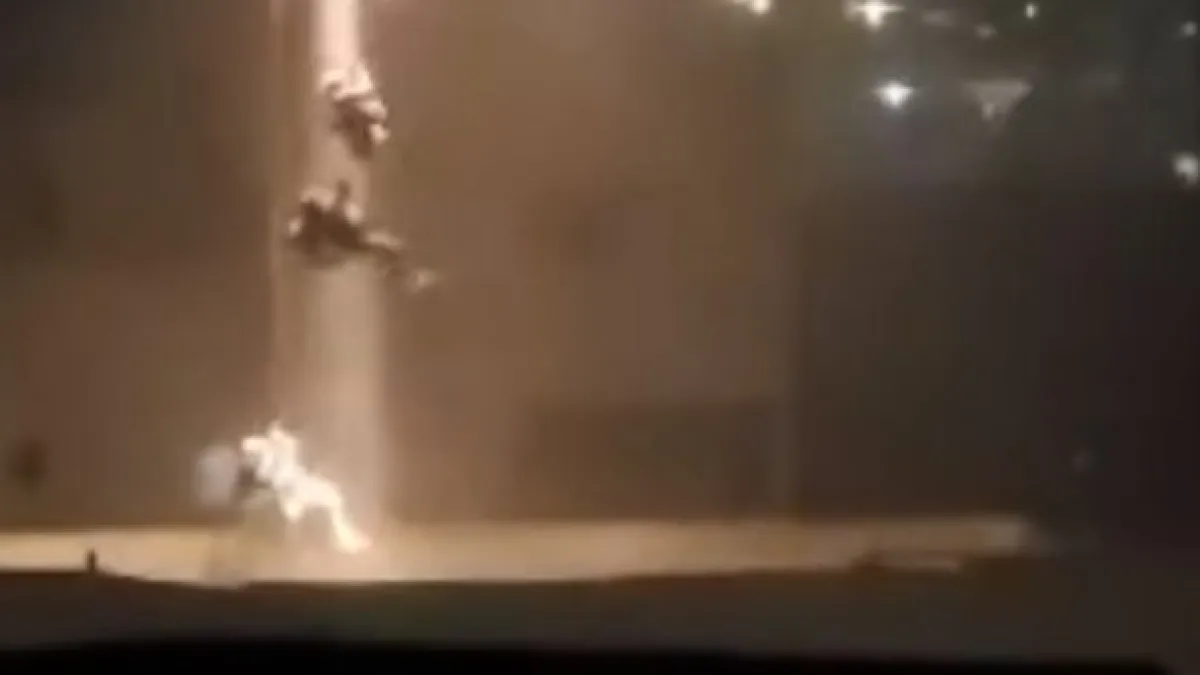
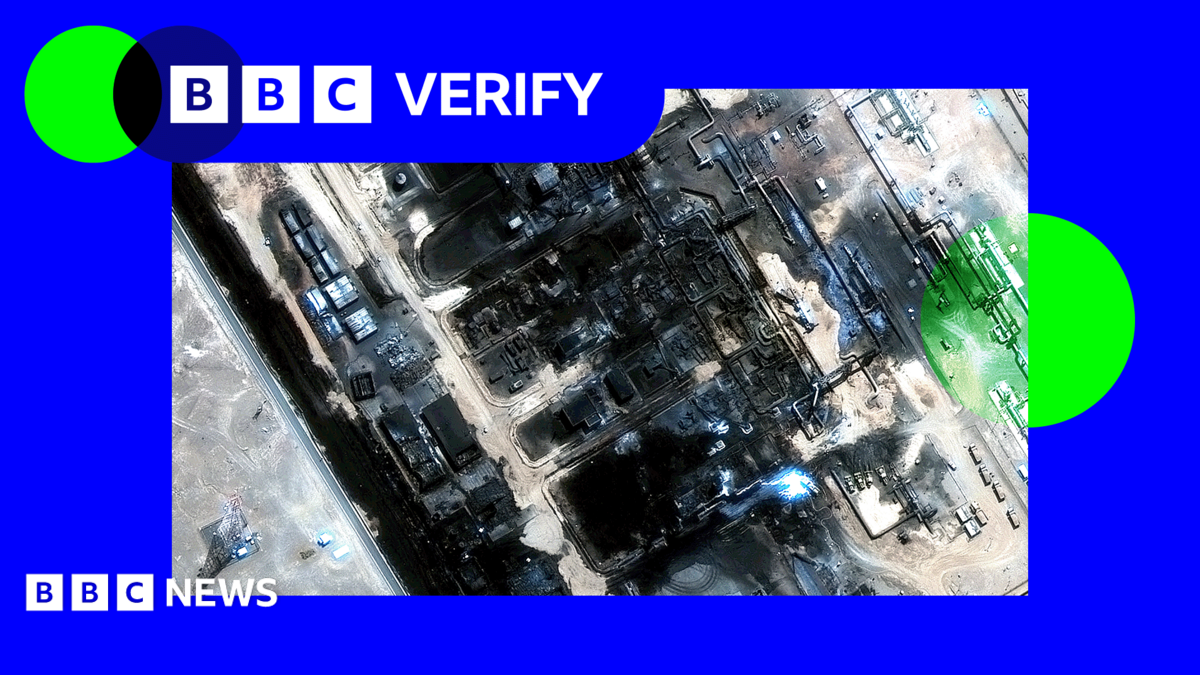
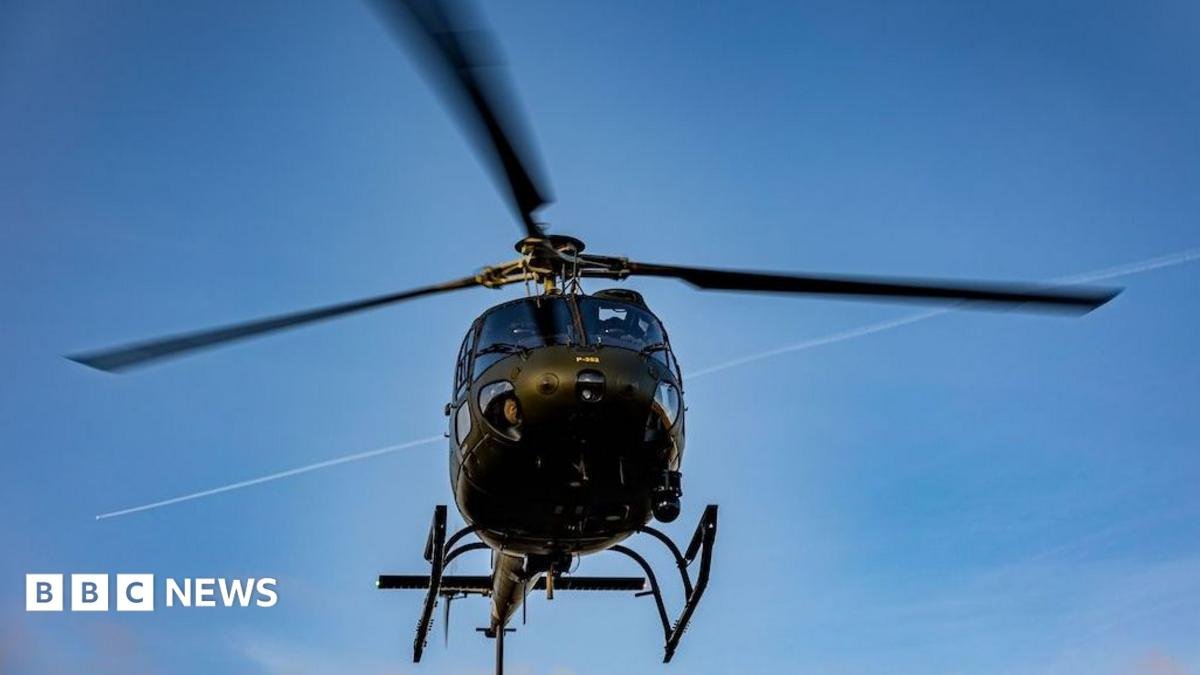
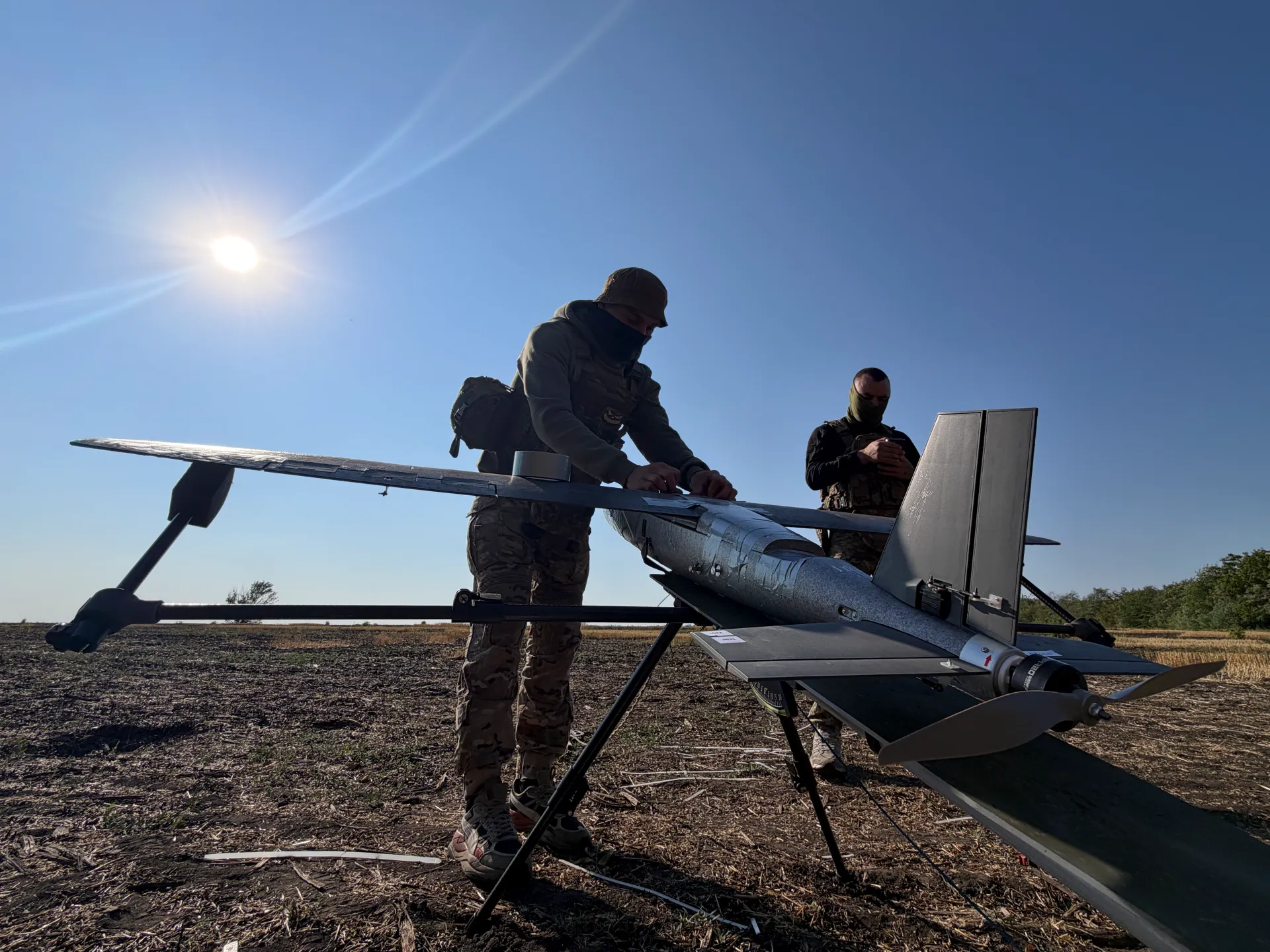
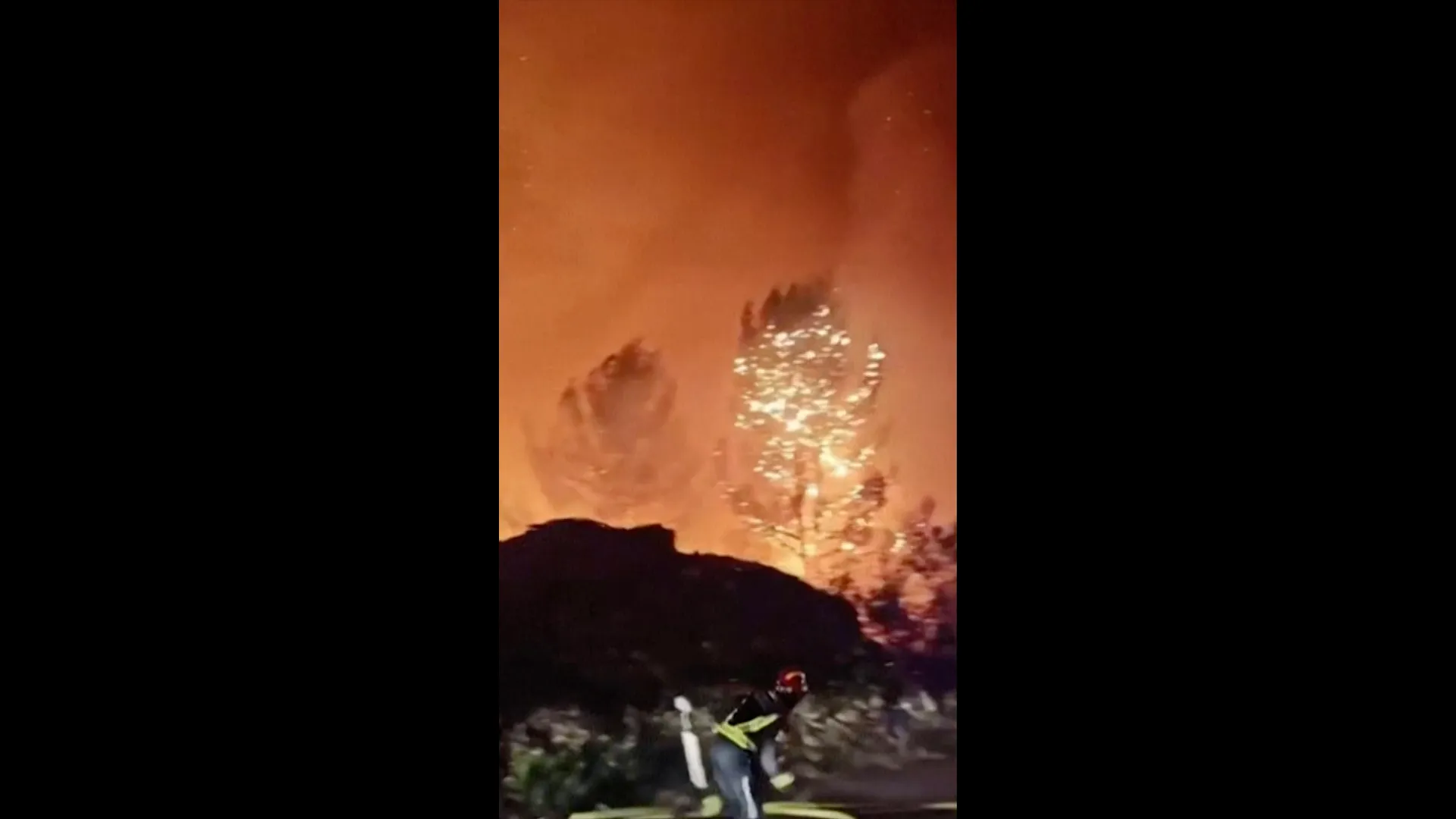
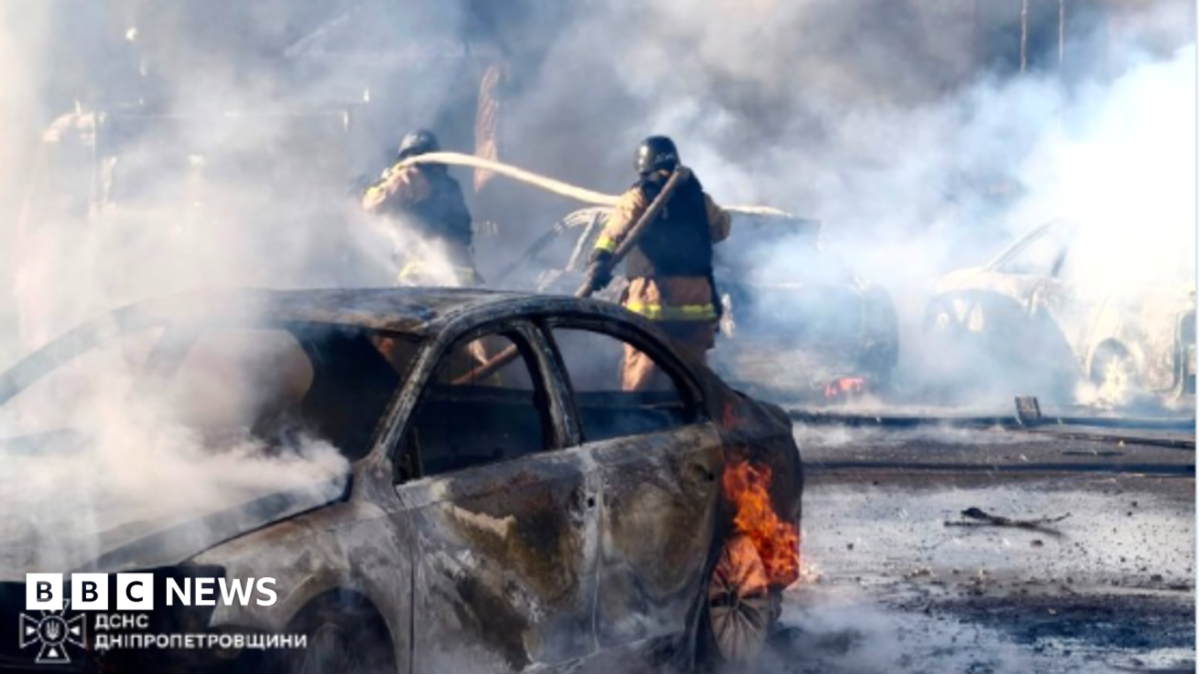
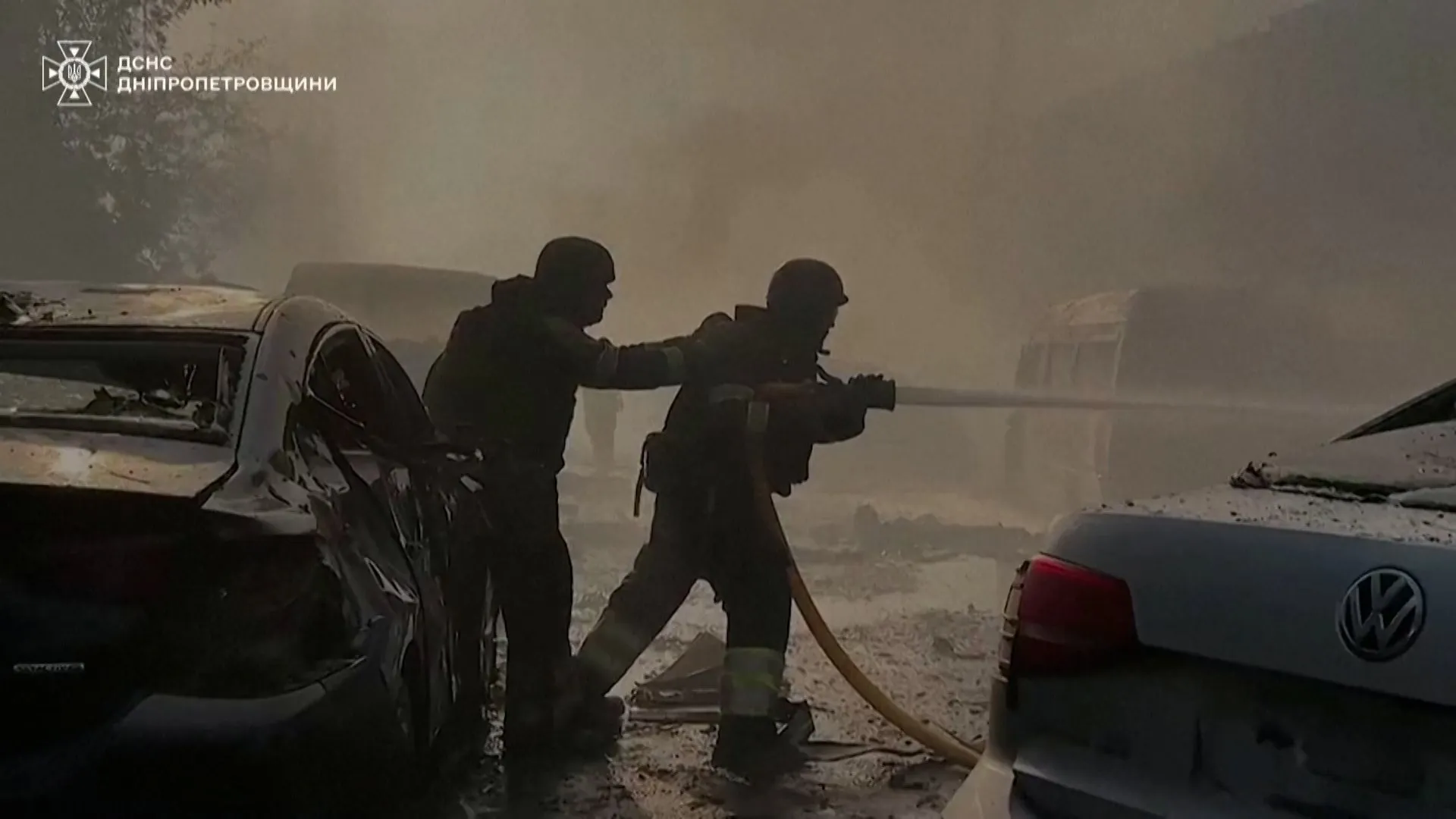
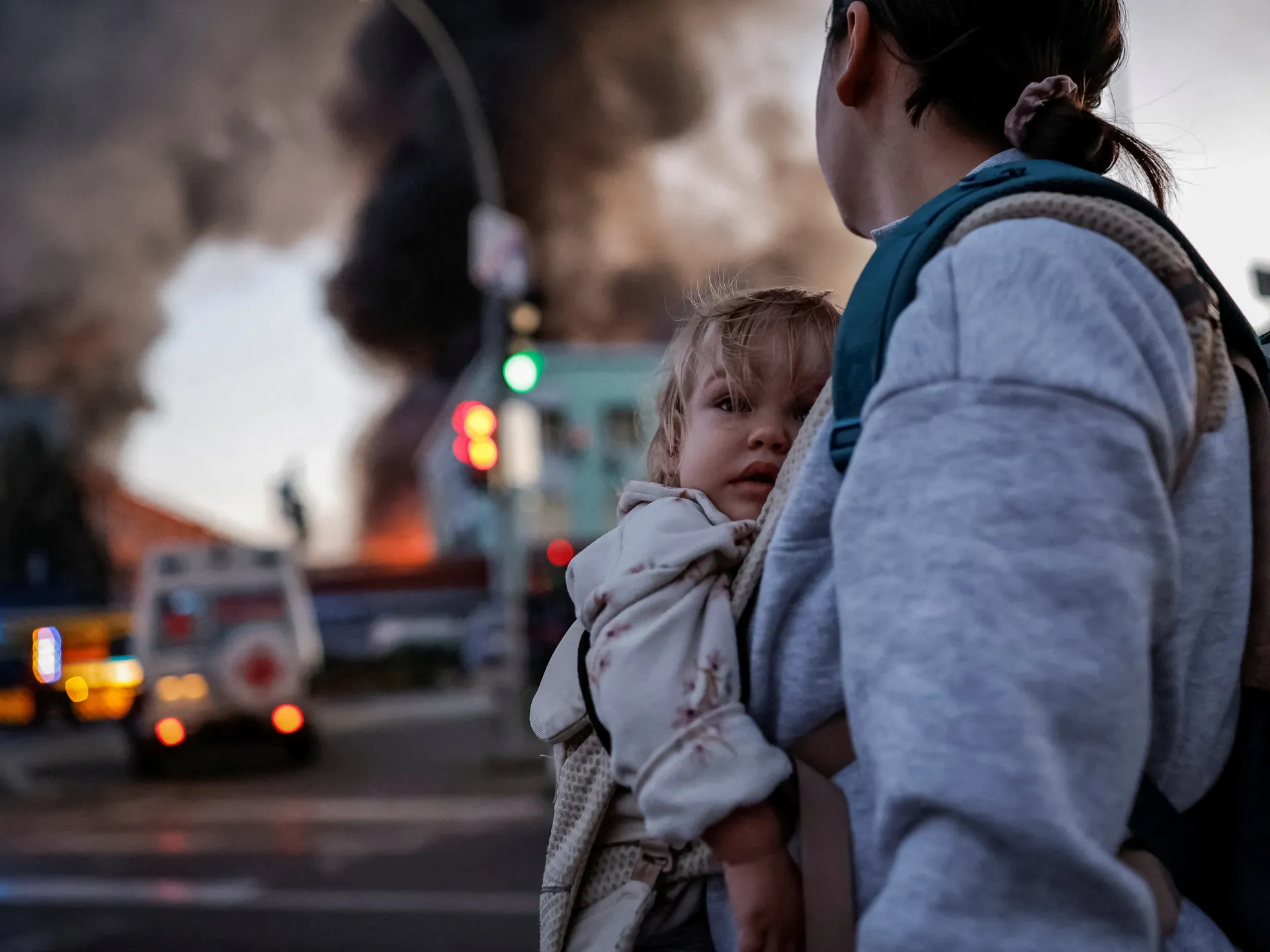
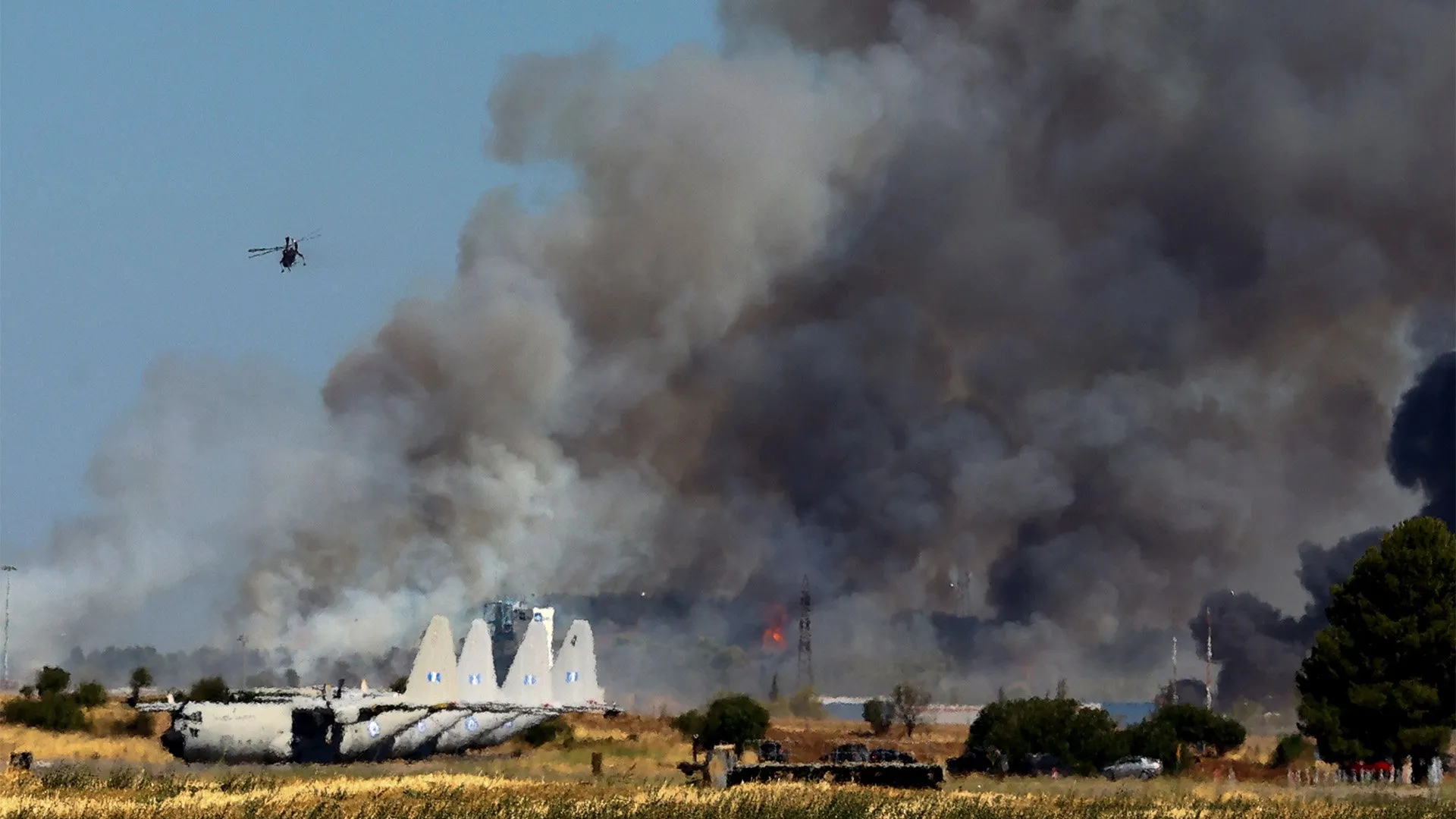
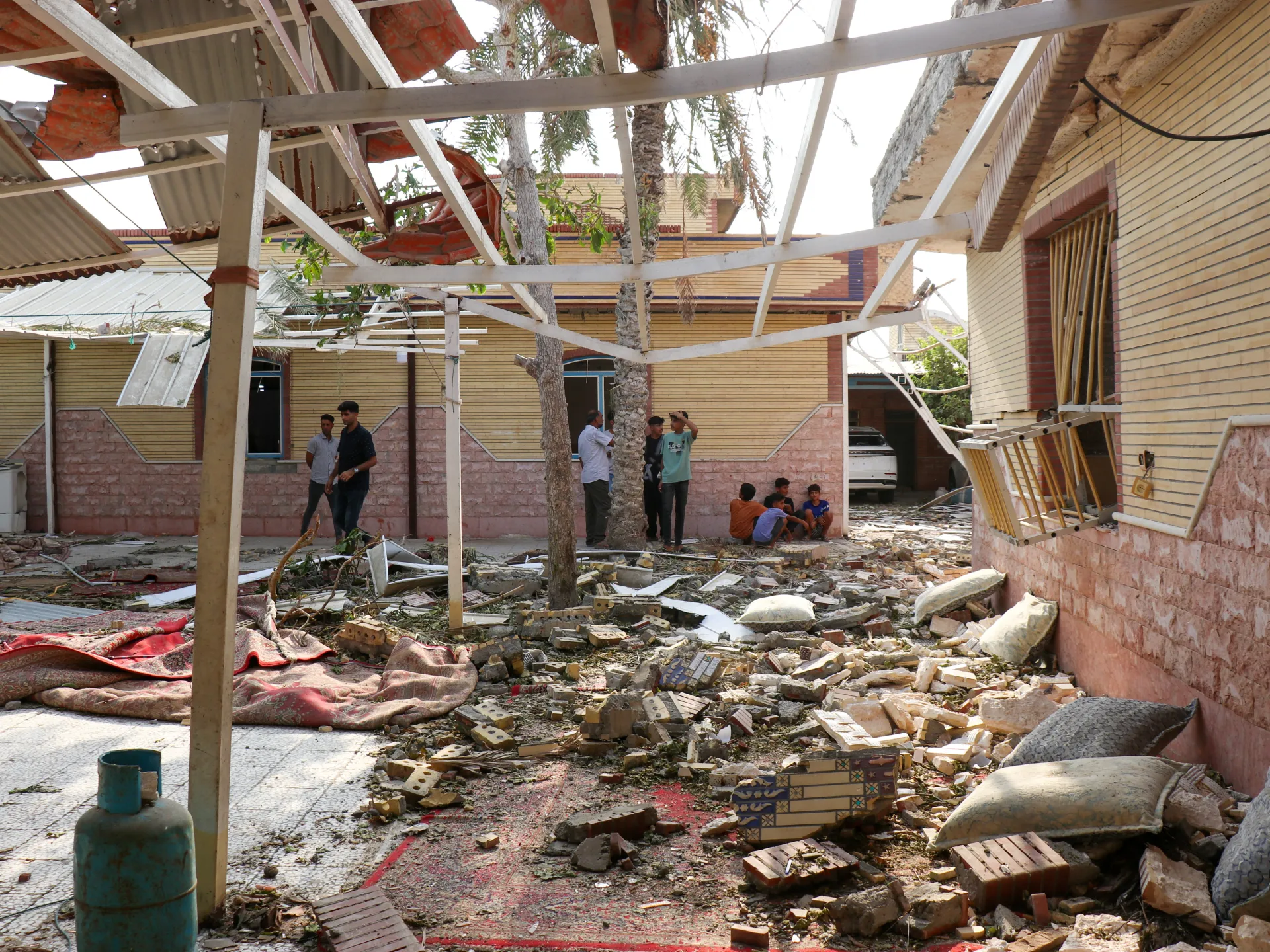
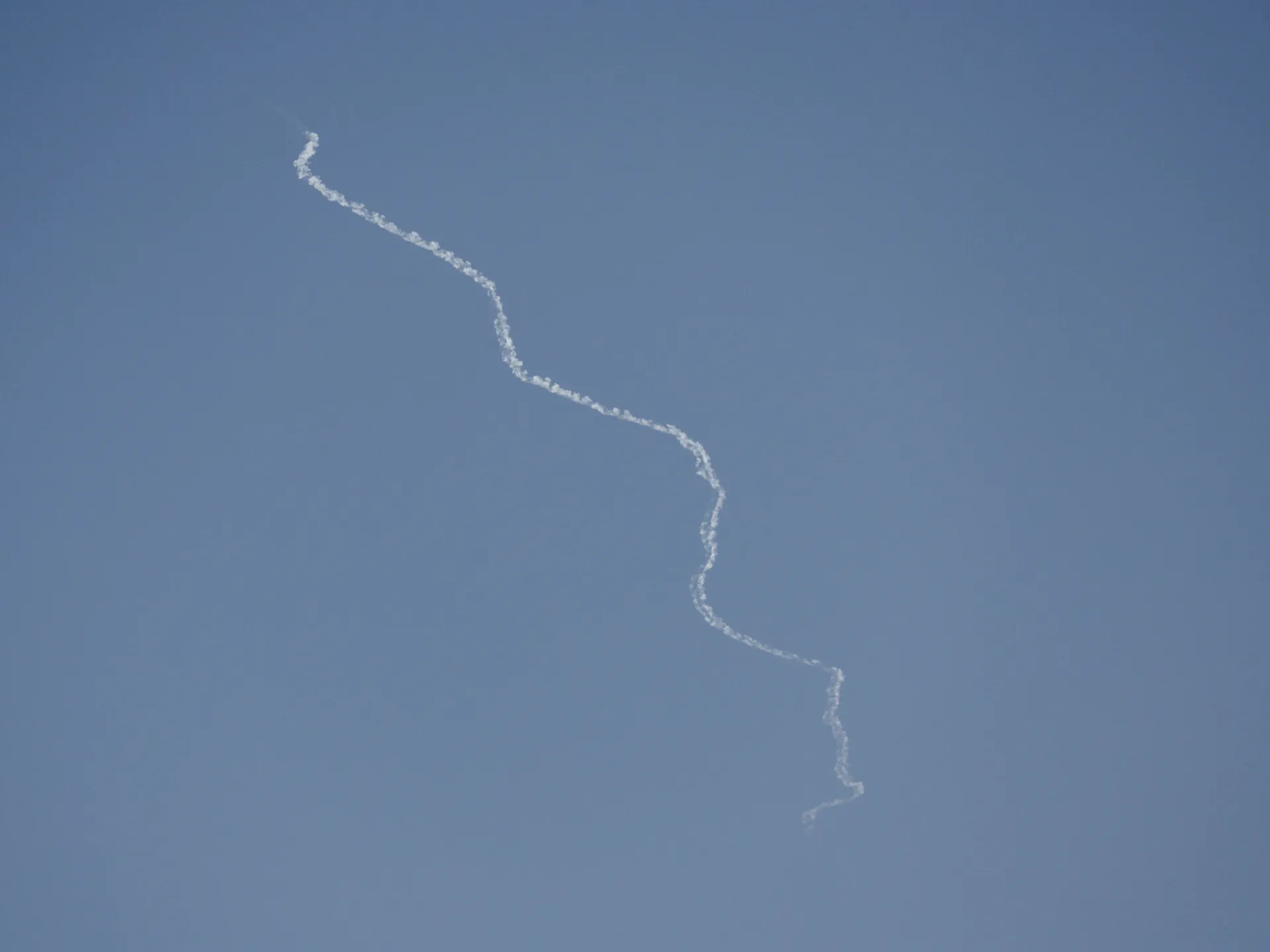
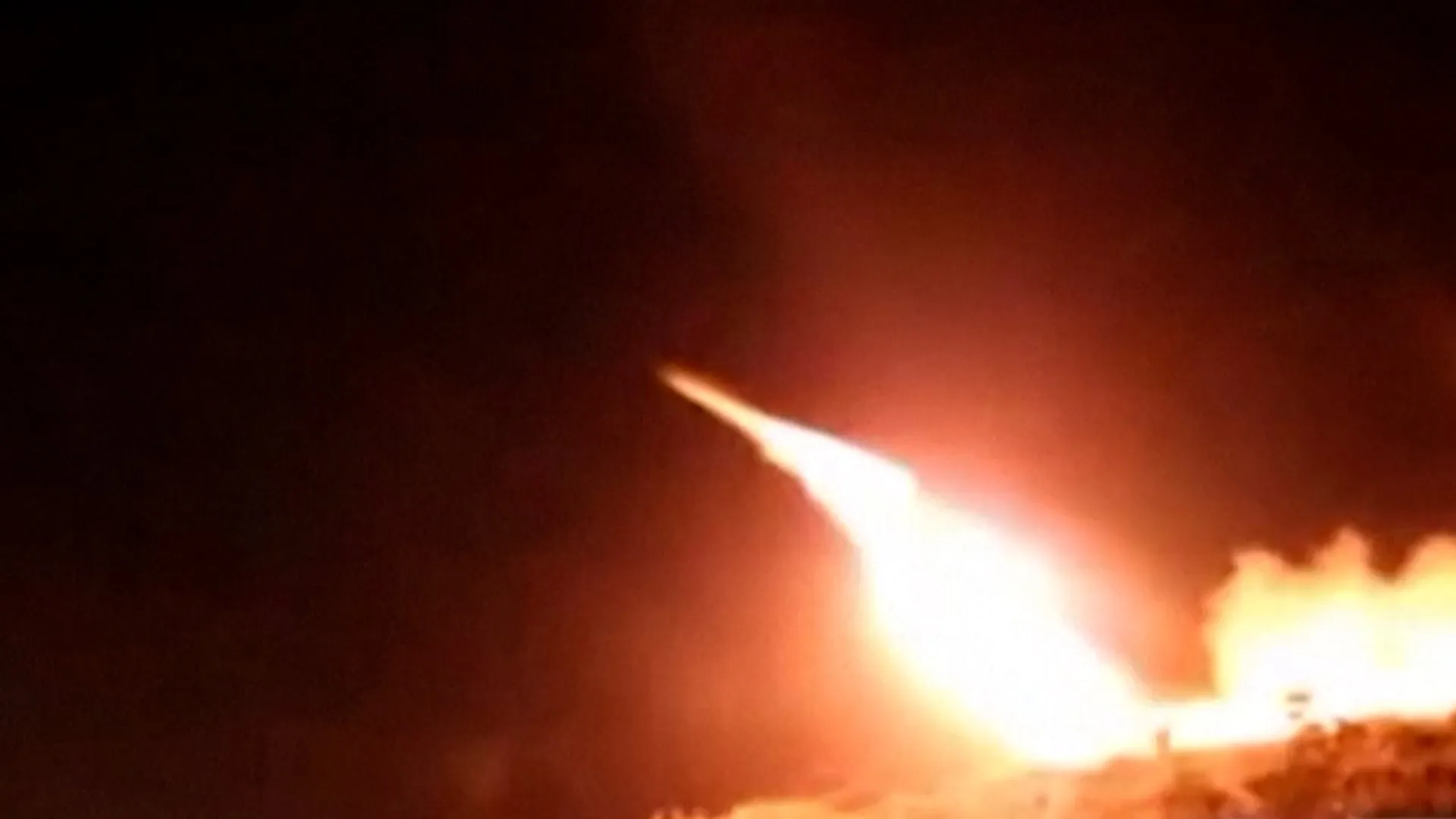
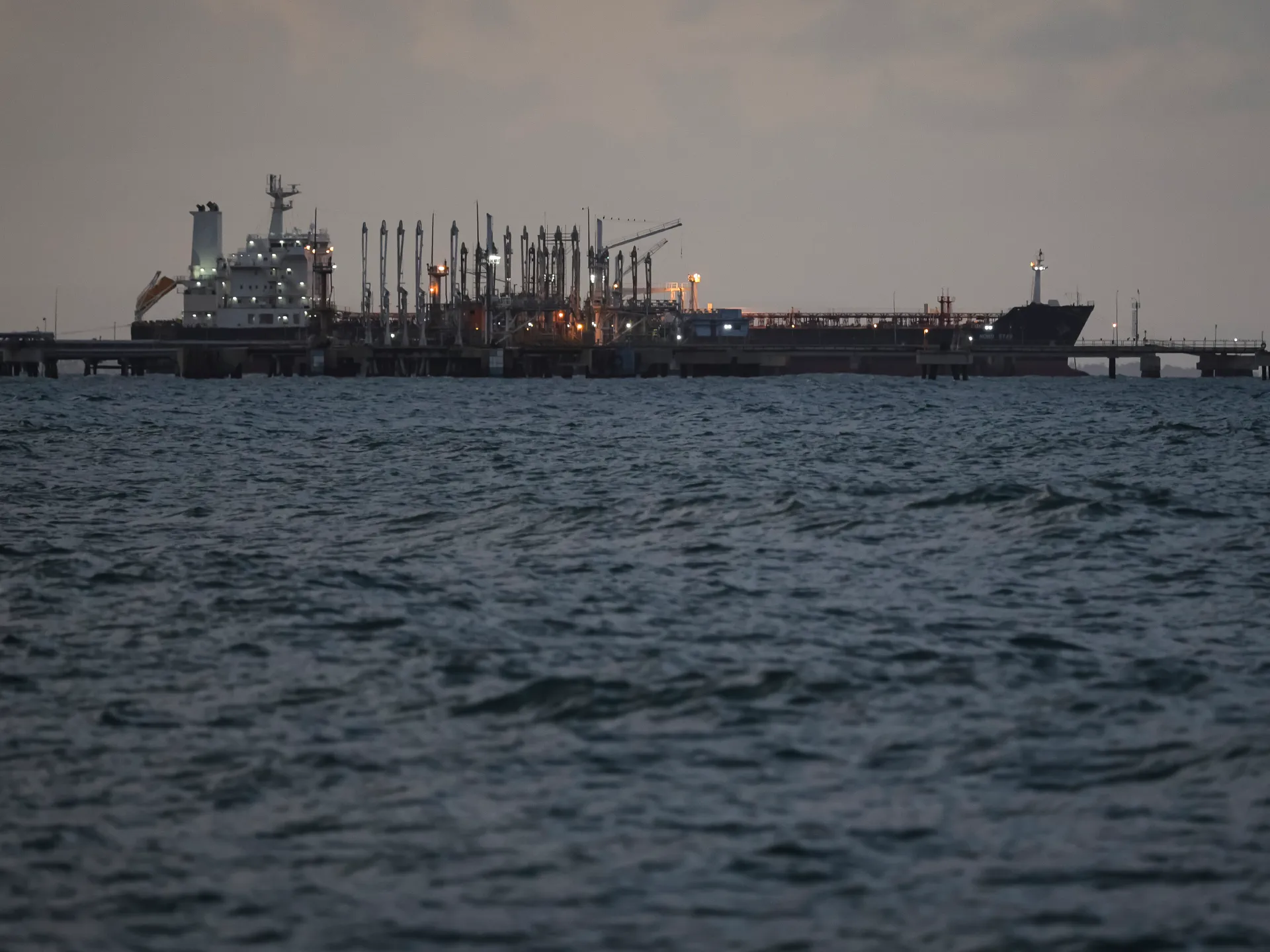
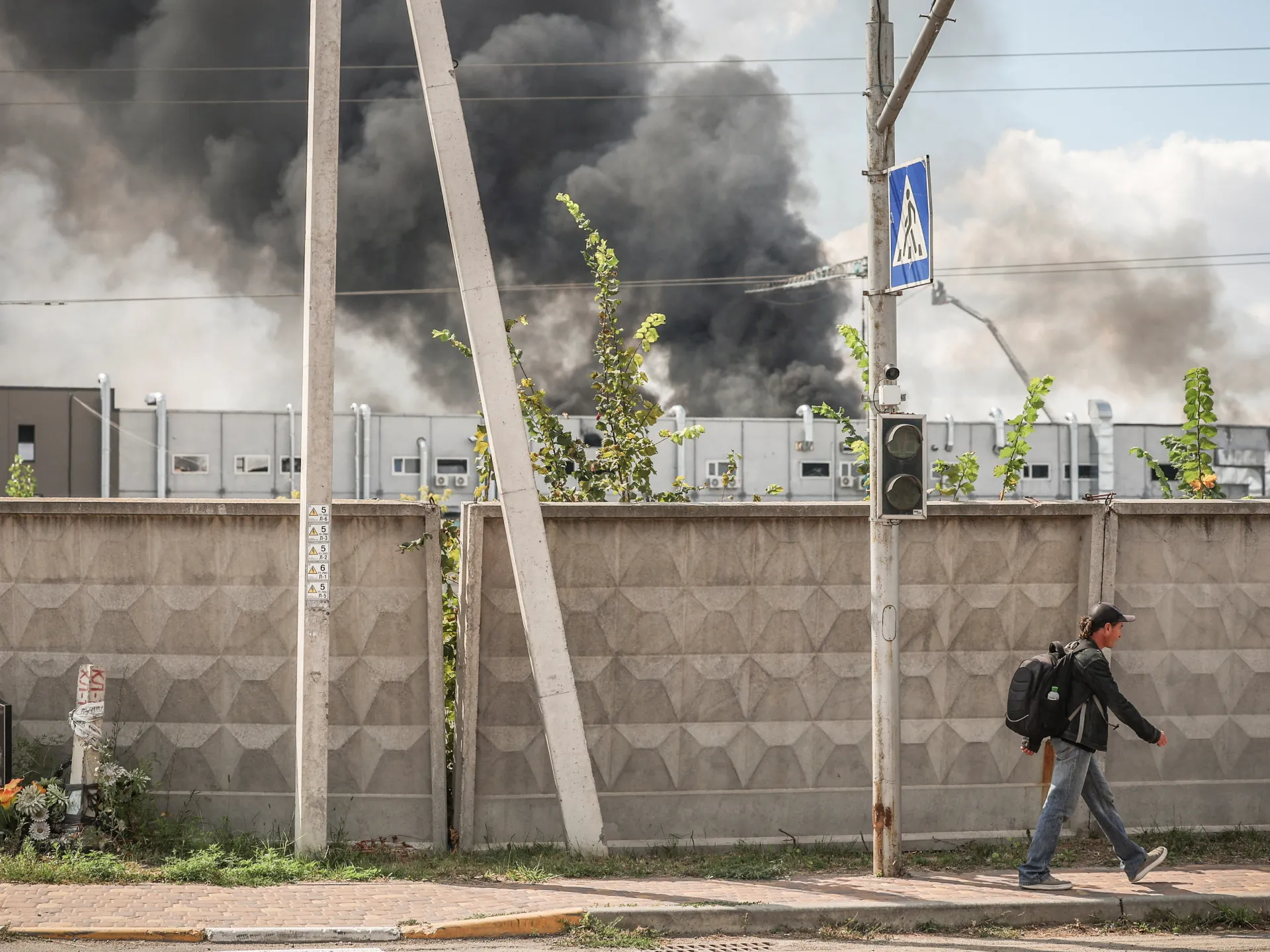
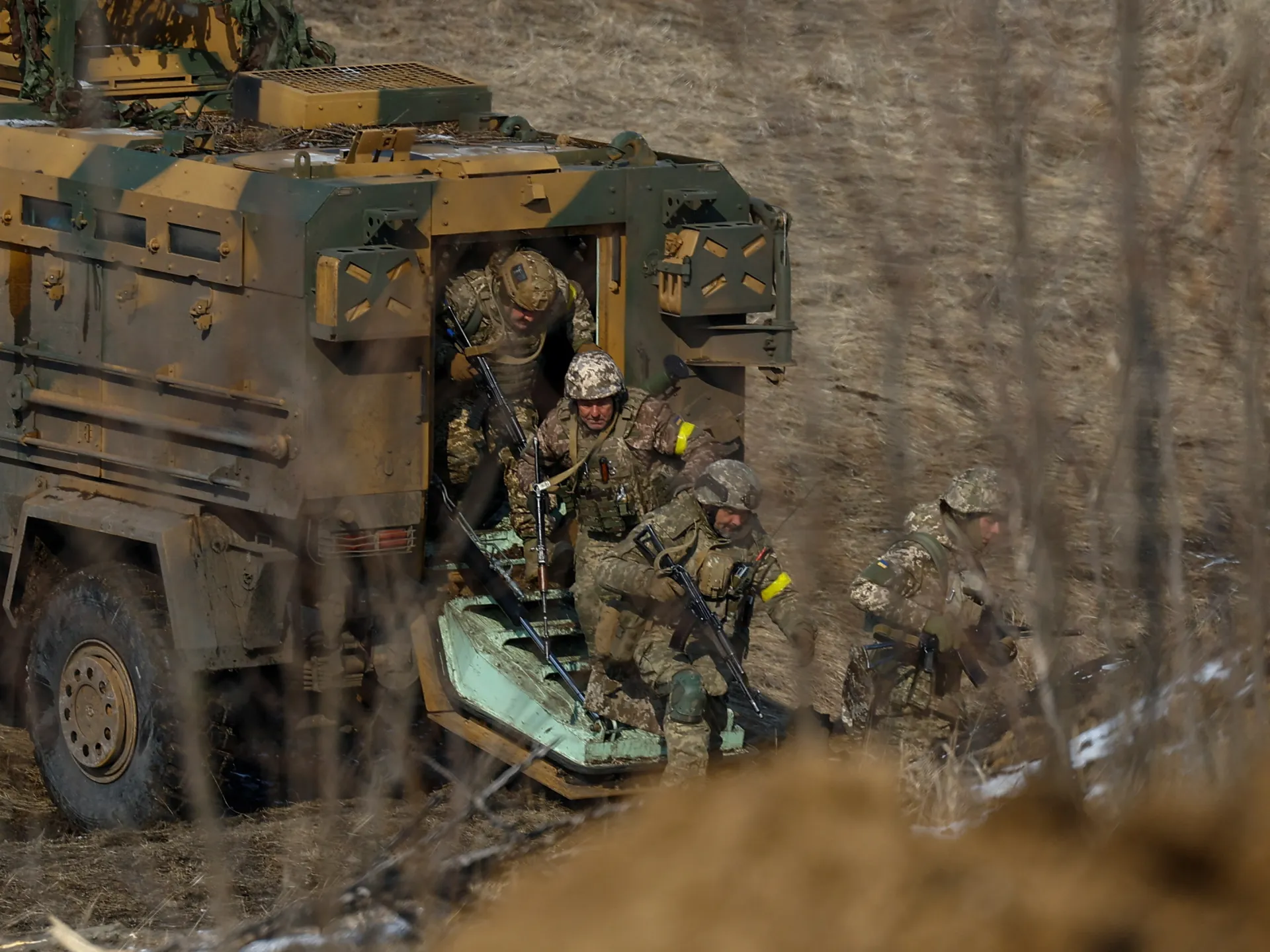
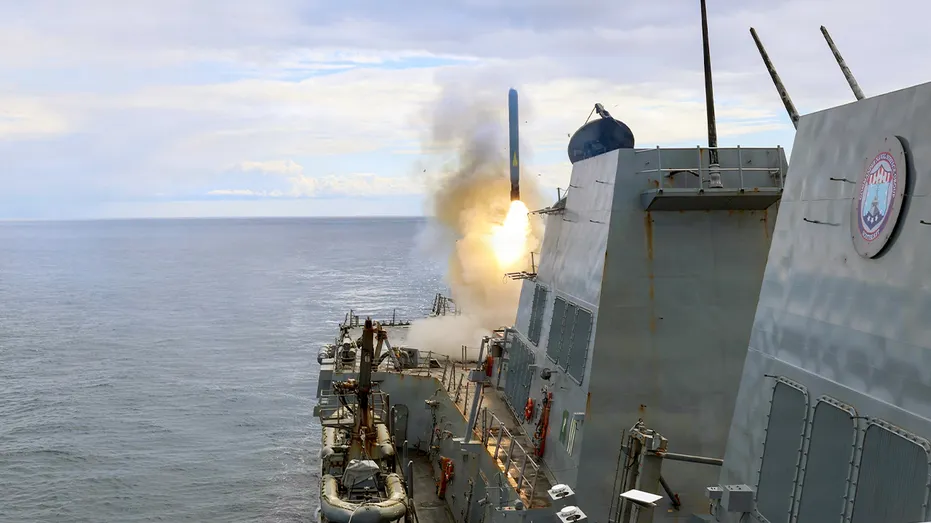
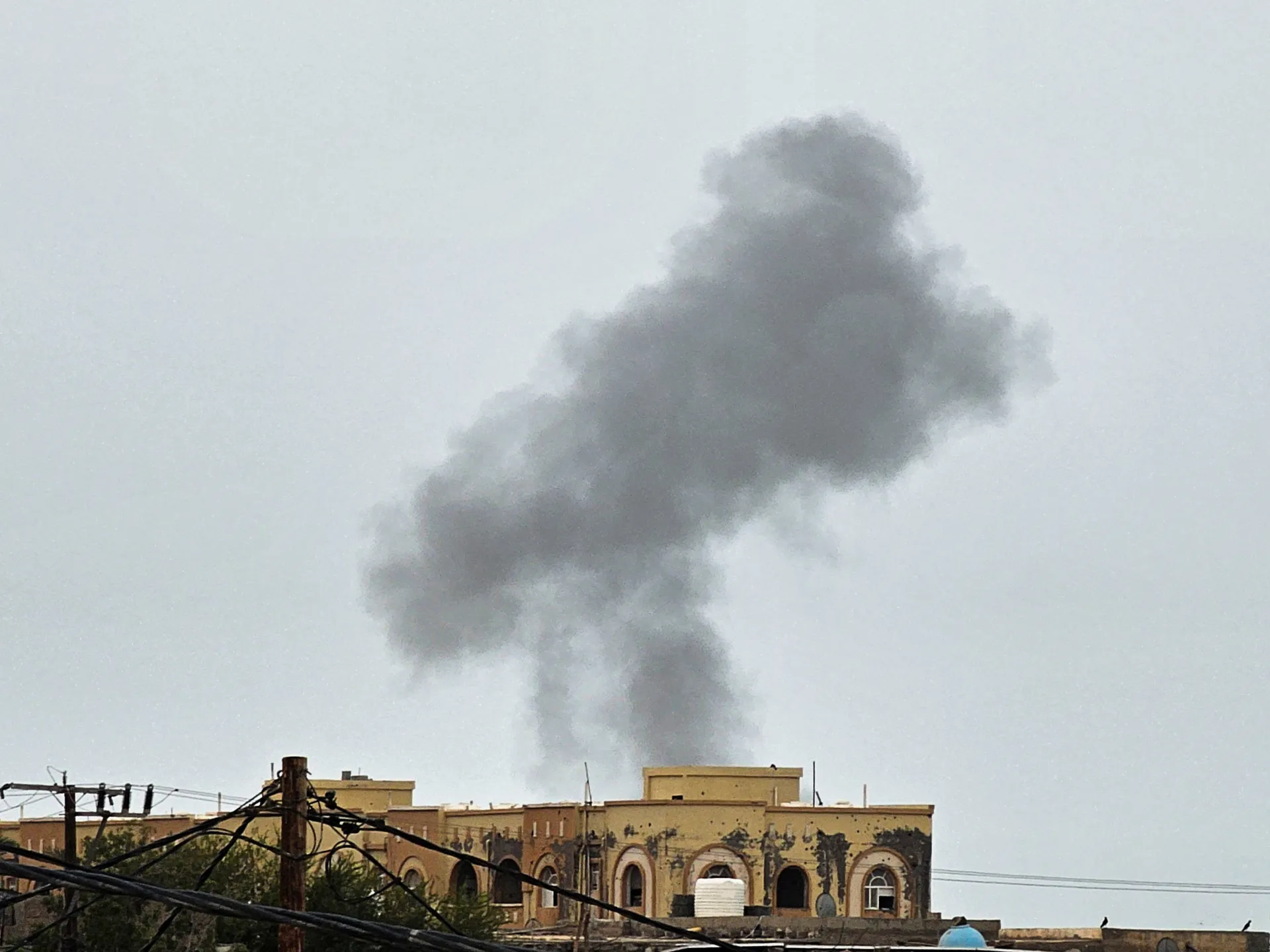
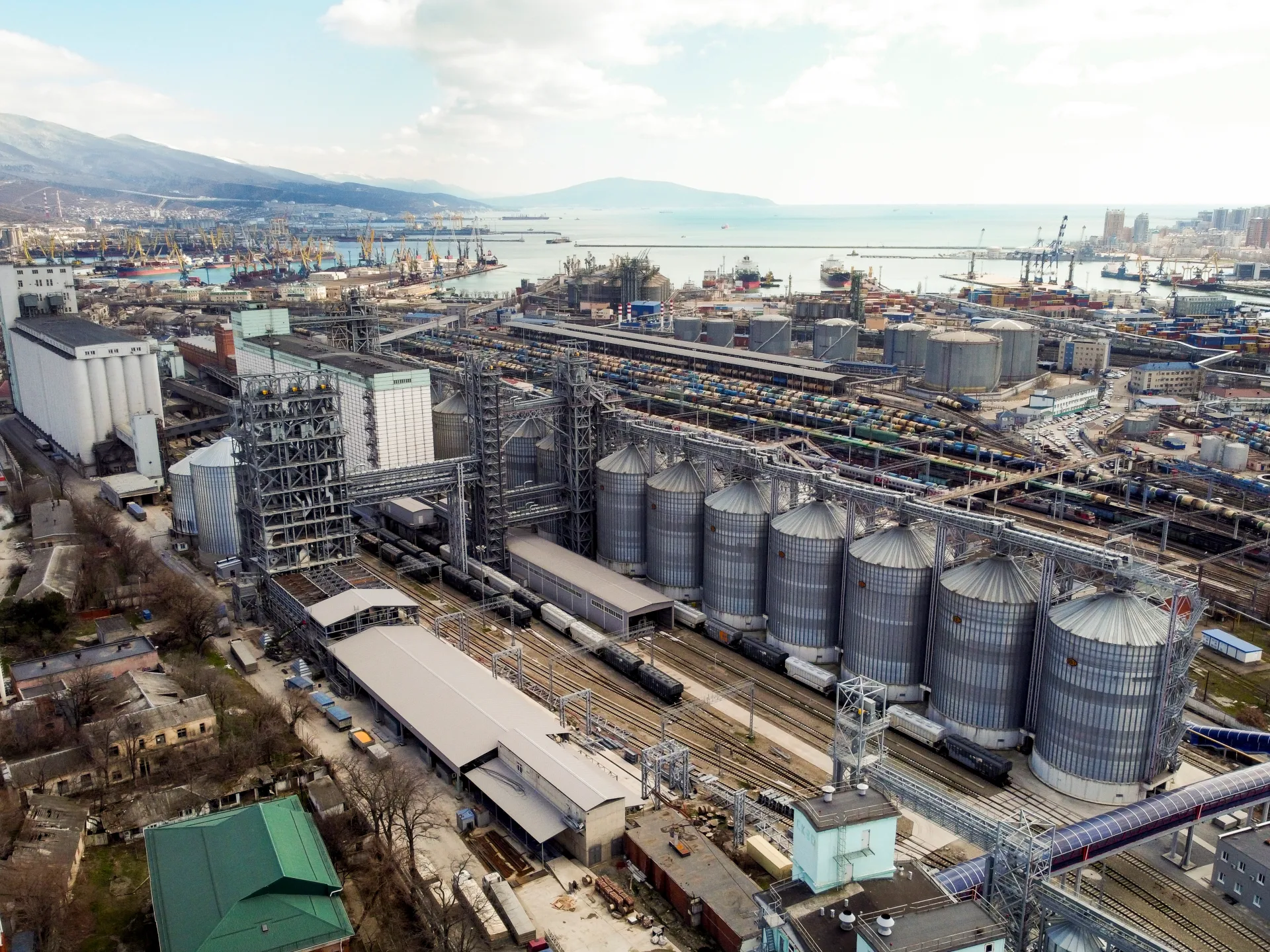
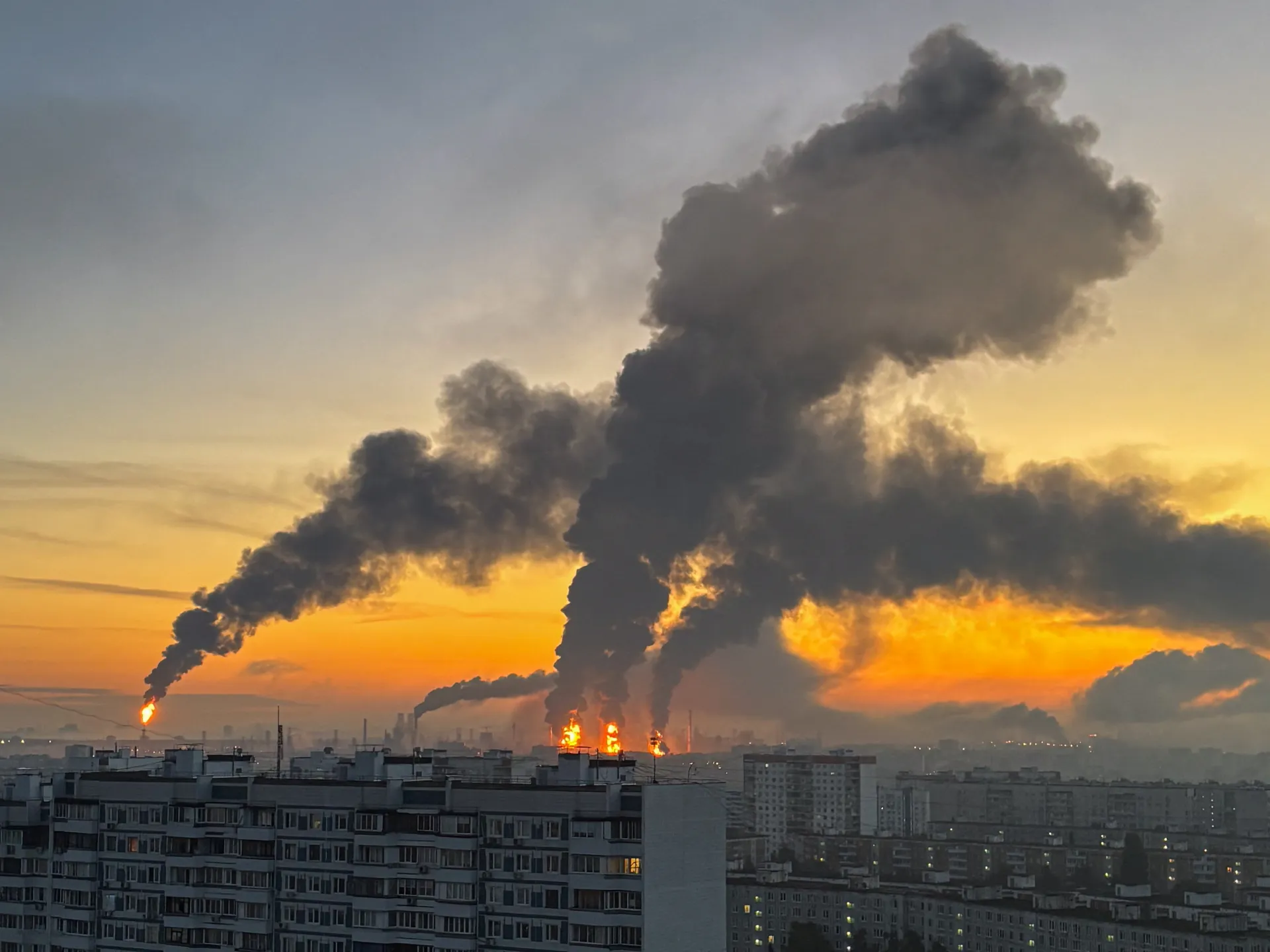
The scale of the aerial assault on Moscow on Sunday was marked at roughly 1,600 drones were intercepted across the region, with 450 specifically targeting the capital. Despite these interception claims, the impact was significant; officials confirmed two deaths in the Moscow region, and a major oil refinery sustained damage. The strike appears to be a direct response to Russia’s own ongoing aerial campaign, with Ukrainian Air Force Command noting that Russia had launched 138 drones against targets in Ukraine, of which 101 were neutralized.
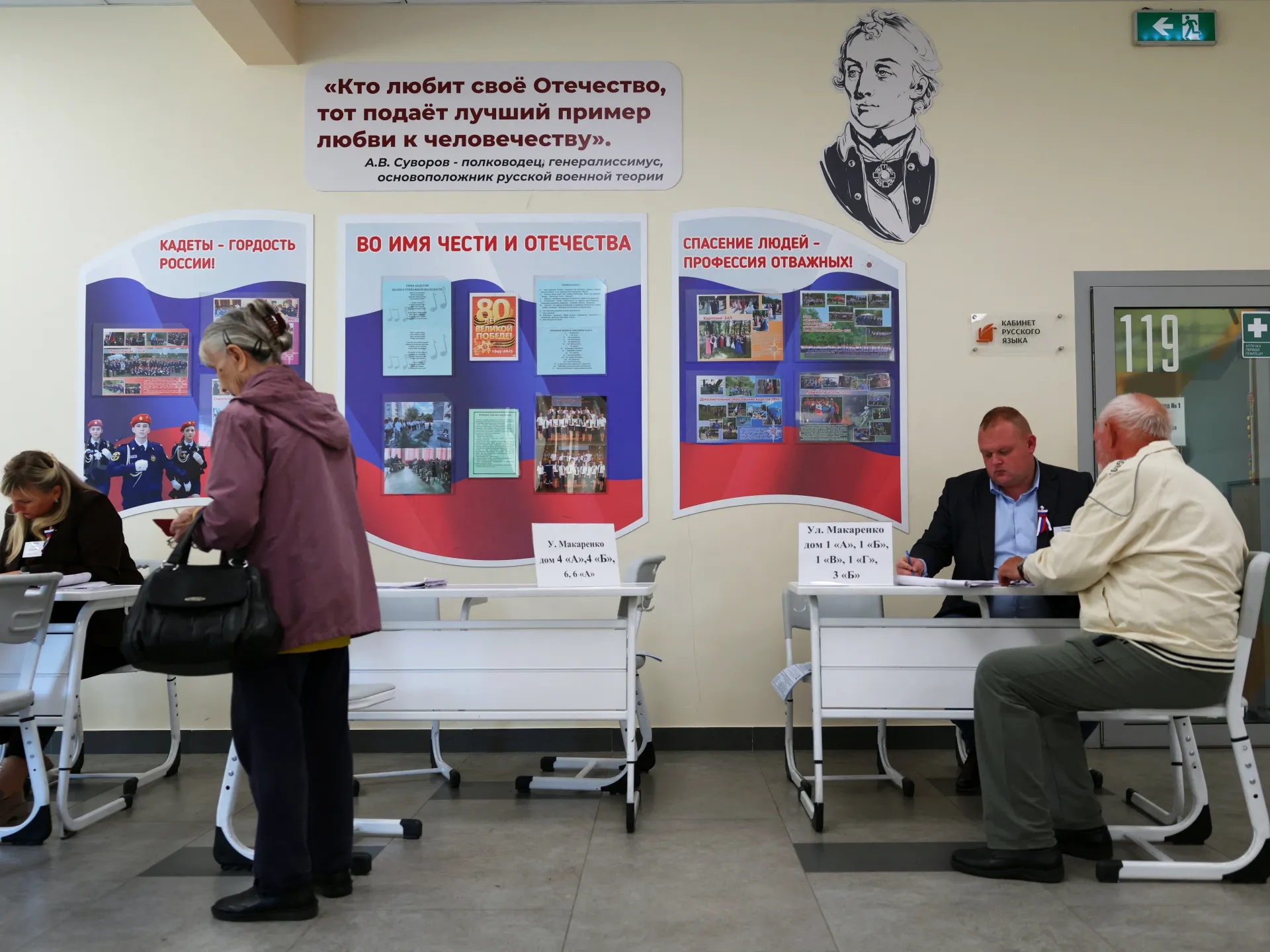
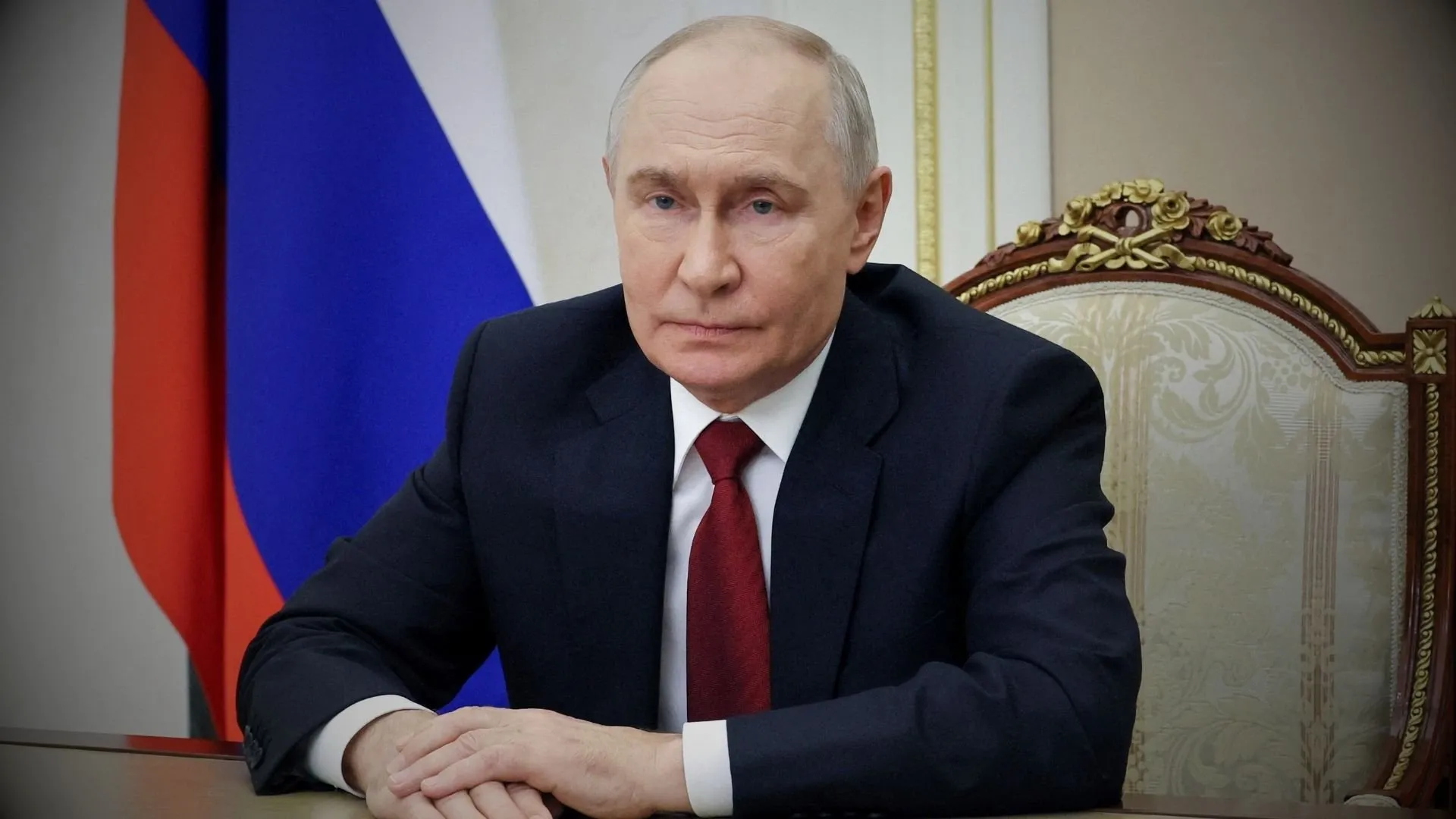
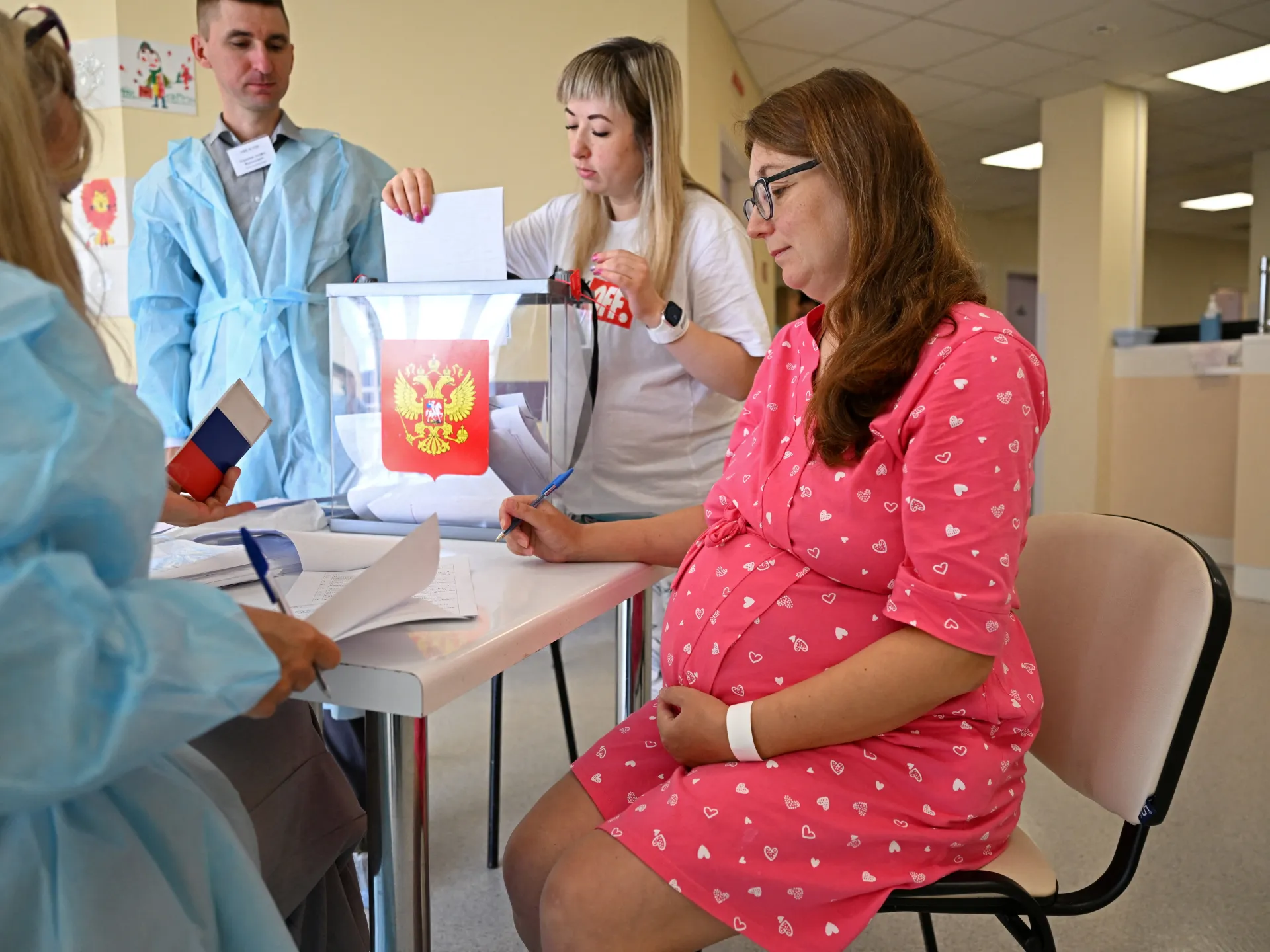
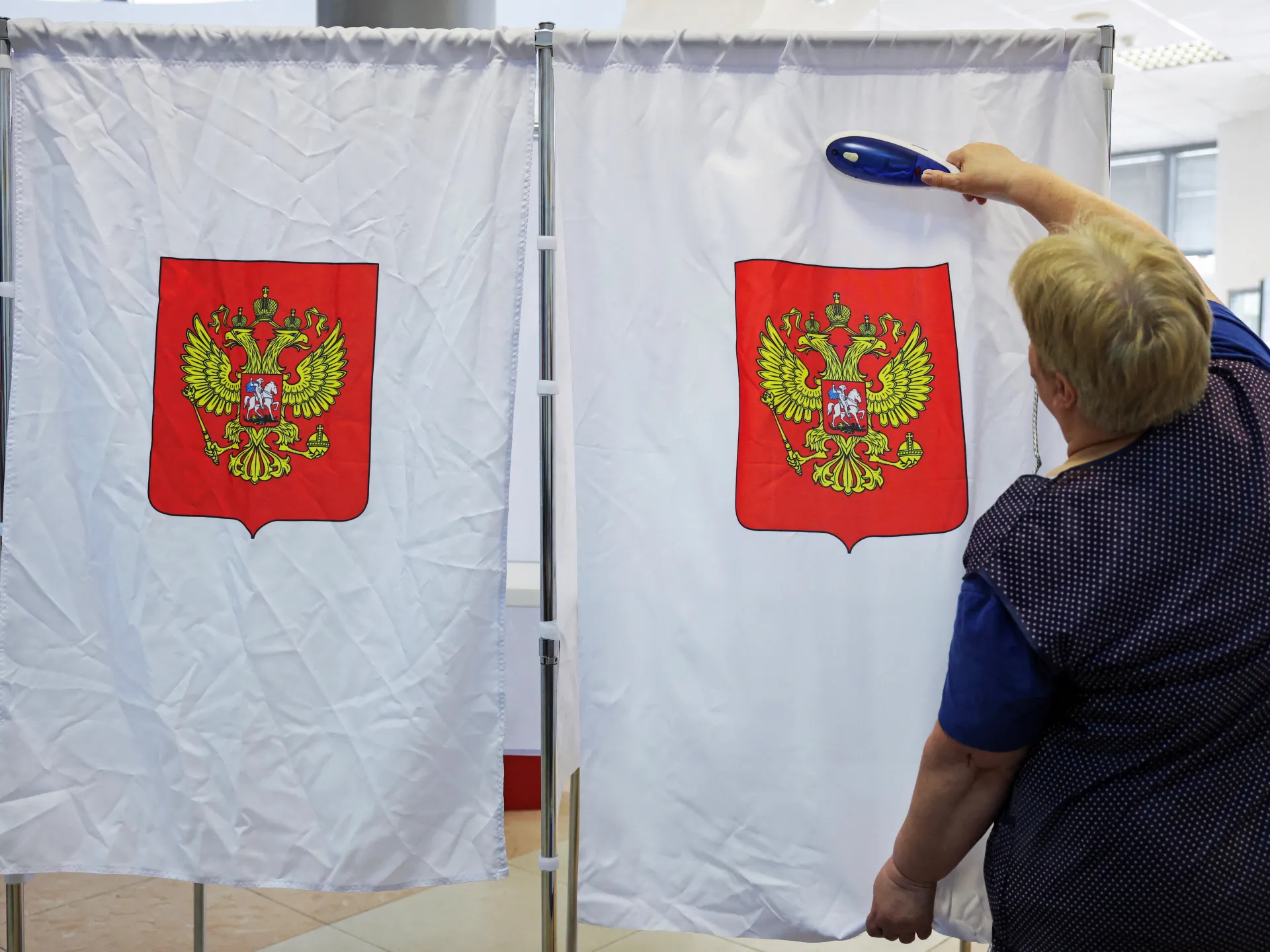
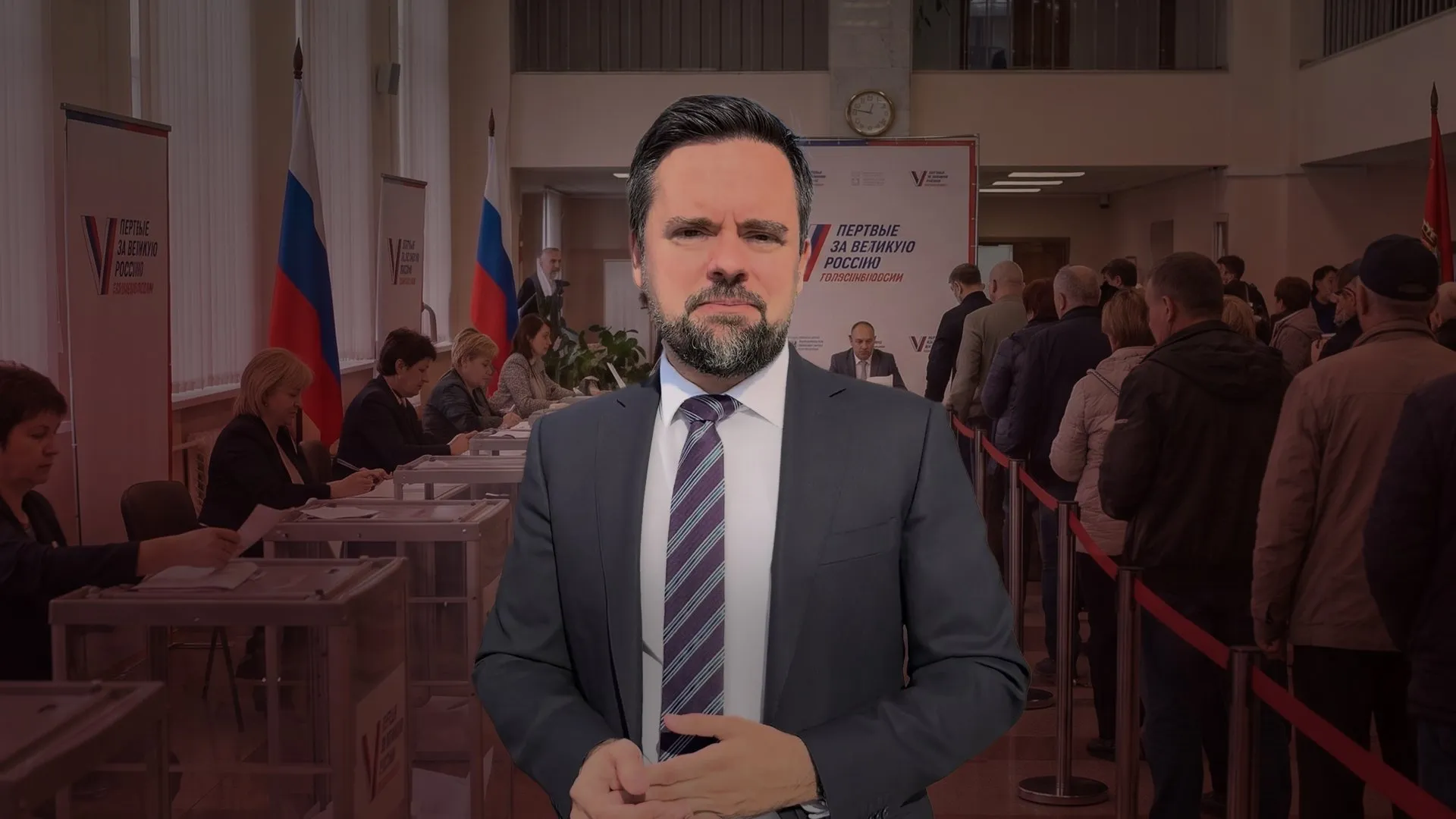
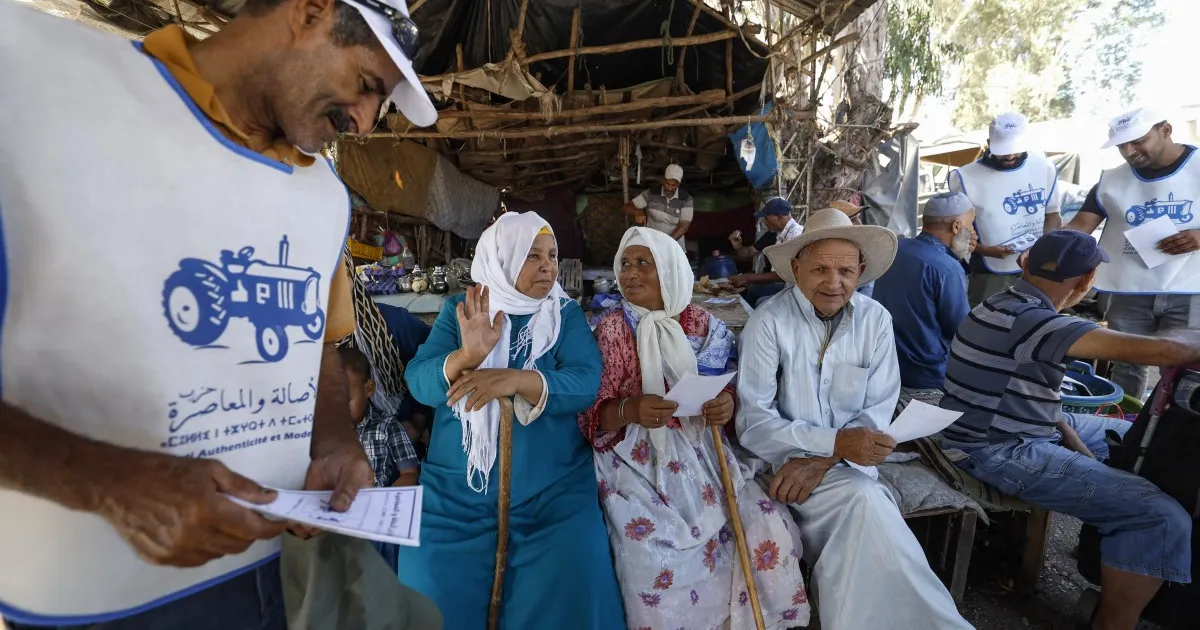
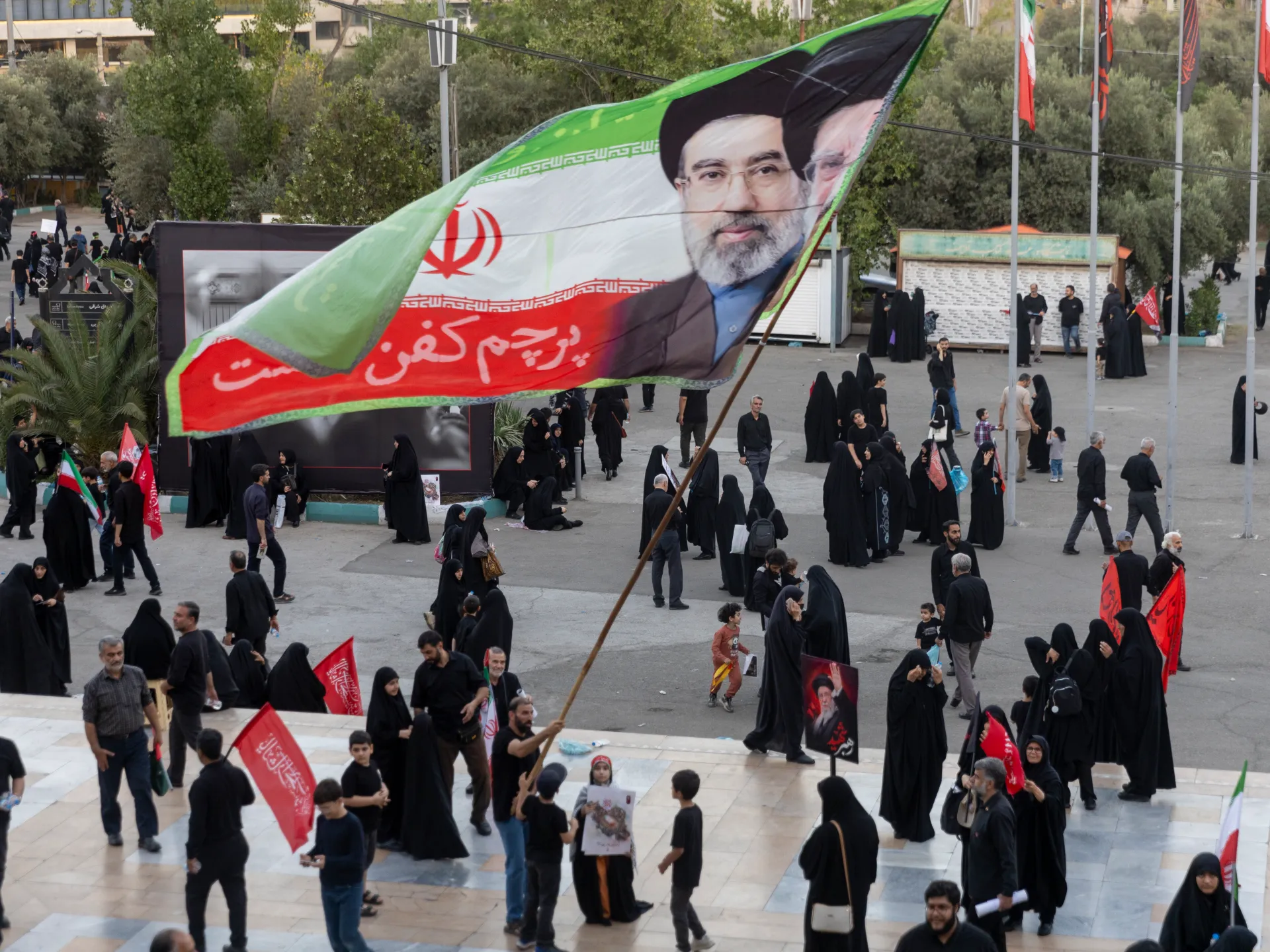
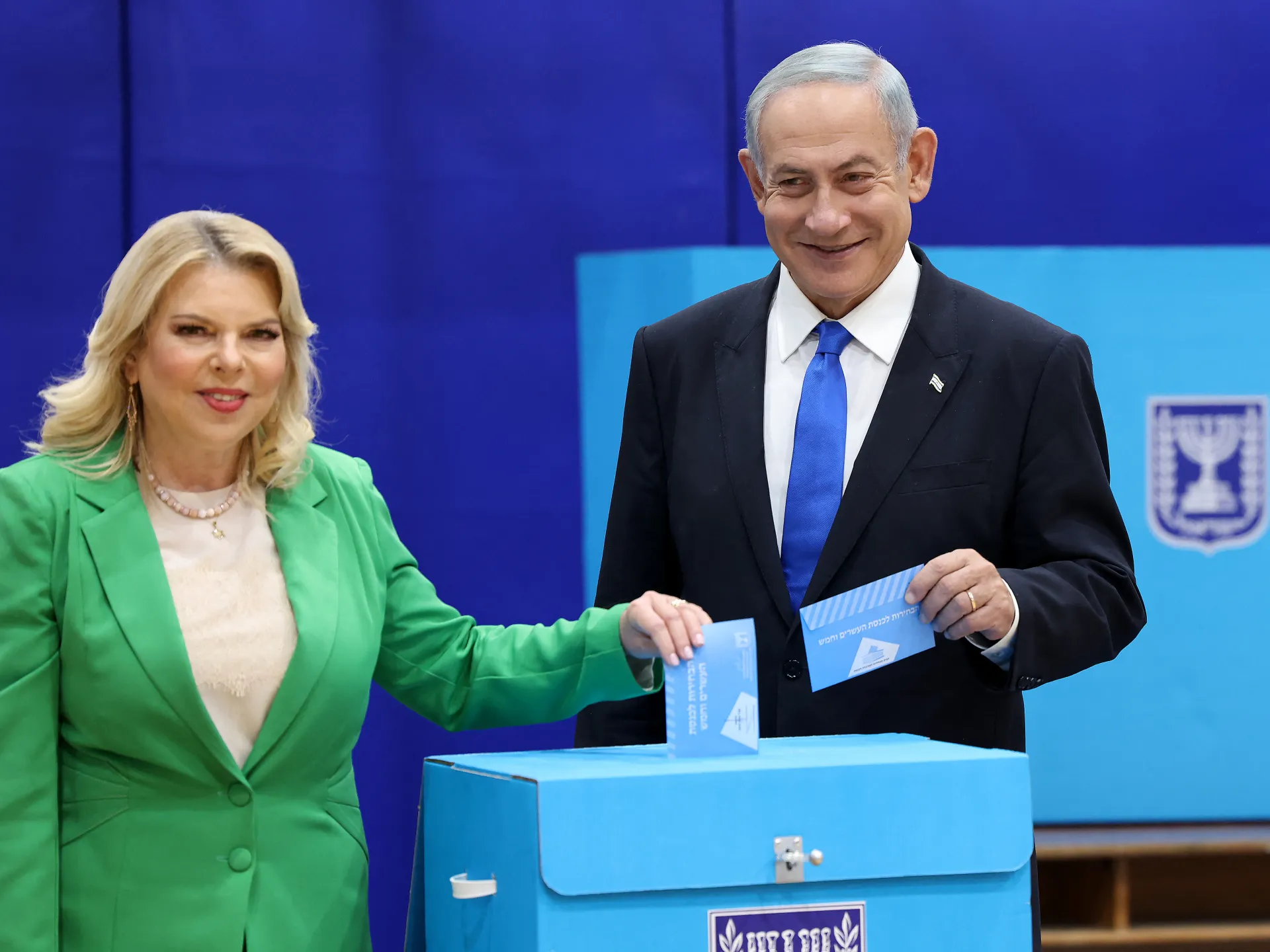
This exchange comes at a critical juncture for President Vladimir Putin. With the parliamentary elections intended to solidify his administration’s authority, the visual and physical disruption caused hermore, the inclusion of voting stations in occupied Ukrainian territories has drawn sharp condemnation from Kyiv, as the Kremlin continues its attempt to legitimize its territorial seizures through an electoral process that has been widely criticized
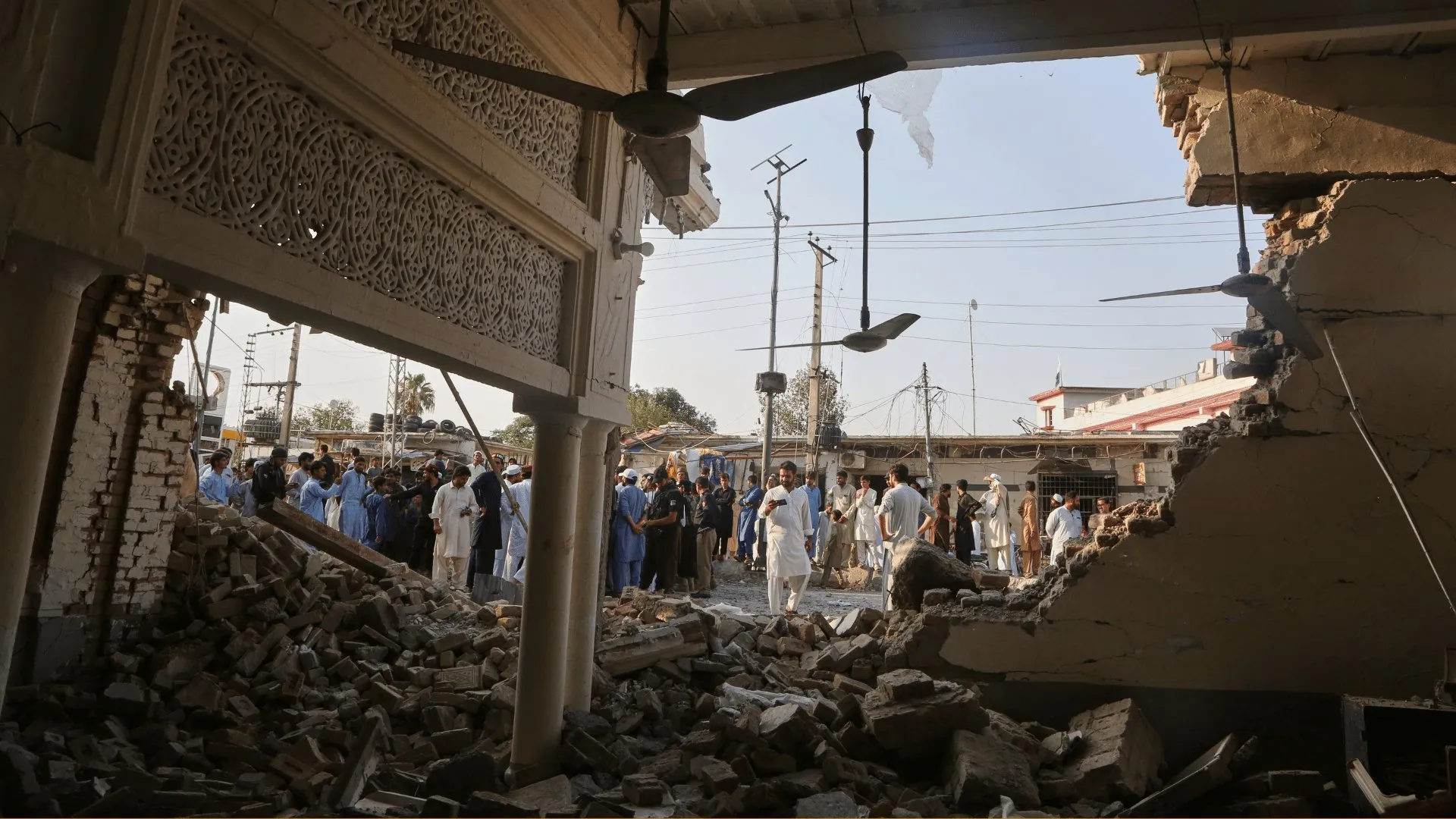
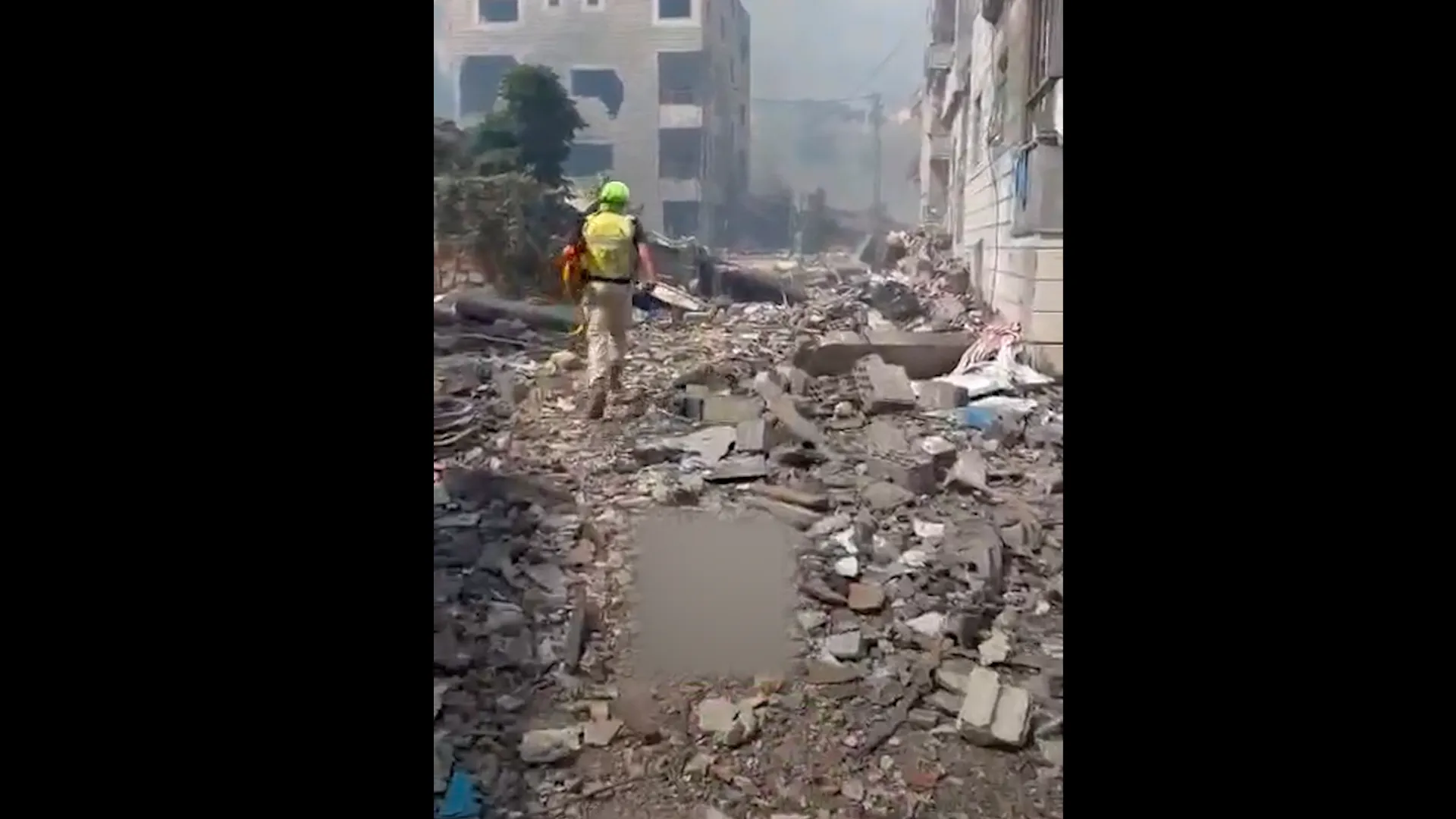
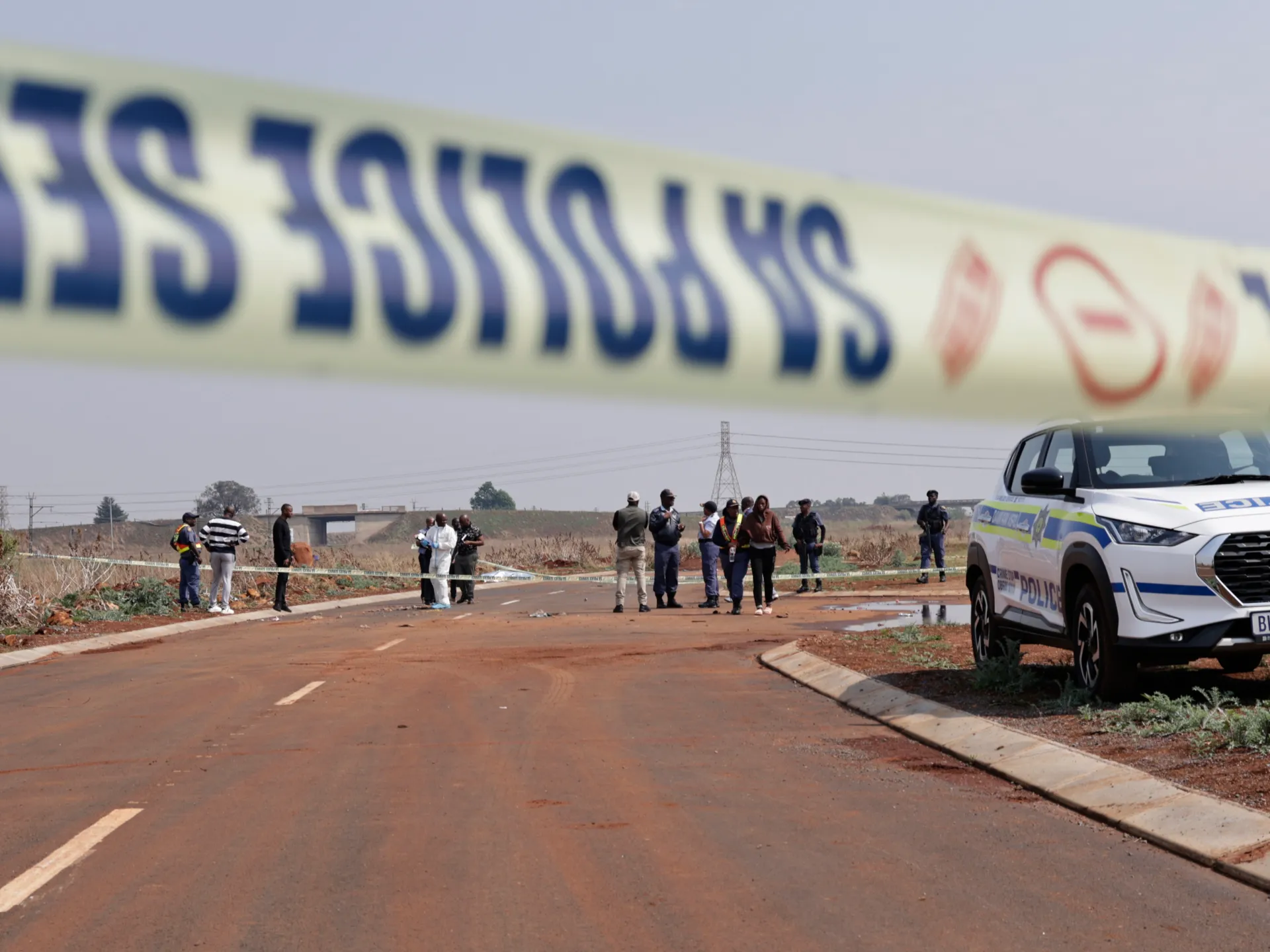
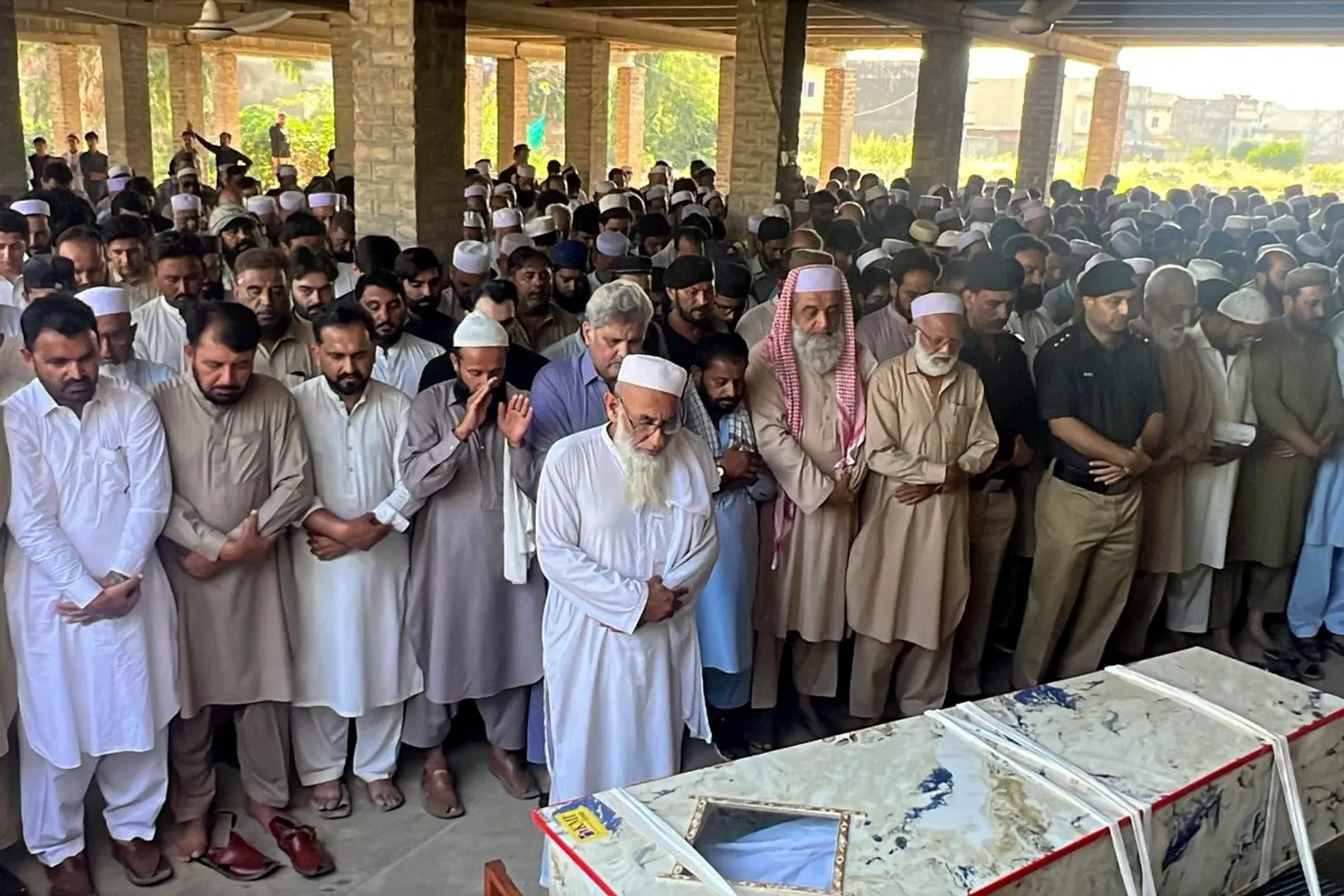
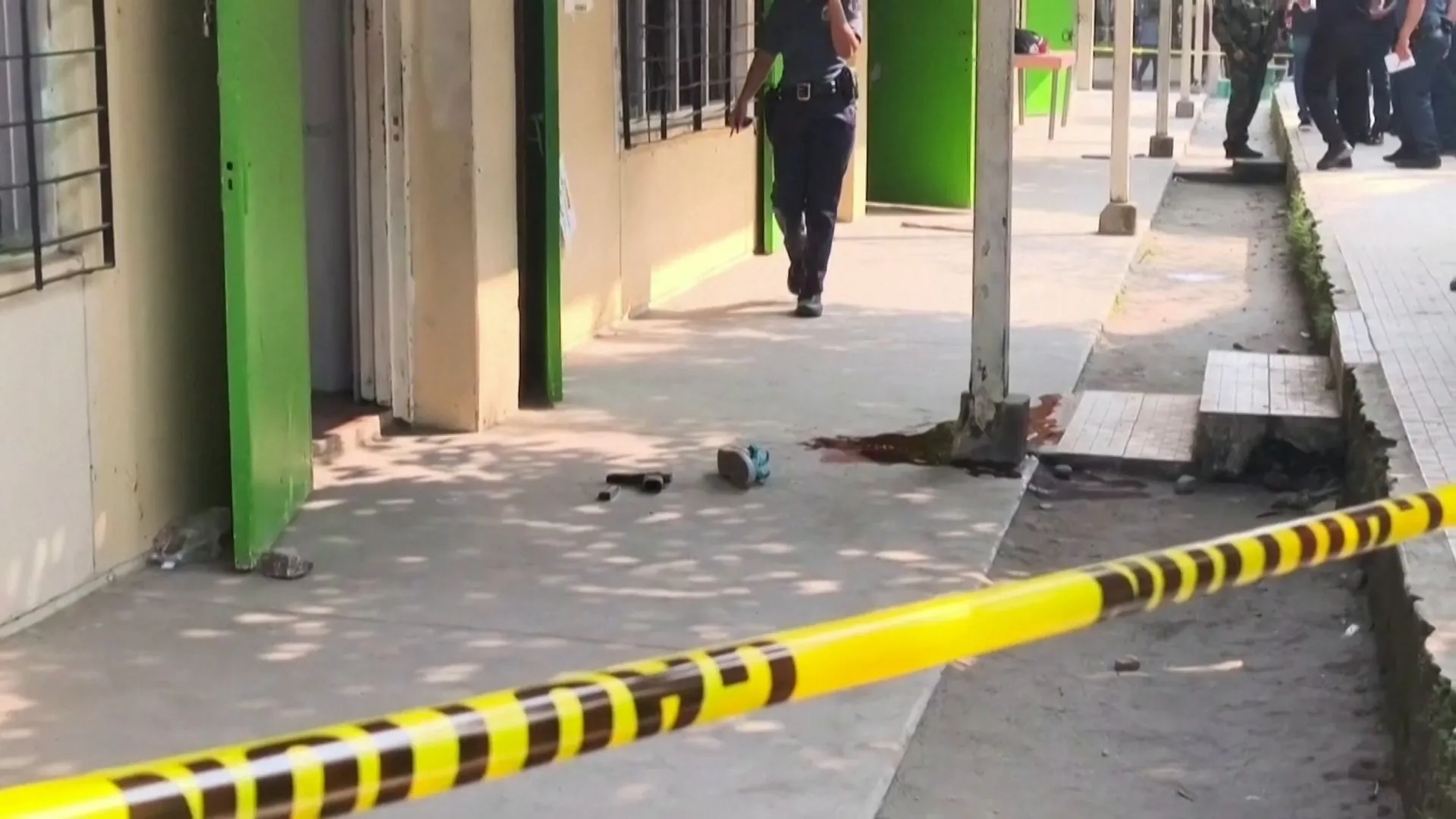
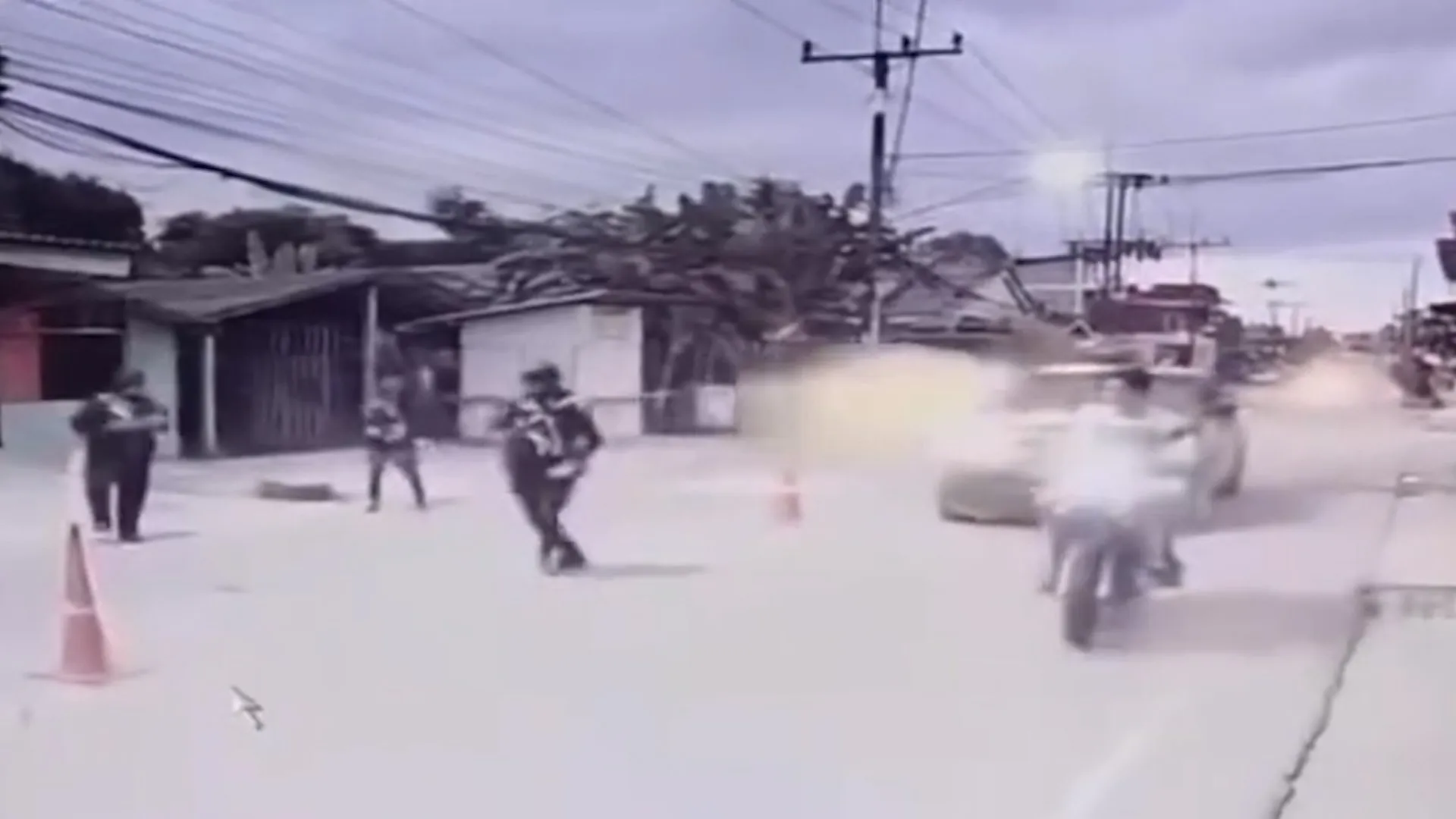
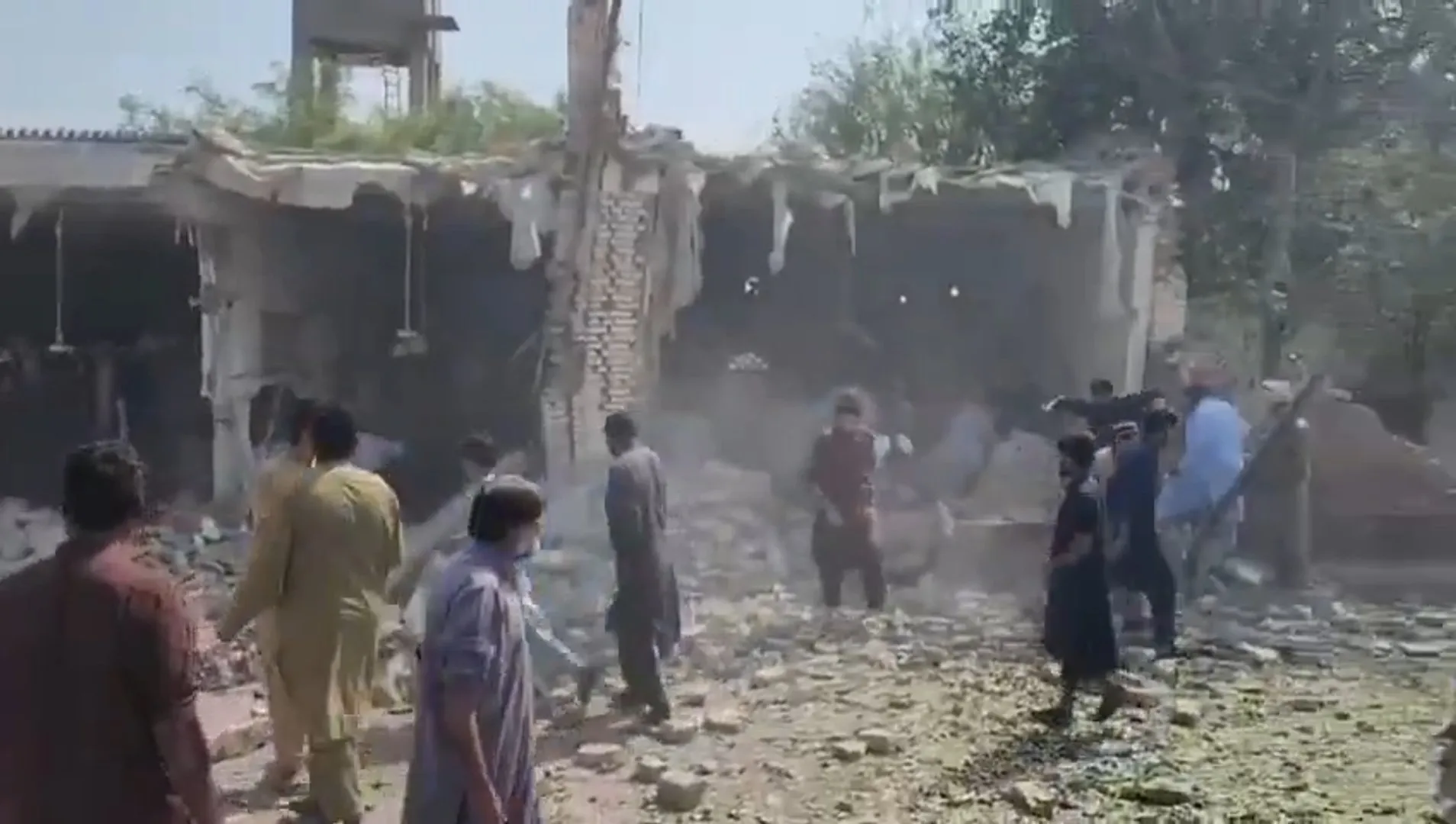
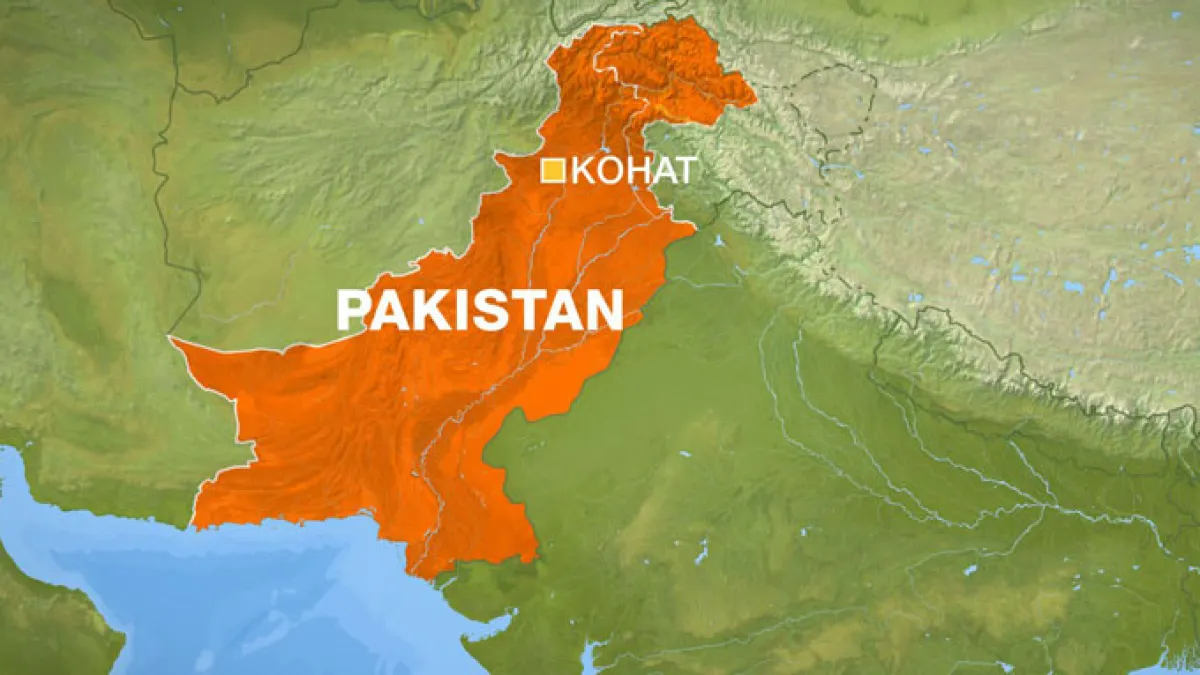
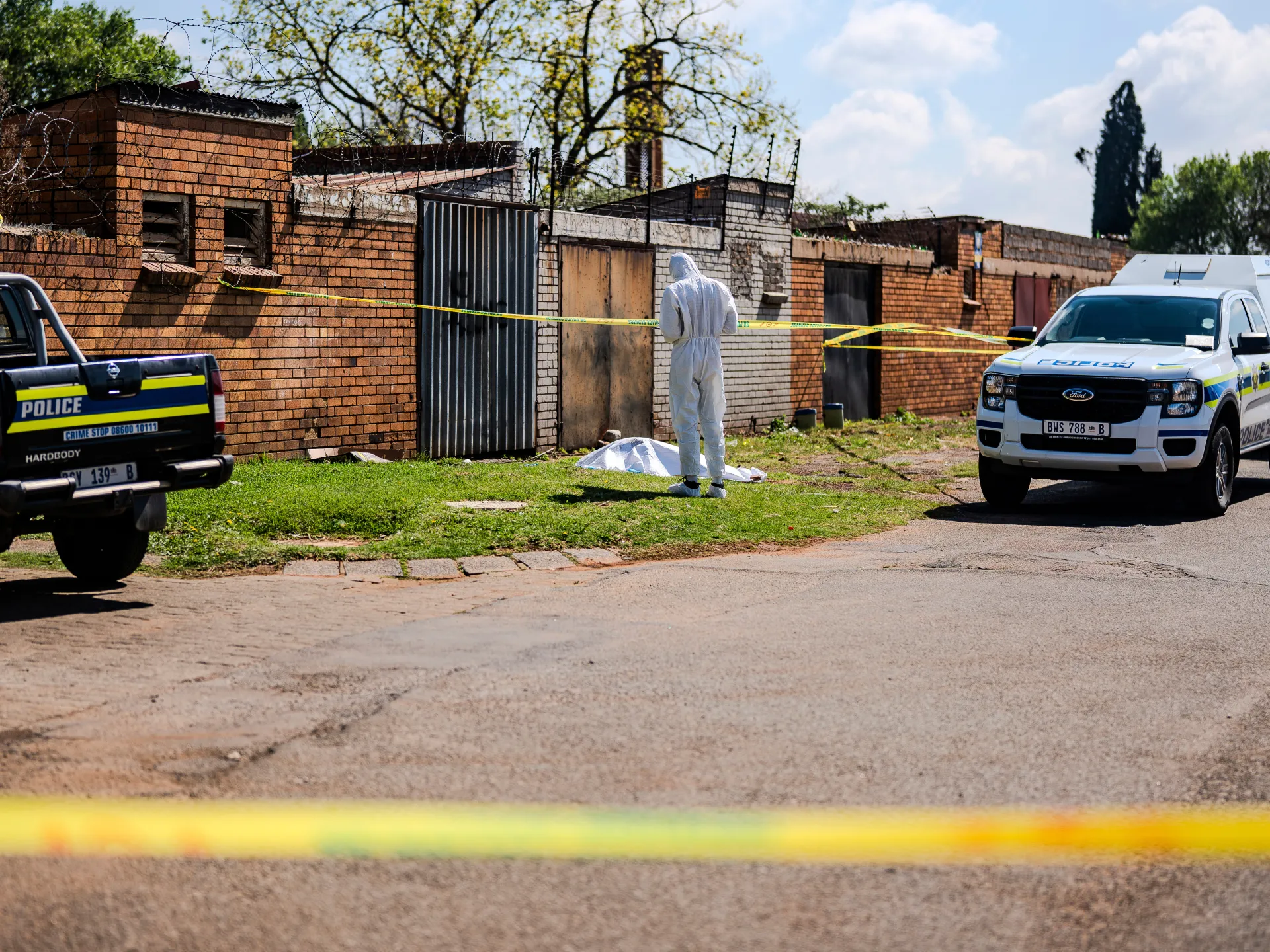
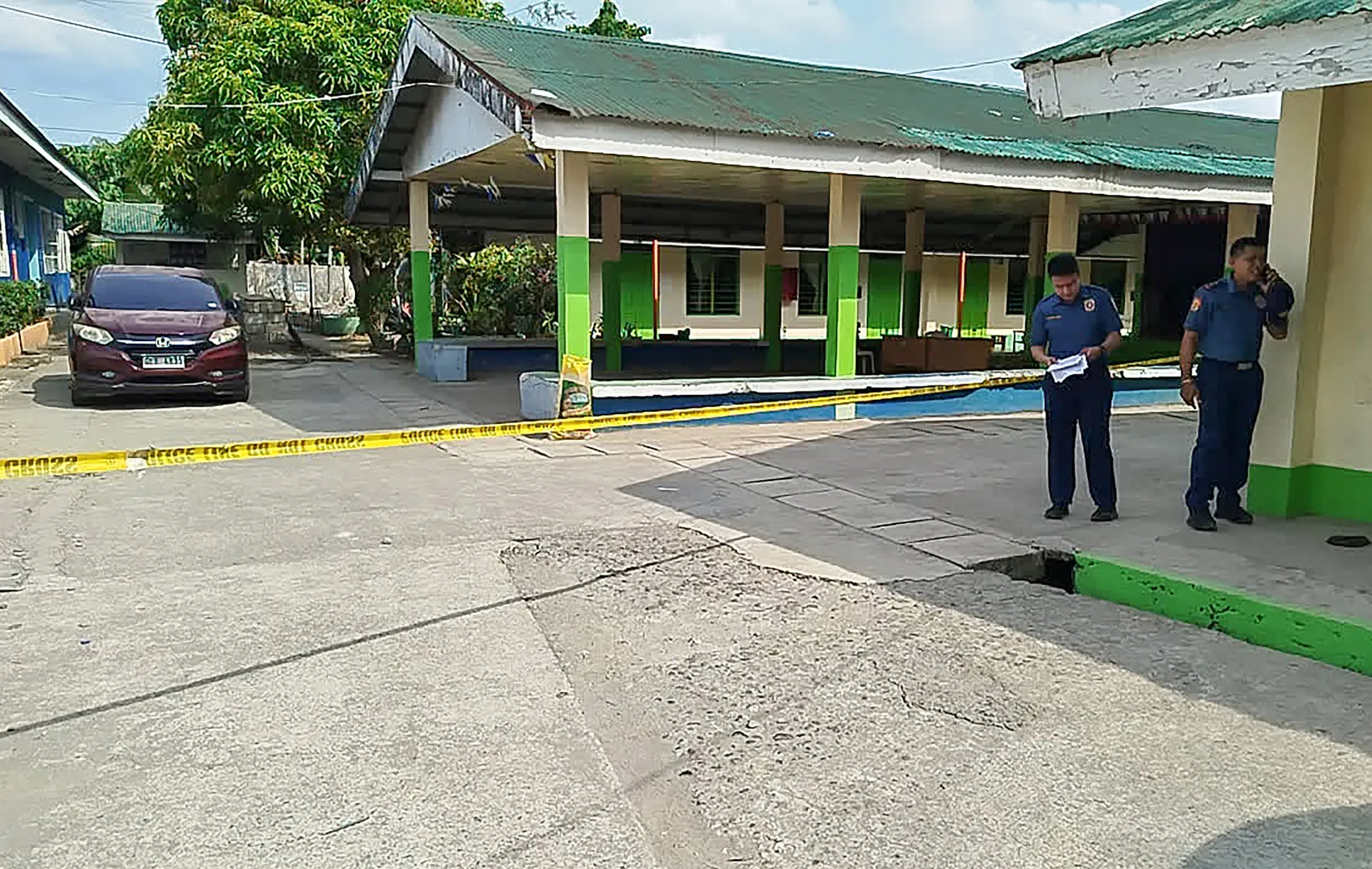
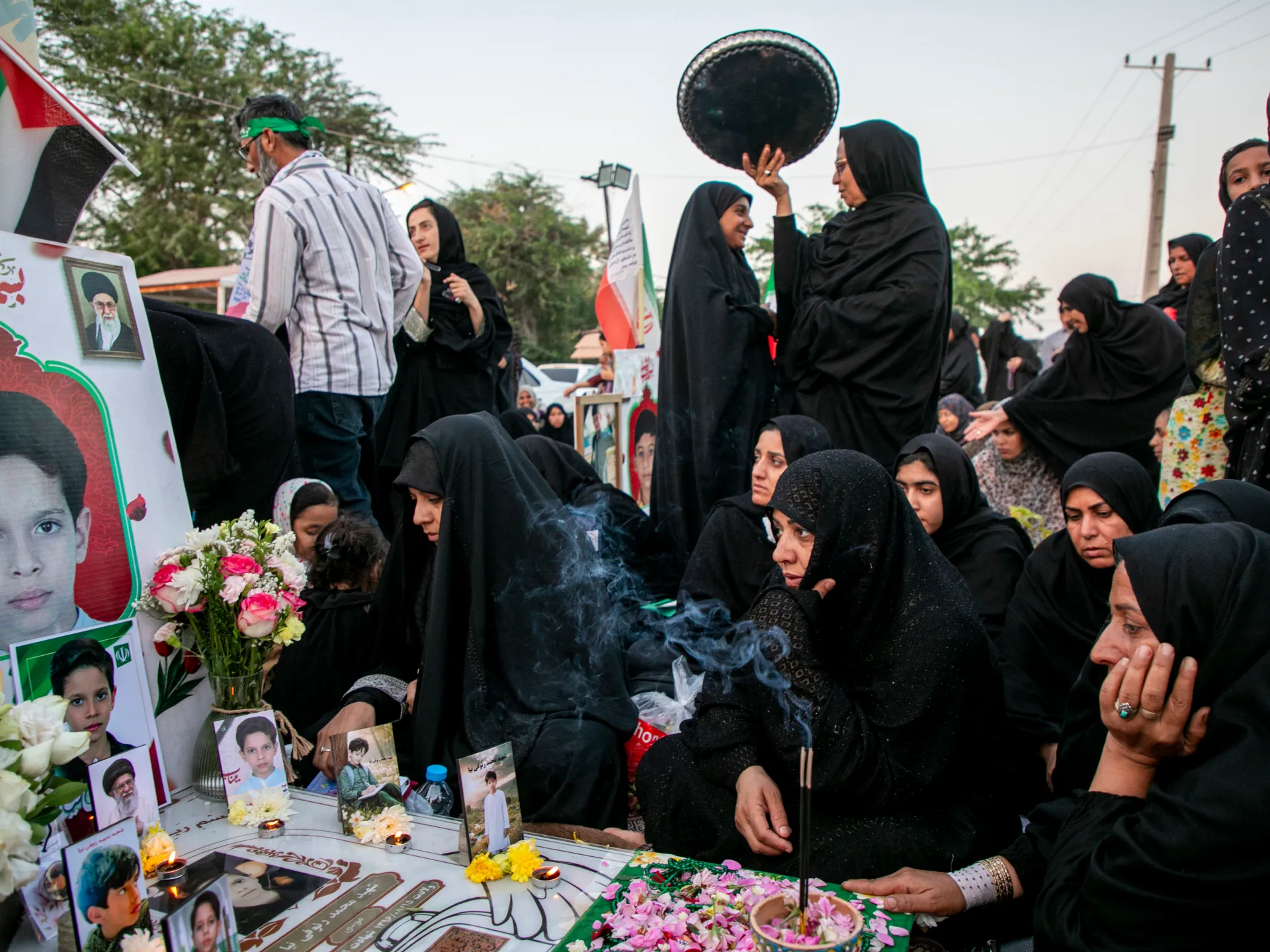
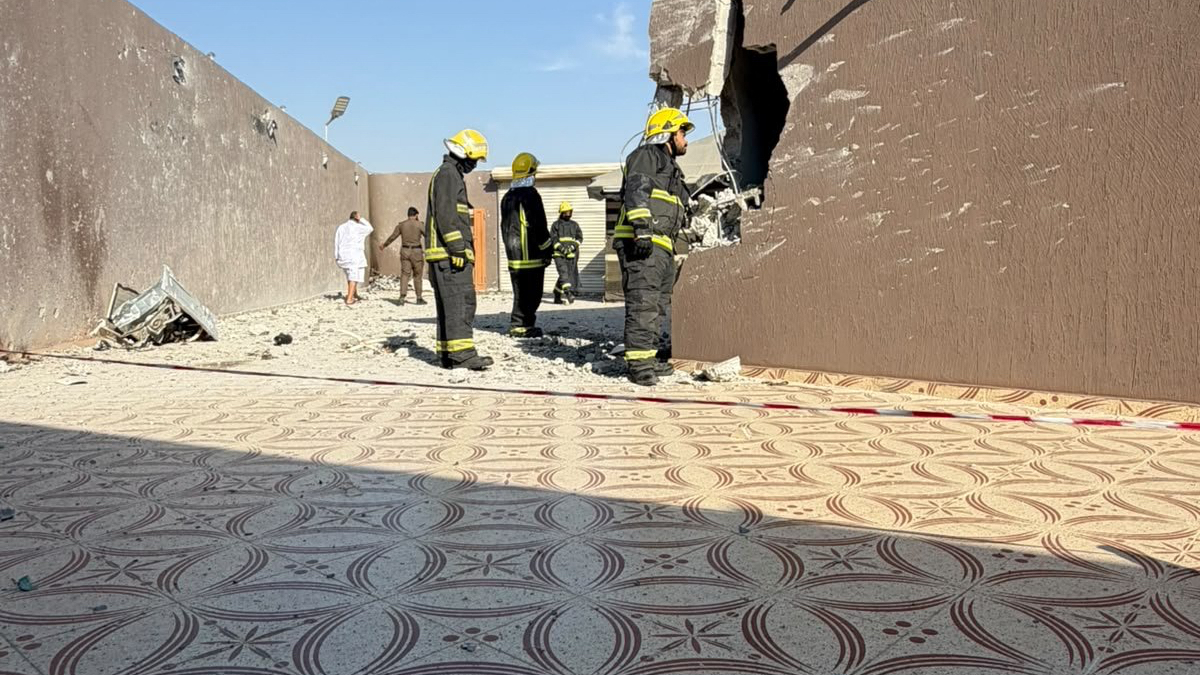
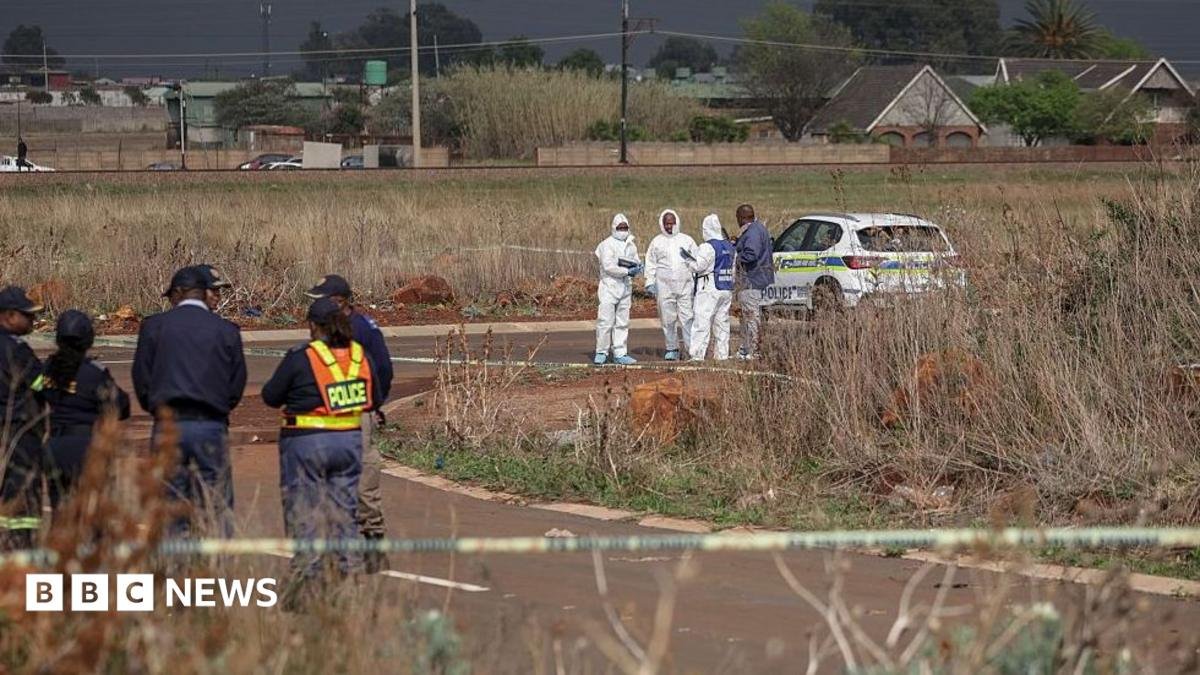
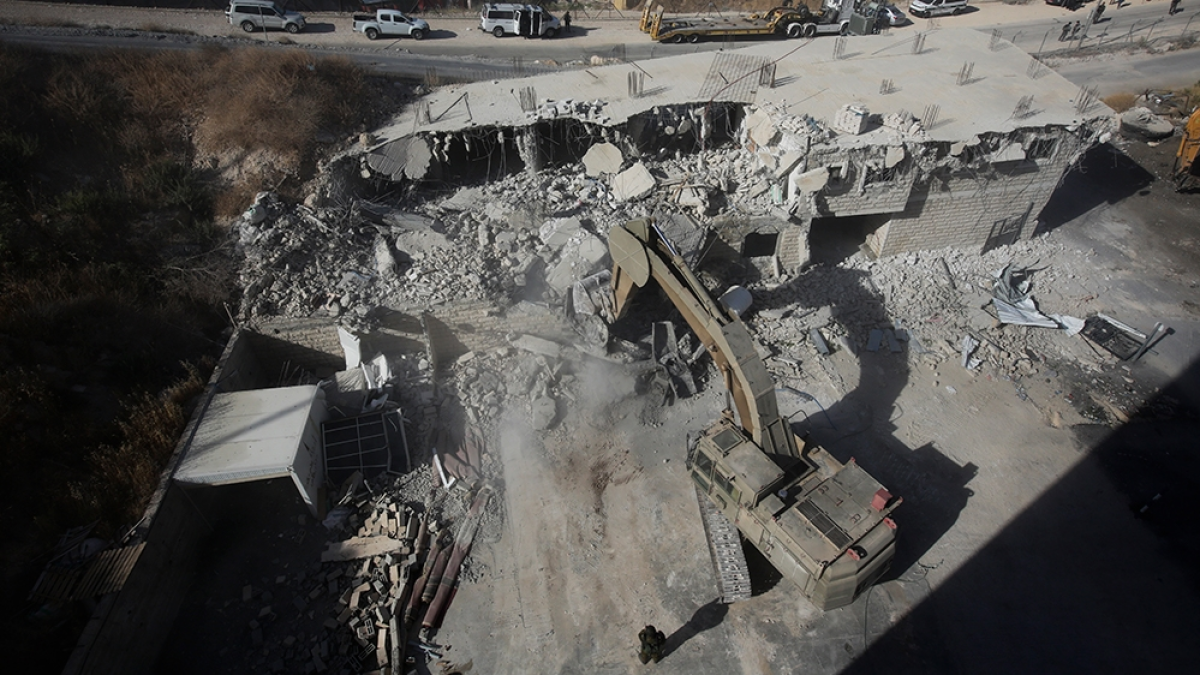
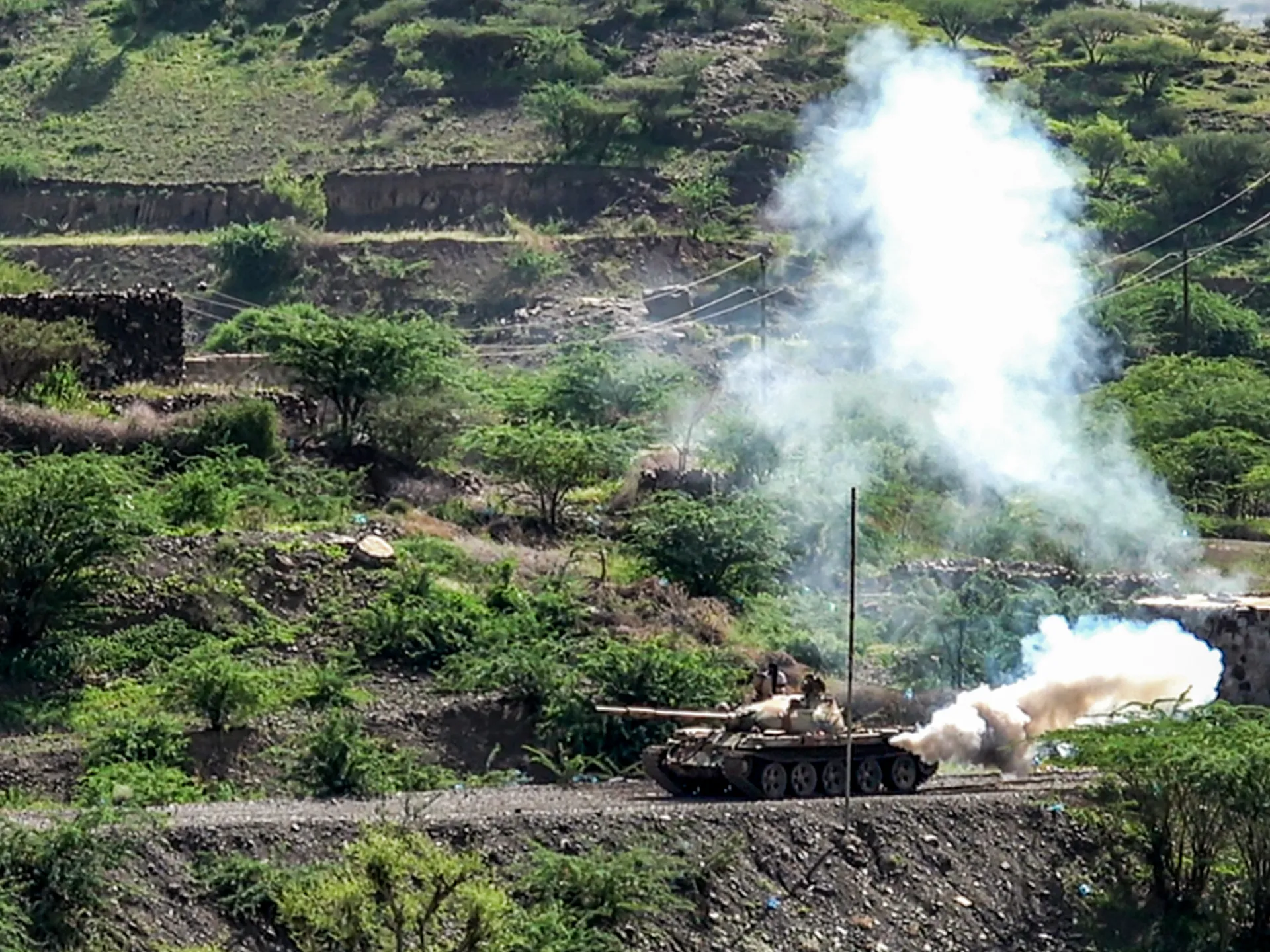
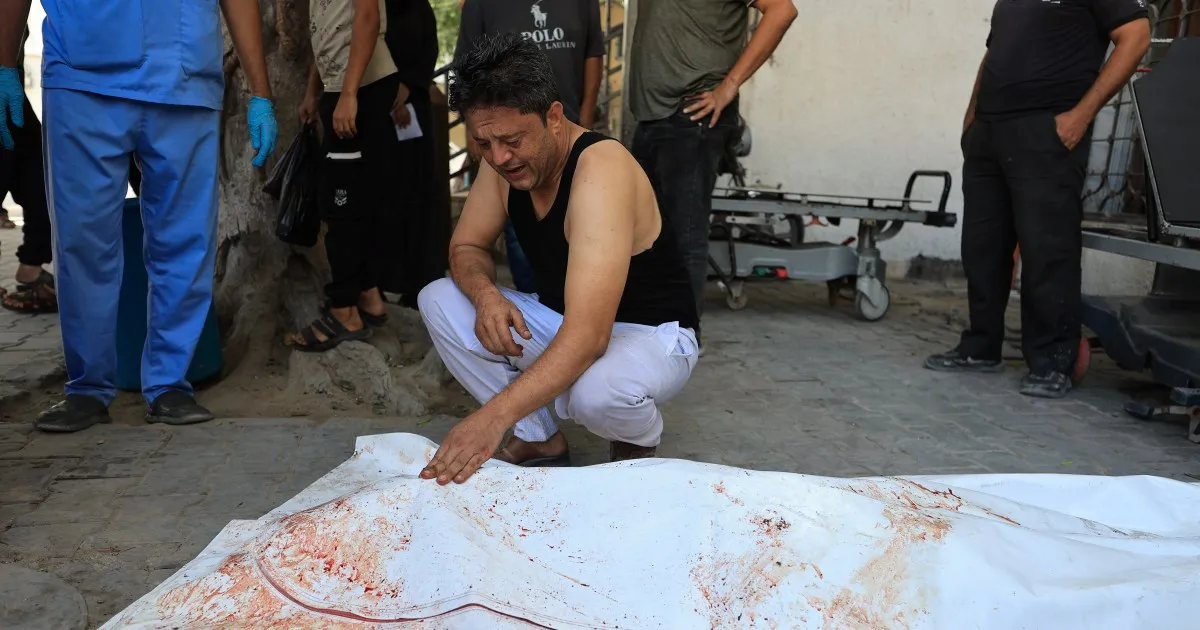
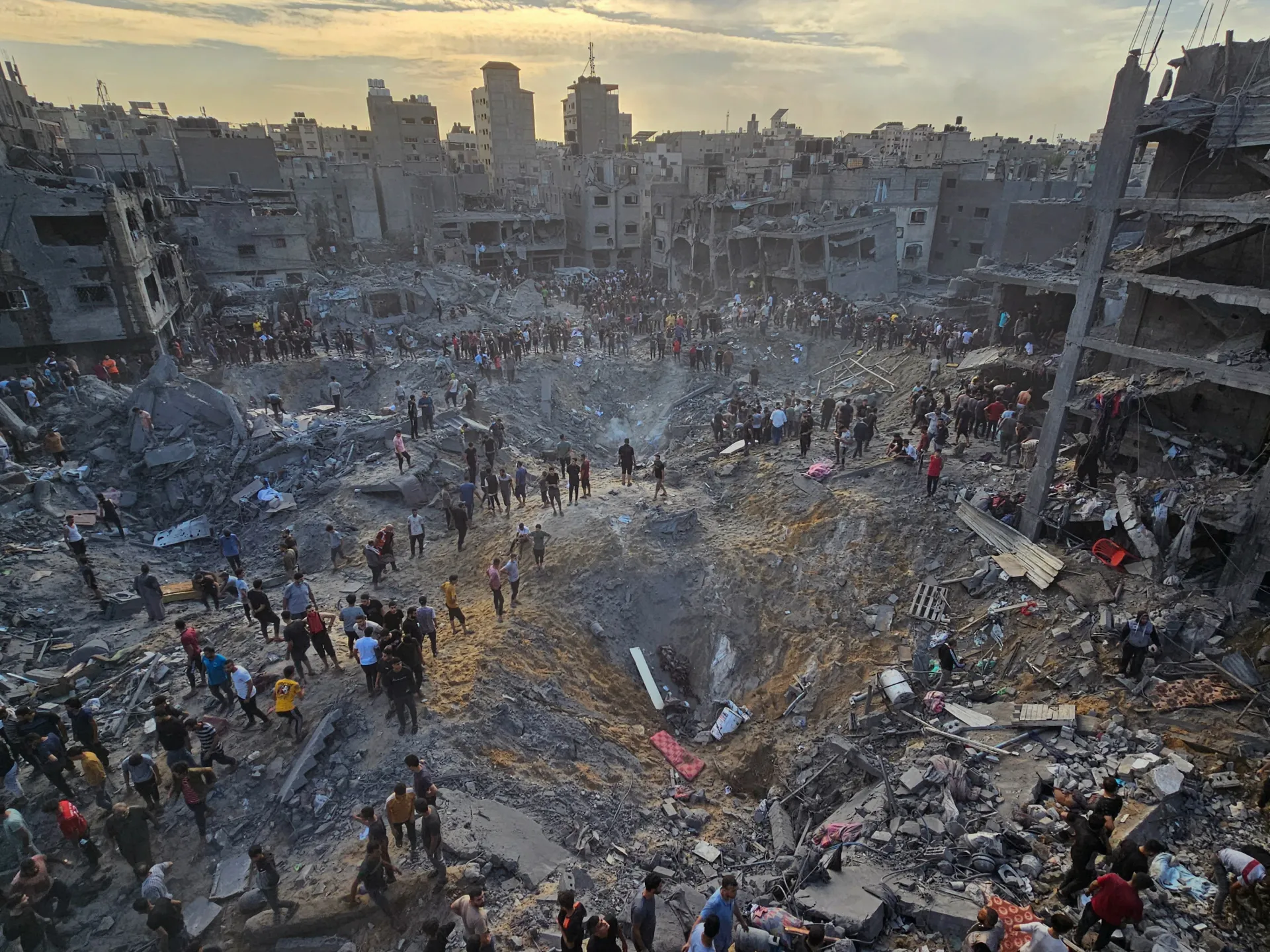
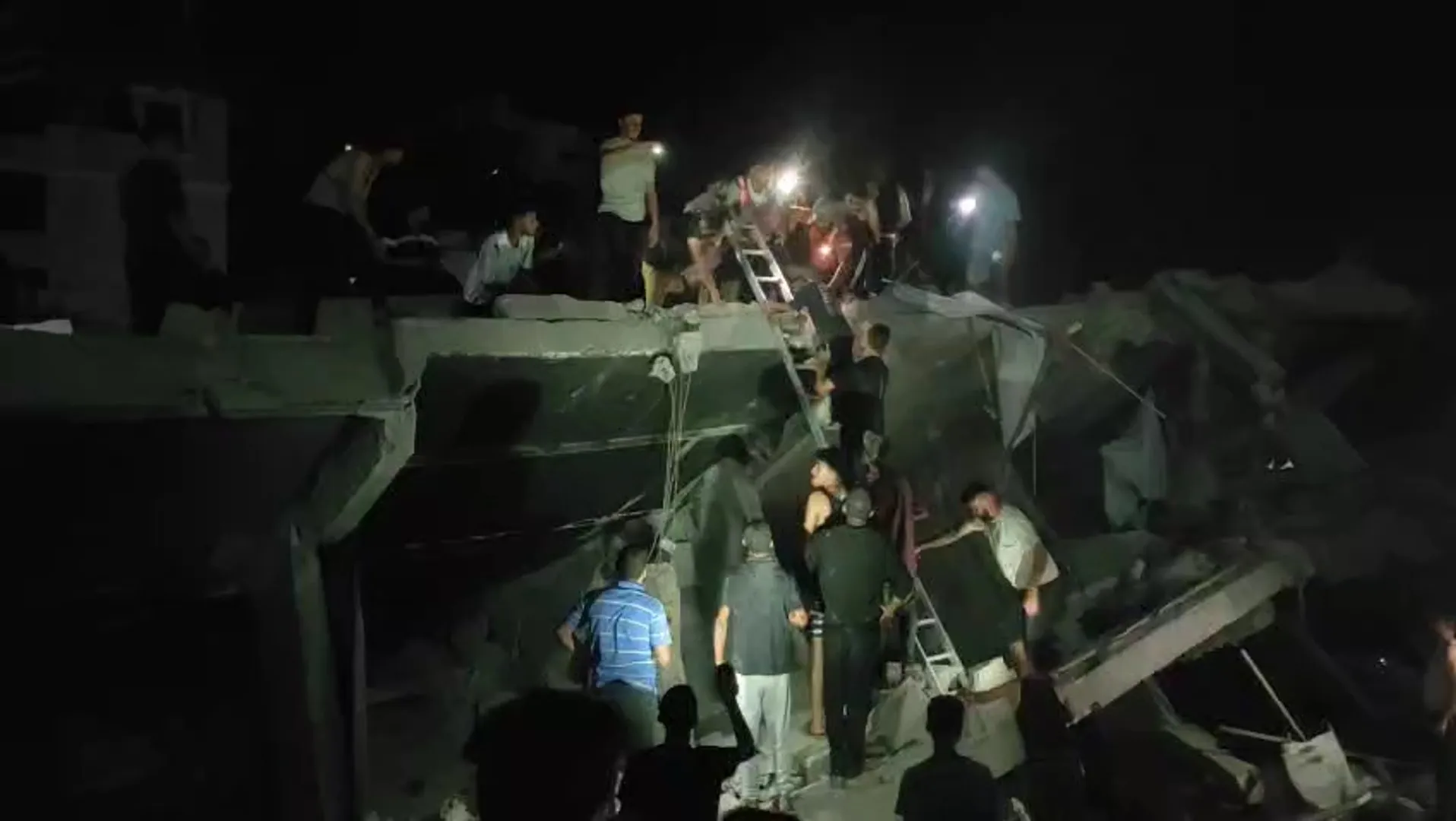
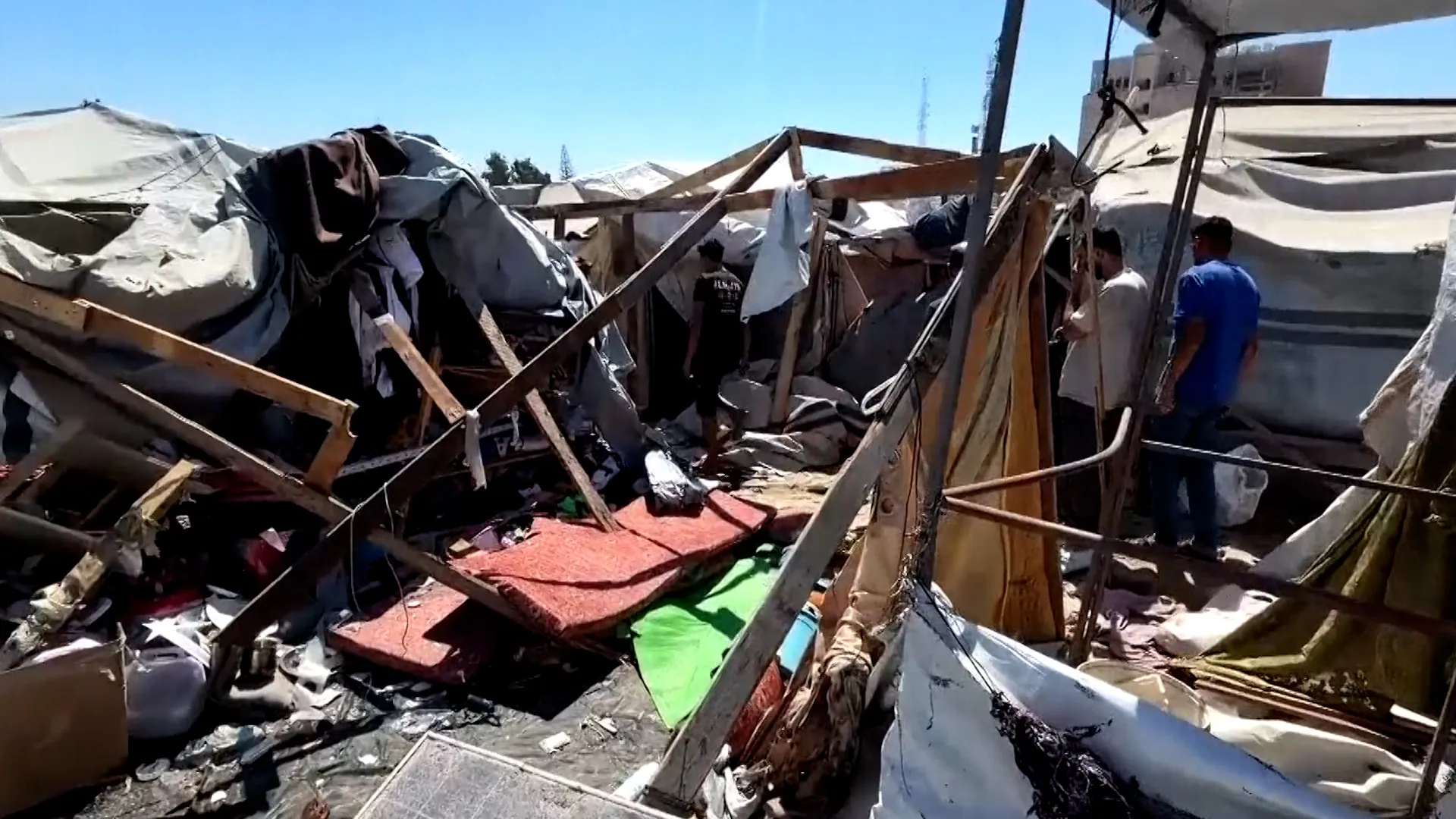
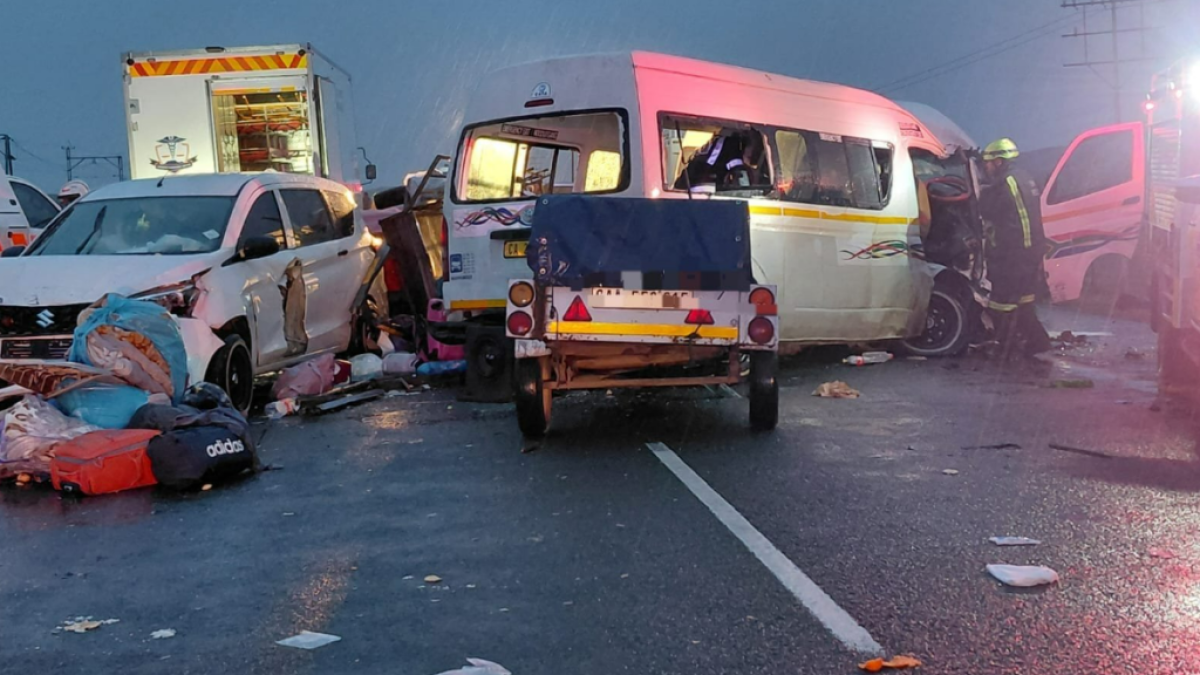
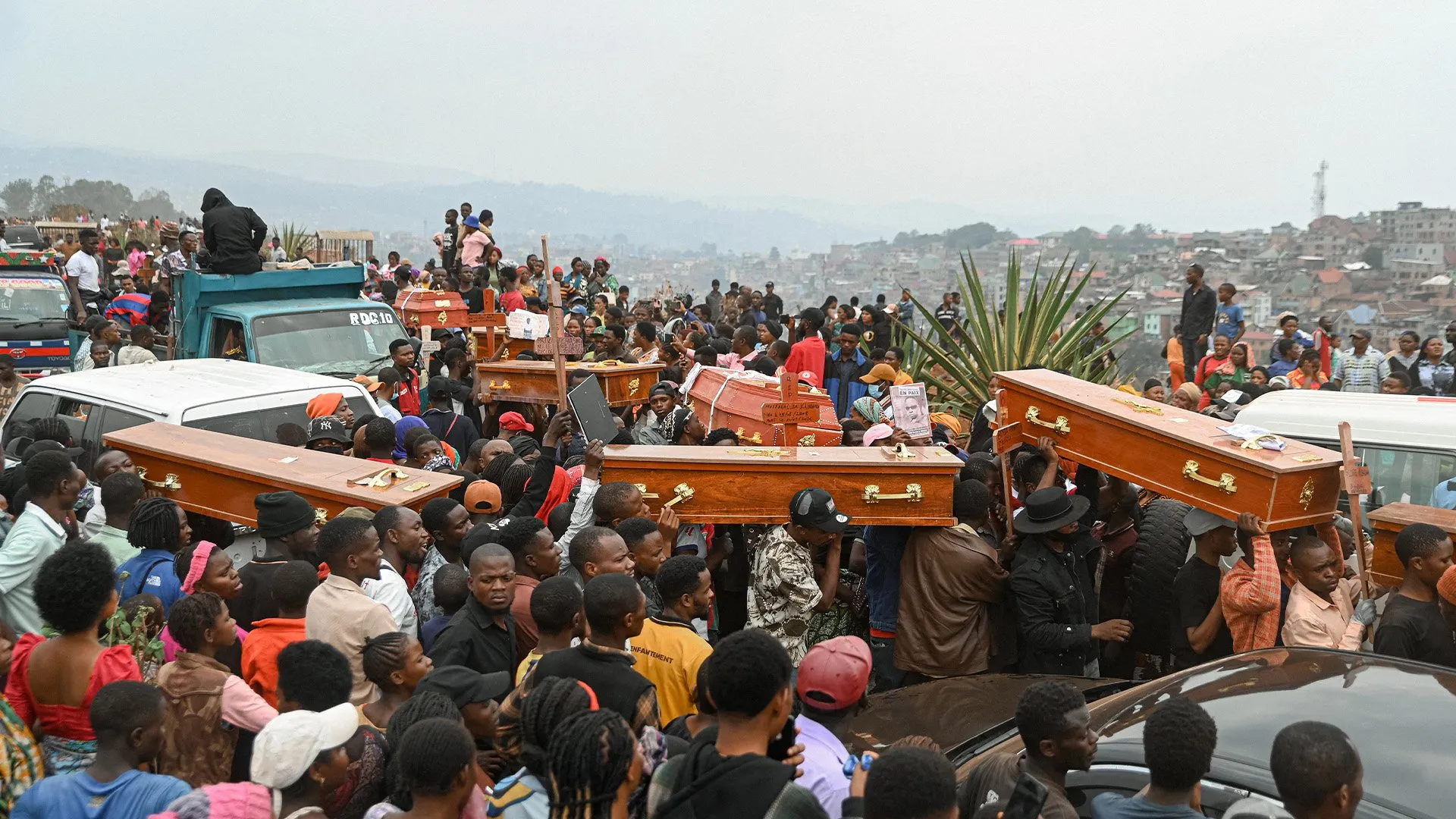
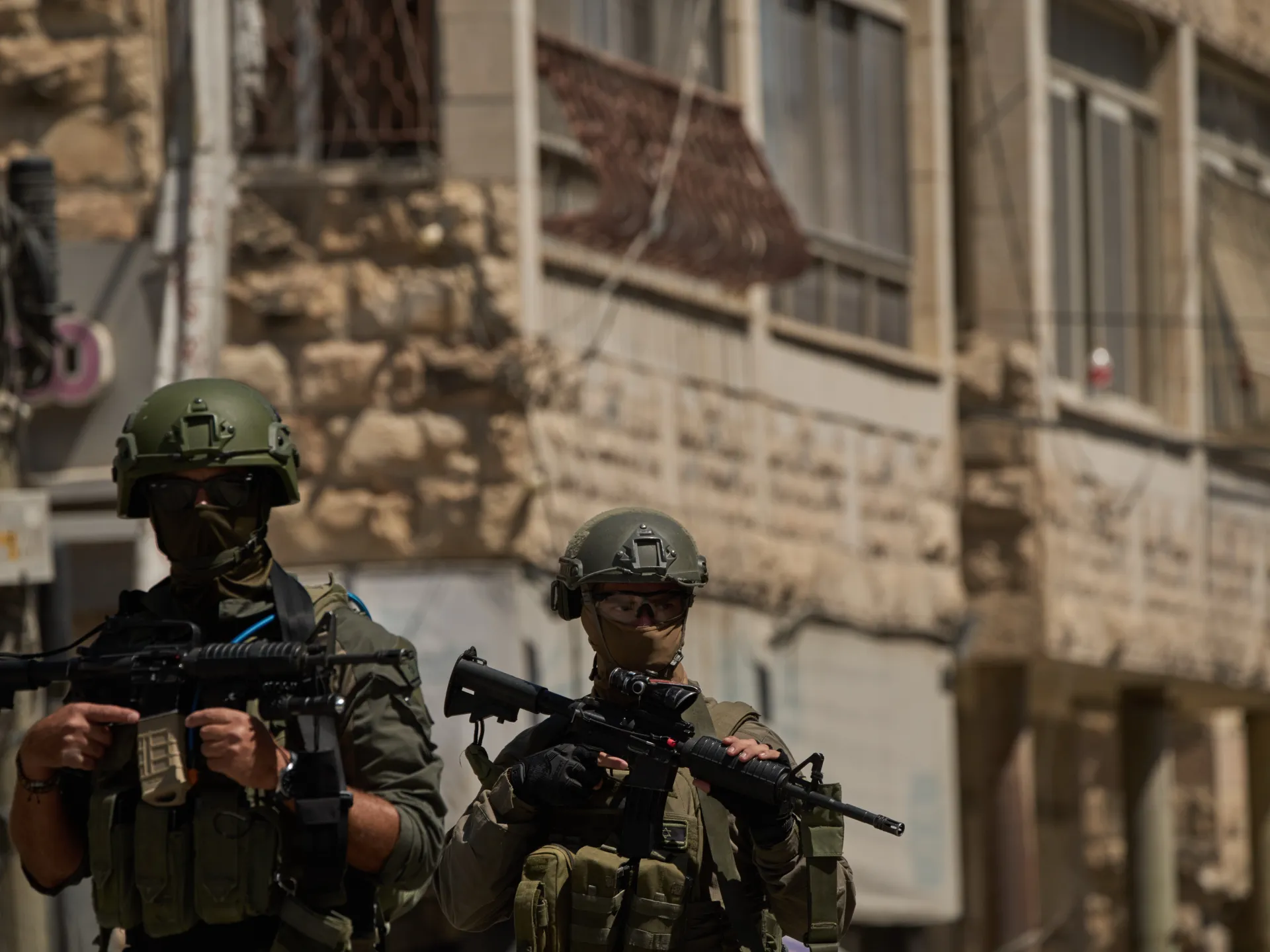
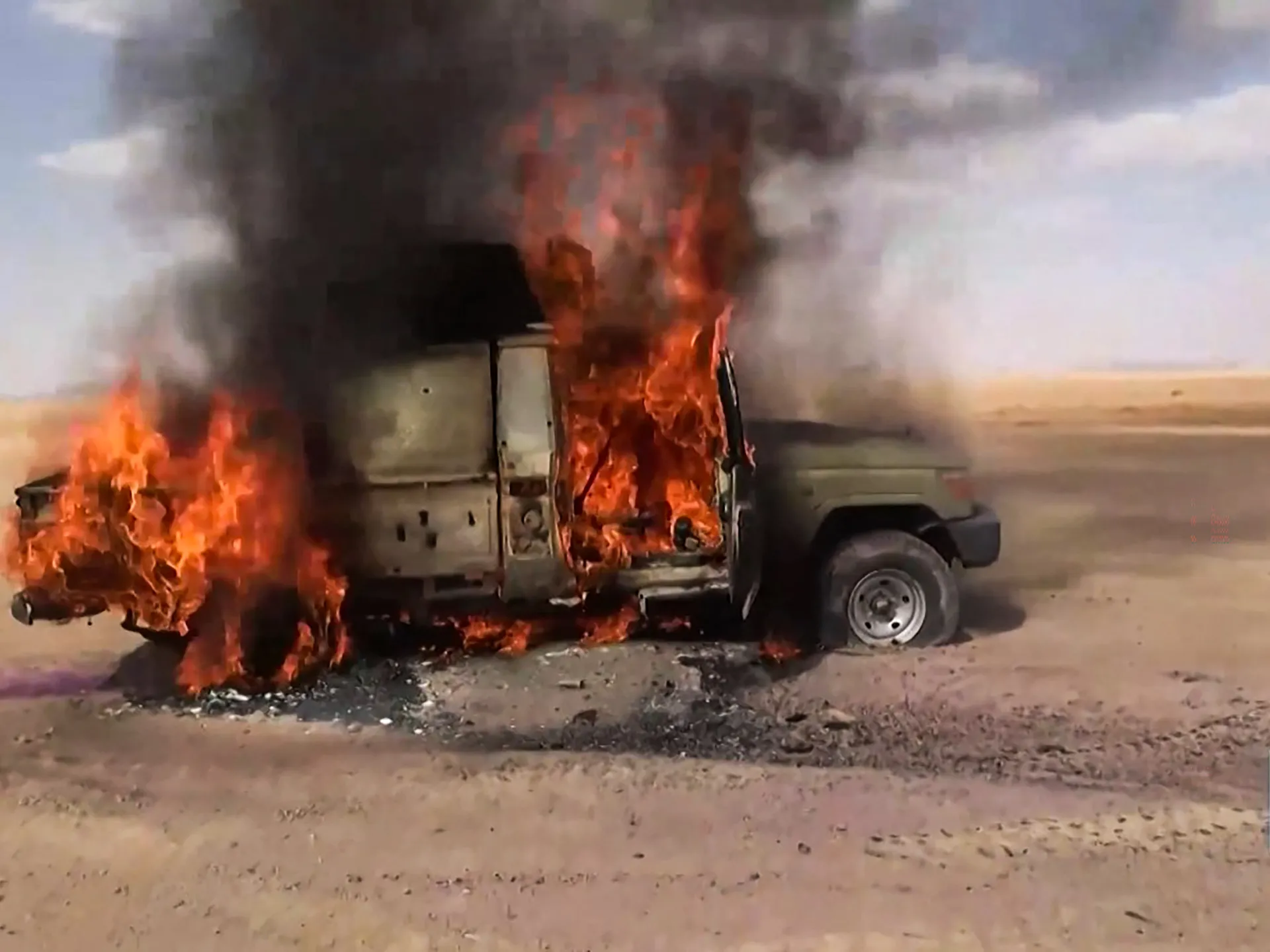
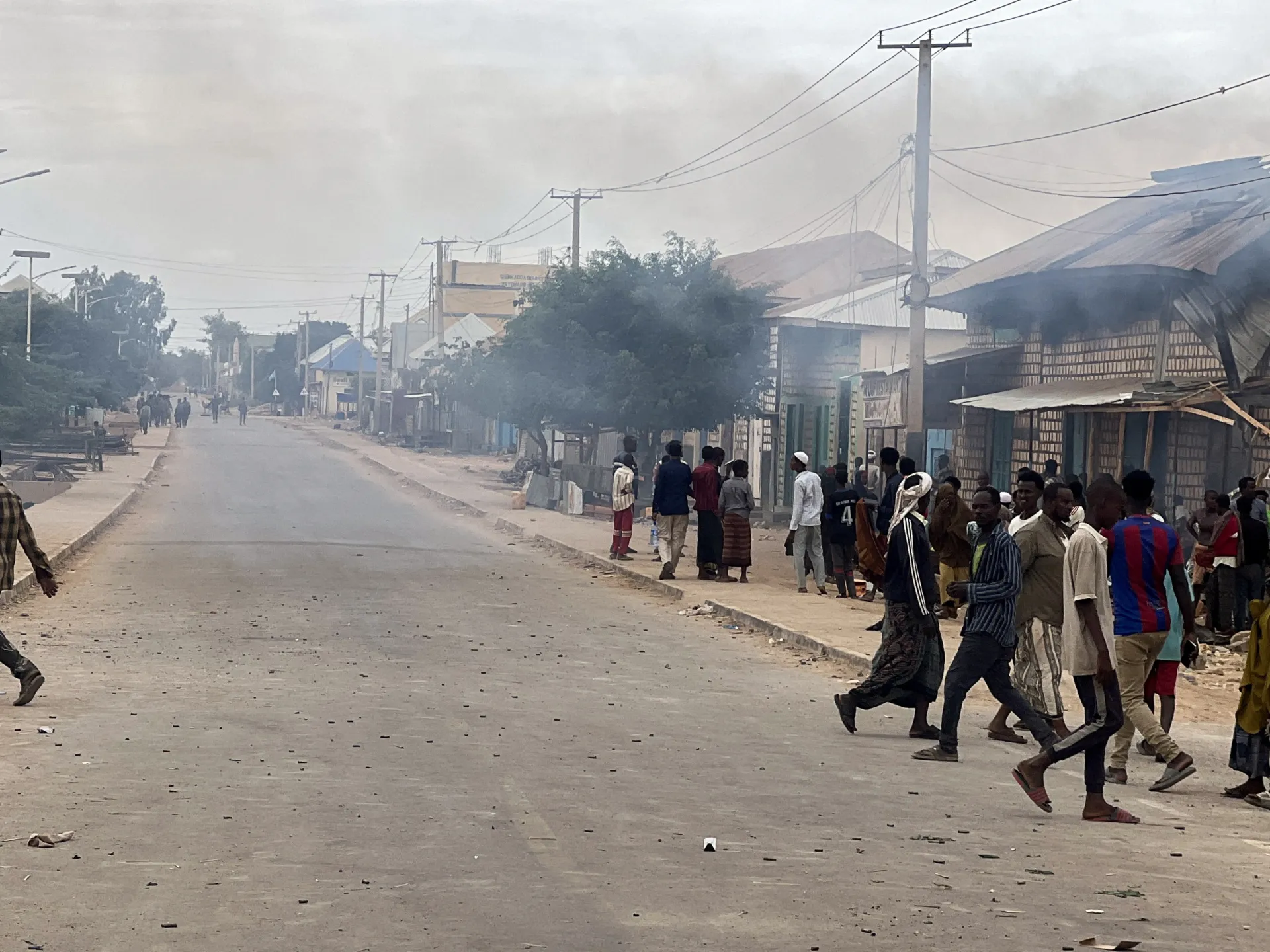
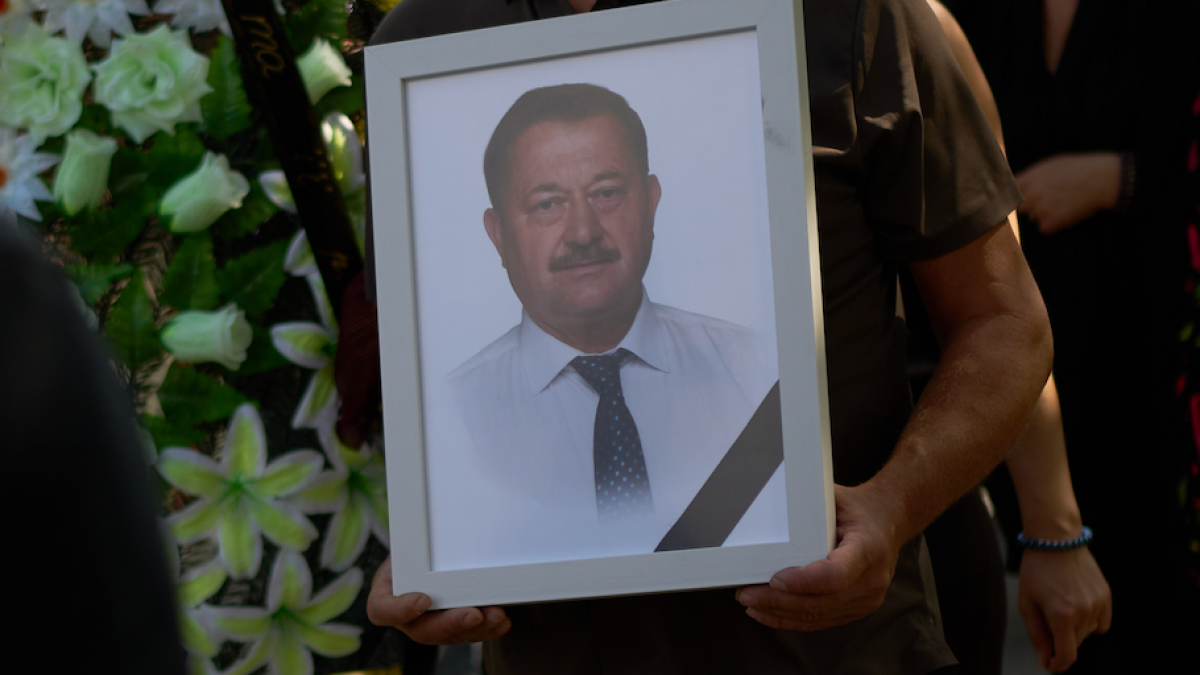
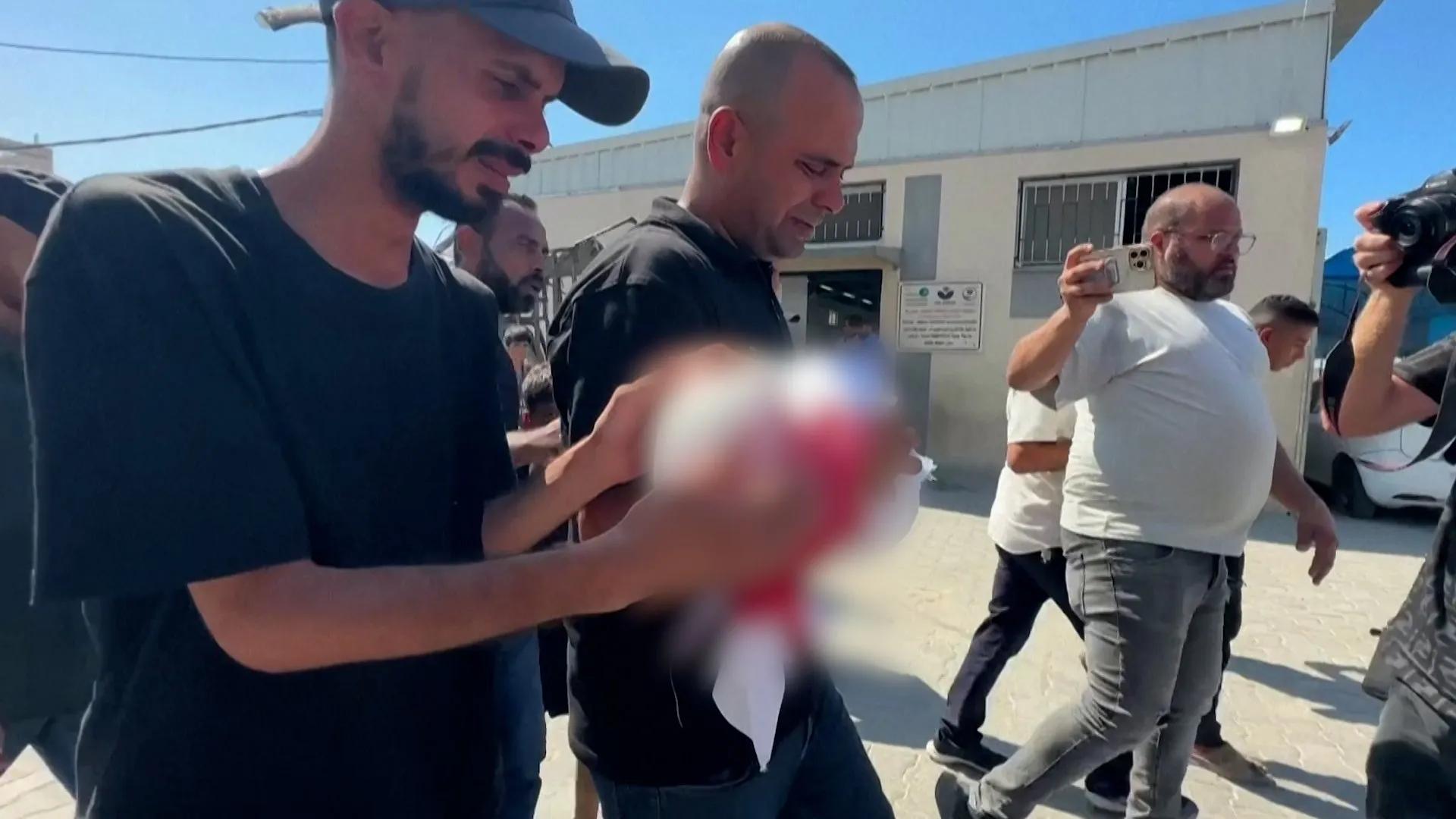
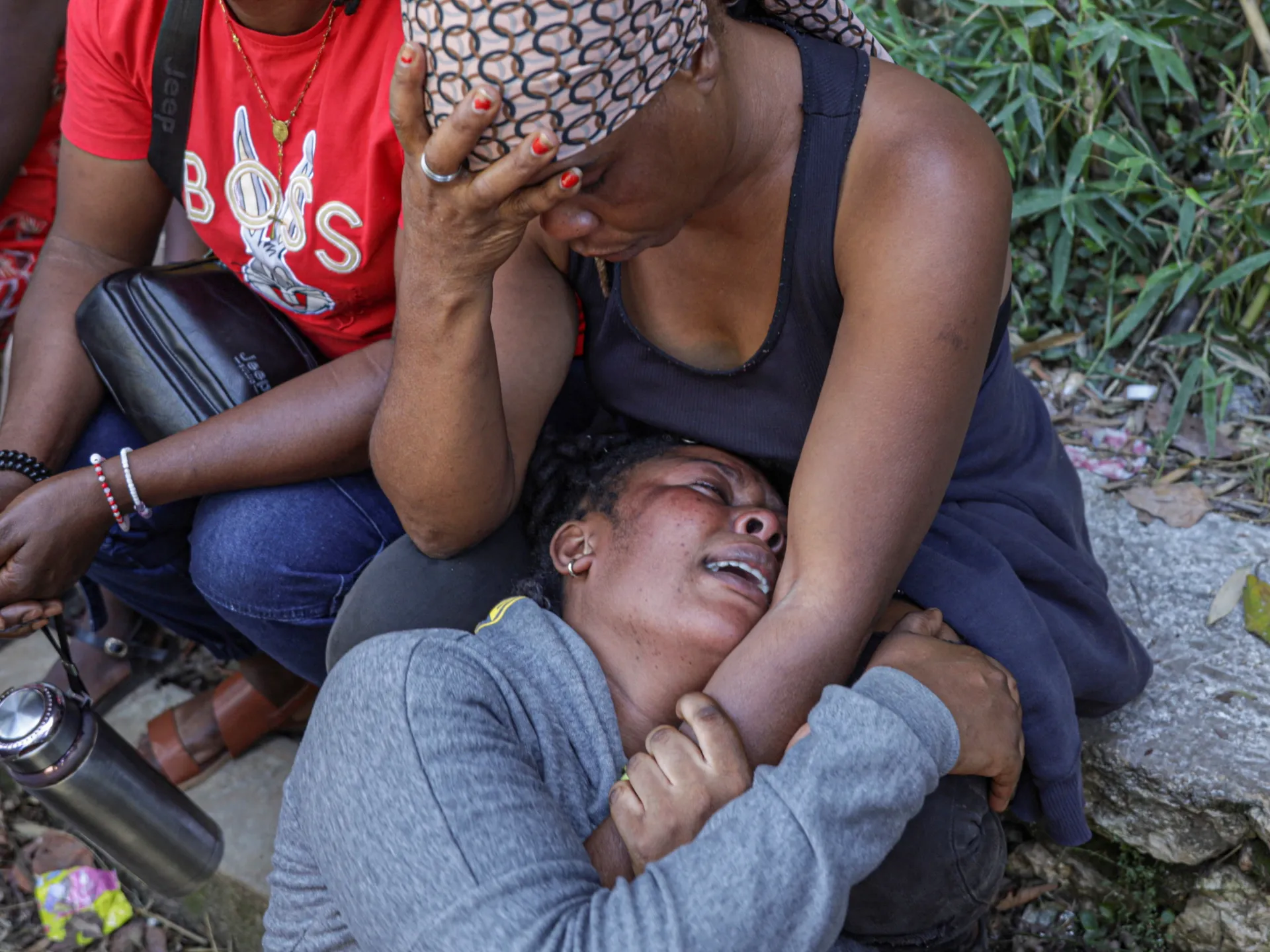
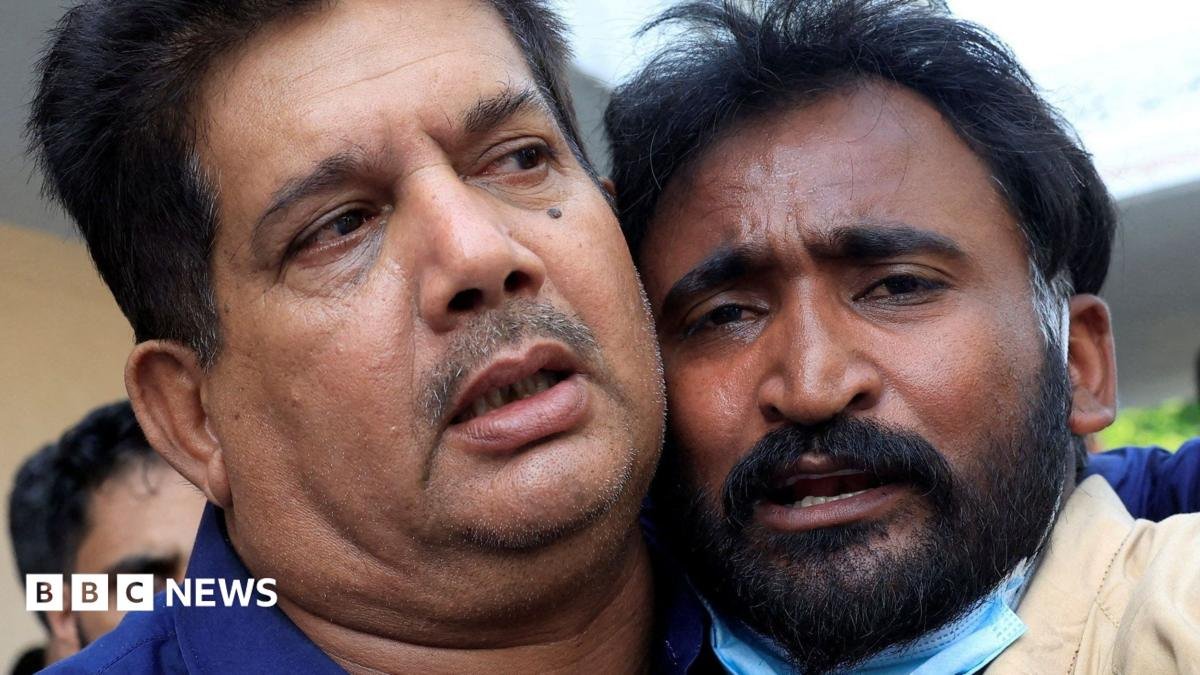
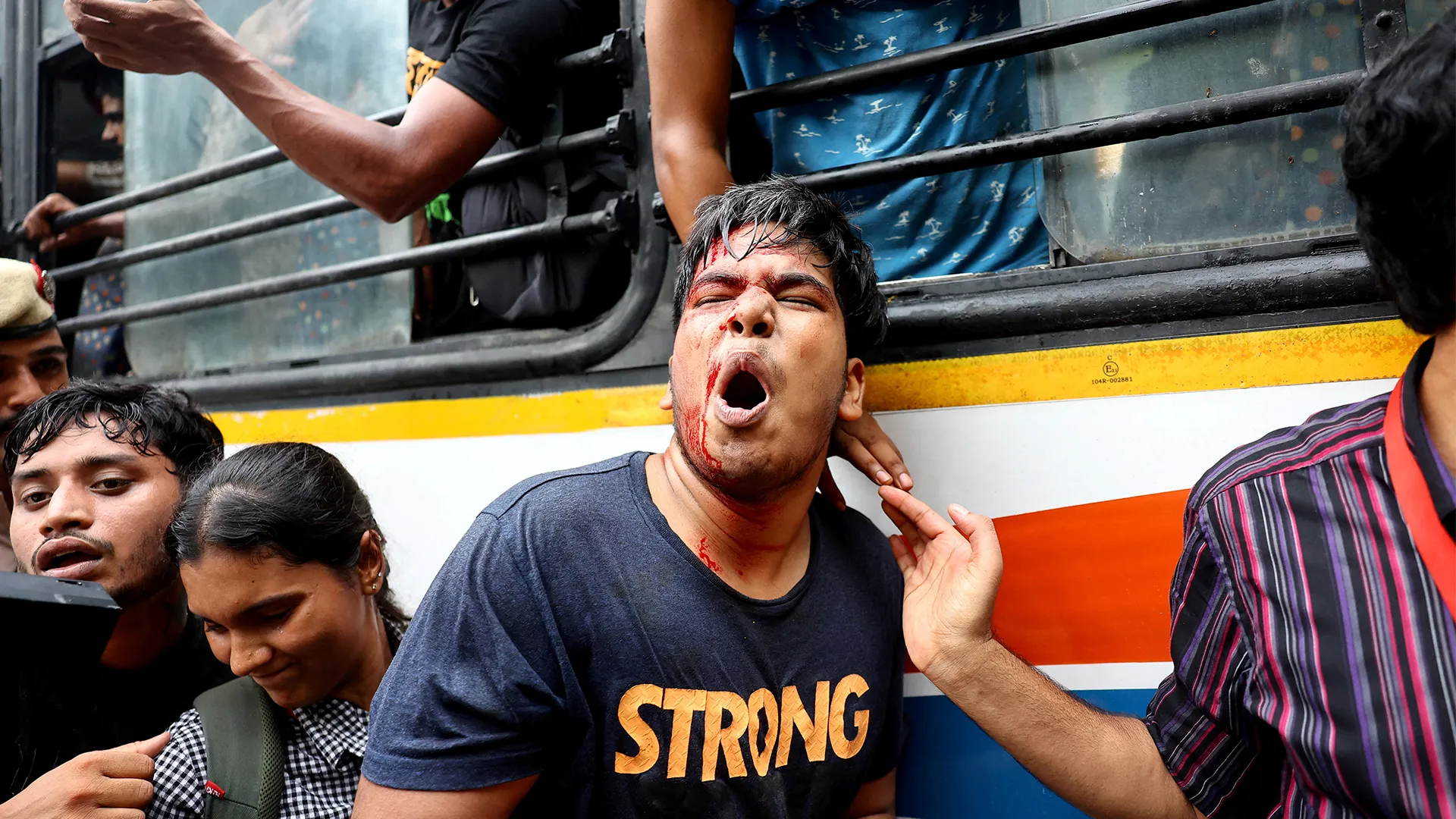
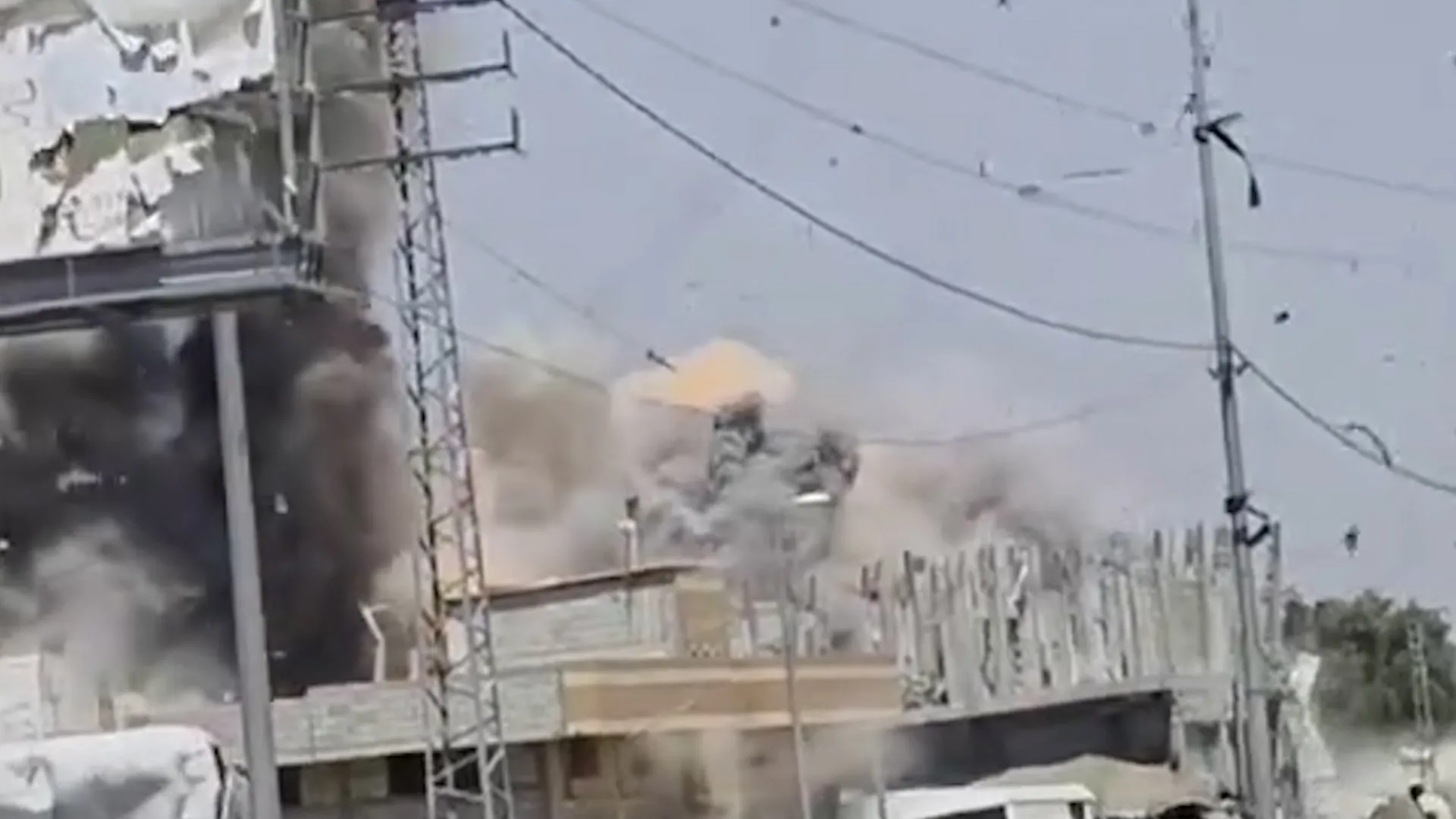
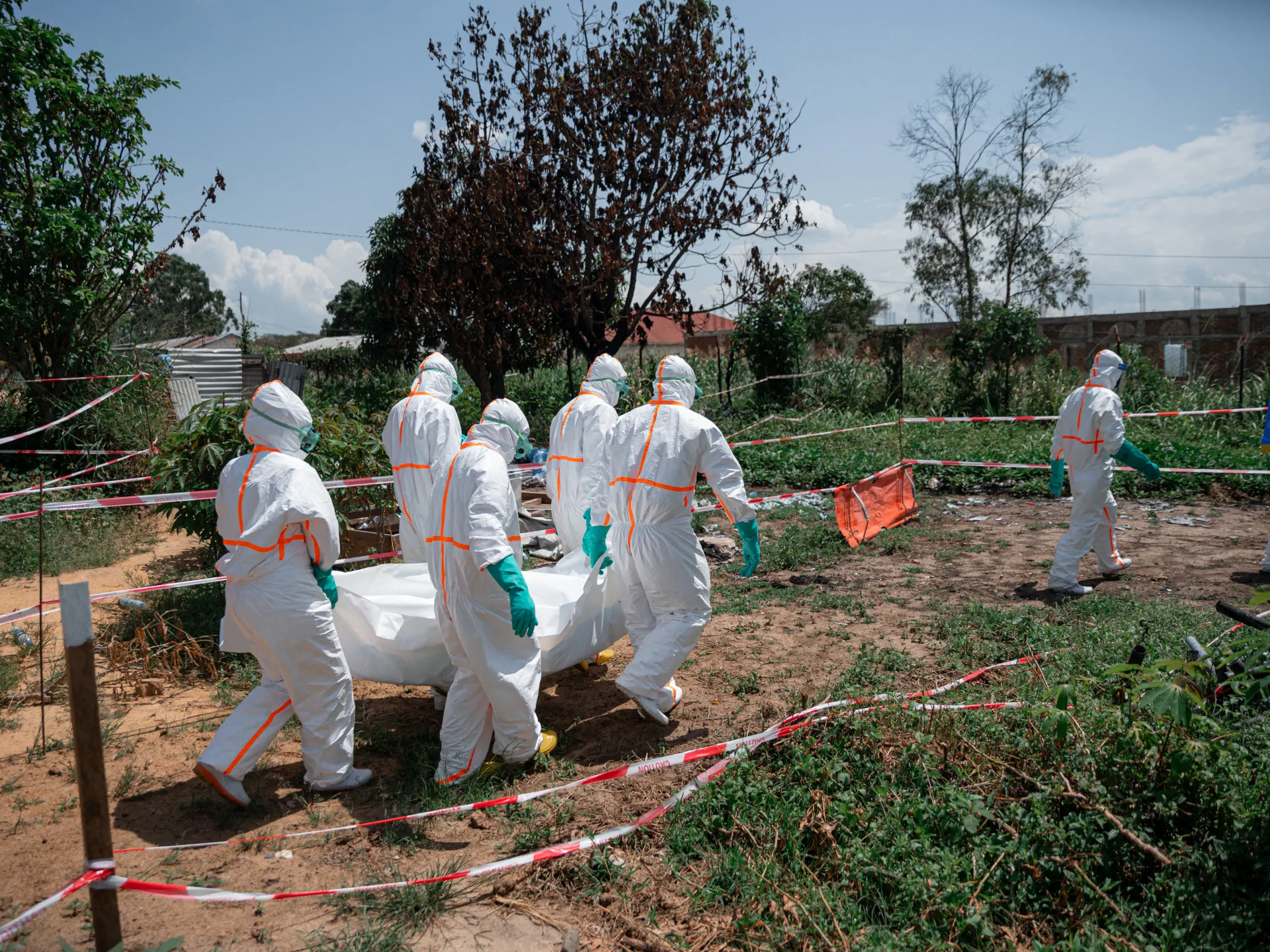
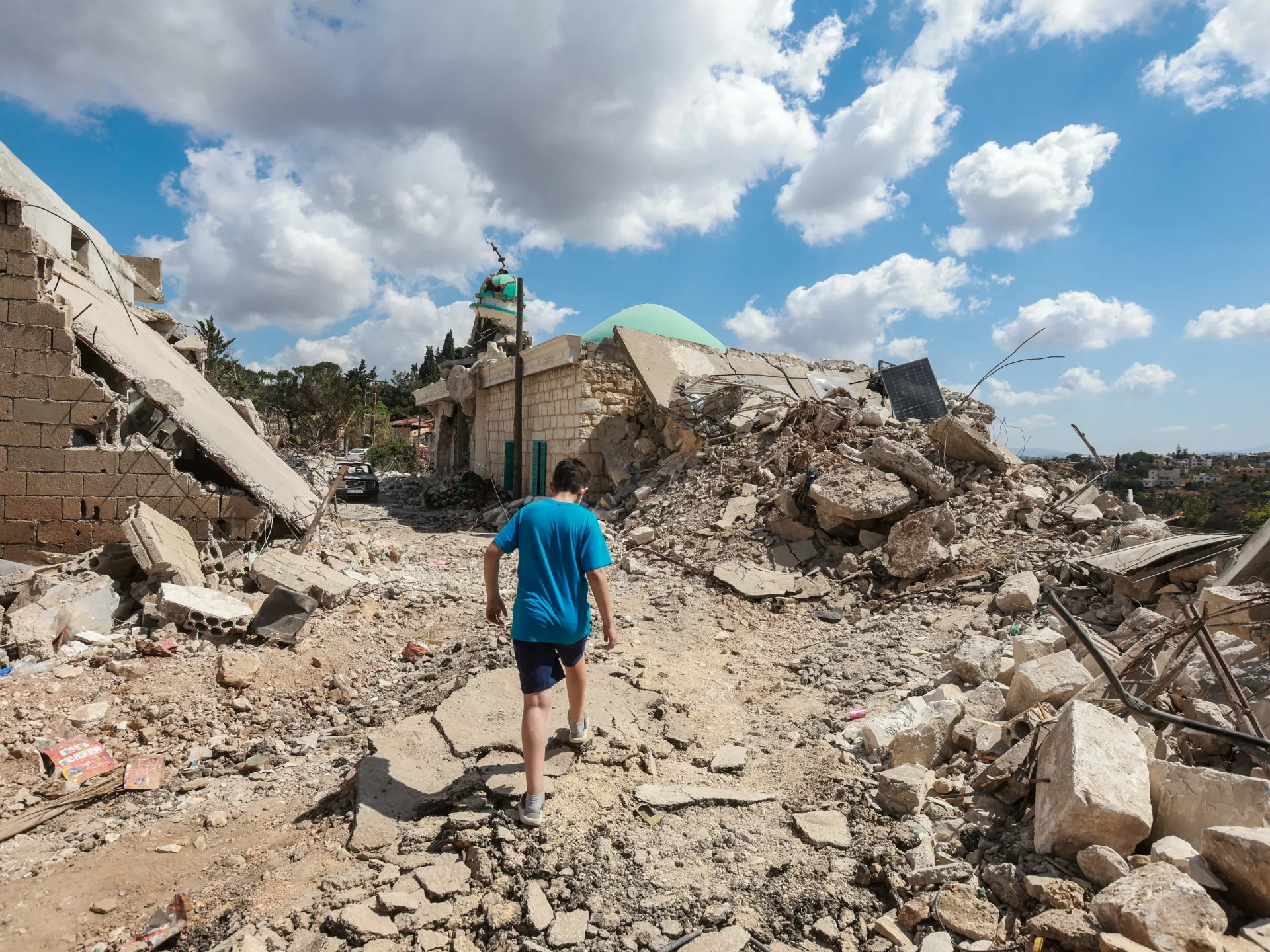
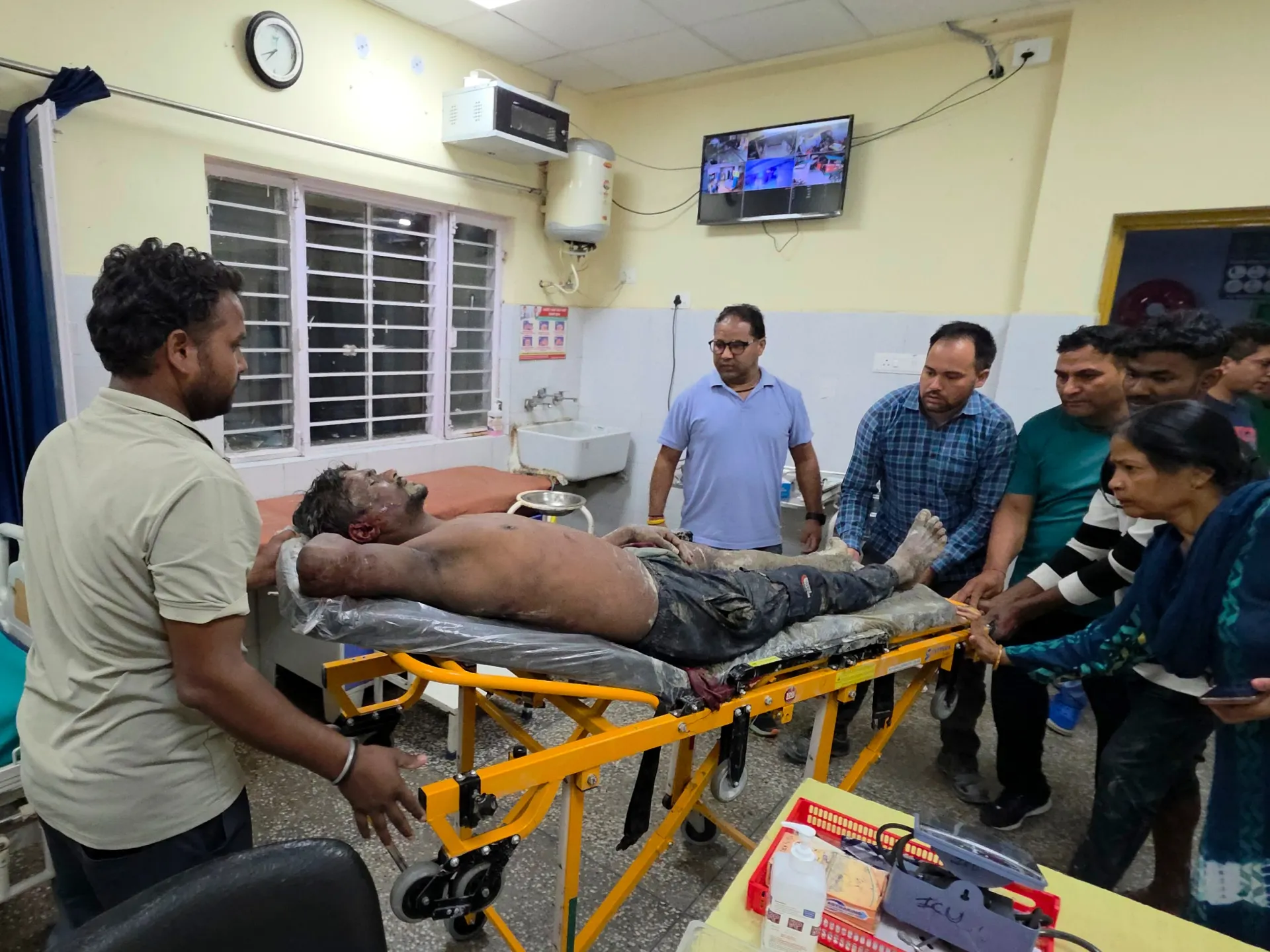
In Pakistan, the situation in Khyber Pakhtunkhwa remains critical following the suicide attack in Kohat. On Friday, a vehicle packed with explosives was driven into a mosque located inside a police compound, coinciding with the gathering of congregants for prayers. The resulting explosion and subsequent firefight between militants and police left at least 21 dead, according to official reports, though some earlier figures estimated 16 fatalities. More than 100 individuals were injured in the assault.
Khyber Pakhtunkhwa police have formally blamed a faction of the Tehrik-e-Taliban Pakistan (TTP) for the carnage, vowing to dismantle the group. The attack represents a significant escalation in the ongoing struggle between Islamabad and militant factions that the government accuses of operating from safe havens in Afghanistan. While the Afghan Taliban government continues to reject these allegations, the frequency and severity of these attacks continue to place immense pressure on the diplomatic and security relationship between the two nations.
The immediate aftermath of these attacks will likely involve an intensified security posture in both Moscow and Khyber Pakhtunkhwa. In Russia, the administration will almost certainly use the drone strike as a justification for further domestic crackdowns and a potential hardening of its rhetoric against Kyiv. It remains to be seen whether this will prompt the Kremlin to consider further military mobilization, a step the government has been actively trying to avoid to prevent domestic unrest.
For Pakistan, the focus will likely shift to a renewed counter-terrorism offensive. Given the high-profile nature of the mosque bombing, the state will be under significant pressure to provide a kinetic response to restore public confidence. This could exacerbate already strained relations between Islamabad and Kabul, as Pakistan continues to demand that the Afghan authorities take action against militant groups using their territory as a base for operations. In both theaters, the coming weeks will likely see an uptick in retaliatory operations, further entrenching the cycles of violence currently defining these regions.