A rising wave of xenophobic violence in the UK has prompted a massive coalition of NGOs to demand immediate government action against the normalization of hate.
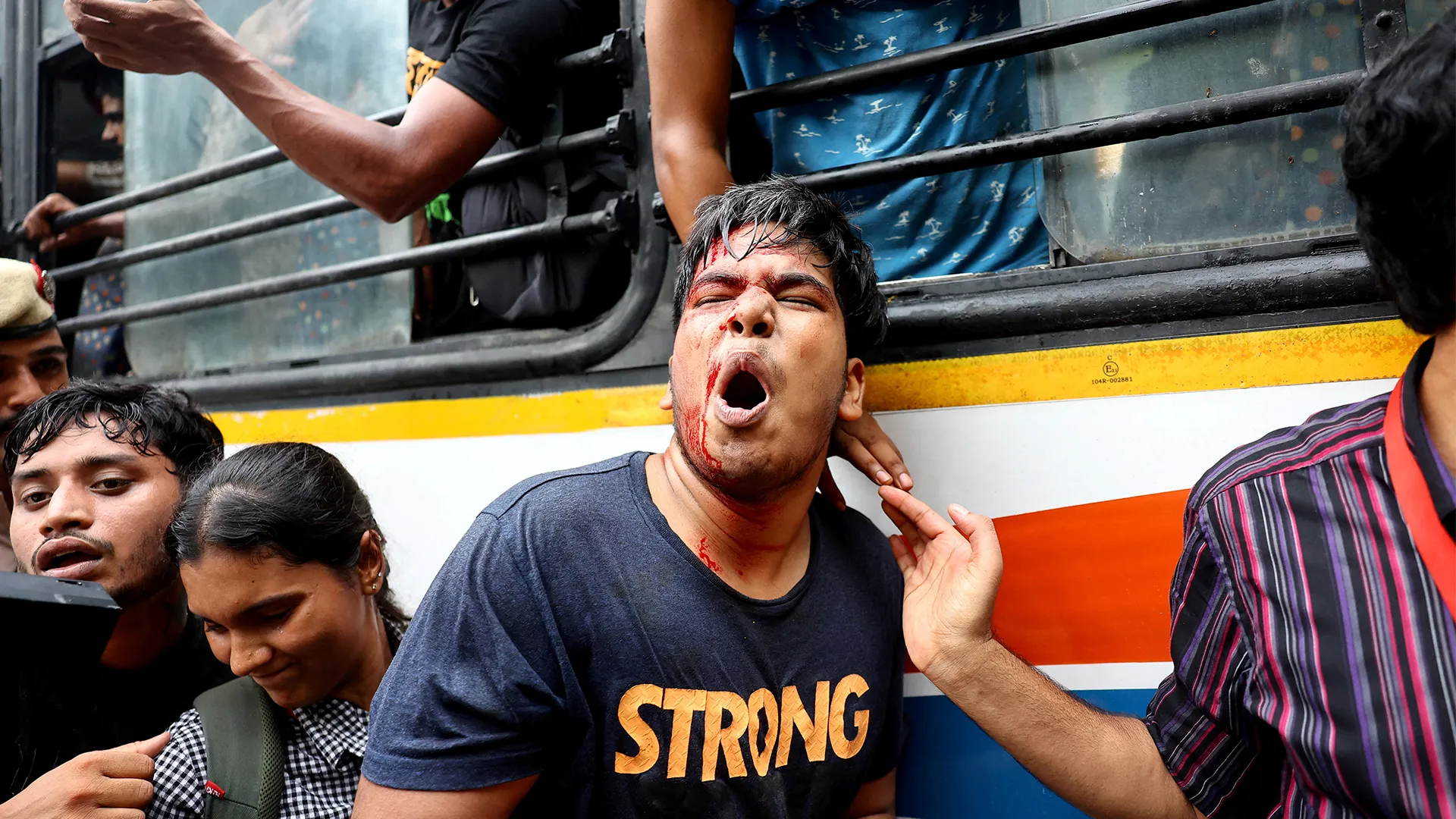
The recent surge in reported racial intimidation across the United Kingdom represents a profound shift in public discourse, moving from political debate to direct, physical confrontation. When the threshold for acceptable public conduct erodes, the consequences extend far beyond the immediate targets of abuse. The normalization of these incidents threatens the foundational social cohesion of diverse urban centers, signaling that discriminatory rhetoric has moved from the fringes of political activism into the daily experiences of minority communities. This trend suggests a perilous cycle where dehumanizing language in the media and political arena provides a veneer of legitimacy for individuals to act out their prejudices in public, creating an atmosphere of fear that persists even in mundane, everyday settings.
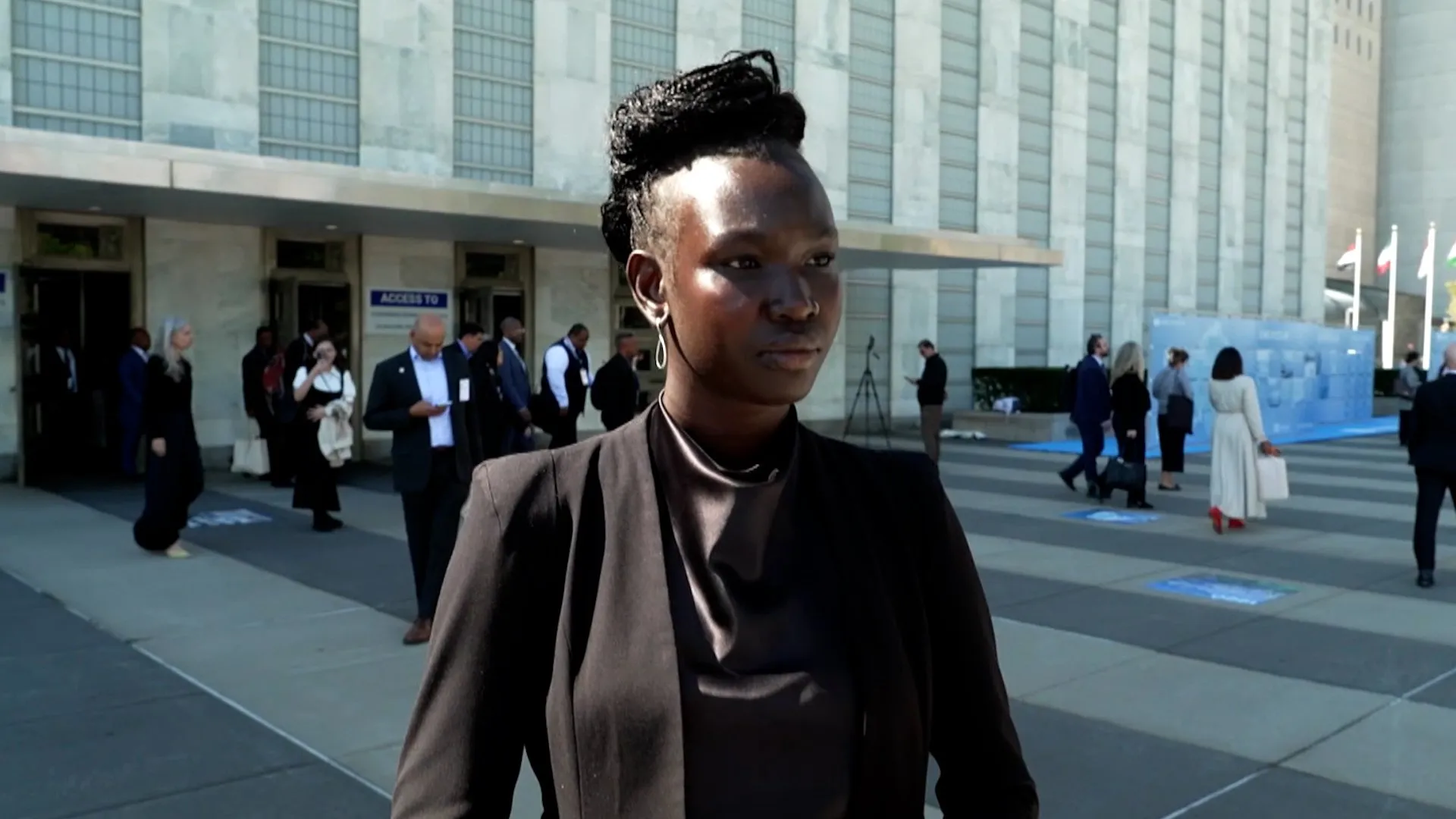
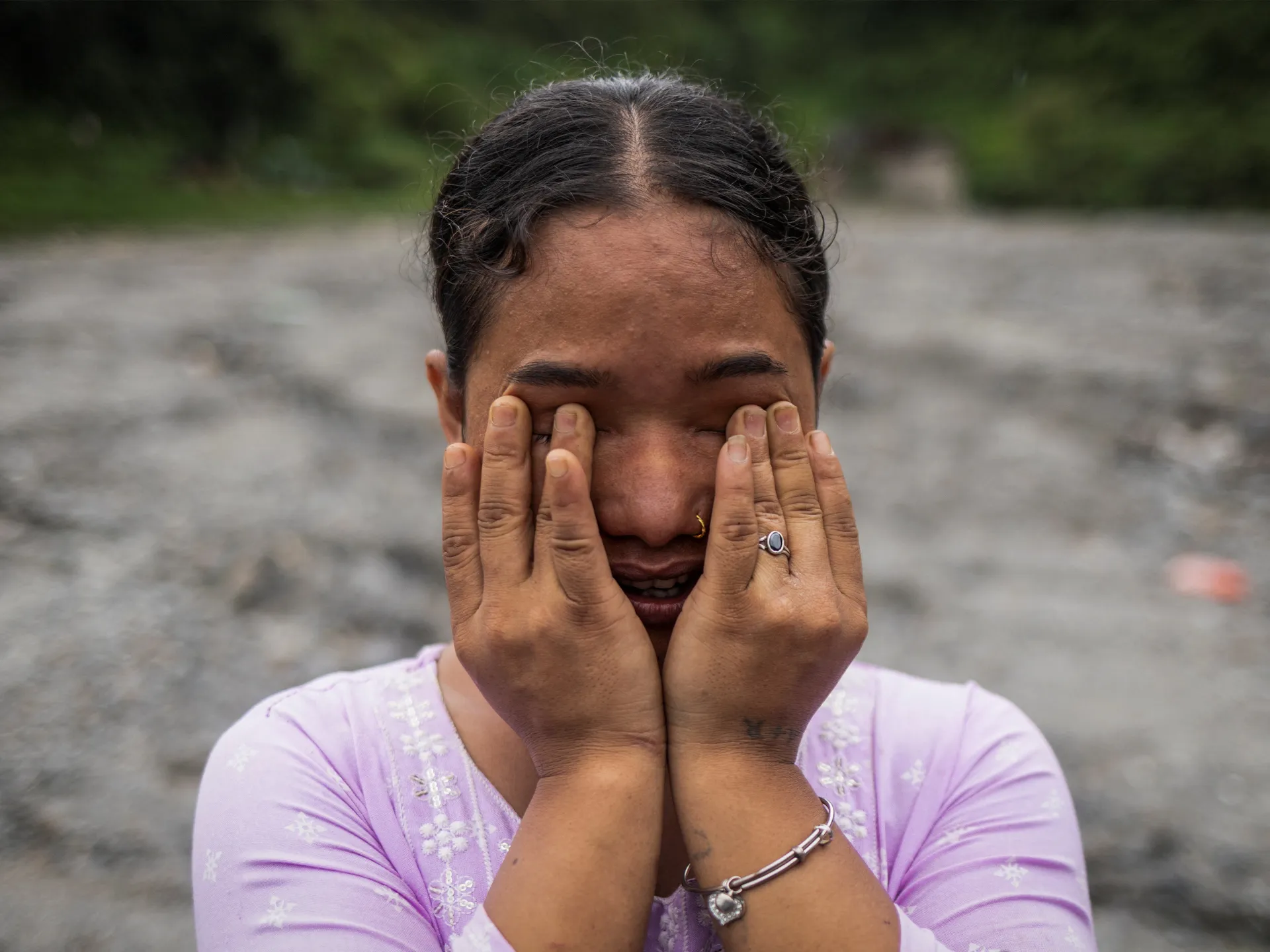
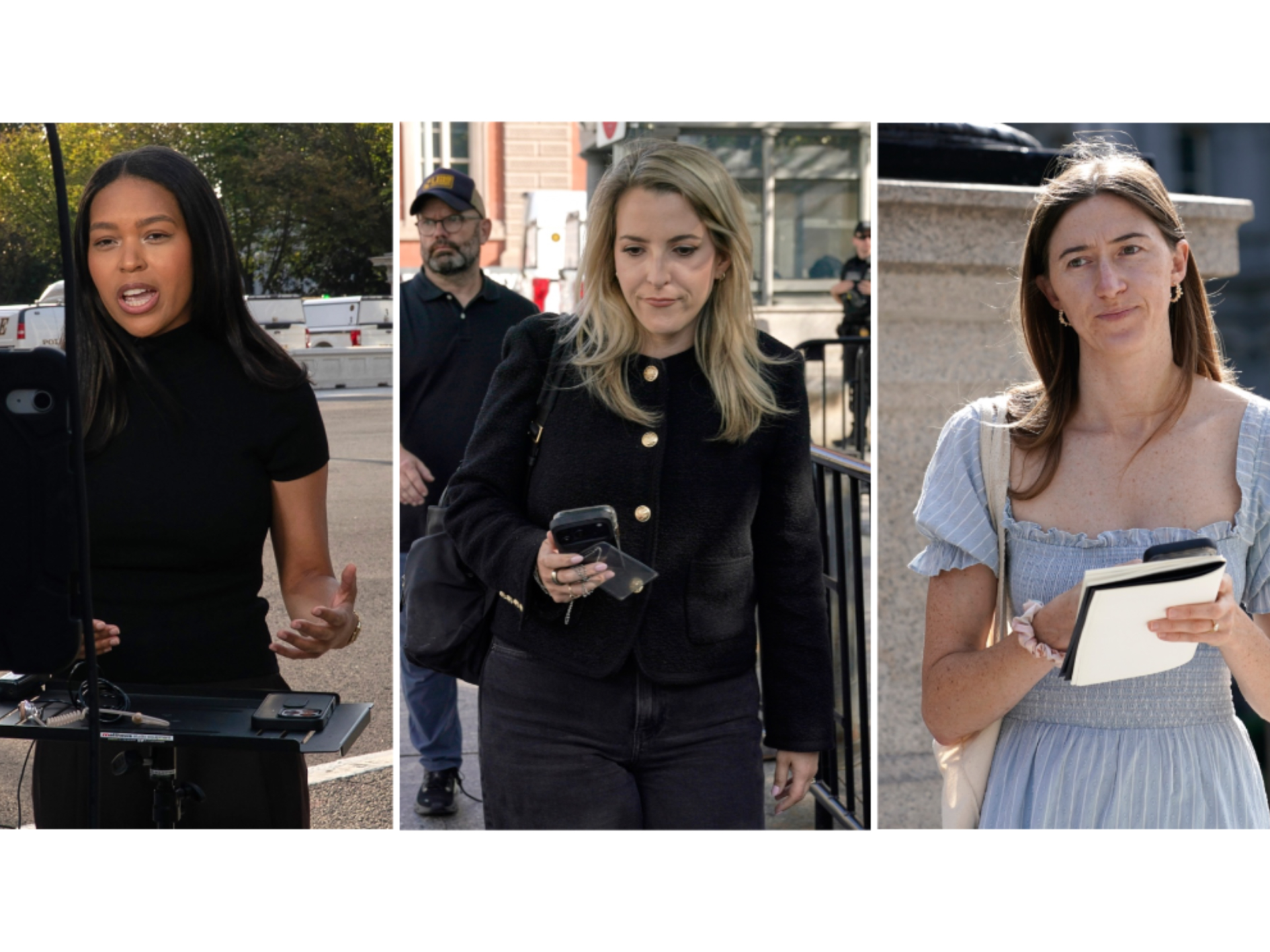
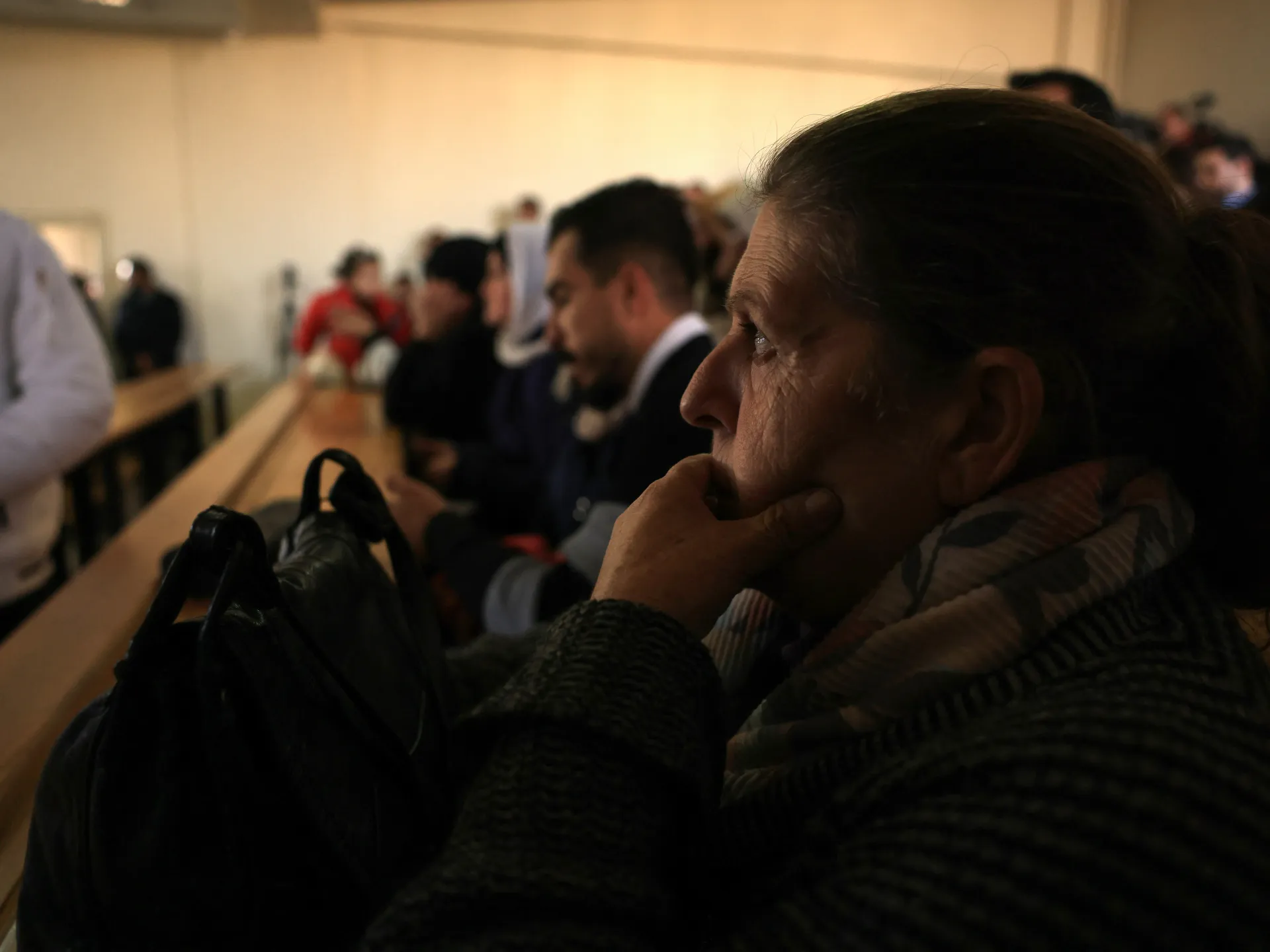
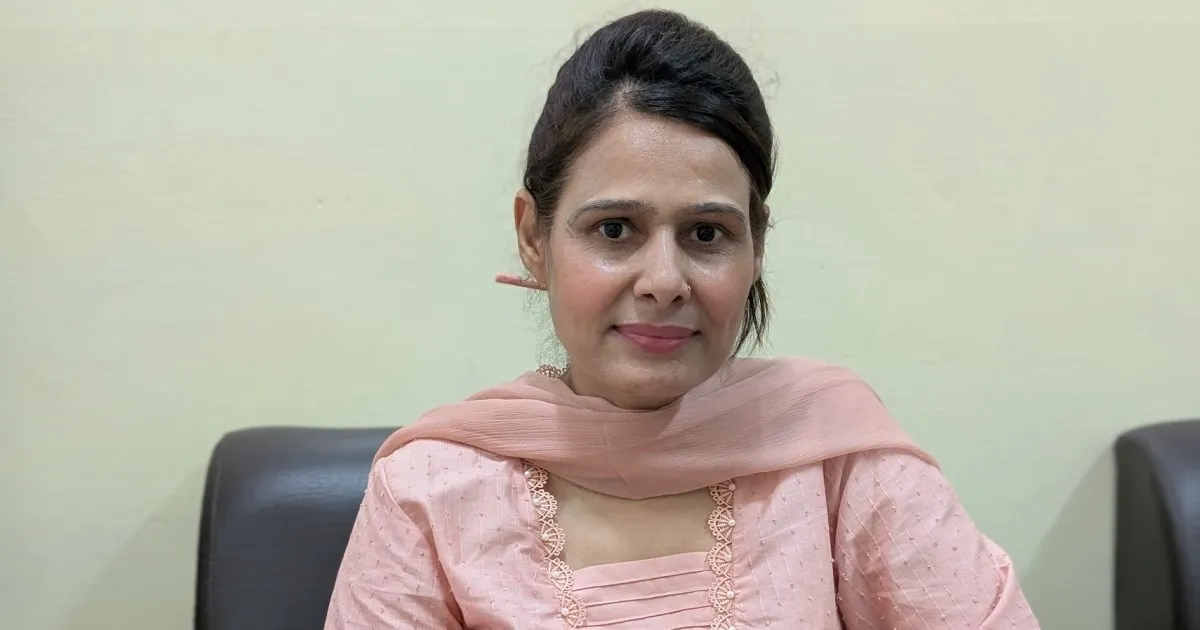
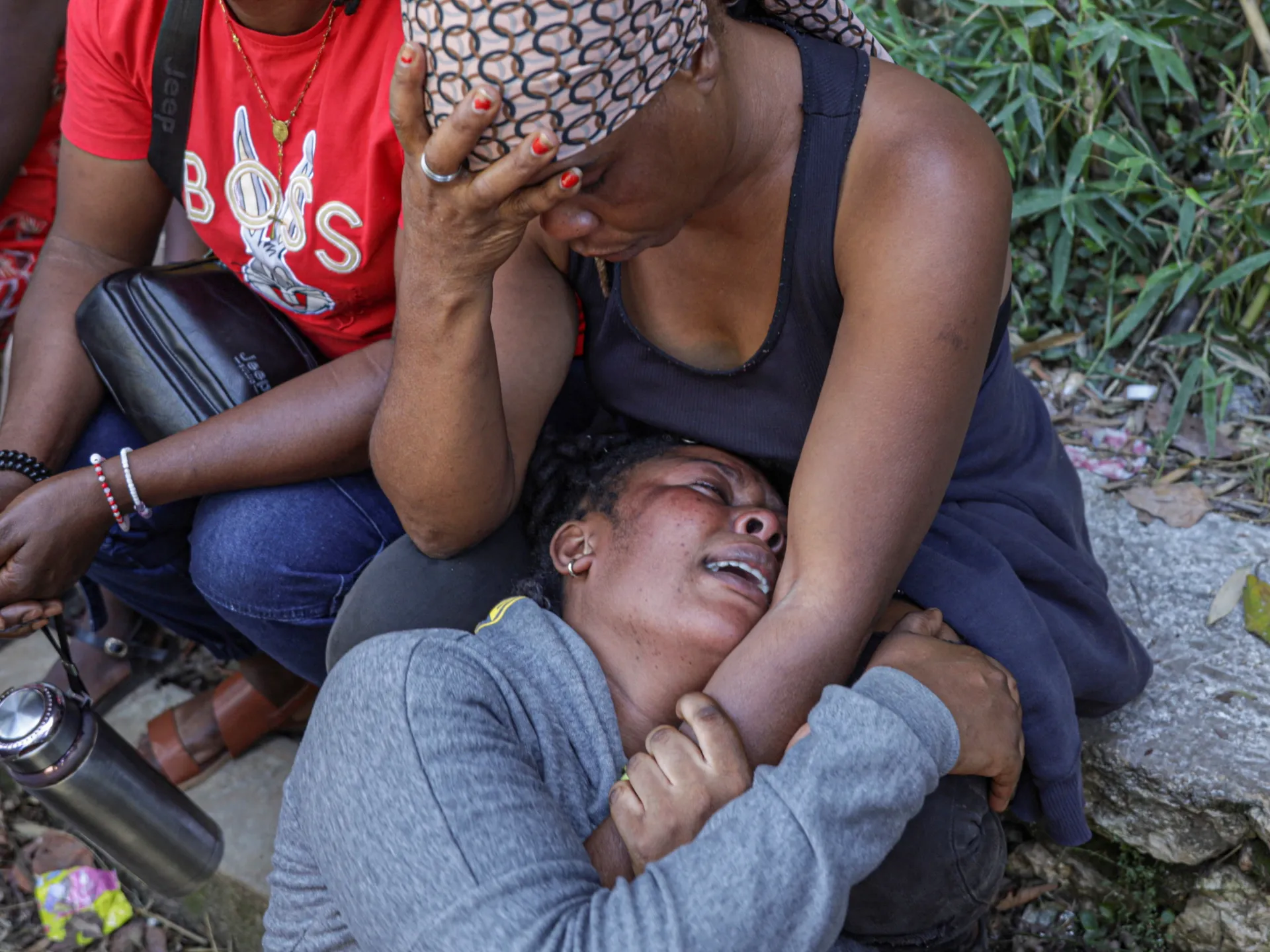
The reality of this shift is visible in the experiences of individuals like Agnes Peters, a care worker from Manchester. Peters recently described being subjected to racial slurs and having objects thrown at her oncerning is her observation that, despite the presence of witnesses, the event was treated as a spectacle rather than an actionable crime, with bystanders opting to film the incident rather than intervene.
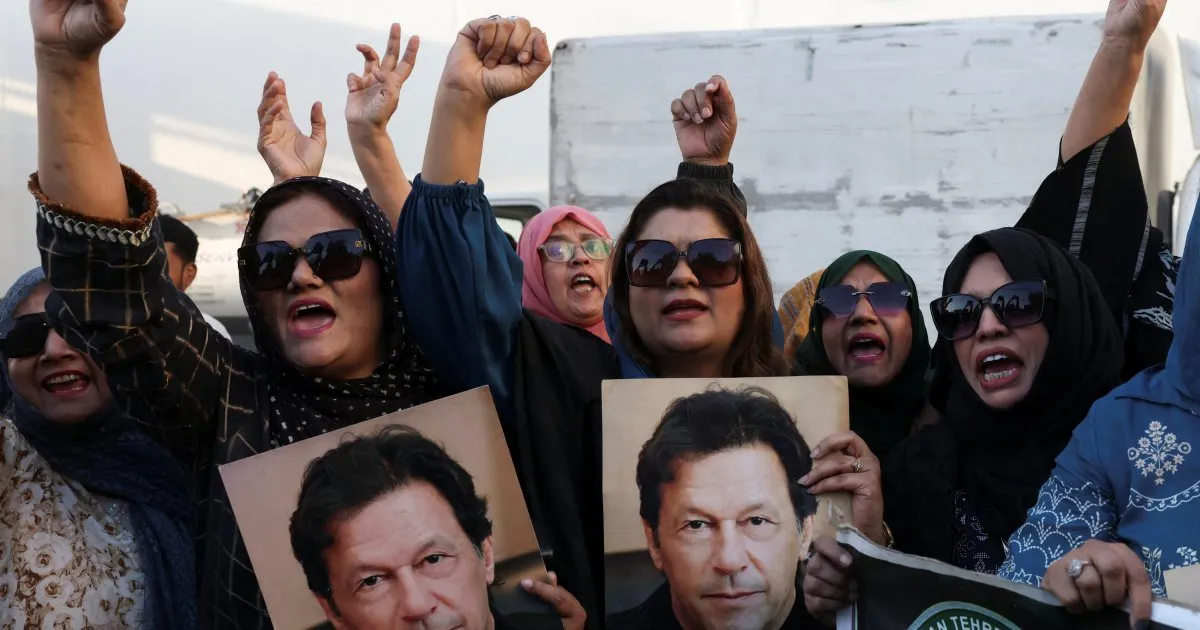
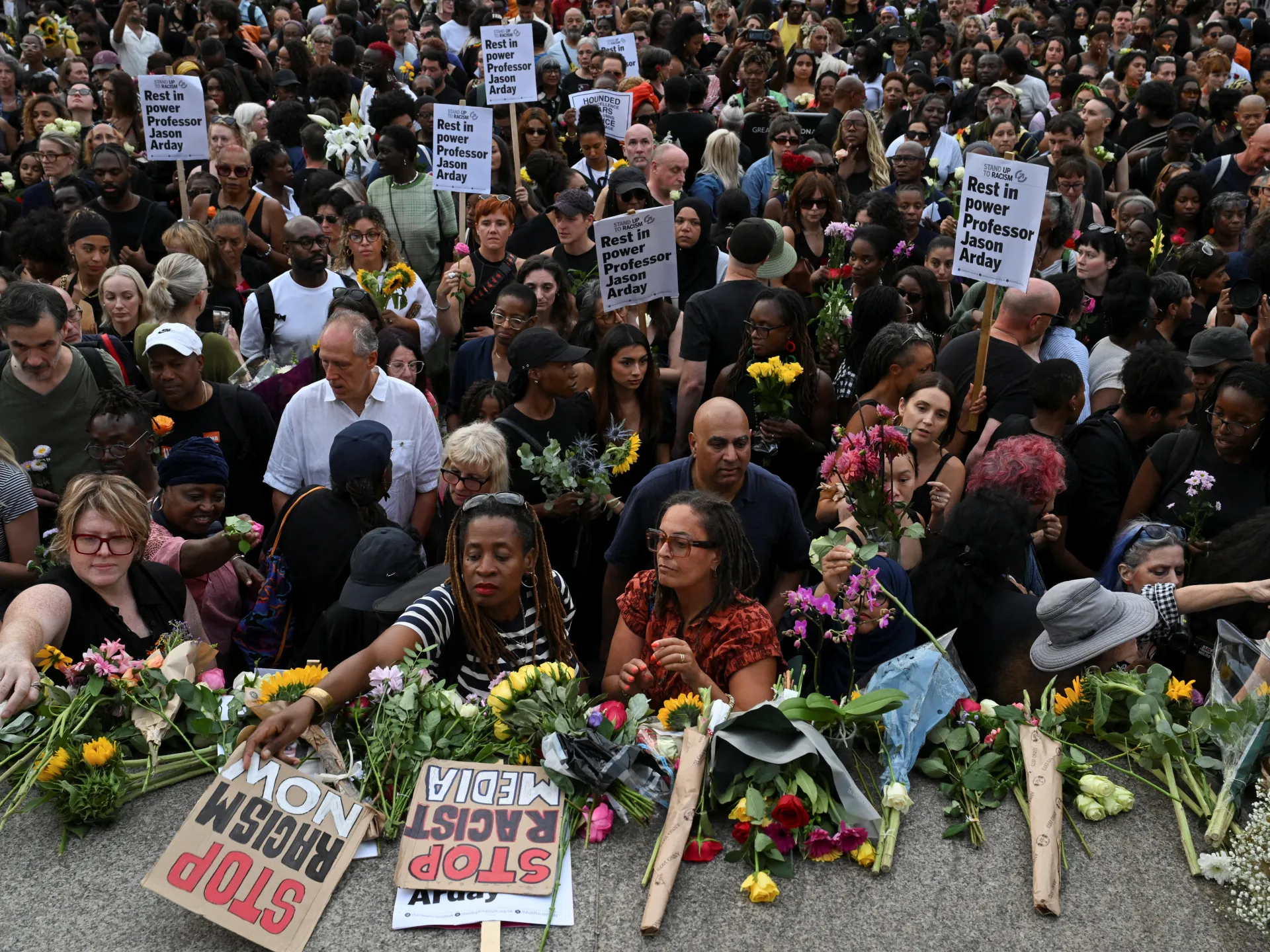
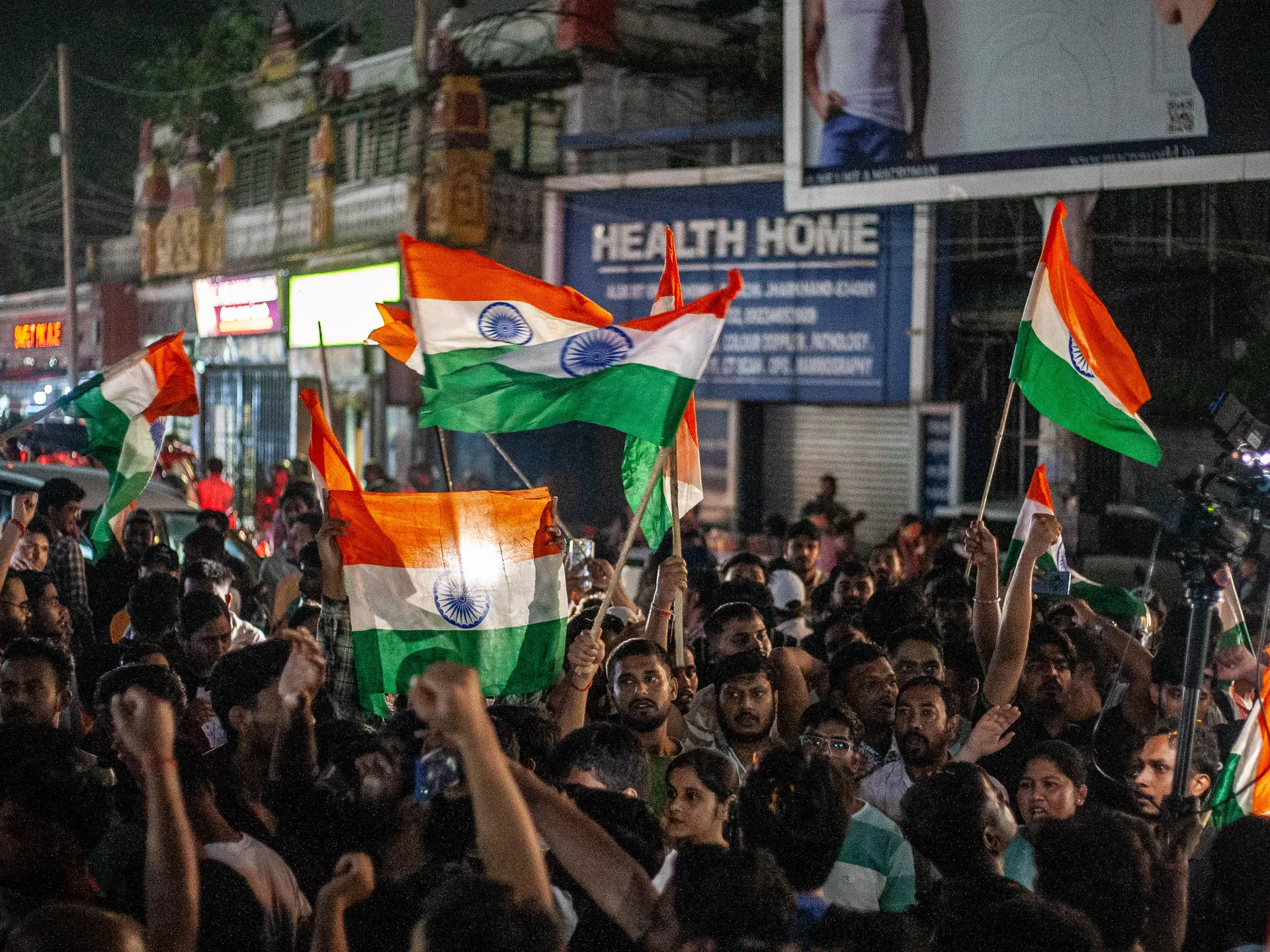
This climate has prompted a rare, high-level intervention from civil society. A coalition of 152 groups, including Oxfam and Amnesty International, recently issued a joint appeal for the government to take immediate, decisive action. These organizations argue that what were once considered extreme acts of violence have now mutated into weekly, routine occurrences. They attribute this escalation directly to years of systemic underinvestment in community infrastructure combined with political narratives that have consistently prioritized anti-migrant sentiment and Islamophobia.
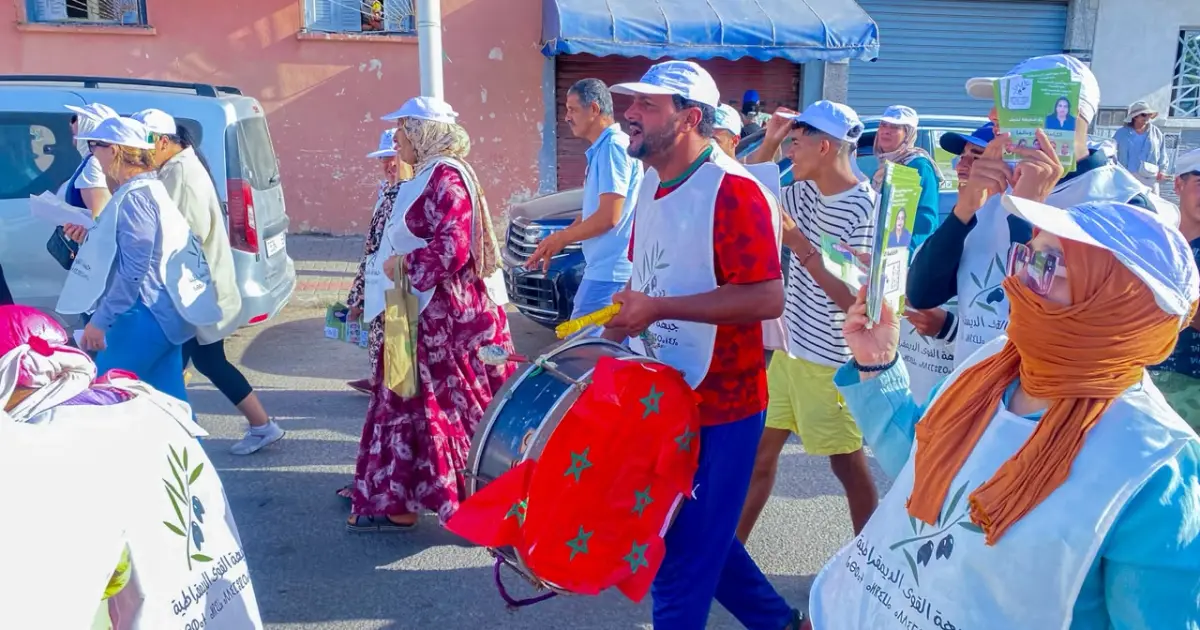
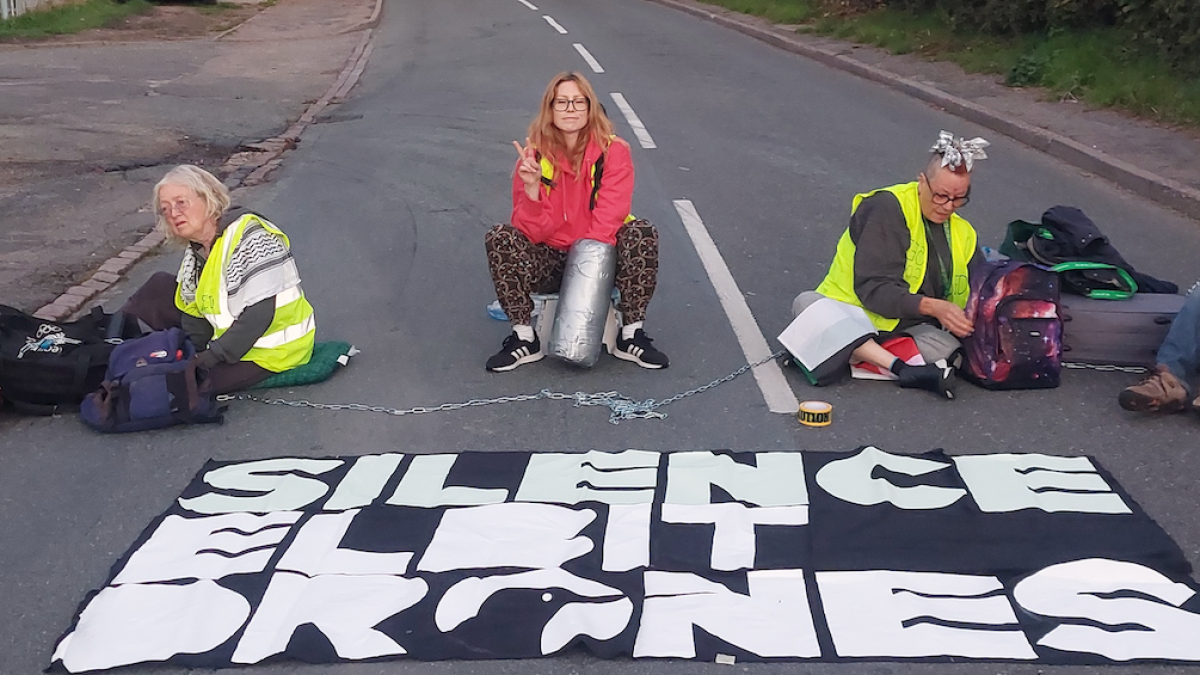
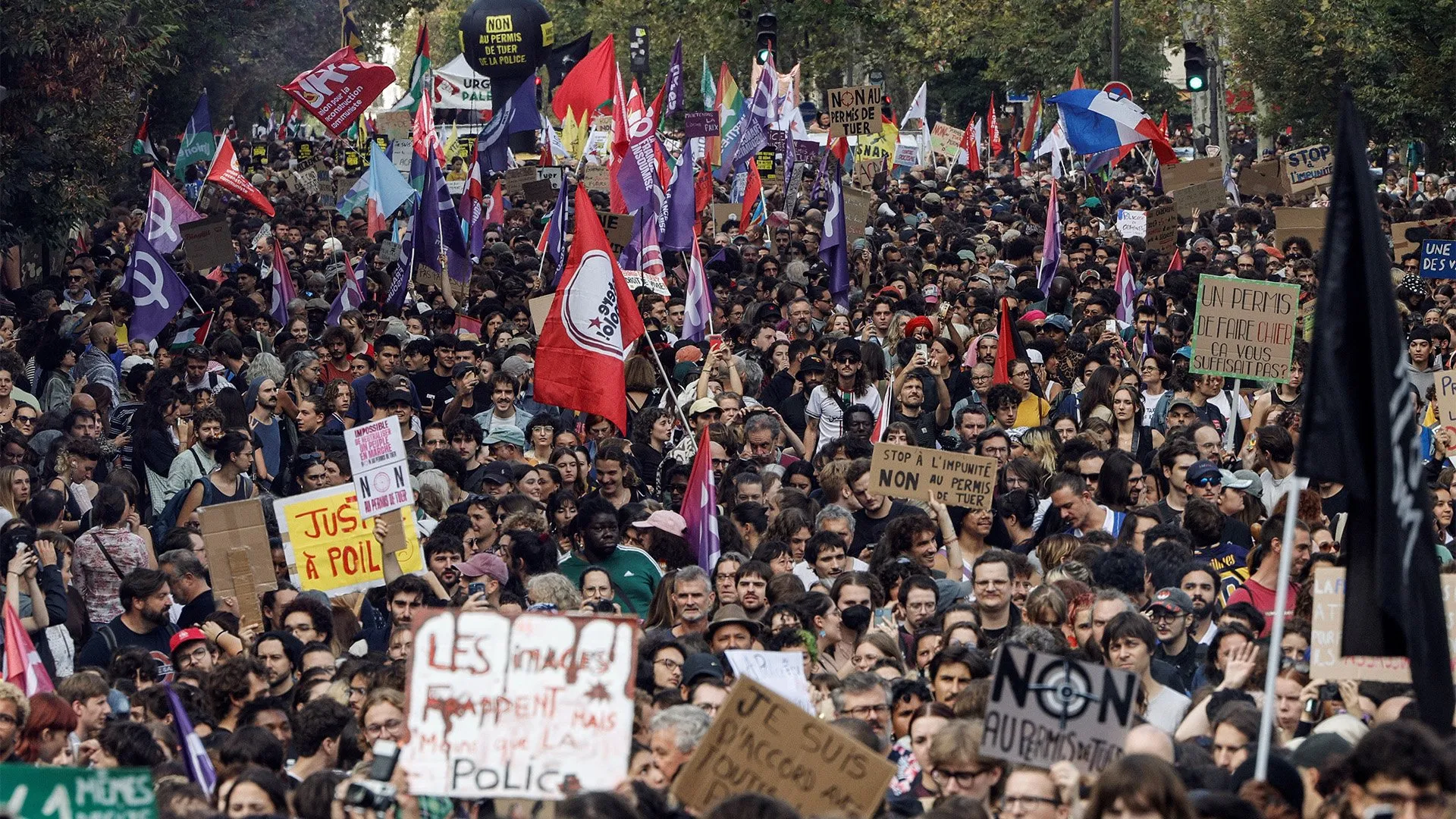
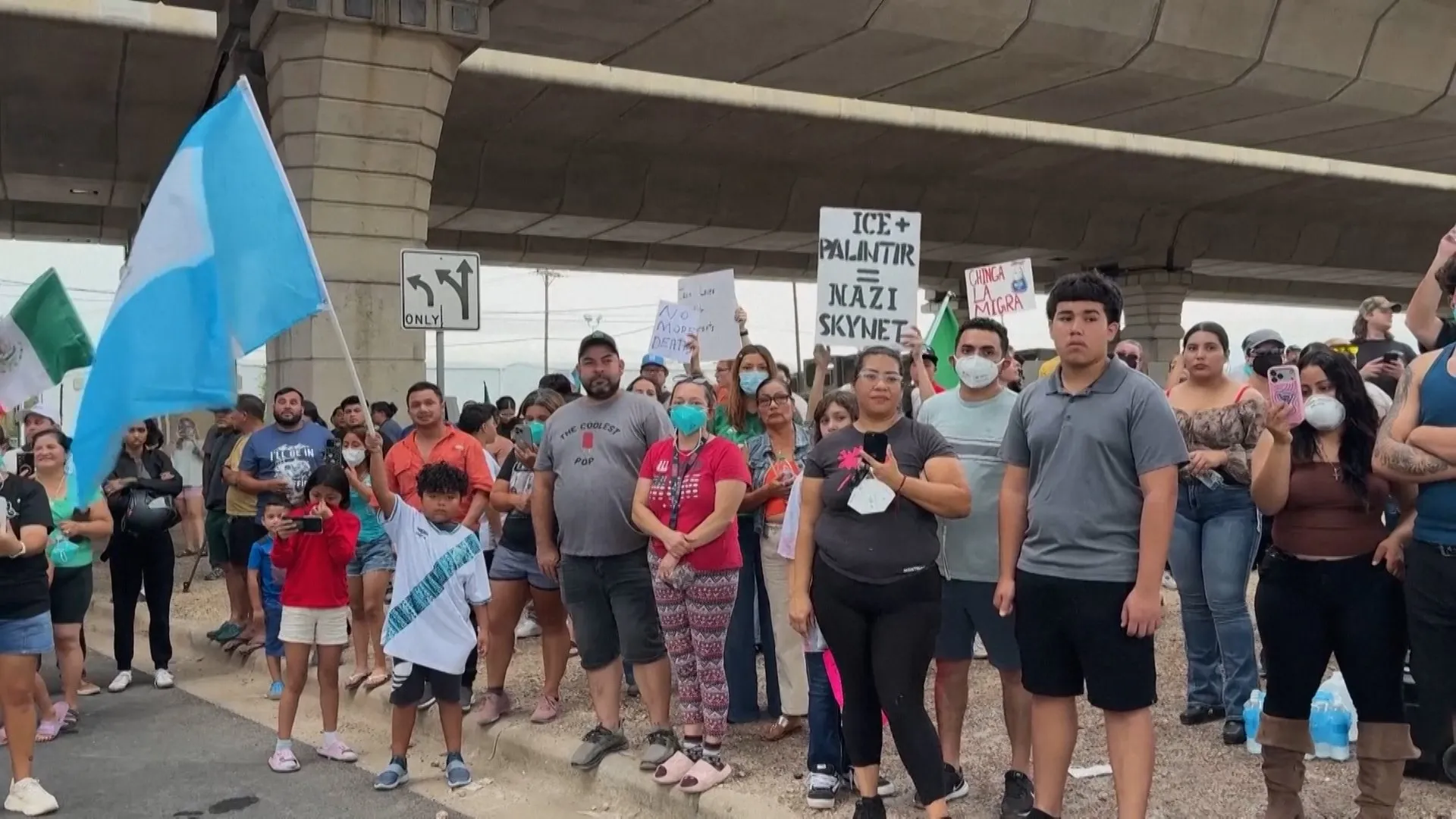
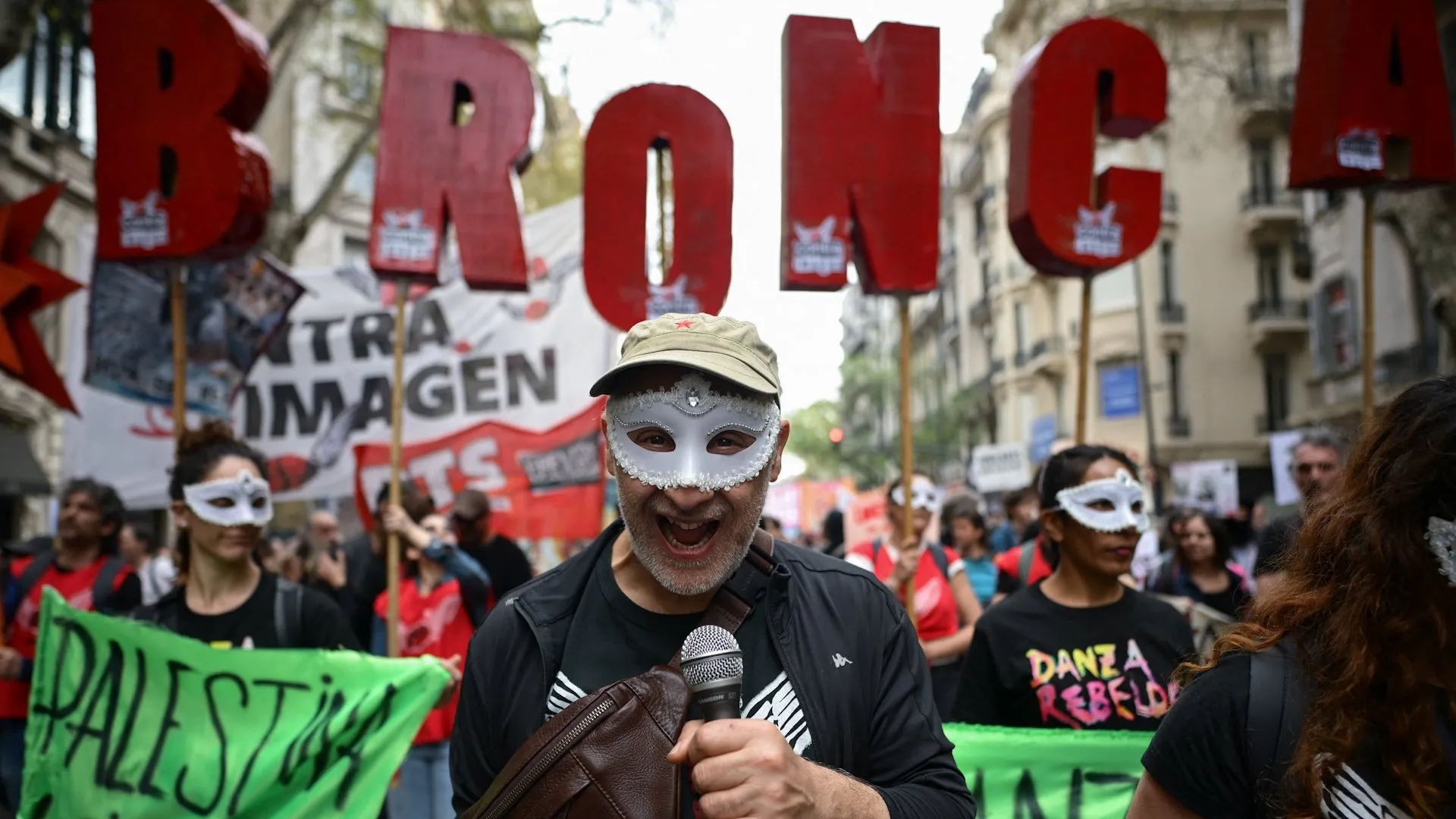
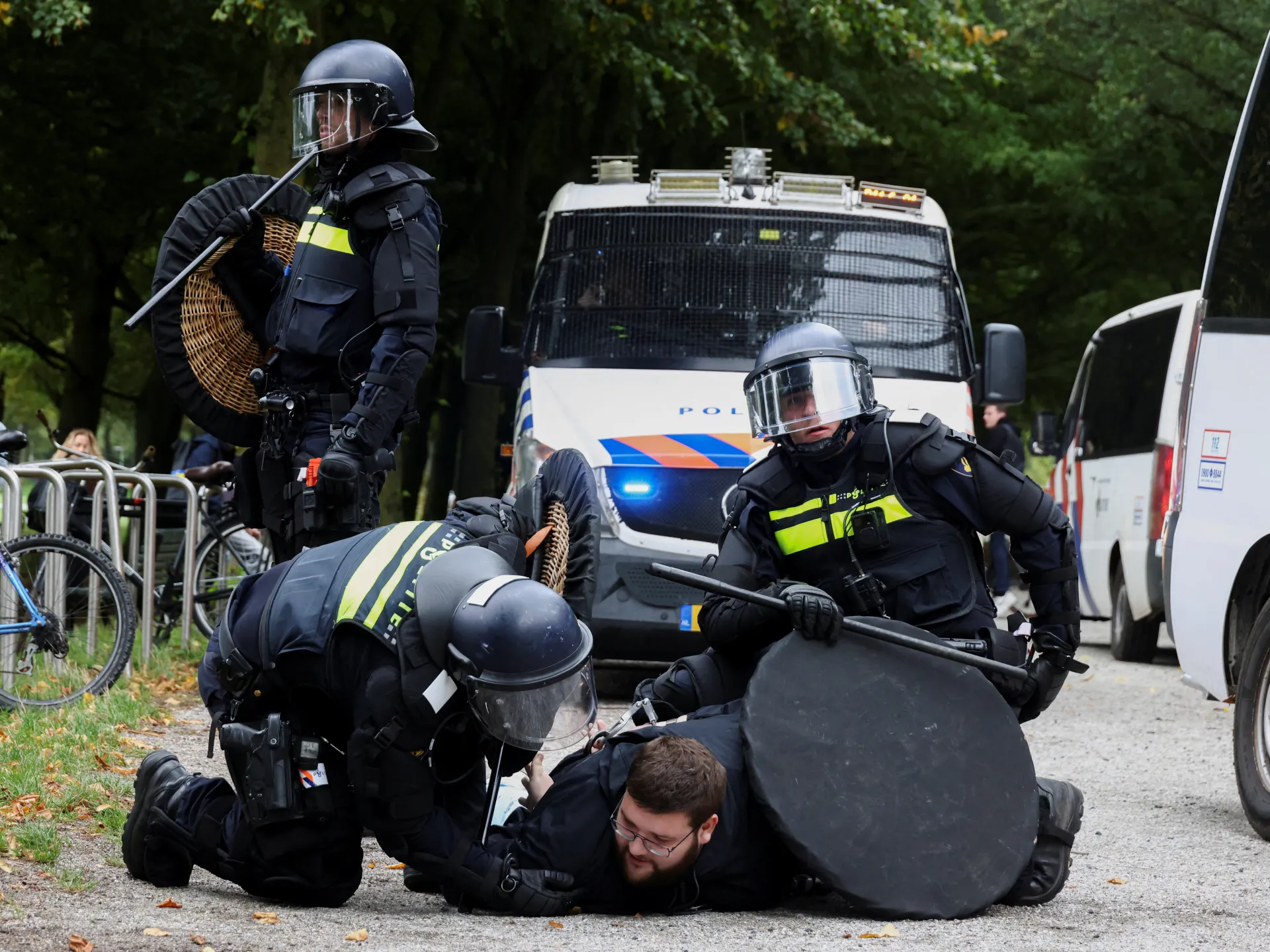
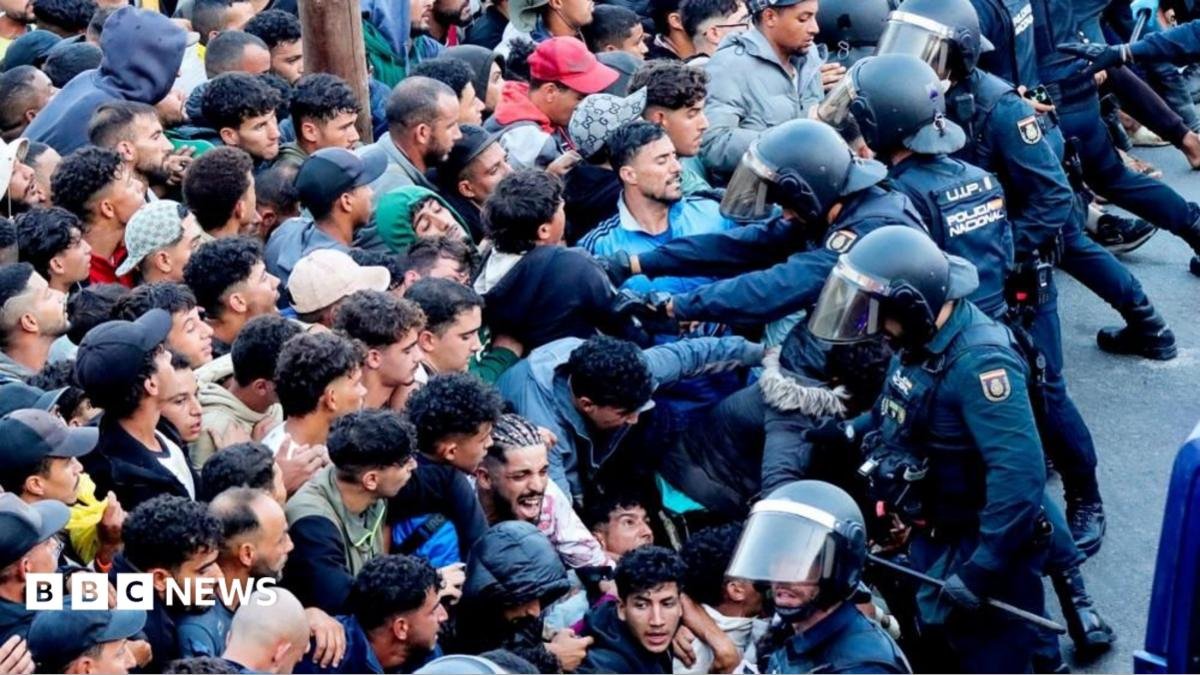
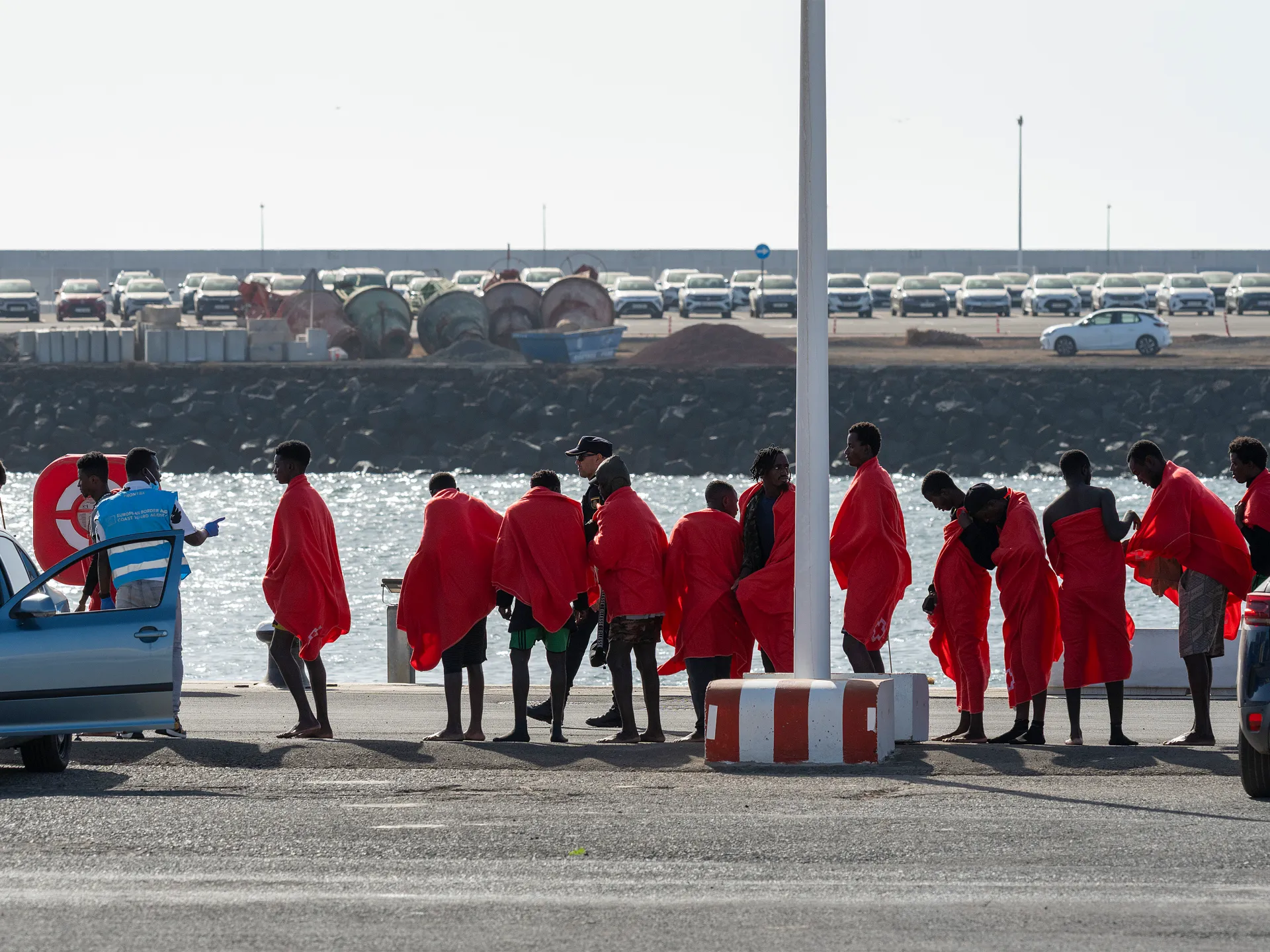
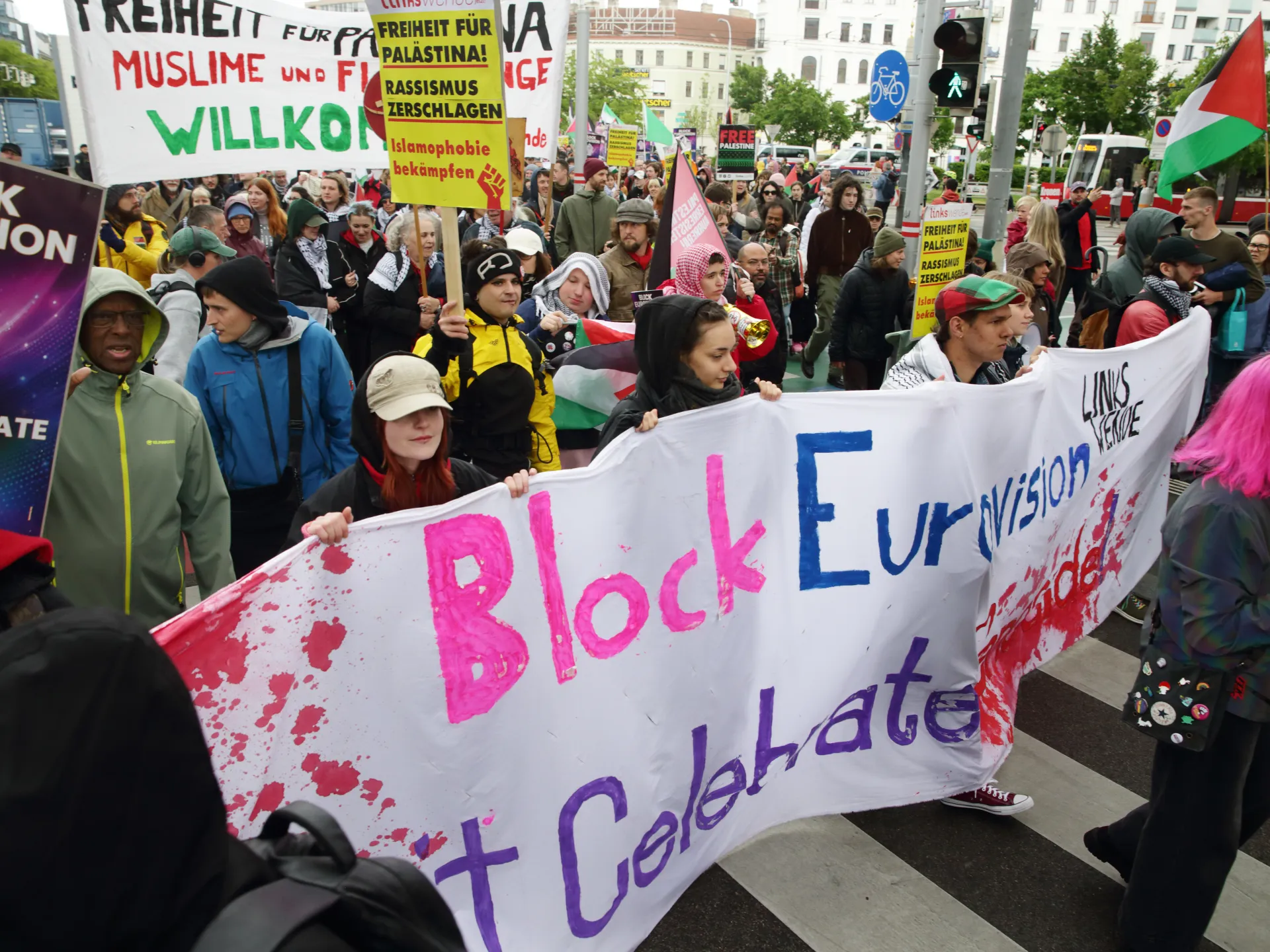
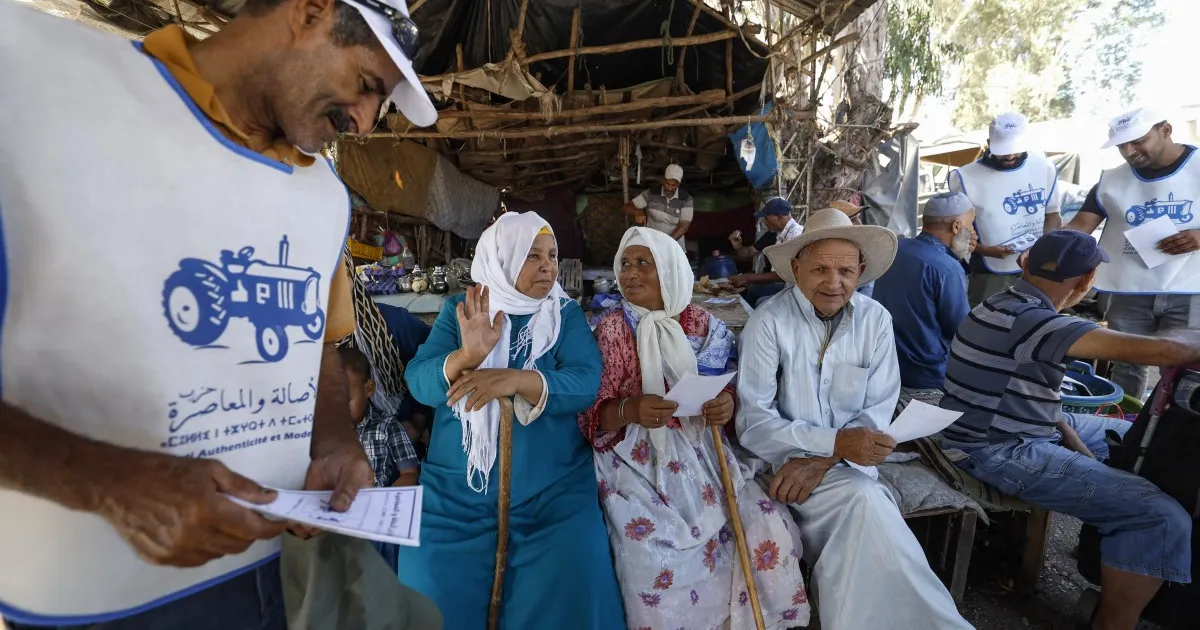
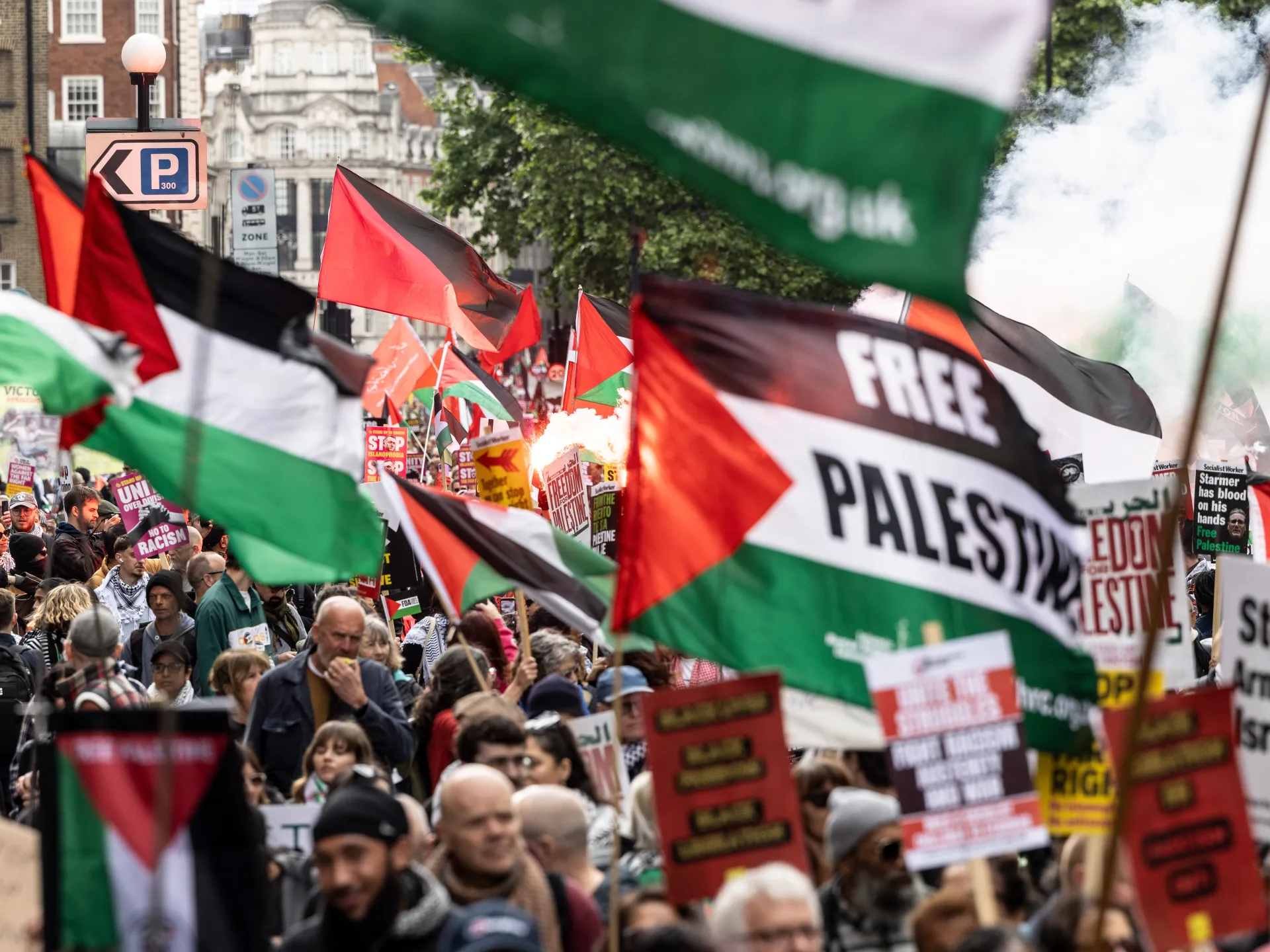
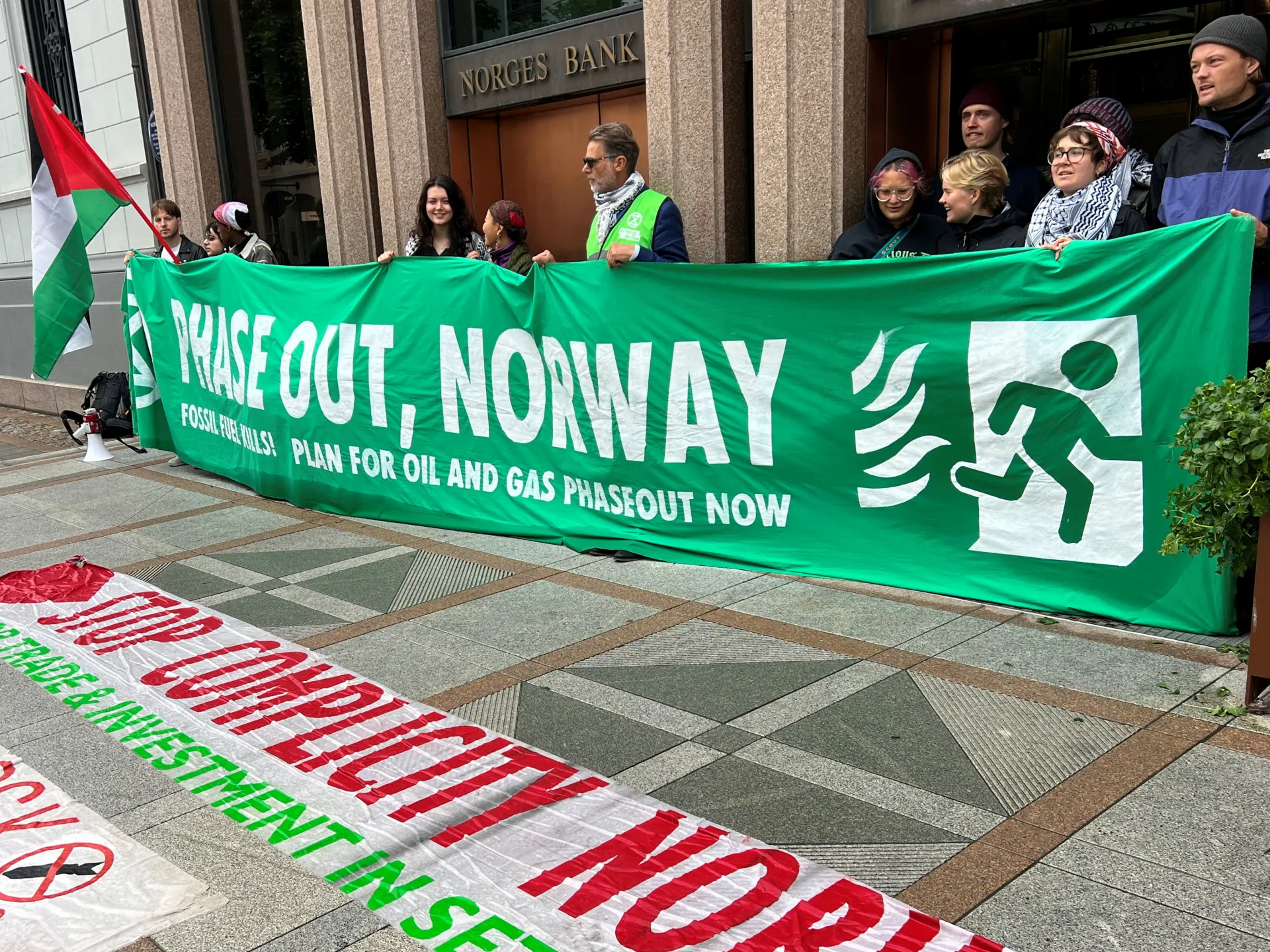
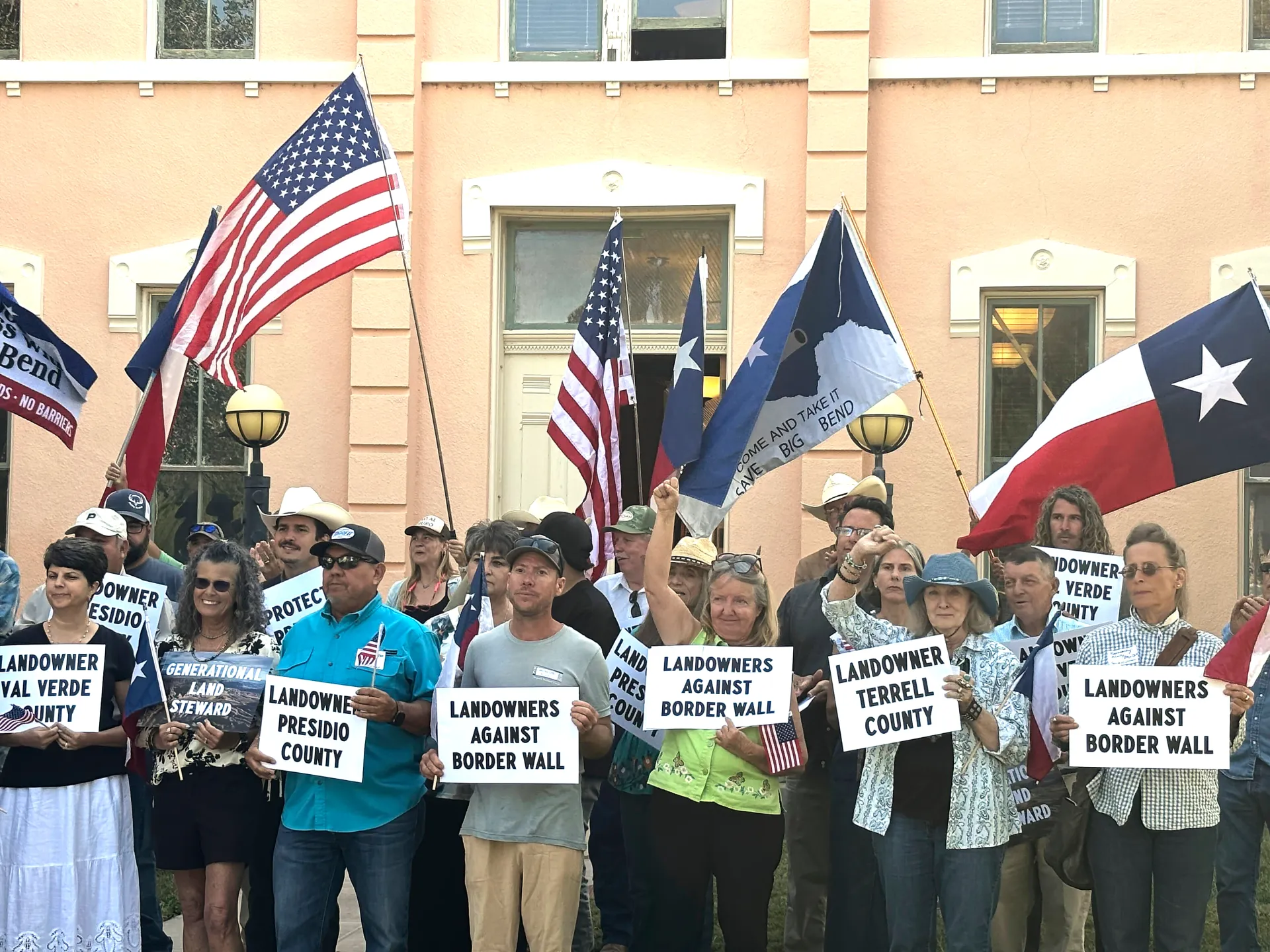
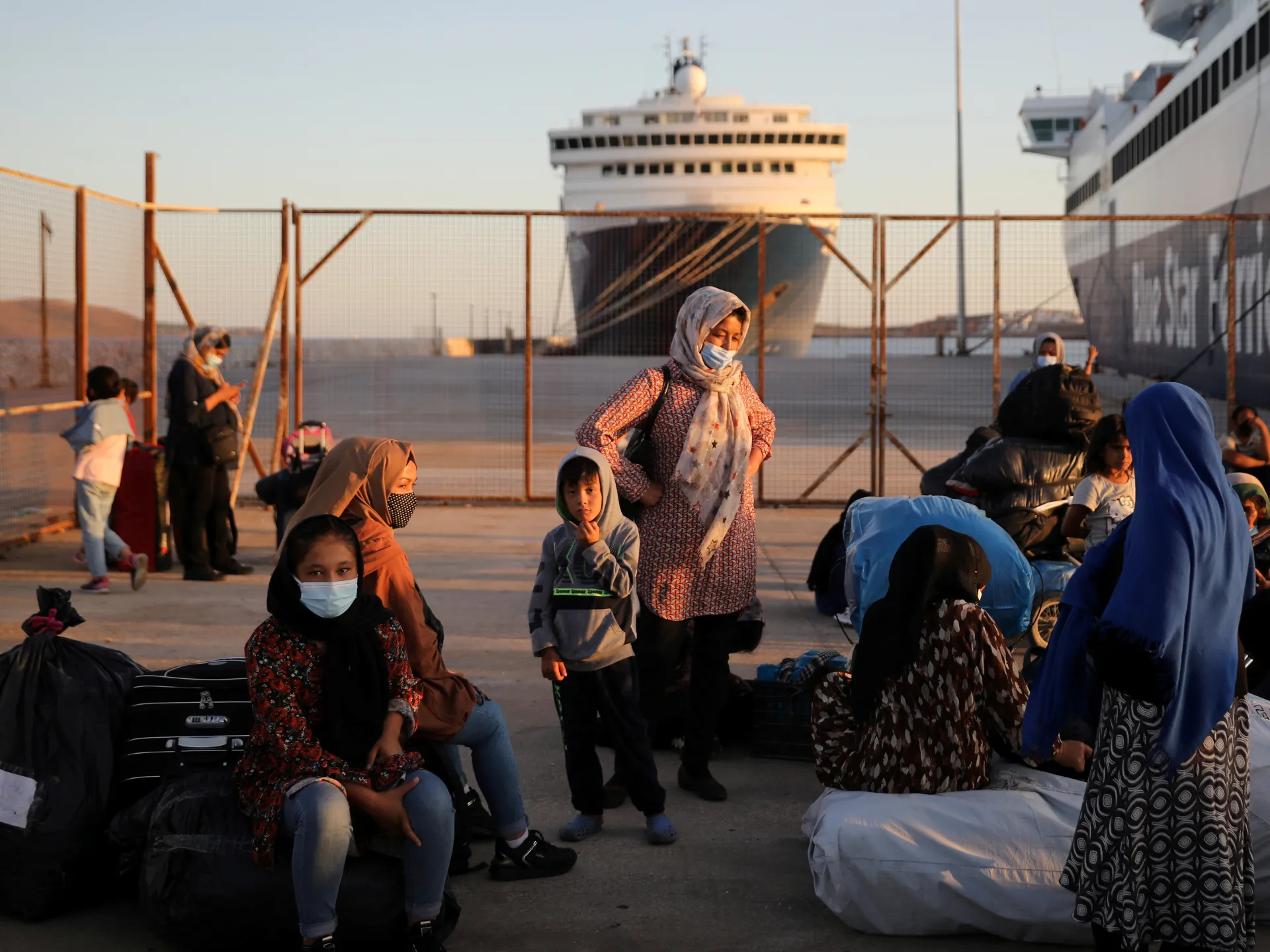
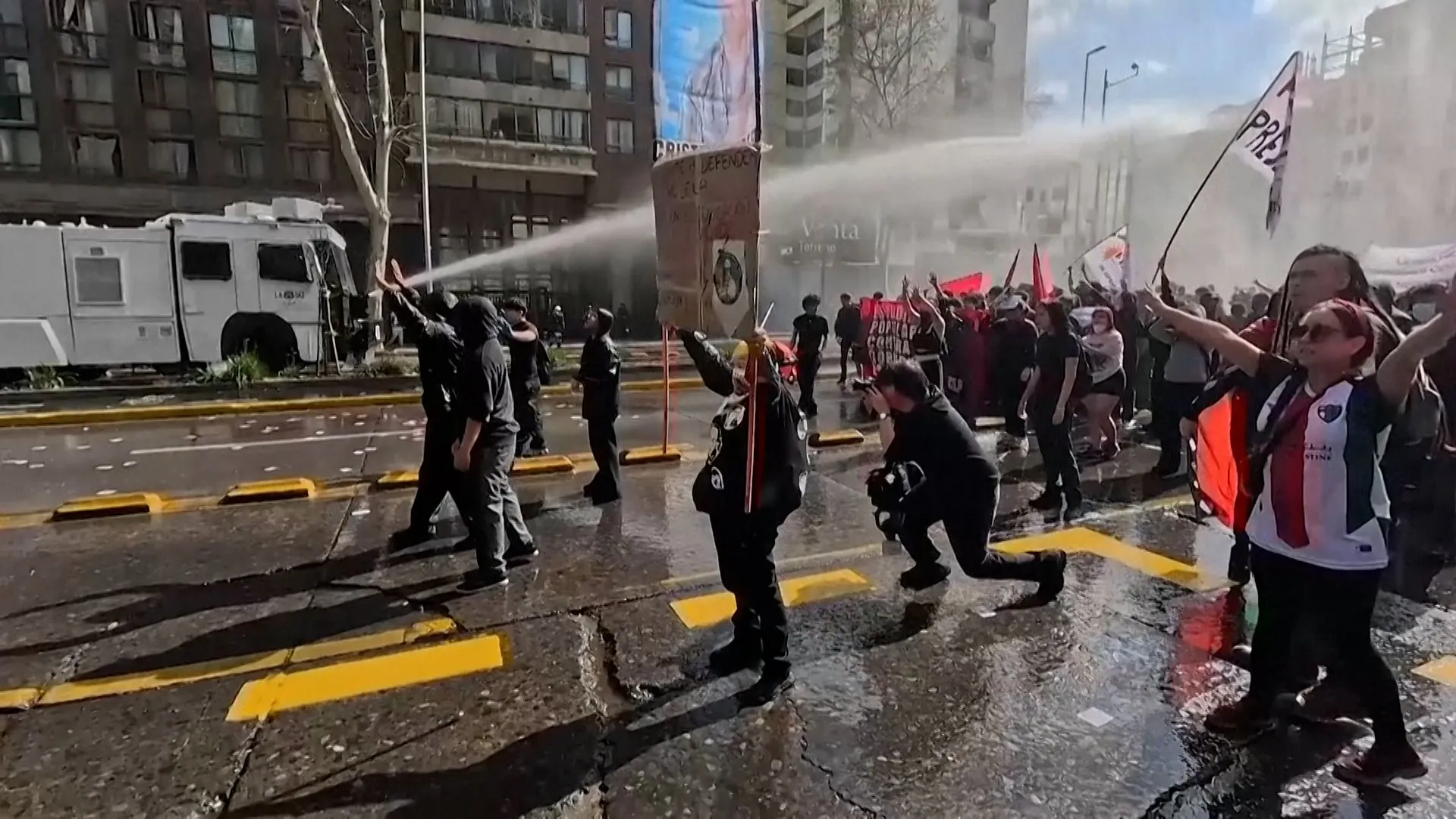
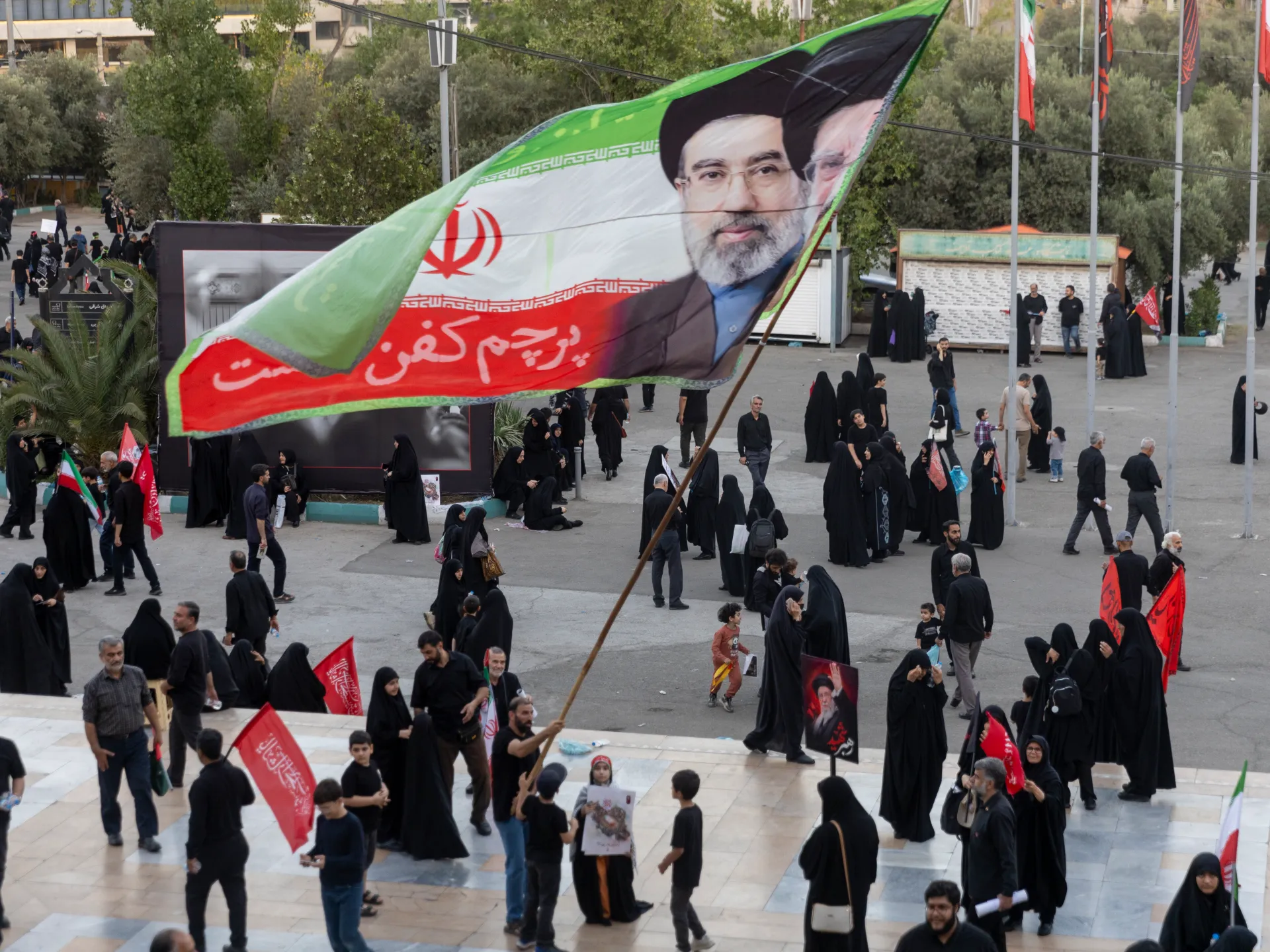
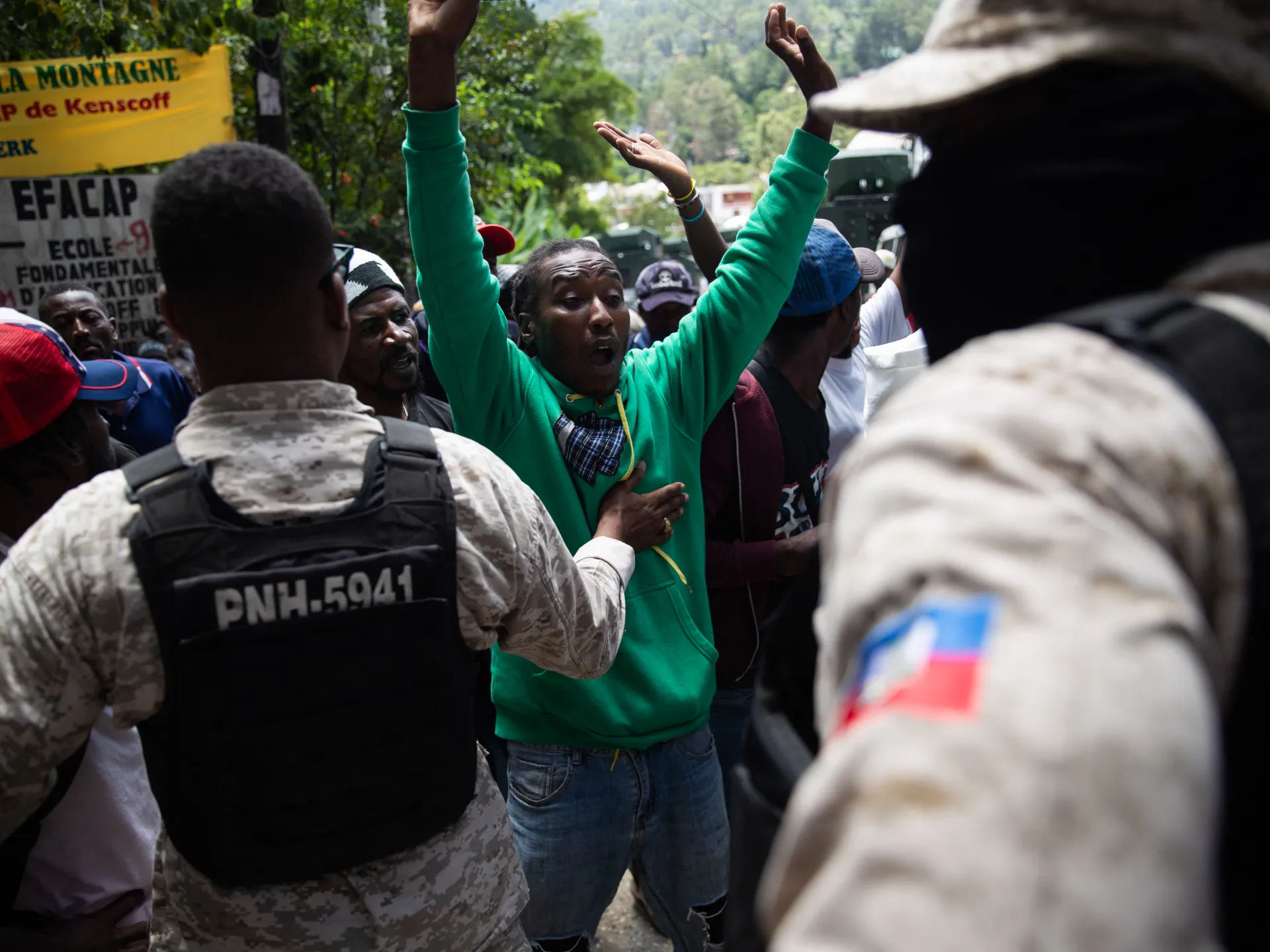
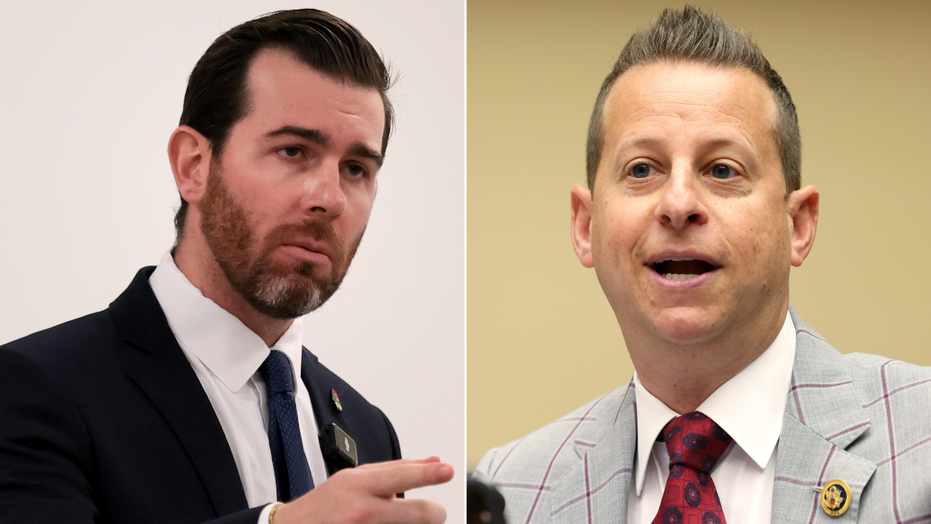
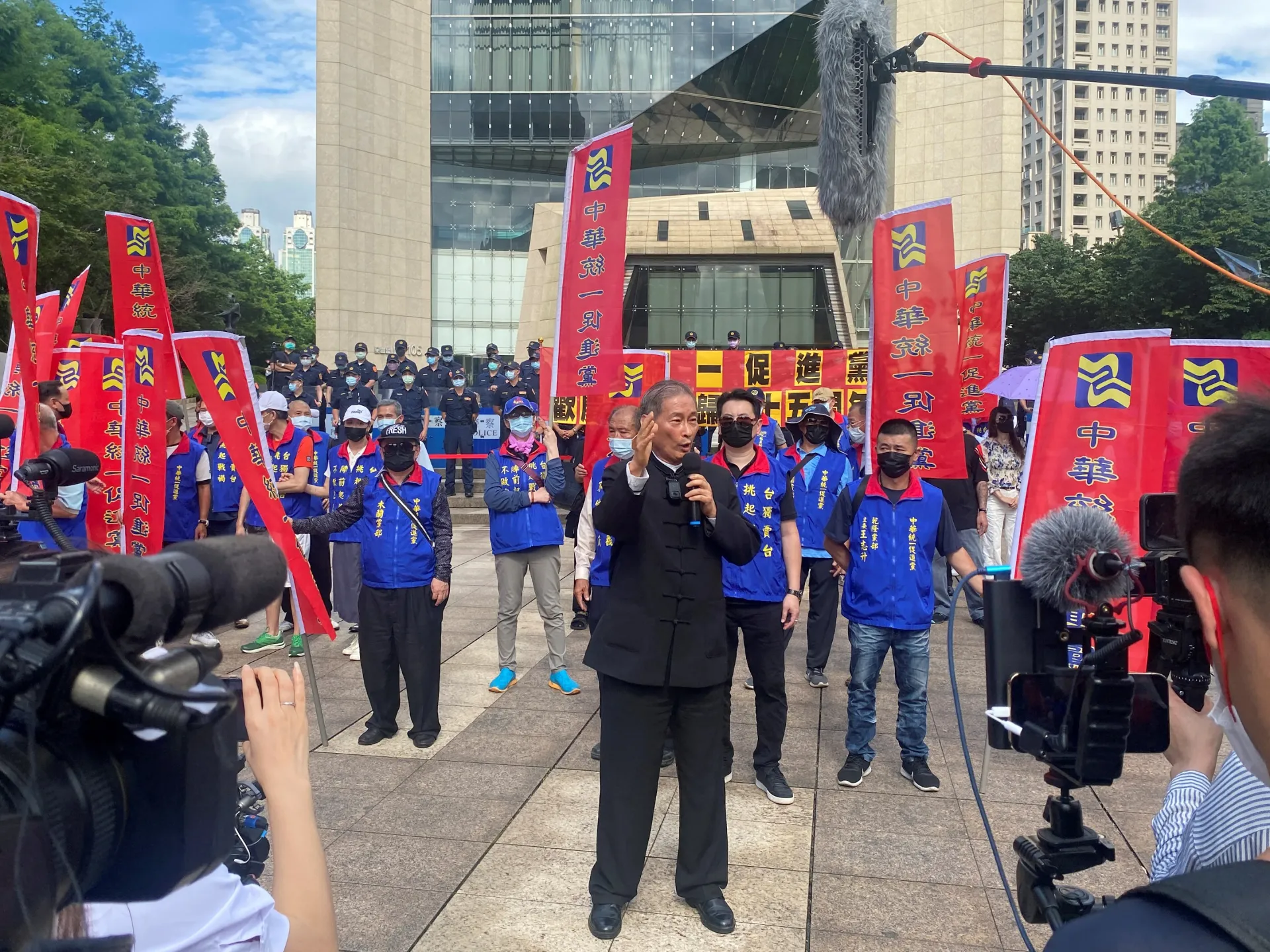
The tension is particularly acute near locations housing asylum seekers, where organized protests have frequently turned into sites of aggression. Activists such as Daniel Thomas of the Patriot Platform have been accused of fomenting instability, notably at ports in Dover and Portsmouth. These demonstrations, often characterized licy to encompass broader acts of hostility toward local minority populations.
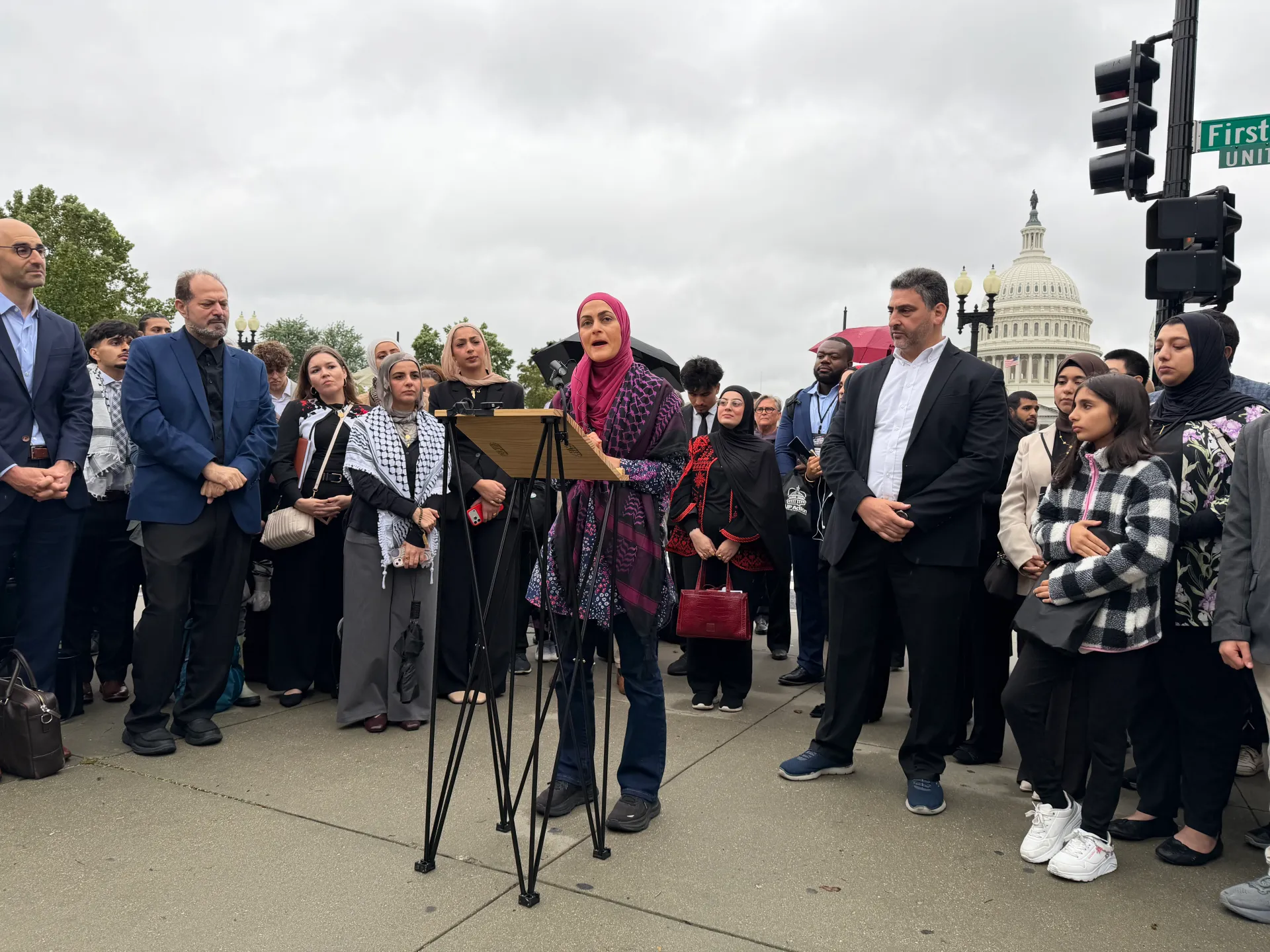
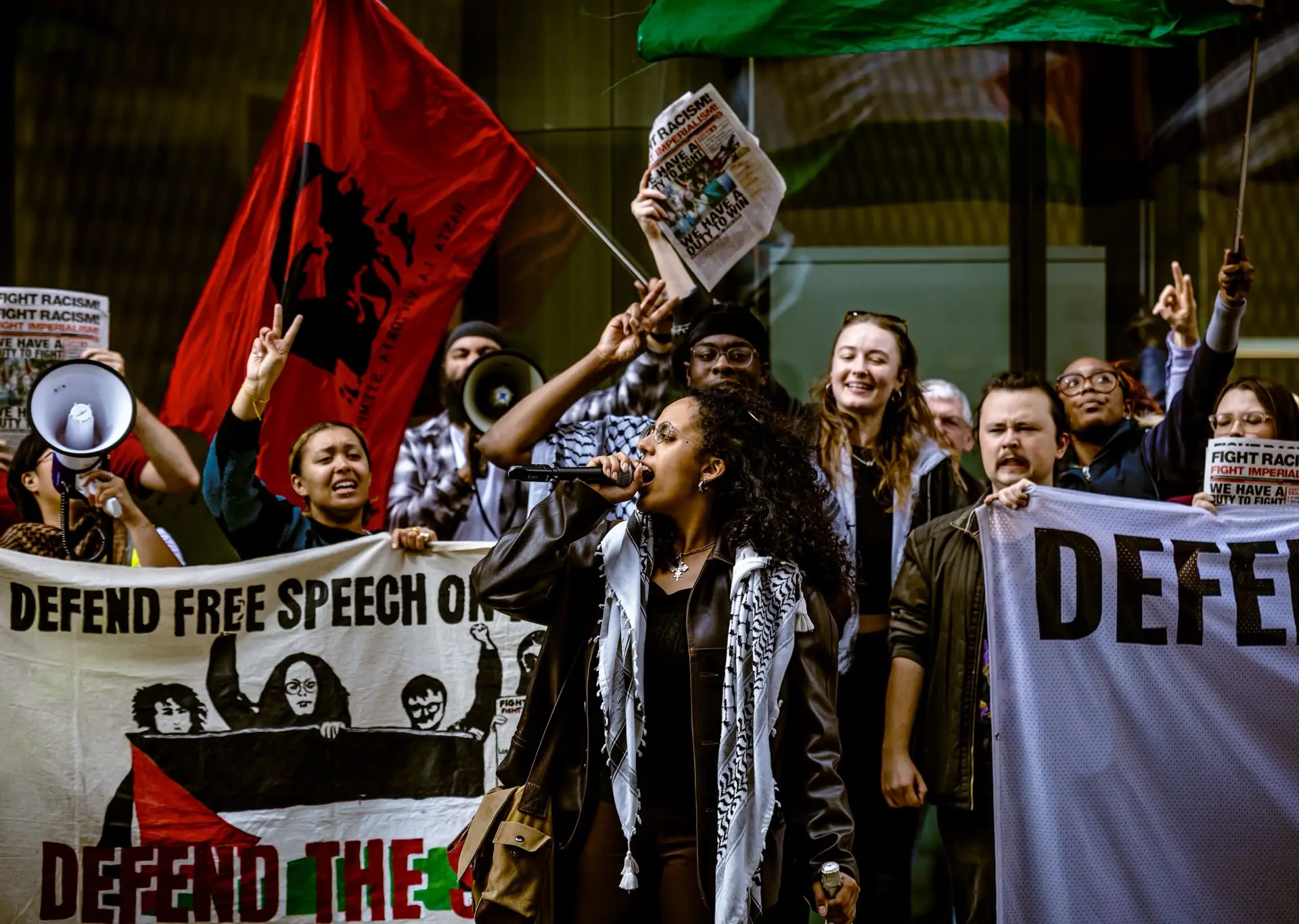
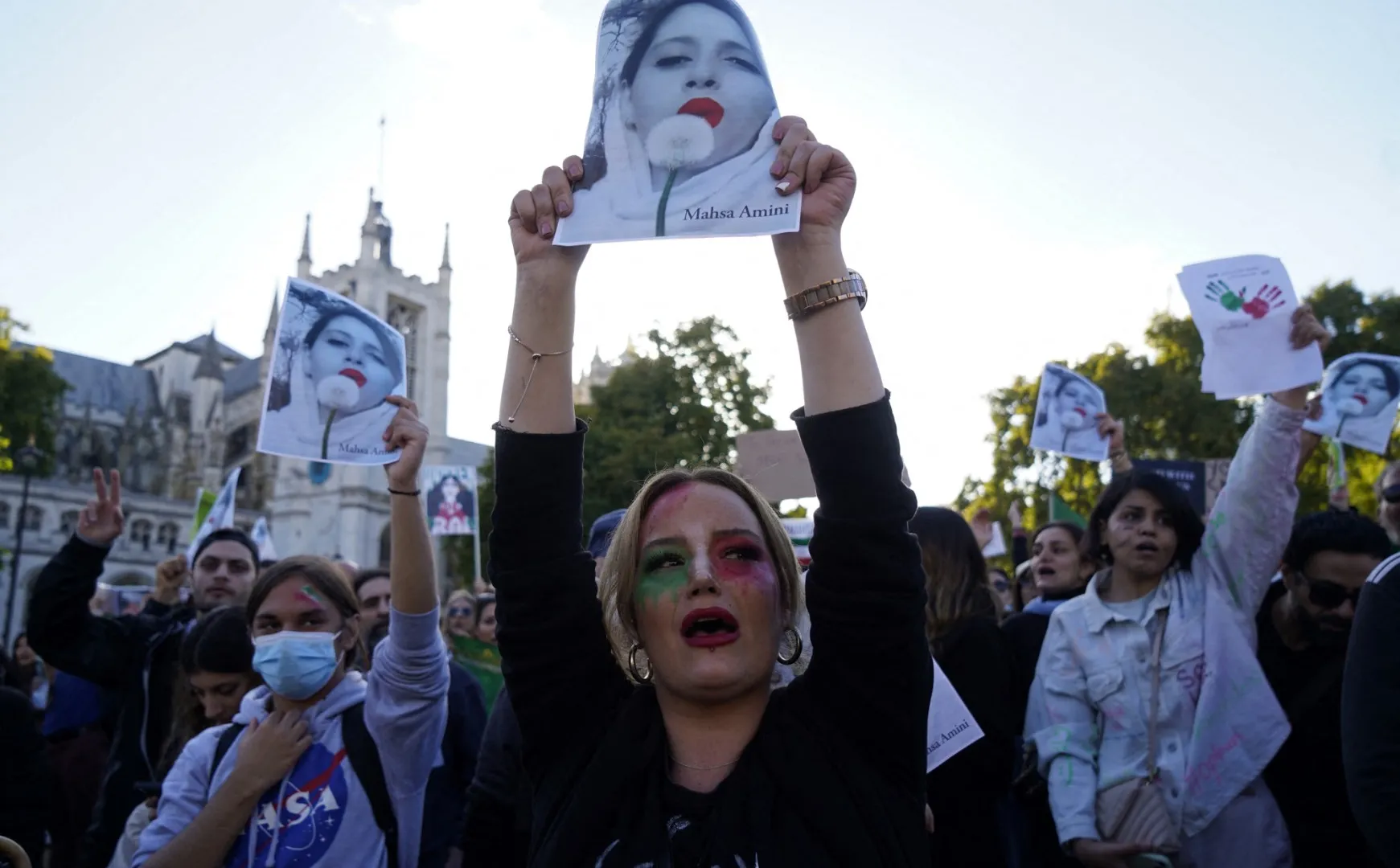
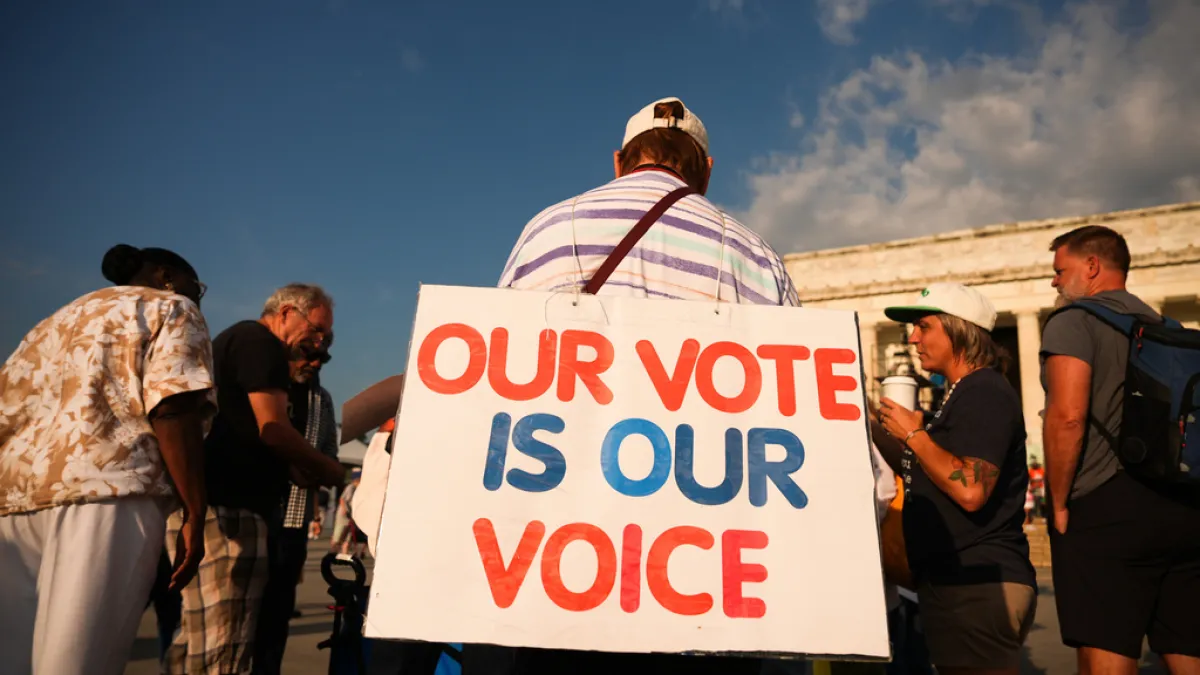
Organizers like Nahella Ashraf, affiliated with Stand Up to Racism, argue that the distinction between "anti-migration" protests and targeted racial abuse has effectively vanished. Ashraf notes that demonstrations held outside mosques or housing facilities for refugees regularly result in arbitrary harassment of individuals based solely on their skin color, regardless of their status or national origin. The presence of far-right figures who openly engage in disruptive behavior near these sites has further emboldened segments of the public to act on racist impulses, according to community advocates.
As the pressure from civil society groups mounts, the government faces a critical juncture regarding its public safety and social policy agendas. If the current trajectory of "weekly" violent incidents continues, it is highly probable that there will be a push for more stringent police intervention and legislative reviews concerning the boundaries of protest versus harassment. However, analysts suggest that if the underlying political rhetoric does not shift, localized efforts central question remains whether policy responses will focus solely on the suppression of public disorder or if they will address the structural concerns raised ional discourse.