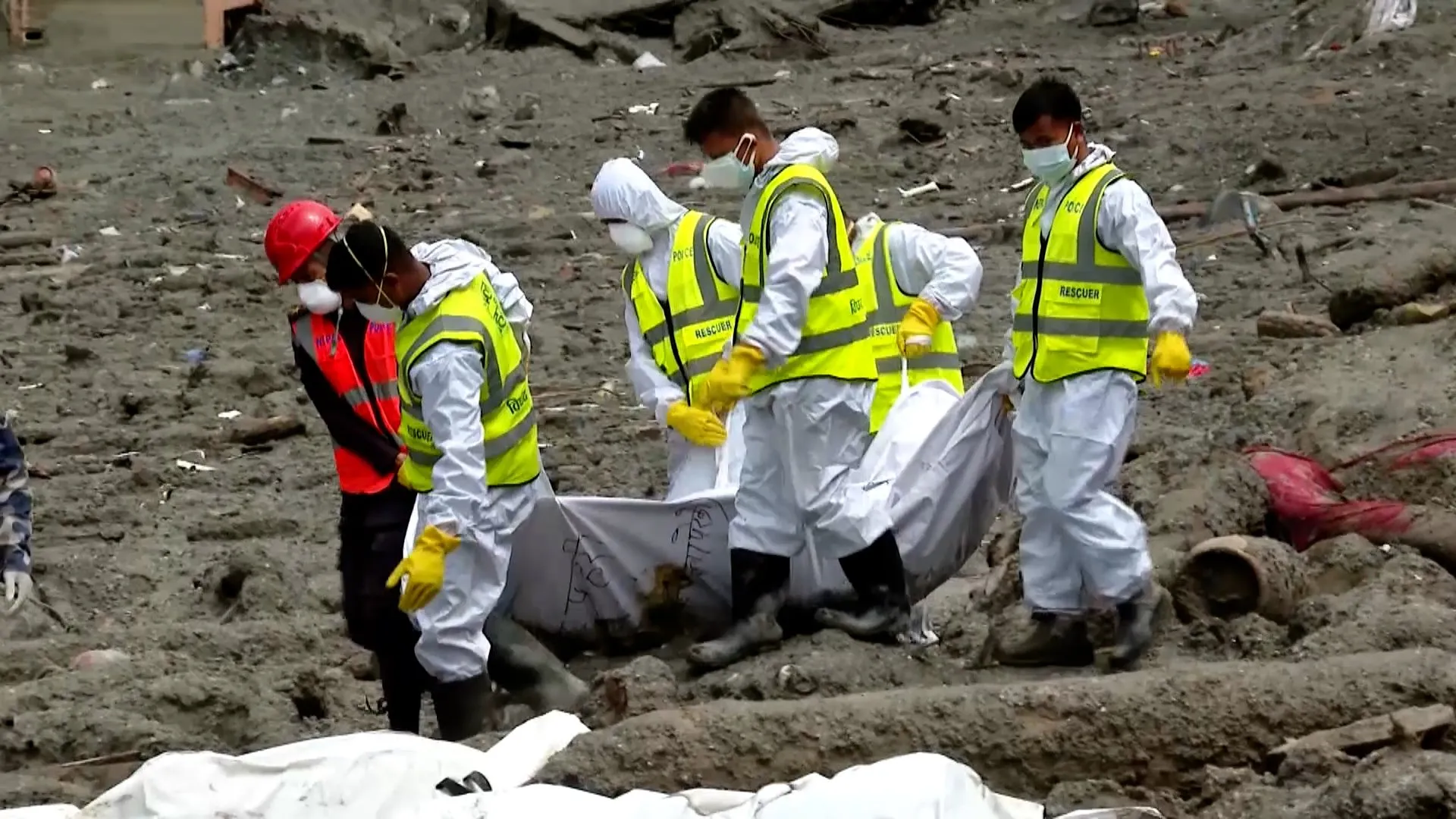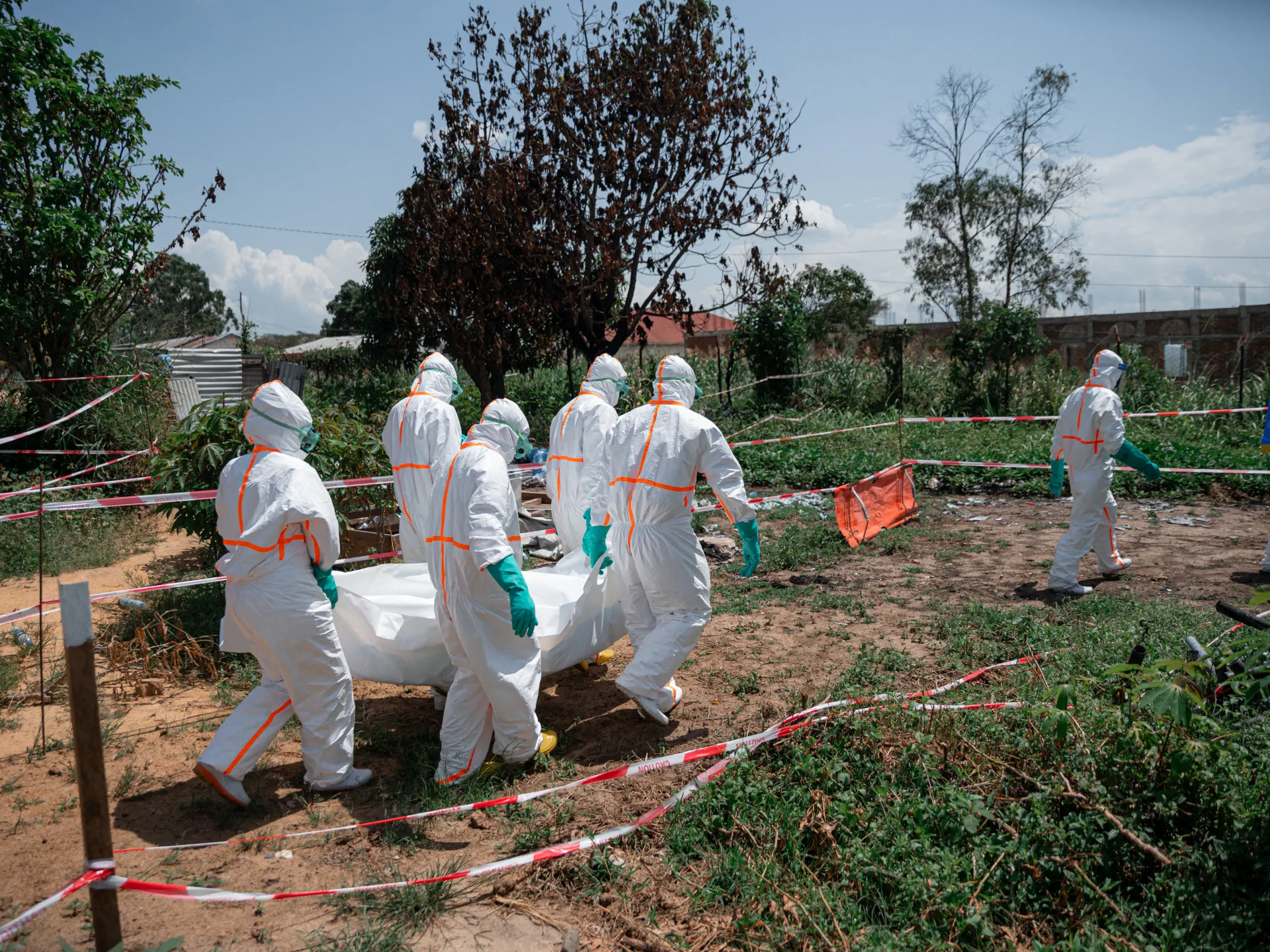
With over 2,300 deaths, the current Ebola outbreak has become the deadliest in the Democratic Republic of the Congo's history, exacerbated by conflict and initial diagnostic delays.
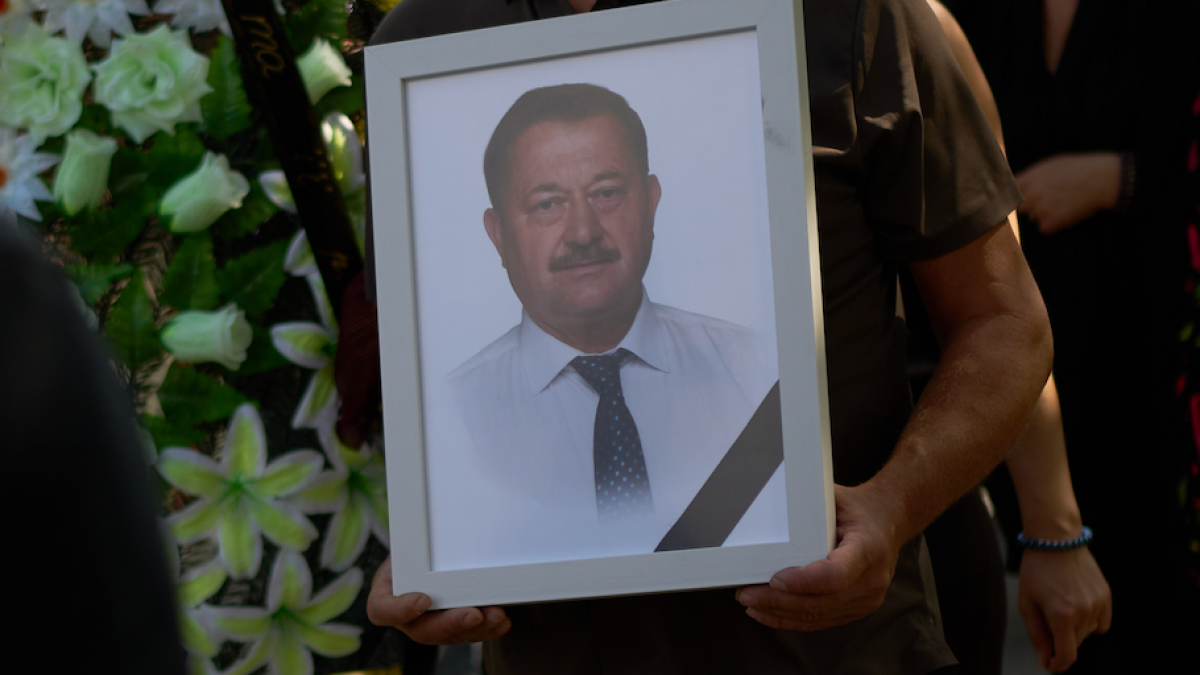
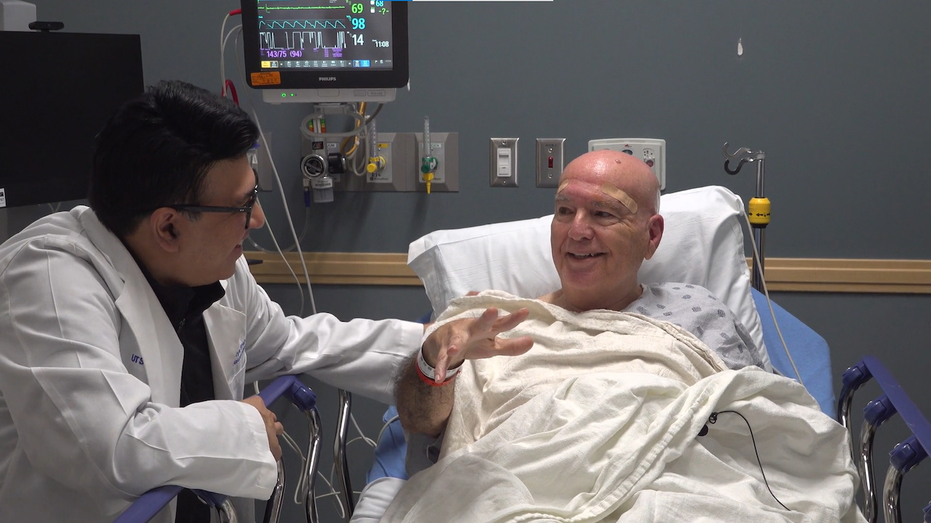
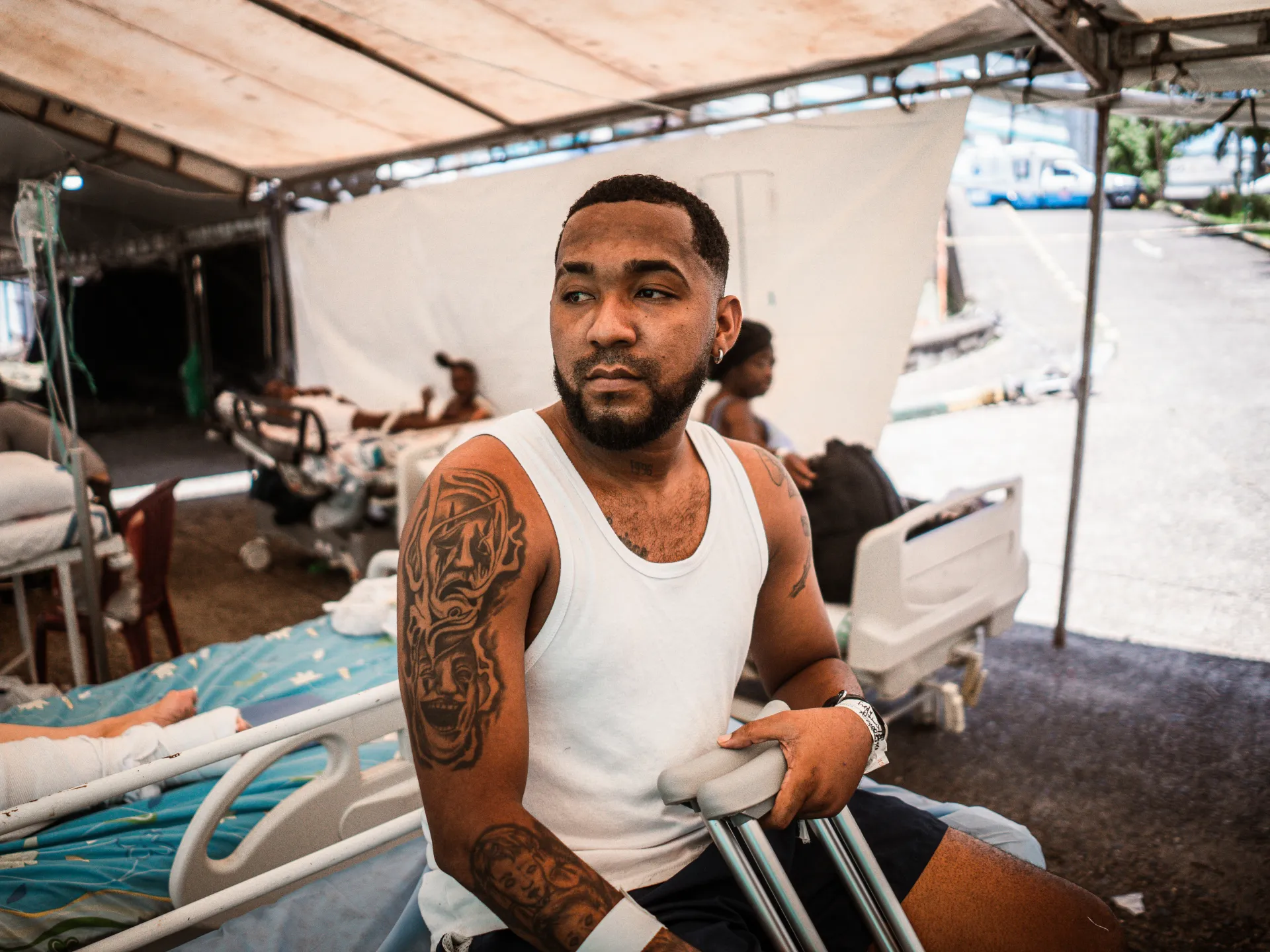
The current Ebola outbreak in the Democratic Republic of the Congo (DRC) has officially reached a grim milestone, becoming the most lethal in the nation's history. The crisis began with subtle, devastating warning signs that were not fully understood until it was too late. In early April, a patient was admitted to the Mongbwalu General Hospital in Ituri Province for a scheduled surgical procedure. Tragically, within weeks of this admission, three essential members of the hospital staff—a surgical assistant, an anaesthetist, and a post-operative care specialist—lost their lives. These deaths served as a harrowing indicator that the virus was circulating in the community long before the government issued an official declaration.
lready established deep roots within the local population. Since that declaration, the situation has escalated rapidly. Health agencies have documented over 4,900 confirmed cases, with the death toll exceeding 2,300 individuals. This rapid surge has surpassed the mortality figures recorded during the significant 2018–2020 epidemic. The strain responsible for this tragedy is the Bundibugyo virus, a variant that presents unique challenges to responders, primarily because there are no currently licensed vaccines or specific, approved therapies available to combat this particular strain.
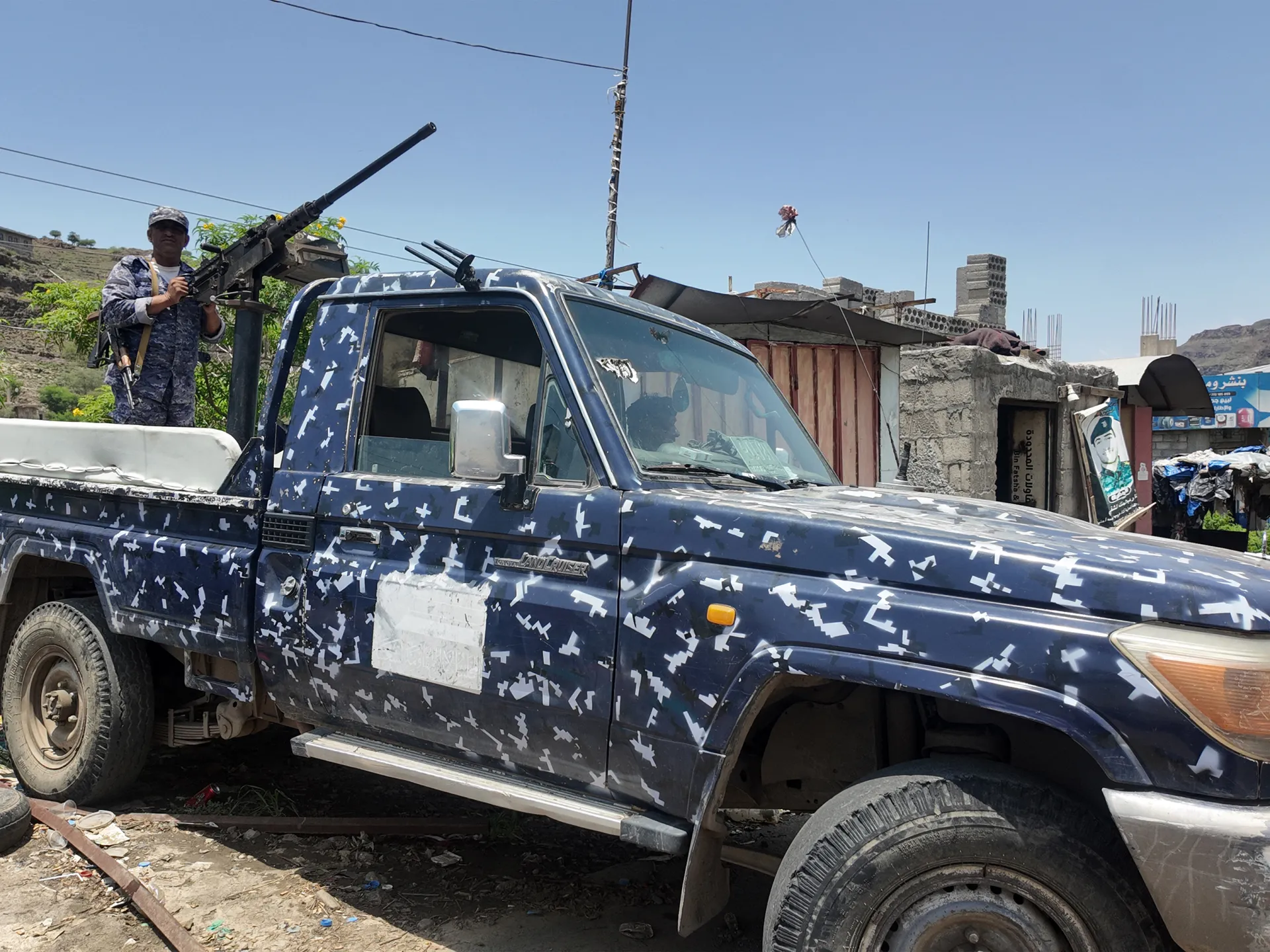
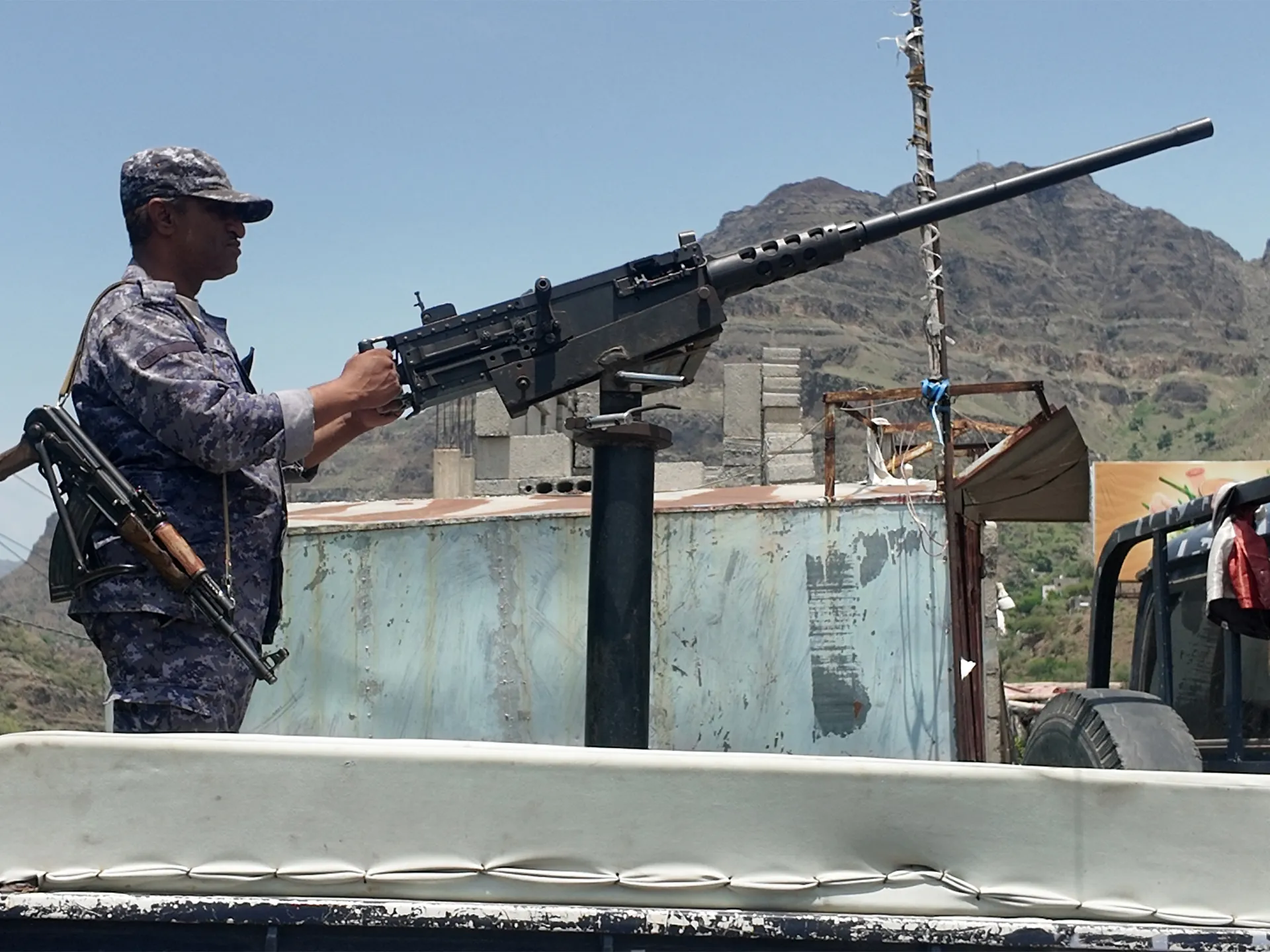
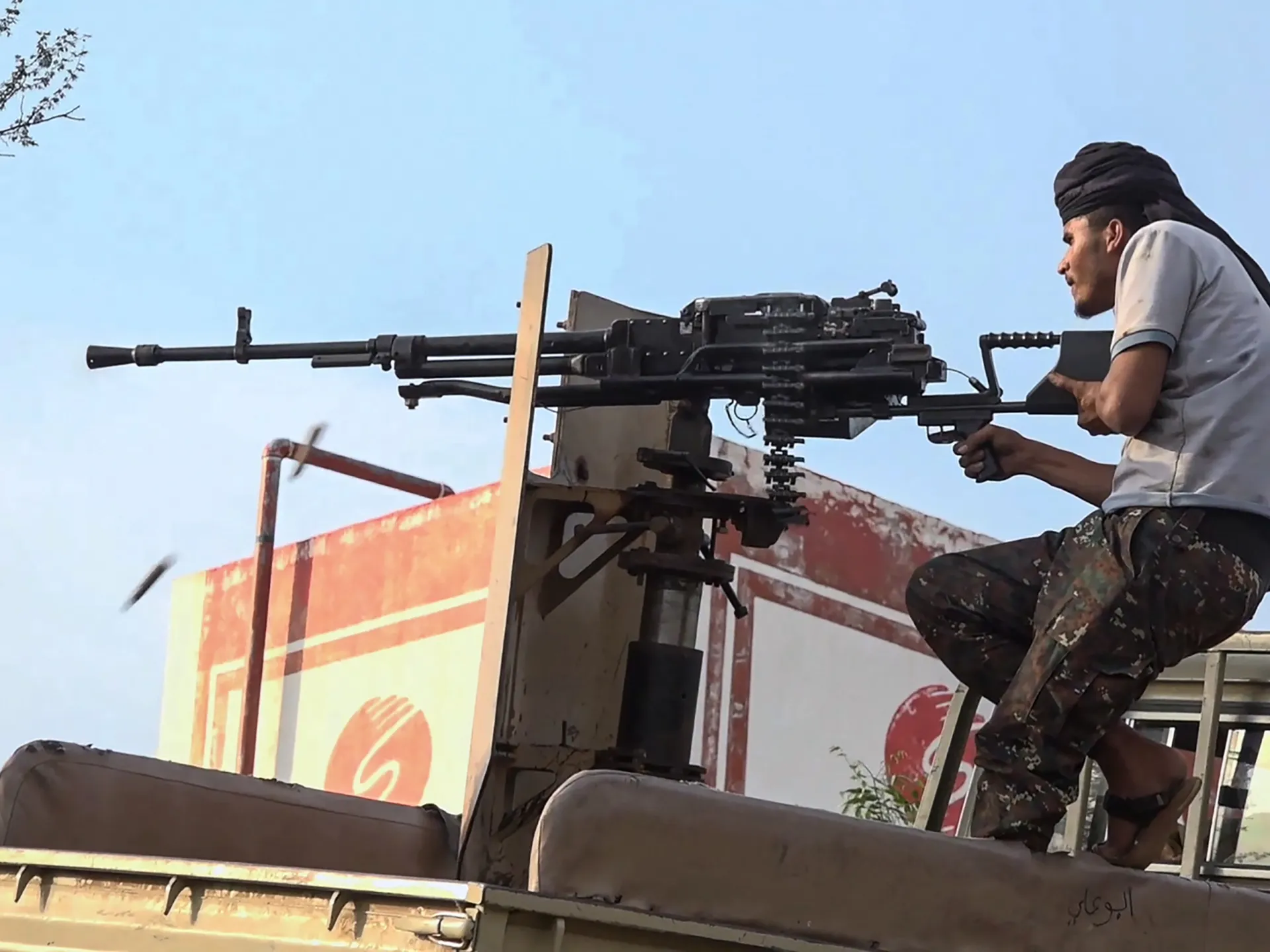
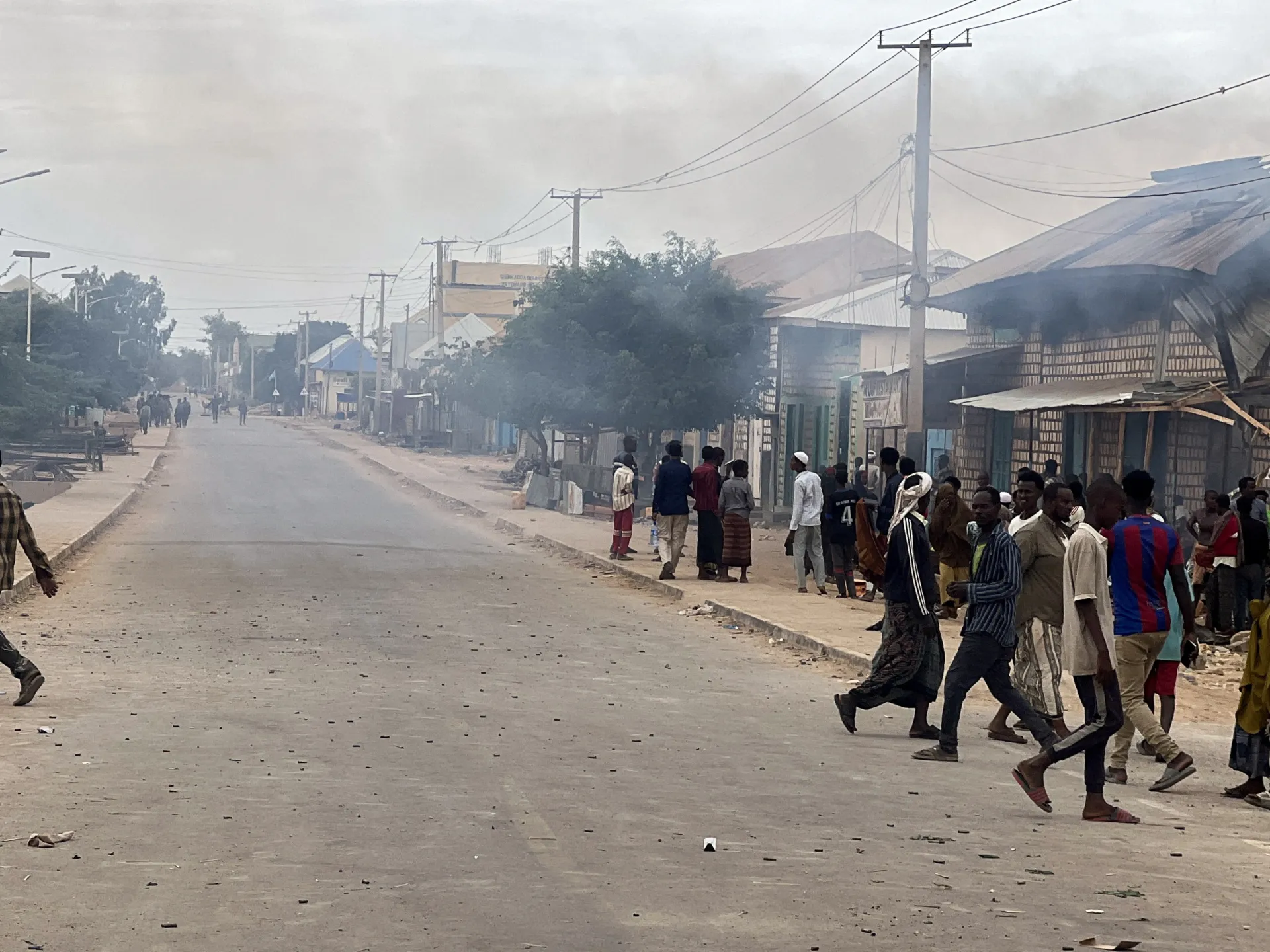
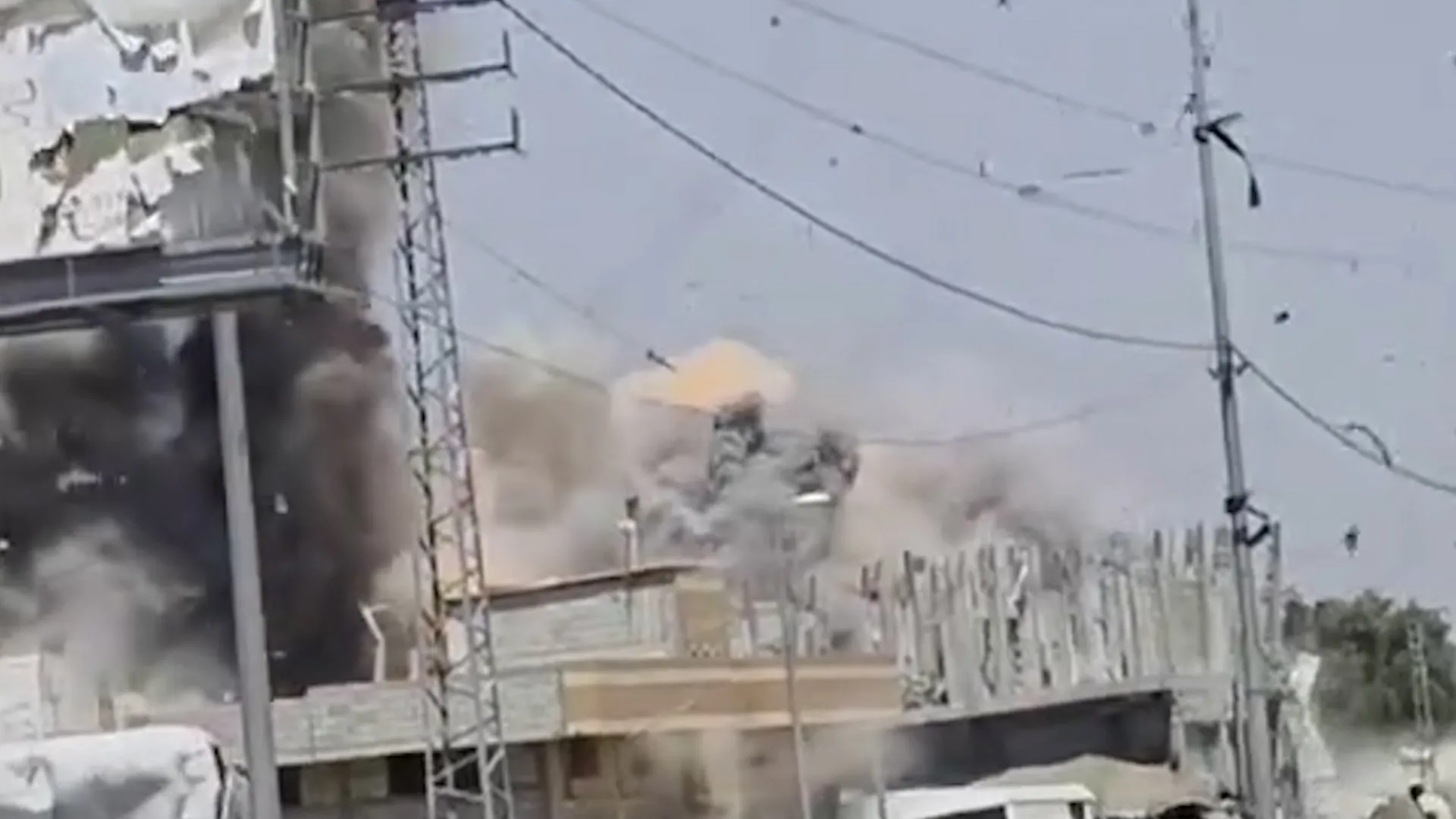
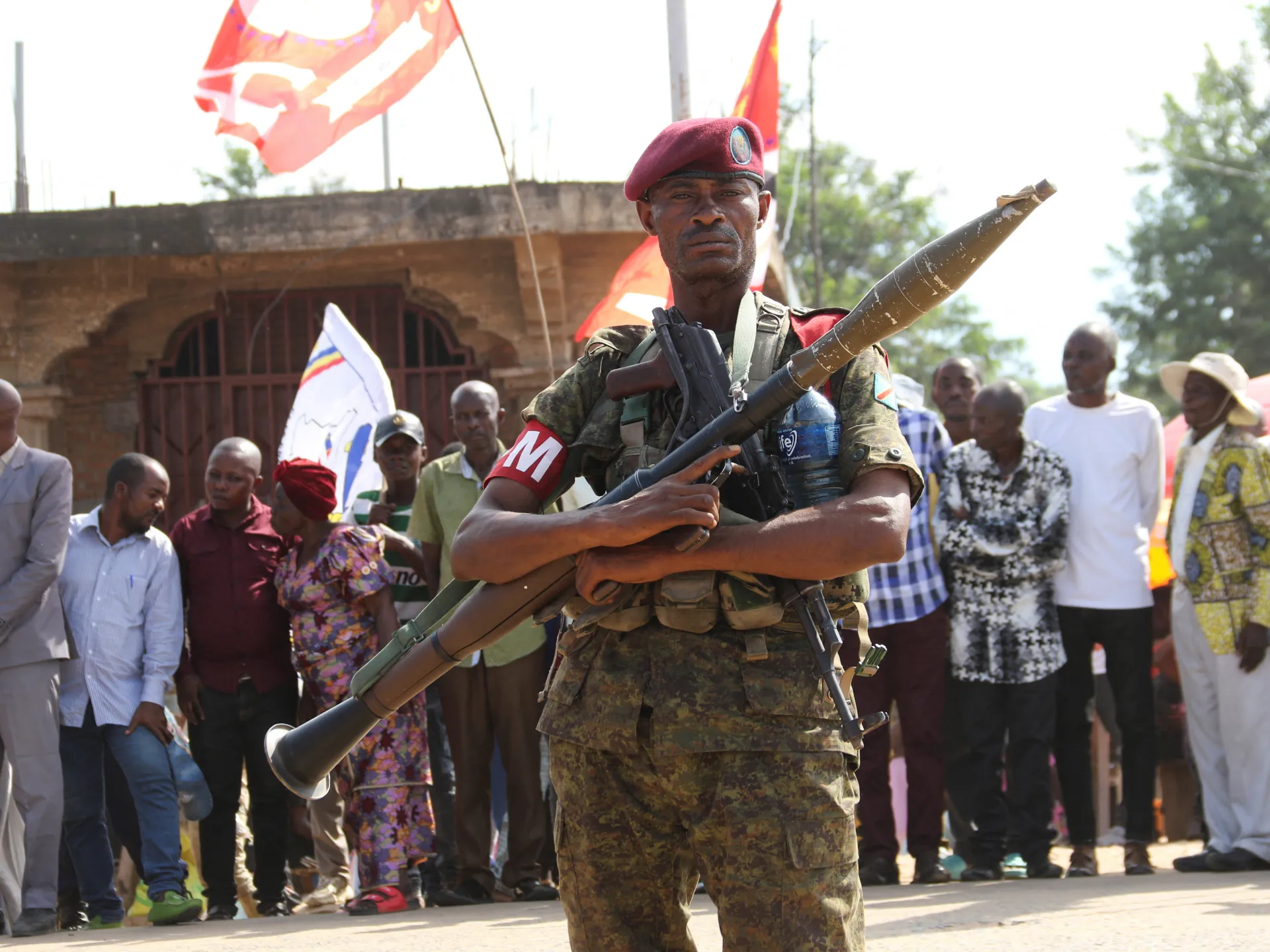
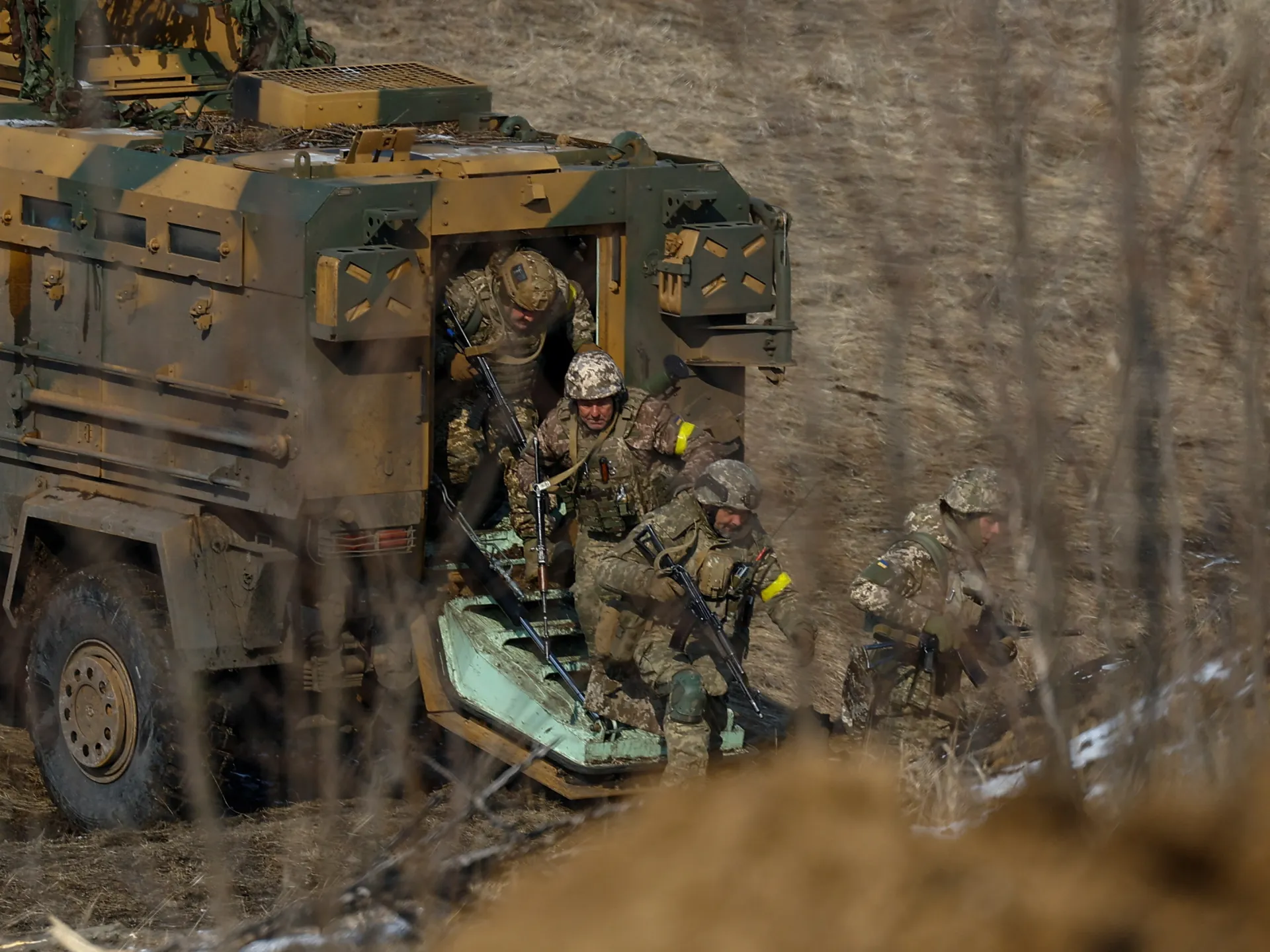
Containment efforts are significantly hampered ch territories. This ongoing instability makes it incredibly difficult for medical personnel to move freely or reach remote communities in need of aid. The province is currently operating under a state of siege, which complicates the logistics of delivering essential medical supplies and coordinating surveillance teams tasked with tracking the virus's spread.
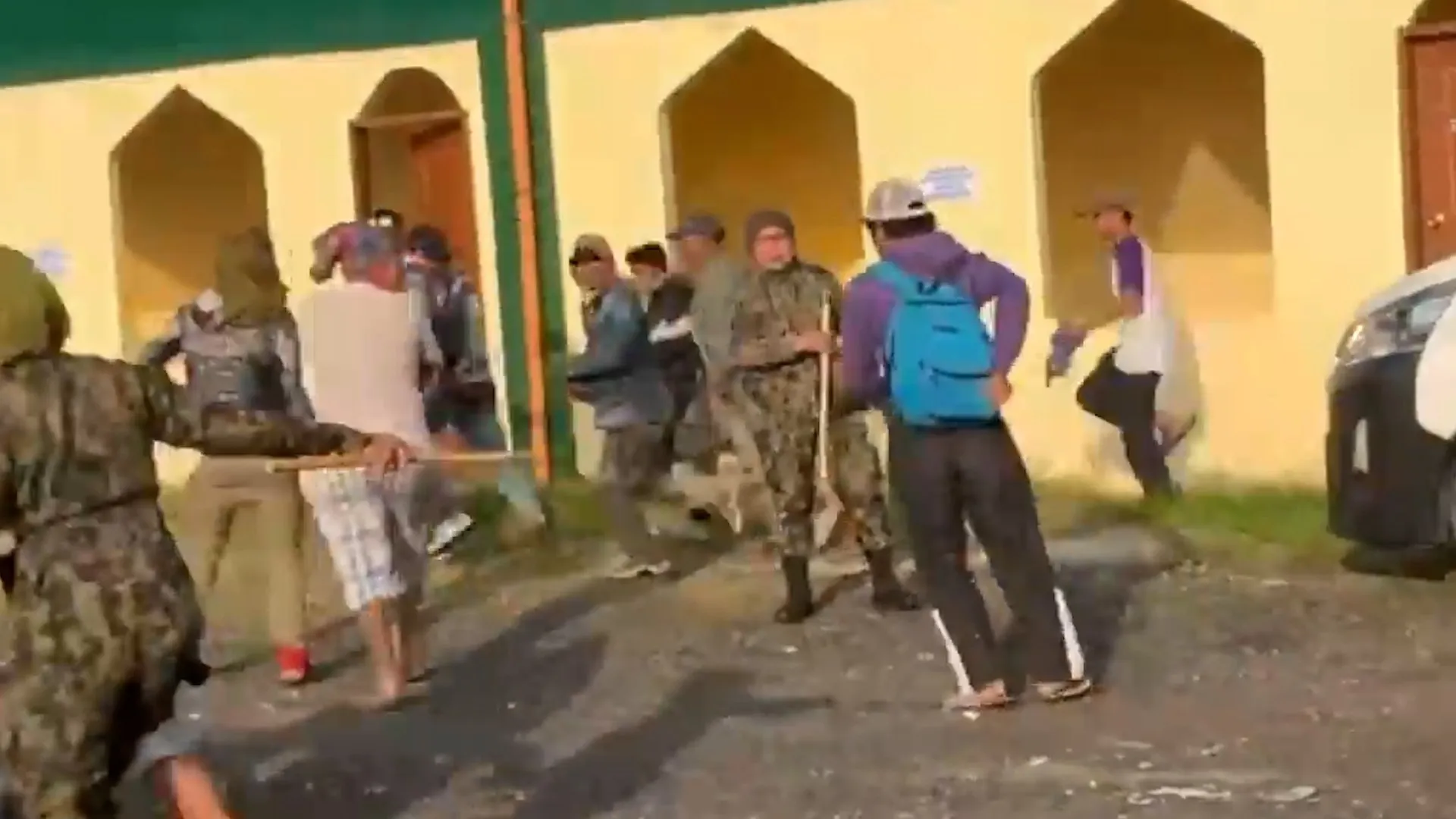
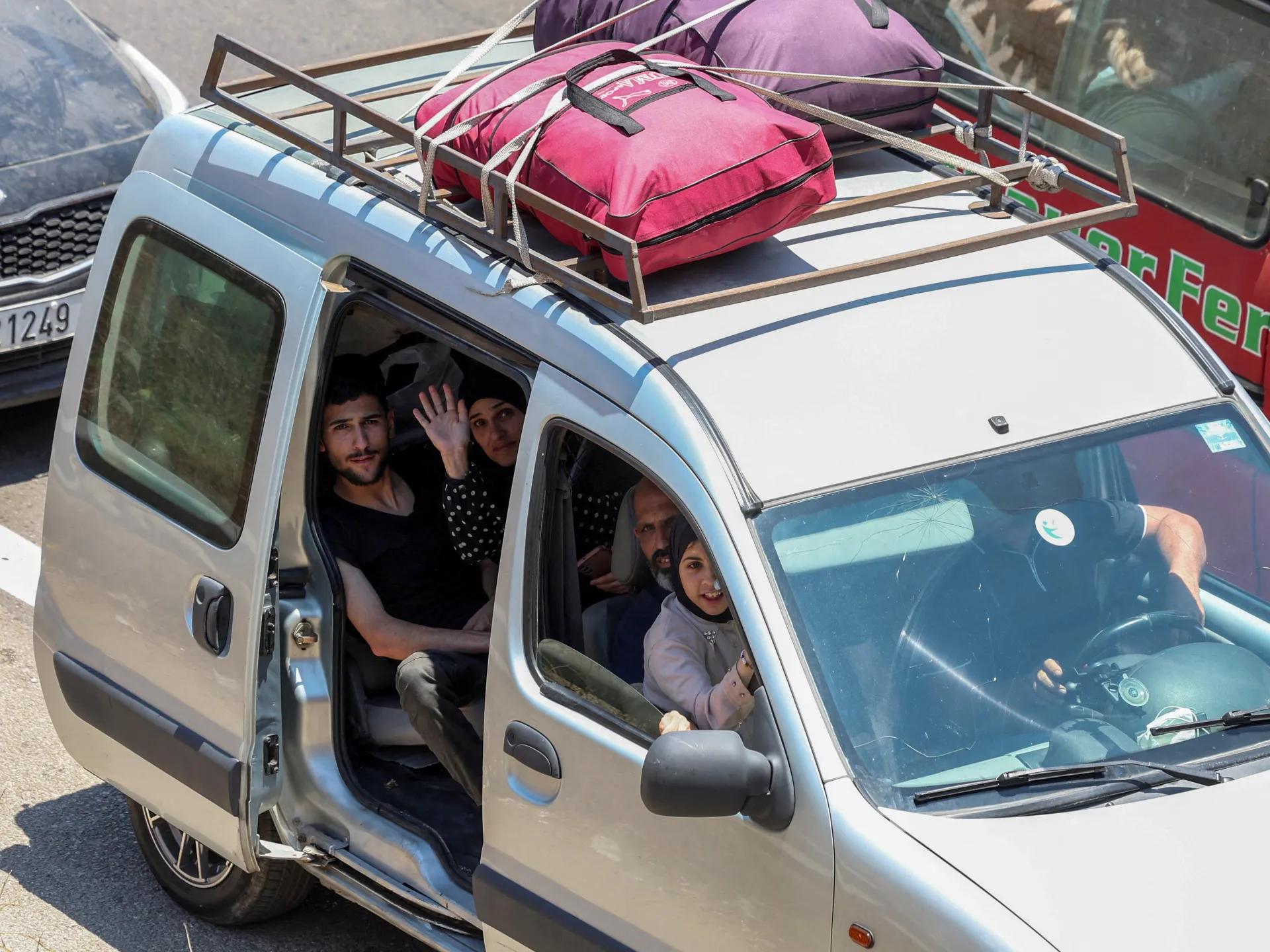
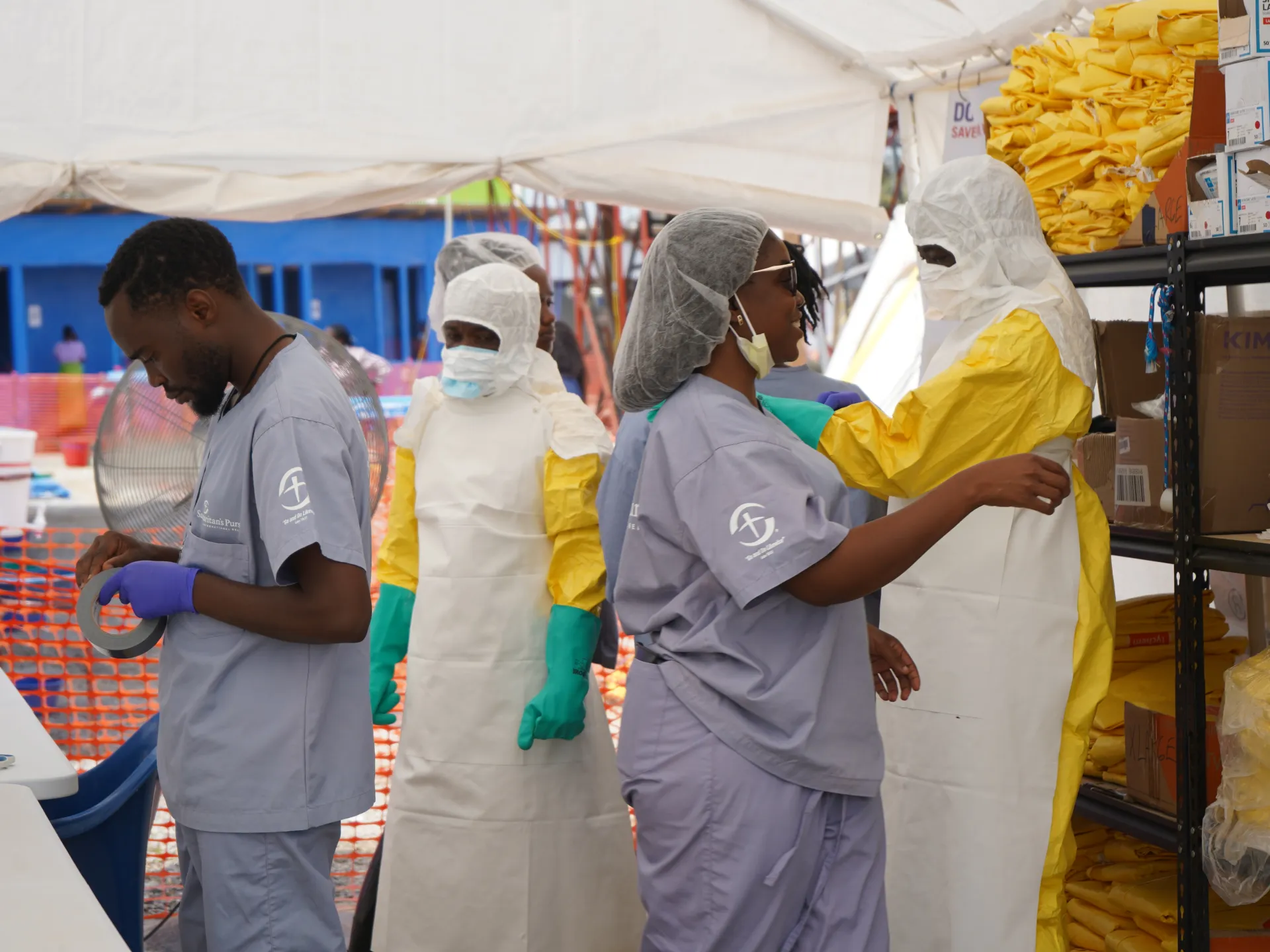
Healthcare professionals on the front lines describe a race against both the biological threat and the environmental dangers of the region. When violence erupts or gunfire breaks out, medical teams are often forced to abandon their posts, leaving patients vulnerable and disrupting the continuity of care. The geographical spread of the outbreak is heavily tied to the movement of individuals, including those who are already symptomatic, traveling between affected zones and neighboring areas. This uncontrolled transit has turned the virus into a mobile threat that is difficult for even the most experienced response teams to track.
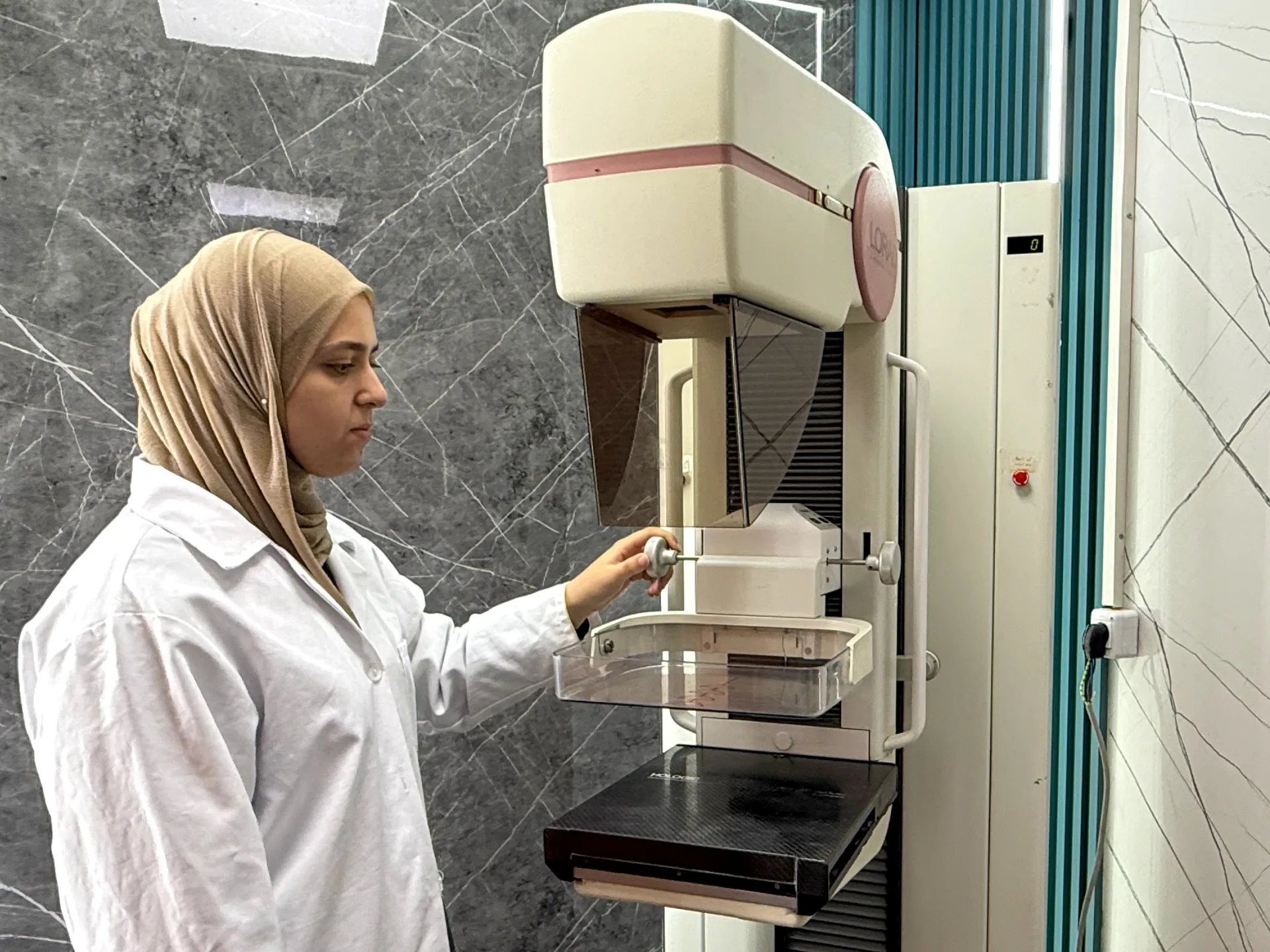
A critical factor in the initial spread of the virus was a lack of local diagnostic infrastructure. In the early stages of the response, health officials were forced to rely on laboratory facilities located outside of the province to confirm suspected cases. This reliance created significant delays in the diagnostic process, preventing teams from isolating patients and tracing contacts before they could transmit the virus to others. Recognizing this failure, the government has since prioritized the expansion of local diagnostic capabilities.
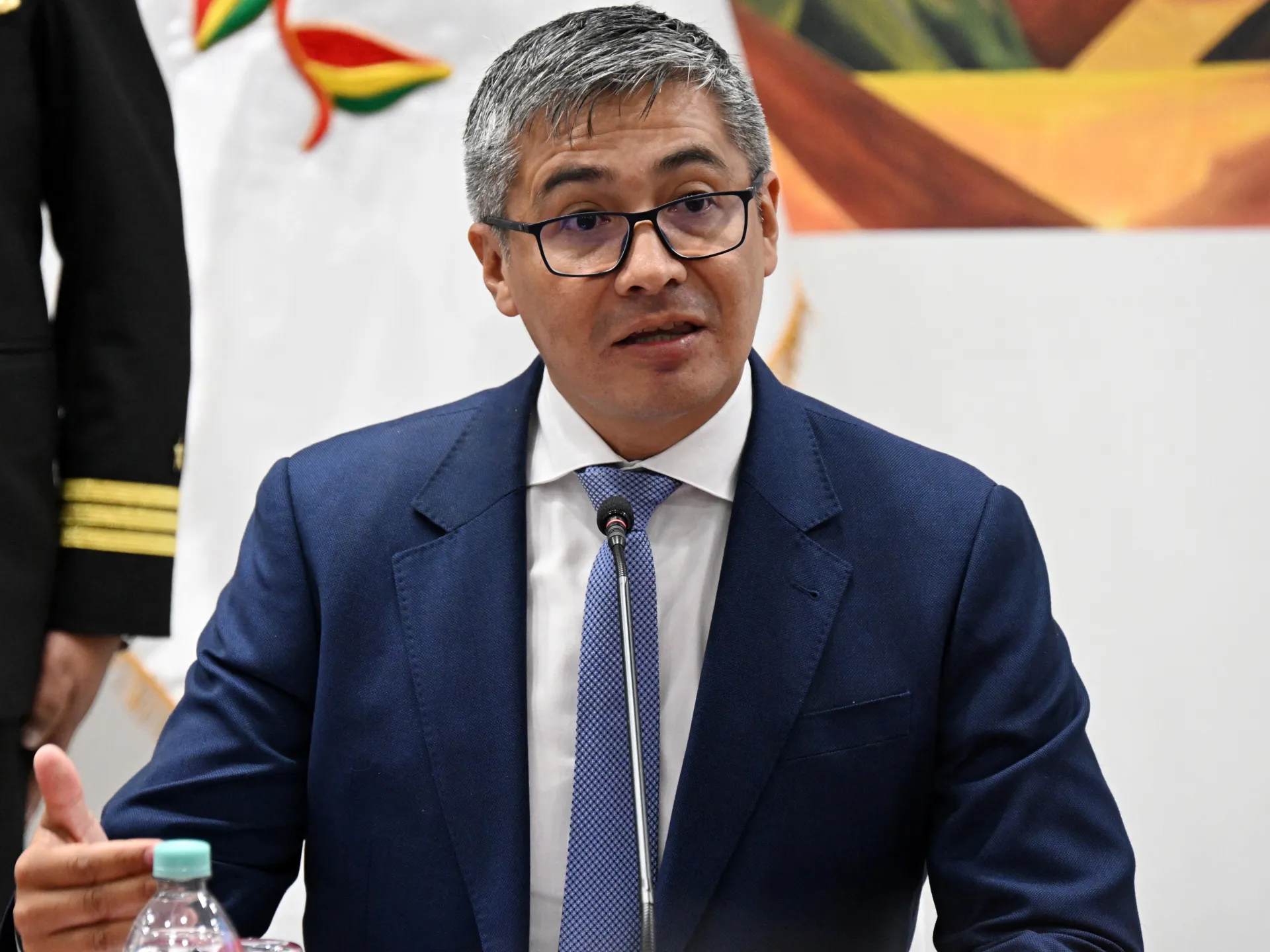
Professor Pierre Akilimali, who oversees the national response, noted that the province has successfully scaled its testing infrastructure from zero local laboratories to more than twelve. While this progress is vital for the long-term management of the outbreak, the damage caused tics. Today, the response strategy focuses on a combination of rigorous surveillance, community engagement, and supportive care, as health workers attempt to manage the outbreak without the benefit of the vaccines that have helped control previous Zaire strain outbreaks.
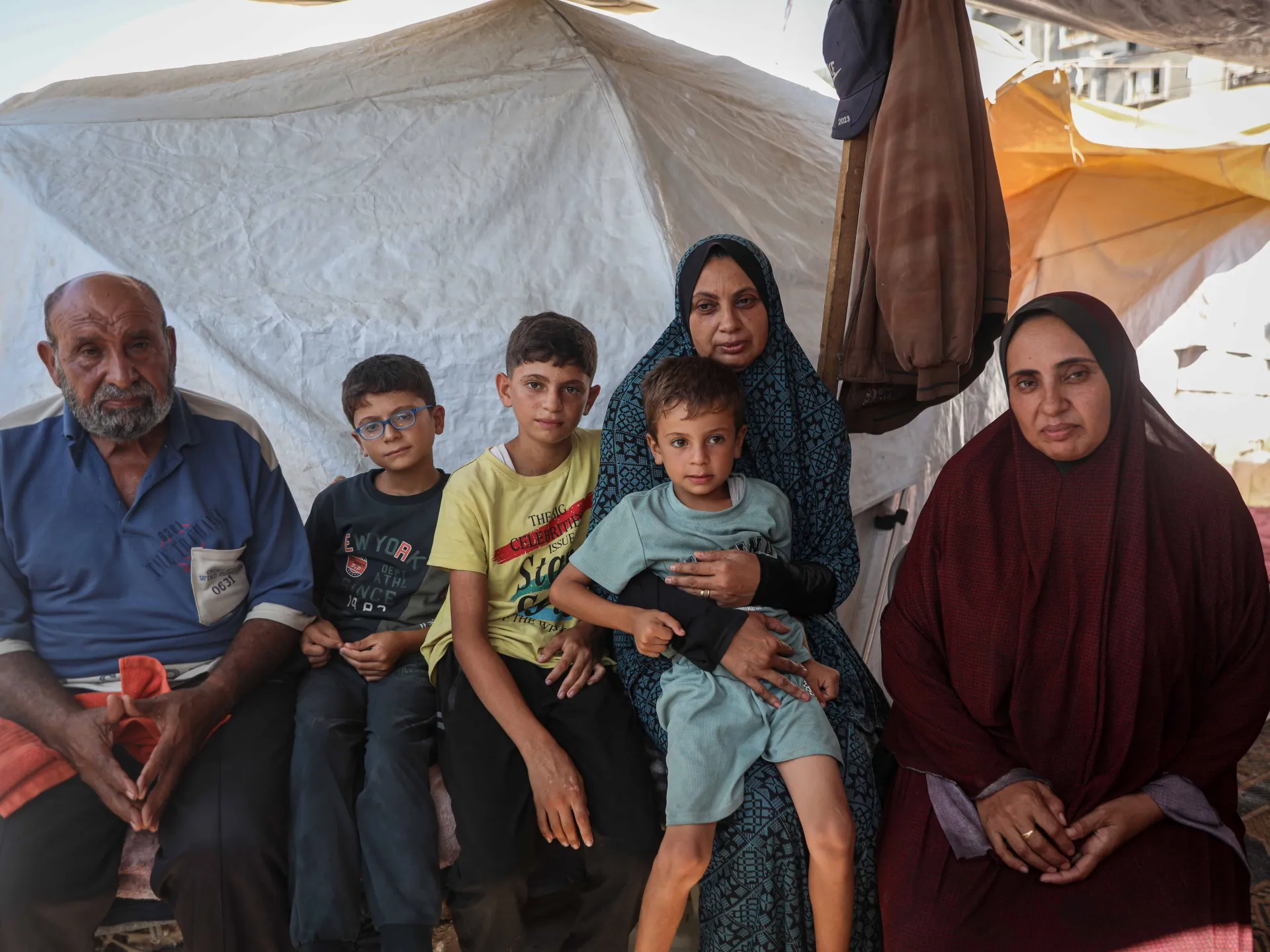
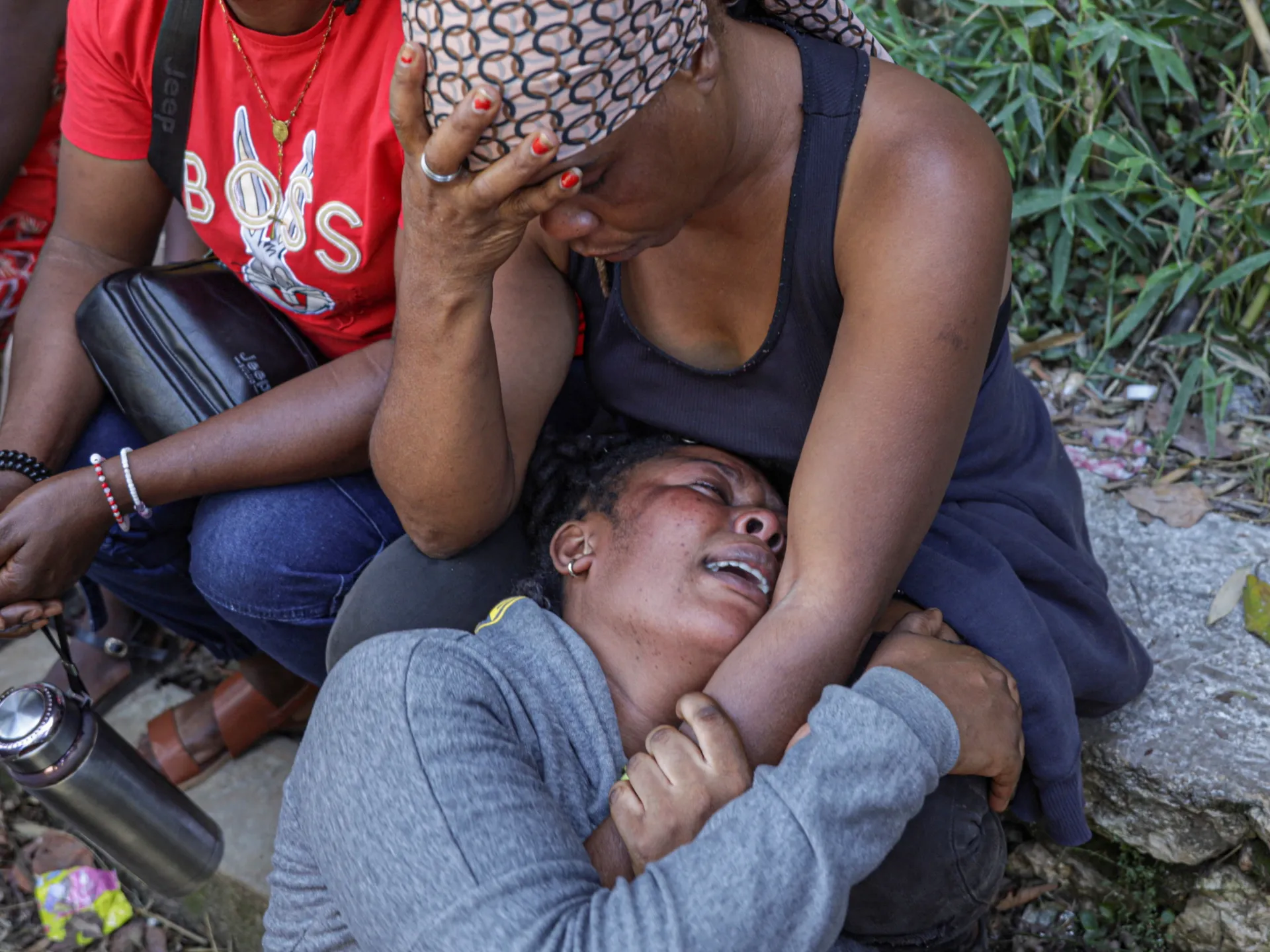
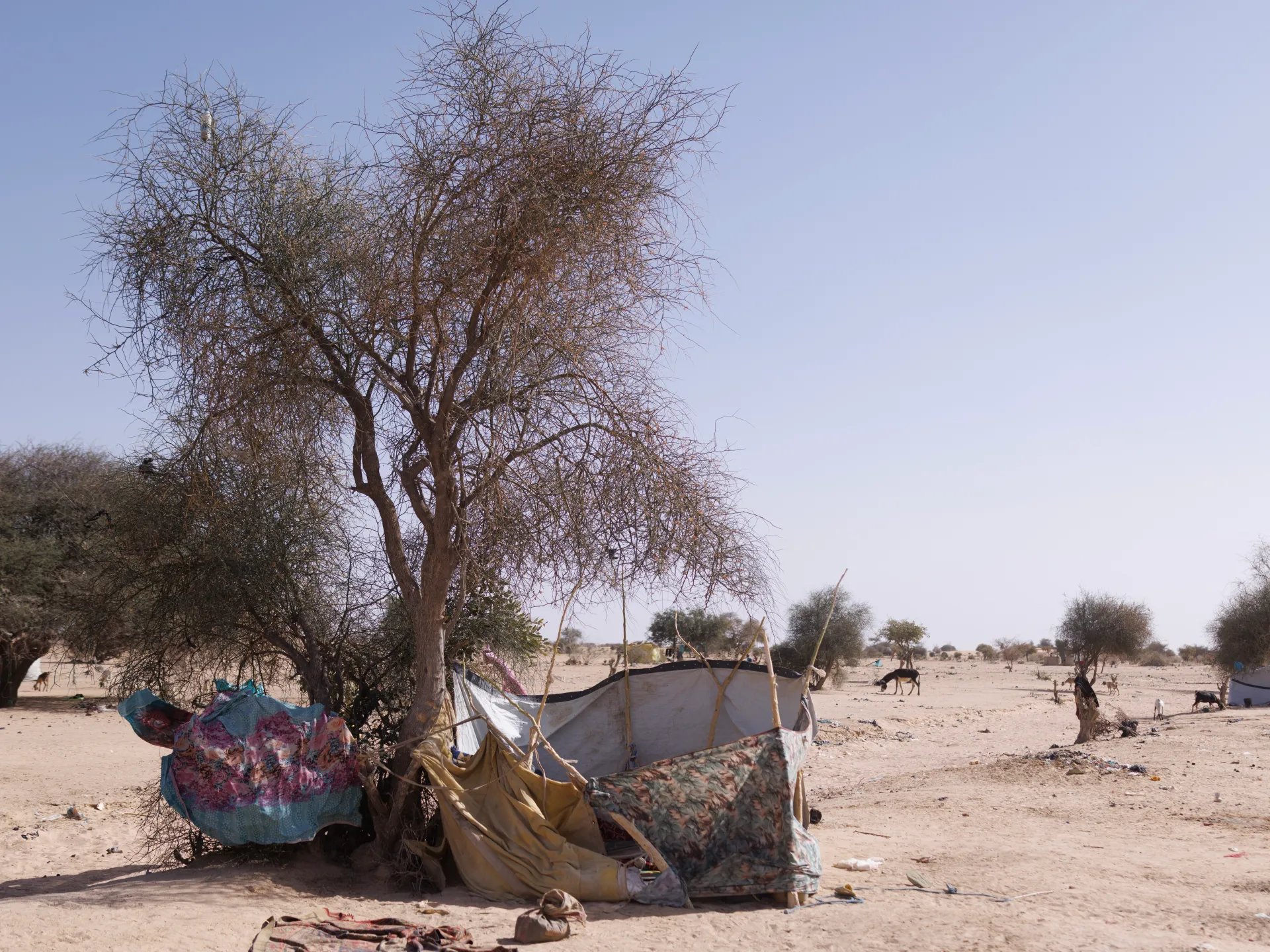
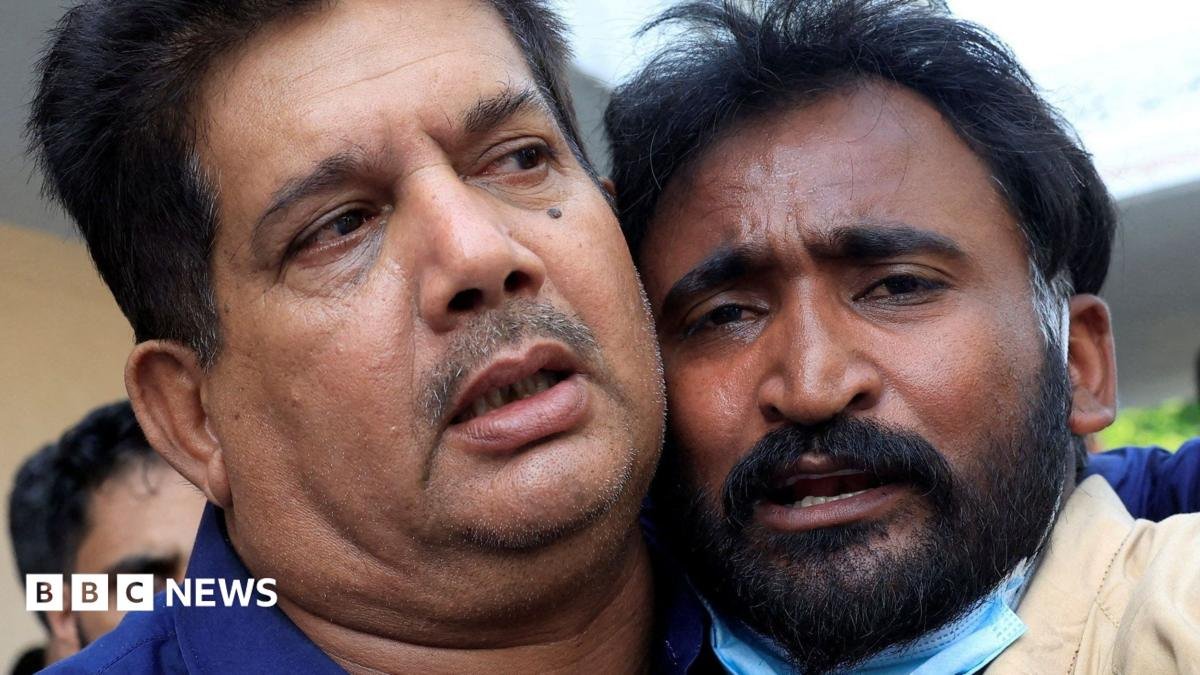
For the residents of Ituri and surrounding provinces, the outbreak is far more than a set of statistics; it is a profound personal tragedy. The intersection of poverty, poor governance, and insecurity has left many feeling abandoned and fearful of the future. Trust in official response efforts remains fragile, as local populations struggle to balance the fear of a deadly epidemic with the daily realities of life in a war zone. International organizations, including the Africa Centres for Disease Control and Prevention and the World Health Organization, continue to work alongside local authorities to provide support.
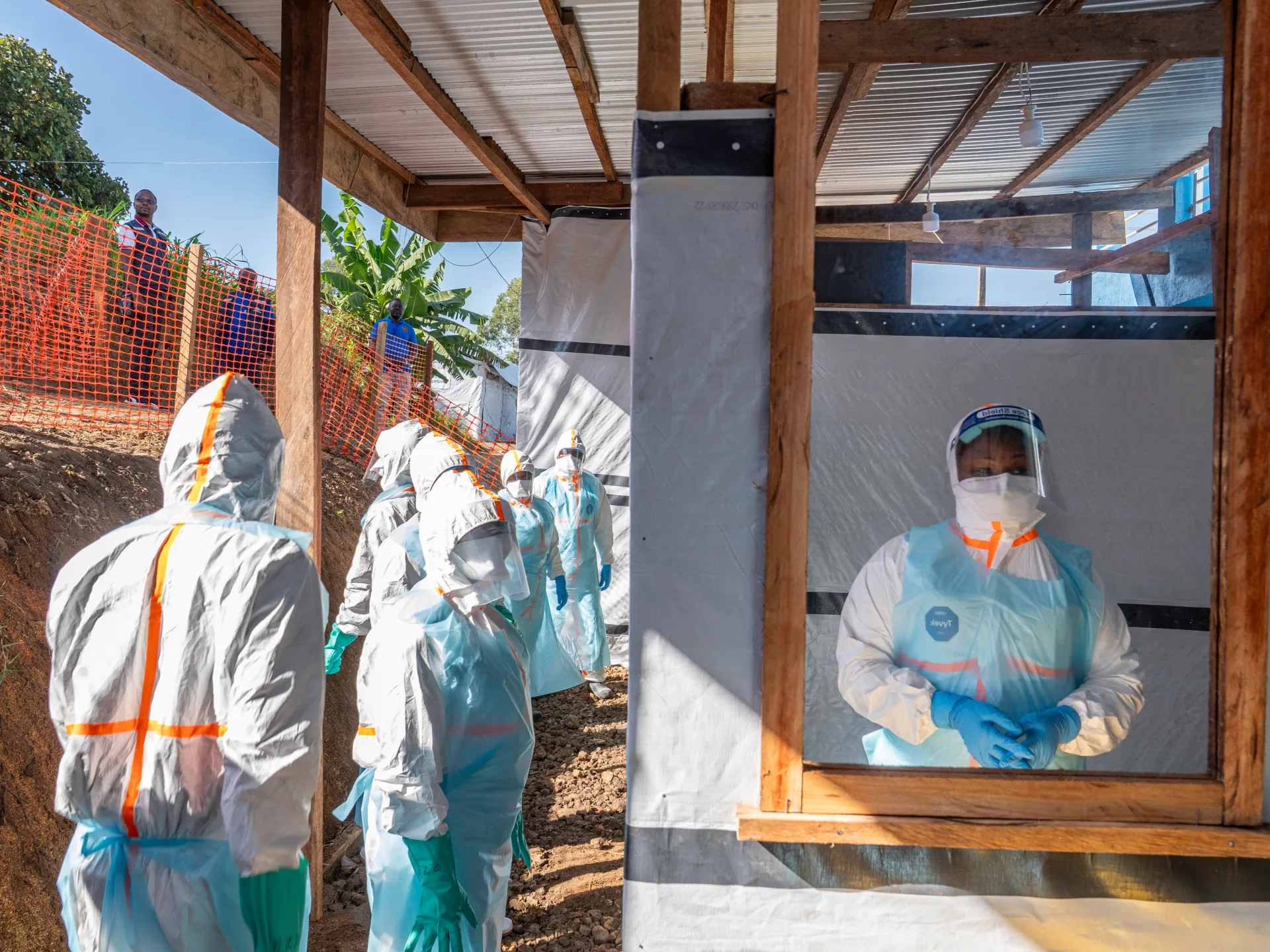
Despite the immense challenges, the commitment of health workers remains the cornerstone of the containment strategy. Relying on established protocols for infection prevention and community education, these teams continue to provide care in some of the most difficult conditions imaginable. The path forward remains uncertain, as the combination of an elusive viral strain and a fractured security landscape ensures that the fight against this historic outbreak will continue to be a test of resilience for the people of the Democratic Republic of the Congo.