Singaporean residents are mounting a rare and vocal challenge to government plans to clear significant forest areas for new housing developments.
For decades, Singaporean urban planning has been characterized lic. However, recent proposals to clear significant portions of Maju Forest and Gillman Forest for residential development have ignited a rare wave of vocal opposition. Residents who have long enjoyed the ecological benefits of these green spaces are now organizing, sharing expertise, and demanding greater transparency regarding the city-state’s land-use priorities.
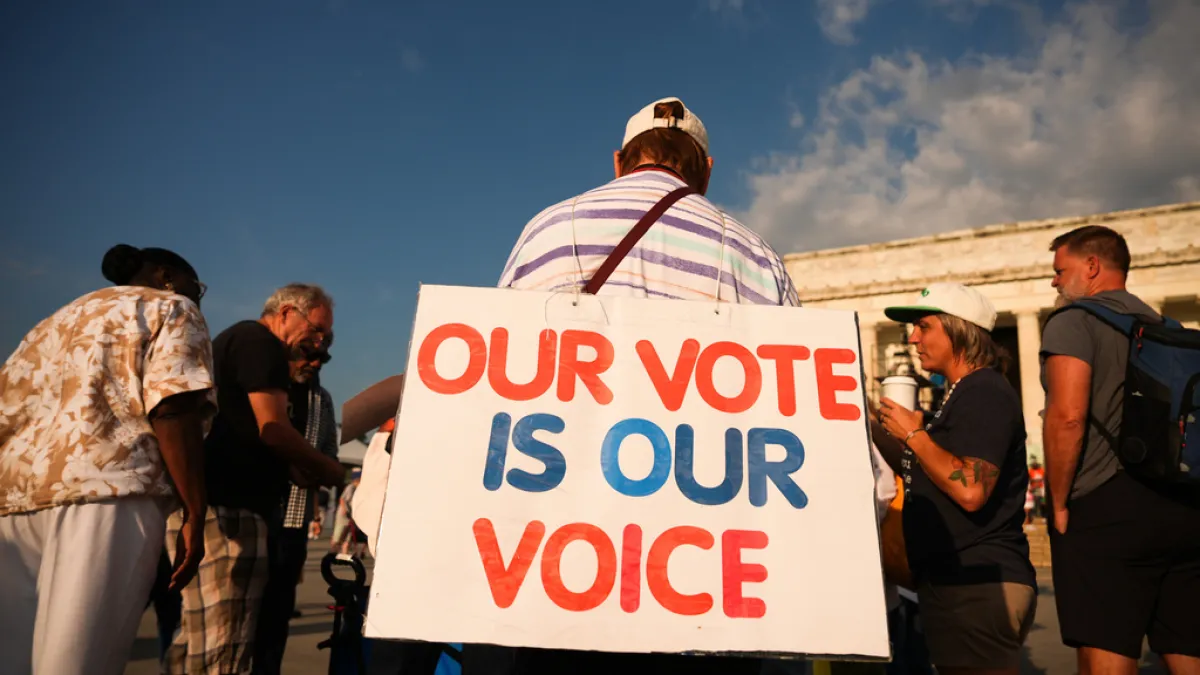
The movement has transcended local interest, drawing tens of thousands of signatures on petitions and filling public venues. At Speakers’ Corner—the only location in Singapore where citizens can assemble legally without a permit—thousands gathered recently to voice concerns. This mobilization suggests a maturing civic culture, where citizens feel increasingly empowered to participate in the national discourse regarding how land is balanced between urban expansion and environmental conservation.
The areas slated for development are not merely vacant plots; they are vibrant, biodiversity-rich habitats. Official environmental assessments indicate that Maju Forest and Gillman Forest support hundreds of animal species, including critically endangered creatures like the straw-headed bulbul and the Sunda pangolin. For long-term residents, the prospect of losing these "green canopies" represents more than just a loss of scenery; it signifies the destruction of a functioning ecosystem that has coexisted with the urban residential landscape for generations.
Critics of the development argue that the government’s approach to land management is unsustainable. Research has indicated that Singapore is on a trajectory to clear thousands of hectares of forest for new projects, an area significantly larger than all current nature reserves and parks combined. As the city-state brands itself as a "City in Nature," residents are highlighting the irony of destroying existing forests to build new residential blocks, suggesting that the current model of progress may be at odds with the nation’s environmental goals.
The government maintains that its development plans are essential to address the acute demand for public housing. With the population reaching record highs and public housing applications remaining heavily oversubscribed, authorities argue that the choices available to planners are extremely constrained. Officials have emphasized that the high home-ownership rate, currently around 90 percent, is a cornerstone of Singaporean social stability that requires a steady supply of new land for construction.
Despite this, many activists reject the binary framing that pits housing needs against environmental preservation. They argue that the government’s narrative of inevitable trade-offs is misleading and fails to consider alternative urban development strategies, such as redeveloping existing brownfield sites or optimizing current land use. This friction has forced the government to make minor concessions, including promises to increase the amount of green space retained in the development plans, though many activists believe these measures do not go far enough to protect the integrity of the forests.
The term "Maju," which means progress in Malay, has become a focal point for this national soul-searching. As Singapore reflects on its identity as a wealthy, modern nation, the debate over these forests has evolved into a broader conversation about what kind of future citizens want to inhabit. The resistance to the clearing of these forests is, for many, an act of love for their surroundings and a commitment to ensuring that future generations inherit a landscape that includes natural biodiversity.
As the government navigates the political pressure, the movement continues to grow through digital organization and community-led advocacy. Residents are using social media and community groups to navigate complex environmental impact assessments, transforming themselves from passive observers into informed stakeholders. Whether these efforts will successfully halt the projects remains uncertain, but the dialogue itself has fundamentally altered the relationship between the state and its citizens regarding the stewardship of Singapore’s remaining wild spaces.