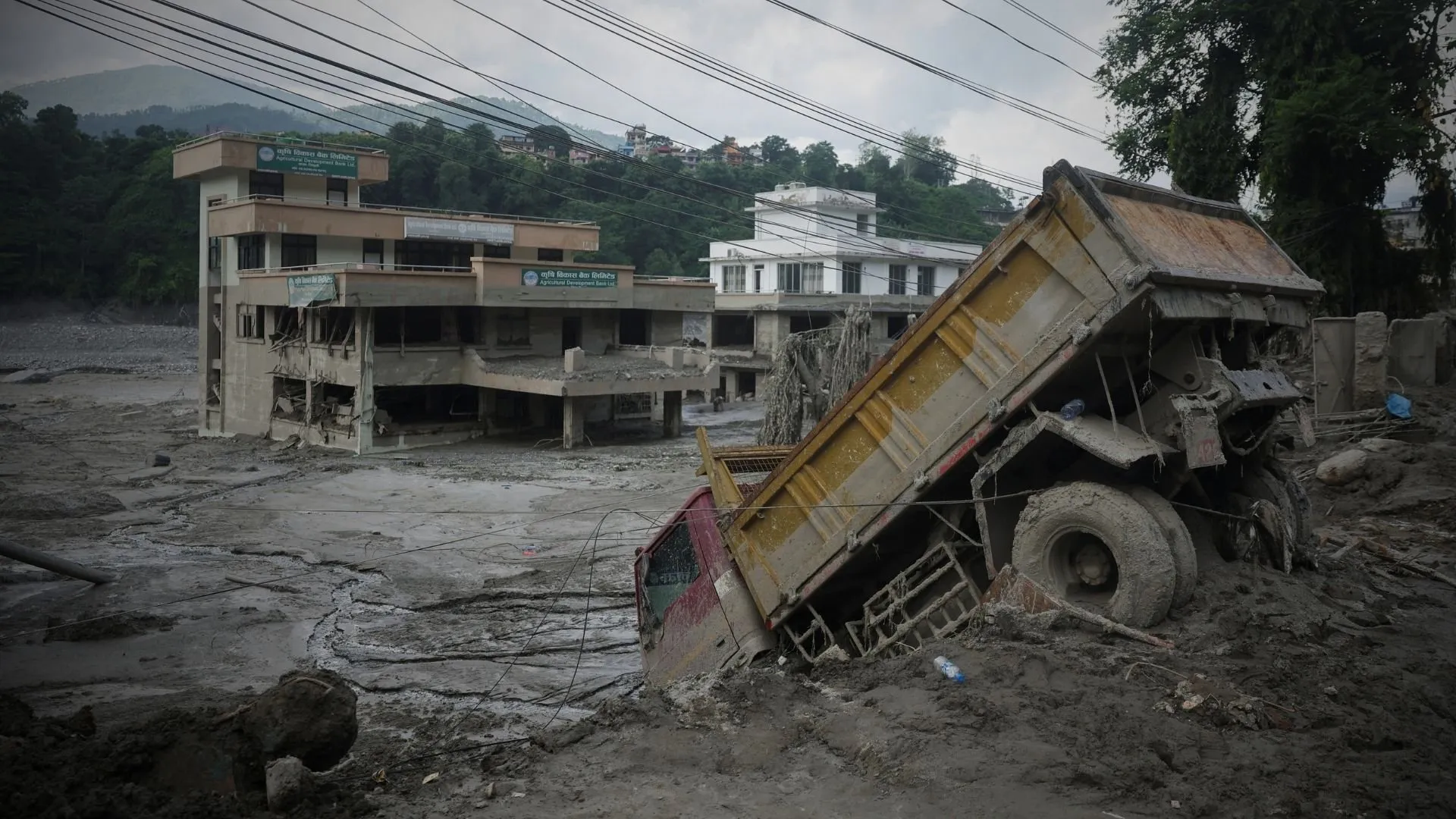
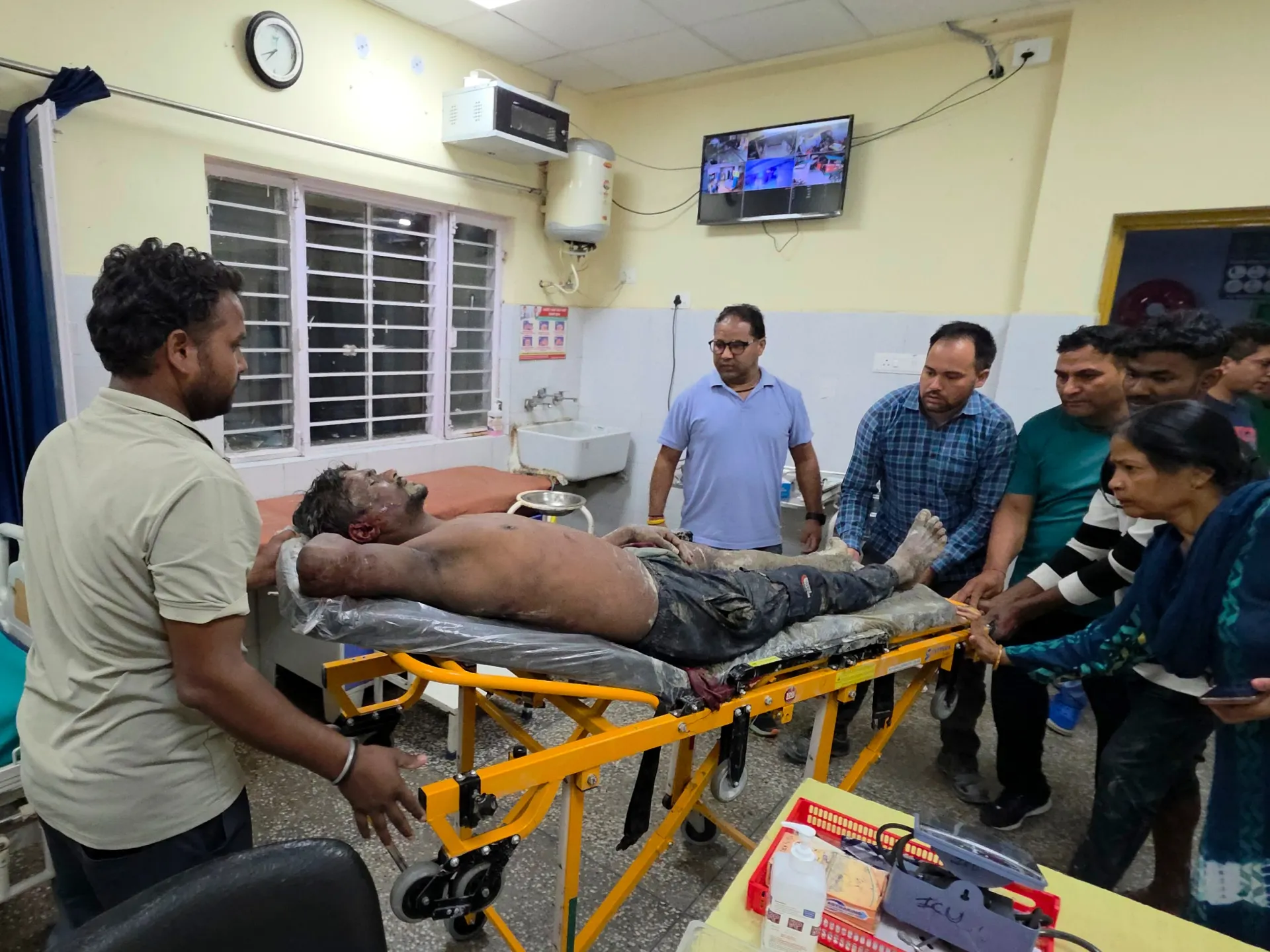
Rescue teams in Nepal are utilizing heavy machinery to reach hydropower workers trapped in mud-swamped tunnels following a massive, glacier-induced flash flood.
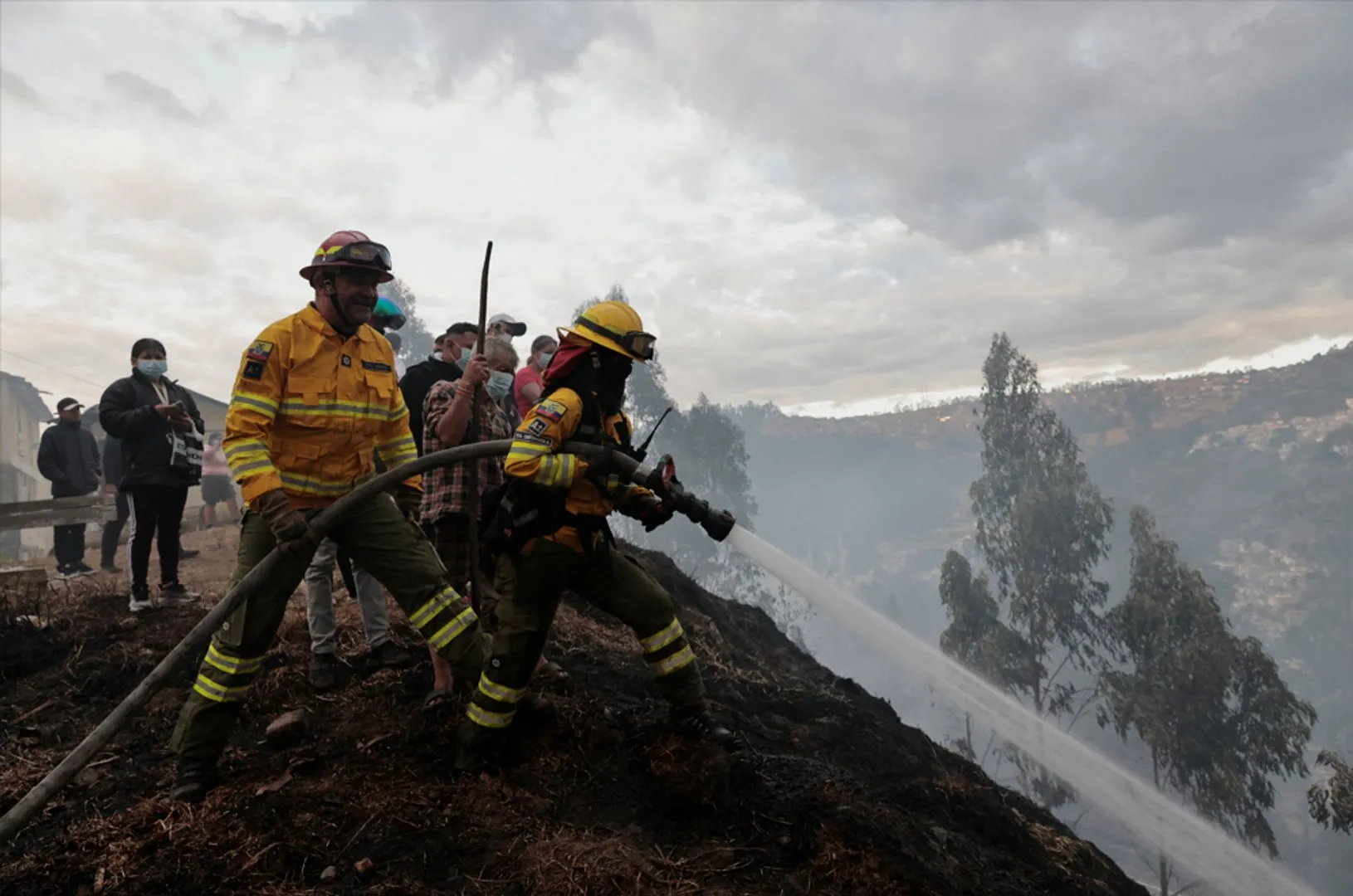
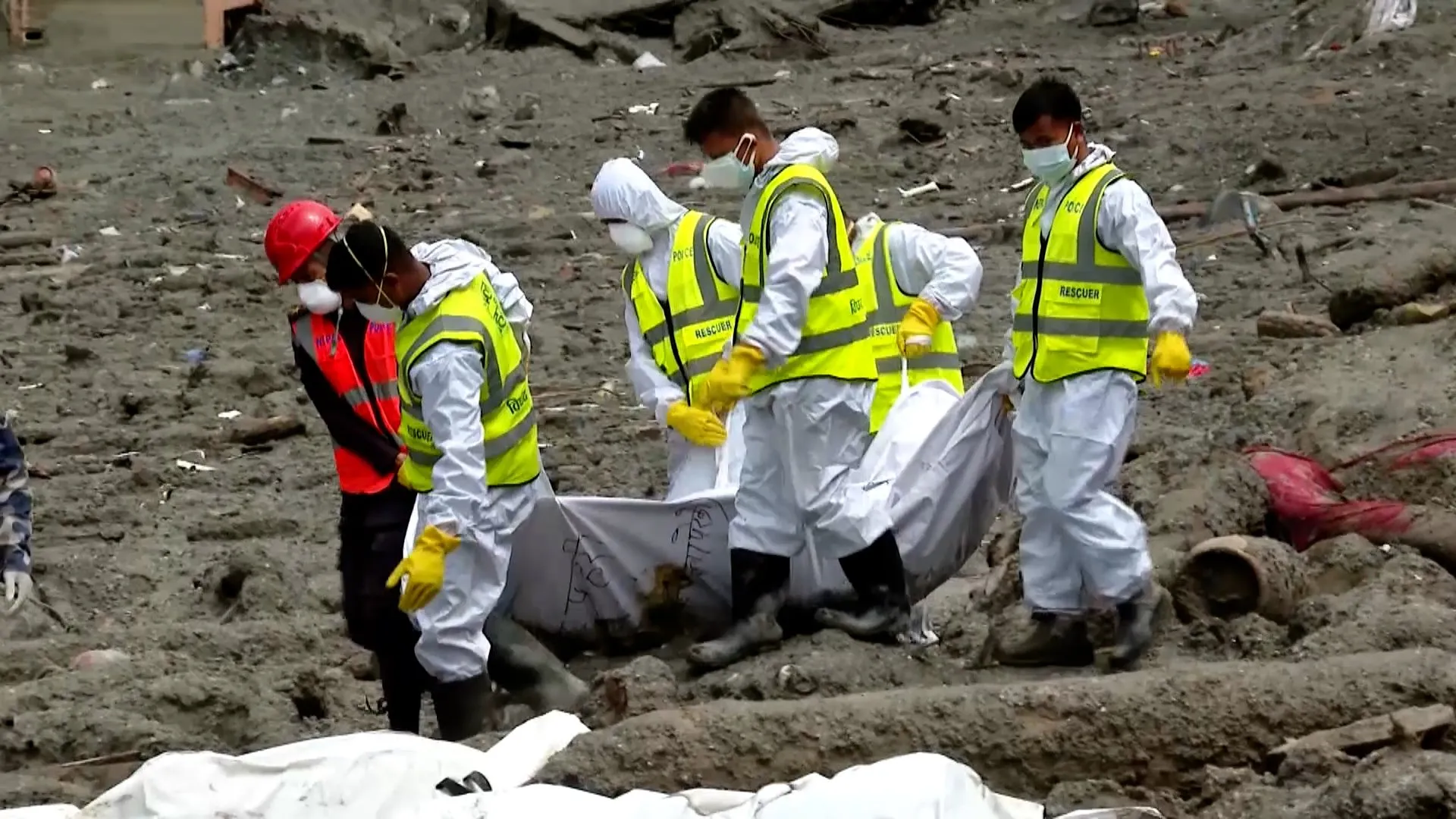
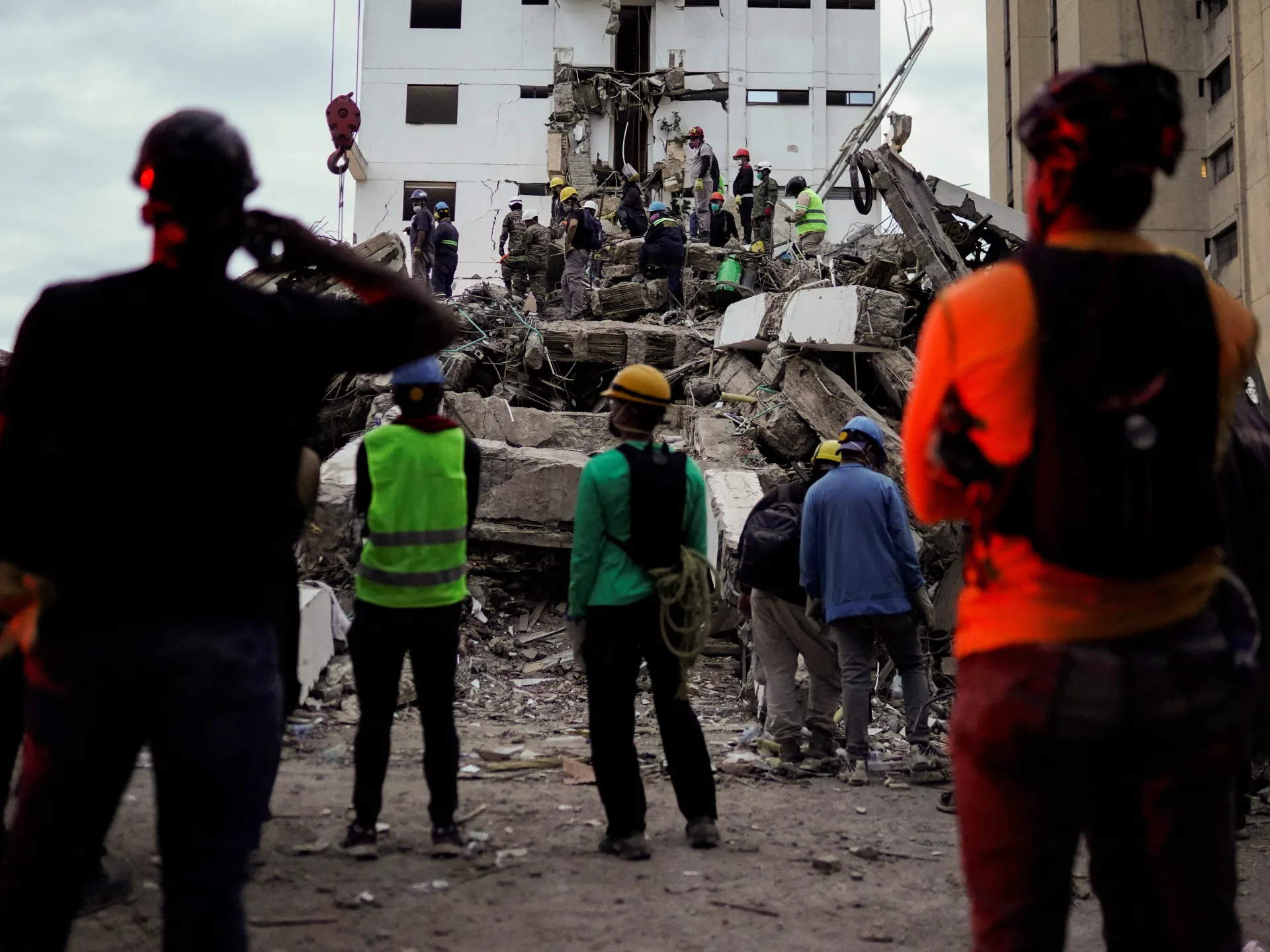
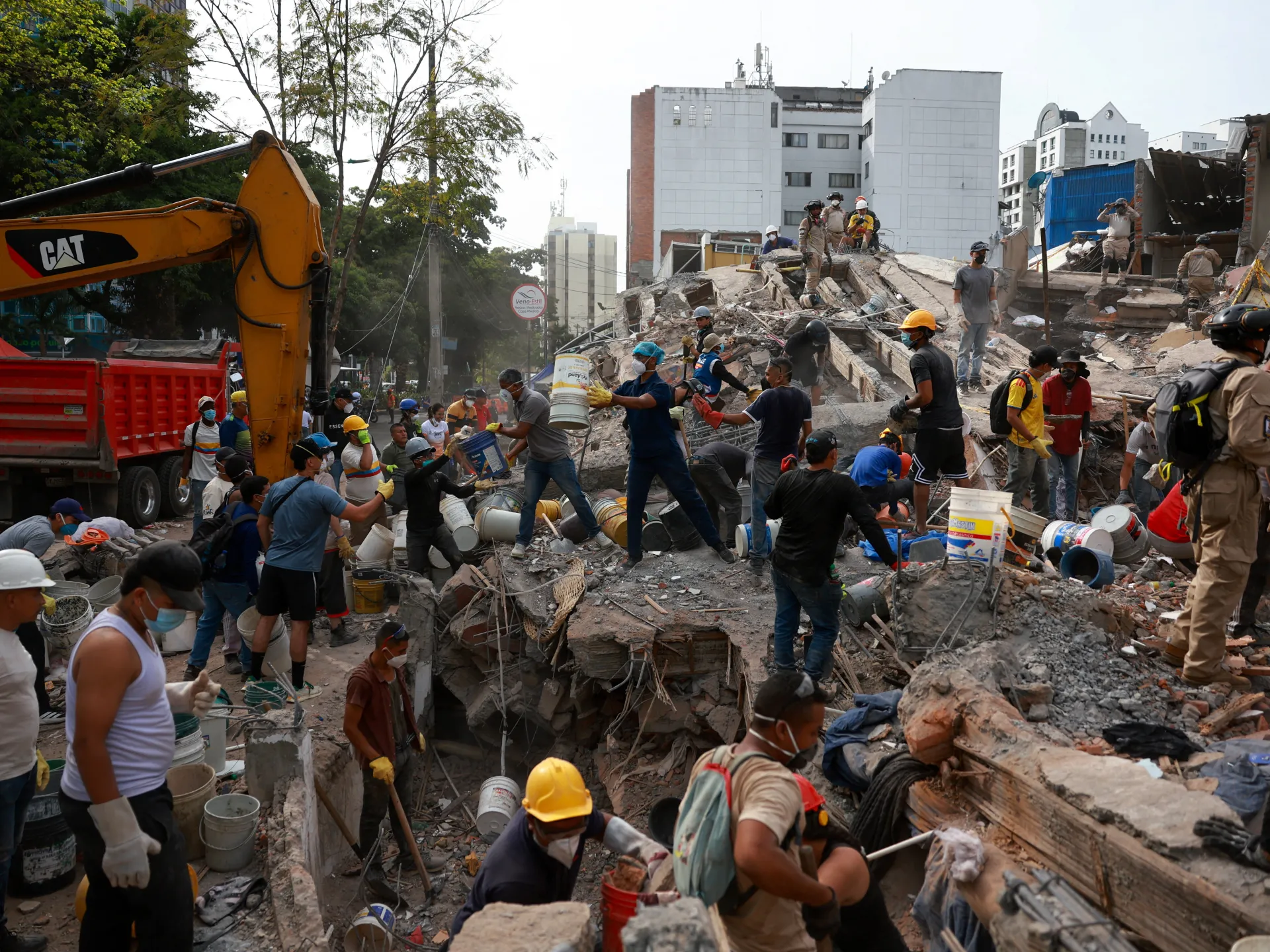
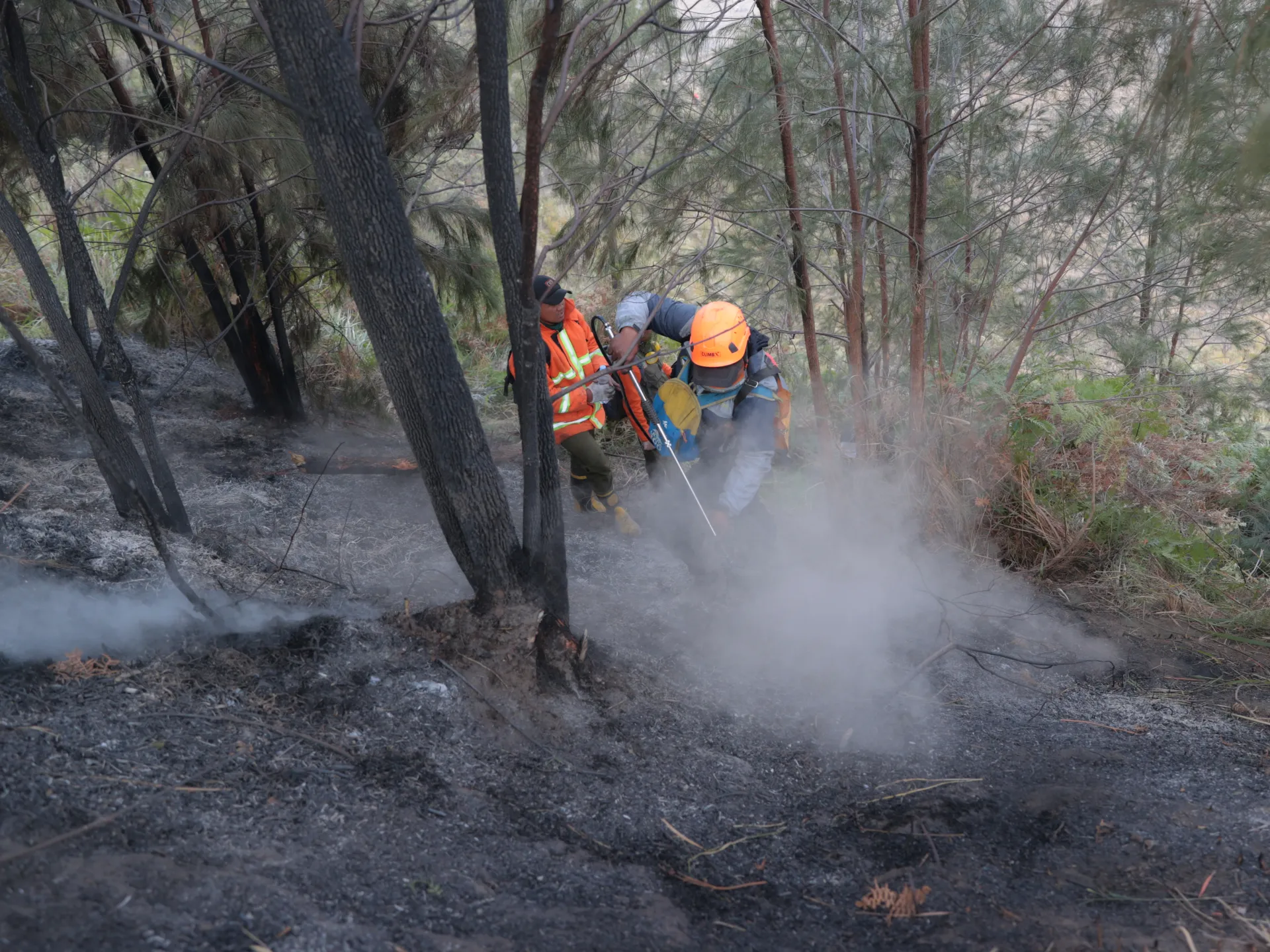
Emergency response teams in Nepal are currently engaged in a critical mission to reach over 100 hydropower workers believed to be trapped within tunnel networks. The primary focus of these operations is concentrated on the Trishuli 3A and 3B project sites, which were struck pal Army personnel, have been utilizing industrial-grade drills, excavators, and hydraulic cutters to penetrate the mud-choked structures that were inundated during the catastrophe.
Technical efforts achieved a breakthrough on Saturday evening when teams successfully breached the upper section of a tunnel at the Trishuli 3A site. Following the breach, rescue workers immediately began pumping fresh air into the subterranean space and deploying specialized cameras to search for signs of life. While these operations offer a glimmer of hope, the environment remains extremely volatile. Heavy rainfall throughout the weekend caused water levels to rise, forcing temporary halts to the excavation as floodwaters refilled the work areas.
As weather conditions stabilized on Sunday, authorities reported that the search resumed with increased intensity. The government has prioritized these locations, hoping to recover survivors among the 933 hydropower staff currently listed as missing. Officials are working around the clock to navigate the debris-filled tunnels, acknowledging that the window for finding survivors is rapidly closing given the duration since the initial event.
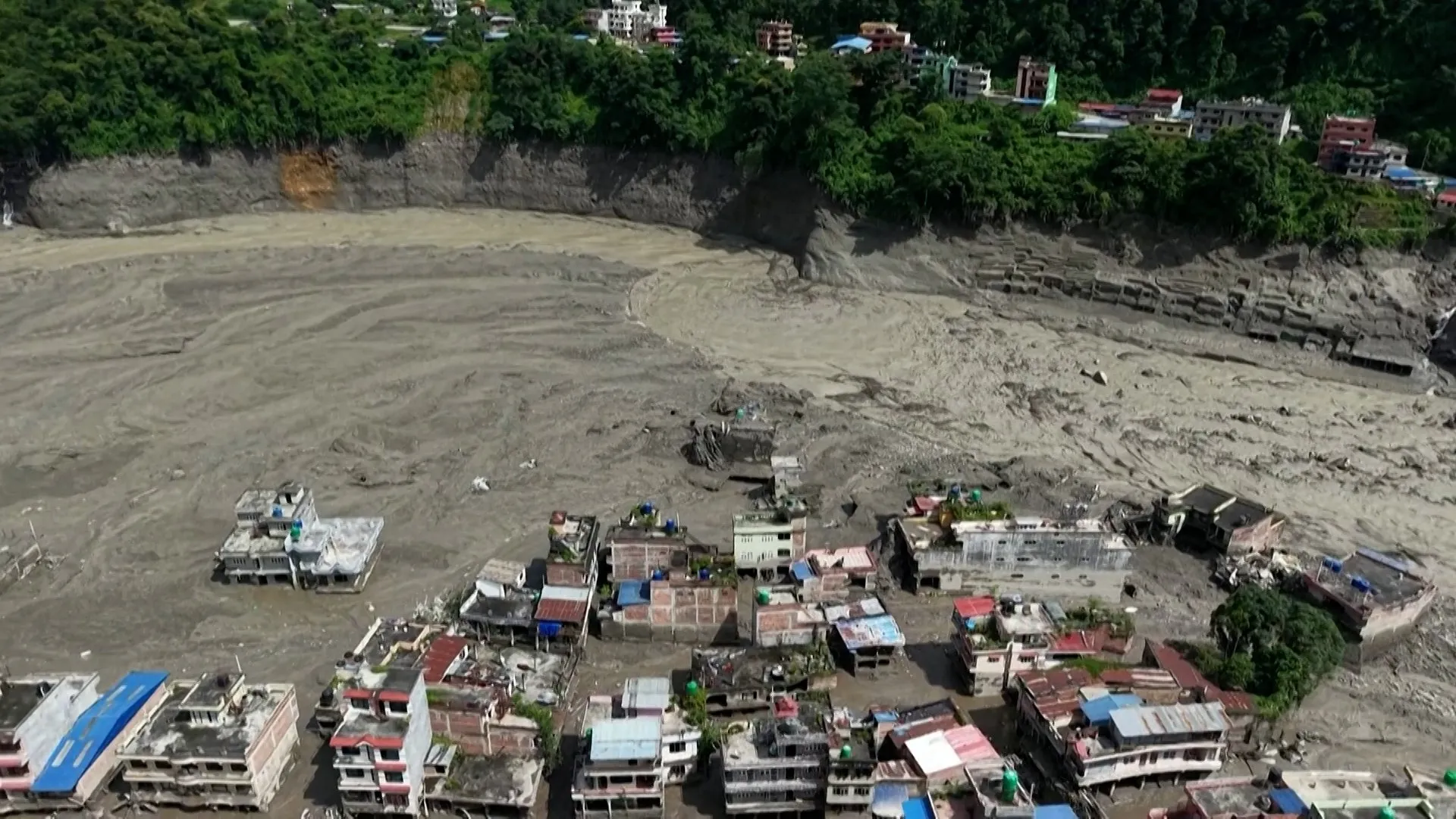
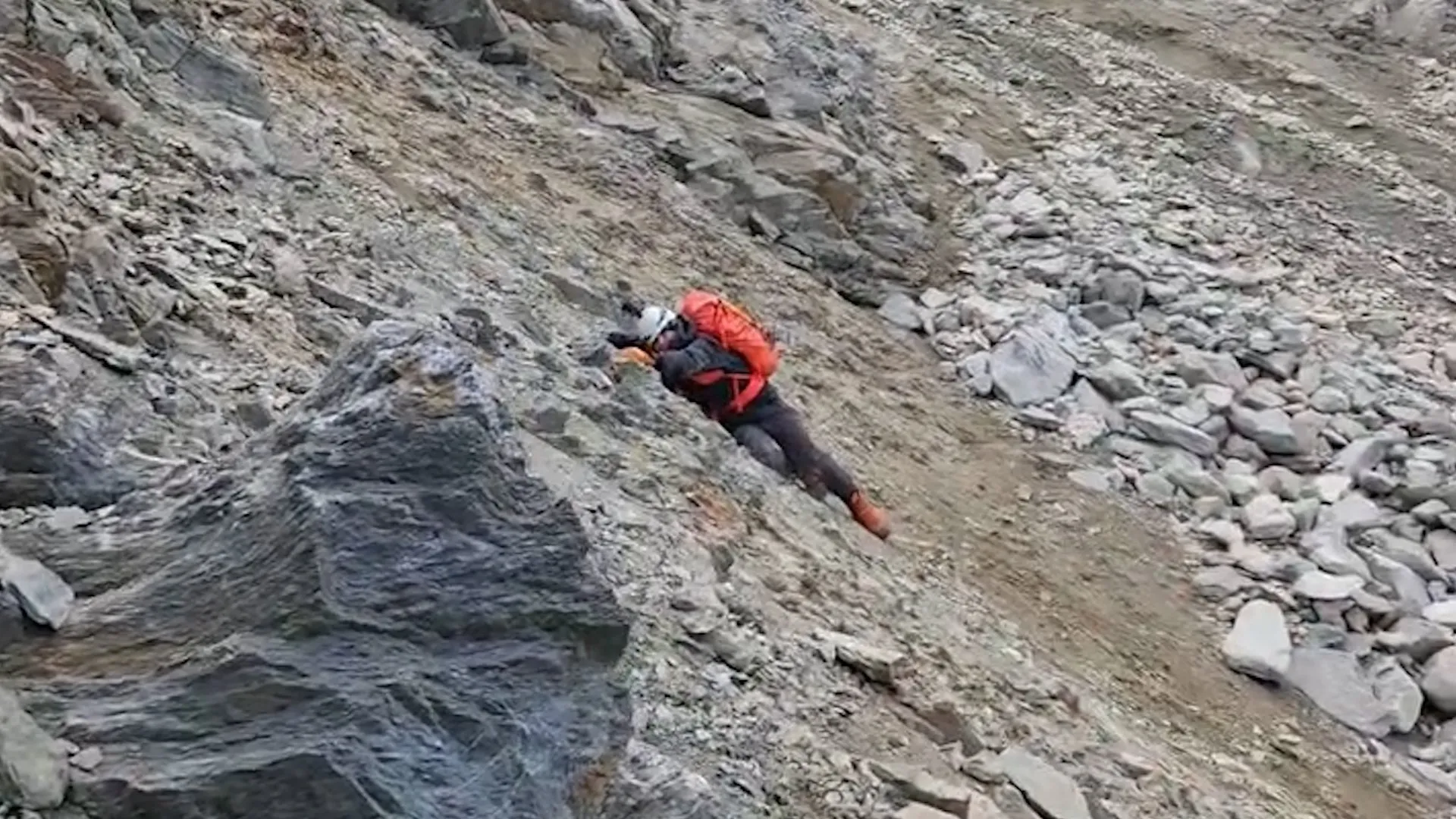
The disaster originated at a high-altitude location approximately 5,200 meters up in the Himalayas, where a significant portion of a glacier collapsed. The falling ice plunged roughly 1,200 meters, accumulating massive amounts of rock, sediment, and debris before slamming into the Lende River. This massive influx of material created a surge that cascaded through the Rasuwa, Nuwakot, and Dhading districts, causing the Trishuli River to swell violently and destroy critical infrastructure.
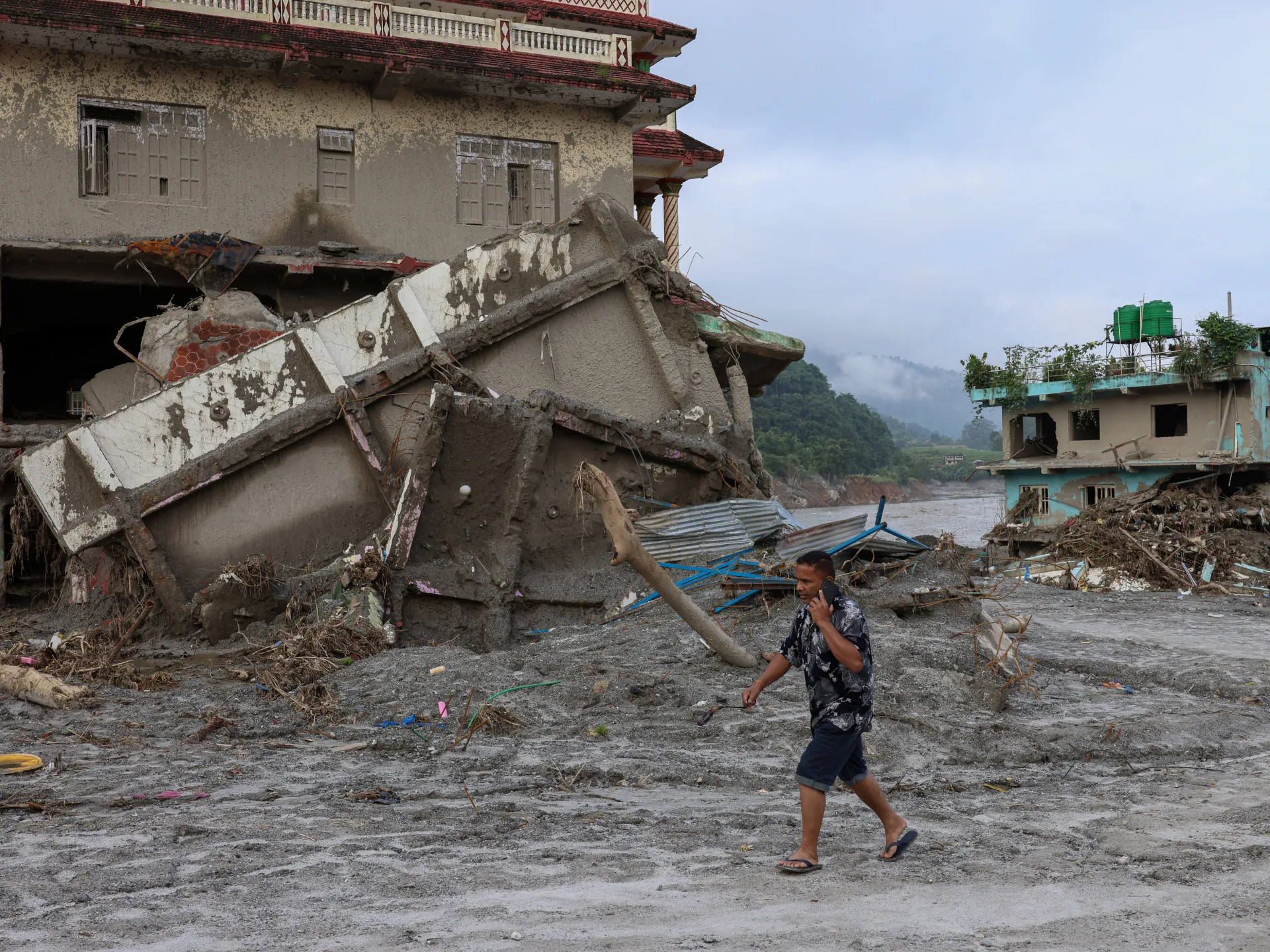
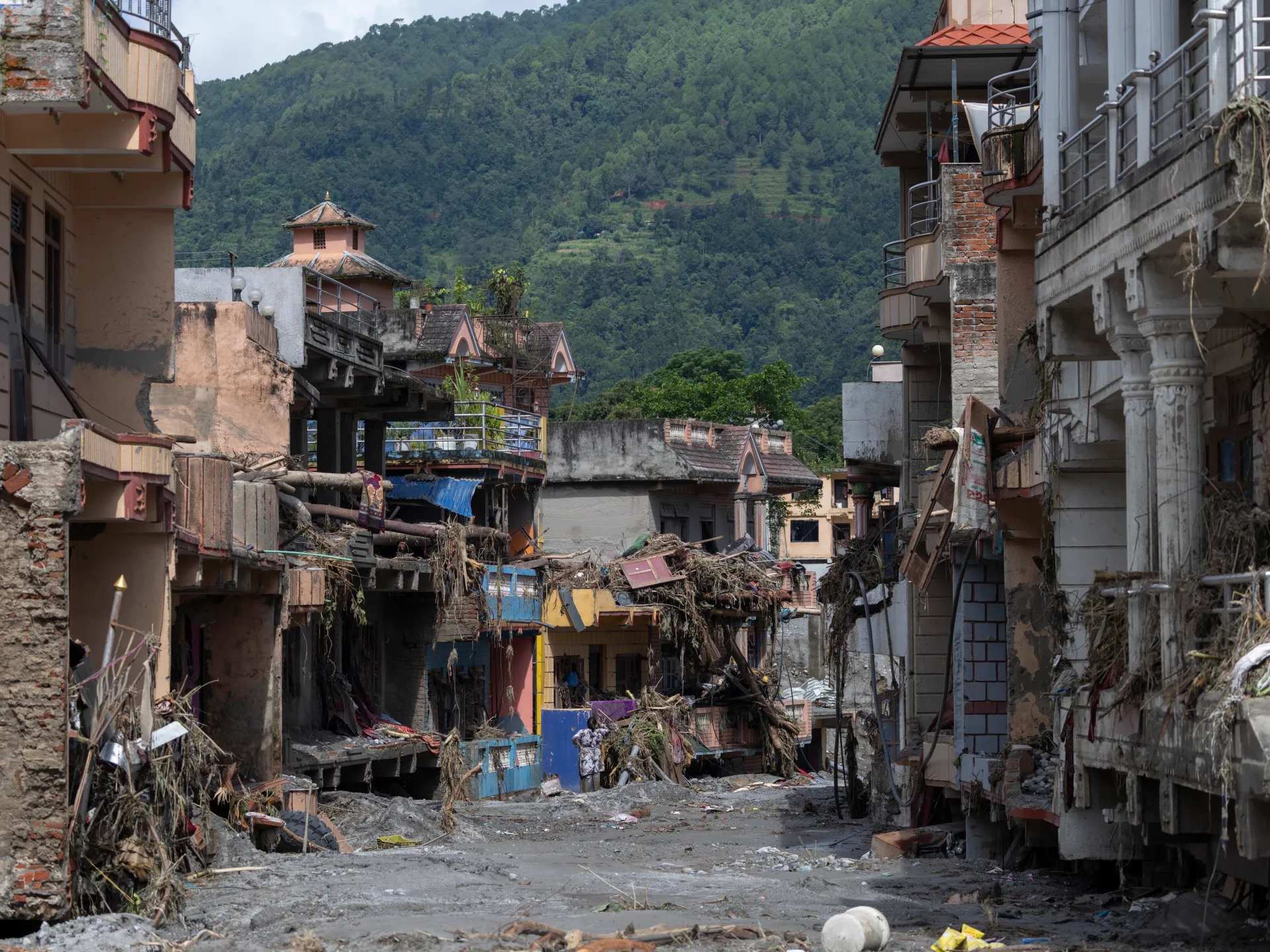
The impact on local communities has been profound. Beyond the loss of life, the surge decimated residential areas, leaving behind only the foundations of many homes. Survivors who remained in the affected regions have reported that their livelihoods were obliterated alongside their properties, as many families operated small businesses from the ground floors of their residences. The sheer force of the water washed away inventory, equipment, and personal belongings, leaving the population in a state of total economic ruin.
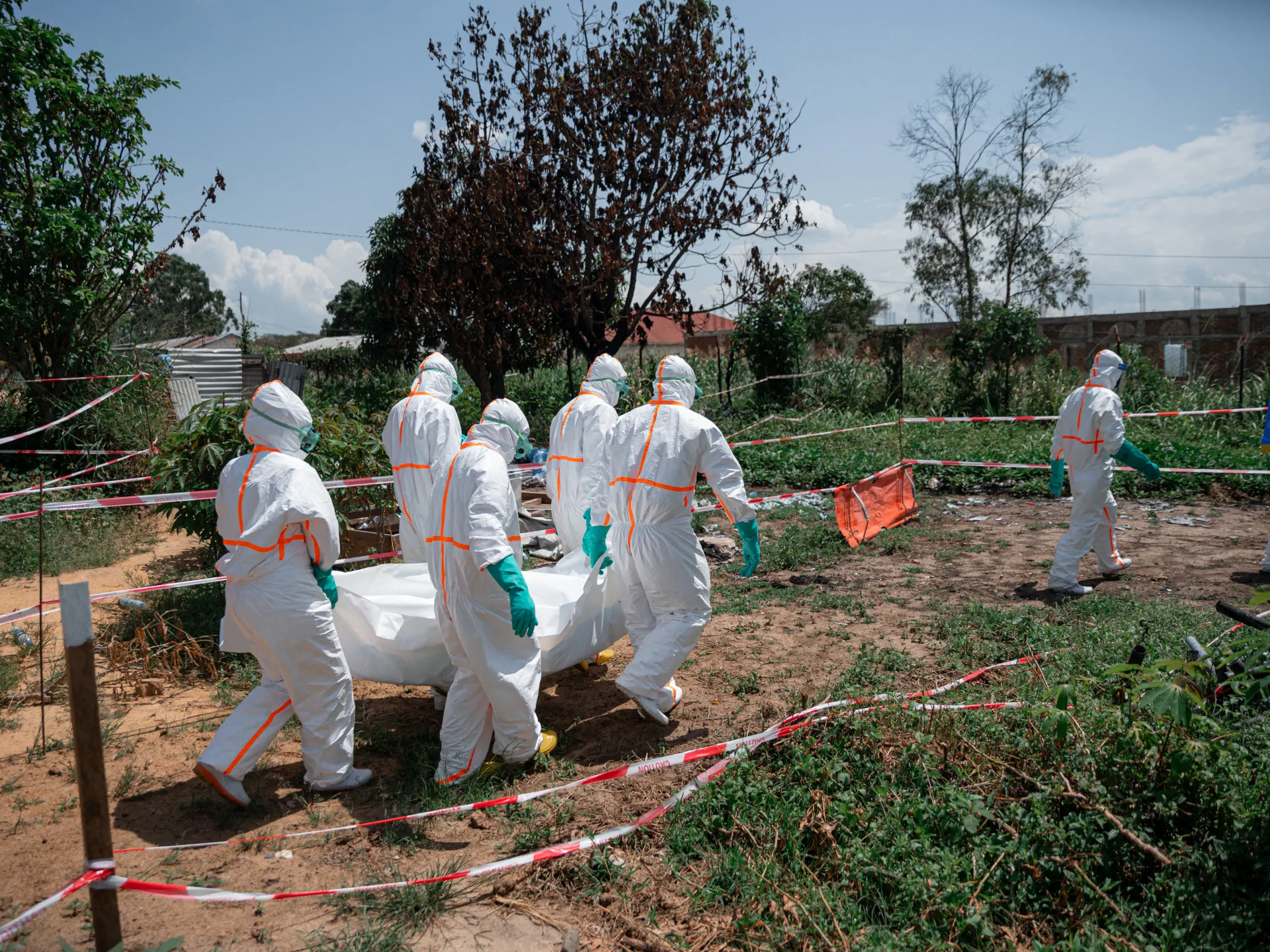
Current data from the National Disaster Management Authority indicates that the death toll in Nepal has risen significantly, with over 730 bodies recovered. The scale of the missing persons report is equally staggering, with thousands still unaccounted for across the region. Across the border in Tibet, authorities have confirmed additional casualties and hundreds of missing individuals, including a significant number of foreign nationals from over 20 different countries.
In response to the scale of the tragedy, the Nepalese government has actively sought international assistance to bolster its domestic search-and-rescue capabilities. Experts from India and China have been brought in to provide specialized technical support, aiming to fill gaps in the current operation and determine if any viable pathways remain to reach those trapped underground. The government has expressed a commitment to exhausting every possible method to locate the missing workers.
The global community has responded with substantial humanitarian pledges to aid in the recovery efforts. Major contributions have come from the United Nations, the United States, the United Kingdom, and Canada, alongside support from the European Union and the International Federation of Red Cross and Red Crescent Societies. These funds are designated for emergency humanitarian aid, though officials note that the second phase of operations—which includes clearing roads and restoring basic infrastructure—remains difficult due to the rugged, inaccessible nature of the terrain.