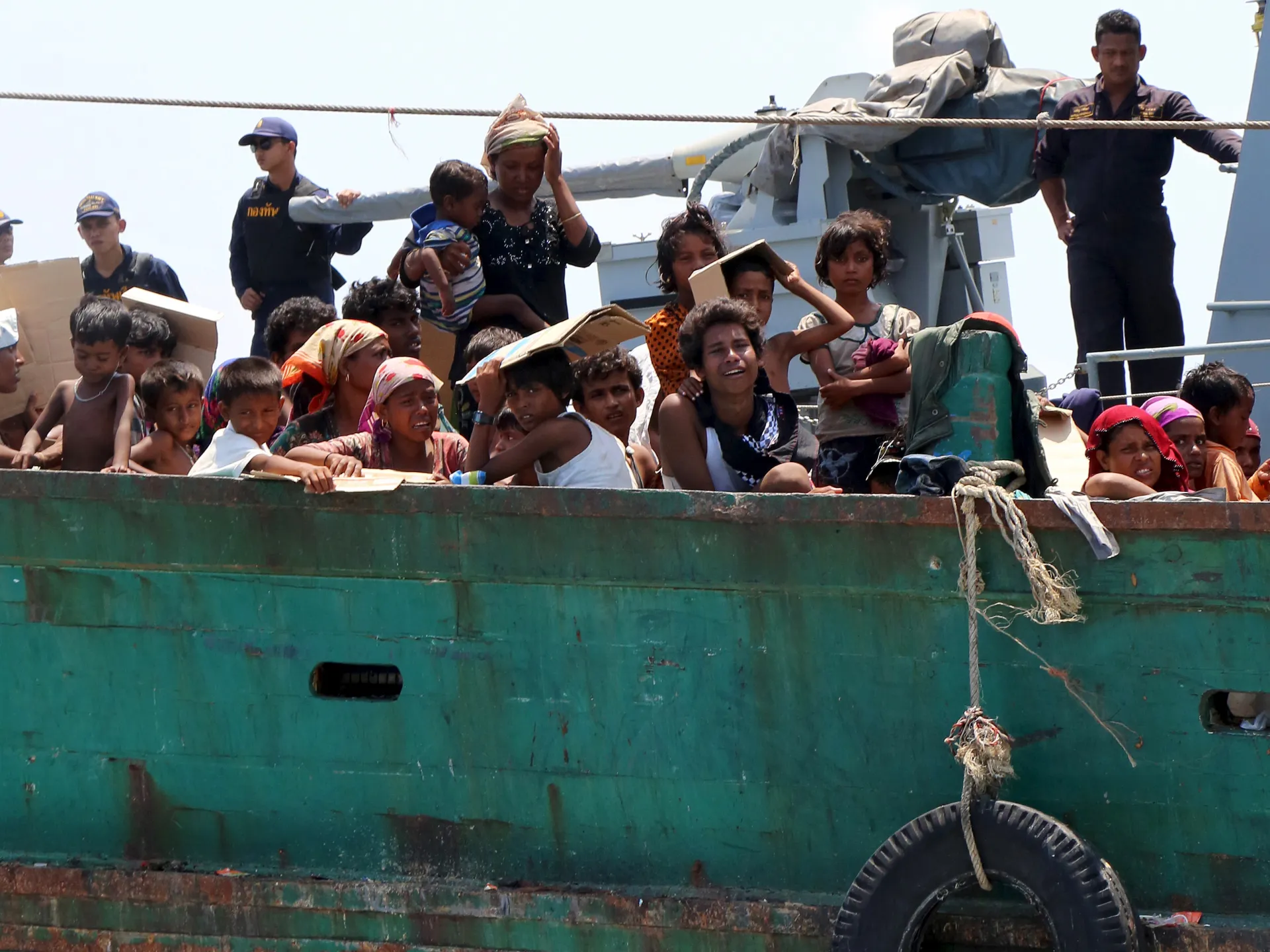
Spanish police have begun relocating thousands of migrants from Ceuta's beaches to a new port facility as the territory grapples with a long-standing migration crisis.
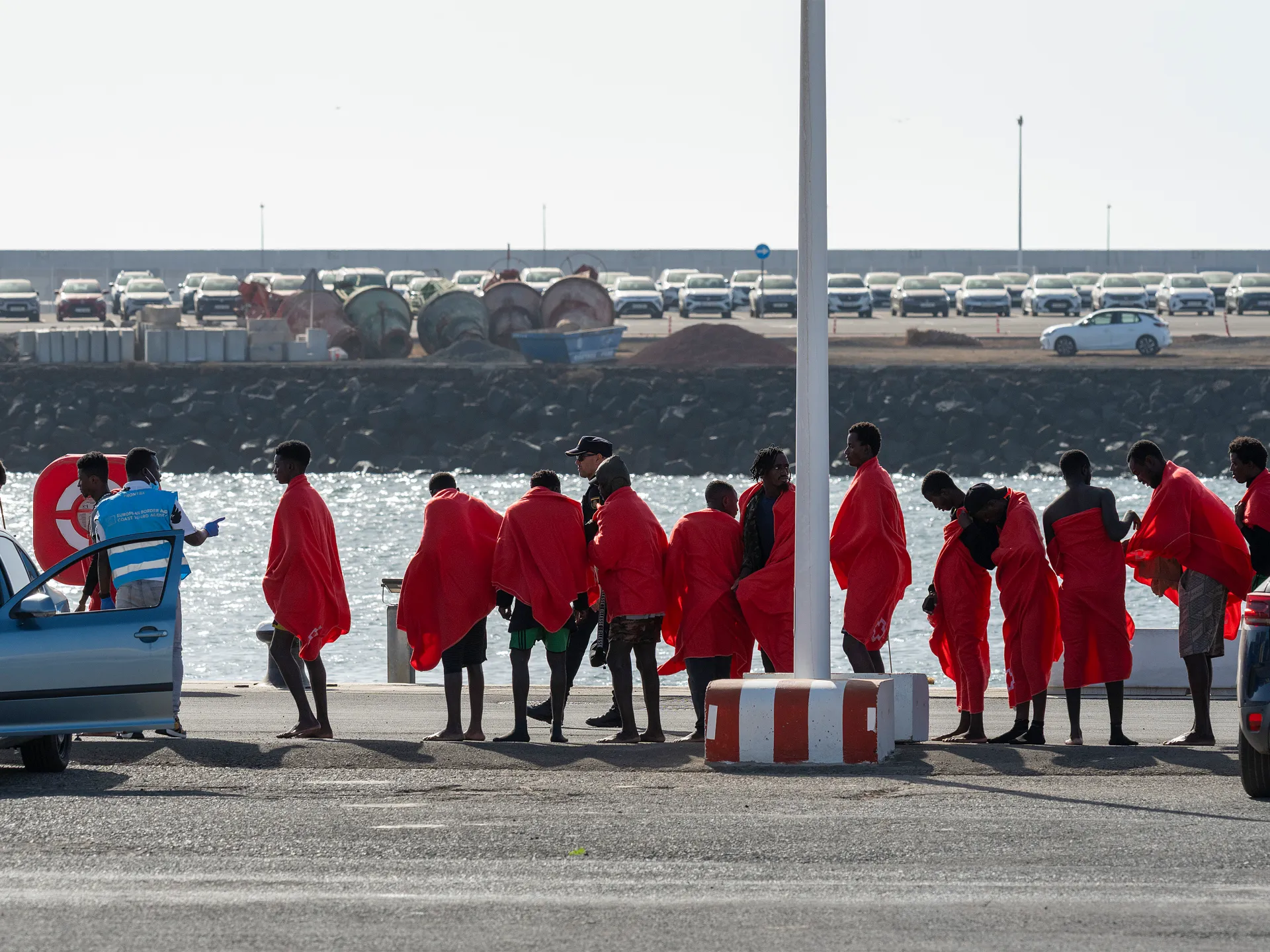
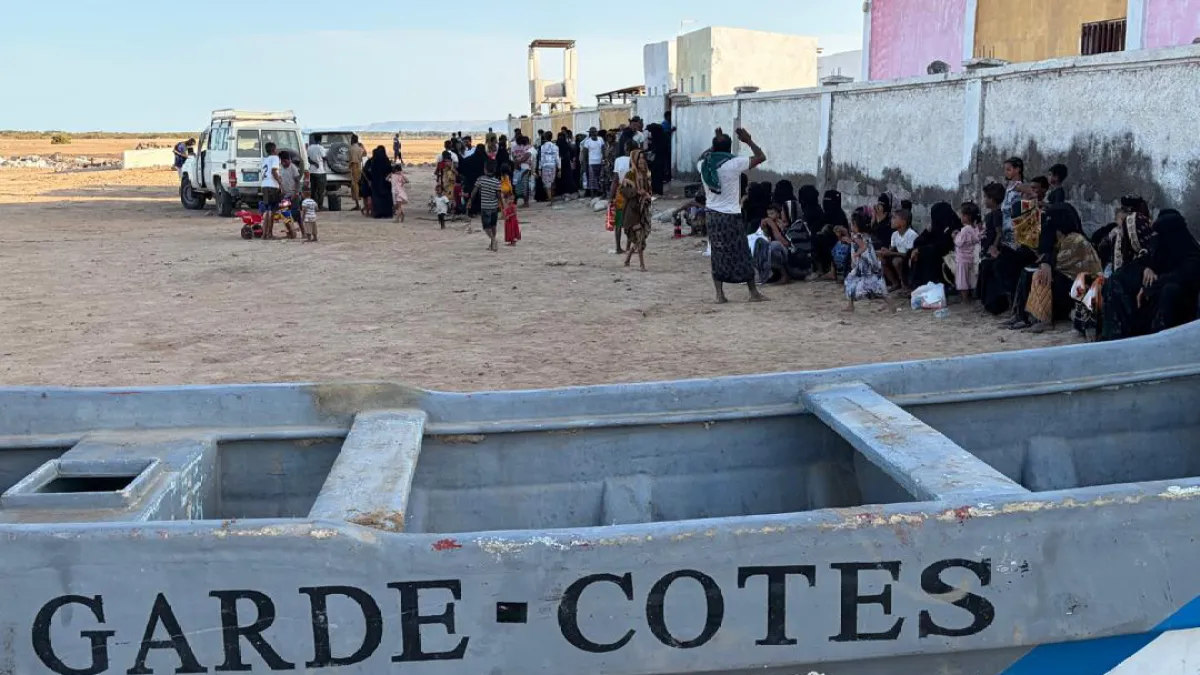
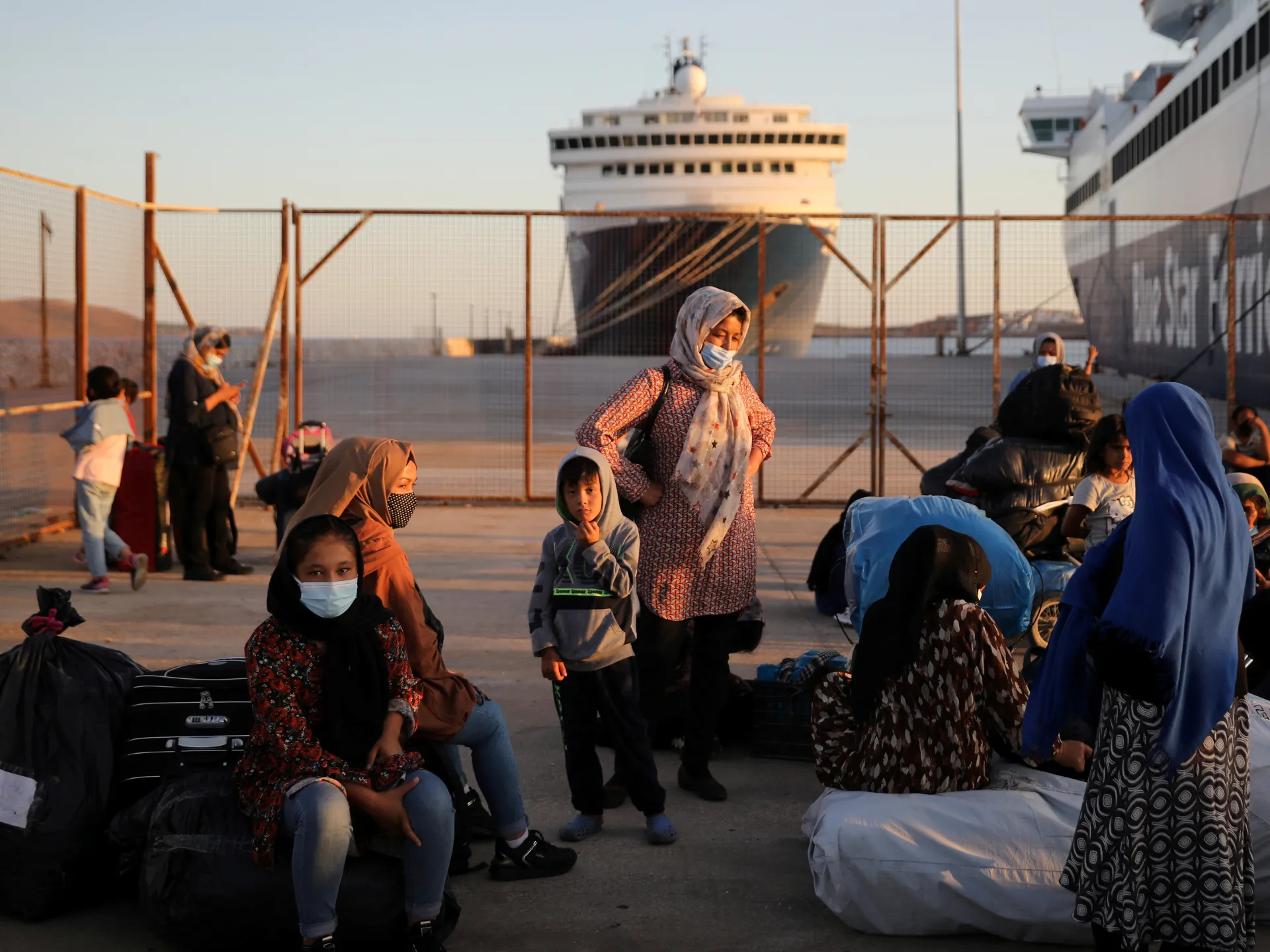
Spanish law enforcement authorities have launched a significant operation to transition hundreds of migrants from makeshift camps on the beaches of Ceuta to a newly established tented facility within the port area. The move comes after weeks of intense pressure on the small North African territory, which has struggled to accommodate thousands of individuals who crossed the border from neighboring Morocco earlier this summer. The new site is designed to house up to 1,700 people, providing a more structured environment for individuals to receive basic care while their administrative status is reviewed
The operation, which commenced in the early hours of Friday morning, involved a substantial deployment of over 170 police officers, including specialized teams tasked with aerial surveillance via drones. According to reports from the Spanish government-owned news agency Efe, the effort aimed to consolidate the migrant population into a secure, centralized location. This process is intended to facilitate the identification of each individual, ensuring that the government can manage the humanitarian requirements of the migrant population more effectively than when they were scattered across the coastline.
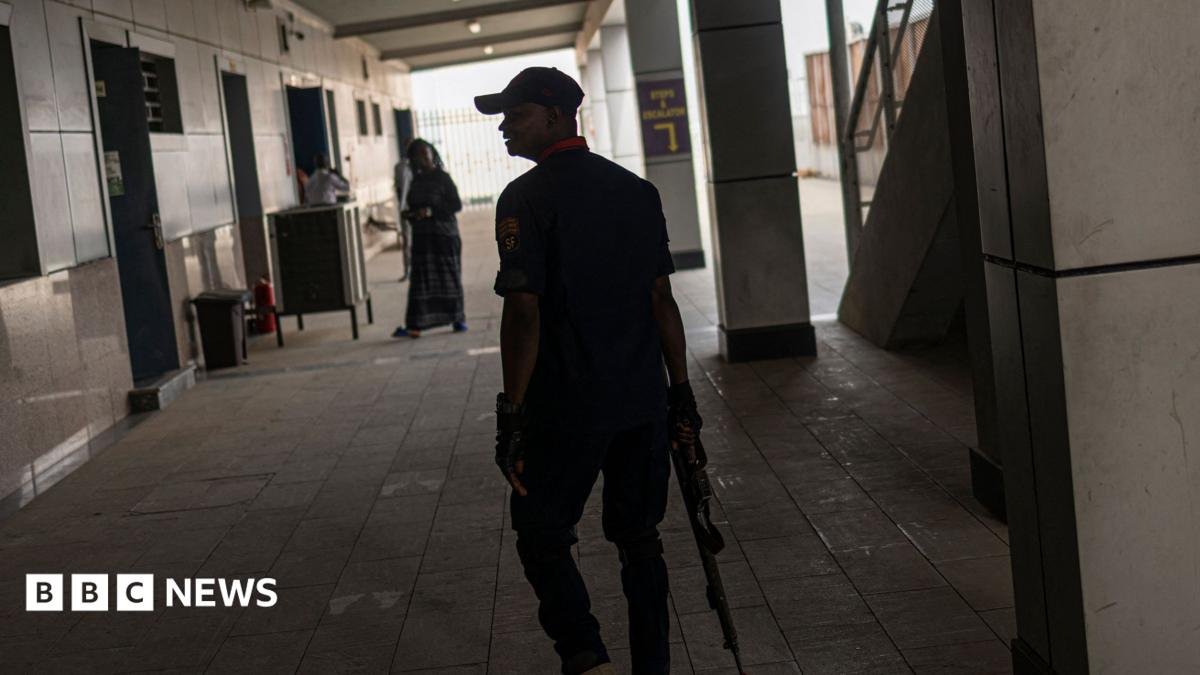
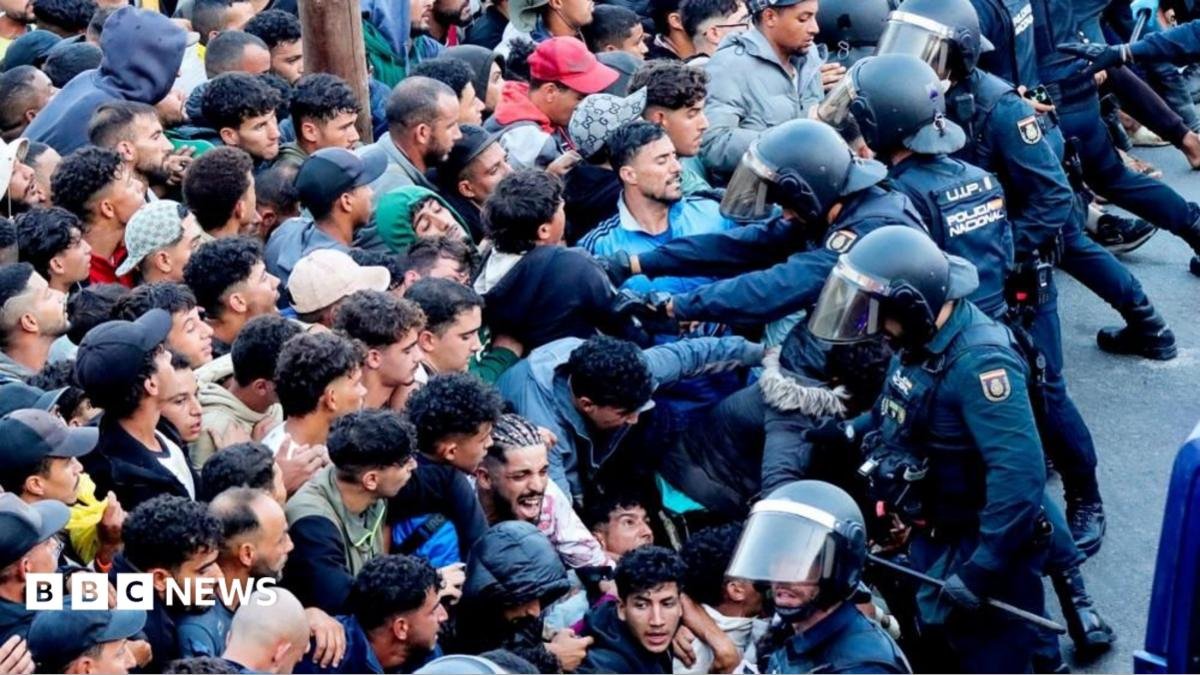
The transition process was not without its difficulties. During the initial stages of the relocation, authorities encountered significant resistance as crowds jostled for placement at the new site. The situation turned tense as police officers attempted to maintain order along a designated two-kilometer route leading to the port facilities. Reports of warning shots fired into the air instances of young men attempting to break through security cordons under the cover of darkness.

Despite these initial disruptions, officials reported that the situation was brought under control relatively quickly, allowing the transfer of approximately 3,000 migrants to proceed. The scale of the challenge remains immense, as local estimates suggest that more than 13,000 migrants still remain within the small, 18.5-square-kilometer enclave. The presence of such a large number of people in a confined territory has placed an unprecedented strain on the local infrastructure and the daily lives of Ceuta's residents, who have increasingly voiced concerns regarding their own safety and the long-term impact on their community.
The ongoing crisis in Ceuta has become a focal point for political instability within Spain, placing Prime Minister Pedro Sánchez under immense scrutiny. Opposition leaders have been vocal in their criticism of the government's response, arguing that the administration failed to adequately anticipate or manage the influx. Allegations have surfaced suggesting that the government received intelligence regarding social media campaigns calling for a mass crossing the day prior to the event, a claim that contradicts the Prime Minister's assertion that the surge was entirely unpredictable. These disputes have deepened the divide between the ruling government and the conservative opposition.
Beyond domestic criticism, the situation has complicated Spain’s broader diplomatic landscape. The government is currently navigating delicate relationships with its European neighbors, including Italy, while simultaneously trying to maintain stable bilateral ties with Morocco. The migration surge itself was preceded summary return of migrants intercepted at sea. This legal development, combined with the spread of misinformation via social media promising safe passage, served as a catalyst for the wave of thousands who attempted the dangerous journey, resulting in a tragic loss of life that has further intensified the gravity of the situation.
The impact of this migration event on the social fabric of Ceuta has been profound. Local leadership has described the territory as a "pressure cooker," noting that the influx has fundamentally altered the community's lifestyle and sense of security. As residents have reacted to the presence of migrants e, long-term solution has become increasingly urgent. For the local government, the priority remains the restoration of order and the provision of humane conditions for those remaining in the territory.
As the administration continues to process the individuals now housed in the port facility, the focus will likely shift toward the administrative and legal processing of those who entered the country. The success of this relocation operation is seen as a critical test for the Spanish government's ability to balance national security, international humanitarian obligations, and the concerns of the local population. With thousands still waiting for clarity regarding their future, the situation in Ceuta remains a complex and evolving challenge for the European Union's southern border.