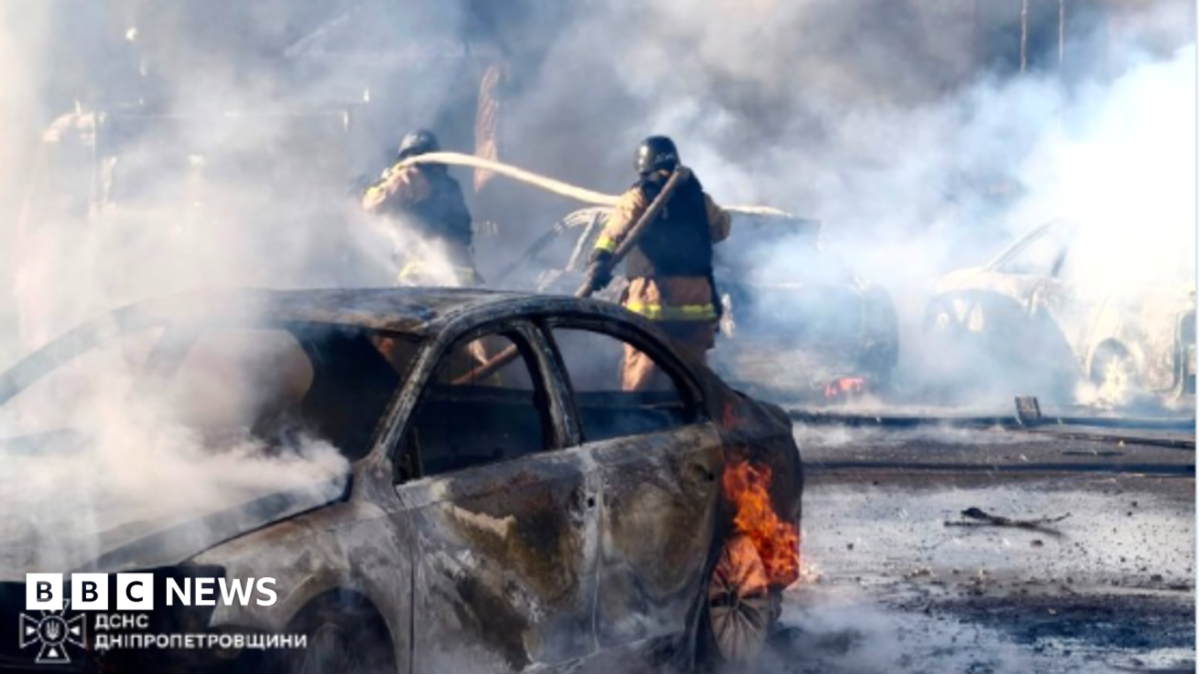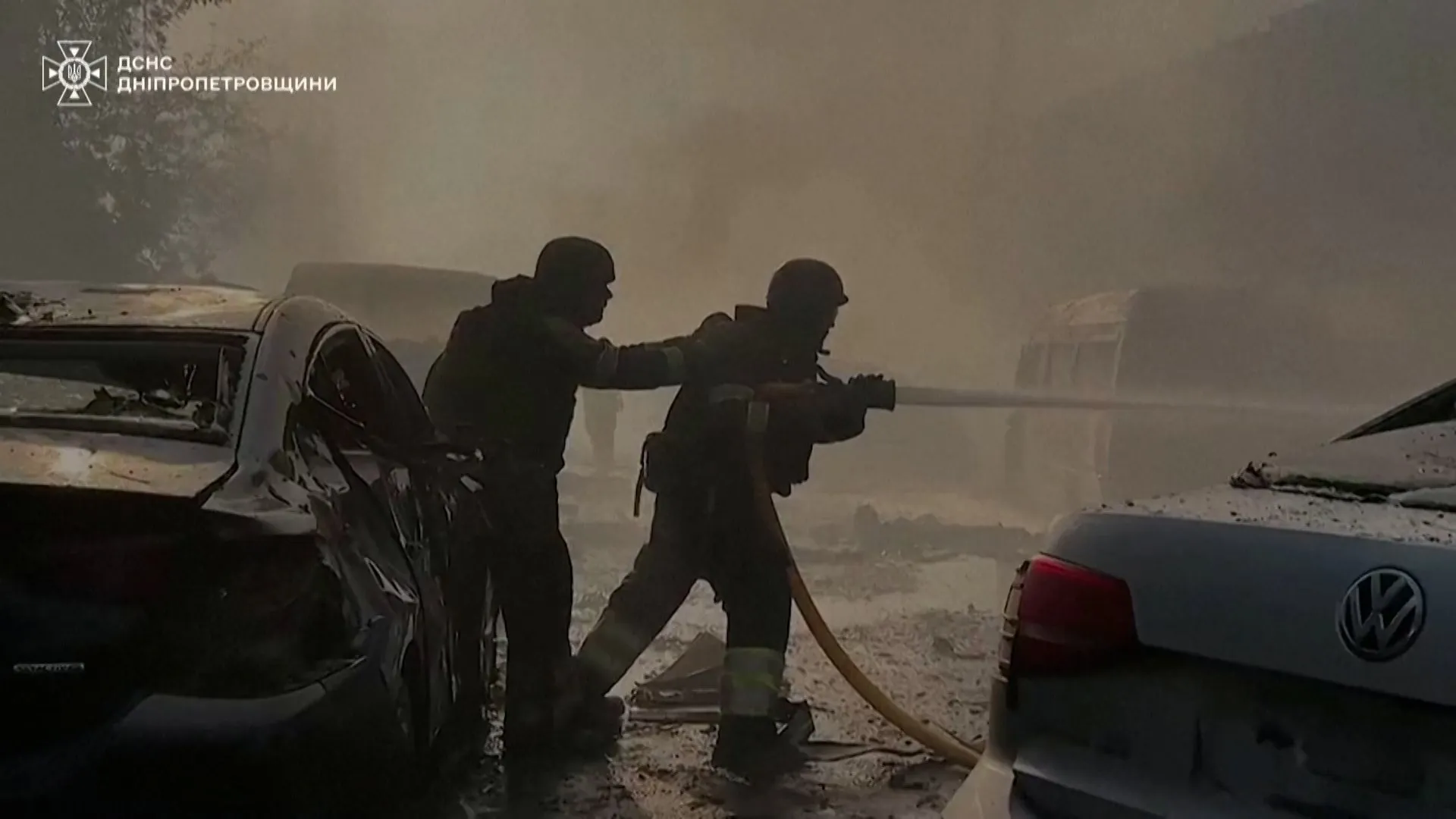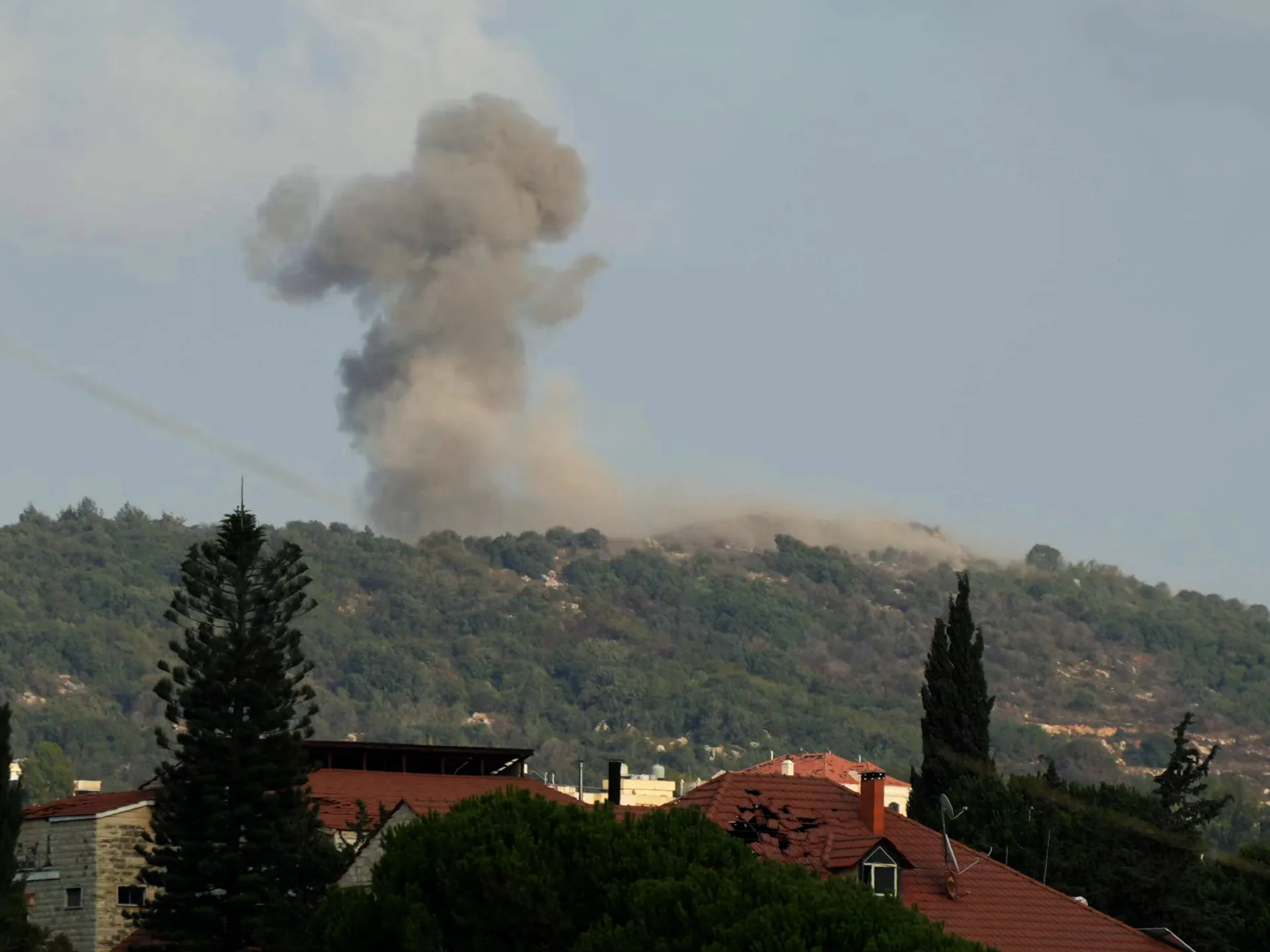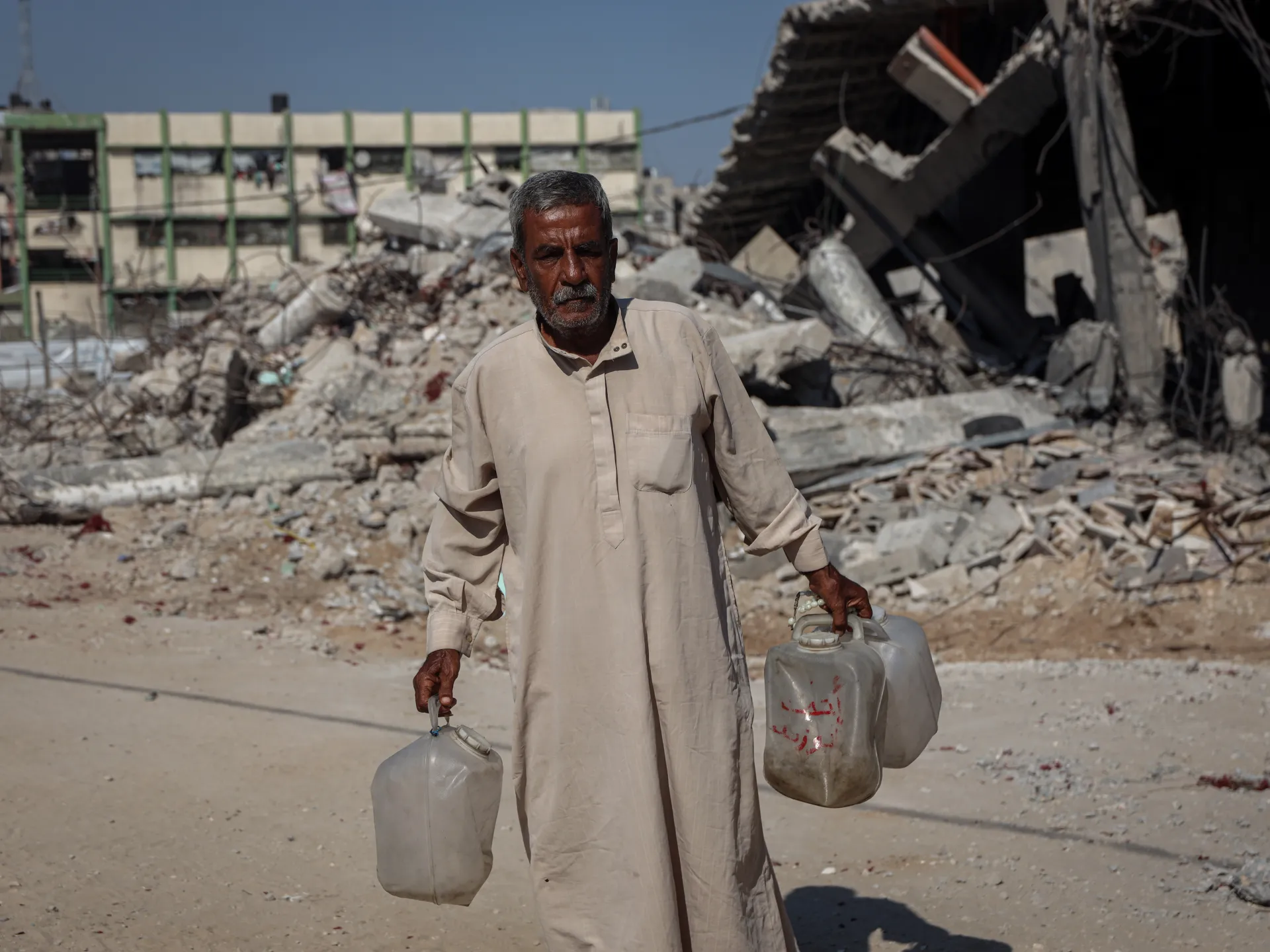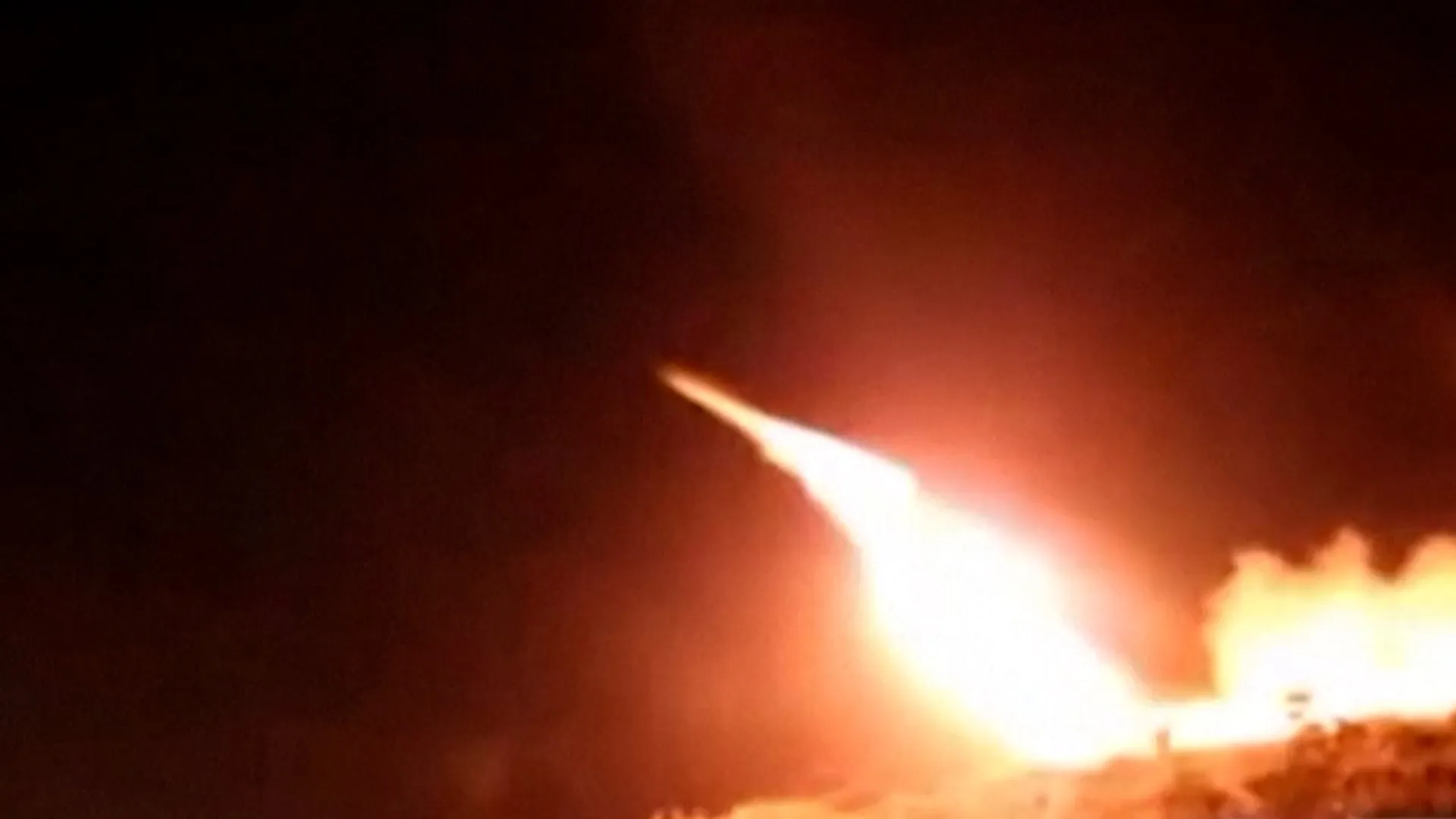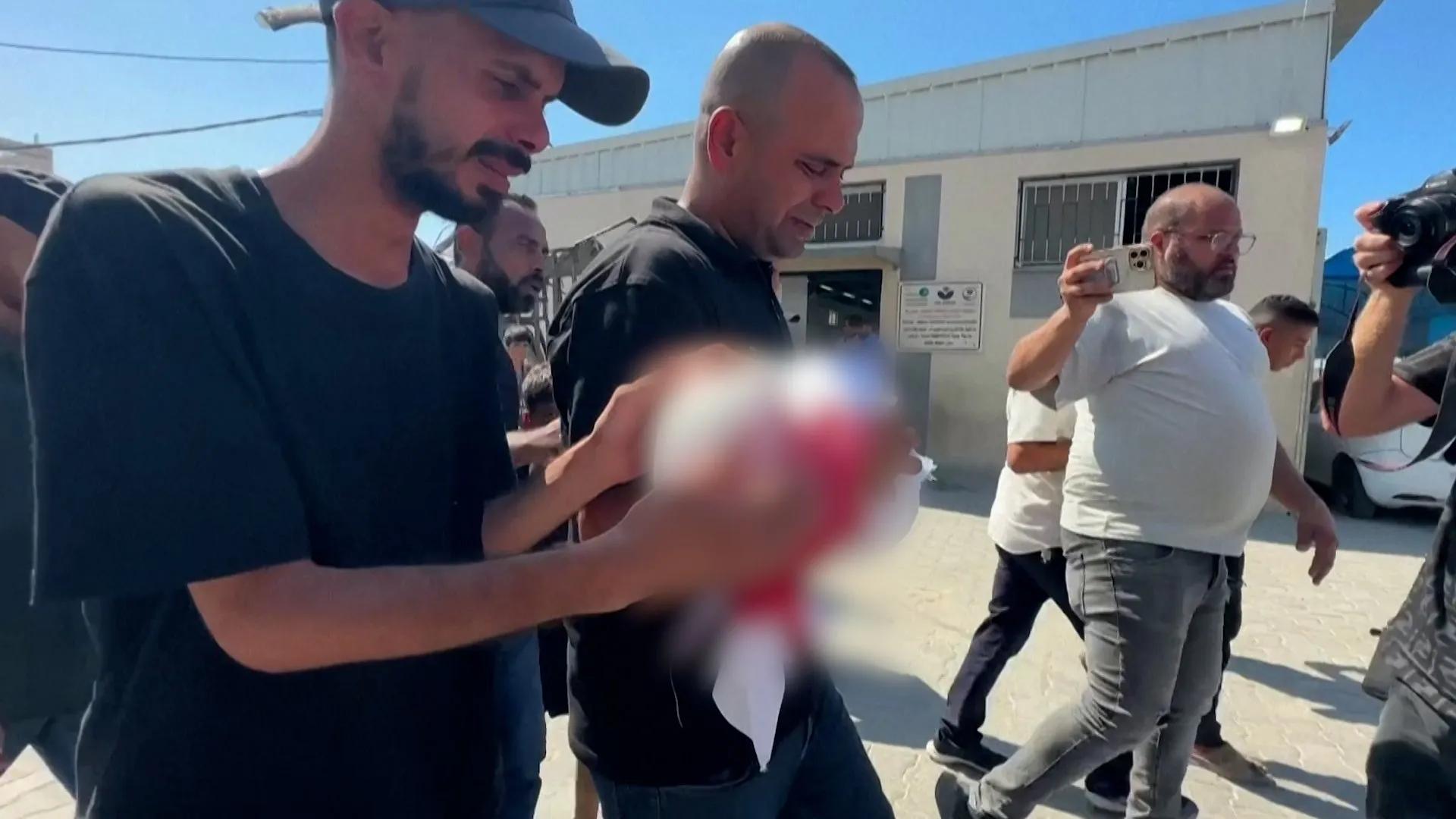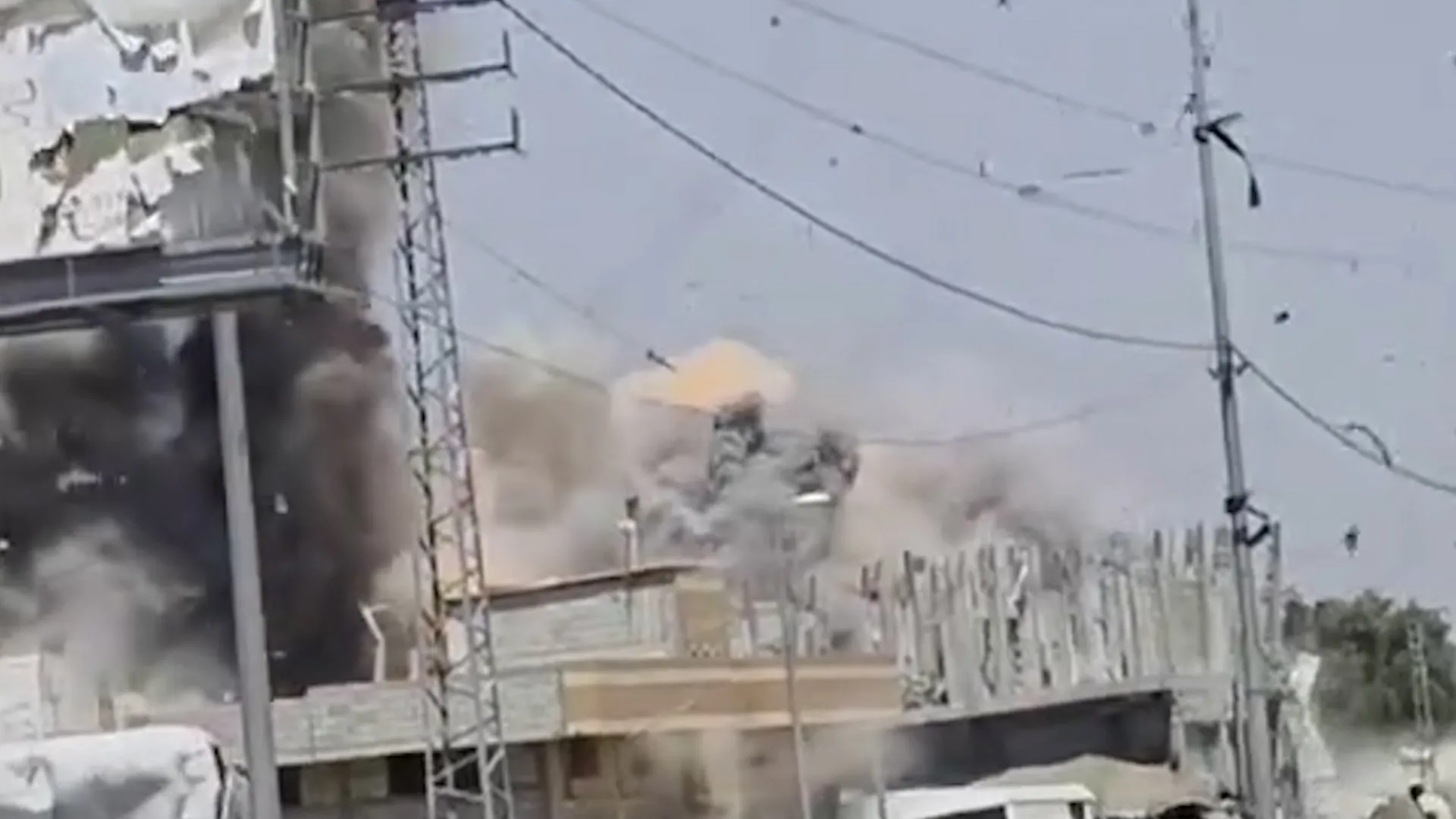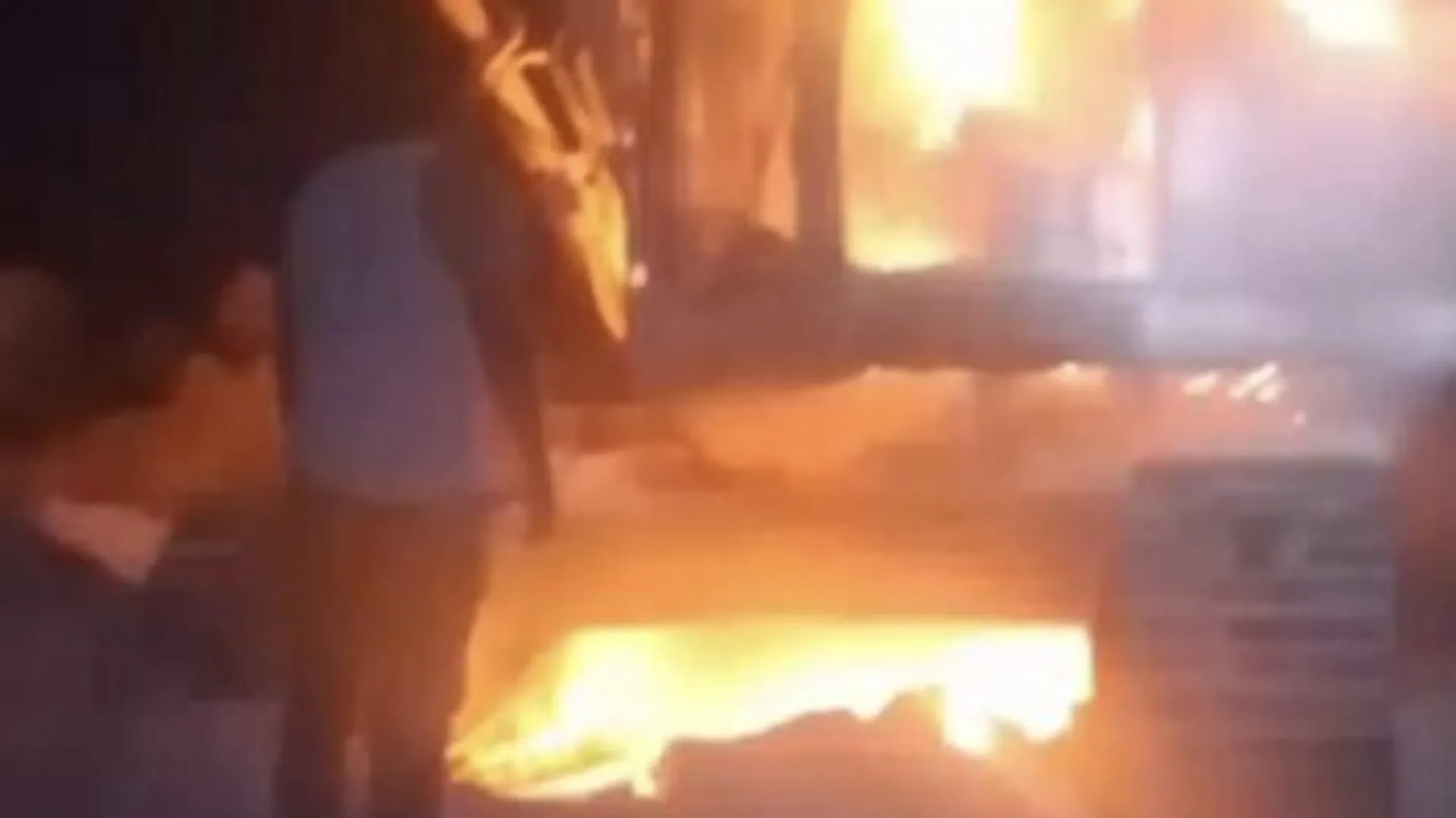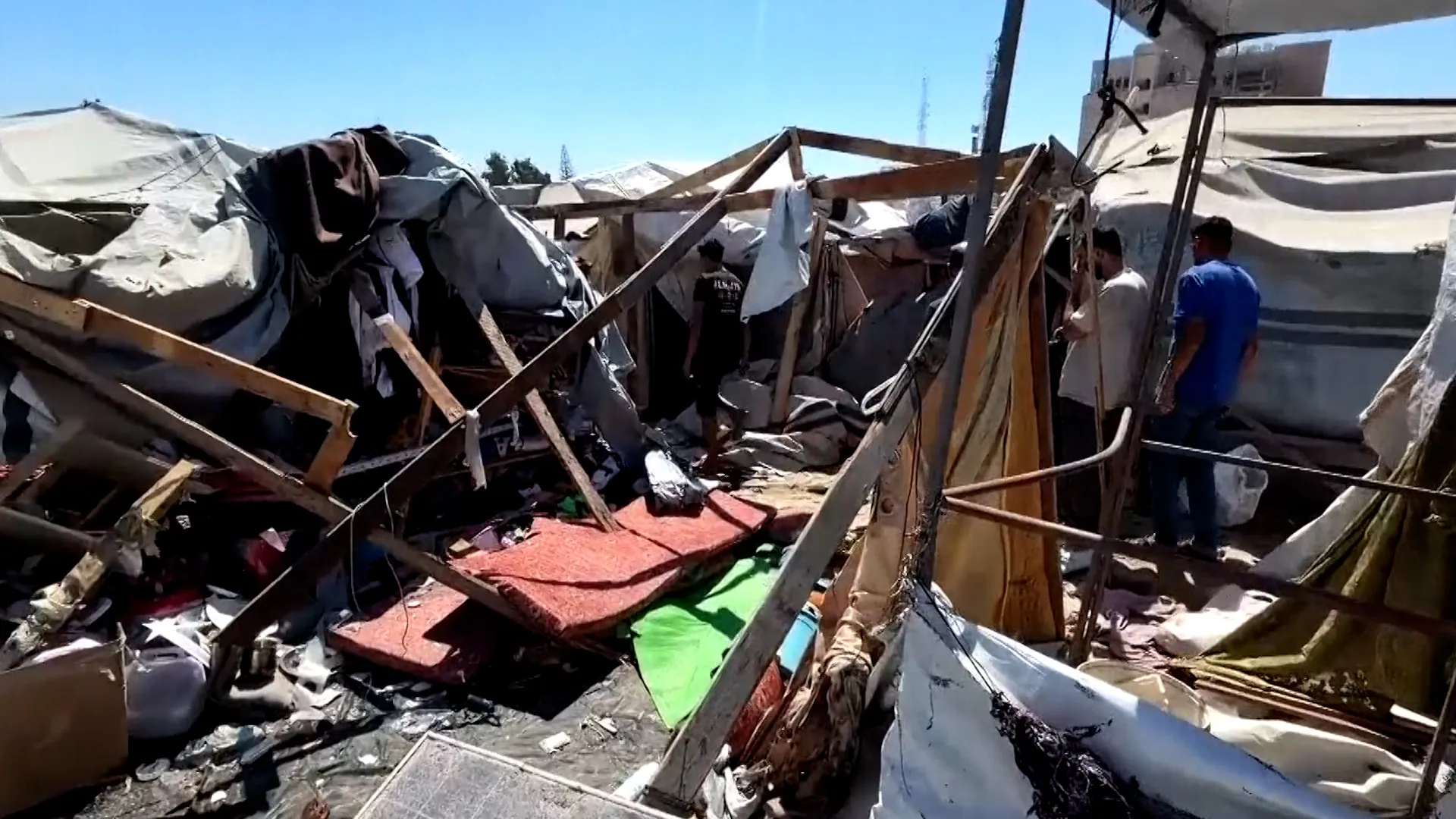
A recent Israeli military strike on a displacement camp in Gaza City has resulted in at least one fatality and multiple injuries among the civilian population.
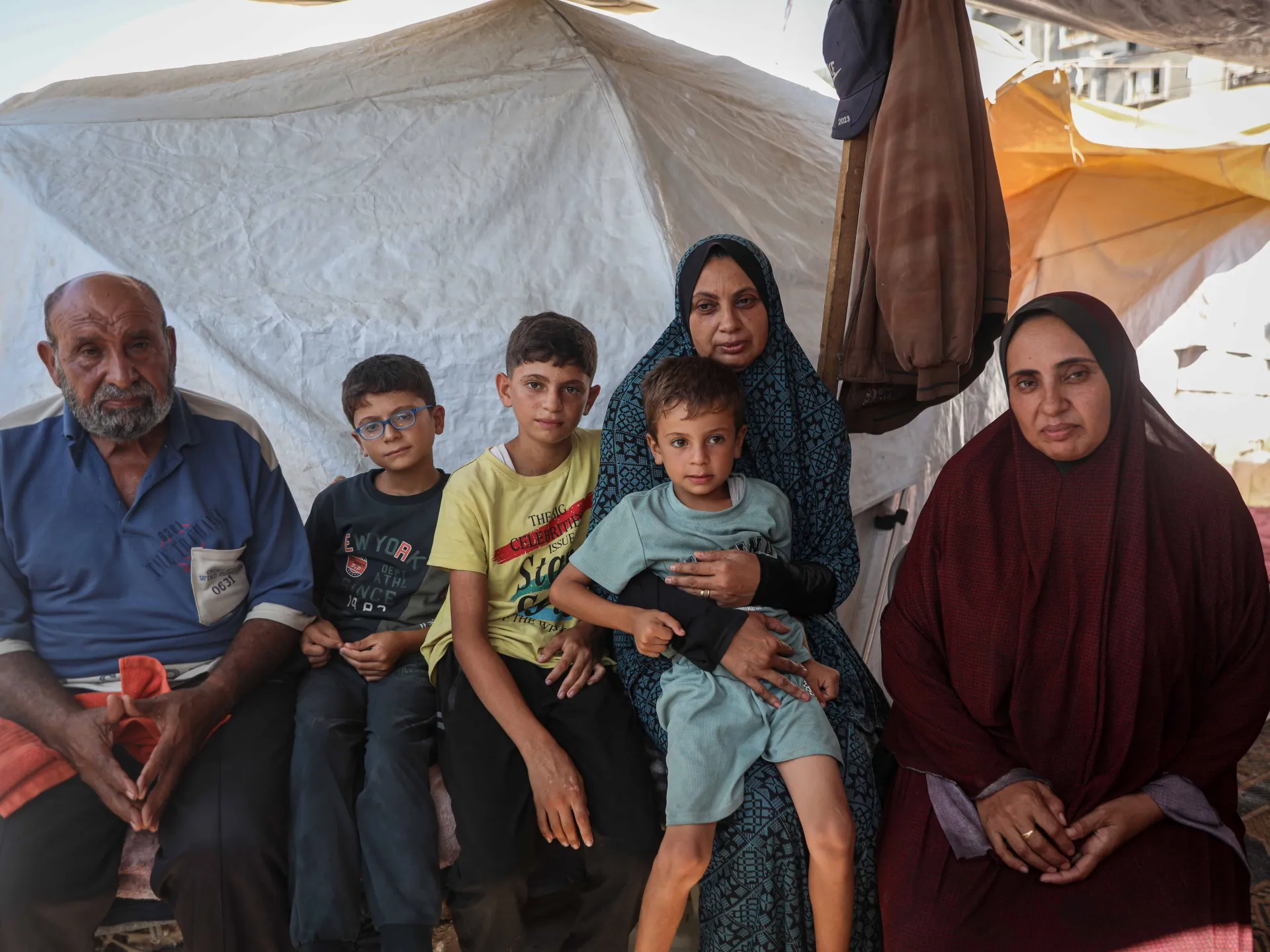
A recent military strike conducted ing in casualties among the local population. According to reports from the site, the attack occurred in an area where displaced families had established makeshift shelters to escape ongoing hostilities in other parts of the Gaza Strip. The incident highlights the precarious nature of civilian safety in regions where high-density tent settlements have become the primary form of housing for those fleeing conflict zones.
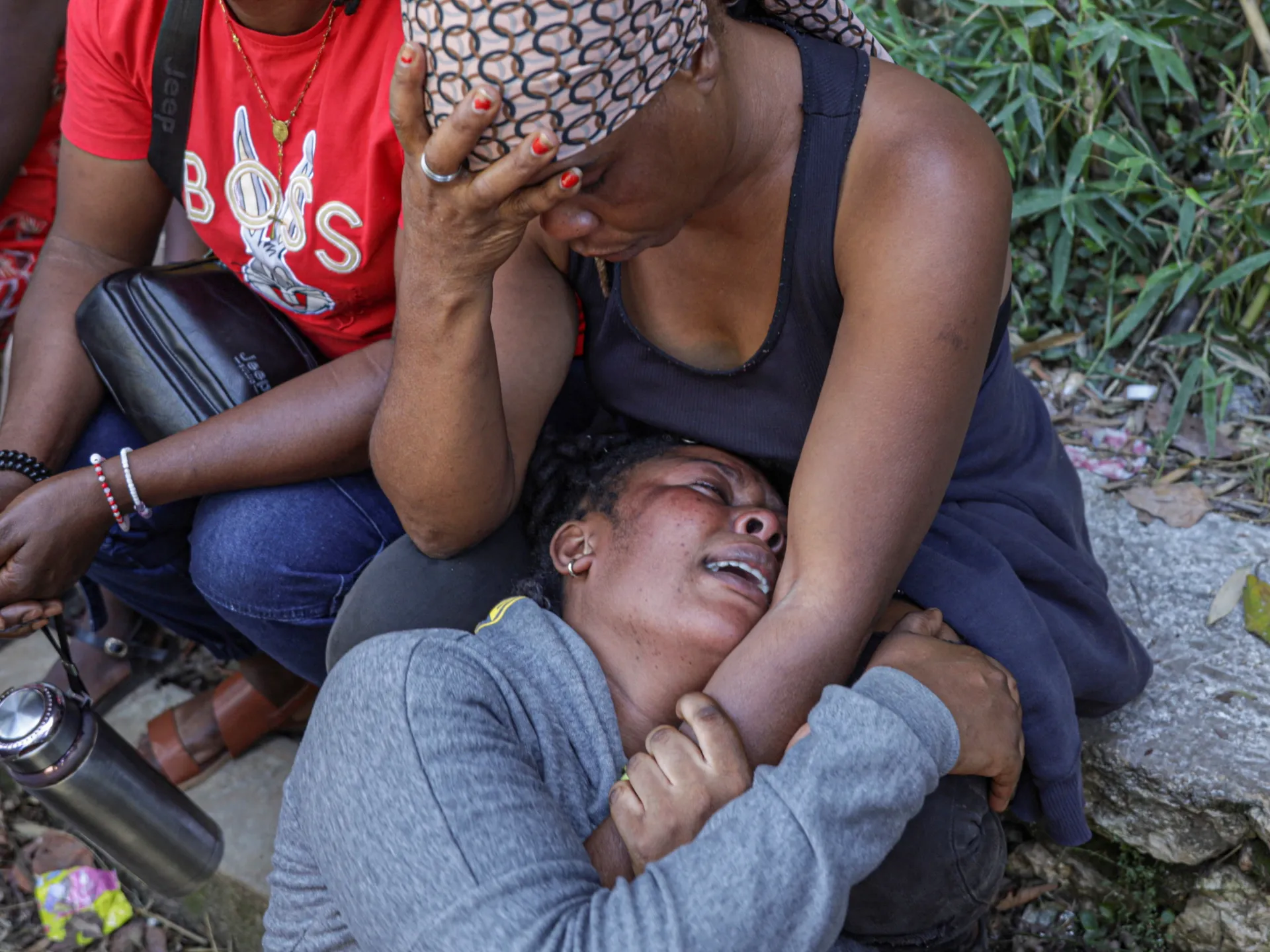
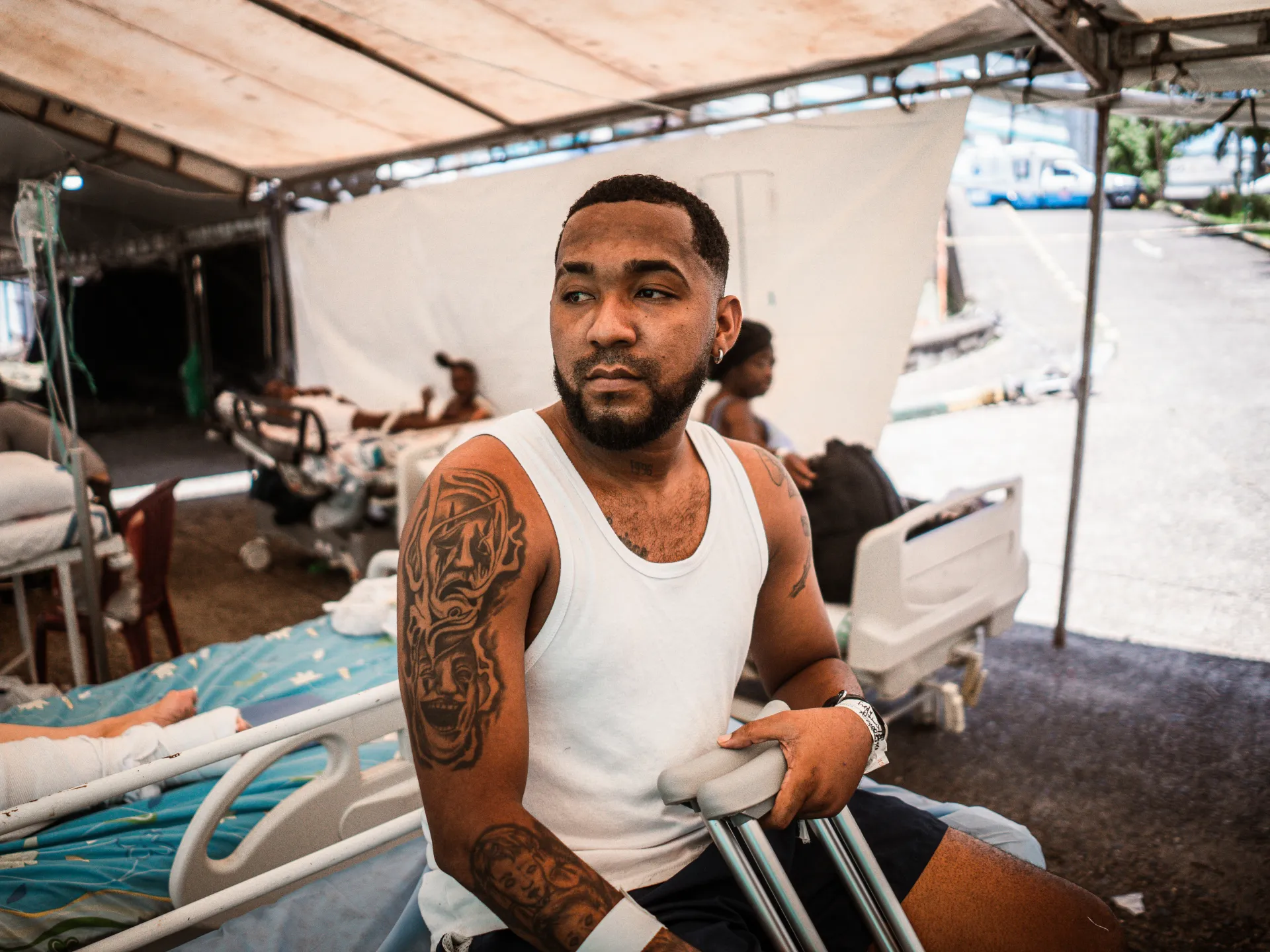
Witnesses on the ground reported that the strike targeted individuals who were positioned outside of their tents at the time of the explosion. The immediate aftermath left at least one person confirmed dead, with several others sustaining various degrees of injury. Emergency responders and local residents rushed to the scene to provide aid to the victims, though the ongoing nature of the security situation has complicated efforts to secure the area and transport the wounded to nearby medical facilities.
The incident is part of a broader pattern of kinetic activity across the Gaza Strip that continues to jeopardize the safety of civilians residing in temporary living arrangements. Displacement camps, which often lack robust infrastructure or protective barriers, have become focal points for military activity, leaving aid organizations and residents deeply concerned about the lack of secure zones. As the conflict persists, the density of these camps means that even localized strikes can have significant consequences for the safety of families and children.
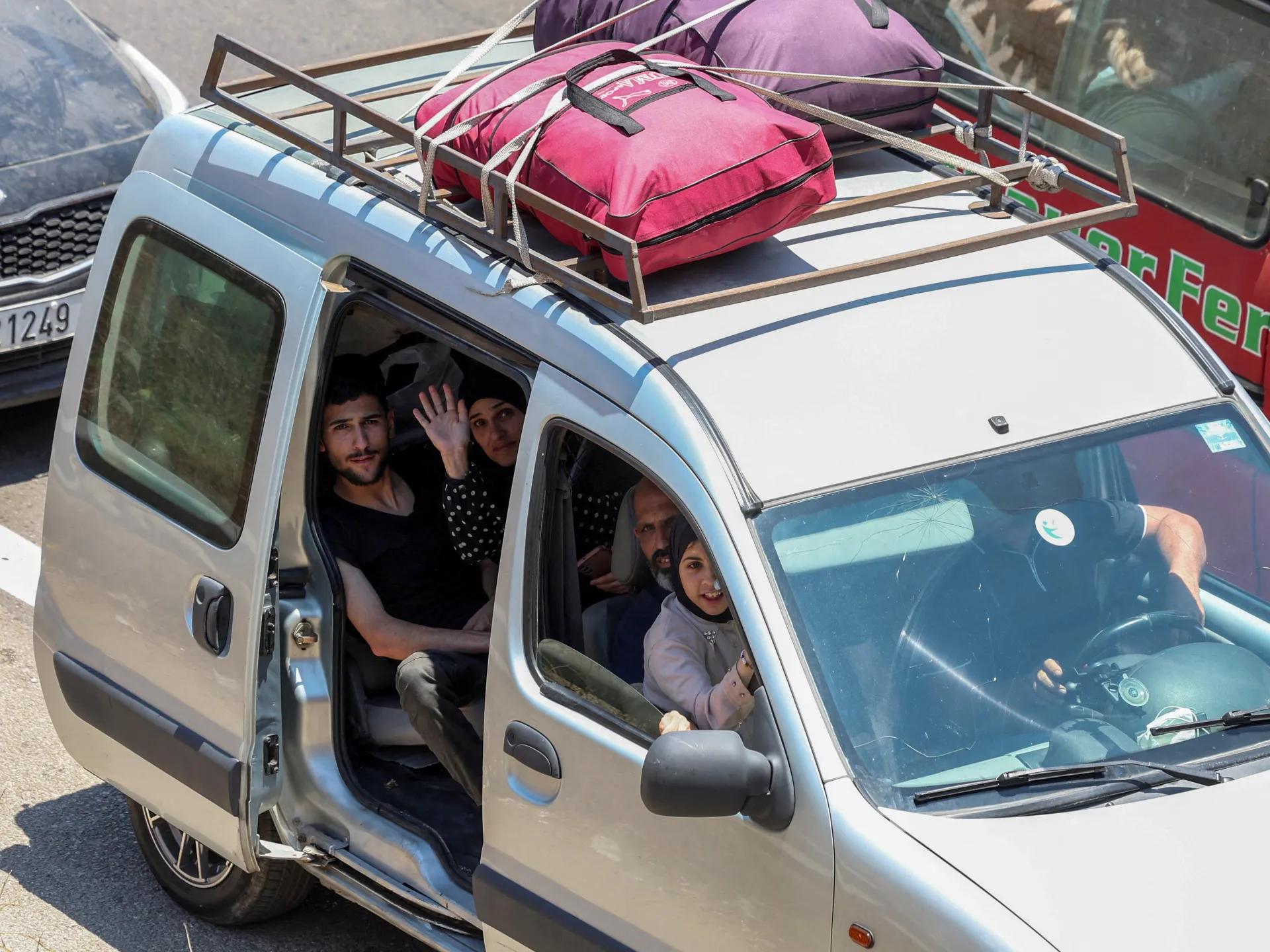
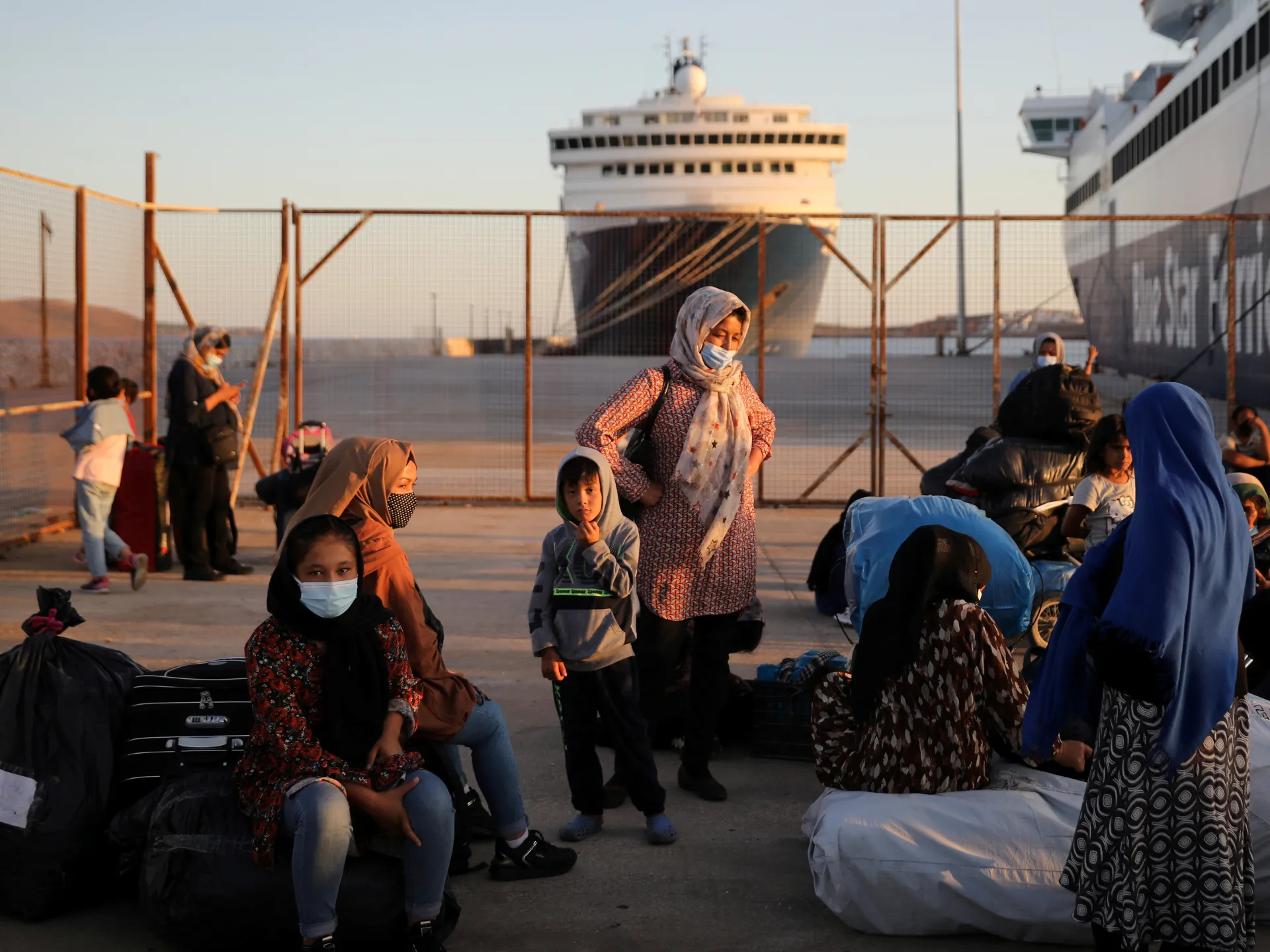
International aid agencies have repeatedly warned that the lack of safe corridors and designated humanitarian zones continues to place extreme pressure on the civilian population. In Gaza City, many residents have been forced to relocate multiple times, often ending up in improvised camps that offer little protection from aerial or ground-based military operations. The inability to provide a secure environment for these displaced individuals remains one of the most critical humanitarian hurdles in the region.
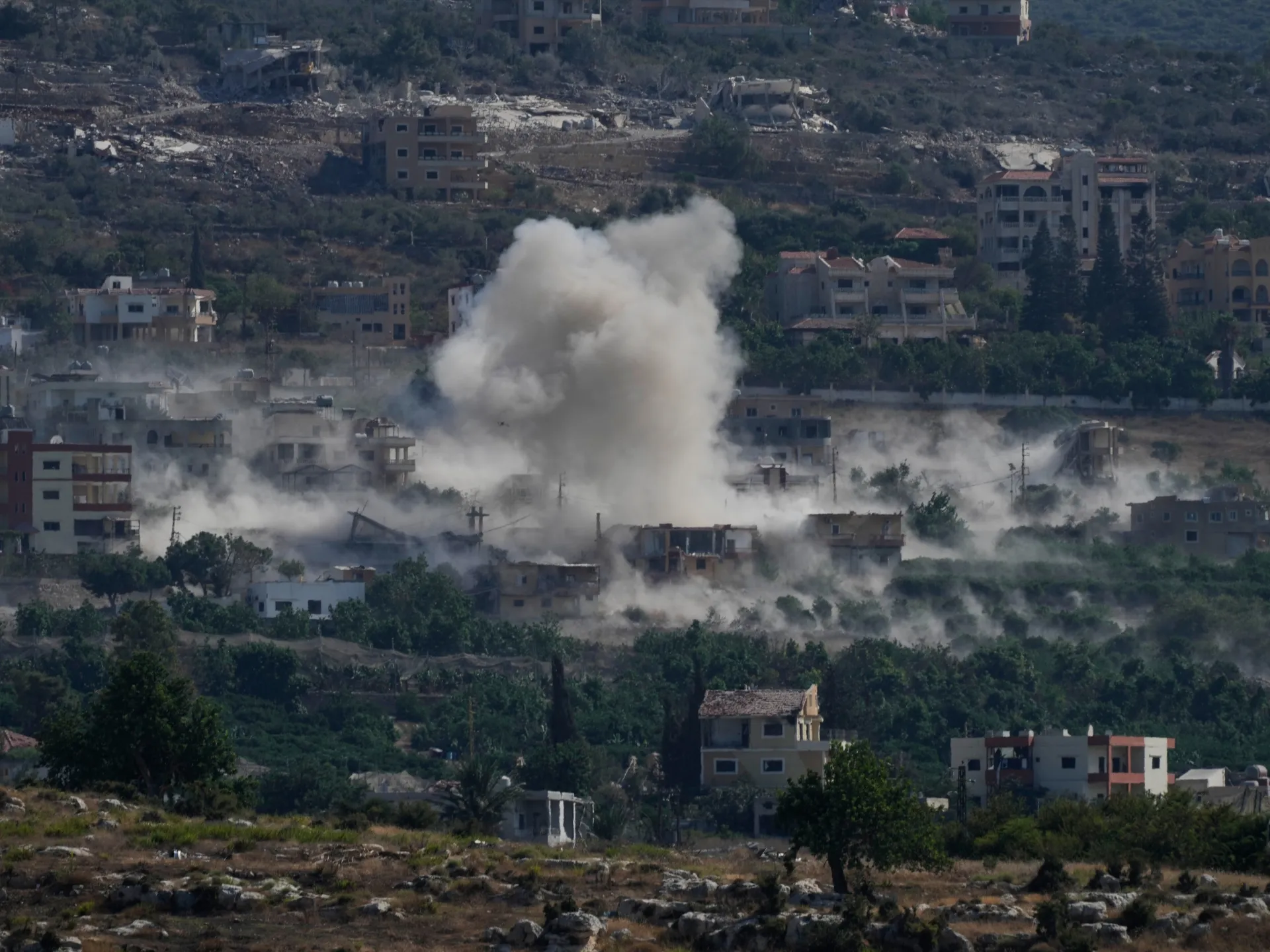
The strike on the displacement camp occurs against a backdrop of intensifying military operations that span multiple urban centers within the Gaza Strip. Military officials have maintained that their operations are focused on neutralizing threats from militant groups, yet the proximity of these operations to civilian infrastructure remains a point of intense scrutiny. The complexity of urban warfare in such a densely populated environment continues to result in significant civilian harm, leading to international calls for increased restraint and the protection of non-combatants.
As medical teams continue to treat those injured in the recent strike, the long-term outlook for residents in Gaza remains uncertain. The cycle of displacement has created a state of permanent instability for hundreds of thousands of people, many of whom have lost their homes and livelihoods. Without a clear path toward a cessation of hostilities or the establishment of guaranteed safe zones, the civilian population faces an ongoing struggle for survival amidst the persistent threat of further military strikes.
Local community leaders and observers have called for a thorough investigation into the circumstances surrounding the strike. There is a growing demand for greater transparency regarding the targeting protocols used in areas known to house significant numbers of displaced persons. The incident has further underscored the urgent need for international mediation to ensure that the rules of engagement are strictly adhered to, particularly in areas where civilian presence is concentrated.
Moving forward, the situation in Gaza City will likely continue to draw global attention as the humanitarian crisis deepens. The resilience of the displaced population is being tested daily, as they navigate the physical dangers of the conflict alongside the scarcity of food, clean water, and medical supplies. Observers maintain that unless significant changes are made to the operational conduct of all parties involved, the risk to those living in displacement settings will remain at a critical level.