New judicial verdicts in Sri Lanka and the United States have brought closure to high-profile cases involving domestic terror and historic homicides.
Legal systems across the globe have reached pivotal milestones in recent weeks, delivering long-awaited verdicts in cases of mass violence that have left indelible scars on their respective communities. In a landmark conclusion to years of judicial proceedings, a Sri Lankan High Court has convicted 15 individuals for their direct roles in the 2019 Easter Sunday bombings. Simultaneously, in the United States, judicial resolutions in California and Nevada have brought finality to separate instances of horrific criminal violence that have haunted the public consciousness for years.
These developments underscore the persistent reach of the justice system, which continues to process complex cases of domestic terror and targeted homicide long after the initial headlines have faded. While the scale and nature of these crimes vary—ranging from internationally recognized acts of terror to deeply personal vendettas—the underlying objective remains consistent: the legal accountability of those responsible for the loss of innocent life.
The pursuit of justice in these cases serves as a crucial mechanism for societal healing, yet it also highlights the limitations of the courtroom in addressing the root causes of violence. In the instance of the Sri Lankan bombings, the trial has functioned as a surrogate for a national reckoning regarding intelligence failures and the security apparatus's inability to prevent the 2019 tragedy. For the families of victims in the California and Las Vegas cases, these verdicts provide a definitive end to the uncertainty of ongoing litigation, allowing for a transition from the trauma of the crime to the finality of sentencing. These cases reinforce the principle that regardless of the time elapsed or the complexity of the evidentiary trail, the state retains the mandate to seek retribution for the victims of extreme violence.
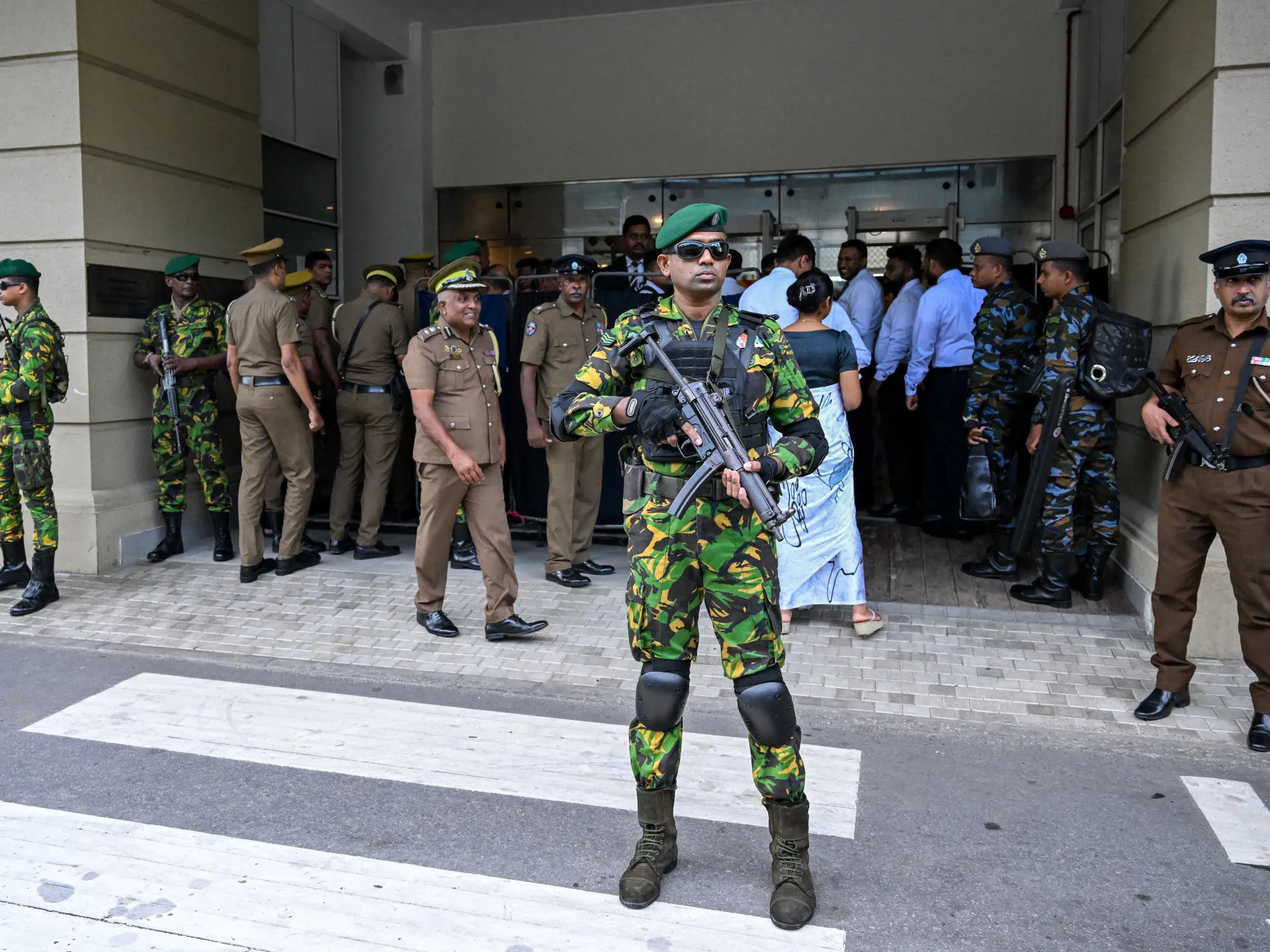
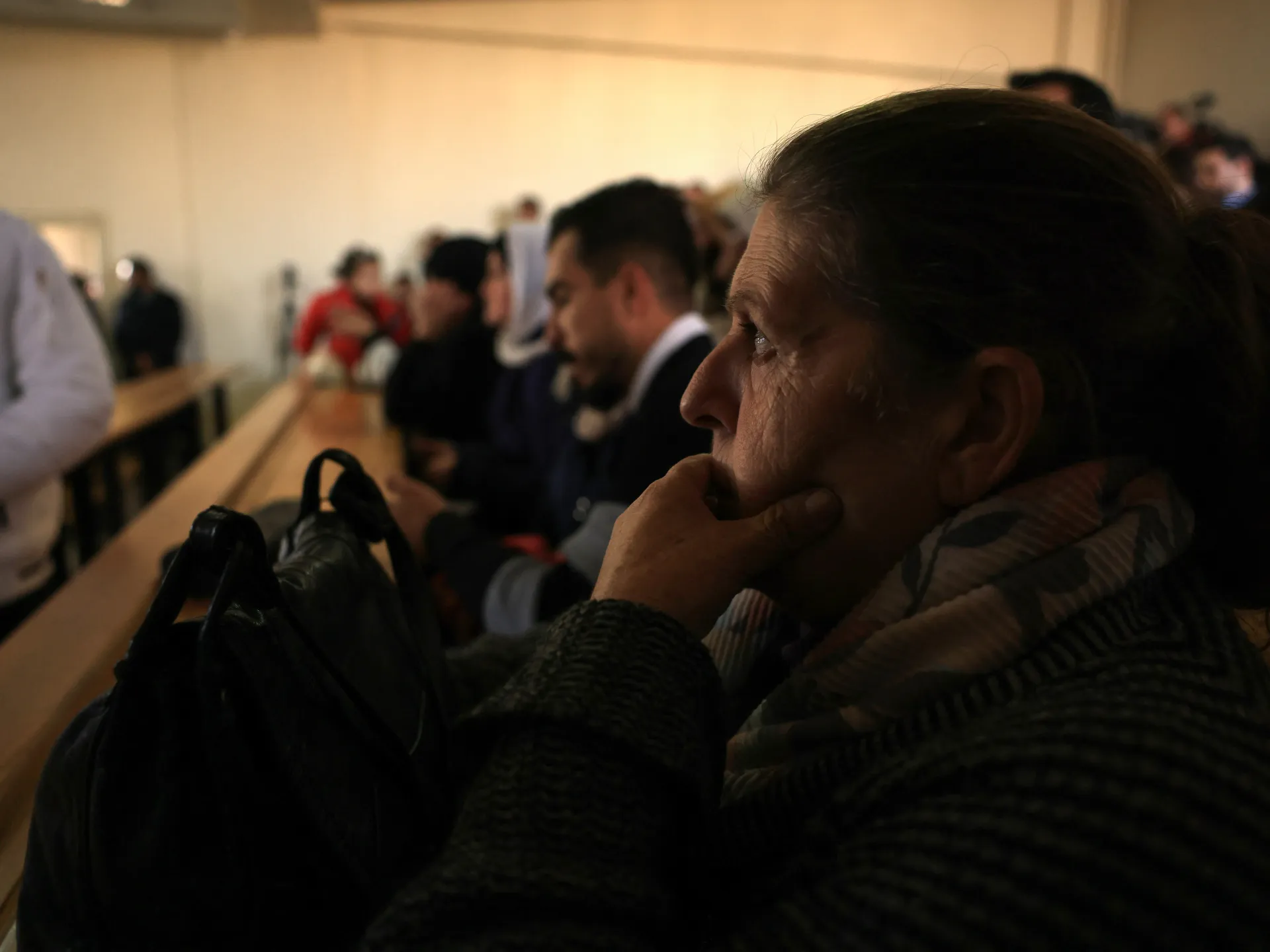
A three-judge bench in Sri Lanka’s High Court recently delivered verdicts for 15 out of 24 defendants accused of orchestrating the 2019 Easter Sunday bombings. The court found 14 of these individuals guilty on all counts, which encompassed charges of murder, conspiracy to commit terrorism, and the illegal possession of explosives. A 15th defendant was convicted on a limited set of charges, while nine others were acquitted of allegations related to aiding and abetting the suicide bombers.
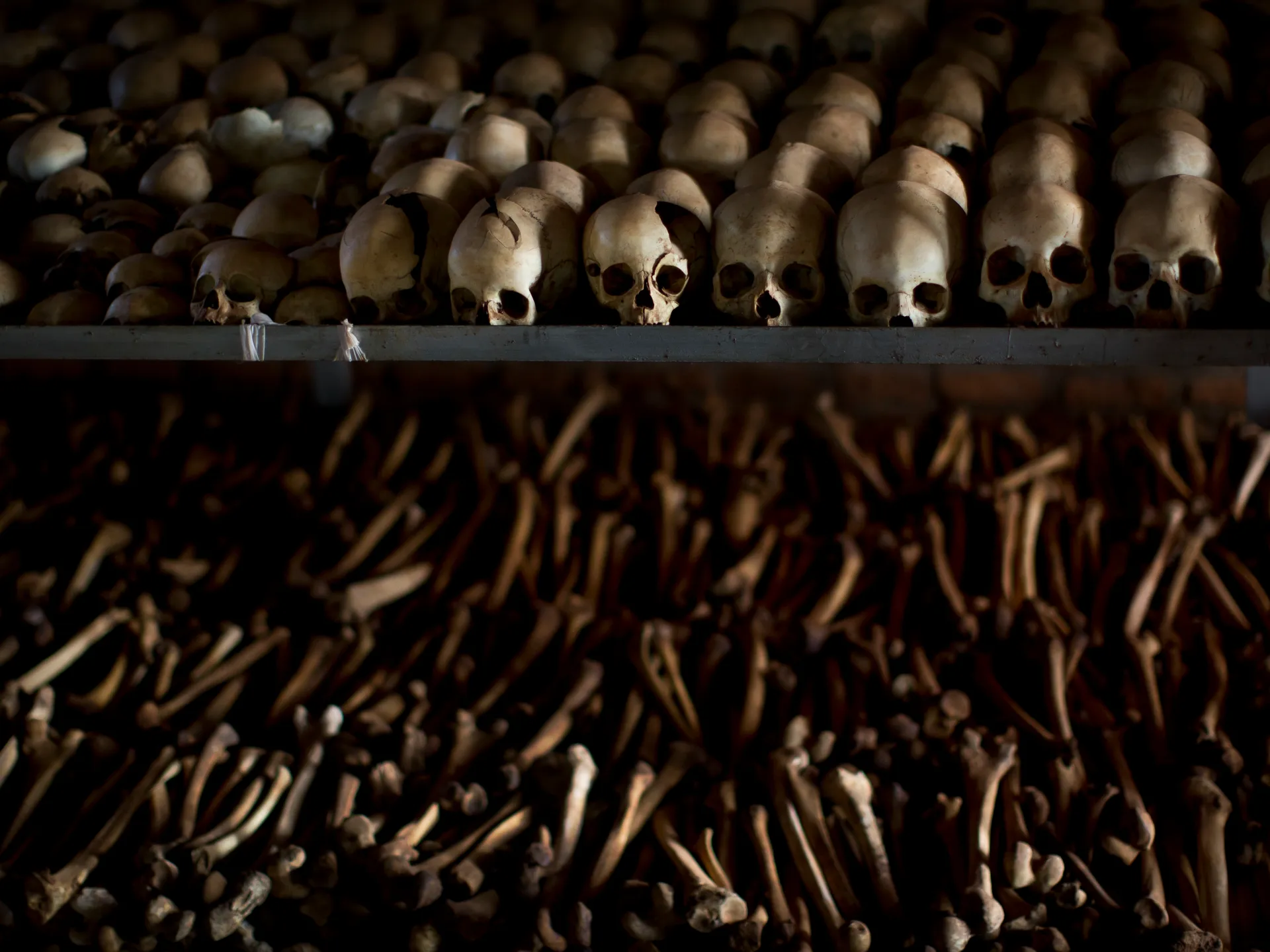
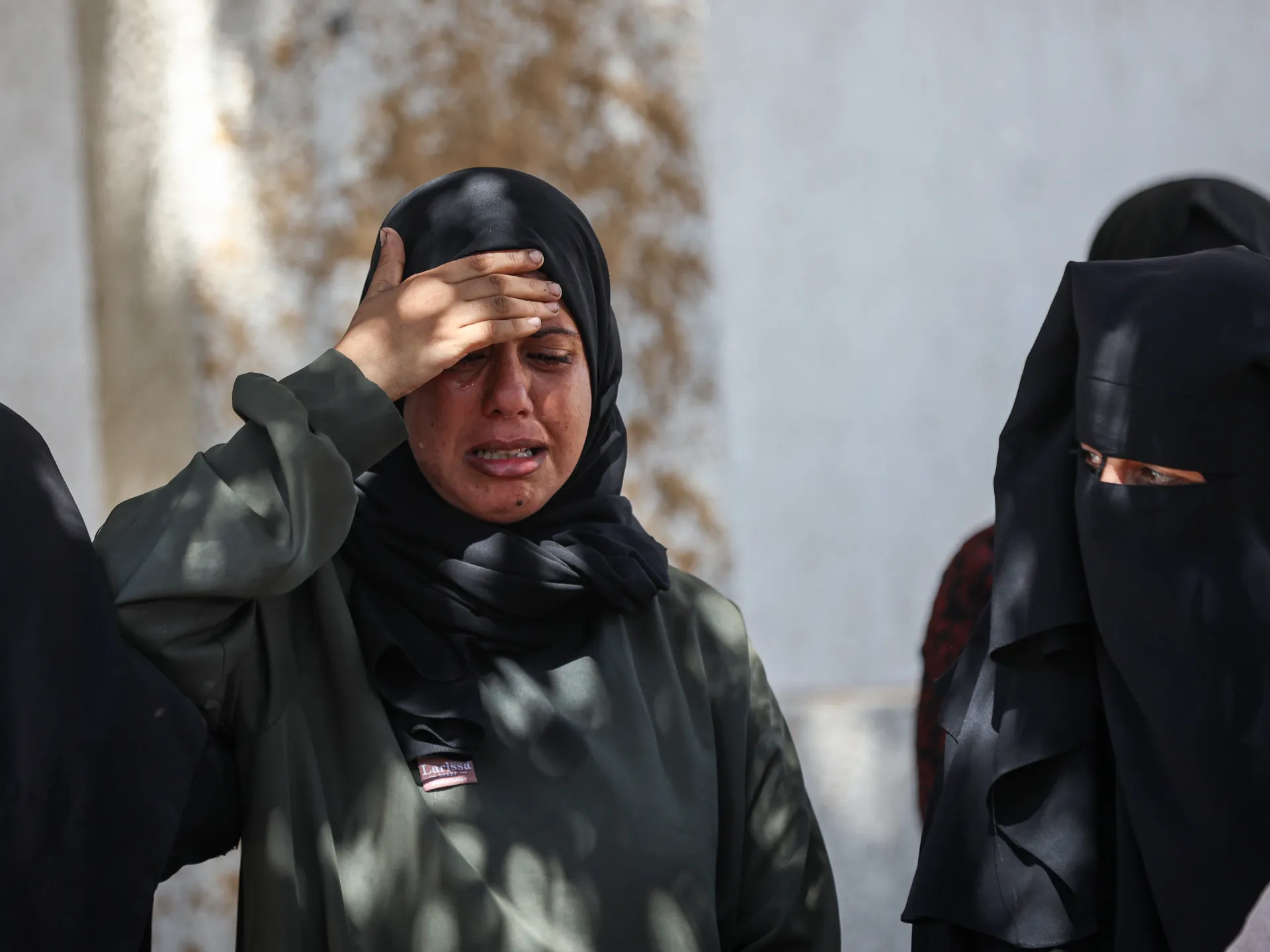
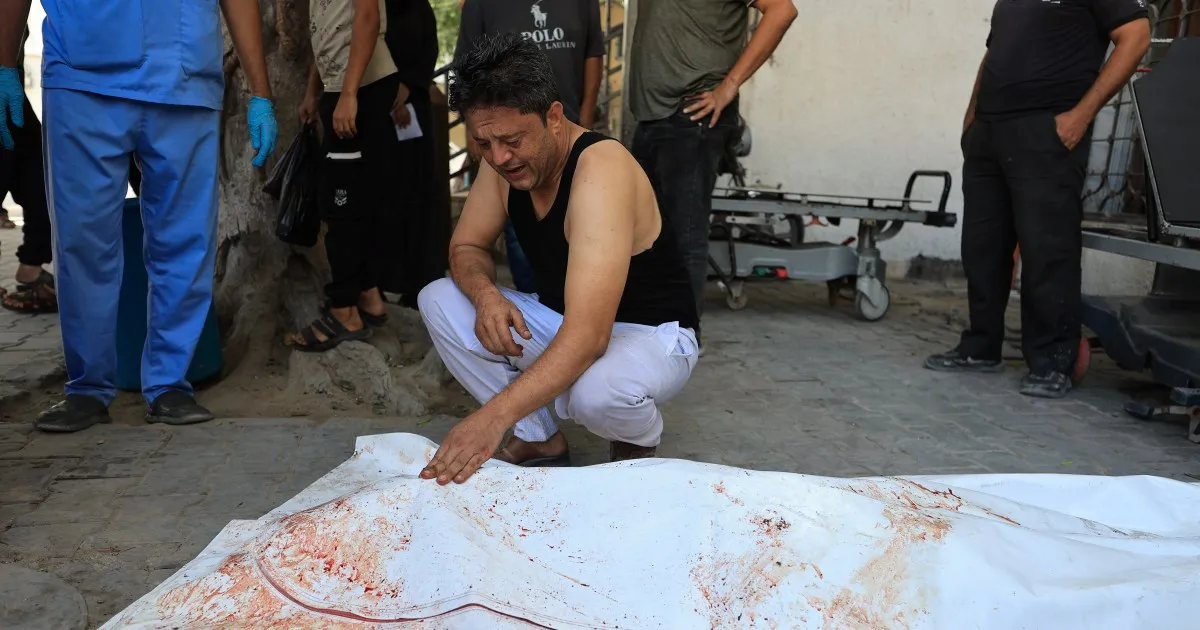
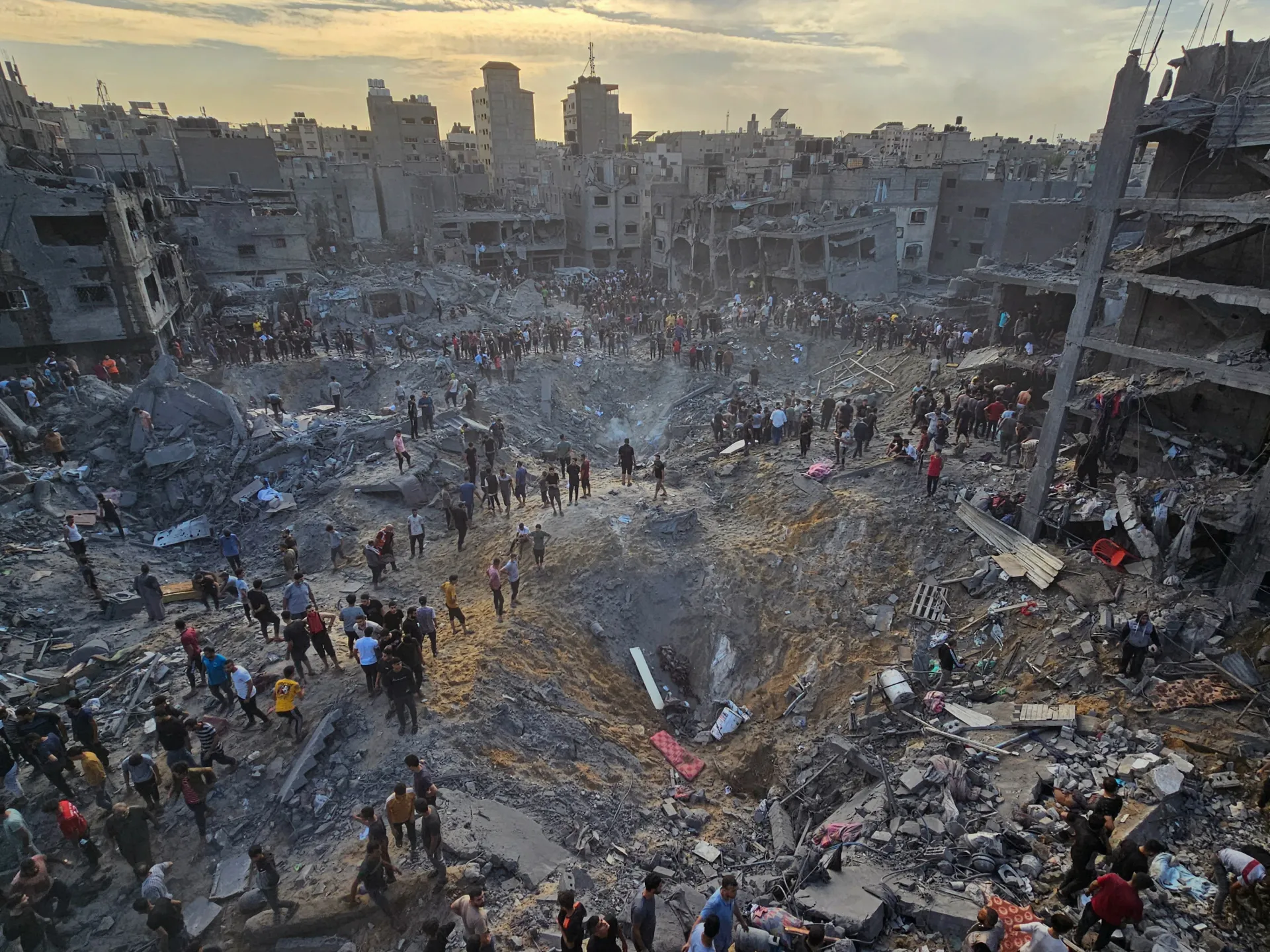
The trial, which commenced in November 2021, involved the processing of over 23,000 charges and the testimony of more than 2,300 witnesses. Central to the prosecution’s case was the confession of Naufer Moulavi, whom authorities identified as the primary architect of the attacks. Although Moulavi attempted to retract his statement during the proceedings, claiming he was not shown the document he signed, the court ultimately accepted the confession as evidence. The 2019 attacks, which targeted churches and luxury hotels in Colombo, remain the deadliest violence in Sri Lanka since the conclusion of the civil war in 2009, resulting in 279 deaths and hundreds of injuries.
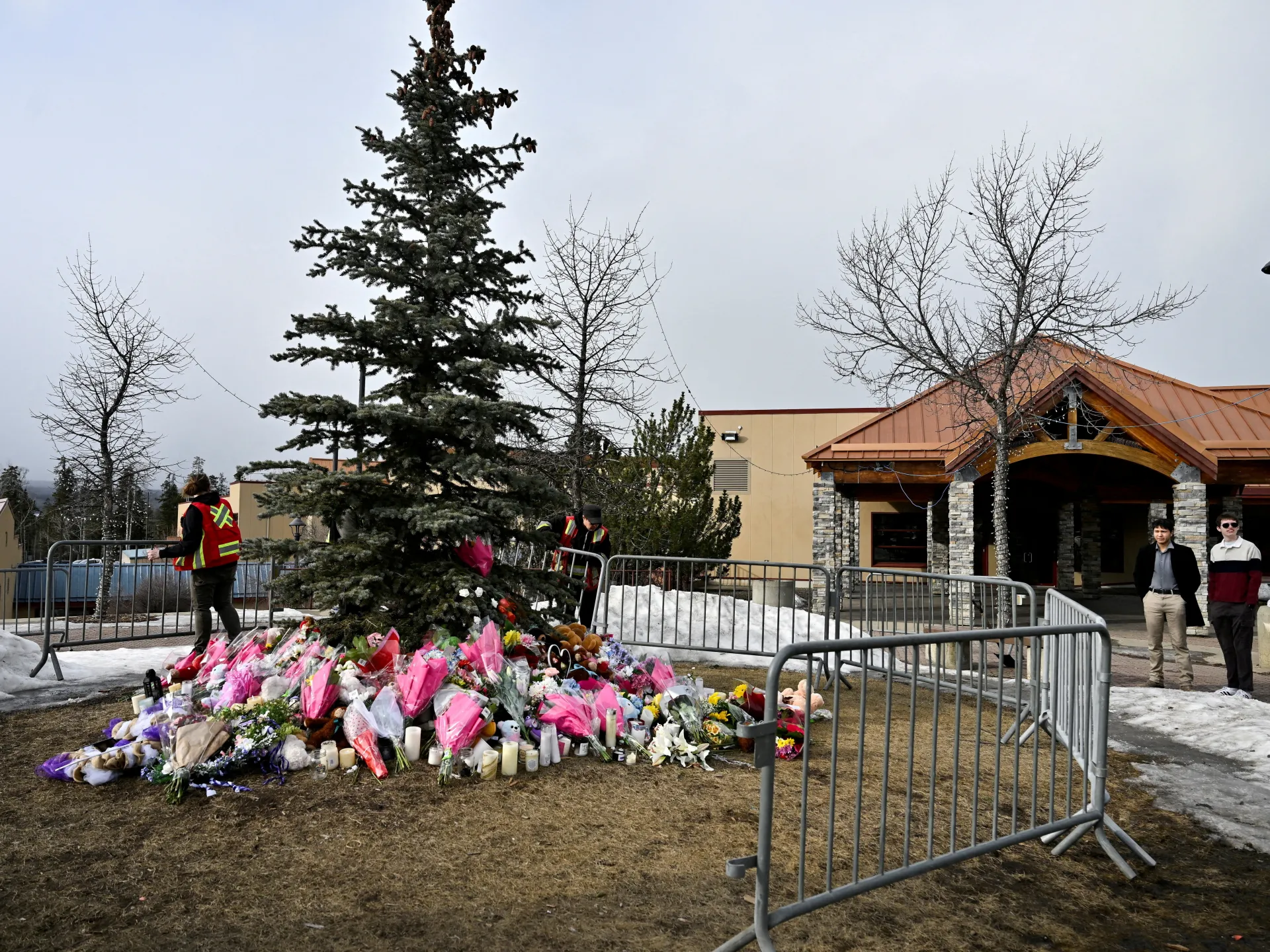
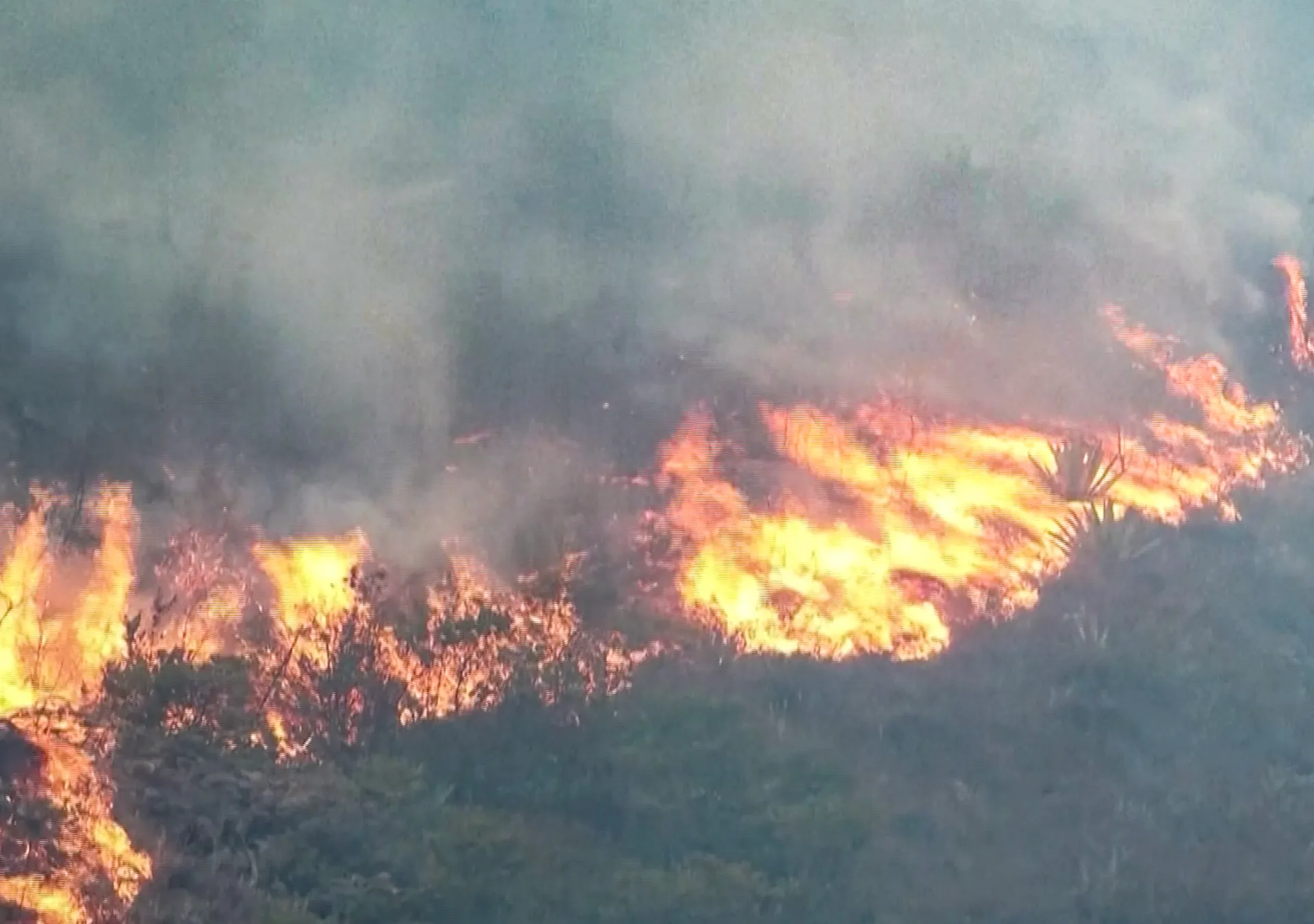
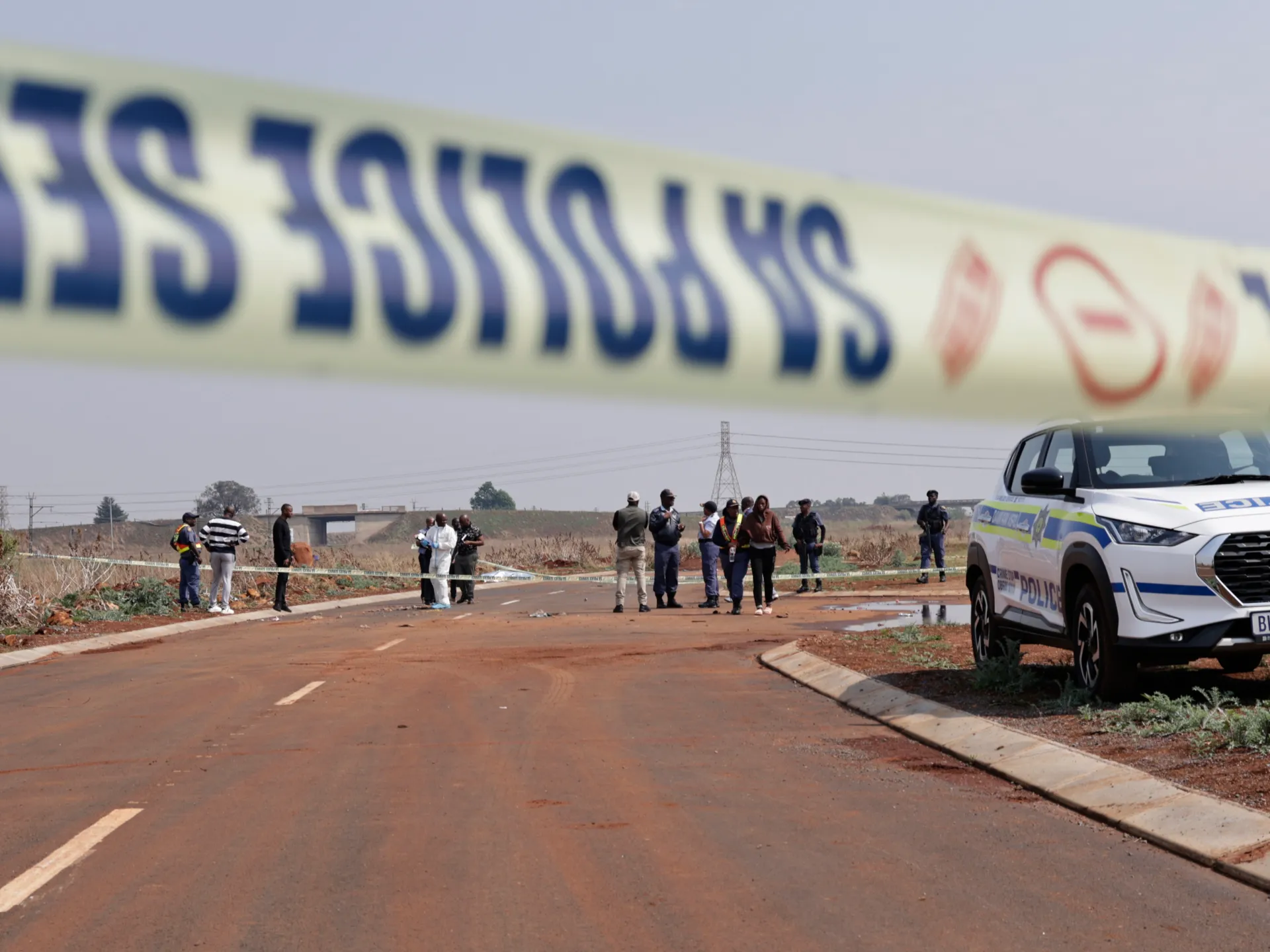
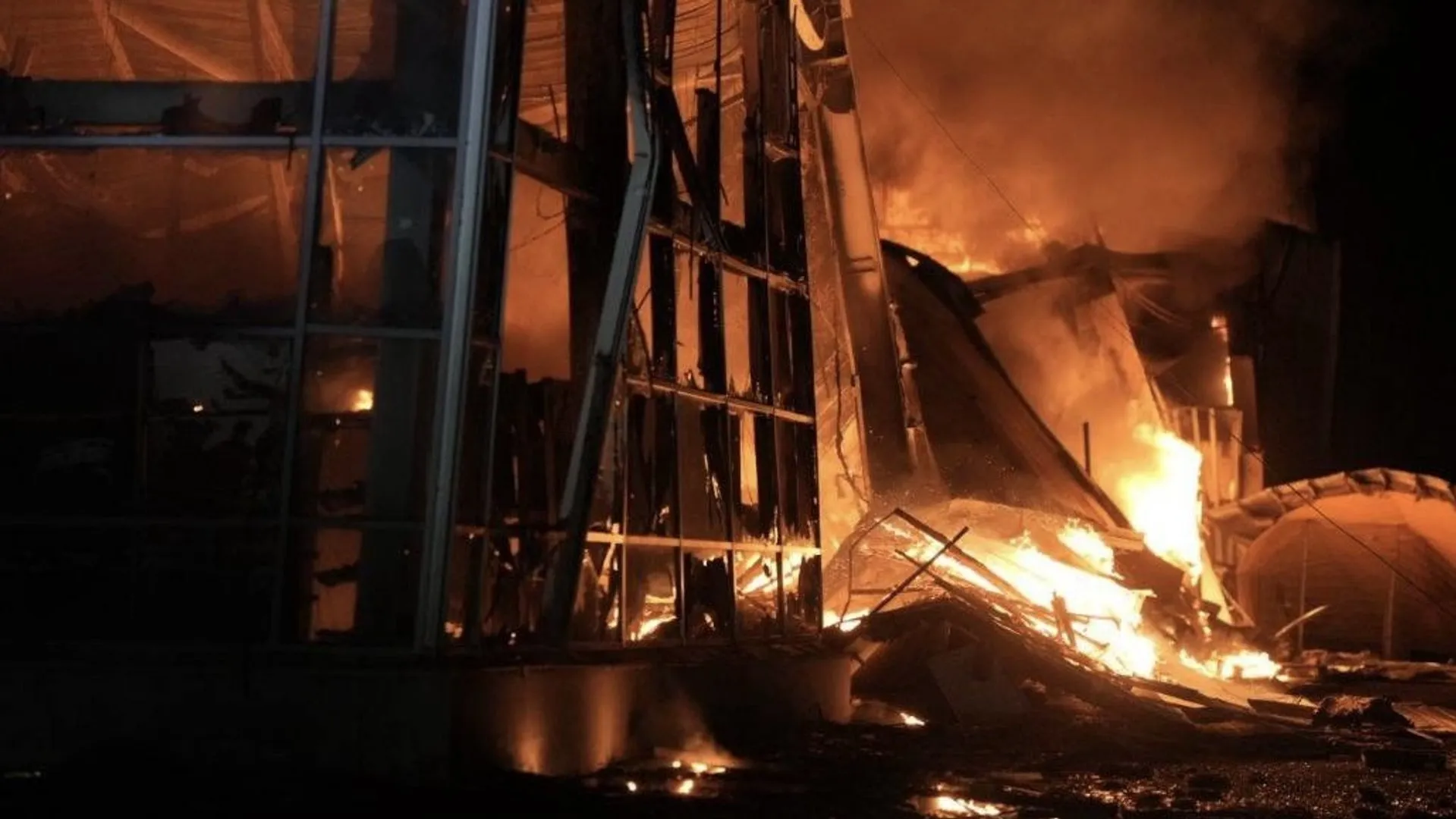
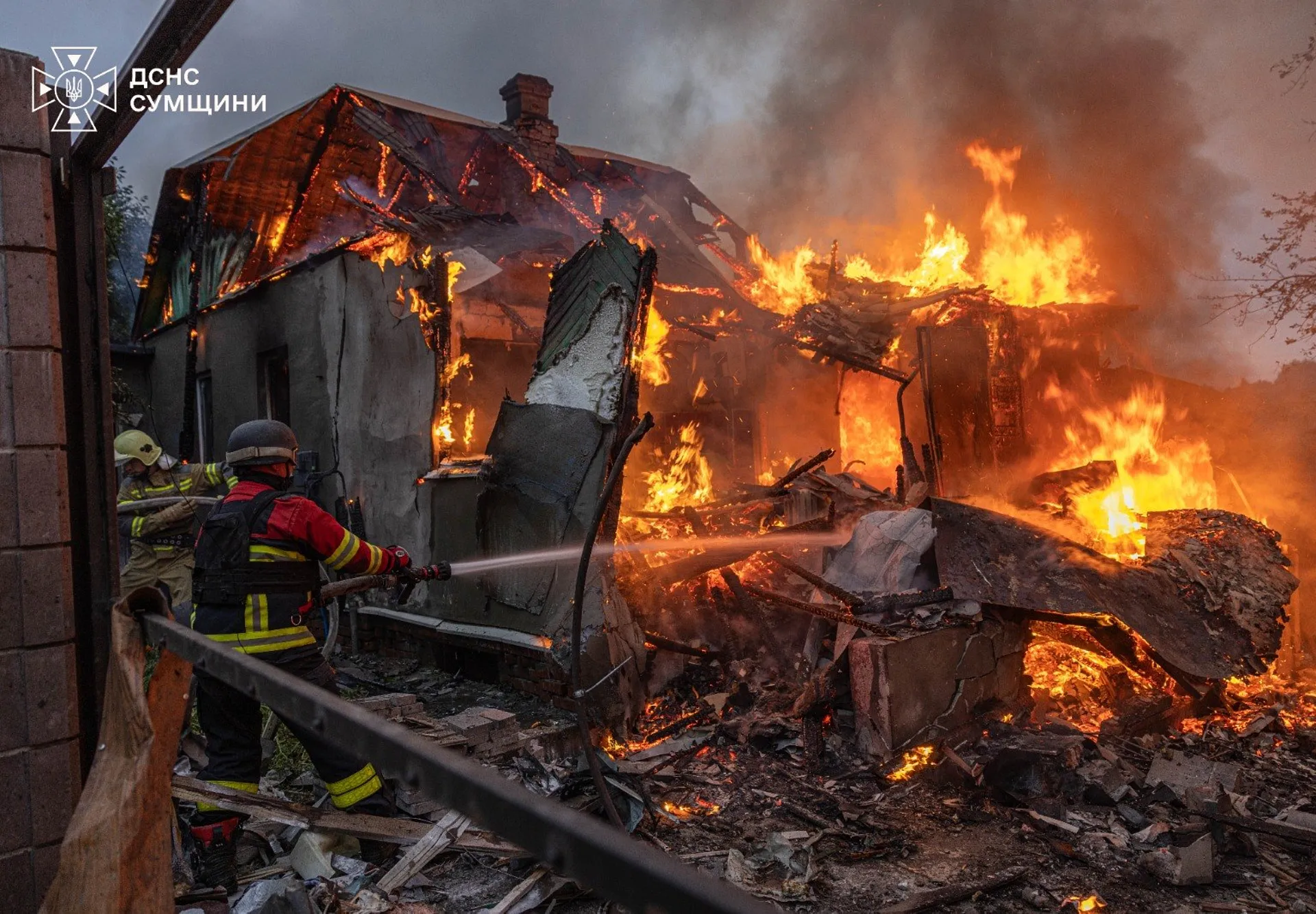
In California, the legal process reached a resolution in the November 2024 massacre in Lancaster. Miguel Diego Sandoval, 21, pleaded guilty to the murders of four individuals—Janvi Maquindang, Christine Aca-ac, Edwin Garcia, and Matthew Montebello—following a breakup. Prosecutors described the act as a calculated revenge rampage, noting that Sandoval entered the family home while the victims slept, opened fire, and subsequently set the residence ablaze. In addition to the homicide charges, Sandoval pleaded guilty to three counts of felony animal cruelty for the deaths of family dogs.
Separately, in Nevada, the legal system addressed one of the most high-profile cold cases in American history. A jury found 63-year-old Duane "Keffe D" Davis guilty of the 1996 murder of rapper Tupac Shakur. The verdict, delivered after just two hours of deliberation, closes a decades-long chapter regarding the artist's death in Las Vegas, providing a rare instance of a conviction in a case that had remained open for nearly thirty years.
With the verdicts delivered, the focus shifts to the sentencing phase, where the judicial systems in both Sri Lanka and the United States must determine the permanent consequences for those convicted. In California, prosecutors have confirmed that Sandoval’s guilty plea will result in a lifetime prison sentence. Meanwhile, in Sri Lanka, the court is expected to announce the specific terms of imprisonment for the 15 convicted defendants shortly. These final procedural steps will effectively close the litigation phase of these cases, though the societal impact of these events, particularly in Sri Lanka where questions of government accountability persist, will likely continue to influence public discourse for years to come.