

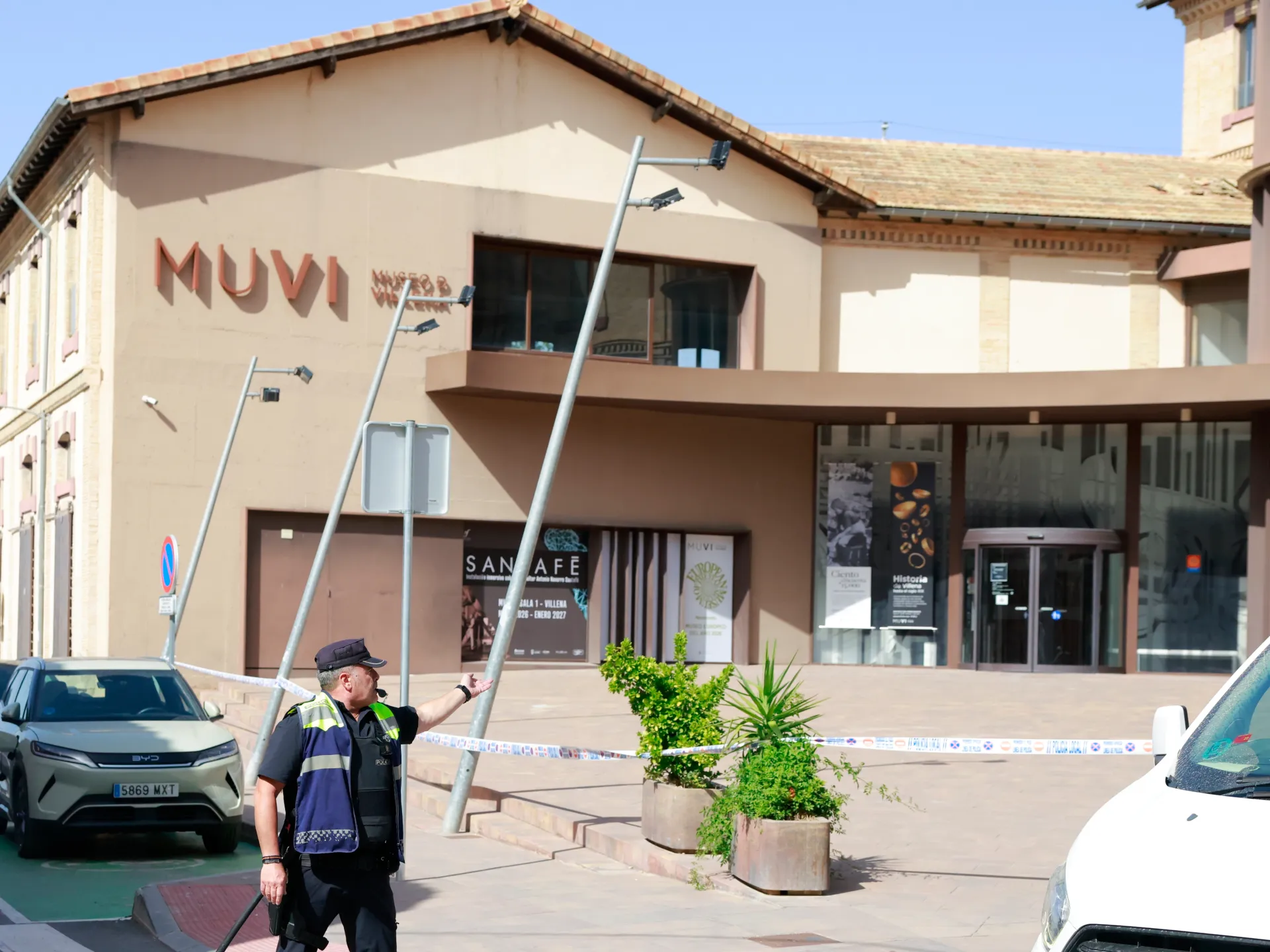
A professional and rapid heist at the Villena Museum has resulted in the theft of priceless Bronze Age artifacts, prompting a major police investigation.
Authorities in the Spanish town of Villena are currently grappling with the aftermath of a sophisticated and rapid burglary targeting one of the most significant archaeological collections in Europe. The Treasure of Villena, a world-renowned assemblage of Bronze Age artifacts, was compromised during an early morning operation that local officials have described as both highly professional and executed with alarming speed. The incident occurred at the local municipal museum, triggering an immediate response from law enforcement and regional cultural authorities.
While the investigation remains in its early stages, the exact scale of the loss is still being determined. Police and museum staff are working diligently to conduct a comprehensive inventory of the display cases to ascertain precisely how many pieces were removed. The collection, which includes over 50 individual gold objects, represents a pinnacle of prehistoric craftsmanship, making its potential removal a devastating blow to the town’s cultural heritage and the broader historical record of the Mediterranean region.
The alarm system at the Villena Museum was activated at approximately 5:20 a.m., signaling the commencement of the breach. According to representatives from the town council, the perpetrators demonstrated a high level of technical proficiency, navigating the building’s security infrastructure with remarkable efficiency. Despite the activation of all existing alarm protocols, the thieves managed to complete their objective before security personnel or law enforcement could physically intercept them.
Investigators are now examining the possibility that the museum heist was part of a larger, coordinated criminal strategy. Shortly before the museum alarms were triggered, a separate alarm sounded at a nearby sports center. Police are currently exploring whether this incident was a deliberate diversion intended to distract local security forces and pull resources away from the museum site. This tactical coordination suggests a level of planning that goes beyond opportunistic theft, pointing toward a calculated effort to bypass established security measures.
The Treasure of Villena is widely considered one of the most important gold collections dating back to the Bronze Age. Discovered in 1963, the hoard provides invaluable insight into the metallurgical skills and social structures of societies existing around 1,000 BC. The collection is diverse, featuring 29 gold bracelets, 11 bowls, three bottles, and various other decorative or utilitarian items. Beyond the gold, the hoard also contains pieces crafted from silver, iron, and amber, highlighting the sophisticated trade networks and material knowledge of early civilizations.
Because these items are irreplaceable, the theft has sent shockwaves through the global archaeological community. The historical value of such artifacts far exceeds their raw material worth, as they serve as physical links to a distant past. The loss of even a portion of this collection represents a permanent erosion of our collective understanding of Bronze Age craftsmanship. The regional government is now coordinating with national security agencies to track the artifacts and prevent them from entering the illicit antiquities market.
This incident in Alicante province is the latest in a string of high-profile museum robberies across Europe, raising concerns about the security of public institutions. The trend of brazen, professional heists has become increasingly common, with criminals targeting high-value items in museums that were previously thought to be secure. These thefts often involve significant preparation and a clear understanding of the target institution's security vulnerabilities, indicating that cultural sites are facing a more sophisticated class of criminal actor than in previous decades.
Recent events elsewhere in Europe underscore the severity of this threat. From daylight robberies in major metropolitan museums to the targeted theft of extraordinary artworks in Sicily, the pattern of activity suggests that organized crime groups are increasingly viewing cultural institutions as viable targets. As authorities in Spain continue their investigation, the focus will likely remain on enhancing security protocols and improving regional cooperation to protect the remaining artifacts and ensure that such history-altering heists do not continue to occur with impunity.