A historic share-buying frenzy has turned thousands of Nigerians into stakeholders in a major oil refinery, sparking excitement and debate over the nation's investment culture.
A significant shift in Nigeria’s investment landscape has occurred as thousands of citizens participate in a historic -buying frenzy involving one of the nation's most prominent industrial assets. More than four billion shares in the massive Dangote oil refinery were made available to the public, marking Africa's largest sale of its kind. This move allowed everyday Nigerians, from domestic workers to small-scale traders, to acquire a stake in the energy giant that has redefined the country's oil production capabilities.
The accessibility of the offering was a primary driver for its widespread popularity. With a minimum purchase requirement of just 10 shares, costing approximately $4, the barrier to entry was low enough for broad participation. This strategy was intentionally designed to democratize ownership, moving away from exclusive institutional investment toward a model that invites the general populace to in the growth of a critical national asset. The resulting enthusiasm saw investment applications surge, leading to temporary technical outages on popular trading platforms as they struggled to process the unprecedented volume of demand.
The cultural impact of the offering has been profound, manifesting in a wave of viral social media content. A new term, "Yangote"—a pun on the owner's name combined with the Hausa word for "we all have it"—has become a rallying cry for new shareholders. The humor reflects a genuine, albeit playful, sense of empowerment among citizens who now view themselves as stakeholders in the nation’s largest industrial project.
This sentiment has manifested in lighthearted displays of "ownership," with some new investors joking about their authority to monitor company assets or contact leadership regarding business strategies. While these interactions are largely performative, they underscore a deeper psychological shift. For many, becoming a shareholder represents more than just a financial transaction; it is a way to feel connected to a home-grown success story that operates on a global scale. This collective excitement has particularly resonated with younger Nigerians, who have increasingly utilized mobile platforms to engage with stock markets and digital financial products.
The enthusiasm for the refinery shares arrives at a delicate moment for the Nigerian economy, where many households are navigating significant financial pressures. Analysts suggest that the fervor surrounding the IPO is fueled et, the refinery represents a beacon of stability and a potential path to long-term financial growth. ector that has historically been reserved for the elite.
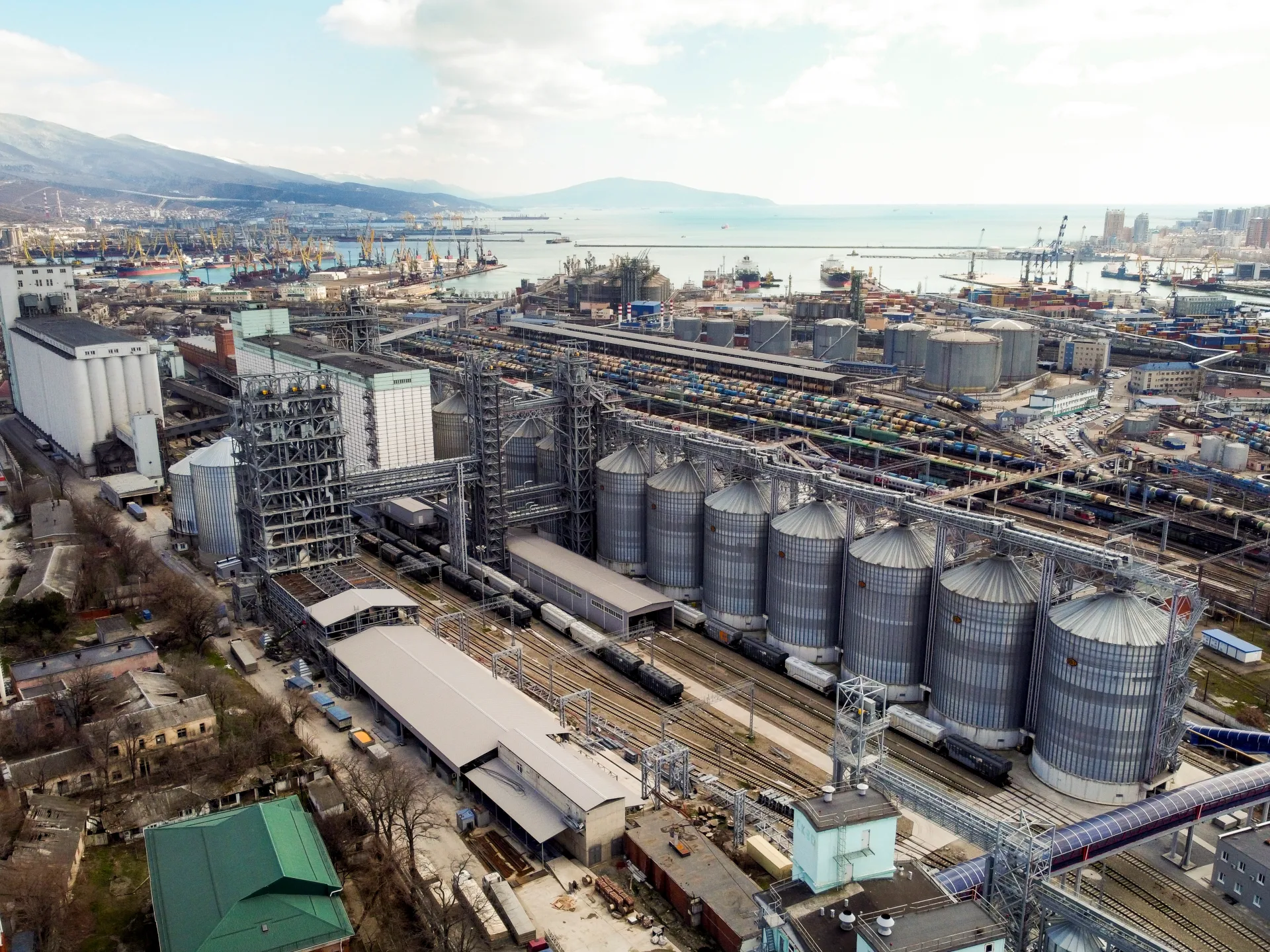
However, financial experts are urging caution, emphasizing that the stock market does not guarantee wealth. While the refinery has successfully transformed Nigeria’s ability to process crude oil locally—moving from a reliance on imports to a capacity of 700,000 barrels per day—operational risks remain. Factors such as crude supply chain disruptions, regulatory shifts, and volatile market demand for petroleum products are variables that could impact the future value of these investments.
As the initial excitement settles, the focus is shifting toward the long-term viability of the investment. While many participants view their purchase as a point of pride, others are treating it as a standard trading opportunity, with some already considering quick sales to capitalize on price fluctuations. This mix of long-term belief and short-term trading reflects a maturing, albeit volatile, investment culture in the region.
Ultimately, the success of this public offering serves as a landmark moment for Nigeria’s financial sector. It has proven that there is a deep, untapped appetite for domestic investment among the populace. As the refinery continues to scale its operations to meet domestic energy demands, the "people’s IPO" will be closely watched as a test case for how large-scale industrial projects can successfully integrate public participation into their capital-raising strategies.