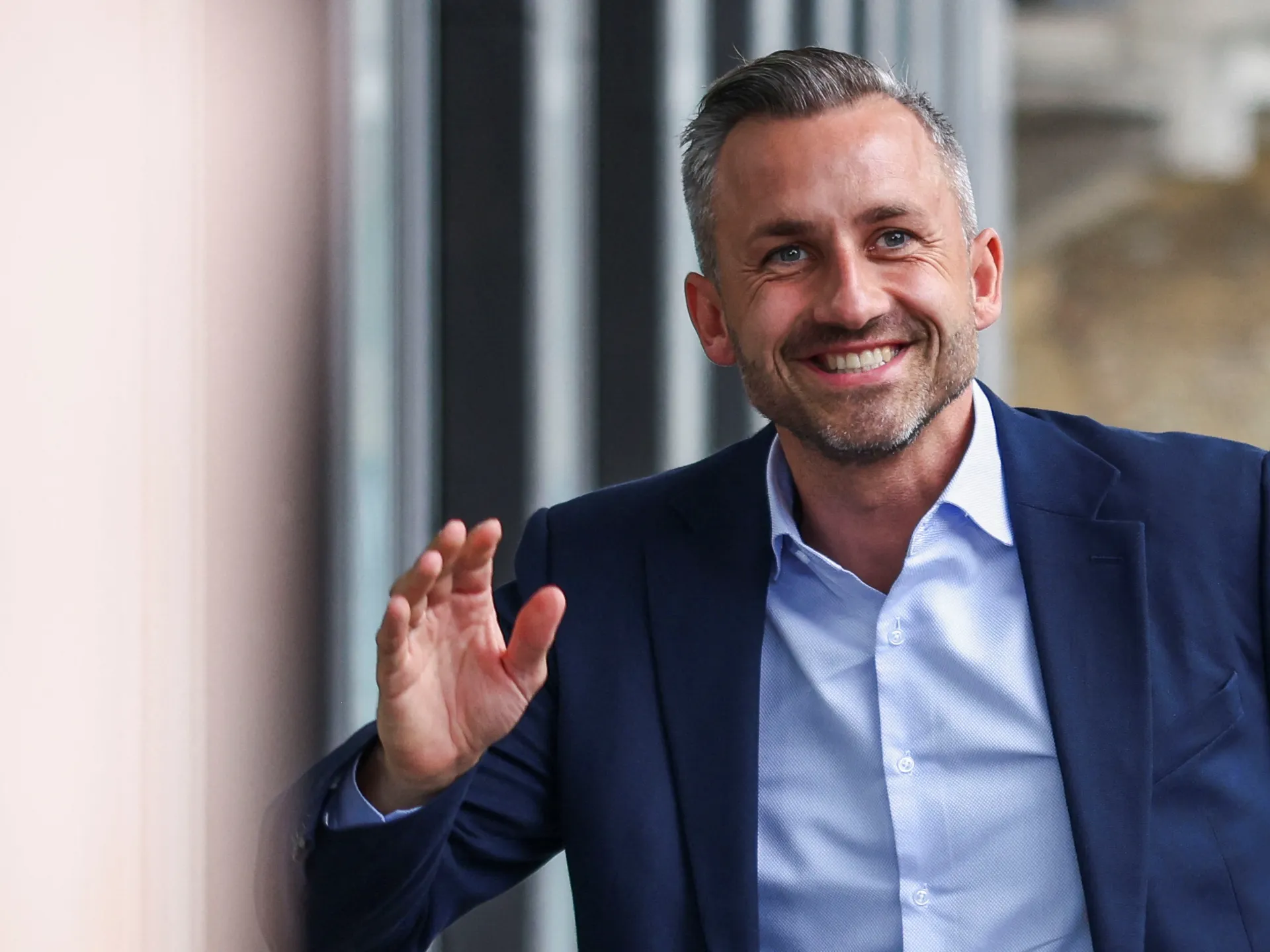

Federal authorities have confirmed the deportation of Milo Yiannopoulos to the United Kingdom after he violated U.S. immigration laws.
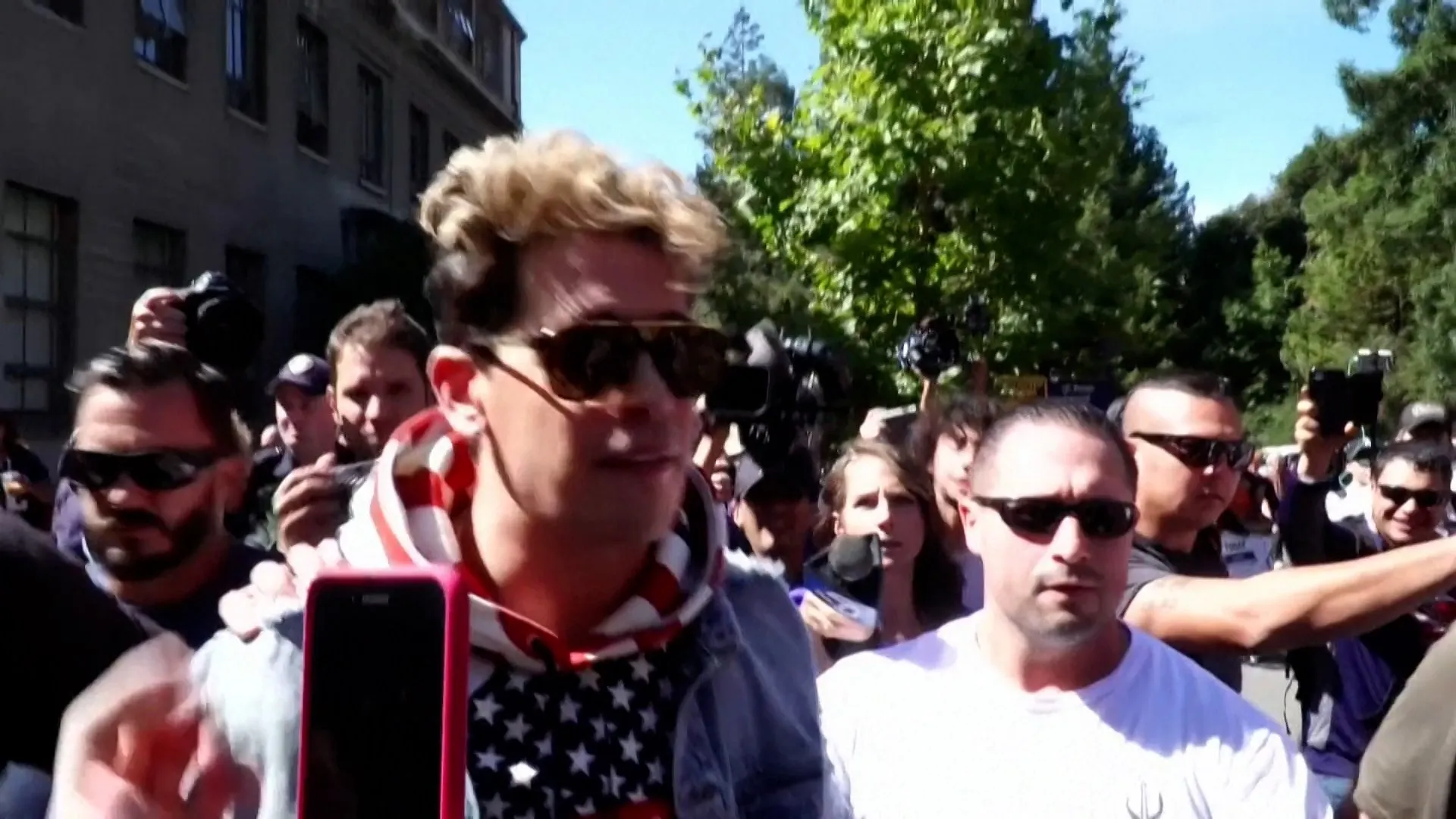
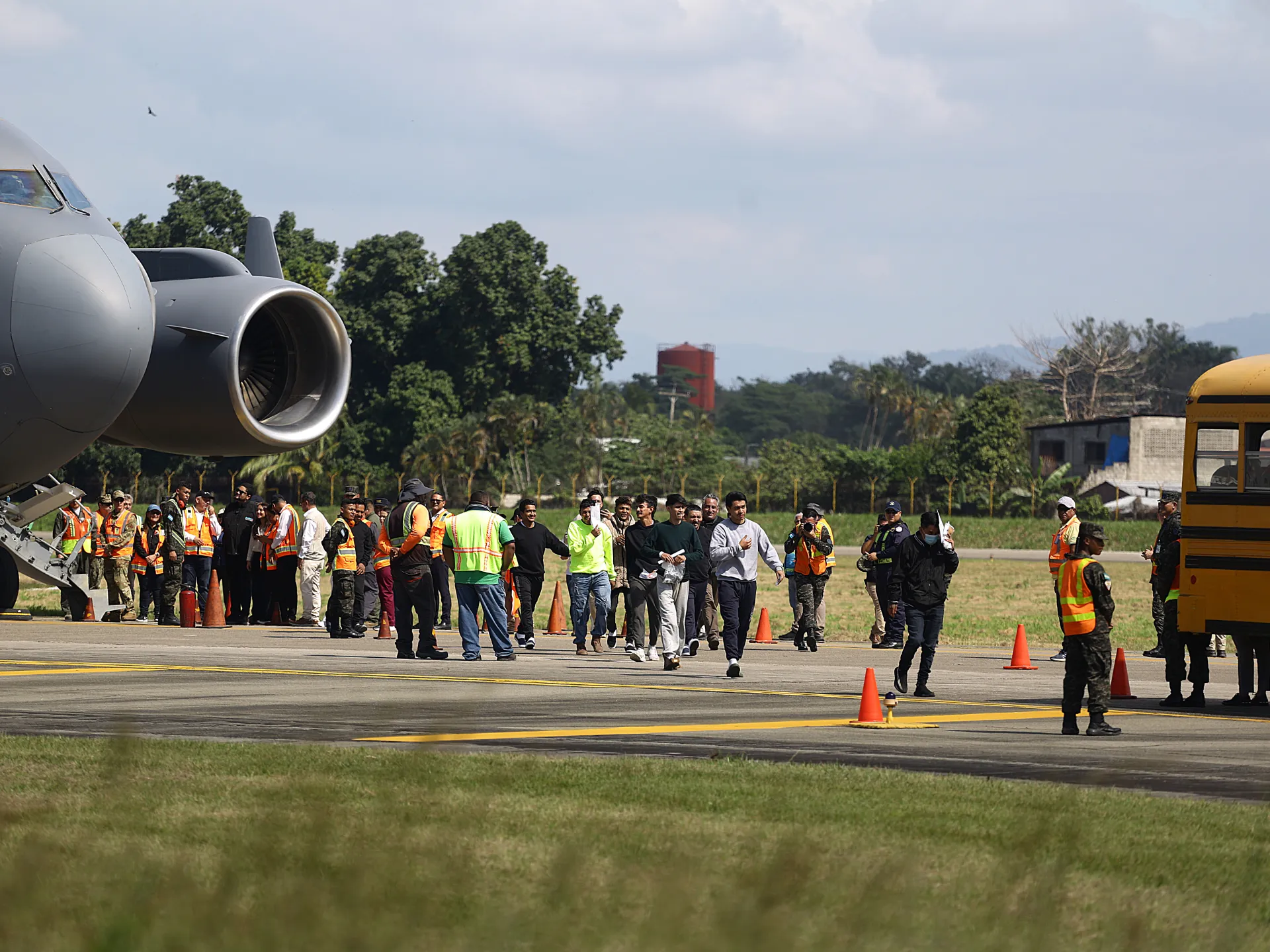
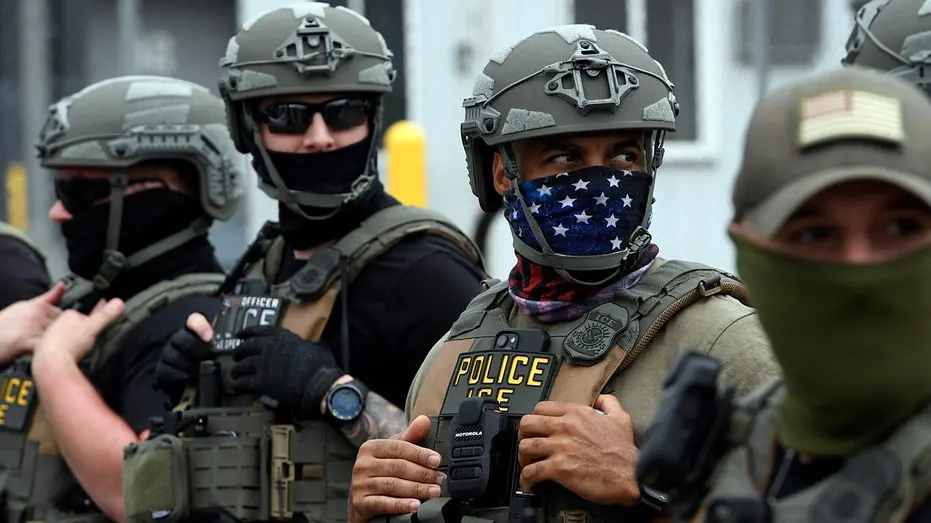
The United States Department of Homeland Security (DHS) has officially confirmed that British national Milo Yiannopoulos was removed from the country and sent back to the United Kingdom. The action follows an extended period during which the far-right commentator remained in the U.S. in violation of federal immigration regulations. According to official reports, Yiannopoulos was taken into custody Louisiana last Thursday.
The sequence of events leading to his departure began when Yiannopoulos failed to appear at a scheduled immigration hearing earlier this year. This absence prompted a judge to issue a definitive removal order on July 22. Official records indicate that the individual originally entered the United States through New York City in May 2019. ubject to the enforcement actions that culminated in his recent apprehension and subsequent deportation.
In the wake of the operation, the Department of Homeland Security utilized the situation to reiterate its broader policy regarding noncitizens who overstay their visas. A statement released warning that those currently present in the country illegally should pursue self-deportation. This approach, according to the DHS, provides individuals a chance to return to the U.S. through legitimate channels in the future.
The agency’s public communication was blunt, suggesting that those who refuse to leave voluntarily will face arrest and forced removal. The department explicitly stated that individuals who are deported under these circumstances lose the opportunity to return to the United States legally. This enforcement action aligns with the current administration’s intensified focus on border security and the strict application of immigration statutes, regardless of an individual's public profile or political affiliations.
Yiannopoulos, a figure known for his provocative rhetoric regarding feminism, immigration, and religious groups, has long been a polarizing personality within the American right-wing media sphere. Interestingly, his own history includes vocal advocacy for the very types of mass deportation policies that were eventually applied to him. In previous public statements, he had expressed support for stringent immigration limits, even going so far as to advocate for a total halt on immigration for a two-decade period.
His presence in New Orleans at the time of his arrest was reportedly linked to his professional association with the musician Ye, formerly known as Kanye West. Despite his reputation for frequent and often aggressive social media activity, Yiannopoulos remained uncharacteristically silent on his own platforms following his detention. His accounts, which have historically served as the primary vehicle for his public commentary, saw no updates regarding the legal proceedings or his eventual removal to the United Kingdom.
The news of Yiannopoulos's departure sparked varied reactions across the digital landscape, highlighting the deep fractures within far-right political circles. Laura Loomer, a fellow activist and political ally of former President Donald Trump, publicly celebrated the news. Loomer and Yiannopoulos have engaged in a long-standing personal and professional feud, and her response underscored the intense rivalries that often define these digital subcultures. Loomer’s commentary even extended to calls for the deportation of other public figures, though her requests regarding other individuals often lacked legal grounding, as many are U.S. citizens.
This incident serves as a significant case study in the intersection of celebrity, politics, and federal immigration law. It demonstrates that regardless of an individual's influence or previous alignment with specific political agendas, immigration status remains a primary legal concern for the Department of Homeland Security. As the administration continues to prioritize its enforcement agenda, the case of Yiannopoulos stands as a clear example of how federal authorities are applying administrative rules to all foreign nationals currently within the country.