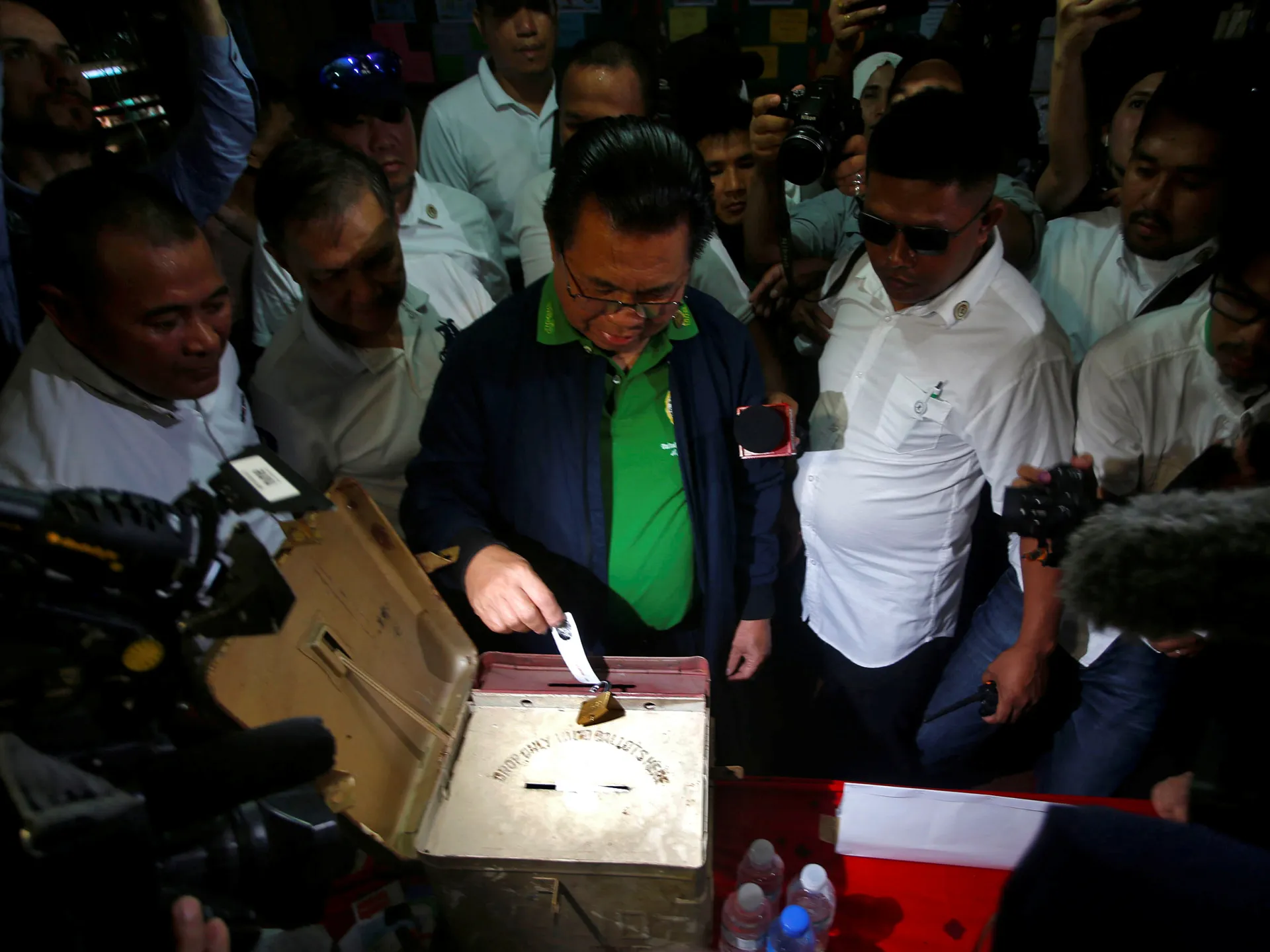
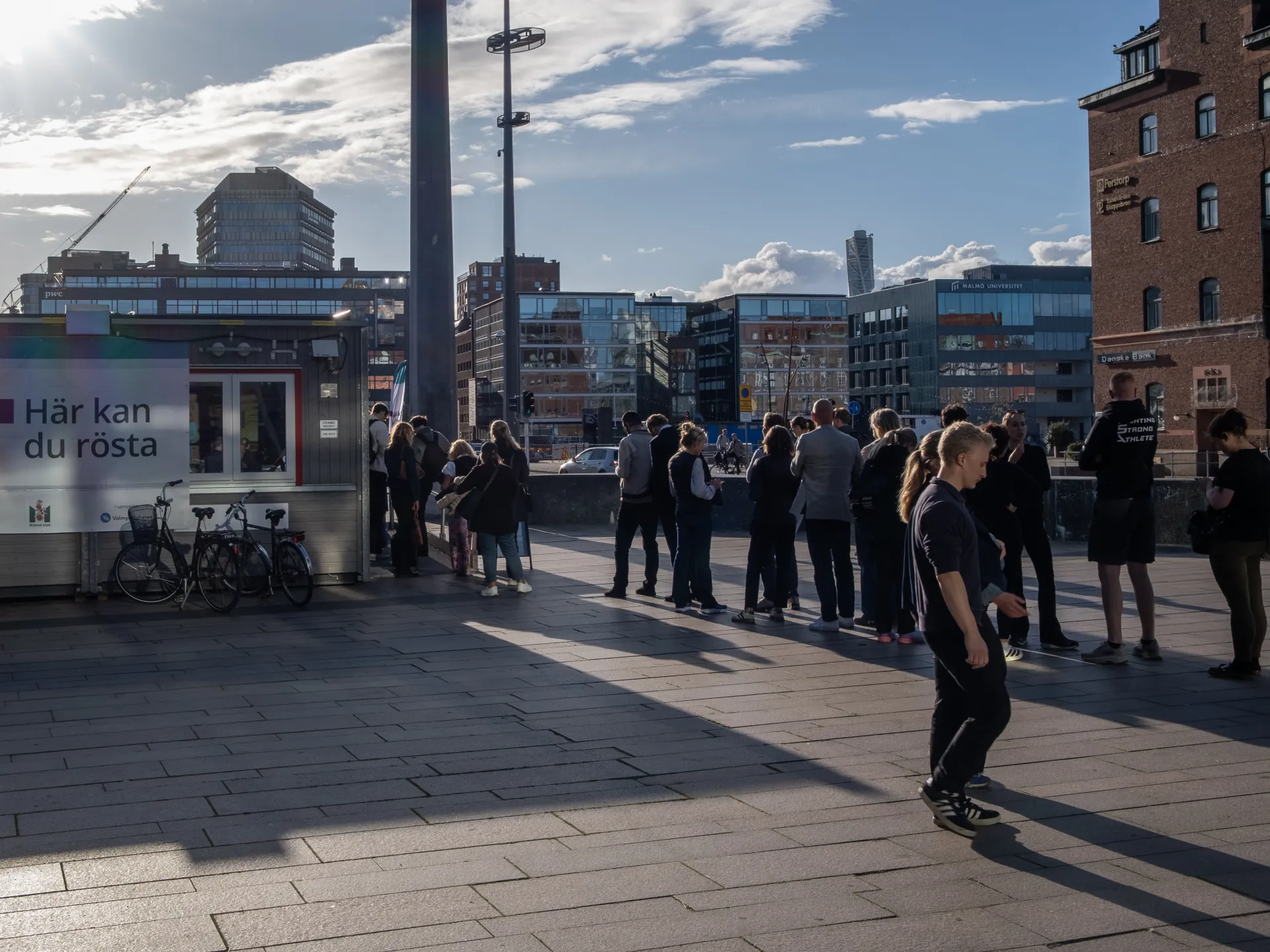
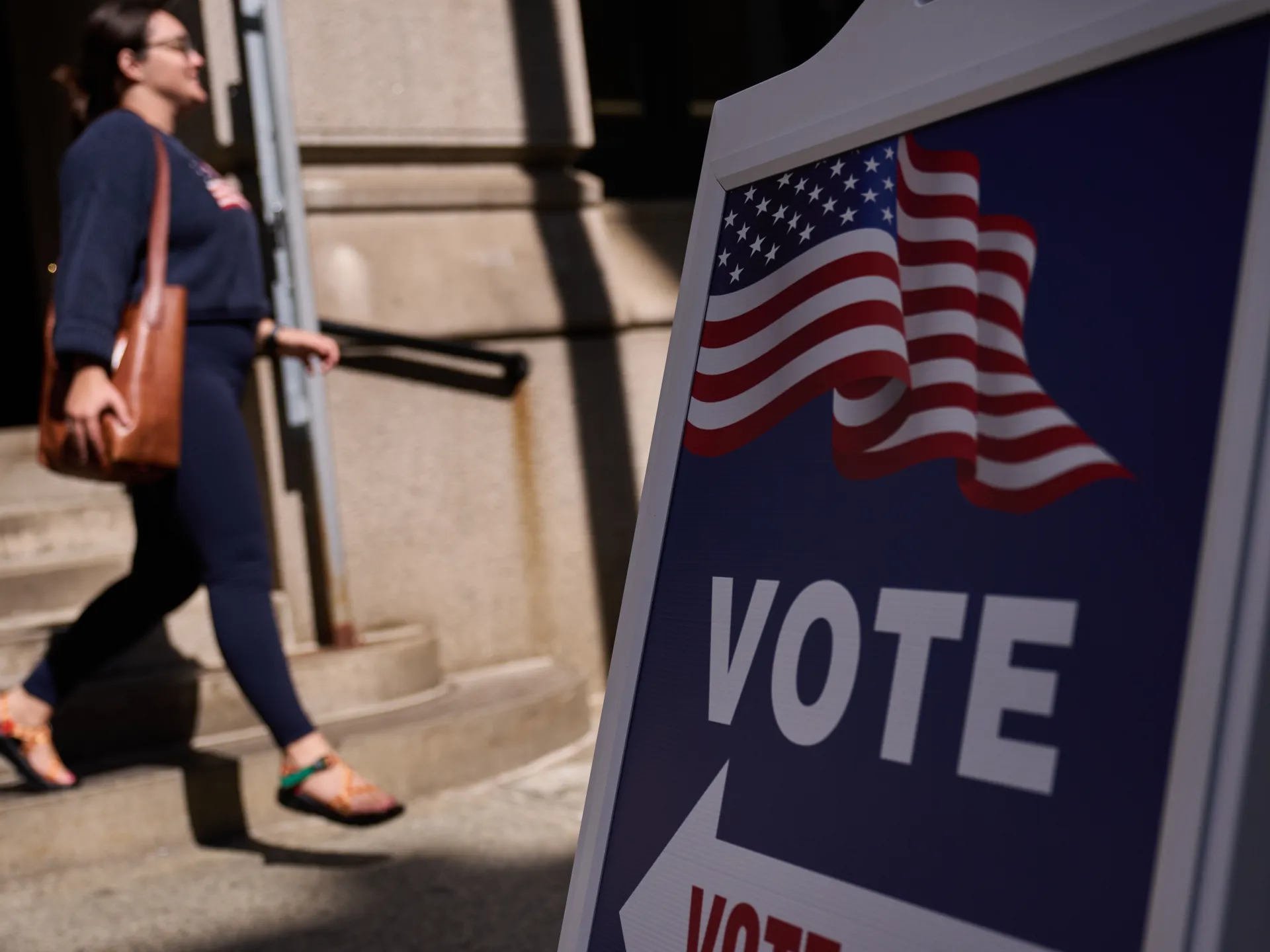
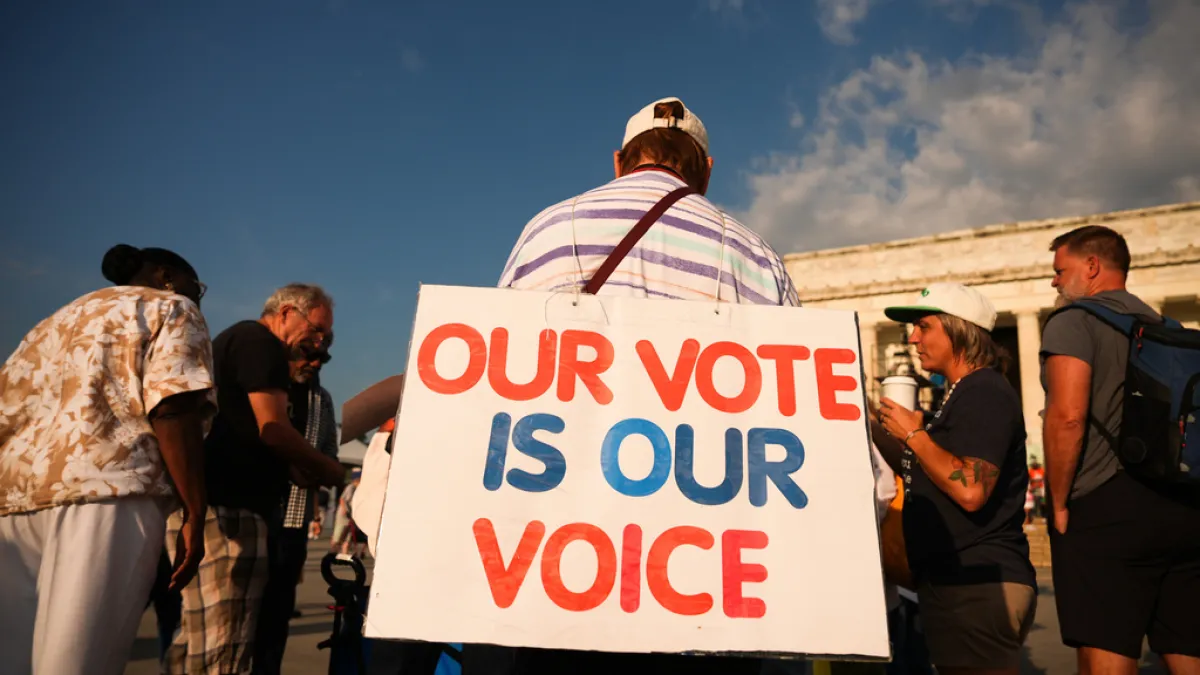
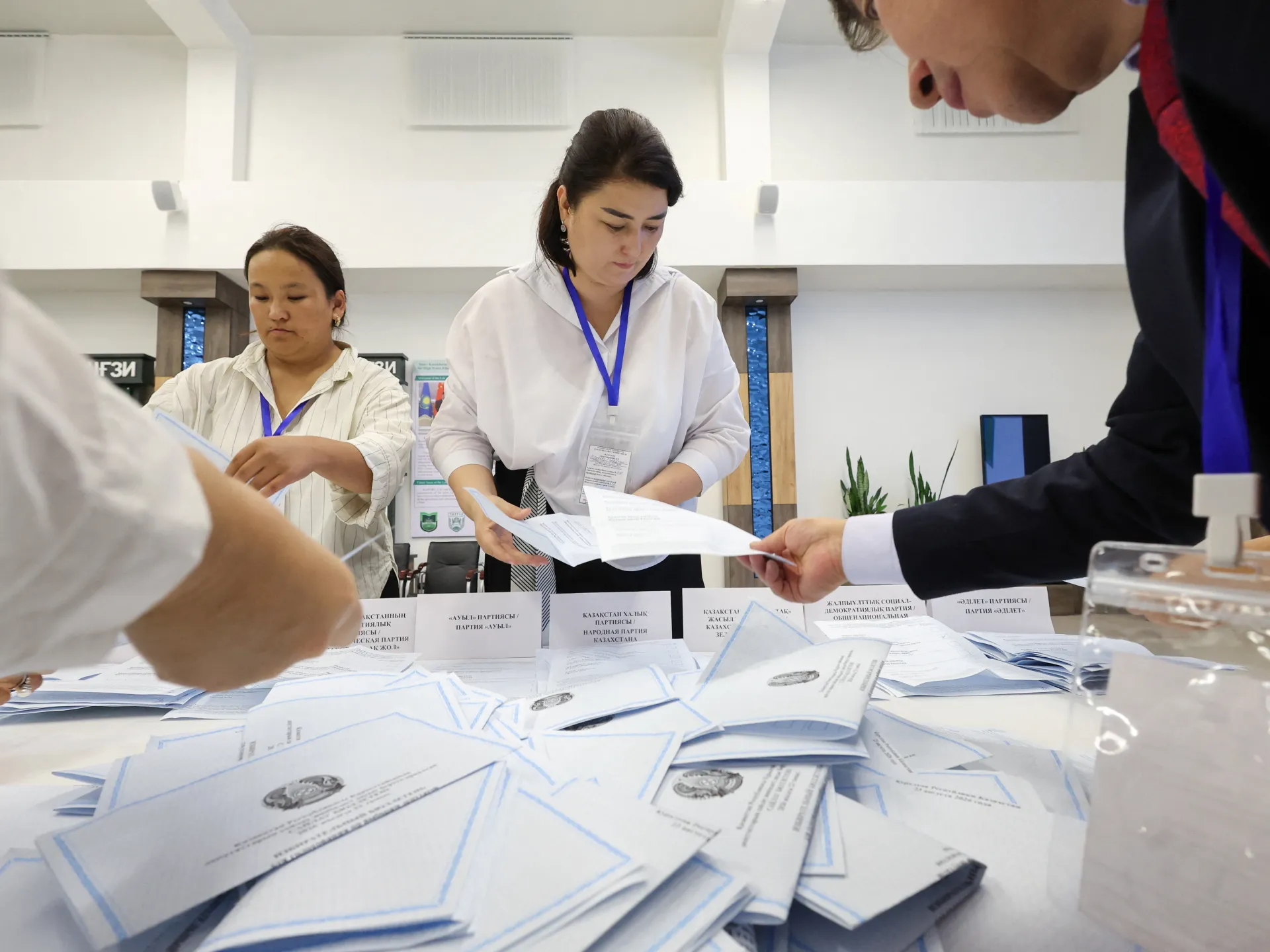
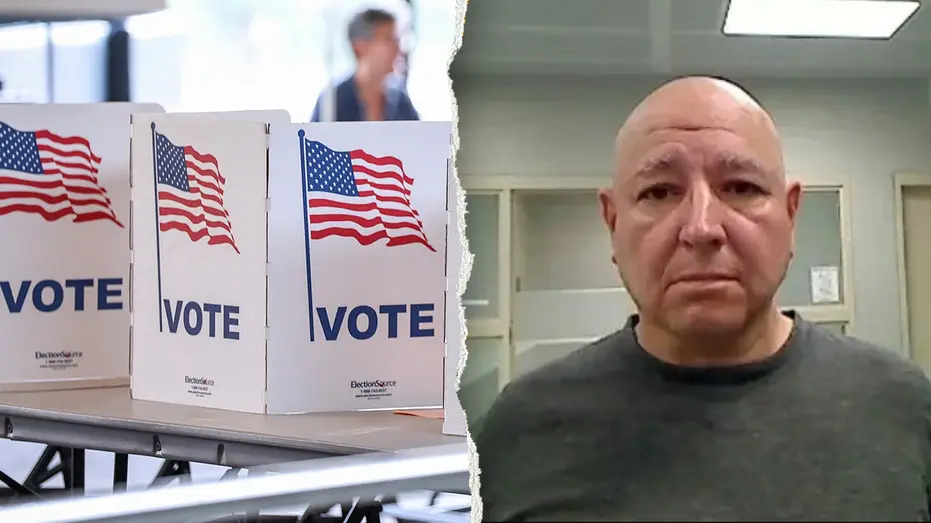
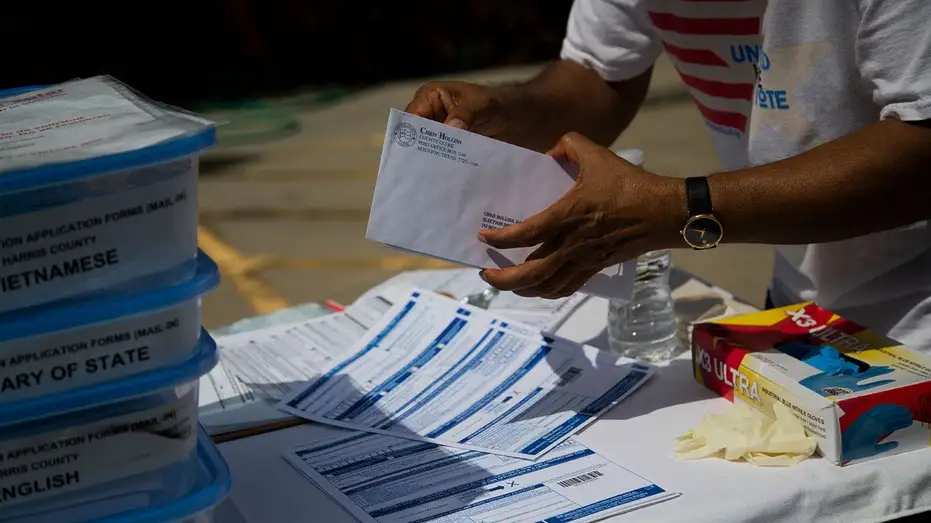
Minnesota voters are casting ballots in a high-stakes primary, with a competitive Senate race highlighting the ongoing ideological rift within the Democratic Party.
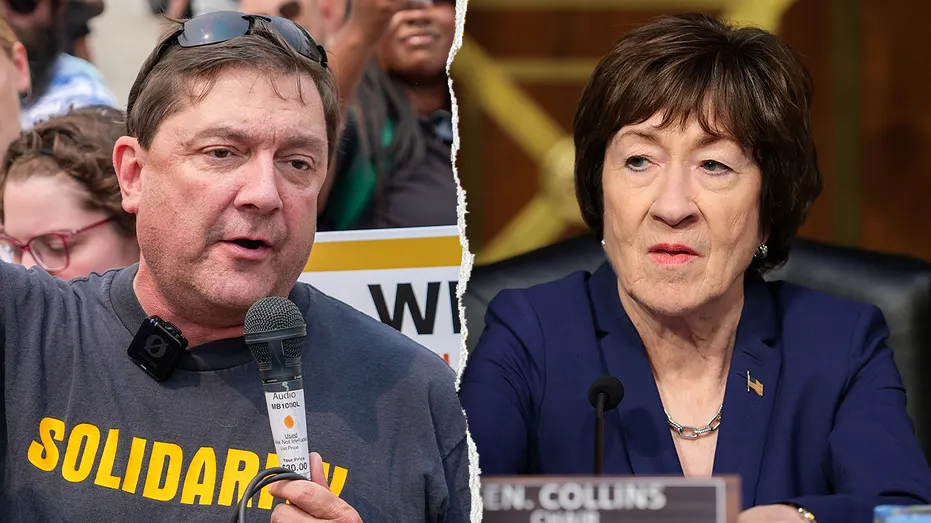
Minnesota voters are heading to the polls to participate in a primary election that carries significant weight for the future of the Democratic Party. As the state prepares to fill a vacant US Senate seat previously held s establishment-backed Representative Angie Craig against Lieutenant Governor Peggy Flanagan, reflecting a broader national struggle within the party regarding its core identity and policy priorities.
The primary serves as a critical indicator of how Democrats intend to navigate the political landscape during the midterm election cycle. With the party seeking to regain momentum, the outcome in Minnesota may signal whether voters prefer a more moderate, pragmatic approach to governance or a bolder, progressive platform. The competition has drawn intense scrutiny, as both candidates seek to mobilize their respective bases in a high-stakes environment.
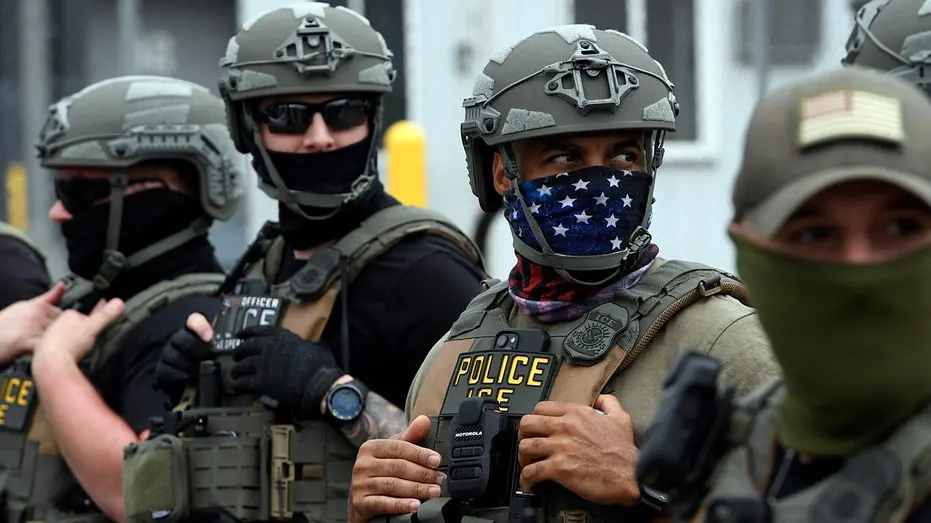
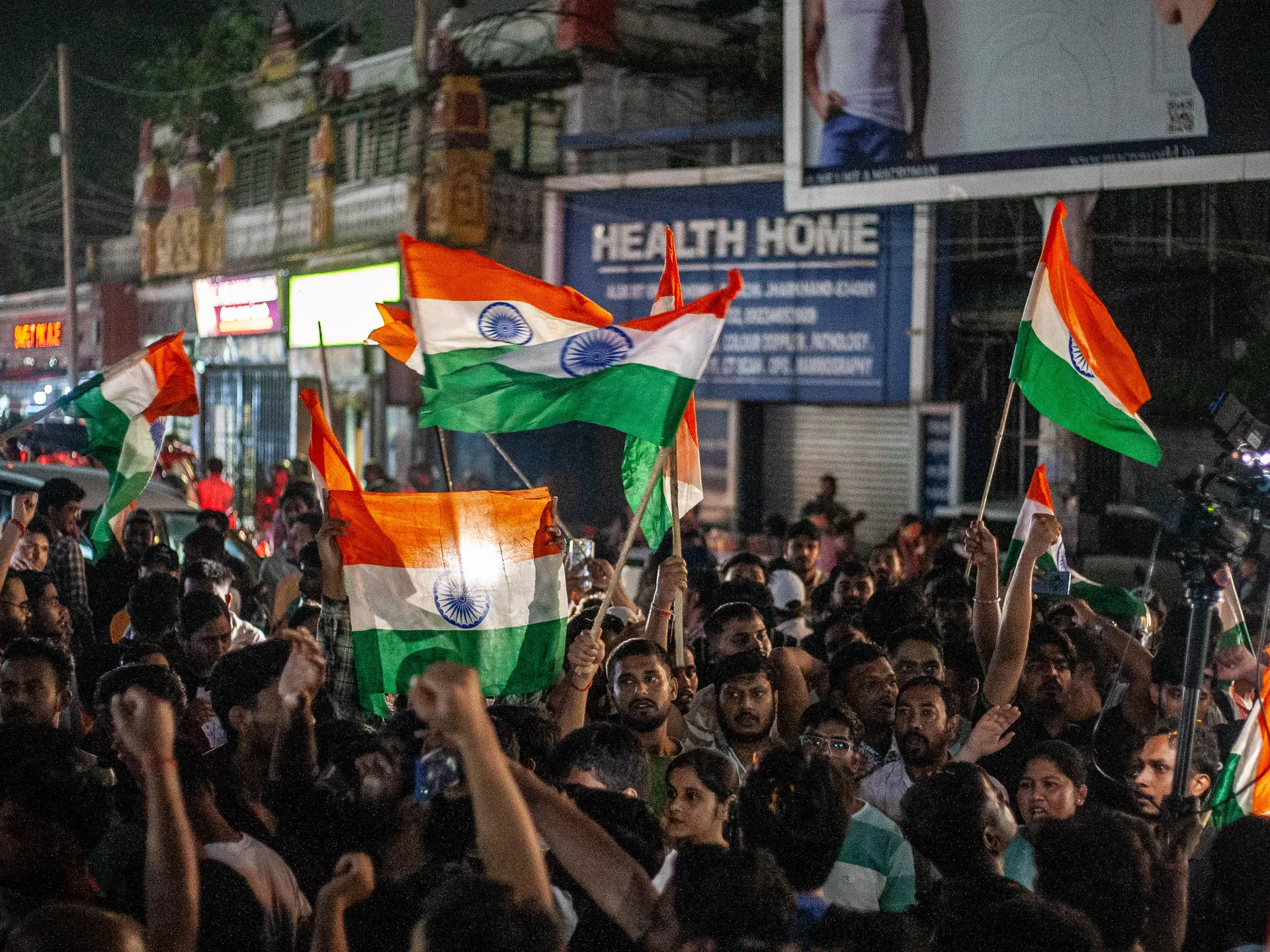
Immigration has emerged as the central issue dominating the Democratic primary discourse. The conversation is largely driven ing deportation campaigns that have sparked significant public outcry in Minneapolis. These operations, which have led to community unrest and tragic confrontations, have put candidates under immense pressure to clarify their stances on federal border and enforcement policies.
Representative Angie Craig has found herself on the defensive regarding her past voting record, specifically her support for the Laken Riley Act in 2025. While she has since publicly expressed regret for that vote, her primary opponent, Peggy Flanagan, has leveraged the issue to highlight differences in their political convictions. Flanagan argues that the party must maintain a consistent commitment to immigrant communities, suggesting that Craig’s shift in position is a matter of political expediency rather than deep-seated belief.
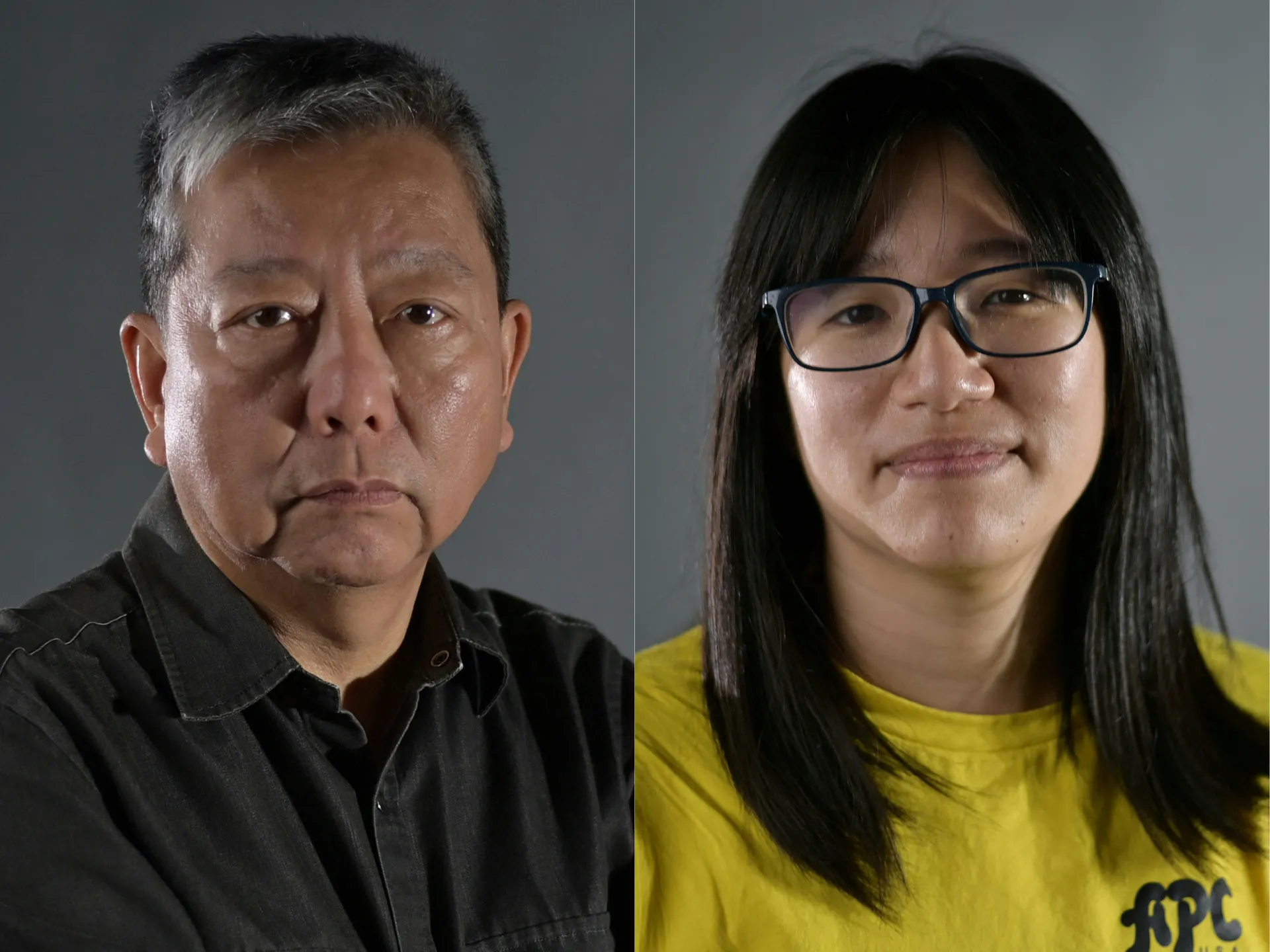
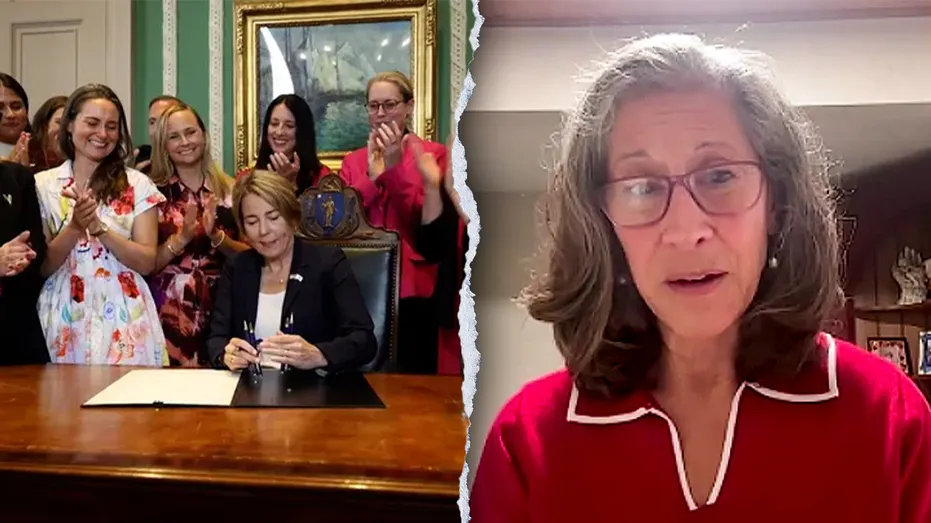
The two primary contenders offer distinct visions for the party's future. Angie Craig, known for her ability to win in competitive districts, has secured support from high-profile party leaders, including former House Speaker Nancy Pelosi and Transportation Secretary Pete Buttigieg. Her campaign emphasizes her track record of resilience in battleground elections and her alignment with mainstream Democratic goals, maintaining that her legislative history reflects a consistent commitment to party values despite persistent Republican opposition.
Conversely, Peggy Flanagan has built a platform rooted in progressive ideals, earning endorsements from influential figures such as Senator Bernie Sanders, Senator Elizabeth Warren, and Representative Ilhan Omar. Flanagan’s agenda includes ambitious policy goals such as the implementation of Medicare for All and a significant reduction in US military aid to Israel. Her campaign aims to tap into the same progressive energy that has seen success in other regional primaries, positioning her as a candidate who will push the party further to the left.
While the Senate race captures much of the attention, the Minnesota primary ballot is packed with other consequential contests. The race for the governor’s office is particularly notable, as the state prepares for an open seat following the departure of Tim Walz. Senator Amy Klobuchar is widely expected to secure the Democratic nomination, while the Republican field remains crowded with candidates, including Mike Lindell and state House Speaker Lisa Demuth, each vying to break the Democratic hold on the governorship.
Additionally, Representative Ilhan Omar faces a primary challenge in District 5, where she is seeking to retain her seat against four opponents. Having secured the formal endorsement of the Democratic Party earlier this year, Omar remains a central figure in the progressive movement. As voters cast their ballots across these various races, the results will clarify the political trajectory of the state and provide essential data for national observers looking toward the upcoming midterm elections.