Sinaloa Governor Ruben Rocha has returned to his position after a self-imposed leave of absence following U.S. drug trafficking accusations.
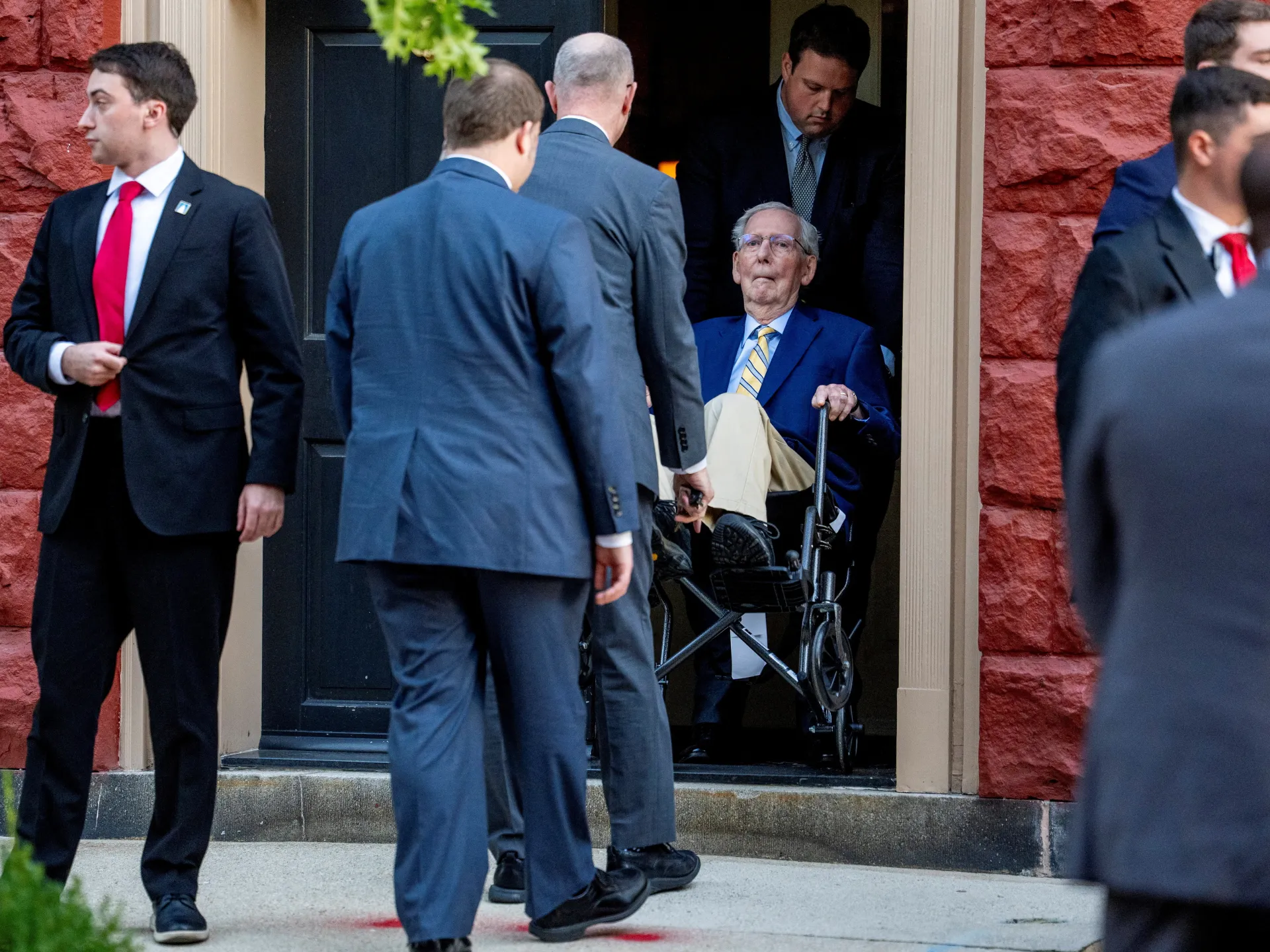
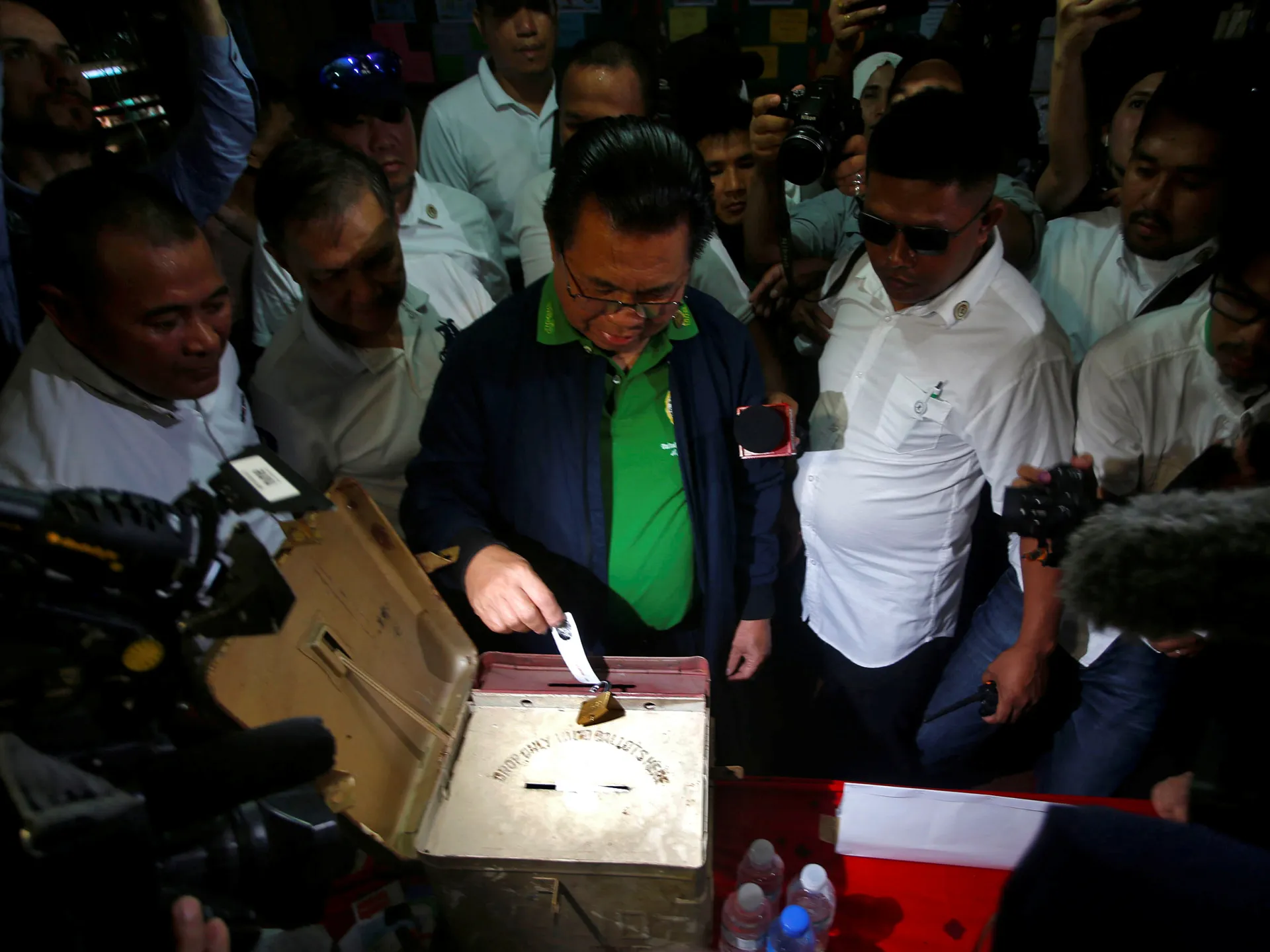
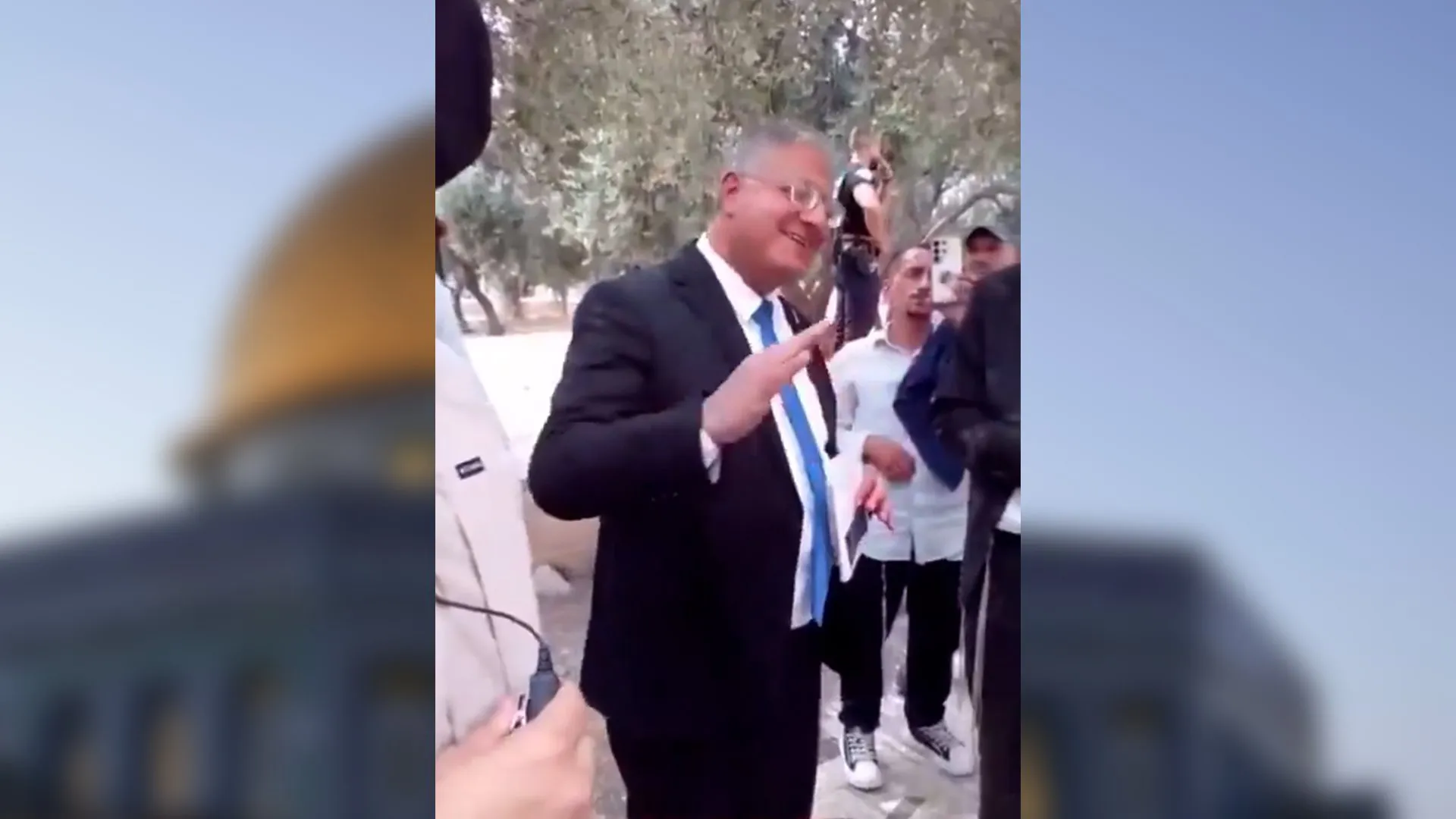
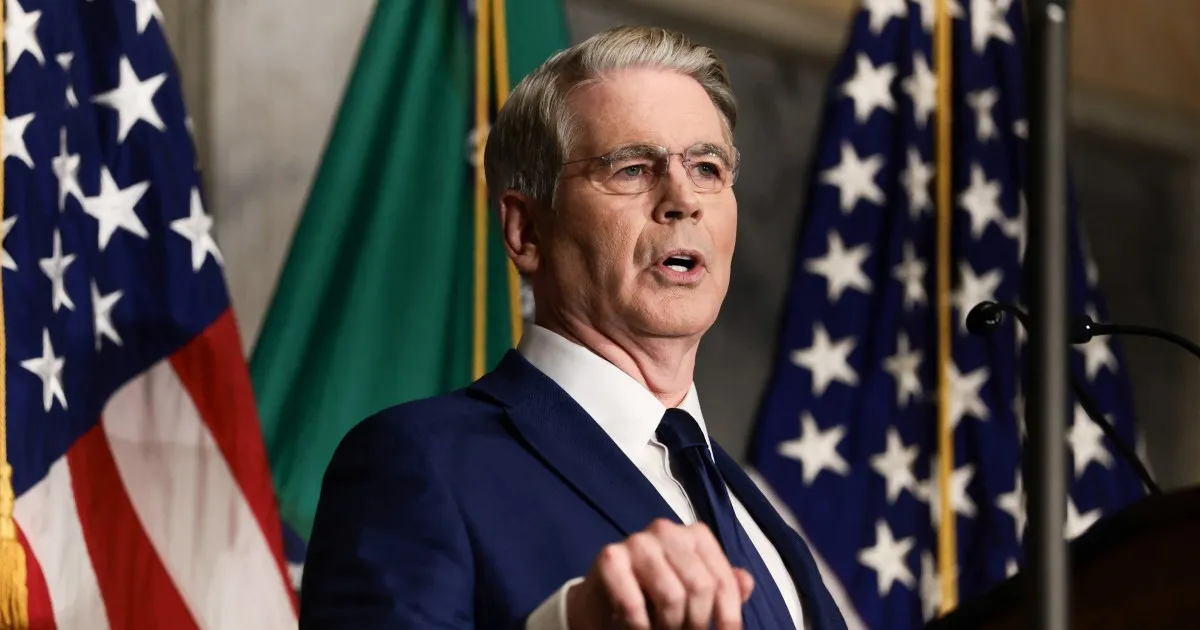
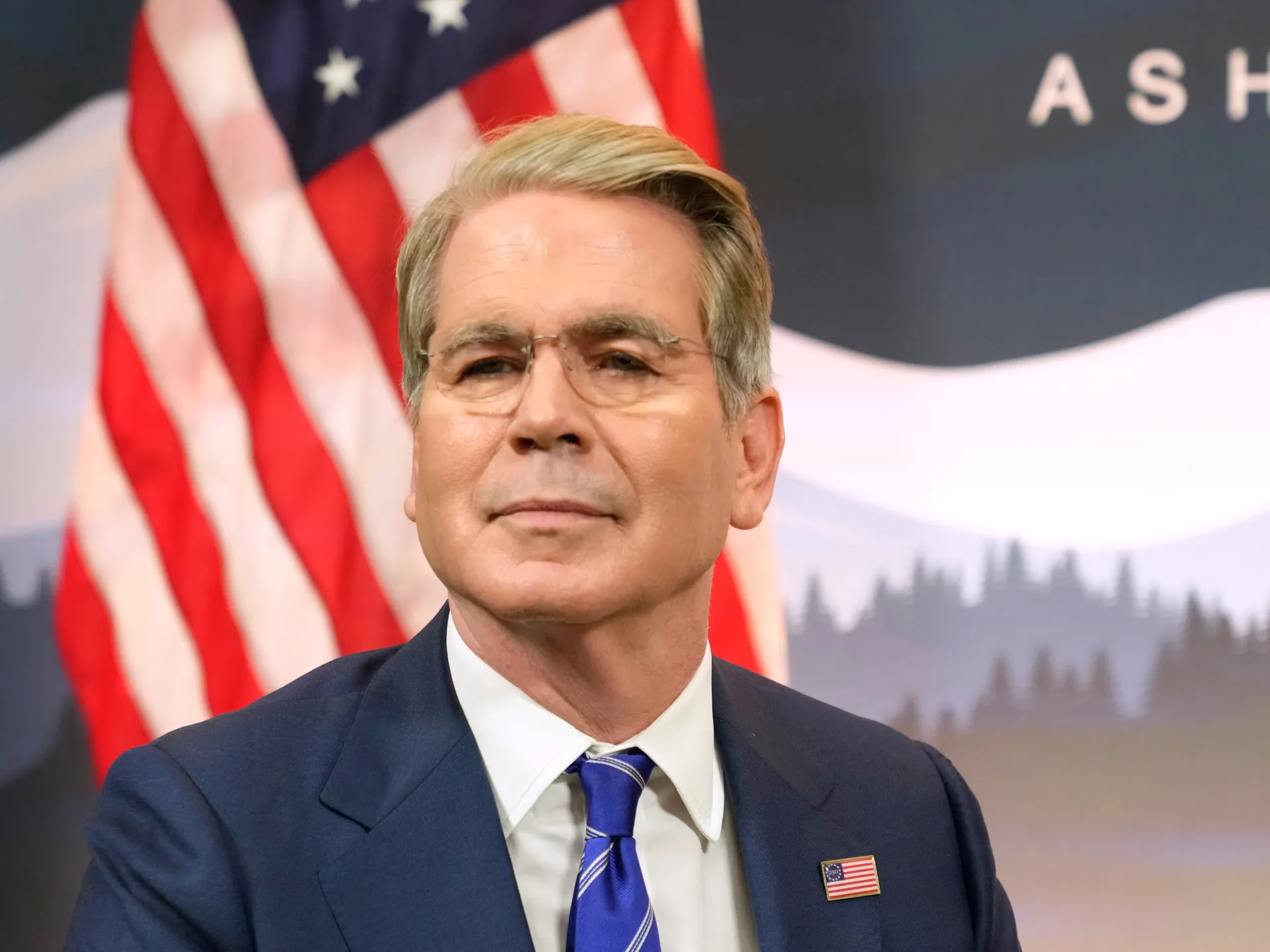
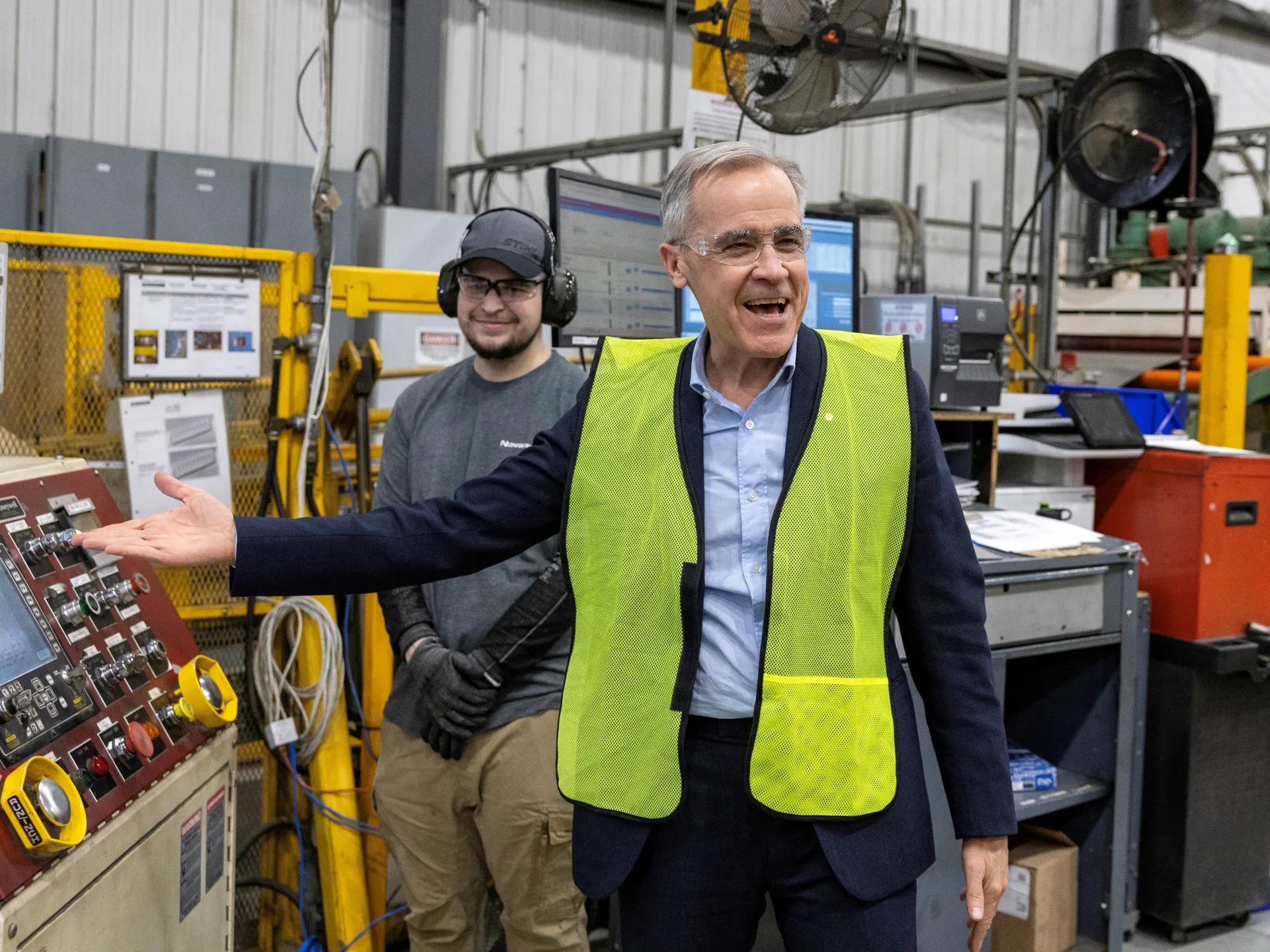
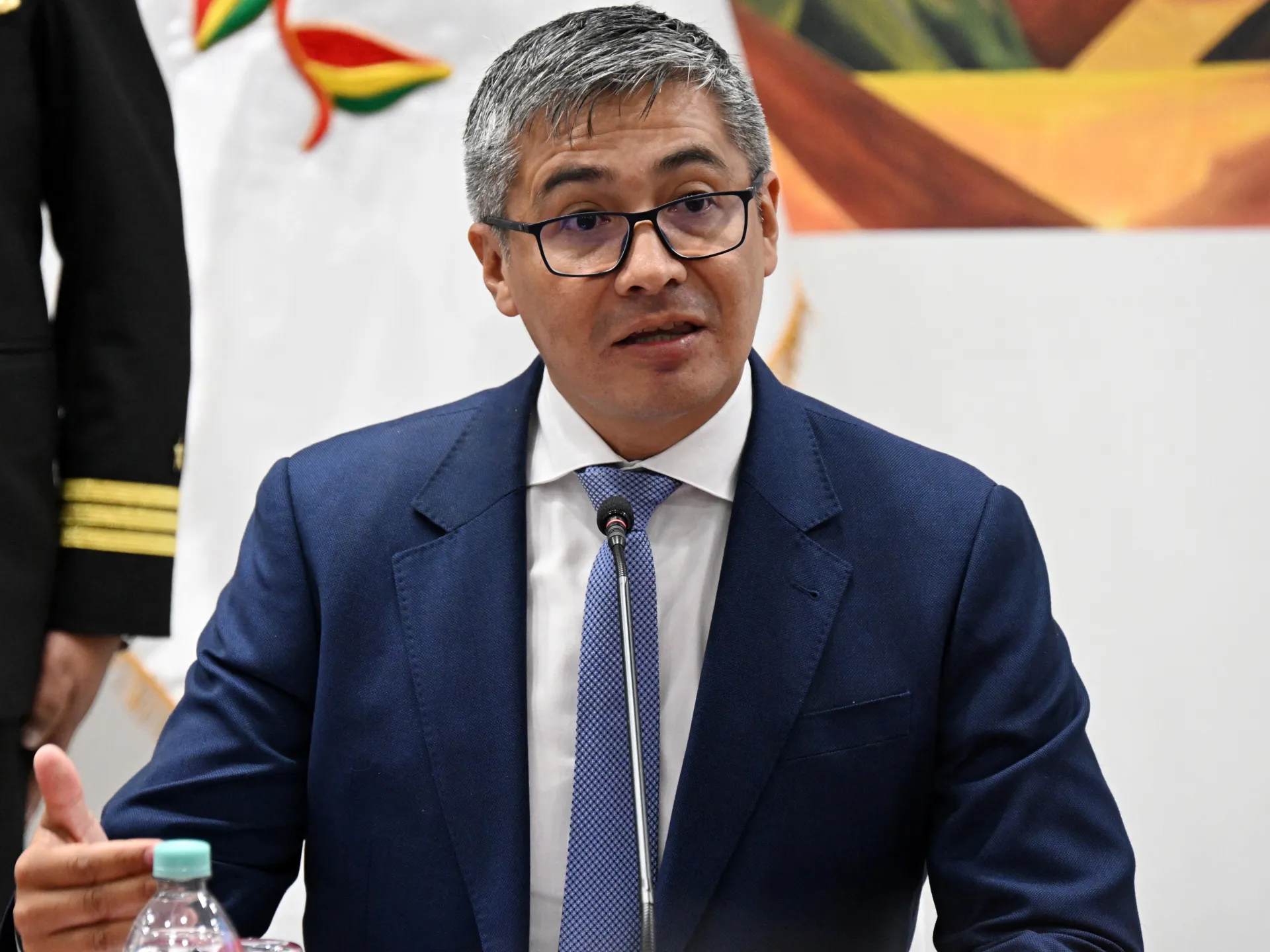
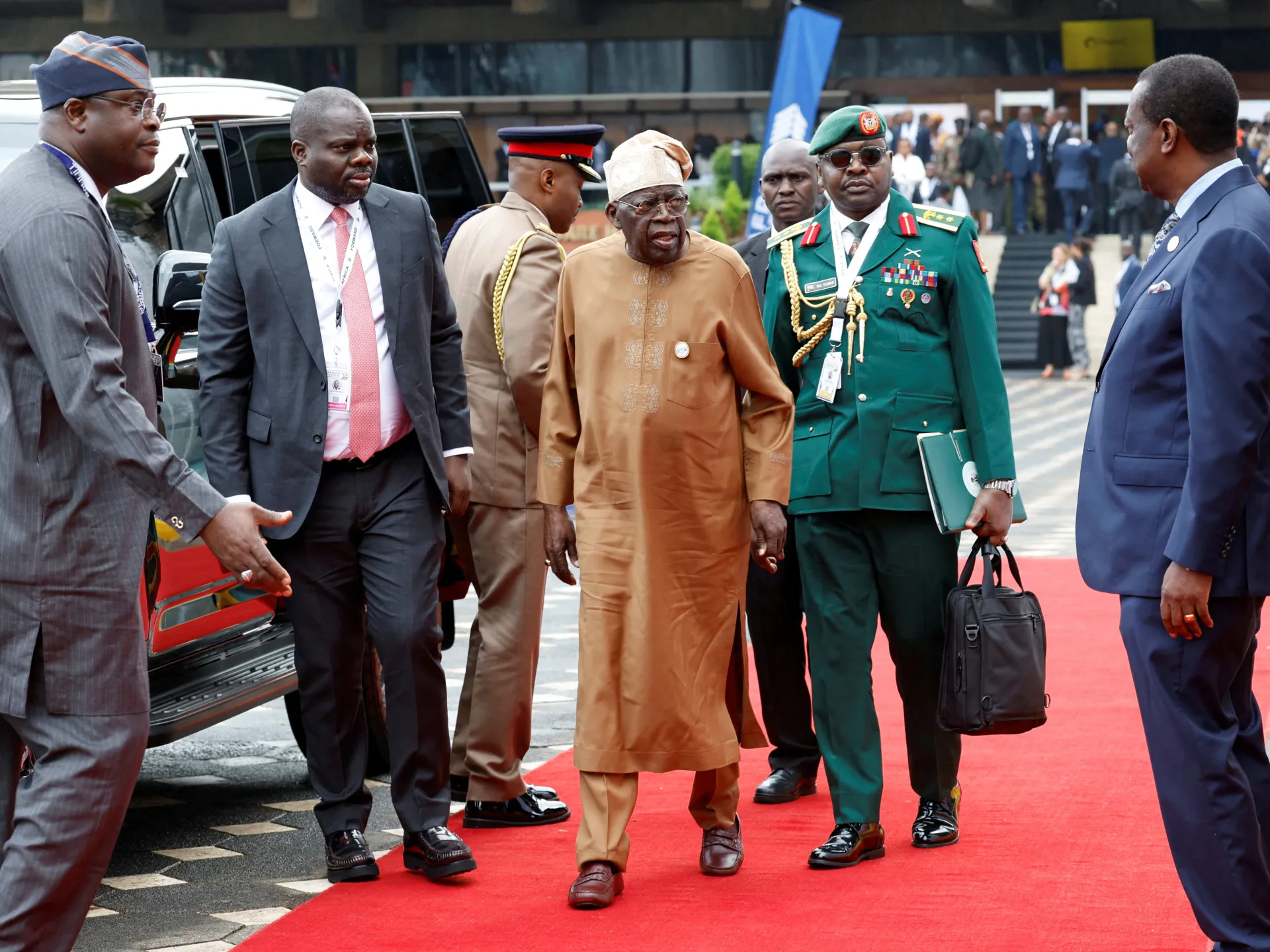
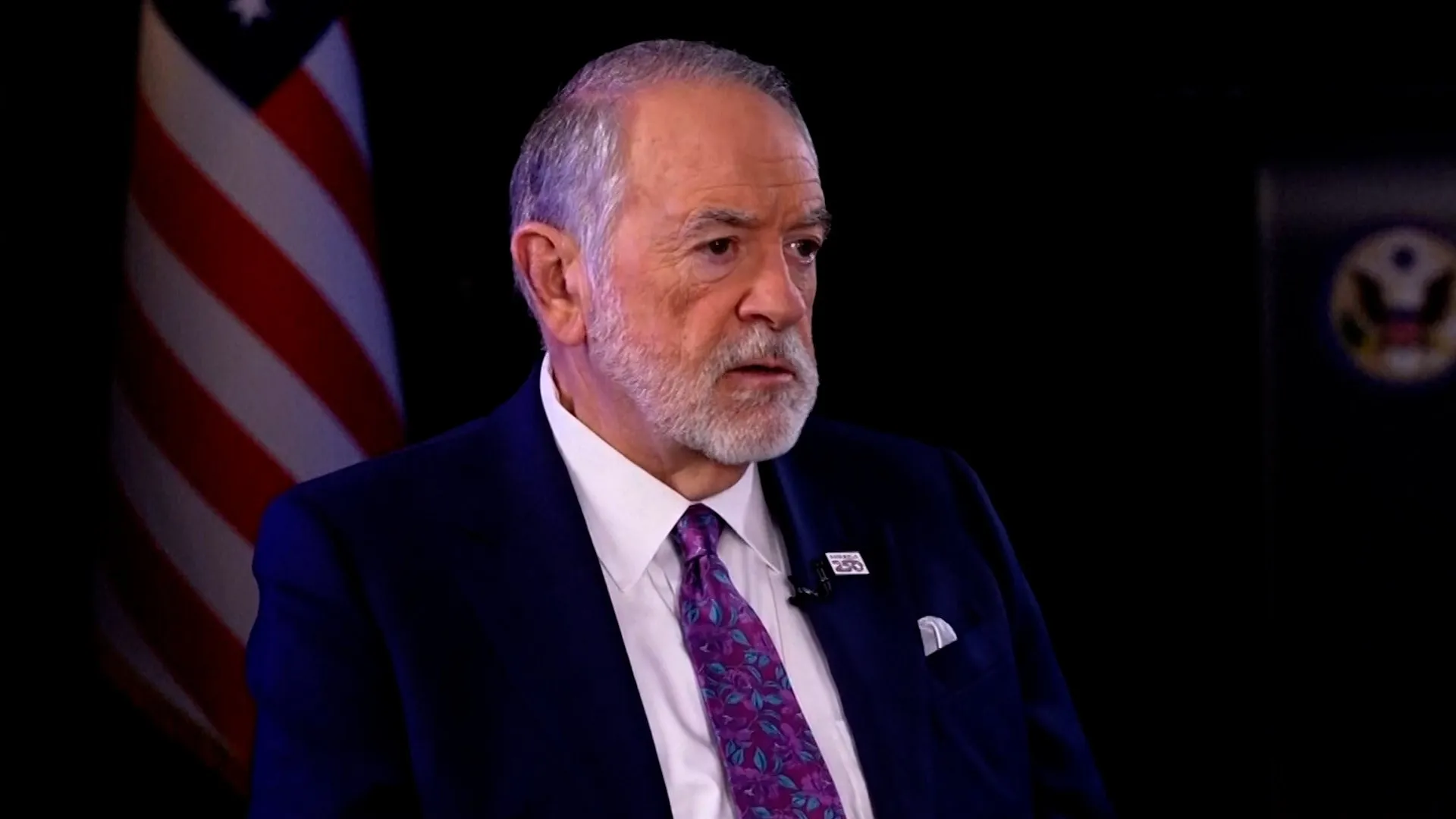
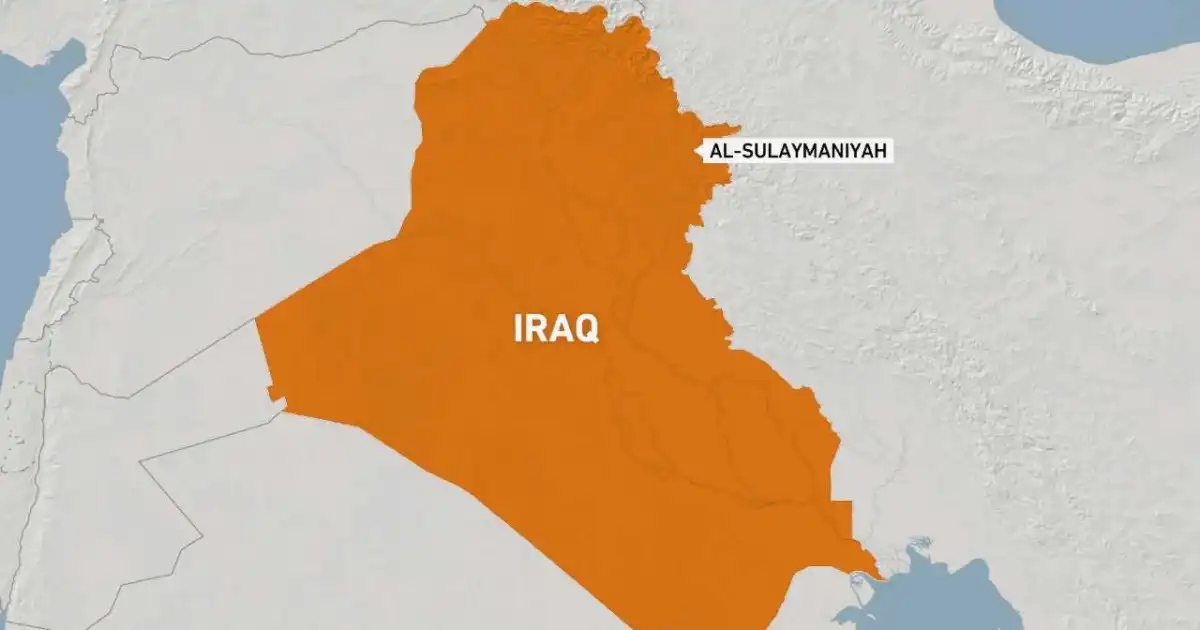
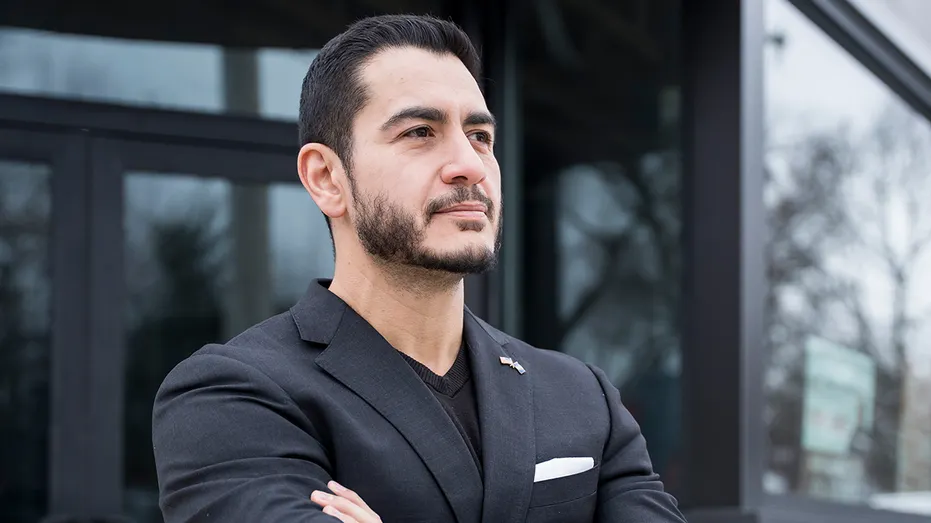
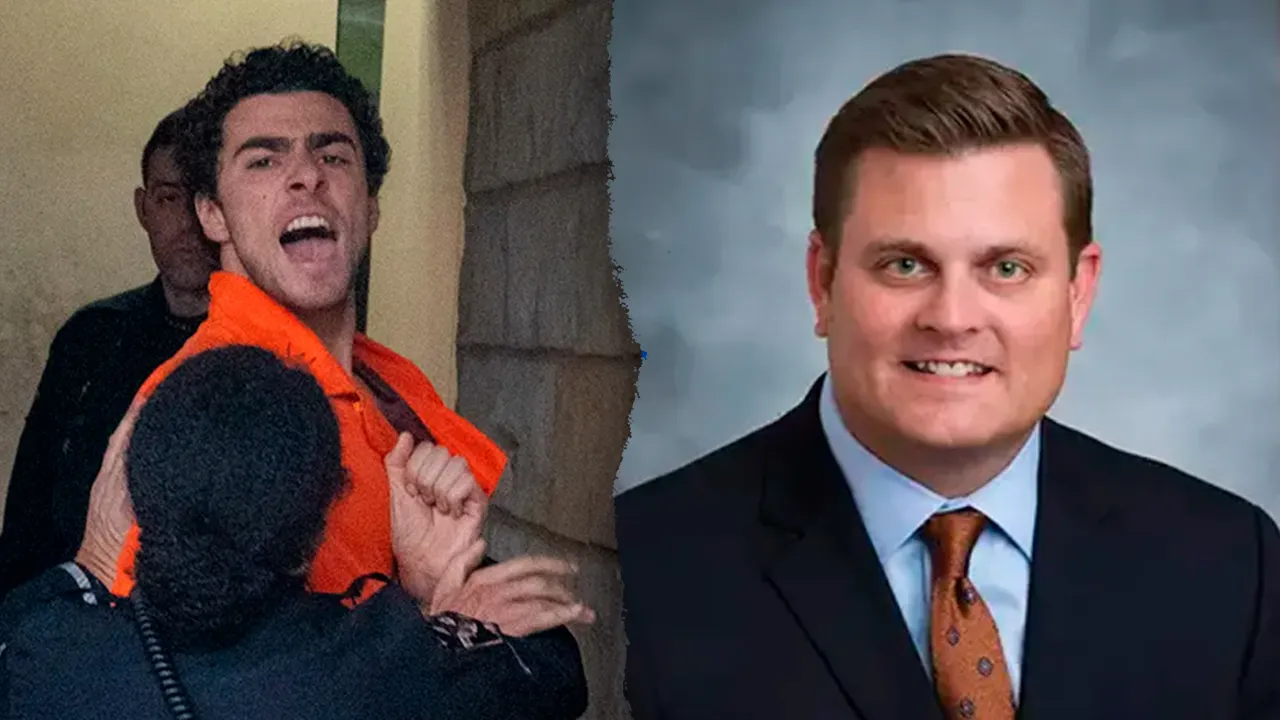
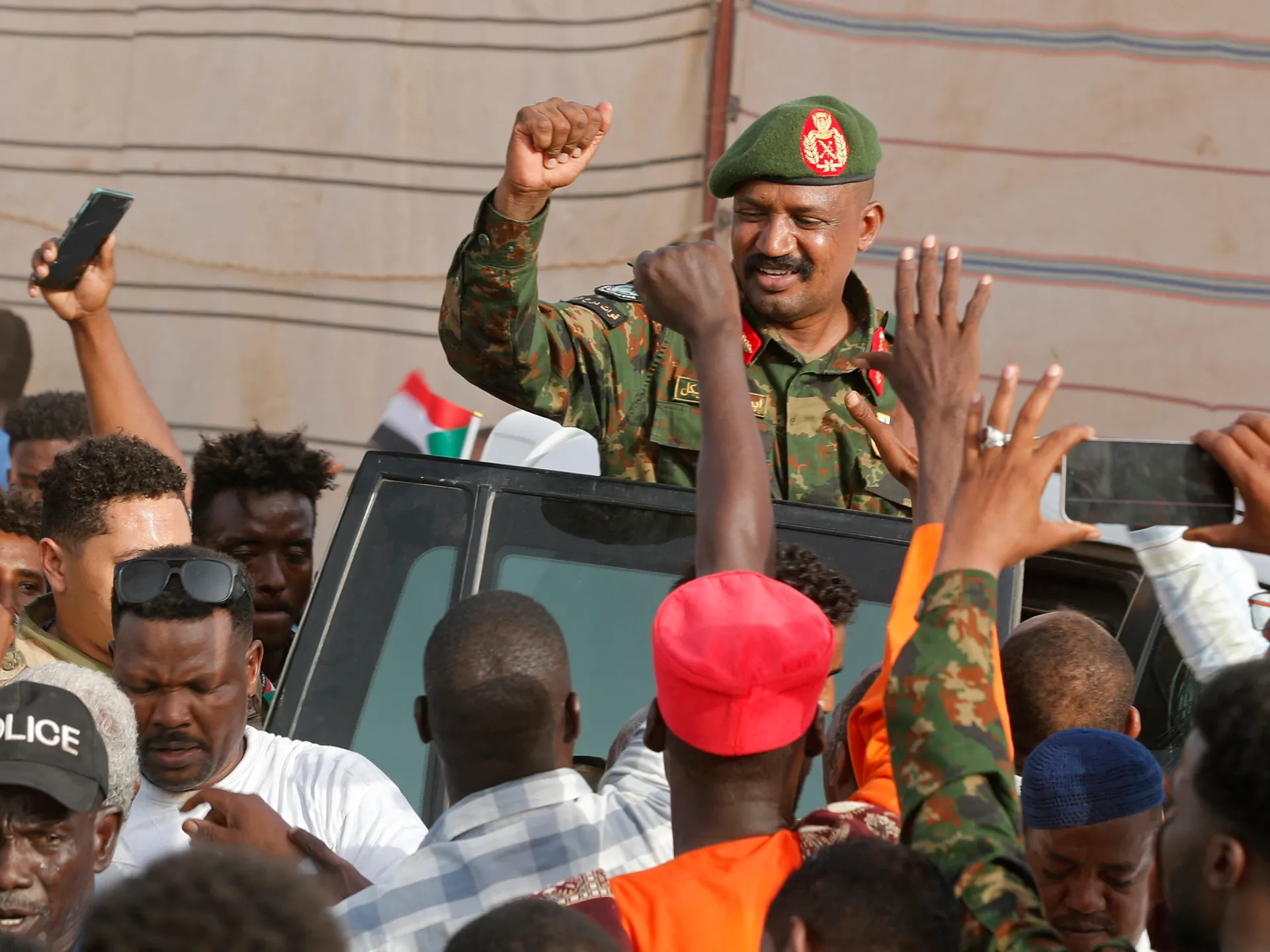
Ruben Rocha Moya, the governor of the Mexican state of Sinaloa, has officially resumed his executive duties following a three-month leave of absence. His return to the governorship comes after he stepped down on May 1 to address serious allegations brought forward e. Upon his return, Rocha publicly maintained his innocence, asserting that his conscience remains clear and that he is prepared to continue leading the state despite the international pressure surrounding his administration.
In a public statement issued via social media, the governor emphasized his commitment to defending his personal reputation and that of his family. Rocha described his tenure as being rooted in truth, dismissing the accusations as baseless. His return marks a significant moment in the ongoing political tensions between the United States and Mexico, as the governor seeks to project stability and resolve while operating under the shadow of a high-profile criminal indictment originating from American prosecutors.
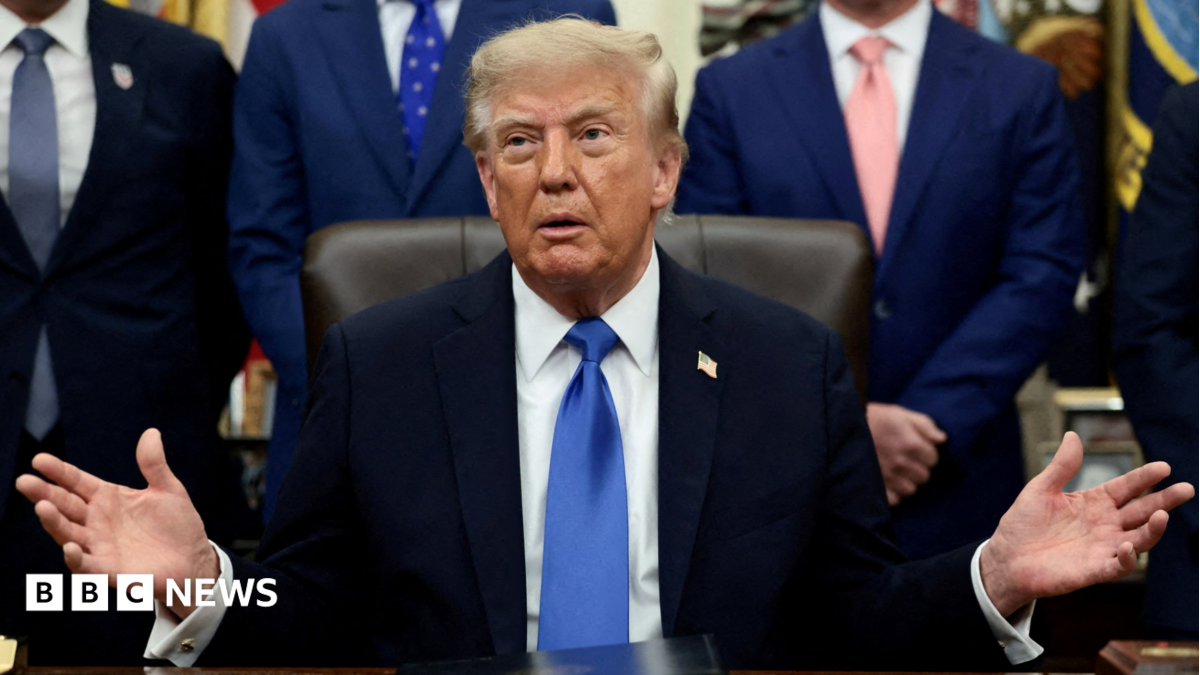
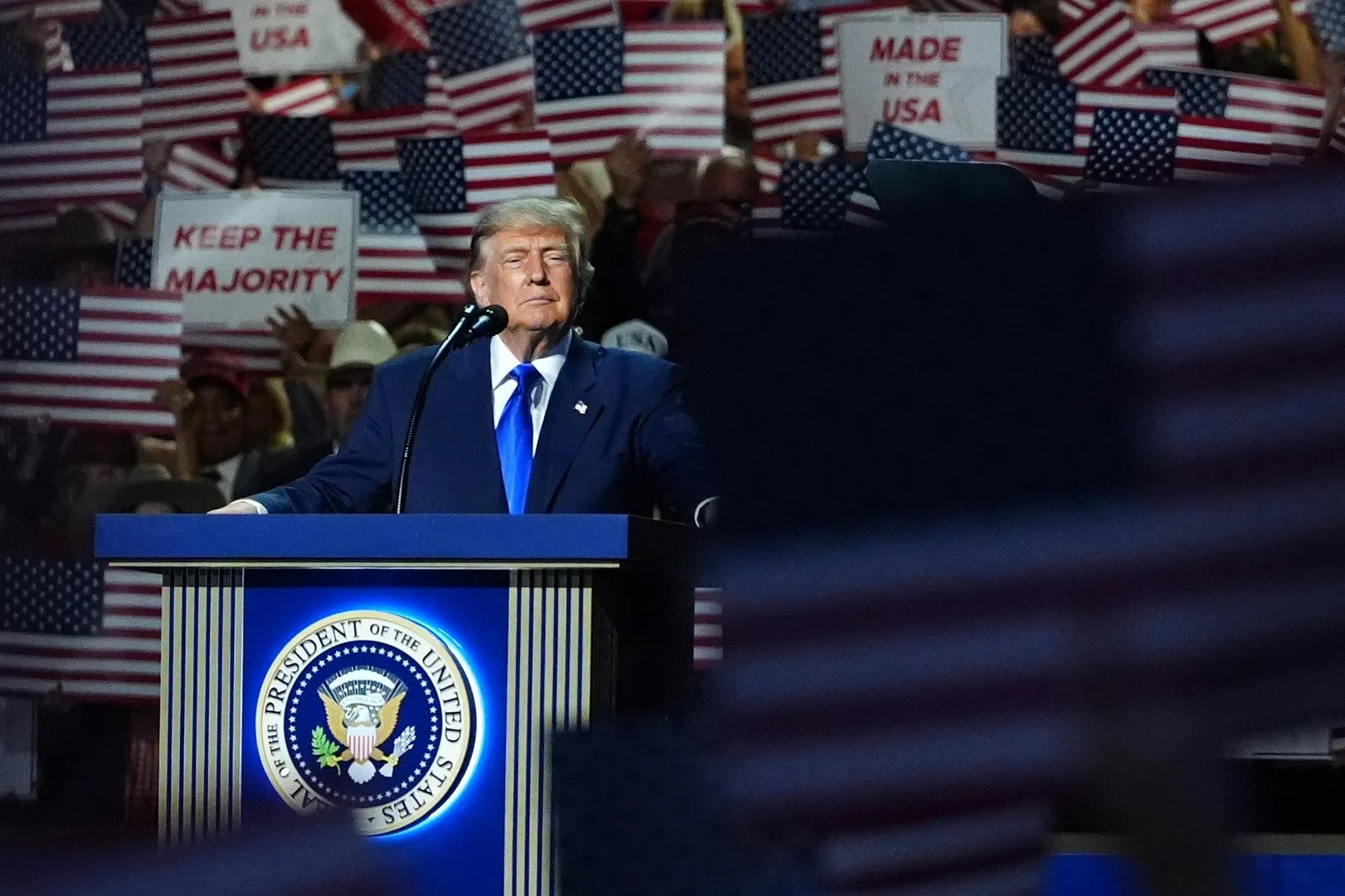
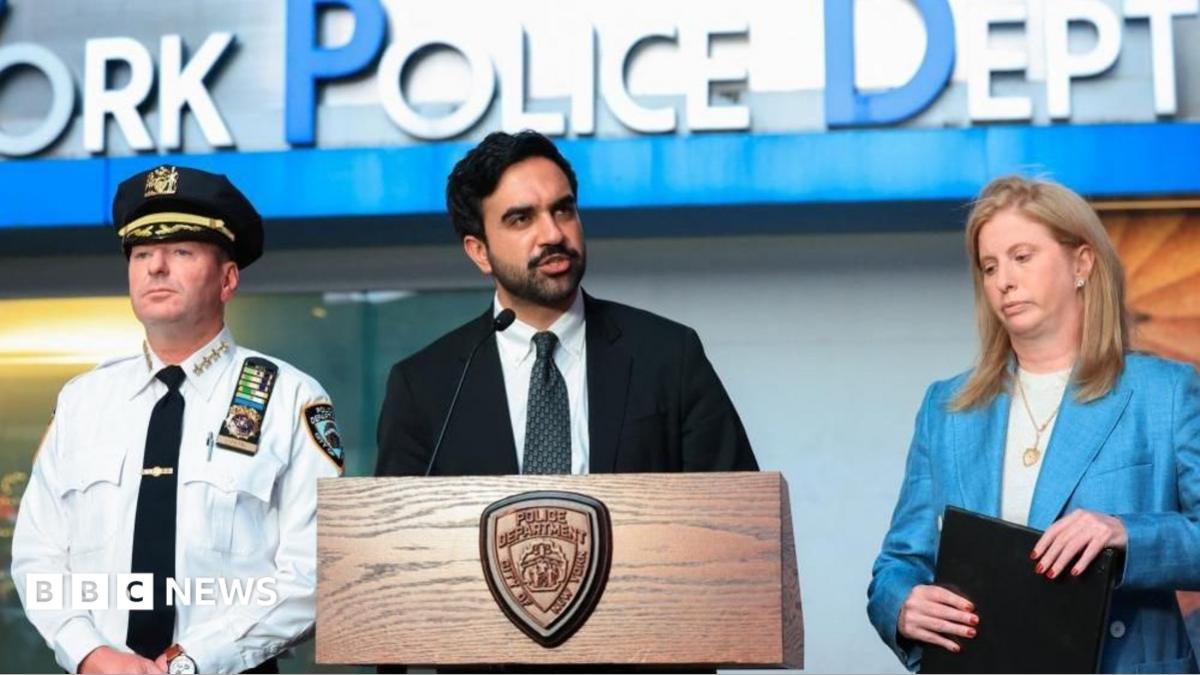
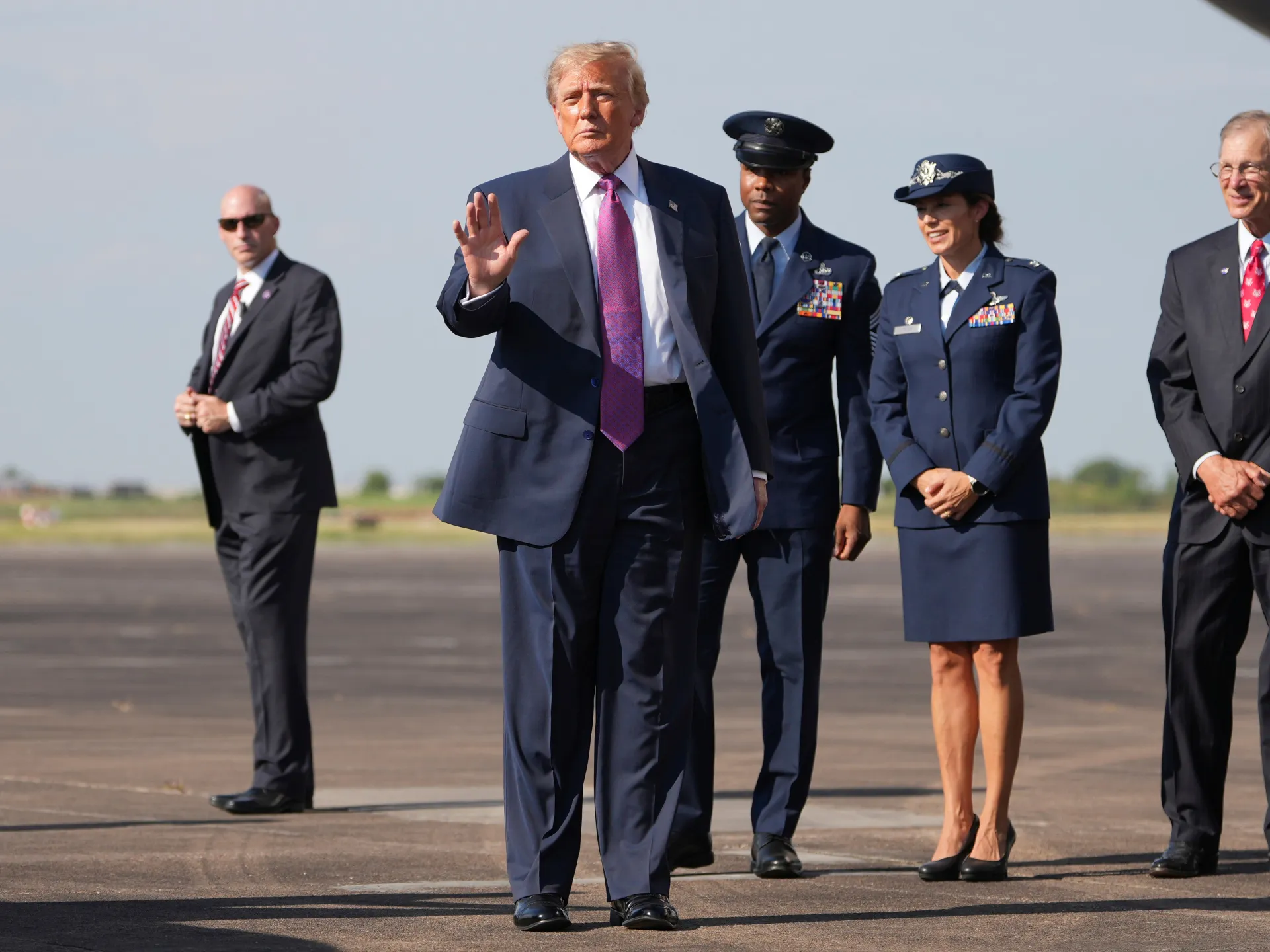
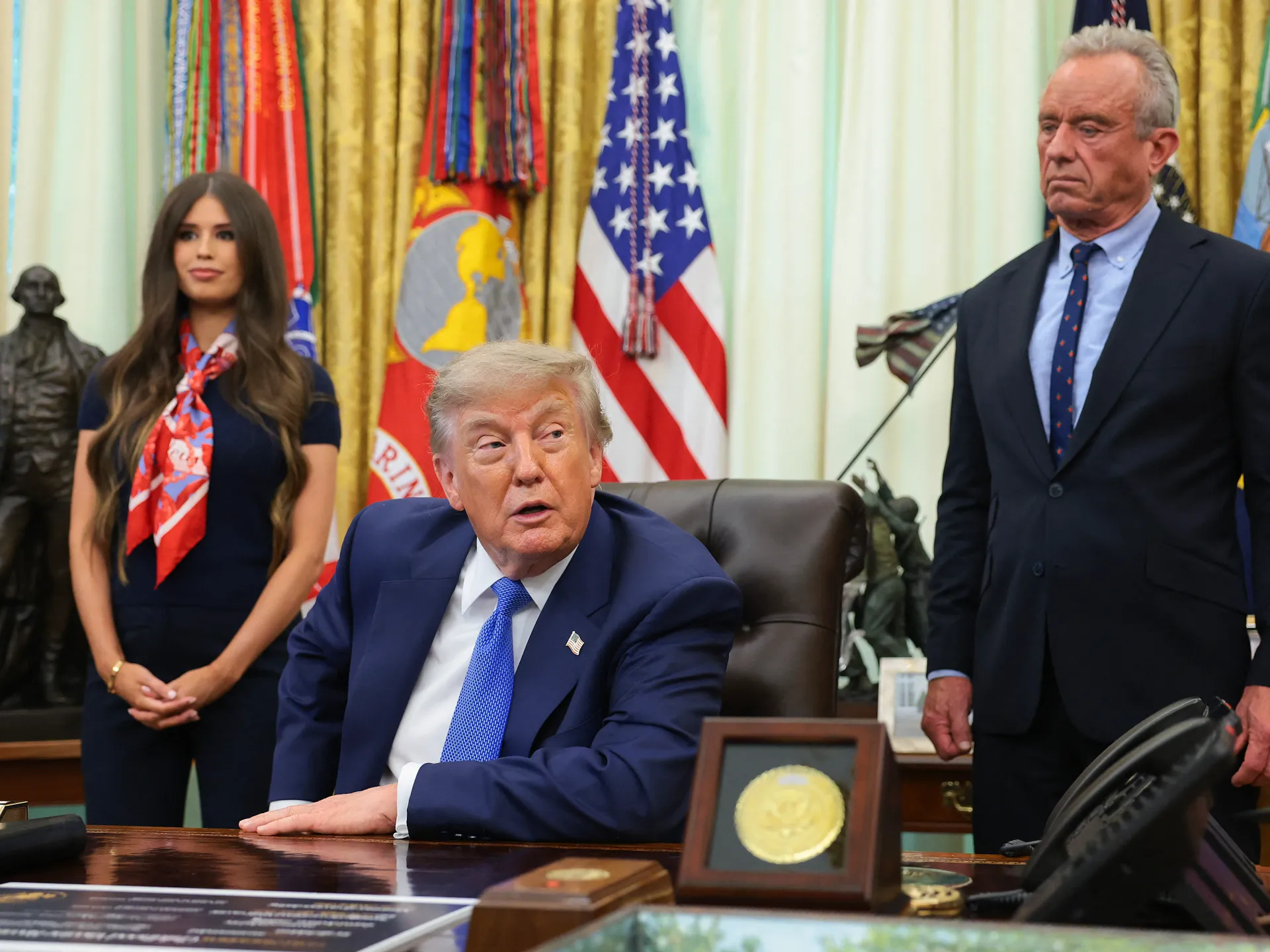
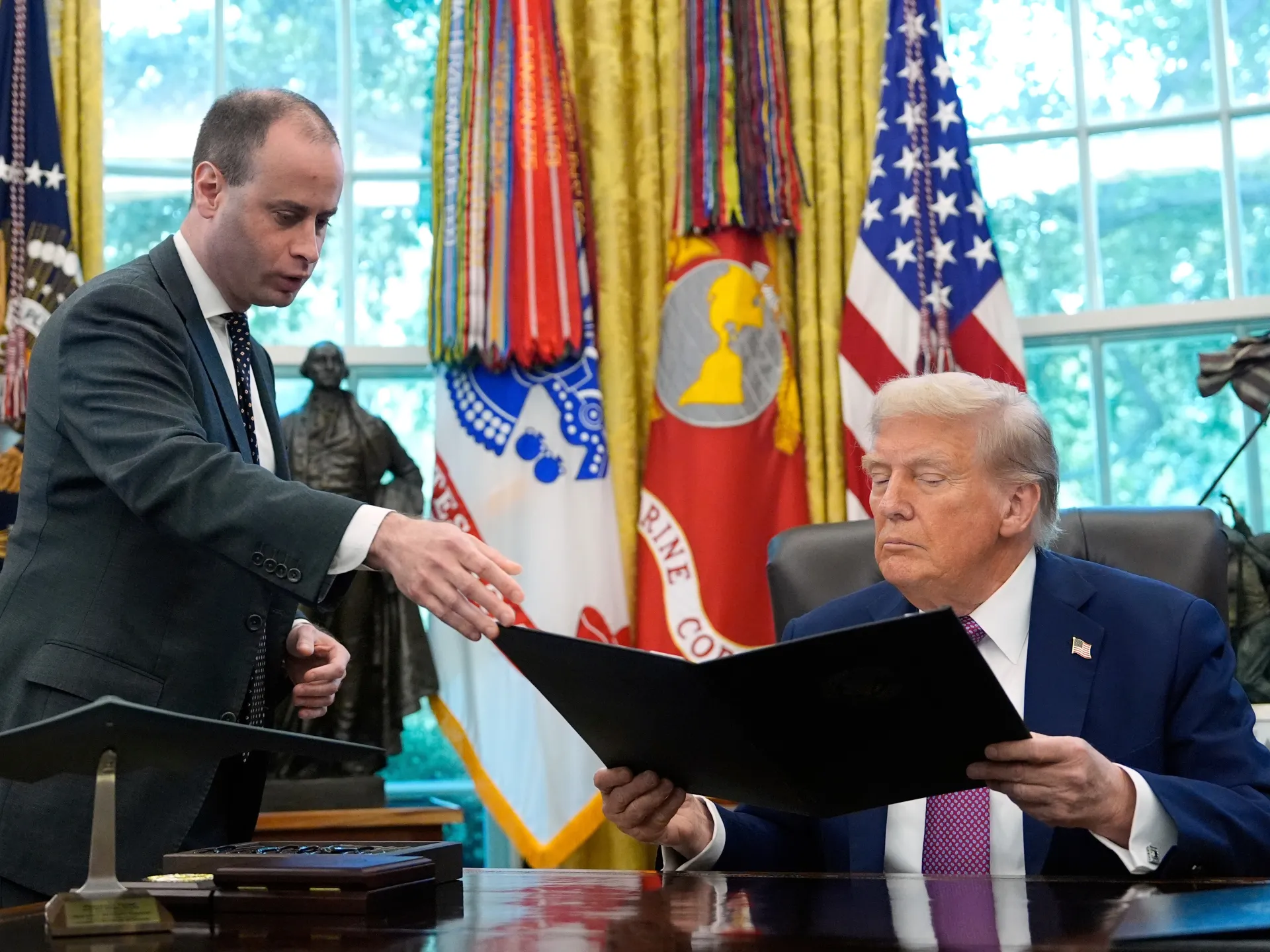
The legal challenges facing Governor Rocha are part of a broader, aggressive strategy ing across the Western Hemisphere. On April 29, the U.S. Department of Justice unsealed a sweeping indictment that targeted 10 high-ranking Mexican officials and business leaders. Among those listed were a senator, the mayor of Culiacan, and various top-tier security and police officials. The indictments reflect the Trump administration's broader stance on cartel-related violence, which has seen the U.S. threaten potential military intervention in Mexico.
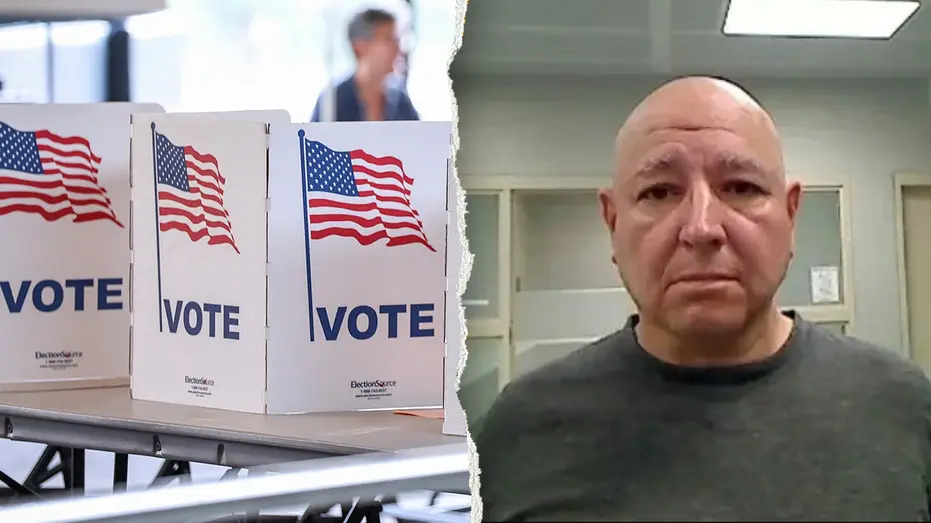
Specifically, the indictment against Rocha alleges that his 2021 gubernatorial election victory was facilitated “the Chapitos.” U.S. prosecutors claim that the cartel faction manipulated the election ition. In exchange for this support, the indictment asserts that Rocha allowed the criminal group to place corrupt associates in influential government positions throughout the state of Sinaloa, effectively embedding the cartel into the region's governance.
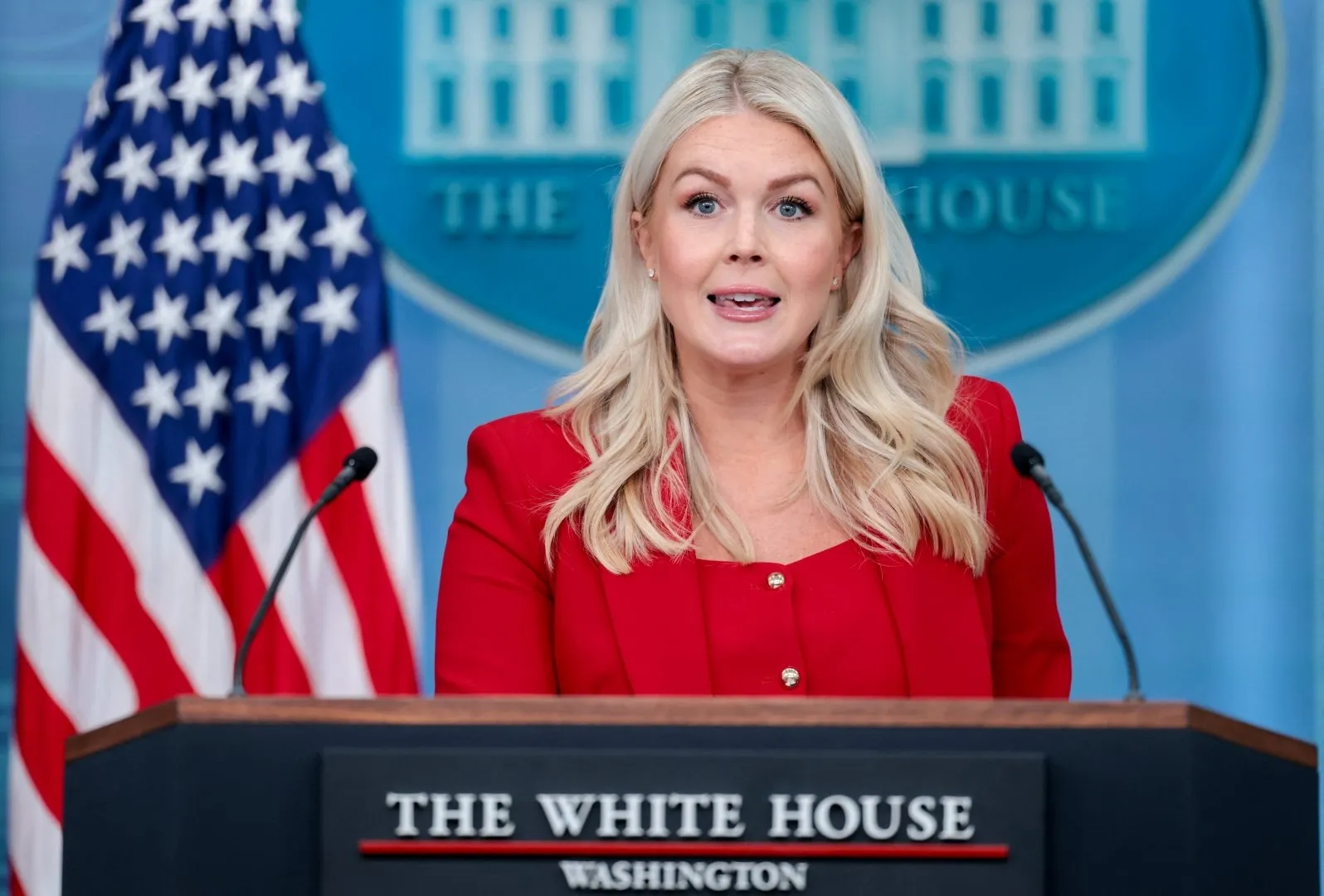
The situation has created a complex diplomatic and legal puzzle for the Mexican federal government. President Claudia Sheinbaum has taken a firm stance, demanding that the United States provide concrete, verifiable evidence to substantiate its claims. Sheinbaum has argued that all Mexican citizens deserve a fair legal process and that any investigation into the governor should be handled has repeatedly challenged the U.S. Department of Justice to present its documentation so that the Mexican Attorney General’s Office (FGR) can conduct a legitimate inquiry.
Governor Rocha framed his temporary departure from office as a gesture of cooperation with the FGR, allowing for an independent assessment of the U.S. charges. Upon his return, he claimed that the 112-day investigation yielded no evidence of criminal conduct, suggesting he had been effectively cleared. However, this narrative met with a nuanced response from the Mexican Secretariat of the Interior. The federal agency clarified that investigations into the 10 indicted individuals remain open and active, noting that Rocha’s return to power was a personal decision rather than an official exoneration ing that the sovereignty of the Mexican judicial process must be respected as the probe continues.