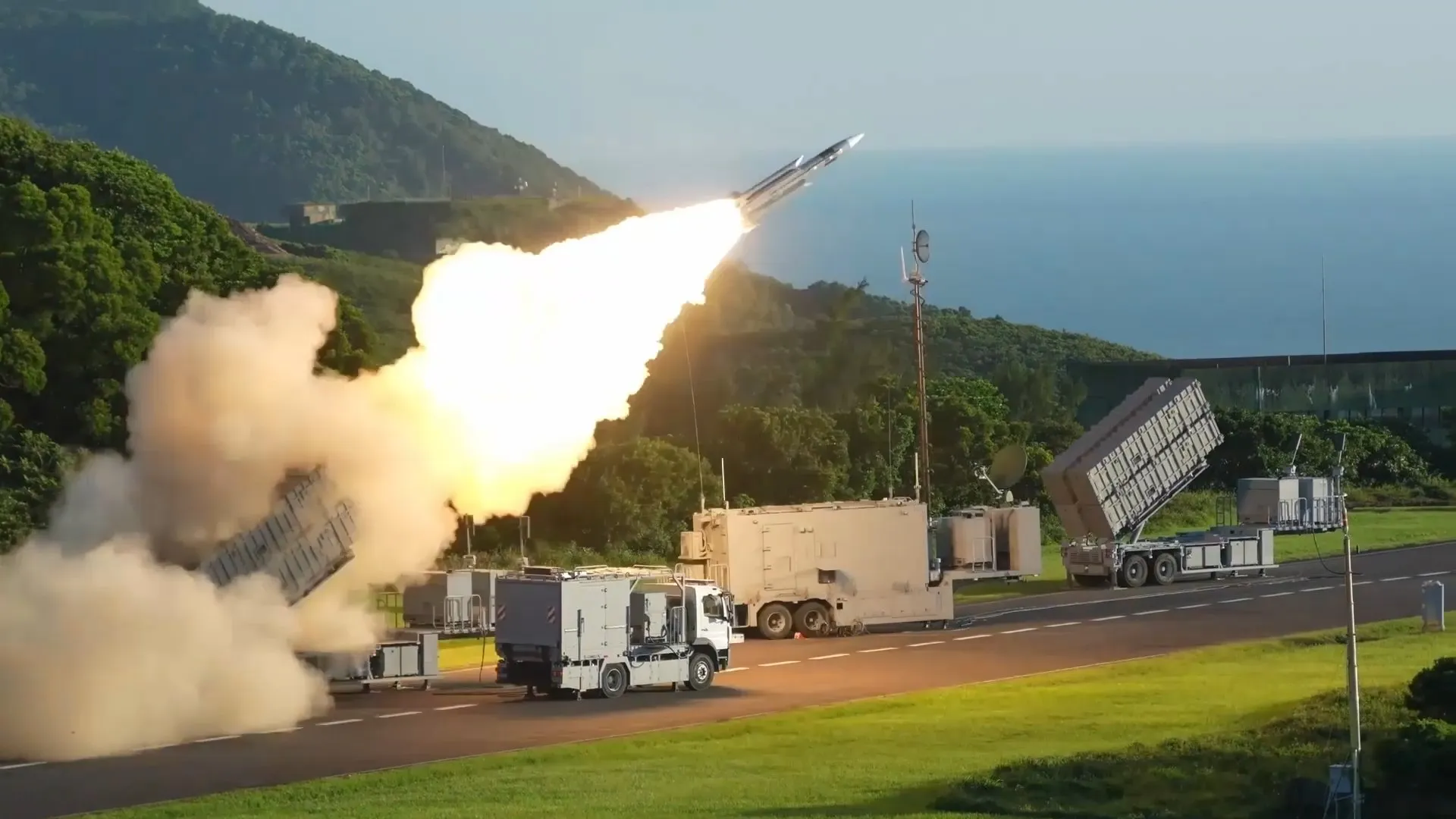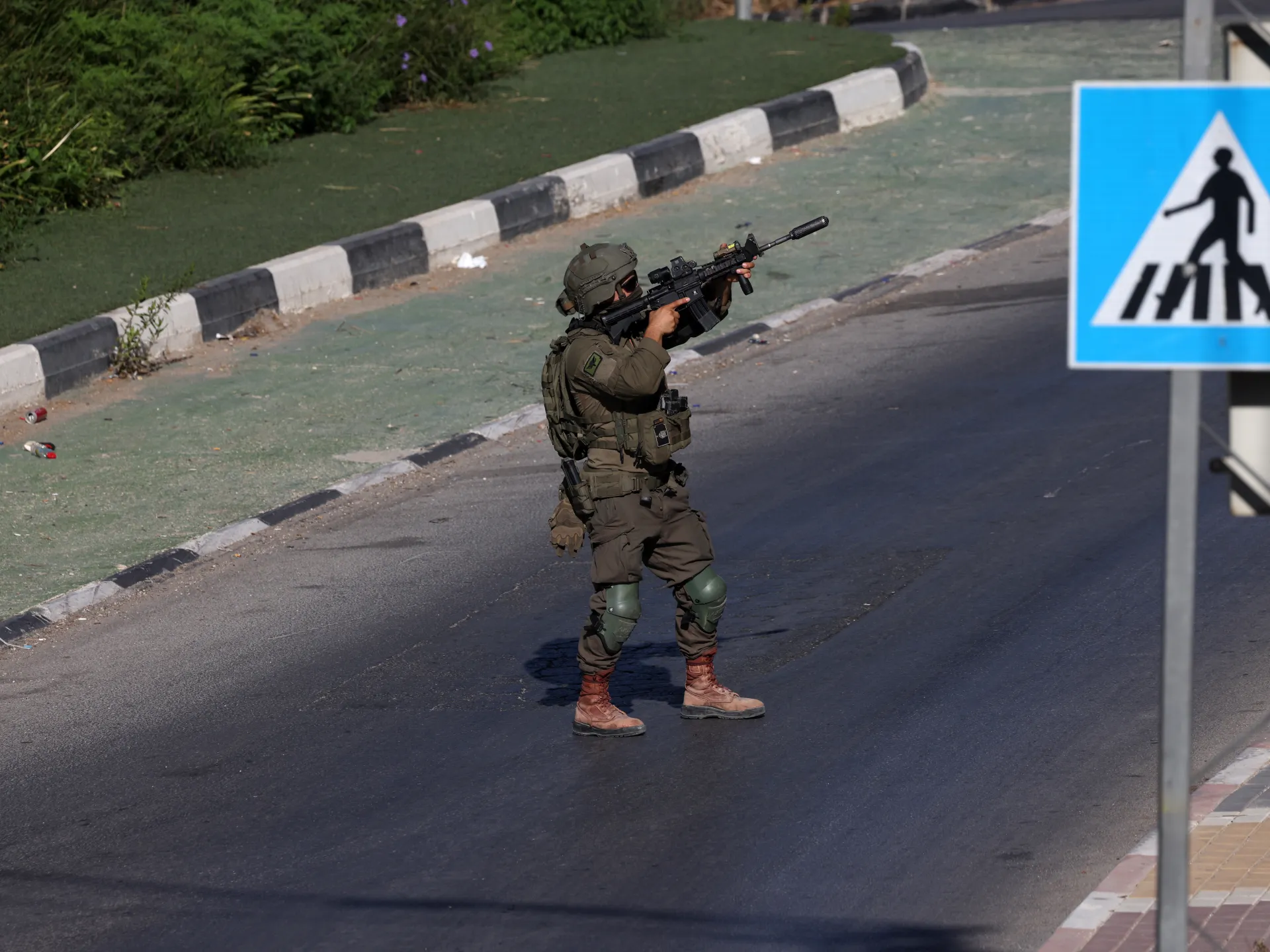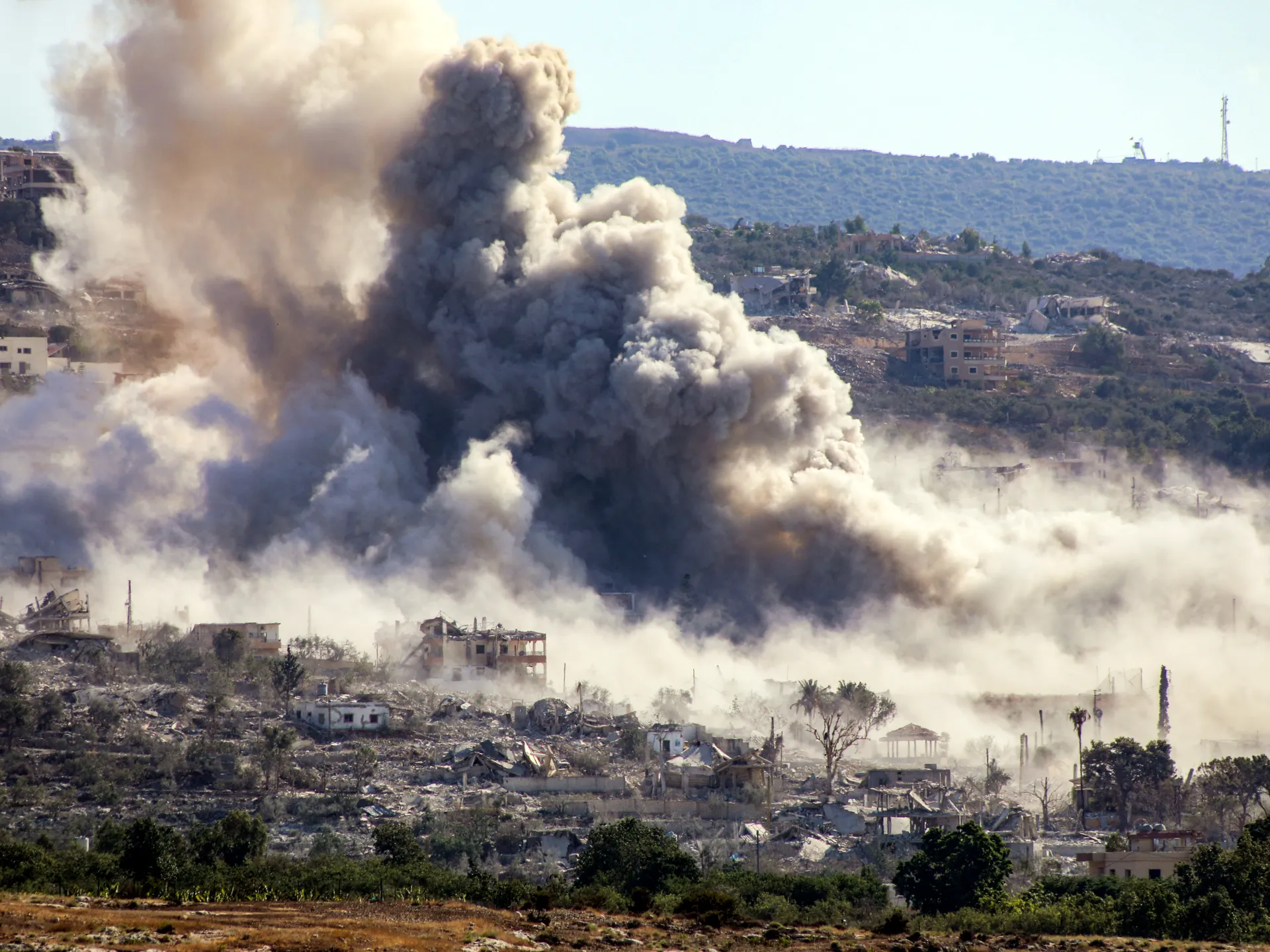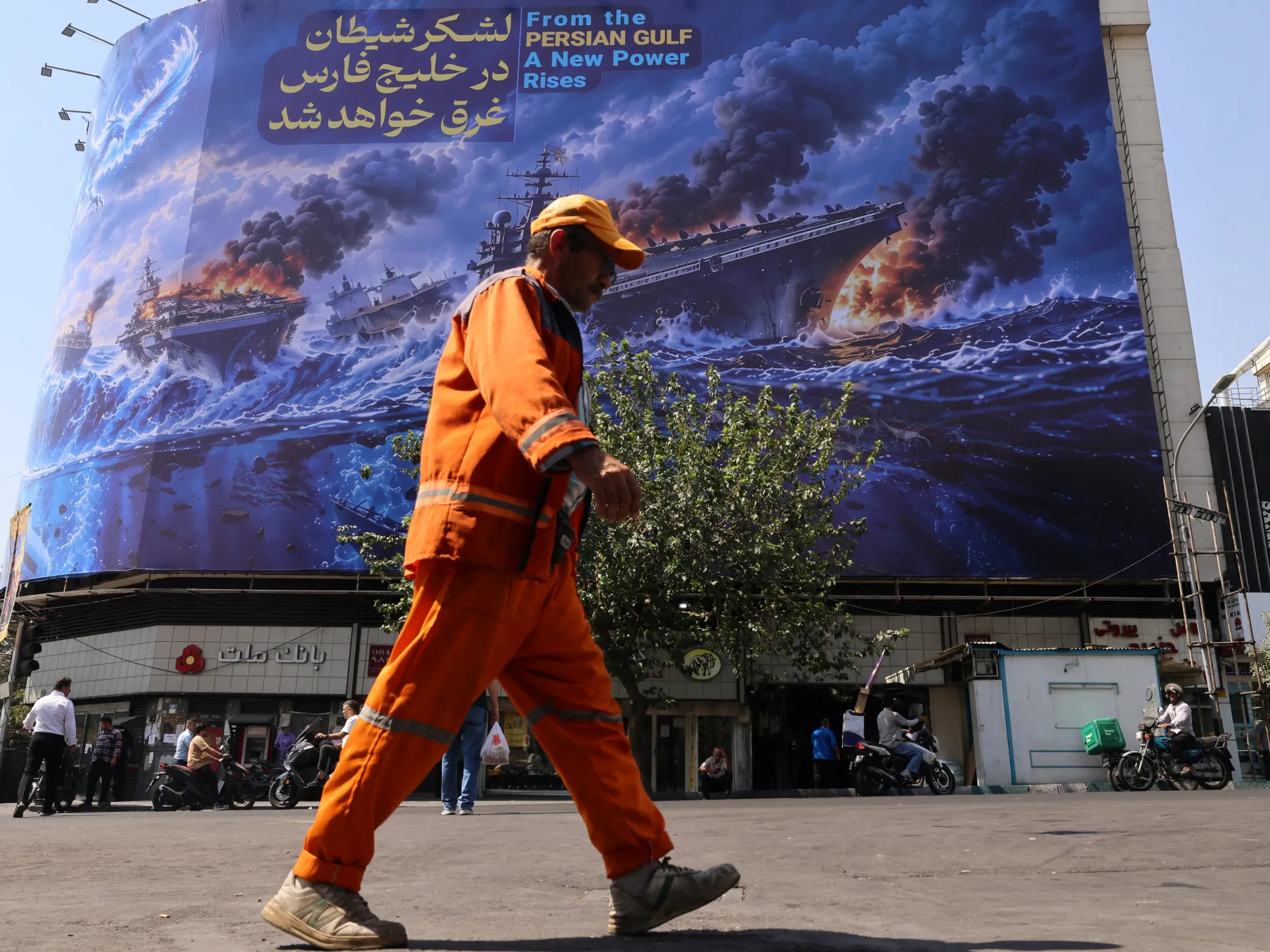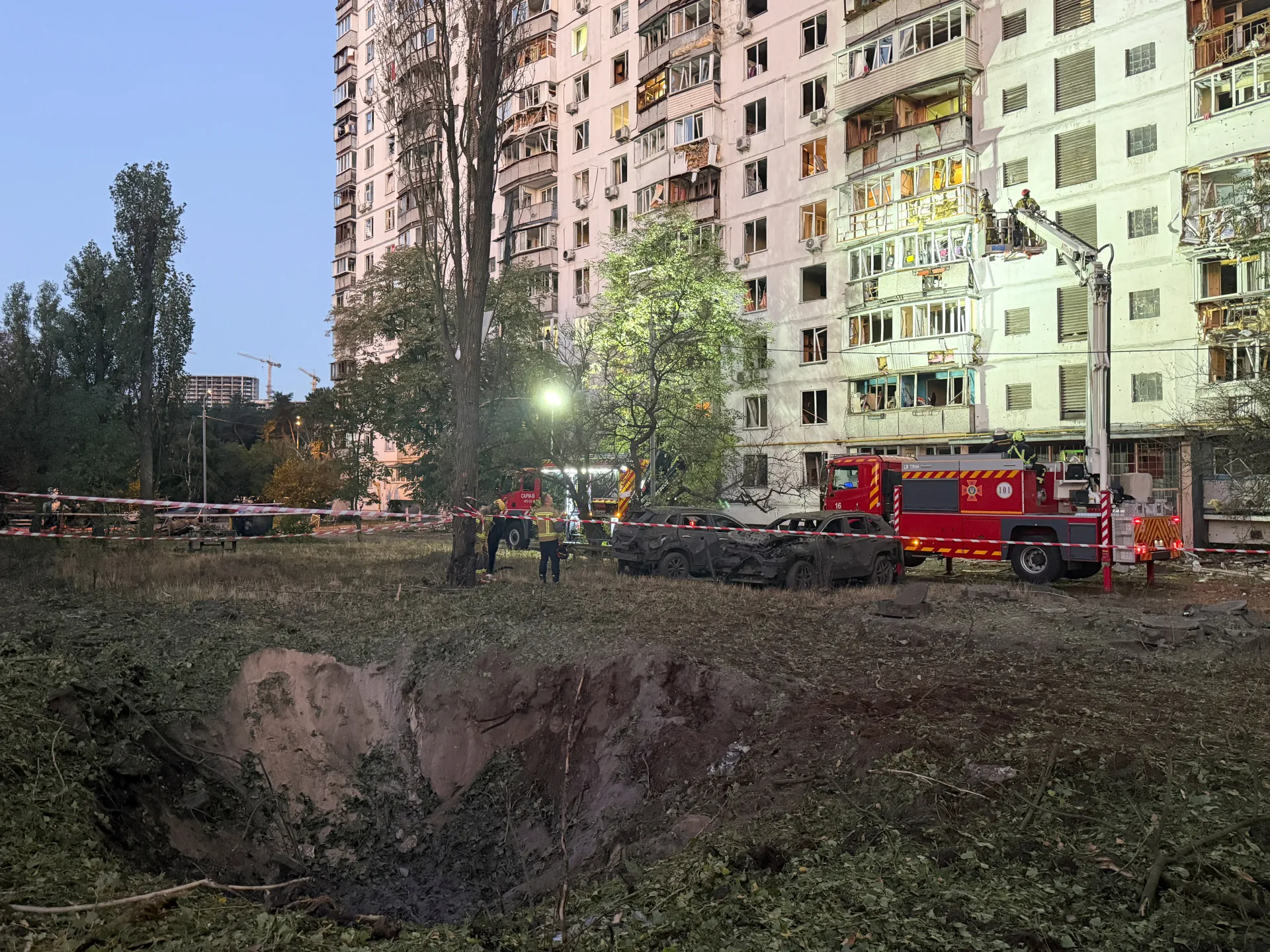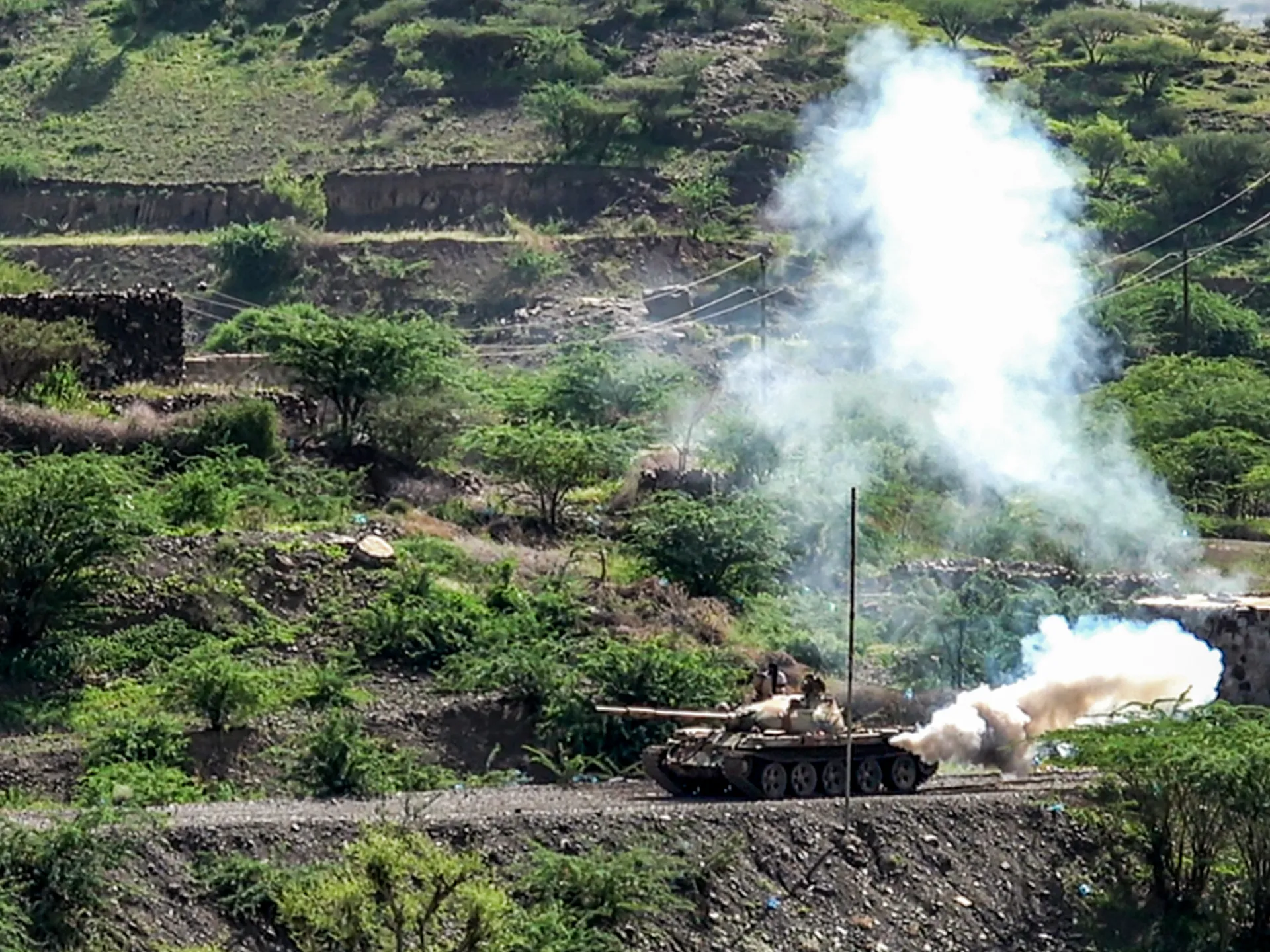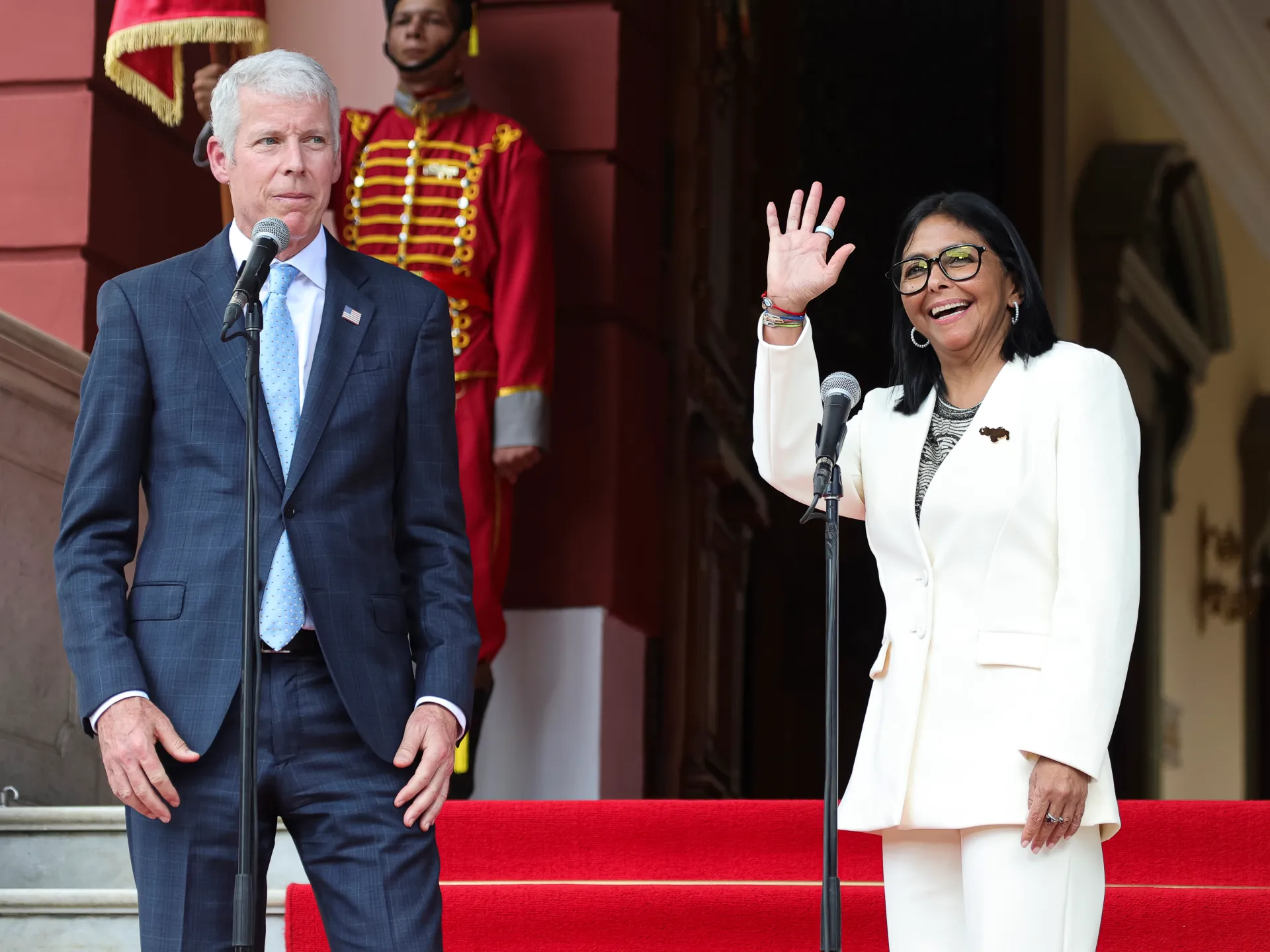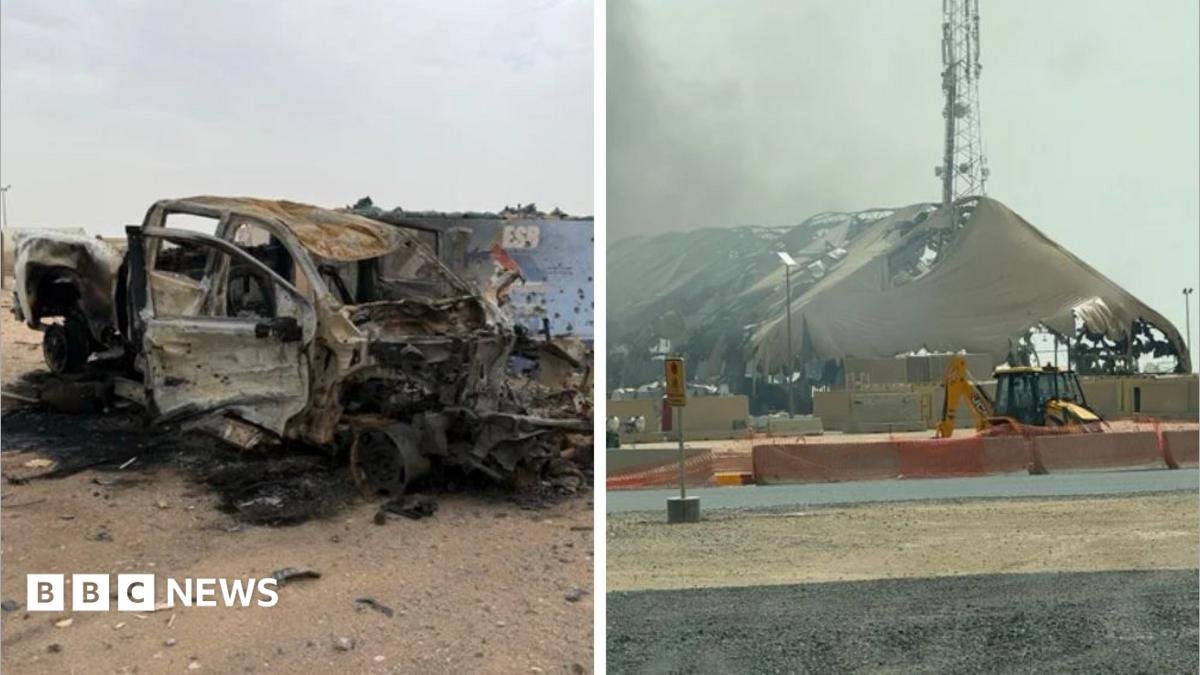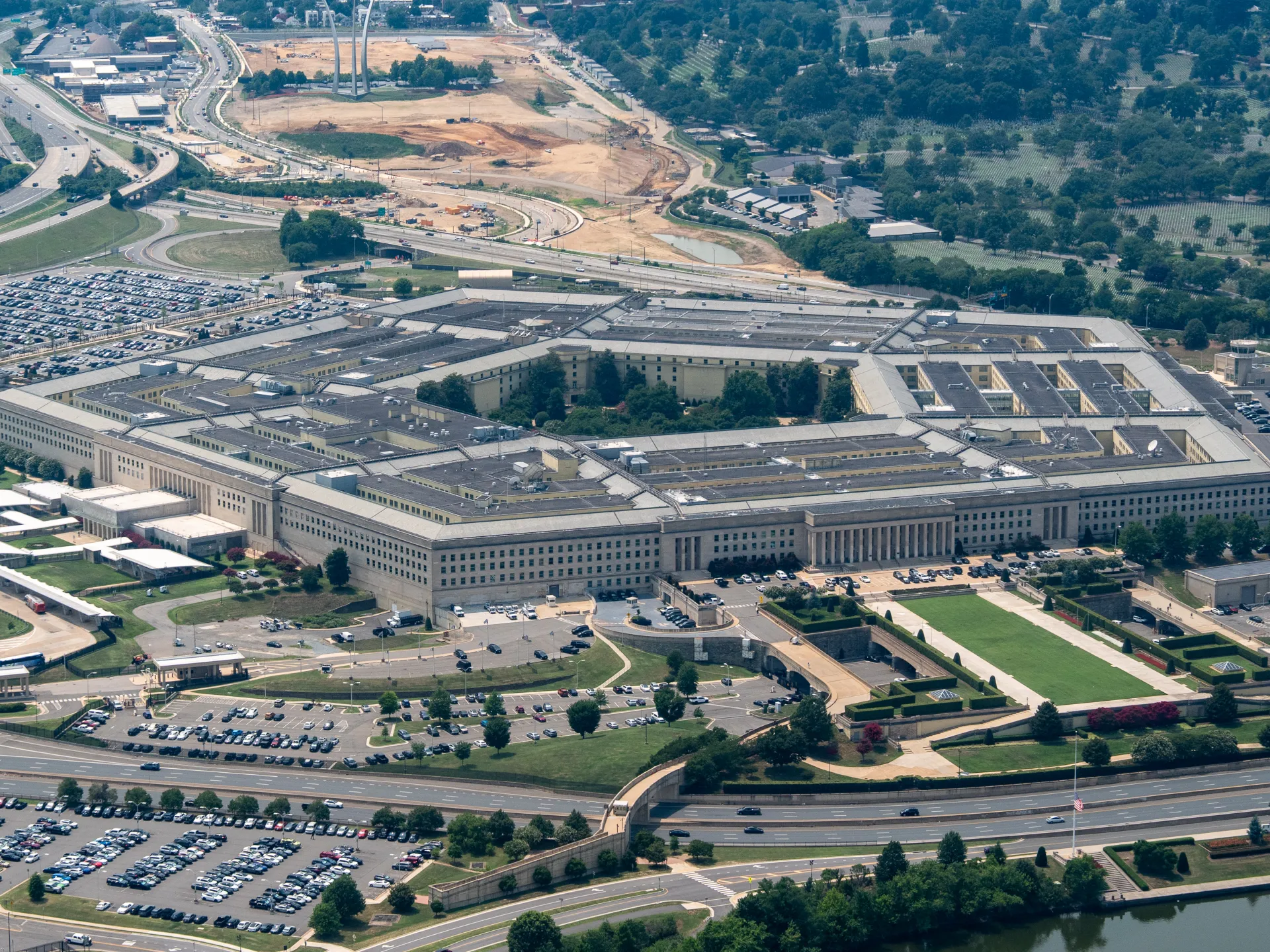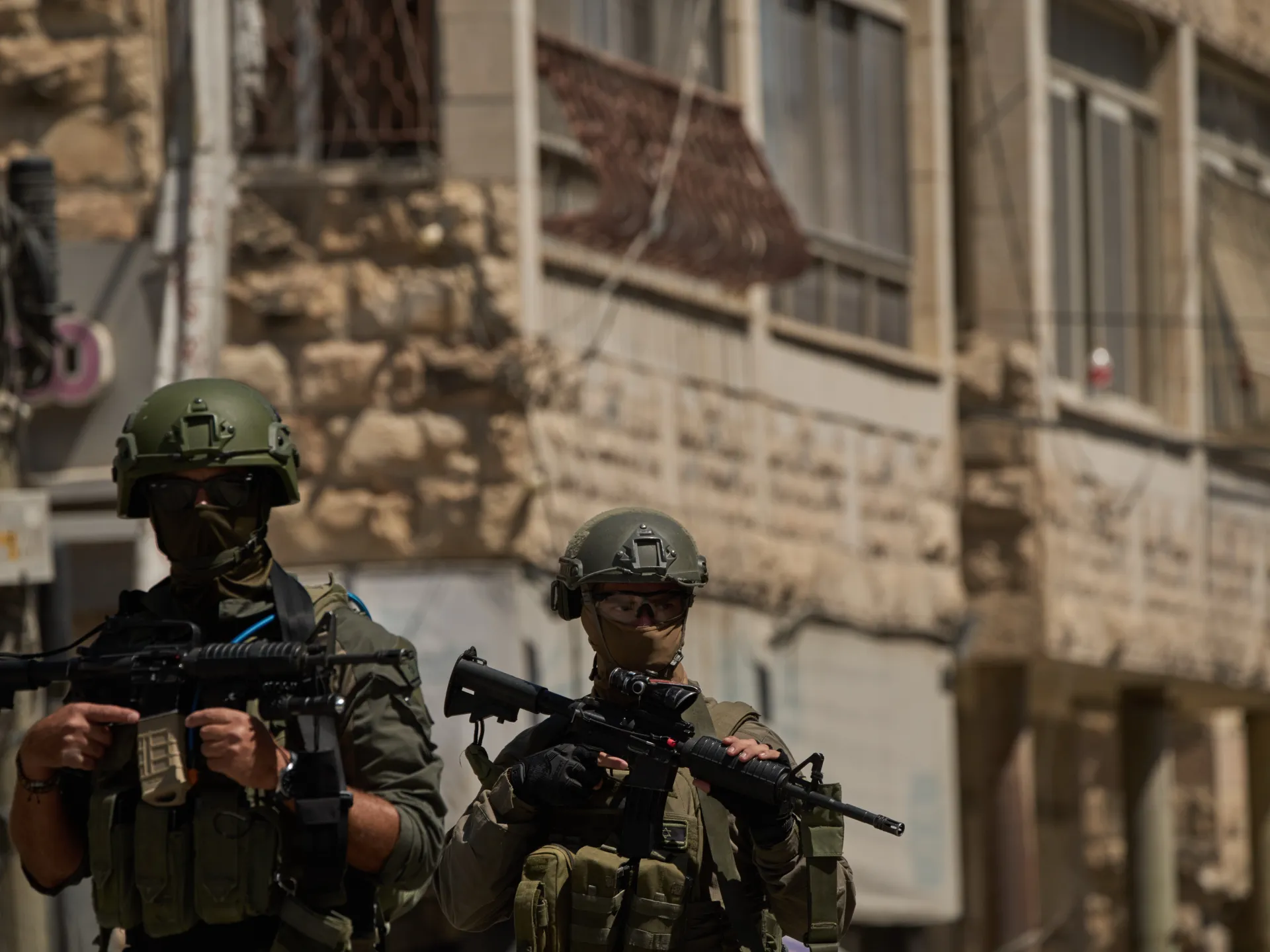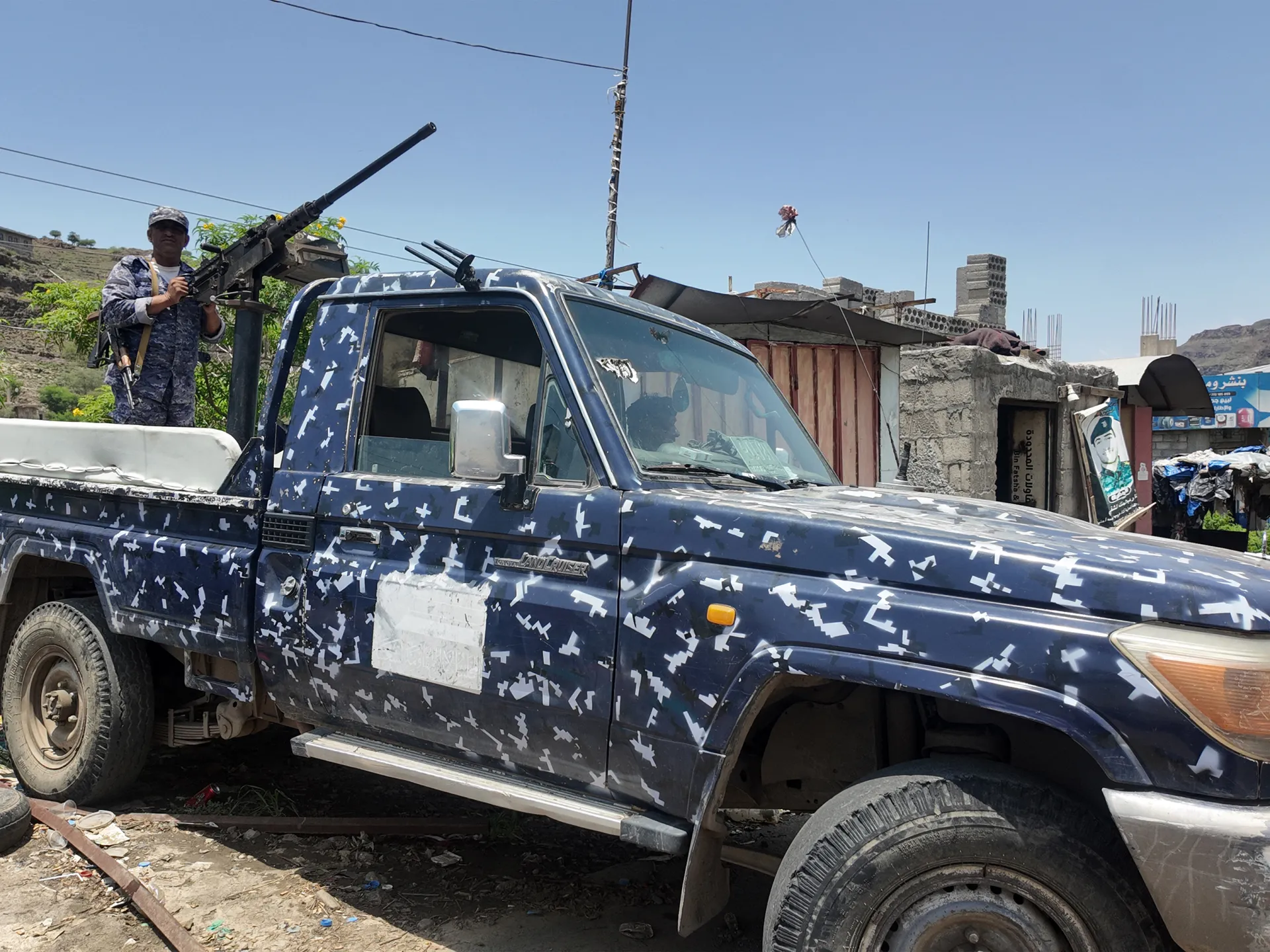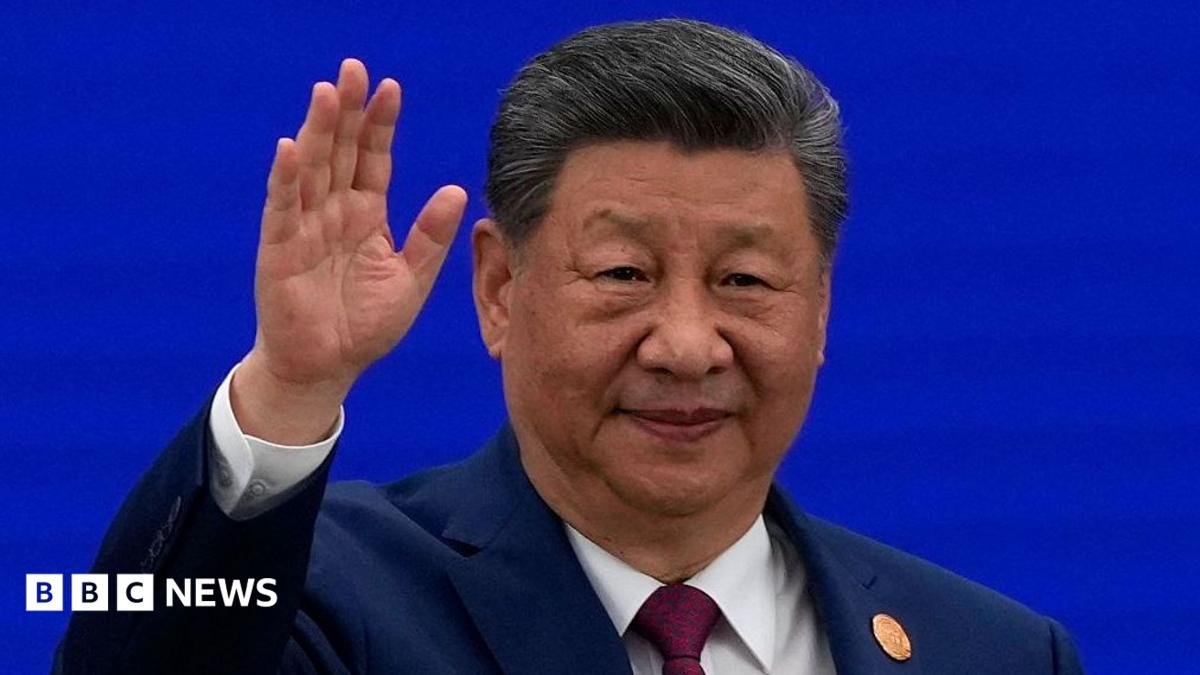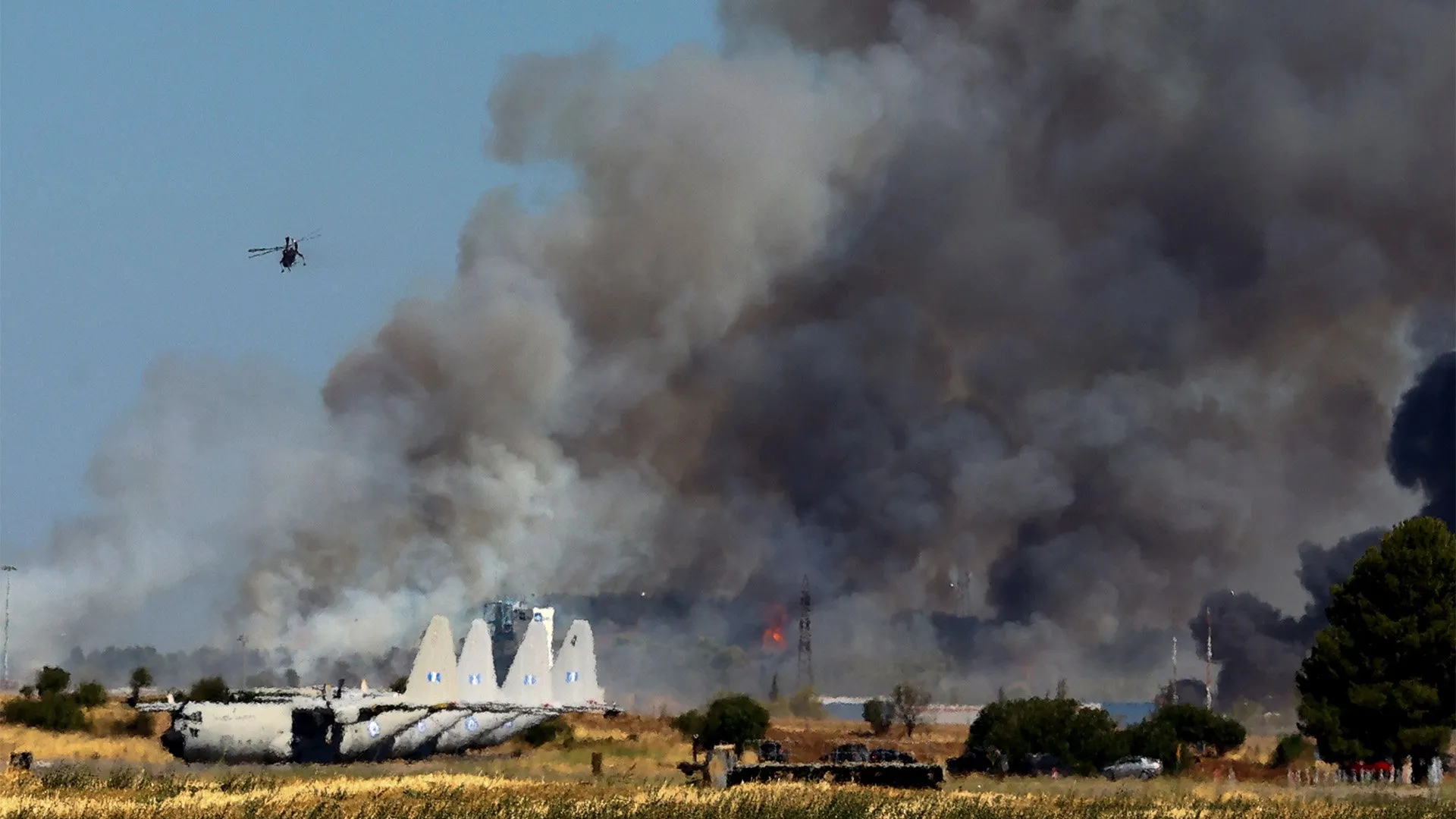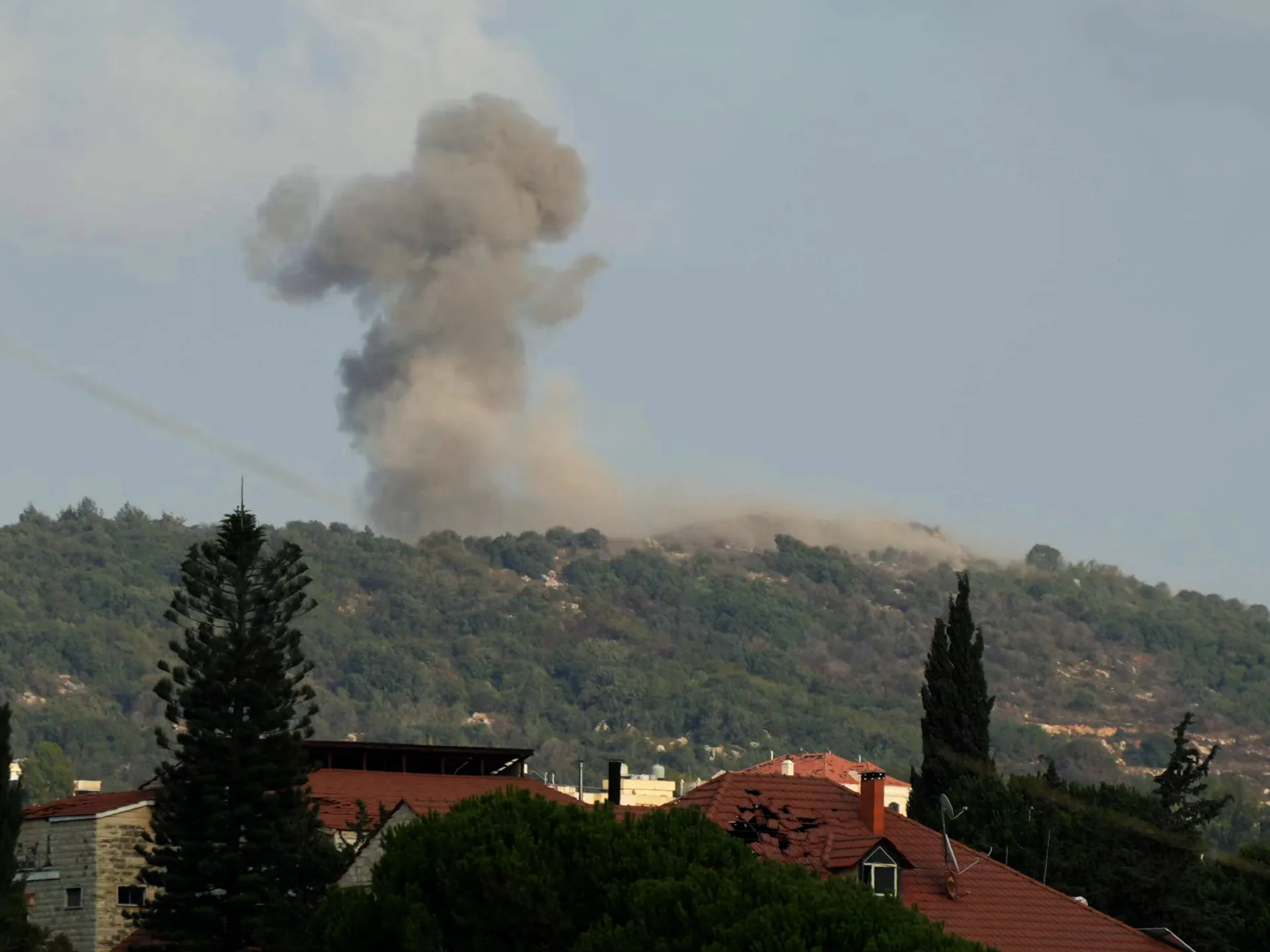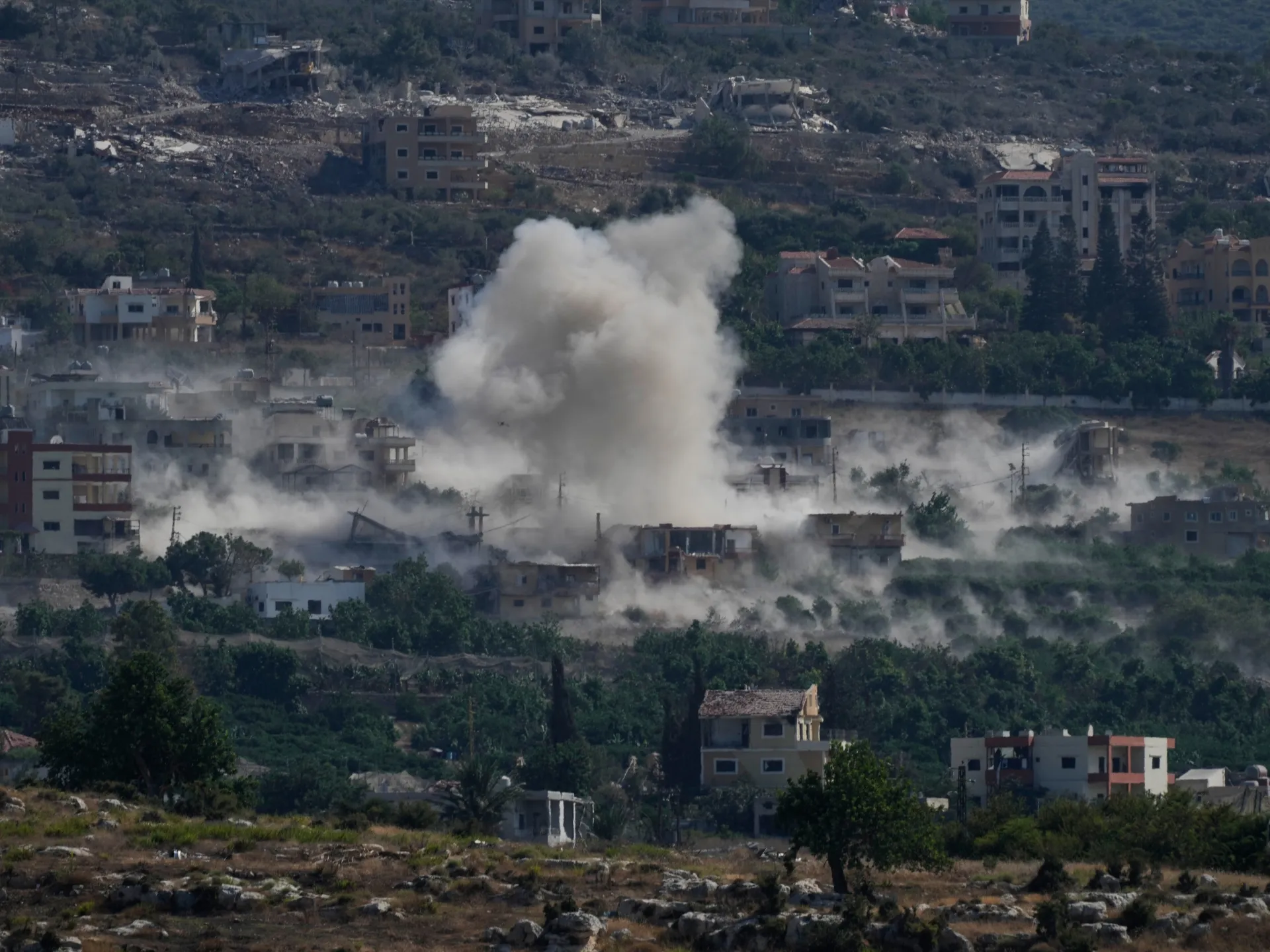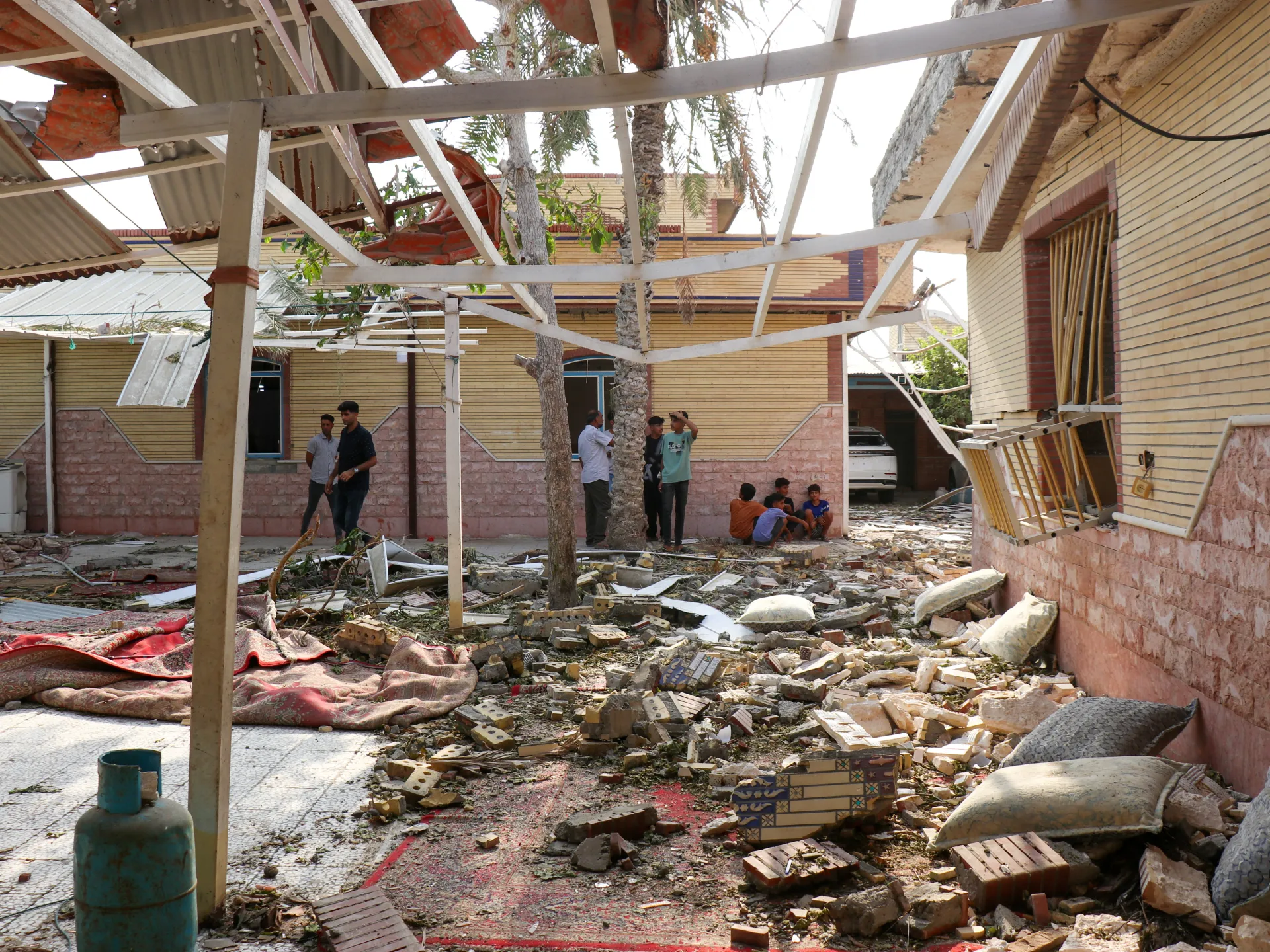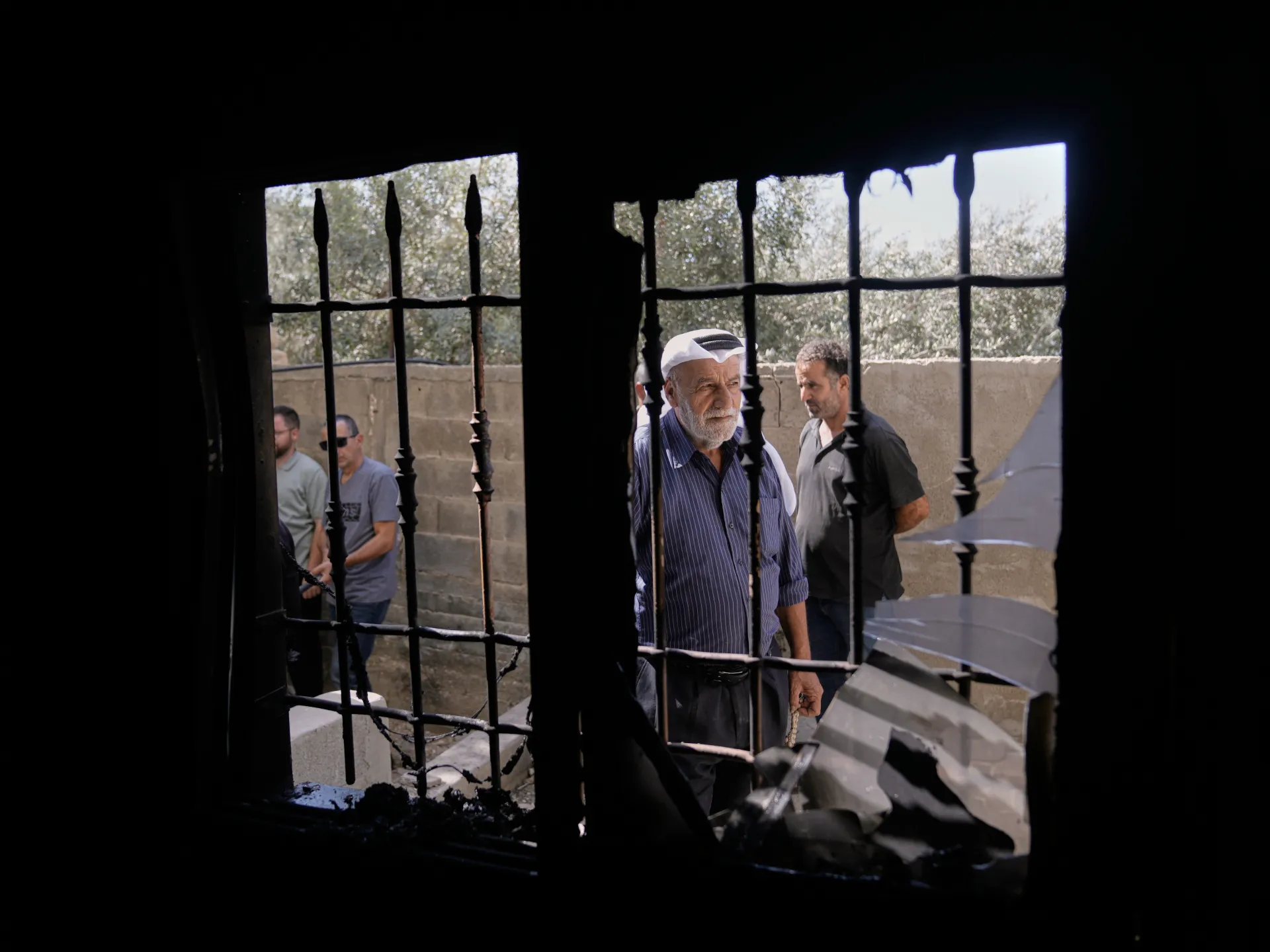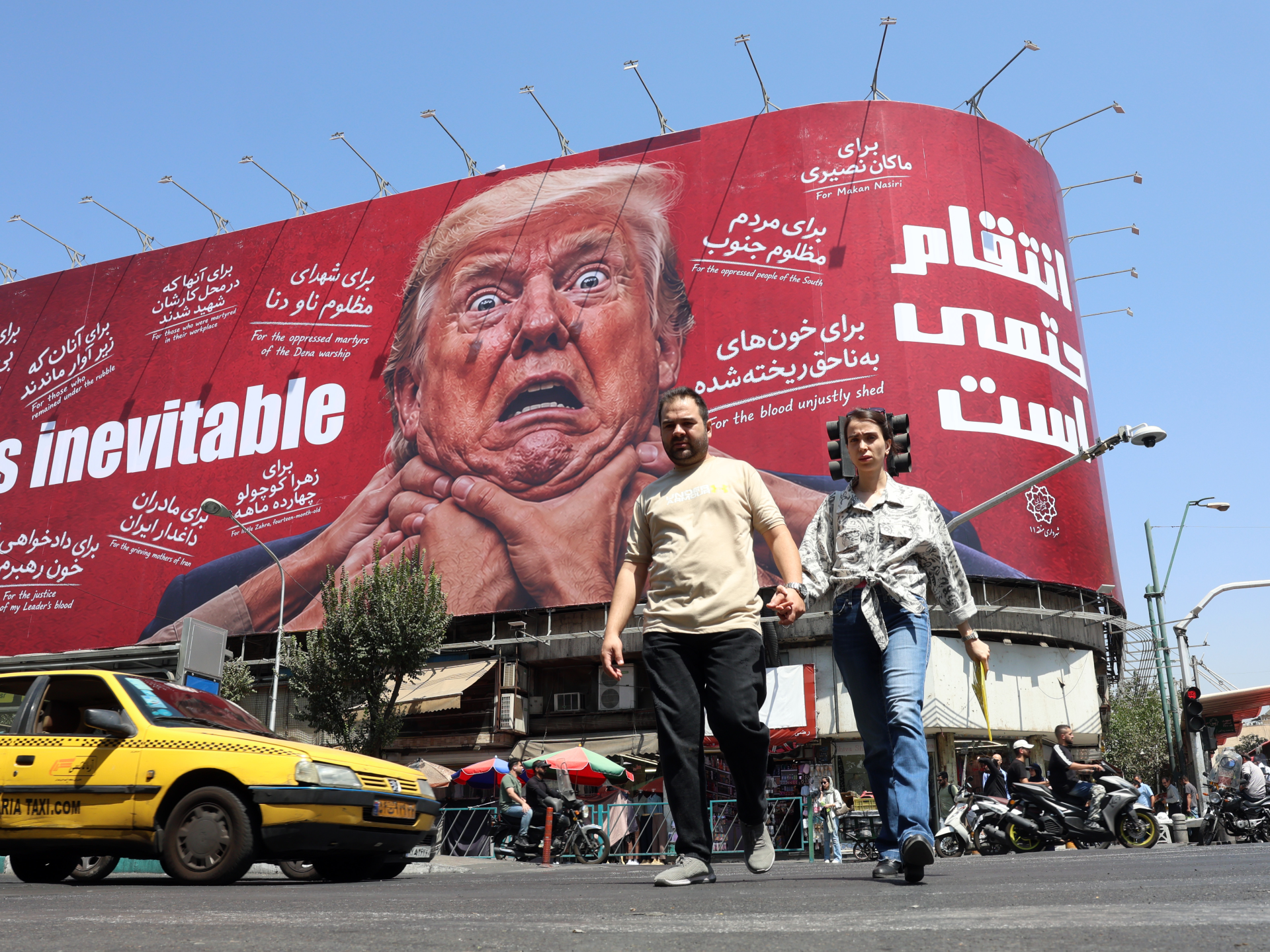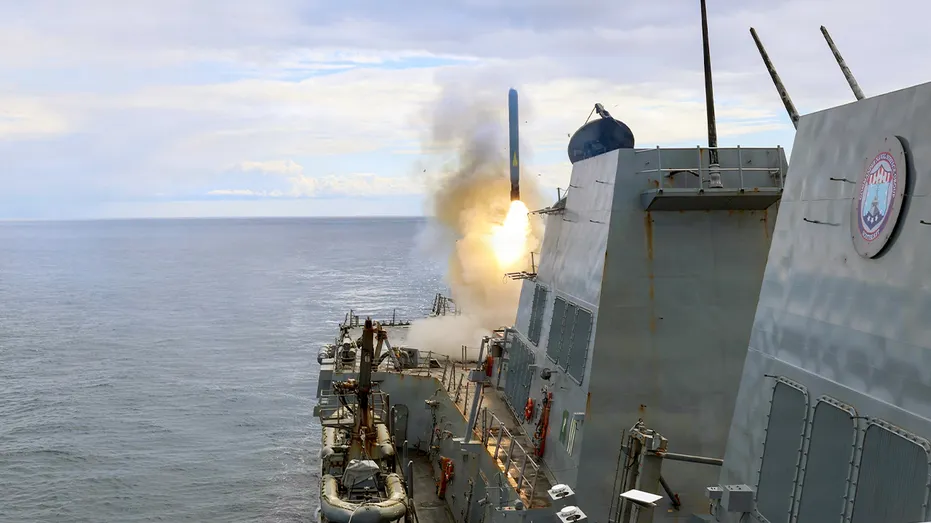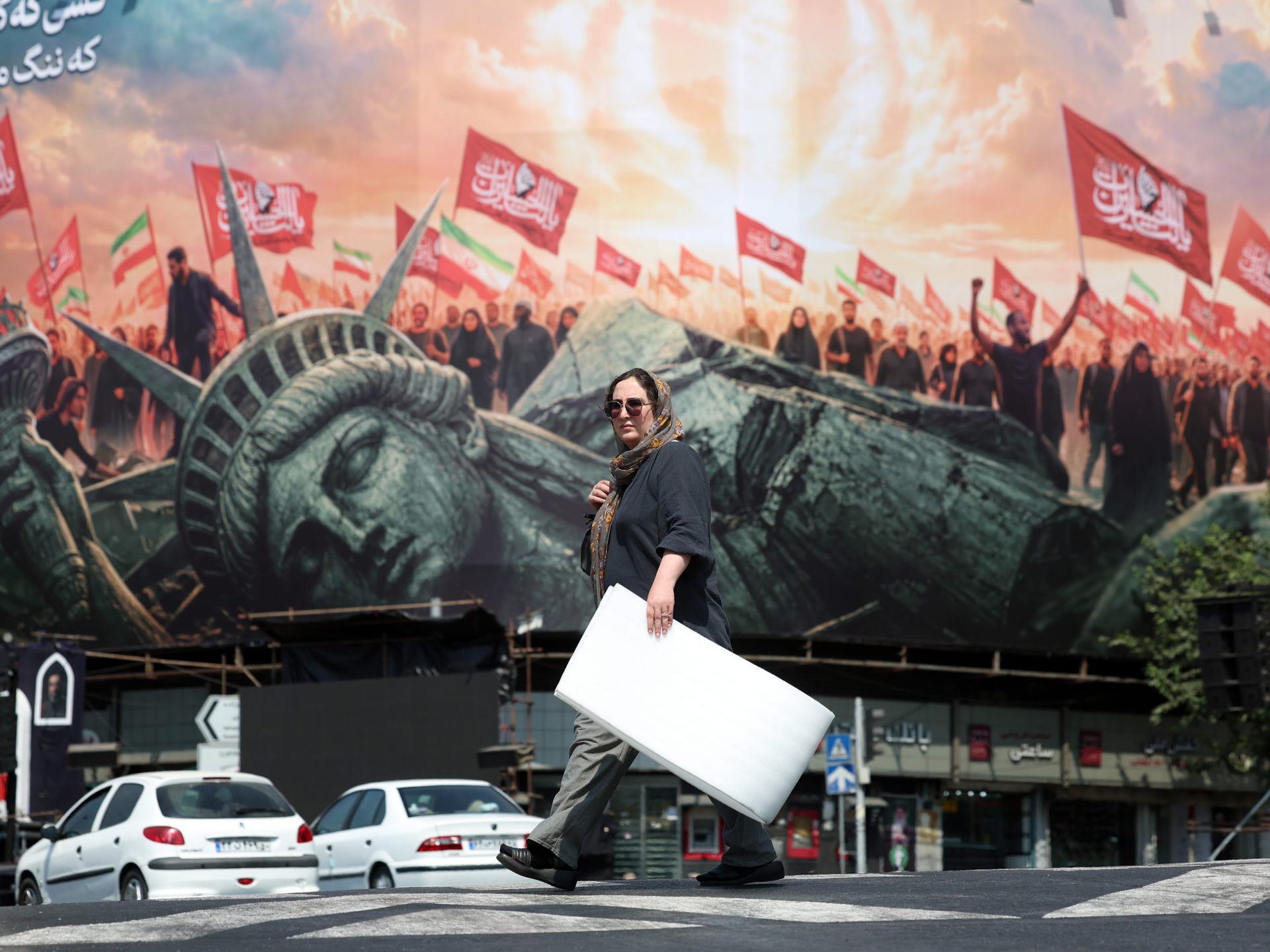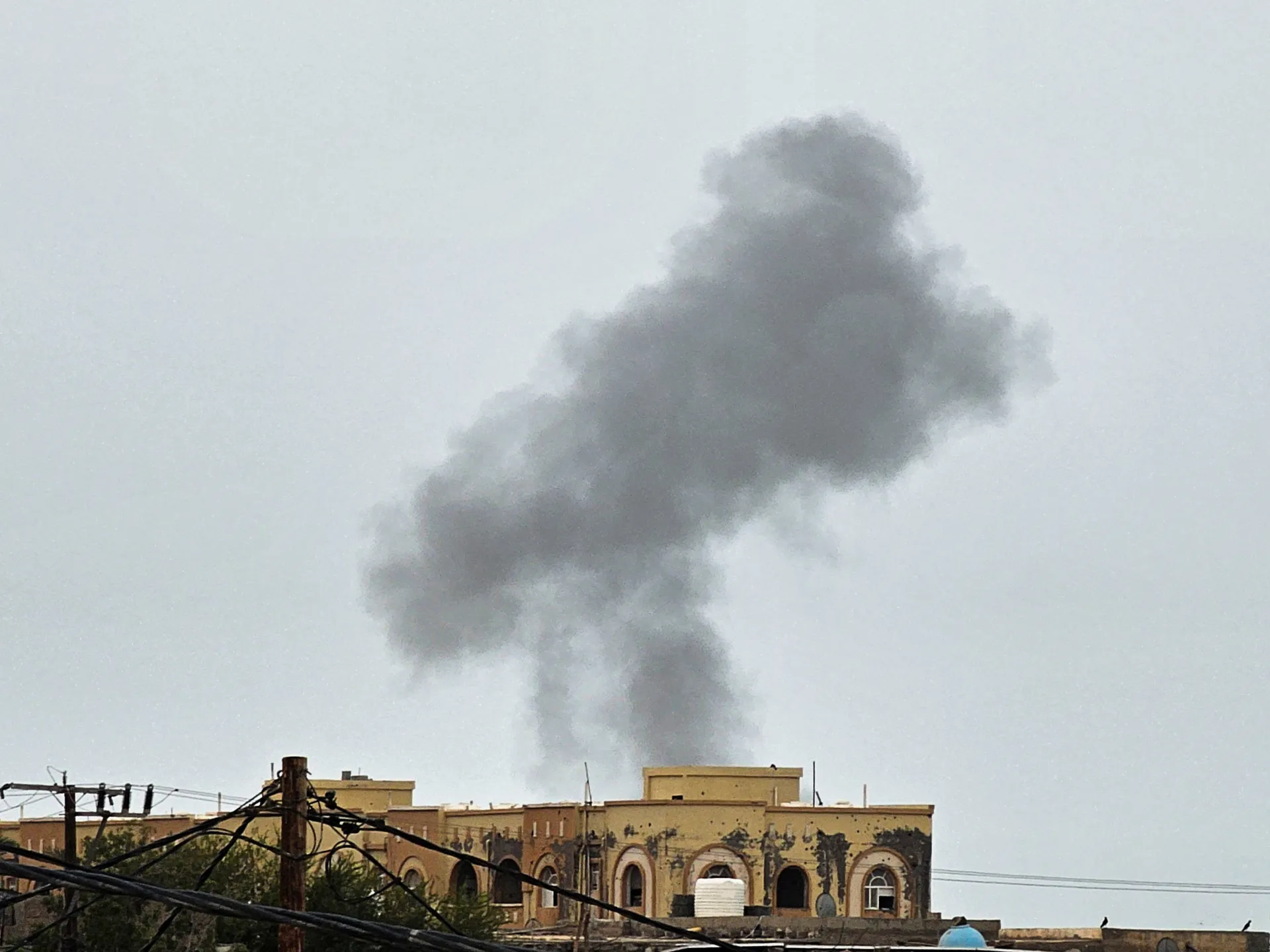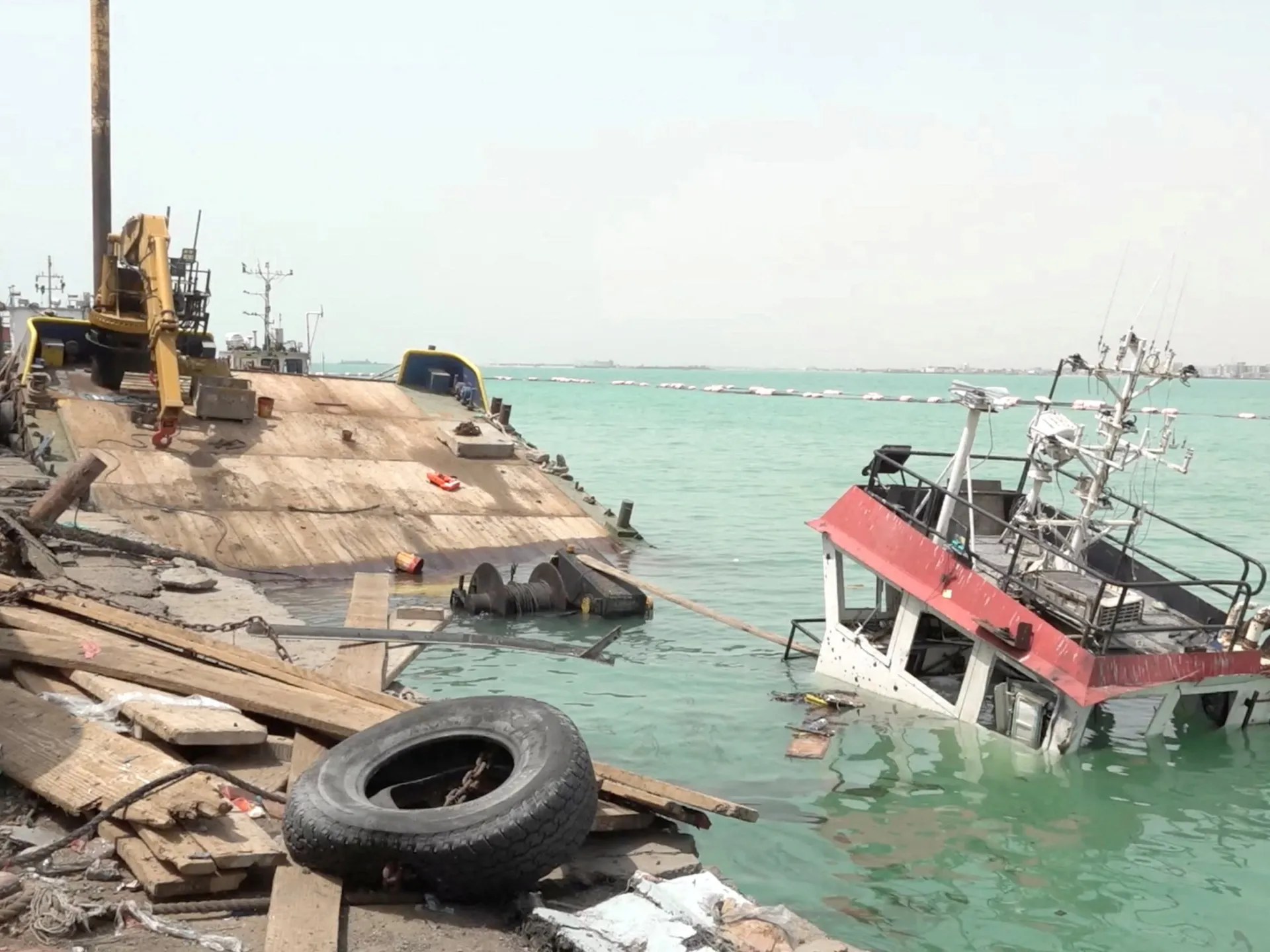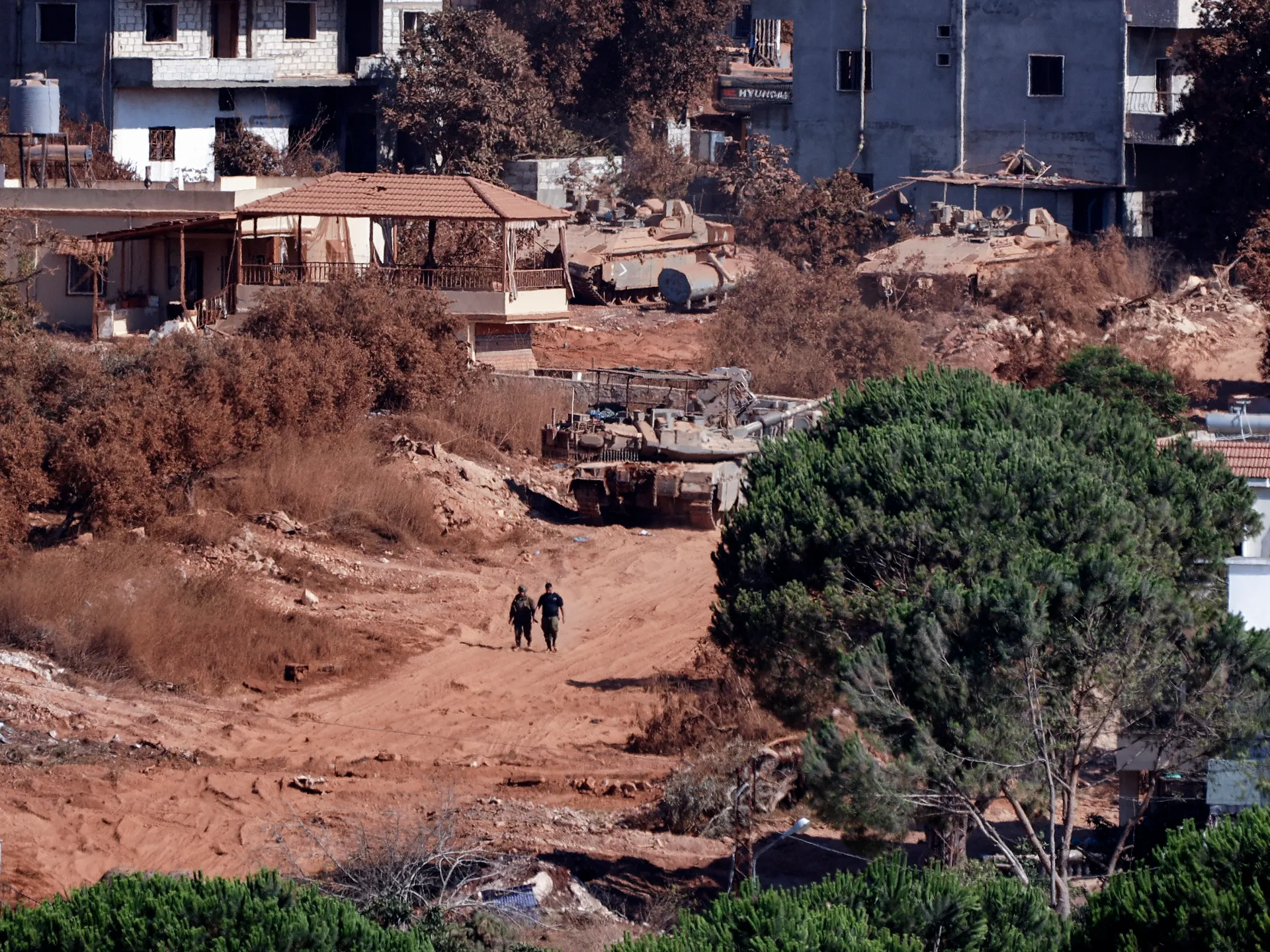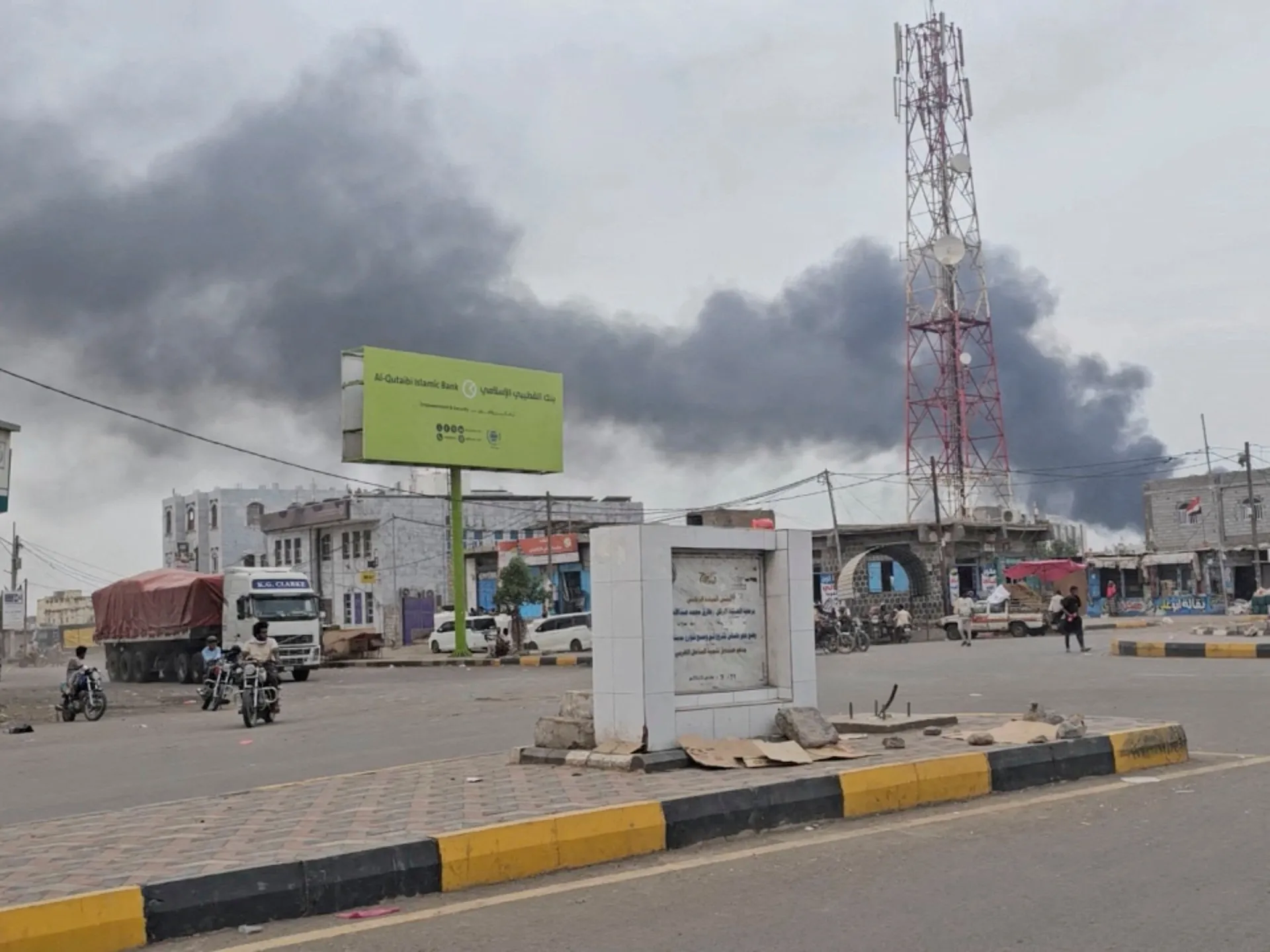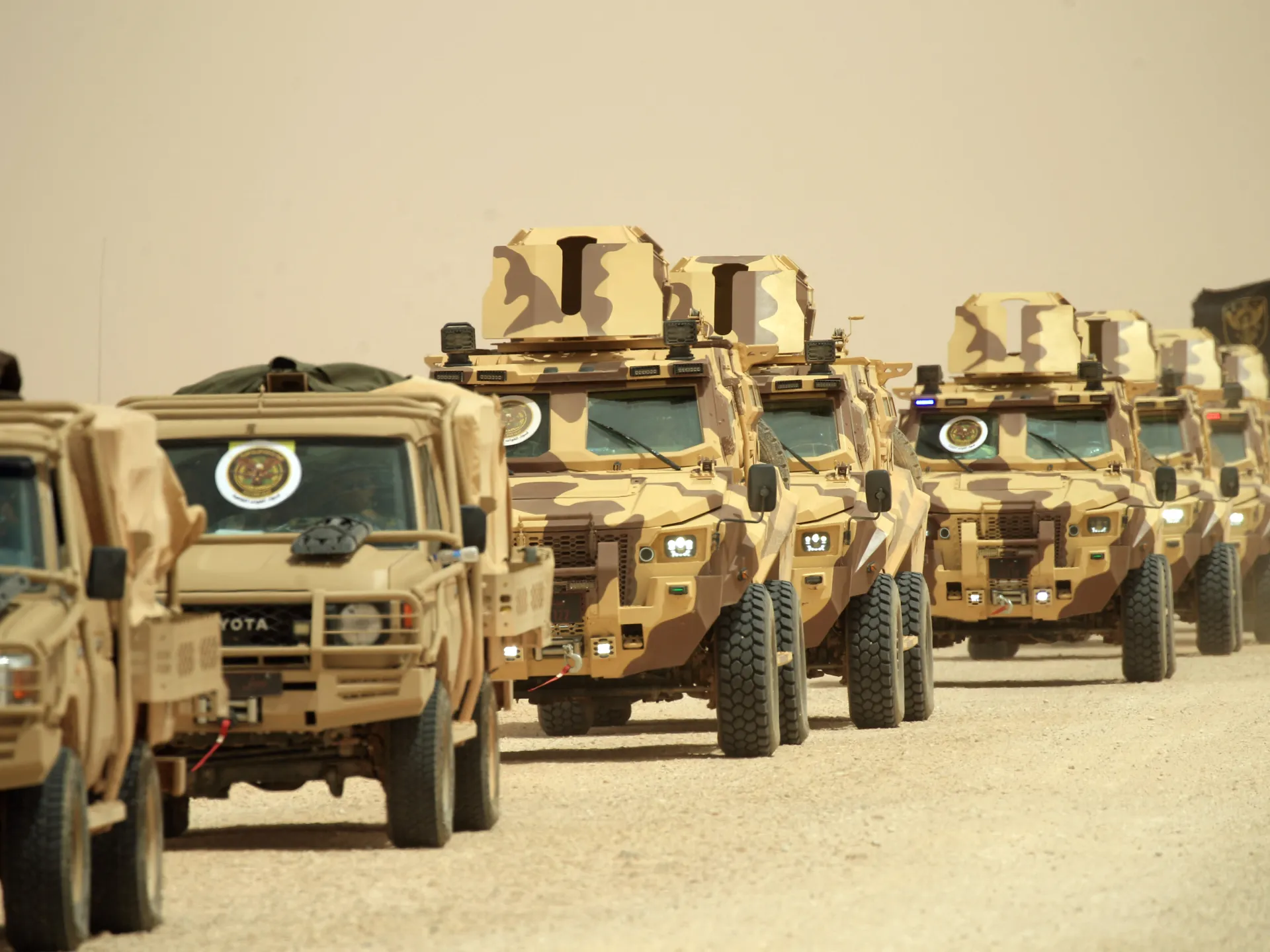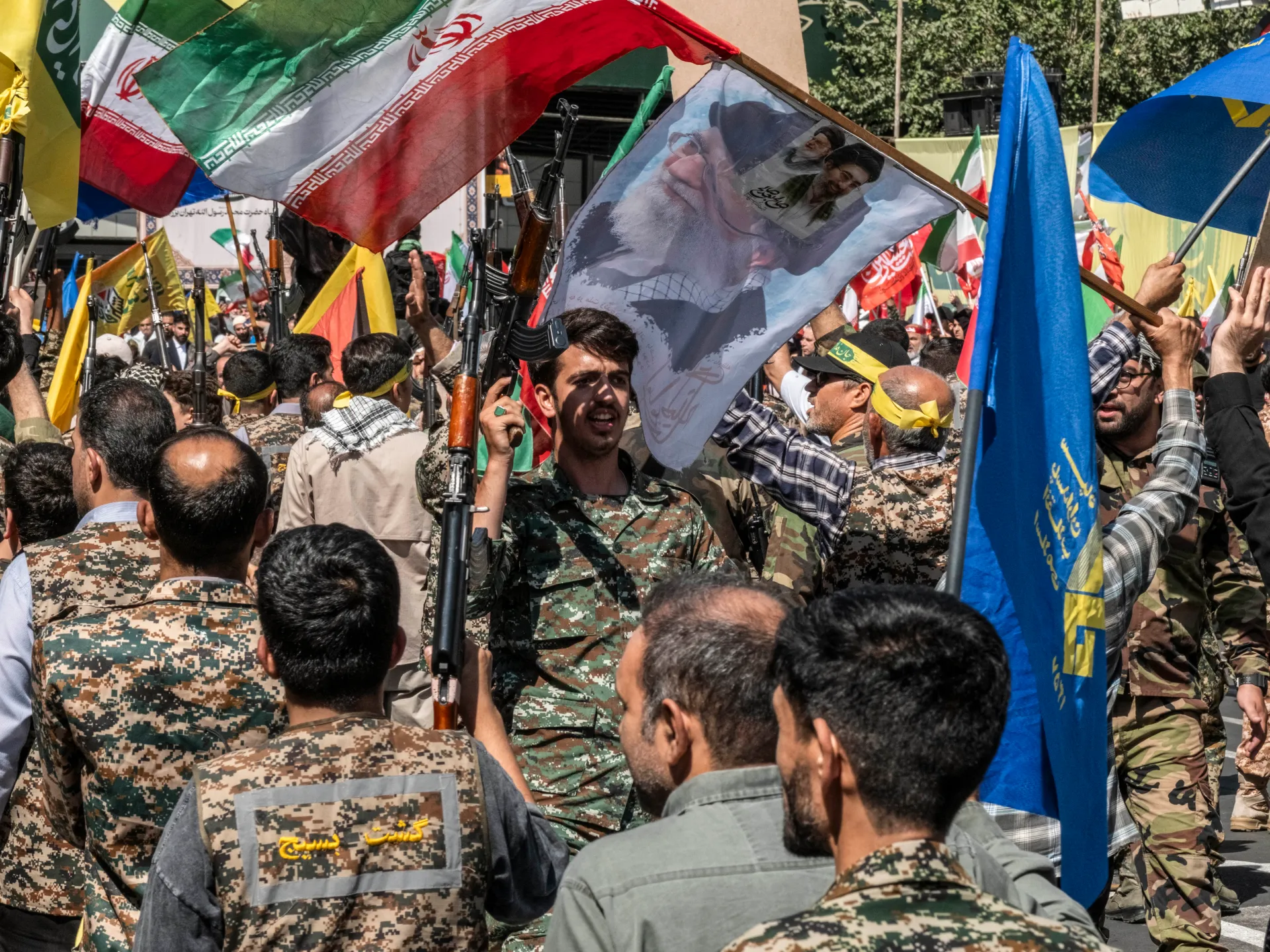
As U.S. and Iranian officials prepare for diplomatic discussions at the UN General Assembly, military commands on both sides remain braced for potential renewed strikes.
The current standoff represents a critical inflection point for Middle Eastern stability and global energy markets. With the expiration of a 60-day memorandum that briefly curtailed hostilities, the region is facing a dangerous return to direct military confrontation. The strategic importance of the Strait of Hormuz, which acts as a vital artery for international energy shipments, makes this conflict a concern not just for the immediate belligerents, but for the global economy. The volatility of the situation is compounded ing to bridge a gap between two administrations that seem to be simultaneously signaling a desire for negotiation and a readiness for renewed warfare.
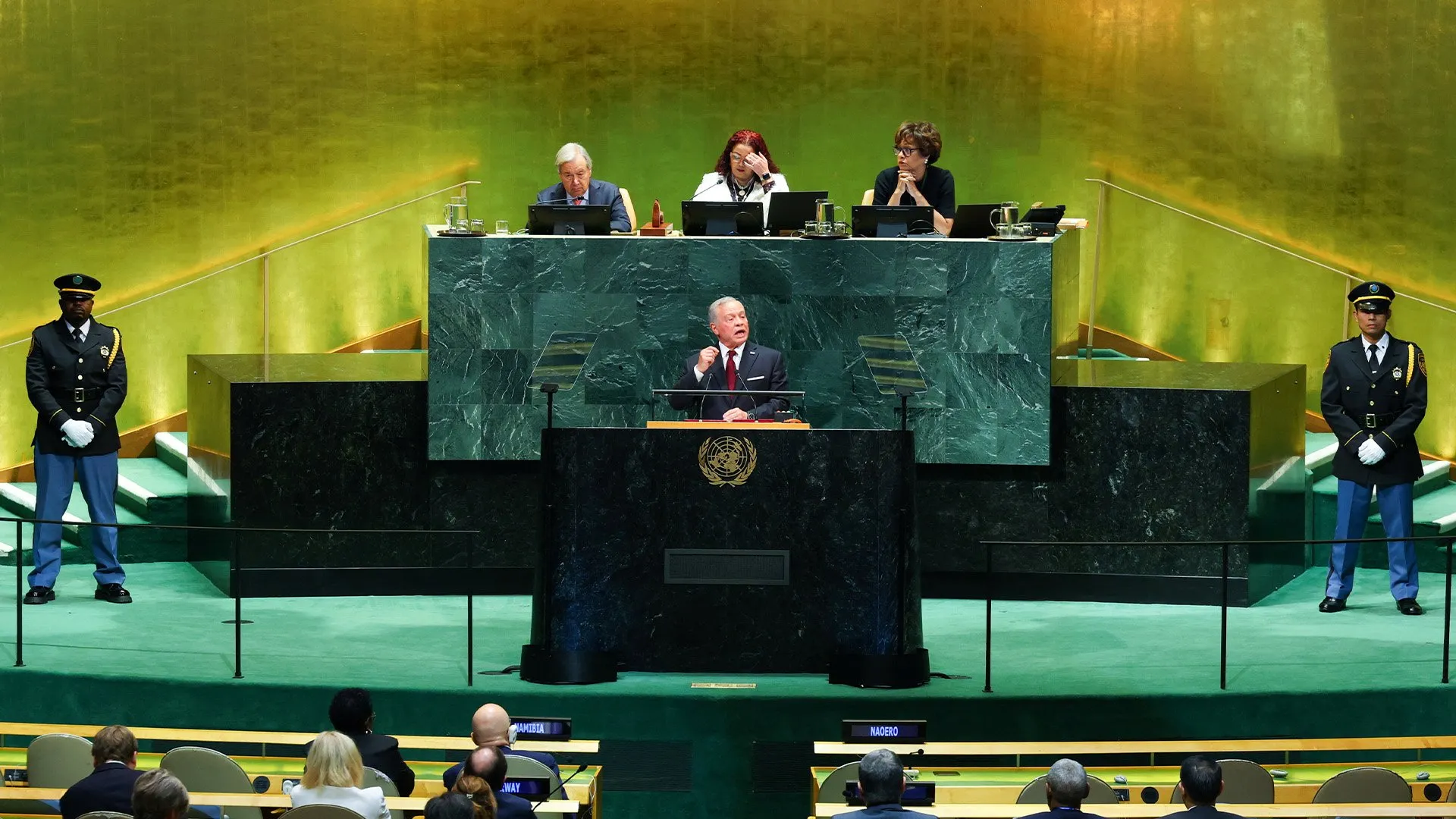
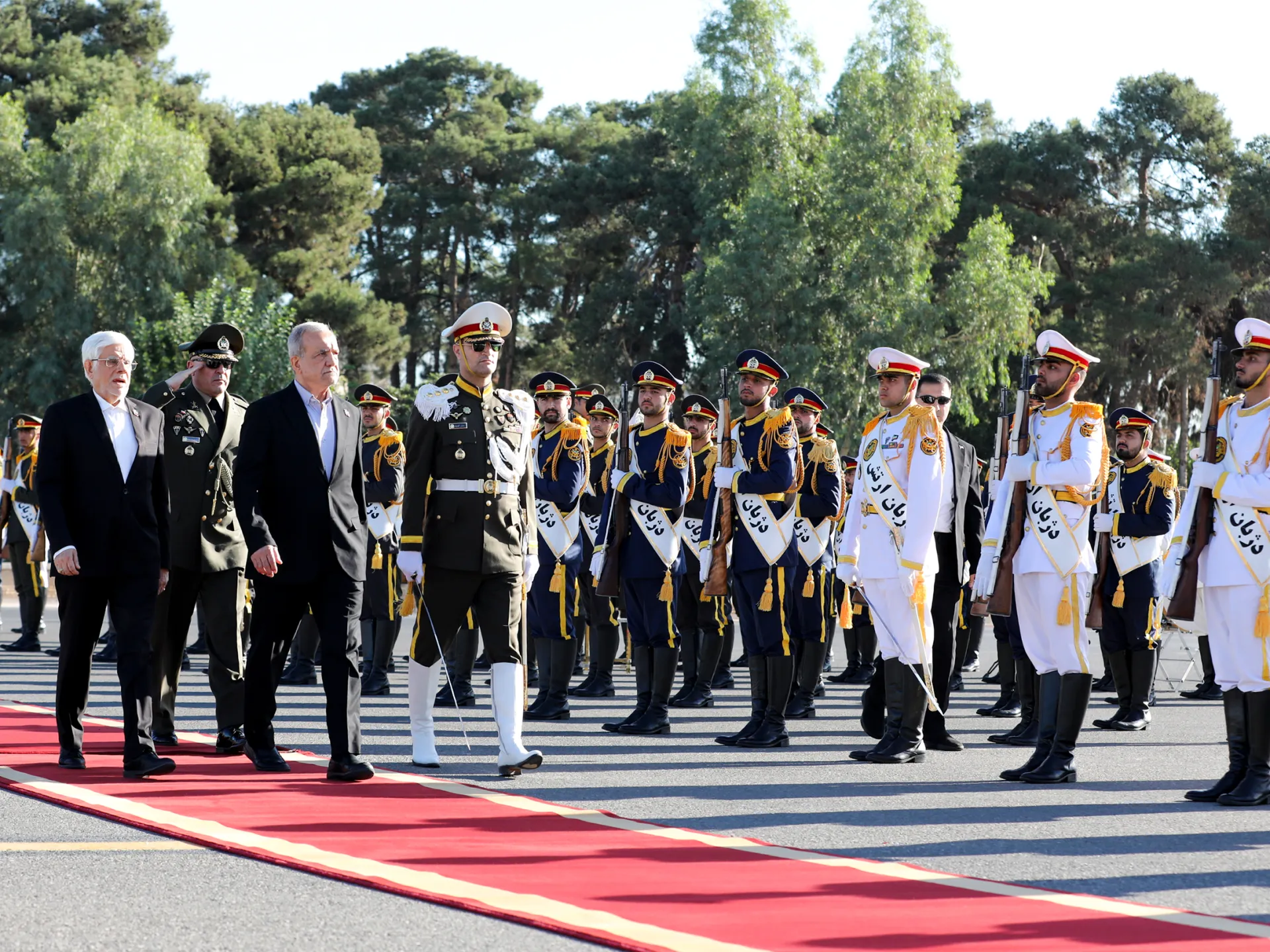
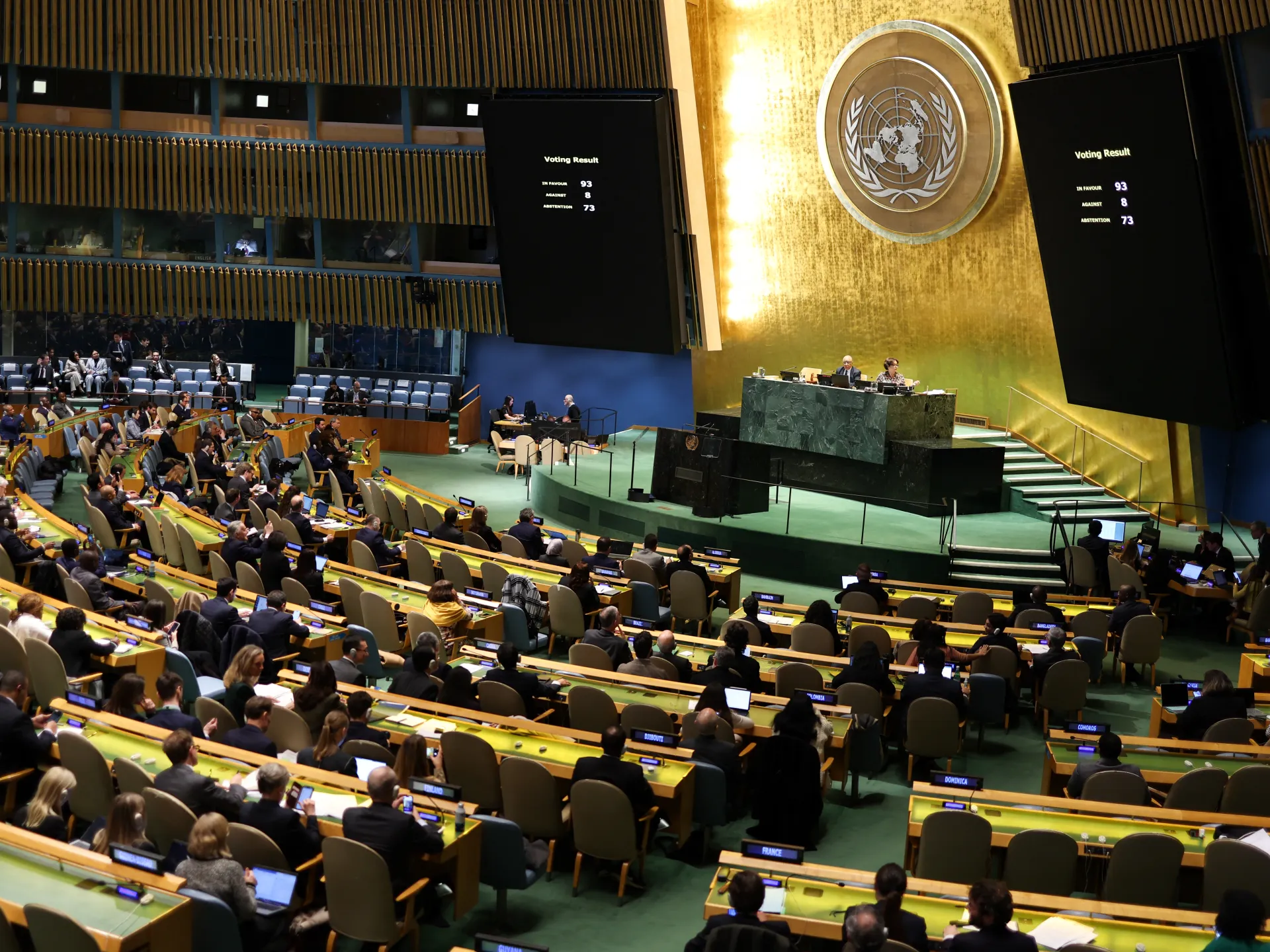
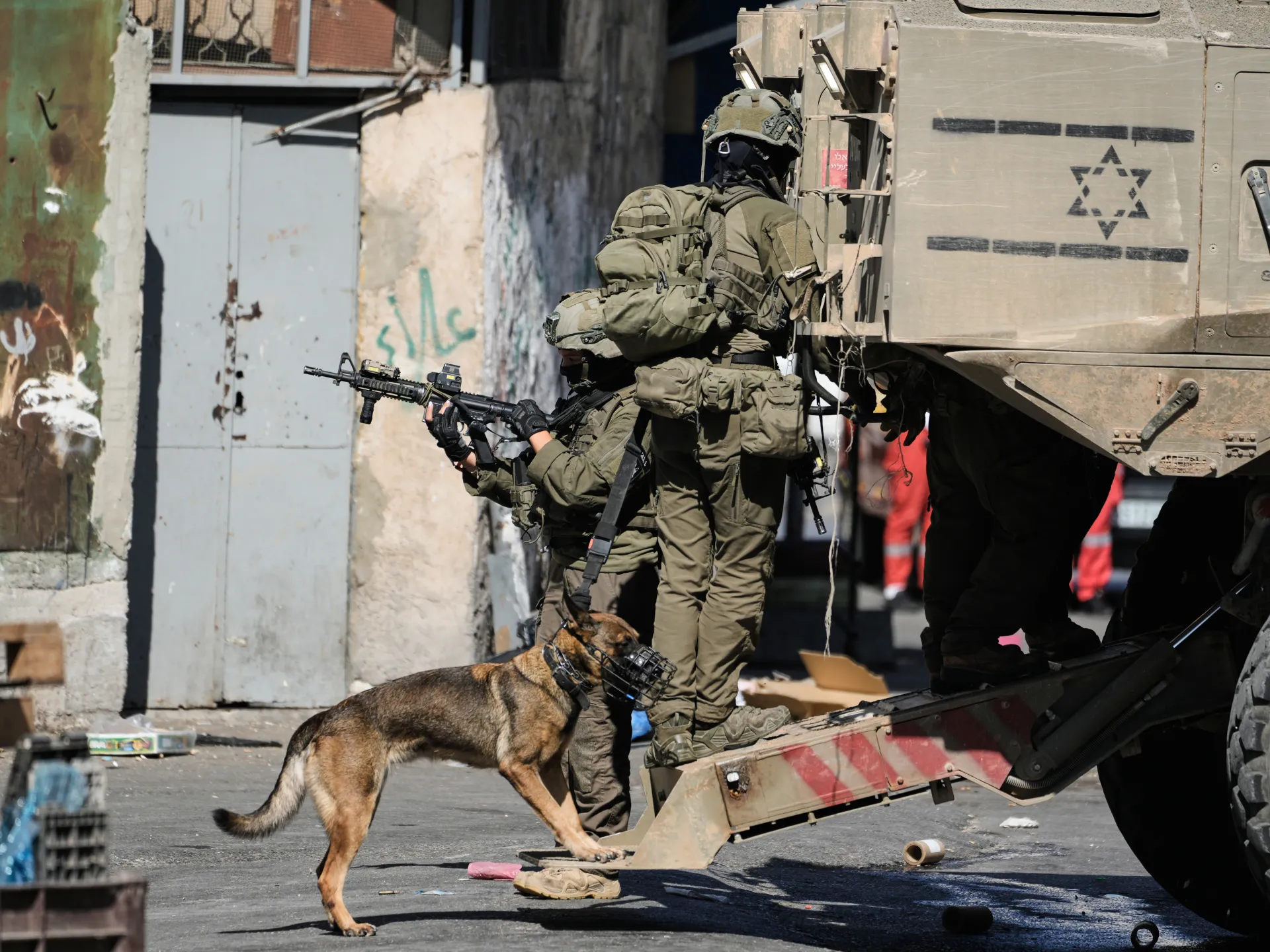
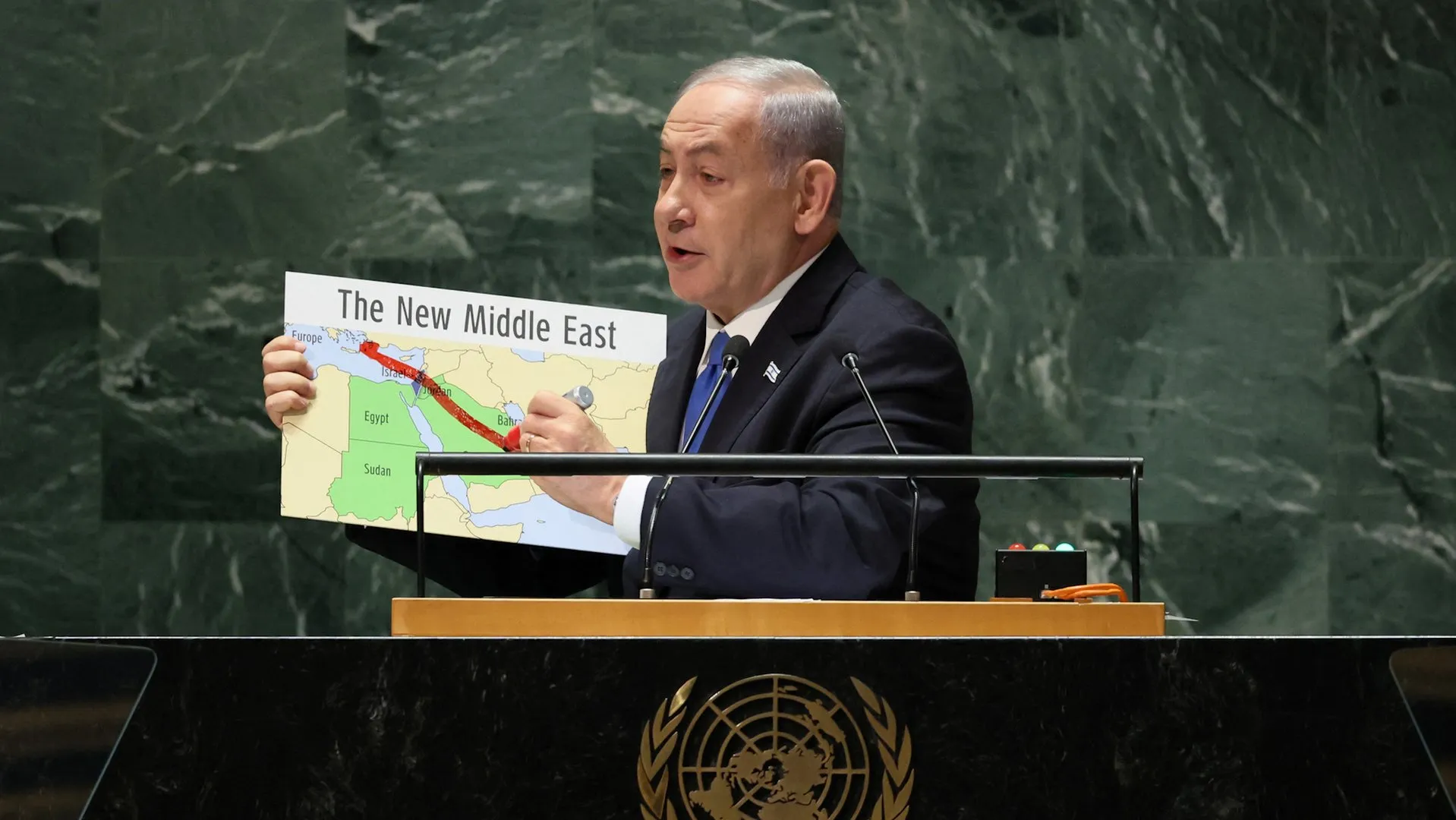
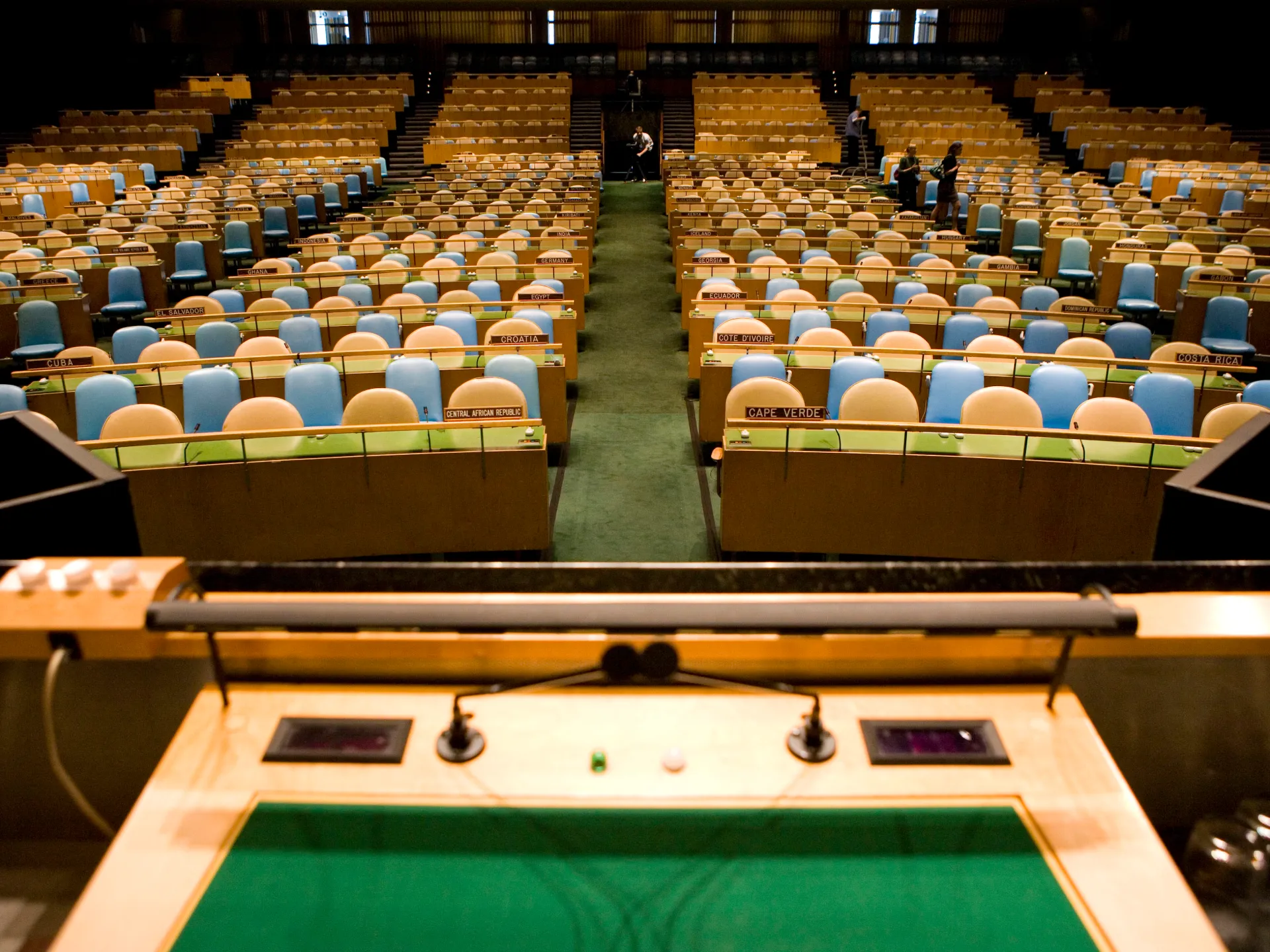
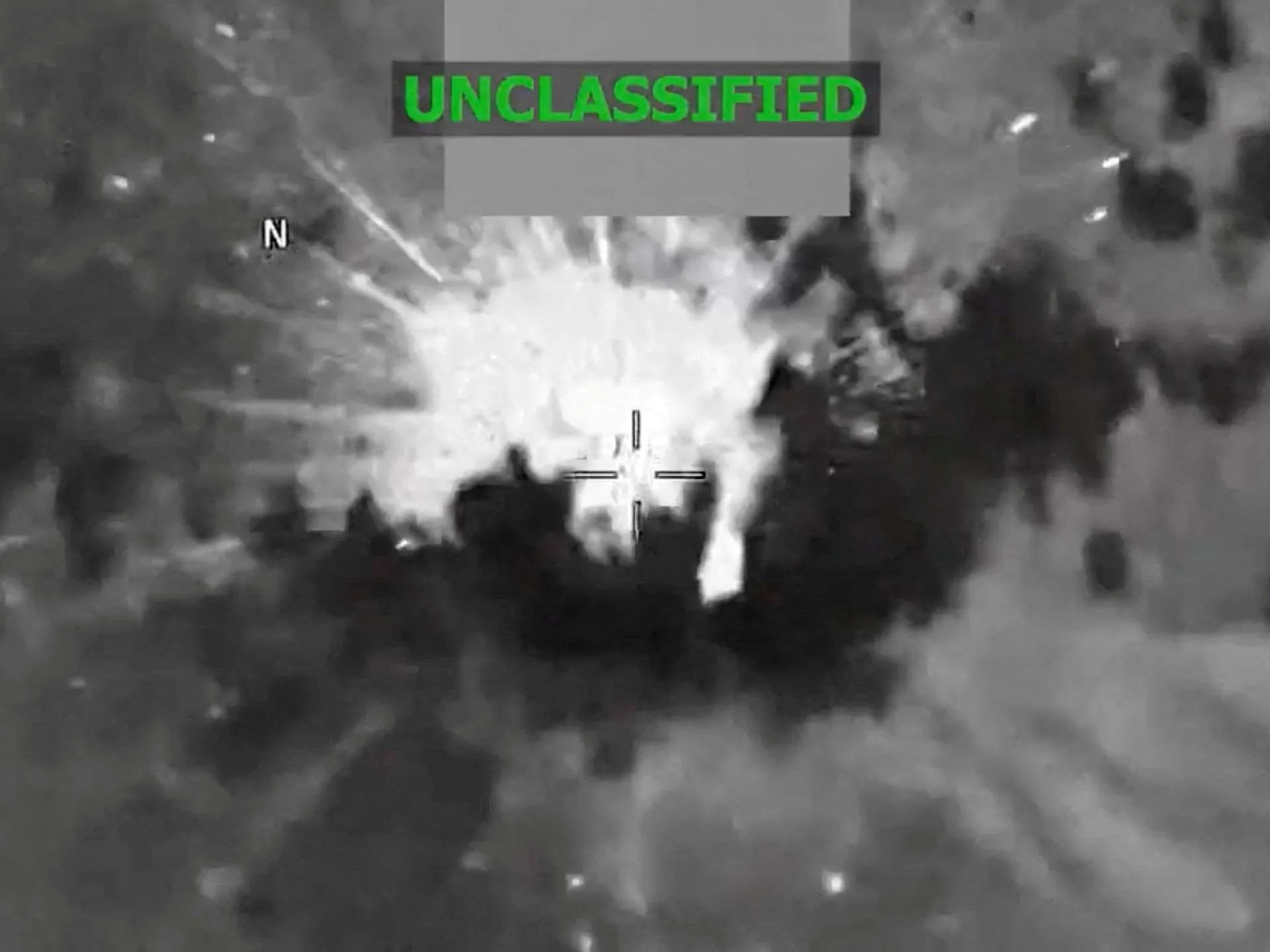
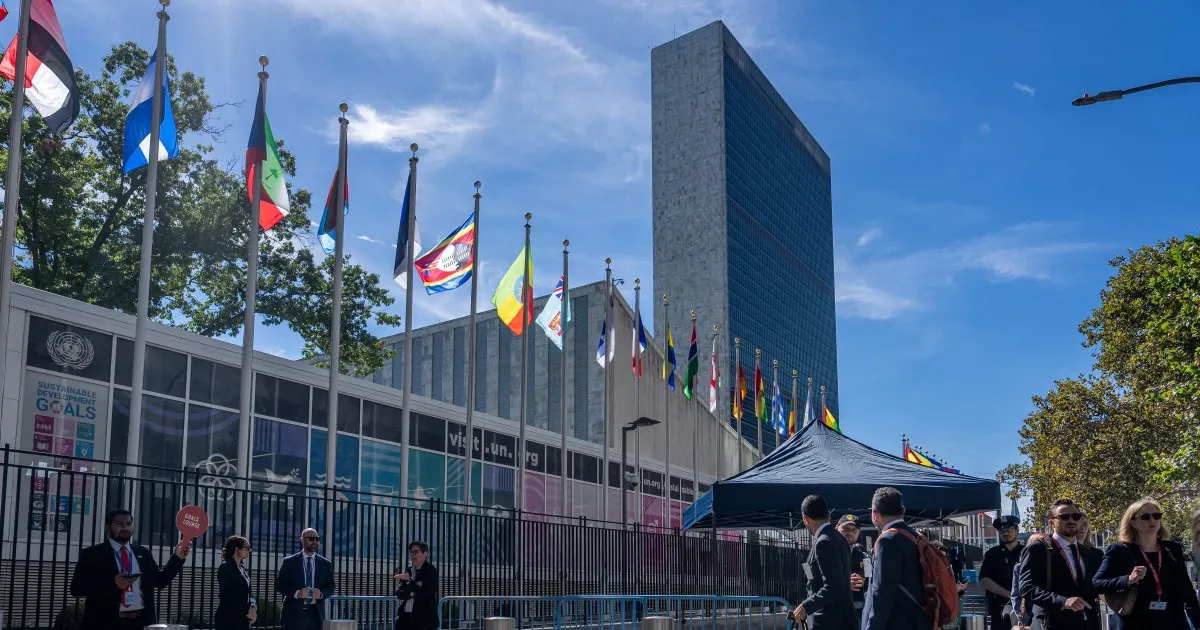
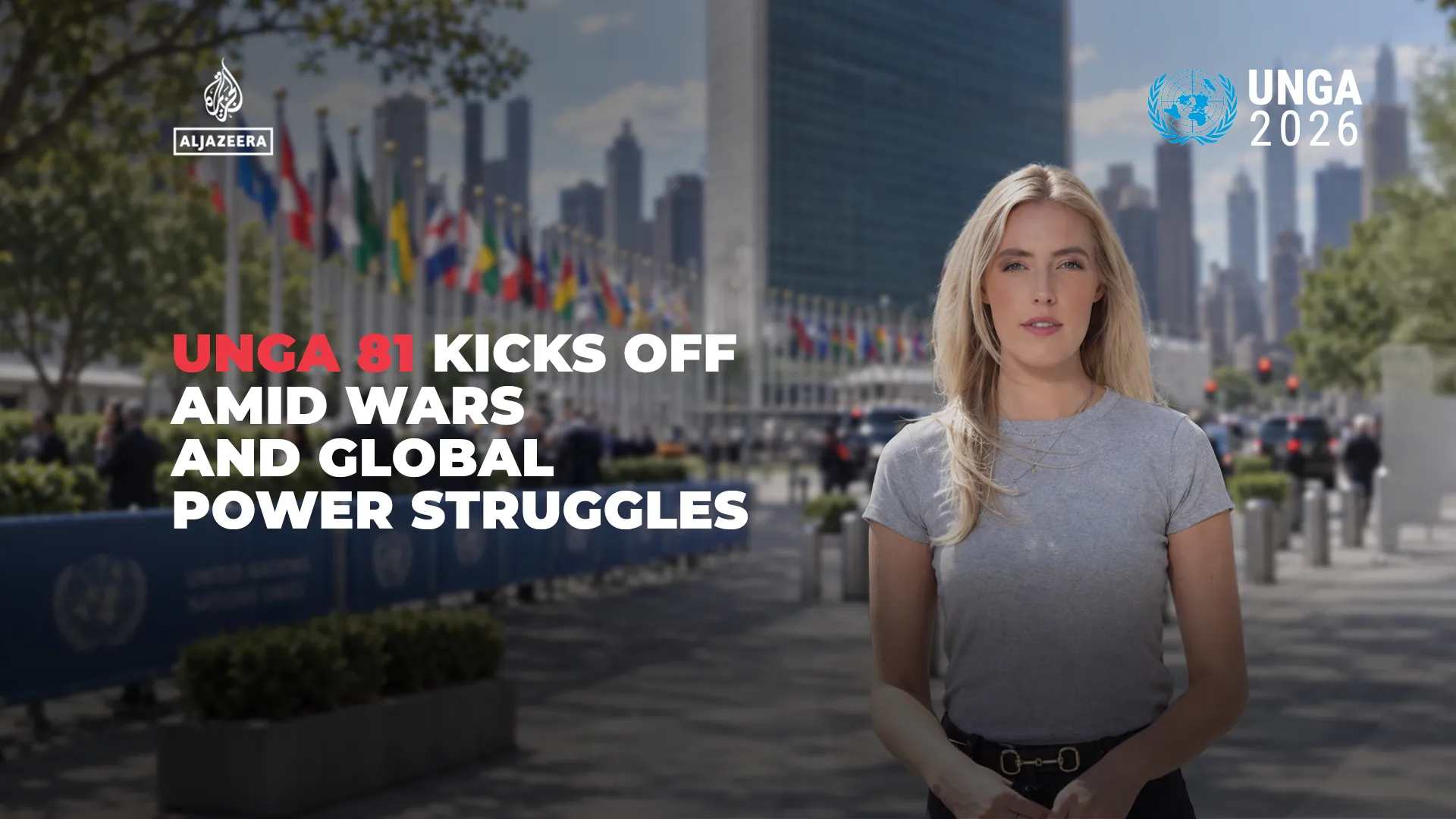
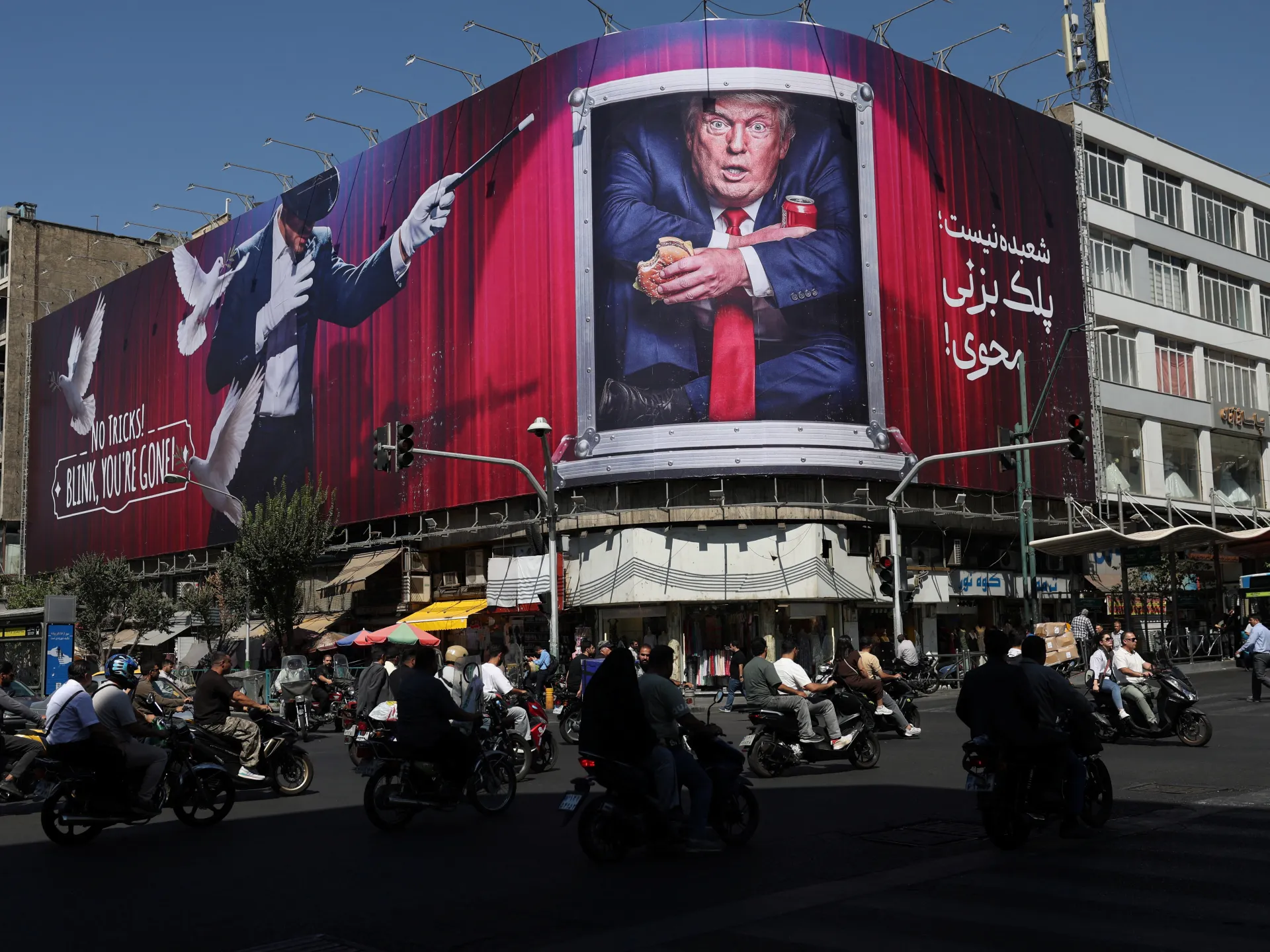
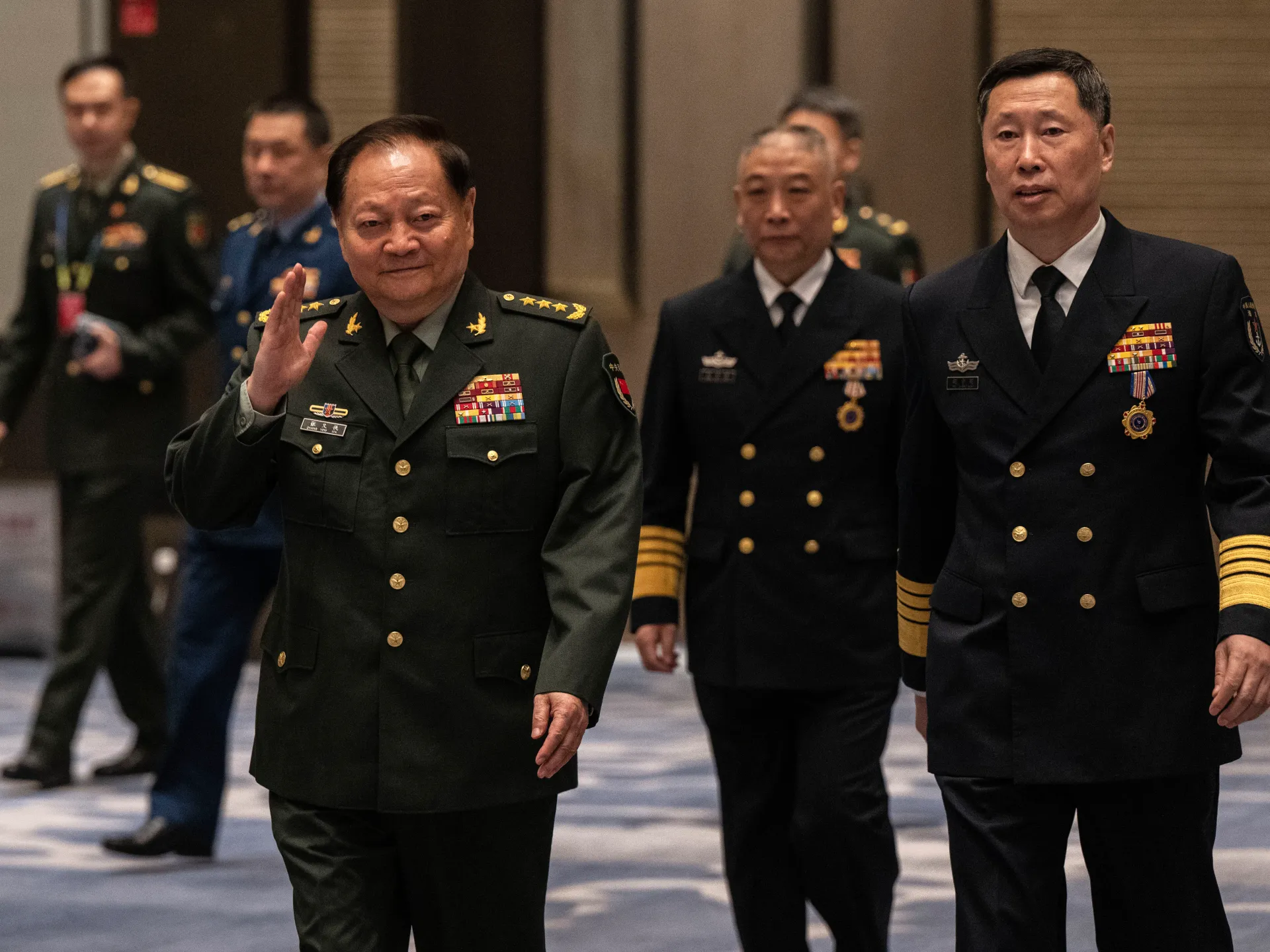
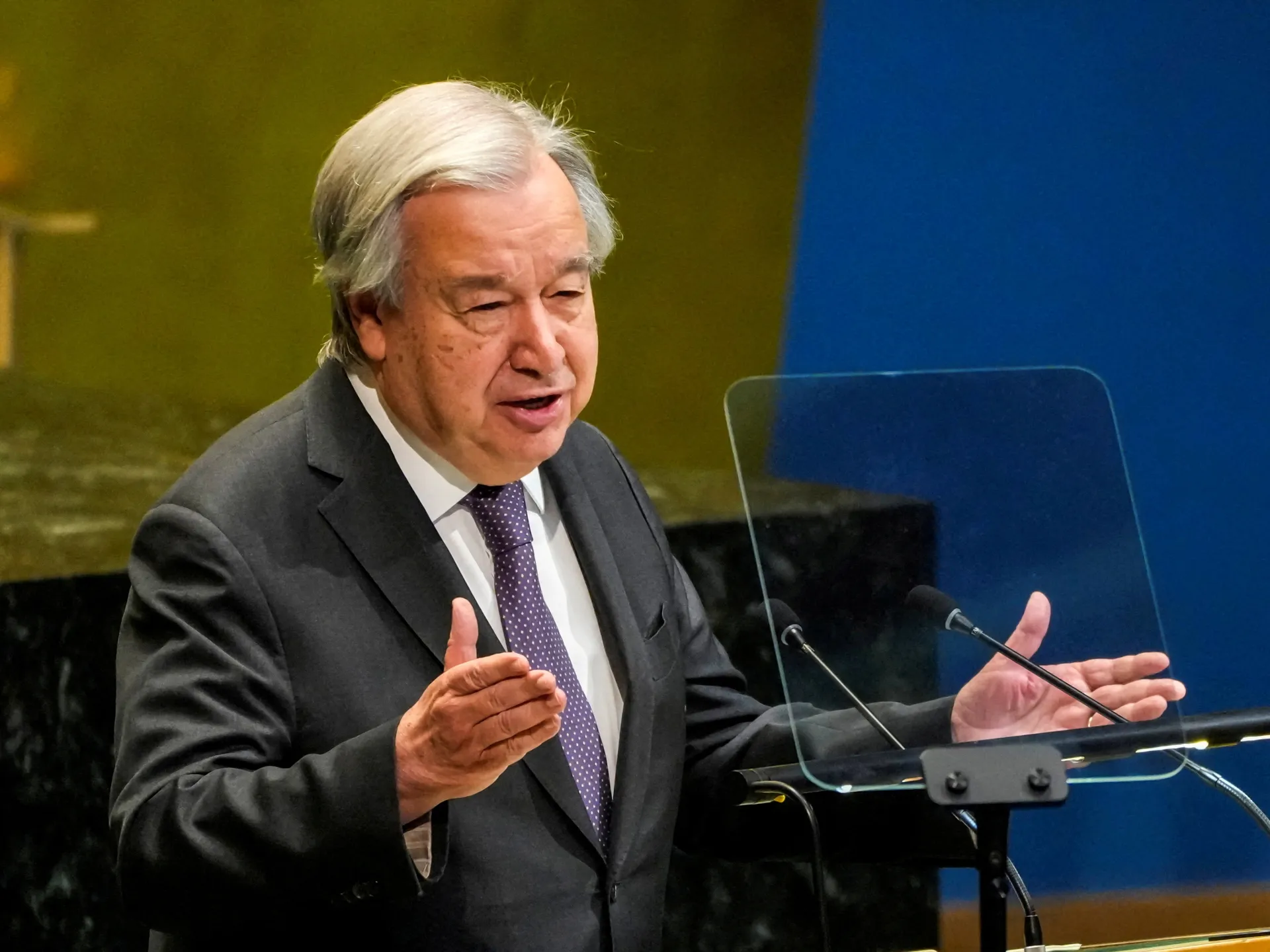
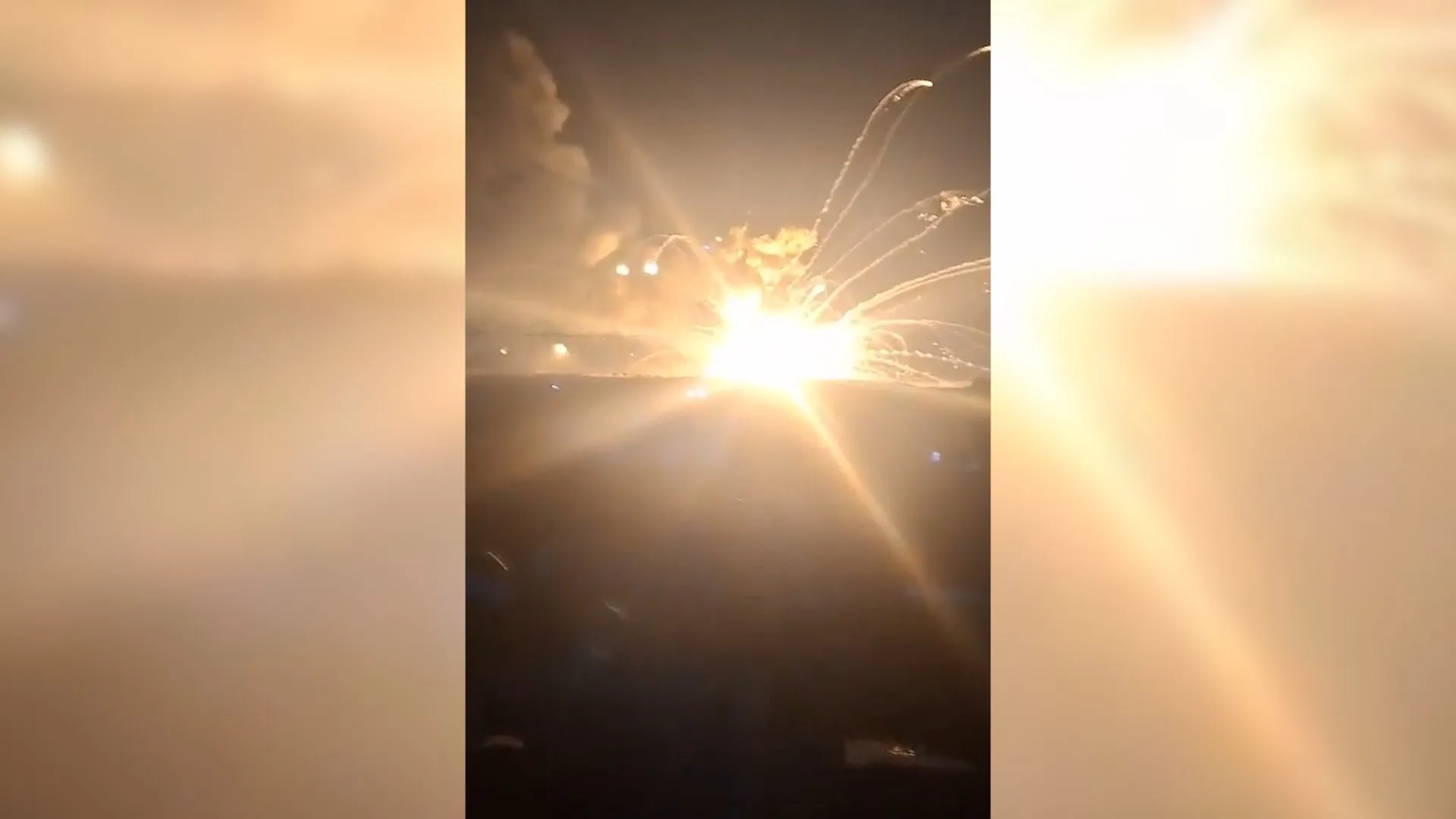
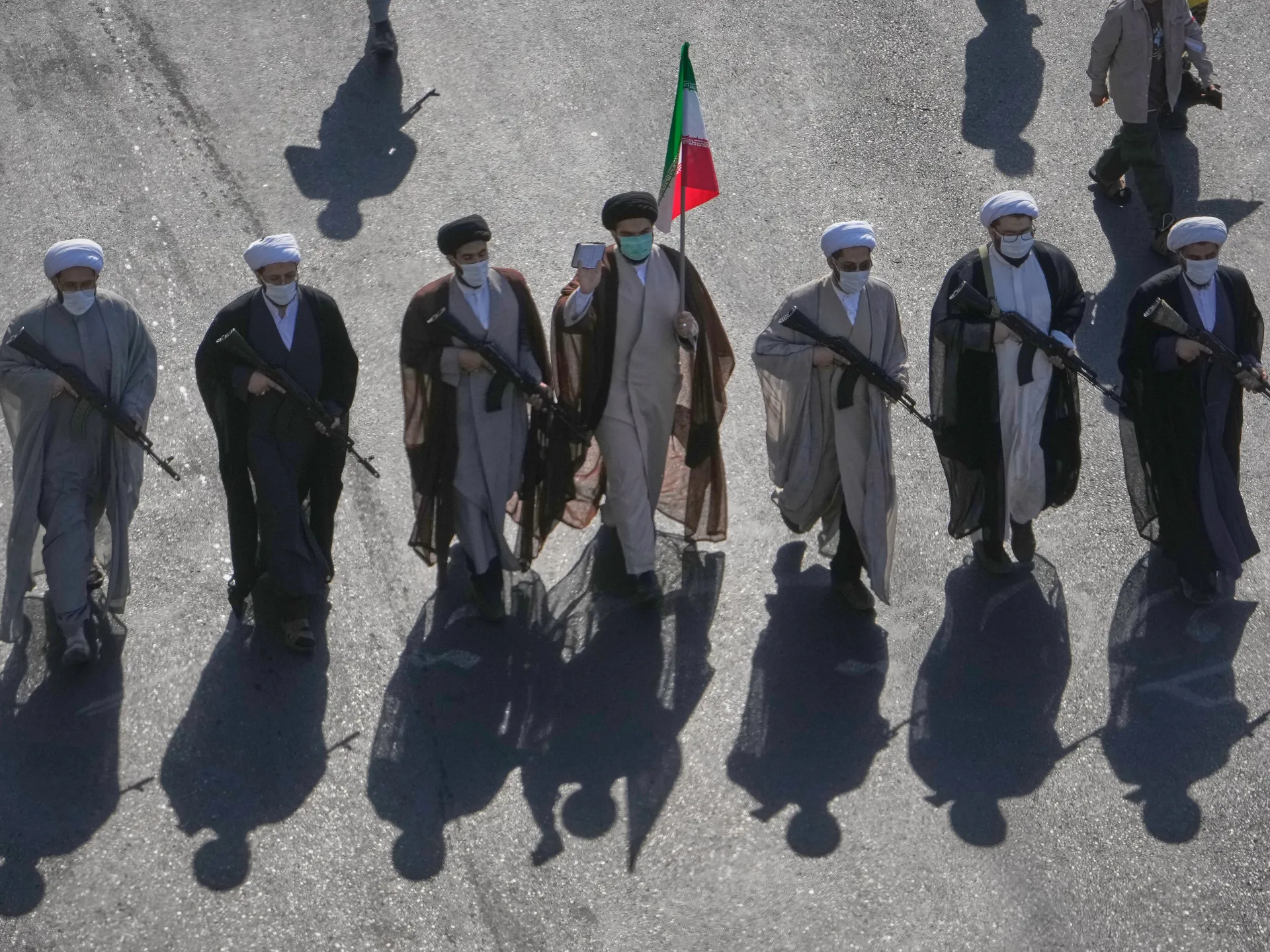
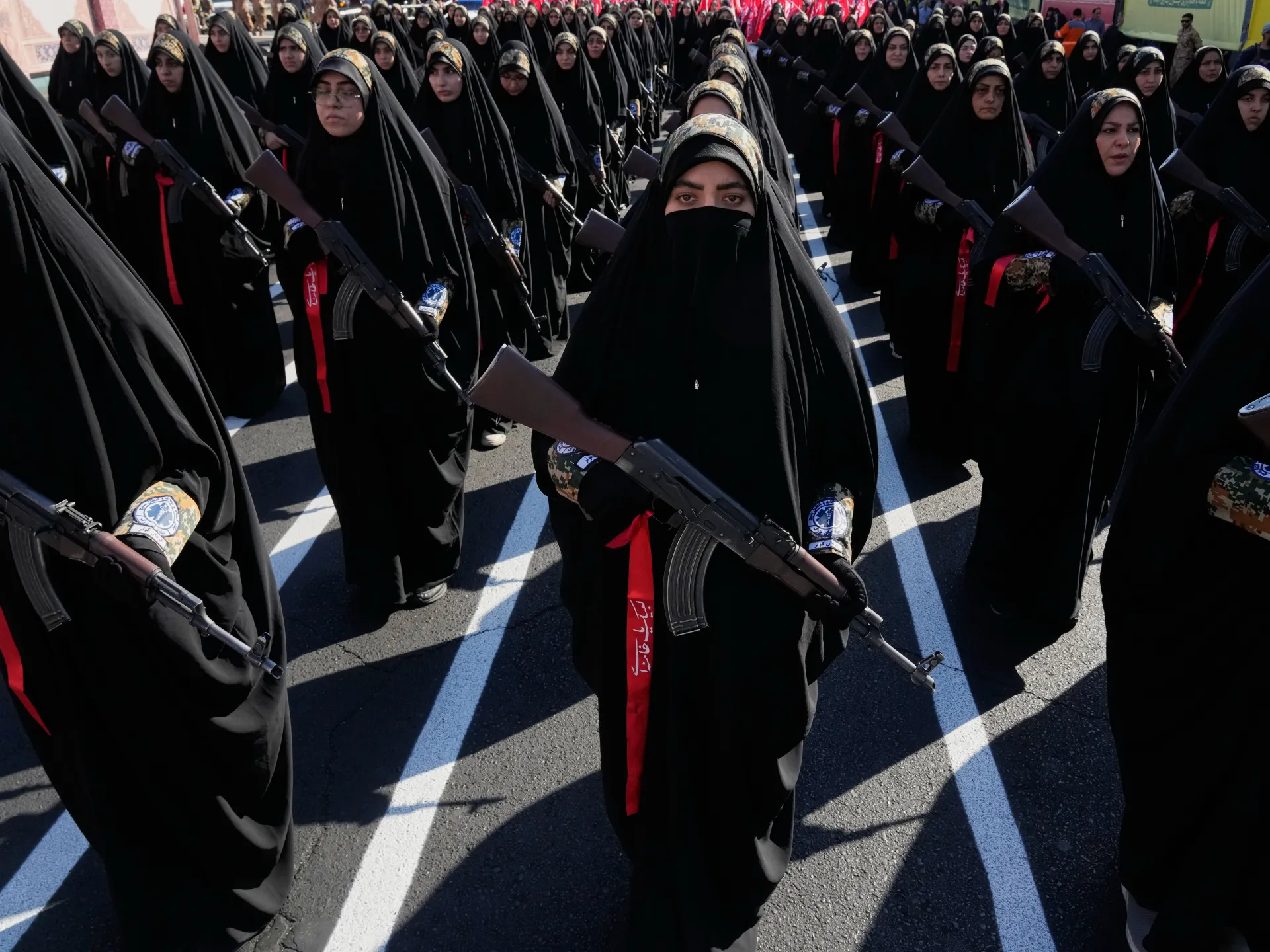
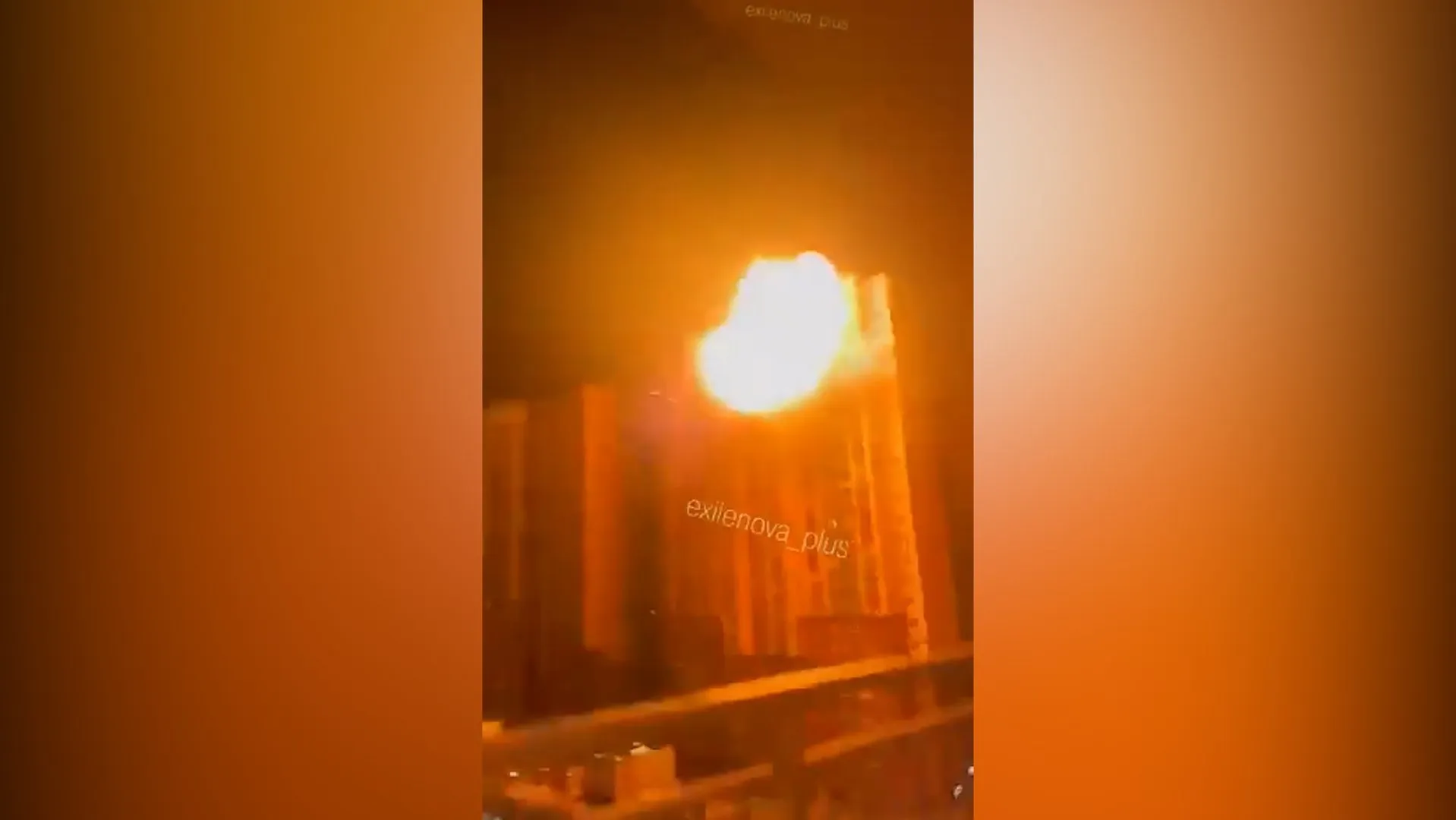
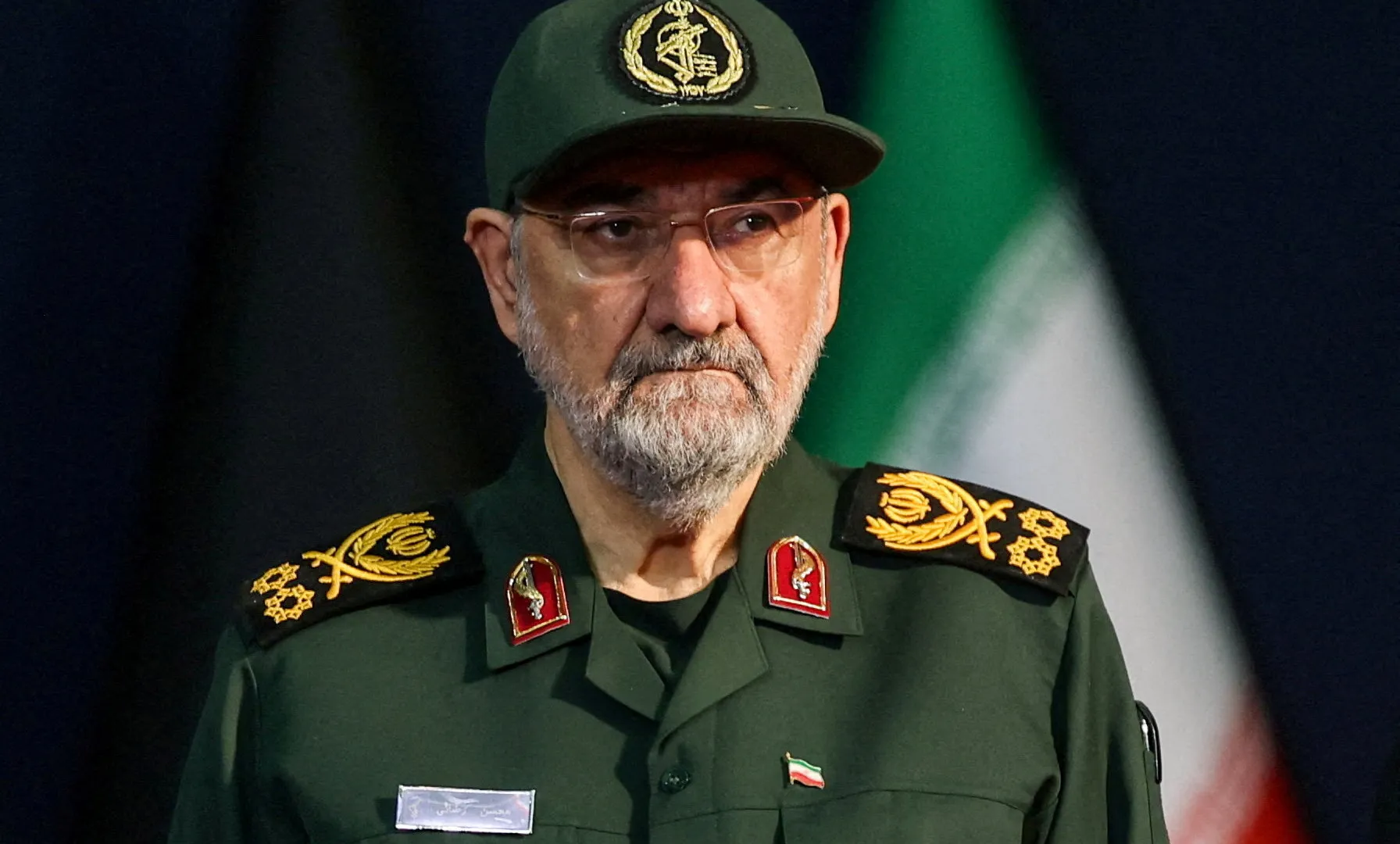
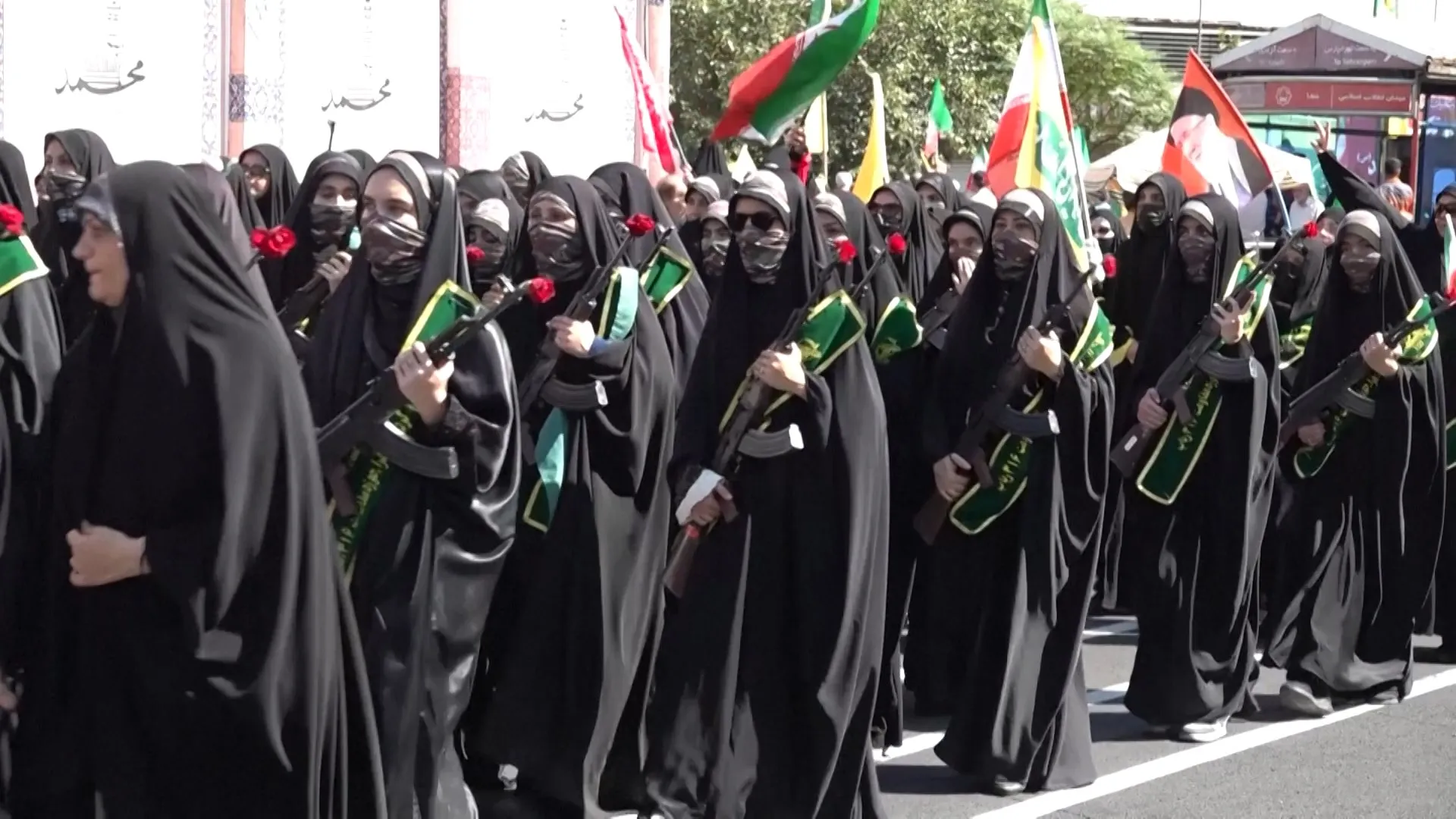
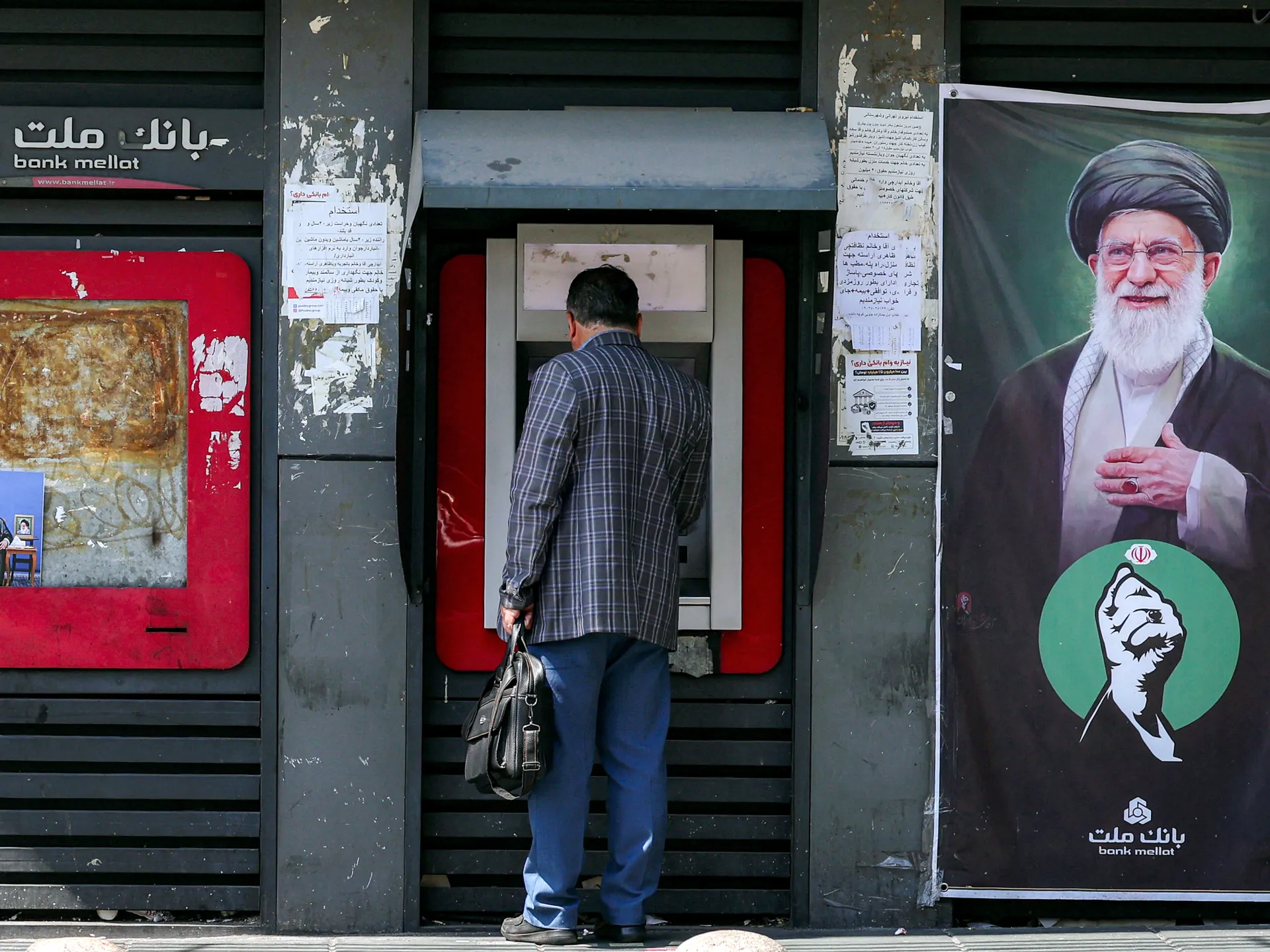
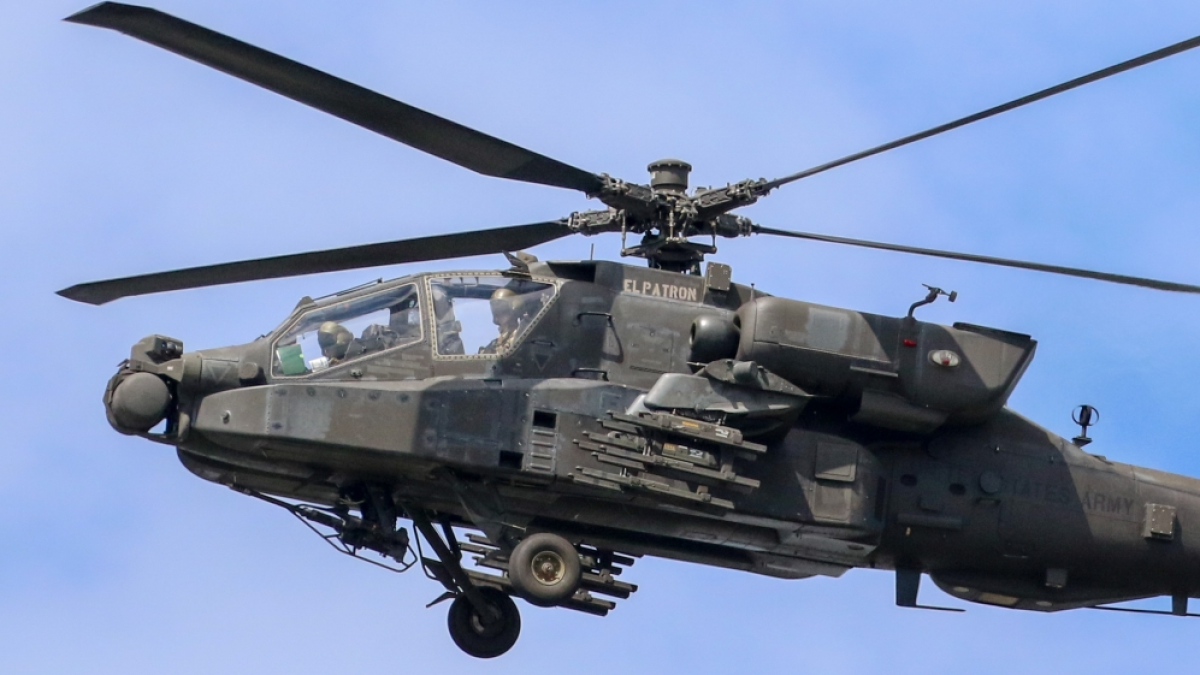
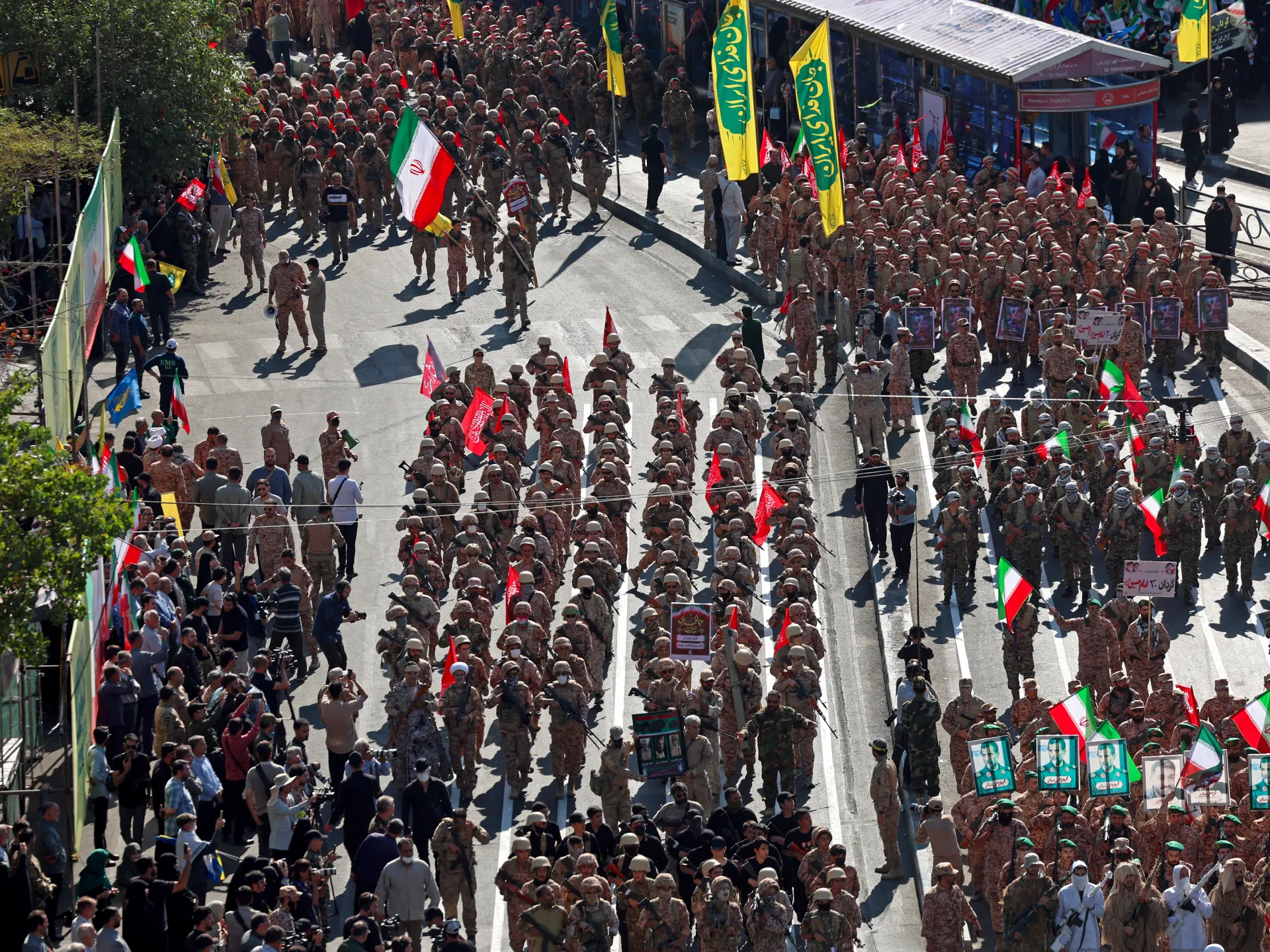
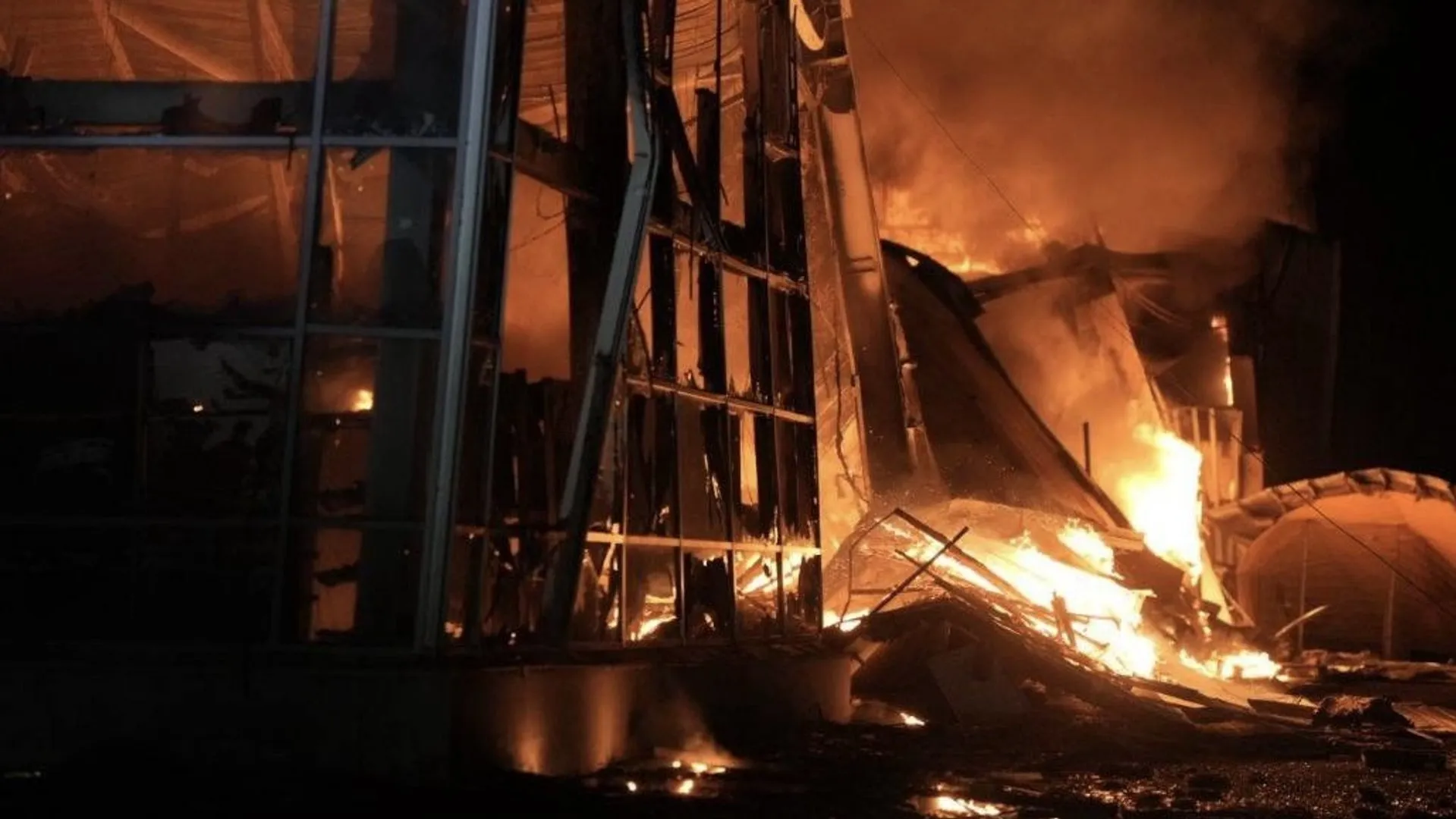
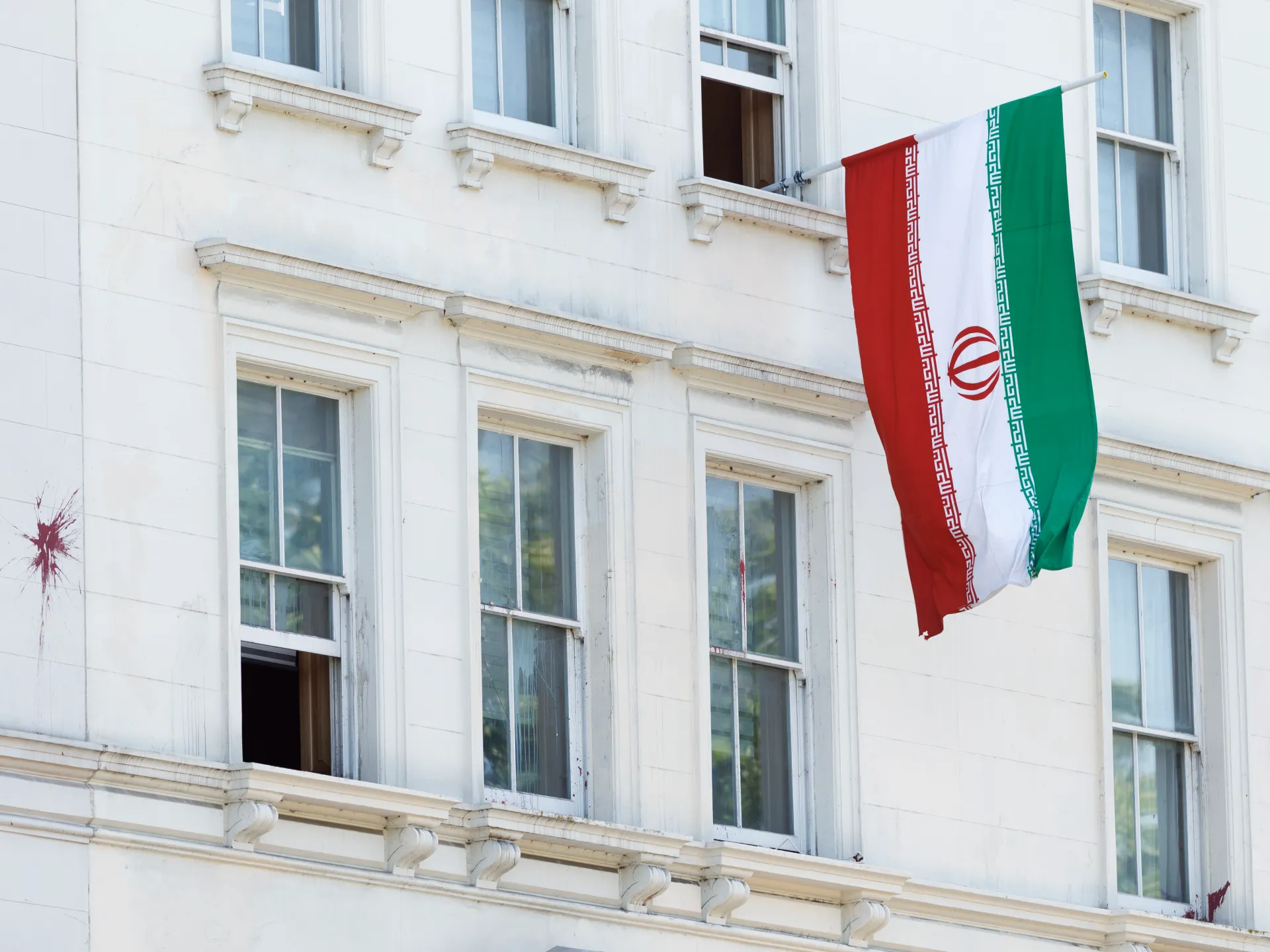
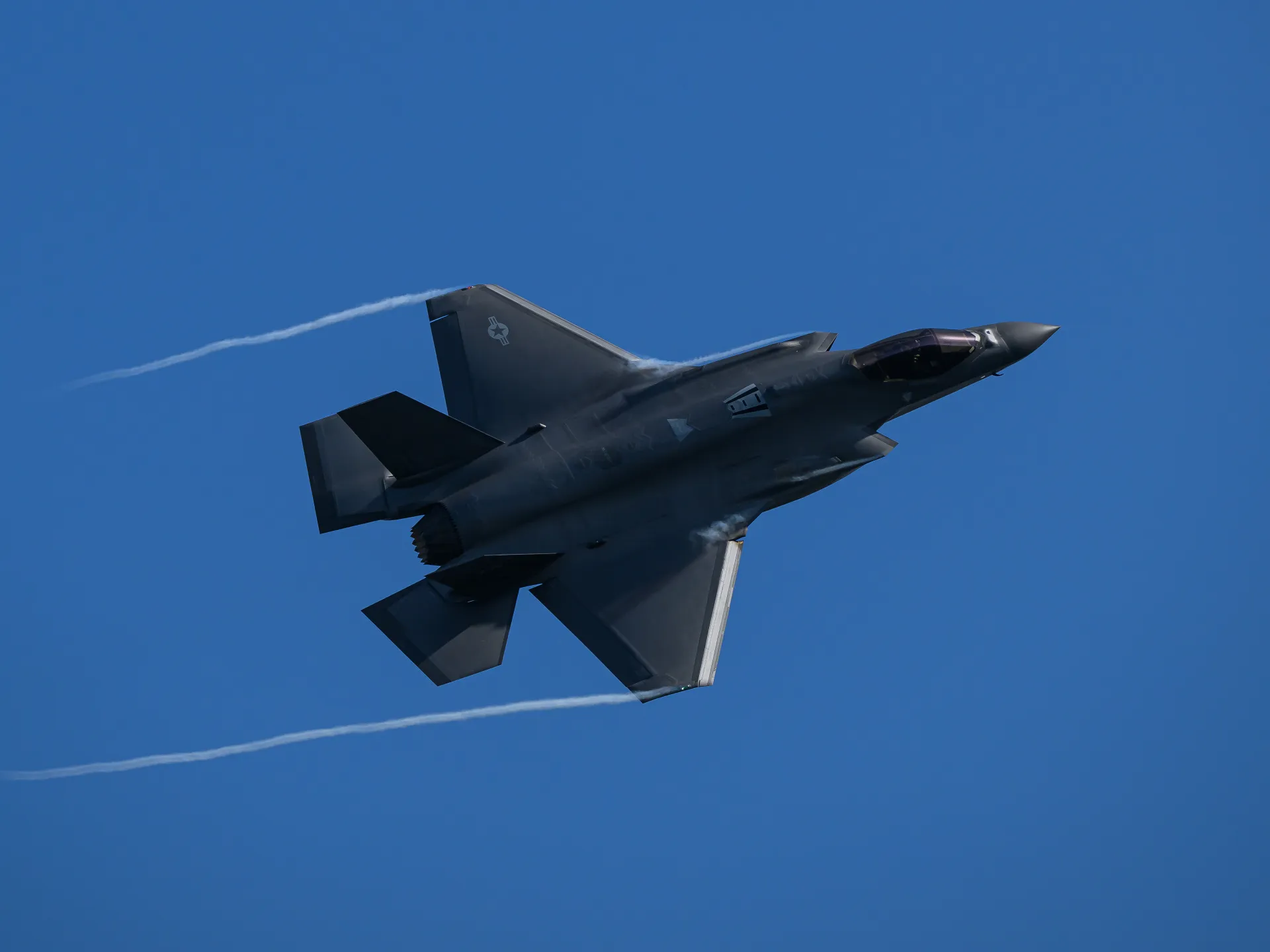
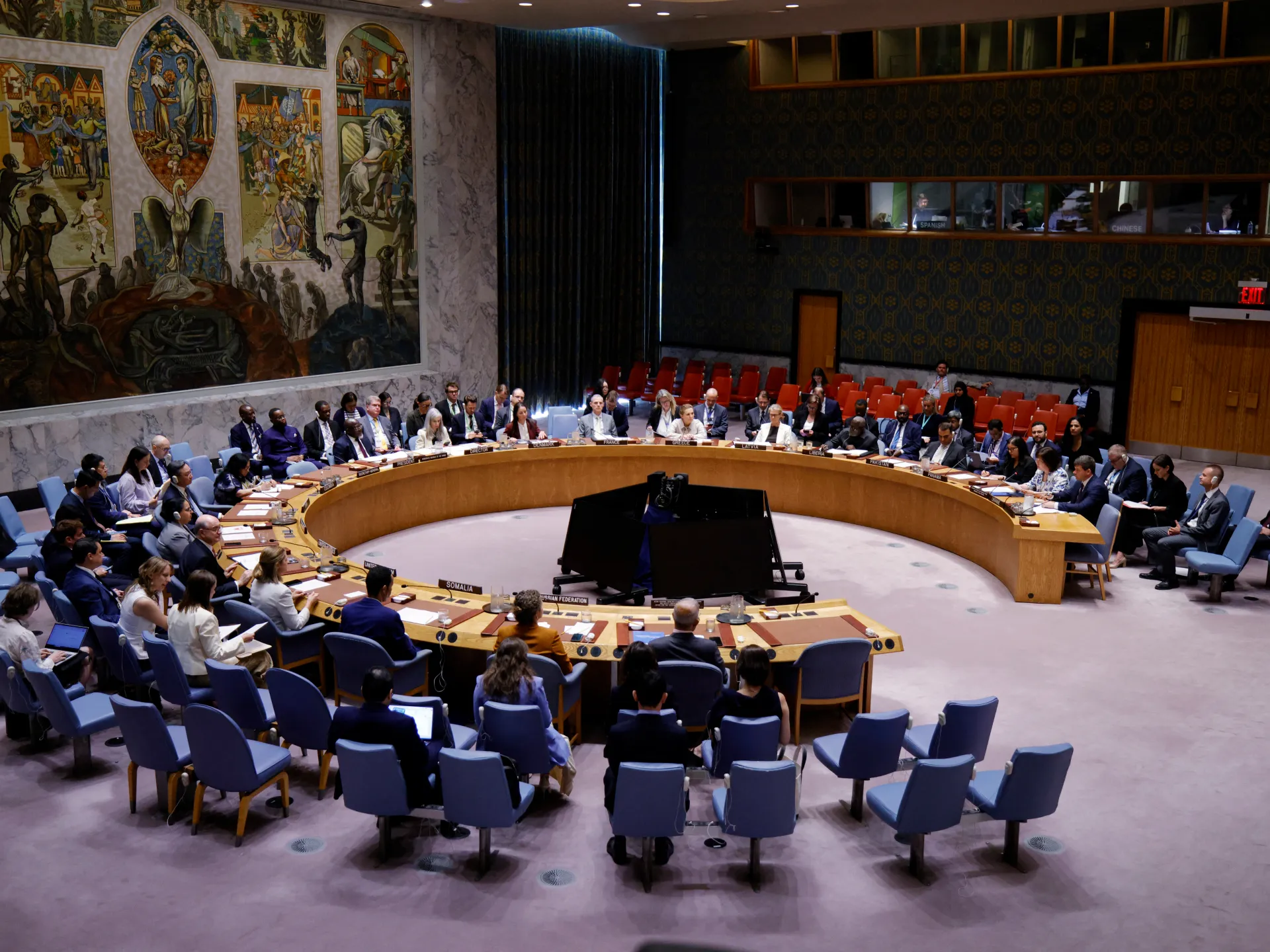
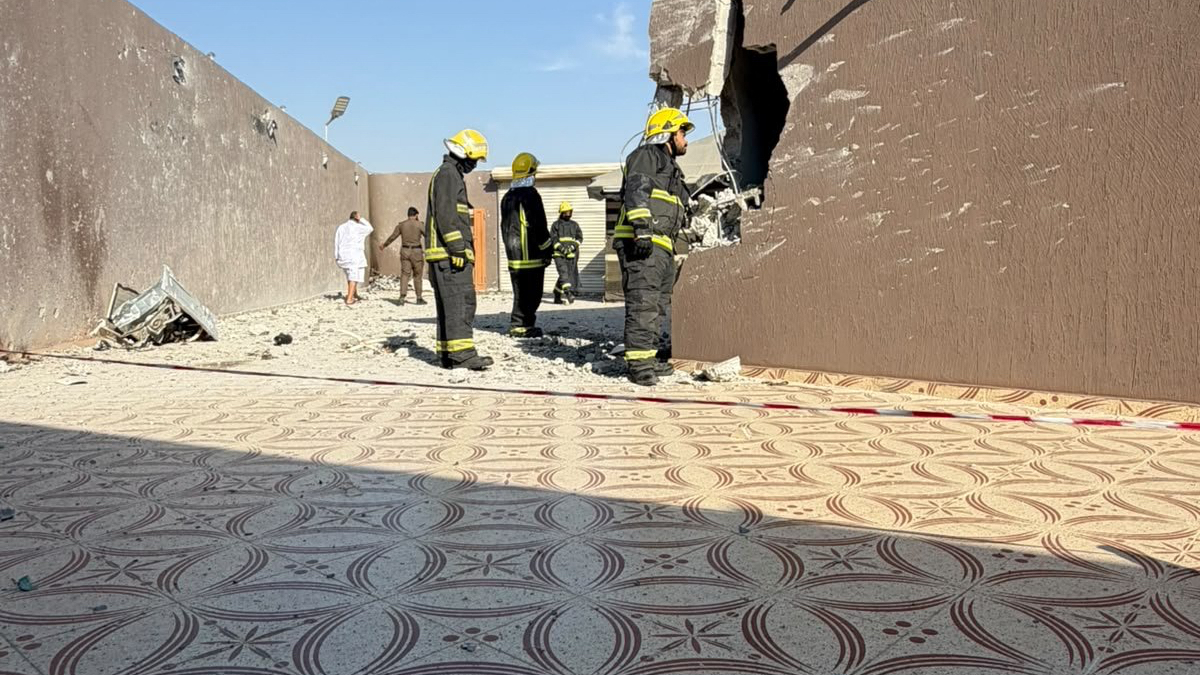
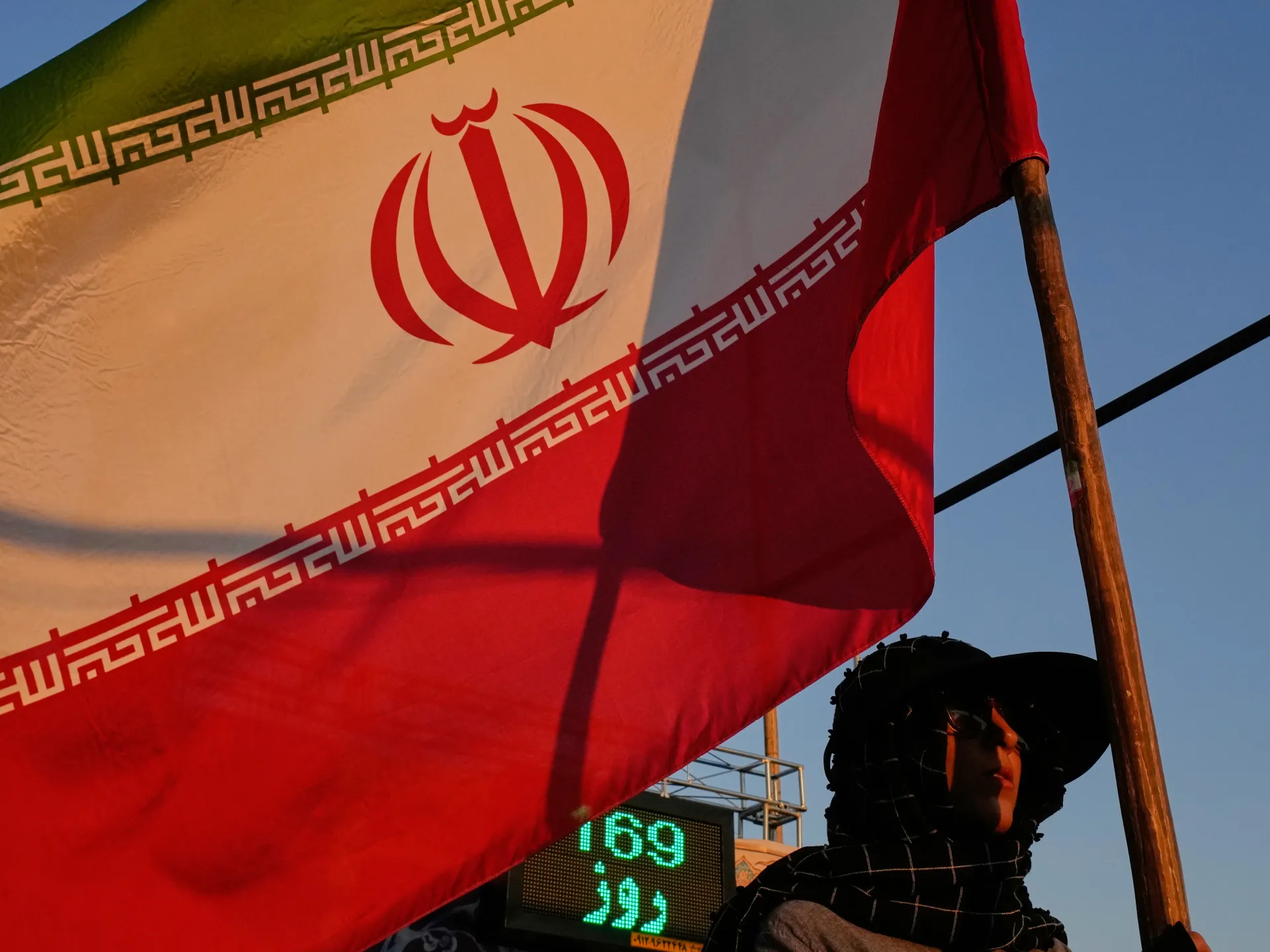
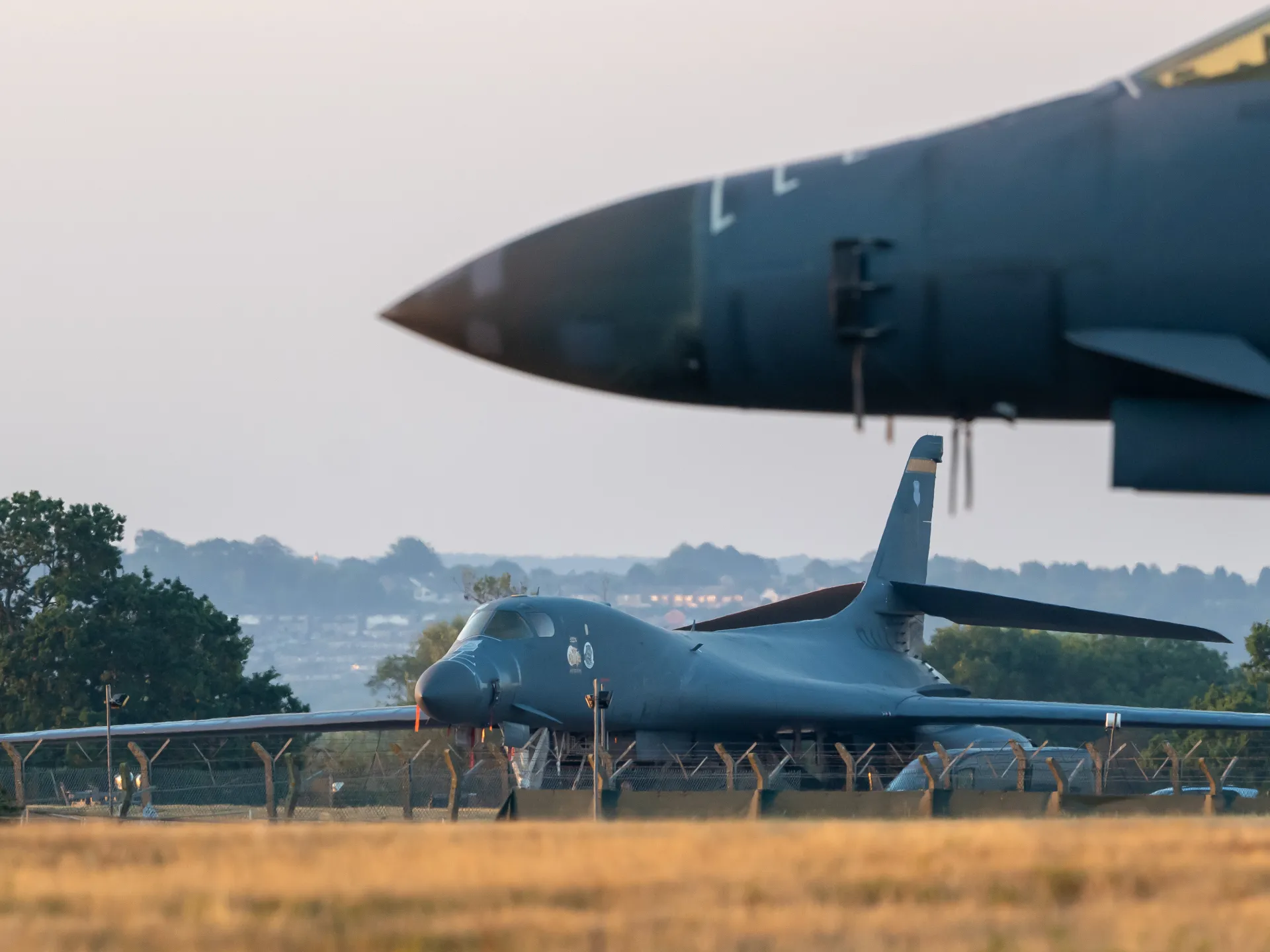
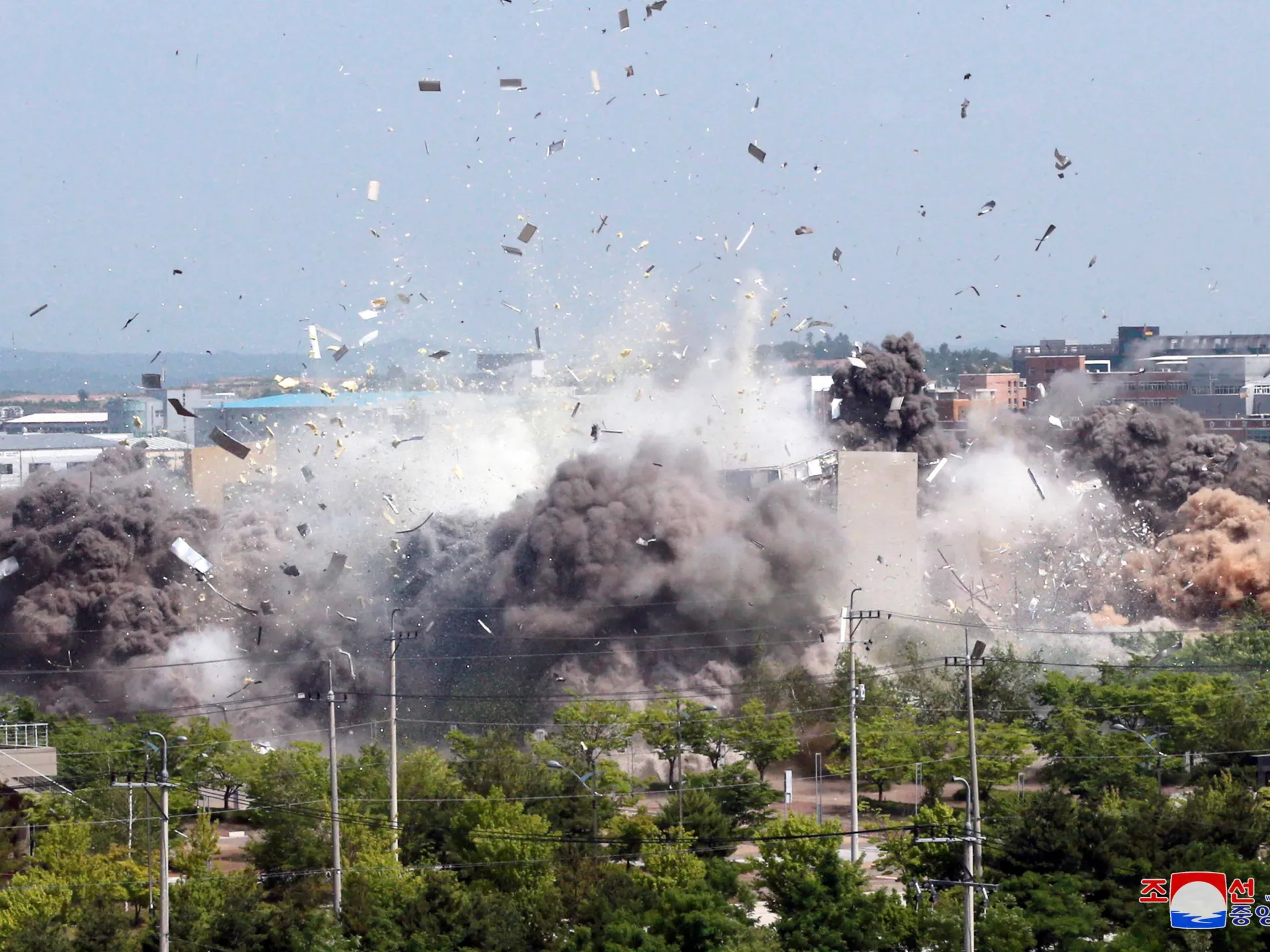
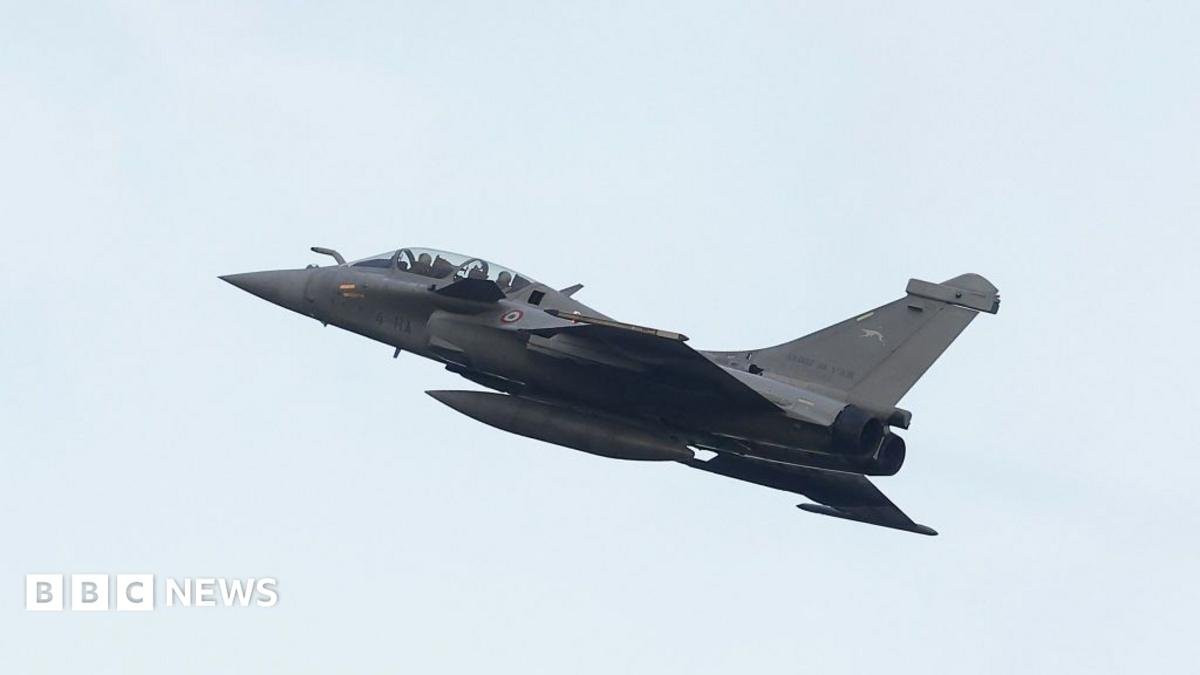
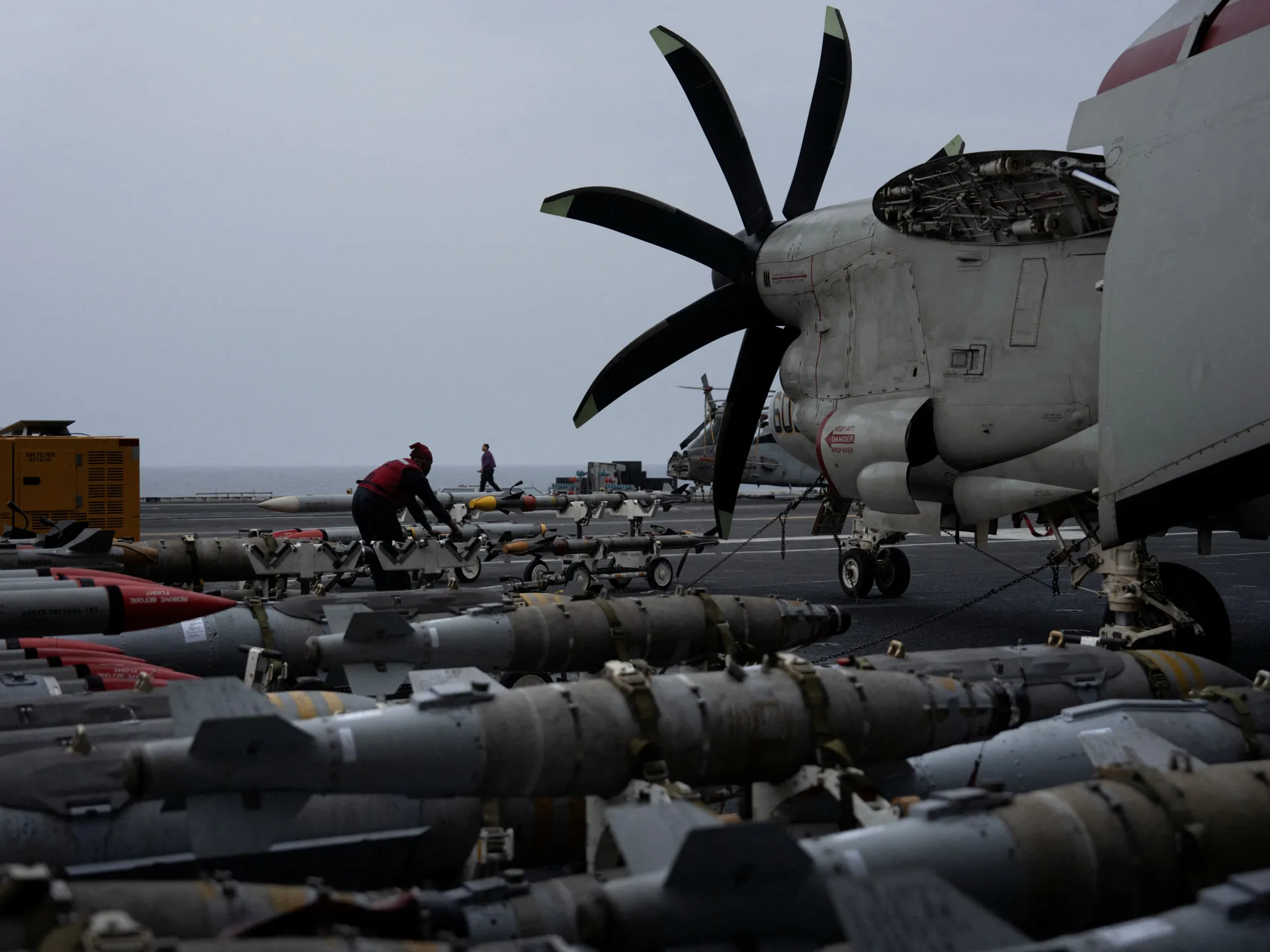
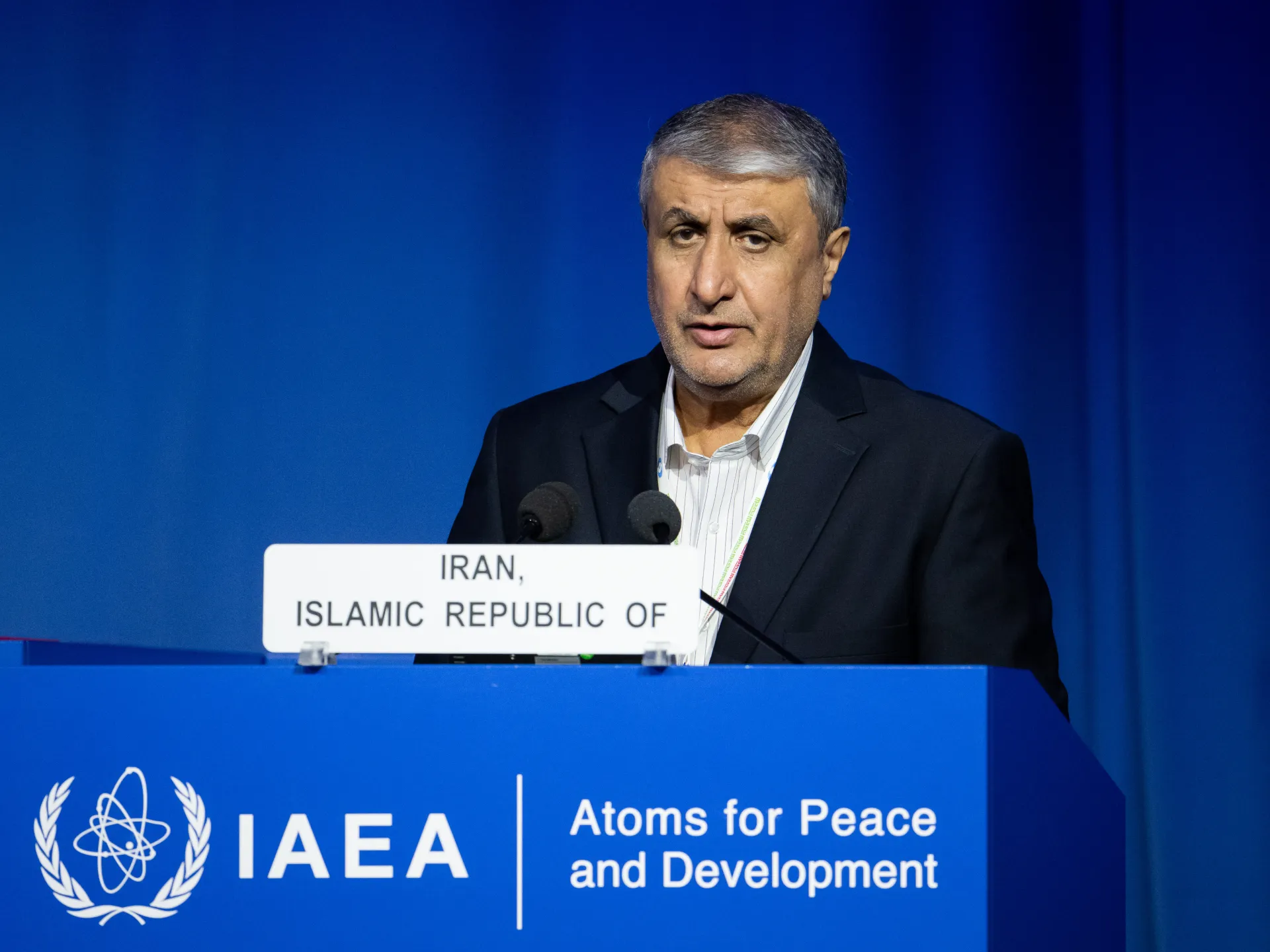
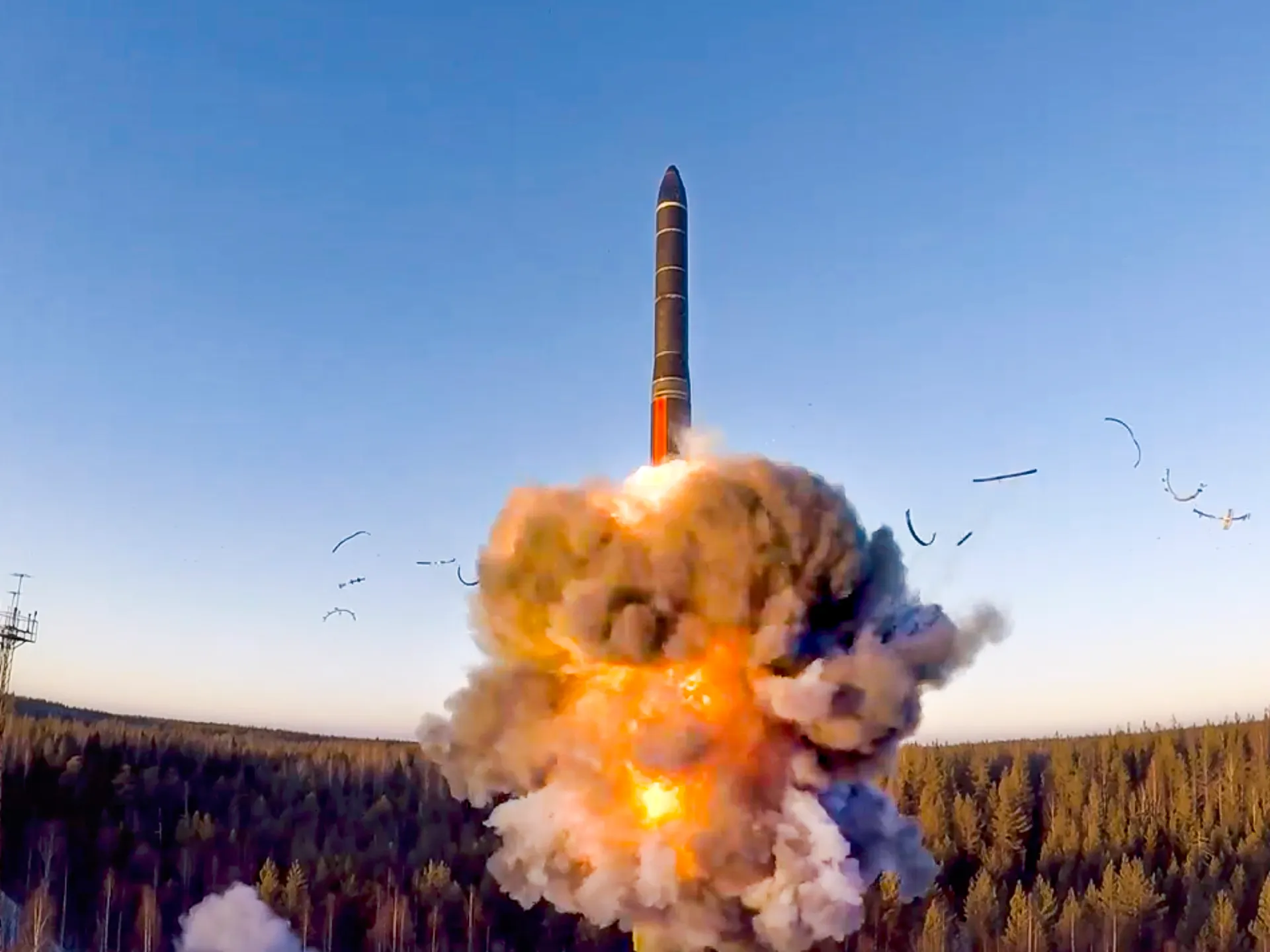
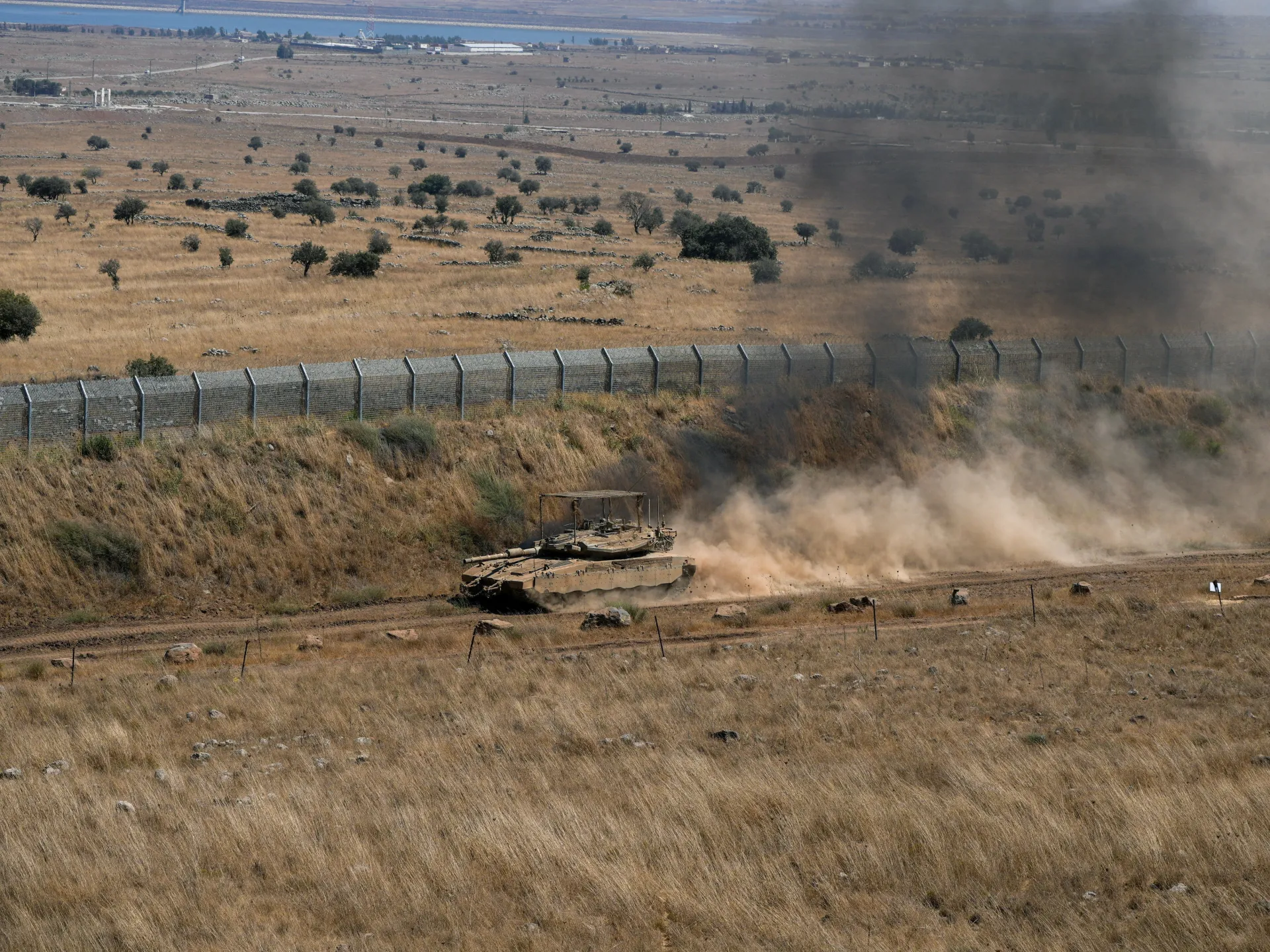
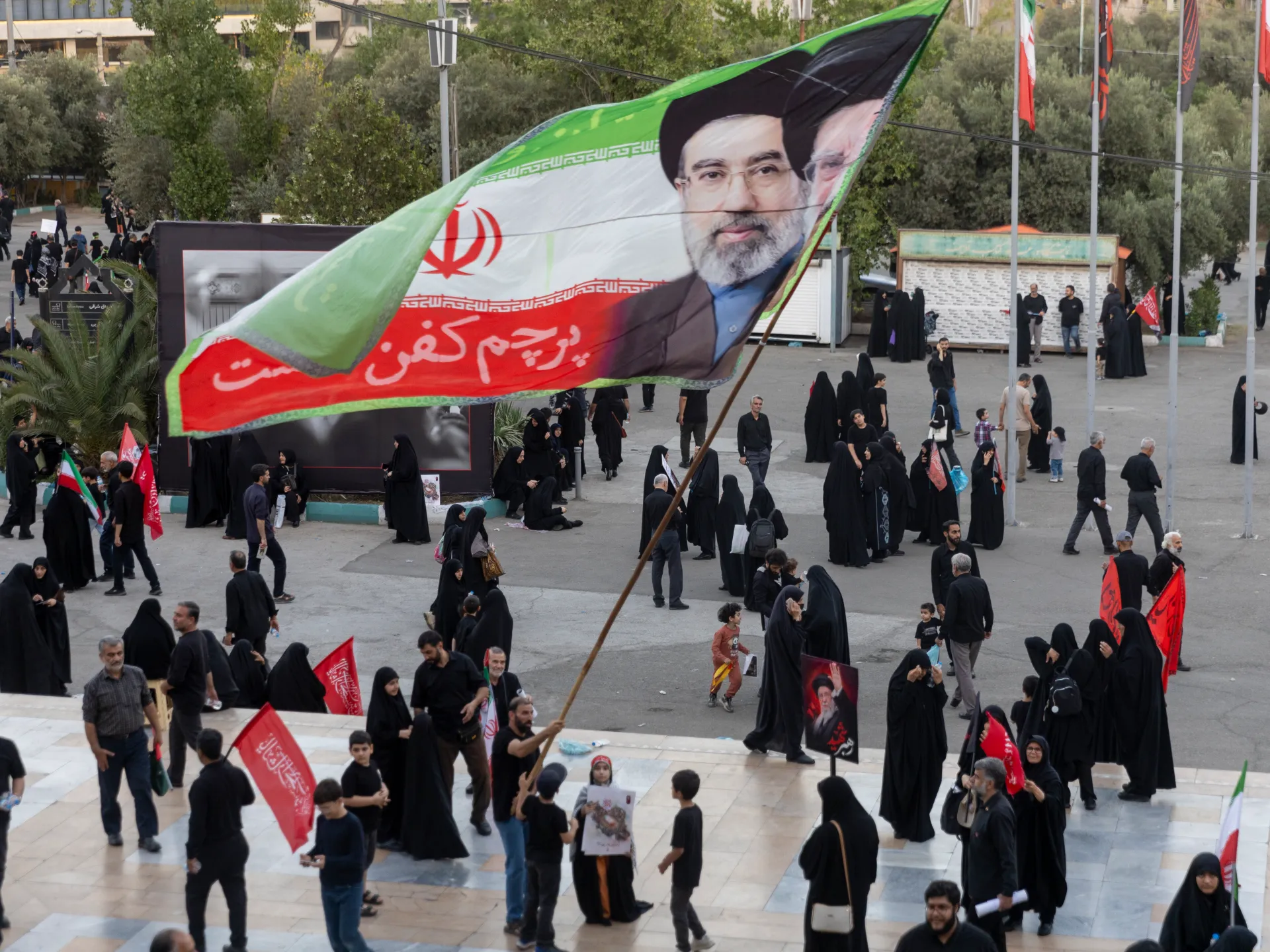
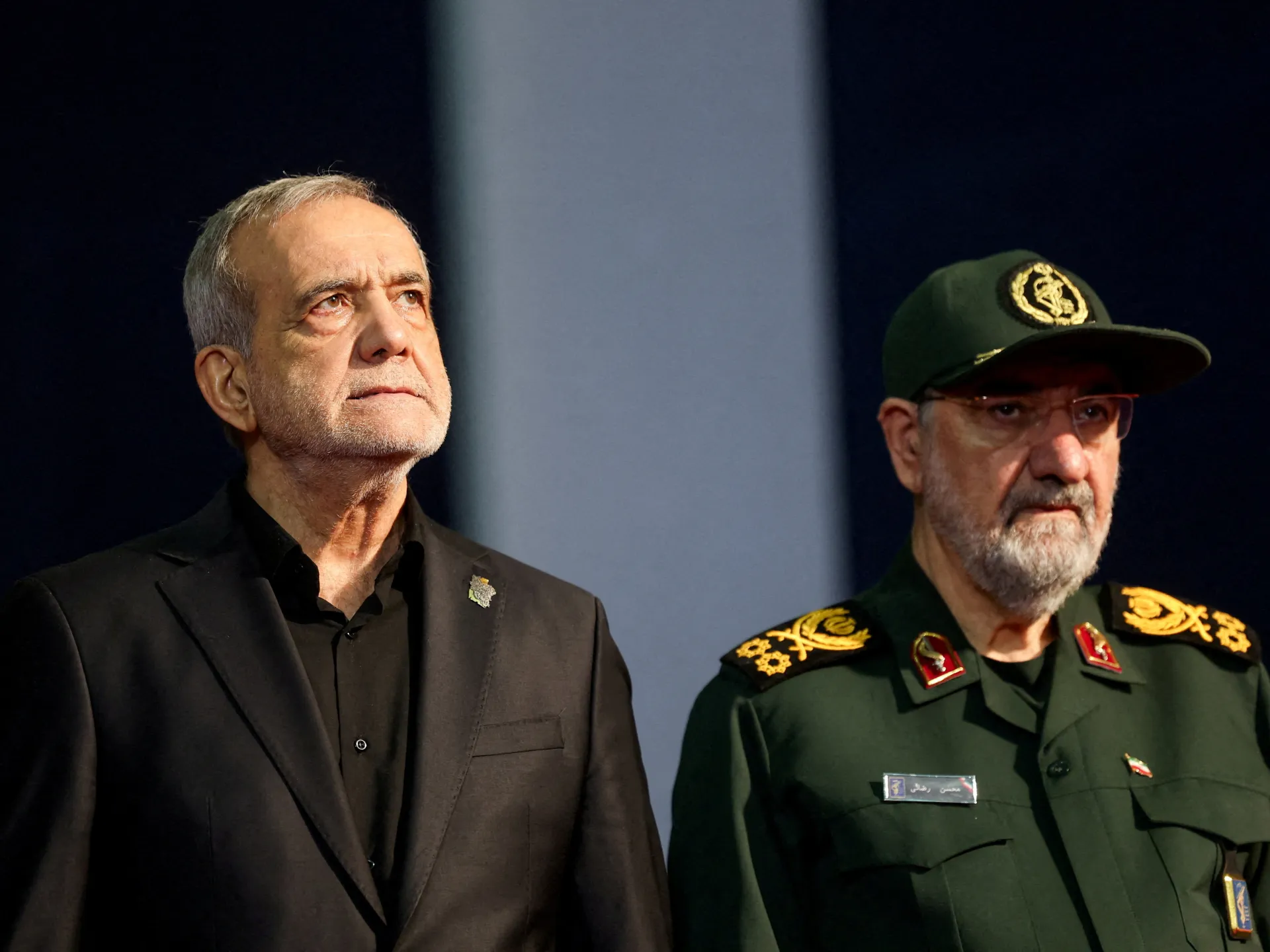
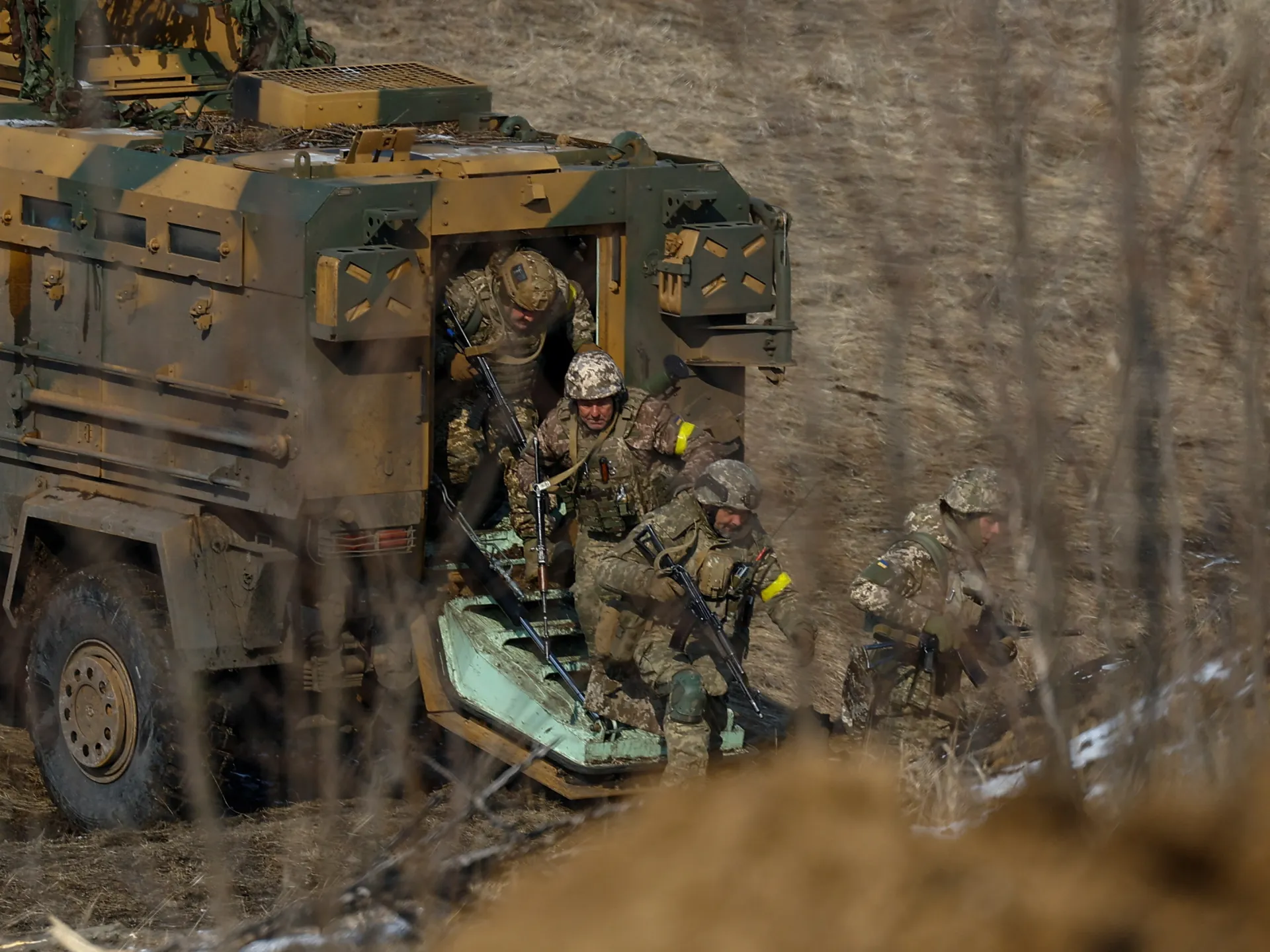
As the United Nations General Assembly convenes in New York this week, the geopolitical atmosphere remains fraught. Iranian military officials have issued stark warnings, claiming that the United States is finalizing preparations for a new round of air strikes. Tehran has explicitly cautioned that any nation allowing its territory or facilities to be utilized otential Iranian retaliation. This posture is mirrored have argued that military force must be projected to secure a position of strength before any diplomatic concessions can be considered.
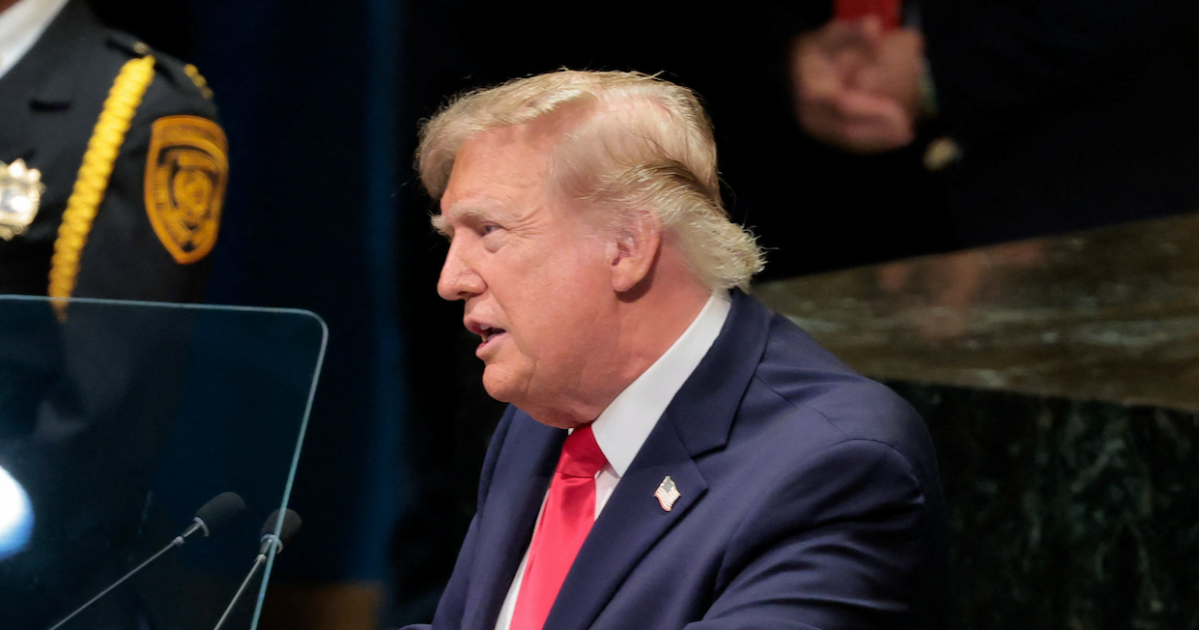
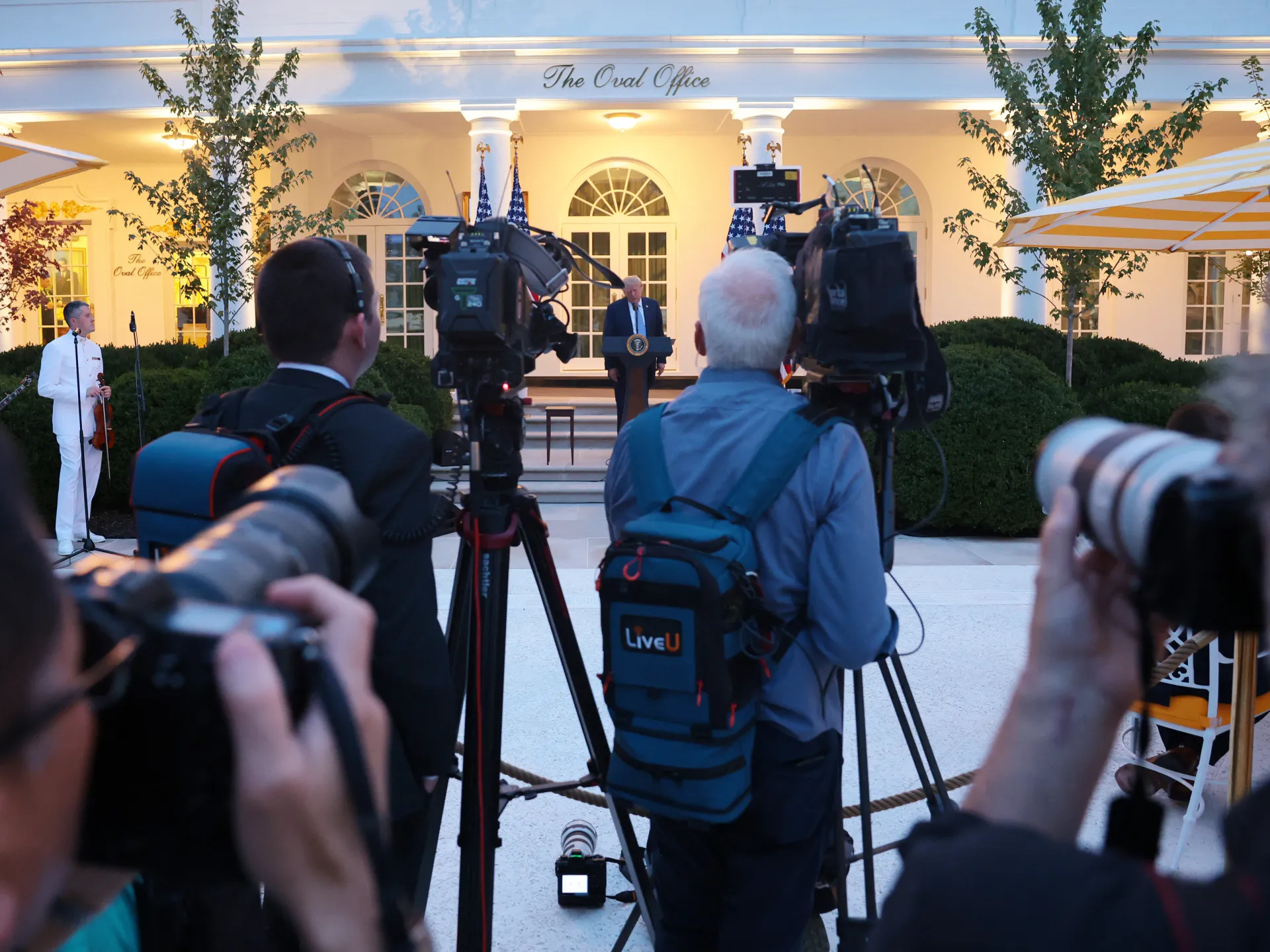
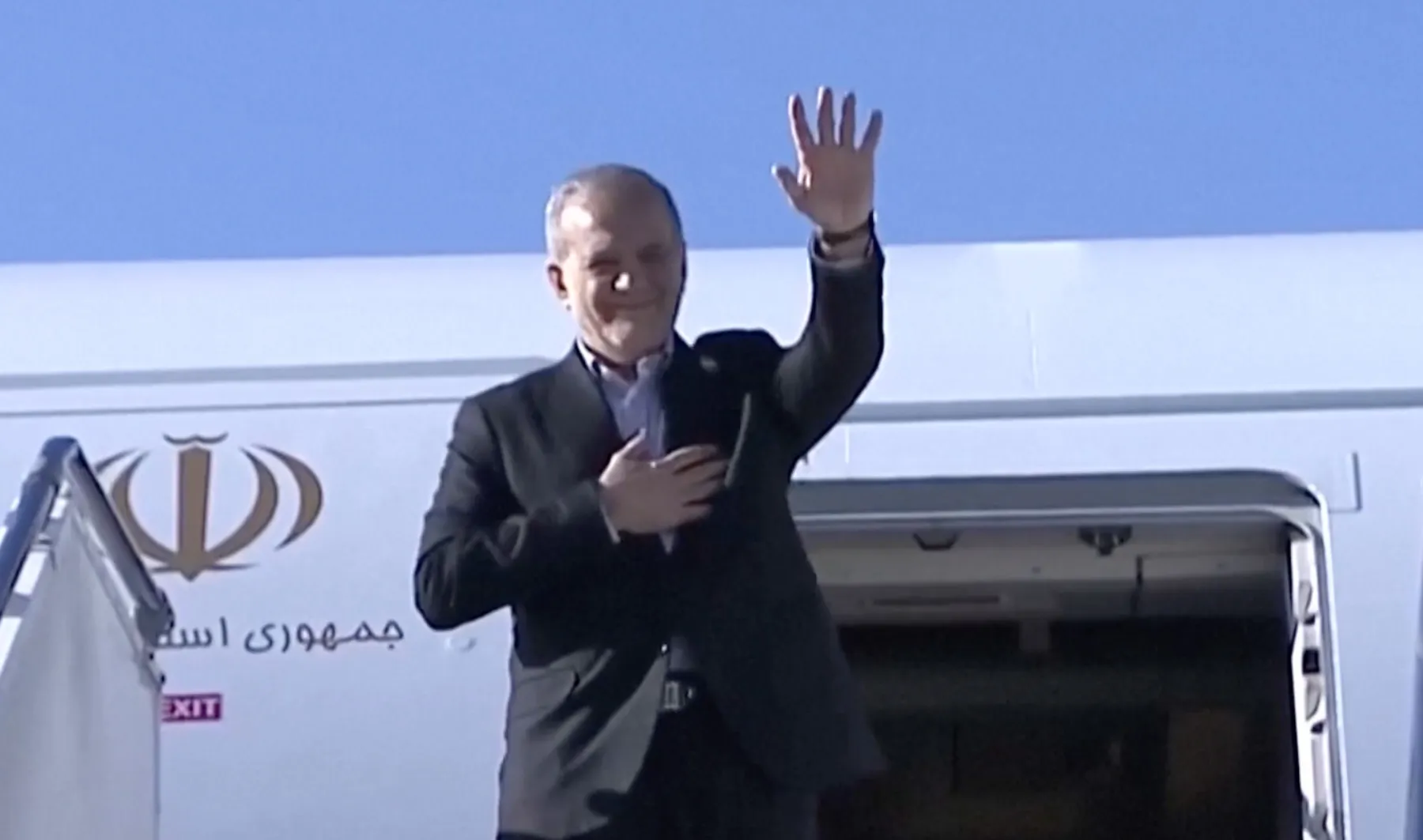
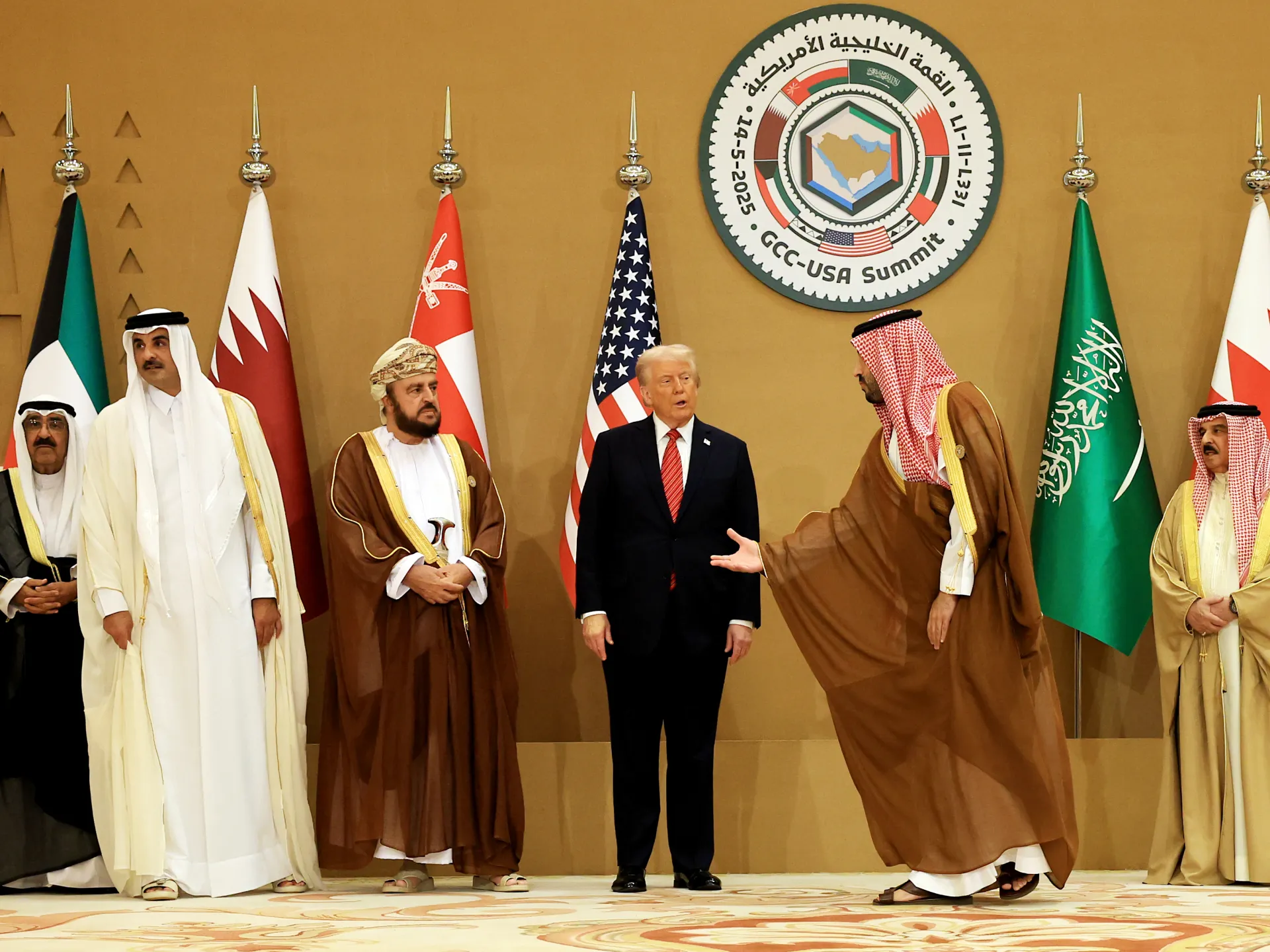
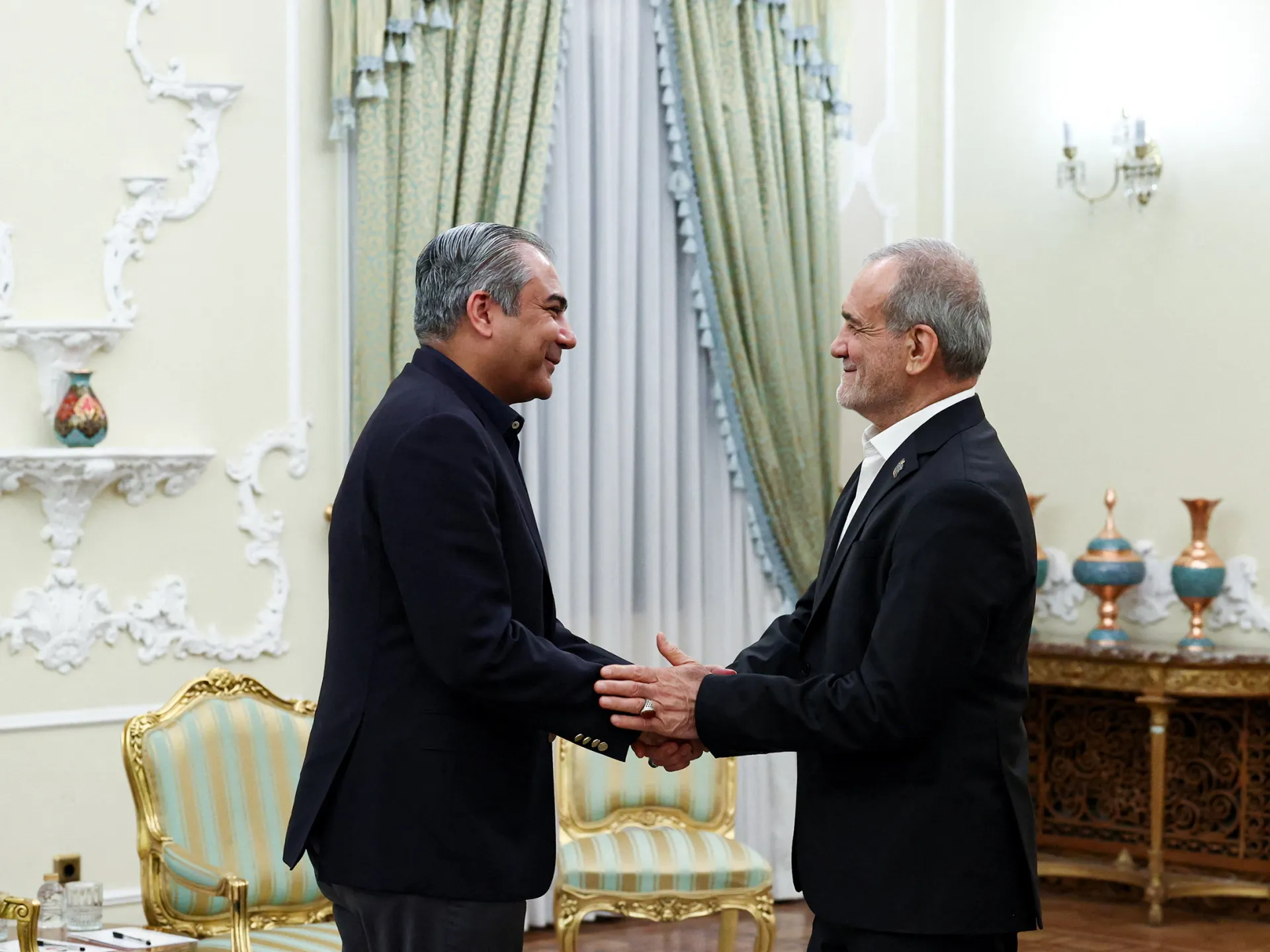
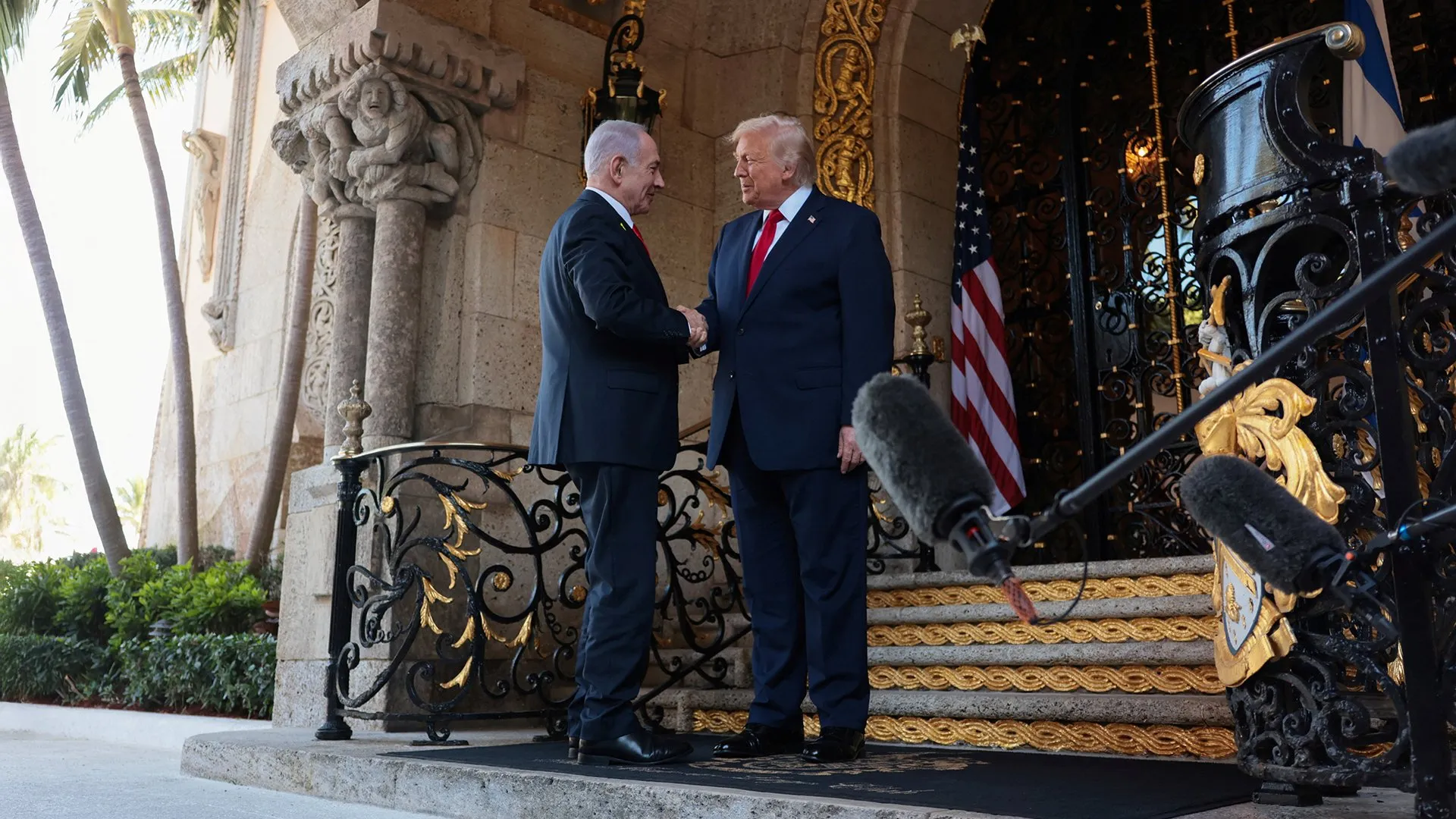
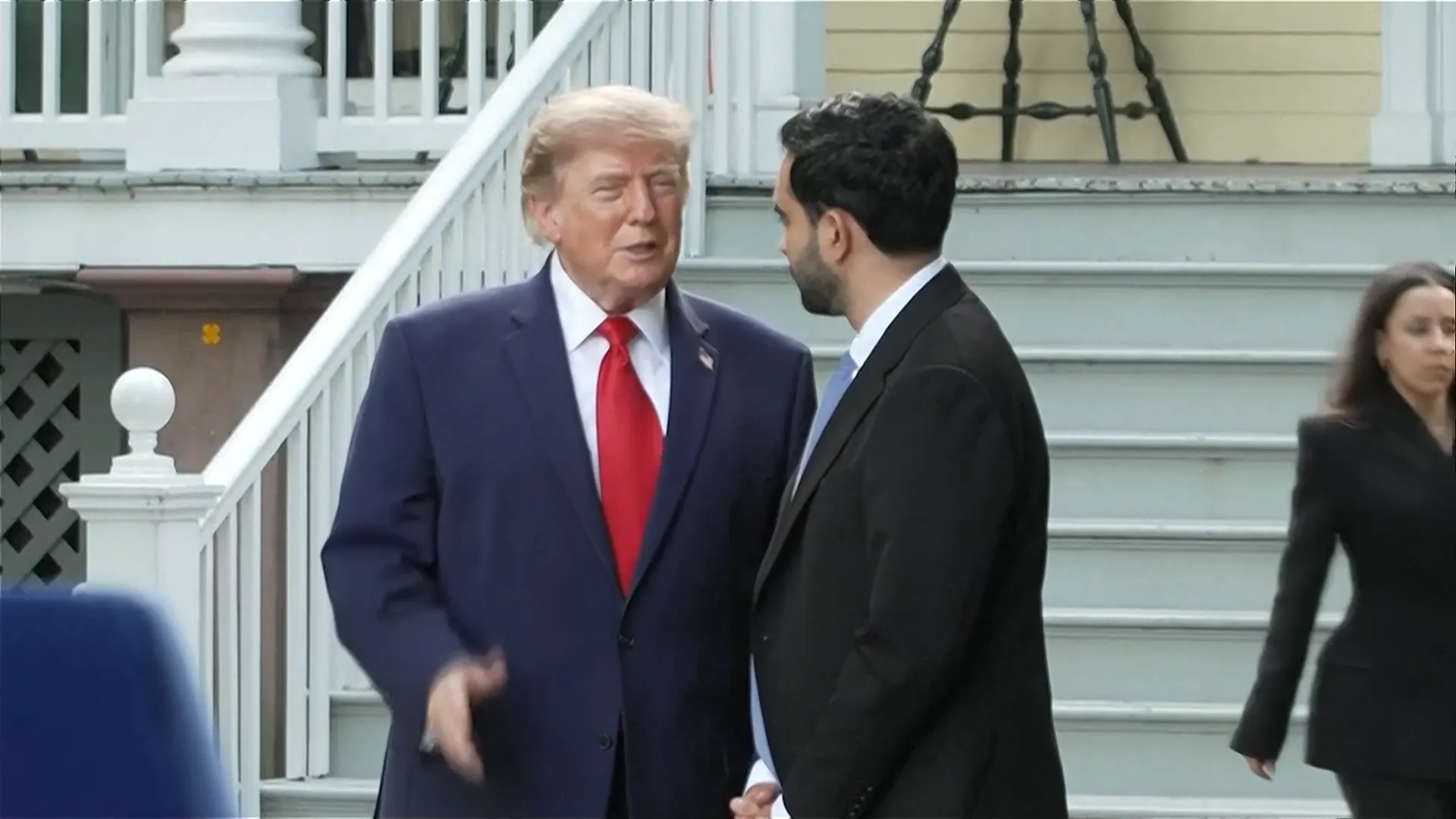
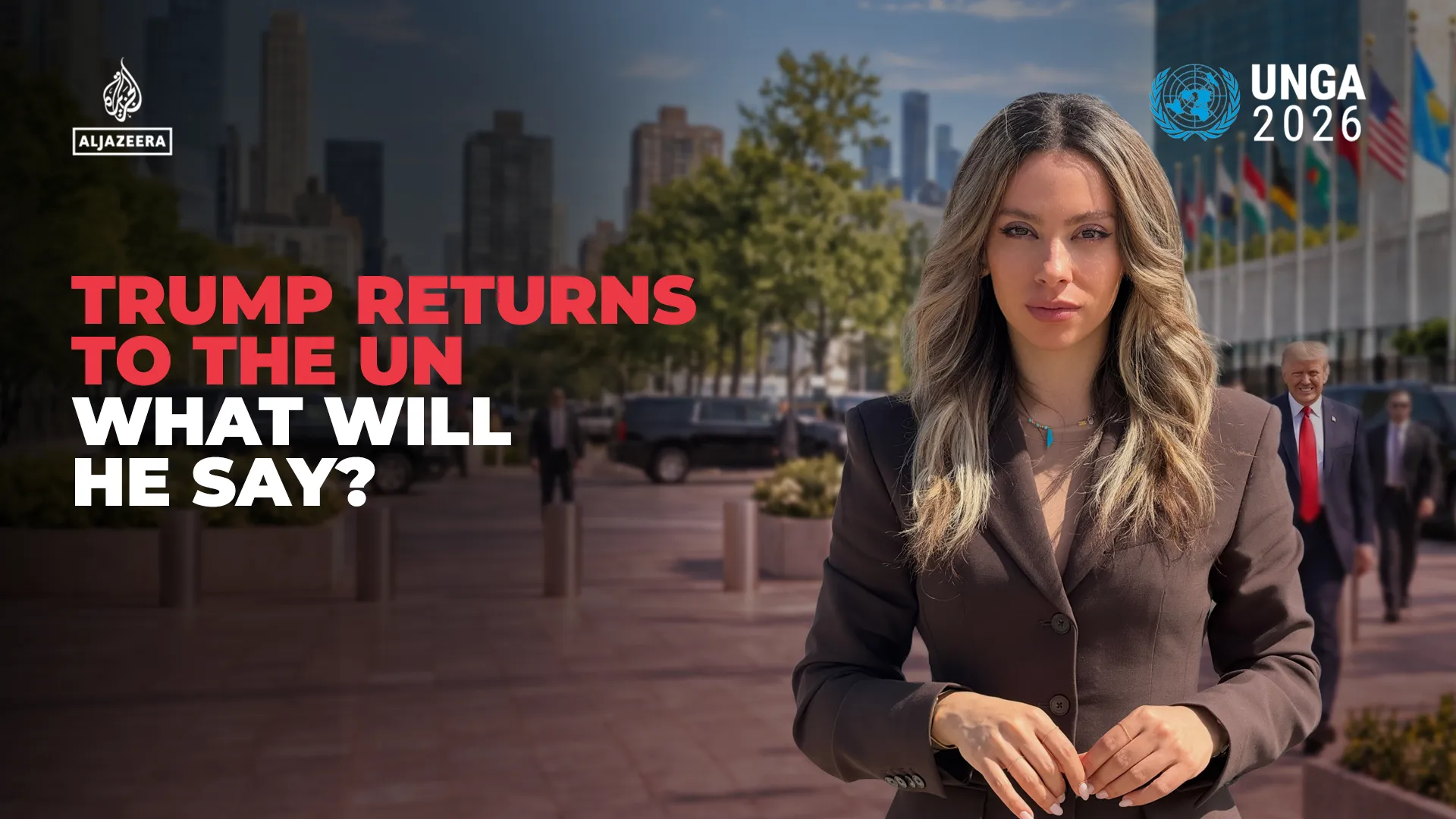
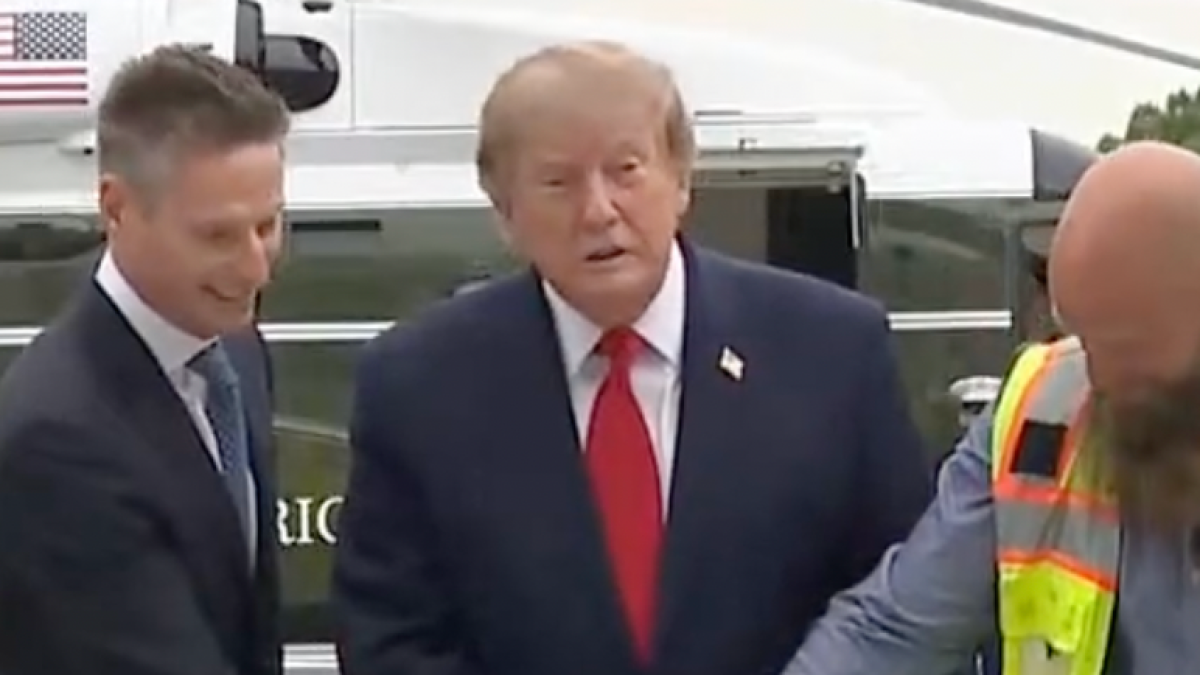
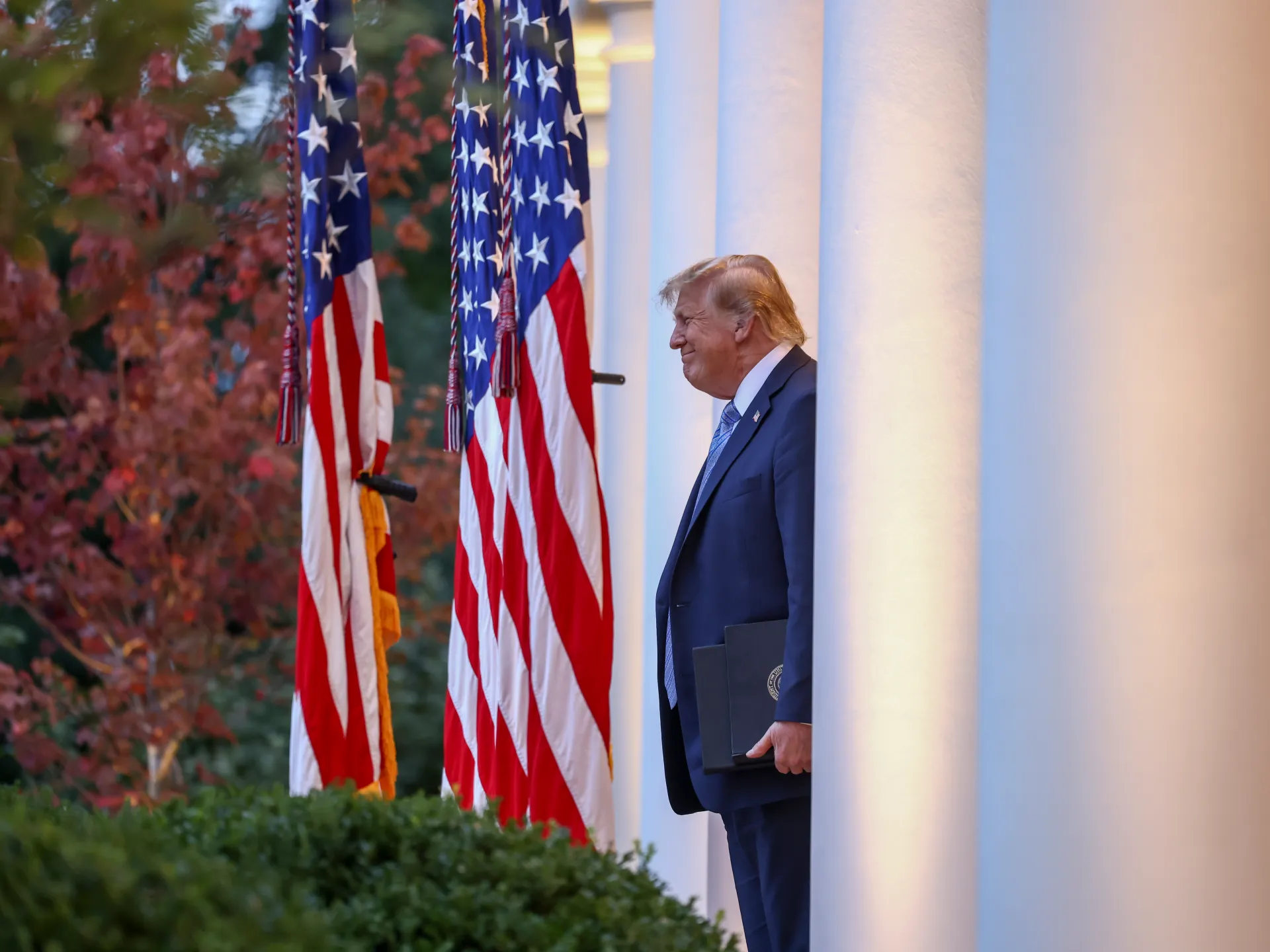
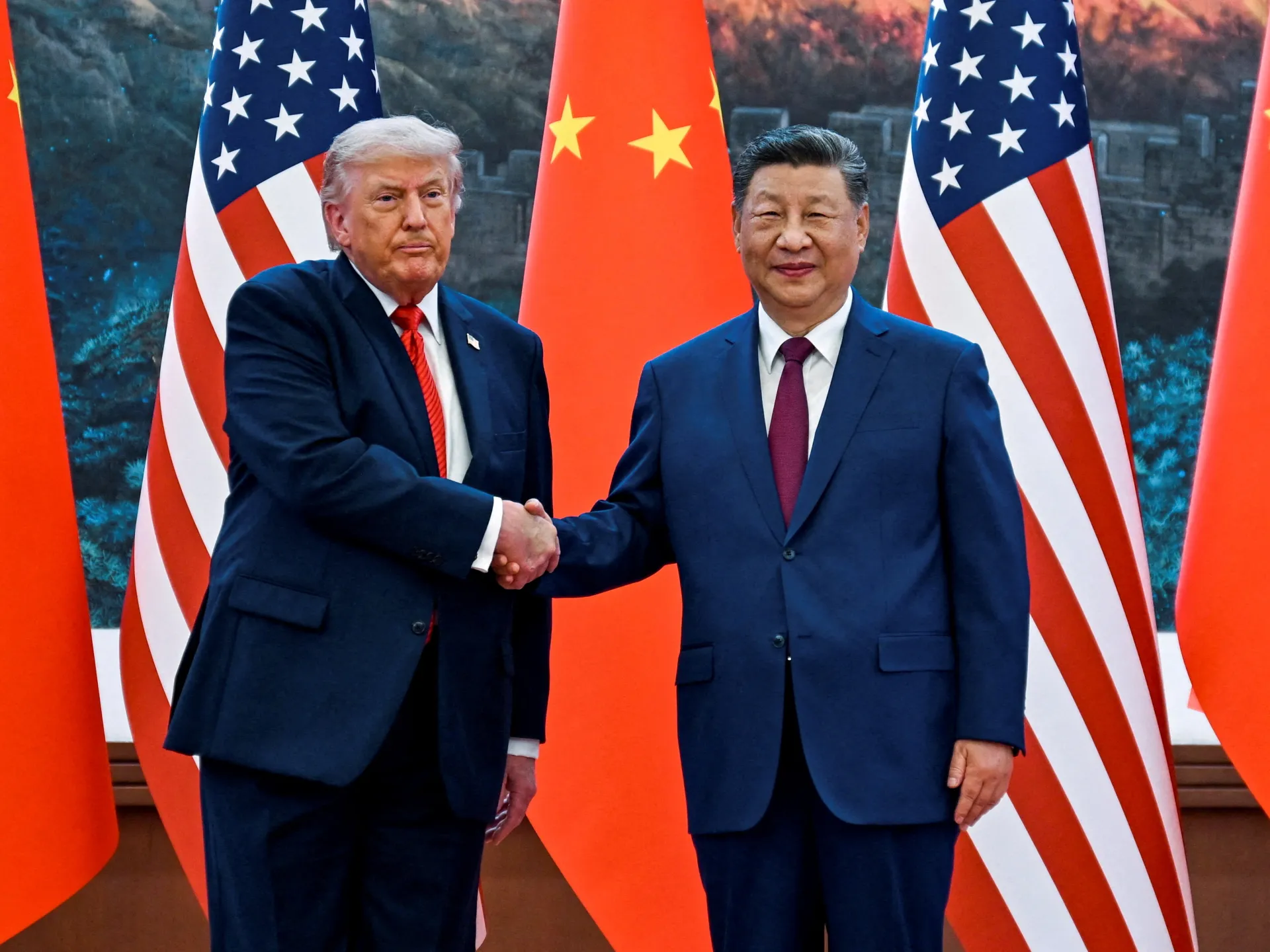
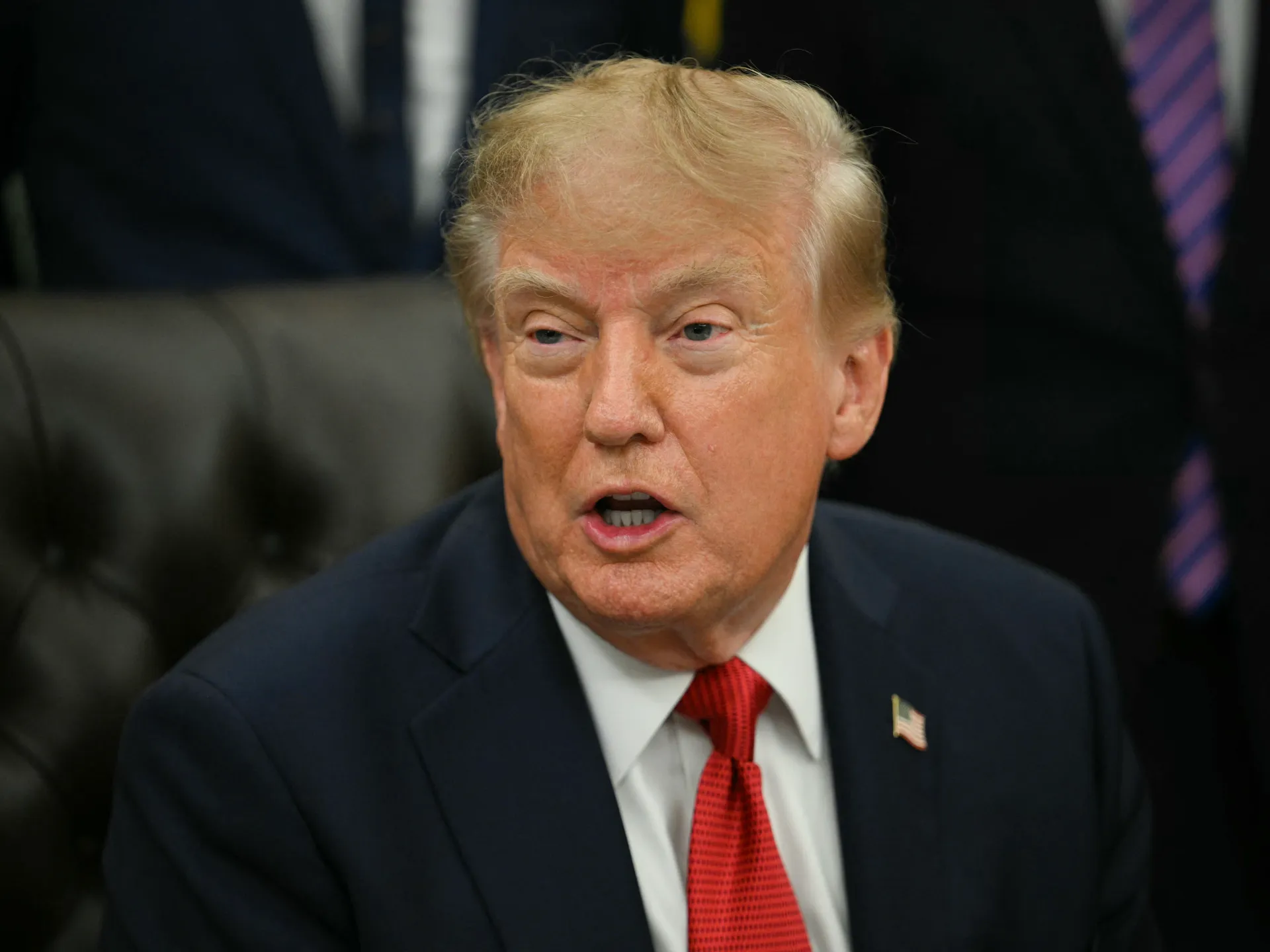
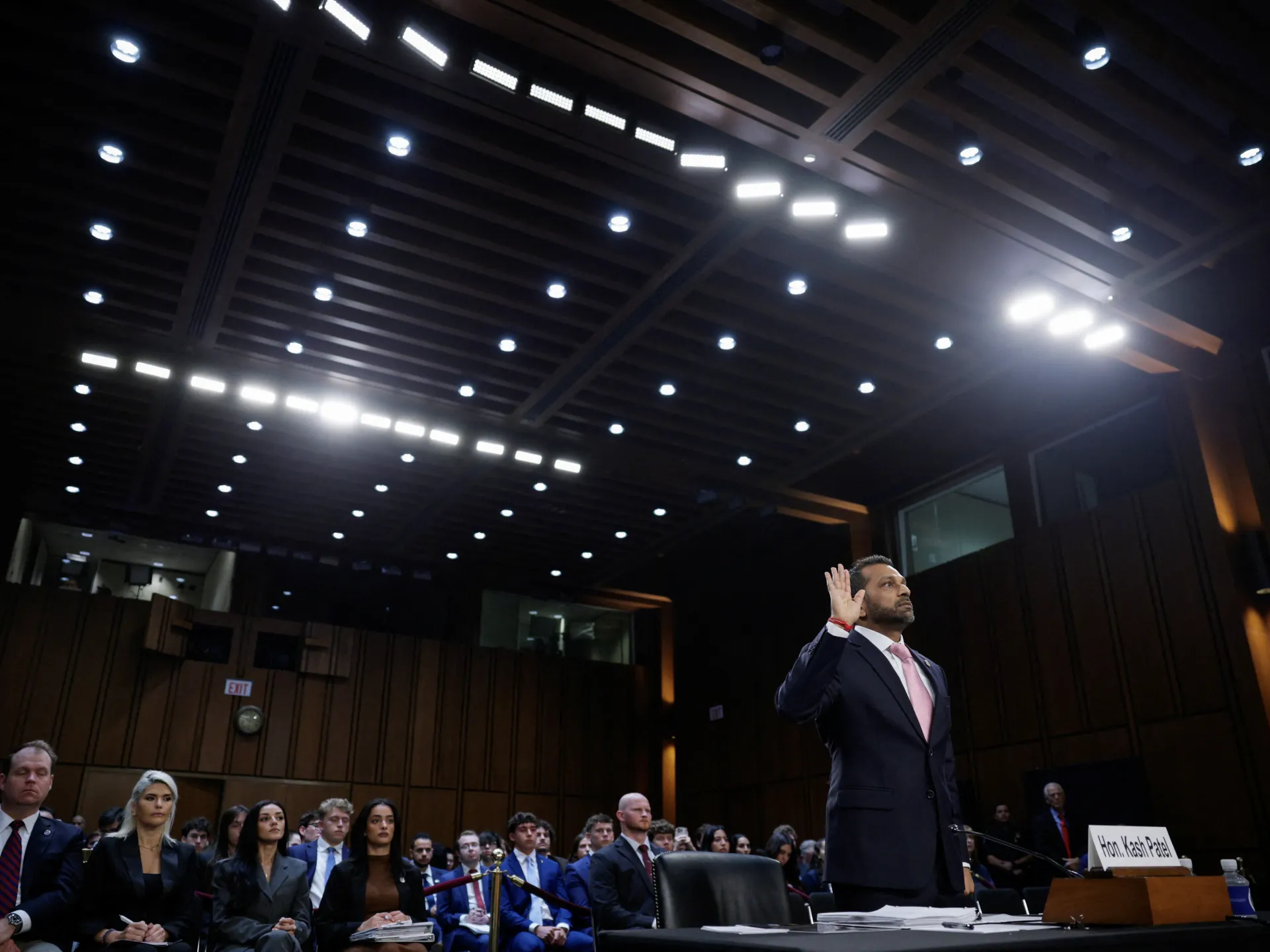
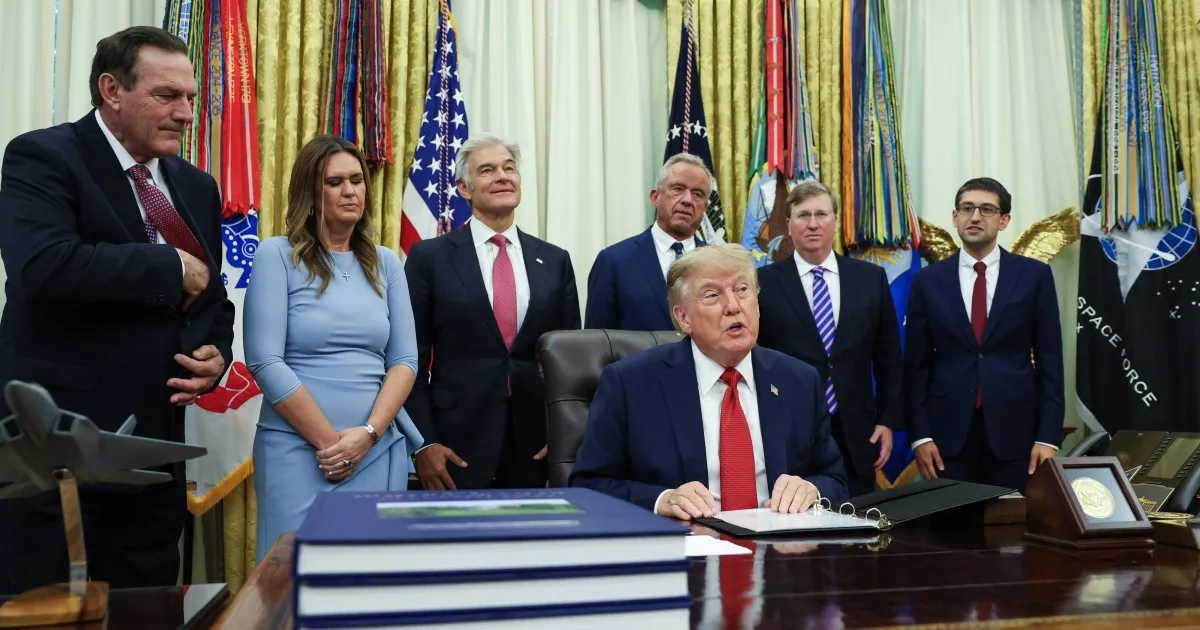
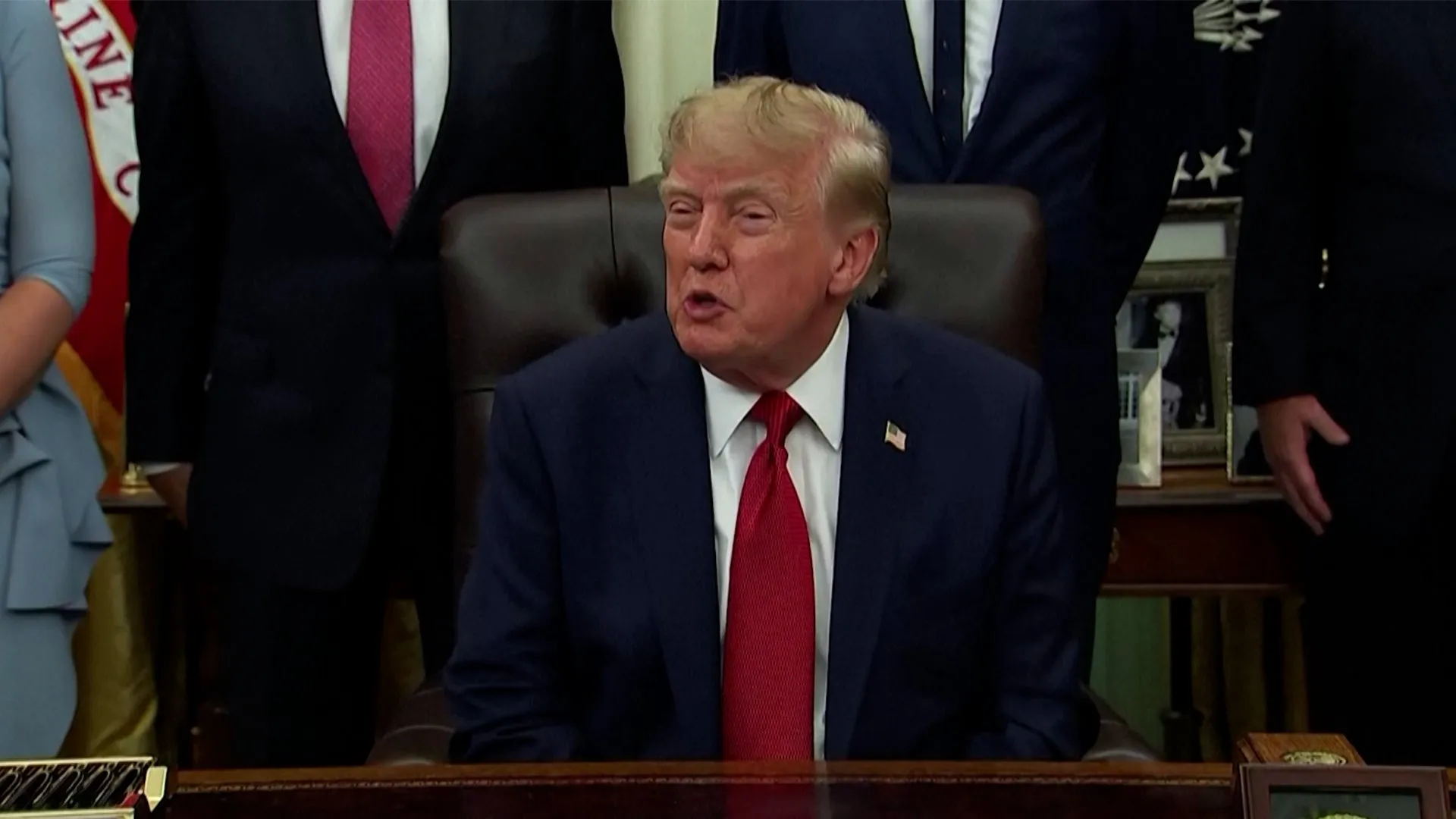
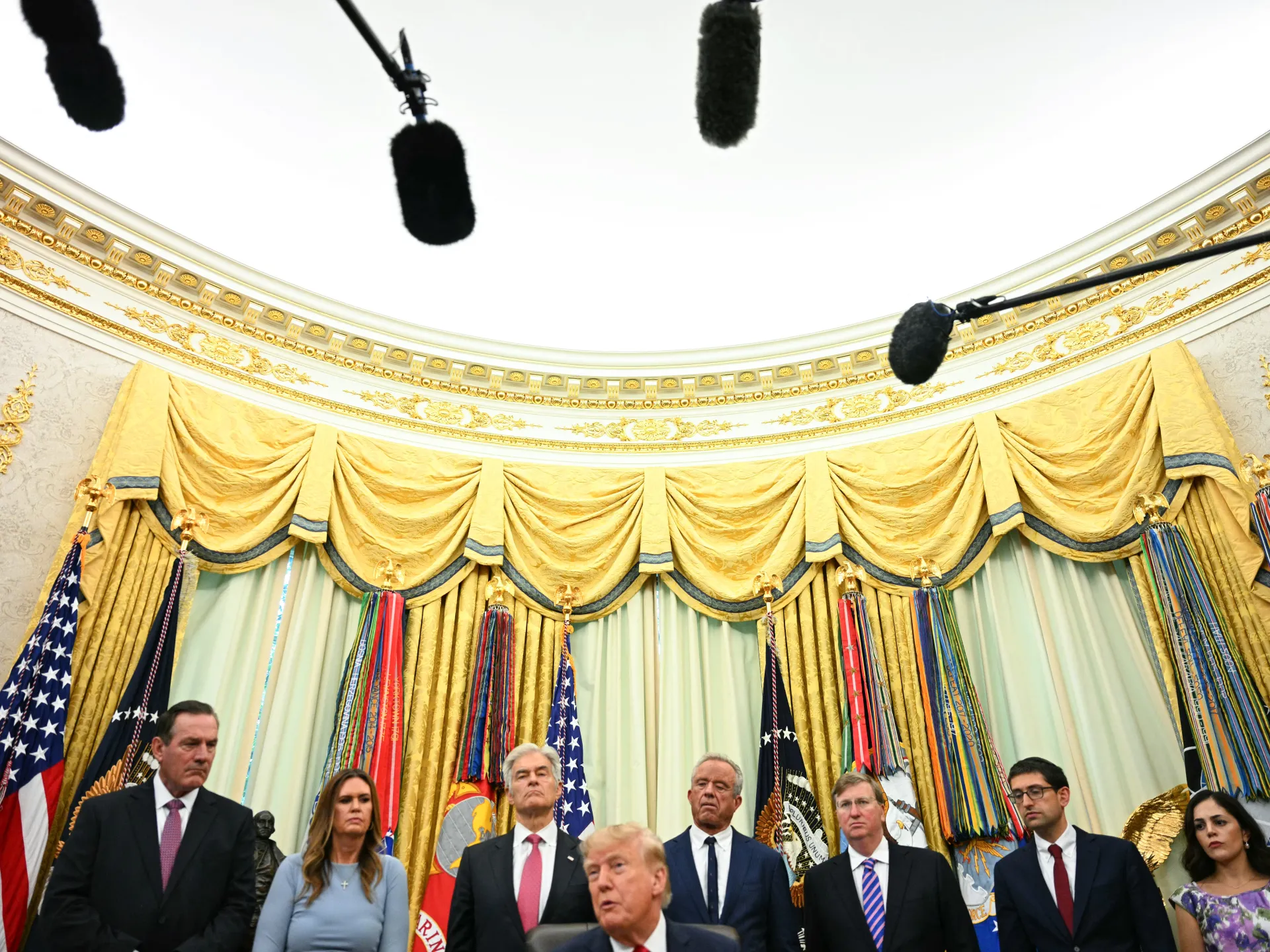
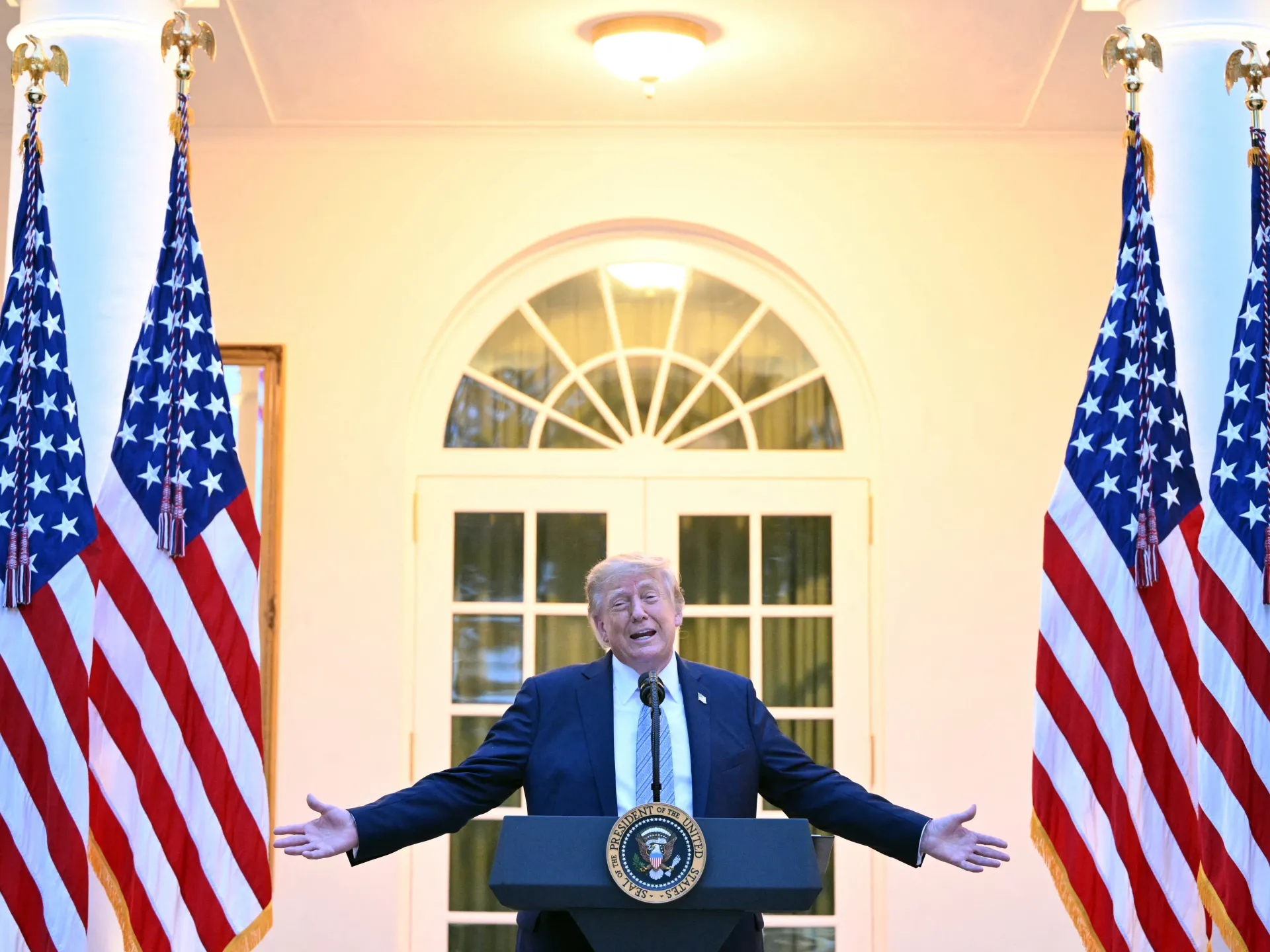
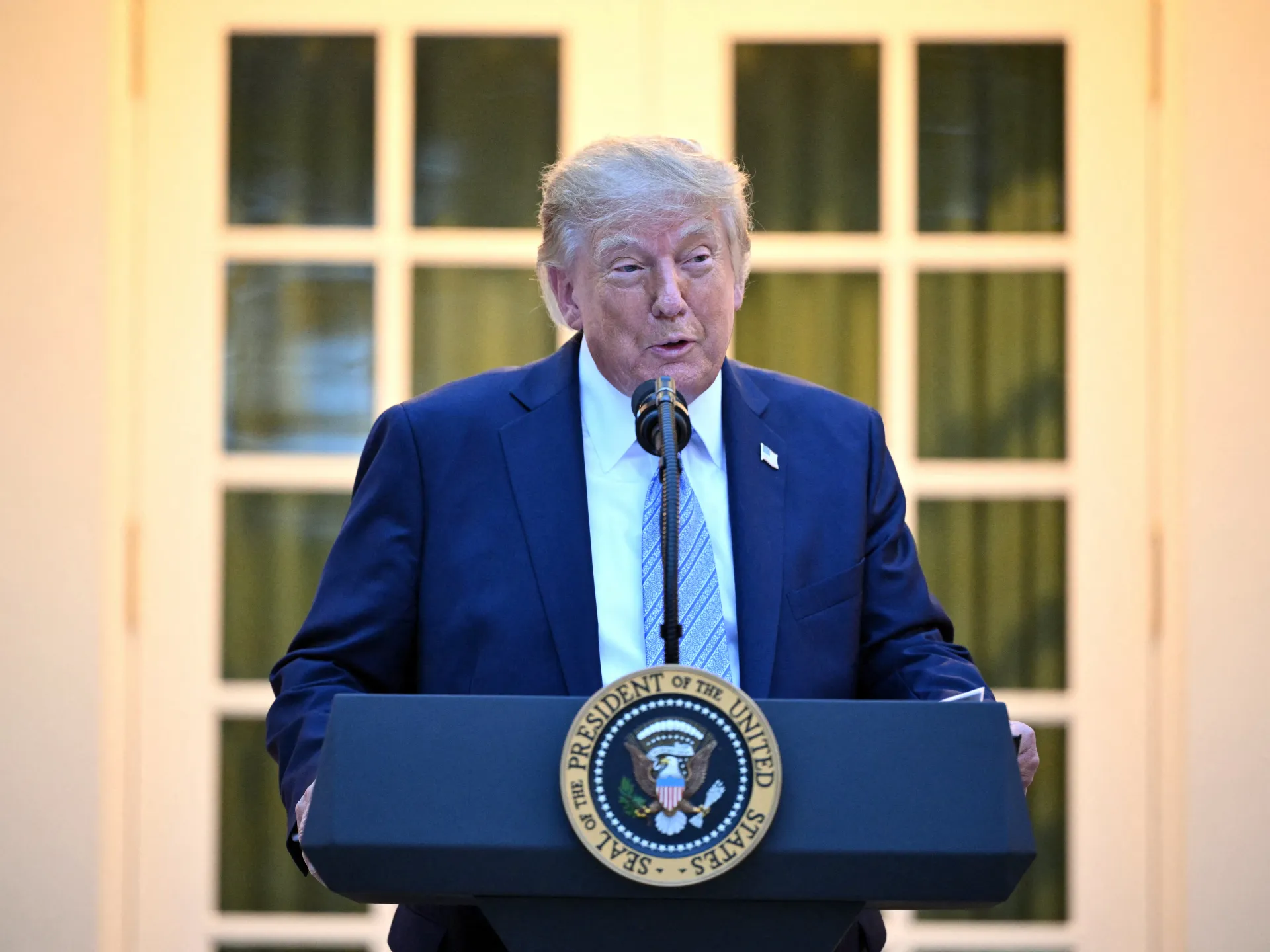
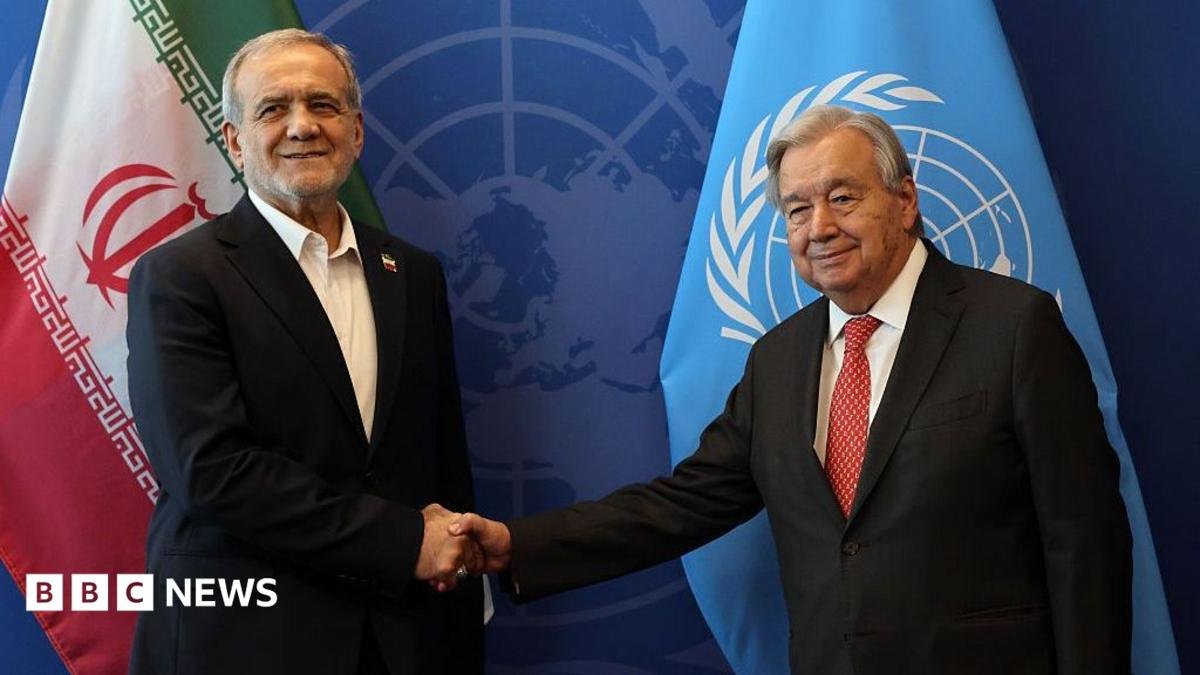
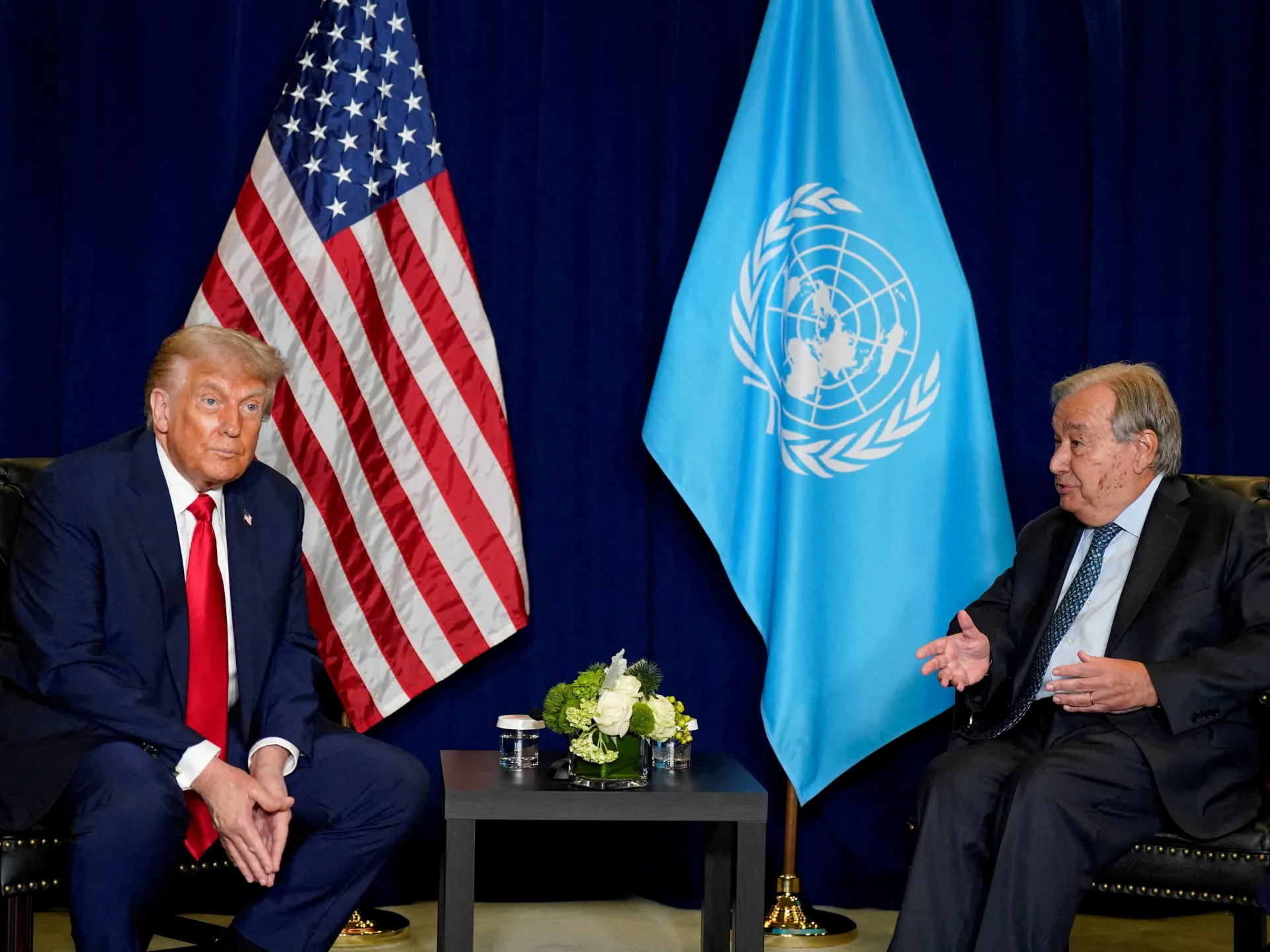
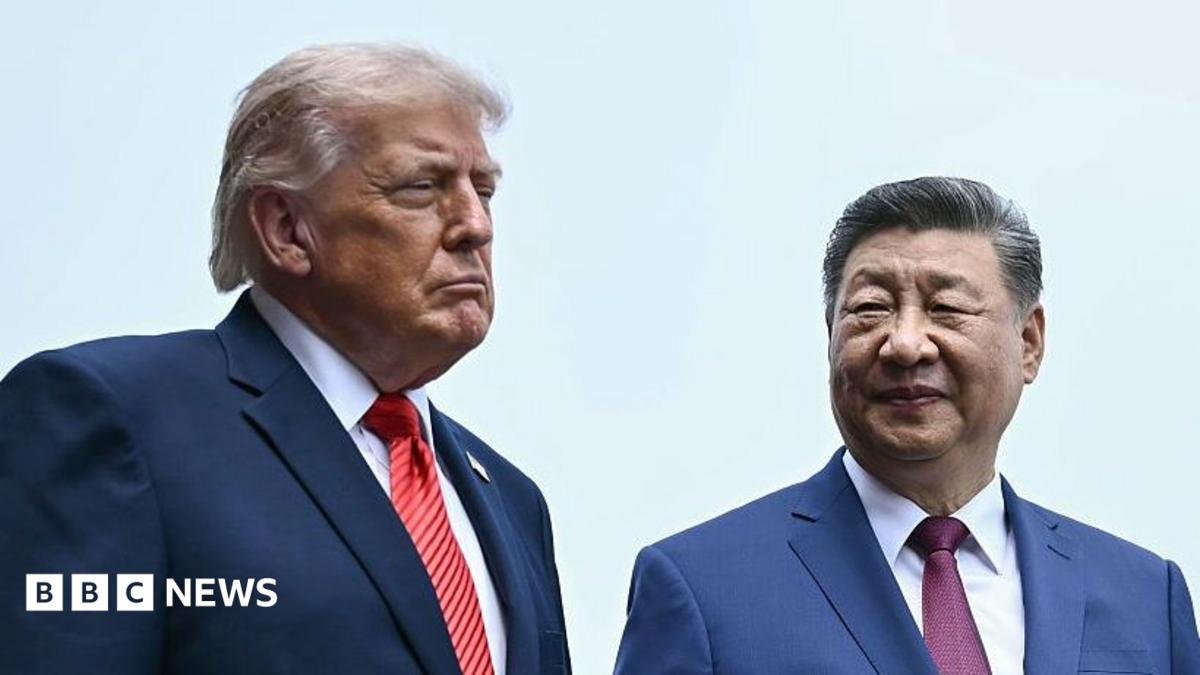
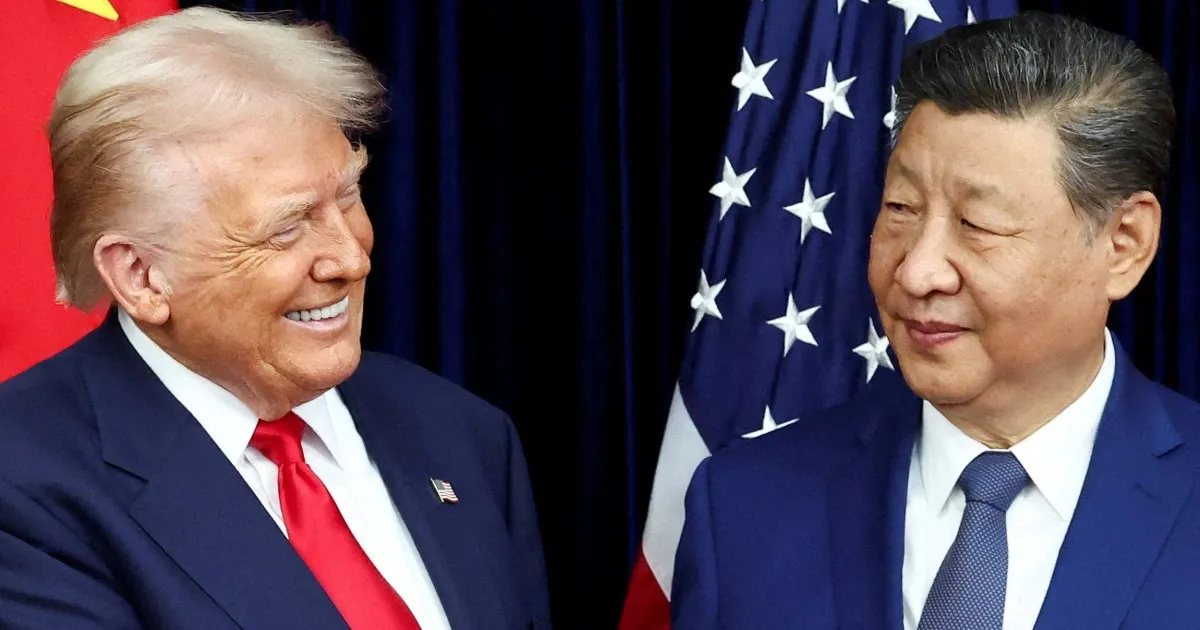
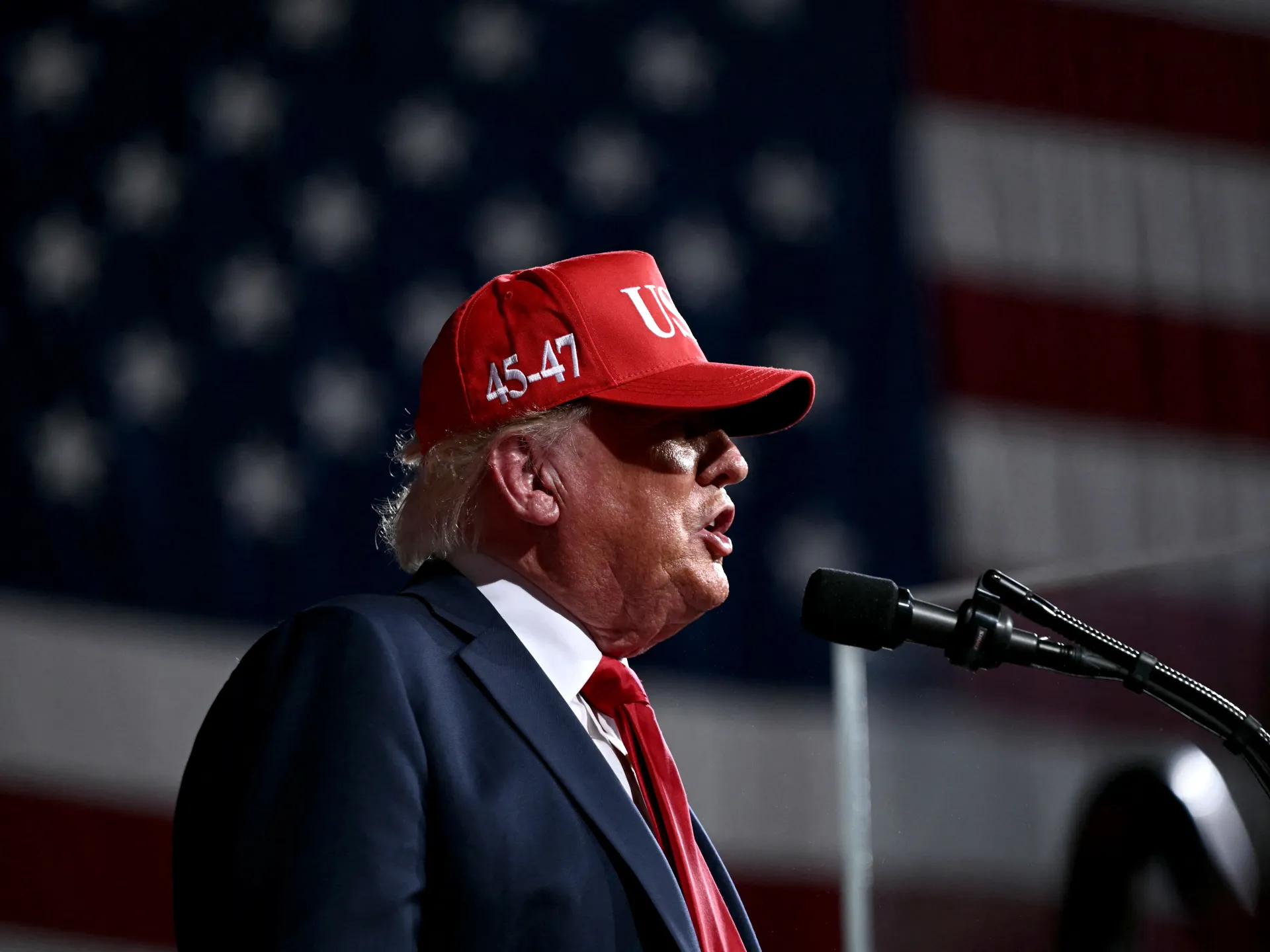
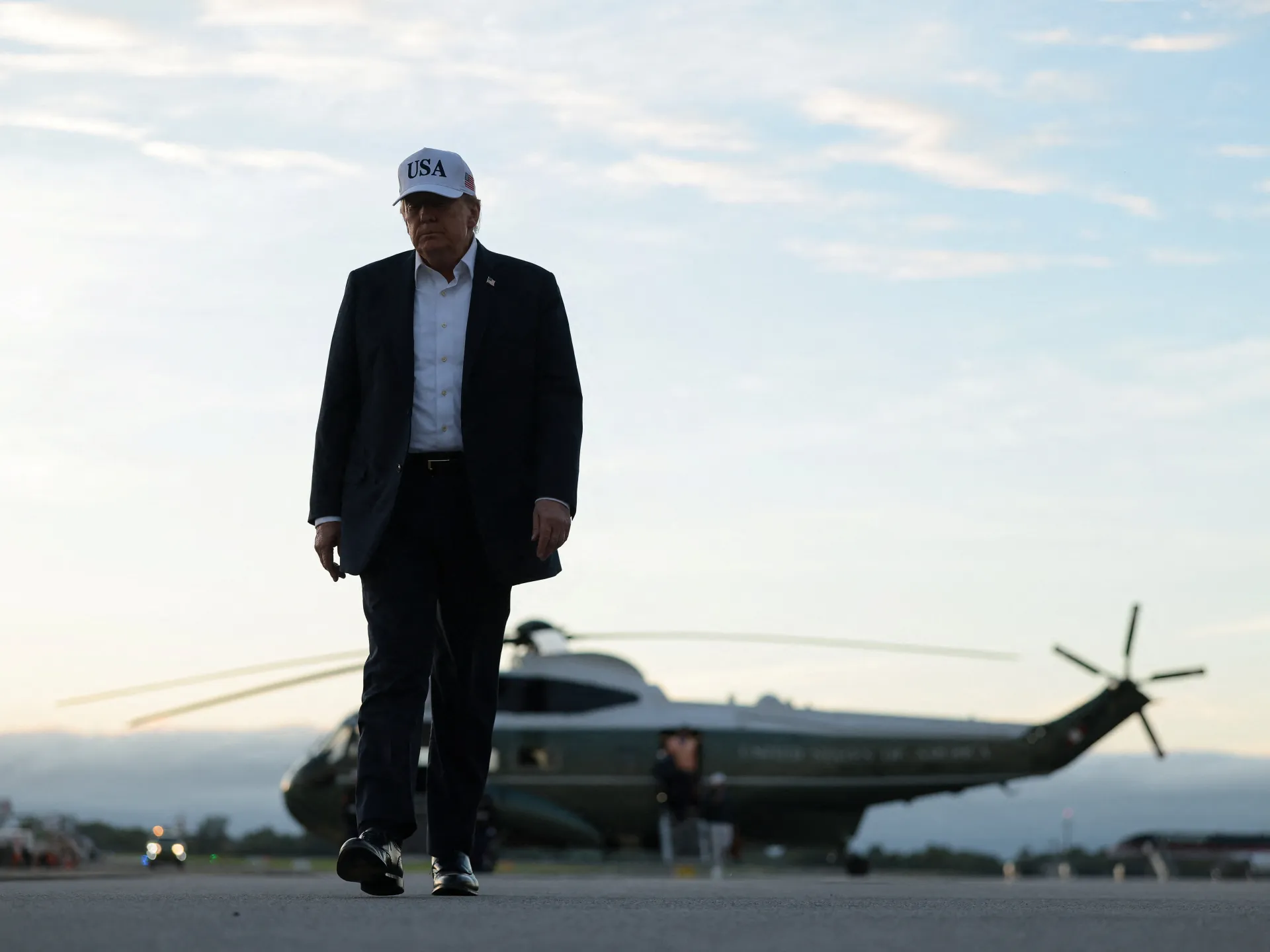
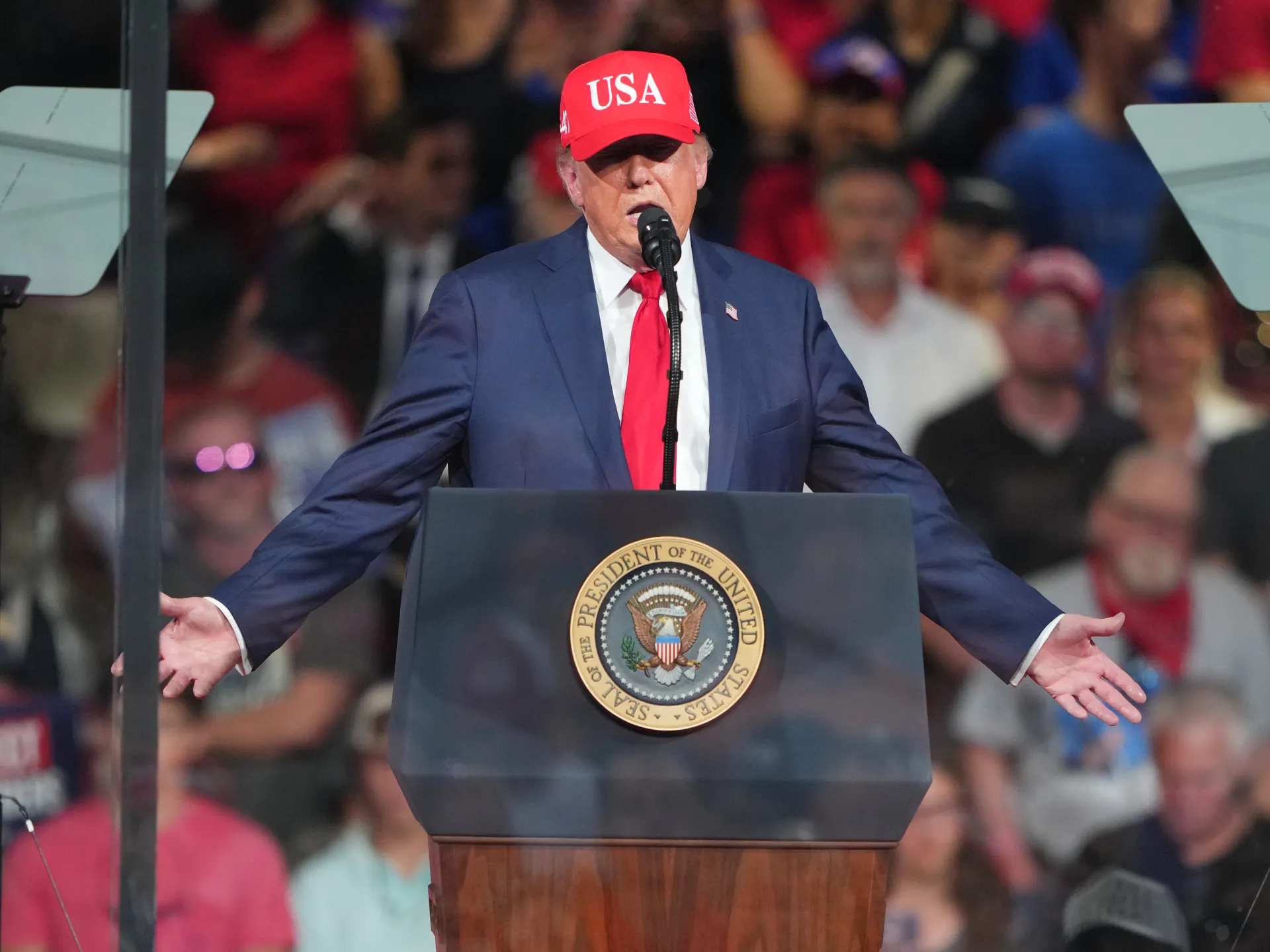
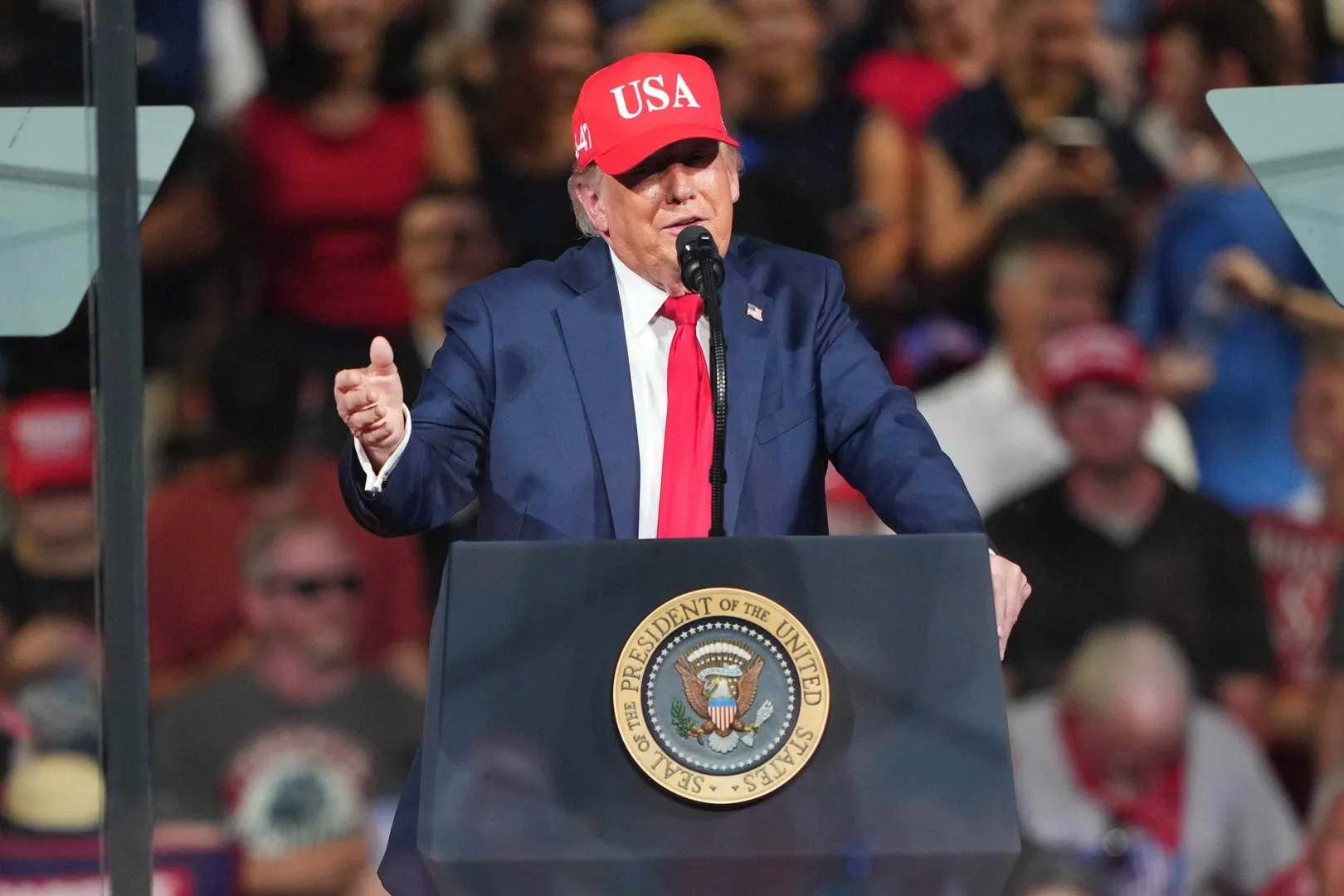
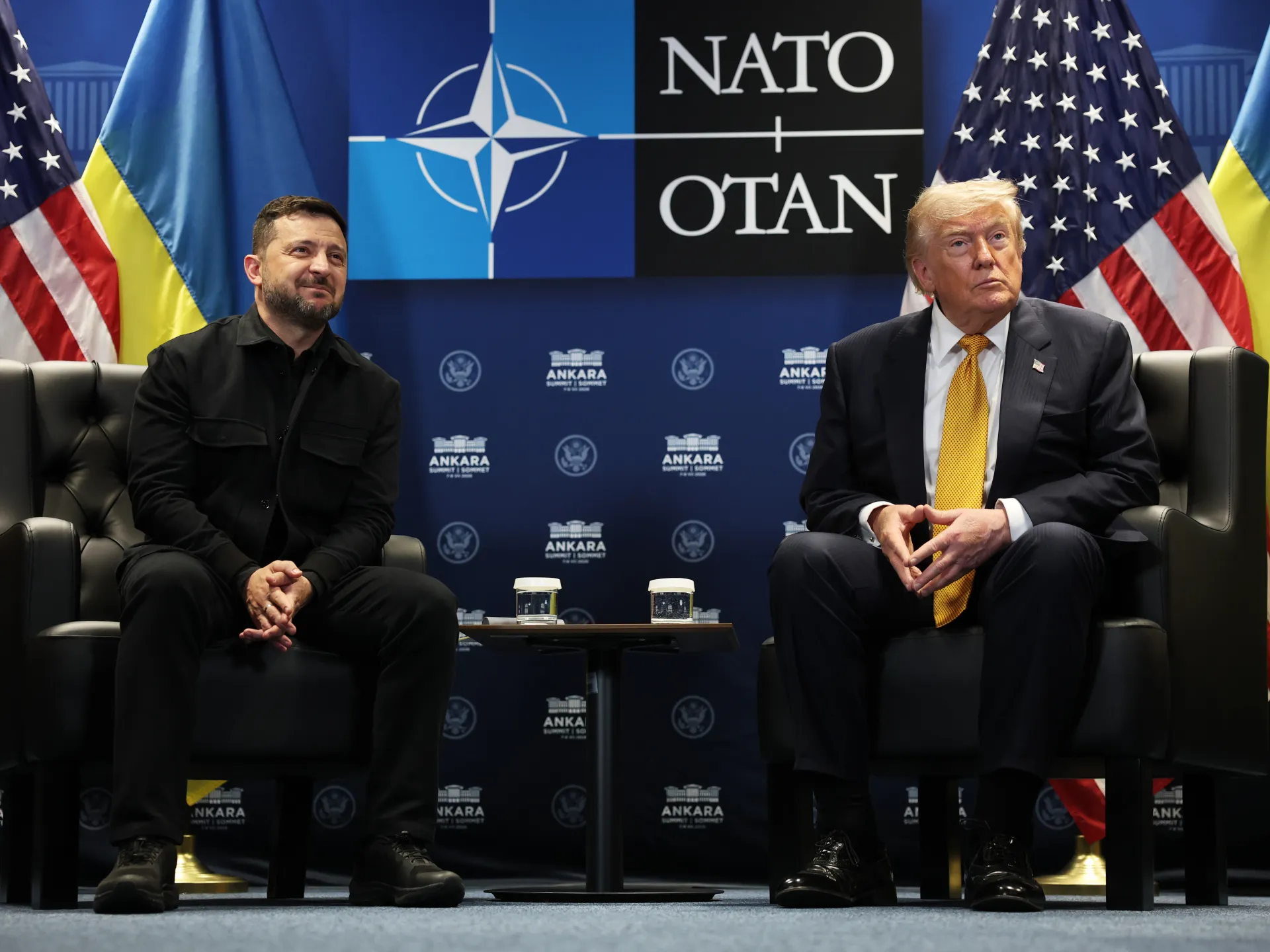
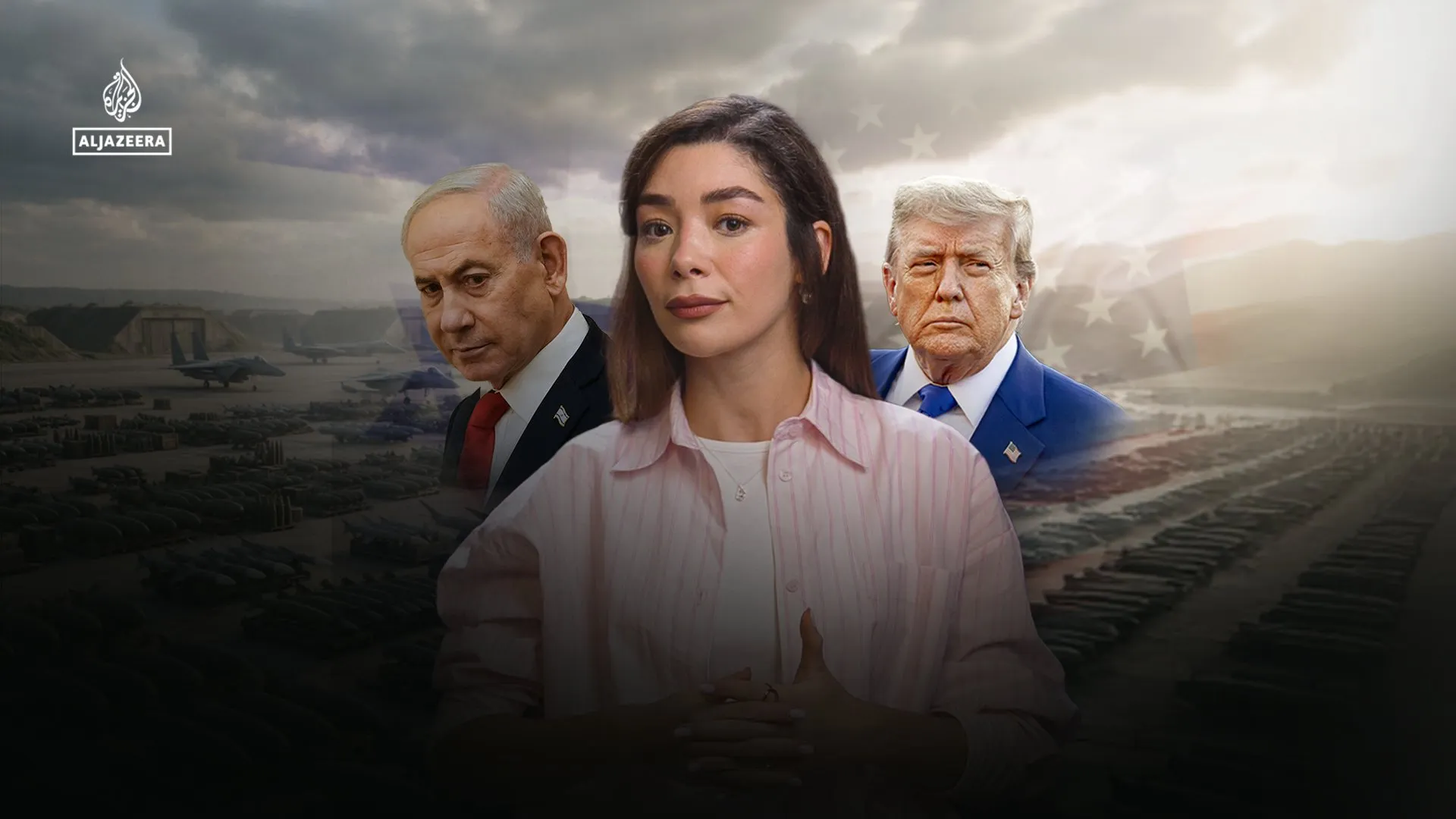
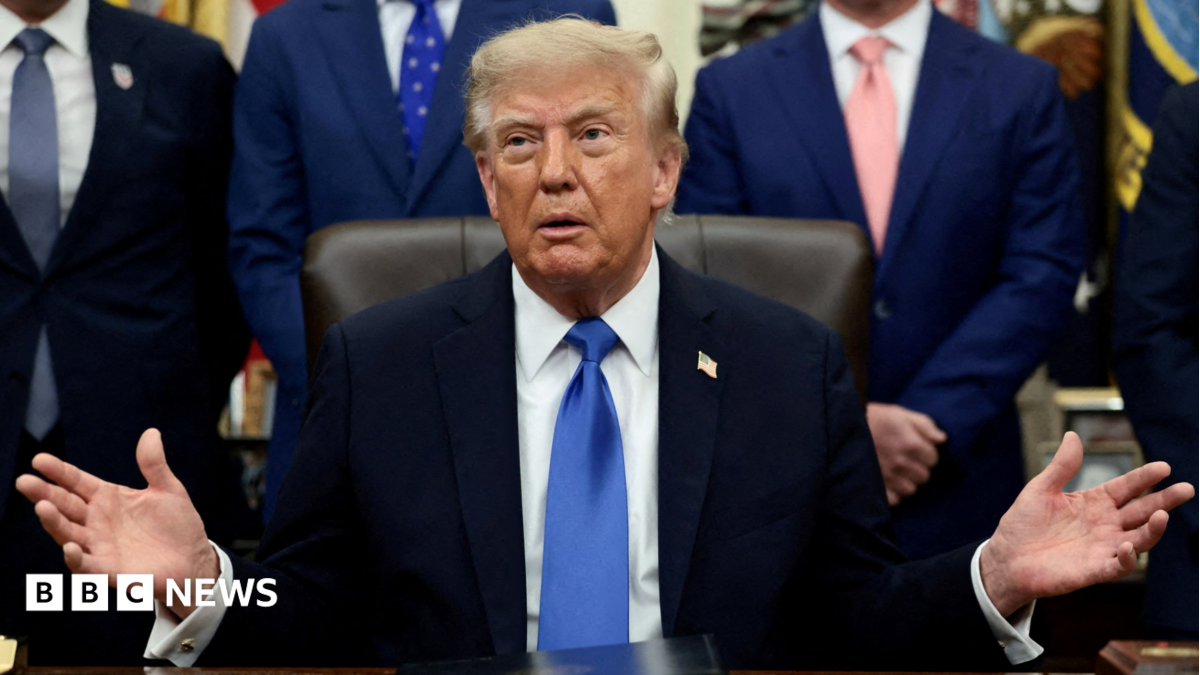
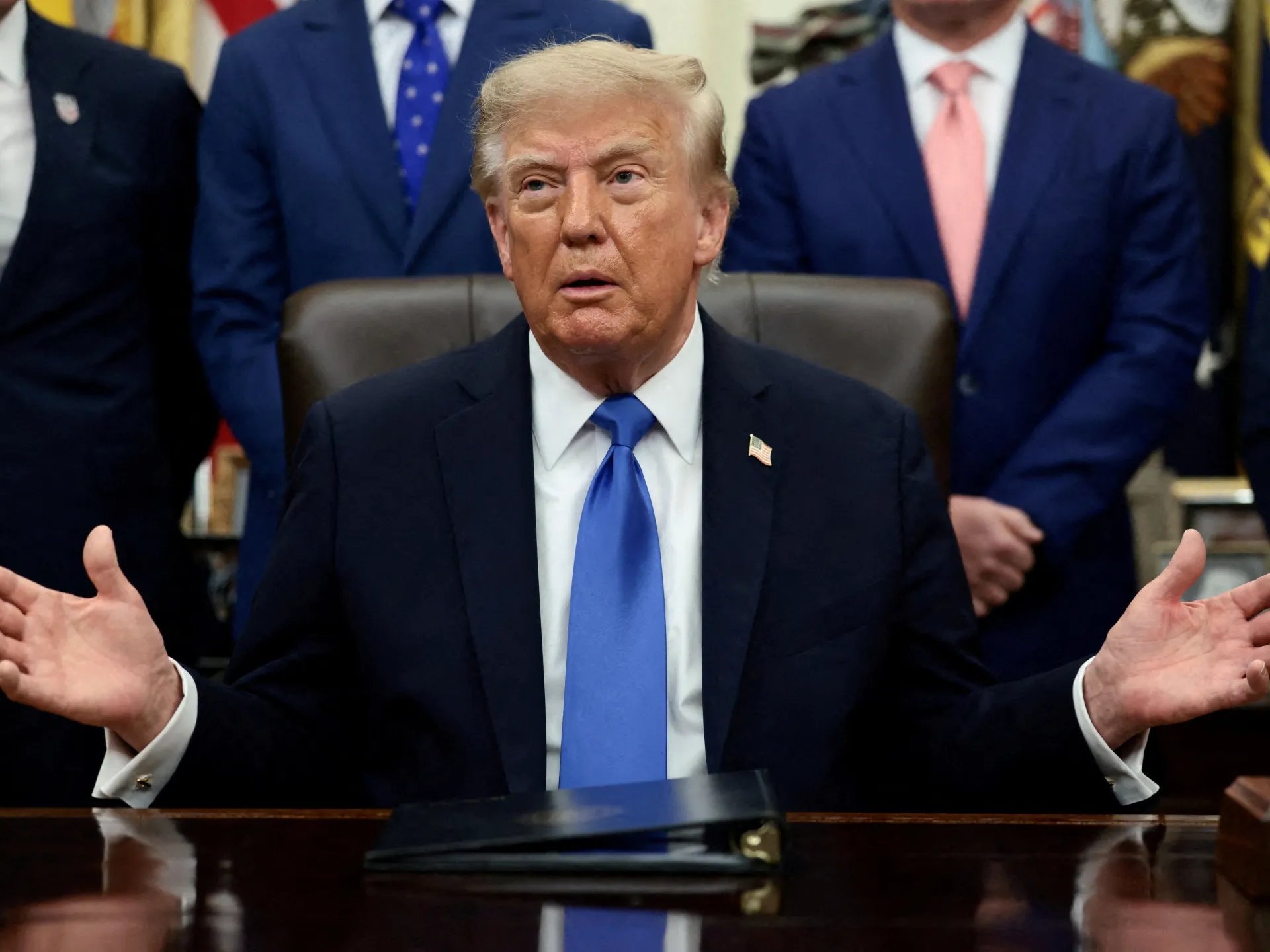
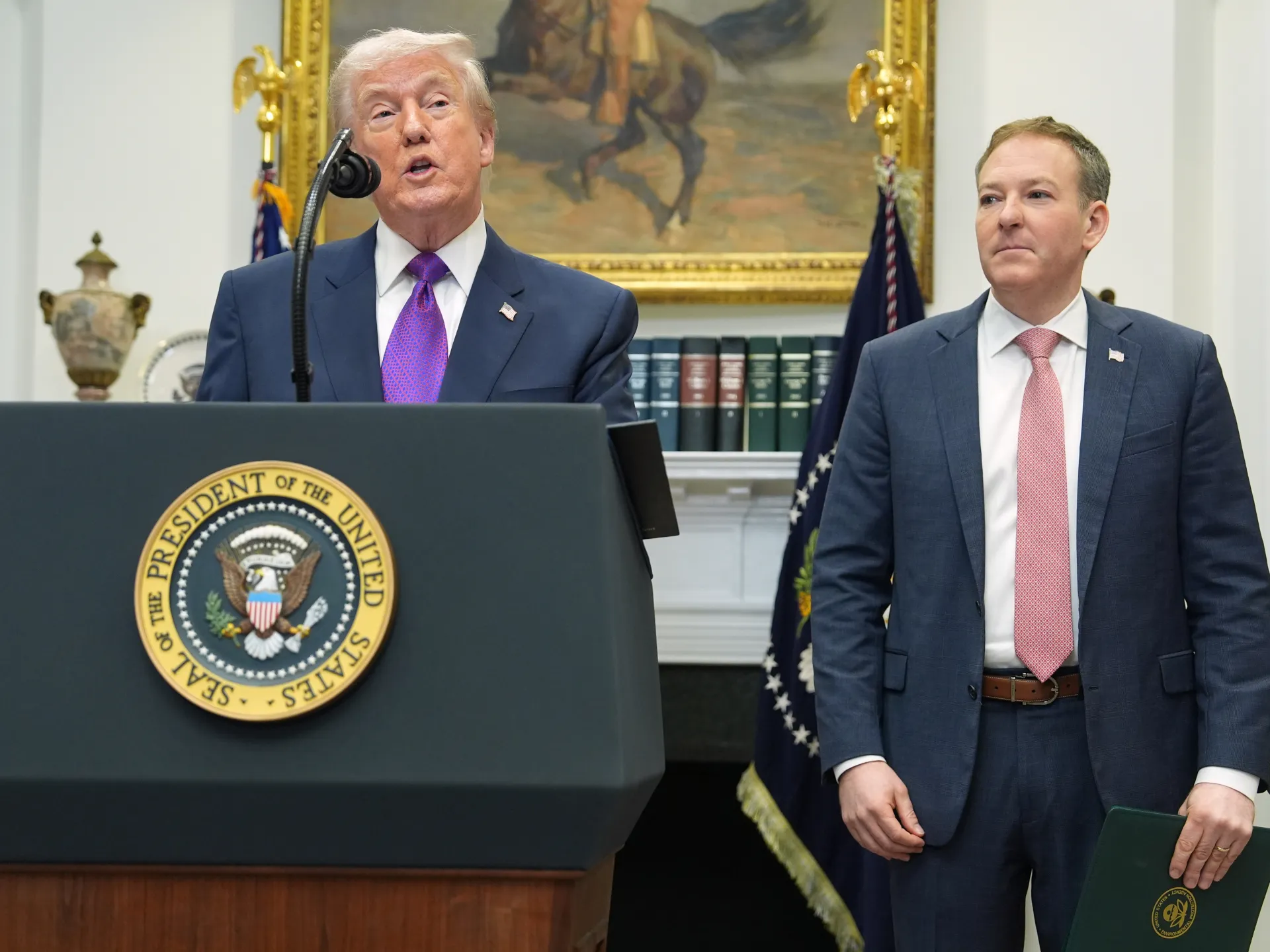
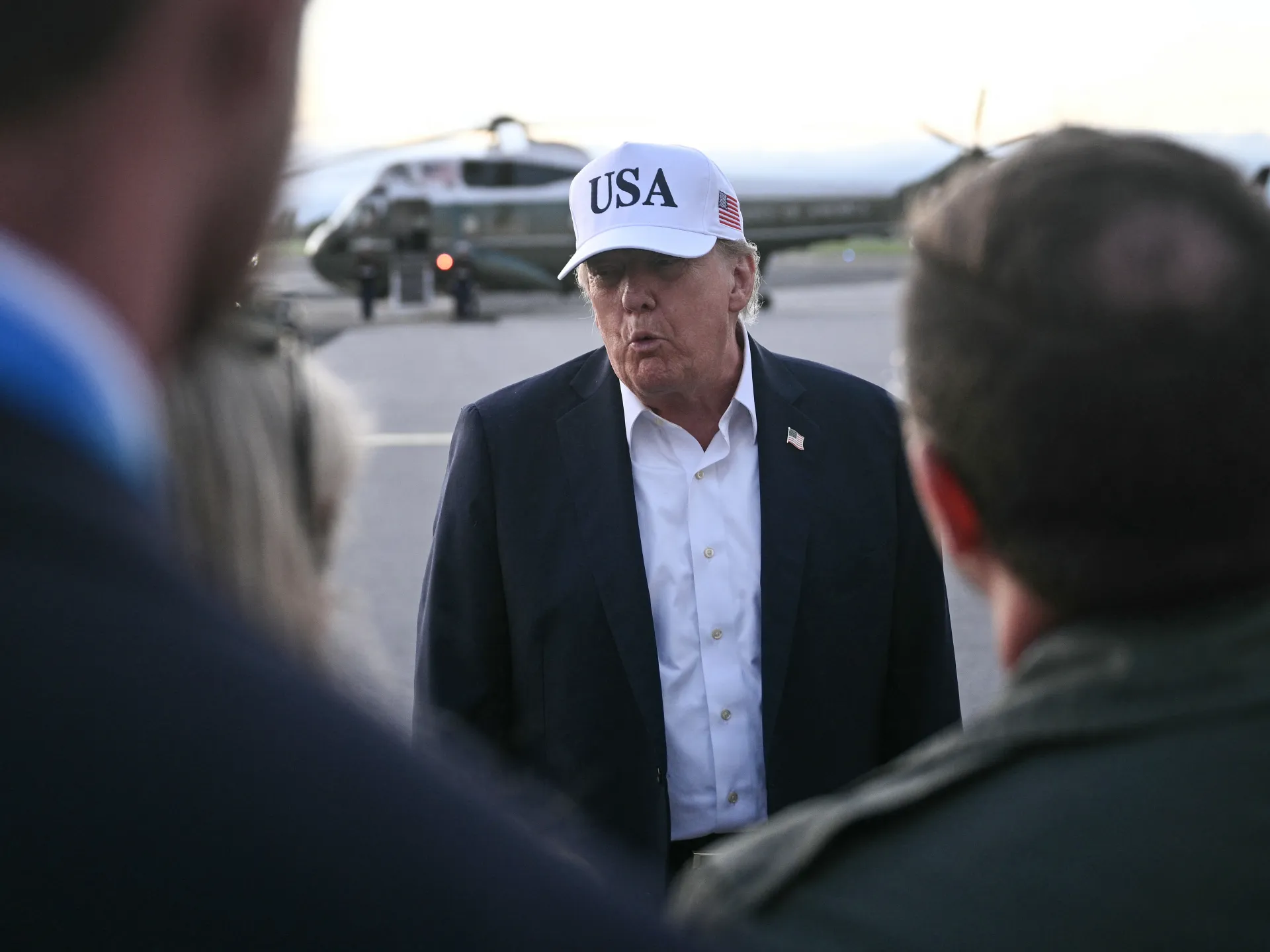
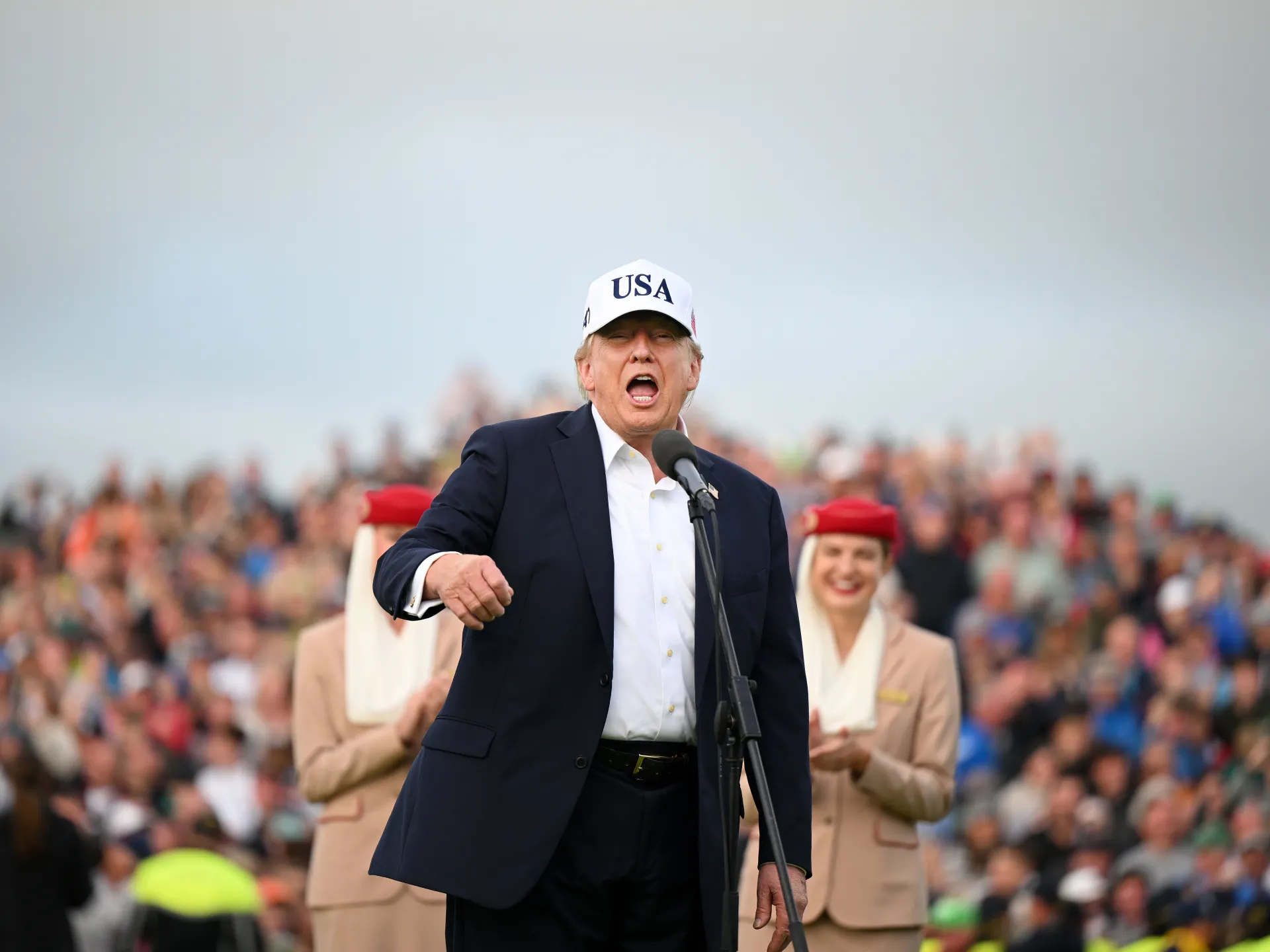
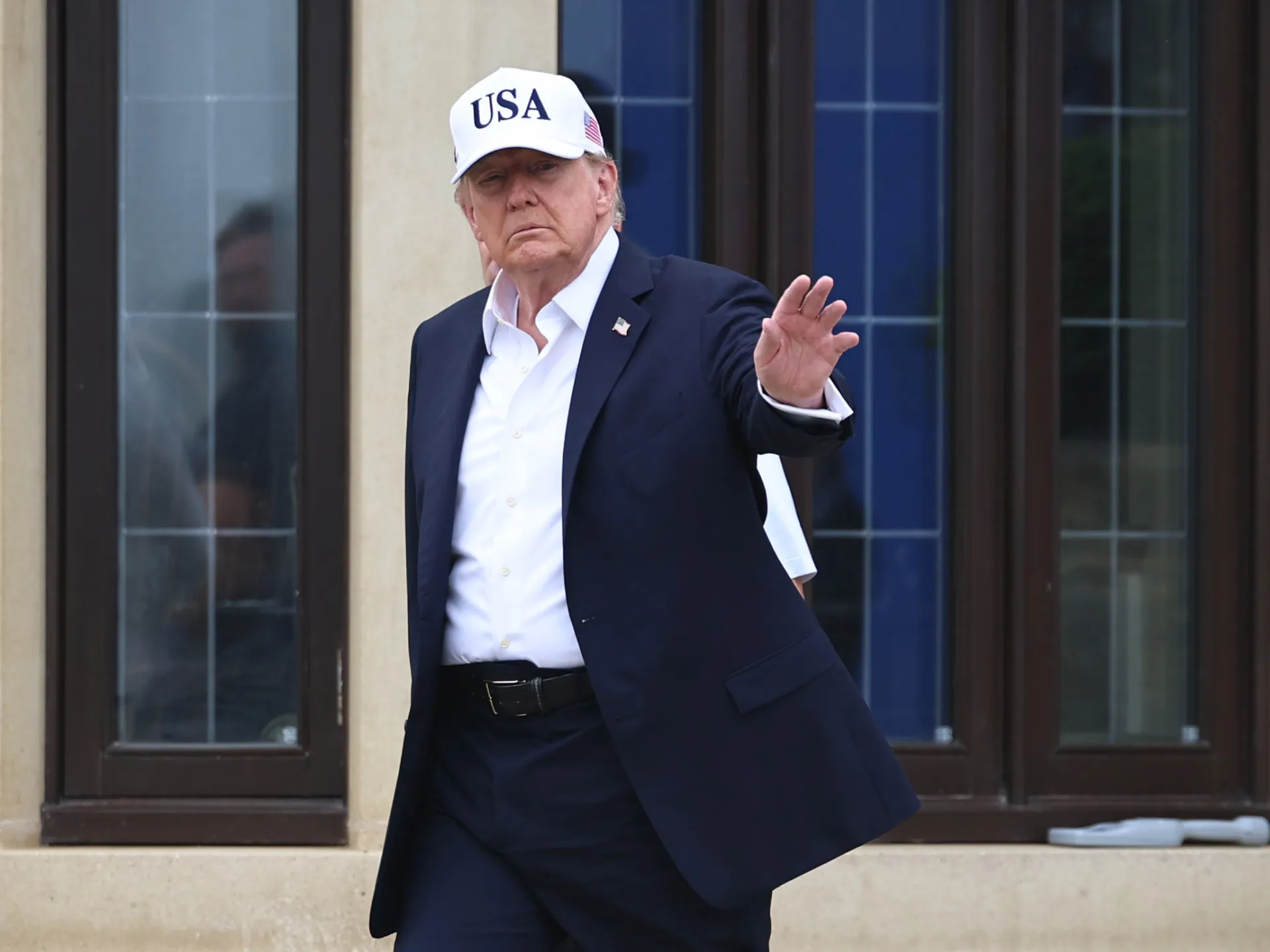
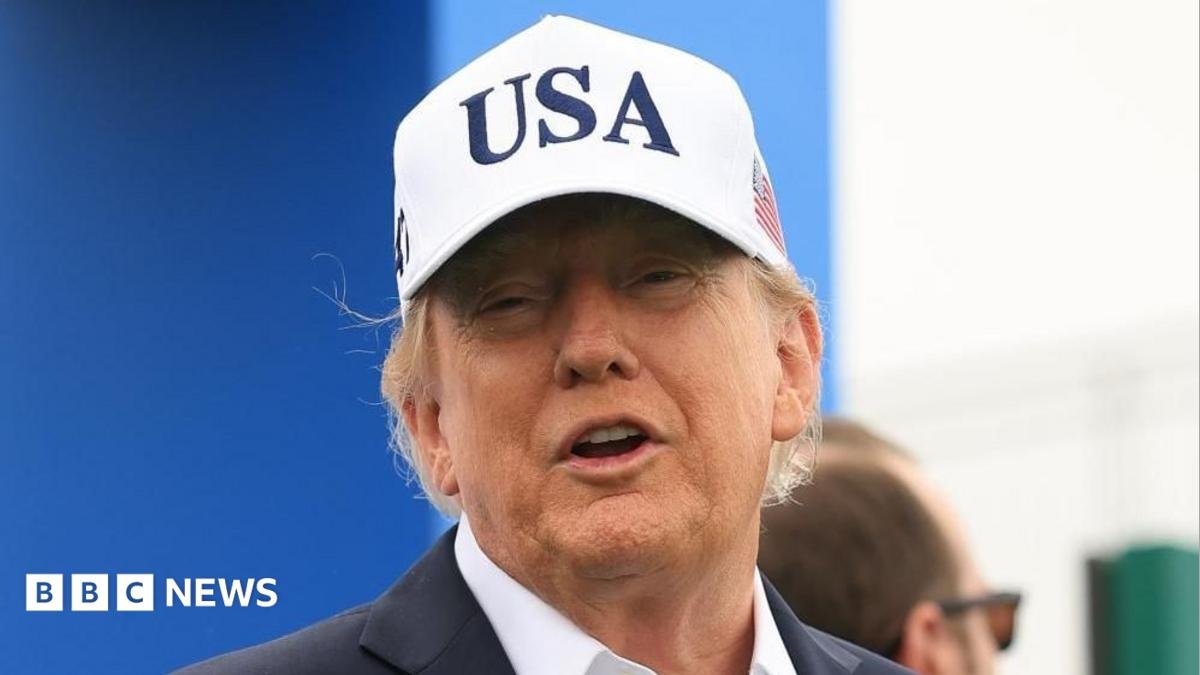
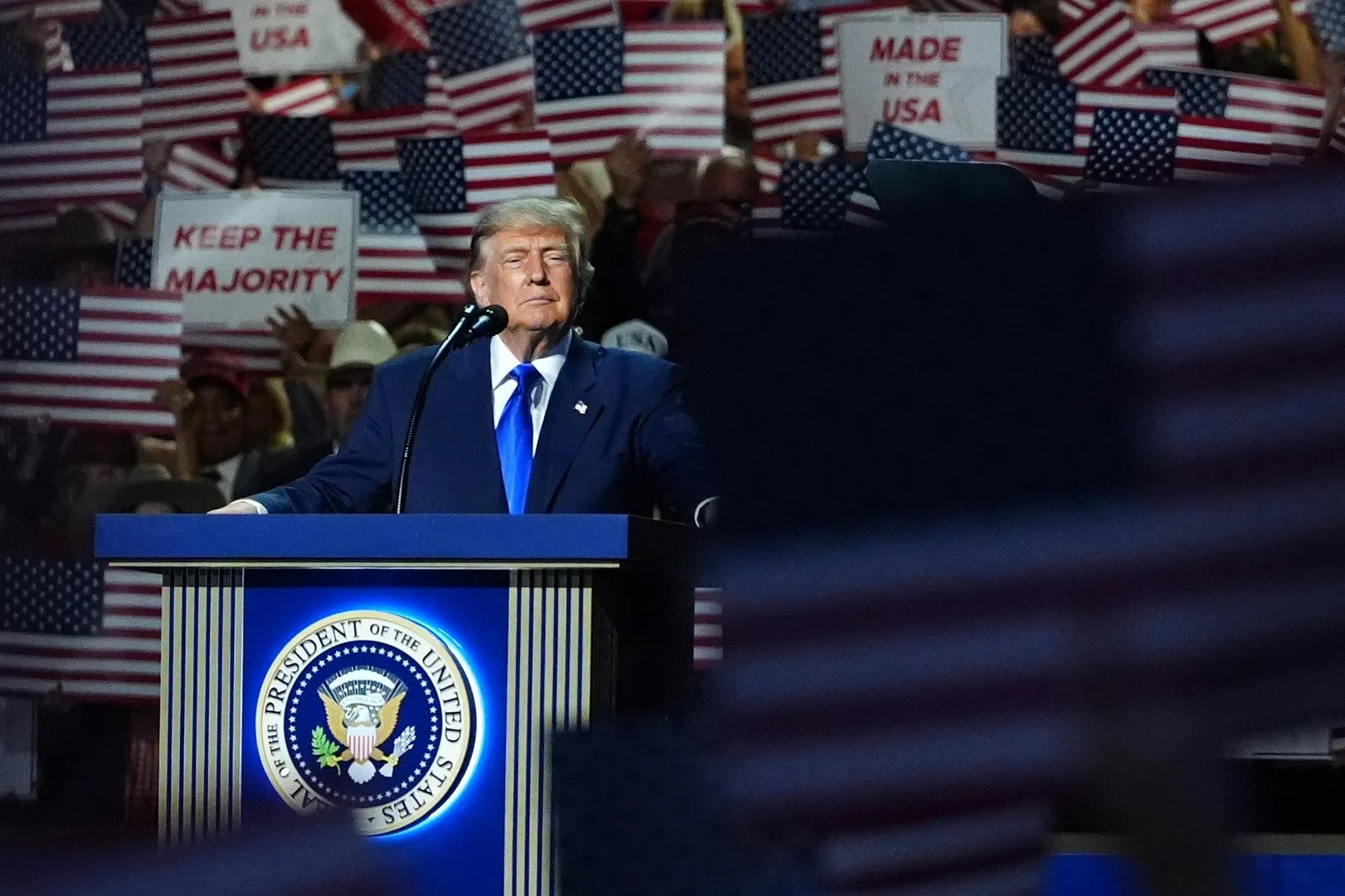
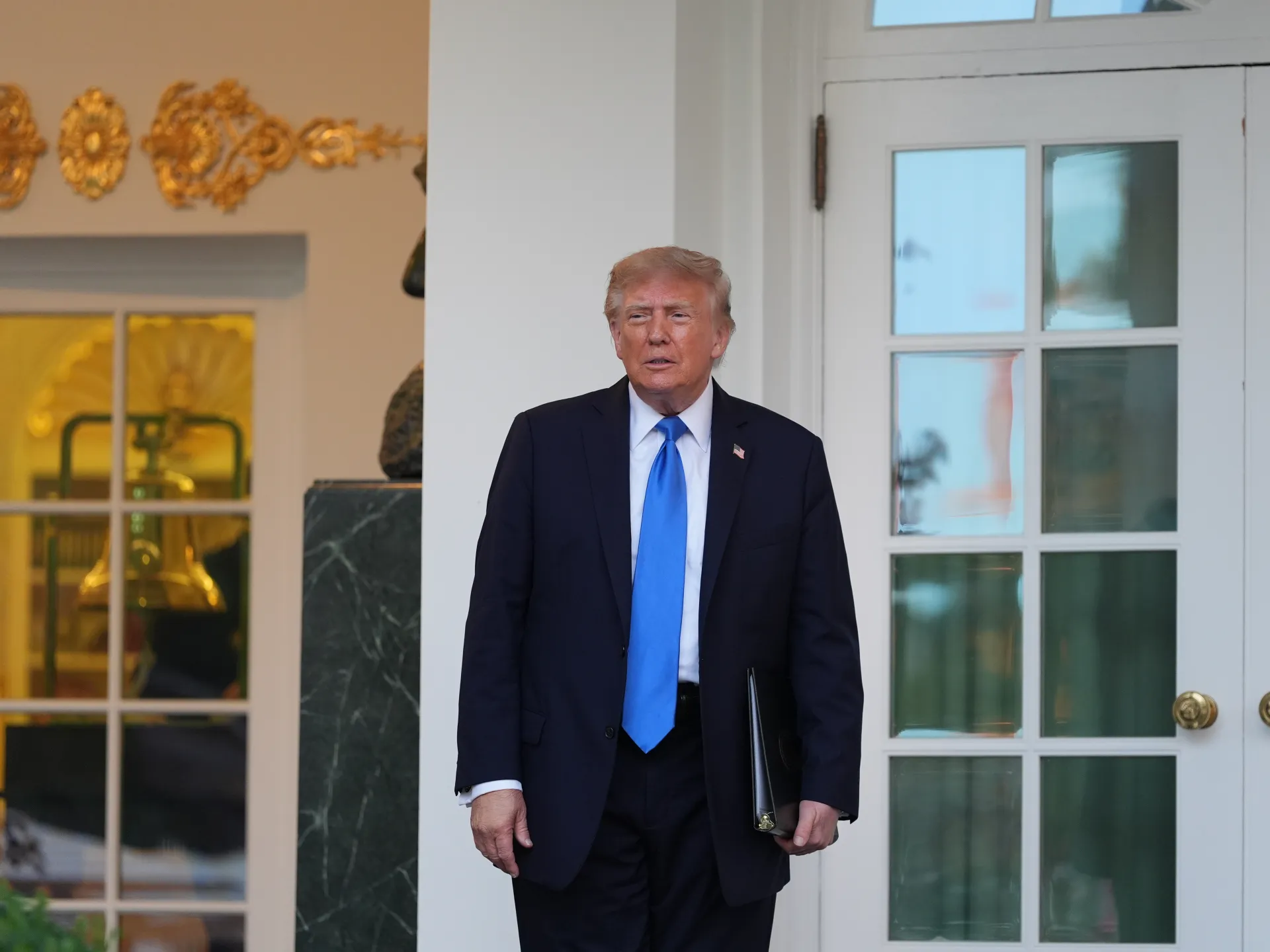
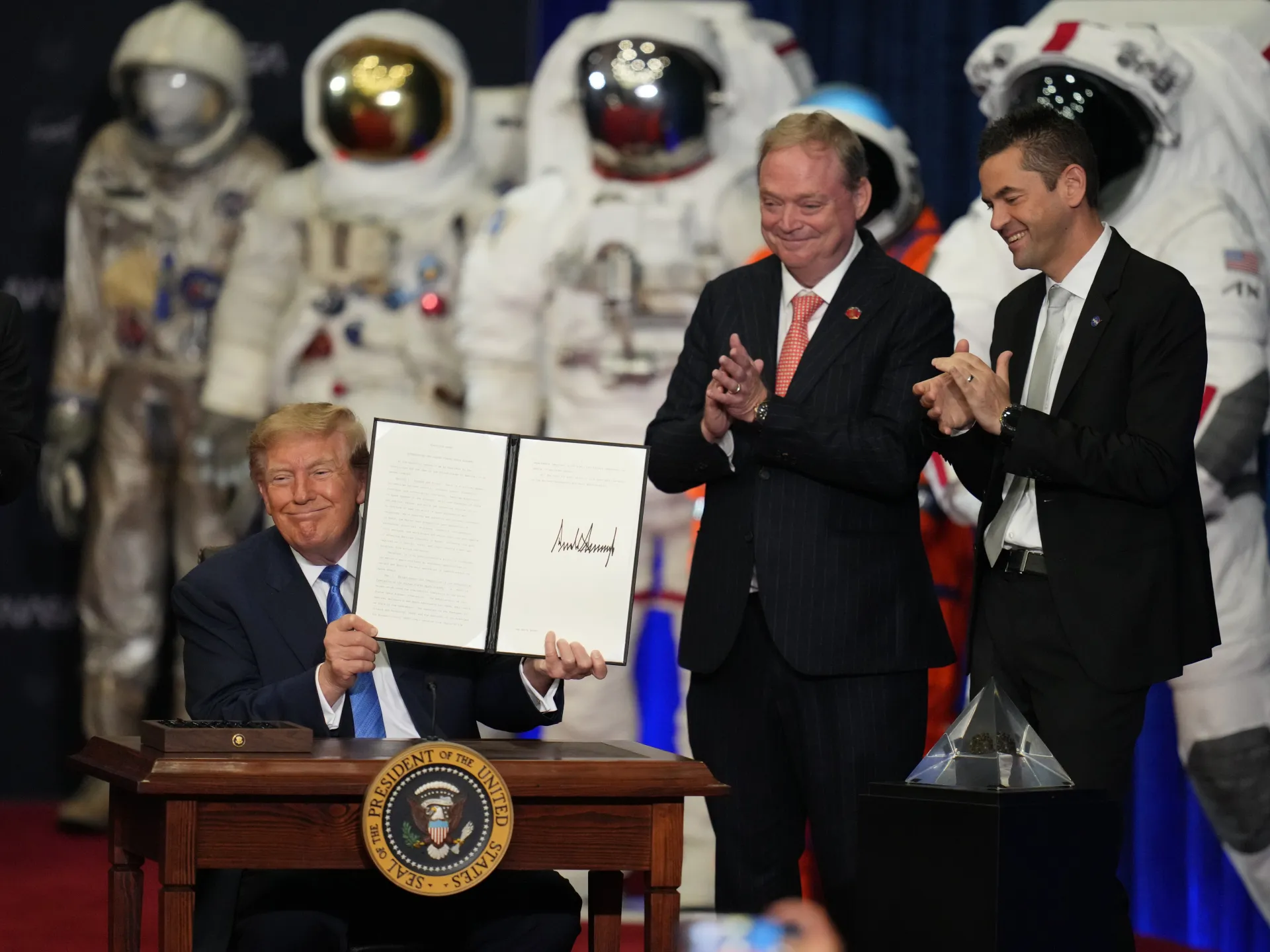
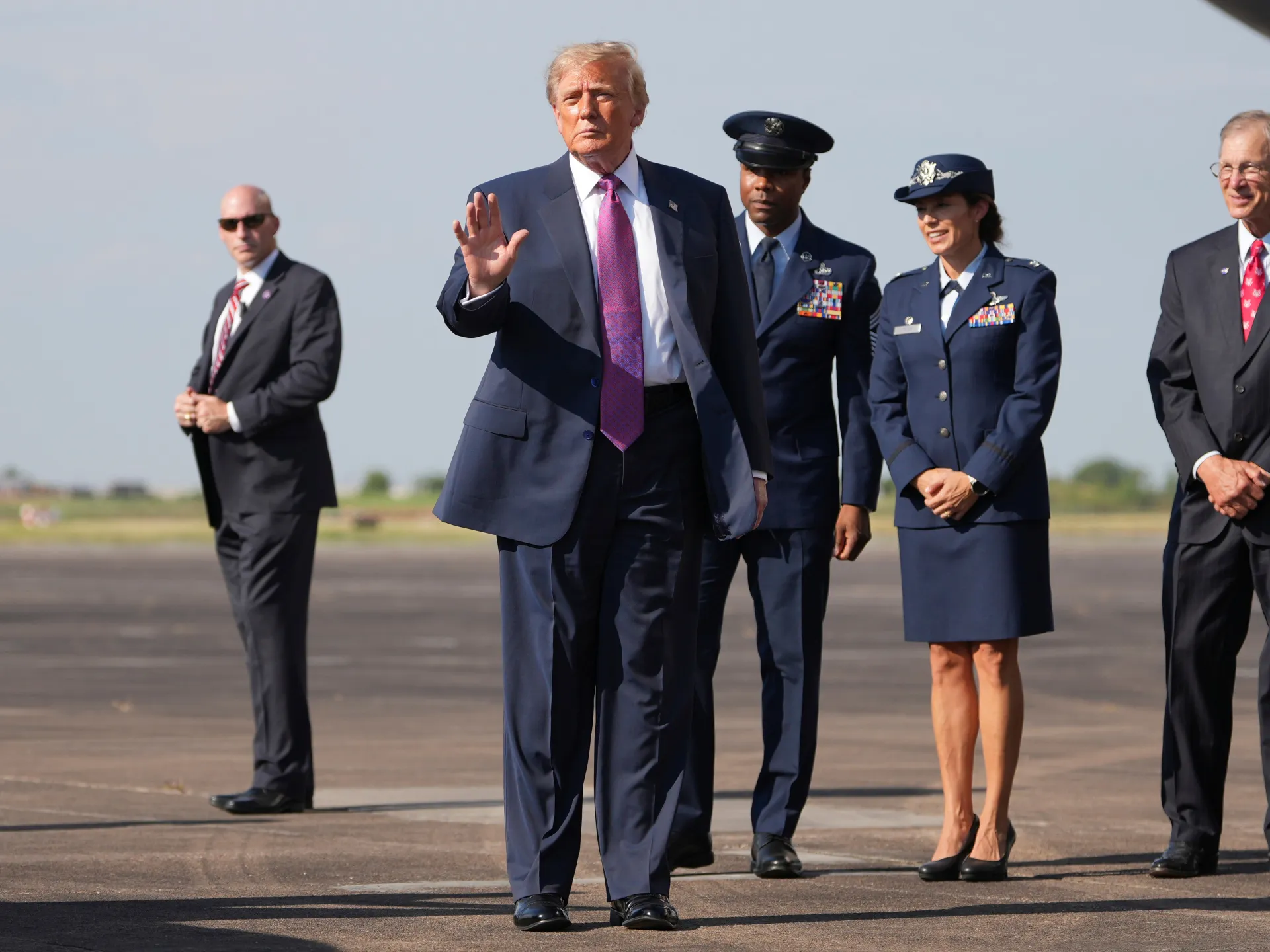
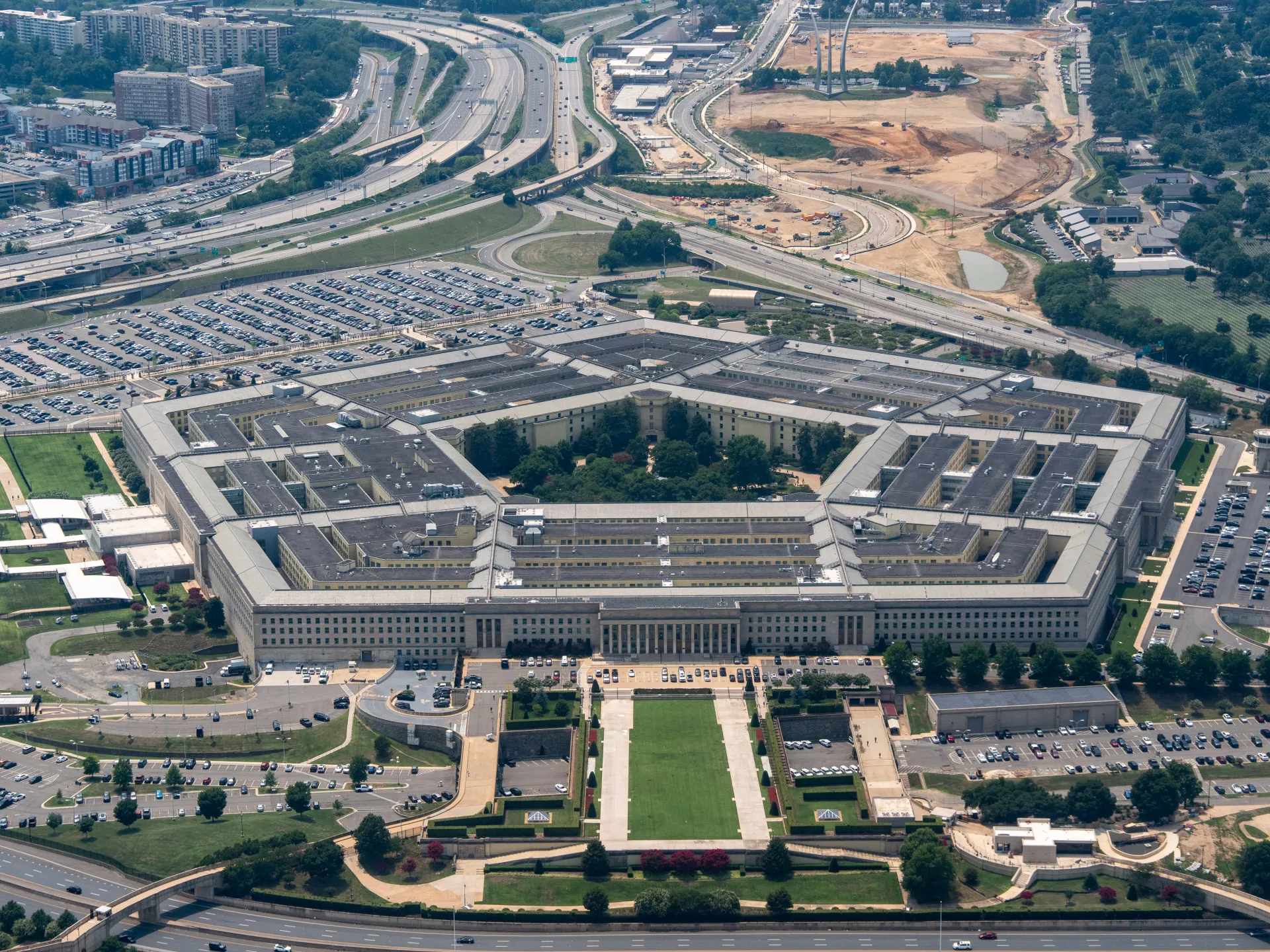
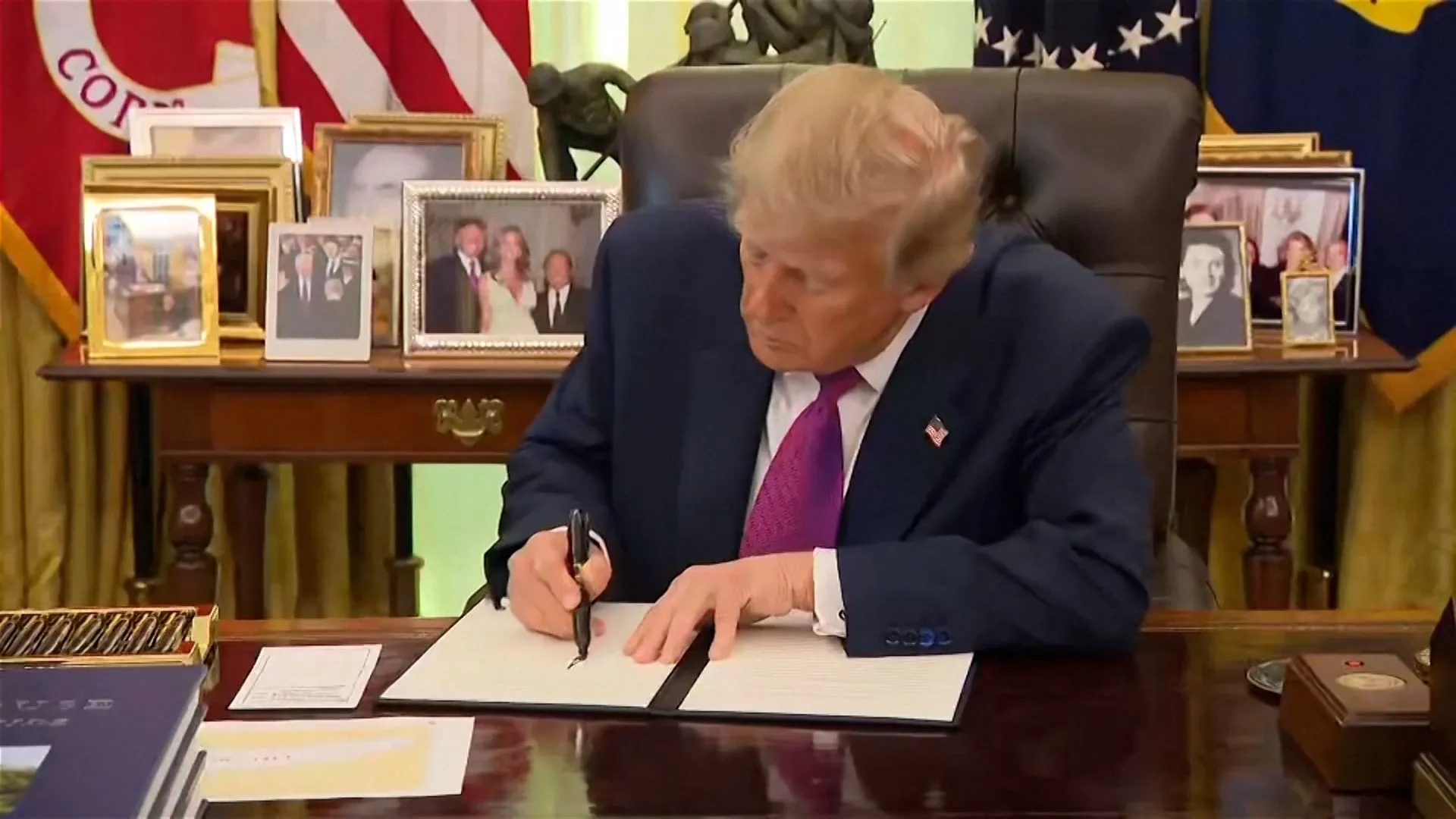
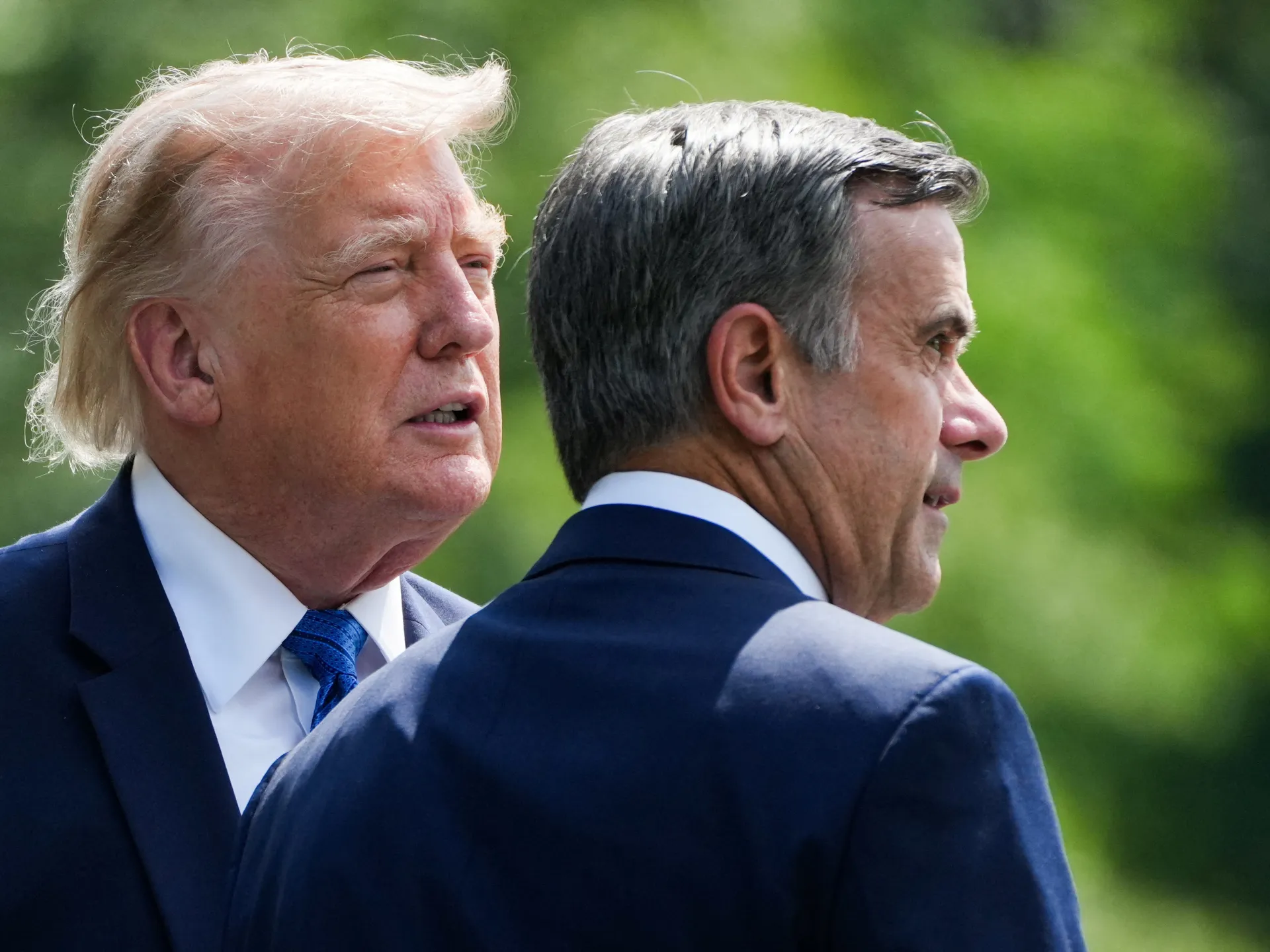
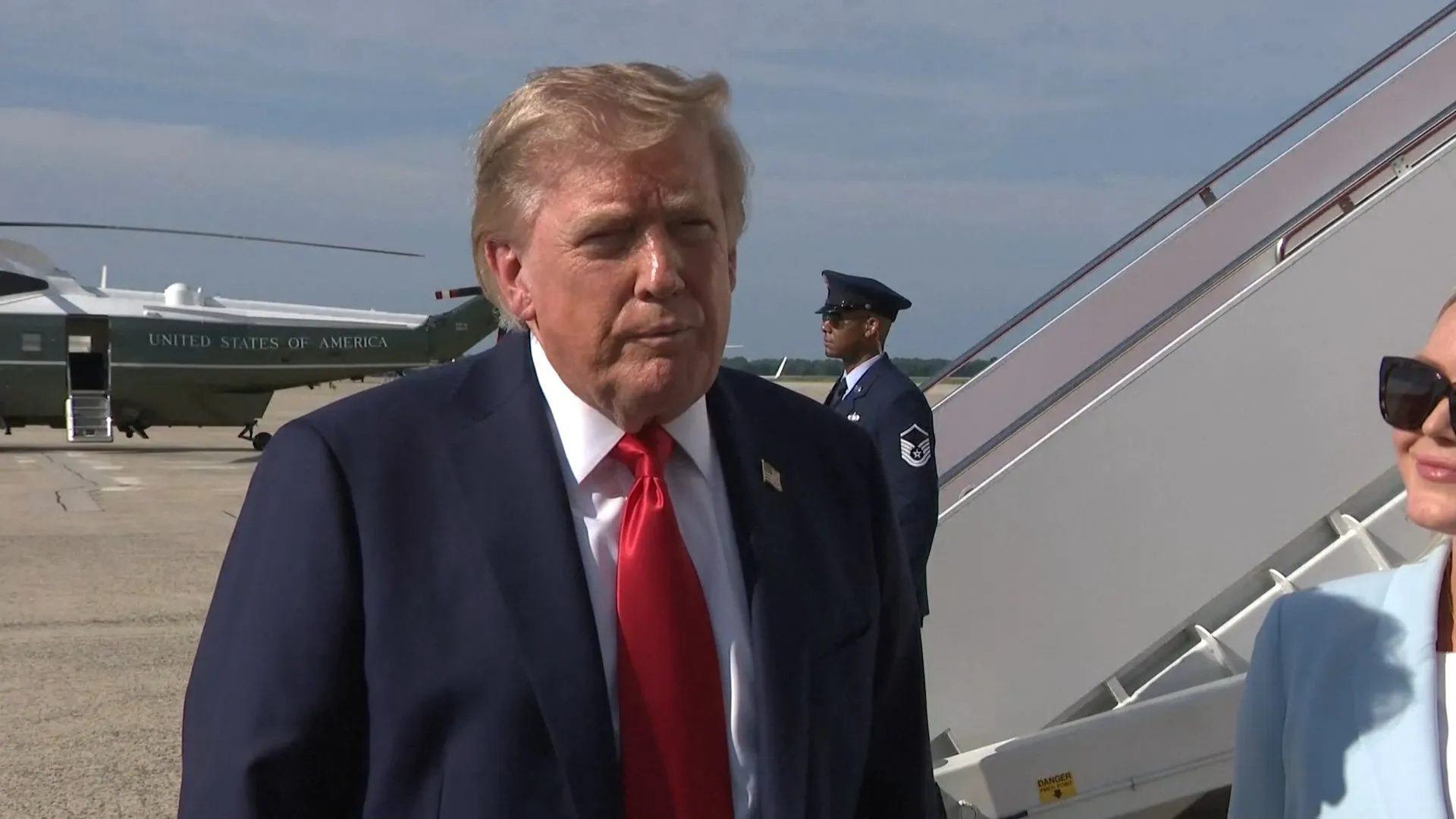
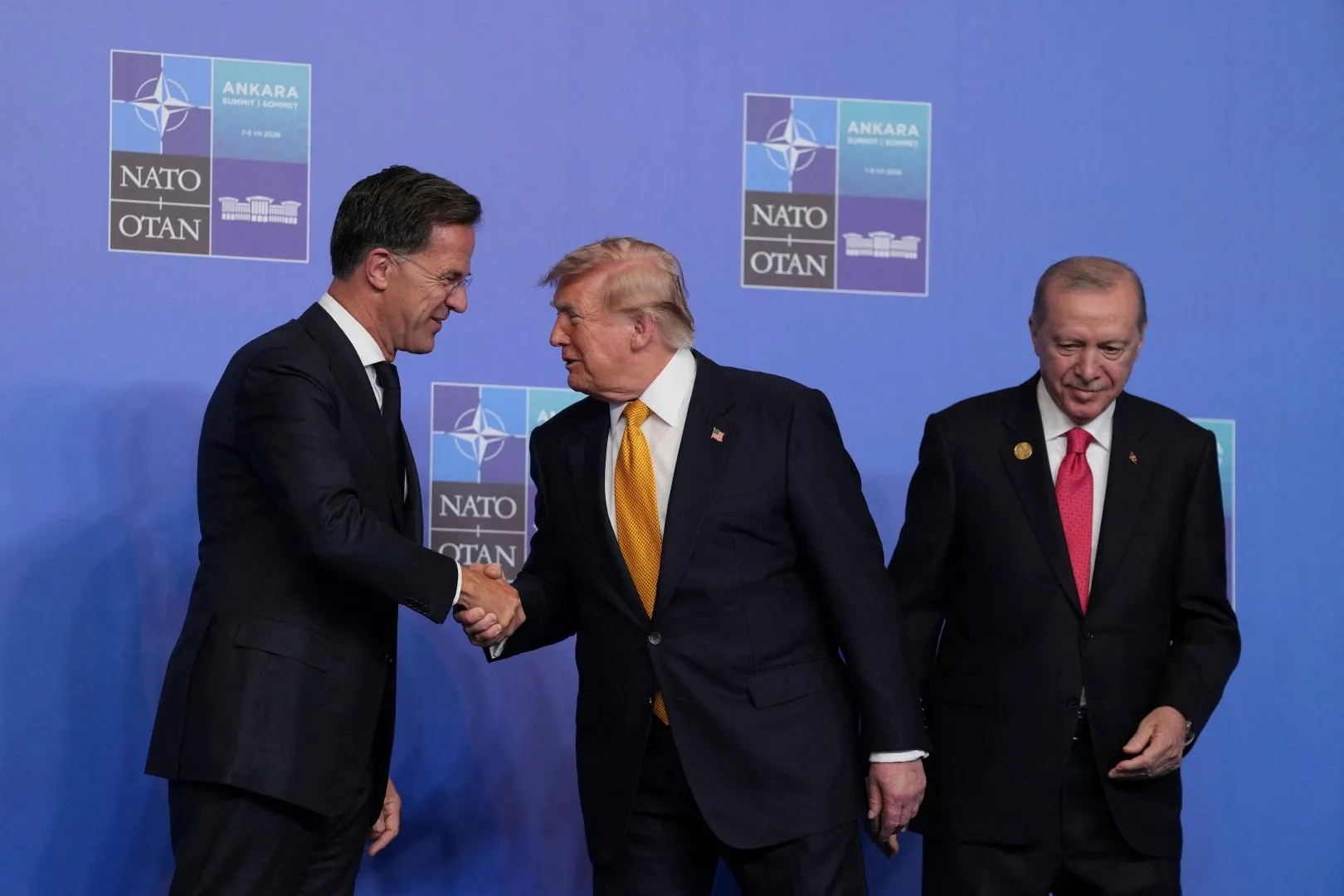
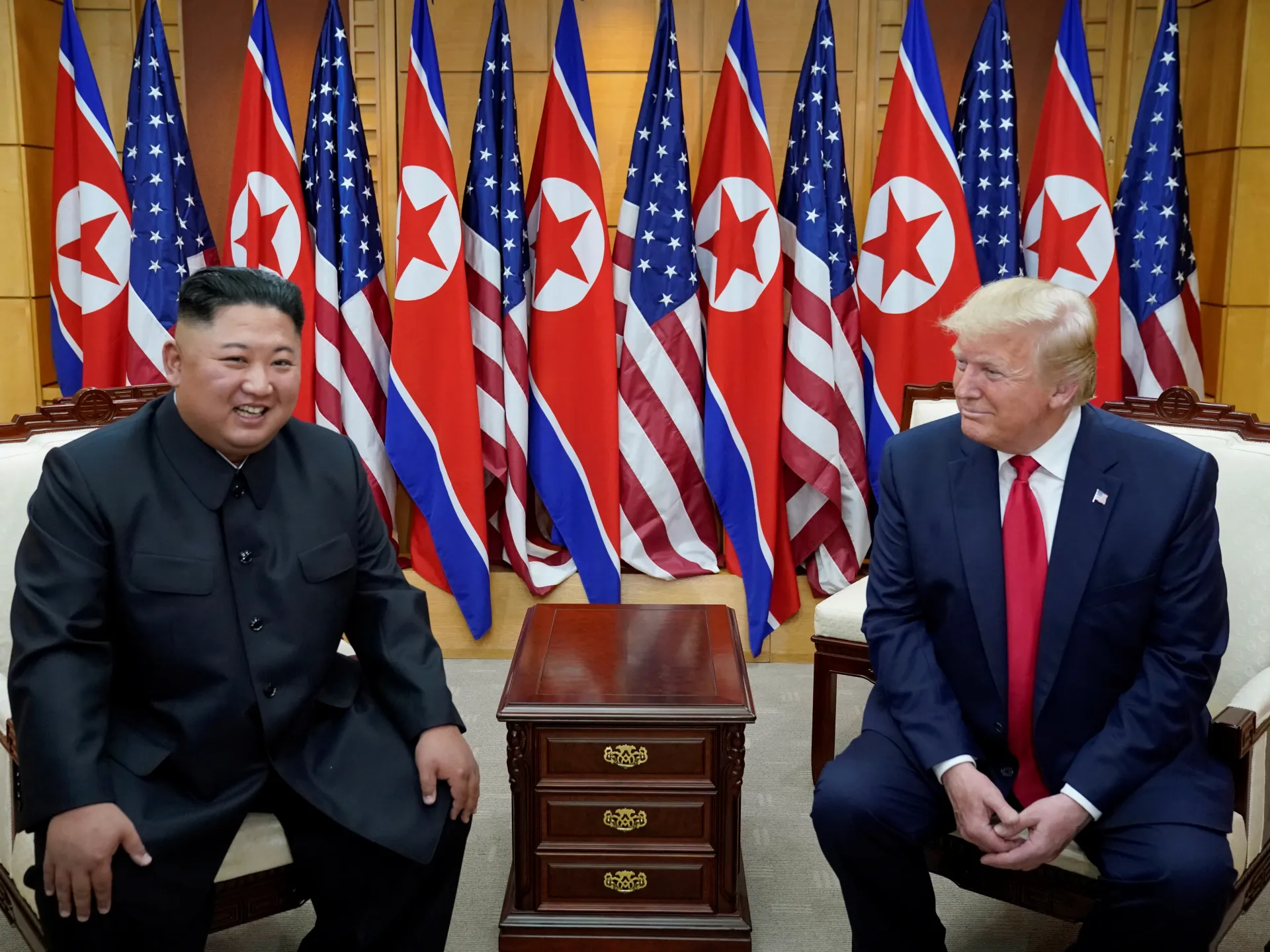
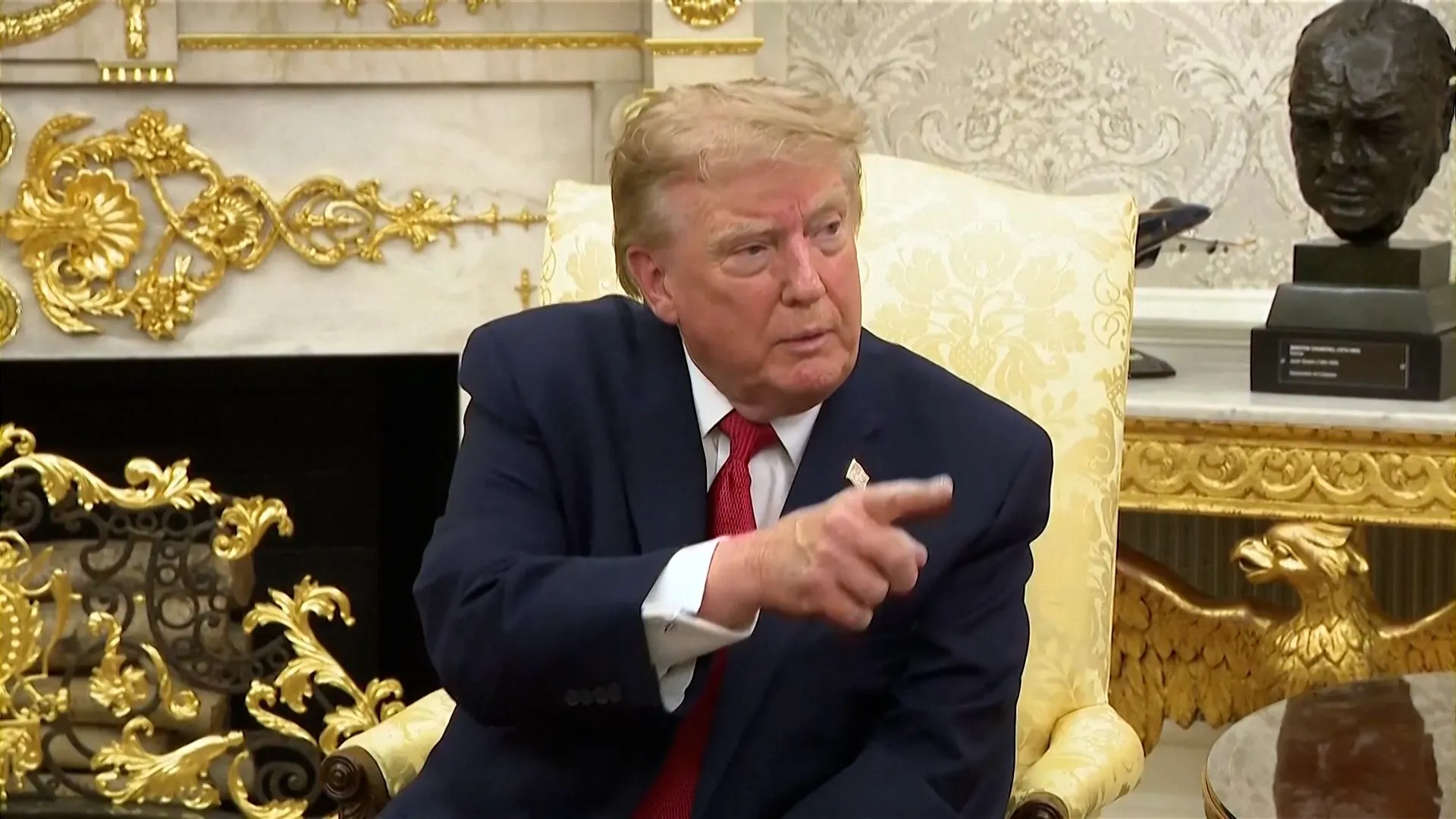
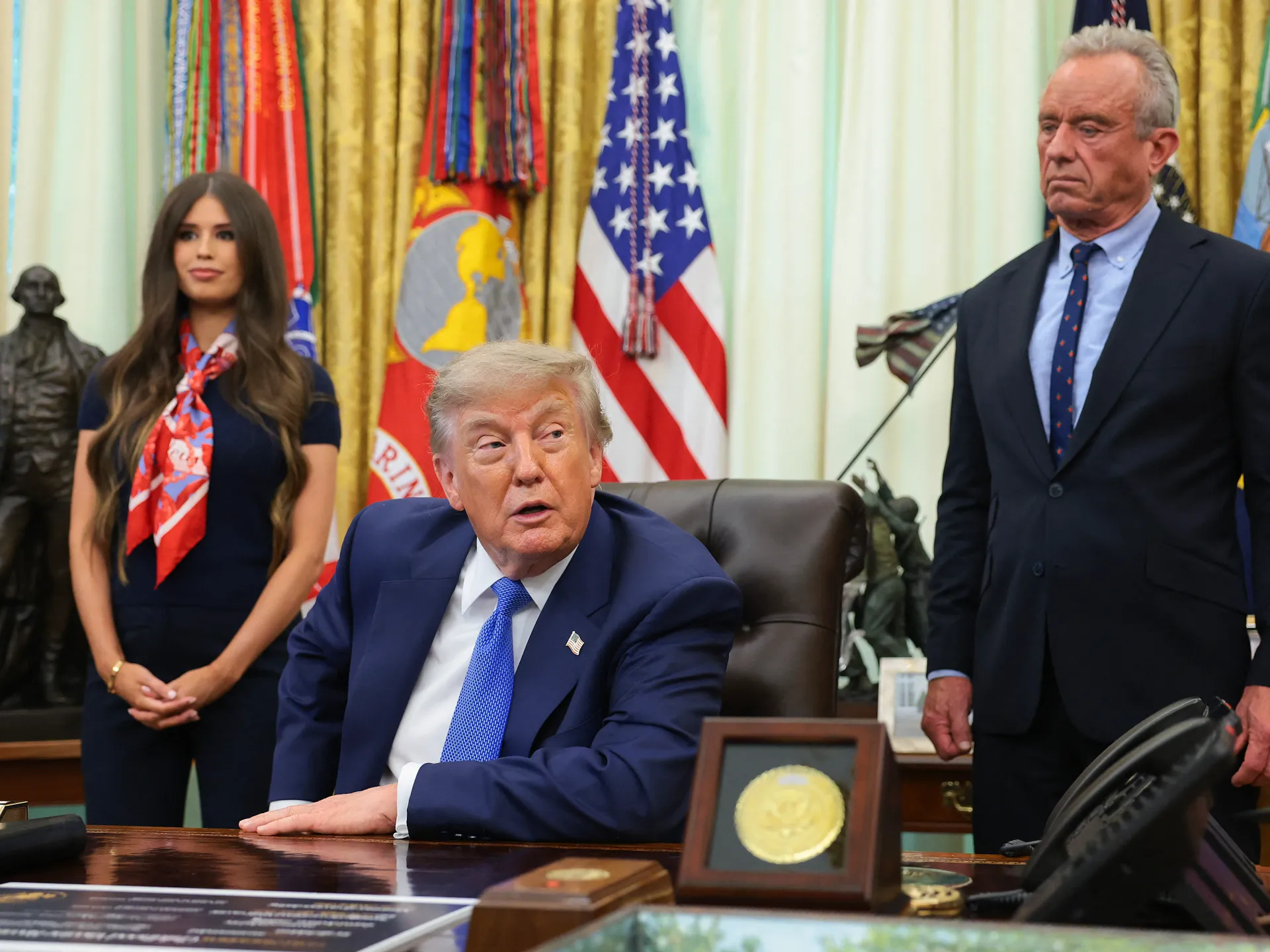
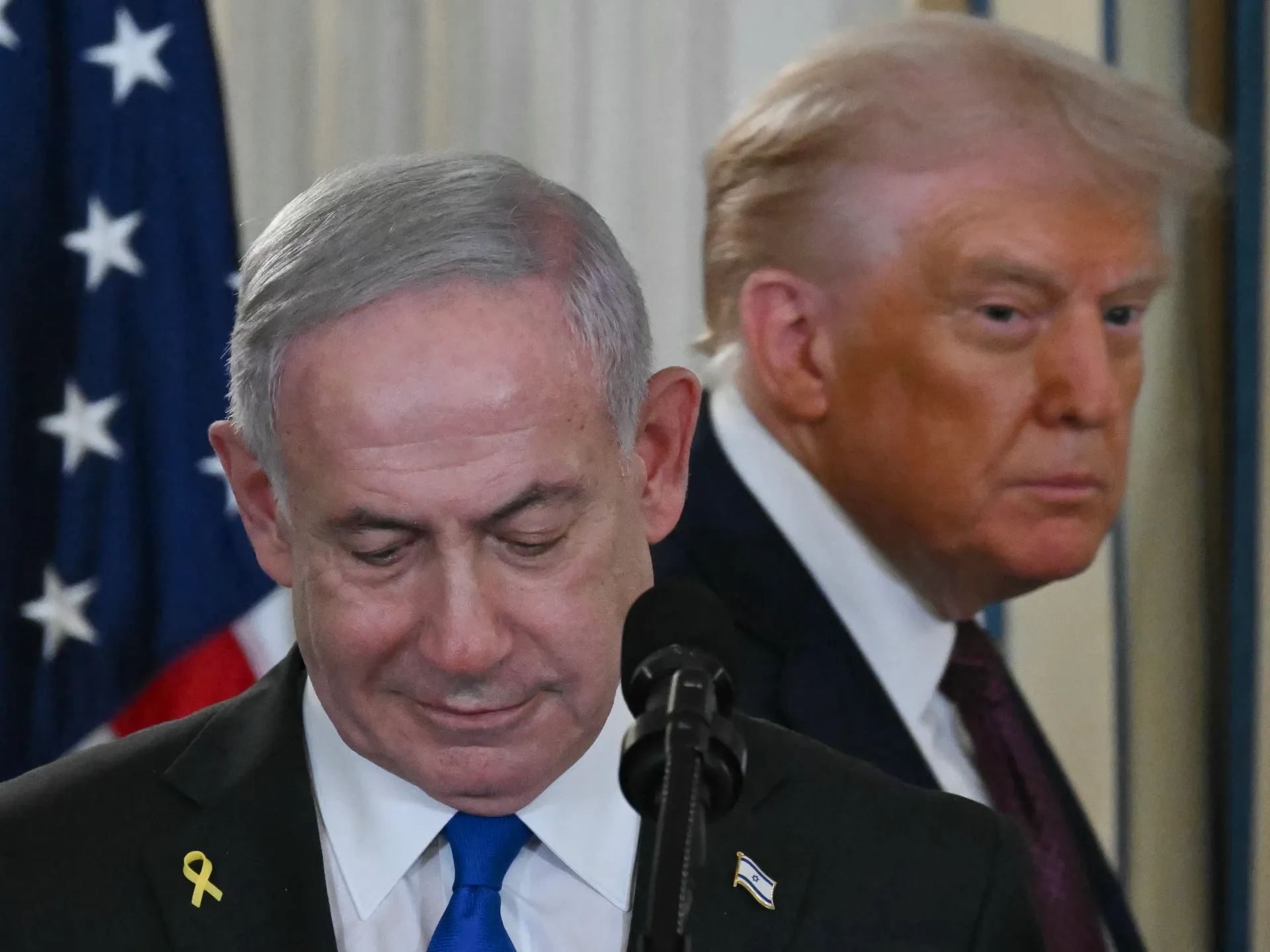
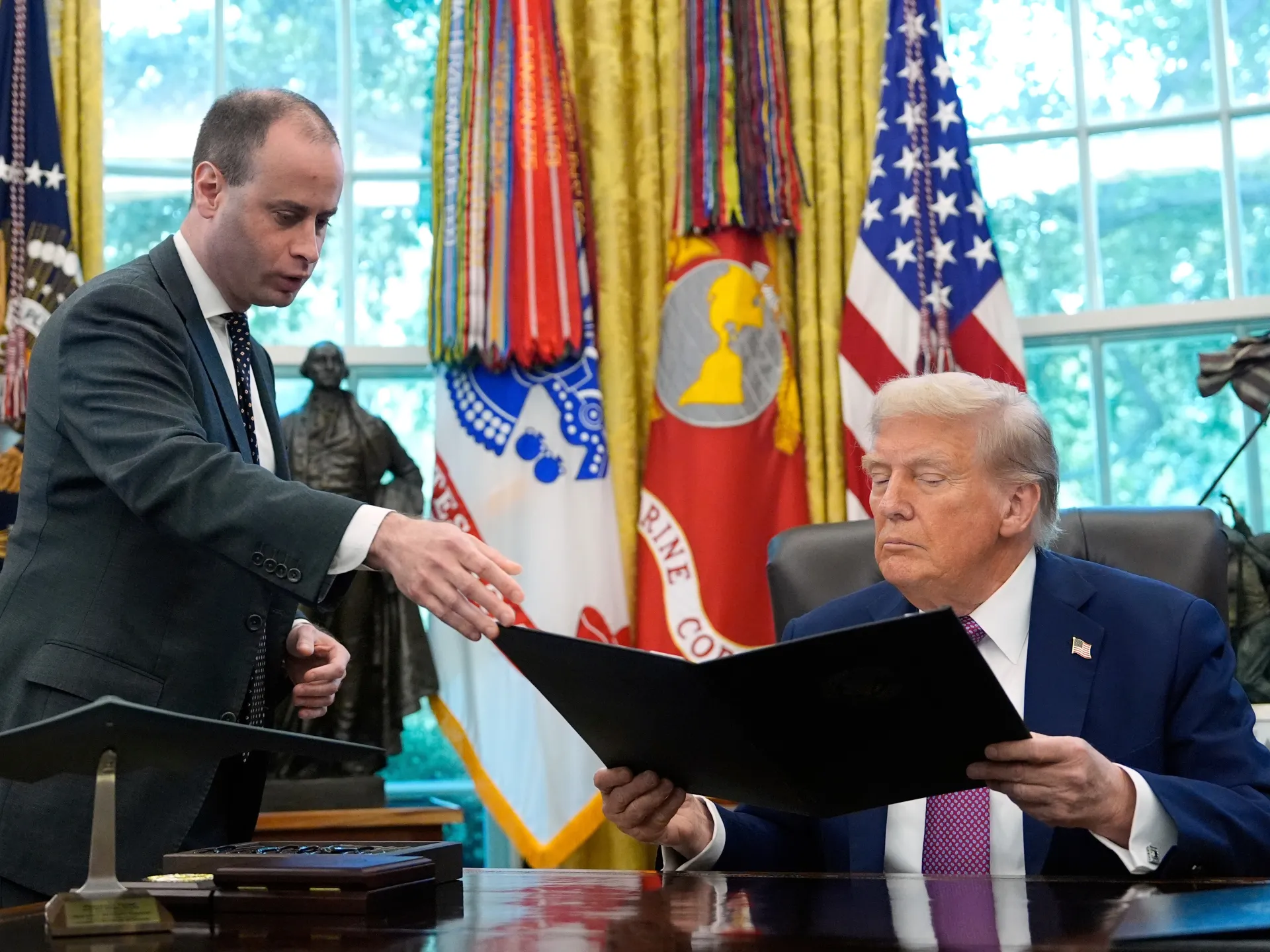
Conversely, the American position remains fluid. President Donald Trump has publicly stated he is in a "deciding mode" regarding the next steps in the region, keeping options open that range from further economic pressure to a potential diplomatic breakthrough. Notably, the president has expressed openness to a meeting with Iranian President Masoud Pezeshkian on the sidelines of the UN assembly. While CBS News reports that negotiations are set to begin on Monday, the atmosphere remains tense, with U.S. officials providing assurances to Qatari mediators that Washington is seeking a viable agreement.
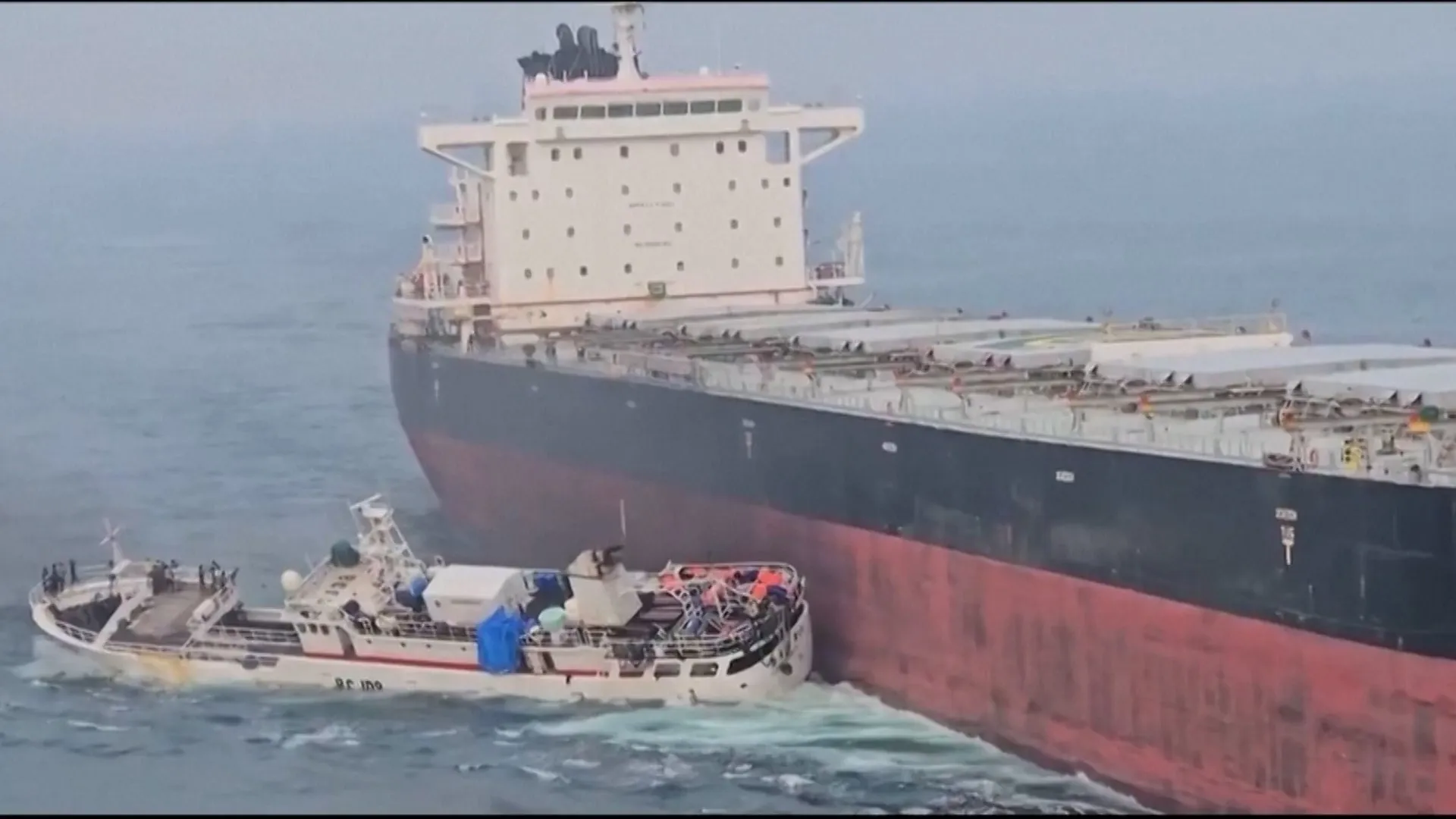
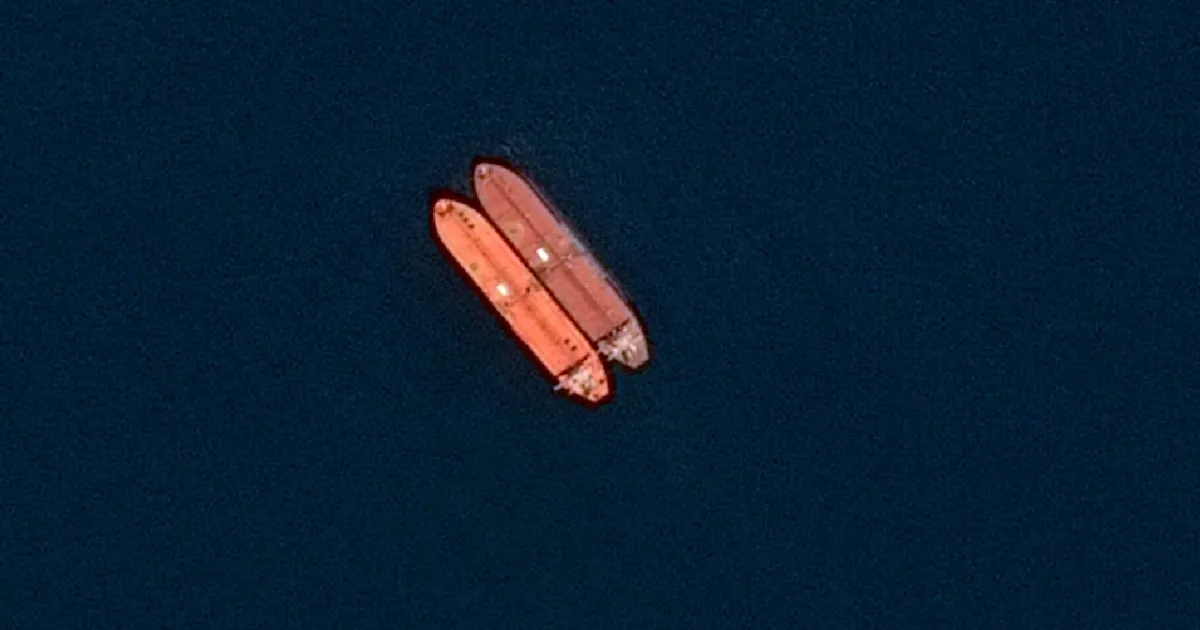
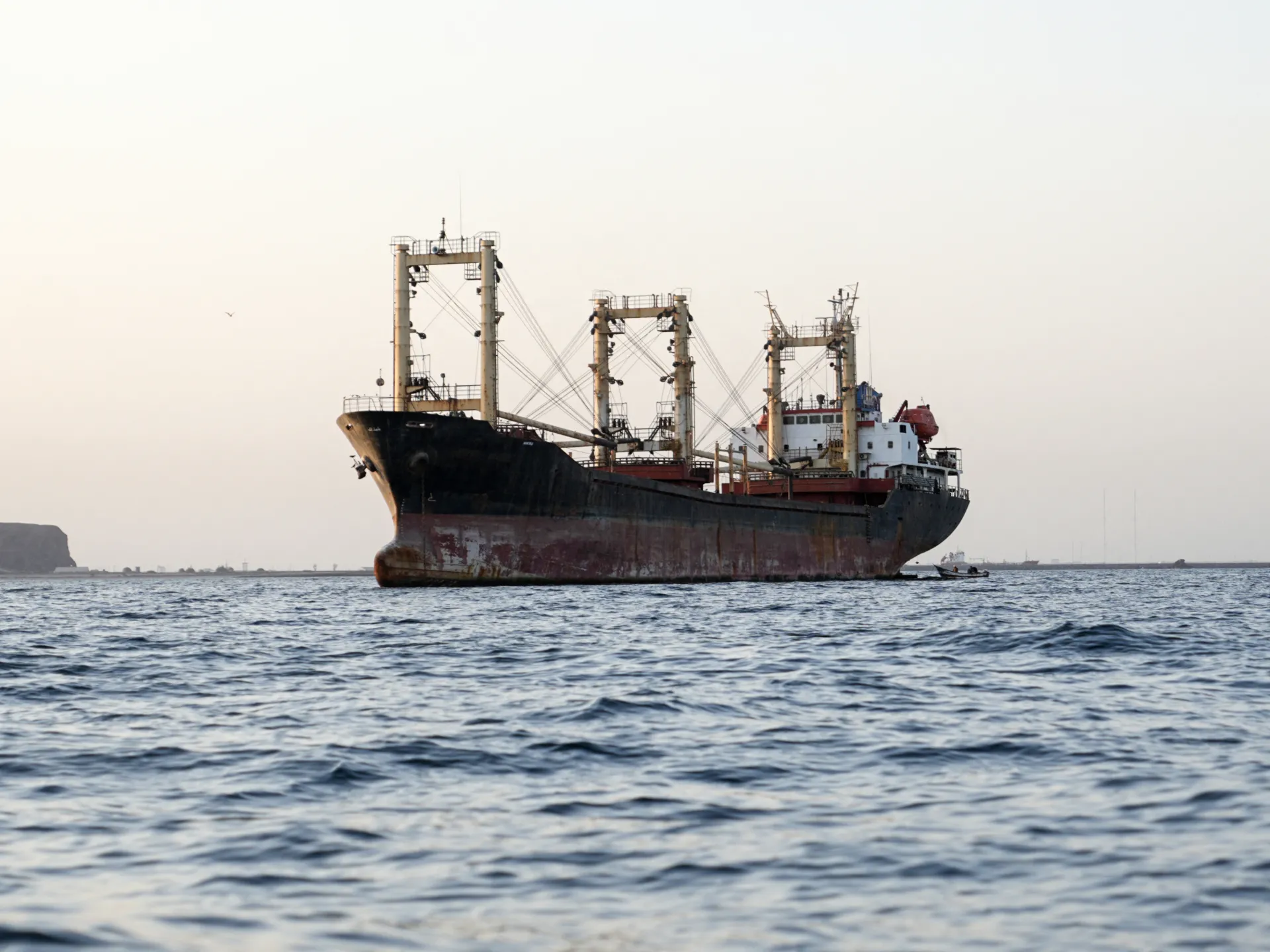
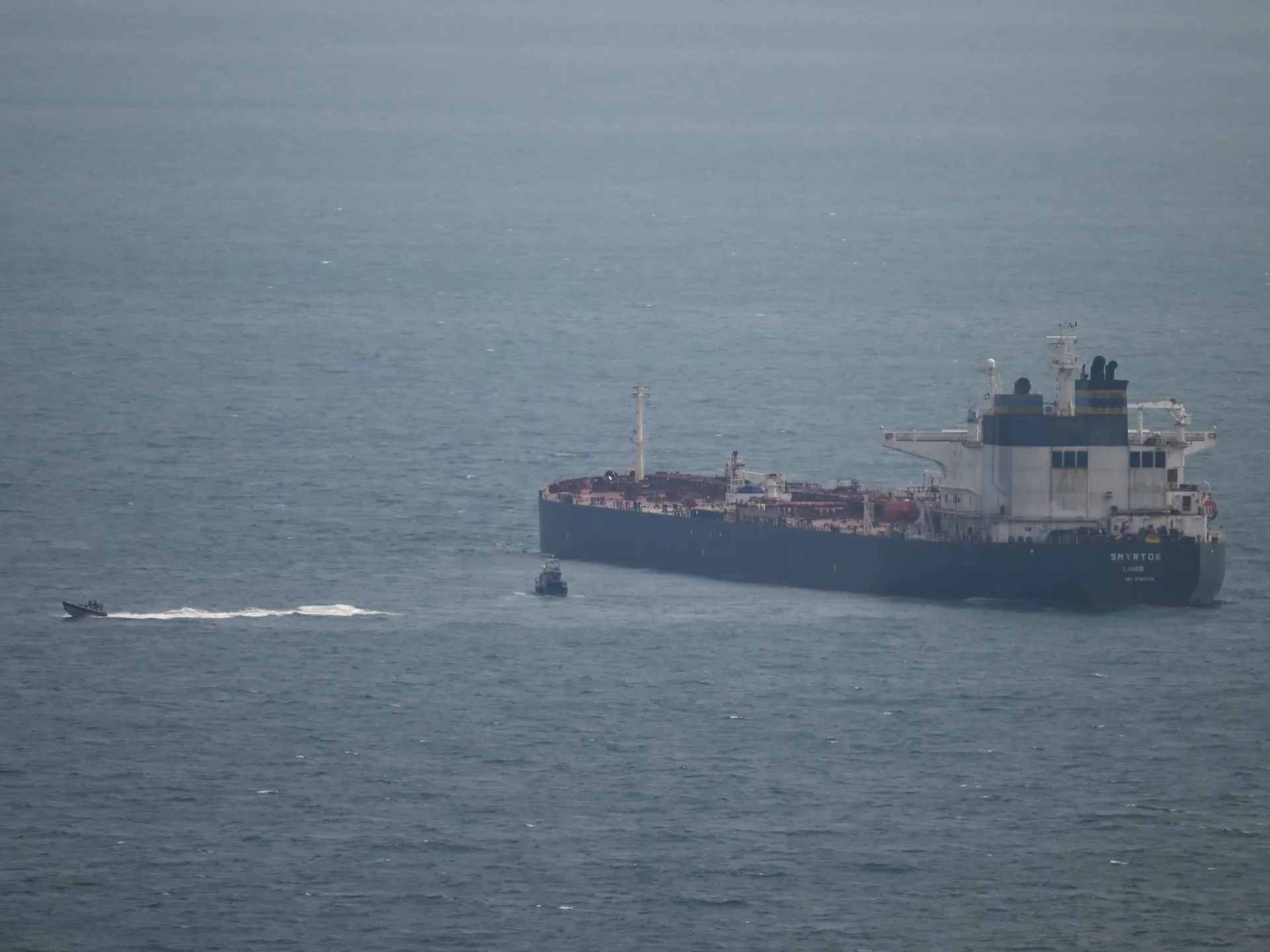
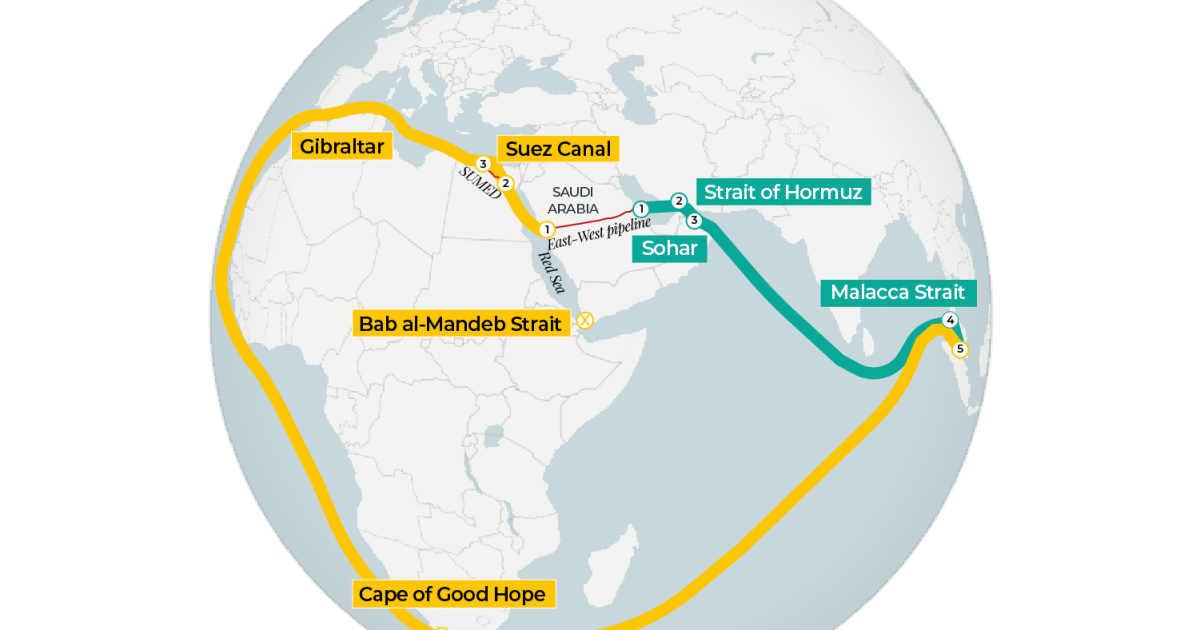
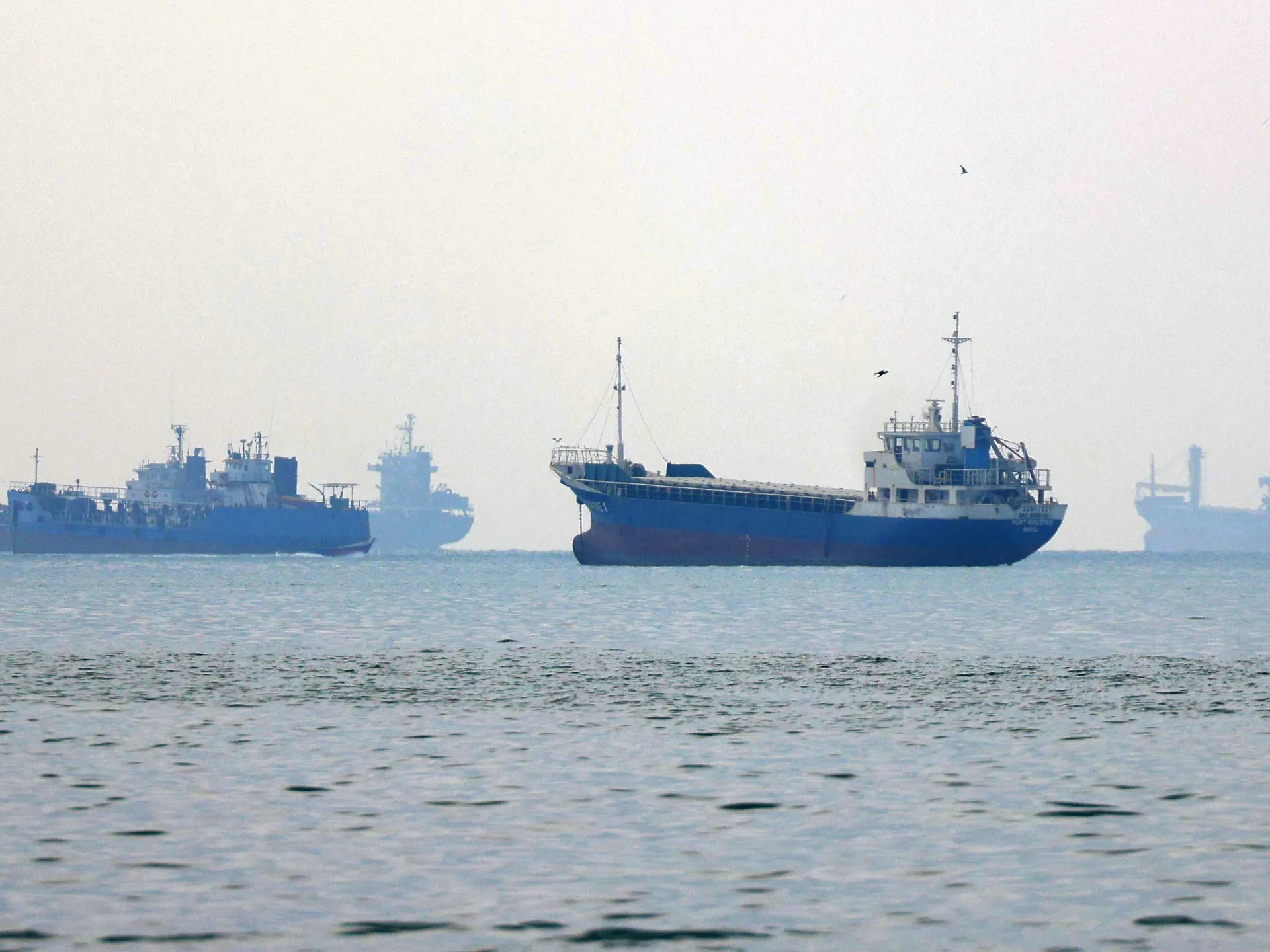
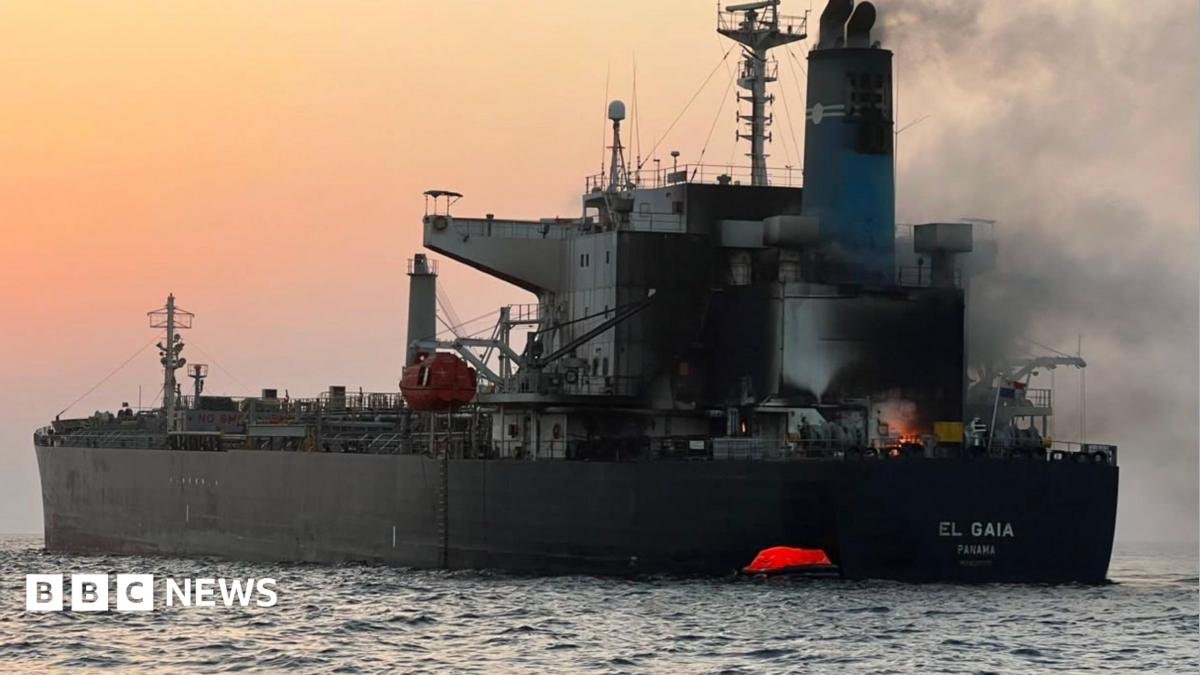
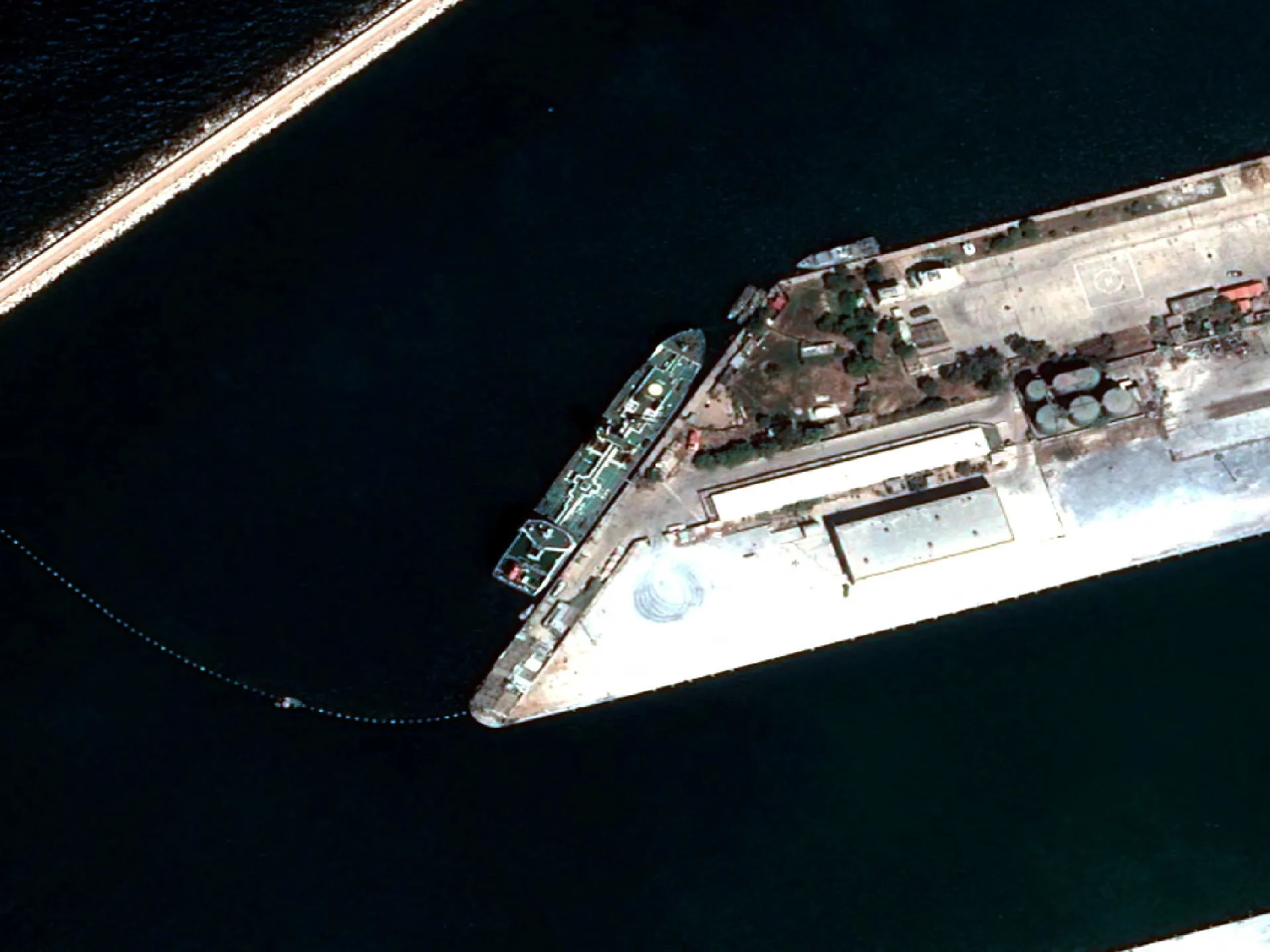
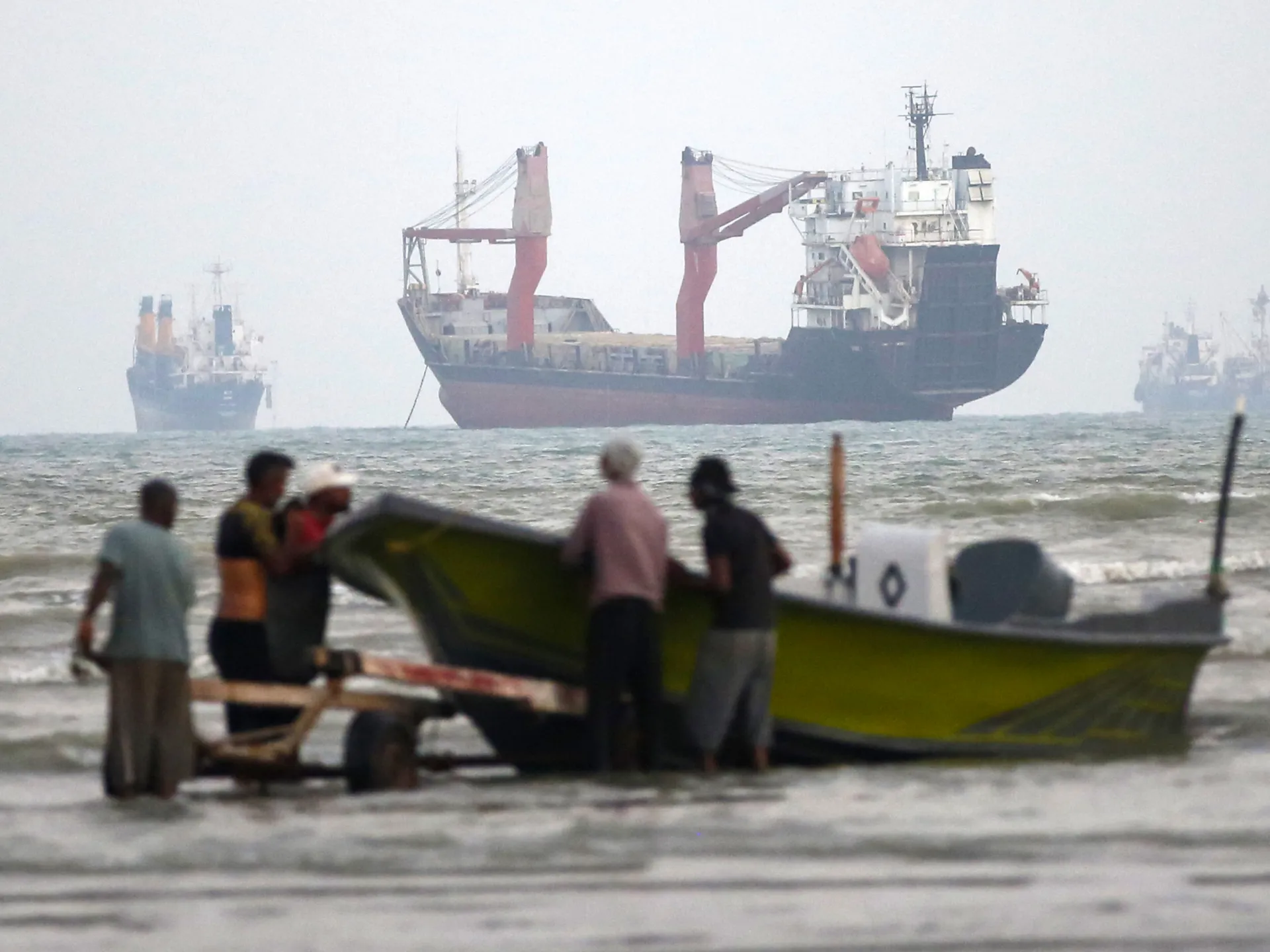
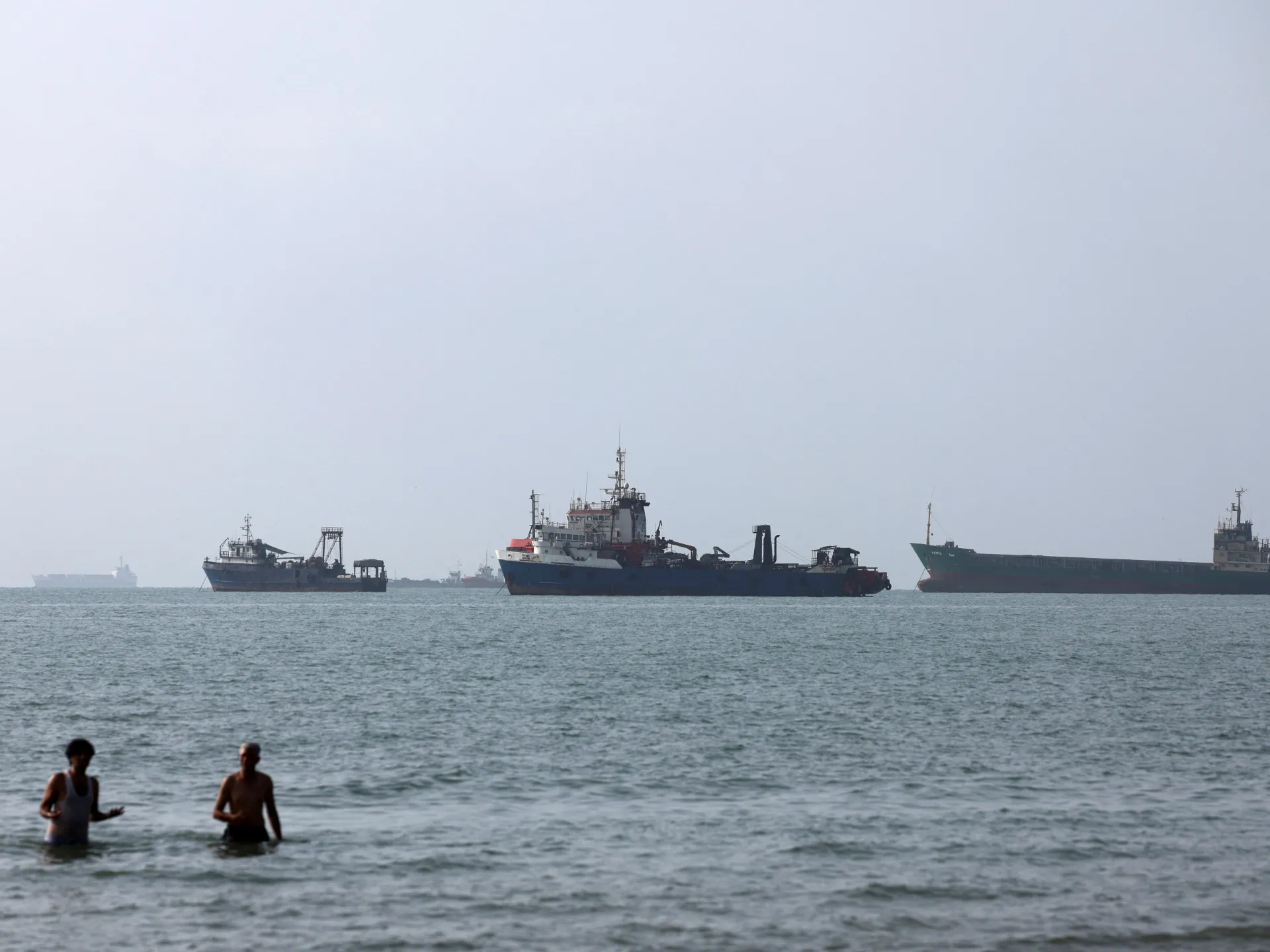
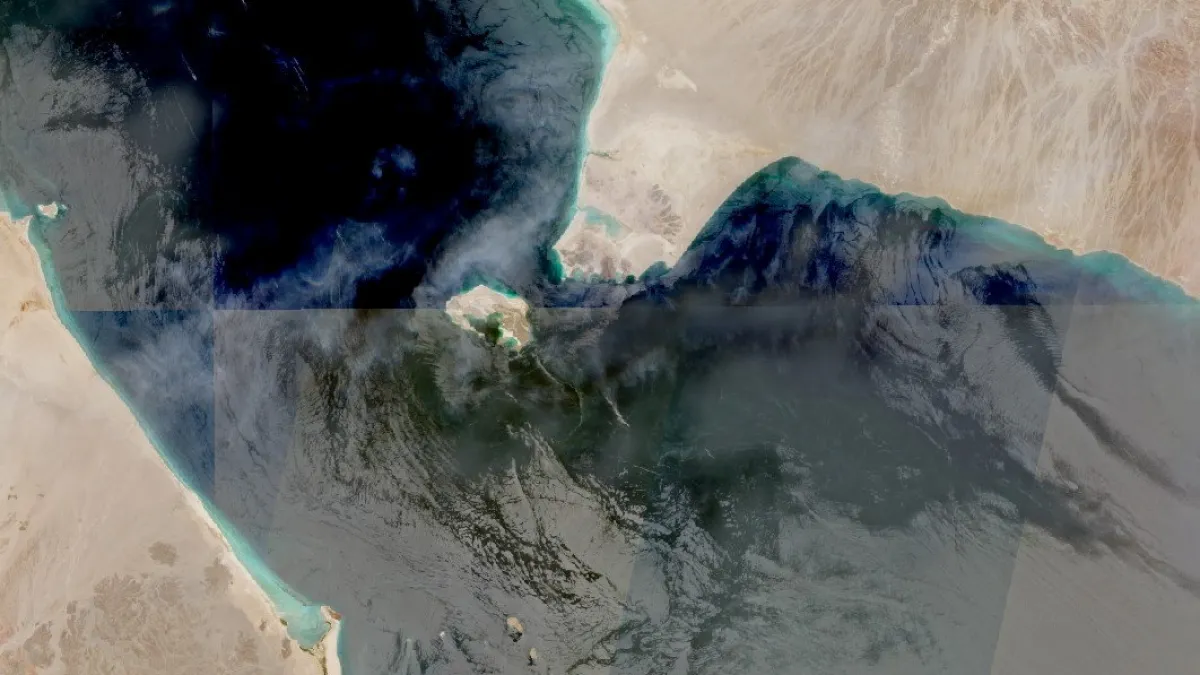
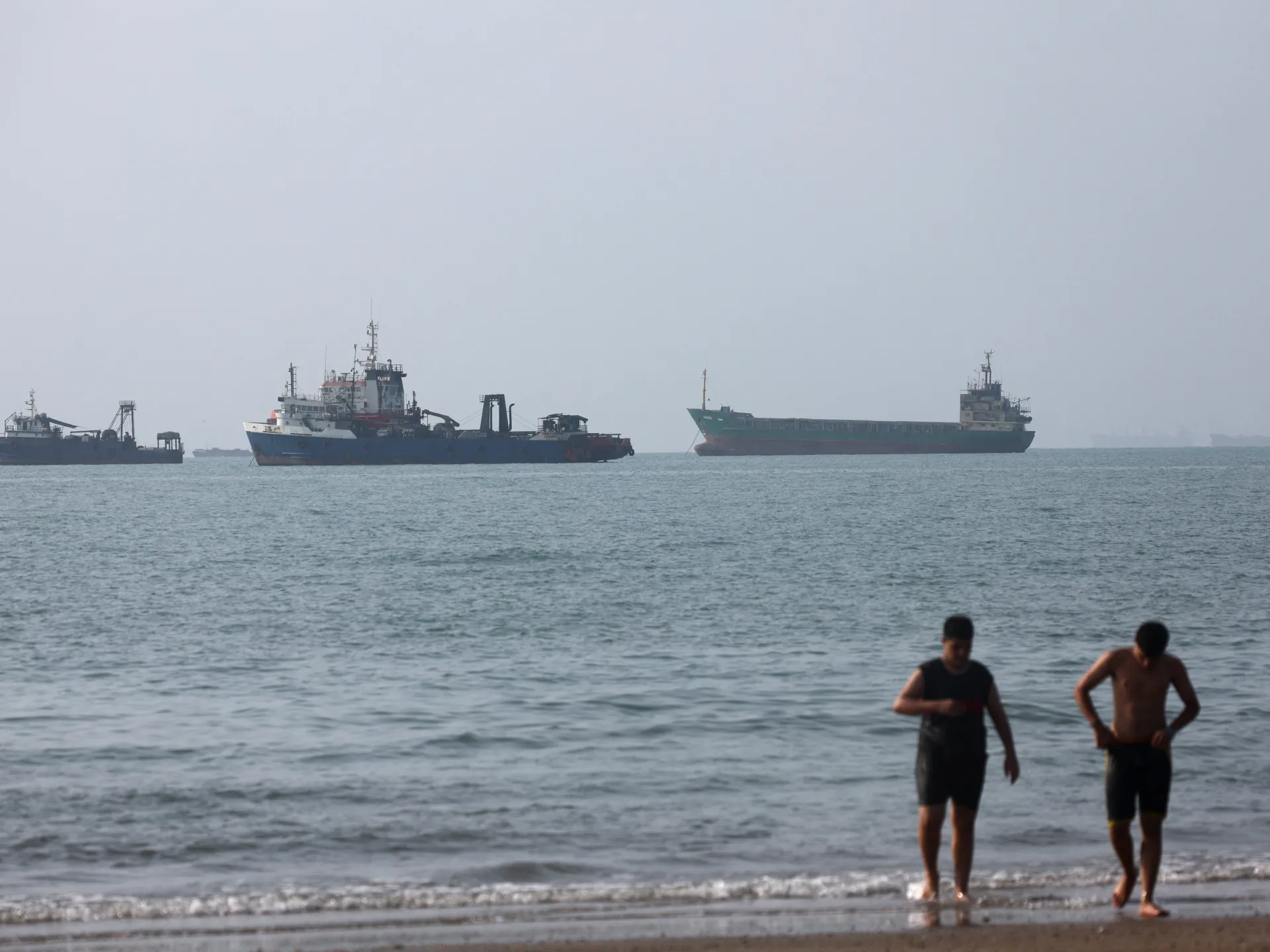
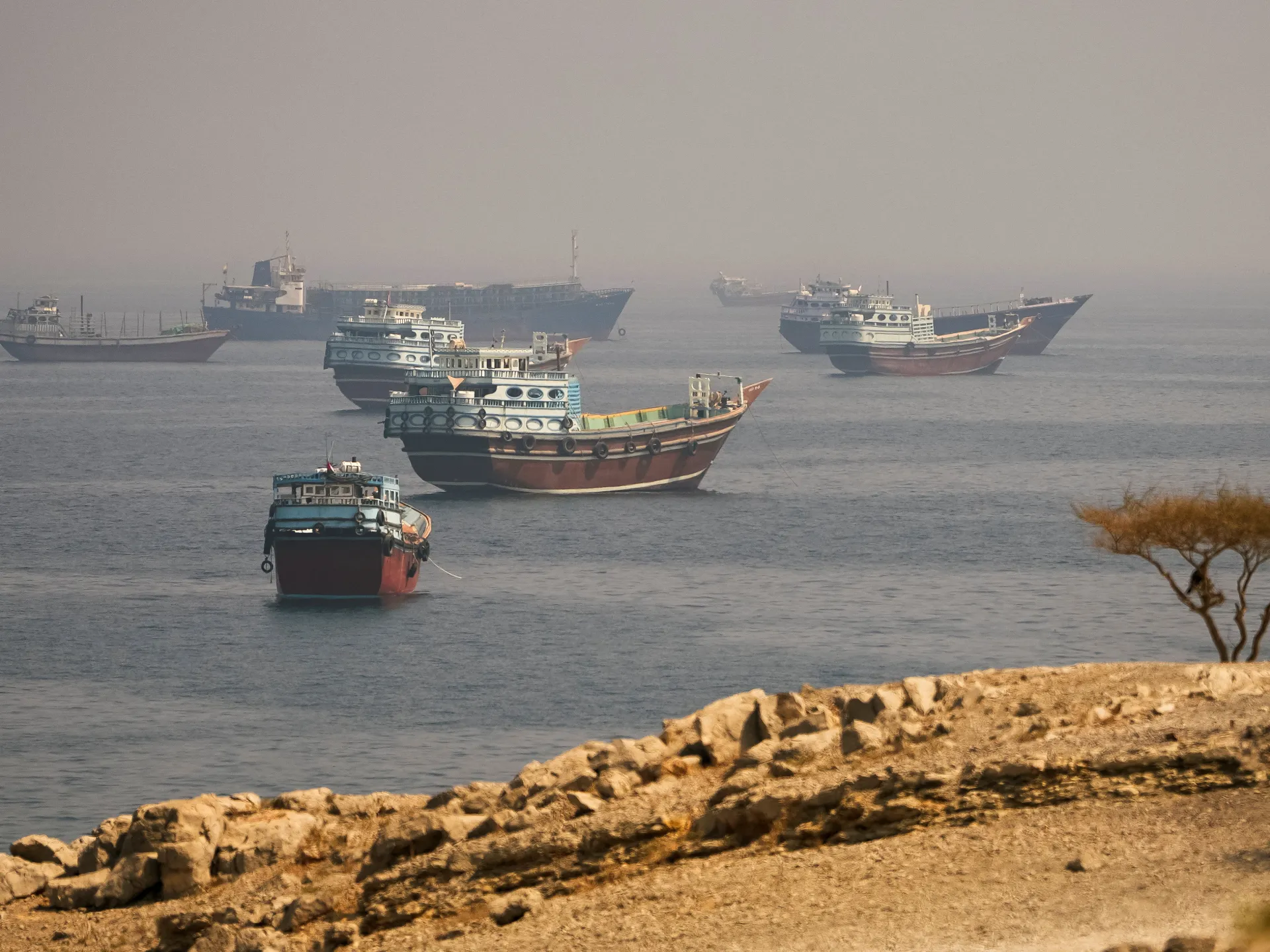
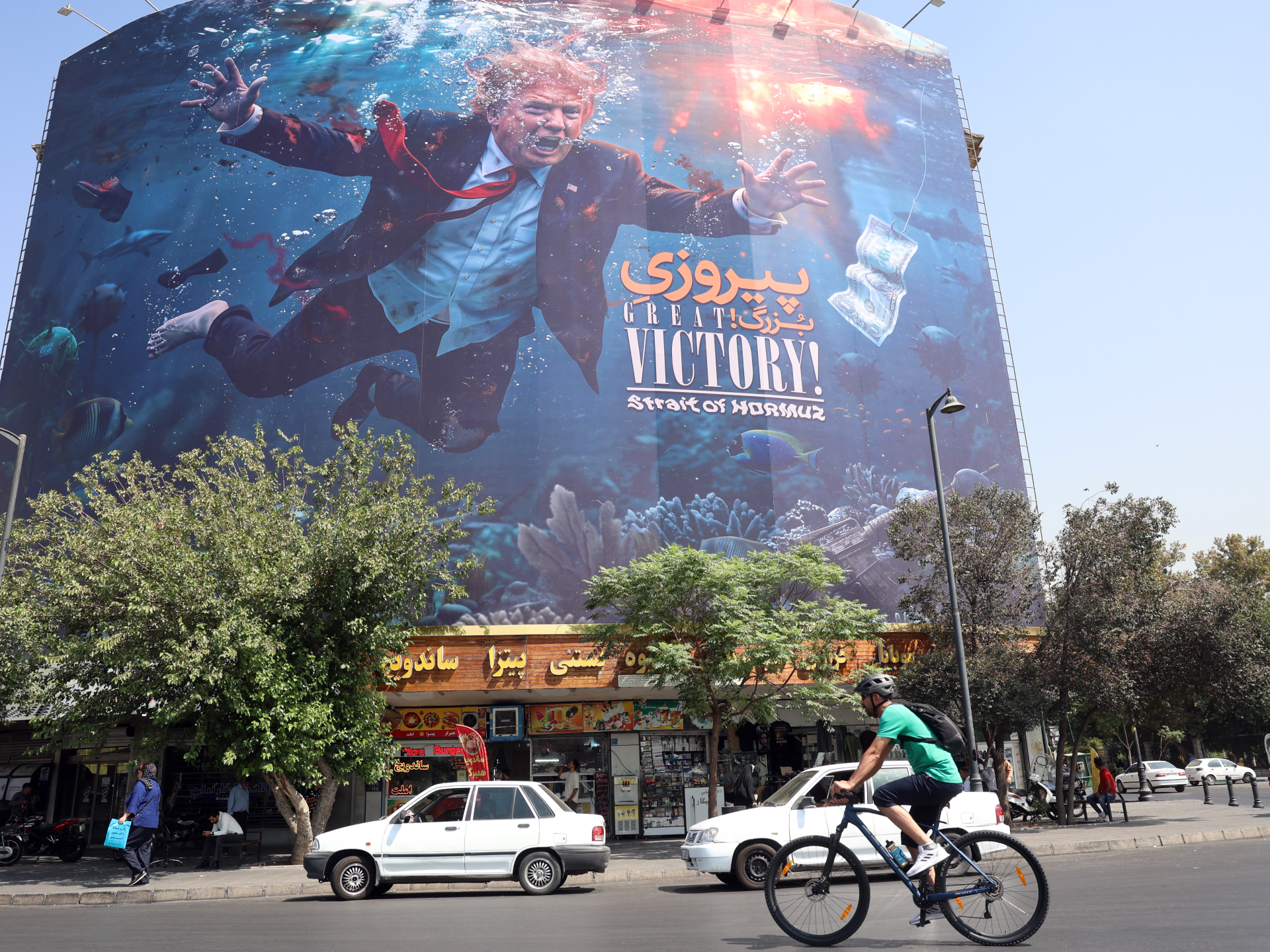
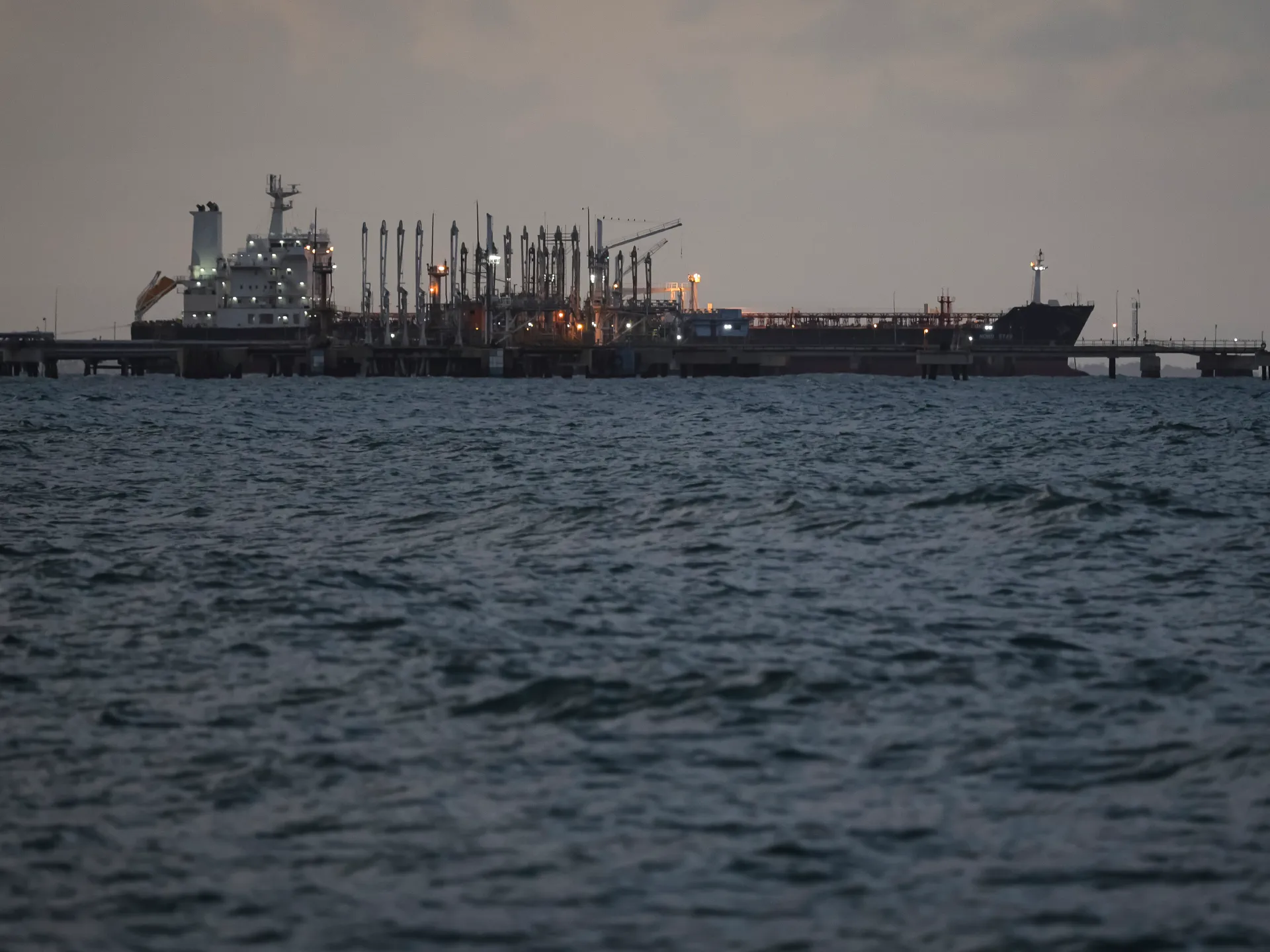
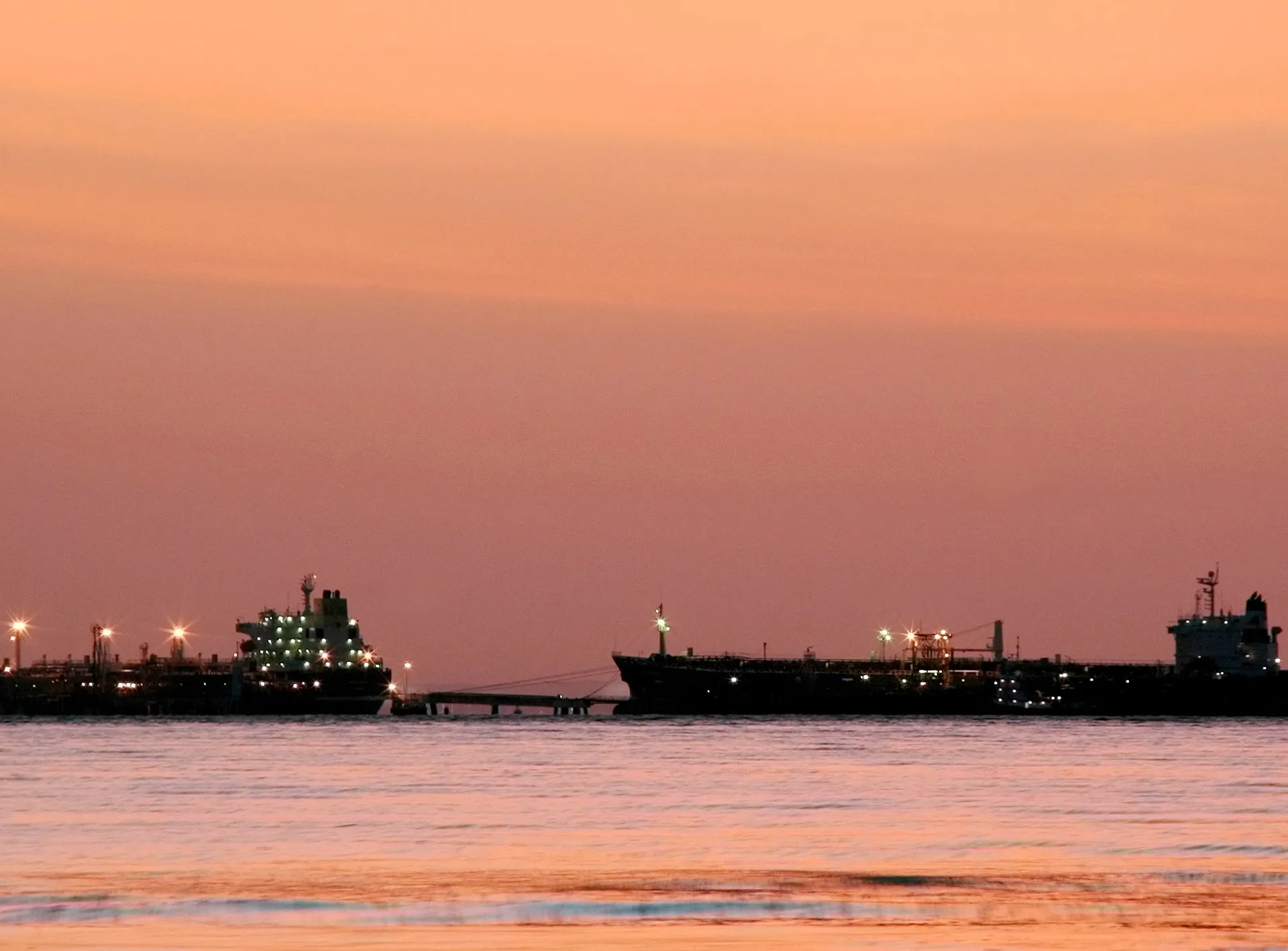
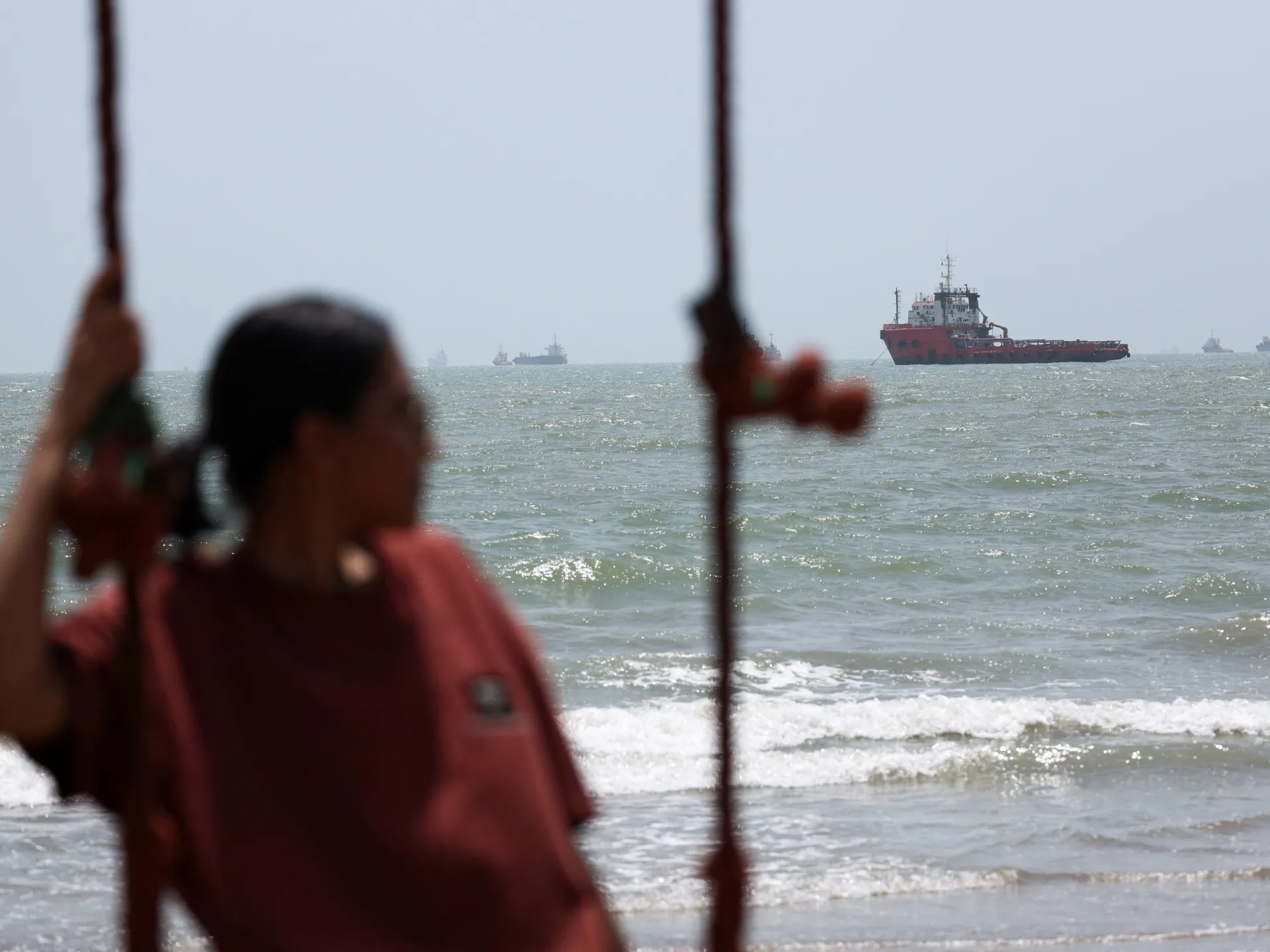
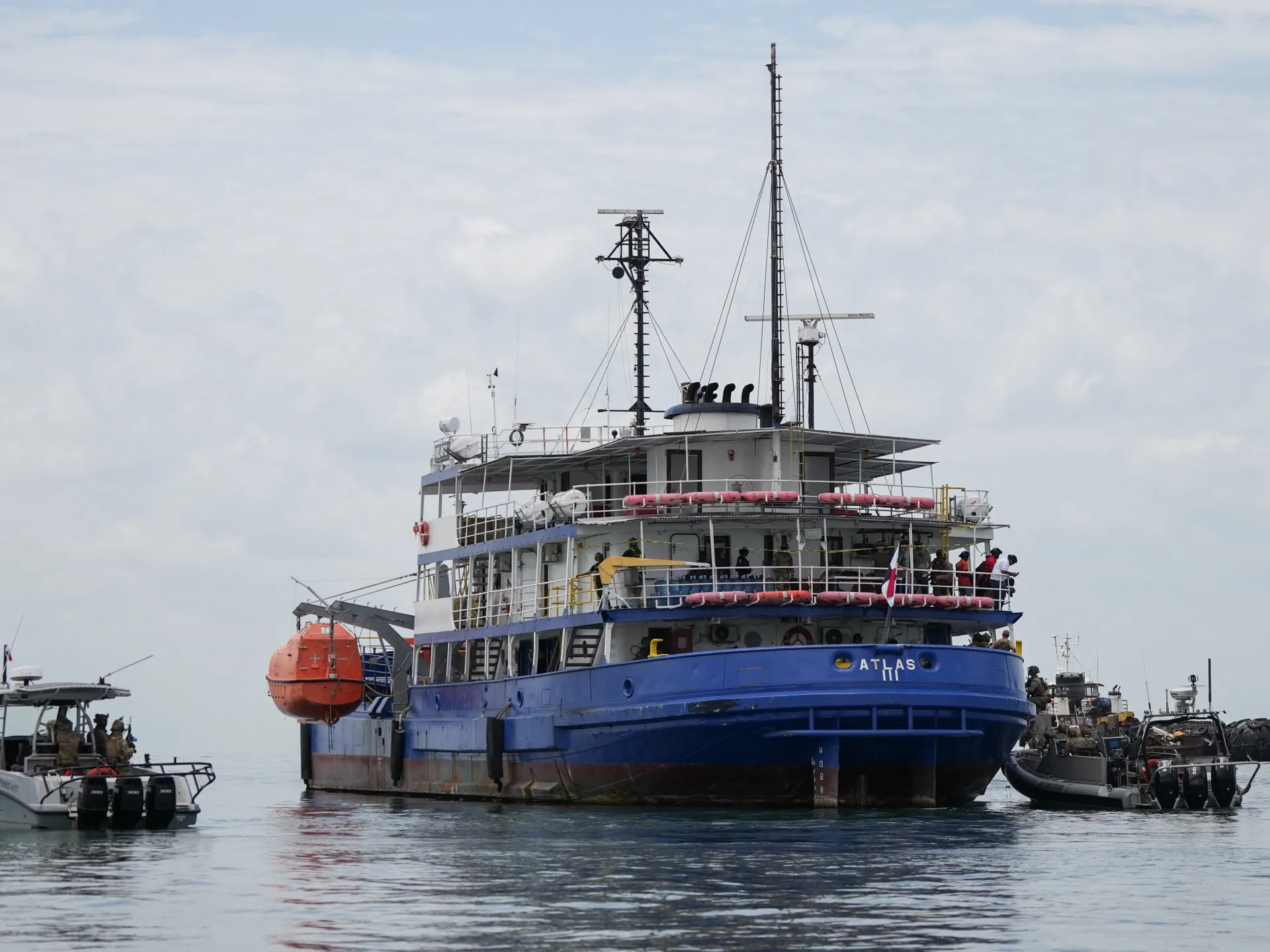
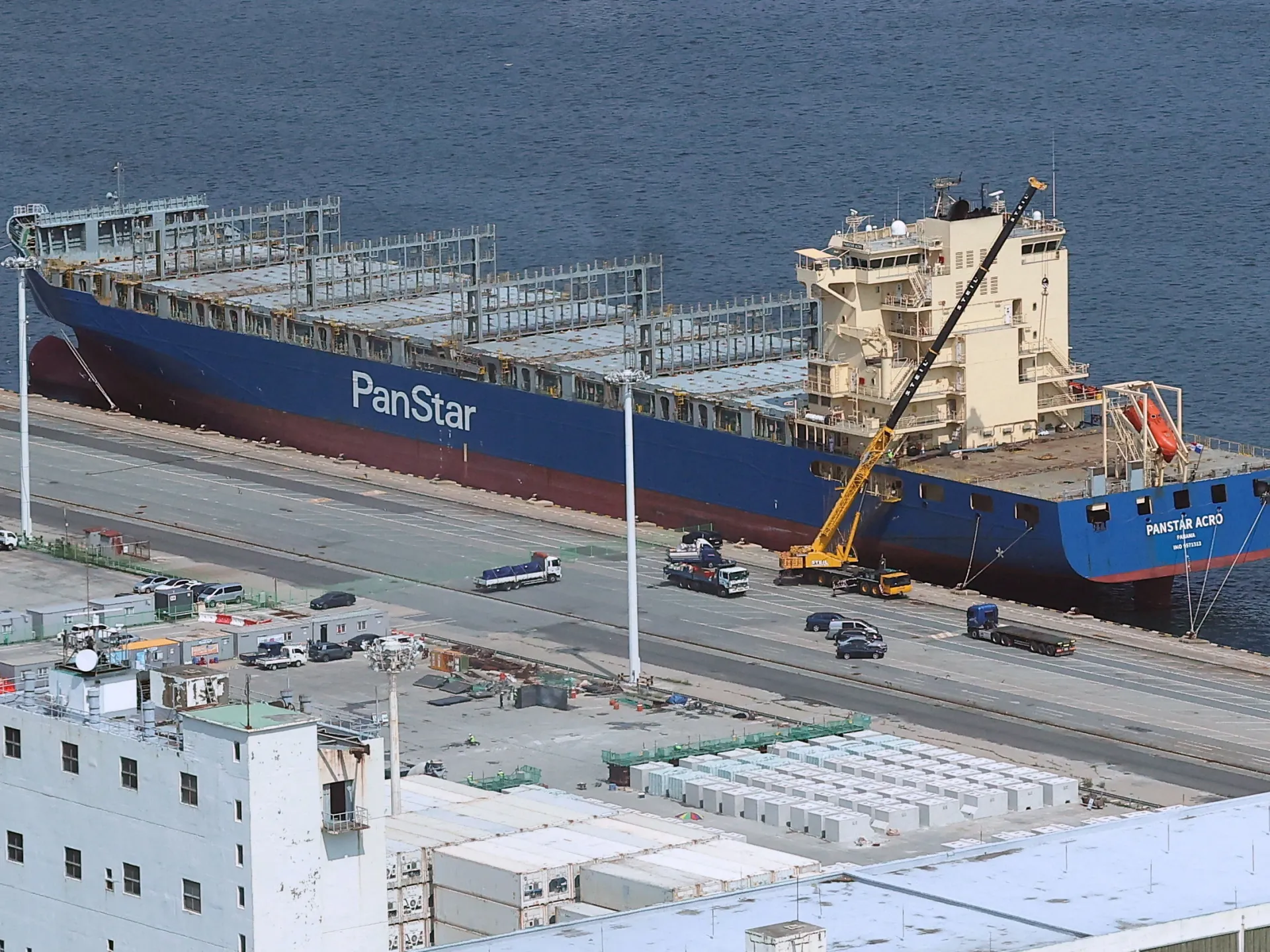
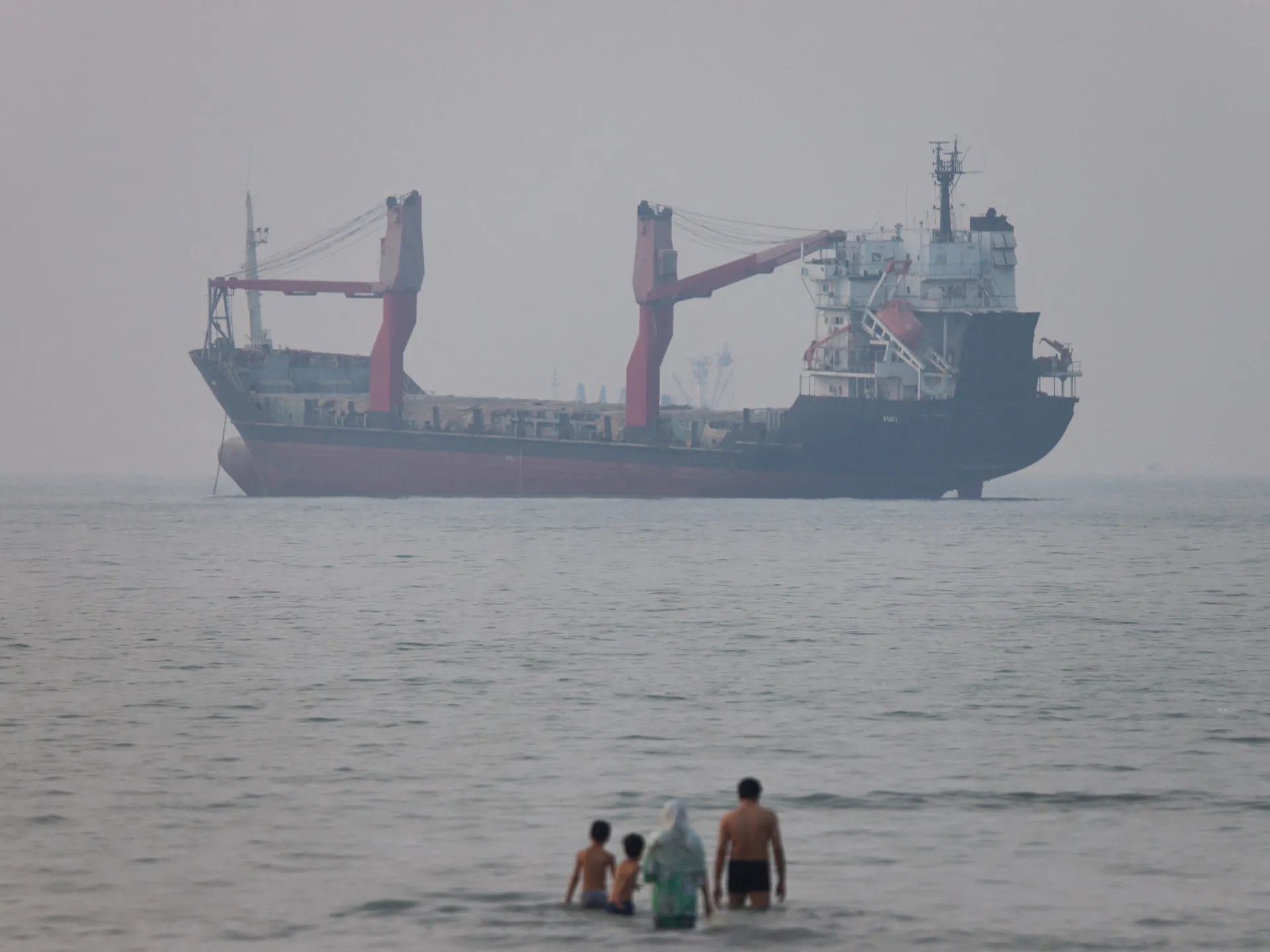
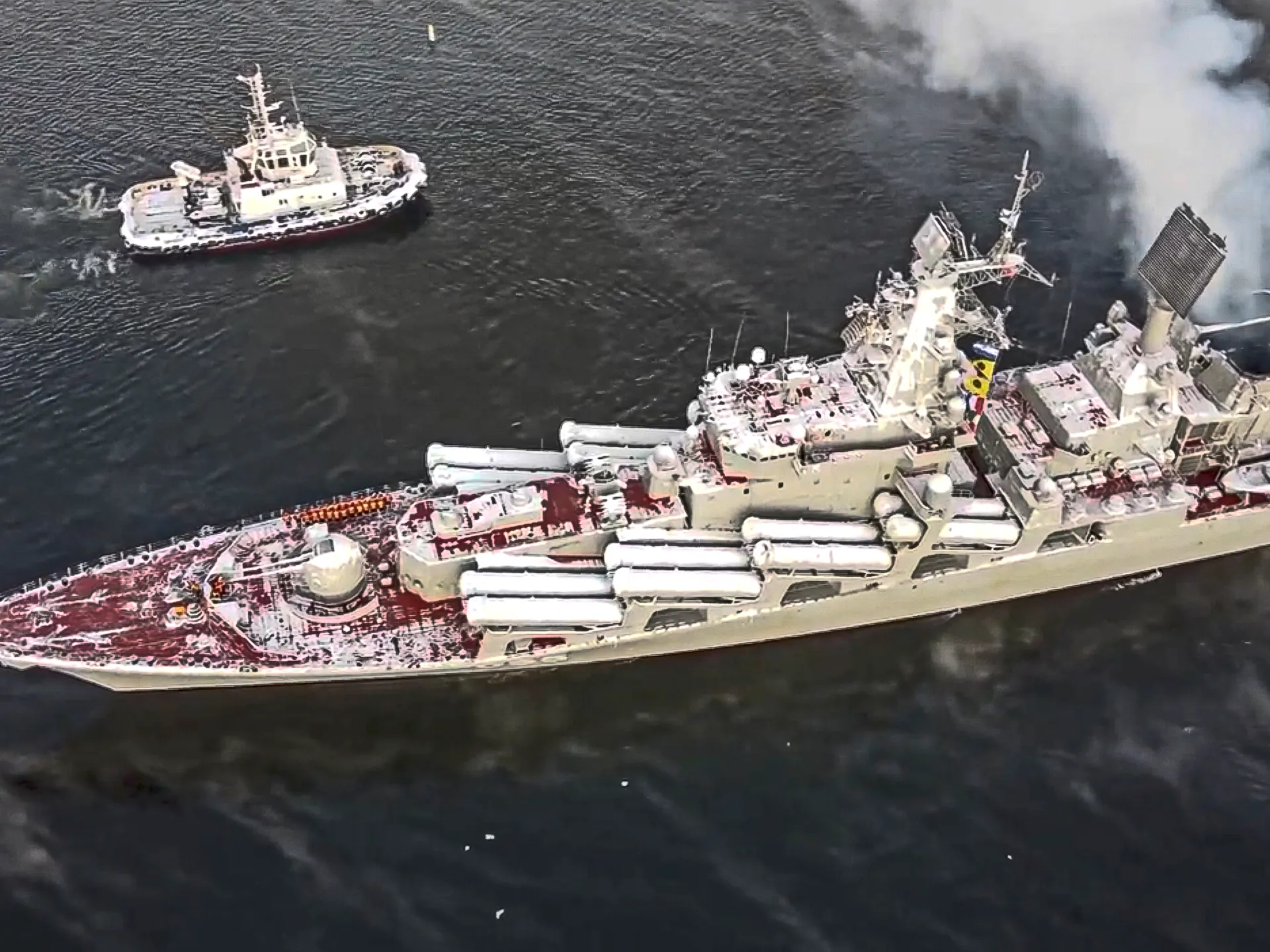
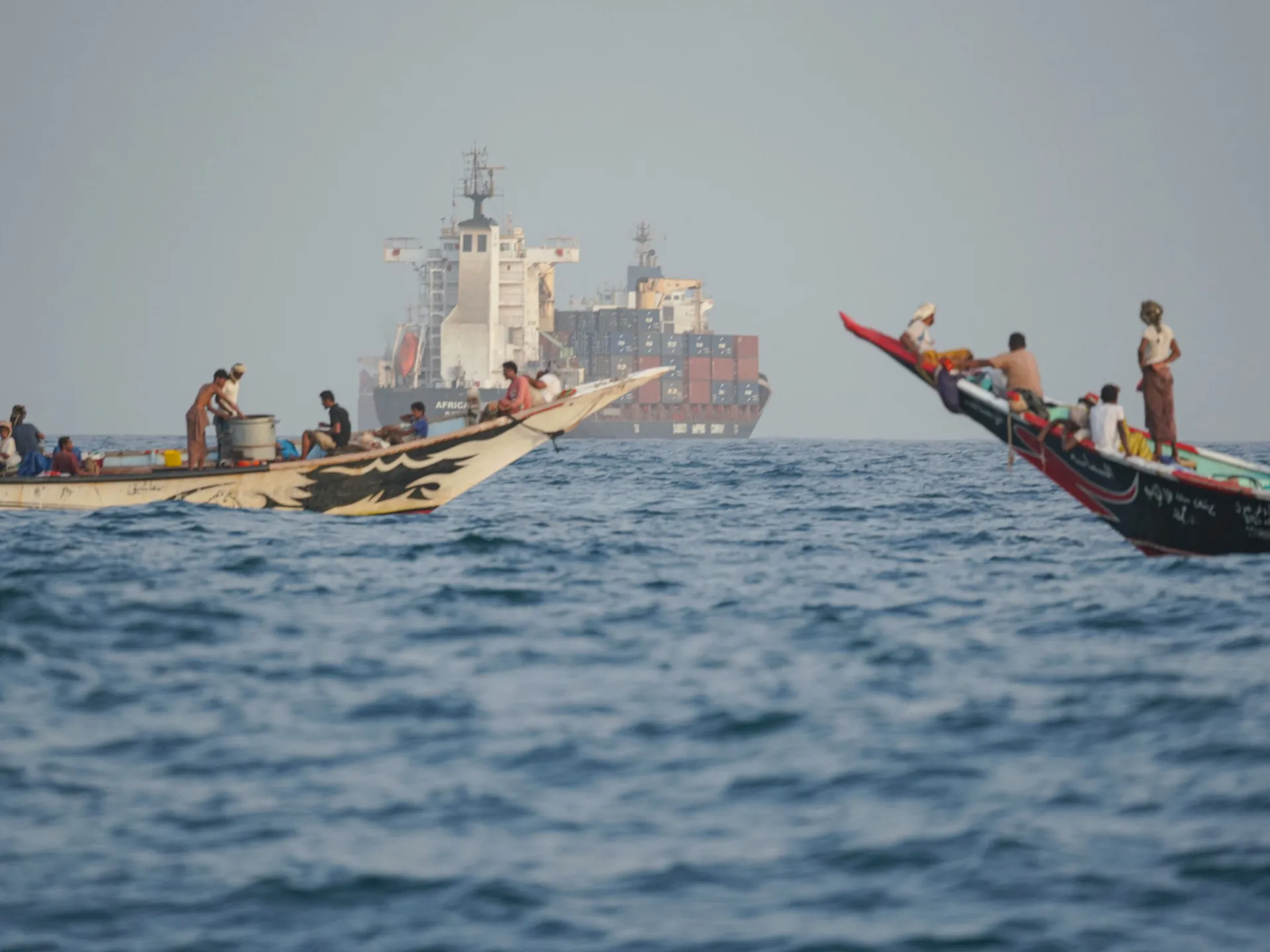
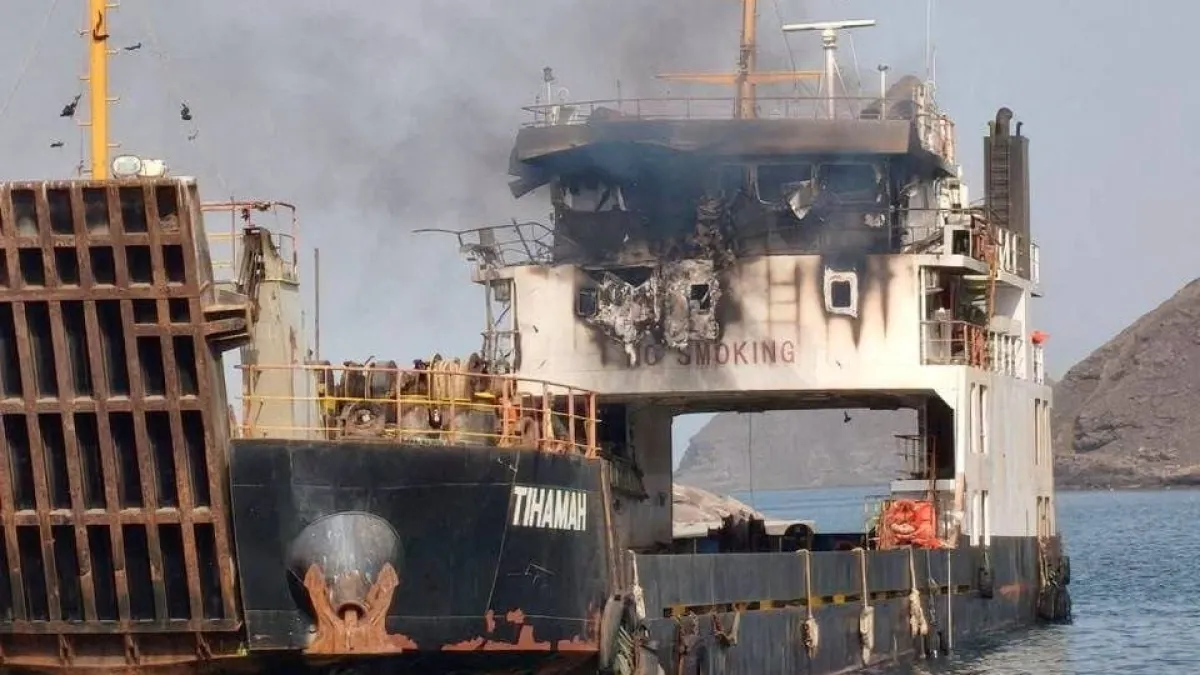
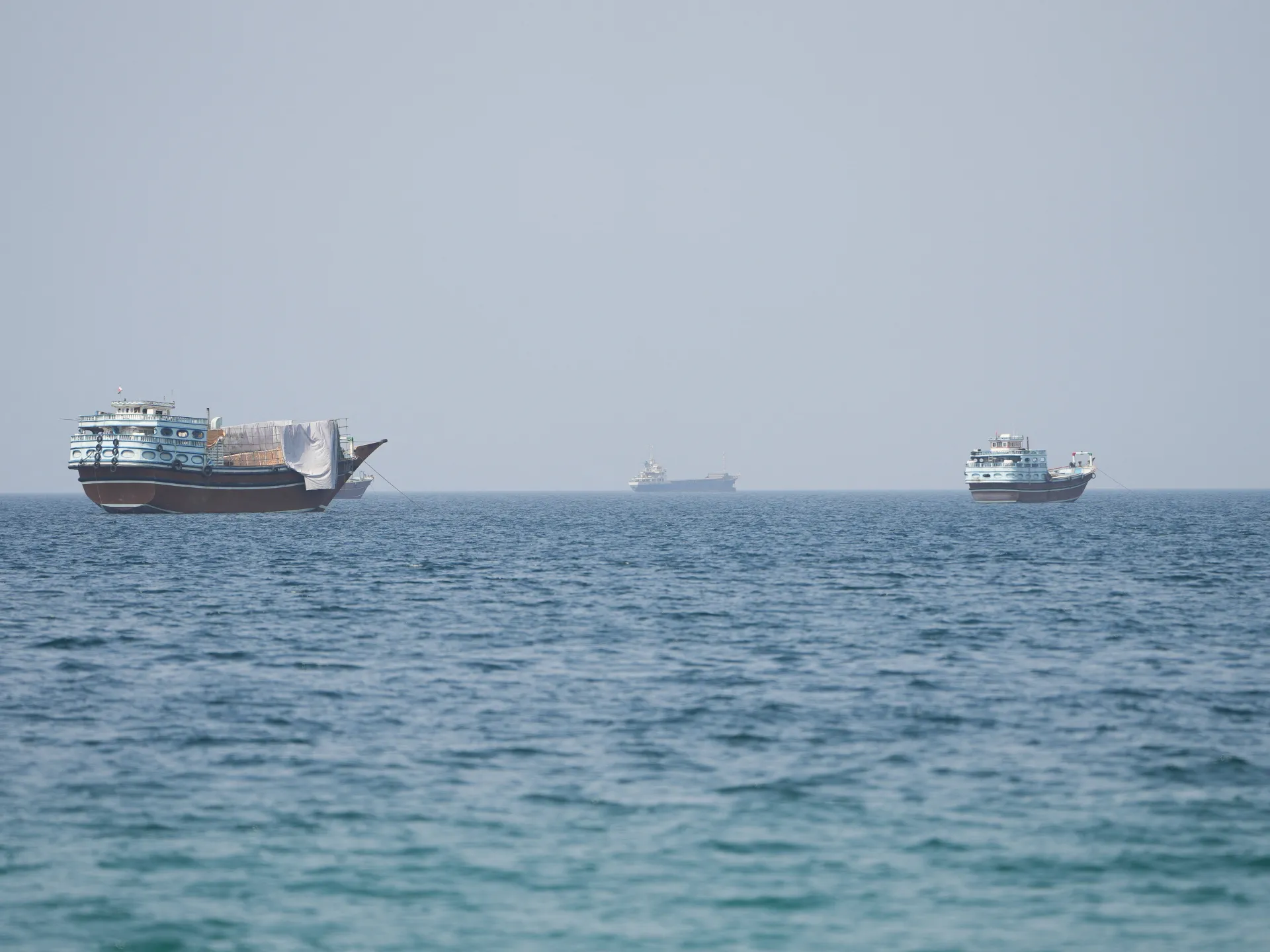
The impact of the ongoing instability is already being felt in the maritime corridors of the Persian Gulf. Shipping data reflects a significant downturn in activity, with vessel crossings through the Strait of Hormuz dropping from 35 the previous weekend to just 12 over the most recent period. Iran has linked the continued closure of the strait to the failure of Washington to meet previously established commitments, demanding an end to the U.S. naval blockade and the release of frozen financial assets as preconditions for renewed talks.
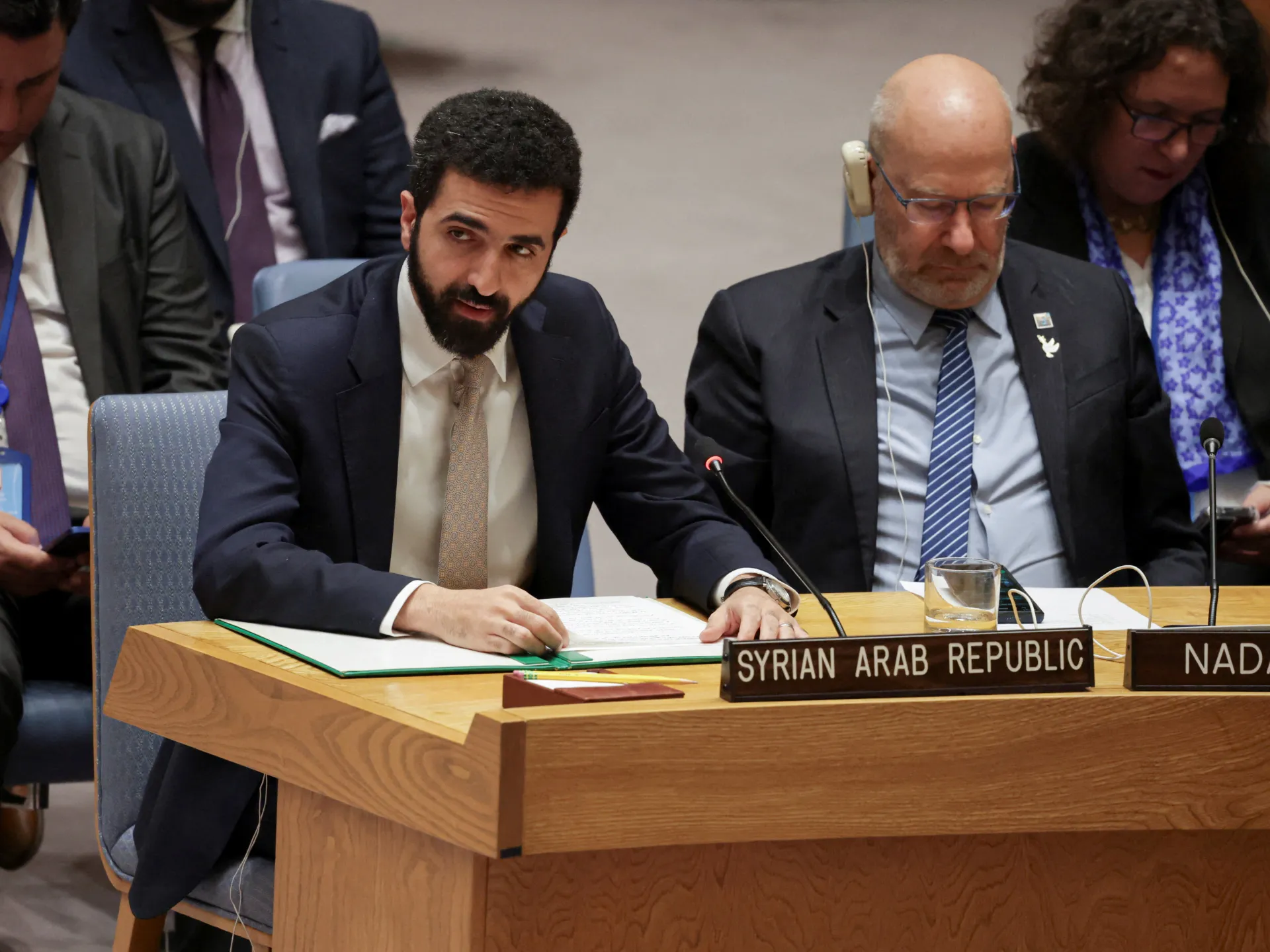
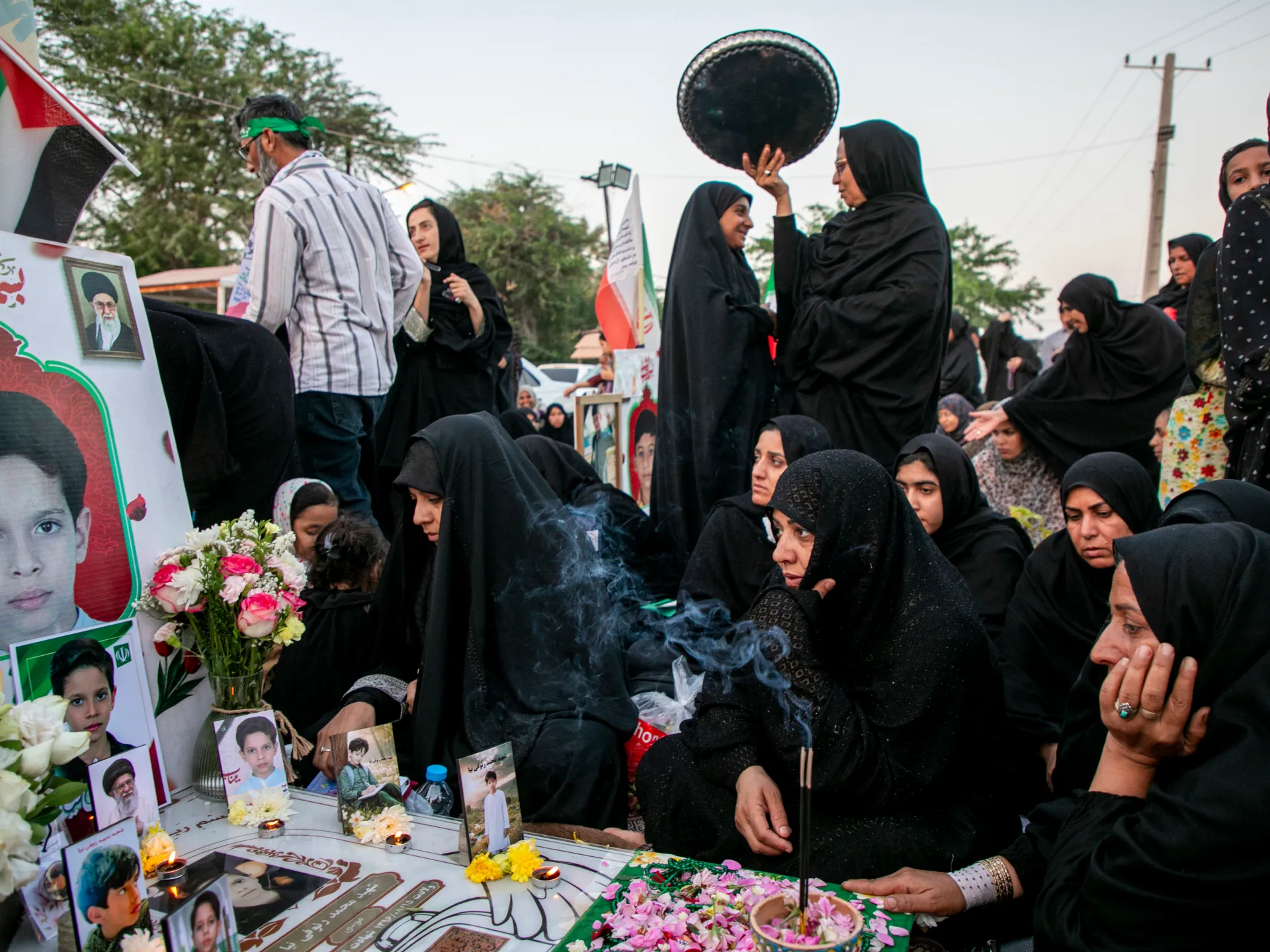
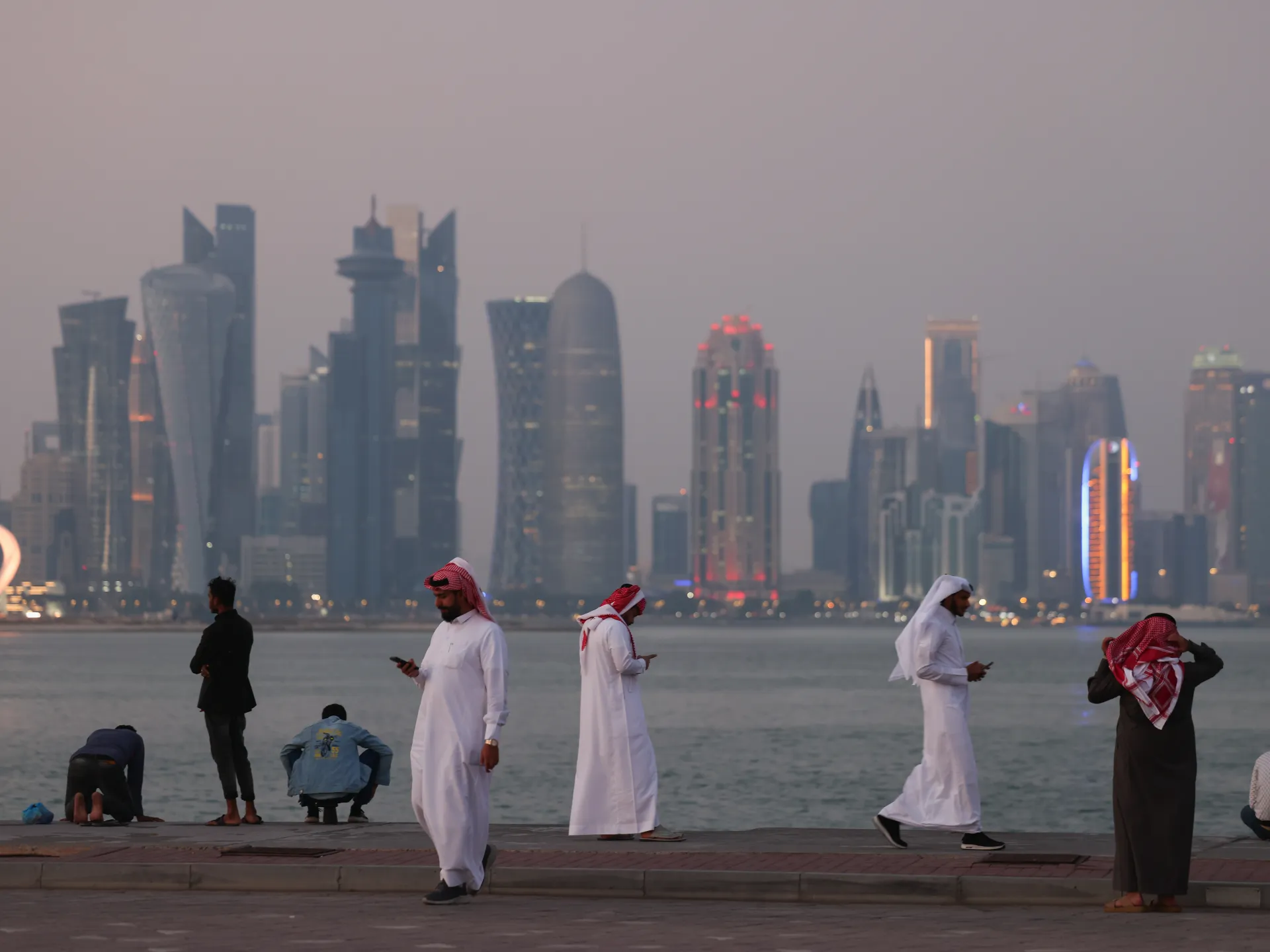
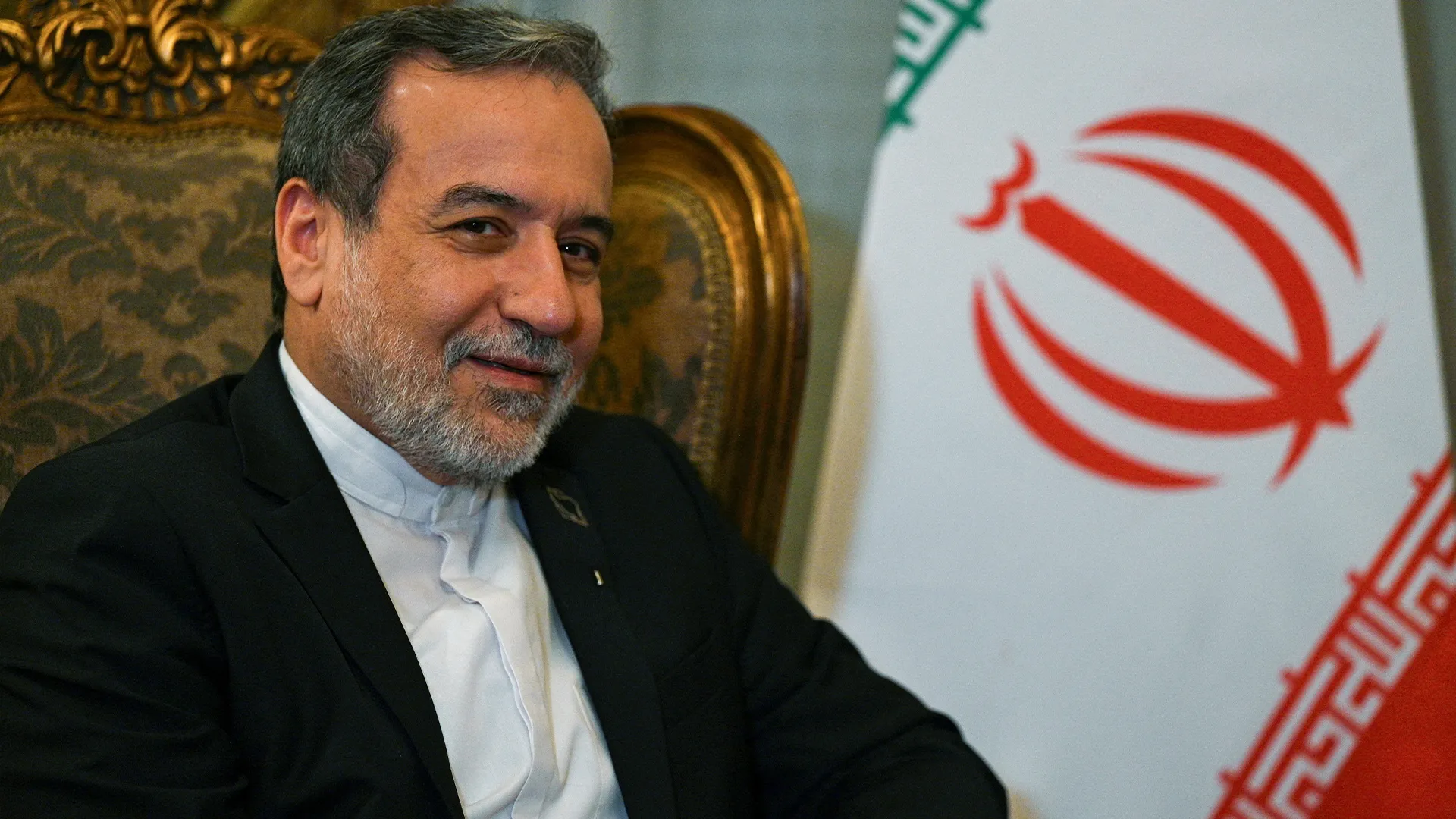
While the diplomatic maneuvering continues, the underlying conditions of the war—which began in late February following joint U.S.-Israeli strikes—remain unresolved. The expiration of the temporary June de-escalation agreement has left the region in a state of high alert. As Iranian Foreign Minister Abbas Araghchi travels to New York with a brief stopover in Qatar, the international community remains focused on whether these parallel efforts toward diplomacy can override the mounting pressure for kinetic military action.
The immediate future hinges on the interactions occurring at the United Nations in New York. If the Iranian delegation and U.S. representatives engage in substantive talks, there is a possibility that the current military brinkmanship could be de-escalated. However, given the explicit demands from Tehran—including the lifting of the naval blockade and the return of frozen funds—a swift resolution appears unlikely. If these diplomatic channels fail to yield a breakthrough, the rhetoric from both the White House and the Iranian military command suggests that the region is poised for a significant escalation in hostilities, which would likely lead to further disruptions in global energy shipping lanes.