A surge of refugees fleeing the escalating conflict in Yemen is overwhelming humanitarian resources in Djibouti, necessitating urgent international support.
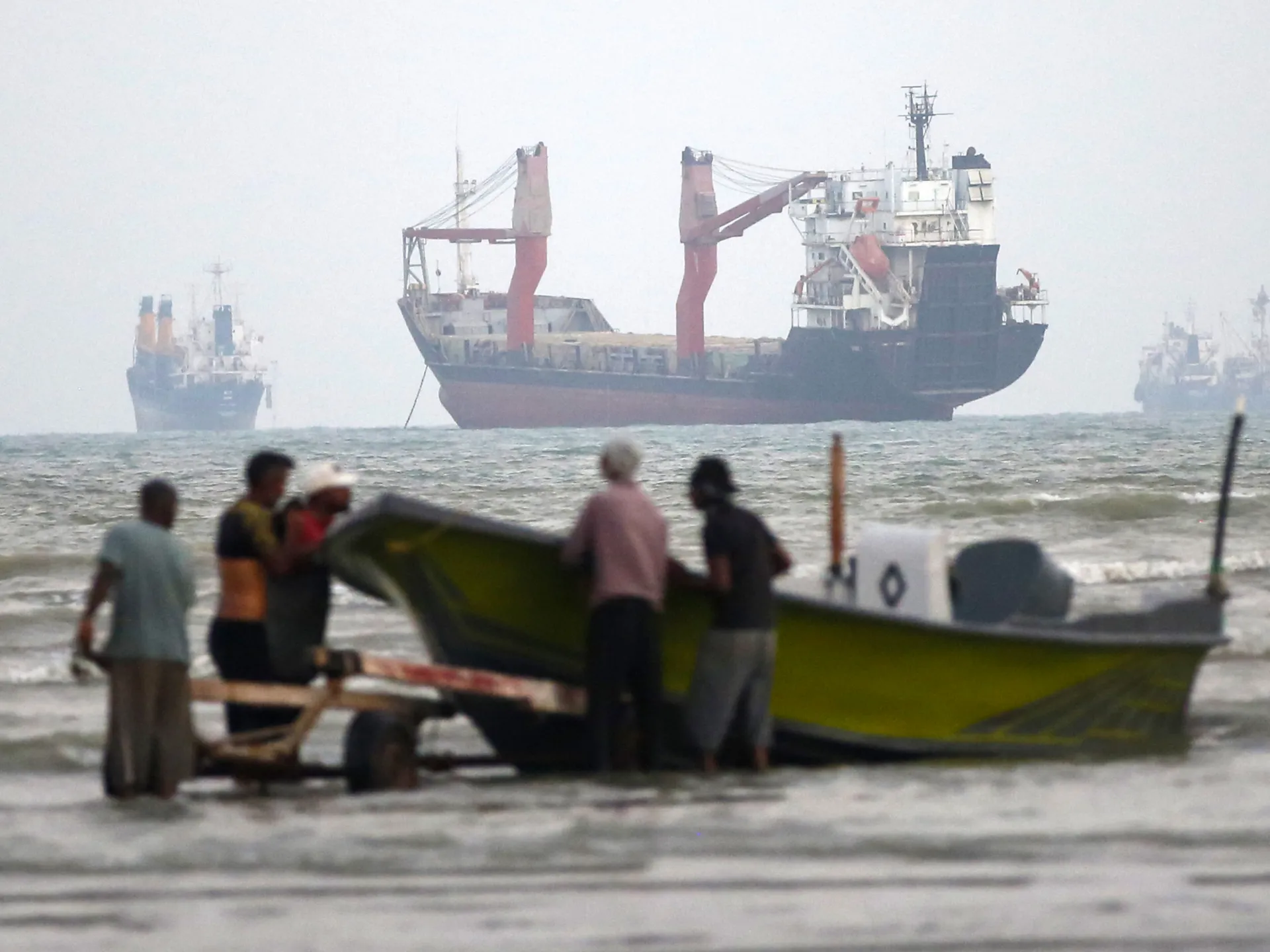
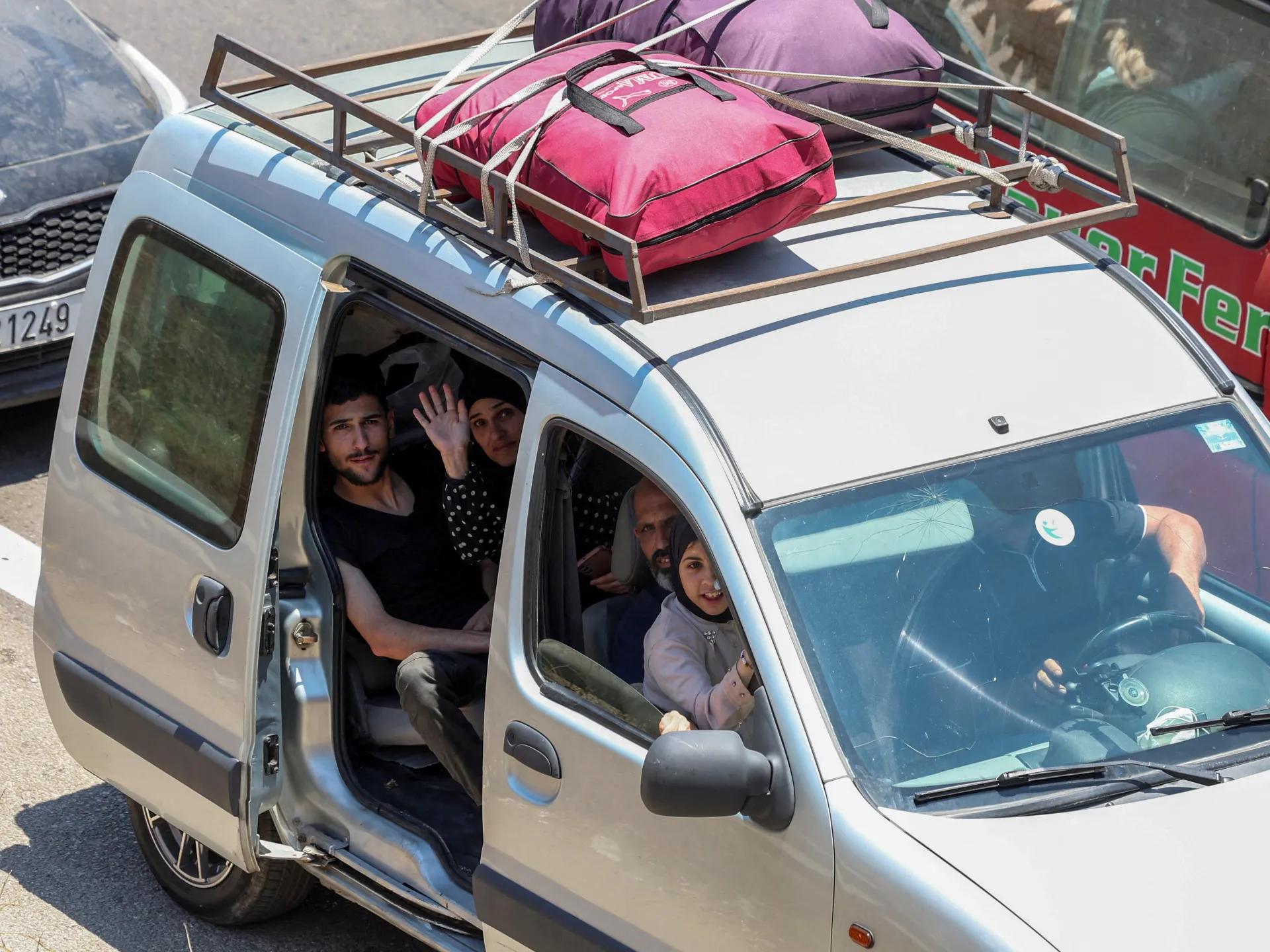
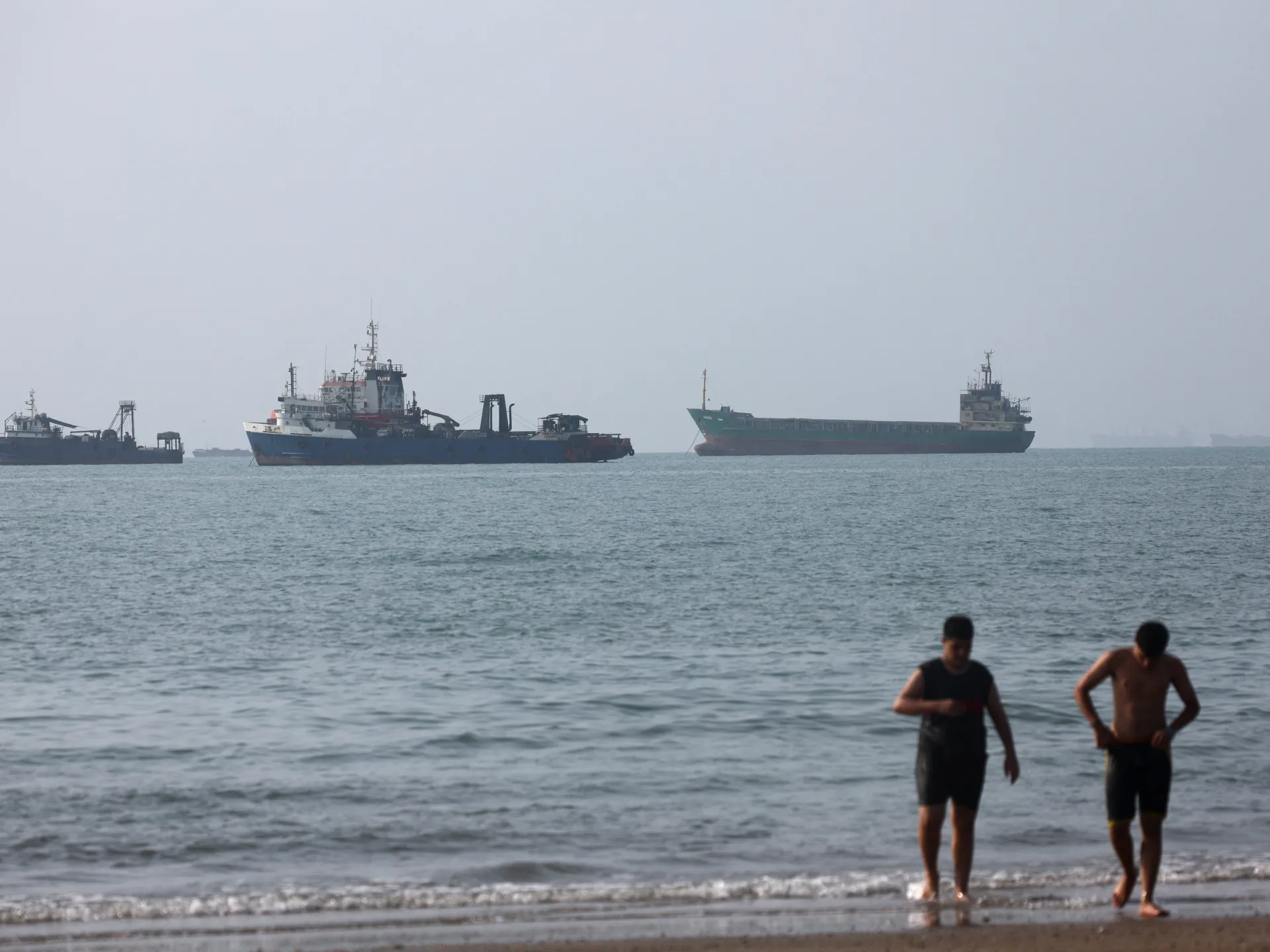
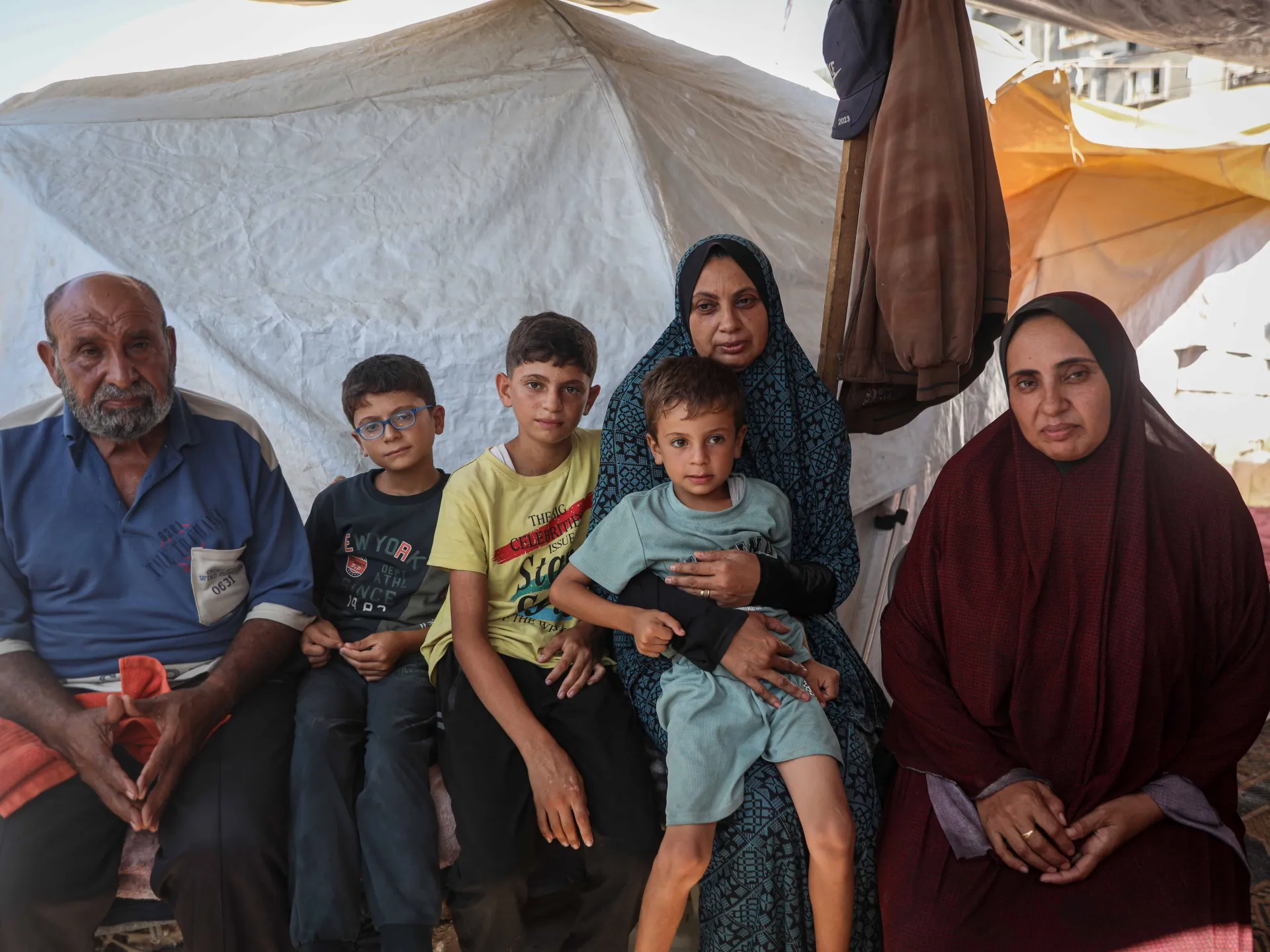
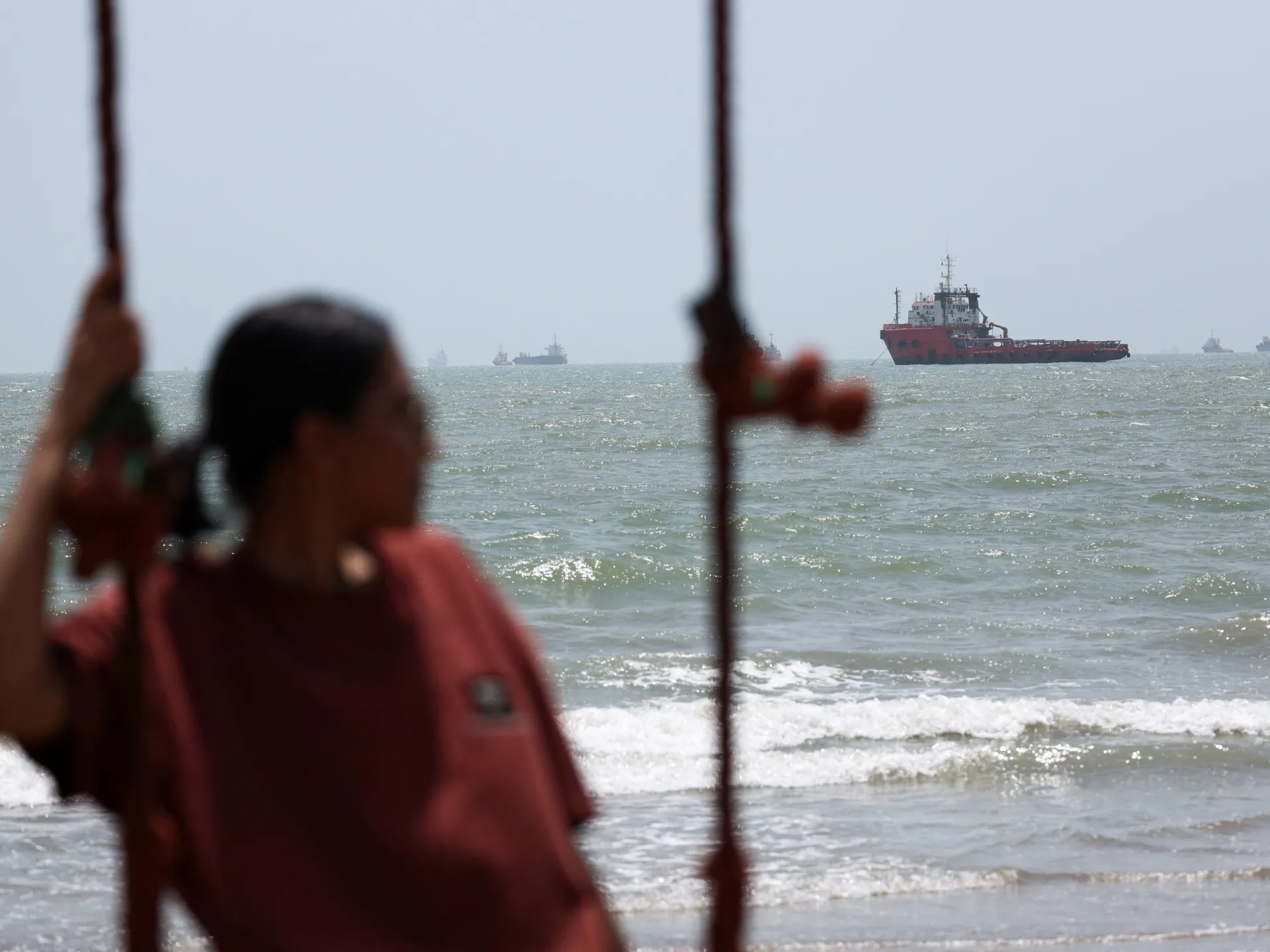
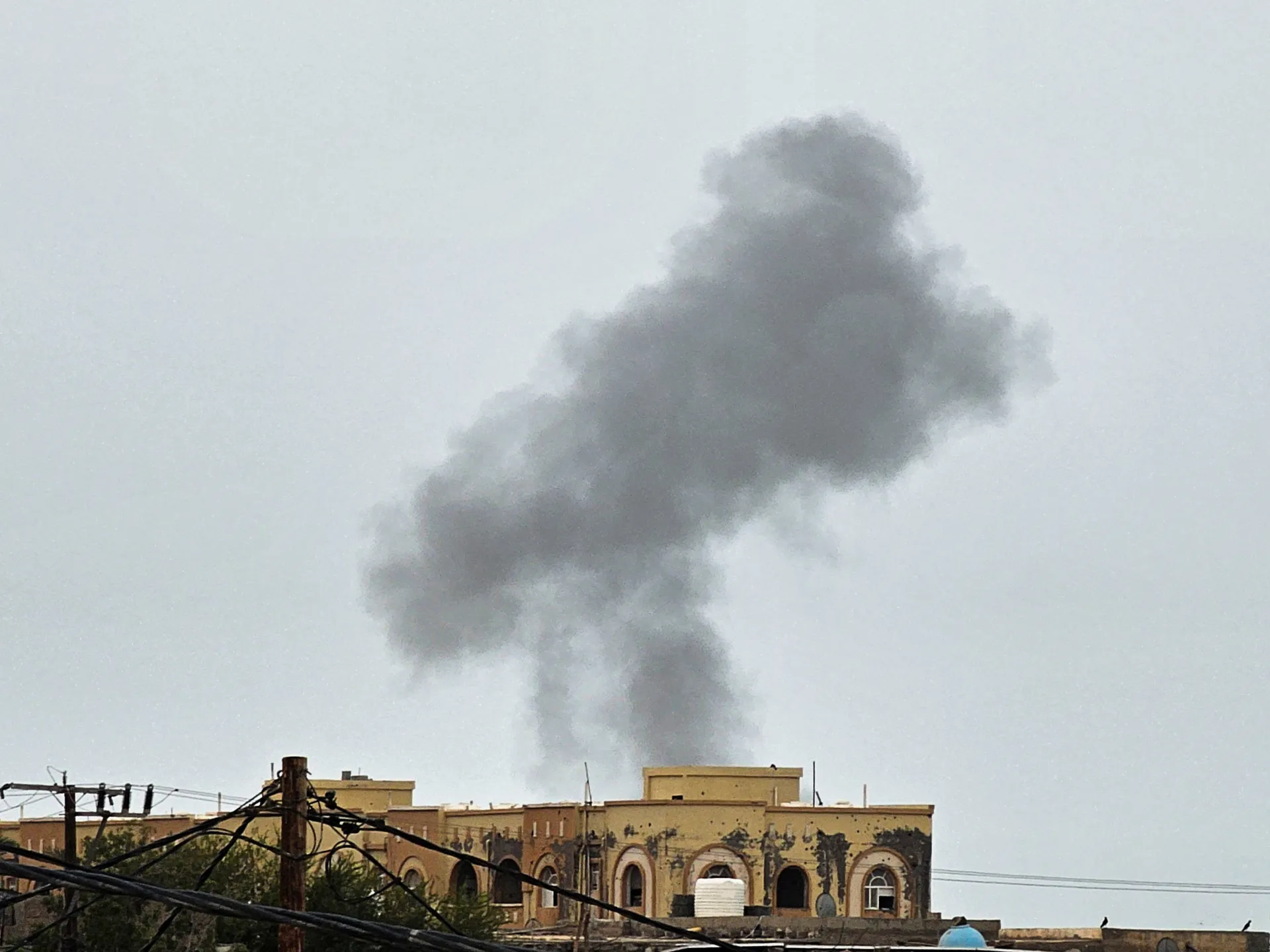
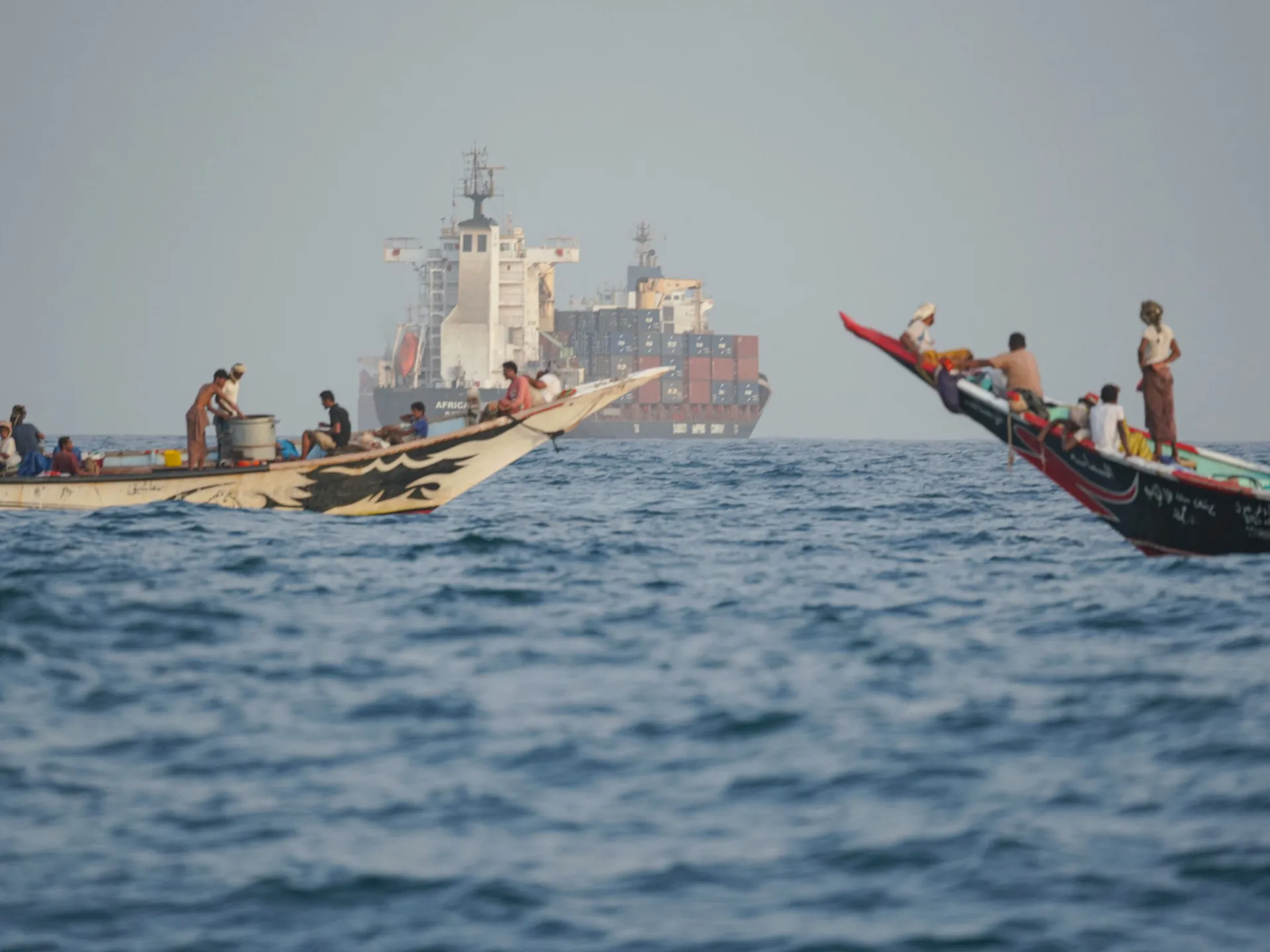
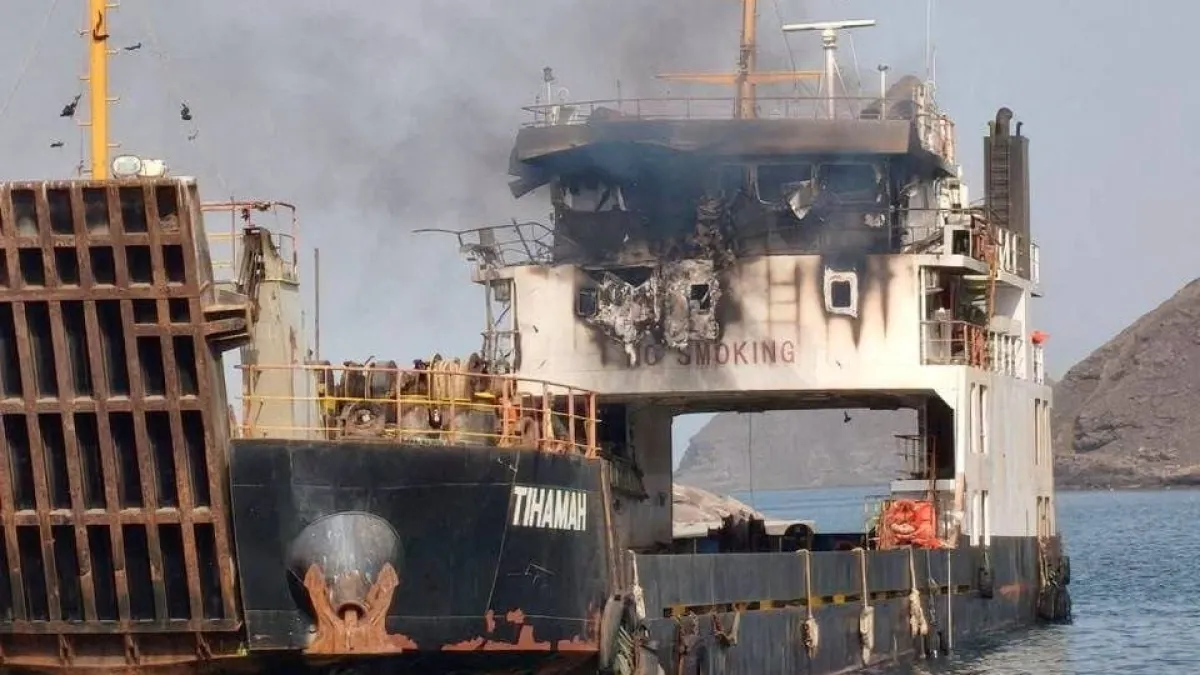
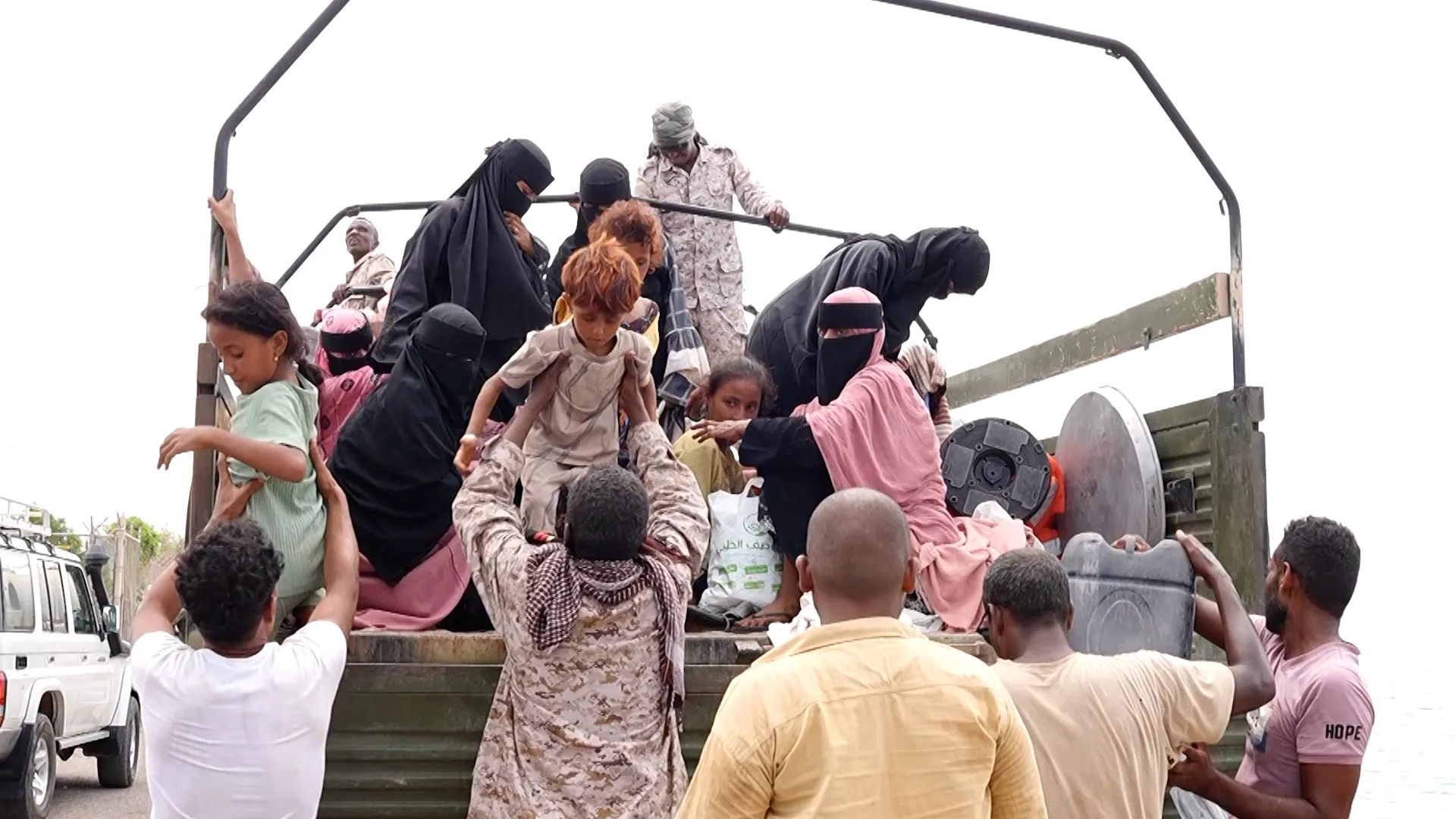
The humanitarian landscape in Djibouti is undergoing a significant transformation as the ongoing conflict in neighboring Yemen forces thousands of civilians to flee across the Red Sea. As hostilities intensify within Yemeni borders, the steady arrival of refugees seeking safety has placed an unprecedented strain on Djibouti's existing resources and infrastructure. The small nation, which has historically served as a regional hub for transit and stability, is now grappling with the logistical and social challenges of hosting a displaced population that continues to grow daily.
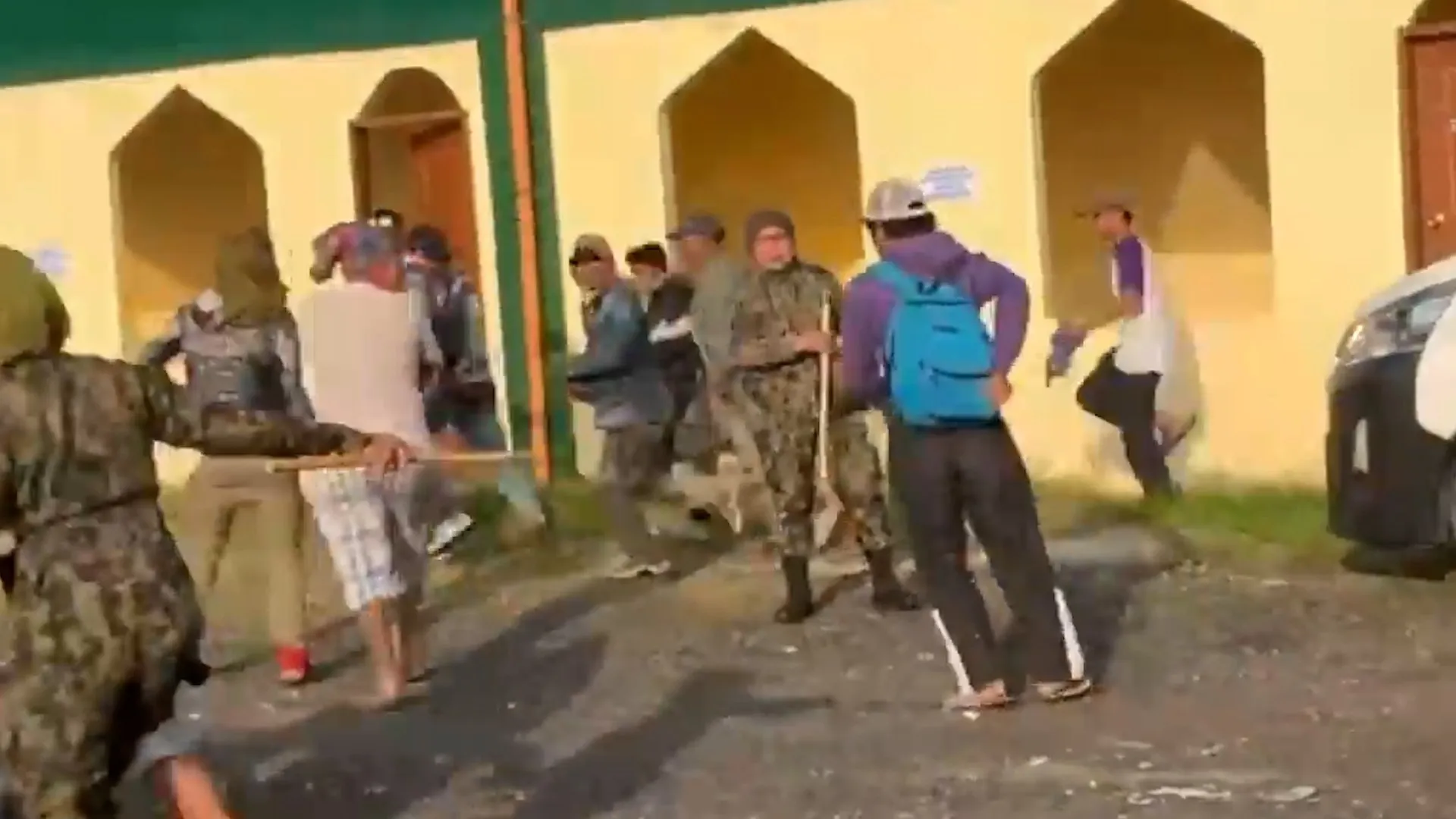
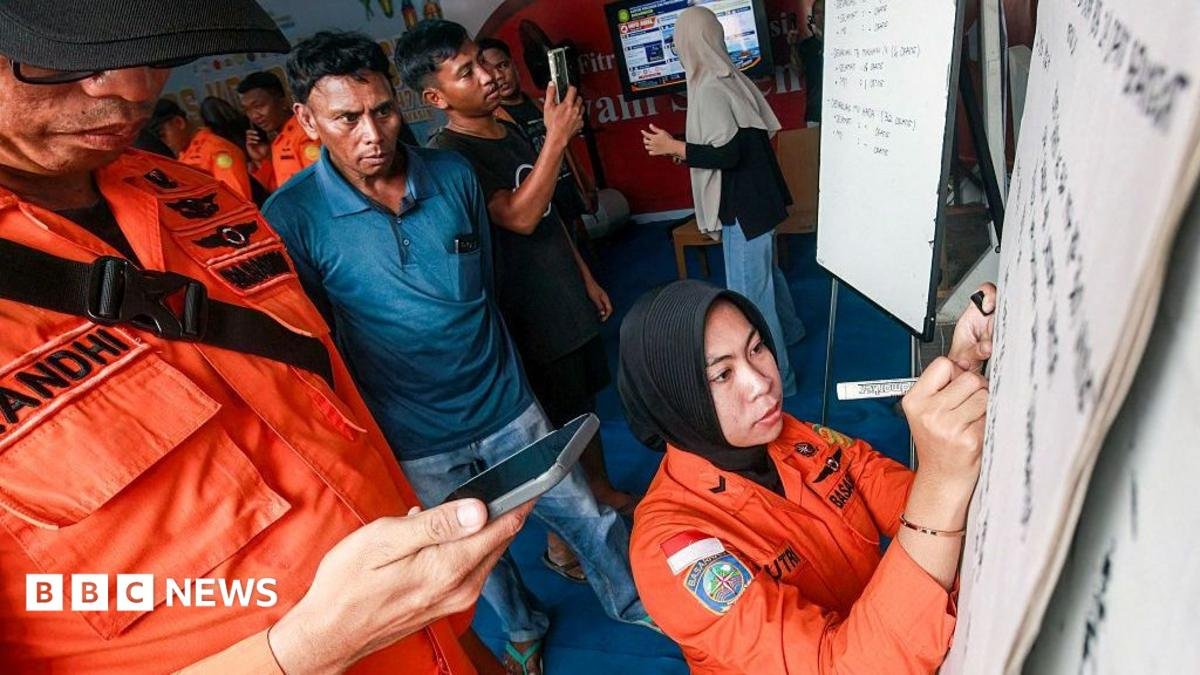
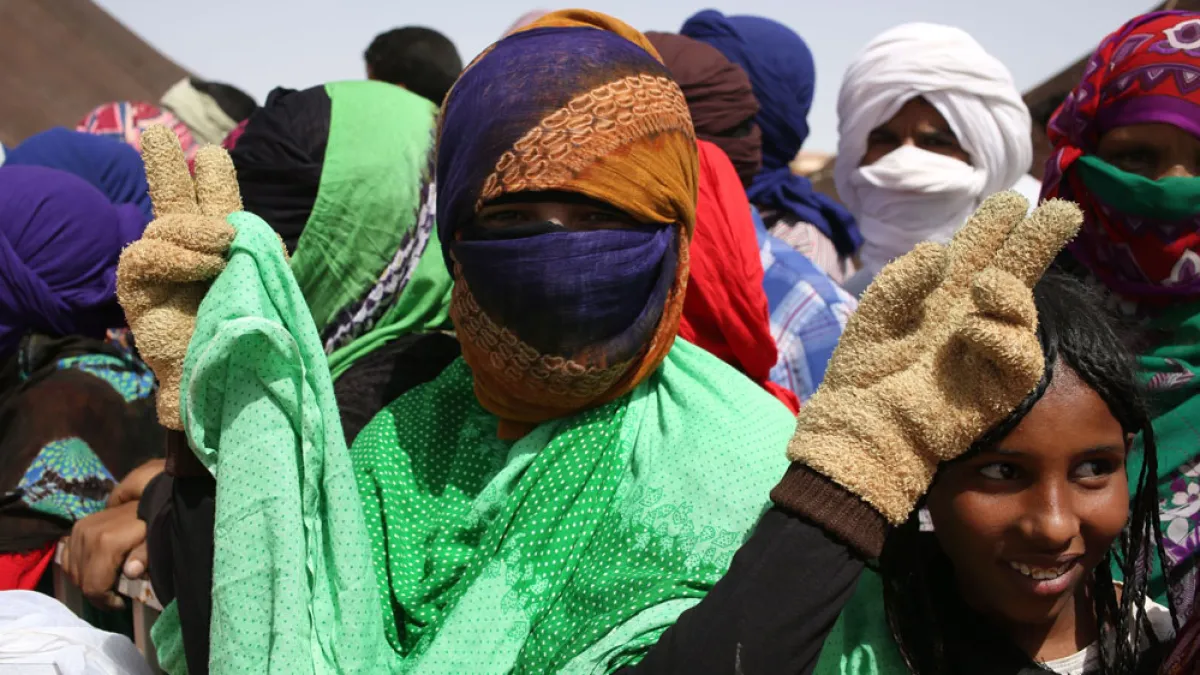
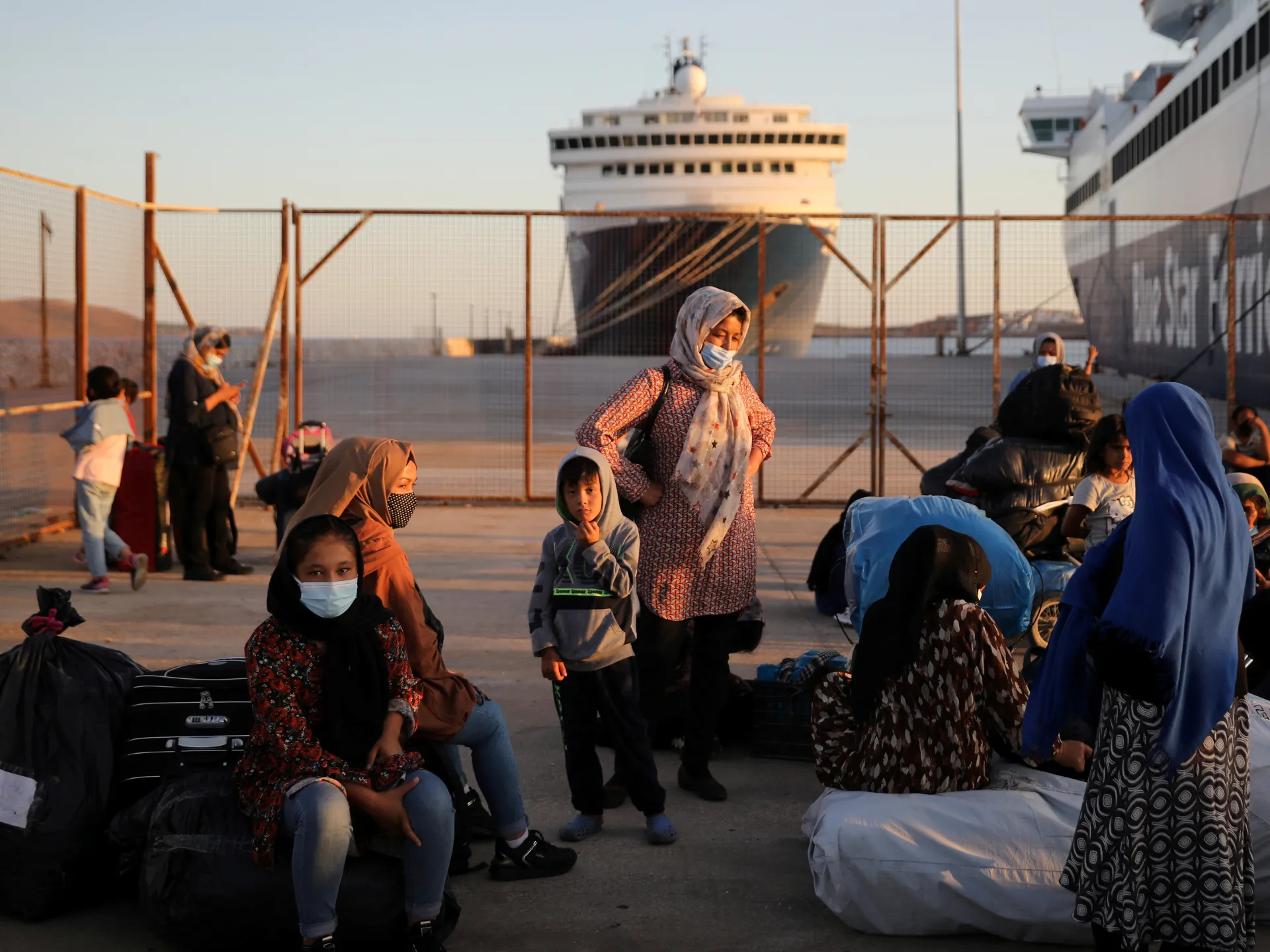
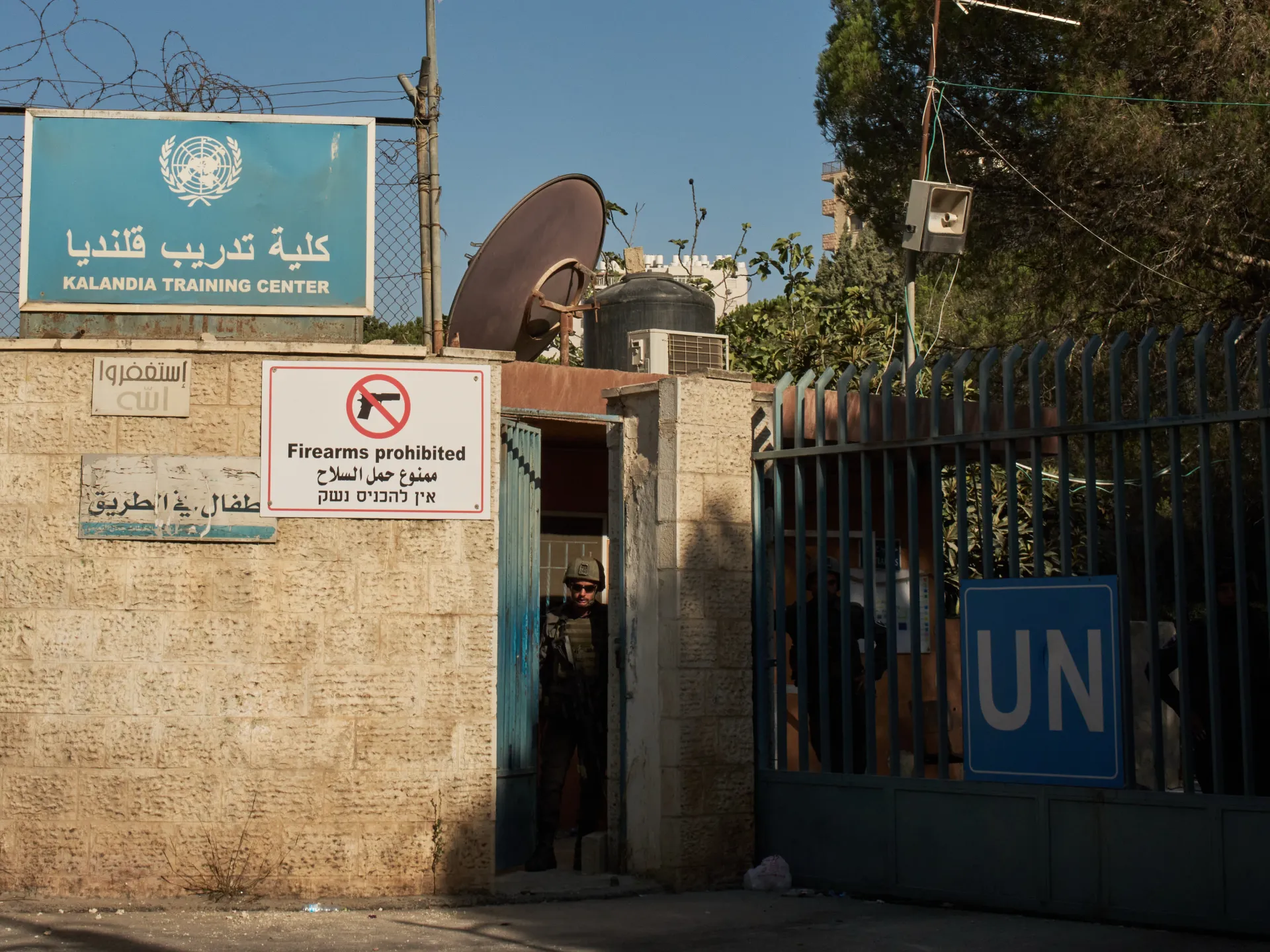
Registration centers have become focal points for this influx, where displaced individuals gather to apply for formal refugee status. These facilities are often overwhelmed, struggling to process the sheer volume of arrivals while attempting to provide immediate medical, nutritional, and psychological support. The international community is increasingly concerned about the long-term sustainability of these relief efforts, as the duration of the Yemeni conflict remains unpredictable and the displacement shows no signs of abating.
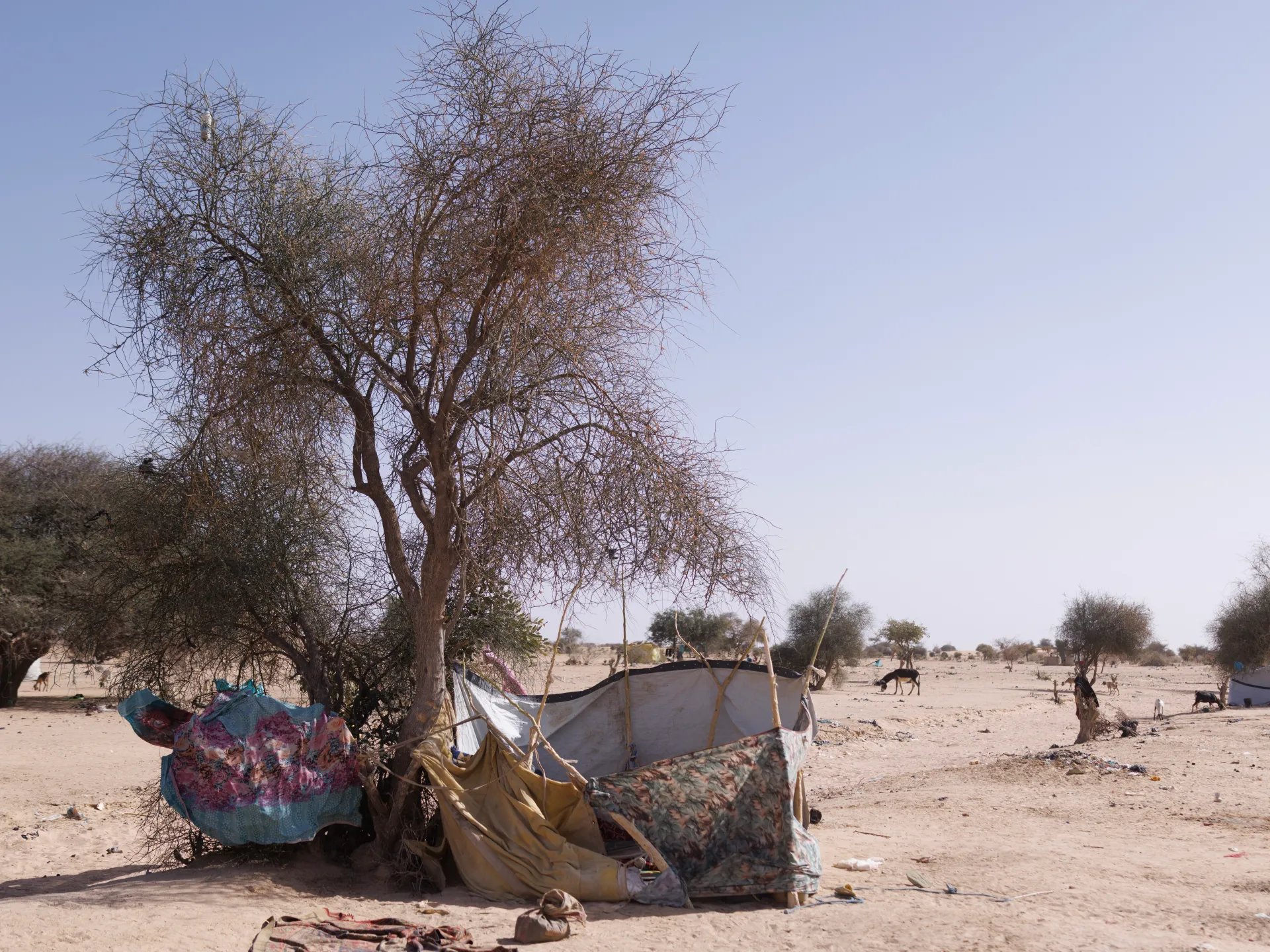
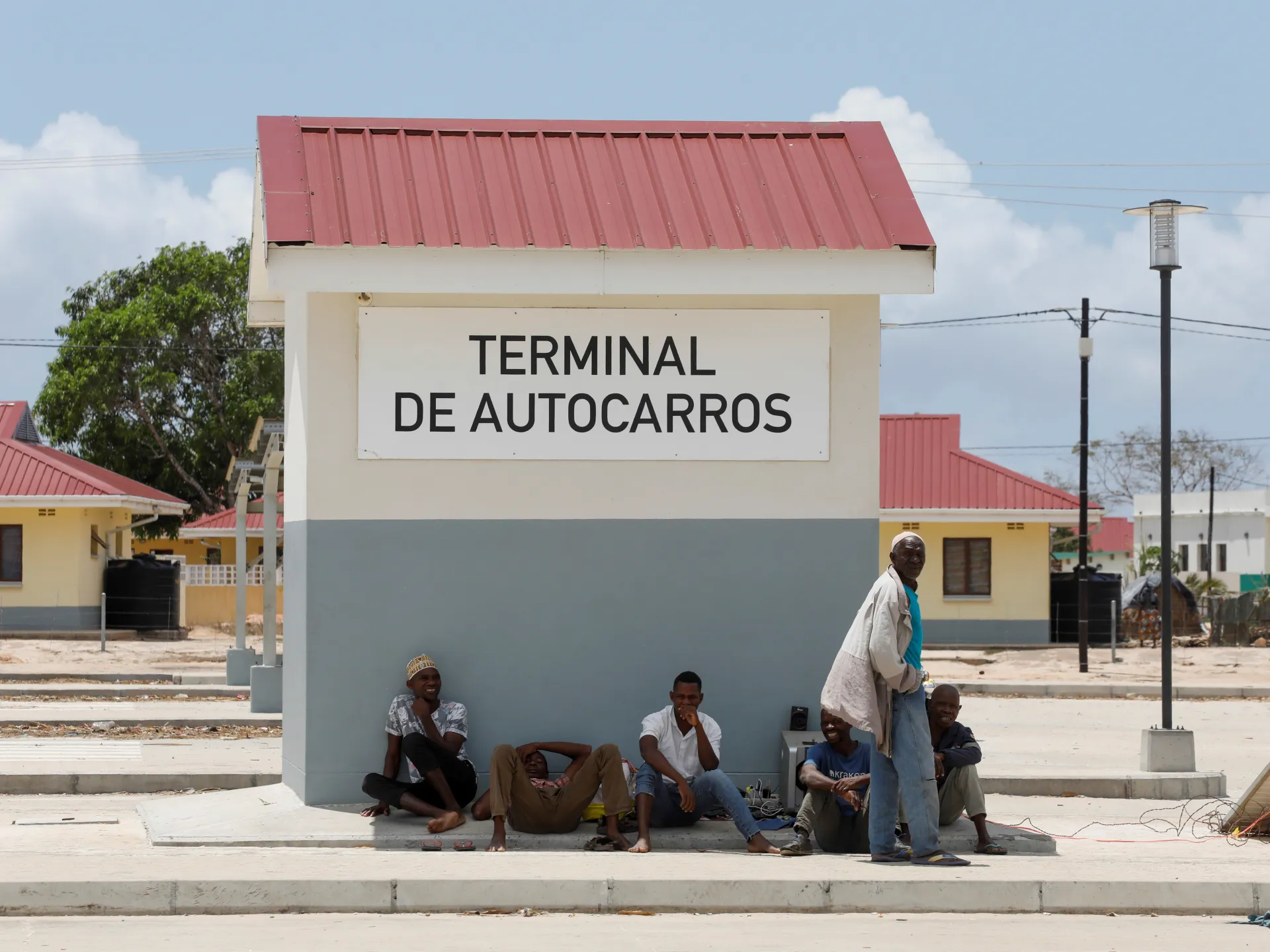
Djibouti, a country with its own economic and environmental limitations, faces the difficult task of integrating a large number of refugees into its society. The sudden surge in population has led to the rapid expansion of camps, which frequently lack the necessary sanitation, housing, and educational facilities required to maintain basic human dignity. Local authorities are working in tandem with international humanitarian organizations to stabilize the situation, but the sheer velocity of the arrival of families fleeing war has outpaced the speed of aid delivery.
Beyond the immediate physical needs of the refugees, the host communities are also feeling the pressure. The increased demand for water, food, and energy supplies in areas surrounding the camps has driven up costs and created competition for scarce resources. This dynamic threatens to exacerbate local tensions, making the role of humanitarian aid and diplomatic intervention more critical than ever to ensure that both the refugee population and the host nation can navigate this crisis without succumbing to total systemic failure.
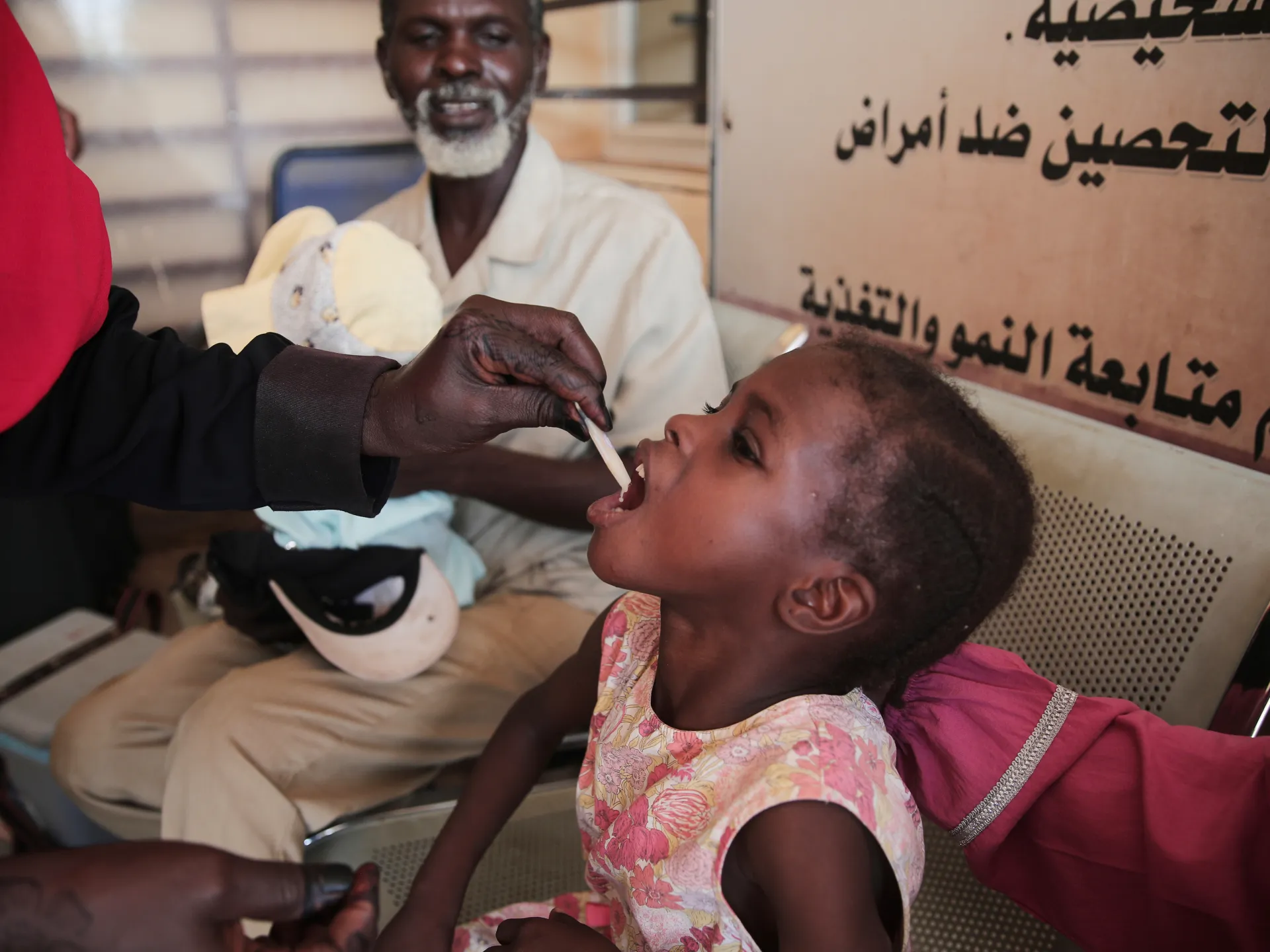
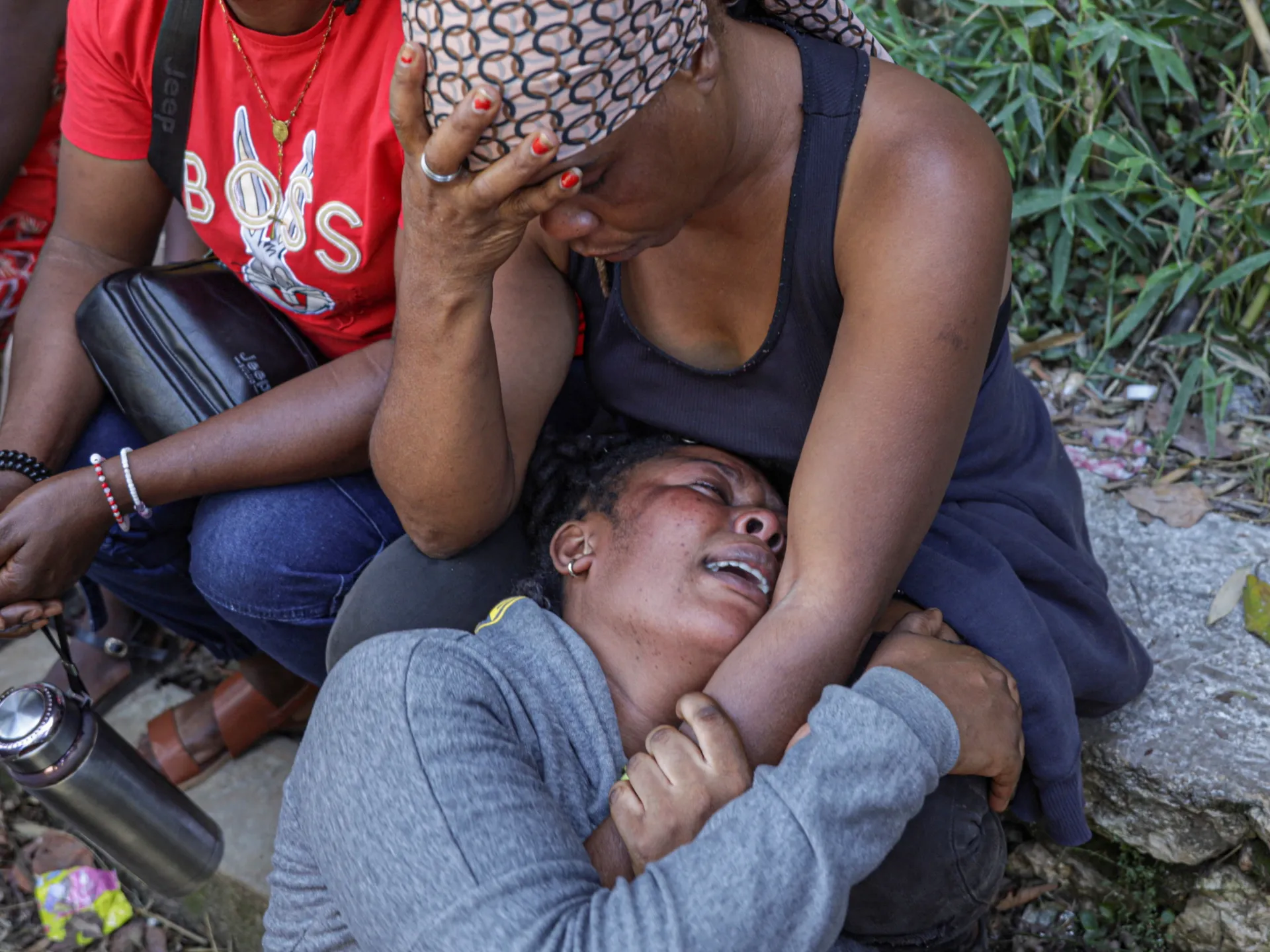
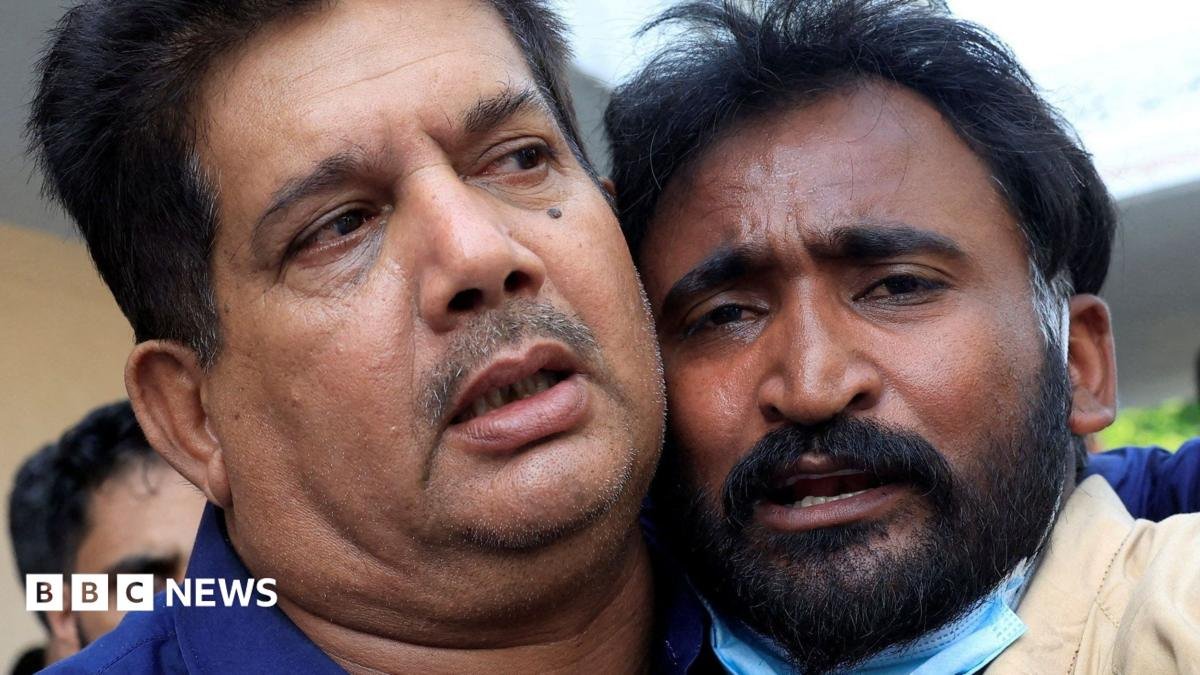
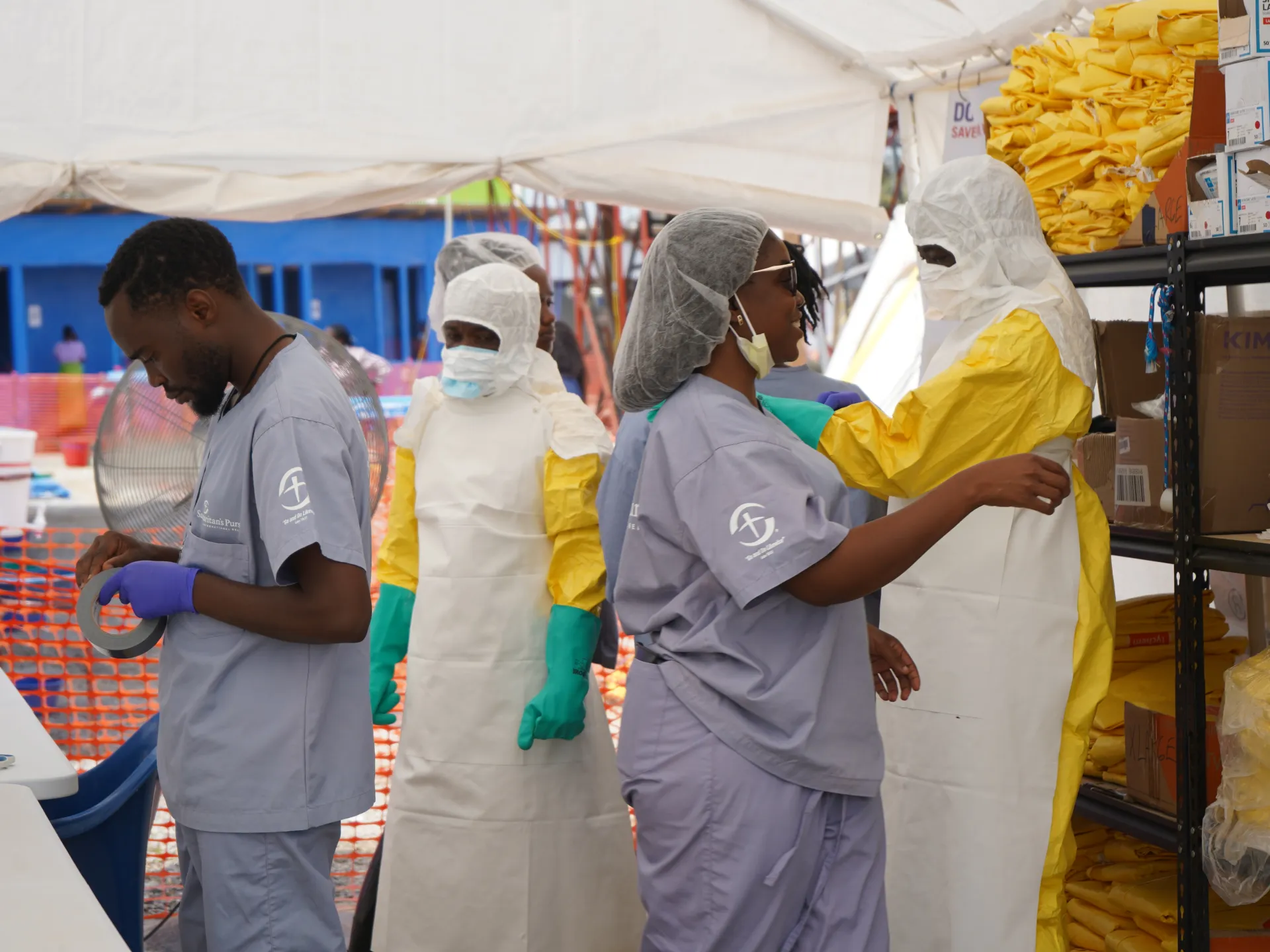
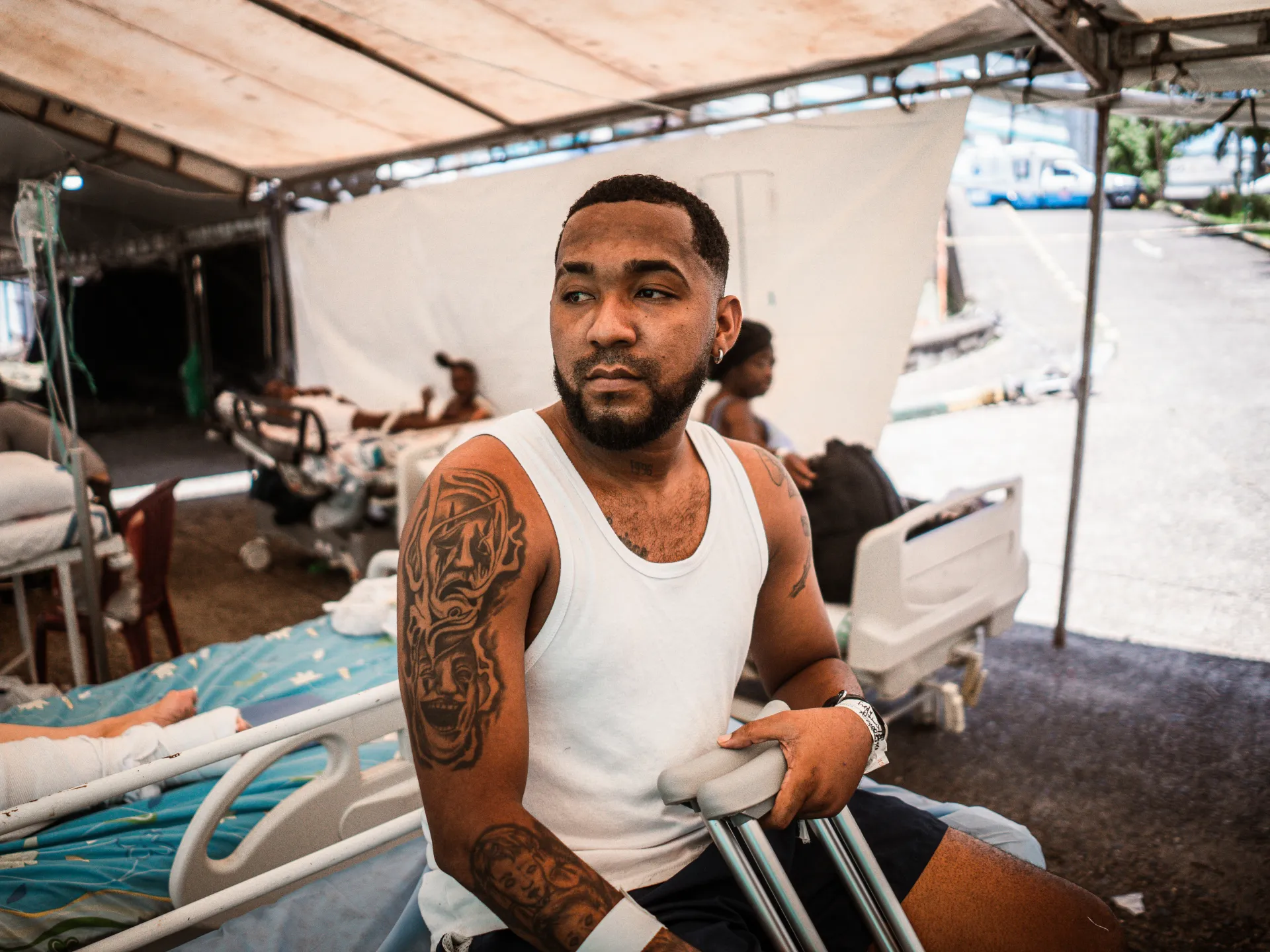
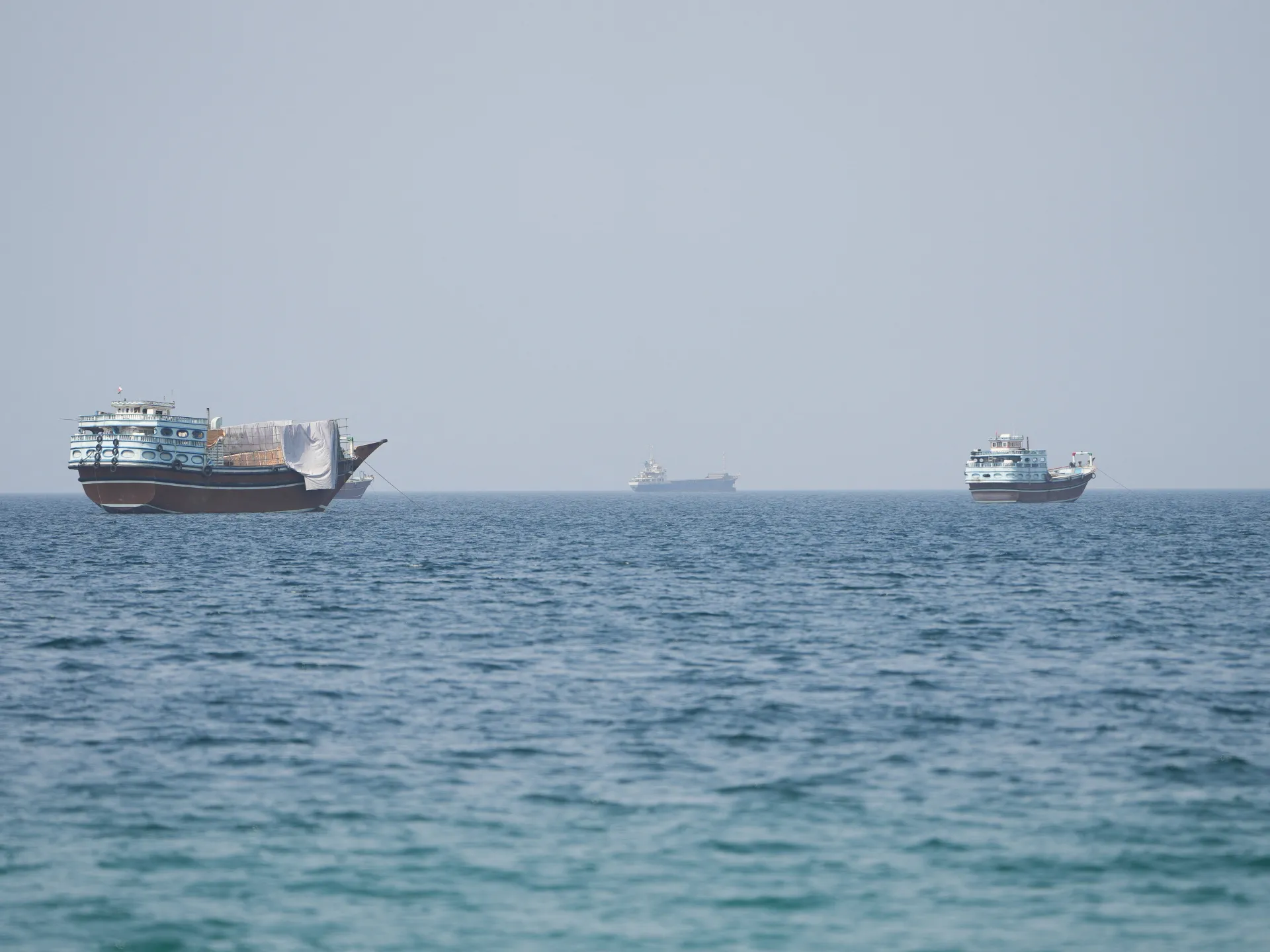
Providing consistent aid to those seeking sanctuary in Djibouti is a complex endeavor complicated bouti have endured harrowing journeys across the sea, often arriving in a state of severe exhaustion and trauma. The medical facilities available in the camps are frequently ill-equipped to handle high-acuity cases, requiring constant coordination with regional health authorities and international NGOs to provide specialized care for the wounded and the chronically ill.
Furthermore, the registration process itself is a bottleneck. Ensuring that every individual is documented correctly is essential for the distribution of aid, but the bureaucratic requirements often delay the arrival of basic necessities. Humanitarian groups are advocating for a more streamlined approach to intake and resettlement, emphasizing that the current situation requires a robust and sustained international financial commitment. Without significant external support, the capacity for Djibouti to act as a safe haven will continue to be compromised
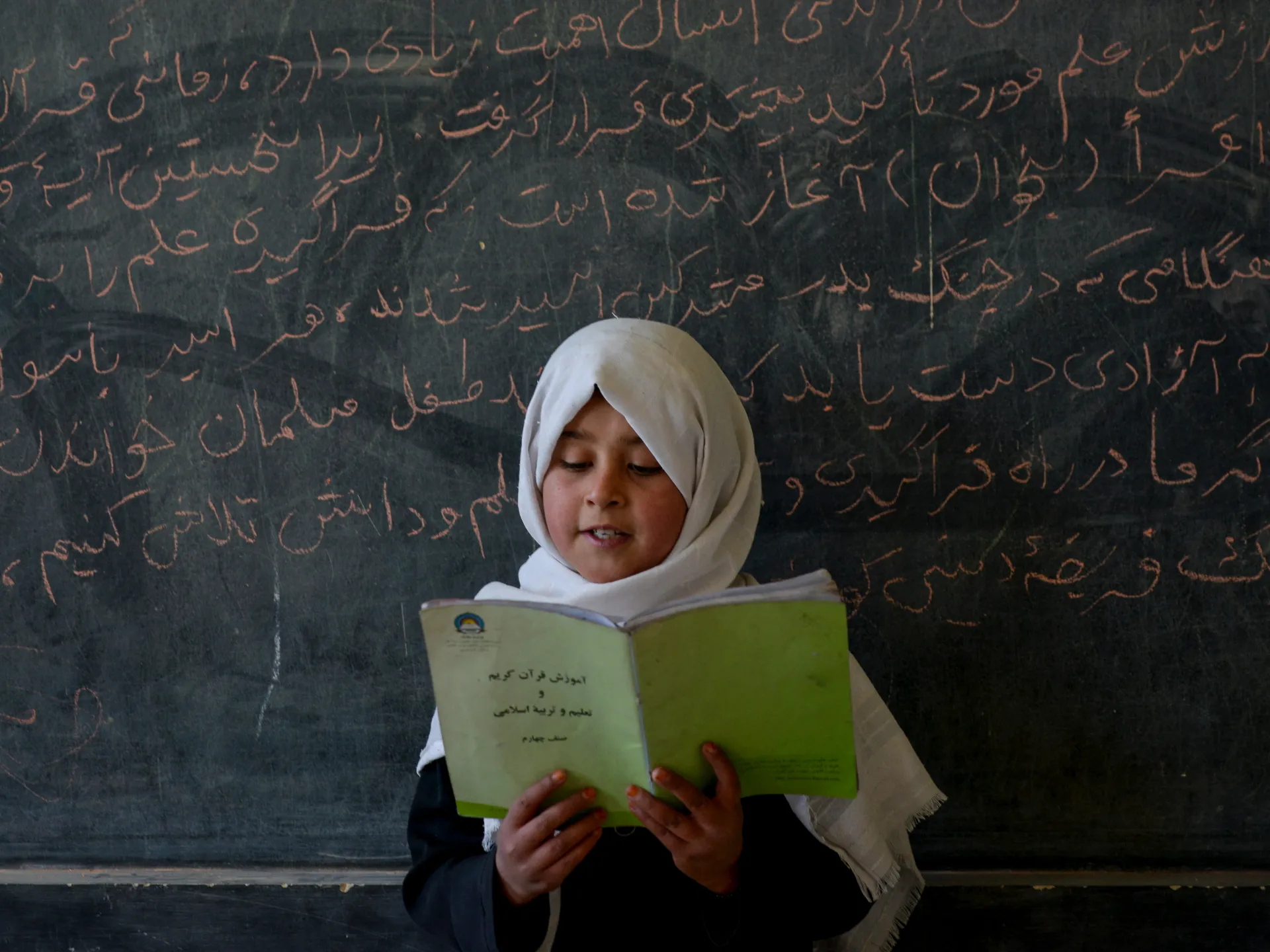
As the conflict in Yemen drags on, the international community is being urged to look beyond emergency relief and consider long-term solutions for the displaced. This includes exploring opportunities for vocational training, education for children, and potential integration programs that allow refugees to contribute to the local economy while they wait for the possibility of returning home. The goal is to move from a state of reactive crisis management to a more proactive framework that prioritizes the resilience and well-being of the displaced.
Regional stability remains the ultimate prerequisite for resolving this humanitarian emergency. Diplomatic efforts aimed at securing a ceasefire in Yemen are intrinsically linked to the welfare of those currently seeking shelter in Djibouti. Until the root causes of the migration are addressed, the pressure on Djibouti’s borders will remain high. The international response must therefore be twofold: providing immediate, life-saving aid to the refugees on the ground and intensifying global efforts to bring a lasting peace to the region, thereby allowing families to return to their homes safely and with dignity.