Delaware holds its final primary elections of the cycle this week, featuring key Senate and House nomination contests within a strictly closed party system.
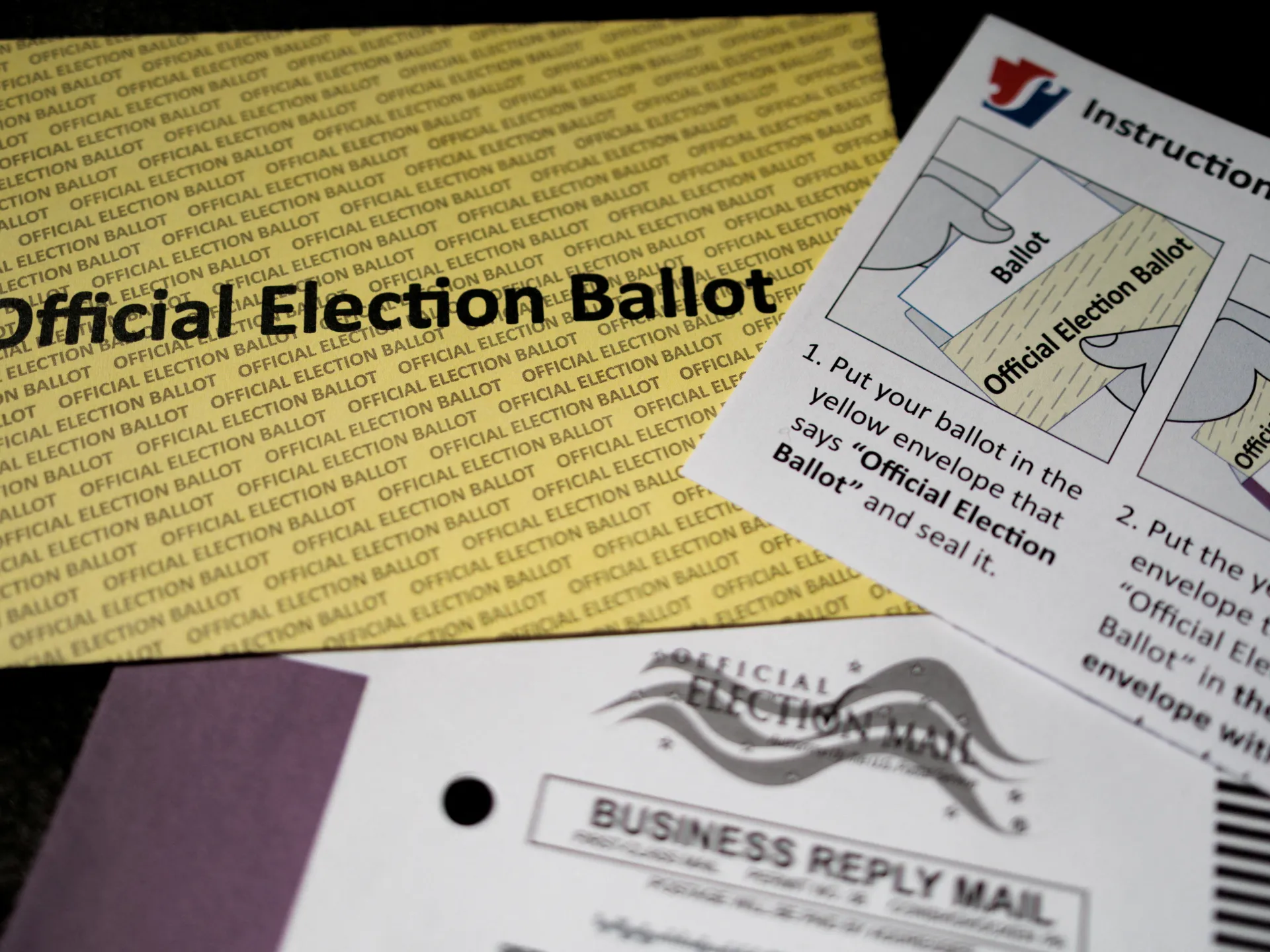
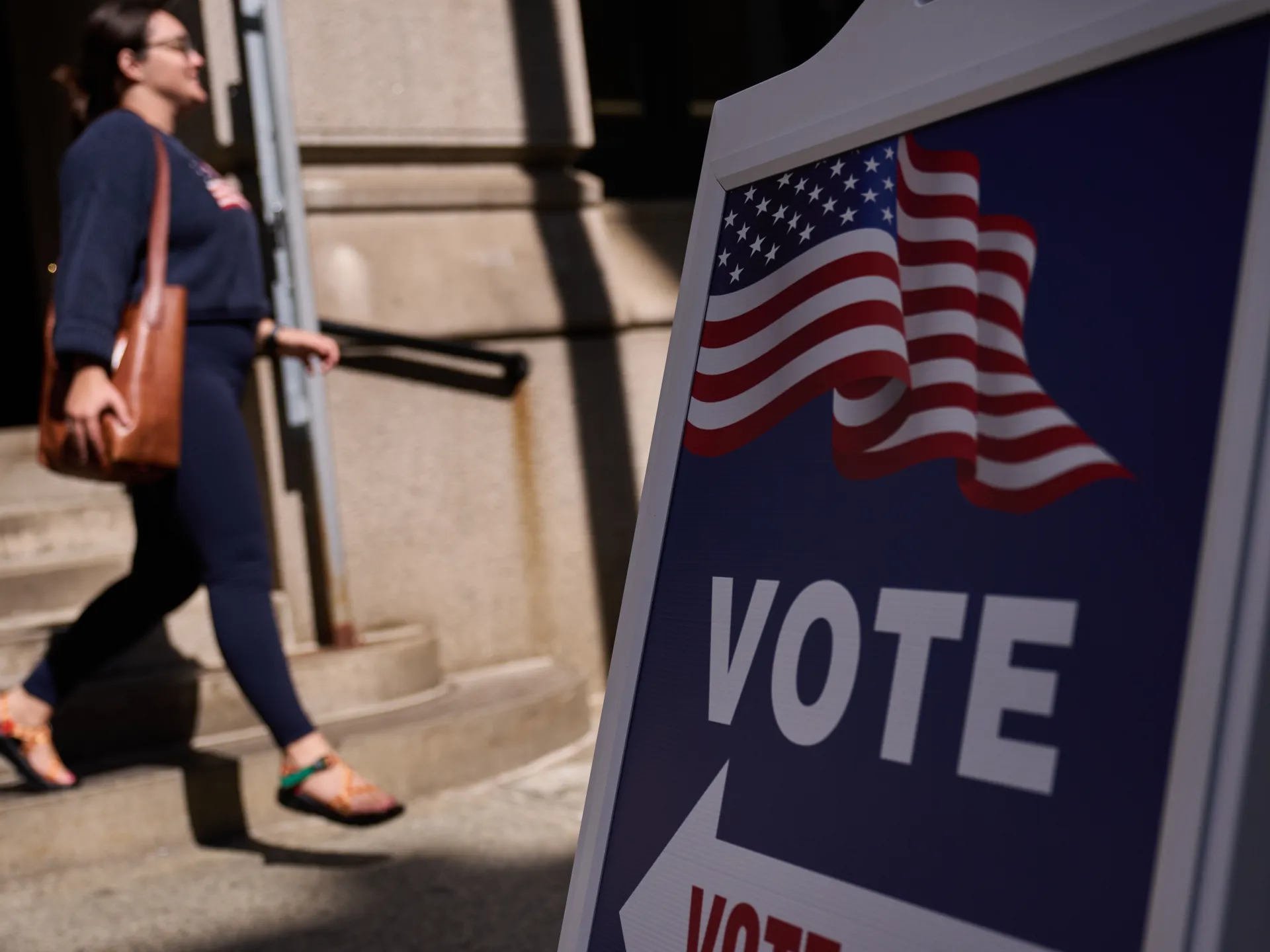
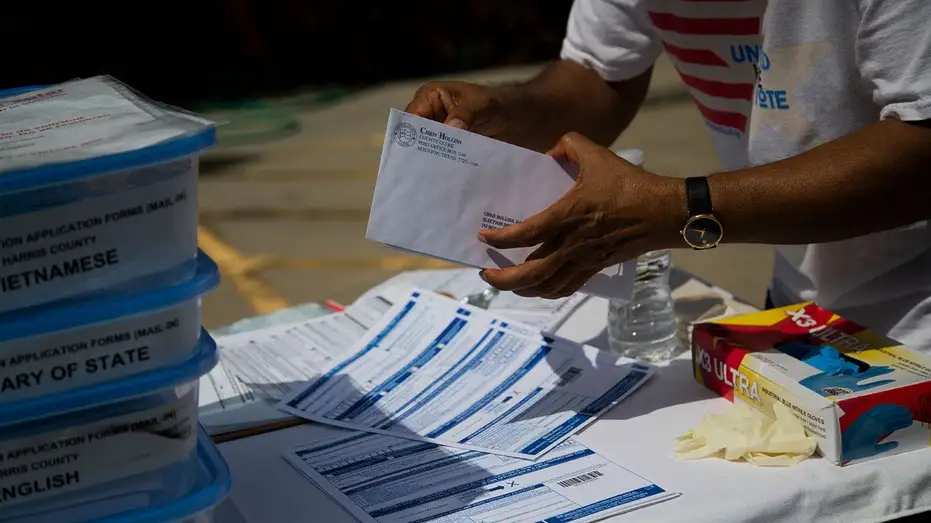
As the final state in the United States to hold its primary elections before the upcoming November midterm cycle, Delaware operates under a specific set of electoral rules that define how voters engage with the process. The state utilizes a closed primary system, which mandates that only registered party members are eligible to cast ballots for their respective candidates. This structure effectively excludes independent or unaffiliated voters from participating in the nomination process, ensuring that the selection of party candidates remains strictly within the hands of registered partisans.
Furthermore, the state does not hold primary elections for every position if there is no competition for the nomination. If a candidate runs unopposed within their party, they automatically advance to the general election ballot scheduled for November 3. This policy streamlines the administrative burden on the state while focusing voter attention on races where multiple candidates are vying for the same party endorsement.
Delaware has experienced a significant political transformation over the past three decades, evolving into a reliable stronghold for the Democratic Party. The state has not elected a Republican to the US Senate since 1994, nor has it seen a Republican representative in the US House since 2008. Consequently, the primary contests within the Democratic Party often determine the ultimate winner of the general election, as the party enjoys a substantial registration advantage over its Republican counterpart.
In the current election cycle, incumbent US Senator Chris Coons is seeking a third full term in office. He faces a primary challenge from three individuals: historian Jeff Appelhans, naval architect Mary Louve, and former business executive Eric Hansen. The presence of these challengers forces an internal evaluation of the incumbent’s record before the general election. Interestingly, Eric Hansen, who served as the Republican nominee for the US Senate in 2024, has switched his political affiliation and is running under the name “E. No-Trump Hansen,” adding a unique dynamic to the ballot.
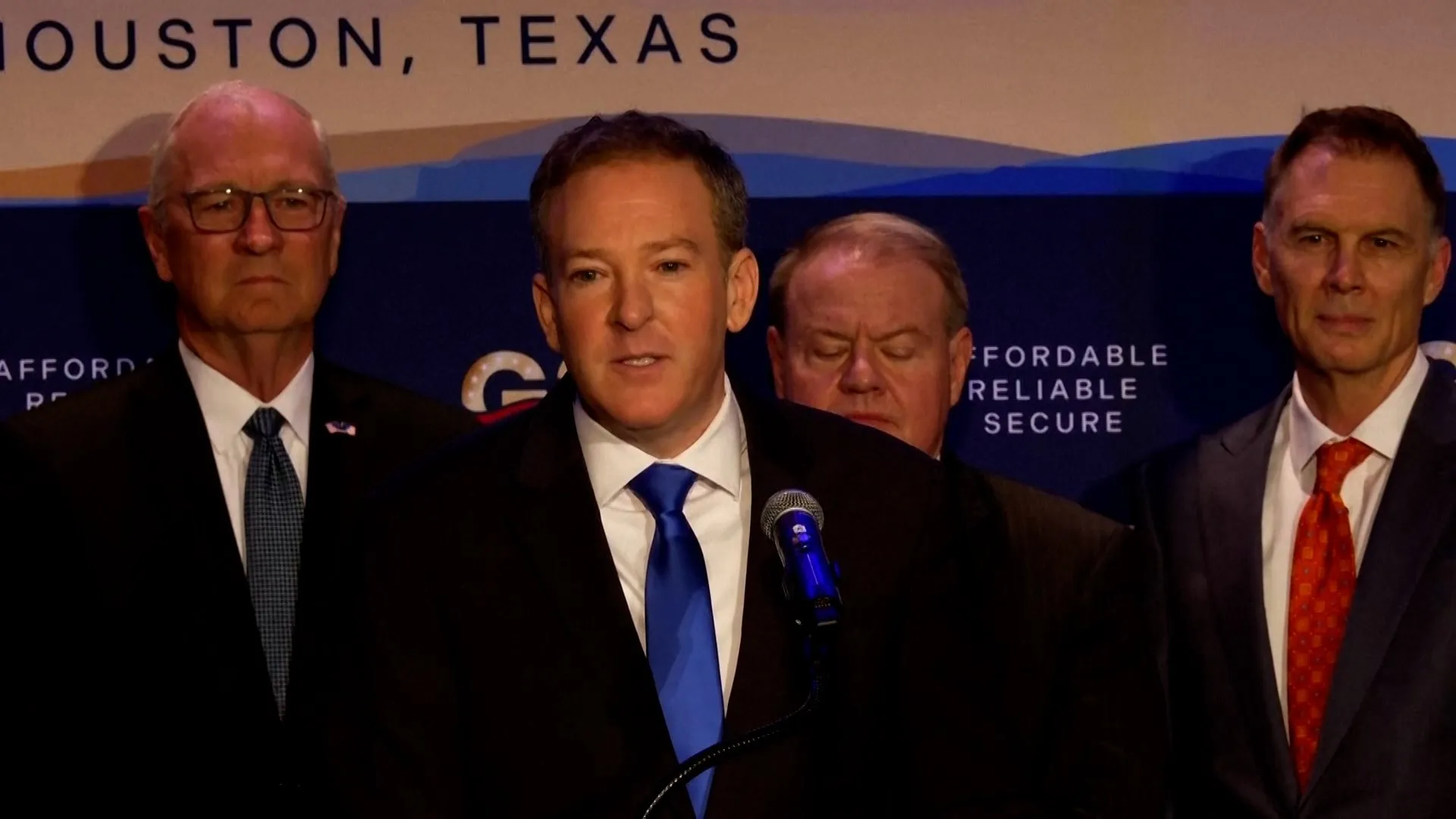
While the Democratic Party maintains a dominant registration lead with approximately 331,000 registered voters compared to roughly 199,000 Republicans, the GOP remains focused on securing competitive candidates for the November ballot. In the race for the US Senate nomination, the party has narrowed its focus to two primary contenders: former state Senator Michael Katz and US Army Reserve Colonel John Shulli. These candidates are vying for the chance to represent the party in the general election.
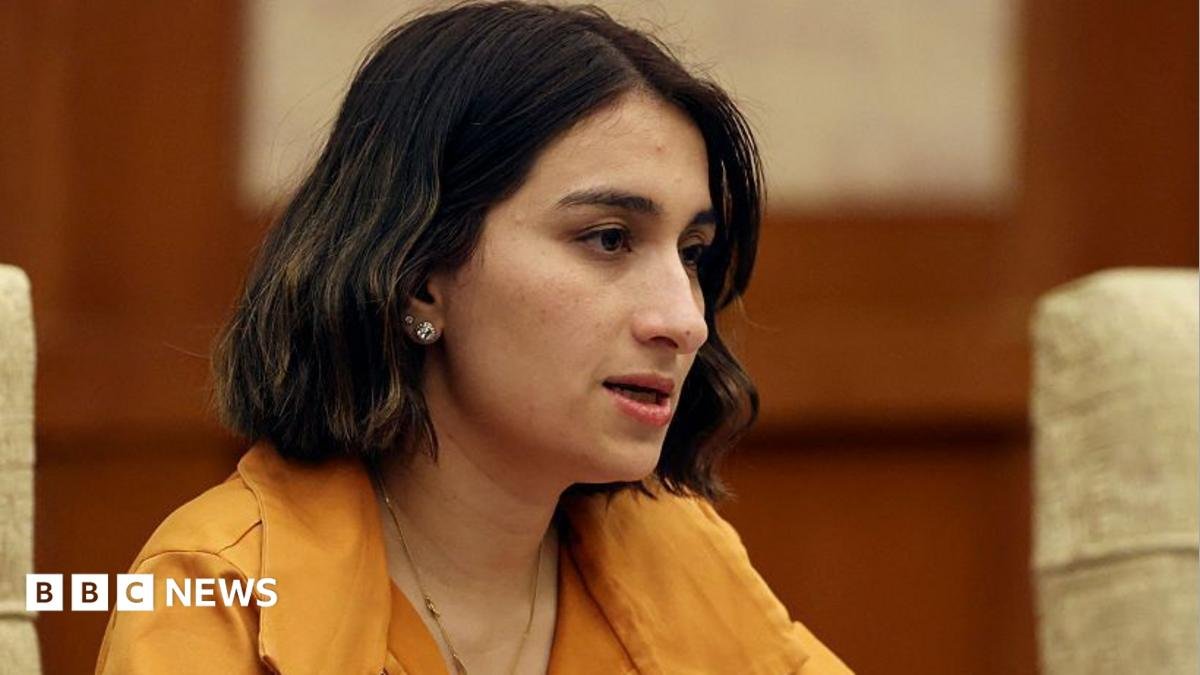
Meanwhile, the race for Delaware’s sole seat in the US House of Representatives offers a different narrative. Incumbent Democratic Representative Sarah McBride, who made history as the first openly transgender person elected to the US Congress, currently faces no opposition in the Democratic primary. As she moves toward her bid for a second term, the Republican field is actively competing to select a challenger, with Joseph Arminio, Earl Cooper, and John Whalen all seeking the party’s nomination to face McBride in the upcoming general election.
The outcomes of these primary elections will set the stage for the broader midterm contests that will decide the balance of power in Washington. Beyond the high-profile federal races for the Senate and the House, Delaware voters are also tasked with selecting nominees for the state legislature and the office of the state treasurer. With an open seat for the treasurer position, the primary results will be particularly consequential for the state's executive branch.
As the state prepares for the final count, the focus remains on how these internal party decisions will influence the general election environment. With over 800,000 registered voters across the state, the turnout for these primaries serves as a litmus test for voter enthusiasm before the final push toward November. Despite the national focus on competitive swing-state races, the candidates emerging from Delaware’s primary will play a vital role in shaping the legislative agenda for the state and the nation in the years to come.