

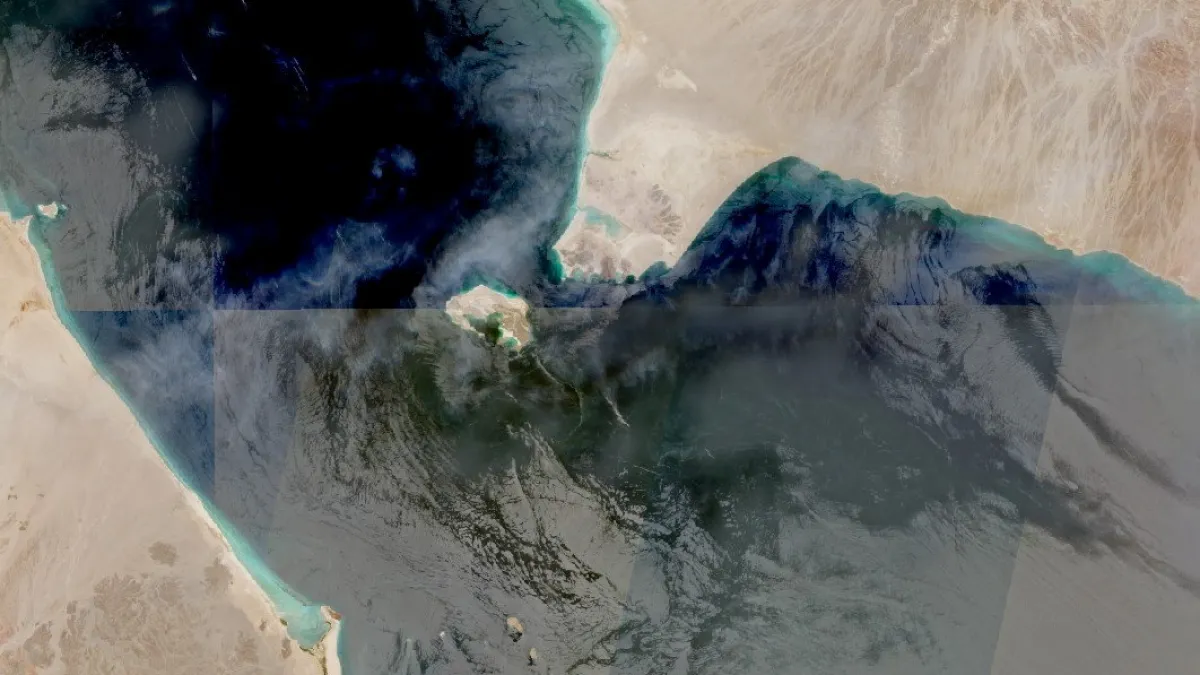
Houthi forces have seized complete control of Yemen’s Red Sea coast and key islands in the Bab al-Mandeb Strait, escalating regional maritime tensions.
Houthi forces have successfully secured full control over Yemen’s Red Sea coastline, marking a significant escalation in the ongoing regional conflict. Following a rapid military operation that culminated early Friday morning, the rebel group effectively pushed back internationally recognized government forces from their final remaining coastal strongholds. This strategic shift in territory provides the group with an unprecedented level of influence over one of the world’s most critical maritime corridors.
The offensive reached a pivotal milestone when fighters secured the historic town of al-Makha, commonly known as Mocha. Following this land-based advancement, Houthi units transitioned to the sea, seizing several islands situated within the Bab al-Mandeb Strait. Government officials and local witnesses confirmed that the retreat of state-aligned forces allowed for a relatively swift transition of power, effectively placing the entirety of the coastal region under the direct administration of the Sanaa-based leadership.
The Bab al-Mandeb Strait serves as the southern gateway to the Red Sea and is a vital artery for global energy commerce. Houthis have established a dominant position over the maritime approach to major Saudi oil terminals. Historically, this route has been utilized as a primary alternative to the Strait of Hormuz, especially as geopolitical tensions have forced global energy markets to seek safer passages for crude oil shipments bound for European markets.
Military analysts note that the seizure of the Al-Omari camp, which overlooks the strait, further cements the group's tactical leverage. With the government forces appearing unable to mount an immediate counteroffensive, the current power dynamic in the region has shifted decisively. This control effectively grants the group the ability to monitor and potentially influence the flow of international shipping traffic that passes through the narrow waterway daily.
The military developments in Yemen have sent immediate shockwaves through global energy markets. As reports of the Houthi advance circulated, oil prices breached the $100-per-barrel threshold for the first time since May. This volatility reflects deep-seated market anxieties regarding the security of energy supplies, particularly as the ongoing conflict between the United States and Iran continues to disrupt normal Middle Eastern export flows.
Consumer impacts are already being observed in the United States, where the average cost of diesel has risen above $6 per gallon. The International Energy Agency has warned that the current geopolitical climate is likely to suppress global oil supply and demand further, with projections indicating that the stabilization of regional trade routes may not occur until well into 2027. The ability of the Houthis to exert pressure on these global economic variables underscores the high stakes of the current maritime situation.
The absence of a coordinated response from the internationally recognized Yemeni government suggests a period of prolonged instability for the region. While there has been no official formal announcement from all involved parties, the tactical reality on the ground is clear. The shift in control has effectively changed the defensive posture of the entire Red Sea region, forcing international stakeholders to reassess their maritime security strategies.
As the international community monitors the situation, the focus remains on whether the current blockade of the strait will lead to further diplomatic intervention or if the status quo will hold. With the Houthis holding the "strong hand" in the region, the geopolitical landscape of the Middle East remains increasingly fragile, with the potential for further price fluctuations and supply chain interruptions as long as the Bab al-Mandeb corridor remains under the control of the insurgent forces.