

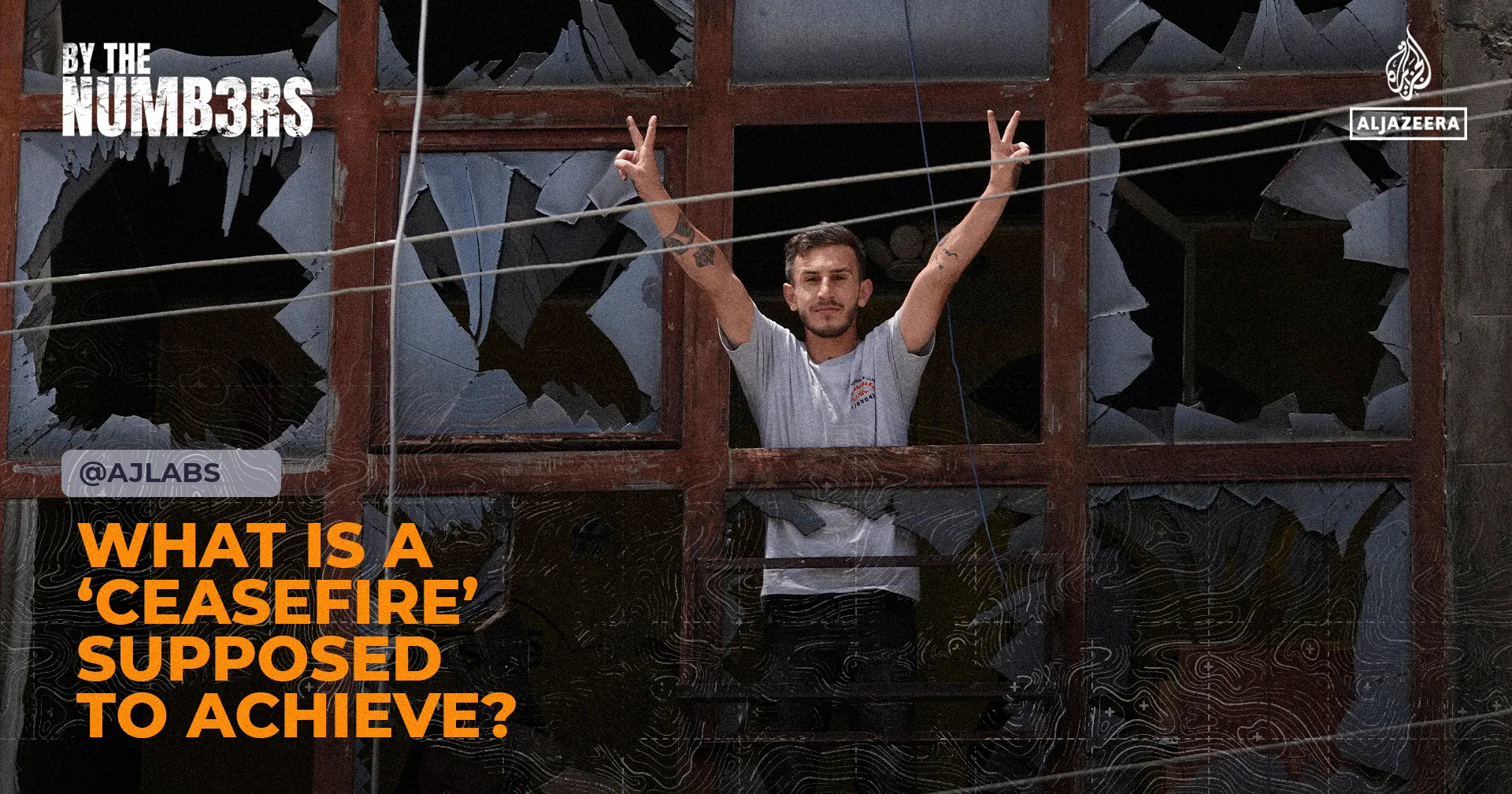
While ceasefires are designed to halt hostilities and provide humanitarian relief, many modern agreements struggle to hold due to deep-seated mistrust and a lack of enforcement.
At its core, a ceasefire is intended to be a temporary cessation of active hostilities between warring parties. It serves as a vital cooling-off period designed to halt the immediate loss of life and provide a window of opportunity for humanitarian aid to reach those trapped in conflict zones. Beyond the immediate halting of gunfire, a ceasefire is often viewed as the essential first step toward a more durable diplomatic resolution, allowing negotiators to move from the battlefield to the bargaining table.
However, the transition from a temporary pause to a lasting peace is fraught with challenges. When parties agree to a ceasefire, they are essentially acknowledging that the current military situation is untenable or that the costs of continued fighting have become prohibitive. Despite these logical motivations, the history of recent geopolitical conflicts suggests that the mere declaration of a truce is rarely sufficient to guarantee stability, as the underlying drivers of the violence often remain unaddressed.
Recent history, including ongoing tensions across Gaza, Lebanon, Iran, and Ukraine, highlights a troubling trend: the recurring failure of ceasefire agreements to hold. A primary reason for these collapses is the lack of mutual trust. In many cases, each side views the pause not as an end to hostilities, but as a tactical maneuver to regroup, rearm, or reposition forces. When parties suspect their opponent is utilizing the silence to gain a strategic advantage, the temptation to breach the agreement becomes overwhelming.
Furthermore, the absence of a robust enforcement mechanism often renders these agreements little more than paper promises. Without a neutral third party to monitor compliance and hold violators accountable, the incentives for maintaining the ceasefire diminish quickly. As soon as a minor skirmish occurs or a disagreement arises over the interpretation of terms, the entire framework can unravel, leading to a rapid resumption of full-scale conflict.
When a ceasefire fails, the consequences for civilian populations are catastrophic. The promise of safety that accompanies a truce often leads people to emerge from hiding, return to their homes, or attempt to gather essential supplies. When fighting restarts unexpectedly, these individuals are frequently caught in the crossfire, leading to a sudden surge in casualties. The disappointment and trauma associated with shattered truces can also lead to a deep-seated cynicism toward diplomatic efforts, making future attempts at mediation significantly harder.
Beyond the immediate human toll, the collapse of a ceasefire disrupts the delivery of critical aid. International organizations rely on the stability provided regions. When the fighting resumes, these supply chains are severed, exacerbating the humanitarian crisis and creating a cycle of suffering that is difficult to break. The systemic failure of these agreements often transforms the relief effort into an impossible task for aid agencies.
To move beyond the cycle of failed truces, the international community must focus on building more resilient frameworks that address the root causes of conflict rather than just the symptoms. A sustainable agreement requires clear, actionable milestones, transparent monitoring, and consequences for those who violate the terms. It is no longer enough for mediators to facilitate a handshake; they must ensure that all parties have a vested interest in the long-term success of the peace process.
Ultimately, the success of a ceasefire depends on the political will of the participants. Unless both sides are committed to a genuine transition toward a permanent resolution, the pause will remain a fleeting anomaly in an otherwise continuous state of warfare. Achieving lasting peace requires moving past the tactical calculations of military strength and focusing on the shared security and well-being of all people affected ns.