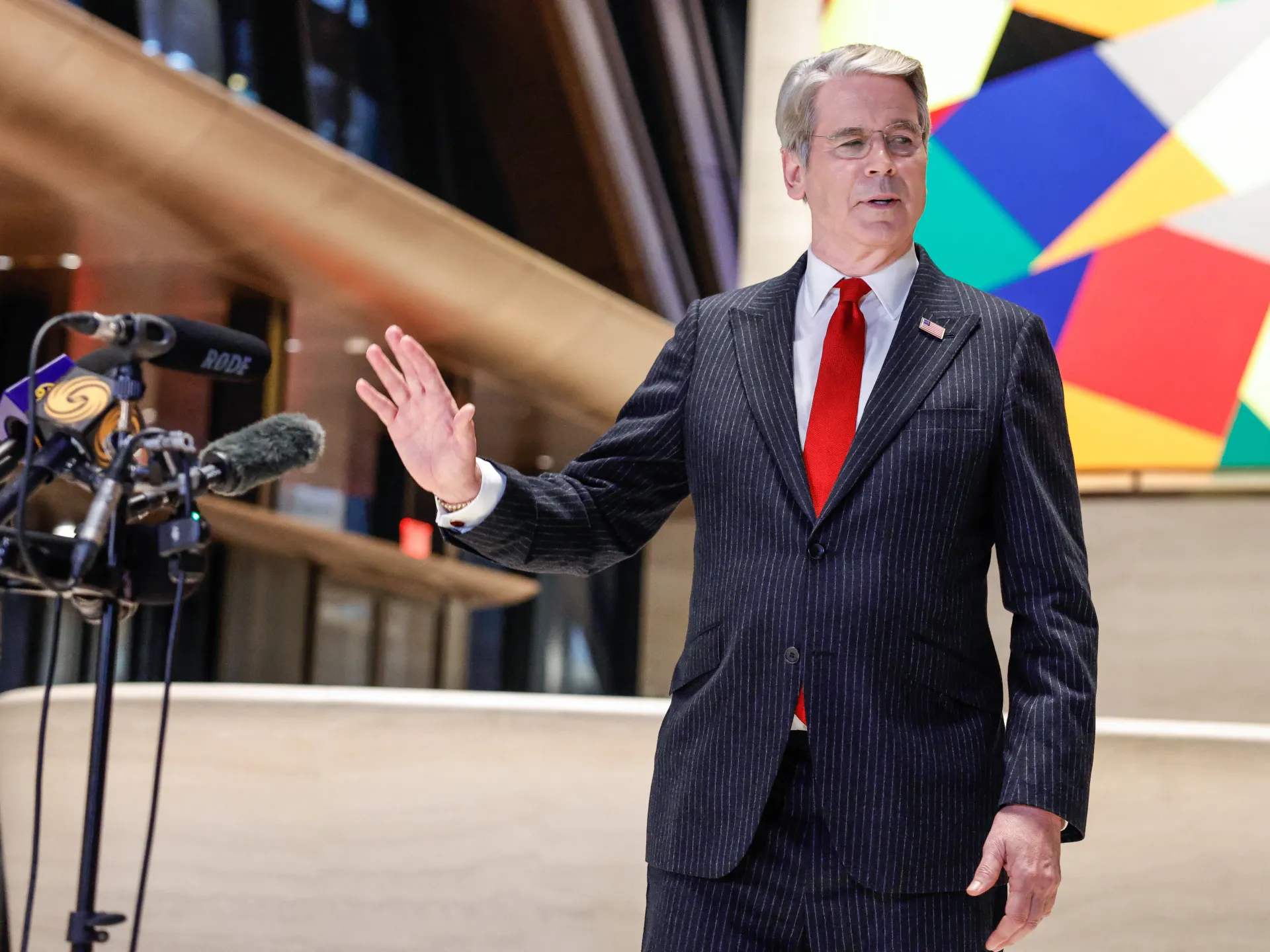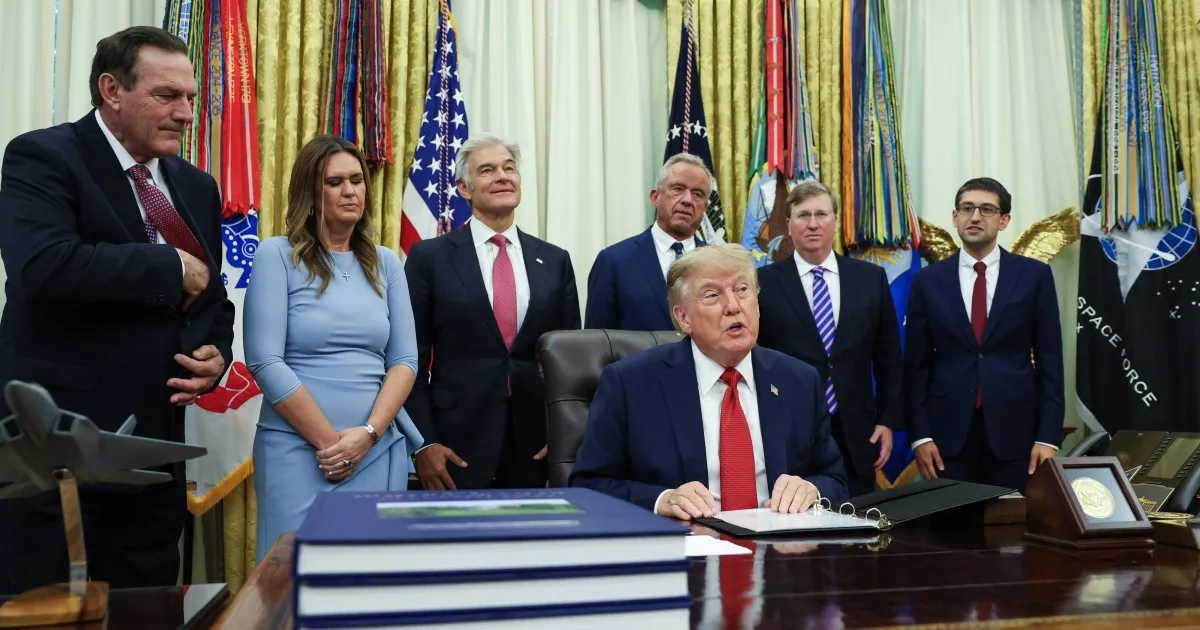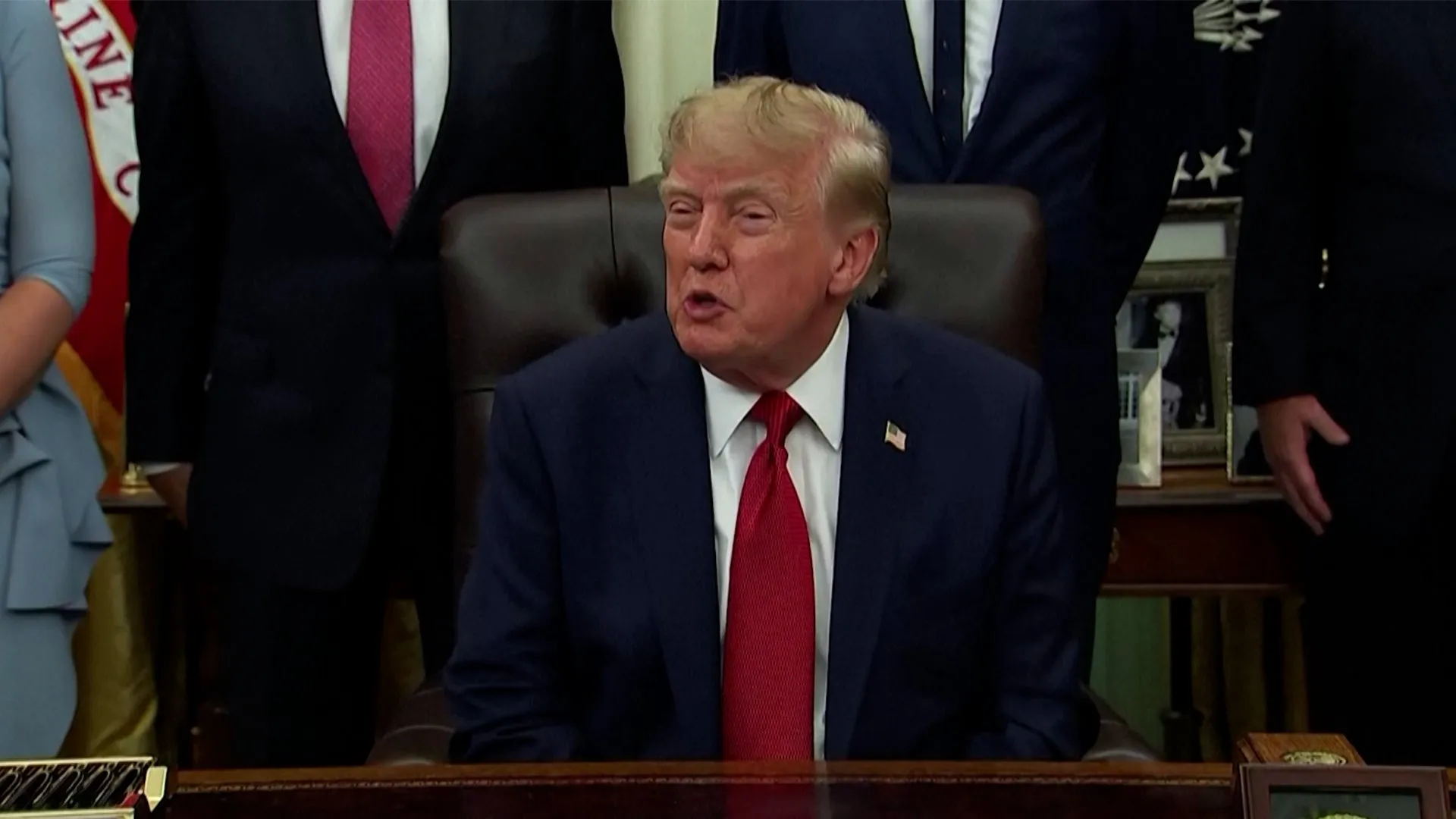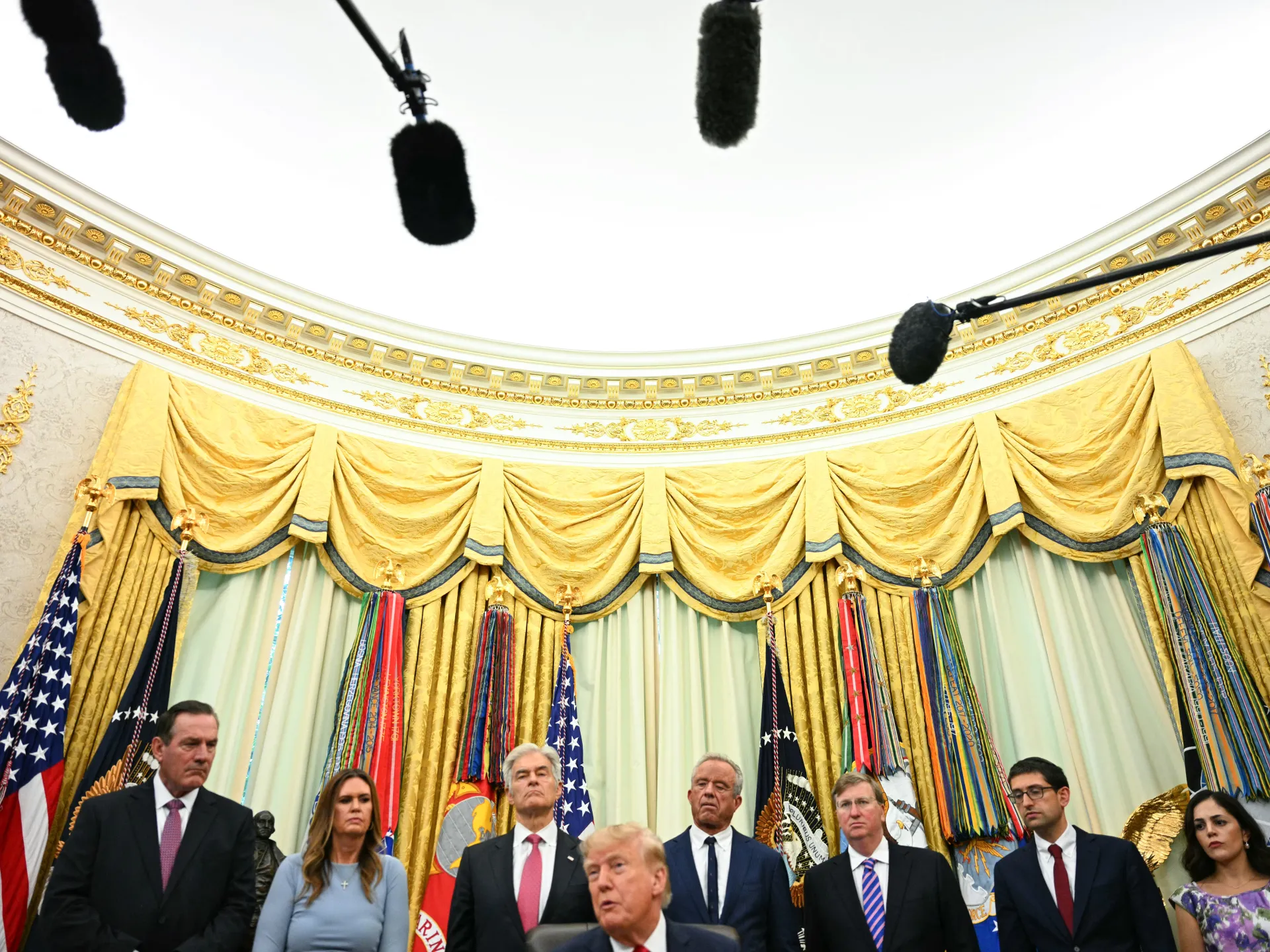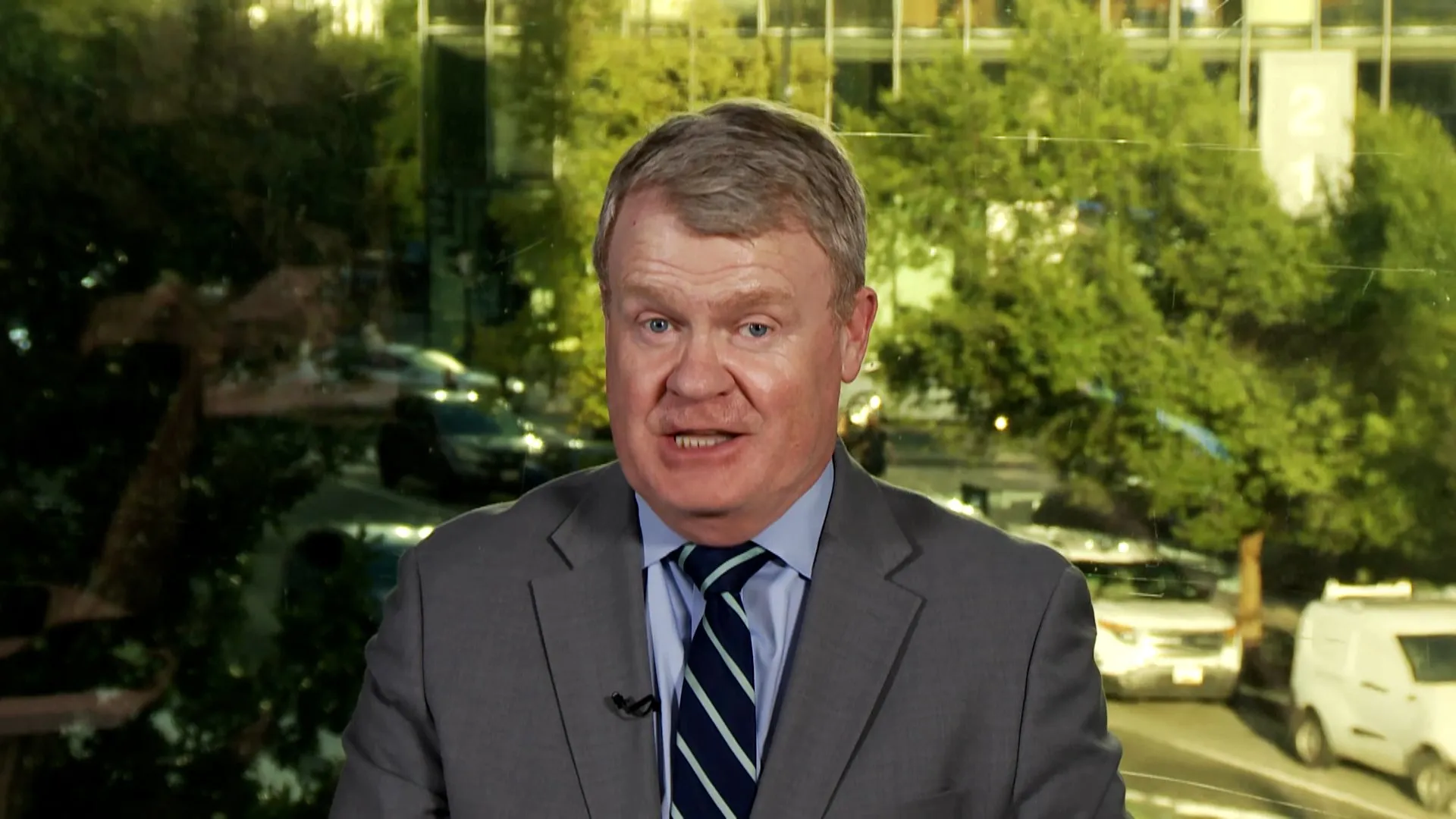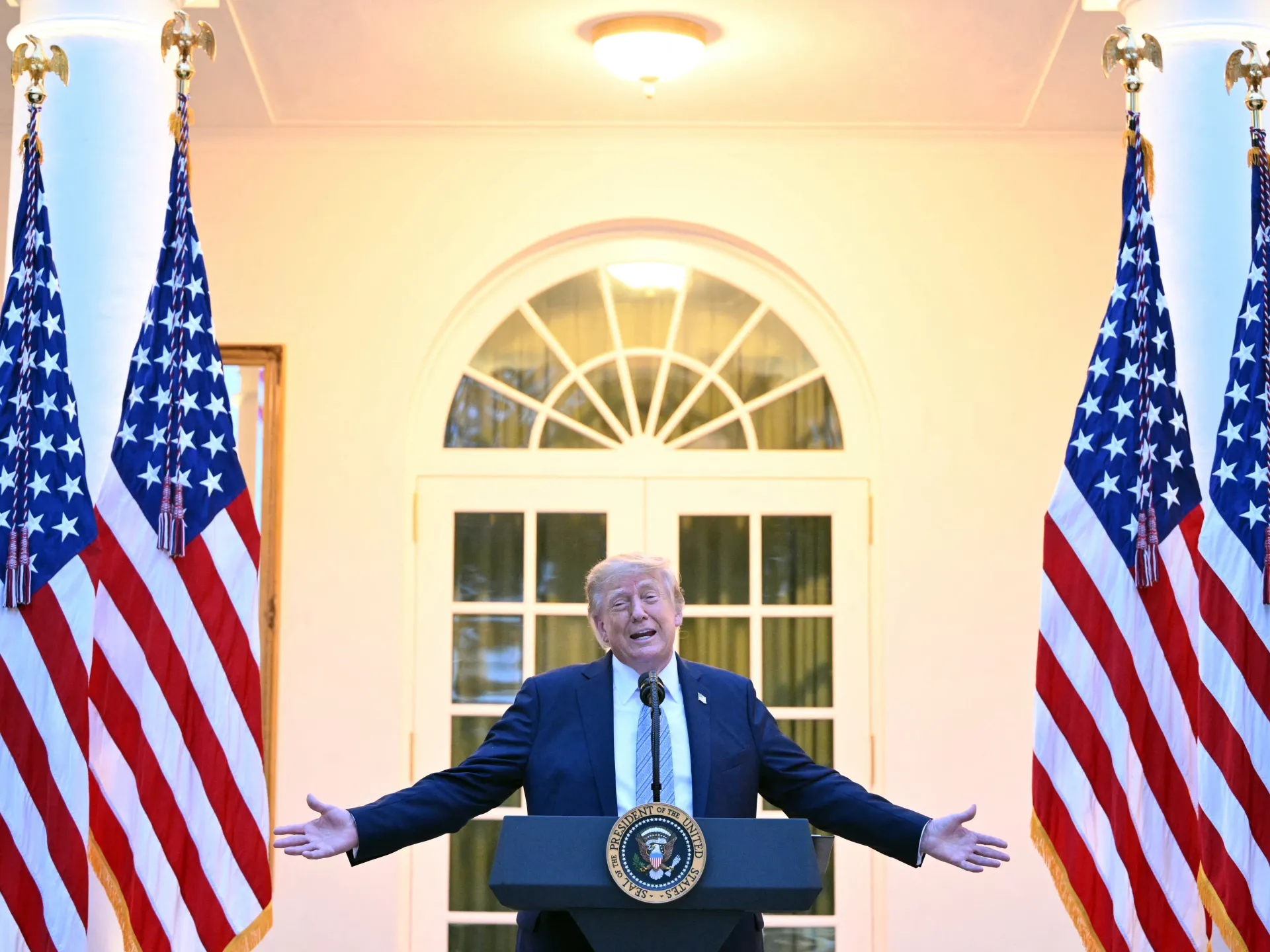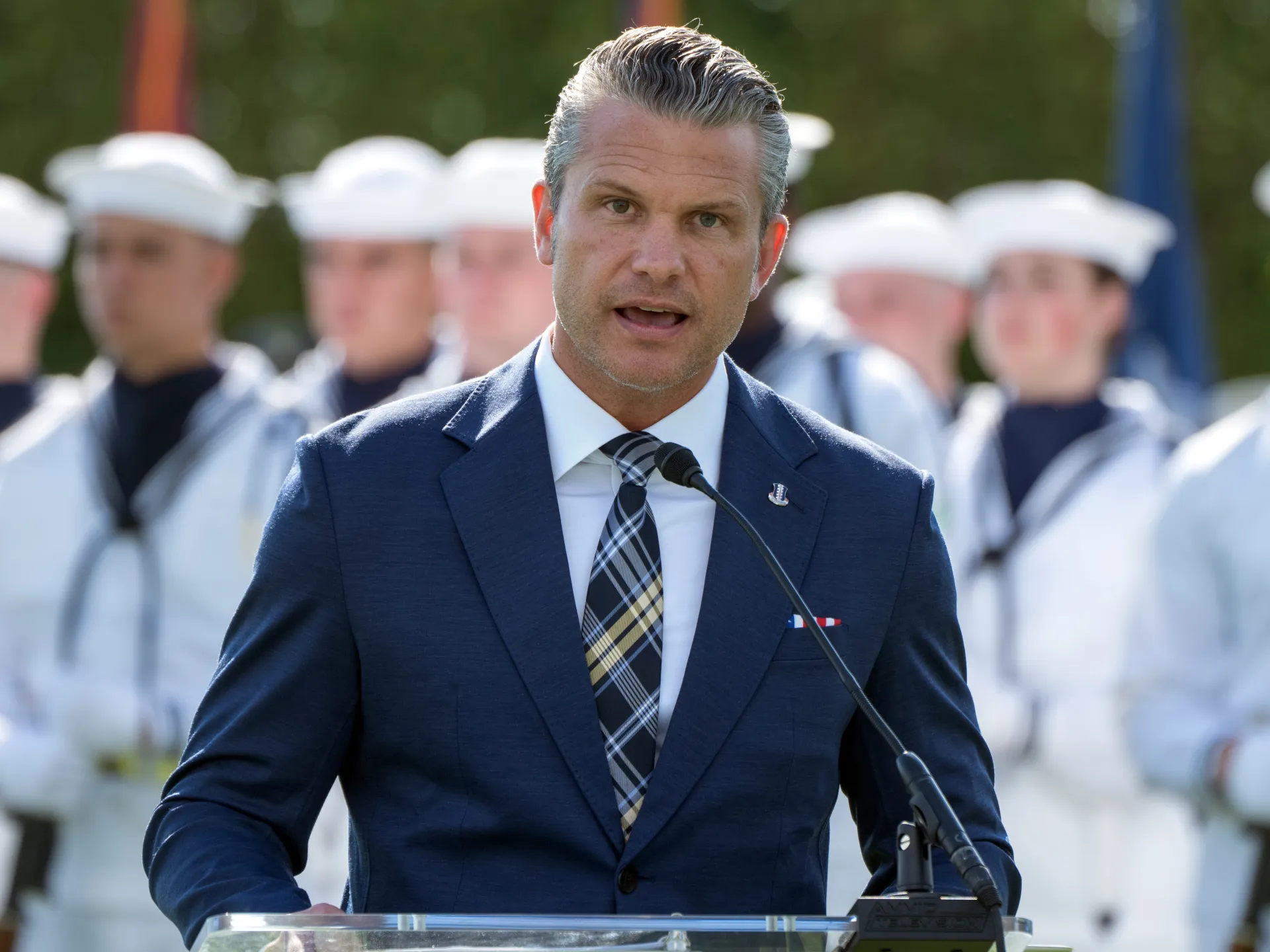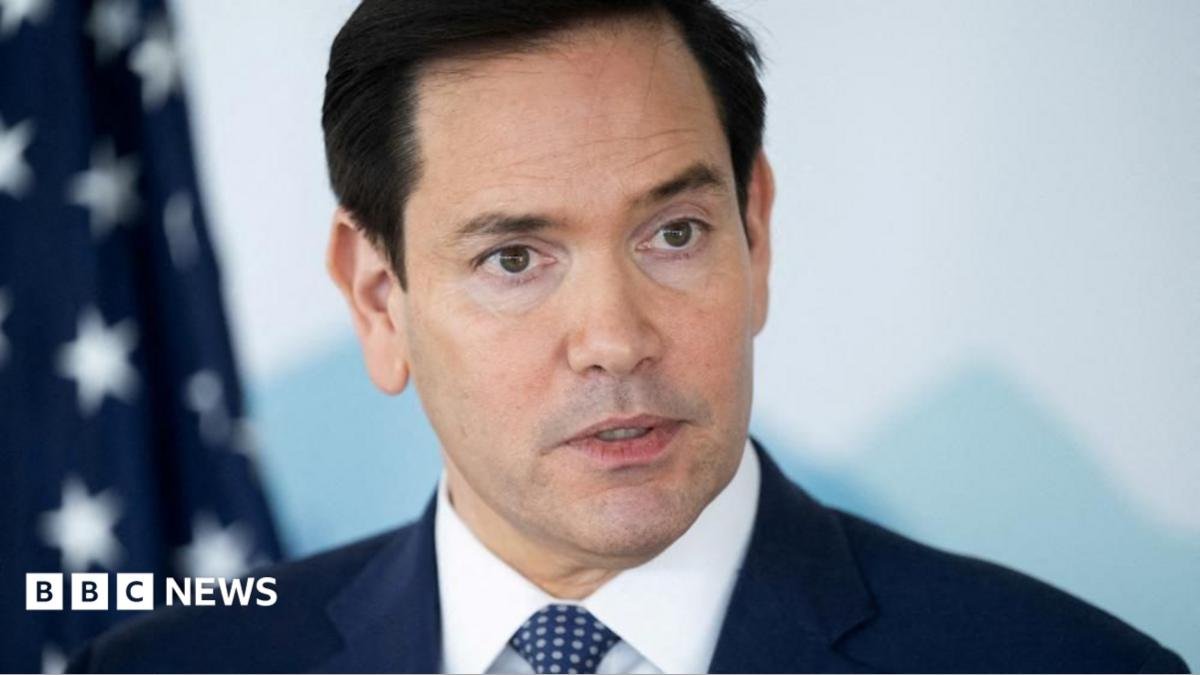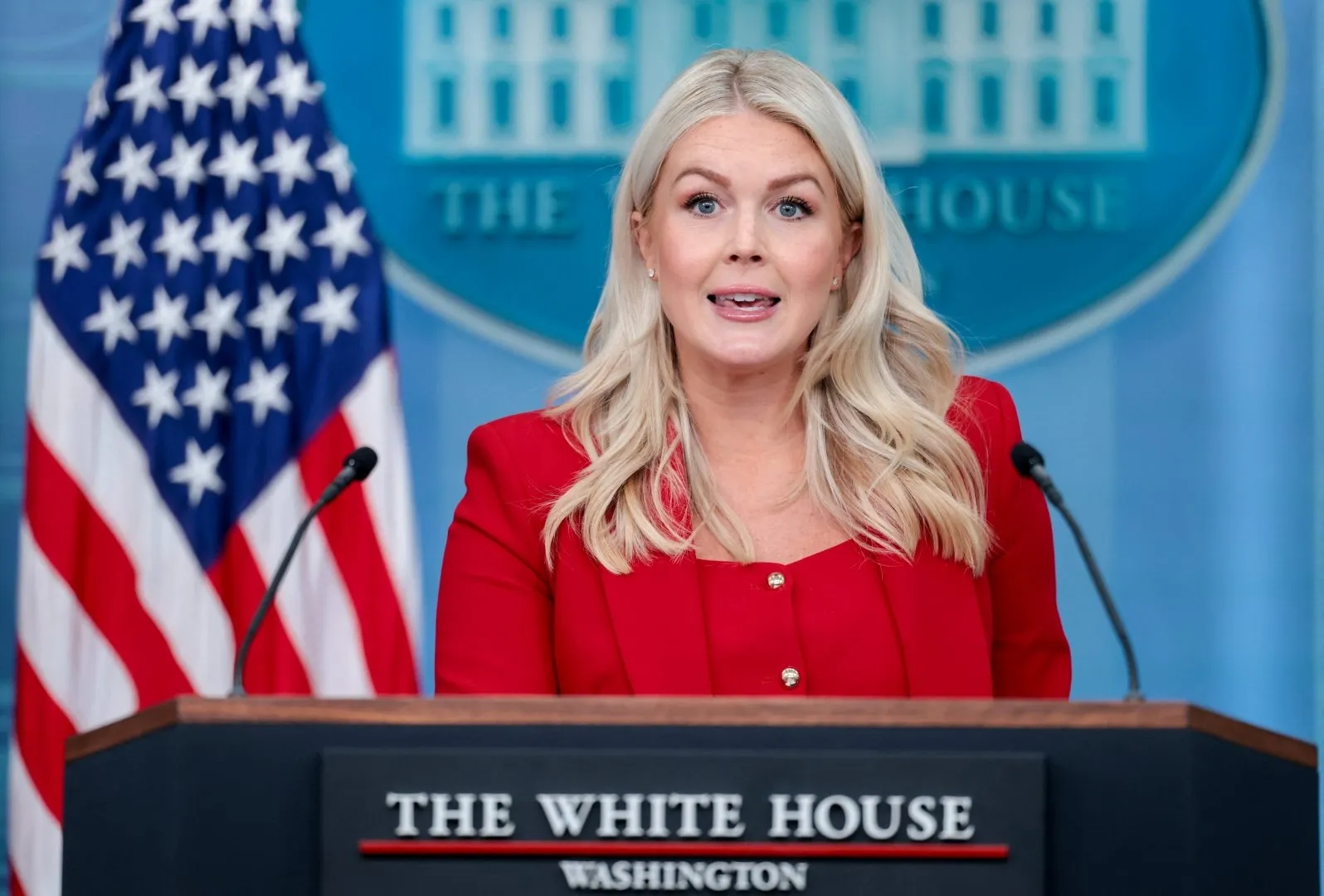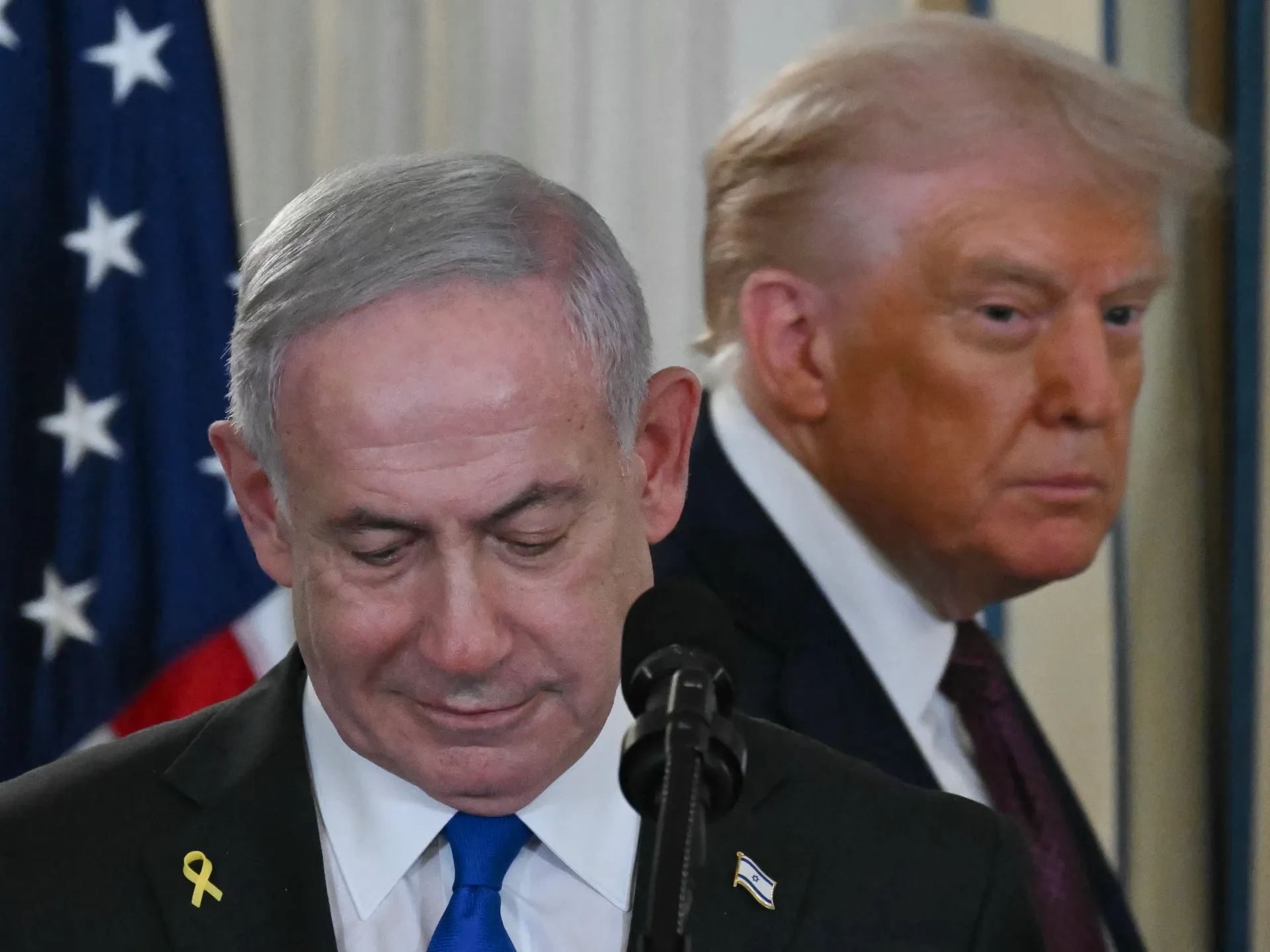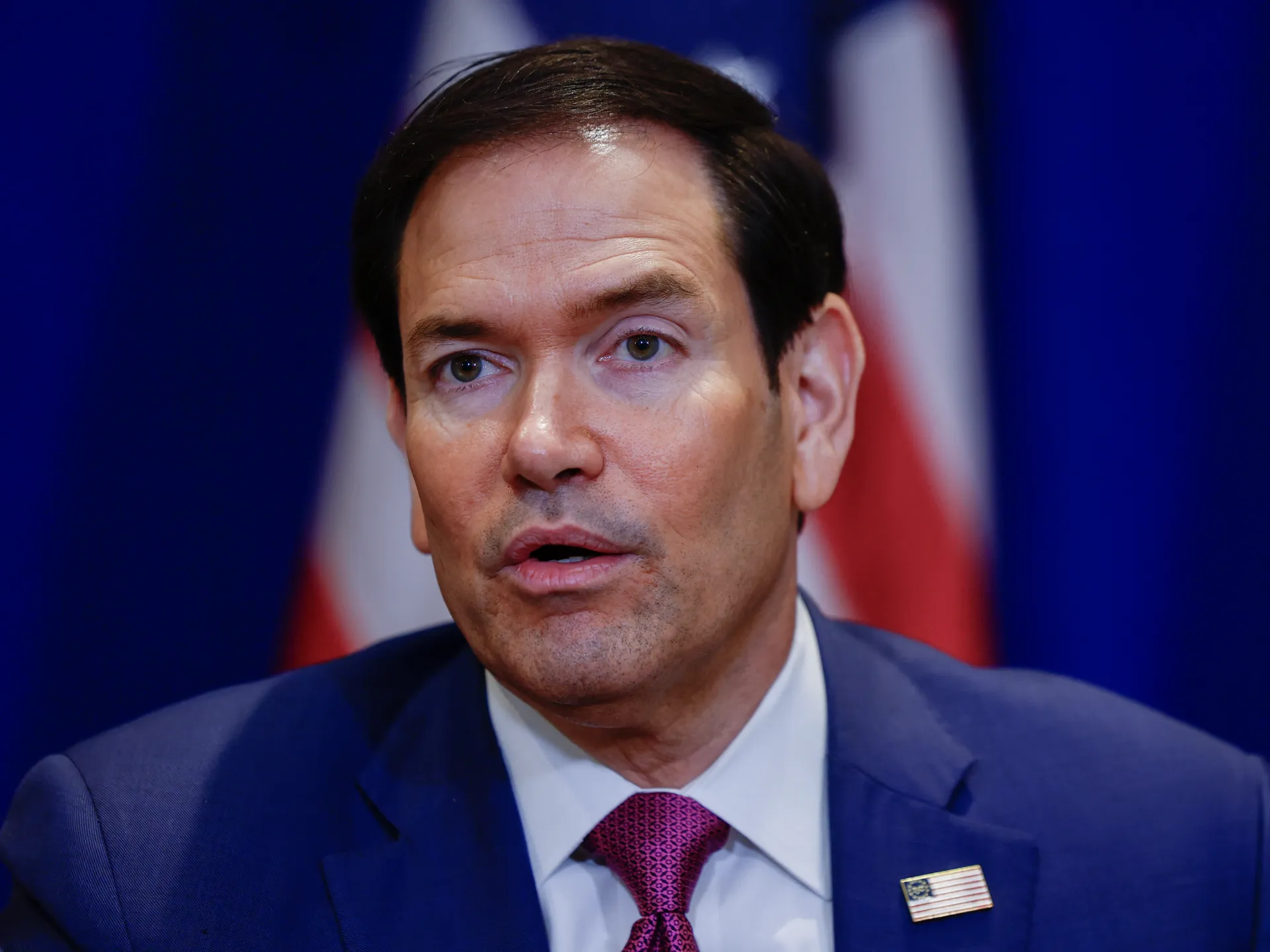
Secretary of State Marco Rubio has defended the White House’s decision to ban three major news organizations, as media outlets seek a federal restraining order.
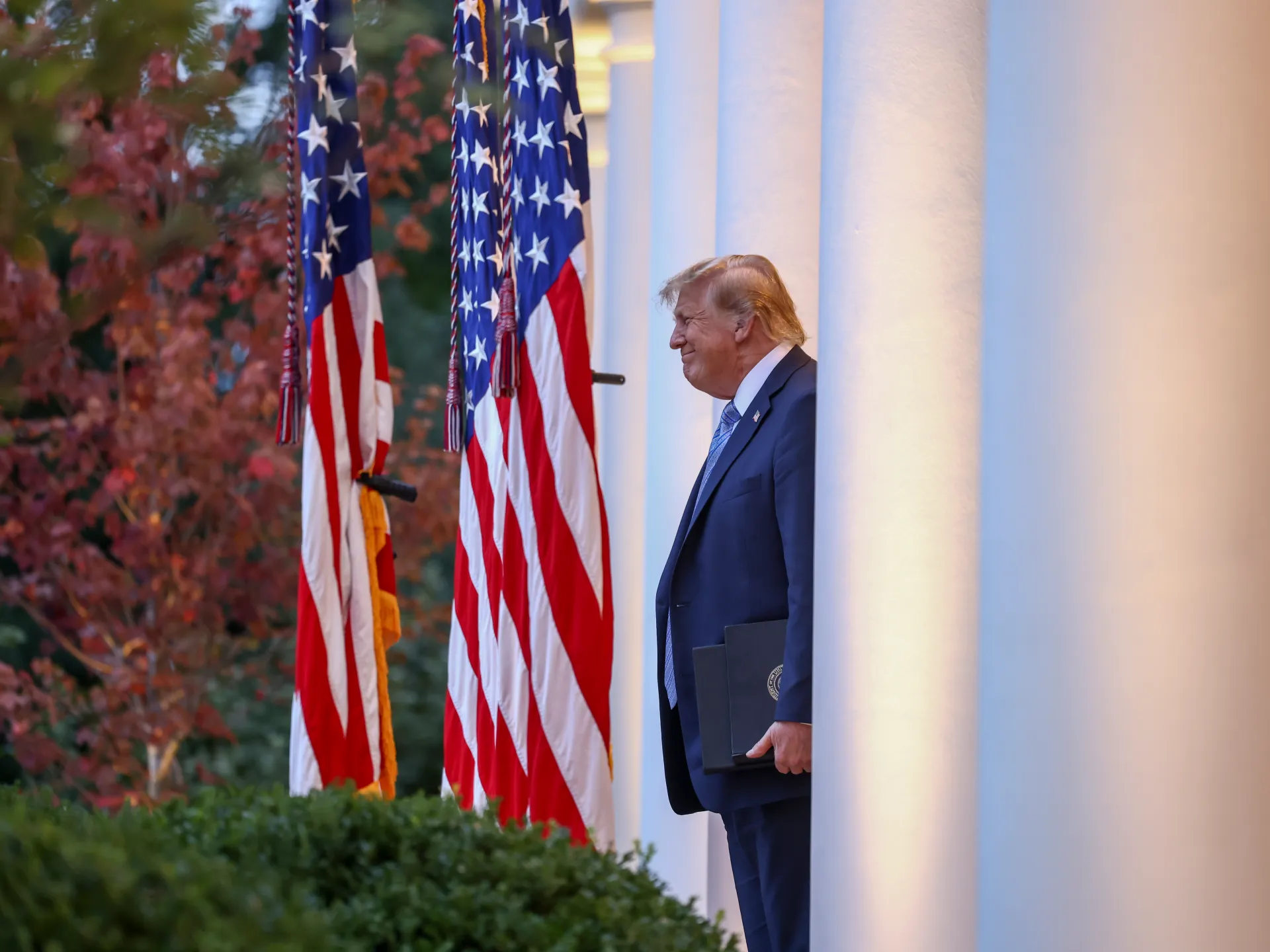
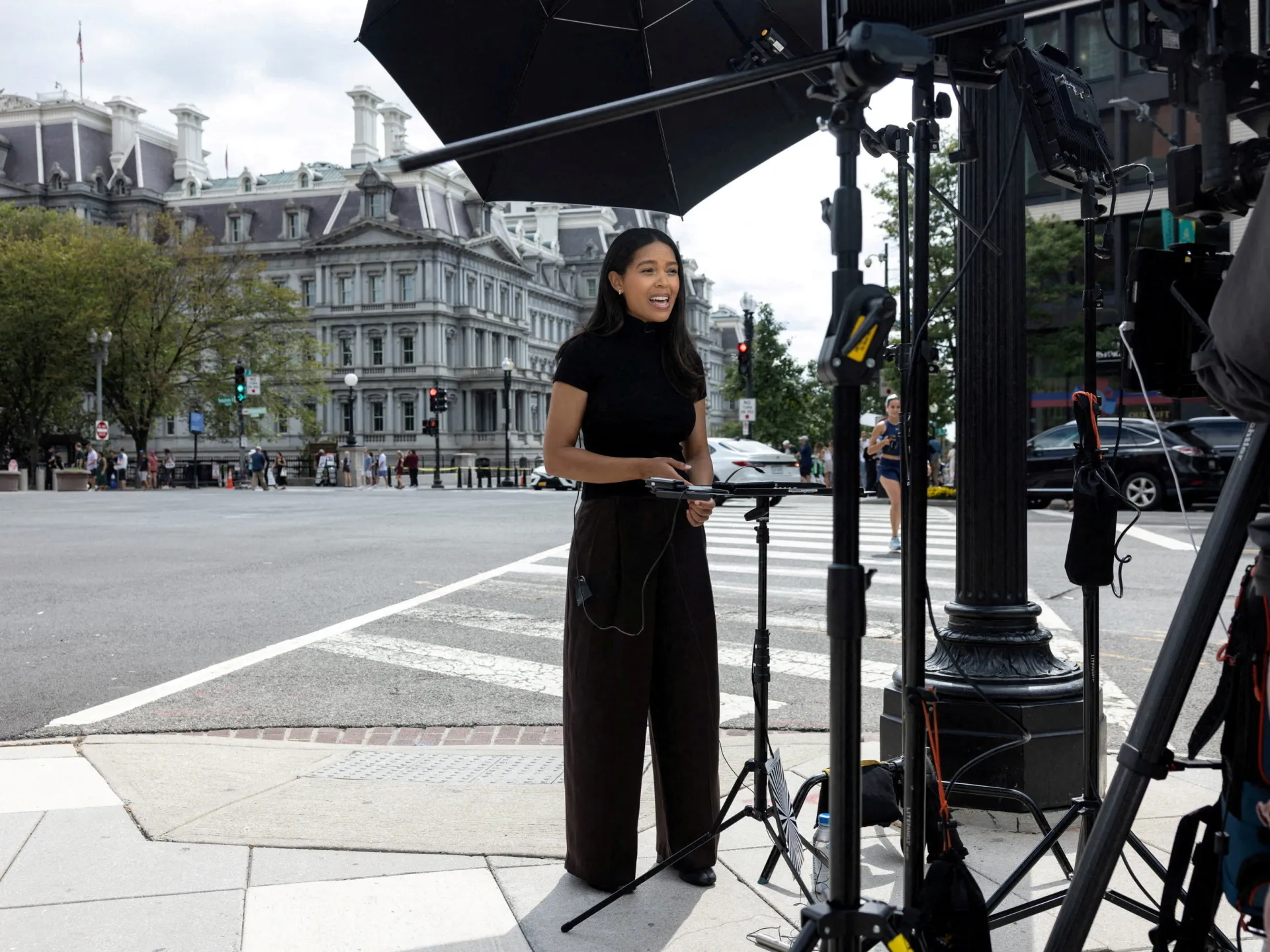
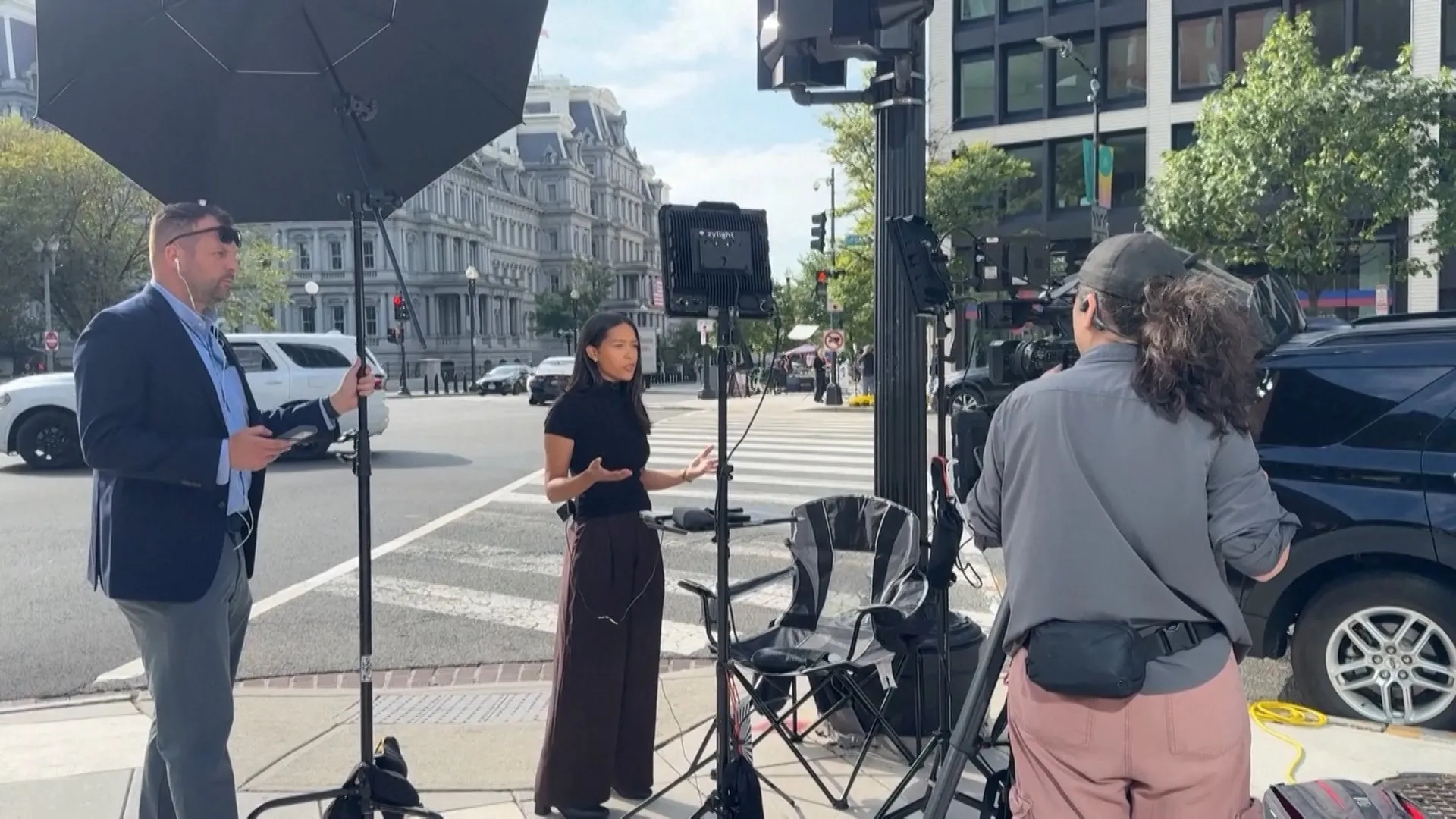
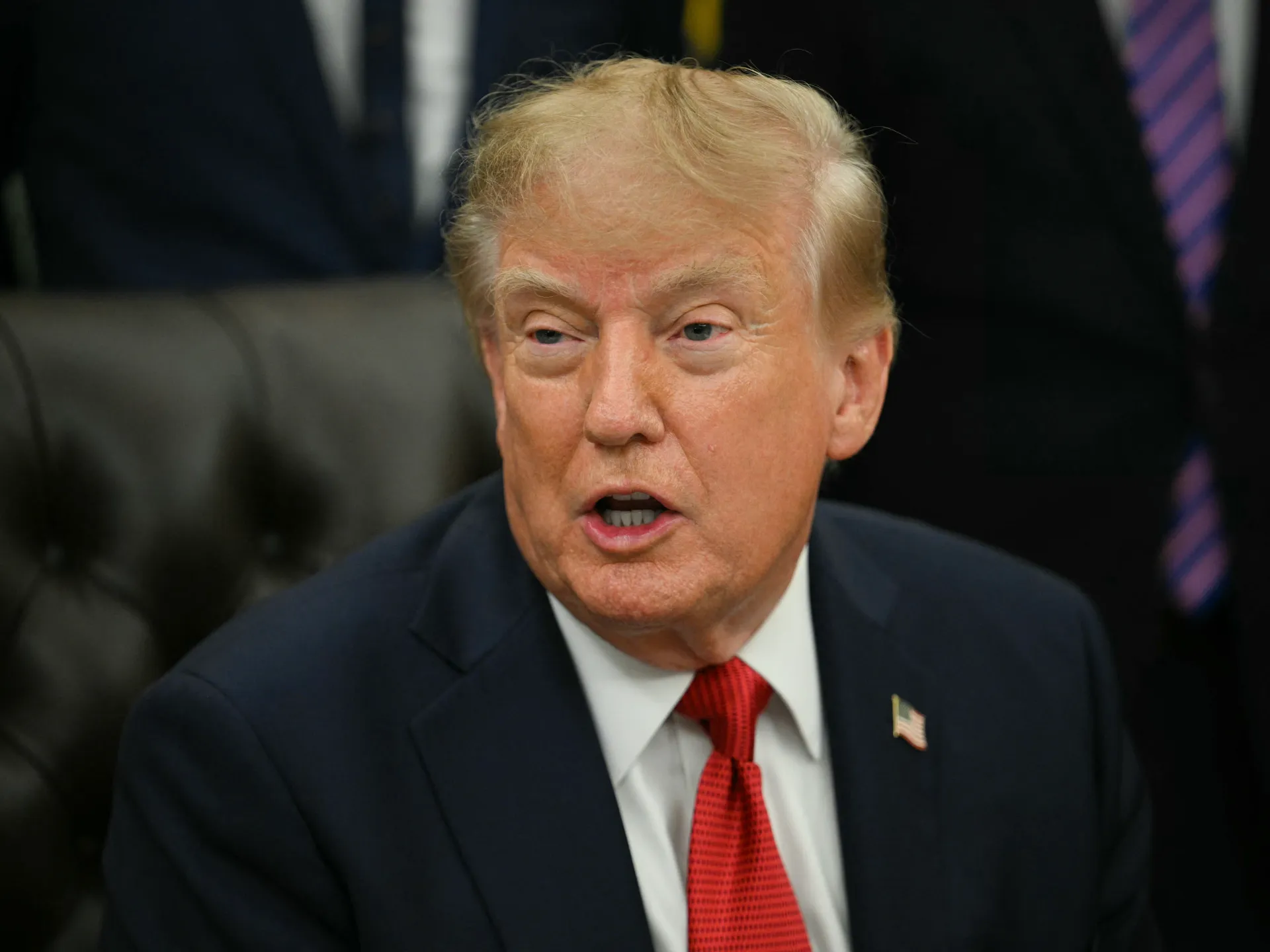
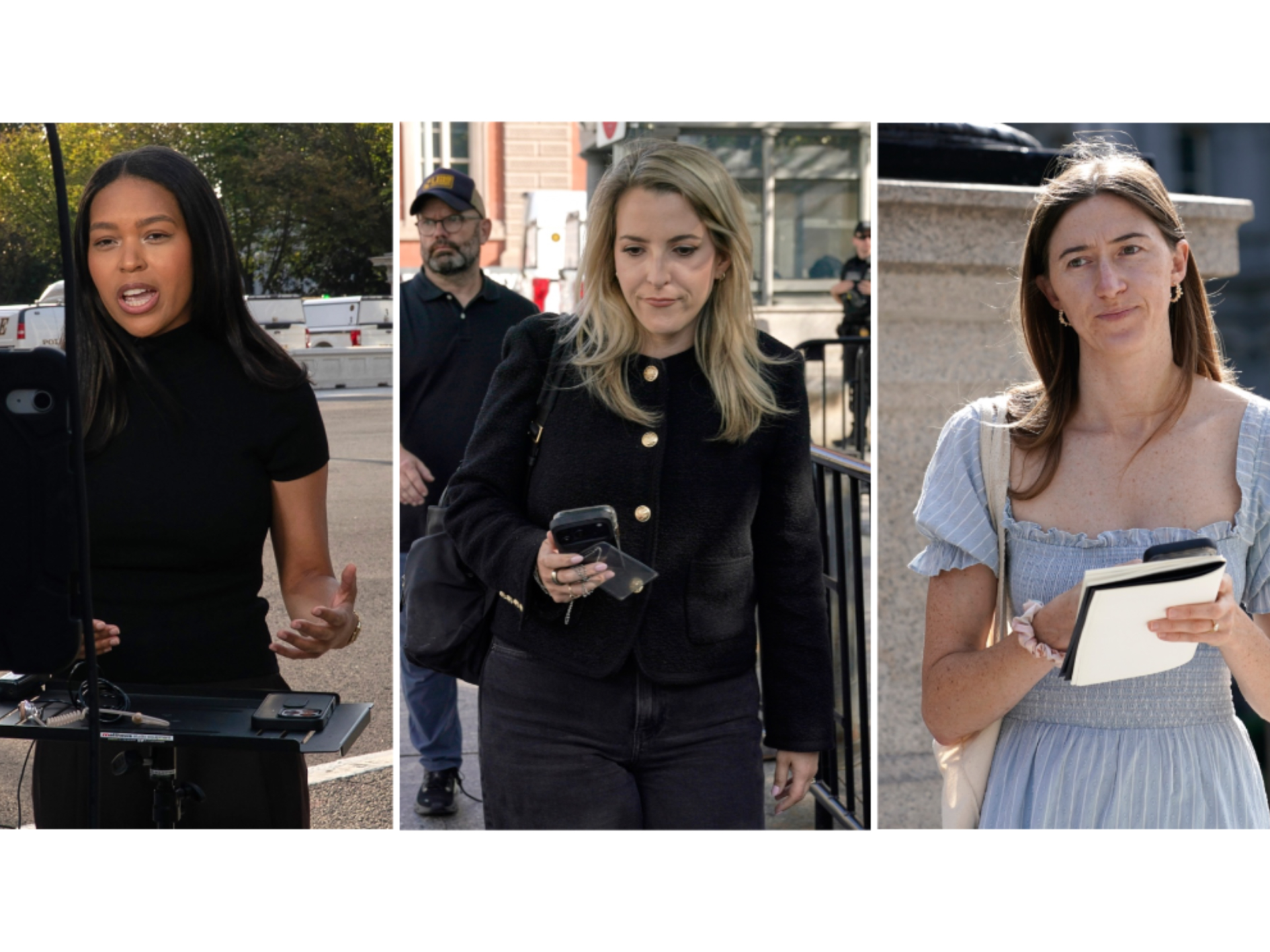
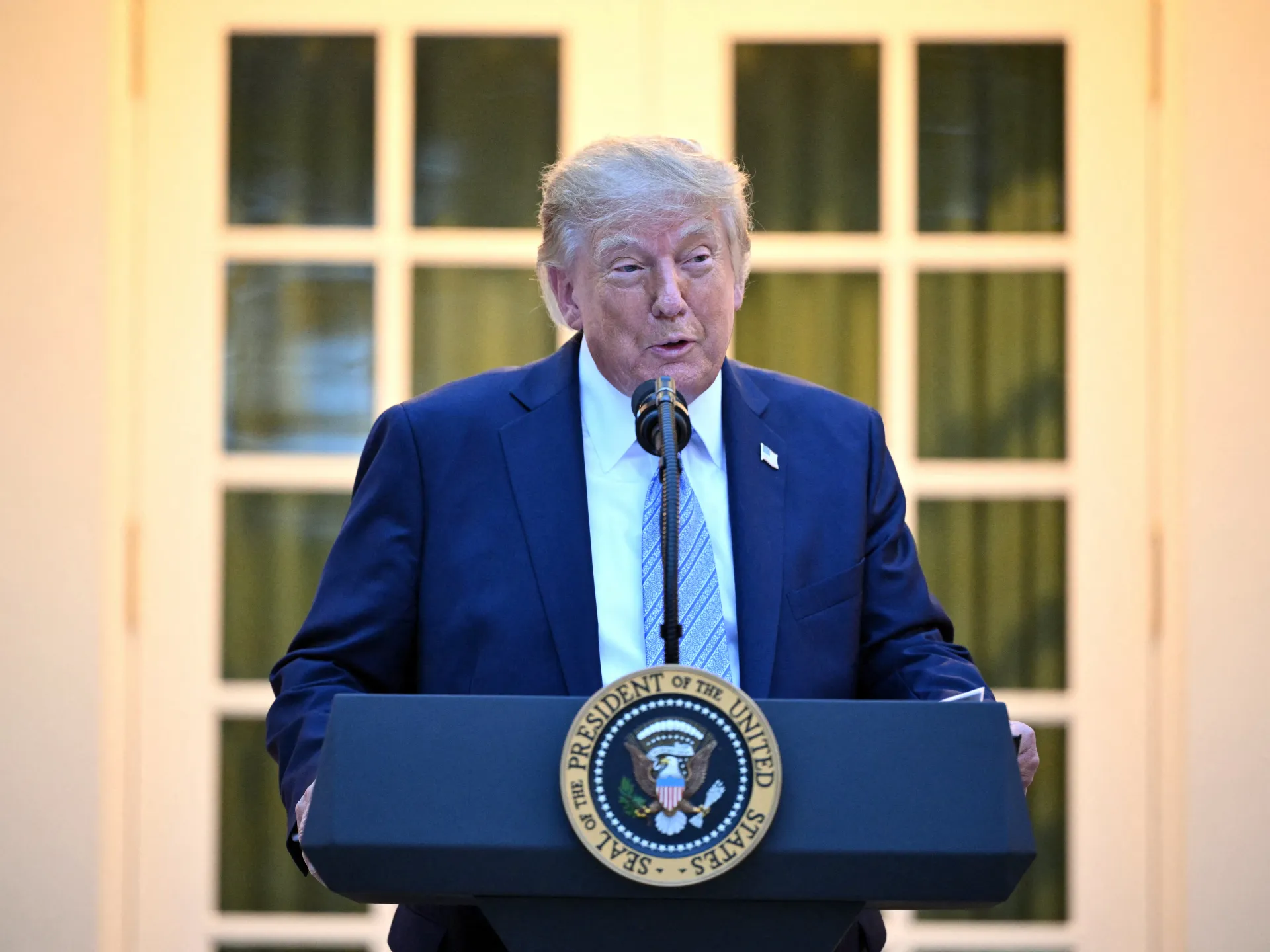
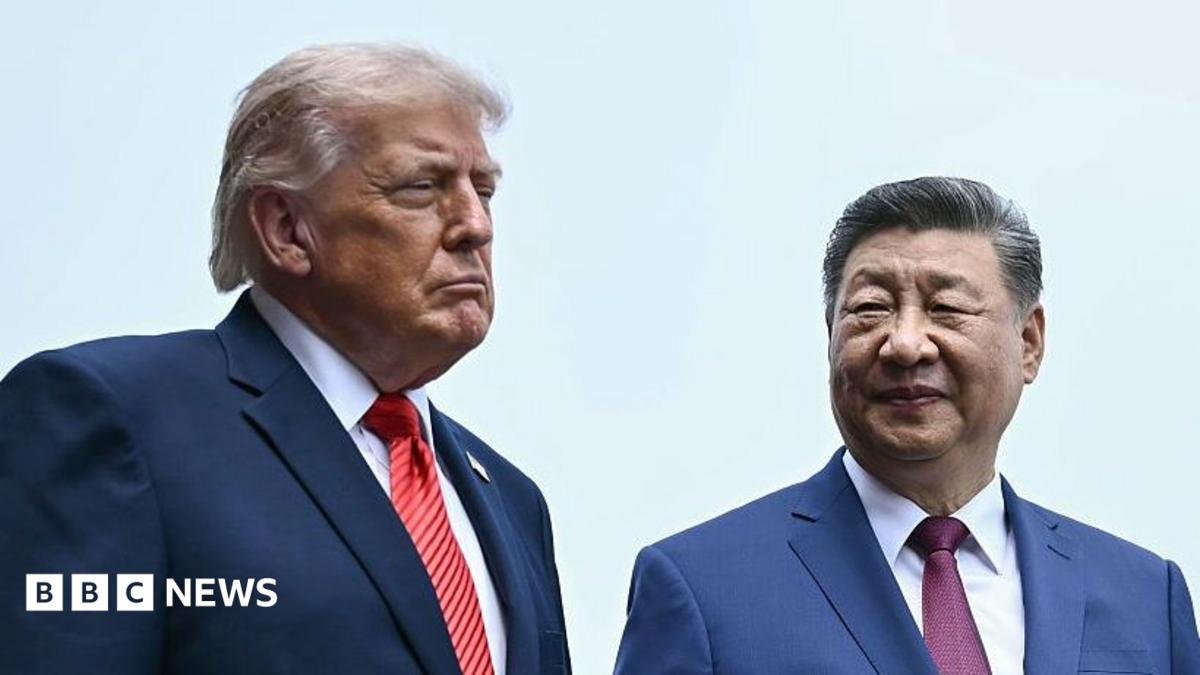
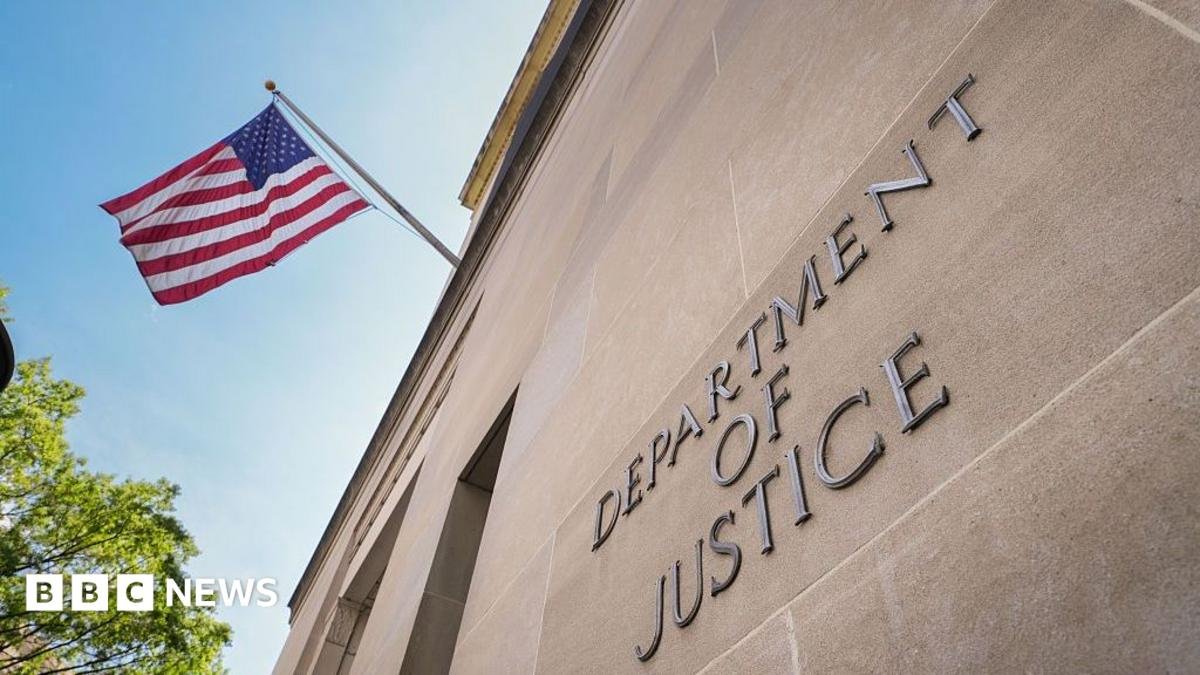
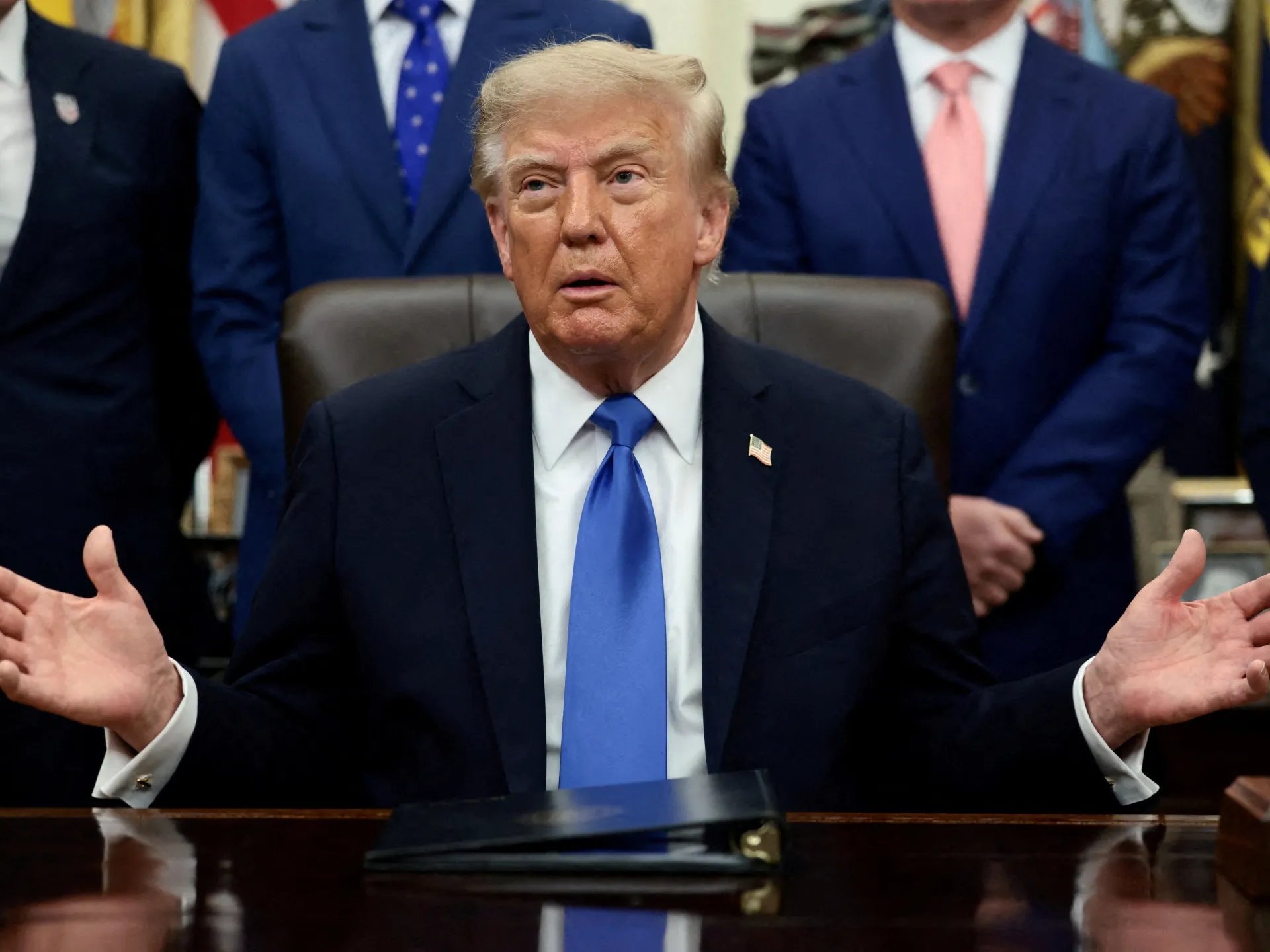
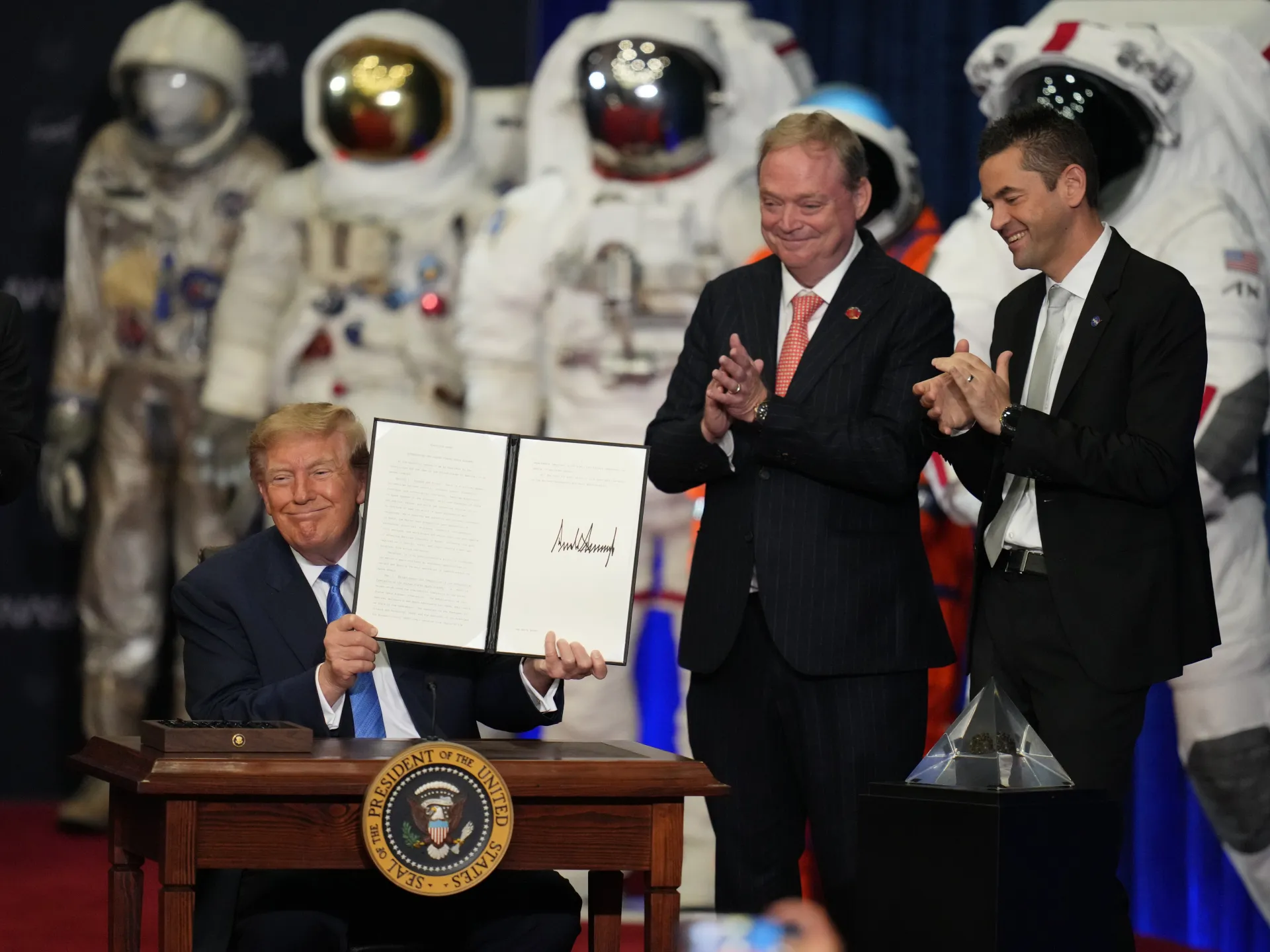
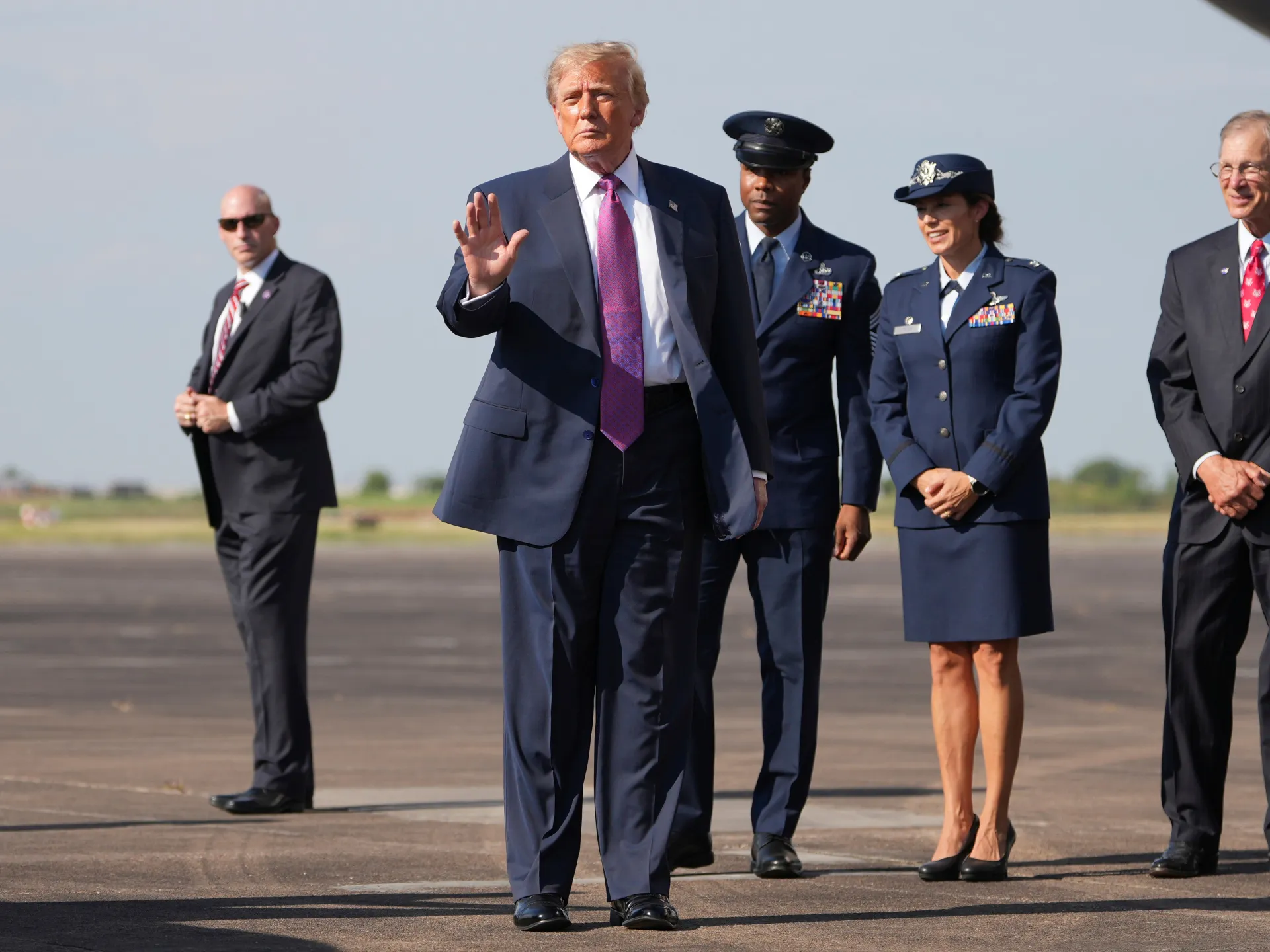
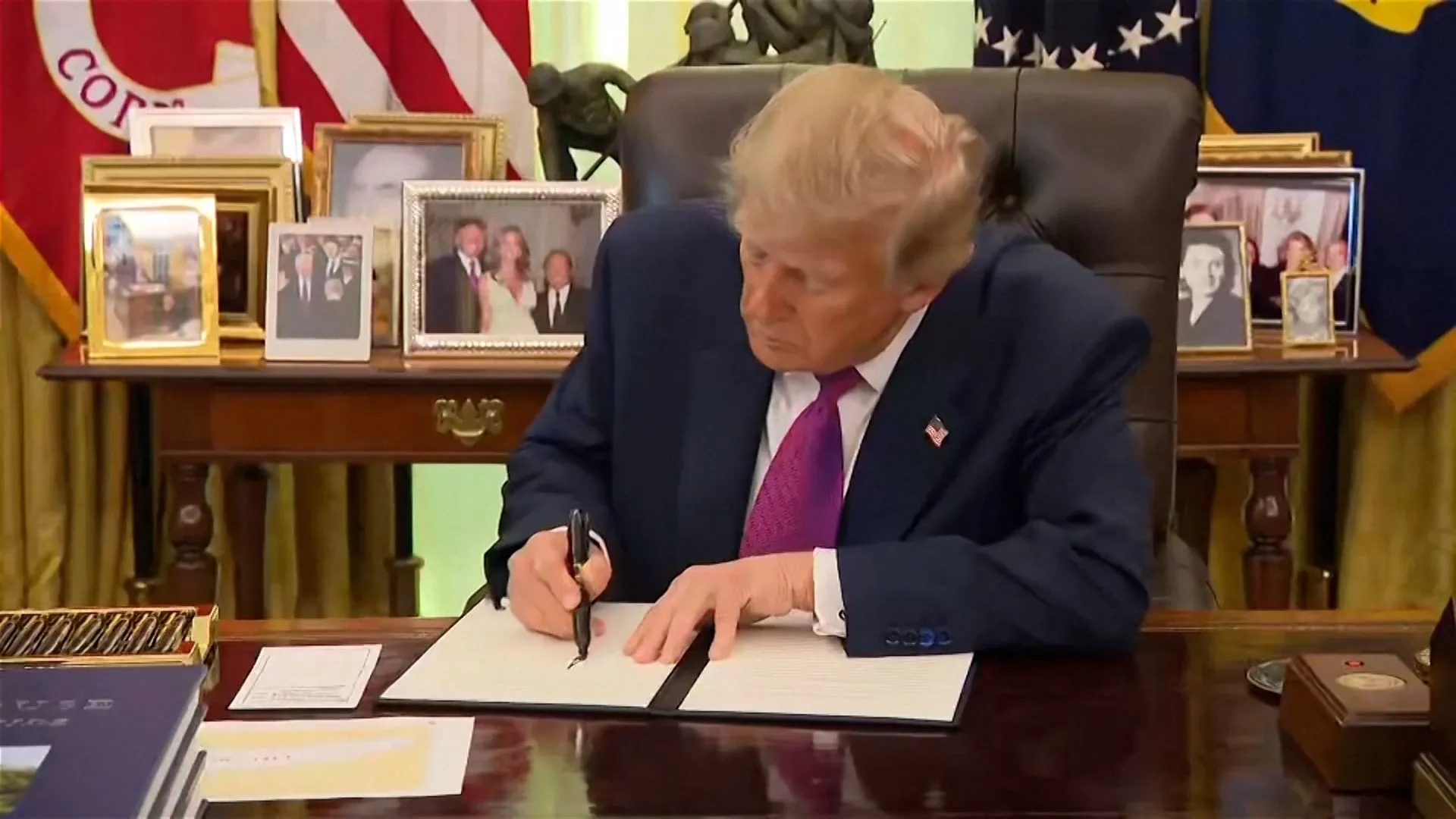
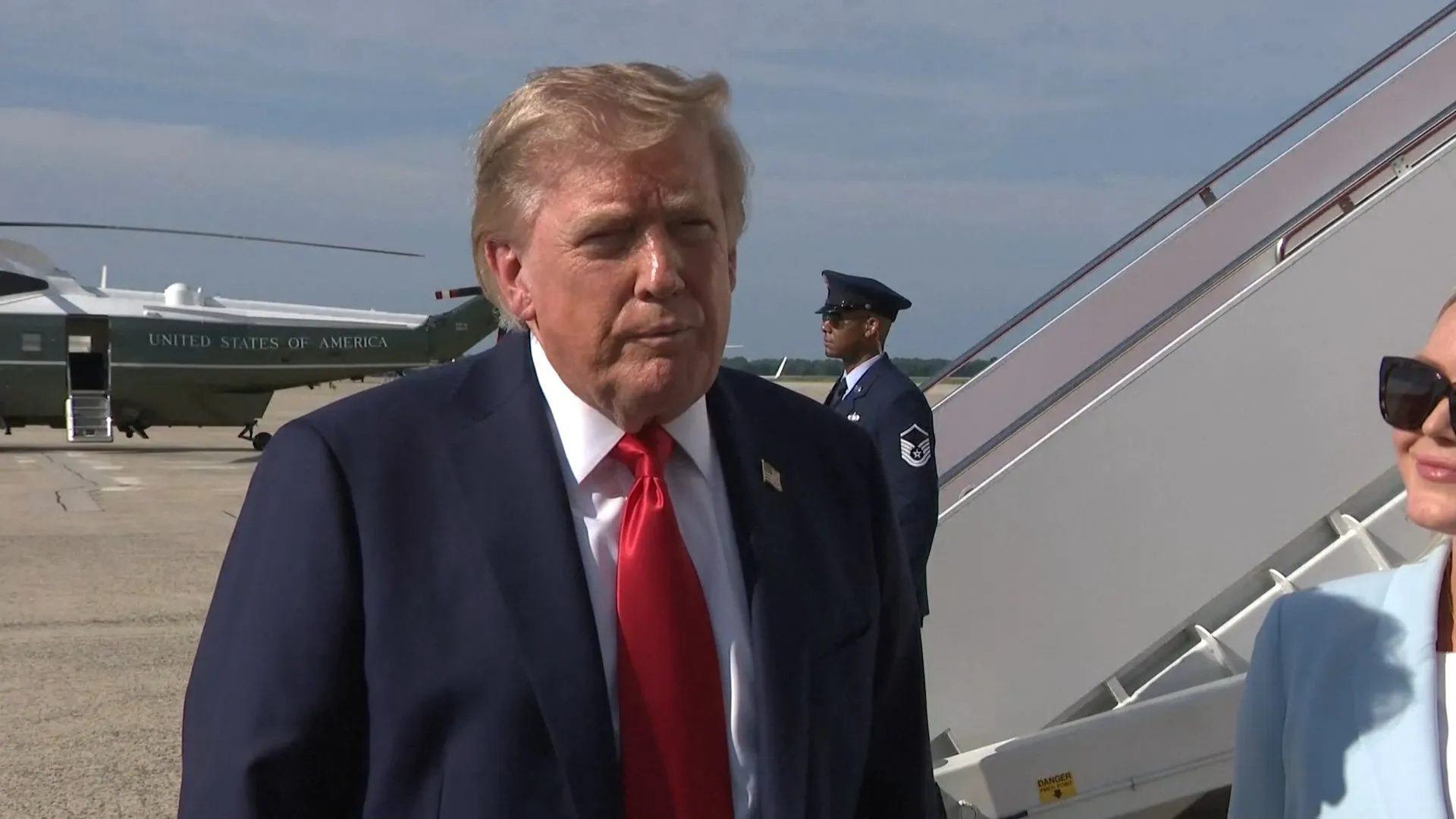
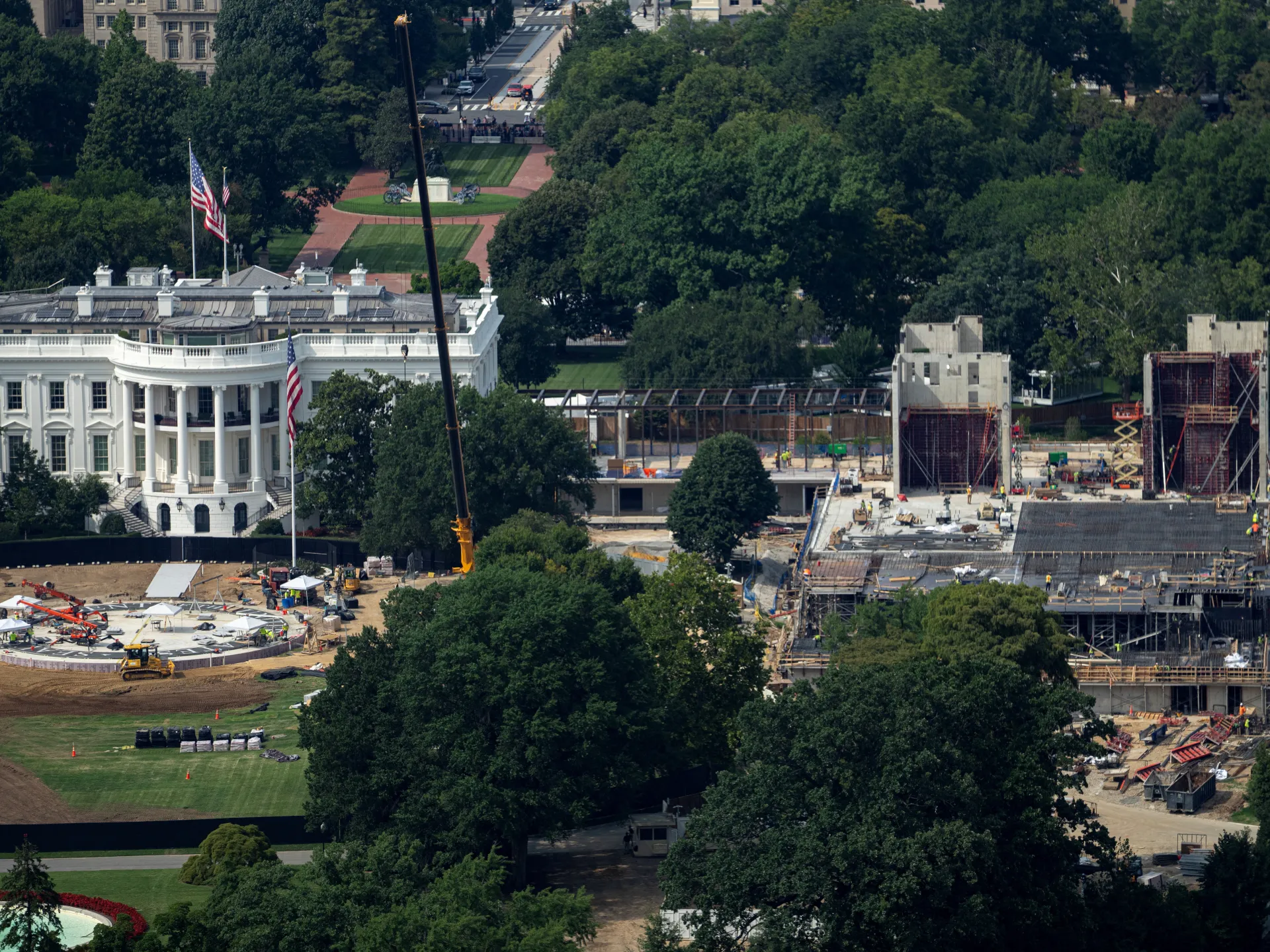
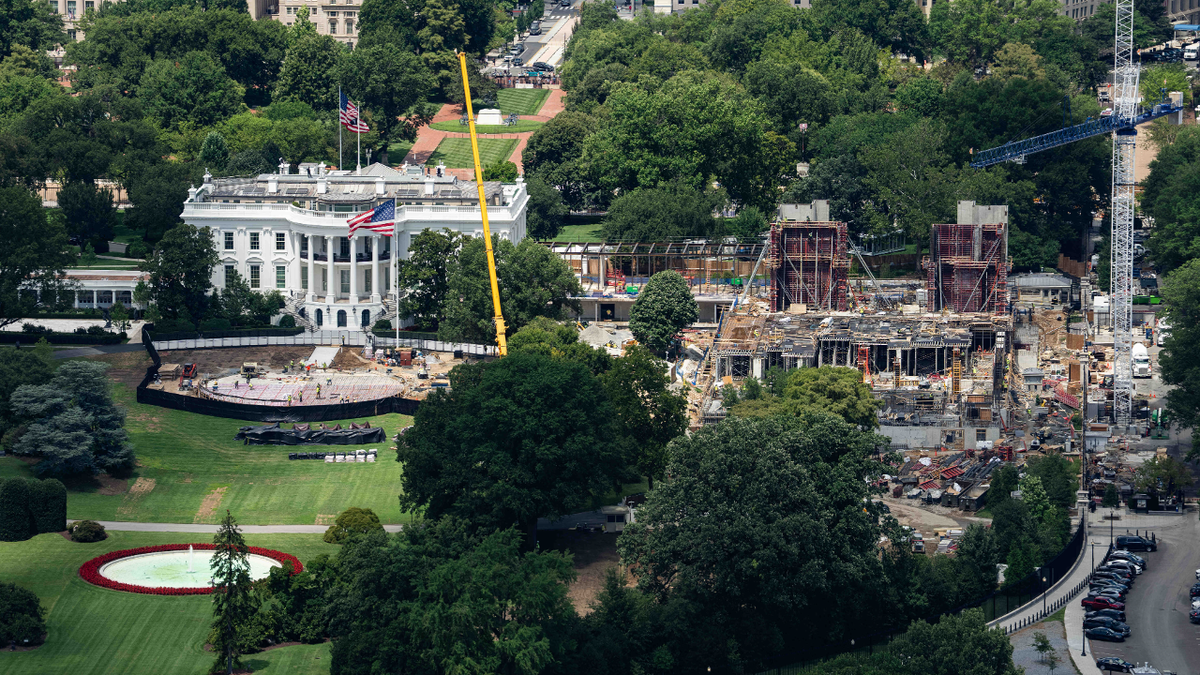
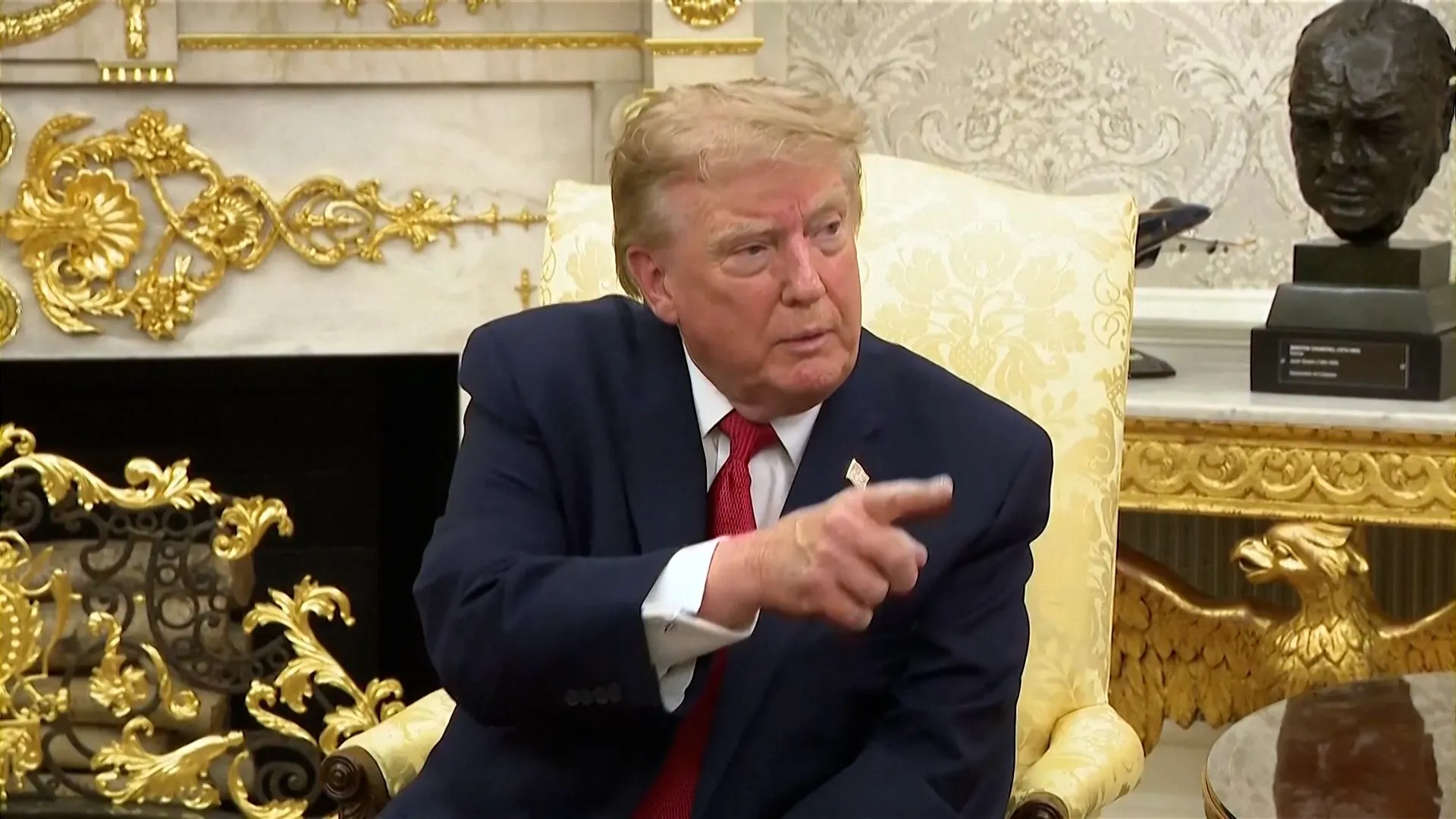
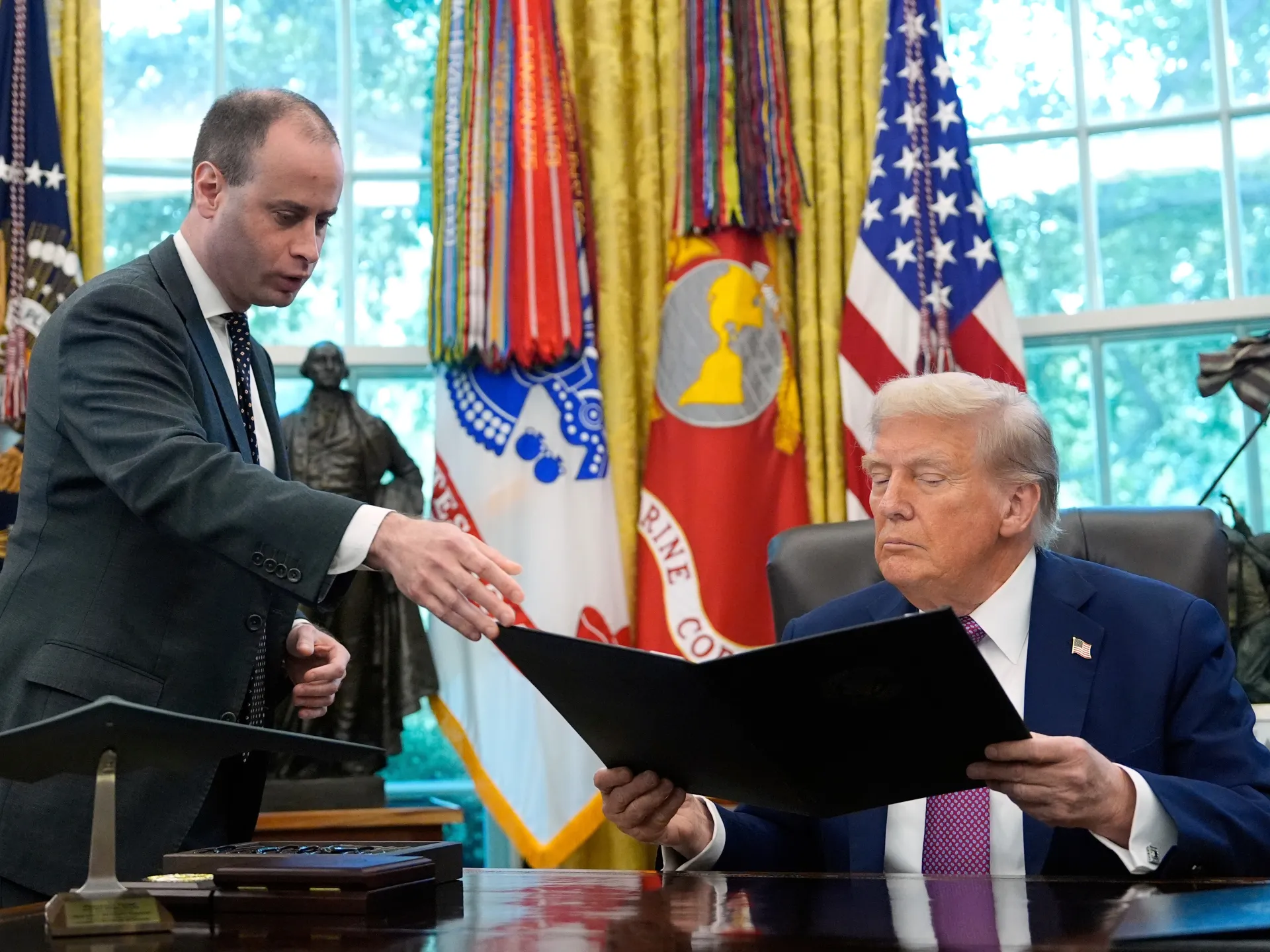
United States Secretary of State Marco Rubio has publicly defended President Donald Trump’s recent decision to revoke the White House credentials of three major news organizations, maintaining that the administration is merely managing workspace access rather than infringing upon the fundamental rights of the press. The comments follow the administration's weekend decision to bar journalists from CNN, MS NOW, and Politico from the presidential complex, a move that has ignited a high-stakes legal battle and sparked widespread debate over the intersection of executive authority and media access.
During a Tuesday interview, Rubio sought to decouple the revocation of physical press credentials from the broader concept of press freedom. ering with their broadcast operations, the Secretary of State argued that the administration is exercising its discretion over who is granted entry into the White House workspace. This stance mirrors the justification provided ter of “basic fairness” in response to what the administration describes as “far-left propaganda.”
The current standoff represents a significant shift in the operational relationship between the executive branch and the press corps, testing the limits of what constitutional protections imply regarding institutional access. While the First Amendment guarantees the right to publish, legal experts are now forced to confront the distinction between freedom of the press and the privilege of accessing state-held facilities. This case could establish a enduring precedent for how future administrations define “fairness” and “propaganda,” potentially allowing the state to use physical access as a tool of regulation or retaliation against media outlets perceived as hostile to the current political agenda.
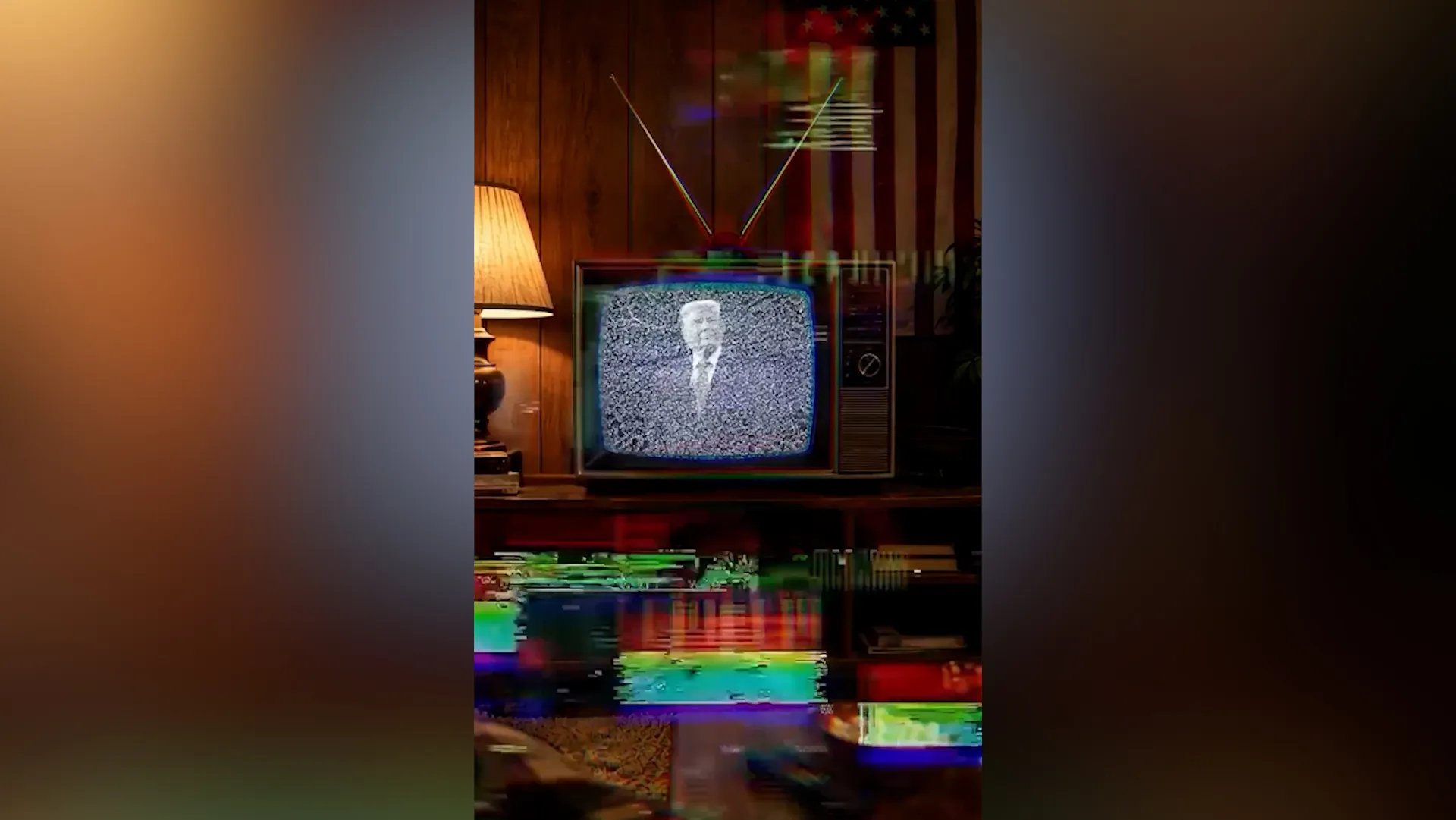
The White House has moved quickly to solidify its position, asserting that while the Constitution protects the right to disseminate information, it does not mandate that the government provide a platform or physical proximity within the presidential press pool. Following the revocation of credentials on Saturday, the administration underscored its pivot toward alternative communication channels ntial speeches and content directly to the public without the mediation of traditional news outlets.
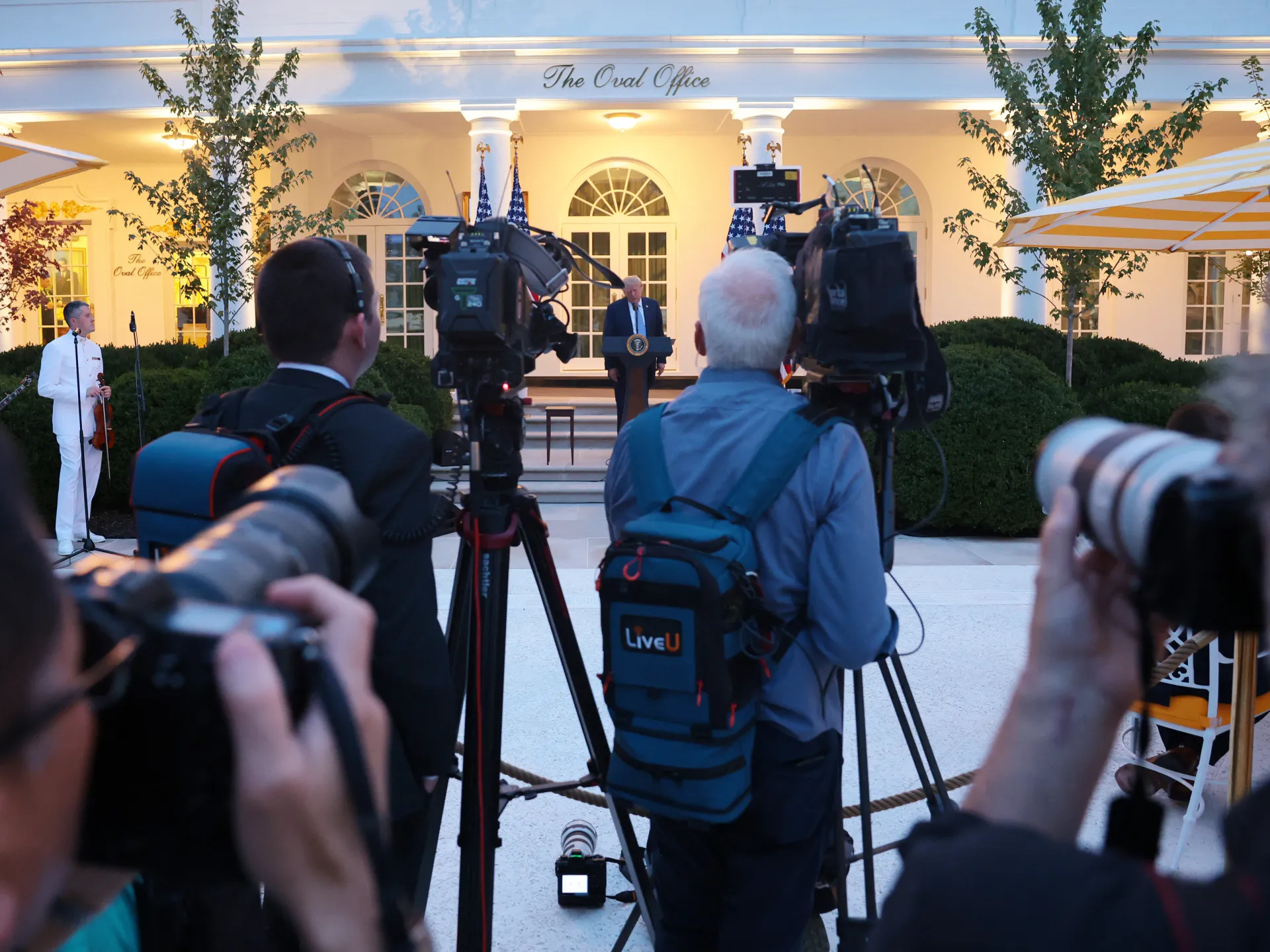
Resistance to the administration’s policy has manifested both in the courts and among the media industry at large. On Monday, the affected organizations filed a lawsuit challenging the ban as a violation of their constitutional rights, specifically arguing that the government cannot selectively restrict access based on the content of a journalist’s reporting. Simultaneously, the industry has shown signs of collective action; major television networks reportedly withheld their participation in the White House television pool to protest the removal of CNN from the rotation, effectively disrupting the traditional mechanism used to footage of the president during events with limited physical space.
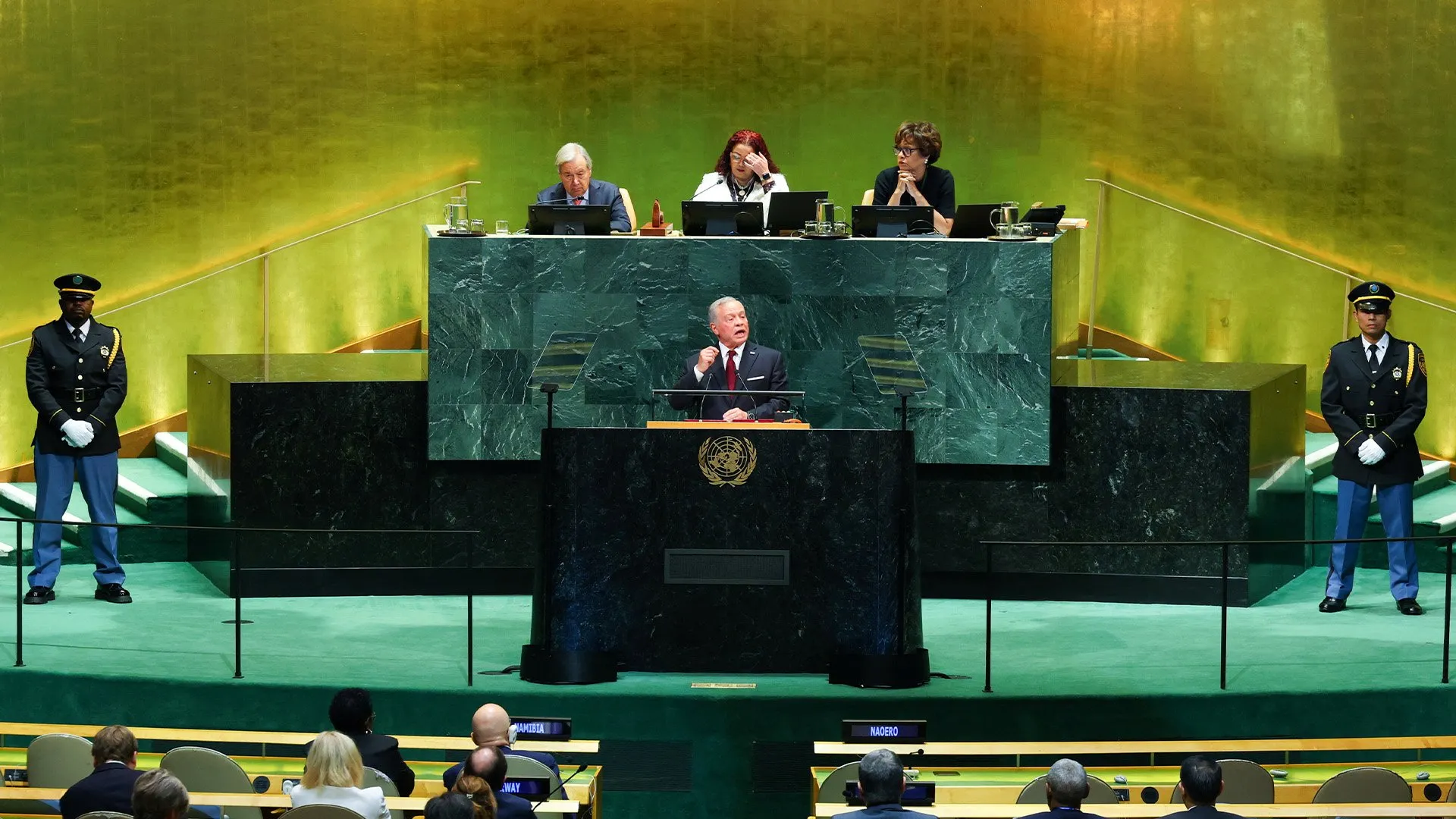
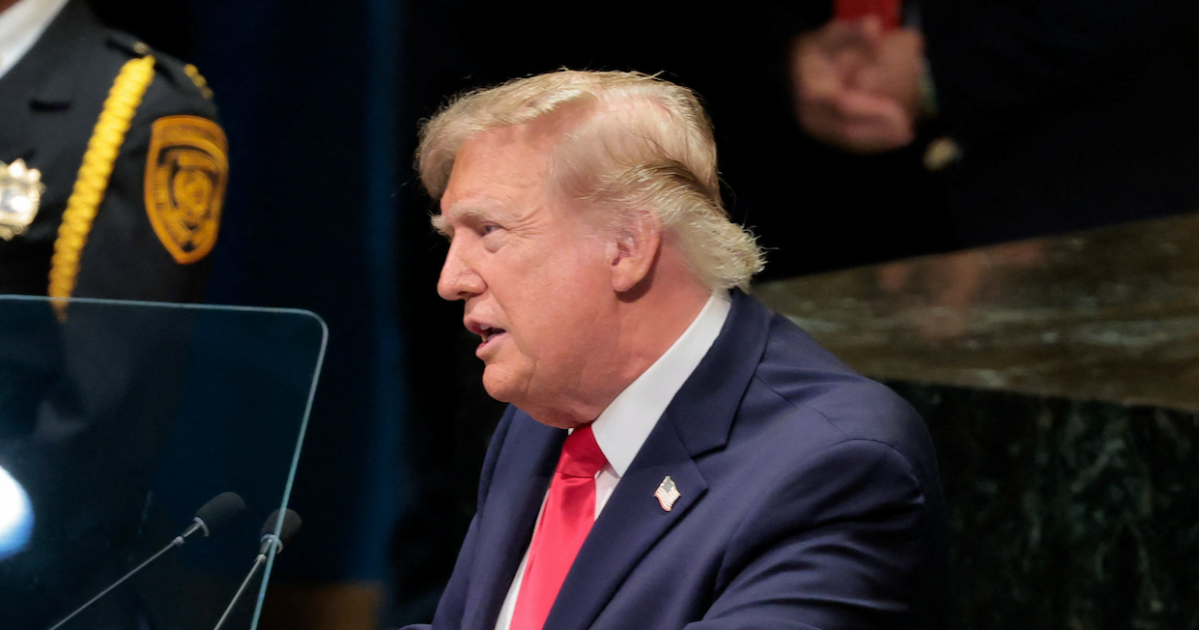
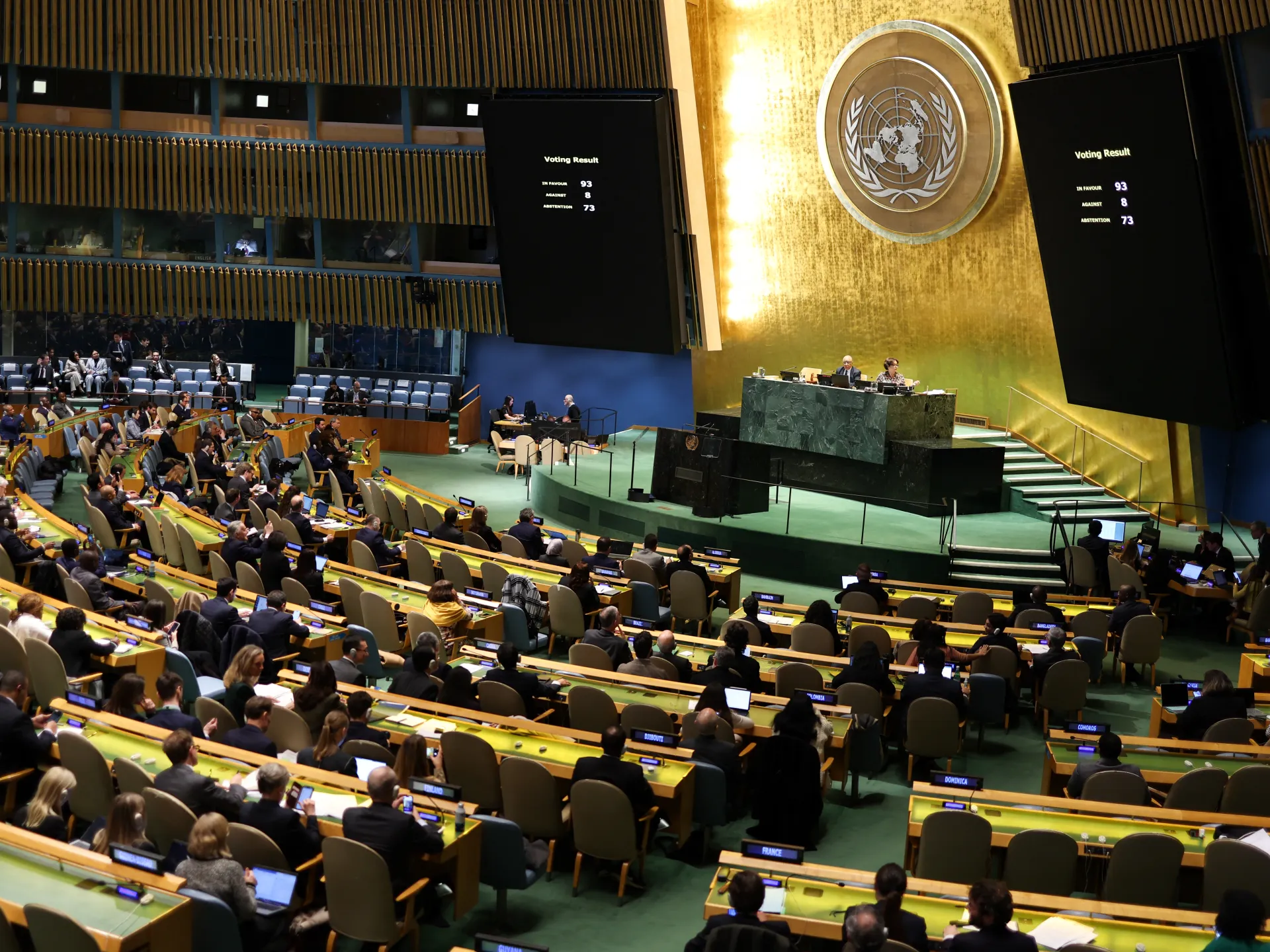
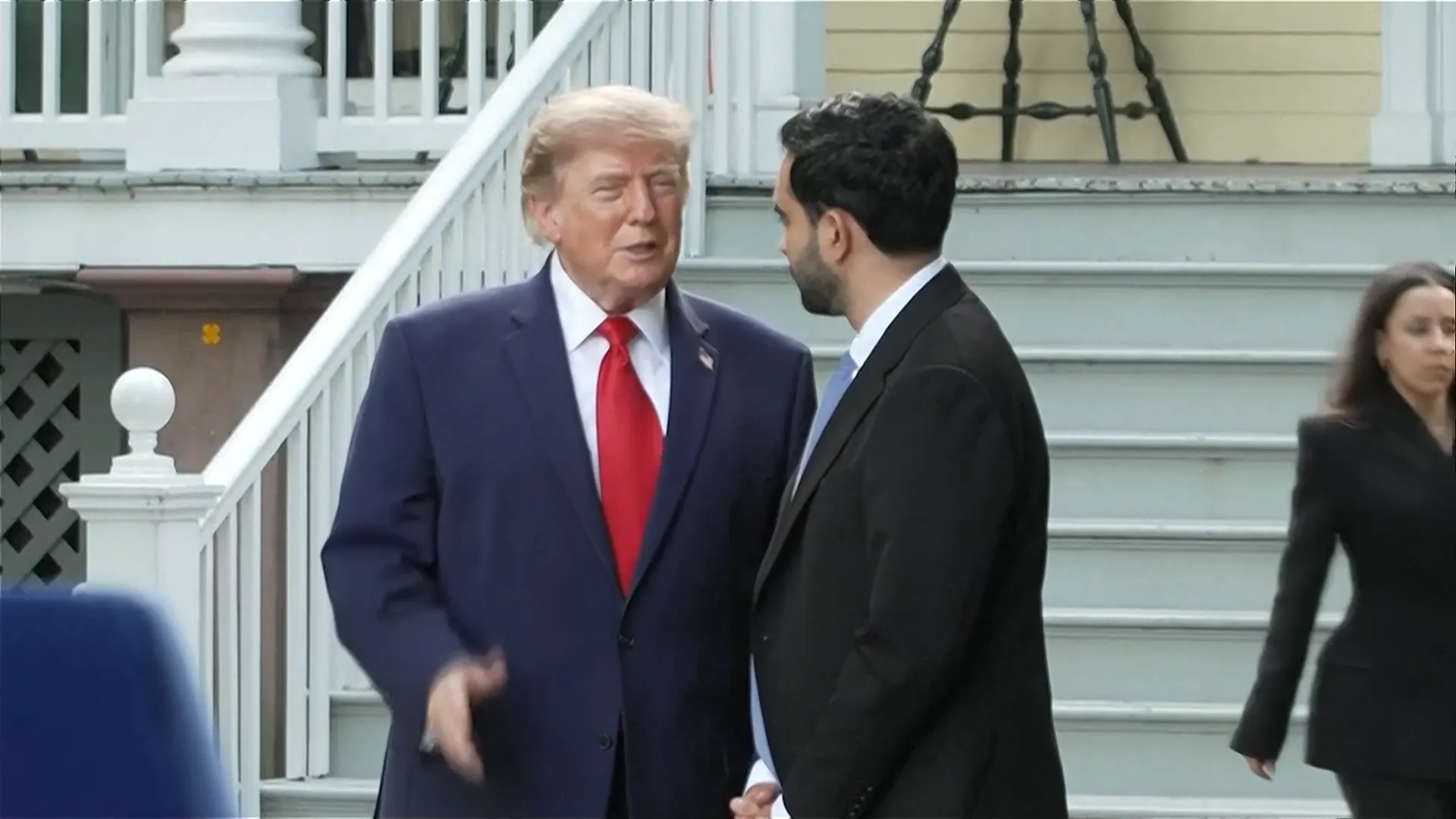
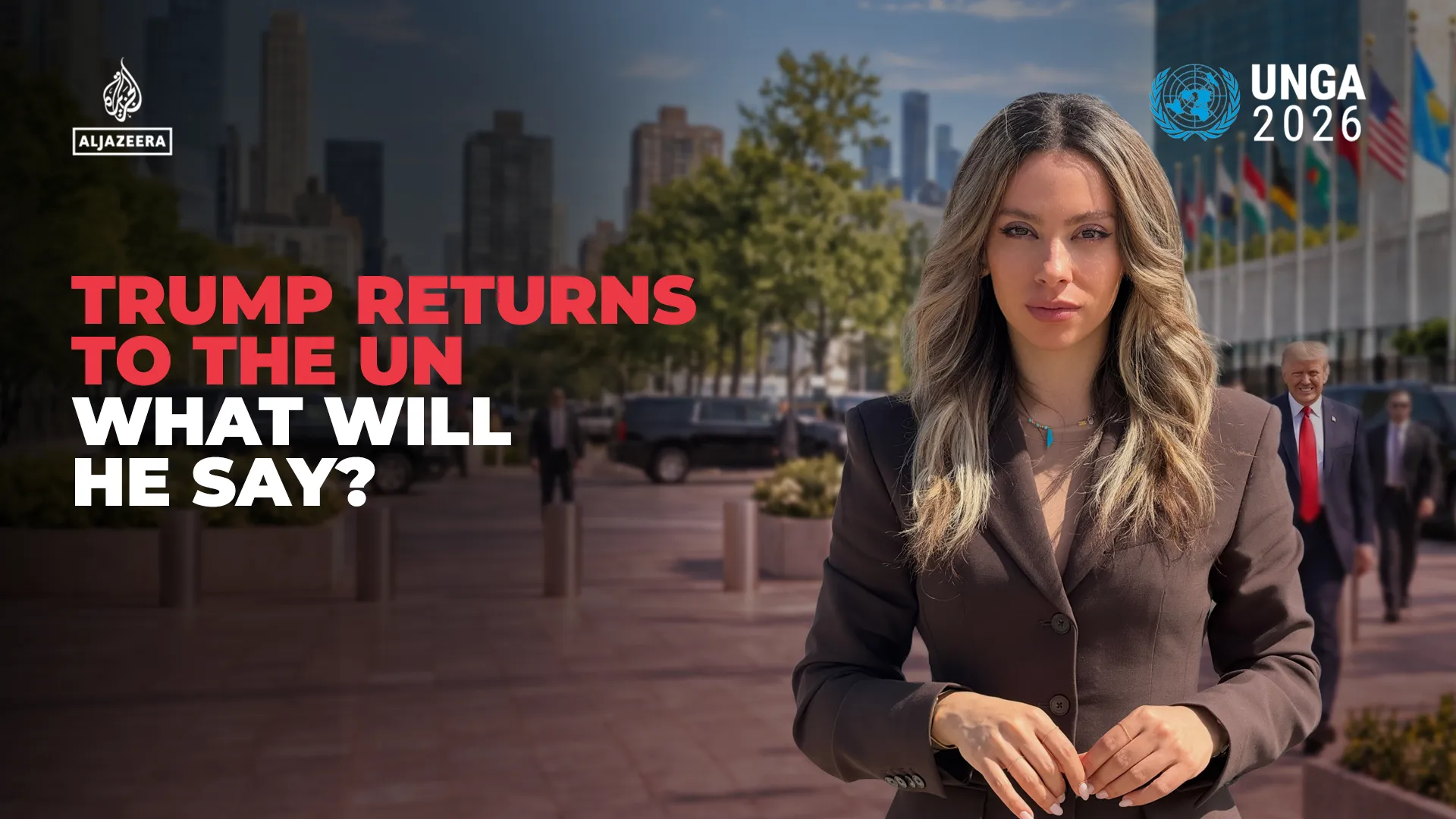
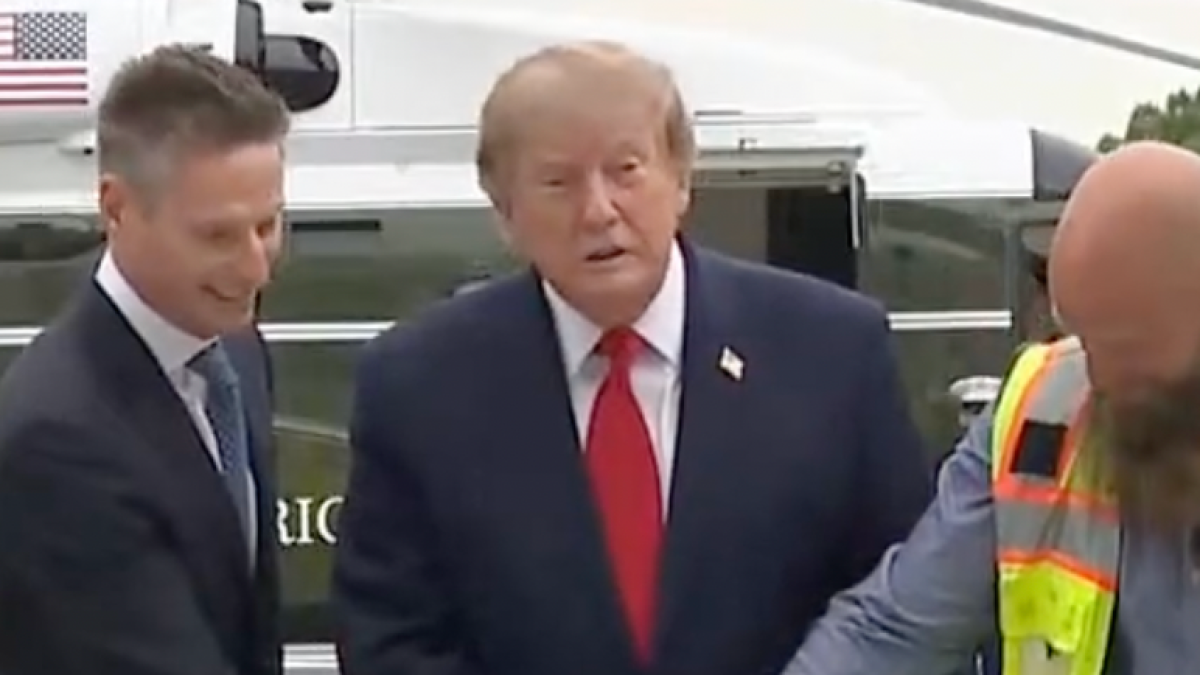
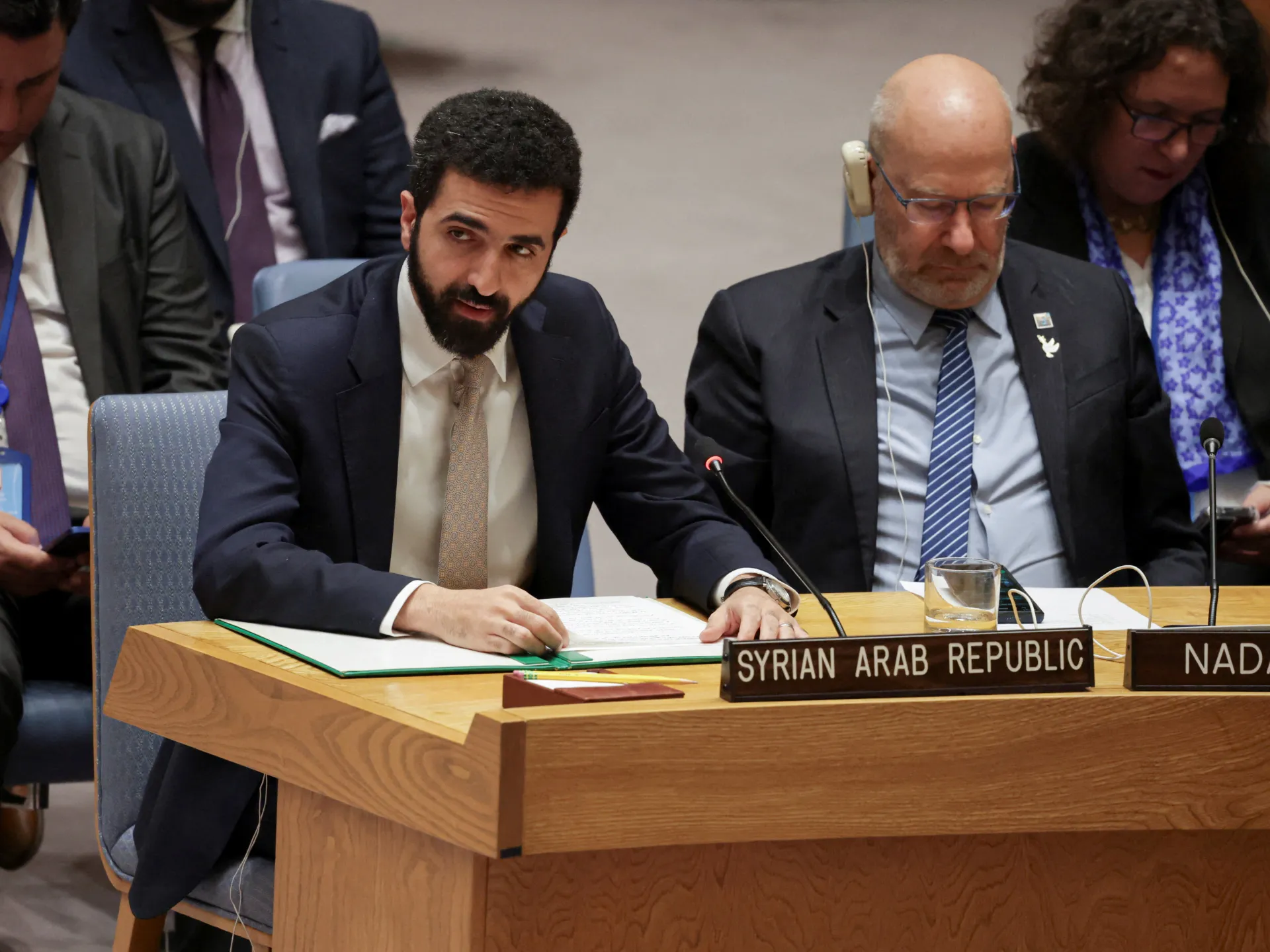
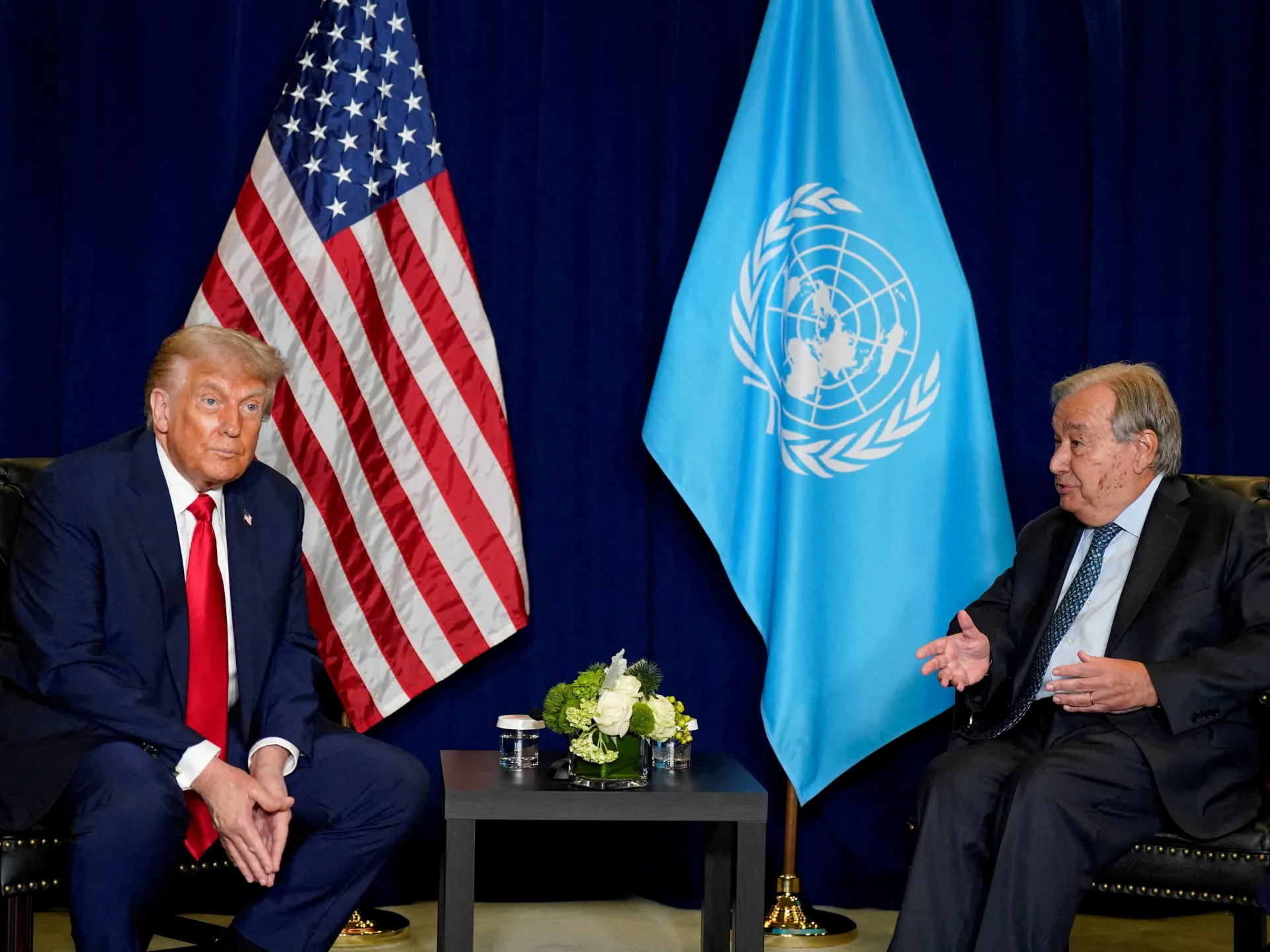
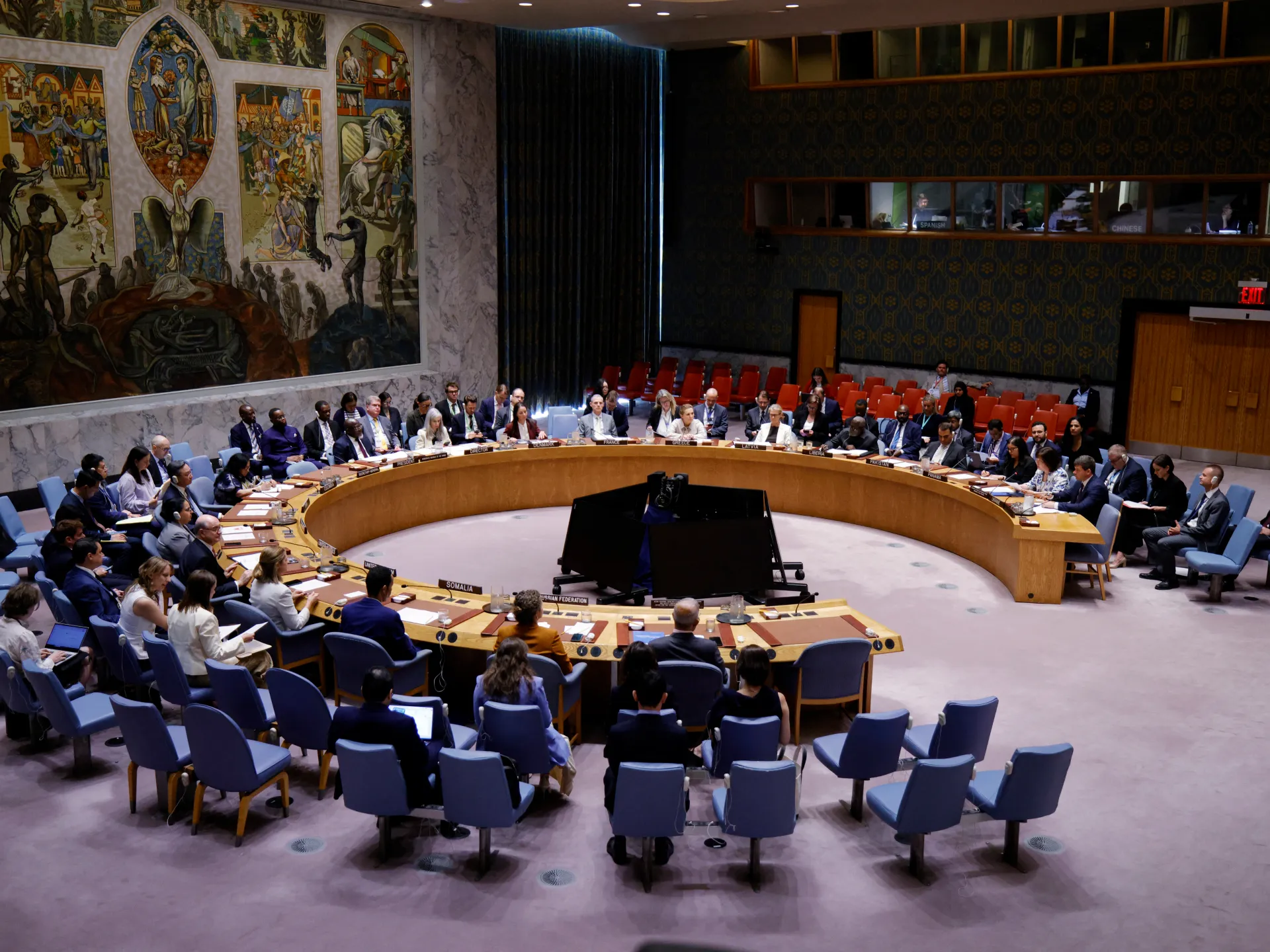
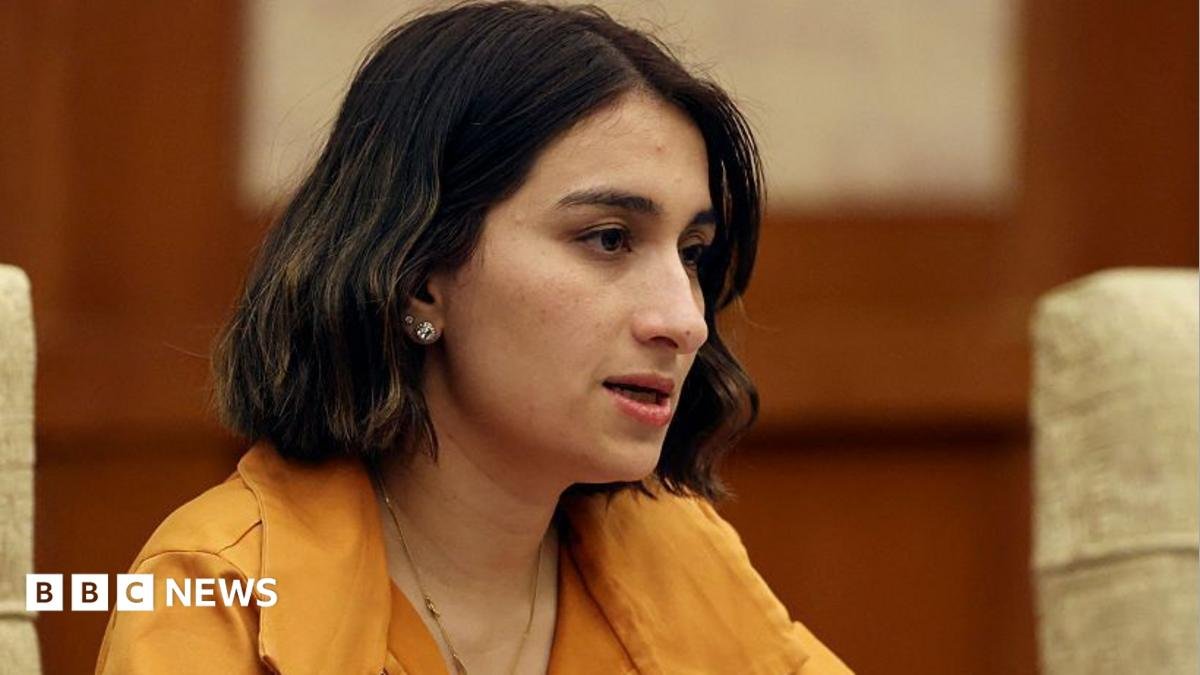
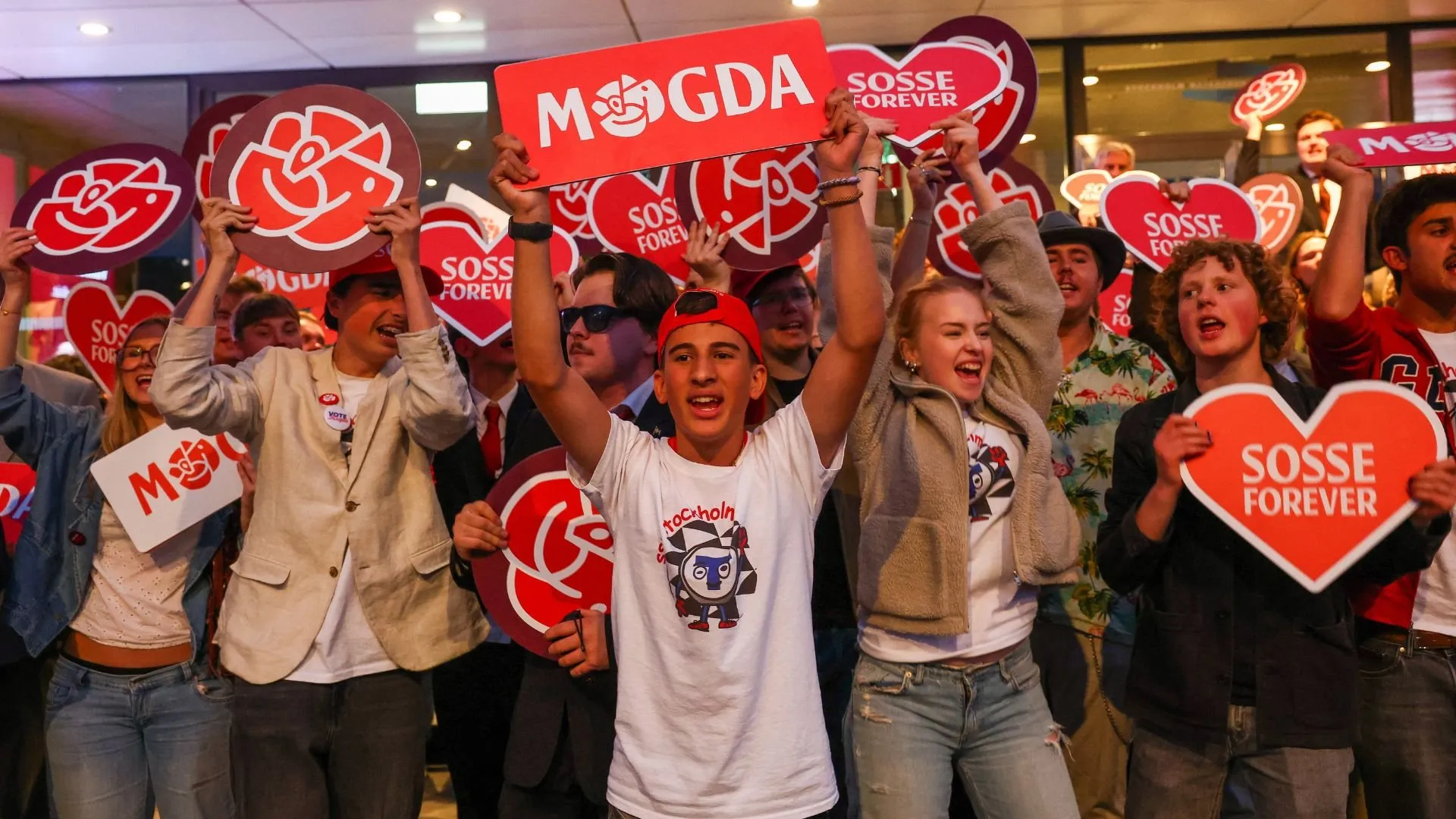
The tension has extended beyond the White House gates, drawing in local leadership. New York City Mayor Zohran Mamdani publicly noted a recent interaction with the President at Gracie Mansion, where he emphasized the necessity of maintaining an inclusive environment for all members of the press, regardless of their editorial stance or critical coverage. Despite this, the administration appears unmoved rtly after the ban was implemented, President Trump reportedly confronted journalists from the blacklisted outlets while attending events at the United Nations, signaling that the administration’s hostility toward these specific organizations is not confined to the Washington complex.
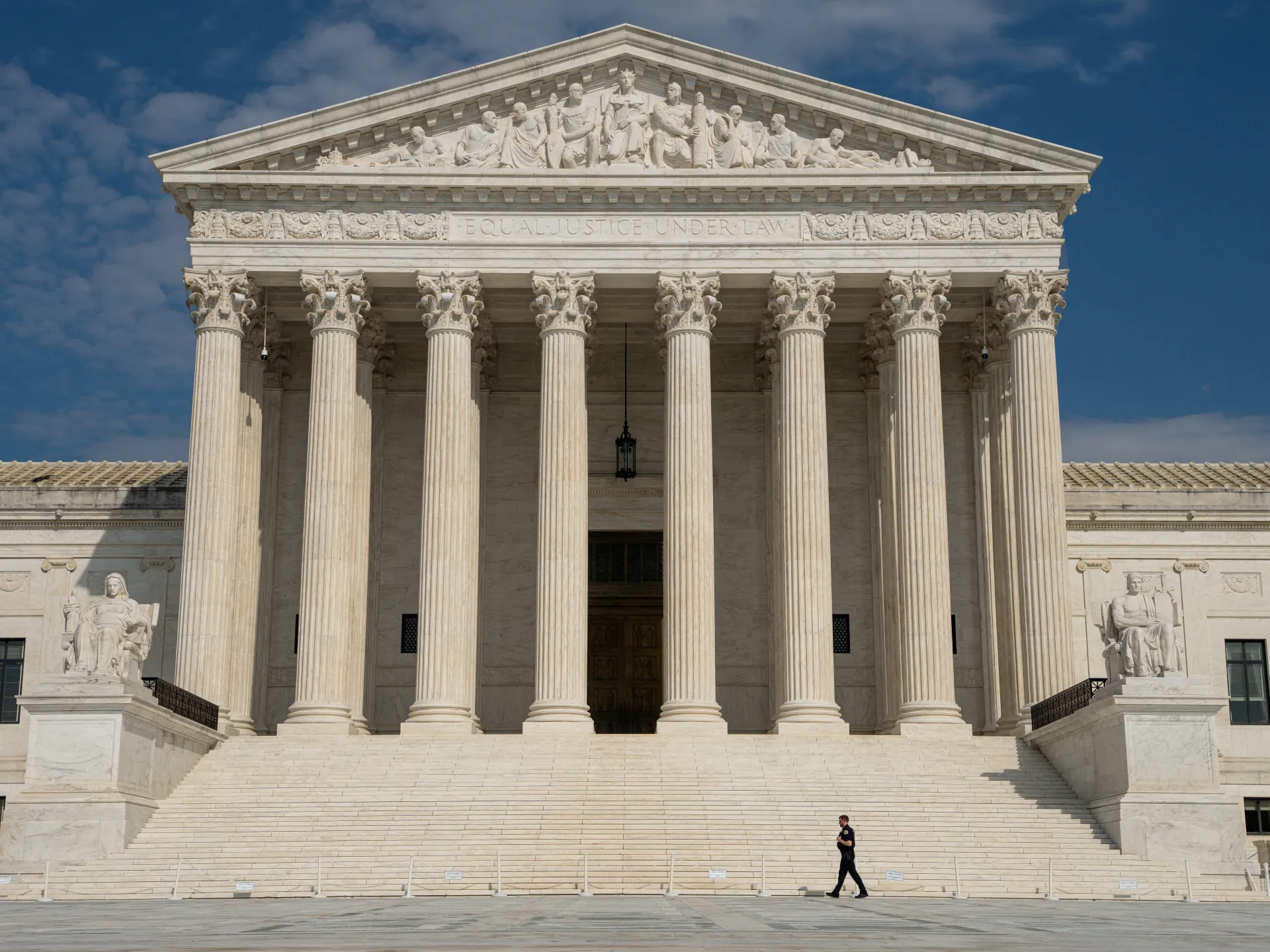
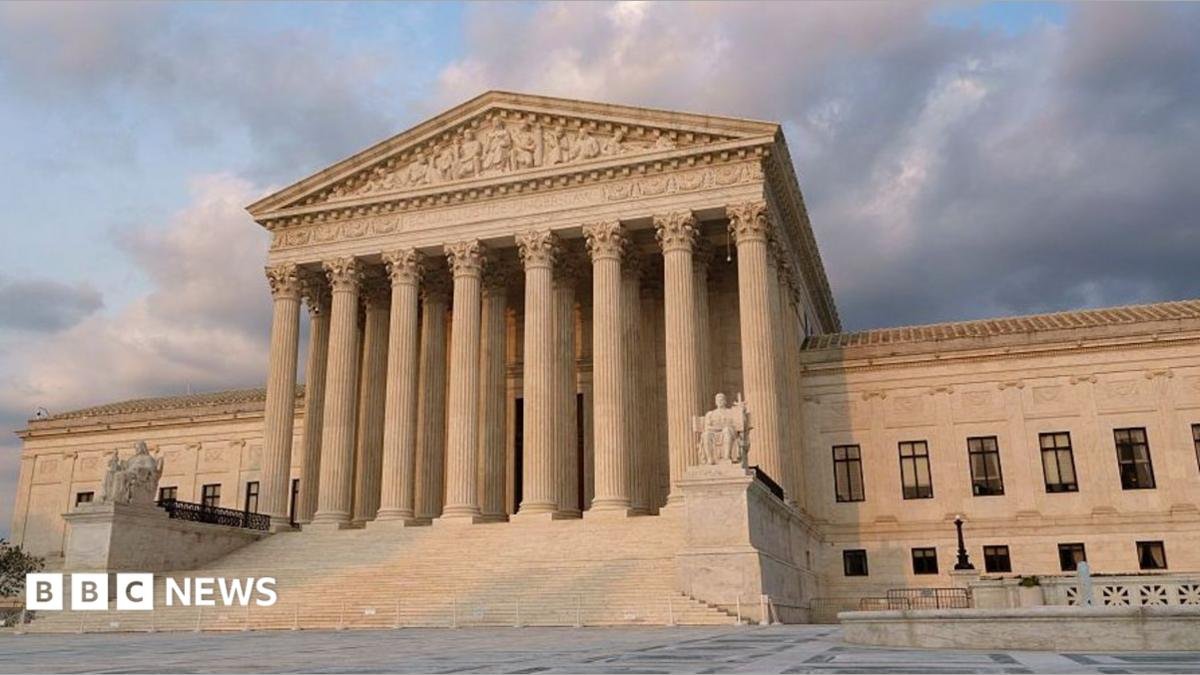
The immediate trajectory of this conflict rests with the federal judiciary. The request for a temporary restraining order will serve as the first major test of whether the court views White House credentialing as a discretionary perk or a protected right. If the court grants the order, it would likely force the administration to restore access while the merits of the lawsuit are debated. Conversely, if the administration succeeds in upholding the ban, it may embolden the White House to further curate the press corps, potentially shifting the standard of White House reporting toward outlets that the administration deems aligned with its objectives. Observers are also watching to see if the industry-wide boycott of the press pool will broaden or if internal pressure within the media landscape will eventually force a compromise to ensure coverage of the presidency continues.