

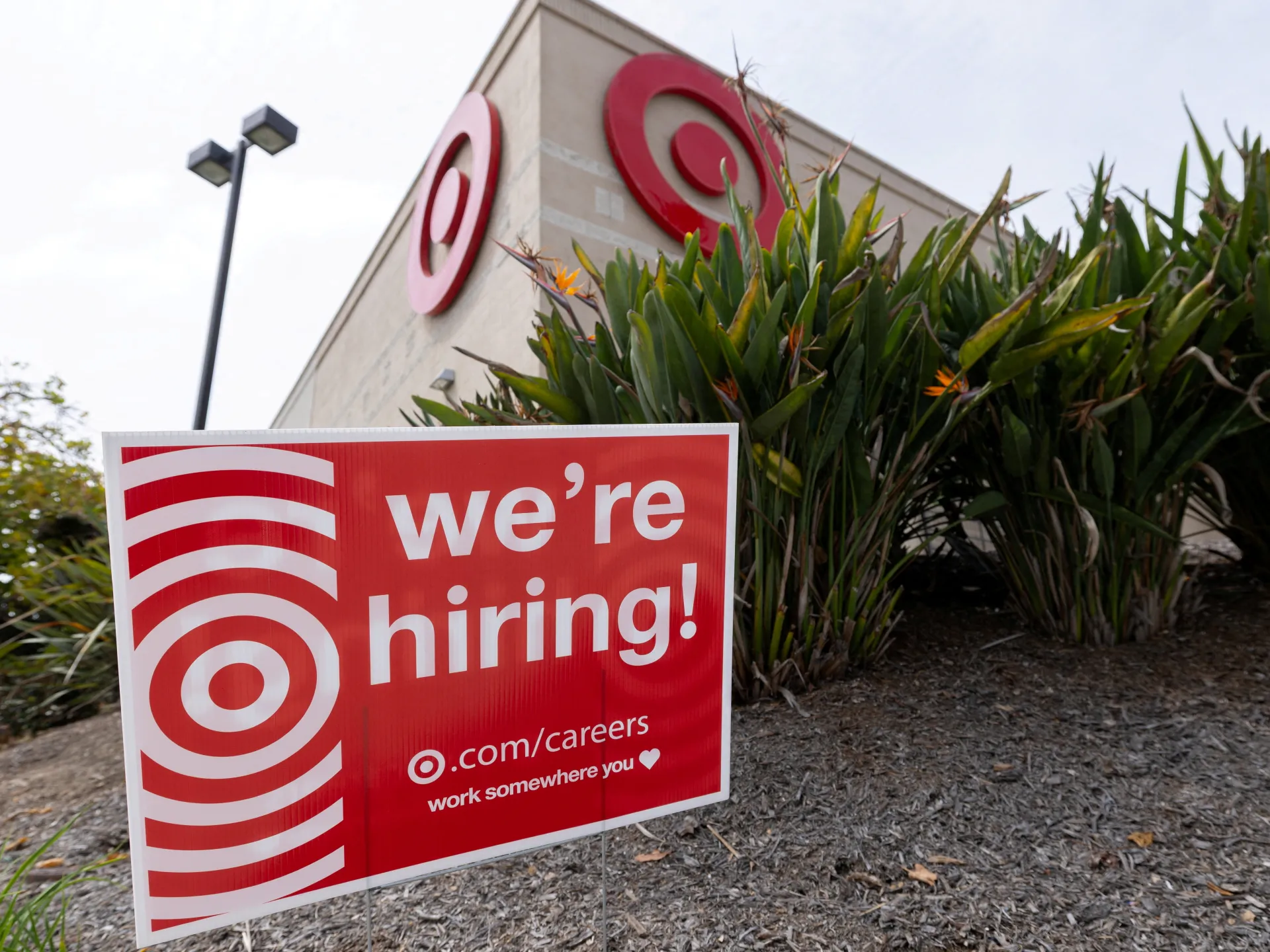
The US labor market added 162,000 jobs in August, far exceeding analyst expectations and sparking new debate over Federal Reserve interest rate policy.
The United States labor market demonstrated unexpected resilience in August, adding 162,000 jobs and significantly outpacing the modest growth anticipated aw a contraction of 23,000 positions. The August surge suggests that the underlying economy possesses more momentum than many observers previously estimated, especially given that earlier surveys had projected a much smaller addition of only 55,000 jobs.
A significant portion of the growth was driven geared up for the 2026–27 academic year, local government education payrolls swelled cators and support staff often return to active payroll status following the summer hiatus. Beyond the education sector, the food services industry contributed heavily to the positive figures, recording an increase of 59,000 jobs compared to the previous month.
Other sectors also showed signs of stability and expansion. The construction industry added 22,000 jobs, reflecting continued demand in building and infrastructure, while the healthcare sector contributed 12,000 new roles. However, the broader economic picture remains complex, as not all industries participated in the growth. Specifically, the information sector and financial activities sector, which encompass areas like banking, insurance, and data processing, faced contractions during the same period.
The latest figures from the Labor Department present a stark contrast to other recent labor data releases. For instance, the ADP national employment report, which focuses exclusively on private payrolls, had suggested a much more tepid growth of only 38,000 jobs. This deviation highlights the volatility inherent in tracking labor market data during periods of shifting economic policy and sectoral transitions.
Further context provided et is maintaining a degree of equilibrium. Data from July showed that job openings rose slightly to 7.3 million, up from 7.2 million in June. Concurrently, total worker separations decreased from 5.3 million to 5.1 million. These figures suggest that while hiring is ongoing, the rate at which employees are leaving their positions has cooled, pointing to a potentially stabilizing workforce.
The robust August employment numbers have intensified the conversation regarding upcoming Federal Reserve monetary policy. With the central bank scheduled to meet later this month to determine interest rate trajectories, the latest jobs data has shifted market expectations. According to the CME Group’s FedWatch tool, the probability of a 25 basis point rate increase has risen to 60 percent, reflecting a growing belief that the economy may warrant a tighter monetary stance to manage growth.
Political pressure has also become a focal point in the debate over interest rates. High-level rhetoric from the administration has emphasized the need for rate cuts, suggesting that the strength of the US credit profile justifies more accommodative financial conditions. These comments have been accompanied with which the United States maintains a trade deficit.
Despite the ostensibly positive jobs report, financial markets reacted with caution. Major indices, including the Nasdaq, the Dow Jones Industrial Average, and the S&P 500, all experienced slight declines. This market skepticism may be tied to the broader geopolitical and economic tensions, including concerns over trade disputes and the potential for increased tariffs. Furthermore, the contrast between US job growth and the struggle in the Canadian labor market—which shed over 41,000 jobs recently—underscores the divergent paths currently being taken