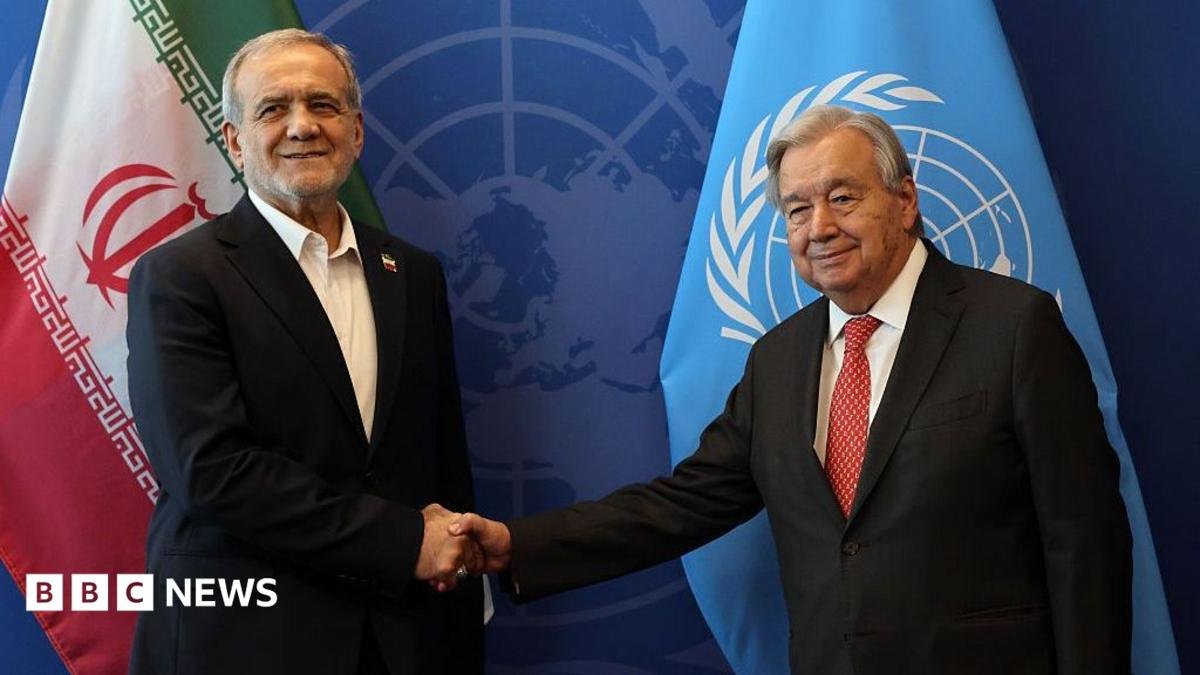
The US has issued visas to Iranian officials for the UN General Assembly, though the delegation will face strict travel and purchasing limitations.
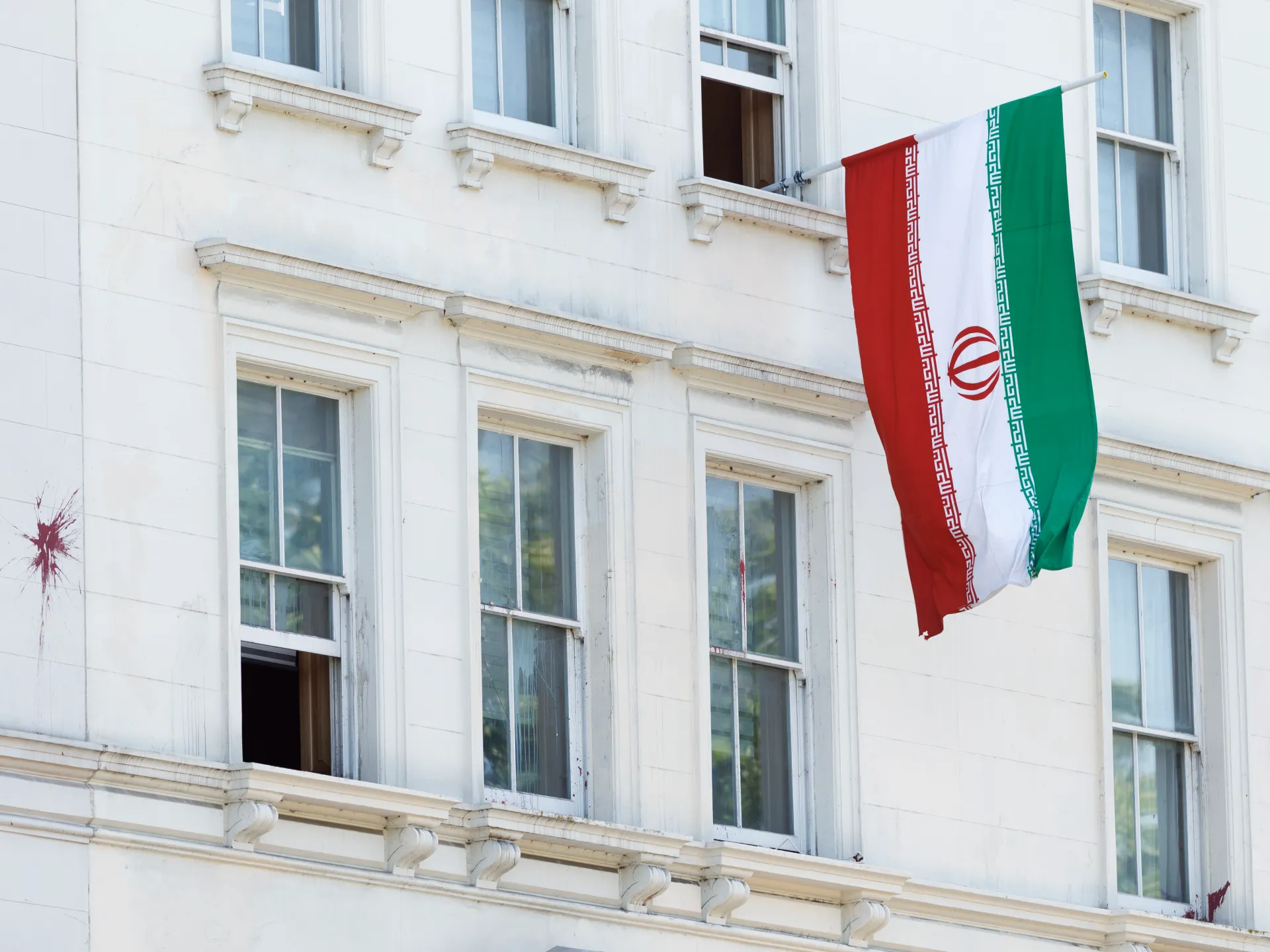
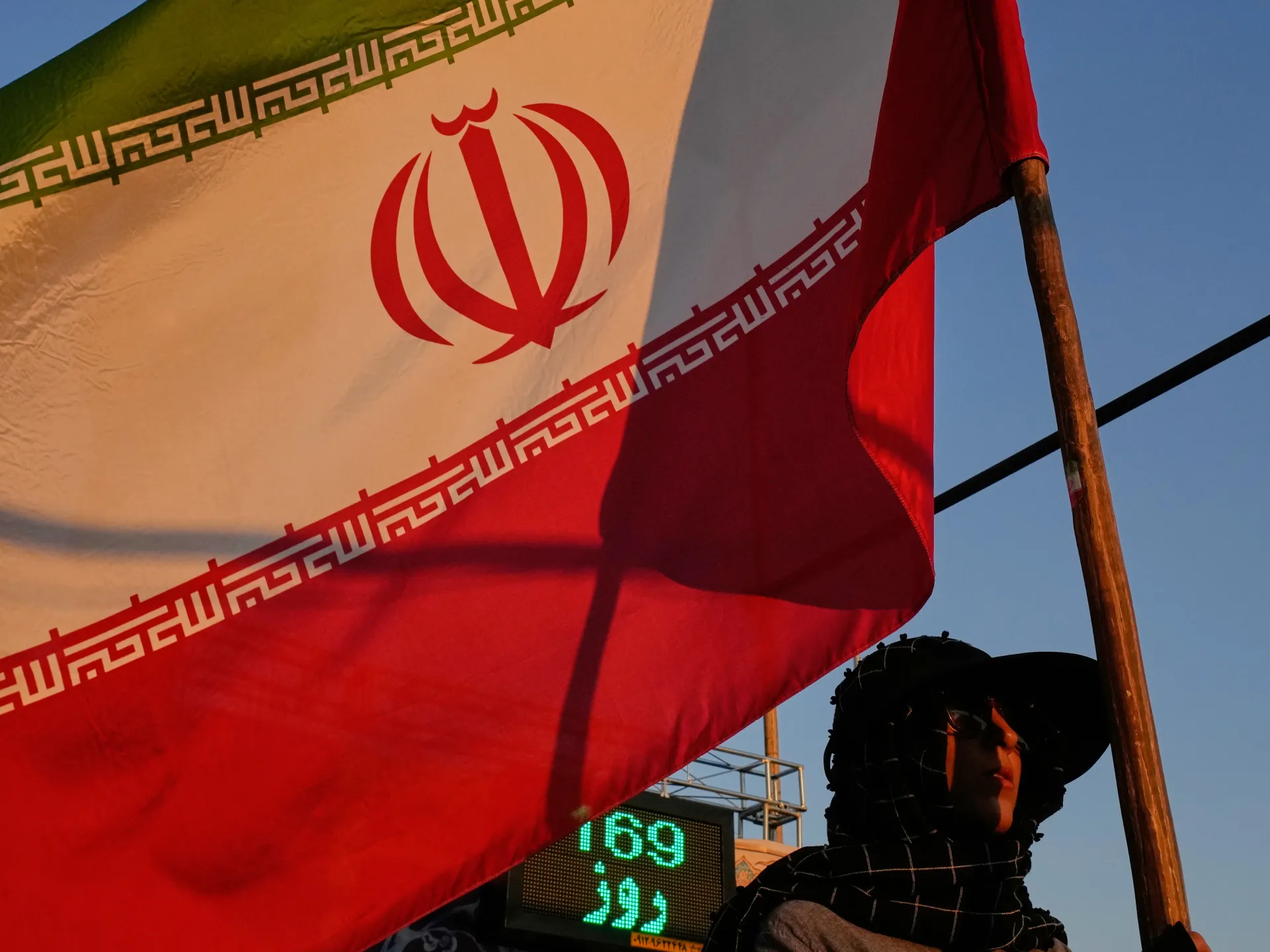
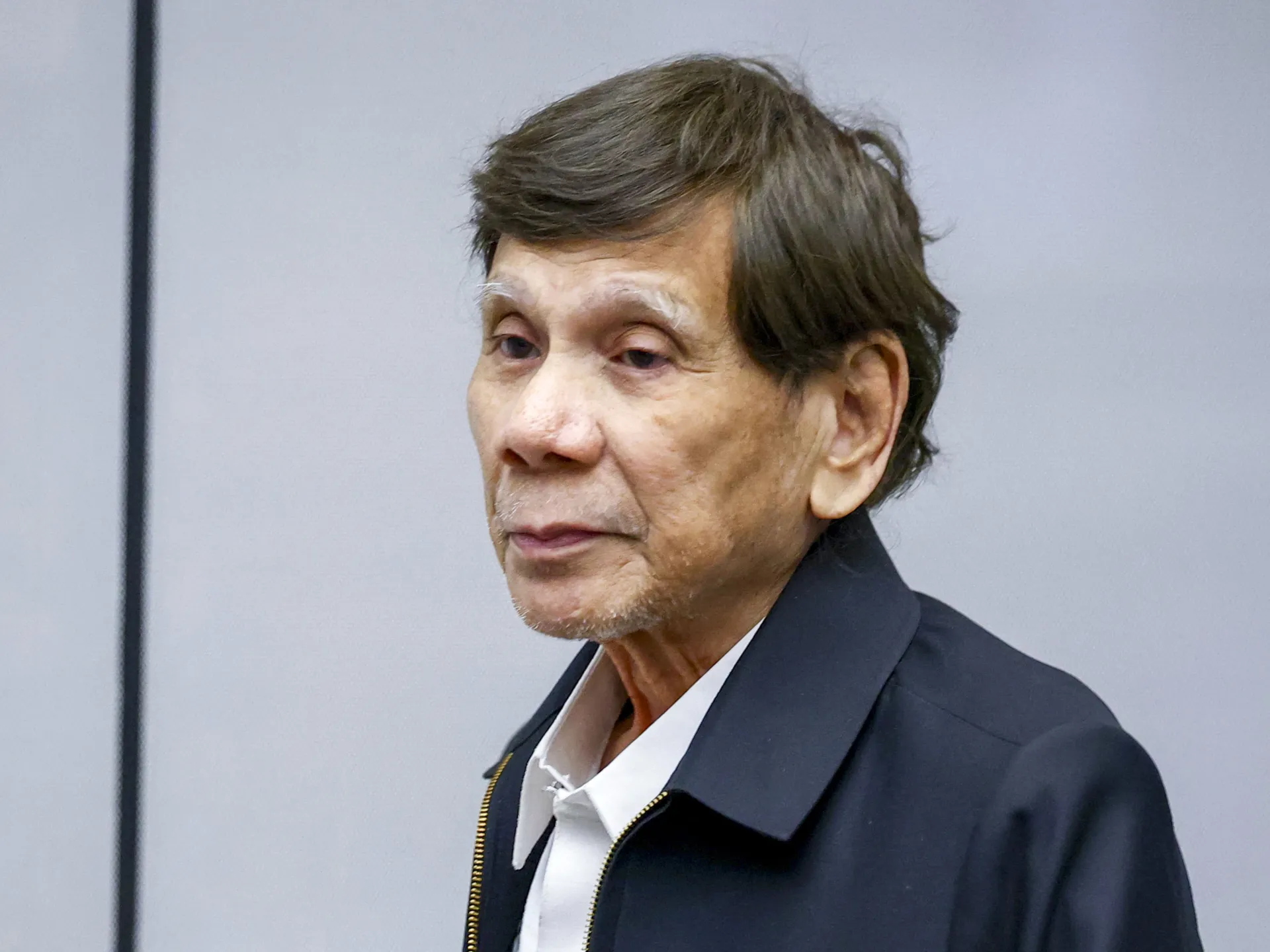
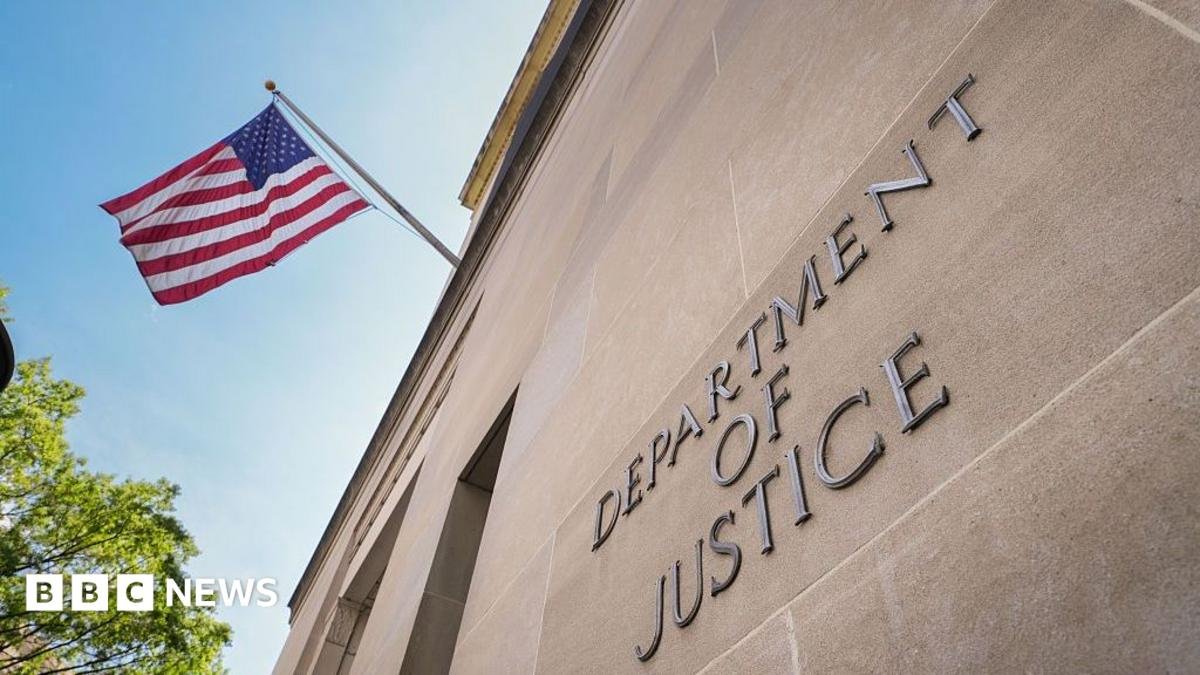
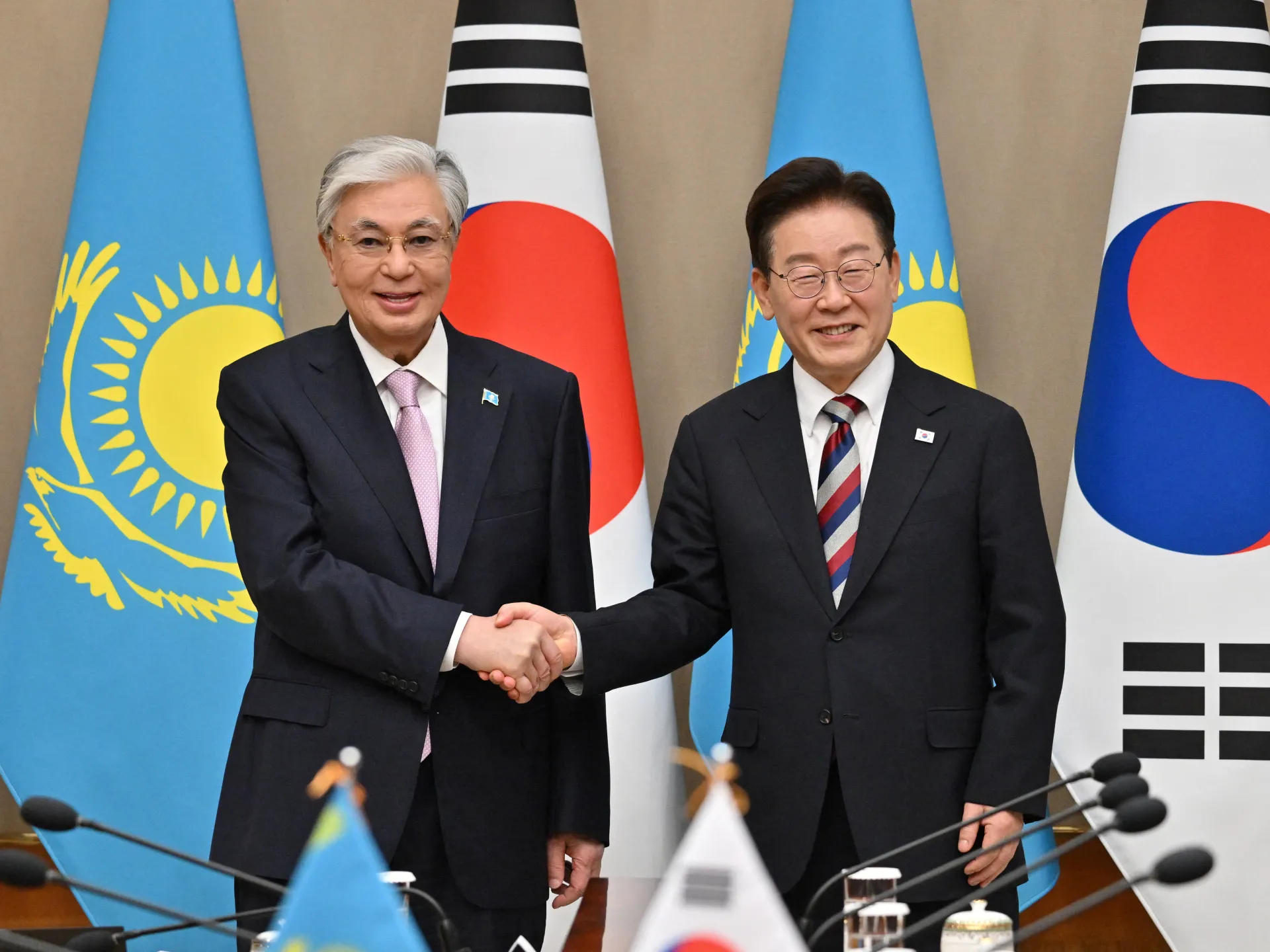
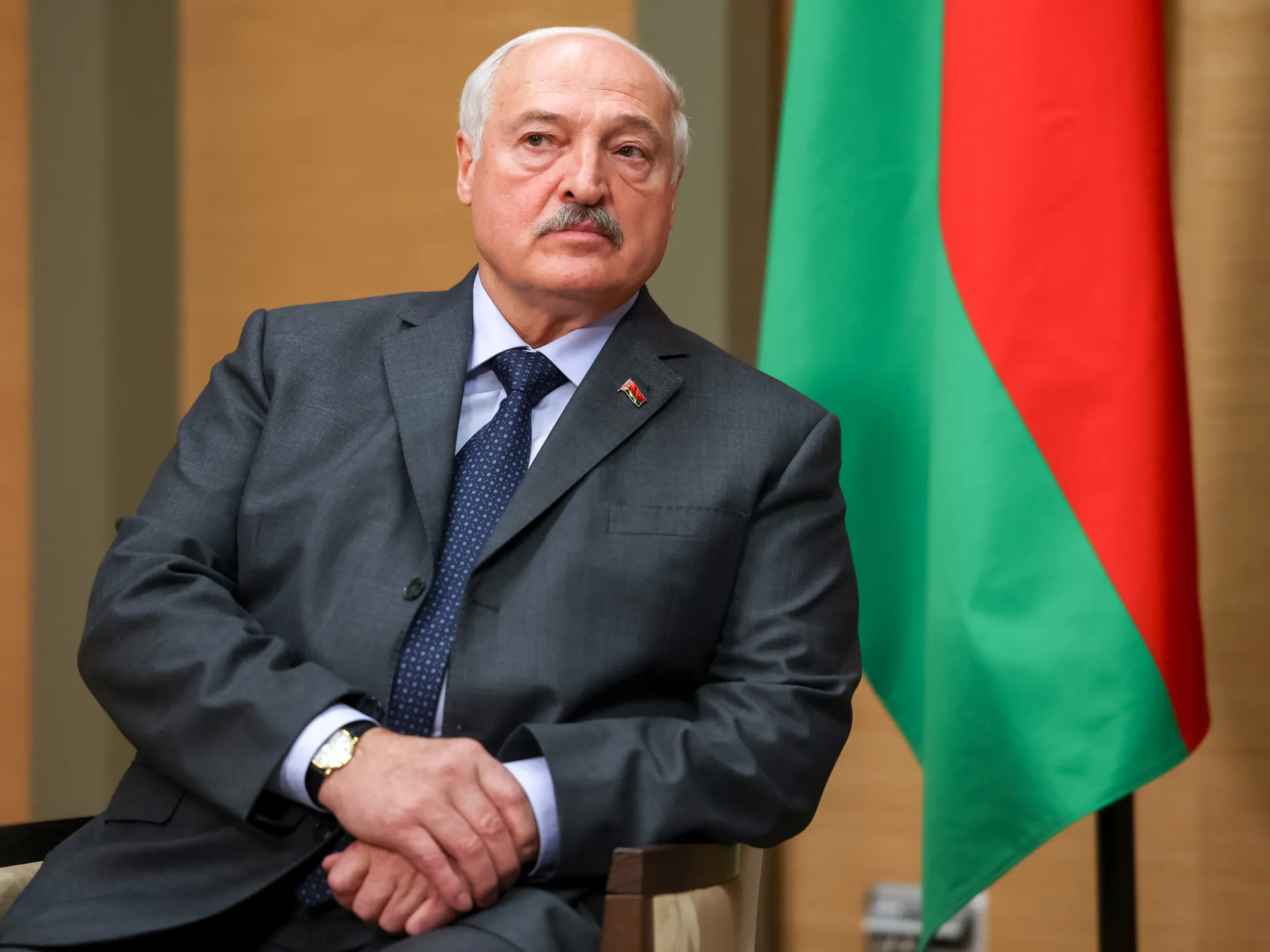
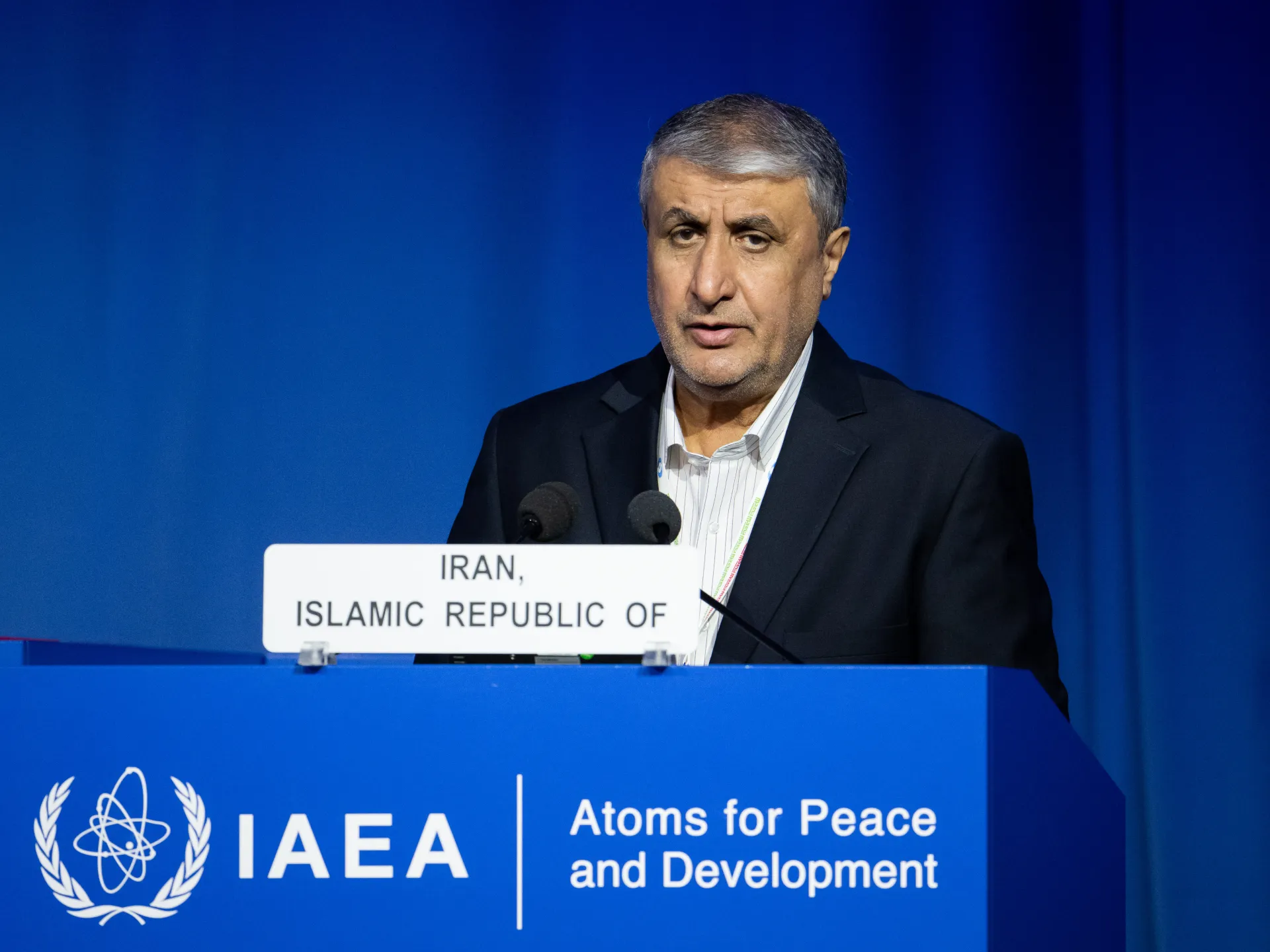
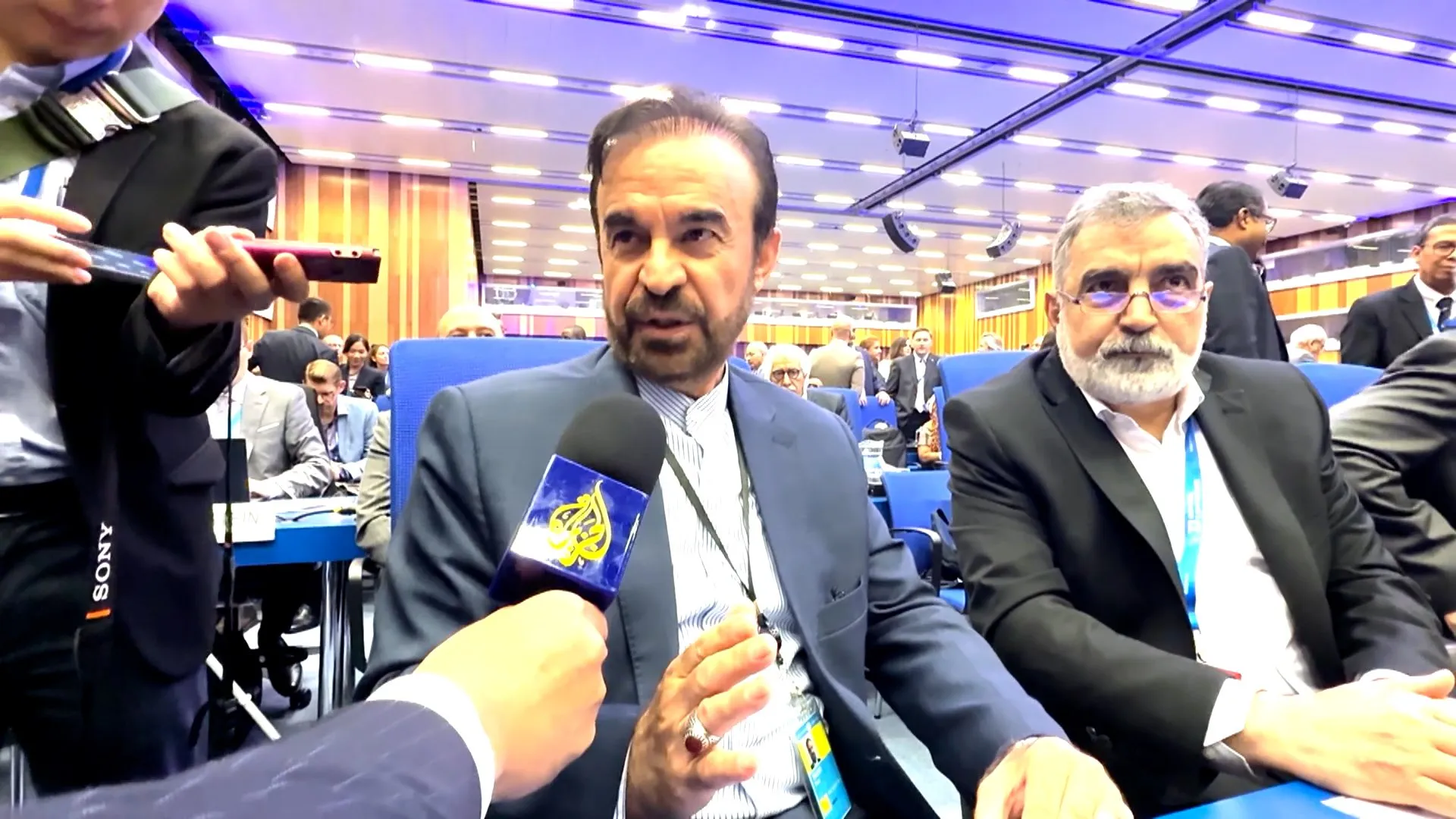
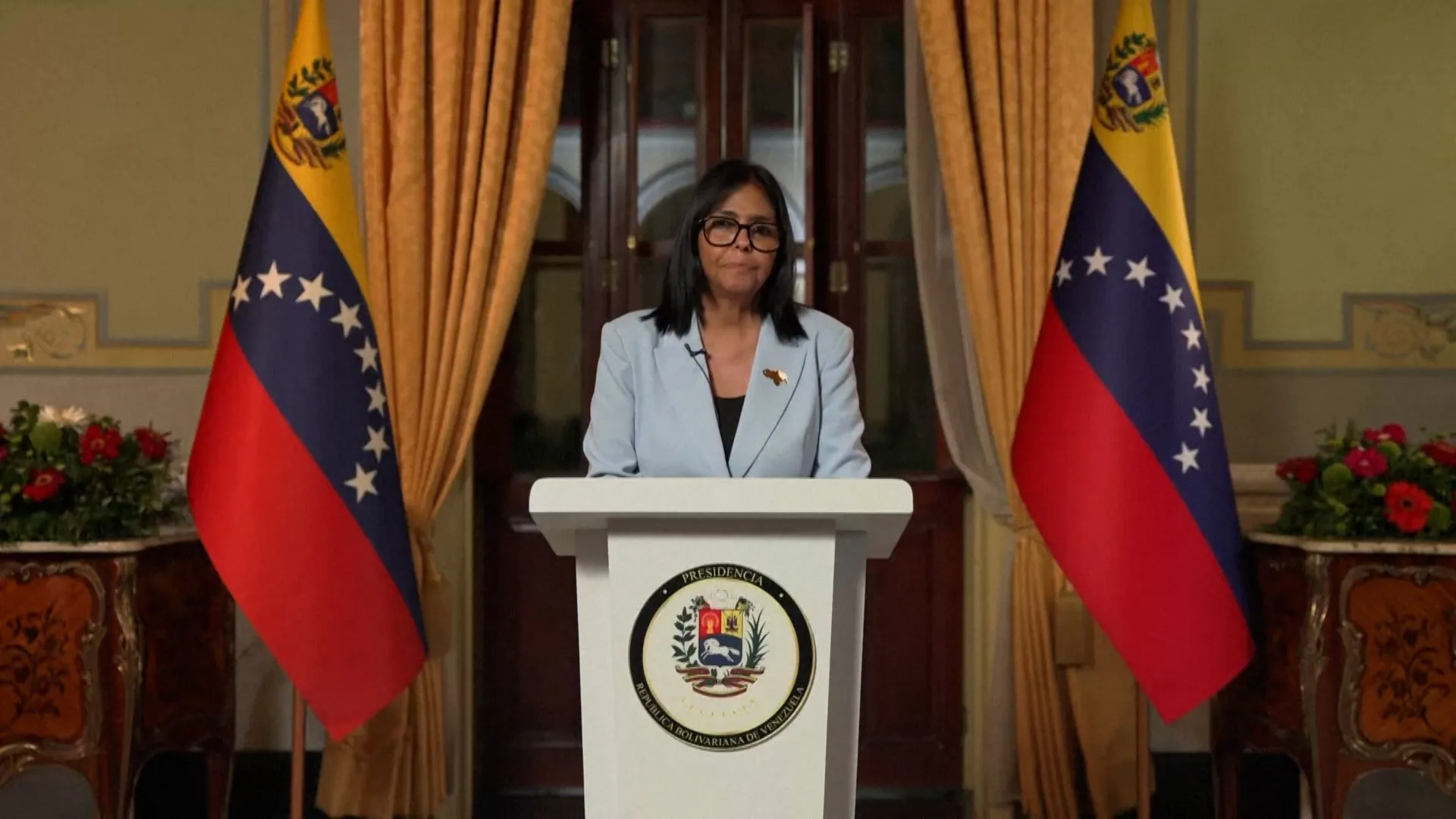
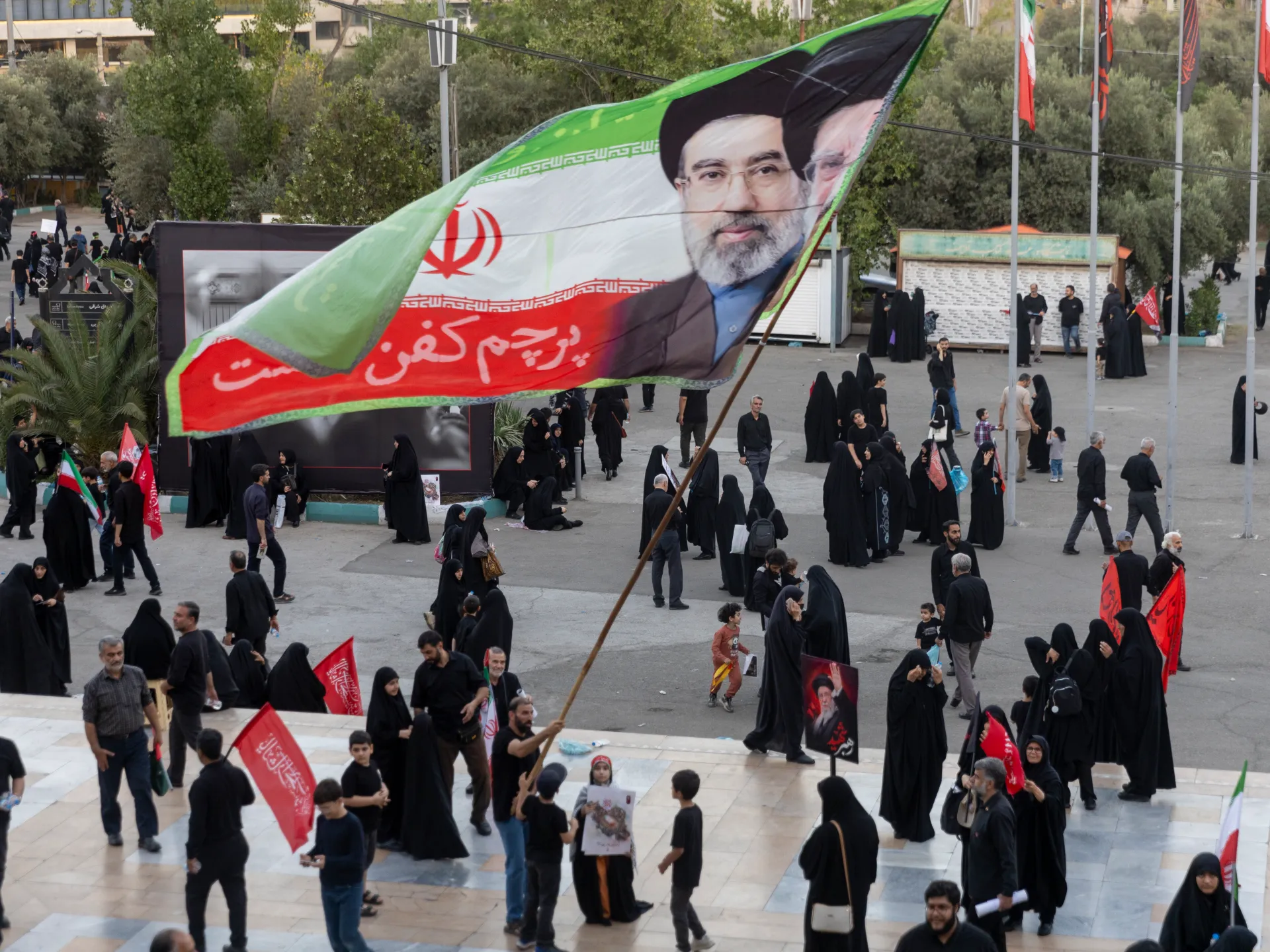
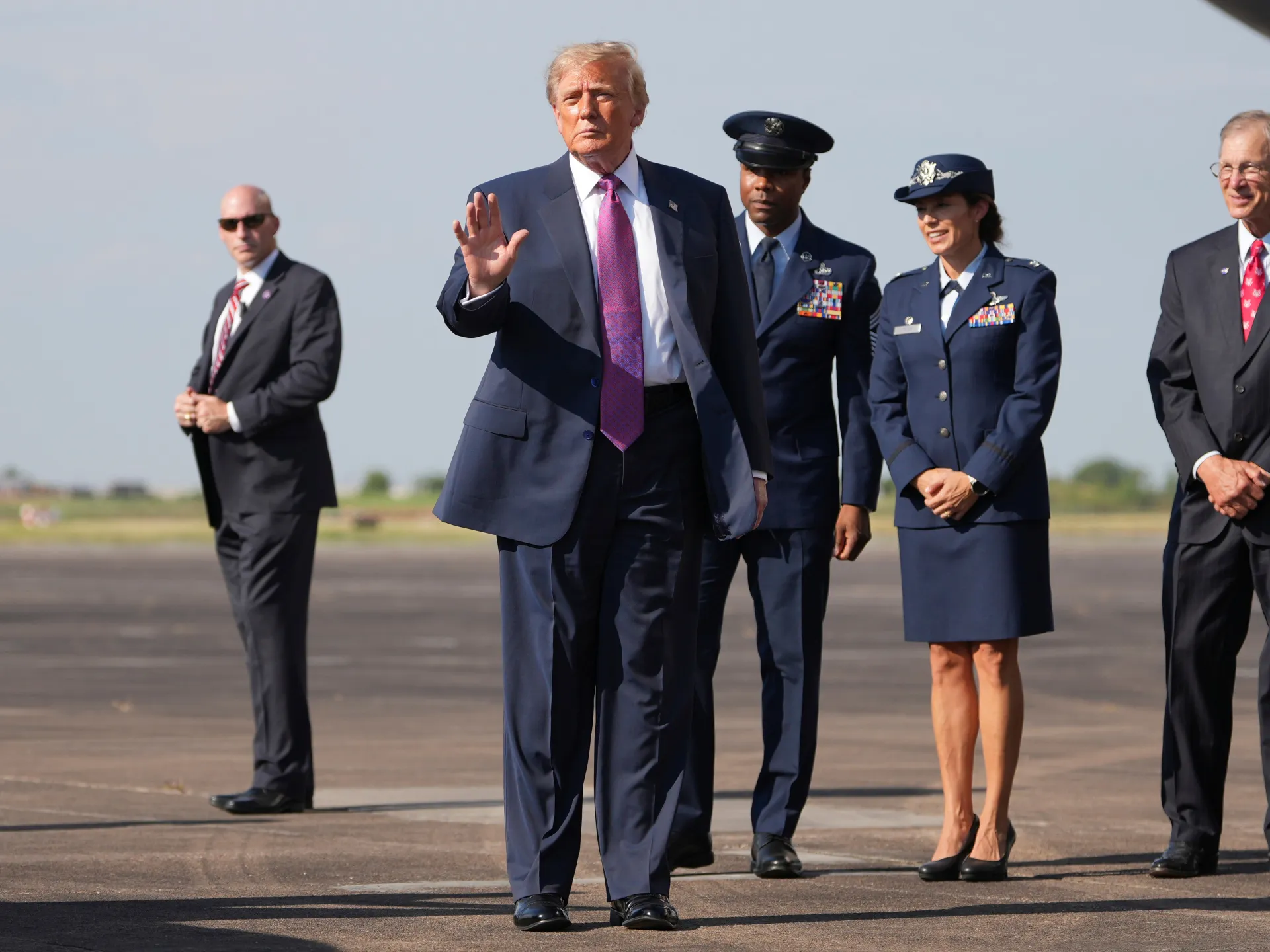
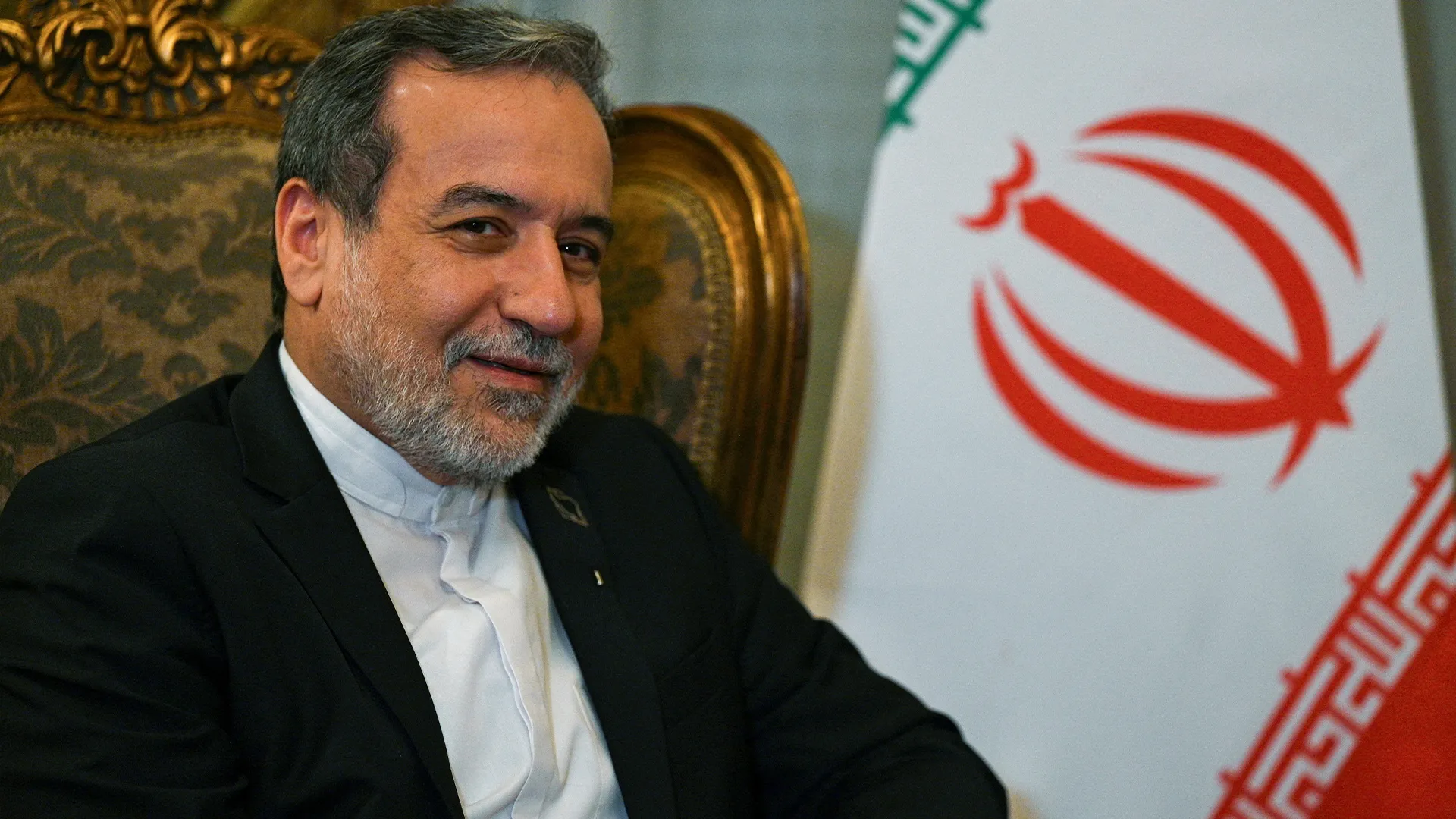
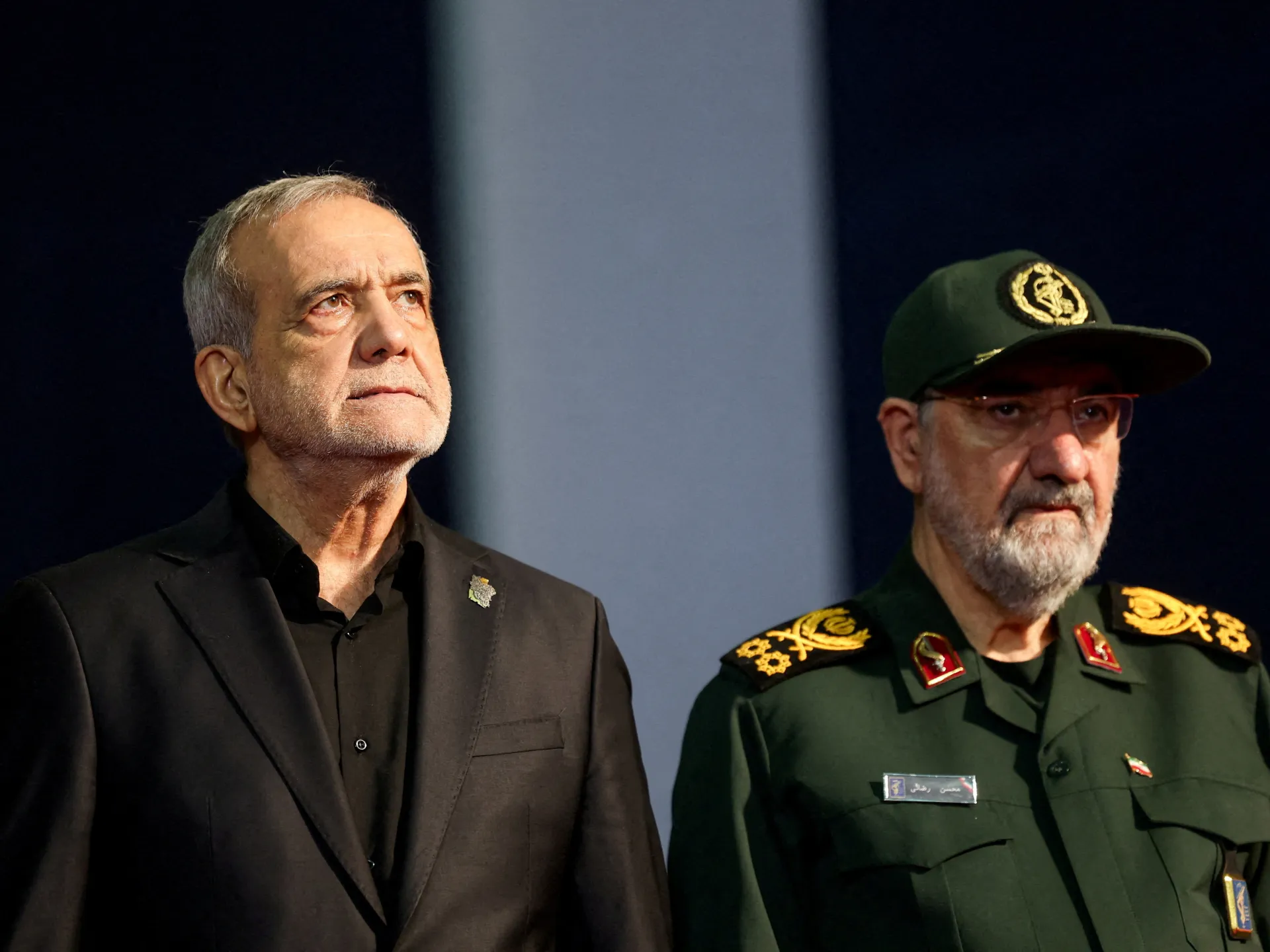
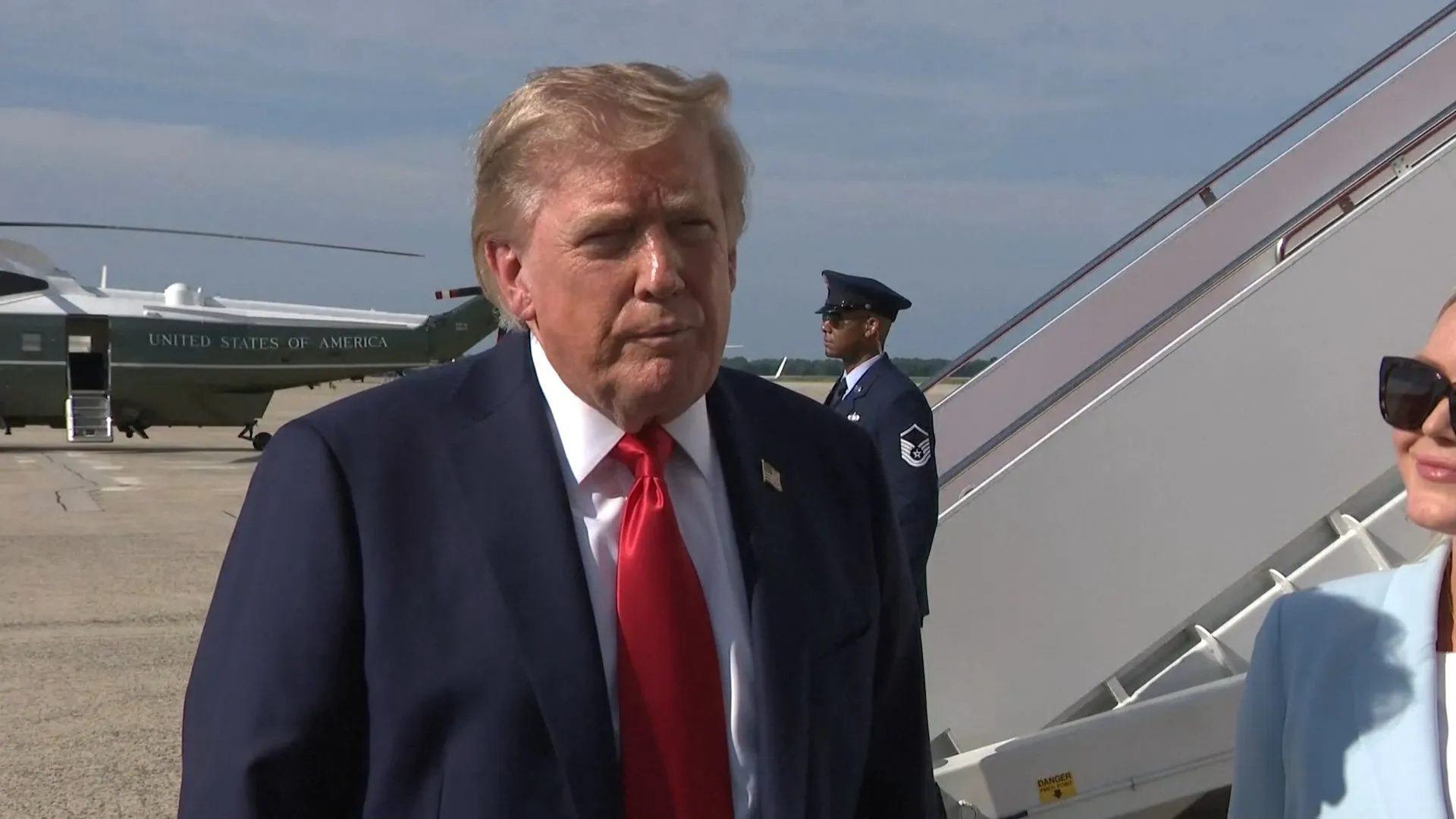
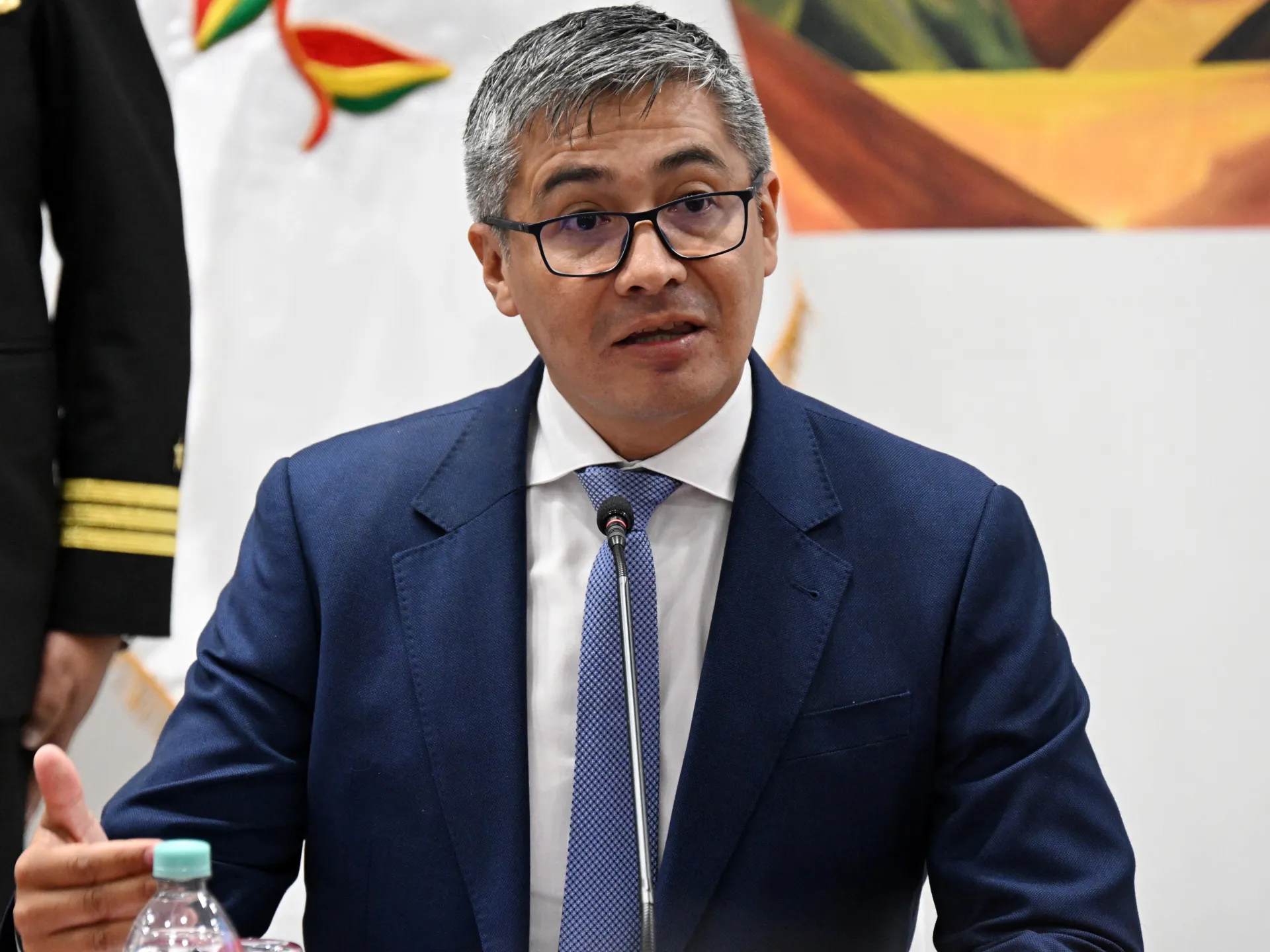
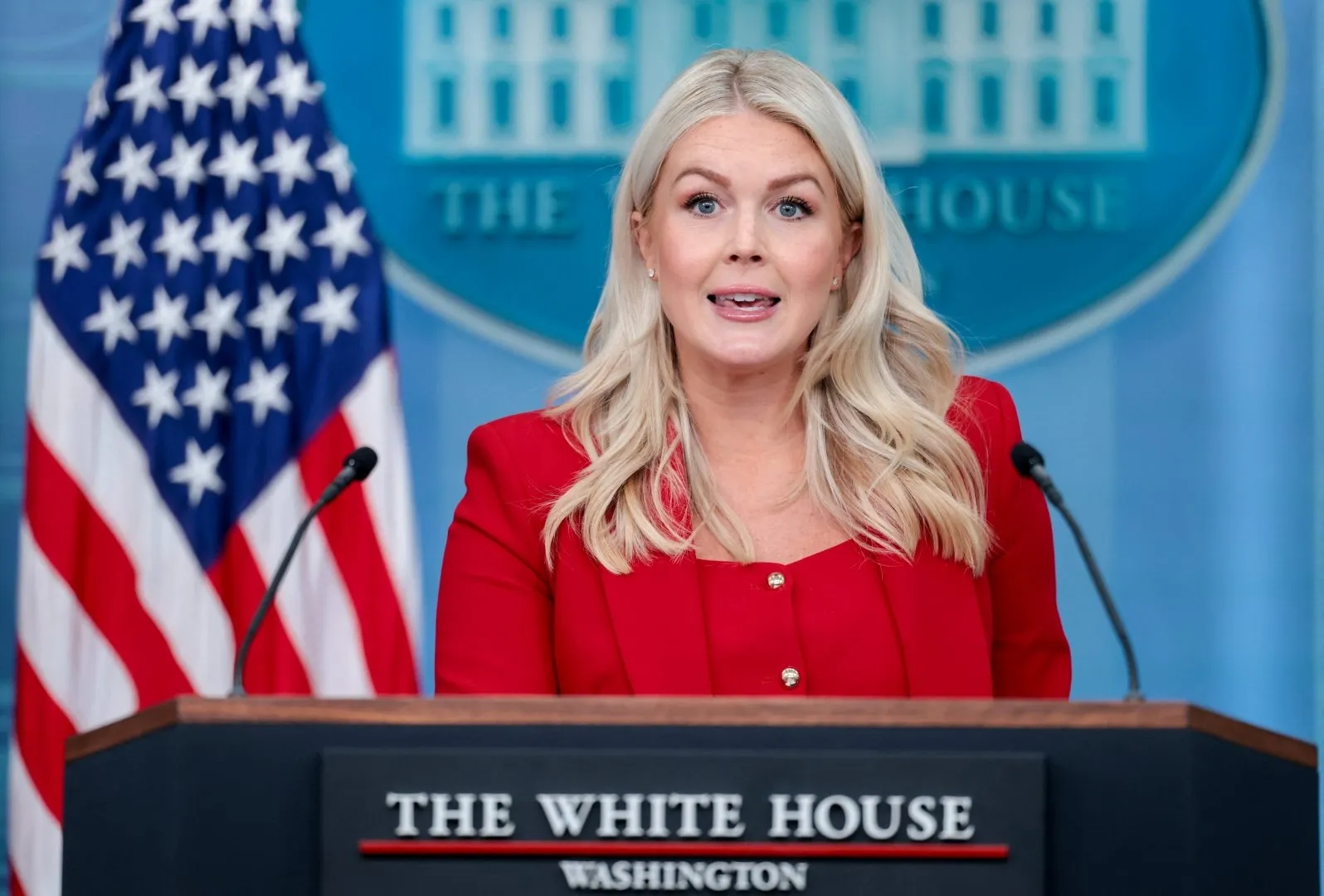
The United States government has officially confirmed the issuance of visas to key members of the Iranian leadership, permitting their arrival in New York for the upcoming United Nations General Assembly. This decision, announced reign Minister Abbas Araghchi can participate in the high-level diplomatic week. Despite the ongoing hostilities that have characterized the last several months of the relationship between Washington and Tehran, the US has upheld its obligations as the host nation for the United Nations headquarters.
However, this permission does not come without significant caveats. The State Department has explicitly stated that the Iranian delegation will be subject to stringent travel restrictions while on American soil. These limitations are designed to restrict the movement of the officials beyond the immediate vicinity of the UN facilities and to ensure that their presence remains strictly focused on the multilateral forum rather than broader engagement within the United States.
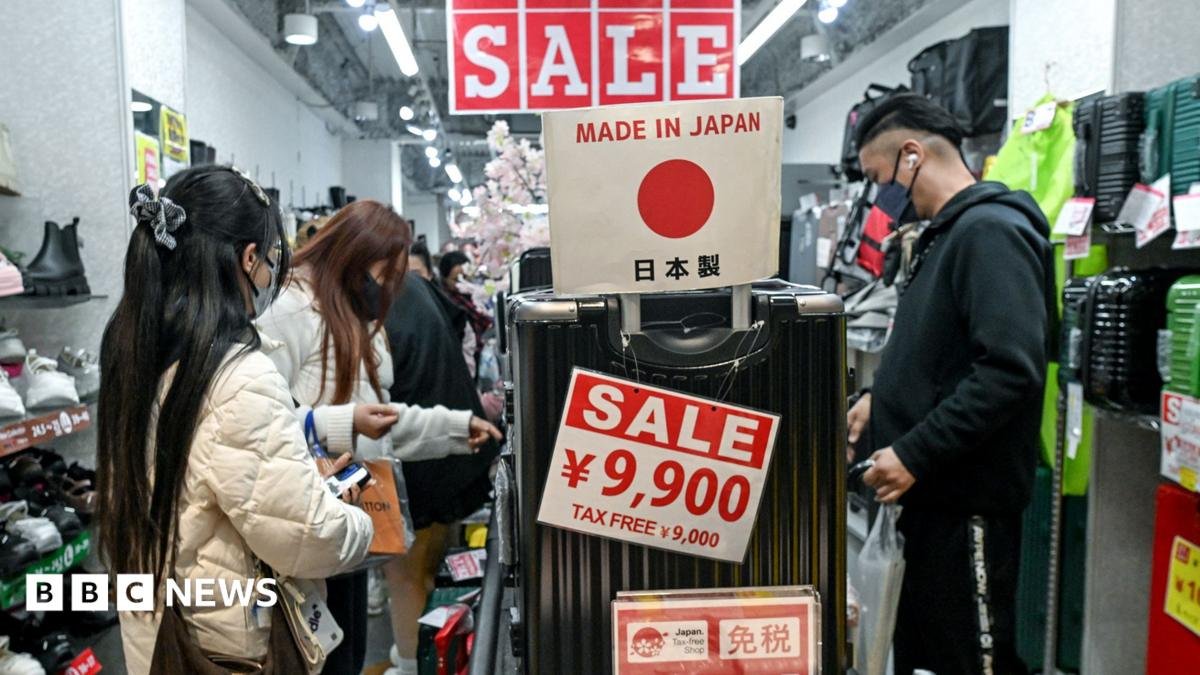
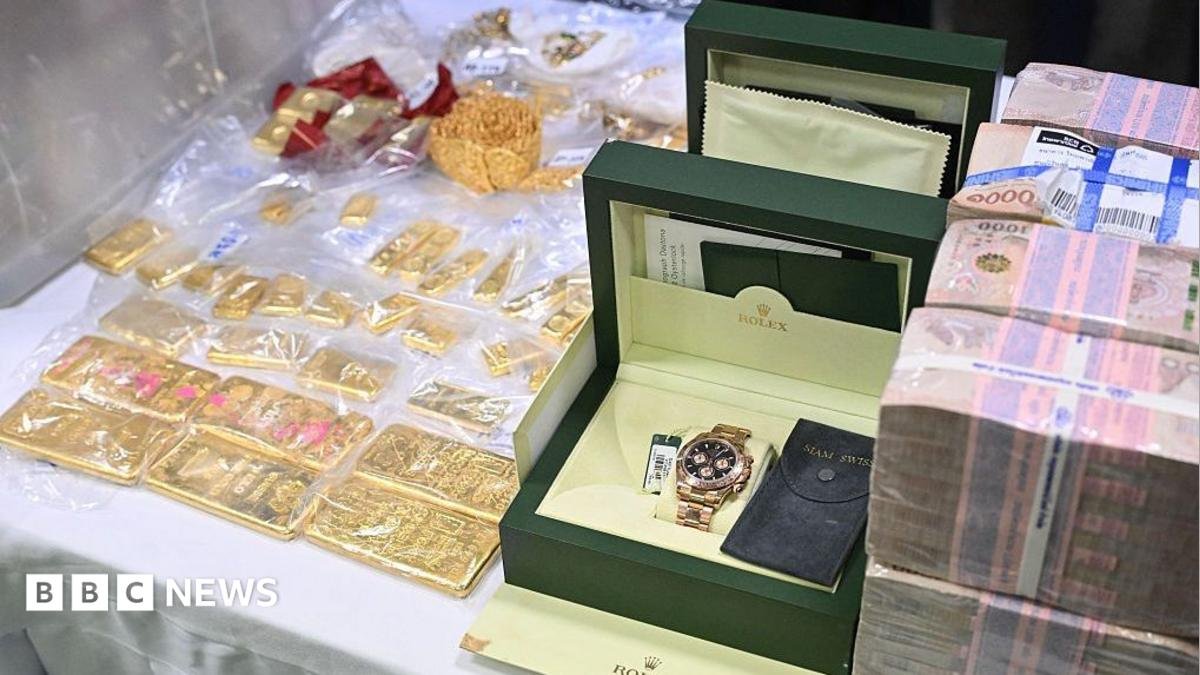
Beyond geographical movement, the US government has implemented a series of financial prohibitions targeting the delegation. Following policies established in previous years, Iranian diplomats are strictly barred from purchasing luxury goods, including high-end jewelry, automobiles, and alcohol. These measures are intended to prevent members of the Iranian regime from utilizing their time in New York to acquire goods that are otherwise difficult to obtain in their home country due to economic sanctions and internal instability.
Government officials have framed these restrictions as a moral imperative, citing the domestic challenges faced sion. e US aims to send a clear message regarding its disapproval of the current Iranian leadership. Retailers and businesses in the New York area have been cautioned to remain vigilant regarding potential transactions involving the delegation to ensure compliance with these federal mandates.
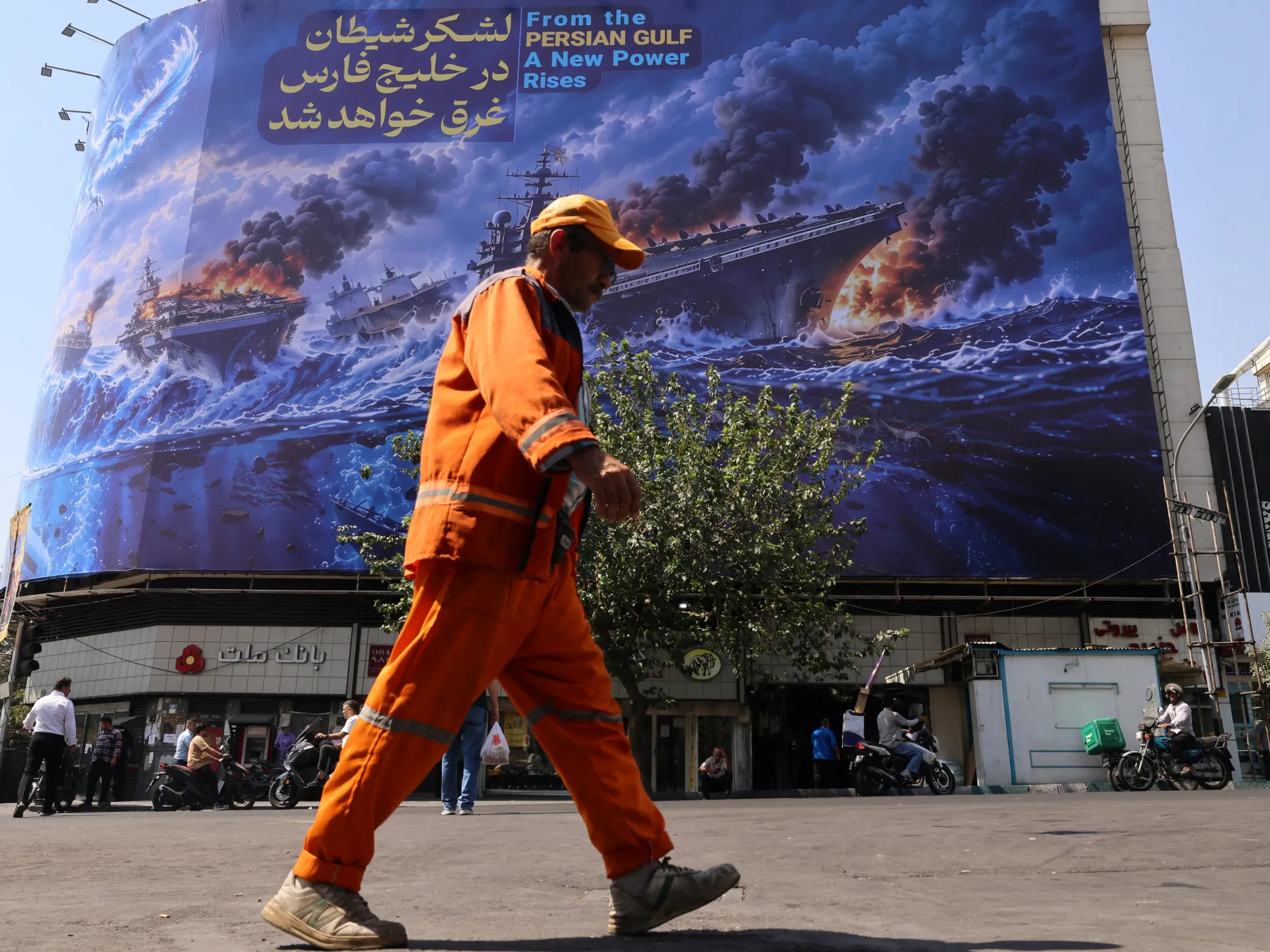
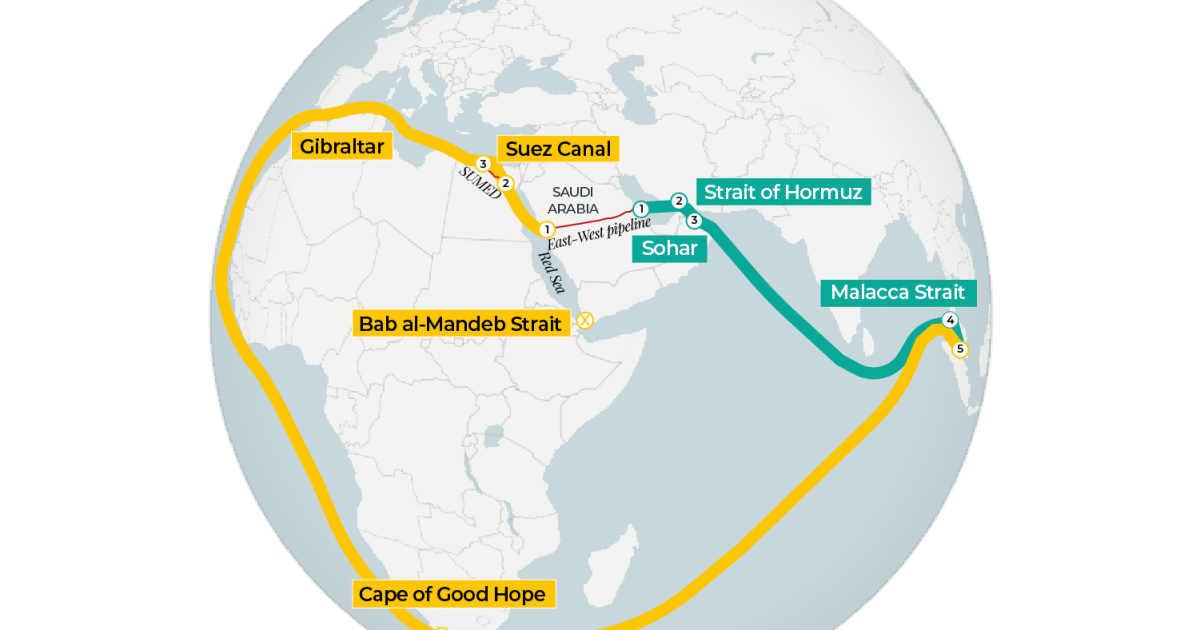
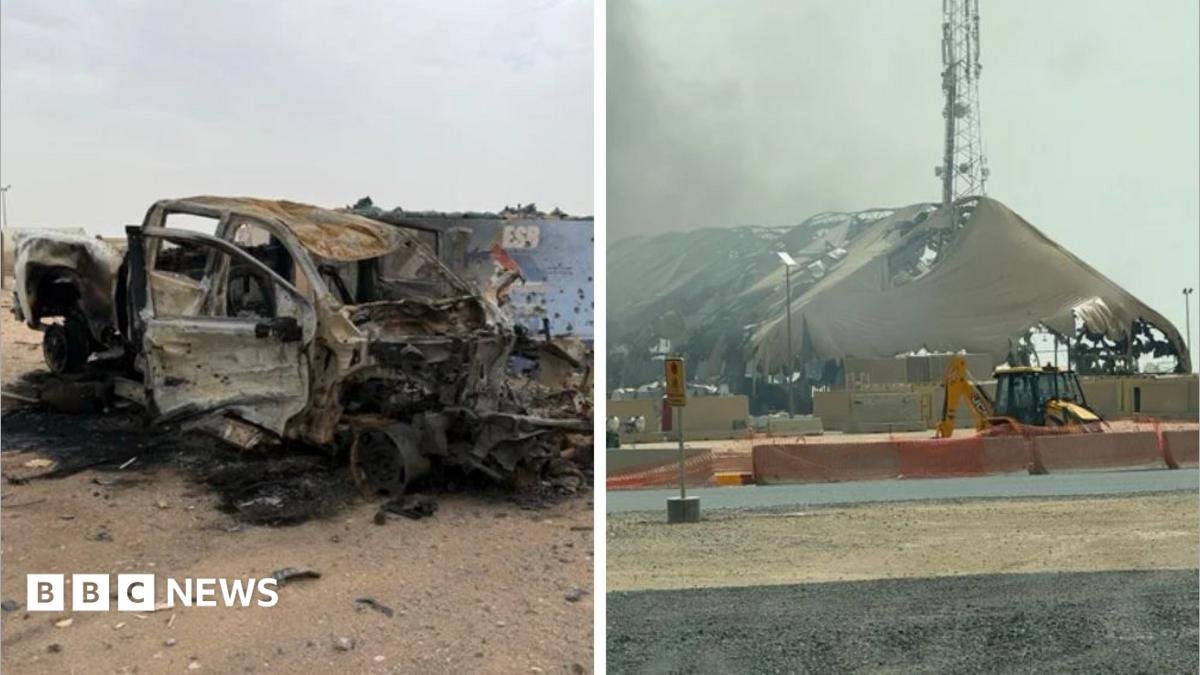
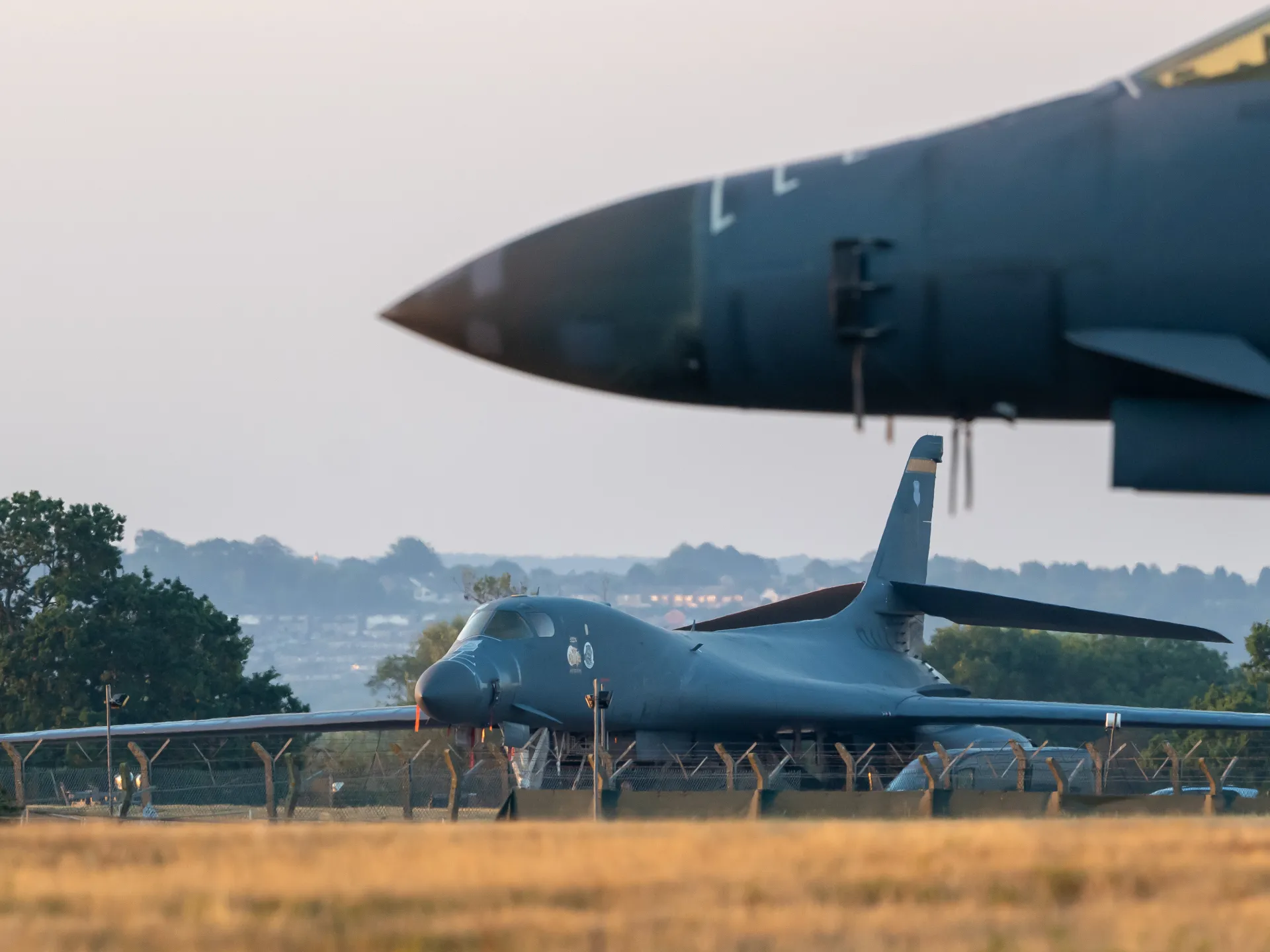
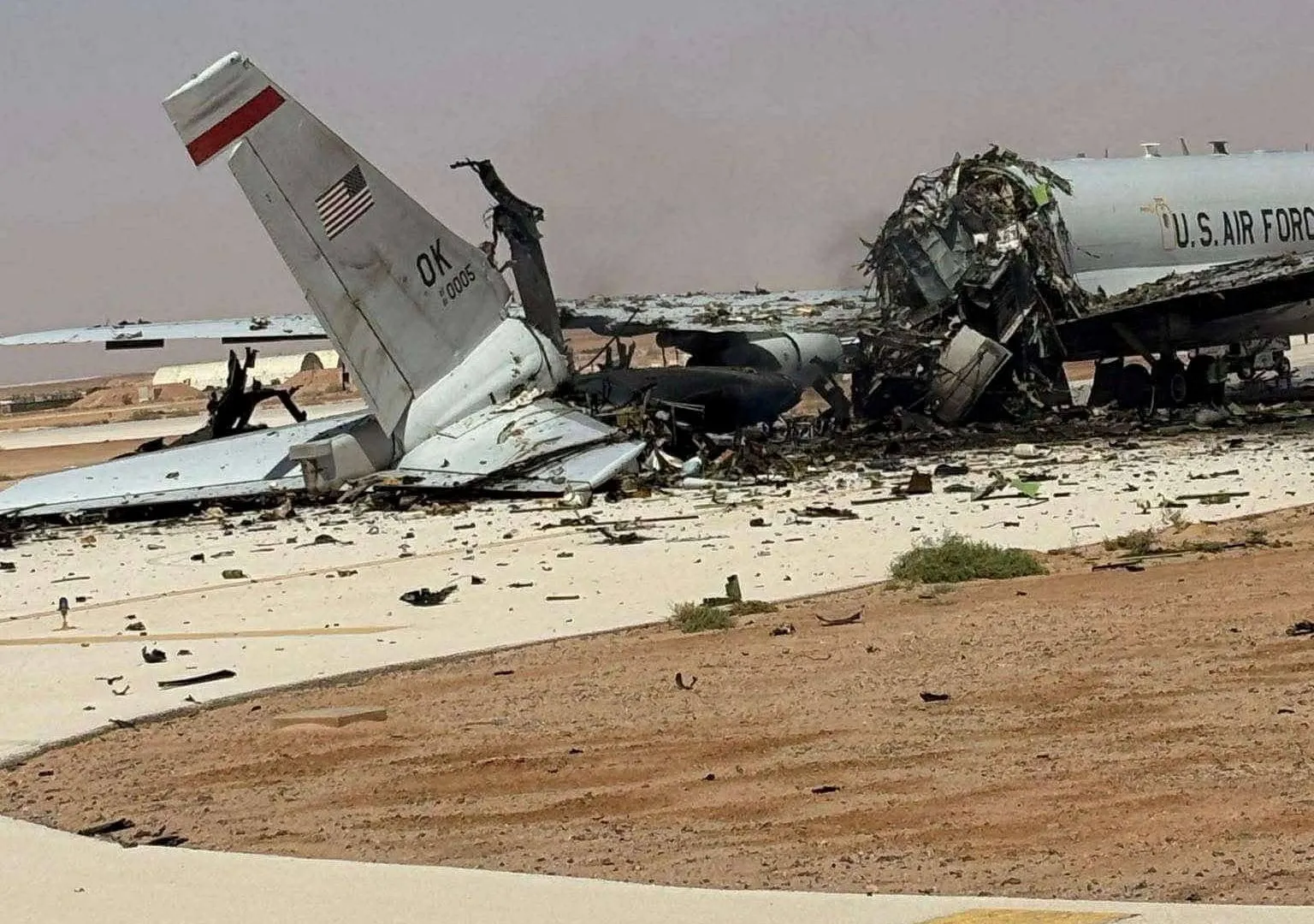
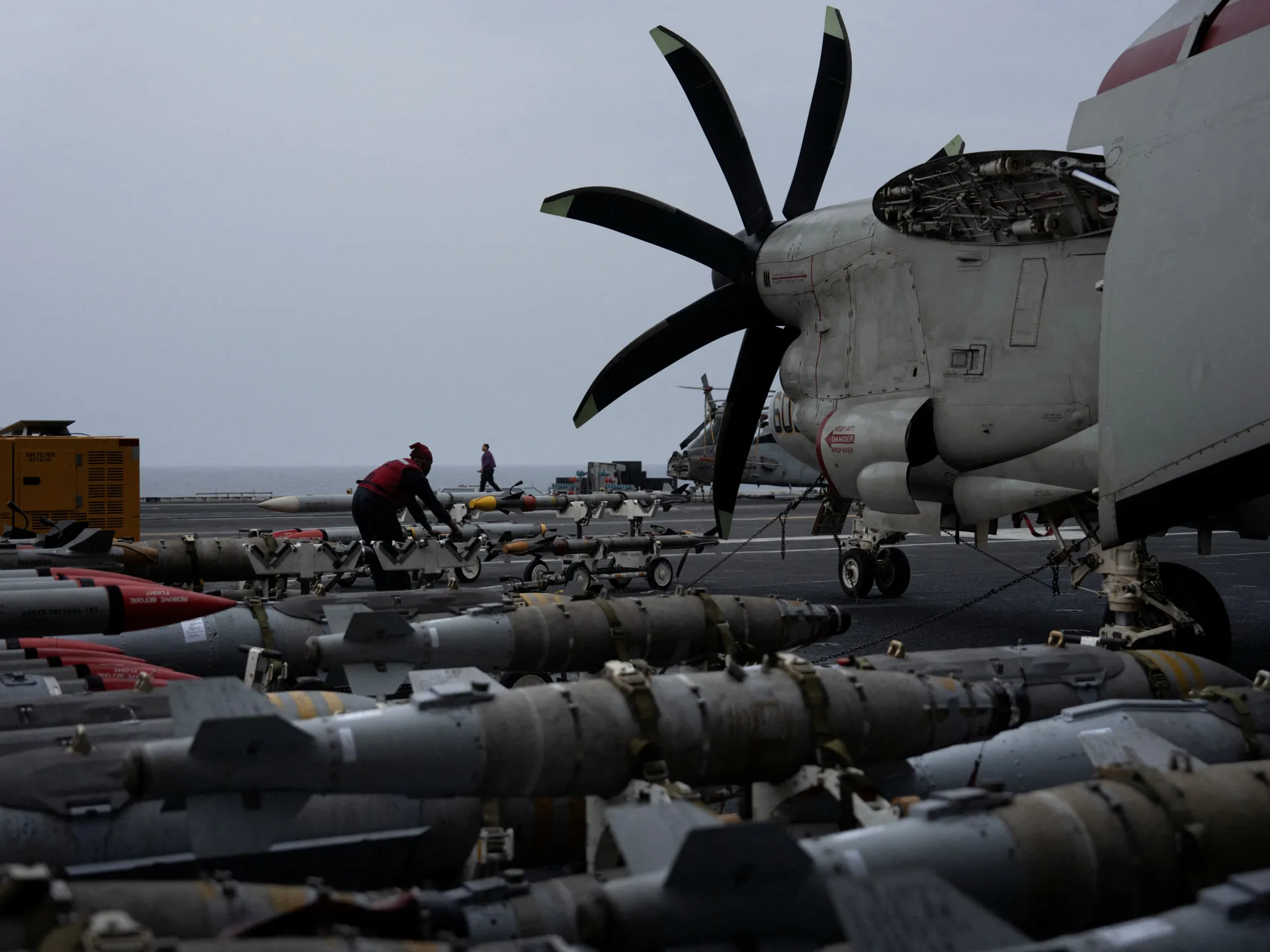
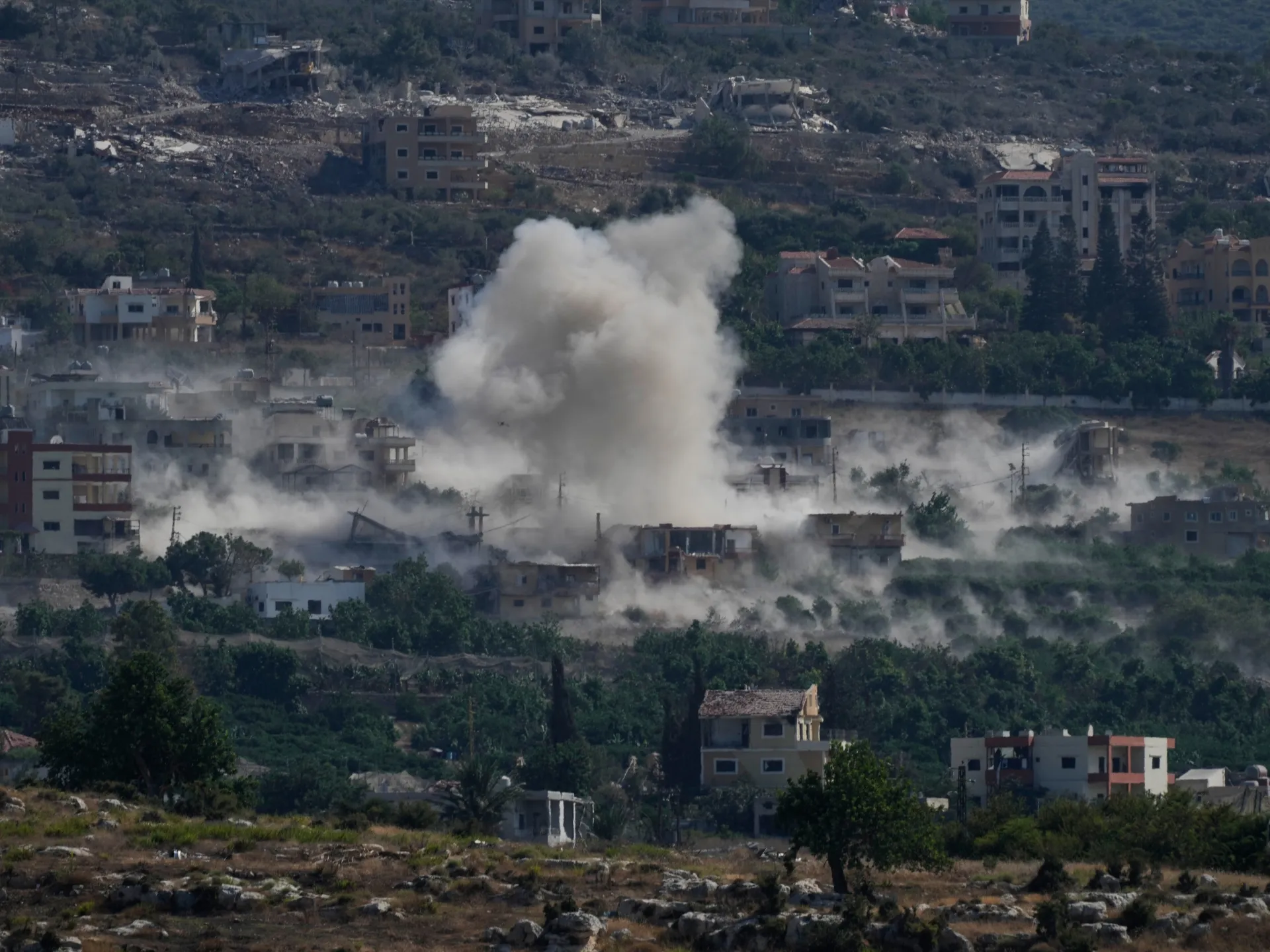
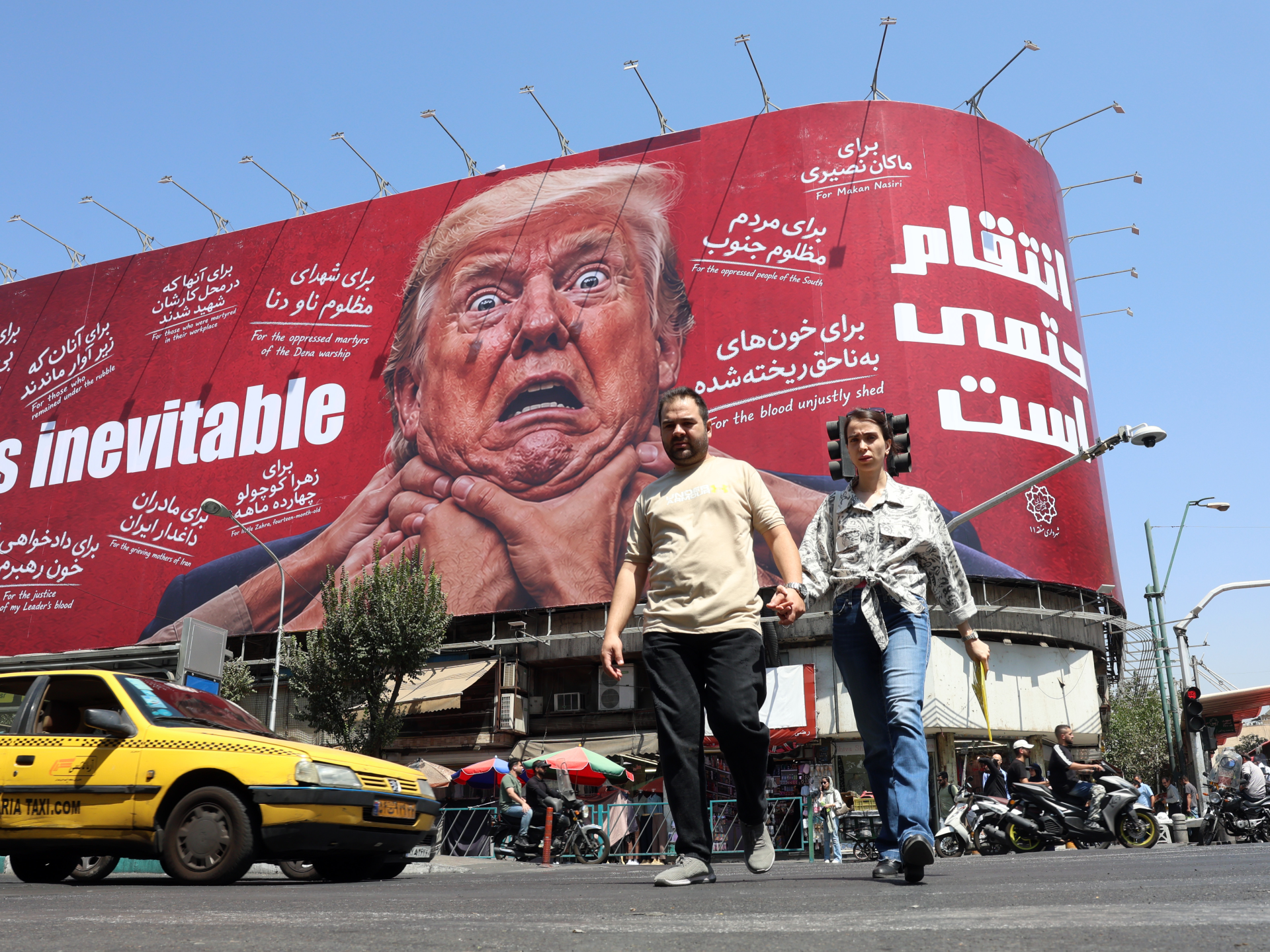
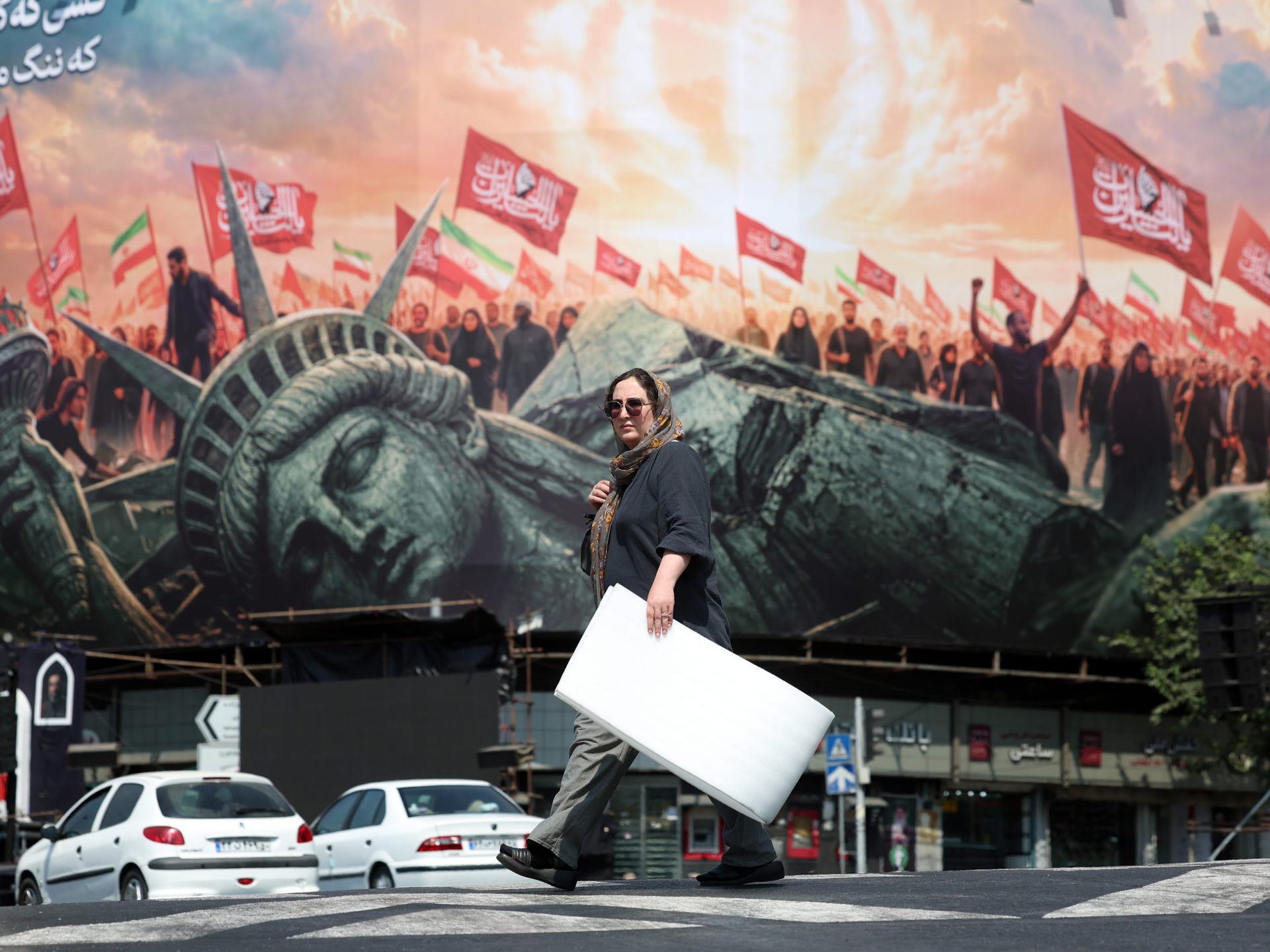
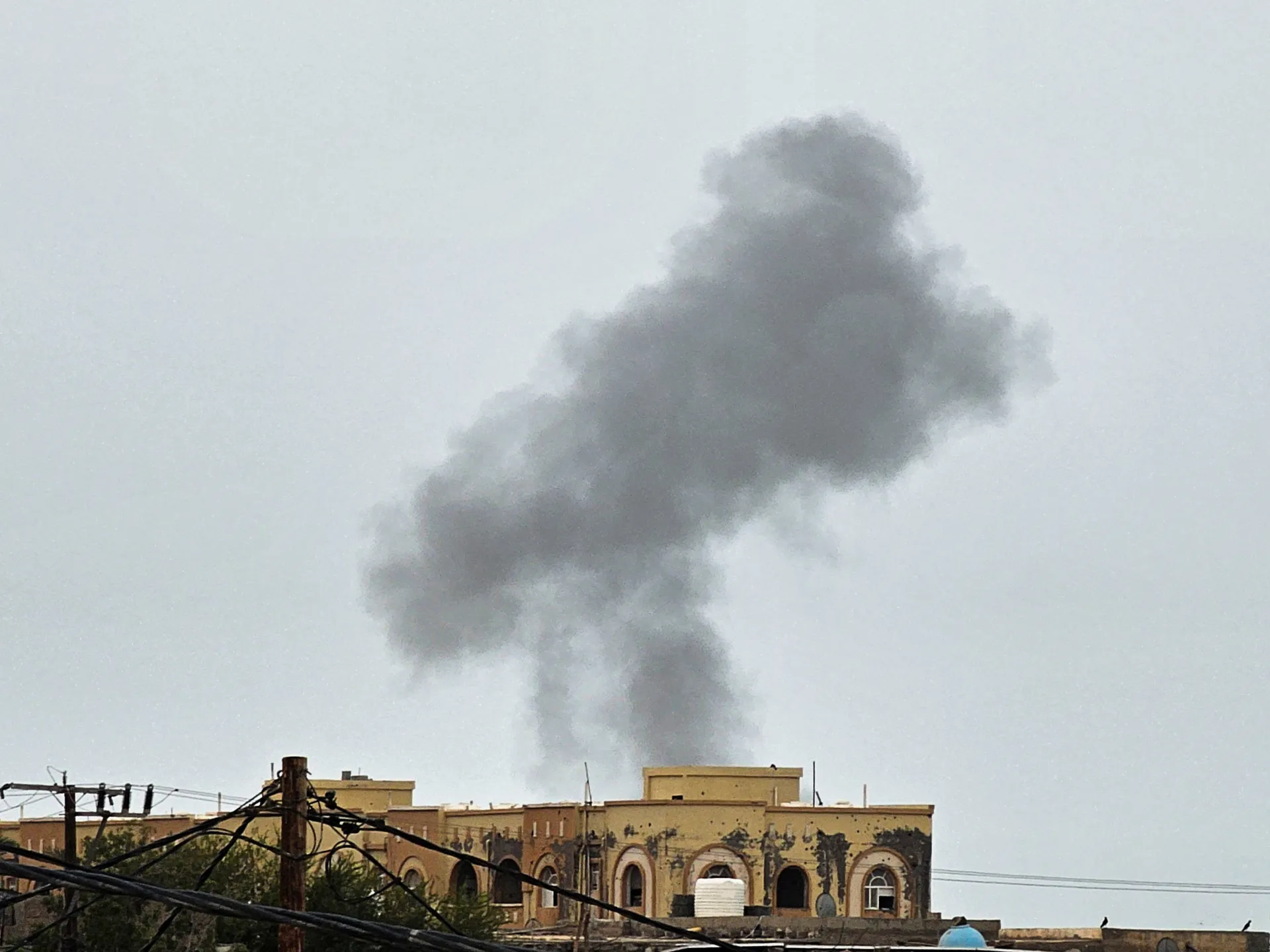
The arrival of the Iranian delegation occurs as the conflict between the two nations reaches a critical six-month mark. Since the commencement of military actions in late February, the war has significantly disrupted global energy markets and raised tensions across the Middle East. With reports of repeated strikes on US bases and regional allies, the presence of Iranian leadership at the UN represents a rare moment of proximity between opposing sides in a deeply entrenched conflict.
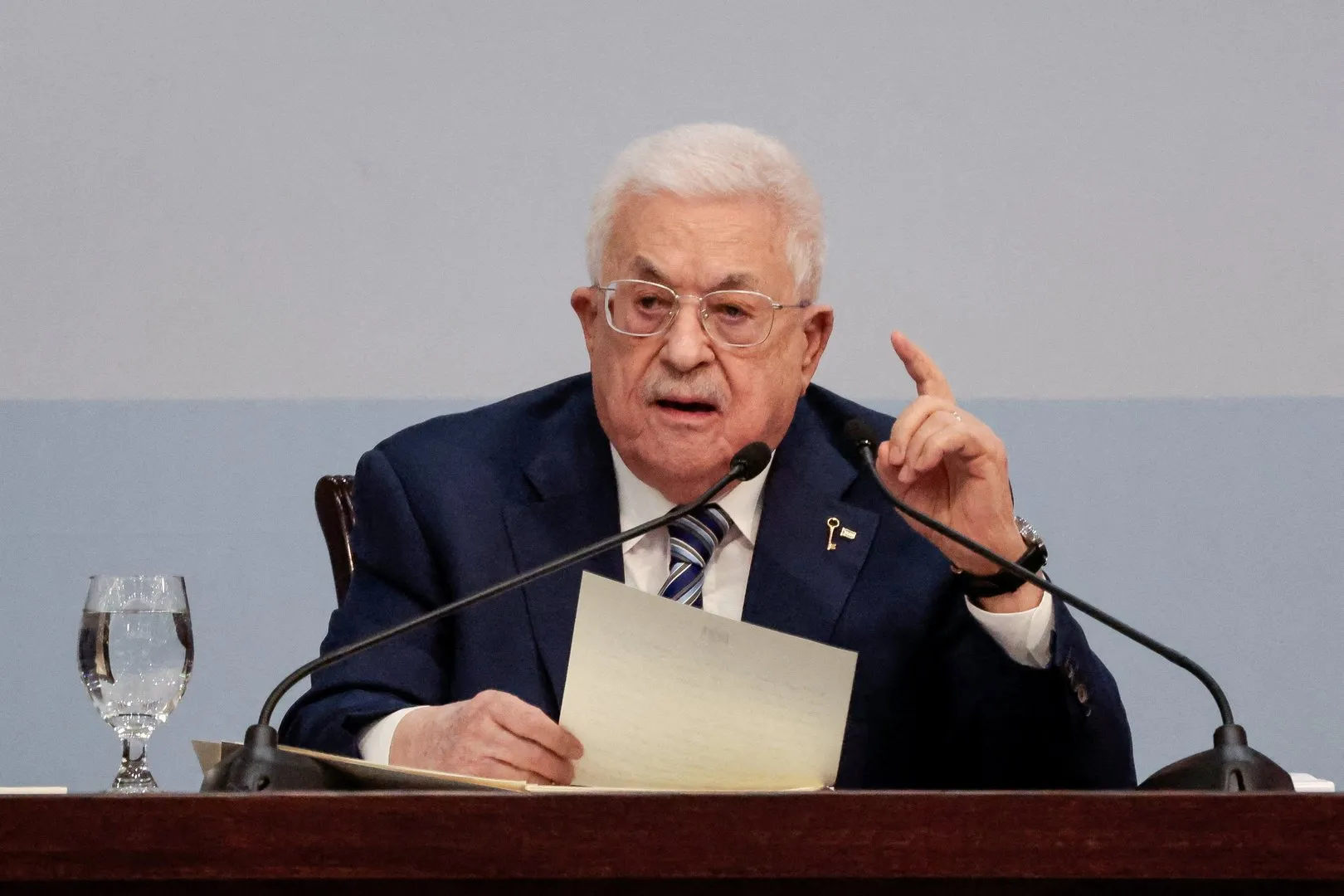
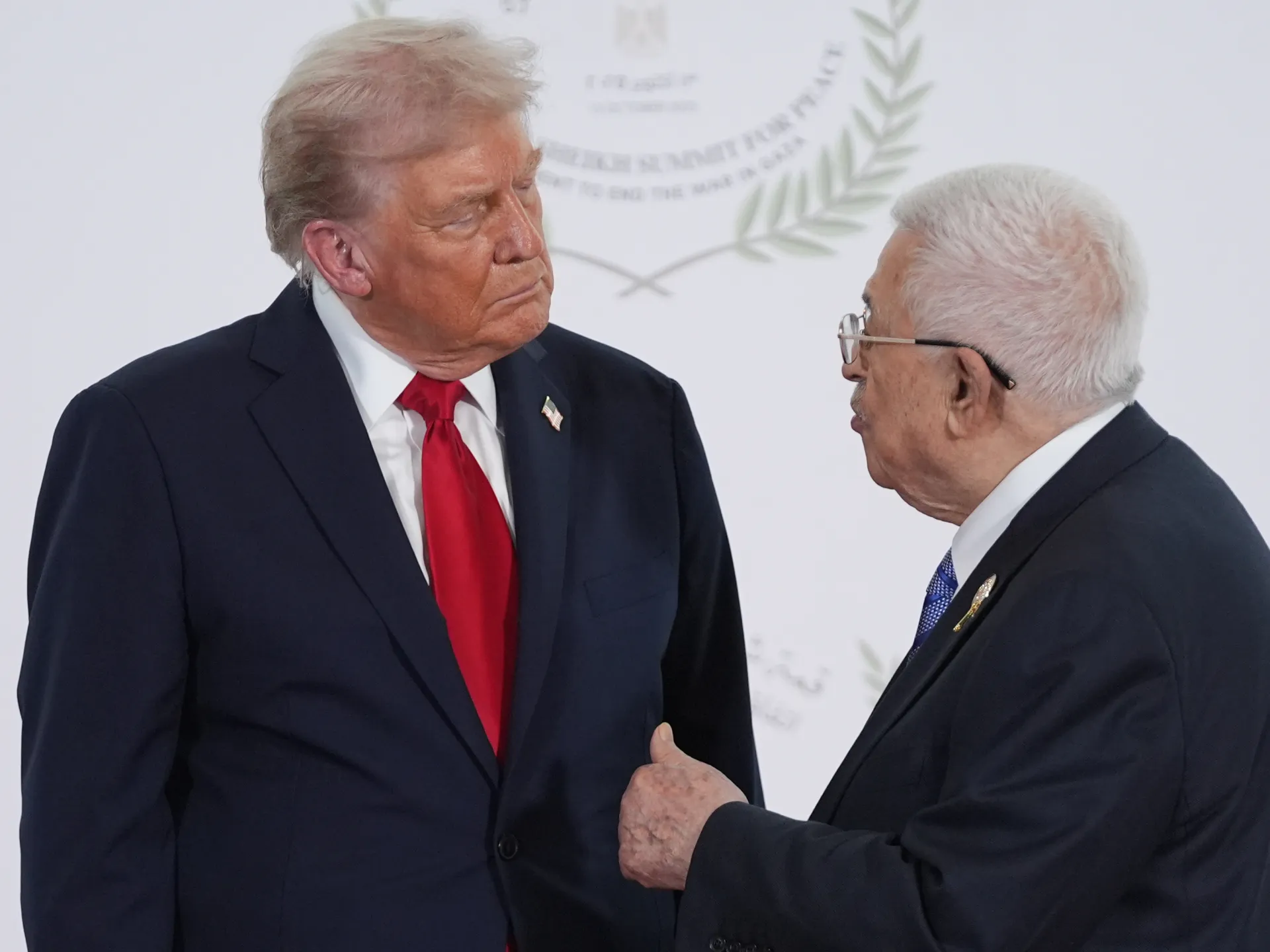
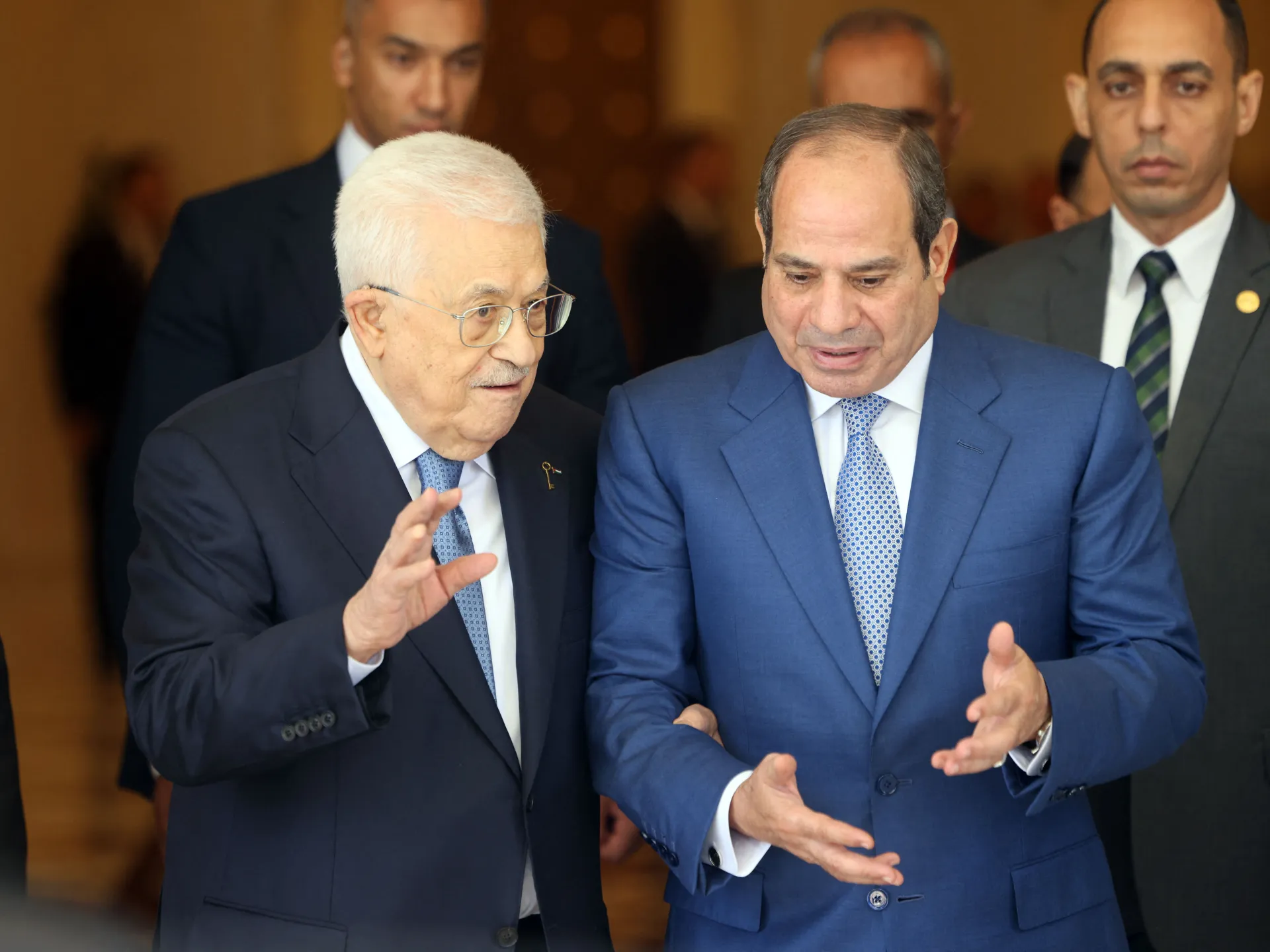
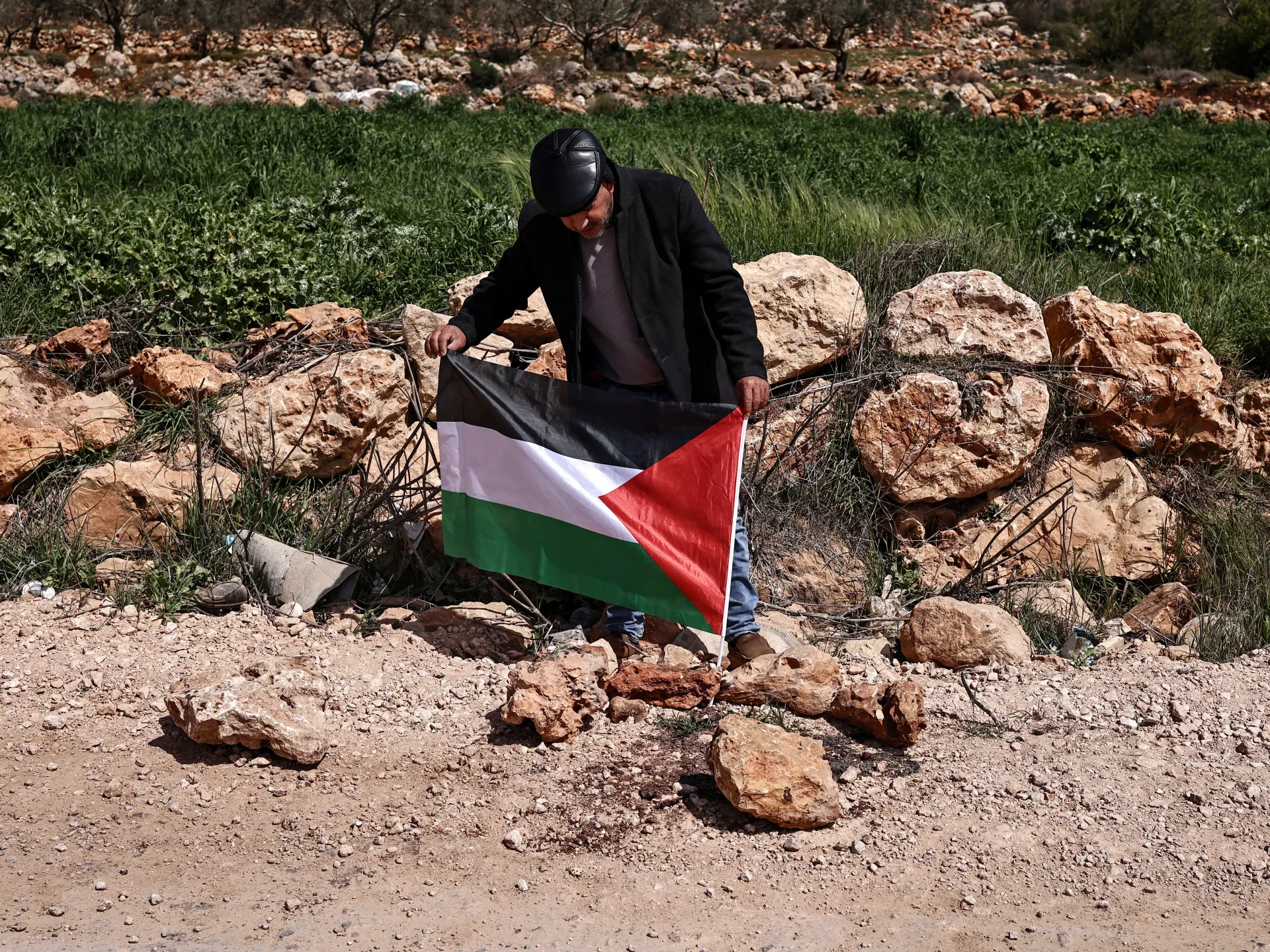
While the US has allowed for the Iranian delegation, it has notably denied entry to the Palestinian delegation for the second consecutive year. The White House maintains that it does not recognize the legitimacy of the Palestinian delegation, leading to a continued visa denial. This contrast in diplomatic treatment highlights the complex and often inconsistent landscape of international relations as the UN General Assembly prepares for its annual high-level debates.
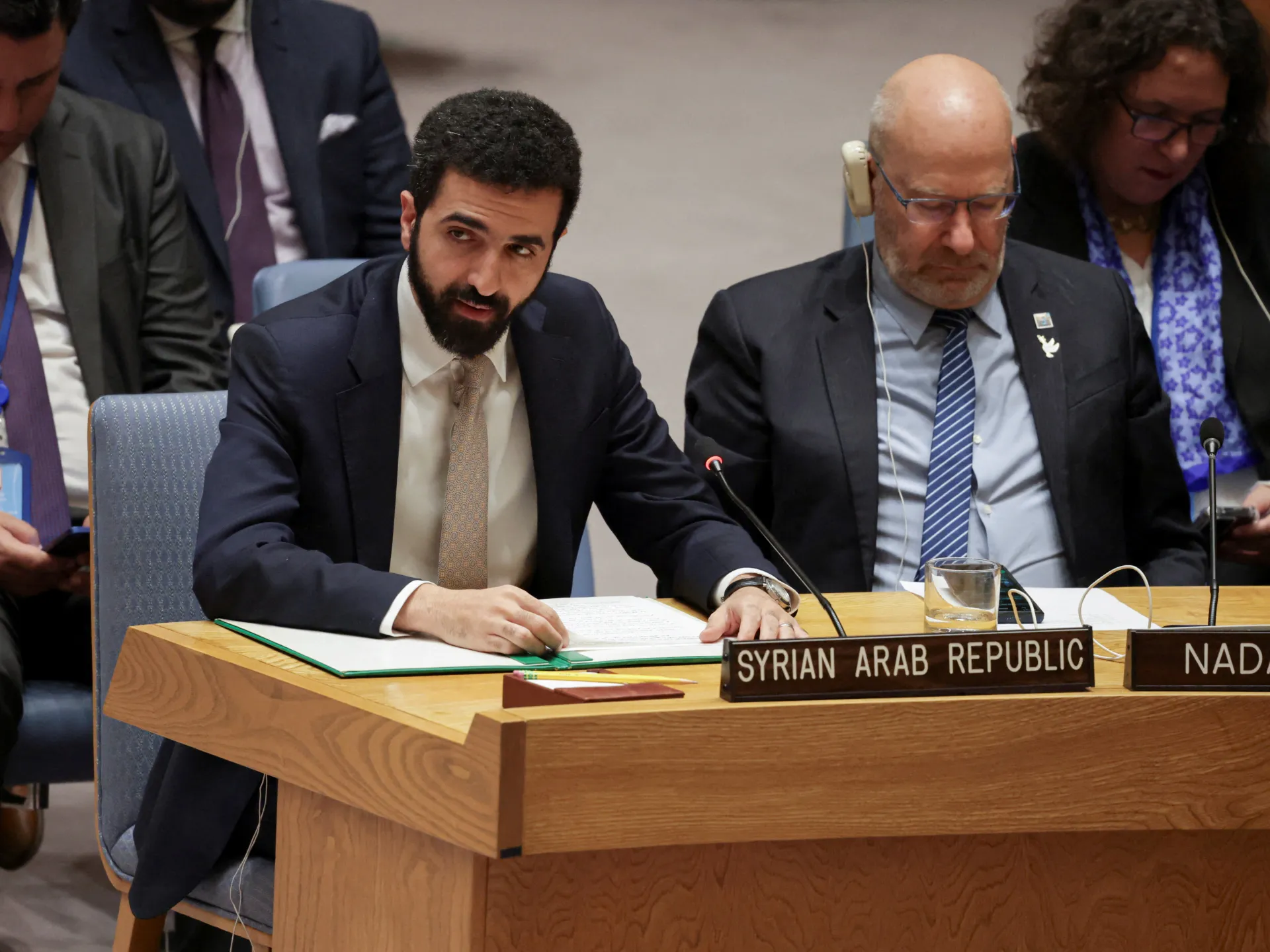
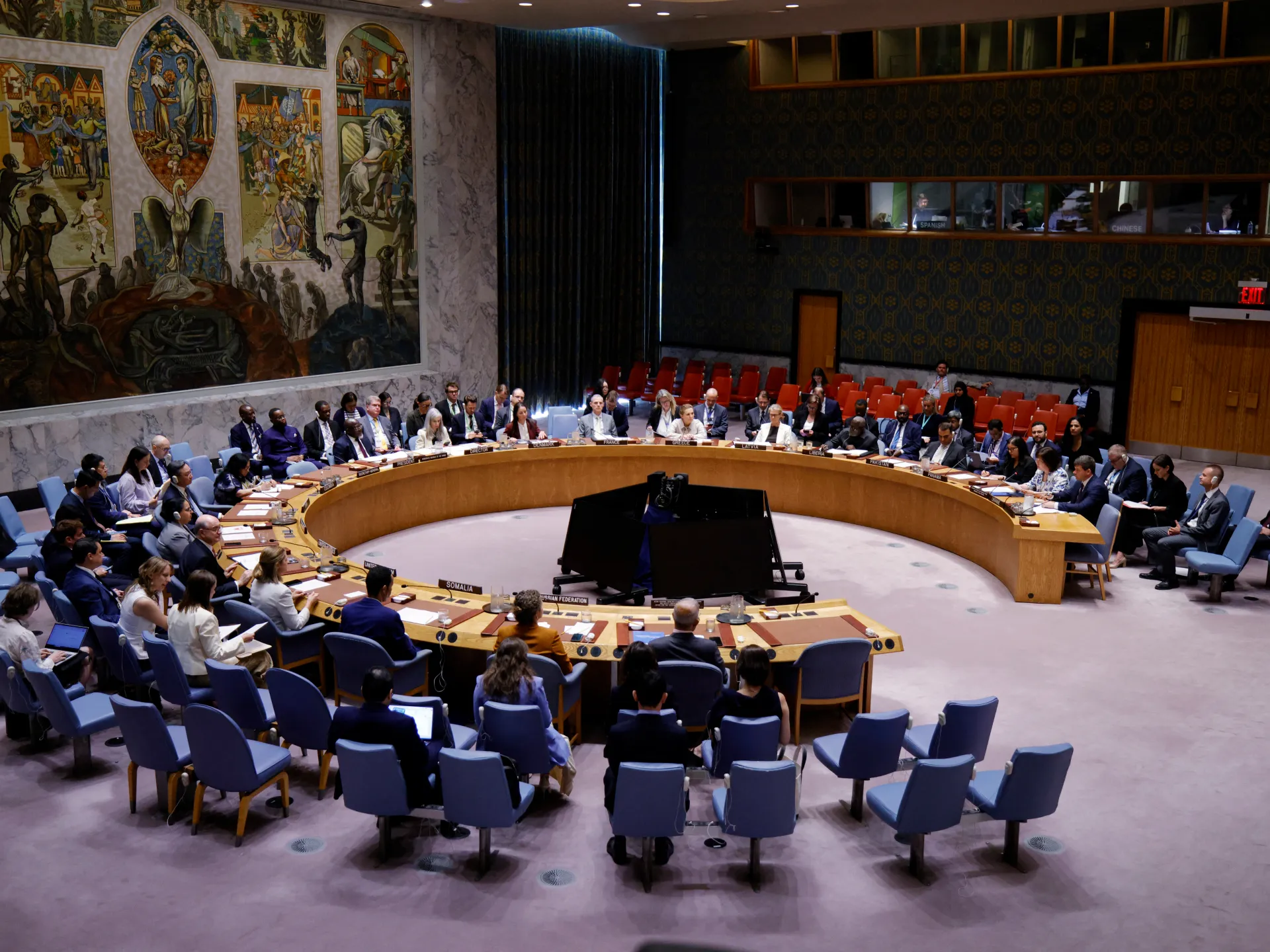
The General Debate, which serves as the centerpiece of the UNGA session, is set to feature a wide array of world leaders. With speeches scheduled from the heads of state of the US, the UK, France, and Syria, the international community is closely watching for any signs of de-escalation or shifts in rhetoric regarding the ongoing war. The inclusion of the Iranian President on the speaking schedule for Wednesday is expected to be a focal point of the week's proceedings.