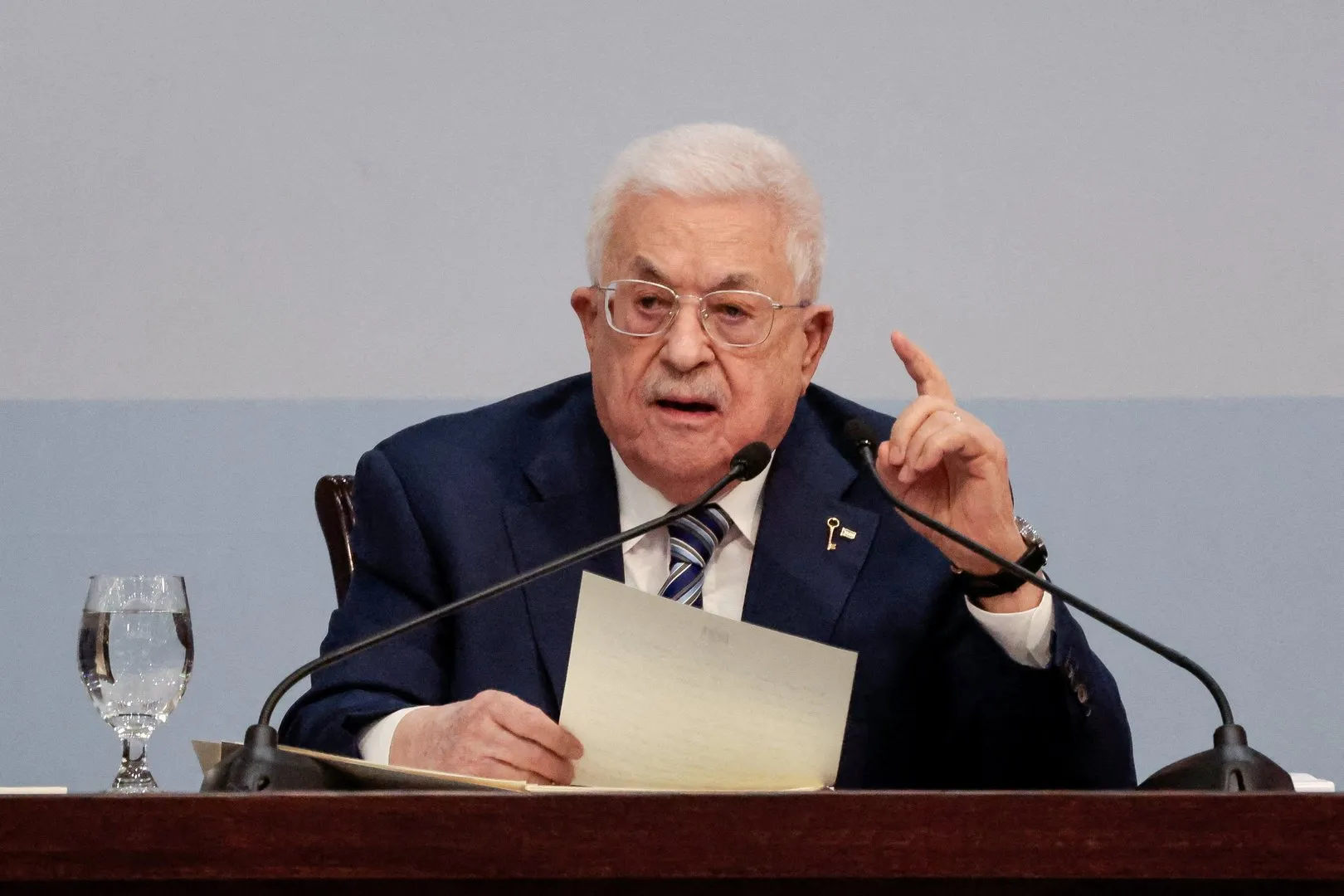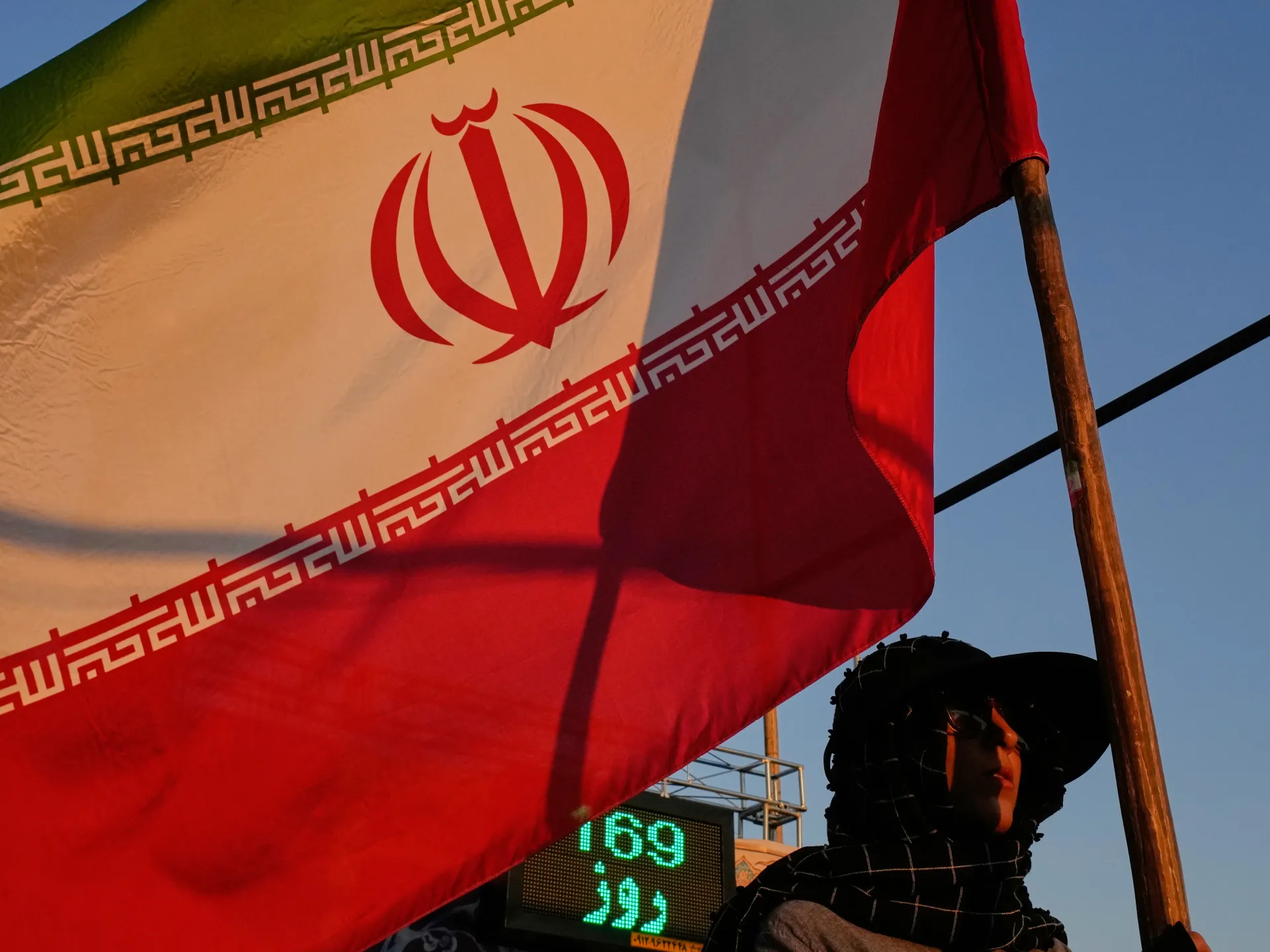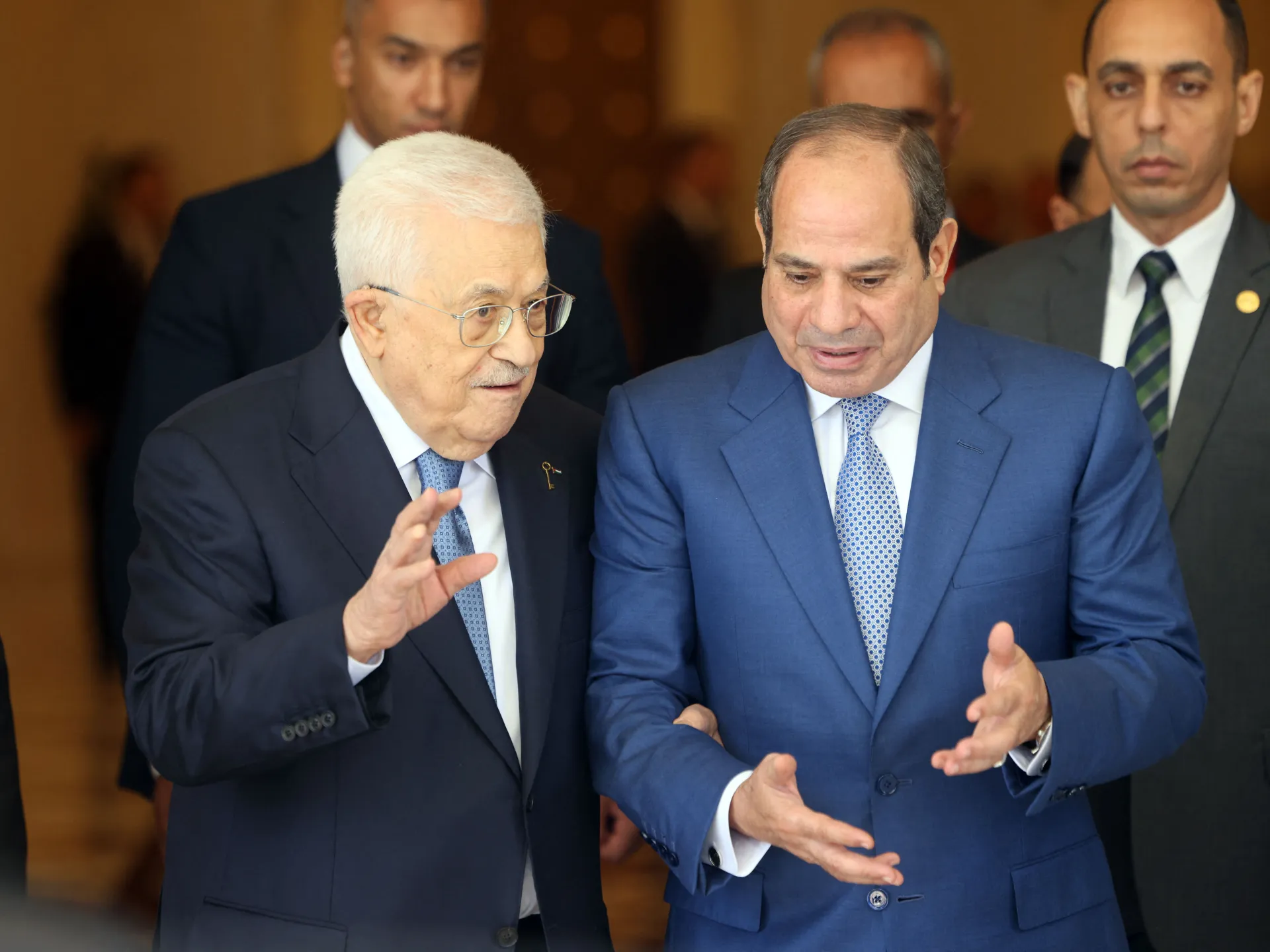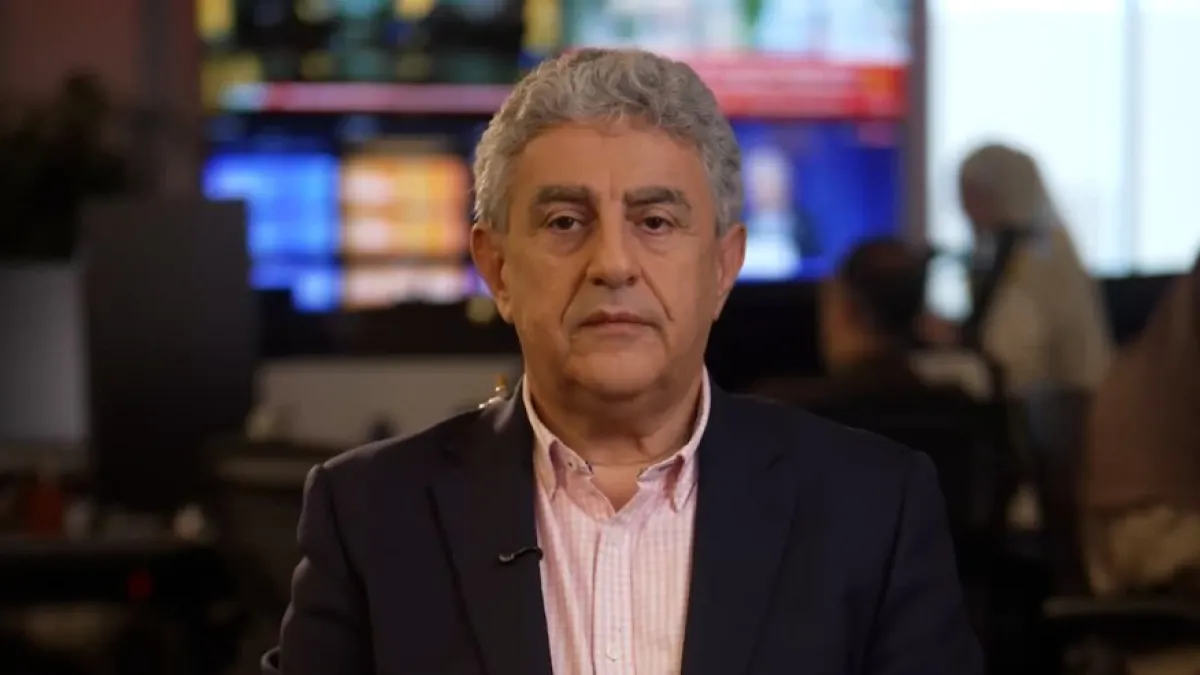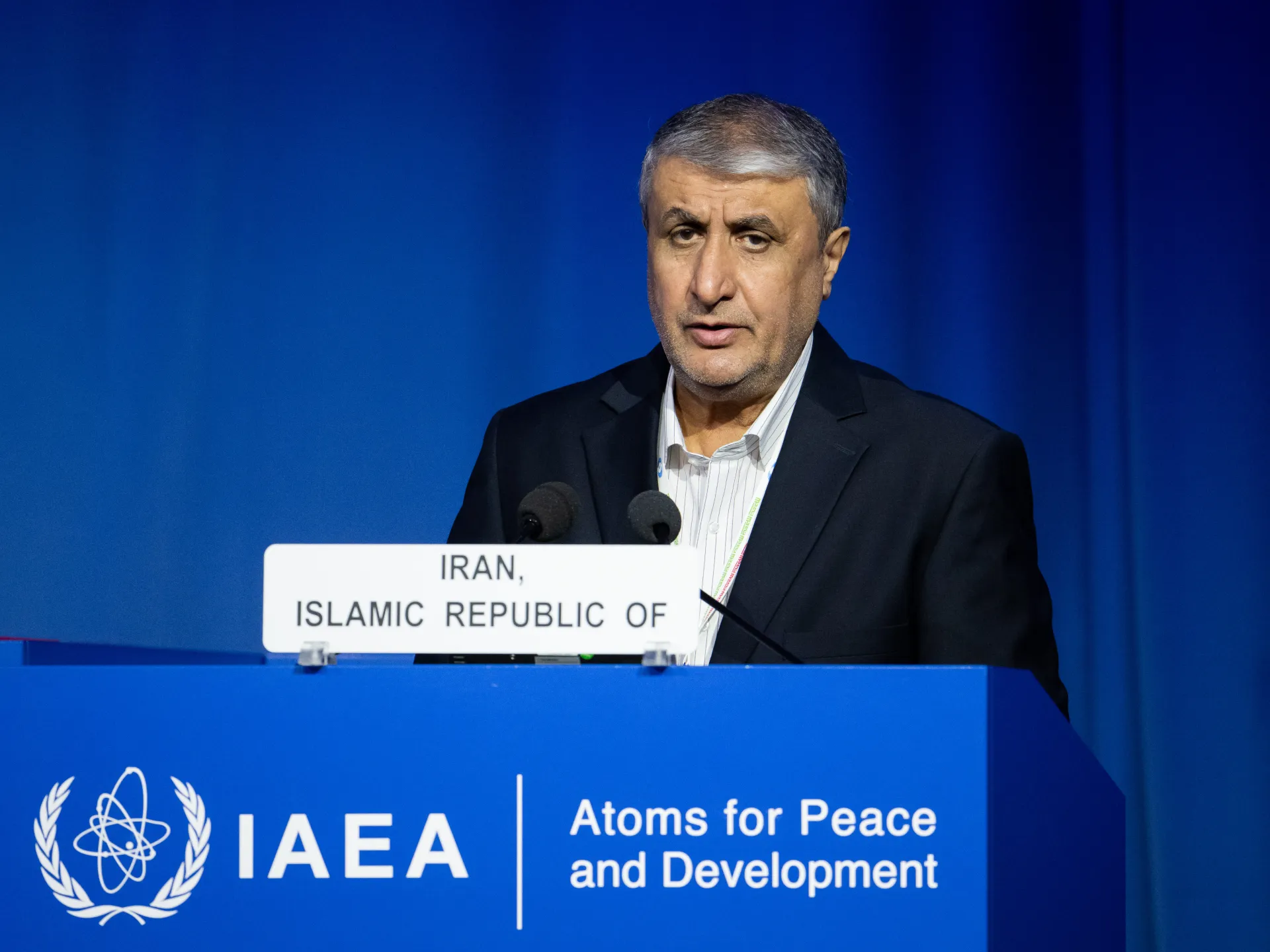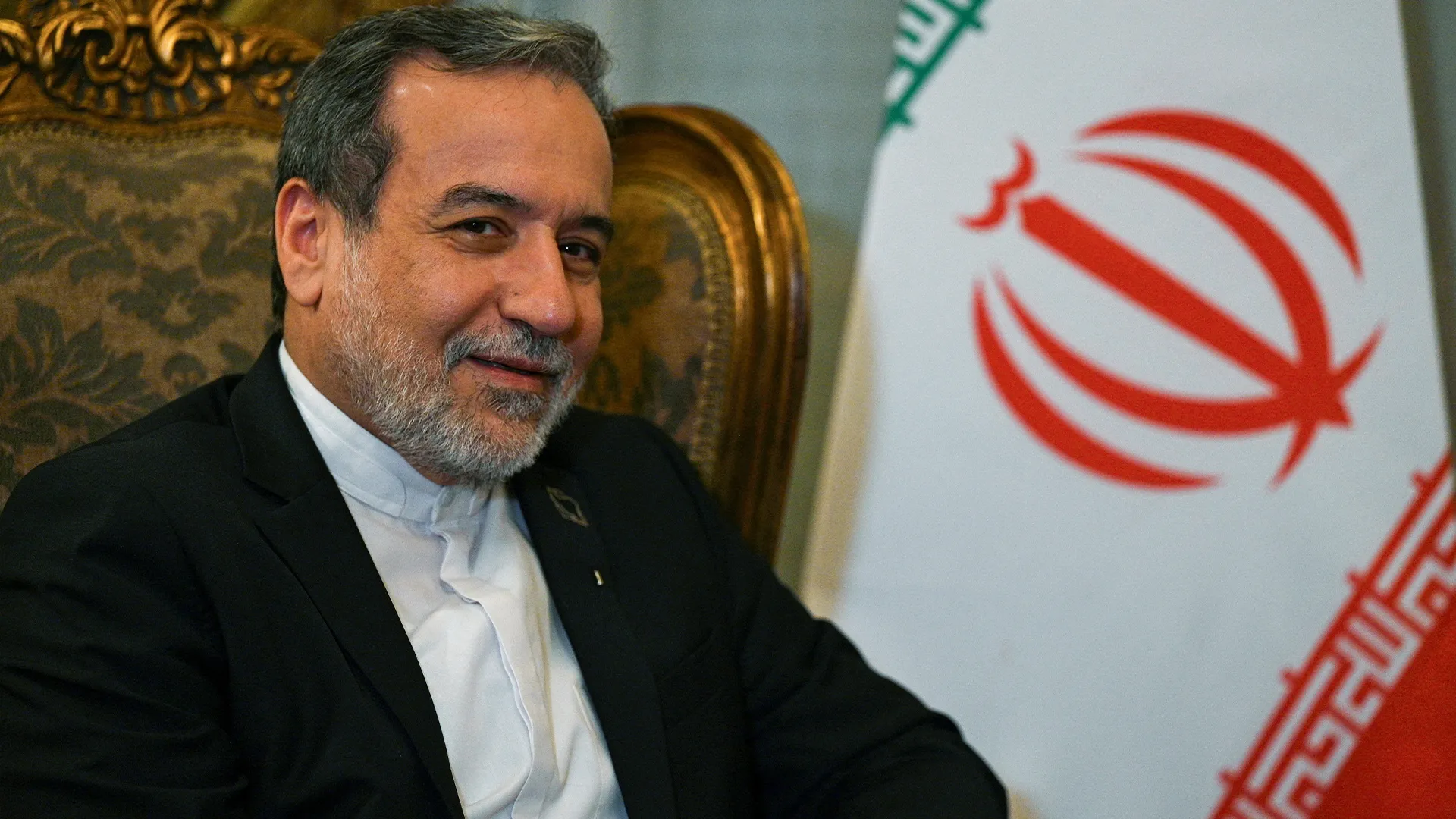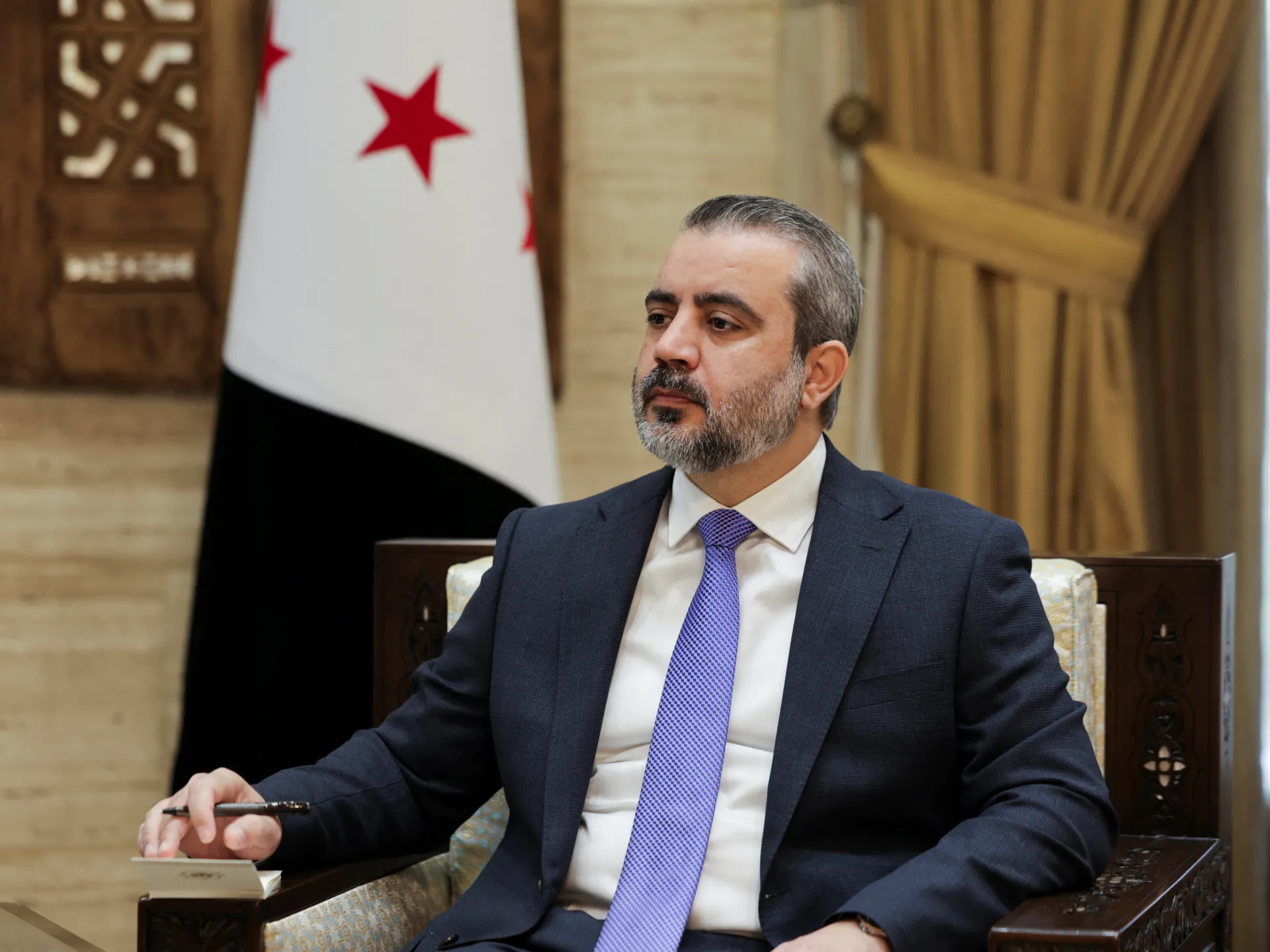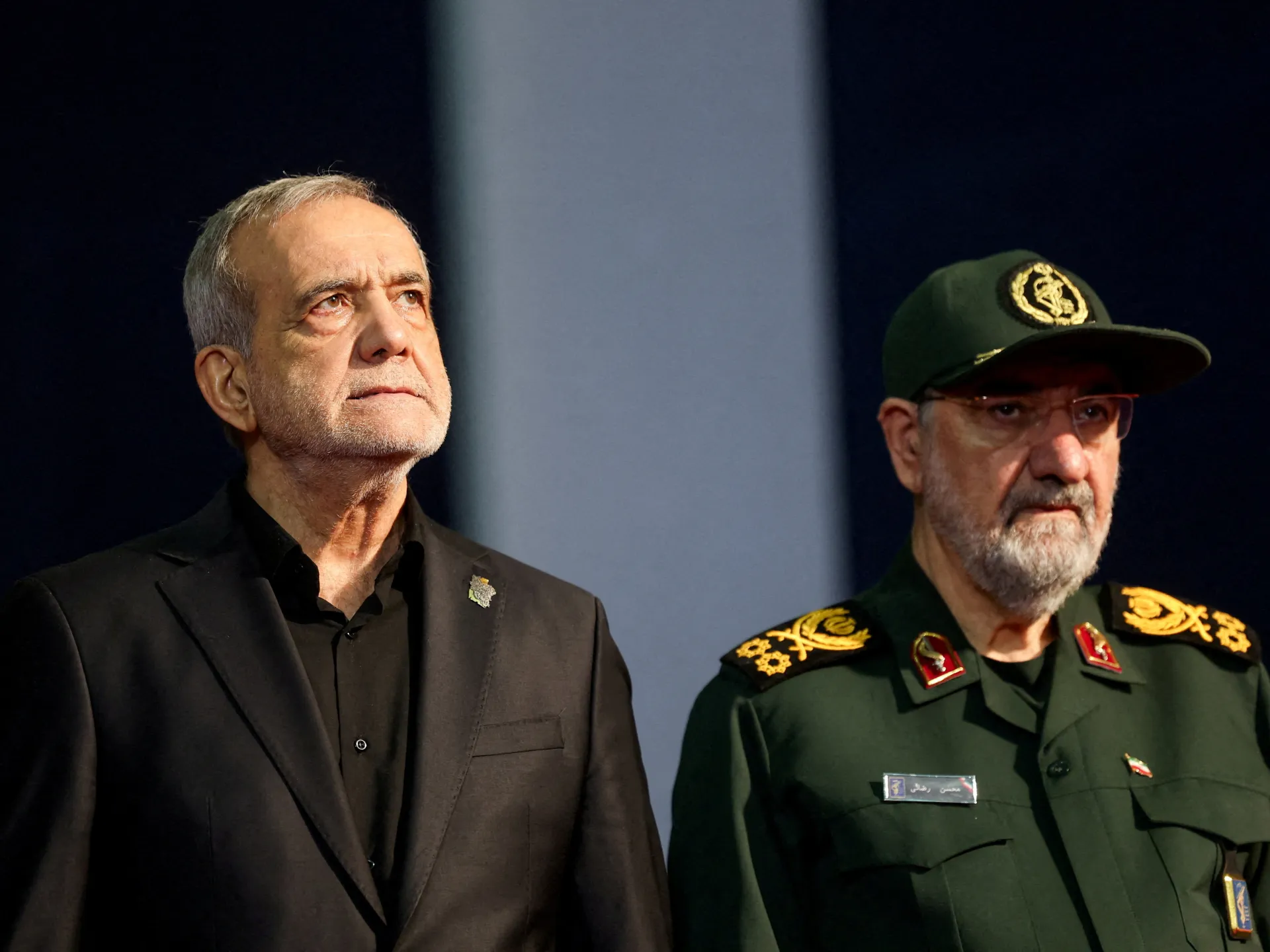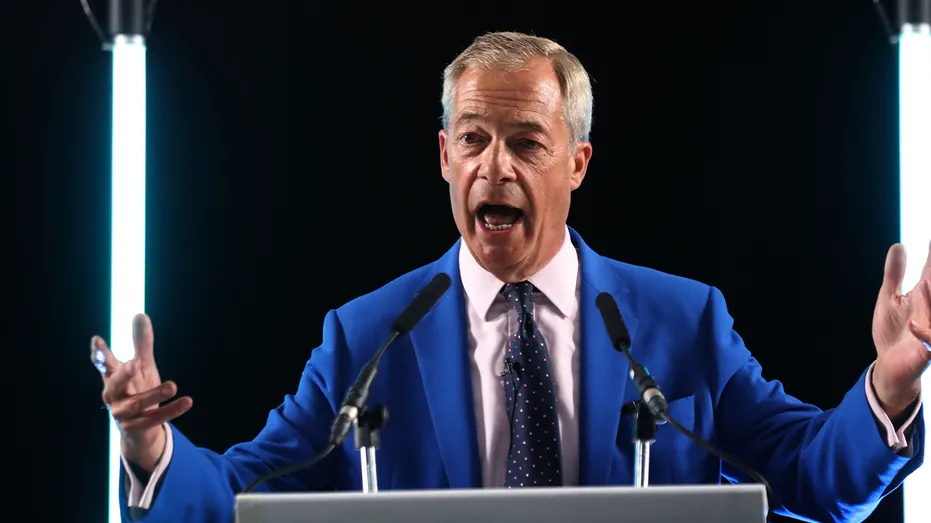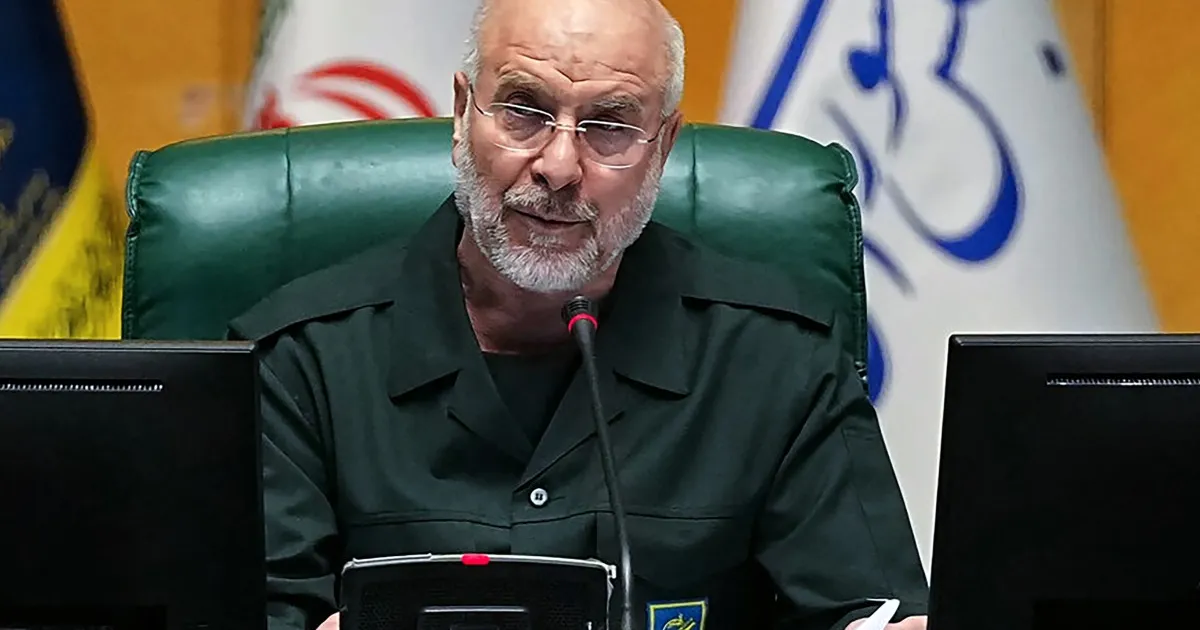
Iranian Parliament Speaker Mohammad Bagher Ghalibaf recently attempted to link US interest rate adjustments to the ongoing conflict in the Middle East.
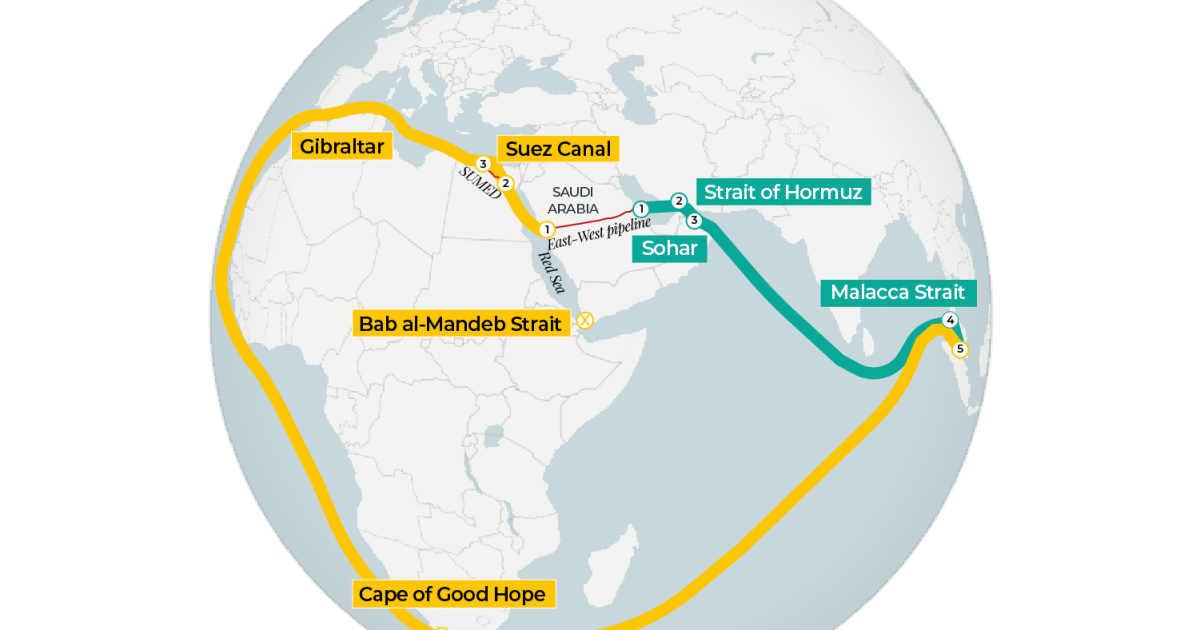
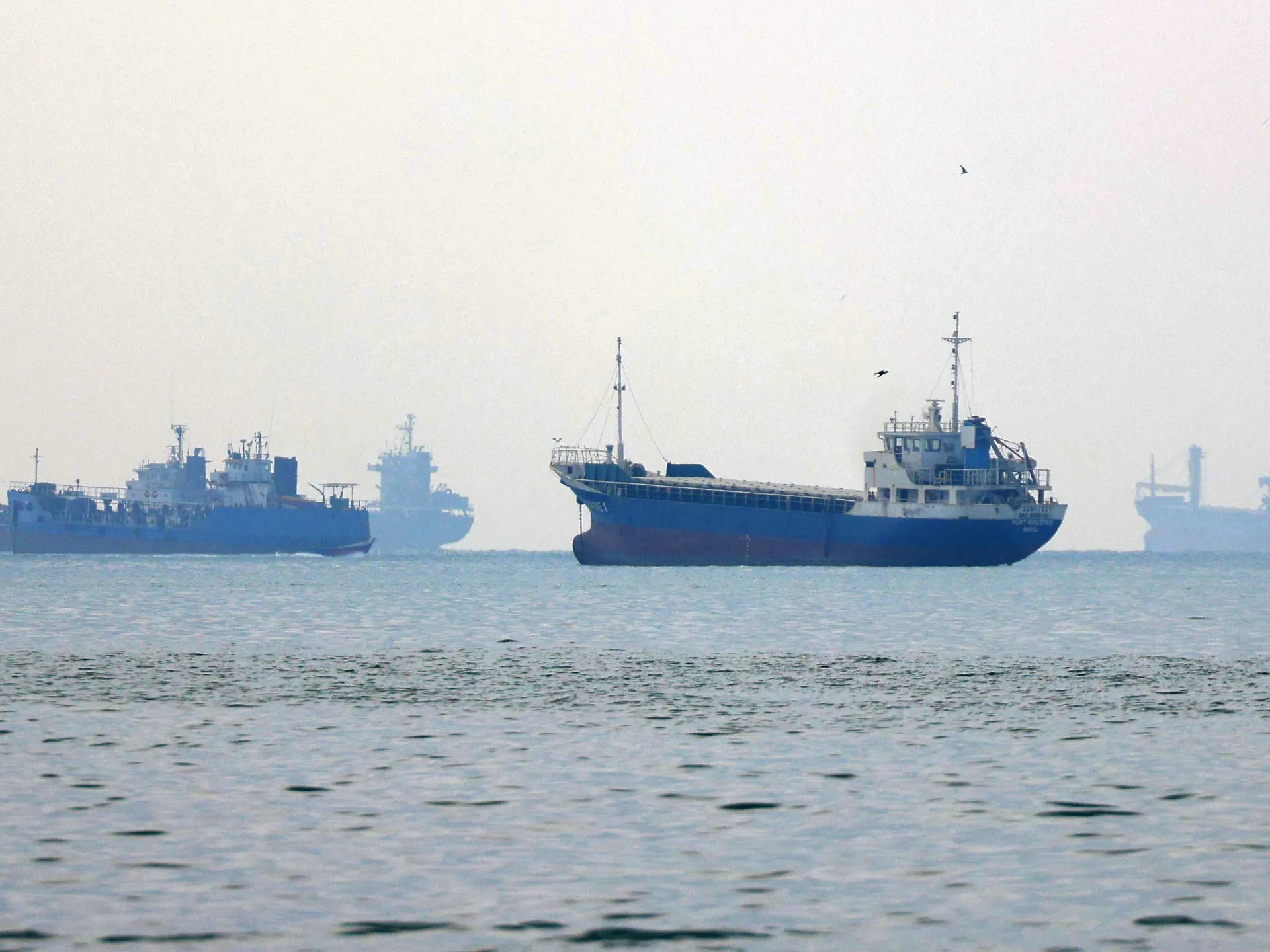
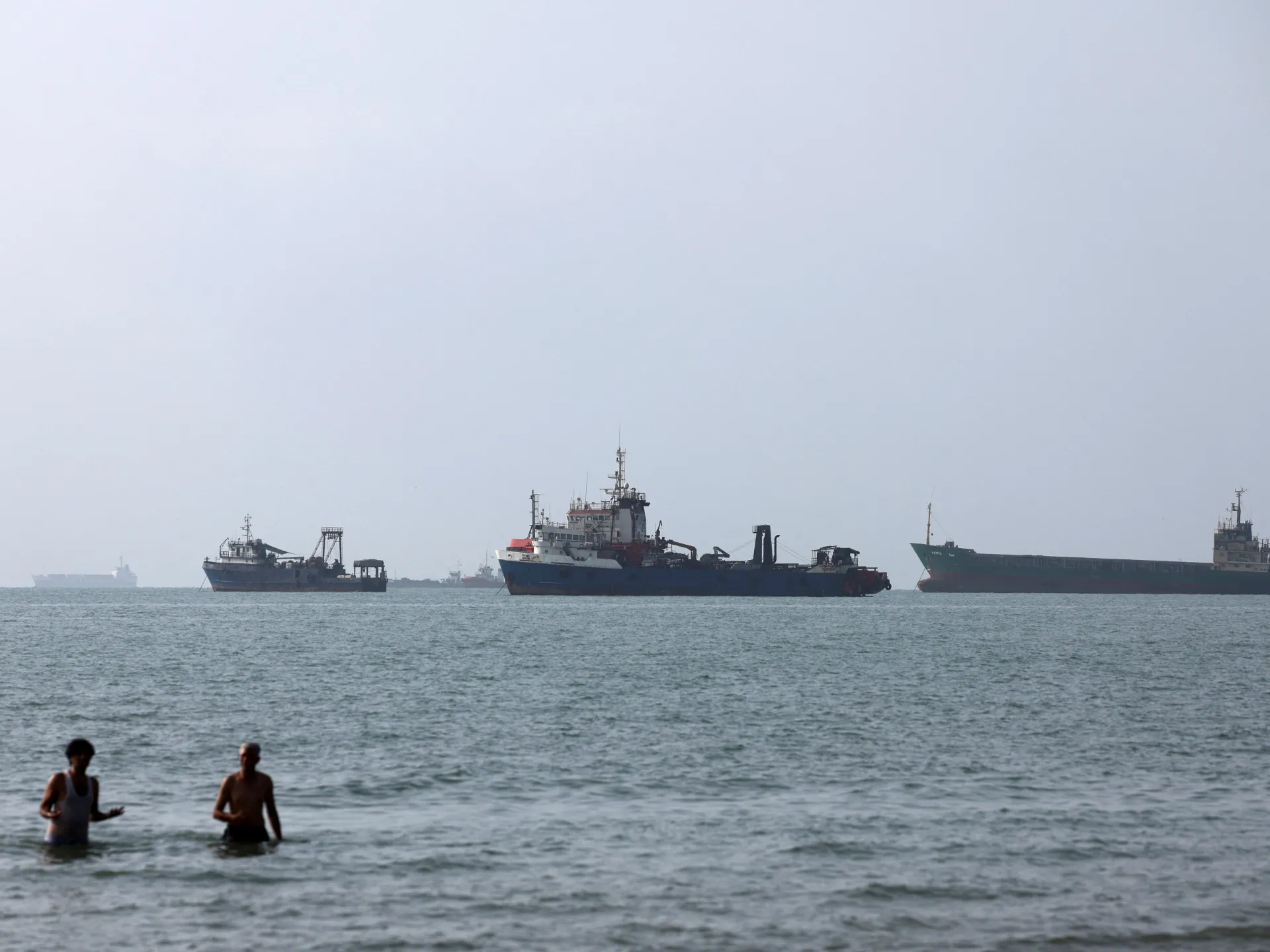
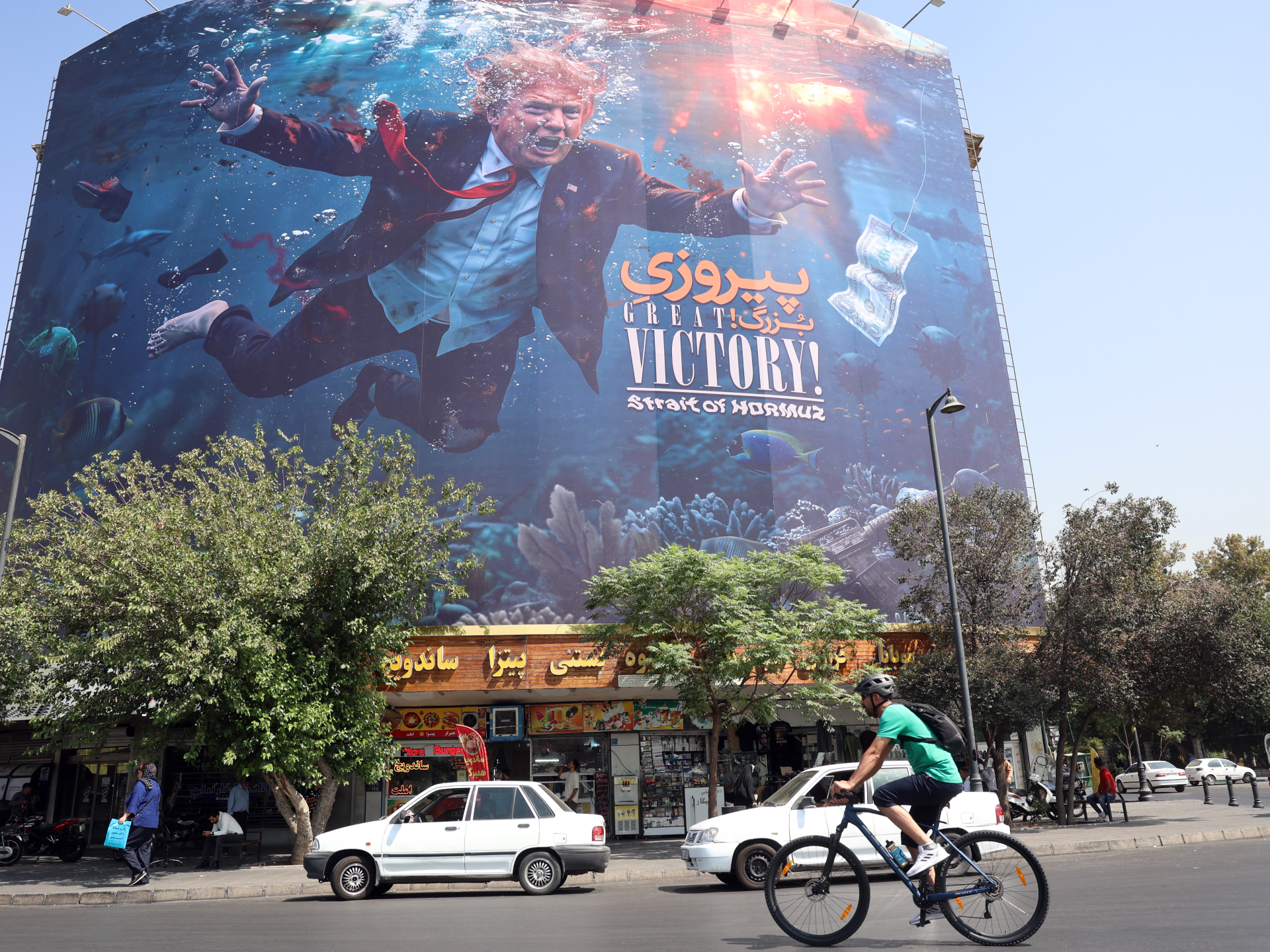
In a recent display of psychological warfare, Iranian Parliament Speaker Mohammad Bagher Ghalibaf utilized a complex economic formula to challenge the efficacy of United States financial policy. termine appropriate interest rates—Ghalibaf aimed to highlight the limitations of traditional monetary tools in the face of ongoing regional instability. His public commentary suggested that domestic US economic adjustments, specifically interest rate hikes, are ineffective at mitigating the risks associated with the Strait of Hormuz, a critical maritime chokepoint currently under Iranian control.
Ghalibaf’s messaging, which specifically mocked the Federal Reserve’s reliance on 25-basis-point adjustments, serves as a form of agitprop designed to undermine confidence in US fiscal management. conomy better than its own policymakers, the speaker has attempted to link the global energy supply chain directly to the decisions made rent conflict not just as a military engagement, but as an economic struggle where Tehran dictates the terms of the environment in which the US must operate.
The Taylor equation is a standard benchmark that economists use to forecast interest rates based on inflation trends and the gap between actual and potential economic output. In its basic form, the rule suggests that central banks should raise rates when inflation exceeds the target or when the economy overheats, and lower them when growth stalls. However, while Ghalibaf’s citation of the formula demonstrates a grasp of Western economic theory, it represents a simplified view of a complex, multi-variable process that the Federal Reserve manages based on diverse data sets.
While Ghalibaf claims that Iran essentially dictates these rates through its influence on global oil supplies, market analysts suggest this is an oversimplification. The current economic landscape in the United States is being shaped th the artificial intelligence boom and robust domestic consumer demand. These factors, alongside geopolitical tensions, create a volatile environment where the Federal Reserve must balance competing interests, meaning no single entity—even one controlling a major energy chokepoint—can unilaterally set US monetary policy.
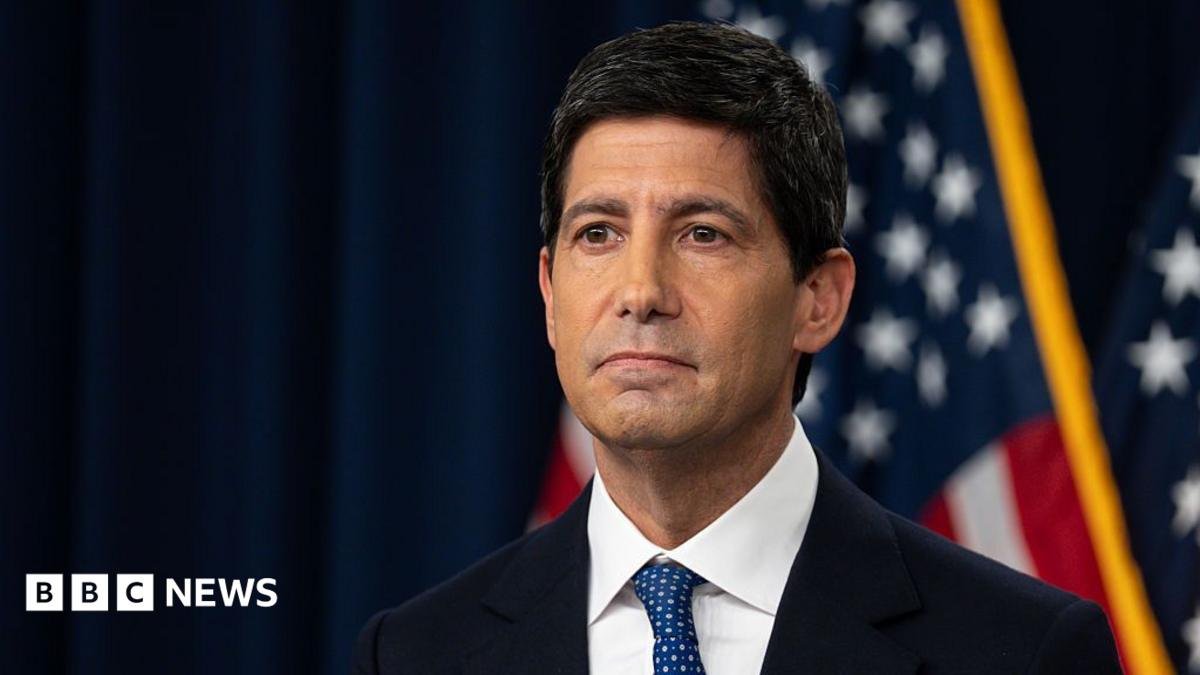
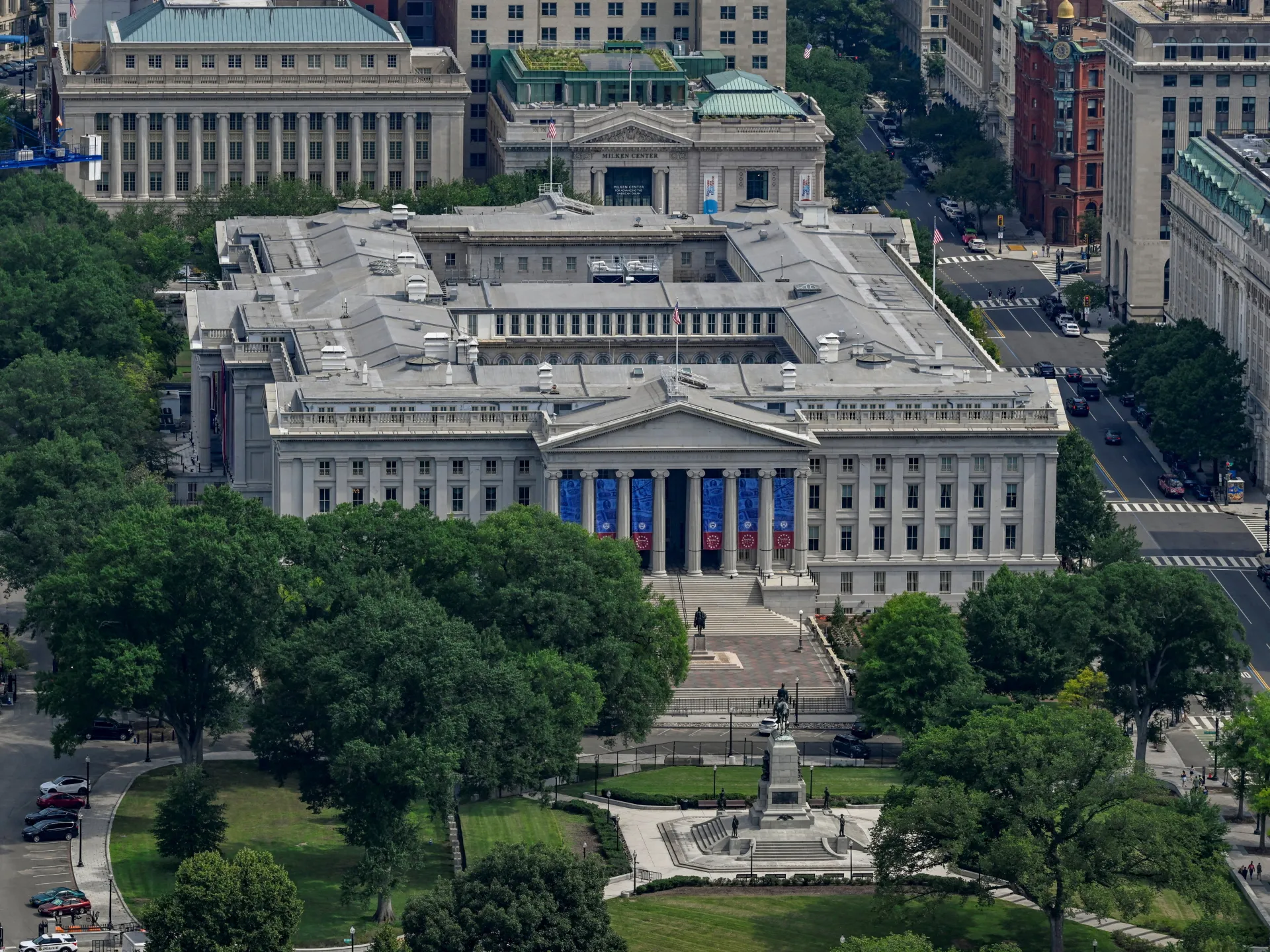
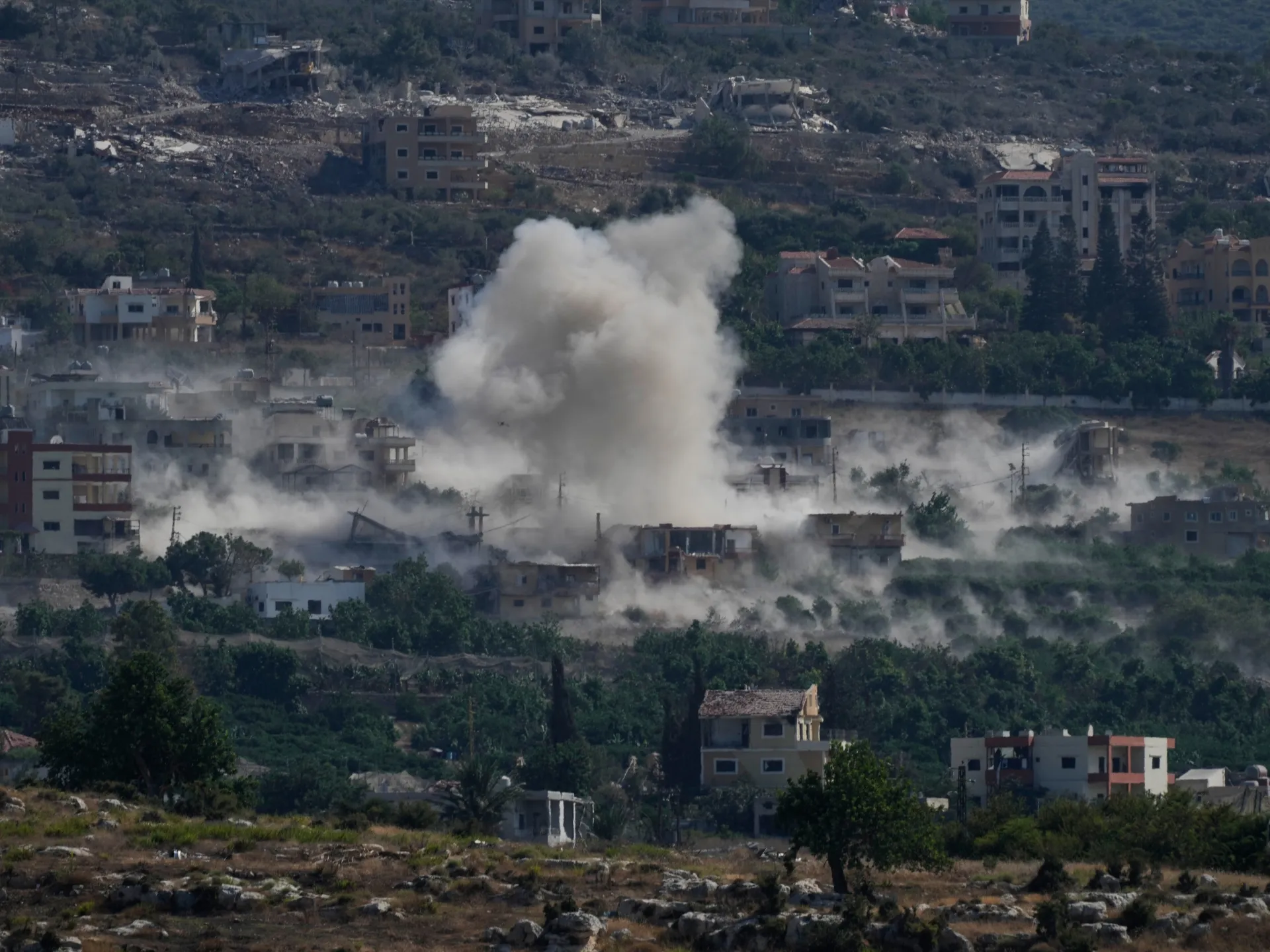
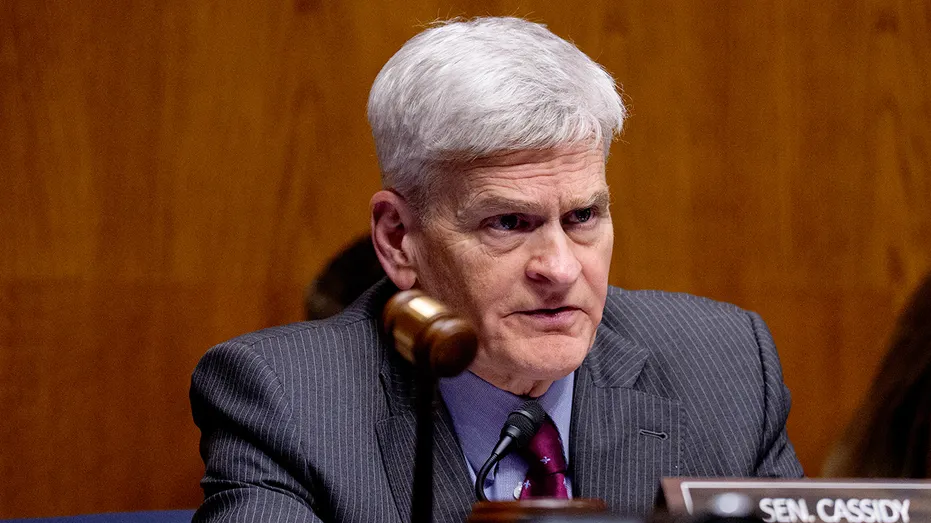
Despite the complexity of the US economy, there is a clear consensus that the ongoing conflict in the Middle East has significantly impacted inflationary pressures. The disruption of regional energy supplies has led to a spike in crude oil prices, which directly feeds into the US inflation index. Federal Reserve officials, including Chairman Kevin Warsh, have acknowledged that these global hotspots are impossible to ignore when determining the path of interest rates. The volatility in energy markets acts as a catalyst, forcing the Fed to adopt more hawkish stances to protect the domestic economy from imported price shocks.
Financial experts note that the energy spike, combined with rising yields, has effectively pushed the Federal Reserve into a corner. As the cost of energy remains elevated due to the insecurity of maritime corridors in the Middle East, the Federal Reserve faces a difficult task in stabilizing the economy. While Iran is not setting the interest rates themselves, its actions have indisputably altered the economic data points that policymakers rely on, effectively forcing the hand of the Federal Reserve in ways that align with the pressures Tehran intended to exert.
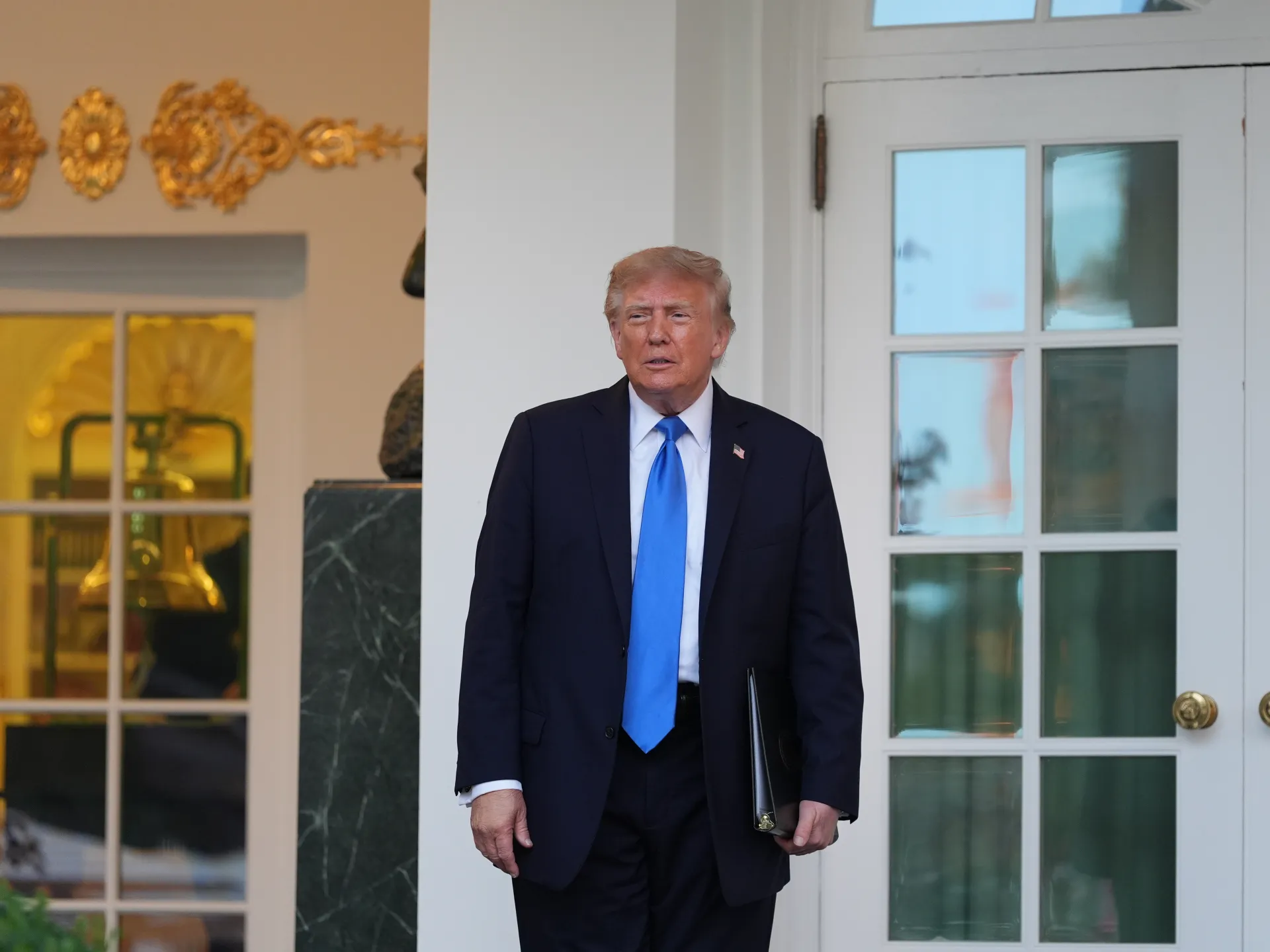
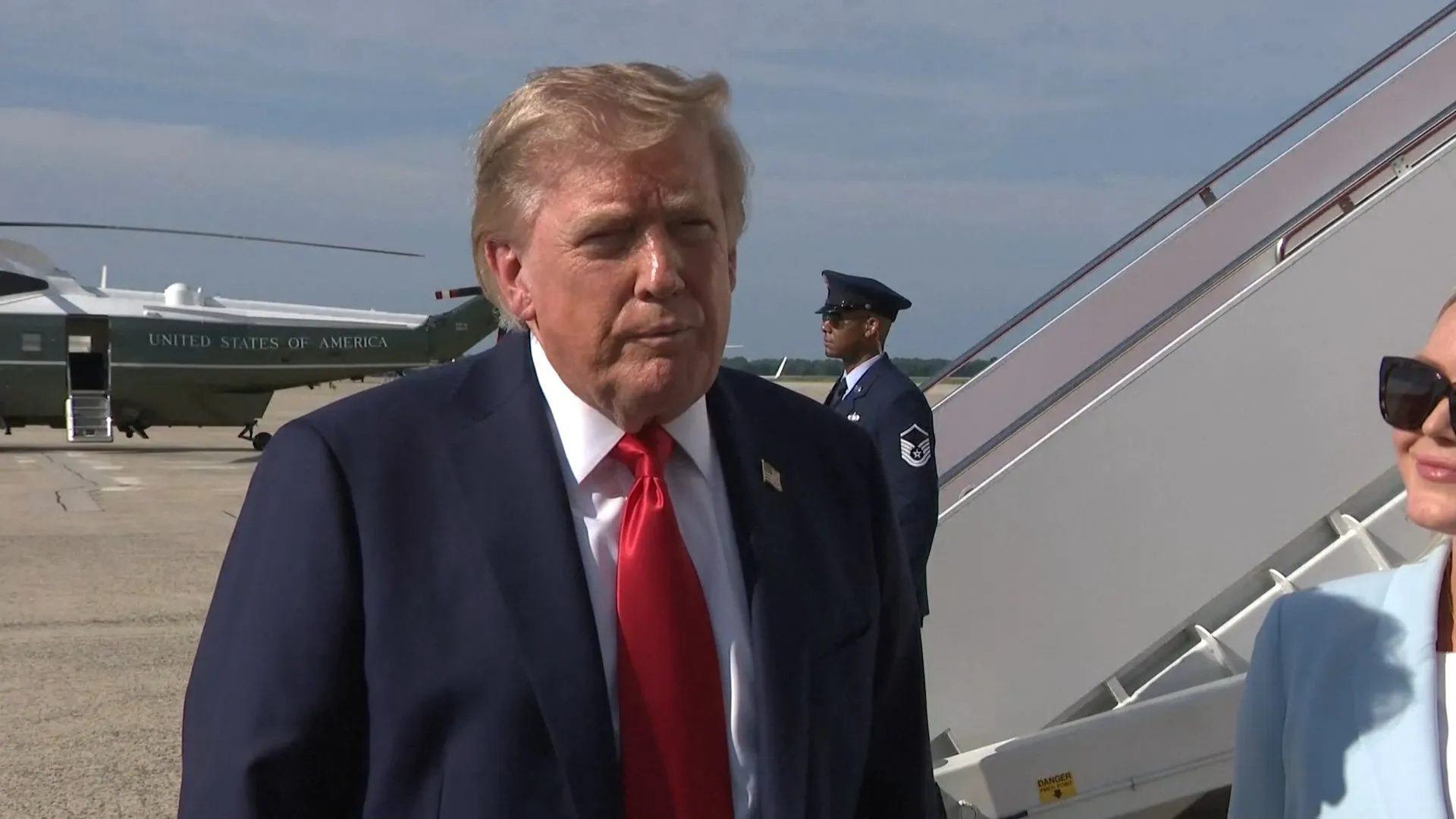
Ghalibaf’s recent mathematical commentary is part of a broader, ongoing campaign of public mocking directed at the US administration. Throughout the year, the Iranian official has used social media to target the Trump administration’s economic slogans and domestic policies, attempting to draw attention to internal American struggles such as food insecurity and rising fuel costs. to portray the US as a nation struggling to maintain control over its own destiny.
Ultimately, while these public displays are highly effective at garnering attention and sowing doubt, they should be viewed as strategic communication rather than an accurate reflection of global financial power. The US economy remains resilient, driven nificant obstacles presented reveals more about his intent to influence public perception than it does about the mechanics of the Federal Reserve’s decision-making process.